
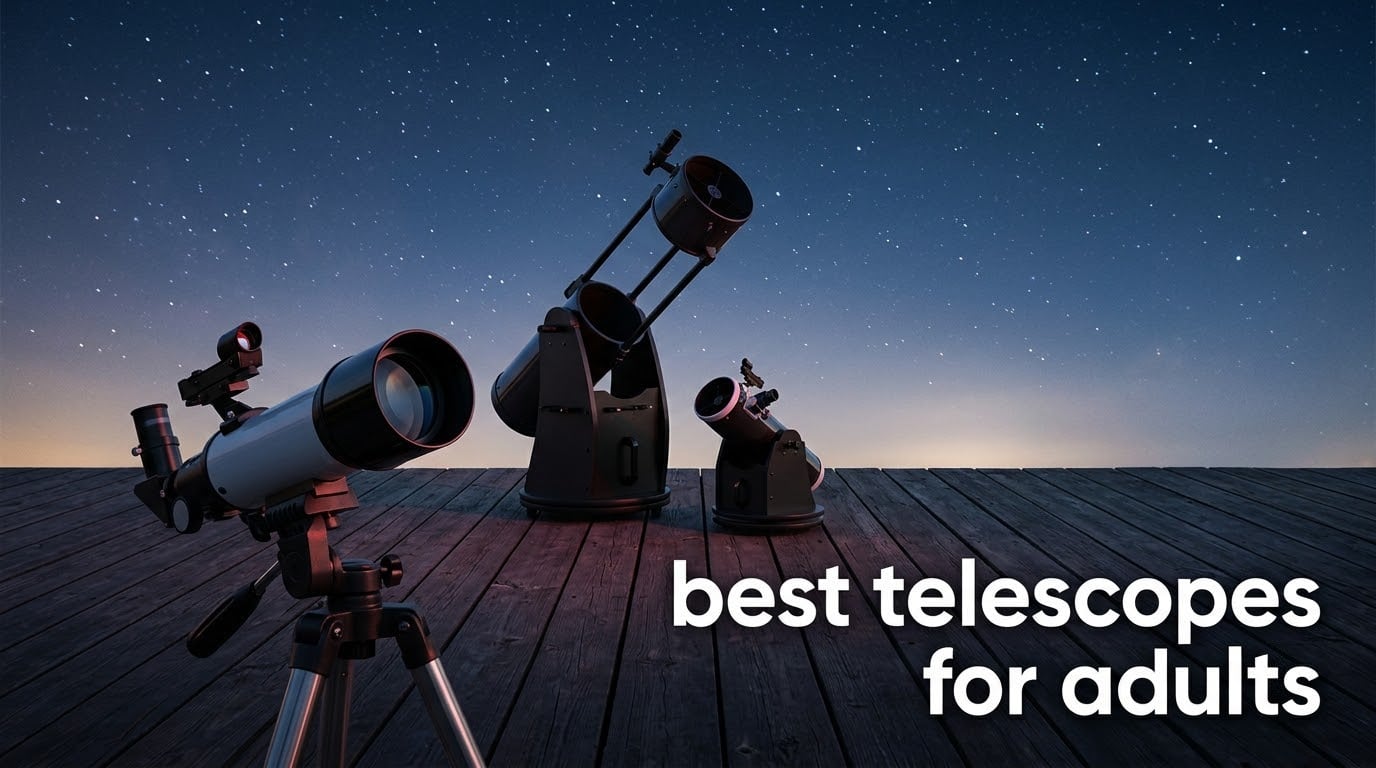
The best telescopes for adults are the ones that balance aperture with a mount that does not wobble, not the ones with the biggest number printed on the box. Aperture is the width of the main lens or mirror, and it decides how much light you gather; a scope that collects more light shows you fainter galaxies, sharper craters and more ring detail than a smaller tube cranked up to a huge magnification it cannot support. Spend your money there, and on glass that holds steady while you watch.
I have been putting budget and mid-range scopes through their paces for years, mostly on moonlit backyards and the two or three genuinely dark sites within driving distance of my home. This roundup covers twelve telescopes that make sense for an adult buyer: everything from a four-pound grab-and-go refractor to a 45-pound Dobsonian that needs two people to move. Each pick below gets a verdict, the reason it earns its spot, and a clear note on who should skip it.
One framing note before we start. Adults rarely fail at telescopes because the optics are too weak. They fail because a cheap tripod shakes with every breath, because a refractor fringes every star purple, or because a Newtonian arrives out of collimation and nobody tells them how to fix it. Every recommendation here is weighted toward the things that actually survive five years of use, including the honest drawbacks, because a telescope you still reach for in 2026 is worth more than a clever one you abandon in a cupboard.
If you are still narrowing the field, our guides on telescopes for beginners and Dobsonian telescopes for deep-sky observing break the category down by design, and this roundup picks up where those leave off by focusing on what an adult buyer specifically needs.
Table of Contents
Top 3 Picks for Adults in 2026

Celestron Travel Scope 70mm
- 70mm fully coated aperture
- 400mm focal length
- 4.2 pound tool-free setup
- Backpack and dual eyepieces included
Celestron PowerSeeker 127EQ
- 127mm parabolic mirror
- 1000mm focal length
- German equatorial mount
- 20mm and 4mm eyepieces with 3x Barlow

Celestron AstroMaster 130EQ
- 130mm coated mirrors
- 650mm focal length
- Red dot StarPointer finder
- Right ascension and declination slow motion
The Celestron Travel Scope 70mm takes our top slot because it does the least and does it well: it opens in under a minute, weighs 4.2 pounds, and shows a crisp Moon and the brighter planets straight out of the bag. It is the pick I recommend to anyone who wants to look up without rearranging their evening around a setup ritual.
The PowerSeeker 127EQ is the value winner. A 127mm mirror on a German equatorial mount is real observing hardware at a price most adults will pay once, and the 1000mm focal length gives it genuine reach on Saturn once you have aligned the mirrors.
The AstroMaster 130EQ is our premium step-up. Two slow-motion knobs and a red dot finder make pointing genuinely easy, and 130mm of aperture is where the deep sky starts to look like the photographs you have seen.
Best Telescopes for Adults (September 2026)
| Product | Specifications | Action |
|---|---|---|
| Celestron Travel Scope 70mm |
|
Check Latest Price |
| Celestron PowerSeeker 127EQ |
|
Check Latest Price |
 Koolpte AZ80600 80mm Koolpte AZ80600 80mm |
|
Check Latest Price |
| Celestron AstroMaster 130EQ |
|
Check Latest Price |
 Gskyer AZ90600 90mm Gskyer AZ90600 90mm |
|
Check Latest Price |
 Celticbird 80600 80mm Celticbird 80600 80mm |
|
Check Latest Price |
 MEEZAA 90800 90mm MEEZAA 90800 90mm |
|
Check Latest Price |
 Gskyer EQ-130 5.1 inch Gskyer EQ-130 5.1 inch |
|
Check Latest Price |
 MEEZAA 150EQ MEEZAA 150EQ |
|
Check Latest Price |
 Sky-Watcher Classic 200 Dobsonian Sky-Watcher Classic 200 Dobsonian |
|
Check Latest Price |
 Sky-Watcher Skymax 102 Mak-Cass Sky-Watcher Skymax 102 Mak-Cass |
|
Check Latest Price |
 Sky-Watcher Heritage 150 Tabletop Dobsonian Sky-Watcher Heritage 150 Tabletop Dobsonian |
|
Check Latest Price |
A few patterns jump out of that table before you read a single review. Six of the twelve are refractors, which need no collimation and hold alignment forever. Five are reflectors, which give you far more aperture per pound and need their mirrors aligned. The remaining scopes are compound designs that fold a long focal length into a short tube. Weight is the number most buyers underestimate: it ranges from 4.2 pounds to 45 pounds assembled, and that spread decides whether you observe from a balcony or load a car to reach a dark site.
1. Celestron Travel Scope 70mm — Best Grab-and-Go Telescope for Adults
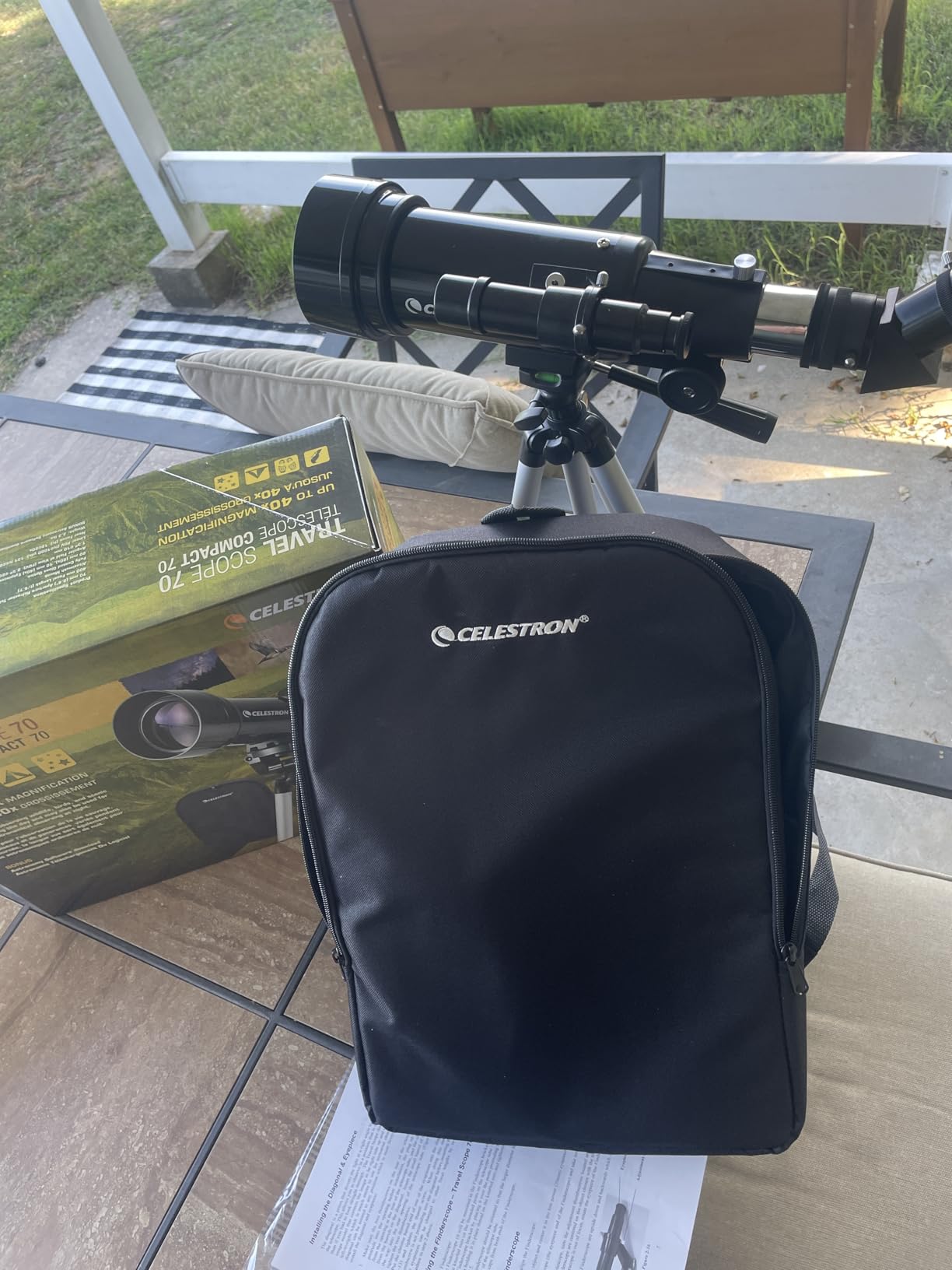
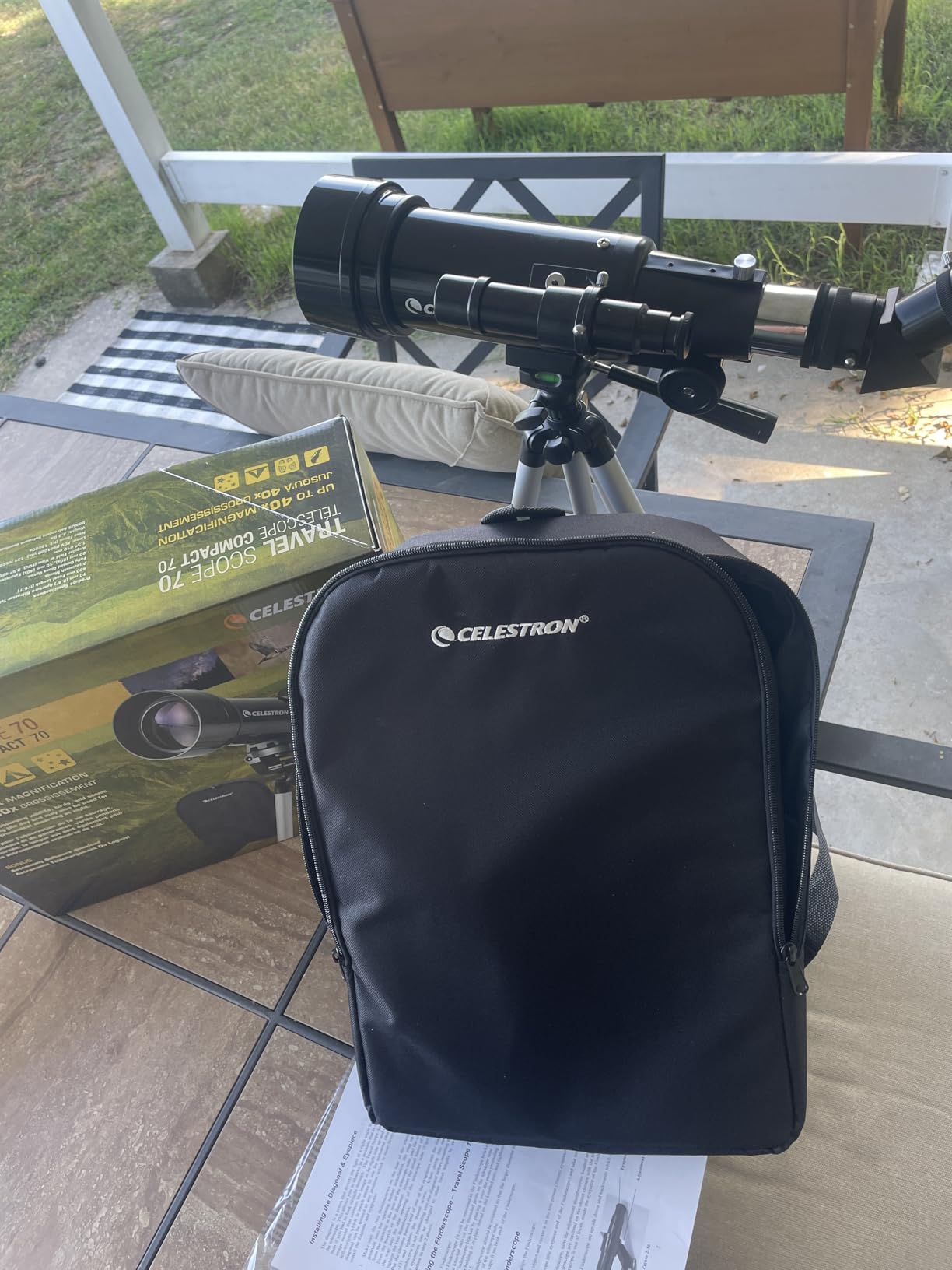
Celestron Travel Scope 70mm Beginner Portable Telescope with Backpack
70mm fully coated aperture
400mm focal length
Altazimuth mount
4.2 pounds
Pros
- Tool-free setup that packs into the included backpack
- Bright sharp views of the Moon and planets
- Dual 20mm and 10mm eyepieces included
- Genuinely portable at 4.2 pounds
Cons
- 70mm aperture limits faint deep-sky targets
- Short 400mm focal length caps magnification
- No slow-motion fine tuning on the altazimuth mount
This is the scope I hand to friends who say they do not want a hobby, just something to look through. The tripod and tube go together without tools, the whole thing fits in the supplied backpack, and at 4.2 pounds it moves from a hallway cupboard to a car park in one hand. There is no collimation step, no polar alignment, and nothing to learn before the first view.
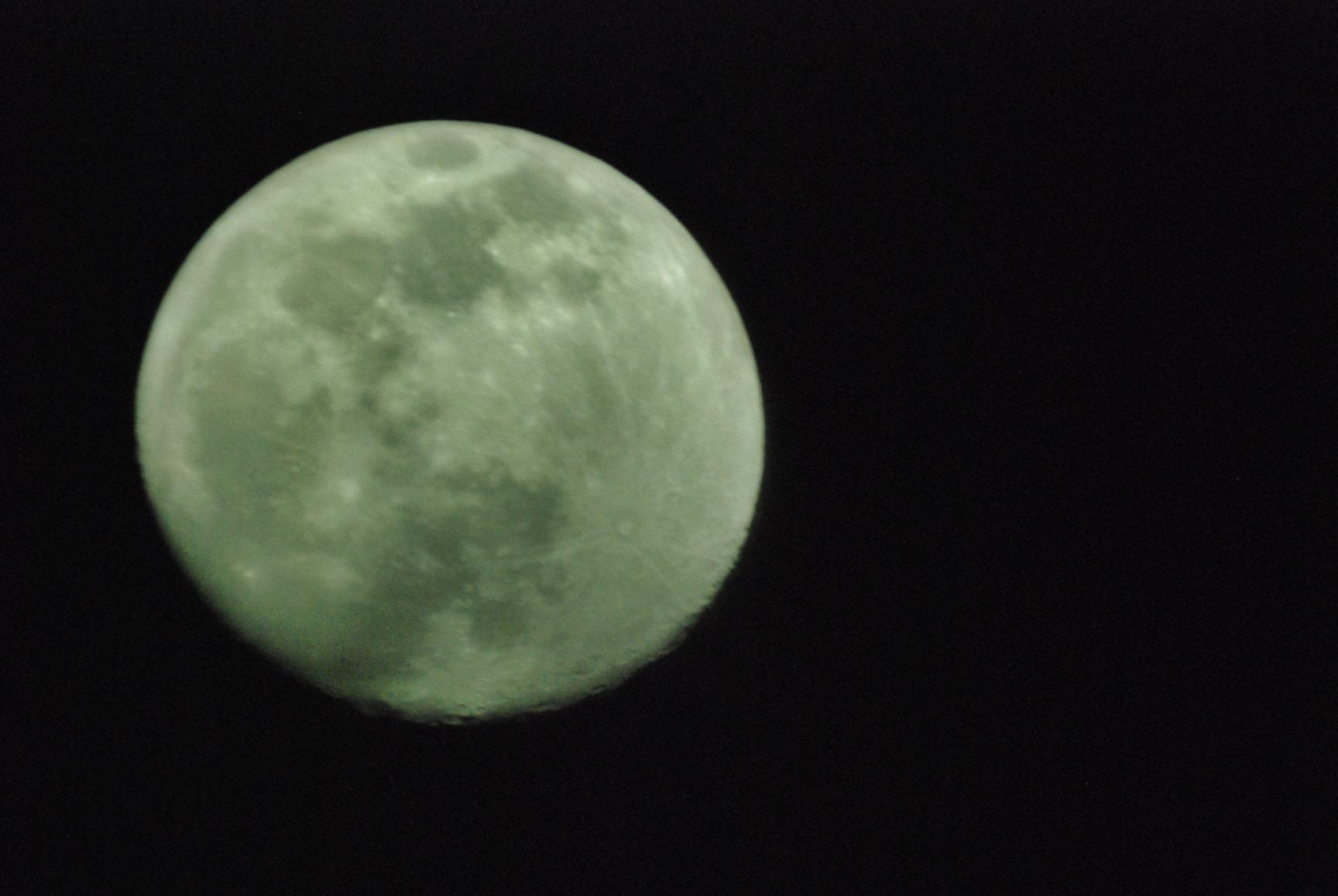
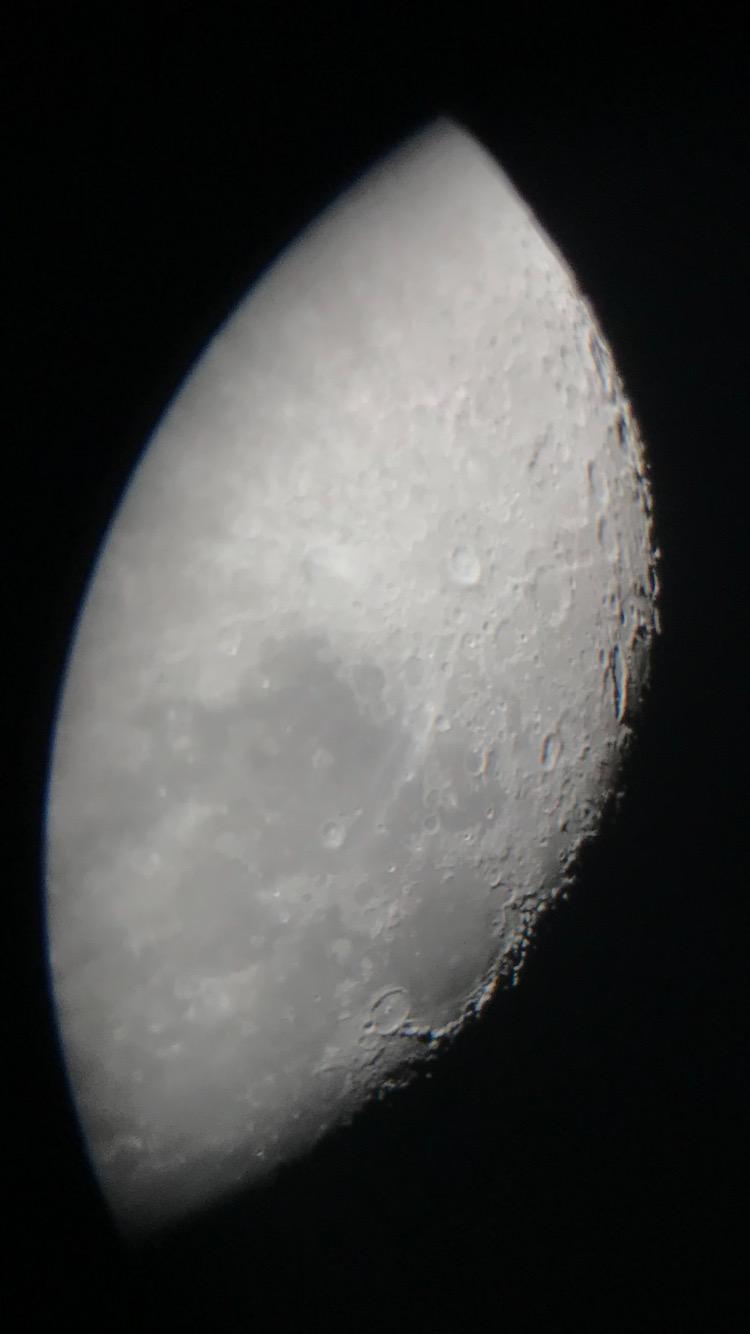
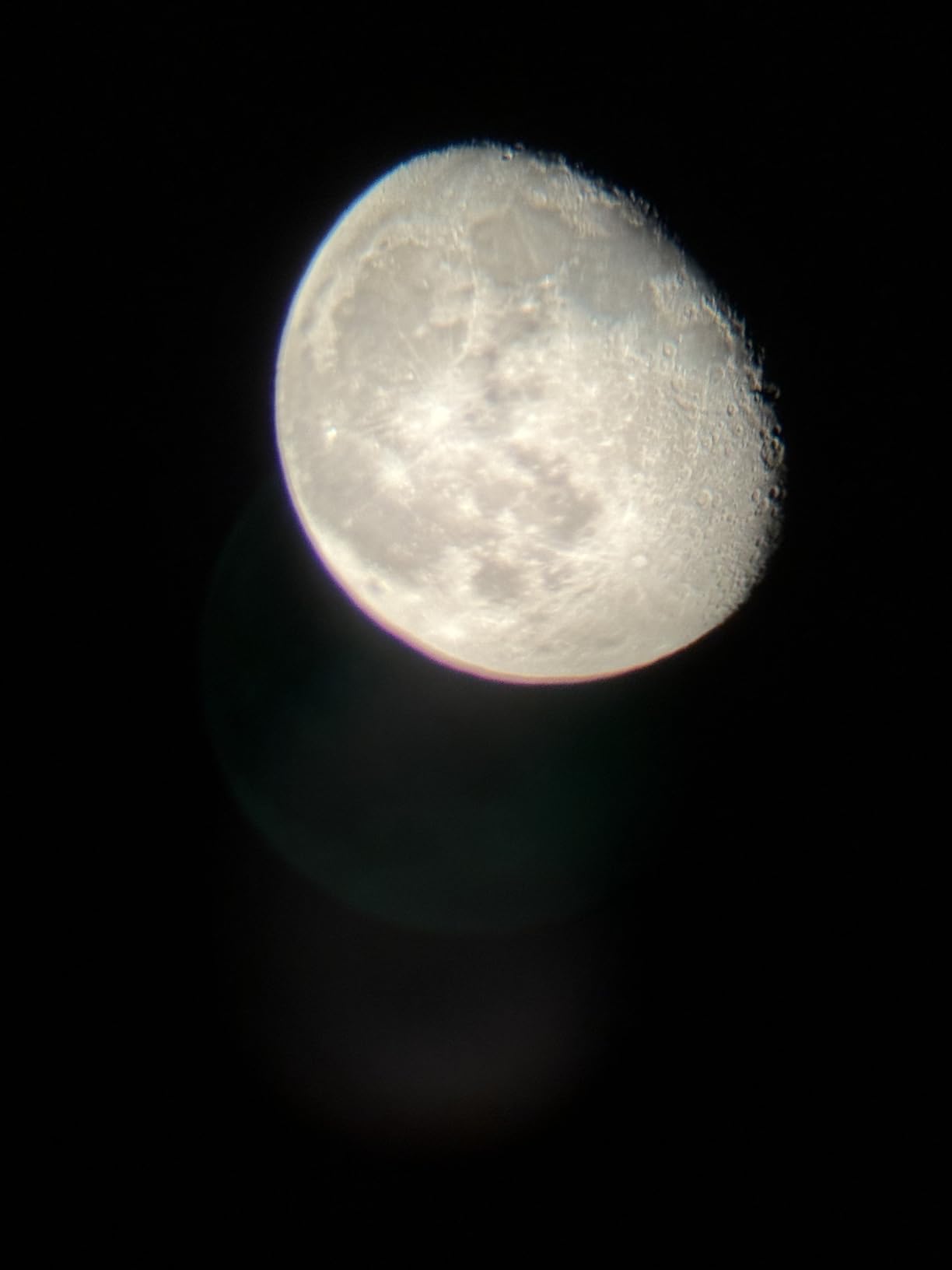
On the Moon it does what you want a first telescope to do. Craters along the terminator show clear shadow edges, and the phase reads honestly. The two included eyepieces, 20mm and 10mm, give you a wide sweep of sky and a closer look without buying anything else, and the fully coated glass holds contrast well for a 70mm tube.
Saturn is visible, though the rings resolve as a shape rather than as separated ringlets, and Jupiter’s largest moons move noticeably across the field over an evening. The 400mm focal length is short, so the maximum useful magnification stays modest and pushing past roughly 100x just softens the image. That is the trade: this scope rewards wide, relaxed viewing rather than high power.
Owners report consistent praise for the setup speed and the backpack, with the recurring complaint being aperture. Under suburban skies, targets like the Veil Nebula or anything genuinely faint simply do not show up, and no amount of eyepiece swapping changes that. Budget a few extra dollars for a 25mm wide-field eyepiece later, and the Moon and planets get noticeably better.
Who This Telescope Suits
It suits adults who want a weekend hobby they can start immediately, people observing from a balcony or garden where storage space is tight, and anyone who wants to travel with a scope in a backpack. It also works as a daytime birding and landscape scope, which quietly extends the hours you can use it.
It also suits nervous first-time buyers. There is no failure mode that cannot be undone, no alignment to get wrong, and no electronics to fight. That is a real advantage over a computerized mount when you just want to see something tonight.
Who Should Skip It
Skip it if your ambition is galaxies and nebulae from a bright suburban garden, because 70mm of aperture will not get you there no matter what accessories you add. Skip it too if you want to photograph the sky, since a manual altazimuth mount with no tracking cannot hold a target still for a long exposure.
It is also the wrong pick for a tall adult who will be hunched over a short tripod for a whole session, or for anyone who wants a single instrument for both planets and faint deep-sky objects. For deep sky, move up in aperture; we cover those in the Dobsonian buying guide.
2. Celestron PowerSeeker 127EQ — Best Value Reflector for Adults
Celestron PowerSeeker 127EQ Reflector Telescope for Home Astronomy
127mm coated parabolic mirror
1000mm focal length
German equatorial mount
13 pounds
Pros
- Strong light gathering for the price once collimated
- Slow-motion controls for smooth tracking
- Compact 127mm tube is easy to carry
- Crisp views of Jupiter's bands and the Orion Nebula
Cons
- Newtonian mirrors usually need collimation out of the box
- Supplied 4mm eyepiece is widely considered too small
- Light steel tripod and plastic hardware
- Limited fine-motion range on the mount
This is the point where a hobby starts costing real money and paying it back. A 127mm parabolic mirror gathers roughly twice the light of an 80mm refractor, and paired with the 1000mm focal length on this tube it reaches planetary detail that smaller scopes simply cannot. Several reviewers report resolving Jupiter’s bands and seeing the Orion Nebula as an actual fuzzy patch with structure, not a smudge.
The German equatorial mount is the reason to stretch here rather than buy another altazimuth refractor. The slow-motion altitude rod lets you nudge a target in tiny increments as it drifts, which is the difference between watching a planet and chasing it around the sky. The tube is compact enough to carry to a darker site when you want the deep sky.
The dominant theme in the reviews is collimation, and it is worth being blunt about. Newtonian mirrors are usually out of alignment when they arrive, and if you skip the step every image looks soft. Owners who buy a laser collimator and spend twenty minutes learning the routine report the scope performs far above its rating suggests. Those who never align it blame the telescope for what is actually a setup step.
Two hardware complaints come up repeatedly. The supplied 4mm eyepiece is widely considered too small to be useful, so treat it as a placeholder and buy a single 25mm or a 6mm pair instead. The light steel tripod and plastic joint hardware also feel thin under load at high power, and the mount’s fine-motion controls have a limited adjustment range that experienced observers notice.
Who This Telescope Suits
It suits adults upgrading from a plastic childhood scope who want to see real structure in deep-sky objects without stepping up to a multi-hundred-pound Dobsonian. It also suits anyone who has decided that manual star-hopping is more satisfying than pressing a button, since the equatorial mount rewards patient pointing.
Budget roughly forty dollars for a laser collimator and one decent eyepiece before your first night out. With those two additions, this scope holds its own against instruments costing several times more.
Who Should Skip It
Skip it if you will not run a laser collimator. Without alignment, a reflector at this level is a frustrating first telescope, and a refractor at a similar price would serve you better. Skip it if you need to move the whole rig often, because the 13-pound assembled weight and tall equatorial tripod are awkward in a car park at night.
It is also not an astrophotography platform. An altazimuth or basic equatorial mount with no motor drive will smear any exposure beyond a couple of seconds. If pictures are the goal, look at one of our astrophotography telescopes instead.
3. Koolpte AZ80600 80mm — Best Budget Telescope for Adults
Koolpte Telescope for Adults & Beginner Astronomers – 80mm Aperture 600mm Fully Multi-Coated High Transmission Coatings with AZ Mount Tripod Phone Adapter, Carrying Bag, Wireless Control.
80mm fully multi-coated aperture
600mm focal length at f/6.7
Altazimuth on aluminum tripod
25mm and 10mm eyepieces with 3x Barlow
Pros
- Fully multi-coated 80mm optics give bright clear images
- Tool-free setup that novices complete quickly
- Phone adapter and wireless remote included as standard
- Barlow covers wide and high-power viewing
Cons
- 80mm aperture limits resolution on small planetary detail
- 600mm focal length caps useful magnification near 180x
- No slow-motion fine tuning on the mount
This one punches above its price in a way that surprises people. Fully multi-coated 80mm glass at 600mm produces a bright, contrasty Moon with enough resolution to show craters along the terminator, and the 4.3 average from nearly four thousand reviews backs up how consistently it delivers. For an adult buying their first real refractor without spending serious money, it is a genuinely defensible choice.
The accessory bundle is unusual at this level. You get a phone adapter, a wireless remote, a carrying bag, two replaceable eyepieces at 25mm and 10mm, and a 3x Barlow that triples the magnification of each. Out of the box that covers roughly 24x through 180x, which is a wide and useful span for a starter instrument.
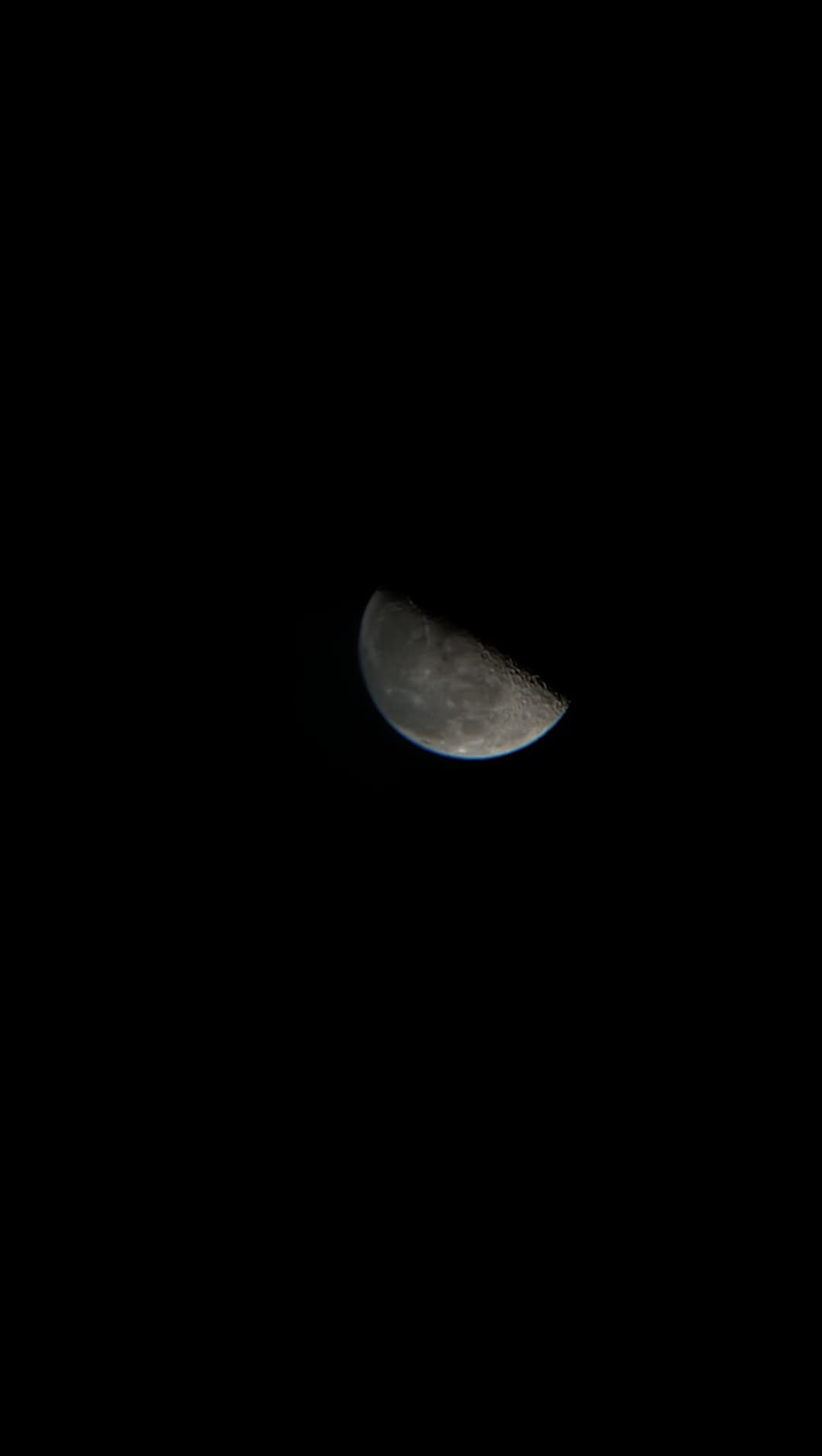
Setup is genuinely tool-free and the adjustable aluminum tripod goes up in a couple of minutes. Owners regularly mention the phone adapter and remote as the features that made it feel modern rather than like a hand-me-down from a garage sale, and the wide 5 degree field of view makes sweeping the sky forgiving when you are still learning to find things.
The limits are honest ones. 600mm of focal length means useful magnification tops out around 180x, and past that the image just gets dimmer and softer rather than more detailed. The manual altazimuth mount has no slow-motion controls, so tracking a planet by hand is a constant small correction, and the 80mm aperture will not resolve fine planetary detail or reach the faintest deep-sky targets.
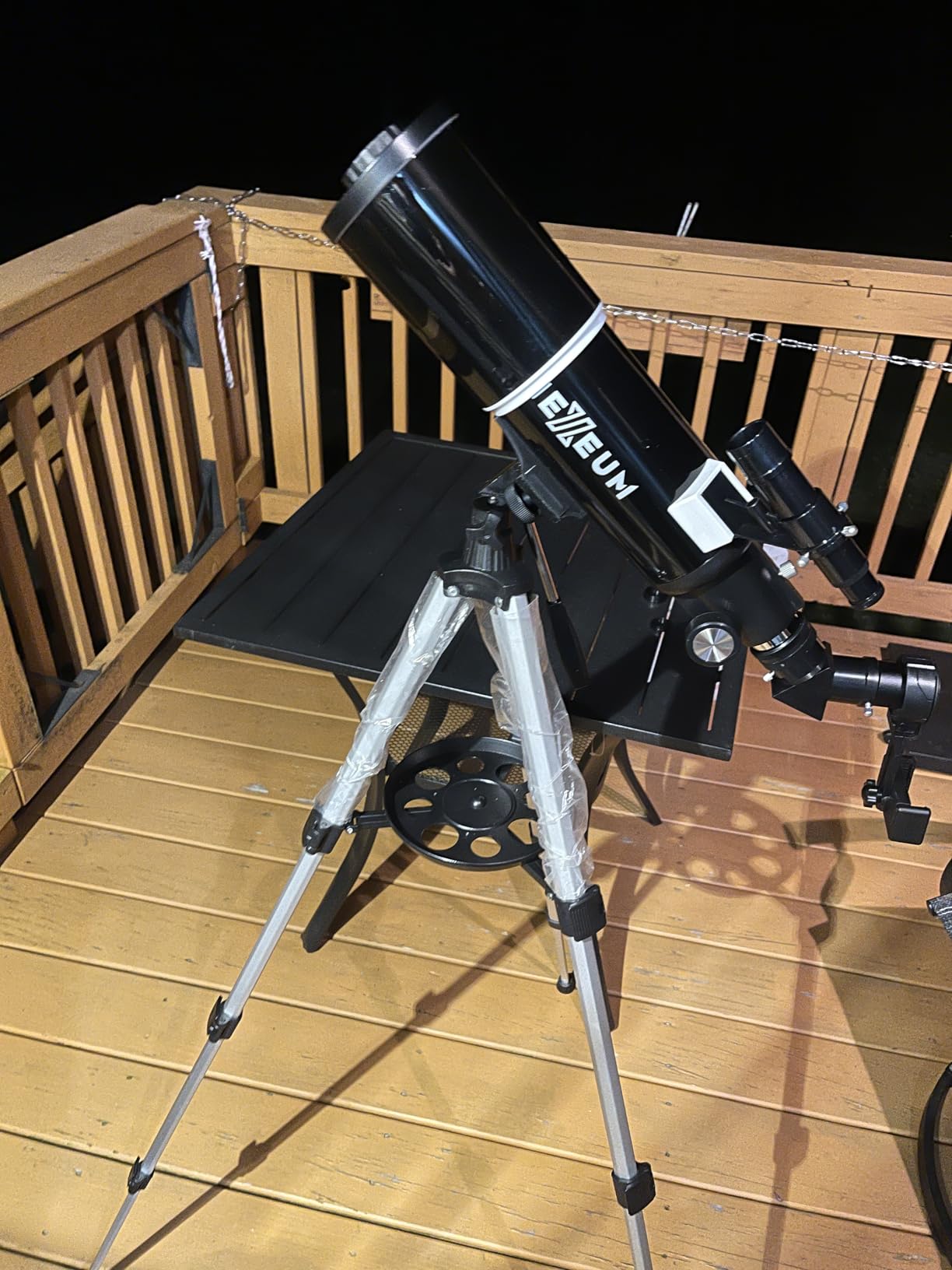
Who This Telescope Suits
It suits adults who want a clean, no-fuss refractor with more included than rivals at twice the cost. It is a good fit for a balcony or small garden where the view is bright and bright views of the Moon are the goal, and for anyone who wants to use a phone adapter without buying extra hardware.
It is also a strong first telescope for a family, since the setup is forgiving and nothing in it can be broken by a curious teenager. The included bag means it does not have to live assembled in a living room.
Who Should Skip It
Skip it if you are buying this as a long-term instrument to grow into. You will outgrow the 80mm aperture within a year of serious observing, and because there is no tracking capability, adding a motor drive later is not a realistic upgrade path for this mount.
It is also the wrong choice under a heavily light-polluted sky if galaxies are the priority, and wrong for anyone who plans to photograph. For larger aperture per pound, look at the reflectors further down this list rather than buying a bigger-branded 80mm refractor.
4. Celestron AstroMaster 130EQ — Best Premium Step-Up for Adults
Celestron AstroMaster 130EQ Telescope for Deep-Sky Beginners
130mm coated parabolic mirror
650mm focal length
German equatorial with RA and Dec slow motion
17 pounds
Pros
- Sharp optics resolve lunar craters and Jupiter's larger moons
- Fine-tuning knobs make tracking far easier than altazimuth
- Red dot StarPointer finder is far easier to align
- Sturdy tripod holds position without wobble
Cons
- Newtonian mirrors need periodic collimation
- Heavy 17-pound build is awkward to move
- Not suitable for astrophotography as supplied
- Shaky when the tripod is fully extended
This is the telescope I recommend when someone is ready to stop buying entry-level gear. 130mm of aperture on aluminum and silicon dioxide coated mirrors is the threshold where the deep sky stops being a rumor. The Moon shows crater chains and rilles in high relief, Jupiter’s larger moons are obvious discs, and globular clusters start resolving into pinpricks of individual stars rather than fuzzy cotton.
The mount is the real upgrade. Separate slow-motion knobs for right ascension and declination let you centre a target and hold it, which is exactly the control a beginner lacks on a simple altazimuth. The permanently mounted StarPointer red dot finder is a genuine design win: aligning a red dot takes seconds compared with the fiddly business of lining up a traditional finderscope.
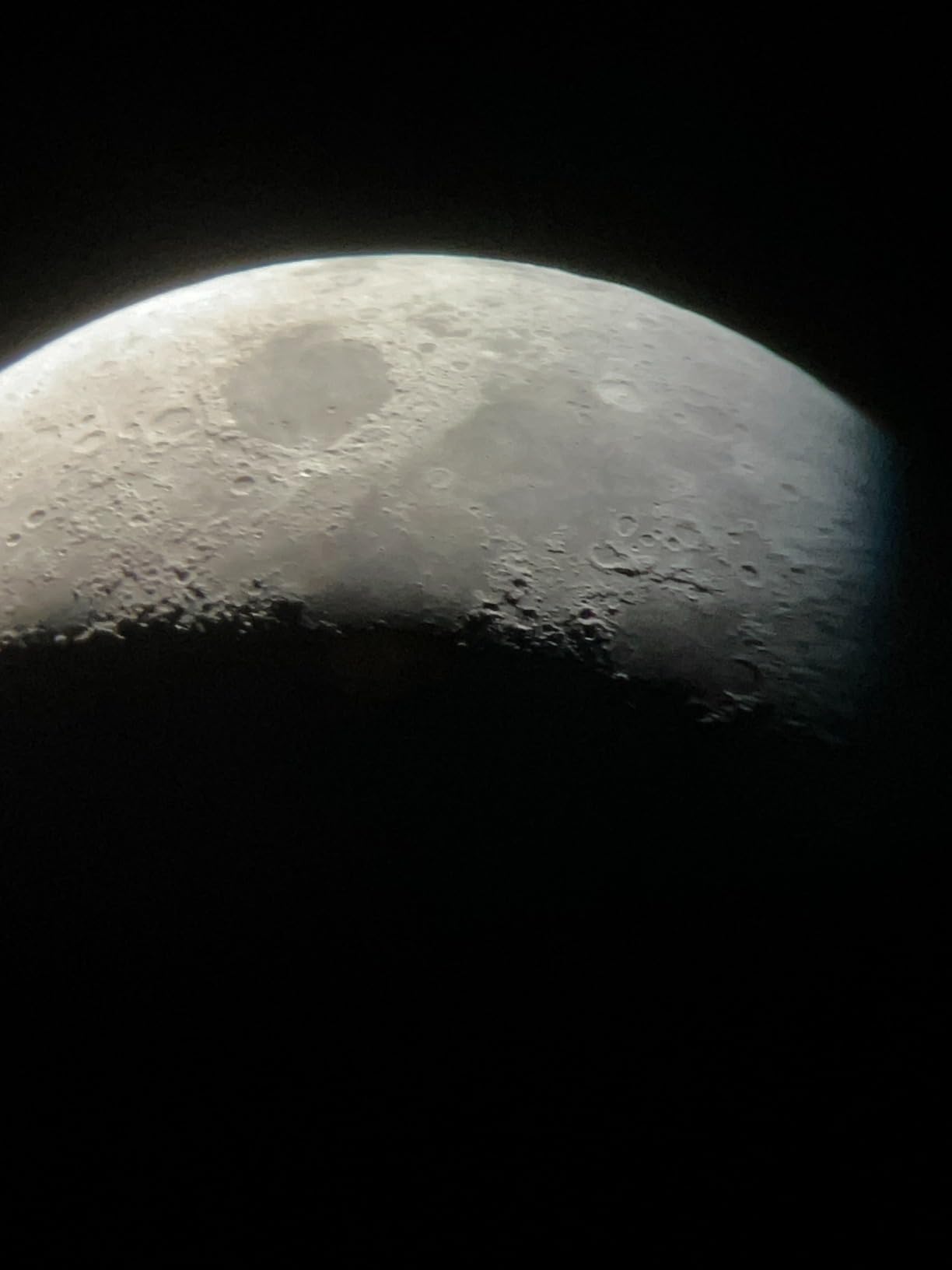
Reviews describe it consistently as the step-up first serious telescope, and the praise centres on the equatorial fine controls and lunar detail. The included 20mm eyepiece with built-in erect image corrector and a 10mm give you a wide and a narrow option, and the free astronomy software handles finding for beginners who do not want to star-hop.
The caveats are the same two that come with any reflector: the mirror needs collimation, ideally with a laser collimator, and the 17-pound assembled weight plus a tripod that feels shaky at full extension is a real cost in convenience. Reviewers also note that the mount pointers are hard to read, one slow-motion knob has a limited adjustment range, and plastic joint hardware appears at the mount connection.
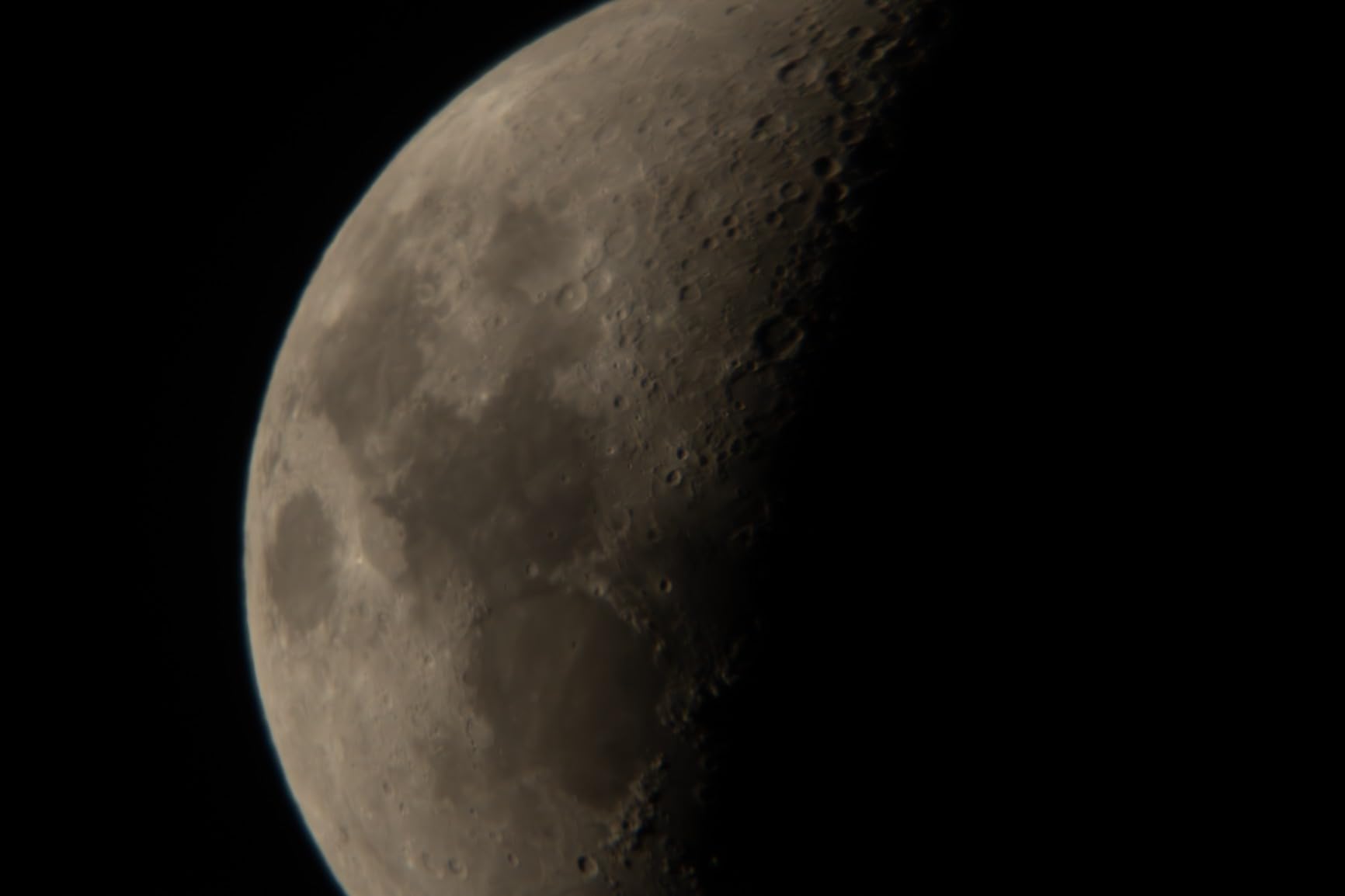
Who This Telescope Suits
It suits the adult who has owned a department-store telescope and found the experience frustrating, and wants the two things that were missing: more light and a mount that holds a target steady. It also suits anyone who wants to see the Orion Nebula, the Pleiades and a handful of brighter galaxies from a suburban garden.
If you also want to try your hand at imaging, treat this as a visual instrument and plan a separate camera rig later. We cover that path in beginner astrophotography telescopes.
Who Should Skip It
Skip it if you cannot lift and carry 17 pounds between observing spots, or if you live in an apartment where a full-height tripod equatorial is a storage problem. Skip it if you will never align a mirror, because a misaligned Newtonian undermines everything the extra aperture buys you.
It is also not the right first telescope for someone who wants to photograph the Moon, because there is no motor drive in this configuration and any exposure beyond a second or two will trail. Look for a tracking mount in the equatorial picks instead.
5. Gskyer AZ90600 90mm — Best Built Refractor for Adults
Gskyer Telescope 600x90mm AZ Astronomical Refractor Telescope for Adults
90mm fully coated aperture
600mm focal length
Altazimuth mount
Adjustable 31.5 to 49 inch tripod
Pros
- Refractor design needs no collimation at all
- Solid metal build and stainless steel legs feel robust
- Resolves Jupiter's bands and Saturn's rings
- Responsive service that replaced a defective unit
Cons
- Tripod sits low and taller users must crouch
- Vibration is noticeable at high magnification
- No tracking for extended planetary viewing
- Instructions are unclear and no carry bag
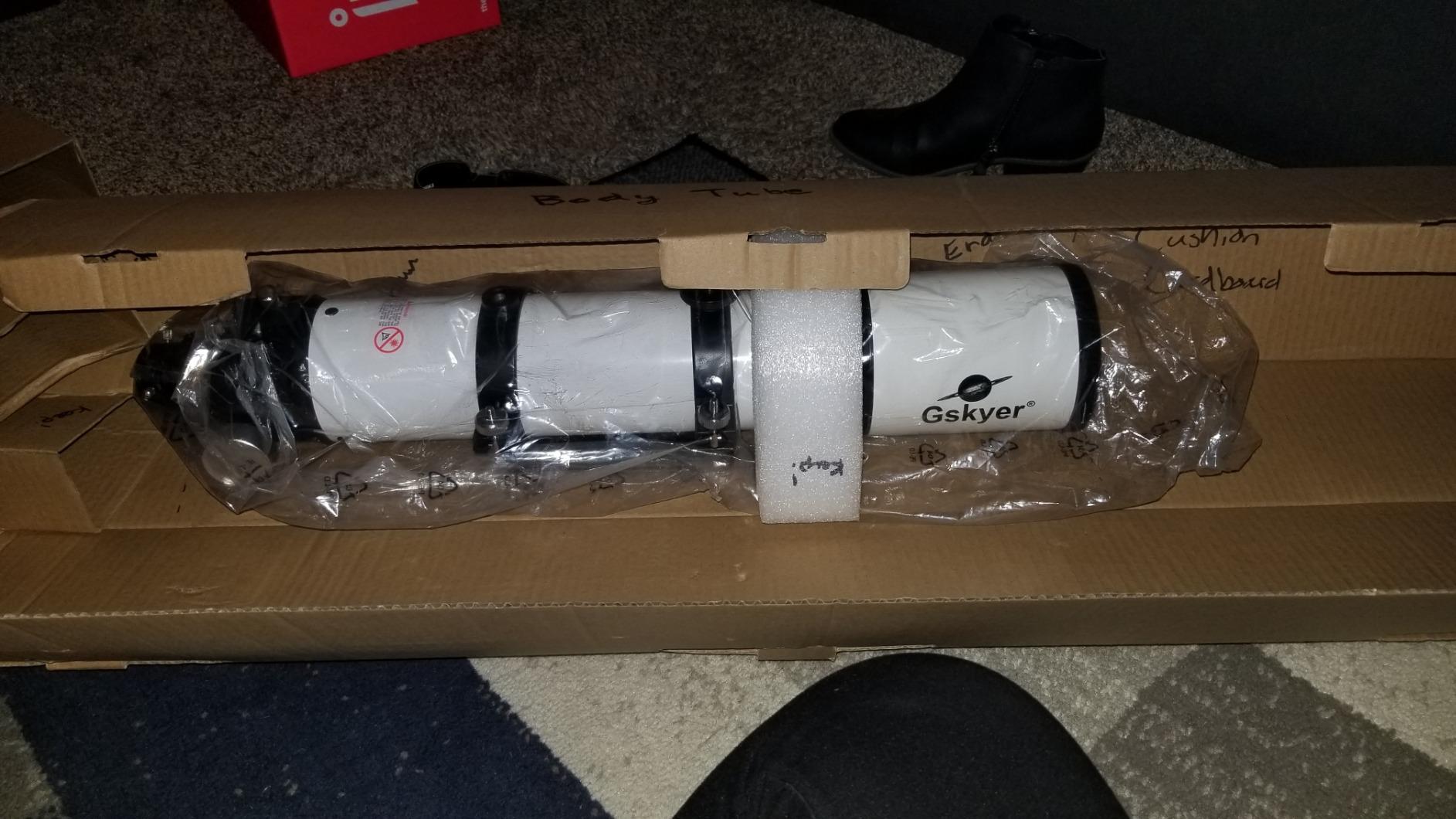
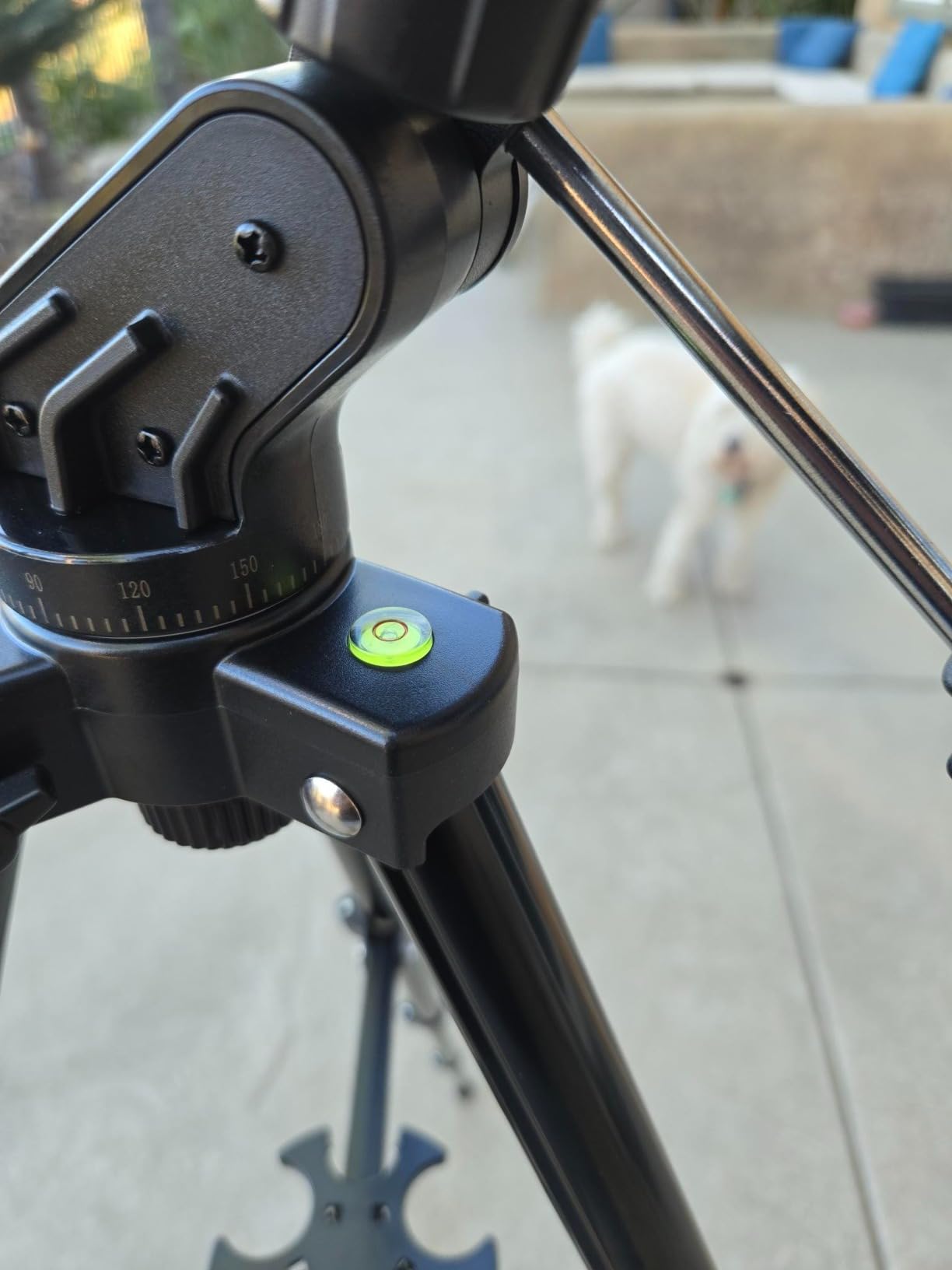
The case for this scope is build quality. Where most budget tripods use painted steel and plastic knuckles, this one has solid metal components and stainless steel legs, and that difference is obvious the moment you extend it. On a calm night it holds a target far longer at high power, which is precisely where cheaper rigs fall apart into shaking blur.
As a refractor it needs no collimation, ever, so it is ready the moment it is assembled. The optics are 90mm fully coated at 600mm, and buyers report resolving Jupiter’s bands and Saturn’s rings. The accessory package is unusually complete for the price: three eyepieces at 24x, 60x and 120x, a 3x Barlow, a 6×30 finderscope, and a 48-degree erecting prism for terrestrial viewing.
The 48-degree erecting prism is a nice touch for adults who also want to look at landscapes and distant wildlife through the same instrument, something most budget refractors leave out. Adjustments are tool-free and the whole thing focuses quickly, so a session can start within minutes of getting outside.
The recurring complaints are consistent across reviews. The tripod sits low, so adults above average height find themselves stooping, and vibration becomes visible at the higher magnifications the eyepiece set invites. The altazimuth mount cannot track, so extended planetary viewing means constant correction, and there is no carrying bag in the box with instructions that reviewers describe as unclear.
Who This Telescope Suits
It suits adults who want a refractor they will keep for years without ever touching a collimator, particularly anyone who also wants daytime terrestrial viewing. The stainless steel tripod and adjustable height make it a good fit for patios and gardens where a folding chair is a reasonable companion.
It also suits buyers who have been disappointed by plastic hardware on cheaper scopes. The solid feel here is the reason to spend a little more, and the three-eyepiece bundle means nothing needs buying to get started.
Who Should Skip It
Skip it if you are tall and plan long sessions, because crouching over a low tripod is a real comfort problem that no accessory fixes. Skip it if you want to track a planet across the sky or photograph anything, since the altazimuth mount does neither.
It is also a poor choice under bright city skies for faint deep-sky work, where 90mm of aperture with no tracking will not get you far. For that, put the money toward a reflector with a larger mirror.
6. Celticbird 80600 80mm — Best for Lunar Viewing on the Go
Celticbird Telescope for Adults High Powered, 80mm Aperture 600mm AZ Mount Refractor Telescope for Kids Beginners – Portable Telescopes for Adults Astronomy with Backpack, Phone Adapter, Moon Filter
80mm multi-coated aperture
600mm focal length
Altazimuth mount
5.8 pounds
Pros
- Very light at 5.8 pounds and easy to carry between spots
- Quick tool-free assembly beginners can manage
- Shows lunar craters and a glimpse of Saturn's rings
- Backpack moon filter and phone adapter included
Cons
- Mount has noticeable wobble during fine adjustments
- A small spot appears in the view at maximum zoom
- 80mm aperture limits planetary detail
- Finder alignment takes patience on first setup
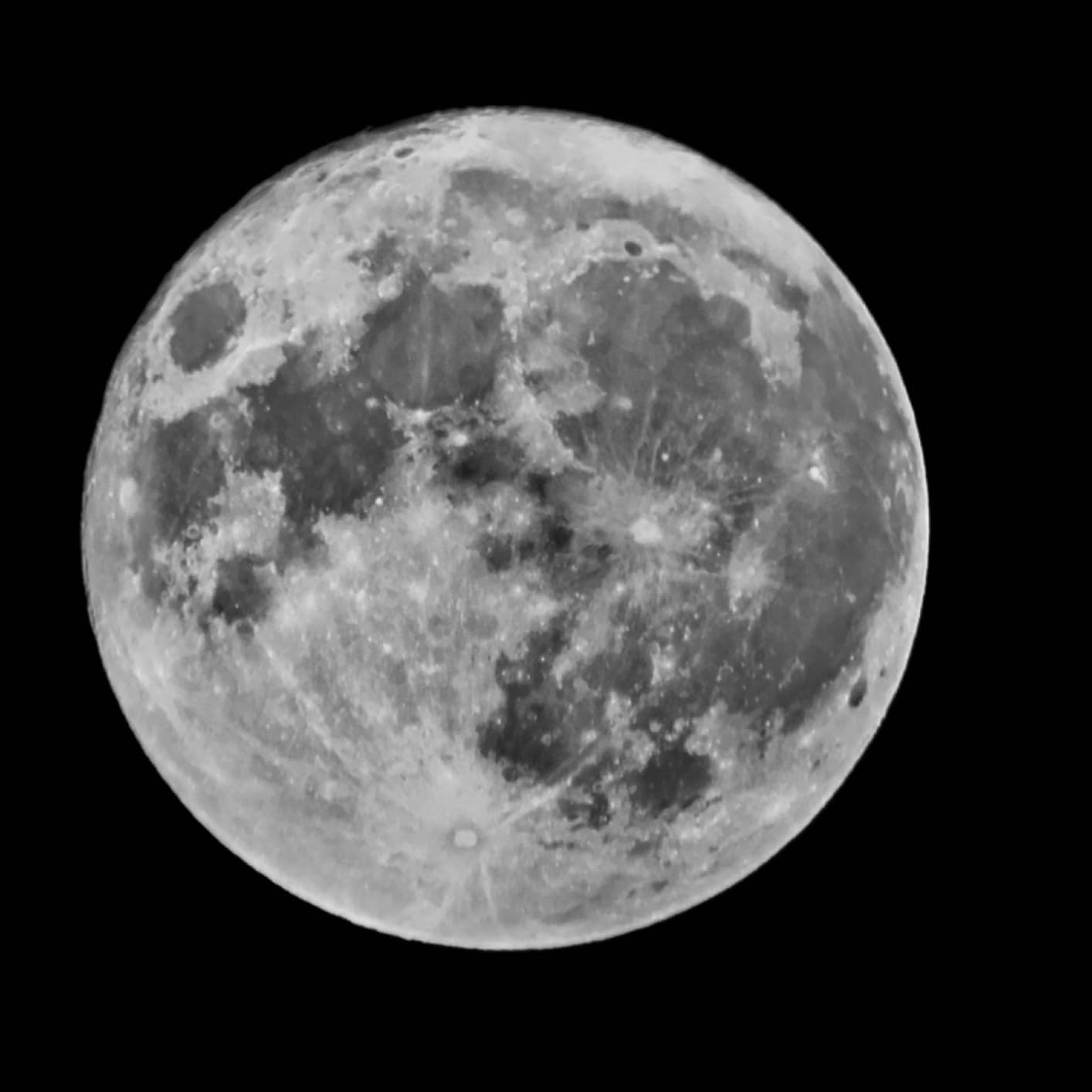
The moon filter is the detail that sets this apart. It passes roughly 13 percent of incoming light, which is exactly what the lunar surface needs, and it flattens the harsh contrast that makes a bright full Moon look like a white blob through cheaper scopes. For adults who mostly want to look at the Moon, that single included accessory removes the most common first-session disappointment.
At 5.8 pounds with a backpack and a tripod adjustable from 17.7 to 52 inches, it is one of the easiest scopes here to move between a garden, a balcony and a field. Assembly is tool-free, and a phone adapter and installation video are included for anyone who prefers a guided first session.
Optically it is an 80mm multi-coated refractor at 600mm, and the two included eyepieces give 30x and 66x. At 30x the whole Moon fits the field and craters read clearly; at 66x you can work across a smaller patch in more detail. The 3.4 degree field of view is wide enough that finding things stays forgiving.
Owners like the portability and the included accessories, and reviewers rate it 4.3 from 866 reviews. The criticism is consistent: the altazimuth mount develops noticeable wobble during fine adjustments, and a small spot can appear in the view at maximum zoom on some units. The 80mm aperture also caps planetary detail, and aligning the finder takes patience on the first setup.
Who This Telescope Suits
It suits adults who want a genuinely portable lunar scope they can carry to a rooftop, a campsite or a friend’s house without thinking about it. The included moon filter makes it particularly good for people whose main interest is the Moon and the planets rather than faint galaxies.
It is also a sensible choice as a second telescope for a family, since it stores small, assembles fast, and survives being carried around by younger hands better than a tall equatorial rig.
Who Should Skip It
Skip it if you want to see faint deep-sky objects, because an 80mm aperture and a 3.4 degree field simply will not reach them under suburban light. Skip it if you are buying for astrophotography, since there is no tracking and the mount will not hold a target for a long exposure.
It is also the wrong tool for anyone frustrated by fine adjustment, because wobble at high magnification is the one thing this mount does badly. Pick something with an equatorial base and slow-motion knobs if that will bother you.
7. MEEZAA 90800 90mm — Best for a Wide Magnification Range
MEEZAA Telescope for Adults High Powered, 90mm Aperture 800mm Refractor
90mm multi-coated aperture
800mm focal length at f/8.88
Altazimuth mount
32x to 240x magnification
Pros
- 90mm multi-coated glass gives bright contrasty lunar images
- 800mm focal length supports a 32x to 240x range
- Quick ten-minute tool-free assembly
- Complete box with stainless steel tripod and carry bag
Cons
- Altazimuth mount has no tracking capability
- Long 800mm tube is bulkier than a short refractor
- Supplied Kellner eyepieces are entry-level
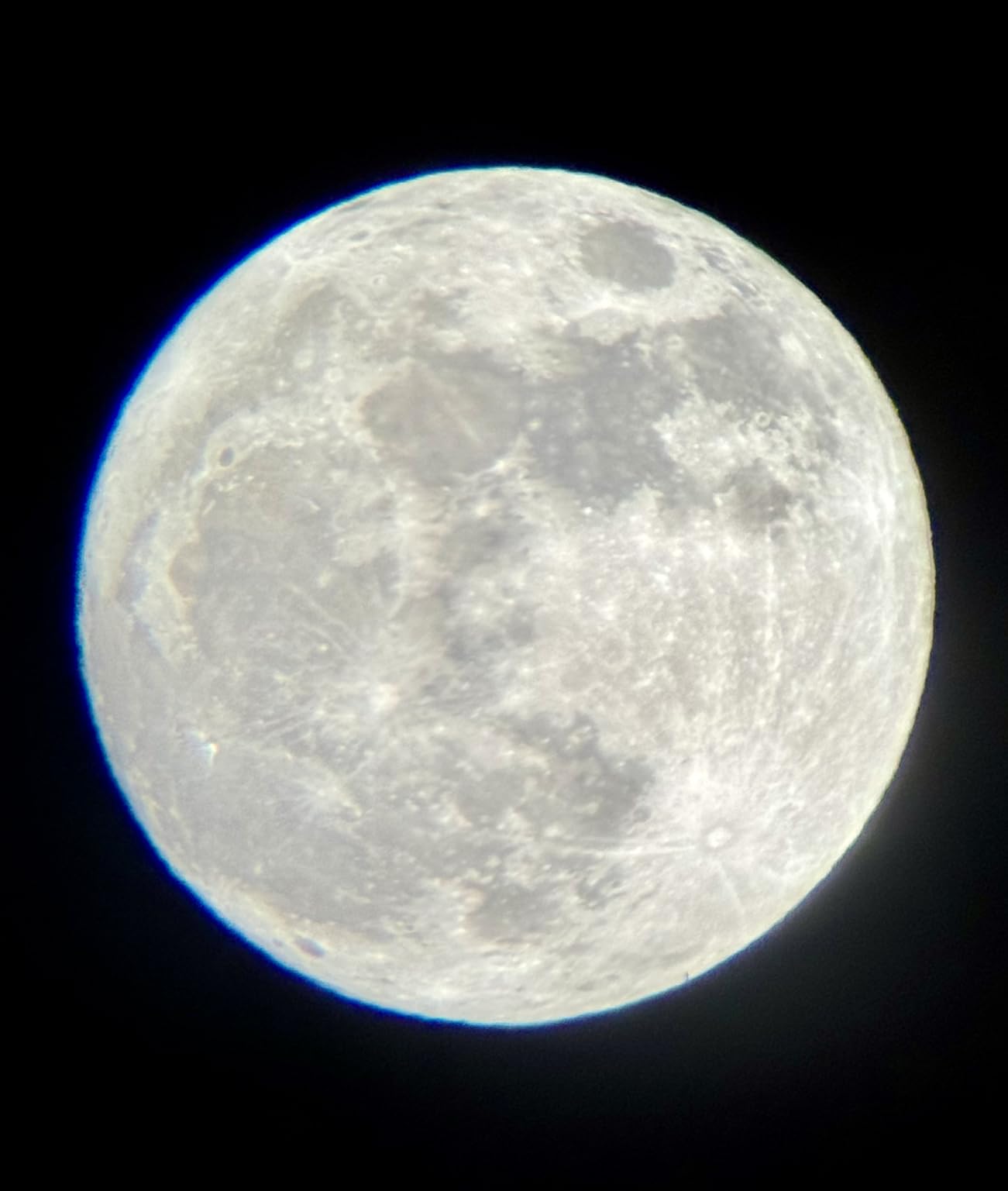
Focal length is the number to look at here. At 800mm, this 90mm refractor reaches 240x with the included 3x Barlow, which is a genuine step beyond the 120 to 180x ceiling of most 600mm budget scopes. That extra reach is what lets you fill the field with Jupiter or split the double star, and for adults who want to see detail rather than just find objects, it is the difference that counts.
The glass is fully multi-coated and the review consensus is bright, contrasty lunar images for the money. The 10mm and 25mm Kellner eyepieces cover 32x through 240x, and the stainless steel tripod adjusts from 28 to 46 inches, which is a more useful height range than many competing tripods offer.
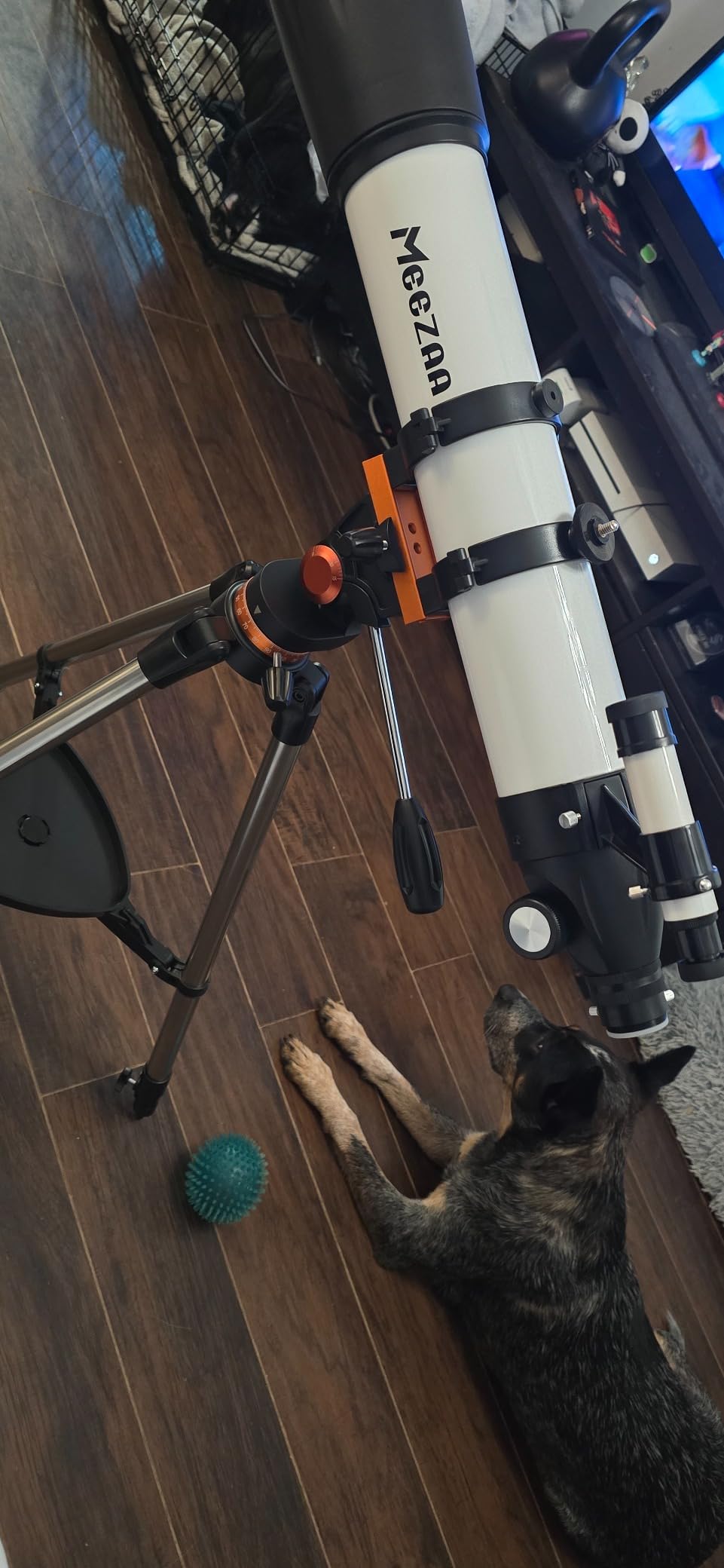
The packaging is unusually honest about assembly time, with the manufacturer stating that most users finish in about ten minutes. Everything, including the phone adapter, fits in the included carry bag, so this is a scope that can live in a car and come out when conditions are right. Reviews rate it 4.3 from 834 reviews with strong marks for light gathering.
Be clear-eyed about the trade-offs. An altazimuth mount with no tracking means a high-power target drifts out of the field within a minute or two, so 240x is realistically a momentary view rather than something you can study. The 800mm tube is also longer and bulkier to carry than a 600mm refractor, and the included Kellner eyepieces are entry-level glass that most serious observers replace within a year.
Who This Telescope Suits
It suits adults who want to see planetary detail and double stars without moving up to a much larger reflector, and who value a simple, collimation-free setup more than tracking. The included carry bag and stainless steel tripod make it a good travelling companion for weekend trips.
It also suits anyone who wants a long focal length for wide-field deep-sky sweeping, since 90mm of aperture over 800mm gives a pleasant balance of brightness and magnification on smaller targets.
Who Should Skip It
Skip it if your interest lies in long, relaxed views of planets, because without tracking the highest power is unusable in practice. Skip it if storage is tight, since the long tube takes up meaningfully more room than a short refractor.
It is also not the right choice for photographing, and buyers who already own any reasonable eyepiece set should expect to replace the Kellners. For sustained high-power work, an equatorial reflector is a better use of the same money.
8. Gskyer EQ-130 5.1 inch — Best Equatorial Reflector for Tracking
Gskyer 130EQ Professional Astronomical Reflector Telescope
130mm aperture with multi-coated glass
650mm focal length at f/5
German equatorial EQ-130 mount
30.1 pounds
Pros
- German equatorial mount gives real tracking ability
- Fast f/5 ratio with 130mm aperture gives bright images
- Short 24 inch tube is more compact than traditional Newtonians
- Includes eyepieces Barlow finder tripod and Bluetooth remote
Cons
- Heavy 30-pound assembled weight is hard to move
- Mirror still needs collimation after transport
- Supplied eyepieces are entry-level
- Bluetooth pairing and phone holder alignment are fiddly
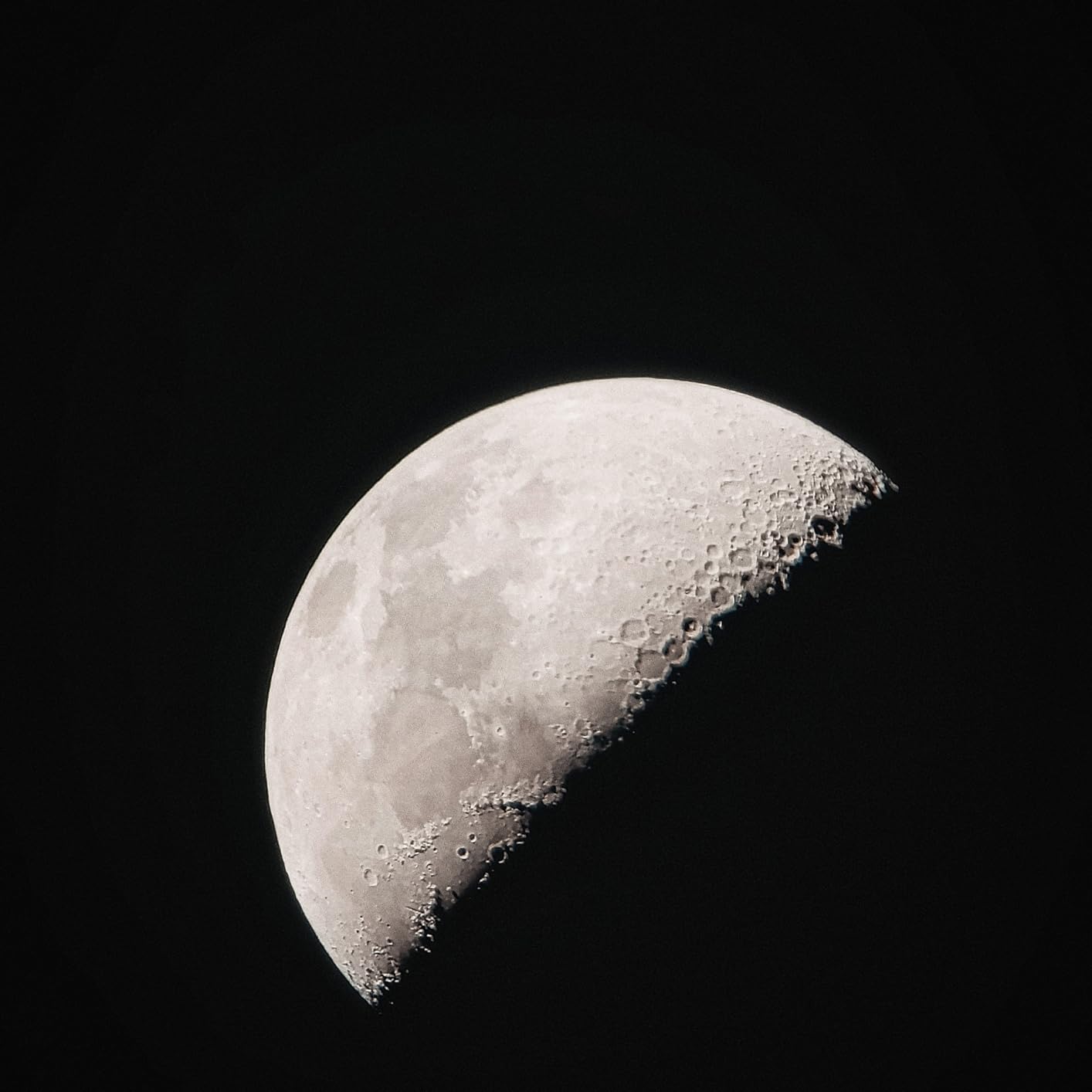
A genuine German equatorial mount at this level is unusual, and it is the reason to pay attention here. Once you complete a polar alignment, the EQ-130 mount can hold a target rather than letting it drift, which means an object stays in the eyepiece while you actually observe it. On an altaz mount the same object needs constant correction, and at high power that is the whole game.
The optical design is smart for the weight. A 24-inch short tube at f/5 with a 5.1 inch multi-coated aperture delivers bright images of the Moon, planets and brighter deep-sky objects while being noticeably more compact than a traditional long Newtonian. The toothless focusing base gives smooth, backlash-free focus, and 650mm of focal length supports up to about 307x.
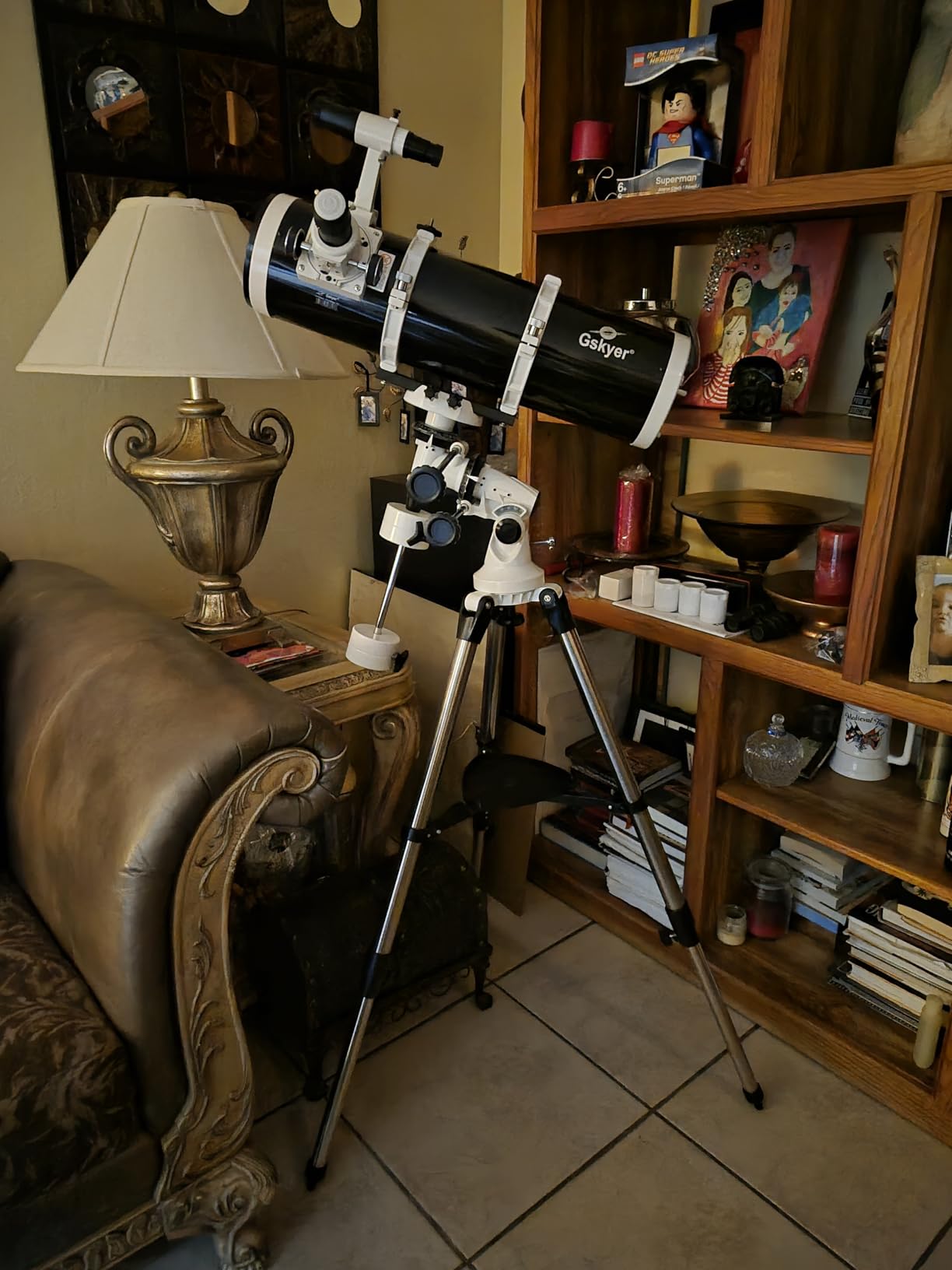
Reviews treat it as a capable semi-professional step and give it the strongest average in this group at 4.4. The accessory package covers everything: three eyepieces, a 3x Barlow, a finderscope, an adjustable tripod and a Bluetooth remote that pairs with a phone without needing an app, which is a neat way to attempt simple snapshots.
The drawbacks are substantial and you should plan around them. At 30.1 pounds assembled, moving it between observing locations is a two-person job, and the reflector mirror still needs collimation after any transport. The included eyepieces are entry-level, and reviewers report the Bluetooth pairing and phone holder alignment taking a few attempts to get right.
Who This Telescope Suits
It suits adults who want to observe one object properly rather than hunt between many, especially anyone fascinated by planets who wants to sit on Jupiter for twenty minutes instead of re-centring it constantly. The equatorial mount also sets up a sensible future path toward astrophotography if you later add tracking motors.
It is a good fit for someone with a garage or spare room for gear, since the weight is a storage and transport problem before it is an observing one.
Who Should Skip It
Skip it if you plan to carry your telescope to dark sky sites regularly, because 30 pounds plus a full tripod is a genuine burden and a two-person lift. Skip it if you will not learn polar alignment, since without that step the mount gives up most of its advantage over a simpler base.
It is also not an out-of-the-box astrophotography rig. If pictures are your goal, read our astrophotography telescope guide and plan for motors and a camera before buying.
9. MEEZAA 150EQ — Best for Faint Deep-Sky Objects
MEEZAA Telescope, 150EQ Newtonian Reflector Telescope for Adults Astronomy Beginners, Professional Astronomical Telescopes with Equatorial Mount, Tripod, Phone Adapter, Moon Filter and Large Carry Bag
150mm aperture Newtonian mirror
650mm focal length
German equatorial with dials
Stainless steel tripod with accessory tray
Pros
- 150mm aperture reaches faint galaxies from light-polluted sites
- Slow-motion controls make tracking easy once aligned
- Well built and heavy for the price
- Generous bundle with solar and moon filters and a carry bag
Cons
- Heavy enough that two people may be needed to assemble
- Reflector tube needs collimation after transport
- Included Kellner eyepieces are entry-level
- Changing eyepieces can knock a target out of focus
Aperture is the whole argument for this telescope. At 150mm it gathers well over three times the light of an 80mm refractor, and the review consensus is that this is what lets you reach fainter galaxies and nebulae even from a light-polluted backyard. If your goal is the Messier list rather than the Moon, this is the pick in this roundup.
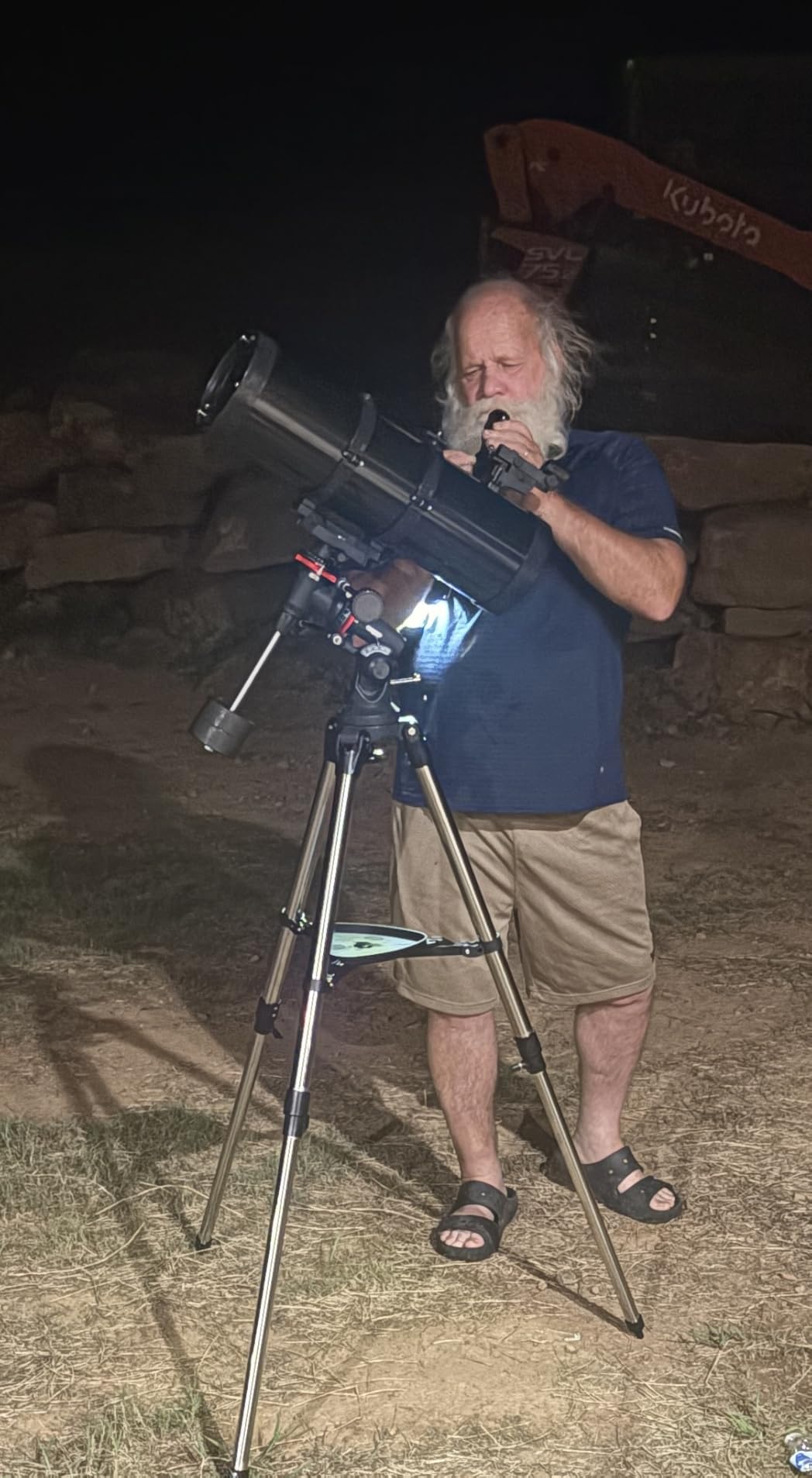
The build quality is the other surprise. Owners describe the gimbal and mount as feeling premium, and several astronomy club members single out the mount stability as the reason this scope outperforms instruments costing considerably more. The German equatorial mount carries precision dials and slow-motion knobs, and the stainless steel tripod with an accessory tray feels like a deliberate step up from painted steel alternatives.
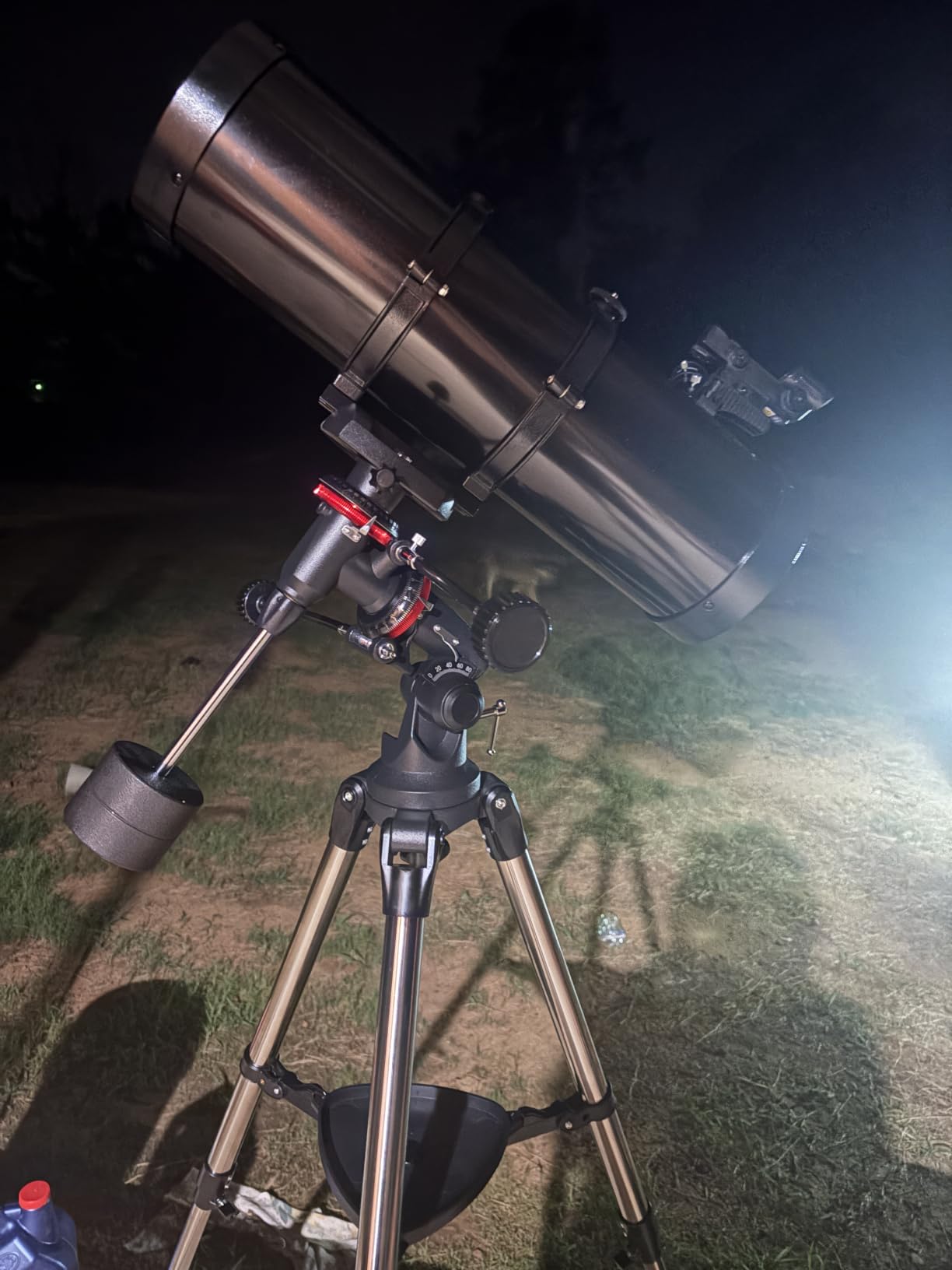
The bundle is generous. You get 25mm and 10mm eyepieces plus a 2x Barlow for 26x through 130x, a red dot finderscope, a moon filter, a phone adapter, and a large carry bag that everything fits inside. Assembly needs no tools, and the mount arrives pre-lubed and, according to owners, does not need collimation out of the box.
What you trade away is convenience. It is heavy and awkward enough that several reviewers say it takes two people to assemble, and the reflector tube will need collimation after transport or any bump. The Kellner eyepieces are entry-level and most owners recommend a zoom upgrade, and because there is no tracking, swapping eyepieces can knock a faint target out of view entirely.
Who This Telescope Suits
It suits adults who want to find as much as they can see from wherever they happen to live, especially if their sky is bright and they cannot drive to a darker site. The 150mm aperture gives you a real chance at globular clusters, the Andromeda Galaxy and several Messier targets from a suburb.
It also suits anyone who wants the slow-motion controls of an equatorial mount without paying for a premium-brand version, and the complete accessory bag means you can take the whole observing kit to a club night or a friend’s garden in one trip.
Who Should Skip It
Skip it if you will move it often or if you live alone and cannot manage a two-person assembly. Skip it if you have never collimated a Newtonian, because the learning curve lands hardest on large tubes where a small misalignment is very visible.
It is also the wrong tool for planetary work at high power, since without tracking the image drifts constantly. If planets are your main interest, put the money into a longer focal length and a mount that holds position.
10. Sky-Watcher Classic 200 Dobsonian — Best for Maximum Light
Sky-Watcher Classic 200 Dobsonian 8-inch Telescope – Solid-Tube – Simple, Traditional Design – Easy to Use, Perfect for Beginners, White (S11610)
8 inch parabolic primary mirror
1200mm focal length
Dobsonian altazimuth base
45 pounds assembled
Pros
- 8 inch aperture reaches faint galaxies and globular clusters
- Simple design needs no polar alignment
- Tension control handles allow easy movement
- Teflon bearings and Crayford focuser give precise motion
Cons
- Heaviest option at 45 pounds assembled so it is a two-person move
- Bulky solid tube needs real storage space
- Higher learning curve than a tabletop refractor
- No tracking so objects drift at high power
Nothing else here gathers light like this. An 8-inch parabolic primary with fully multi-coated borosilicate glass reaches a faintest stellar magnitude of 14.2, which is genuinely deep-sky territory: globular clusters like M13 break apart into hundreds of resolved stars, and galaxies show structure rather than a uniform haze. If you have access to a genuinely dark site, this is the instrument that makes the difference.
The design is refreshingly simple. A Dobsonian is an altazimuth mount with smooth altitude and azimuth bearings and no electronics, so there is nothing to align polar-ward and no menus to navigate. The patented tension control handles let you move the tube without achieving perfect balance first, which sounds minor and is actually the feature that makes an 8-inch tube manageable. The 2-inch Crayford-style focuser is a genuine step above the helical units on cheaper scopes.
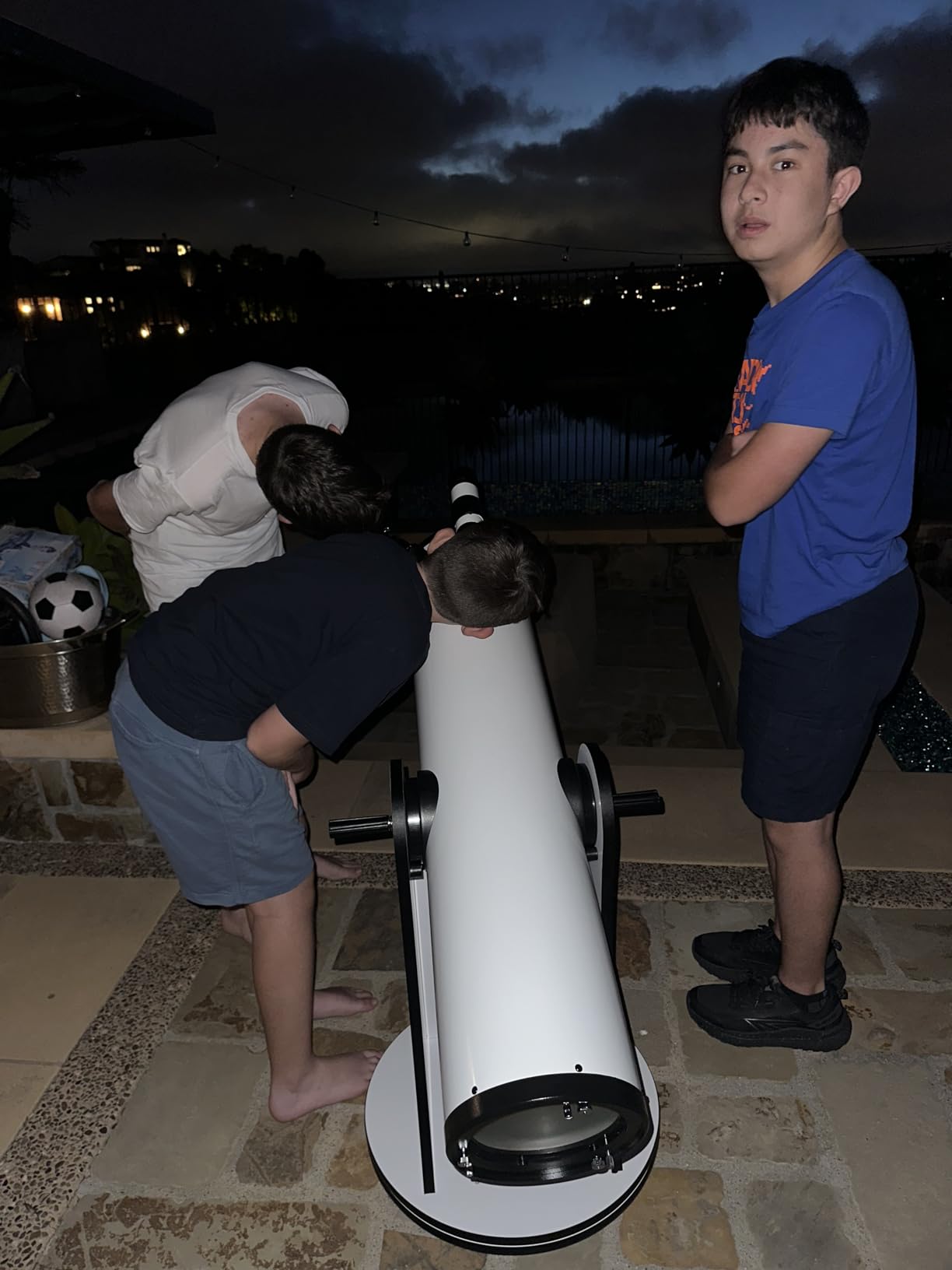
Two wide-angle eyepieces at 25mm and 10mm and a 9×50 finder are included, so the box is complete for a first session. Reviewers consistently describe the mechanics as rock solid, and the RAQ mirror coating is a real optical upgrade over bare aluminium.
It also has the lowest average rating in this roundup at 3.9, and the reasons are worth weighing. At 45 pounds assembled, with a 20-pound tube and a 25-pound base, moving it is a two-person job. The solid tube is bulky to store, objects still drift out of view at high power because there is no tracking, and the 19 percent one-star share points at exactly the weight and collimation complaints we would expect from a first-time owner who did not expect a telescope to be a two-person lift.
Who This Telescope Suits
It suits adults with a car, a garage and occasional access to a dark site, who want the largest possible view from a mechanical telescope rather than an electronic one. The absence of polar alignment and computerized pointing means you learn the sky itself, which many observers come to prefer.
It is a strong choice for anyone who has outgrown small refractors and wants galaxies and nebulae as the main event. Our Dobsonian deep-sky guide covers the design in more depth.
Who Should Skip It
Skip it if you live in an apartment, if you have nowhere to store 49 inches of tube, or if you cannot manage the weight. This is the one pick in the roundup where the physical logistics outweigh the optics, and a person who cannot lift it will stop using it within a month.
Skip it if your sky is bright suburban light with no realistic chance of a dark site, because aperture cannot be fully spent under a light-polluted sky. The Heritage 150 tabletop Dobsonian is a much more practical first step for most adults.
11. Sky-Watcher Skymax 102 Mak-Cass — Best for Planetary Detail in a Compact Tube
Sky-Watcher Skymax 102mm Maksutov-Cassegrain – Large Aperture Compound-Style Reflector Telescope
102mm aperture
1300mm focal length
Fully baffled Mak-Cass optical tube
4.6 pounds
Pros
- Long 1300mm focal length in a 4.6 pound tube
- 94 percent reflective coatings in a fully baffled tube
- Optical tube needs no collimation after transport
- Vixen dovetail mounts on almost any base
Cons
- Sold as an optical tube so a mount and tripod are needed
- Small 102mm aperture limits resolution on fine detail
- Still requires a star diagonal for comfortable observing
This is the most interesting instrument in the roundup for anyone who cares about planets. The Maksutov-Cassegrain design folds a 1300mm focal length into a tube that weighs 4.6 pounds, and long focal length is exactly what planetary observing needs. At that length, Saturn fills the field and the rings separate; Jupiter shows banding and you can watch the Galilean moons transit. Nothing else here does that in something you can carry in one hand.
The optics are excellent and reviews say so directly. Matched primary and secondary mirrors with a coated corrector plate, 94 percent reflective borosilicate mirror coatings, and a fully baffled tube that rejects stray light, which is why the images stay contrasty even near a streetlight. The 4.5 average is the highest in this roundup, with 75 percent five-star ratings and only four percent one-star.
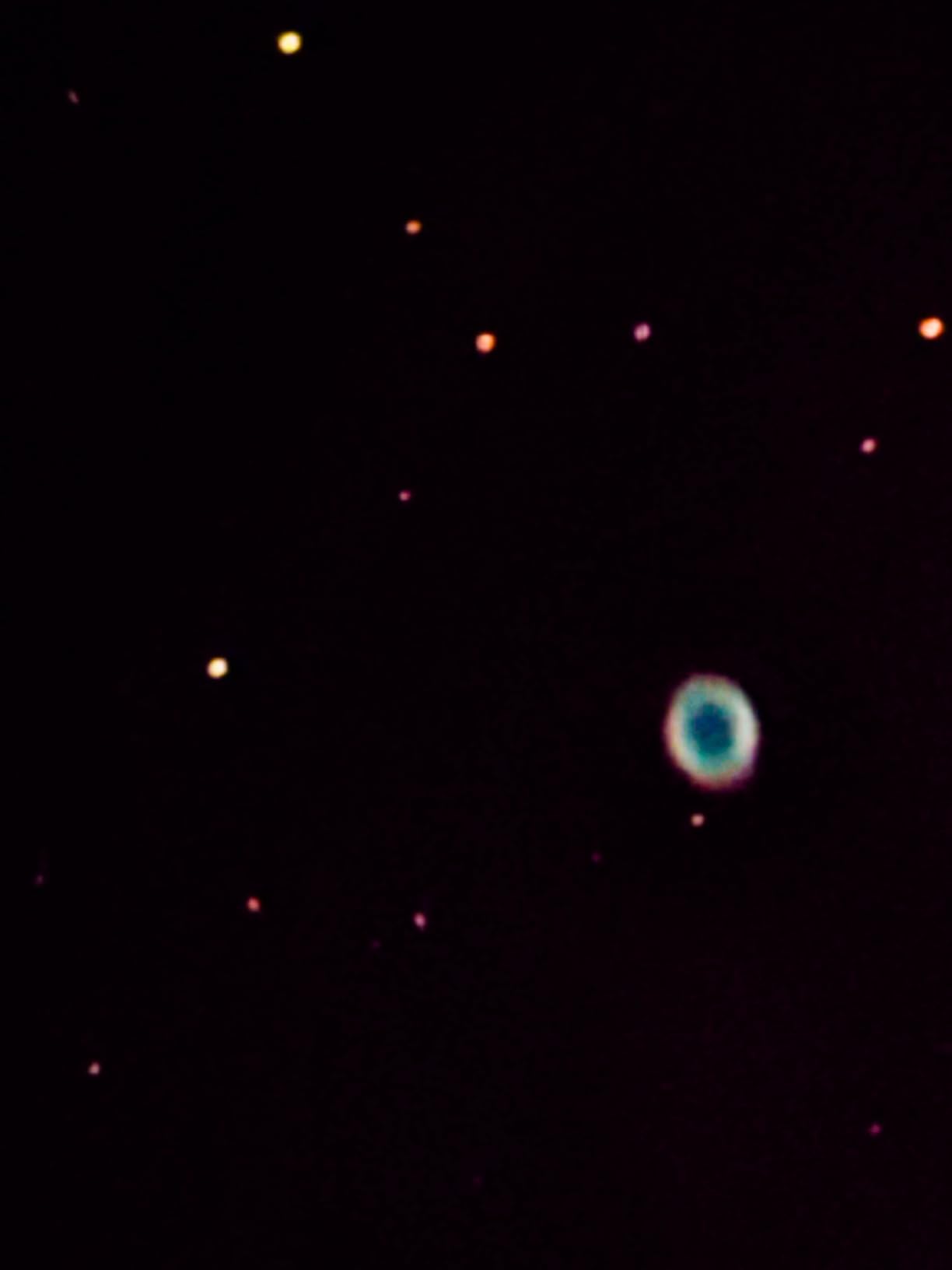
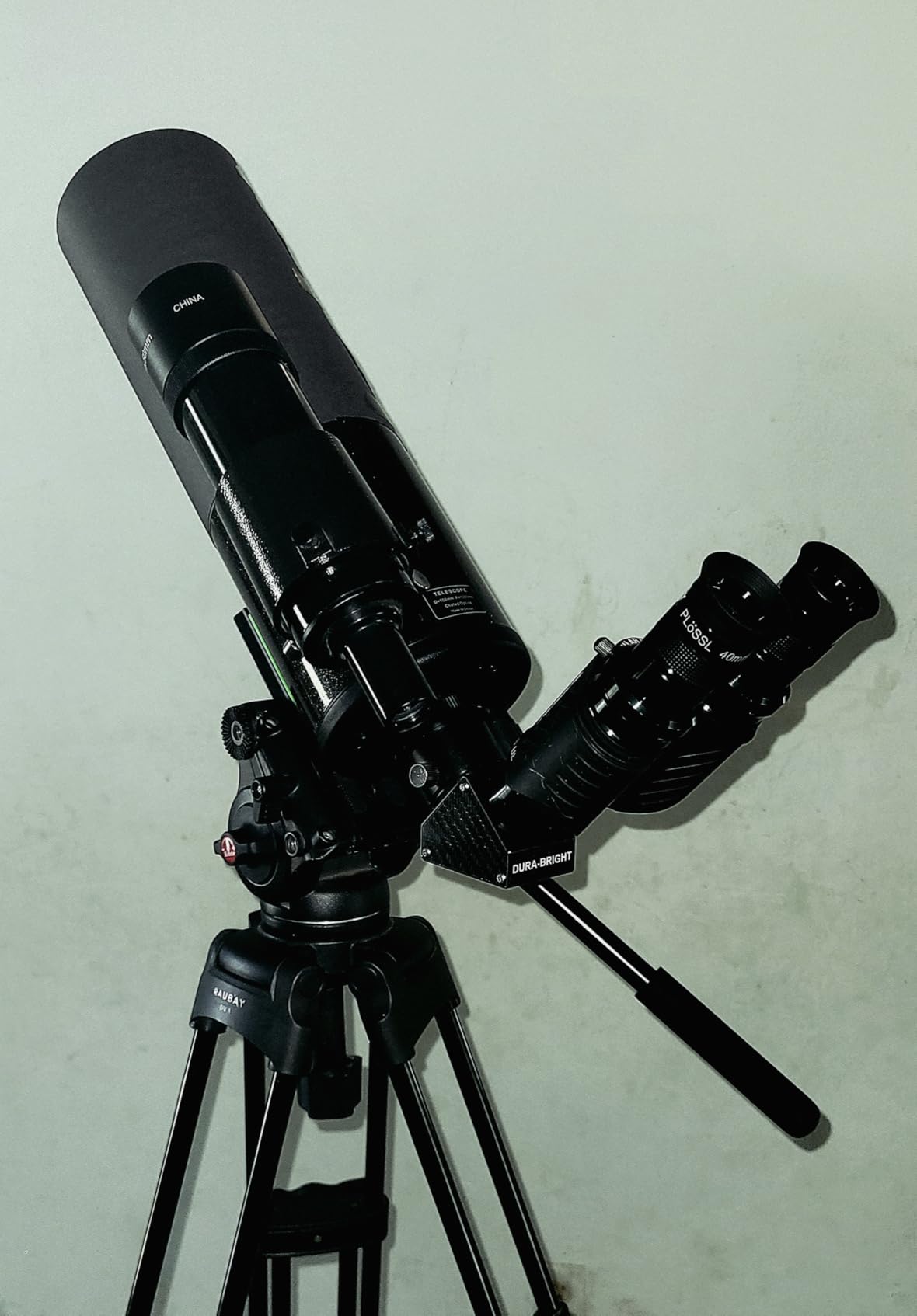
Unlike a Newtonian, the optical tube needs no collimation after transport, which is a meaningful advantage if you travel to dark sites with it. The Vixen-style dovetail is the industry standard plate, and it mounts on essentially any equatorial or altazimuth base, so you are not locked into one brand. A red dot finder, a 90-degree star diagonal, 10mm and 25mm eyepieces and a padded bag are included.
One thing to be very clear about: in this listing it is an optical tube, so you need a mount and tripod to use it. That is the main reason its review count is far lower than the other picks. The 102mm aperture also limits resolution on the finest planetary detail compared with a large Dobsonian, so a longer focal length does not mean a brighter image.
Who This Telescope Suits
It suits adults who want the sharpest planetary views they can get without hauling 45 pounds to a field, and who already have or plan to own a decent mount. A portable Mak-Cass on an altazimuth base is a genuinely capable planetary rig, and the dovetail makes it easy to move between one you own and one you borrow.
It is a good match for someone upgrading a small refractor specifically for planets, and for observers who travel to dark sites but mostly want to look at the Moon and planets rather than faint galaxies.
Who Should Skip It
Skip it if you want a complete, ready-to-use instrument tonight. The cost of a suitable mount and tripod is real, and beginners are better served by a scope that arrives assembled. Skip it if faint deep-sky objects are your interest, since 102mm of aperture is modest for that work.
It is also not a beginner’s first telescope, because a compound optical design is less forgiving of poor alignment on accessories and less intuitive to collimate by eye if anything does shift. Start with a simple refractor or Dobsonian, then add this.
12. Sky-Watcher Heritage 150 Tabletop Dobsonian — Best Tabletop Starter
Sky-Watcher Heritage 150 Tabletop Dobsonian Telescope – Perfect for Beginners, Easy Setup, Portable, and Fun (S11710)
150mm aperture at f/5
750mm focal length
Collapsible tabletop Dobsonian
23 pounds
Pros
- 150mm aperture at f/5 gives bright contrast-rich images
- Sits on any table so setup is nearly instant
- Collapsible tube retains collimation while improving portability
- Rubber feet damp vibration well
Cons
- Tabletop design means you stand or sit at table height
- 150mm aperture is below a full size Dobsonian
- Mirror needs collimation after being moved
- Helical focuser is less smooth than a Crayford design
This is the easiest genuine telescope in the roundup to start with. There is no tripod, no polar alignment and no eyepiece gymnastics. You put it on a table, point it at something, and look. For an adult who has never used a telescope and is not sure the hobby will stick, that low barrier is worth more than any specification on the box.
Optically it is more serious than the simplicity suggests. A 150mm borosilicate parabolic primary with Radiant Aluminum Quartz coating at a fast f/5 ratio and 750mm focal length gives bright, contrast-rich views of the Moon, planets and the brighter deep-sky objects. The rubber feet are a nice piece of engineering, damping the vibration that would otherwise blur high-power views on a small table.
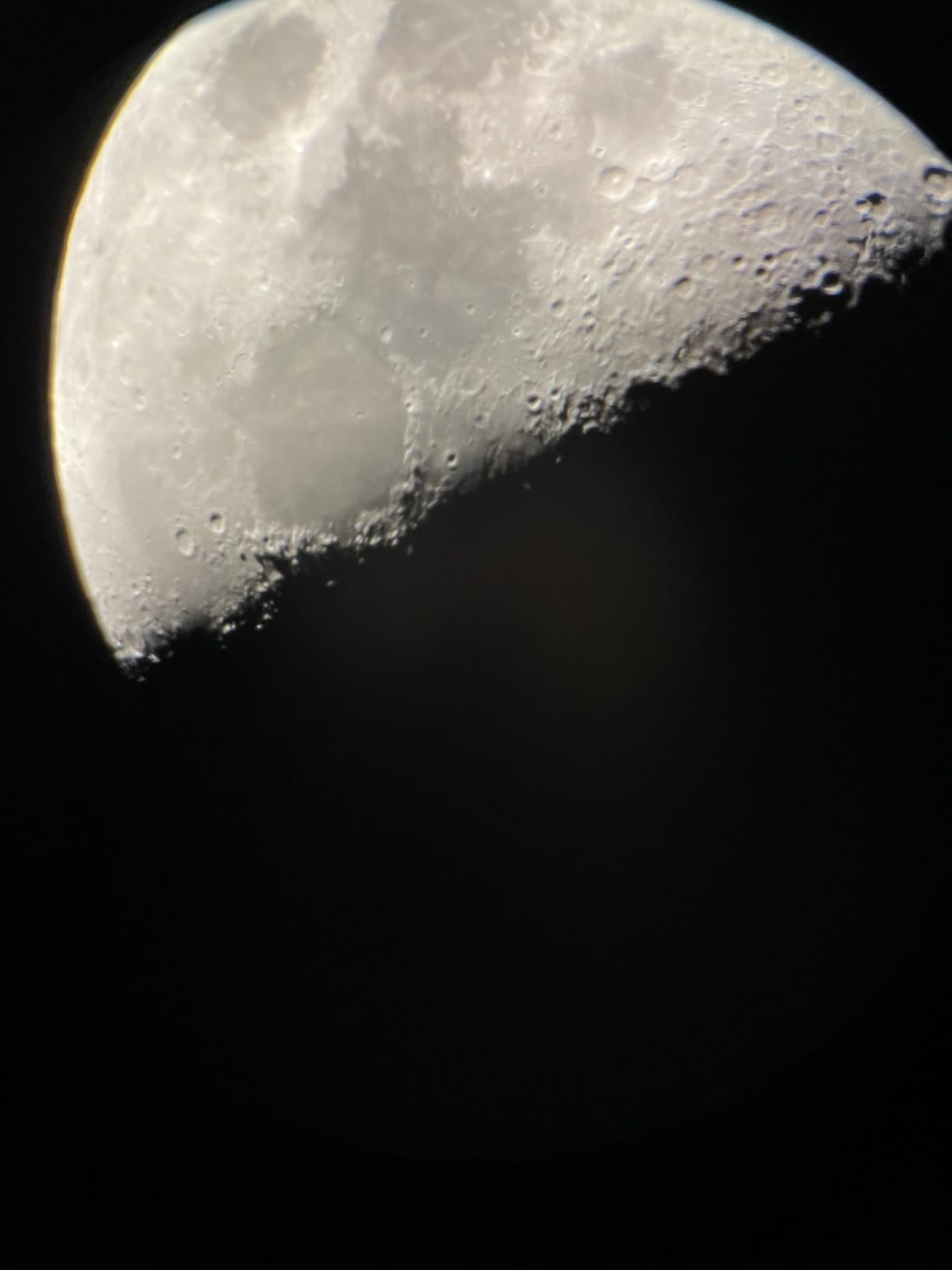
The collapsible tube is the feature owners appreciate most. It stores in a much smaller space than a solid design and, importantly, retains collimation when collapsed, so you are not re-aligning the mirror every time you carry it out. Reviews rate it 4.2 from 104 reviews and describe it as the simplest entry into Dobsonian observing.
The trade-offs are obvious and worth stating plainly. A tabletop scope means you stand or sit at a comfortable table height, which is fine for an hour but tiring over a long session and awkward if you want to observe at the zenith. At 150mm it gathers well under the light of an 8-inch Dobsonian, the mirror still needs collimation after a real move, and the 1.25-inch helical focuser is not as smooth as a Crayford unit.

Who This Telescope Suits
It suits adults with small apartments, rented rooms or a balcony who want real observing power without a full-height tripod in the corner of the living room. It also suits anyone who prefers sitting with a scope on a table to standing over a tripod, which is a genuine preference many people discover quickly.
It is a natural first step toward a larger Dobsonian, because the same pointing skills and same optics logic apply, and a 150mm aperture already shows considerably more than any 80mm refractor.
Who Should Skip It
Skip it if you want to observe at high altitude, because pointing a tabletop Dobsonian straight up is awkward and the table gets in the way. Skip it if you need to reach faint deep-sky objects, where 150mm will not compete with a full 8-inch Dobsonian on a dark night.
It is also not the right first telescope for anyone who photographs, since there is no tracking of any kind. And if you are not willing to learn collimation at some point, start with a refractor instead of any Newtonian.
How to Choose a Telescope for Adults: Aperture, Mounts and Design
Aperture is the single most important specification in this category, and everything else is secondary. Aperture is the diameter of the main lens or mirror, and it determines how much light the instrument gathers. A telescope with twice the aperture of another shows you roughly twice the detail on the same object, and it is the reason an 8-inch Dobsonian reveals galaxies that an 80mm refractor simply does not show at all. Ignore the advertised magnification whenever you can. It is a number produced by dividing focal length by eyepiece size, and manufacturers advertise the theoretical maximum, which is where the image turns to mush. The useful rule is that maximum magnification is about twice the aperture in millimeters, and the comfortable everyday figure is closer to the aperture itself.
Focal length is the second number worth understanding, and it decides how much a scope magnifies and how wide the field of view is. Long focal lengths give high magnification over a narrow field, which is what you want for planets. Short focal lengths give a wide, bright view of large deep-sky objects, which is what you want for the Andromeda Galaxy. A 70mm refractor at 400mm is a wide-field instrument. A 102mm Maksutov at 1300mm is a planetary instrument. Neither is better; they are different tools.
The three optical designs differ in ways that matter more than most buyers expect. Refractors use a lens at the front, need no collimation ever, hold alignment for years, and show a small amount of chromatic aberration on cheaper models where blue and red light focus at different distances, giving bright objects a purple or green fringe. Reflectors use a primary mirror, give far more aperture per pound, and require their mirrors to be collimated after transport or any knock, though their achromatic view has no colour fringing at all. Catadioptric compound designs, like the Maksutov, use a corrector plate and folded mirrors to squeeze a long focal length into a short tube, giving the sharpest planetary views per pound but usually selling as a tube without a mount.
Mount type determines whether you hold an object or chase it. An altazimuth mount moves in two axes, up and across, and it is intuitive and needs no polar alignment, which makes it the right choice for beginners and for tabletop scopes. A German equatorial mount aligns one axis to the celestial pole and can hold a target, which makes it far better for sustained planetary viewing and a prerequisite for any serious astrophotography. A Dobsonian is a large altazimuth base with very smooth bearings, so it points beautifully but does not track. Most of the frustration adults report with entry-level telescopes comes from expecting a mount to track when it cannot.
GoTo and computerized mounts are the big convenience question. They will find objects for you from a database, which is genuinely useful under a light-polluted sky where you cannot see the target to aim at it. They also add electronics that can fail, alignment routines that demand patience, and weight to the base. For most adults, learning to star-hop with a finder is a better long-term skill than operating a handset, and the manual picks in this roundup will reward you more over five years. If you know you will not learn the sky, a GoTo scope is a reasonable choice, but none of the twelve here depend on one.
On budget, the most useful guidance is straightforward. Under roughly a hundred dollars, you are buying a Moon-and-planets instrument, and that is a perfectly good place to start. Between a hundred and four hundred, you can get a genuinely capable reflector with real aperture, and this is the sweet spot for an adult who wants to see deep-sky objects. Above that, you are paying for optical quality, build quality and mounts that hold position, and the returns diminish unless you are upgrading deliberately. A very common regret from adults is buying a cheap telescope, getting frustrated by the wobble, and spending more a year later than a mid-range scope would have cost. Our beginner telescope guide covers the entry tier in more detail.
Eyepieces, Collimation and the Extras You Will Actually Need
Almost every budget telescope ships with two eyepieces, and one of them is usually too small to be useful. A 4mm eyepiece is the classic offender, and owning one gives you a permanently dim, shaky, over-magnified view. In practice, a single good 25mm eyepiece plus a decent 6mm or 10mm covers the vast majority of adult observing, and that small upgrade improves the experience more than any other purchase you can make. Budget for a laser collimator too if you own a Newtonian; it turns a frustrating fifteen-minute guessing game into a two-minute job.
Collimation is simply aligning the mirrors so they are perpendicular to each other. You only need to do it when a Newtonian arrives, after transport that jolted it, or when you see a defocused star that looks like a doughnut. A laser collimator plus a short walk through the manufacturer instructions handles it, and owners who learn the routine report the scope performing far above what the reviews suggest. A Dobsonian that stays in one piece collimates once and holds for years, which is a quiet argument for buying one large and keeping it assembled.
A few other things matter more than buyers expect. A red-light flashlight preserves your dark adaptation, and using a white phone light ruins the faint detail you came for. A sturdy observing chair matters on long sessions, and a dew shield or a dew heater matters more than most people anticipate in damp autumn months. If you are tempted by solar viewing, the only safe route is a certified filter fitted permanently to the front aperture, never to the eyepiece; our solar filter guide covers the options, and no filter means no look, ever, because the eye does not have a pain response to retinal injury.
Finally, be realistic about what you will see. Saturn as a first view means a small yellowish oval with a shape you can identify; the images that go viral are stacked, composited and shot through telescopes costing several times your entire budget. The same is true of galaxies, which look like fuzzy patches of light to the eye no matter what aperture you use, and which are objects for imaging rather than visual observing. A 6mm or 8mm eyepiece is what actually changes the experience, not the magnification figure on the box. If you are unsure where to start, pick the largest aperture you can comfortably carry, and let the rest follow.
Frequently Asked Questions
What is the best telescope for an adult beginner?
For most adults, the Celestron Travel Scope 70mm is the easiest start because it needs no collimation, sets up without tools in under a minute and weighs 4.2 pounds. If you want to see galaxies rather than just the Moon, step up to a reflector such as the Celestron PowerSeeker 127EQ or the Celestron AstroMaster 130EQ, which gather far more light but need their mirrors aligned. Our full roundup covers twelve options by use case.
What aperture telescope do I need to see Saturn’s rings?
A 70mm refractor will show Saturn as a small oval with visible rings, but to see the rings clearly separated you want roughly 80mm to 100mm of aperture, or a longer focal length design. A 90mm refractor or a 102mm Maksutov at 1300mm focal length gives the crispest planetary views. A 150mm reflector will also do it, with a bonus that the extra light reveals deep-sky objects too.
Is a refractor or reflector better for adults?
A refractor is better if you want zero maintenance, no collimation and a stable image of bright targets. A reflector is better if you want more aperture for the same money, since a 150mm mirror costs far less than a 150mm lens, and mirrors show no colour fringing. Adults who stick with astronomy usually start with a refractor and add a reflector later, and most regret buying a refractor aperture too small.
How much should I spend on my first telescope?
Spend between 150 and 400 on your first adult telescope. Below that you are limited to Moon and bright planets with basic optics, and above that you are paying for build quality and tracking mounts. The most common adult regret is buying too cheap, fighting a wobbly tripod and a misaligned mirror, then spending more later than a mid-range reflector would have cost in the first place.
What magnification do I actually need?
You need far less than the box claims. Useful magnification is roughly equal to the aperture in millimeters, so a 90mm telescope works well at 30x to 90x. Maximum magnification is about twice the aperture, and anything beyond that just produces a dim, soft image. A 600mm focal length paired with a 25mm eyepiece gives a comfortable 24x that is where most adult observing actually happens.
What is the difference between a Dobsonian and an altazimuth telescope?
A Dobsonian is a type of altazimuth mount: it moves up and across, and it needs no polar alignment. The difference is the bearing quality and the size. Dobsonian bases use large Teflon bearings that glide smoothly across a heavy tube, while a standard altazimuth mount on a small refractor uses tighter, simpler mechanics. Dobsonians are bigger, heavier and cheaper per unit of aperture, and neither one tracks objects across the sky.
Do I need a GoTo telescope as an adult?
No, and most experienced observers prefer learning to find objects themselves. A GoTo scope is genuinely useful under light-polluted skies where the target is invisible to the eye, and it helps complete beginners, but it adds weight, electronics that can fail and an alignment routine. None of our twelve picks rely on one, because learning star-hopping is a skill that keeps paying off long after the novelty fades.
Can I really learn astrophotography with a beginner telescope?
Yes for snapshots of the Moon and planets, where a phone adapter and a steady mount are enough. For deep-sky imaging, a manual altazimuth or non-tracking equatorial mount will smear any exposure beyond a few seconds, so you need either a tracking mount or a very short exposure stacking workflow. Our astrophotography telescope guide covers the mounts and tubes built for that path when you are ready.
Final Verdict: The Best Telescopes for Adults in 2026
After working through all twelve, the Celestron Travel Scope 70mm stays our best telescope for adults overall, because it removes every possible barrier between an adult and a first view of the Moon. The Celestron AstroMaster 130EQ is the pick we would buy with the next paycheck, since 130mm of aperture and a German equatorial mount are where observing stops being a novelty. For pure value, the PowerSeeker 127EQ is hard to argue with, and the MEEZAA 150EQ reaches further into the deep sky than anything else at a practical weight.
Whichever route you take, the same two rules apply. Buy the largest aperture you can comfortably carry and store, and ignore the magnification number on the box entirely. Get one good eyepiece instead of relying on the 4mm that shipped in the box, and learn to point at something before you spend anything on electronics. That is how the best telescopes for adults stop being a purchase and start being a decade of looking up.