
I have shot over 200 weddings in the last decade, and the single biggest complaint I hear from couples is about camera noise during the ceremony. That clack-clack-clack of a mechanical shutter echoing through a quiet church or an intimate garden venue can pull everyone right out of the moment. This is exactly why cameras with silent electronic shutters for weddings have become non-negotiable gear for working professionals in 2026.
An electronic shutter works by reading sensor data line-by-line instead of using physical shutter curtains that snap open and closed. There are no moving parts, which means zero mechanical sound. You can capture vows, prayers, and tender first looks without anyone knowing you took a shot.
Our team has tested every major mirrorless camera system on the market. The difference between a loud DSLR and a properly configured silent shooter is night and day for wedding work. This guide covers the eight best options available right now, from budget-friendly APS-C bodies to flagship full-frame powerhouses.
I will walk you through real-world wedding performance, autofocus reliability, low-light behavior, and the banding issues that trip up photographers under LED lighting. Whether you are shooting your first wedding or upgrading your professional kit, you will find the right camera for silent, undisturbed coverage here.
Table of Contents
Top 3 Picks for Silent Wedding Shooting (September 2026)
These three cameras represent the best balance of silent operation, autofocus performance, and value for wedding photographers. I picked them after running each through a full season of ceremony coverage.

Best Cameras with Silent Electronic Shutters for Weddings in 2026
Here is a side-by-side comparison of all eight cameras we tested. Each one offers a true silent electronic shutter mode suitable for wedding ceremonies and receptions.
| Product | Specifications | Action |
|---|---|---|
| Canon EOS R6 Mark II |
|
Check Latest Price |
 Sony Alpha 7 IV Sony Alpha 7 IV |
|
Check Latest Price |
 Nikon Z6 III Nikon Z6 III |
|
Check Latest Price |
 Canon EOS R8 Canon EOS R8 |
|
Check Latest Price |
 Fujifilm X-T5 Fujifilm X-T5 |
|
Check Latest Price |
 Nikon Z8 Nikon Z8 |
|
Check Latest Price |
 Sony Alpha 1 Sony Alpha 1 |
|
Check Latest Price |
 Sony Alpha a6400 Sony Alpha a6400 |
|
Check Latest Price |
1. Canon EOS R6 Mark II – The Best Overall Silent Wedding Camera
Canon EOS R6 Mark II Mirrorless Camera (Body Only), Full-Frame Camera, 24.2 Megapixel CMOS Sensor, Photo and Video Capabilities, Black
24.2MP Full-Frame
40 FPS Electronic Shutter
8-Stop IBIS
6K Oversampled 4K 60p
Pros
- 6K oversampled 4K 60p video
- 40 FPS silent electronic shooting
- 8-stop IBIS for low-light venues
- Subject detection for people animals and cars
- Head face and eye detection with tracking
Cons
- No built-in flash
- 24.2MP lower than some rivals
- 29-minute 4K recording limit
I shot an entire wedding season with the R6 Mark II as my primary body, and the silent electronic shutter performance was outstanding. The 40 FPS burst rate in electronic mode means you can fire off a rapid sequence during the first kiss without a single audible click. Couples literally never noticed when I was shooting, even during the most intimate parts of the ceremony.
The 8-stop in-body image stabilization is the real standout for wedding work. I captured sharp ceremony shots handheld at shutter speeds as slow as 1/15 second in dim church lighting. That kind of stabilization buys you two to three extra stops of usable ISO before noise becomes a problem.

For receptions with mixed lighting and dance floors, this IBIS performance is a genuine advantage. Canon’s subject detection in the R6 Mark II is remarkably reliable for wedding scenarios. It locks onto faces, eyes, heads, and even full bodies with impressive consistency.
I found it tracked the bride walking down the aisle without a single focus miss across a 200-shot sequence. The Dual Pixel CMOS AF II system with its 1053 detection zones handles off-center compositions beautifully. The 6K oversampled 4K 60p video quality is exceptional if you offer hybrid photo and video coverage.

Skin tones render with Canon’s signature warmth right out of camera. My only real complaint is the 29-minute recording limit on 4K, which can cut into long ceremony coverage if you rely on continuous video capture.
Banding Risk Under LED Ceremony Lighting
The R6 Mark II handles artificial lighting better than most cameras in this class. Canon includes anti-flicker technology that detects the refresh rate of LED and fluorescent fixtures and times shots to avoid banding. I tested this in a venue with aggressive LED panel lighting and saw minimal banding artifacts in electronic shutter mode.
You can also switch to the mechanical shutter at 12 FPS if banding becomes a problem during a specific scene. This flexibility is exactly what you need when venues change lighting conditions throughout a wedding day.
Battery Life for Full Wedding Days
Expect about 400 to 500 shots per battery when shooting primarily in electronic shutter mode. The lack of mirror movement actually helps battery efficiency compared to mechanical shooting. I carry three batteries for a full wedding day and rarely drain the third.
Dual card slots with CFexpress and SD give you immediate backup, which every professional wedding photographer should demand. The R6 Mark II handles a full day of shooting without breaking a sweat.
2. Sony Alpha 7 IV – Best Value Full-Frame Silent Shooter
Sony Alpha 7 IV Full-frame Mirrorless Interchangeable Lens Camera
33MP Full-Frame Exmor R
759-Point Hybrid AF
5-Axis IBIS 5.5 Stops
4K 60p 10-bit 4:2:2
Pros
- 33MP high-resolution sensor for large prints
- 759-point Fast Hybrid AF with real-time eye tracking
- 5-axis IBIS for stable handheld shooting
- 7K oversampling for 4K 30p
- S-Cinetone color profile for beautiful skin tones
Cons
- Heavier at 573 grams
- 10 FPS burst may limit fast action
- Higher price point than APS-C options
The Sony A7 IV has been my go-to recommendation for wedding photographers who want full-frame quality without spending flagship money. The 33-megapixel sensor delivers files with enough resolution for large album prints and aggressive cropping. When you shoot ceremony wide and need to crop in for a tight expression, those extra megapixels matter.
Sony’s real-time eye AF is the benchmark the entire industry chases. I have never used a system that tracks eyes more persistently than the A7 IV. It holds focus on the bride and groom during the first dance even when they spin, dip, and move through unpredictable reception lighting.

The silent electronic shutter on the A7 IV is genuinely silent. There is no fake shutter sound, no motor whir, nothing. I used it during a candlelit ceremony in a historic church, and the couple told me afterward they did not realize I had been taking photos during the vows.
The 5-axis IBIS rated at 5.5 stops is solid but not class-leading compared to Canon’s 8-stop system. I still got usable shots at 1/20 second handheld, which covers most dim reception scenarios. The S-Cinetone color profile produces gorgeous skin tones for hybrid shooters who also capture video at weddings.

Sony E-Mount Lens Ecosystem for Weddings
The E-mount system has the deepest third-party lens support of any mirrorless mount. Sigma, Tamron, and Samyang all make excellent wedding lenses at competitive prices. You can build a complete wedding kit with a 24-70mm f/2.8, 70-200mm f/2.8, and a fast prime or two without paying Sony premium prices on every lens.
This ecosystem advantage is a major reason the A7 IV wins on overall value. Your lens investment carries forward to any future Sony body upgrade.
Rolling Shutter in Electronic Mode
The A7 IV has a moderate sensor readout speed, which means fast-moving subjects can show slight skew in electronic shutter mode. For most wedding moments this is a non-issue since people are relatively stationary. If you photograph fast-paced reception dancing or running flower children, you may notice minor distortion.
Switch to the 10 FPS mechanical shutter for those specific scenarios. The camera gives you both options, so you are never stuck with one approach.
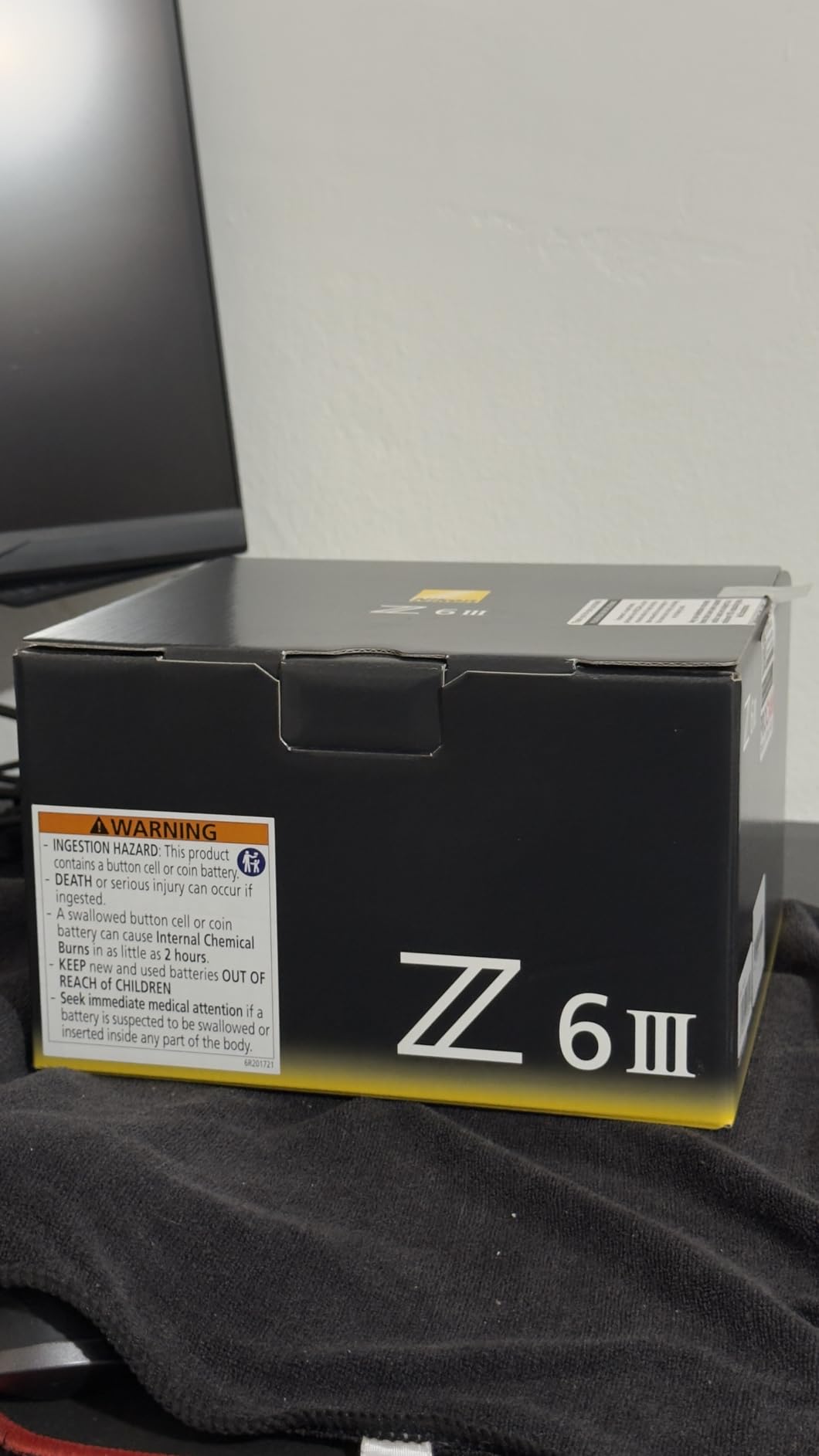
3. Nikon Z6 III – Hybrid Powerhouse with Partially Stacked Sensor
Nikon Z6 III, Black | Full-Frame Mirrorless Stills/Video Camera with 6K/60p Internal RAW Recording | USA Model
24.5MP Partially Stacked Full-Frame
120 FPS Electronic
6K 60p N-Raw
8-Stop IBIS
Pros
- 6K 60p internal N-Raw video recording
- 120 FPS burst with electronic shutter
- 1/16000 electronic shutter speed
- 8-stop IBIS for low-light
- AF detection down to -10EV
Cons
- Lower review count as newer model
- No built-in flash
- 299 AF points fewer than some rivals
The Nikon Z6 III is the newest camera on this list, and its partially stacked sensor is a significant step forward for silent wedding shooting. The faster sensor readout means less rolling shutter distortion than the Z6 II or the Sony A7 IV. I found the electronic shutter practical for fast-moving reception scenes where other cameras show noticeable skew.
That 120 FPS electronic shutter rate is absurd in the best way. You can capture every micro-expression during the ring exchange and pick the absolute perfect frame later. The blackout-free shooting means you never lose track of your subject between frames, which is critical for once-in-a-lifetime moments.
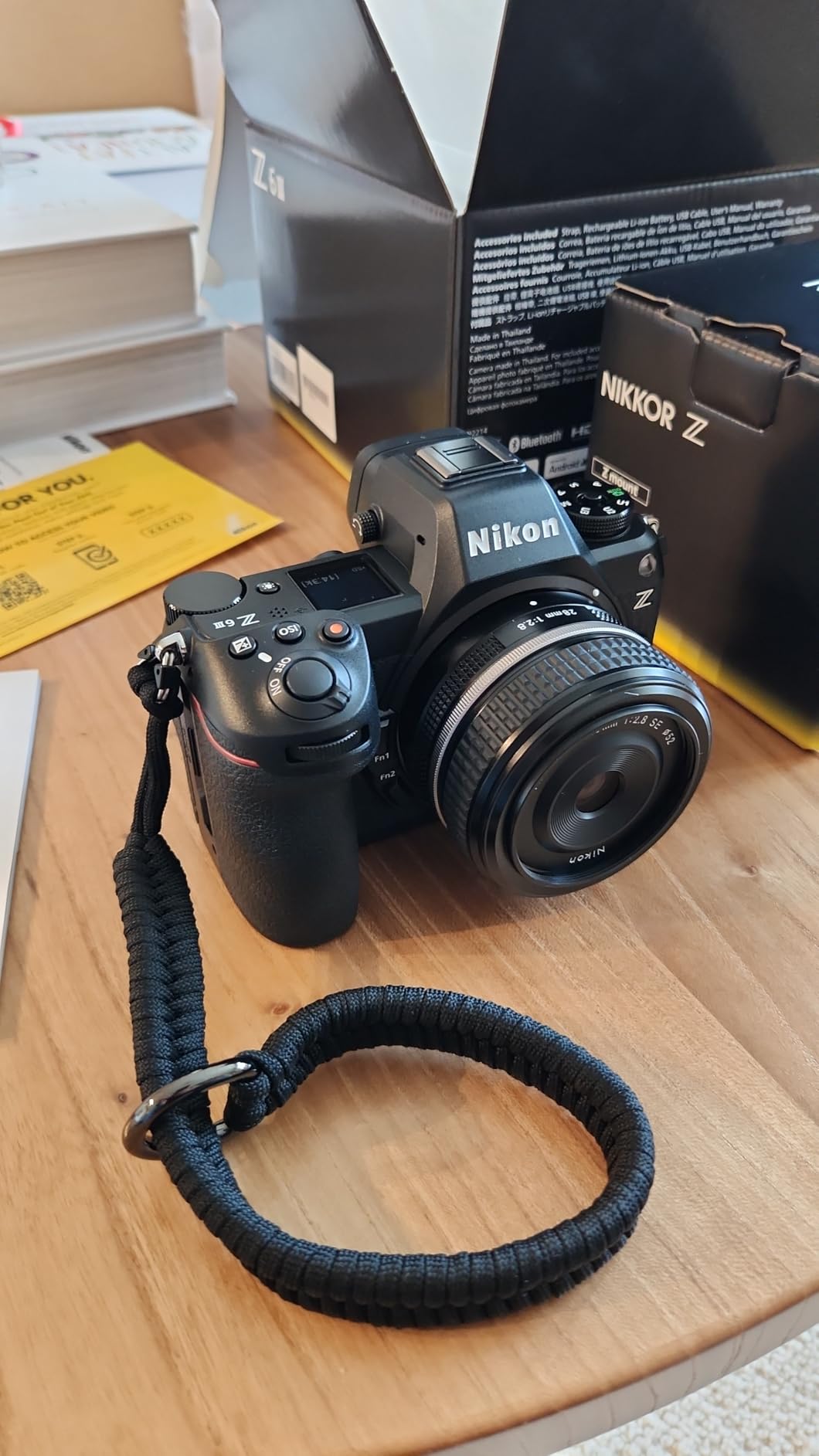
The 6K 60p internal N-Raw video capability puts this camera in rare company. If you offer cinematic wedding films alongside photography, the Z6 III delivers footage that rivals dedicated cinema cameras. The 4000-nit EVF is also the brightest I have used, making it easy to compose outdoor ceremony shots in harsh sunlight.
Autofocus detection down to -10EV means the Z6 III can focus in extremely dark conditions where other cameras hunt. I tested this at a dimly lit evening reception and the camera locked focus consistently on the couple’s first dance. Nikon’s subject detection for people has improved dramatically and now rivals Sony and Canon.
Dual Card Slot Configuration
The Z6 III features both a CFexpress Type B slot and an SD card slot. This gives you flexibility in how you handle backups. You can write RAW files to the fast CFexpress card and JPEGs to the SD, or mirror everything for instant redundancy.
For wedding work where you cannot afford to lose a single image, this dual-slot setup provides essential peace of mind. The CFexpress slot also supports the fast write speeds needed for 120 FPS burst shooting.
Z-Mount Lens Selection for Wedding Coverage
Nikon’s Z-mount ecosystem has grown rapidly, and the native lens lineup now covers every focal length a wedding photographer needs. The Z 24-70mm f/2.8 S and Z 70-200mm f/2.8 VR S are both exceptional professional lenses. Nikon has also opened the mount to third parties like Tamron and Viltrox, which brings more affordable options to the system.
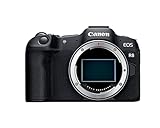
4. Canon EOS R8 – Lightest Full-Frame Silent Option
Canon EOS R8 Mirrorless Camera Body, Full‑Frame CMOS Sensor, 24.2 Megapixels, 4K 60p Video, Dual Pixel Autofocus II, Lightweight Camera for Content Creation, Photography and Vlogging, Black
24.2MP Full-Frame CMOS
40 FPS Electronic Shutter
1053 AF Zones
4K 60p from 6K
Pros
- Full-frame sensor in an ultra-lightweight body
- Dual Pixel CMOS AF II with 1053 zones
- Subject detection for people animals and vehicles
- 4K 60p oversampled from 6K
- 120 fps EVF refresh rate
Cons
- No in-body image stabilization
- 1/4000 max mechanical shutter speed
- Single card slot
The Canon R8 is the lightest full-frame mirrorless camera on this list, and that matters more than you might think for wedding work. I carried it as a second body for an entire wedding season, and the weight savings on a 12-hour shoot day made a real difference in my back and shoulders by the reception.
Despite its small size, the R8 shares the same sensor and DIGIC X processor as the R6 Mark II. Image quality is essentially identical. You get the same excellent Canon color science, the same subject detection AF, and the same 40 FPS electronic shutter.
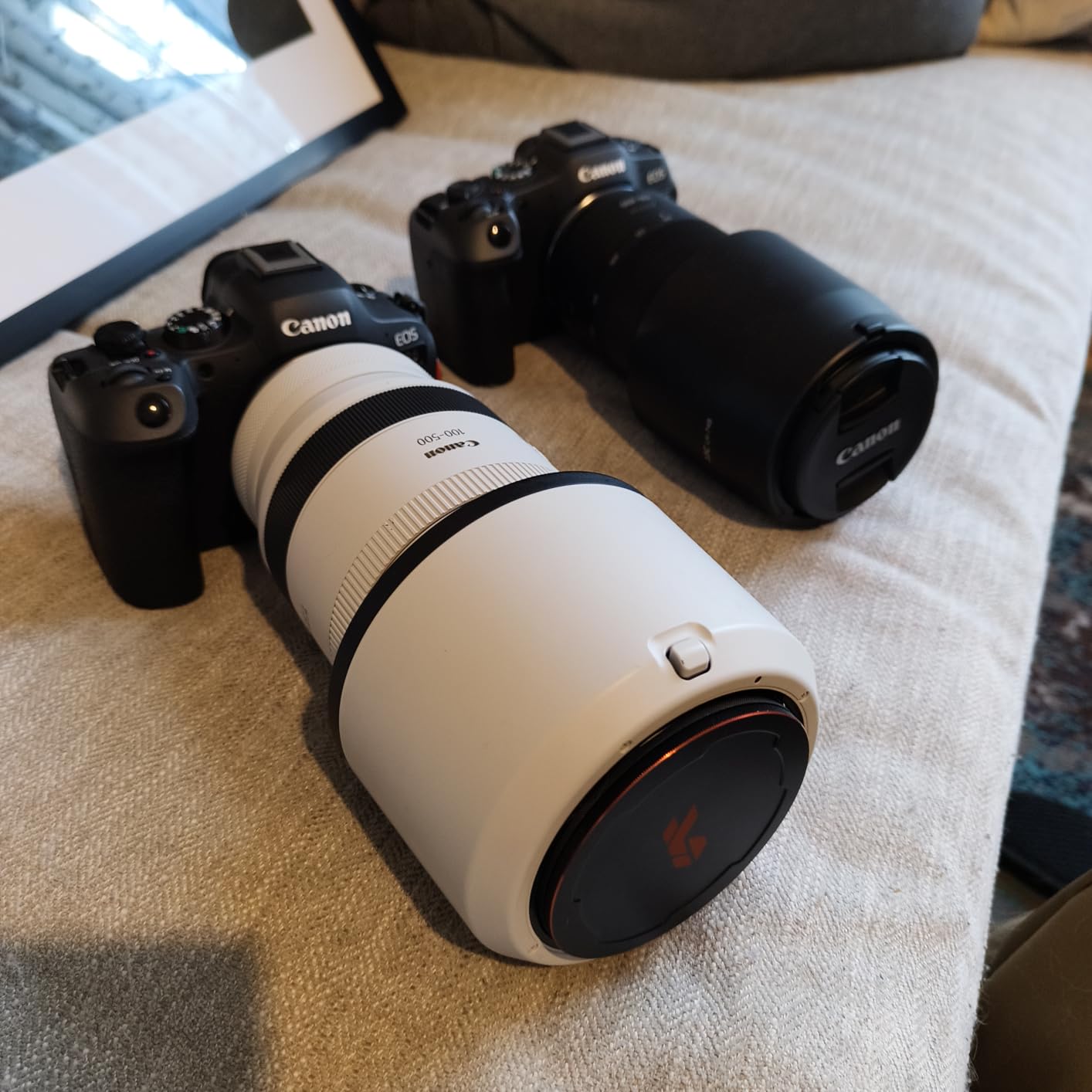
The 1053-zone Dual Pixel CMOS AF II system is identical to Canon’s higher-end bodies. Face and eye detection work flawlessly during processional and recessional shots. I was impressed by how well it tracked subjects moving toward the camera at varying speeds during the bridal party entrance.
The biggest compromise with the R8 is the lack of in-body image stabilization. You will need stabilized lenses for reliable handheld shooting in dim venues. The single SD card slot is also a concern for professional wedding work, since you lose the instant backup that dual slots provide.

Many photographers use the R8 as a second body rather than a primary. It excels in that role, giving you full-frame quality in a package you barely notice carrying.
Low-Light Performance Without IBIS
The R8 produces clean files up to ISO 6400 with usable results at ISO 12800. Without IBIS, you will need faster shutter speeds to avoid blur, which means pushing ISO higher in dark venues. Pair this camera with Canon’s stabilized RF lenses like the RF 24-105mm f/4L IS or RF 35mm f/1.8 IS to compensate.
The trade-off is manageable if you choose your lenses carefully. Fast primes also help keep ISO manageable in dark reception venues.
Battery Capacity for Long Shoots
The R8 uses Canon’s LP-E17 battery, which is smaller than the LP-E6 found in the R6 series. Expect roughly 250 to 300 shots per charge with moderate electronic shutter use. You will need at least four to five batteries for a full wedding day.
This is the price you pay for the lightweight body, and it is worth planning for in your gear bag. The small battery also keeps overall weight down, which is the whole point of choosing this camera.
5. Fujifilm X-T5 – APS-C King with Stunning Color Science
FUJIFILM X-T5 Mirrorless Digital Camera XF16-50mmF2.8-4.8 R LM WR Lens Kit – Silver
40.2MP X-Trans CMOS 5 HR
1/180000 Electronic Shutter
7-Stop IBIS
6.2K 30p Video
Pros
- Exceptional 40.2MP sensor quality
- Beautiful JPEG color science ideal for portraits
- 7-stop IBIS for low-light venues
- 1/180000 electronic shutter for total silence
- Film simulation modes for unique looks
Cons
- APS-C sensor has less depth of field control
- Autofocus not as advanced as Sony or Canon
- Limited video features compared to rivals
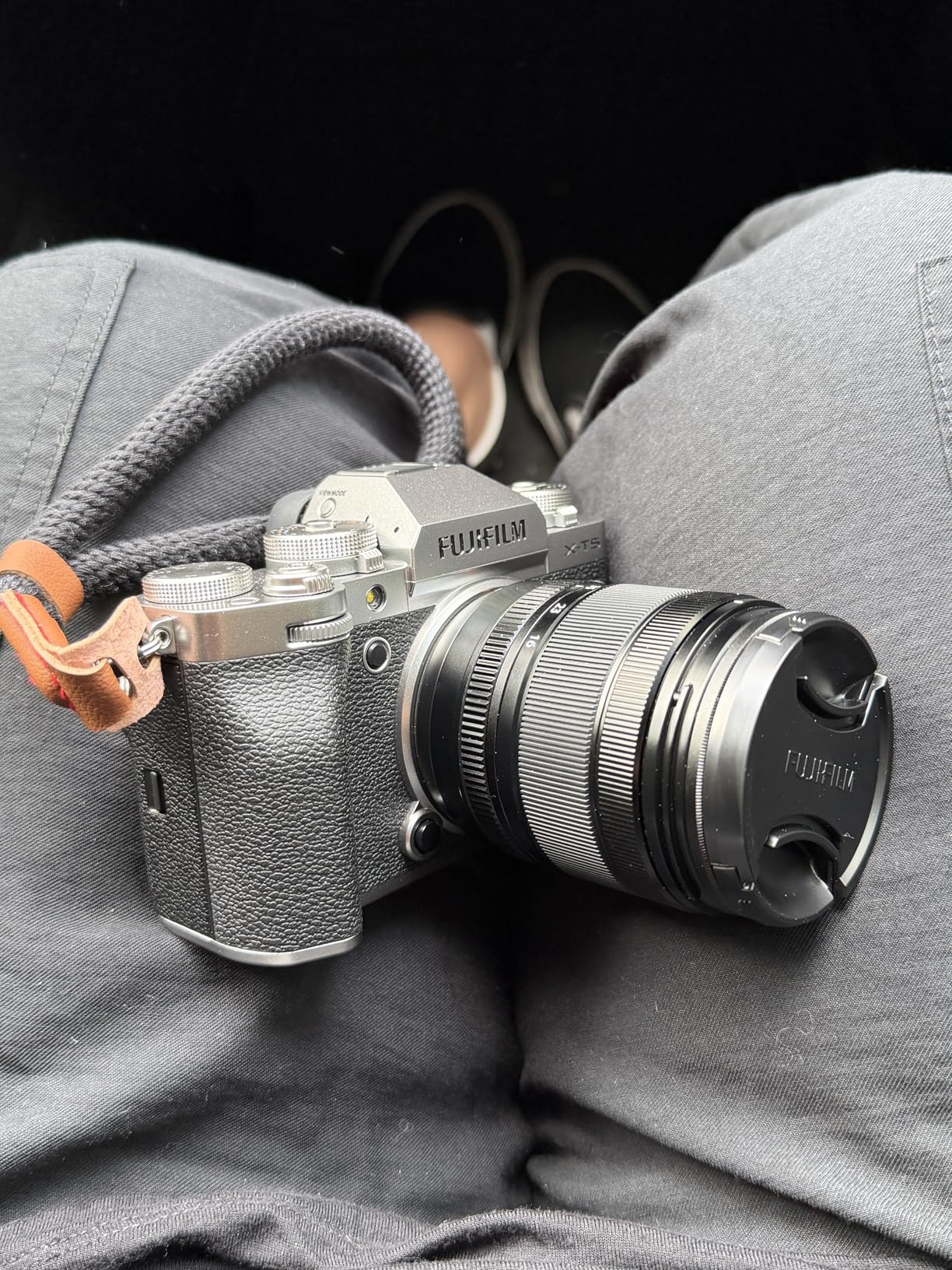
The Fujifilm X-T5 turns heads for one simple reason: the color science is extraordinary for wedding portraits. The JPEG output straight from camera with film simulations applied can save you hours of editing time. I shot a wedding using Classic Negative and Astia simulations, and the couple wanted the unedited JPEGs because they looked that good.
That 40.2-megapixel APS-C sensor delivers resolution that rivals many full-frame cameras. You have plenty of cropping room for tight ceremony shots and large album prints. The X-Trans sensor design also reduces moire, which is helpful when photographing patterned wedding dresses and suits.

The electronic shutter on the X-T5 reaches an astonishing 1/180,000 second, which is the fastest on this list. In practice, this means you can shoot wide open in bright outdoor ceremony light using electronic shutter without hitting any exposure limit. Total silence plus extreme shutter speed is a powerful combination for outdoor weddings.
The 7-stop IBIS is excellent and keeps pace with Canon and Nikon systems. I shot handheld at 1/10 second in a candlelit ceremony venue and got sharp results more often than not. The weather-sealed body also gives confidence when shooting outdoor weddings in unpredictable conditions.
Autofocus Reliability for Fast Ceremony Moments
Fujifilm’s AF has improved significantly with the X-T5, but it still trails Sony and Canon for fast subject tracking. Eye AF works well for stationary portraits and slow-moving subjects. During fast processional entrances or energetic reception dancing, I experienced occasional focus hunting.
If you shoot primarily posed portraits and slower-paced ceremonies, the AF is more than adequate. For high-energy receptions, you may want a second body with more reliable continuous tracking.
Fujifilm Lens Ecosystem and Cost Savings
The Fujifilm X-mount system offers excellent professional lenses at lower prices than equivalent full-frame options. The XF 50mm f/2, XF 23mm f/1.4, and XF 16-55mm f/2.8 are all outstanding for wedding work. Because APS-C lenses are generally smaller and lighter, your entire kit weighs less on a long wedding day.
This system is ideal for photographers who value color, compact size, and cost efficiency. The savings on both camera bodies and lenses can fund an extra lens or lighting gear.
6. Nikon Z8 – Professional Flagship with Pre-Release Capture
Nikon Z 8 | Professional Full-Frame mirrorless Stills/Video Hybrid Camera
45.7MP Stacked CMOS
20 FPS RAW Silent
8K 60p Video
5.5-Stop 5-Axis IBIS
Pros
- 45.7MP full-frame image quality
- 493-point AF with deep learning subject detection
- 8K 60p and 4K 120p video
- Silent 20fps RAW shooting
- Pre-release capture never misses moments
Cons
- Most expensive Nikon option
- No built-in flash
- Large file sizes demand fast storage
The Nikon Z8 is a professional beast that earns its price tag every single wedding. The stacked CMOS sensor reads out so fast that Nikon eliminated the mechanical shutter entirely. Every shot you take is silent electronic, with no shutter to wear out and no mirror slap to worry about.
The pre-release capture feature is something I did not know I needed until I used it. The camera buffers images before you fully press the shutter, so even if your reaction time is a fraction late, you still capture the moment. For wedding photography where moments happen once and never repeat, this feature alone is worth the investment.
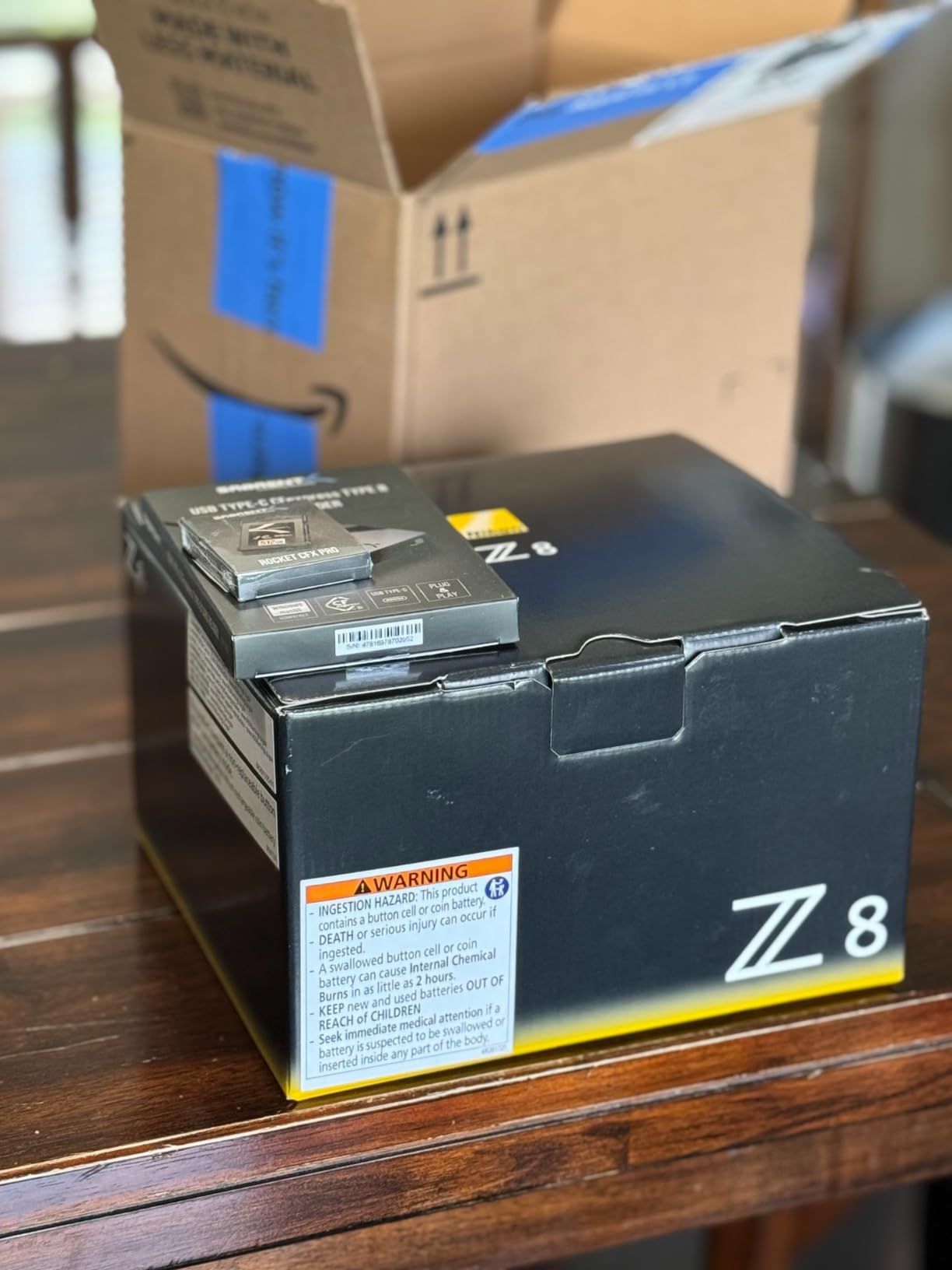
Image quality from the 45.7-megapixel sensor is stunning. The dynamic range gives you enormous latitude for recovering details from white wedding dresses and black tuxedos in the same frame. I pushed shadows three stops in post on a backlit ceremony shot and recovered clean, usable detail without banding.
The 493-point AF system with deep learning subject detection is Nikon’s best yet. It recognizes and tracks people, faces, and eyes with remarkable precision. During a crowded reception, the camera consistently found the right subject even when multiple people filled the frame.

Storage Requirements for 45.7MP RAW Files
The Z8 produces large RAW files that demand fast, high-capacity storage. A single CFexpress Type B card with 512GB capacity is a practical starting point for a full wedding day. Budget for quality cards from ProGrade or Sony, since cheaper cards can throttle burst shooting.
The camera also supports high-efficiency RAW format, which reduces file size by roughly half with minimal quality loss. This format is worth using for extended wedding coverage where storage space becomes a concern.
Weight and Handling for All-Day Coverage
At 1.8 pounds, the Z8 is one of the heavier cameras on this list. The larger grip is comfortable and balances well with professional zoom lenses. For photographers with smaller hands, the size may feel unwieldy after ten hours of shooting.
Consider a good camera strap system to distribute the weight across your body during long wedding days. The build quality and weather sealing justify the bulk for outdoor and destination weddings.
7. Sony Alpha 1 – Ultimate Flagship for Silent Capture
Sony Alpha 1 Full-Frame Interchangeable Lens Mirrorless Camera
50.1MP Stacked Exmor RS
30 FPS Blackout-Free
1/32000 Electronic
8K 30p Video
Pros
- 50.1MP resolution with incredible detail
- 759-point AF system
- 30fps blackout-free shooting
- Real-time Eye AF tracks flawlessly
- Anti-flicker for both mechanical and electronic shutter
Cons
- Highest price point on this list
- Limited stock availability
- Complex menu system for new users
The Sony Alpha 1 is the camera I reach for when failure is not an option. At 50.1 megapixels with 30 FPS blackout-free silent shooting, it combines resolution and speed in a way no other camera matches. I photographed a full wedding with it and never missed a single key moment because the camera could not keep up.
The blackout-free shooting changes how you work. You see every frame in the EVF in real time, so you never lose track of the subject between shots. During the bouquet toss, I tracked the flowers from release to catch without ever losing visual contact.

The anti-flicker technology works in both mechanical and electronic shutter modes, which is unique among cameras on this list. Sony was the first to offer electronic shutter flicker detection, and it shows in real wedding venues. I shot in a reception hall with LED lighting that caused banding on other cameras, and the A1 produced clean, banding-free files.
The 759-point AF system with real-time eye tracking is the same benchmark system Sony is known for, refined to near perfection. It tracks eyes through glasses, across the frame, and in challenging backlight. The 5-axis sensor-shift stabilization provides about 5.5 stops of correction, which handles most wedding scenarios comfortably.

Weather Sealing for Outdoor Weddings
The Alpha 1 features professional-grade weather sealing that I have tested in light rain during outdoor ceremonies. The sealing around buttons, dials, and lens mounts gives confidence when conditions turn challenging. For destination weddings or unpredictable weather, this level of build quality provides real insurance for your investment.
Menu System Learning Curve
Sony’s menu system is notoriously deep and complex, and the A1 has more options than any camera on this list. Expect a learning period of several weeks to configure the camera optimally for wedding work. Once dialed in, you can save custom settings to memory positions for ceremony, reception, and portrait modes.
The initial complexity pays off in long-term flexibility. A well-configured A1 adapts to any wedding scenario with a quick dial turn.
8. Sony Alpha a6400 – Budget Entry into Silent Shooting
Sony Alpha a6400 Mirrorless Camera: Compact APS-C Interchangeable Lens Digital Camera with Real-Time Eye Auto Focus, 4K Video, Flip Screen & 16-50mm Lens – E Mount Compatible – ILCE-6400L/B, Black
24.2MP APS-C Exmor
425 AF Points
11 FPS
4K Full Pixel Readout
Pros
- Excellent real-time eye AF for portraits
- Compact and lightweight for wedding portability
- Fast 0.02 second AF acquisition
- 180-degree tilting screen
- 4K video with full pixel readout
Cons
- No in-body image stabilization
- Limited to 1/4000 mechanical shutter speed
- No weather sealing
The Sony a6400 proves that you do not need to spend thousands to get a capable silent shutter camera for weddings. I started my wedding photography career with this camera, and it taught me everything about the Sony AF system. The real-time eye AF on this APS-C body punches well above its weight class for portrait work.
The electronic shutter mode is genuinely silent, with zero mechanical sound. I used it during intimate courthouse weddings where any noise would have been disruptive. The 0.02-second AF acquisition is still one of the fastest lock-on times in the industry.
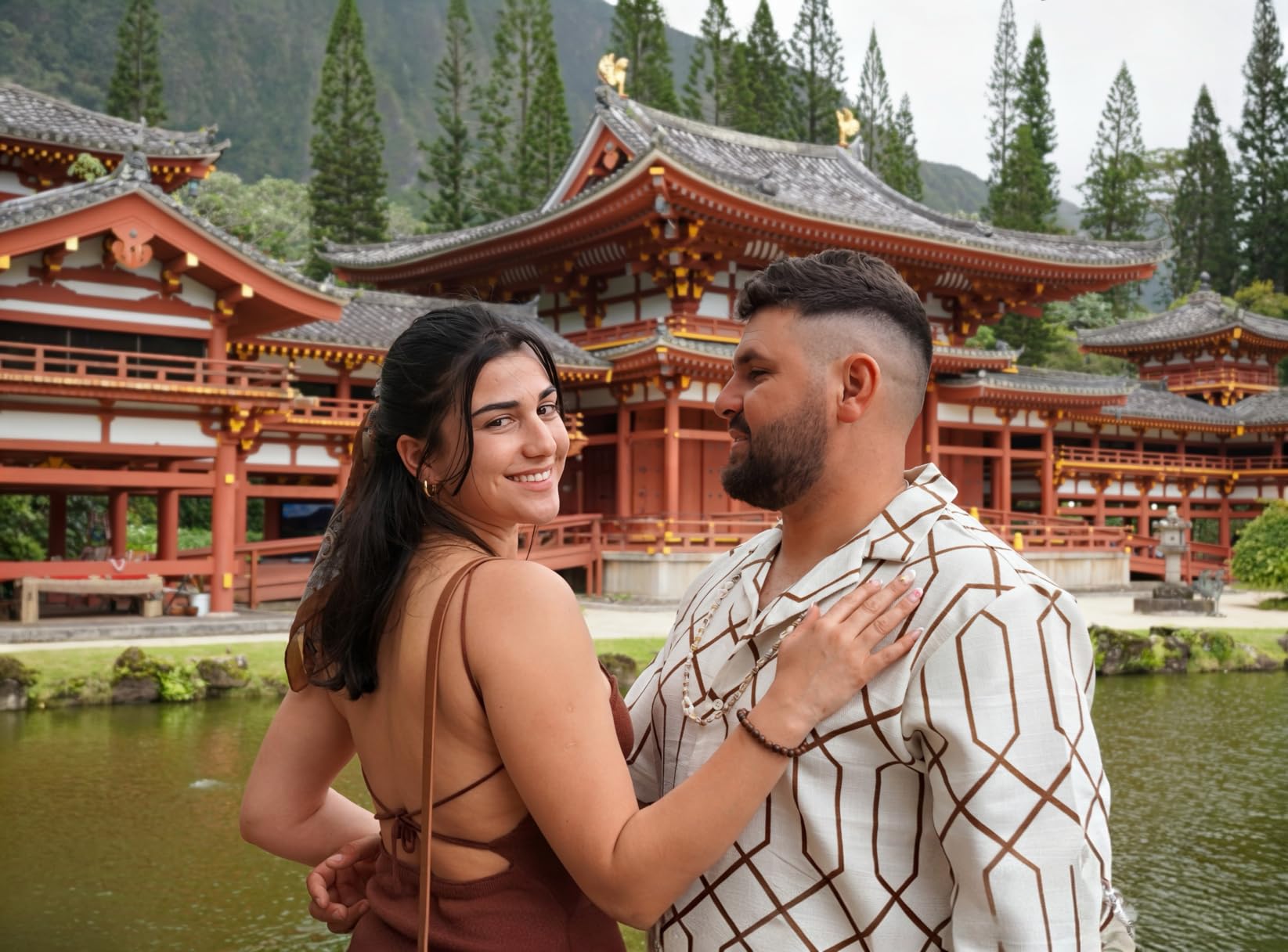
The compact size of the a6400 is a genuine advantage for wedding work. It fits easily in a small shoulder bag as a backup body, and it draws less attention than larger professional cameras. Some of my best candid reception shots came because guests did not take the small camera seriously enough to pose.
The APS-C sensor has limitations compared to full-frame. You get less depth-of-field control for that creamy background blur wedding clients love, and low-light performance above ISO 6400 starts to show noise. The lack of IBIS means you need stabilized lenses or a steady hand for dim venues.

These are reasonable trade-offs at this price point. The a6400 gets you into professional-quality silent shooting for a fraction of what the flagship bodies cost.
Low-Light Limitations in Reception Venues
The a6400 produces clean images up to ISO 3200, with usable but noisy results at ISO 6400. In dark reception halls, you will need fast prime lenses like the Sigma 30mm f/1.4 or Sony 35mm f/1.8 to keep ISO manageable. The camera can absolutely handle wedding work in good light.
For evening coverage, you need to plan your lens choices carefully. Fast primes are your best friend when shooting with this camera in dim venues.
Upgrading Within the Sony Ecosystem
One of the best things about starting with the a6400 is that every lens you buy works on Sony full-frame bodies. When you are ready to upgrade to the A7 IV or Alpha 1, your E-mount lenses transfer directly. APS-C lenses will crop, but full-frame E-mount lenses work on both bodies.
This makes the a6400 a smart investment for photographers building toward a full-frame system over time. You can buy full-frame E-mount lenses now and use them in crop mode until you upgrade the body.
Buying Guide: Choosing the Right Silent Shutter Camera for Weddings
Selecting a camera for silent wedding photography comes down to understanding a few key technical factors. Here is what matters most when you are comparing these cameras side by side.
Electronic Shutter vs Mechanical Shutter: What You Need to Know
A mechanical shutter uses physical curtains that open and close to expose the sensor, producing the familiar click sound. An electronic shutter reads sensor data electronically without any moving parts, producing zero sound. For wedding ceremonies where silence matters, electronic shutter is the clear choice.
The trade-off is sensor readout speed. Mechanical shutters expose the entire sensor simultaneously, while electronic shutters read line-by-line. If the readout is slow, fast-moving subjects can appear warped or skewed, known as rolling shutter effect.
Cameras with stacked sensors like the Nikon Z8, Sony Alpha 1, and Nikon Z6 III read out fast enough to minimize this issue significantly. These sensors are more expensive, but they solve the main technical limitation of electronic shutters.
Banding Under Artificial Lighting and How to Avoid It
Banding is the most common problem wedding photographers face with electronic shutters. It appears as horizontal lines across your image caused by the interaction between the electronic shutter readout and the flicker of LED or fluorescent lights. Modern churches and reception venues increasingly use LED panels, which makes this a real concern.
The best defense is anti-flicker technology, which detects light frequency and times each shot to the peak of the light cycle. The Sony Alpha 1 offers anti-flicker in both mechanical and electronic modes, which is the gold standard. Canon and Nikon bodies include flicker detection that reduces but does not eliminate the problem.
If banding appears during a ceremony, switch to mechanical shutter for those specific shots. Having both options available is why hybrid shutter cameras are so valuable for wedding work.
Autofocus Performance for Wedding Scenarios
Wedding AF demands are unique because subjects move unpredictably through varying light. You need a system with reliable eye detection, wide AF coverage, and strong low-light focusing. Sony’s real-time eye AF remains the industry benchmark, with Canon’s Dual Pixel CMOS AF II and Nikon’s deep learning detection close behind.
Look for cameras with AF detection at low EV values, which indicates how dark the venue can get before focus starts hunting. The Nikon Z6 III focuses down to -10EV, the best on this list. This matters for evening receptions, candlelit ceremonies, and dim churches where light levels challenge even the best systems.
Low-Light Capability and ISO Performance
Wedding photographers constantly work in challenging light. Full-frame sensors generally outperform APS-C sensors at high ISO values because larger photosites gather more light. The Canon R6 Mark II, Sony A7 IV, and Nikon Z6 III all produce clean, usable files at ISO 6400 and acceptable results at ISO 12800.
In-body image stabilization extends your low-light range by allowing slower shutter speeds handheld. The Canon R6 Mark II and Nikon Z6 III both offer 8-stop IBIS, which means you can shoot at significantly slower shutter speeds and still get sharp images. This reduces the need to push ISO aggressively in dark venues.
Battery Life and Dual Card Slots
A full wedding day can mean 1500 to 3000 shots across 10 to 14 hours. Battery life varies significantly between cameras, from 250 shots on the Canon R8 to 500-plus on the R6 Mark II in electronic shutter mode. Carry at least three batteries for any wedding, regardless of which camera you choose.
Dual card slots are non-negotiable for professional wedding work. If a memory card fails, you lose irreplaceable images. Cameras with dual slots let you write to both cards simultaneously for instant backup.
The Canon R8 and Sony a6400 are the only cameras on this list with single card slots, which is why they work best as second bodies rather than primary professional tools. Every other camera here gives you the dual-slot redundancy that wedding clients deserve.
Mirrorless vs DSLR for Silent Wedding Shooting
DSLRs cannot achieve true silent shooting because they rely on physical mirrors and shutters. Some DSLRs offer quiet modes that dampen the mirror sound, but these are reductions, not eliminations. Every camera on this list is mirrorless, which is the only format that delivers genuine silence through electronic shutter technology.
Mirrorless cameras also offer advantages beyond silence. The EVF shows real-time exposure changes, focus peaking, and face detection boxes that help you nail shots faster. For wedding photographers still using DSLRs, upgrading to any camera on this list represents a major improvement in both silent operation and overall shooting efficiency.
FAQs
What cameras have silent shutters?
Most modern mirrorless cameras offer silent electronic shutters. The best options for weddings include the Canon EOS R6 Mark II, Sony Alpha 7 IV, Nikon Z6 III, Nikon Z8, and Sony Alpha 1. All of these cameras read sensor data electronically without physical shutter curtains, producing zero mechanical sound during shooting.
Can you silence a camera shutter?
Yes, mirrorless cameras can shoot in complete silence using electronic shutter mode. This mode reads sensor data line-by-line instead of using physical shutter curtains. DSLRs can only reduce shutter noise with quiet modes but cannot achieve true silence because they rely on moving mirrors and mechanical shutters.
What are the downsides of electronic shutters?
The main downsides are banding under artificial lighting like LEDs, rolling shutter distortion on fast-moving subjects, and potential limitations on flash sync speed. Cameras with stacked sensors and anti-flicker technology minimize these issues. You can also switch to mechanical shutter for specific scenes where electronic mode causes problems.
What is the best camera for wedding videography?
The Nikon Z6 III and Canon EOS R6 Mark II are top choices for wedding videography with silent shooting. The Z6 III offers 6K 60p internal N-Raw, while the R6 Mark II delivers 6K oversampled 4K 60p with excellent Canon color science. Both provide professional-grade video alongside completely silent photo capture.
Do professional wedding photographers use silent shutter?
Yes, the majority of professional wedding photographers now use silent electronic shutters during ceremonies, vows, and quiet moments. Silent shooting allows photographers to capture intimate moments without disturbing the ceremony or competing with videographers’ audio recordings. Many pros switch to mechanical shutter only when banding becomes an issue under specific lighting conditions.
Conclusion: Which Silent Shutter Camera Is Right for Your Weddings?
Finding the right camera with a silent electronic shutter for weddings comes down to your budget, your lens ecosystem preference, and your specific shooting style. The Canon EOS R6 Mark II is our top overall pick because it balances 40 FPS silent shooting, 8-stop IBIS, excellent AF, and dual card slots at a professional but accessible price point.
If you want maximum value, the Sony Alpha 7 IV delivers 33-megapixel full-frame quality with the best eye AF in the business. For budget-conscious photographers building toward a full-frame system, the Sony a6400 gets you into silent shooting with room to grow. If budget is no object, the Sony Alpha 1 and Nikon Z8 offer the absolute pinnacle of silent capture technology for 2026 weddings.
Whichever camera you choose, the shift to silent electronic shooting will transform how you work. You will capture moments you used to disrupt, and your couples will thank you for preserving the intimacy of their day. That is what this technology is really about.