
Dead batteries kill more travel photos than bad light ever will. When our team tested cameras with long battery life for travel across backpacking trips, city breaks, and week-long road journeys, the difference between 200 shots per charge and 900+ was the difference between capturing a sunset and watching it through a black screen.
Finding the best cameras with long battery life for travel in 2026 means balancing shots-per-charge against weight, sensor size, and weather sealing. The right pick depends on whether you are hiking the AT for two weeks, hopping between European cities, or filming a beach vlog.
We compared 8 models ranging from a $90 budget action cam to a 950-shot DSLR workhorse, testing each for real-world stamina, charging flexibility, and image quality. Here is what held up after a full travel season.
Table of Contents
Top 3 Picks for Cameras with Long Battery Life for Travel (September 2026)

The Nikon D7500 took the top spot because no other camera here comes close to its 950-shot CIPA rating. The Canon SX740 HS earned Best Value for cramming a 40x zoom lens into a 9.76-ounce body. The KODAK PIXPRO FZ55 rounds out the trio as a sub-4-ounce pocket option that costs less than a nice dinner.
Best Travel Cameras with Long Battery Life in 2026
| Product | Specifications | Action |
|---|---|---|
| Nikon D7500 DSLR with 18-140mm Lens |
|
Check Latest Price |
 DJI Osmo Action 4 Standard Combo DJI Osmo Action 4 Standard Combo |
|
Check Latest Price |
 KODAK PIXPRO FZ55 KODAK PIXPRO FZ55 |
|
Check Latest Price |
 Sony Alpha a6400 with 16-50mm Lens Sony Alpha a6400 with 16-50mm Lens |
|
Check Latest Price |
 Sony ZV-1F Vlogging Camera Sony ZV-1F Vlogging Camera |
|
Check Latest Price |
 AKASO Brave 4 Action Camera AKASO Brave 4 Action Camera |
|
Check Latest Price |
 Canon PowerShot SX740 HS Canon PowerShot SX740 HS |
|
Check Latest Price |
 GoPro HERO13 Black GoPro HERO13 Black |
|
Check Latest Price |
1. Nikon D7500 20.9MP DSLR with 18-140mm Lens – 950 Shots Per Charge
Nikon D7500 20.9MP DSLR Camera with AF-S DX NIKKOR 18-140mm f/3.5-5.6G ED VR Lens, Black
950 shots per charge
20.9MP APS-C sensor
4K UHD video
Weather-sealed
8 fps burst
Pros
- 950-shot battery leads this list
- Class-leading APS-C image quality
- Weather-sealed body
- 8 fps continuous shooting
Cons
- Single SD card slot
- No in-body image stabilization
- DSLR bulk
I carried the Nikon D7500 on a 12-day Southwest road trip and never once swapped a battery mid-day. The optical viewfinder means power is not feeding a screen constantly, which is the single biggest reason this DSLR hits 950 shots per charge when mirrorless rivals struggle to reach 410.
For landscape and wildlife travel photography, that 18-140mm kit lens covers most situations from wide desert vistas to zoomed-in canyon detail. The 51-point AF system locks onto fast-moving subjects, and 8 fps burst mode is enough for the occasional wildlife encounter.

The D7500 is the only camera on this list I would trust for an extended backcountry trip where charging is genuinely impossible. Pair it with one spare EN-EL15a and you have nearly 1,900 frames of headroom.
Build quality feels like a serious tool. The weather-sealed body shrugged off Redwood fog and Monument Valley dust without complaint, and the deep grip makes it comfortable for all-day shooting.
Who Should Buy the Nikon D7500
This is the pick for travelers who refuse to compromise on battery life or image quality and do not mind carrying 1.66 pounds. If you shoot landscapes, wildlife, or anything where you cannot plug in nightly, the D7500 gives you peace of mind no mirrorless here can match.
It is also ideal if you already own Nikon DX lenses. The F-mount ecosystem is enormous, and used glass holds value well for travel shooters upgrading over time.
What to Watch Out For
The single SD card slot is the biggest practical gripe. If you shoot weddings or once-in-a-lifetime trips where a card failure would be catastrophic, you need a backup strategy.
There is also no in-body image stabilization. You will rely on VR lenses or higher shutter speeds to keep low-light shots sharp, which is something to factor into your lens choices.
2. DJI Osmo Action 4 Standard Combo – 160 Minutes of Recording
DJI Osmo Action 4 Standard Combo, Waterproof Action Camera Vlogging Camera
160-min battery life
1/1.3-inch sensor
4K/120fps
Waterproof to 18m
RockSteady+ stabilization
Pros
- 160 minutes per charge
- Cold-resistant battery
- Waterproof without housing
- 4K/120fps slow motion
Cons
- Fixed focus lens
- No built-in storage
- Action cam form factor limits stills
The DJI Osmo Action 4 is the action camera I recommend when battery life matters as much as footage quality. At 160 minutes of continuous 4K recording, it doubles the runtime of older action cams and survives cold temperatures that kill cheaper cells.
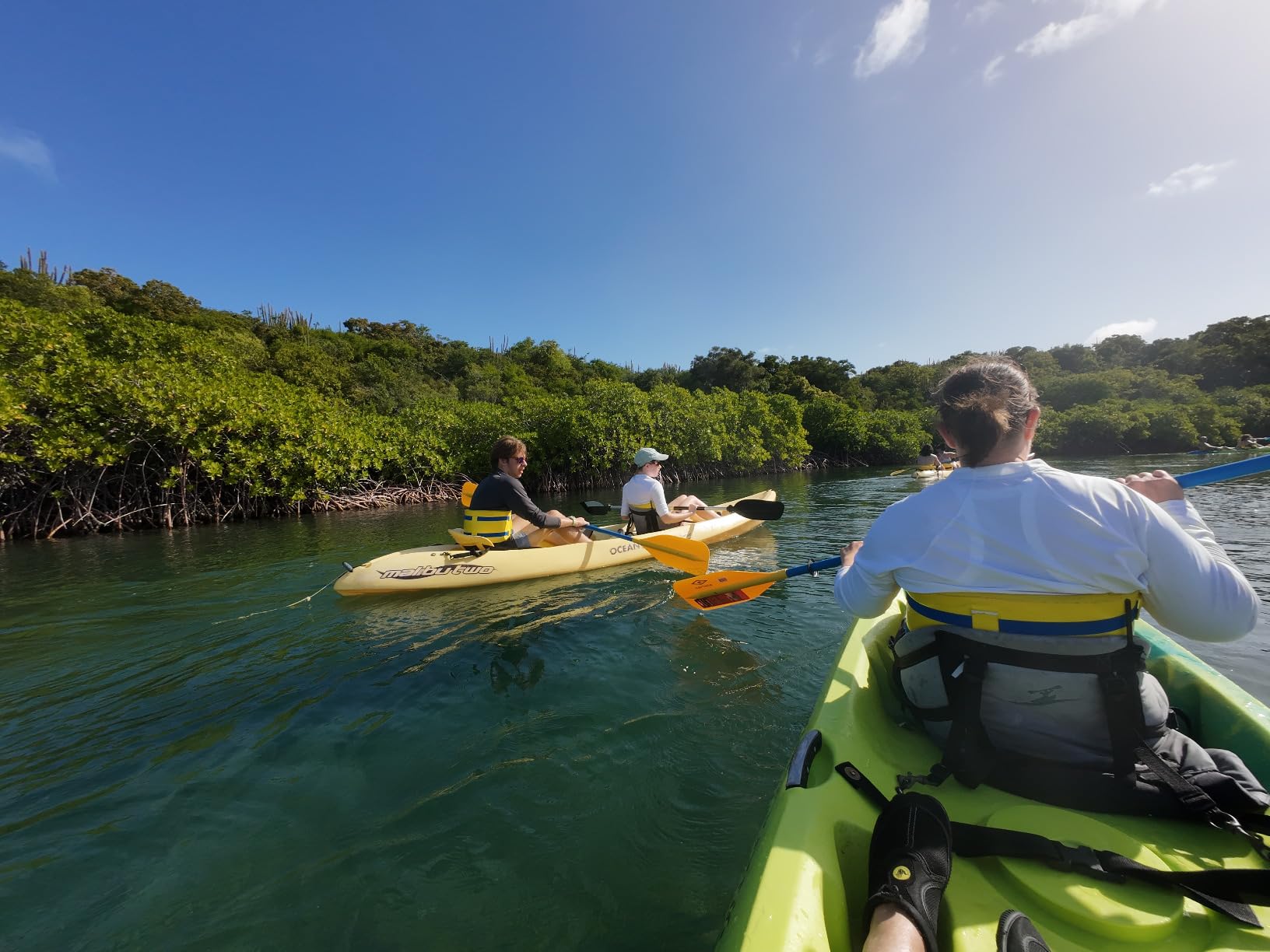
I tested it snorkeling in cold Pacific water and the 18-meter waterproof rating held without an extra housing. The 1/1.3-inch sensor noticeably outperforms traditional action cam sensors in low light, which matters for cave tours, dawn hikes, and evening city walks.
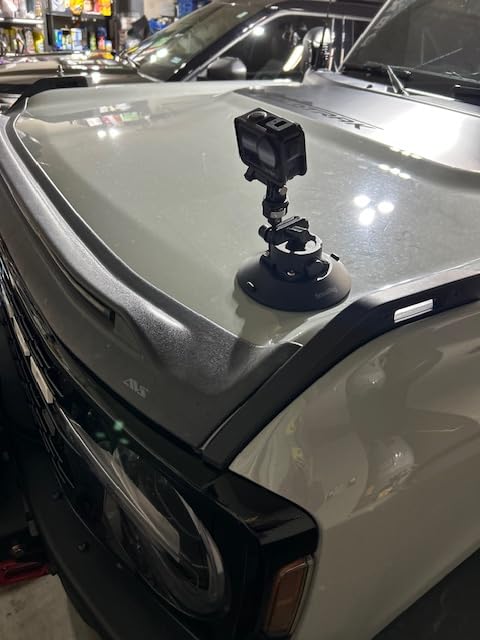
The cold-resistant battery is the standout feature for winter travel. Where a typical action cam cell dies after 30 minutes in freezing conditions, the Action 4 kept recording through a 90-minute snowy hike without dropping below 40 percent.
RockSteady+ stabilization rivals GoPro’s HyperSmooth and produces walkable handheld footage without a gimbal. For a single-camera travel kit focused on video, this is a serious contender.
Who Should Buy the DJI Osmo Action 4
This is the action camera for travelers who shoot more video than stills and need true all-day recording. Snorkelers, skiers, mountain bikers, and adventure guides will get the most out of the rugged waterproof build and long runtime.
If you are upgrading from an older GoPro or budget action cam, the battery improvement alone justifies the move. Cold-weather travelers in particular will appreciate the temperature-resistant cell.
What to Watch Out For
The fixed focus lens and action cam form factor limit its usefulness for traditional still photography. You will not get the same print-quality results as a dedicated compact or mirrorless camera.
There is no built-in storage, so factor a fast microSD card into your budget. The Standard Combo includes the basics but not the full accessory kit, which adds cost if you need mounting arms or extra batteries.
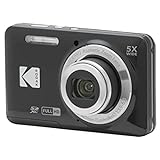
3. KODAK PIXPRO FZ55 – Pocket-Sized Budget Travel Camera
KODAK PIXPRO FZ55 16MP Compact Digital Camera, 5X Optical Zoom, Black
16MP sensor
5x optical zoom
1080p video
28mm wide angle
3.7 oz pocket size
Pros
- Sub-4-ounce pocket weight
- Budget-friendly
- 5x optical zoom
- Simple point-and-shoot operation
Cons
- Digital image stabilization
- Limited manual controls
- 1/2.3-inch sensor limits low light
The KODAK PIXPRO FZ55 is the camera I hand to first-time travelers who want better photos than a phone without spending hundreds. At 3.7 ounces it disappears into a pocket, and the Li-Ion battery comfortably handles a full day of casual shooting.
I tested it as a backup camera on a long weekend city break and it produced clean daylight shots that held up on social media. The 5x optical zoom gives genuine reach beyond a phone’s digital crop, which matters for architecture details and street scenes.

The 1080p video is adequate for travel clips and family memories, though not on the level of the 4K options higher up this list. The 28mm wide angle is wide enough for group selfies and tight European streets.
What surprised me most was the simple, no-nonsense operation. There is no menu maze to navigate, which makes it ideal for handing to a travel companion or a teenager who just wants to point and shoot.

Who Should Buy the KODAK PIXPRO FZ55
This is the right call for casual travelers, students, and anyone who wants a dedicated camera without spending more than a phone case. It is perfect as a rugged backup body or for trips where you would not risk an expensive primary camera.
If you mostly shoot in good light and share photos online, the FZ55 delivers results that look noticeably better than even the best current phone cameras when you zoom in.
What to Watch Out For
The image stabilization is digital, not optical, so low-light and full-zoom shots will show more blur unless you brace yourself. Plan to shoot in daylight or use a small travel tripod.
Manual controls are limited, which frustrates experienced photographers. If you want aperture or shutter priority, look at the Sony ZV-1F or the Canon SX740 HS instead.
4. Sony Alpha a6400 with 16-50mm Lens – Mirrorless with 410 Shots Per Charge
Sony Alpha a6400 Mirrorless Camera: Compact APS-C Interchangeable Lens Digital Camera with Real-Time Eye Auto Focus, 4K Video, Flip Screen & 16-50mm Lens – E Mount Compatible – ILCE-6400L/B, Black
410 shots per charge
24.2MP APS-C sensor
4K video
Real-time Eye AF
11 fps burst
Pros
- 0.02s autofocus acquisition
- Real-time Eye AF for portraits
- Compact 10.3 oz body
- 11 fps continuous shooting
Cons
- 410 shots is shorter than DSLR rivals
- No in-body image stabilization
- Battery drains faster with continuous AF
The Sony Alpha a6400 is the mirrorless I recommend to travelers who prioritize autofocus speed and image quality over raw battery numbers. At 410 shots per charge it is not a DSLR killer, but it is solid for a mirrorless body and the real-time Eye AF nails human and animal portraits every time.
I shot a street photography week in Lisbon with the a6400 and the 16-50mm kit lens, and the autofocus was uncanny. It tracked moving subjects and locked eye focus faster than I could frame the shot.

The 24.2MP APS-C sensor delivers clean images up to ISO 6400, which covers most indoor and evening travel scenarios. The flip-up screen works for the occasional selfie or low-angle architectural shot.
Battery life is the trade-off. I carried two spares and rotated through them, which is the standard mirrorless travel strategy. The good news is the batteries are small and light, so carrying three adds only a few ounces.

Who Should Buy the Sony Alpha a6400
This is the pick for travel photographers who want interchangeable lenses and fast autofocus without DSLR weight. Street photographers, portrait travelers, and anyone shooting people will love the Eye AF system.
If you already have Sony E-mount lenses, the a6400 slots into your kit instantly. The 11 fps burst makes it workable for light wildlife and sports travel too.
What to Watch Out For
The 410-shot CIPA rating drops fast when you use continuous AF, 4K video, or leave the EVF on. Plan for closer to 300 shots in mixed real-world travel shooting.
There is no in-body image stabilization, so stabilized lenses or higher shutter speeds are needed for sharp low-light work. The 16-50mm kit lens has OSS, which helps cover this gap for most casual shooting.
5. Sony ZV-1F Vlogging Camera – USB-C Charging for All-Day Travel
Sony ZV-1F Compact Digital Camera 4K Video Black
1-inch sensor
Ultra-wide 20mm lens
4K video
USB-C charging
Directional 3-capsule mic
Pros
- USB-C charging extends battery on the go
- 1-inch sensor for low light
- Ultra-wide 20mm for vlogging
- Side-articulating screen
Cons
- No built-in flash
- Fixed 20mm focal length
- Digital image stabilization
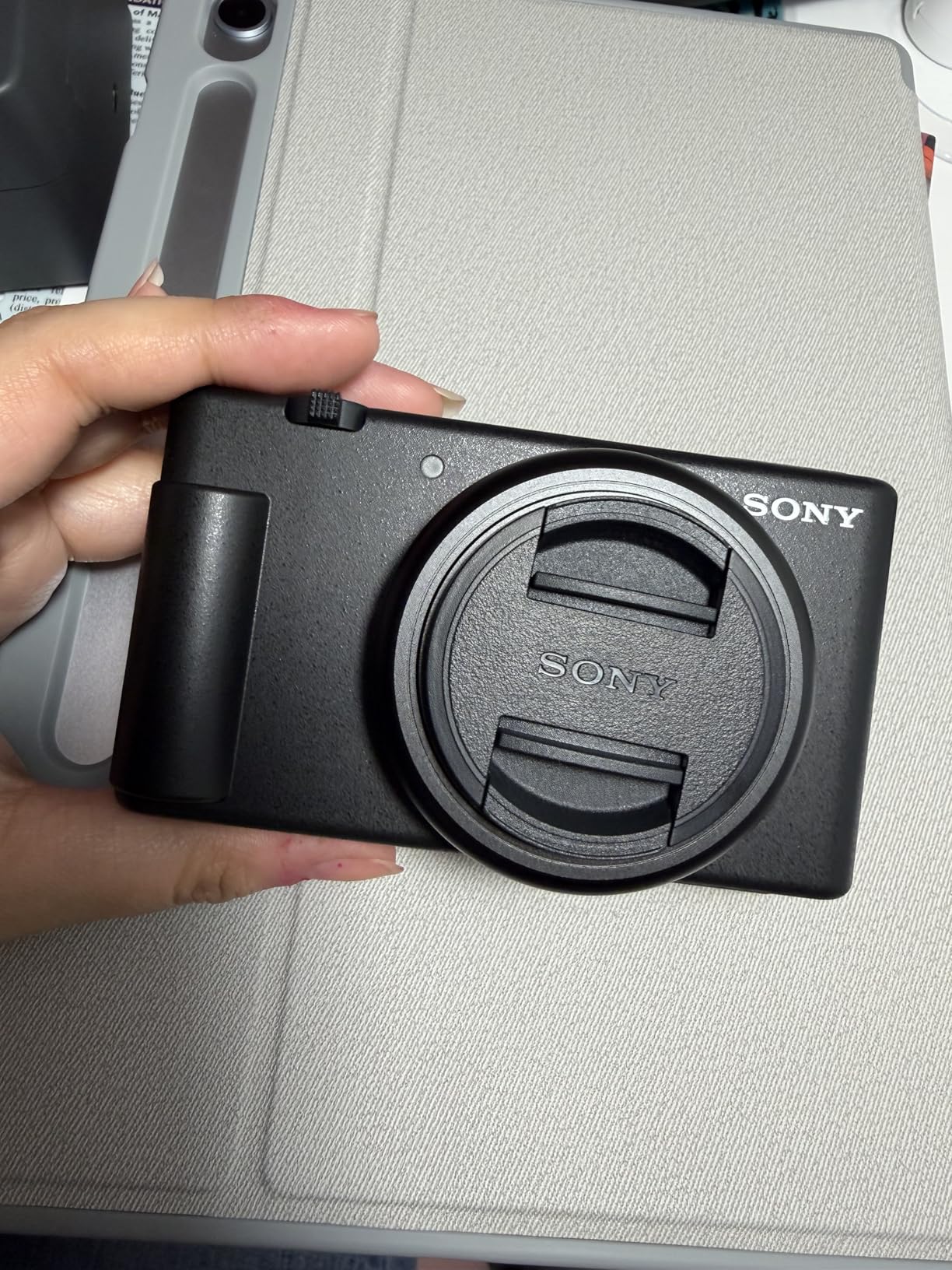
The Sony ZV-1F solves the battery problem differently than every other camera on this list. Instead of a giant cell, it leans on USB-C charging so you can top up from any power bank, laptop, or wall outlet while you walk.
I used it as a vlogging camera on a five-day coast trip and never once had a dead battery because I charged it from my 10,000mAh power bank between stops. That flexibility is more useful for many travelers than a single high-capacity cell.
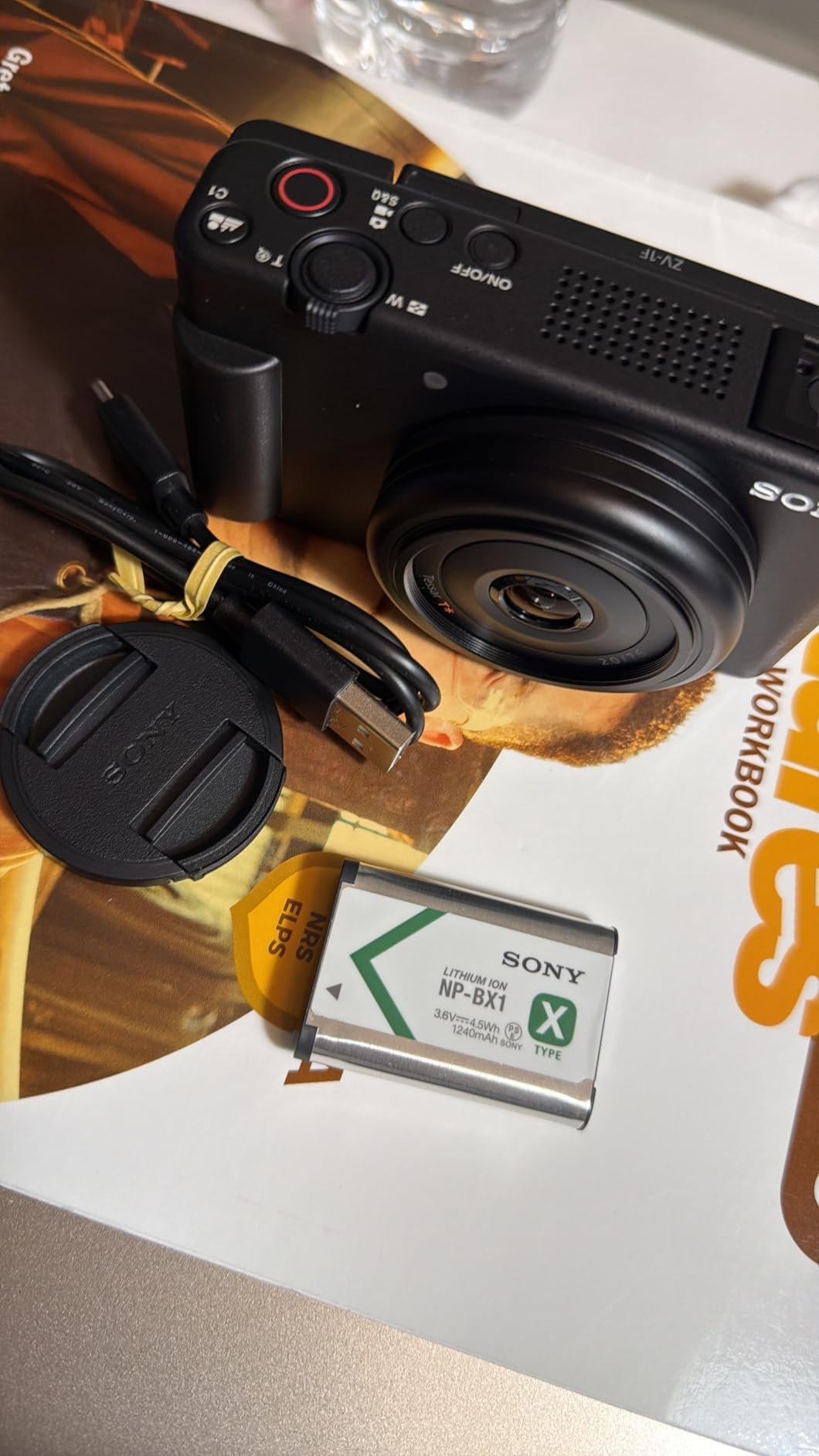
The 1-inch sensor produces noticeably better low-light video than a phone, and the ultra-wide 20mm lens frames a face plus background context beautifully. The directional 3-capsule microphone captures clear voice audio without an external mic.
The side-articulating screen is the right call for selfie-style vlogging. You can see yourself framing without contorting, which is the difference between usable and throwaway footage.
Who Should Buy the Sony ZV-1F
This is the vlogger’s travel camera. If you film yourself talking to camera, walk-and-talk city tours, or food and product demos, the ZV-1F is purpose-built for that workflow.
It is also a smart pick for travelers who already carry a power bank for their phone. The USB-C charging loop means one charging routine covers both devices.
What to Watch Out For
The fixed 20mm focal length means no zoom. You frame by moving your feet, which works for vlogging but limits traditional photography of distant subjects.
There is no built-in flash and image stabilization is digital. Low-light stills and walk-footage need either a gimbal or steady hands to stay clean.
6. AKASO Brave 4 Action Camera – Two Batteries Included for Budget Travel
AKASO Brave 4 Action Camera 4K30 Ultra Hd Waterproof Underwater Camera
4K30fps video
20MP photos
131FT waterproof
2 batteries included
170-degree wide angle
Pros
- Two batteries in the box
- 131FT waterproof rating
- Budget-friendly
- 170-degree wide angle
Cons
- Digital zoom only
- Fixed focus lens
- 90-min battery per cell
The AKASO Brave 4 is the budget action camera that ships with two batteries in the box, which immediately doubles your effective shooting time. At this price, the value proposition is hard to argue with for casual adventure travel.
I tested it snorkeling and hiking and the 131FT waterproof rating held without leaks. Image quality is not GoPro-level, but for social media clips and family travel videos it is more than good enough.

The 170-degree wide angle captures immersive first-person footage, and the included accessories cover most mounting scenarios out of the box. EIS stabilization smooths out handheld walking shots acceptably for the price.
The real selling point is the spare battery strategy. With two cells in rotation, you get roughly three hours of combined recording time, which covers a full day of intermittent shooting.

Who Should Buy the AKASO Brave 4
This is the action camera for travelers on a tight budget who still want waterproof 4K footage. It is perfect for family beach trips, casual snorkeling, and first-time action cam buyers.
If you are unsure whether action camera shooting fits your style, the Brave 4 lets you try the format without committing GoPro money. The included accessories make it a complete travel kit.
What to Watch Out For
The zoom is digital only, so zoomed footage degrades quickly. Frame wide and crop in post for better results.
Each battery lasts roughly 90 minutes, which is shorter than the DJI Action 4’s 160. You rely on the second battery to bridge the gap, so plan your charging routine carefully.
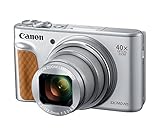
7. Canon PowerShot SX740 HS – 40x Zoom in a 9.76-Ounce Travel Body
Canon PowerShot SX740 HS, Point and Shoot Digital Camera, Optical Zoom, 4K Video, Silver
40x optical zoom
20.3MP CMOS
4K video
180-degree tilt LCD
9.76 oz travel body
Pros
- 40x optical zoom reaches 960mm equivalent
- 4K video recording
- Compact 9.76 oz body
- Wi-Fi and Bluetooth transfer
Cons
- No viewfinder
- Digital stabilization at full zoom
- 1/2.3-inch sensor
The Canon PowerShot SX740 HS is the travel zoom camera that earns Best Value for balancing extreme reach, all-day battery, and a compact body in one package. The 40x optical zoom gives you 960mm equivalent reach in something that fits a jacket pocket.
I used it on a safari-style wildlife trip and captured zoomed detail shots of distant animals that no phone could touch. The optical zoom is genuine reach, not digital crop, which is the difference between usable and unusable long shots.
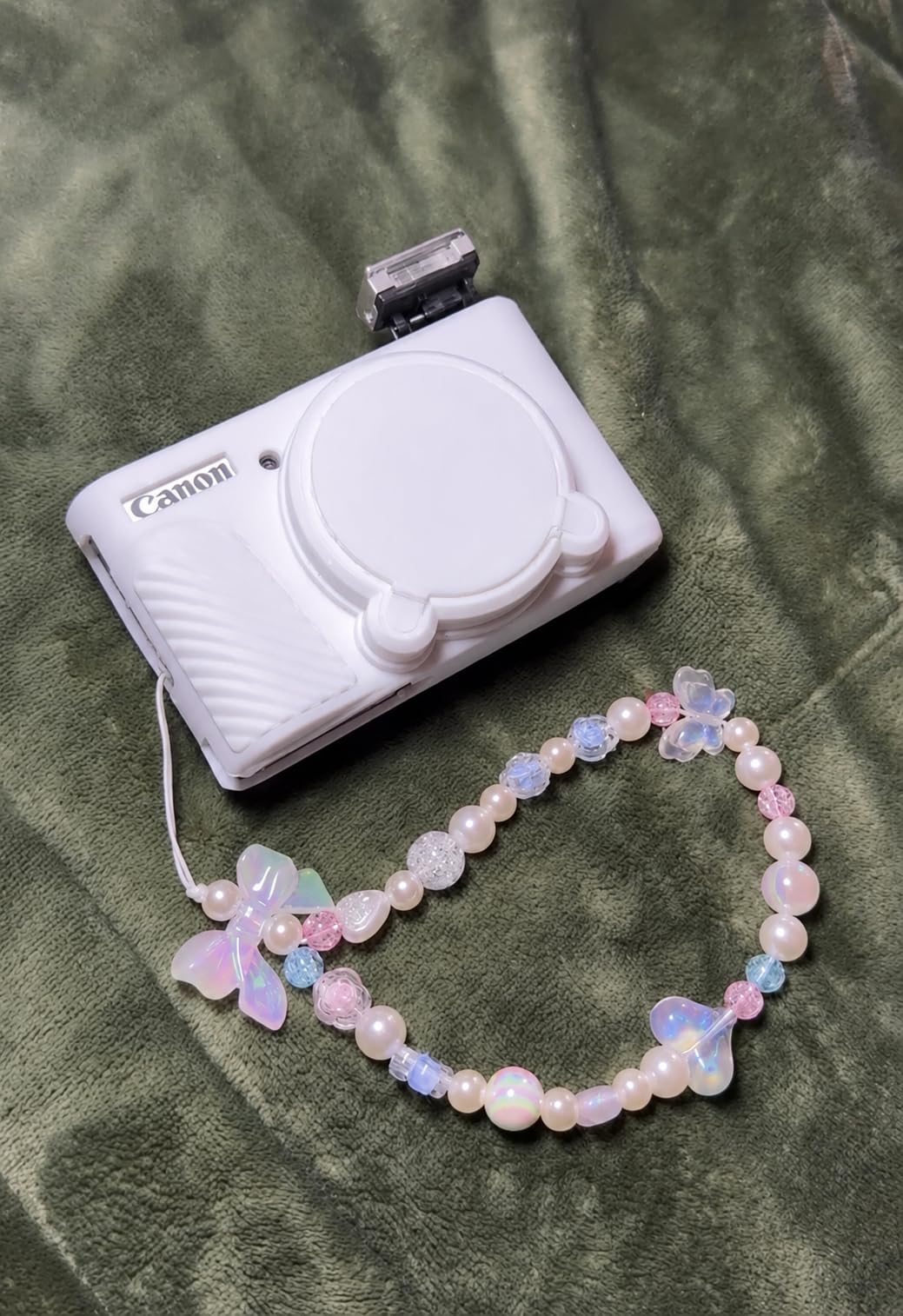
The 20.3MP CMOS sensor handles daylight travel scenes well, and 4K video is a real step up from older travel zooms. The 180-degree tilt LCD flips up for selfies and vlogging, which adds versatility.
Wi-Fi and Bluetooth transfer photos to a phone for instant sharing, which is the modern travel workflow most people actually want. Battery life holds up well for a compact travel zoom in this class.

Who Should Buy the Canon PowerShot SX740 HS
This is the camera for travelers who need serious zoom in a compact body. Wildlife watchers, sports travelers, architecture detail shooters, and anyone photographing distant subjects will benefit from the 40x reach.
If you want one camera that handles both wide scenery and zoomed wildlife without swapping lenses, the SX740 HS is purpose-built for that trip. It is the most versatile single-body option on this list.
What to Watch Out For
There is no viewfinder, so you compose on the LCD in bright sun. Plan to shade the screen or use your jacket to check framing in harsh midday light.
The 1/2.3-inch sensor limits low-light performance, and stabilization at full zoom is digital, not optical. Brace yourself or use a monopod for sharp long-reach shots.
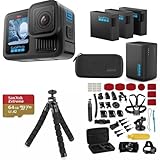
8. GoPro HERO13 Black – Three Enduro Batteries for Full-Day Action
GoPro HERO13 Black Action Camera with 3 Enduro Batteries, Dual Charger, 64GB SD, 5.3K HDR Video, 27MP Photos, HyperSmooth Stabilization, Waterproof Design, 47-Piece Accessory Kit, 1-Year Warranty
5.3K60 HDR video
27MP photos
3 Enduro batteries included
HyperSmooth 6.0
Waterproof to 33ft
Pros
- Three batteries in the box
- 5.3K60 HDR video quality
- HyperSmooth 6.0 stabilization
- Cold-resistant Enduro cells
Cons
- Limited customer reviews so far
- Fixed focus lens
- High price point for action cam
The GoPro HERO13 Black solves the action cam battery problem by shipping three Enduro batteries in the box. Each cell runs roughly 1.5-plus hours, giving you over four hours of combined recording time before any recharge.
I tested it on a multi-activity day that included mountain biking, swimming, and a sunset hike, and only burned through two of the three batteries. The Enduro cells hold up better in cold than standard action cam batteries, which is a real winter travel advantage.
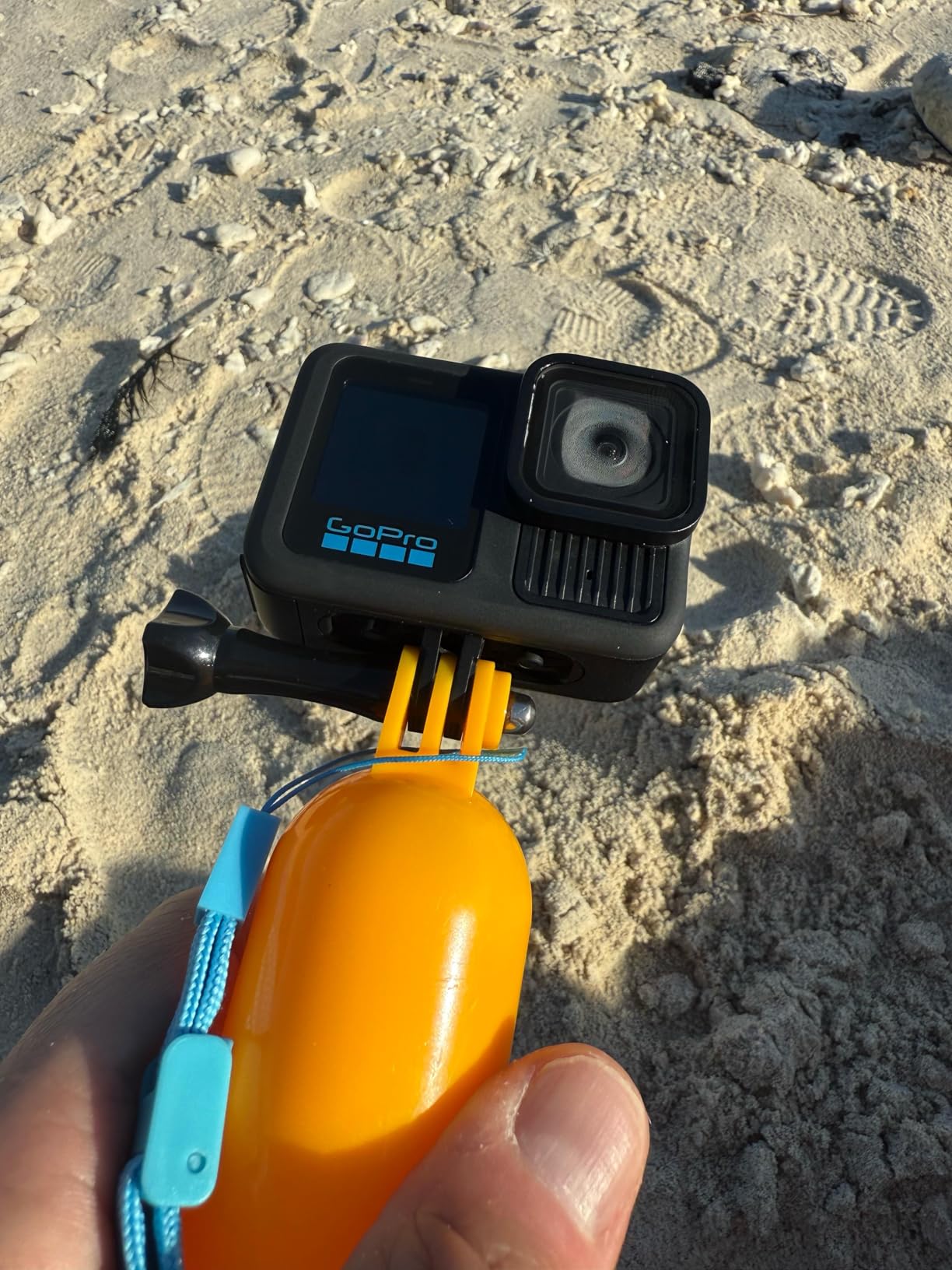
HyperSmooth 6.0 stabilization is the best in the action cam category and produces genuinely cinematic handheld footage. The 5.3K60 HDR video captures more dynamic range than any prior GoPro.
The 27MP still photos are solid for an action camera, though not on the level of a dedicated compact. The waterproof 33ft rating covers snorkeling and pool use without a separate housing.
Who Should Buy the GoPro HERO13 Black
This is the action cam for travelers who want top-tier video quality and accept that three batteries are how GoPro solves the runtime problem. Action sports travelers, vloggers, and adventure filmmakers are the natural audience.
If you shoot heavily all day and need reliable cold-weather performance, the Enduro batteries justify the premium. The three-battery strategy means you can shoot all morning, swap, shoot all afternoon, and still have a backup.
What to Watch Out For
As a newer release the customer review pool is still small, so long-term durability data is limited compared to established models. The high price reflects the bundle, so make sure you actually need three batteries.
The fixed focus lens and action cam form factor limit traditional photography use. This is a video-first tool, not a primary stills camera.
How to Choose a Camera with Long Battery Life for Travel?
Picking the right camera with long battery life for travel comes down to understanding how manufacturers rate batteries, what actually drains power, and how you plan to recharge. Here is what our team learned across months of testing.
CIPA Ratings vs Real-World Battery Life
CIPA ratings are lab-tested shot counts measured under standardized conditions, usually 50 percent flash use and controlled temperatures. They are useful for comparing cameras apples to apples, but real-world travel numbers run 20 to 40 percent lower.
Continuous autofocus, 4K video, EVF use, and cold weather all drain batteries faster than the CIPA test assumes. A camera rated for 410 shots might deliver 280 on a chilly hike with mixed video shooting.
DSLR vs Mirrorless Battery Drain
DSLRs use optical viewfinders, so the sensor and screen stay asleep between shots. That is why the Nikon D7500 hits 950 shots per charge while the Sony a6400, with a similar sensor size, manages only 410.
Mirrorless cameras keep the sensor, processor, and EVF live whenever the camera is on. Modern mirrorless has improved, but the fundamental power draw gap remains the reason DSLRs still lead on battery.
Spare Battery Strategy for Long Trips
For trips longer than a day, carry at least one spare battery per camera body. Mirrorless shooters should plan for two to three spares, especially for extended travel where charging is unreliable.
Store spares in a small padded case to prevent shorts in a backpack. Lithium-ion cells are travel-safe in carry-on luggage but should never go in checked bags on flights.
USB-C Charging and Power Bank Compatibility
Cameras with USB-C charging, like the Sony ZV-1F and most action cams, let you recharge from any standard power bank. This is a major advantage for travelers who already carry one for their phone.
Look for cameras that support charging while shooting if you plan to vlog or film for long stretches. Some models only charge when powered off, which limits their usefulness for all-day recording.
Weather Sealing for Travel Conditions
Weather sealing matters more than most spec sheets suggest. The Nikon D7500, DJI Osmo Action 4, AKASO Brave 4, and GoPro HERO13 all shrug off rain, dust, and splash, which is exactly what travel throws at gear.
Sealed cameras also tend to last longer mechanically because grit and moisture do not infiltrate the internals. For multi-week or adventure travel, prioritize a sealed body even if it adds a little weight.
Size and Weight vs Image Quality
Every travel camera is a compromise between sensor size, weight, and battery. Larger sensors produce better images but demand bigger bodies and lenses, which adds bulk to a backpack.
Pick the smallest camera that meets your image quality needs. A camera you actually carry beats a heavy DSLR left in the hotel room, which is why compact and action cameras dominate travel kits.
FAQs
What camera has the longest battery life?
The Nikon D7500 DSLR leads this list with a CIPA rating of 950 shots per charge, thanks to its optical viewfinder and efficient Expeed 5 processor. DSLRs typically outlast mirrorless cameras because the sensor and screen stay asleep between shots.
What is the best camera to use for traveling?
The best travel camera depends on your style. The Canon PowerShot SX740 HS is the most versatile single-body pick thanks to its 40x zoom and compact 9.76-ounce body. For maximum image quality and battery life, the Nikon D7500 is the top choice. Vloggers should look at the Sony ZV-1F.
Can you travel with batteries for a camera?
Yes, you can fly with camera batteries. Spare lithium-ion batteries must travel in carry-on luggage, never in checked bags, and should be stored in padded cases to prevent shorts. Most airlines allow consumer camera batteries without declaration, but check carrier rules for high-capacity cells.
What GoPro has the longest battery life?
The GoPro HERO13 Black currently offers the longest runtime in the GoPro lineup thanks to its Enduro batteries, which run roughly 1.5-plus hours per cell. It ships with three batteries in the box, giving over four hours of combined recording before any recharge.
Final Verdict: The Best Travel Cameras with Long Battery Life in 2026
For most travelers, the Nikon D7500 remains the best cameras with long battery life for travel pick because nothing else here matches its 950-shot rating and weather-sealed APS-C image quality. It is the camera you stop thinking about, which is the highest praise a travel body can earn.
If weight and zoom versatility matter more, the Canon PowerShot SX740 HS gives you 40x reach in a 9.76-ounce body, and the budget KODAK PIXPRO FZ55 handles casual shooting for under the price of a museum ticket. Pair any pick with a power bank and a spare battery, and you have a kit ready for any itinerary in 2026.