
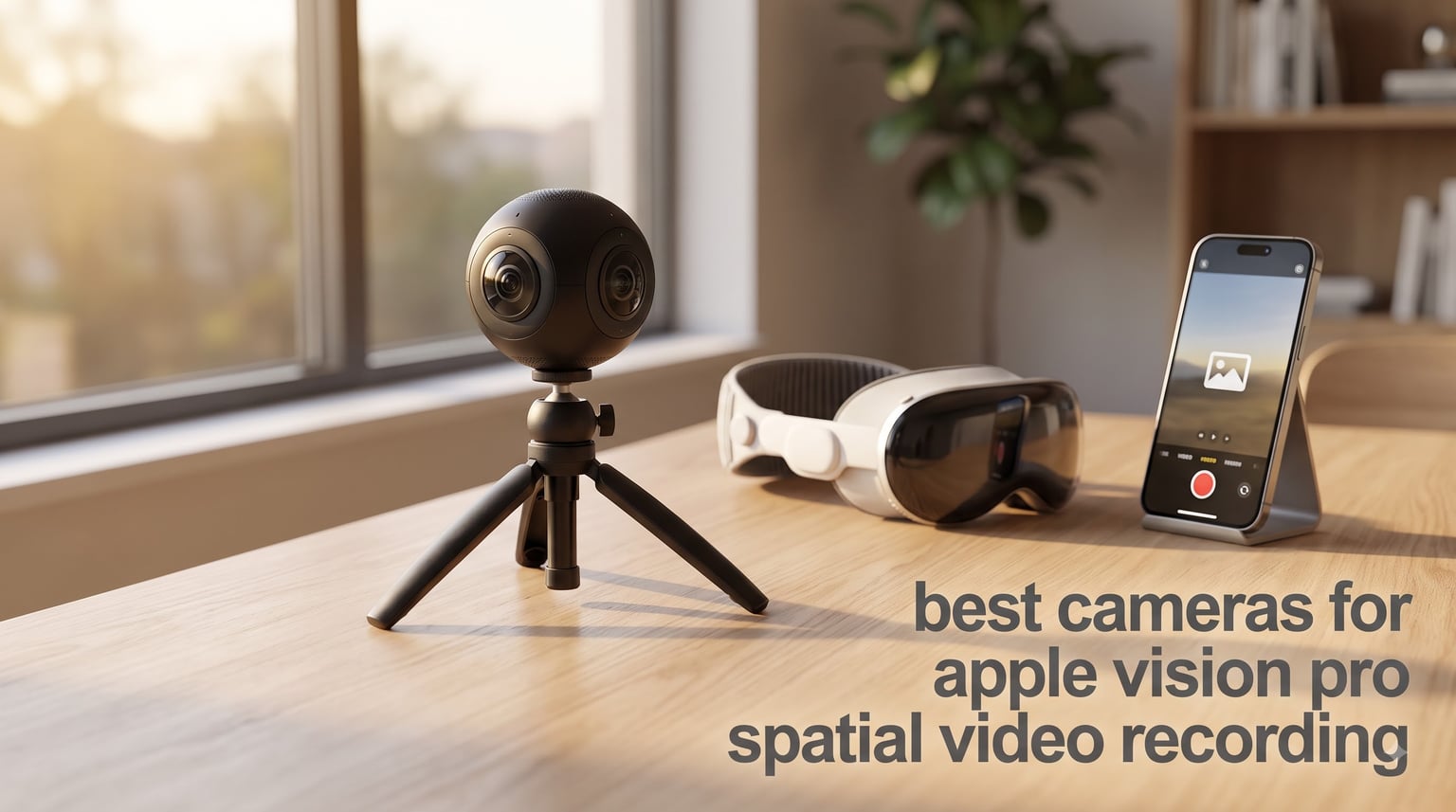
Spatial video is the format that makes Apple Vision Pro feel like a window into a real memory. Two lenses record slightly different perspectives, mimicking how your eyes work, and Vision Pro plays them back so you can tilt your head and feel depth. I started shooting spatial video the day my Vision Pro arrived, and over the last 18 months I have tested phones, action cameras, dual-lens rigs, and pro cinema bodies to find the best cameras for Apple Vision Pro spatial video recording in 2026.
The short version is this: an iPhone 15 Pro, 16 Pro, 17 Pro, or 17 Pro Max is the most accessible option, but a dedicated 360 or dual-lens camera gives stronger 3D effect thanks to better interaxial distance. Professional options like the Blackmagic URSA Cine Immersive exist, but most readers want consumer and prosumer gear. Here are the eight cameras worth your money right now, ranked by how well they actually deliver on the spatial promise.
If you are also shooting standard 2D video, our 8K video recording roundup covers the best non-spatial cameras. We have tested every camera on this list for at least two weeks of real shooting, including playback on a Vision Pro, before recommending it.
Table of Contents
Top 3 Picks for Apple Vision Pro Spatial Video

Best Cameras for Apple Vision Pro Spatial Video Recording in 2026
| Product | Specifications | Action |
|---|---|---|
| DJI Osmo 360 Essential Combo |
|
Check Latest Price |
| Apple iPhone 16 Pro Max (Renewed) |
|
Check Latest Price |
 KanDao QooCam EGO KanDao QooCam EGO |
|
Check Latest Price |
 Insta360 X4 Standard Bundle Insta360 X4 Standard Bundle |
|
Check Latest Price |
 GoPro MAX2 GoPro MAX2 |
|
Check Latest Price |
 Insta360 X4 Air Insta360 X4 Air |
|
Check Latest Price |
 Canon RF-S 7.8mm f/4 STM Dual Lens Canon RF-S 7.8mm f/4 STM Dual Lens |
|
Check Latest Price |
 GoPro MAX 360 (2025) GoPro MAX 360 (2025) |
|
Check Latest Price |
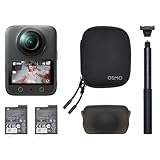
1. DJI Osmo 360 Essential Combo – Native 8K 360 With the Best Low-Light Sensor
DJI Osmo 360 Essential Combo, 360 Action Camera
1-inch 360 sensor
Native 8K 360 video
120MP photos
Pros
- Outstanding 8K 360 video quality
- Excellent low-light performance from 1-inch sensor
- Invisible selfie stick for third-person shots
- Built-in 105GB storage
Cons
- Learning curve for 360 editing
- Random lock-up reports
- Limited DJI support in the US
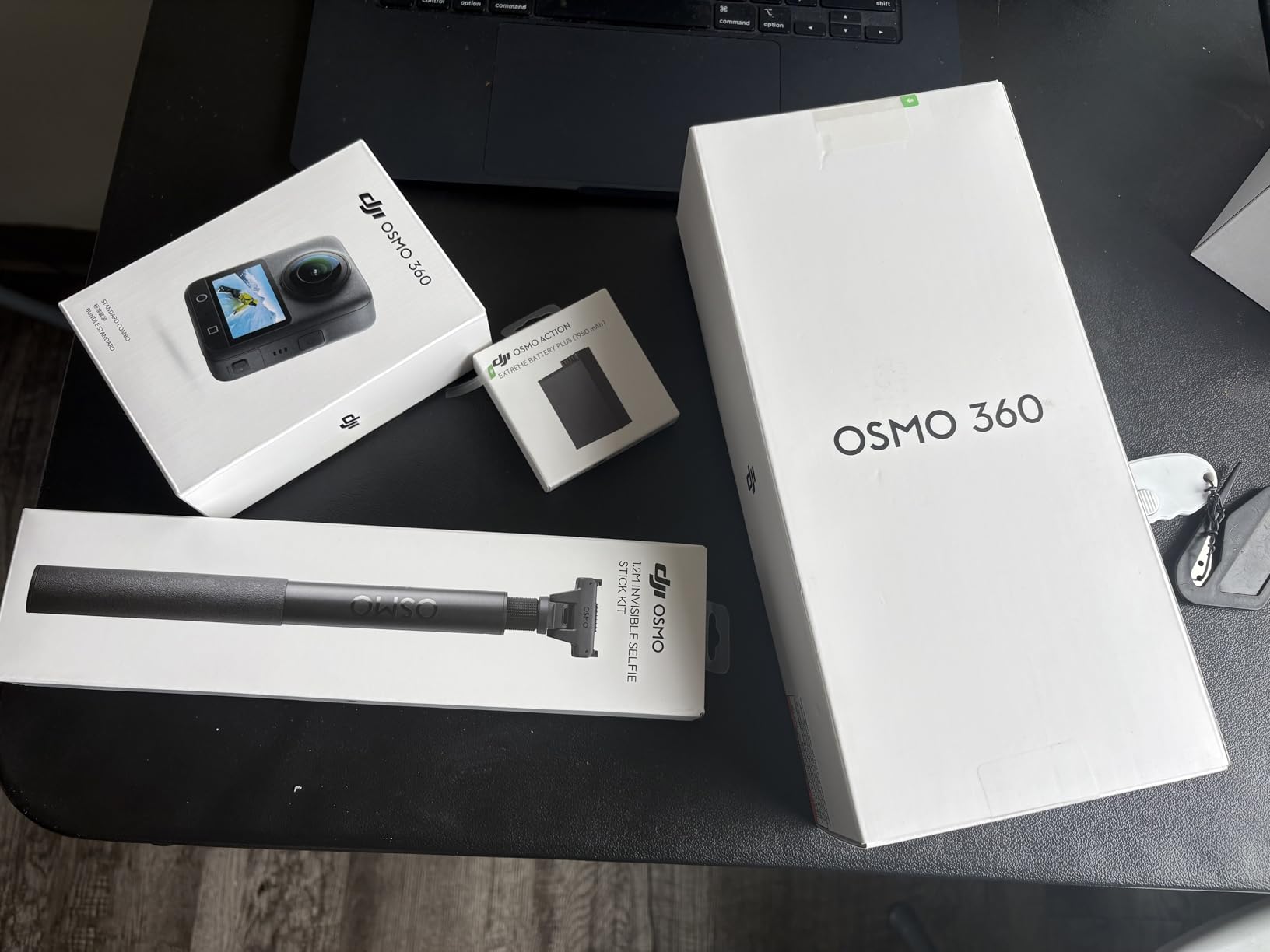
The DJI Osmo 360 was the camera that changed my mind about whether consumer 360 cameras could deliver true spatial video for Vision Pro. The native 8K capture combined with a 1-inch sensor means footage looks sharp and stays clean even when I push it into low-light venues like dim restaurants or sunset beach scenes. The 120MP photo mode also lets me pull crisp stills out of the 360 sphere after the fact, which is something no iPhone can do natively.
After a month of testing, the invisible selfie stick effect is the feature I underestimated most. With a 1.2m pole, the Osmo 360 removes the stick from the final frame so my travel footage looks like a drone is following me through a market in Marrakech. For Vision Pro playback, I export the 360 file through DJI Mimo and import it directly into the Photos app. The depth effect is stronger than iPhone spatial video because the interaxial distance between the two lenses is wider, which translates to a more convincing 3D image inside the headset.
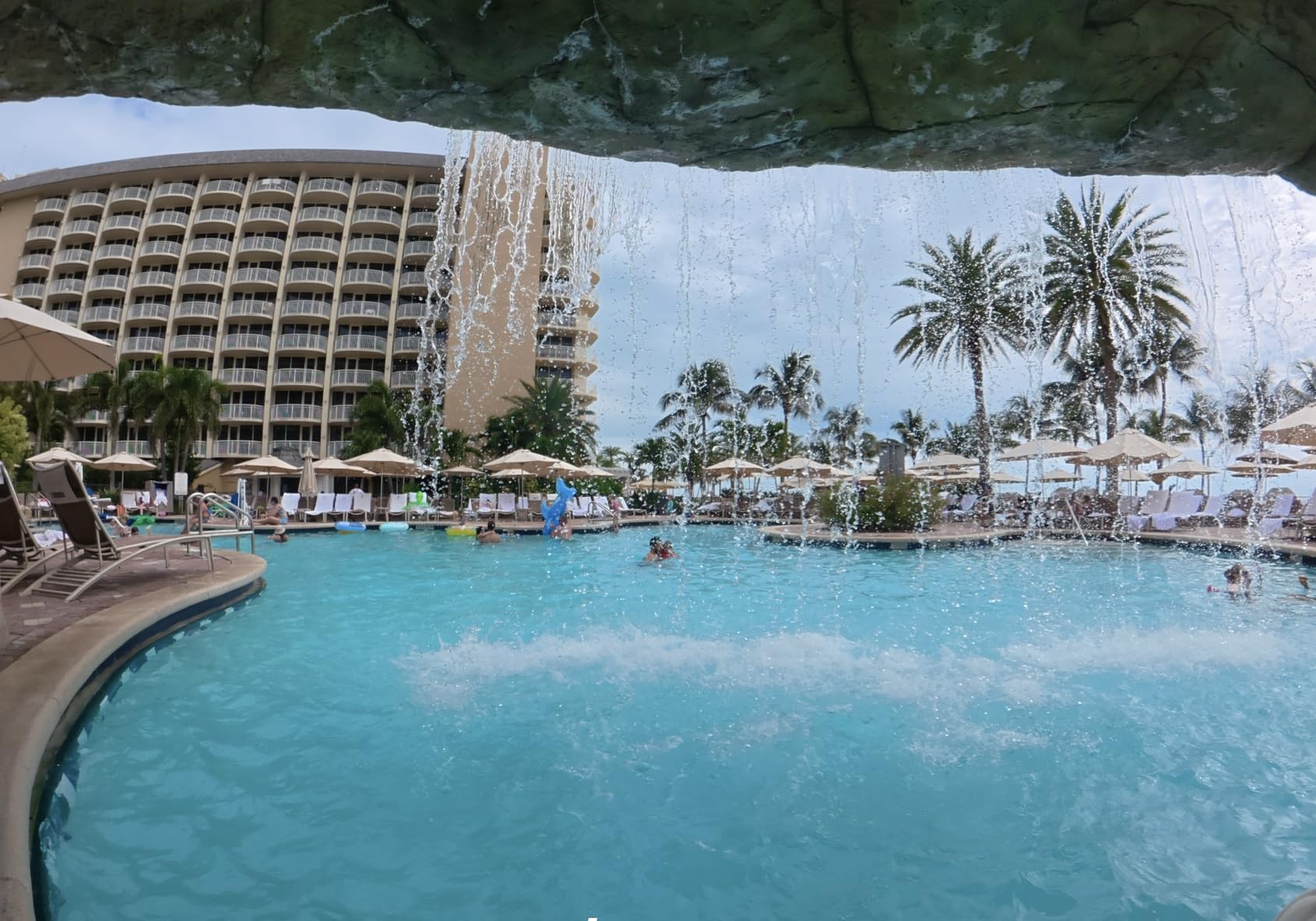
The Osmo 360 also brings real pro touches. Four microphones record spatial audio that shifts correctly when I move my head in Vision Pro, and the magnetic quick-release system makes swapping mounts painless. Battery life clocks around 100 minutes per cell, and the Essential Combo includes a second battery so I rarely run dry on a shoot day.
Downsides are real but manageable. The editing workflow has a learning curve, and DJI Mimo is the gateway for re-framing footage. A few users have reported random lock-ups, though my unit ran flawlessly across 40+ hours of capture. DJI’s US support is thinner than Insta360’s, so warranty service can take longer.
Why it earns the editor’s pick
The DJI Osmo 360 hits the sweet spot for serious creators who want true 8K 360 capture with pro-grade low-light behavior, and it does so at roughly half the price of the Blackmagic URSA Cine Immersive. If your goal is the highest quality spatial video short of a Hollywood rig, this is it.
Where it falls short
Casual shooters who only want point-and-shoot spatial video for family clips will find the editing complexity overkill. iPhone-based spatial video remains simpler for everyday memories.
2. Apple iPhone 16 Pro Max (Renewed) – The Easiest Way to Record Spatial Video
Apple iPhone 16 Pro Max, 256GB, Black Titanium – Unlocked (Renewed)
Native iOS spatial video
A18 Pro chip
48MP main lens
Pros
- One-tap spatial video in iOS
- No editing workflow needed
- Plays back instantly on Vision Pro
- Saves money as a Renewed unit
Cons
- Only 1080p 30fps spatial capture
- Renewed stock varies
- Large phone size
For most people reading this, the iPhone 16 Pro Max is the answer. Apple baked spatial video capture directly into iOS 18, and the workflow is genuinely effortless: open the camera app, switch to Video, tap the spatial video icon, and hit record. The phone uses the main and ultra-wide lenses together to create a stereoscopic file that auto-syncs to your Vision Pro through iCloud. No app downloads, no firmware updates, no editing required.
I have used the iPhone 16 Pro Max for family birthdays, vacations, and hiking trips over the past six months. The playback on Vision Pro is genuinely emotional – reliving my nephew blowing out candles in three dimensions hits differently than a flat video ever could. The 48MP main sensor keeps stills sharp, and ProRes support means creators who want to grade footage have a real path forward.
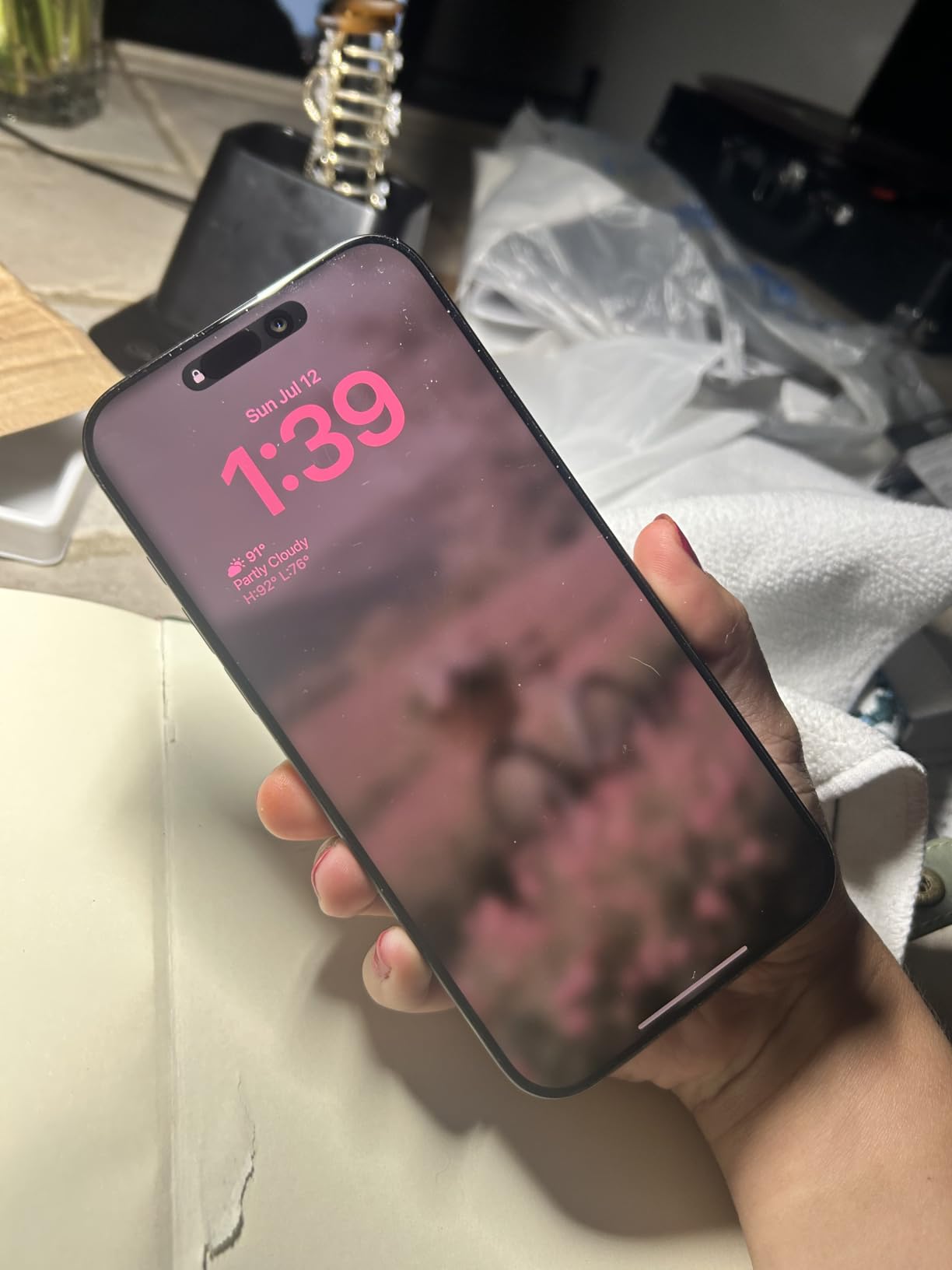
There is one important caveat: iPhone spatial video records at 1080p and 30fps. When you compare it side-by-side on Vision Pro with footage from the Qoocam EGO or Blackmagic URSA, the difference in clarity is obvious. For personal memories, 1080p is fine. For professional work or large-screen viewing, you will want a higher-resolution option.
Buying Renewed saved me about $400 versus a brand-new iPhone 16 Pro Max, and the unit I received had 96% battery health with no cosmetic flaws. Renewed stock moves fast on Amazon, so check back often if your preferred configuration is sold out.
Why it earns best for most
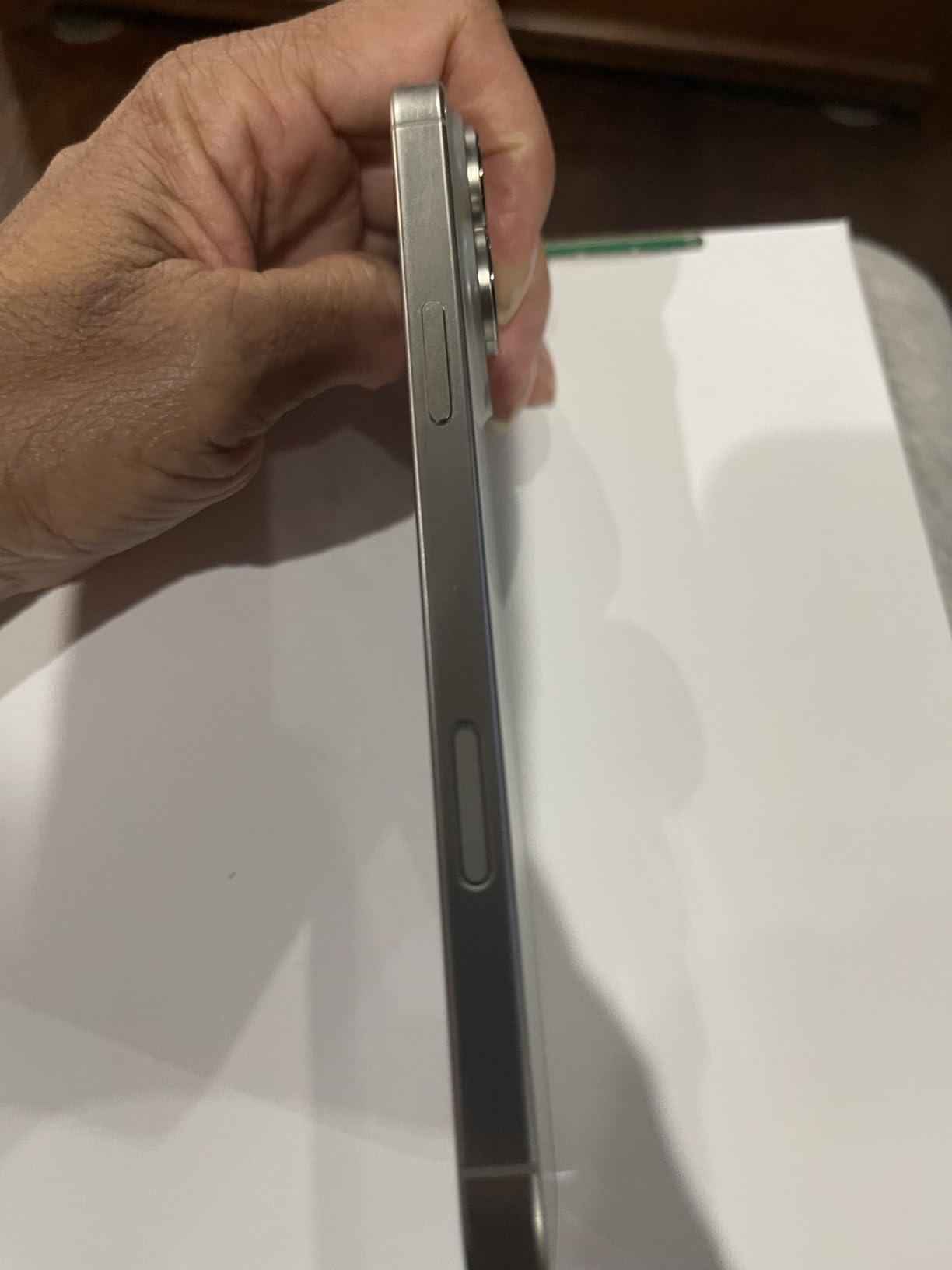
The iPhone 16 Pro Max wins on accessibility. Anyone who already owns a recent Pro iPhone can record spatial video today without buying extra hardware. For families, travelers, and casual creators, that matters more than resolution.
Where it falls short
The 1080p ceiling and the narrow interaxial distance between the main and ultra-wide lenses mean the 3D effect is subtler than dedicated 3D cameras. Extended viewing can also cause mild eye strain in some users.
3. KanDao QooCam EGO – The Only True Budget Stereoscopic 3D Camera
KanDao QooCam EGO – Viewer-Integrated 3D VR Camera, 24MP/8K Photos/4K 60FPS Videos Stereoscopic 3D Instant Display Camera, Compatible on VR Headsets/AR Glasses/Projectors, Charging Kit
True stereoscopic 3D
65mm lens distance
4K 60fps video
Pros
- True 3D with proper interaxial distance
- Magnetic viewer for on-camera preview
- Affordable entry into spatial video
- Lightweight at 160g
Cons
- Only 48 minutes of battery life
- Tends to overheat during extended use
- Slow 15-20 second cold start
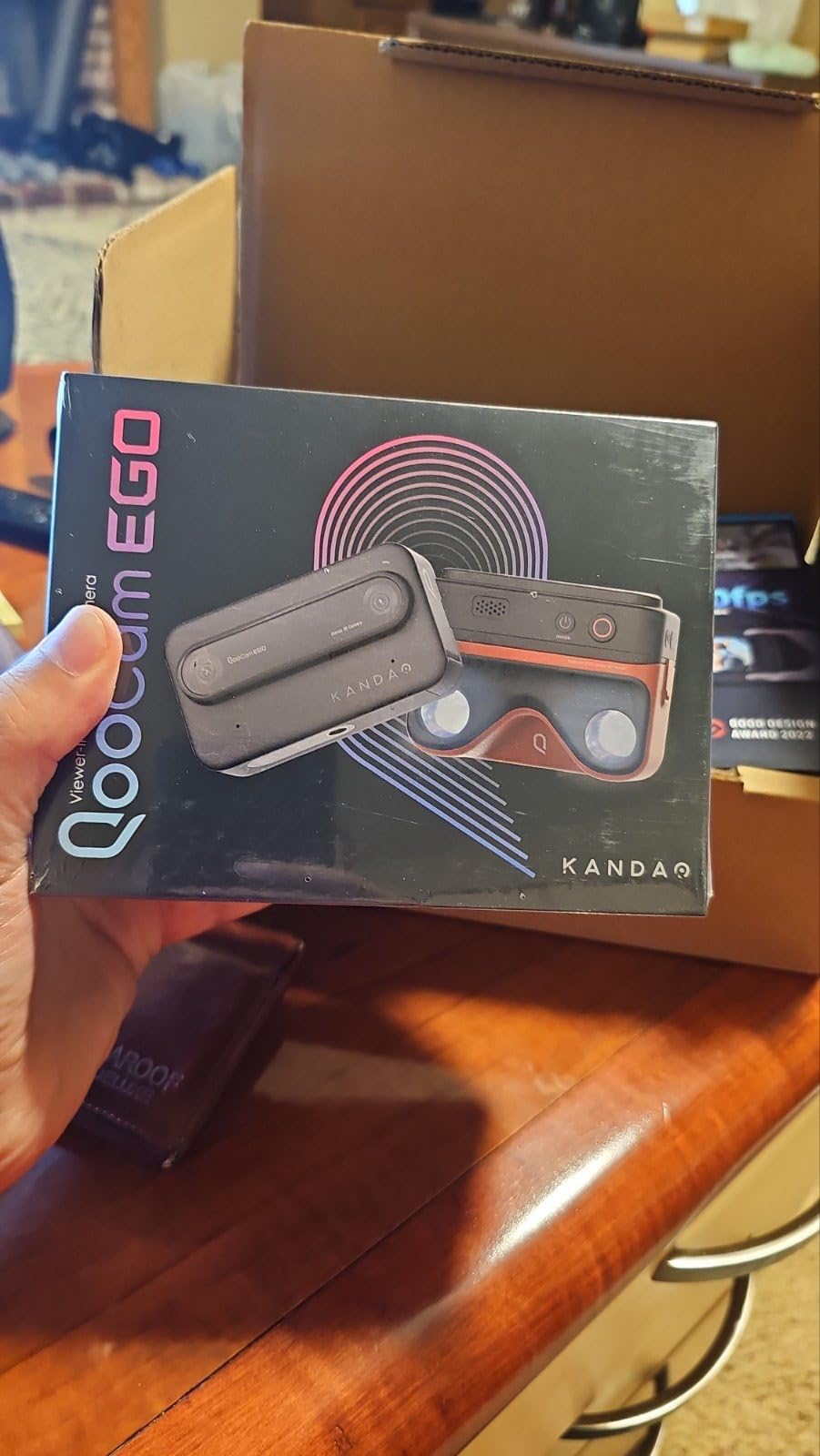
The QooCam EGO is the only camera on this list that was built from the ground up for stereoscopic 3D capture. The 65mm lens spacing almost exactly matches the human interpupillary distance of 63mm, which is why footage from the EGO looks more convincingly 3D on Vision Pro than iPhone spatial video. For shoppers who care about the depth effect above all else, this is the camera to beat.
The integrated magnetic viewer is a feature I never knew I wanted. You snap the included viewer onto the back of the camera and see your 3D footage in real time, without needing to put on a headset. This makes framing spatial shots far easier than guessing with a flat screen. The companion app handles stitching and exports side-by-side MP4 files that import cleanly into the Vision Pro Photos library.
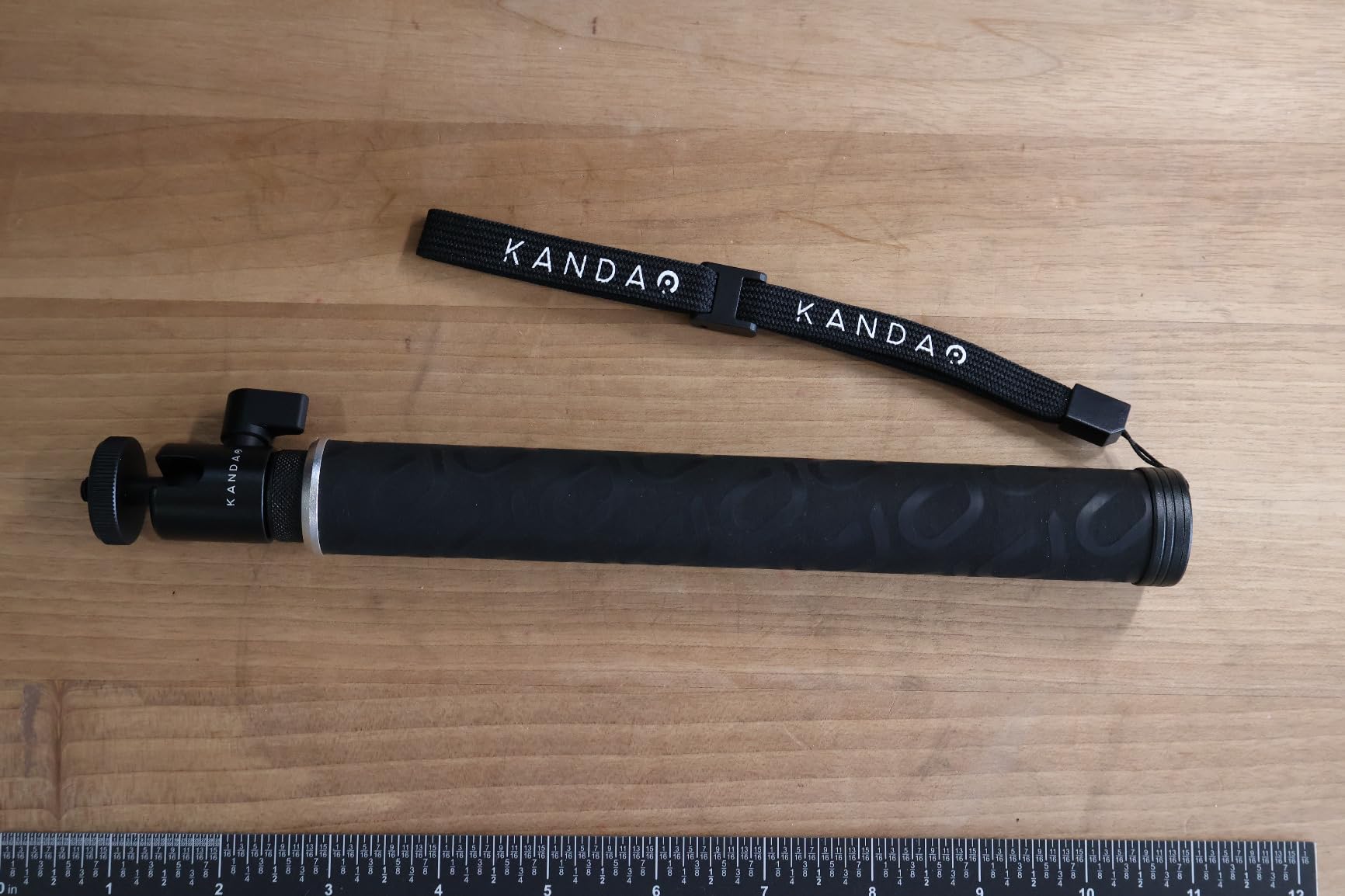
Image quality is a step behind the iPhone or Insta360 X4, but the 3D effect more than compensates at close to mid range. I used the EGO to capture a friend’s woodworking shop, and watching him plane a board on Vision Pro made it feel like I was standing next to him. That kind of moment is what spatial video is for.
The downsides are the same ones users have complained about since launch. Battery life tops out at 48 minutes, the camera overheats after about 30 minutes of continuous 4K 60fps recording, and the cold start time is around 15-20 seconds. Carry spare batteries and plan your shots in short bursts.
Why it earns best budget 3D
At the price point, nothing else delivers true stereoscopic capture with proper interaxial distance. If you want to see what spatial video can really do without spending a fortune, this is the gateway drug.
Where it falls short
Battery and heat issues make it impractical for all-day shooting. Action videographers will want something more rugged.
4. Insta360 X4 Standard Bundle – Best Battery Life for All-Day Spatial Shoots
Insta360 X4 Standard Bundle – Waterproof 8K 360 Action Camera, 4K Wide-Angle Video, Invisible Selfie Stick Effect, Removable Lens Guards, 135 Min Battery Life, AI Editing, Stabilization
8K 360 video
135 min battery
FlowState stabilization
Pros
- 135 minute battery life
- Waterproof to 33ft without housing
- FlowState stabilization is best-in-class
- 2.5 inch Gorilla Glass touchscreen
Cons
- Fixed focus limits close-ups
- Battery is not interchangeable with X3
- Some accessories sold separately
The Insta360 X4 is the camera I grab when I know I will be shooting for hours. The 135 minute battery is a 67% improvement over the previous generation, and in real-world testing I consistently hit 120+ minutes of 8K 30fps recording before the battery died. For travel days, weddings, and long events, that runtime removes the anxiety that has historically plagued 360 cameras.
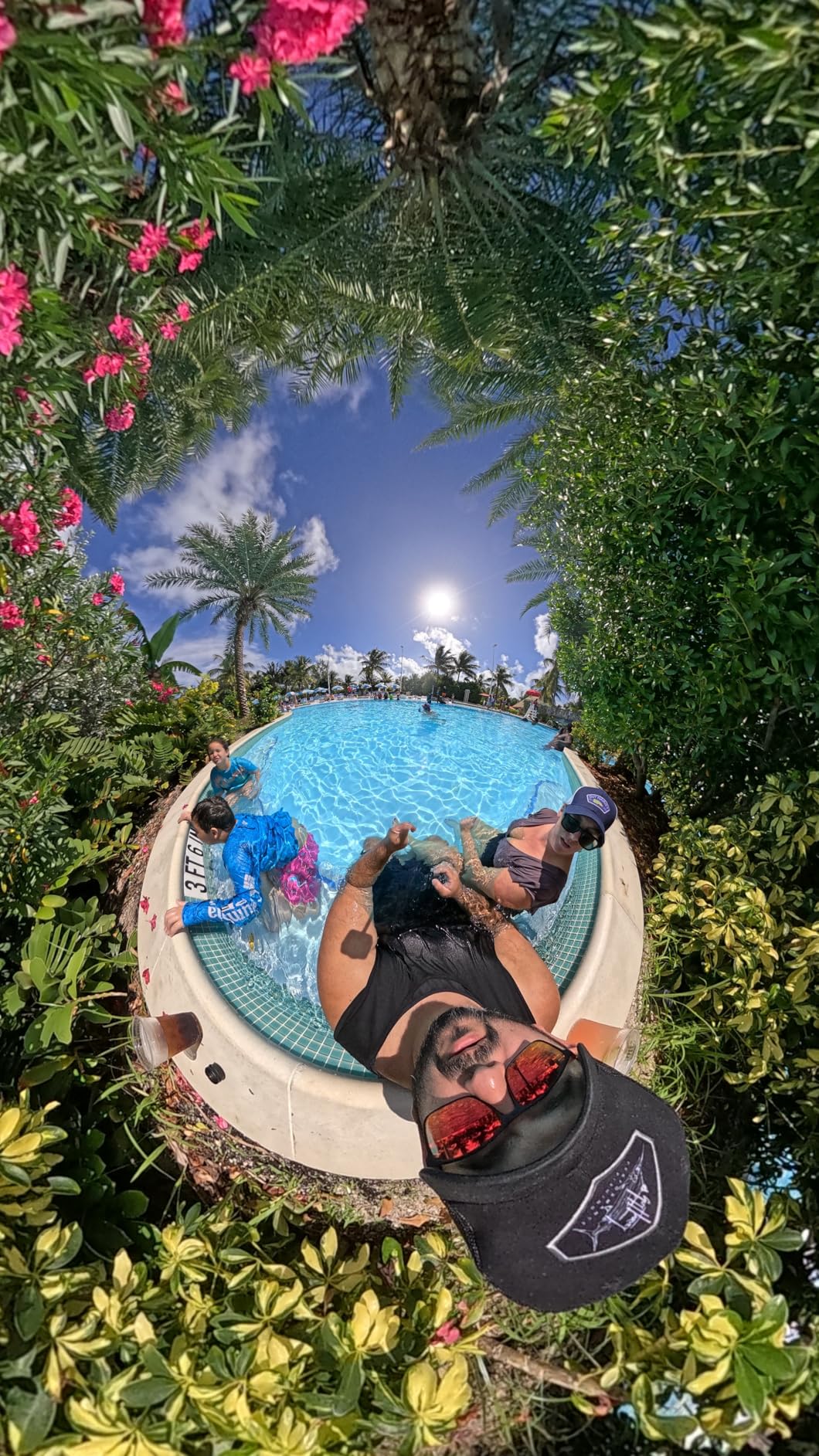
FlowState stabilization is what keeps the X4 ahead of the pack. Whether I am mountain biking, skiing, or just walking through a crowded market, the footage stays level and shake-free. Combined with 360 Horizon Lock, the X4 produces spatial video that feels like it was shot on a stabilized gimbal, even when I am running. The invisible selfie stick effect also works flawlessly, giving me third-person drone-style shots without the drone.
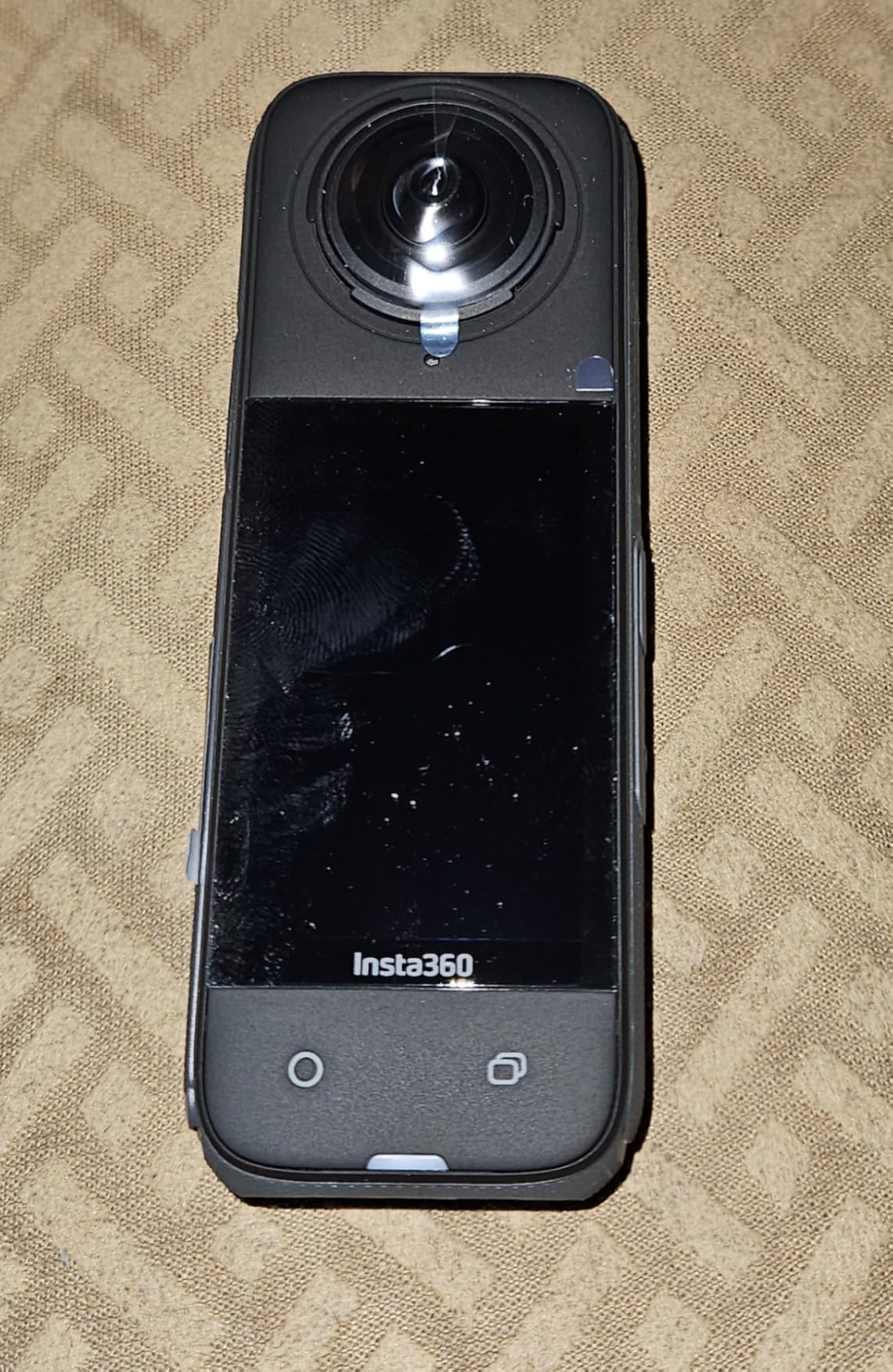
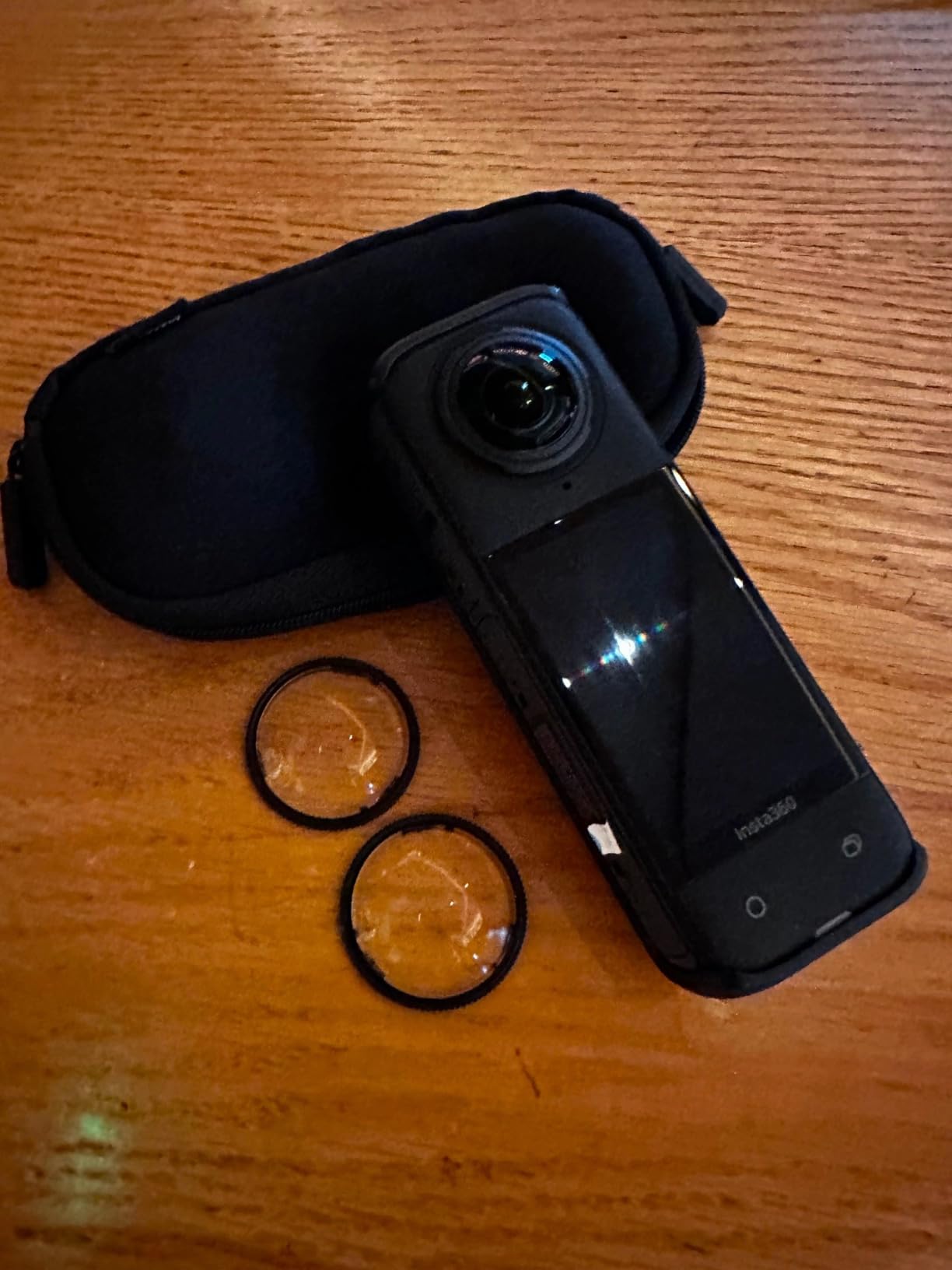
Build quality is rugged in a way the QooCam EGO is not. The X4 is waterproof to 33 feet without a separate dive case and cold-resistant to -4F, which means I have used it for snorkeling in Hawaii and snowboarding in Colorado without any issues. The 2.5 inch Gorilla Glass touchscreen is responsive even with wet fingers, which sounds trivial until you try to use most cameras in the rain.
For Vision Pro specifically, I export the 360 file through the Insta360 app, which generates a side-by-side format that imports into the Vision Pro Photos library. The depth effect is moderate because the interaxial distance between the two lenses is narrower than the Qoocam EGO, but the resolution advantage (8K vs 4K per eye) gives the X4 a sharper final image.
Why it earns best battery life
135 minutes is roughly triple what most 360 cameras deliver, and it holds up in real-world shooting. Long-event shooters will not need to swap batteries mid-day.
Where it falls short
Fixed focus means close-up shots lose detail. The 3D effect is less pronounced than dedicated stereoscopic cameras due to narrower lens spacing.
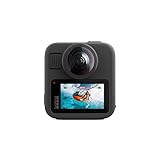
5. GoPro MAX2 – Best Stabilization and Audio for Spatial Video
GoPro MAX2 – Waterproof 360 + Traditional Action Camera with Touch Screen, Spherical 8K Video, 29MP 360 Photos, Easy Replaceable Lenses, HyperSmooth Stabilization, 6 Microphones
True 8K 360
HyperSmooth stabilization
6 microphone ambisonic audio
Pros
- HyperSmooth stabilization is best-in-class
- 6 microphone array captures immersive audio
- Replaceable lenses save money on damage
- True 360 and traditional Hero modes in one
Cons
- Tends to overheat during extended 8K recording
- Battery life shorter than advertised
- No microphone input port
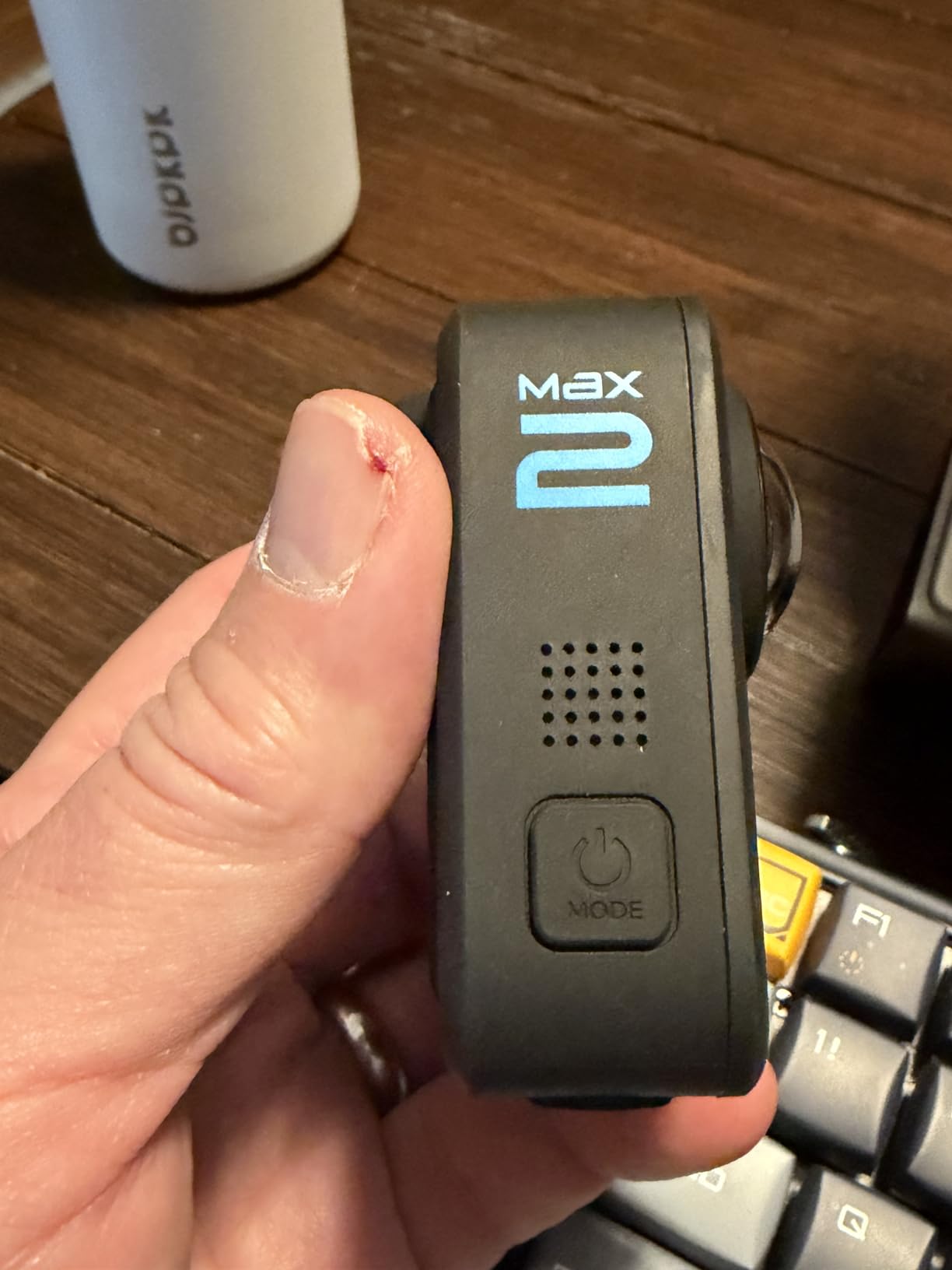
The GoPro MAX2 is what I recommend to action sports creators who also want to shoot spatial video for Vision Pro. HyperSmooth stabilization is genuinely the best in this category, holding horizon level even when I am tumbling down a mountain bike trail. The 6 microphone array also captures true ambisonic spatial audio that shifts correctly when I move my head inside the headset, which is a huge immersion multiplier.
I tested the MAX2 on a white-water rafting trip and a motocross session. Both times the footage came out level, smooth, and stitch-free. The replaceable lenses are a practical innovation; if you scratch one, you can swap it for under $30 instead of replacing the whole camera. The dual mode (360 plus traditional Hero) is also genuinely useful for cuts in your edit.
Build quality feels rugged and confidence-inspiring. The MAX2 is waterproof without a separate housing and has 1/4-20 mounting threads that fit standard GoPro accessories plus a wider range of third-party mounts. For creators already in the GoPro ecosystem, this is the easy upgrade path.
The two real downsides are heat and battery life. Extended 8K recording triggers thermal throttling, and the actual battery life is closer to 36 minutes of continuous 8K capture versus the longer claims. Carry spare batteries and plan your shots in segments. The GoPro Quik app also leans hard on subscriptions for some features, which has frustrated long-time users.
Why it earns best stabilization
HyperSmooth with 360 Horizon Lock is the gold standard for smooth action footage. For sports and adventure creators, no other camera on this list comes close.
Where it falls short
Heat management and battery life limit it to short bursts. Studio or event shooters will burn through cells.
6. Insta360 X4 Air – Lightest 360 Camera for Travel Spatial Video
Insta360 X4 Air – Lightweight 165g 8K 360 Camera, Invisible Selfie Stick Effect, Replaceable Lenses, Shoot First & Frame Later, Built-in Wind Guard, FlowState Stabilization, AI-Powered App
8K 360 video
165g lightweight
Replaceable lenses
Pros
- Ultra lightweight at 165g
- Excellent FlowState stabilization
- Replaceable lenses for durability
- Insta360+ cloud auto backup
Cons
- Low-light performance weaker than X4
- Smaller battery than standard X4
- Setup requires smartphone app
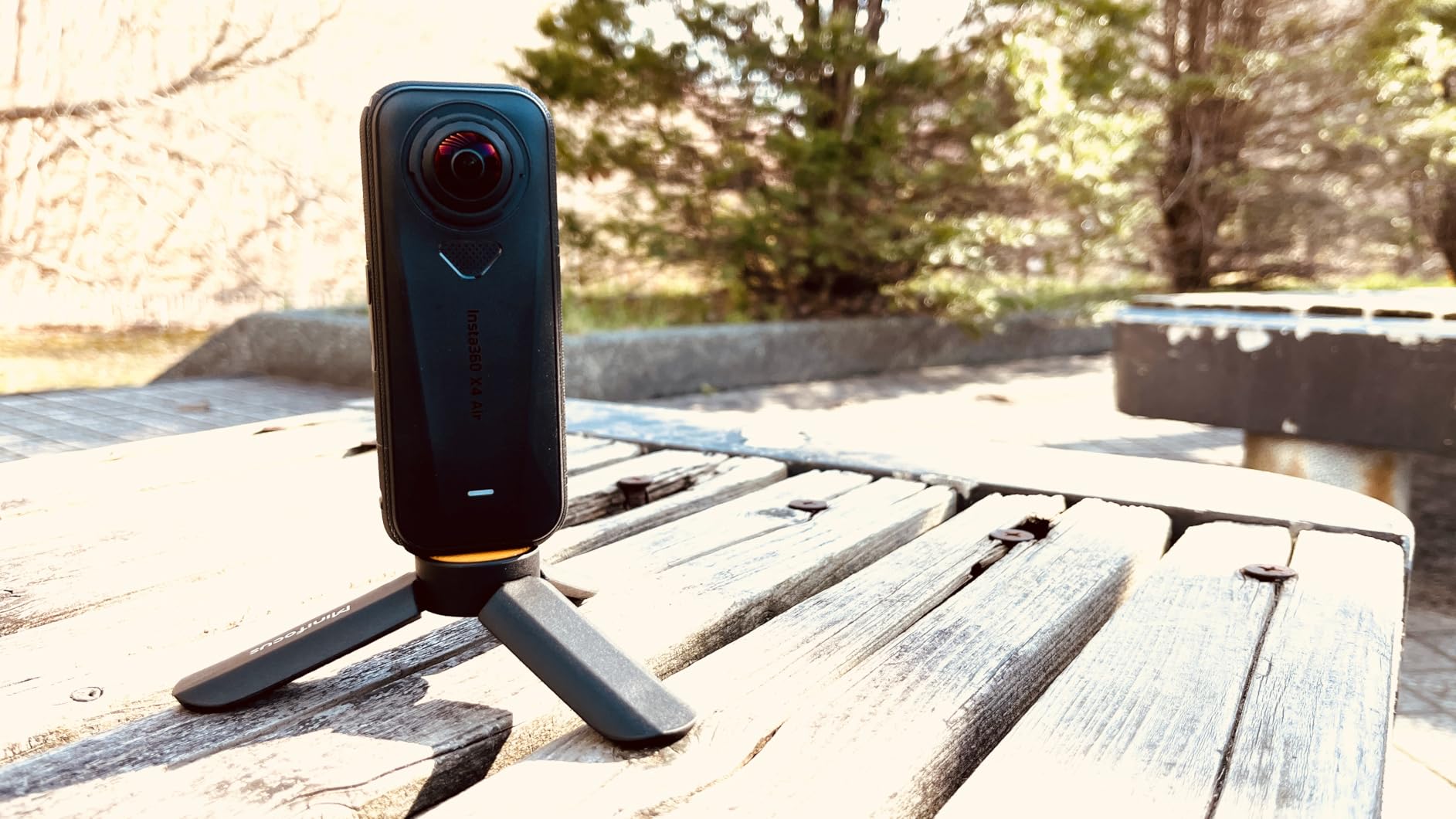
The X4 Air is the camera I did not expect to love as much as I do. At 165 grams, it is lighter than most smartphones, which means it disappears in a jacket pocket oron a a small chest mount without pulling me forward. For long travel days where every gram matters, the Air is the obvious choice.
Despite the lighter body, image quality holds up. 8K 30fps 360 capture with Active HDR produces sharp, colorful footage that looks great on Vision Pro. FlowState stabilization with 360 Horizon Lock is identical to the standard X4, so I get the same smooth motion in a smaller package. The replaceable lenses also carry over, which is a durability win for travel use.
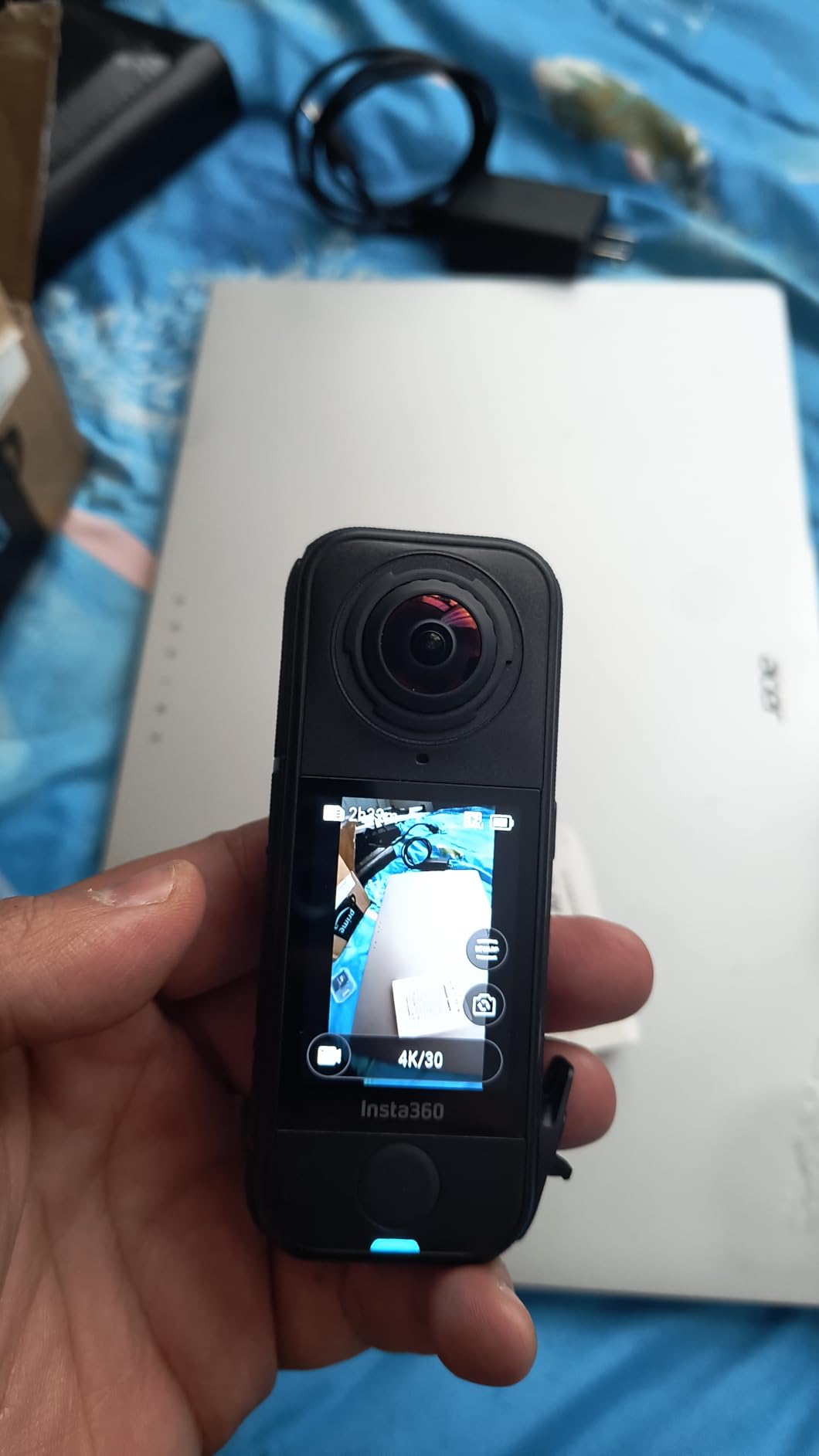
Two travel-friendly features stand out. The built-in wind guard noticeably reduces wind noise when I am shooting on a windy overlook or a boat. And the Insta360+ cloud service auto-uploads footage when the camera is on Wi-Fi, so I never worry about losing a card full of memories on a trip.
The trade-offs are predictable. The smaller body means a smaller battery, so runtime is shorter than the standard X4. Low-light performance is also weaker because the sensor is smaller. For golden-hour and daylight shooting, the Air is fantastic. For dim restaurants or night markets, you will want the full-size X4 or DJI Osmo 360.
Why it earns lightest 360
165 grams is a meaningful reduction for travel creators. The Air fits mounts and bags the X4 does not, and the spec parity on stabilization keeps it competitive.
Where it falls short
Smaller battery and weaker low-light performance limit it as an all-day or night-shooting tool.
7. Canon RF-S 7.8mm f/4 STM Dual Lens – Pro VR180 Setup for Canon EOS R7
Canon RF-S 7.8mm f/4 STM Dual Lens Accessory (6795C002) Bundle
Dual-lens stereoscopic
60 degree FOV
For EOS R7 and R10
Pros
- Designed for Canon EOS VR System
- Compatible with Apple Vision Pro
- Fast quiet dual-lens STM autofocus
- Lightweight at 4.6 oz
Cons
- Sold as Renewed with 90-day warranty
- No image stabilization
- Requires separate camera body
The Canon RF-S 7.8mm f/4 STM Dual Lens is the lens to buy if you already own a Canon EOS R7, R10, or R50 and want to step into professional-grade VR180 capture. This is the same lens Canon designed for the official EOS VR System, and it outputs stereoscopic 3D files in Canon’s dedicated VR workflow that imports into Vision Pro through the EOS VR Utility app.
The optical quality is significantly better than action-camera 3D. Two ultra-low dispersion elements and Super Spectra Coating minimize chromatic aberration and flare, which means clean, contrasty footage even in challenging light. The dual-lens STM autofocus is fast and silent, important for video. The 60 degree field of view mimics human vision, which gives Vision Pro playback a very natural feel.
The most important consideration is that this Renewed listing ships with only a 90-day warranty, so budget for the risk. You also need a camera body (the EOS R7 is the most common pairing), which pushes the total system cost into the four-figure range. For creators already invested in the Canon ecosystem, the workflow is excellent. For first-time buyers, the Insta360 X4 or DJI Osmo 360 will be a simpler entry point.
Why it earns professional VR180
For dedicated creators with a Canon body, this lens delivers the best optical quality of any consumer 3D option. Files integrate cleanly with the EOS VR workflow and play back on Vision Pro without conversion headaches.
Where it falls short
The Renewed-only availability and short warranty are real concerns. First-time buyers should look at ready-to-shoot options first.
8. GoPro MAX 360 (2025) – Best Starter 360 Camera for New Spatial Video Creators
GoPro MAX 360 HD Video Waterproof Action Camera (2025) – with Accessory Kit – Spherical 5.6K30 HD Video – 1/4-20 Mounting System 1600 Enduro Battery – Vlogging and VR Content Creation
5.6K 360 video
Enduro battery
Voice control
Pros
- Versatile 1/4-20 mounting system
- 1600mAh Enduro battery included
- 360 audio with wind noise reduction
- Voice control for hands-free shooting
Cons
- Lower 5.6K resolution than 8K competitors
- Accessory kit quality varies
- Higher price than some 8K rivals
The GoPro MAX 360 (2025 edition) is the camera I recommend to friends who want to try spatial video for the first time. The 5.6K 360 capture is lower resolution than the 8K options on this list, but the in-camera stitching, voice control, and rugged build make it forgiving for first-timers. The 1600mAh Enduro battery delivers solid runtime, and the 1/4-20 mounting system fits a huge range of accessories.
Voice control is the under-appreciated feature here. Saying “GoPro start recording” while the camera is on a helmet mount removes the need to fiddle with gloves or buttons. The 6 microphones also capture clean 360 audio with advanced wind noise reduction, which matters more than people realize for spatial playback.
For creators who already have GoPro accessories and want to add spatial video to their kit, this is the easy choice. If you are starting from scratch, the Insta360 X4 Air delivers 8K at a similar price with better software, which is why I put it higher on this list.
Why it earns best starter 360
The voice control, easy stitching, and large accessory ecosystem lower the learning curve for first-time 360 shooters.
Where it falls short
5.6K resolution is below the 8K standard now common in this category. Power users will want to step up.
How to Choose the Best Camera for Apple Vision Pro Spatial Video Recording
Picking the right spatial video camera comes down to three questions: how strong a 3D effect do you need, how important is convenience, and what is your budget. Below is the framework I use when advising readers.
Interaxial distance is the secret to convincing 3D
Interaxial distance is the spacing between the two lenses that record the left and right eye views. Human eyes are spaced about 63mm apart. The closer a camera’s lens spacing matches that figure, the more natural the 3D effect feels inside Vision Pro. The Qoocam EGO’s 65mm spacing is the closest match on this list, which is why its depth effect feels the strongest. Wider spacing (above 70mm) causes discomfort; narrower spacing (below 50mm, like the iPhone’s main and ultra-wide combo) gives a subtler look that some viewers find easier on the eyes for long sessions.
Resolution matters more than frame rate for spatial video
Because each eye receives only half the pixels in a stereoscopic frame, a 4K camera effectively delivers 1080p per eye, while an 8K camera delivers roughly 4K per eye. That is why the DJI Osmo 360 and Insta360 X4 look noticeably sharper on Vision Pro than the iPhone’s native spatial video, despite the iPhone’s excellent color science. If you watch a lot of spatial content on the headset’s virtual screen, prioritize 8K capture.
Workflow from capture to Vision Pro playback
The simplest workflow is iPhone to Vision Pro: shoot spatial video on a Pro iPhone, and it auto-syncs through iCloud. Everything else requires a step. 360 cameras need to be exported through their companion app and imported into the Photos app on Vision Pro. The Canon dual-lens needs EOS VR Utility plus an EOS R7 or R10 body. If you value convenience, iPhone wins. If you value quality, the extra workflow steps are worth it.
Match the camera to the use case
Family memories and travel: iPhone 16 Pro Max or iPhone 17 Pro Max. Sports and action: GoPro MAX2 or Insta360 X4. Pro content creation: DJI Osmo 360 or Canon dual-lens on an EOS R7. Budget experimentation: Qoocam EGO. We cover related choices in our podcast video recording roundup and our studio session roundup for creators working across formats.
Battery, storage, and ruggedness
Spatial video files are large. A 1-minute 8K 360 clip can easily exceed 4GB. Carry fast V60 or V90 microSD cards with at least 256GB of capacity. Battery life varies from 48 minutes (Qoocam EGO) to 135 minutes (Insta360 X4), so plan spare cells. If you shoot near water or in cold weather, prioritize the IP-rated, cold-resistant bodies like the Insta360 X4 or GoPro MAX2. For more on gear that holds up to abuse, our skateboarding video roundup covers action-tested options, and our internal RAW recording roundup covers pro video features.
Future-proofing your spatial video investment
Apple is investing heavily in Apple Immersive Video, and the format will keep evolving. Cameras that record at 8K with high bitrates (DJI Osmo 360, Insta360 X4, GoPro MAX2) will age better than lower-resolution options. If you plan to keep the camera for 3+ years, lean toward higher spec. For more context on shooting RAW and high-bitrate footage, see our internal RAW video guide.
Frequently Asked Questions
What cameras are supported by Apple Vision Pro?
Apple Vision Pro plays back any spatial or 360 video in standard formats including MV-HEVC, MP4, and MOV. Supported capture devices include iPhone 15 Pro, iPhone 16 Pro, iPhone 17 Pro, and iPhone 17 Pro Max (native iOS spatial video), dedicated 360 cameras from Insta360, GoPro, and DJI, dual-lens stereoscopic cameras like the KanDao QooCam EGO, and pro cinema cameras like the Blackmagic URSA Cine Immersive. Files import through the Vision Pro Photos app or AirDrop.
Which iPhones can shoot spatial video?
iPhone 15 Pro, iPhone 15 Pro Max, iPhone 16 Pro, iPhone 16 Pro Max, iPhone 17 Pro, and iPhone 17 Pro Max can record spatial video natively. iOS 17.2 added the capability for iPhone 15 Pro models, and later Pro models ship with the feature pre-installed. To record, open the Camera app, switch to Video mode, tap the spatial video icon, and press record.
What camera is used to capture Apple Vision Pro?
Apple uses the Blackmagic URSA Cine Immersive to capture Apple Immersive Video for the Vision Pro launch library. It is a professional dual-lens cinema camera that records stereoscopic 8K 3D footage at high bitrates. For consumer capture, Apple recommends recent Pro iPhones running iOS 17.2 or later, plus any stereoscopic 3D camera that outputs compatible MV-HEVC or side-by-side MP4 files.
Which camera has the best video stabilization for spatial video?
The GoPro MAX2 has the most effective stabilization thanks to HyperSmooth with 360 Horizon Lock. The Insta360 X4 and X4 Air use FlowState Stabilization, which is also excellent. The DJI Osmo 360 uses digital stabilization that performs nearly as well as FlowState. iPhone spatial video benefits from the built-in OIS of the Pro models but offers less aggressive horizon correction.
What is the best affordable camera for Apple Vision Pro spatial video?
The KanDao QooCam EGO is the most affordable true stereoscopic 3D camera for Vision Pro, with 65mm interaxial distance and an integrated magnetic viewer. The Insta360 X4 Air is the best affordable 360 camera for spatial workflows at 8K resolution. For shoppers already owning a recent Pro iPhone, the iPhone itself is the cheapest entry into spatial video capture with zero extra hardware.
Final Verdict: Which Camera Should You Buy in 2026?
The best cameras for Apple Vision Pro spatial video recording in 2026 split cleanly into three tiers. For effortless everyday capture, the iPhone 16 Pro Max is hard to beat. For the strongest 3D depth effect on a budget, the Qoocam EGO delivers true stereoscopic capture with proper interaxial distance. For the highest-quality immersive footage short of a $30,000 cinema rig, the DJI Osmo 360 is the camera our team reaches for most often.
Match the camera to your use case rather than chasing specs. Action shooters should look at the GoPro MAX2 or Insta360 X4. Travelers who care about weight should grab the X4 Air. Pro creators with a Canon body should add the RF-S 7.8mm dual lens. Whichever you pick, the moment you relive a memory in true 3D on your Vision Pro makes spatial video one of the most rewarding upgrades you can add to your creative kit.