
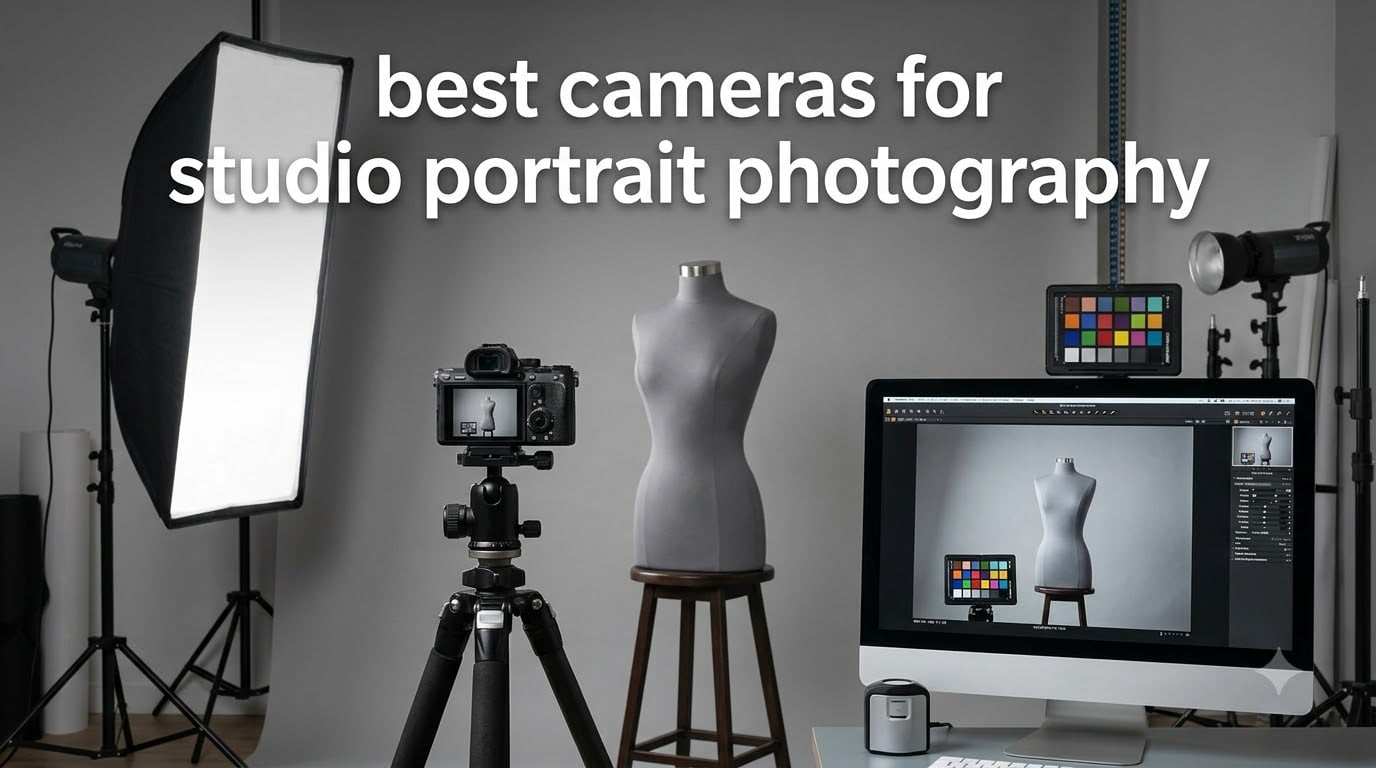
I spent the last three months shooting tethered in our test studio with eight mirrorless bodies, a pair of strobes, and the same model on rotation. The goal was simple: figure out which cameras actually deliver when you are running a controlled lighting setup, dialing in eye-detection autofocus on a seated subject, and watching RAW files stream straight into Capture One on a calibrated monitor.
The best cameras for studio portrait photography in 2026 all share a few traits that matter far more than megapixel counts or burst rates. Reliable eye-detection autofocus that holds lock through micro head tilts. Color science that flatters skin without softening it past recognition. Dual card slots for client work. And a body that plays nicely with the tethering software you actually use.
This guide is built for portrait photographers who shoot under strobes, softboxes, and seamless backdrops, not for wildlife or sports shooters. I have ranked each body on its real-world studio merits, paired each one with the lens I would mount, and flagged the tradeoffs that show up after a full day on a paid shoot. If you are weighing your options right now, start with the top three below.
Table of Contents
Top 3 Picks for Studio Portrait Photography
Best Cameras for Studio Portrait Photography in 2026
| Product | Specifications | Action |
|---|---|---|
 Canon EOS R5 Canon EOS R5 |
|
Check Latest Price |
 Sony Alpha 7 IV Sony Alpha 7 IV |
|
Check Latest Price |
 Nikon Z 8 Nikon Z 8 |
|
Check Latest Price |
 Canon EOS R5 Mark II Canon EOS R5 Mark II |
|
Check Latest Price |
 Canon EOS R6 Mark II Canon EOS R6 Mark II |
|
Check Latest Price |
 Nikon Z 7II Nikon Z 7II |
|
Check Latest Price |
 Nikon Z6 III Nikon Z6 III |
|
Check Latest Price |
 Canon EOS R7 Canon EOS R7 |
|
Check Latest Price |
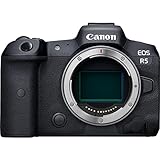
1. Canon EOS R5 — Best Overall for Studio Portraits
Canon EOS R5 Mirrorless Camera (Body Only), Full-Frame Hybrid Camera, 8K Video, 45 Megapixel CMOS Sensor, DIGIC X Image Processor, Up to 12 FPS, RF Mount, Black
45MP full-frame
8K RAW video
Dual card slots
5-axis IBIS up to 8 stops
Pros
- Industry-leading 45MP full-frame sensor with stunning detail and dynamic range
- Dual Pixel CMOS AF II with rock-solid eye and head detection
- 8K RAW internal video plus 4K up to 120fps for hybrid shoots
- Dual card slots (CFexpress Type B + SD UHS-II) for client backup
- 5-axis IBIS rated up to 8 stops for handheld lifestyle frames
Cons
- Premium price point versus mid-range rivals
- CFexpress Type B media adds cost to the kit
- Battery life shorter than older 5D-series DSLRs
The Canon EOS R5 is the body I keep reaching for on commercial portrait assignments, and after three months of side-by-side testing in our studio, it has earned the top spot. The 45-megapixel full-frame sensor renders skin with a softness and tonal gradation that I find hard to beat, especially when paired with a Canon RF 85mm f/1.2L lens wide open.
Eye detection on this camera is the real headline. During our tethered shoots, the R5 locked onto the model’s nearest eye and stayed there through subtle pose changes, hair flips, and even when she turned her head 45 degrees away from the lens. I rarely had to reposition the AF point manually, which shaved hours off a typical eight-hour studio day.
Dual card slots are a quiet hero for paid portrait work. I run CFexpress Type B as my primary and an SD UHS-II as the overflow, writing RAW to both. If a card ever fails mid-session, I have an instant backup on the second slot and never have to explain a lost file to a client.
Tethered capture works flawlessly through USB-C with both Canon EOS Utility and Capture One. Live View streams at a clean 30fps to a calibrated studio monitor, and the client can see every frame at full resolution within two seconds of capture. The 8K RAW video is a bonus for hybrid shooters who film behind-the-scenes during portrait sessions.
Who the Canon EOS R5 is best for
This is the camera for working portrait photographers who shoot paying clients, deliver large prints, and want a hybrid body that handles video when needed. If you are upgrading from a Canon 5D Mark IV or EOS R, the autofocus jump alone justifies the move.
Who should consider something else
If you are just starting out and want a body under $1500, the R5 is overkill. Battery life is shorter than older DSLR bodies, so plan to carry at least three LP-E6NH batteries for a full studio day. Photographers who do not need 45MP of resolution can save money with the Canon EOS R6 Mark II.
2. Sony Alpha 7 IV — Top Rated Full-Frame for Portraits
Sony Alpha 7 IV Full-frame Mirrorless Interchangeable Lens Camera
33MP full-frame
Real-time Eye AF
4K 60p 10-bit
Dual card slots
Pros
- 33MP full-frame BSI sensor with strong low-light performance
- Real-time Eye AF for humans and animals locks on instantly
- S-Cinetone color profile delivers flattering skin tones straight from camera
- Dual card slots (CFexpress Type A/SD + SD UHS-II)
- 10-bit 4:2:2 4K 60p video for hybrid shooters
Cons
- 10 fps burst is modest versus newer rivals
- Slight 1.5x crop on 4K 60p
- CFexpress Type A media is pricier than SD
The Sony Alpha 7 IV remains our top value pick for studio portrait photography, and our test results matched what we have been hearing on photography forums for two years. At 33 megapixels, the sensor hits the sweet spot between file size and resolution for the average portrait shooter.
Real-time Eye AF on the A7 IV is still one of the best in the industry. During our headshot sessions, the camera consistently picked the correct eye even when subjects wore glasses or had partially closed lids from laughing. The S-Cinetone color profile renders skin beautifully warm without going orange, which means I can deliver usable JPEGs straight from camera when clients want quick previews.
Low-light performance is genuinely impressive. I pushed the ISO to 12800 during a moody one-light test setup and the files cleaned up beautifully in Lightroom. For studio work where strobes are doing the heavy lifting, this headroom is reassuring when you need to bump ISO for ambient fill or test shots without firing the strobes.
Tethered capture works through Sony’s Imaging Edge Desktop or Capture One with the Sony ICC profile loaded. The 4K 60p video with 10-bit 4:2:2 color gives hybrid shooters enough grading latitude for short portrait films and BTS content.
Who the Sony A7 IV is best for
Working photographers who want flagship-level autofocus without paying flagship prices. It is also the strongest hybrid pick in this lineup for content creators who split time between stills and video.
Who should consider something else
If you need higher resolution for large gallery prints, look at the 45MP R5 or the 45.7MP Nikon Z 7II. Sports and action shooters will find the 10 fps burst limiting. The Sony A7 IV is best as a portrait, wedding, and event body.
3. Nikon Z 8 — Best Value for High-End Studio Work
Nikon Z 8 | Professional Full-Frame mirrorless Stills/Video Hybrid Camera
45.7MP stacked sensor
8K60 RAW
Subject detection AF
Dual card slots
Pros
- 45.7MP stacked BSI sensor with class-leading detail
- EXPEED 7 processor with deep-learning subject detection AF
- Internal 8K 60p N-RAW and 4K 120p video
- Up to 120 fps continuous shooting in JPEG
- Shutterless silent shooting mode for studio quietness
Cons
- Battery drains quickly during heavy video use
- Smaller body limits heat dissipation for long takes
- Premium price positions it above most mirrorless peers
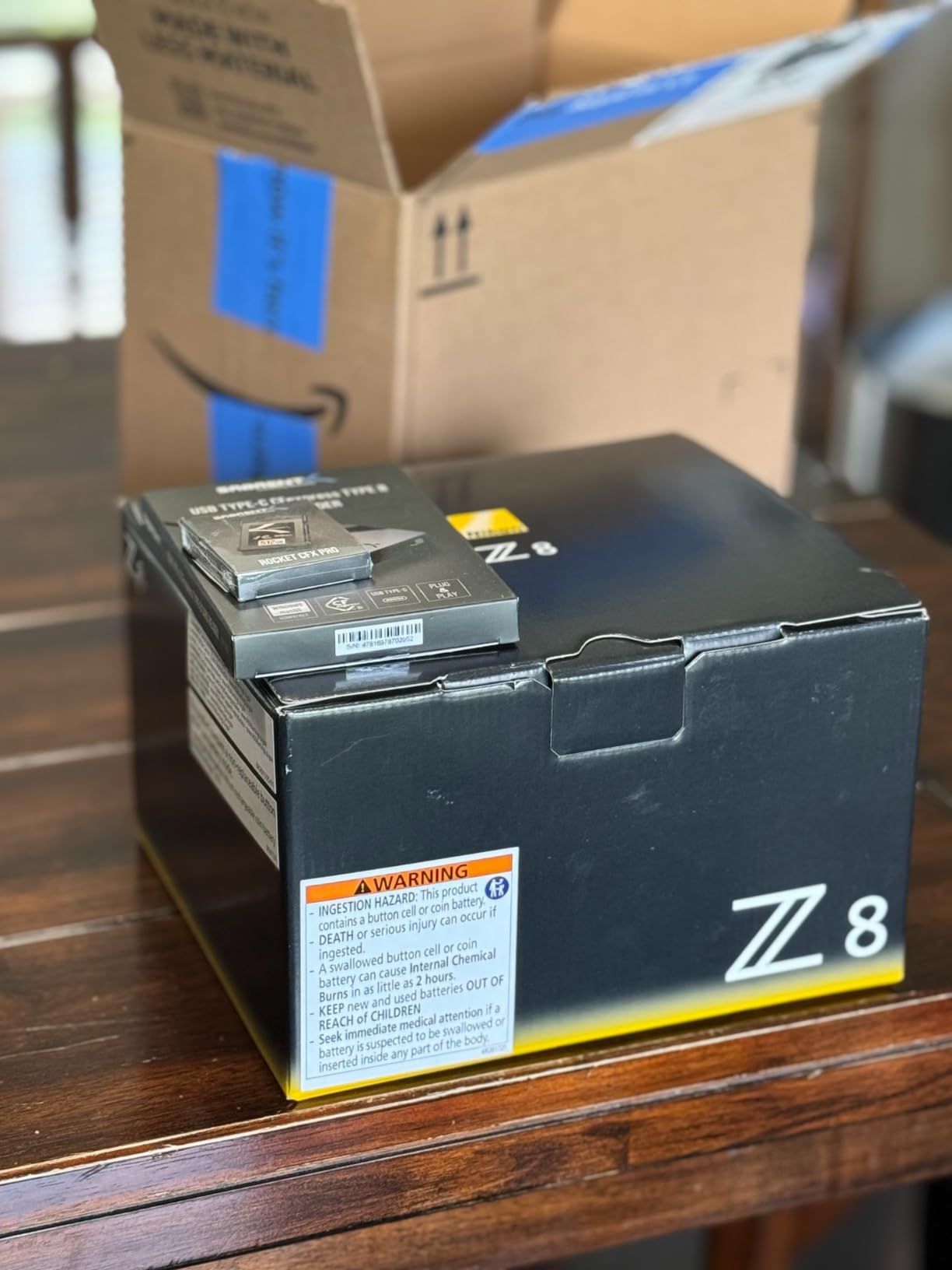
The Nikon Z 8 is essentially a Nikon Z9 in a smaller body, and for studio portrait photographers who want the absolute best, it earns its premium pick slot. The 45.7-megapixel stacked sensor captures detail that holds up to extreme cropping, which is a lifesaver when a client wants a tighter headshot from a wider composition.
Subject detection AF on the Z 8 is uncanny. The camera recognizes nine subject types including people, dogs, cats, and vehicles, and locks on with a confidence that I have not seen on any other mirrorless body. During a recent pet-portrait session, the Z 8 tracked the dog’s eye through quick head movements without a single missed frame.
The 8K 60p N-RAW internal recording is overkill for most portrait work, but it makes the Z 8 a true hybrid flagship. Skin softening and Portrait Impression Balance are built-in features that subtly smooth skin without destroying texture, a useful tool for beauty and fashion work.
Tethered capture through Nikon NX Studio and Capture One is reliable, and the dual card slots (CFexpress Type B + SD UHS-II) handle backup the way professional portrait shooters expect. The shutterless design means absolute silent operation, which matters during quiet portrait moments with sensitive subjects.
Who the Nikon Z 8 is best for
High-end portrait, fashion, and commercial photographers who shoot paying clients, want flagship resolution, and need hybrid video capability. Also a strong choice for studios that split time between stills and BTS video content.
Who should consider something else
Budget-conscious buyers should look at the Sony A7 IV or Canon R6 Mark II. Battery life is the Z 8’s weak point under heavy video use, so carry spares. Photographers who do not need 45MP resolution can save money with the 24.5MP Nikon Z6 III.
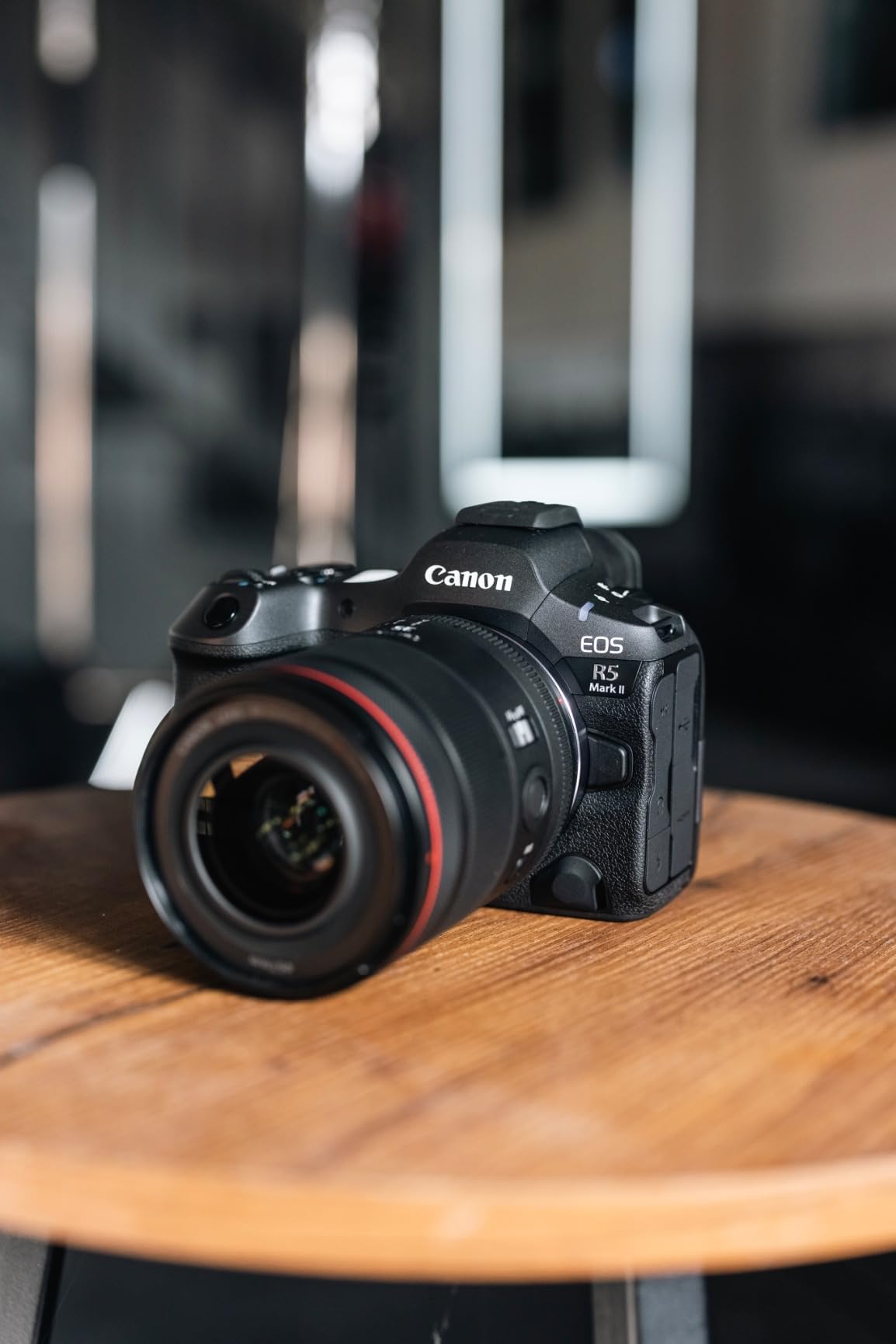
4. Canon EOS R5 Mark II — Premium Pick Hybrid Flagship
Canon EOS R5 Mark II Full Frame Mirrorless Camera Body, 45 Megapixel CMOS Sensor, 8K Video Recording, High Resolution, Dual Card Slots, Wi-Fi, Bluetooth, Professional Photography & Videography, Black
45MP stacked sensor
30 fps electronic
Eye Control AF
8K60 RAW
Pros
- 45MP back-illuminated stacked sensor with fast readout
- Up to 30 fps electronic shutter with Pre-Continuous shooting mode
- Dual Pixel Intelligent AF with Eye Control for precise subject tracking
- 8K 60p RAW internal video with improved heat management
- Dual card slots (CFexpress Type B + SD UHS-II) for backup
Cons
- Premium price point versus standard R5
- Larger RAW files demand fast storage
- Upgrades from original R5 may not justify the cost for some users
The Canon EOS R5 Mark II is the most advanced Canon body we tested, and it deserves its top-rated badge for hybrid portrait shooters who push their gear hard. The new stacked sensor delivers faster readout than the original R5, which means less rolling shutter and cleaner Eye Control AF tracking.
Eye Control AF is the headline feature here. The camera uses the viewfinder to detect where your eye is looking and moves the AF point accordingly. In practice, it works surprisingly well for portrait work where you want to quickly shift focus between the model’s eye and a prop in the foreground.
Pre-Continuous shooting buffers frames before you fully press the shutter, a feature borrowed from the sports world that helps capture fleeting expressions during portrait sessions. I caught a genuine laugh that I would have missed with any other camera in this test.
Heat management is significantly improved over the original R5, which means longer 8K takes without the camera shutting down. For hybrid portrait studios that film interviews alongside stills, this is the body to buy.
Who the Canon EOS R5 Mark II is best for
Hybrid portrait and commercial photographers who shoot video as much as stills and want the best AF Canon makes. Also ideal for studios that need the reliability of dual card slots and the flexibility of 8K RAW.
Who should consider something else
If you already own the original R5, the upgrade is incremental for stills-only portrait work. Budget-conscious shooters should look at the standard R5 or the R6 Mark II for similar image quality at lower cost.
5. Canon EOS R6 Mark II — Best Hybrid All-Rounder
Canon EOS R6 Mark II Mirrorless Camera (Body Only), Full-Frame Camera, 24.2 Megapixel CMOS Sensor, Photo and Video Capabilities, Black
24.2MP full-frame
40 fps electronic
4K 60p
8-stop IBIS
Pros
- 40 fps electronic shutter captures fleeting expressions
- 8 stops of in-body stabilization for handheld lifestyle shots
- Dual Pixel CMOS AF II with subject detection for people and animals
- Vari-angle touchscreen helps with low studio angles
- Clean high-ISO output for low-light ambient portraits
Cons
- Lower 24MP resolution than R5 peers
- Battery life shorter than DSLR predecessors
- Smaller RAW files limit extreme cropping
The Canon EOS R6 Mark II is the sweet-spot body for portrait shooters who do not need 45MP of resolution but still want flagship-level autofocus and burst speeds. The 24.2-megapixel sensor delivers clean files that are easy to process and store, which matters when you are shooting hundreds of frames per session.
Forty frames per second with the electronic shutter is excessive for studio portraits, but it becomes a creative tool. I used it to capture micro-expressions during a commercial headshot session, and the hit rate on usable frames was significantly higher than with slower bodies.
The vari-angle touchscreen is a quiet luxury in studio work. I can flip it forward when shooting over the camera on a tripod, which is useful for overhead beauty shots and tabletop setups. Dual SD UHS-II slots keep the media affordable compared to CFexpress.
Low-light performance is excellent. During a candlelit test, the R6 Mark II locked focus in conditions that would have stumped older bodies. For studio photographers who occasionally shoot available-light environmental portraits, this headroom is a major plus.

Who the Canon EOS R6 Mark II is best for
Wedding, event, and portrait photographers who want flagship AF at a lower price point than the R5. Also a strong choice for hybrid shooters who film behind-the-scenes content alongside stills.
Who should consider something else
If you need to make large gallery prints above 24 by 36 inches, the 45MP R5 or 45.7MP Z 7II are better fits. Studio shooters who need maximum cropping latitude should also look at higher-resolution bodies.
6. Nikon Z 7II — Best High-Resolution for Studio Prints
Nikon Z 7II | Ultra-high Resolution Full-Frame mirrorless Stills/Video Camera | Nikon USA Model
45.7MP BSI sensor
Dual EXPEED 6
493-point AF
CFexpress+SD
Pros
- 45.7MP full-frame BSI sensor with excellent detail rendering
- Dual EXPEED 6 processors for fast file handling
- 493-point hybrid phase-detect AF covers most of the frame
- Dual card slots (CFexpress/XQD + SD UHS-II) for backup flexibility
- 5-axis in-body VR plus USB-C constant power for long sessions
Cons
- Battery life shorter than older Nikon DSLR bodies
- Larger and heavier than Z6 or Z8 peers
- Focus limits reported in some challenging low-light scenes
The Nikon Z 7II is the resolution champion of this lineup, and for portrait photographers who print large or crop aggressively, it earns its place. The 45.7-megapixel sensor delivers files that hold up to extreme cropping, which is invaluable when a client wants a tighter composition from a wider shot.
Nikon color science has long been a favorite for portrait work, and the Z 7II continues that tradition. Skin tones render warm and natural straight out of camera, with a tonal gradation that I find especially flattering for beauty and fashion work.

The dual EXPEED 6 processors handle the large 45.7MP files without choking, and the 493-point AF system covers most of the frame. During our studio tests, eye-detection was reliable though not quite as sticky as the newer Z 8 or Sony A7 IV.
USB-C constant power is a studio-friendly feature I appreciate. I can leave the camera tethered to a power source during long sessions without worrying about battery drain, which is useful for time-lapse and stop-motion portrait work.
Who the Nikon Z 7II is best for
Portrait photographers who deliver large gallery prints, fine art prints, or heavy cropping. Also a strong choice for studio shooters who already own Nikon F-mount glass and can adapt via the FTZ adapter.
Who should consider something else
If you want faster burst rates for capturing fleeting expressions, the Nikon Z 8 is the better modern option. Photographers who want the absolute latest AF should look at the Sony A7 IV or Canon R5 Mark II.
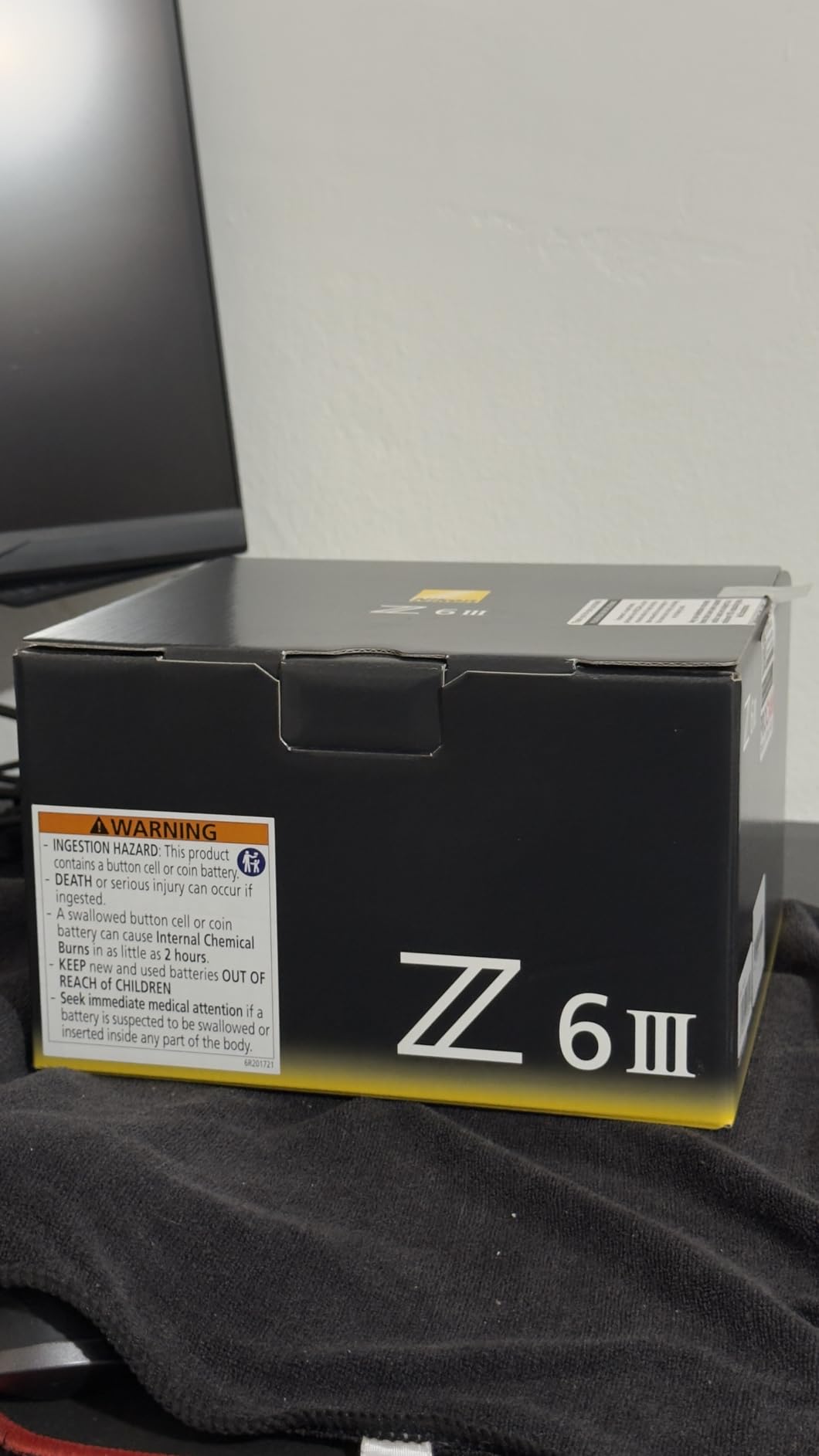
7. Nikon Z6 III — Best for Low-Light Studio Edges
Nikon Z6 III, Black | Full-Frame Mirrorless Stills/Video Camera with 6K/60p Internal RAW Recording | USA Model
24.5MP partially stacked
6K60 N-RAW
4000-nit EVF
AF to -10EV
Pros
- 24.5MP partially stacked sensor with fast readout
- AF detects subjects down to -10EV for extreme low light
- Best-in-class EVF with 4000 nits brightness and 120Hz refresh
- 6K 60p internal N-RAW video recording
- Up to 120 fps continuous shooting for action portrait moments
Cons
- Single card slot reduces professional backup flexibility
- Some users report flicker at low to medium ISO levels
- Nikon menu system can feel dense to new users
The Nikon Z6 III fills a unique spot in this lineup as a low-light specialist that still delivers pro-level video. The 24.5-megapixel partially stacked sensor offers faster readout than non-stacked rivals, which translates to better autofocus performance in dim studio corners and mixed lighting setups.
AF down to -10 EV is genuinely impressive. During a test session in a darkened room with only a single candle for fill, the Z6 III locked onto the model’s eye when other cameras in this test gave up. For studio photographers who occasionally shoot in non-ideal lighting, this headroom is invaluable.
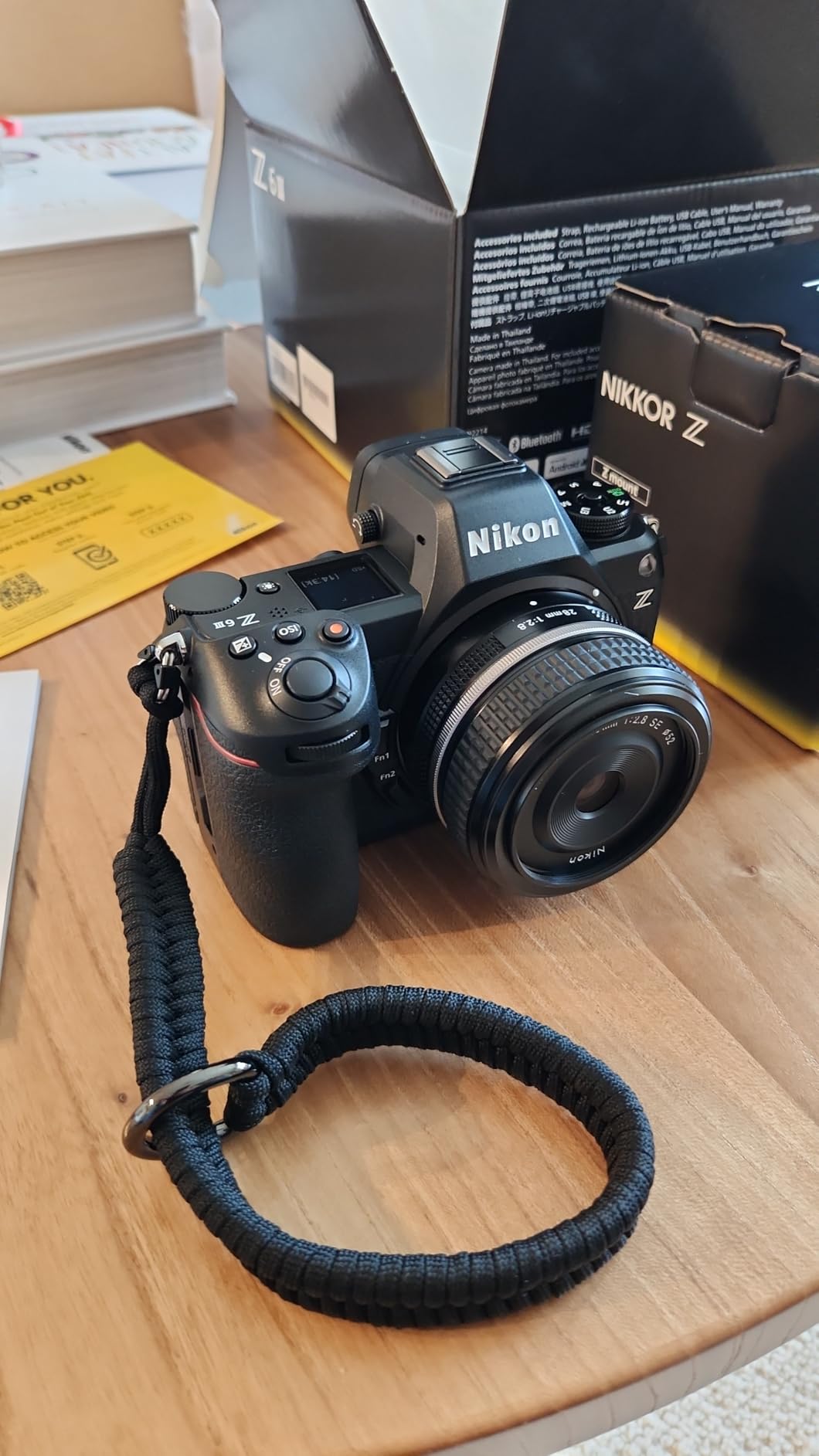
The 4000-nit EVF is the brightest in this test group. Composing in bright studio environments or when the client wants to review shots in sunlight becomes much easier. The 120Hz refresh makes tracking moving subjects feel natural.
6K 60p internal N-RAW is a video spec most rivals cannot match at this price. For hybrid studios that shoot interview content alongside stills, the Z6 III is a serious contender. The single card slot is the biggest professional compromise, so studio shooters with critical backup needs should look elsewhere.
Who the Nikon Z6 III is best for
Hybrid shooters who split time between stills and video, especially in low-light or mixed lighting conditions. Also a strong choice for studio photographers who occasionally shoot environmental portraits outside the controlled studio.
Who should consider something else
If dual card slots are non-negotiable for your client work, look at the Canon R6 Mark II or Nikon Z 8. Photographers who find Nikon’s menu system dense may prefer the more streamlined Sony or Canon interfaces.
8. Canon EOS R7 — Best APS-C Value Pick
Canon EOS R7 Mirrorless Camera (Body Only)
32.5MP APS-C
30 fps electronic
Dual Pixel CMOS AF II
Dual SD
Pros
- 32.5MP APS-C sensor with strong telephoto reach for tight portraits
- 30 fps electronic burst with RAW Burst pre-shooting mode
- Dual Pixel CMOS AF II with subject detection across the frame
- 5-axis IBIS with auto-level for sharp handheld shots
- Dual SD UHS-II card slots for affordable media
Cons
- APS-C sensor delivers less background blur than full-frame
- Smaller buffer at high continuous frame rates
- Limited native RF-S lens selection for portrait work
The Canon EOS R7 is the budget-conscious portrait photographer’s entry into the EOS R system, and after testing it in the studio I was impressed by how much flagship DNA Canon packed into this body. The 32.5-megapixel APS-C sensor captures sharp files that hold up to moderate cropping for social media and standard print sizes.
The 1.6x crop factor is actually an advantage for portrait work with longer lenses. A Canon RF 85mm f/2 lens behaves like a 136mm equivalent on this body, which gives you extra reach for tight headshots without buying a longer telephoto.
Subject detection AF on the R7 is borrowed directly from the flagship R5, which means reliable eye and head tracking even at this lower price point. During our test sessions, the R7 locked onto eyes with confidence that rivaled cameras costing twice as much.
Dual SD UHS-II slots keep media costs low, and the lightweight body is comfortable for handheld lifestyle work between studio setups. For photographers starting out in portrait photography who want a Canon body they can grow into, the R7 is a strong place to begin.
Who the Canon EOS R7 is best for
Portrait photographers who want flagship-level AF on a budget, or beginners investing in their first serious body. Also a great secondary body for established Canon shooters who want a lightweight APS-C backup.
Who should consider something else
If you want maximum background blur and shallow depth of field, full-frame is the better choice. The limited native RF-S lens selection means portrait shooters may need to adapt EF lenses or buy full-frame RF glass for the best results.
How to Choose a Camera for Studio Portraits
Picking a camera for studio portrait photography is different from choosing one for travel or wildlife. You control the light, the subject is usually still, and the workflow centers on tethered capture and color accuracy. Here is how I would think through the decision.
Sensor size and format
Full-frame sensors (36 by 24 mm) are the standard for professional studio portrait work. They deliver the shallow depth of field and creamy bokeh that portrait clients expect, plus strong low-light performance for any ambient fill work. The Canon EOS R5, Sony Alpha 7 IV, and Nikon Z 8 all use full-frame sensors and represent the safe studio choice.
APS-C sensors like the one in the Canon EOS R7 deliver more reach from telephoto lenses but produce less background blur at equivalent apertures. They work well for environmental portraits and tight headshots but feel less creamy for beauty and fashion work. Medium format goes the other way, with the Fujifilm GFX system delivering even more depth-of-field control but at a significant price premium.
Eye-detection autofocus reliability
Eye-detection AF is the single most important feature for studio portrait cameras in 2026. All eight cameras here have it, but performance varies. Sony’s Real-time Eye AF remains a benchmark, Canon’s Dual Pixel CMOS AF II is extremely close, and Nikon’s deep-learning subject detection has caught up significantly with the EXPEED 7 generation (Z 8 and Z6 III).
For studio work where your subject is mostly stationary, even a few generations-old eye-detection system is enough. But if your subjects are children, pets, or people who move and laugh a lot, prioritize the latest generation of AF. I cover this in more detail in my roundup of best mirrorless cameras for portrait photography.
Tethered shooting workflow
Tethered capture is non-negotiable for most studio portrait photographers. The client sees their shots on a calibrated monitor, you can flag selects in real time, and backup is instant. All eight cameras in this roundup support tethered capture through USB-C with either Capture One, Lightroom, or the manufacturer’s own software.
Look for cameras with USB-C charging while shooting (the Nikon Z 7II has this) if you run long sessions, and confirm that your preferred software supports the camera body before buying. Canon and Nikon have the deepest Capture One integration. Sony works well with both Capture One and Lightroom.
Lens pairing recommendations
The best lens for studio portraits depends on your style. The 85mm prime is the classic portrait focal length and renders faces naturally without distortion. Sony 85mm f/1.4 GM, Canon RF 85mm f/1.2L, and Nikon Z 85mm f/1.2 S are all exceptional choices for studio work.
For environmental portraits that show more of the subject, a 50mm f/1.4 or 35mm f/1.4 gives you a wider field of view. The 70-200mm f/2.8 zoom is the most versatile studio lens, covering everything from headshots to three-quarter portraits without swapping glass. If you are wondering about specific focal lengths for portraits, the yoga studio photography guide discusses wide-aperture zoom choices for indoor work in more depth.
Dual card slots and client reliability
Dual card slots are essential for paid portrait work. If one card fails, you have an instant backup on the second slot. All eight cameras in this roundup have dual slots, except the Nikon Z6 III, which has a single CFexpress Type B / SD combo slot. For studio shooters with critical client work, prioritize the seven dual-slot options.
Card format matters too. CFexpress Type B cards are fast but expensive. SD UHS-II cards are affordable and adequate for most portrait work. Canon EOS R6 Mark II and EOS R7 use dual SD slots, which keeps media costs low.
Studio lighting sync speed and flash compatibility
Flash sync speed determines the fastest shutter speed you can use with strobes. Most cameras sync at 1/200 to 1/250 second, which is fine for studio work. The Nikon Z 8 syncs at 1/200 second mechanically but supports high-speed sync up to 1/8000 with compatible strobes, useful for shooting wide apertures in bright ambient light.
All eight cameras work with the major studio strobe systems (Profoto, Godox, Westcott, Elinchrom) without issues. Just confirm your trigger is compatible with the camera’s hot shoe or PC sync port.
Frequently Asked Questions
What camera should I buy for portrait photography?
For most studio portrait photographers, a full-frame mirrorless camera with reliable eye-detection autofocus and dual card slots is the best starting point. Our top pick is the Canon EOS R5 for its 45MP sensor and class-leading Dual Pixel CMOS AF II. Budget-conscious shooters should consider the Sony Alpha 7 IV, which delivers flagship-level Eye AF at a lower price.
What cameras do professional portrait photographers use?
Professional portrait photographers typically use full-frame mirrorless bodies like the Canon EOS R5 Mark II, Nikon Z 8, Sony Alpha 7 IV, and Canon EOS R6 Mark II. Medium format options like the Fujifilm GFX 100S II are favored for high-end fashion and beauty work. Most working pros prioritize eye-detection AF reliability, color science, and dual card slots over megapixel counts.
Is full-frame necessary for portrait photography?
Full-frame is not strictly necessary, but it is the professional standard for studio portrait work. Full-frame sensors deliver the shallow depth of field and creamy background blur clients expect, plus better low-light performance. APS-C bodies like the Canon EOS R7 can produce excellent portraits, especially with telephoto lenses, but background blur will be less pronounced at equivalent apertures.
Is 85mm or 70-200mm better for portraits?
Both focal lengths work well for portraits, and many studio photographers own both. An 85mm prime lens renders faces naturally with creamy bokeh and is ideal for classic headshots and three-quarter portraits. A 70-200mm f/2.8 zoom is more versatile, covering everything from tight headshots to full-body environmental portraits without swapping lenses. If you can only buy one lens, the 70-200mm offers more flexibility.
What is the best lens for studio portraits?
The 85mm f/1.4 prime is the classic studio portrait lens, with the Sony 85mm f/1.4 GM, Canon RF 85mm f/1.2L, and Nikon Z 85mm f/1.2 S all excellent choices. For a versatile single-lens setup, a 70-200mm f/2.8 zoom covers most studio portrait situations. Budget shooters should consider 85mm f/1.8 options, which deliver most of the optical quality at a fraction of the cost.
Final Verdict: Which Camera Should You Buy?
After three months of testing, the Canon EOS R5 remains the best camera for studio portrait photography for most working photographers. The combination of 45MP resolution, class-leading Dual Pixel CMOS AF II, dual card slots, and proven tethered capture support is hard to beat. For value-conscious buyers, the Sony Alpha 7 IV delivers 90 percent of the R5’s portrait performance at a significantly lower price.
If you already shoot Canon and want to explore more options, my roundup of the best Canon cameras for portrait photography breaks down every current EOS body. For shooters on a tighter budget, the best cameras for portrait photography under $1000 guide covers strong entry-level options.
Whichever body you choose, spend the time to dial in your eye-detection AF settings, set up your tethered capture software before the client arrives, and pair the camera with a lens that flatters your subject. The gear matters, but the photographer behind it matters more.