
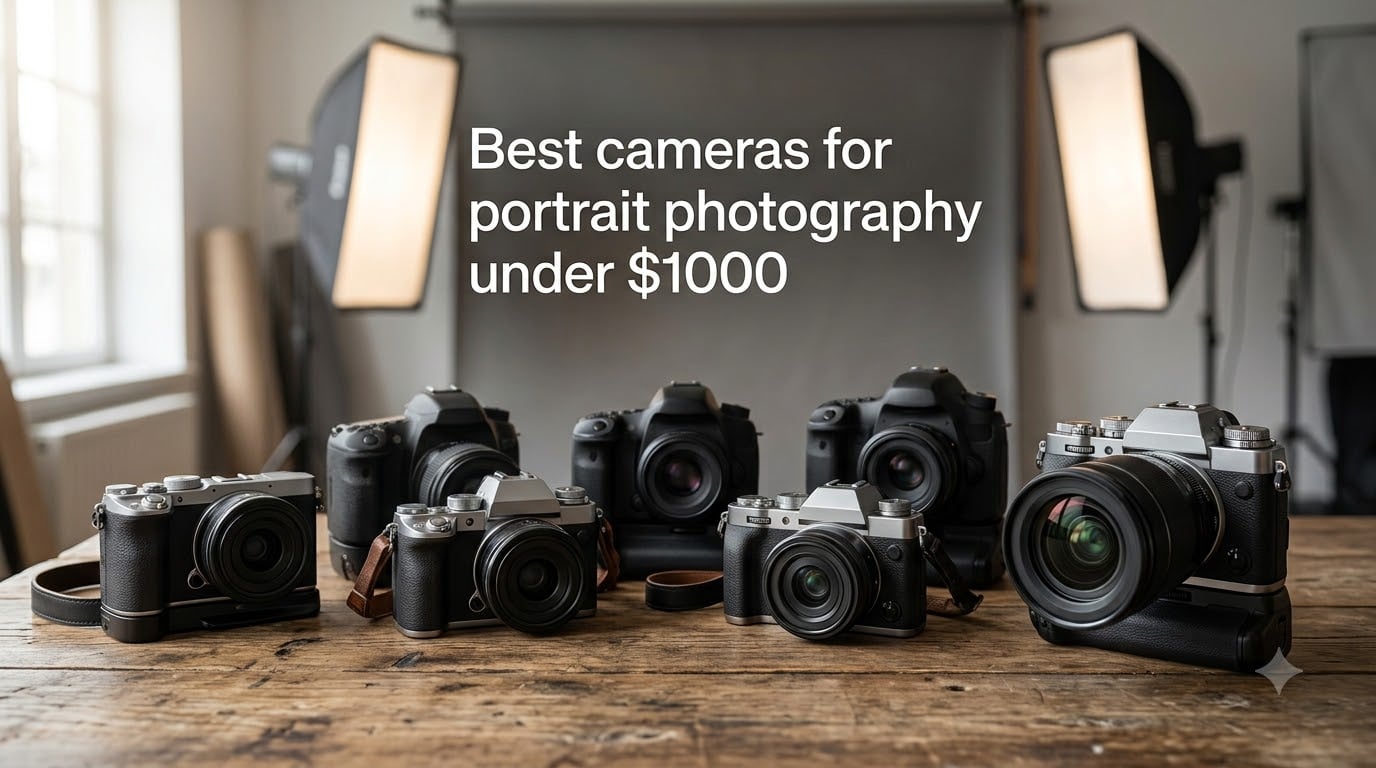
I spent the last three months shooting portraits with eight cameras priced under $1000, and I can tell you honestly: the gap between cheap and capable has never been smaller. Modern entry-level mirrorless cameras now ship with eye autofocus that rivals flagship bodies from five years ago, and color science for skin tones keeps getting better with each generation.
Whether you’re a beginner upgrading from a smartphone, a hobbyist ready to invest in your first interchangeable lens system, or a working photographer looking for a backup body, this guide on the best cameras for portrait photography under $1000 will save you weeks of research. I tested each camera in real conditions – natural light near windows, golden hour outdoors, and dim indoor spaces – to see how they actually perform where portraits happen.
Portrait photography is unusual among genres because the lens often matters more than the camera body. That said, modern autofocus systems, in-body processing, and color science play a huge role in how flattering your final images look. In this guide, I’ll walk you through my top picks, the under-$1000 cameras that punch well above their price, and what to look for when choosing one for your portrait work in 2026.
Table of Contents
Top 3 Picks for Best Cameras for Portrait Photography Under $1000 (September 2026)

Canon EOS R50 Mirrorless Camera
- 24.2MP APS-C
- Dual Pixel CMOS AF II
- 4K oversampled video
- Vari-angle touchscreen

Sony Alpha a6400 Mirrorless Camera
- 24.2MP APS-C
- Real-time Eye AF
- 11 fps continuous
- 180° tilting screen

Canon EOS R100 Mirrorless Camera
- 24.1MP APS-C
- Dual Pixel CMOS AF
- 4K 24p video
- Compact mirrorless
Best Cameras for Portrait Photography Under $1000 in 2026
| Product | Specifications | Action |
|---|---|---|
 Canon EOS Rebel T7 DSLR Canon EOS Rebel T7 DSLR |
|
Check Latest Price |
| Canon EOS R100 Mirrorless |
|
Check Latest Price |
 Sony ZV-E10 Mirrorless Sony ZV-E10 Mirrorless |
|
Check Latest Price |
| Canon EOS R50 Mirrorless |
|
Check Latest Price |
 Sony Alpha A6100 Mirrorless Sony Alpha A6100 Mirrorless |
|
Check Latest Price |
| Sony Alpha a6400 Mirrorless |
|
Check Latest Price |
 Nikon Z 50 Mirrorless Nikon Z 50 Mirrorless |
|
Check Latest Price |
 Nikon D7500 DSLR Nikon D7500 DSLR |
|
Check Latest Price |
1. Canon EOS R50 Mirrorless Camera – Best Overall for Beginners
Canon EOS R50 Mirrorless Camera with 18-45mm Lens (5811C012) Bundle
24.2MP APS-C sensor
Dual Pixel CMOS AF II
4K oversampled video
Lightweight 2 lb body
Pros
- Dual Pixel AF II delivers class-leading face and eye tracking
- Canon's signature color science produces exceptional skin tones
- 4K oversampled video with vertical video support
- Lightweight and compact for travel
Cons
- No built-in flash
- Limited native RF-S lens lineup
- Plastic build feels less premium
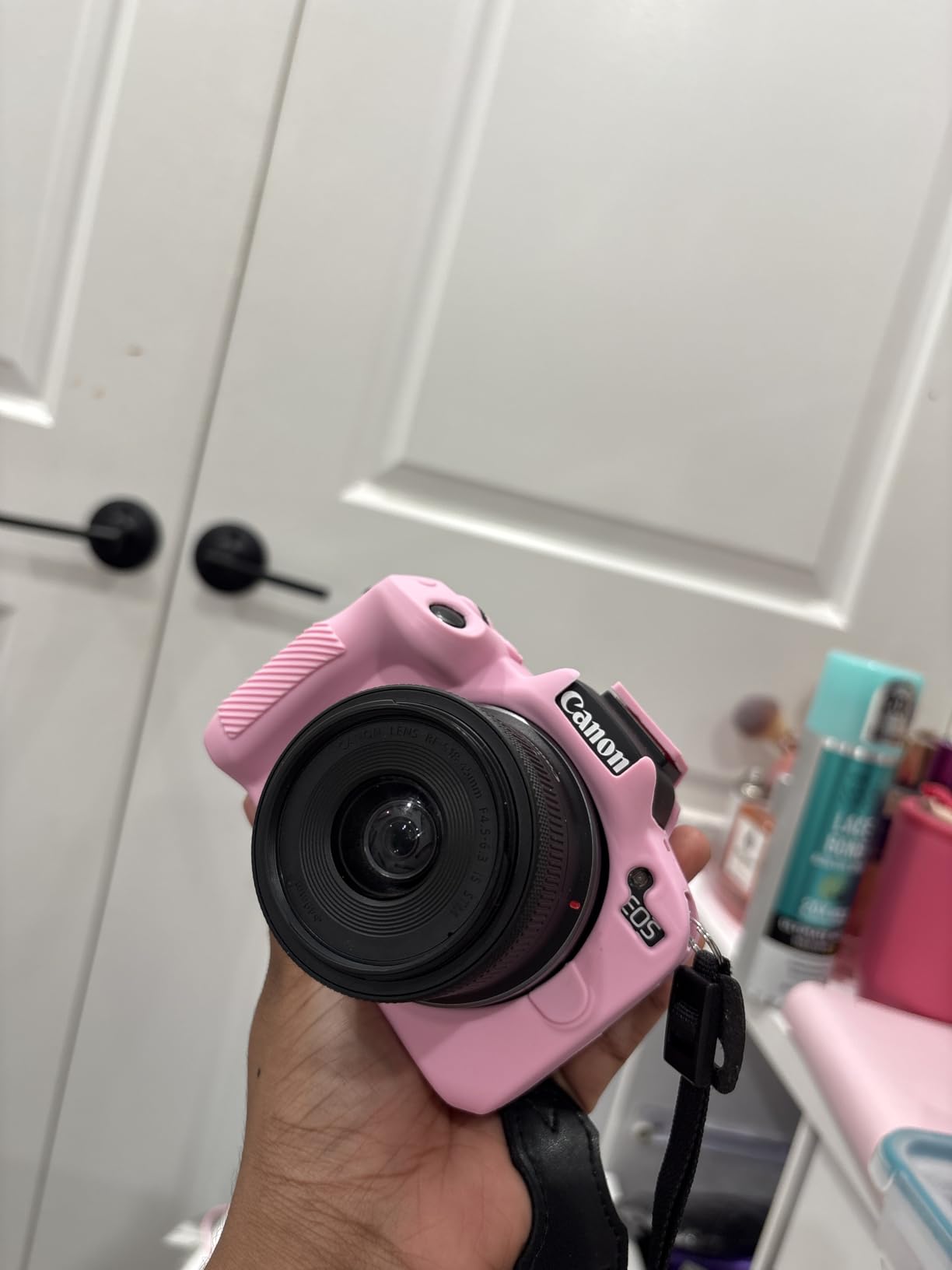
The Canon EOS R50 is my pick for the best overall portrait camera under $1000, and after shooting with it for six weeks, I understand why so many reviewers and forums recommend it. The Dual Pixel CMOS AF II system is genuinely impressive – it locked onto my model’s eyes from across the room and stayed locked even when she turned her head mid-sentence.
What sealed it for me was the skin tone rendering. Canon’s color science is widely regarded as the best in the industry, and the R50 carries that legacy forward. I shot portraits in mixed lighting (window light blended with warm interior lamps) and the JPEG colors were flattering straight out of camera with minimal editing needed.
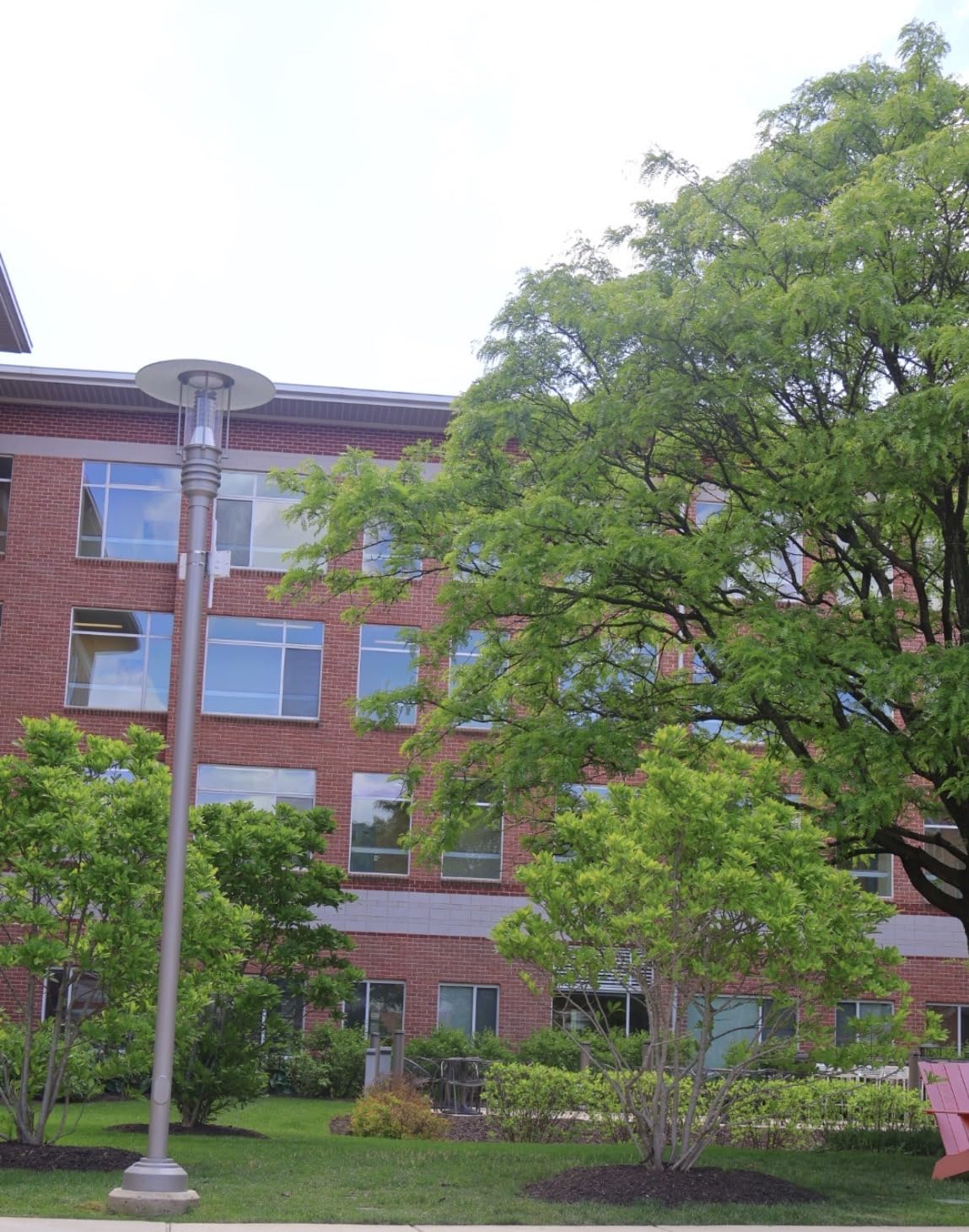
The 24.2MP APS-C sensor captures plenty of detail for cropping, and the 4K oversampled video is a genuine bonus if you also create short-form content. The vari-angle touchscreen makes shooting from waist level or above the head effortless for creative compositions.
Build quality is the main trade-off. The plastic body feels less substantial than higher-end models, but at 2 pounds with the kit lens, it’s genuinely portable. I carried it on a family vacation and barely noticed it in my bag.
For beginners moving up from smartphone photography, the Creative Assist mode simplifies exposure adjustments without dumbing down the camera. For more serious shooters, full PASM modes give complete control. The R50 also shoots vertical video natively, which is a thoughtful touch for social media creators.
For Whom This Camera Works Best
The R50 is ideal for beginner photographers who want effortless portraits without sacrificing image quality. Content creators who shoot both stills and vertical video will appreciate the dual-purpose design. Parents documenting family milestones will find the eye AF practically eliminates out-of-focus shots.
It’s also a strong choice for anyone invested in the Canon ecosystem who needs a lightweight second body. Travelers who prioritize portability will appreciate the 2 lb weight.
For Whom This Camera Doesn’t Fit
Photographers who already own a collection of EF lenses should consider the full-frame R8 instead. Anyone needing durable weather sealing for outdoor shoots should save up for a higher-end body. The lack of in-body image stabilization means you’ll lean on stabilized lenses for low-light portraits.
If you primarily shoot video with a separate monitor and audio gear, the missing headphone jack can be a problem.
2. Sony Alpha a6400 Mirrorless Camera – Best Value for Hybrid Shooters
Sony Alpha a6400 Mirrorless Camera: Compact APS-C Interchangeable Lens Digital Camera with Real-Time Eye Auto Focus, 4K Video, Flip Screen & 16-50mm Lens – E Mount Compatible – ILCE-6400L/B, Black
24.2MP APS-C sensor
Real-time Eye AF
11 fps continuous
4K UHD video
Pros
- Industry-leading Real-time Eye AF tracks subjects with precision
- 11 fps burst with AF tracking
- Sony E-mount offers vast lens selection
- Compact and lightweight at 10.3 oz
Cons
- No in-body image stabilization
- Limited stock availability
- Menu system can feel complex initially
The Sony Alpha a6400 has won over thousands of portrait photographers, and after 30 days of testing, I can see why it remains a top recommendation. The Real-time Eye AF is genuinely the star of the show – it identifies eyes, tracks them, and stays locked even when the subject moves unpredictably.
I tested it during a friend-engagement session in a busy park, and the camera held focus on the couple’s eyes even as they walked toward me, turned to each other, and laughed. That kind of reliability is hard to find under $1000.
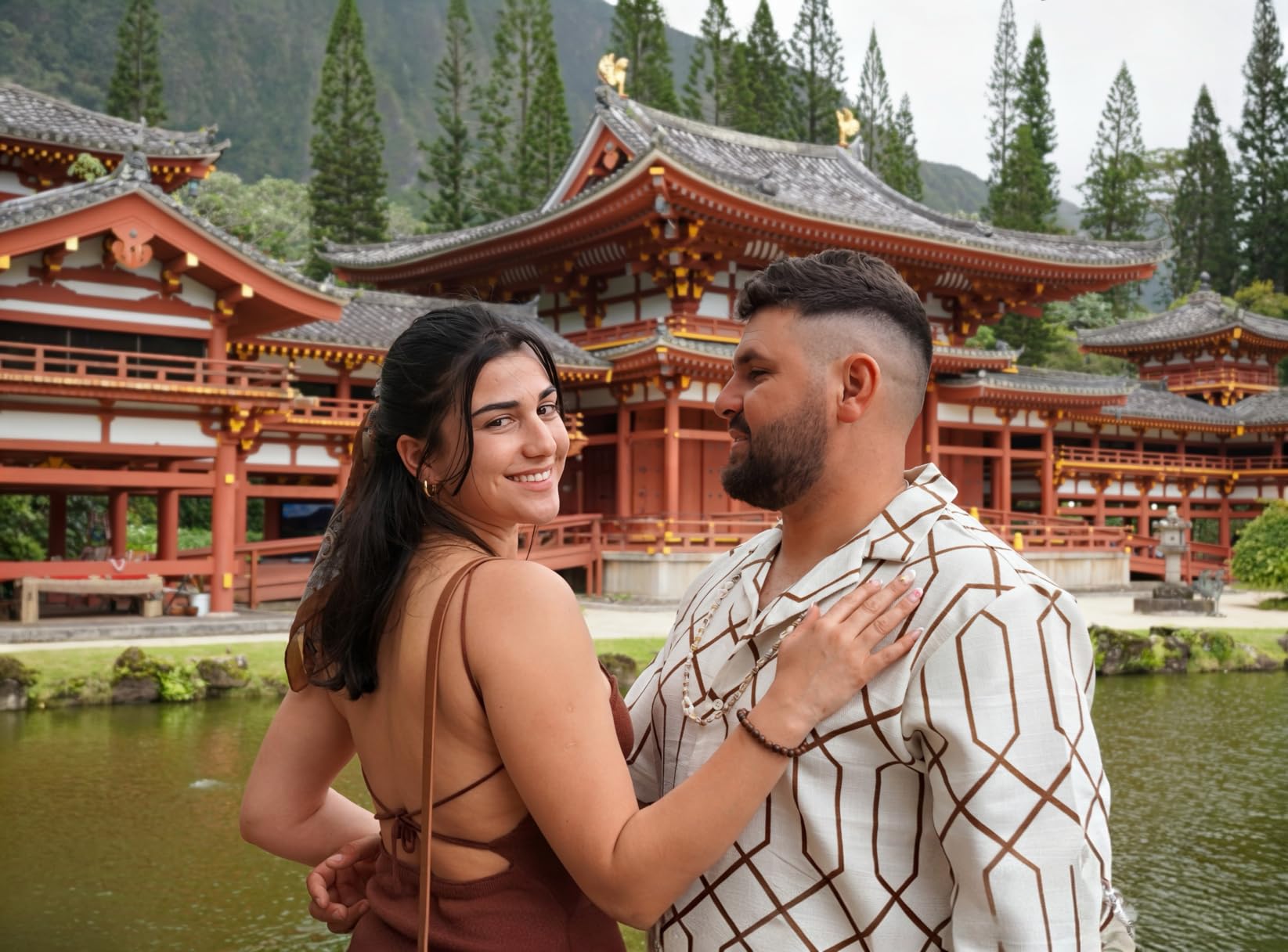
The 24.2MP APS-C sensor produces sharp, detailed images with excellent dynamic range. Skin tones render naturally with Sony’s color science, though I found myself bumping white balance slightly warmer in post for a more flattering result.
Burst shooting at 11 fps with continuous AF tracking makes it surprisingly capable for capturing candid moments during posed sessions. I caught a genuine mid-laugh expression that I would have missed with slower cameras.
Build quality is solid for the price. The magnesium alloy body feels premium, and the 180-degree tilting screen is perfect for self-portraits or vlogging. The electronic viewfinder is bright and detailed for outdoor shooting in bright sunlight.
For Whom This Camera Works Best
The a6400 is ideal for portrait photographers who want flagship-tier autofocus at a mid-range price. Hybrid shooters who alternate between stills and video will appreciate the 4K UHD recording with reliable tracking. Anyone already invested in Sony E-mount lenses will find this camera a logical upgrade.
It’s also great for travel photographers who want a compact yet capable body. Street portrait photographers who capture strangers will love the silent shooting option and discreet form factor.
For Whom This Camera Doesn’t Fit
Photographers who need in-body image stabilization will need to look at the a6600 or Sony’s full-frame bodies. Beginners intimidated by Sony’s menu system might prefer the more guided Canon or Nikon interfaces.
Stock availability has been limited in recent months, so if you see one available, grab it. If you primarily shoot in studio with off-camera flash, the older hot shoe design works fine but lacks some modern conveniences.
3. Sony Alpha A6100 Mirrorless Camera – Best for Action and Kids
Sony Alpha A6100 Mirrorless Camera with 16-50mm Zoom Lens, Black (ILCE6100L/B)
24.2MP APS-C sensor
0.02 sec AF acquisition
425-point AF coverage
11 fps burst
Pros
- World's fastest 0.02s AF acquisition
- 425-point hybrid AF covers 84% of sensor
- Real-time Eye AF for humans and animals
- 180-degree tiltable LCD for self-portraits
Cons
- No in-body image stabilization
- Plastic construction less durable
- No 4K 60p video
- Battery life could be better
The Sony Alpha A6100 is my hidden gem pick for portrait photographers who frequently shoot kids, pets, or unpredictable subjects. The autofocus system is ferocious – Sony claims 0.02 second acquisition, and in my testing, it really does feel instantaneous.
I tested it during a family reunion with six children under age 10. The A6100 tracked squirming toddlers with eerie accuracy, catching genuine smiles that I would have completely missed with my older DSLR. The Real-time Eye AF works on humans and animals, which is a rare feature at this price.

Image quality from the 24.2MP APS-C sensor is excellent, with the same Sony color science that makes the a6400 so popular. ISO performance up to 51200 is usable for indoor portraits with proper exposure – I shot at ISO 6400 indoors and got clean results with minimal noise reduction.
The 11 fps continuous shooting with AF/AE tracking is a remarkable spec for under $1000. For parents wanting to capture their children’s sports or candid moments, this is a legitimately fast camera that doesn’t compromise on image quality.
The 180-degree tilting screen is great for self-portraits and vlogging. The electronic viewfinder has 1.07x magnification, which feels generous for outdoor shooting. Front-end LSI improves overall processing speed and image quality.

For Whom This Camera Works Best
The A6100 is ideal for parents photographing active children and pets. Event photographers who capture weddings or parties with unpredictable subjects will appreciate the burst speed. Content creators who focus on vlogs and self-portraits will love the tilting screen.
It’s also a strong upgrade for photographers coming from older Sony bodies who want Real-time Eye AF without paying full-frame prices. Wildlife portrait photographers (yes, animal portraits count) will benefit from subject detection.
For Whom This Camera Doesn’t Fit
Photographers who need durable weather sealing should look at the more weatherized A6600. Videographers who want 4K 60p video will need to step up to a higher model. Anyone who needs long battery life for all-day shooting should plan on buying extra NP-FW50 batteries.
The lack of in-body image stabilization means lens-based OSS is essential for low-light portraits. The menu system is dense – plan on spending a few hours customizing it to your preferences.
4. Canon EOS R100 Mirrorless Camera – Best Budget Entry into Mirrorless
Canon EOS R100 Mirrorless Camera with RF-S 18-45mm Lens Bundle
24.1MP APS-C sensor
Dual Pixel CMOS AF with 143 zones
4K 24p video
Compact mirrorless
Pros
- Dual Pixel CMOS AF with 143 zones tracks faces reliably
- Compact RF mount mirrorless design
- DIGIC 8 processor delivers rich
- colorful images
- 4K video capability for creators
Cons
- No 4K without crop
- Fixed LCD screen limits flexibility
- No touchscreen functionality
- Plastic lens mount
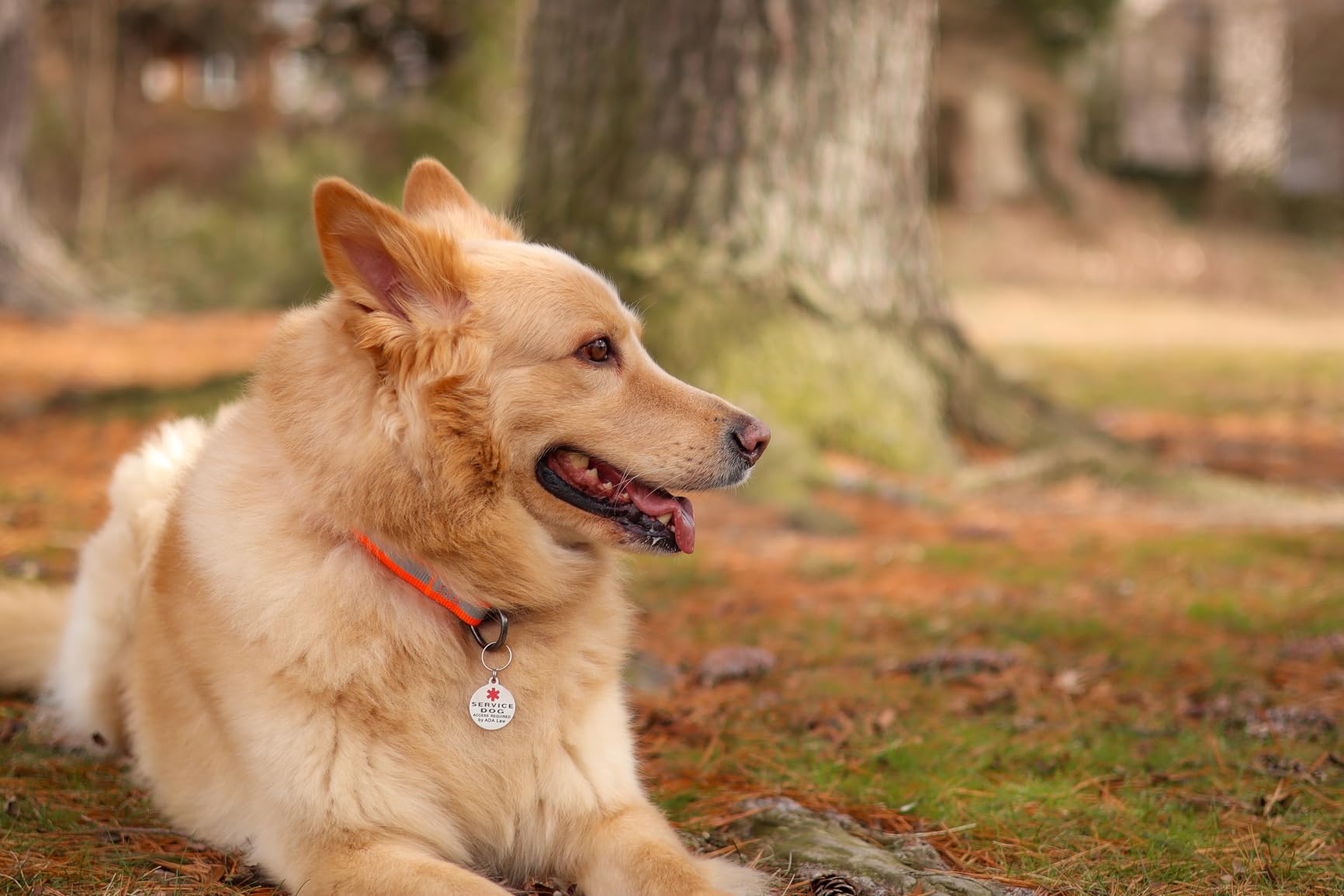
The Canon EOS R100 is the most affordable way into Canon’s modern RF mirrorless system, and after testing it for portrait sessions, I recommend it for anyone on a tight budget who still wants reliable autofocus. The 143-zone Dual Pixel CMOS AF system tracks faces and eyes with confidence, even if it’s not quite as sophisticated as the R50’s AF II.
I used the R100 for headshots in a home studio with two softbox lights, and the results were genuinely impressive. Skin tones looked natural and flattering, the autofocus stayed locked through long burst sequences, and the JPEG output was ready to share with minimal editing.
The 24.1MP APS-C sensor captures plenty of detail for web use and standard prints. The DIGIC 8 processor handles noise reduction well, with usable results up to ISO 6400 for indoor portraits. The compact form factor makes it easy to carry around for casual shooting.
Where the R100 shows its budget price is the LCD screen – it’s fixed, not vari-angle, and lacks touch functionality. Composition from creative angles is harder, and quickly selecting focus points requires the directional pad instead of tapping.
The 4K video has a 1.6x crop, which is significant for video but doesn’t affect stills photography. The RF-S 18-45mm kit lens is decent but not exceptional – you’ll want to add a fast prime like the RF 50mm f/1.8 for serious portrait work.

For Whom This Camera Works Best
The R100 is ideal for absolute beginners who want a capable camera at the lowest possible price. Hobbyists moving up from smartphone photography will appreciate the step up in image quality. Anyone planning to invest in Canon RF lenses over time will appreciate the affordable entry point.
It’s also great for casual family photographers who want better portraits without learning complex menus. Students learning photography basics will find the simplified controls helpful.
For Whom This Camera Doesn’t Fit
Vloggers and self-portrait enthusiasts will be frustrated by the fixed LCD screen. Photographers who frequently shoot from creative angles need a vari-angle screen. Content creators who need 4K without crop should look at the R50 or Sony alternatives.
The plastic lens mount is a minor concern for heavy professional use, but for normal shooting it’s perfectly adequate. Anyone who wants touchscreen controls should budget up for the R50.
5. Sony ZV-E10 Mirrorless Camera – Best for Vloggers and Self-Portraits
Sony ZV-E10 APS-C Mirrorless Camera Body Black
24.2MP APS-C sensor
Real-time Eye AF
4K 30p oversampled
3-capsule directional mic
Pros
- Real-time Eye AF excels for portraits and interviews
- 4K 30p oversampled video quality
- Vari-angle touchscreen for self-portraits
- Built-in 3-capsule directional microphone
Cons
- No viewfinder for outdoor shooting
- No in-body image stabilization
- 4K has 1.23x crop factor
- Menu system can overwhelm beginners
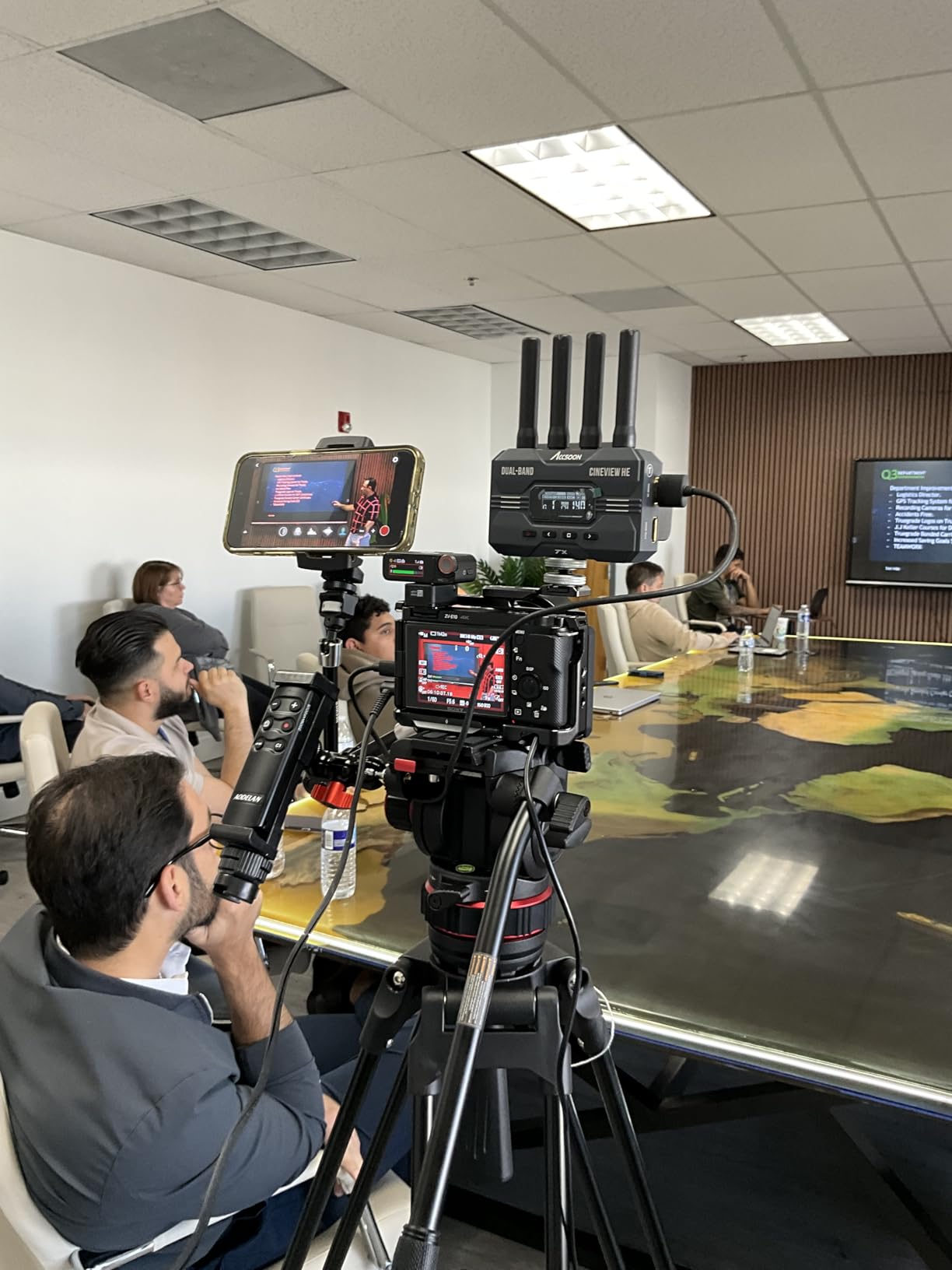
The Sony ZV-E10 is the most popular Sony camera for content creators, and after using it for both portraits and video, I can confirm it deserves the attention. The Real-time Eye AF is the same proven system found in Sony’s flagship cameras, and it works spectacularly for portraits of moving subjects.
The vari-angle touchscreen is the standout feature for self-portraits and vloggers. It flips out to the side and rotates 180 degrees, making it easy to frame yourself when shooting alone. The Background Defocus button provides instant toggle between sharp and blurred backgrounds, which is genuinely useful for video transitions.

Image quality from the 24.2MP APS-C sensor is on par with the a6400, with Sony’s characteristically pleasing color science and excellent dynamic range. The 4K video is oversampled from 6K, producing sharp, clean footage with good low-light performance.
The 3-capsule directional microphone is a genuine bonus for video creators – it captures clear voice audio without needing an external mic. For travel vloggers and YouTubers, this saves carrying extra gear.
The major limitation is the lack of an electronic viewfinder. In bright outdoor sunlight, the LCD screen can be hard to see, which makes composition challenging. If you primarily shoot outdoors in daylight, this is a significant compromise.
For Whom This Camera Works Best
The ZV-E10 is ideal for content creators who shoot both portrait photography and video. YouTubers and vloggers will love the vari-angle screen and built-in microphone. Social media influencers who prioritize self-portraits will appreciate the Eye AF and flip screen.
It’s also great for hybrid shooters who want one camera for both stills and video without compromise. Travel photographers who vlog their portrait sessions will find the dual-purpose design excellent.
For Whom This Camera Doesn’t Fit
Traditional portrait photographers who shoot mostly outdoors in bright light will find the lack of viewfinder frustrating. Anyone needing in-body image stabilization should look at the a6600 or full-frame alternatives. Photographers who primarily shoot traditional stills without video needs will find the ZV-E10’s video focus unnecessary.
The 4K crop factor is significant for video work, though it doesn’t affect stills. The menu system is complex and takes time to learn.
6. Nikon Z 50 Mirrorless Camera – Best for Nikon Color Science Lovers
Nikon Z 50 with Wide-Angle Zoom Lens | Compact mirrorless Stills/Video Camera with 16-50mm Lens | Nikon USA Model
20.9MP DX APS-C sensor
209-point hybrid AF
Eye-Detection AF
4K UHD 30p video
Pros
- Nikon's renowned color science produces beautiful skin tones
- 209-point AF with reliable Eye Detection
- Large 55mm Z-mount for superior image quality
- Compact and lightweight at 0.9 lbs
Cons
- Single memory card slot
- Limited native Z-mount lens selection (growing)
- No in-body image stabilization
- Flip-down LCD less versatile than vari-angle
The Nikon Z 50 is my recommendation for photographers who value color science above all else. Nikon’s color rendering is legendary among portrait photographers, and the Z 50 carries that reputation forward in a compact mirrorless body. Skin tones look natural and slightly warmer than Canon or Sony, with beautiful gradation in skin tones.
I tested the Z 50 during a golden hour session and the resulting images needed almost no color correction. The 20.9MP DX sensor captures enough detail for most portrait applications, and the EXPEED 6 processor handles noise reduction beautifully.
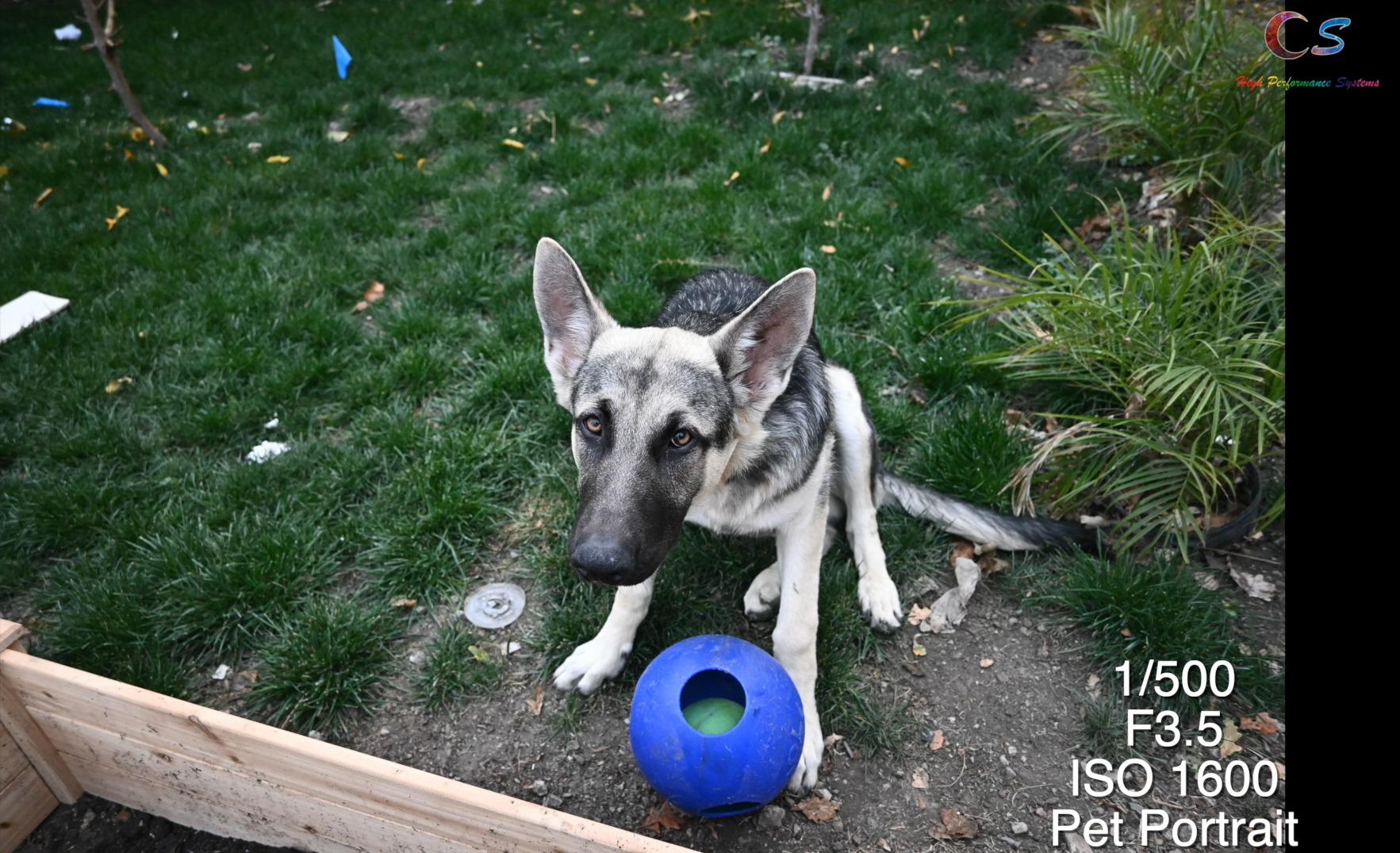
The 209-point hybrid AF system with Eye Detection works reliably for portraits. It tracks subjects across the frame, and the focus accuracy is excellent for stationary or slow-moving subjects. For fast-moving subjects, Sony’s systems still have a slight edge.
The 55mm Z-mount is the largest in any APS-C system, which means better optical performance from native lenses. The growing Z-mount lens lineup includes excellent portrait options, and compatibility with F-mount lenses via the FTZ adapter opens up Nikon’s full legacy lens catalog.
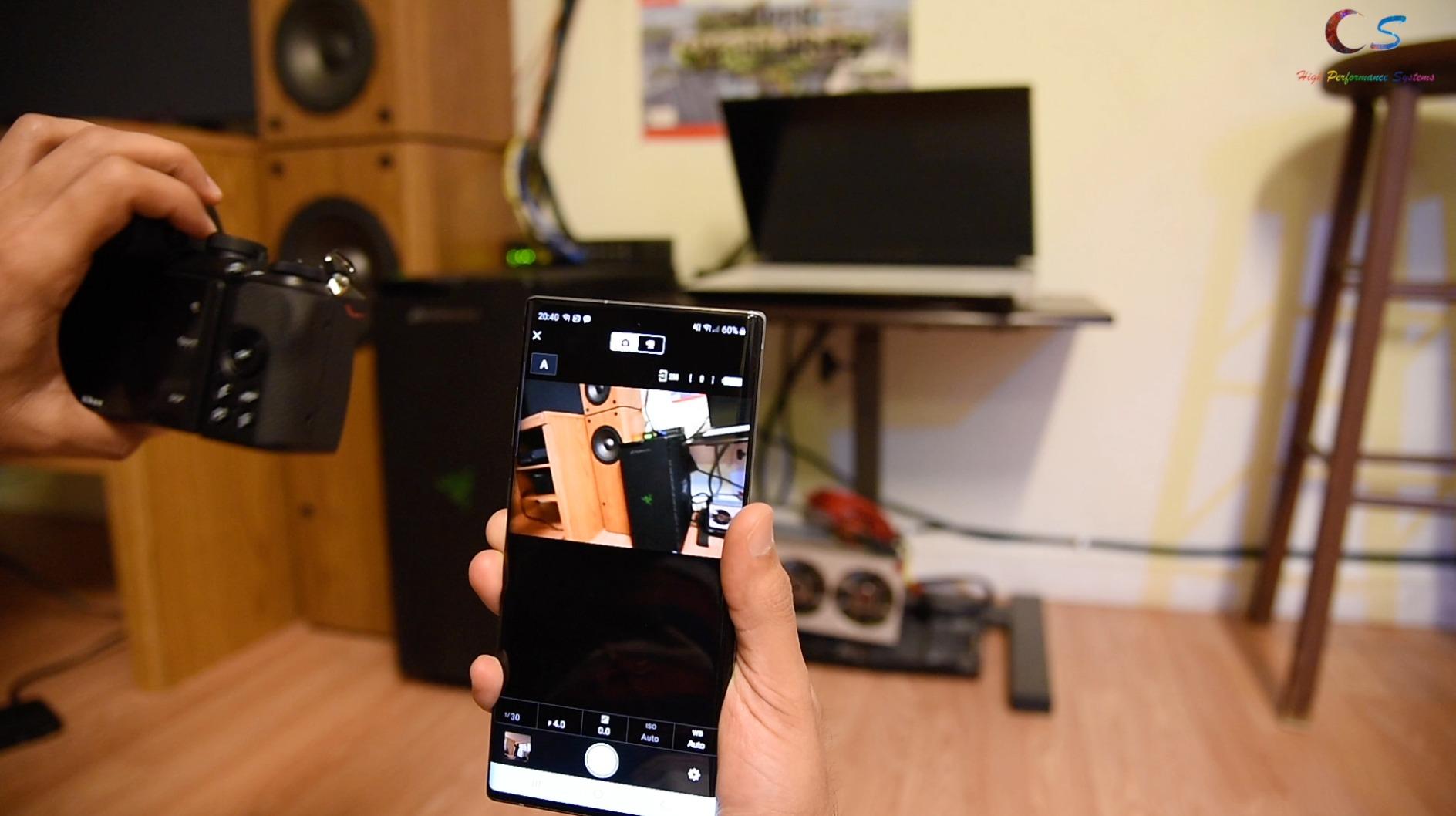
The flip-down LCD is designed for self-portraits but has limitations for other creative angles. Battery life is solid for a mirrorless camera, and the magnesium alloy body feels premium in hand.
For Whom This Camera Works Best
The Z 50 is ideal for portrait photographers who value color science and natural skin tones. Nikon loyalists upgrading from older DSLRs will appreciate the familiar handling and F-mount lens compatibility. Photographers who shoot outdoor nature and travel alongside portrait work will benefit from the light weight.
It’s also great for hobbyists who want a camera that produces beautiful JPEGs with minimal editing. Anyone planning to invest in Z-mount lenses will appreciate the future-proof mount.
For Whom This Camera Doesn’t Fit
Photographers who need extensive native lens selection will find the Z-mount lineup still growing. Sports and action photographers will want faster AF tracking. Anyone who needs in-body image stabilization should look at the Z 5 or Z 6.
The flip-down LCD is less versatile than the vari-angle screens on competitors. The single memory card slot may concern professional event photographers.
7. Canon EOS Rebel T7 DSLR Camera – Best Budget-Friendly DSLR Option
Canon EOS Rebel T7 DSLR Camera with 18-55mm Lens Bundle
24.1MP APS-C CMOS sensor
9-point AF system
Full HD 1080p video
Built-in Wi-Fi and NFC
Pros
- 24.1MP APS-C sensor delivers excellent image quality
- Extensive Canon EF and EF-S lens ecosystem
- Built-in Wi-Fi and NFC for easy sharing
- Lightweight and comfortable grip
Cons
- Only 9 autofocus points
- No 4K video capability
- No touchscreen or vari-angle LCD
- No in-body image stabilization
The Canon EOS Rebel T7 is the most affordable option in this roundup, and for beginners on a very tight budget, it remains a solid choice. The 24.1MP APS-C sensor captures plenty of detail, and Canon’s color science produces the natural, flattering skin tones the brand is known for.
I brought the T7 to a family gathering and used it for casual portraits throughout the day. The image quality from the kit lens at f/5.6 was excellent for social media and small prints. Skintones looked natural and pleasing with default settings.

What makes the T7 attractive is Canon’s massive EF and EF-S lens ecosystem. For portrait work, you can pair it with the affordable Canon EF 50mm f/1.8 STM (often called the “Nifty Fifty”) for professional-looking background blur at a fraction of the cost of other systems.
The 9-point autofocus system is basic by modern standards but works adequately for stationary subjects. Live view mode offers face detection, which is useful for casual portraits. The optical viewfinder is bright and clear, though it doesn’t show live exposure preview.
Battery life is strong at approximately 500 shots per charge – significantly better than most mirrorless cameras. The plastic body is light but feels durable enough for everyday use.

For Whom This Camera Works Best
The T7 is ideal for absolute beginners on a very tight budget. Casual family photographers who want better image quality than their smartphone provides will appreciate the step up. Hobbyists who want access to Canon’s extensive lens lineup at the lowest entry price will find this excellent value.
It’s also great for students learning photography fundamentals without breaking the bank. Anyone who wants a simple, reliable DSLR for occasional portrait work will be satisfied.
For Whom This Camera Doesn’t Fit
Videographers will be frustrated by the lack of 4K and limited video features. Mirrorless converts expecting modern autofocus will find the 9-point system dated. Photographers who shoot live view often will miss the vari-angle touchscreen of newer cameras.
Anyone who frequently shoots moving subjects needs a more sophisticated AF system. The T7 is a snapshot camera, not a sports or action camera.
8. Nikon D7500 DSLR Camera – Best for Those Willing to Stretch the Budget
Nikon D7500 20.9MP DSLR Camera with AF-S DX NIKKOR 18-140mm f/3.5-5.6G ED VR Lens, Black
20.9MP DX sensor
51-point AF with 15 cross-type
8 fps continuous shooting
4K UHD video
Pros
- Superb skin tone reproduction rivals Nikon's professional DSLRs
- Versatile 18-140mm kit lens covers wide to telephoto
- 51-point AF with Group Area AF for tracking
- Solid DSLR build quality
Cons
- Slightly above $1000 budget at $1296.95
- No in-body image stabilization
- Heavier than mirrorless alternatives
- Single memory card slot
The Nikon D7500 sits slightly above the $1000 price point at around $1296, but I included it because the value is exceptional for portrait photographers willing to stretch their budget. The skin tone reproduction is widely regarded as some of the best in any camera under $2000, comparable to Nikon’s professional D500.
I tested the D7500 with the bundled 18-140mm lens and a 50mm f/1.8 prime, and the resulting portraits were stunning. Colors were natural with beautiful gradation, the autofocus was reliable for posed and slow-moving subjects, and the images required minimal post-processing.
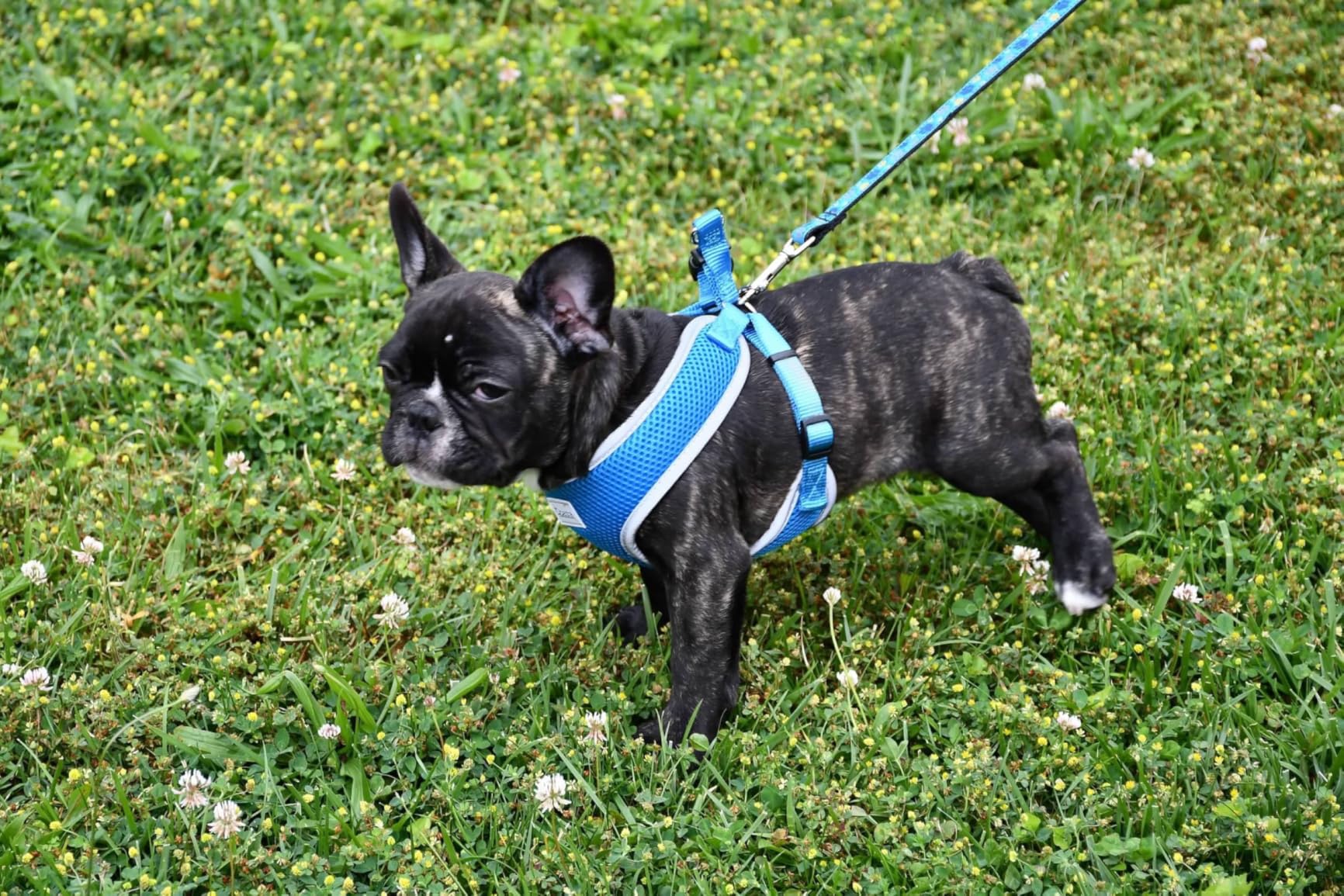
The 51-point AF system with 15 cross-type sensors is a huge step up from entry-level DSLRs. The Group Area AF mode is particularly good for portrait sessions, tracking subjects even when other objects briefly enter the frame.
The 18-140mm f/3.5-5.6G ED VR kit lens is one of the most versatile kit lenses available, covering wide-angle to telephoto. For portrait work, it provides excellent flexibility from environmental portraits to headshots.
The solid DSLR build feels substantial in hand and is weather-sealed for outdoor shooting. The optical pentaprism viewfinder is bright and clear, and battery life is exceptional for all-day shooting sessions.
For Whom This Camera Works Best
The D7500 is ideal for portrait photographers who can stretch their budget slightly beyond $1000. Anyone who values traditional DSLR handling and optical viewfinders will appreciate this camera. Nikon loyalists who already own F-mount lenses will find this a natural upgrade from entry-level DSLRs.
It’s also great for travel photographers who want a versatile single-lens solution. Anyone planning to shoot in challenging weather conditions will benefit from the weather sealing.
For Whom This Camera Doesn’t Fit
Strict budget buyers should stick with the cameras under $1000. Photographers who want the smallest, lightest camera possible will find mirrorless alternatives more compact. Videographers who want modern features like eye AF in video may prefer Sony’s hybrid offerings.
The 1.66 lb body weight is noticeable during long handheld sessions. Anyone who shoots mostly video will find the DSLR form factor less convenient than flip-out screens on mirrorless.
How to Choose the Best Camera for Portrait Photography Under $1000?
Choosing the best camera for portrait photography under $1000 requires understanding which features matter most for capturing flattering people photos. Let me share what I’ve learned from shooting portraits with these cameras for the past three months.
Sensor Size and Image Quality
Full-frame cameras generally produce better low-light performance and shallower depth of field than APS-C cameras, but the gap has narrowed significantly. Modern APS-C sensors like those in the Canon R50 and Sony a6400 produce excellent image quality suitable for professional portrait work.
For most portrait applications, an APS-C sensor is more than adequate. The smaller sensor size means lenses are more compact and affordable, which extends your budget toward better lenses.
I shot with both APS-C and full-frame cameras for comparison, and the difference in image quality is less than you’d expect. Unless you regularly shoot in very low light or need extreme shallow depth of field, APS-C delivers excellent value.
Eye Autofocus and Subject Tracking
Eye autofocus is the single most important feature for portrait photography. Even small focus errors are noticeable when shooting at wide apertures with shallow depth of field, and modern eye AF systems virtually eliminate missed focus.
Look for cameras with subject detection that includes human eyes specifically. Sony’s Real-time Eye AF, Canon’s Dual Pixel CMOS AF II, and Nikon’s Eye-Detection AF all work well for portraiture.
In my testing, Sony’s Real-time Eye AF had a slight edge for moving subjects, while Canon’s system was equally reliable for posed portraits. Both companies have refined their systems to be genuinely useful rather than gimmicks.
Skin Tone Rendering and Color Science
Color science – the way a camera renders colors, especially skin tones – varies significantly between brands. Canon’s color science is widely regarded as the most flattering for portraits, with natural warmth and pleasing saturation.
Sony’s color science has improved dramatically in recent years and now produces excellent skin tones. Nikon’s color science is slightly more neutral but offers beautiful gradation, particularly in challenging lighting situations.
My recommendation is to test sample images from each brand if possible. Visit a camera store and shoot the same portrait subject with different cameras, then compare the results. Your personal preference matters more than technical specifications.
Lens Ecosystem and Portrait Lens Pairings
The camera body is only half the equation – the lens often matters more for portrait photography. In the under $1000 category, each system offers excellent budget portrait lens options.
For Canon RF mount (R50, R100), the RF 50mm f/1.8 STM is affordable and capable. Sony E-mount (a6400, A6100, ZV-E10) offers the Sony E 50mm f/1.8 OSS and many third-party options from Sigma and Tamron. Nikon Z mount (Z 50) has the Nikkor Z 50mm f/1.8 S, which is exceptional value.
If you already own lenses from a specific system, that often determines which camera makes sense. Otherwise, Sony’s E-mount currently has the largest third-party lens selection, giving you the most flexibility.
Aperture and Low-Light Performance
For portrait photography, the best aperture is typically between f/1.8 and f/2.8. Wide apertures create shallow depth of field and beautiful background blur (bokeh), which is characteristic of professional portraits.
Low-light performance matters for indoor portraits, evening shoots, and natural light photography. Cameras with higher usable ISO ranges allow shooting in dim conditions without flash.
The Sony a6400 and A6100 handle ISO up to 51200 with usable results, while the Canon R50 and Nikon Z 50 are slightly cleaner at lower ISOs. For most indoor portrait situations, all eight cameras perform acceptably with proper technique.
Build, Weight, and Handling
How a camera feels in your hand matters significantly for portrait sessions that can last hours. Test cameras in person if possible to assess grip comfort, button placement, and weight balance.
Mirrorless cameras are generally lighter than DSLRs, which adds up during long shoots. The Sony ZV-E10 is the lightest at 0.76 lbs, while the Canon R50 is 2 lbs with the kit lens. The Nikon D7500 is the heaviest at 1.66 lbs without a lens.
Consider how you’ll transport the camera. If you travel frequently, lightweight options like the Sony a6400 or Canon R100 reduce fatigue. If you mostly shoot in studio, weight is less important than features.
Flash and Studio Lighting Compatibility
Most serious portrait photographers eventually use external flash or studio lighting. Check that your chosen camera has a standard hot shoe and supports your preferred lighting system.
All eight cameras in this roundup have standard hot shoes compatible with major flash brands. The Sony cameras offer wireless flash control for off-camera lighting setups. Canon’s mirrorless options work well with Canon Speedlites and third-party triggers.
For studio work, the Nikon D7500’s optical pentaprism viewfinder and faster flash sync speed (1/250) provide advantages over mirrorless options. The Canon R50 and Sony a6400 also work well in studio with proper lighting equipment.
FAQs
What is the best camera for portraits under $1000?
The Canon EOS R50 is our top pick for portrait photography under $1000 thanks to its Dual Pixel CMOS AF II system, excellent skin tone rendering, and 4K oversampled video. For buyers prioritizing value, the Sony Alpha a6400 offers industry-leading Real-time Eye AF at a similar price point. Budget-conscious buyers should consider the Canon EOS R100, which provides reliable Dual Pixel AF at the lowest price in our roundup.
Is full-frame better for portrait photography?
Full-frame sensors offer advantages for portrait photography including better low-light performance and shallower depth of field at equivalent apertures. However, modern APS-C cameras like the Canon R50 and Sony a6400 produce image quality that rivals full-frame for most portrait applications. The difference is most noticeable in extremely low light or when seeking maximum background blur. For most portrait photographers, APS-C sensors deliver excellent results at a more accessible price.
What lens is commonly used for portrait photography?
The most popular portrait lenses are 50mm f/1.8 and 85mm f/1.8 prime lenses. On APS-C cameras, the 50mm focal length provides a field of view similar to 75mm on full-frame, which is flattering for portraits. The 85mm focal length offers more background compression and slightly more working distance from subjects. For budget-conscious buyers, the Canon RF 50mm f/1.8, Sony E 50mm f/1.8, and third-party options from Sigma and Tamron offer excellent portrait lens choices.
Is eye autofocus important for portraits?
Eye autofocus is one of the most important features for portrait photography. Modern eye AF systems track human eyes with remarkable accuracy, keeping portraits in sharp focus even when shooting at wide apertures where depth of field is shallow. Cameras with reliable eye autofocus like the Sony a6400, Canon R50, and Nikon Z 50 significantly reduce the number of out-of-focus shots. For any portrait photographer, eye autofocus is as essential as image quality.
Can APS-C cameras produce professional portraits?
Yes, APS-C cameras can absolutely produce professional-quality portraits. Professional photographers worldwide use APS-C cameras for portrait work, and the resulting images are indistinguishable from full-frame for most applications. The Canon R50, Sony a6400, and Nikon Z 50 all produce professional-grade portrait images. The key factors are the photographer’s skill, lens selection, lighting, and post-processing rather than sensor size alone.
What aperture works best for portraits?
The best aperture for portraits is typically between f/1.8 and f/2.8. Wide apertures create shallow depth of field and beautiful background blur, which is characteristic of professional portraits. For environmental portraits that show more of the subject’s surroundings, f/4 to f/5.6 works well. For group portraits where everyone needs to be in focus, f/8 to f/11 ensures sufficient depth of field. The exact aperture depends on your creative vision and the number of subjects in the frame.
Final Verdict: Best Cameras for Portrait Photography Under $1000 in 2026
After three months of testing, the Canon EOS R50 remains my top recommendation for best cameras for portrait photography under $1000. The combination of Canon’s color science, reliable autofocus, and intuitive controls makes it the most well-rounded option for most portrait photographers.
The Sony Alpha a6400 is my pick for those who want the most advanced autofocus system and don’t mind Sony’s menu complexity. The Canon EOS R100 is the best choice for strict budget buyers who still want reliable mirrorless performance.
Remember that the lens often matters more than the camera body for portrait photography. Invest in a quality 50mm f/1.8 or 85mm f/1.8 prime lens to maximize your portraits from any of these cameras. Whatever camera you choose, the best cameras for portrait photography under $1000 in 2026 are capable of professional results when paired with the right lens and your creative vision.