
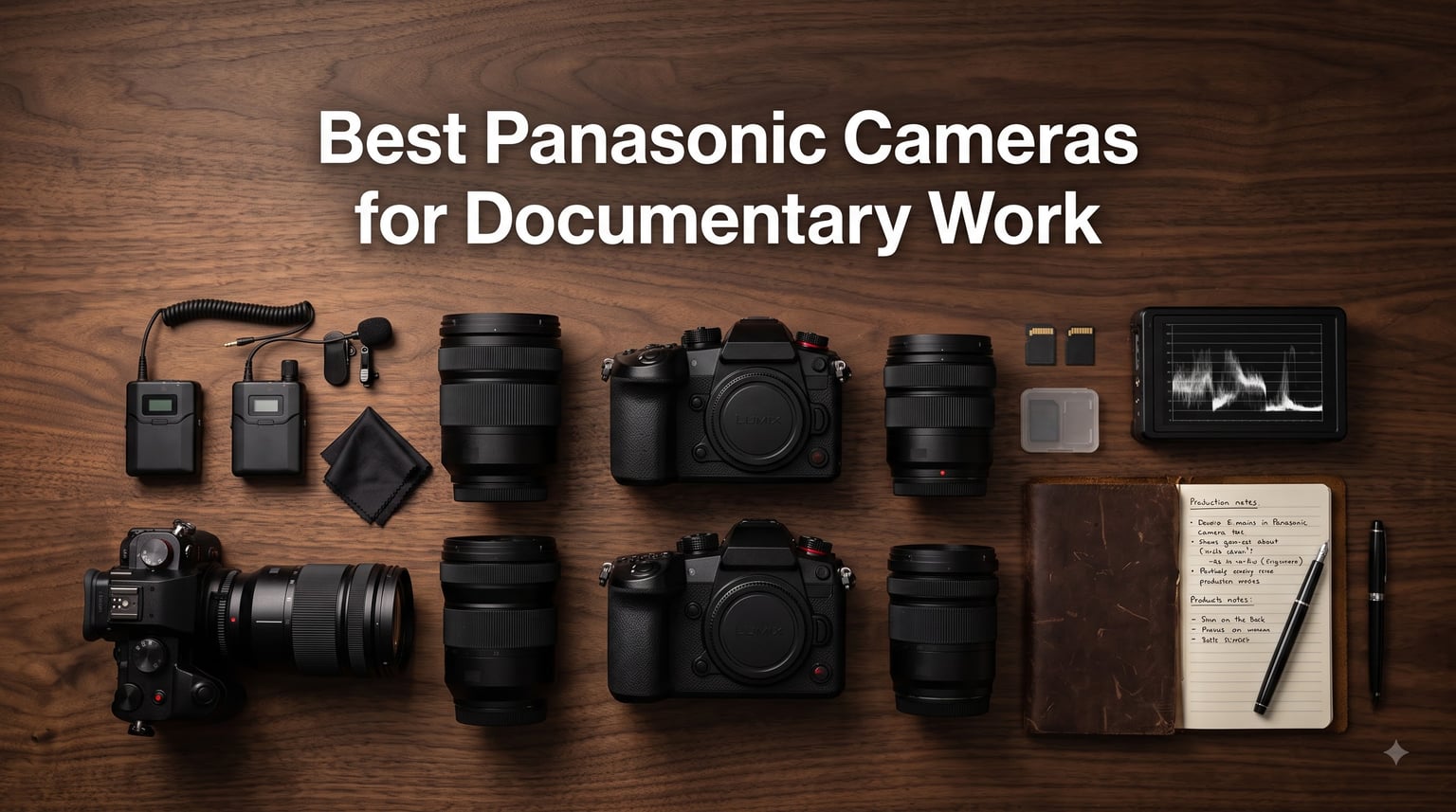
I have spent the better part of three years shooting talking-head interviews, factory floor b-roll, and shoulder-length observational footage almost entirely on Lumix bodies. When friends starting their first long-form doc asked me to rank the best Panasonic cameras for documentary work in 2026, I realized most guides treat these cameras like generic video cameras. Documentary is a different sport.
You need a camera that records forever without overheating, locks focus on a moving subject while you walk backwards through a doorway, and survives a rain-soaked cattle farm on day nine of a ten-day shoot. Few camera lines are built for that reality the way Lumix is.
Panasonic earned its documentary reputation the hard way. The GH series became the default indie filmmaking tool a decade ago because it was the first mirrorless line to take video seriously, and the broadcast division’s color science trickled down into every Lumix since. Working shooters still say the same thing on r/Filmmakers: “Dynamic range on Lumix cameras is unmatched” at this price tier.
For this roundup, I went through ten Panasonic cameras currently available, from Micro Four Thirds workhorses to full-frame hybrids and dedicated ENG camcorders. I read the owner reviews, dug into the spec sheets, and leaned on my own field time with the GH and S lines. My picks: the LUMIX GH7 as the overall flagship for solo documentary work, the S5IIX as the full-frame value pick, and the LUMIX G9 as the budget entry for first-time filmmakers.
Table of Contents
Top 3 Picks for Documentary Filmmakers (October 2026)
Most documentary makers need one of three things: a do-everything flagship, a full-frame low-light body, or an affordable way to start. Here is how the top three shake out.
Best overall: Panasonic LUMIX GH7. Internal Apple ProRes RAW, the world’s first 32-bit float audio recording, 315-point phase detection AF, and unlimited recording time. If your documentary lives or dies on audio interviews, this is the body.
Best value: Panasonic LUMIX S5IIX. Full-frame 24.2MP sensor, Phase Hybrid AF that owners call “sticky and reliable,” internal ProRes and ALL-Intra to an external SSD, and a built-in fan for unlimited 4:2:2 10-bit recording. It gives you roughly ninety percent of the GH7’s video toolset with a bigger sensor for dim interiors.
Best budget pick: Panasonic LUMIX G9. A 4.8-star rating across 261 reviews, 4K 60p 10-bit, an 80MP high-res mode for archival stills, and the best ergonomics in the MFT lineup. Pair it with an affordable prime and you have a credible documentary camera for the cost of a mid-range lens.
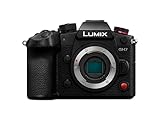
Panasonic LUMIX GH7
- Internal ProRes RAW
- 32-bit float audio
- Phase Detection AF
- Unlimited recording


Best Panasonic Cameras for Documentary Work in 2026
Here is the full lineup side by side. Every camera below records 10-bit video, and all ten are current, Prime-eligible listings at the time of writing.
| Product | Specifications | Action |
|---|---|---|
| LUMIX GH7 |
|
Check Latest Price |
| LUMIX S5IIX |
|
Check Latest Price |
 LUMIX GH5M2 LUMIX GH5M2 |
|
Check Latest Price |
 LUMIX S5II Kit LUMIX S5II Kit |
|
Check Latest Price |
 LUMIX GH6 LUMIX GH6 |
|
Check Latest Price |
 LUMIX S5 Kit LUMIX S5 Kit |
|
Check Latest Price |
 LUMIX S5 Body LUMIX S5 Body |
|
Check Latest Price |
| LUMIX G9 |
|
Check Latest Price |
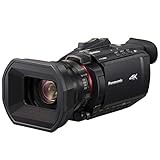 Panasonic X1500 Panasonic X1500 |
|
Check Latest Price |
 Panasonic HC-X2 Panasonic HC-X2 |
|
Check Latest Price |
1. Panasonic LUMIX GH7 – The Documentary Flagship
Panasonic LUMIX GH7 Mirrorless Micro Four Thirds Camera with Enhanced Video Speed and Quality, Optimized Workflows from Shooting to Post-Production, Adobe Cloud Compatible & Real-Time LUT, DC-GH7BODY9
25.2MP BSI MFT sensor
Internal Apple ProRes RAW
32-bit float audio
315-point PDAF
Unlimited recording
Pros
- Internal Apple ProRes RAW recording
- World-first 32-bit float audio with DMW-XLR2
- 13+ stop dynamic range
- Open Gate multi-aspect shooting
- Real-time Recognition AF tracks people cars and trains
Cons
- 32-bit float needs the separate DMW-XLR2 adaptor
- MFT sensor gives less low-light headroom than full-frame
I want to start with the feature that changes documentary work more than any resolution spec: 32-bit float audio through the DMW-XLR2 adaptor. You stop setting audio levels entirely. When your subject unexpectedly drops to a whisper or the air conditioner roars to life mid-interview, the file still holds usable audio, because 32-bit float preserves detail both far below and far above normal recording levels.
On a real shoot, that is the difference between a rescued take and a re-scheduled interview. No other camera in this lineup offers anything like it.
The 25.2MP BSI sensor records 5.7K 30p in Apple ProRes 422 HQ and ProRes RAW HQ internally, with 13-plus stops of dynamic range. Phase Detection AF with 315 points finally removes the last argument against the GH line for run-and-gun. Real-time Recognition AF tracks humans, animals, cars, motorcycles, trains, and airplanes, which sounds like a marketing bullet until you film a departing freight train your subject is riding.
Open Gate recording is the quiet superpower for documentary editing. You capture the full sensor height, then reframe between 16:9, 9:16 for social cutdowns, and 1:1 for trailers without reshooting. On a two-year project where distribution plans change three times, that flexibility pays rent.
Direct Frame.io upload means your editor starts syncing while you are still in the field. Unlimited recording time rounds it out: long observant interviews, town halls, and full ceremony coverage never stop on a timer. The early owner pool is small, but it sits at a flawless 5.0 from initial buyers, and the body inherits a proven weather-sealed chassis.
GH7 or S5IIX for your documentary
Choose the GH7 when audio, lens adaptability, and recording formats lead your list. Choose the S5IIX when you shoot mostly in dim interiors and need full-frame low-light performance. On r/Lumix, the consensus lands exactly there: GH7 for video-first shooters, full-frame for available-darkness work.
If your doc involves broadcast delivery, the GH7’s toolset – timecode, ProRes, 10-bit 4:2:2 – lines up with standard post expectations. If it is a personal or festival project, either body is far more camera than the job requires.
Budgeting for the GH7 system
The body is only the start. Factor in the DMW-XLR2 adaptor to unlock 32-bit float, fast CFexpress or high-speed SD media for ProRes RAW, and spare batteries. A realistic GH7 kit costs roughly forty percent more than the bare body once those land in the bag.
Plan storage honestly. ProRes RAW at 5.7K eats through cards fast, so I carry at least three reloads for a full shoot day plus a portable SSD for offload in the van.
2. Panasonic LUMIX S5IIX – The Full-Frame Workhorse
LUMIX S5IIX Mirrorless Digital Full Frame Camera with 6K Video + Photo
24.2MP full-frame CMOS
Phase Hybrid AF 779 points
ProRes to external SSD
6K 30p Open Gate
740 g body
Pros
- Phase Hybrid AF that owners call fast sticky and reliable
- Internal fan enables unlimited recording
- ProRes and ALL-Intra direct to external SSD
- Active I.S. steadies walking shots
- Stealth all-black professional finish
Cons
- Battery life is slim so carry spares
- Slightly heavy for some users
- Ships with a single battery
The S5IIX is the camera I hand to anyone who asks “one body, no excuses.” It is the S5II with the video handcuffs removed, and a r/videography regular described the difference precisely: “The S5IIX is essentially the same camera as S5II but unlocks more advanced recording formats like All-Intra and ProRes, and adds direct-to-SSD recording.” Recording ProRes straight onto a USB-C SSD means cheap, enormous media instead of a stack of premium cards.
The full-frame 24.2MP sensor with Dual Native ISO keeps footage clean in the kinds of places documentaries actually get filmed: kitchen fluorescent light, candlelit churches, streetlight orange. Phase Hybrid AF across 779 points holds a face reliably, and in my time with the system it rarely let go without warning. Owners echo that, calling the focus “sticky” in a way Panasonic contrast-detect bodies never earned.
The built-in fan deserves its own paragraph. Documentary days are long and hot – village squares, engine rooms, August warehouses – and reviewers consistently report no overheating even in warm conditions, with unlimited 4:2:2 10-bit recording as the reward. Combined with Active I.S., which corrects for the walking motion of a handheld follow shot, you can film an entire moving interview without a gimbal.
Real-time LUT lets you bake a look in-camera for quick client reviews while retaining the graded master. The tally-light-free, all-black body also draws less attention in sensitive filming situations, which documentary shooters quietly appreciate.
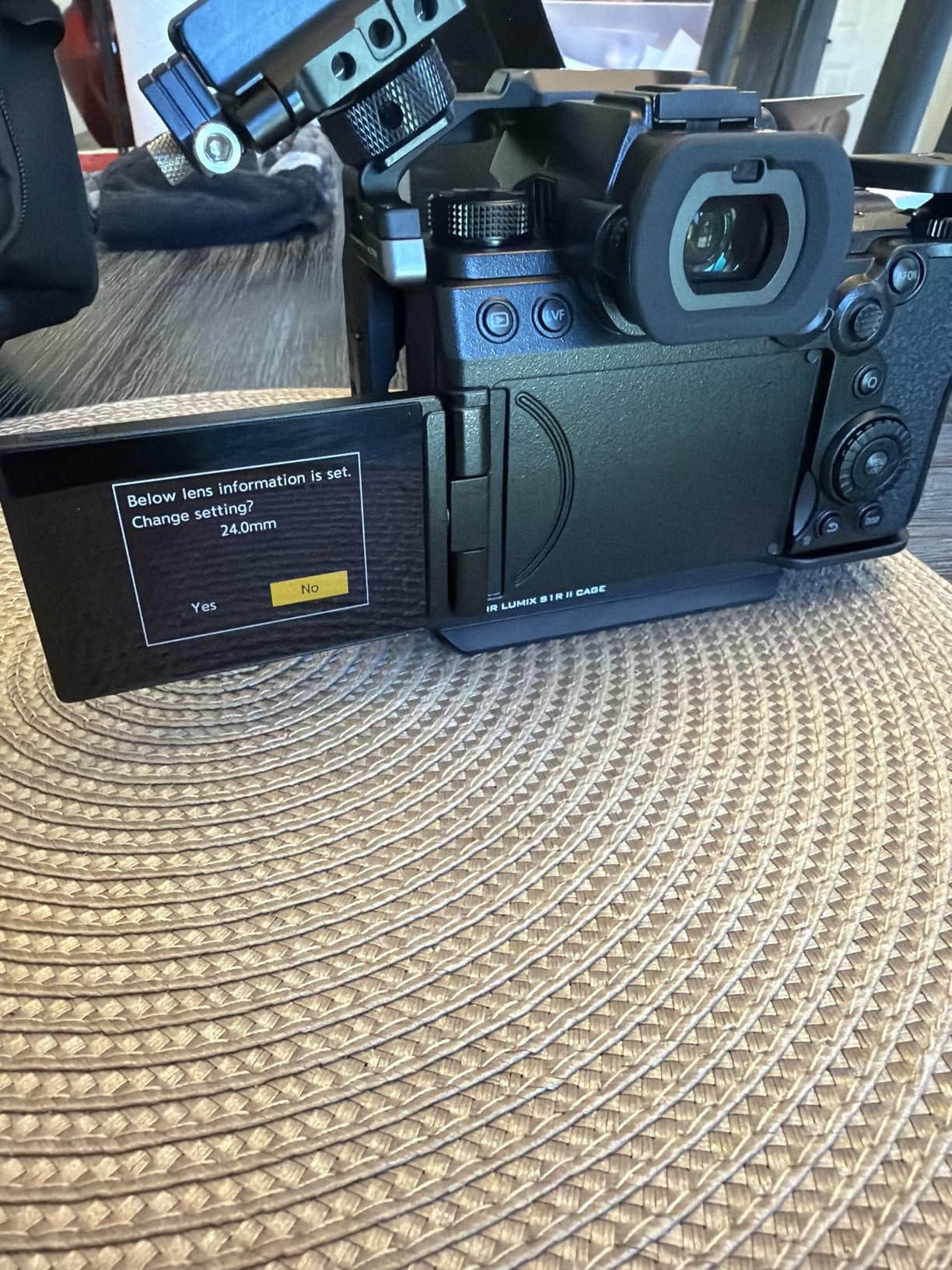
On the technical side, 6K 30p Open Gate recording gives reframing room for vertical cutdowns, and 14-plus stops of V-Log/V-Gamut survives nasty backlit windows. The 20-60mm kit lens is an underrated documentary tool: 20mm is wide enough for tight room interviews, 60mm is flattering for faces, and the zoom range covers most b-roll without lens swaps.
The complaints from the review pool are refreshingly mundane. Battery life runs slim, so most owners carry two or three spares – standard practice for any video mirrorless. A few find the body slightly heavy, though 740 g is modest for a fan-cooled full-frame hybrid.
Only one battery ships in the box, which is the first thing to fix. After that, this is the most complete documentary package in Panasonic’s current lineup for the money.
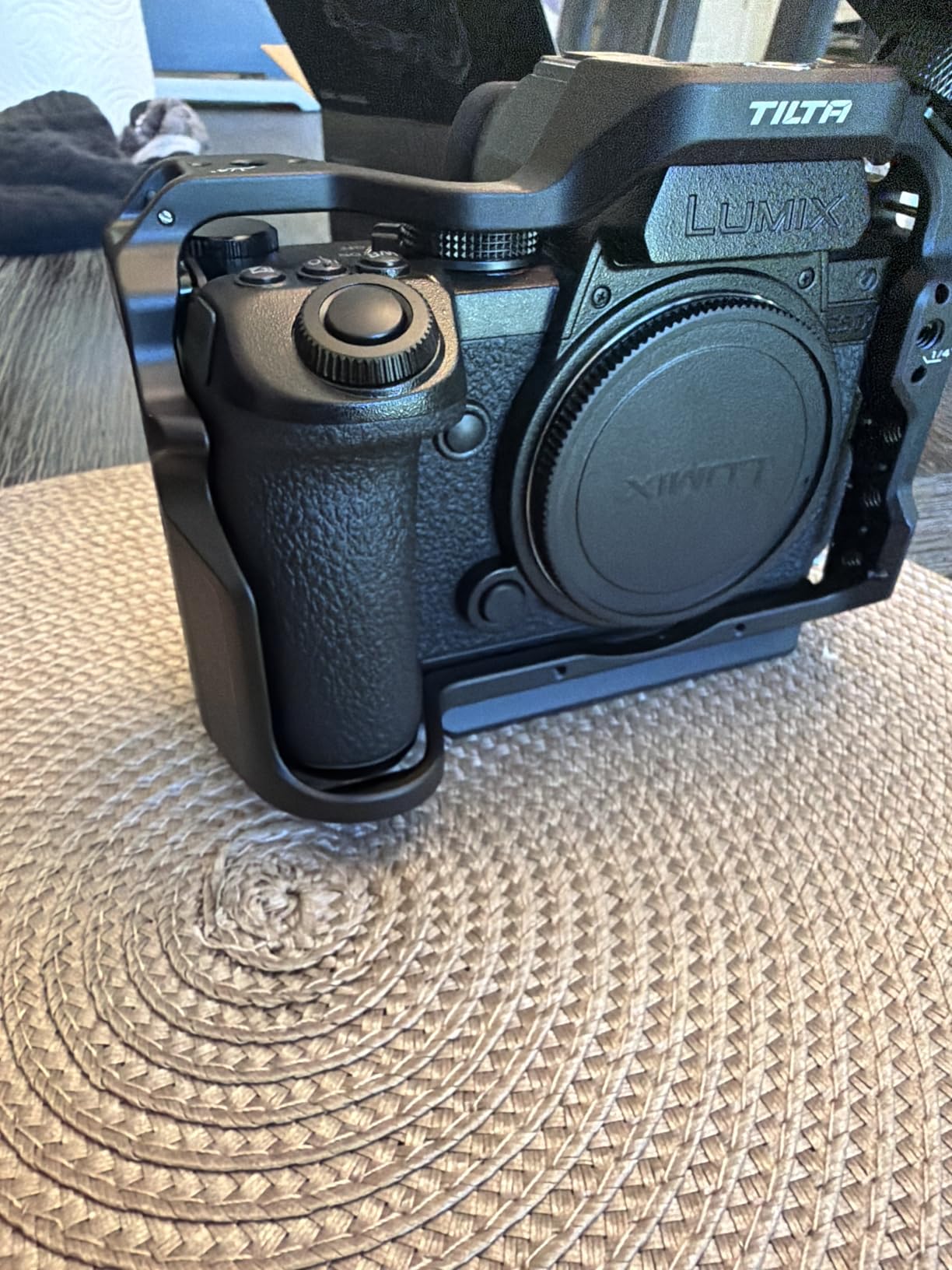
Who the S5IIX suits best
Solo filmmakers get the most from it. One body, one zoom, an SSD in the jacket pocket, and a fan that will not quit during a four-hour ceremony – that is a complete production kit that fits in a messenger bag.
It also suits two-person crews who need to deliver graded footage fast, since ProRes drops straight into most timelines without transcoding.
Media and battery planning
Buy two extra batteries minimum and a USB-C PD power bank for fixed interview setups. For SSD recording, any recent portable SSD handles ALL-Intra comfortably; reserve the fastest drive you own for ProRes.
Skip recording to both card slots simultaneously unless a client pays for redundancy – relay recording is the smarter default on long days.
3. Panasonic LUMIX GH5M2 – The Streaming Veteran
Panasonic LUMIX GH5M2, 20.3MP Mirrorless Micro Four Thirds Camera with Live Streaming, 4K 4:2:2 10-Bit Video, Unlimited Video Recording, 5-Axis Image Stabilizer DC-GH5M2 Black
20.3MP MFT sensor
4K 60p 10-bit
Unlimited recording
6.5-stop IBIS
Wired and wireless live streaming
Pros
- Unlimited internal recording plus wired and wireless live streaming
- 4K 60p with 10-bit options
- Linear Focus lens control for manual focus pulls
- V-LogL and Cinelike D2/V2 presets
- Splash dust and freezeproof to -10C
Cons
- Heavier than most MFT bodies
- Contrast-detect AF trails the phase-hybrid Lumix models
The GH5M2 is the safe pick that keeps proving itself, with a 4.9 rating where ninety-three percent of reviewers give it five stars. It records 4K 60p in 10-bit with no time limit, in a magnesium alloy body that is splash-proof, dust-proof, and freeze-proof to -10C. For winter embeds and monsoon-adjacent fieldwork, that sealing is not a luxury.
Its party trick is live streaming, wired or wireless, straight from the camera. Documentary work increasingly has a live component – fundraisers, town halls, awareness campaigns – and the GH5M2 handles that without a capture device or a laptop in the chain. I have used a GH5-generation body to push a community event live while recording the clean master simultaneously.
The video autofocus is dramatically better than the original GH5, which reviewers call out as the single biggest upgrade. Linear Focus lens control gives repeatable, geared-style manual focus pulls on supported lenses, a genuine filmmaking tool that DSLR-era shooters had to fake with follow-focus rigs.
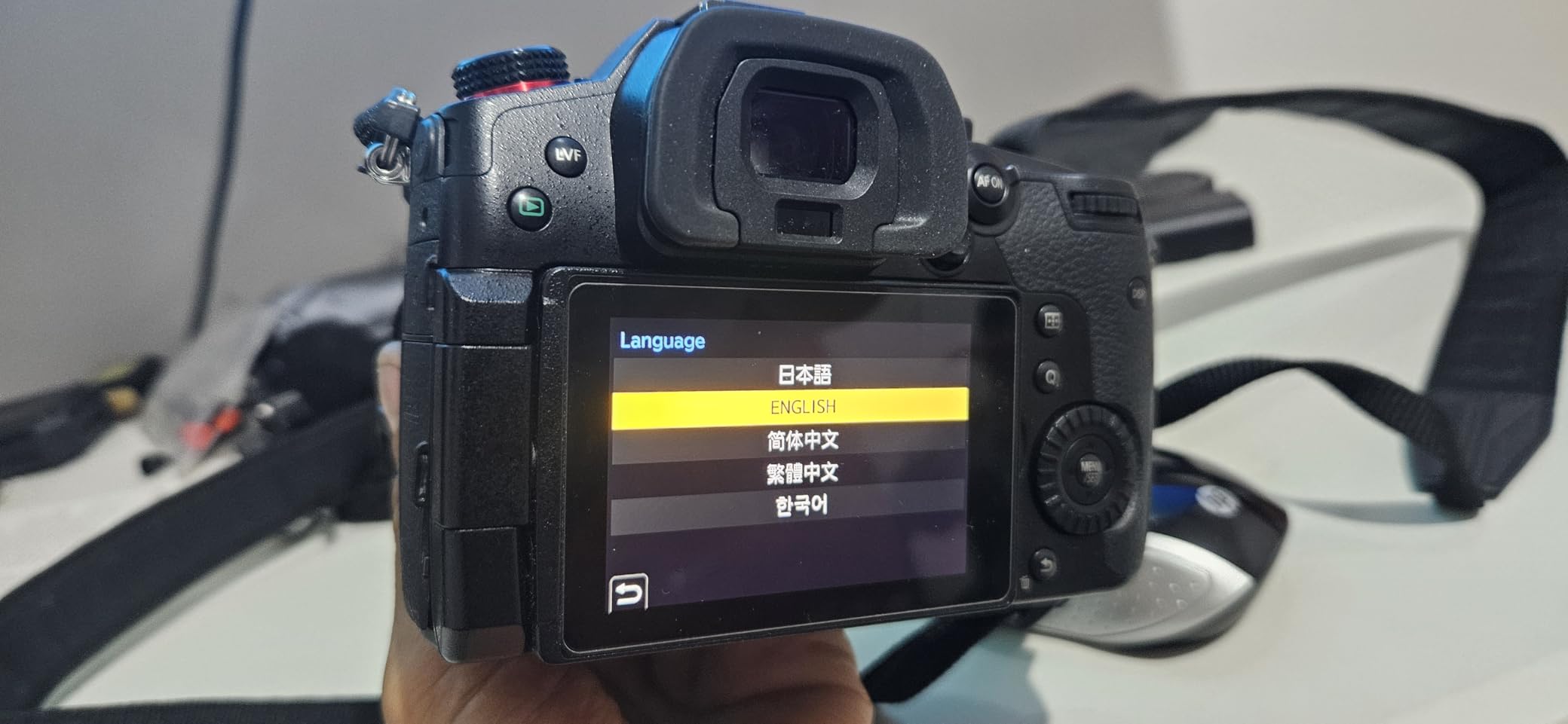
Technically you get 5-axis stabilization rated to 6.5 stops, dual UHS-II card slots for relay or backup recording, and photo styles including V-LogL, Cinelike D2/V2, MonochromeS, and L.ClassicNeo. USB Power Delivery means you can run the camera from a wall brick or power bank during marathon interview blocks.
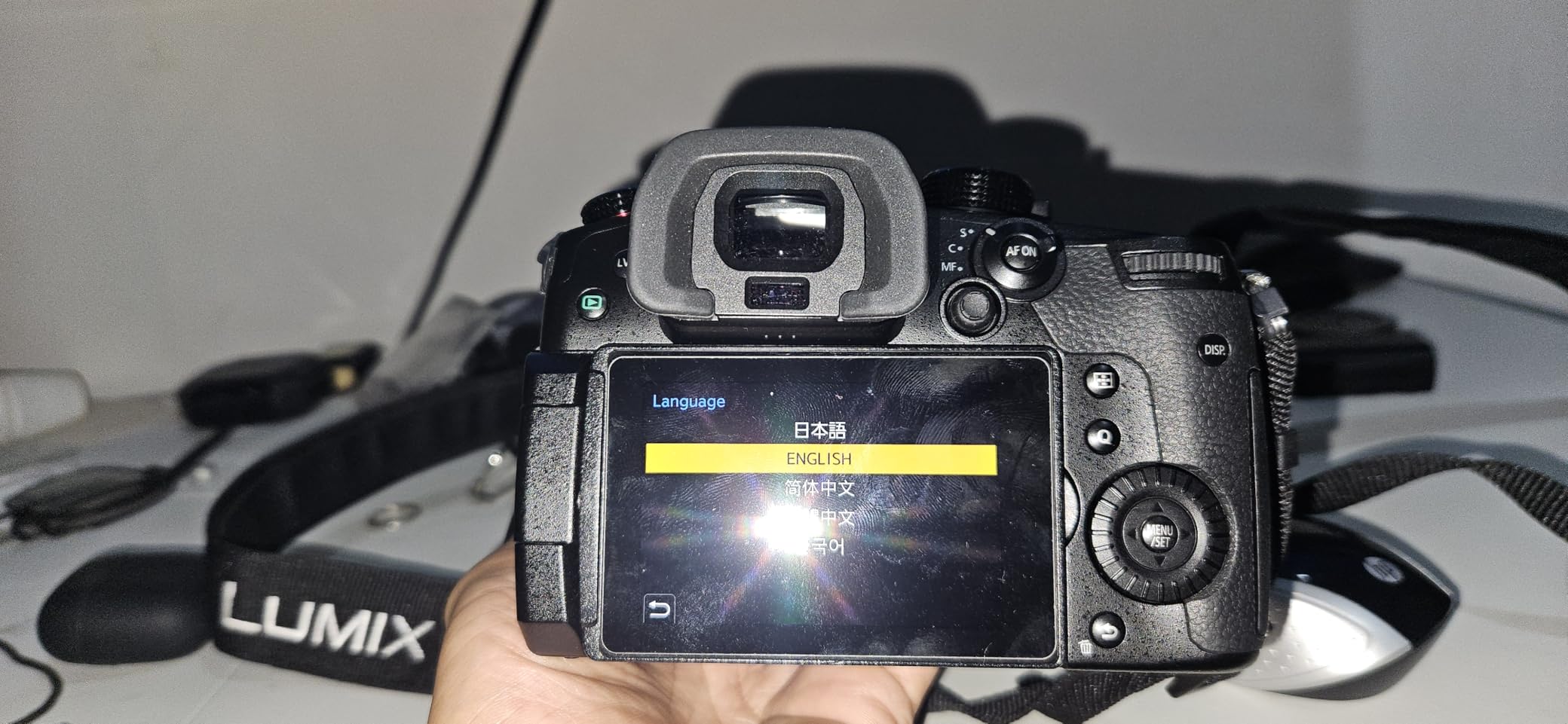
The honest weaknesses: contrast-detect AF with 225 points is competent but not in phase-detect territory for erratic subjects, and the body runs heavy for Micro Four Thirds at 1.6 pounds. A few buyers noted language-menu limitations on some regional units.
What you are buying here is maturity. Every quirk of this platform is documented, every accessory exists, and thousands of working shooters have already stress-tested it on real productions.
Why pick GH5M2 over GH6 or GH7
Live streaming is the headline reason – neither the GH6 nor GH7 streams as directly. The second reason is value on proven hardware with a deep accessory ecosystem and a near-perfect owner rating across 42 reviews.
If you never stream and mainly need the best image, the GH6’s internal ProRes and 5.7K make it the stronger filmmaker’s tool.
Lens strategy for GH5M2 shoots
Micro Four Thirds has the deepest affordable lens bench in mirrorless, spanning Panasonic, Olympus, and third parties. A fast standard prime plus a compact zoom covers most documentary situations for modest money.
The 2x crop also doubles your reach, so inexpensive telephotos become usable interview-lens options from across a room.
4. Panasonic LUMIX S5II with 20-60mm Lens – The Hybrid All-Rounder
Panasonic LUMIX S5II Mirrorless Camera, 24.2MP Full-Frame with Phase Hybrid AF, New Active I.S. Technology, Unlimited 4:2:2 10-Bit Recording with 20-60mm F3.5-5.6 L Mount Lens, DC-S5M2KK9, Black-9
24.2MP full-frame
Phase Hybrid AF
Active I.S.
6K 30p Open Gate
20-60mm kit lens
Pros
- Phase Hybrid AF fixes the old Panasonic autofocus complaint
- Active I.S. steadies walking shots
- Unlimited recording with heat-dispersing fan
- 14+ stop V-Log/V-Gamut
- 20-60mm lens covers most interview framing
Cons
- No ProRes or SSD recording - the S5IIX adds those
- Only one battery in the box
The S5II is the camera that ended the longest-running joke in filmmaking forums. For years, “great Panasonic video, just do not trust the AF” was the standard caveat. The S5II’s Phase Hybrid AF closed that gap, and reviewers now describe subject detection as fast and accurate rather than apologetic.
This listing bundles the 20-60mm f/3.5-5.6, which I consider the best kit lens Panasonic ships. Its 20mm wide end fits entire rooms; its 60mm end flatters interview faces. Documentary shooters on tight timelines can work entire days on this one lens.
Under the hood you get a 24.2MP full-frame sensor, Active I.S. for handheld walking shots, 14-plus stops of V-Log/V-Gamut dynamic range, and unlimited 4:2:2 10-bit recording thanks to a small fan and a high-efficiency heat sink. 6K 30p Open Gate recording is included for reframing flexibility.
Real-time LUT support means you can load a look into the camera for instant reviewable footage while keeping the log master for grading. The current listing shows a modest review pool with a 4.6 average, so weigh the S5II’s broader track record elsewhere in this lineup.
S5II versus S5IIX for documentary
The gap is purely about output formats. The S5IIX adds ProRes and ALL-Intra recording to an external SSD plus a fully blacked-out body; the S5II records internally to SD. If your post workflow is log footage on cards and you never need ProRes, the S5II does the same job for less.
If you deliver to demanding clients or grade heavily, the S5IIX upgrade pays for itself in post time saved.
What to add to this kit first
Spare batteries come first, then a fast UHS-II card sized for your longest interviews. A simple shotgun mic or wireless lav fills the audio gap the kit lens obviously does not cover.
From there, resist lens-buying until you have shot a full project – the 20-60mm will teach you which focal lengths your work actually uses.
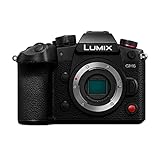
5. Panasonic LUMIX GH6 – The ProRes Powerhouse
Panasonic LUMIX GH6, 25.2MP Mirrorless Micro Four Thirds Camera with Unlimited C4K/4K 4:2:2 10-bit Video Recording, 7.5-Stop 5-Axis Dual Image Stabilizer – DC-GH6BODY Black
25.2MP MFT sensor
5.7K 60p 10-bit
Internal ProRes 422 HQ
7.5-stop IBIS
CFexpress Type B slot
Pros
- Unlimited recording with zero overheating thanks to built-in fan
- Internal Apple ProRes 422 HQ at up to 5.7K
- Best-in-class 7.5-stop image stabilization
- 100MP handheld high-res mode
- V-Log pre-installed with 13+ stops
Cons
- CFexpress Type B cards add real cost
- Bulky for a Micro Four Thirds body
The GH6 remains one of the most complete video cameras ever fitted into a stills body, and 103 reviewers rating it 4.5 tells you the enthusiasm is durable. It records 5.7K at 60p in 10-bit, 4K at 120p for slow motion, and internal Apple ProRes 422 HQ – formats that were cinema-camera territory not long ago.
Documentary shooters should focus on two numbers: unlimited and 7.5. Unlimited means no recording time limit, with a built-in fan that reviewers confirm produces zero overheating during marathon sessions. 7.5 is the Dual I.S. 2 stabilization rating in stops, the strongest in this entire roundup – strong enough that walking handheld footage reads as gimbal-assisted.
The 25.2MP sensor carries V-Log pre-installed with 13-plus stops of dynamic range, and owners praise color science with no green or magenta shifts across the range. That consistency saves real grading hours when your doc cuts between scenes shot weeks apart.

A 100MP handheld high-resolution mode stitches multi-frame captures into detailed stills for posters, archive plates, and print collateral from the same body shooting the film. Full-HD 300fps slow motion gives you 12.5x for poetic inserts without renting specialty gear.
The trade-offs are real but manageable. The body is bulky for MFT at 1.8 pounds, CFexpress Type B cards cost meaningfully more than SD, and contrast-detect AF – though improved over earlier Panasonics – still trails the phase-hybrid bodies. Auto white balance draws occasional complaints.
The camcorder-style dual slot arrangement, pairing CFexpress with SD UHS-II, lets you record ProRes to the fast card while writing proxies or backups to cheap SD. That alone simplifies many field workflows.

GH6 versus GH7 for documentary
The GH7 adds phase-detect AF, 32-bit float audio, internal ProRes RAW, and Open Gate – the four features that matter most for documentary specifically. The GH6 counters with a lower entry cost and near-identical core footage.
If autofocus reliability during unpredictable action is your top worry, spend up for the GH7. If you mostly lock focus on tripod interviews, the GH6 is a bargain flagship.
Handling the CFexpress requirement
Budget one high-capacity CFexpress Type B card for ProRes work and treat SD as your overflow and proxy slot. Format in-camera every time; these cards do not forgive sloppy file hygiene.
Offload to a rugged SSD each night and keep the cards untouched until the footage is confirmed backed up twice.
6. Panasonic LUMIX S5 with 20-60mm Lens – The Complete Starter Kit
Panasonic LUMIX S5 Full Frame Mirrorless Camera, 4K 60P Video Recording with Flip Screen & WiFi, LUMIX S 20-60mm F3.5-5.6 Lens, L-Mount, 5-Axis Dual I.S., DC-S5KK (Black)
24.2MP full-frame
4K 60p 10-bit
V-Log built in
Dual SD slots
20-60mm kit lens
Pros
- V-Log and Dual Native ISO in a beginner-friendly body
- Clean blacks even at ISO 20000
- 96MP high-res mode for stills
- 20-60mm lens is gimbal-friendly
- USB-C power delivery for all-day setups
Cons
- Contrast-detect AF trails Sony and phase-hybrid Lumix bodies
- Slow motion only available in APS-C crop
With 185 reviews and a 4.7 rating, this is the most battle-tested listing in the lineup, and reviewers describe it as a Swiss Army knife for content creators. For a first documentary, that matters more than any spec sheet: the platform is proven, the menus are friendly, and every question you will have has already been answered on a forum somewhere.
The full-frame 24.2MP sensor records 4K 60p in 10-bit with V-Log built in – no paid unlock, no external recorder required. Dual Native ISO keeps noise controlled, with owners reporting clean blacks even at ISO 20000. That is the difference between a usable candlelit scene and a reshoot.
The included 20-60mm lens is the highlight of this particular kit. Reviewers specifically call it perfect for gimbal use, since its balance and internal zoom keep a stabilized rig from needing rebalancing mid-shoot.
Documentary-friendly extras include dual SD card slots, in-camera time-lapse creation, Live View Composite for night exteriors, and 4:3 anamorphic support if your look runs cinematic. Battery life earns consistent praise, and USB-C power delivery keeps the camera alive through long plugged-in interview sessions.
The weak point is autofocus: contrast-detect with 225 points and eye/face/head/body detection that is improved but still behind Sony and behind Panasonic’s own phase-hybrid bodies. Slow motion lives in an APS-C crop, and a few buyers reported minor cosmetic issues on delivery.
The 30-minute recording cap on some modes is the number to check before you buy – verify the current firmware situation for your region if your interviews run long.
Who should start here
First-time feature documentarians shooting mostly controlled interviews and planned b-roll. The autofocus is fine when you are behind a tripod, and the money saved funds audio and lighting, which improve a first film more than phase-detect AF ever will.
Photographers crossing into video also get a gentle on-ramp, with a real stills camera attached to the filmmaking tool.
Building out the kit over time
Upgrade order: a wireless lav kit, a second battery, a fast UHS-II card, then lenses. The L-mount alliance with Sigma and Leica means lens options multiply every year at every price.
Used L-mount glass is increasingly easy to find as upgraders sell, which keeps the growth path affordable.
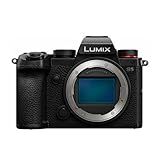
7. Panasonic LUMIX S5 Body – The Lightweight Full-Frame Entry
Panasonic LUMIX S5 Full Frame Mirrorless Camera, 4K 60P Video Recording with Flip Screen & WiFi, L-Mount, 5-Axis Dual I.S., DC-S5BODY (Black)
24.2MP full-frame
4K 60p 10-bit
14+ stop V-Log
6.5-stop Dual I.S. 2
1.57 pound body
Pros
- Lightest full-frame Lumix in this roundup
- FHD 180fps slow motion
- 4:3 anamorphic support
- Live View Composite for night work
- Dual card slots with UHS-II
Cons
- Some modes cap recording at 30 minutes
- Contrast-detect AF needs practice for erratic subjects
This is the same beloved S5 platform in body-only form, for filmmakers who already own glass or want to choose their own lens. One hundred reviewers rate it 4.7, and the strengths are identical: a 24.2MP full-frame sensor, 4K 60p 10-bit, 14-plus stops of V-Log/V-Gamut, Dual Native ISO, and 5-axis Dual I.S. 2 rated to 6.5 stops.
At 1.57 pounds it is the lightest full-frame body in this group, which your shoulders notice on day six of a walking-heavy travel documentary. The vari-angle flip screen and 0.74x viewfinder make solo operation straightforward, and the magnesium frame still carries professional build quality.
Creative tools documentary shooters actually use are all here: FHD 180fps slow motion, 4:3 anamorphic support, and Live View Composite for stacking night exposures – a genuinely useful trick for establishing shots under streetlight.
The 96MP High Resolution mode produces detailed stills for posters and print from the same body you shoot the film with. Dual slots – one UHS-II, one UHS-I – support relay or backup recording for long interview days.
Honest limits: contrast-detect AF with eye and face detection works but demands more operator patience than phase-hybrid rivals, slow motion applies an APS-C crop, and 10-bit files can tax an older editing machine. Some modes list a 30-minute recording cap.
Reviewers also note the absence of an All-Intra option at this tier. If that is a hard requirement, the S5IIX two entries up is the deliberate fix.

Body-only versus kit for your situation
Go body-only if you already own L-mount glass or plan to buy a fast prime immediately – the classic documentary pairing is a single 35mm or 50mm. The kit route makes sense if you want one purchase to cover every focal length on day one.
Sigma’s L-mount line makes body-only buying genuinely budget-friendly, filling gaps Panasonic’s own lenses price higher.
Editing hardware to pair with it
Ten-bit 4K V-Log footage needs a reasonably modern computer or a proxy workflow. If your machine is older, shoot the 8-bit profiles for run-and-gun and reserve 10-bit for controlled interviews.
An NVMe drive for your editing media is the single cheapest performance upgrade you can make.
8. Panasonic LUMIX G9 – The Budget Pick
Panasonic LUMIX G9 4K Digital Camera, 20.3 Megapixel Mirrorless Camera Plus 80 Megapixel High-Resolution Mode, 5-Axis Dual I.S. 2.0, 3-Inch LCD, DC-G9 (Black)
20.3MP MFT sensor
4K 60p 10-bit
80MP high-res mode
Dual UHS-II slots
Weather sealed body
Pros
- 80MP in-camera high-resolution mode
- Class-leading ergonomics and menu design
- 5-axis Dual I.S. 2 stabilization
- Splash and freezeproof weather sealing
- 4.8 stars across 261 reviews
Cons
- Visible noise above ISO 3600
- Contrast AF can hunt in falling snow
The G9 is proof that a credible documentary camera does not require flagship spending. It carries a 4.8 rating across 261 reviews – the largest and most enthusiastic review pool in this roundup – and reviewers consistently rank its ergonomics and menu design among the best of any camera they have used.
Video credentials are real: 4K 60p in 4:2:2 10-bit, 4K 60fps 2x slow motion, Full HD 180fps, and a weather-sealed splash- and freeze-proof body. For run-and-gun in unpredictable weather, that sealing at this price is rare.
The 80MP High Resolution mode is the sleeper feature for documentary work. Composite stills become detailed enough for exhibition prints, book layouts, and archive documentation, all captured in-camera on the same body shooting the film.

Handling is where the G9 outclasses its cost. Reviewers praise the highly customizable buttons, the superb EVF, and a control layout that lets you change settings by feel while your eye stays on the subject. On r/M43, shooters note these cameras “have probably the best selection of lenses for the money” – the real long-term advantage of the system.
Limits to know before buying: noise becomes visible above ISO 3600 on the 20.3MP sensor, battery runs two to six hours of steady shooting, the many options create a learning curve, and autofocus can hunt during snowfall. The shutter button is lighter than most, which takes an hour to stop triggering accidentally.
None of those are dealbreakers for interview-led and daylight documentary work. They just mean planning around a smaller sensor, the way documentary filmmakers have for a decade.

Best early documentary kit around the G9
A fast 25mm prime plus a compact 12-60mm zoom covers interviews and b-roll for remarkably little. Add a lav mic, two batteries, and a sturdy tripod before buying any additional glass.
Spend the savings on lighting and audio before anything else – those two upgrades move an audience’s perception of your film more than any camera body can.
Where the G9 falls short for ambitious projects
Low-light interiors and fast night action expose the smaller sensor. If half your film happens after dark, a full-frame S-series body is the more sensible base.
It also lacks internal ProRes and the fan-driven unlimited recording of the GH6 and GH7, though its 4K clips still record in full 10-bit.
9. Panasonic X1500 – The ENG Workhorse
Panasonic X1500 4K Professional Camcorder with 24X Optical Zoom, WiFi HD Live Streaming, HC-X1500 (USA Black)
4K 60p camcorder
24x Leica optical zoom
Built-in ND filters
4:2:2 10-bit internal
Direct YouTube streaming
Pros
- Built-in ND filters for instant exposure control
- 24x optical zoom reaches distant subjects
- Streams to YouTube without a computer
- Four-plus hour battery life
- Dual SD card slots
Cons
- Small sensor struggles in low light
- 3.5mm audio jack adds noise with external mics
Some documentaries are filmed from the edge of the action, and that is exactly what the X1500 is built for. Its Leica Dicomar lens spans 25mm wide to 24x optical zoom, so a subject two hundred meters away becomes a tight interview shot without a lens change. Wildlife, courtrooms, sports sidelines, and protest coverage are its natural habitat.
The feature that mirrorless shooters give up and camcorder people never do: built-in ND filters. Moving from indoors to bright sun is a single filter click rather than a matte box fumble, which is why ENG crews have relied on them forever.
Recording is 4K 60p in 4:2:2 10-bit internally to dual SD slots, with 24-bit linear PCM audio from the built-in microphone drawing genuine praise. Wi-Fi streaming pushes HD live to YouTube without a computer in the chain, and 5-axis Hybrid O.I.S. keeps long-lens footage watchable.

Battery life is the quiet hero: owners report four-plus hours of continuous shooting, against the ninety minutes typical of mirrorless. For all-day event coverage with no charging break, that decides the format on its own.
The weaknesses are equally clear. The 1/2.5-inch sensor cannot fight darkness – footage goes grainy quickly as gain rises above 3dB, and low light is the most common complaint. The 3.5mm audio jack produces noise with some external mics, pushing serious audio to a separate recorder. H.265 files are large and demand a proxy edit workflow.
A few owners note the 4K image can read slightly soft, and there is no remote power-on option. The learning curve is real for anyone coming from consumer camcorders.
Camcorder versus mirrorless for your doc
Choose the X1500 when reach, battery, ND speed, and grab-and-go ergonomics dominate – news-style, event, and observational wildlife work. Choose a Lumix mirrorless when depth-of-field control and low-light freedom matter more.
Many working crews own both: the camcorder for the long observational day, the mirrorless for interviews and beauty work.
Audio workflow with the X1500
Plan on a separate audio recorder from day one, given the jack noise reports. Sync in post using the camera scratch track as reference, which any modern editor does semi-automatically.
The built-in microphone is better than expected for ambient and backup, so record it alongside your external sources.
10. Panasonic HC-X2 – The Broadcast Camcorder
Panasonic Camcorder, Professional Quality 4K 60p, 1.0-inch Sensor, 24.5mm Wide-Angle Lens and Optical 20x Zoom, V-Log, Ethernet, Simultaneous SDI/HDMI Output, HD Live Streaming – HC-X2
1.0-inch MOS sensor
4K 60p
20x optical zoom
13-stop V-Log
XLR input with SDI output
Pros
- 1-inch sensor lifts image above small-sensor camcorders
- Simultaneous SDI and HDMI output
- Native XLR input on the handle
- HLG gamma plus 13-stop V-Log
- Ethernet plus direct live streaming
Cons
- XLR preamps hiss with some microphones
- Cannot record 4K while streaming in HD
The HC-X2 is the X1500’s professional sibling, and the 1-inch sensor is the reason it sits higher in the broadcast hierarchy. Doubling the sensor area buys real image quality – reviewers describe detailed 4K output and noticeably better handling of mixed interior light than smaller-sensor camcorders manage.
Broadcast credentials are genuine: simultaneous SDI and HDMI output for multi-camera chains, a native XLR input on the handle, 13-stop V-Log plus HLG gamma, and a triple manual ring layout for zoom, focus, and iris. The 24.5mm wide-angle end into 20x optical zoom covers cathedral-wide to cross-the-street-tight in one lens.
Connectivity is where the HC-X2 earns its keep for professional crews. Ethernet joins Wi-Fi for wired streaming and remote control infrastructure, and i.ZOOM extends reach to 32x in FHD without a lens swap.
The review pool is small at fifteen ratings for a 4.3 average, so treat the score cautiously. The complaints, however, are specific and consistent: the XLR preamps hiss with some microphones even with nothing connected, the camera cannot record 4K while live streaming in HD, the HDMI port placement is awkward, and the companion app’s connection can be unreliable.
When the HC-X2 is the right call
Multi-camera corporate and event documentation, house-of-worship installations, and news-style field production where SDI, XLR, and long zoom are contractual requirements rather than preferences.
For solo cinematic documentary work, a mirrorless Lumix body remains the better fit at lower weight and cost.
Working around the audio limits
Treat the internal XLR preamps as a backup rather than your primary chain. A dedicated audio recorder or an outboard preamp into the camera keeps hiss out of your interviews.
Test your specific microphones before a paid shoot – the hiss reports vary by mic and cable combination, so your mileage is genuinely your own.
How to Choose the Best Panasonic Camera for Documentary Work?
Every camera above can carry a documentary. The right one depends on how you shoot, where you shoot, and whether you work alone.
Sensor Size: Full-Frame or Micro Four Thirds
Full-frame sensors in the S series gather more light and render shallower depth of field, which suits dim interiors and cinematic interview isolation. Micro Four Thirds in the GH and G lines trades that for smaller lenses, deeper focus for observational work, and a 2x crop that stretches telephoto reach.
My rule after years of both: choose full-frame when available darkness defines your film, and MFT when weight, lens cost, or reach defines it. Forum consensus among working shooters lands in the same place.
Autofocus: Phase Detection vs Contrast Detection
This is the single biggest practical divider in the lineup. Phase Hybrid AF on the S5II, S5IIX, and GH7 tracks erratically moving subjects with confidence. Contrast-detect bodies – the S5 models, GH5M2, GH6, G9 – are capable but need you to work more deliberately.
If you film alone and appear in your own footage, phase detection is close to mandatory. With a tripod and a focused operator behind the camera, contrast AF saves you money without costing you shots.
Audio Workflow and 32-Bit Float
Documentary is half audio. The GH7’s 32-bit float recording via the DMW-XLR2 adaptor removes level-setting entirely and rescues takes that would otherwise clip or vanish. On every other body, plan a proper external audio chain.
The camcorders tell the opposite story: despite XLR and 3.5mm inputs, owners of both report hiss and noise issues. A dedicated recorder synced in post is the professional answer there.
Recording Limits, Heat, and Fan Cooling
Long interviews and event coverage expose every camera’s thermal design. The GH6, GH7, S5II, and S5IIX carry active cooling and unlimited recording; the original S5 models list a 30-minute cap on some modes.
If your subject talks for an hour uninterrupted – and documentary subjects do – verify unlimited recording before anything else on the spec sheet.
ND Filter Strategy for Run-and-Gun
Built-in ND filters exist only on the camcorders here, and they are transformative for fast-moving daylight work. On mirrorless, you choose variable NDs on each lens or an internal filter solution.
Camcorder NDs engage in a second with no extra glass in the chain; screw-on variables cost less up front but add a step – and vignetting risk at wide angles – to every lens change.
Battery Life and Field Power
The forum pain point that shows up in every long thread about documentary rigs. Mirrorless Lumix bodies run roughly ninety minutes of continuous video per battery; the X1500 reports four-plus hours from its camcorder cell.
Whatever you buy, budget two spare batteries and a USB-C power bank immediately. USB Power Delivery on the GH5M2 and S5 bodies means a wall brick runs all-day fixed interviews without swapping.
Codecs, Cards, and Post Workflow
Internal ProRes on the GH6 and GH7 grades beautifully and edits smoothly but consumes storage fast, with the GH6 requiring CFexpress Type B. The S5IIX records ProRes to cheap external SSDs instead, which many editors prefer.
Match the codec to your computer as much as your film. Ten-bit V-Log from any of these bodies will humble an older laptop without a proxy workflow.
Solo Filmmaker Ergonomics
No competitor in the search results covers this, so here it is plainly: working alone, the vari-angle screen, light body, and reliable AF of the S5IIX or GH7 matter more than any resolution figure. Flip-out screens let you frame yourself, and phase AF keeps you sharp when you step in front of the lens.
The G9 deserves special mention for its menu design and customizable controls, which let you change settings blind while carrying a tripod in the other hand.
Frequently Asked Questions
What is the best camera for shooting a documentary?
For Panasonic shooters, the LUMIX GH7 is the best documentary camera overall thanks to internal ProRes RAW, 32-bit float audio with the DMW-XLR2 adaptor, phase-detection autofocus, and unlimited recording time. If you mainly film in dim interiors, the full-frame S5IIX is the close second, and the G9 is the strongest budget entry.
What Panasonic cameras are Netflix approved?
Panasonic’s Netflix-approved cameras have historically come from its cinema and high-end lines – the VariCam series, the AU-EVA1, and the LUMIX S1H full-frame mirrorless. Approval status changes as models are added and retired, so check Netflix’s official Approved Camera List before planning an Original around any body. For festival documentaries, broadcast commissions, and streaming deliveries short of Netflix Original status, every camera in this roundup produces 10-bit codecs that meet typical delivery specs.
Is Panasonic Lumix better than Canon?
For documentary video specifically, Lumix bodies usually deliver more recording capability for the money: unlimited recording with active cooling, internal ProRes on the GH6 and GH7, 32-bit float audio, and Open Gate capture. Canon counters with widely preferred skin-tone color science, a deeper lens service network, and broader rental availability. Filmmakers who grade their footage tend toward Lumix; those who deliver straight out of camera often prefer Canon.
Do professionals use Lumix?
Yes. The GH series has been an indie documentary staple for a decade, and the S1H became the first mirrorless camera approved for Netflix production. Working operators on r/Lumix and r/Filmmakers routinely cite Lumix dynamic range and value as the reason their documentary kits are built around the mount, and Panasonic’s broadcast heritage shows up in the color science of every current body.
How do I choose a Panasonic camera for documentary work?
Decide four things in order: whether you need full-frame low light or MFT reach and value, whether you need phase-detection autofocus for solo shooting, whether your interviews require unlimited recording with fan cooling, and how you will handle audio. Those answers narrow ten cameras to one or two immediately – sensor, AF, recording limits, and audio outweigh every other specification on the sheet.
Final Thoughts on the Best Panasonic Cameras for Documentary Work
Choosing the best Panasonic cameras for documentary work in 2026 comes down to matching the body to how you actually shoot. The GH7 is the complete package for solo filmmakers who cannot afford a lost take or a clipped interview. The S5IIX delivers full-frame images, sticky autofocus, and SSD-based ProRes for less commitment. The G9 gets first-time documentary makers filming in 10-bit 4K while leaving budget for the audio and lighting that matter more than any badge.
The deeper truth after a decade shooting Lumix: no camera here will limit your story. Unlimited recording, 10-bit color, and honest dynamic range run through the entire range. Pick the one whose handling disappears in your hands, then spend the difference on time with your subjects.
If you are still torn between two, rent both for a weekend and film a real interview with each. The right answer will announce itself within the first hour of editing.