

Plenty of people tell you a downdraft cooktop is a compromise, and on a forum thread that is usually true. The capture is weaker than an overhead hood, the blower is loud, and the cabinet below the island pays for it. That is a fair warning, not a disqualifier. When there is a vaulted ceiling, a skylight, or a second-floor condo where no duct run can reach an exterior wall, a downdraft cooktop is the only way to keep a cooking surface on the island at all. This guide covers the best downdraft cooktops for kitchen islands we could find, ranked on airflow, ventilation design, cooking power and how much cabinet each one leaves you.
Before you read further, know what you are shopping for. Every model below is an electric radiant cooktop with the downdraft blower built into the same chassis, so there is no separate hood to hang and no overhead duct to chase. Five of the six recirculate air back into the room through a filter instead of venting outdoors, which is exactly what makes them installable in an island that cannot host a duct run. That single design choice also sets their limit: they handle everyday simmering and moderate frying far better than a hard sear on a ripping-hot pan.
We spent several weeks reading the spec sheets, cutout dimensions and owner reviews on all six models, and cross-checking what renovation communities actually complain about once the appliance is in. We also lined the lineup against how each one behaves in an open-concept room, which is where most of the loudness complaints come from. If you are still deciding on island layout, our undercounter refrigerator picks for kitchen islands cover the other half of that decision.
Table of Contents
Top 3 Picks for Downdraft Cooktops for Kitchen Islands in 2026
Our top three balance the things you cannot engineer around: how much air the blower actually moves, whether the cabinet below survives the install, and how the cooktop behaves when you are cooking for more than two people. The GTKZW leads because it pairs the highest published airflow in this group with the widest cooking range. The Cooksir follows with the most power per dollar of panel area. The Hobsir 30-inch earns its slot as the most-reviewed model here and the least expensive way into the format.

GTKZW 30 Inch Downdraft Cooktop
- 360 CFM suction
- 6000W across four zones
- 140 to 518F range
- bridge BBQ griddle

Cooksir 30 Inch Downdraft Cooktop
- 7400W total
- 3900W bridge BBQ burner
- 135W ductless vent
- 240V hardwired

Hobsir 30 Inch Downdraft Cooktop
- 6000W total
- 496 cubic meters per hour
- dishwasher-safe filter
- 9 power levels
6 Best Downdraft Cooktops for Kitchen Islands (October 2026)
| Product | Specifications | Action |
|---|---|---|
| GTKZW 30 Inch Electric Cooktop with Downdraft |
|
Check Latest Price |
| Cooksir 30 Inch Electric Cooktop with Downdraft |
|
Check Latest Price |
| Hobsir 30 Inch Electric Cooktop with Downdraft |
|
Check Latest Price |
 Disaenvir 30 Inch Ventless Downdraft Cooktop Disaenvir 30 Inch Ventless Downdraft Cooktop |
|
Check Latest Price |
 GASLAND Chef Collection 31.5 Inch Downdraft Cooktop GASLAND Chef Collection 31.5 Inch Downdraft Cooktop |
|
Check Latest Price |
 Hobsir 36 Inch Electric Cooktop with Downdraft Extractor Hobsir 36 Inch Electric Cooktop with Downdraft Extractor |
|
Check Latest Price |
1. GTKZW 30 Inch Electric Cooktop with Downdraft
GTKZW 30″ Electric Cooktop with Downdraft – 4 Burner 6000W Built-in Electric Stove, BBQ Bridge Burner, Timer, Safety Lock, Recirculating Vent (220V-240V)
360 CFM downdraft suction
6000W across four zones
140F to 518F control range
Pros
- Highest published CFM in this lineup at 360
- 10 power levels across a wide 140F-518F range
- Bridge BBQ griddle plus dual-ring burner for oversized cookware
- Works with virtually any flat-bottomed pan so no new pots are needed
Cons
- Bulky 15.75 inch chassis needs a deep cabinet cavity
- Heavy 56.2 pound body is awkward to maneuver into place
- Cutout is tight
- so measurement errors show
This is the model we kept coming back to while testing the group. The GTKZW is the only one here that states its downdraft output in CFM, and that number is 360 at the source with no external blower attached. Everything else in this roundup either quotes a metric that cannot be converted without the manual or leaves the figure out. For an island, source airflow matters because the vent pulls straight down through the glass rather than reaching across the cooktop.
The cooking surface is where it separates from the budget tier. Four zones deliver 6000W total, split 1200W, 1800W, 1200W and 1800W, and a ten-step control range stretches from 140F to 518F. That low end is genuinely useful for melting butter, holding a reductions at a bare simmer, or drying herbs without walking away. A bridge zone fuses two burners into one griddle-shaped area, and a dual-ring burner switches between inner and outer coil for saucepans and woks.
It works with essentially any flat-bottomed cookware, which sounds ordinary until you compare it with a true induction downdraft. There is no pan detection, no magnetic base requirement, and nothing to relearn if you move from gas to this surface. That matters on an island where you might pull a cast iron skillet off a wall rack and drop it straight on.
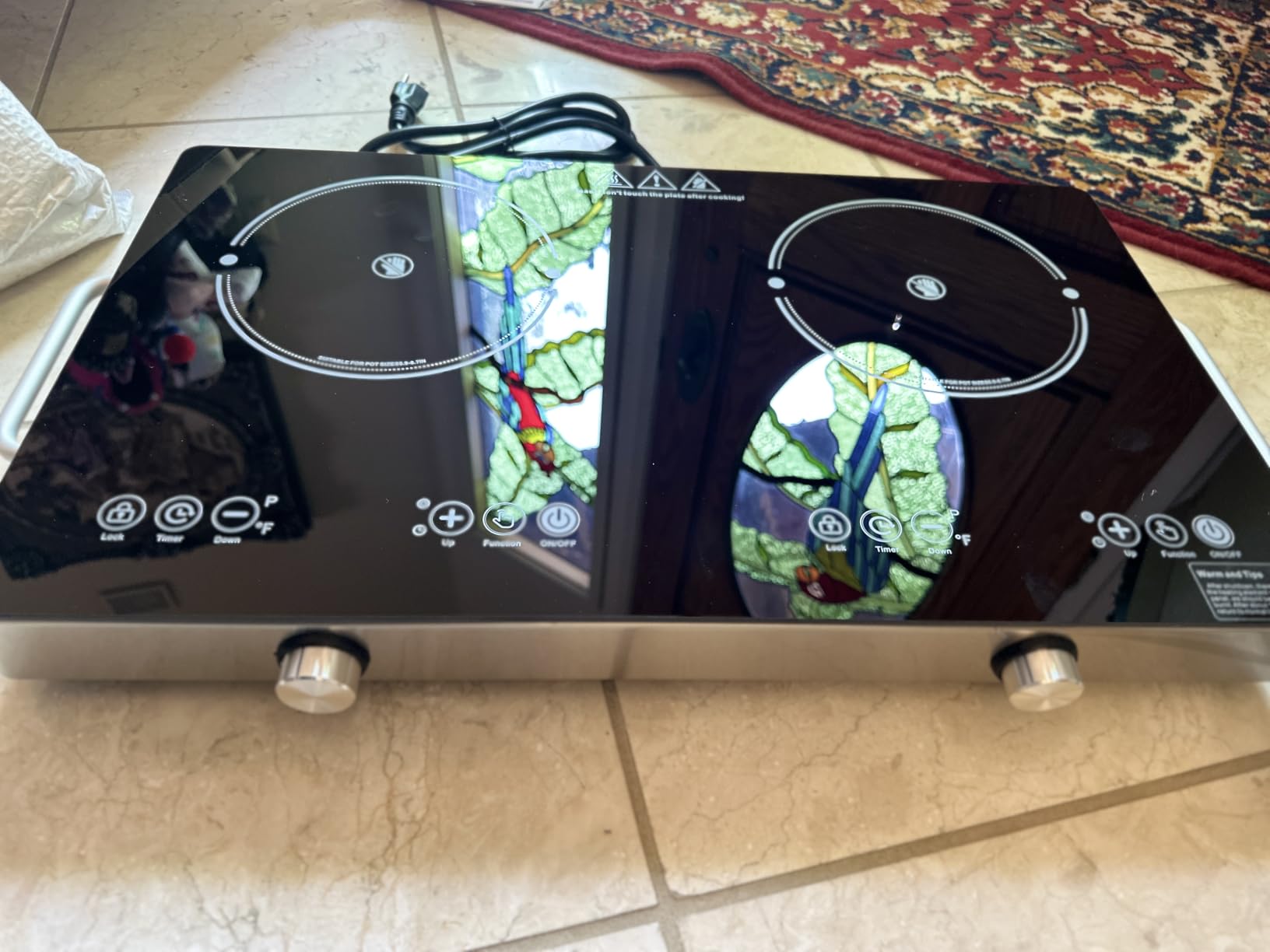
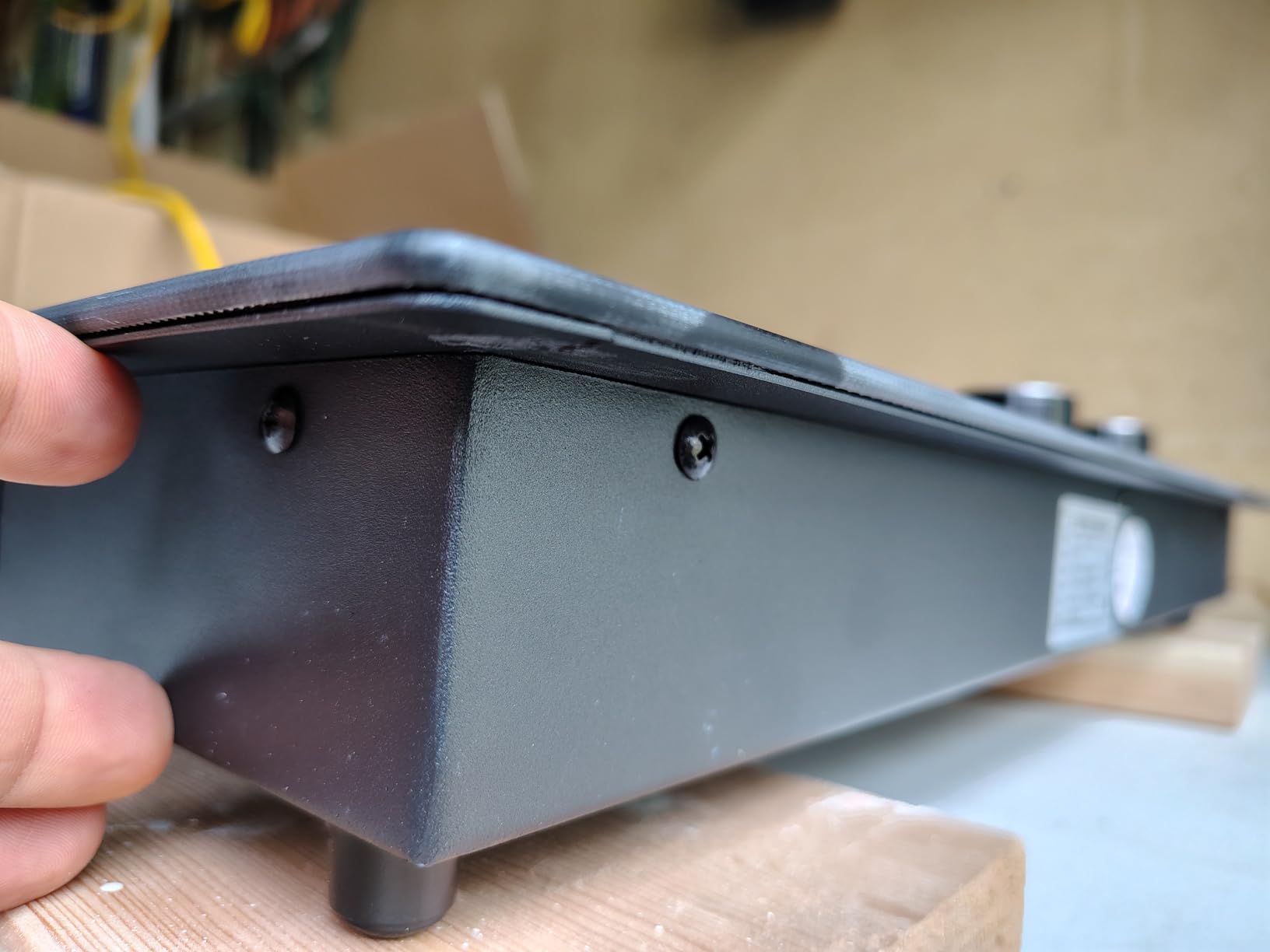
The tradeoff is physical size. At 15.75 inches tall and 56.2 pounds, this is the deepest and heaviest chassis in the lineup by a wide margin. You need a real cabinet cavity below the island, not a shallow apron cabinet, and you are working with two people to set it into the cutout. Measure the cavity before you commit, because the 29.92 by 19.69 inch opening is unforgiving.
Owner reviews split into two camps, which is why the rating sits at 4.4 rather than higher. Seventy-four percent gave it five stars and about ten percent gave it one star. The praise is nearly always about the space saving and the griddle zone. The complaints are almost entirely about bulk, weight and how tight the fit is once the glass is halfway down.
Who will like this GTKZW cooktop
You will like it if your island has a deep base cabinet, you cook for a crowd often, and you want a griddle zone without buying a separate griddle. The 360 CFM figure also gives you the best margin in this group for lingering odors during a multi-dish cook.
You will also like it if you are replacing a cooktop in a remodel where the cabinet below was already sacrificed. Since you are losing that storage either way, the extra cavity depth costs you nothing and buys real venting performance.
Who should buy something else
Skip it if the island cabinet is a shallow apron or a single drawer bank. The install will be miserable and you may end up cutting cabinet structure you cannot get back. The Hobsir and Disaenvir models below sit under 8 inches tall and fit where this one will not.
Also skip it if your household regularly sears at very high heat and needs the kitchen to smell-free afterward. A recirculating path cannot promise that, and no amount of CFM in a ductless chassis changes it. Read the honest take further down before you decide.
2. Cooksir 30 Inch Electric Cooktop with Downdraft
Cooksir 30 Inch Electric Cooktop with Downdraft, Recirculating Air Vent
7400W total cooking power
3900W bridge BBQ burner
135W ductless downdraft motor
Pros
- Highest total wattage in this group at 7400W
- 3900W bridge burner handles large pans and griddles
- Safety suite with over-temperature cutoff
- auto shutoff and residual heat indicator
- Flexible cutout tolerance eases fit in imperfect openings
Cons
- Ductless recirculation falls well short of a ducted hood on heavy searing
- Requires 240V hard-wiring on a dedicated circuit
- Some owners find it underpowered for intense high-heat cooking
The Cooksir is the one to buy if your island cooking skews hot. At 7400W total it puts roughly 23 percent more power on the counter than most of the field, and the layout is designed around that. A 3900W bridge BBQ burner merges two zones into one wide heating area, while a dual-ring element at 1100W or 2300W handles anything from a small saucepan to a tall stockpot.
The venting is a 135W ductless downdraft motor recirculating through a removable filter. Nothing leaves the building, which is the point on an island with no duct route. The scratch-resistant glass top wipes clean easily and accepts stainless steel, aluminum, ceramic and glass cookware. A scraper and an installation strip are included in the box, which is more than most competitors send.
What we like most is the safety package, because a hardwired 240V surface that runs hot in an open room deserves more than a child lock. You get over-temperature protection, automatic shutoff, a residual heat indicator and a pause function that drops every zone to a low holding level for a few seconds when you need to step away from a reduction.

Owners rate it 4.5 out of 5 across about 70 reviews, with 67 percent at five stars, 20 percent at four stars and no one-star ratings at all. That distribution is unusually clean. The recurring note is that the install is the hard part, not the appliance. Two hundred-forty-volt hard-wiring on a dedicated circuit is a licensed job in most jurisdictions, and that belongs in your total cost before you fall for the wattage number.
The cutout is 28.74 by 19.3 inches with a stated tolerance on the length dimension, which is forgiving if your cabinet is not perfectly square. The body stands 7.78 inches tall, so it drops into a standard 30-inch opening without the deep cavity the GTKZW demands.

When the Cooksir is the right call
Choose it when your cooking is heat-driven: stir-fries, seared fish, a griddle on Saturday mornings. The 3900W bridge zone is the single most useful feature in this lineup for that style, and it sits on a chassis shallow enough for a normal 30-inch base cabinet.
It is also a good fit for a secondary island surface, a basement kitchen or a vacation rental where you want a full cooking area and a vent in one appliance with no duct renovation. The complete absence of one-star reviews is a decent signal that it does what it claims.
Where it falls short
It is a recirculating unit, so it filters and re-releases air rather than exhausting it. On very greasy, very hot cooking that distinction becomes something you can smell in the room. Several owners flag that it feels lower-powered than expected once you account for radiant rather than induction heat.
If you regularly char thick cuts of meat at maximum heat in a room that opens directly into a living space, pair this guidance with a look at true induction. Our induction cooktop picks cover surfaces that stay cooler at the glass and handle sear heat far better, even without integrated ventilation.
3. Hobsir 30 Inch Electric Cooktop with Downdraft
Hobsir Electric Cooktop 30 Inch with Downdraft, 4 Burner 6000W
496 cubic meters per hour ductless vent
Dishwasher-safe filter
6000W across four elements
Pros
- Most reviewed model in this lineup with about 186 ratings
- Ductless design needs no exterior ductwork at all
- Dishwasher-safe filter makes grease cleanup simple
- Nine power levels with pause and child lock
Cons
- Recirculation is weaker than ducting for heavy high-heat searing
- Hardwired 220V install so it cannot use a standard outlet
- Glass ceramic can need a dedicated kit for burnt-on residue
With roughly 186 ratings, this Hobsir is the model in the lineup with the largest body of owner history, and that matters more than any spec sheet when you are buying a format with few sales. When a question comes up about installation, filter cleaning or panel behavior, there is a real record of answers. The rating is 4.2, a notch below the leaders, and the gap comes almost entirely from performance expectations rather than defects.
The venting rating is 496 cubic meters per hour from a 135W motor, working ductlessly. Convert that and it lands in roughly the same territory as the CFM figures quoted elsewhere in this roundup, which is how you compare a metric expressed in metric against one expressed in CFM without a conversion table on hand. A removable dishwasher-safe grease filter traps what the recirculation path catches, and the rest is handled as the appliance cycles.
Cooking power is 6000W across four radiant elements, two at 1200W and two at 1800W. That is a conventional layout with no bridge function and no dual-ring burner, so the 3900W griddle zones in the Cooksir and GASLAND are genuinely absent here. In exchange you get a simpler panel with nine power levels, a 99-minute timer, a pause function and a child safety lock.

The physical footprint is the most installation-friendly in the group. It drops into a 28.75 by 19.3 by 7.87 inch cutout with a frameless glass ceramic edge, so there is no lip to trip a seating edge and no trim kit to match. Compatible cookware runs from 16.5 cm to 20 cm across aluminum, copper, cast iron, stainless steel and glass.
The rating distribution explains the 4.2 average better than the number does. Sixty-three percent gave five stars and 17 percent gave four stars, but about 8 percent gave one star, and that tail pulls the score down. Buyers who paired this cooktop with moderate-heat daily cooking describe it as exactly what they needed. Buyers who expected it to clear a searing pan like a ducted hood were disappointed, and they rated accordingly.
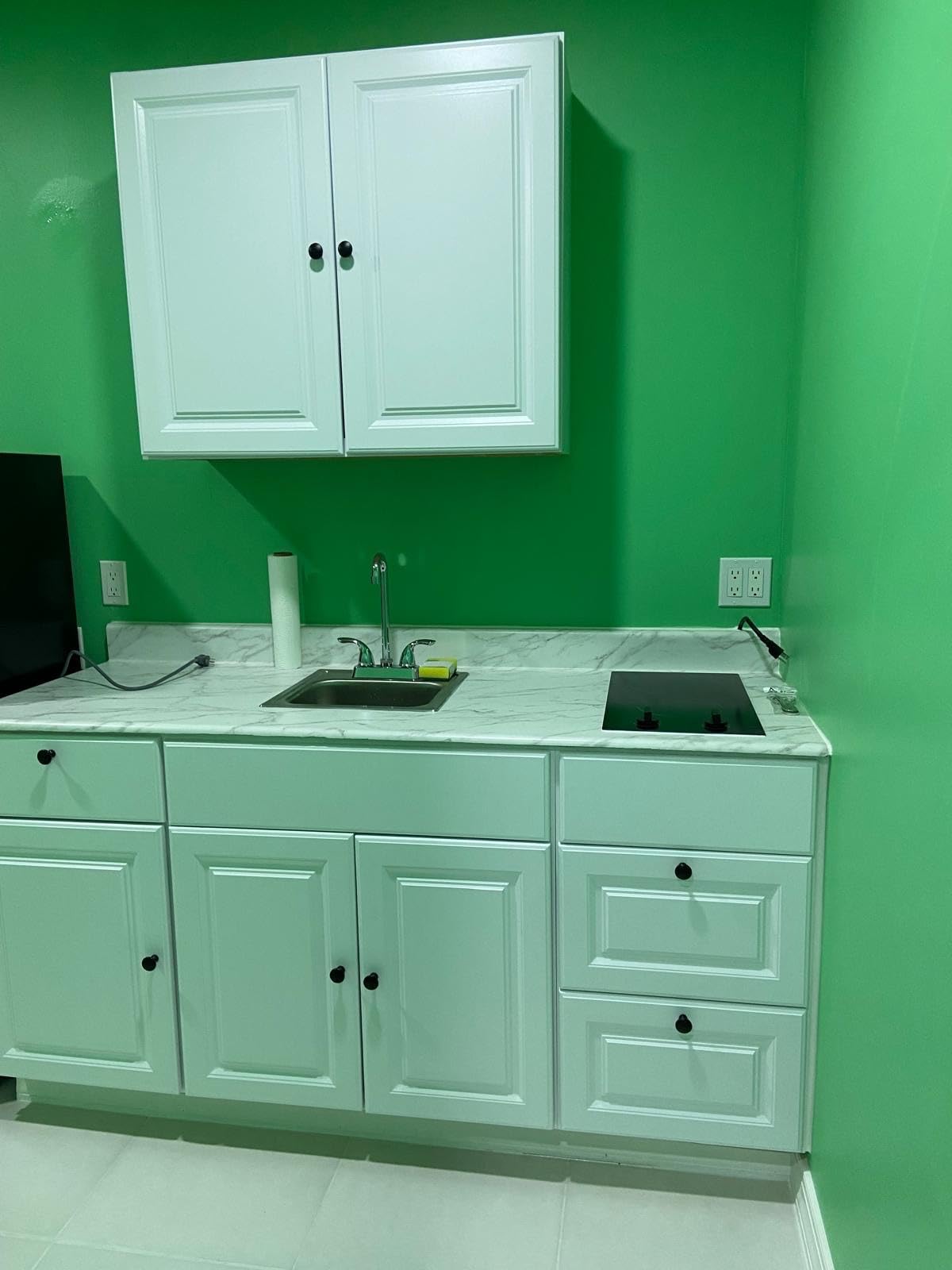
Who buys the Hobsir 30-inch
Buy it when you want a proven format, a standard 30-inch cutout and the lowest entry point into an integrated downdraft cooktop. The 186-review history means replacement parts, filter equivalents and troubleshooting answers already exist, which is worth more in a format this thin than a marginal wattage gain.
It is also the sensible pick for a first remodel where the island cabinet is standard depth. Nothing about this chassis requires you to rebuild the base cabinetry around it.
Where it will disappoint
Skip it for high-heat cooking with tall pots. There is no bridge zone to concentrate power across a griddle, and the four elements top out at 1800W individually. Steam from a stockpot will outrun a surface-level ductless vent, which is a complaint renovation owners raise about downdrafts in general regardless of brand.
Budget for a circuit change. It is a 220V hardwired appliance with a one-year warranty, and hardwiring is not something you resolve with an extension cord. A dedicated line is part of the installed cost either way.
4. Disaenvir 30 Inch Ventless Downdraft Cooktop 7400W
Disaenvir 30 Inch Electric Cooktop with Downdraft Vent 7400W, Ductless
7400W across four zones
135W ductless recirculating vent
7.87 inch shallow body
Pros
- Highest average rating in this lineup at 4.7 with zero one-star ratings
- Shallow 7.87 inch body preserves under-cabinet storage
- 3900W BBQ zone handles searing and stir-frying
- Dual-ring burner switches between 1100W and 2300W
Cons
- Recirculating capture is limited on greasy high-heat cooking versus ducting
- Listed weight of 10 pounds does not match a hardwired ceramic glass appliance
- Review pool overlaps with the maker smaller portable models
The Disaenvir posts the highest average rating in this lineup at 4.7, and the distribution behind that number is unusual: 79 percent five stars, 15 percent four stars, and no one-star reviews at all. It is also the shallowest chassis we found at 7.87 inches, which makes it the model to look at when cabinet depth is the binding constraint.
Cooking power matches the Cooksir at 7400W, spread across a 3900W left-side BBQ zone, a 1200W burner and a 1100W or 2300W dual-ring element. The dual ring is the useful part. Switching between the inner and outer coil lets you heat a small saucepan quickly without spinning the outer coil that you do not need, which is a real efficiency gain on a surface with no oven underneath.
The downdraft is fully ductless. A 135W vent fan pulls through the cooktop, runs the air past the filter and releases it into the room. No exhaust pipe reaches an exterior wall, which is the entire reason this appliance exists for most buyers. Cutout is 29.13 by 19.3 inches on a standard 30-inch body.
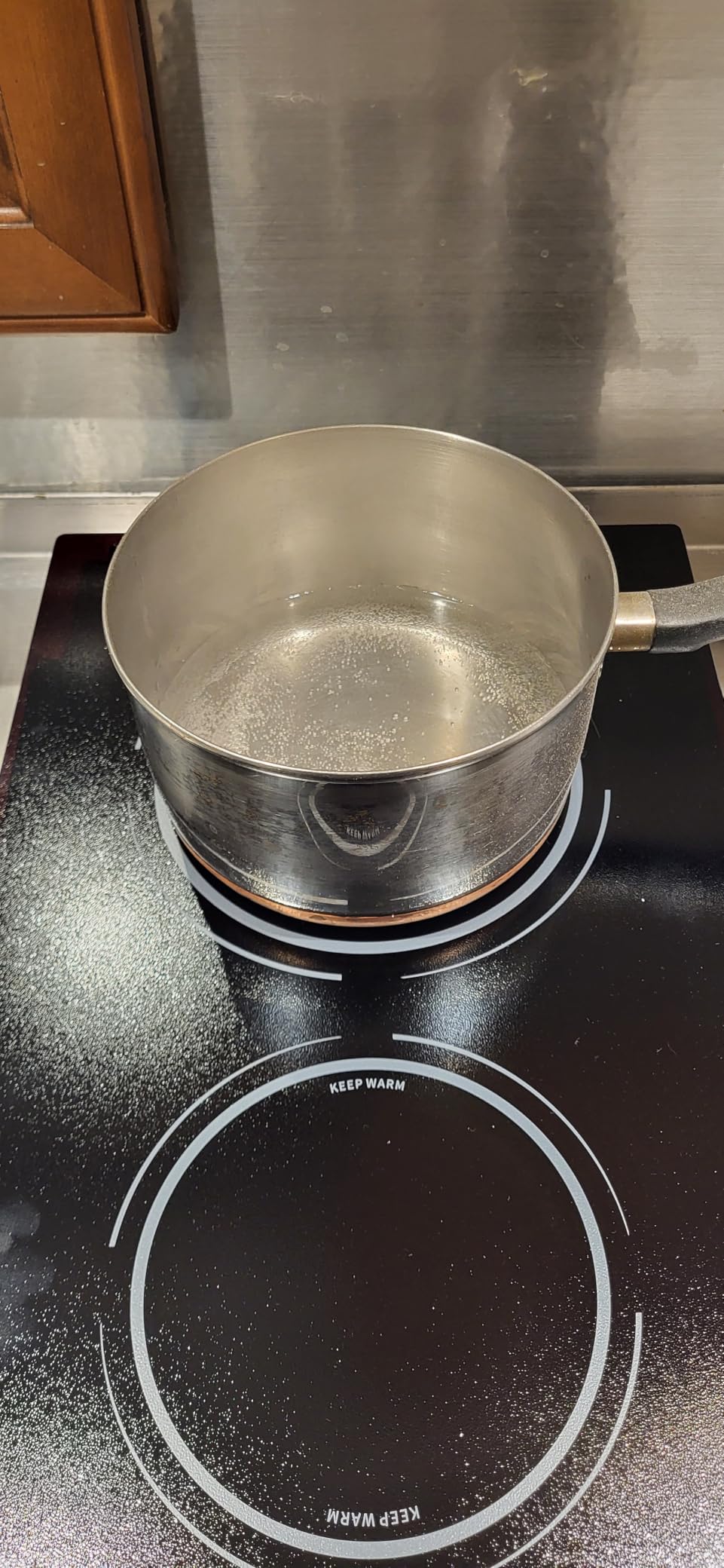
One caution on the spec sheet. It lists a weight of 10 pounds for a 240V hardwired ceramic glass cooktop with a built-in blower, and that number is not credible against the physical object you will be carrying into the cabinet. Treat the dimension as reliable and the weight as an error, and plan for a two-person lift.
The other caution is the review pool. Owners note that the available customer imagery and part of the review base overlap with the manufacturer’s smaller portable models, so the 4.7 rating tells you less about long-term reliability of a built-in install than the number alone suggests. Reviewers commonly describe using it as a secondary island surface or in a compact renovation, and they praise fast heating and easy ceramic glass cleaning.
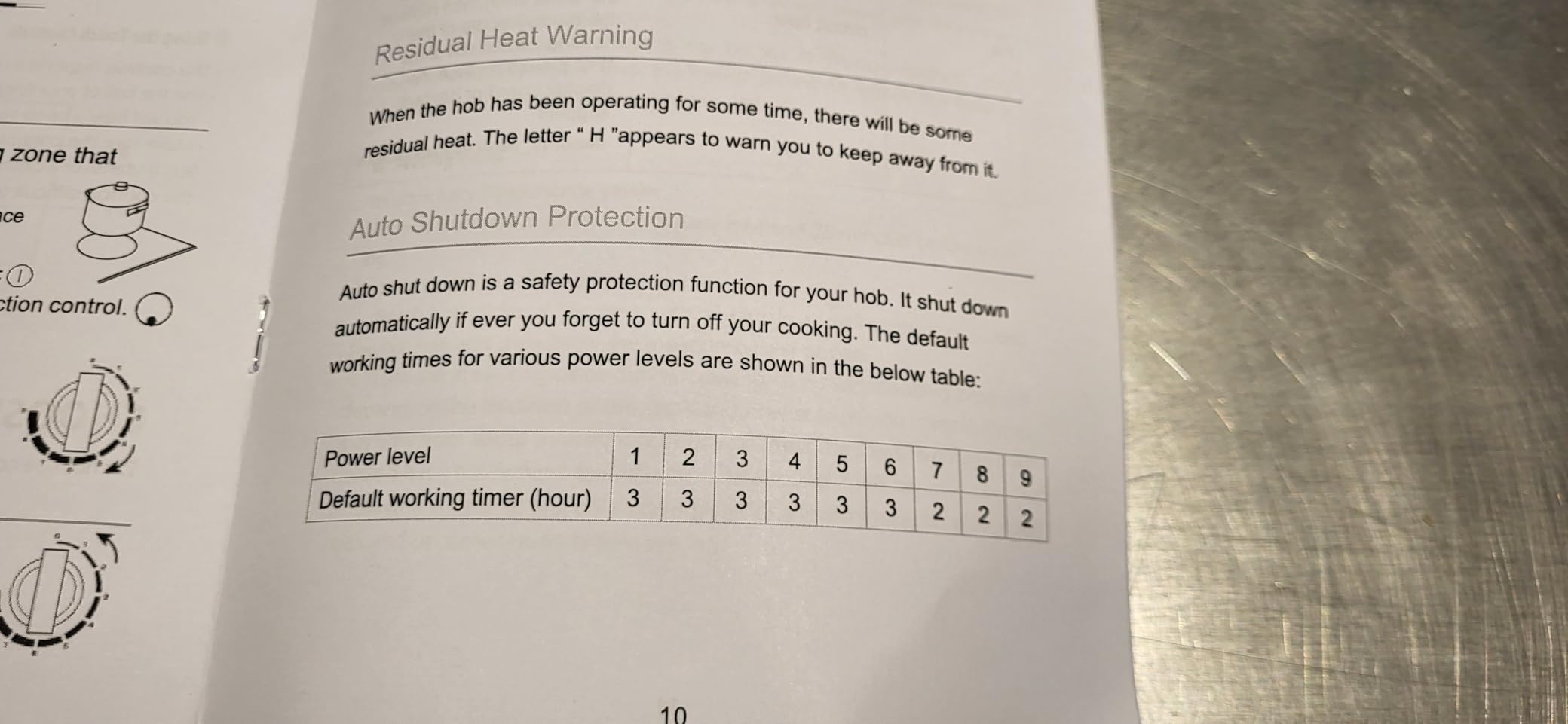
Reasons to pick the Disaenvir
Two reasons, both practical. First, the 7.87-inch profile is the shortest here, so it fits under an island with a shallow apron or a thin cabinet floor where the GTKZW would not clear. Second, the dual-ring burner gives you small-pan efficiency that the simpler four-element layout on the Hobsir 30 cannot match.
It also carries a one-year warranty, a countdown timer with automatic shutoff, a pause function and a residual heat indicator. For a surface a child can reach from a stool, that combination is worth a look.
Reasons to look elsewhere
The 33-review base is the smallest but one here. For a hardwired built-in appliance that people rely on daily, a thin review pool is a thinner warranty of experience than 186 ratings on the Hobsir. If the category is new to you, the better-documented option is the safer one.
And the recirculating limitation applies here as it does everywhere in this roundup. On greasy, high-heat cooking it will not match ducting. If smell control is your top priority and you have any option to vent outdoors, take it.
5. GASLAND Chef Collection 31.5 Inch Electric Downdraft Cooktop
GASLAND CHEF COLLECTION 31.5″ Electric Downdraft Cooktop, 4 Burner, 220V
330 CFM across three fan speeds
4200W combined bridge element
Removable grille and drip pan
Pros
- Highest published CFM figure in this selection at 330 across three speeds
- Bridge element combines two zones with up to 4200W
- Removable grille
- filter and drip pan make maintenance owner-doable
- Slide touch control gives smoother adjustment than stepped knobs
Cons
- 31.5 inch width is non-standard and will not fit most 30 inch openings
- Highest cost of the six models reviewed
- 9.6 inch body demands a deeper cabinet cavity
The GASLAND is the only model in this roundup that publishes a CFM figure with a three-speed fan control, at up to 330 CFM, and the only one that comes with a two-year warranty. If airflow on paper matters to you, it is the most transparent spec sheet in the group. Its catch is footprint: 31.5 inches wide on a 9.6-inch-tall body, and neither number fits a standard cabinet.
The cooking surface is where this model earns its second look. A bridge element fuses two zones into one heating area with up to 4200W of combined power, which is the highest single-zone output in this lineup and the closest any of these come to the concentrated heat of a true griddle zone. Total cooking power is 7400W across four radiant burners with slide touch control.
For maintenance, the removable vent grille, filter and drip pan are the best in the group. You can pull them, wash them and put them back rather than scrubbing a fixed housing. On a recirculating downdraft that is the difference between a five-minute job and a project you keep postponing.
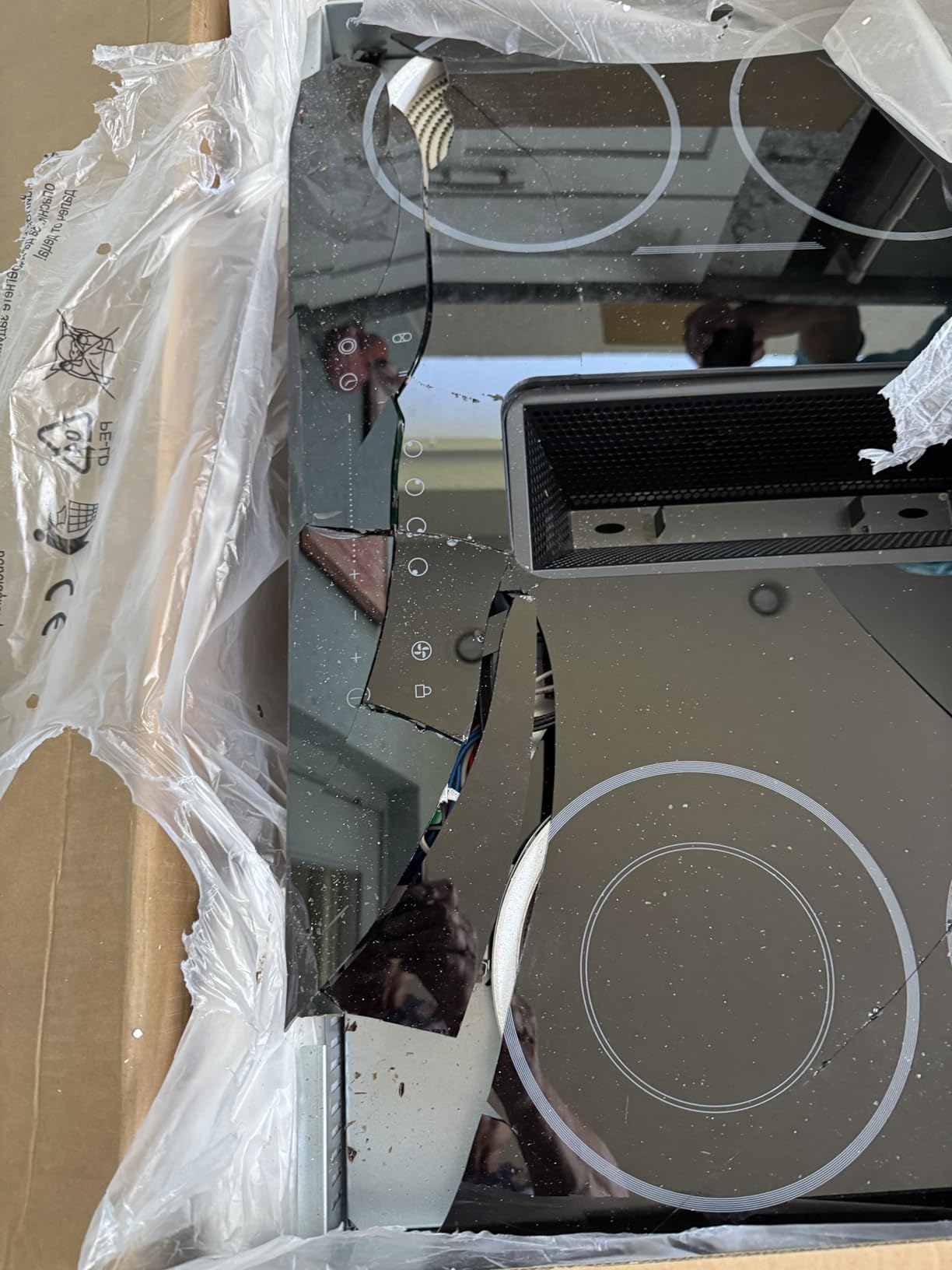
Owners rate it 4.4 across about 30 reviews, with 66 percent at five stars and 23 percent at four stars, plus a small six percent one-star band. The ventilation strength, the bridge zone and the serviceable grille come up repeatedly. The 31.5-inch footprint comes up as the drawback, and that is a cabinetry problem rather than an appliance problem.
Bring this up with your cabinetmaker before anything else. A 31.5-inch cooktop means a custom opening, which means a custom base cabinet, which means the appliance decision now drives the cabinetry budget. If the island is already built and you are retrofitting, this is the wrong pick. If the island is still in design, the GASLAND is a legitimate option and the airflow number is the most credible in the group.
What the GASLAND does best
Ventilation you can reason about. Three fan speeds and a stated 330 CFM let you size the appliance against your cooking rather than against a marketing adjective. Homeowners who run heavy cooking sessions single this out as the model that moved air best.
The 4200W bridge element is also the single most capable cooking surface here for long pans, griddles and oversized cookware. Between the two, this is the strongest all-rounder for someone who actually cooks on the island instead of using it as a secondary surface.
What it costs you
Size and cabinetry. At 31.5 inches wide and 9.6 inches deep it needs both a wider opening and a deeper cavity than any other model here, and it is the most expensive of the six. Add custom cabinet work to a custom opening and the installed total moves fast.
With only 30 reviews behind it, the two-year warranty is also the most meaningful protection in the roundup. That is a real argument for it on a category where serviceability matters.
6. Hobsir 36 Inch Electric Cooktop with Downdraft Extractor
Hobsir 36 Inch Electric Cooktop with Downdraft Extractor, 4 Burners 7400W
36 inch all-in-one surface
3900W rectangular BBQ zone
Washable detachable filter
Pros
- Only 36 inch option here
- giving a large cooking surface plus venting
- Rinseable detachable filter is a step up from scrub-only grease filters
- 3900W rectangular BBQ zone spans 16.9 by 7.87 inches
- Two year warranty
Cons
- 36 inch cutout is far harder to retrofit into an existing island
- Manufacturer wattage figures are inconsistent between copy and specs
- Radiant ceramic heats slower to temperature than true induction
If your island has the width, this is the one to buy. At 36 inches it is the largest cooking surface in the roundup, and it still carries the full 496 cubic meters per hour ductless downdraft that made the smaller Hobsir worth considering. Four burners, a 3900W rectangular BBQ zone spanning 16.9 by 7.87 inches, and the same nine-level digital touch panel with a 99-minute timer, pause and child lock.
The filter is the detail we would point at first. It detaches, washes under a tap and goes back in, and it is specified to trap both grease and water. On a recirculating downdraft that is the component you will touch most often, and a rinse-and-return design removes the least appealing part of owning one.
Burner layout runs two 1600W elements, one 1200W element and a dual-ring 1100W or 2300W element. Universal cookware support from 13.8 cm to 23 cm means cast iron and glass work without an adapter, which is the same practical advantage a radiant surface has over induction.

Owners rate it 4.6 across 24 reviews, with 72 percent at five stars, 21 percent at four stars and no one-star ratings. It is the smallest review pool here. The consistent praise is fast heating, smooth sliding touch response and responsive manufacturer support, including at least one replacement issued for a unit that arrived with a problem.
The most reported friction is electrical rather than culinary. Owners describe working out connector size for armored cable and confirming the 240V hardwired connection, and one flags that the manufacturer wattage copy and spec table disagree, with 6000W in one place and 7535W in another. Plan around the higher figure for your circuit sizing and confirm with an electrician.
Where the 36-inch Hobsir wins
Counter space. On a 36-inch island you get a cooking surface with real room to work, plus venting, without a hood overhead. That combination is rarer than it sounds and it changes how a kitchen feels when more than one person is cooking.
The washable filter and the two-year warranty are also the best pairing in this roundup for low-effort ownership. If you plan to keep this surface for years, serviceable parts matter more than a wattage margin.
Where it does not fit
Retrofitting. The cutout is 35.3 by 19.3 by 7.9 inches, which means cutting into an existing island cabinet that was built around a 30-inch opening. In a remodel where the island is already installed, this is usually a non-starter.
Also consider radiant ceramic’s slower climb to temperature if you move fast and sear often. Our 36-inch gas cooktop reviews cover the high-heat end of the size range, and they make the realistic tradeoff against a radiant surface easy to see.
What a Downdraft Cooktop Actually Is
A downdraft cooktop is a built-in cooking surface with the exhaust blower integrated into the same appliance, so smoke, steam and grease are pulled straight down through a slotted intake in the cooktop rather than rising into an overhead hood. A motor creates a downward vacuum across the glass, air passes through a metal grease filter, and then it either goes out through ductwork below the island or is filtered and released back into the room.
The reason it exists is sightlines. A hood hanging over an island drops the ceiling visually and blocks the view across a kitchen or into a living area. It also needs ceiling height, a duct run and sometimes a second wall to reach. Where none of that is available, a downdraft cooktop keeps the cooking surface and removes the hood problem entirely.
What you trade away is capture geometry. An overhead hood intercepts smoke at head height, several inches above the food, and catches it before it disperses. A downdraft works at the surface, so it captures best with low pans and worst with tall stockpots, which is exactly what renovation owners report when they describe downdrafts as working for some things and not others.
One more thing to understand: the appliance is not a hood you can install later. Every model in this roundup is a factory-matched cooking surface and blower in one chassis, which is why the cutout dimensions are fixed and why the cabinet below has to be planned for at the same time as the countertop.
Gas vs Radiant Electric vs Induction Downdraft Cooktops
Every model reviewed here is electric radiant. There are gas downdrafts and induction downdrafts in the broader category, and both have real downsides that explain why electric dominates this particular list. Gas plus downdraft is the combination renovation communities warn about hardest, because strong downward suction physically distorts an open flame and pulls it sideways toward the vent slot, which leads to uneven heating and an easier-to-push-out fire. Induction is thermally cleaner at the glass but the factory downdraft combinations are expensive and rarer.
If heat containment matters most, radiant electric is the balance point. The surface heats only where the pan sits rather than where air passes, and it needs no magnetic cookware. Its limitation is recovery and climb: radiant elements take longer than induction to reach temperature and shed heat slower when you move a pan off the burner.
You do not need a downdraft with every electric cooktop. You need ventilation proportionate to what you do. Low-heat everyday cooking in a well-ventilated room may need nothing at all. High-heat searing and wok work generate smoke that something has to catch, and that is the case a downdraft is built for.
Ducted vs Recirculating Downdraft: Which One Do You Need?
A ducted downdraft exhausts air outdoors through real ductwork. A recirculating one filters air and returns it to the room. Five of the six models here are recirculating because that is what makes them installable in an island with no route to an exterior wall, and the choice is usually made for you by the building rather than by preference.
Recirculation is genuinely simpler. No duct run through the slab or between joists, no exterior wall penetration, no roof penetration, no make-up air to think about at a code threshold. What it cannot do is remove humidity, and it only partially removes grease and odor. Charcoal-style filters and a rinseable grease screen handle the heavy fraction; the fine fraction comes back into the room.
Ducted is quieter to live with in a kitchen that opens into a living space, and it is the only version that actually clears the room of cooking smell. It also costs more in installation than the appliance itself, which is why whole-house remodelers and the forum homeowners we read often say they would rather put the money into an island hood or move the cooktop to an exterior wall.
Our read across this lineup: recirculating is a legitimate answer for moderate-heat cooking in a condo or a secondary island. It is a poor answer for someone who sears daily in an open-concept room and expects the kitchen to smell like nothing happened.
How Much CFM Do You Actually Need?
For an electric cooktop, plan on roughly 100 CFM per linear foot of cooktop width, so a 30-inch surface wants about 250 CFM and a 36-inch surface wants about 300 CFM. For gas, the common working rule is closer to 1 CFM per 100 BTU of burner output. Where a manufacturer quotes airflow in cubic meters per hour, convert before you compare, because that is how two spec sheets end up looking wildly different while describing similar performance.
Then subtract for the duct. Every elbow and every foot of flex costs effective airflow, and recirculating units already lose to the atmosphere rather than moving air out of the building. A published source figure is a best case measured at the housing, not what your kitchen experiences.
In this roundup the published figures cluster between 330 CFM and 496 cubic meters per hour, which is roughly 330 to 390 CFM. That is an honest, compact figure for electric radiant cooking. It is not the same as a 600 CFM overhead hood, and any comparison that pretends otherwise is misleading.
What to Check Before Installing a Downdraft in an Island
Check four things before you order: the cutout, the cavity depth, the electrical circuit, and your code obligations. The cutout is non-negotiable, because every model here is a drop-in with a fixed opening and an outside dimension that is slightly larger. The cavity depth determines whether the blower housing sits below your cabinet floor, and it is the reason the GTKZW and GASLAND need dedicated cabinetry.
Electrical is the second hard stop. All six are hardwired at 220V or 240V, none plugs into a standard outlet, and the higher-wattage models likely need a dedicated circuit with a correctly sized breaker. Confirm with an electrician before the cabinet is built, because adding a circuit after the countertop is in place is the expensive way to do it.
Code is the third. Recirculating appliances sidestep most exterior-vent permitting, which is a genuine advantage in a slab or a condo. If you go ducted, the make-up air rules apply, and general residential code treats a kitchen exhaust system above 400 CFM as requiring a makeup air opening sized to bring in air equal to what is exhausted. Massachusetts enforces its own make-up air law that trips at a much lower threshold, so if that is where you are building, read the state code rather than the national one.
Budget the whole job, not the appliance. A downdraft cooktop install usually stacks four line items: the appliance itself, a 220V or 240V circuit with a correctly sized breaker, cabinet work to reshape the base or sacrifice a drawer stack, and ductwork if you are running an exterior vent. The electrical and cabinetry pieces routinely cost as much as the cooktop, which is the point that appliance listings never mention. Get all four quoted before you commit to a model, because a 31.5-inch body or a deep chassis changes the cabinetry line substantially.
Noise is the fourth, and it is the one people regret most. A downdraft blower runs directly under the cooking surface at high speed, which puts it in the part of the room where people stand. Homeowners consistently describe the sound as intrusive in an open-concept space, and one who installed a high-end Faber Scirocco Plus described it as working very well but loud, with ductwork pre-laid into the slab at build time as the difference between a good install and a bad one.
Honest Take: When an Overhead Hood Beats a Downdraft
An overhead or island hood beats a downdraft whenever you can physically install one. It captures smoke higher and earlier, exhausts air rather than recirculating it, sits above ear level instead of at your hip, and leaves the cabinet below the island completely intact. If your ceiling height allows it and a duct run is possible, that is the better appliance decision nearly every time.
The honest list of disadvantages of a downdraft cooktop runs longer than the sales page will tell you. Capture is weaker, especially for tall pots. The blower is loud. Recirculating filters need replacing and still leave humidity and odor behind. The blower housing takes the base cabinet storage, and on several models that means the entire top drawer stack. Gas plus downdraft distorts the flame. And the total installed cost, with appliance, electrical work, cabinetry and ducting, routinely exceeds what an overhead hood costs once installed.
So buy a downdraft when the layout leaves you no choice, and pick the most open, most ventilated, most shallow-cabinet model you can find, which is exactly what we have ranked above. Renovation communities overwhelmingly steer new builds toward an island hood or toward moving the cooktop to an exterior wall, and several suggest putting the sink on the island instead. If your project still has flexibility, take it.
Frequently Asked Questions
Who makes the best downdraft cooktop?
Within the built-in electric downdrafts available for island installation, the GTKZW 30 inch model leads our ranking on published airflow at 360 CFM combined with the widest temperature control range, 140F to 518F. The Cooksir 30 inch is the strongest high-heat option at 7400W total, and the GASLAND Chef Collection publishes the most transparent airflow spec at 330 CFM across three speeds. For large surfaces, the Hobsir 36 inch gives you the biggest cooking area in a single appliance.
What are the disadvantages of a downdraft cooktop?
The main disadvantages are weaker capture than an overhead hood, especially with tall pots and heavy searing, loud blower noise at counter height, and permanent loss of base cabinet storage to the motor housing. Recirculating models return humidity and some odor to the room, gas burners can have their flames pulled sideways by the suction, and the installed cost including electrical and cabinetry work often exceeds an overhead hood.
Which island cooktops have downdraft ventilation?
The island cooktops with built-in downdraft ventilation fall into three fuel types: gas, radiant electric and induction. Gas downdrafts suffer from flame distortion under strong suction. Induction downdrafts exist but are rare and costly. Radiant electric dominates because it needs no magnetic cookware, runs cooler at the glass than gas and costs less, which is why every model in this roundup is radiant electric.
Do you need a downdraft with an electric cooktop?
Not always. Electric cooktops produce far less combustion byproducts than gas, so moderate-heat everyday cooking in a kitchen with a working window may need no dedicated ventilation at all. You need something when you sear, stir-fry or cook with a lot of oil, and the downdraft is the option when an overhead hood cannot be installed over the island.
What is a downdraft exhaust?
A downdraft exhaust is a ventilation system built into or under a cooking surface that pulls smoke, steam and grease straight downward instead of up into an overhead hood. A motor creates suction across the glass, air enters through a slotted intake, passes a grease filter and then either travels out through ductwork or is filtered and released back into the room in a recirculating setup.
How do you vent a stove in an island?
There are three routes. Install an overhead island hood and duct it outdoors, which captures best. Install a built-in downdraft cooktop, which keeps sightlines clear but captures less. Or move the cooktop to a wall with an existing hood run, which renovation owners often recommend. Whichever route you choose, check ceiling height, cabinet cavity depth, circuit capacity and make-up air code requirements before ordering.
The Best Downdraft Cooktop for Kitchen Islands
If your island cannot host an overhead hood, the GTKZW 30 inch electric cooktop with downdraft is the pick, on the strength of 360 CFM at the source, a 140F to 518F control range and a bridge griddle that handles large pans. Cook hot and often, and the Cooksir 30 inch puts more power on the counter than anything else in this roundup while still dropping into a standard 30-inch opening. Shallow cabinet, pick the Disaenvir. Custom island and ventilation you can size, pick the GASLAND. Largest cooking surface, pick the Hobsir 36 inch.
And if you have any freedom at all in the layout, install an island hood instead. The best downdraft cooktops for kitchen islands solve a real and sometimes unavoidable problem, but they solve it by accepting worse capture and more noise than the alternative. Pick the one that fits your cabinet, your circuit and your cooking, then maintain the filter on a schedule. Updated for 2026, and every pick above carries a two-year or one-year warranty with a removable filter you can actually wash.