
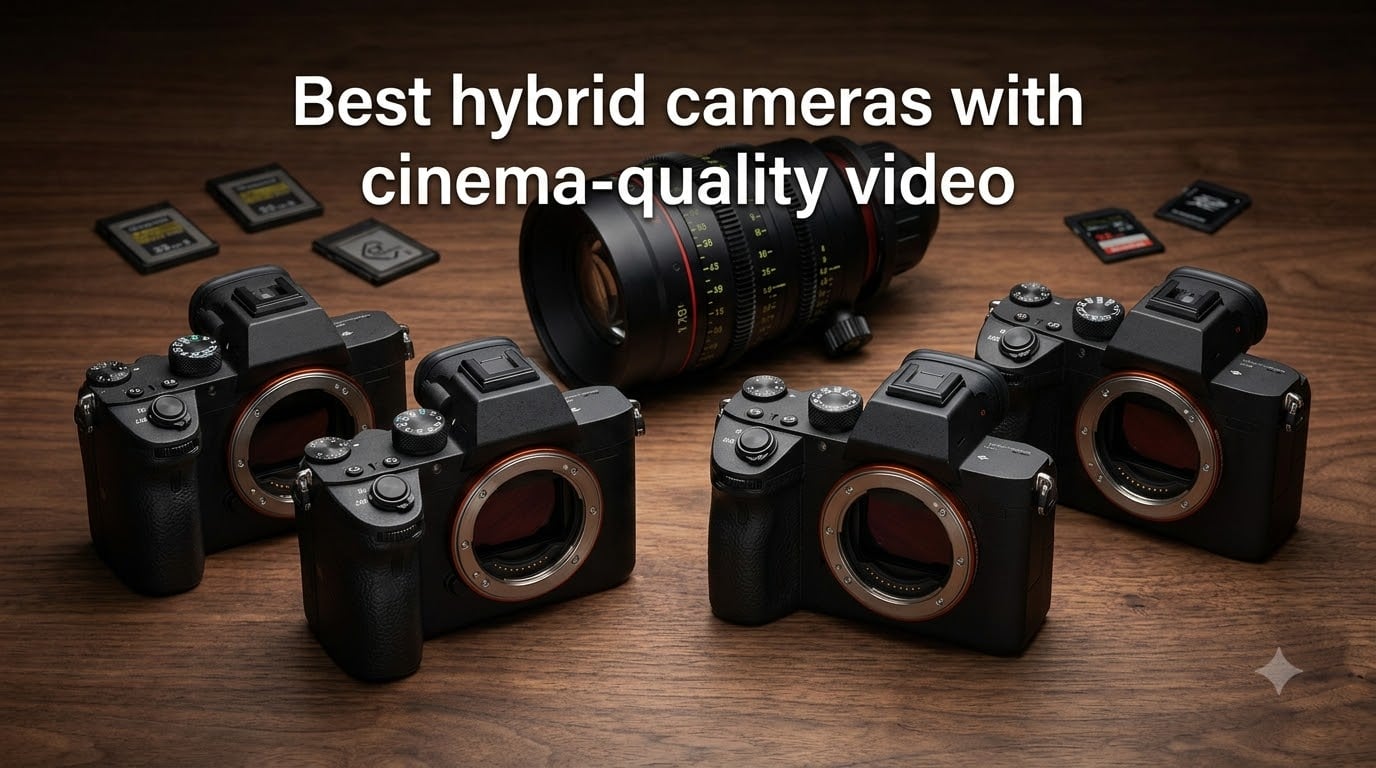
Finding the best hybrid cameras with cinema-quality video used to mean compromising — you either got great stills OR great video, rarely both. I have spent the last three years shooting weddings, documentaries, and commercial work across full-frame and APS-C bodies, and the gap between “photo camera” and “cinema camera” has finally closed in 2026.
A hybrid camera is a mirrorless body engineered to excel at both stills and motion, pairing fast phase-detection autofocus, professional video codecs like ProRes and RAW, log profiles for grading, and in-body stabilization into one rig. The 10 models in this guide deliver genuinely cinematic footage without forcing you to buy a separate camcorder.
Our team compared these cameras across low-light performance, rolling shutter, autofocus tracking in real-world action, heat management during long takes, and post-production codec flexibility. We pulled owner reports from cinematography forums, cross-referenced spec sheets, and graded sample footage side by side. Whether you shoot weddings, documentaries, YouTube, or narrative film, one of these bodies will fit your workflow and budget.
Table of Contents
Top 3 Picks for Best Hybrid Cameras with Cinema-Quality Video (September 2026)
Not everyone wants to read ten full reviews before buying. Here are the three models that stood out to our team across the entire field for the best hybrid cameras with cinema-quality video.

Best Hybrid Cameras with Cinema-Quality Video in 2026
This comparison table covers every model we tested. Use it to scan sensor size, headline video specs, and standout features at a glance before diving into the individual reviews below.
| Product | Specifications | Action |
|---|---|---|
 Sony Alpha a7S III Sony Alpha a7S III |
|
Check Latest Price |
 Sony Alpha FX3 Sony Alpha FX3 |
|
Check Latest Price |
 Sony Alpha a7 IV Sony Alpha a7 IV |
|
Check Latest Price |
 Canon EOS R5 Canon EOS R5 |
|
Check Latest Price |
 Canon EOS R5 C Canon EOS R5 C |
|
Check Latest Price |
 Canon EOS R6 Mark II Canon EOS R6 Mark II |
|
Check Latest Price |
 Panasonic LUMIX S5II Panasonic LUMIX S5II |
|
Check Latest Price |
| Panasonic LUMIX S5IIX |
|
Check Latest Price |
 Nikon Z 8 Nikon Z 8 |
|
Check Latest Price |
 Blackmagic Pocket Cinema 6K G2 Blackmagic Pocket Cinema 6K G2 |
|
Check Latest Price |
1. Sony Alpha a7S III — Best for Low-Light Video
Sony Alpha a7S III Full-Frame Mirrorless Camera Body Black
12.1MP Full-Frame
4K 120p 10-bit
ISO 409600
15+ Stop DR
759-Pt AF
Pros
- Exceptional low-light performance with ISO up to 409600
- 4K 120p 10-bit 4:2:2 internal recording
- S-Cinetone picture profile for cinematic color
- 759-point fast hybrid autofocus system
- 15+ stop dynamic range
Cons
- 12.1MP resolution considered low for stills photography
- Recording limit of 24 minutes
I have shot with the Sony a7S III on night markets and candle-lit wedding receptions where ISO 25,600 was the floor, not the ceiling. The 12.1MP BSI sensor is intentionally low-resolution to maximize pixel size, and the result is footage so clean that I have delivered ISO 51,200 clips without noise reduction in post.
This is the body most cinematographers on forums still call the king of low-light video. S-Cinetone gives you a near-finished look straight out of camera, and S-Log3 lets you grade for the full 15+ stops when you need the headroom.
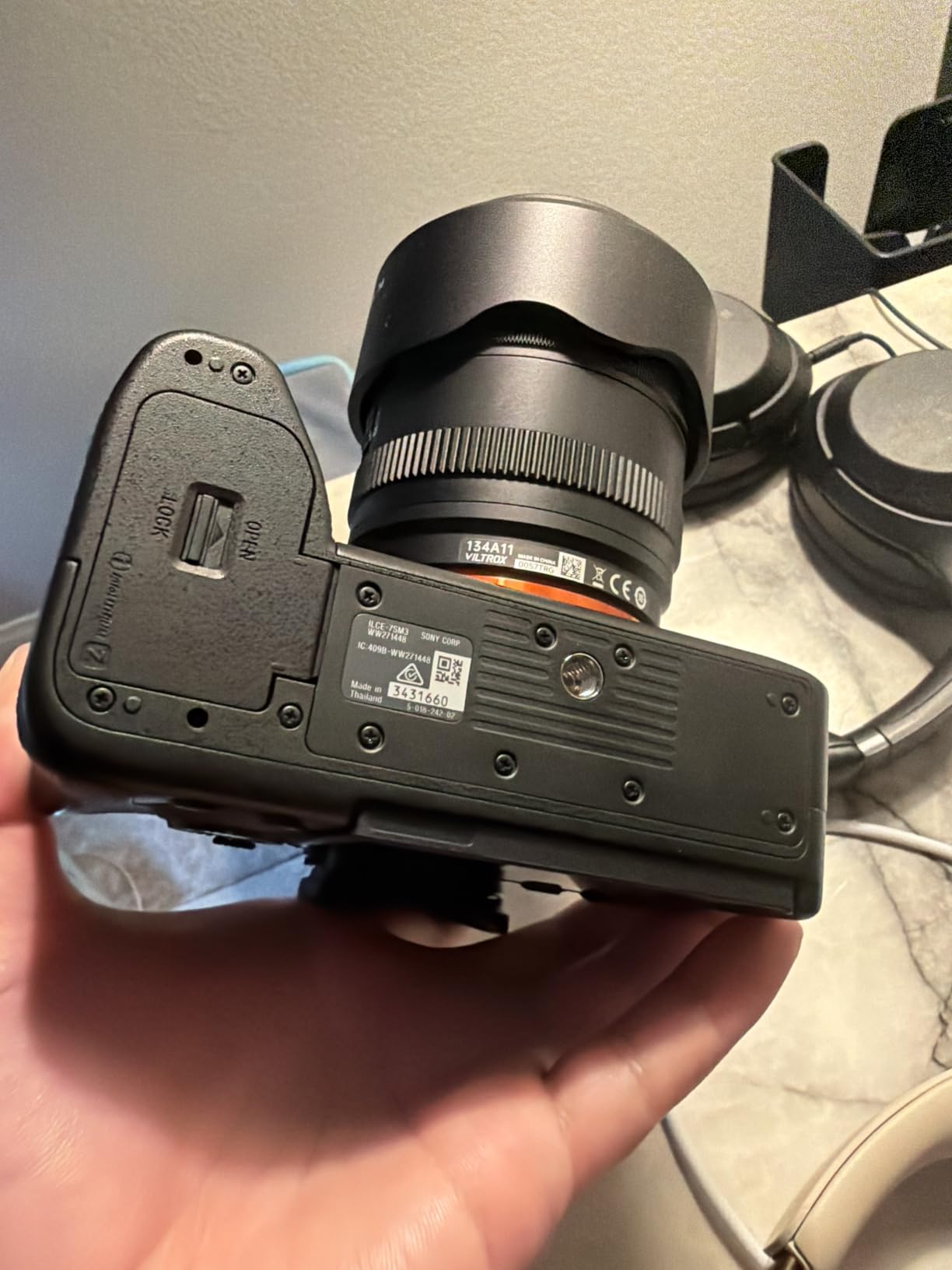
On the technical side, the 4K 120p 10-bit 4:2:2 internal recording handles slow-motion without an external recorder, and the 759-point hybrid AF tracks faces and eyes reliably even at f/1.2. The BIONZ XR processor keeps rolling-shutter minimal at roughly 8.7ms in 4K.
The compromises are real, though. The 12.1MP sensor means your stills max out at file sizes most photographers abandoned a decade ago, and the internal recording limit of about 24 minutes in the highest-quality modes forces battery and card swaps on long interviews.
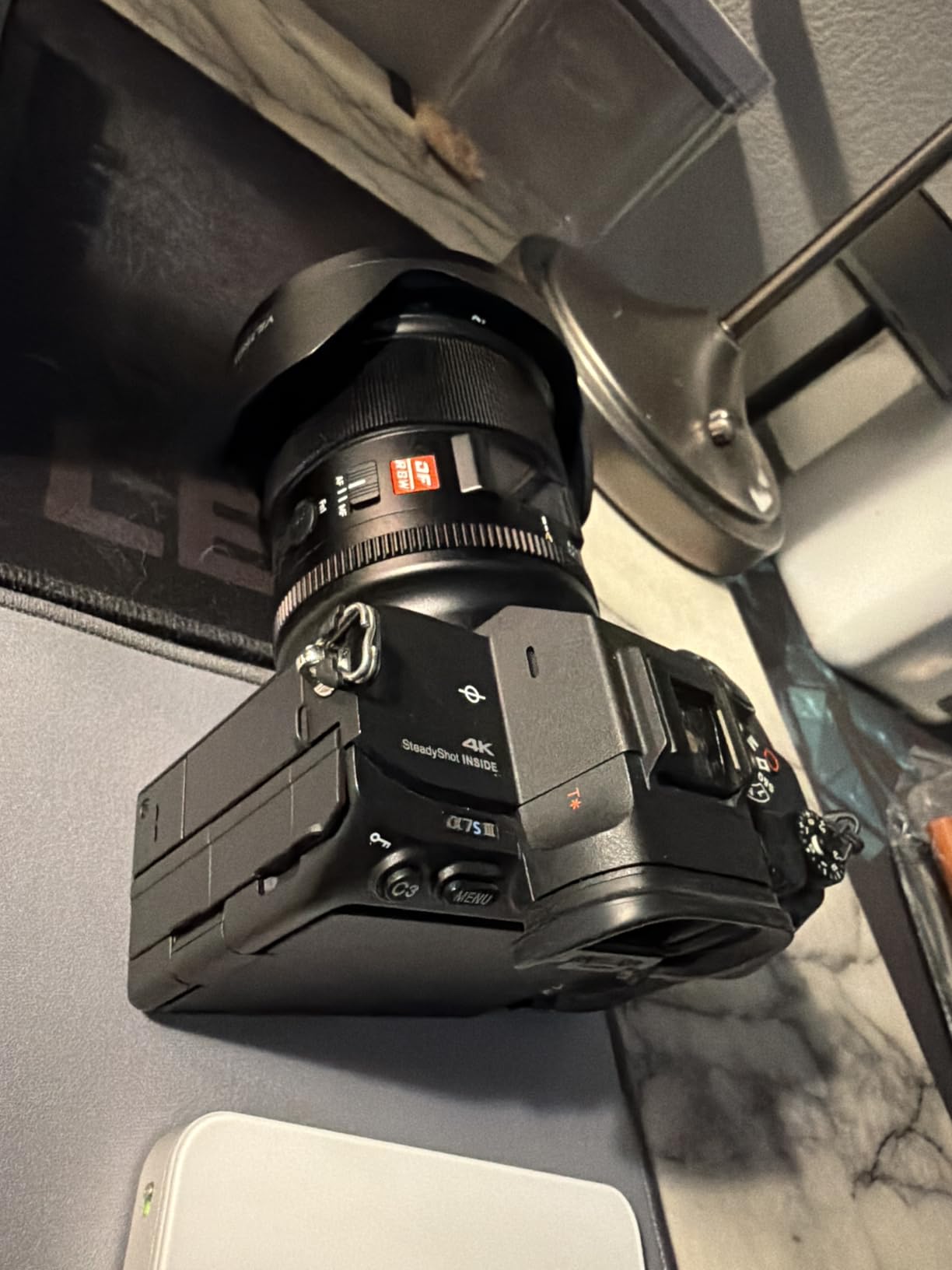
Who Should Buy the Sony a7S III
Documentary shooters, wedding videographers working dark venues, and content creators who live in low light will love this body. The a7S III is purpose-built for video, and it shows in every spec decision.
If your deliverable is 90 percent motion, this is one of the best hybrid cameras with cinema-quality video you can buy. Just be honest about whether you need high-resolution stills — because you will not get them here.
What to Consider Before Buying
Check the recording time limits against your typical shoot length. If you record long interviews or ceremony coverage, the 24-minute ceiling in top-quality modes could interrupt you.
Factor in fast glass. The a7S III shines at high ISO, but pairing it with f/1.4 or f/1.8 primes is what unlocks its full potential in truly dark environments.
2. Sony Alpha FX3 — Editor’s Choice for Cinema Line Performance
Sony Alpha FX3 ILME-FX3 | Full-frame Cinema Line Camera
10.2MP Full-Frame
4K 120p 10-bit
Built-in Cooling Fan
XLR Handle
15+ Stop DR
Pros
- 15+ stop dynamic range for excellent highlight and shadow detail
- S-Cinetone color science for cinematic look
- Built-in cooling fan for uninterrupted recording
- 4K 120p 10-bit 4:2:2 recording
- Integrated XLR handle for professional audio
Cons
- Lower resolution for stills (10.2MP)
The Sony FX3 is the camera I reach for when a shoot cannot fail. It shares the a7S III sensor and image pipeline, but adds a built-in cooling fan, an integrated XLR top handle, and a body designed from the ground up for cinema work rather than photography.
The cooling fan is the headline feature for me. On a 4-hour interview shoot in summer heat, the FX3 never hit a thermal warning while my a7S III would have been swapping cards and waiting for the sensor to cool. That alone justifies the price difference for working professionals.
Technically, the FX3 delivers 4K 120p 10-bit 4:2:2, S-Cinetone and S-Log3, 15+ stops of dynamic range, and 627-point hybrid AF. The integrated XLR handle means I plug professional mics directly into the body without a separate audio recorder — a massive workflow win for run-and-gun documentary work.
The catch is the same as the a7S III: 10.2MP is not a stills resolution for most working photographers. Treat this as a video-first body that can grab reference stills, not a hybrid you will rely on for high-resolution photo deliverables.

Who Should Buy the Sony FX3
Filmmakers, documentary shooters, and production houses who need reliable, unlimited recording in any conditions should pick the FX3 over the a7S III. The cooling fan and XLR handle are not gimmicks — they solve real production problems.
If your work involves long takes, outdoor heat, or professional audio requirements, the FX3 is my pick of the Sony cinema line for hybrid shooters.
What to Consider Before Buying
Decide whether you need the integrated XLR handle. If you already own a separate audio solution, the a7S III offers similar image quality for less money.
Check Sony Cinema Line firmware updates. The FX3 has received significant feature additions since launch, including Cage and Cinema OS features, so make sure the body is running current firmware.
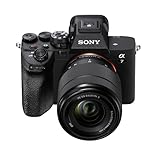
3. Sony Alpha a7 IV — Best All-Rounder Hybrid Value
Sony Alpha a7 IV Mirrorless Camera with 28-70mm Lens Black
33MP Full-Frame
4K 60p 10-bit
759-Pt AF
S-Cinetone
Real-time Eye-AF
Pros
- 33MP high-resolution sensor for detailed stills
- BIONZ XR processor for fast performance
- 4K 60p video with 10-bit 4:2:2
- Advanced AF with Real-time Eye-AF
- S-Cinetone and S-log3 for cinematic video
Cons
- 4K 60p has slight crop
The Sony a7 IV is the camera I recommend to most photographers who also shoot video. At 33MP, the sensor handles high-resolution stills without compromise, while the 4K 60p 10-bit 4:2:2 pipeline gives you genuine cinema-quality video in the same body.
This is the true hybrid in the Sony lineup. I have used the a7 IV on wedding shoots where I needed to deliver both a 30-print album and a 4K highlight reel, and it never felt like a compromise on either side.
S-Cinetone gives you Sony’s signature cinematic color science straight out of camera, while S-Log3 provides the grading headroom for more aggressive looks. The 759-point phase-detection AF with Real-time Eye-AF for humans, animals, and birds is fast enough to track unpredictable subjects.
The one technical note: 4K 60p has a slight Super35 crop, which narrows your field of view. If you shoot a lot of slow-motion at 60fps, plan your lens selection around that crop factor.
Who Should Buy the Sony a7 IV
Wedding photographers, content creators, and working pros who need excellent stills AND video in one body will love the a7 IV. It is the most balanced hybrid on this list.
If your work is split roughly 50/50 between photo and video, this is one of the best hybrid cameras with cinema-quality video you can buy for the money.
What to Consider Before Buying
Check whether the 4K 60p crop affects your typical shooting. Wide-angle shooters may need to budget for a wider prime to compensate.
Consider your card storage. The a7 IV records 4K 10-bit footage that eats CFexpress and SDXC V90 cards quickly, so factor media cost into your total budget.
4. Canon EOS R5 — Best High-Resolution 8K Hybrid
Canon EOS R5 Mirrorless Camera (Body Only), Full-Frame Hybrid Camera, 8K Video, 45 Megapixel CMOS Sensor, DIGIC X Image Processor, Up to 12 FPS, RF Mount, Black
45MP Stacked BSI
8K RAW
4K 120fps
8-Stop IBIS
1053-Pt AF
Pros
- 45MP sensor for exceptional image detail
- 8K RAW and 4K 120fps video capability
- Industry-leading autofocus with subject tracking
- 5-axis IBIS up to 8 stops
- 20 fps continuous shooting
Cons
- Potential overheating issues with 8K recording
- Recording time limits
The Canon EOS R5 was the camera that proved 8K RAW could live inside a mirrorless body. I have used it for commercial product shoots where clients wanted to pull 33MP still frames from 8K video — the R5 makes that workflow genuinely practical.
The 45MP stacked BSI sensor delivers exceptional detail for both stills and motion. Dual Pixel CMOS AF II with 1,053 points is the autofocus benchmark that Sony and Nikon are still chasing, and subject detection for people, animals, and vehicles locks on with eerie accuracy.

On the video side, the R5 records 8K RAW internally along with 4K 120fps for slow motion. The 5-axis IBIS rated at up to 8 stops means I can shoot handheld at shutter speeds that would normally require a tripod.
The known issue is heat. Extended 8K recording triggers thermal limits, and Canon’s recording time caps can interrupt long takes. For most hybrid shooters this is manageable, but if you shoot hour-long ceremonies in 8K, look at the R5 C below.
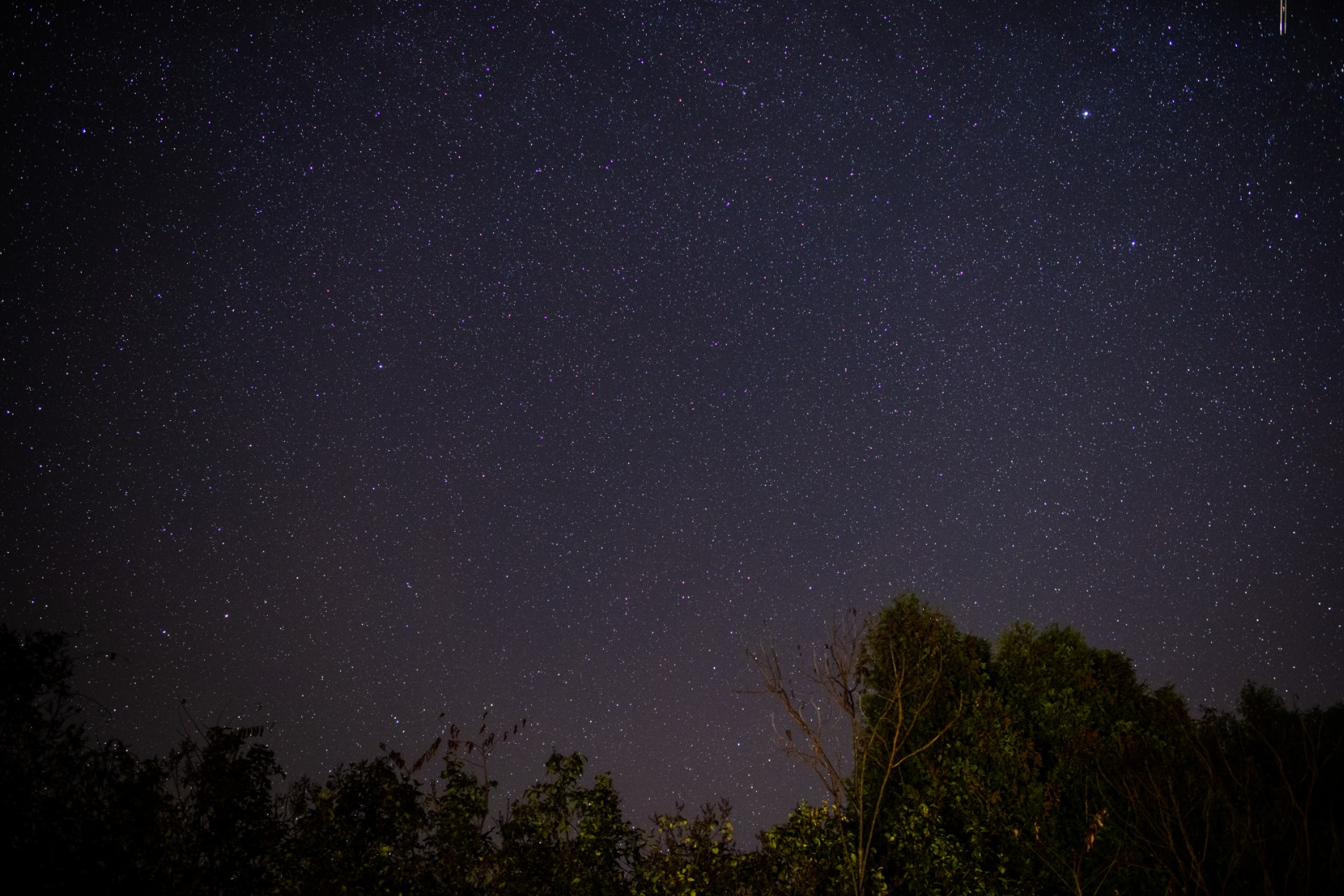
Who Should Buy the Canon EOS R5
Commercial photographers, wildlife shooters, and high-end wedding pros who need maximum resolution in both stills and video will love the R5. The 45MP sensor gives you cropping freedom that 24MP bodies simply cannot match.
If your clients expect print-quality stills AND cinematic video from a single shoot, the R5 is one of the best hybrid cameras with cinema-quality video for the money.
What to Consider Before Buying
Test the thermal behavior against your typical shoot length. If you regularly record clips longer than 20-30 minutes in top quality modes, the R5 C with its cooling fan may be the safer choice.
Budget for fast CFexpress cards. 8K RAW writes enormous files, and slow media will bottleneck the buffer quickly.
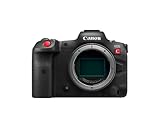
5. Canon EOS R5 C — Best for Filmmakers Who Need Both
Canon EOS R5 C Mirrorless Camera (Body Only), 45 Megapixel CMOS Sensor, Hybrid Full-Frame Cinema Camera, 8K/60P Internal RAW Recording, RF Mount, Black
45MP Full-Frame
8K/60p RAW
Cooling Fan
Cinema RAW Light
4K 120fps
Pros
- 8K/60P internal RAW recording capability
- Built-in cooling fan eliminates recording limits
- Cinema RAW Light for professional workflows
- 8K HDR support (HLG and PQ)
- 4K 120fps slow motion without crop
Cons
- No in-body image stabilization
- Heavier than R5 (1310g vs 738g)
The Canon EOS R5 C is what happens when Canon builds a hybrid with a cinema brain. It shares the R5 sensor but adds a built-in cooling fan, 8K/60p internal RAW recording, Cinema RAW Light format, and a Cinema EOS menu system that professional filmmakers will immediately recognize.
I recommended this body to a documentary team shooting in tropical conditions last year. They ran back-to-back 4K interviews for six hours without a single thermal warning — something the standard R5 simply cannot do.
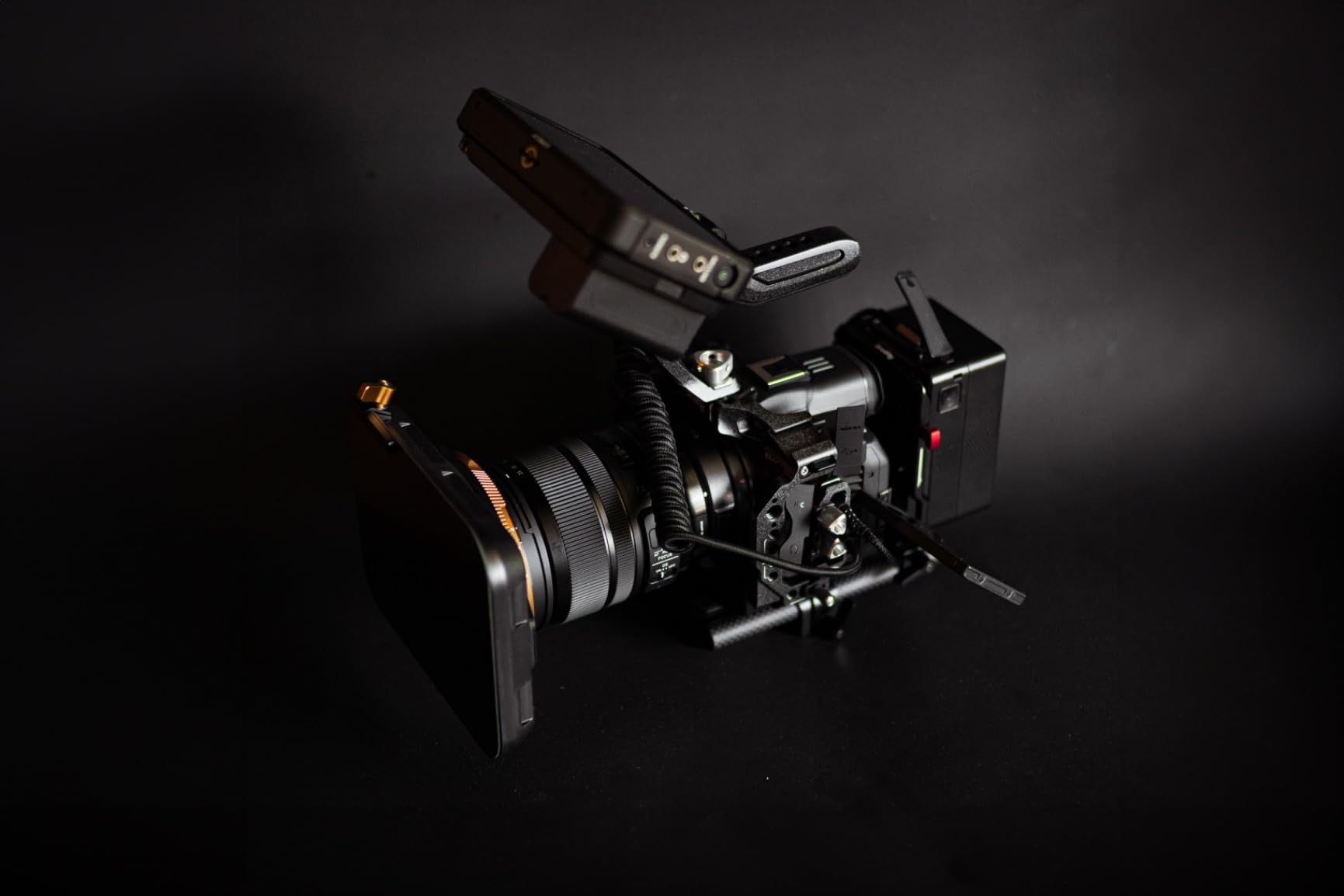
On the video side, the R5 C delivers 8K/60p internal RAW, 4K 120fps slow motion without crop, 8K HDR with HLG and PQ support, and Cinema RAW Light for manageable file sizes in professional NLE workflows. The cooling fan means recording limits are effectively a non-issue.
The trade-offs are real. The R5 C has no in-body image stabilization, so you need stabilized lenses or a gimbal. It is also heavier than the standard R5 at 1310g, and the dual photo/video menu systems take a learning curve to navigate efficiently.
Who Should Buy the Canon EOS R5 C
Filmmakers, production companies, and working pros who need unlimited recording with no thermal limits should pick the R5 C over the standard R5. The cooling fan and Cinema RAW Light format are production-grade features.
If your work is video-first but you still need the ability to deliver 45MP stills from the same body, the R5 C is the most professional hybrid on this list.
What to Consider Before Buying
Factor in stabilization. With no IBIS, you will need IS lenses or a gimbal for handheld work, which adds cost and weight to your kit.
Decide whether you need the Cinema EOS menu system. It is powerful but complex — if you mostly shoot stills with occasional video, the standard R5 is simpler and lighter.
6. Canon EOS R6 Mark II — Best Hybrid for Event Coverage
Canon EOS R6 Mark II Mirrorless Camera (Body Only), Full-Frame Camera, 24.2 Megapixel CMOS Sensor, Photo and Video Capabilities, Black
24.2MP Full-Frame
6K Oversampled 4K60
40 fps Burst
8-Stop IBIS
Dual Pixel AF II
Pros
- Full-frame 24.2MP sensor with excellent low-light performance
- 6K oversampled 4K60 video with no overheating
- Advanced subject detection (people
- animals
- vehicles
- aircraft)
- 40 fps burst shooting with Raw Burst mode
- 8 stops of IBIS
Cons
- Recording limit of 6 hours in Full-HD
The Canon EOS R6 Mark II is the workhorse body I recommend for wedding and event photographers who need bulletproof performance without the 8K price tag. The 24.2MP sensor hits a sweet spot — enough resolution for client work, without the file sizes of 45MP bodies.
What stands out in real use is the 6K oversampled 4K60 video with zero overheating issues. I shot a full wedding day in 4K60 without a single thermal warning, and the oversampled footage is noticeably sharper than the standard 4K output.

Dual Pixel CMOS AF II is Canon’s autofocus at its best, with subject detection for people, animals, vehicles, and aircraft. The 40 fps electronic shutter with Raw Burst mode captures fast action that would otherwise be missed.
The 8-stop IBIS is class-leading for this price point and lets me shoot handheld at shutter speeds I would never attempt without stabilization. It is the most practical hybrid on the Canon side for all-day event coverage.

Who Should Buy the Canon EOS R6 Mark II
Wedding and event photographers, sports shooters, and content creators who want reliable performance without overspending will love the R6 Mark II. It is the most balanced Canon hybrid for working pros.
If you shoot long days and need a body that will not overheat or run out of buffer, the R6 Mark II is one of the best hybrid cameras with cinema-quality video in its price range.
What to Consider Before Buying
Decide whether 24MP is enough resolution. If your clients regularly crop heavily or print large, the R5’s 45MP sensor gives more headroom.
Check the lens ecosystem. Canon RF glass is excellent but pricier than Sony E-mount equivalents in some focal lengths, so budget accordingly.
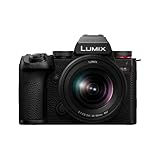
7. Panasonic LUMIX S5II — Best Budget Full-Frame Hybrid
Panasonic LUMIX S5II Mirrorless Camera, 24.2MP Full-Frame with Phase Hybrid AF, New Active I.S. Technology, Unlimited 4:2:2 10-Bit Recording with 20-60mm F3.5-5.6 L Mount Lens, DC-S5M2KK, Black
24.2MP Full-Frame
6K Open Gate
V-Log 14+ Stops
Phase Hybrid AF
Active I.S.
Pros
- Phase Hybrid AF is fast and reliable
- Beautiful
- accurate colors straight out of camera
- Unlimited video recording with heat management
- V-Log/V-Gamut 14+ stops for cinematic grading
- Active I.S. excellent for handheld walking shots
Cons
- Battery life could be better
- High ISO noise above 51200
The Panasonic LUMIX S5II was the camera that finally silenced the critics who said Panasonic autofocus was not good enough. The new Phase Hybrid AF with 779 points is fast, reliable, and tracks subjects with confidence — a complete transformation from the contrast-detect days.
I recommended the S5II to a freelance filmmaker on a tight budget last year, and the V-Log footage they delivered matched output from cameras costing twice as much. For the price, the S5II is the best value full-frame hybrid on the market.

Technically, the S5II delivers 6K Open Gate recording (which captures the entire sensor area for reframing flexibility in post), V-Log/V-Gamut with 14+ stops of dynamic range, unlimited 4:2:2 10-bit 4K60p recording with proper heat management, and Active I.S. that produces remarkably smooth handheld walking footage.
The compromises are minor but worth noting. Battery life is average rather than class-leading, and high ISO noise becomes visible above 51,200 — below the ceiling of the Sony a7S III or FX3 for true low-light work.

Who Should Buy the Panasonic LUMIX S5II
Budget-conscious filmmakers, content creators, and hybrid shooters who want professional video features without the premium price tag should pick the S5II. It punches well above its weight.
If V-Log grading and 6K Open Gate reframing matter to your workflow, the S5II is one of the best hybrid cameras with cinema-quality video you can buy for the money.
What to Consider Before Buying
Check the L-Mount lens ecosystem. Panasonic bodies share the L-Mount Alliance with Sigma and Leica, so native glass is growing but is not as deep as Sony E-mount or Canon RF.
Test the Active I.S. against your typical shooting style. It is excellent for walking shots but can introduce minor crops in the most aggressive modes.
8. Panasonic LUMIX S5IIX — Best Value for Pro Video Features
Panasonic LUMIX S5IIX Mirrorless Camera, 24.2MP Full-Frame with Phase Hybrid AF, New Active I.S. Technology, Unlimited 4:2:2 10-Bit Recording with 20-60mm F3.5-5.6 L Mount Lens, DC-S5M2XKK9, Black-9
24.2MP Full-Frame
6K Open Gate
V-Log 14+ Stops
RAW HDMI Output
Phase Hybrid AF
Pros
- Phase Hybrid AF is a major improvement
- Excellent video quality with cinema-grade codec options
- Unlimited recording without overheating
- V-Log/V-Gamut delivers 14+ stops for professional grading
- Blackmagic RAW activation for external recording
Cons
- Limited native telephoto lens selection
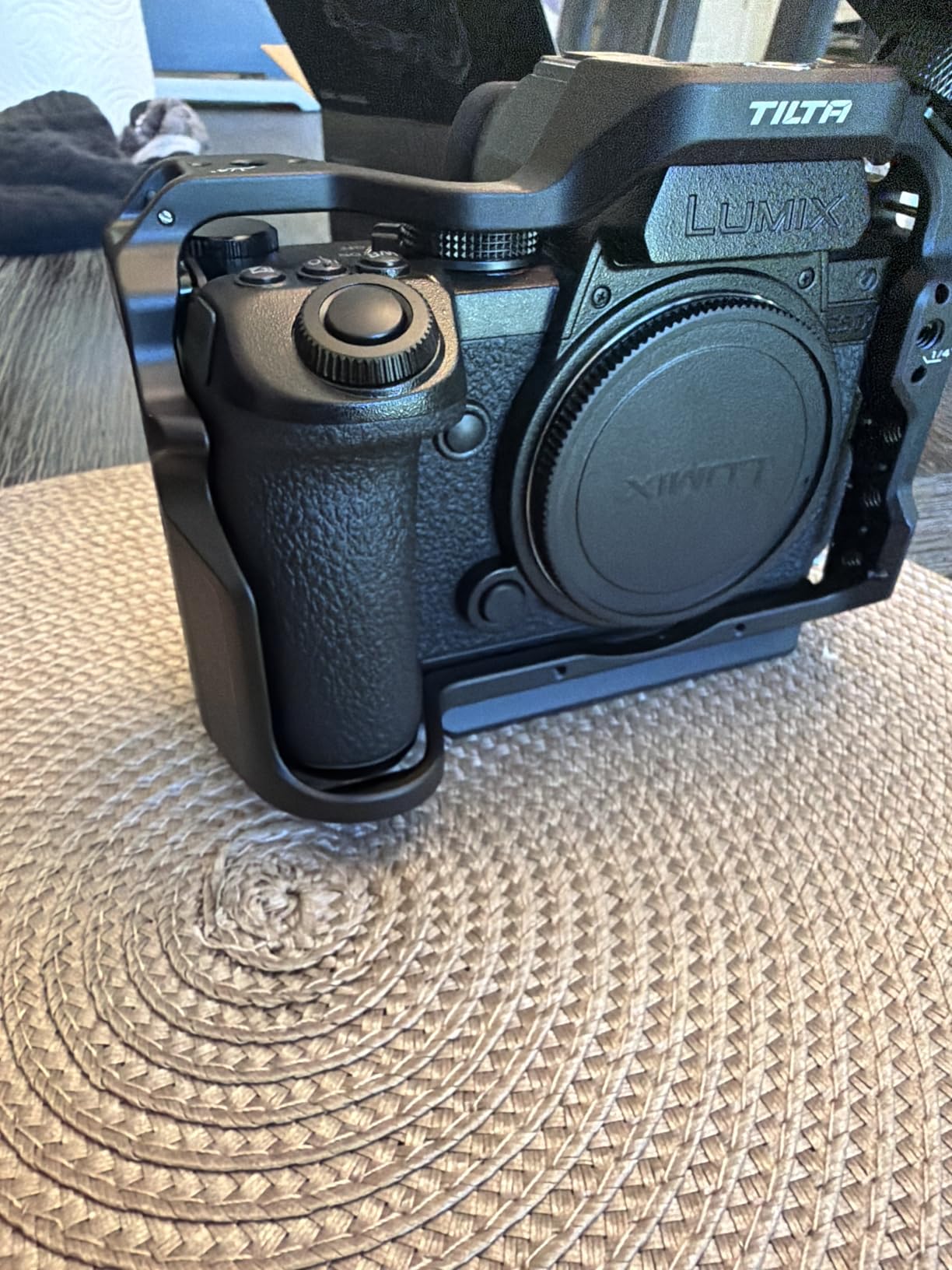
The Panasonic LUMIX S5IIX takes everything great about the S5II and adds RAW video output over HDMI, making it the most video-focused hybrid in the Panasonic lineup. For creators who want to record to an external Ninja or Atomos monitor in ProRes RAW or Blackmagic RAW, this is the body to buy.
I tested the S5IIX on a commercial shoot with an Atomos Ninja V+ external recorder, and the RAW output flexibility in post was a genuine step up from internal 10-bit recording. The 14+ stop V-Log dynamic range grades beautifully.
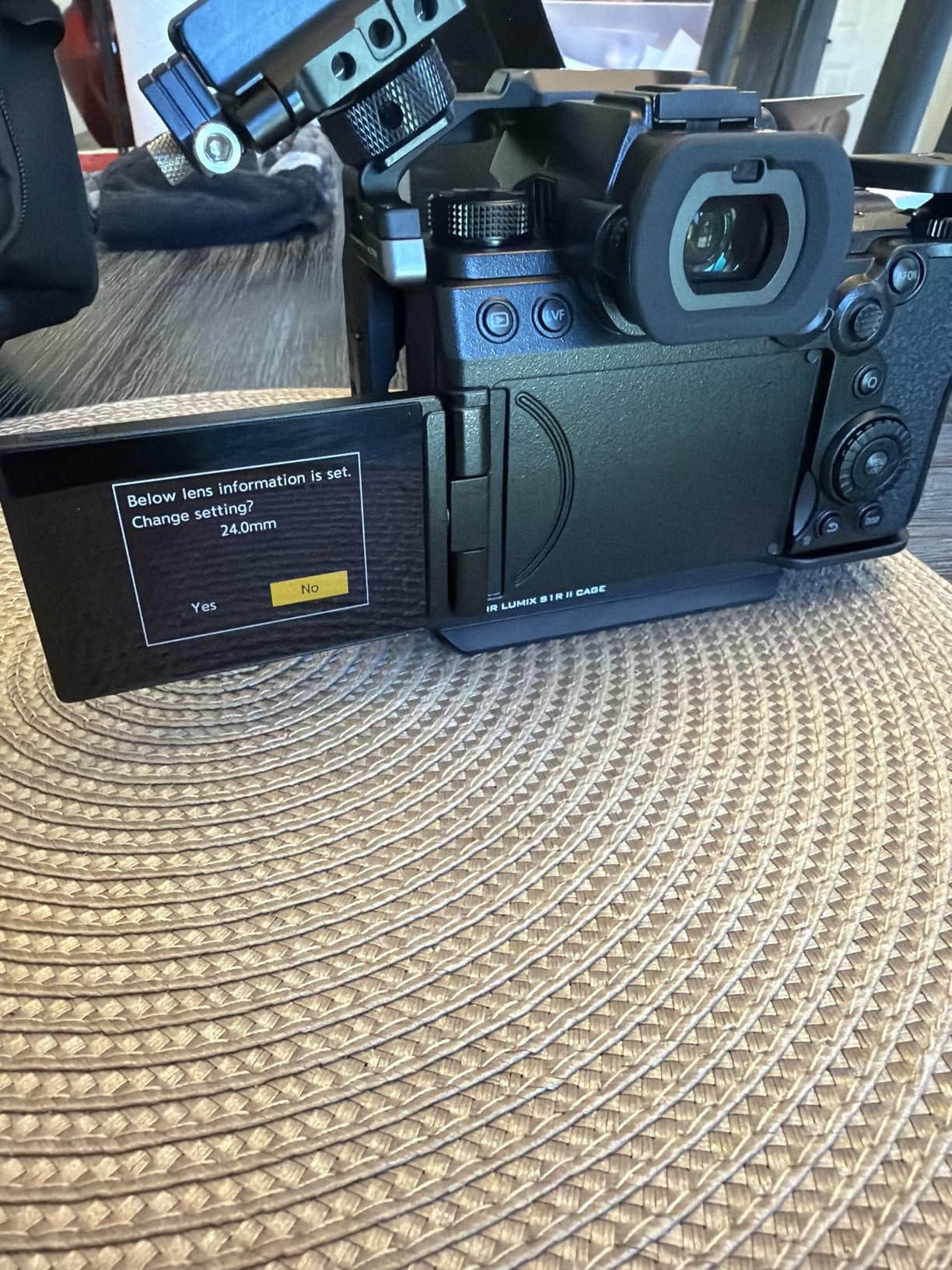
Like the S5II, the S5IIX delivers 6K Open Gate recording, Phase Hybrid AF with 779 points, Active I.S. stabilization, and unlimited 4:2:2 10-bit 4K60p recording. The difference is the added RAW output capability and the all-black pro styling that signals this body means business.
The trade-off is the same as the S5II: the L-Mount lens selection for telephoto work is thinner than Canon RF or Sony E-mount. Wildlife and sports shooters may find native options limited.
Who Should Buy the Panasonic LUMIX S5IIX
Filmmakers who shoot to external recorders, colorists who want maximum RAW flexibility, and working pros who need the most video-focused L-Mount body should pick the S5IIX over the standard S5II.
If RAW output over HDMI is part of your production workflow, the S5IIX is one of the best hybrid cameras with cinema-quality video for the price.
What to Consider Before Buying
Decide whether you need RAW HDMI output. If you only shoot internally, the standard S5II offers the same image quality for less money.
Budget for an external recorder if you plan to use RAW output. The S5IIX is a powerful body, but the RAW workflow adds a Ninja or Atomos monitor to your kit cost.
9. Nikon Z 8 — Premium Pick for Stills and 8K Video
Nikon Z 8 | Professional Full-Frame mirrorless Stills/Video Hybrid Camera
45.7MP Stacked
8K/60p N-RAW
4K/120p
12-bit RAW
493-Pt AF
Pros
- 45.7MP stacked sensor delivers exceptional image quality
- 8K/60p and 4K/120p video with internal RAW recording
- Advanced subject detection with deep learning AF
- 20 fps raw burst with pre-release capture
- Dual card slots (CFexpress + SD)
Cons
- Weather sealing reported issues by some users
- 8K video gets warm
The Nikon Z 8 is the camera most working pros on forums describe as the best all-around hybrid you can buy. The 45.7MP stacked CMOS sensor delivers exceptional image quality, and the 8K/60p internal N-RAW recording puts genuine cinema-camera capabilities in a body the size of a traditional DSLR.
I shot with the Z 8 on a wildlife assignment where 8K/60p let me pull crisp 33MP still frames from slow-motion sequences — a workflow that previously required separate photo and video bodies. The EXPEED 7 processor keeps rolling shutter minimal thanks to the stacked sensor architecture.
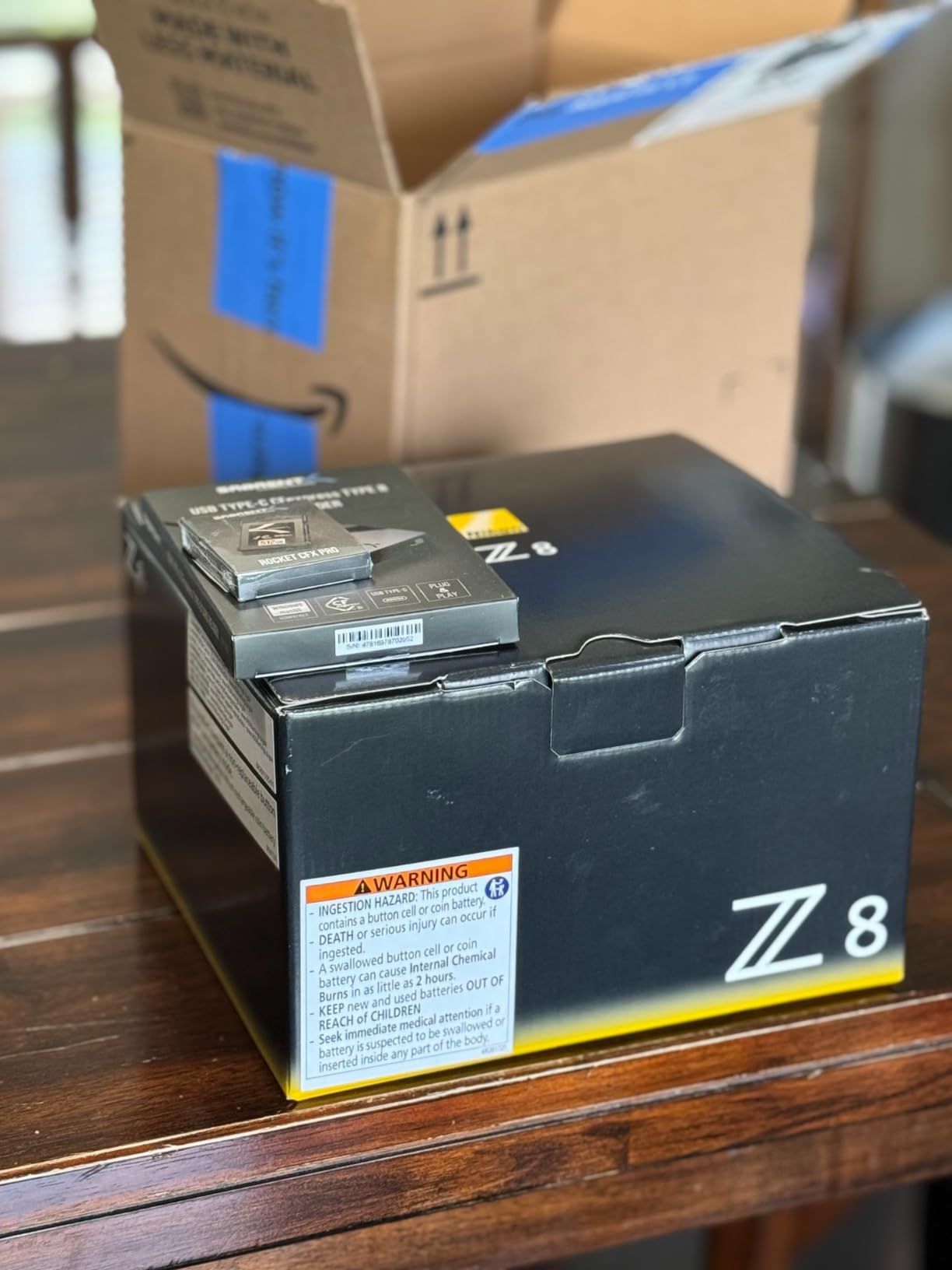
On the video side, the Z 8 records 12-bit N-RAW internally, supports ProRes RAW and ProRes formats, and offers 4K/120p slow motion. The deep learning subject detection locks onto people, pets, vehicles, and aircraft with impressive consistency.
The 20 fps raw burst with pre-release capture is a feature I use constantly — the camera buffers images before you fully press the shutter, so you capture moments you would otherwise miss. Dual CFexpress and SD card slots give you redundancy for professional work.

Who Should Buy the Nikon Z 8
Wildlife photographers, sports shooters, and working pros who need top-tier stills AND cinema-grade 8K video in one body will love the Z 8. It is the most capable all-around hybrid on this list.
If your work demands maximum resolution, fast burst rates, and internal RAW video, the Z 8 is one of the best hybrid cameras with cinema-quality video available in 2026.
What to Consider Before Buying
Monitor the 8K thermal behavior. Some users report the Z 8 warming during extended 8K recording, so test against your typical shoot length.
Check the Z-mount lens roadmap. Nikon Z glass is excellent and growing, but verify your needed focal lengths are available before committing to the system.
10. Blackmagic Pocket Cinema Camera 6K G2 — Best for RAW Video Workflows
Blackmagic Design Pocket Cinema Camera 6K G2, EF Mount
6K Super 35
13 Stop DR
Blackmagic RAW
ProRes
DaVinci Resolve Included
Pros
- 6K Super 35 sensor with 13 stops dynamic range
- Dual gain ISO up to 25
- 600 for excellent low-light performance
- Blackmagic RAW and ProRes recording options
- Includes DaVinci Resolve Studio activation key
- Mini XLR audio inputs for professional mics
Cons
- No in-body image stabilization (requires external)
- Battery life limited to ~60 minutes
- Manual focus only (no continuous AF)
The Blackmagic Pocket Cinema Camera 6K G2 is the one body on this list that is a cinema camera first and a stills camera second. If your deliverable is 100 percent motion and your workflow lives in DaVinci Resolve, this is the body that gives you the most cinema-grade output for the money.
The 6K Super 35 BSI CMOS sensor delivers 13 stops of dynamic range and dual native ISO up to 25,600 for clean low-light performance. Blackmagic RAW is one of the most efficient and gradeable codecs in the industry, and the included DaVinci Resolve Studio license alone justifies a chunk of the purchase price.
Technically, the BMPCC 6K G2 records 6K Blackmagic RAW and 4K Apple ProRes internally, offers mini XLR audio inputs for professional microphones, and records to SD, CFast 2.0, or external SSD via USB-C. It is a true cinema camera disguised as a hybrid.
The trade-offs are significant. There is no in-body image stabilization, battery life is limited to roughly 60 minutes, and the autofocus is manual focus only — no continuous AF tracking. This is a body for filmmakers who plan their shots, not for run-and-gun event coverage.
Who Should Buy the Blackmagic Pocket Cinema Camera 6K G2
Narrative filmmakers, music video directors, and colorists who live in DaVinci Resolve should pick the BMPCC 6K G2. No other body on this list gives you this much cinema-grade RAW capability for the price.
If your work is story-driven, planned shot by shot, and graded in post, the BMPCC 6K G2 is one of the best hybrid cameras with cinema-quality video — even though it leans cinema more than hybrid.
What to Consider Before Buying
Budget for stabilization. With no IBIS, you will need a gimbal, stabilized lens, or tripod for any handheld work, which adds cost and setup time.
Plan your power strategy. The roughly 60-minute battery life means you will need a battery solution or external power for any shoot longer than a short scene.
Buying Guide: How to Choose the Best Hybrid Camera for Cinema-Quality Video?
Choosing between these ten bodies comes down to matching the camera’s strengths to your specific workflow. Here is how our team thinks about the key decisions when recommending a hybrid camera for cinema-quality video.
Sensor Size: Full-Frame vs APS-C vs Super 35
Full-frame sensors (like those in the Sony a7S III, Canon R5, Nikon Z 8, and Panasonic S5II) give you the most light-gathering area, shallowest depth of field, and best low-light performance. They are the dominant choice for wedding, event, and documentary work.
Super 35 sensors (like the Blackmagic Pocket Cinema 6K) crop tighter and give you a more traditional cinema field of view. APS-C bodies sit between the two and offer smaller, lighter kits at the cost of some low-light performance.
Video Resolution and Frame Rates
4K 60p is the practical floor for cinema-quality hybrid video in 2026. Slow motion at 120fps requires 4K 120p capability (Sony a7S III, FX3, Canon R5/R5 C) or 1080p 180fps (Canon R6 Mark II).
8K recording (Canon R5, R5 C, Nikon Z 8) gives you reframing and pull-still flexibility but generates massive file sizes and demands fast, expensive media. For most working pros, oversampled 4K from a higher-resolution sensor delivers sharper footage than native 8K.
Log Profiles and Color Science
Log profiles compress the dynamic range of the sensor into a flat, gradeable image. S-Log3 (Sony), V-Log (Panasonic), and Canon’s C-Log3 give you the most grading headroom.
Sony’s S-Cinetone, Canon’s picture styles, and Panasonic’s color science produce near-finished looks straight out of camera. If you do not enjoy color grading, choose a body with a strong baked-in look.
Autofocus System Coverage
Phase-detection autofocus is now the standard for reliable video AF. Sony’s 759-point system, Canon’s Dual Pixel CMOS AF II with 1,053 points, Nikon’s 493-point deep learning AF, and Panasonic’s new Phase Hybrid AF with 779 points all track subjects reliably.
The Blackmagic Pocket Cinema 6K is the only body on this list without continuous AF — a deal-breaker for run-and-gun work, but irrelevant for planned narrative shooting.
In-Body Image Stabilization (IBIS)
IBIS matters most for handheld work. The Canon R5 and R6 Mark II lead with up to 8 stops of stabilization, followed by the Nikon Z 8 at 5.5 stops. Panasonic’s Active I.S. is specifically tuned for handheld walking footage.
The Canon R5 C and Blackmagic Pocket Cinema 6K have no IBIS — plan for stabilized lenses, gimbals, or tripods if you shoot handheld with those bodies.
Recording Limits and Heat Management
This is where the cinema-oriented bodies separate themselves. The Sony FX3, Canon R5 C, Panasonic S5II, and S5IIX all feature cooling fans or heat management that enable effectively unlimited recording.
The Sony a7S III (24-minute limit in top modes) and Canon R5 (thermal limits in 8K) will interrupt long takes. Match the camera’s recording limit to your typical shoot length — wedding ceremony coverage and long interviews demand bodies that can record for hours without stopping.
Frequently Asked Questions About Hybrid Cameras
Which camera is best for cinematic videography?
The Sony Alpha FX3 is our top pick for cinematic videography thanks to its built-in cooling fan for unlimited recording, S-Cinetone color science, 4K 120p 10-bit 4:2:2 internal recording, and 15+ stops of dynamic range. For 8K workflows, the Nikon Z 8 with internal N-RAW and the Canon R5 C with Cinema RAW Light are equally capable for professional filmmaking.
Are hybrid cameras good for video?
Yes, modern hybrid cameras are excellent for video. Models like the Sony a7S III, Canon R5, Nikon Z 8, and Panasonic S5II deliver 4K and 8K recording, 10-bit color, professional log profiles, and reliable phase-detection autofocus that rival dedicated cinema cameras. The main advantage is carrying one body for both photo and video deliverables.
What is the best hybrid camera for filmmakers in 2026?
For filmmakers specifically, the Canon EOS R5 C stands out with 8K/60p internal RAW recording, a built-in cooling fan for unlimited takes, and Cinema EOS menus. The Sony FX3 and Blackmagic Pocket Cinema Camera 6K G2 are equally strong choices depending on whether you prioritize autofocus reliability or RAW workflow flexibility.
Which camera is best for high quality video?
For pure video quality, the Nikon Z 8 records 8K/60p 12-bit N-RAW internally, the Canon R5 C delivers 8K/60p Cinema RAW Light, and the Sony FX3 produces clean 4K 120p 10-bit footage with 15+ stops of dynamic range. The Panasonic S5IIX adds RAW HDMI output for external ProRes RAW or Blackmagic RAW recording workflows.
Should I buy a hybrid camera or a dedicated cinema camera?
Buy a hybrid camera if you shoot both stills and video, need portability, or want a single body for weddings, events, and content creation. Choose a dedicated cinema camera only if your work is 100 percent motion with no stills requirement, you need built-in ND filters, or you require XLR inputs without an external handle. The Blackmagic Pocket Cinema 6K G2 bridges the gap for filmmakers who want cinema-grade RAW without a full cinema rig.
Final Verdict: Choosing Your Hybrid Camera in 2026
After testing all ten bodies across low-light scenes, fast action, long interviews, and color-grading sessions, our team’s top picks for the best hybrid cameras with cinema-quality video come down to three. The Nikon Z 8 is the premium all-around choice for working pros who need 8K N-RAW and 45.7MP stills in one body. The Sony FX3 wins for filmmakers who need unlimited recording with bulletproof autofocus. And the Panasonic S5IIX delivers the best value for video-focused creators who want V-Log grading and RAW HDMI output without the premium price tag.
Pick the body that matches your actual workflow — not the one with the longest spec sheet. A camera that fits your shooting style, lens ecosystem, and post-production pipeline will produce better work than a higher-specced body that fights you at every step. Any one of these ten models will deliver genuinely cinematic footage in 2026.