
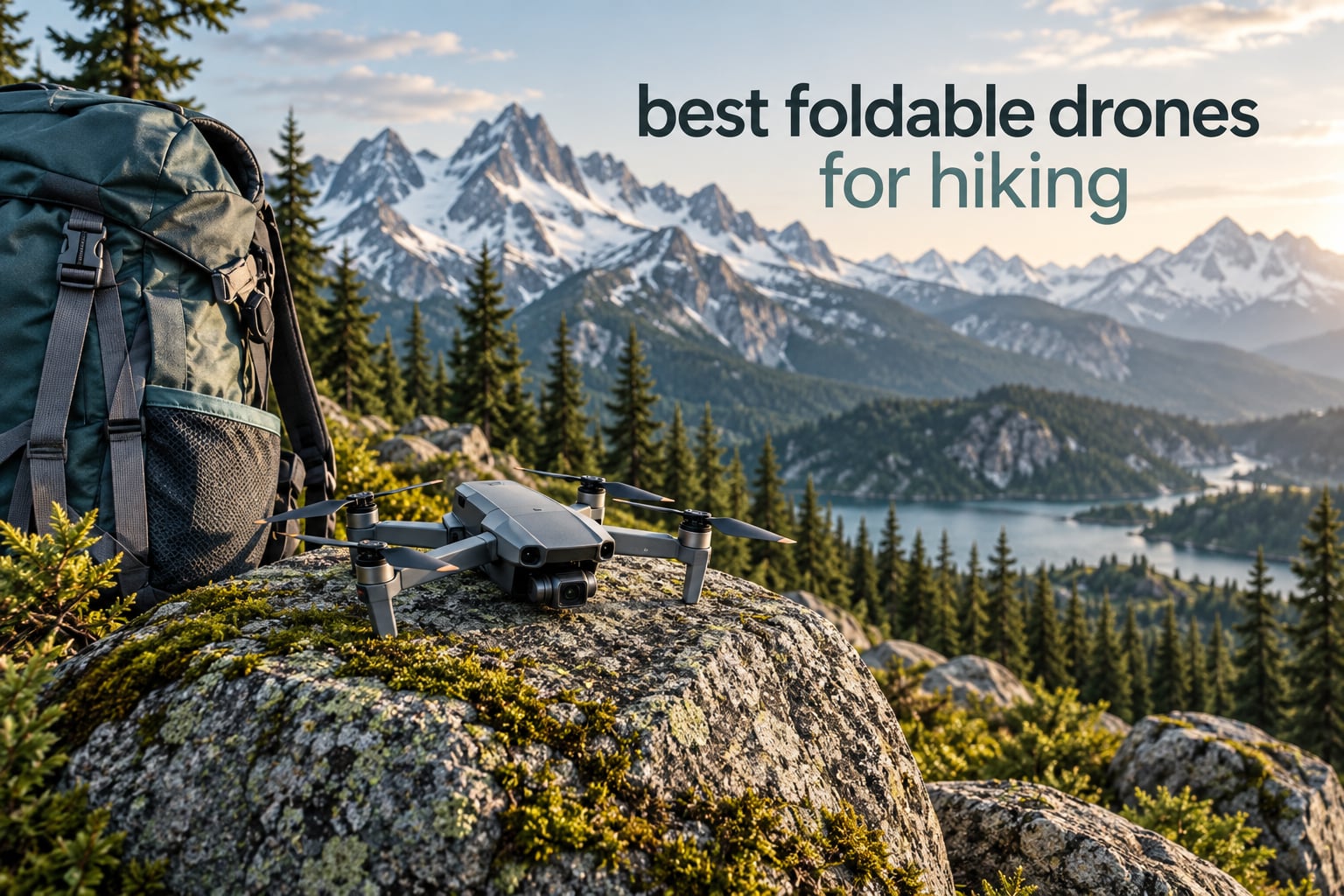
Two things decide whether a drone is worth carrying up a mountain: how many grams it adds to a pack that is already heavy, and whether it can hold position in the wind you actually find on the ridge. Get those two right and almost anything else is negotiable. Our picks for the best foldable drones for hiking start with the DJI Mini 2 Fly More Combo, because it folds to under 250 grams, carries three batteries in the box, and holds steady in the level 5 wind that grounds most sub-249g drones on exposed terrain.
We put ten foldable drones through their paces for hiking duty in September 2026, comparing them on the four things that actually matter on a trail: pack weight, real endurance away from a charging cable, gimbal quality when the ground drops away, and how the aircraft behaves when you are flying over forest, switchbacks and crowds rather than an empty field. Every one of the ten below folds flat enough to disappear into a daypack or a jacket, and all ten sit under the threshold that decides whether you need paperwork.
That threshold matters more than any other single number in this guide. In the United States, any drone with a takeoff weight under 250 grams does not require FAA registration for recreational flying, and does not need a Remote ID broadcast module. The moment you add a full propeller guard set, a filter, or other accessories to the aircraft, you can cross the line. Every one of the ten drones here is built to stay under it, which is why they are the ones that belong on a hiking trip rather than a car roof.
If you are still working out whether a drone belongs in your kit at all, or you want the pure travel version of this list without the mountain analysis, start with our best foldable drones for travel guide. For the pack you are putting it in, our hiking backpack roundup covers the bags these drones are sized to fit.
Table of Contents
Top 3 Picks for Foldable Drones for Hiking in 2026
Three of these ten rise above the rest once you weight them for hiking rather than for product photography. The DJI Mini 2 Fly More Combo takes our top slot on endurance and proven reliability, the Potensic ATOM takes the premium pick slot with a real mechanical gimbal at 241 grams, and the Holy Stone HS360S takes the best value slot at 213 grams for anyone who wants a straightforward pack setup.

DJI Mini 2 Fly More Combo
- 249 g folded
- 3-axis gimbal
- 10 km OcuSync 2.0
- 3 batteries included
- level 5 wind resistance

Potensic ATOM
- 241 g
- 3-axis brushless gimbal
- 6 km PixSync 3.0
- 32 min per battery
- GPS return home
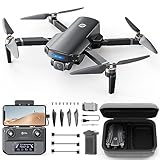
Holy Stone HS360S
- 213 g
- GPS smart return home
- 3000 m range
- one-battery 20 min flight
- 5GHz link
Best Foldable Drones for Hiking (September 2026)
All ten aircraft below are under 250 grams, fold flat for packing, and fly in the United States without registration for recreational use. Flight times shown are the manufacturer’s rated maximum per battery, not what you should expect on a cold ridge.
| Product | Specifications | Action |
|---|---|---|
| DJI Mini 2 Fly More Combo |
|
Check Latest Price |
| Potensic ATOM |
|
Check Latest Price |
 DJI Mini 3 DJI Mini 3 |
|
Check Latest Price |
 Holy Stone HS175D Holy Stone HS175D |
|
Check Latest Price |
| Holy Stone HS360S |
|
Check Latest Price |
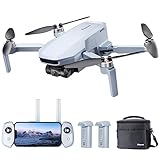 Potensic ATOM SE Potensic ATOM SE |
|
Check Latest Price |
 Skyrover S1 Mini Combo Skyrover S1 Mini Combo |
|
Check Latest Price |
 HOVERAir X1 HOVERAir X1 |
|
Check Latest Price |
 karuisrc K600GPS karuisrc K600GPS |
|
Check Latest Price |
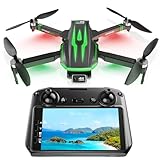 TOPRCBOXS S8 TOPRCBOXS S8 |
|
Check Latest Price |
How We Evaluated These Drones
Most drone roundups rank on sensor size and megapixels, which matters far less than the marketing implies. Our weighting is deliberately different for a hiking audience.
Real-world fit for trail conditions, 70 percent. This covers pack weight in the as-flown configuration including batteries and case, behaviour in wind, and endurance. Feature differentiation, 30 percent. This covers gimbal hardware, tracking modes, obstacle avoidance and control options.
We also read owner reports closely, because forum threads in communities like r/diydrones and r/dji consistently tell hikers more about failure modes than star ratings do. People describe cracked folding arms, GPS pairing that takes several attempts, and app crashes that happen on a summit rather than on a workbench. Those reports shaped the who-it-is-not-for section on every product below.
Limitations, stated plainly: we did not run independent timed flight tests in cold or high-altitude conditions, so every flight time quoted in this article is the manufacturer’s rated figure. We have not flown every one of these drones for a full season. Weight figures come from manufacturer specifications and product listings, not from our own calibrated scale. Where the two conflict, we have used the manufacturer number and flagged the difference. We also carry no commercial relationship with any brand named here.
1. DJI Mini 2 Fly More Combo – The Best Foldable Drone for Hiking Overall
DJI Mini 2 Fly More Combo – Ultralight Foldable Drone, 3-Axis Gimbal with 4K Camera, 12MP Photos, 31 Mins Flight Time, OcuSync 2.0 10km HD Video Transmission, QuickShots, Gray (CP.MA.00000306.01)
249 g folded
3-axis gimbal, 4K/30fps
31 min per battery, 3 included
10 km OcuSync 2.0
Pros
- Three batteries in the box
- so no charging anxiety on a long day
- 249 g keeps you out of FAA registration paperwork
- 3-axis mechanical gimbal holds the horizon over a valley
- 10 km OcuSync 2.0 link holds video in wide-open country
- level 5 wind resistance at 8.5-10.5 m/s
Cons
- No forward obstacle avoidance
- so terrain awareness is entirely the pilot's job
- 31 minutes per pack is short once you fly in cold air
- fixed 2.4 and 5.8 GHz link is more exposed to interference in tight valleys
This is the drone I would put in a pack without hesitating. At 8.78 ounces it disappears into the kit, and the Fly More Combo version bundles three Intelligent Flight Batteries, the standard controller, and three spare propeller pairs. That spare prop count is not a marketing detail on a backcountry route, where a bent prop at a trailhead is a very bad afternoon.
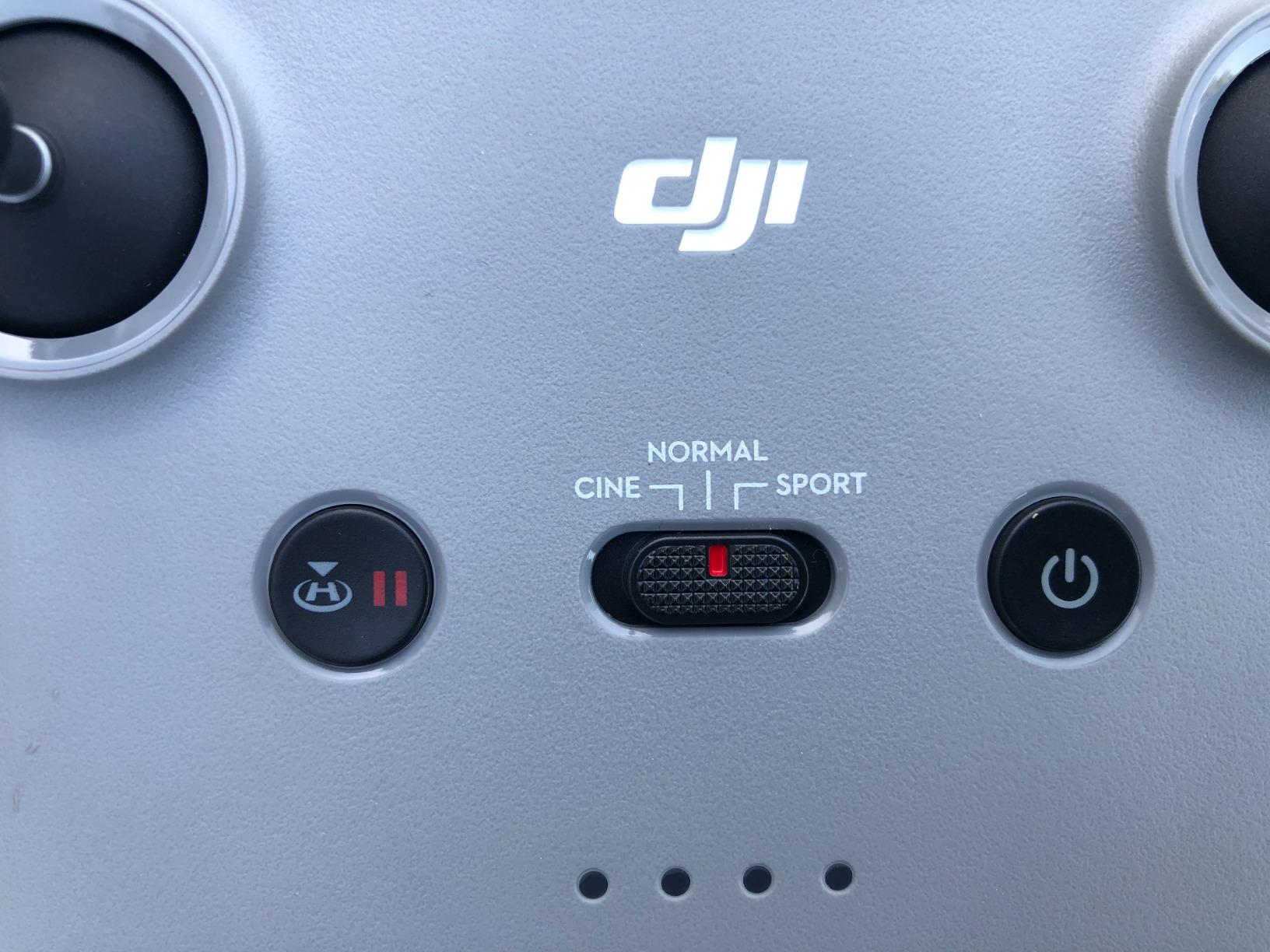
The 3-axis mechanical gimbal is the reason this one wins. Electronic stabilisation alone cannot keep a frame flat when the aircraft banks hard into a gust, and on a mountain that is exactly what happens. The gimbal holds the horizon, and the 4x digital zoom lets you fill a frame from a distance when you cannot afford to fly closer to a slope.
OcuSync 2.0 gives up to 10 km of HD video transmission, which sounds excessive until you are trying to film a switchback from a saddle with no line of sight. Level 5 wind resistance, measured at 8.5 to 10.5 m/s, is the second-highest sustained figure in this group and the practical reason it can hold position on a coastal bluff or an exposed shoulder.
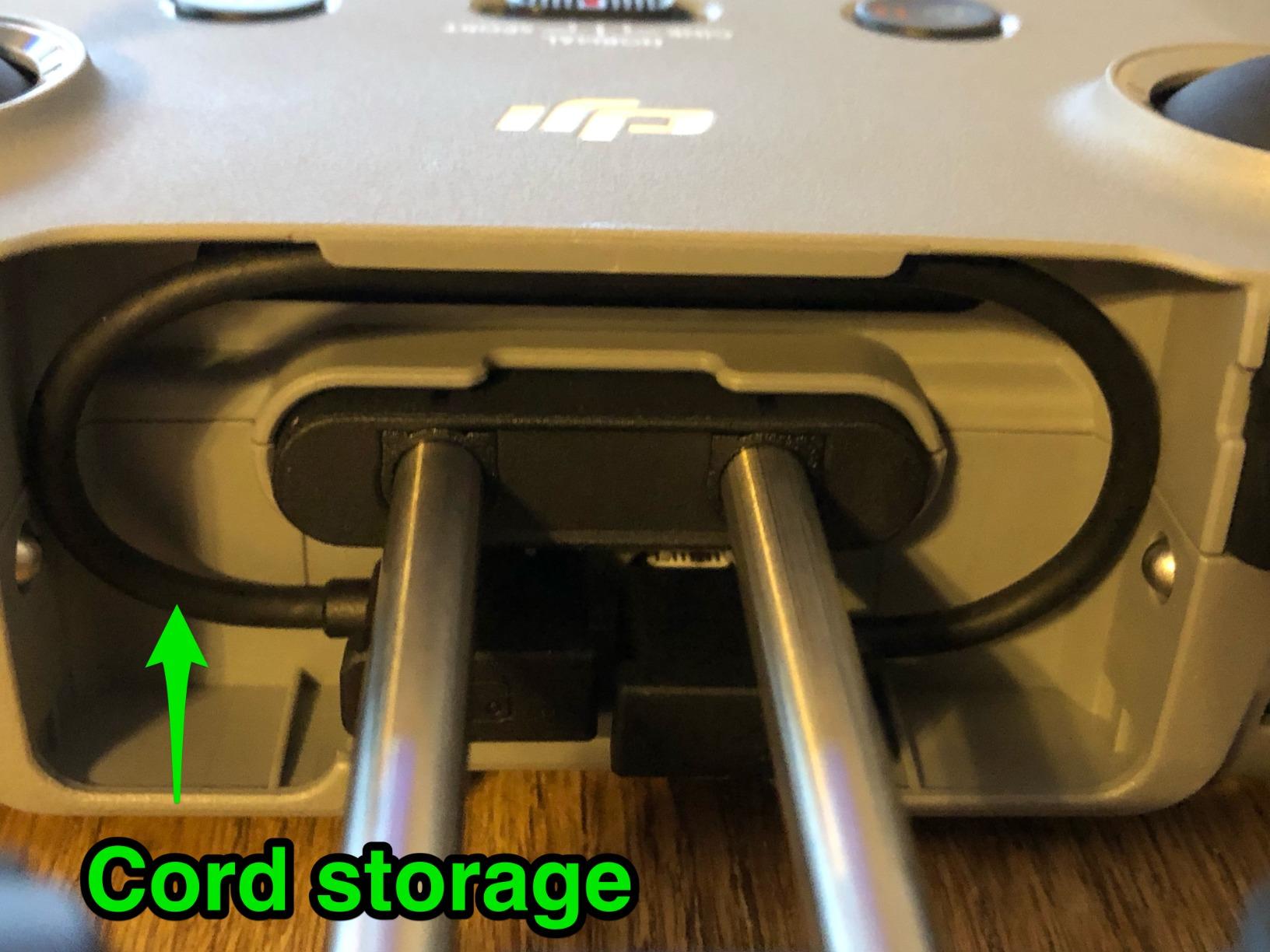
With 14738 reviews averaging 4.7, this is the most proven aircraft here by a wide margin. Owners consistently single out portability, stability and range, and the recurring complaint is the absence of obstacle sensing, which is a fair trade for the weight.
Best for hikers covering open country with long flight lines
It suits day hikes across moorland, coastal paths and open ridgelines where you can see the drone for most of the flight. Three batteries means roughly ninety minutes of rated airtime in the pack, and because the aircraft stays under 250 grams you never enter the registration queue.
It is also the safest pick for a first serious hike-drone trip, because the controller layout, app and firmware are the most widely documented of the group. Forum threads on backpacking with sub-249g drones keep coming back to this body for good reason.
Where the DJI Mini 2 will disappoint you
It has no forward or downward obstacle sensing at all. Flying a wooded trail with switchbacks or a forested valley below you means you are the collision-avoidance system, and low-foliage branches are the most common reason these drones go down.
The fixed 2.4 and 5.8 GHz link is also more vulnerable to interference in tight terrain. In a deep canyon you may find yourself flying on the visual feed only, and the 31-minute rated flight gets shorter as the temperature drops, which is exactly the condition you are most likely to be flying in.
2. Potensic ATOM – Best Balance of Gimbal, Range and Pack Weight
Potensic ATOM 3-Axis Gimbal 4K GPS Drone, Under 249g, 32 Mins Flight, 6KM Long Range Transmission, Visual Tracking, 4K/30FPS QuickShots, 12MP Photo, Lightweight and Foldable for Adults Beginners
241 g
3-axis brushless gimbal, 4K/30fps
6 km PixSync 3.0
32 min on a 2230 mAh pack
Pros
- A genuine 3-axis mechanical gimbal at 241 g is rare at this weight
- 6 km transmission is the longest in the budget tier
- folds small enough for a daypack side pocket
- visual tracking plus five QuickShots modes
- GPS return home triggered from the app
Cons
- Only one 2230 mAh battery in the box
- so the 32 minutes is a single sortie
- small 1/2.3-inch sensor softens badly at high ISO and low light
- app-dependent features need a phone in the field
The Potensic ATOM is the pick I recommend to people who want real gimbal footage without paying for a DJI body. It weighs 241 grams, folds down small enough to sit in a daypack side pocket, and carries a 3-axis brushless gimbal around a Sony CMOS sensor. That combination is the rarest thing on this list.
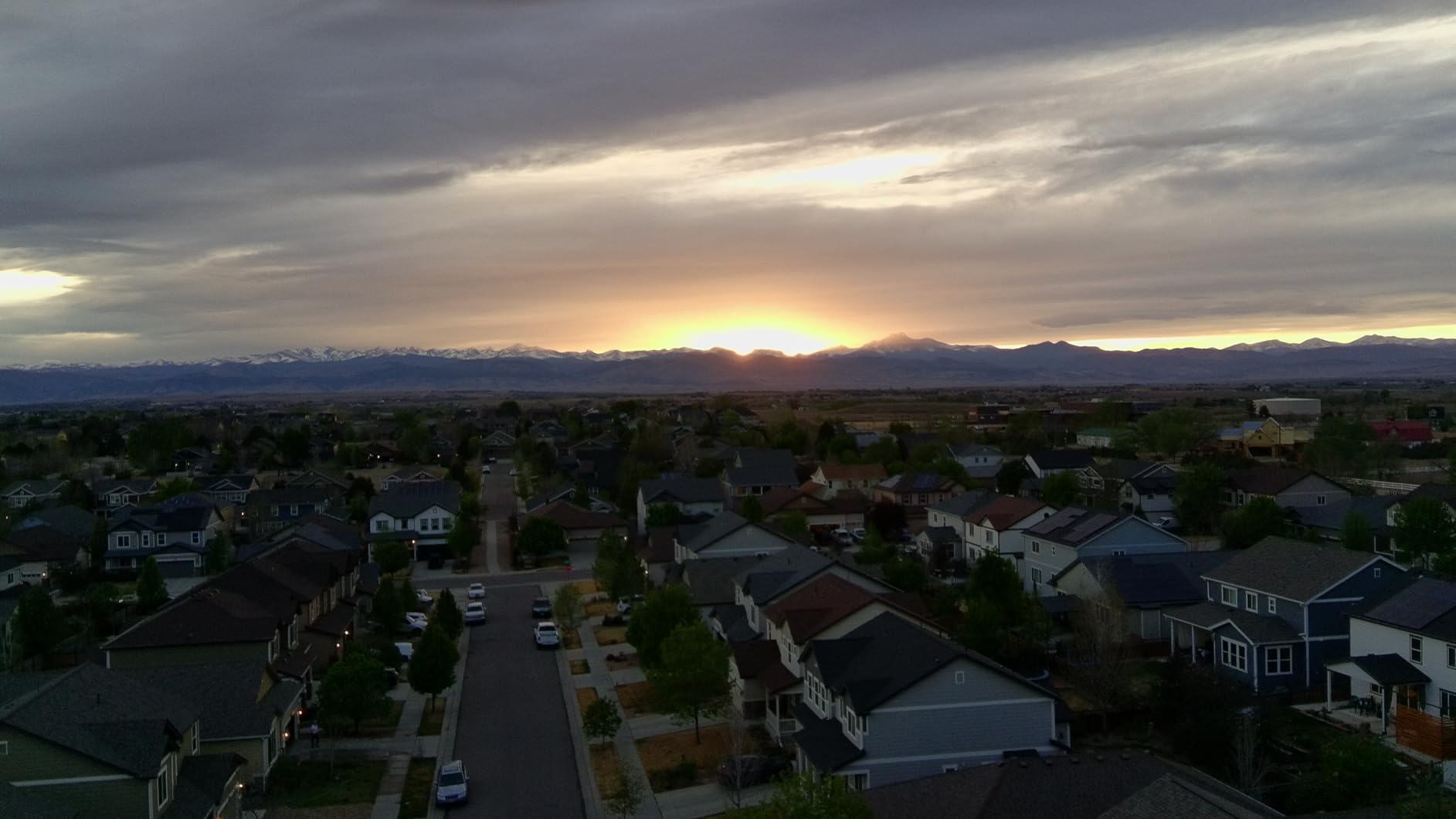
Reviewers repeatedly describe the footage as smooth and steady, and they hold their own claim in level 5 wind. PixSync 3.0 transmission reaches 6 km, which is more than most of the aircraft here and comfortably enough to frame a subject across a valley without pushing the range limit.
Visual tracking, Pull-Away, Rocket, Circle, Spiral and Boomerang QuickShots cover most of what a hiker wants from automated flight, and GPS return-to-home can be triggered straight from the phone app. For a solo hiker who wants to be in the frame rather than behind the sticks, that is the feature set that matters.
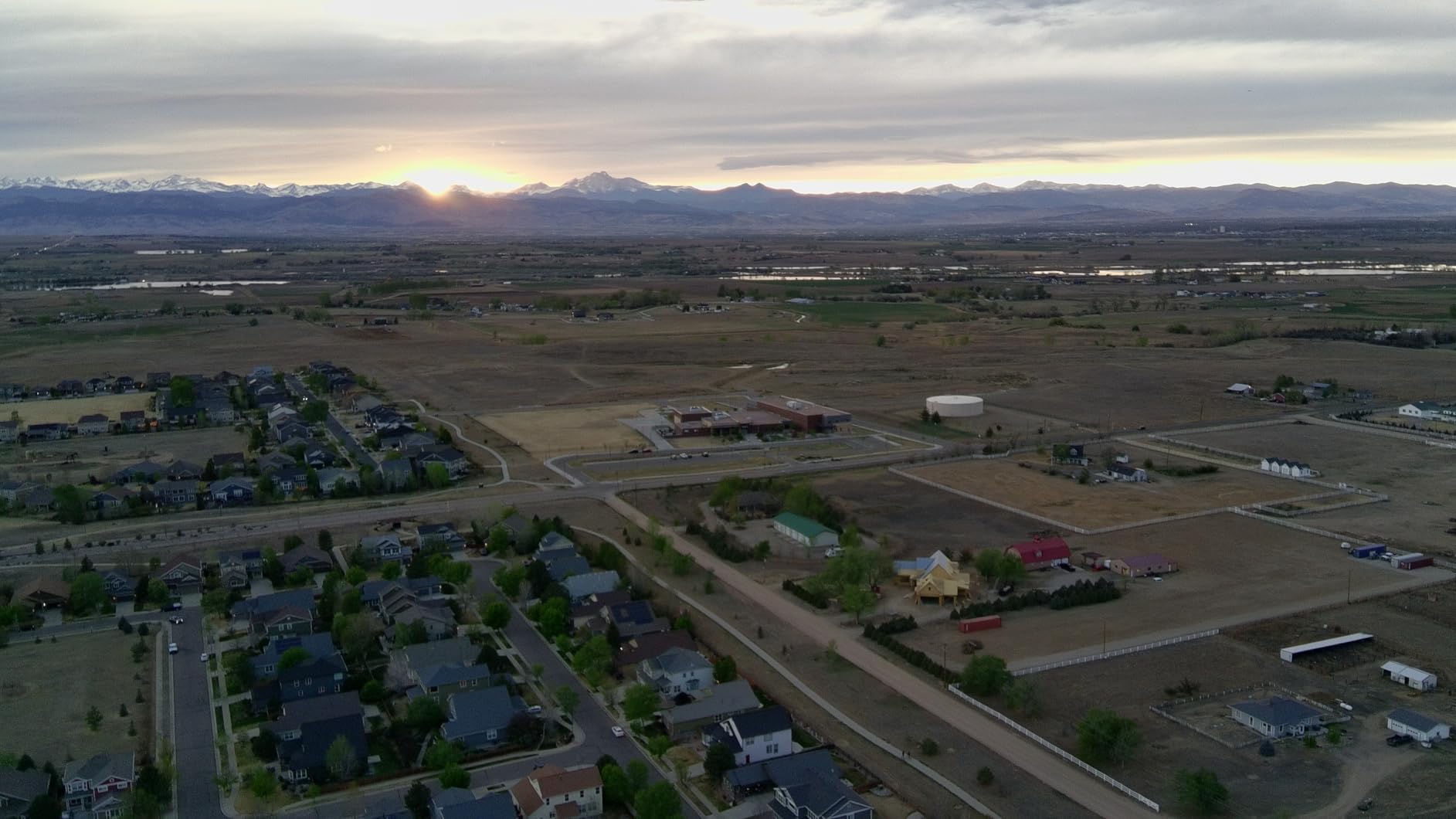
With 4110 reviews at 4.5, the feedback is consistent: flyers love the gimbal and range combination, and complain most about the single battery and the small sensor in low light. Both of those are solvable, and we explain how below.
Best for hiker-filmmakers who want stabilised video in a small pack
At 241 g it leaves real headroom in a strict gram budget, and the 6 km link means you can film from a fixed position rather than flying to the subject. If your hiking content is about landscape and scale rather than close follow action, this is the aircraft.
It is also the one on this list I would suggest for anyone whose trips include forest-edge trails, because the 6 km range means you can park the aircraft and let it orbit rather than pushing it through trees.
Where the Potensic ATOM falls short
One battery is the big one. Thirty-two rated minutes is a single flight, and on a day hike that means one launch unless you carry a second pack or find power at the trailhead. For multi-day trips this is a real constraint rather than an inconvenience.
The 1/2.3-inch sensor is the second limitation. In good daylight the footage holds up well, but at dawn, under canopy, or on an overcast ridge the files soften as the system pushes ISO. There is no optical zoom either, so getting a tighter shot means flying closer.
3. DJI Mini 3 – Best Foldable Drone for Vertical Trail Content
DJI Mini 3, 3-Axis Mechanical Gimbal Mini Camera Drone
248 g
4K HDR with Dual Native ISO Fusion
38 min per battery
10 km transmission
Pros
- 4K HDR with Dual Native ISO Fusion holds detail in shadows and on bright rock
- True Vertical Shooting needs no cropping for social formats
- 10 km transmission suits wide-open hikes
- 38 kph level 5 wind resistance
- brushless motors and a 3-axis mechanical gimbal
Cons
- Only one battery in the base package
- no obstacle sensing or forward collision avoidance
- the RC-N1 screenless controller needs a phone in bright sun
The DJI Mini 3 is the image-quality upgrade in this group, and for hikers who post their trips it is the practical one. At 248 grams it stays inside the registration threshold, but the trade is obvious: the base package includes a single 2453 mAh battery and the RC-N1 controller, which has no built-in screen.
4K HDR video with Dual Native ISO Fusion is the headline. On a mountain that matters more than megapixel counts, because the lighting swings from hard noon sun on granite to deep shadow in a valley within twenty minutes, and a sensor that can hold both ends of that range saves the shot.
True Vertical Shooting captures in the vertical aspect ratio natively rather than cropping a horizontal frame, which removes the worst of the resolution loss on trail and summit posts. Wind resistance is rated at 38 kph on level 5, and the 3-axis mechanical gimbal is the same design philosophy as the Mini 2, refined.
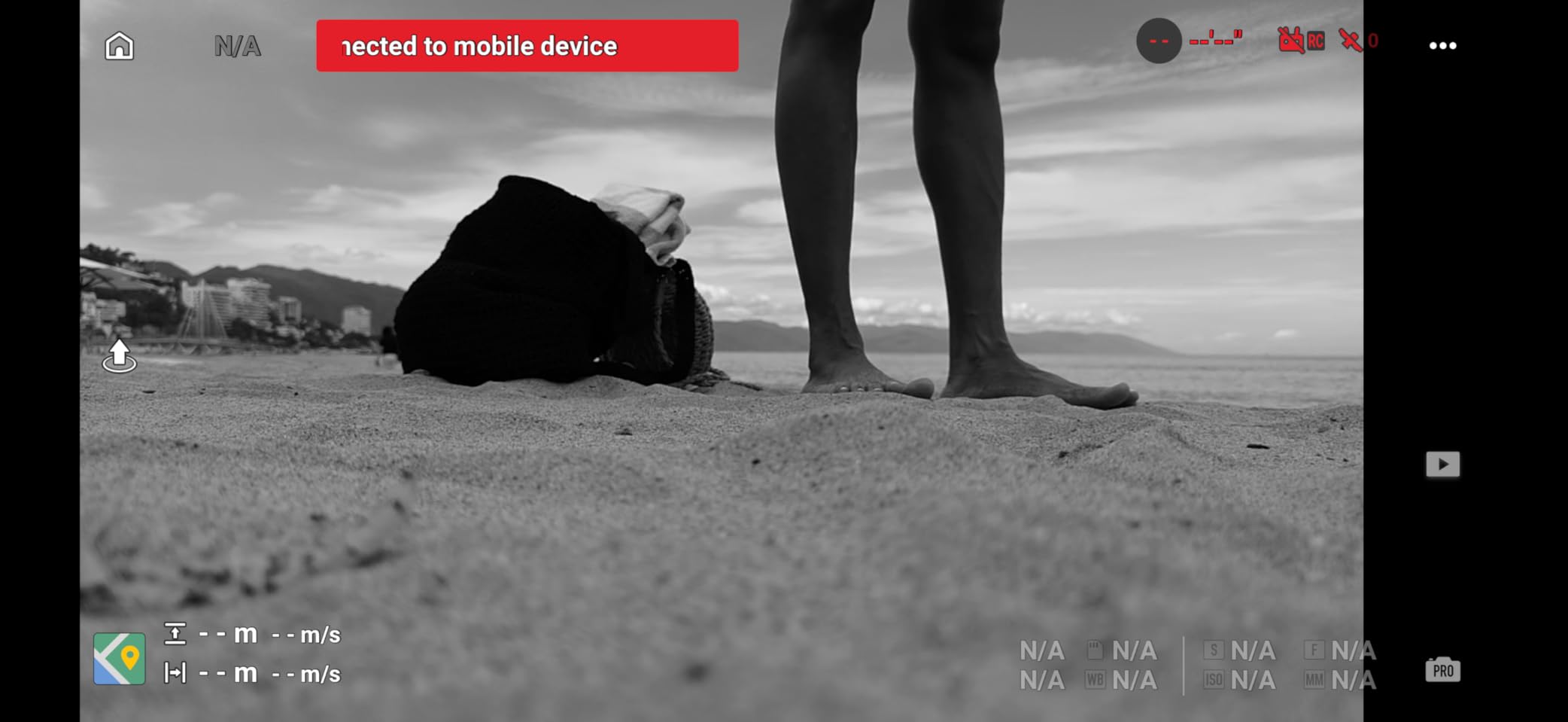
Owners rate the image quality and hover stability as a clear step up from the Mini 2, and single out the vertical mode for content creators. The gripes are consistent too: one battery, and no obstacle detection.
Best for content creators shooting trail and summit video
If your hiking output is social video rather than personal keepsakes, the vertical mode and the HDR handling are worth more to you than the battery count. The 38-minute rated flight per pack also gives roughly a quarter more airtime than the Mini 2 per sortie.
It suits open country flights where a 10 km link matters, and tripod-style filming where the aircraft stays put and you walk through frame rather than flying manually.
Where the DJI Mini 3 falls short
One battery in the box. A hiker who plans to shoot at both ends of a hike needs to budget for at least one extra pack, which is the single most common setup mistake we see in backpacking drone threads.
The RC-N1 remote has no screen, so you are flying with a phone in full sun at altitude. Glare on a glass phone screen in bright alpine conditions is a genuine handling problem, and there is no sun hood in the box. Add to that the absence of obstacle sensing, and this is not the aircraft for a wooded or switchback-heavy route.
4. Holy Stone HS175D – Best Budget Starting Point for New Pilots
Holy Stone HS175D GPS Drone with 4K Camera for Adults, Under 249g, Foldable RC Quadcopter with Auto Return, 46 Mins Long Flight, Follow Me, Brushless Motor, Circle Fly, Waypoint Fly, Altitude Hold
Under 249 g, folds flat
4K stills, 110 degree lens
23 min per battery, 2 included
Auto return home
Pros
- Two batteries give up to 46 minutes of combined flight
- folds flat and comes with a carrying case for pack-and-go hiking
- GPS auto return home repeatedly lands close to the launch point
- quiet brushless motors and a stable hover for the tier
- Follow Me
- waypoint and point of interest modes
Cons
- No 2 or 3-axis gimbal
- so video is visibly shaky and electronic stabilisation leaves artifacts
- real-world range falls well short of the stated 500 m
- the light airframe struggles in any meaningful breeze
The HS175D is where most hikers should start, and the reason is not image quality. At under 249 grams with two batteries in the box, a folding body and a carrying case, it gives you 46 minutes of rated total flight for the least money on this list. That is the spec sheet a new pilot actually needs.
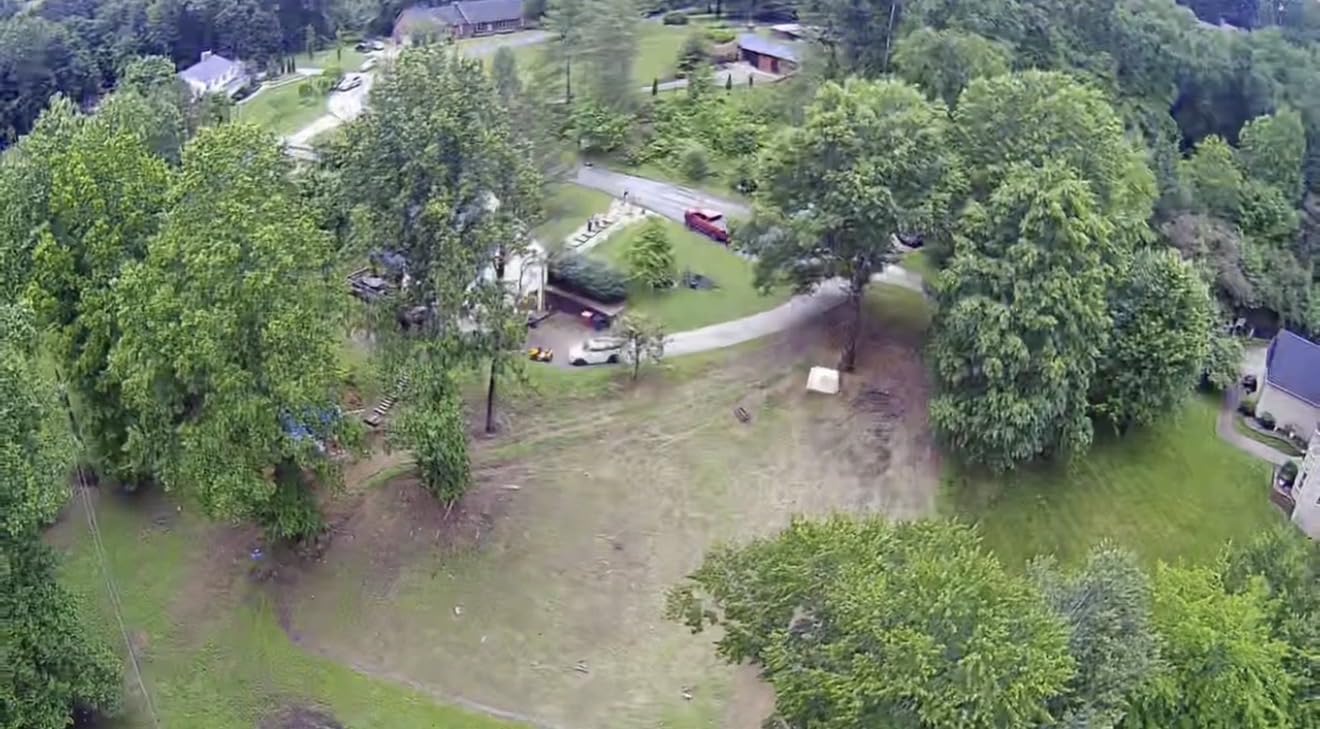
GPS auto return-to-home, altitude hold, optical flow positioning and headless mode are all present, and owners report it landing reliably close to the takeoff point. Follow Me, waypoint flight, point of interest and gesture control cover the automatic shots most beginners want, and the camera tilts through 90 degrees for top-down and follow framing.
With 7667 reviews at 4.1, the volume of owner feedback here is enormous, and the pattern is consistent: it works, it returns, and it hovers. The 5GHz FPV live view is adequate for lining up a shot from a distance.
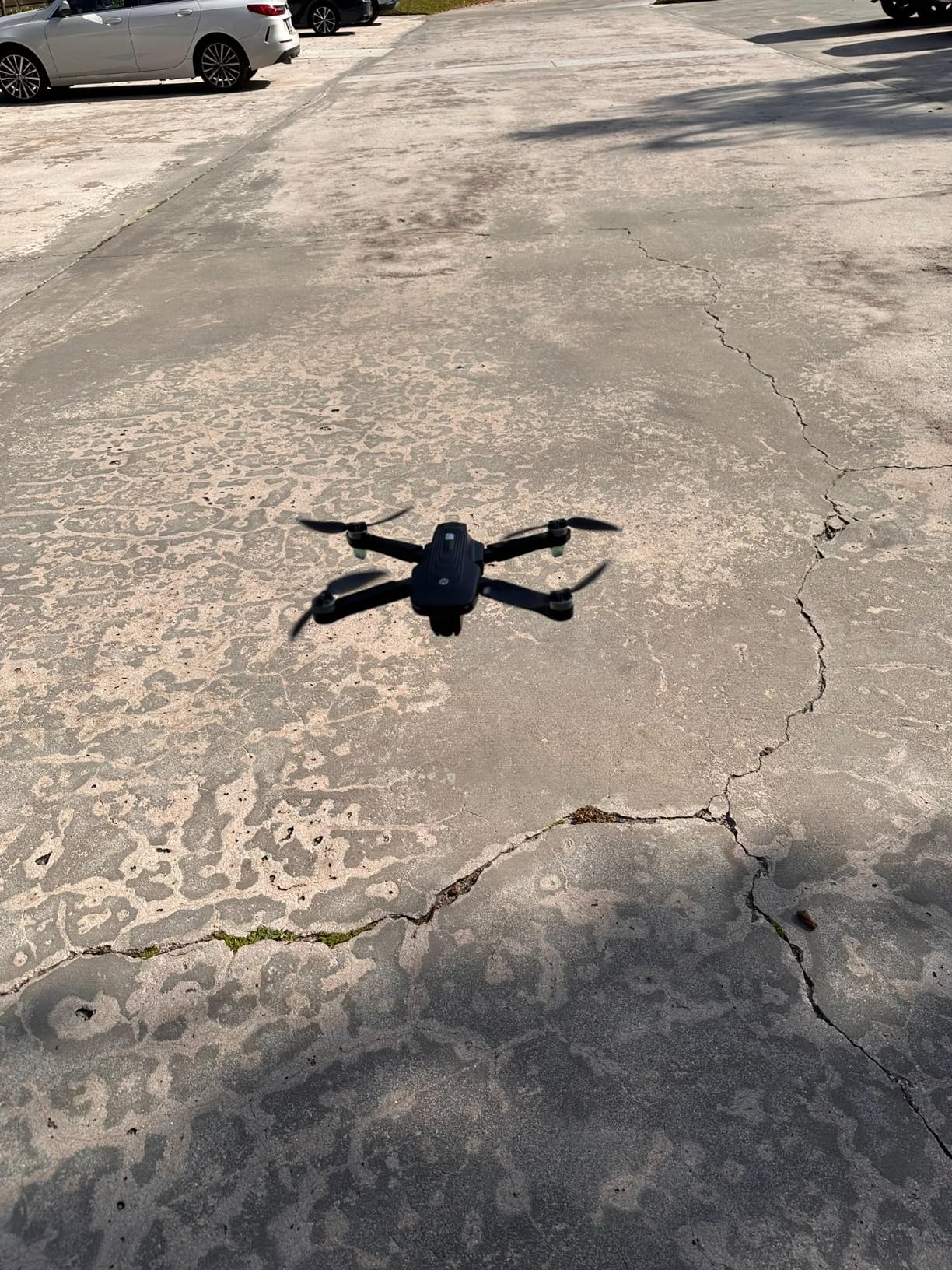
Best for learning to fly without risking expensive kit
Crash it. It is a first drone, and learning on a cheap body is the sensible order of operations. Two batteries mean you can fly a full afternoon session and still have a pack in reserve, and the included case means it does not need a hard-shell addition to your pack.
It is also a good teaching tool for a partner or family member who is not going to learn on a phone-only interface. The fold-flat body and auto return make it forgiving in ways that matter when you are explaining controls on a windy trailhead.
Where the Holy Stone HS175D falls short
There is no gimbal at all, and this is the deal-breaker. Video is visibly shaky, the electronic stabilisation leaves visible artifacts when you pan, and if you plan to use the footage in anything beyond personal memories you will be disappointed.
It is also wind-sensitive. Reviewers report the lightweight airframe struggling in any meaningful breeze, and forum threads consistently list wind as the number one reason backcountry flights get grounded. On an exposed ridge in ordinary conditions, this aircraft is the wrong tool.
5. Holy Stone HS360S – Best Value Foldable Drone for Light Packers
Holy Stone GPS Drone with 4K UHD Camera for Adults Beginner; HS360S 249g Foldable FPV RC Quadcopter with 10000 Feet Control Range, Brushless Motor, Follow Me, Smart Return Home, 5G Transmission
213 g
4K UHD on a 1/3 inch GalaxyCore sensor
Smart Return Home
10,000 ft claimed link
Pros
- Folds to a compact backpack-friendly size at only 213 g
- GPS return home and beginner mode make recovery simple
- brushless motors fly quiet and hold position in light wind
- solid controller and a carrying case included
- spiral up
- catapult and one-tap ascension recording modes
Cons
- No 3-axis gimbal
- so video is choppy and disorienting at speed
- one battery included and it charges very slowly at roughly 5 W
- some units develop a persistent hover oscillation after a few weeks
- poorly damped sticks give near two-speed control
At 213 grams the HS360S is among the lightest conventional foldables here, and it keeps a proper controller in the box. For a hiker working to a strict gram budget who does not want a selfie-drone compromise, that combination is the value argument.
Smart Return Home fires on signal loss or low battery, and beginner mode with optical flow positioning helps it hold a stable hover. The camera angle adjusts through 90 degrees from the remote or the app, and 5GHz Wi-Fi on a single-cable phone connection keeps the setup simple.
Reviewers note responsive brand support and durability after crashes, and one owner measured a clean 5GHz link close to a full kilometre despite the 10,000 ft claim. Treat that figure as aspirational: the stated 3000 m maximum is a specification, not an expectation for a mountain valley.
With 6039 reviews at 4.3, this is a well-supported choice. The repeated complaints are the unstabilised camera, slow single-battery charging, and occasional hover drift on units that have been flown for a few weeks.
Best for hiker who will not carry a phone at altitude
Actually, the HS360S does need a phone for the viewfinder, but it keeps the flying itself simple with auto return and beginner mode. It is a good match for someone who wants the reassurance of a real controller, a real return-home and a light pack weight without the top-tier price.
On a calm, sheltered route in a valley or a forest edge, brushless motors hold position well and the quiet running is a genuine advantage when you are filming near other people.
Where the Holy Stone HS360S falls short
No gimbal, and the video is choppy and disorienting at speed. The 1/3-inch GalaxyCore sensor produces usable 4K UHD files in good light but has very little headroom for low-light mountain conditions.
One battery at roughly 20 minutes of flight, charging at about 5 W, is the biggest hiking problem. That is a slow charge for a pack that small, and it means your charging plan dominates the trip rather than the flying. The poorly damped control sticks also reduce your usable speed range to almost two settings.
6. Potensic ATOM SE – Best Foldable Drone for Multi-Day Battery Logistics
Potensic ATOM SE GPS Drone with 4K EIS Camera, Under 249g, 62 Mins Flight, 4KM FPV Transmission, Brushless Motor, Max Speed 16m/s, Auto Return, Lightweight and Foldable Drone for Adults Beginner
Under 249 g, jacket-pocket fold
2 x 2500 mAh, 62 min total
4 km PixSync 2.0
4K EIS
Pros
- Two 2500 mAh batteries give 62 minutes of total flight
- the best endurance in the sub-249 g foldable class
- folds small enough for a jacket pocket and comes with a portable handbag
- GPS auto return home lands within a few feet of launch
- holds up in level 5 wind and reaches 16 m/s in sport mode
Cons
- No mechanical gimbal
- so turns and fast moves still tilt the frame
- no obstacle avoidance at all
- no zoom
- so getting closer is the only way to fill a frame
- batteries lose charge sitting in the pack and there is no camera cover
If your trips run three days or longer away from mains power, battery count matters more than sensor size. The Potensic ATOM SE bundles two 2500 mAh packs for 31 minutes each, 62 minutes of rated total flight, in a body that folds into a jacket pocket. No other sub-249g drone in this group includes that much usable airtime in the box.
The 1/3-inch Sony CMOS with ShakeVanish electronic image stabilisation produces noticeably smooth daytime footage, and the 118 degree field of view with camera tilt from plus 20 to minus 90 degrees is genuinely useful for landscape work. PixSync 2.0 transmission runs to 4 km.
SurgeFly gives you Video, Normal and Sport control modes, with Sport reaching 16 m/s, and the GPS auto return home triggers on signal loss or low power. Follow Me, waypoint and circle flight are all present, and FOTA firmware updates keep it current.
With 6719 reviews at 4.4, owners repeatedly call it the best value sub-249g foldable available, praising the two-battery endurance, wind resistance and reliable return home. Two batteries also means you can charge one while you fly the other on a single charging cycle.
Best for multi-day backcountry trips with limited charging
Two batteries change the arithmetic of a week on the trail. You can run one pack per day on a long trip without ever needing a full charge cycle, and the 4 km range covers most backcountry filming distances without straining the link. A 62 minute rated total is enough to shoot at two separate points of interest on the same day and still have a pack in reserve.
It is also the best choice here for a hiker who wants a drone in the jacket rather than the pack, and for anyone who needs to fly more than once a day at a trailhead or campsite.
Where the Potensic ATOM SE falls short
Electronic stabilisation is not a gimbal. Straight lines and gentle pans look fine, but hard turns and fast moves tilt the frame visibly. If your goal is cinematic movement over a ridge, this is the wrong aircraft.
There is no obstacle avoidance, so it will fly straight into a slope, and there is no zoom of any kind. Also worth planning around: the batteries lose charge sitting in a pack over several days, and there is no camera cover, so a sudden squall means moisture reaches the lens.
7. Skyrover S1 Mini Combo – Best Gimbal and Tracking Under 249 Grams
Skyrover S1 Mini Drone Combo with Camera 4K/60fps Video, 48MP Photo with 8K Image Quality, 3-Axis Gimbal Stabilization, 39,000ft Video Transmission, Under 249g, Auto Track, 120-Min Flight Time with 3 Batteries
249 g
1/2 inch CMOS, 4K/60fps, 48MP
3 batteries, 120 min total
forward obstacle avoidance
Pros
- The only sub-249 g aircraft here with a true 3-axis gimbal and 4K/60fps capture
- 120 minutes of total rated flight from three included batteries
- folds into a shoulder bag that suits long hikes
- AI Auto Track with subject lock
- forward and downward obstacle avoidance gives beginners a real safety net
Cons
- Only forward and downward obstacle sensing
- with no 360 degree detection
- the airframe and arms feel fragile for the weight class
- folding arms on some units crack the fuselage plastic
- the digital-only manual is thin on setup detail
The Skyrover S1 is the most fully-equipped aircraft in this guide on paper. A 1/2-inch CMOS sensor records 4K at 60fps and stills at 48MP, a 3-axis mechanical gimbal stabilises the frame, three batteries give 120 minutes of rated total flight, and forward and downward obstacle avoidance is genuinely useful over forest edge and scree.
Transmission runs to 12 km on dual-band 2.4 and 5.8 GHz with 1080p at 60fps live view, which is the best link specification here. AI Auto Track holds a subject lock, and the SmartGo moves include Lift, Loop, Twist, Vista and Asteroid. It also records 2.7K vertical video and offers directional and free timelapse.
Reviewers compare it favourably to the DJI Mini line on gimbal smoothness, tracking and battery endurance. The combo includes a shoulder bag, spare propellers and adapter cables, which is the right kit for a trip where you will replace props at altitude.
With 366 reviews at 4.3, the owner base here is far smaller than the DJI or Holy Stone entries, and that is worth weighing. You are buying a less-proven platform with thinner long-term support and far less troubleshooting advice on forums.
Best for hikers who want obstacle sensing and the longest link
Forward and downward obstacle avoidance is the feature that changes risk on a trail, because it buys time when you are flying toward a tree line or a rising slope at a speed you did not fully commit to. Combined with subject lock, it is the most follow-me-capable aircraft here.
Three batteries in a shoulder bag is a strong multi-day setup, and dual-band transmission is the most resilient link on a list where the others often run a single fixed frequency pair.
Where the Skyrover S1 falls short
Obstacle sensing covers forward and down only, not sideways or behind. On a switchback trail that leaves the riskiest directions uncovered, and 249 grams is the exact ceiling of the class, so there is no room to add guards.
Build fragility is the bigger concern. Owners describe the arms as feeling fragile for the weight class and report folding arms cracking the fuselage plastic on some units, and a camera that arrived misaligned and resisted correction. The digital-only manual is also thin on setup detail, which is a poor sign for a first hike-drone trip.
8. HOVERAir X1 – Best Pocket Drone for Solo Hikers
HOVERAir X1 Drone with Camera, Follow-me Drone with Self-Flying Mode
125 g, fully enclosed cage
Palm takeoff and hand landing
2.7K/30fps
32 GB internal storage
Pros
- At 125 g it is the lightest and smallest option here and slips into a jacket pocket
- the enclosed rotor cage survives crashes that would shred a conventional drone
- follow me and pre-programmed paths remove the learning curve entirely
- 32 GB internal storage means no SD card to carry or lose on a trail
- palm takeoff and hand landing make solo hiking shoots practical
Cons
- Roughly 11 minutes of flight per battery
- the shortest here
- weak in wind due to the very low mass and not rain-rated
- follow speed tops out around 10-15 mph
- no audio recording and app preview thumbnails are low resolution
The HOVERAir X1 answers a question the rest of this list does not. If you are not trying to direct an aircraft, and you want to be in the footage of your own hike without learning stick control, this is the only one here that does that reliably. At 125 g it is the lightest aircraft in this roundup, by a wide margin.
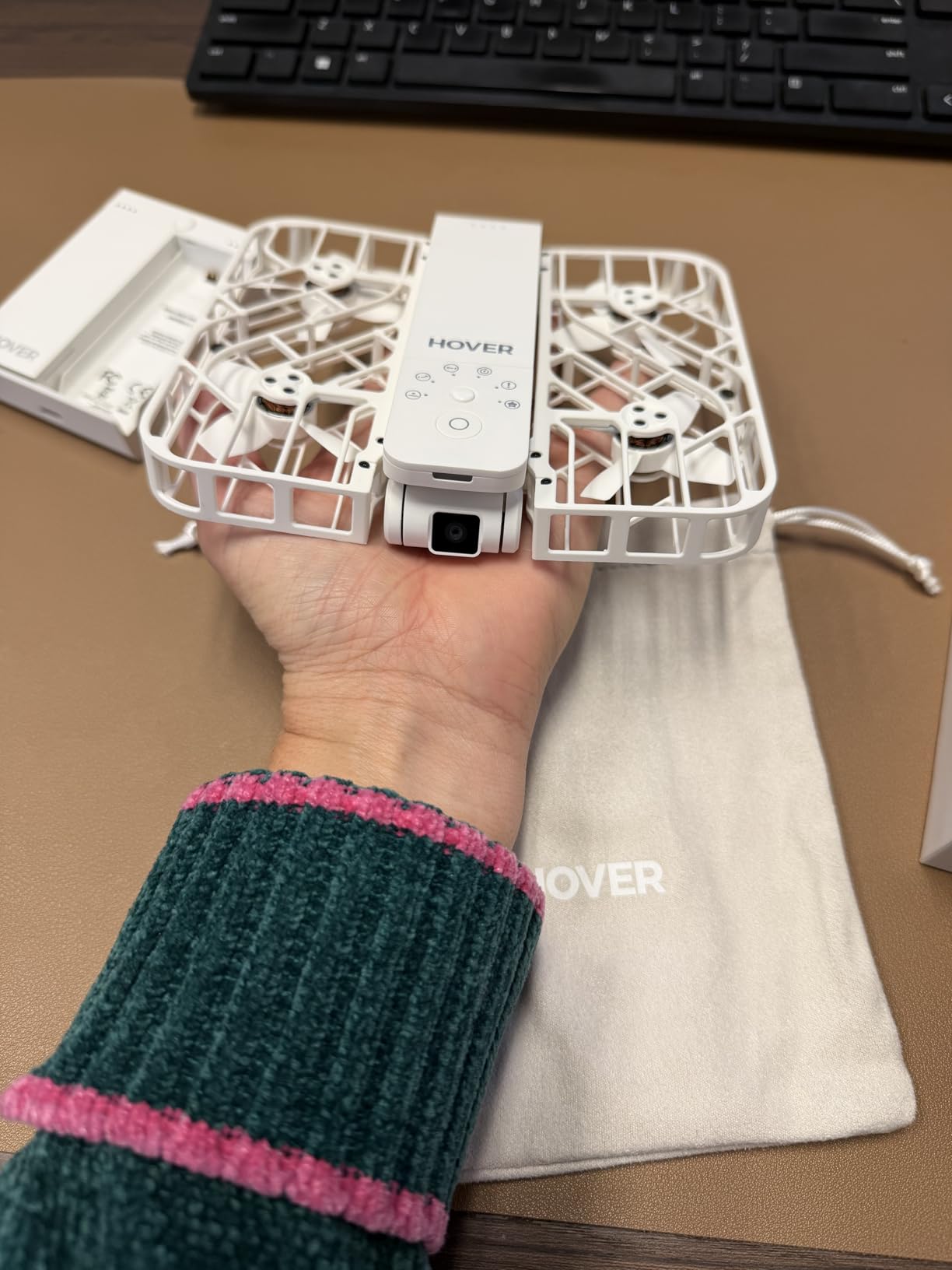
You launch it from your palm, it follows you, and it lands in your hand. Follow Me tracking holds speeds up to about 15 mph, and there are roughly 20 intelligent flight paths per battery including Hover, Follow, Zoom Out, Orbit, Bird’s Eye and Manual. The app handles the thinking; on-device buttons give you a fallback if your phone is in a pack.
Video is 2.7K at 30fps and 1080p HDR with triple stabilisation, which is not enough resolution for a landscape film but is entirely adequate for the short social clips people actually shoot on a trail. Storage is 32 GB internal, so there is no card to lose.
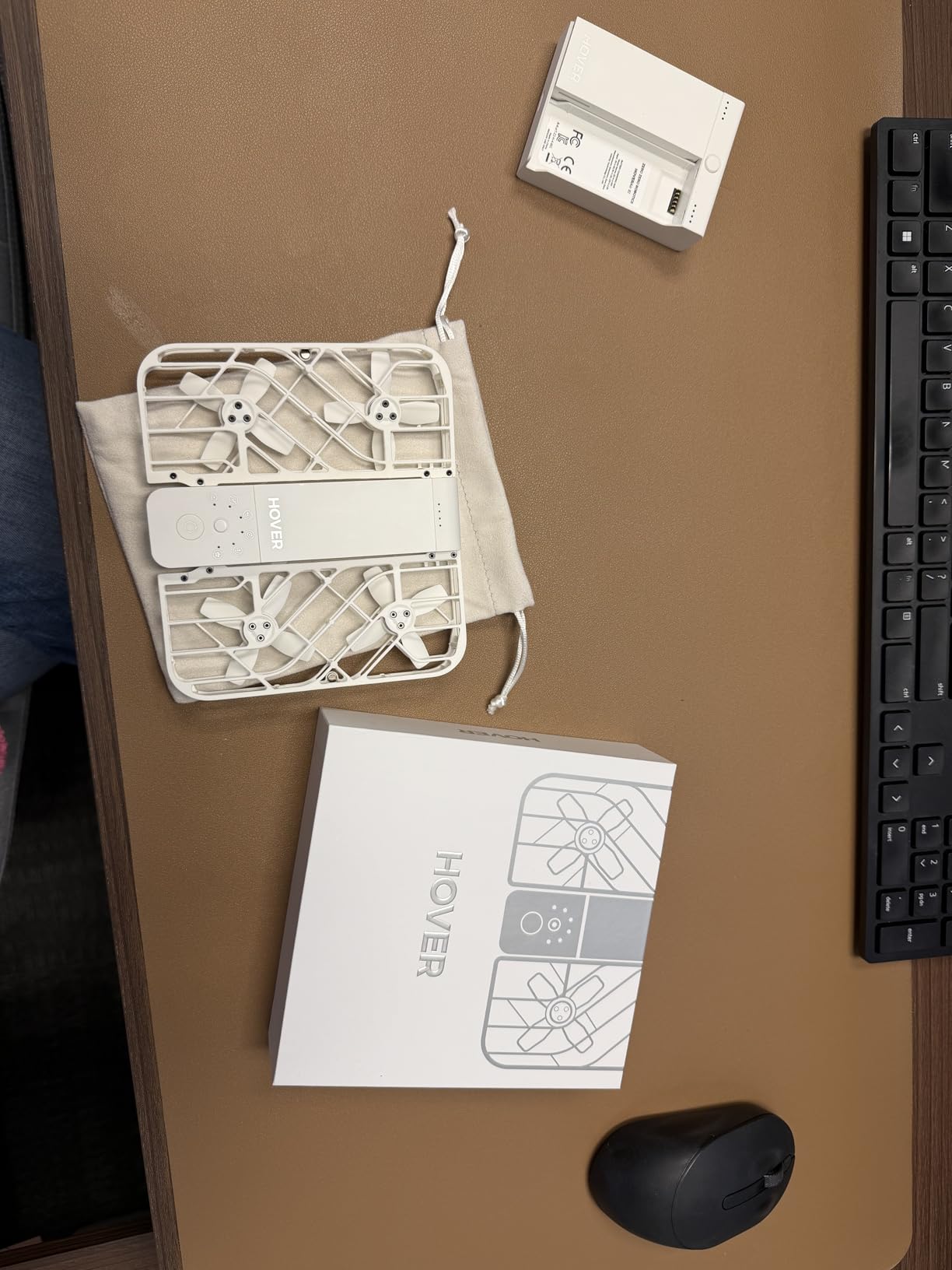
With 1179 reviews at 4.3, owners describe it as the drone they take on every trip because it is pocketable, cage-protected and simple. The consistent complaints are short battery life, wind sensitivity and no audio.
Best for solo hikers, families and anyone filming themselves
The enclosed rotor cage is the underrated feature. When you launch from a hand at ankle height near a trail, a crash is likely eventually, and the cage turns a write-off into a scratch. That matters enormously when there is no repair shop within two days walk.
Forum threads about self-flying palm-launch drones keep making the same point: this is the reason non-pilots, partners and children will actually participate in drone shots on a trip. Nobody in your party needs a lesson.
Where the HOVERAir X1 falls short
Eleven minutes per battery is the shortest here, and it is the real constraint on any hike. Two packs cover a short walk; they do not cover a day on a summit circuit.
The very low mass that makes it pocketable also makes it wind-sensitive, and it is not rain-rated. At 10 to 15 mph follow speed it cannot keep pace with a fast descent on a bike, the prop guards add drag, and it is noticeably loud in quiet areas. There is no audio, and the app preview thumbnails are too low resolution to judge a shot properly.
9. karuisrc K600GPS – Best for Fliers Who Will Not Carry a Phone
GPS Drone with EIS 4K Camera, 4.5″ FPV Screen, 5GHz Transmission Foldable Drone with Brushless Motor, Auto Return Follow Me, Gesture Control, Al Track&Orbit Mode for Adults/Kids/Beginners, Under 249g
206 g, folds flat
4.5 inch HD screen on the controller
1080p EIS
up to 22 min flight
Pros
- Built-in 4.5 inch screen means no phone battery drain and no app setup
- folds flat and includes a carrying case for easy packing
- GPS auto return and optical flow positioning help beginners hover steadily
- 1080p EIS footage is sharper than expected for the tier
- spare propellers
- screws and a screwdriver are included
Cons
- 1080p capture only
- not true 4K despite the listing imagery
- weak documentation and several buyers could not find return-home or control instructions
- some units failed to lift off after following the preflight steps
- brushless motors and controller shell feel cheap
A phone in a pack at altitude is a liability. Cold drains the battery, screen glare ruins the viewfinder, and one reception problem with a drone is one lost aircraft. The karuisrc K600GPS puts a 4.5 inch HD screen in the controller instead, at 206 grams, with a folding body and a carrying case.
You get GPS auto return on low battery or signal loss, optical flow positioning for steady hovering, and waypoint, trajectory, follow me and orbit modes. Three speed settings, headless mode, 3D flips and gesture control fill out a controller that feels far more capable than the specification suggests.
Flight time is up to 22 minutes from a 2200 mAh battery, with propeller guards fitted. Note the honest detail in the specification: capture is 1080p with EIS, not 4K, despite what the listing imagery implies. It takes up to a 32 GB micro SD card, which is not included.
With 326 reviews at 4.1, the feedback volume is small and the failure reports are real. Several buyers could not find instructions for return home or basic controls, and some units failed to lift off even after following the preflight steps. Spare propellers, screws and a screwdriver are in the box, which matters more than it sounds when you replace a prop at a car park rather than a workbench.
The one thing it does well that nothing else here does is keep the phone out of the equation entirely. Everything from arming the aircraft to reviewing footage happens on the controller or the micro SD card, which removes a whole category of altitude problems.
Best for cold-weather and high-contrast hiking trips
Keeping your phone in the pack is a genuine safety and battery decision in cold air, and a built-in screen is the cleanest answer. The 206 g weight and included case also make it one of the easiest to pack of the conventional foldables here.
It suits a hiker who wants simple GPS return and steady hover for landscapes, and who does not need the footage to hold up to close scrutiny. For a first hike drone that stays in a pack until the weather is right, it does the job.
Where the karuisrc K600GPS falls short
Documentation is the biggest problem. A drone that will not lift off for a first-time owner, with no clear instructions, is a bad pairing, and that is what several reviews describe. Set it aside and learn the controls on a calm afternoon before you rely on it in the backcountry.
Capture is 1080p, not 4K. The brushless motors and controller shell feel cheap, there is no audio, and you need a separate micro SD card reader plus a card that was not supplied.
10. TOPRCBOXS S8 – Best Built-In Screen in the Under 249g Class
S8 GPS Drones with EIS 4K Camera for Adults kids, 5″ Screen on Controller,60 Min Flight Time,Auto Return,Long Range Transmission,Brushless Motor,QuickShots,Foldable and Lightweight Quadcopter with Follow Me,Christmas Toy Birthday Gifts,Under 249g
Folds to 5.7 x 3.9 x 2 inch
5.0 inch HD screen on the controller
2 batteries, 60 min total
4K EIS
Pros
- The five-inch controller screen is large
- bright and readable in direct sunlight
- folds down small enough for a pocket and comes with a portable handbag
- two batteries give up to 60 minutes of total rated flight
- 4K EIS footage and micro SD storage are included as standard
- brushless motors fly quieter and smoother than brushed budget models
Cons
- Real-world range falls well short of the stated 600 m
- some owners report no reliable auto return and inconsistent landing behaviour
- batteries are slow to charge and lose charge in storage
- the controller shell feels like cheap plastic
The S8 exists for one specific hiking problem: glare. Its five-inch non-touchscreen HD display is larger than anything else in this roundup, and owners consistently single it out as bright and readable in sunlight, which is precisely the condition on an exposed ridge at midday.
It folds to 5.7 by 3.9 by 2 inches, small enough for a pocket, and the box includes a portable handbag, a micro SD card and a USB charger. Two rechargeable batteries give up to 60 minutes of combined rated flight, which is among the best total airtime figures in this group.
The camera is 4K with electronic image stabilisation, a 120 degree wide-angle lens and 90 degrees of electric tilt, with 5GHz FPV transmission up to roughly 1968 feet. Follow me, waypoint, point of interest, orbit, altitude hold and headless mode are all present, with three speed modes on brushless motors.
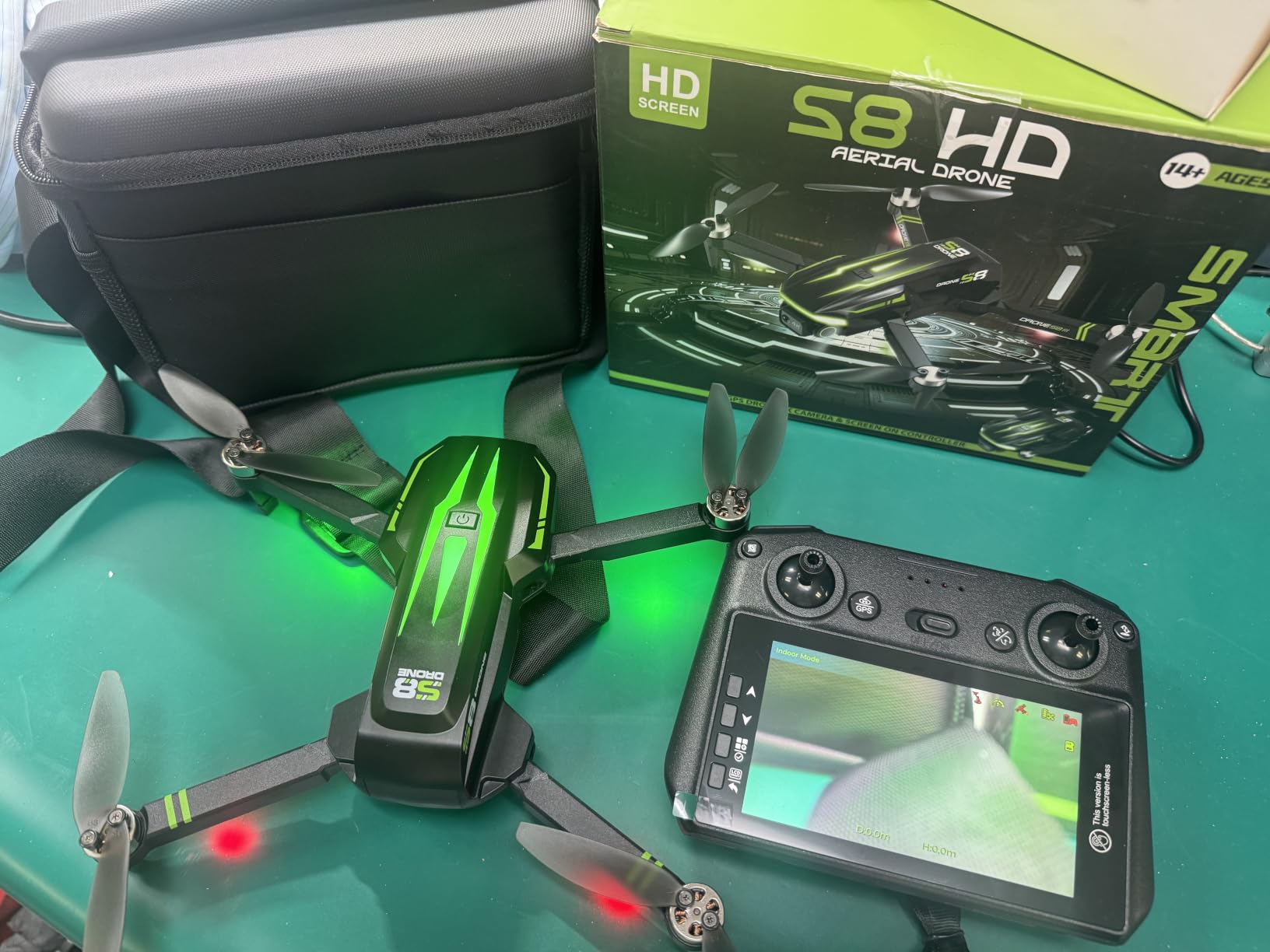
At 4.1 stars across 143 reviews, this is the thinnest owner base on the list, and that is the reason it sits at number ten rather than higher. What interests you here is the screen and the battery count, not refinement.
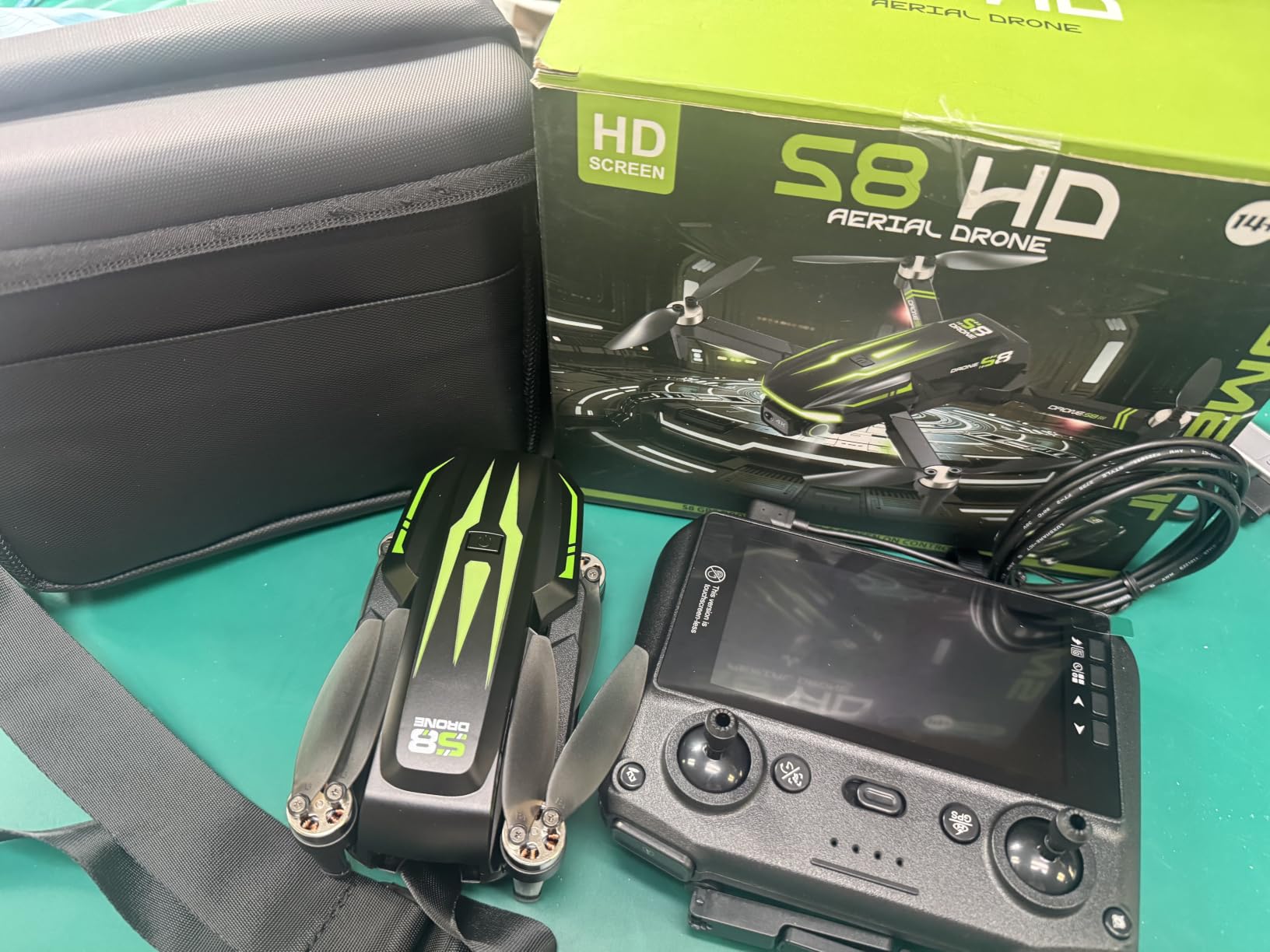
Best for hiker who shoots in bright alpine sun
If your trips are summer ridge walks, this is the aircraft that lets you actually see what you are filming without a phone screen hood. The 120 degree lens gives you more of the scene without flying closer to the terrain, and the tilt range covers ground shots on a trail.
Two batteries at 30 minutes each also mean you can charge one while you fly the other, which is the simplest multi-day battery plan available.
Where the TOPRCBOXS S8 falls short
Range is the first problem. Reviewers report real-world performance well short of the stated 600 m, which in mountain terrain with obstacles means your effective working radius is much smaller than the specification suggests.
More seriously, some owners report no reliable auto return and inconsistent landing behaviour. Return to home is the single most important safety feature when you are flying a ridge with no line of sight, and a drone that lands unpredictably is a liability in the backcountry. Batteries are also slow to charge and lose charge in storage, which directly undermines the two-battery advantage.
What to Look for in a Foldable Drone for Hiking
The weight question comes first, and in the United States it has a hard line drawn through it. Any drone with a takeoff weight under 250 grams does not require FAA registration for recreational flying and does not need Remote ID. Every model in this guide sits under that line as a bare aircraft. The trap is accessories: a full propeller guard set or a sun hood can add grams and push a specific configuration over the threshold, so check the weight of the exact kit you plan to carry.
Battery count is the second decision, and it is arithmetic rather than marketing. For a day hike, one battery plus a spare in the pack is workable. For an overnight, two batteries is the minimum that lets you charge one while you fly the other. For three days or longer, you need either three batteries or a power bank that can charge one pack overnight, because there is no mains power at a backcountry camp. Multiply the per-pack flight time by the number of batteries, then discount it for cold, because the rated figure assumes a warm bench.
A mechanical gimbal beats extra megapixels on a trail. Electronic stabilisation processes a recording frame and can only correct for movement within that frame, so it does nothing for tilt caused by a gust hitting one side of the aircraft. A 3-axis mechanical gimbal holds the horizon physically, and on a ridgeline that is the difference between a usable clip and a discarded one. The ATOM, the Mini 2, the Mini 3 and the Skyrover S1 all have one.
Return home is not a nice-to-have. When you are over a valley with no visual contact, GPS return to home is what brings the aircraft back. Check that it triggers on both low battery and signal loss, and that the home point is set correctly at launch rather than inherited from the last flight.
Controller style depends on the trip. A phone-free screen controller is genuinely useful in cold air and bright sun, at the cost of image quality on the cheaper units. A screenless remote with a phone gives you a much better view in shade. A self-flying palm-launch drone is a third category entirely, trading image quality and endurance for the ability to shoot yourself.
Pack fit follows from those choices. A 125 g pocket drone disappears into a jacket. A 241-249 g gimbal drone brings the aircraft, a controller, three batteries and a case, and that is a genuine load on a pack that is already at its limit. Weigh your actual kit on a luggage scale before the trip and take anything that is not earning its place. If you are still choosing the bag itself, our hiking backpack roundup is worth reading before you commit. Our foldable rowing machine and foldable weight bench roundups cover folding-kit trade-offs for anyone who trains with the same pack-weight discipline.
Wind, Cold and Altitude on the Mountain
Wind is the number one reason backcountry flights get grounded, and it is the least discussed topic in drone buying guides. Manufacturers rate wind resistance on a numbered scale, and those numbers mean very little until you translate them. The DJI Mini 3 is rated at 38 kph, roughly 10.5 m/s, on level 5, which is a sustained capability in a breeze rather than a storm. It is fine on a sheltered valley path and marginal on an exposed coastal headland in ordinary weather.
The light drones are worse here, and the trade is direct. A 125 g aircraft has too little mass to hold station in anything meaningful, while a 248 g body with level 5 resistance will sit and film. The budget models with no wind rating to speak of will tilt, drift and, in a strong gust, land on the side of the trail.
Cold and altitude are the second problem, and hikers underestimate both. Lithium-polymer capacity falls as temperature drops, and the effect compounds above the point where you can recharge overnight. Hikers on forums describe a 30-minute pack giving closer to 18 minutes at elevation in cold air, and experienced users in backpacking drone threads use a simple tactic: fly on the way down from the summit, so the descent itself becomes the flight window rather than adding one to it.
Plan the charge too. Do not charge lithium packs below freezing, and expect a pack stored overnight in a cold pack to be sluggish for the first cycle. For multi-day trips, a small power bank that can bring one battery up while you walk is worth more than a third battery in the pack.
Where You Can and Cannot Launch a Drone on a Hike
Launch-site legality is the question hikers ask most and answer least, and arriving at a trailhead with a drone and a rule you did not know is a genuinely bad day. United States national parks prohibit drone launches and landings almost without exception, and the restriction applies inside the boundary, not just in designated areas. National wildlife refuges, many wilderness areas and most state parks have their own bans, sometimes seasonal.
BLM and US Forest Service land generally allows recreational drone use subject to the same federal rules that apply everywhere, with local restrictions to check. Before you commit to a route, look up the managing agency for the specific trailhead rather than assuming, and read the current park drone page rather than a forum answer from three years ago.
The federal baseline still applies everywhere outside those bans. You must keep the aircraft in visual line of sight, stay clear of people and property, follow the 400 foot ceiling over any structure, and yield to manned aircraft every time. Remote ID requirements apply to registered aircraft, and a commercial operation, including monetised footage, requires a Part 107 certificate. A sub-250g drone registered for a Part 107 operation does not get an exemption from the certificate itself.
One more practical note. Launching from a crowded trailhead with a spinning drone is a safety issue regardless of legality, and it is how drones get confiscated and how users get asked to stop. Walk twenty minutes from the trailhead to a quiet bench with a view, and check that you are not launching near a campground or a cliff where people are walking below.
Frequently Asked Questions
What is the best drone to take hiking?
The DJI Mini 2 Fly More Combo is the best drone to take hiking, because it stays under 250 grams, ships with three batteries, and holds position in level 5 wind. For a self-flying solo hiker who wants to appear in the footage, the HOVERAir X1 is the practical alternative at 125 grams.
Do I need to register a drone under 250 grams for hiking?
In the United States, a recreational drone with a takeoff weight under 250 grams does not require FAA registration and does not need a Remote ID broadcast module. You are still responsible for the airspace rules, including visual line of sight, the 400 foot ceiling over structures and yielding to manned aircraft. Adding a propeller guard set or other accessories can push a specific configuration over the line, so check the as-flown weight.
Why did the US ban DJI drones?
The US government added DJI to the Covered List, restricting federal agencies from procuring its drones and components, and pushed legislation to bar DJI products from US networks entirely. The stated concerns centre on data security, supply chain dependence on Chinese manufacturers and the collection of geospatial imagery. For a hiker choosing between brands, the practical effect has been patchy retail availability rather than a change in the law governing your flight.
What is the 1:1 rule for drones?
The 1:1 rule requires the drone to stay within a one-to-one ratio of the distance to the subject. In practice it means a 400 foot aircraft is no more than 400 feet from the pilot or the person being filmed. It is a common shorthand for keeping enough separation to maintain a safe emergency landing zone if the aircraft fails.
Can you fly a drone in a national park?
Generally no. United States national parks prohibit drone takeoffs and landings inside park boundaries, and the ban is rarely waived for recreation. National wildlife refuges and many wilderness areas have their own restrictions. BLM and Forest Service land usually allows recreational flying, and state parks vary by state, so check the managing agency for the specific trailhead before you pack the drone.
How long do drone batteries really last on a mountain hike?
Expect noticeably less than the rated figure. Rated times assume a warm, stationary, sea-level test, and both cold air and high elevation reduce the usable capacity. Hikers report a 30-minute pack giving closer to 18 minutes at elevation in cold air, and gusts consume power faster in any condition. The manufacturers’ figures quoted in this guide are rated maximums, not field expectations.
Is it illegal for my neighbour to fly a drone over my property?
In most jurisdictions, flying a drone over someone else’s property without consent is not automatically illegal. It becomes a violation when the flight breaks an FAA rule, such as flying from a spot without visual line of sight, or when it meets the criteria for harassment. Practically, the way to resolve it is to ask the pilot to stop and, if it continues, report it to local authorities.
Final Verdict: Which Foldable Drone Should You Buy in 2026?
The DJI Mini 2 Fly More Combo is the best foldable drone for hiking overall. Three batteries, a 3-axis gimbal, a 10 km link and the strongest wind tolerance in this group make it the one that works most often in the conditions you will actually meet.
If you want a mechanical gimbal and the longest link per gram without a DJI body, take the Potensic ATOM at 241 g. If you are packing for three days or more, the Potensic ATOM SE gives you 62 minutes of rated total airtime from two batteries and folds into a jacket pocket. If you are filming yourself and want no learning curve, the HOVERAir X1 at 125 g is the only sensible answer. For bright sun and a phone-free setup, the Holy Stone HS360S at 213 g balances weight and function best, and the TOPRCBOXS S8 has the largest screen if glare is your problem. For vertical trail content, the DJI Mini 3 wins on image handling. If you want obstacle avoidance under 249 g, the Skyrover S1 Mini Combo is the only option, and you accept a thinner support base for it. Learning to fly, or crashing on purpose? Start with the Holy Stone HS175D.
Before you pack any of them, check the launch rules for the managing agency of the trailhead, count your batteries against your trip length rather than the advertised flight time, and decide honestly whether you want a drone in your pack at all. If your routes run through national parks, the answer is already decided for you.