
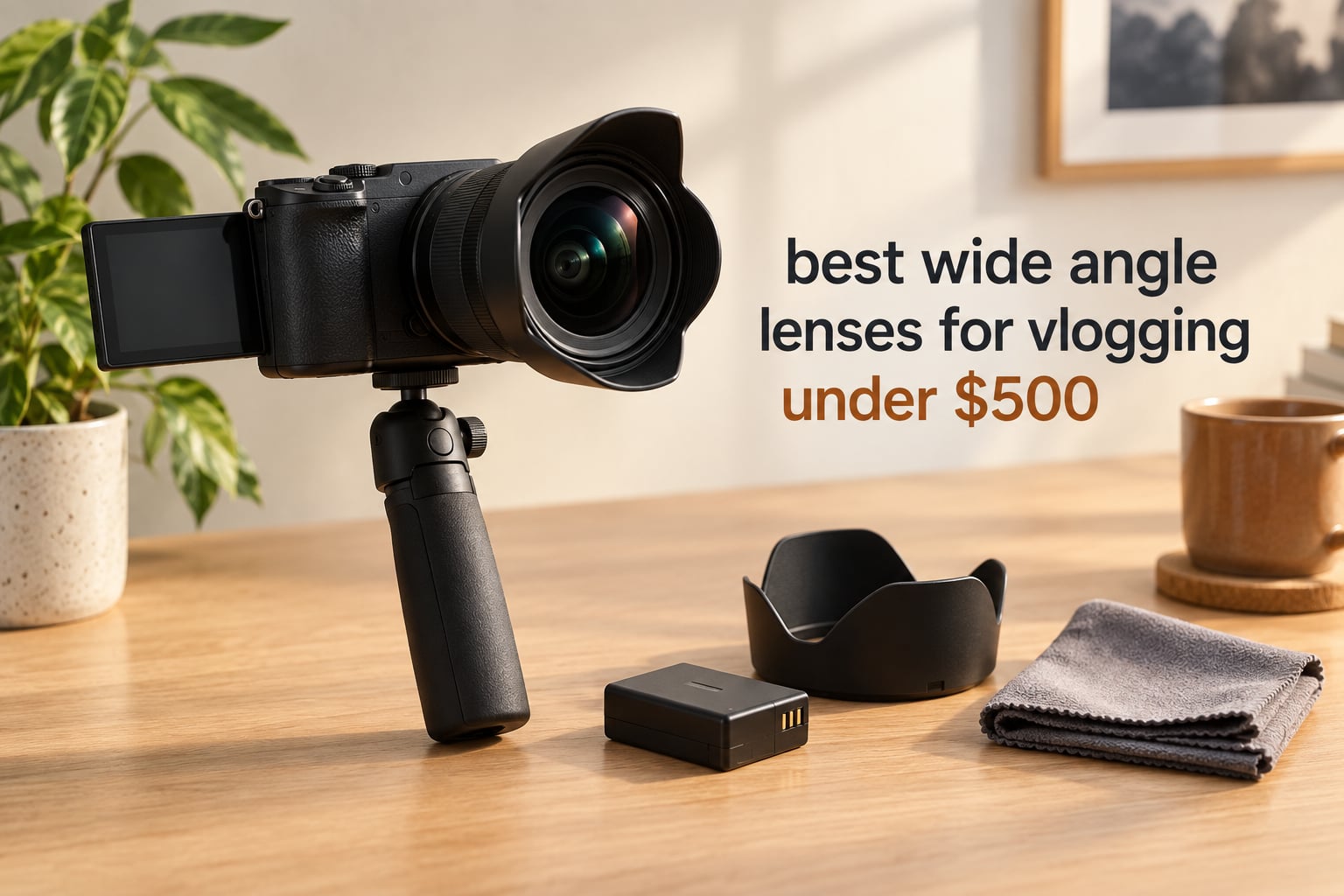
Most vloggers who go wide land somewhere between 10mm and 16mm on an APS-C body, and almost all of them spend less than they expect to get there. The best wide angle lenses for vlogging under 500 sit in a sweet spot: they are genuinely wide, they focus quietly enough to record video with, and they are light enough to hold at arm’s length for a twelve-minute walk-and-talk without your wrist giving up. We went through twelve of them, grouped them by mount, and ranked them on what actually matters when the camera is rolling.
One thing needs saying up front. A wide lens is not just a wide lens. A 10mm on Sony E, a 10mm on Fujifilm X and a 10mm on Micro Four Thirds give you three different framings on three different sized sensors, and the price bands for each system are nothing alike. The closest editorial pages we reviewed during this roundup quietly breached their own budget ceiling with a wide prime priced well above it, or covered a single mount and called it a roundup. Every lens below sits inside the stated 500 ceiling, and every pick names its mount in the heading so you can stop reading the moment your camera is not in the list.
We revised this list in September 2026 and re-checked every mount pairing against the manufacturer specification rather than the listing title. If you shoot Canon, start at the Canon entries. If you are on Fujifilm or Micro Four Thirds, the budget wide-angle market is thinner but genuinely better value there than on full frame. Our broader wide-angle vlogging guide covers the mount question in more depth if you are still undecided on a system.
Table of Contents
Top 3 Picks for Wide Angle Vlogging Under $500 (September 2026)

Canon EF-S 10-18mm f/4.5-5.6 IS STM
- 10-18mm ultra-wide zoom
- Silent STM autofocus for video
- Optical image stabilization

Nikon AF-P DX 10-20mm f/4.5-5.6G VR
- 10mm widest end in a zoom
- VR stabilization
- Near-silent stepping motor AF
Best Wide Angle Lenses for Vlogging Under $500 (September 2026)
The table below is the fastest way to narrow this down. Focal length is the first filter because it decides how close you can stand; aperture is the second because it decides whether you can shoot at dusk without pushing ISO into noise.
| Product | Specifications | Action |
|---|---|---|
| Canon EF-S 10-18mm f/4.5-5.6 is STM |
|
Check Latest Price |
| Nikon AF-P DX NIKKOR 10-20mm f/4.5-5.6G VR |
|
Check Latest Price |
| Canon RF16mm F2.8 STM |
|
Check Latest Price |
 VILTROX 9mm F2.8 E-Mount APS-C VILTROX 9mm F2.8 E-Mount APS-C |
|
Check Latest Price |
 SIRUI Sniper 16mm AF f/1.2 Cine E Mount SIRUI Sniper 16mm AF f/1.2 Cine E Mount |
|
Check Latest Price |
 VILTROX 9mm F2.8 Fuji X Wide Angle Prime VILTROX 9mm F2.8 Fuji X Wide Angle Prime |
|
Check Latest Price |
 Canon RF-S10-18mm F4.5-6.3 is STM Canon RF-S10-18mm F4.5-6.3 is STM |
|
Check Latest Price |
 VILTROX 26mm F2.8 EVO FE Pancake VILTROX 26mm F2.8 EVO FE Pancake |
|
Check Latest Price |
 Samyang SY12M 12mm F2.0 Fujifilm X Samyang SY12M 12mm F2.0 Fujifilm X |
|
Check Latest Price |
 Panasonic Leica DG Summilux 9mm F1.7 Panasonic Leica DG Summilux 9mm F1.7 |
|
Check Latest Price |
 Nikon NIKKOR Z DX 24mm f/1.7 Nikon NIKKOR Z DX 24mm f/1.7 |
|
Check Latest Price |
 Nikon NIKKOR Z DX 12-28mm PZ VR Nikon NIKKOR Z DX 12-28mm PZ VR |
|
Check Latest Price |
1. Canon EF-S 10-18mm f/4.5-5.6 IS STM – Best Overall Wide Angle Zoom for Vlogging
Canon EF-S 10-18mm f/4.5-5.6 is STM Lens, Lens Only
Canon EF-S mount
10-18mm zoom
f/4.5-5.6
Optical image stabilization
Silent STM autofocus
Pros
- Widest zoom range in the roundup
- Stepping motor gives near-silent focus for video
- Optical stabilization smooths handheld walking shots
- Close focus to 0.22 m
Cons
- Slow f/4.5 maximum aperture hurts low light
- Barrel distortion needs correction at the 10mm end
This is the lens we kept reaching for first. The 10mm end gives you a genuinely wide frame with your whole body in it, and because it is a zoom you can back off to 18mm for a tighter talking head without swapping anything. On a Canon APS-C body the 1.5x crop makes that 10mm read like a 15mm full frame lens, which is wider than most kit zooms get at any setting.
The stepping motor drive is the part that matters for video. Canon built this lens with a lead screw and stepping motor specifically so focus would be smooth and quiet, and in practice it does not intrude on a recording the way a geared focus ring would. The optical image stabilizer is a genuine bonus here because Canon DSLRs and mirrorless bodies in this class rarely offer in-body stabilization, so the stabilization lives in the glass rather than the body.
Where the compromises sit: the maximum aperture is f/4.5, which means dusk and indoor vlogging pushes ISO higher than you would like and the background never separates the way a fast prime does. Expect to open up to f/6.3 or f/8 for edge-to-edge sharpness, which costs another stop of light in a dim room. That is the price of a stabilized ultra-wide zoom and it is a trade most vloggers make willingly.
At the 10mm end the frame does show barrel distortion and some corner vignetting, both of which your editing software can correct with a lens profile in a single click. Nobody shoots a finished vlog without applying that correction. If distortion free footage matters to you more than stabilization, that is the argument for one of the primes further down this list.
When to buy the EF-S 10-18mm instead of a prime
Buy this if your camera is a Canon DSLR with an EF-S mount, or an EOS R body with an EF adapter. It is the only pick here with true optical stabilization on a Canon EF-S body, and the zoom range covers everything from arm’s-length framing to a room.
Skip it if low light is your main format. An f/4.5-5.6 aperture is fine outdoors at golden hour and genuinely tough at a night market or a dim bedroom vlog, where a fast prime holds ISO down and keeps the grain manageable.
Where the EF-S 10-18mm falls short
The 10mm barrel is not small, and on a compact EOS R body the assembly is noticeably front-heavy for one-handed vlogging. The lens also has no meaningful focus limiter and the zoom ring is not geared for smooth video pulls, so if you need silent zoom transitions, a power zoom lens is a better tool.
Focus is a single clutch-type ring. For video that is not a real problem, but it does mean you are relying on autofocus rather than manual pulls, which is exactly what you want in a walking vlog and not what you want in a cinematic sequence.
2. Nikon AF-P DX NIKKOR 10-20mm f/4.5-5.6G VR – Best Wide Angle Zoom for Nikon DX
Nikon AF-P DX NIKKOR 10-20mm f/4.5-5.6G VR Lens Black
Nikon F DX mount
10-20mm zoom
f/4.5-5.6
VR stabilization
8.16 oz
Pros
- Extra-wide coverage that beats any kit lens
- Stepping motor tuned for quiet video focus
- VR stabilization for handheld work
- Compact and light for travel
Cons
- Slow f/4.5-5.6 aperture range
- DX-only lens with no full frame compatibility
Nikon built this lens to a simple brief: go wider than the kit lens, stay quiet, and add stabilization. The result covers 109 degrees at the 10mm end down to a more natural 70 degrees at 20mm, which is a useful range for vlogging because you can frame yourself in a room or crop back to a talking head without changing lenses.
Autofocus is a near-silent stepping motor, and Nikon tuned it with video in mind. On a D3500 or a D7500 the motor settles onto a face and stays there during a slow walk, which is the single most important behavior for a vlogging lens. The Vibration Reduction system is the other half of the equation, and it is worth remembering that VR on this lens is optical and lives in the lens, not the body.
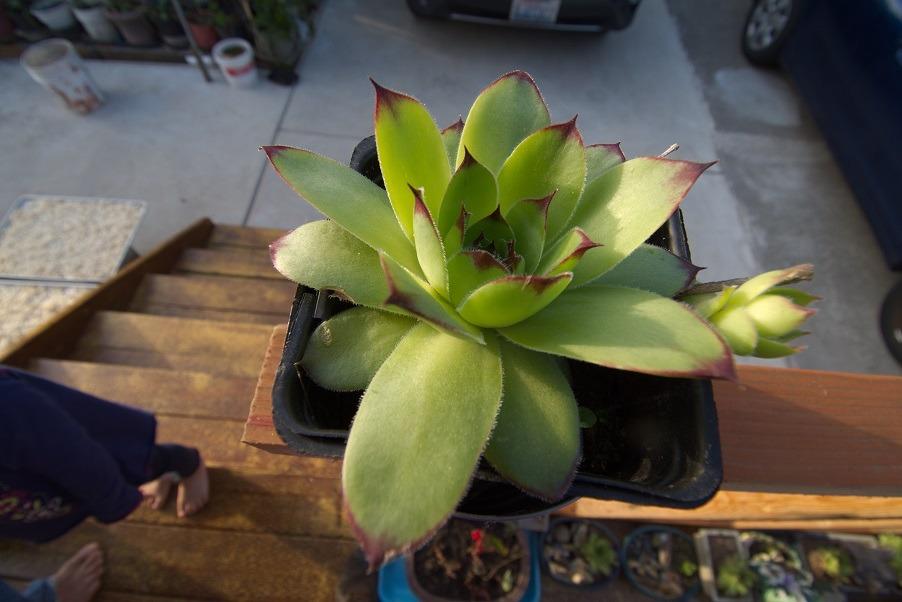
The aperture range of f/4.5-5.6 is the honest limitation. You will shoot at f/5.6 for clean corners and f/4.5 only when you need the light, which means a night vlog means higher ISO than you would ideally want. The minimum focus distance of 0.22 m holds at every zoom position, so you can push the front element into a coffee cup or a keyboard and still autofocus.
Color rendering is neutral and consistent, and the Air Sphere Coating keeps flare manageable when a light source sits near the edge of the frame. It is not the sharpest lens here wide open, but at video f-stops the difference is not visible in motion.

Who this lens suits
This is the pick for anyone on a Nikon DX DSLR who wants a wider frame than the kit zoom without moving to a full frame body. At 8.16 ounces it is one of the lightest stabilized ultra-wide zooms in the roundup, and it packs flat.
It also works on Nikon Z mirrorless bodies via the FTZ adapter, though at that point it becomes a heavier, bulkier solution than a native Z DX lens. Our Fujifilm XF wide angle guide covers the mirrorless side of the equation in a similar way if you are cross-shopping systems.
Where it falls short
It is a DX lens. That means it will not cover a full frame Nikon body at all, no electronic aperture, and no compatibility with Nikon Z bodies without an adapter. If you already own a full frame DSLR and want 14mm or wider, this is the wrong tool.
There is no manual override switch and the zoom ring is a basic geared ring rather than a video-smooth control. If your format depends on motorized zoom, keep reading to the Nikon Z DX 12-28mm later in this list.
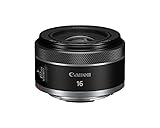
3. Canon RF16mm f/2.8 STM – Best Value Full Frame Ultra-Wide Prime
Canon RF16mm F2.8 STM Lens, Ultra Wide-Angle, Fixed Focal Length Prime Lens, Compatible with EOS R Series Mirrorless Cameras, Black
Canon RF mount
16mm prime
f/2.8
163 g
108 degree angle of view
Pros
- Exceptionally small and light for an ultra-wide
- Gear-type STM motor is quiet in video
- Close focus to 5.11 inches with 0.26x magnification
- Sharp center rendering and good color
Cons
- Vignetting and barrel distortion need profile correction
- Autofocus slows in low light
- No weather sealing and no hood included
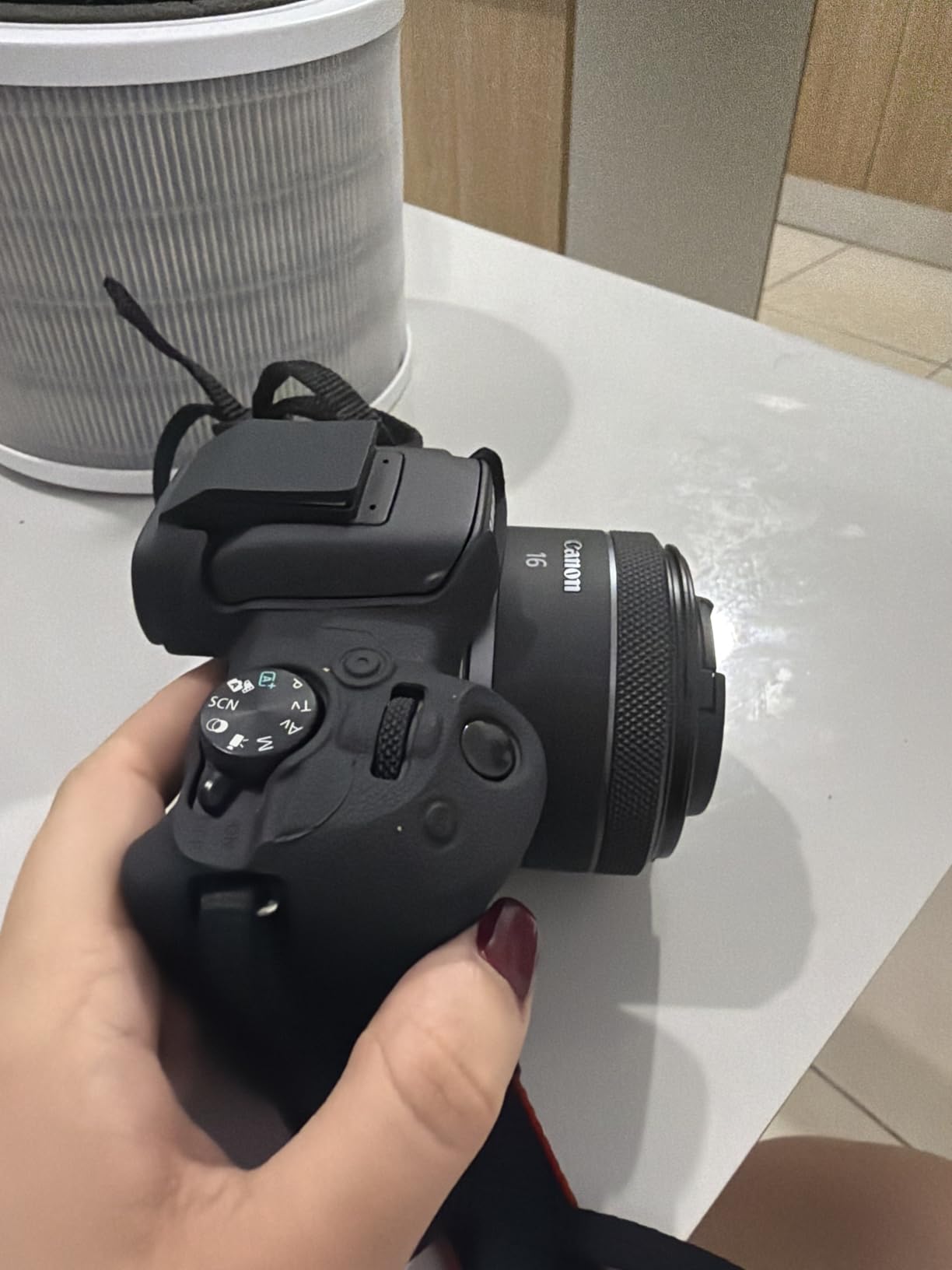
At 163 g and 43mm filter thread, this is the smallest full frame ultra-wide prime Canon has made, and for vlogging that size is the whole point. It disappears on the front of an EOS R body, it does not unbalance a gimbal, and it slides into a jacket pocket in a way that no f/1.2 cinema prime ever will.
It is also a full frame 16mm, which behaves like a 10.7mm lens on an APS-C R body in crop mode. That is a useful thing to know: a lens mounted on a smaller sensor gives you a wider frame than the focal length number suggests, which is the opposite of the instinct most people have.

The gear-type STM motor delivers smooth, quiet continuous autofocus during video, which is Canon’s way of describing a design that avoids the abrupt hunting you get with a louder DC motor. It finds a face and holds it in decent light. In a genuinely dark room it takes a moment longer than you would like, and in video mode the delay is more noticeable than it is in stills.
Close focus is the underrated feature here. At 5.11 inches with 0.26x maximum magnification you can frame small objects and your hands without an add-on close-up lens, which is exactly what unboxing and cooking vlogs need. The center is sharp and the color is neutral, and the f/2.8 aperture gives you two full stops more light than the zooms in this roundup.
Who should buy the RF 16mm
Buy this if you shoot an EOS R body in low light, travel with a small rig, or run a gimbal. A full frame 16mm with an f/2.8 aperture at this weight is genuinely hard to argue against, and the corner performance is respectable once you correct the profile.
It also serves as a second body lens: a small prime that goes on a pocketable R-series kit without turning the front of the camera into a brick.
Where the RF 16mm falls short
There is noticeable vignetting and barrel distortion that requires a correction profile, and chromatic aberration shows up on high-contrast edges. There is no optical stabilization in the lens, so you rely on the body or on digital stabilization.
It is also not weather sealed and Canon does not include a hood. In rain or on a dusty road, buy the hood separately or accept that you are protecting an unsealed front element. Our Canon RF wide angle lens roundup covers the sealed-glass options that cost more.
4. Viltrox 9mm f/2.8 E-Mount APS-C – Best Ultra-Wide Prime for Sony
VILTROX 9mm F2.8 E-Mount APS-C Lens for Sony, Auto Focus Ultra-Wide Prime Lens for Sony E-Mount Cameras FX30 ZV-E10 ZV-E10II A6700 A6600 A6500 A6400 A6300 A6100
Sony E APS-C mount
9mm prime
f/2.8
113.8 degree view
0.17 kg
Pros
- Extraordinarily wide 113.8 degree field of view
- f/2.8 aperture handles low light
- 0.13 m minimum focus for dramatic foregrounds
- Eye and face detection autofocus
Cons
- No built-in image stabilization
- Strong edge distortion that needs correction
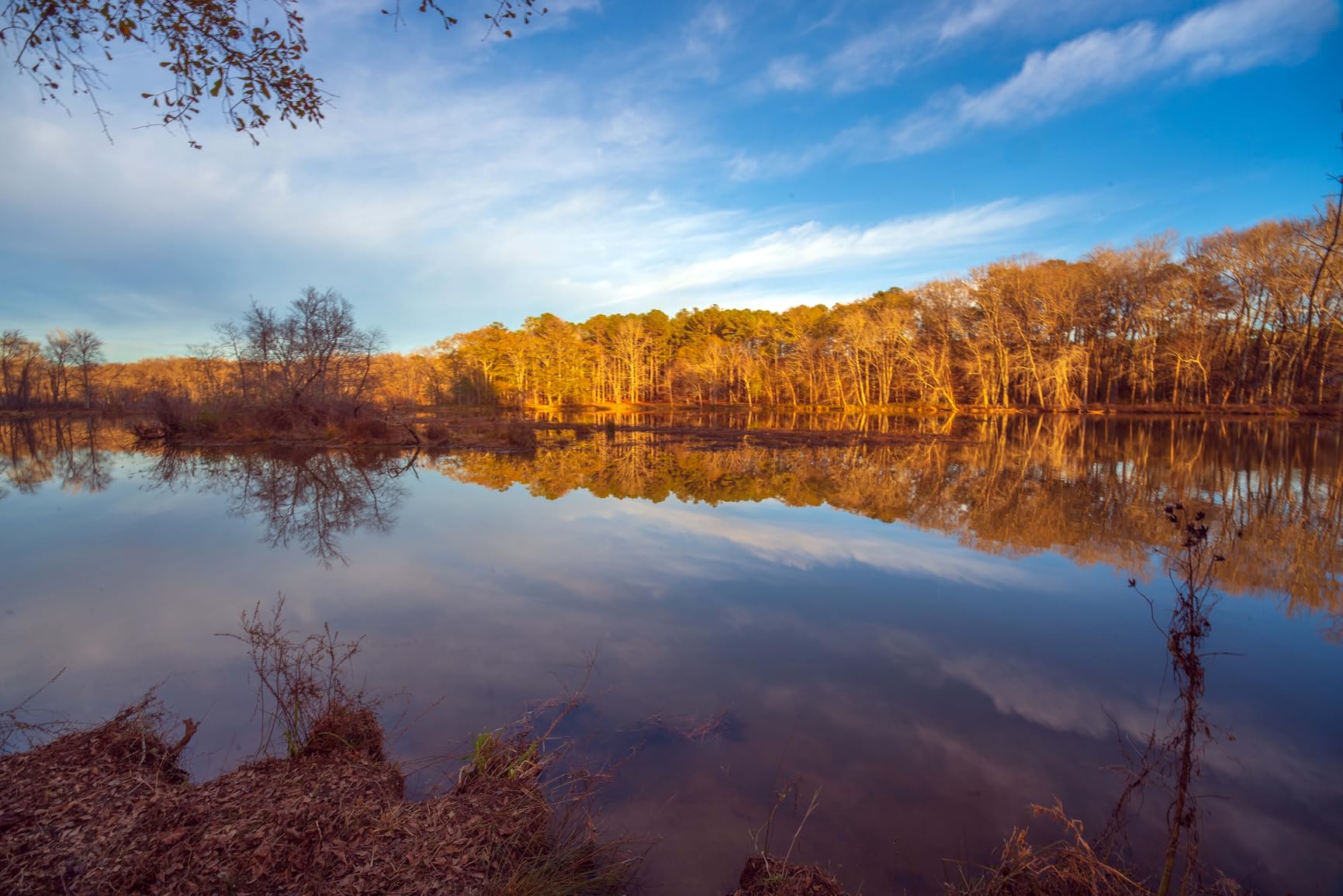
A 113.8 degree angle of view is not a subtle wide lens. This is the framing where your arm is fully extended, your whole body is in shot, and the ceiling of the room is visible behind you. It solves a specific problem that a 16mm cannot: filming in a cramped hotel room or a small apartment without leaving the frame entirely.
On Sony E APS-C bodies the 9mm focal length works out to roughly a 13.5mm full frame equivalent, which is the number the manufacturer uses. The 13 elements across 11 groups include two aspherical, three ED and three high-refractive index elements, and that much glass in that little barrel is why the edge quality holds up better than the price suggests.

The STM with lead screw internal focus motor drives an eye and face detection autofocus mode that is genuinely useful for a vlogger, because the camera can hold your face while you move. Focus is not lightning in dim light, but it is quiet, which is the property that shows up on the recording.
Minimum focus is 0.13 m, closer than almost anything else in this roundup. Combined with f/2.8 that gives you a very shallow depth of field at close distances, so you can hold an object a handspan from the lens and have the rest of the room dissolve behind it. The 56mm filter thread and seven diaphragm blades keep the file flexible in post.
When 9mm is the right call
Choose this lens if your vlogs happen in small indoor spaces, if you film cooking or unboxing at a counter, or if you regularly shoot on a gimbal where the extra width absorbs shake. It is also the natural companion to a ZV-E10 or an FX30 for a one-lens kit.
It is less suited to outdoor walk-and-talks where you want background compression and subject separation rather than sheer coverage.
Where the 9mm gets awkward
There is no built-in stabilization, so a handheld walking shot at 9mm will feel the shake. More importantly, extreme wide lenses are where faces near the edges of frame stretch visibly, and anyone standing off-center will notice. Shoot yourself near the middle of the frame and apply a distortion profile before publishing.
Some bodies also crop or apply electronic stabilization at extreme focal lengths, which removes the very width you bought the lens for. Check your camera’s video crop settings before you commit.
5. SIRUI Sniper 16mm f/1.2 Cine E Mount – Best Low Light Vlogging Lens
SIRUI Sniper 16mm AF Lens F1.2 Wide Angle APS-C Cine Lens, E Mount, Black
Sony E APS-C mount
16mm prime
f/1.2
STM with eye AF
384 g
Pros
- f/1.2 aperture delivers strong low light performance and shallow depth of field
- Quiet STM autofocus with eye AF and subject tracking
- Distinctive cinematic bokeh
- Lightweight for a cinema prime
Cons
- Sharpness falls off wide open at f/1.2
- Noticeable focus breathing when racking on video
- Autofocus is competent rather than class-leading
An f/1.2 aperture is more than two stops brighter than a standard zoom, and that is the entire argument here. If you shoot evening vlogs, indoor content or anything lit by a single lamp, this is the only lens in the roundup that lets you keep ISO low enough to avoid a noisy file while the background turns into a smooth wash behind you.
The 16mm focal length gives an approximate 24mm full frame view on APS-C Sony bodies, which is a natural-looking perspective for a talking head. The 83.1 degree angle of view is wide enough to hold you and a desk in frame without the fish-tank look of a 9mm. Sixteen diaphragm blades keep out-of-focus highlights reasonably round.

Autofocus is an STM motor with eye AF and subject tracking, and in good light it locks onto a face and holds it. It is not in the same league as a linear motor on a flagship body, so on a moving subject in mixed light you will see a brief search before it settles. The motor itself is quiet, which matters more than speed for most vlog audio.
Two honest warnings. First, focus breathing is noticeable when racking from a foreground object to infinity, so a focus pull across the frame will pump visibly. Second, wide open at f/1.2 the corners soften noticeably, and stopping down to f/2 or f/2.8 recovers most of that. Budget for a stop less light than the label promises if you want the frame edge to look clean.

Who this lens is built for
Buy it if your vlogs happen after dark, if you shoot food or product content with a heavily blurred background, or if you like the look of a cinema prime and do not need cinema-camera autofocus reliability. At 384 g it is heavier than most of this list but still manageable on a small grip or a gimbal.
It is a niche choice by design. The shallow depth of field is the point, and the compromises come with it.
Where the Sniper 16mm falls short
Focus breathing rules it out for any shot where you rack focus mid-take, and the wide-open softness means you are really shooting at f/2 most of the time. AF is adequate rather than fast, which is uncomfortable for a walking vlogger who moves toward and away from the lens.
It is also APS-C Sony E only. If you are on full frame Sony, Canon, Nikon, Fujifilm or Micro Four Thirds, this lens does not fit, and nothing in the Micro Four Thirds or Fujifilm ranges at this budget gives you anything close to f/1.2.
6. Viltrox 9mm f/2.8 Fuji X – Best Wide Angle Lens for Fujifilm
VILTROX 9mm F2.8 Fuji Wide Angle Prime Lens for Fuji X, Silver
Fujifilm X mount
9mm prime
f/2.8
113.8 degree view
175 g
Pros
- Ultra-wide 113.8 degree coverage in a 175 g body
- f/2.8 aperture for handheld and low light
- 0.13 m close focus
- Fast and accurate STM autofocus
Cons
- No built-in image stabilization
- No weather sealing
This is the lens to buy if you shoot Fujifilm and your budget is tight. Fujifilm’s own ultra-wide zooms sit well above the 500 line at full aperture, and for many X-series shooters the 9mm is the first lens they add because it solves the framing problem that the kit lens cannot. Fuji forum threads asking for a cheap wide-angle with autofocus for vlogging land in exactly this category.
Coverage matches the Sony version at 113.8 degrees, which on Fujifilm X APS-C corresponds to a 13.5mm full frame equivalent. The optical formula uses 13 elements in 11 groups with three high-refractive, three ED and two aspherical elements, and the result holds detail well past what you would expect at this price.
Autofocus is an STM motor and the consensus among users is that it is fast and accurate for the money. On an X-T30 II or an X-S20 it finds an eye and holds it while you walk, which is what you need for a talking vlog. The lens is not weather sealed, so treat rainy shooting as a reason to add a hood and a rain cover rather than a reason to buy something else.
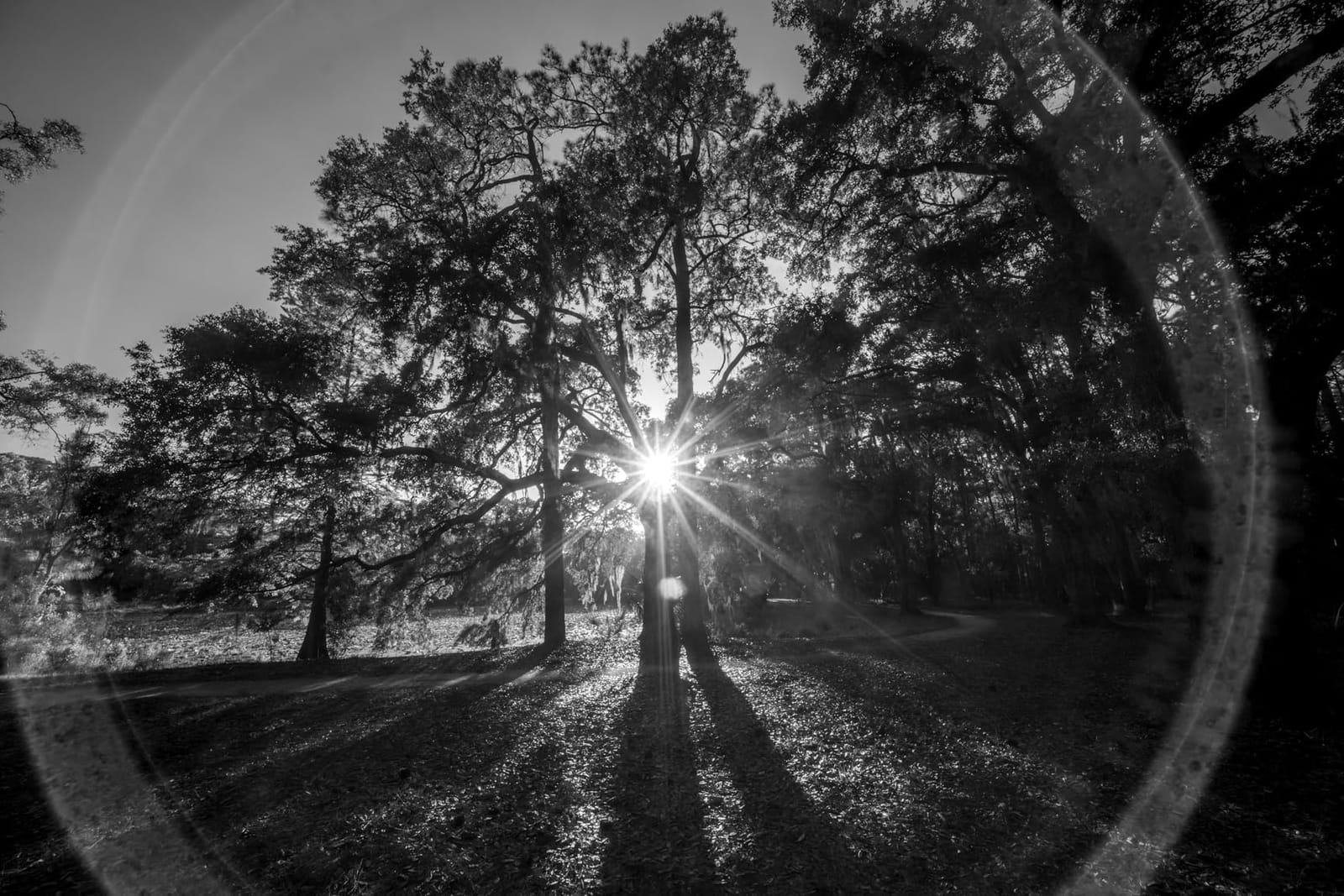
The extras are worth a mention: a lotus-shaped lens hood is included, and there is a USB-C firmware port, which means the manufacturer can improve autofocus behavior after purchase. At 175 g and 58mm filter thread it is genuinely pocketable, and 0.13 m minimum focus gives you the same dramatic close-up ability as the Sony version.
Why Fuji shooters pick this one
It is the most affordable route to true ultra-wide framing on X-mount, and the small size matters more on bodies like the X-T30 II than on a full frame rig. A fast f/2.8 aperture also means you can work indoors without pushing ISO.
If your video is gimbal-based or shot in a small room, the width is exactly what you need. For outdoor walk-and-talks, consider whether 9mm is wider than you actually want.
Where it falls short
No stabilization means handheld walking footage at 9mm relies on the body or on digital stabilization, and Fuji bodies with in-body stabilization do a decent job here. There is no weather sealing, which is the most common reservation owners report.
If you need a narrower field of view for interviews, this is the wrong lens entirely. A 12mm or 16mm gives a more natural perspective and puts less stretch on anyone standing near the edge of frame. Our full Fujifilm XF wide angle guide maps out the step-up options above this price.
7. Canon RF-S 10-18mm f/4.5-6.3 IS STM – Best Ultra-Wide Zoom for Canon APS-C
Canon RF-S10-18mm F4.5-6.3 is STM Lens
Canon RF-S mount
10-18mm zoom
f/4.5-6.3
Optical stabilization
5.28 oz
Pros
- Much wider coverage than the 18-45mm kit zoom
- STM motor delivers smooth quiet video focus
- Compact and light for a stabilized ultra-wide zoom
- Sharp from center to the edges
Cons
- Slow f/4.5-6.3 aperture struggles in low light
- Heavy corner vignetting that needs editing
- Retractable lock must be released before the camera menu works
Canon built this zoom for the mirrorless APS-C bodies rather than adapting an old DSLR design, and the difference shows in the corners. Owners consistently describe it as sharp from center to edge, where the DSLR-era 10-18mm softens noticeably at the wide end, and that edge performance matters on a 4K frame where every pixel of the frame is on screen.
The range is 10-18mm, which is 16-29mm in full frame equivalent terms, and the 100 degree angle of view at the 10mm end is more than enough for arm’s-length framing. Optical image stabilization lives in the lens, which matters because most Canon APS-C R bodies have no in-body stabilization to fall back on.

The f/4.5-6.3 aperture is the weak point. It is the slowest of the Canon options in this roundup, and a dim indoor vlog will need a higher ISO than you would choose. Maximum magnification of 0.23x in autofocus and 0.5x in manual focus gives you genuine close-ups for product shots, though the AF limit is modest.
Two practical annoyances come up repeatedly. Corner vignetting is heavy and needs a correction profile. And the retractable lens lock has to be released before certain camera menu functions will respond, which sounds trivial until you are on location trying to change a video setting with the lens collapsed.
When to choose the RF-S 10-18mm
Choose it if you own a Canon APS-C mirrorless body and want one lens that handles a vlog, an interior walk-through and a landscape without changing anything. The stabilized, sealed-feeling zoom format is the reason to prefer it over a fast prime here.
It is the direct modern replacement for the DSLR-era EF-S 10-18mm and it is smaller and sharper for the same job.
Where it falls short
Low light is the real limit, and the f/6.3 end of the range means you are likely shooting at f/4.5 with a higher ISO than ideal. If your vlogs are mostly indoors at night, the RF 16mm f/2.8 in this roundup is a better fit despite being a prime.
It also does not fit full frame RF bodies, so an R5 or R6 user has to look elsewhere for a 10-18mm equivalent. The zoom ring is not geared for smooth video operation, so smooth zoom moves are not its strength.
8. Viltrox 26mm f/2.8 EVO FE – Best Lightweight Wide Lens for Travel
VILTROX 26mm F2.8 EVO FE-Mount Ultra-Thin Pancake Lens for Sony E, AF Full Frame Lens for Sony ZV-E10 II ZV-E10 A7CII A6400 A6700 ZV-E1 A7RV FX30 A7S III A7R A7RIV A1 A9 A93
Sony E mount full frame
26mm prime
f/2.8
130 g
23.8 mm thick
Pros
- Exceptionally slim and light at 130 g
- f/2.8 performs well indoors and at dusk
- STM autofocus is fast and near-silent
- Good distortion control and edge-to-edge sharpness
Cons
- Not weather sealed
- 26mm crops to roughly 39mm equivalent on APS-C bodies
There is a specific kind of vlogger this lens is built for: the one who already has a wide prime and needs a second body that fits in a jacket pocket. At 130 g and 23.8 mm thick it is the flattest lens in the roundup by a wide margin, and the 26mm focal length gives a natural perspective on a full frame body with almost no visible distortion.
On Sony APS-C bodies the 26mm crops to about a 39mm equivalent, which is a normal-to-short-telephoto view. That is the honest caveat: mount this on a ZV-E10 and it is not a wide lens at all. The product is designed for full frame, and it performs well on E-mount full frame bodies including the A7C II and the FX30 in crop mode.

The STM motor focuses fast and near-silently, which is what you want for a compact travel rig. The 0.2 m minimum focus distance with 0.2x magnification means you can frame a small object without a separate close-up lens, and reviewers consistently note good distortion control and even sharpness across the frame rather than a soft edge.
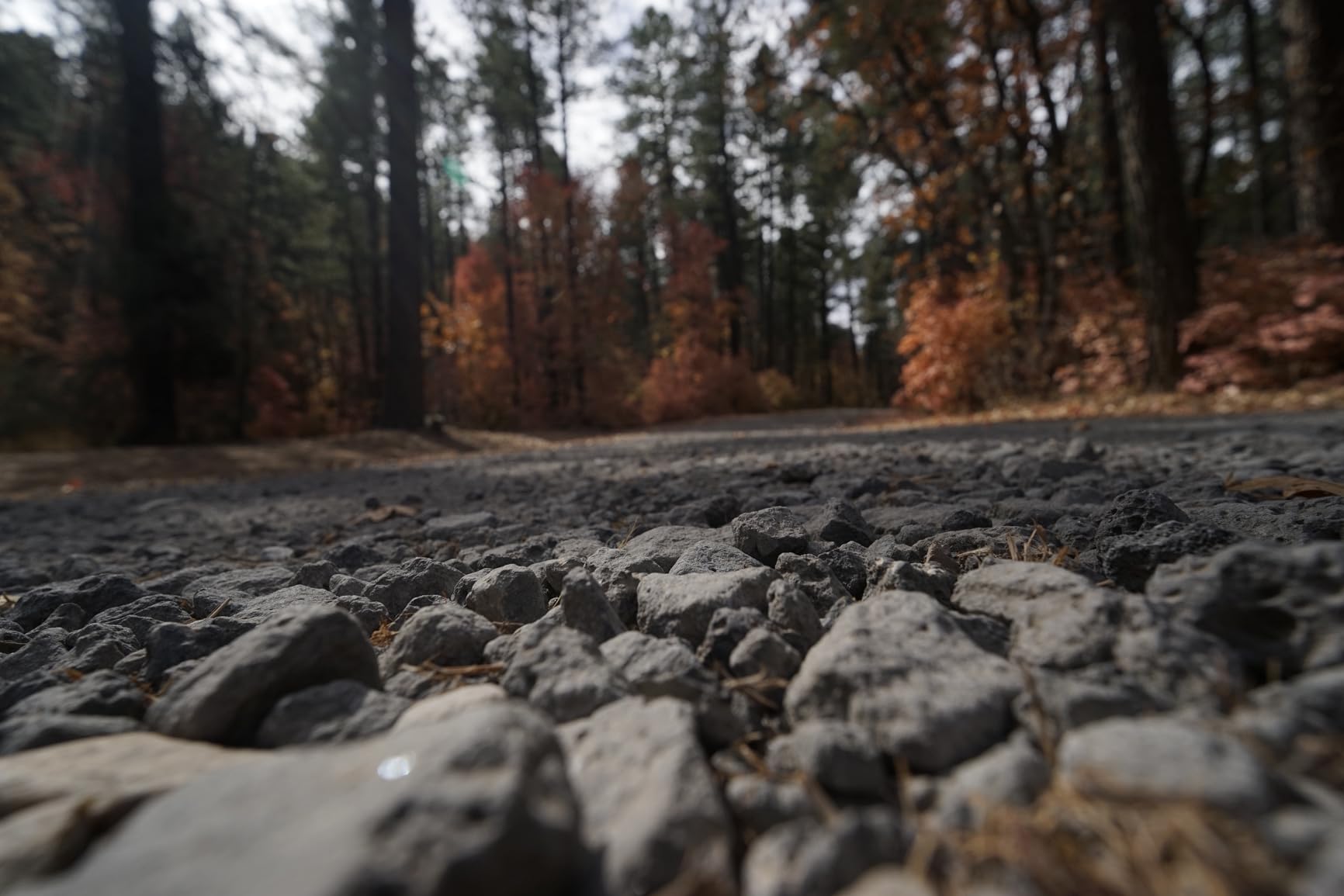
Build details go further than the price suggests: a brass-plated mount, gold-plated contacts, a magnetic cap and a USB-C firmware port. At 81.2 degrees of angle of view and a 43mm filter thread, it takes standard slim filters. There is no stabilization, so handheld video relies on the body.
Who benefits from a 26mm
A 26mm is a wide lens in the sense that matters for full frame video: enough coverage to include a desk, a kitchen counter, or your walking silhouette, with a natural look and no edge stretch. It is the sensible companion to a 35mm or a 50mm rather than a replacement for them.
Travel shooters who carry one small prime in a jacket and switch to it indoors will find it genuinely useful. Filmmakers already on a gimbal with a wide prime will use it for cutaway footage.
Where it falls short
On APS-C Sony bodies the crop makes it too narrow for vlogging, and that is where most entry-level vloggers start. It is also not weather sealed, which matters for a lens marketed at travelers who will point it at rain, dust and spray.
If you need something genuinely wide on a compact body, the Viltrox 9mm f/2.8 covers that for a similar weight, and it is built for the APS-C format rather than adapted to it.
9. Samyang 12mm f/2.0 Fujifilm X – Best Manual Wide Prime for Night Skies
Samyang SY12M 12mm F2.0 Ultra Wide Angle Lens, Fujifilm X (Silver)
Fujifilm X mount
12mm prime
f/2.0
98.9 degree view
Manual focus
Pros
- Very sharp from foreground to infinity when stopped down
- Distortion and coma well controlled for a manual design
- f/2.0 aperture suits night and astrophotography
- Compact and solidly built
Cons
- Manual focus only
- which is awkward for handheld vlogging
- Pronounced chromatic aberration on bright subjects
- Color rendering does not match Fujifilm native lenses
We include this one with a warning, because it is the lens camera forums keep recommending to vloggers and it is usually the wrong recommendation. The Samyang 12mm f/2.0 has no autofocus at all. Focusing is entirely manual, which means a walking vlog shot is a focus pull in real time while the camera is moving, and that is a fight most people lose.
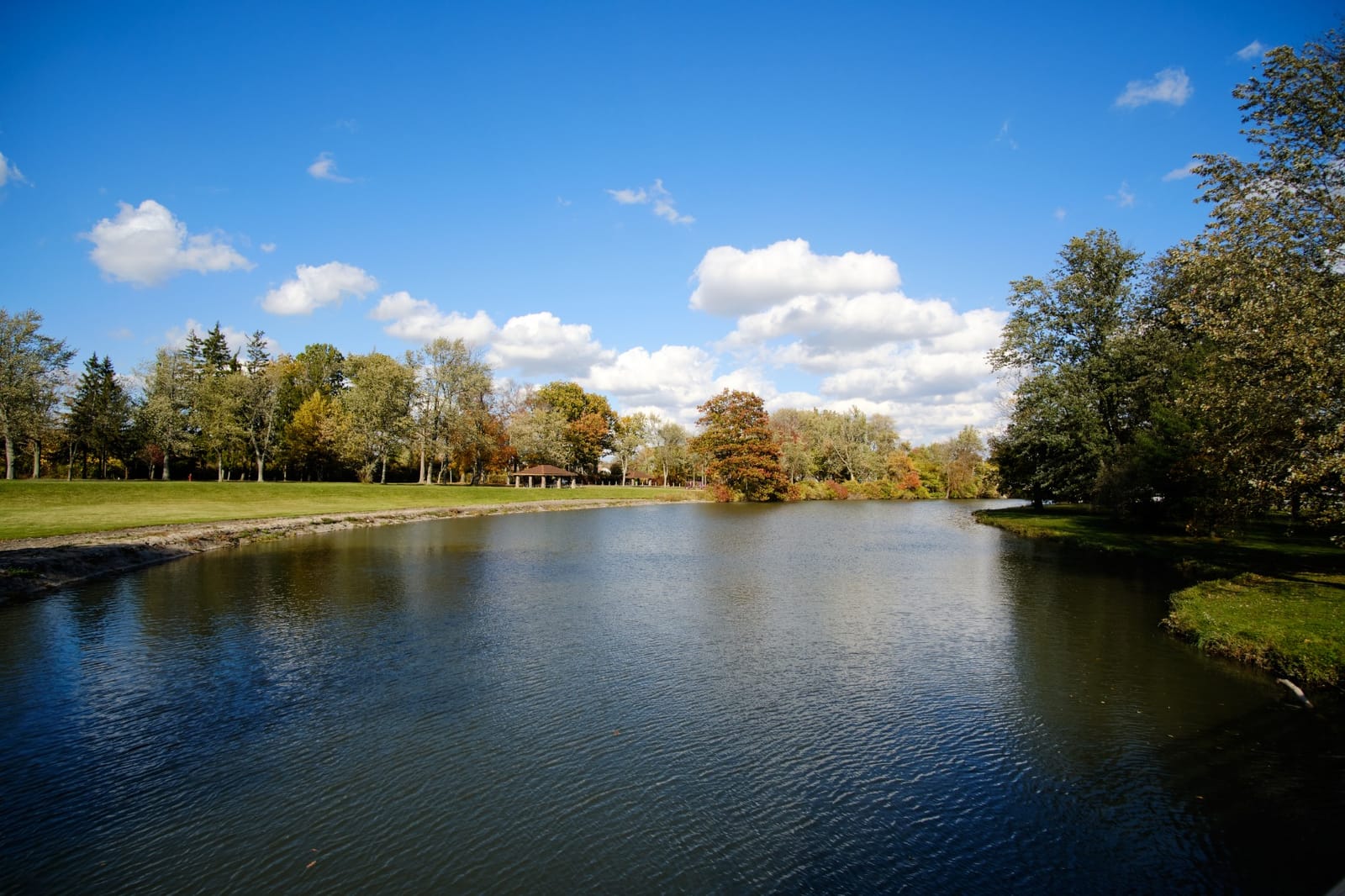
What it does offer is real optical performance. At 98.9 degrees of coverage, roughly an 18mm full frame equivalent, the lens is sharp from foreground to infinity once stopped down, and it keeps both distortion and coma better controlled than a fisheye design of the same price. That makes it a genuinely good landscape and architecture lens.

The f/2.0 aperture and a Nano Coating System that transmits light well make it useful for night and astrophotography work, where a fast, wide, manual-focus prime is exactly the right tool. Focus is down to 7.9 inches and takes 67mm filters, and the 12-element construction includes one H-ASP, one ASP and one ED element.
The recurring complaints are consistent. Chromatic aberration shows on bright edges, it is softest wide open at f/2, and the color rendering does not match Fujifilm native lenses, which means you will spend real time correcting it in post. The 4.3 rating across 185 reviews reflects exactly that split between people who shoot stills and people who shoot video.
Where a manual wide prime still makes sense
Use it for tripod work, time-lapse, night sky sequences, and locked-off interiors where you set focus once and stay there. Under those conditions manual focus is an advantage rather than a limitation, because there is no hunting and no motor noise on the recording.
It also works as a cheap secondary lens when you already have autofocus covered by another lens in your bag.
Why we would not pair it with a vlogging kit
Handheld vlogging with a manual-focus lens means a visible focus ring in the frame or a focus peaking overlay, and any drift between takes is a visible jump cut. That is the same dead end that camera forums walk into when they suggest a cheap fisheye for vlogging: the wide view is easy to buy, the usable wide video is not.
If your camera is Fujifilm X and you want a wide lens for video, buy the autofocus 9mm f/2.8 instead and keep this one for stills.
10. Panasonic Leica DG Summilux 9mm f/1.7 – Best Micro Four Thirds Wide Prime
Panasonic LUMIX Micro Four Thirds Camera Lens, Leica DG SUMMILUX 9mm F1.7 ASPH, Large Aperture, Video Performance, H-X09 Black
Micro Four Thirds mount
9mm prime
f/1.7
0.095 m close focus
Dust splash and freeze resistant
Pros
- Exceptionally bright f/1.7 aperture gives smooth cinematic bokeh
- 0.095 m focus distance for dramatic close-ups
- Minimal focus breathing and smooth aperture control
- Compact sealed Leica-branded build
Cons
- Manual focus only
- Highest price in the roundup
- Micro Four Thirds is a smaller system
Micro Four Thirds is where the depth-of-field advantage of a smaller sensor pays off most, and this lens is the clearest demonstration. An f/1.7 aperture on a Micro Four Thirds body gives you a background that separates like a medium format lens, because the depth of field is governed by the sensor size rather than the focal length.
It is also the only lens in this roundup whose manufacturer lists minimal focus breathing and smooth aperture control as headline video features, and users confirm both. The 0.095 m minimum focus distance with 0.25x magnification, which doubles to a 0.5x equivalent, is extraordinary for a wide prime and gives you genuine macro capability without an adapter.
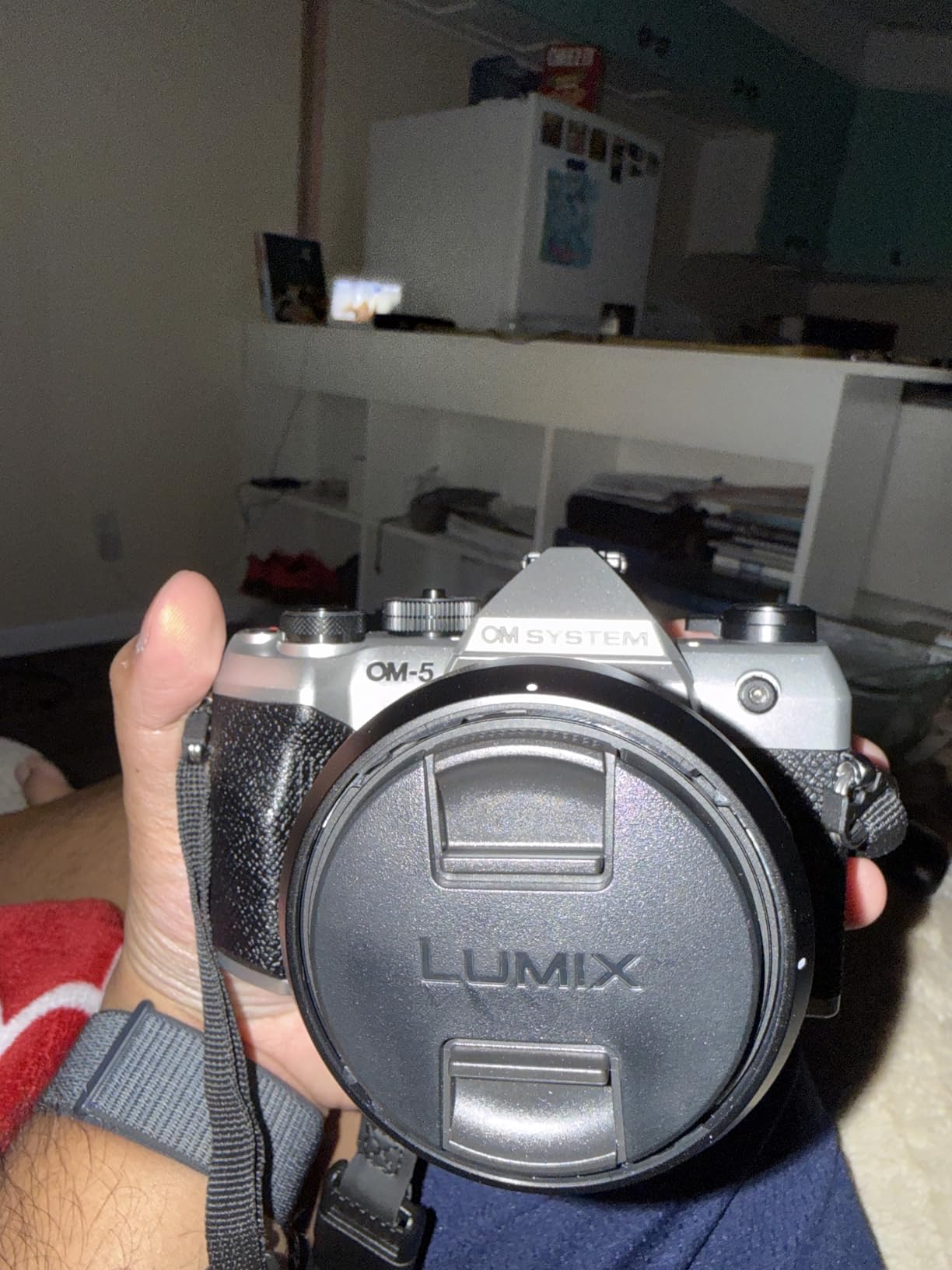
The build is the surprise: 7.36 ounces, a fluorine coating, and a dust, splash and freeze resistant design. It fits every Micro Four Thirds body, and at 55mm filter thread it takes slim filters. The 100 degree angle of view covers a 9mm focal length, which is an 18mm full frame equivalent.
It is also manual focus, and it is the most expensive option here. Both facts push it toward a specific buyer: someone already invested in a Micro Four Thirds body for its stabilization and video features, who wants a fast, sealed, close-focusing wide prime and is willing to focus manually in a controlled situation. If your footage is handheld walk-and-talk, the autofocus Viltrox 9mm f/2.8 Fuji X or a similar autofocus lens is the safer pairing.

Why Micro Four Thirds still deserves a look
Camera bodies in this system are small, heavily stabilized, and often cheaper than full frame, which makes the whole kit lighter in a bag. Paired with a fast wide prime, the depth of field you get at f/1.7 is the reason to choose this system deliberately rather than as a compromise.
For tripod and locked-off b-roll it is excellent. For anything moving quickly, plan your focus.
Where it falls short
Manual focus and the top-of-range price in this roundup are the two practical limits. It is also the least flexible option if you later switch systems, because Micro Four Thirds glass does not adapt to anything else.
Our Laowa wide angle roundup covers more manual-focus ultra-wide designs if that is the direction you want to go, including options with 1:1 magnification and no electronics at all.
11. Nikon NIKKOR Z DX 24mm f/1.7 – Best Wide Prime for Nikon Z DX Bodies
Nikon NIKKOR Z DX 24mm f/1.7 | Extra-large aperture wide-angle prime lens for APS-C size/DX format Z series mirrorless cameras | Nikon USA Model, Black
Nikon Z DX mount
24mm prime
f/1.7
281 g
4.7 inch close focus
Pros
- Fast f/1.7 aperture with pleasing bokeh
- Autofocus tuned for video with no noise or focus breathing
- Light at 281 g for an always-on travel lens
- Sharp with minimal distortion when stopped down
Cons
- Slight corner softness and vignetting wide open
- No built-in image stabilization
This lens deserves more attention than its rating suggests. The 24mm focal length gives a field of view close to a 35mm full frame lens, and on a DX body that is a moderate wide angle rather than a true ultra-wide. For a talking-head vlog with a little environment showing, that is often the more useful framing than 10mm, because faces sit closer to the natural proportions you get with a full frame camera.
The f/1.7 aperture is the headline. It is bright enough for evening vlogs and produces the kind of soft, creamy background that makes a talking head look like a produced piece rather than a webcam recording, and the seven diaphragm blades keep bokeh edges reasonably round.
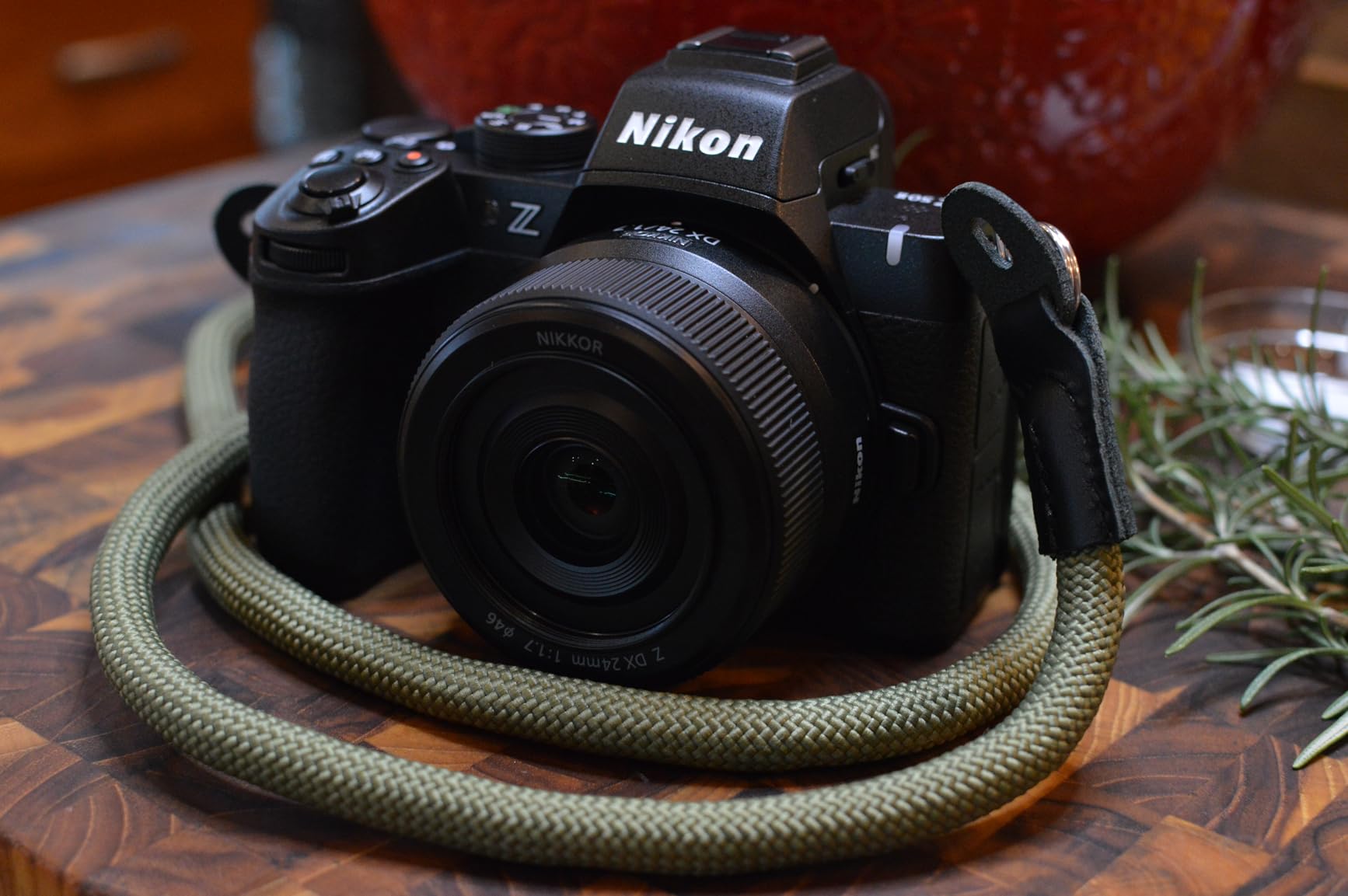
Autofocus is the reason to choose it. Nikon tuned this lens for video with no mechanical noise and no focus breathing in full-time autofocus, which means you can follow a subject across the frame without the frame pumping and without motor sound on the recording. Minimum focus is 4.7 inches from the front element, close enough for product and food detail.
Owners note that the f/1.7 aperture can perform narrower than rated, particularly on wider openings, and that there is slight corner softness and vignetting wide open that resolves as you stop down. At 281 g it is light enough to carry as an always-on lens, and it includes a hood plus front and rear caps with dust and drip resistant sealing.
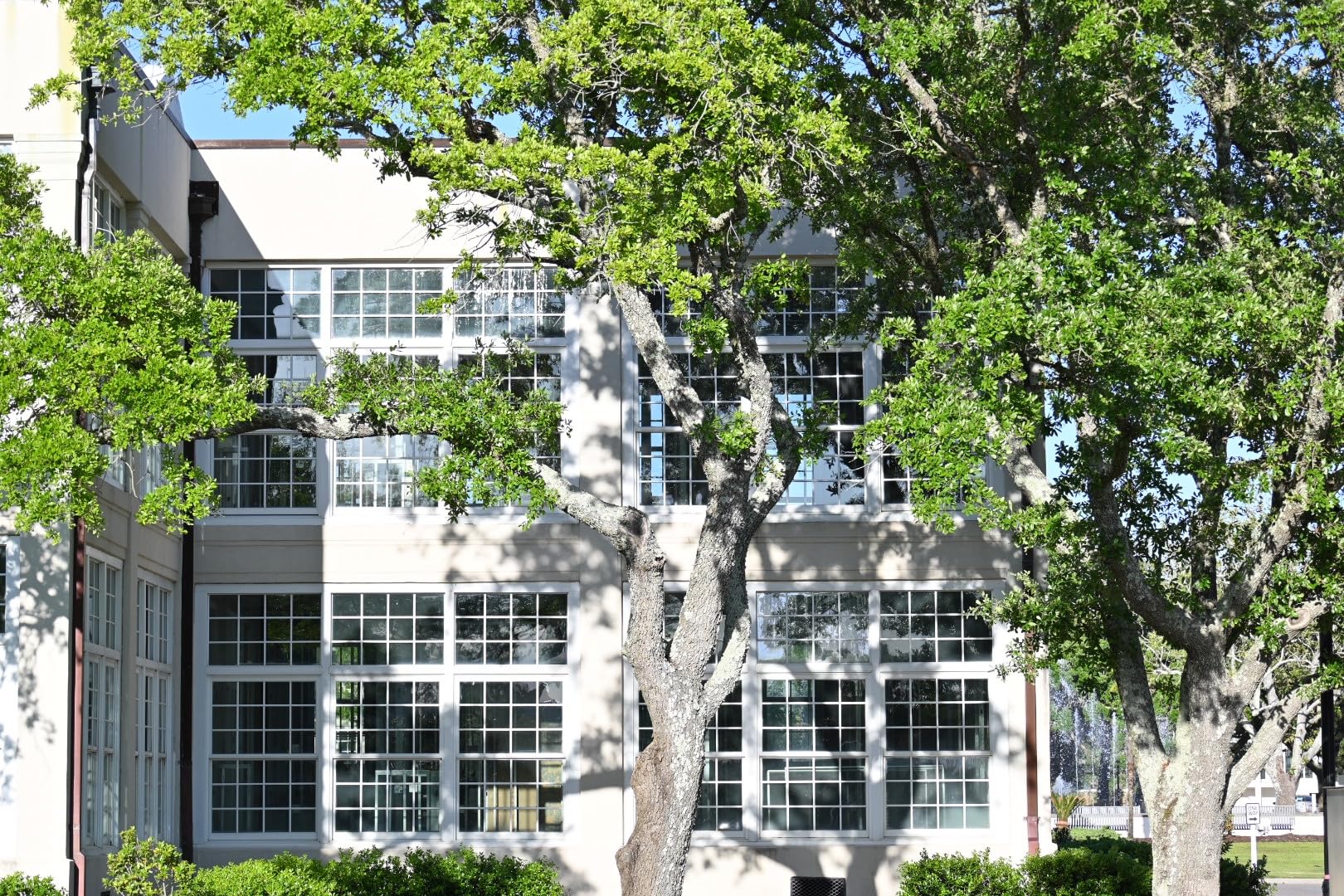
Who should choose the 24mm f/1.7
Buy it if you shoot a Z30, Z50 or Z fc and your vlog is a person talking to camera in a room. A DX 24mm behaves like a 36mm lens, which is the classic documentary framing, and the f/1.7 aperture lets you hold the subject sharp with the background dissolved.
It is also the natural walk-and-talking lens of this roundup, because the quiet, breatheless autofocus is exactly what that format needs.
Where it falls short
There is no built-in stabilization, so on bodies without in-body stabilization you will need a gimbal, a tripod, or the digital active mode. And it is not a wide ultra-wide: if you need to include a whole room or film yourself at full arm extension in a small space, the 12-28mm zoom below is the more appropriate tool.
Some users find the f/1.7 rating a touch optimistic on stopped-down-to-wide-open consistency. Shoot a test clip at your actual ISO before committing to a long project.
12. Nikon NIKKOR Z DX 12-28mm PZ VR – Best Power Zoom Lens for Smooth Video Moves
Nikon NIKKOR Z DX 12-28mm PZ VR | Wide-Angle Power Zoom Lens with Image stabilization for APS-C Size/DX Format Z Series mirrorless Cameras | Nikon USA Model
Nikon Z DX mount
12-28mm zoom
4.5 stops VR
11 zoom speeds
Close focus to 11 inches
Pros
- Smooth motorized power zoom ideal for video reframing
- 4.5 stops of optical VR stabilization
- Covers vlogging through landscape on one lens
- Light at 7.2 ounces and compact
Cons
- Moderate f/3.5-5.6 aperture range
- Power zoom needs compatible controls such as the ML-L7 remote or SnapBridge
Every other lens in this roundup changes framing by physically turning a ring. This one changes framing with a motor, and that is a different tool. Eleven selectable power zoom speeds let you push in on a subject or reveal a scene at a controlled pace, which is the move that separates a vlog from a slideshow of static shots.
The range runs 12mm to 28mm with a 99 degree angle of view at the wide end, so it covers genuine ultra-wide framing for arm’s-length vlogging and pulls back to a normal lens for landscapes. The 2.33:1 zoom ratio keeps it compact, and at 7.2 ounces it is one of the lightest stabilized wide zooms available for any mount.
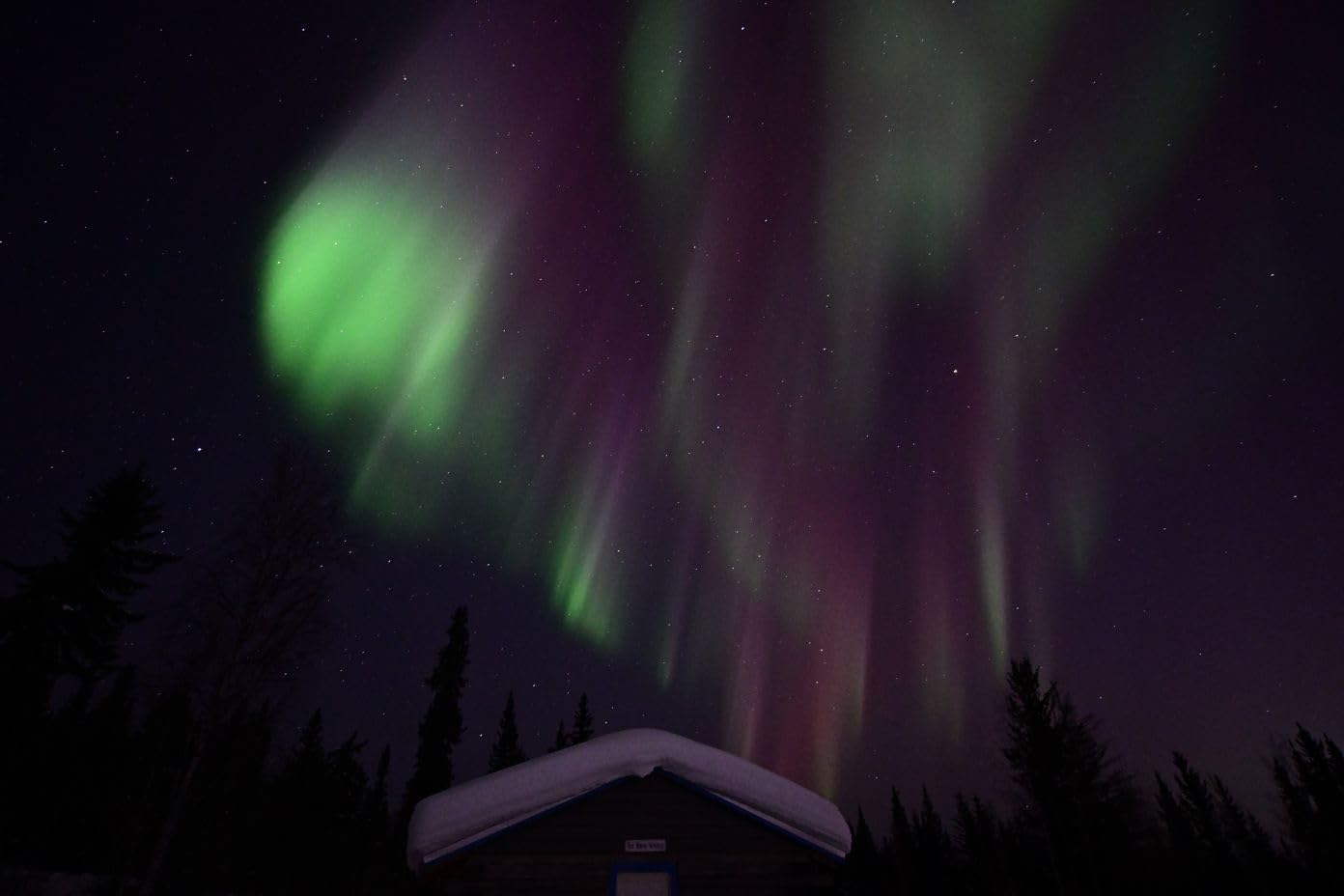
Optical VR provides 4.5 stops of stabilization, which is real help for a walking vlog on a body like the Z30 that has no in-body stabilization. Close focus is 11 inches with a 67mm filter thread, and the seven diaphragm blades render out-of-focus points acceptably for a zoom in this class.
The catch is the control method. Power zoom responds to the lens ring, camera zoom buttons, the ML-L7 remote, SnapBridge or NX Tether, so if you shoot on a body without those options you are back to turning the ring yourself. The f/3.5-5.6 aperture is moderate, and low light will need a higher ISO than the fast primes in this list.
Why power zoom changes the edit
A motorized zoom gives you clean start and end points with no hand shake, and the slowest settings are smooth enough to use as a transition. It is the reason this lens appears in vlogs that lean on reveal shots and reframing rather than a single locked angle.
It is also the best one-lens answer on Nikon Z for someone who covers vlogs, interiors, and landscapes in the same week without wanting a second lens.
Where it falls short
The aperture range is the main compromise for video work, and the reliance on compatible control hardware adds friction for anyone shooting on a body outside the supported list. If your workflow never uses a zoom move, the money is better spent on a fast prime.
There is also no manual focus override switch mentioned in the specification, so video shooters who want to pull focus by hand have less control than they would with a mechanically coupled lens.
How to Choose a Wide Angle Lens for Vlogging
Start with focal length, not brand
What matters is how much of the frame you want around you. Crop sensors multiply focal length, so a 10mm on a 1.5x APS-C body gives a view like a 15mm full frame lens, and a 10mm on a 2x Micro Four Thirds body gives a view like a 20mm full frame lens. That crop factor is the single most misunderstood number in lens shopping, and it is why the same lens behaves very differently on two cameras.
As a practical rule: for arm’s-length framing you want roughly 16mm or wider in full frame equivalent terms, which means 10-11mm on APS-C. For a walking-and-talking shot where your head and shoulders sit in frame with some room around them, 24mm equivalent is plenty, which is about 16mm on APS-C. Anything under 10mm equivalent is a small-room lens, not a general-purpose vlogging lens.
Aperture decides whether you can shoot after sunset
An f/1.2 lens gives you more than two stops over an f/4.5 zoom. That is the difference between a clean evening vlog and a noisy one. If your footage is mostly indoors or shot after dark, aperture matters more than focal length, and the Sirui 16mm f/1.2 or the Nikon Z DX 24mm f/1.7 are the two picks here built for that.
If you shoot outdoors in daylight, aperture is far less important and focal length, stabilization, and autofocus behavior take over. Most daylight vloggers will be happier with a wider zoom than with a fast prime.
Stabilization: lens, body, digital, or gimbal
Four different mechanisms get sold under the same name. Optical stabilization in the lens is real optical correction, with no crop penalty. In-body stabilization does the same job in the camera, and works best with a fixed focal length. Digital active mode analyzes the frame and crops into it, which smooths shakes at the cost of resolution and field of view. A gimbal stabilizes the whole camera mechanically, and works with anything.
The crop from digital active mode is the reason a wide lens is worth buying in the first place. A 10mm frame has enough spare width to lose a few percent to cropping and still be wide, whereas a 24mm frame has almost nothing to give. Wide focal length pays for stabilization in a way that a normal lens cannot.
Autofocus for video is not the same as autofocus for stills
A stepping motor is the minimum for comfortable vlogging, because it focuses quietly and without the abrupt hunting sound of a geared DC motor. A linear motor is better still. What matters is how the lens behaves in continuous video autofocus, not how fast it snaps to a single point in stills mode.
Manual-focus lenses can make excellent footage, but only when the camera is on a tripod or the subject is not moving relative to the lens. For a walking vlog, a manual-focus ultra-wide is a dead end, and that is worth repeating because camera forums keep recommending cheap manual fisheyes for exactly this use case.
What to avoid under 500
Manual-focus fisheye lenses are the most common bad recommendation in vlogging forums. They look dramatic in thumbnails and unusable in motion, with heavy barrel distortion and no way to focus while walking. A fisheye also has a field of view nothing like a rectilinear wide lens, so the framing you plan is not the framing you get.
Phone clip-on lenses are the other trap. They are fixed focus, plastic, and often vignette hard on a phone camera. Beyond a single holiday clip, spend your budget on a real mount. And avoid buying a full frame ultra-wide for a crop-sensor body if a dedicated APS-C version exists: the frame is wider than you framed for, and the autofocus is usually tuned for a different sensor.
Distortion is correctable, but plan for it
Any rectilinear wide lens under this budget will show some barrel distortion and vignetting at the edges. Every major editing package ships lens profiles, and applying one is a single checkbox. The real planning is compositional: keep faces away from the extreme edges of frame, because edge stretch there is not corrected by profile alone.
Also check whether your camera crops in video mode or when digital stabilization is active at a very short focal length. If it does, the width you paid for gets trimmed before you ever see it.
Frequently Asked Questions
What lens do most vloggers use?
Most vloggers use a wide prime or a wide zoom between 16mm and 24mm in full frame equivalent terms, which is roughly 10mm to 16mm on an APS-C body. That range frames you at arm’s length while leaving enough width to show the room. A fast aperture matters more than focal length once you shoot indoors or after dark.
What are some good inexpensive wide-angle lenses?
The most affordable wide-angle lenses with autofocus include the Viltrox 9mm f/2.8 for Sony E APS-C and the matching 9mm f/2.8 for Fujifilm X, both with a 113.8 degree field of view and a 0.13 m minimum focus distance. The Canon RF 16mm f/2.8 is the value pick on full frame, weighing 163 g with a gear-type stepping motor for quiet video focus.
What is the best budget Canon wide-angle lens?
On Canon EF-S DSLRs the EF-S 10-18mm f/4.5-5.6 is STM is the strongest budget choice, with a 10mm wide end, near-silent stepping motor autofocus and optical image stabilization. On full frame EOS R bodies the RF 16mm f/2.8 STM is the pick, weighing 163 g with an f/2.8 aperture and close focus to 5.11 inches.
What is a good budget wide-angle lens for a Sony camera?
On Sony E APS-C bodies the Viltrox 9mm f/2.8 gives a 113.8 degree view, an f/2.8 aperture and 0.13 m close focus at a low cost. For low light on the same mount, the SIRUI Sniper 16mm f/1.2 delivers a much brighter image. On full frame Sony bodies the Viltrox 26mm f/2.8 EVO is 130 g and 23.8 mm thick.
What is the best wide-angle lens for Fujifilm?
For Fujifilm X the Viltrox 9mm f/2.8 is the budget pick, with 113.8 degrees of coverage, a 175 g body, STM autofocus and an included hood plus a USB-C firmware port. The Samyang 12mm f/2.0 is sharper and better controlled optically but is manual focus only, which makes it a poor match for handheld vlogging.
What are the downsides of wide-angle lenses?
Wide lenses distort faces near the edges of frame, stretch objects at the corners, and can make interiors look unnaturally large. At very wide focal lengths they are front-heavy on small bodies, and without stabilization handheld walking footage shakes. Barrel distortion and vignetting also need a correction profile applied in editing.
Is an ultra wide lens better for vlogging?
An ultra wide lens is better for filming yourself at arm’s length in a small room, on a gimbal, or for cooking and unboxing content where your hands need space in frame. For a walking and talking shot, a moderate wide angle closer to 24mm equivalent gives a more natural look and less edge stretch on faces.
Do I need image stabilization for vlogging?
It helps, but at wide focal lengths the digital active mode crops into the frame to smooth shake, and a wide frame has enough spare width to absorb that crop. A stabilized zoom or a body with in-body stabilization is the simpler answer. For the smoothest walking footage, a gimbal still works better than any in-lens system.
Final Verdict: Which Wide Angle Lens Should You Buy
If you want one default answer, take the Canon EF-S 10-18mm f/4.5-5.6 is STM. It covers 10-18mm on an APS-C Canon body, its stepping motor focuses quietly enough to record video, and its optical stabilization handles a walking shot without a gimbal. Shoot indoors more than outdoors and step up to the Canon RF 16mm f/2.8 for two stops more light and a much smaller lens.
On Nikon DX, the AF-P DX 10-20mm f/4.5-5.6G VR is the equivalent answer, and on Sony E APS-C the Viltrox 9mm f/2.8 is the one to beat. Fujifilm shooters get the same 9mm f/2.8 in X-mount, and Micro Four Thirds users who want cinematic depth of field have the Leica Summilux 9mm f/1.7. Whatever mount you are on, the best wide angle lenses for vlogging under 500 are no longer the weak point of a budget kit, and that is the real story of this list in 2026.