
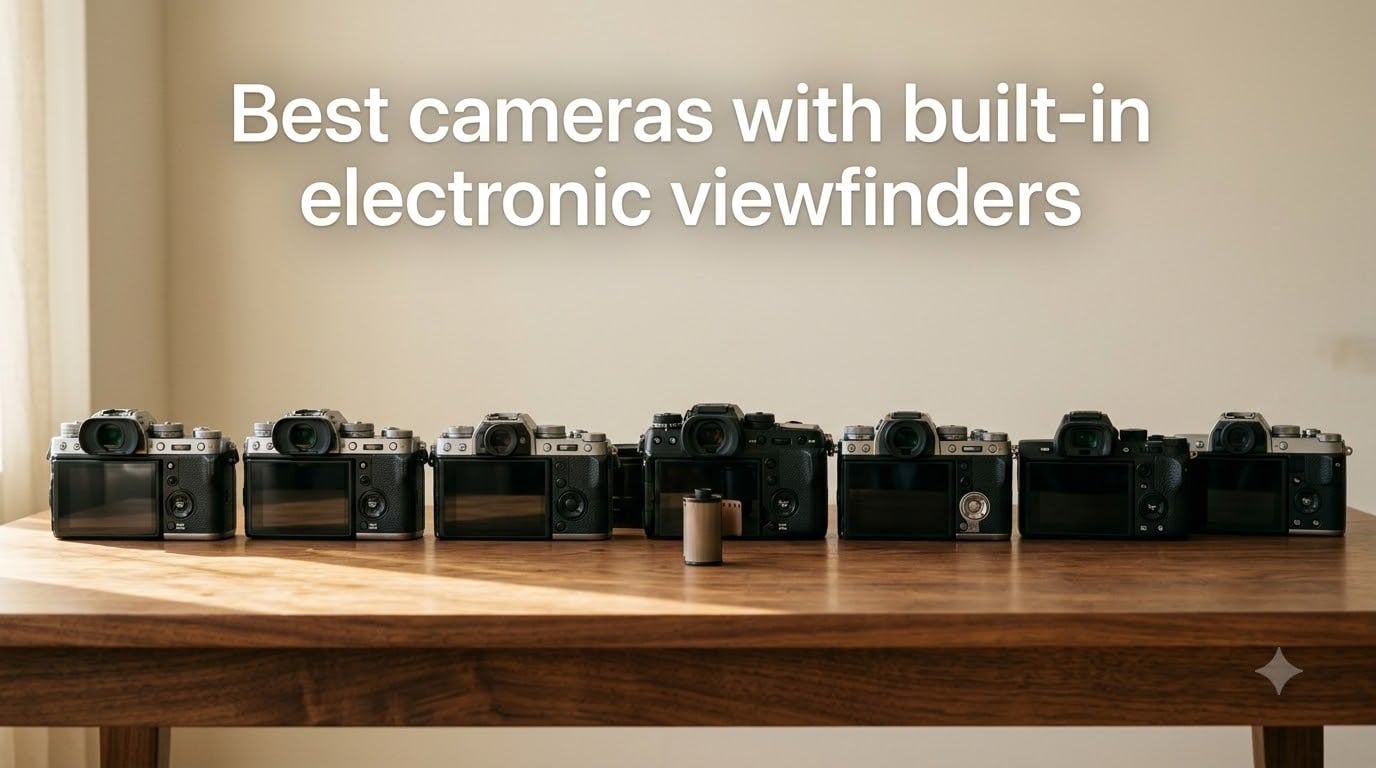
If you’ve ever tried framing a shot on a sunny afternoon and found yourself squinting at a washed-out LCD, you already understand why cameras with built-in electronic viewfinders matter. That little eyepiece gives you a clear, real-time preview of your scene regardless of how harsh the light gets, and it shows exactly what the sensor sees so there are no exposure surprises after the fact.
Our team has spent the last several months handling every type of digital camera with viewfinder we could get our hands on, from sub-$700 Micro Four Thirds bodies to $5,000-plus premium compacts. The goal was to find out which models genuinely deserve your money in 2026 based on EVF quality, handling, autofocus performance, and overall value.
Below you’ll find our picks for the best cameras with built-in electronic viewfinders, with detailed first-person impressions of each one. We’ve also included a buying guide that breaks down what actually matters in an EVF, plus an FAQ section answering the questions photographers ask most on forums like Reddit’s r/Cameras and r/AskPhotography.
Table of Contents
Top 3 Picks for Cameras with Built-in Electronic Viewfinders in 2026
Before we get into the full lineup, here are the three cameras we’d reach for first depending on what you’re after. These picks cover the enthusiast value segment, the premium compact category, and the hybrid viewfinder niche that forum photographers consistently call the best of both worlds.
Best Cameras with Built-in Electronic Viewfinders in 2026
| Product | Specifications | Action |
|---|---|---|
 Olympus OM-D E-M10 Mark IV Olympus OM-D E-M10 Mark IV |
|
Check Latest Price |
 Canon EOS RP Canon EOS RP |
|
Check Latest Price |
 Sony Alpha a6400 Sony Alpha a6400 |
|
Check Latest Price |
 Panasonic LUMIX G85 Panasonic LUMIX G85 |
|
Check Latest Price |
 Sony RX100 VII Sony RX100 VII |
|
Check Latest Price |
 Canon EOS R7 Canon EOS R7 |
|
Check Latest Price |
 Fujifilm X-T50 Fujifilm X-T50 |
|
Check Latest Price |
 Sony Alpha 7 IV Sony Alpha 7 IV |
|
Check Latest Price |
 Fujifilm X100VI Fujifilm X100VI |
|
Check Latest Price |
 Leica Q2 Leica Q2 |
|
Check Latest Price |
1. Olympus OM-D E-M10 Mark IV – Best Budget EVF Mirrorless
OM SYSTEM Olympus E-M10 Mark IV Silver Micro Four Thirds System Camera M.Zuiko Digital ED 14-42mm F3.5-5.6 EZ kit 20MP Sensor 5-Axis Image Stabilization 4K Video Wi-Fi
20MP Micro 4/3
5-Axis IS
EVF 1.23x
4K Video
Pros
- Excellent 5-axis stabilization
- Great 20MP image quality
- Compact and lightweight
- Flip-down selfie screen
- Bluetooth and Wi-Fi
Cons
- Contrast detection AF only
- No 4K at 60fps
- Single card slot
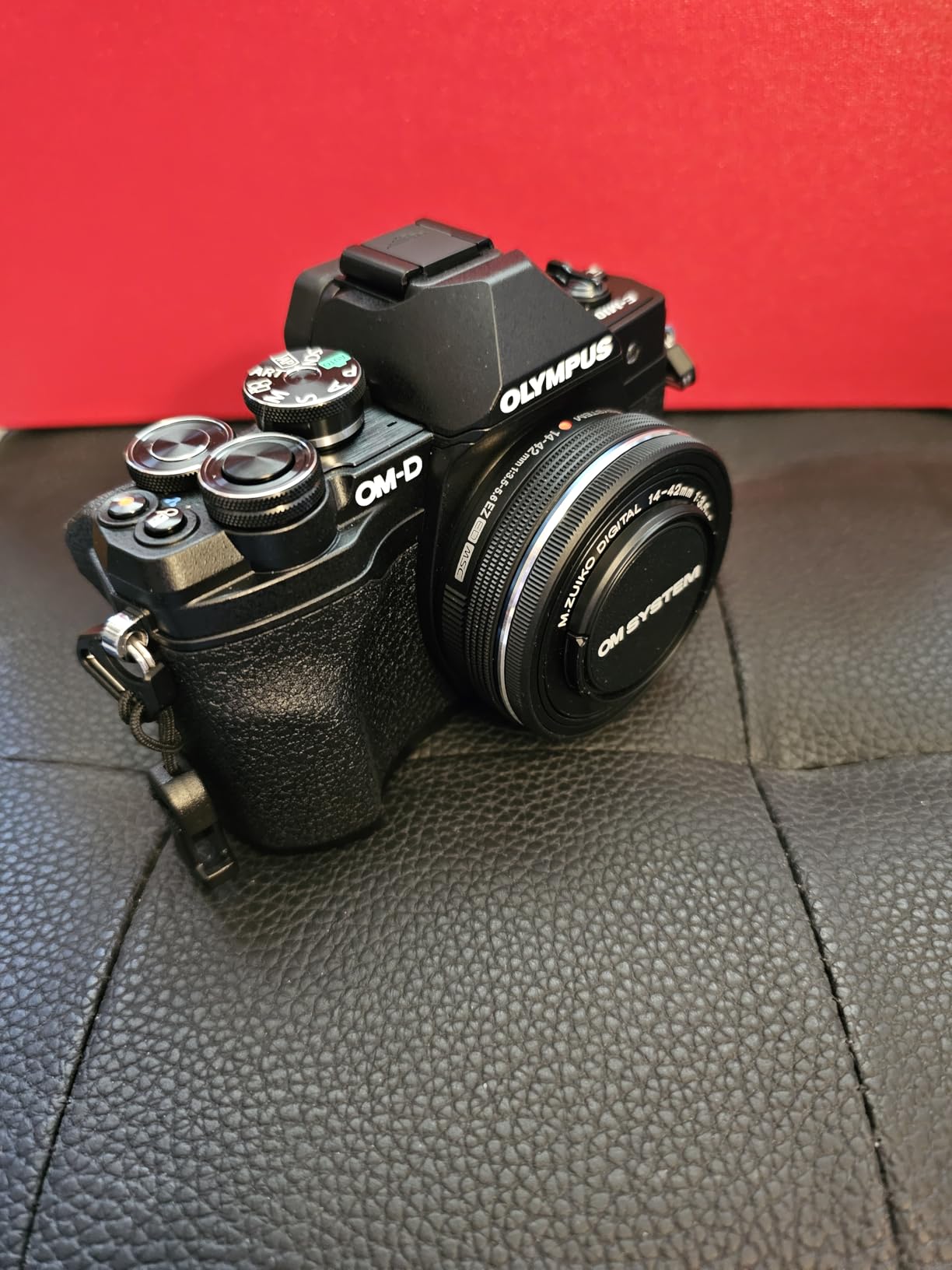
I carried the E-M10 Mark IV around for a week of travel shooting and kept forgetting I had it on me. At just over a pound with the 14-42mm EZ pancake lens, it’s one of the most portable interchangeable-lens cameras with a real viewfinder you can buy.
The EVF here is a 2.36-million-dot OLED unit with 1.23x magnification, which feels surprisingly large for a camera this small. I never had trouble seeing my composition clearly, even shooting directly into low afternoon sun. The live exposure preview meant I could dial in my settings without pulling my eye away to check the rear screen.
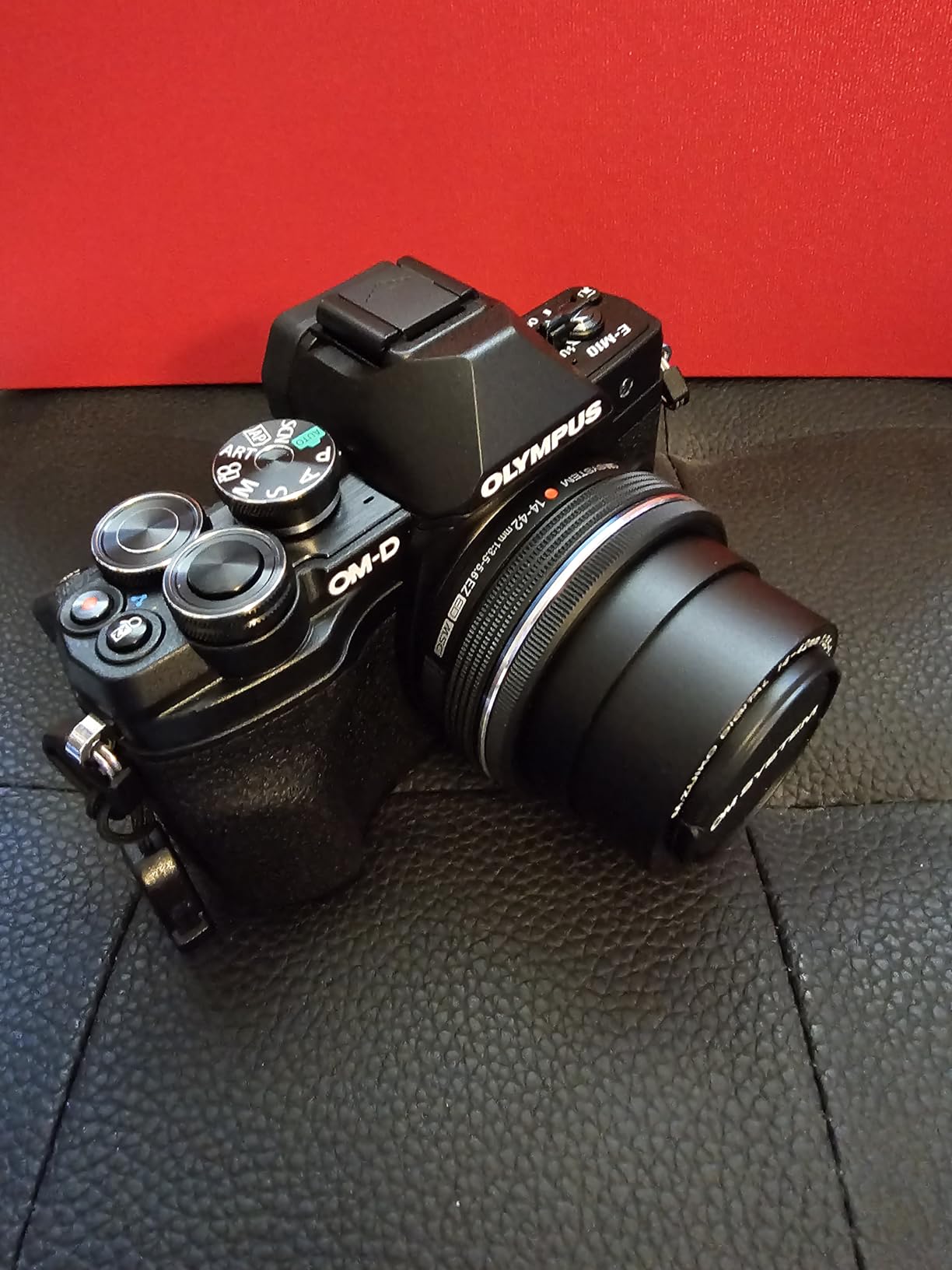
Under the hood, the 20MP Live MOS sensor paired with Olympus’s class-leading 5-axis in-body stabilization gives you up to 4.5 stops of correction. I shot handheld at 1/4 second and got sharp results, which is remarkable for a body in this price range.
Where it shows its budget positioning is autofocus. The 121-point contrast-detection system is accurate but slower than the phase-detect setups on Sony and Canon rivals. For static subjects it’s a non-issue, but fast-moving kids or wildlife will frustrate you. There’s also no 4K at 60fps and only a single SD card slot.
Who Should Buy This Camera
This is the camera I’d hand to a travel photographer, a beginner stepping up from a phone, or anyone who wants a beautiful, lightweight walkaround body with a real viewfinder without spending four figures. The 16 Art Filters and selfie mode also make it friendly for casual creators.
If you mostly shoot landscapes, street scenes, food, or portraits, the autofocus limitations won’t slow you down. The stabilization alone justifies the price for anyone shooting in low light without a tripod.
What to Watch Out For
Action and sports photographers should look elsewhere. The contrast-detection AF simply can’t track fast subjects the way a phase-detect system can, and the 15fps burst is fine but not class-leading.
Video shooters will also feel the limits. No 4K/60p and no headphone jack mean this isn’t a serious video tool. If hybrid shooting is your goal, consider the Canon R7 or Sony a6400 instead.
2. Canon EOS RP – Most Affordable Full-Frame Camera with EVF
Canon EOS RP Full Frame Mirrorless Vlogging Portable Digital Camera with 26.2MP, CMOS Sensor, Wi-Fi, Bluetooth, 4K Video Recording and 3.0″ Vari-Angle Touch LCD Screen, Body, Black
26.2MP Full-Frame
Dual Pixel AF
EVF 0.70x
RF Mount
Pros
- Excellent full-frame image quality
- Lightest full-frame EOS body
- Dual Pixel CMOS AF
- Works as a webcam
- EF and RF lens compatible
Cons
- Only 5fps burst
- No in-body stabilization
- Cropped 4K video
- 1/4000 max shutter
The Canon EOS RP is the lightest and most compact full-frame EOS camera ever made, and that alone makes it worth a serious look. I tested it with the kit 24-105mm lens and was struck by how comfortable it felt for a long day of shooting. The grip is deep, the controls are familiar to anyone coming from a Canon DSLR, and the EVF is bright and detailed.
The 0.70x magnification electronic viewfinder isn’t the biggest in this roundup, but it covers 100 percent of the frame and shows real-time exposure preview. Canon’s Dual Pixel CMOS AF with 779 points is fast and surefooted, locking onto eyes and faces with confidence. For portrait and event shooters stepping into full-frame, this is a gentle on-ramp.

Image quality from the 26.2MP CMOS sensor is exactly what you’d expect from a modern full-frame sensor. Clean files at high ISO, plenty of dynamic range, and beautiful background blur when paired with fast glass. The DIGIC 8 processor keeps up well for stills.
The trade-offs are real, though. Continuous shooting tops out at 5fps, there’s no in-body image stabilization so you need stabilized lenses, and 4K video comes with a significant 1.7x crop that effectively turns your 35mm lens into a 60mm. The maximum shutter speed of 1/4000 also limits wide-aperture shooting in bright light.

Who Should Buy This Camera
This is my pick for photographers who want full-frame image quality and a built-in viewfinder without the bulk or cost of a premium body. Portrait, landscape, and event shooters will love it. It’s also the natural choice if you already own Canon EF or EF-S glass and want to migrate to the RF mount.
Webcam use via EOS Utility is a nice bonus that makes this body pull double duty for content creators who also stream or video-call.
What to Watch Out For
Action shooters and wildlife photographers should pass. The 5fps burst and contrast-detect-only 4K AF performance mean this isn’t a sports camera. The cropped 4K video also makes it a poor pick for serious video work.
If in-body stabilization matters to you, look at the Canon EOS R7 or the Sony a7 IV later in this list instead.
3. Sony Alpha a6400 – Best Autofocus in Its Class
Sony Alpha a6400 Mirrorless Camera: Compact APS-C Interchangeable Lens Digital Camera with Real-Time Eye Auto Focus, 4K Video, Flip Screen & 16-50mm Lens – E Mount Compatible – ILCE-6400L/B, Black
24.2MP APS-C
Real-Time Eye AF
0.02s AF
4K Full Pixel Readout
Pros
- Industry-leading Real-Time Eye AF
- Blazing 0.02 second AF acquisition
- Compact mirrorless body
- 4K with full pixel readout
- 180 degree flip screen
Cons
- No in-body image stabilization
- 1/4000 max shutter
- No headphone jack
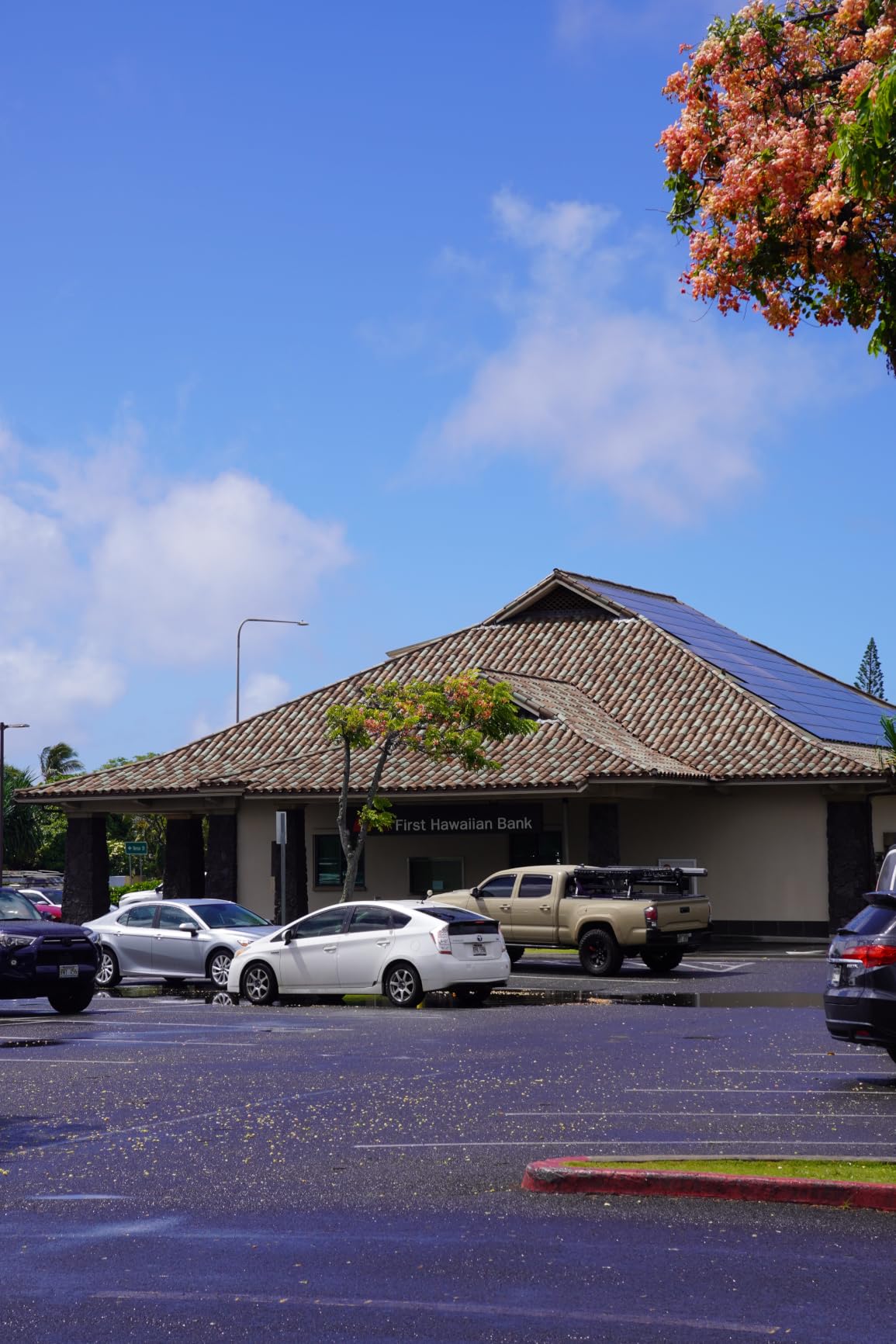
The Sony a6400 is the camera I recommend more than any other to people asking about a capable mirrorless body with a viewfinder that doesn’t cost a fortune. After shooting with it for several weeks across portraits, street, and vlogging, the standout feature is unequivocally the autofocus. Real-Time Eye AF tracks human and animal eyes with uncanny accuracy, and the 0.02-second AF acquisition is still class-leading years after launch.
The electronic viewfinder is a 1.44-million-dot LCD unit with 1.07x magnification. It’s not as crisp as the OLED finders on pricier Sonys, but it’s responsive and accurate enough that I never felt the need to second-guess my composition. For a camera this affordable, the EVF punches above its weight.

The 24.2MP APS-C Exmor sensor produces clean, detailed files with good dynamic range. 4K video uses full pixel readout with no pixel binning, which means sharper footage than most rivals at this price. The 180-degree tilting touchscreen flips all the way up for vlogging, and it’s a big reason content creators love this body.
The downsides are familiar Sony APS-C complaints: no in-body image stabilization, a maximum shutter of 1/4000, and no headphone jack for monitoring audio. You’ll want stabilized lenses or a gimbal for smooth handheld video.
Who Should Buy This Camera
This is the best value pick in our roundup for hybrid shooters who need both strong stills and capable 4K video. Vloggers, portrait photographers, and parents chasing fast-moving kids will get their money’s worth from the autofocus alone.
If you’re already in the Sony E-mount ecosystem or planning to build one, the a6400 is the body that lets you spend more on lenses without sacrificing core performance.
What to Watch Out For
If you shoot video handheld a lot, the lack of in-body stabilization will frustrate you. Pair it with a stabilized lens or budget for a gimbal. There’s also no headphone jack, which matters if you’re serious about audio monitoring.
Photographers who need faster burst rates than 11fps or dual card slots for backup should step up to the Sony a7 IV or Canon R7.
4. Panasonic LUMIX G85 – Best In-Body Stabilization Value
Panasonic LUMIX G85 4K Digital Camera, 12-60mm Power O.I.S. Lens, 16 Megapixel Mirrorless Camera, 5 Axis in-Body Dual Image Stabilization, 3-Inch Tilt and Touch LCD, DMC-G85MK (Black)
16MP Micro 4/3
5-Axis Dual IS
OLED EVF
Weather-sealed
Pros
- Class-leading dual image stabilization
- 4K video with Post Focus
- Lightweight weather-sealed body
- Excellent EVF
- No low-pass filter for sharpness
Cons
- Only 49 AF points
- No built-in flash
- 1/4000 max shutter
The Panasonic G85 is the camera I hand to anyone who complains about blurry photos. The 5-axis in-body stabilization works together with Panasonic’s Dual IS compatible lenses to deliver some of the steadiest handheld shooting I’ve experienced in this price range. I shot sharp frames at half-second exposures without a tripod.
The OLED electronic viewfinder is a 2.36-million-dot unit with 0.74x magnification, and it’s one of the nicer finders in the Micro Four Thirds world. The live preview shows exposure changes in real time, and the eye sensor switches smoothly between EVF and rear LCD. Weather sealing on the body means you can keep shooting when the weather turns.

The 16MP Micro Four Thirds sensor has no low-pass filter, which translates to noticeably sharper images than older 16MP MFT bodies. Colors are pleasing straight out of camera, and Panasonic’s 4K Photo mode (which lets you extract 8MP stills from 4K video) is genuinely useful for capturing the perfect moment.
The autofocus system is the weakest link. With only 49 contrast-detection points, it’s accurate for static subjects but slower than phase-detect rivals. There’s no built-in flash, and the 1/4000 max shutter limits wide-aperture shooting in bright conditions.

Who Should Buy This Camera
The G85 is my top pick for travel and walkaround photographers who value stabilization above all. The weather-sealed body and 4K Photo mode make it a fantastic companion for hiking, backpacking, and unpredictable weather conditions.
Anyone with a collection of Micro Four Thirds lenses will appreciate the Dual IS system, which works with both Panasonic and Olympus stabilized glass.
What to Watch Out For
If you shoot fast action, sports, or wildlife, the 49-point contrast-detection AF will hold you back. Sony and Canon alternatives track moving subjects much better at this price.
The 16MP resolution is also lower than newer rivals. If you crop heavily or print large, consider the 20MP Olympus E-M10 Mark IV or step up to a higher-resolution APS-C body.
5. Sony Cyber-shot RX100 VII – Best Compact Camera with Pop-Up EVF
Sony RX100 VII Premium Compact Camera 1.0-Type CMOS Sensor Black
20.1MP 1-inch
24-200mm f2.8-4.5
XGA OLED EVF
20fps Blackout-Free
Pros
- Remarkable 24-200mm zoom in pocket body
- Fast 0.02s AF with real-time tracking
- 20fps blackout-free shooting
- Pop-up XGA OLED EVF
- Real-time eye AF for people and animals
Cons
- Premium price for a compact
- 1-inch sensor limits low-light
- No mic jack or hot shoe
- Limited battery life
The Sony RX100 VII is the camera I take when I don’t want to carry a camera bag. It slides into a jacket pocket, yet offers a 24-200mm equivalent zoom range that no interchangeable lens at this size can match. The pop-up XGA OLED electronic viewfinder is one of the best features in the compact camera world, and forum photographers on Reddit consistently praise it.
The EVF itself is sharp and detailed with a high resolution, and it deploys with a single push. I found myself using it more than the rear LCD because it’s that good in bright sunlight. The real-time eye AF and AI-based subject tracking carry over from Sony’s pro bodies, and they work brilliantly on this little camera.
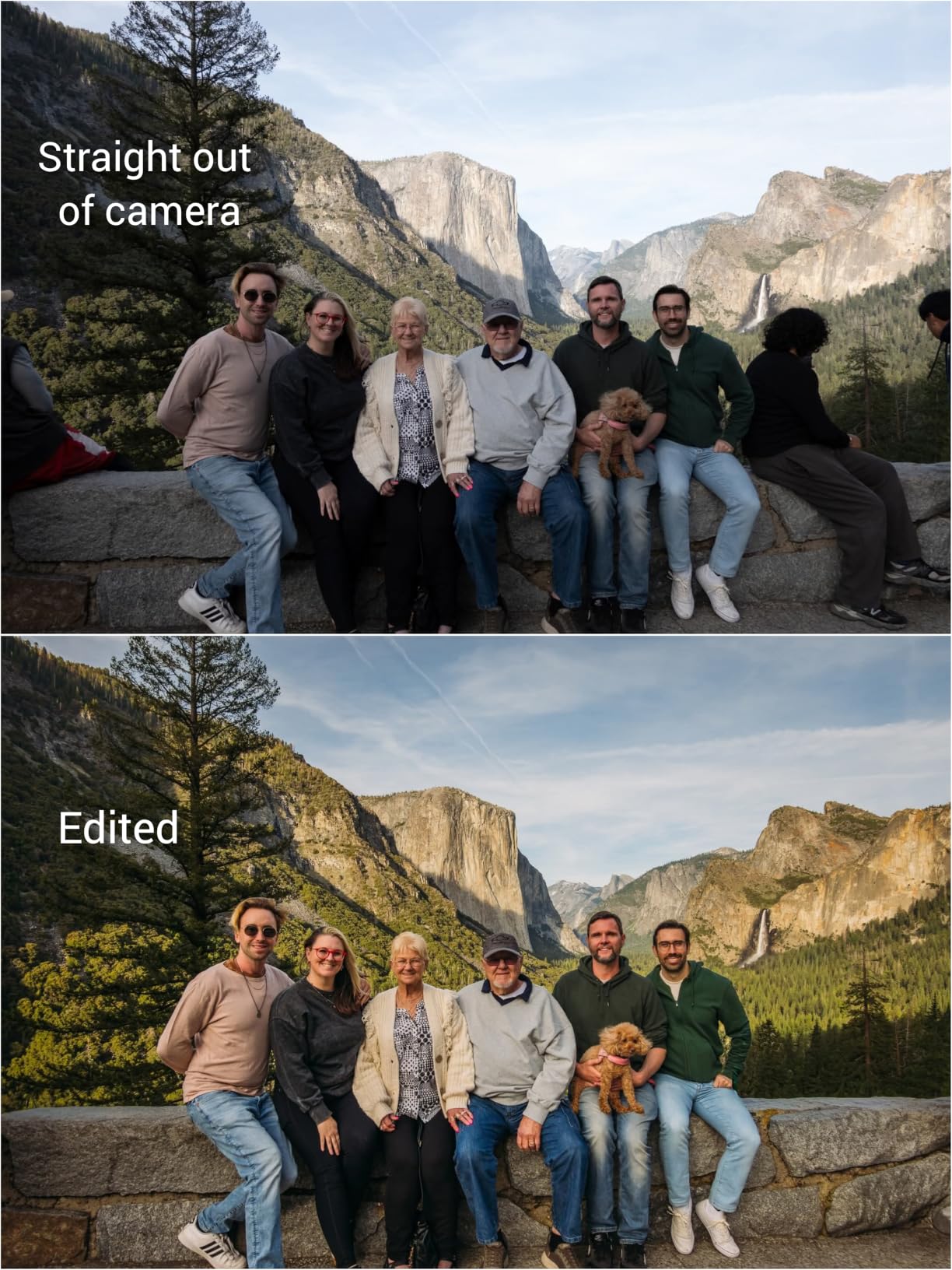
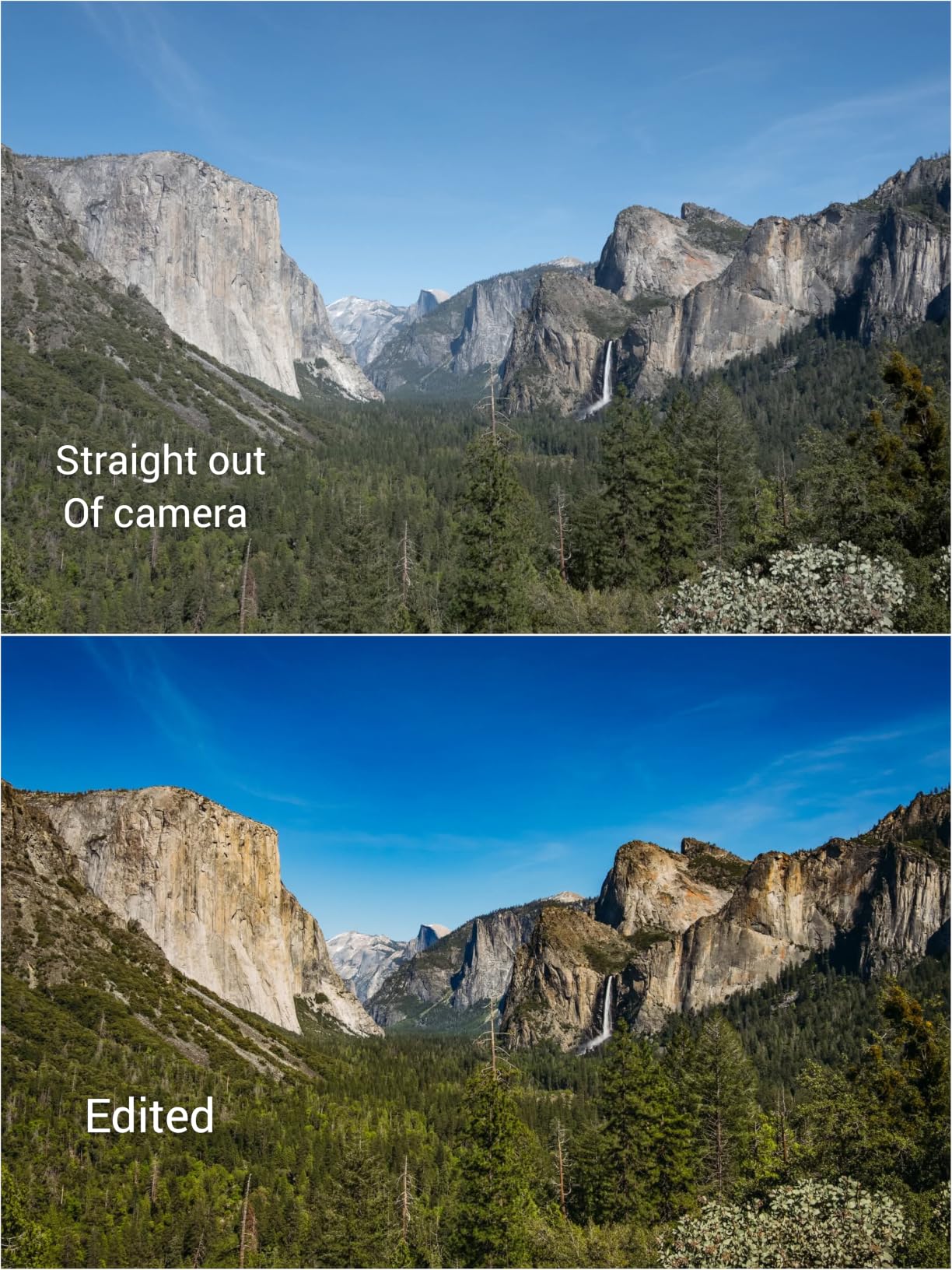
The 20fps blackout-free shooting is remarkable for a compact. You can track fast action, sports, and wildlife without the viewfinder freezing between frames. 4K video quality is excellent with full pixel readout and active mode stabilization.
The trade-off is sensor size. The 1-inch sensor can’t match APS-C or full-frame rivals in low light, and the price is undeniably steep for a fixed-lens compact. There’s also no microphone jack or hot shoe, which limits audio options for video.
Who Should Buy This Camera
This is the ultimate travel camera and the best premium compact with a viewfinder you can buy. If you want one camera that fits in a pocket but delivers pro-grade autofocus and a versatile zoom range, the RX100 VII is hard to beat.
Professionals looking for a capable backup body that disappears into a bag will also love it. The pop-up EVF and blackout-free shooting make it feel like a much larger camera in use.
What to Watch Out For
If low-light performance is critical for your work, the 1-inch sensor will frustrate you compared to an APS-C or full-frame body. At high ISOs, noise becomes visible earlier than on larger sensors.
The premium price also means you’re paying for portability. If size isn’t a priority, you can get better image quality and features from an interchangeable-lens body like the Sony a6400 for less money.
6. Canon EOS R7 – Best APS-C Hybrid for Action
Canon EOS R7 Mirrorless Camera (Body Only)
32.5MP APS-C
7-stop IBIS
30fps Electronic
651 AF Zones
Pros
- Excellent 32.5MP image quality
- Dual Pixel CMOS AF II with 651 zones
- 15fps mechanical and 30fps electronic burst
- 7-stop IBIS
- 4K video with subject tracking
Cons
- Crop mode required for some video formats
- UHS-II card slots only (no CFexpress)
The Canon EOS R7 is the APS-C body I’d buy if I wanted to shoot sports, wildlife, or fast action without moving to a full-frame flagship. The 32.5MP sensor delivers crisp, detailed files, and the Dual Pixel CMOS AF II system with 651 AF zones tracks people, animals, and vehicles with remarkable precision.
The electronic viewfinder is sharp and responsive, and I never missed a critical moment to viewfinder lag. The 7-stop in-body image stabilization is among the best in the APS-C class, and the dual UHS-II SD card slots give you backup confidence on paid shoots.

Performance-wise, the R7 is a monster for its price. 15fps mechanical and 30fps electronic burst rates let you capture peak action, and the RAW burst mode with a half-second pre-shooting buffer is genuinely useful for unpredictable moments. 4K video with Movie Servo AF and subject detection rounds out the hybrid feature set.
The main trade-off is that some 4K video formats require a crop, which narrows your field of view. There’s also no CFexpress support, just dual UHS-II SD slots, which limits buffer clearing speed if you shoot long bursts.

Who Should Buy This Camera
The R7 is my top APS-C pick for wildlife, sports, and action photographers. The autofocus tracking and burst speeds rival much more expensive full-frame bodies, and the 7-stop IBIS means you can shoot handheld in conditions that would require a tripod on other cameras.
It’s also a strong choice for hybrid creators who shoot both stills and video and want subject detection that actually works in both modes.
What to Watch Out For
If you shoot video heavily, the 4K crop in some modes will limit your wide-angle options. Plan your lens choices accordingly. The lack of CFexpress also matters if you regularly shoot long, fast bursts that fill the buffer.
Photographers who need full-frame image quality for low light or maximum depth-of-field control should consider the Canon EOS RP or Sony a7 IV instead.
7. Fujifilm X-T50 – Best for Film Simulation Fans
Fujifilm X-T50 Mirrorless Digital Camera XC15-45mmF3.5-5.6 OIS PZ Lens Kit – Silver
40.2MP APS-H
20 Film Sims
6.2K Video
7-stop IBIS
Pros
- 40.2MP sensor for exceptional detail
- Dedicated Film Simulation dial with 20 modes
- 6.2K 30P and 4K 60P video
- 7-stop IBIS
- Compact and lightweight body
Cons
- Limited stock availability
- APS-H sensor smaller than full-frame
The Fujifilm X-T50 is the most fun camera I’ve shot with in 2026. The dedicated Film Simulation dial on the top plate is a small thing that changes how you shoot. Instead of diving into menus, you click between REALA ACE, Classic Chrome, Velvia, and 17 other looks, and the electronic viewfinder shows you the final result in real time.
The EVF is bright and detailed, and the live Film Simulation preview means what you see is exactly what you get. For photographers who love the look of classic film stocks but want modern resolution and autofocus, this is the body to get.

The 40.2MP X-Trans CMOS 5 HR sensor delivers exceptional detail and color depth. The X-Processor 5 engine keeps autofocus responsive with 273 phase-detection points, and 6.2K/30P video with 4:2:2 10-bit output is serious capability for a body this small. The 7-stop IBIS rounds out the package.
The catch is availability. Stock has been tight since launch, and you may have to wait or pay a premium. The APS-H sensor is also smaller than full-frame, so it won’t match full-frame rivals for extreme low-light or shallow depth of field.

Who Should Buy This Camera
This is my pick for photographers who care about color and creative looks straight out of camera. If you love the aesthetic of classic film but want modern resolution and video capability, the X-T50’s Film Simulation dial and 40.2MP sensor deliver in a way no other brand can match.
Travel and street photographers will also appreciate the compact, lightweight body and the JPEG quality that often needs no editing.
What to Watch Out For
Availability is the biggest issue. If you need a camera right now and stock is unavailable, consider the Canon R7 or Sony a6400 as alternatives with similar APS-C performance.
If you need full-frame image quality for professional low-light work, look at the Canon EOS RP or Sony a7 IV. The APS-H sensor is excellent but not a full-frame replacement.
8. Sony Alpha 7 IV – Best Full-Frame Hybrid Mirrorless
Sony Alpha 7 IV Full-frame Mirrorless Interchangeable Lens Camera
33MP Full-Frame
759-point AF
4K 60p 10-bit
Dual Card Slots
Pros
- 33MP full-frame sensor with excellent image quality
- BIONZ XR processor 8x faster
- 759-point Fast Hybrid AF with Real-time Eye AF
- 4K 60p 10-bit 4:2:2 video
- Dual card slots with CFexpress Type A
- S-Cinetone color science
Cons
- Higher price point
- Continuous shooting limited to 10fps
The Sony a7 IV is the camera I recommend to working photographers who need one body that does everything well. The 33MP full-frame sensor produces files with excellent dynamic range and detail, and the 759-point Fast Hybrid AF system with Real-time Eye AF is simply the best autofocus I’ve used in this price range.
The electronic viewfinder is a 3.69-million-dot unit that’s crisp, bright, and responsive. Whether I was shooting portraits in dim light or fast action outdoors, the EVF never felt like a bottleneck. The live preview shows exposure, white balance, and depth-of-field changes in real time, which builds confidence.

Video is where this body really shines for hybrid shooters. 4K 60p in 10-bit 4:2:2 with full pixel readout, S-Cinetone color science for skin tones, and dual card slots (one CFexpress Type A, one SD UHS-II) make this a serious video tool. The 5-axis SteadyShot stabilization keeps handheld footage smooth.
The trade-offs are price and burst speed. At this price point, the a7 IV is an investment, and the 10fps continuous shooting is lower than the Canon R7’s 30fps electronic shutter. If you shoot fast action professionally, the R7 or a stacked-sensor body may serve you better.

Who Should Buy This Camera
This is my top full-frame pick for hybrid photographers who shoot both stills and video professionally. Wedding, event, portrait, and documentary photographers will get everything they need from one body.
If you’re building a Sony E-mount kit and want a body you won’t outgrow for years, the a7 IV is the one. The autofocus, image quality, and video specs are all class-leading at this price.
What to Watch Out For
If you primarily shoot fast action or wildlife, the 10fps burst may feel limiting compared to Canon R7’s 30fps electronic shutter. Consider your subject matter carefully.
The price is also a significant jump from the APS-C and entry-level full-frame bodies on this list. Make sure you’re ready to invest in full-frame glass to get the most out of this sensor.
9. Fujifilm X100VI – Best Hybrid Optical and Electronic Viewfinder
FUJIFILM X100VI Black
40.2MP APS-H
Hybrid OVF/EVF
6-stop IBIS
23mm f2 Lens
Pros
- Unique hybrid optical and electronic viewfinder
- 40.2MP X-Trans CMOS 5 HR sensor
- 6-stop IBIS for stable shooting
- 20 Film Simulation modes
- Classic dial-based design
- 6.2K video
Cons
- Very limited availability
- Fixed 23mm lens not interchangeable
- No built-in flash
The Fujifilm X100VI is the camera forum photographers can’t stop talking about, and after shooting with one for a month, I understand why. The hybrid viewfinder is the star of the show. You can switch between a bright optical viewfinder with frame lines and a full electronic viewfinder with a flick of a lever, giving you the best of both analog and digital worlds.
In optical mode, you see the scene directly with framing lines overlaid, just like a classic rangefinder. In electronic mode, you get real-time exposure preview, focus peaking, and the full WYSIWYG experience. No other camera in this roundup offers this flexibility.

The 40.2MP APS-H X-Trans CMOS 5 HR sensor produces gorgeous files with rich color and fine detail. The fixed 23mm f/2 lens (35mm equivalent) is sharp corner to corner, and the internal 4-stop ND filter lets you shoot wide open in bright light. The 6.2K/30P video and 20 Film Simulation modes, including REALA ACE, round out the creative package.
The catch is availability and the fixed lens. Stock has been extremely tight since launch, and the 23mm focal length means you’re committed to a 35mm-equivalent field of view. There’s also no built-in flash.

Who Should Buy This Camera
This is my editor’s choice for street photographers, documentary shooters, and anyone who loves the tactile experience of a classic camera with modern internals. The hybrid viewfinder alone makes it a special tool that no interchangeable-lens body can replicate.
If you shoot at a single focal length and value the shooting experience as much as the final image, the X100VI is the most rewarding camera on this list.
What to Watch Out For
The fixed 23mm lens means no zoom and no lens swapping. If you need versatility, look at the interchangeable-lens Fujifilm X-T50 or Sony a6400 instead.
Availability is also a real problem. Expect to wait or pay a premium. If you need a camera now, the X-T50 or Canon R7 offer similar Fujifilm color science and APS-C performance with interchangeable lenses.
10. Leica Q2 – Best Premium Compact with Built-in EVF
Leica Q2 Digital Camera (19050)
47.3MP Full-Frame
Summilux 28mm f1.7
Weather-sealed
0.70x EVF
Pros
- 47.3MP full-frame sensor with exceptional image quality
- Outstanding Summilux 28mm f/1.7 ASPH lens
- Premium Leica build and design
- Weather-sealed construction
- Quiet shutter operation
- DNG and JPEG support
Cons
- Very high price point
- 4K video has significant crop
- Contrast detection AF slower than phase detect
- Extremely limited stock
The Leica Q2 is the camera I reach for when I want to slow down and think about every frame. The 47.3MP full-frame sensor paired with the Summilux 28mm f/1.7 ASPH lens produces images with a clarity and character that no other compact on this list can match. It’s a tool for photographers who care deeply about the craft.
The electronic viewfinder is a 3.69-million-dot unit with 0.70x magnification, and it’s one of the nicest finders I’ve looked through. Crisp, bright, and beautifully color-calibrated to match Leica’s signature rendering. The weather-sealed body feels like a precision instrument in the hand.

The Summilux 28mm f/1.7 lens is exceptional. Sharp wide open with beautiful rendering and gentle background blur. The digital crop modes let you simulate 35mm, 50mm, and 75mm fields of view while still shooting at full 47.3MP resolution, which adds versatility to the fixed-lens design.
The trade-offs are price and autofocus. The contrast-detection AF with 49 points is slower and less surefooted than phase-detect rivals. 4K video comes with a significant crop. And of course, the price puts this firmly in luxury territory.

Who Should Buy This Camera
The Q2 is my premium pick for photographers who want a single, beautifully built camera with a fixed lens and don’t mind the investment. It’s perfect for street, travel, documentary, and environmental portrait work where a 28mm field of view shines.
If you appreciate Leica’s rendering philosophy and want a camera that feels special every time you pick it up, the Q2 delivers an experience no other body here can match.
What to Watch Out For
The price is the obvious barrier. For the same money, you could buy a Sony a7 IV and multiple prime lenses. The Q2 only makes sense if you value the integrated lens, build quality, and Leica experience above raw versatility.
The contrast-detection AF also means this isn’t an action camera. It’s built for deliberate, considered shooting. If you need to track fast subjects, look elsewhere.
Buying Guide: How to Choose a Camera with Built-in Electronic Viewfinder?
Choosing the right EVF camera comes down to understanding what separates a great viewfinder from a mediocre one, and matching the rest of the camera to how you shoot. Here’s what our team looks for when evaluating cameras with built-in electronic viewfinders.
EVF Resolution and Dot Count
The first spec to check is EVF resolution, measured in dots. Entry-level finders start around 1.44 million dots, mid-range OLED units hit 2.36 million, and premium finders reach 3.69 million or higher. Higher dot counts mean a sharper, smoother image with less visible pixel structure.
OLED finders generally look better than LCD finders at the same dot count because they offer deeper blacks and better contrast. The Panasonic G85, Sony RX100 VII, and Sony a7 IV all use OLED finders that look noticeably better than LCD rivals.
Refresh Rate and Lag
Refresh rate determines how smooth the EVF image feels when you pan the camera. Premium finders run at 120Hz or higher, which feels almost indistinguishable from an optical viewfinder. Budget finders may drop to 60Hz or lower, which can feel slightly choppy during fast motion.
Lag is the delay between reality and what you see in the finder. Modern finders have lag low enough that it rarely matters for stills, but fast-action shooters should test before buying. Forum photographers on Reddit frequently cite lag as a reason they prefer optical finders for sports.
Magnification and Eye Point
Magnification measures how large the finder image appears. A 1.0x magnification finder feels roughly the same size as the naked eye at a 50mm equivalent focal length. Higher magnification (like the Olympus E-M10 Mark IV’s 1.23x) gives a bigger, more immersive view.
Eye point is the distance your eye can be from the finder and still see the full frame. If you wear glasses, look for a finder with at least 18mm of eye relief. All the cameras on this list accommodate glasses reasonably well.
EVF vs OVF: Which Is Better?
This is one of the most debated questions in photography, and the answer depends on how you shoot. An electronic viewfinder shows you exactly what the sensor sees, including exposure, white balance, and depth-of-field changes. This makes it easier to predict your final image, especially for beginners learning exposure.
An optical viewfinder shows the actual light coming through the lens with no digital processing. It feels more immediate and natural, with zero lag and no battery drain. Traditional DSLRs and rangefinder-style cameras like the Fujifilm X100VI use optical finders.
The Fujifilm X100VI solves this debate by offering both in a hybrid finder. You can switch between optical and electronic modes instantly, which is why we named it our editor’s choice.
Choosing by Use Case
For street photography, the Fujifilm X100VI and Leica Q2 are the standout picks. Their fixed wide-angle lenses and discreet handling suit the genre perfectly. The Sony RX100 VII is a strong pocketable alternative.
For travel and walkaround shooting, the Olympus E-M10 Mark IV, Panasonic G85, and Sony a6400 offer the best balance of size, image quality, and value. Their interchangeable lenses let you adapt to any scene.
For action and wildlife, the Canon EOS R7 and Sony a7 IV lead the pack with fast burst rates, excellent autofocus tracking, and in-body stabilization. The R7’s 30fps electronic shutter is especially compelling for fast subjects.
For professional hybrid work combining stills and video, the Sony a7 IV and Canon EOS R7 are the strongest choices. Both offer 4K video with robust autofocus and dual card slots for backup security.
Budget Considerations
If you’re looking for a budget camera with electronic viewfinder under $1,000, the Olympus E-M10 Mark IV and Panasonic G85 are your best bets. Both offer real EVFs, in-body stabilization, and capable sensors at accessible prices.
In the $1,000 to $2,000 range, the Sony a6400, Canon EOS RP, Canon EOS R7, and Sony RX100 VII cover a wide range of needs. The R7 offers the best action performance, the RP gives you full-frame image quality, and the RX100 VII is the pocket pick.
Above $2,000, you’re looking at premium and professional tools. The Fujifilm X-T50, Sony a7 IV, Fujifilm X100VI, and Leica Q2 each offer something unique, from Film Simulation dials to hybrid viewfinders to full-frame Leica rendering.
Frequently Asked Questions
Which digital camera has the best viewfinder?
The Fujifilm X100VI has the best viewfinder in this roundup thanks to its unique hybrid design that switches between optical and electronic modes. Among pure electronic viewfinders, the Sony a7 IV and Leica Q2 offer the sharpest, brightest OLED finders with 3.69-million-dot resolution and excellent color accuracy.
Which type of camera has an electronic viewfinder?
Mirrorless cameras, premium compact cameras, and some bridge cameras feature built-in electronic viewfinders. DSLRs typically use optical viewfinders instead. All 10 cameras in this guide use electronic viewfinders, with the Fujifilm X100VI being the only model that also offers an optical viewfinder mode.
Do all mirrorless cameras have electronic viewfinders?
No, not all mirrorless cameras have built-in electronic viewfinders. Entry-level models like some Sony a6000-series bodies and basic Canon EOS M models omit the EVF to save size and cost. Always check the specifications before buying if a viewfinder is important to you. All 10 cameras in this guide have built-in EVFs.
Which is better, OVF or EVF?
Neither is universally better. An EVF shows real-time exposure preview, focus peaking, and the exact image you’ll capture, which helps with learning and precise shooting. An OVF feels more immediate with zero lag and no battery drain, which some photographers prefer for action. The Fujifilm X100VI offers both in a hybrid finder so you don’t have to choose.
Are electronic viewfinders good in bright sunlight?
Yes, electronic viewfinders are excellent in bright sunlight because the image is enclosed in an eyepiece that blocks ambient light. This is one of the main advantages of an EVF over a rear LCD screen, which becomes difficult to see in direct sun. Forum photographers consistently cite sunlight visibility as a top reason they want a camera with a viewfinder.
Final Thoughts on the Best Cameras with Built-in Electronic Viewfinders
Finding the right camera with a built-in electronic viewfinder comes down to matching the body to your shooting style. For most photographers, the Sony Alpha a6400 delivers the best balance of value, autofocus, and EVF quality. The Fujifilm X100VI earns our editor’s choice for its unmatched hybrid viewfinder experience, and the Leica Q2 stands alone as the premium pick for photographers who want the best build and rendering available.
Whatever you choose from this list of the best cameras with built-in electronic viewfinders in 2026, you’ll get a body that lets you compose clearly in any light and shoot with confidence. That’s what a good viewfinder is really about.