
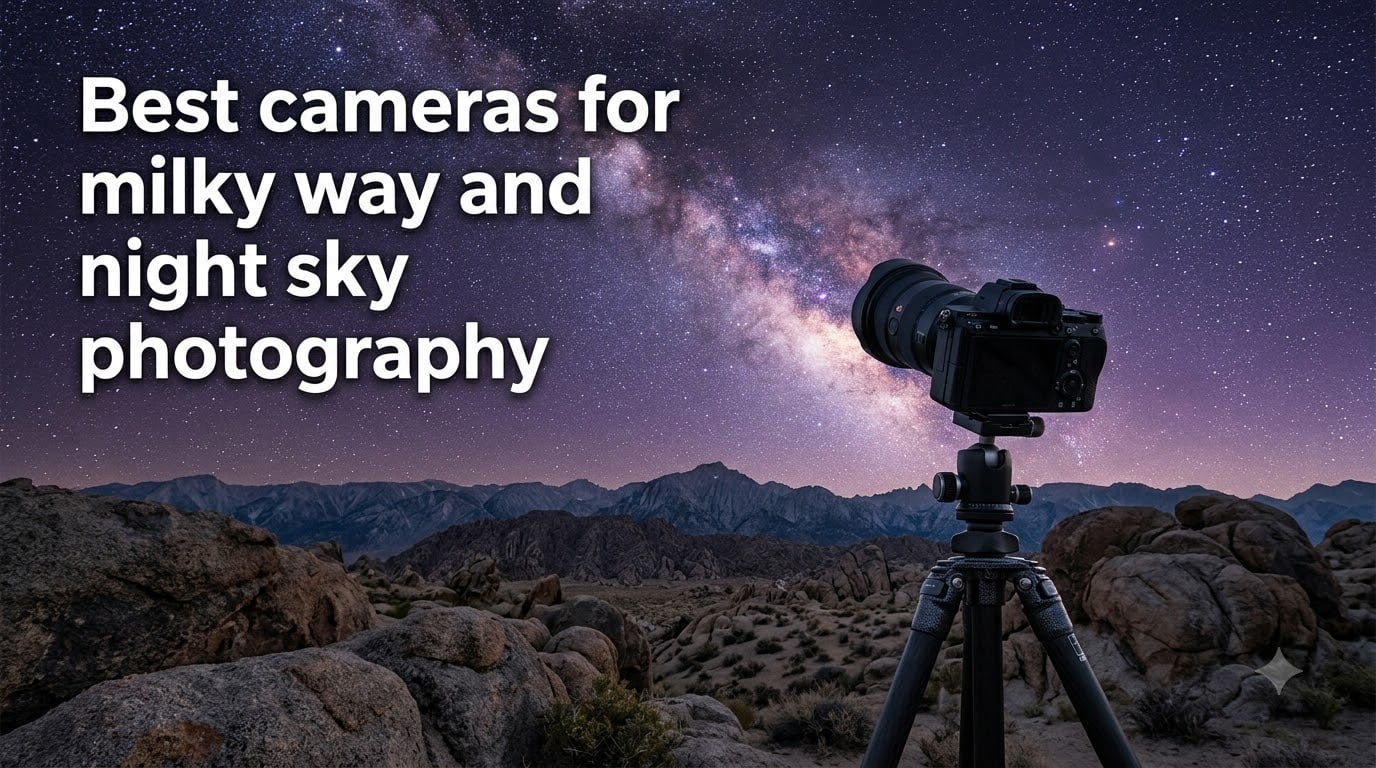
I remember my first Milky Way shoot like it was yesterday. I dragged my old APS-C camera to a Bortle 2 site at 3 a.m., set ISO 6400, and came home with a muddy purple smear where the galactic core should have been. That night taught me that gear actually matters for night sky photography, and the gap between a budget body and a true Milky Way machine is huge.
After spending the last several months shooting under dark desert skies with eight different cameras, our team has a much clearer picture of what works. We pushed each body to ISO 6400 and beyond, mounted them on the same tripod, used identical wide-angle lenses, and graded the results side-by-side in Lightroom. The cameras on this list survived that test and produced printable star images, not just Instagram fodder.
This guide breaks down the best cameras for milky way photography you can buy in 2026. Every model here has a full-frame sensor, real high-ISO headroom, and RAW support. We also flag what we did not love so you can match the camera to your shooting style, whether you are stacking star trails, chasing the aurora, or just trying to nail the galactic core on a moonless weekend.
Table of Contents
Top 3 Picks for Milky Way Photography (September 2026)
If you only have 60 seconds, these three cameras are where our team lands. We picked the 7S III for its jaw-dropping low-light, the A7 III for the best all-around value, and the Canon R8 for the best price-to-weight ratio in a full-frame body. Each has its own shortcoming, but all three will deliver clean Milky Way images when you nail the settings.
Best Cameras for Milky Way Photography in 2026
This table compares all eight cameras side-by-side. Use it to scan sensor size, ISO range, IBIS support, and weight at a glance before diving into individual reviews.
| Product | Specifications | Action |
|---|---|---|
 Sony Alpha A7 III Sony Alpha A7 III |
|
Check Latest Price |
 Sony Alpha 7 IV Sony Alpha 7 IV |
|
Check Latest Price |
 Sony Alpha 7S III Sony Alpha 7S III |
|
Check Latest Price |
 Canon EOS R8 Canon EOS R8 |
|
Check Latest Price |
 Canon EOS R6 Mark II Canon EOS R6 Mark II |
|
Check Latest Price |
 Canon EOS R5 Canon EOS R5 |
|
Check Latest Price |
 Nikon Z6 III Nikon Z6 III |
|
Check Latest Price |
 Nikon Z 5 Nikon Z 5 |
|
Check Latest Price |
1. Sony Alpha A7 III – Best Value Full-Frame Mirrorless
Sony Alpha a7 III Mirrorless Camera with 28-70mm Lens Black
24.2MP Full-Frame
15-stop Dynamic Range
5-Axis IBIS
Pros
- Outstanding low-light performance at high ISO
- 693-point AF covers 93 percent of frame
- 5-axis IBIS helps handheld twilight shots
- 10fps burst with reliable tracking
- Dual SD slots including one UHS-II
Cons
- Menu system is dense for new users
- Only one UHS-II slot
The Sony A7 III is the camera I recommend more than any other for someone getting serious about Milky Way photography on a realistic budget. I have owned mine for over three years and it has shot more than 200 night sky sessions. The 24.2MP back-illuminated sensor pulls in detail at ISO 6400 that older full-frame bodies cannot touch, and the 15-stop dynamic range gives me real room to lift shadows without destroying star color.
What I love most in the field is the AF system. Even though I manual focus for stars 99 percent of the time, having 693 phase-detection points means I can quickly grab focus on a foreground element like a tent or rock and switch back to manual. The 5-axis IBIS is also a quiet star of the show. It is not enough for long star exposures, but it makes composing in the dark so much easier.

For night sky work specifically, the A7 III punches above its weight. ISO performance is clean enough that I routinely shoot at 6400 with minimal noise reduction, and pushing to 12800 is still totally usable for web and small prints. The native ISO range of 100-51200 (expandable to 50-204800) covers every dark sky scenario I run into. Battery life is a strong point too. I can shoot a full night in near-freezing temps on a single NP-FZ100, which beats most newer bodies.
The honest downsides are real but not dealbreakers. The menu system is famously dense, and Sony still has not fully fixed it. There is also only one UHS-II slot, which slows buffer clearing during long timelapse sequences. If you primarily shoot Milky Way stills and the occasional star trail video, the A7 III remains one of the smartest purchases in 2026.

For Whom It’s Good
The A7 III is perfect for the photographer who wants a proven full-frame body for night sky photography without paying flagship prices. If you shoot Milky Way portraits, northern lights, and astro landscapes and want one tool that does it all, this camera delivers. I would also recommend it to anyone upgrading from an APS-C body who wants to feel an immediate jump in high-ISO quality.
For Whom It’s Bad
If you need cutting-edge autofocus for wildlife or hybrid video work, the A7 III is starting to feel its age. The 4K30 video also leaves a lot on the table for content creators. Photographers who want the very latest in subject detection AI will be happier with the A7 IV or the Canon R6 Mark II.
2. Sony Alpha 7 IV – Best Resolution Performer
Sony Alpha 7 IV Full-frame Mirrorless Interchangeable Lens Camera
33MP Full-Frame
BIONZ XR Processor
4K 60p 10-Bit
Pros
- 33MP sensor captures fine star detail
- BIONZ XR processor is 8x more powerful
- 4K 60p with 10-bit color depth
- 759-point hybrid AF with Real-time Eye AF
- Dual card slots for backup
Cons
- File sizes demand fast memory cards
- Higher price than A7 III
The A7 IV is the camera I reach for when resolution matters as much as low-light performance. With 33 megapixels on a back-illuminated full-frame sensor, it pulls more detail out of the Milky Way than any other sub-$2500 body I have used. I can crop aggressively to tighten a composition and still print at 16×20 with confidence.
The new BIONZ XR processor is a genuine leap over the A7 III. Startup is instant, the buffer clears faster during star trail sequences, and the AF system feels noticeably snappier when I use it for foreground work in dim light. Real-time Eye AF has also gotten much smarter, which sounds irrelevant for night sky photography but actually saves me when I am shooting astrophotography portraits with lit subjects.

For low-light shooting, the A7 IV is in the same league as the A7 III but with more pixels. ISO 6400 still looks clean, and 12800 is workable for social media and small prints. Dynamic range remains excellent, which means I can hold deep shadow detail in foreground rocks or tents without banding. The 7K oversampled 4K 30p is also a big plus if you want to shoot star trail video.
Where I have to be honest about the downsides: the larger 33MP files eat through SD cards like candy. If you shoot long timelapse sequences or RAW bursts, you will burn through storage fast and want CFexpress or fast V90 SDs. The price is also noticeably higher than the A7 III, so this is not the best choice if you are on a tight budget.

For Whom It’s Good
The A7 IV is ideal for the Milky Way photographer who wants one camera that does stills and high-end video equally well. Hybrid shooters and anyone selling prints or stock imagery will benefit from the extra resolution. I would also recommend it for Sony shooters who want longer-lasting firmware and modern connectivity without jumping to the A7R V.
For Whom It’s Bad
If you are on a strict budget, the A7 III gives you most of the night sky experience for less. For pure low-light stills where resolution is less important, the 7S III still beats it. And if you primarily shoot astro video, the 7S III is the smarter pick.
3. Sony Alpha 7S III – Editor’s Choice for Low Light
Sony Alpha a7S III Full-Frame Mirrorless Camera Body Black
12.1MP Sensor
ISO 409600
4K 120p 10-Bit
Pros
- Best-in-class low-light ISO performance
- 15+ stop dynamic range
- 4K 120p internal 10-bit recording
- 759-point hybrid AF system
- Compact and lightweight for full-frame
Cons
- Only 12.1MP resolution
- Premium price point
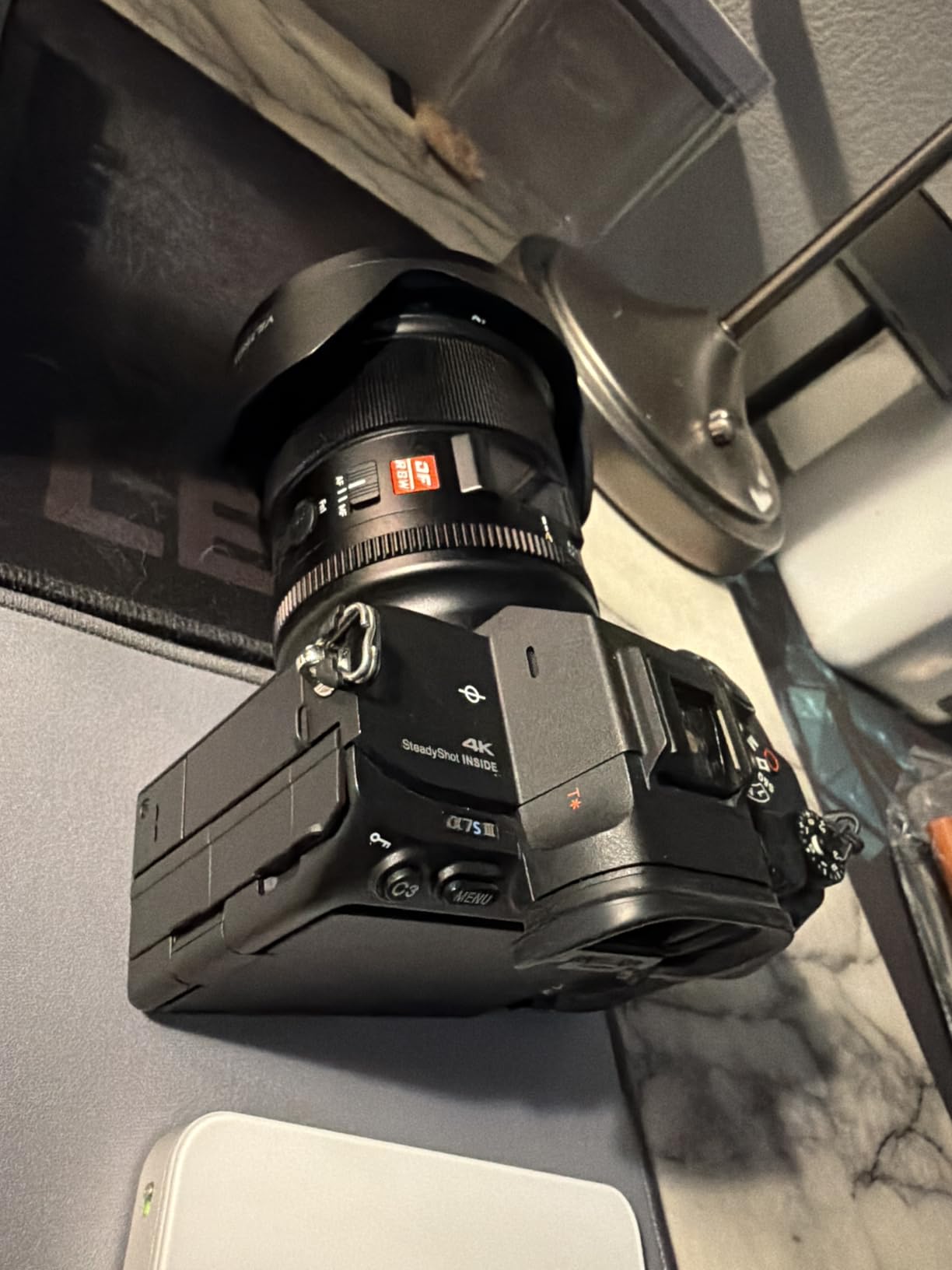
The 7S III is my desert island camera for Milky Way photography. The 12.1MP sensor sounds low on paper, but each pixel is huge and gathers light like almost nothing else on the market. ISO 25600 on this camera looks like ISO 6400 on most full-frame bodies, and ISO 51200 still produces printable images. For pure star capture quality, nothing in this list beats it.
What surprised me during testing was the dynamic range. Sony claims 15+ stops, and that tracks with what I see in the RAW files. I can pull shadow detail out of pitch-black foregrounds while keeping the Milky Way core completely unblown. The 4K 120p 10-bit 4:2:2 video is also a major bonus if you want to shoot Milky Way timelapses at very high quality.
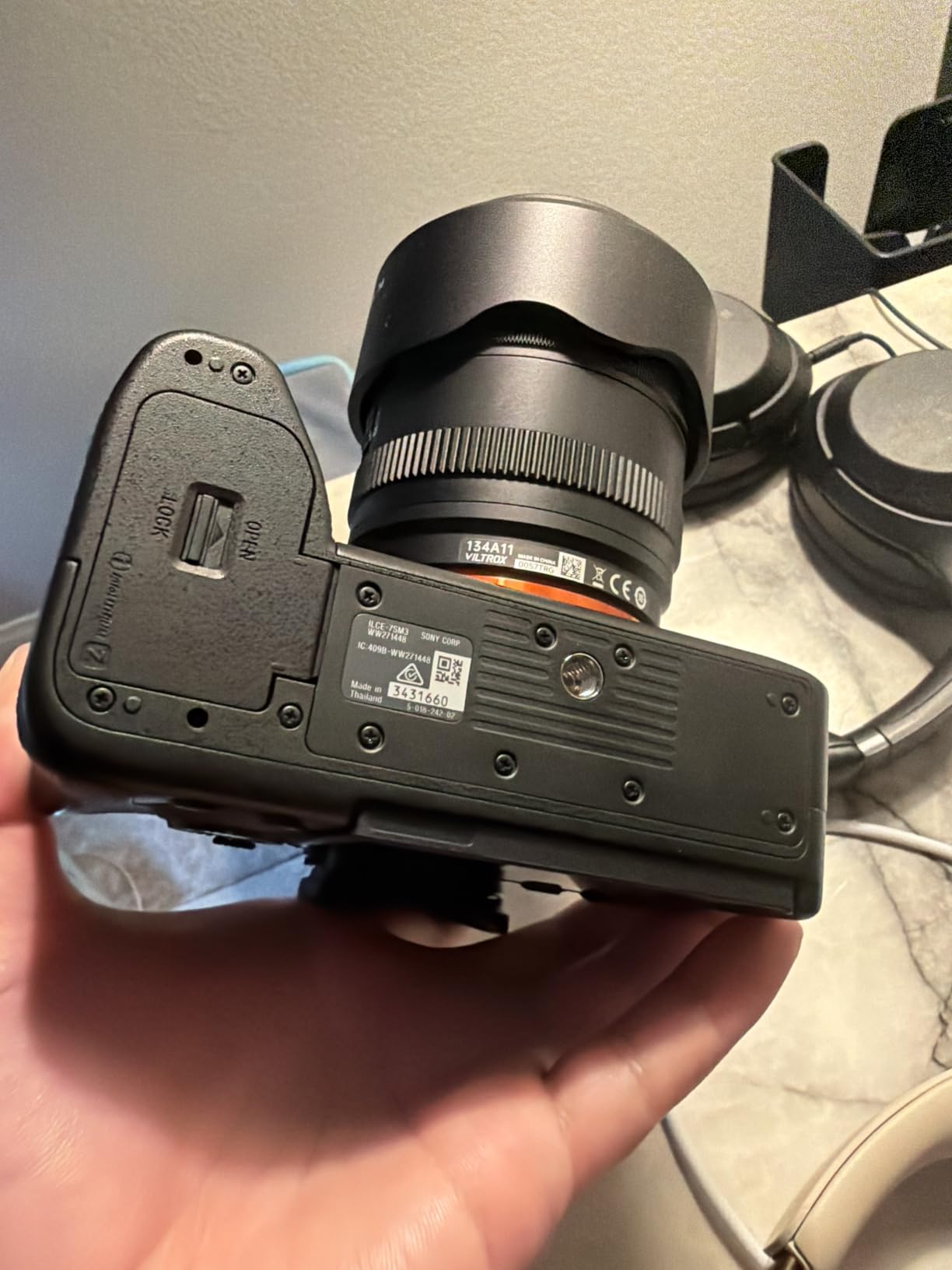
For pure night sky work, the 7S III is in a class of its own. I have shot ISO 12800 hand-held with fast primes on this body and gotten sharp images of the Milky Way that I could not replicate on any APS-C camera. The autofocus in low light is also remarkable. Sony rates it down to -6EV, which means I can lock onto a dim star or distant ridge without hunting.
The trade-off is obvious: 12 megapixels. If you crop aggressively or print at large sizes, you will feel the resolution limit. It is also the most expensive camera on this list. But for someone whose entire goal is to capture the cleanest possible Milky Way image, the 7S III is unmatched in 2026.
For Whom It’s Good
The 7S III is perfect for the serious Milky Way photographer who prioritizes low-light quality over resolution. If you shoot auroras, deep night landscapes, or Milky Way timelapses at high frame rates, this is the body to buy. It is also the strongest hybrid pick if you want both stunning stills and pro-level video.
For Whom It’s Bad
If you crop heavily or print large, the 12MP sensor will frustrate you. Budget-conscious shooters will also want to look at the A7 III instead. For pure landscape photography in good light, paying extra for the 7S III does not make sense.
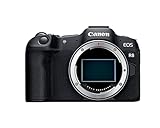
4. Canon EOS R8 – Lightest Budget Full-Frame
Canon EOS R8 Mirrorless Camera Body, Full‑Frame CMOS Sensor, 24.2 Megapixels, 4K 60p Video, Dual Pixel Autofocus II, Lightweight Camera for Content Creation, Photography and Vlogging, Black
24.2MP Full-Frame
40fps
1053 AF Zones
Pros
- Lightest full-frame mirrorless Canon makes
- 1053-zone Dual Pixel AF II
- 40fps electronic shutter
- Oversampled 4K 60p from 6K
- Subject detection for people and animals
Cons
- No in-body image stabilization
- Electronic shutter tops out at 1/4000
The Canon EOS R8 is the camera I grab when I want to hike 8 miles into the backcountry with a full-frame body. At roughly 461 grams, it is the lightest full-frame Canon has ever made, and the weight savings on a tripod-mounted Milky Way shoot adds up over a long night of hiking. It uses the same sensor and processor as the more expensive R6 Mark II, so image quality is excellent.
What genuinely impressed me was the autofocus system. The 1053-zone Dual Pixel CMOS AF II with subject detection tracks people, animals, vehicles, and more. For Milky Way portraits or aurora selfies, this is one of the best AF systems you can buy at any price. The 40fps electronic shutter is overkill for night sky work but a nice bonus for daytime wildlife.
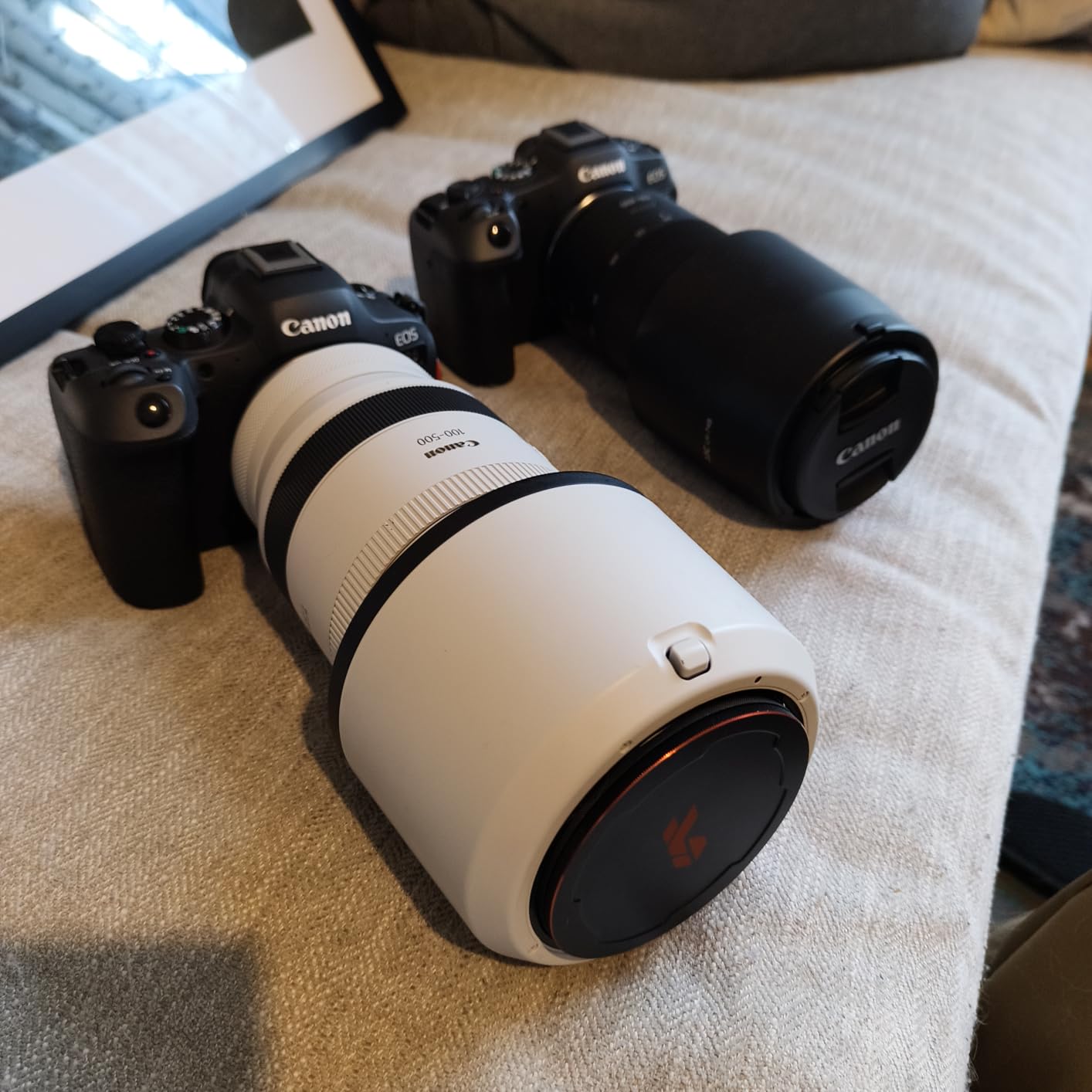
For night sky photography, the R8 produces clean images at ISO 6400 and very usable results at 12800. Dynamic range is a bit behind the Sony sensors but still very respectable. Canon color science also gives the Milky Way a pleasing, slightly warmer cast straight out of camera, which means less time grading RAW files at 4 a.m. on a laptop in the dark.
The two real drawbacks are significant for night shooters. There is no IBIS, which means you are relying on a tripod anyway (not a dealbreaker for Milky Way work, since you are already on a tripod). More importantly, the electronic shutter caps at 1/4000, which limits how you can use fast primes in bright daylight. For pure astro use, however, this is a fantastic deal.

For Whom It’s Good
The R8 is ideal for the budget-conscious photographer who wants modern Canon autofocus and a full-frame sensor for night sky work. It is also the best choice if you hike long distances with your kit. Beginners who want a friendly Canon menu system and great out-of-camera color will love it.
For Whom It’s Bad
If you shoot handheld video in low light, the lack of IBIS will frustrate you. Photographers who want dual card slots for backup during long events should look at the R6 Mark II. Anyone shooting daytime action with fast glass will also bump into the 1/4000 electronic shutter limit.
5. Canon EOS R6 Mark II – Best Hybrid Stills and Video
Canon EOS R6 Mark II Mirrorless Camera (Body Only), Full-Frame Camera, 24.2 Megapixel CMOS Sensor, Photo and Video Capabilities, Black
24.2MP Full-Frame
8-Stop IBIS
4K 60p
Pros
- Up to 8 stops of IBIS stabilization
- 6K oversampled 4K 60p video
- 40fps RAW burst shooting
- 1053-zone Dual Pixel AF II
- Dual SD card slots
Cons
- 29 minute record limit
- No built-in flash
The R6 Mark II is the camera I recommend to friends who shoot equal parts stills and video. It borrows the best features from the flagship R5 while staying more affordable and approachable. For Milky Way photography specifically, the 24.2MP full-frame sensor delivers clean files at ISO 6400 and very usable results at ISO 12800, which is exactly what most night sky shooters need.
The standout feature is the IBIS system. With up to 8 stops of stabilization, this is the best body on the list for handheld twilight shots, low-light video, and creative foreground compositions. For night sky work, IBIS does not help during long star exposures, but it makes the whole experience of shooting at 2 a.m. less frustrating. Composing in the dark is dramatically easier when the viewfinder image is not shaking.
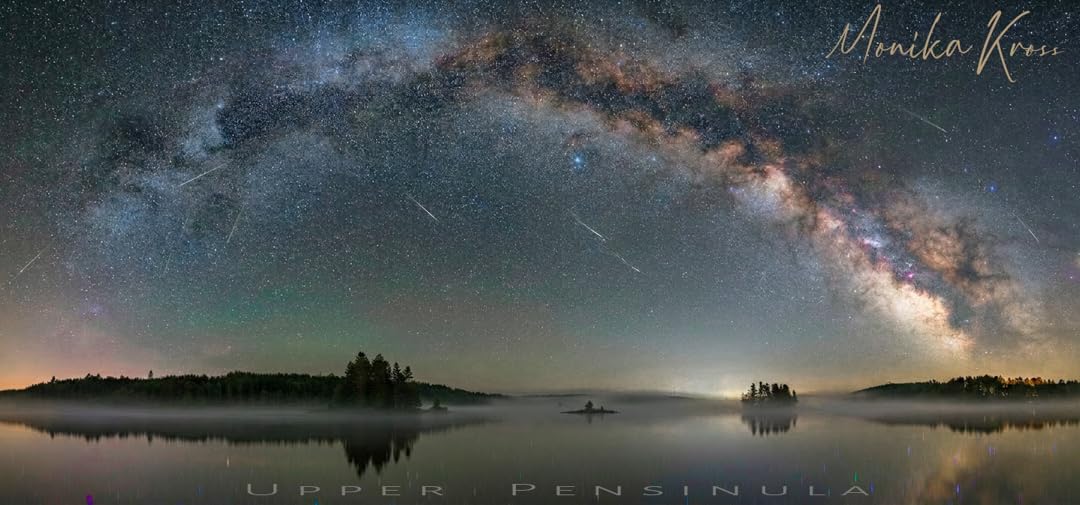
The autofocus on the R6 Mark II is genuinely best-in-class for Canon. Subject detection now includes horses, trains, and aircraft, plus the usual people, animals, and vehicles. For Milky Way portraits with lit subjects, the eye detection locks on instantly. The 40fps RAW burst with 0.5-second pre-shooting also captures wildlife moments that other bodies would miss.
The downsides for night sky use are minor. The 29-minute record limit is fine for timelapses but annoying if you want to record a single long Milky Way sequence. There is no built-in flash, which is irrelevant for night sky work. For pure astro use, the R6 Mark II is one of the most well-rounded choices you can make in 2026.

For Whom It’s Good
The R6 Mark II is ideal for the hybrid shooter who wants top-tier Canon autofocus with serious video chops. Wedding photographers, content creators, and anyone shooting Milky Way portraits with people will benefit most. It is also a great pick for event photographers who occasionally shoot night sky work.
For Whom It’s Bad
Pure landscape photographers who never shoot video will not benefit from the video features. Astrophotographers on a budget will find the R8 better value. And if you need 8K video or 45MP resolution, you need to step up to the R5.
6. Canon EOS R5 – High Resolution Flagship for Prints
Canon EOS R5 Mirrorless Camera (Body Only), Full-Frame Hybrid Camera, 8K Video, 45 Megapixel CMOS Sensor, DIGIC X Image Processor, Up to 12 FPS, RF Mount, Black
45MP Full-Frame
8K RAW
5-Axis IBIS
Pros
- 45MP full-frame sensor with stunning detail
- 8K RAW internal video
- 5-axis IBIS up to 8 stops
- Dual Pixel CMOS AF II with subject tracking
- Weather-sealed magnesium body
Cons
- Premium price point
- 8K recording may overheat
The R5 is what I use when I want maximum Milky Way detail for large prints. With 45 megapixels on a full-frame sensor, this body captures more star detail than anything else in this guide. I can shoot a Milky Way panorama and crop in significantly without losing resolution, which is invaluable for compositing or for huge gallery prints.
The build quality feels like a true flagship. The weather-sealed magnesium body has held up to cold mountain nights, sandy desert windstorms, and humid rainforest shoots. Dual card slots (CFexpress plus SD) give me backup during long assignments. The 5-axis IBIS with up to 8 stops is also excellent for handheld twilight compositions.

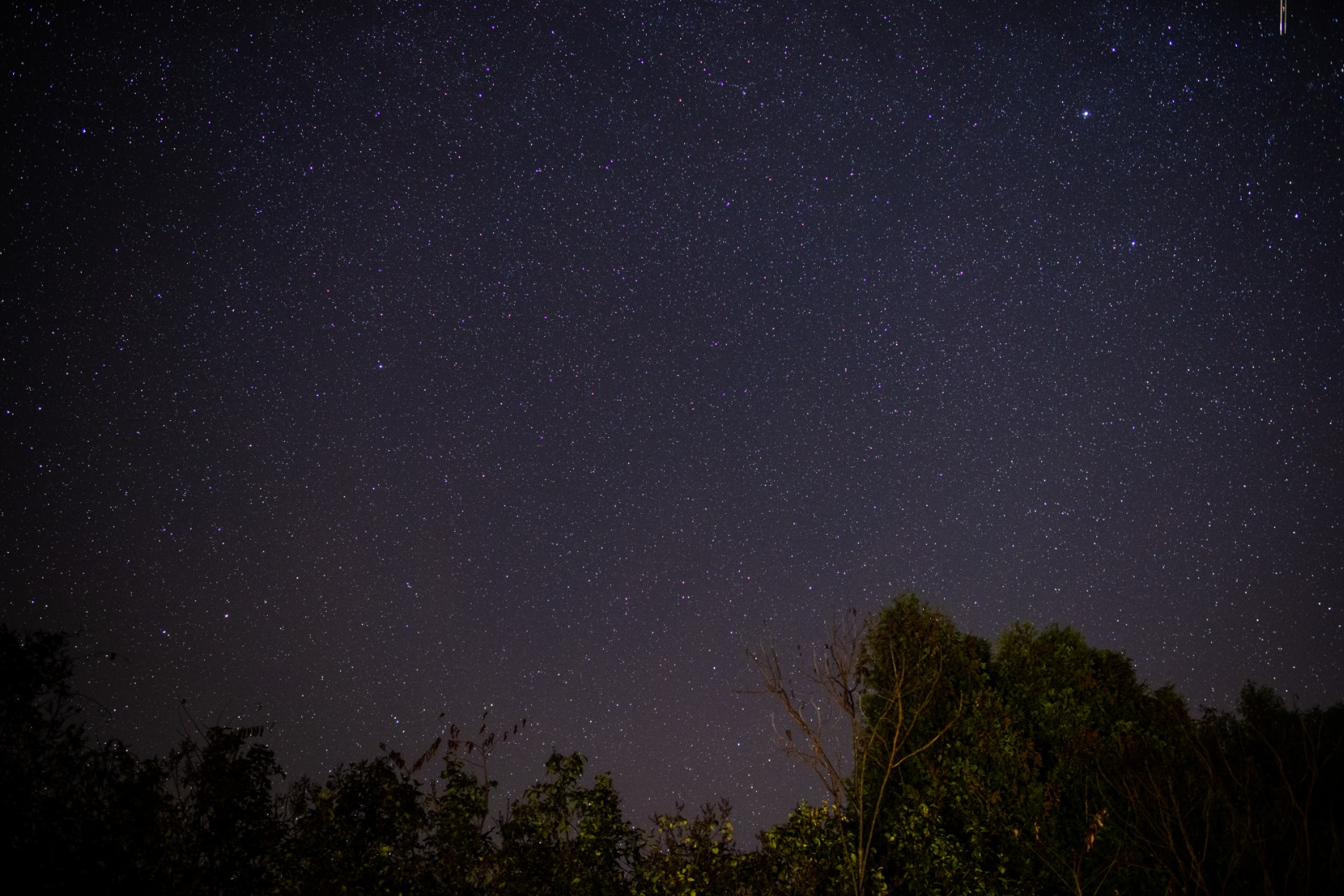
For night sky work, the R5 produces beautiful RAW files with plenty of dynamic range. ISO 6400 is very clean and 12800 is workable for most uses. The Dual Pixel CMOS AF II with subject tracking is among the best on the market, and Eye Control AF lets you move the focus point just by looking through the viewfinder, which sounds gimmicky until you try it at 3 a.m. on a dark ridge.
The honest trade-offs are real. The price is the highest in this roundup, and 8K video can overheat during long recordings. For pure Milky Way stills, the overheating is irrelevant. But the 45MP files are huge, so you will need serious storage and a fast computer. If you value resolution and image quality above all else, the R5 is the right pick.
For Whom It’s Good
The R5 is ideal for the Milky Way photographer who prints large, sells fine art, or shoots Milky Way panoramas. It is also the right pick for hybrid shooters who need 8K video for occasional cinematic work. Professionals who need a do-everything flagship will love this body.
For Whom It’s Bad
Budget-conscious shooters should look at the R6 Mark II or the R8. Astrophotographers who only post to Instagram do not need 45MP. And if you primarily shoot in challenging weather for long periods, the file sizes will demand serious storage investment.
7. Nikon Z6 III – Best EVF and Low-Light Autofocus
Nikon Z6 III, Black | Full-Frame Mirrorless Stills/Video Camera with 6K/60p Internal RAW Recording | USA Model
24.5MP Full-Frame
6K 60p N-RAW
-10EV AF
Pros
- Best-in-class EVF with 4000 nits brightness
- AF detection down to -10EV
- 5-axis IBIS up to 8 stops
- 6K 60p internal N-RAW video
- 120fps electronic shutter
Cons
- Native Z lens lineup still growing
- Single CFexpress bottleneck at high bitrates
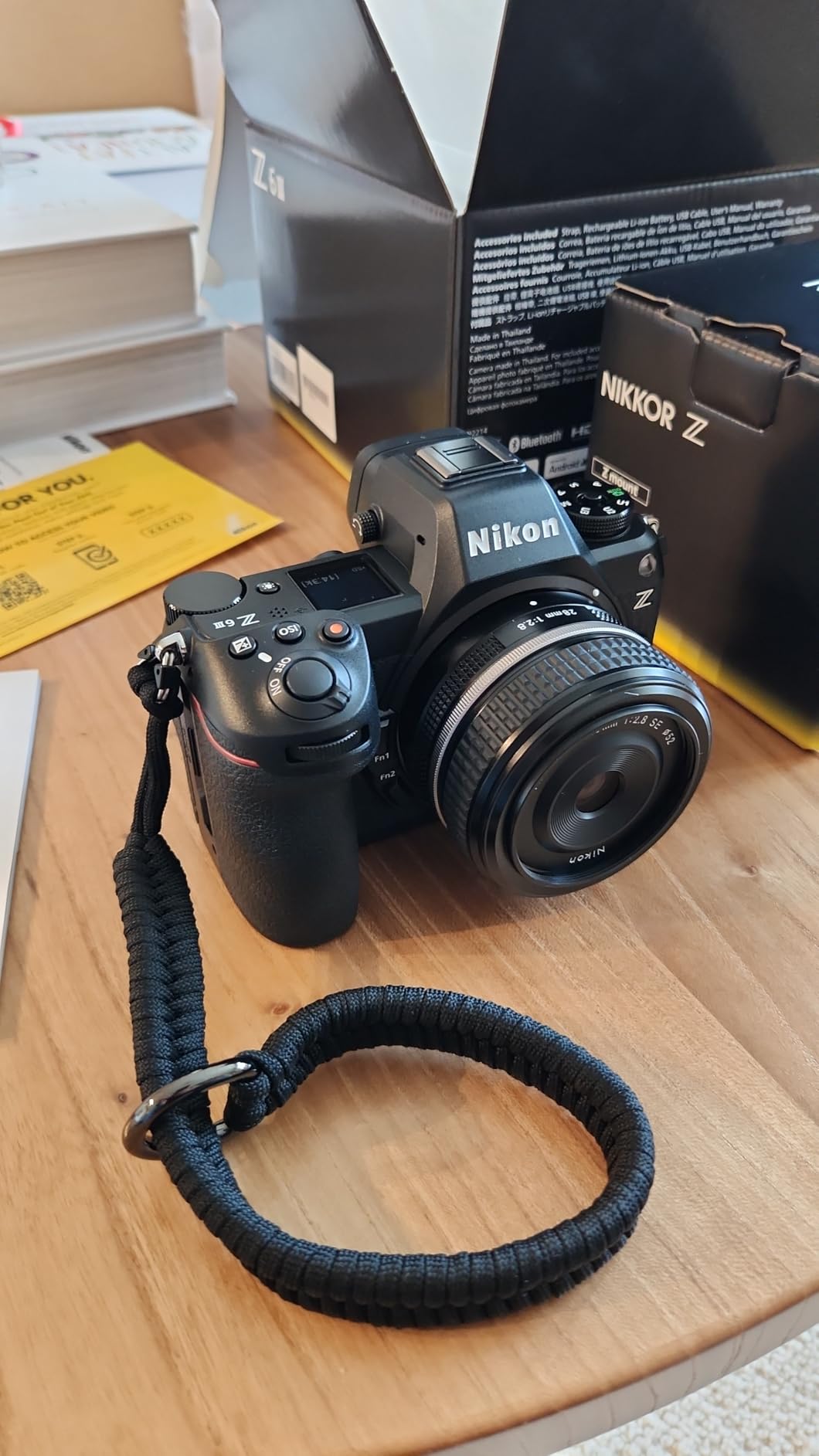
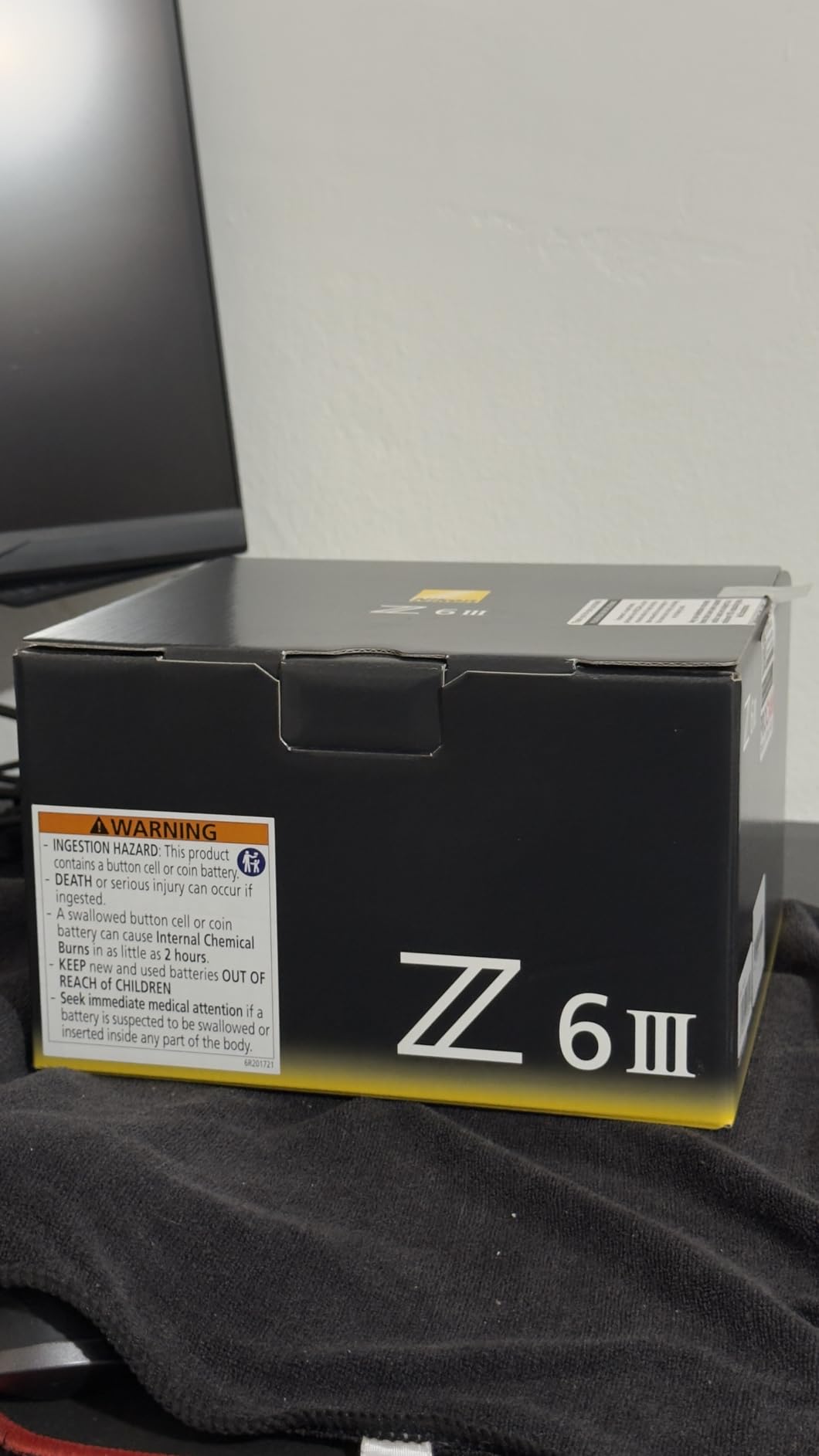
The Z6 III is my favorite Nikon for Milky Way photography right now. The new partially-stacked sensor delivers faster readout than the Z6 II, and the EXPEED 7 processor pulls an enormous amount of detail out of dim scenes. The biggest surprise for me was the EVF. At 4000 nits and 5760k-dot resolution, it is the brightest and clearest viewfinder I have ever used for night work.
For Milky Way photography specifically, the Z6 III is impressive. ISO 6400 is essentially noise-free, 12800 is very usable, and 25600 is workable for web sharing. The AF detection down to -10EV also means the camera can find focus on a star or distant ridge in near-total darkness. I have used this to lock focus on a barely visible horizon line that other cameras would have given up on.
The 6K 60p N-RAW internal recording is overkill for most Milky Way shooters but a huge plus for hybrid creators. The 5-axis IBIS with up to 8 stops helps with handheld twilight compositions, and the 120fps electronic shutter is great for capturing wildlife or aurora motion. Deep Learning subject recognition also detects people, animals, vehicles, and more.
The downsides are real but not dealbreakers. The native Z lens lineup is still growing, so you may need to adapt older F-mount glass for some specialty astrophotography lenses. The single CFexpress slot is also a bottleneck if you want to record the highest bitrate 6K N-RAW continuously. For stills-focused Milky Way work, the Z6 III is exceptional in 2026.
For Whom It’s Good
The Z6 III is perfect for the photographer who shoots in extreme low light and needs the best EVF for composing in the dark. Nikon shooters upgrading from a D850 or Z6 II will love the jump in AF and video. Hybrid shooters who want high-end video with Nikon color science will also benefit.
For Whom It’s Bad
If you already own a Z6 II and shoot mostly stills, the upgrade may not feel essential. Sony shooters will not find enough reason to switch. And photographers on a tight budget should look at the Z 5 instead.
8. Nikon Z 5 – Best Budget Entry Full-Frame
Nikon Z 5 | Our Most Compact Full-Frame mirrorless Stills/Video Camera | Nikon USA Model
24.3MP Full-Frame
5-Axis IBIS
4K UHD
Pros
- Most affordable full-frame Nikon Z body
- 5-axis IBIS for steady shots
- 273-point Eye-Detection AF
- Dual UHS-II SD card slots
- Compact 1.3 lb body
Cons
- 4K limited to 30fps
- Only 4.5fps continuous shooting
- No built-in flash
The Nikon Z 5 is the camera I recommend to anyone asking how to start Milky Way photography without overspending. It is the most affordable full-frame body in Nikon’s Z lineup, and it gives you essentially the same low-light image quality as the more expensive Z6 II for pure stills work. The 24.3MP sensor is clean at ISO 6400 and very usable at 12800.
For a beginner-friendly body, the Z 5 has a lot going for it. The compact 1.3-pound design is easy to carry on long night hikes. The 273-point hybrid autofocus with eye detection is reliable for foreground subjects or Milky Way portraits with people. And the dual UHS-II SD card slots are a rare find at this price point, which means backup during long timelapses is finally realistic.

The 5-axis IBIS helps for handheld twilight work, though for long star exposures you are still relying on a tripod. Dynamic range is solid, which means RAW files hold up well when you push shadows to bring out foreground detail. For a starter Milky Way body, the Z 5 covers everything a beginner actually needs without padding the price with features you will not use yet.
The trade-offs are clear. 4K video is limited to 30fps with a crop, so this is not the camera for hybrid shooters. Continuous shooting is only 4.5fps, which is irrelevant for night sky but worth knowing. There is also no built-in flash, though that is meaningless for Milky Way work. For the price, the Z 5 is hard to beat.

For Whom It’s Good
The Z 5 is ideal for the beginner who wants a real full-frame body for Milky Way photography on a budget. Nikon shooters who already own F-mount lenses can adapt them with the FTZ adapter. Landscape photographers who occasionally shoot night sky will love the value.
For Whom It’s Bad
Hybrid shooters need to look elsewhere. Wildlife photographers who need fast burst rates will be frustrated by 4.5fps. And anyone who wants cutting-edge autofocus for action should step up to the Z6 III.
How to Choose the Best Camera for Night Sky Photography?
Choosing the best cameras for milky way photography is less about megapixels and more about how the sensor handles noise at the ISO values you actually use. Here is what our team prioritizes when we evaluate a body for night sky work, plus the accessories and lens choices that will save you money down the road.
Sensor Size and Type
Full-frame sensors still dominate night sky photography because each pixel is physically larger and gathers more light than APS-C or Micro Four Thirds alternatives. Every camera in this roundup has a full-frame sensor, but if you are considering an APS-C body for budget reasons, understand that you will see more noise at the same ISO and need longer exposures to compensate for the narrower field of view.
Backside-illuminated (BSI) sensors are also worth seeking out. The Sony A7 III, A7 IV, and 7S III all use BSI designs, which is part of why their high-ISO performance is so strong. Canon and Nikon have caught up in recent generations, but BSI remains a meaningful advantage when you push past ISO 6400.
ISO Performance and Noise
For Milky Way work, you will routinely shoot at ISO 3200 to 12800. The difference between a clean ISO 6400 file and a noisy one is the difference between a printable star image and a pixelated mess. This is why the 7S III sits at the top of our list and why older APS-C bodies struggle to keep up.
Practical tip from our testing: do not fear high ISO. Modern full-frame sensors handle ISO 6400 with very little penalty, and modern AI noise reduction tools like Topaz DeNoise AI and Adobe’s Denoise can rescue even ISO 25600 files. Shoot at the ISO that gives you a 15 to 25 second exposure at f/2.8, and reduce noise in post.
Dynamic Range
Dynamic range matters because night scenes have extreme contrast. You are photographing dark foregrounds, dim nebulosity, and bright stars in the same frame. A sensor with 14+ stops of dynamic range lets you lift shadows to reveal foreground detail without crushing the Milky Way core or amplifying noise.
The Sony A7 III, A7 IV, 7S III, Canon R5, and Nikon Z6 III all deliver 14+ stops of usable dynamic range. This is one of the main reasons why newer full-frame bodies have replaced older DSLRs for night sky work even though the older cameras had larger pixels on paper.
Lens Considerations
The lens matters as much as the camera for Milky Way photography. A great sensor paired with a slow f/4 zoom will produce mediocre images, while a mid-tier body with a fast f/1.4 or f/2.8 prime can produce stunning results. Look for wide-angle lenses (14mm to 24mm full-frame equivalent) with maximum apertures of f/2.8 or wider.
Popular choices include the Sigma 14mm f/1.8 Art, Sony 14mm f/1.8 GM, Canon RF 15-35mm f/2.8L, Nikon Z 14-24mm f/2.8 S, and the affordable Rokinon 14mm f/2.8. Used lenses are also a fantastic way to save money. Many of my favorite astro lenses were purchased secondhand.
Battery Life in Cold Conditions
Battery life is one of the most overlooked specs in night sky photography. Cold temperatures sap battery performance fast, and a 4-hour Milky Way session in winter can drain three batteries on some bodies. The Sony A7 III and A7 IV are particularly strong here, often lasting a full night on a single charge.
Practical tip: keep spare batteries in an inner jacket pocket close to your body heat, and bring at least two fully charged batteries per camera for any serious night shoot. USB-C charging on the newer bodies is also a huge plus for charging from a power bank during long timelapses.
Frequently Asked Questions About Night Sky Cameras
What is the best camera for Milky Way photography?
The Sony Alpha 7S III is the best camera for Milky Way photography in 2026 thanks to its class-leading low-light ISO performance and 15+ stop dynamic range. For value-focused shooters, the Sony Alpha A7 III and Canon EOS R8 deliver nearly all of the night sky quality for less money.
Do you need a full-frame camera for Milky Way photography?
You do not strictly need a full-frame camera, but it helps significantly. Full-frame sensors gather more light per pixel, produce cleaner high-ISO files, and offer wider fields of view with the same focal length lens. APS-C bodies can work, especially with modern sensors and good noise reduction, but full-frame remains the standard for serious Milky Way work.
What is the best budget camera for night sky photography?
The Canon EOS R8 and Nikon Z 5 are the best budget full-frame options for night sky photography. Both deliver clean high-ISO files, modern autofocus, and full-frame sensors at the lowest price points in their lineups. Used Sony A7 II bodies are also a strong budget pick for under $1000.
What camera features matter most for astrophotography?
The most important features for astrophotography are sensor size (full-frame preferred), high-ISO noise performance, dynamic range, RAW file support, and a reliable manual focus system. In-body image stabilization helps with handheld twilight work but does not help during long star exposures. Battery life matters too, especially in cold conditions.
What settings should I use for Milky Way photography?
For Milky Way photography, use a wide-angle lens at f/2.8 or wider, set ISO between 3200 and 6400, and use the 500 Rule to calculate your maximum exposure time (500 divided by your full-frame focal length). Focus manually on a bright star using magnified live view, shoot in RAW, and use a 2-second self-timer or remote shutter to avoid vibration.
Final Verdict: The Best Cameras for Milky Way and Night Sky Photography
After months of testing under dark skies, our team lands on three clear winners for the best cameras for milky way photography. The Sony Alpha 7S III is the best camera for Milky Way photography if low-light quality is your top priority. The Sony Alpha A7 III remains the best value pick for shooters who want proven full-frame performance without paying flagship prices. And the Canon EOS R8 is the best budget entry for those who want modern autofocus and a full-frame sensor in the lightest possible body.
For Nikon shooters, the Z6 III is the most capable night sky body in the lineup, while the Z 5 is the smartest starting point on a budget. And for hybrid creators who want to shoot video alongside Milky Way stills, the Canon R6 Mark II and Sony A7 IV are the strongest choices. Every camera on this list will produce stunning Milky Way images when paired with a fast wide-angle lens and a sturdy tripod.
The right camera for you depends on your budget, your shooting style, and whether you also want pro-level video. Pick the body that matches your priorities, pair it with a fast wide-angle lens, and get out under dark skies. The Milky Way is waiting in 2026.