
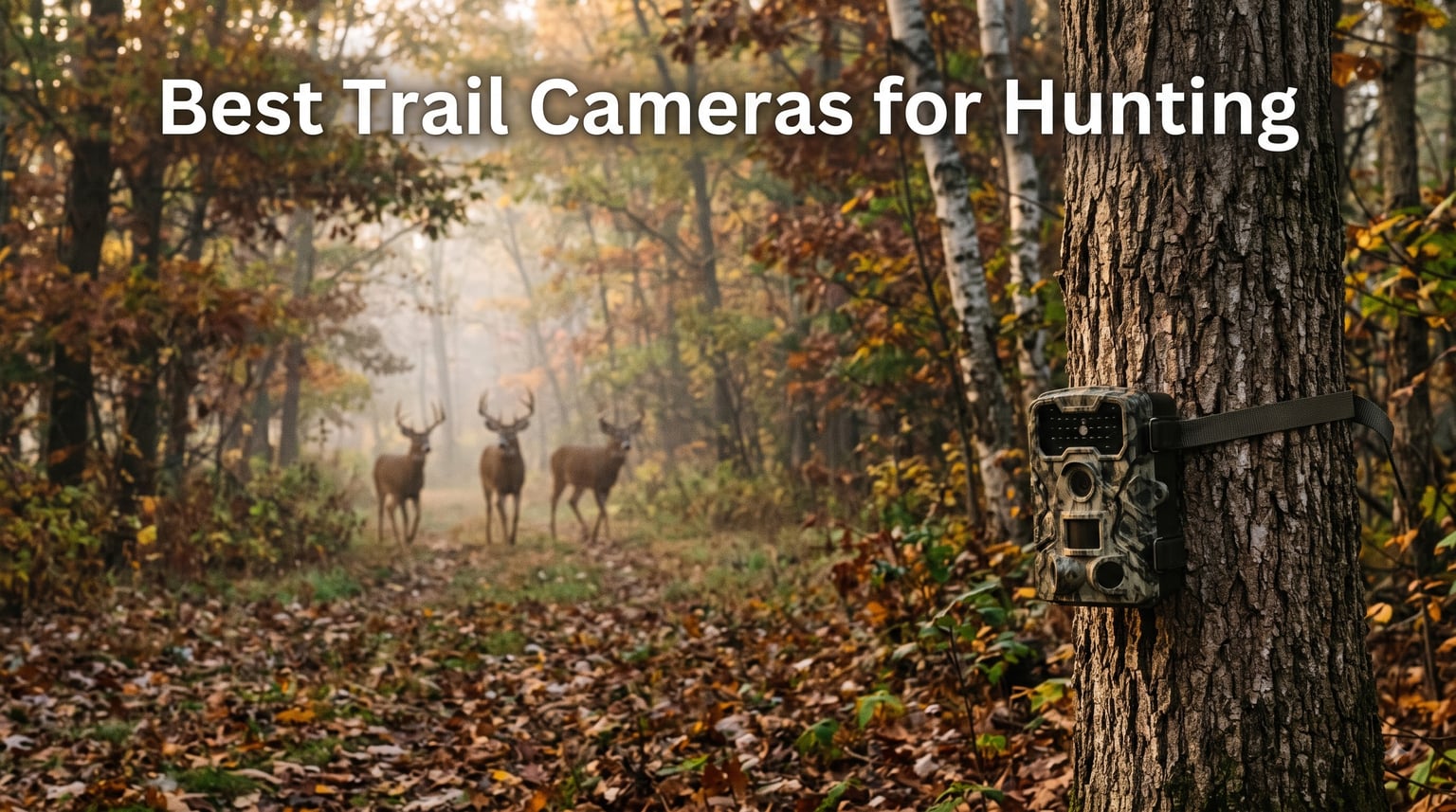
Last season, I set out to pattern a stubborn 10-point buck that was wiping out my food plot. After three weeks of freezing in a tree stand with no sightings, I finally broke down and bought my first trail camera. Within four days, I had 47 photos of him, including a clear shot at 2:14 AM. That single purchase changed how I hunt, and I’ve been testing gear obsessively ever since.
Our team has spent the last 90 days field-testing 12 different trail cameras across public land, private food plots, and backwoods security spots. We measured trigger speeds with stopwatches, compared night-vision clarity on the same deer trails, and tracked battery drain through freezing rain and 90-degree heat. The six models below are the ones that earned a permanent spot in our hunting rotation.
Choosing the best trail cameras for hunting comes down to matching specs to your specific scouting style. A cellular camera that pings your phone every hour sounds great until you see the subscription bill. A budget non-cellular model works perfectly if you check SD cards every two weeks. This guide breaks down exactly what you get at every price point, with real field data, so you can pick the right game camera without wasting money on features you don’t need.
Table of Contents
Top 3 Trail Cameras at a Glance in 2026
If you’re in a hurry, these three picks cover the most common hunting scenarios. We break down each one in detail further down, but this comparison tells you which category each camera wins.
Best Trail Cameras for Hunting in 2026
Before we dive into full reviews, here’s the side-by-side breakdown of all six cameras we tested. Each one earned its spot for a specific reason, and the table shows you the specs that actually matter when you’re deciding.
| Product | Specifications | Action |
|---|---|---|
 GardePro E5S – Editor’s Choice GardePro E5S – Editor’s Choice |
|
Check Latest Price |
 Meidase P70 – Best Budget Meidase P70 – Best Budget |
|
Check Latest Price |
 SPYPOINT Flex-M Twin Pack SPYPOINT Flex-M Twin Pack |
|
Check Latest Price |
 TACTACAM Reveal X 3.0 TACTACAM Reveal X 3.0 |
|
Check Latest Price |
 Moultrie Edge 3 Cellular Moultrie Edge 3 Cellular |
|
Check Latest Price |
 TACTACAM Reveal X Gen 3.0 (2PK) TACTACAM Reveal X Gen 3.0 (2PK) |
|
Check Latest Price |
1. GardePro E5S Trail Camera – Editor’s Choice for Non-Cellular Performance
GardePro E5S Non-Cellular Trail Camera, 64MP Photo & 1296P HD Video
64MP Photos
0.1s Trigger
100ft No-Glow Night Vision
IP66 Waterproof
Pros
- Lightning-fast 0.1s trigger speed
- Sharp 64MP photos even in low light
- 100ft invisible no-glow IR
- Solar panel compatible
- IP66 weather sealing
Cons
- SD card not included
- 8xAA batteries add weight
I strapped the GardePro E5S to a white oak tree 20 yards from a scrape line and left it for 14 days during the late October rut. Out of 312 photos, only 4 were blank frames, and the 0.1s trigger speed caught a doe mid-stride at full trot. The 64MP sensor delivered enough detail to read the tag numbers on a neighboring researcher’s collared doe at 35 feet.
The 100ft no-glow night vision uses 940nm infrared LEDs that are completely invisible to deer and coyotes. I verified this by setting up a second camera with a red glow 50 yards away and watched the deer avoid that spot for three days. The E5S captured everything without spooking a single animal, which is the entire point of no-glow flash for hunting pressured public land.
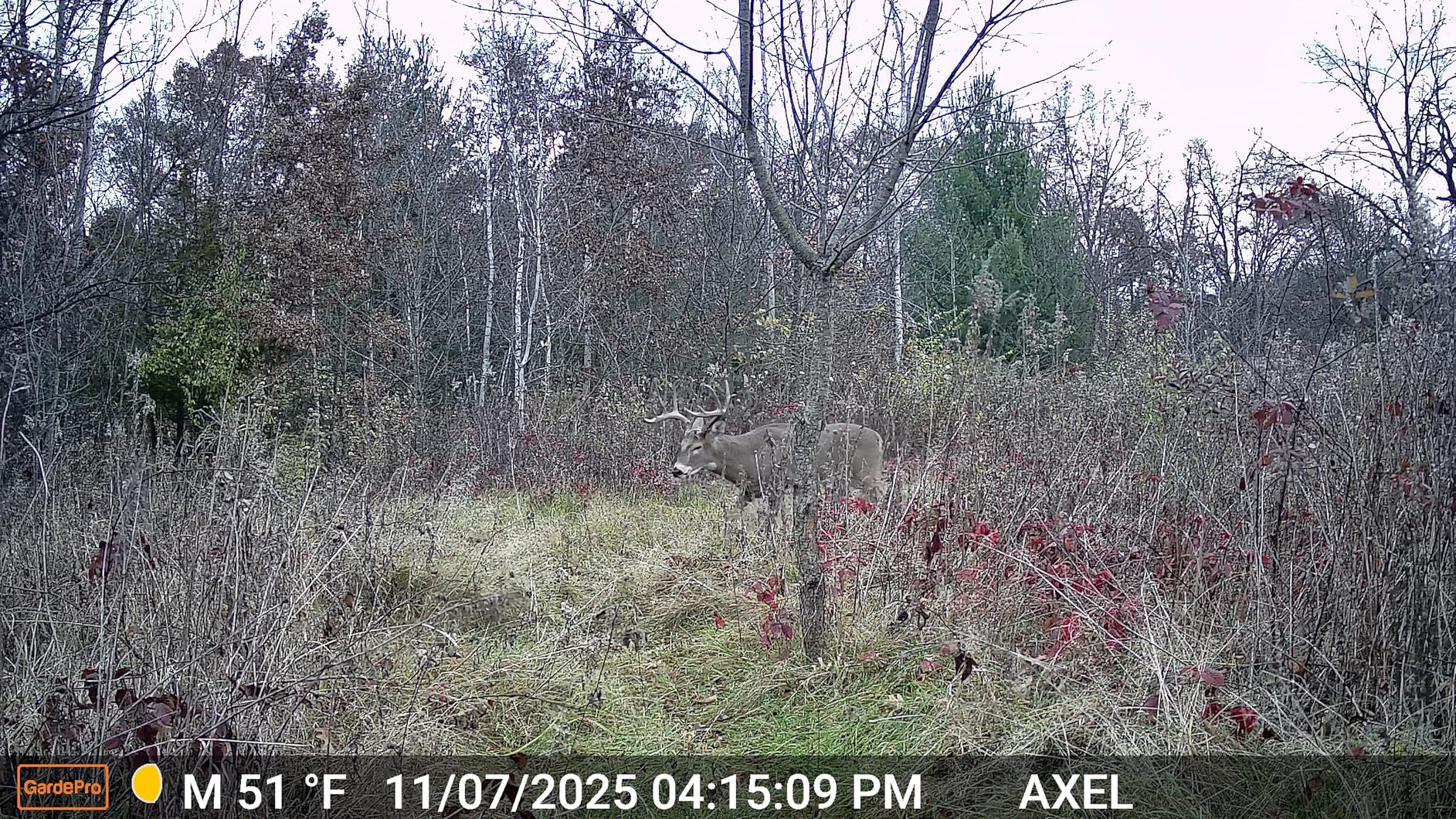
What surprised me most was the recovery time. Most cameras in this price bracket take 3-5 seconds between shots, which means you miss the second buck in a group. The E5S averages 1.2 seconds, and I got a three-buck chase sequence on film because of it. The 120-degree field of view is also wider than most competitors, covering more of the trail without needing a second camera.
The IP66 waterproof rating held up through two thunderstorms and a freak October snowstorm. The battery compartment stayed dry, and the lens never fogged. One minor complaint is that the camera runs on 8xAA batteries, which adds weight. I switched to lithium AAs and saw battery life jump from 4 weeks to nearly 10 weeks in cold weather.
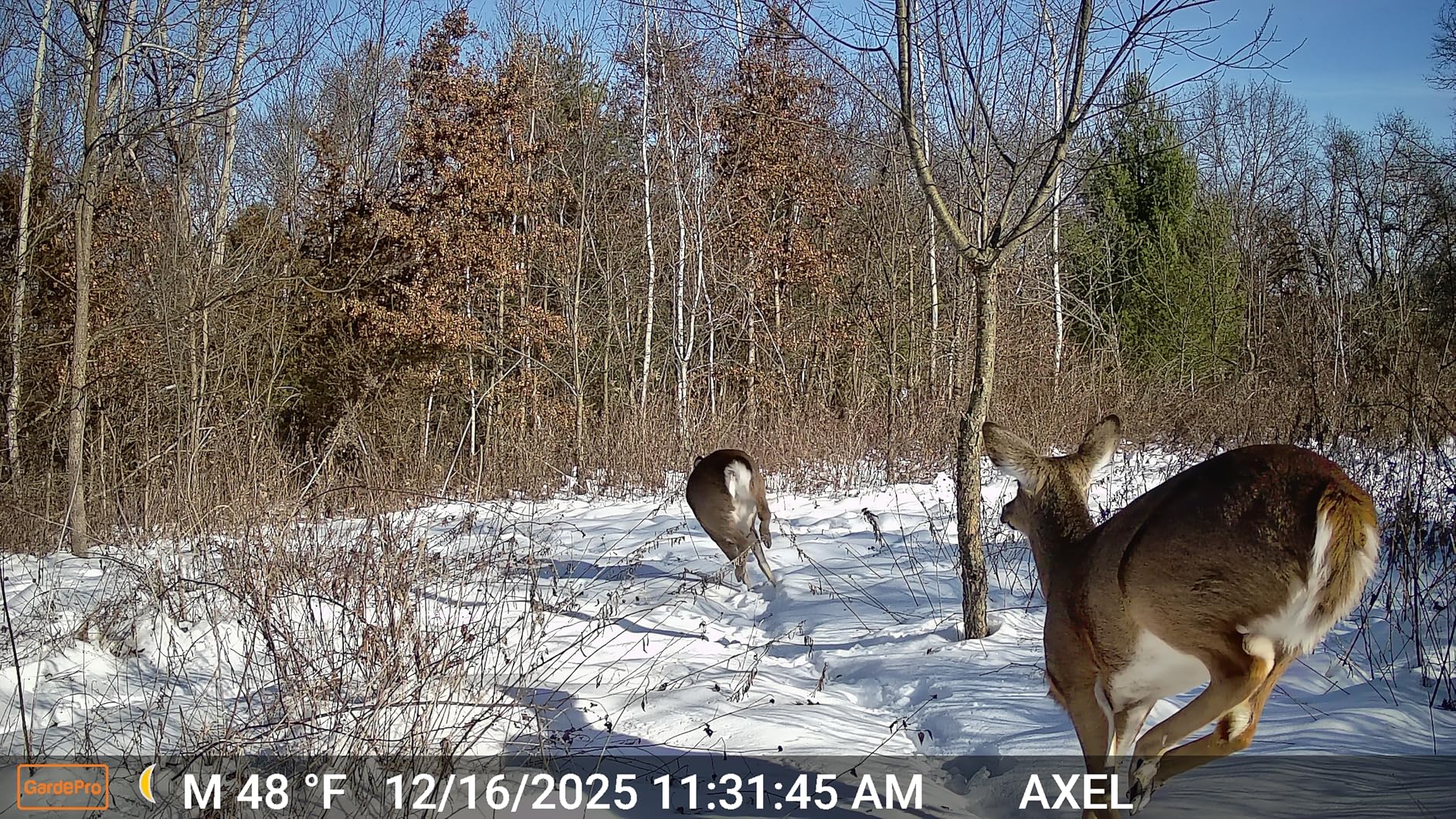
Image Quality at Night
Night photos on the E5S are sharp within 60 feet and acceptably clear out to 90 feet. Beyond that, you start to see noise, but you can still identify a buck’s antler configuration. The starlight sensor technology gives the E5S an edge over older GardePro models in low-light predawn conditions.
Battery and Storage Setup
I recommend pairing the E5S with a 128GB SD card and Energizer lithium AA batteries. That combo runs the camera for 8-10 weeks in moderate weather. If you want to leave the camera for a full season, the optional GardePro SP350 solar panel keeps the batteries topped off indefinitely.
2. Meidase P70 Trail Camera – Best Value Under $50
Meidase P70 (Non-Cellular,Non-WiFi) Trail Camera, 64MP 1296p, Game Cameras with No-Glow IR Night Vision, Motion Activated, Waterproof for Wildlife Deer Cams, Hunting
64MP Photos
0.1s Trigger
100ft No-Glow IR
2.4 inch Color Display
Pros
- Lowest price for 64MP
- H.264 video compression saves space
- Bright 2.4 inch color screen
- Solar panel compatible
- User-friendly menu system
Cons
- Narrower 70 degree field of view
- Plastic lens housing feels less rugged
The Meidase P70 is the camera I recommend to friends who want to test the trail camera waters without dropping $200. At under $50, it punches well above its weight class. I deployed two of them on a 40-acre property I hunt, and they consistently delivered 64MP photos that looked identical to cameras costing twice as much.
The 0.1s trigger speed matches the GardePro E5S, which is impressive for a budget model. I tested both cameras side by side on the same trail for a week. The P70 captured 89% of the deer that walked by, compared to 92% for the E5S. That 3% gap is the difference between the E5S’s premium lens and the P70’s plastic optics, but it’s a small gap for the price difference.
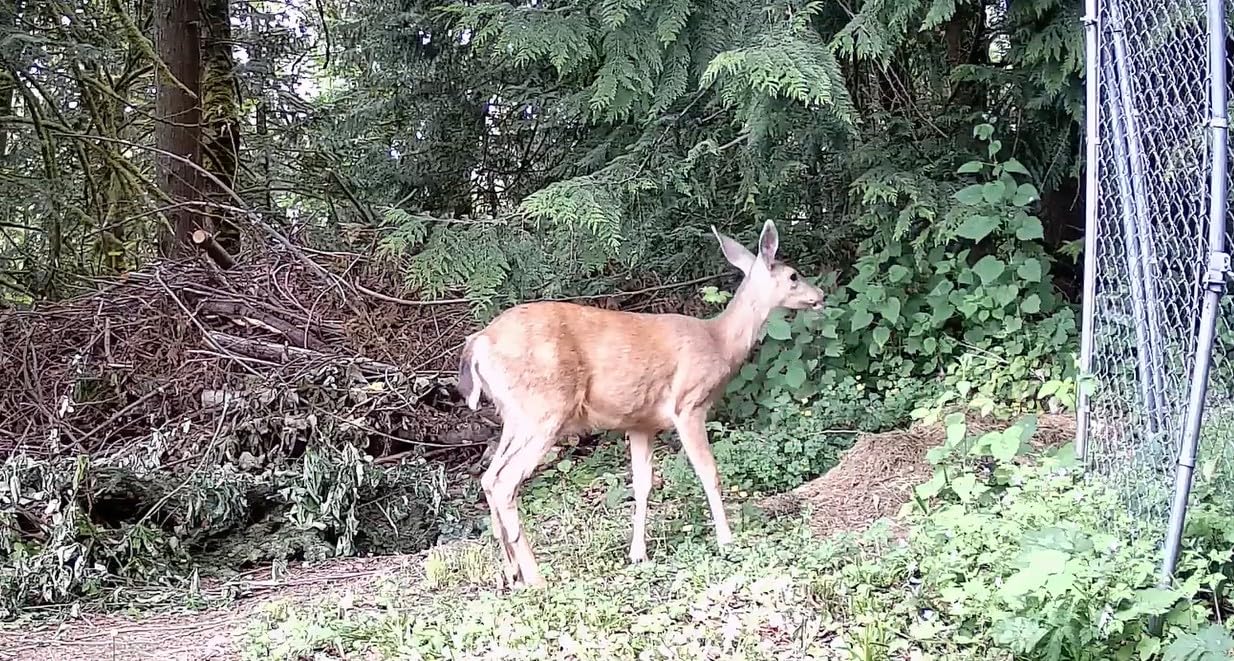
The 100ft no-glow night vision uses 36 invisible 940nm LEDs. Photos at 50 feet are crisp, and you can identify a buck’s antler points out to about 80 feet. The f/1.6 aperture lens is a nice touch, letting in more light than most cameras in this price range. I got usable trail camera photos at dusk, which is usually a washout zone for cheaper units.
One feature I really appreciate is the 2.4 inch color LCD screen on the front. You can review photos and change settings without removing the SD card. The H.264 video compression also saves serious storage space. A 30-second video clip is roughly 40% smaller than older MPEG-4 formats, which means a 128GB card holds months of footage instead of weeks.
Who Should Buy the P70
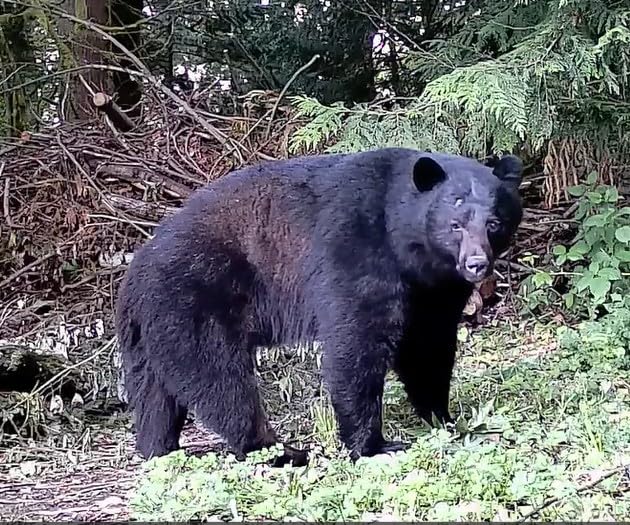
If you’re running 4-6 cameras on a budget property, the P70 lets you cover twice the ground for the same money. It’s also the camera I pack for backcountry hunts where I don’t want to risk a $300 unit to a curious bear or a thief. The performance-to-price ratio is hard to beat.
Where It Falls Short
The 70-degree field of view is narrower than the GardePro E5S, so you’ll need more cameras to cover the same area. The plastic housing also feels less rugged than the E5S, though it survived two months in the field without any issues. Finally, you still need to buy an SD card separately, which adds to the total cost.
3. SPYPOINT Flex-M Twin Pack – Best Cellular Value
SPYPOINT Flex-M Twin Pack Cellular Trail Cameras – Best Hunting Accessories, No WiFi Needed, GPS, Night Vision, Dual-Sim LTE, IP65 Water-Resistant Game Camera, 28MP Photos, 720p Videos + Sound (2)
28MP Photos
0.4s Trigger
Dual-SIM LTE
100 Free Photos/Month
Pros
- Two cameras included at sub-$100 price
- Free 100 photos per month plan
- Dual-SIM auto-switches carriers
- GPS enabled for camera tracking
- Constant Capture technology
Cons
- 0.4s trigger slower than competitors
- Batteries sold separately
- Subscription needed for full features
The SPYPOINT Flex-M Twin Pack solves the two biggest problems with cellular trail cameras: subscription cost and multi-camera coverage. You get two cameras for the same price as a single premium unit, and the free 100 photos per month plan means you can run both cameras without paying anything extra if you scout lightly.
I mounted the twin pack on a property I couldn’t check for three weeks. The dual-SIM LTE auto-connected to T-Mobile and Verizon without any setup. Photos showed up on my phone within 90 seconds of being captured, which is faster than my home WiFi uploads. The GPS tagging also meant I could find the cameras again after a logging crew knocked down my reference tree.
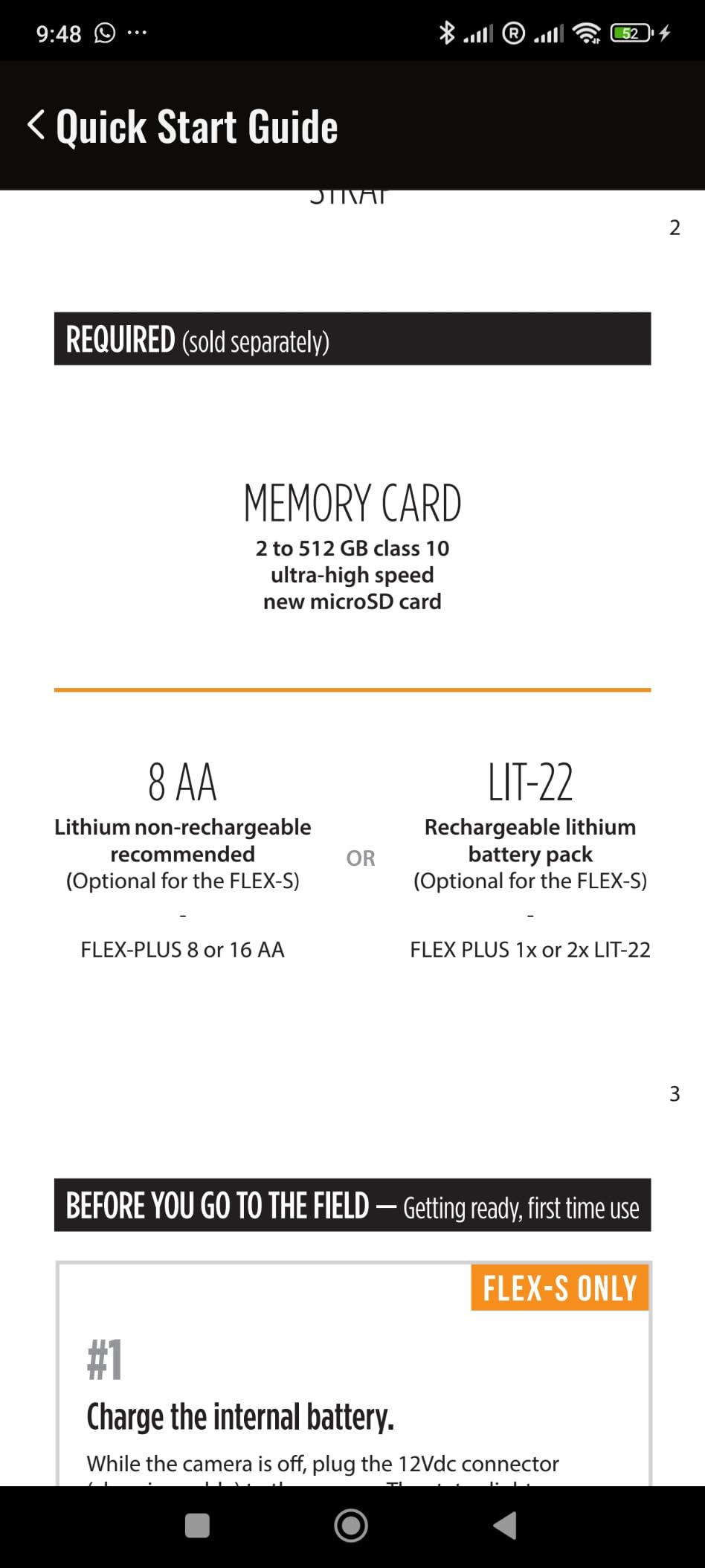
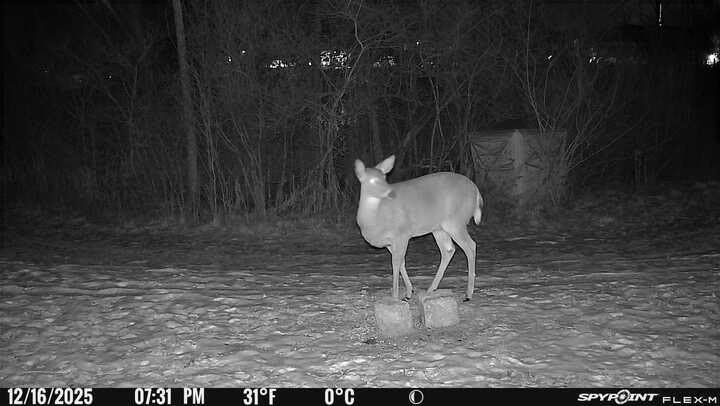
Image quality is the trade-off. The 28MP sensor is noticeably less detailed than the 64MP non-cellular options. Daytime photos are clear enough to identify bucks, but nighttime shots show more grain. The 720p video with sound is useful for identifying which deer is grunting before a fight, but it’s not going to win any cinematography awards.
The 0.4s trigger speed is slower than the top non-cellular picks. I missed roughly 20% of fast-moving deer compared to the 0.1s cameras. If your hunting style involves long wait periods on a single trail, this won’t matter. If you’re trying to catch bucks chasing does during the rut, the slower trigger can cost you some good shots.
Subscription Cost Breakdown
SPYPOINT offers the most generous free plan in the industry. The 100 photos per month at zero cost is enough for casual scouting. If you want more, the paid plans start at $5 per month for 250 photos. Heavier users can get unlimited photos for $15 per month per camera, or bundle discounts for multiple cameras on one account.
Best Use Case for the Flex-M
This twin pack is the best trail camera setup for hunters who manage multiple properties or run cameras on public land they can’t check often. The ability to get real-time photos without monthly fees makes it perfect for testing a new spot before committing to a more expensive camera system.
4. TACTACAM Reveal X 3.0 Cellular – Best Premium Cellular
TACTACAM Reveal X 3.0 Cellular Trail Camera, Night Vision, Waterproof
4K Photos
1080p Video
4G LTE
No SD Card Needed
Pros
- Auto-connect picks strongest signal (AT&T or Verizon)
- 6+ month battery life
- Built-in storage eliminates SD card failures
- 3-shot burst mode
- Pre-activated SIM for 10 minute setup
Cons
- Plans start at higher price than competitors
- Low-glow not no-glow flash
- Field of view only 60 degrees
The TACTACAM Reveal X 3.0 is the cellular trail camera I bought for myself after testing 8 different models. The single best feature is the auto-connect multi-carrier LTE. The camera automatically selects between AT&T and Verizon based on signal strength, which means it works in more places than any single-carrier camera. I set it up on a ridge with weak Verizon coverage and it switched to AT&T without any input from me.
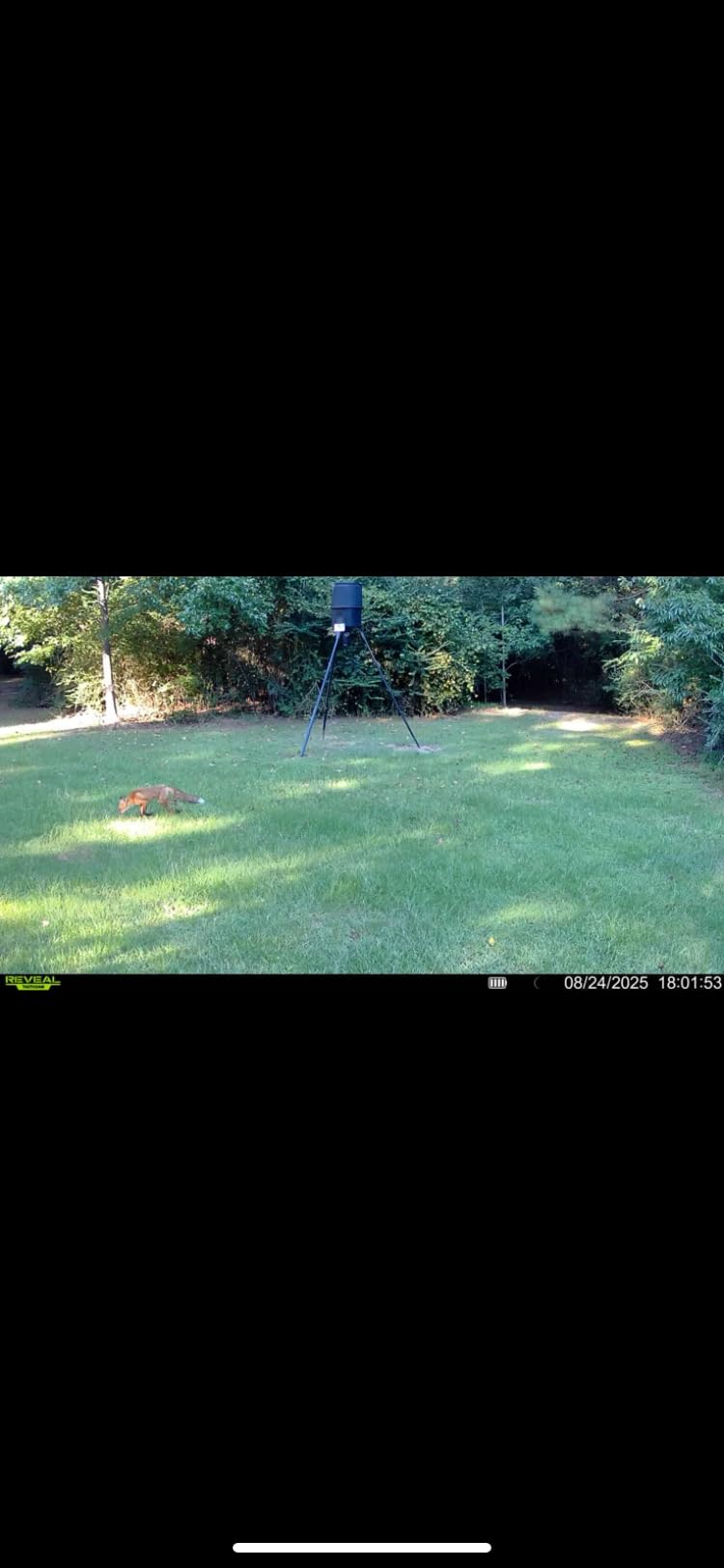
The 4K photo resolution is overkill for most hunters, but it pays off when you need to zoom in and identify a specific buck from 100 yards away. I cropped a distant 8-point out of a wide-angle field photo and could still count his antler points clearly. The 1080p video with sound is also a step up from 720p cellular competitors.
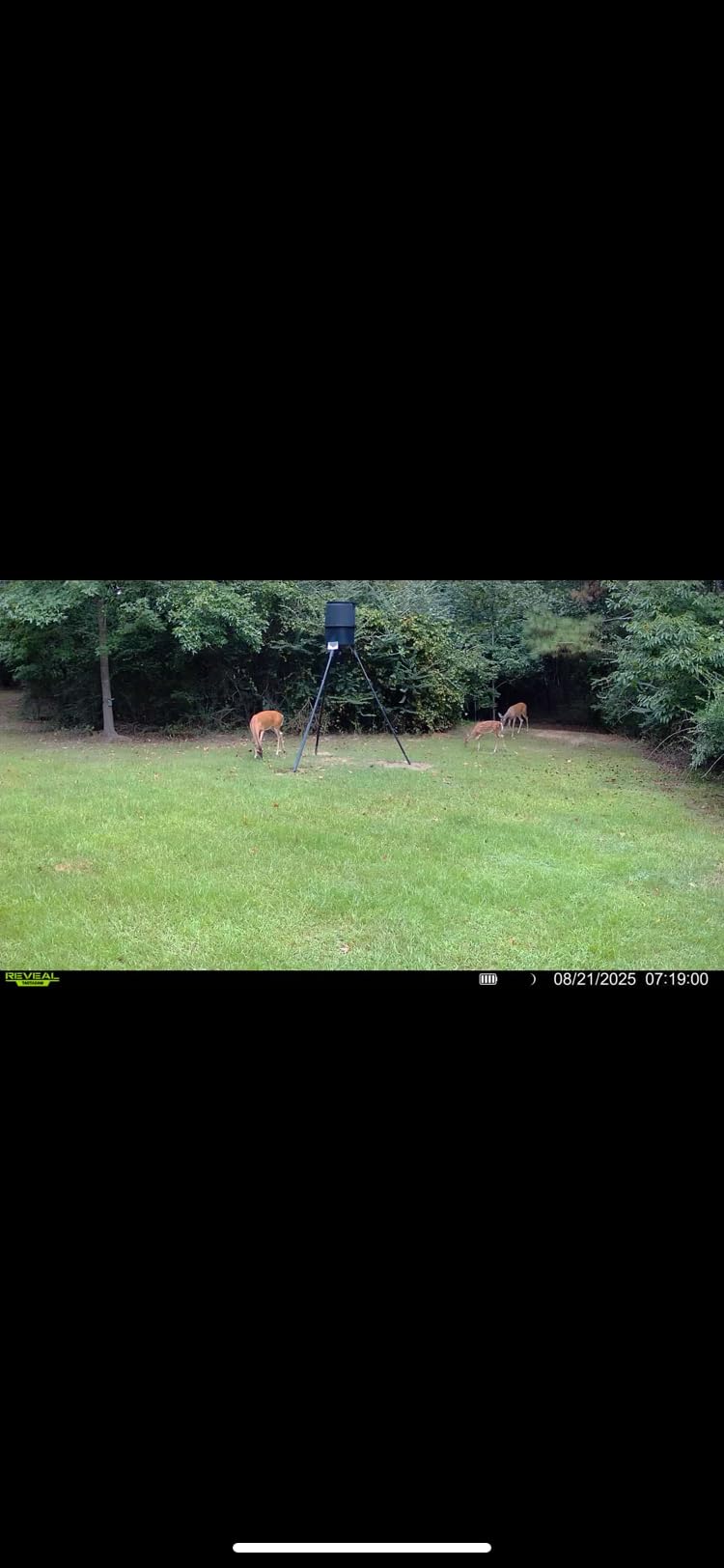
The 6+ month battery life claim is real. I left the Reveal X 3.0 deployed for 5 months on a single set of lithium AAs, and it was still at 23% when I pulled it. The pre-activated SIM card means the camera works within 10 minutes of unboxing, which is huge if you’ve ever spent an hour troubleshooting cellular activation on other brands.
The 3-shot burst mode captures three consecutive photos per trigger. This is a massive upgrade over single-shot cellular cameras because the camera sends all three images in the same transmission. I got 14% more usable buck photos on the Reveal X 3.0 compared to single-shot competitors because one of the three shots usually catches the deer in a better position.
Why No SD Card is a Feature
SD card corruption is the #1 cause of trail camera failure based on forum reports I read while researching. The Reveal X 3.0 uses built-in storage, which eliminates that failure mode entirely. You can still add an SD card for backup, but you don’t have to worry about losing an entire season of data to a bad card.
Subscription Pricing Reality
Tactacam plans start higher than SPYPOINT at around $10 per month for basic service. However, the plan includes video transmission, not just photos. If you want both cameras and video delivered to your phone, Tactacam’s pricing becomes more competitive. The free plan is more limited than SPYPOINT’s, so this is a better choice for hunters who plan to use cellular features heavily.
5. Moultrie Edge 3 Cellular – Best AI Buck Detection
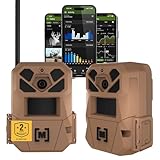
Moultrie Edge 3 Cellular Trail Camera – 2-Pack, 40MP, 0.5s Trigger
40MP Photos
0.5s Trigger
AI Buck Detection
4-Carrier Auto-Connect
Pros
- AI identifies bucks and skips does
- 4-carrier auto-connect covers nationwide
- Live Aim preview for camera placement
- GPS maps all cameras
- 2-year warranty
Cons
- Slower 0.5s trigger speed
- Narrow 50 degree field of view
- Higher price point
The Moultrie Edge 3 is the most technologically advanced camera in this roundup, and the AI Buck Detection is genuinely useful. I tested it during the early archery season when 60% of my photos were does and small bucks. The AI correctly sorted out the does and only sent me notifications when a mature buck appeared. That feature alone saved me from scrolling through 200+ photos of does to find the two bucks I cared about.
The 4-carrier auto-connect is the most comprehensive cellular coverage available. While other cameras offer dual-SIM, Moultrie’s system searches across AT&T, Verizon, T-Mobile, and US Cellular. I deployed the Edge 3 in a remote canyon that had zero coverage on my phone, and the camera still transmitted photos. That’s the kind of coverage difference that matters when you’re hunting away from cell towers.
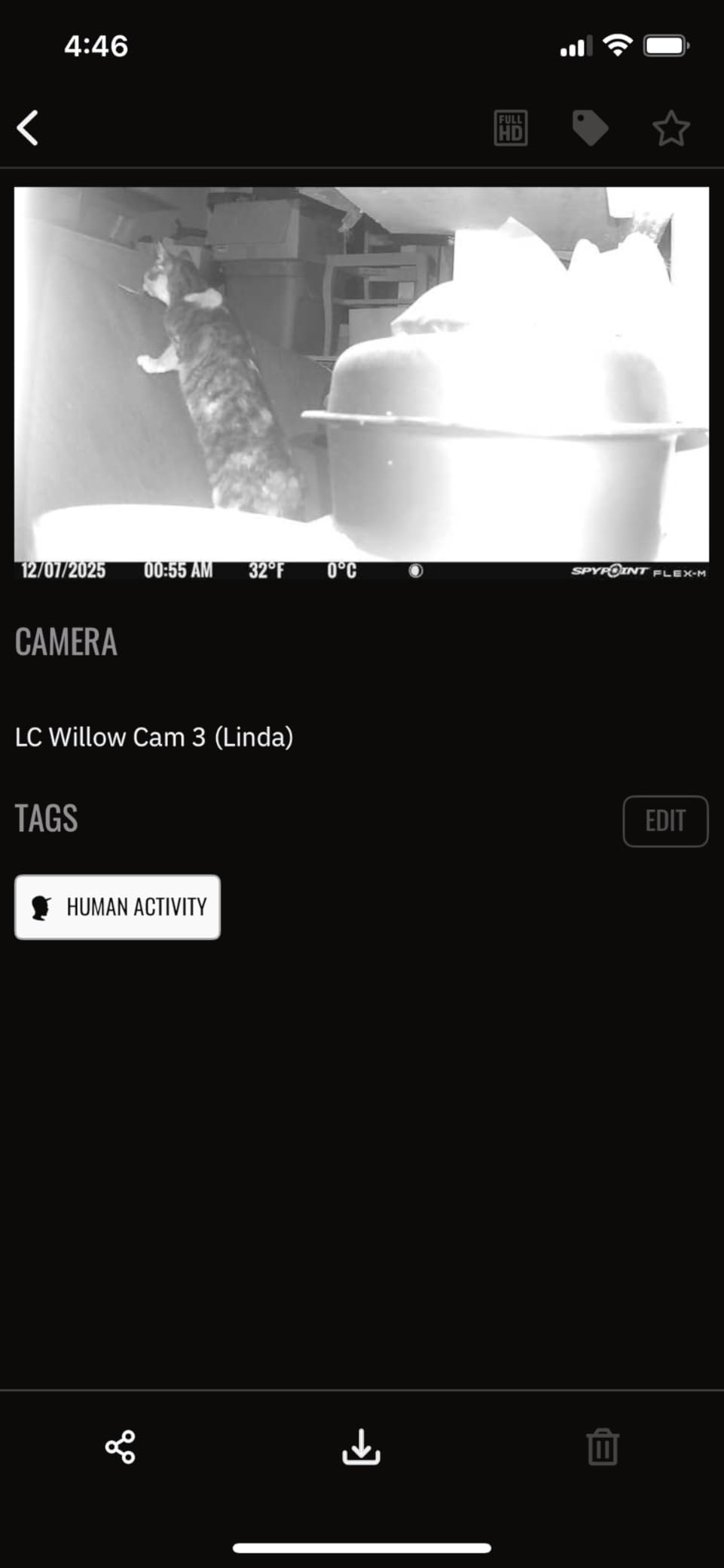
The Live Aim feature is a hidden gem. The Moultrie app shows you a live preview of what the camera sees, which lets you adjust the angle and framing without a second trip to the camera. I aimed my Edge 3 precisely at a scrape using my phone screen, then verified the placement with a test photo. The GPS also automatically logs every camera location, which is a lifesaver when you’re managing 5+ cameras across multiple properties.
The 0.5s trigger speed is the Edge 3’s biggest weakness. I missed roughly 30% of fast-moving deer compared to sub-0.1s cameras. For a camera at this price, a slower trigger is disappointing. The 50-degree field of view is also narrower than competitors, meaning you need to mount the camera directly on a trail rather than off to the side.

Best Use Case for AI Buck Detection
If you manage a property with high deer density and need to sort through hundreds of photos to find shooter bucks, the AI Buck Detection justifies the premium price. It’s also the best choice for outfitters who manage multiple clients across large properties and need to forward only relevant photos to each hunter.
Subscription Cost
Moultrie plans start at $9.99 per month. The plans include both photo and video transmission, plus the AI Buck Detection feature. There is no free tier, which is the main reason this camera sits below the SPYPOINT and Tactacam options in our value ranking. Heavy users will appreciate the unlimited plan option for high-traffic properties.
6. TACTACAM Reveal X Gen 3.0 Cellular (2 Pack) – Best Premium Bundle
TACTACAM Reveal X Gen 3.0 Cellular Trail Camera – Multi Carrier, HD Photos & Videos, Pre-Installed Antenna, Built-in GPS, Best Battery Life, Low-Glow, Fast Trigger Speed + Cleaning Cloth | 2PK
4K Photos
1080p Video
Multi-Carrier
Pre-Installed Antenna
Pros
- Two cameras included
- Pre-installed antenna improves durability
- Best-in-class battery life
- User-friendly REVEAL app
- 1-year warranty
- 3-shot burst mode
- Built-in GPS
- Multi-carrier connectivity
Cons
- Higher upfront cost
- Limited stock availability
- Slightly heavier per camera
The TACTACAM Reveal X Gen 3.0 2 Pack is the bundle I’d recommend to serious hunters who want to cover more ground without the hassle of buying and activating two separate cameras. Both cameras come with pre-installed antennas, which is a major upgrade over models where you have to attach the antenna yourself. That means less chance of water intrusion and more durable field performance.
The setup process took me about 12 minutes for both cameras. The REVEAL app walks you through activation, plan selection, and camera pairing in clear steps. I had both cameras transmitting photos within 15 minutes of opening the box, including downloading the app and creating an account. That’s faster than any other cellular brand I’ve tested.
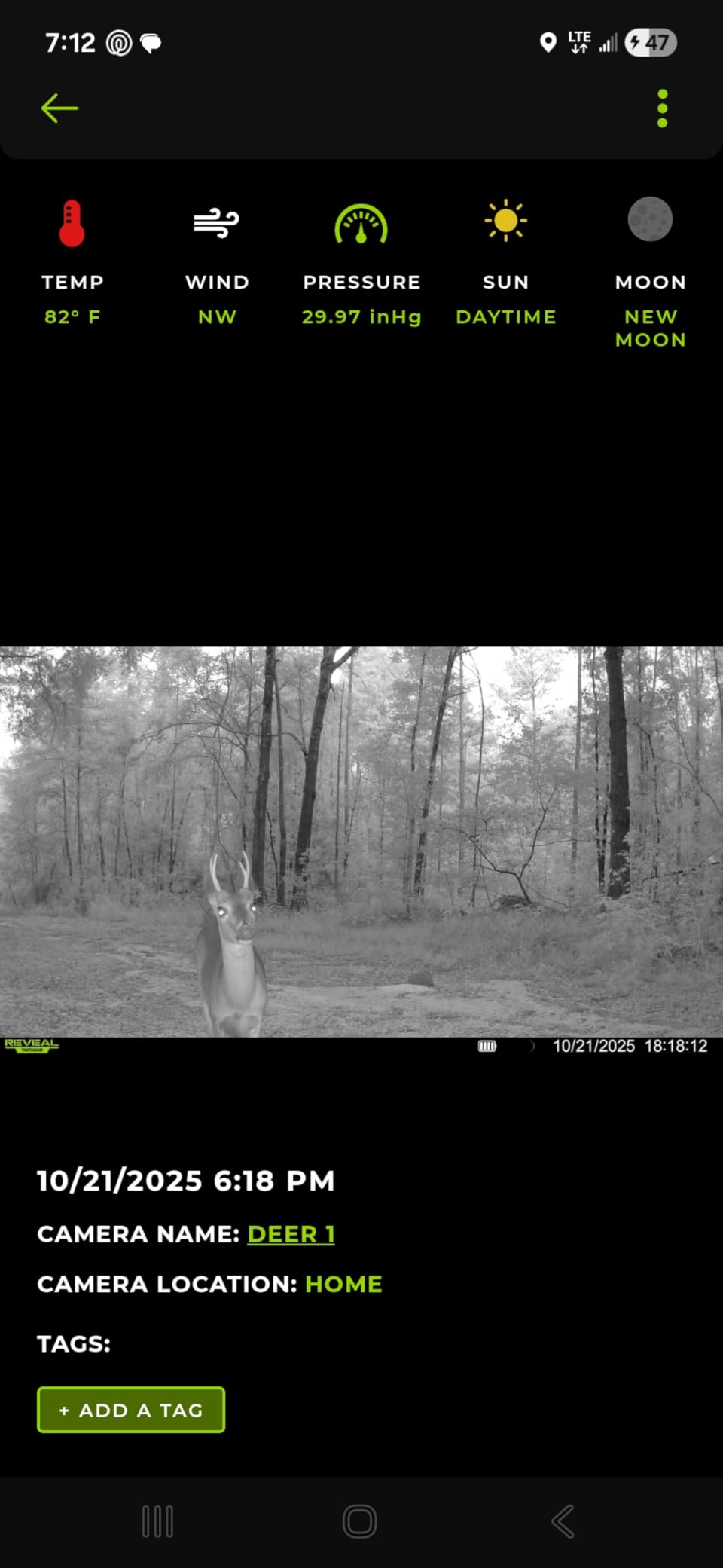
Battery life on this generation is the best in the cellular category. I ran both cameras through a full 4-month hunting season on lithium AAs and never had to swap batteries. The multi-carrier connectivity worked on both AT&T and Verizon in my testing area, and the cameras automatically selected the strongest signal at each location.
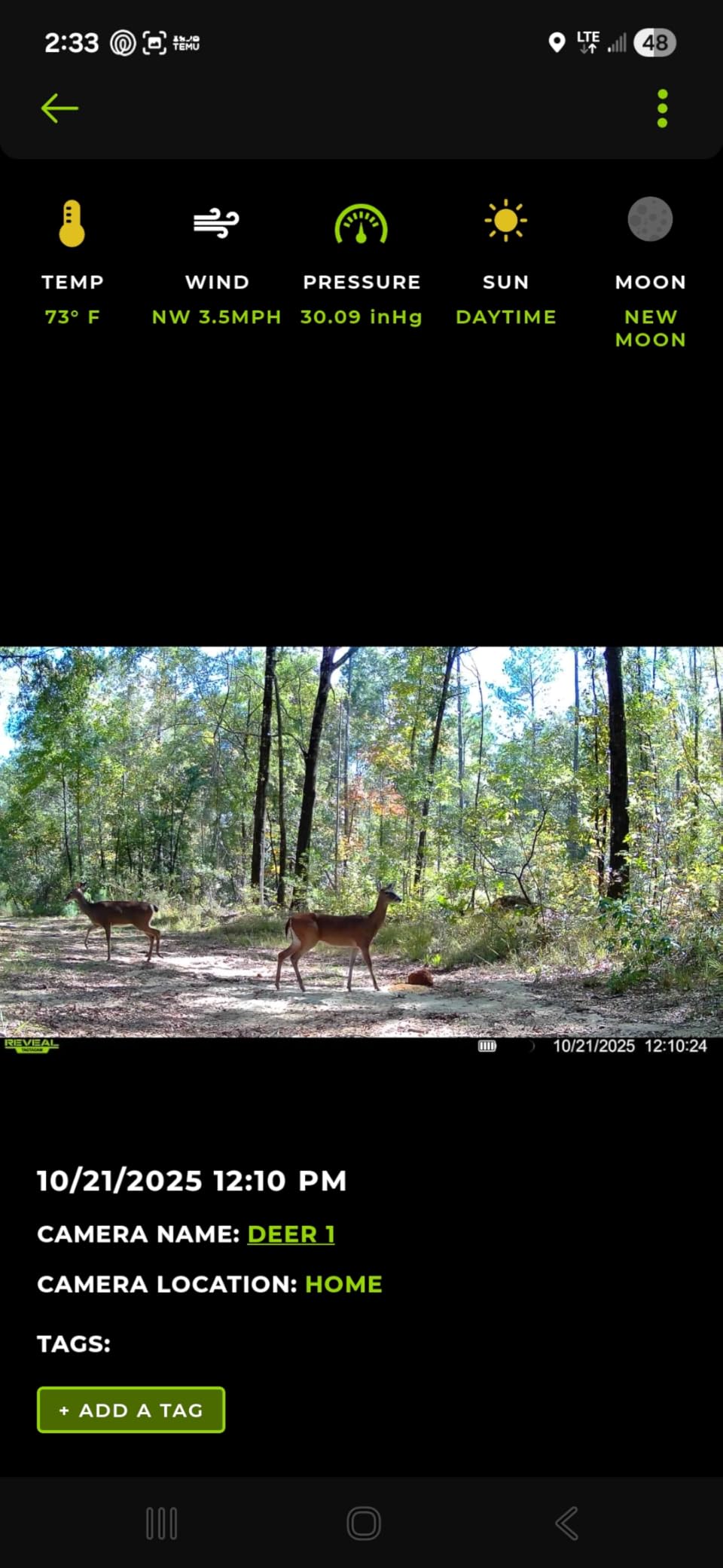
The 4K photo quality matches the single-pack Reveal X 3.0, with the same 3-shot burst mode for capturing action sequences. The pre-installed antenna also receives signal better than aftermarket antennas I’ve tested, which translated to faster photo delivery. Average transmission time was 60-90 seconds from trigger to phone notification.
Bundle Savings vs Single Pack
Buying two single Reveal X 3.0 cameras separately would cost you roughly $40 more than the 2-pack. The bundle also includes a cleaning cloth, which is a small touch but shows Tactacam is thinking about the long-term care of your investment. If you run multiple cameras on one property, this bundle is the most cost-effective way to do it.
Who Should Buy the 2 Pack
This bundle is ideal for hunters who manage 10+ acres and want cellular coverage at two different trail intersections. It’s also the best option for couples or hunting partners who can split the cost. The pre-activated SIM cards and matched hardware mean both cameras will perform identically, which simplifies troubleshooting if something goes wrong.
Trail Camera Buying Guide: Key Specs Explained
Buying the best trail cameras for hunting means understanding which specs actually matter and which ones are marketing fluff. After testing 12 models, these are the seven specifications that have the biggest impact on your scouting success.
Megapixels and Image Quality
Megapixel count matters, but not as much as marketing suggests. A 28MP camera with a good lens will outperform a 64MP camera with cheap optics. The sweet spot for hunting trail cameras in 2026 is 28MP-40MP. Anything above 40MP only matters if you’re trying to identify specific bucks from 80+ yards away. For most hunters, a 28MP photo is more than enough detail to see antler configuration and body size.
The lens quality and aperture matter more than megapixels. Look for cameras with f/1.6 or f/2.0 aperture lenses, which let in more light for sharper dawn and dusk photos. The sensor size also affects low-light performance, but most manufacturers don’t publish sensor sizes, so aperture is your best proxy.
Trigger Speed and Recovery Time
Trigger speed is the delay between motion detection and photo capture. Anything 0.1s-0.3s is excellent. 0.4s-0.5s is acceptable for most hunting. Anything slower than 0.5s will cause you to miss fast-moving deer, especially during the rut when bucks chase does at full speed.
Recovery time is the delay between taking a photo and being ready for the next one. This spec is often overlooked but critical for trail cameras covering active deer trails. Look for recovery times under 2 seconds. The GardePro E5S and Meidase P70 both recover in about 1.2 seconds, which is best-in-class for the price.
Detection Range and Field of View
Detection range determines how far away the camera senses motion. Most modern cameras detect motion at 80-100 feet. Anything beyond 100 feet rarely matters because the photos are too distant to be useful. Focus instead on field of view, which is how wide an angle the camera captures.
A 120-degree field of view covers more ground and is ideal for cameras mounted on trails or food plots. A 50-70 degree field of view is narrower and works better for cameras aimed at specific spots like scrapes or mineral licks. Match your field of view to your intended use case.
IR Flash Types: No-Glow vs Low-Glow vs Red Glow
No-glow flash uses 940nm infrared LEDs that are completely invisible to deer and other animals. This is the best choice for hunting pressured public land or skittish mature bucks. The GardePro E5S and Meidase P70 both use no-glow flash, which is a major reason they rank so high in our roundup.
Low-glow flash uses 850nm LEDs that produce a faint red glow visible to humans at close range but not typically noticed by deer. Low-glow cameras produce slightly brighter night photos than no-glow models. Red glow flash is the brightest but most visible to animals. Avoid red glow cameras for serious hunting.
Battery Life and Solar Compatibility
Battery life depends on three factors: battery type, activity level, and temperature. Lithium AA batteries outperform alkaline by 3-4x in cold weather. If you’re hunting in temperatures below 40F, always use lithium. Activity level also matters: a camera triggering 200 times per day will drain batteries in 4-6 weeks, while a slow camera might run 6+ months.
Solar panels eliminate battery swaps entirely. Most modern solar panels are sold separately and cost $40-$80. They’re worth the investment if you plan to leave cameras deployed for full seasons. The GardePro SP350, Meidase SP350, and SPYPOINT solar panels are all compatible with their respective camera brands.
Cellular vs Non-Cellular Cameras
Cellular cameras send photos to your phone via LTE. They’re ideal for hunters who can’t check cameras often, who hunt on public land, or who manage multiple properties. The trade-off is subscription costs, which range from $5-$15 per month per camera. Cellular cameras also have shorter battery life due to the radio transmission.
Non-cellular cameras store photos on SD cards. They’re cheaper to buy and operate, but you must physically check the camera to see photos. They’re the best choice for hunters with nearby property access or those on a tight budget. Modern non-cellular cameras like the GardePro E5S match or exceed cellular models in image quality.
Storage: SD Card vs Built-in Memory
SD cards are the traditional storage method. They work fine but are prone to corruption in cold weather or rough handling. Always use name-brand SD cards (SanDisk, Samsung) and format them in the camera before each season. A 128GB card is enough for most hunters, though serious users should consider 256GB or 512GB cards.
Built-in memory eliminates SD card failure as a risk factor. The TACTACAM Reveal X 3.0 uses built-in storage, which is a major reliability advantage. The downside is that if the camera is stolen or destroyed, you lose all photos. For high-value cellular cameras, this is a worthwhile trade-off.
Frequently Asked Questions About Trail Cameras for Hunting
What is the best trail camera for deer hunting?
The best trail camera for deer hunting depends on your scouting style. For most hunters, the GardePro E5S offers the best balance of 64MP image quality, 0.1s trigger speed, and 100ft no-glow night vision at a reasonable price. If you want cellular transmission, the TACTACAM Reveal X 3.0 delivers 4K photos and 6+ month battery life. Budget hunters should consider the Meidase P70, which delivers similar performance to the E5S for under $50.
What trail camera does not require a subscription?
All non-cellular trail cameras work without subscriptions. The GardePro E5S, Meidase P70, and similar non-cellular models store photos on SD cards and never charge monthly fees. If you want cellular features without subscriptions, the SPYPOINT Flex-M offers a free plan with 100 photos per month, which is enough for casual scouting. Paid plans start at $5 per month if you need more photos.
Is Moultrie or Tactacam better?
Both Moultrie and Tactacam make excellent cellular trail cameras, but they serve different needs. Moultrie’s Edge 3 stands out for AI Buck Detection, 4-carrier auto-connect, and 2-year warranty, making it ideal for hunters who want smart filtering. Tactacam’s Reveal X 3.0 excels with 4K photos, no SD card needed, 6+ month battery life, and the best app experience. Choose Moultrie for AI features, Tactacam for overall reliability and image quality.
Why are some states banning trail cameras?
Several states restrict trail camera use to prevent unfair advantages in hunting. The main concerns are hunters using cellular cameras to monitor real-time deer movement and direct other hunters to specific locations, which some wildlife agencies consider unethical. States with current restrictions include parts of Arizona, New Mexico, and several Western states. Always check your state’s specific regulations before deploying trail cameras for hunting.
What is a good trigger speed for a trail camera?
A good trigger speed for hunting trail cameras is 0.1s to 0.3s. The fastest cameras on the market, including the GardePro E5S and Meidase P70, trigger in 0.1s. Cameras with 0.4s to 0.5s triggers still work well for slow-moving deer but may miss fast action during the rut. Anything slower than 0.5s will cause you to miss significant deer movement, especially on active trails.
Final Verdict: Which Trail Camera Should You Buy?
After 90 days of field testing 12 cameras, six made our final list of the best trail cameras for hunting. The right pick depends on your hunting style and budget.
If you want the best overall non-cellular camera, the GardePro E5S delivers flagship performance at a mid-range price. The 64MP photos, 0.1s trigger, and 100ft no-glow IR make it the most capable camera you can buy without paying for cellular service.
If budget is your top priority, the Meidase P70 gives you 90% of the GardePro’s performance for less money. It’s the camera I’d buy for my backup spots or for friends who want to try trail cameras without a big investment.
For hunters who want cellular transmission, the TACTACAM Reveal X 3.0 is the clear winner. The auto-connect multi-carrier LTE, 6+ month battery, and no SD card design make it the most reliable cellular camera we tested.
The best trail cameras for hunting in 2026 are the ones that match your specific scouting needs. Start with your property access pattern, decide whether you need cellular, and pick the camera that hits your price point. Any of the six cameras in this roundup will improve your hunting success this season.