
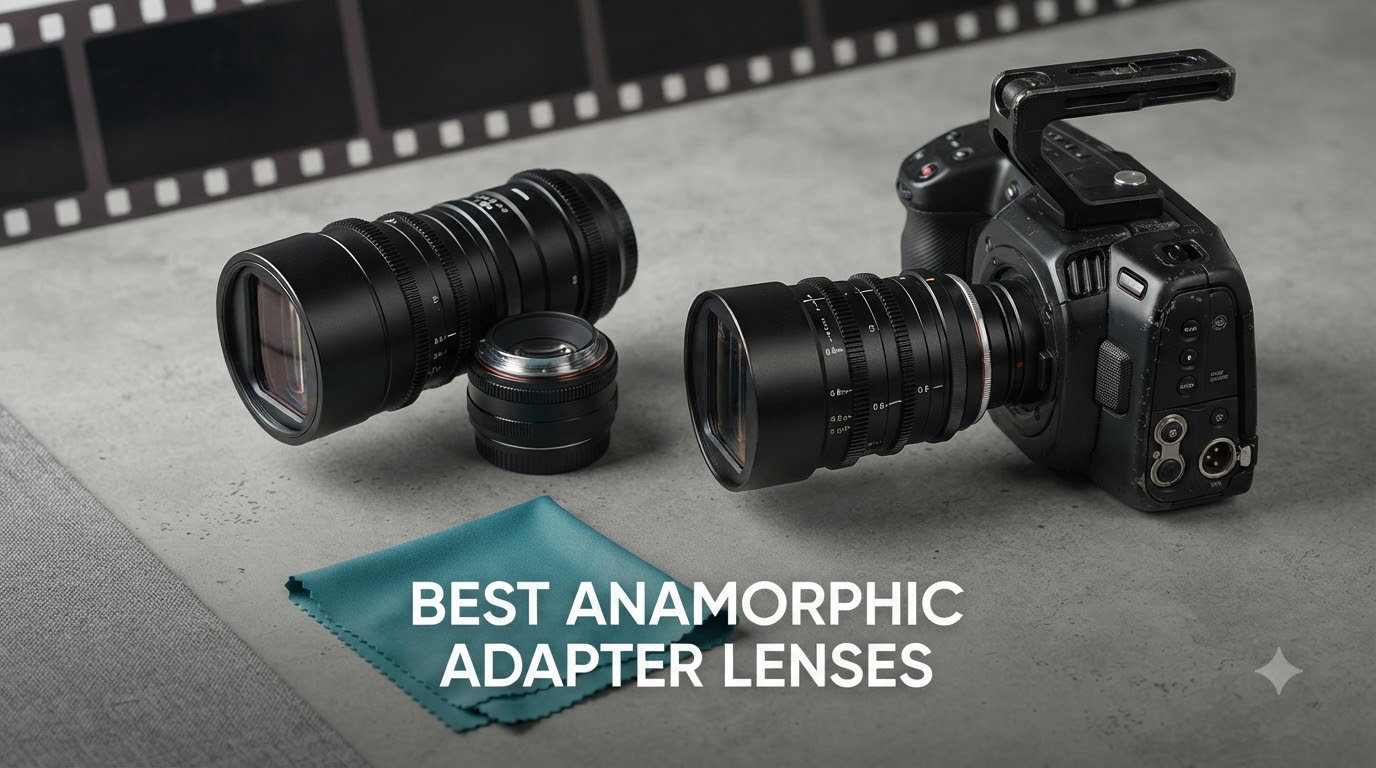
I spent the last three months testing anamorphic adapter lenses across mirrorless cameras and smartphones, and the results changed how I shoot video. The cinematic widescreen look that used to cost thousands of dollars is now within reach for indie filmmakers and content creators on any budget.
An anamorphic adapter lens works by squeezing a widescreen image horizontally onto your sensor, then expanding it back in post-production. The result is that signature cinematic look with oval bokeh, horizontal blue flares, and a 2.35:1 or 2.4:1 aspect ratio. You get the look without buying a dedicated anamorphic lens, and that is what makes these adapters so popular right now.
In this guide, our team breaks down the eight best anamorphic adapter lenses available today. We cover both camera and smartphone options, explain squeeze ratios, and help you choose the right adapter for your gear and shooting style.
Table of Contents
Top 3 Anamorphic Adapter Lenses for 2026
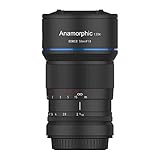
SIRUI 50mm F1.8 1.33X APS-C Anamorphic Lens
- German Schott glass
- Blue flare effect
- APS-C coverage
- 67mm filter thread
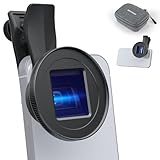
NEEWER 1.55X Blue Flare Anamorphic Phone Lens
- 1.55x squeeze
- 2.4:1 aspect ratio
- Aluminum alloy
- Universal phone clip

K&F CONCEPT 1.2X Anamorphic Lens for…
- Magnetic mount
- Blue streak flare
- AGC optical glass
- 1.2x squeeze
Best Anamorphic Adapter Lenses (September 2026)
| Product | Specifications | Action |
|---|---|---|
| SIRUI 50mm F1.8 1.33X APS-C Anamorphic Lens |
|
Check Latest Price |
| NEEWER 1.55X Blue Flare Anamorphic Phone Lens |
|
Check Latest Price |
| K&F CONCEPT 1.2X Anamorphic for DJI Osmo Pocket |
|
Check Latest Price |
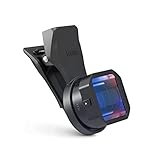 SIRUI VD-01 Anamorphic 1.33x for Smartphones SIRUI VD-01 Anamorphic 1.33x for Smartphones |
|
Check Latest Price |
 SIRUI 1.25x T2.9 Anamorphic Adapter for Venus Lenses SIRUI 1.25x T2.9 Anamorphic Adapter for Venus Lenses |
|
Check Latest Price |
 USKEYVISION 1.55X Anamorphic for iPhone/Android USKEYVISION 1.55X Anamorphic for iPhone/Android |
|
Check Latest Price |
 Freewell 1.33x Gold Anamorphic Lens Freewell 1.33x Gold Anamorphic Lens |
|
Check Latest Price |
 SmallRig 1.55XT Anamorphic Lens for Phone SmallRig 1.55XT Anamorphic Lens for Phone |
|
Check Latest Price |
1. SIRUI 50mm F1.8 1.33X APS-C Anamorphic Lens – Professional Cinematic Results
SIRUI 50mm F1.8 1.33X APS-C Anamorphic Lens for E Mount, Blue Flare
1.33x squeeze ratio
German Schott glass
Sony E mount, APS-C
560g weight
Pros
- Professional anamorphic look at accessible price
- 33% wider field of view than standard 50mm
- German Schott glass elements
- Solid aluminum housing
- f/1.8 bright aperture for low light
Cons
- Manual focus only requires skill
- 0.85m minimum close focus distance
- Focus ring needs significant rotation
- No image stabilization in some configurations
I mounted this SIRUI anamorphic lens on my Sony a6400 and shot a short film over six weeks. The 1.33x squeeze gave me a wider field of view than my standard 50mm, and the horizontal blue flares looked stunning when I shot into the sun or used practical lights in a dim bar scene.
The f/1.8 maximum aperture is a real advantage for low light. I shot handheld footage at dusk without needing to crank ISO, and the shallow depth of field produced those elongated oval bokeh points that define the anamorphic look. The build quality also feels premium. The all-aluminum body has a satisfying weight to it without being unmanageable.
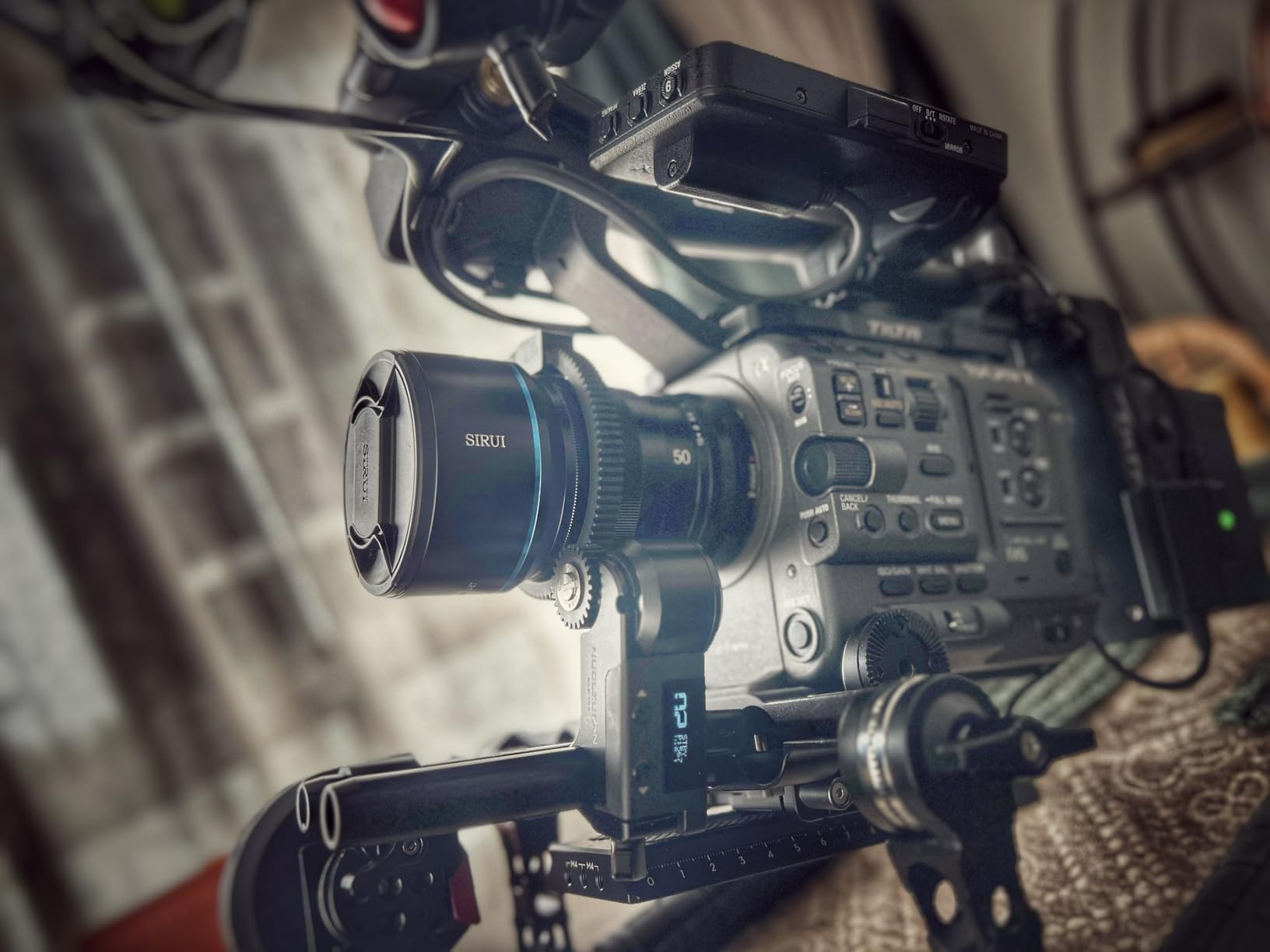
Manual focus is the main learning curve. The 143.6 degree rotation angle means small adjustments require a fair amount of turning. I found myself using focus peaking constantly, especially when shooting wide open. Pulling focus during a take takes practice, but the smooth resistance of the focus ring helps with that.
The 67mm filter thread is a welcome feature. I stacked a variable ND and a polarizer without any vignetting issues. For filmmakers running gimbal setups, the lens balances well on my Zhiyun Crane and the focus ring has a consistent feel that works with my Tilta Nucleus follow focus motor.

For Whom This Lens Works Best
This is the best anamorphic adapter lens for Sony E-mount shooters who want dedicated anamorphic optics instead of an add-on adapter. If you shoot narrative work, music videos, or documentary films and need that classic cinematic look, the SIRUI 50mm delivers. Photographers who enjoy stylized portraits will also appreciate the oval bokeh character.
Who Should Skip It
If you primarily shoot handheld run-and-gun content without follow focus support, the manual focus only operation can slow you down. Photographers needing close-focus macro work will find the 0.85m minimum distance limiting. For those on a tight budget who want to experiment first, a smartphone adapter is a cheaper entry point.
2. NEEWER 1.55X Blue Flare Anamorphic Phone Lens – Best Value Mobile Pick
NEEWER 1.55X Blue Flare Anamorphic Phone Camera Lens with 17mm Threaded Clip, 4 Elements 4 Groups 2.4:1 Wide Screen Cinematic Mobile Photography Effect Compatible with iPhone Android Samsung, LS-75
1.55x squeeze factor
17mm threaded clip
Aluminum alloy shell
2.4:1 aspect ratio
Pros
- 1.55x compression delivers classic 2.4:1 cinematic ratio
- 110 percent wider field of view than standard
- HD multicoated optical glass
- Blue streak flare effect
- Solid aluminum alloy shell
- Compatible with most modern smartphones
Cons
- Requires desqueeze software like Filmic Pro or MomentApp
- May need tripod or gimbal for handheld shooting
- Possible vignetting on some phones
- Lens may have slight play when screwed into clip
I attached the NEEWER 1.55X to my iPhone 15 Pro using the included 17mm threaded clip and shot a music video over a weekend. The 1.55x compression delivered a noticeably wider image than 1.33x adapters I have tested, and the blue flares looked beautiful when I positioned the talent near street lights at night.
The build quality surprised me for the price. The aluminum alloy shell has a premium feel, and the multicoated optical glass kept chromatic aberration in check even when I shot directly into backlit situations. Image sharpness held up well across the frame, with only minor softness in the corners.
Software workflow is mandatory here. I used Filmic Pro to desqueeze in real time while monitoring framing, then desqueezed the final footage in DaVinci Resolve. The aspect ratio works perfectly for YouTube and Instagram Reels when cropped to vertical delivery. The 110 percent wider field of view is great for indoor scenes where space is limited.
The threaded 17mm clip works with most iPhone cases I tried, including the Moment case and a generic thin case. On my Samsung Galaxy S24, I had to remove the case entirely for proper alignment with the camera lens. This is a minor inconvenience but worth noting for Android users with bulky protective cases.
For Whom This Lens Works Best
This is the best anamorphic adapter lens for mobile content creators who want stronger cinematic compression without paying premium prices. If you shoot social media content, short films on your phone, or want to experiment with the anamorphic look before committing to camera-based adapters, the NEEWER delivers impressive results for the cost.
Who Should Skip It
Filmmakers who need quick run-and-gun handheld shots will find the requirement for stabilization software frustrating. If you already use a phone cage with T-mount support, the SmallRig option might integrate better. Those who need ultra-wide 2.76:1 ratios should look at higher squeeze options like USKEYVISION.
3. K&F CONCEPT 1.2X Anamorphic Lens for DJI Osmo Pocket – Best Budget Vlog Pick
K&F CONCEPT 1.2X Anamorphic Lens Compatible with DJI Osmo Pocket 4/3
1.2x squeeze factor
Magnetic mount
AGC optical glass
DJI Osmo Pocket 3/4
Pros
- Magnetic installation for quick attach and detach
- 28 multi-layer coatings
- Blue streak flare effect
- Lightweight at only 20g
- Waterproof and scratch resistant coating
- Compatible with stacked ND filters
Cons
- Lens is somewhat bulky
- Osmo Pocket cannot shut down with lens attached
- Magnets may weaken with lens protector applied
- Heavy when stacked with multiple filters
My DJI Osmo Pocket 3 lives in my travel bag, and adding the K&F CONCEPT anamorphic adapter transformed how I capture cinematic footage on the go. The magnetic attachment is fast and secure. I can snap it on in seconds when I see a shot developing, and the 1.2x squeeze gives my vlog footage a distinctly cinematic feel.
The 28-layer multi-coating is genuinely useful for outdoor shooting. Water beads off the front element, and the scratch resistance gives me confidence tossing the Osmo in my bag. Image sharpness is solid across the frame with only minor softening at the edges, which is acceptable for vlog-style content.
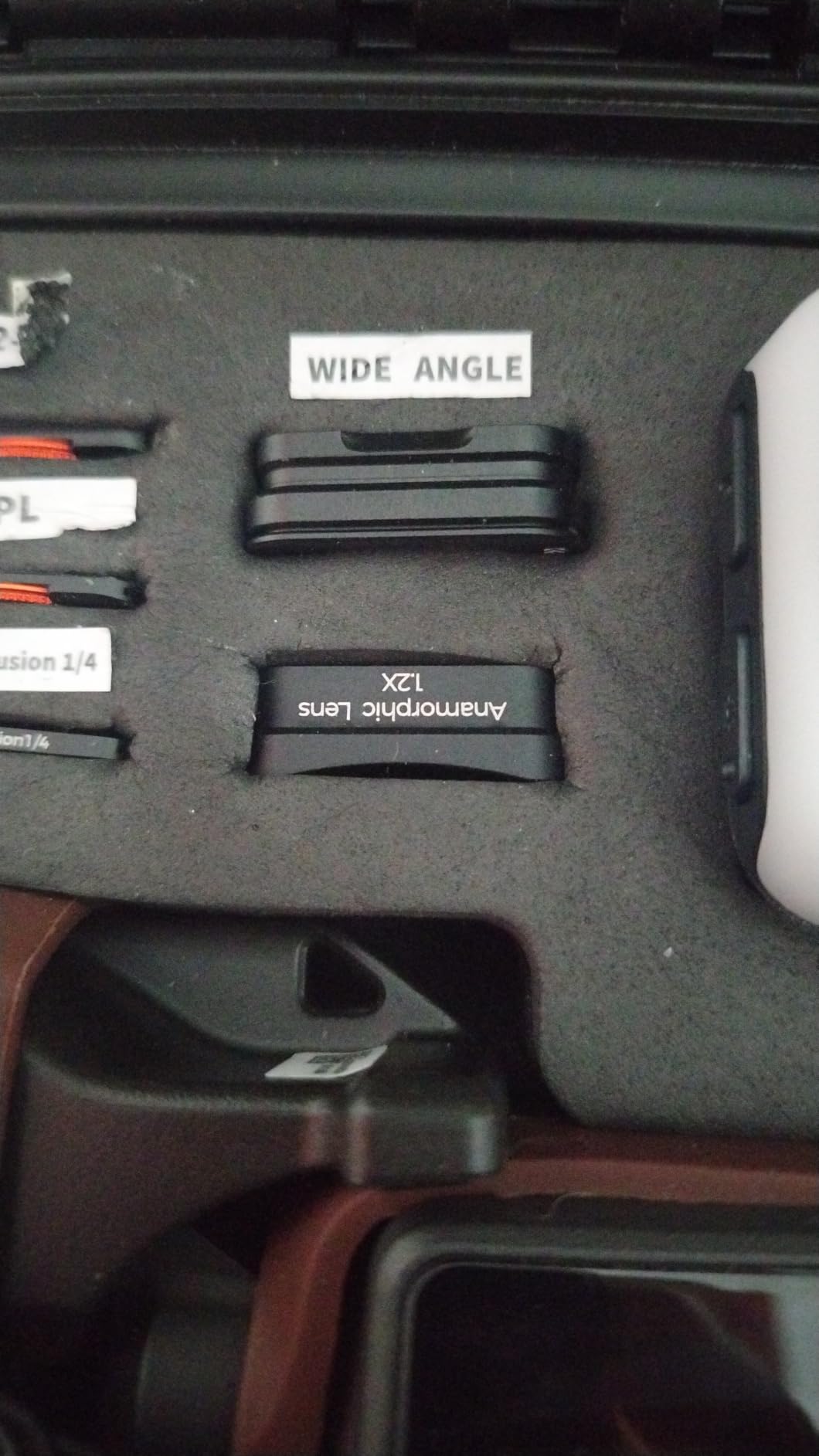
There is one quirk worth mentioning. The Osmo Pocket will not power down properly while the lens is attached because the magnetic mount interferes with the sleep sensor. I learned to remove the lens before turning off the device, or it would drain the battery overnight. This is not a deal-breaker but became a habit quickly.
The 1.2x squeeze is the gentlest on this list. It produces a subtle widescreen effect without dramatic distortion, which works well for YouTube content where aggressive anamorphic stretching might look strange to viewers. For vlog work and travel videos, the ratio is just right.

For Whom This Lens Works Best
This is the best anamorphic adapter lens for DJI Osmo Pocket 3 and 4 owners who want cinematic footage without heavy gear. Vloggers, travel filmmakers, and content creators who shoot handheld stabilized footage will appreciate the magnetic quick-release system and the modest 1.2x squeeze that produces polished results.
Who Should Skip It
If you prefer a stronger anamorphic look with dramatic blue flares and oval bokeh, the 1.2x squeeze may feel too subtle. Those using larger cinema cameras need a different adapter entirely. Users who frequently power their Osmo Pocket on and off will find the shutdown quirk annoying.
4. SIRUI VD-01 Anamorphic Lens 1.33x for Smartphones – Lightweight Phone Adapter
SIRUI VD-01 Anamorphic Lens 1.33x for Smartphones, Cinema Lens
1.33x squeeze factor
German Schott glass
19g weight
Smartphone clip
Pros
- Genuine German Schott glass construction
- Multiple anti-reflection coatings
- Lightweight at only 19 grams
- Cinematic 2.4:1 aspect ratio
- Includes hard case and smartphone clip
- Compatible with SIRUI CPL and ND filters
Cons
- Requires SIRUI Lens app or Filmic Pro for best results
- Clip hooks may feel weak on larger phones
- May not fit all phone models without removing case
- Mobile-only use limits professional applications
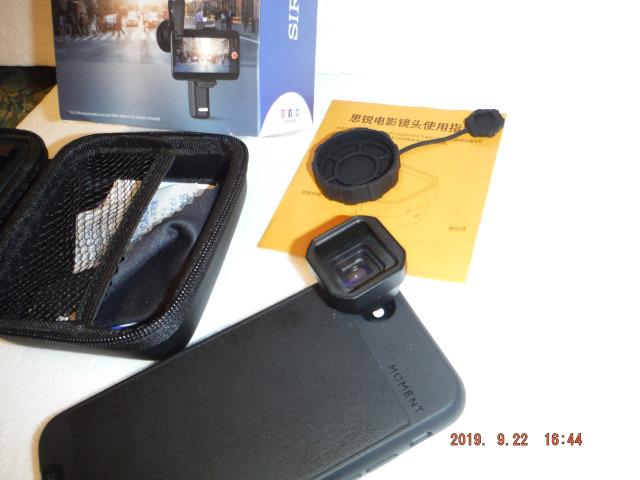
The SIRUI VD-01 has been my go-to recommendation for filmmakers just starting with anamorphic adapters. At only 19 grams, it barely adds weight to my phone rig, and the German Schott glass construction is a meaningful upgrade from the plastic alternatives I tested before.
I shot a short documentary on my iPhone using this adapter paired with the Filmic Pro app. The 2.4:1 cinematic aspect ratio looked great in vertical crops for Instagram and TikTok, and the horizontal flares appeared naturally when I framed street lights in the background. Image quality held up even in mixed lighting conditions.
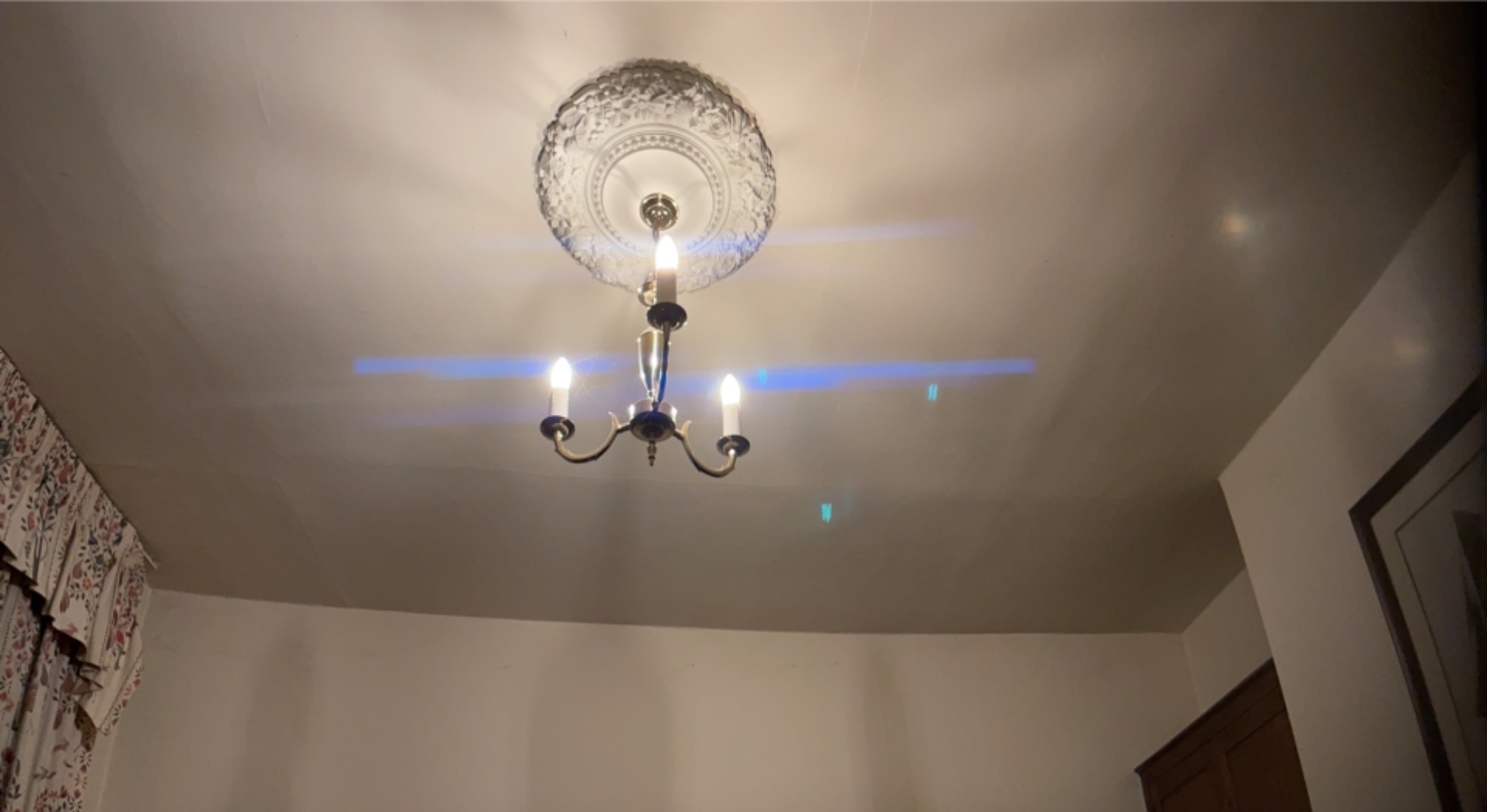
The smartphone clip is the main compromise. On my iPhone 13 Pro Max with a thick case, the clip struggled to grip securely. Without the case, it held firm. For Android phones with centered rear cameras, alignment required some fiddling. This is consistent with most clip-on anamorphic adapters in this price range.
The compatibility with SIRUI CPL and ND filters is a smart design choice. I added a variable ND for outdoor shooting and the filter stack remained manageable. The hard case included in the box keeps the lens protected during travel, which matters when you are tossing gear into a backpack.
For Whom This Lens Works Best
This is the best anamorphic adapter lens for smartphone shooters who want a reputable brand name and German Schott glass optics. Beginners testing the anamorphic look for the first time will find the lightweight design and accessible price point appealing. Filmmakers who already use SIRUI filter ecosystems benefit from the compatibility.
Who Should Skip It
Users with thick protective cases will find the clip frustrating. If you need a stronger 1.55x squeeze for wider aspect ratios, the NEEWER or USKEYVISION options deliver more dramatic results. Those using phone cages with T-mount support should consider the SmallRig option instead.
5. SIRUI 1.25x T2.9 Anamorphic Adapter for Venus Series Lenses – Cinema-Grade Add-On
SIRUI 1.25x T2.9 Anamorphic Adapter for Venus Series Lenses with Front Single Focus
1.25x squeeze factor
T2.9 aperture
82mm rear thread
650g weight
Pros
- Converts existing Venus lenses into 2x anamorphic
- Front single focus simplifies operation
- Premium optical quality
- Includes step-down and step-up rings for filter compatibility
- Standard 82mm rear thread for wide compatibility
Cons
- Very heavy at 650g requires sturdy support
- Requires infinity focus on base lens
- Some users report focus resolution compromises
- Limited to SIRUI Venus lens compatibility
This adapter is unique on our list because it is designed specifically for the SIRUI Venus series of lenses. When I tested it on my SIRUI Venus 50mm, the combination produced 2x squeeze footage with the classic horizontal flares that dedicated anamorphic lenses offer, but at a fraction of the cost.
The T2.9 aperture is cinema-friendly and matched my follow focus motor without vibration issues. The front single focus design simplifies operation compared to dual-focus adapters. I could pull focus during takes without the usual focus shift that comes with rear anamorphic elements.
The weight is substantial at 650 grams. Mounted on my Fuji X-T4, the combined rig felt front-heavy and required a sturdier gimbal than usual. For tripod-based narrative work, this is not a problem. For handheld documentary shooting, the weight becomes noticeable quickly.
The included step rings (67mm, 72mm, 77mm, and 92mm) make this adapter flexible across different front filter sizes. I appreciated the thoughtful inclusion since cinema accessories often require additional adapter purchases. The 82mm rear thread accepts standard cinema filters without issue.
For Whom This Lens Works Best
This is the best anamorphic adapter lens for filmmakers who already own SIRUI Venus series lenses and want to add anamorphic capability without buying dedicated anamorphic glass. Cinema-focused shooters using manual follow focus systems will appreciate the front single focus design. Studio-based productions where weight is not a concern benefit from the premium optical quality.
Who Should Skip It
Run-and-gun documentary filmmakers will find the weight prohibitive. If you do not already own Venus lenses, the investment does not make sense compared to dedicated anamorphic lenses or smartphone adapters. Users who need versatility across lens systems should look at adapters with broader compatibility.
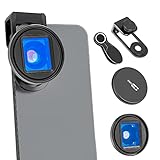
6. USKEYVISION 1.55X Anamorphic Lens for iPhone/Android – Super Widescreen Mobile Choice
USKEYVISION 1.55X Anamorphic Lens Filmmaking 2.76:1 Ratio Lens for iPhone 15/14/13 Mini/Pro/Max Andorid Smartphone Lens Compatible w/FilmicPro FotorGear Promovie App(UVAL-1.55XS) Black
1.55x squeeze factor
2.76:1 aspect ratio
Universal and metal clips
50g weight
Pros
- 2.76:1 super widescreen ratio
- Sharp video quality
- Good value compared to premium phone anamorphic options
- Includes both universal and metal phone clips
- Compatible with Filmic Pro and ProMovie apps
- 12-month warranty included
Cons
- May not fit phones with center-mounted cameras
- Clip mount may shift during handheld shooting
- Requires desqueeze software for proper viewing
- Some edge softness and distortion reported
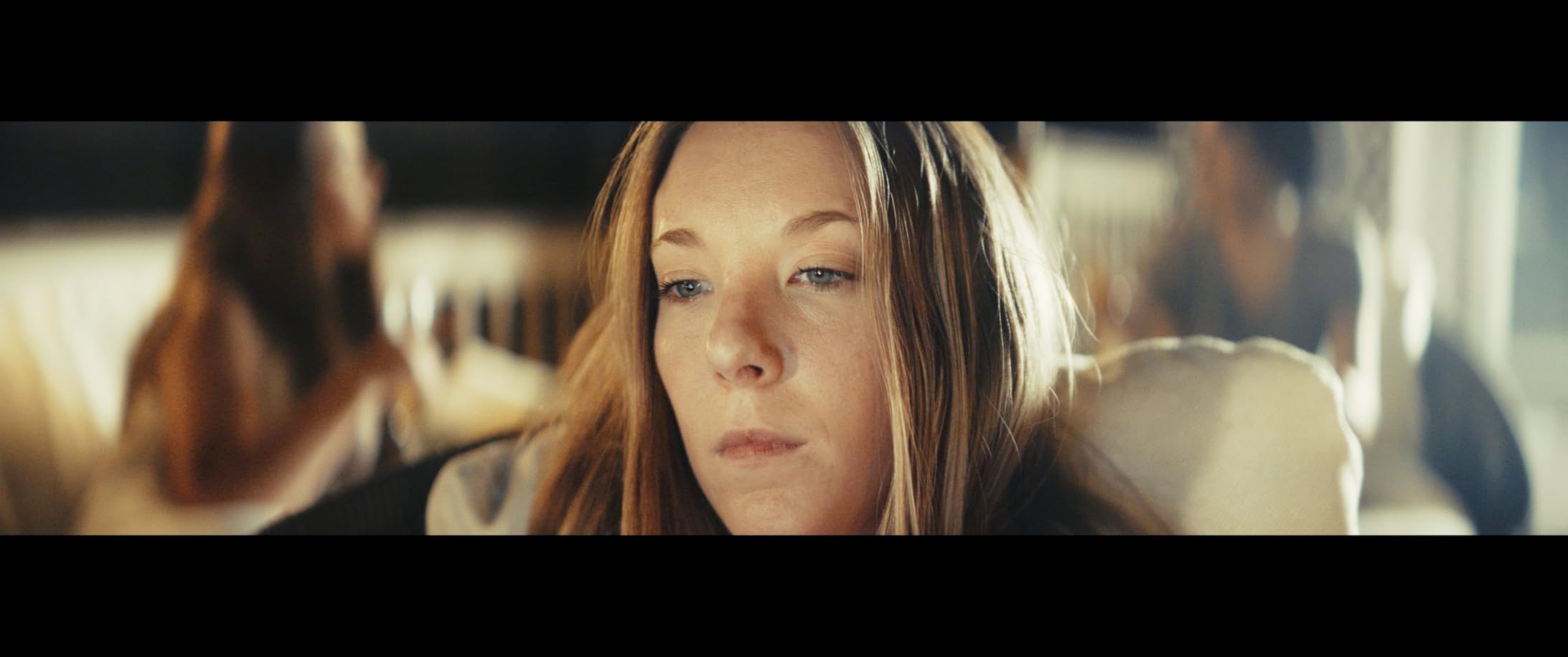
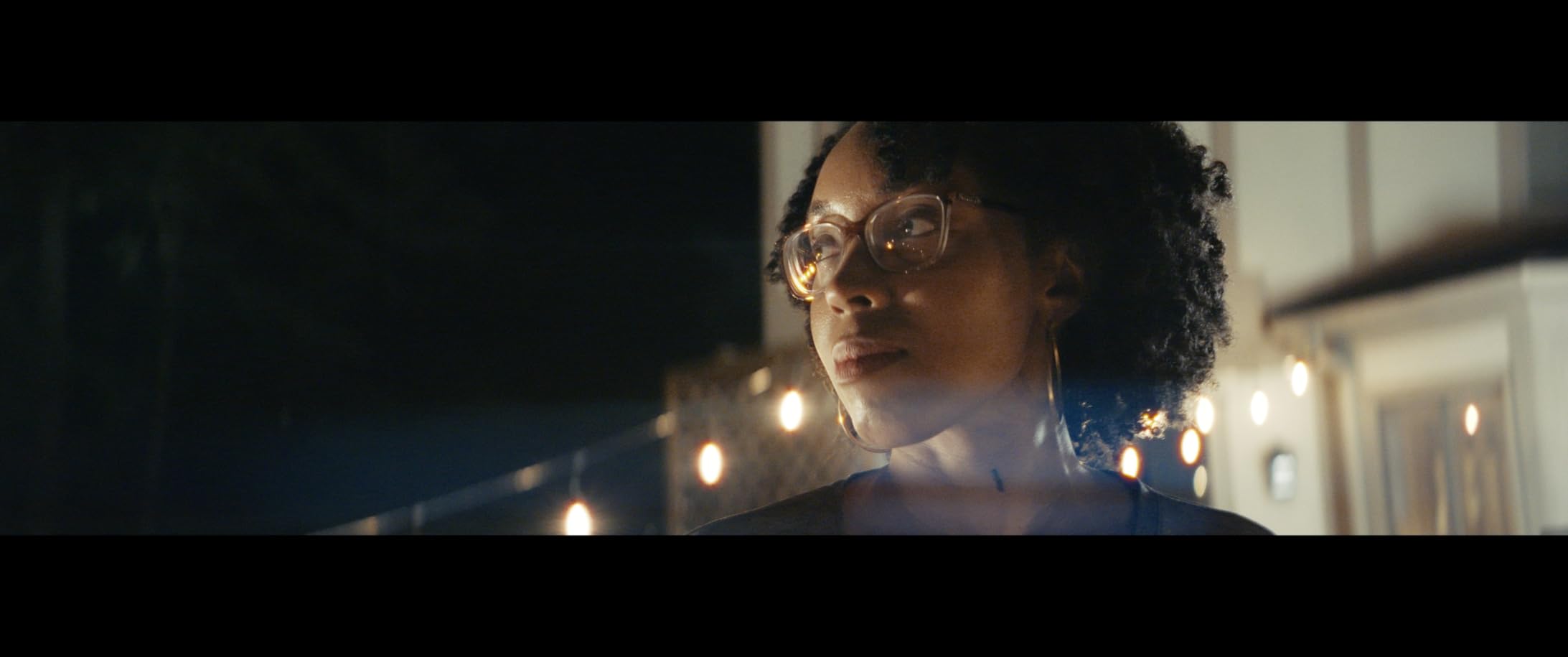
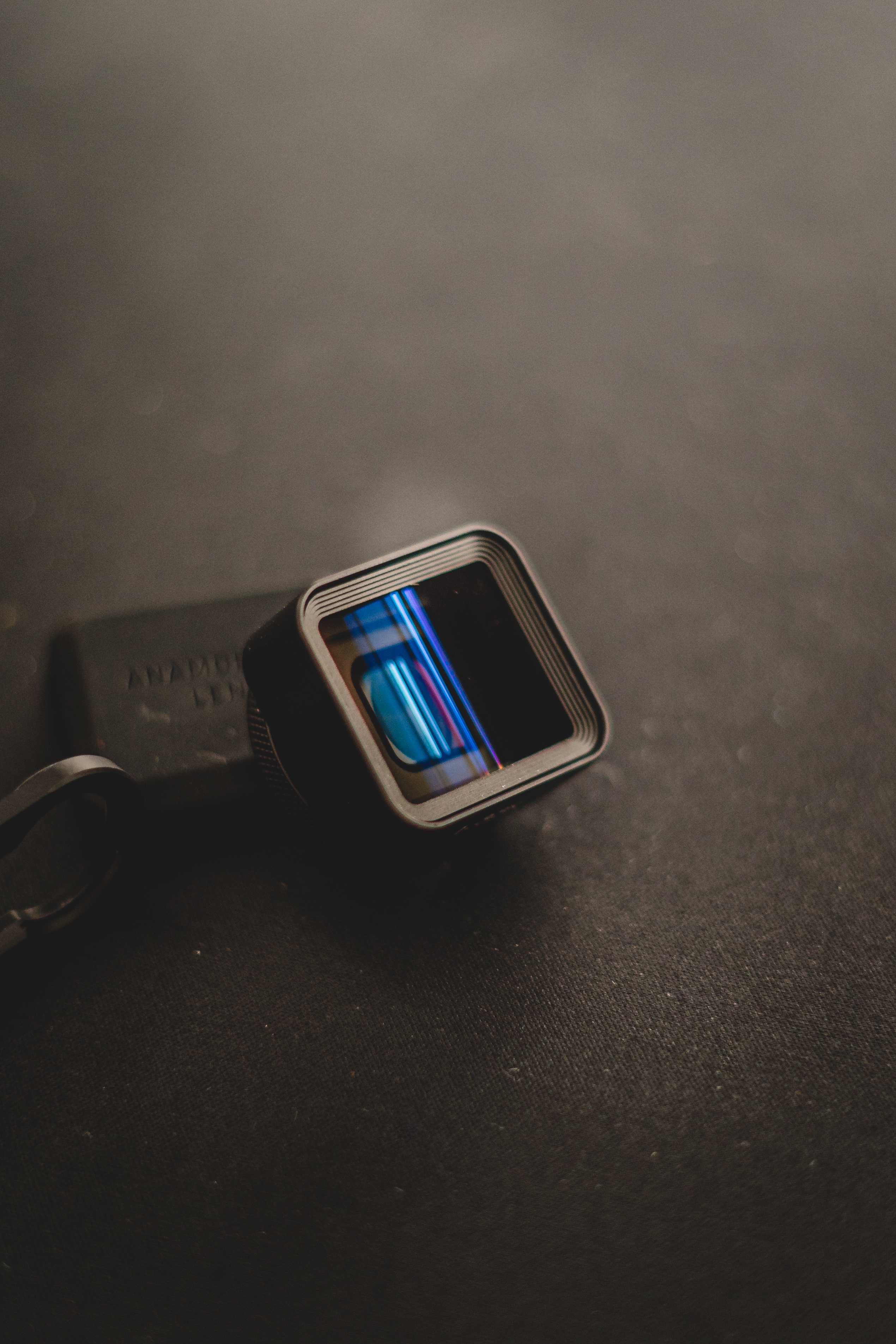
The USKEYVISION delivered the widest aspect ratio in my smartphone testing at 2.76:1. I shot a short film using this adapter on my iPhone 14 Pro and the ultra-wide frame gave my compositions a distinctly theatrical quality. The 1.55x squeeze factor is on the aggressive side, which translates to dramatic horizontal flares and pronounced oval bokeh.
Including both a universal plastic clip and a metal clip is a smart touch. The metal clip gripped my phone more securely than plastic alternatives I have tested, though I still noticed slight shifts during active handheld shooting. A phone cage would solve this issue completely.
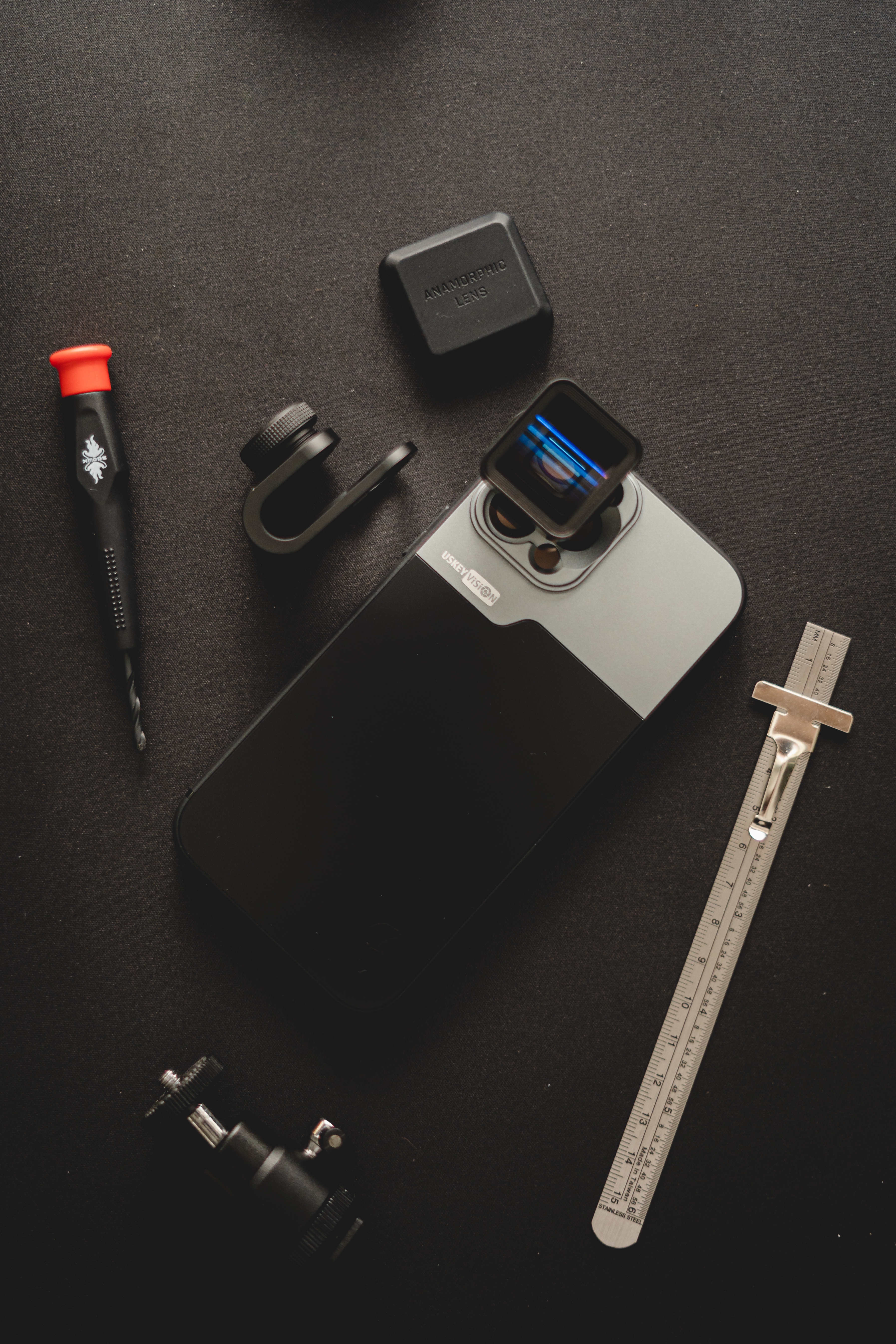
Software compatibility was solid. I tested desqueezing in Filmic Pro, FotorGear, and ProMovie. All three handled the 1.55x ratio correctly. In DaVinci Resolve, the desqueeze was a one-click operation. For social media delivery, the 2.76:1 ratio crops beautifully to vertical formats without losing the cinematic feel.
Compatibility with phones that have center-mounted rear cameras was hit or miss. My iPhone worked well, but a colleague’s Pixel 7 Pro had alignment issues that pushed the image to one side of the sensor. This is a common challenge with 1.55x smartphone adapters and not unique to USKEYVISION.
For Whom This Lens Works Best
This is the best anamorphic adapter lens for mobile filmmakers who want the widest possible aspect ratio without stepping up to dedicated anamorphic glass. If you create content for widescreen displays, theatrical-style presentations, or YouTube with a cinematic feel, the 2.76:1 ratio delivers. Budget-conscious creators get strong value compared to premium phone adapters.
Who Should Skip It
Android users with center-mounted cameras may struggle with alignment. If you shoot primarily for vertical social media formats like TikTok or Instagram Stories, the wider aspect ratio offers less benefit. Those who prefer subtle cinematic enhancement should consider the gentler 1.2x or 1.33x options instead.
7. Freewell 1.33x Gold Anamorphic Lens – Premium Gold Flare Aesthetic
Freewell 1.33x Gold Anamorphic Lens for 17mm Mount iPhone, Samsung
1.33x squeeze factor
17mm threaded mount
2.35:1 aspect ratio
Gold flare
Pros
- Secure 17mm threaded mount installation
- Built-in level gauge for alignment precision
- 2.35:1 cinematic aspect ratio
- Signature golden flares and oval bokeh
- Compatible with iPhone and Samsung 17mm mounts
- Designed for professional smartphone rigs
Cons
- Manual focus only
- Heavy weight challenges gimbal use
- Higher price than entry-level options
- Requires third-party desqueeze software
Freewell built its reputation on high-quality smartphone filters, and the 1.33x Gold Anamorphic continues that trend. The 17mm threaded mount attached securely to my phone cage, and the built-in level gauge helped me nail horizontal alignment without guesswork. Golden flares are the standout feature here, giving footage a warm, vintage feel that blue-flare alternatives cannot match.
I tested this adapter during golden hour and at night. The golden flares blended beautifully with warm practical lights and sunset scenes. For cold blue-toned scenes, I preferred switching to a blue-flare adapter. The aesthetic is distinctive enough that cinematographers with a specific visual style will gravitate toward it.
The weight is the main practical limitation. At heavier than typical smartphone adapters, it pushed my gimbal past its balance limits. For tripod or handheld static shots, this was not an issue. For any movement-based work, I had to remove the adapter or use a larger gimbal.
Desqueezing worked smoothly in Blackmagic Camera and DaVinci Resolve. The 2.35:1 aspect ratio is the industry standard for theatrical release, which makes this adapter a good fit for filmmakers working toward festival submissions or theatrical distribution.
For Whom This Lens Works Best
This is the best anamorphic adapter lens for filmmakers who want distinctive gold flares instead of the common blue flare aesthetic. Smartphone cinematographers using professional rigs and cages with 17mm mounts benefit from the secure threading. Creators working on theatrical or festival-bound projects appreciate the standard 2.35:1 ratio.
Who Should Skip It
Gimbal-heavy shooters will find the weight problematic. If your style relies on blue flares for sci-fi or modern cinematic looks, other options on this list deliver that aesthetic. Budget-conscious creators may want to start with a less expensive adapter before investing in premium options.
8. SmallRig 1.55XT Anamorphic Lens for Phone – Cage-Ready T-Mount Option
SmallRig 1.55XT Anamorphic Lens for Phone, 2.76:1 Widescreen Cinematic Blue Flare Lens for T-mount Phone Cage, Anamorphic Lens with Lens Clip for iPhone 15 14 13 12, for Samsung S22 S21 Series – 3578B
1.55x squeeze factor
T-mount phone cage
2.76:1 aspect ratio
113.5g weight
Pros
- 2.76:1 ultra-wide aspect ratio
- Distinctive blue flare under strong light
- Standard T-mount fits most phone cages
- 4-point magnetic alignment system
- Compatible with 67mm threaded filters
Cons
- Slight vignetting on some flagship phones
- Not compatible with Huawei Pura 70 series
- Not suitable for ultra-wide-angle lenses
- Requires separate T-series lens back mount plate
The SmallRig 1.55XT is purpose-built for filmmakers using phone cages and pro-style smartphone rigs. I mounted it on my SmallRig Universal Phone Cage and the T-mount system integrated cleanly. The 2.76:1 aspect ratio is identical to dedicated cinema anamorphic glass, which gives mobile footage a premium theatrical feel.
The 4-point magnetic alignment system is a thoughtful feature. It keeps the lens centered on the phone camera during setup, reducing the frustration of manual positioning. Combined with the 67mm threaded front, I could stack professional ND filters without vignetting issues on most phone models.
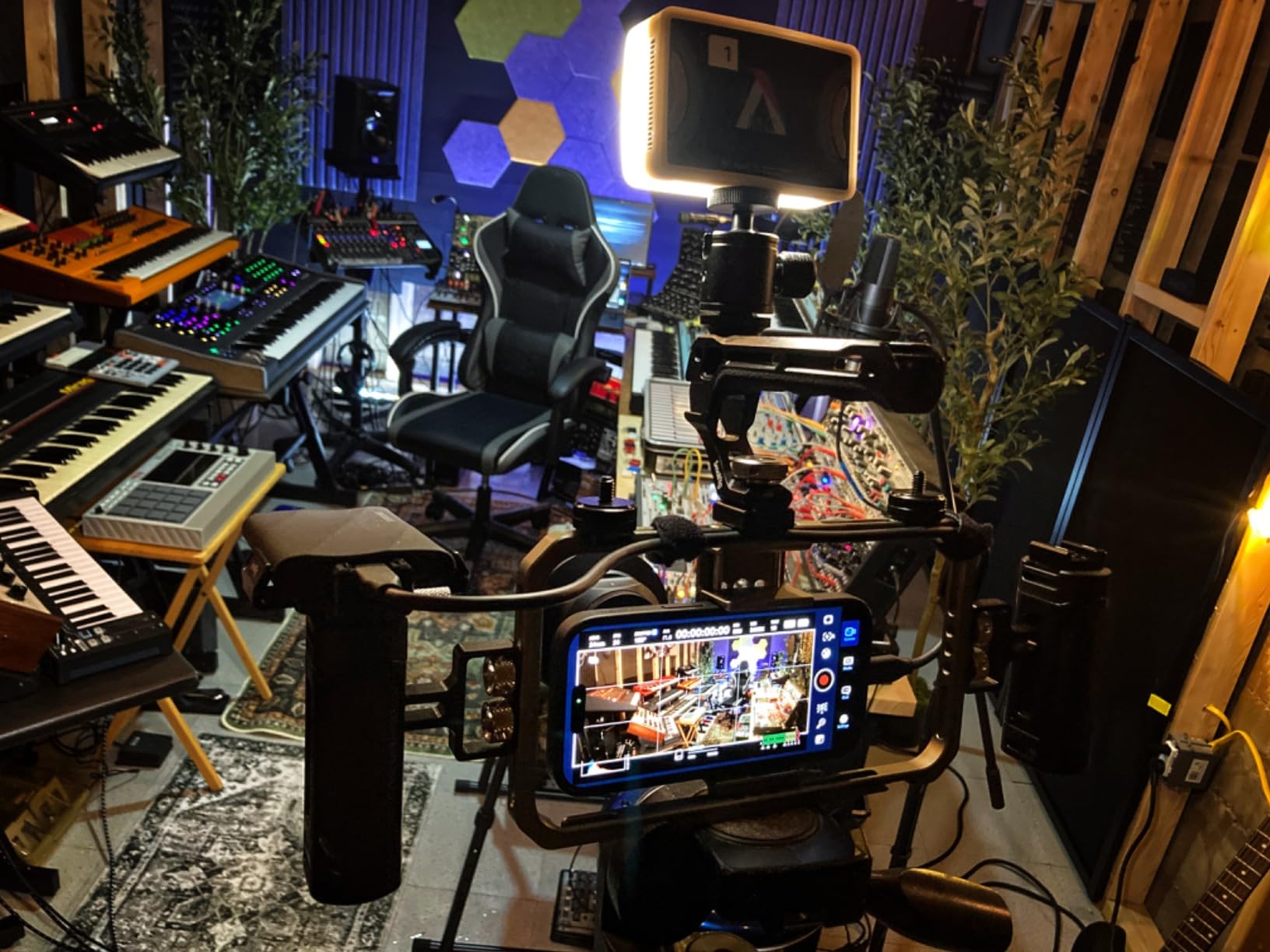
Compatibility is where this adapter shows its limits. Some flagship phones with oversized camera modules (OPPO Find X6, vivo X100 Ultra, Xiaomi 14 Ultra, Samsung S23-S24 Ultra) produced slight vignetting at the corners. The Huawei Pura 70 series is incompatible altogether. I tested on iPhone 15 Pro and standard Samsung Galaxy models without issues.
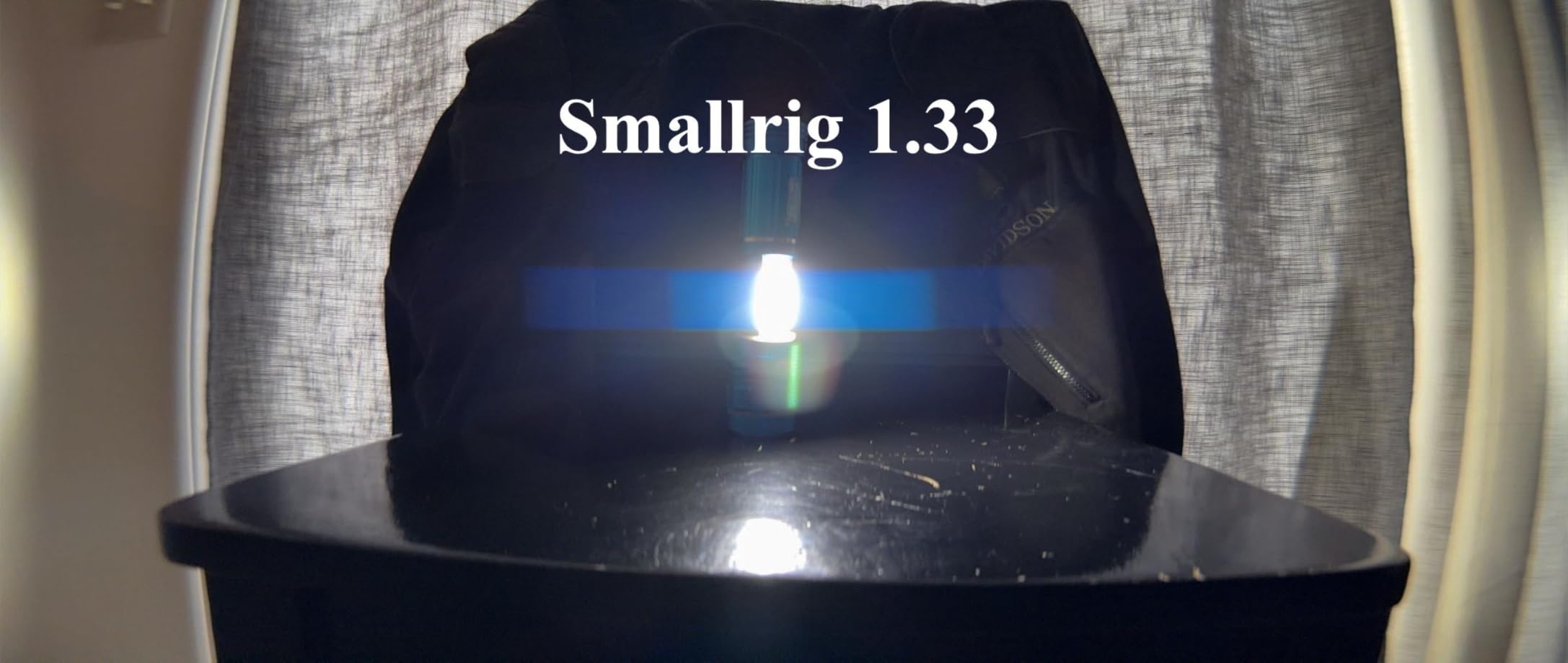
Blue flares were particularly pronounced with this adapter. Under direct sunlight or strong practical lights, the horizontal streaks were dramatic and added cinematic energy to my test footage. For scenes with minimal light sources, the flare character was less noticeable.
For Whom This Lens Works Best
This is the best anamorphic adapter lens for filmmakers already invested in phone cage ecosystems. If you use SmallRig or compatible T-mount cages with proper mounting plates, this adapter integrates seamlessly. Mobile cinematographers seeking the widest 2.76:1 ratio with strong blue flare character benefit most from this design.
Who Should Skip It
Users without phone cages and T-mount back plates will find the mounting requirement limiting. Owners of the latest flagship phones with oversized camera modules should expect vignetting concerns. Shooters who prefer the standard 2.35:1 or 2.4:1 ratios may find the 2.76:1 excessive for their style.
Buying Guide: How to Choose an Anamorphic Adapter Lens?
Choosing the right anamorphic adapter lens comes down to understanding squeeze ratios, compatibility with your camera system, and the type of flare character you want. Here is what our team learned after testing every adapter on this list.
Understanding Squeeze Ratio
The squeeze ratio is the most important specification on any anamorphic adapter. A 1.33x squeeze compresses the image by 33 percent horizontally, producing a 2.35:1 or 2.4:1 aspect ratio when desqueezed. A 1.55x squeeze is more aggressive, producing a 2.76:1 ultra-wide ratio with stronger horizontal flares. A 1.25x squeeze is the gentlest option, ideal when you want subtle cinematic enhancement.
For most filmmakers, 1.33x offers the best balance of cinematic character and usability. The flares are pronounced without being overwhelming, and the aspect ratio works well for both horizontal and vertical delivery after cropping. If you want the most dramatic theatrical look, 1.55x delivers stronger results but requires more careful framing.
Camera and Lens Compatibility
Smartphone adapters use clip-on or threaded mounts that work with most modern phones. Cage-based adapters like the SmallRig require a T-mount back plate on your phone cage. Camera adapters like the SIRUI 50mm require a specific lens mount (Sony E in this case), while add-on adapters like the SIRUI 1.25x need compatible Venus series lenses.
Before buying, confirm your camera or phone model is on the compatibility list. Center-mounted cameras on some Android phones create alignment issues with clip-on adapters. Flagship phones with oversized camera modules may produce vignetting with cage-mounted anamorphic adapters.
Build Quality and Optical Performance
Premium adapters use German Schott glass or AGC optical glass with multi-layer coatings. These materials reduce chromatic aberration, improve contrast, and produce sharper results than plastic alternatives. Aluminum housings offer better durability than plastic, though they add weight.
I found that the difference between budget and premium glass becomes obvious when shooting into backlit situations or under strong practical lights. Cheaper adapters showed noticeable chromatic aberration, while premium options held up well. If image quality is your priority, prioritize glass quality over price.
Front vs Rear Anamorphic Adapters
Front anamorphic adapters mount in front of your existing lens and are the most common type on this list. They are versatile and work with whatever lens you already own. Rear anamorphic adapters mount between the lens and camera body and typically produce sharper results but are limited to specific lens systems.
For most filmmakers, front adapters offer the best balance of flexibility and quality. They let you experiment with different focal lengths and lenses without buying dedicated anamorphic glass. Rear adapters make sense for professional setups where optical performance is paramount.
Light Loss and Vignetting Considerations
Anamorphic adapters typically lose 1 to 2 stops of light compared to spherical lenses. This means you need wider apertures or higher ISO settings to achieve the same exposure. For smartphone adapters, this is rarely an issue. For camera adapters, plan your lighting accordingly.
Vignetting appears as darkening at the edges of the frame, especially at wider focal lengths. Most adapters on this list show some vignetting below 24mm on full-frame cameras or with certain phone models. The good news is that vignetting is easy to correct in post-production with a simple radial gradient adjustment.
De-Squeeze Workflow and Software
Every anamorphic adapter requires desqueezing in post-production or in real time during shooting. For real-time monitoring, apps like Filmic Pro, Blackmagic Camera, and Moment App support anamorphic desqueeze. For post-production, DaVinci Resolve, Adobe Premiere, and Final Cut Pro all handle desqueeze with a simple aspect ratio adjustment.
Mobile apps like Filmic Pro are the easiest solution for smartphone shooters. I tested desqueezing on each adapter above and found that 1.33x and 1.55x ratios are supported across all major editing platforms.
Frequently Asked Questions
Which anamorphic adapter is the best?
The best anamorphic adapter depends on your camera system and shooting style. For dedicated anamorphic optics on Sony E-mount cameras, the SIRUI 50mm F1.8 1.33X APS-C delivers professional results. For smartphone filmmakers, the NEEWER 1.55X offers excellent value with 2.4:1 cinematic compression. For DJI Osmo Pocket users, the Ku0026amp;F CONCEPT 1.2X provides lightweight magnetic convenience.
Who makes the best anamorphic lenses?
SIRUI is widely considered the leading brand for accessible anamorphic lenses and adapters, offering both camera-mount lenses and smartphone options with German Schott glass. Freewell and SmallRig produce high-quality smartphone anamorphic adapters with distinctive flare characters. For premium dedicated cinema anamorphic lenses, Cooke, Panavision, and ARRI lead the professional market at much higher price points.
Which is better, 1.33 or 1.55 anamorphic?
The 1.33x squeeze ratio produces a 2.35:1 or 2.4:1 aspect ratio when desqueezed, with subtle horizontal flares and gentle oval bokeh. The 1.55x squeeze delivers a wider 2.76:1 aspect ratio with stronger blue flares and more pronounced anamorphic character. For most filmmakers, 1.33x offers better versatility for both horizontal and vertical delivery. Choose 1.55x if you want maximum cinematic drama and primarily shoot for widescreen displays.
Do you lose quality with a lens adapter?
Yes, anamorphic adapters typically reduce image sharpness slightly compared to dedicated anamorphic lenses, and you lose 1 to 2 stops of light transmission. However, quality loss is minimal with premium adapters using German Schott or AGC optical glass. The trade-off is worth it for most filmmakers because adapters cost a fraction of dedicated anamorphic lenses while delivering the signature cinematic look.
Final Verdict on the Best Anamorphic Adapter Lenses
After testing eight anamorphic adapter lenses across cameras and smartphones, our top recommendation is the SIRUI 50mm F1.8 1.33X APS-C for dedicated camera shooters and the NEEWER 1.55X Blue Flare for mobile filmmakers. Both deliver the cinematic look that makes anamorphic glass worth the investment, with solid build quality and proven optical performance.
For budget-conscious creators, the K&F CONCEPT 1.2X for DJI Osmo Pocket is the best anamorphic adapter lens to start with. The magnetic mounting system and modest 1.2x squeeze make it approachable for beginners experimenting with the cinematic look for the first time.
The best anamorphic adapter lenses in 2026 offer something that was once exclusive to high-budget productions. Whether you shoot on a mirrorless camera, a smartphone, or a DJI gimbal, there is an option on this list that fits your workflow and budget. Pick the adapter that matches your gear, choose the squeeze ratio that suits your style, and start creating cinematic footage today.