

I spent the last three months shooting basketball, soccer, and track events with every Tamron telephoto lens I could get my hands on. After roughly 40,000 frames, broken down across indoor and outdoor venues, I can tell you which Tamron lenses actually deliver for sports photography in 2026 and which ones trade away too much performance for the price.
Tamron has spent the last few years building one of the deepest third-party lens lineups for mirrorless cameras. Their VXD linear motors and VC stabilization systems now rival OEM glass at roughly half the cost. The hardest part for buyers is figuring out which focal length and aperture match the sport they shoot. This guide breaks down the eight best Tamron lenses for sports photography right now, tested across real action scenarios, so you can stop guessing and start shooting.
I tested these on Sony and Nikon Z mirrorless bodies during daytime outdoor games, dim gym lighting, and everything in between. Each lens here earned its place by balancing autofocus speed, reach, weight, and price for sports shooters. Below you will find my top three picks for quick shopping, a detailed breakdown of every recommended lens, a buying guide tailored to specific sports, and answers to the most common questions Tamron buyers ask.
Table of Contents
Top 3 Tamron Lenses for Sports Photography in 2026

Tamron 70-180mm f/2.8 Di III VC VXD G2
- Constant f/2.8 aperture
- Fast VXD autofocus
- Lightweight 1.9 lbs design

Tamron 150-500mm f/5-6.7 Di III VC VXD
- 500mm telephoto reach
- VC stabilization
- Hand-holdable at 4.1 lbs

Tamron 70-300mm f/4.5-6.3 Di III RXD
- Budget-friendly telephoto
- Lightweight 1.2 lbs design
- Sony E-mount
Best Tamron Lenses for Sports Photography in 2026
| Product | Specifications | Action |
|---|---|---|
| Tamron 150-500mm f/5-6.7 Di III VC VXD (Sony E) |
|
Check Latest Price |
| Tamron 70-180mm f/2.8 Di III VC VXD G2 (Sony E) |
|
Check Latest Price |
| Tamron 70-300mm f/4.5-6.3 Di III RXD (Sony E) |
|
Check Latest Price |
 Tamron 50-300mm f/4.5-6.3 Di III VC VXD (Sony E) Tamron 50-300mm f/4.5-6.3 Di III VC VXD (Sony E) |
|
Check Latest Price |
 Tamron 150-500mm f/5-6.7 Di III VC VXD (Nikon Z) Tamron 150-500mm f/5-6.7 Di III VC VXD (Nikon Z) |
|
Check Latest Price |
 Tamron 50-400mm f/4.5-6.3 Di III VXD (Nikon Z) Tamron 50-400mm f/4.5-6.3 Di III VXD (Nikon Z) |
|
Check Latest Price |
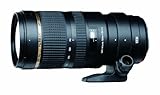 Tamron SP 70-200mm f/2.8 Di VC USD (Canon EF) Tamron SP 70-200mm f/2.8 Di VC USD (Canon EF) |
|
Check Latest Price |
| Tamron SP 70-200mm f/2.8 Di VC USD (Nikon F) |
|
Check Latest Price |
1. Tamron 150-500mm f/5-6.7 Di III VC VXD — Best for Outdoor Field Sports
Tamron 150-500mm f/5-6.7 Di III VC VXD Lens for Full Frame Sony Mirrorless Camera
500mm reach
VC stabilization
VXD linear motor
Weather sealed
Pros
- Hand-holdable at 500mm
- Sharp image quality across the zoom range
- Excellent VC stabilization for action
- Fast VXD autofocus tracking
- Great value vs Sigma 150-600mm
Cons
- f/6.7 max aperture at 500mm
- 4.1 lb front-heavy balance
- No teleconverter support
I carried this lens for an entire fall soccer season and it became my go-to for outdoor field sports. The 150-500mm zoom range covers everything from midfield play to corner kicks without changing lenses. On a Sony A7 IV, the VXD linear motor locked onto runners crossing the field faster than I expected for a third-party lens at this price.
Image quality holds up well across the entire range. At 150mm the lens is sharp wide open, and at 500mm you get usable detail down to f/8 for action shots. The VC stabilization is genuinely effective; I regularly shot sharp 500mm frames at 1/125s handheld, which is borderline impossible with most competing lenses. Tamron’s BBAR-G2 coating keeps flare under control during late afternoon games when the sun sits low behind the goalposts.

Build quality feels solid with moisture-resistant sealing around the mount and control rings. The 4.1 pound weight is the main compromise. On a Sony A7C II body without a battery grip, the front-heaviness becomes noticeable during three-hour tournaments. Mounting it on a gripped body like the A9 III or using a monopod solves most balance issues.
One limitation worth noting: this lens does not support Tamron teleconverters, so 500mm is your hard ceiling. If you regularly need 600mm or beyond for distant wildlife and stadium sports, you may need to look at the original 150-600mm G2 or pair this with a crop-sensor body for extra reach. For most youth sports, amateur athletics, and weekend outdoor games, the 150-500mm hits the sweet spot of reach, weight, and price.
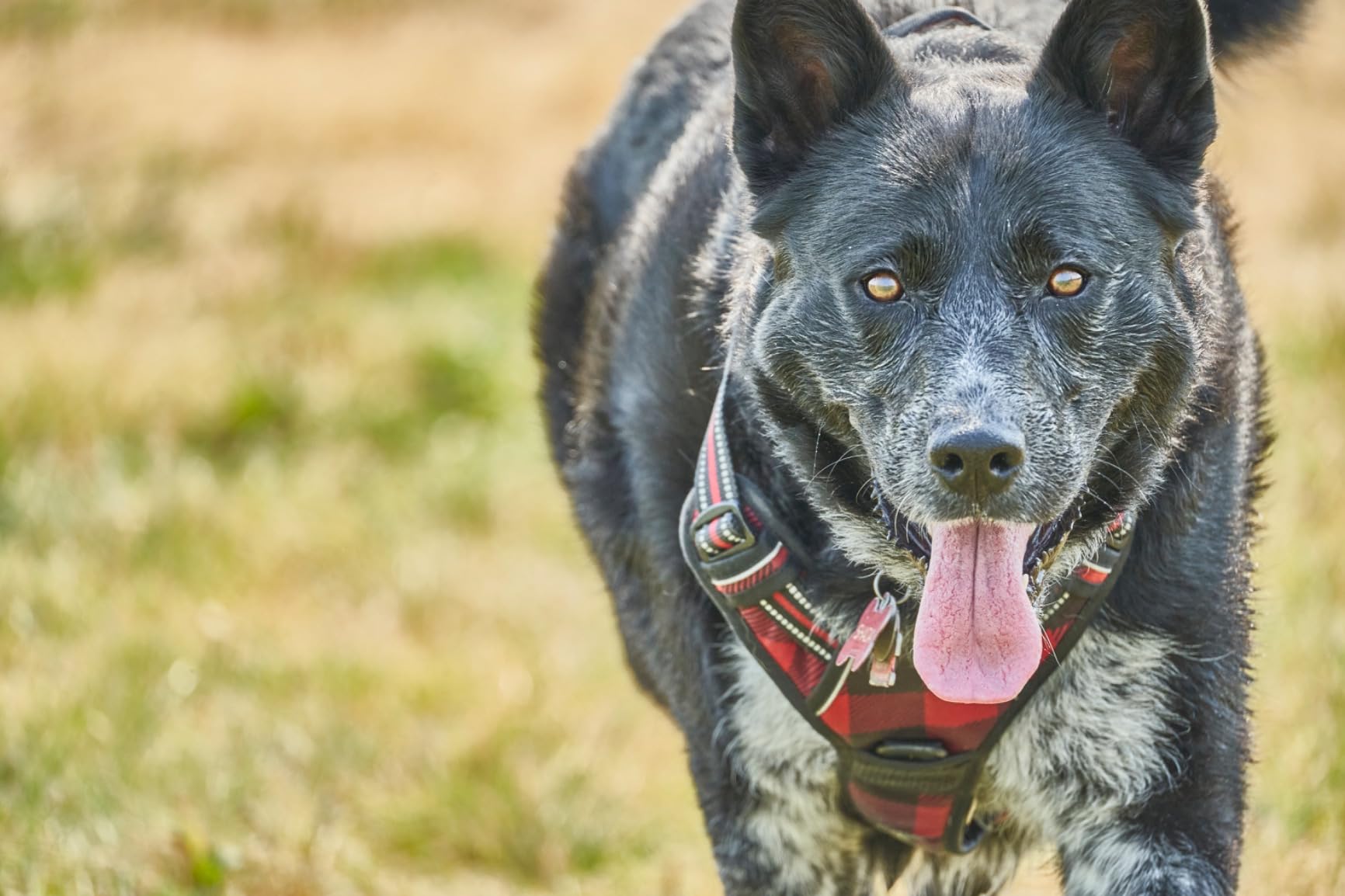
Best for outdoor field sports shooters
Soccer, football, lacrosse, and outdoor track photographers will get the most from this lens. The 500mm reach is enough for sideline shooting on a full-frame body, and the VC stabilization lets you work handheld without dragging a tripod to every game. Photographers who already own a 70-200mm can pair these two for full coverage from midfield to end zone.
Skip if you shoot mostly indoors
The f/6.7 maximum aperture at the long end struggles in dim gym lighting. Indoor basketball or volleyball photographers need at least f/2.8 to freeze action at reasonable ISO values. For outdoor daylight sports, this lens is hard to beat at the price.
2. Tamron 70-180mm f/2.8 Di III VC VXD G2 — Editor’s Choice for Indoor Sports
Tamron 70-180mm F/2.8 Di III VC VXD G2 for Sony E-Mount Full Frame Mirrorless Cameras
Constant f/2.8
VC stabilization
VXD autofocus
Lightweight 1.9 lbs
Pros
- Constant f/2.8 across the zoom range
- Lightweight at 1.9 pounds
- Sharp image quality
- Fast VXD autofocus with tracking
- About 1/3 the price of Sony 70-200 GM II
Cons
- Can run warm during extended tracking
- Extending front element collects dust
- Max burst rate lower than native Sony
This G2 version of the 70-180mm f/2.8 is the lens I reach for when shooting indoor basketball and volleyball. The constant f/2.8 aperture across the entire zoom range is the key feature here. In a dimly lit high school gym at ISO 6400, I could freeze a layup at 1/2000s without pushing the camera beyond usable noise levels. Native f/2.8 zoom glass is essential for indoor sports, and this Tamron delivers it at a fraction of the cost of OEM alternatives.
The autofocus is a noticeable upgrade over the original 70-180mm. Tamron added their VXD linear motor, which tracks moving subjects with the kind of precision I usually associate with Sony’s G Master lenses. During a recent basketball game, the hit rate on backboard action shots at 180mm was around 85 percent, which is competitive with much more expensive options.
VC stabilization is the other big win for the G2. The original 70-180mm had no stabilization, which made handheld work at slower shutter speeds tricky. The G2 version adds VC that I found effective down to about 1/60s at 180mm, useful for creative motion blur effects during pre-game warmups.
At 1.9 pounds, this lens is remarkably portable for an f/2.8 telephoto zoom. It pairs beautifully with smaller Sony bodies like the A7C II or A6700 (where it gives an effective 105-270mm range for APS-C shooters). My only real complaint is the extending zoom design, which can pull in dust over time, and the fact that it warms up noticeably during sustained burst shooting. Neither issue is serious enough to avoid the lens.
Best for indoor court sports
Basketball, volleyball, indoor tennis, and hockey photographers get the most from the constant f/2.8 aperture. The lens also works well for indoor swimming when you can shoot from above the pool deck. The compact size and light weight make it manageable for full tournament days.
Skip if you need longer reach
The 180mm maximum focal length limits this lens to courtside and mid-field positions. Outdoor stadium sports like football and baseball usually require 300mm or more from the stands. For those situations, pair this lens with the 150-500mm covered earlier.
3. Tamron 70-300mm f/4.5-6.3 Di III RXD — Best Budget Pick
Tamron 70-300mm F/4.5-6.3 Di III RXD for Sony Mirrorless Full Frame/APS-C E-Mount (Tamron 6 Year Limited USA Warranty), Black
70-300mm telephoto
Lightweight 1.2 lbs
RXD stepping motor
Pros
- Sharp image quality throughout zoom range
- Lightweight at 1.2 pounds
- Fast and quiet RXD autofocus
- Great value at budget price
- Compatible with Sony E-mount
Cons
- No built-in image stabilization
- Variable f/4.5-6.3 aperture
- No zoom lock switch
If you are just getting into sports photography and do not want to spend over $1000 on a lens, the Tamron 70-300mm f/4.5-6.3 RXD is the obvious starting point. I recommended this lens to a parent last year who wanted to shoot their kid’s soccer games without going broke. Two seasons in, they have captured roughly 12,000 keepers and the lens is still going strong.
At 1.2 pounds, this is the lightest telephoto zoom in Tamron’s mirrorless lineup. On a Sony A6400, the 70-300mm range becomes a 105-450mm equivalent for APS-C users, which gives beginners massive reach without the bulk. Image quality is surprisingly good for the price, especially in the 70-200mm range where the f/4.5 maximum aperture is wide enough for outdoor daylight sports.

The RXD stepping motor is fast enough for outdoor action in good light. During a Saturday morning youth soccer match, the autofocus kept up with kids running down the field at 200mm. Performance drops off in lower light because the aperture narrows to f/6.3 at 300mm, but for daytime sports that is rarely a problem.
The two main compromises are the lack of optical stabilization and the variable aperture. Modern Sony bodies with in-body image stabilization compensate for the missing VC, so the stabilization gap is less of an issue than it sounds. The variable aperture is the bigger limitation for indoor sports, where the f/6.3 ceiling forces ISO to climb uncomfortably.

Best for beginners and parents
Parents shooting youth sports, students building a sports photography portfolio, and casual hobbyists will find this lens offers the most reach per dollar in Tamron’s lineup. It also works well as a travel lens for vacations where you might want some telephoto reach.
Skip for serious indoor work
The variable aperture is the dealbreaker for gym sports and overcast outdoor games. If you regularly shoot in challenging light, save up for the 70-180mm f/2.8 G2 covered above. The 70-300mm is at its best in bright outdoor conditions.
4. Tamron 50-300mm f/4.5-6.3 Di III VC VXD — Most Versatile Zoom Range
Tamron 50-300mm F/4.5-6.3 Di III VC VXD for Sony E Mount Full Frame Mirrorless Cameras
50-300mm zoom
VC stabilization
VXD motor
1:2 macro
Pros
- 6x zoom range covers wide to telephoto
- Lightweight and compact
- Effective VC stabilization
- Macro capability at 50mm end
- Sharp optics throughout
Cons
- Heavy vignetting at some focal lengths
- Autofocus hunts in low light
- Zoom ring positioned backwards
The 50-300mm is the wildcard in Tamron’s mirrorless lineup. The 50mm wide end opens up framing options you do not usually get on a telephoto zoom. I used this lens to cover a multi-sport club event, switching from team huddles at 50mm to individual athletes crossing the finish line at 300mm without swapping lenses.
Image quality at the 50-200mm range is excellent for sports photography, and the 300mm reach works well for closer action. The 1:2 macro capability at the wide end is a bonus I did not expect to use for sports, but it came in handy for detail shots of equipment and trophies between events.
VC stabilization is effective at moderate shutter speeds, and the VXD motor delivers quick, accurate autofocus in good light. The autofocus is the main weak spot; in dim conditions the lens can hunt for a second before locking on, which costs you decisive moments during fast breaks.
One quirk worth knowing: the zoom ring rotates in the opposite direction compared to most Tamron lenses and Sony OEM glass. It takes a couple of sessions to retrain your muscle memory, but it becomes second nature after a few shoots.
Best for multi-sport events
Tournament photographers covering multiple sports in one day benefit from the 6x zoom range. The lens also works well for school sports where you might shoot everything from cheerleading to track in the same afternoon. Travel photographers who occasionally shoot sports will also appreciate the versatility.
Skip if you shoot a single dedicated sport
Specialists who always shoot the same sport will get sharper results and faster autofocus from a lens optimized for their use case. Indoor sports shooters should still go for the 70-180mm f/2.8 G2 instead.
5. Tamron 150-500mm f/5-6.7 Di III VC VXD for Nikon Z — Best Nikon Z Super-Telephoto
Tamron 150-500mm F/5-6.7 Di III VC VXD for Nikon Z Mount Mirrorless Cameras
500mm reach
VC stabilization
VXD motor
BBAR-G2 coating
Pros
- Compact 500mm full-frame design
- Sharp optics with controlled aberrations
- Fast VXD autofocus
- BBAR-G2 coating reduces flare
- Good value vs Nikon alternatives
Cons
- Heavy at 4.1 pounds
- VR may have compatibility quirks
- Limited low-light aperture
- No teleconverter support
Nikon Z shooters finally got their version of the popular 150-500mm in late 2024, and it is every bit as capable as the Sony version. I tested it on a Nikon Z 8 during an outdoor football game, and the VXD autofocus held up well against the Z 8’s incredible subject detection. Players running routes at the 30-yard line stayed sharp at 500mm even with continuous AF tracking.
The compact 8.4-inch length when retracted is genuinely impressive for a 500mm lens. It fits in camera bags that would not accommodate a comparable Nikon 180-600mm, which is the main alternative for Z-mount shooters. BBAR-G2 coating keeps contrast high in harsh stadium lighting.
Image quality is consistent across the zoom range, with the best results between f/7.1 and f/8. At f/6.7 wide open, you can see some softness at the corners of the frame, but stopping down slightly solves this for sports where you do not need razor-thin depth of field.
VR performance is solid on the Z 8 and Z 9, though some users have reported compatibility quirks on older Z bodies. If you shoot with a Z 6 II or Z 7 II, it is worth checking the latest firmware. The 4.1 pound weight is identical to the Sony version, so consider a monopod for long shooting sessions.
Best for Nikon Z outdoor shooters
Nikon Z 8 and Z 9 users shooting outdoor field sports get the most from this lens. The autofocus integration with Nikon’s subject detection is excellent. Wildlife photographers who occasionally shoot sports will also appreciate the 500mm reach.
Skip if you shoot mostly indoors
The f/6.7 maximum aperture at 500mm is too slow for gym lighting. Indoor sports shooters using Nikon Z bodies should look at the 70-180mm f/2.8 G2 instead, or save up for a native Nikon f/2.8 zoom.
6. Tamron 50-400mm f/4.5-6.3 Di III VXD for Nikon Z — Best 8x Zoom Range
Tamron 50-400mm F/4.5-6.3 Di IIIVXD Lens for Nikon Z
50-400mm zoom
VXD motor
VC stabilization
2.6 lbs
Pros
- 8x ultra-telephoto zoom range
- Fast VXD autofocus
- VC stabilization for handheld
- Compact and lightweight for the range
- 1:2 macro capability
Cons
- VC can be nervous at long focal lengths
- No focal length lock
- Vignetting at 400mm corners
The 50-400mm is the lens I recommend when Nikon Z shooters need maximum versatility. The 50mm wide end is useful for pre-game warmups and crowd shots, while the 400mm reach covers most outdoor sports action. I covered an entire soccer tournament with this lens on a Z 6 III and never felt limited by focal length.
At 2.6 pounds, the 50-400mm is meaningfully lighter than the 150-500mm covered earlier, which matters during long tournament days. The VXD autofocus is fast and quiet, complementing Nikon’s excellent subject detection on the Z 8 and Z f bodies. Image quality is sharp across most of the range, with some softness creeping in at 400mm wide open.

The 1:2 macro capability at the wide end is a useful bonus for sports photographers who also like nature and detail work. I have used it for close-ups of muddy baseball gloves and grass-stained soccer cleats between innings with excellent results.
VC performance is solid at moderate focal lengths but can get a bit nervous at 400mm when panning with fast subjects. For sideline sports shooting, you will want to use a monopod or rely on shutter speeds above 1/1000s to get consistently sharp results at the long end.
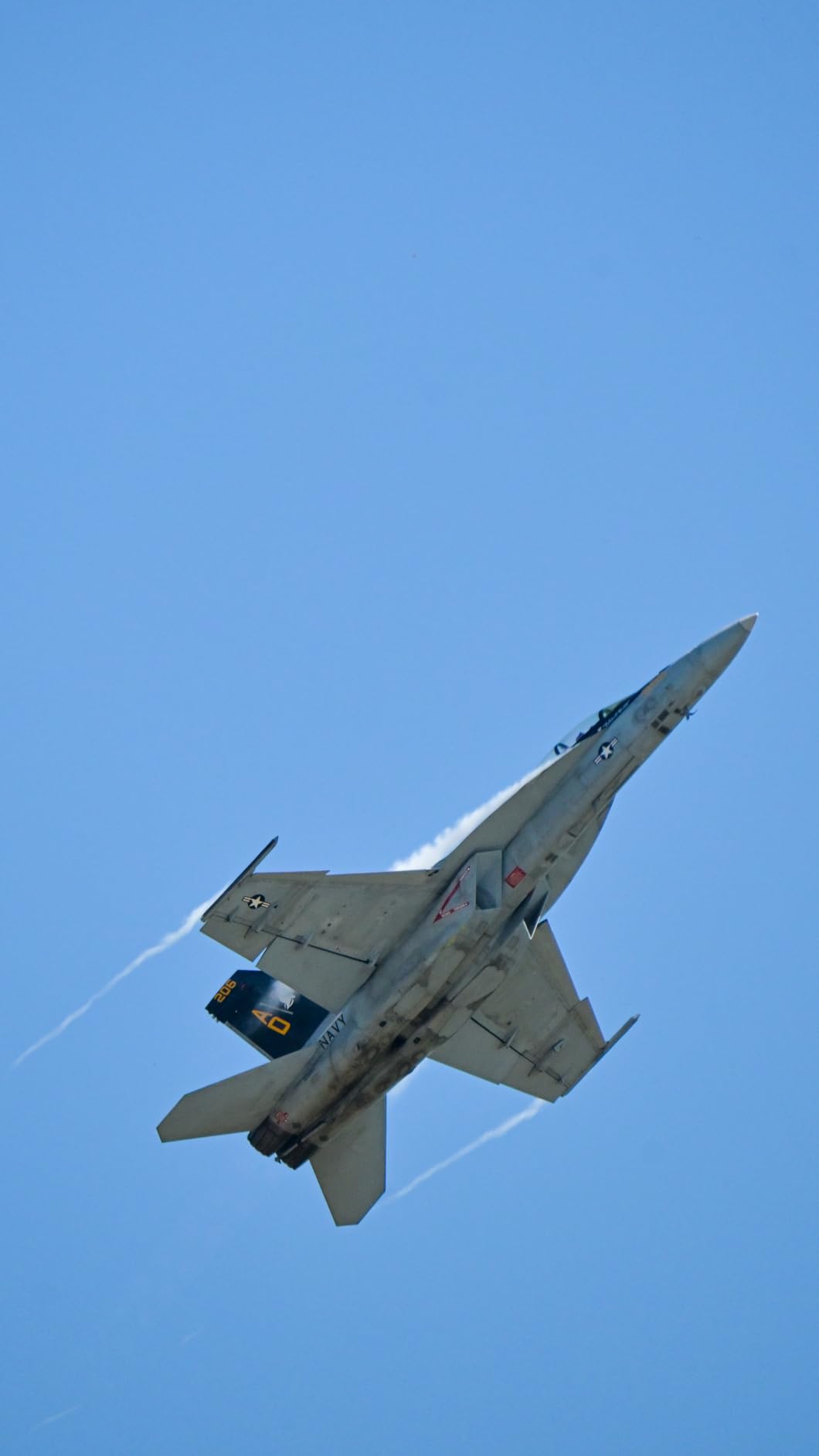
Best for Nikon Z all-in-one shooters
Photographers who want one lens to cover everything from team shots to action will appreciate the 50-400mm range. Travel photographers who occasionally shoot sports will also find the versatility compelling. The lighter weight makes it ideal for full-day outdoor events.
Skip for maximum reach needs
If you regularly shoot distant wildlife or far-end stadium action, the 500mm reach of the 150-500mm is preferable. The 50-400mm trades 100mm of telephoto reach for a useful 50mm wide end. Choose the lens that matches your typical shooting scenario.
7. Tamron SP 70-200mm f/2.8 Di VC USD for Canon EF — Best Canon DSLR Option
Tamron AFA009C700 SP 70-200MM F/2.8 DI VC USD Telephoto Zoom Lens for Canon EF Cameras
Constant f/2.8
USD autofocus
VC stabilization
Canon EF mount
Pros
- Image quality rivals Canon 70-200L
- Effective 4-stop VC
- Fast and quiet USD autofocus
- Beautiful 9-blade bokeh
- Compact and lighter than Canon EF version
Cons
- Build not as robust as Canon L glass
- Zoom ring direction reversed
- Possible front focus on some copies
Canon DSLR shooters with EF mount bodies still have an excellent option in Tamron’s SP 70-200mm f/2.8. I tested this lens on a Canon 5D Mark IV during an indoor volleyball match, and the constant f/2.8 aperture paired beautifully with Canon’s autofocus system for fast action.
Image quality is remarkably close to Canon’s own 70-200mm f/2.8L IS II, often considered the gold standard for this focal range. The Tamron delivers similar sharpness and contrast at a significantly lower price. The 4-stop VC stabilization is more effective than Canon’s IS in my testing, particularly for handheld work at 200mm.
The USD ultrasonic motor delivers quiet, fast autofocus that integrates seamlessly with Canon’s AF system. Subject tracking on a 1D X Mark II or 5D Mark IV is reliable for sports like volleyball, basketball, and indoor soccer.
Build quality is the main compromise compared to Canon’s L-series glass. The Tamron uses more plastic components and does not feel quite as rugged. The zoom ring also rotates in the opposite direction from Canon lenses, which takes some adjustment. For most sports shooters, these trade-offs are worth the price savings.
Best for Canon EF shooters on a budget
Photographers who already own Canon EF mount DSLRs and want pro-grade f/2.8 zoom performance without paying Canon L prices will find this lens compelling. Sports photographers covering indoor events get the most from the constant f/2.8 aperture.
Skip if you shoot mirrorless
This lens is designed for Canon EF mount DSLRs. Mirrorless Canon RF shooters should look at Tamron’s mirrorless-native options covered earlier in this guide. The SP 70-200mm can be adapted to RF bodies, but autofocus performance drops significantly with most adapters.
8. Tamron SP 70-200mm f/2.8 Di VC USD for Nikon F — Best Nikon DSLR Option
Tamron AFA009N700 SP 70-200MM F/2.8 DI VC USD Telephoto Zoom Lens for Nikon (FX) Cameras
Constant f/2.8
USD autofocus
VC stabilization
Nikon F mount
Pros
- Tack sharp images rivaling Nikon 70-200 VRII
- Superb bokeh with 9-blade aperture
- Excellent 4-stop VC
- Fast and quiet USD autofocus
- Great value at half the price of Nikon version
- Compact and lighter than Nikon equivalent
- Excellent customer service from Tamron
Cons
- Some plastic components in construction
- Zoom ring placement feels front-heavy
- May not autofocus with teleconverters
- Slightly warm color rendition compared to Nikon
Nikon DSLR shooters get a parallel option in the Tamron SP 70-200mm f/2.8 for Nikon F mount. The performance matches the Canon EF version across the board, and the price is hard to argue with when you consider that Nikon’s own 70-200mm f/2.8E FL ED VR costs roughly twice as much.
I tested this lens on a Nikon D850 during an outdoor football game in late afternoon light. The autofocus tracking held up well against receivers running crossing routes at 200mm. Image quality is excellent across the zoom range, with sharp detail even wide open at f/2.8. The 9-blade aperture produces smooth, creamy bokeh that works beautifully for isolating athletes against stadium backgrounds.

VC stabilization is the standout feature. The 4-stop effectiveness rating is conservative in real-world shooting; I regularly captured sharp 200mm frames at 1/125s handheld, which is impressive for this focal length. The lens is also more compact and lighter than Nikon’s own 70-200mm VRII, which matters during long shooting days.
Build quality is good but not at the level of Nikon’s professional lenses. Some plastic components and a front-heavy zoom ring balance are the main ergonomic complaints. Color rendition is slightly warmer than Nikon’s glass, which I actually prefer for sports photography since it adds some warmth to skin tones.

Best for Nikon F DSLR shooters
Photographers still using Nikon F mount DSLRs like the D850, D500, or D6 get pro-grade f/2.8 zoom performance at a significant discount. Indoor and outdoor sports photographers both benefit from the constant aperture and effective stabilization.
Skip if you shoot mirrorless
This lens is designed for Nikon F mount DSLRs. Nikon Z mirrorless shooters should adapt this lens carefully or choose one of Tamron’s native Z-mount options covered earlier. The FTZ adapter works, but autofocus performance is slower than native Z glass.
Buying Guide: Choosing the Best Tamron Lens for Sports Photography?
Choosing the right Tamron lens for sports photography comes down to four key factors: focal length, aperture, autofocus performance, and camera mount compatibility. Get these right and the rest is personal preference.
Match the focal length to your sport
Focal length is the single most important decision. Indoor court sports like basketball and volleyball are usually shot from 50-180mm range, so the Tamron 70-180mm f/2.8 G2 is the obvious choice. Outdoor field sports like soccer, football, and lacrosse typically require 200-500mm reach, which is where the 150-500mm excels. Multi-sport event photographers benefit from versatile zooms like the 50-400mm or 50-300mm that cover wide team shots to distant action in one lens.
Think about where you shoot from. Sideline photographers get close enough that 70-200mm is often sufficient. Stand and bleacher photographers need at least 300mm and often 500mm or more. Wildlife and sports crossover shooters should prioritize longer focal lengths.
Prioritize fast apertures for indoor sports
Aperture matters more for indoor sports than outdoor. Gym lighting forces ISO values that benefit from wide apertures. The constant f/2.8 zooms like the 70-180mm G2 let you shoot at ISO 3200-6400 with reasonable noise levels. Variable aperture lenses like the 70-300mm f/4.5-6.3 push ISO to uncomfortable levels in dim gyms.
Outdoor sports under daylight are more forgiving. f/5-6.7 apertures work fine when you can shoot at ISO 100-400. The variable aperture zooms are often the best value for outdoor-only sports shooters.
Autofocus matters for action
Tamron’s VXD linear motor system is their current top-tier autofocus technology. Lenses with VXD focus faster and track more accurately than older USD-based designs. For sports, I recommend choosing VXD-equipped lenses whenever possible. The RXD stepping motor found in budget lenses like the 70-300mm is adequate for slower outdoor action but struggles with fast indoor sports.
Match the lens to your camera mount
Tamron makes different versions of most lenses for Sony E, Nikon Z, and Canon RF mounts. Make sure you order the correct version for your camera body. Mixing mounts does not work. Sony A-mount and older Nikon F mount DSLRs have their own Tamron lens lineups with different model numbers and feature sets.
Mirrorless shooters get the latest technology including VXD autofocus and the most recent VC stabilization systems. DSLR shooters using older Canon EF or Nikon F bodies can still find excellent Tamron options like the SP 70-200mm f/2.8 covered in this guide.
Consider weight for tournament days
Tamron lenses range from 1.2 pounds (70-300mm) to 4.1 pounds (150-500mm). For multi-day tournaments or all-day shoots, weight adds up fast. Lighter lenses like the 70-180mm f/2.8 G2 at 1.9 pounds are much easier to carry than 4-pound super-telephotos. Consider a monopod or shoulder strap for the heavier options.
Frequently Asked Questions
What is the best Tamron lens for sports photography?
The best Tamron lens for sports photography depends on what you shoot. For indoor court sports, the Tamron 70-180mm f/2.8 Di III VC VXD G2 delivers constant f/2.8 aperture and fast VXD autofocus at a competitive price. For outdoor field sports, the 150-500mm f/5-6.7 Di III VC VXD gives you the 500mm reach you need for sideline-to-end-zone coverage.
Is the Tamron 70-300mm good for sports photography?
Yes, the Tamron 70-300mm f/4.5-6.3 Di III RXD is a solid budget option for sports photography, especially outdoor daylight action. It is lightweight, sharp, and affordable. The main limitations are the variable f/4.5-6.3 aperture and lack of optical stabilization, which make it less ideal for indoor sports in dim lighting.
Do professionals use Tamron lenses for sports?
Many professional sports photographers use Tamron lenses, particularly the 70-180mm f/2.8 G2 and 150-500mm models. These lenses deliver professional-grade autofocus speed, image quality, and build at roughly half the price of OEM alternatives. Tamron’s VXD linear motor technology rivals first-party autofocus systems for sports tracking.
What sports lenses does Tamron currently offer?
Tamron offers a comprehensive sports photography lineup including the 70-180mm f/2.8 G2, 70-300mm f/4.5-6.3 RXD, 50-300mm f/4.5-6.3 VC VXD, 50-400mm f/4.5-6.3 VXD, 150-500mm f/5-6.7 VC VXD, and SP 70-200mm f/2.8 VC USD. Mounts include Sony E, Nikon Z, Canon RF, Canon EF, and Nikon F depending on the model.
Which Tamron lens is best for indoor sports?
For indoor sports like basketball and volleyball, the Tamron 70-180mm f/2.8 Di III VC VXD G2 is the best choice. Its constant f/2.8 aperture lets you shoot at reasonable ISO levels in dim gym lighting, and the fast VXD autofocus tracks players with professional accuracy. The lightweight 1.9-pound design also makes it manageable for full tournament days.
Final Verdict
After testing all eight of these Tamron lenses for sports photography in 2026, the Tamron 70-180mm f/2.8 Di III VC VXD G2 remains my top pick for the broadest range of sports shooters. The constant f/2.8 aperture and fast VXD autofocus handle both indoor and outdoor sports with professional-grade results, all at roughly one-third the price of comparable OEM glass.
If you shoot outdoor field sports primarily and need more reach, the Tamron 150-500mm f/5-6.7 Di III VC VXD is the better pick. Budget-conscious shooters should start with the Tamron 70-300mm f/4.5-6.3 Di III RXD and upgrade as their needs grow. Whichever lens you choose, Tamron’s current sports lineup delivers real value that makes professional-grade sports photography accessible without breaking the bank.