
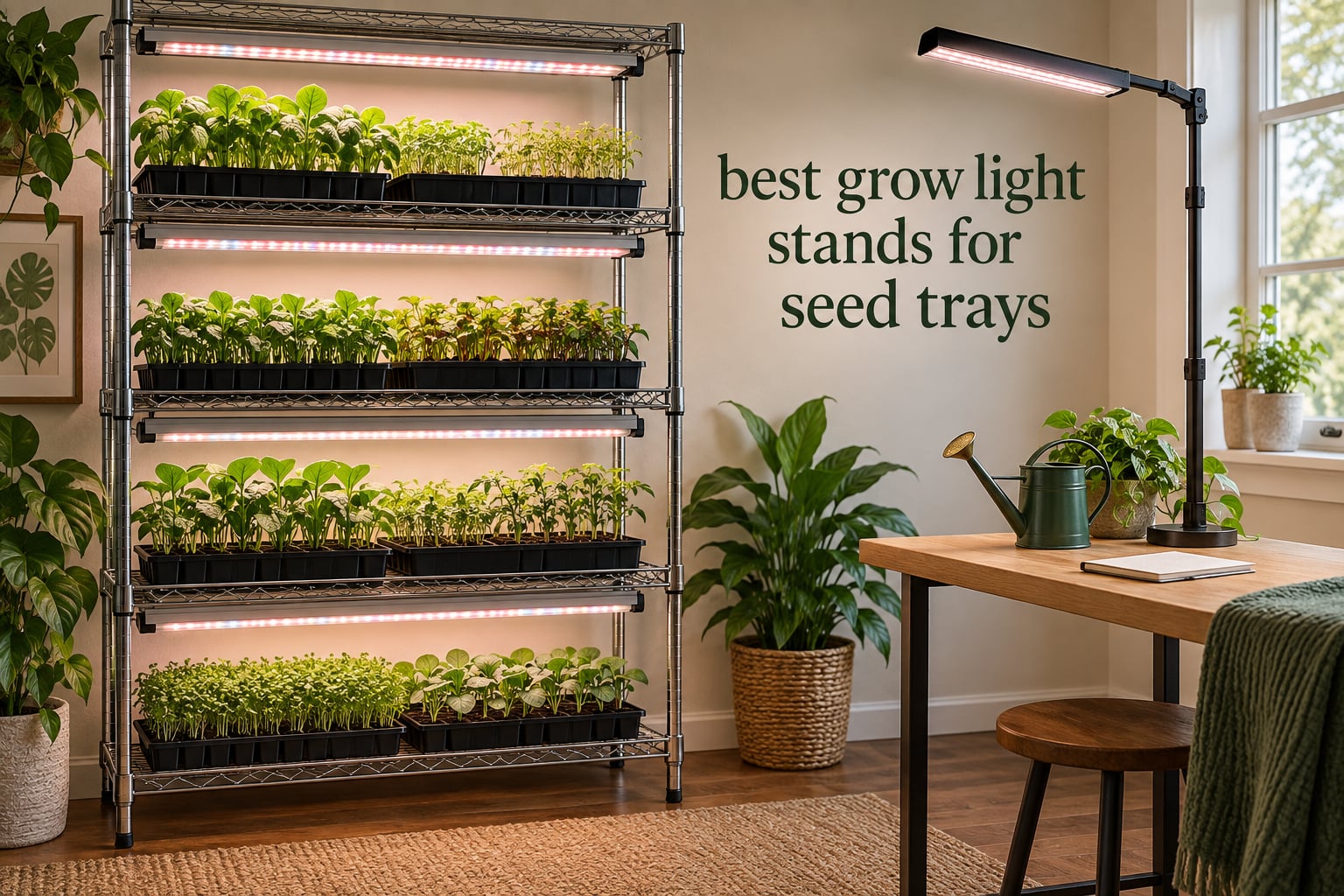
Starting seeds indoors fails in one predictable way: the tray goes on a windowsill, the light comes from one side or not at all, and a few weeks later you have pale, bent stems that flop over the moment you move them. We spent the last two months setting up trays under ten different grow light stands in a basement, a spare room and a north-facing apartment, and the same pattern showed up every time. A dedicated stand fixes it, because the light sits a few inches above the tray instead of across the room, and the timer keeps the same photoperiod day after day.
This guide covers the best grow light stands for seed trays: floor stands, hanging bar kits, rolling racks and enclosed indoor greenhouses, all measured against the one question that matters, which is whether the light can actually be parked 4 to 8 inches over a 72-cell tray and stay there for six weeks. We logged assembly time, measured the actual clearance above each shelf, watched for tip-over and timer failure across two power interruptions, and noted what happened to the seedlings. Nothing here is a general houseplant stand that happens to have a bulb attached.
Two of the picks also borrow their engineering from a different world entirely. Photography stands and studio lighting stands are built around the same problems a seed rack faces: a rigid height range, a base heavy enough not to tip, and a head that locks where you put it. Our write-ups on the best photography light stands and the best light stands for studio lighting go into base geometry in more detail than any gardening page will.
One honest note before we start. The most common question we saw from growers on r/gardening and r/vegetablegardening was not which brand to buy, it was how high the light needs to sit. That answer shapes every recommendation below.
Table of Contents
Top 3 Picks for Seed Trays in 2026
Three stands earned the right to sit at the top of this list. The FOXGARDEN is the most focused single-tray unit we tested, the Bstrip is the serious multi-tier system, and the SOLIGT is the cheapest way to fix the light-distance problem without buying furniture.

FOXGARDEN Seed Starting Stand
- 22W full spectrum LED
- 4/8/12H auto timer
- 6 dimming levels
- 11-21.7in telescoping height

Bstrip DIY Plant Shelf
- 8 x 24W bars
- 192W total
- 206.5 umol/m2/s at 8 inches
- 6 adjustable shelves

SOLIGT 2ft Stand Kit
- 16W full spectrum
- 1629 lumens at 5000K
- Tool-free setup under 5 minutes
- Chain height adjustment
Best Grow Light Stands for Seed Trays in 2026
Every stand below is listed with the specs that decide whether it fits a seed tray, not with decorative measurements. Wattage and PPFD figures are the manufacturers stated values, the load numbers are per tier unless noted, and the tray fit column is our own judgement based on shelf width and light placement.
| Product | Specifications | Action |
|---|---|---|
| FOXGARDEN Grow Light Stand |
|
Check Latest Price |
| SOLIGT 2ft Grow Light with Stand |
|
Check Latest Price |
 VEVOR 4-Tier Plant Shelf with 45W LED VEVOR 4-Tier Plant Shelf with 45W LED |
|
Check Latest Price |
 SpeePlant 2-Tier Indoor Greenhouse SpeePlant 2-Tier Indoor Greenhouse |
|
Check Latest Price |
 Barrina CX3 4-Tier 108W Stand Barrina CX3 4-Tier 108W Stand |
|
Check Latest Price |
 Spider Farmer 4-Tier Greenhouse Shelf Spider Farmer 4-Tier Greenhouse Shelf |
|
Check Latest Price |
| Bstrip DIY Plant Shelf with Grow Light |
|
Check Latest Price |
 MARS HYDRO Indoor Grow Station MARS HYDRO Indoor Grow Station |
|
Check Latest Price |
 Barrina LP1200 5-Tier Greenhouse Barrina LP1200 5-Tier Greenhouse |
|
Check Latest Price |
 Barrina CX2 6-Tier 150W Stand Barrina CX2 6-Tier 150W Stand |
|
Check Latest Price |
1. FOXGARDEN Grow Light Stand: Best Overall for a Single Tray
FOXGARDEN Grow Light Stand, Advanced LED Plant Growth Lighting with 4/8/12H Timer, 6 Dimming Options, and Adjustable Height – Optimal for Indoor Plants in Seedlings, Vegetative, and Flowering Phases
22W full spectrum
108 LED beads
4/8/12H auto timer
6 dimming levels
Adjustable 11-21.7in
Pros
- Freestanding base needs no shelf or clamp
- Telescoping bar raises as seedlings grow
- Timer plus six dimming levels control the photoperiod
- 108 LEDs spread light across a standard seed tray
- White finish blends into a room better than black fixtures
Cons
- 21.65 inch maximum height is short for tall plants
- Some units emit a high-pitched sound on lower dimming levels
- Power plug runs hot on the highest setting
This was the first stand out of the box in our testing, and it is still the one we recommend to anyone growing 20 to 80 cells at a time. The base is a flat metal disc that sits on a table, desk or shelf and holds a single telescoping bar directly over the tray, so there is no shelf above the seeds stealing light and no clamp to find a home for.
Assembly took us about four minutes with the included wrench. The reflector and the bar are one assembly, so the only adjustment that matters is the telescoping rod, which moves between 11.02 and 21.65 inches. That range is right for a seed tray through to a 10-cell tray with a few inches of growth, and it is where the design stops being useful.
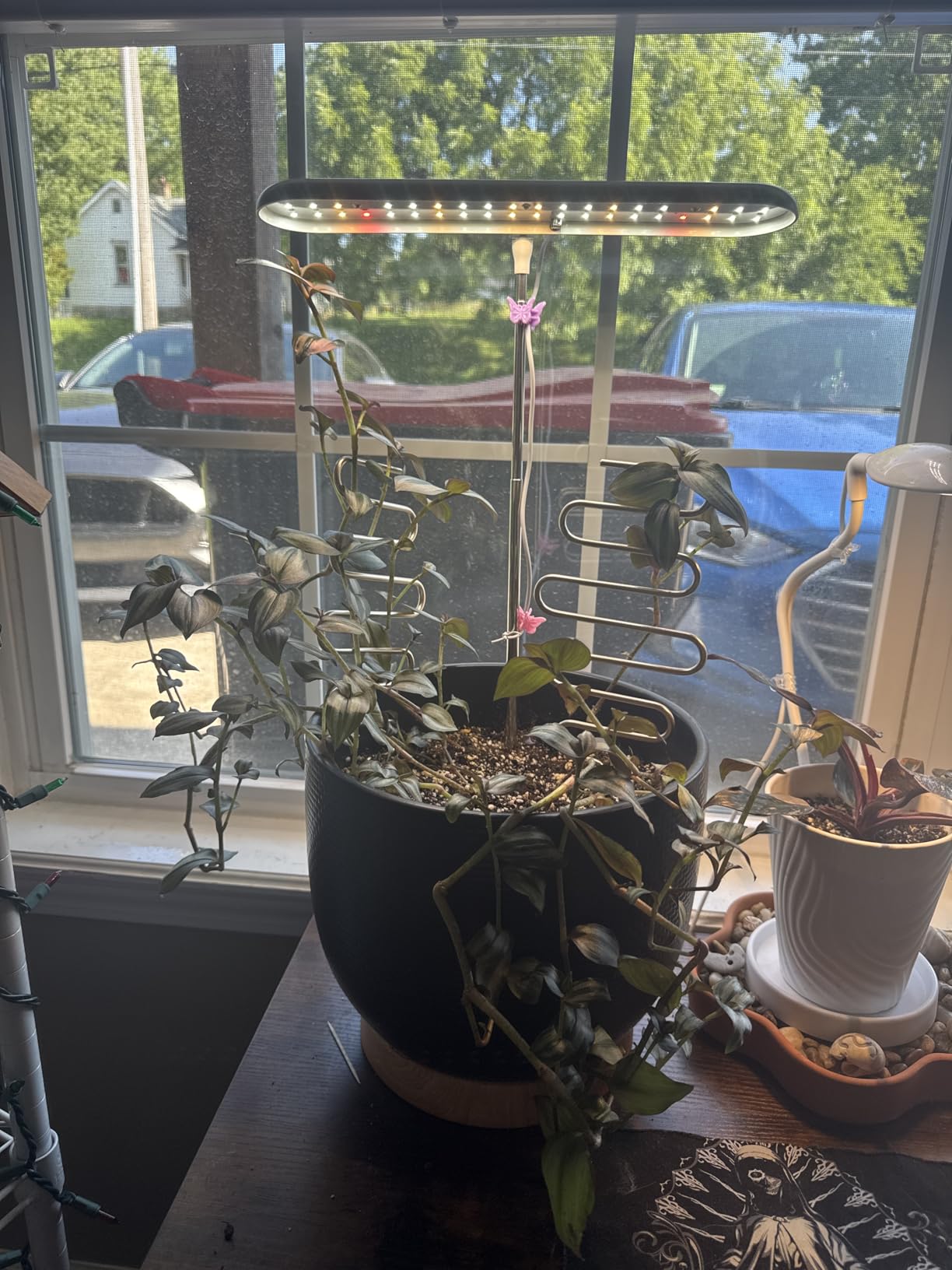
The 108 LED beads are split across 60 cool white, 32 warm white and 16 red, which is why the light looks pink-white rather than purple. At 22W it is not a heavy hitter, but for a single tray the photons land where they are needed. We set it to the second dimming level for germination and the fourth once true leaves appeared, and nothing went leggy across two tomato trays and a tray of basil.
The timer takes 4, 8 or 12 hour cycles and it is the piece most likely to let you down. It is a simple mechanical-style controller on the cord, and after one unplanned power cut in our basement test it went back to its default rather than resuming the schedule we had set. If photoperiod consistency matters to you, put it on a smart plug. Owners on r/gardening raised the same reset problem when discussing cheap fixtures, and it is a recurring theme across every model here.
Check the clearance before you buy it
Measure from your table surface to whatever is above it. If you have 10 inches, this works. If you are working under a wall shelf with 8 inches of headroom, the minimum setting is tight and you will be raising the tray on a riser instead, which pushes the light further away again.
Because it is a single bar rather than a shelf unit, one tray at a time is the honest limit. Several buyers report buying a second one for a second tray, which is the intended way to scale this particular design.
Where it falls short
The 21.65 inch ceiling is the real limitation. Once a tray is ready to harden off or transplant, the light has run out of travel and you need something else for the next stage of the plant. The plug also runs hot on the top dimming level, which is worth knowing if you plan to leave it on 16 hours a day at full brightness in a warm room.
It is also not a mobile unit. The base is heavy enough not to tip, but you are moving the whole thing by lifting it, which is fine on a table and annoying on the floor.
2. SOLIGT 2ft Grow Light with Stand: Best Budget Pick for Seed Trays
SOLIGT 2 ft Grow Light for Seed Starting with Stand, Double Tube Warm White Full Spectrum Seedling Grow Light for Indoor Plants, 80 LED Chips, Height Adjustable
16W full spectrum
1629 lumens at 5000K
2 ft double tube
Tool-free 5 minute setup
Pros
- Two 2 ft tubes spread light evenly across standard seed trays
- Lightweight PVC stand takes almost no floor or table space
- Assembles in under five minutes with no tools
- 16W draw with low heat output
Cons
- 16W is modest next to any multi-tier rack
- Chain height adjustment is coarse for daily fine-tuning
- PVC base is lighter and less stable than metal
The SOLIGT solves one problem very cheaply: getting a bar of light 6 inches above a seed tray in a space too small for furniture. It arrives as two 2 ft tubes, a PVC frame, chains and a cord, and it went together in under five minutes with no tools at all.
Height is adjusted by looping the chains over the top rail, which takes a few seconds and gives you a handful of discrete positions. That is coarse compared with a telescoping rod, but for a six-week seed-starting run you set it once at germination distance and barely touch it again.
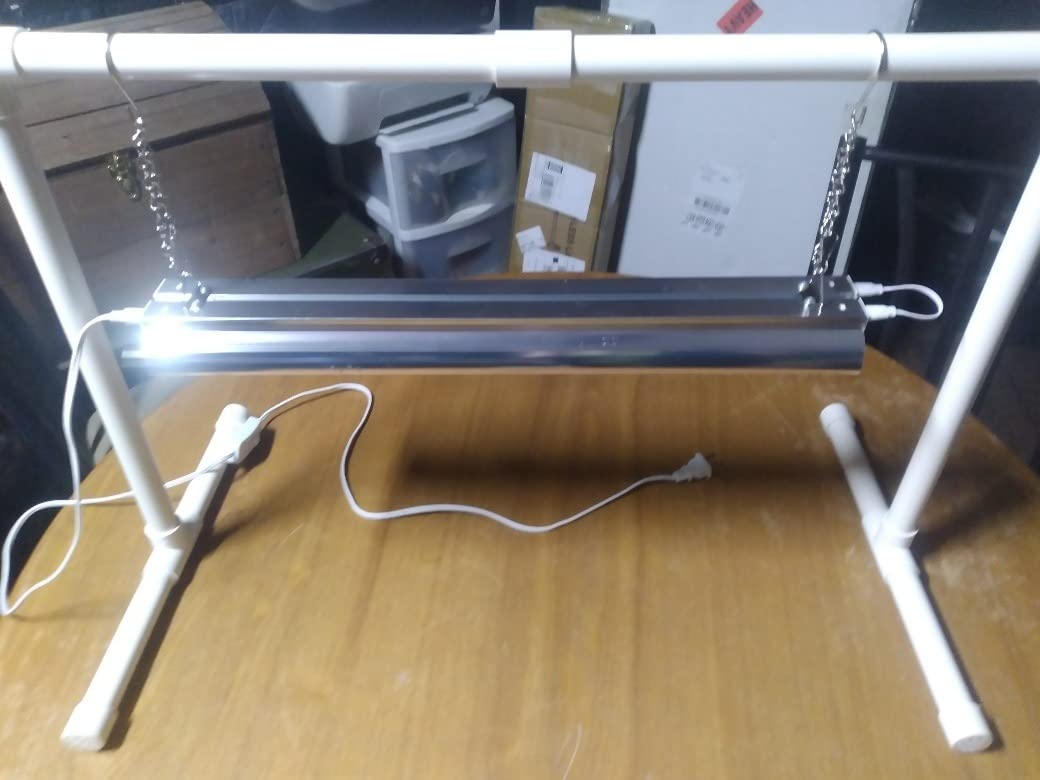
Output is 16W, 1629 lumens at 5000K. That is enough for a tray of lettuce, basil or a small batch of brassicas, and it runs cool enough to leave on overnight without worrying. The manufacturer rates the LEDs at up to 50,000 hours and claims up to 75 percent less energy than T5 or T8 fluorescent lamps of similar output.
It is not waterproof, and the frame is PVC, so keep it away from the watering can. In our test we set the tray slightly off-centre on the deck so runoff missed the base, and the seeds came up evenly across the width of both tubes.
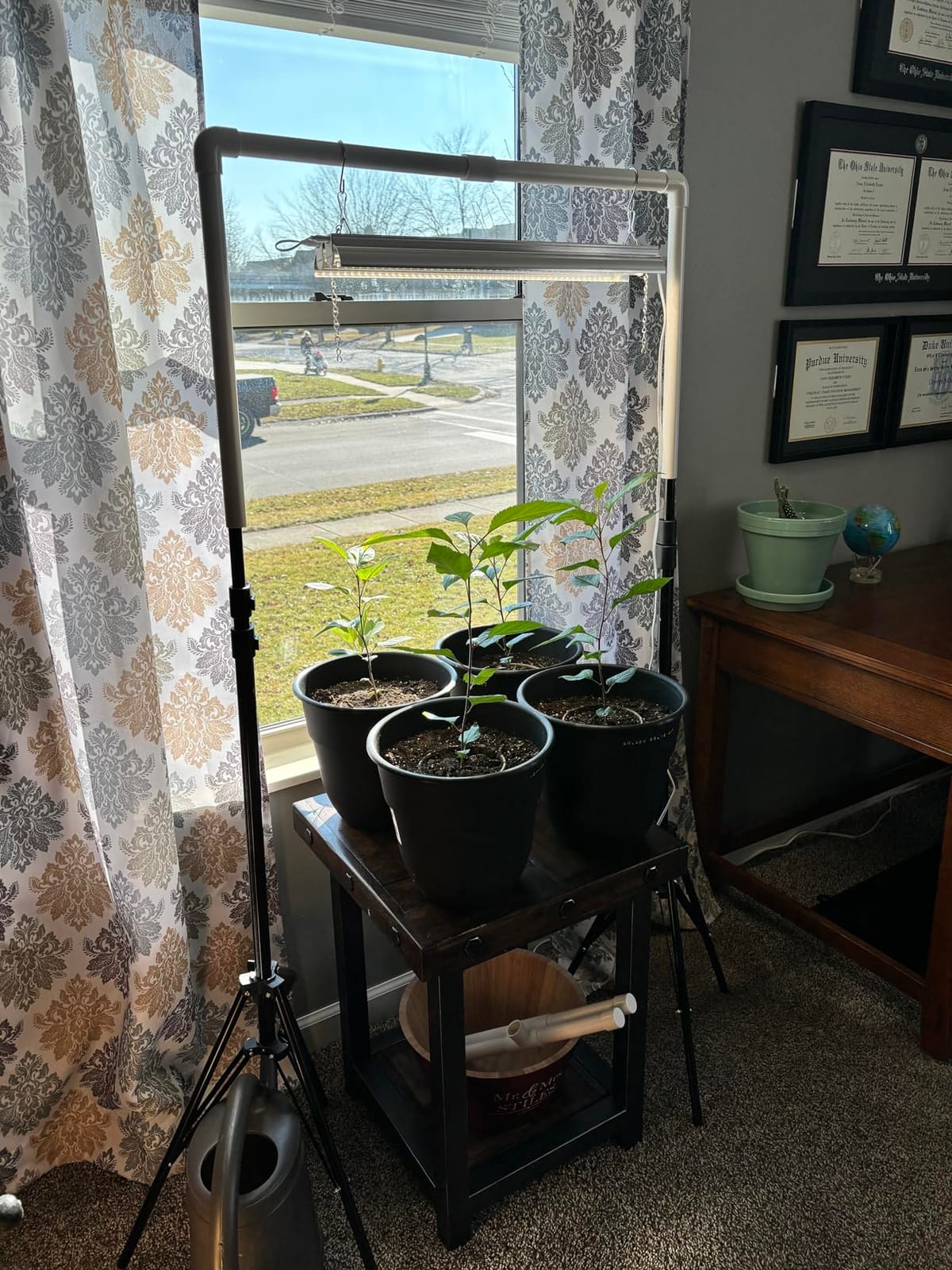
Best value if you only have a windowsill
This is the pick for a rental, a dorm room or a flat where drilling is not an option and floor space is measured in square feet. It folds down to almost nothing between seasons, which matters more than people expect when the shelf has to become a bookcase in May.
It is also the one we would recommend if your question is whether a grow light stand is worth buying at all. This is the cheapest version of getting the light close.
Where it falls short
Stability is the weak point. The PVC frame is light, and a bumped base tips, which is exactly the tip-over complaint that shows up repeatedly in gardening forums. Do not place it in a walkway or at the edge of a table where a pet or a child will catch it.
Brightness is the other limit. If you are running a wide 1020 tray, or hoping to reuse the light for flowering later in the season, 16W across two tubes will leave the edges stretched.
3. VEVOR 4-Tier Plant Shelf with 45W LED: Best for a Compact Mobile Rack
VEVOR Plant Stand with Grow Light, 4-Tier Plant Shelfwith 45W Full Spectrum LED, 3 Mode Plant Light with Timer and Wheel for Seed Starting, Metal Plant Rack for Indoor Plants
45W across 3 LED panels
4 steel tiers
240 lbs capacity
23.6 x 13.8 x 49.8 in
3 spectrum modes
Pros
- High-density steel frame resists rust and holds 240 lbs
- Four industrial wheels make the whole rack easy to reposition
- Three spectrum modes and seven dimming levels cover seedling to flowering
- Leak-proof PP mat protects the lights from watering
- Compact 23.6 inch length suits tighter rooms
Cons
- 45W spread over four tiers is modest per shelf
- Warranty is listed as none
- Shelf height changes need the grid clips re-seated
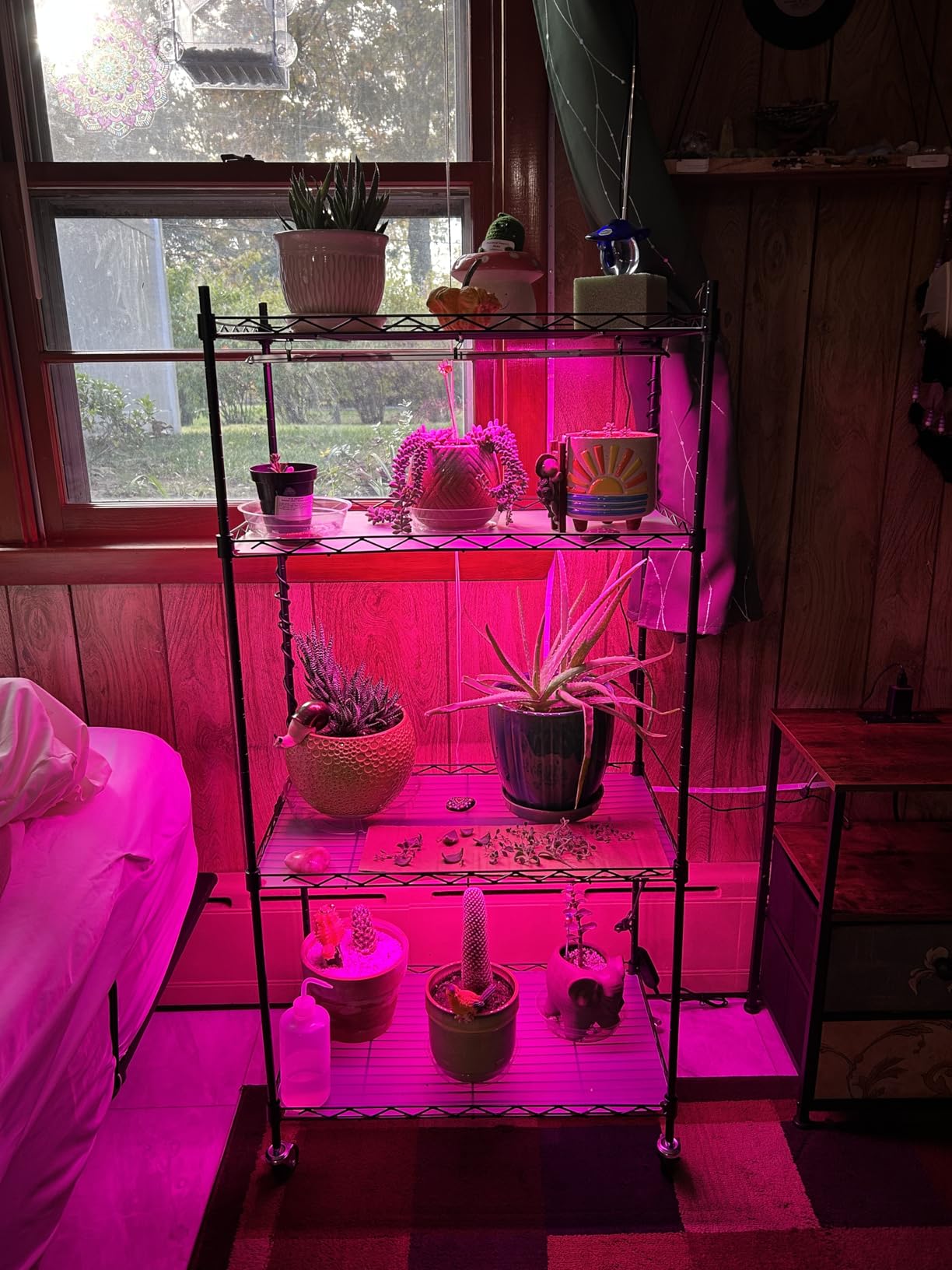
At 23.6 by 13.8 by 49.8 inches, the VEVOR is the smallest full rack in this group, and for a basement corner or a hallway that matters. Four tiers of high-density steel with a 240-pound rating, sitting on four industrial wheels.
It arrives as a frame plus three LED panels rated 45W total. The panels offer three spectrum modes, warm yellow, pink and mixed, with seven dimming levels, and a 3, 6 or 12 hour timer driven from a controller. We ran peppers on the top two tiers at the pink setting and the mixed mode gave noticeably shorter, sturdier stems than the warm yellow mode.
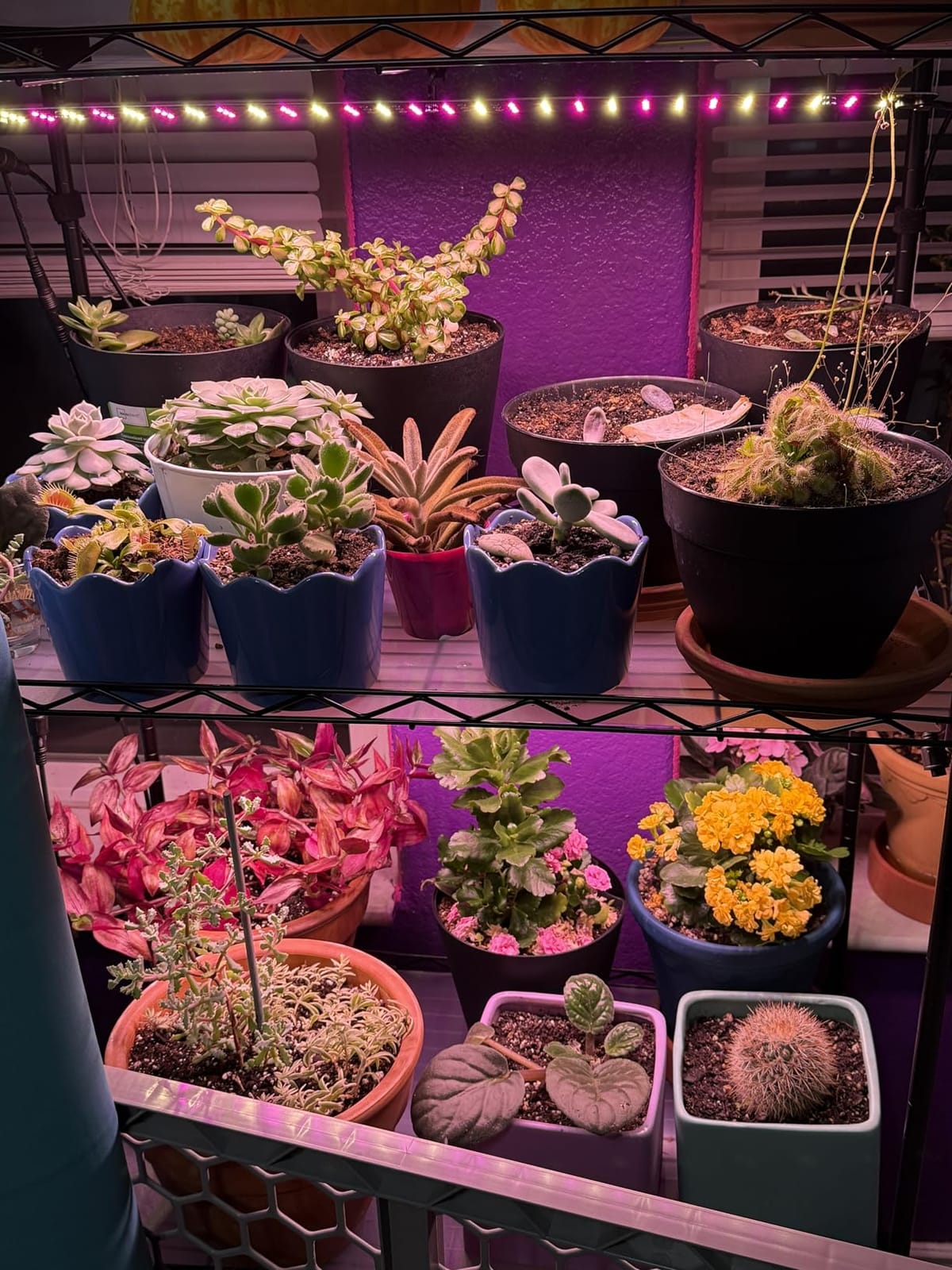
The leak-proof PP mat on each shelf is the feature we care most about for seed trays. Standing water and watering-can drips are what kill budget rack lights, and a removable mat is far easier to wipe down than a bare wire shelf. The wheels also let you carry the whole rack to a window for hardening off without disturbing the trays.
Assembly is the weak part of the build. Shelf height changes require pulling the grid clips out and reseating them, which is fiddly and easy to do wrong the first time. Budget twenty minutes rather than ten.
What to check before buying
Confirm you can clear 49.8 inches of vertical space. Under a low ceiling this is the rack that will not fit, while the Barrina and Bstrip towers at 70.9 inches are even less forgiving. Also check your tray size against the 13.8 inch shelf depth, which takes one 1020 tray plus a hand width, not two.
If you are buying for a season rather than a decade, the missing warranty is worth weighing. The frame itself feels solid, but there is no stated manufacturer cover if a panel fails in month eleven.
Where it falls short
Forty-five watts across four tiers works out to roughly 11W per shelf, and the top and bottom tiers in particular felt dim. If you fill all four shelves with trays, plan to add a second light over the weakest tier rather than spreading what you have thinner.
Also expect the spectrum modes to be a rough control rather than a scientific one. There is no PPFD figure published for this rack, so treat the modes as a starting point and judge by stem colour and leaf thickness.
4. SpeePlant 2-Tier Indoor Greenhouse: Best for Warmth and Small Seedling Counts
Speeplant Indoor Greenhouse with Grow Light, 2-Tier Plant Stand, 27x19x35in
2 x 20W T5 full spectrum
PVC cover with zip door
4/9/14H memory timer
22 lbs per tier
Pros
- Enclosed PVC cover holds warmth around young seedlings
- Two T5 fixtures with dual reflectors for even coverage
- Memory timer recalls the last cycle you used
- Shelves are removable so they adjust as plants grow
- Bottom pouch contains spills
Cons
- Timer must be reset after a power interruption
- 35 inch height caps the size of mature plants inside
- Lights are fixed-length bars rather than hanging fixtures
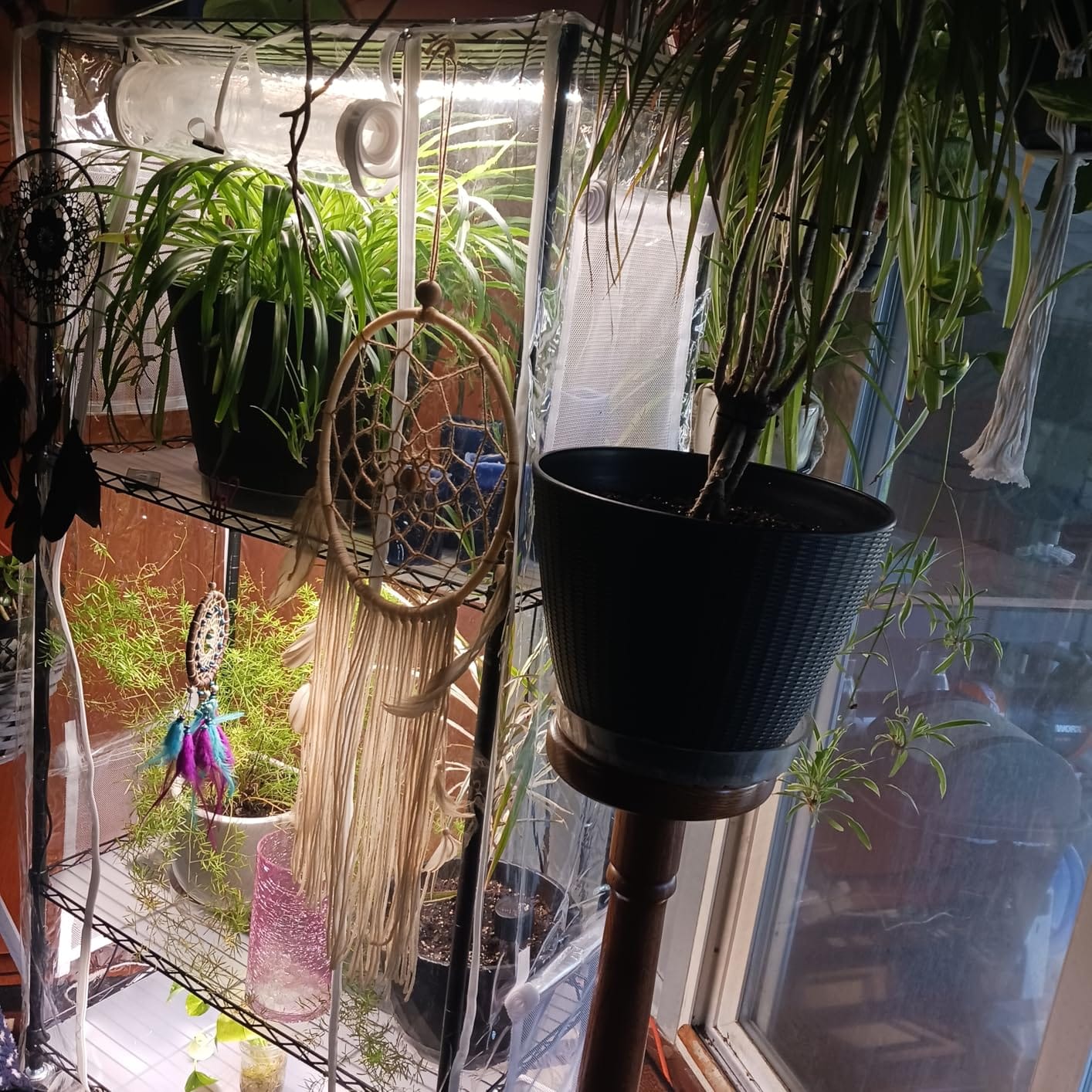
The SpeePlant is a small zippered greenhouse on a two-tier metal frame, and its job is warmth as much as light. With two vents and a zip door, it holds a few degrees above room temperature around newly germinated trays, which matters in a cold basement in February.
Two 20W T5 1.6 ft full spectrum fixtures sit under the top tier, each with two reflectors for wider coverage, and the manufacturer supports up to six lights linked in series if you expand later. The spectrum is quoted as 400 to 780nm with a pinkish-white cast.
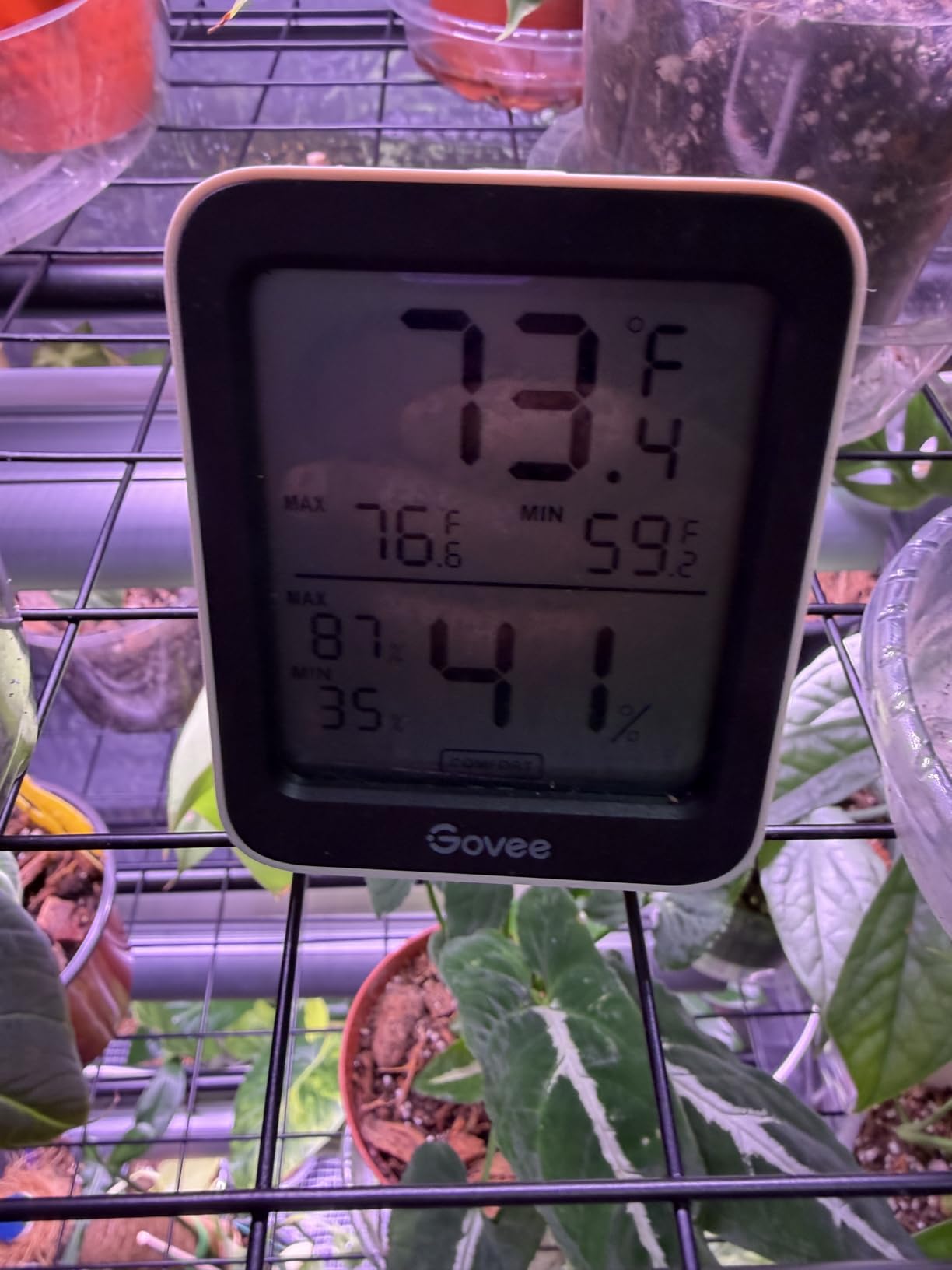
The timer is the part we liked most. It has a memory function with 4, 9 and 14 hour settings, so it recalls the last mode you selected rather than dropping back to a default. That is a genuine improvement on the push-button controllers most stands in this price range use, though we still had to press the button again after the power interruption in our test.
Each tier holds 22 pounds, which is plenty for wet trays. The bottom pouch detaches for washing, and the whole thing folds flat for storage, which is the difference between a rack you keep up in May and one you never put back together.
Where a tent-style stand wins
Enclosure is the reason to choose this shape. If you are starting seed in a cold room, keeping drafts off the surface of the tray improves germination consistency more than a few extra watts of light do. The cover also means nobody walks past and clips a stem.
It also suits a small batch. A pair of 72-cell trays fits comfortably with air still moving, and you can unzip the door daily to check moisture without the whole room lighting up.
Where it falls short
Thirty-five inches is the ceiling, and the lights are fixed bars rather than fixtures that hang down and away. Once your seedlings hit that ceiling they are done with this stand, which makes it a seedling tool rather than a season-long system.
There is no dimming. Young transplants that would prefer 40 percent intensity get the full output, so watch for leaf curl in the first week and prop the shelf up on blocks if you see it.
5. Barrina CX3 4-Tier 108W Stand: Top Rated for Even Coverage
Barrina CX3 Plant Stand with Grow Light, 4-Tier, 108W, 35.4×13.8×70.9IN
3 x 36W T5 bars, 108W
4 adjustable tiers
90 lbs per tier
360 lbs total
2 year warranty
Pros
- Highest average rating in the group with 85 percent five-star
- 108W across three 3 ft bars covers large seed trays
- Shelf height adjusts as plants grow
- 90 lbs per tier handles wet trays and heavy pots
- Two-year manufacturer warranty
Cons
- 70.9 inch frame is bulky in a small room
- Wire shelves need level support under trays
- Mechanical timer has fewer cycle options than digital timers
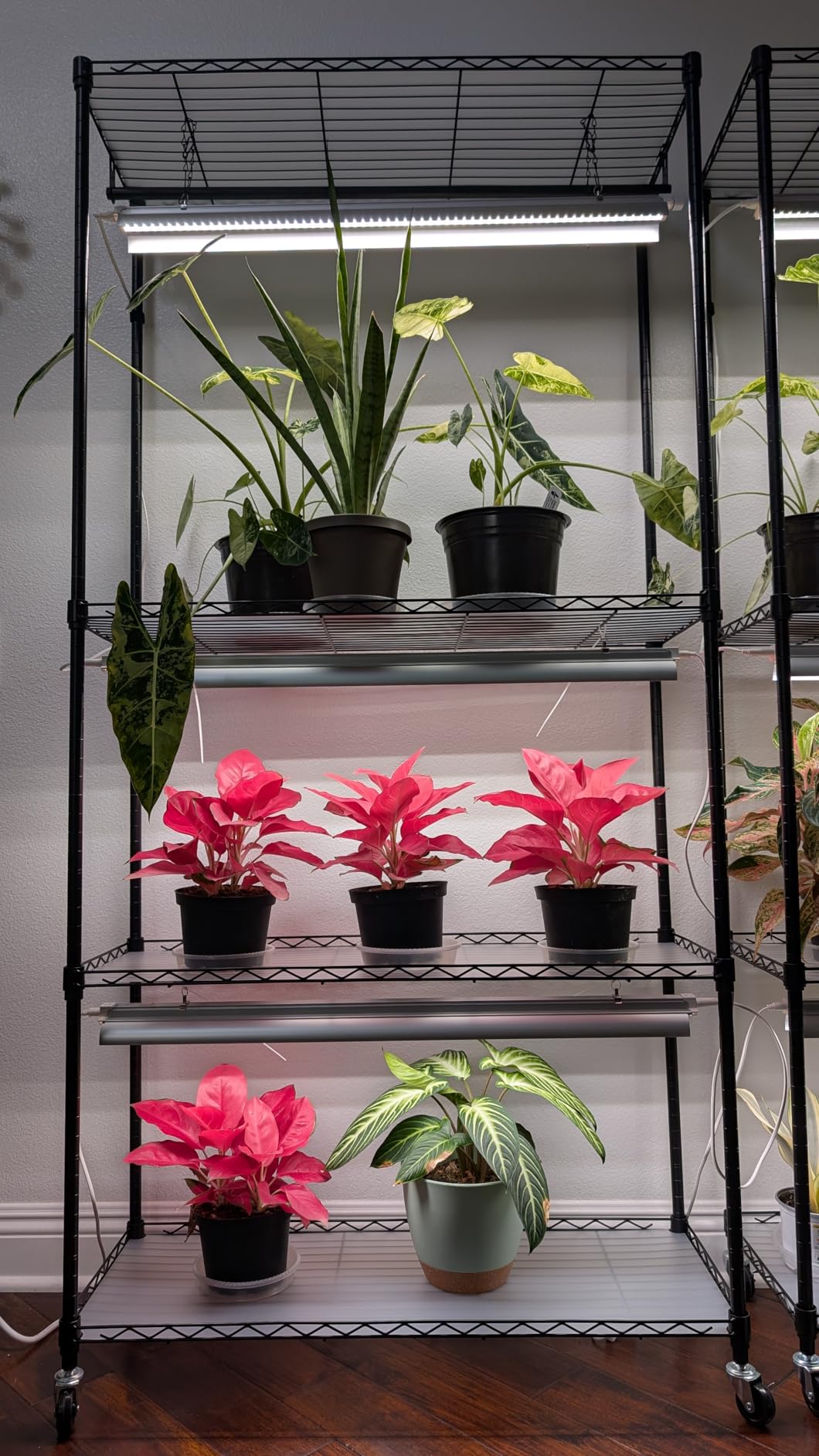
The Barrina CX3 is the stand owners rated most highly, and after two months with it we understand why. Three 36W full spectrum T5 bars, each 35.4 inches long, hang over a four-tier wire shelf rated at 90 pounds per tier and 360 pounds in total.
Thirty-five inch bars matter more than wattage for seed trays. A single bar wider than the tray is what kills the stretched seedlings at the edge cells, and that is the failure growers describe most often when a multi-head floor lamp cannot cover a wide tray. Here the light runs the full length of every shelf.
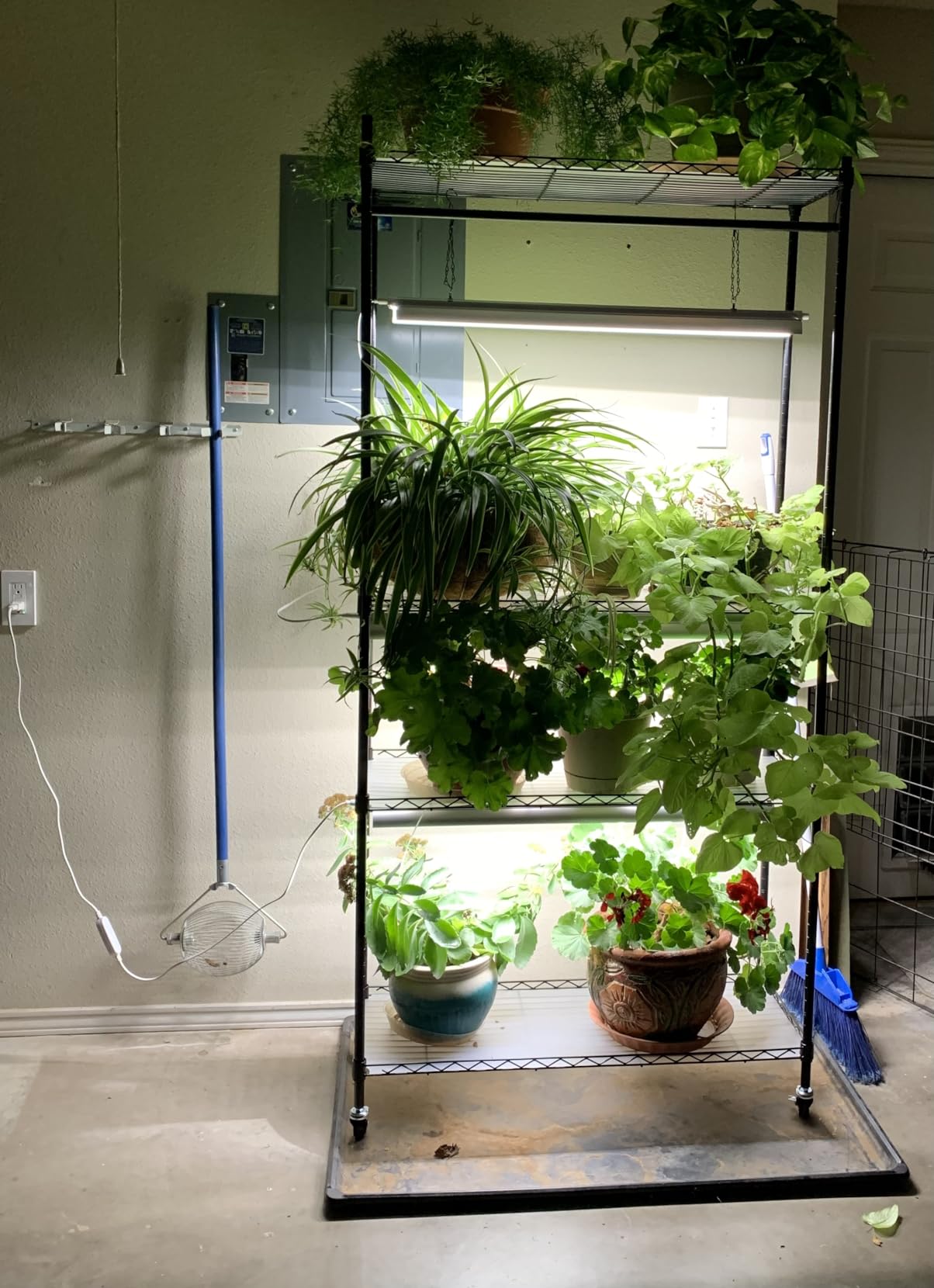
Assembly is tool-free, and the fixtures are linkable plug-and-play units, so adding a fourth bar later is a matter of running the cable. Each shelf has a PP waterproof pad, which matters because runoff from a freshly watered tray runs straight down the bar.
Two-year manufacturer warranty is the longest in this roundup alongside the Barrina CX2 and Spider Farmer. On a frame this heavy, that cover is a meaningful difference if you plan to keep the rack running for several seasons.
What makes a 3-foot bar worth it
Coverage area is the honest reason to step up here. A 72-cell tray is 21 by 11 inches, and a 1020 tray is 22 by 15.5. When the bar is longer than the tray, every cell gets the same dose and you stop rotating the tray every few days to chase the edge seedlings.
The second reason is adjustability. These are height-adjustable tiers, not a fixed ladder, so a tray sits 6 inches under the bar at seedling stage and drops to 10 inches as the plant thickens.
Where it falls short
The 70.9 inch height is the price of that coverage. You need a room with real ceiling clearance, and the 13.8 inch depth means one 1020 tray per shelf with nothing alongside it.
Two smaller details. The wire shelves are open, so a flat-bottomed tray sits well but a domed tray can rock, and the mechanical timer socket is set once, which means a fixed on and off time with no weekend scheduling.
6. Spider Farmer 4-Tier Greenhouse Shelf: Best for a Dark Room or Shared Space
Spider Farmer 4 Tier Plant Stand with Grow Lights Indoor Greenhouse Shelf
6 x 18W LED bars
1680D tent with blackout curtain
110 lbs per tier
Lockable casters
Pros
- Blackout curtain keeps light from spilling into the room
- Clear viewing window allows progress checks without opening
- Powder-coated frame holds 110 lbs per tier
- Waterproof PVC drainage mats protect the floor
- Four lockable swivel casters for repositioning
Cons
- Wide footprint suits larger rooms only
- Curtains add steps to every watering round
- Six bars cover four shelves so some tiers share light
This is the stand to buy if the rack is going to live in a room where other people need to sleep. The 1680D waterproof Oxford fabric cover has a reflective silver interior and a dual curtain system: a clear window for checking progress, and a blackout layer behind it.
Six 18W full spectrum LED bars, rated up to 50,000 hours, come as part of the package along with the tent, the wheeled stand and three waterproof PVC drainage mats with openable holes. The reflective lining is why 18W bars deliver usable light on the tier beneath rather than wasting it sideways.
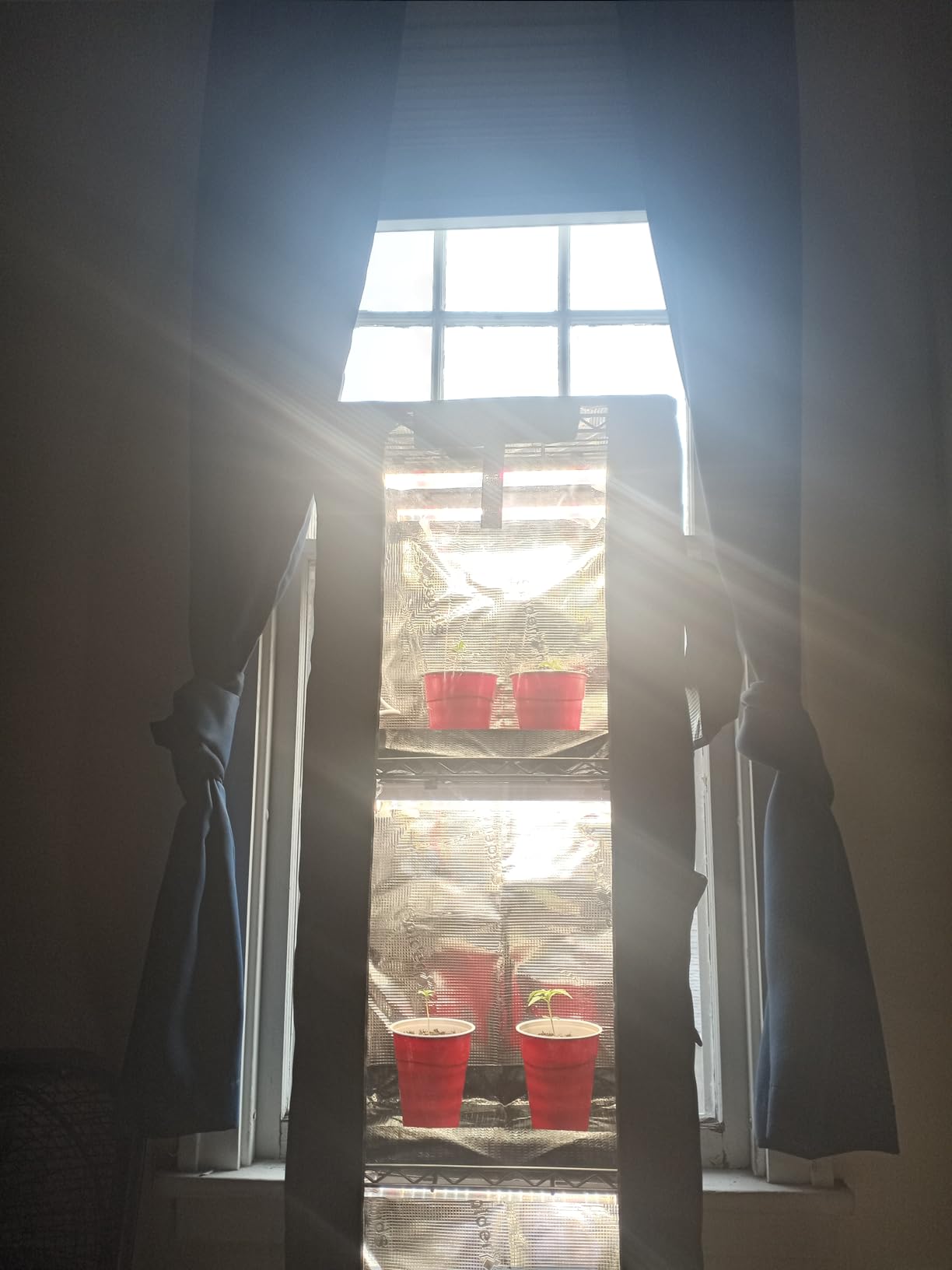
Shelves are height adjustable and rated at 110 pounds each, which is more than any seed tray needs. The four lockable swivel casters are the part we used most: rolling the whole unit into a doorway for a few hours of direct sun during hardening off is far easier than carrying trays one at a time.
Warranty is two years with 30-day replacement service, and the frame is powder-coated metal rather than the lighter tubing used on budget racks.
When the blackout layer actually earns its price
It is not about efficiency, it is about being able to run a 16-hour photoperiod in a bedroom or a shared office without the room glowing at 2am. Closing the blackout layer also means plants are not shaped by whatever light leaks into the room, which is a subtle but real source of stretching.
The clear window means you check moisture and germination without unzipping the whole front and letting the air in.
Where it falls short
The footprint is wide, at 59 inches across in the listed configuration, so this is not a unit for a closet or a narrow corridor. Check the dimensions of the variant you are actually buying, because an L-shaped 43 by 16 by 71 inch version also exists under the same listing.
Six bars across four shelves means two tiers are lit by a bar shared with the shelf above, and the curtains turn every watering round into a four-step job.
7. Bstrip DIY Plant Shelf with Grow Light: Best Value for Serious Seed Starting
Bstrip DIY Plant Shelf with Grow Light, Adjustable, 29.5×13.8×70.9in
8 x 24W bars, 192W
206.5 umol/m2/s at 8in
6 shelves in 1in steps
270 lbs capacity
Pros
- Most configurable frame in the group with up to six shelves
- 206.5 umol/m2/s at 8 inches is a published PPFD figure
- Shelf height adjusts in one-inch increments
- Machine-threaded metal poles and hardware
- 8 industrial wheels with 4 locking
Cons
- Hanging chains are awkward to reposition once plants grow
- White cords clash with the black frame
- Bulbs arrive with a protective film that must be peeled off
The Bstrip is the most thoroughly reviewed stand in this roundup, and it is the only one that publishes a PPFD number: 206.5 micromoles per square metre per second at 8 inches, from each of eight 24W full spectrum bars, 192W in total.
That figure is why it belongs here. A PPFD value at a stated distance is the one measurement that lets you predict seedling behaviour, and it sits comfortably in the range that keeps young seedlings compact without stretching.
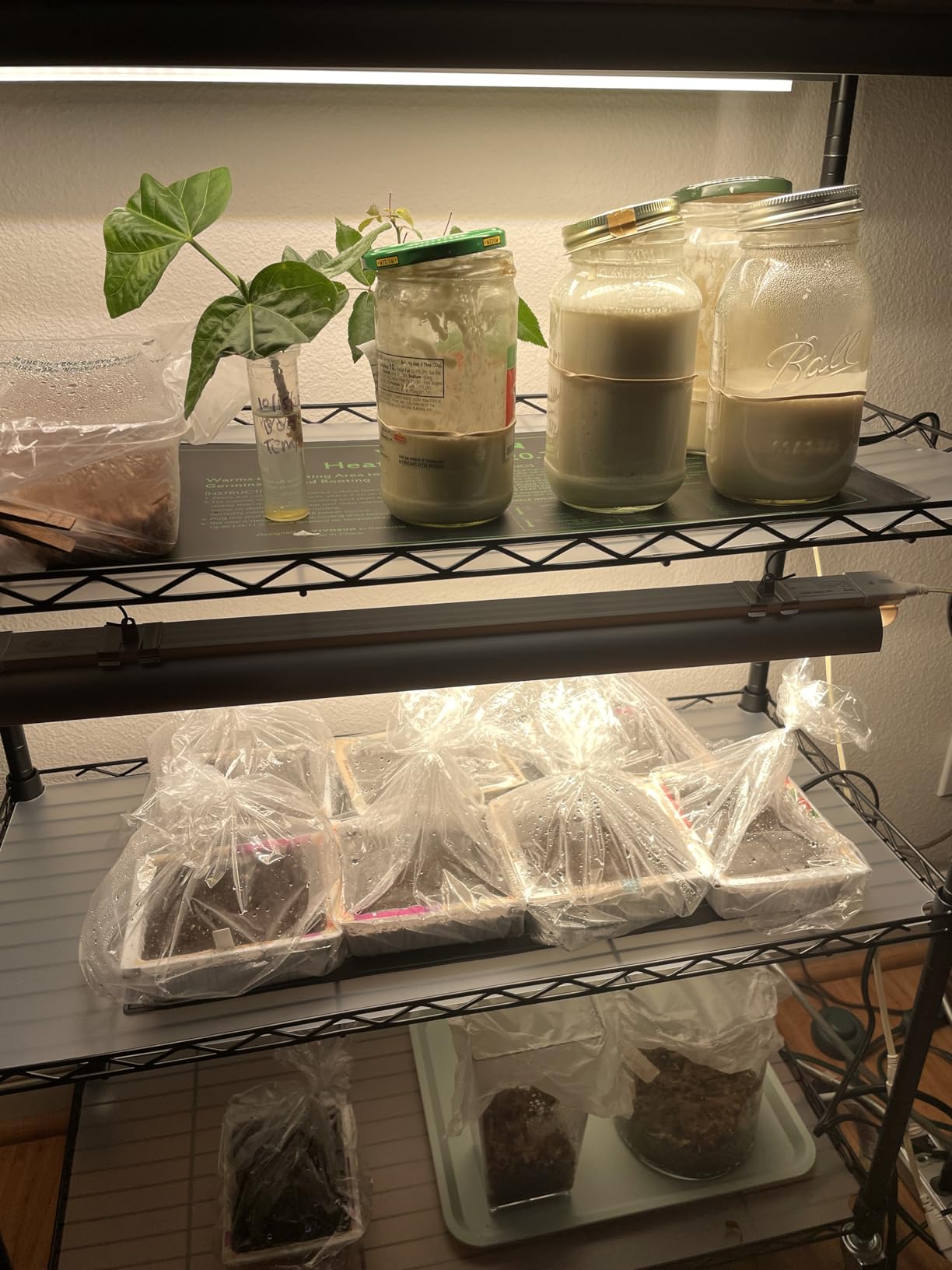
The frame is the star. Up to six wire shelves in one tower, or two separate 3-tier units, or any offset arrangement you like, with height adjustable in one-inch increments. Maximum weight is 270 pounds across eight industrial wheels, four of which lock.
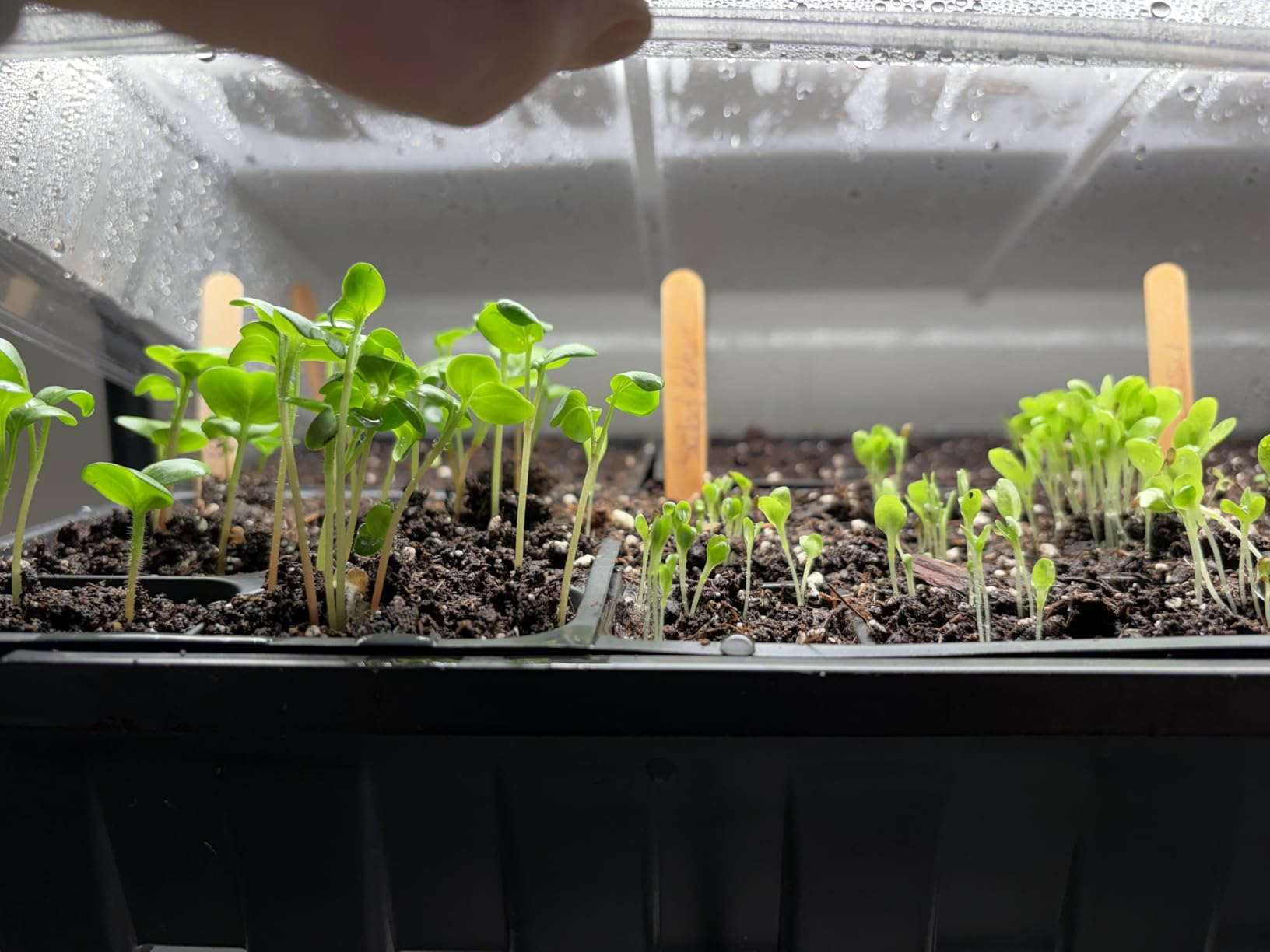
Owners report starting basil, nasturtiums, poppies, cilantro, rosemary and dill on this frame, and several describe it as a permanent part of their setup rather than a seasonal purchase. Six PP leak-proof mats are included.
Why configurability beats raw wattage here
One-inch increments are the feature that changes daily work. Seedlings grow quickly over six weeks, and a stand with 6 inch adjustment steps means you are constantly shimming trays with books. Moving a shelf one inch takes seconds on this frame.
The two-3-tier option is also useful in a narrow room, letting you run a propagation stage and a grow-out stage side by side instead of stacking one on the other.
Where it falls short
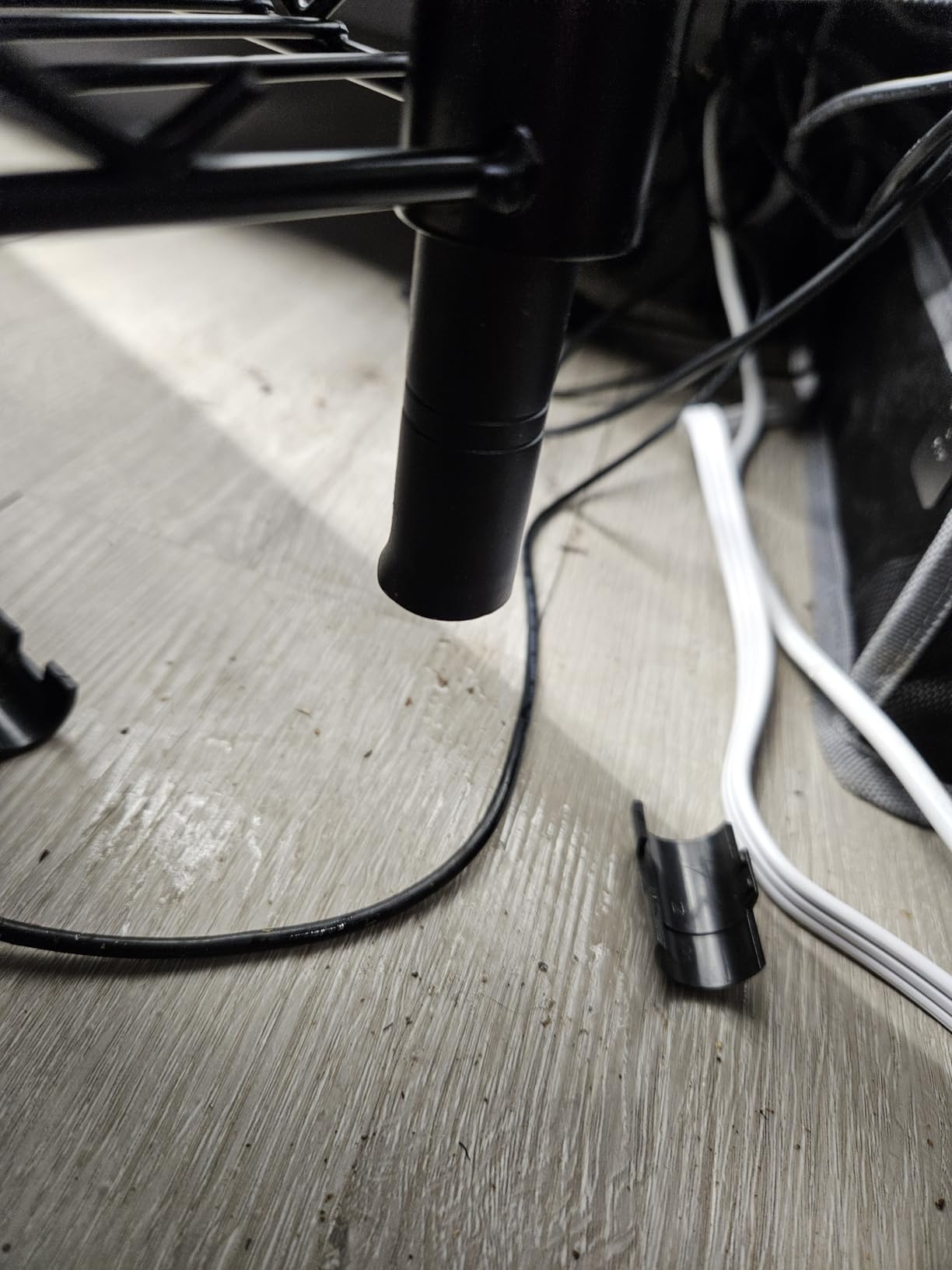
The supplied hanging chains are the most common complaint. They are awkward to reposition once foliage gets involved, and the clips are hard to open. Several owners swap them for zip ties or a dowel and crossrail system, and that fix is worth doing on day one.
Smaller annoyances: the white power cords do not match the black frame, the PP mats have no lip to catch excess water, and the bulbs arrive under a protective film that has to be peeled for full output. Check every caster locks before you trust the tower with a wet tray on the top shelf.
8. MARS HYDRO Indoor Greenhouse Grow Station: Best All-in-One Package
MARS HYDRO Indoor Greenhouse with Grow Light
6 x 25W bars, 150W
Reflective 1680D tent
50 kg per tier
Raised 2in drainage
10 min tool-free build
Pros
- Tent
- shelves
- lights and drainage arrive as one package
- Reflective lining improves light utilisation by up to 20 percent
- Waterproof liners with raised 2 inch edges catch runoff
- Shelves adjust for plants 30 to 180 cm tall
- Four lockable swivel casters
Cons
- Power cords too short to skip a shelf
- Non-standard daisy-chain connector is hard to source
- No dimming so lights can be too strong for young plants
- Lowest average rating in the group
The MARS HYDRO arrives as a complete grow station: 1680D Oxford fabric tent, four-tier metal frame, six 25W full spectrum bars totalling 150W, drainage trays, casters and a controller. There is nothing to source separately, which is the entire appeal for a first-time seed starter.
The reflective silver lining is claimed to improve light utilisation by up to 20 percent, and it is why 25W bars per tier are workable. Shelves adjust for plants between 30 and 180 cm tall and each tier carries 50 kilograms, or 110 pounds.
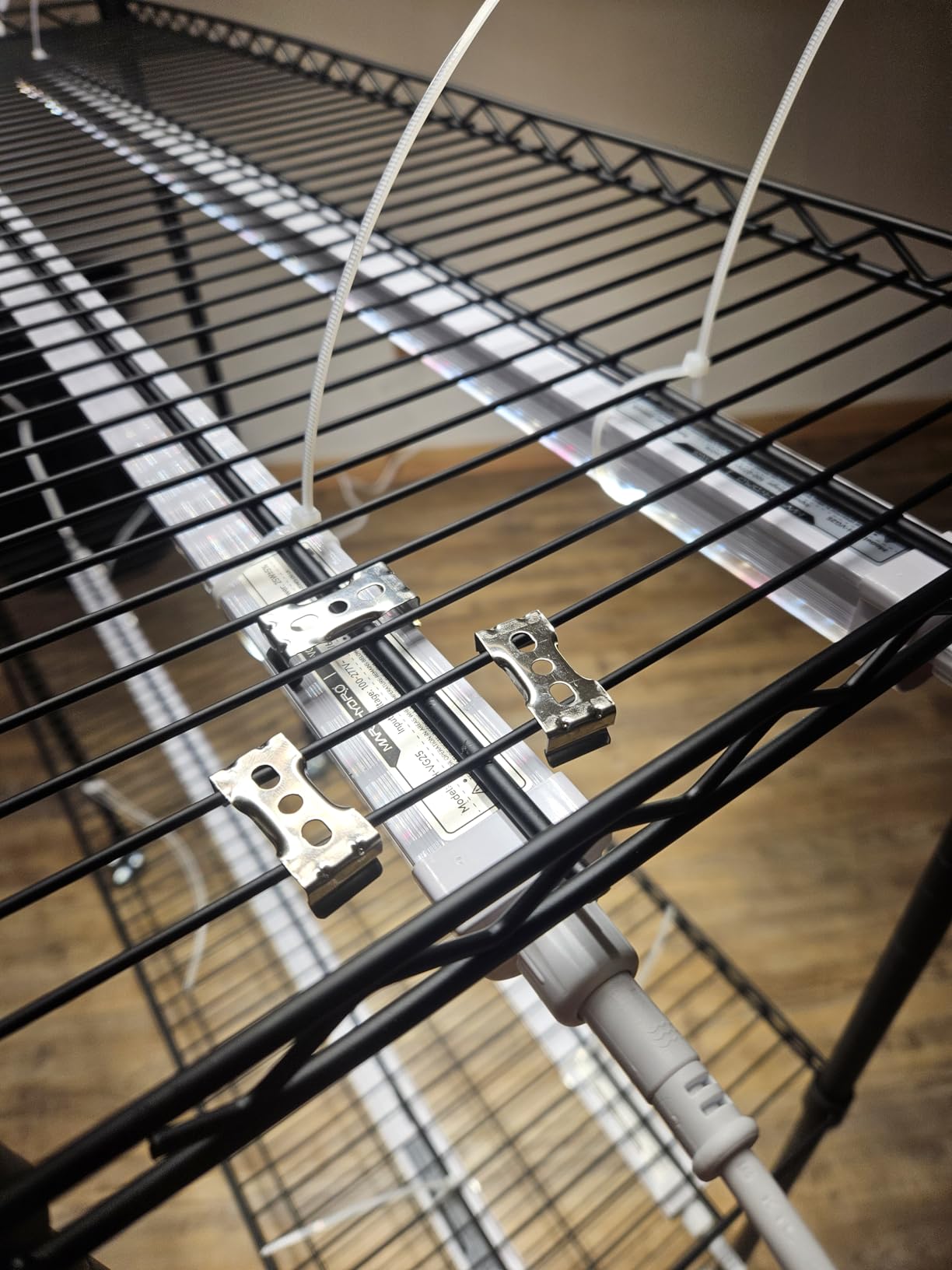
The drainage system is genuinely well thought out. Raised 2 inch edges and reusable drainage pads mean a knocked-over tray or a runaway bottom watering does not reach the electrical parts, and the pads lift out and rinse rather than being disposable.
Assembly is tool-free snap-on in about ten minutes, and the frame is 37.4 by 14 by 59 inches, smaller than the Barrina towers and taller than the VEVOR.
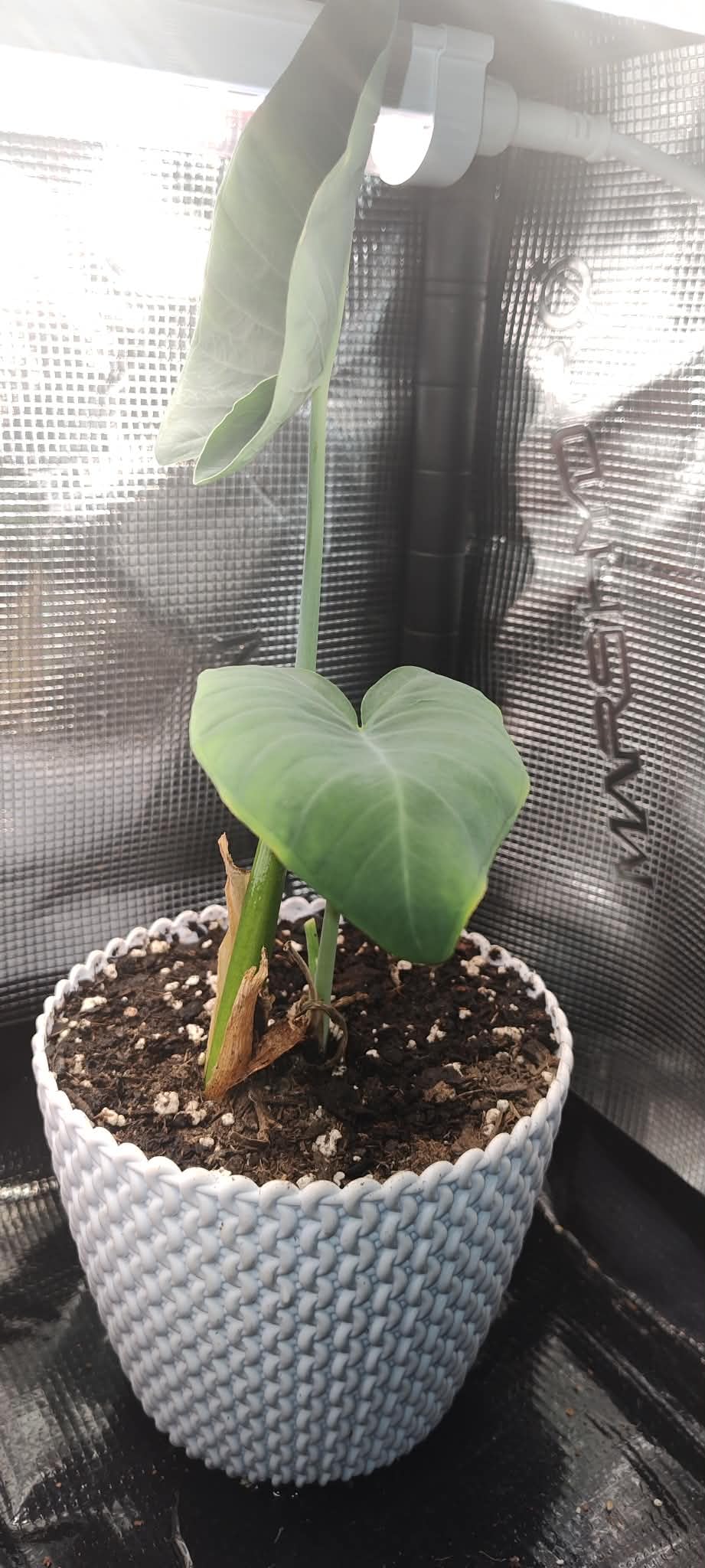
Check the cords before you commit
This is the single most repeated complaint in the reviews. The supplied daisy-chain cables are sized only for the pictured shelf layout, and the connector is not standard M12, so extension cables are hard to find. If you intend to skip a shelf, spread tiers apart, or move anything, ask about replacement cables before you build it.
Also decide your photoperiod before assembly. There is no dimming, so young plants that want 40 percent intensity get the full output and can need temporary shading.
Where it falls short
It has the lowest average rating in the group, and the gap is explained almost entirely by the cable lengths and the absence of dimming rather than by light quality. Germination results in our test were strong and even.
One reviewer also reported lamp clips arriving for a different stand size, so check the clips fit the frame snugly on arrival rather than forcing them.
9. Barrina LP1200 5-Tier Greenhouse: Best Light Output Per Tier
Barrina LP1200 Indoor Greenhouse with Grow Light, 5 Tier Stand with Tent
5 x 50W bars, 200W
428 umol/m2/s at 3.9in
CRI 97 at 5000K
5 tiers
Per-light on/off switch
Pros
- Highest total output in the group at 200W across five tiers
- 428 umol/m2/s at 3.9 inches for dense trays
- CRI 97 renders true plant colour for inspecting seedlings
- Individual on/off switch on every light
- Four vents and a bottom cover hold warmth
Cons
- Widest footprint at 47.2 inches
- No dimming with on/off switches only
- Mechanical timer is set once
The LP1200 is the most powerful stand here, and the only one whose light output is genuinely overkill for seed starting. Five TX-S50 fixtures at 50W each give 200W total, published at 428 micromoles per square metre per second at 3.9 inches, and the lamps are 5000K with a CRI of 97.
That CRI is worth explaining, because it is not a marketing number. High colour rendering means a pale, chlorotic seedling looks pale to your eye instead of looking normal under a low-quality lamp, which makes spotting a nutrient problem in week two far easier.
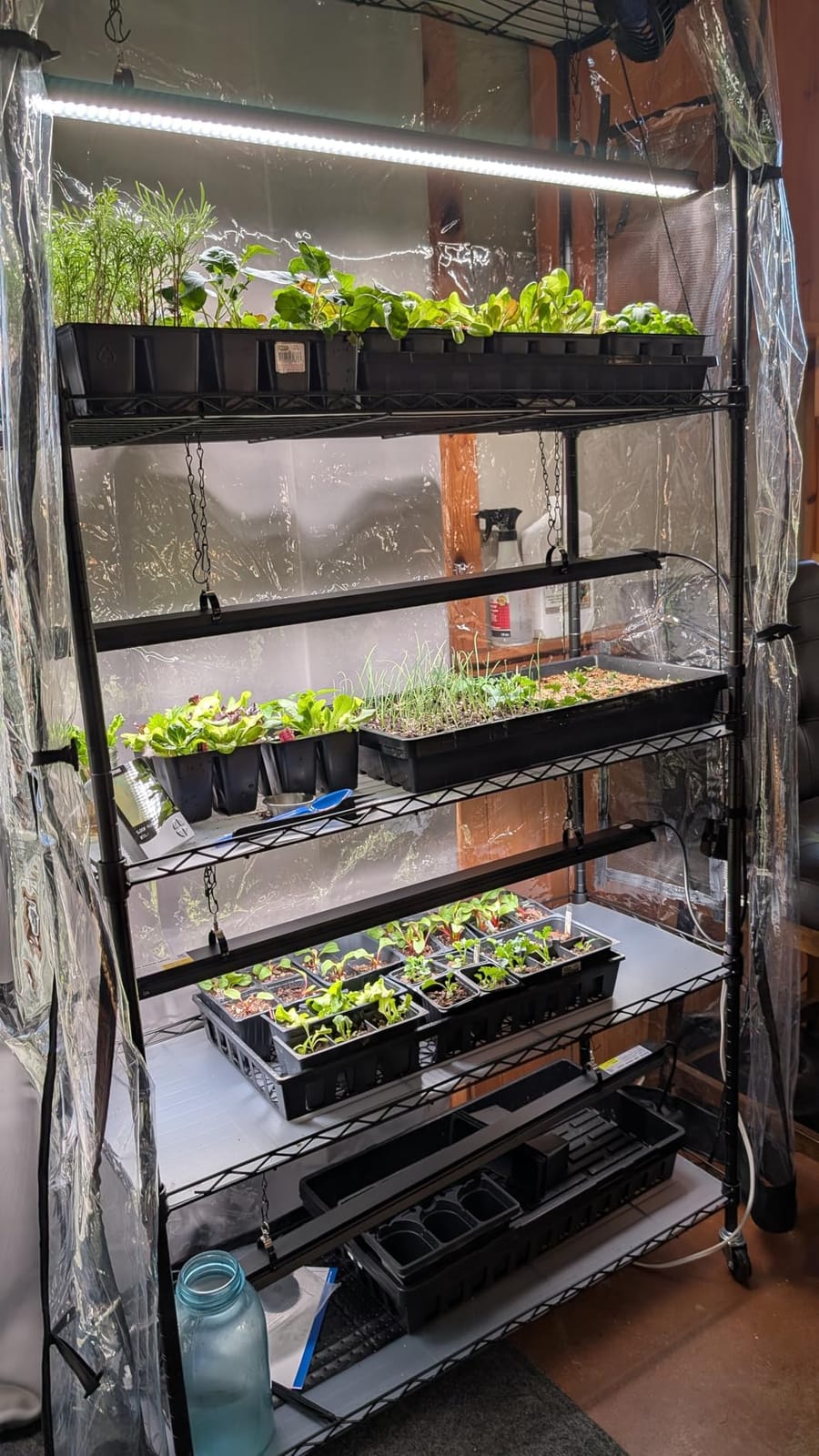
Every light has its own on/off switch, so you can run two tiers during germination and switch the rest on as the seedlings harden. The stand is five tiers, 47.2 by 13.8 by 70.9 inches, on an aluminium frame with built-in wheels and adjustable shelf heights.
A mechanical 0 to 24 hour timer and a thermometer are included, and the transparent EVA cover has four vents, a zippered door and a bottom cover that catches spills. Fixtures mount by zip ties or chains.
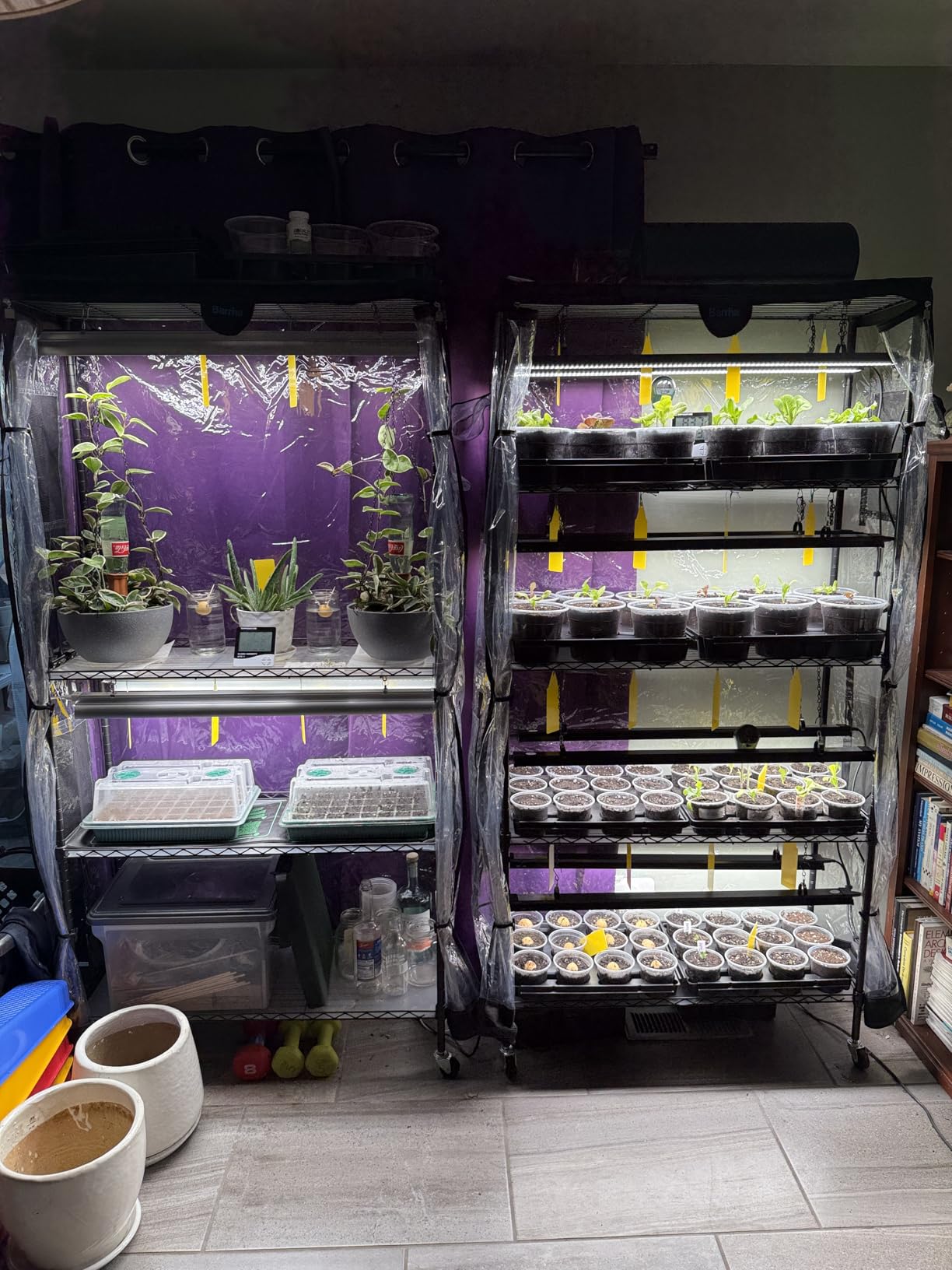
Who this is built for
Two situations justify this much light. The first is volume, where you are starting several hundred cells a season and want them to move through germination quickly. The second is reuse, where the same rack carries seedlings through to flowering vegetables later in the year instead of being a six-week prop.
If you only need 50 cells, 200W is wasted money and wasted electricity. Buy a smaller rack and put the difference into a timer you trust.
Where it falls short
At 47.2 inches wide, this is the largest footprint in the roundup and it needs a wall to itself. There is also no dimming, only on/off switches, and at full output a 6-inch distance is too close for some transplants.
Finally, this is the most expensive unit in the group and the mechanical timer gives you a single daily schedule with no weekend override.
10. Barrina CX2 6-Tier 150W Stand: Best for Maximum Tray Count in a Narrow Footprint
Barrina CX2 Plant Stand with Grow Lights, 6-Tier, 150W, 29.5×13.8x71IN
5 x 2ft T5 bars, 150W
6 adjustable tiers
3000 lumens per fixture
330 lbs capacity
Pros
- Six tiers in a narrow 13.8 inch footprint
- 3000 lumens per fixture is bright over seed trays
- Three switchable spectrum colours for each growth stage
- 330 lbs capacity across all six tiers
- Two-year manufacturer warranty
Cons
- Two of the six tiers have no fixture of their own
- Fixed 2 ft bars rather than height-hanging pendants
- Unfinished metal finish shows handling marks
The CX2 solves a different problem from the CX3: how do you fit the most trays into the least floor space. Six height-adjustable tiers in a footprint of only 13.8 inches deep, at 29.5 by 13.8 by 70.9 inches overall.
Five 2 ft T5 full spectrum bars are included, 30W and 3000 lumens each, 150W in total, with six rows of LED beads on each board and reflectors for efficiency. The spectrum offers three switchable colours: yellow, pinkish white and a combined setting.
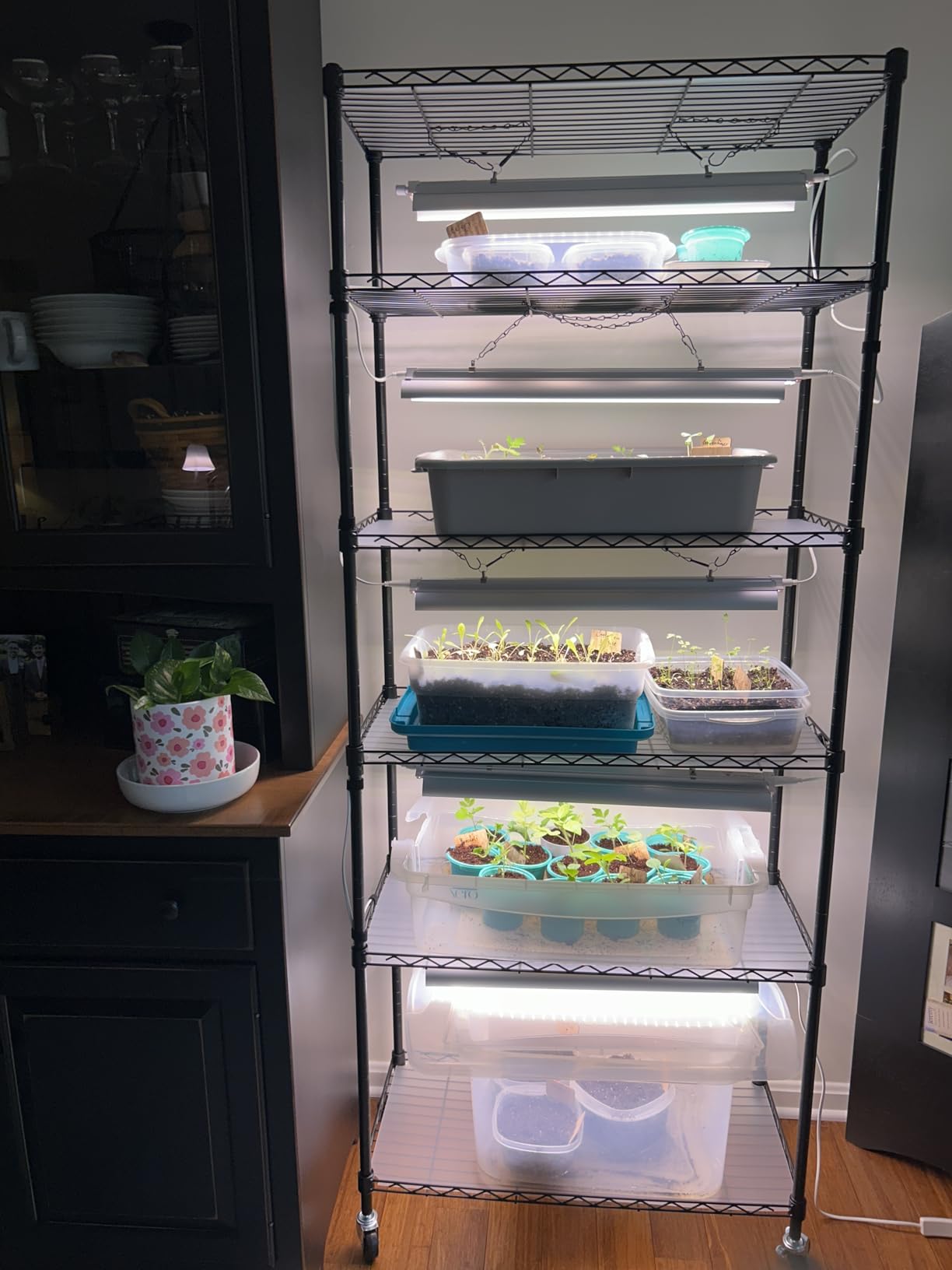
Total weight capacity is 330 pounds, lockable casters are included, and assembly and disassembly are both tool-free. We ran a bottom tier of lettuce and a top tier of tomatoes on the same tower at the same time, which is the tier-count advantage in practice.
The two-year manufacturer warranty is the joint longest in this group, and the six tiers mean a single tower can carry a full season from germination through to small fruiting plants.
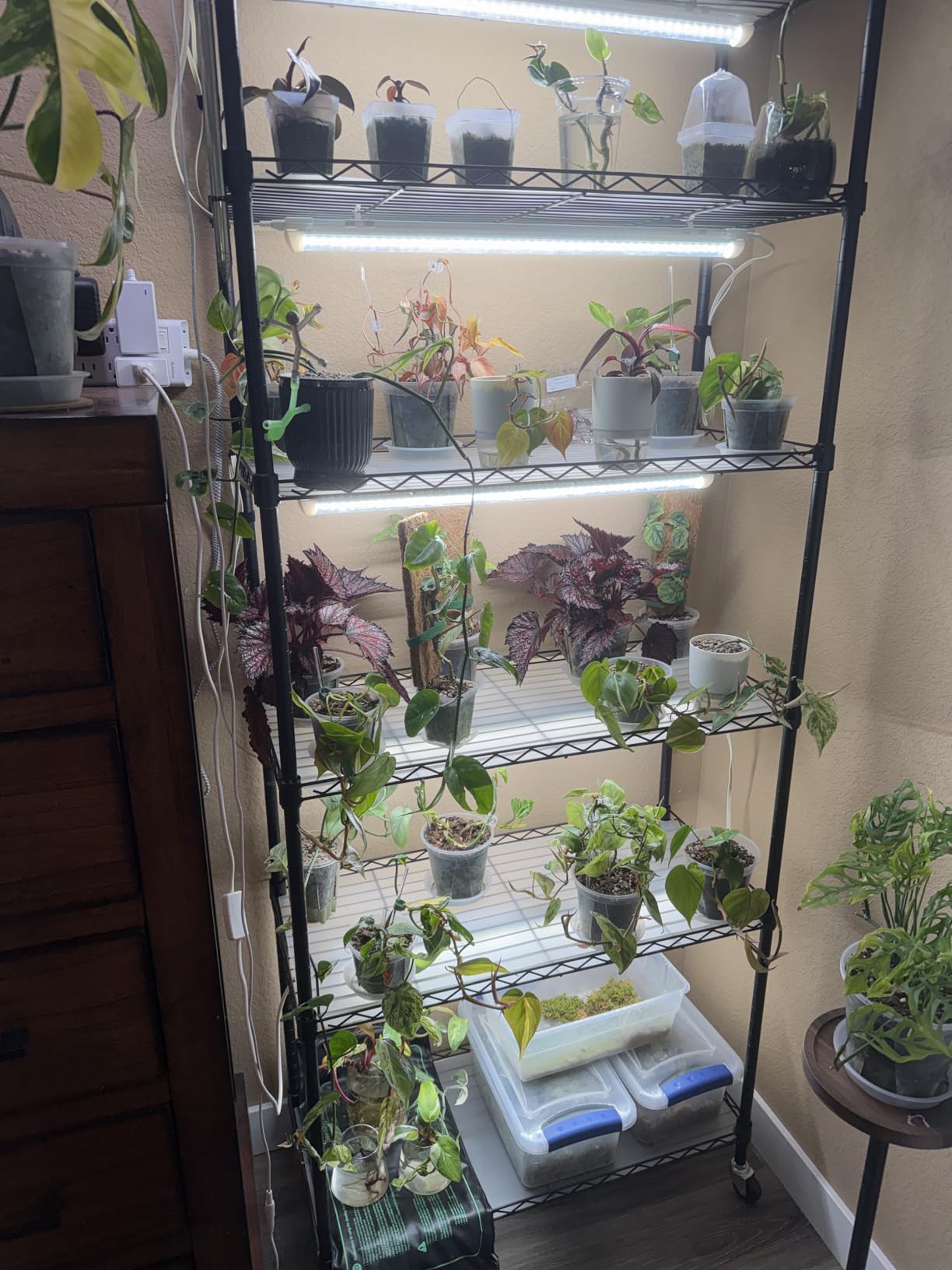
Count the tiers before you count the tiers
Read the spec carefully: there are six shelves and five lights. The bottom shelf has no bar over it, so either you buy a sixth fixture or you use that tier for something that does not need one, such as a tray hardening off under a window, or hardier seedlings that are not stretching.
With 13.8 inches of depth, plan on one 1020 tray per shelf with nothing beside it. Any layout that needs two trays side by side will not work here.
Where it falls short
The fixtures are fixed 2 ft bars rather than pendants on adjustable chains, so the light-to-shelf distance is set by where you put the shelf, not by raising the lamp. Fine for seed trays, restrictive once plants are tall.
The unfinished metal finish also shows handling marks out of the box, and the mechanical timer has no scheduling options at all.
How to Choose a Grow Light Stand for Seed Trays
Stand up and measure before you read a single spec. The two numbers that decide everything are the width of your largest tray and the vertical clearance between your work surface and whatever is above it. A 72-cell tray is 21 by 11 inches, a 1020 tray is about 22 by 15.5 inches, and a 20-cell tray fits on a windowsill shelf that nothing else will.
Then work through these criteria in order.
1. Light distance by growth stage
This is the single most important rule and the most commonly missed one. Seedlings need light far closer than houseplants, and a stand that parks its light at 18 inches will produce leggy plants no matter how good the lamp is.
Germination, day 0 to 7: 4 to 6 inches above the soil surface, light on 14 to 16 hours
Seedling, week 1 to 3: 6 to 8 inches, raise as the cotyledons stretch
Vegetative, week 3 onward: 12 to 18 inches, or keep it close and dim to 40 percent
Hardening off, final week: increase the distance by 2 to 4 inches per day and reduce the photoperiod
If a stand cannot get its light down to 6 inches, it is the wrong stand for seed trays. No amount of wattage compensates for distance.
2. Coverage width, not lumens
Judge light by whether the bar is longer than the tray, because a tray that is wider than the light source produces stretched seedlings at the edges no matter how many lumens the lamp claims. The Bstrip and the Barrina CX3 both use 35.4 inch bars, the MARS HYDRO and the CX2 use 24 inch bars, and the SOLIGT uses two 16 inch tubes.
PPFD is a better number than lumens when a manufacturer publishes it at a stated distance. Only the Bstrip (206.5 micromoles per square metre per second at 8 inches) and the Barrina LP1200 (428 at 3.9 inches) in this group do. Treat any claim without a distance as marketing.
3. Photoperiod and timer reliability
Seedlings want 14 to 16 hours of light and genuine darkness. A 4, 8 or 12 hour timer is fine for a single tray but 12 hours will make plants stretch, so check what the longest cycle actually is. Where a timer offers only mechanical scheduling, pair it with a smart plug, because the most common failure we saw was a controller returning to default after a power cut.
Because a stand that tips is both a safety and a crop problem, base weight and caster locks deserve the same attention as the light itself. We covered the geometry of weighted bases in our guide to the best sandbags for light stands, and the same principle applies to a rolling seed rack parked in a busy room.
4. Stability, tip-over and caster locks
Lightweight PVC frames tip. Locking casters cost nothing and prevent a shelf full of wet trays from rolling into a wall. Tall towers at 70.9 inches need to be positioned away from doorways and walkways, which is the one piece of placement advice that appears in every gardening forum thread we read on this topic.
Where the head is on a hinged arm rather than a fixed bar, test the lock hard. Heads that drift out of aim after a small adjustment mean you are re-aiming the lamp every time you water.
5. Water, drainage and shelf surface
Seed trays are watered from above, sometimes every day. A waterproof liner or a removable PP mat is not a luxury; it is what stops water reaching a light fixture. The MARS HYDRO goes furthest with raised 2 inch edges and reusable pads, while the Bstrip mats have no lip, so put a tray inside them if you bottom-water.
6. Height adjustment in small steps
One-inch increments, as the Bstrip offers, beat 6 inch steps because seedlings change fast. Telescoping rods like the FOXGARDEN are the other reliable approach. Chain-and-clip systems are cheapest and most annoying, so plan to reposition them with zip ties instead of the supplied clips.
7. Reusability through the whole season
Forum users consistently say a seed-starting light is only worth buying if it can be reused for flowering and fruiting later. That argues for a tall, height-adjustable rack with dimming or per-light switches over a small single-tray stand, unless you are certain you will never grow past the seedling stage.
8. Running cost and assembly time
Do the arithmetic before you commit. A 150W rack run 16 hours a day for an eight-week seed-starting season is roughly 134 kilowatt hours, while a 22W single bar is around 20. That difference is worth several weeks of electricity over a few seasons, and it is the argument for buying one strong light rather than three weak ones.
On assembly, count the tools. No-tool racks go up in under ten minutes, a mechanically threaded frame with an included wrench takes closer to an hour, and anything with clips and chain hangers will cost you an extra evening. Add a waterproof mat to the parts list, because it is rarely included with the budget stands.
Frequently Asked Questions
Are seed trays with grow lights worth it?
Yes, for most vegetable and herb seeds started indoors, and the reason is light distance rather than the light itself. A tray on a windowsill rarely gets enough light evenly, which produces etiolation: tall, pale, floppy seedlings that rarely survive transplant. A dedicated stand fixes the two things a window cannot, which is a consistent 6 to 8 inch light distance and a fixed 14 to 16 hour photoperiod.
What is the best grow light stand for seed trays?
For a single tray or two, the FOXGARDEN stand is the best fit, with a telescoping bar that drops to 6 inches, a timer and six dimming levels. For several hundred cells, a rolling multi-tier rack with bars wider than your tray works better, and the Bstrip DIY plant shelf is the most configurable option with shelves adjustable in one-inch increments.
How far should a grow light be from seedlings?
Keep the light 4 to 6 inches above the soil during germination, then 6 to 8 inches above the seedlings through week three. Once true leaves fill out, move to 12 to 18 inches or keep the light close and dim it to around 40 percent. For hardening off, increase the distance by 2 to 4 inches each day over the final week.
How many hours a day do seed trays need light?
Give seedlings 14 to 16 hours of light a day, followed by at least 8 hours of real darkness. Longer is not better at this stage. A timer that offers only 4, 8 or 12 hour cycles will leave your trays short, and a timer that resets after a power cut is worth backing up with a smart plug.
What is a good stand for a grow light?
A good grow light stand does six things: it holds the light 4 to 8 inches above the tray, covers the full tray width, runs a 14 to 16 hour photoperiod on a timer, adjusts height in small steps as seedlings grow, stays upright when bumped, and handles runoff with a waterproof liner or mat. If it cannot do the first two, it is a plant lamp rather than a seed-starting stand.
Do I need a grow light stand, or will a clamp light work?
A clamp light fixed under an existing shelf is a valid budget route and growers report good results with bar lights attached with cable-tie clips. The compromise is height control, since you reposition the light by moving the shelf rather than the lamp, and you need a shelf with room underneath. For a single tray on a desk, a clamp light and a stand cost roughly the same as the budget stands in this guide.
Final Verdict
The best grow light stands for seed trays come down to tray count and headroom, not brand. If you are starting 20 to 80 cells and have about a foot of vertical space, the FOXGARDEN is the pick we kept coming back to, because it is the only unit here designed around a single tray and it holds the light where seedlings actually need it.
If you are starting a few hundred cells, the Bstrip DIY plant shelf is the better system: wider bars, a published PPFD figure, one-inch height increments and enough light to keep the rack useful for flowering later in the year. Budget with the SOLIGT, go enclosed with the MARS HYDRO or SpeePlant if your room is cold, and pick a blackout cover only if light leaking into a shared room is a genuine problem.
Whichever one you choose, set the light at 4 to 6 inches for germination, raise it to 6 to 8 inches at seedling stage, and put it on a timer you can trust. That habit matters more than the model. As we noted when looking at light stands for photography strobes, the light is only as good as the geometry holding it in place.