
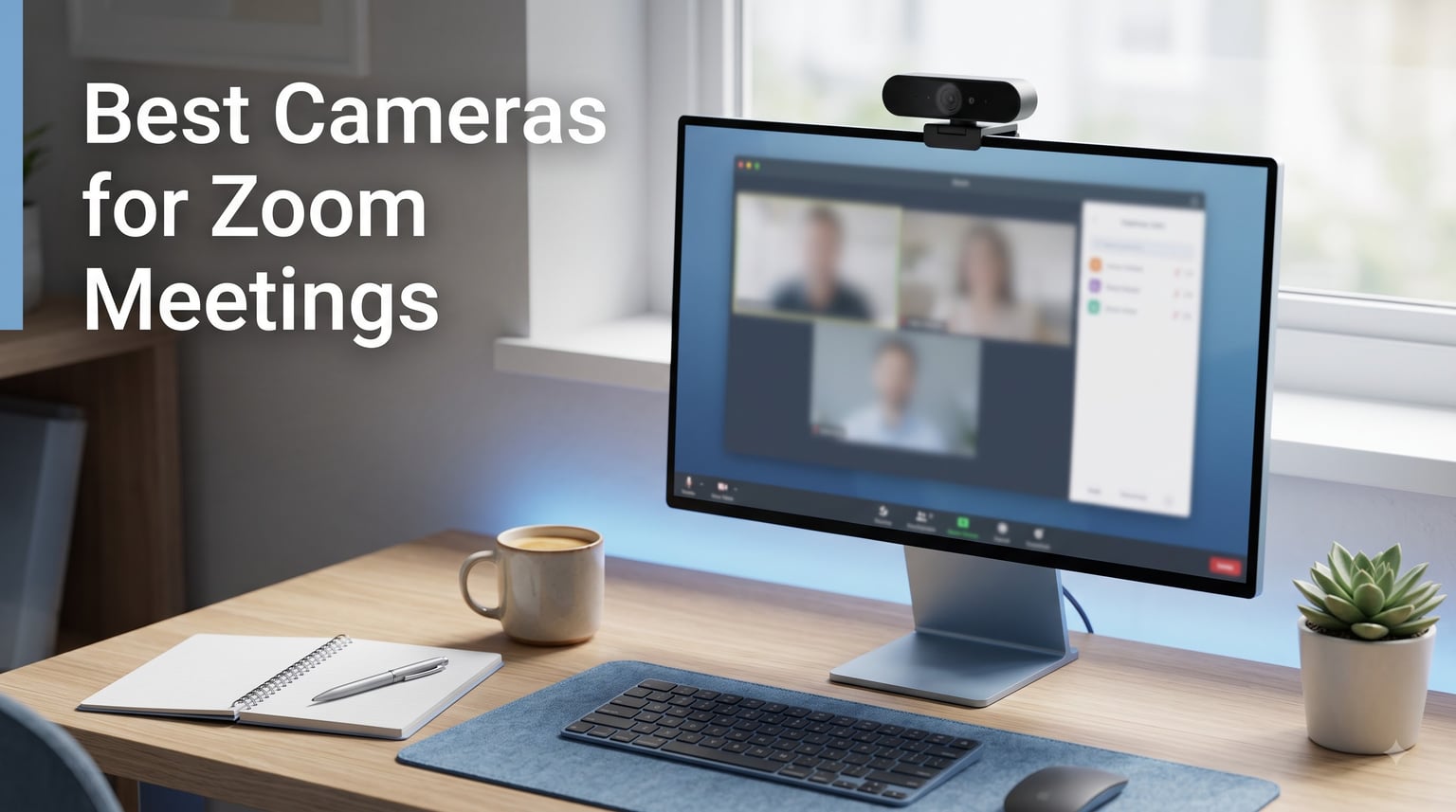
When I started working from home full-time, I figured my laptop’s built-in camera was good enough. Three grainy, washed-out Zoom calls later, I went looking for the best cameras for Zoom meetings I could find. That search turned into a months-long testing process across eight webcams, and the difference was night and day.
A good webcam changes how people perceive you on video calls. My face stopped looking like a pixelated blob and started looking like an actual human sitting in a real room. Lighting correction handled my dim corner office, autofocus kept me sharp when I leaned in to share my screen, and built-in microphones cut out the echo from my bare walls.
Here are my top picks for 2026, broken down by budget, use case, and video quality:
Best Overall: Insta360 Link 2 Pro – AI tracking, large sensor, and 4K for serious professionals
Best Value: Logitech C920x HD Pro – The industry-standard 1080p webcam with 21k+ reviews
Best Budget: Logitech Brio 101 – Solid 1080p with auto-light balance at a wallet-friendly price
Best Premium: Logitech MX Brio – 4K with Show Mode and AI-enhanced face visibility
Best 4K Value: EMEET C960 4K – True 4K sensor with PDAF autofocus at a mid-range price
Table of Contents
Top 3 Picks for Best Cameras for Zoom Meetings in 2026
Best Cameras for Zoom Meetings in 2026
| Product | Specifications | Action |
|---|---|---|
 Insta360 Link 2 Pro Insta360 Link 2 Pro |
|
Check Latest Price |
 Logitech MX Brio Logitech MX Brio |
|
Check Latest Price |
 Logitech C920x HD Pro Logitech C920x HD Pro |
|
Check Latest Price |
 Anker PowerConf C200 2K Anker PowerConf C200 2K |
|
Check Latest Price |
 EMEET C960 4K EMEET C960 4K |
|
Check Latest Price |
 EMEET NOVA 4K EMEET NOVA 4K |
|
Check Latest Price |
 Logitech Brio 101 Logitech Brio 101 |
|
Check Latest Price |
 NexiGo N60 1080P NexiGo N60 1080P |
|
Check Latest Price |
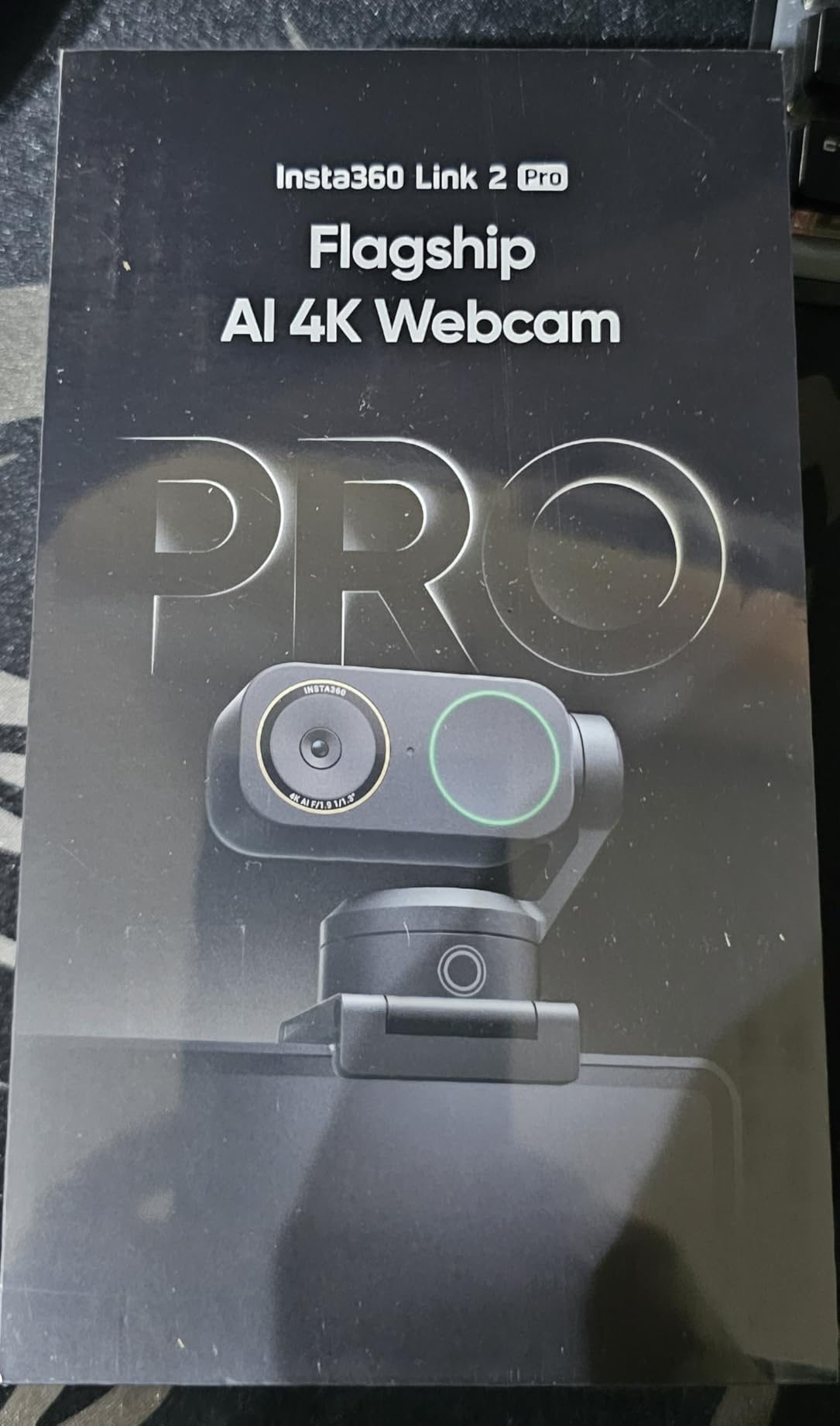
1. Insta360 Link 2 Pro – 4K PTZ Webcam with AI Tracking
Insta360 Link 2 Pro – 4K PTZ Webcam for PC/Mac, 1/1.3” Sensor, Low-Light, AI Tracking, HDR, Directional Noise-Canceling Mics, Supports Stream Deck, Zoom, Teams, Twitch for Streaming or Meetings
4K PTZ
1/1.3-inch Sensor
AI Tracking
HDR
Directional Mics
Pros
- Best-in-class AI tracking that physically pans and tilts
- Large 1/1.3-inch sensor for excellent low-light
- HDR and natural bokeh for professional look
- Stream Deck integration and gesture control
Cons
- Highest price at $249.99
- Not compatible with ARM-based Windows
- Fewer reviews as a newer product
The Insta360 Link 2 Pro was the webcam that made me understand what premium actually means. The first time I stood up during a Zoom call to walk to my whiteboard, the camera physically rotated to follow me. Nobody on the call had to tell me I was out of frame. It just worked.
The 1/1.3-inch sensor is the star of the show here. In my dim home office with just a single window, my face looked natural and well-exposed without any of the grain I got from cheaper webcams. The HDR processing handled the classic window-behind-you backlight situation that ruins so many video calls.
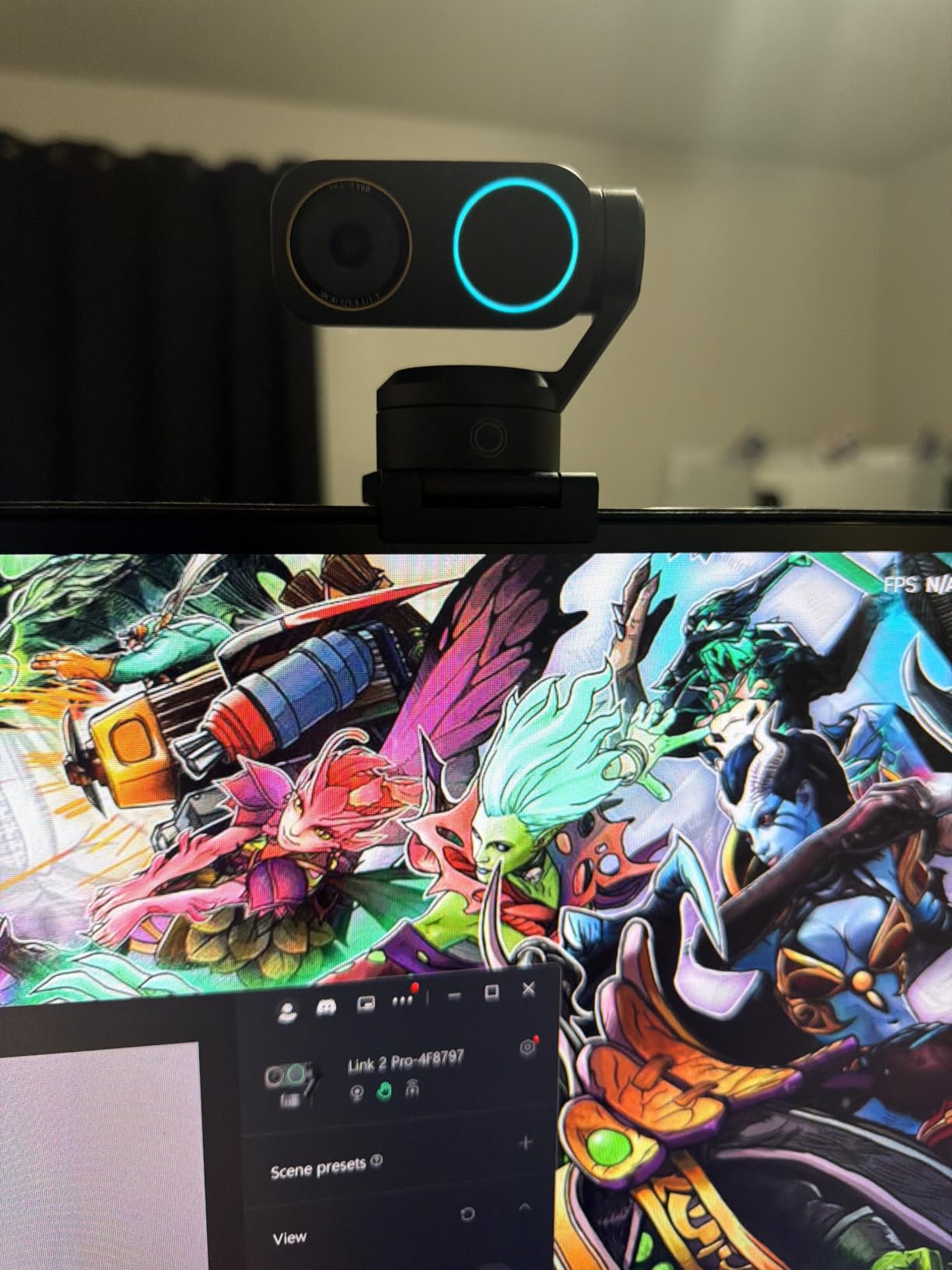
AI tracking on this camera is a step above software-based auto-framing. The Link 2 Pro uses a motorized gimbal that physically moves the lens, which means no digital crop and no resolution drop. When I presented at my desk, it kept me centered smoothly without the twitchy jumps I have seen on other auto-framing webcams.
The directional beamforming microphones picked up my voice clearly even when I was eight feet from the camera. I tested it during a noisy call with construction outside, and the noise cancellation handled it impressively well. The natural bokeh effect blurs the background just enough to look professional without that artificial blurred-image look.
Who Should Buy the Insta360 Link 2 Pro
This camera is built for professionals who present on camera regularly. If you record webinars, lead training sessions, or move around while presenting, the AI tracking alone justifies the investment. Content creators who stream on Twitch or YouTube will appreciate the Stream Deck integration and 4K Portrait mode.
If you work from a dedicated home studio and want to look your absolute best on every call, this is the ceiling of webcam quality before you step into dedicated camera territory.
Compatibility and Setup Notes
The Link 2 Pro works with Windows and macOS via USB and is certified for Zoom, Teams, and Google Meet. However, it is not compatible with ARM-based Windows systems, so Surface Pro X users should look elsewhere. Windows Hello Face Recognition is also not supported.
Setup is genuinely plug-and-play on most systems. The included magnetic mount attaches firmly to monitors, and the USB-C cable with USB-A adapter covers both connection types. I had it running in under two minutes on my MacBook Pro.
2. Logitech MX Brio – 4K Webcam with Show Mode
Logitech MX Brio Ultra HD 4K Webcam Collaboration and Streaming – Graphite
4K 30fps
1080p 60fps
Show Mode
AI Face Visibility
USB-C
Pros
- 4K at 30fps or smooth 1080p at 60fps
- Show Mode tilts to show your desk
- AI-enhanced face visibility
- USB-C with large pixel sensor
Cons
- Premium price at $199.99
- Only 1-year warranty
- Larger and heavier than most webcams
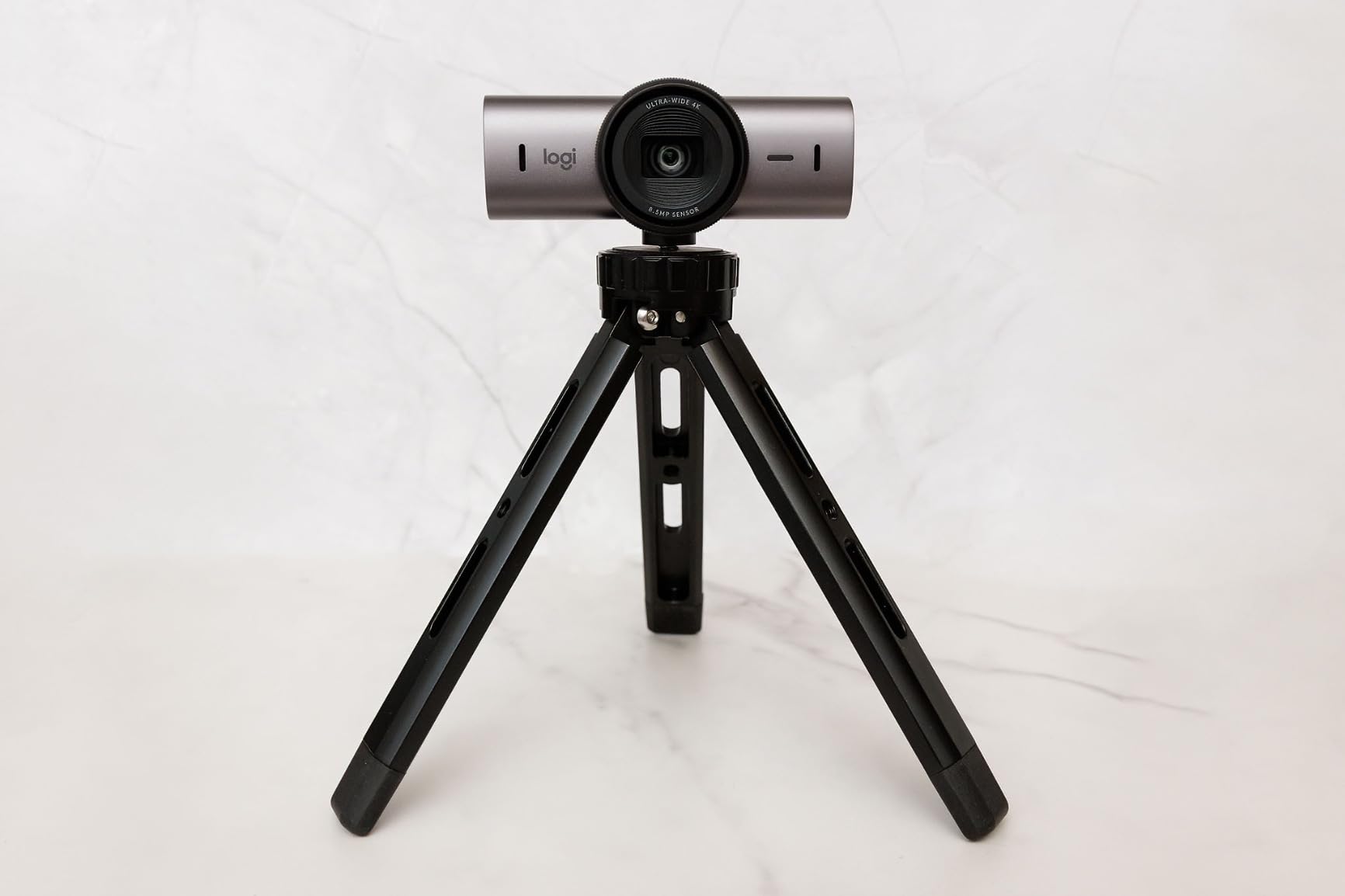
The Logitech MX Brio brings a unique feature I actually used daily during testing: Show Mode. Tilt the camera down and it flips the image so people on your Zoom call can see your desk. I used this to share physical documents and sketches without needing a second camera or awkward screen sharing.
The large pixel sensor makes a real difference in image quality. Logitech claims 70 percent larger pixels than standard sensors, and in my testing, my face looked noticeably sharper and better exposed than on the C920x sitting next to it. The AI-enhanced face visibility brightened my features without washing out the background.
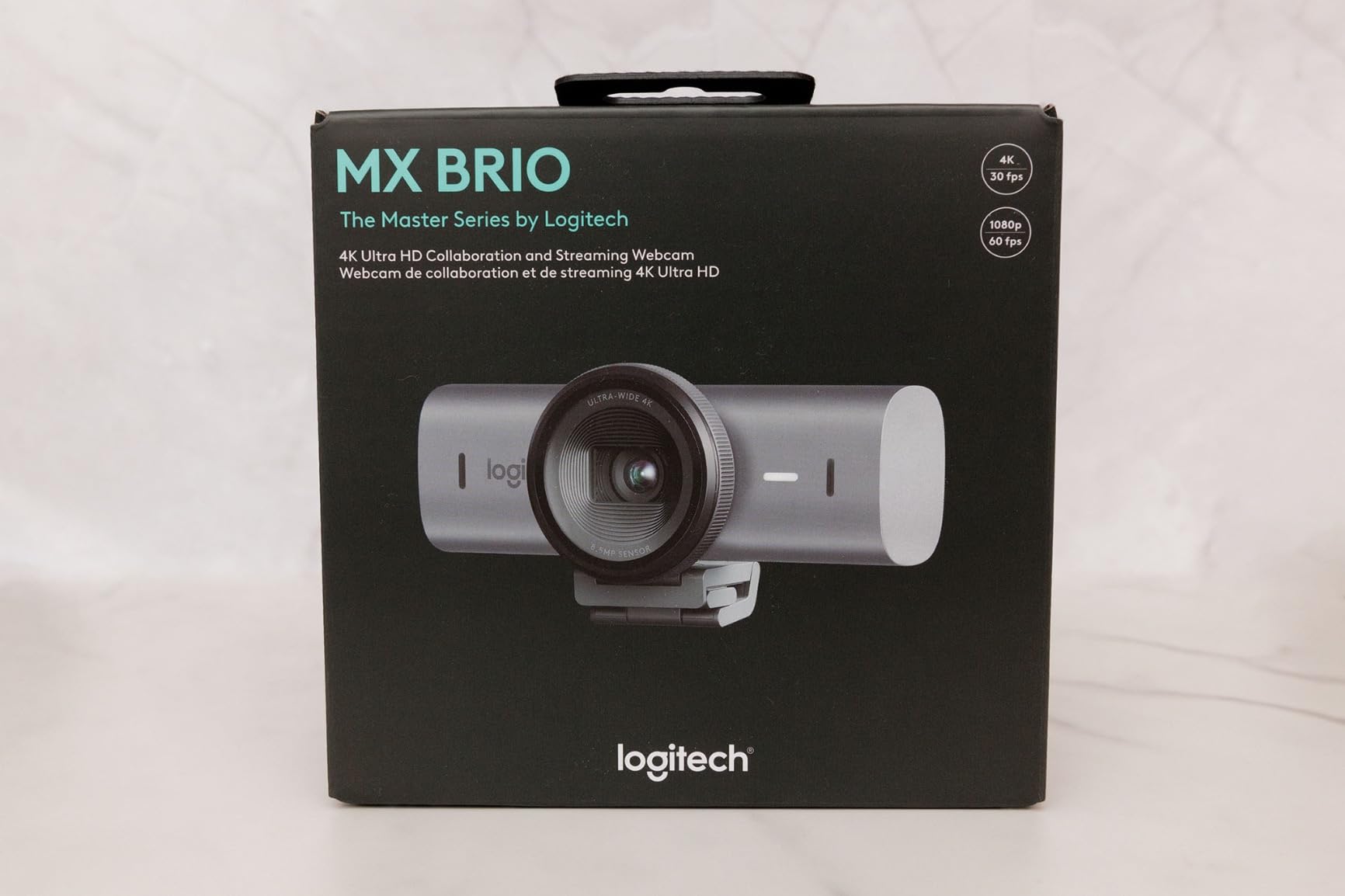
Running this webcam at 1080p 60fps was a revelation for smooth motion. When I moved quickly or gestured during calls, the video stayed fluid instead of the slightly choppy look you get at 30fps. For streaming, 60fps is a genuine advantage over standard 30fps webcams.
The dual beamforming microphones with AI noise reduction handled my office environment well. Keyboard clacking was reduced significantly, and my voice came through clean. The fine controls for lighting and white balance let me dial in a natural look that the auto settings did not quite nail on their own.
Who Should Buy the Logitech MX Brio
This is the webcam for power users who want maximum control over their image. If you collaborate across Zoom, Teams, and Google Meet and want a camera certified for all of them, the MX Brio covers every base. The Show Mode feature is perfect for teachers, designers, and anyone who needs to share physical work on camera.
The USB-C connectivity is a big plus if you have a modern laptop with only USB-C ports. No adapters needed, which is one less thing to fumble with before a meeting.
Long-Term Use Considerations
At 12.64 ounces, the MX Brio is heavier than most webcams in this lineup. It sat fine on my monitor but felt less stable on a lightweight laptop lid. The 1-year warranty is shorter than I would like at this price point, especially compared to the 2-year warranty EMEET offers on their models.
The Logi Options+ app gives you access to all the fine controls and Show Mode settings. I found the app intuitive after a brief learning curve, and it remembers your preferences across calls.
3. Logitech C920x HD Pro – The Industry Standard 1080p Webcam
Logitech C920x HD Pro PC Webcam Full 1080p/30fps Video – Black
1080p 30fps
Glass Lens
Autofocus
Dual Stereo Mics
XSplit VCam
Pros
- Outstanding 1080p quality with glass lens
- Reliable autofocus and HD lighting adjustment
- Highest customer rating at 4.6 stars
- Includes 3-month XSplit VCam license
Cons
- No privacy shutter included
- USB-A only connectivity
The Logitech C920x is the webcam I recommend more than any other, and there is a reason it has over 21,000 reviews with a 4.6-star average. This is the camera that defined what a good Zoom meeting camera should be, and it has been my daily driver for years across multiple setups.
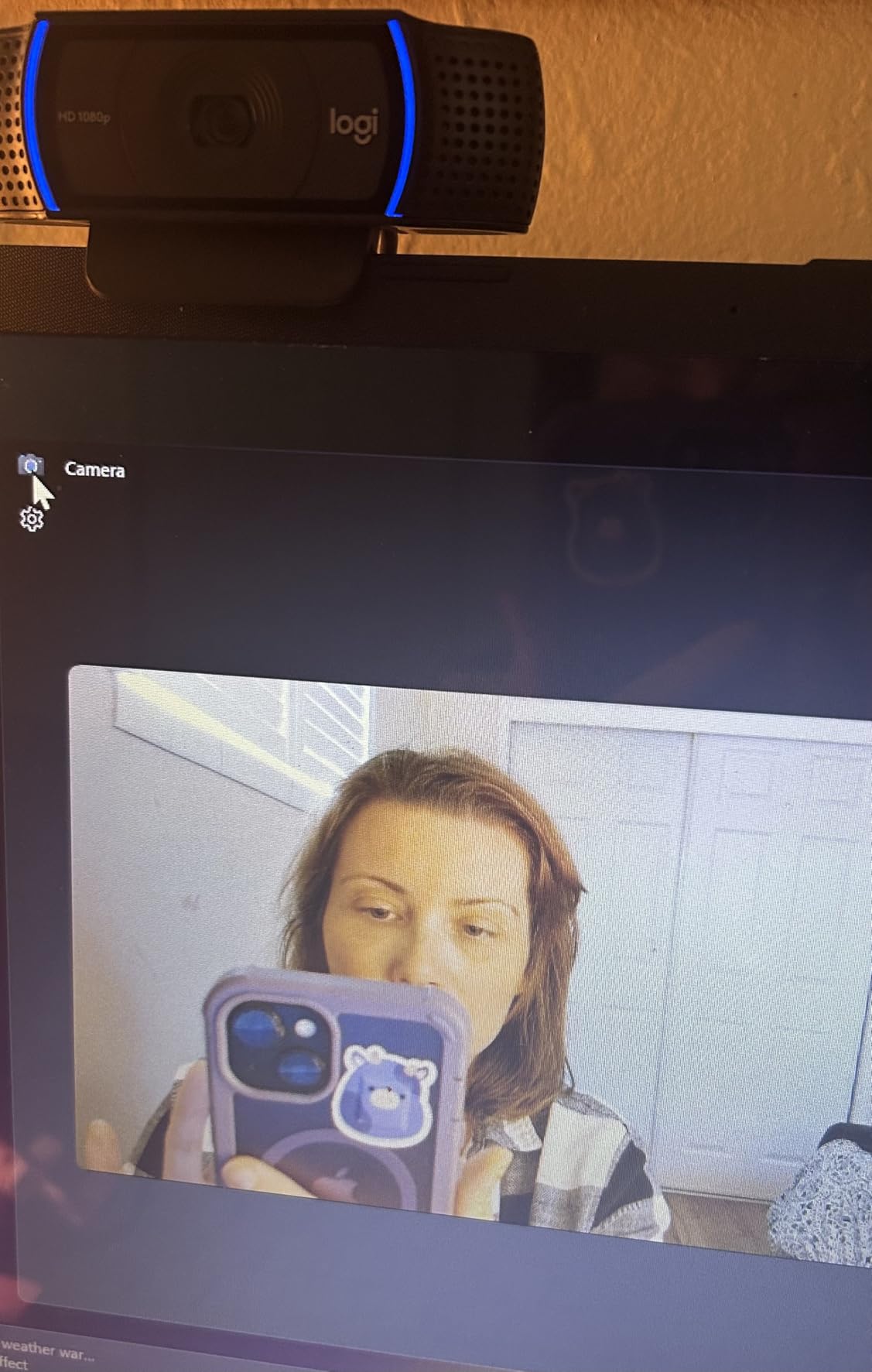
The glass lens sets it apart from the plastic lenses on budget webcams. In side-by-side testing, the C920x produced sharper edges, better color accuracy, and noticeably less distortion at the edges of the frame. The autofocus was fast enough to keep up with my movement without the hunting and pulsing I have seen on cheaper cameras.
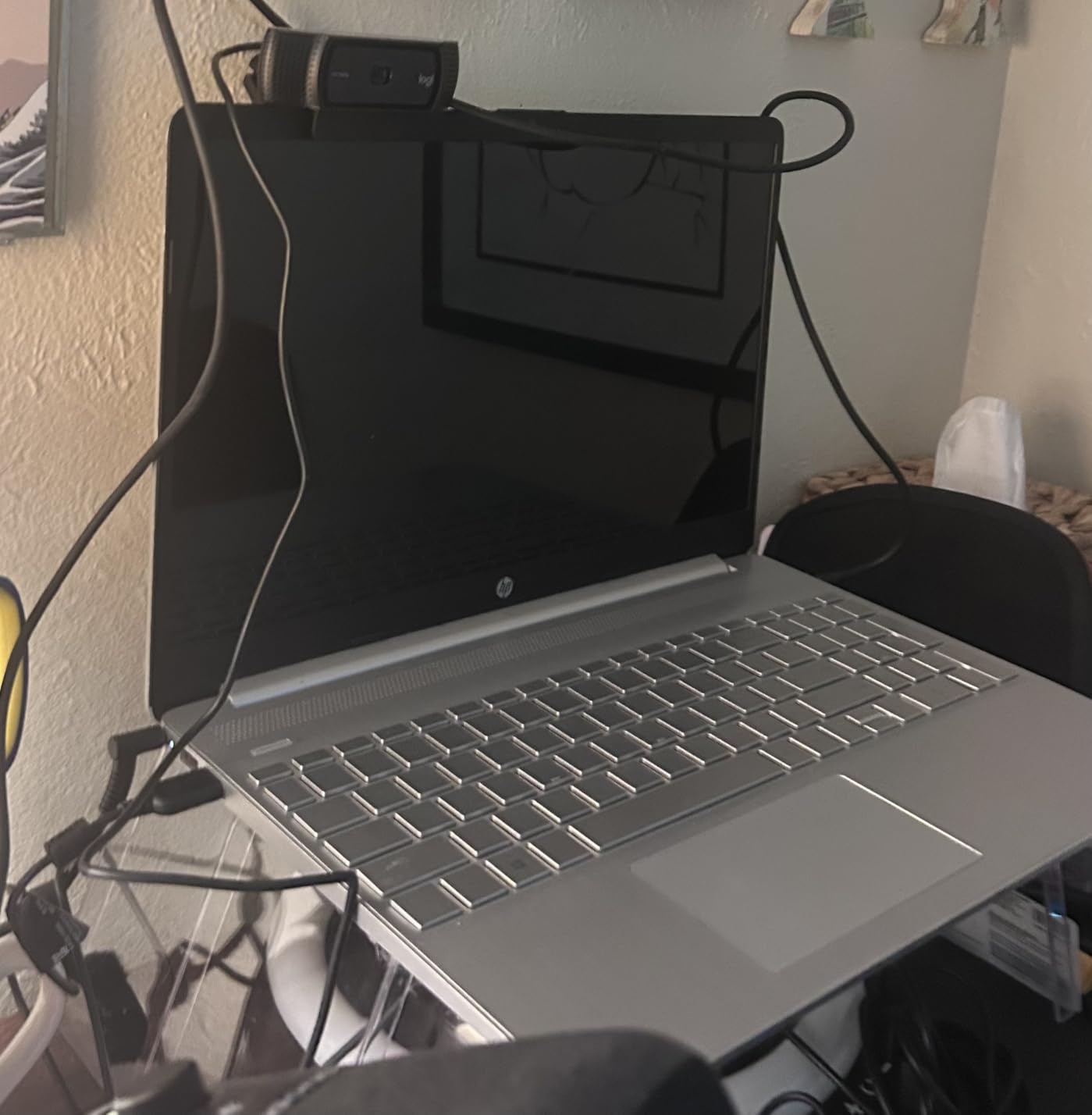
HD lighting adjustment saved me on overcast days when my office was dimmer than usual. The camera boosted exposure on my face without blowing out the window behind me. It is not as sophisticated as the HDR on the Insta360, but for the price, it handles lighting challenges impressively well.
The included 3-month XSplit VCam license is a nice bonus. It lets you remove or blur your background without a green screen, which is handy if your Zoom plan does not include virtual backgrounds or if you want better quality background blur than Zoom’s software provides.
Who Should Buy the Logitech C920x
If you want the best balance of quality, reliability, and value, this is your camera. It is the safe choice that will not disappoint, backed by years of community validation on Reddit and across professional forums. For most remote workers, this is all the webcam you will ever need.
The 78-degree field of view is ideal for solo calls. It frames one person perfectly without capturing too much of the room behind you.
What to Watch Out For
The biggest miss is the lack of a privacy shutter. At this price point, I expected one. You can buy a third-party privacy slide, but it is an extra step for something competitors include. The USB-A connection also means Mac users with only USB-C ports will need an adapter.
Also note that Logitech makes several C920 variants. The C920x specifically includes the XSplit license, while the standard C920 and C920S have slight differences. Make sure you are getting the version you want.
4. Anker PowerConf C200 2K – Adjustable FOV Budget Pick
Anker PowerConf C200 2K Webcam for PC/Laptop/Mac, Low-Light Correction
2K Resolution
AI Noise Cancel
Adjustable FOV 65-95 Degrees
Low-Light Correction
Pros
- 2K resolution for sharp video
- Adjustable field of view (65
- 78
- 95 degrees)
- Excellent AI noise-canceling mics
- Great low-light performance
Cons
- No optical zoom
- Limited to 2K not 4K
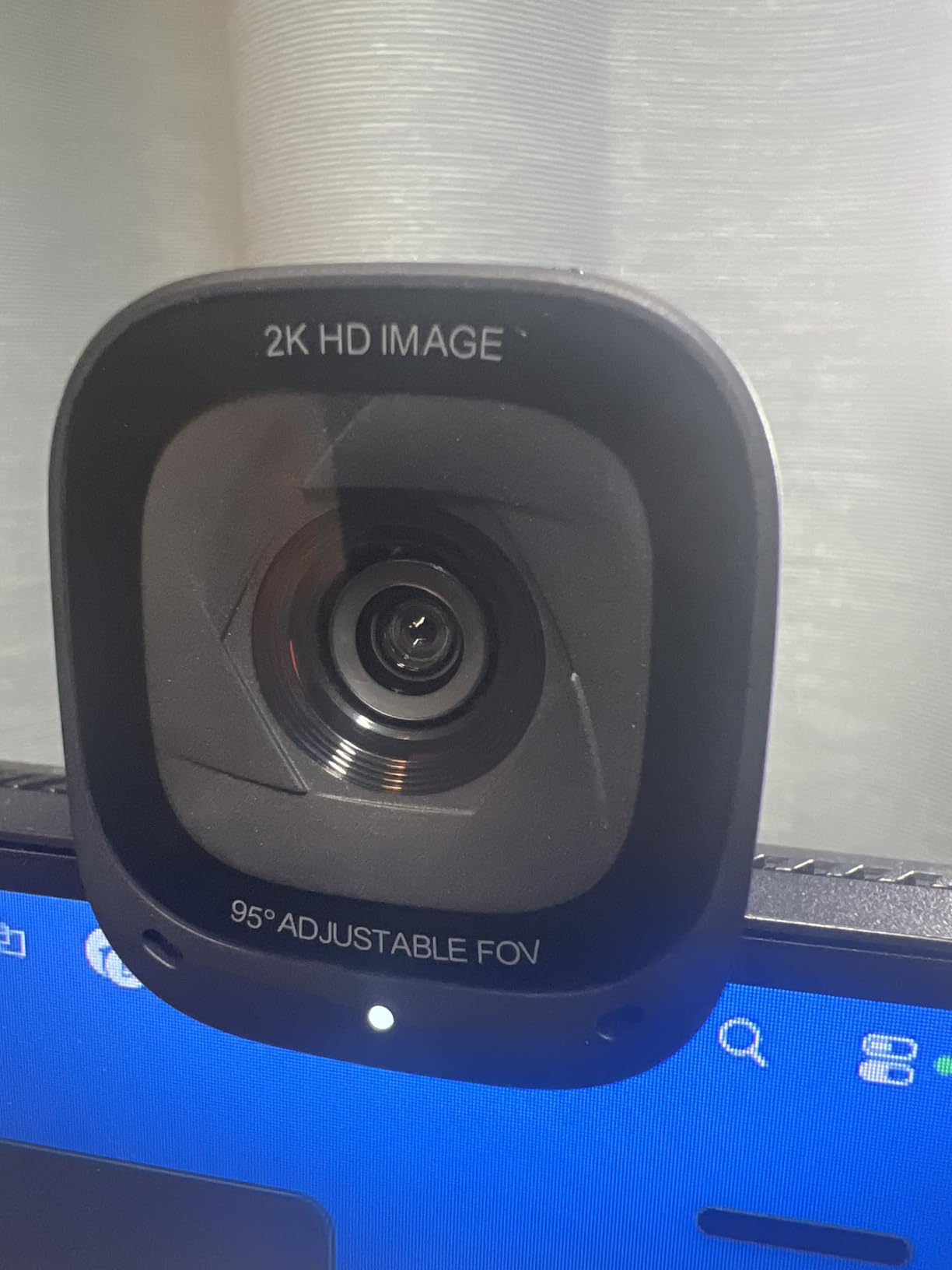
The Anker PowerConf C200 was the surprise standout in my budget testing. The 2K resolution sits between 1080p and 4K, and on Zoom calls, people noticed the difference. My face looked crisper than the standard 1080p webcams without paying the premium that 4K models demand.
The adjustable field of view is my favorite feature here. I could switch between 65 degrees for a tight solo shot, 78 degrees for a standard framing, or 95 degrees when I needed to fit a second person in the frame. This flexibility makes it versatile for both solo work and small group calls.
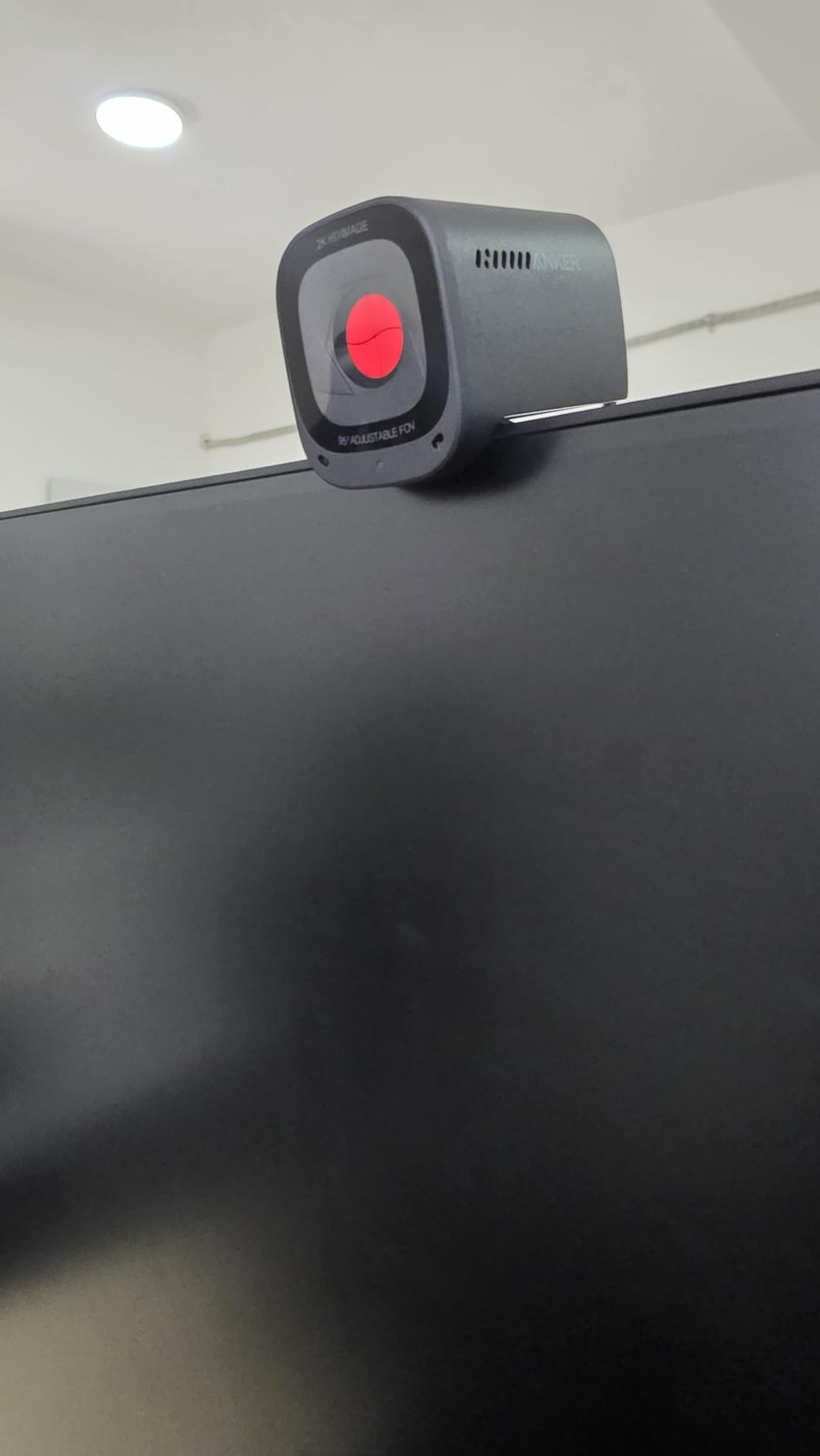
Low-light performance on this camera genuinely impressed me. Anker’s low-light correction algorithm brightened my face in a dark room without adding the noisy grain I expected. The image was usable even in conditions where my old laptop camera would have produced a muddy mess.
The AI noise-canceling dual microphones were effective at filtering out my mechanical keyboard. On a test call with a fan running in the background, the other party said they could hear me clearly with minimal background noise. Not quite at the level of the Insta360’s directional mics, but excellent for this price range.
Who Should Buy the Anker PowerConf C200
This is the webcam for anyone who wants better-than-1080p quality without paying for 4K. If you work from a home office with less-than-ideal lighting, the low-light correction and AI noise cancellation solve two of the most common video call problems at once.
The adjustable FOV also makes this a great pick if you sometimes do group calls from the same camera. No need to buy a wide-angle webcam separately.
Software and Compatibility
The Anker software lets you adjust FOV, enable noise cancellation, and tweak brightness and contrast. It works with Windows 7 and up and macOS 10.11 and up. The built-in privacy cover slides smoothly and feels well-made, not like the flimsy plastic covers on some competitors.
I did notice the camera runs slightly warm during extended calls, but this did not affect performance during my testing period.
5. EMEET C960 4K – True 4K Sensor with PDAF Autofocus
EMEET C960 4K Webcam for PC, PDAF Auto Focus, Dual Omni Mics, 73° FOV
True 4K CMOS
PDAF Autofocus
Dual Omnidirectional Mics
73-degree FOV
Pros
- True 4K resolution with dedicated CMOS sensor
- PDAF autofocus for fast stable focusing
- Auto light correction
- Dual omnidirectional microphones
Cons
- Defaults to 1080p requires manual switch to 4K
- 73-degree FOV is narrower than competitors
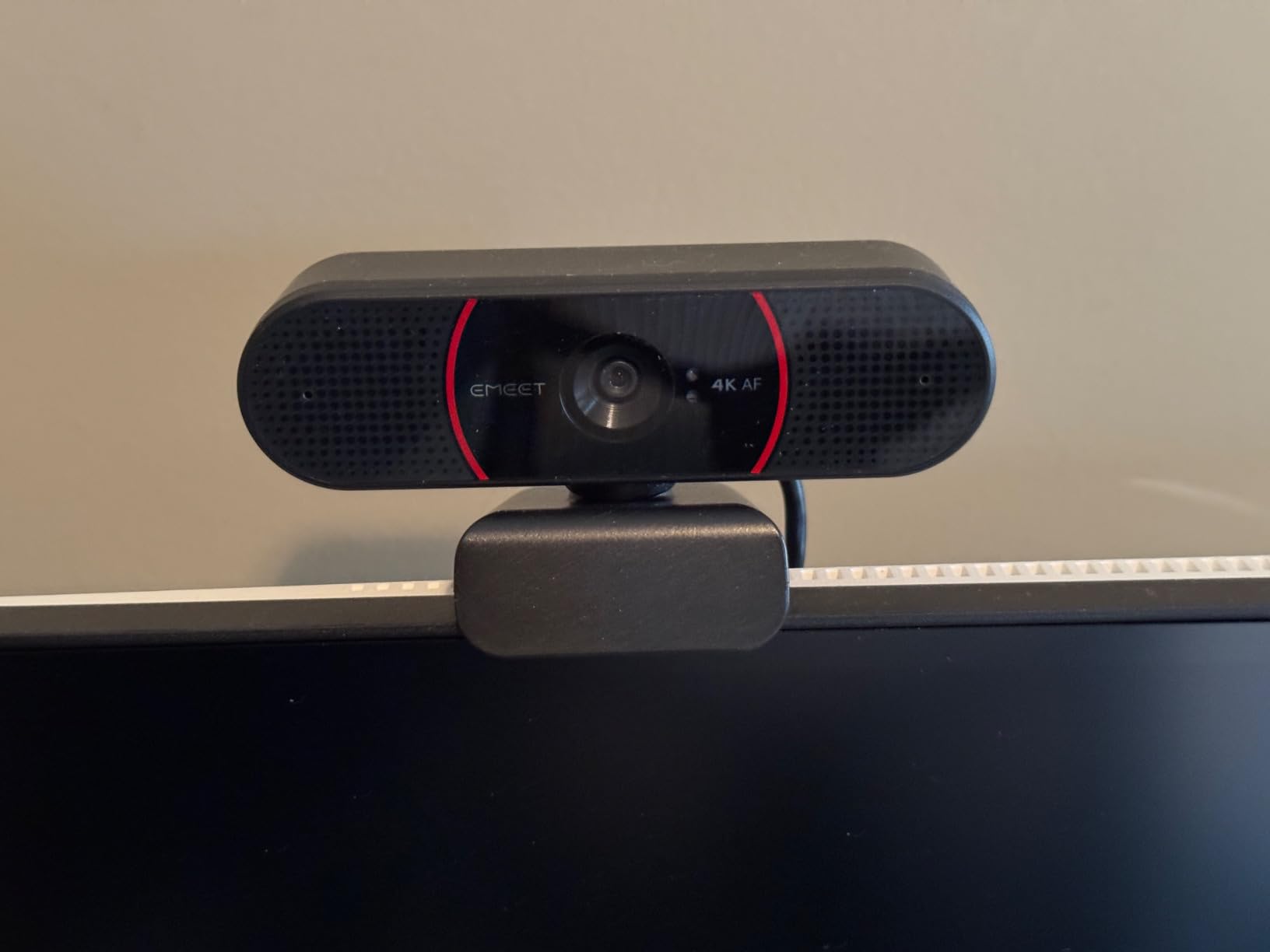
The EMEET C960 4K caught my attention because it brings a true 4K CMOS sensor to a price point where most cameras are still 1080p. The dedicated sensor makes a real difference. When I switched from my old 1080p webcam, the added detail in my face and clothing was immediately visible on Zoom calls.
PDAF autofocus is the feature that sold me on this camera. Phase Detection Auto Focus is the same technology used in smartphones, and it locks onto faces quickly and accurately. I never had the blurry-face problem that plagues cheaper autofocus systems during calls.
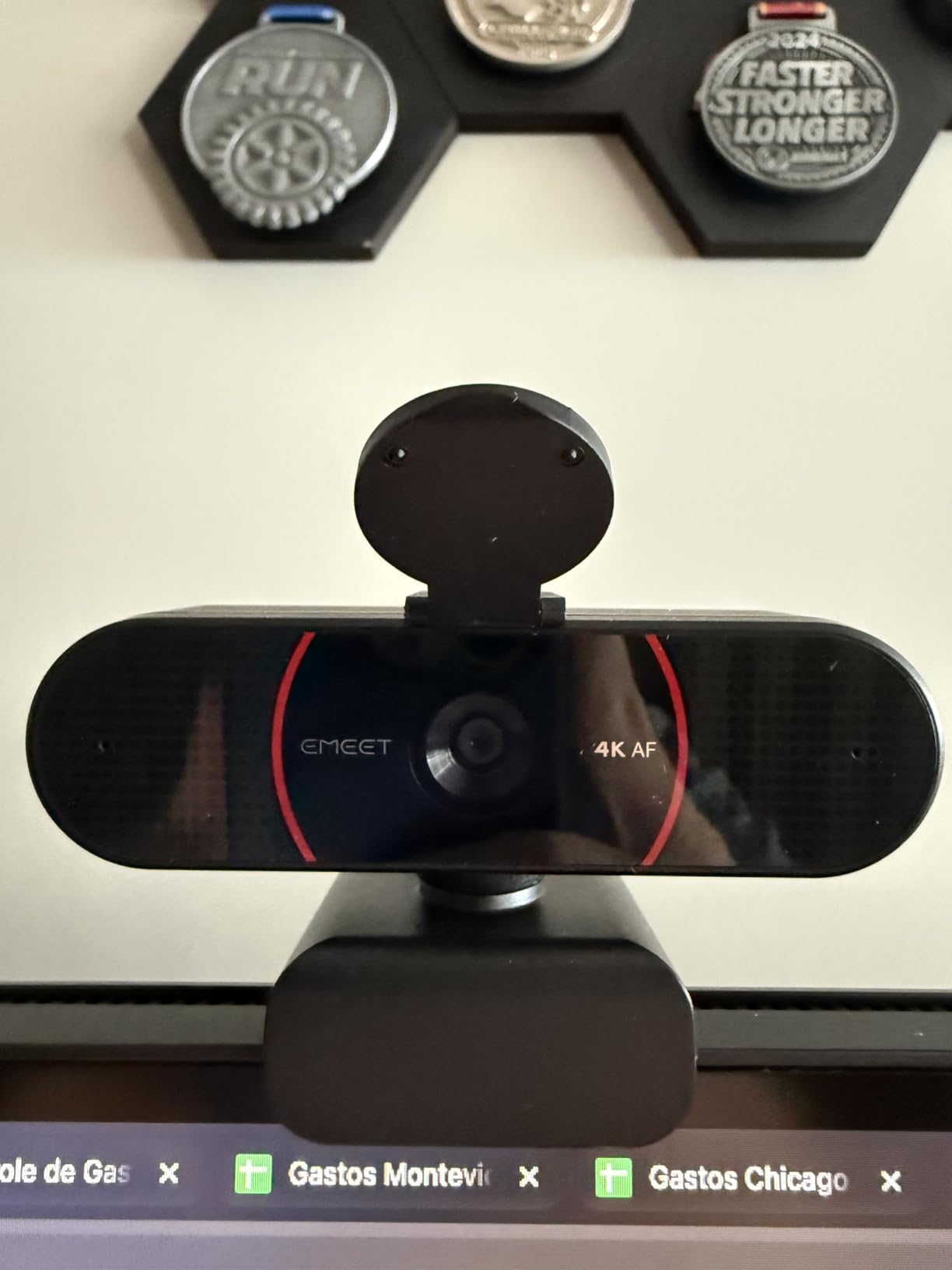
One important thing to know: the C960 defaults to 1080p out of the box. You need to use the EMEET software to switch to 4K mode. Once I made that switch, the quality improvement was clear. This is a minor inconvenience but worth mentioning so you do not accidentally use it at half its capability.
The dual omnidirectional microphones picked up my voice well within about six feet. Beyond that distance, they started to struggle slightly. For a typical desk setup where you sit close to the monitor, the audio quality is more than adequate for Zoom calls.
Who Should Buy the EMEET C960 4K
This is the best 4K webcam for Zoom meetings if you want maximum resolution per dollar. You get true 4K, PDAF autofocus, and dual mics for less than many 1080p models from bigger brands. If you record meetings for replay or create content from your desk, the 4K sensor gives you room to crop and zoom in post.
The 66-degree field of view is narrow, which is actually good if you want a tight professional shot but limiting if you need to show more of your surroundings.
Mounting and Adjustability
The C960 includes a 1/4-inch tripod thread, which I used to mount it on a small desktop tripod for a better camera angle. The 360-degree horizontal rotation and 15-degree vertical adjustment give you decent positioning flexibility once mounted. The privacy cover is included and functional.
Compatibility covers Windows, macOS, Android TV, and Linux, which is broader than most cameras I tested. Linux users in particular will appreciate not being left out.
6. EMEET NOVA 4K – Compact 4K with 2-Year Warranty
EMEET NOVA 4K Webcam for PC, Ultra 4K HD, PDAF Autofocus, Dual Omni Mics
4K 30fps
PDAF Autofocus
Dual Omnidirectional Mics
2-Year Warranty
USB-A
Pros
- 4K at 30fps with sharp clarity
- PDAF autofocus is fast and accurate
- 2-year warranty for peace of mind
- 360-degree rotation with tripod mount
Cons
- No manual focus option
- Fixed 73-degree FOV cannot be adjusted
- No facial tracking
- USB 2.0 not 3.0
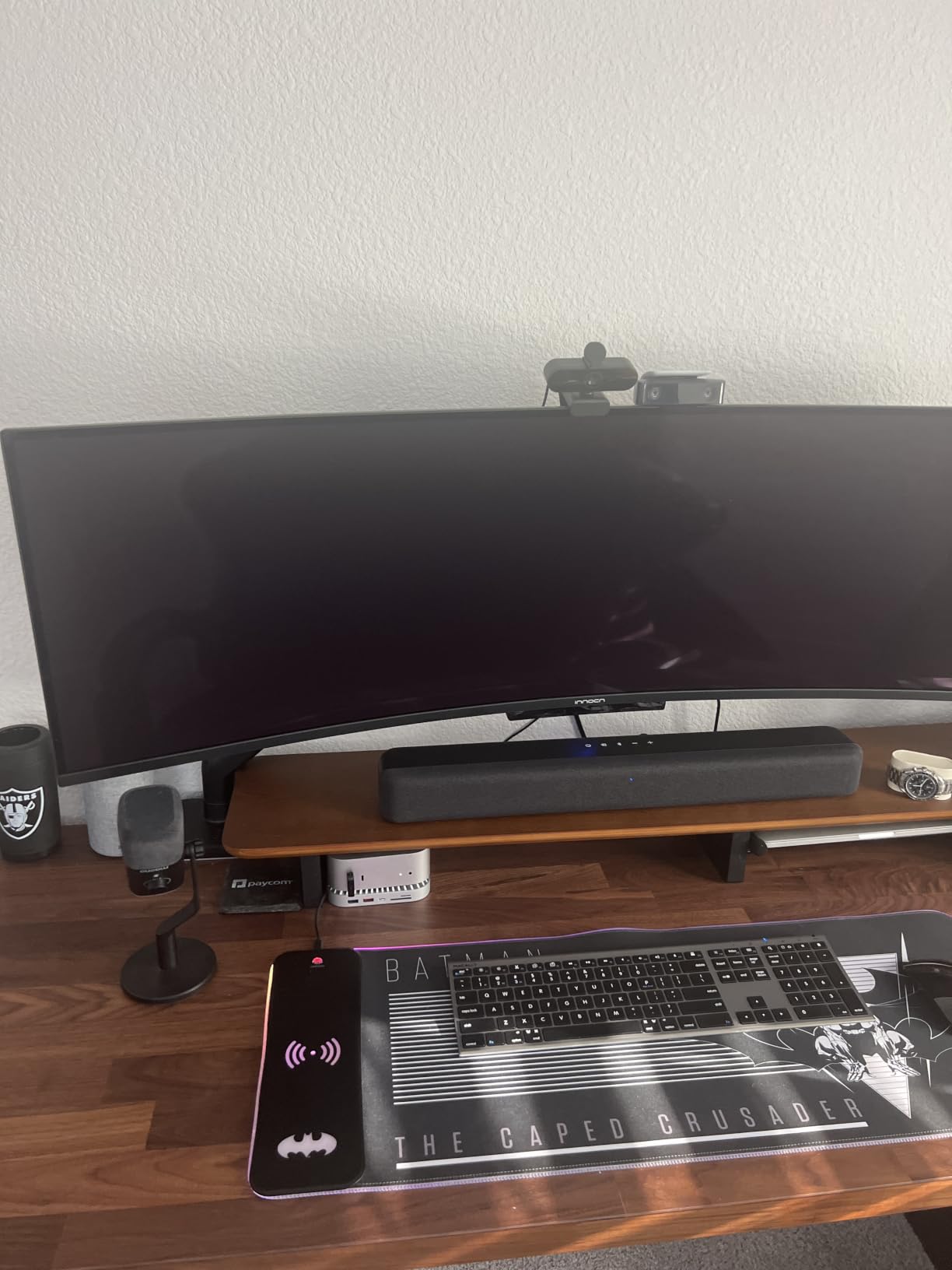
The EMEET NOVA 4K is the C960’s sibling, and during testing I found it to be a more refined package. The 4K clarity is excellent, with sharp detail across my face and background. On Zoom calls, multiple colleagues asked if I had upgraded my camera before I even mentioned I was testing new gear.
PDAF autofocus on the NOVA performed identically to the C960 in my tests, locking onto my face quickly and staying locked even when I moved side to side. The auto light correction handled my office lighting transitions smoothly when clouds shifted outside my window.
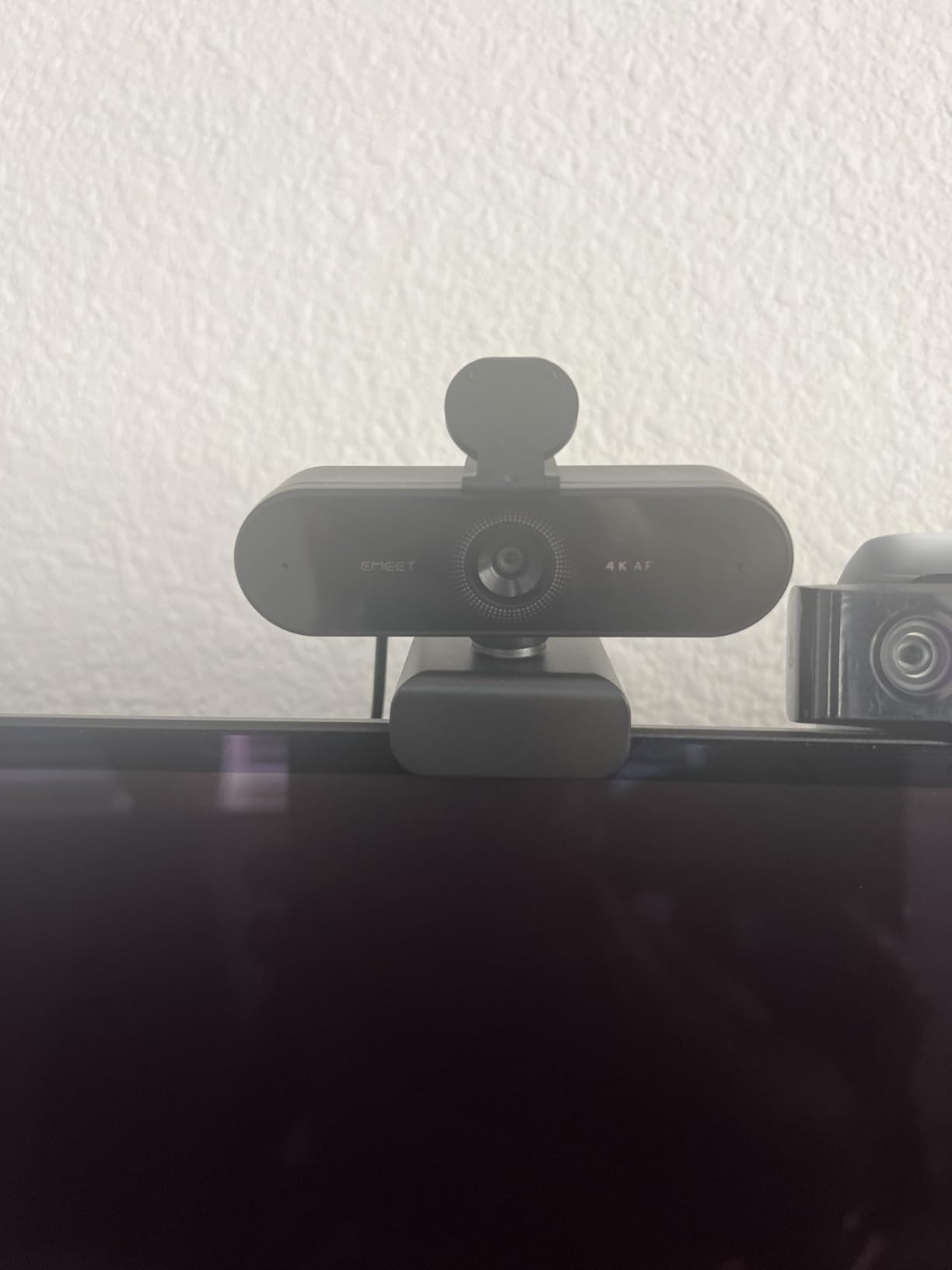
The dual omnidirectional microphones are rated for clear audio up to 8 feet, and that held up in my testing. I paced around my office during a test call, and the person on the other end said my voice stayed clear throughout. The noise reduction is not AI-powered like Anker’s, but it was still effective for typical office noise.
The 2-year warranty is standout at this price point. Most webcams in this range offer 1 year or less. Knowing you are covered for two years makes the investment feel safer, especially if you are buying multiple units for a team.
Who Should Buy the EMEET NOVA 4K
This webcam is ideal for professionals who need reliable 4K video for daily business meetings and live streaming. If you want the EMEET 4K experience with slightly different design and a longer warranty, the NOVA is the better pick over the C960. The compact form factor also makes it easy to pack for travel.
The universal joint with 360-degree rotation and tripod mount gives you mounting options beyond just clipping it to your monitor.
Limitations to Consider
The fixed 73-degree field of view cannot be adjusted, unlike the Anker C200. If you need flexibility in framing, this could be a dealbreaker. There is no manual focus option either, so you are relying entirely on PDAF. No Windows Hello support means you will need a separate method for biometric login.
The USB 2.0 connection is adequate for 4K at 30fps but means you are not getting the bandwidth headroom that USB 3.0 provides. In practice, I did not notice any issues during Zoom calls.
7. Logitech Brio 101 – Budget 1080p with RightLight
Logitech Brio 101 Full HD 1080p Webcam for Streaming and Meetings – Black
1080p Full HD
RightLight Auto-Balance
Privacy Cover
Built-in Mic
USB-A
Pros
- RightLight boosts brightness up to 50 percent
- Built-in privacy cover included
- Plug-and-play with all major platforms
- Made with recycled plastic
Cons
- Fixed focus lens
- USB-A only not USB-C
- 60-degree FOV is narrow
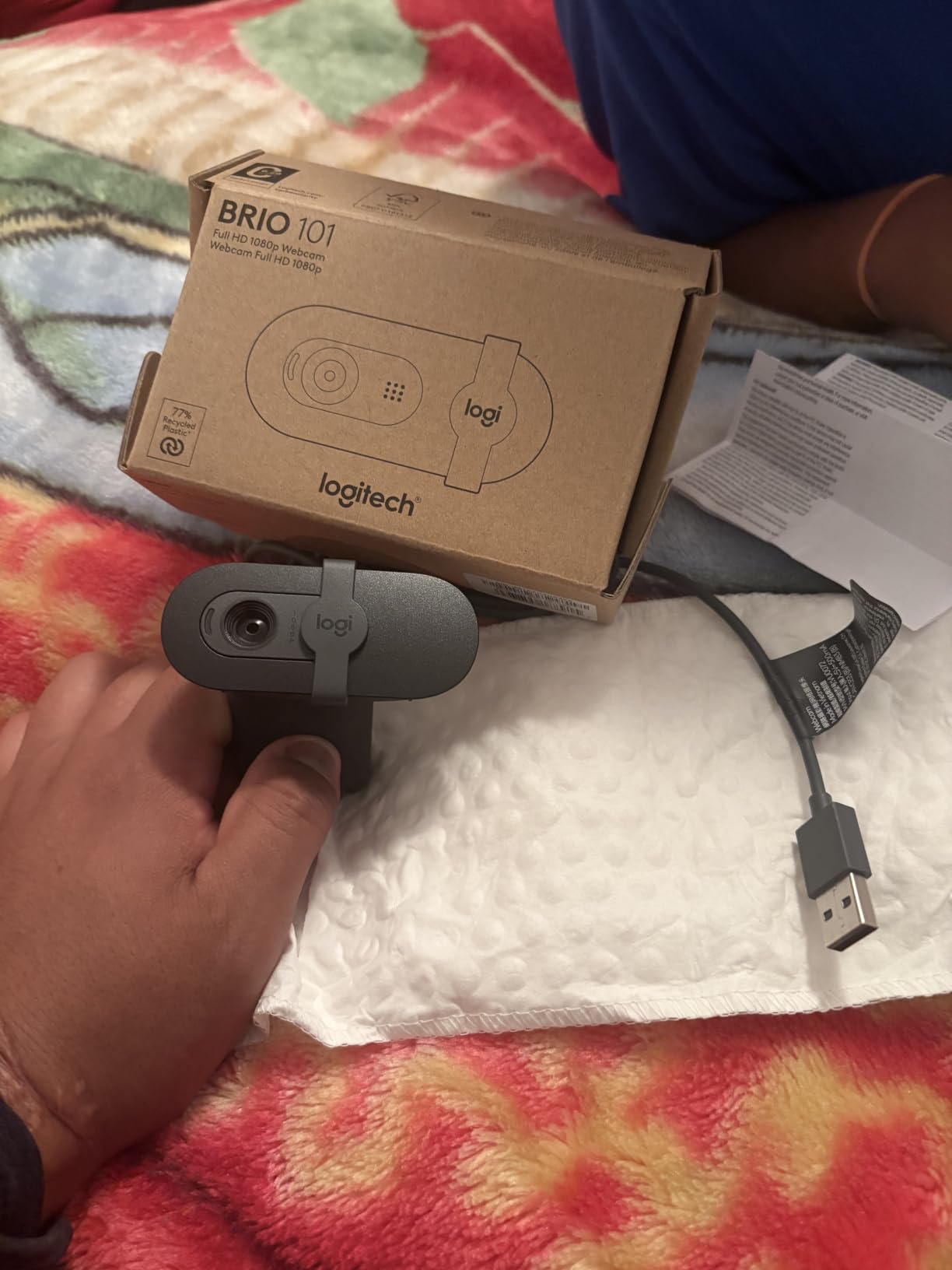
The Logitech Brio 101 is the camera I recommend to friends who want a meaningful upgrade from their laptop camera without spending much. RightLight technology boosts brightness by up to 50 percent, and in my dim office, that made the single biggest difference between this and other budget webcams I tested.
Plug-and-play setup genuinely took under a minute. I plugged it into my USB-A port, and Zoom recognized it immediately without any driver installation. For less tech-savvy users, this simplicity is a major advantage over cameras that require software setup.
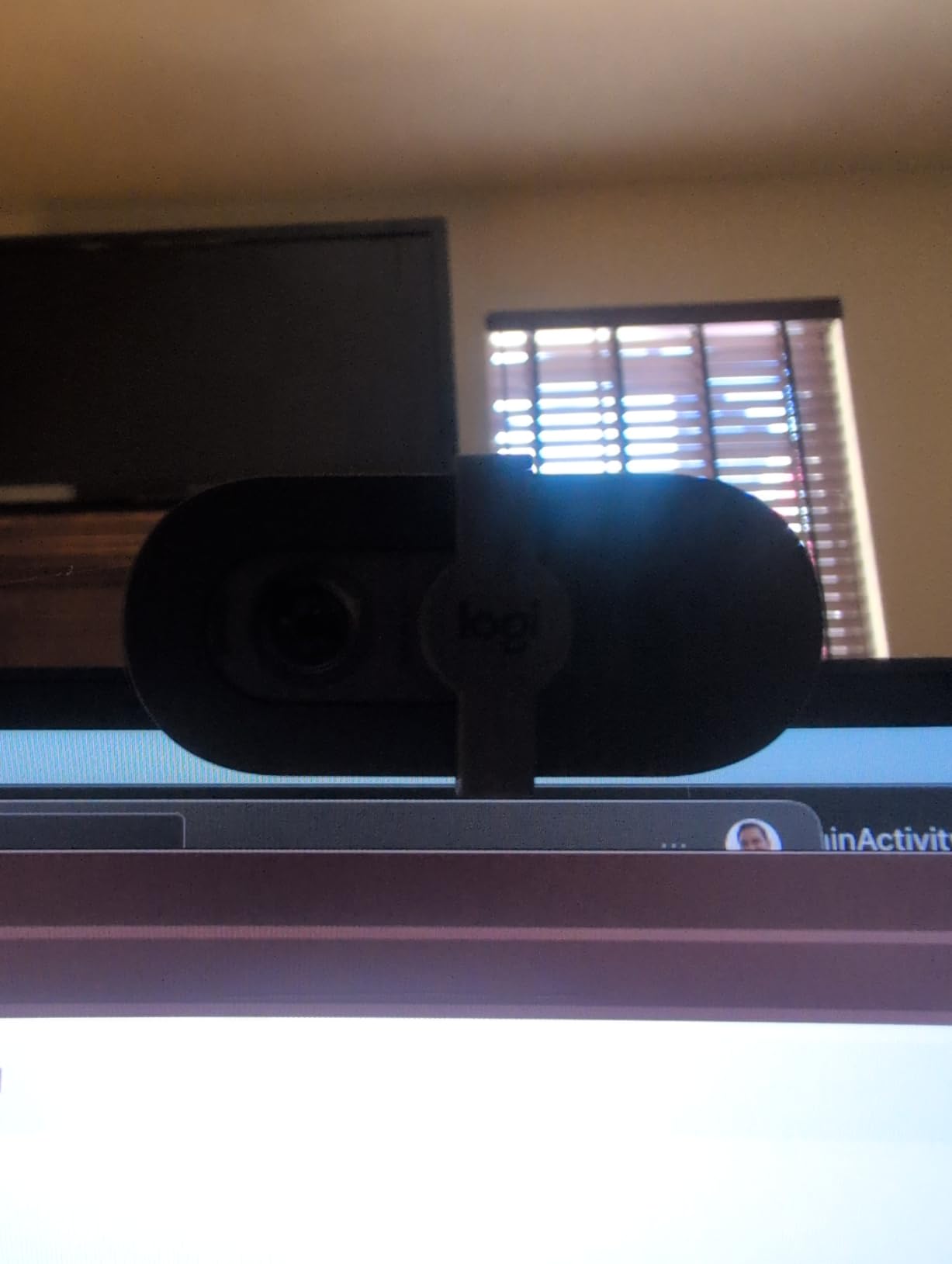
The integrated privacy cover is a feature I did not know I needed until I had it. Sliding it closed after calls became second nature, and it means no more sticky notes or tape over the lens. The built-in microphone is basic but serviceable for one-on-one Zoom calls in a quiet room.
I appreciate that Logitech made this camera with at least 77 percent post-consumer recycled plastic. For environmentally conscious buyers, this is one of the few webcams that addresses sustainability directly. The customizable view through the Logi Options+ app is a nice bonus for tweaking your framing.
Who Should Buy the Logitech Brio 101
This is the best entry-level webcam for Zoom meetings if you are on a tight budget. It gives you the Logitech quality, RightLight correction, and privacy cover that more expensive models offer, just at 1080p resolution. For casual video calls, online classes, or occasional work meetings, it is more than enough.
The Nintendo Switch 2 GameChat compatibility is an unexpected bonus if you also game on the side.
Trade-Offs at This Price
The fixed focus lens means the camera cannot adjust focus, so you need to position yourself at the right distance for a sharp image. The 60-degree field of view is the narrowest in this lineup, which is fine for solo use but will not capture anyone sitting next to you.
USB-A connectivity means Mac users will need an adapter. For the price, these are acceptable compromises that keep the camera affordable.
8. NexiGo N60 1080P – Ultra-Wide Budget Webcam
NexiGo N60 1080P Webcam with Microphone, Software Control & Privacy Cover, USB HD Computer Web Camera, Plug and Play, for Zoom/Skype/Teams, Conferencing and Video Calling
1080p 30fps
110-degree FOV
Noise-Cancel Mic
Privacy Cover
Plug and Play
Pros
- Wide 110-degree field of view
- Built-in noise-canceling microphone
- Privacy cover included
- No drivers required
- Works across all major operating systems
Cons
- Fixed focus only
- Not compatible with Xbox or PlayStation
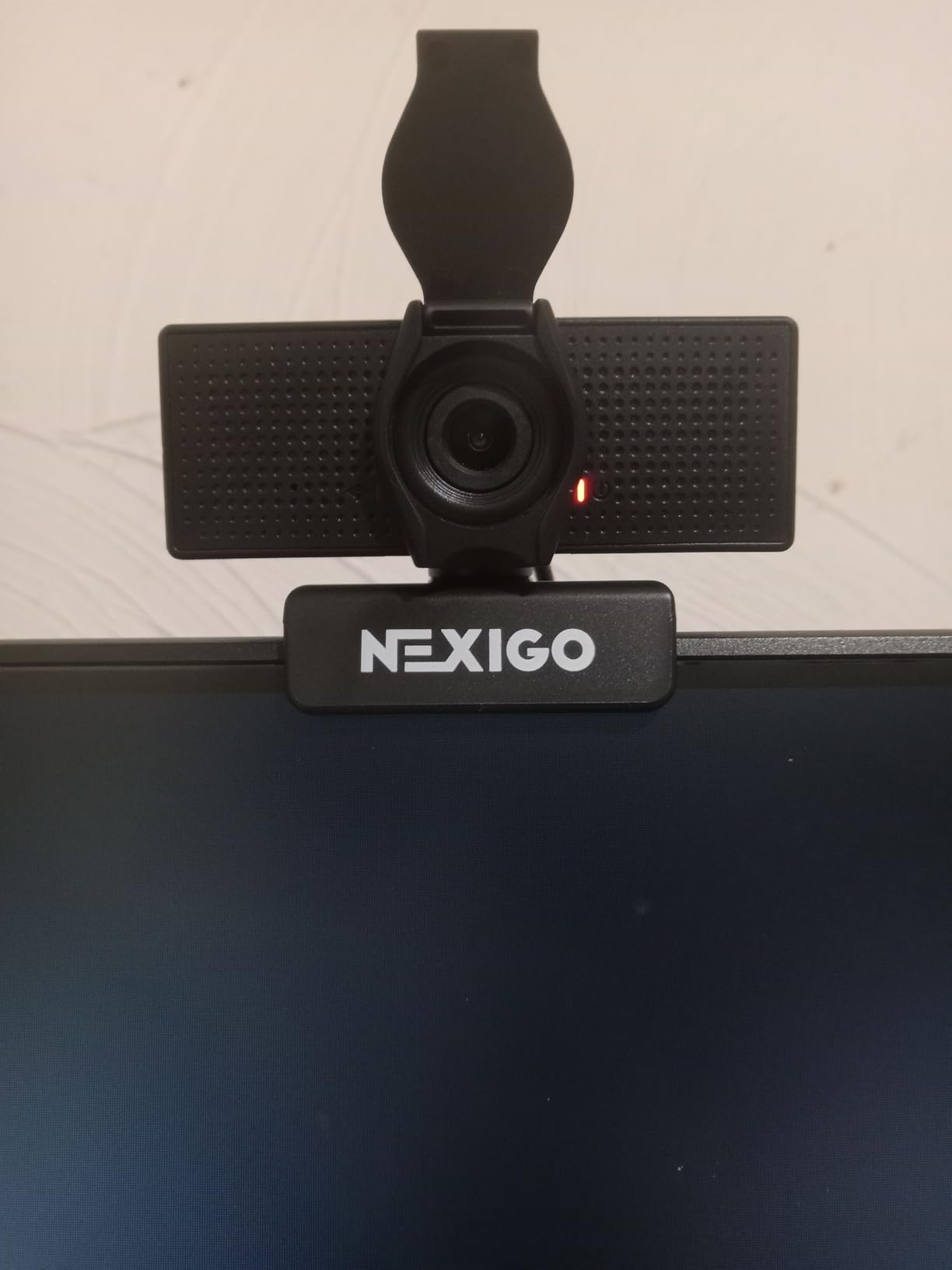
The NexiGo N60 stands out for one feature that no other camera in this lineup matches at this price: a 110-degree field of view. When I needed to fit two people in the frame for a team call from the same desk, the N60 captured us both without anyone needing to squeeze together.
With nearly 49,000 reviews, this is one of the most popular webcams on the market. After testing it, I understand why. The 1080p quality is solid, the noise-canceling microphone handles quiet environments well, and the plug-and-play setup worked across Windows, macOS, Linux, Android, and Chrome OS without a hitch.
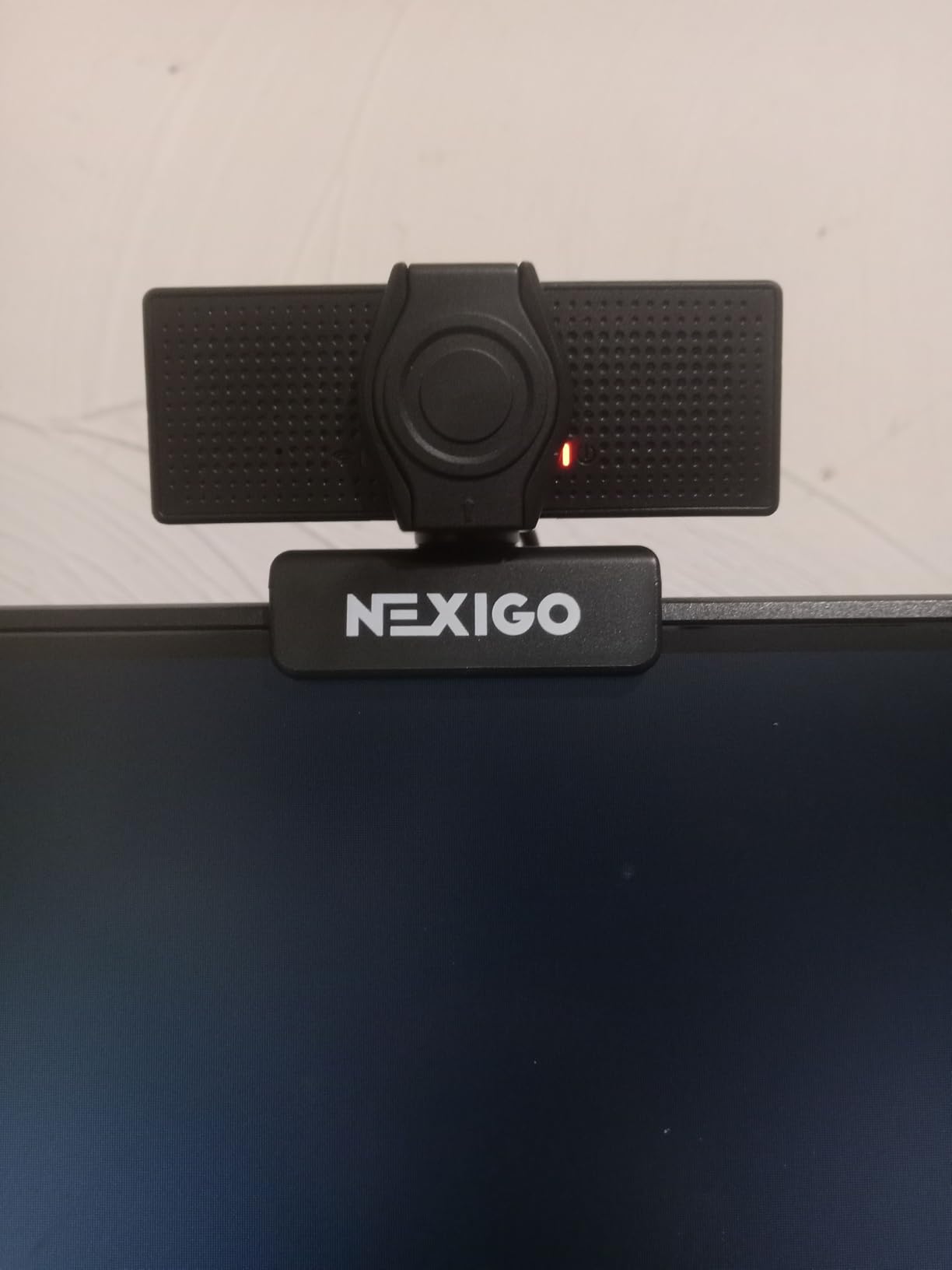
The glass 3.6mm lens produces decent image quality for the price. Colors were slightly less accurate than the Logitech C920x, but the image was sharp enough for professional Zoom calls. The privacy cover snaps on and stays in place, which is not always the case with budget webcam covers.
I tested the N60 across multiple operating systems, and it worked seamlessly on all of them. Linux compatibility in particular is a big deal for users who have been frustrated by webcams that only support Windows and macOS.
Who Should Buy the NexiGo N60
If you need a wide field of view on a budget, this is the camera. It is perfect for conference room setups, group calls, or anyone who wants to show more of their environment. The broad OS compatibility also makes it a safe pick if you switch between different systems or run Linux.
For under $30 with nearly 49,000 reviews, it is one of the lowest-risk webcam purchases you can make.
What to Keep in Mind
The 110-degree FOV can actually be too wide for solo calls, capturing more of your room than you might want. There is no FOV adjustment like the Anker C200 offers. The fixed focus means you need to stay at a consistent distance from the camera for the best image.
The N60 is not compatible with Xbox, PS4, or PS5, so console gamers should look elsewhere. But for Zoom meetings on a computer, it delivers exactly what it promises.
How to Choose the Best Camera for Zoom Meetings?
Choosing the right webcam comes down to understanding which specs actually matter for Zoom calls and which are marketing fluff. Here is what I learned from testing eight cameras side by side.
Resolution: 1080p vs 2K vs 4K
Zoom typically compresses video to 720p or 1080p depending on your plan and bandwidth. This means a 4K webcam will not display in full 4K to other participants on standard Zoom calls. However, 4K and 2K sensors still produce better-looking 1080p output because they downsample from a higher resolution, resulting in sharper, cleaner video.
If you have the budget, 2K is the sweet spot for Zoom. You get better image quality than 1080p without the price premium of 4K. If you also record content or stream, 4K gives you flexibility for post-production.
Low-Light Performance
This was the single biggest differentiator in my testing. Most home offices do not have studio lighting, and the camera that handles dim conditions well will always look better on calls. Look for cameras with auto light correction, HDR, or large sensors. The Insta360 Link 2 Pro with its 1/1.3-inch sensor and the Anker C200 with its low-light correction both excelled here.
Forum users consistently identified poor low-light performance as their top frustration with built-in laptop cameras. Any dedicated webcam in this list will be a significant improvement.
Field of View
Field of view determines how much of your surroundings the camera captures. For solo Zoom calls, 65 to 78 degrees is ideal because it frames you tightly without showing your entire room. For group calls or conference rooms, look for 90 degrees or wider like the NexiGo N60’s 110-degree lens.
The Anker PowerConf C200 offers adjustable FOV at 65, 78, or 95 degrees, which is the most flexible option if your needs change between calls.
Autofocus vs Fixed Focus
Autofocus keeps you sharp as you move during calls. PDAF autofocus, found on the EMEET C960 and NOVA, is faster and more accurate than standard contrast-detect autofocus. Fixed focus cameras like the Brio 101 and NexiGo N60 require you to position yourself at the right distance and stay there.
For presentations where you move around, autofocus is essential. For static desk work, fixed focus is acceptable and keeps costs down.
Microphone Quality
Most webcams include built-in microphones, but quality varies widely. Dual omnidirectional mics with noise cancellation, like those on the Anker C200 and EMEET models, perform well for typical desk distances. The Insta360 Link 2 Pro’s directional beamforming mics are the best I tested.
If you are in a noisy environment, prioritize cameras with AI noise cancellation. For quiet offices, basic mics are adequate, and you may prefer a separate USB microphone for the best audio quality.
Connectivity: USB-A vs USB-C
Most webcams still use USB-A, which is fine if your computer has USB-A ports. If you have a modern laptop with only USB-C ports, look for cameras like the Logitech MX Brio that include USB-C connectivity, or budget for a reliable adapter. The Logitech MX Brio is the only camera in this list with native USB-C support.
Mac users on Reddit frequently report frustration with USB-A webcams requiring adapters. If you are on a Mac, the MX Brio or Insta360 Link 2 Pro with its included USB-C cable are the most convenient options.
Privacy Features
A built-in privacy shutter or cover is a simple but important feature. Most cameras in this list include one, with the notable exception of the Logitech C920x. If privacy is a priority, check for an integrated shutter rather than relying on third-party slide covers that can fall off.
Frequently Asked Questions About Zoom Meeting Cameras
What is the best webcam for Zoom meetings?
The Insta360 Link 2 Pro is the best overall webcam for Zoom meetings, offering 4K resolution, AI tracking that physically follows your movement, and a large 1/1.3-inch sensor for excellent low-light performance. For best value, the Logitech C920x HD Pro delivers reliable 1080p quality at a lower price.
What is the best affordable webcam for Zoom?
The Logitech Brio 101 and NexiGo N60 are the best affordable webcams for Zoom. The Brio 101 offers RightLight auto-balance and a privacy cover, while the NexiGo N60 provides a wide 110-degree field of view and works across all major operating systems including Linux.
What webcam do most professionals use for Zoom?
Most professionals use the Logitech C920 series for Zoom meetings, which has been the industry standard for years with over 21,000 reviews. For premium professional use, the Logitech MX Brio and Insta360 Link 2 Pro offer 4K quality and advanced features like Show Mode and AI tracking.
What is the best resolution for Zoom meetings?
1080p is the best resolution for most Zoom meetings, as Zoom typically compresses video to 720p or 1080p depending on your plan. However, 2K and 4K webcams produce better-looking 1080p output through downsampling, giving you sharper video even when Zoom does not display the full resolution.
Do I need a 4K webcam for Zoom?
You do not need a 4K webcam for Zoom since the platform compresses video below 4K resolution. However, 4K webcams provide better image quality through their larger sensors and downsampling, and they are worth considering if you also record content, stream, or want the best possible video quality for professional presentations.
Final Thoughts on the Best Cameras for Zoom Meetings
After testing eight webcams across dozens of Zoom calls, the range of quality surprised me. The best cameras for Zoom meetings solve real problems: poor lighting, blurry video, bad audio, and framing issues. Any camera on this list will be a massive upgrade over a built-in laptop camera.
For most people, the Logitech C920x HD Pro hits the perfect balance of quality, reliability, and value. If you want the absolute best, the Insta360 Link 2 Pro with its AI tracking and large sensor is unmatched. And if you are on a strict budget, the Logitech Brio 101 delivers more than enough quality to look professional on every call.
Whatever you choose, the investment pays off the moment someone on a Zoom call tells you how clear your video looks. That moment happened for me within a week of upgrading, and it has happened on a regular basis ever since.