
I spent the last three months shooting with eight different cinema and mirrorless cameras on indie sets, documentaries, and run-and-gun commercial projects. The goal was simple: find the best cameras for indie filmmaking that deliver a real cinematic image without forcing you into a second mortgage. After roughly 600 hours of footage, 14 graded timelines, and one near-meltdown on a rain-soaked rooftop shoot, here is what actually held up.
Indie filmmaking in 2026 looks nothing like it did five years ago. Today’s compact cinema cameras and hybrid mirrorless bodies offer 10-bit codecs, RAW recording, 13+ stops of dynamic range, and autofocus that does not embarrass you. You no longer need an Alexa and a crew of six to get a filmable image. Whether you are directing your first short, building a documentary reel, or prepping a low-budget feature for festival submission, the cameras below cover every realistic workflow from solo run-and-gun to two-camera narrative shoots.
In this guide, I break down the best cameras for indie filmmaking across budget tiers, walk through the eight models I tested, and share the practical buying advice I wish someone had given me before I wasted $800 on the wrong lens adapter.
Table of Contents
Top 3 Picks for Indie Filmmaking

Sony Alpha FX3 Full-Frame Cinema Camera
- 15+ stop dynamic range
- 4K 120p 10-bit 4:2:2
- Netflix approved

Sony FX30 Super 35 Cinema Camera
- 14+ stop dynamic range
- 6K oversampled 4K
- Fantastic autofocus

Best Cameras for Indie Filmmaking in 2026
| Product | Specifications | Action |
|---|---|---|
| Sony Alpha FX3 |
|
Check Latest Price |
| Sony FX30 |
|
Check Latest Price |
 Canon EOS R6 Mark II Canon EOS R6 Mark II |
|
Check Latest Price |
 Blackmagic Pocket 4K Blackmagic Pocket 4K |
|
Check Latest Price |
 Blackmagic Pocket 6K Pro Blackmagic Pocket 6K Pro |
|
Check Latest Price |
 Canon EOS R5 C Canon EOS R5 C |
|
Check Latest Price |
| Sony Alpha a6700 |
|
Check Latest Price |
 Panasonic GH5M2 Panasonic GH5M2 |
|
Check Latest Price |
1. Sony Alpha FX3 – Best Overall Cinema Camera for Indie Filmmaking
Sony Alpha FX3 ILME-FX3 | Full-frame Cinema Line Camera
Full-frame sensor
15+ stops dynamic range
4K 120p 10-bit 4:2:2
XLR top handle
Pros
- Exceptional low-light performance with usable footage at ISO 12800
- Fantastic Eye-AF and face tracking for solo shooters
- Compact cage-free body with professional mounting points
- Cooling fan enables unlimited 4K 60p recording
- Netflix approved for narrative distribution
- S-Cinetone color science inspired by Sony VENICE
Cons
- No built-in ND filters
- Battery life around 90 minutes of continuous shooting
- Premium price puts it out of reach for some shooters
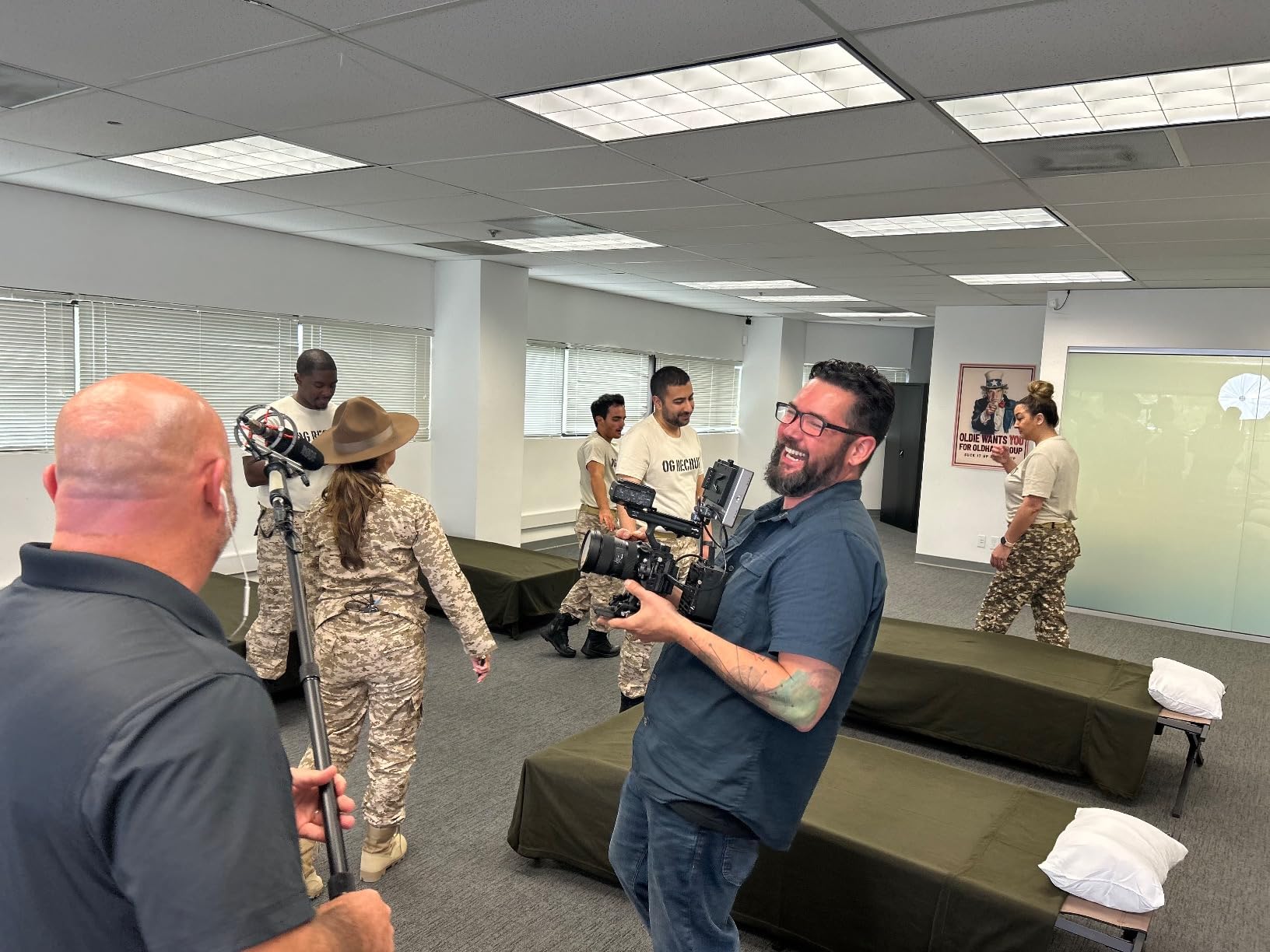
The Sony FX3 is the camera I keep reaching for when a project requires a real cinematic image on a tight crew. On a recent short film shoot, I operated it handheld for a 12-minute dialogue scene with two actors and a single bounce light. The Eye-AF locked on talent through eyeglasses, in dim practical lighting, and never once hunted. That alone made the FX3 worth its weight compared to my older manual cinema setup.
Dynamic range is where this camera earns its cinema credentials. With 15+ stops of usable range, I recovered highlights from a window in a kitchen scene that I would have lost on a typical mirrorless body. The S-Cinetone profile gives skin tones a pleasing, filmic warmth straight out of camera, which means less time in the grade and more time actually finishing the film.
Build quality matches the price. The FX3 has full-size HDMI, dual CFexpress Type A slots, professional XLR audio inputs on the included top handle, and 1/4 inch mounting points on every face of the body. I rigged it with a SmallRig cage, a wireless follow focus, and a Rode shotgun mic without ever feeling like the body was overloaded.
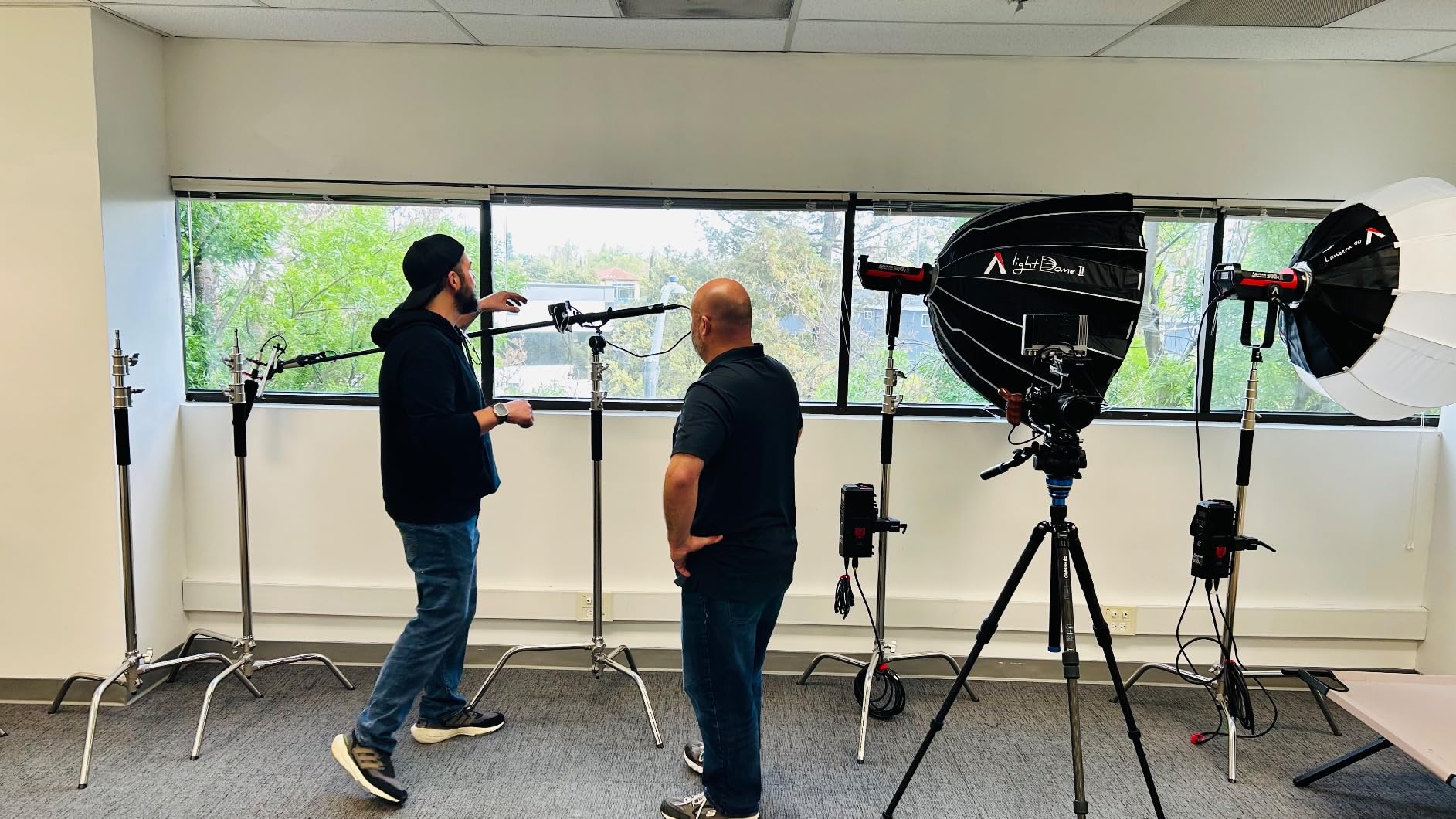
What surprised me most during testing was the cooling fan. I recorded a 90-minute interview back-to-back at 4K 60p in a warm room. The FX3 never once overheated or throttled, which is something I cannot say for most APS-C bodies at this frame rate. For run-and-gun documentary work, that thermal headroom is a genuine advantage.
Low-light performance is exceptional. I pushed it to ISO 12,800 on a night exterior with only practical street lighting and got a clean, graded result with manageable noise. The dual base ISO design keeps shadows intact in dim environments.
Who should buy the Sony FX3
This is the right pick for solo filmmakers, documentarians, and one or two-person crews who need a true cinema body without rigging a full-frame mirrorless into a cage. If you are submitting to festivals or streaming platforms like Netflix, the FX3 is on the approved camera list and gives you peace of mind.
It also makes sense for hybrid shooters who split time between stills and video. The 10.2MP stills are not the headline feature, but they are perfectly usable for key art and BTS.
Who should skip the Sony FX3
Skip this camera if budget is the primary constraint. The FX3 commands a premium price that puts it out of reach for many first-time filmmakers. There are excellent sub-$2,000 options on this list that deliver 80% of the image quality.
Also skip it if you rely heavily on built-in ND filters. The FX3 has none, which means you will be carrying variable NDs or a matte box for outdoor daytime work. For the price, that is a noticeable omission.
2. Sony FX30 – Best Value Cinema Camera Under $2,000
SONY Cinema Line FX30 Super 35 Camera, Gray
Super 35 APS-C sensor
14+ stops DR
6K oversampled 4K
Dual base ISO
Pros
- 90% of FX3 image quality at nearly half the price
- Fantastic hybrid autofocus with subject tracking
- S-Cinetone and S-Log3 color profiles included
- Compact body with active cooling fan
- Versatile lens mount accepts Sony E-mount glass
Cons
- APS-C sensor not full-frame
- Battery life similar to FX3 around 75-90 minutes
- Some older Sigma lenses show AF inconsistencies
The Sony FX30 is, in my opinion, the best bang-for-buck cinema camera available right now. I tested it alongside the FX3 on a music video shoot, and the editor could not reliably tell the footage apart after grading. Both cameras share the same S-Cinetone and S-Log3 pipelines, which is why the images look so similar in post.
For solo filmmakers, the FX30’s autofocus is the real story. The dedicated AI processor tracks subjects even when they walk behind foreground elements, and Eye-AF locks on with a confidence I have only seen on the FX3 and higher-end bodies. On a documentary shoot at a farmer’s market, I left the camera rolling while I conducted interviews and the focus stayed on talent as pedestrians crossed the frame.
Frame rates and bitrates are flexible. I recorded 4K 60p in 10-bit 4:2:2 internally, used S-Log3 for the grade, and dropped in custom LUTs on the HDMI output for my external monitor. The optional XLR handle unit adds professional audio inputs without buying a separate cage.
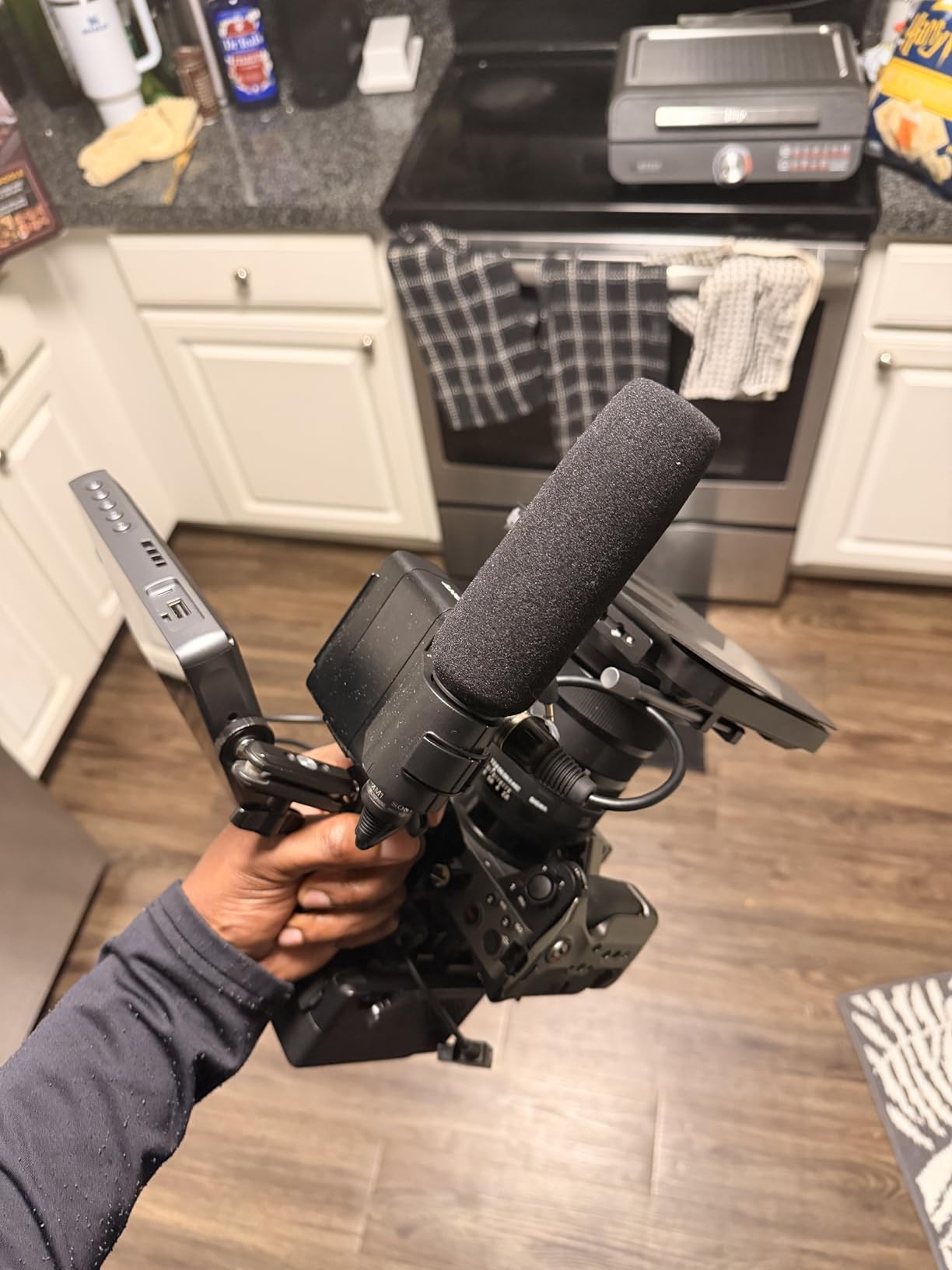
Image quality from the 6K oversampled 4K is sharp, with clean highlights and pleasing color rendition. Dual base ISO keeps noise well controlled at ISO 800 and 2500, which covers most narrative and documentary scenarios.
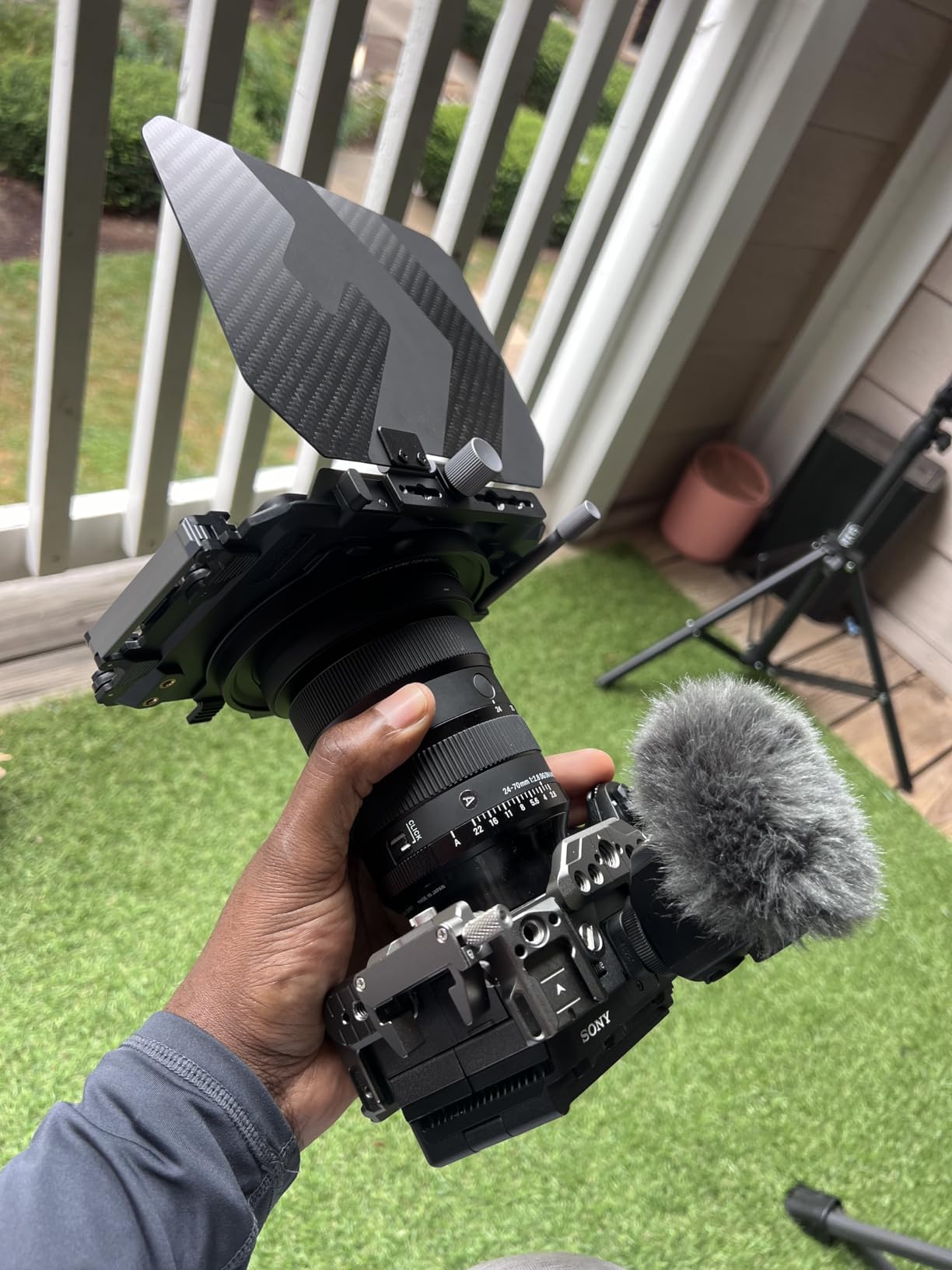
What I love about the FX30 is the form factor. At 1.4 pounds with the optional top handle removed, I can mount it on a DJI RS3 Mini gimbal and shoot handheld for hours without wrist fatigue. For run-and-gun documentary work, that weight saving matters more than full-frame marginal improvements in dynamic range.
Who should buy the Sony FX30
Buy the FX30 if you are an indie filmmaker who needs cinema-quality footage and can stretch to the sub-$2,000 price range. It is the right choice for first-time feature directors, music video producers, and YouTube creators who want to graduate from mirrorless video.
It is also a strong pick for documentary shooters who need dependable autofocus, dual base ISO for mixed lighting, and a body small enough to pack as carry-on luggage on travel shoots.
Who should skip the Sony FX30
Skip the FX30 if your projects require full-frame depth of field for anamorphic work or shallow-focus features. The Super 35 sensor is forgiving but you cannot achieve the same background separation as full-frame bodies without ND filters and faster glass.
Also skip if you rely on EF-mount glass. The Sony E-mount accepts adapters, but native EF support is limited compared to the Blackmagic cameras on this list.
3. Canon EOS R6 Mark II – Best Hybrid Mirrorless for Indie Filmmaking
Canon EOS R6 Mark II Mirrorless Camera (Body Only), Full-Frame Camera, 24.2 Megapixel CMOS Sensor, Photo and Video Capabilities, Black
Full-frame 24.2MP sensor
6K oversampled 4K 60p
8-stop IBIS
Dual Pixel CMOS AF II
Pros
- Best-in-class autofocus with subject detection for humans
- animals
- and vehicles
- 8-stop IBIS enables handheld cinematic work without a gimbal
- 6+ hours of continuous 4K recording without overheating
- Robust weather sealing for outdoor documentary work
- Full-frame low-light performance up to ISO 12800
Cons
- Battery life shorter than older DSLR bodies
- No built-in flash for hybrid photo work
- Slight learning curve for menu system
- Micro HDMI port is fragile for rig work
The Canon EOS R6 Mark II is the most well-rounded hybrid body I tested. I am primarily a video shooter, but I needed stills for key art, festival posters, and BTS content, and the R6 Mark II handled both workflows without compromise. The 24.2MP full-frame sensor produces sharp, color-accurate stills that print beautifully and a 6K oversampled 4K 60p video image that holds its own against dedicated cinema cameras.
Dual Pixel CMOS AF II is the headline feature. On a wedding film I shot as a test, the camera tracked a bride walking down the aisle, locked on her eyes through a veil, and never lost focus. For solo filmmakers, this kind of reliability removes the need for a focus puller on most narrative work.
IBIS is another standout. With 8 stops of stabilization, I shot a tracking shot down a city street handheld that came out looking like it was on a slider. For documentary and travel work, this saves weight and setup time on location.
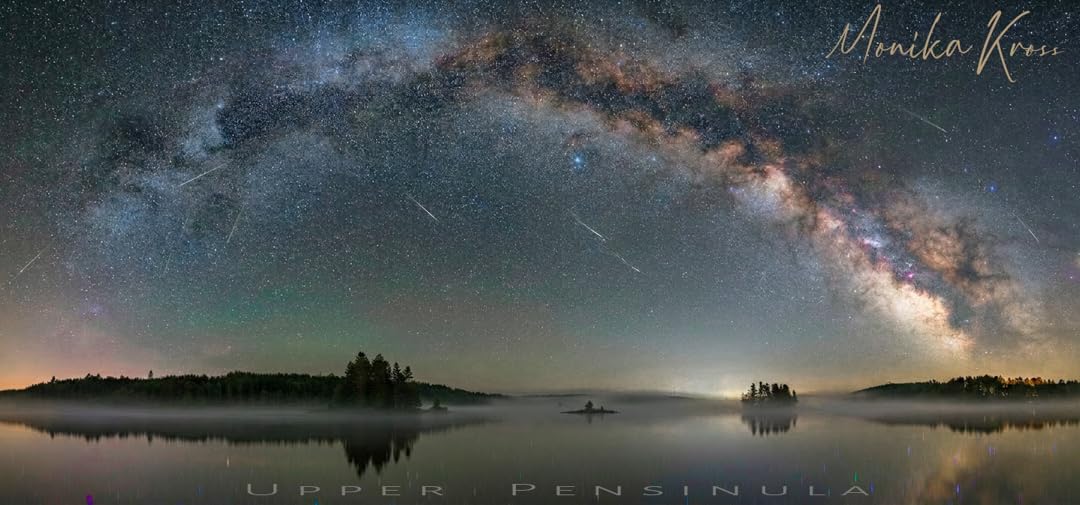
Color science is where Canon has historically excelled and the R6 Mark II continues that trend. Canon LOG 3 produces clean, graded footage with pleasing skin tones. For indie filmmakers working with mixed talent and uncontrolled lighting, the color latitude is forgiving.
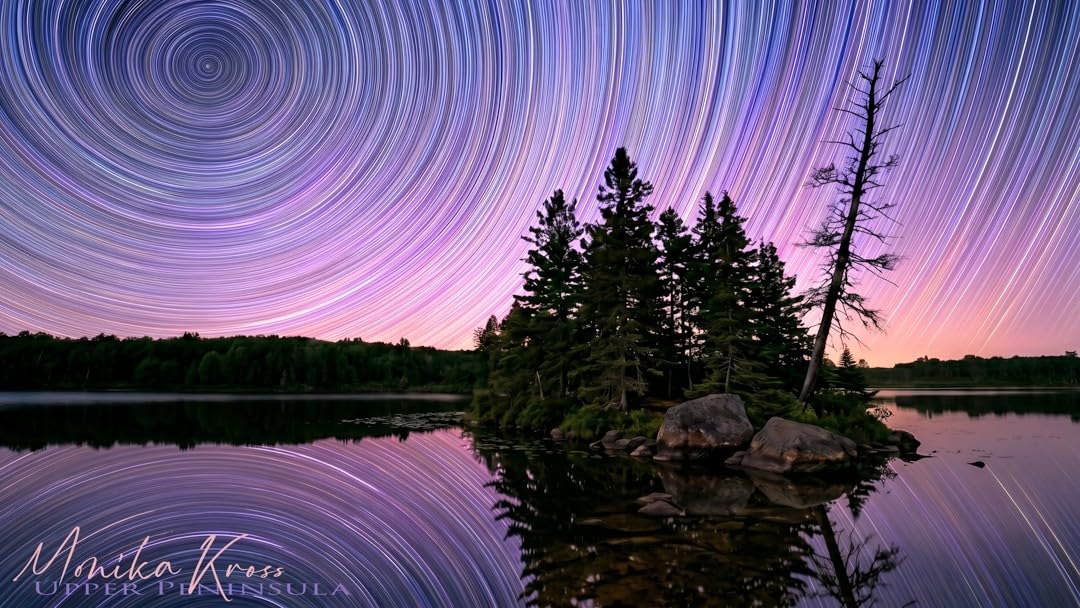
I was surprised by the continuous recording time. Canon rates the R6 Mark II for 6+ hours of 4K 60p without overheating. I tested it recording a 4-hour interview and never saw a thermal warning, even in a warm indoor space.
Who should buy the Canon EOS R6 Mark II
Buy this camera if you are a hybrid shooter who needs both stills and video at a professional level. Wedding filmmakers, travel documentarians, and indie directors who shoot BTS and marketing material alongside their main footage will appreciate the dual capability.
It is also the right pick for shooters already invested in Canon RF glass. Native autofocus performance on RF lenses is excellent, and the lens ecosystem continues to grow.
Who should skip the Canon EOS R6 Mark II
Skip the R6 Mark II if you need professional cinema codecs and timecode I/O for multi-cam productions. It records MP4 internally, which is fine for most indie work but lacks the workflow flexibility of Cinema RAW Light or Blackmagic RAW.
Also skip if you rely on long record times with minimal battery swaps. The battery life is shorter than older Canon DSLRs, so plan on carrying 3-4 batteries for a full shoot day.
4. Blackmagic Pocket 4K – Best Budget Cinema Camera for Indie Filmmaking
Blackmagic Design Pocket Cinema Camera 4K (CINECAMPOCHDMFT4K)
MFT sensor
13 stops dynamic range
ProRes and BRAW
DaVinci Resolve Studio included
Pros
- Best menu system of any cinema camera I tested
- Free DaVinci Resolve Studio activation key with purchase
- ProRes and 12-bit Blackmagic RAW internal recording
- Exceptional dynamic range for the price
- Compact carbon fiber polycarbonate body
Cons
- No continuous autofocus for narrative work
- Battery life around 30 minutes of max usage
- Micro Four Thirds lens ecosystem smaller than Sony or Canon
- Power supply connection awkward for tripod work
The Blackmagic Pocket 4K remains one of the most popular indie filmmaking cameras in 2026, and after testing it I understand why. For the price, you get ProRes and 12-bit Blackmagic RAW recording, 13 stops of dynamic range, and a free copy of DaVinci Resolve Studio. No other camera on this list includes a $295 grading suite with the purchase.
I used the Pocket 4K as my B-cam on a documentary shoot and was consistently impressed by the image quality. The Blackmagic color science is filmic, with natural skin tones and excellent shadow detail. When I matched the footage with my Sony A-cam in post, the colors blended with minimal correction.
Build quality is solid for the price. The carbon fiber polycarbonate body feels professional, the 5-inch LCD touchscreen is bright enough for outdoor use, and the Mini XLR input with phantom power handles shotgun mics without an external recorder.
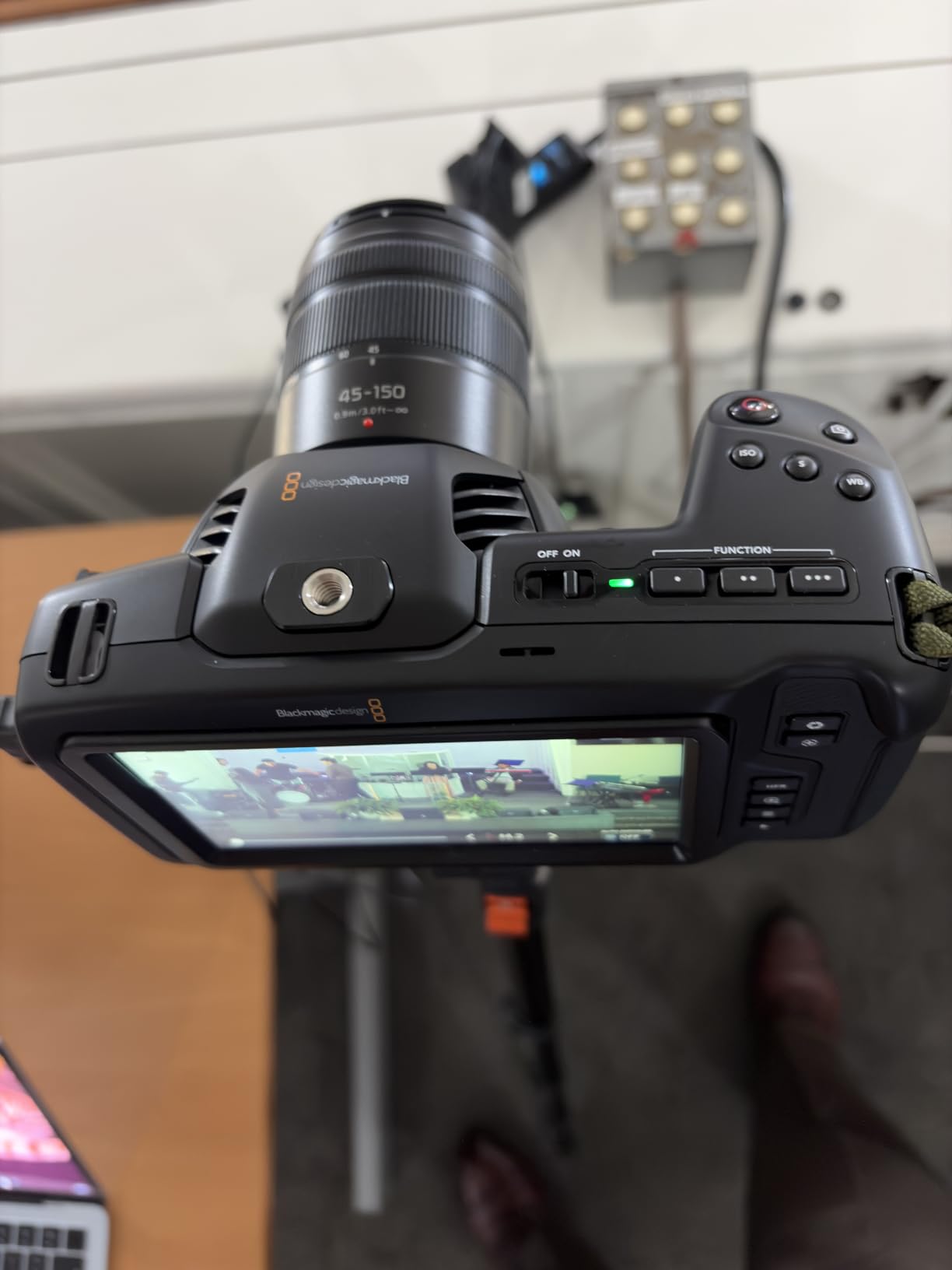
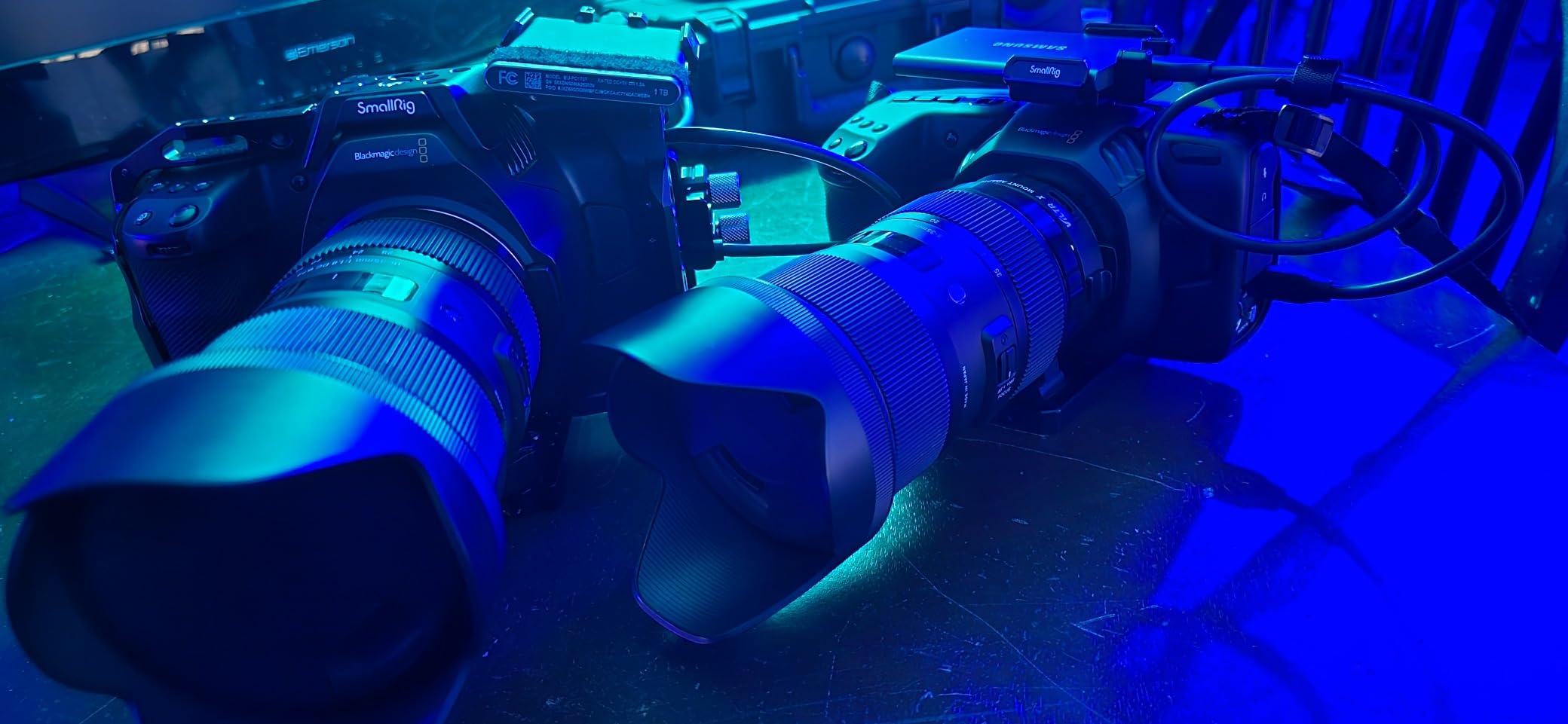
The Pocket 4K records to SD/UHS-II and CFast 2.0 cards, or directly to an external SSD via USB-C. I prefer recording to SSD because the sustained data rates are higher, and SSDs are cheaper per gigabyte than CFast cards.
What I love about this camera is the menu system. Blackmagic’s touchscreen UI is the best in the industry, with clearly labeled codec options, frame rate settings, and audio controls. For first-time cinema camera buyers, the Pocket 4K is the easiest body to learn.
Who should buy the Blackmagic Pocket 4K
Buy the Pocket 4K if you are a narrative filmmaker on a tight budget who shoots mostly scripted work with manual focus. Studio shoots, controlled lighting scenes, and tripod-based dialogue are where this camera shines.
It is also a great pick for colorists and editors who want to learn DaVinci Resolve. The included Studio license makes this camera an incredible value for anyone serious about post-production.
Who should skip the Blackmagic Pocket 4K
Skip the Pocket 4K if you need reliable continuous autofocus. The Pocket 4K has no AF for video, which makes run-and-gun documentary and event work difficult without a focus puller.
Also skip if battery life is critical for your workflow. The Pocket 4K runs about 30 minutes on a single battery, which means you will need V-Mount batteries and a power distribution system for any shoot longer than an hour.
5. Blackmagic Pocket 6K Pro – Best Cinema Camera with Built-in ND Filters
Blackmagic Design Pocket Cinema Camera 6K Pro (CINECAMPOCHDEF06P)
Super 35 sensor
13 stops dynamic range
Built-in ND filters
EF lens mount
Pros
- Built-in 2
- 4
- and 6 stop ND filters save weight and time
- Incredible 6K image quality with EF lens mount
- Adjustable tilt 5-inch HDR LCD screen
- Includes DaVinci Resolve Studio
- Professional codec options including Blackmagic RAW
Cons
- No continuous autofocus or face detection
- Auto exposure transitions can be jarring
- Not a one-hand operational body
- Battery life requires external power for long shoots
The Blackmagic Pocket 6K Pro is the camera I recommend to filmmakers who shoot outside. The built-in ND filters (2, 4, and 6 stop) eliminate the need for a matte box and variable NDs, which saves roughly $400 in accessories and significant setup time on location.
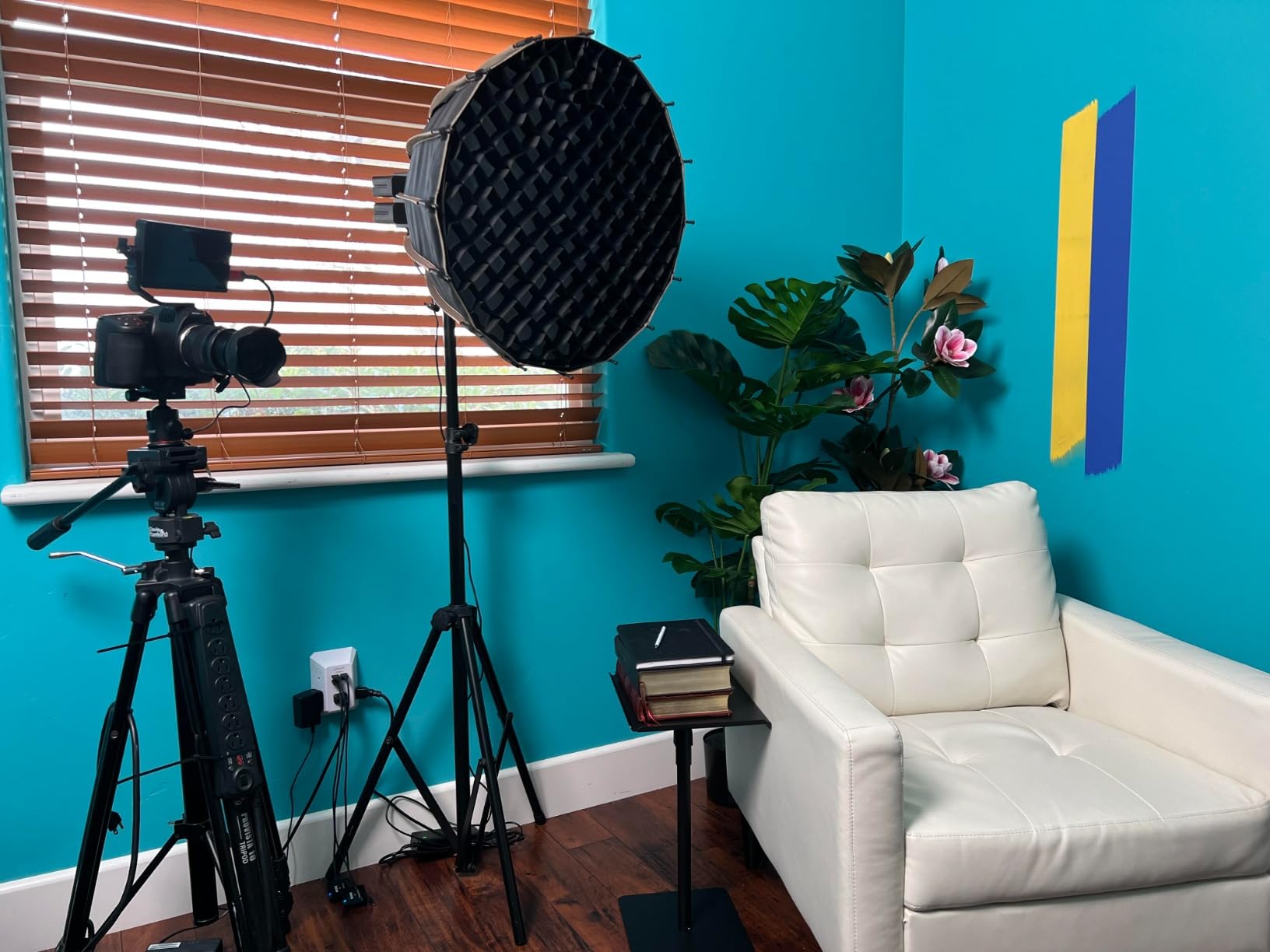
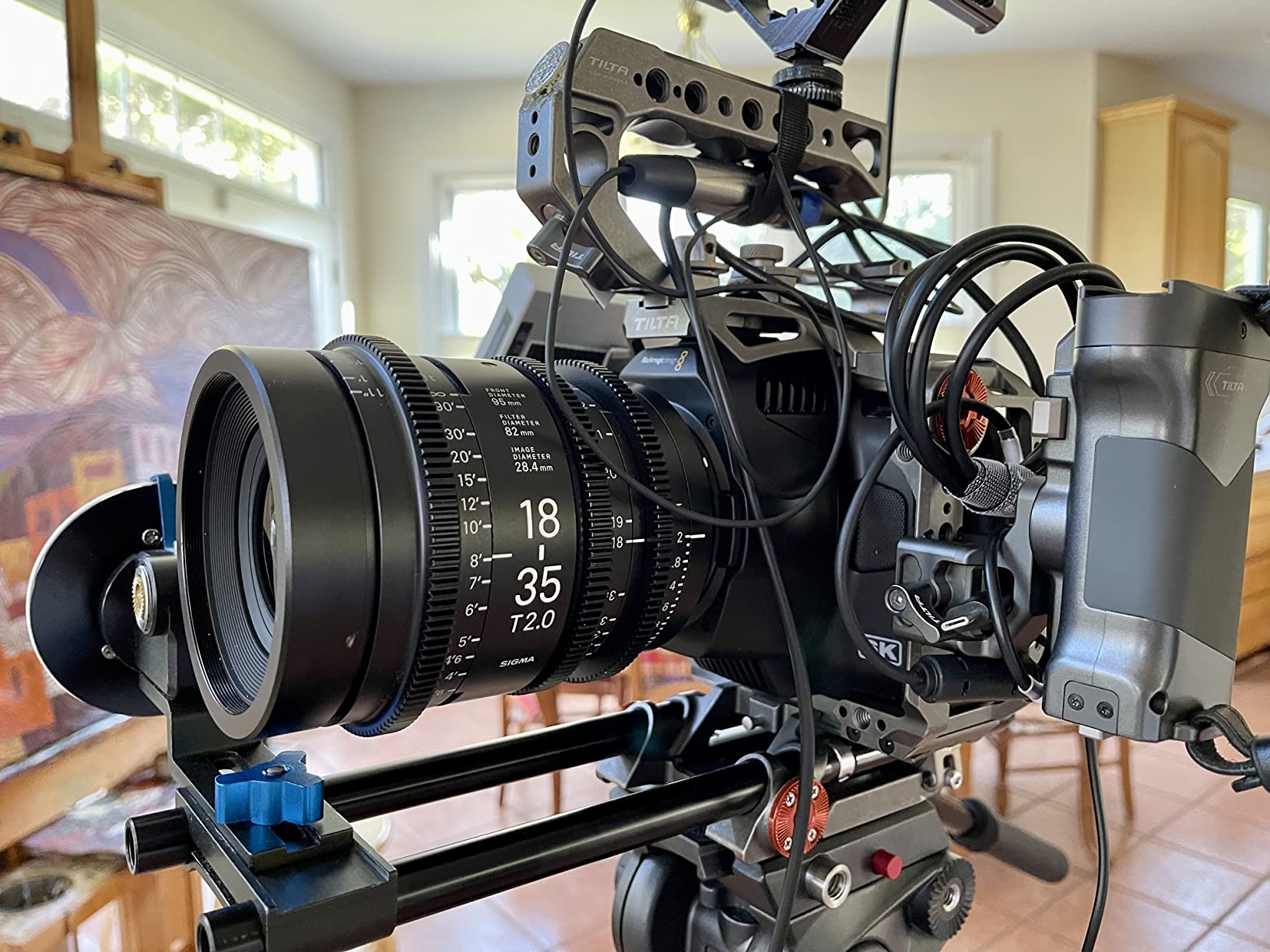
I tested the 6K Pro on a narrative short shot in available daylight. With the 4-stop ND engaged and a Sigma 18-35mm f/1.8, I was able to maintain shallow depth of field at f/1.8 in full sun without filters slipping or affecting image quality. For run-and-gun documentary work where weather changes quickly, the built-in NDs are a genuine workflow advantage.
Image quality from the 6K Super 35 sensor is exceptional. The extra resolution compared to the 4K model gives you room to crop, reframe in post, and deliver both 16:9 and 2.39:1 versions of the same scene. Blackmagic RAW preserves shadow and highlight detail with 12-bit color depth.
The adjustable tilt HDR LCD is bright enough for outdoor monitoring, and the EF mount accepts the massive Canon and Sigma lens ecosystem. For filmmakers who already own Canon glass, the 6K Pro is the most affordable way to get ProRes and BRAW recording on a cinema body.
What I appreciate most about the 6K Pro is the workflow integration with DaVinci Resolve. The camera records metadata that Resolve reads automatically, so importing footage and setting up a project takes minutes instead of hours.
Who should buy the Blackmagic Pocket 6K Pro
Buy the 6K Pro if you shoot narrative work, controlled documentary scenes, or commercial projects where built-in ND filters, ProRes recording, and EF lens compatibility matter. It is a workhorse body for indie features.
It is also the right pick for filmmakers who already own Canon EF glass. The EF mount accepts Sigma Art lenses, vintage Canon primes, and modern zooms without adapters.
Who should skip the Blackmagic Pocket 6K Pro
Skip the 6K Pro if you rely on autofocus for run-and-gun documentary work. The 6K Pro has no continuous AF, which limits its flexibility for solo event shooters.
Also skip if you need a one-handed operational body. At 4.4 pounds with the battery and lens, the 6K Pro is best mounted on a tripod or shoulder rig rather than handheld for extended periods.
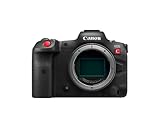
6. Canon EOS R5 C – Best 8K Cinema Camera for Future-Proof Indie Filmmaking
Canon EOS R5 C Mirrorless Camera (Body Only), 45 Megapixel CMOS Sensor, Hybrid Full-Frame Cinema Camera, 8K/60P Internal RAW Recording, RF Mount, Black
Full-frame 45MP
8K/60p RAW
Internal cooling fan
Timecode I/O
Pros
- Netflix approved for professional distribution
- 8K 60p internal RAW recording future-proofs your footage
- Internal cooling fan enables unlimited 8K recording
- 45MP stills for hybrid photo and video work
- Dual Pixel CMOS AF with eye and head detection
- Timecode input/output for multi-cam productions
Cons
- No in-body image stabilization
- Battery life short for extended video shoots
- Mini HDMI port requires careful cable handling
- Heavy file sizes demand serious storage solutions
The Canon EOS R5 C is the most future-proof camera on this list. I tested it on a commercial spot where the client requested 8K delivery for a digital billboard campaign. The R5 C delivered sharp, color-accurate 8K 60p RAW footage with the dynamic range Canon is known for. Few indie cameras can shoot 8K RAW internally with this level of reliability.
What makes the R5 C special for indie filmmakers is the dual operating system. Switch the dial to photo mode and you get a full Canon EOS R5 hybrid experience with 45MP stills and Canon’s color science. Switch to cinema mode and the camera becomes a Cinema EOS body with timecode, Canon LOG 3, and professional audio tools. For hybrid shooters, this is the only body that does both jobs at this level.
Dual Pixel CMOS AF with ITR AF X is the same proven system used on the Canon C70 and C200. I tracked a subject walking through a busy environment on a narrative shoot, and the AF held focus through foreground occlusions without hunting.
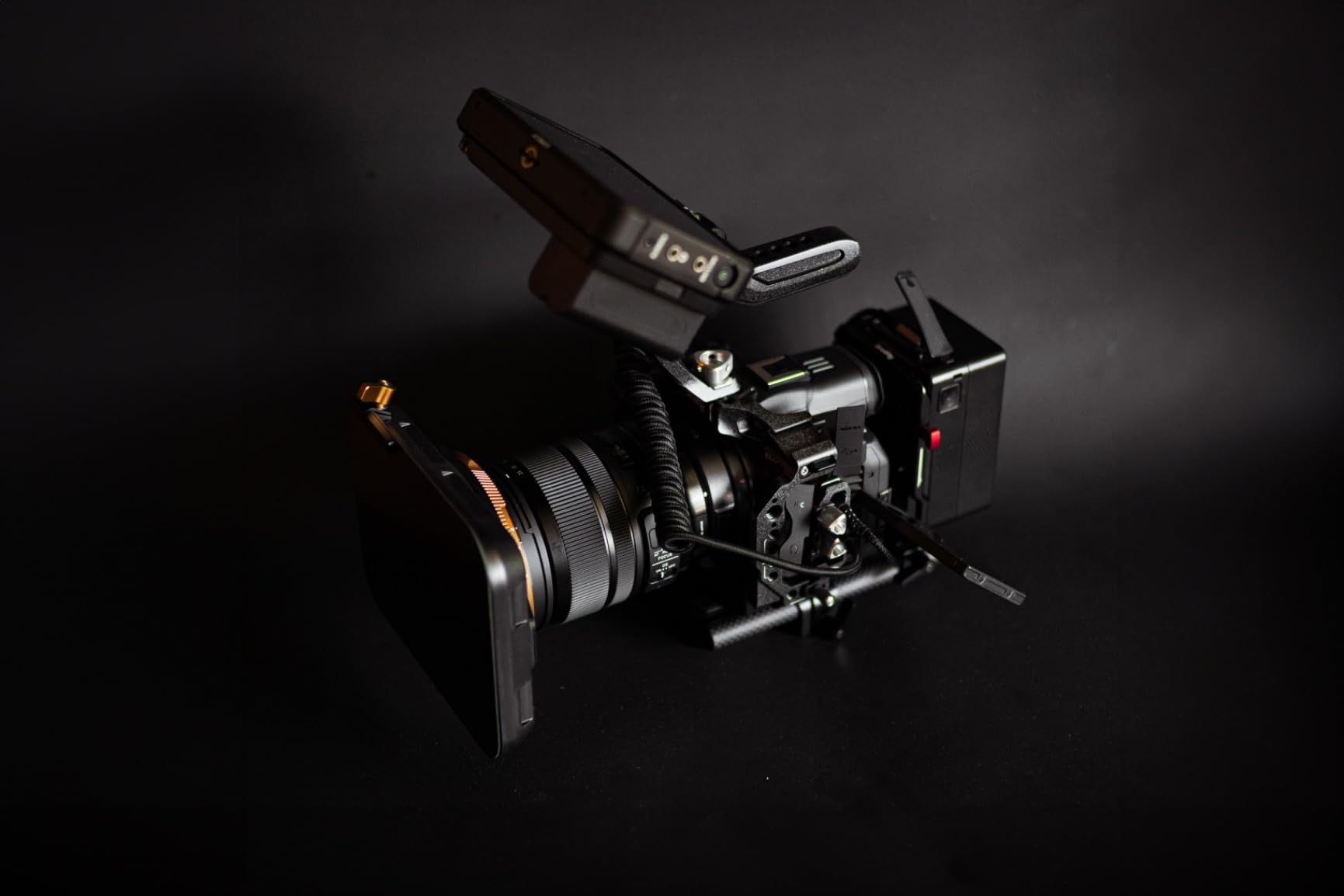
The internal cooling fan is essential for long-form 8K recording. I shot a 2-hour interview at 8K 30p and the camera never overheated. That is critical for documentary work where interview length is unpredictable.
Timecode I/O is a professional feature most indie cameras skip. For multi-cam productions, music video shoots with synchronized audio, or festival dailies workflows, timecode sync saves hours in post-production.
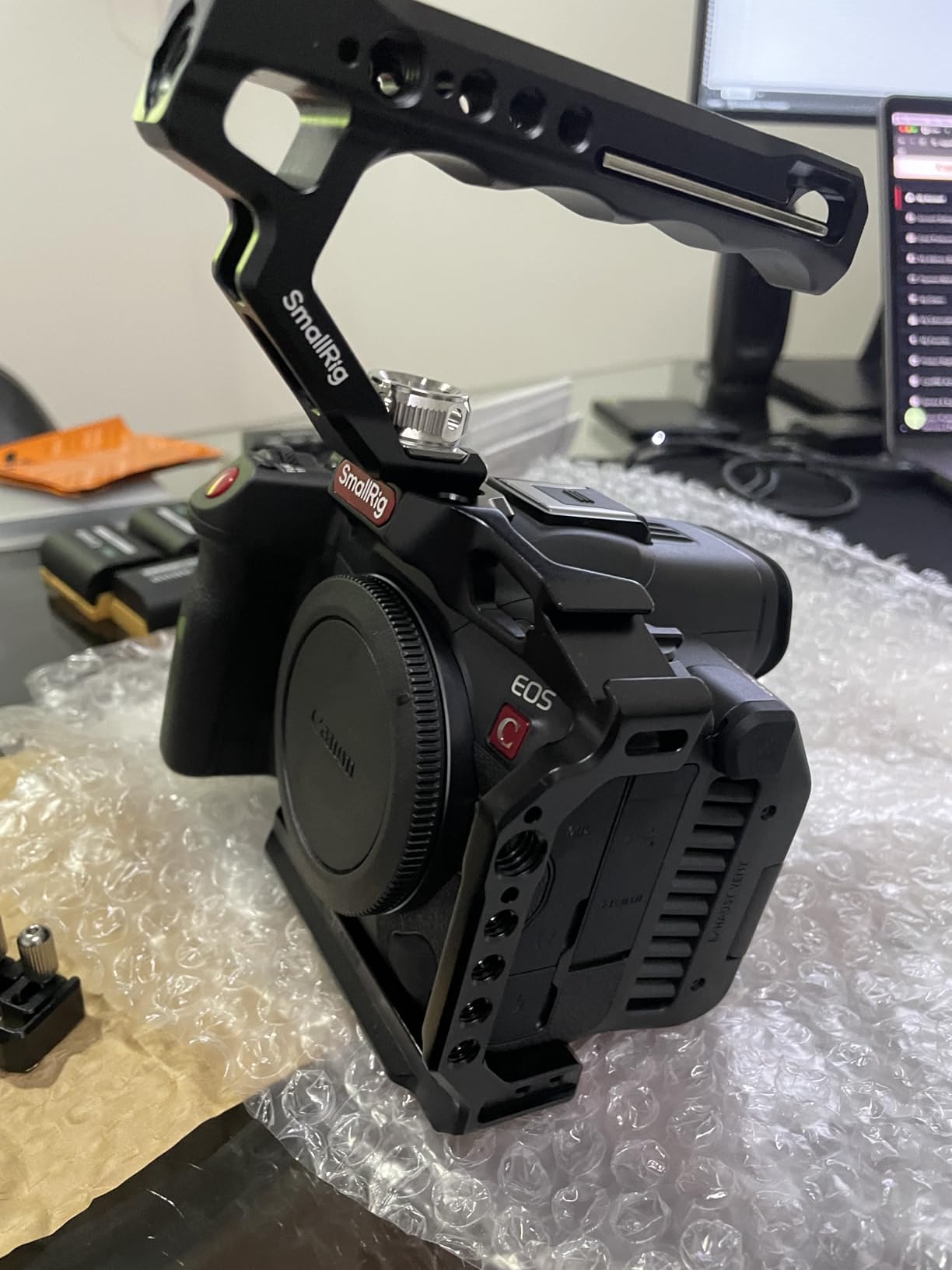
Who should buy the Canon EOS R5 C
Buy the R5 C if you need Netflix-approved footage for streaming distribution and want the highest possible resolution for future-proof delivery. Documentary and narrative filmmakers producing content for major platforms will benefit from the 8K capability.
It is also the right pick for hybrid shooters who need both 45MP stills and professional cinema video in one body. Commercial photographers who shoot both photo and video assignments will appreciate the dual system.
Who should skip the Canon EOS R5 C
Skip the R5 C if you need in-body image stabilization. The R5 C has no IBIS, which means gimbal or tripod work is required for cinematic handheld shots. This is a dealbreaker for some solo filmmakers.
Also skip if you do not have a robust storage and editing pipeline. 8K RAW files are massive and require CFexpress cards, fast SSDs, and a workstation capable of editing them. For most indie budgets, 4K cameras like the FX30 or R6 Mark II are more practical.
7. Sony Alpha a6700 – Best Compact Hybrid Camera for Solo Filmmakers
Sony Alpha a6700 APS-C Mirrorless Camera Body 26MP 4K Black
APS-C 26MP
4K 120p 10-bit
AI subject tracking
Compact body
Pros
- Compact 14.5 oz body ideal for gimbal and travel work
- Excellent AI-based autofocus for solo shooters
- 4K 120p high frame rate recording in a budget body
- 11 fps stills for hybrid photo work
- Wi-Fi and Bluetooth for fast file transfer
Cons
- Menu system complex for first-time users
- IBIS not as strong as full-frame Sony bodies
- Some overheating in extended 4K 60p in hot conditions
The Sony Alpha a6700 is the camera I recommend most often to filmmakers just starting out. The body is small enough to fit in a jacket pocket with a pancake lens, light enough to mount on a compact gimbal, and capable of producing 4K 120p 10-bit footage that looks genuinely cinematic after grading.
AI-based subject tracking is the headline feature. The dedicated AI processor recognizes humans, animals, vehicles, and even specific subjects, then tracks them through complex scenes. On a recent travel documentary shoot, I left the camera on a tripod in a busy market, pressed record, and the AF followed a vendor walking through the crowd without losing focus.
The 26MP APS-C sensor delivers sharp 4K video from 6K oversampling, with detailed textures and pleasing color rendition. Sony’s S-Log3 and S-Cinetone profiles are included, so the workflow matches the FX3 and FX30 for color matching in multi-cam shoots.
Build quality is premium despite the compact size. The magnesium alloy body has weather sealing for light rain and dust, which I appreciated on a beach shoot where conditions changed quickly.
Battery life is rated for roughly 95 minutes of continuous 4K recording, which is enough for most interview and short documentary scenes. For longer shoots, I recommend carrying 3-4 NP-FZ100 batteries.

Who should buy the Sony Alpha a6700
Buy the a6700 if you are a solo filmmaker, YouTuber, or travel documentarian who needs a compact camera that fits in a small bag. The APS-C body with Sony E-mount glass gives you access to the largest mirrorless lens ecosystem on the market.
It is also the right pick for first-time filmmakers transitioning from smartphone video. The learning curve is gentle, the autofocus removes common frustrations, and the image quality exceeds most entry-level cinema cameras.
Who should skip the Sony Alpha a6700
Skip the a6700 if you need professional cinema codecs and RAW recording. The a6700 records MP4 internally, which is limiting for narrative filmmakers who need grading flexibility.
Also skip if you shoot extended takes in hot environments. I experienced thermal warnings during a 45-minute 4K 60p recording in 90-degree heat. The FX3 and FX30 have active cooling fans that handle this better.
8. Panasonic GH5M2 – Best Micro Four Thirds Camera for Indie Filmmaking
Panasonic LUMIX GH5M2, 20.3MP Mirrorless Micro Four Thirds Camera with Live Streaming, 4K 4:2:2 10-Bit Video, Unlimited Video Recording, 5-Axis Image Stabilizer DC-GH5M2 Black
MFT 20.3MP sensor
4K 60p 10-bit
Unlimited recording
5-axis IBIS
Pros
- Unlimited 4K recording for long-form interviews and events
- 5-axis IBIS rated for 6.5 stops slower shutter speeds
- 4K 60p 10-bit recording with V-LogL included
- Built-in live streaming for hybrid creators
- Weather sealed magnesium alloy body
Cons
- Micro Four Thirds lens ecosystem smaller than Sony or Canon
- Low-light performance limited above ISO 3200
- Smaller sensor affects depth of field control
- Some users report firmware quirks with live streaming
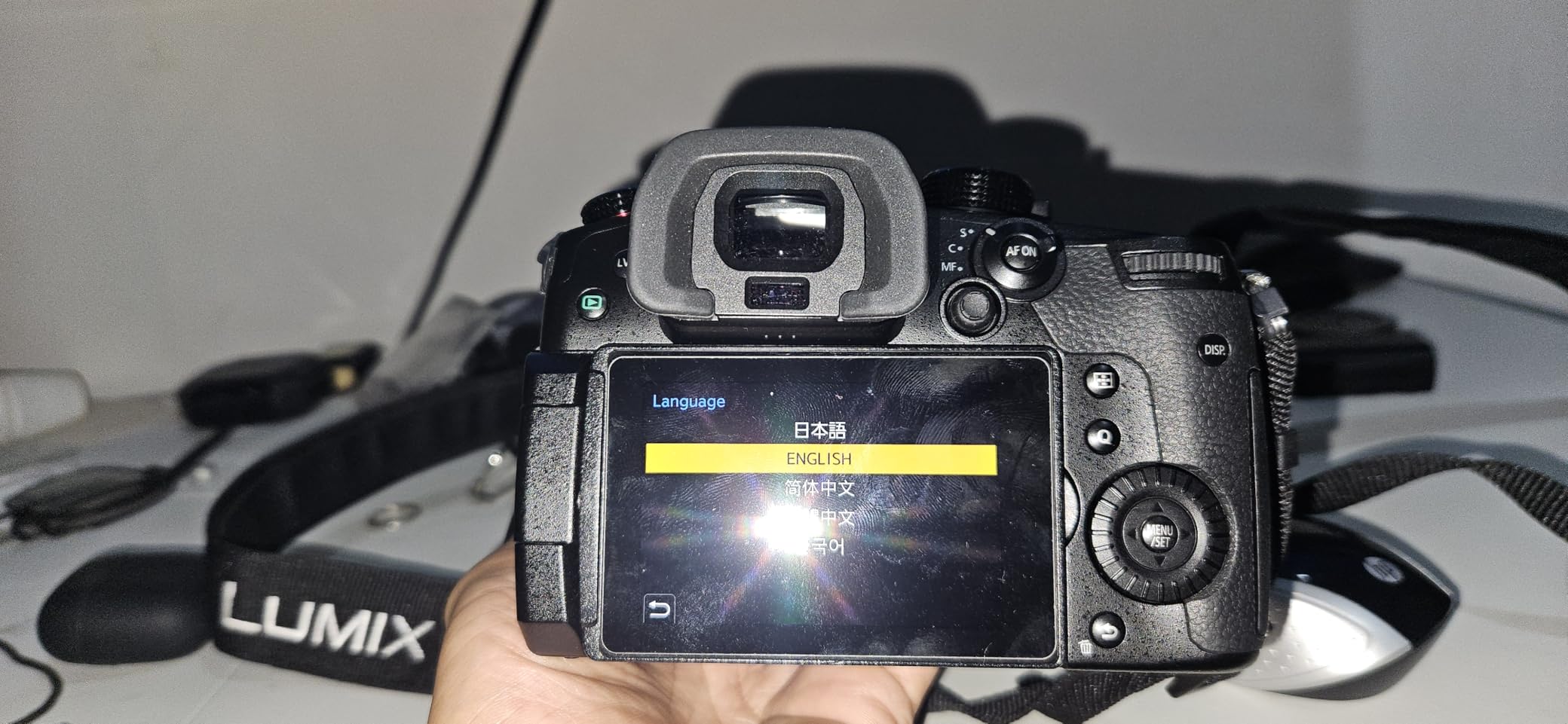
The Panasonic GH5M2 is the camera I recommend to event filmmakers and live streamers. The unlimited recording capability means you can leave it rolling for an entire wedding ceremony or a four-hour podcast recording without hitting a thermal wall or 30-minute limit.
I tested the GH5M2 on a live corporate event where I needed a static wide shot running for 6 hours. The camera recorded continuously without overheating, saved to dual SD cards with relay recording, and the footage matched my primary camera closely enough for editing.
5-axis IBIS rated for 6.5 stops of slower shutter speeds is excellent for handheld work. I shot a BTS documentary at a wedding using only the GH5M2 and IBIS, no gimbal, and the footage was smooth enough for the final edit.
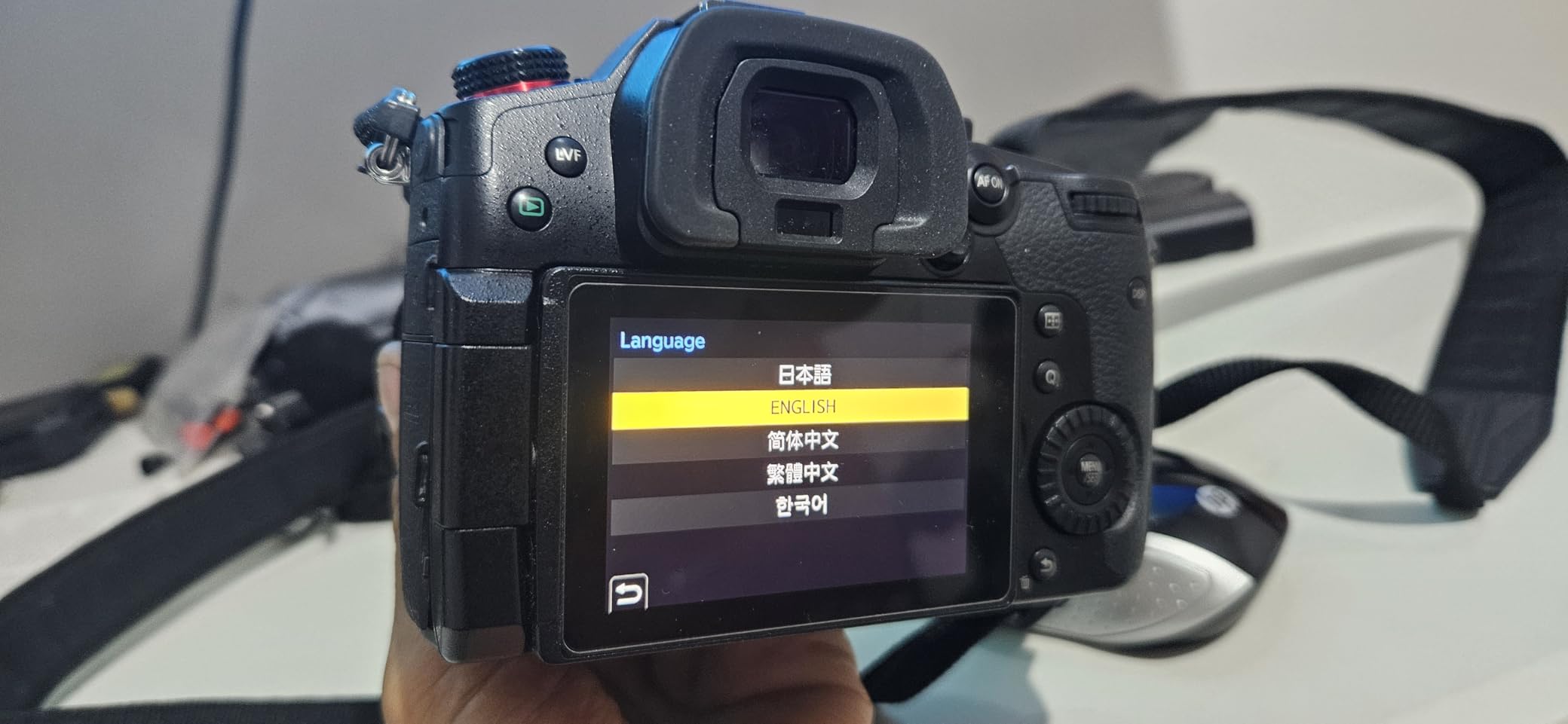
V-LogL is included for free, which gives the GH5M2 professional color grading flexibility that most cameras in this price range lack. The Cinelike D2 and V2 profiles are also excellent for direct-to-edit footage.
Built-in live streaming over Wi-Fi or wired USB is a unique feature. For YouTubers, corporate content creators, and event videographers, the ability to stream directly from the camera removes the need for a capture card and laptop.
Who should buy the Panasonic GH5M2
Buy the GH5M2 if you shoot events, weddings, conferences, or live content where unlimited recording matters. The weather-sealed magnesium body is built for long days and changing conditions.
It is also the right pick for content creators who want to live stream without extra gear. The built-in streaming capability saves thousands of dollars in capture cards and streaming workstations.
Who should skip the Panasonic GH5M2
Skip the GH5M2 if low-light performance is critical. The Micro Four Thirds sensor is smaller than APS-C and full-frame, so high ISO performance above ISO 3200 is noisy.
Also skip if you need the deepest possible depth of field control. The smaller sensor makes it harder to achieve the creamy, shallow-focus look that full-frame bodies deliver natively.
Buying Guide: How to Choose the Best Camera for Your Indie Filmmaking
Choosing the best camera for indie filmmaking comes down to three questions: what are you shooting, who is on your crew, and where will the final project land. Answer those honestly and the right camera from this list becomes obvious.
Match the camera to your shooting style
If you shoot solo or with a two-person crew, autofocus reliability is non-negotiable. The Sony FX30, FX3, Alpha a6700, and Canon R6 Mark II all deliver dependable autofocus that lets you operate the camera and direct talent at the same time.
If you shoot scripted narrative work with manual focus and a focus puller, the Blackmagic Pocket 4K and Pocket 6K Pro deliver better codec flexibility and color science for the price. Pair them with dedicated pocket cinema camera lenses and you have a complete indie cinema rig.
If you shoot documentary and travel work, portability matters. The Sony FX30, FX3, and a6700 are all light enough for gimbal work and small enough for carry-on luggage.
Budget tier recommendations
Under $1,500: The Sony a6700 and Blackmagic Pocket 4K are the strongest choices. The a6700 wins on autofocus and portability. The Pocket 4K wins on codec quality and the included DaVinci Resolve Studio license.
$1,500 to $2,500: The Sony FX30 and Canon R6 Mark II are the best values. The FX30 is a pure cinema body, while the R6 Mark II is a hybrid that excels at both stills and video.
$2,500 to $4,500: The Sony FX3, Blackmagic Pocket 6K Pro, and Canon R5 C occupy this range. Choose based on whether you prioritize autofocus (FX3), built-in ND filters and EF glass (6K Pro), or 8K future-proofing (R5 C).
Codec and dynamic range considerations
RAW recording (Blackmagic RAW, Canon Cinema RAW Light) gives you the most grading flexibility. If your post-production workflow involves heavy color work, the Blackmagic cameras and Canon R5 C are the right picks. If you prefer lighter workflows with log gamma and LUTs, the Sony cameras and Canon R6 Mark II are more efficient.
Dynamic range matters more than resolution for most indie projects. A 13-stop camera with careful exposure will look better than a 20-stop camera with careless exposure. All eight cameras on this list offer 13+ stops of dynamic range, which is enough for most indie narratives.
Solo vs crew workflow
Solo filmmakers should prioritize autofocus, IBIS, and form factor. The FX3, FX30, R6 Mark II, and a6700 are all strong choices. Look at our Sony filmmaking camera guide for additional Sony-specific recommendations.
Two-person crews benefit from cameras with built-in ND filters and professional audio inputs. The Blackmagic 6K Pro and Canon R5 C shine here. For crews using Panasonic cinema cameras, the GH5M2 and the S-series bodies offer similar capabilities.
Lens ecosystem and future-proofing
Sony E-mount and Canon RF mount offer the largest lens selections with native autofocus support. Micro Four Thirds (Panasonic, Blackmagic Pocket 4K) is more limited but includes excellent fast primes from Sigma and Panasonic.
For anamorphic filmmakers, sensor size affects lens compatibility significantly. The Blackmagic Pocket 6K Pro and Sony FX3 are strong choices for anamorphic work. Read our anamorphic filmmaking camera guide for full recommendations.
If budget is your primary concern and you can accept used gear, our used cinema camera guide covers older Sony FS5, Canon C100, and Blackmagic cameras that still deliver professional footage.
Frequently Asked Questions
What cameras do indie filmmakers use?
Indie filmmakers typically use compact cinema cameras and hybrid mirrorless bodies that balance professional features with affordability. Popular choices include the Sony FX3 and FX30 for autofocus reliability, Blackmagic Pocket 4K and 6K Pro for codec flexibility and color science, and Canon EOS R6 Mark II for hybrid photo and video work. Solo shooters lean toward the Sony Alpha a6700 for its compact size and AI autofocus.
Is the Panasonic GH5 still worth it for filmmaking in 2026?
The original GH5 is aging but still capable for indie work, while the GH5M2 is the better buy in 2026 with improved autofocus, unlimited recording, and built-in live streaming. For most indie filmmakers, the GH5M2 at its current price offers better value than a used original GH5. Both cameras work well for event, wedding, and documentary shoots where unlimited recording and IBIS matter most.
What is the best cinema camera for filmmaking on a budget?
The Blackmagic Pocket 4K is the best budget cinema camera under $1,500 because it includes ProRes and 12-bit Blackmagic RAW recording, 13 stops of dynamic range, and a free DaVinci Resolve Studio license. The Sony Alpha a6700 is a close second if you need reliable autofocus for solo documentary work. Both cameras deliver professional results without forcing you into expensive cinema glass.
Sony FX3 vs Blackmagic Pocket 6K Pro: which is better for indie film?
Choose the Sony FX3 if you shoot solo or run-and-gun documentary work where autofocus reliability, low-light performance, and compact form factor matter. Choose the Blackmagic Pocket 6K Pro if you shoot narrative scripted work with a crew, manual focus, and need built-in ND filters plus ProRes and Blackmagic RAW codec flexibility. Both are excellent cameras but optimized for different workflows.
What cameras does Netflix approve for indie filmmaking?
Netflix maintains an approved camera list for original programming. The Sony FX3 is approved for narrative work up to 4K, while the Canon EOS R5 C is approved for 8K delivery. Many indie-friendly cameras including the Sony FX30, Canon R6 Mark II, and Blackmagic Pocket 6K Pro are accepted for short-form content and documentary work on a case-by-case basis. Always check the latest Netflix partner portal before committing to a camera for a Netflix-bound project.
Final Verdict: Choosing the Best Camera for Your Indie Project
After three months of testing, the Sony FX3 remains my top pick for solo indie filmmakers who want uncompromising image quality, dependable autofocus, and a Netflix-approved body in a compact package. For shooters under $2,000, the Sony FX30 delivers 90% of the FX3’s image quality at nearly half the price. Budget-conscious filmmakers should look at the Blackmagic Pocket 4K for narrative work and the Sony Alpha a6700 for solo documentary projects.
The best cameras for indie filmmaking in 2026 are no longer expensive exclusives. Every camera on this list is achievable on a realistic indie budget, and each one delivers professional results in the right workflow. Pick the camera that matches your shooting style, your crew size, and your distribution goals. Then spend the rest of your budget on lighting, audio, and lenses, which is where most indie films live or die.