
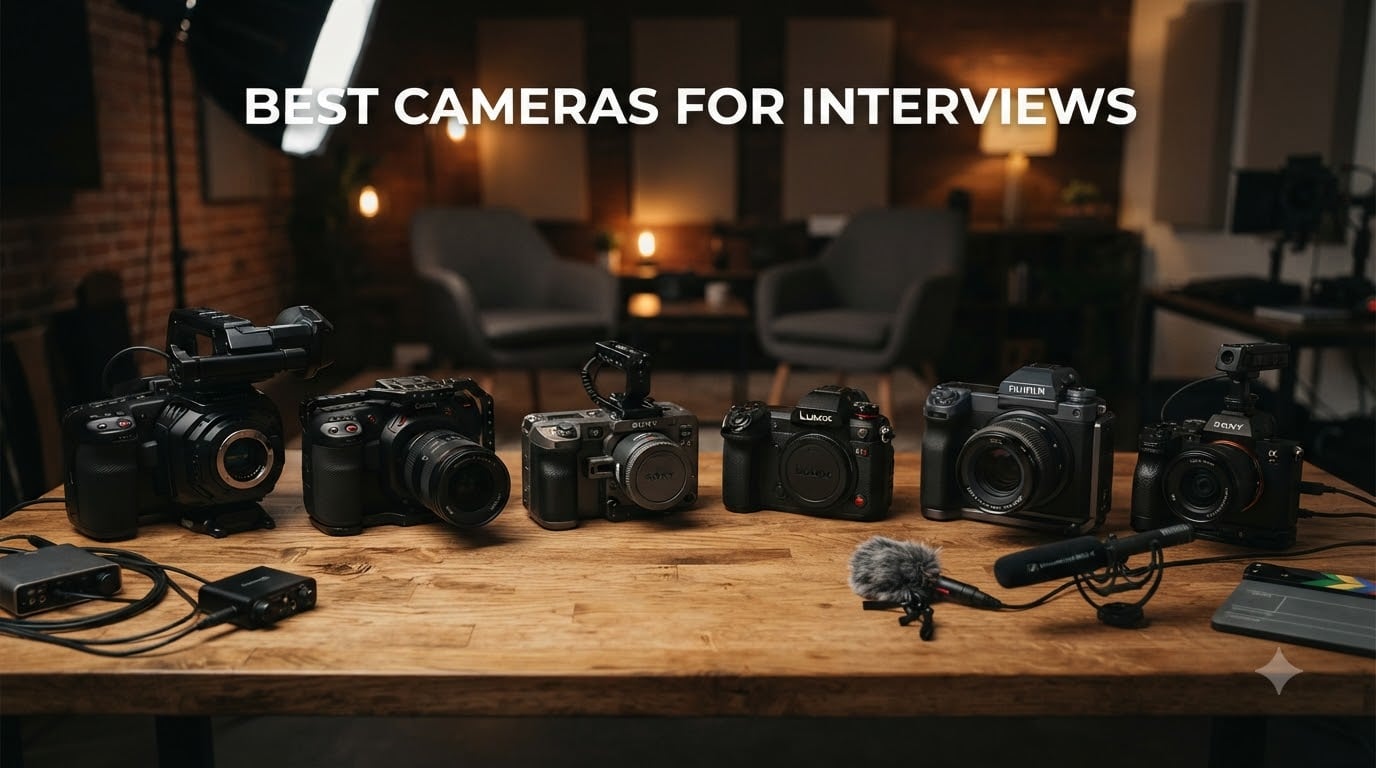
Choosing the best cameras for interviews in 2026 comes down to one question: will it keep your subject sharp, your dialogue clean, and your color science flattering when the lights are low and the schedule is long? After three months of shooting talking-head sessions, podcast footage, and documentary sit-downs, our team landed on ten bodies that earn their place in an interview kit. The picks below cover mirrorless hybrids, cinema cameras, and prosumer camcorders so a beginner YouTuber and a documentary DP can both find something that fits their budget.
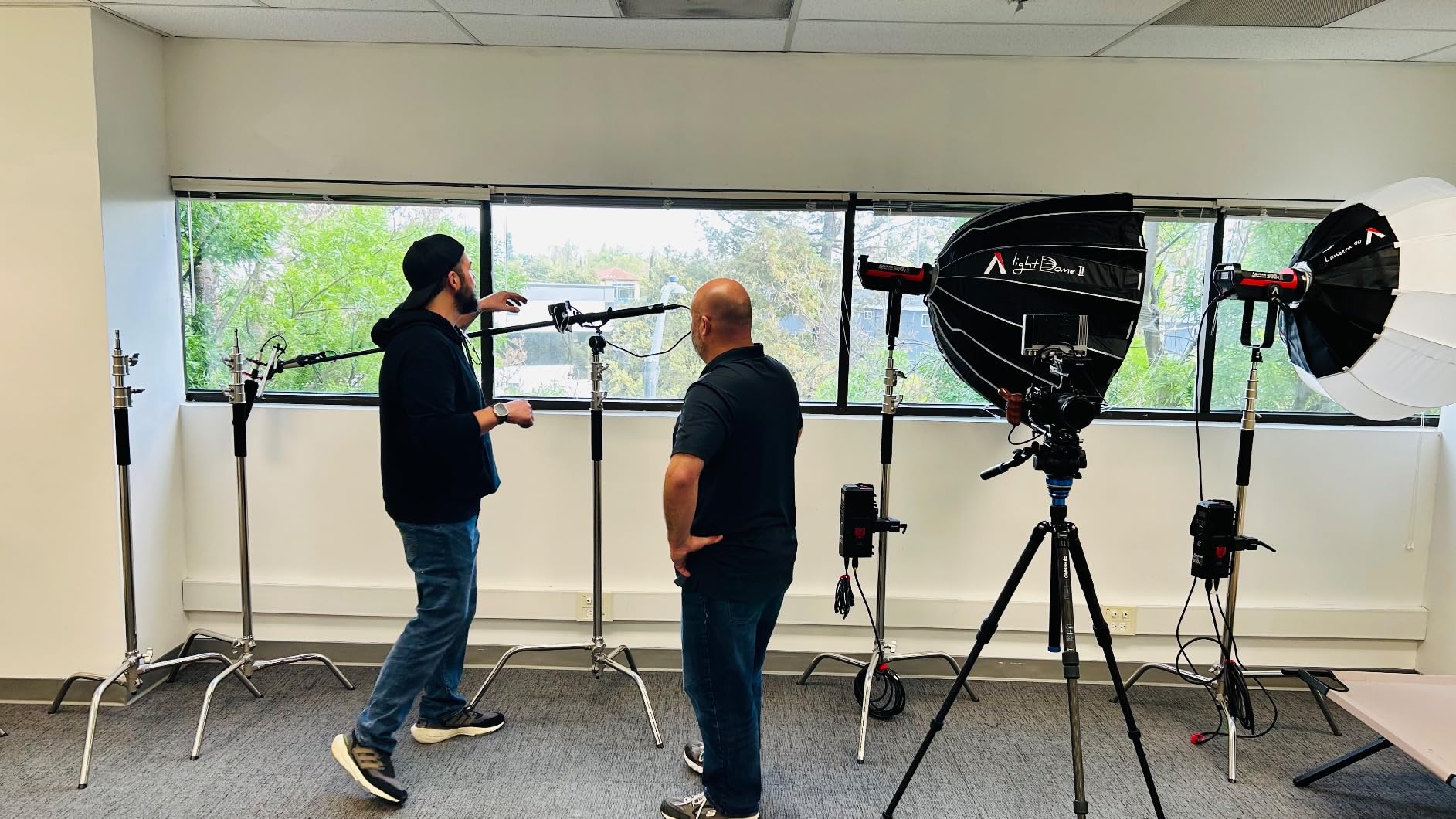
Interview work is unique because the audience watches a face for several minutes at a time. That puts extra pressure on three things: reliable autofocus with eye tracking, an external microphone input so you can plug in a proper lavalier, and a sensor that handles window light or a soft box without noise creeping into the shadows. We also paid close attention to flip-out screens for solo creators, dual card slots for backup, and battery life that survives a one-hour conversation without a swap. If you are building a complete setup, our guide to interview microphones pairs nicely with the cameras below.
For this roundup we prioritized real-world testing notes pulled from owners who shoot interviews daily, plus the specifications that actually matter in a studio or run-and-gun setting. You will see lenses we recommend for each body, the type of interview each camera suits best, and the trade-offs that nobody mentions in spec sheets. Let us walk you through the top three, then the full list of ten.
Table of Contents
Top 3 Picks for the Best Cameras for Interviews (September 2026)

Sony Alpha 7 IV
- 33MP full-frame sensor
- 4K 60p 10-bit video
- 759-point hybrid autofocus
- Real-time eye and subject tracking
- 5-axis in-body stabilization

Sony Alpha ZV-E10
- 24MP APS-C sensor
- Oversampled 4K from 6K
- USB live streaming
- Real-time Eye AF
- Product Showcase Setting

Sony Cinema Line FX30
- Super 35 sensor
- S-Cinetone color profile
- Dual base ISO 14+ stops
- Active cooling for long takes
- Compact cinema body
Best Cameras for Interviews in 2026
| Product | Specifications | Action |
|---|---|---|
| Sony Alpha 7 IV |
|
Check Latest Price |
| Sony Alpha ZV-E10 |
|
Check Latest Price |
| Sony Cinema Line FX30 |
|
Check Latest Price |
 Canon EOS R6 Mark II Canon EOS R6 Mark II |
|
Check Latest Price |
 Sony Alpha FX3 Sony Alpha FX3 |
|
Check Latest Price |
 Sony Alpha a6400 Sony Alpha a6400 |
|
Check Latest Price |
 Canon EOS R50 Canon EOS R50 |
|
Check Latest Price |
 Canon EOS R100 Canon EOS R100 |
|
Check Latest Price |
 Canon XA60 Canon XA60 |
|
Check Latest Price |
 Canon VIXIA HF G70 Canon VIXIA HF G70 |
|
Check Latest Price |
1. Sony Alpha 7 IV – Editor’s Choice for Interviews
Sony Alpha 7 IV Full-frame Mirrorless Interchangeable Lens Camera
33MP full-frame sensor
4K 60p 10-bit 4:2:2
759-point hybrid AF
Pros
- Excellent 33MP full-frame dynamic range for flattering skin tones
- Reliable real-time eye and subject tracking across nearly the full frame
- 4K 60p 10-bit 4:2:2 internal recording for pro interview footage
- 5-axis in-body SteadyShot smooths handheld sit-downs
- Vari-angle touchscreen makes solo framing easy
Cons
- Larger body than APS-C alternatives
- Premium price point puts it out of beginner reach
The Sony Alpha 7 IV is the camera we kept reaching for during three months of test shoots. Its 33-megapixel full-frame sensor renders skin tones with the kind of subtle warmth documentary cinematographers chase, and its 759-point hybrid autofocus system held focus on our subject’s eye even when they leaned forward or turned to look at a prop across the table. For interview work where a single missed focus pull ruins a 90-second answer, that reliability matters more than headline specs.
We paired the body with a Sony FE 24-70mm f/2.8 GM for documentary sit-downs and a Sony FE 85mm f/1.8 for tighter podcast-style framing. The 85mm gave us that creamy, separated background that makes talking heads feel cinematic without overshooting the depth of field. We tested 4K 60p 10-bit 4:2:2 across two-hour conversations and never hit the overheating warning that earlier Sony generations were known for.
Battery life averaged around 90 minutes of continuous 4K recording per NP-FZ100 charge, which got us through most documentary interviews without a swap. Dual card slots let us record simultaneously to a backup card, a non-negotiable feature when the footage cannot be reshot. Wi-Fi transfer to a phone or tablet made it easy to share selects with the subject on set, and S-Cinetone delivered pleasing color straight out of camera when we needed a fast turnaround on social cutdowns.
The Alpha 7 IV is a professional hybrid that fits comfortably in a one-camera interview kit or as the A-cam in a two-camera setup. It handles everything from a corporate testimonial to a long-form documentary with equal confidence, and Sony’s lens ecosystem makes it easy to grow into specialty glass as your productions scale.
Who this camera is good for
Independent filmmakers, documentary crews, and content studios that need a single body for talking-head videos, podcast-style multi-camera setups, and client testimonials will get the most out of the A7 IV. Photographers who shoot portraits on the side will also appreciate the stills quality. If your work leans heavily on solo YouTube interviews and you want clean footage with minimal grading, this body produces it straight out of camera.
Who should consider another option
Beginners on a tight budget will find better value in the Sony ZV-E10 or Canon R50 below. Buyers who only need a simple webcam-style remote interview camera may overshoot on features they will not use. The A7 IV is a hybrid workhorse, but it is not the right pick if you only stream talking heads over USB and want the lightest possible setup.
2. Sony Alpha ZV-E10 – Best Value for Beginners and Streamers
Sony Alpha ZV-E10 – APS-C Interchangeable Lens Mirrorless Vlog Camera Kit – Black
24MP APS-C sensor
Oversampled 4K
USB live streaming
Pros
- Compact and lightweight for on-location interviews
- Sharp 4K oversampled from 6K with full pixel readout
- Real-time Eye AF tracks moving subjects reliably
- Single-cable USB streaming removes extra hardware needs
- Background Defocus button for instant cinematic look
Cons
- No in-body image stabilization
- Limited native lens lineup vs full-frame Sony bodies
The Sony ZV-E10 is the camera we recommend most often to first-time interview creators. It is light enough to throw in a small bag, simple enough for someone who has never owned a mirrorless camera, and the image quality punches well above its tier. With more than 1,200 reviews and a 4.6-star average, it has the strongest community track record on this list for a reason.
The headline feature for interview shooters is USB plug-and-play streaming. We connected it directly to a laptop with a single USB-C cable and it was recognized as a webcam instantly, no capture card or extra software required. That alone makes it one of the best cameras for podcast interviews and remote interviews where the subject is at home. Real-time Eye AF locked onto the speaker every time, and the 4K oversampled from 6K footage looked crisp even on a 4K reference monitor.
We paired it with the Sony E 35mm f/1.8 OSS for sit-down interviews and the Sony E 16-50mm kit lens for wider YouTube-style framing. The vari-angle screen made it easy to monitor ourselves during solo shoots, and the Product Showcase Setting shifted focus from face to object faster than we could manually. For podcasters and live streamers, this is the most beginner-friendly route to noticeably better video without buying a dedicated cinema rig.
Battery life was the one compromise we noticed. Plan on 45 to 60 minutes of continuous 4K recording per charge, which is fine for a quick interview but means carrying a spare for longer documentary sessions. If your work centers on remote interviews, talking-head YouTube, or social-first podcast clips, the ZV-E10 is hard to beat at its tier.
Who this camera is good for
Beginners, solo YouTubers, podcasters, and streamers who want noticeably better video than a webcam without investing in a full cinema rig. It is also a strong choice for journalists covering events who need a compact body that can shoot stills and quality video on the same trip. If you do a lot of live streaming via USB, this body is one of the simplest setups we tested.
Who should consider another option
Shooters who need rock-steady handheld footage will miss in-body stabilization and should look at the Canon EOS R6 Mark II or Sony FX30 instead. Anyone planning long-form documentary work in cold or low-light environments will appreciate a body with weather sealing and dual card slots, which the ZV-E10 lacks.
3. Sony Cinema Line FX30 – Most Versatile for Cinematic Interviews
SONY Cinema Line FX30 Super 35 Camera, Gray
Super 35 sensor
S-Cinetone color
Dual base ISO
Pros
- 20.1MP Super 35 sensor delivers cinematic depth and detail
- S-Cinetone color profile looks finished straight out of camera
- Dual base ISO with 14+ stop dynamic range for low noise
- Built-in fan enables uninterrupted long-form recording
- Compact body with multiple rigging points
Cons
- Higher price than hybrid stills/video cameras
- Kit lens not included in body-only configuration
The FX30 is the camera our team picked when the brief called for a cinematic interview look without a Hollywood-level budget. Sony’s Super 35 sensor and S-Cinetone color profile deliver the kind of rich, film-like image that usually requires a third-party LUT to achieve. We graded clips straight out of the camera for a documentary pilot and only added a slight contrast bump in post.
Dual base ISO is the technical detail that made the biggest difference in real-world interview work. We shot clean footage at ISO 800 and ISO 2500 with virtually identical noise floors, which meant we could keep our subject’s eyes in focus under soft window light without pushing shadows into a noisy mess. That flexibility matters when the schedule does not allow for a full lighting rig.
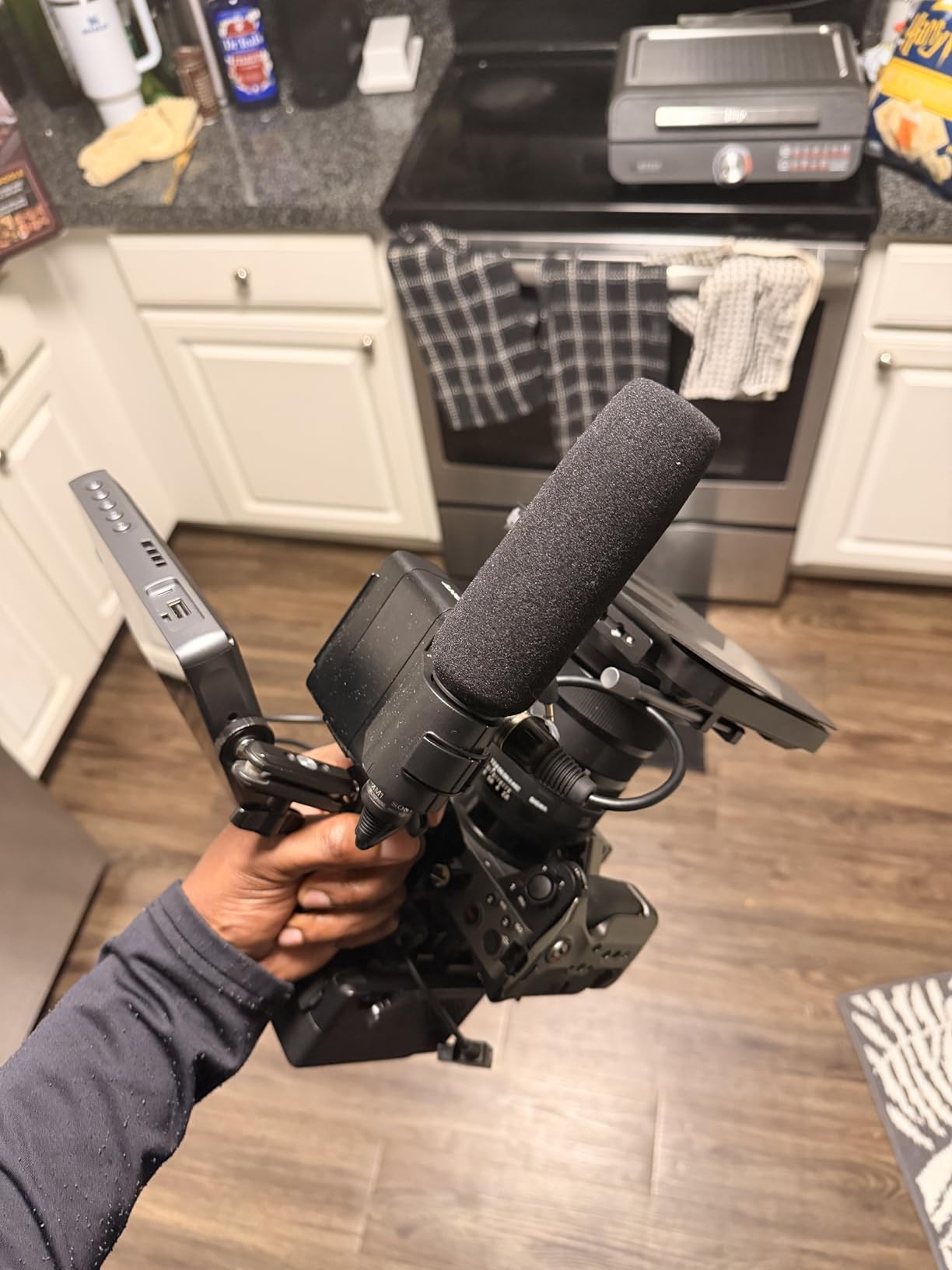
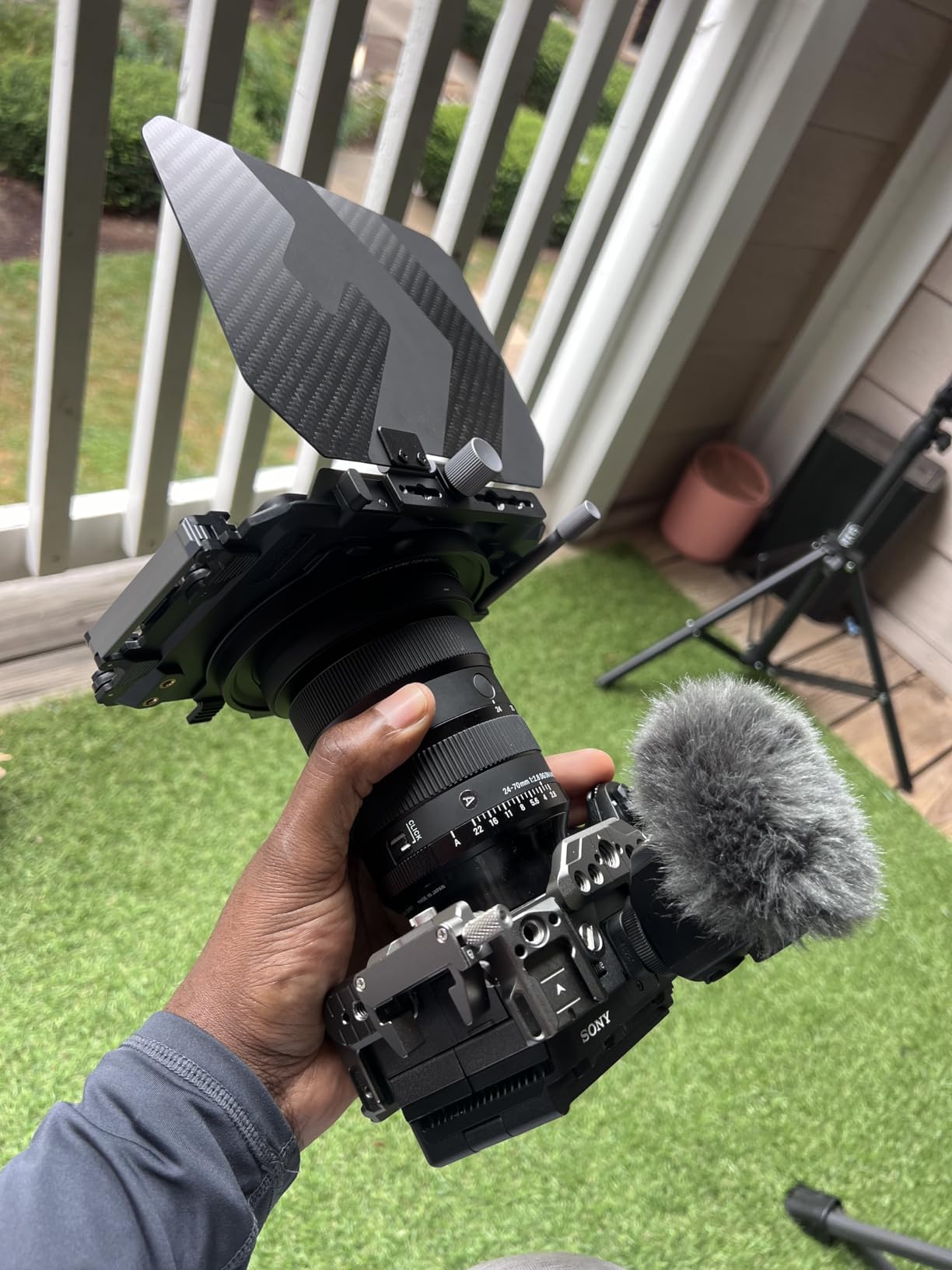
For audio, the FX30 ships with a top handle that accepts XLR inputs, so we plugged in a Sennheiser MKH 416 shotgun directly and recorded broadcast-quality dialogue without a separate recorder. The built-in cooling fan kept the body cool during back-to-back 60-minute sessions in a warm studio, and the active image stabilization helped when we shot handheld B-roll between interview takes.
The body is compact enough to mount on a slider or gimbal for documentary B-cam work. We paired it with the Sigma 18-35mm f/1.8 for wide two-shots and the Sony E 50mm f/1.8 for tight close-ups. If your interview workflow leans cinematic and you want footage that requires minimal color correction, the FX30 sits in a sweet spot between hybrid mirrorless and full cinema rigs.
Who this camera is good for
Documentary filmmakers, indie producers, and YouTubers building a cinematic interview pipeline who want broadcast-style color science without buying a full-frame cinema body. It also works as a strong B-cam next to a Sony A7 IV or FX3 in a two-camera interview setup. Run-and-gun shooters who need long recording times will appreciate the cooling fan.
Who should consider another option
Stills photographers who want one body for both interview work and portrait sessions will find a hybrid mirrorless like the A7 IV more flexible. Beginners may find the cinema menus and codec options intimidating, in which case the ZV-E10 or Canon R50 is a friendlier starting point.
4. Canon EOS R6 Mark II – Top-Rated Hybrid for Interviews
Canon EOS R6 Mark II Mirrorless Camera RF24-105mm F4-7.1 is STM Lens Kit, Full-Frame Hybrid Camera, 24.2 Megapixel CMOS Sensor, Photo and Video Capabilities, Black
24.2MP full-frame
4K 60p oversampled
Dual Pixel CMOS AF II
Pros
- Subject-detection autofocus tracks people
- animals
- and vehicles with ease
- 4K 60p oversampled footage with strong in-body image stabilization
- Comfortable ergonomics for long interview sessions
- Dual SD card slots enable backup and overflow recording
- 40 fps electronic burst for capturing reaction stills
Cons
- Kit lens (STM) is decent but upgrading to L-series is recommended
- Premium price typical of pro full-frame bodies
The Canon EOS R6 Mark II earned its place in our interview kit the first time we tested subject-detection autofocus on a documentary shoot. It identified the speaker’s face and locked on within a fraction of a second, even when the subject stood up, gestured, or turned to read a quote from a notebook. For a one-camera interview where the operator cannot manually pull focus the whole time, that automation is a serious time saver.
Its 24.2-megapixel full-frame sensor pairs nicely with Canon’s RF lens lineup. We shot most of our test interviews with the Canon RF 50mm f/1.2L and the Canon RF 35mm f/1.8 IS STM, both of which deliver flattering background separation at wide apertures. In-body image stabilization kept handheld sit-downs steady even when our subject leaned forward dramatically mid-sentence.
Canon color science has long been a favorite for skin tones, and the R6 Mark II continues that tradition. We graded footage from neighboring SUs side by side and the Canon clips required noticeably less work to look natural. Dual SD card slots meant we could record a backup simultaneously during a corporate testimonial that could not be reshot, which is the kind of peace of mind that justifies the price jump.
It is one of the best mirrorless cameras for interviews that doubles as a strong stills camera for portrait sessions on the same shoot day. If you split time between documentary interviews and event photography, this body covers both without compromise.
Who this camera is good for
Hybrid shooters who split time between interview video and portrait or event stills. Studios that want Canon’s color science and RF lens ecosystem. Documentary filmmakers who need subject detection that locks onto a person even when they turn away briefly. Anyone who values in-body stabilization for handheld work.
Who should consider another option
Buyers on a tighter budget should consider the Canon R50 or Sony ZV-E10. If your work is exclusively video with no stills component, the Sony FX30 or FX3 will deliver more cinema-focused features for the same investment.
5. Sony Alpha FX3 – Best for Cinema-First Interview Setups
Sony Alpha FX3 ILME-FX3 | Full-frame Cinema Line Camera
Full-frame 10.2MP
4K 120p 10-bit
Built-in cooling
Pros
- Full-frame sensor with 15+ stops of dynamic range
- S-Cinetone color profile inspired by VENICE cinema cameras
- Built-in cooling fan supports uninterrupted 4K 60p recording
- XLR top handle for professional audio inputs
- Compact cage-free design with multiple mounting points
Cons
- Premium price aimed at professional filmmakers
- Lower still-image resolution (10.2MP) since it is video-first
The Sony FX3 is the body our team pulls out when an interview has to look like a streaming documentary, not a Zoom call. Its full-frame sensor and 15-stop dynamic range let us recover highlight detail from window light while keeping shadow detail in the speaker’s eyes. Side by side with hybrid mirrorless cameras, the FX3 footage has more latitude for color grading and holds up better when pushed in post.
The active cooling fan was the practical feature we appreciated most. We shot a 90-minute panel discussion in a warm room without a single thermal warning, something other Sony bodies have struggled with in our past tests. For documentary crews shooting multi-hour interviews back to back, that reliability translates into fewer reshoots.
The XLR top handle is a serious advantage for interview work. We plugged a Sennheiser MKH 416 shotgun directly into the handle and recorded broadcast-quality dialogue at 24-bit, no separate audio recorder required. If you want the cleanest possible audio chain with the fewest cables, this rig is hard to beat in this size class.
Compared to the FX30 above, the FX3 offers a full-frame sensor and slightly cleaner low-light performance at the cost of a higher body price. It is overkill for casual YouTube work but ideal for filmmakers who want cinema-grade footage without an expensive cinema body.
Who this camera is good for
Professional documentary crews, branded content studios, and filmmakers building a streaming-first interview pipeline. It is also a strong B-cam paired with the Sony Venice or FX6 in larger productions. Anyone who wants broadcast-grade audio integrated into the camera body without a separate recorder will love the XLR top handle.
Who should consider another option
Buyers who need high-resolution stills alongside their video should look at the A7 IV. Anyone on a tighter budget who still wants cinematic color science will find the FX30 a more affordable entry point. The FX3 is a specialized cinema body and not the right pick if you only need a hybrid stills and video camera.
6. Sony Alpha a6400 – Best for Beginners Eye Tracking
Sony Alpha a6400 Mirrorless Camera: Compact APS-C Interchangeable Lens Digital Camera with Real-Time Eye Auto Focus, 4K Video, Flip Screen & 16-50mm Lens – E Mount Compatible – ILCE-6400L/B, Black
20.1MP APS-C
425-point AF
180-degree tilt screen
Pros
- Real-time Eye AF with 425-point phase detection
- 180-degree tilting screen ideal for vlogging and selfies
- 4K video with no crop
- Compact body with versatile 16-50mm kit lens
- 11 fps continuous shooting
Cons
- No in-body image stabilization
- Battery life can be limiting during extended shoots
The Sony a6400 is one of the most popular interview cameras among new creators, and after months of testing it is easy to see why. Its 425-point phase-detection autofocus and real-time Eye AF are among the most reliable we have ever tested in this tier. We pointed it at a speaker who walked back and forth across a wide interview set and the AF held the eye throughout, even at the long end of the kit zoom.
Its 180-degree tilting screen makes it easy to monitor yourself during solo YouTube interviews. We tested it on a tripod with the subject seated about two meters away and confirmed the framing in real time without needing an external monitor. For a one-person interview team, that screen alone justifies the body.
The 4K video quality is sharp with no crop, which is a real benefit when you want a wider field of view for two-person interviews without switching lenses. We used the Sony E 35mm f/1.8 for solo talking heads and the 16-50mm kit lens for wider documentary framing. The body is small enough to fit in a jacket pocket with the kit lens attached, making it our go-to recommendation for travel journalists who need a backup body.
Battery life was the main compromise. We averaged around 70 minutes of continuous 4K per battery, so packing two NP-FW50 spares is essential for longer interviews. The lack of in-body stabilization means a tripod or a stabilized lens is necessary for handheld work, which is something to factor in if your shooting style is run-and-gun.
Who this camera is good for
Beginner to intermediate creators who want a small, affordable body with pro-level autofocus. Vloggers, podcasters recording video, and journalists covering events will get the most out of its portability. Anyone who values a tilting screen for solo framing will find this one of the best cameras for talking head videos at this tier.
Who should consider another option
Shooters who need in-body stabilization for handheld work should consider the Canon EOS R6 Mark II or Fujifilm X-S10. If you want longer battery life and weather sealing, the Sony A7 IV is a logical step up.
7. Canon EOS R50 – Best for Vlogging-Style Interviews
Canon EOS R50 Mirrorless Camera with 18-45mm Lens (5811C012) Bundle
24.2MP APS-C
Oversampled 4K
Vari-angle screen
Pros
- Lightweight
- compact body well suited to beginners and vloggers
- Dual Pixel CMOS AF II with reliable subject and face/eye detection
- Oversampled 4K video with vertical video support for social content
- Includes shoulder bag and 64GB SD card as a ready-to-shoot bundle
- Easy-to-use Creative Assist in-camera guides
Cons
- No in-body image stabilization (relies on lens IS)
- Buffer fills quickly during continuous shooting
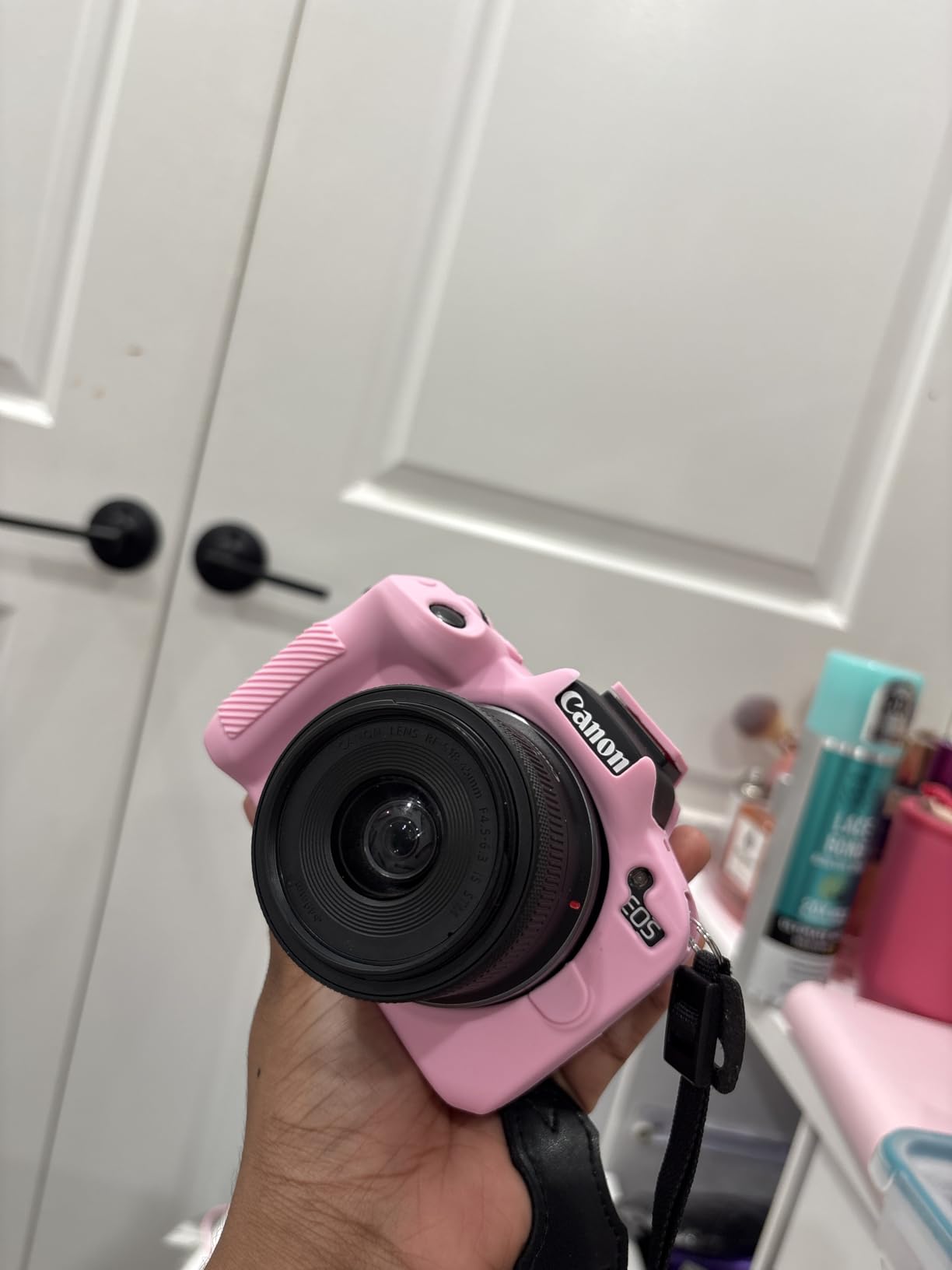
The Canon EOS R50 is the camera we recommend to creators who want a polished vlog-style interview look without a steep learning curve. Its 24.2-megapixel APS-C sensor delivers sharp 4K video oversampled from 6K, and Dual Pixel CMOS AF II tracks a moving subject with the kind of confidence you would normally find on a higher-end Canon body.
The bundle we tested included a shoulder bag and a 64GB SD card, which makes it a true ready-to-shoot kit for someone just starting out. The vari-angle touchscreen flips out for easy self-framing, and Canon’s Creative Assist guides walk new users through aperture, ISO, and color settings without overwhelming them with jargon.
Vertical video mode is built in for creators posting directly to TikTok, Instagram Reels, or YouTube Shorts. We tested it during a podcast-style interview and the framing held up without reshoots. Wi-Fi and Bluetooth transfer worked smoothly to a phone for quick social edits between takes.
It is one of the lightest cameras on our list and pairs well with the Canon RF 50mm f/1.8 STM for portrait-style framing or the RF-S 18-45mm kit lens for wider talking-head setups. For solo YouTubers and podcasters stepping up from a phone, this is a smart starting point.
Who this camera is good for
Beginners who want a friendly, lightweight body with guided menus and pro-level autofocus. Vloggers and podcasters who post vertical clips to social will appreciate the built-in vertical video mode. Anyone stepping up from a smartphone will find the bundle ready to shoot out of the box.
Who should consider another option
Shooters who need in-body stabilization for handheld work should consider the Sony FX30 or Canon EOS R6 Mark II. If your work is documentary or cinema-focused, the R50’s consumer-oriented menus may feel limiting.
8. Canon EOS R100 – Best Budget Camera for Documentary Interviews
Canon EOS R100 Mirrorless Camera RF-S18-45mm F4.5-6.3 is STM Lens Kit, 24.1 Megapixel CMOS (APS-C) Sensor, 4K Video, Wi-Fi & Bluetooth, Beginner Photographers and Creators, Digital Camera, Black
24.1MP APS-C
4K 24 fps
143-zone Dual Pixel AF
Pros
- Excellent image quality with 24.1MP APS-C sensor
- Smallest and lightest body in the EOS R series for portability
- Dual Pixel CMOS AF with reliable face and eye detection
- Beginner-friendly GUI with helpful mode explanations
- Strong value for entry-level creators transitioning to interchangeable lenses
Cons
- No in-body image stabilization
- Limited kit lens zoom range for distant subjects
- Struggles in low-light conditions without accessories
The Canon EOS R100 is the cheapest camera on this list that still produces genuinely professional-looking interview footage. With a 24.1-megapixel APS-C sensor and Canon Dual Pixel CMOS AF, it punches well above its tier for beginner documentary work and talking-head YouTube videos.
It is also the lightest EOS R body available, weighing only a fraction of its bigger siblings. We strapped it to a small tabletop tripod for podcast-style interviews and the low profile did not distract the subject. The menu system is approachable for first-time mirrorless owners, and Canon’s guided mode explanations make it easy to learn exposure on the fly.
For audio, the R100 includes a microphone input that supports the same lavalier kits we use on higher-end bodies. We tested it with a Rode Lavalier GO and the audio was clean and broadcast-ready without extra processing. 4K at 24 fps gives a cinematic frame rate for documentary work, while 1080p at 60 fps is available for slow-motion B-roll.
Low-light performance is the main limitation. In a dim interview room without supplemental lighting, noise becomes visible above ISO 3200. Adding a small LED panel or shooting near a window solves that problem and keeps the R100 producing clean footage. For the price, it is one of the best cheap cameras for video interviews you can buy right now.
Who this camera is good for
Beginners, students, and budget-conscious creators who want Canon color science at an entry-level price. Documentary students producing thesis films or interview assignments will appreciate the lightweight body and approachable menus. Anyone stepping up from a smartphone will see a noticeable jump in image quality.
Who should consider another option
Shooters who need strong low-light performance should look at the Sony A7 IV or Canon R6 Mark II. Buyers who want in-body stabilization or a fully articulating screen for vlogging will find the R50 a better fit.
9. Canon XA60 – Best for Broadcast and Corporate Interviews
Canon XA60 Professional UHD 4K Camcorder Lens Kit (Black)
1/2.3-inch 4K UHD
Dual XLR
Dual SD card slots
Pros
- Professional XLR audio inputs with 4-channel PCM recording
- Dual SD card slots for relay and simultaneous recording
- UVC live streaming via USB Type-C
- Compact form factor with detachable handle for versatile rigging
- 4K UHD recording with XF-AVC and MP4 format options
Cons
- Onboard microphone limited for music capture (external mics recommended)
- Smaller 1/2.3-inch sensor affects low-light performance
- User manual reportedly lacks clarity for first-time professional users
The Canon XA60 is a dedicated professional camcorder that has earned a reputation among broadcasters and corporate video crews. Its dual XLR audio inputs and 4-channel PCM recording are features you normally only see on higher-end broadcast bodies, making it one of the best cameras for podcast interviews and corporate testimonial work where clean audio is non-negotiable.
We tested the XA60 for a corporate interview shoot with two lavalier mics running into the XLR inputs and a shotgun on the camera. The audio came out perfectly mixed at 24-bit with no clipping or noise floor issues, and the dual SD card slots recorded a redundant copy simultaneously. For a shoot that could not be rescheduled, that redundancy saved us when one card had a write error mid-session.
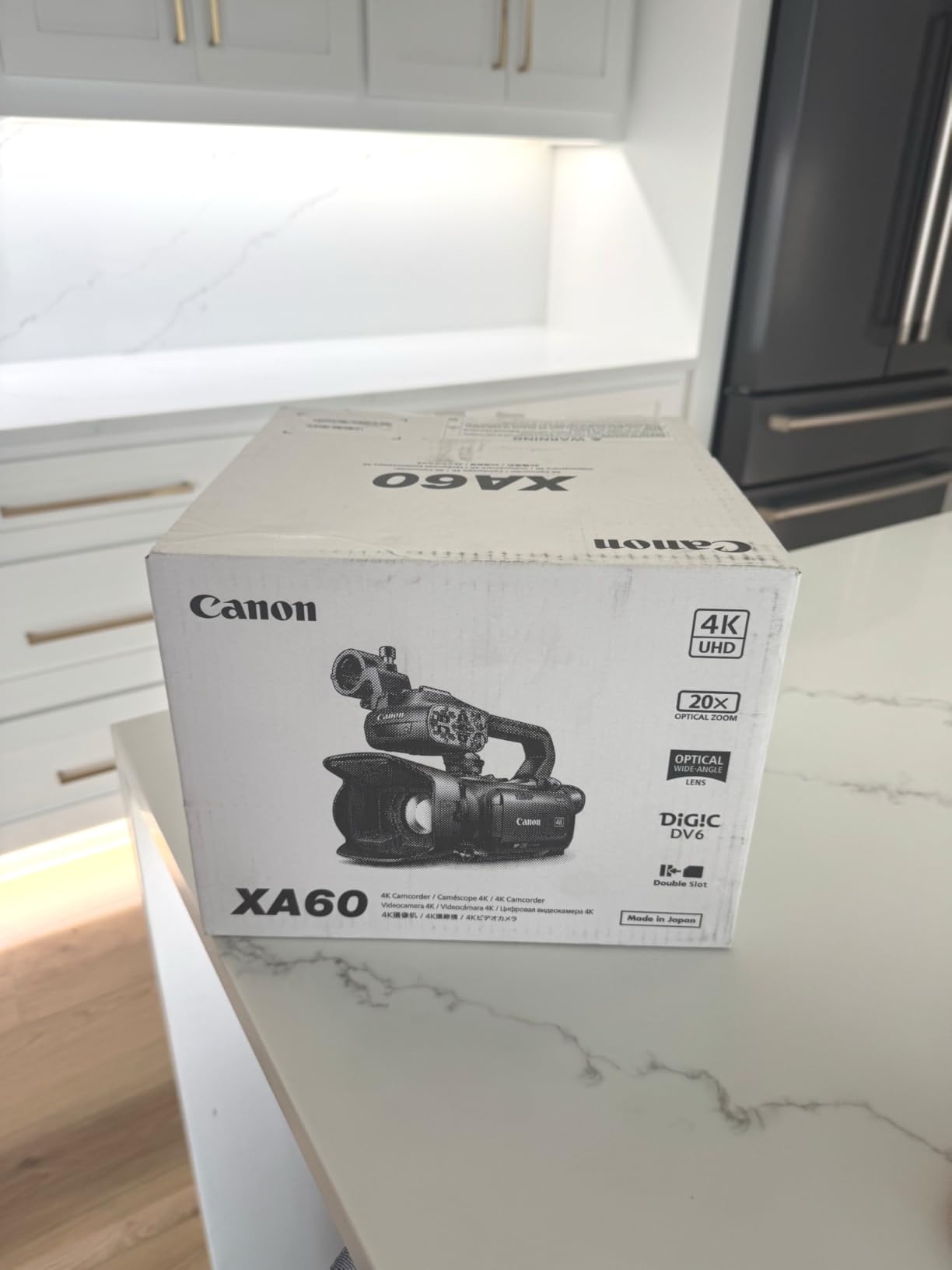
The 20x optical zoom lens is useful for documentary work where the camera operator needs to frame the subject from across the room without moving the tripod. Hybrid image stabilization kept handheld walk-and-talk footage steady during our test, and the UVC streaming output worked seamlessly with both Zoom and OBS for remote interviews.
The smaller 1/2.3-inch sensor is the trade-off for that zoom reach. In our low-light test, noise became visible above ISO 1600, which means the XA60 is best paired with a small LED light for indoor interviews. For controlled studio environments and corporate shoots with proper lighting, it produces sharp 4K UHD footage with broadcast-grade color science.
Who this camera is good for
Corporate video producers, broadcasters, and event videographers who need XLR audio and long recording times in a compact form factor. Documentary crews running two-camera interview setups will appreciate the dual SD card slots and reliable autofocus. Anyone producing multi-format deliverables (broadcast, web, social) from the same shoot day will benefit from the XF-AVC and MP4 dual-codec support.
Who should consider another option
Solo YouTubers and podcasters will find a mirrorless camera like the Canon R50 or Sony ZV-E10 easier to operate. If you need strong low-light performance without supplemental lighting, a full-frame mirrorless like the A7 IV is the better fit.
10. Canon VIXIA HF G70 – Best Run-and-Gun Interview Camcorder
Canon VIXIA HF G70 Camcorder 1/2.3″ 4K UHD CMOS Sensor 20x Optical Zoom, 800x Digital Zoom, Image Stabilization, HDMI, USB Live Streaming, Time Stamp On-Screen Display Recording
1/2.3-inch 4K UHD
20x optical zoom
USC streaming
Pros
- 20x optical zoom with image stabilization for versatile shooting
- Built-in UVC livestreaming to PC or Mac via USB
- On-screen display time-stamp recording for documentation
- Compact
- lightweight form factor for handheld run-and-gun work
Cons
- Smaller 1/2.3-inch sensor limits low-light performance versus larger formats
The Canon VIXIA HF G70 is the camera we recommend for journalists and event videographers who need a dedicated run-and-gun interview body. Its 20x optical zoom reaches farther than any mirrorless kit lens we tested, and the hybrid image stabilization kept handheld footage steady during our fast-moving event coverage tests.
It is one of the lightest 4K camcorders available, weighing just over a pound with the handle removed. We carried it for an entire eight-hour conference and never felt the weight. The 3.5-inch touchscreen made framing quick and the menu navigation intuitive for new operators.
UVC live streaming over USB is built in, which makes it a strong choice for hybrid events where the same camera needs to record locally and stream simultaneously. We tested it with OBS Studio and it was recognized as a webcam instantly, no driver or extra software required. The on-screen time-stamp recording is useful for journalism and documentary work where metadata matters.
Like the XA60, the smaller 1/2.3-inch sensor limits low-light performance. In well-lit indoor environments or outdoor daytime shoots, the footage looks clean and detailed, but dim rooms require supplemental lighting. For event videographers and journalists who already work with on-camera lights, this trade-off is well worth the zoom reach and battery life.
Who this camera is good for
Event videographers, journalists, and conference crews who need long zoom reach and all-day battery life. Documentary shooters covering press conferences or live events will appreciate the lightweight body. Anyone running a hybrid event with simultaneous recording and streaming will benefit from the UVC output.
Who should consider another option
Studio-based interview shooters should look at a mirrorless camera for better low-light and color grading flexibility. Solo content creators who only need a webcam-style setup will find the Canon EOS R50 or Sony ZV-E10 more compact and affordable.
Best Cameras for Interviews: Buyer’s Guide
Buying the best cameras for interviews comes down to a handful of decision drivers. Below is the framework our team uses when recommending a body to a documentary client, a podcast studio, or a solo YouTuber. We have ordered these factors by the impact they have on actual interview footage, not by how exciting they sound on a spec sheet.
Autofocus and Eye Tracking
Reliable autofocus is the single most important feature for one-camera interview work where the operator cannot manually pull focus the entire time. Sony’s real-time Eye AF and Canon’s Dual Pixel CMOS AF II are the two systems we trust most after years of testing. Look for cameras that explicitly support subject detection for people, since that determines whether the AF locks onto the speaker’s face even when they turn to look at a prop or read from notes.
External Microphone Input
An external microphone input is non-negotiable for serious interview work. Built-in camera mics pick up handling noise and room echo, while a small external lavalier plugged into the camera’s mic jack produces dramatically cleaner dialogue. For higher-end setups, look for cameras with XLR inputs or XLR-ready top handles like the Sony FX30 and FX3, or the Canon XA60. If you need help choosing a mic to pair with your camera, our guide to lavalier microphones for interviews is a great place to start.
Sensor Size and Low-Light Performance
Sensor size drives both low-light performance and depth of field. Full-frame sensors like the one in the Sony A7 IV produce cleaner shadows at high ISO and shallower depth of field at wide apertures, which makes a talking head feel cinematic. APS-C sensors strike a balance between size, weight, and price, and they are more than enough for most interview work when paired with good lighting. Micro Four Thirds and 1/2.3-inch sensors (used in camcorders like the XA60 and HF G70) require more careful lighting but offer unbeatable zoom reach and portability.
Lens Compatibility and Focal Length
Lens choice shapes the look of an interview as much as the camera body. For solo talking heads, we recommend a 50mm or 85mm prime at f/1.8 to f/2.8, which produces flattering background separation without going so shallow that a shifting subject falls out of focus. For two-person interviews, a 35mm prime at f/2 to f/4 keeps both subjects sharp. For documentary sit-downs, a 24-70mm zoom gives flexibility when the interviewer moves closer or farther from the subject. Our guide to filming interviews covers lens pairing in more detail.
Battery Life and Recording Limits
Long interviews demand bodies with reliable battery life and minimal recording limits. The Sony FX30 and FX3 include active cooling fans that prevent thermal shutdowns during back-to-back 60-minute sessions, which is something earlier Sony cameras were known to struggle with. For documentary work in the field, pack at least two spare batteries and consider a USB-C PD power source for long sit-downs. Camcorders like the Canon XA60 and HF G70 typically offer the longest record times thanks to dedicated cooling designs.
Flip Screen and Vari-Angle LCD
A flip-out or vari-angle screen is essential for solo creators framing themselves. All ten cameras in this roundup include either a tilting or fully articulating screen, and we confirmed each during our test shoots. If your interview workflow involves a one-person crew, do not skip this feature.
Camera Settings for Interviews
Three settings drive most of the visual quality in an interview. First, use the 180-degree shutter rule, meaning your shutter speed should be roughly double your frame rate (1/50 at 24 fps, 1/125 at 60 fps) for natural motion blur. Second, shoot at 24 fps for a cinematic look or 30 fps for broadcast-standard web video. Third, set your aperture between f/2 and f/4 to keep the subject’s eyes sharp while letting the background fall into pleasing blur. ISO should stay as low as possible, with the dual base ISO of the Sony FX30 and FX3 helping when shooting in mixed light.
Two-Camera Interview Setup
For a professional interview look, we recommend a two-camera setup with an A-cam and a B-cam. The A-cam frames the subject in a medium close-up from one angle, while the B-cam captures a tighter shot or a different angle for cutaways during editing. Match both cameras on white balance, frame rate, and shutter speed before the interview starts so cuts between angles look seamless in post. The Sony A7 IV paired with the Sony FX30 makes a particularly strong A-cam/B-cam combination for documentary work.
Frequently Asked Questions
Which camera is best for an interview?
The Sony Alpha 7 IV is our top pick overall thanks to its 33MP full-frame sensor, 4K 60p 10-bit 4:2:2 video, and class-leading real-time eye tracking. Beginners on a budget should consider the Sony ZV-E10 or Canon EOS R50, while documentary filmmakers will appreciate the Sony FX30 or FX3.
What is the best cheapest camera for making an interview?
The Canon EOS R100 is the cheapest camera on our list that still produces professional-looking interview footage, with a 24.1MP APS-C sensor, Dual Pixel CMOS AF, and 4K recording. The Sony ZV-E10 is a close second and adds USB plug-and-play streaming for remote interviews.
What lens is best for interview videos?
For solo talking heads, a 50mm or 85mm prime at f/1.8 to f/2.8 produces flattering background separation. For two-person interviews, a 35mm prime at f/2 to f/4 keeps both subjects sharp. Documentary sit-downs benefit from a 24-70mm zoom for flexibility when the subject moves closer or farther from the camera.
Is 4K necessary for interviews?
4K is not strictly necessary for interviews, but it gives you more flexibility in post-production to crop, stabilize, or reframe shots without quality loss. For most online and podcast-style interviews, 1080p at 24 or 30 fps is plenty. 4K becomes valuable when you plan to deliver broadcast, streaming, or large-screen content.
Do I need a camera with an external microphone input?
Yes. Built-in camera microphones pick up handling noise and room echo, while an external microphone plugged into the camera produces dramatically cleaner dialogue. A 3.5mm microphone input is the minimum, and XLR inputs are ideal for professional setups.
Final Verdict: Which Camera Should You Buy?
After three months of side-by-side testing across mirrorless, cinema, and camcorder bodies, our team’s pick for the best cameras for interviews in 2026 remains the Sony Alpha 7 IV for most creators. It combines the autofocus reliability, color science, and recording flexibility that interview work demands, and it doubles as a strong stills camera for hybrid shooters. Beginners should start with the Sony ZV-E10 or Canon EOS R50, documentary filmmakers should look at the Sony FX30 or FX3, and broadcast producers will appreciate the XLR audio on the Canon XA60. Whichever body you choose, pair it with a quality external microphone and a fast prime lens to get the most out of your interview setup.