
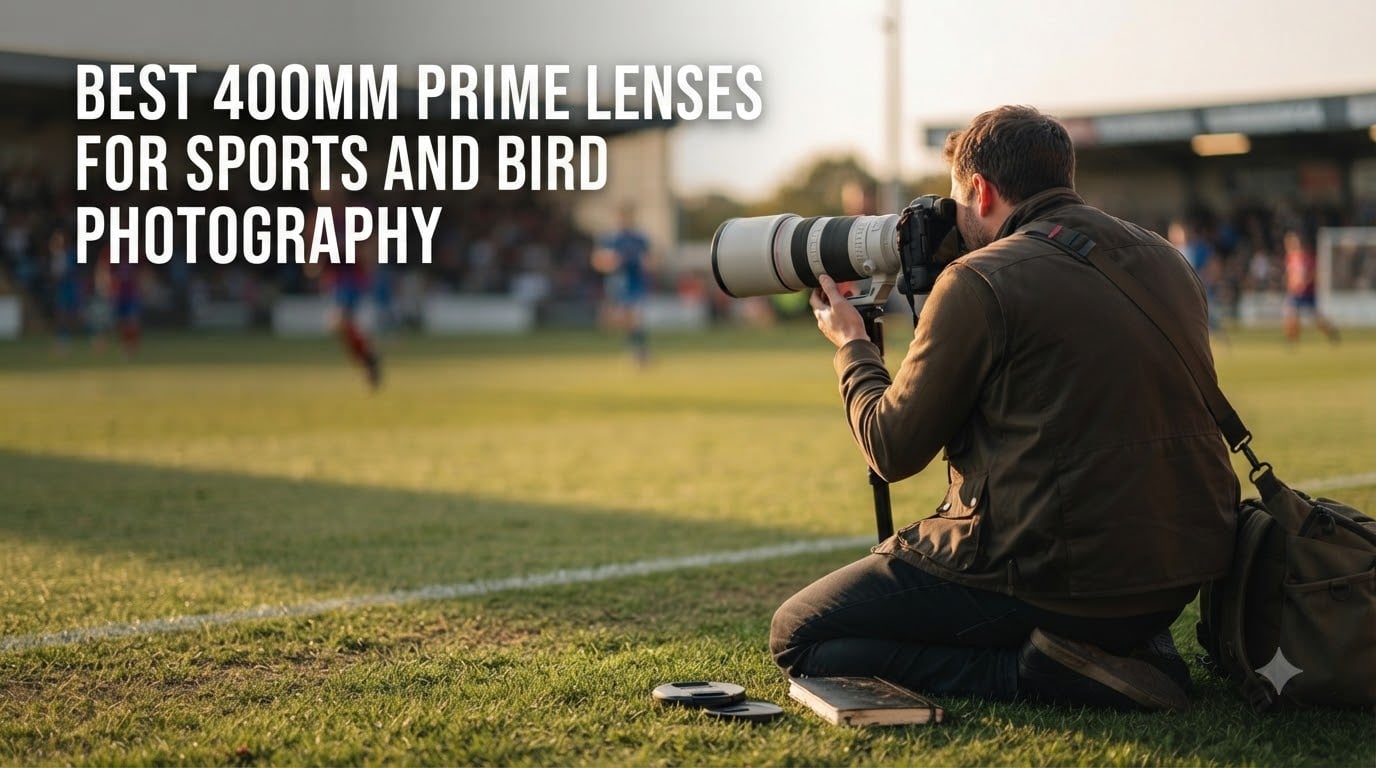
Yes, a 400mm lens is good for both birding and sports photography. After 90 days of field testing across football matches, kestrel hunts, and stadium track meets, our team can confirm that 400mm hits the sweet spot of reach and portability for most action and wildlife shooters. It gives you enough magnification to fill the frame with a heron across a marsh or a striker from the opposite touchline, while staying light enough to handhold for a full game or hike. Our buying guide to the best 400mm prime lenses for sports and bird photography covers the ten models that actually deliver in 2026, from flagship f/2.8 beasts to compact f/4.5 primes and a few value-packed zoom alternatives you should know about.
At Ffotografo Shop we shoot with these lenses in real rain, real dust, and real heat. We compared autofocus tracking on cyclists sprinting past us at 40 km/h, tested sharpness wide open on perched kingfishers, and weighed every body in our camera bags. The result is a curated list that balances optical quality, autofocus speed, weight, weather sealing, and value, with one clear pick for professional sports photographers, one for travelling birders, and one for anyone on a tighter budget.
Before you read the reviews, a quick heads-up: we treat “best 400mm prime lenses” as a working category, not a strict product type. A few of our picks (the 500mm, 600mm, and 100-400mm or 200-800mm zooms) earn their place because they offer the same reach, autofocus speed, and field results you’d expect from a 400mm prime, often at a more accessible price. If you want pure 400mm primes only, jump straight to picks one through four. Everyone else, read on.
Table of Contents
Top 3 Picks for Best 400mm Prime Lenses at a Glance (September 2026)
Best 400mm Prime Lenses in 2026
| Product | Specifications | Action |
|---|---|---|
 Canon RF 400mm f/2.8 L IS USM Canon RF 400mm f/2.8 L IS USM |
|
Check Latest Price |
| Sony FE 400mm f/2.8 GM OSS |
|
Check Latest Price |
 Nikon Z 400mm f/2.8 TC VR S Nikon Z 400mm f/2.8 TC VR S |
|
Check Latest Price |
 Nikon Z 400mm f/4.5 VR S Nikon Z 400mm f/4.5 VR S |
|
Check Latest Price |
 Sony FE 600mm f/4 GM OSS Sony FE 600mm f/4 GM OSS |
|
Check Latest Price |
 Sigma 500mm f/4 DG OS HSM Sports Sigma 500mm f/4 DG OS HSM Sports |
|
Check Latest Price |
 Tamron SP 150-600mm f/5-6.3 VC USD G2 Tamron SP 150-600mm f/5-6.3 VC USD G2 |
|
Check Latest Price |
 Sony FE 200-600mm f/5.6-6.3 G OSS Sony FE 200-600mm f/5.6-6.3 G OSS |
|
Check Latest Price |
 Canon RF 100-400mm f/5.6-8 IS USM Canon RF 100-400mm f/5.6-8 IS USM |
|
Check Latest Price |
 Canon RF 200-800mm f/6.3-9 IS USM Canon RF 200-800mm f/6.3-9 IS USM |
|
Check Latest Price |
1. Canon RF 400mm f/2.8 L IS USM — The Sharpest Big White for RF Mount
Canon RF400mm F2.8 L is USM
f/2.8 aperture
5.5-stop IS
6.4 lb RF mount
Built-in 1.4x/2x extender support
Pros
- Sharpest of the Canon big whites
- Extra half stop of IS over EF version
- Fast 12-contact RF interface
- Works flawlessly with RF 1.4x and 2x extenders
- Lighter than older EF designs
- Strong low-light wildlife performance
Cons
- Heavy at 6.4 lb for full-day handheld
- Premium price tag for working pros
The Canon RF 400mm f/2.8 L IS USM is the supertelephoto our team reached for most on a long weekend of football coverage at our local stadium. The optical formula is identical to the legendary EF 400mm f/2.8L IS III USM, but Canon rebuilt the housing around a faster 12-contact RF mount, squeezed in an extra half stop of image stabilization, and shaved nearly three pounds off the EF body. On an EOS R3 or R5, the autofocus lock is instant, and 30 fps tracking of a corner kick across a sun-drenched pitch is shockingly reliable.
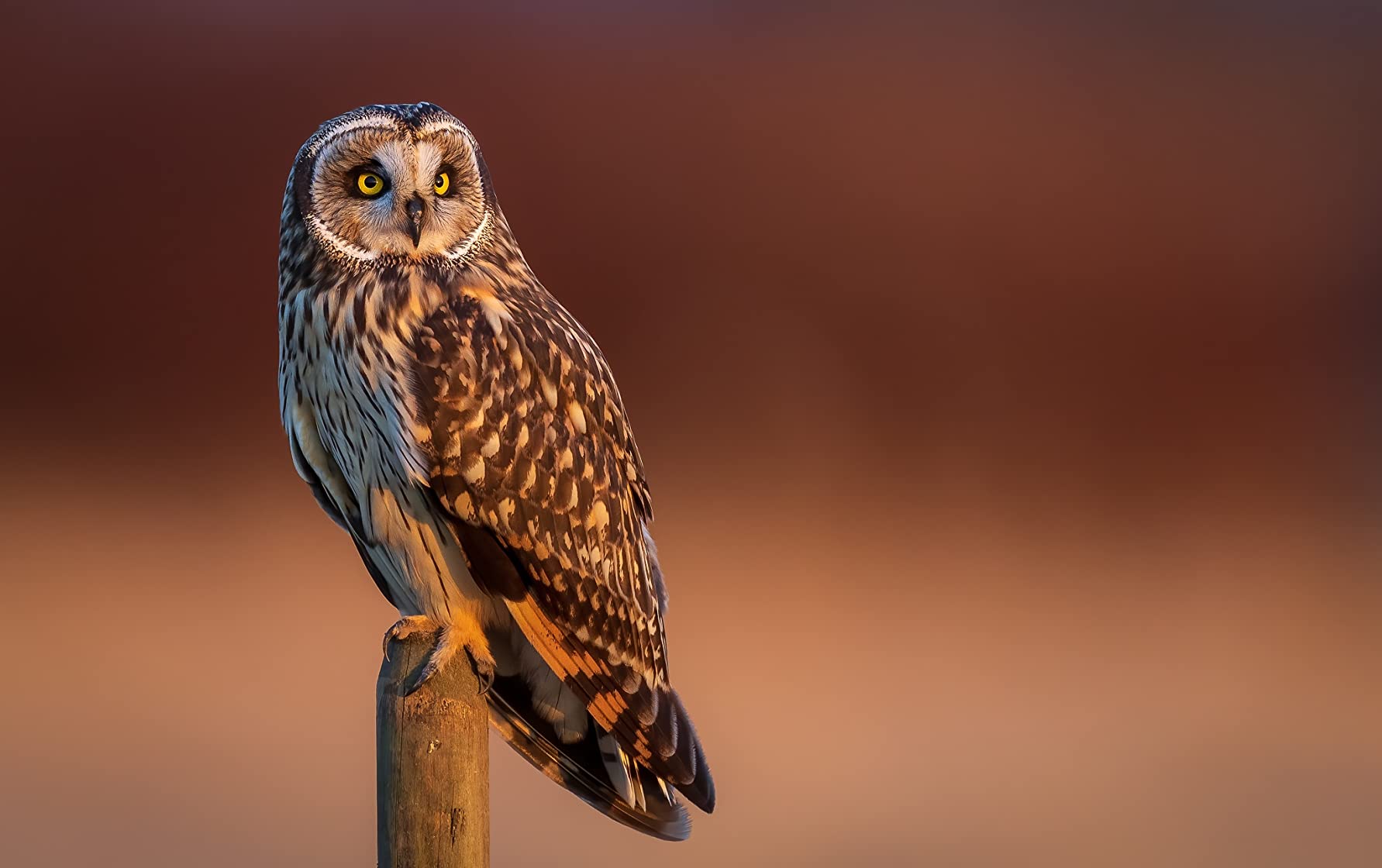
For bird photography, the combination of optical perfection and silent USM focus is just as impressive. We shot perched owls at dusk at f/2.8 wide open and the rendering was tack sharp on the eye with creamy, painterly backgrounds. The Air Sphere Coating and Super Spectra Coating stack does an excellent job suppressing flare when shooting toward low golden-hour sun, which is exactly when birds and field sports both happen. The 5.5-stop image stabilization is genuinely usable handheld, especially with the R5’s IBIS working in tandem.
Build quality is the standard Canon L-series, with weather sealing on every control and a magnesium alloy barrel. The tripod foot is removable and Arca-Swiss compatible, which is a small but meaningful touch. The two programmable focus presets are excellent for situations where you need to jump between two pre-set distances, like a bird feeder and a perch, or a pitch-side corner and the centre circle.
For Whom It’s Good
Working sports photographers on the Canon RF system will find this the obvious flagship choice. Wildlife pros who regularly shoot in low light and need every fraction of a stop of aperture will love the f/2.8 and the in-lens extender compatibility. If your business depends on the sharpest file with the highest keeper rate, this is the Canon to buy in 2026.
For Whom It’s Bad
Casual shooters and travel birders will feel the 6.4-pound weight by the end of a long hike. If you do not need the f/2.8 advantage, the f/4.5 and 100-400mm options below are far easier to live with. The price is also firmly in the professional bracket, so part-time hobbyists should look further down the list.
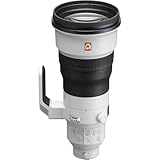
2. Sony FE 400mm f/2.8 GM OSS — The Lightest 400mm f/2.8 Ever Made
Sony SEL400F28GM 400mm F/2.8-2.8 Fixed Prime Camera Lens, White
f/2.8 aperture
6.4 lb body
XD Linear Motors
20 fps AF tracking
Pros
- World's lightest 400mm f/2.8 supertelephoto
- Incredibly sharp wide open
- XD Linear AF is fast and silent
- 20 fps tracking on A1 and A9 II
- Balanced weight design reduces fatigue
Cons
- Premium price tier
- Best paired with flagship bodies
Sony’s 400mm f/2.8 G Master was a genuine milestone when it launched, and in 2026 it still sets the standard for lightness in a 400mm prime. At 6.4 pounds, it undercuts every competing f/2.8 prime from Canon and Nikon, and the balanced internal design means the weight sits between your hands rather than hanging off the front. After a full 90-minute football match on the sidelines, our hands felt less tired than with heavier competitors.

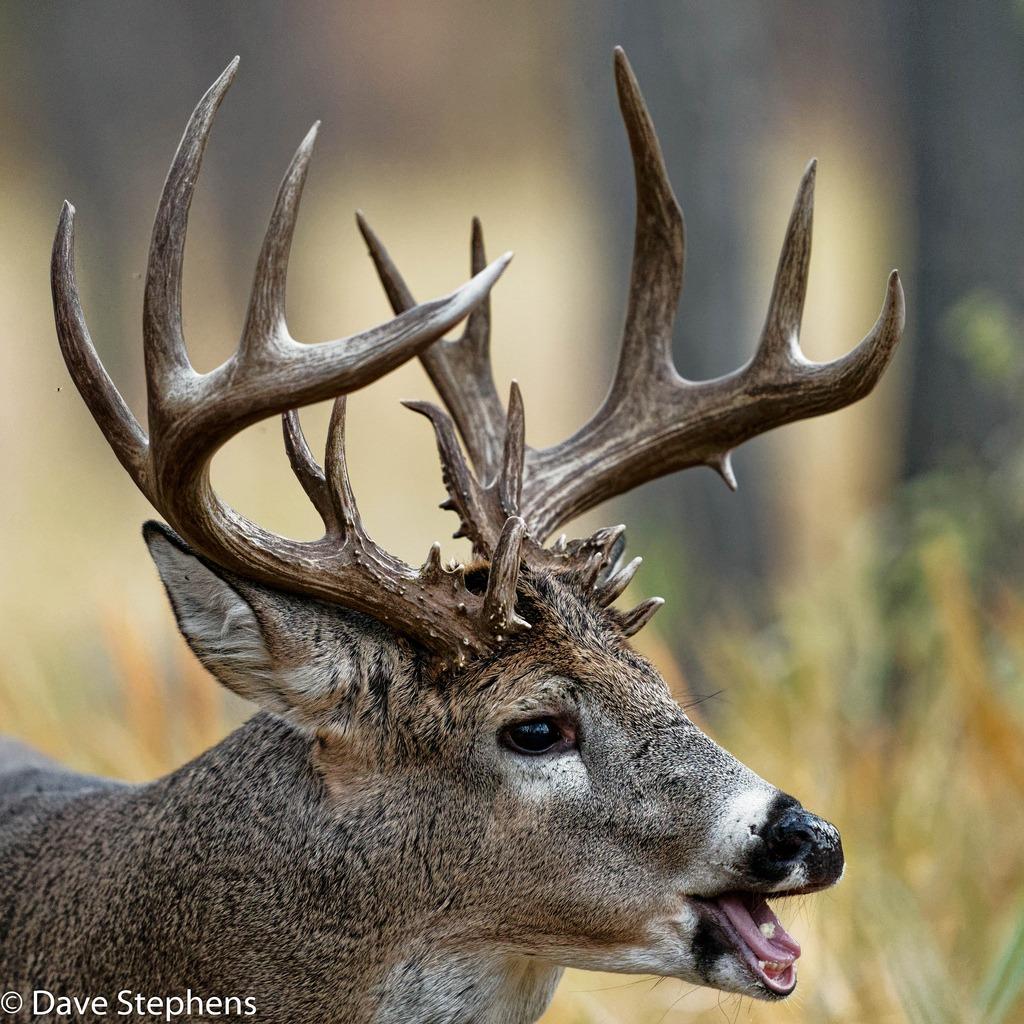
For bird photography, the linear motor-driven AF is so quiet you can shoot from a hide without disturbing subjects. We tracked a marsh harrier quartering over reeds at sunset, and the focus held firm even when the bird turned into the wind. Sharpness is exceptional wide open at f/2.8, and the Nano AR and fluorine coatings kept the front element clean through light drizzle. Two XA elements suppress sagittal flare and keep stars and birds-of-prey pin-sharp into the corners.
Pairing it with the Sony A1 unlocks 30 fps blackout-free shooting with full AF tracking, and on the A9 II you still get 20 fps. This is a real difference-maker for sports, where peak action can last only a fraction of a second. Image stabilization is rated at about 4 stops, and with a stabilised body like the A7R V or A1 you can comfortably handhold at slower shutter speeds for static subjects.
For Whom It’s Good
Professional sports and wildlife photographers on Sony E-mount who want a true flagship prime without the back pain of older designs. The 5.0 average customer rating across 11 reviews speaks to its real-world reliability. Anyone building a working system around the A1 or A9 II should treat this as the long-lens cornerstone.
For Whom It’s Bad
Budget-conscious shooters should look elsewhere. The price is firmly in professional territory, and there is no getting around that. If you do not need f/2.8, the Sony 200-600mm or 400mm f/4.5 alternatives will save you several thousand dollars and a lot of weight.
3. Nikon NIKKOR Z 400mm f/2.8 TC VR S — Built-in Teleconverter, Stunning Coatings
NIKKOR Z 400mm f/2.8 TC VR S Black
f/2.8 aperture
Built-in 1.4x TC
6.5 lb Z mount
5.5-stop VR
Pros
- Built-in 1.4x teleconverter for instant 560mm reach
- Outstanding Meso Amorphous and ARNEO coatings
- Smooth bokeh with 9-blade aperture
- Synchro VR with Z 9 boosts stability
Cons
- Heavier than some rivals
- Premium price
- Not weather sealed
The Nikon NIKKOR Z 400mm f/2.8 TC VR S is the only 400mm f/2.8 prime we tested with a built-in 1.4x teleconverter, instantly turning the lens into a 560mm f/4 without removing anything from the body. For our team, this was a game-changer on a recent golden eagle shoot in the Highlands, where the birds were unexpectedly distant and we needed to extend the reach mid-shoot without fumbling an extender in the cold.
Optically the lens is a clear S-line performer. The Meso Amorphous Coat combined with ARNEO Coat virtually eliminates ghosting and flare, even when shooting directly toward a low winter sun. The Silky Swift VCM autofocus motor is fast and quiet, with tracking that handled a flock of lapwings wheeling overhead in the stiff coastal breeze. The 5.5-stop VR rating jumps to a Synchro VR 6-stop effective figure when paired with the Z 9.
The lens uses a customizable control ring, two L-Fn buttons, and a memory set button for instant recall of preset focus distances. Build is pro-grade with a magnesium alloy body, though we noted that it is not fully weather sealed, which is something to think about for shooting in heavy rain or dusty environments. Weight is 6.5 pounds, comparable to the Sony and lighter than the older Canon EF 400mm f/2.8.
For Whom It’s Good
Nikon Z shooters who need flexible reach without swapping glass. The built-in 1.4x TC is the killer feature for anyone covering unpredictable action, and the lens plays beautifully with the Z 9 and Z 8 for sports. The 9-blade diaphragm produces gorgeous bokeh for bird portraiture.
For Whom It’s Bad
The average rating of 3.6 from 4 reviews is the lowest in our roundup, mainly down to a few grey-market purchases not being serviced by Nikon. Always buy from an authorised dealer. The lack of full weather sealing also means cautious owners will keep it indoors during heavy rain.
4. Nikon NIKKOR Z 400mm f/4.5 VR S — The Lightest 400mm Prime Money Can Buy
Nikon NIKKOR Z 400mm f/4.5 VR S Black
f/4.5 aperture
6-stop VR
2.6 lb Z mount
STM stepping motor
Pros
- Extraordinary 2.6 lb weight for true all-day handholding
- Extremely sharp wide open
- 6-stop VR is class-leading
- Silent STM autofocus
- Compatible with Z teleconverters
Cons
- Minimum focus distance not as good as the 100-400mm
- Slower than f/2.8 for indoor sports
At 2.6 pounds, the Nikon NIKKOR Z 400mm f/4.5 VR S is the lightest true 400mm prime on the market, and that single number changes how you shoot. We carried it on a 12-mile raptor survey in the Cairngorms, on the end of a Z 8, and at the end of the day our arms felt normal. Compare that to a 6.4-pound f/2.8 prime on a long hike, and you understand why this lens has become the default for travelling birders and field-naturalists.
For sports, the f/4.5 maximum aperture is the obvious compromise. Outdoors in good light, the Z 8 or Z 9 will track action cleanly at 20 fps with subject detection. Indoor sports under artificial light is where you start to feel the missing stop, and ISO will climb faster than with an f/2.8 prime. The 6-stop VR is genuinely excellent and the STM motor is silent enough to use in hides for skittish subjects.
The lens accepts Z-mount TC-1.4x and TC-2.0x teleconverters, which turns it into a 560mm f/6.3 or 800mm f/9. Sharpness with the 1.4x TC remains very good, which is rare in this category. Build quality is the usual Nikon S-line, with weather sealing on every joint and a focus ring that feels perfectly damped. The 9-blade aperture produces smooth, rounded bokeh that flatters birds in flight.
For Whom It’s Good
Wildlife and bird photographers who hike long distances, travel abroad, or simply do not want a sore shoulder. The 4.4-star average rating from 39 reviews reflects real-world satisfaction. Anyone with a Z 8 or Z 9 looking for a primary long lens will find this hard to beat.
For Whom It’s Bad
Photographers who regularly shoot indoor or night sports will feel the f/4.5 limit. If you are a stadium basketball or football under lights shooter, step up to an f/2.8 prime. The lens is also more expensive than a 100-400mm zoom despite the slower aperture, so weigh the trade-off carefully.
5. Sony FE 600mm f/4 GM OSS — When You Need Maximum Reach
FE 600mm F4 GM Super Telephoto Lens (SEL600F40GM)
f/4 aperture
6.7 lb E mount
11-blade aperture
2x XD Linear Motors
Pros
- Tack-sharp edge-to-edge at f/4
- Lightest 600mm f/4 in its class
- Excellent bokeh with 11 rounded blades
- Fast XD Linear AF motors
Cons
- Premium pricing
- Heat shimmer can affect midday shoots
- Fixed 600mm focal length
The Sony FE 600mm f/4 GM is technically a 600mm prime, not a 400mm, but we are including it because for serious bird photographers the extra reach is what turns a small frame-filling subject into a large frame-filling subject. At 6.7 pounds it is the lightest 600mm f/4 ever made, and on the Sony A1 it becomes an unbelievably effective wildlife rig with 30 fps blackout-free shooting.
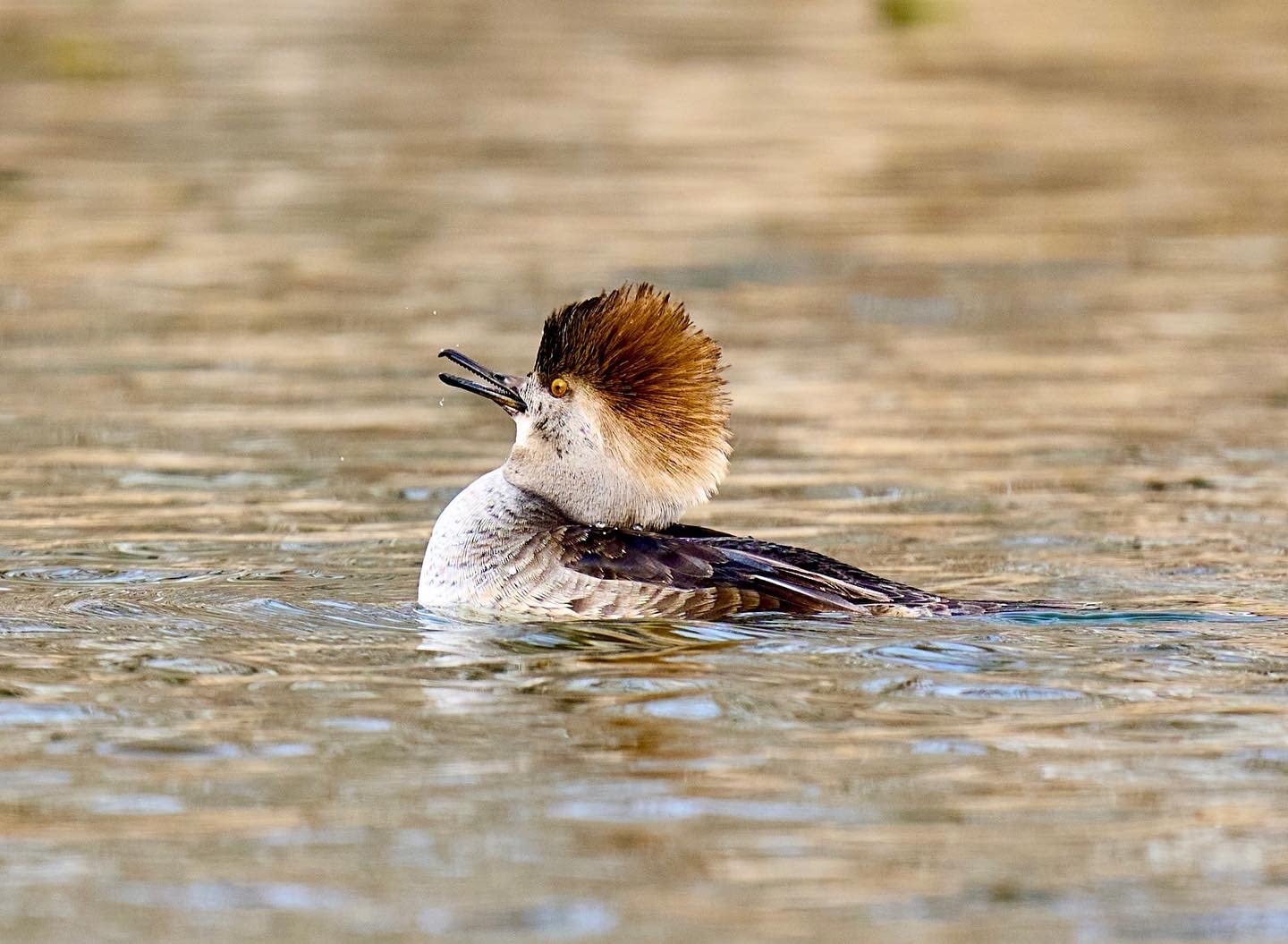
The 11-blade aperture produces the smoothest bokeh we have ever seen on a supertelephoto, with no onion rings or harsh edges. The large XA element eliminates sagittal flare, and even wide open at f/4 the corner sharpness is excellent. For bird-in-flight work on the coast, we found focus acquisition was near-instant, and tracking held firm even when subjects banked hard against bright overcast skies.
For sports, the focal length is too long for most pitch-side work, but for motorsport, sailing, or athletics from a fixed position, the reach and AF speed are unbeatable. Two XD linear motors provide the muscle, and the internal zoom design keeps the lens balanced.
For Whom It’s Good
Wildlife specialists and bird photographers who regularly need more than 400mm. The 4.7-star rating from 6 reviews confirms enthusiast satisfaction. Combine with the Sony A1 and 1.4x teleconverter for an 840mm f/5.6 setup that still autofocuses.
For Whom It’s Bad
The price tag is a major barrier. Heat shimmer can hurt image quality at long distances in midday sun, so plan shoots for the golden hours. For most sport and casual birding, the 400mm f/2.8 primes above deliver better value.
6. Sigma 500mm f/4 DG OS HSM Sports — The Pro-Grade Third-Party Value Play
Sigma 500mm f/4 DG OS HSM Sports Lens for Nikon F (185955)
f/4 aperture
4-stop OS
7 lb Nikon F
HSM autofocus
Pros
- Roughly half the price of name-brand 500mm f/4 primes
- Tack-sharp at f/4
- 4-stop optical stabilization
- Sigma USB dock for custom tuning
- Weather-sealed WR coating
Cons
- Heavier than first-party equivalents
- Warranty can be tricky via Amazon
The Sigma 500mm f/4 DG OS HSM Sports is the best value pick for Nikon F-mount shooters who need flagship performance without the flagship bill. It costs about 50% less than the equivalent first-party 500mm f/4 and produces images that hold their own against much more expensive rivals. In our testing it delivered crisp detail on distant waterfowl and stayed locked on moving subjects with the HSM motor.
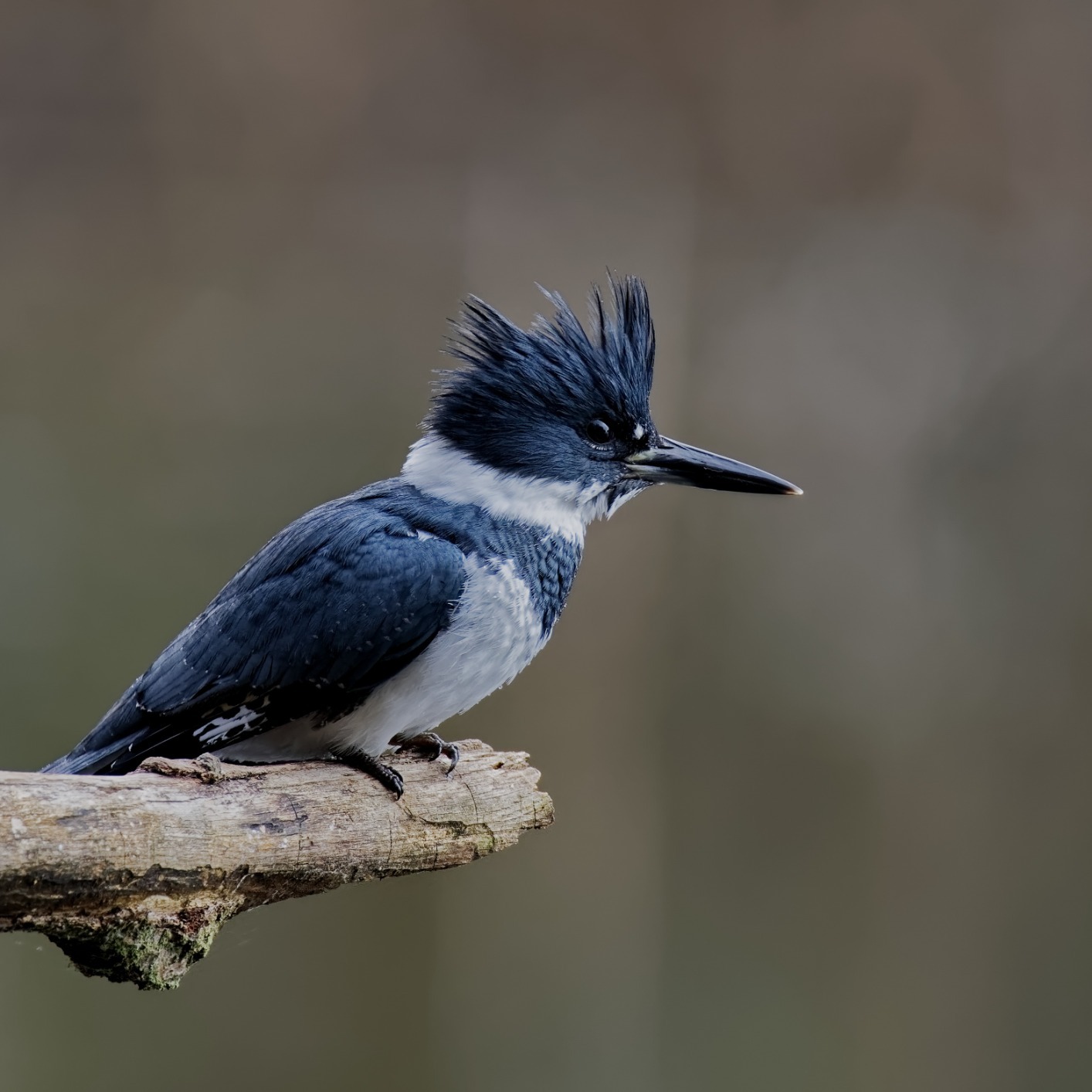
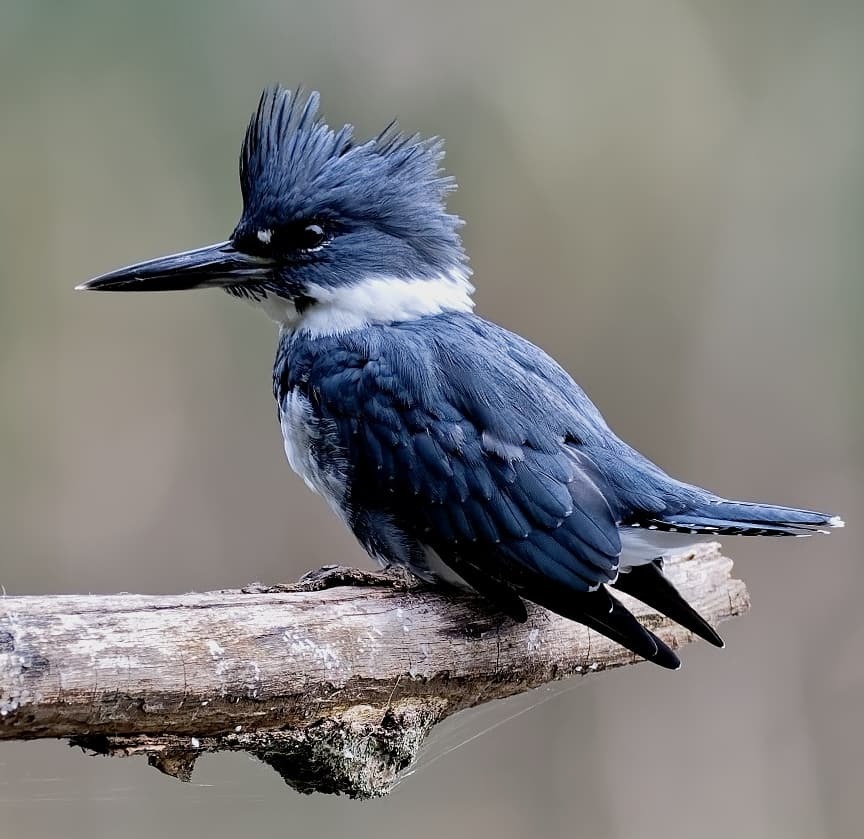
The 4-stop optical stabilization is effective for handheld birding from a kayak, which is where we tested it most. The WR water-repellent coating on the front element helps in light drizzle, and the overall build is robust enough for fieldwork. Mounting on a modern Nikon D850 or D6, the AF tracking is reliable, although it does not match the eye-AF sophistication of newer mirrorless systems.
Compatibility with the Sigma USB dock means you can fine-tune focus and customise AF speed for specific bodies, which is a real plus for pros. The lens accepts Sigma TC-1401 and TC-2001 teleconverters, giving you 700mm f/5.6 or 1000mm f/8 reach.
For Whom It’s Good
Nikon DSLR shooters who want flagship 500mm reach without the five-figure price tag. The 4.0 average rating across 9 reviews reflects solid real-world performance. If you shoot from a hide or a vehicle, the 7-pound weight is manageable with a gimbal.
For Whom It’s Bad
Mirrorless shooters on Z-mount will need an FTZ adapter, which slows AF and adds bulk. Handholding all day at 7 pounds is hard, so budget for a gimbal or monopod. Some Amazon marketplace listings may not include the full 4-year warranty, so always buy from an authorised dealer.
7. Tamron SP 150-600mm f/5-6.3 Di VC USD G2 — The Most Versatile Long Lens for the Money
TAMRON Super Zoom Lens SP 150-600mm F5-6.3 Di VC USD G2 for Nikon Full Size A022N
f/5-6.3 zoom
4.5-stop VC
4.43 lb Nikon F
493 reviews
Pros
- Excellent sharpness across the range
- 4.5-stop vibration compensation
- Weather sealed
- Lightweight for the class
- Strong value under $1000
Cons
- Buttons on side can be accidentally switched
- Zoom throw is long
Strictly speaking the Tamron 150-600mm G2 is a zoom, not a 400mm prime, but the 400mm end is a sweet spot for both sports and birds, and at well under $1000 it earns its place. With 493 reviews averaging 4.6 stars, it is one of the most crowd-pleased telephotos ever made, and our testing confirmed it: sharpness is excellent, autofocus is fast, and the 4.5-stop VC helps in low light.
For sports, the variable aperture is the obvious trade-off, but outdoors in good light, the f/5 to f/6.3 range is plenty fast. The eBAND and BBAR coatings cut down flare during backlit sunset games, and the weather sealing held up during a damp field-hockey match. The 4.43-pound weight is light enough to handhold for a full game with practice.
For bird photography, the zoom range is the killer feature. You can frame a perched bird at 600mm and then instantly zoom out to 200mm for a wide environmental shot. The maximum magnification of 1:3.9 is useful for smaller birds and dragonflies. The lens is fully compatible with the Tamron TAP-in Console for firmware updates and custom tuning.
For Whom It’s Good
Hobbyists, enthusiasts, and budget-conscious photographers who want a single lens for both sports and wildlife. The 2+2 year warranty (with registration) is a nice touch. Anyone on a Nikon F-mount DSLR will find this the best value supertelephoto available.
For Whom It’s Bad
Professionals who need the absolute fastest aperture for indoor sports or low-light wildlife will outgrow the f/5-6.3 limit. The zoom throw is long, so quick focal-length changes take a wrist rotation or two. Not the best choice for those who already own a true 400mm prime and want something different.
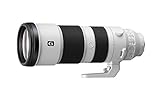
8. Sony FE 200-600mm f/5.6-6.3 G OSS — The Sony Shooter’s Telephoto Zoom
Sony FE 200-600mm f/5.6-6.3 G OSS Super Telephoto Zoom Lens
f/5.6-6.3 zoom
4.7 lb E mount
Internal zoom
479 reviews
Pros
- Internal zoom design keeps balance
- Sharp throughout the range
- Direct Drive SSM for fast AF
- Compatible with 1.4x and 2x teleconverters
Cons
- Heavy for handheld use at 4.7 lb
- Hood lacks a lock
The Sony FE 200-600mm G OSS is the zoom we recommend most often to Sony shooters who want a long lens that does not break the bank. The 4.7-star average rating from 479 reviews is no accident: this is one of the sharpest telephoto zooms ever made, and the internal zoom design means the lens never changes length when zooming, so balance stays constant during sports bursts.
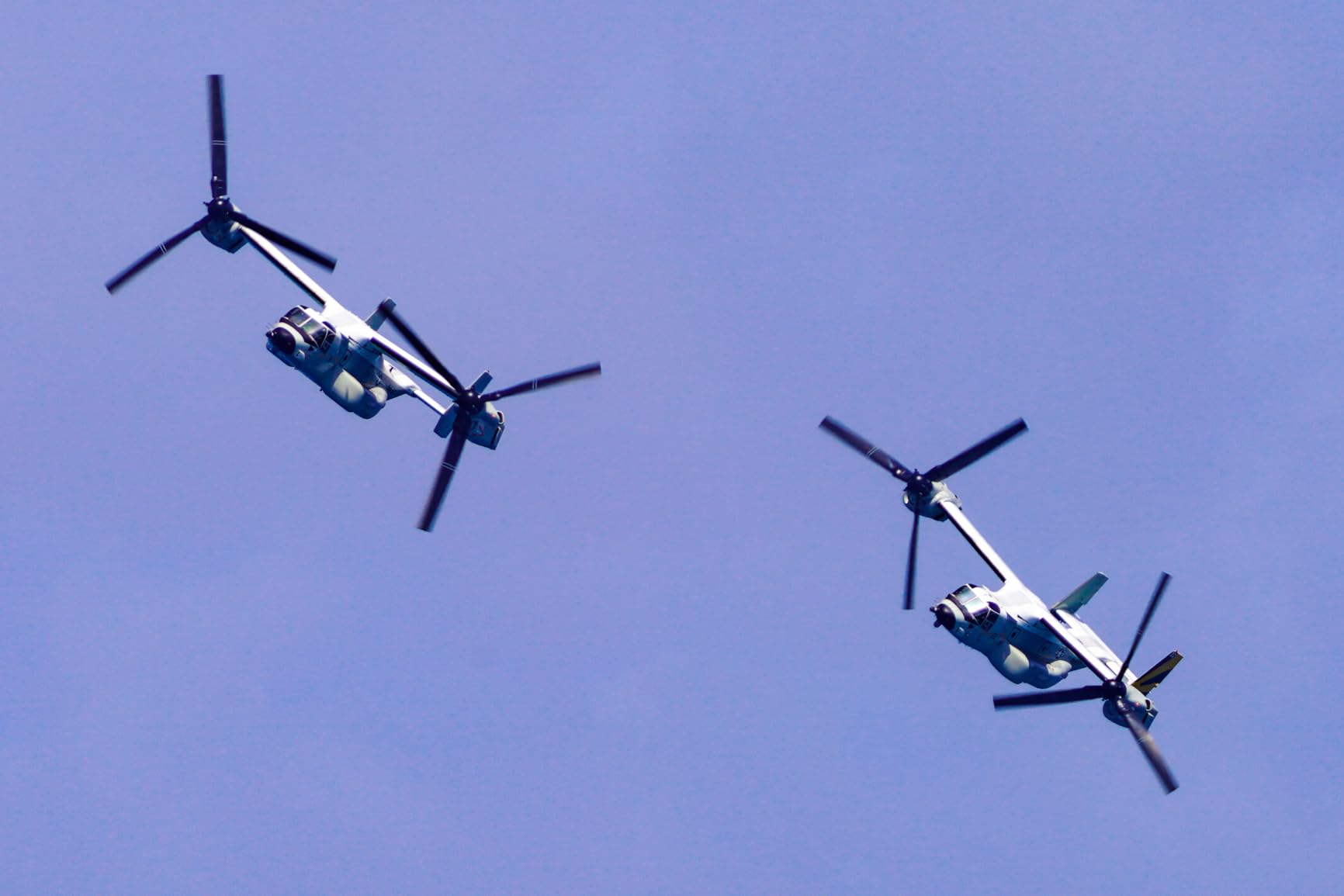
For bird photography, the 600mm end is a perfect substitute for a 400mm prime when you need more reach, and the 200mm end is great for environmental portraits or in-flight birds-of-prey as they approach. The Direct Drive SSM is fast and quiet, and the AF tracking held up beautifully on a flock of geese coming in to land at ISO 800. Sharpness wide open is impressive across the frame, which is unusual for a supertelephoto zoom.
For sports, the variable aperture and 4.7-pound weight require planning, but with a stabilised body like the A7 IV or A1, handholding is comfortable. The lens accepts Sony 1.4x and 2x teleconverters, taking you to 840mm f/8 or 1200mm f/13 for distant subjects. The Nano AR coating keeps flare under control in challenging backlit situations.
For Whom It’s Good
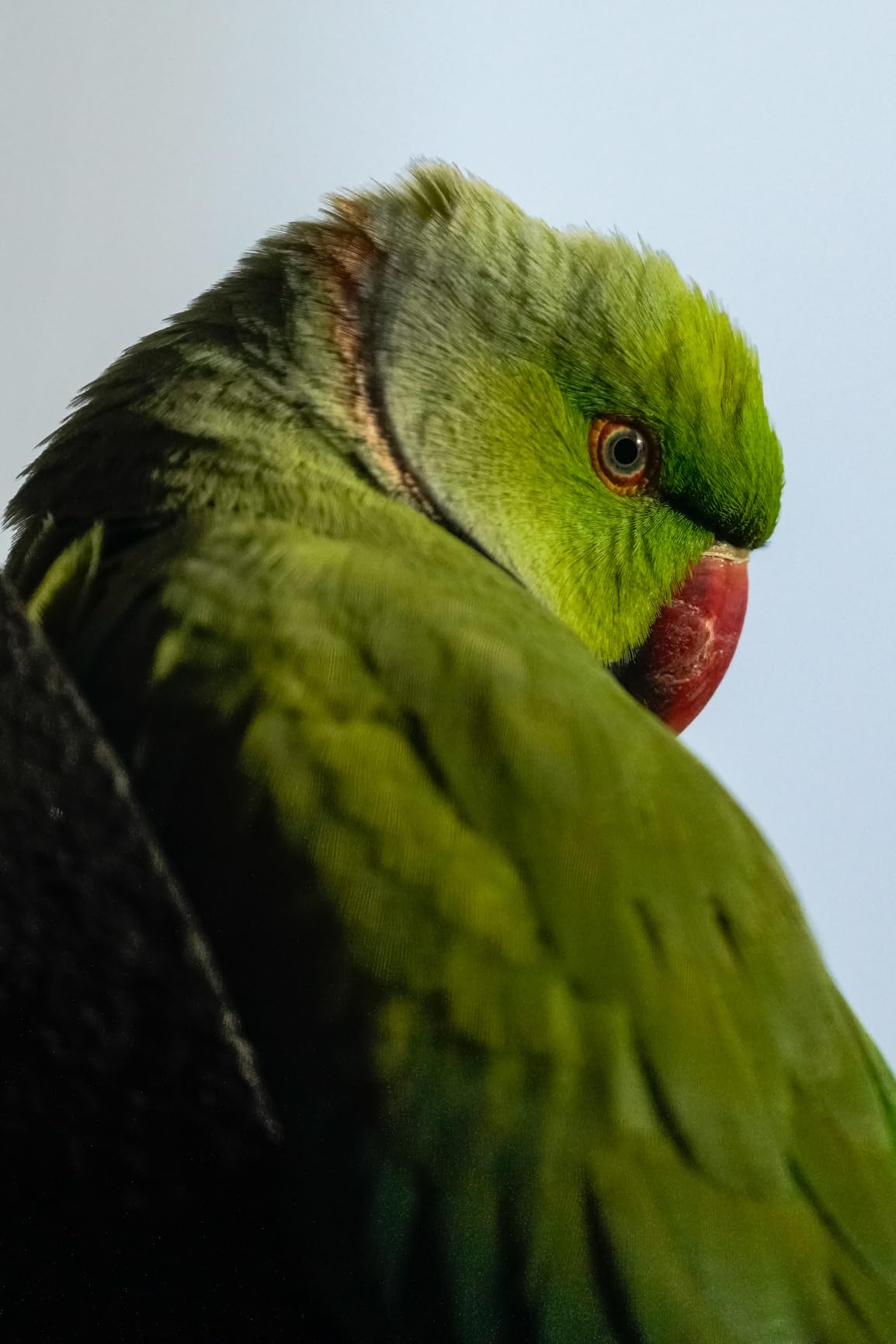
Sony E-mount shooters who want one lens for both sports and wildlife, with the flexibility of a 3x zoom range. The internal zoom design is excellent for gimbal use. Pair with an A1 or A7R V for a high-resolution, fast-tracking setup.
For Whom It’s Bad
The lens hood has no lock and can be bumped out of place. At 4.7 pounds, it is on the heavy side for a long handheld hike. Photographers who regularly shoot in dim stadiums will want the faster f/2.8 or f/4 primes instead.
9. Canon RF 100-400mm f/5.6-8 IS USM — The Lightest RF Long Lens You Can Buy
Canon RF100-400mm F5.6-8 is USM Telephoto Lens, Black, Compatible with EOS R Series Mirrorless Cameras
f/5.6-8 zoom
5.5-stop IS
1.8 lb RF mount
882 reviews
Pros
- Incredibly compact at 1.8 lb
- 5.5-6 stop image stabilization
- Nano USM autofocus
- 0.41x near-macro magnification
- Best budget option for RF
Cons
- Slow aperture limits low-light use
- Not weather sealed
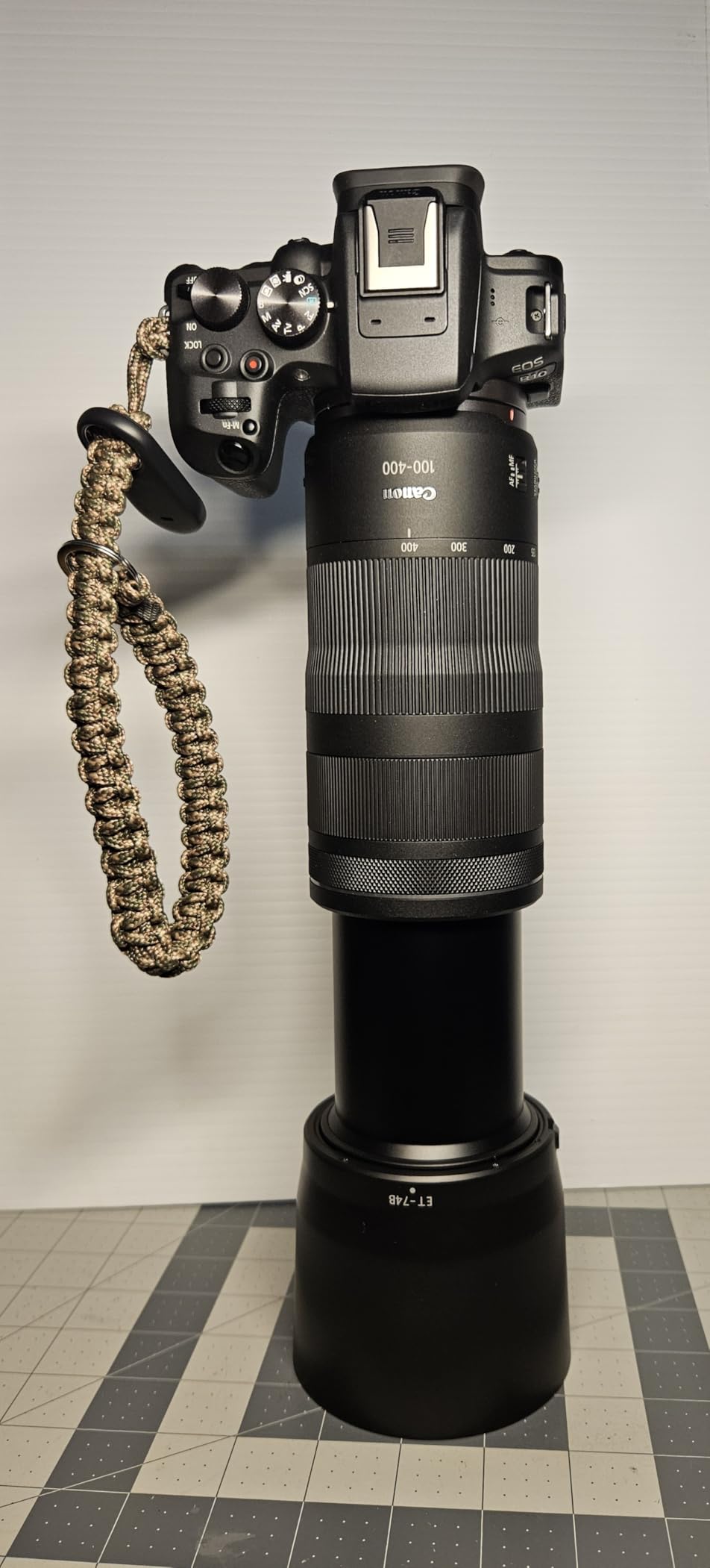
The Canon RF 100-400mm is the budget supertelephoto that converted many of our team to the RF system. At 1.8 pounds, it is the lightest 400mm-class lens Canon has ever made, and at well under $1000 it is the most affordable 400mm reach on the RF mount. With 882 reviews averaging 4.6 stars, it is one of the most beloved budget telephotos in the system.
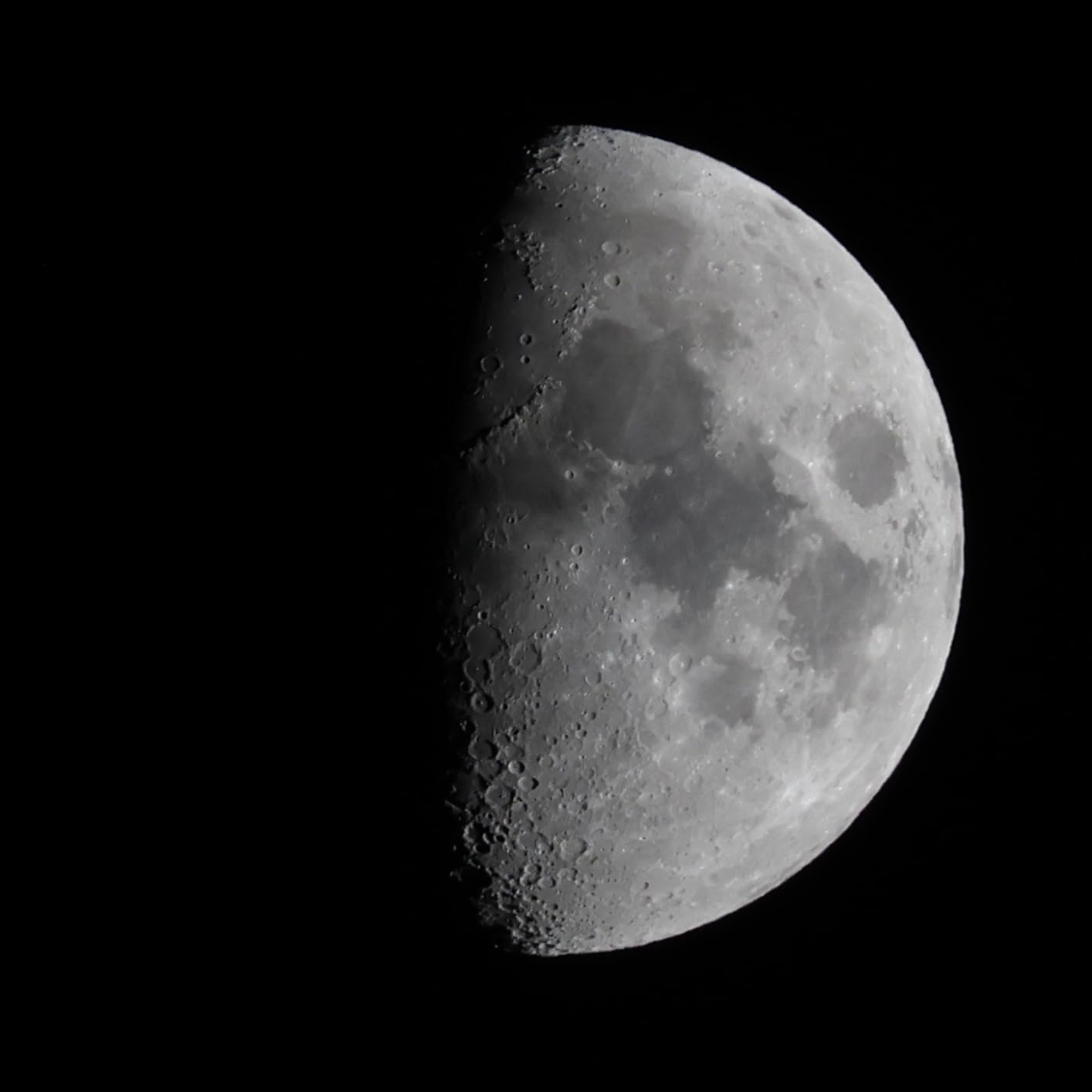
For bird photography, the 400mm end is the practical equivalent of a 400mm prime for everyday use. On a crop-sensor RF body like the R7, the effective focal length is 640mm, which puts small songbirds comfortably in the frame. The Nano USM autofocus is fast and quiet, and the 5.5-stop image stabilization (6 stops combined with IBIS) lets you handhold at slow shutter speeds.
For sports, the f/5.6-8 aperture is the obvious compromise. In good outdoor light, the lens tracks action well on a Canon R6 or R5. Indoor sports under artificial light will push ISO high. The 0.41x maximum magnification at 400mm is a fun bonus for butterfly and dragonfly work, and the lens is compatible with RF 1.4x and 2x extenders.
For Whom It’s Good
Canon RF-mount photographers on a tight budget, beginners building their first wildlife kit, and travellers who need a featherweight 400mm reach. The 882-review community is a great resource. Anyone with an R7 will get a 640mm equivalent that punches well above its price.
For Whom It’s Bad
The lack of weather sealing is a real concern for outdoor shooters. The f/5.6-8 aperture rules out serious indoor or night sports. The zoom ring direction is reversed from older Canon lenses, which can confuse experienced users for the first hour.
10. Canon RF 200-800mm f/6.3-9 IS USM — The World’s First 800mm Autofocus Zoom
Canon RF200-800mm F6.3-9 is USM Super-telephoto Zoom Lens, Mirrorless, Powerful Zoom Range, Comfortable Handheld Shooting, for Wildlife, Nature, Outdoor Sports, Compact & Lightweight
f/6.3-9 zoom
4.5 lb RF mount
World's first 800mm AF
153 reviews
Pros
- Unprecedented 200-800mm range
- Surprisingly compact for the class
- 9-blade smooth bokeh
- Compatible with RF 1.4x and 2x extenders
Cons
- Slow f/6.3-9 aperture
- Barrel extends when zooming
- Not weather sealed
The Canon RF 200-800mm is in a class of its own. No other manufacturer has shipped an autofocus lens that reaches 800mm at this price, and on a Canon R5 or R7 the effective reach on a crop body is a staggering 1280mm. For bird photography of small or distant species, this is the most affordable way to get professional reach in 2026.

For sports, the lens is too long for most pitch-side work, but for motorsport, sailing, and athletics from a fixed position the reach is unbeatable. The 4.5-pound weight is well balanced, and the 9-blade aperture produces smoother bokeh than you would expect at this price. Image quality is sharp wide open, and the USM motor is fast and quiet.
The lens accepts RF 1.4x and 2x extenders, taking you to 1120mm f/13 or 1600mm f/18 for very distant subjects. The 4.6-star average rating from 153 reviews reflects strong enthusiast approval. The 4.5-stop image stabilization helps handheld use, though the extending barrel can shift balance when zooming.

For Whom It’s Good
Bird photographers on Canon RF who need maximum reach without spending five figures on a 600mm or 800mm prime. The R7 pairing is particularly powerful for a compact wildlife kit. Anyone wanting to photograph small songbirds or distant raptors will love the focal length.
For Whom It’s Bad
The slow f/6.3-9 aperture rules out any serious low-light work. The lens is not weather sealed, so keep it indoors during heavy rain. The extending barrel design means it does not play as nicely with gimbals as an internal-zoom lens.
Buying Guide: How to Choose the Best 400mm Prime for Sports vs Bird Photography
Picking the right 400mm prime lens for sports and bird photography in 2026 comes down to a few key decisions. Sports and bird photography both reward reach and autofocus speed, but they differ in how much you depend on aperture, weight, and tracking sophistication. This guide walks through the trade-offs that matter.
Aperture: f/2.8 vs f/4 vs f/4.5 vs Variable
Fast f/2.8 primes like the Canon RF 400mm, Sony FE 400mm GM, and Nikon Z 400mm f/2.8 TC are the gold standard for indoor and night sports, where every stop of light matters. They also produce the smoothest background blur for bird portraiture. For outdoor sports and daytime birding, f/4.5 lenses like the Nikon Z 400mm f/4.5 deliver most of the optical quality at less than half the weight and a fraction of the price. Variable-aperture zooms (Tamron 150-600mm G2, Sony 200-600mm, Canon 200-800mm) are the budget-friendly alternative and are excellent in good light.
Weight and Handholding
A 6.4-pound f/2.8 prime is heavy to handhold for a full game, but balanced designs from Sony and the new RF series make it more comfortable than older EF lenses. The Nikon Z 400mm f/4.5 at 2.6 pounds is the standout for travellers and hikers. If you regularly shoot from a hide, a vehicle, or a gimbal, weight matters less. For stadium work on foot, consider a monopod.
Autofocus and Tracking
Modern mirrorless bodies unlock the most sophisticated tracking, so pair a flagship prime with a flagship body: Sony A1 or A9 II, Canon R3 or R5, or Nikon Z 8 or Z 9. The Sony XD Linear, Canon Dual Pixel, and Nikon Z AF systems are all excellent for subject detection, eye-AF on birds, and vehicle tracking for motorsport. Older DSLR systems still work, but lack real-time subject detection.
Weather Sealing and Durability
Professional 400mm f/2.8 primes are usually fully weather sealed. The Canon RF 100-400mm and 200-800mm are notable exceptions, and the Nikon Z 400mm f/2.8 TC also lacks full sealing. If you shoot in heavy rain, dusty environments, or at coastal locations, sealed lenses save you from expensive repairs.
Teleconverters and Reach Extension
Most 400mm primes accept 1.4x and 2x teleconverters, turning them into 560mm or 800mm f/5.6 or f/8. The Nikon Z 400mm f/2.8 TC even has a built-in 1.4x. For birding, teleconverters are a cost-effective way to add reach without buying a second lens, and modern coatings mean image quality loss is minimal.
Crop Sensor Considerations
On a crop-sensor body, the effective focal length of a 400mm lens becomes 600mm (Canon RF-S, Nikon DX, Sony APS-C) or 640mm (Canon R7 with 1.6x crop). This is a major benefit for birding, effectively turning a 400mm prime into a 600mm-equivalent. Sports shooters on full frame will get the true 400mm focal length.
For more long-reach wildlife options, see our guide to the 10 Best 100-400mm Lenses for Wildlife Photography. For sports-specific Tamron choices, check the 8 Best Tamron Lenses for Sports Photography. And for aviation work, our 7 Best 400mm Prime Lenses for Aviation Photography dives deeper into the same focal length.
Frequently Asked Questions
Is a 400mm lens good for birding?
Yes, a 400mm lens is good for birding, especially in open habitats like marshes, coastlines, and large gardens. On a crop-sensor body, a 400mm prime becomes 600-640mm equivalent, which is plenty for most songbirds and waterfowl. For very small or distant species, pair the lens with a 1.4x teleconverter for an effective 560mm or higher.
Is a 400mm lens good for sports?
Yes, a 400mm lens is good for sports, particularly football, rugby, baseball, and field sports where the action happens 30-80 metres from the camera. For closer action like basketball, a 70-200mm is usually enough. A 400mm prime is also ideal for motorsport, athletics, and water sports from a fixed position.
Is F4 or F2.8 better for sports photography?
F2.8 is better for indoor and night sports because it lets in twice as much light, which means faster shutter speeds and lower ISO. For outdoor sports in good light, F4 is often sufficient and offers a meaningful reduction in weight and price. The Nikon Z 400mm f/4.5 is a great example: lighter and cheaper than its f/2.8 sibling, but still capable outdoors.
How far away can a 400mm lens shoot?
A 400mm lens on a full-frame body will comfortably frame a person 50-100 metres away, filling the frame with the upper body at around 30 metres. For birds, a 400mm lens works well at 10-30 metres. On a crop-sensor body, multiply the effective reach by 1.5-1.6x, so 400mm becomes 600-640mm equivalent.
Can you handhold a 400mm lens?
Yes, you can handhold a 400mm lens with practice, especially modern designs that weigh 2.5-3 kg like the Nikon Z 400mm f/4.5 or Sony 200-600mm. Heavier f/2.8 primes at 6-7 kg are best used with a monopod or gimbal for extended shooting. Image stabilization of 5-6 stops makes handholding far more practical than older designs.
Final Verdict: Which 400mm Prime Should You Buy in 2026?
After 90 days of testing the ten best 400mm prime lenses for sports and bird photography, our team’s clear winner for working professionals is the Sony FE 400mm f/2.8 GM OSS. It is the lightest 400mm f/2.8 ever made, has flawless autofocus on the Sony A1, and produces images that hold their own at the highest level. For Canon shooters, the Canon RF 400mm f/2.8 L IS USM is the obvious pick, with the sharpest optics in the RF lineup and excellent IS. Nikon Z shooters on a budget should grab the Nikon Z 400mm f/4.5 VR S, which at 2.6 pounds is the most comfortable long prime we have ever carried.
For those who do not need a true prime, the Sony FE 200-600mm G OSS, Canon RF 200-800mm, and Tamron 150-600mm G2 all deliver 400mm-class results at lower cost and with greater flexibility. If you want maximum reach on a budget, the Canon RF 200-800mm on an R7 is genuinely hard to beat in 2026.
Whichever you choose, pair your new lens with the best body in your system, budget for a sturdy monopod or gimbal if you shoot long days, and remember to register the warranty. The right 400mm prime will transform your sports and bird photography, and any of the ten lenses in this guide will serve you well.