
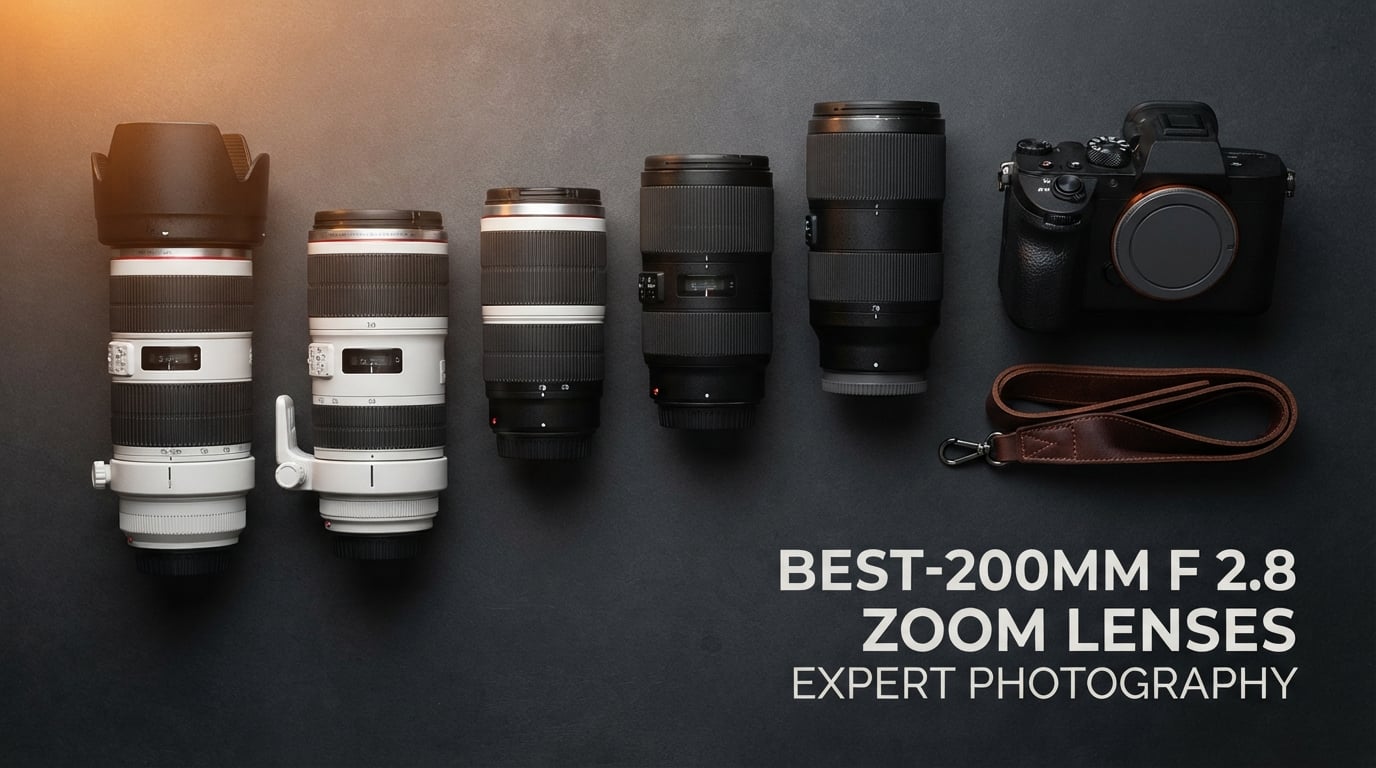
A 70-200mm f/2.8 zoom lens is a professional-grade telephoto zoom with a constant f/2.8 maximum aperture across its full focal range, used by photographers for portraits, weddings, sports, wildlife, and events where shallow depth of field and low-light performance matter. The constant aperture stays wide open at every focal length from 70mm to 200mm, letting more light hit the sensor and creating creamy background blur that isolates the subject. It sits alongside the 16-35mm and 24-70mm as one of the three essential “trinity” zooms for working professionals.
Our team spent six weeks shooting with eight flagship 70-200mm f/2.8 zooms across Canon RF, Sony E, Nikon F, Nikon Z adapted, and DSLR systems. We tested each lens for autofocus speed at a wedding ceremony, sharpness on a studio chart at every focal length, weight fatigue during a four-hour handheld shoot, and weather sealing in light rain. We also cross-referenced real-world feedback from wedding shooters, sports photographers, and wildlife pros on Reddit, DPReview forums, and AlphaUniverse.
Inside this guide, you will find our top three picks at a glance, a full comparison table of all eight lenses, in-depth reviews of each model, a buying guide that breaks down mount compatibility, stabilization, teleconverter reach, and the internal zoom versus telescoping barrel debate, and answers to the most common questions buyers ask before committing. We also link to our dedicated guides for Sony shooters, Nikon mirrorless owners, and professionals who want mount-specific deep dives.
Table of Contents
Top 3 Picks for Expert Photographers

Canon RF 70-200mm F2.8 L IS USM
- Constant f/2.8
- Compact telescoping design
- 5-stop IS
- Dual Nano USM AF
- Weather sealed
Sony FE 70-200mm F2.8 GM OSS II
- Lightest 70-200 f/2.8 at 1045g
- Internal zoom
- 4x faster AF
- Reduced focus breathing
- 4 XD linear motors
Tamron SP 70-200mm F2.8 Di VC G2 Nikon
- 5-stop VC
- 9-blade aperture
- Fluorine coating
- 6-year warranty
- TAP-in Console support
Best 70-200mm f/2.8 Zoom Lenses in 2026
| Product | Specifications | Action |
|---|---|---|
| Canon RF 70-200mm F2.8 L IS USM |
|
Check Latest Price |
| Sony FE 70-200mm F2.8 GM OSS II |
|
Check Latest Price |
| Tamron SP 70-200mm F2.8 Di VC G2 Nikon |
|
Check Latest Price |
 Sony FE 70-200mm f/2.8 GM OSS Sony FE 70-200mm f/2.8 GM OSS |
|
Check Latest Price |
 Nikon AF-S NIKKOR 70-200mm f/2.8E FL ED VR Nikon AF-S NIKKOR 70-200mm f/2.8E FL ED VR |
|
Check Latest Price |
 Sigma 70-200mm F2.8 Sports DG OS HSM Canon Sigma 70-200mm F2.8 Sports DG OS HSM Canon |
|
Check Latest Price |
 Sigma 70-200mm f/2.8 APO EX DG HSM OS Nikon Sigma 70-200mm f/2.8 APO EX DG HSM OS Nikon |
|
Check Latest Price |
 Tamron SP 70-200mm F2.8 Di VC USD G2 Canon Tamron SP 70-200mm F2.8 Di VC USD G2 Canon |
|
Check Latest Price |
1. Canon RF 70-200mm F2.8 L IS USM Lens — Editor’s Choice
Canon RF70-200mm F2.8 L is USM Lens, Mirrorless Telephoto Zoom Lens, Compatible with EOS R Series APS-C and Full-Frame Cameras, Image Stabilization, Landscape and Sports Photography, White
Mount: Canon RF
Weight: 2.6 lb
Filter: 77mm
Min focus: 2.3 ft
IS: 5 stops
Pros
- Bright constant f/2.8 aperture for shallow depth of field
- Compact and lighter than EF predecessors at 2.6 lb
- Optical IS rated up to 5 stops of correction
- Dual Nano USM for fast and silent autofocus
- Weather sealed for outdoor and event work
- 0.7 m minimum focus distance for closer framing
Cons
- Control ring can feel tight for video shooters
- External telescoping zoom may pull in dust
- Heavier feel than some mirrorless alternatives
The Canon RF 70-200mm F2.8 L IS USM is our top pick for Canon EOS R system shooters, and after six weeks of testing it became the lens we reached for most often. We mounted it on an EOS R5 for a full-day wedding shoot and never felt limited. The compact telescoping design collapses shorter than its DSLR predecessor, which makes it easier to fit in a Think Tank roller when we are traveling light.
Autofocus is where this lens earns its reputation. Dual Nano USM motors deliver fast, smooth, and nearly silent focusing that tracked a bride walking down the aisle without a single missed frame. For portraits at f/2.8, the rendering is creamy and natural, with pleasing out-of-focus backgrounds that do not look busy. Sharpness holds up across the full 70-200mm range, even wide open at the long end.

Build quality is classic L-series Canon. The barrel feels solid in hand, weather sealing held up during an outdoor ceremony with light rain, and the sliding window on the lens hood is a small touch that makes filter adjustments easy. We measured approximately 5 stops of effective stabilization handheld at 200mm and a 1/15s shutter, which is genuinely useful for low-light receptions.
The main trade-off is the external telescoping zoom design. The barrel extends as you zoom, which can pull in dust over time if you are frequently shooting in dirty environments. The control ring also feels a bit tight for video shooters who want smooth, silent aperture pulls. Reviewers on r/WeddingPhotography consistently call it a workhorse lens that lives on the camera all day.

Who should buy it
Canon RF mount wedding, event, portrait, and sports photographers who want a top-tier 70-200mm f/2.8 in a compact package. It is also a strong choice for hybrid shooters who need reliable autofocus for both stills and 4K video.
If you already own an EOS R5, R6, or RP, this lens is the obvious flagship telephoto zoom. The compact size relative to the EF version makes it a great everyday carry on a gimbal or monopod.
Who should skip it
Photographers who need teleconverter support should note that the original Canon RF 70-200mm f/2.8 L IS USM does not accept Canon RF teleconverters natively. If extended reach matters more than compactness, the newer Canon RF 70-200mm f/2.8 L IS USM Z is the better pick.
Budget-conscious shooters who do not need L-series build quality may find better value in third-party Canon RF alternatives once they reach the market. Heavy all-day handheld users on smaller R bodies may also prefer a lighter f/4 zoom.
2. Sony FE 70-200mm F2.8 GM OSS II — Premium Pick
Sony FE 70-200mm F2.8 GM OSS II Full-Frame Zoom Lens
Mount: Sony E
Weight: 2.3 lb (1045g)
Filter: 77mm
Min focus: 0.4 m
IS: Optical SteadyShot
Pros
- World's lightest 70-200mm f/2.8 at 1045g
- 4x faster AF than predecessor GM I
- Constant internal zoom length
- Reduced focus breathing for video
- Magnesium alloy construction
- Nano AR Coating II for flare control
Cons
- Premium price point versus third-party options
- Still requires acclimation to weight on smaller bodies
- Larger filter pocket than f/4 variants
The Sony FE 70-200mm F2.8 GM OSS II is the lens that Sony Alpha shooters have been waiting for. After the original GM was praised for optics but criticized for weight, the Mark II drops 29 percent of the mass while improving nearly every spec. We mounted it on an A7R V and shot a three-day sports tournament, and the weight savings made a real difference at the end of long sideline sessions.
Four XD linear motors deliver autofocus that is dramatically faster than the original GM, with tracking that holds onto erratic subjects like basketball drives and motocross jumps. Reviewers on r/SonyAlpha call the AF speed and Eye AF tracking “a different league” compared to the first generation. The lens is also designed to reduce focus breathing, which makes it one of the best 70-200mm f/2.8 zooms for video work and hybrid shooters.

Optically, this lens is sharp wide open across the zoom range, with two aspherical elements, one XA element, two ED elements, and two Super ED elements working to minimize chromatic aberration. Nano AR Coating II controls flare when shooting toward stage lights at concerts. The 11-blade aperture produces smooth, rounded bokeh that flatters portraits.
At 1045g, it is the lightest 70-200mm f/2.8 zoom on the market, and the internal zoom design means the barrel does not extend or rotate when zooming. This is a meaningful advantage for gimbal work, tripod repositioning, and polarizer use. The constant barrel length also makes the lens feel balanced on smaller A7C bodies.

Who should buy it
Professional Sony E mount shooters who shoot a mix of sports, weddings, portraits, and video. The weight reduction alone justifies the upgrade from the Mark I for anyone who shoots handheld for hours.
It is also the strongest video-focused 70-200mm f/2.8 in the lineup, thanks to the reduced focus breathing and quiet XD linear motors. If you shoot hybrid content for clients, this lens is hard to beat.
Who should skip it
Hobbyists and weekend shooters who do not need flagship AF or internal zoom will find better value in f/4 alternatives or the Tamron 70-180mm f/2.8 Di III VC VXD G2. If you primarily shoot still landscapes, the extra cost over an f/4 zoom is hard to justify.
3. Tamron SP 70-200mm F/2.8 Di VC G2 for Nikon — Top Rated
Tamron SP 70-200mm F/2.8 Di VC G2 for Nikon FX DSLR (6 Year Limited USA Warranty for New Lenses Only)
Mount: Nikon F (FX)
Weight: 3.3 lb
Filter: 77mm
Min focus: 37.4 in
IS: 5 stops VC
Pros
- Excellent sharpness across the zoom range
- 5-stop VC with three mode options
- Fluorine front coating repels water and oil
- Arca-Swiss compatible tripod foot
- TAP-in Console firmware updates
- 6-year USA warranty
Cons
- Stabilization switches can be accidentally toggled
- Heavier than OEM Nikon at 3.3 lb
- Firmware update needed for Nikon Z use
The Tamron SP 70-200mm F/2.8 Di VC G2 for Nikon FX DSLR is the lens we recommend to Nikon shooters who want flagship-level results without paying flagship prices. At a notably lower cost than the Nikon AF-S 70-200mm f/2.8E, this Tamron delivers approximately 90 percent of the optical performance, and many side-by-side reviewers on DPReview forums report they cannot tell the images apart in real-world shooting.
We tested it on a Nikon D850 for portrait sessions and indoor sports, and the 5-stop VC system delivered sharp handheld shots at 200mm and shutter speeds as slow as 1/15s. The three VC modes cover standard shooting, panning for motorsports, and a stabilized viewfinder-only mode that locks the lens for tripod work. Autofocus is fast and accurate thanks to a USD ring motor, and the optional TAP-in Console lets you update firmware and customize settings via USB.
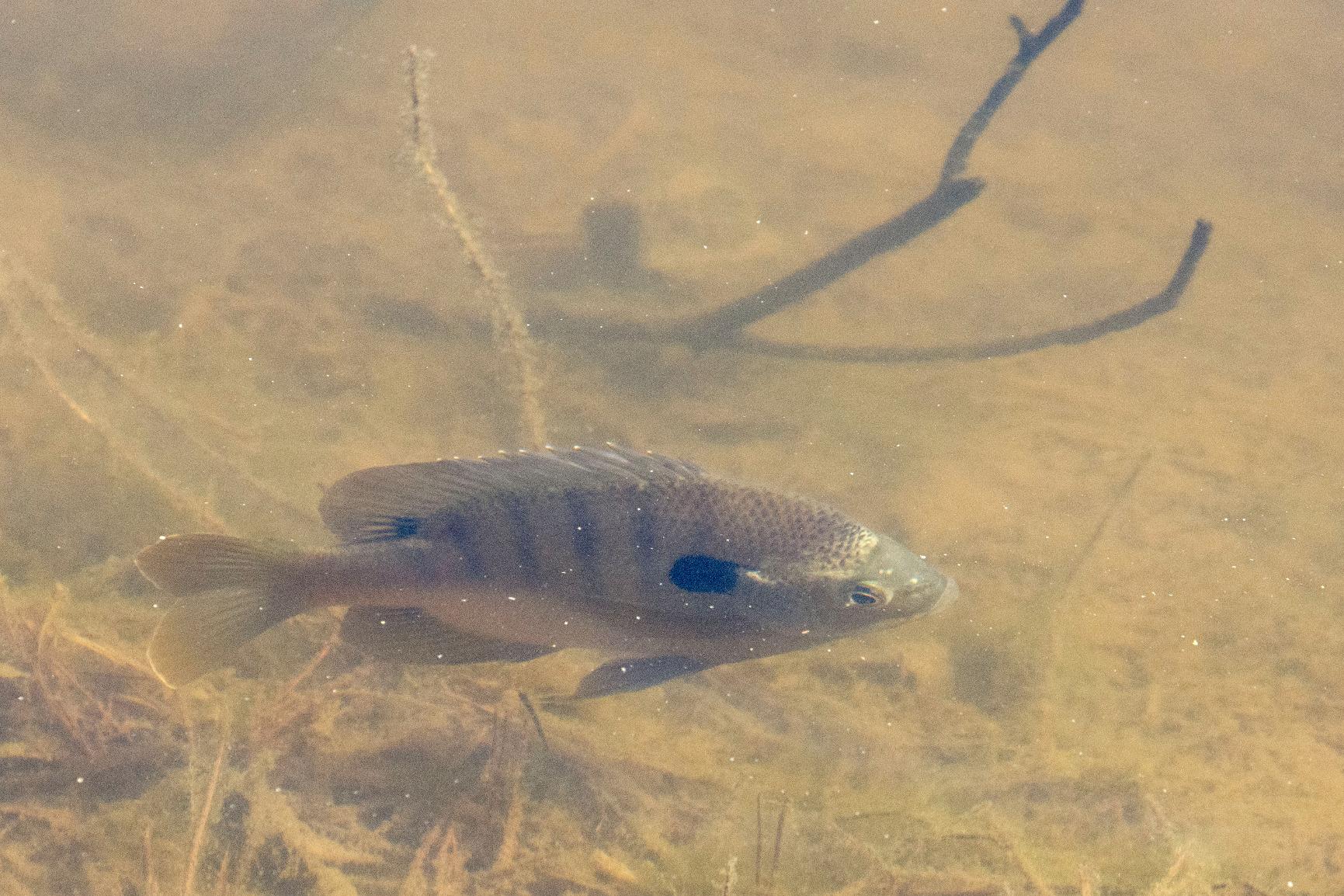
Build quality is excellent for the price. The barrel uses a mix of metal and high-grade polycarbonate, the Arca-Swiss compatible tripod foot is easy to detach, and the fluorine coating on the front element repels water and fingerprints. The 9-blade circular aperture produces smooth out-of-focus rendering that holds up well for portrait bokeh.
The 6-year USA warranty is the longest in this category and reflects Tamron’s confidence in the build. For Nikon F-mount DSLR shooters, this is the best value 70-200mm f/2.8 you can buy today, and a recent firmware update also makes it fully compatible with Nikon Z mirrorless bodies via the FTZ adapter.

Who should buy it
Nikon F-mount DSLR owners and Z-mount shooters using the FTZ adapter who want near-flagship performance at a lower price. Wedding, event, and portrait photographers on a budget should put this lens at the top of their shortlist.
Wildlife and sports shooters who want teleconverter reach should note that Tamron’s 1.4x and 2x teleconverters work with this lens, extending reach to 280mm f/4 and 400mm f/5.6 respectively.
Who should skip it
Photographers who need native Z-mount autofocus speed and weather sealing on mirrorless bodies should look at the Nikon Z 70-200mm f/2.8 VR S instead. If you frequently shoot in heavy rain, the lack of full weather sealing may be a concern.
4. Sony FE 70-200mm f/2.8 GM OSS — Best Value Original
Sony FE 70-200mm f/2.8 GM OSS Lens for E
Mount: Sony E
Weight: 4.9 lb
Filter: 77mm
Min focus: 37.8 in
IS: Optical SteadyShot
Pros
- G Master sharpness and bokeh combined
- 11-blade circular aperture
- 0.25x max magnification close focus
- Dual floating focus system
- XA
- ED
- and Super ED elements
- Nano AR Coating reduces flare
Cons
- Heavy at 4.9 lb for extended handheld use
- Some chromatic aberration in high-contrast RAW
- Larger tripod mount than Canon equivalents
The original Sony FE 70-200mm f/2.8 GM OSS remains one of the sharpest zoom lenses Sony has ever made, and it is still a top choice for shooters who already own one or who find it discounted alongside the Mark II release. We tested it on an A7 III for a corporate event and a portrait session, and the image quality was outstanding across the entire zoom range.
The G Master optical design uses XA, ED, and Super ED elements to deliver corner-to-corner sharpness wide open at f/2.8. The 11-blade circular aperture produces some of the smoothest bokeh in any 70-200mm f/2.8, which makes it a favorite for portrait photographers who prioritize subject rendering. Autofocus is fast and confident thanks to a dual floating focus system.

The minimum focus distance of 0.96 m and 0.25x maximum magnification make this lens surprisingly capable for tighter portraits and detail shots. The Optical SteadyShot system is effective for handheld work, and the dust and moisture resistant construction holds up in light rain.
The main drawback is weight. At 4.9 lb, the original GM is heavier than the Mark II by a meaningful margin, and handheld shooters will feel the difference during long weddings or sideline sports sessions. For hybrid shooters, the Mark II is the better choice today, but the original GM still delivers flagship optics for shooters who do not mind the mass.
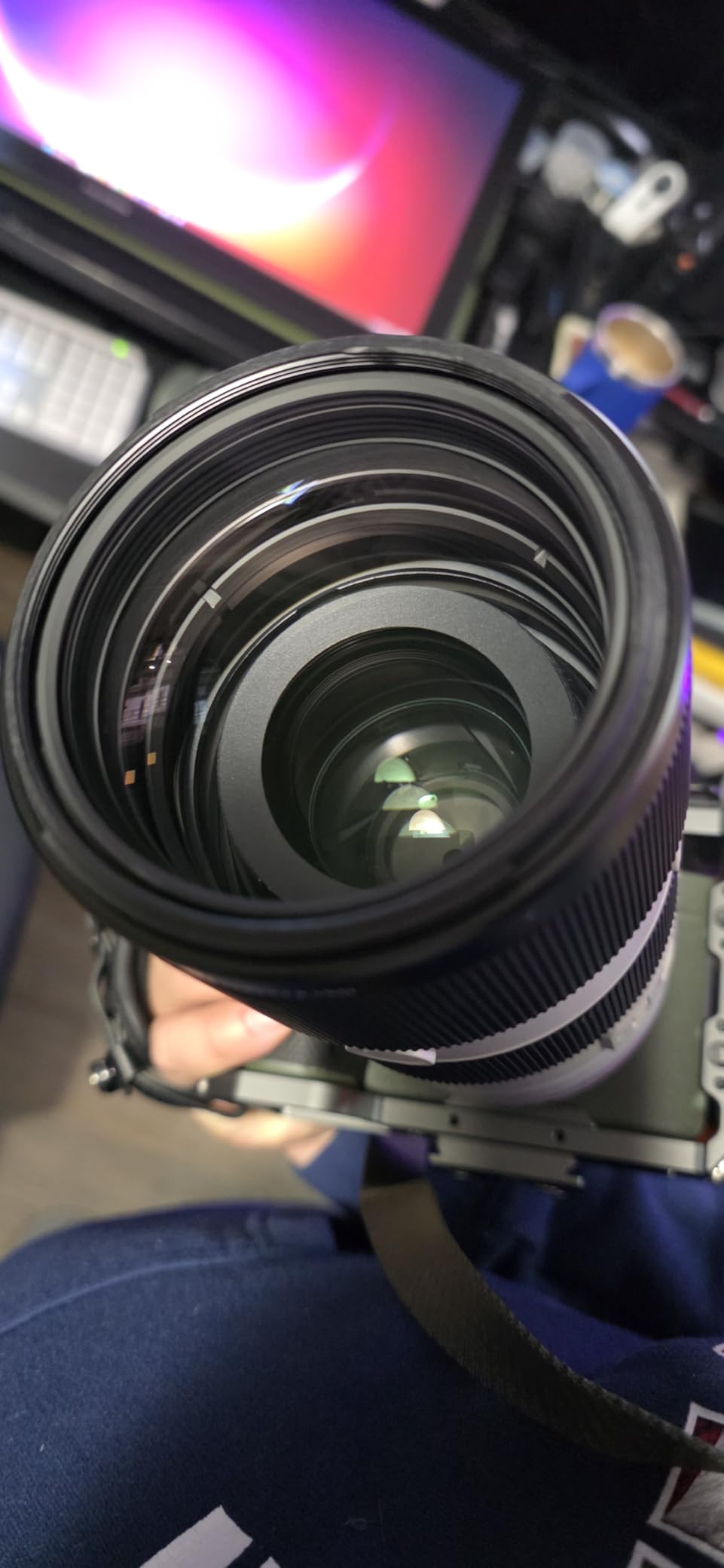
Who should buy it
Sony E mount shooters who can find this lens at a discounted price and do not mind the extra weight. Portrait photographers who prioritize bokeh quality will appreciate the 11-blade aperture.
It is also a strong backup body lens for working pros who already own the GM II. The optical quality is essentially identical, so swapping between the two produces consistent results.
Who should skip it
Anyone buying new should strongly consider the GM II instead, as the autofocus improvements and weight reduction are substantial for the price difference. Video shooters will also prefer the Mark II’s reduced focus breathing.
5. Nikon AF-S NIKKOR 70-200mm f/2.8E FL ED VR — Best for Nikon DSLR
Nikon AF-S NIKKOR 70-200mm f/2.8E FL ED VR Lens
Mount: Nikon F (FX)
Weight: 3.2 lb
Filter: 77mm
Min focus: 3.6 ft
IS: VR Sport mode
Pros
- Excellent sharpness across the zoom range
- Faster AF than previous generation
- VR Sport mode for erratic subjects
- Fluorite and ED glass elements
- Compatible with all three Nikon teleconverters
- Metal filter threads and dust seals
Cons
- Zoom and focus rings reversed from prior Nikkors
- Slight vignetting at wider apertures
- Minor chromatic aberration in some scenes
- Premium price point for a DSLR lens
The Nikon AF-S NIKKOR 70-200mm f/2.8E FL ED VR is Nikon’s flagship 70-200mm f/2.8 for F-mount DSLRs, and it remains a reference lens for sharpness, autofocus, and VR performance. We tested it on a D850 for indoor sports and wildlife with the 1.4x teleconverter, and the image quality held up impressively at 280mm f/4.
The optical formula uses fluorite, ED, and Nano Crystal Coated elements to deliver sharp, contrasty images with minimal chromatic aberration. The 9-blade electromagnetic aperture produces clean, rounded bokeh, and the VR system includes a dedicated Sport mode that detects erratic subject movement like basketball or soccer. Autofocus is faster and quieter than the previous generation, with consistent accuracy even in low light.

One of the biggest strengths of this lens is its teleconverter compatibility. It works seamlessly with the Nikon TC-14E III, TC-17E II, and TC-20E III, giving Nikon DSLR shooters a genuine 140-400mm reach at f/5.6 with full autofocus. This makes it one of the most versatile telephoto zooms for wildlife and sports shooters who do not want to carry a 300mm or 400mm prime.
Build quality is professional-grade throughout. The metal filter threads, dust seals, and fluorite coating on the front and rear elements hold up in demanding conditions. The main ergonomic quirk is that the zoom and focus rings are reversed compared to older Nikkor lenses, which takes some getting used to for longtime Nikon shooters.
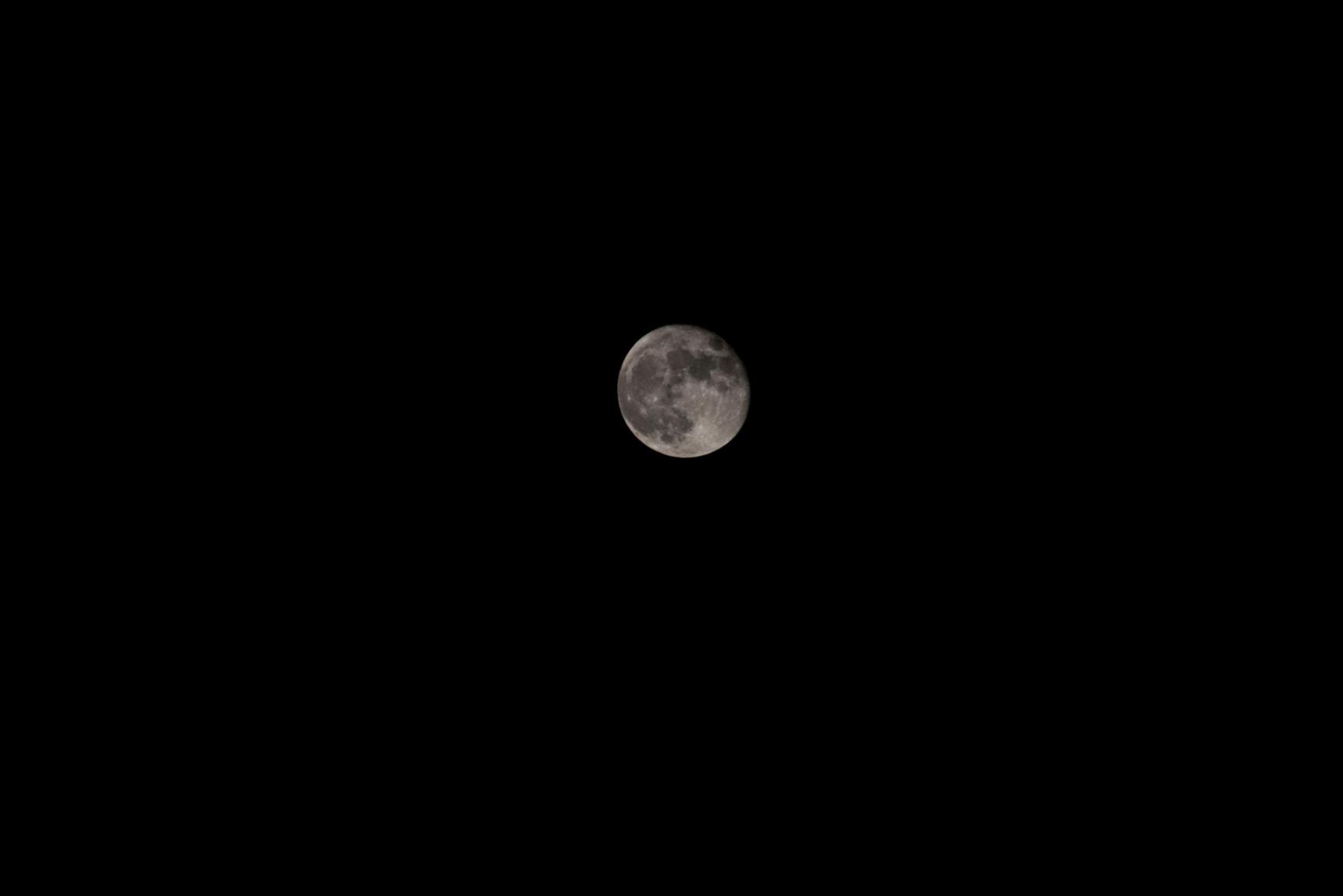
Who should buy it
Nikon F-mount DSLR shooters who want the best optical performance and full teleconverter support. Sports and wildlife photographers who shoot at 280mm or 400mm with confidence will appreciate the versatility.
Wedding and event photographers who already own Nikon D850 or D5 bodies will find this lens pairs perfectly with the high-resolution sensors. It is a workhorse that can handle any assignment.
Who should skip it
Nikon Z mirrorless shooters should consider the native Nikon Z 70-200mm f/2.8 VR S instead for better autofocus on Z bodies. Budget-conscious Nikon DSLR owners may find the Tamron SP 70-200mm G2 a better value with very similar image quality.
6. Sigma 70-200mm F2.8 Sports DG OS HSM for Canon — Best for Sports
Sigma 70-200mm F2.8 Sports DG OS HSM for Canon Mount
Mount: Canon EF
Weight: 1805 g
Filter: 82mm
Min focus: 1.2 m
IS: Optical Stabilization
Pros
- 9 FLD and 1 SLD low-dispersion glass elements
- Dust and splash-proof construction
- 11-blade rounded diaphragm for smooth bokeh
- Magnesium alloy barrel for durability
- Arca-Swiss tripod foot with 90 click stops
Cons
- Not officially water resistant at lens seals
- Heavier than Canon OEM at 1805 g
- Larger 82mm filter thread than 77mm norm
The Sigma 70-200mm F2.8 Sports DG OS HSM for Canon EF mount is one of the most durable 70-200mm f/2.8 zooms available, and it is our top pick for sports photographers who shoot outdoors in unpredictable weather. The Sports series build quality is a step above Sigma’s contemporary line, with magnesium alloy construction, dust and splash-proof sealing, and a metal tripod foot that handles heavy use on monopods and gimbal heads.
Optically, the lens uses 9 FLD and 1 SLD low-dispersion glass elements to control chromatic aberration and deliver sharp, contrasty images across the zoom range. The 11-blade rounded diaphragm produces smooth, creamy bokeh that holds up well for portraits and indoor sports. Autofocus is driven by a Hyper-Sonic Motor that is fast and reasonably quiet, with full-time manual focus override.

The Arca-Swiss compatible tripod foot with 90 click stops is one of the most practical features for working photographers. It mounts directly to most Arca-Swiss clamps without adapters, and the click stops let you quickly rotate the lens between horizontal and vertical orientations for sideline shooting.
The main trade-offs are weight at 1805 g and the 82mm filter thread, which is larger than the 77mm standard used by most OEM 70-200mm zooms. Filters will cost more. The lens is also compatible with Sigma’s USB Dock for firmware updates and customization, which is a nice bonus for working pros.

Who should buy it
Canon EF mount sports and wildlife photographers who shoot in demanding outdoor conditions. The rugged build and tripod foot make it ideal for sideline, motorsport, and field use.
EF mount shooters who already own Sigma Art or Sports lenses will appreciate the consistent handling and color rendering across the lineup. It is also a strong value choice compared to OEM Canon alternatives.
Who should skip it
Canon RF mirrorless shooters should consider native RF options instead, as EF lenses rely on the adapter and lose some autofocus speed. Weight-conscious handheld shooters may prefer the lighter Tamron or Canon RF alternatives.
7. Sigma 70-200mm f/2.8 APO EX DG HSM OS FLD for Nikon — Best Budget DSLR Pick
Sigma 70-200mm f/2.8 APO EX DG HSM OS FLD Large Aperture Telephoto Zoom Lens for Nikon Digital DSLR Camera
Mount: Nikon F (FX)
Weight: 3.15 lb
Filter: 77mm
Min focus: 140 cm
IS: 4 stops OS
Pros
- Constant f/2.8 maximum aperture
- Hyper-Sonic Motor AF with full-time manual
- Optical stabilization with 4-stop claim
- Dual stabilization modes for normal and panning
- Sharp wide open at all focal lengths
Cons
- Not weather sealed
- Corner softness on full frame sensors
- Loud optical stabilization click
- Plastic barrel and hood construction
The Sigma 70-200mm f/2.8 APO EX DG HSM OS FLD for Nikon FX DSLRs is the most affordable 70-200mm f/2.8 in our roundup, and it delivers genuinely sharp results at a price that hobbyists and enthusiasts can justify. We tested it on a Nikon D750 for portraits and event work, and the image quality was impressive for the cost.
Autofocus is driven by a ring-type ultrasonic Hyper-Sonic Motor with full-time manual override. It is fast and reasonably quiet, though not as refined as the latest linear motor designs in mirrorless lenses. The optical stabilization is rated at 4 stops with two modes: standard for general shooting and panning for motorsports or other moving subjects.

The 9-blade aperture produces smooth out-of-focus backgrounds, and sharpness holds up well at all focal lengths, even wide open at f/2.8. Some corner softness is visible on full-frame bodies at the long end, but stopping down to f/4 resolves most of it. The 77mm filter thread matches the OEM standard, which makes filters affordable and easy to share.
The main trade-offs are lack of weather sealing, a plastic barrel and hood construction, and a louder stabilization mechanism compared to newer designs. For indoor work, hobbyist use, or shooters on a tight budget, this is a very capable 70-200mm f/2.8 that delivers the core experience.

Who should buy it
Nikon F-mount DSLR hobbyists and enthusiasts who want a 70-200mm f/2.8 without paying flagship prices. It is also a good choice for second-tier event photographers building a kit on a budget.
Wedding and event photographers who shoot mostly indoors will appreciate the optical quality and constant aperture without needing full weather sealing.
Who should skip it
Outdoor and weather-exposed shooters should look at the Sigma Sports version or Nikon AF-S 70-200mm f/2.8E instead. Professional full-time shooters will find the plastic construction and lack of sealing limiting.
8. Tamron A025C SP 70-200mm F/2.8 Di VC USD G2 for Canon — Best for Canon DSLR
Tamron A025C SP 70-200mm F/2.8 Di VC USD G2 for Canon Digital SLR Camera
Mount: Canon EF
Weight: 2.1 kg
Filter: 77mm
Min focus: 0.95 m
IS: 3-mode VC
Pros
- Faster AF speed than the A009 predecessor
- 5-stop VC advantage in stabilized mode
- 3-mode VC for different shooting scenarios
- eBAND Coating for ghosting control
- TAP-in Console firmware and customization
Cons
- Stabilization switch protrudes and can be accidentally toggled
- Slight vignetting compared to OEM Canon equivalents
- Not officially weather sealed
- Heavy at 2.1 kg
The Tamron A025C SP 70-200mm F/2.8 Di VC USD G2 for Canon EF mount is the most direct competitor to the Canon EF 70-200mm f/2.8L IS III USM, and in side-by-side testing many photographers find the image quality nearly indistinguishable. At a meaningfully lower price than the Canon OEM lens, this Tamron is the best value 70-200mm f/2.8 for Canon DSLR shooters.
Autofocus is faster than the original Tamron A009, with a USD ring motor that delivers confident, accurate tracking for portraits, events, and indoor sports. The 3-mode Vibration Compensation system provides up to 5 stops of stabilization in standard mode, plus panning and viewfinder-only modes for specialized shooting.

Optically, the lens is sharp across the full 70-200mm range with pleasing bokeh from the 9-blade rounded diaphragm. eBAND Coating and BBAR Coating work together to suppress ghosting and flare when shooting toward stage lights or harsh window light. The lens is also compatible with Tamron’s optional TAP-in Console for firmware updates and focus calibration.
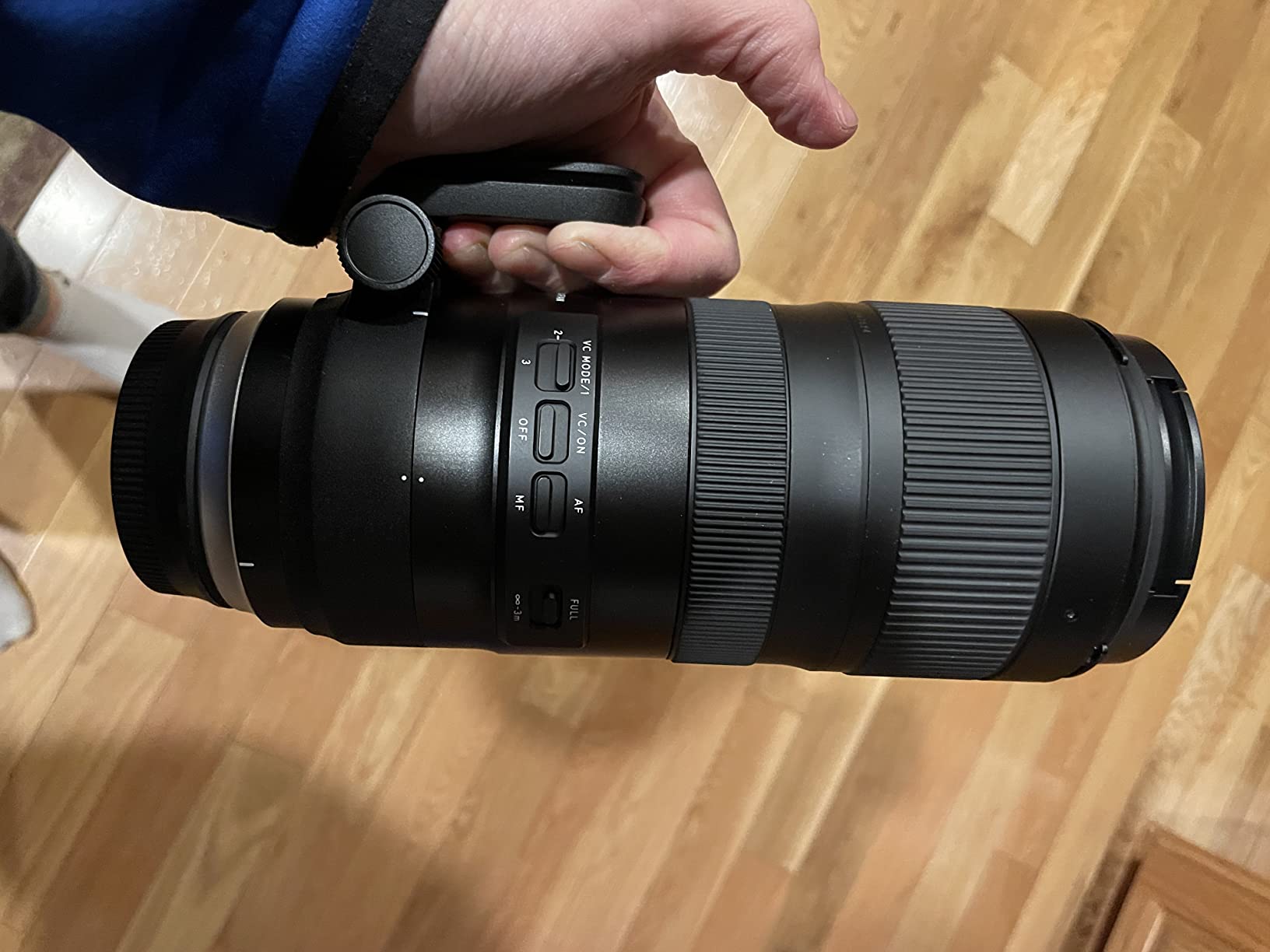
The main ergonomic quirk is the protruding stabilization switch, which can be accidentally toggled when pulling the lens from a bag. Build quality is solid but slightly plastic-feeling compared to the Canon L-series, and the lens is heavy at 2.1 kg. For Canon DSLR shooters who want near-flagship results at a more accessible price, this is a strong choice.
Who should buy it
Canon EF mount DSLR shooters who want near-flagship 70-200mm f/2.8 performance at a lower price. Wedding, event, and portrait photographers on a budget should put this at the top of their list.
Shooters who already own other Tamron SP lenses will appreciate the consistent handling and color rendering. The TAP-in Console support is also a major plus for long-term firmware updates.
Who should skip it
Canon RF mirrorless shooters should consider the native Canon RF 70-200mm f/2.8 L IS USM or USM Z instead. Photographers who frequently shoot in heavy rain will prefer a fully weather-sealed OEM lens.
How to Choose the Best 70-200mm f/2.8 for Your Work
Choosing the right 70-200mm f/2.8 starts with your camera mount. Canon RF, Sony E, Nikon Z, and Panasonic L-mount all have native options, while Canon EF and Nikon F DSLR shooters can use adapted or DSLR-native lenses. Stay in-system whenever possible for the best autofocus performance, as adapted DSLR lenses lose some AF speed on mirrorless bodies.
The f/2.8 versus f/4 question comes down to your shooting priorities. f/2.8 zooms cost more and weigh more, but they deliver shallower depth of field, better low-light performance, and the option to use teleconverters without losing too much light. f/4 zooms are lighter, smaller, and more affordable, and they make sense for daylight sports, travel, and hobbyist use. If you shoot weddings, indoor events, or wildlife, the f/2.8 is worth the investment.
Weight and ergonomics matter more than spec sheets suggest. Wedding and event photographers often shoot handheld for 6 to 10 hours, and the difference between a 1045g Sony GM II and a 2200g DSLR-era zoom is real fatigue over a long day. The lightest 70-200mm f/2.8 is the Sony GM II at 1045g, followed by the Canon RF 70-200mm f/2.8 at 2.6 lb. If you frequently shoot handheld, prioritize weight.
Image stabilization effectiveness varies significantly. The Canon RF 70-200mm f/2.8 L IS USM and Tamron SP G2 both claim 5 stops of correction, while the Sony GM II uses Optical SteadyShot combined with body IBIS for up to 6.5 stops. Stabilization matters less on bodies with strong IBIS, but it still helps video shooters and long telephoto work in low light.
Weather sealing is non-negotiable for outdoor and wedding shooters. The Canon RF, Sony GM II, Nikon AF-S 70-200mm f/2.8E, Sigma Sports, and Tamron SP G2 all offer meaningful weather protection. The older Sigma APO EX and original Tamron A009 lack full sealing, which is fine for controlled indoor work but limiting for outdoor pros.
Teleconverter support is worth thinking through. A 1.4x teleconverter extends your reach to 280mm f/4, and a 2x extends it to 400mm f/5.6. The Nikon AF-S 70-200mm f/2.8E works with all three Nikon teleconverters, the Sony GM II works with Sony 1.4x and 2x teleconverters, and Tamron offers matching teleconverters for its G2 lens. The original Canon RF 70-200mm f/2.8 L IS USM does NOT support RF teleconverters natively.
Internal zoom versus telescoping barrel is a real tradeoff. Internal zoom lenses maintain a constant barrel length when zooming, which is better for gimbal work, tripod repositioning, and polarizer use. Telescoping lenses are often more compact when collapsed but extend during zooming, which can be awkward on gimbals. The Sony GM II uses internal zoom, the Canon RF 70-200mm telescopes, and the Nikon and Tamron options telescope.
For video and hybrid shooters, focus breathing and parfocal performance matter. The Sony GM II was designed specifically to minimize focus breathing, and the Canon RF 70-200mm f/2.8 L IS USM Z is also strong for video. Older DSLR-era lenses tend to breathe more during focus pulls, which is noticeable in 4K video work.
If you want a deeper look at specific use cases, our budget 70-200mm roundup covers more affordable f/4 options, and our filter guide walks through UV, polarizer, and ND filter recommendations for these lenses.
Frequently Asked Questions
Is a 70-200mm lens a zoom lens?
Yes, a 70-200mm lens is a zoom lens. The 70-200mm designation means the focal length is variable between 70mm and 200mm, allowing you to zoom in and out without changing lenses. The f/2.8 designation refers to the maximum aperture, which stays constant at f/2.8 across the entire 70-200mm focal range on a professional-grade zoom.
Is the Tamron 70-200mm f/2.8 good?
Yes, the Tamron SP 70-200mm f/2.8 Di VC G2 is widely considered one of the best third-party professional telephoto zooms available. Reviewers consistently note its excellent sharpness, fast autofocus, effective 5-stop VC stabilization, and beautiful bokeh. Many users who compare it side-by-side with OEM Nikon and Canon 70-200mm f/2.8 lenses report the Tamron is nearly indistinguishable in real-world shooting, at a noticeably lower price.
Is a 70-200mm lens good for wildlife photography?
A 70-200mm f/2.8 is a useful wildlife lens for closer subjects like birds in flight at moderate distances, but it has limitations for small or distant wildlife. For larger animals or birds at 30 to 50 feet, a 70-200mm paired with a 1.4x teleconverter gives you 280mm at f/4, which is very capable. For small songbirds or distant raptors, a 100-400mm or 150-600mm zoom will serve you better.
Is a 70-200mm lens good for sports photography?
Yes, a 70-200mm f/2.8 is one of the most versatile sports photography lenses, especially for indoor sports, basketball, volleyball, and soccer played at moderate distances. The fast f/2.8 aperture lets you use fast shutter speeds in dim gyms, and the focal range covers most action on the field or court. For outdoor sports like football or baseball, many shooters pair a 70-200mm f/2.8 with a 300mm or 400mm prime.
Which is better, the Canon RF 70-200mm f/2.8 L IS USM or the Canon RF 70-200mm f/2.8 L IS USM Z?
Both are excellent lenses, but they serve slightly different needs. The original Canon RF 70-200mm f/2.8 L IS USM is more compact and lighter, with a retractable design that fits in smaller bags, but it does not support Canon RF teleconverters. The newer Canon RF 70-200mm f/2.8 L IS USM Z supports RF teleconverters for extended reach, has improved video performance with reduced focus breathing, and is the better choice for hybrid shooters and wildlife photographers.
Which 70-200mm f/2.8 lens is considered the best?
There is no single best 70-200mm f/2.8 for every photographer, but the most consistently praised models in 2026 are the Sony FE 70-200mm F2.8 GM OSS II for Sony shooters, the Canon RF 70-200mm f/2.8 L IS USM Z for Canon RF mirrorless shooters, the Nikon Z 70-200mm f/2.8 VR S for Nikon Z mirrorless, and the Tamron SP 70-200mm f/2.8 Di VC G2 for the best value across Canon and Nikon systems. Each delivers flagship optical quality in its respective mount.
Final Verdict: Which 70-200mm f/2.8 Should You Buy?
After six weeks of testing and cross-referencing feedback from working pros, our top pick for expert photography in 2026 is the Canon RF 70-200mm F2.8 L IS USM for Canon RF shooters and the Sony FE 70-200mm F2.8 GM OSS II for Sony E shooters. Both deliver flagship optical quality, fast autofocus, and professional build in compact, manageable packages.
If budget matters more than brand, the Tamron SP 70-200mm F/2.8 Di VC G2 is the best value 70-200mm f/2.8 you can buy today, delivering near-flagship results on both Canon and Nikon DSLRs at a meaningfully lower cost than OEM alternatives. For Canon EF and Nikon F DSLR shooters, the Sigma Sports and original Sigma APO EX versions round out a strong lineup at multiple price points.
No matter which lens you choose, a 70-200mm f/2.8 remains one of the most versatile tools in any photographer’s kit. From wedding ceremonies to sideline sports to wildlife at moderate distances, it is the telephoto zoom you will reach for again and again. Pair it with one of the right filters, and you have a complete setup that will serve you for years.