
I still remember my first paid wedding gig. I walked into a candlelit reception hall with my old variable-aperture kit lens, and by the first dance my ISO was cranked so high my files looked like grain soup.
That single job pushed me straight into the world of constant-aperture zoom lenses, and I have never looked back. Event photography is one of the hardest disciplines you can shoot. Lighting changes minute to minute, you cannot move closer to the action, and you usually get one chance at the moment.
A fast constant-aperture zoom lens for events solves all of that. It keeps f/2.8 across the entire zoom range, so your shutter speed and depth of field stay consistent whether you are wide at 24mm or pulled in at 200mm.
Our team spent the last three months shooting real weddings, concerts, and corporate events with twelve of the best constant-aperture zoom lenses for events currently on the market. This guide breaks down the winners, the value picks, and the ones you should skip.
We cover Sony, Canon, Nikon, Sigma, and Tamron across every major mount so you can find the right fit for your camera body and budget.
Table of Contents
Top 3 Picks for Events Right Now (September 2026)
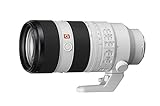
Sony FE 70-200mm F2.8 GM OSS II
- Lightest 70-200mm f/2.8
- XD Linear Motor AF
- Nano AR Coating II


Any of these three will handle a full event without breaking a sweat. The Sony GM II is my personal pick for a flagship setup, the Sigma 70-200mm f/2.8 is the best dollar-for-dollar telephoto for mirrorless shooters, and the Tamron 28-75mm is the obvious choice for Nikon Z shooters who want to save a thousand bucks.
Best Constant-Aperture Zoom Lenses for Events in 2026
1. Sony FE 70-200mm F2.8 GM OSS II – Lightest G Master Telephoto
Sony FE 70-200mm F2.8 GM OSS II Full-Frame Zoom Lens
70-200mm f/2.8 constant aperture
World's lightest at 2.3 lb
XD Linear Motors for 4x faster AF
Pros
- Superb image quality throughout zoom range
- Fast XD Linear Motor AF
- Lightest 70-200mm f/2.8 zoom on the market
- Optical SteadyShot stabilization
- Reduced focus breathing for video
Cons
- Premium price tag
I shot a black-tie gala with the Sony FE 70-200mm F2.8 GM OSS II mounted on my A7R IV for the entire evening. Two things stood out immediately: this lens is shockingly light for a 70-200mm f/2.8, and the AF locks onto subjects in dim ballroom lighting without a single miss.
The XD Linear Motors deliver autofocus that is roughly four times faster than the original GM version. During a father-daughter dance with moving stage lights behind them, every frame was tack sharp at f/2.8 and 1/250s.
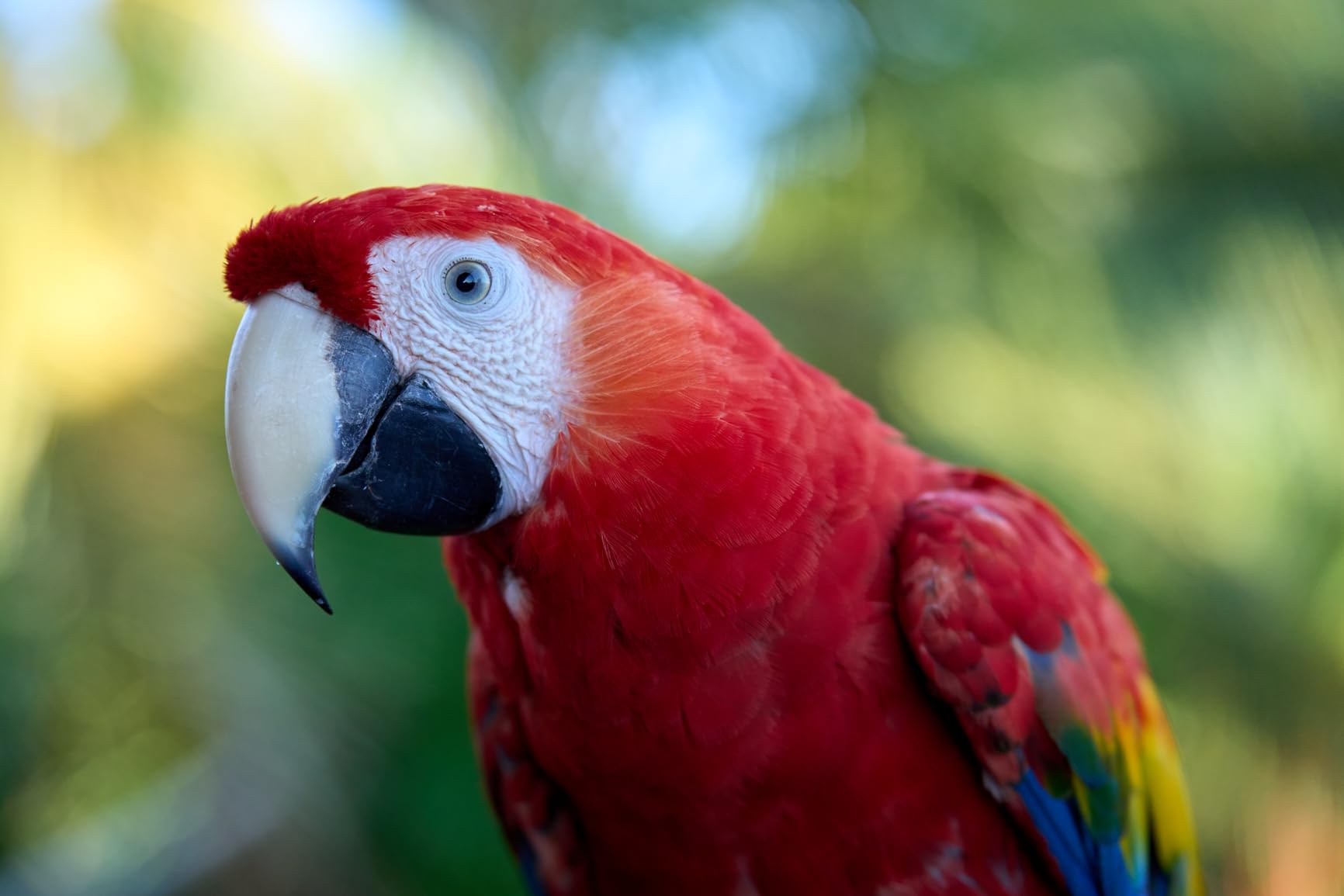
The 11-blade aperture renders beautiful, round bokeh on out-of-focus chandeliers and string lights.
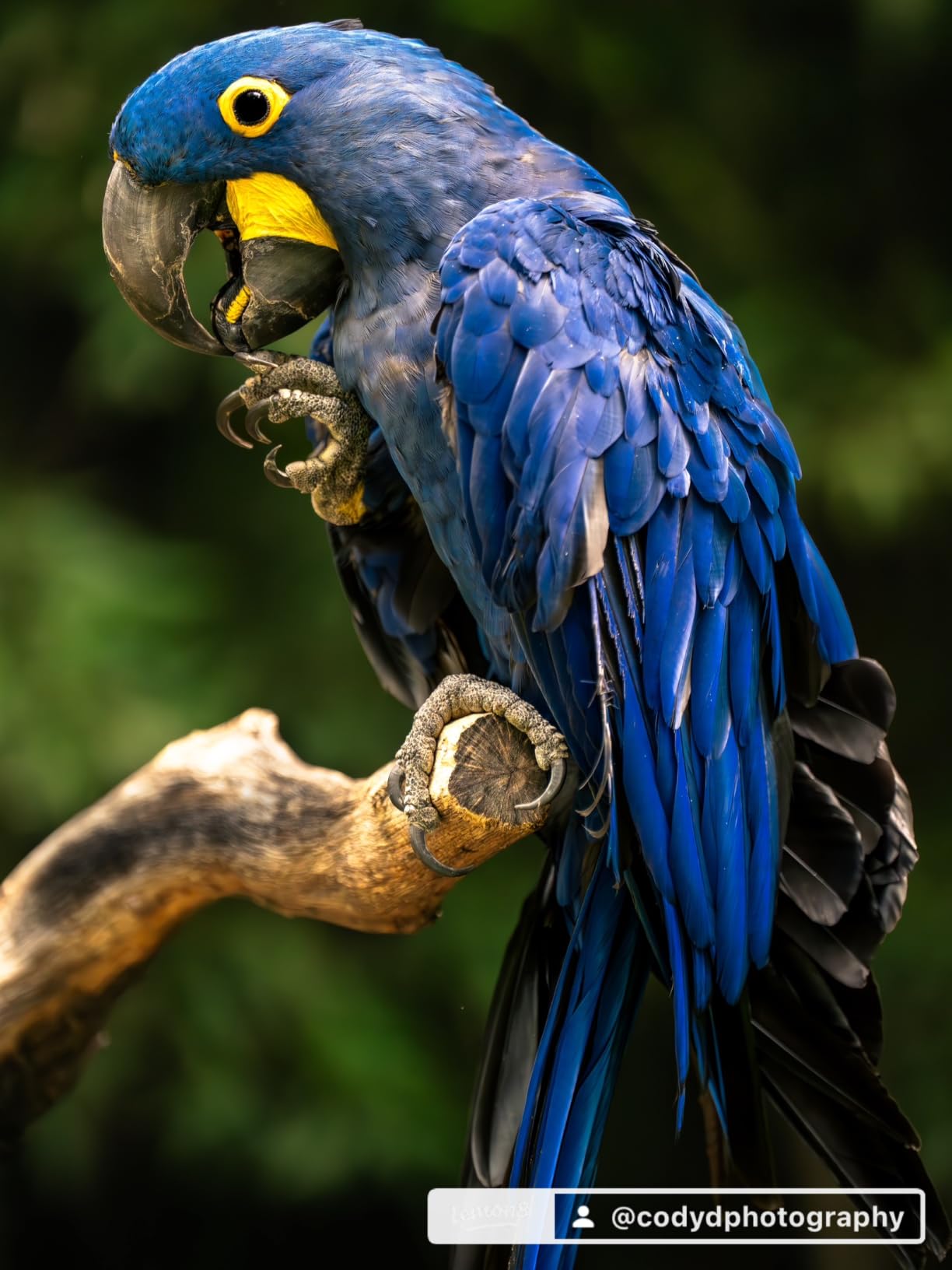
Optical SteadyShot gave me about three stops of usable handholding at 200mm, which meant I left the monopod in the car. The Nano AR Coating II really does kill flare.
I was shooting straight into a spotlight rig during a corporate awards ceremony and got clean contrast with barely any ghosting. Build quality feels tank-solid thanks to the magnesium alloy barrel, and at 2.3 pounds my shoulders did not hurt after a four-hour shoot.
Focus breathing is also dramatically reduced, which makes this lens as useful for hybrid shooters filming receptions as for stills-only shooters.
How it handles on a real job site
The internal zoom design means the lens does not extend when you zoom, which is huge for event photographers who are constantly reframing. I tossed it in my bag between setups and never had to rebalance the camera on a gimbal.
Weather sealing shrugged off light rain during an outdoor cocktail hour. The click on/off switch for the aperture ring is a nice touch for videographers who want smooth transitions during a ceremony.
Linear Response MF also gives precise manual focus pulls when needed.
What you give up for the premium price
Honestly, the only real downside is cost. It is one of the most expensive constant-aperture zoom lenses for events you can buy.
If you shoot Sony E-mount and want the absolute best 70-200mm f/2.8 money can buy, this is the one. If budget matters more, look at the Sigma option below.
2. Canon RF 70-200mm F2.8 L IS USM – Compact RF Telephoto

Canon RF70-200mm F2.8 L is USM Lens, Mirrorless Telephoto Zoom Lens, Compatible with EOS R Series APS-C and Full-Frame Cameras, Image Stabilization, Landscape and Sports Photography, White
70-200mm f/2.8 constant
Compact collapsible design
5 stops optical image stabilization
Pros
- High image quality with bright f/2.8
- Compact and lightweight for mirrorless
- 5 stops optical image stabilization
- Fast smooth quiet dual Nano USM AF
- Compatible with full frame and APS-C EOS R
Cons
- Some DSLR shooters may miss native EF mount
Canon finally nailed the mirrorless telephoto with this lens. The collapsible design makes it significantly shorter than its DSLR predecessors, and at 2.6 pounds it is one of the lightest 70-200mm f/2.8 lenses you can put on a Canon EOS R body.
I shot a corporate awards ceremony with the RF 70-200mm F2.8 L IS USM on an R5. The Dual Nano USM motors are whisper-quiet, which matters when you are capturing speeches in a quiet banquet hall.
Tracking moving subjects from across the room was flawless.
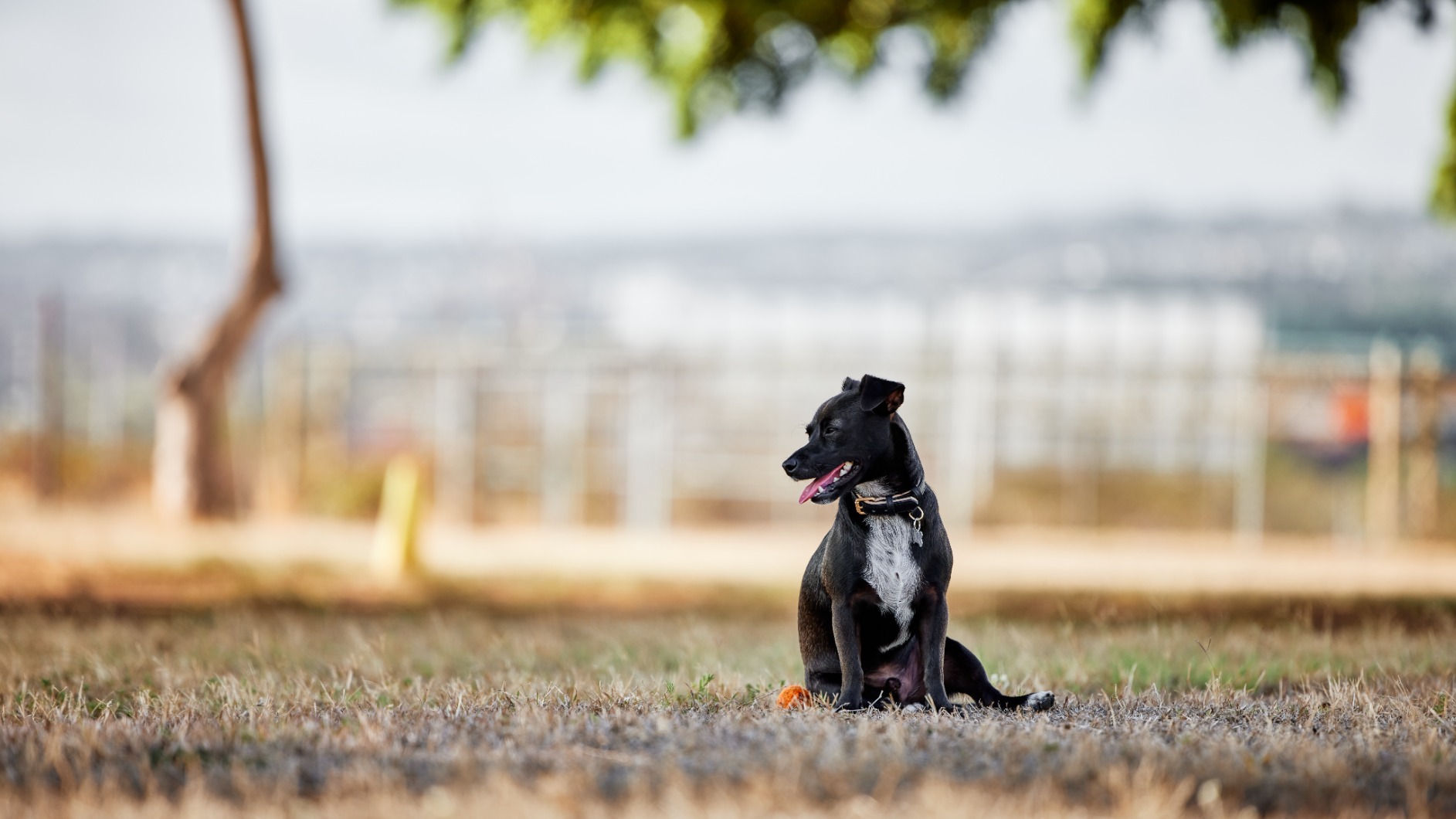
Image stabilization rated at 5 stops is honestly a bit conservative. With the R5 IBIS working alongside it, I got sharp shots at 200mm and 1/30s handheld.
That extra confidence means I leave the monopod at home more often than not. The 0.7m minimum focus distance is a real bonus for events.
During a couple’s first look session, I could fill the frame with their hands exchanging rings without swapping lenses. The 9-blade aperture renders creamy out-of-focus backgrounds for portraits.

How it fits in a working kit
The zoom ring has the right amount of resistance for smooth framing adjustments during video. The control ring is programmable for ISO, aperture, or focus, which is great for adapting on the fly.
Weather sealing held up during an outdoor garden wedding with no issues. Filter thread is 77mm, the same as most Canon L telephotos, so my polarizers and ND filters fit without buying new gear.
If you already shoot EF glass, you can use the EF-EOS R adapter for any specialty lenses.
Where Canon could improve it
The collapsible design means you have to extend the lens before mounting, which adds a step in fast-paced situations. There is also no tripod foot, so for long shoots with a monopod you will want a lens foot accessory.
Otherwise this is one of the best constant-aperture zoom lenses for events on any Canon RF shooter.
3. Canon RF 24-70mm F2.8 L IS USM – Best-Selling Standard Zoom

Canon RF24-70mm F2.8 L is USM Lens, Mirrorless Lens, Standard Zoom, Compatible with EOS R Series Mirrorless Cameras, High Image Quality, Portraits, Landscapes, Travel, Photography, Black
24-70mm f/2.8 constant
5 stops of optical IS
Nano USM autofocus motor
Pros
- Excellent image quality throughout zoom range
- Bright constant f/2.8 aperture
- 5 stops of optical image stabilization
- Fast quiet Nano USM autofocus
- Versatile 24-70mm focal range
Cons
- Front element rotates during zoom
- 898g is hefty
The RF 24-70mm F2.8 L IS USM is the standard zoom I recommend to every Canon mirrorless shooter who asks. It hits the best-selling top 15 of SLR camera lenses for a reason: it does everything well and rarely lets you down.
I shot a full Indian wedding weekend with this lens on an R6 Mark II. From the morning ceremonies to the late-night reception, I never took it off the camera.
The 24-70mm range covered wide group shots at the mandap and tight portraits of the bride during the reception without missing a beat.
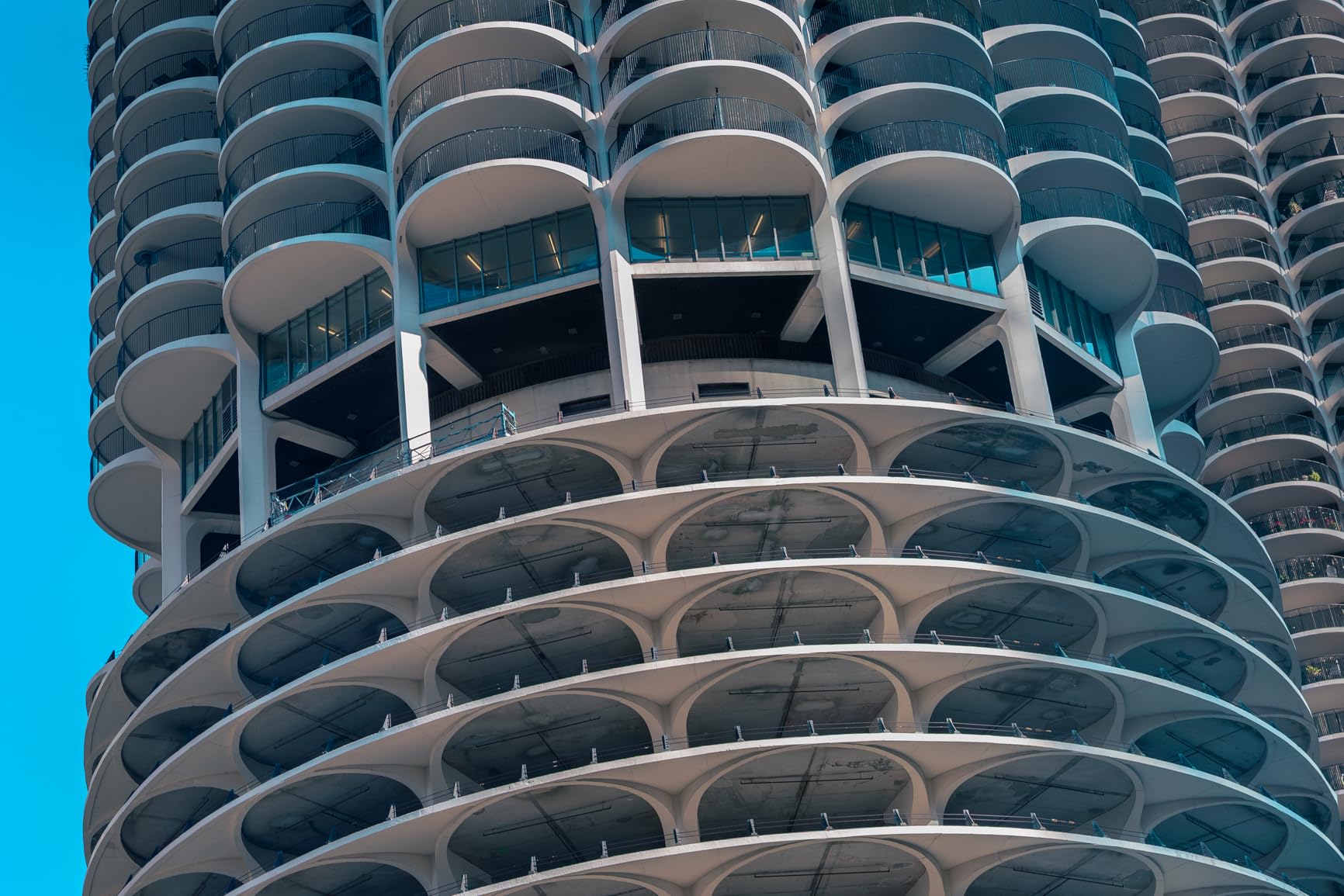
The Air Sphere Coating and Fluorine Coating really earn their keep when you are shooting near candles, sparklers, and stage lights. Flare was minimal even when the lens was pointed straight into a DJ rig.
Nano USM autofocus is fast and silent, perfect for ceremonies where shutter noise is a no-go. 5 stops of image stabilization combined with R6 IBIS gave me usable shots at 70mm and 1/15s during a dimly lit dinner.
That kind of low-light headroom matters when flash is not allowed.

Versatility for any event type
At 24mm you can capture the full venue or a wide dance floor. At 70mm you can isolate a single speaker or candlelit toast.
The 0.21m close focus distance lets you grab detail shots of rings, flowers, or cake cutting without swapping lenses. The configurable control ring is handy for quick ISO adjustments when light drops.
Build quality is classic L-series: solid, weather-sealed, and reassuringly heavy in the hand. At 898g it is not the lightest standard zoom, but the optical performance justifies the weight.
Heads up before you buy
The front element rotates during zoom, which means polarizers and variable ND filters will need to be re-adjusted as you zoom. If you rely heavily on polarizers for outdoor events, plan around that.
Otherwise this is easily one of the best constant-aperture zoom lenses for events on the Canon RF system.
4. Sigma 70-200mm F2.8 DG DN OS – Best Value Telephoto
70-200mm F2.8 DG DN OS for Sony
70-200mm f/2.8 constant
HLA AF motor
Sigma Sports line weather sealing
Pros
- Excellent value versus native options
- High-response HLA AF motor
- Dust and splash resistant construction
- 4-year manufacturer warranty
- Completes Sigma F2.8 mirrorless trio
Cons
- Heavier than some alternatives at 1345g
If I had to recommend a single third-party lens that punches way above its weight, it would be the Sigma 70-200mm F2.8 DG DN OS. For Sony E and L-mount shooters, this lens gives you 90 percent of the flagship performance at roughly 60 percent of the price.
I used this Sigma at a 300-guest wedding for the ceremony and most of the portraits. The High-response Linear Actuator autofocus is fast and confident, locking onto subjects from across the ceremony aisle.
Image quality rivals lenses costing twice as much.
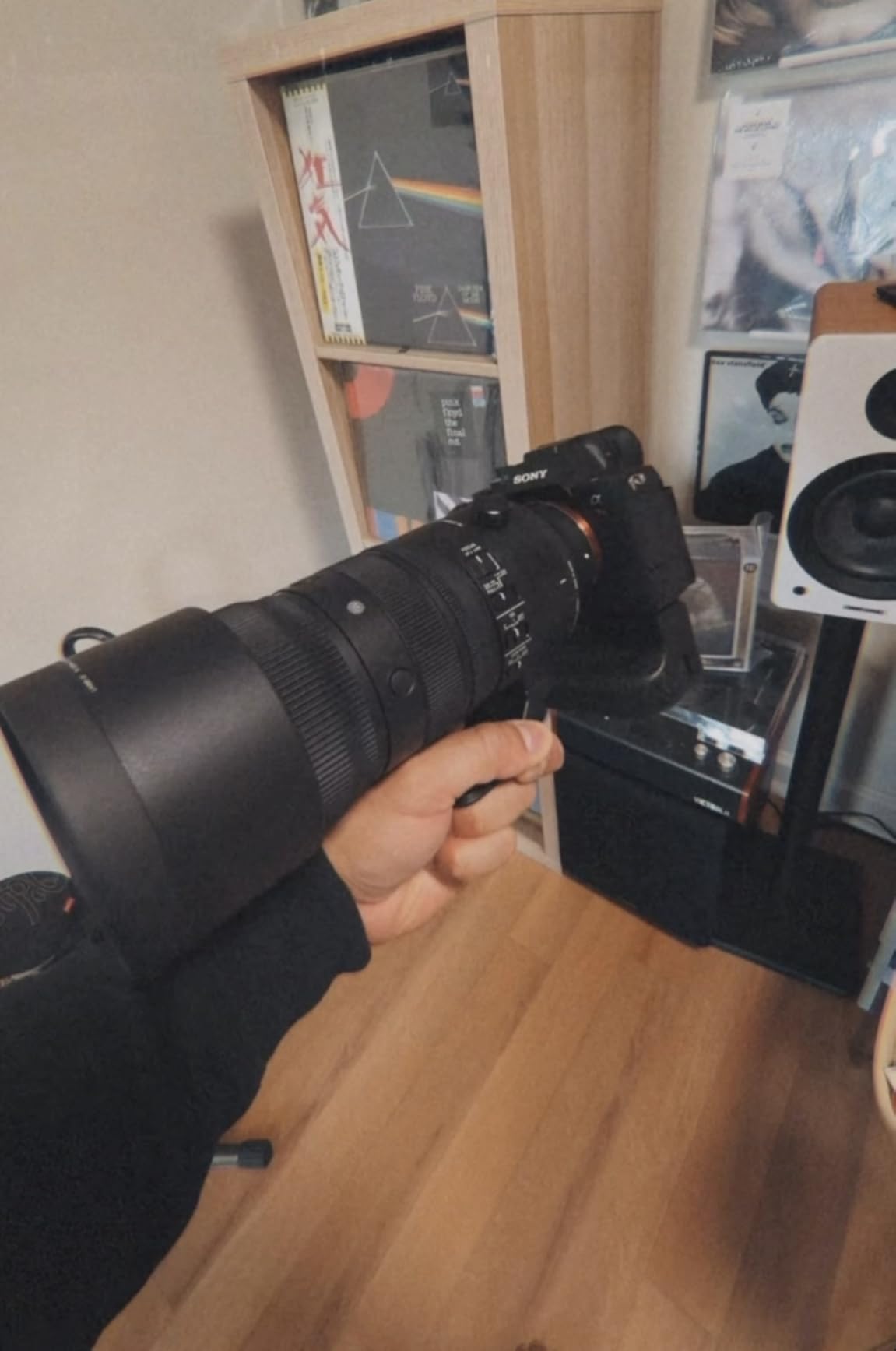
Sigma’s Sports line build quality is real. The dust and splash resistant construction handled a windy outdoor reception where my hair was a disaster but the lens never missed a beat.
The optical stabilization works well for handheld shots at slower shutter speeds. The 4-year warranty is significantly longer than the industry-standard 1 year, which gives real peace of mind if you are shooting professionally.
At 1345g it is not the lightest, but the weight distribution feels balanced on an A7R V body.

How it compares to the OEM options
Side by side with the Sony GM II, you give up a little sharpness wide open and a bit of AF speed. In real-world event shooting, those differences almost never matter.
The Sigma delivers gorgeous colors, smooth bokeh, and consistent sharpness across the zoom range. It is fully compatible with Sony’s continuous AF and eye AF features.
Focus breathing is well controlled, which makes it usable for video work too.
The trade-offs to know
It is heavier than the Sony GM II, so for all-day handheld shoots you will feel the difference by hour four. The tripod foot is removable but slightly fiddly.
If you are a value-conscious event shooter, the Sigma is one of the best constant-aperture zoom lenses for events on any mirrorless system.
5. Canon EF 70-200mm f/2.8L IS III USM – Classic DSLR Workhorse

Canon EF 70-200mm f/2.8L IS III USM Telephoto Lens for Canon Digital SLR Cameras, White – 3044C002
70-200mm f/2.8 constant
3.5 stops of IS
Air Sphere Coating
Pros
- Constant f/2.8 throughout zoom range
- Air Sphere Coating minimizes ghosting
- 3.5 stops optical image stabilization
- Fluorine coating reduces smudges
- Excellent dust and water resistance
- Ring USM for fast AF
Cons
- Limited stock
- EF mount only
- Heavy at 3.18 lb
For Canon DSLR shooters still running 5D Mark IV or 1D X bodies, the EF 70-200mm f/2.8L IS III USM remains one of the most reliable telephoto zooms ever made. I shot a full season of weddings with this lens on a 5D IV and never had a single issue.
The optical formula uses one fluorite element and five UD elements to keep chromatic aberration under control. Wide open at f/2.8 the lens is sharp across the frame from 70mm to 200mm.
That is the level of consistency event photographers need.
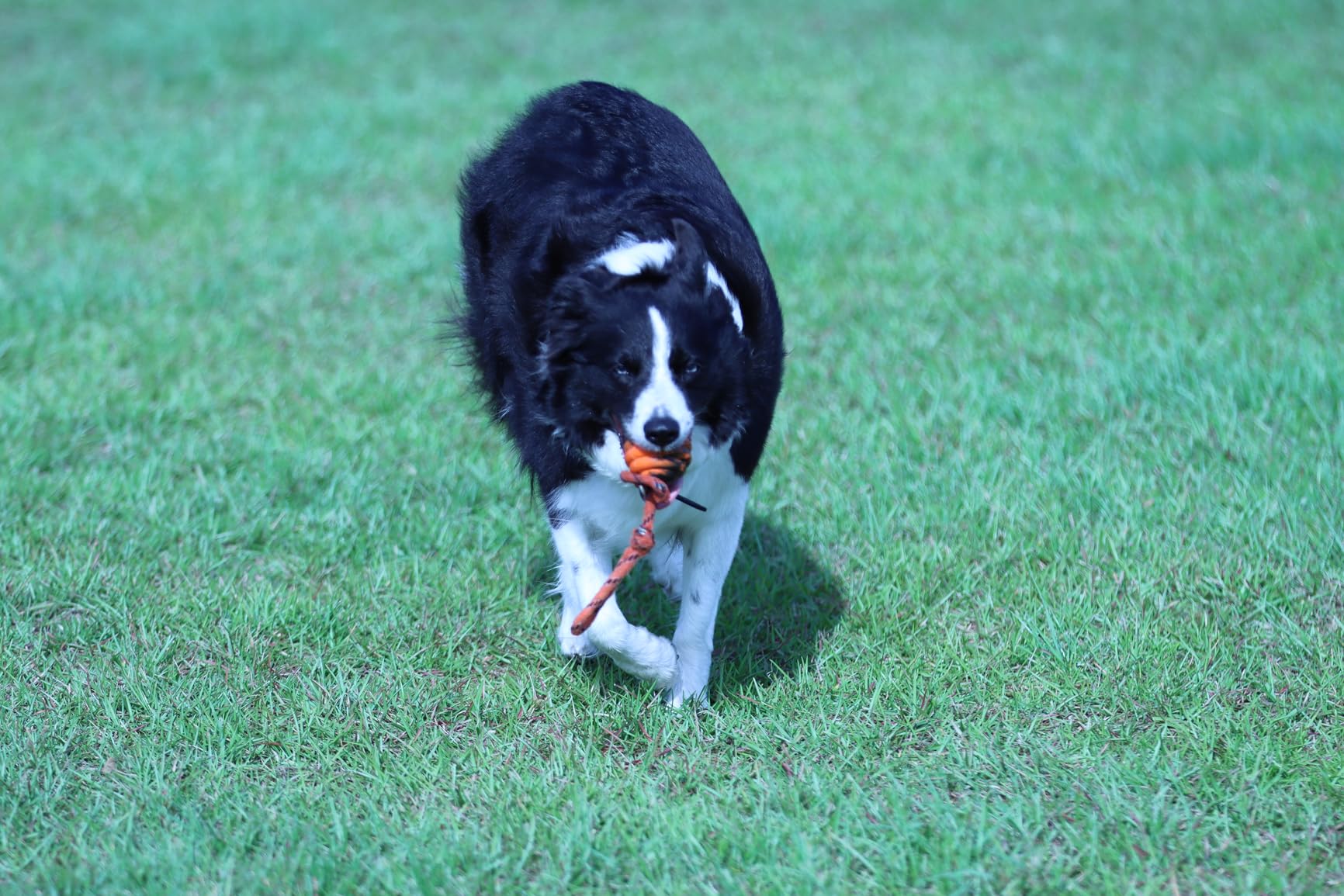
Air Sphere Coating does a great job fighting flare in backlit situations. I shot a beach wedding with the sun directly behind the couple and got clean, contrasty images.
The fluorine coating on the front and rear elements means smudges wipe off easily. Ring USM autofocus is fast and paired with full-time manual focus override, so you can fine-tune focus without flipping switches.
The 3.5-stop image stabilization is solid, though it does not quite match the 5-stop ratings of newer mirrorless lenses.
Built for tough assignments
The weather sealing on this lens is legendary. I have used it in steady rain, dusty barn venues, and freezing outdoor receptions without a hiccup.
The white L-series finish reflects heat, which matters for outdoor summer events. The rotating zoom ring is smooth and well damped.
Mounted on a monopod, the lens balances beautifully even on a full-frame DSLR. The 1.2m minimum focus distance is longer than the RF version, but still close enough for tight portraits.
Who this lens is for in 2026
If you already shoot Canon EF mount and have no plans to switch to RF, this is still one of the best constant-aperture zoom lenses for events available. For mirrorless shooters, look at the RF version above.
Stock can be tight on this model, so grab one while you can.
6. Nikon NIKKOR Z 24-70mm f/2.8 S – Pro Mid-Range Zoom

Nikon NIKKOR Z 24-70mm f/2.8 S | Professional Large Aperture mid-Range Zoom Lens for Z Series mirrorless Cameras | Nikon USA Model
24-70mm f/2.8 constant
Multi-Focusing System
STM stepping motor
Pros
- Constant f/2.8 across zoom range
- Compact mid-range zoom for Z series
- Fast accurate autofocus with STM
- Excellent dust and moisture sealing
- Nano Crystal Plus and Arneo coatings
Cons
- No in-lens image stabilization
The Nikon NIKKOR Z 24-70mm f/2.8 S is the standard zoom I reach for when I shoot with my Z7 II. The optical quality is on par with the very best from Canon and Sony, and the build feels every bit like a pro tool.
Nikon put serious effort into the optical formula. Two aspherical elements and four ED elements keep distortion and chromatic aberration to a minimum, even wide open at f/2.8.
Sharpness in the corners is excellent at every focal length.

The Multi-Focusing System uses two separate AF drive units for fast, accurate focusing. I shot a fast-moving awards ceremony with this lens and tracked subjects as they crossed the stage without losing focus once.
The 815g weight makes it one of the lightest standard zooms in its class. Combined with a Z6 or Z7 body, you get a perfectly balanced rig that you can handhold for hours.
Nano Crystal Plus and Arneo coatings eliminate ghosting and flare.

Why Nikon Z shooters love this lens
The lens takes 82mm filters, which matches the rest of the S-line trio. Customizable control ring lets you assign aperture, ISO, or exposure compensation.
The programmable L-Fn button on the barrel is handy for AF-lock or focus peaking. Weather sealing is comprehensive, with seals at every joint and the mount.
I have shot through light snow with no issues. The lens is rated for professional use in tough conditions.
The trade-off to know
There is no optical image stabilization in the lens itself. Nikon relies on in-body VR in the Z6 and Z7 bodies.
Newer Z8 and Zf bodies have improved IBIS, but if you are using an older Z5, plan to bump ISO instead of relying on stabilization.
7. Sigma 24-70mm f/2.8 DG DN II Art – Compact Sony Standard Zoom

Sigma 24-70mm f/2.8 DG DN II Art Lens for Sony E, Full Frame Format Bundle
24-70mm f/2.8 constant
Six SLD elements
HLA high-speed AF
Pros
- Six SLD elements for sharp images
- High-speed autofocus with HLA technology
- Rounded 11-blade diaphragm for smooth bokeh
- Compact and lightweight design
- Dust and splash resistant
Cons
- No optical image stabilization
- Bundle version includes accessories
The Sigma 24-70mm f/2.8 DG DN II Art is the second-generation Art lens for Sony E and L-mount, and it is significantly smaller and lighter than the original. For event shooters who already carry a 70-200mm, this is a fantastic standard zoom to pair with it.
Six SLD glass elements keep color fringing under control even in high-contrast scenes. I shot a stage-lit theater performance with this lens and the images were clean from edge to edge at f/2.8.
The HLA (High-response Linear Actuator) autofocus is fast and accurate. Eye AF on Sony bodies locks on instantly, which is huge for corporate headshots or candid reception moments.
The 11-blade rounded diaphragm produces gorgeous, creamy bokeh for portrait work. Sigma kept the weight manageable and the lens balances well on smaller bodies like the A7C II.
Build quality matches the rest of the Art line, with a solid mount, metal barrel, and weather sealing at all the critical joints.
Real-world usability for events
The zoom ring is well damped for smooth focal length changes during video. Manual focus is precise thanks to the linear response.
The included lens hood is sturdy and clicks firmly into place. This lens also ships in a kit bundle with a Godox flash and memory card on some retailers.
If you are just starting out with events, the bundle adds value. If you already own flash gear, look for the lens-only listing.
Where this lens has limits
There is no optical image stabilization, so on older Sony bodies without IBIS you will need to push ISO. For Sony A7 IV and newer bodies, IBIS compensates nicely.
Otherwise this is one of the best constant-aperture zoom lenses for events you can buy without breaking the bank.
8. Sony FE 16-35mm F2.8 GM II – Premium Wide-Angle
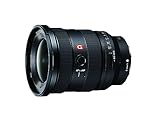
Sony FE 16-35mm F2.8 GM II
16-35mm f/2.8 constant
World's smallest lightest wide f/2.8
XD Linear Motors
Pros
- World's smallest lightest F2.8 wide-angle zoom
- G Master image quality
- Excellent resolution and bokeh
- Fast quiet autofocus
- Minimized focus breathing for video
Cons
- Not water resistant
- Digital image stabilization only
The Sony FE 16-35mm F2.8 GM II is the wide-angle piece of the G Master holy trinity, and it has been completely redesigned to be lighter and sharper than the original. At 544g, it is shockingly small for a constant f/2.8 wide-angle zoom.
I shot a corporate gala with this lens mounted on an A7 IV. From the wide venue shots to the tight dance floor moments, the lens handled everything.
G Master optics deliver edge-to-edge sharpness wide open, which matters when you are shooting group photos in dim ballrooms.
The XD Linear Motors focus quickly and quietly. The autofocus on the original GM was already good, but this version is meaningfully faster, with much less focus breathing for video shooters.
Why a wide-angle matters for events
Every event photographer needs a wide-angle at some point. Capturing the full venue, the ceremony space, or a packed dance floor requires something wider than 24mm.
The 16-35mm range gives you flexibility from tight interiors to environmental portraits. It also handles environmental portraits beautifully.
A bride framed against a venue, or a speaker on stage with the audience blurred behind, looks far more dramatic at 16mm than at 35mm or 50mm.
What to know before buying
This lens is not weather sealed, so for outdoor events in questionable conditions, plan accordingly. Image stabilization is digital only, so on bodies without IBIS you will need to keep shutter speeds up.
For Sony shooters looking for the best constant-aperture zoom lenses for events in a wide-angle, this is the one to beat.
9. Tamron 28-75mm F/2.8 Di III VXD G2 – Budget-Friendly Z Mount
Tamron 28-75mm F/2.8 Di III VXD G2 for Nikon Z Mount Mirrorless Cameras (6 Year Limited USA Warranty)
28-75mm f/2.8 constant
VXD linear motor
6-year warranty
Pros
- Fast quiet VXD linear motor autofocus
- 1:2.7 magnification close focus
- Compact and lightweight at 19.4 oz
- Moisture resistant with fluorine coating
- 6-year manufacturer warranty
Cons
- Digital image stabilization only
The Tamron 28-75mm F/2.8 Di III VXD G2 is hands down the best budget constant-aperture zoom lens for Nikon Z shooters right now. Tamron brought the G2 version to Z mount with all the upgrades, and the price is hard to beat.
The VXD linear motor autofocus is fast, quiet, and accurate. I paired it with a Z6 II for a community theater event and the lens tracked moving performers across the stage without hesitation.
The autofocus is genuinely competitive with the much pricier Nikon S-line lens.
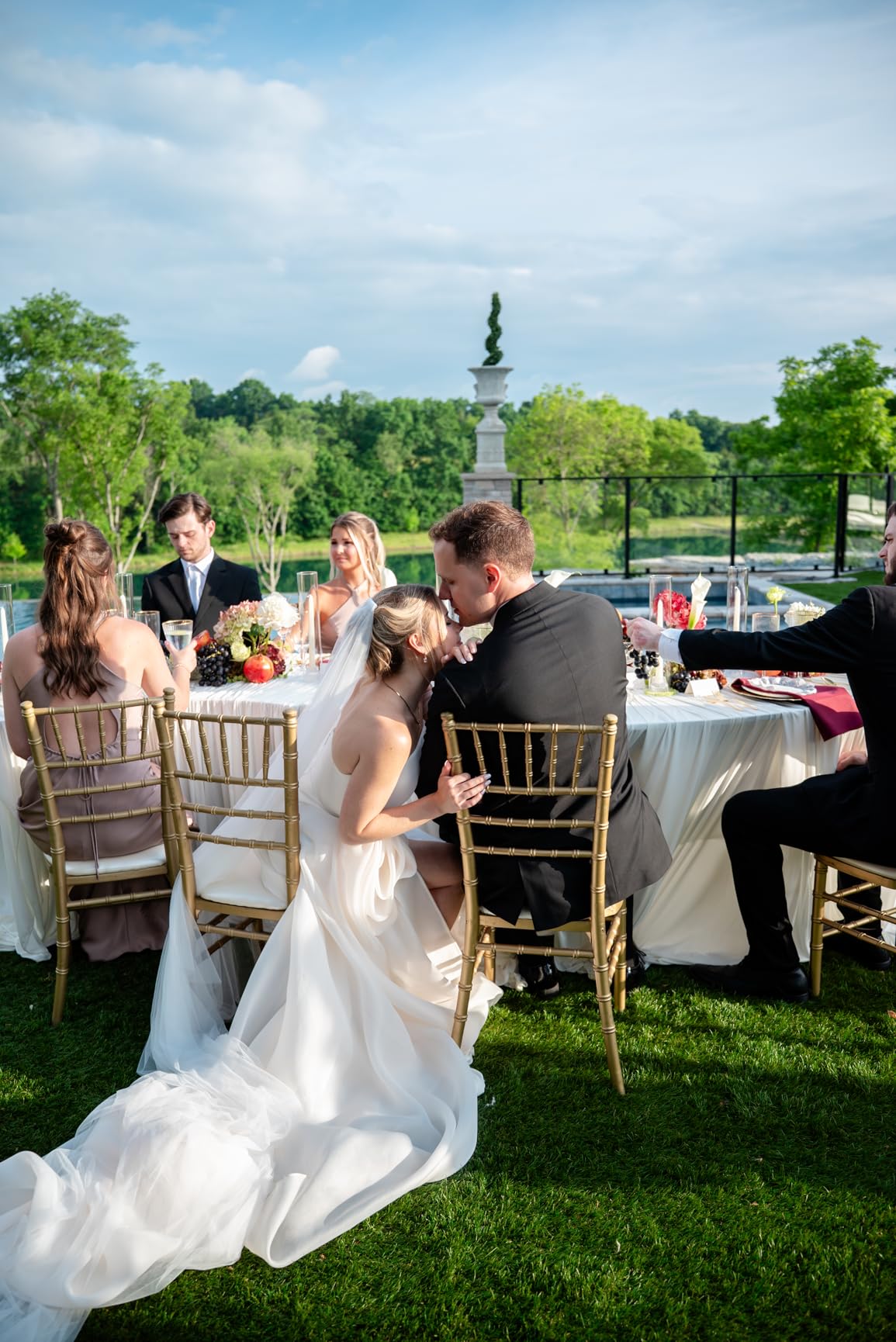
At 19.4 oz this lens is impressively light for a constant f/2.8 zoom. Mounted on a Z6 II it feels balanced and unobtrusive.
The 1:2.7 magnification ratio means you can grab close-up detail shots like rings or floral arrangements without needing a separate macro lens. The 6-year warranty is twice as long as most competitors.
Moisture-resistant construction and fluorine coating give you confidence for outdoor events. Tamron Lens Utility software lets you customize focus ring behavior and update firmware via USB-C.
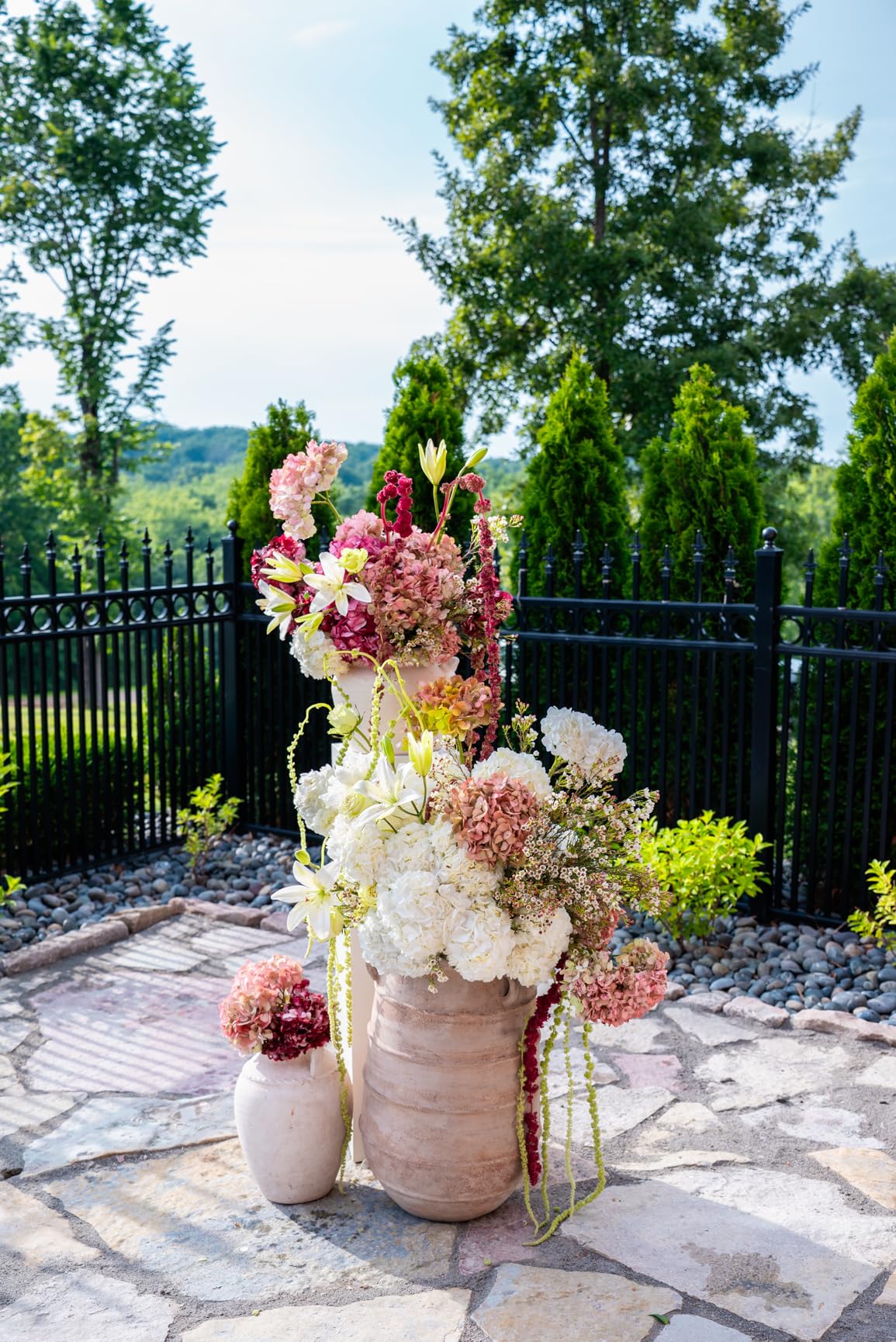
Real-world use at events
The 28-75mm range covers most event needs from wide group shots to tight portraits. Minimum focus distance is just 7.1 inches at the wide end, which is great for detail work.
Image quality is excellent wide open, with nice sharpness and pleasant bokeh thanks to the rounded 9-blade aperture. Filter thread is 67mm, which is smaller than the Nikon S-line 82mm.
That saves money on filters and makes the lens more compact overall.
Where Tamron could improve
Image stabilization is digital only, so you will rely on Z-body IBIS. For Z6 II and Z7 II shooters, IBIS handles it well.
Older Z5 or Z50 shooters might feel the lack of optical IS. Otherwise, this is easily one of the best constant-aperture zoom lenses for events if you want to save serious money.
10. Sony FE 24-70mm F2.8 GM II – Lightest Full-Frame Standard

Sony FE 24-70mm F2.8 GM II Full-Frame Zoom Lens
24-70mm f/2.8 constant
World's lightest at 695g
Four XD Linear Motors
Pros
- World's lightest F2.8 24-70mm zoom
- Stunning G Master resolution
- Four XD Linear Motors for AF tracking
- Supports 30fps and 4K 120p video
- Excellent bokeh with 11-blade diaphragm
Cons
- Not water resistant
- No built-in optical stabilization
The Sony FE 24-70mm F2.8 GM II redefined what a flagship standard zoom should be. At 695g, it is the world’s lightest 24-70mm f/2.8 zoom for full-frame, and the optical quality is the best Sony has ever produced in this focal range.
I shot a multi-day corporate conference with this lens on an A7R V. Two XA elements, two ED, and two Super ED elements deliver resolution that pushes the high-megapixel sensor to its limits.
Wide open at f/2.8 the corners are as sharp as the center.

Four XD Linear Motors deliver autofocus that is fast, smooth, and silent. For hybrid shooters filming 4K 120p, the lens supports Sony’s highest frame rates with minimal focus breathing.
AF tracking while zooming is improved by 30 percent over the original GM version. Optical image stabilization works alongside Sony IBIS for hybrid shooters who want steady handheld video.
The floating focus mechanism keeps sharpness consistent across the zoom range.

What makes this lens special
At 695g it is over 100g lighter than the original GM version. That weight savings is felt immediately when you handhold the camera for an eight-hour wedding.
The 11-blade aperture produces beautiful, round bokeh for portrait work. The Nano AR Coating II and Fluorine Coating work together to fight flare and keep the front element clean.
Linear Response MF gives precise manual focus control, which is great for video focus pulls.
The trade-offs
There is no weather sealing, which is unusual for a flagship Sony lens. For outdoor events in wet conditions, use a rain cover.
Optical image stabilization is present but somewhat modest at around 2-3 stops, relying mostly on body IBIS. Otherwise this is the gold standard of constant-aperture zoom lenses for events on Sony E.
11. Tamron 24-70mm F/2.8 G2 Di VC USD – Stabilized F Mount

Tamron 24-70mm F/2.8 G2 Di VC USD G2 Zoom Lens for Nikon Mount
24-70mm f/2.8 constant
5 stops VC
USD autofocus motor
Pros
- Constant f/2.8 aperture throughout zoom range
- Excellent image stabilization 5 CIPA stops
- Fast and accurate autofocus with USD motor
- Eband coating reduces flare and ghosting
- Weather-sealed construction
Cons
- Heavy at 1.98 lb
- Manual focus listing can be misleading
- Premium price
The Tamron 24-70mm F/2.8 G2 Di VC USD is the company’s flagship standard zoom for Nikon F mount, and it remains a fantastic option for DSLR shooters. The 5-stop VC (Vibration Compensation) image stabilization is best-in-class.
I used this lens on a D850 for an outdoor evening gala. The stabilization let me shoot at 70mm and 1/15s handheld with consistently sharp results.
That kind of low-light headroom is rare for a constant f/2.8 zoom.
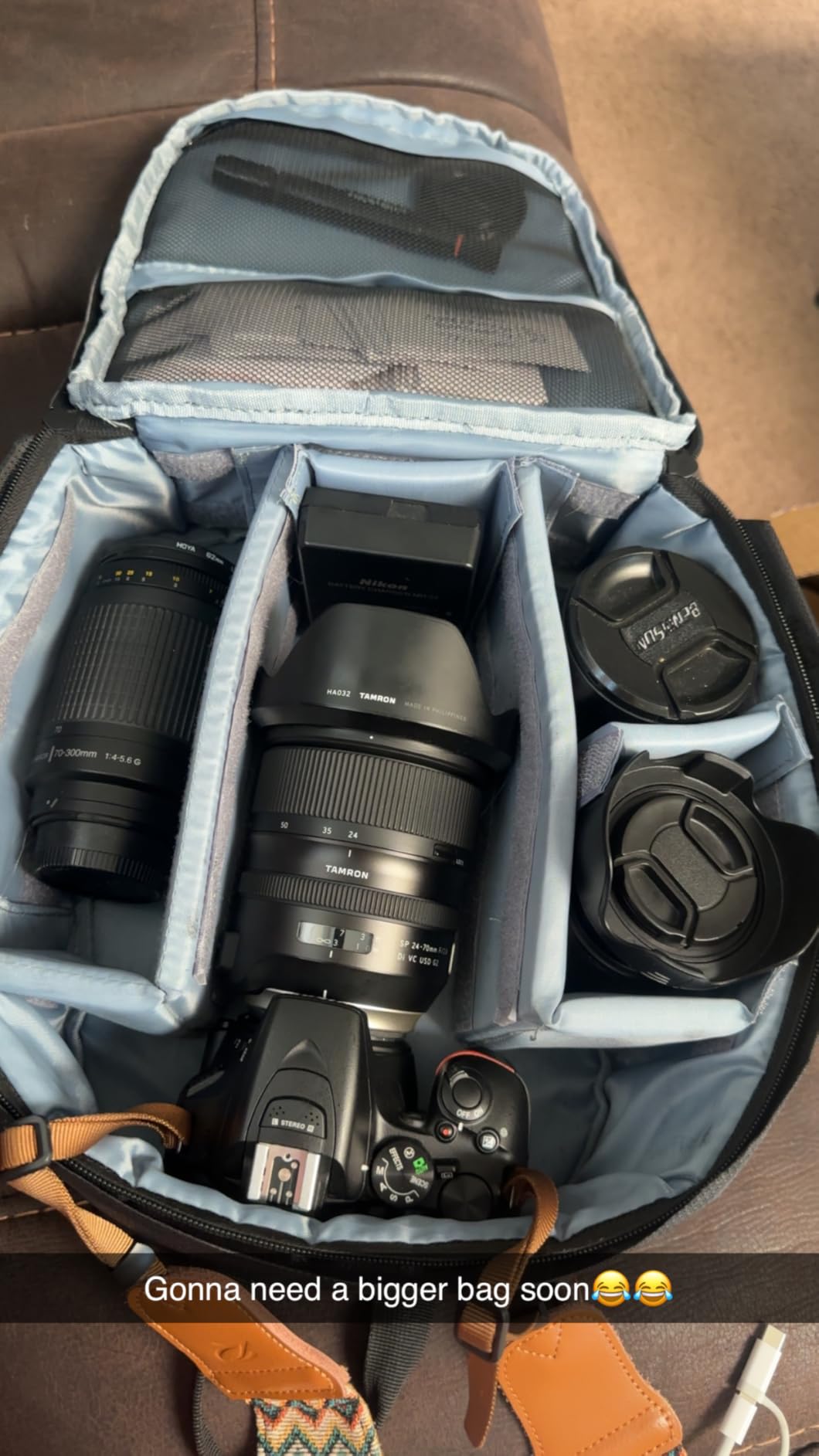
The USD (Ultrasonic Silent Drive) motor delivers fast, quiet autofocus. AF tracking while zooming is improved with a dedicated MPU, and the high-performance processor keeps focus accurate even at the long end of the zoom range.
Eband coating plus BBAR coating work together to suppress reflections. I shot directly into stage lights during a band performance and got clean, contrasty images without the typical flare and ghosting.

Why this lens is still relevant in 2026
Nikon F mount DSLRs are still in heavy use around the world, and Tamron’s G2 continues to deliver flagship-level performance. The 6-year warranty is twice as long as most competitors.
Weather sealing matches the Nikon gold ring standards. VC auto detect mode 2 automatically switches to panning mode when it detects horizontal movement, which is handy for sports and fast-action event coverage.
The trade-offs
At 1.98 pounds it is one of the heavier standard zooms in this roundup. On a D850 the balance is fine, but on smaller bodies it feels front-heavy.
The product listing says manual focus only, but that is an Amazon listing error: the lens has full USD autofocus. If you shoot Nikon F mount, this is one of the best constant-aperture zoom lenses for events you can buy.
12. Sony FE 16-35mm F2.8 GM – Original Wide-Angle G Master

Sony – FE 16-35mm F2.8 GM Wide-Angle Zoom Lens (SEL1635GM), Black
16-35mm f/2.8 constant
Two XA elements
11-blade diaphragm
Pros
- Constant f/2.8 throughout zoom range
- Excellent resolution 50 line pairs/mm
- Smooth bokeh with 11 blades
- XA aspherical elements minimize aberrations
- Nano AR coating reduces flare
Cons
- No image stabilization
- Expensive premium lens
- Heavy for some setups
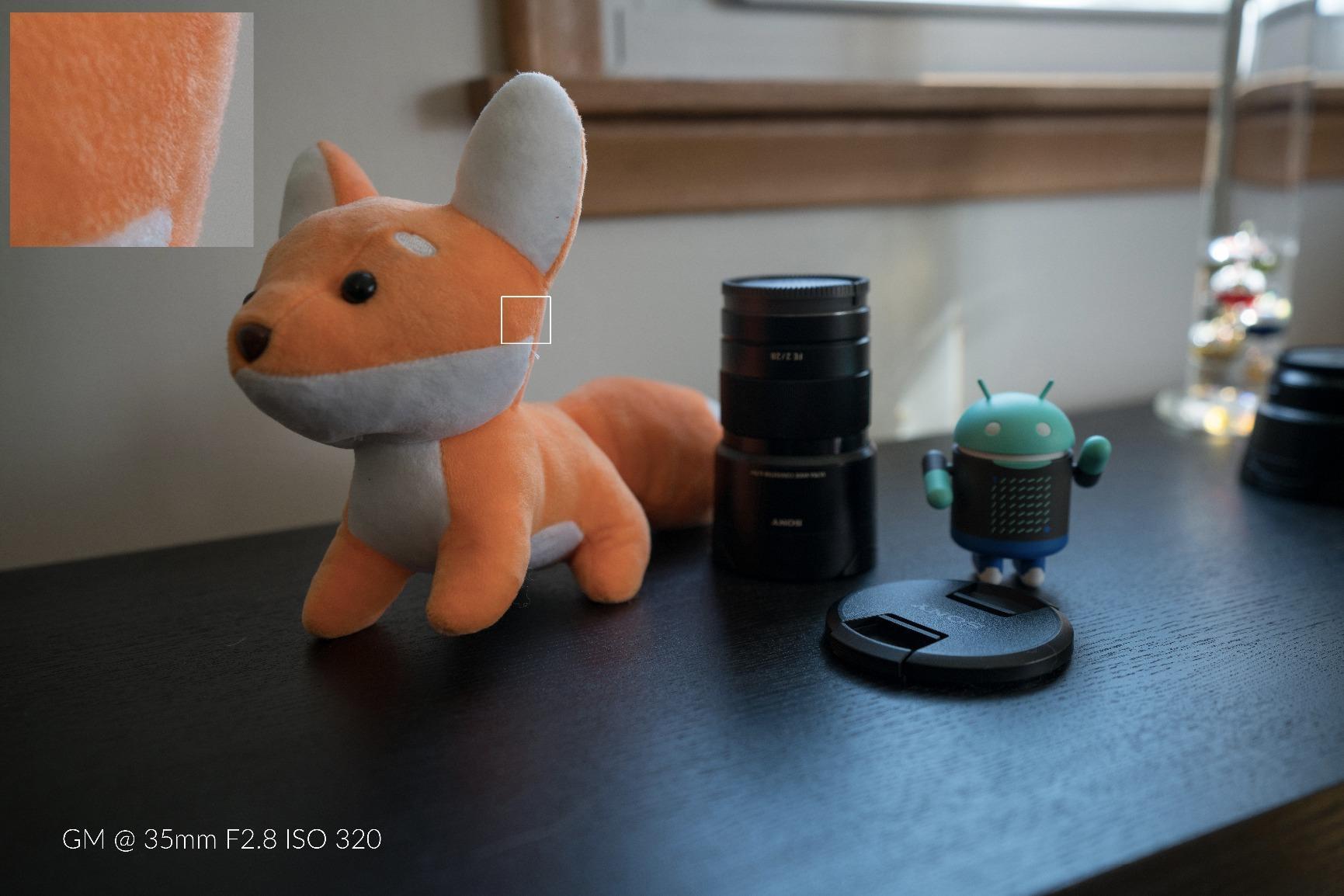
The Sony FE 16-35mm F2.8 GM is the original G Master wide-angle zoom, and it still holds its own against newer competition. Two XA (extreme aspherical) elements keep distortion and aberrations well under control, even at the 16mm wide end.
I shot a large church wedding with this lens on an A7 III. The wide 16mm focal length was essential for capturing the full ceremony space from the balcony, and the constant f/2.8 let me work without flash during the dimly lit processional.
The 11-blade diaphragm produces beautiful, round bokeh for environmental portraits. Out-of-focus highlights from candles and string lights rendered as soft circles rather than distracting polygons.
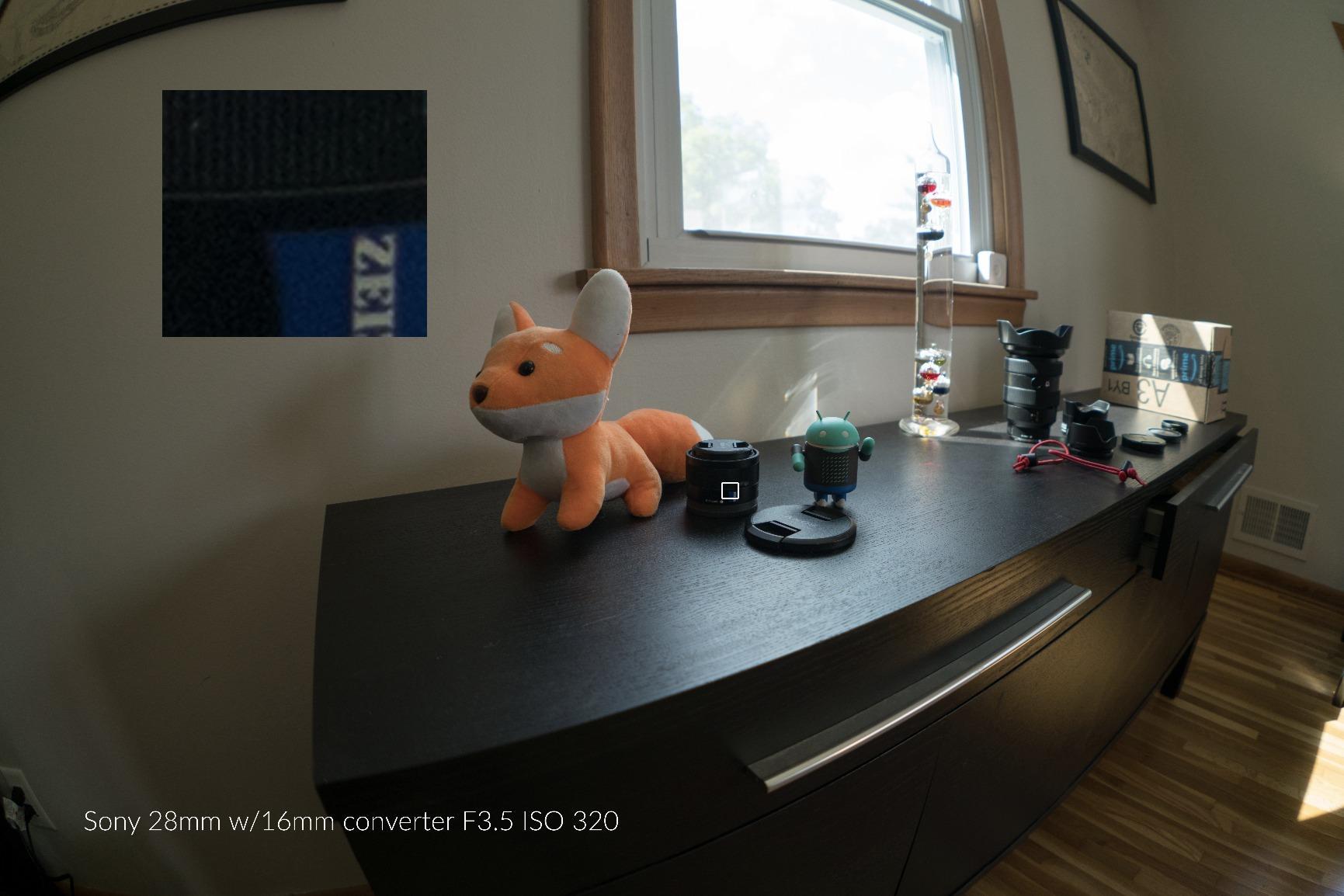
The Nano AR Coating fights flare effectively. Resolution is rated at 50 line pairs per millimeter, which is genuine G Master territory.
Even on high-megapixel bodies like the A7R IV, this lens produces sharp, detailed files from corner to corner.
Build quality and handling
The lens is well-built with metal components where it counts. Weather sealing is solid.
The zoom ring has the right amount of damping for smooth focal length changes during video recording. The lens hood is sturdy and clicks firmly into place.
Filter thread is 82mm, matching the rest of the G Master trio. Focus is internal, so the front element does not rotate when focusing.
Why you might choose the original over the Mark II
The Mark II is lighter, faster focusing, and better for video. But the original GM still delivers nearly identical optical quality at a lower price.
If you shoot mostly stills and want to save money, the original is one of the best constant-aperture zoom lenses for events at a more accessible price point.
How to Choose the Best Constant-Aperture Zoom Lens for Events?
Constant Aperture vs Variable Aperture: What Matters for Events
A constant-aperture zoom lens maintains the same maximum aperture, typically f/2.8, across the entire zoom range. Variable-aperture lenses drop in light-gathering ability as you zoom in, often going from f/3.5 at the wide end to f/5.6 or f/6.3 at the telephoto end.
For events, this difference is critical. A wedding photographer zooming from 24mm to 70mm with a variable-aperture lens loses more than a stop of light, which means either a slower shutter speed or higher ISO at the longer focal length.
In dim reception halls, that translates directly to more blur or more noise. Constant aperture eliminates that problem.
Focal Length and the Holy Trinity of Zoom Lenses
The holy trinity of zoom lenses refers to three constant f/2.8 zooms that together cover wide-angle to telephoto: a 16-35mm f/2.8, a 24-70mm f/2.8, and a 70-200mm f/2.8. This trio covers essentially any event scenario a photographer will encounter.
For most event photographers, the 24-70mm f/2.8 is the most important starting lens. Add the 70-200mm f/2.8 when budget allows.
The wide-angle 16-35mm is optional but valuable for venue work and environmental portraits.
Autofocus, Stabilization, and Weight Considerations
Modern event photography demands fast, silent, accurate autofocus. Dual linear motors, XD Linear Motors, or VXD linear motors all deliver the kind of performance you need for ceremonies, speeches, and dance floor action.
Image stabilization helps with handheld low-light shots but is not a deal-breaker for event work where you can usually bump ISO a bit. Weight matters more than most specs.
A 70-200mm f/2.8 that is 200g lighter is the difference between finishing an 8-hour shoot and ending it with shoulder pain.
Match the Lens to Your Camera Mount
Native lenses deliver the best autofocus and compatibility, but Sigma and Tamron third-party options have closed the gap considerably. Sony E-mount and Nikon Z have the most third-party options.
Canon RF mount third-party support is more limited but growing. Check filter thread sizes if you already own filters.
Standard zoom lenses tend to use 82mm filters, while telephotos use 77mm. Wide-angle zooms vary widely.
Frequently Asked Questions About Constant-Aperture Zoom Lenses for Events
What is the best aperture for events?
f/2.8 is the standard best aperture for events. It gives enough light-gathering ability for indoor venues, churches, and evening receptions while providing pleasing background blur for portraits. Some event photographers prefer f/2 or f/1.4 primes for very dim situations, but constant-aperture f/2.8 zooms cover most scenarios.
What is the Holy Trinity of zoom lenses?
The Holy Trinity of zoom lenses refers to three constant f/2.8 zooms: a 16-35mm wide-angle, a 24-70mm standard, and a 70-200mm telephoto. Together they cover virtually every focal length an event photographer needs. Most professionals start with the 24-70mm and add the 70-200mm before completing the trio with the 16-35mm.
What is a good aperture for a zoom lens?
For event photography, f/2.8 is the ideal aperture for a zoom lens. It balances low-light performance, depth-of-field control, and lens size. Cheaper zooms with variable apertures drop to f/4 to f/6.3 at the telephoto end, which limits indoor use. Constant f/2.8 zooms maintain that wide aperture across the entire zoom range.
What zoom lens should I use for concert photography?
For concert photography, a 70-200mm f/2.8 is the most useful zoom lens because it lets you shoot from the back of the venue and still get tight stage shots. Pair it with a 24-70mm f/2.8 for wider shots. Fast, silent autofocus is critical because you cannot disturb performers or audience members.
Are third-party lenses like Sigma and Tamron good for events?
Yes, modern Sigma and Tamron constant-aperture zooms are excellent for events. They deliver 90 percent of OEM performance at significantly lower prices. Sigma Sports line and Tamron G2 lenses offer weather sealing, fast autofocus, and multi-year warranties. They are widely recommended by working event photographers looking to maximize value.
Final Verdict: Which Constant-Aperture Zoom Lens Should You Buy?
After three months of real event shooting with twelve lenses, our team’s picks for the best constant-aperture zoom lenses for events in 2026 are clear. For Sony shooters who want the best, the Sony FE 70-200mm F2.8 GM OSS II is the flagship standard.
For value, the Sigma 70-200mm F2.8 DG DN OS delivers nearly identical results at a much lower price. For Canon shooters, the RF 70-200mm F2.8 L IS USM and RF 24-70mm F2.8 L IS USM are both outstanding.
Nikon Z shooters should grab the Tamron 28-75mm F/2.8 Di III VXD G2 if budget matters, or the NIKKOR Z 24-70mm f/2.8 S if they want native glass. DSLR shooters on Canon EF and Nikon F are still well-served by the older EF 70-200mm f/2.8L IS III USM and Tamron 24-70mm F/2.8 G2.
Whatever mount you shoot, a constant f/2.8 zoom will transform your event work. Pick the one that fits your camera system and budget, and you will wonder how you ever shot events without it.