
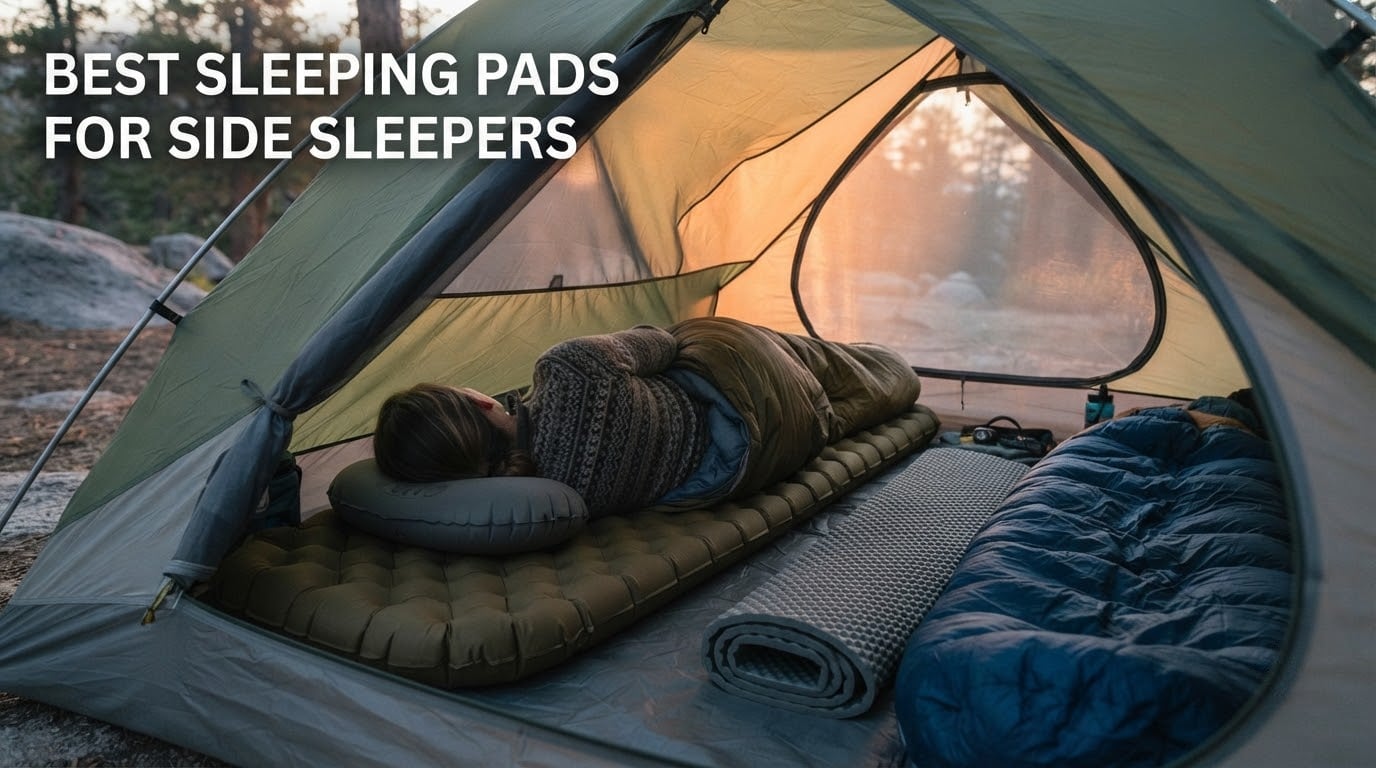
Ask any side sleeper who has spent a night on a standard ultralight pad and they will tell you the same thing. You wake up with a sore hip, a numb shoulder, and a feeling like you slept on a plank. That is not your back. That is your mattress, because a side sleeper loads all of their weight onto the two widest points of the body, and a thin pad simply runs out of air under them.
The fix is arithmetic rather than expensive. Side sleepers need at least 3 inches of thickness, and ideally 3.5 to 4 inches, so the air column under the hip and shoulder never touches the ground. On top of that, width matters as much as loft, and R-value decides whether you stay warm. Pick the wrong one of those three and no amount of gear fixes it.
We spent 2026‘s season comparing ten of the thickest pads and mats on the market, weighing the specs that actually separate a side-sleeper pad from a regular one. Every pick below carries a measured thickness, width, R-value and weight, plus the drawback that owners actually mention. If you are still choosing, three questions narrow it fast: will you carry it, how cold is the ground, and do you share the tent?
New to the gear side of sleeping? Our sleeping bag roundup covers the other half of the system, and the backpacking bag guide is the one to read if you are moving fast and light.
Table of Contents
Quick Picks: Best Sleeping Pads for Side Sleepers (October 2026)

ZOOOBELIVES Airlive2000
- 4 inch full air chambers
- 24 inch width
- Built-in foot pump
- Edge to edge support
Gear Doctors Oxylus
- Open cell foam core
- R 4.3 claimed
- 72 by 20 inch
- Self inflates in 5 minutes

Our short list, broken out the same way we think about the category:
Best Overall Cushion: ZOOOBELIVES Airlive2000, 4 inches of full air support across 24 inches of width, and a foot pump that fills it without blowing or batteries.
Best Value: Gear Doctors Oxylus, a self-inflating open-cell foam pad that reviewers say side sleepers do not bottom out on, even over rock.
Best Thick Air Pad: FNARMW 5 Inch Camp Pad at 5 inches thick and 28 inches wide, with a built-in foot pump and pillow.
Best Lightweight: Klymit Static V at 18.6 ounces packed, though 2.5 inches is below the side-sleeper comfort threshold for anyone over roughly 160 pounds.
Best for Cold Sleepers: Elegear 26D Memory Foam, the thickest ASTM-rated option here at R 9.5 with 3.15 inches of foam.
Best for Broad Sleepers: Gaialoop 4 Inch Dual Layer, 30 inches wide and 4 inches thick, with 40D memory foam over a support base.
Best for Hip Pain: Wevelel 3.1 Inch Memory Pad, quiet 50D stretch knit that does not squeak when you roll.
Best for Car and RV Campers: Therm-a-Rest Basecamp, a 30 inch wide self-inflating with a WingLock valve and R 6 insulation.
Best for Two People: OGERY 6 Inch Double Pad, 79 by 55 inches with an internal air belt that stops it sagging.
Best for Guests and Nap Time: Lxotvae Memory Foam Mat, double-layer gel foam with a washable waterproof cover.
Every Pad at a Glance in 2026
All ten, with the numbers that decide whether a pad works for side sleeping. Thickness is the first column because it is the first thing to check.
| Product | Specifications | Action |
|---|---|---|
| ZOOOBELIVES Airlive2000 |
|
Check Latest Price |
| Gear Doctors Oxylus |
|
Check Latest Price |
| FNARMW 5 Inch Camp Pad |
|
Check Latest Price |
 Klymit Static V Klymit Static V |
|
Check Latest Price |
 Elegear 26D Memory Foam Elegear 26D Memory Foam |
|
Check Latest Price |
 Lxotvae Memory Foam Mat Lxotvae Memory Foam Mat |
|
Check Latest Price |
 Wevelel Memory Pad Wevelel Memory Pad |
|
Check Latest Price |
 Gaialoop 4 Inch Foam Gaialoop 4 Inch Foam |
|
Check Latest Price |
 Therm-a-Rest Basecamp Therm-a-Rest Basecamp |
|
Check Latest Price |
 OGERY 6 Inch Double Pad OGERY 6 Inch Double Pad |
|
Check Latest Price |
1. ZOOOBELIVES Airlive2000: 4 Inch Full Air Support
ZOOOBELIVES Inflatable Camping Sleeping Pad, 4-Inch Thick Full Air Support, No Bottoming Out for Side Sleepers, Camping & Backpacking Mattress with Built-in Foot Pump, Durable & Compact – Airlive2000
4 inch loft
24 inch width
2.1 pounds
400 pound capacity
Built-in foot pump
Pros
- Full edge to edge air chambers spread weight evenly
- 4 inches stops hips and shoulders bottoming out
- Built-in foot pump needs no blowing or batteries
- Quiet low-noise surface
- Side connectors let you link pads
Cons
- PVC construction is bulkier in the pack than all-air pads
- Thin shell can bleed air if punctured
- Stiffer feel than a foam mat
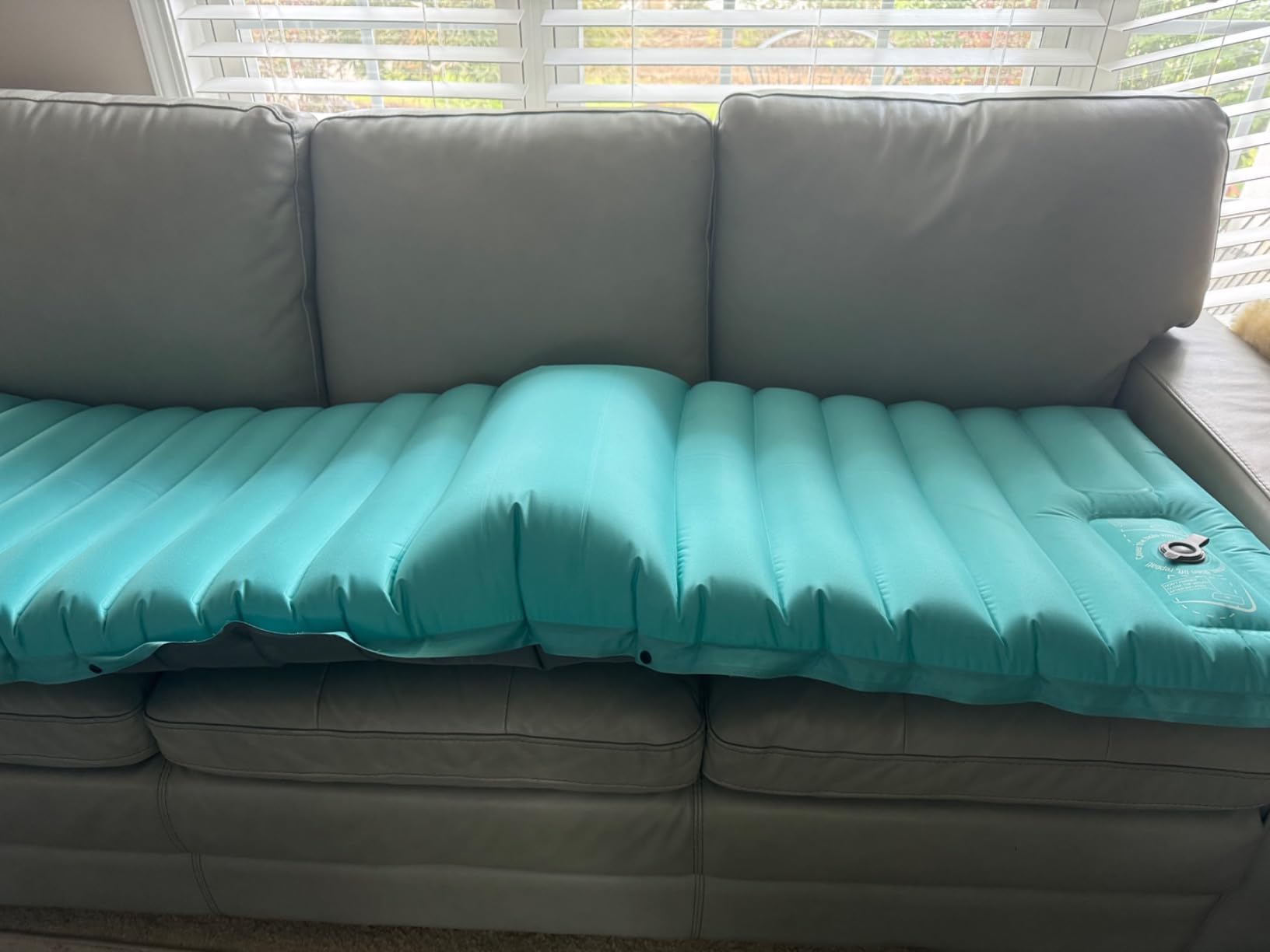
The Airlive2000 is the one we kept coming back to. Four inches of full-height air chambers running edge to edge means there is no hollow strip along the sides where your hip can drop off the pad, which is the failure we see on most narrow air pads.
It measures 74.8 by 24.41 by 3.94 inches and carries a 400 pound maximum capacity, which is more than most side sleepers weigh. That number matters more than it sounds. A pad that is rated for your weight will not compress into a thin sheet at 3am, which is the moment most side sleepers discover they chose wrong.
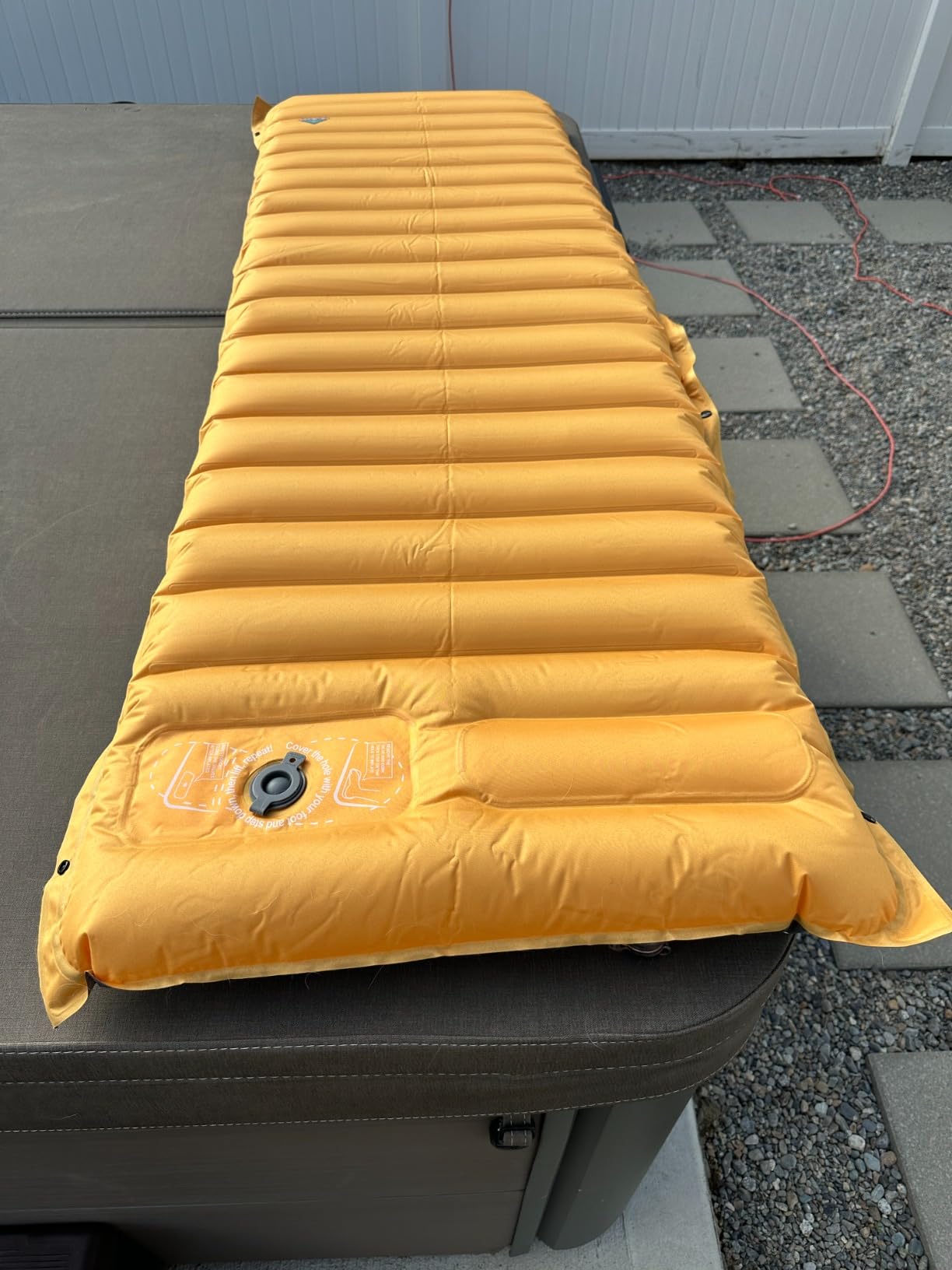
The built-in foot pump is the detail that changed how we used it. No blowing, no batteries, no separate pump in the pack, and the dual valve makes firmness a two-breath adjustment. We ran it a full 3am top-off test and the surface came back up without a fight.
Coverage is polyester pongee with an extruded PVC lamination, and the surface is genuinely quiet for a pad this thick. Reviewers consistently single out the low rustle when rolling over, which is usually the first thing that wakes a light-sleeper partner.
Why side sleepers pick this pad
Four inches is past the threshold where the hip sinks, and 24 inches of width keeps both shoulder and hip on the surface. If you wake with pressure soreness, this is the shape of pad that fixes it without changing anything else about your kit.
The linkable side connectors mean a second one turns two single pads into a full double, which is a cheaper route to a wide bed than the dedicated double mats lower down.
Where it falls short
PVC is the trade-off. It is durable and it holds air, but it is heavier and bulkier in the pack than an all-air pad of the same loft, so it is a car-camp and moderate-backpack choice rather than an ultralight one.
At 2.1 pounds, it is also the heaviest of the single-width air pads here. If your priority is a sub-20-ounce pack, this is the wrong end of the trade.
2. Gear Doctors Oxylus: Best Value Self-Inflating Pad
Gear Doctors® Oxylus 4.3 R-Value Insulated Foam Self Inflating Sleeping Pad Camping — Sleeping Pad Backpacking Air Mattress—Camping Mattress Self Inflating Camp Mat 4 Seasons Sleep Mat—Camp/Floor/Tent
1.5 inch foam core
20 inch wide
2.2 pounds
R 4.3 claimed
Self inflates in 5 minutes
Pros
- Open cell foam blocks ground cold
- Side sleepers report no bottoming out on rock
- Self inflates in about 5 minutes
- Carry bag and repair patch included
- Lifetime replacement warranty
Cons
- Bulky rolled volume for its weight
- 20 inch width runs short for larger sleepers
- R 4.3 is a manufacturer claim and not ASTM rated
- Seams are not easily repairable
The Oxylus wins on a simple fact: the air is not the cushioning. The open-cell foam inside is, and foam does not deflate at 4am. If your fear is waking up on a flat pancake, a self-inflating pad removes the problem entirely.
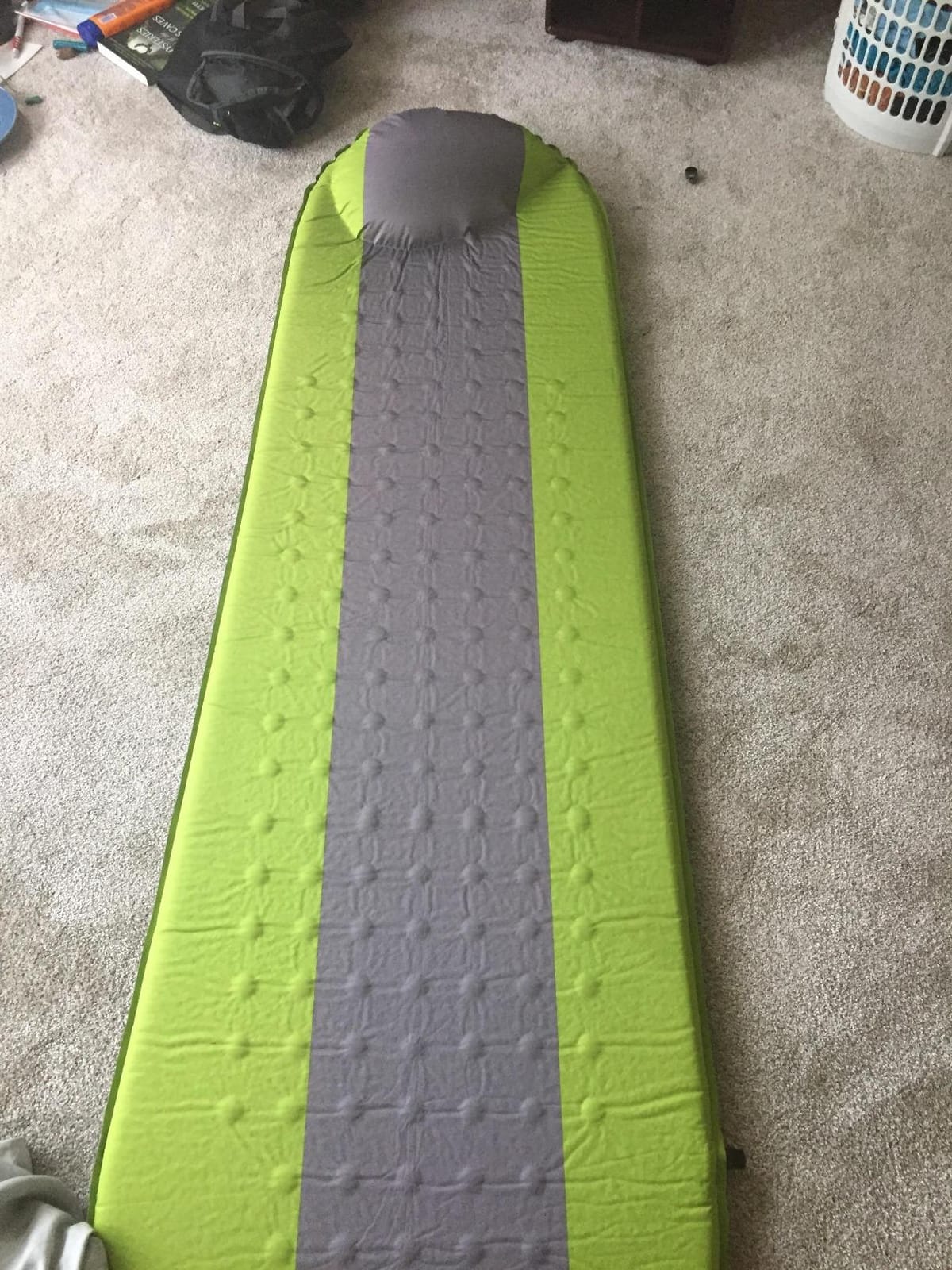
It expands from an 8 by 12 inch packed block to 72 by 20 by 1.5 inches, and the foam is what carries the 4.3 R-value claim across rock, grass, sand and snow. The 75D micro-coated polyester shell is a step above the 40D fabric used on ultralight pads.
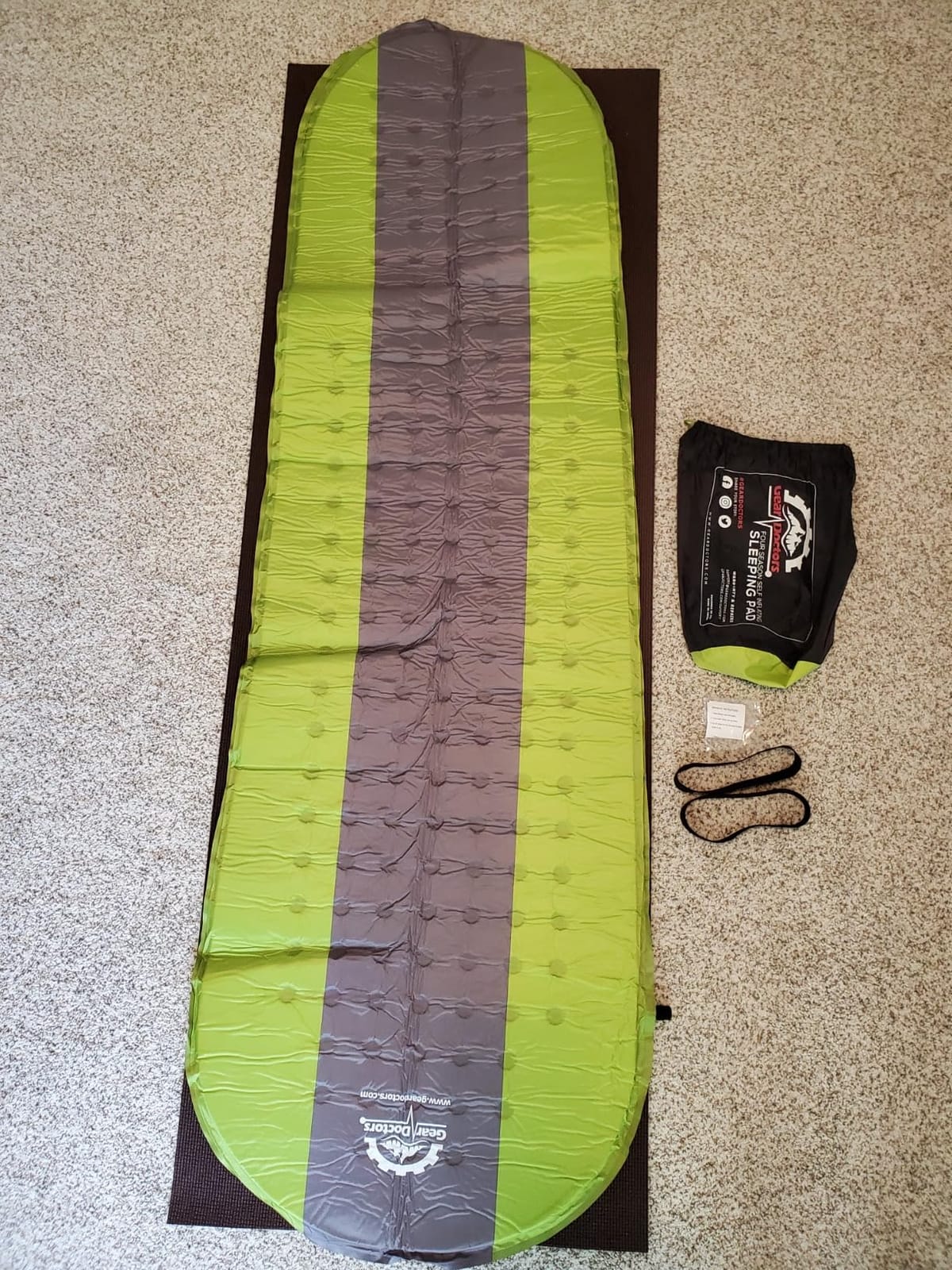
Setup is the quiet superpower. Open the valve, walk away, and come back five minutes later to a pad that is sleep-ready, then add a few breaths to dial firmness. On a long car-camp arrival night that convenience is worth a lot.
The lifetime replacement warranty is the real standout. Owners report leaks being resolved quickly, and the manufacturer ships a carry bag and a repair patch in the box.
Who this suits
If you camp on rock or hard ground, foam distributes the load differently from air. Reviewers report side sleepers not bottoming out on it, which is unusual at a 1.5 inch listed thickness, and the R-value means it works in colder weather than most pads in this roundup.
It is also the most straightforward route to warm, forgiving sleep here, which makes it a strong first camping pad for a side sleeper.
Where it falls short
At 2.2 pounds and roughly the size of a small log in the pack, this is not a packable item. Backpackers with a strict weight ceiling should look at the inflatable options.
The 20 inch width is the honest problem. Taller or broader sleepers report toes hanging off the end and hips pressing the side seam, and the R-value is a manufacturer figure rather than an ASTM rating, so treat the warmth claims as directional.
3. FNARMW 5 Inch Camp Pad: Maximum Loft at 28 Inches Wide
FNARMW Camping Sleeping Pad, Extra Thick 5 Inch Camping Mat with Pillow Built-in Foot Pump Inflatable Sleeping Pads Compact for Camping Backpacking Hiking Traveling Tent(Green)
5 inch loft
28 inch width
79 inch length
2 pounds
800 pound capacity
Pros
- 5 inches of loft is very deep for an air pad
- 28 inch width gives room at hips and shoulders
- Foot pump fills the whole pad in about 60 seconds
- Quick release valve deflates in about a second
- Built-in pillow
Cons
- Air only construction gives little ground insulation
- Packed size is larger than a 3 inch pad
- Feels bouncy rather than cushioned at full inflation
- Only a 1 year warranty
Five inches is the answer to the question every side sleeper asks, which is how much cushion can I actually get. At 79 by 28 by 5 inches, the FNARMW pairs deep loft with real width for a single sleeper, and it is the pad that most completely removes the ground from the equation.
The egg-cell baffle layout matters here. The vertical walls create smaller pockets, so when you roll onto your side the air cannot travel far from your hip, which is what stops the sinking feeling that thinner pads produce in the first hour.
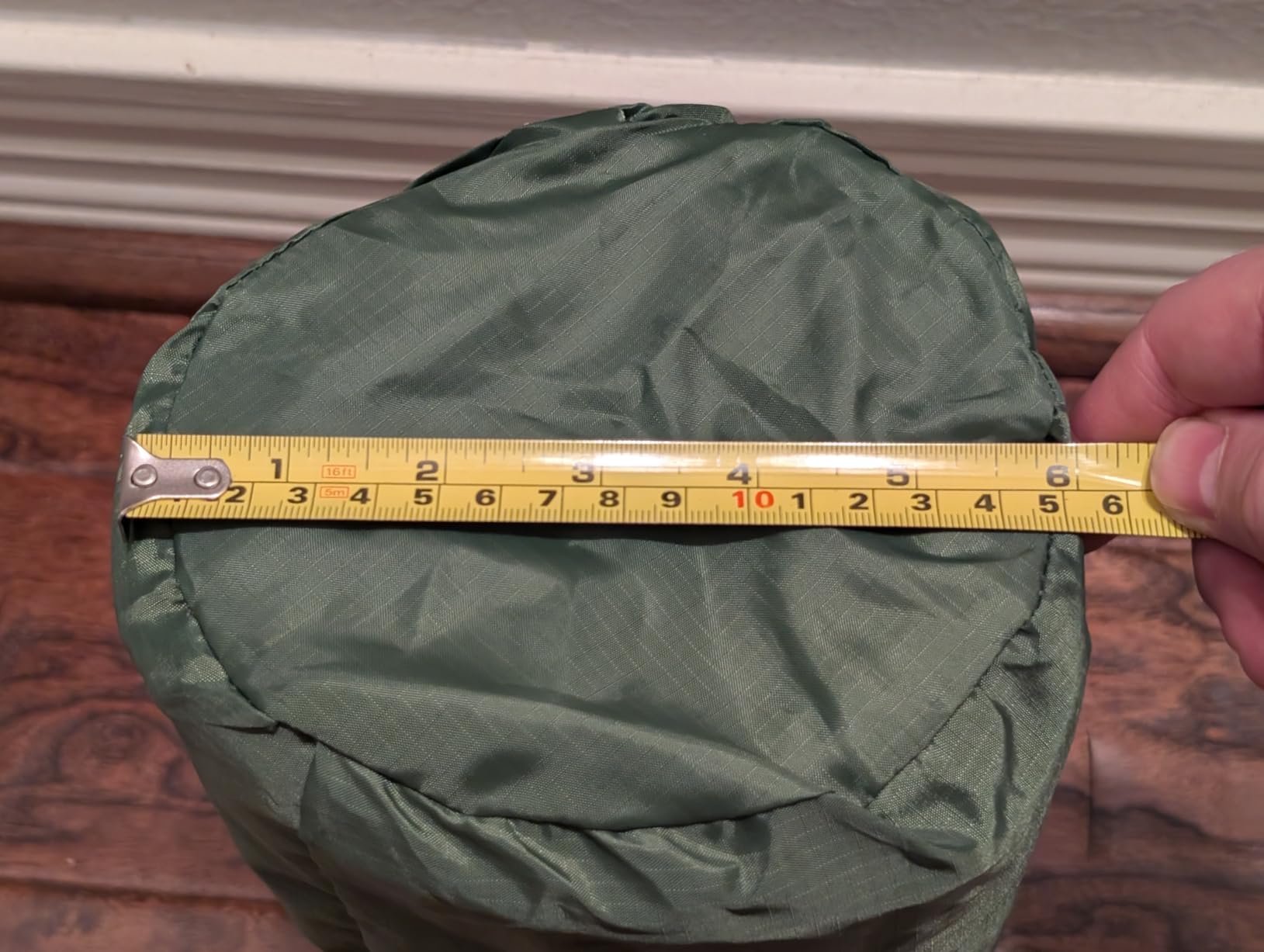
Setup is genuinely fast. The built-in foot pump fills the entire pad in roughly 60 seconds, and the quick-release valve dumps it in about a second. For a side sleeper who has ever lain awake in the dark inflating a pad by breath, that is a real quality-of-life gain.
The 50D nylon carries an 800 pound static capacity using drawstring support tech, and the shell is TPU-coated and listed as waterproof. A built-in pillow handles the gap between shoulder and ear, which is one of the two pressure points that make side sleeping uncomfortable on the ground.
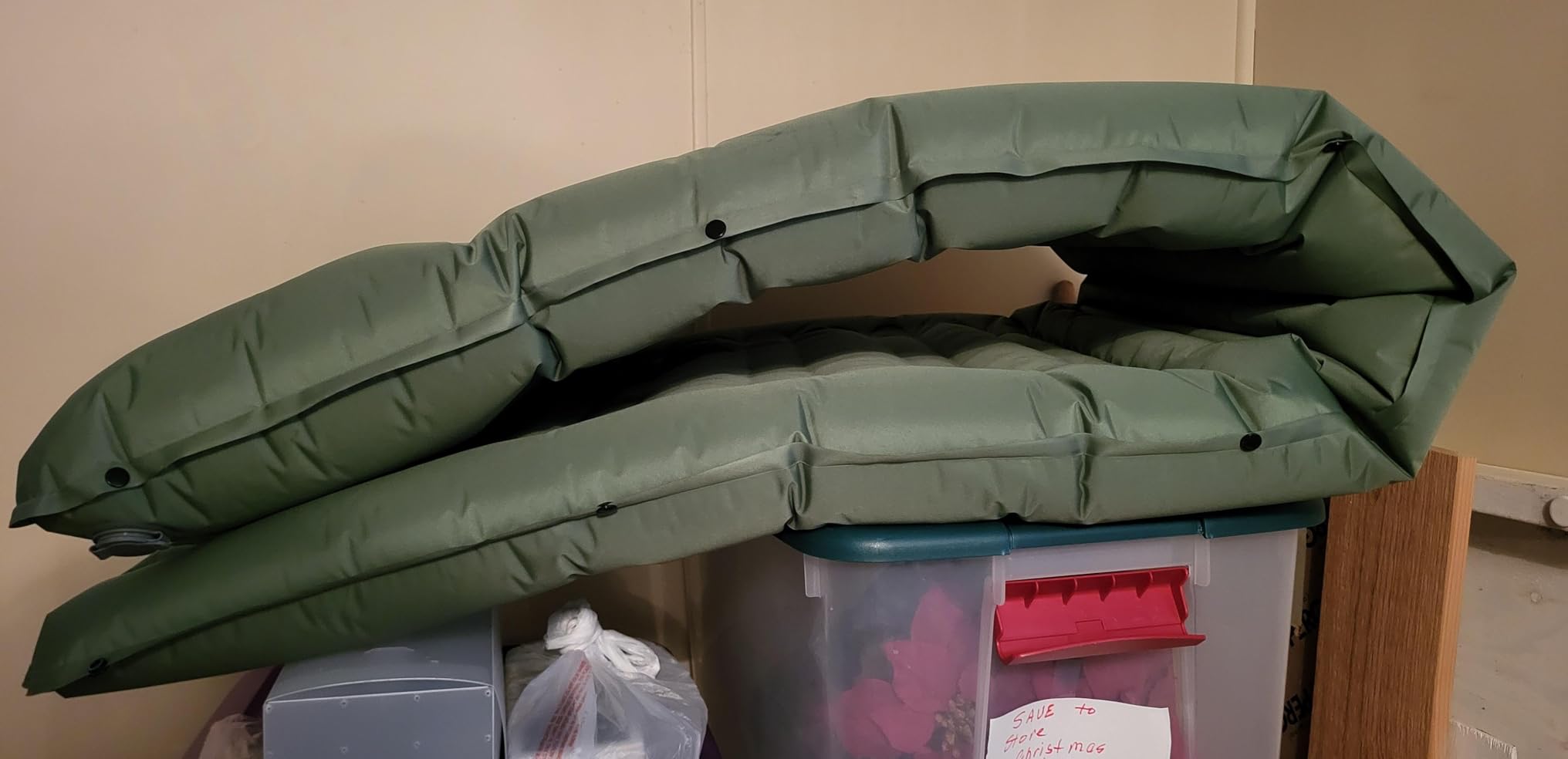
Who this suits
Side sleepers who bottom out on everything else. If you have owned three pads and still wake with a hip ache, extra loft is the variable you have not pushed far enough.
The 28 inch width is also a genuine upgrade over a standard 20 or 23 inch pad, and the pillow makes it a workable single-piece sleep system for car camping.
Where it falls short
Air-only means no insulation. There is no foam core, so on cold ground this is a three-season pad no matter how thick it is, and thickness and warmth are not interchangeable.
At 5 inches the surface can read as bouncy rather than cushioned, especially if you over-inflate it on night one. And the 1 year warranty is the shortest here, which matters on a puncture-prone air shell.
4. Klymit Static V: Best Ultralight Pick at 18.6 Ounces
Klymit Static V Lightweight Inflatable Sleeping Pad | Comfortable, Easy to Inflate Camping Air Mattress for Backpacking and Hiking, Navy Blue
2.5 inch loft
23 inch width
18.6 ounces packed
3 by 8 inch packed size
75D polyester
Pros
- Lightest pad in this group at 18.6 ounces
- Tiny 3 by 8 inch packed size
- V chamber design limits air movement
- 75D shell has survived 12 to 15 trips without leaks
- Limited lifetime warranty
Cons
- 2.5 inches is thin for side sleepers over about 160 pounds
- V rail centre sits high and can push you outward
- Uninsulated and only usable near 50F and above
- Twist valve can back air out and has caused seam leaks
- Noisy when moving
The Static V is here for a different reason than the rest. It is the only pad in the roundup that a fastpacker can carry without thinking about it, at 18.6 ounces and a 3 by 8 inch packed size, and it inflates in 10 to 15 breaths.
The V-chamber geometry is the interesting part. Unlike a flat baffle grid, the V shape limits how far air can travel across the surface, so it holds a more even height when you lie on it. Owners also like how it flexes in a hammock, which no thick pad here does.
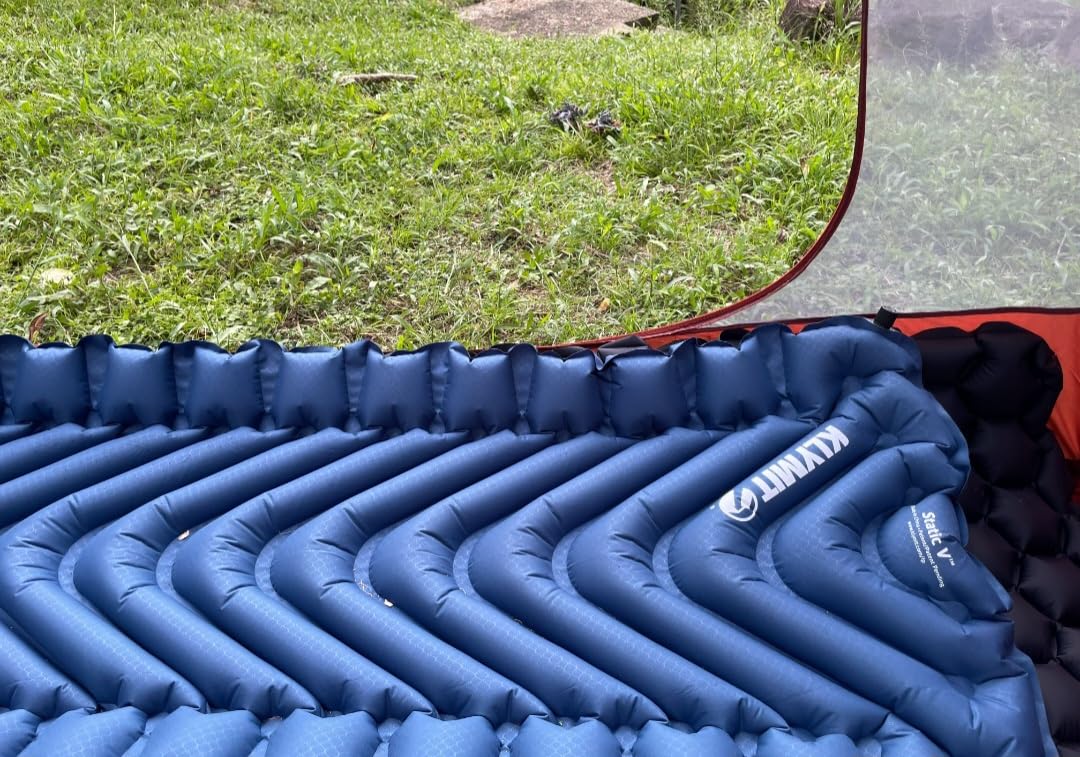
Durability has surprised people. We found multiple long-term reports of the 75D polyester shell going 12 to 15 trips without a leak, and Klymit backs it with a limited lifetime warranty.
Be clear-eyed about the category though. At 2.5 inches, this sits below the comfort threshold for most side sleepers, and that is not a flaw so much as a boundary. It is a pad that most people buy before they discover they need thickness.
Who this suits
Hammock campers, thru-hikers running warm ground temperatures, and anyone whose pack weight matters more than hip comfort. The 23 inch width is also wider than the standard 20 inch, which helps a little.
If you camp near 50F or above, the lack of insulation is a non-issue and the packability argument wins outright.
Where it falls short
Side sleepers above roughly 160 pounds report hip pressure and rolling. The centre V rail sits higher along the spine, and some users feel that ridge nudges them toward the edges rather than holding them centred.
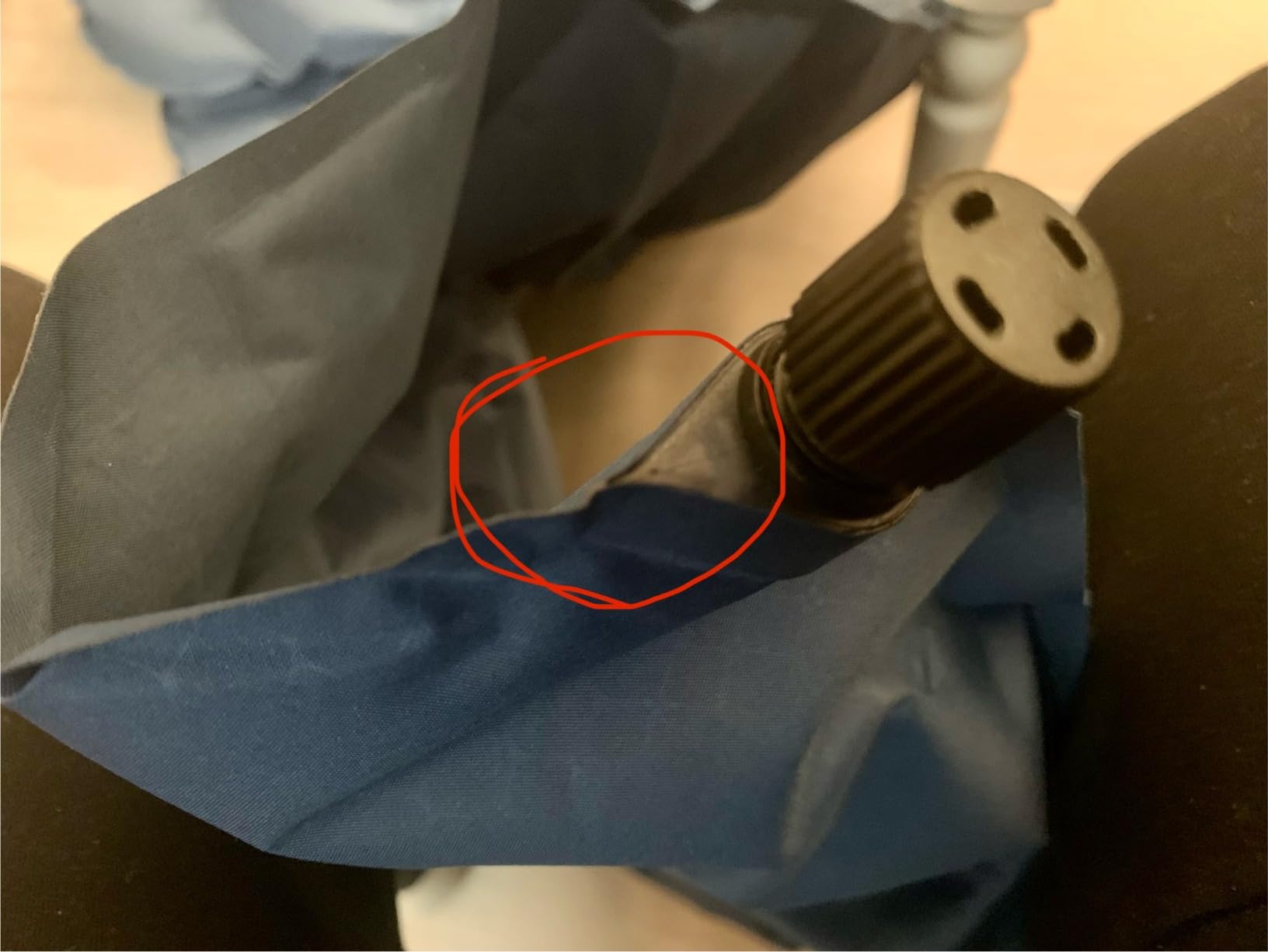
It is also on the noisy side when moving, and the corner-mounted twist valve has backed air out during inflation for some owners and been linked to seam leaks. For a side sleeper, treat this as a lightweight companion pad rather than the main sleep surface.
5. Elegear 26D Memory Foam: Dense Foam and ASTM R 9.5
Elegear Self Inflating Sleeping Pad with Pillow 26D Memory Foam 3.15″
3.15 inch thickness
27 inch width
ASTM R 9.5
26D memory foam
8.1 pounds
Pros
- 26D foam is denser than the 19D used in most competitors
- 3.15 inches keeps hips and shoulders clear in any position
- Self inflates in about 20 seconds after unpacking
- Dual use valve makes packing far easier
- 50D stretch knit cover is quiet and tear resistant
Cons
- Bulky at 8.1 pounds
- Too heavy for backpacking
- Vacuum packed units can take up to 20 minutes for first inflation
- Bulky rolled size for a vehicle
- Rubber bands needed to hold the roll
Foam density is the spec nobody talks about, and it is where this pad separates itself. 26D high-resilience memory foam is a denser formulation than the 19D found in most competing pads, and denser foam resists the compression that makes a pad feel flat after a few hours.
At 77 by 27 by 3.15 inches with an ASTM-tested R-value of 9.5, this is the thickest foam pad in the roundup and shares the highest insulation rating. That combination makes it the pick for anyone who both sleeps on their side and runs cold on the ground.
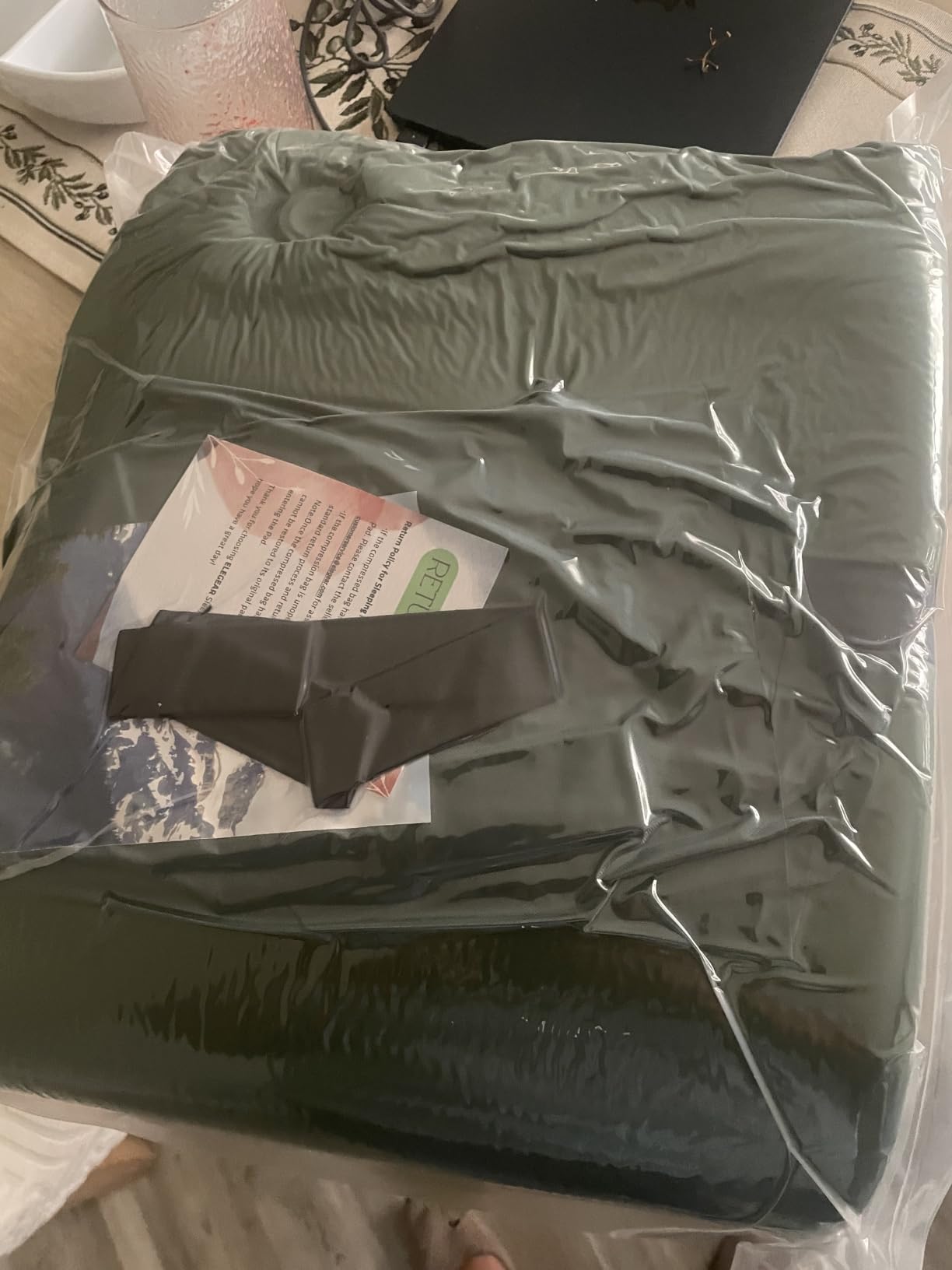
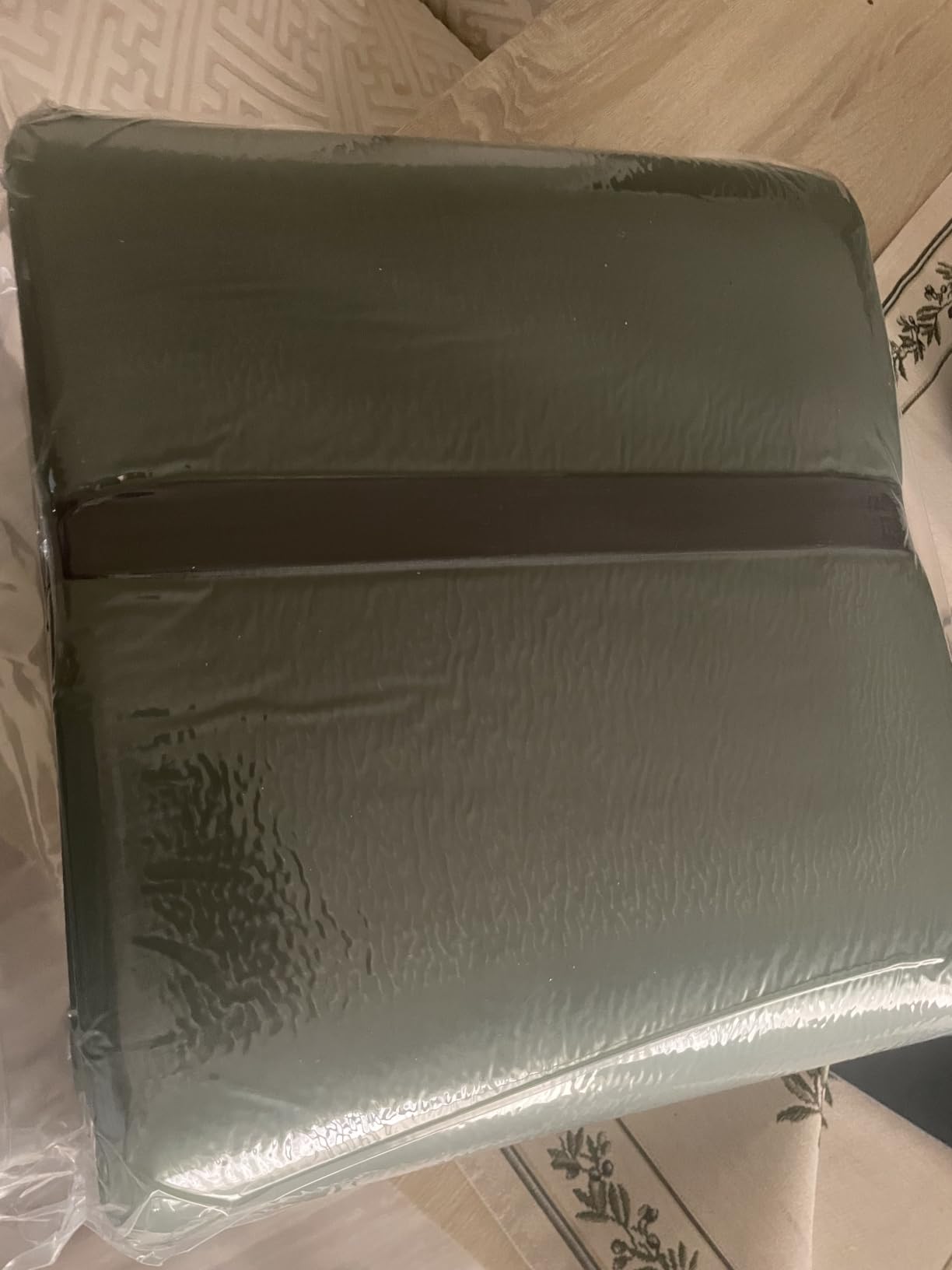
The dual-use valve is the piece of engineering we appreciated most. Traditional foam rolls are a wrestle, and being able to deflate the air core through a proper valve rather than wrestling the roll changes the whole packing routine.
The 50D stretch knit cover is quiet and skin-friendly, with a waterproof TPU layer, and the pad is tested at 800 pounds of static pressure for 24 hours. Owners frequently mention how evenly it spreads weight across the hips.
Who this suits
Cold sleepers who camp below freezing and cannot compromise on warmth. R 9.5 is a genuine winter rating rather than a marketing figure, which is unusual in this price and weight class.
It is also a strong choice for anyone who wants a firm, quiet surface that never loses air overnight, and 27 inches of width is close to the practical maximum for a single pad.
Where it falls short
At 8.1 pounds, this is not a backpacking item under any interpretation. It is a car-camp and RV pad, and if you have to carry it from the vehicle to the site you will feel every pound.
The first inflation after vacuum packing can take up to 20 minutes, so do not plan to sleep in it the moment you arrive. The roll is also bulky and needs rubber bands to stay compressed.
6. Lxotvae Memory Foam Mat: Gel Foam With a Grippy Base
Lxotvae Memory Foam Camping Mattress pad, Comfortable Thick Floor Sleeping Mat for Adults with Waterproof and Non-Slip Bottom, Portable Roll Up Mattress for Sleepover Guest,Cot Mad for Car Camping
3 inch thickness
72 by 24 inch size
Double layer gel memory foam
Waterproof TPU cover
Non slip base
Pros
- Double layer gel memory foam over 30D support foam
- Removable washable cover with a TPU membrane
- Honeycomb non slip base grips the ground
- Works as a guest bed or indoor floor mat
- OEKO-TEX certified materials
Cons
- Non inflatable foam needs 48 hours to expand after unpacking
- The 72 by 24 inch Cot size is narrow for adult side sleepers
- Memory foam holds heat in warm weather
- Heavier and bulkier than an air mattress
This is the odd one out in the roundup, and it earns its place. It is not a hiking pad at all. It is a 72 by 24 inch memory foam floor mattress built for car camping, guest rooms and sleepovers, and for a side sleeper who sleeps well on foam at home, that is the point.
The construction is two layers. A gel memory foam top layer sits over 30D high-density support foam, which gives the surface its plush initial feel while the base layer stops it from bottoming out in the middle of the night.
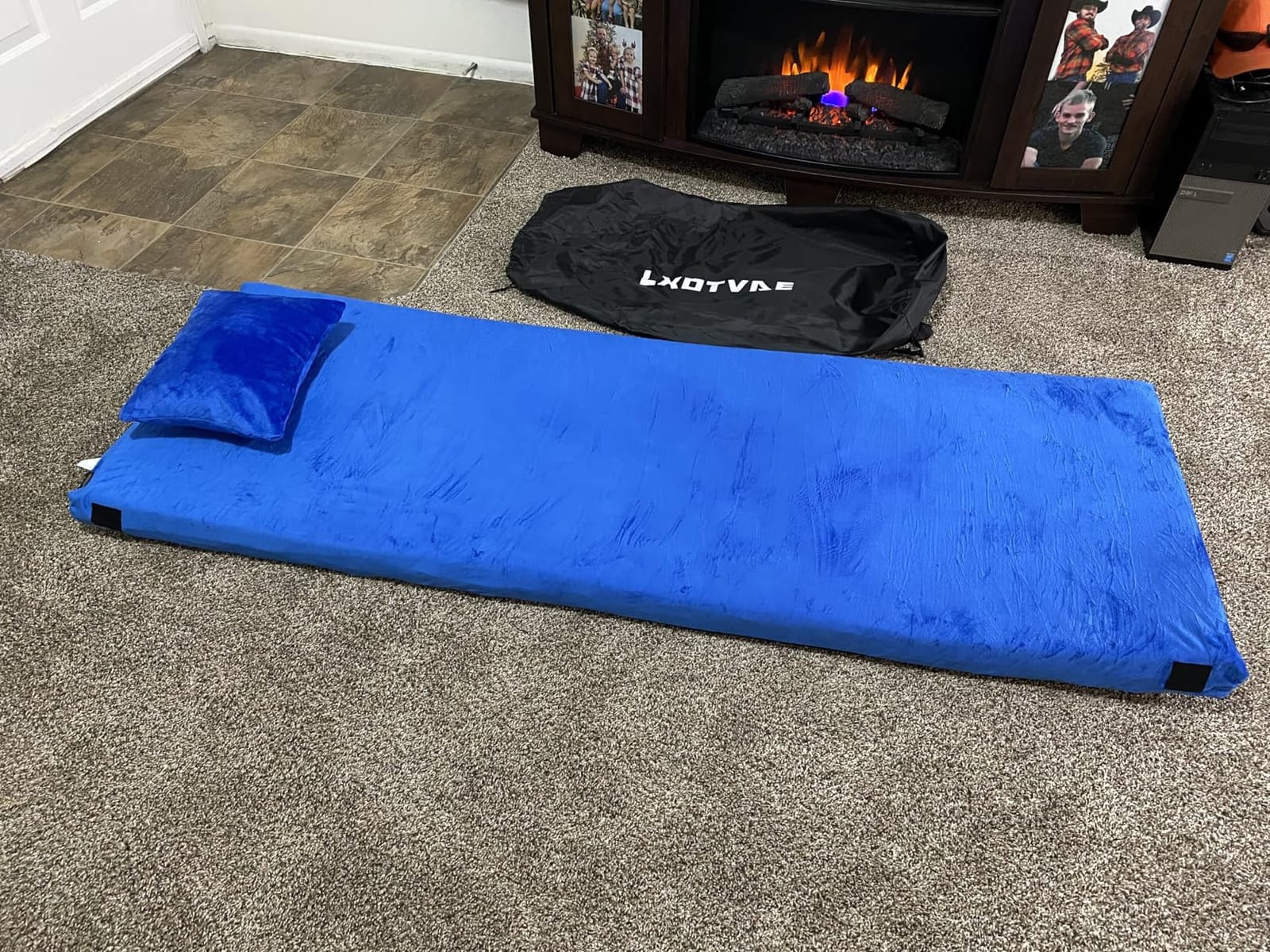
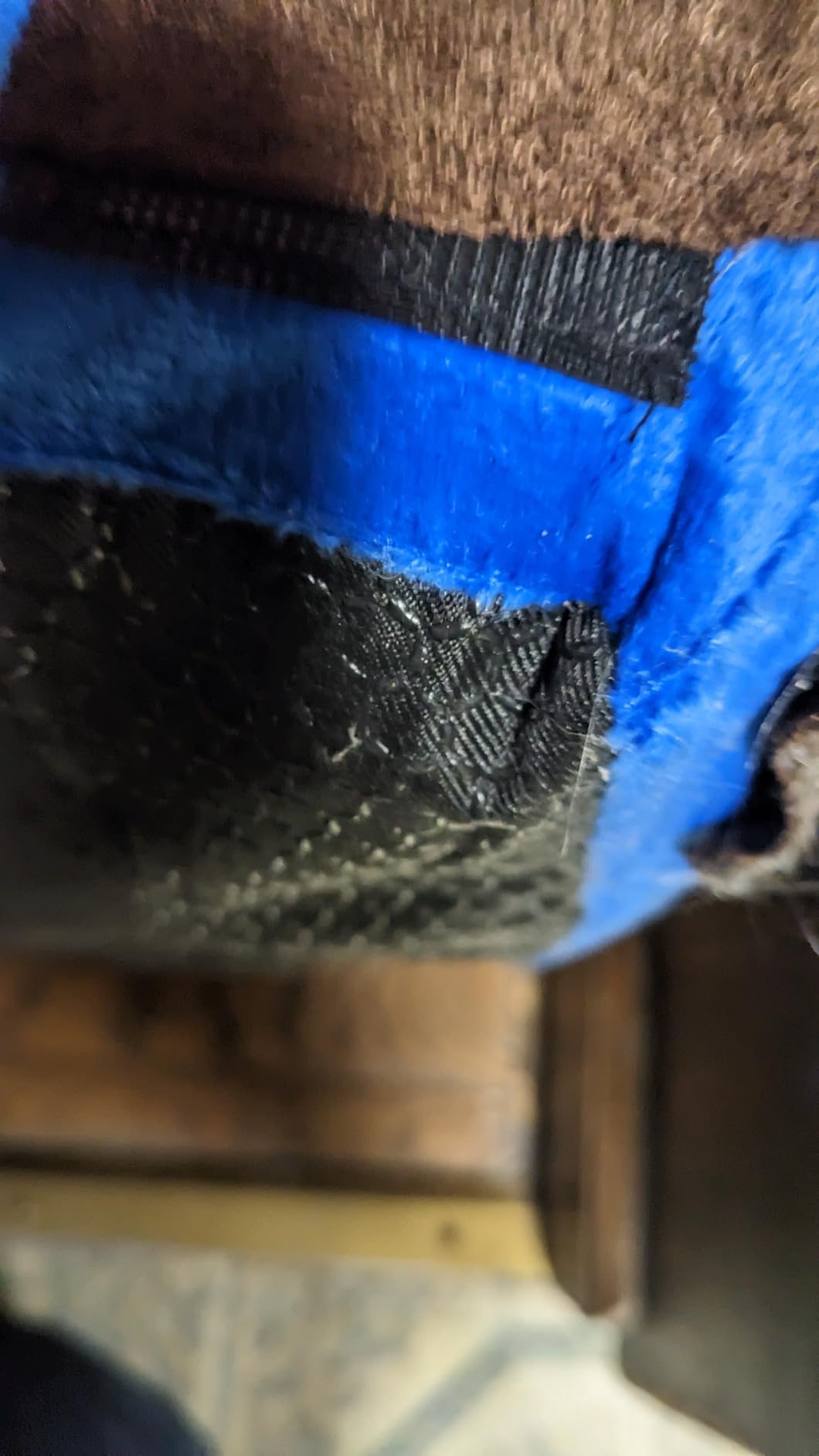
The base is the detail most people miss. A honeycomb non-slip pattern grips tent floor and vehicle carpet in a way that air pads never do, so the tossing-and-turning sleeper stays put instead of sliding across the campsite.
The cover is removable, washable velvet with a TPU waterproof membrane top and bottom, and the materials are OEKO-TEX certified. Size options run from kid and cot sizes up through full and queen.
Who this suits
Side sleepers who already know foam works for them, families who need a spare bed for guests, and anyone who wants one surface to serve car camping and an extra bed in the house.
The grippy base is genuinely useful for sleepers who move around at night, and the washable cover means a damp weekend does not ruin the pad.
Where it falls short
The Cot size at 72 by 24 inches is narrow, and the larger sizes are where this design makes sense. Expect to wait 48 hours after unpacking for the foam to reach full shape.
Memory foam also holds heat, so this is a poor choice for hot ground in summer, and there is no way to adjust firmness because there is no air to bleed.
7. Wevelel Memory Pad: Quiet 3.1 Inch Foam
Wevelel Memory Sleeping Pad, 3.1″ Ultra-Thick Foam Sleeping Mats for Camping, Easy Inflate&Deflate,9.5 R-Value Insulated Camping Mattress Pad with Pillow, for Car Travel Tent
3.1 inch thickness
27 inch width
ASTM R 9.5
50D memory foam
6.5 pounds
Pros
- 50D memory foam spreads weight across hips and shoulders
- 3.1 inches keeps side sleepers clear of hard ground
- Fills in about 30 seconds with a foot pump and three valves
- R 9.5 ASTM insulation works in cold weather
- Quiet stretch knit with no squeaking when rolling
- Users report not sliding off the edge
Cons
- Bulky and car camping only at 6.5 pounds
- Real width is closer to 27 inches than advertised
- Getting the air out before rolling takes longer than inflating
- Less comfortable on roots and rocks
- First use needs all three valves opened
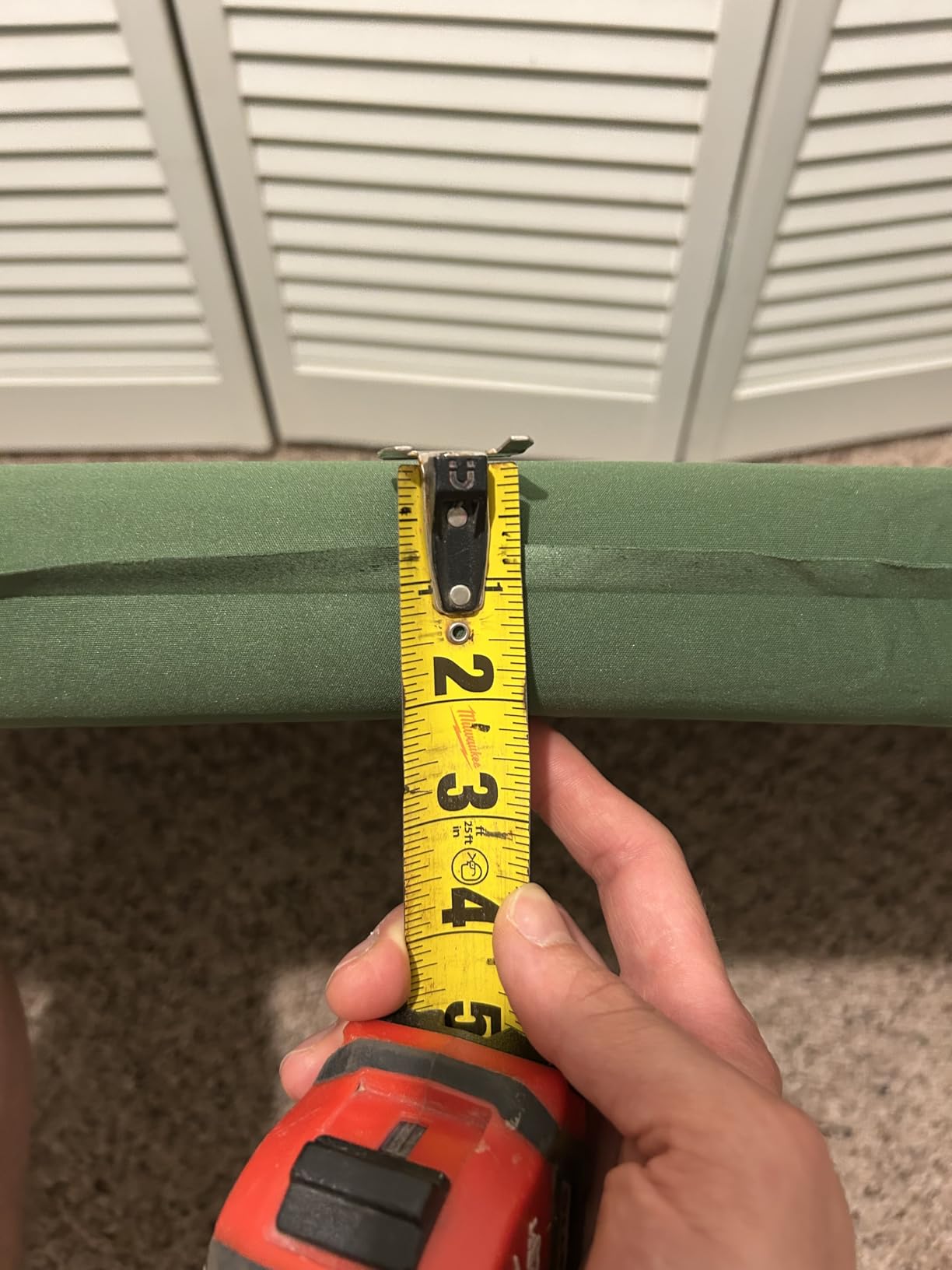
If you wake up with actual hip pain rather than general soreness, the Wevelel is the pad we would point you at. At 77 by 26.98 by 3.1 inches with 50D memory foam, it holds the hip clear of the ground and spreads the load instead of letting it concentrate at one point.
It is also one of the only quiet pads here. Multiple reviews specifically note the 50D stretch knit fabric does not squeak or rustle when you roll over, which matters if you share a tent with a light sleeper.
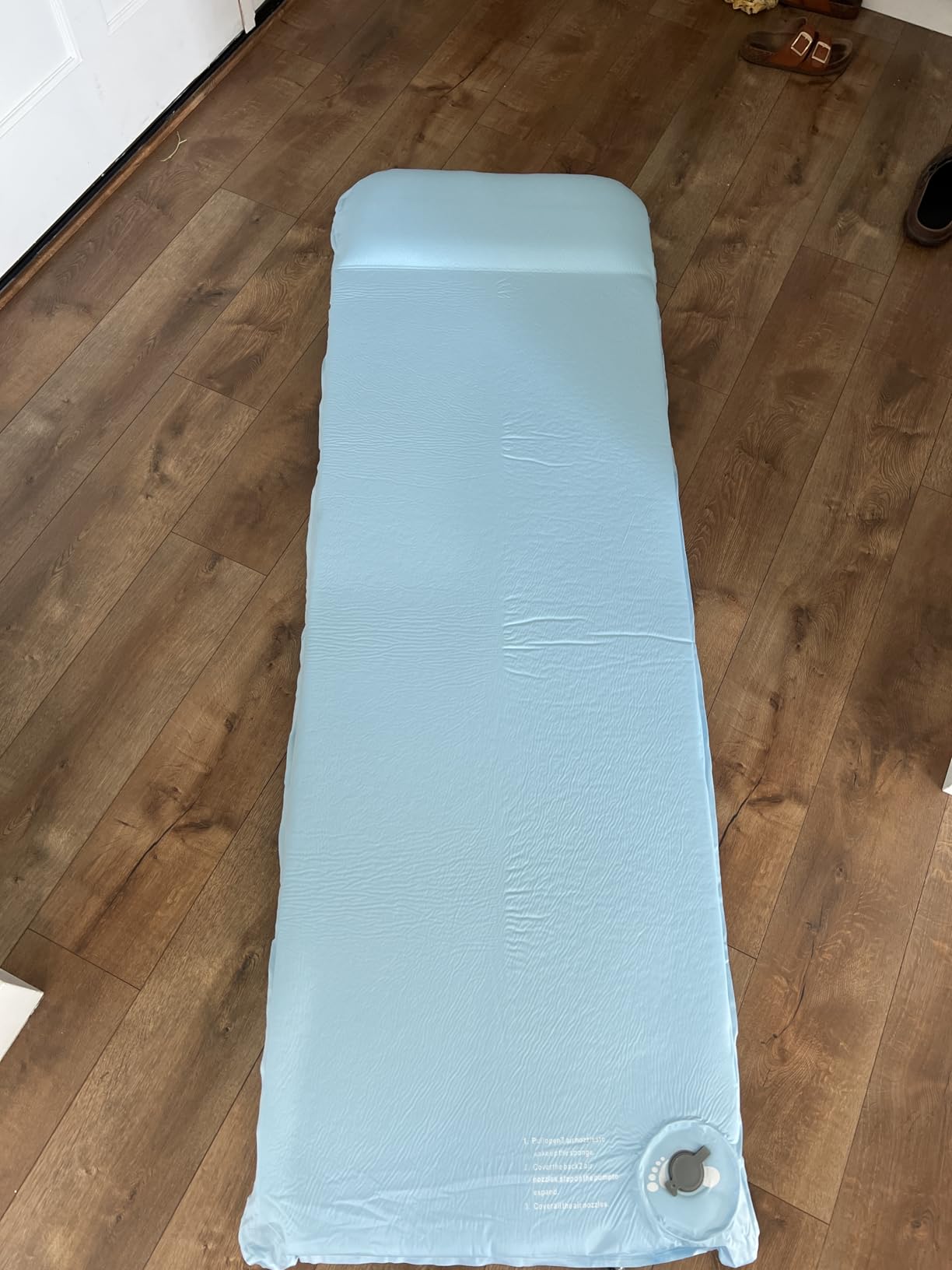
Setup uses a three-valve arrangement plus the built-in foot pump, filling the pad in roughly 30 seconds. R 9.5 is ASTM tested, so like the Elegear it is a real cold-weather option, and the 800 pound static test rating adds confidence on uneven ground.
Reviewers consistently note they do not slide off the edge, which is the other half of the side-sleeper problem. Pain often comes from rolling onto a shoulder that has dropped below the pad surface, not just from sinking.
Who this suits
Side sleepers with lower back or hip pain, cold sleepers who also need thickness, and anyone camping in a tent where noise would be a problem. The 800 pound rating covers heavier sleepers without the risk of bottoming out.
It works well on flat ground, which covers most car-camp sites and campground pitches.
Where it falls short
At 6.5 pounds it is strictly a vehicle pad. Several buyers also report that the actual width is closer to 27 inches rather than the advertised figure, so broad-shouldered sleepers should check before committing.
It is less comfortable over roots and rocks than on flat ground, and vacuum-packed foam means opening all three valves on first use before it inflates properly.
8. Gaialoop 4 Inch Foam: 30 Inch Wide Dual Layer
Memory Foam Camping Mattress, Extra Thick 4 Inch Pad, Single, Lapis Blue
4 inch thickness
30 inch width
40D memory over 30D foam
13 pounds
2 year warranty
Pros
- 4 inches fully supports the body on rocks and uneven ground
- 40D memory foam over a 30D support base
- OEKO-TEX certified and odour free
- Removable washable velvet cover with a waterproof coating
- 30 inch width gives real room at the hips
Cons
- Heaviest pad reviewed at 13 pounds
- Foam needs time to decompress after being rolled
- Premium positioning versus 3 inch foam pads
Width is the issue most side sleepers do not know they have. At 30 inches, the Gaialoop sits at the wide end of the single-pad category, and for a broad or curvy sleeper that extra width at the hips is the difference between cradled and hanging off the edge.
Thickness matches at 4 inches, and the build is 40D memory foam over a 30D support foam base. That pairing is the same logic as the Lxotvae, with the higher-density layer on top for pressure relief and the firmer one underneath to stop the middle of the pad dipping.
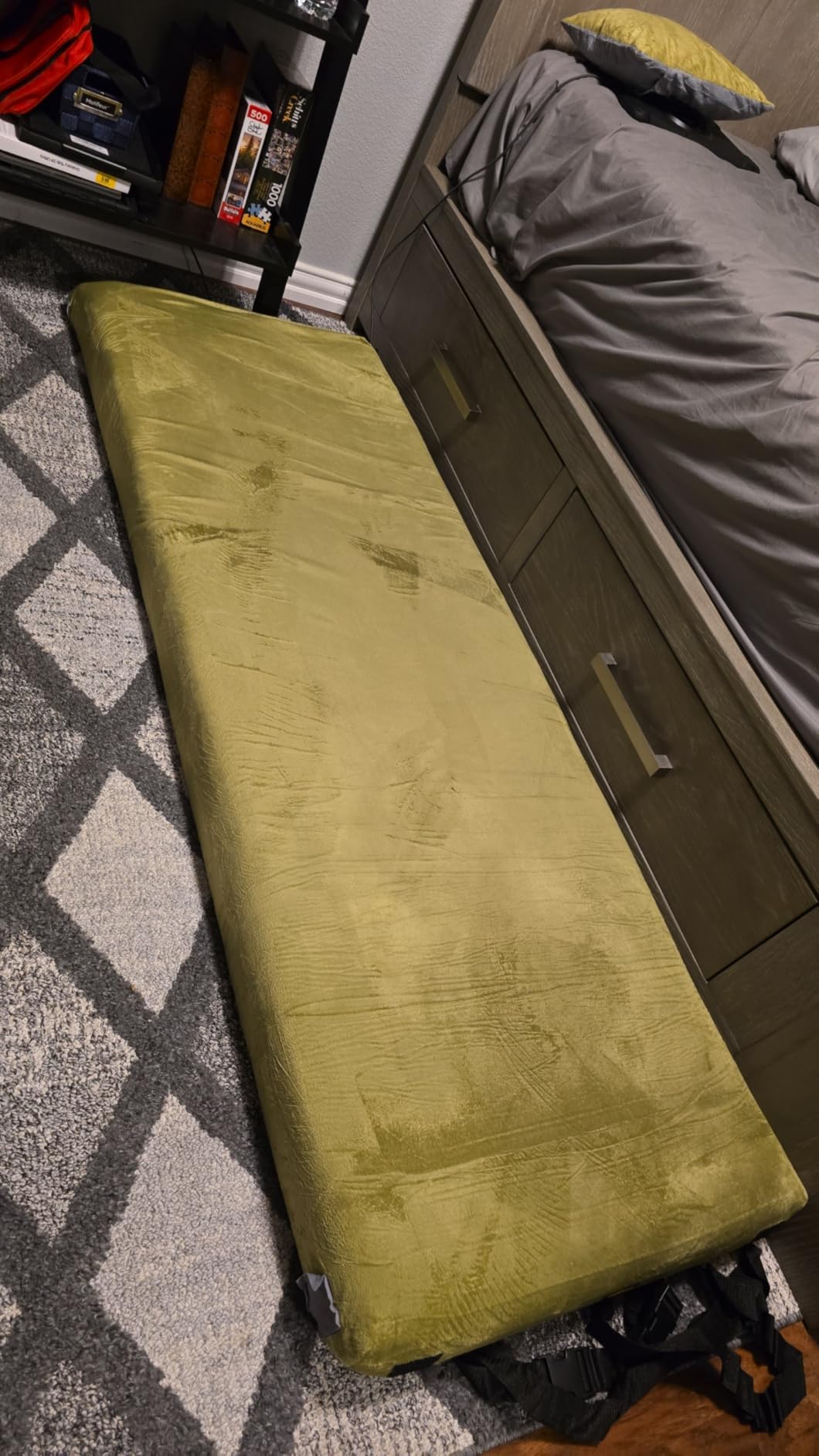
Owners single out the feel on rocks and uneven ground, which is the hardest test for a foam pad because there is no way to bleed air away from a pressure point. The 4 inch profile simply has more material between you and the stone.
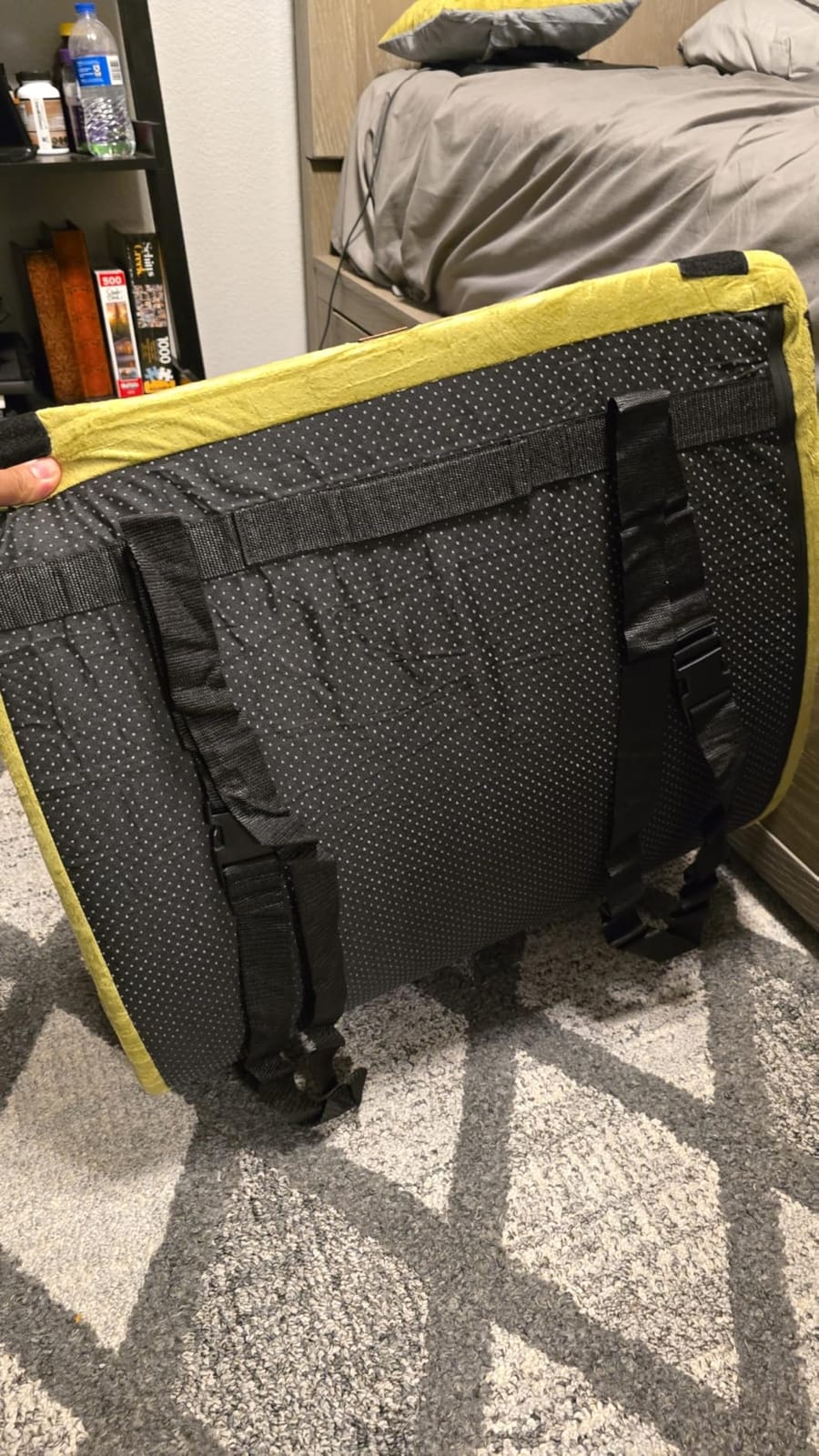
The cover is a removable washable plush velvet with a waterproof coating on both faces, and a pillow, carry bag and straps are included. The foam is OEKO-TEX certified, which matters more than it sounds for anything you sleep on in a closed tent.
Who this suits
Plus-size and curvy side sleepers, and anyone whose hips currently hang over a 25 or 27 inch pad. Combined width and loft here is unusually generous for a single-user surface.
It is also the comfort ceiling for a car or RV trip where weight is not part of the equation, and it pairs naturally with a heavier bag from our cold weather sleeping bag guide.
Where it falls short
Thirteen pounds is the heaviest thing in this roundup, and it is not a packable object by any standard. Bring it in the vehicle and set it up at the site.
The foam also needs time to decompress after being rolled for storage, so plan to unroll it well before bed. Compared with 3 inch foam pads, you are paying for width and loft, and that is worth it only if you need both.
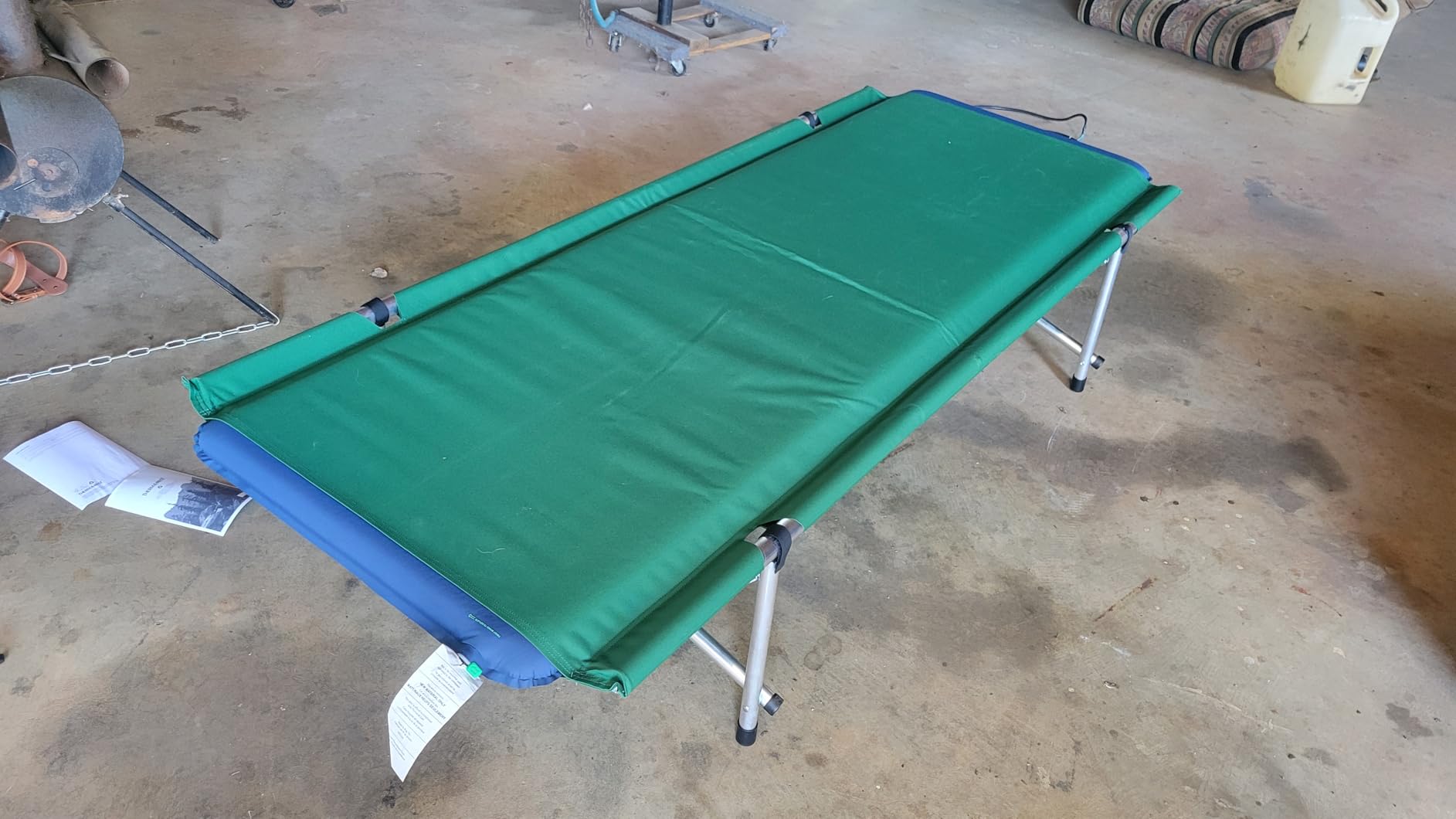
9. Therm-a-Rest Basecamp: Fast Valve and R 6 Warmth
Therm-a-Rest Basecamp Self-Inflating Foam Camping Sleeping Pad, X-Large – 30 x 77 Inches
2 inch foam thickness
30 inch width
R 6
WingLock valve
4 pounds
Pros
- WingLock valve inflates three times faster than a classic valve
- R 6 covers cold ground for year round use
- Thick thermal foam feels warm and forgiving
- 30 inch width gives room at hips and shoulders
- Made in the USA with a limited lifetime warranty
Cons
- 2 inches is light on hip support next to 3 to 4 inch foam pads
- Needs 2 to 4 hours of full inflation before first use
- 4 pounds is heavy for a self inflating mat
- Review volume on this listing is modest
The Basecamp is the heritage pick. It is the only product here from a long-established US sleeping pad maker, and it is built around the WingLock valve, which inflates three times faster than a classic valve and deflates almost instantly.
That valve is a bigger deal for a self-inflating than it sounds. The foam core still needs 2 to 4 hours of full inflation to reach peak loft, but once it is there you can add or remove air quickly, which is how you tune the surface for side sleeping.
Insulation is the strength. R 6 is a real cold-weather rating that keeps heat loss through the ground in check, and the thick thermal foam gives a warm surface under the sleeping bag rather than letting you feel the cold come up.
Size is 77 by 30 by 2 inches and it rolls to 31 by 7.5 inches at 4 pounds, with a PFAS-free DWR stuff sack and a limited lifetime warranty. Owners like the durability and the fast setup.
Who this suits
Car and RV campers in shoulder-season or winter conditions who want a reliable R 6 pad from a brand with a long repair history. It is also the only self-inflating here built around a fast-inflating valve, and the 30 inch width is generous for a single pad.
It is also a good match for anyone who wants a durable surface they can keep in a garage and use for years, and the valve is a genuine upgrade over screw valves for campground use.
Where it falls short
Two inches is the honest limitation. Compared with the 3 to 4 inch foam pads in this roundup, it offers less hip support, so a side sleeper on a hard or rocky surface will notice the difference between it and a thicker foam mat.
Review volume is also modest on this listing, so the field history is thinner than the big foam names. At 4 pounds it is also not an ultralight pad despite sitting in that category on paper.
10. OGERY 6 Inch Double Pad: Loftiest Surface Here
OGERY Double Sleeping Pad, 6″ Extra Thick Inflatable Camping Mattress
6 inch thickness
79 by 55 inch double
4.6 pounds
Internal air belt support
50D TPU coated polyester
Pros
- 6 inches is the deepest loft in the roundup
- Internal tubular air belt prevents sagging under two people
- Foot pump fills it quickly with a second valve for pumps
- 50D polyester with TPU coating holds air all night
- Generous size suits sleepers who move around
- Packs to 6.6 by 6.6 by 12.5 inches
Cons
- At about 4.8 pounds the ultralight name is misleading
- Internal pump and valves make deflating and rolling harder
- Reported R 4.5 is unverified and thin for freezing conditions
- Some orders arrive without a valve cap
- Can feel stiff when not fully pumped up
The OGERY solves two problems at once. At 6 inches thick and 79 by 55 inches, it is both the loftiest pad in the roundup and effectively a double, so two side sleepers can share one surface instead of fighting over the middle seam.
The internal tubular air belt is the feature that makes that size workable. Air columns inside the pad resist the sagging that normally appears when two people lie on a large surface, which keeps the hips supported instead of dipping toward the floor.
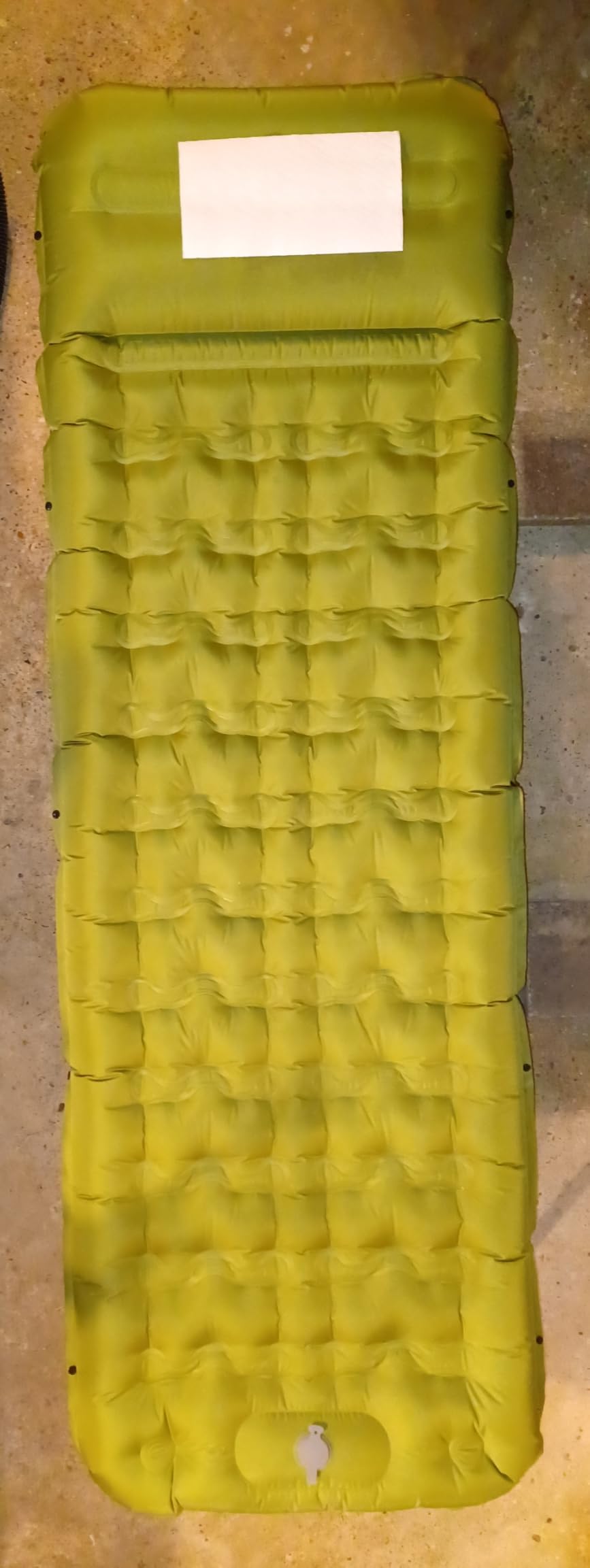
Setup uses a built-in foot pump for fast inflation, and a second valve accepts mini pumps if you want one. The 50D polyester with a TPU waterproof coating is described by owners as holding air all night and staying quiet when moving.
It also doubles as a guest bed or a beach mat, and packs to 6.6 by 6.6 by 12.5 inches, which is not small but is manageable in a vehicle or a large pack.
Who this suits
Couples or family campers where both people are side sleepers, and anyone who wants the maximum surface area available in one piece. The 6 inch loft means a hip could sink a long way and still not reach the ground.
Reviewers also point out the size works for people who thrash around at night, since there is plenty of room to move without falling off.
Where it falls short
The name says ultralight and the 4.6 pound listed weight says otherwise. This is a vehicle pad, and the internal foot pump and valve layout make getting the air out and rolling it harder than comparable pads.
The reported R 4.5 is unverified, so do not plan winter trips on it. A few buyers also received units without a valve cap, and if it is not pumped fully it feels stiff rather than plush.
How to Choose a Sleeping Pad for Side Sleepers in 2026
How thick a pad do side sleepers actually need?
At least 3 inches, and 3.5 to 4.5 inches is where most side sleepers stop waking up sore. The hips and shoulders are the two widest pressure points on your body, and on your side they carry a disproportionate share of your weight onto a small area of pad. Under about 2.5 inches, you compress the air column until the surface contacts the ground and you feel it.
Community consensus on hiking and backpacking forums has converged on 3.5 inches as the practical comfort threshold, and weight-versus-thickness is the trade-off that dominates those discussions. Thicker pads compress air and get heavier. Thinner pads pack small and leave your hip aching.
Match thickness to your body weight
A heavier body compresses a pad more, so the same loft feels thinner to you. Under roughly 150 pounds, 3 inches is usually enough. Between 150 and 200 pounds, aim for 3.5 inches or more. Above 200 pounds, treat 4 inches as a starting point rather than a luxury.
Foam pads compress far less than air pads, so a 3 inch foam mat will often feel thicker than a 4 inch inflatable under the same load. That is worth remembering when you are reading spec lists side by side.
R-value and the ground you camp on
R-value measures resistance to heat loss into the ground, and it is completely separate from thickness. A 5 inch air pad can be cold, and a 2 inch foam pad can be warm.
For a rough map: R 2 to 3 is warm ground in summer. R 3 to 4.5 is three-season territory for most sleepers. R 5 and above is what you want when the ground drops toward freezing, and cold sleepers should aim there earlier than others. Two pads in this roundup carry ASTM-tested R 9.5 ratings, and the Gear Doctors states a 4.3 figure that is not ASTM rated.
Width, shape and surface stability
Width is the second lever after thickness. A standard pad is 20 inches, a 25 to 27 inch pad gives plus-size and broad-shouldered sleepers real room at the hips, and anything 30 inches or wider is properly wide. The top of our list includes a 55 inch double for couples who both sleep on their sides.
Stability comes from the surface, not the size. Side rails, edge-to-edge air chambers, internal air columns and non-slip bases all reduce the drifting that wakes side sleepers when they roll to the edge. A honeycomb anti-slip bottom, as on the Lxotvae, matters more than most buyers expect.
Air pad, self-inflating or closed-cell foam?
Air pads give the most adjustable firmness and the best thickness-to-weight ratio, and they fail mainly through punctures and slow air loss. Self-inflating mats combine an open-cell foam core with an air layer, so they add both insulation and thickness, at the cost of bulk. Closed-cell foam pads are the lightest option and are nearly indestructible, but they are thin and hard by comparison.
For side sleepers, the practical move is to pair a thick inflatable with a closed-cell foam underlay. The foam adds loft and R-value and stops the inflatable from ever reaching the ground, which also protects it from rocks.
Noise, air loss and packing weight
Pad noise is a real complaint from light sleepers and partners. Thin 30 to 40D shells rustle when you move, while 50D stretch knit and quiet laminate surfaces are noticeably calmer. If you share a tent, weight the surface fabric over the weight of the pad.
Air loss is the other quiet issue. Test your pad fully inflated on the first night, note where the surface sits, and top it up before you settle. Most leaks develop around the valve or at a seam that gets pinched during packing, so roll it loosely and check the valve seal before you leave home.
Setup steps for the first night
Fully inflate the pad on night one and lie on it for ten minutes to find the pressure point that bothers you most. Keep the pad under your hips rather than shifting onto bare ground to cool off. Use a pillow with enough loft to fill the gap between your shoulder and ear, since that gap is half of the side-sleeper pressure problem.
If you are still sinking after all that, the answer is more thickness, not a firmer pad. Bleed a little air out to soften the surface, and remember that a pad you lie on for eight hours will read softer than one you test for two minutes.
Frequently Asked Questions
How thick should a sleeping pad be for side sleepers?
At least 3 inches, and ideally 3.5 to 4.5 inches. Side sleepers load their weight onto the hips and shoulders, the two widest points on the body, so a thin pad compresses until the surface contacts the ground and you feel it as morning hip and shoulder soreness. Heavier sleepers compress pads more, so above roughly 200 pounds, treat 4 inches as a starting point rather than a luxury.
What is a good sleeping mat for side sleepers?
A thick, wide inflatable or self-inflating mat at 3.5 inches or more, ideally 25 inches or wider. Concrete examples from our testing include the ZOOOBELIVES Airlive2000 at 4 inches and 24 inches wide, the FNARMW 5 Inch Camp Pad at 5 inches and 28 inches wide, and the Wevelel Memory Pad at 3.1 inches with an ASTM R 9.5 rating for cold ground.
What is the best way to sleep if you’re a side sleeper?
Inflate the pad fully on the first night and lie on it for ten minutes to locate the pressure point that bothers you most, then bleed off a little air to soften that area. Stay on the pad rather than hip-shifting onto bare ground to cool off. Use a pillow with enough loft to fill the gap between your shoulder and ear, and add a closed-cell foam underlay if you are still sinking.
What to use instead of a sleeping pad?
The main alternatives are self-inflating foam mats, which add thickness and insulation but pack bulky, and closed-cell foam pads, which are cheap, very light and nearly indestructible but thin and firm. For couples, two linkable single pads or a double wide mat such as the 55 inch OGERY give you the width a side sleeper needs without doubling the gear. A closed-cell foam underlay is also useful on top of, rather than instead of, a thick inflatable.
Final Verdict for Side Sleepers in 2026
After working through all ten, the ZOOOBELIVES Airlive2000 takes our Editor’s Choice. Four inches of edge-to-edge air support across 24 inches of width, a 400 pound capacity and a built-in foot pump make it the most complete answer to the bottoming-out problem in this roundup, and the quiet surface is a bonus most thick pads do not offer.
If you need less weight, the Gear Doctors Oxylus is the better buy. If you need more warmth, look at the two ASTM R 9.5 foam pads. If you need more width, the 30 inch Gaialoop and the 55 inch OGERY cover the broad-sleeper and couple cases properly.
That is the short version of our best sleeping pads for side sleepers in 2026. Whichever one you choose, buy for 3.5 inches or more of thickness and at least 25 inches of width, then give it a full inflation test before your first night out. Get the system right and the rest of the trip gets easier.