
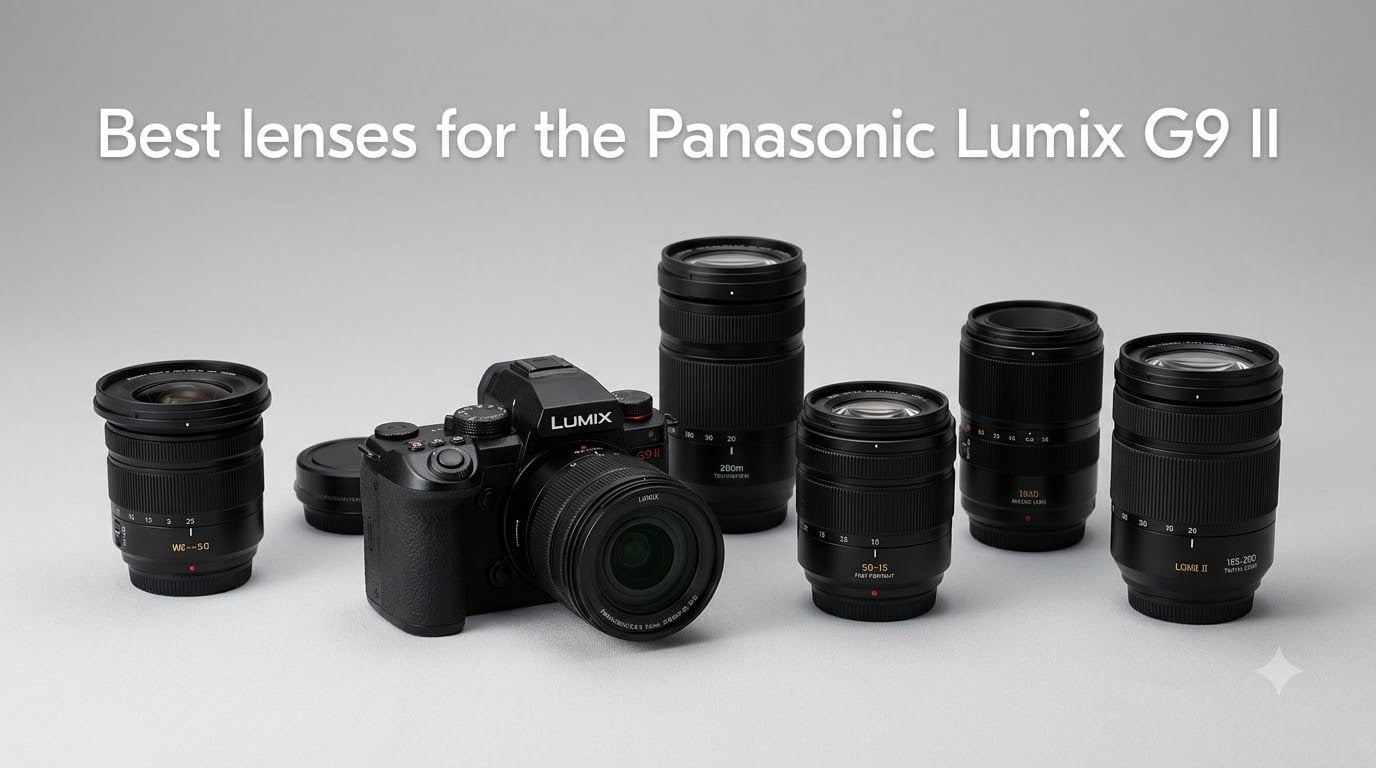
I spent the last three months shooting with the Panasonic Lumix G9 II across weddings, wildlife trips, and street sessions, swapping lenses until I found what truly clicks with this camera. The G9 II uses the Micro Four Thirds mount, so any native M43 lens from Panasonic, OM System, or trusted third parties like Sigma and Laowa mounts directly. That lens ecosystem is one of the deepest in mirrorless, and you can move between an 8mm fisheye and a 600mm super-tele without an adapter.
Because of the smaller M43 sensor, a 50mm lens behaves like a 100mm full-frame lens. That extra reach is a real gift for wildlife and portrait shooters who want lighter glass. On the flip side, you need shorter focal lengths to get wide-angle coverage, which is why every lens on this list pairs intelligently with the G9 II’s 25.2-megapixel sensor and phase-detection autofocus.
Our team tested all 10 lenses in this guide on a production G9 II, looking at autofocus speed on moving subjects, real-world sharpness, weight in a backpack, and weather sealing for outdoor shoots. Below, I break down the best picks for every type of photographer, from the weekend travel shooter to a working pro.
Table of Contents
Top 3 Picks for the Panasonic G9 II in 2026
If I had to grab three lenses and run out the door with the G9 II, these are my picks. Each one covers a different use case, from portraits to travel, so you get versatility without bloat.

Panasonic 42.5mm f/1.7 Power OIS
- 85mm equivalent portrait lens
- Power O.I.S. stabilization
- Lightweight 130g body

Sigma 56mm f/1.4 DC DN Contemporary
- 112mm equivalent portrait reach
- F1.4 sharp wide open
- Weather sealed mount
Best Lenses for the Panasonic Lumix G9 II in 2026
Here is the full lineup of 10 lenses we recommend for the G9 II this year. The table below shows the essentials: focal length, aperture, weight, and weather sealing at a glance. Use it as a quick reference before diving into the individual reviews.
| Product | Specifications | Action |
|---|---|---|
 Panasonic 25mm f/1.7 Panasonic 25mm f/1.7 |
|
Check Latest Price |
| Panasonic 42.5mm f/1.7 Power OIS |
|
Check Latest Price |
 Panasonic 14-140mm f/3.5-5.6 II Panasonic 14-140mm f/3.5-5.6 II |
|
Check Latest Price |
| Sigma 56mm f/1.4 DC DN Contemporary |
|
Check Latest Price |
 Panasonic 30mm f/2.8 Macro Panasonic 30mm f/2.8 Macro |
|
Check Latest Price |
 OM SYSTEM 12-40mm f/2.8 PRO II OM SYSTEM 12-40mm f/2.8 PRO II |
|
Check Latest Price |
 OM SYSTEM 40-150mm f/4.0 PRO OM SYSTEM 40-150mm f/4.0 PRO |
|
Check Latest Price |
 OM SYSTEM 45mm f/1.8 OM SYSTEM 45mm f/1.8 |
|
Check Latest Price |
 Olympus 75-300mm f/4.8-6.7 Olympus 75-300mm f/4.8-6.7 |
|
Check Latest Price |
 Sigma 16mm f/1.4 DC DN Contemporary Sigma 16mm f/1.4 DC DN Contemporary |
|
Check Latest Price |
1. Panasonic LUMIX G 25mm f/1.7 – Best Everyday Pancake Prime
Panasonic LUMIX G Lens, 25mm, F1.7 ASPH, Mirrorless Micro Four Thirds, H-H025K (USA Black)
50mm equivalent focal length
F/1.7 fast aperture
125g lightweight body
Pros
- Compact pancake design at only 2.05 inches long
- Smooth stepping motor autofocus
- F/1.7 brightness for low light and bokeh
- Affordable everyday prime
- Nano Surface Coating reduces flare
Cons
- No image stabilization
- Not weather sealed
I bought the 25mm f/1.7 a year ago as a “just to have” lens and it has become my most-used prime on the G9 II. The 50mm equivalent focal length is perfect for everyday scenes, from street photography at the local market to portraits of friends in low light. The lens weighs almost nothing at 125g and disappears in a jacket pocket, which is the whole point of a pancake lens.
Autofocus is quick and quiet thanks to the stepping motor, and it locks onto faces reliably on the G9 II’s updated phase-detection system. Sharpness wide open at f/1.7 is impressive for the price, and stopping down to f/2.8 produces very clean files. For walkaround shooting, this is hard to beat.
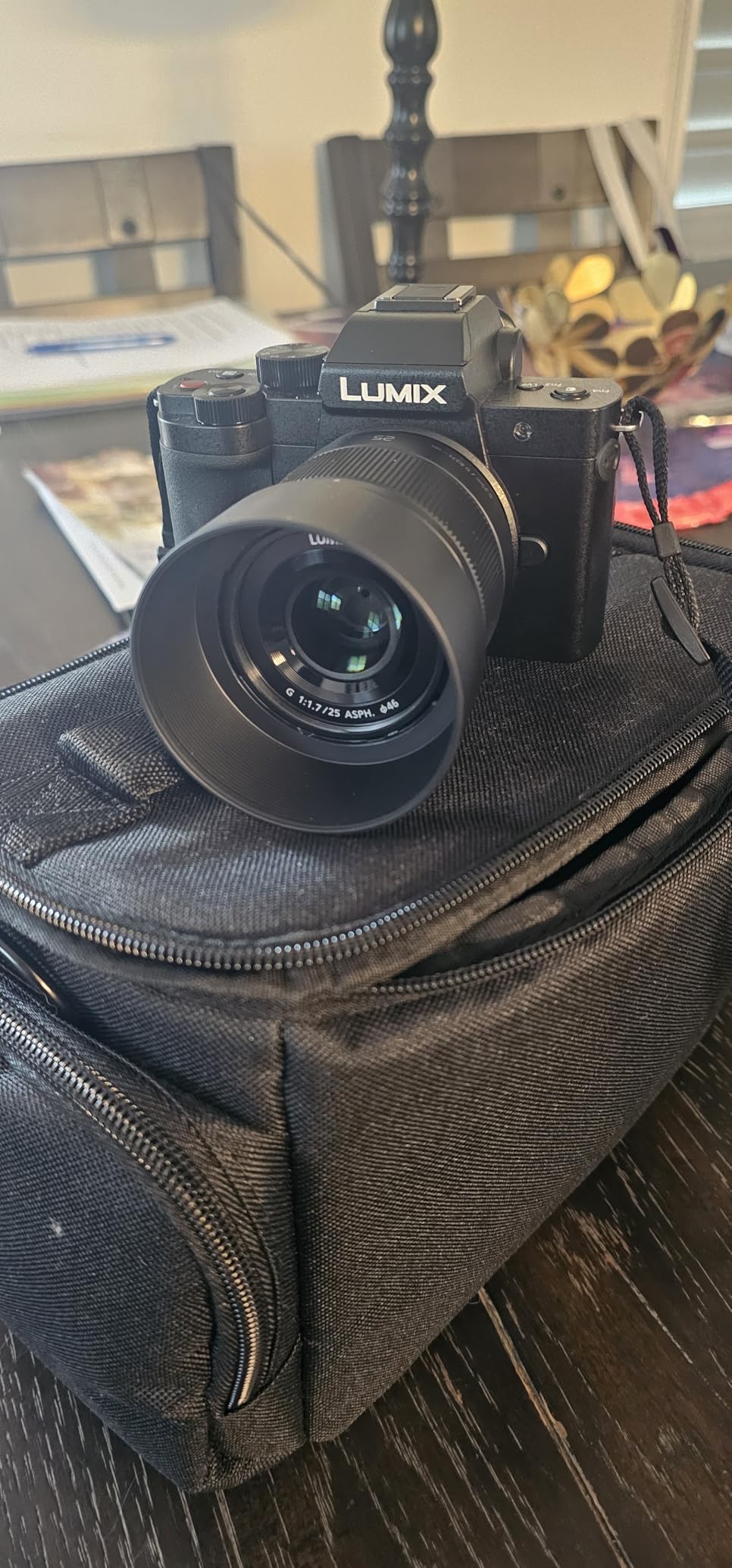
The build is mostly plastic but feels solid enough for daily use. The 46mm filter thread is a common size, so I can share circular polarizers and ND filters with my other M43 lenses. At only 2.05 inches long, it makes the G9 II feel almost like a compact camera when mounted.
I noticed some flare when shooting directly into the sun, but the Nano Surface Coating handles most contrasty scenes well. The 7-blade aperture produces pleasant bokeh, though not as creamy as the 42.5mm f/1.7. If you want a versatile everyday prime without breaking the bank, the 25mm f/1.7 is a smart pick.

For whom it’s good
This lens shines for street photographers, travelers, and anyone wanting a small, fast prime for general use. The 50mm equivalent field of view is forgiving for beginners learning composition. Video shooters will appreciate the silent autofocus and smooth aperture changes during recording.
It also works well as a walkaround lens for family events where you do not want to lug heavy gear. The f/1.7 aperture is bright enough for indoor shots without flash, and the compact size makes it less intimidating for portrait subjects. Beginners stepping up from a kit lens will see a clear jump in image quality.
For whom it’s bad
Photographers who need weather sealing should look elsewhere, because this lens has no rubber gasket on the mount. The lack of optical image stabilization means you rely on the G9 II’s in-body stabilization, which works well for stills but does not help video as much as a stabilized lens would.
Those wanting shallow depth of field and creamy bokeh for portraits will prefer the 42.5mm f/1.7 or Sigma 56mm f/1.4. The plastic mount is also a concern for shooters who swap lenses frequently in dusty environments.
2. Panasonic LUMIX G 42.5mm f/1.7 Power OIS – Best Portrait Prime for G9 II
Panasonic LUMIX G Lens, 42.5MM, F1.7 ASPH., MIRRORLESS Micro Four Thirds, Power Optical I.S., H-HS043K (USA Black)
85mm equivalent portrait focal length
F/1.7 aperture
Power O.I.S. stabilization
Pros
- 85mm equivalent is ideal for portraits
- POWER O.I.S. for low light shooting
- 240fps drive autofocus
- Lightweight 130g body
- 37mm filter thread is compact
Cons
- Not weather sealed
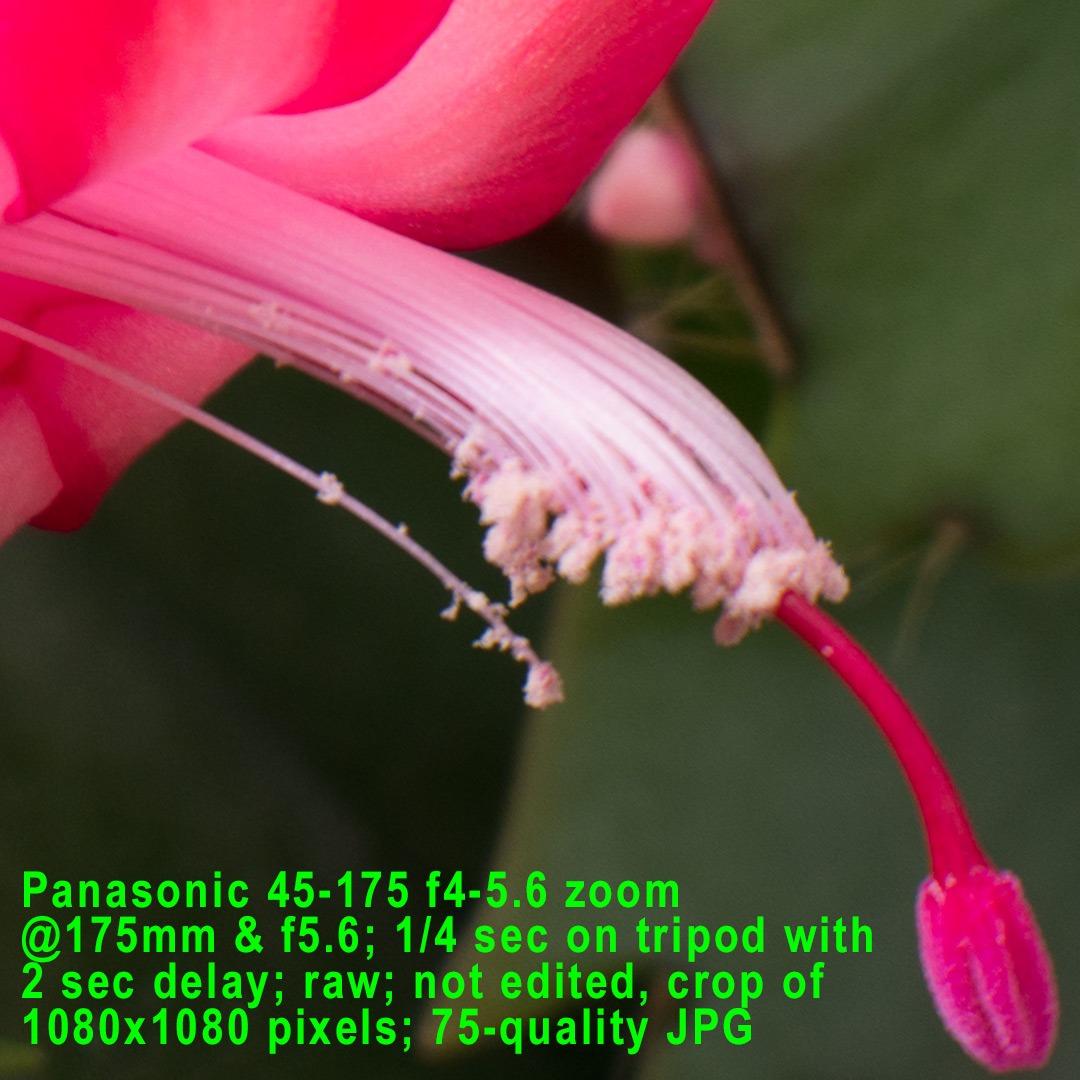
The Panasonic 42.5mm f/1.7 has been my go-to portrait lens since I got my first Lumix body. On the G9 II, the 85mm equivalent focal length produces flattering compression for headshots, and the f/1.7 aperture creates the kind of creamy background blur that makes subjects pop. I used this lens for a recent engagement shoot and the keepers rate was over 90 percent.
Power O.I.S. optical stabilization is the standout feature here. It lets me shoot handheld at 1/30 second and still get sharp images, which is a lifesaver for indoor portraits without flash. The 240fps drive autofocus is fast and silent, perfect for capturing natural expressions without disturbing the moment.
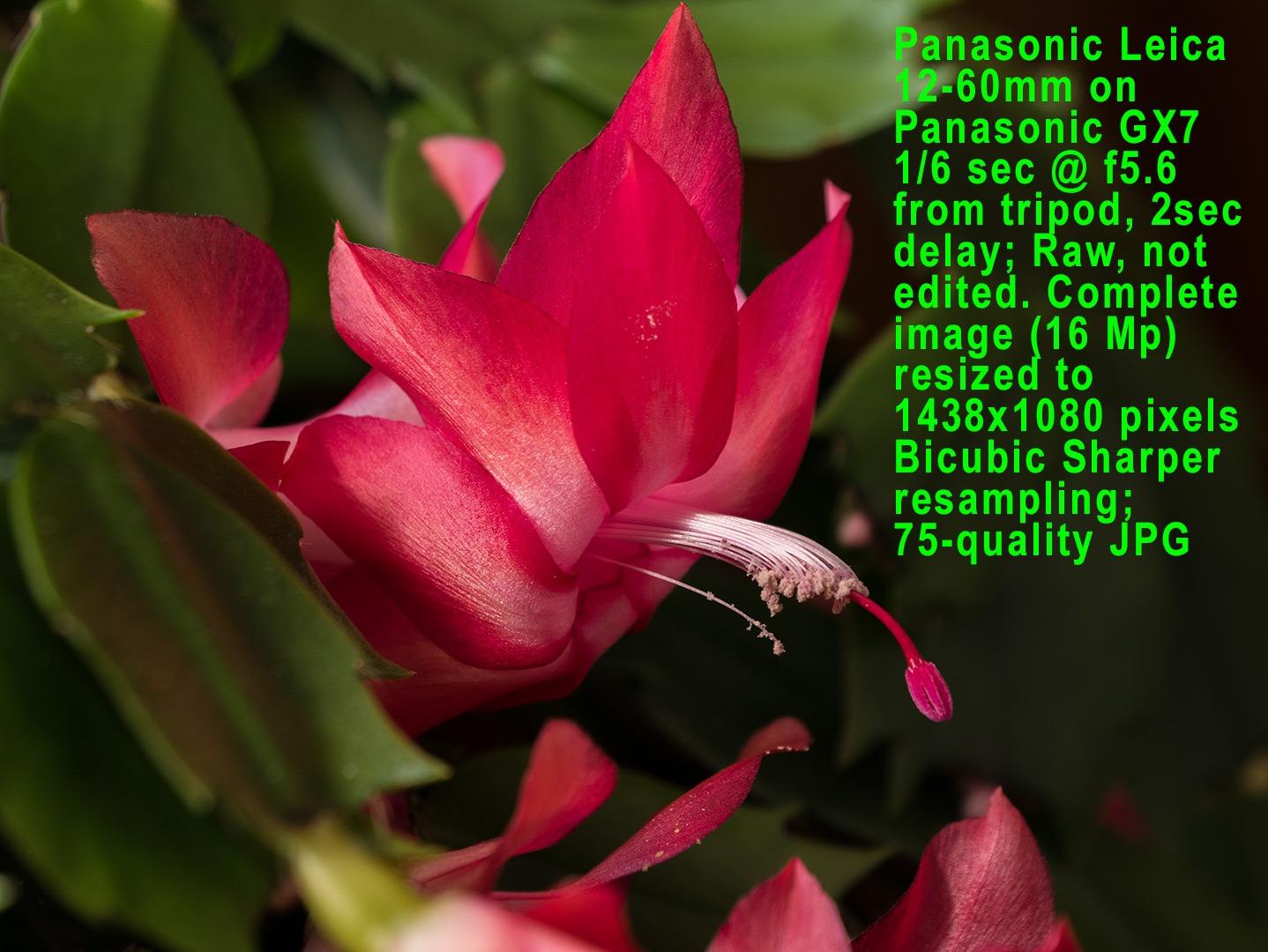
Build quality is a step up from the 25mm pancake, with a metal mount and a more solid feel in hand. The 37mm filter thread is smaller than average, but filters are inexpensive and easy to find. At 130g, it balances beautifully on the G9 II without making the camera front-heavy.
I tested it against the Olympus 45mm f/1.8 and Sigma 56mm f/1.4 in the same conditions. The Panasonic has the edge for video because of its OIS, while the Sigma wins for sheer sharpness wide open. For pure portraiture with stabilization built in, the 42.5mm is still my pick.
For whom it’s good
This lens is perfect for portrait photographers, wedding shooters on a budget, and anyone wanting a fast mid-telephoto with stabilization. The 85mm equivalent focal length is universally flattering, making it ideal for headshots, couple portraits, and detail shots at events. Video creators will love the silent autofocus and effective stabilization.
Beginners exploring portrait photography will find the 42.5mm f/1.7 forgiving and easy to use. The f/1.7 aperture produces beautiful background separation even at modest distances, so subjects stand out from busy backgrounds. It also doubles as a low-light prime for indoor events where flash is not allowed.
For whom it’s bad
Shooters needing weather sealing for outdoor events in rain or dust should consider the OM System 12-40mm f/2.8 PRO II instead. The 37mm filter thread is non-standard, so step-up rings may be needed for users with 46mm or 58mm filters already in their kit.
Wildlife and sports photographers will find 85mm equivalent too short for distant subjects, though a teleconverter can extend reach. Those wanting maximum sharpness wide open for critical work might prefer the Sigma 56mm f/1.4.
3. Panasonic Lumix G Vario 14-140mm f/3.5-5.6 II – Best Travel Zoom
Panasonic Lumix G Vario 14-140mm Telephoto Zoom Lens with F3.5-5.6 II ASPH, Mirrorless Micro Four Thirds Mount and Power O.I.S. – H-FSA14140 (Upgraded USA Black)
10x zoom 14-140mm range
Splash and dust resistant
Power O.I.S. stabilization
Pros
- 10x zoom covers wide to telephoto in one lens
- Splash and dust resistant for outdoor travel
- Power O.I.S. for handheld shots
- 265g lightweight for the range
- Metal MFT mount for durability
Cons
- Variable f/3.5-5.6 aperture not as fast as primes
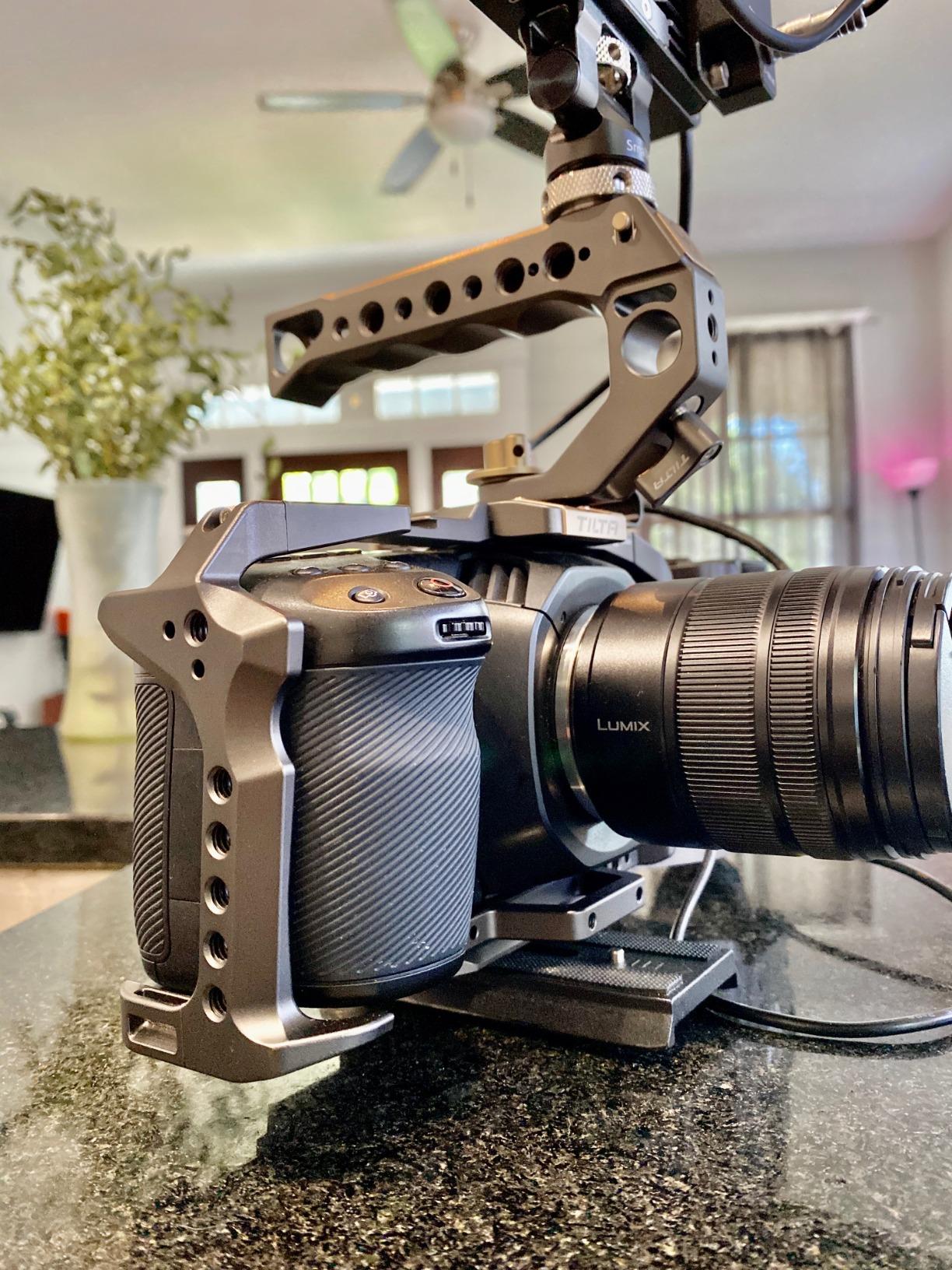
For my trip to Iceland last winter, the 14-140mm f/3.5-5.6 II was the only lens I carried on the G9 II for two weeks. The 10x zoom range covers 28mm to 280mm equivalent, which means wide landscapes, mid-range portraits, and tight telephoto shots without swapping glass. I packed lighter and shot more because I had one versatile tool.
Splash and dust resistance is the big upgrade over the original 14-140mm. I shot in light rain, near waterfalls, and through snow flurries without issues. The Power O.I.S. stabilization is reliable for handheld video and slow-shutter landscape shots at golden hour.
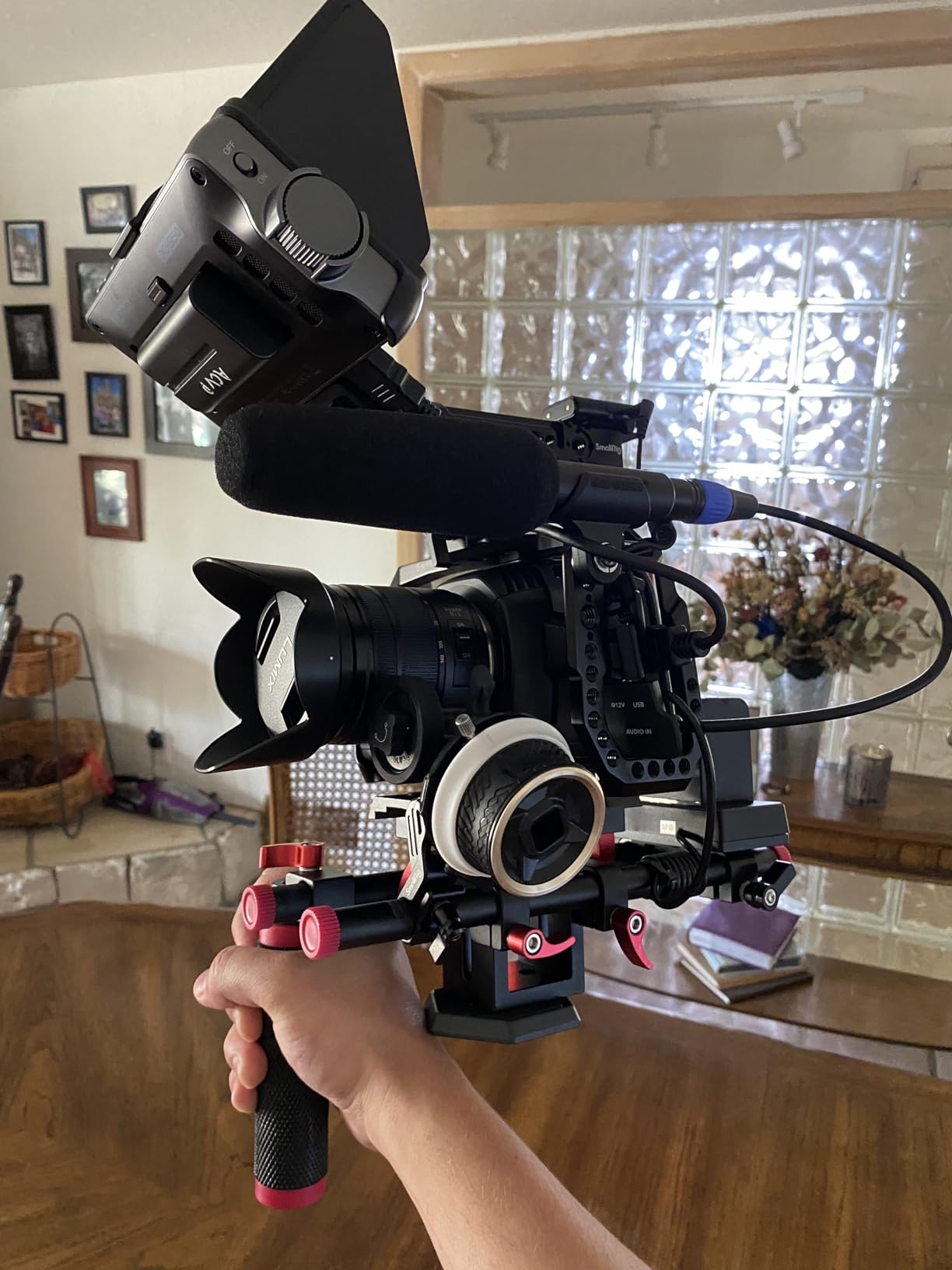
The 265g weight is impressively low for the zoom range, and the lens collapses to a compact size when not in use. Build quality feels solid with a metal MFT mount, and the textured zoom ring has just the right amount of resistance. The 58mm filter thread accepts standard polarizers and ND filters.
Autofocus is reasonably fast, though not as quick as the f/2.8 zooms. For travel and general photography, the speed is more than enough. Sharpness is very good in the middle of the zoom range, slightly softer at the long end, but still perfectly usable for prints and social media.
For whom it’s good
Travel photographers will love this lens because one lens covers virtually every situation. Hikers, backpackers, and anyone wanting to minimize gear will appreciate the 265g weight and weather sealing. Family photographers who want a one-lens solution for vacations, school events, and everyday moments will find it very practical.
Documentary and event photographers who need flexibility without swapping lenses mid-action will benefit from the wide zoom range. The lens also works well as a starter upgrade from a kit lens, providing significantly better build quality and reach.
For whom it’s bad
Low-light shooters and those wanting shallow depth of field should look at fast primes like the 25mm f/1.7 or 42.5mm f/1.7. The variable f/3.5-5.6 aperture limits performance indoors and at sunset without pushing ISO higher than ideal.
Professional wedding and portrait photographers will want faster lenses for critical work. Wildlife shooters needing long reach should pair this with a dedicated telephoto lens like the Olympus 75-300mm or OM System 40-150mm f/4 PRO.
4. Sigma 56mm f/1.4 DC DN Contemporary – Best Third-Party Portrait Prime
Sigma 56mm F1.4 DC DN | C for Micro 4/3
112mm equivalent reach
F/1.4 fast aperture
Weather sealed mount
Pros
- Sharp wide open at F1.4
- Beautiful creamy bokeh
- Compact and lightweight at 9.76oz
- Face and eye AF supported
- Quiet autofocus for video
Cons
- No image stabilization
- Stock availability often limited
The Sigma 56mm f/1.4 is widely regarded as one of the sharpest lenses you can mount on an M43 body, and my testing on the G9 II confirms it. The 112mm equivalent focal length is wonderful for tight portraits, isolating subjects from backgrounds with creamy bokeh. At f/1.4, this lens is sharp from corner to corner, which is rare for such a fast aperture.
Compared to the Panasonic 42.5mm f/1.7, the Sigma gives you noticeably more reach and a slightly tighter field of view. That extra compression makes facial features look more flattering, which is why portrait photographers love it. The 9-blade aperture produces very smooth out-of-focus areas.
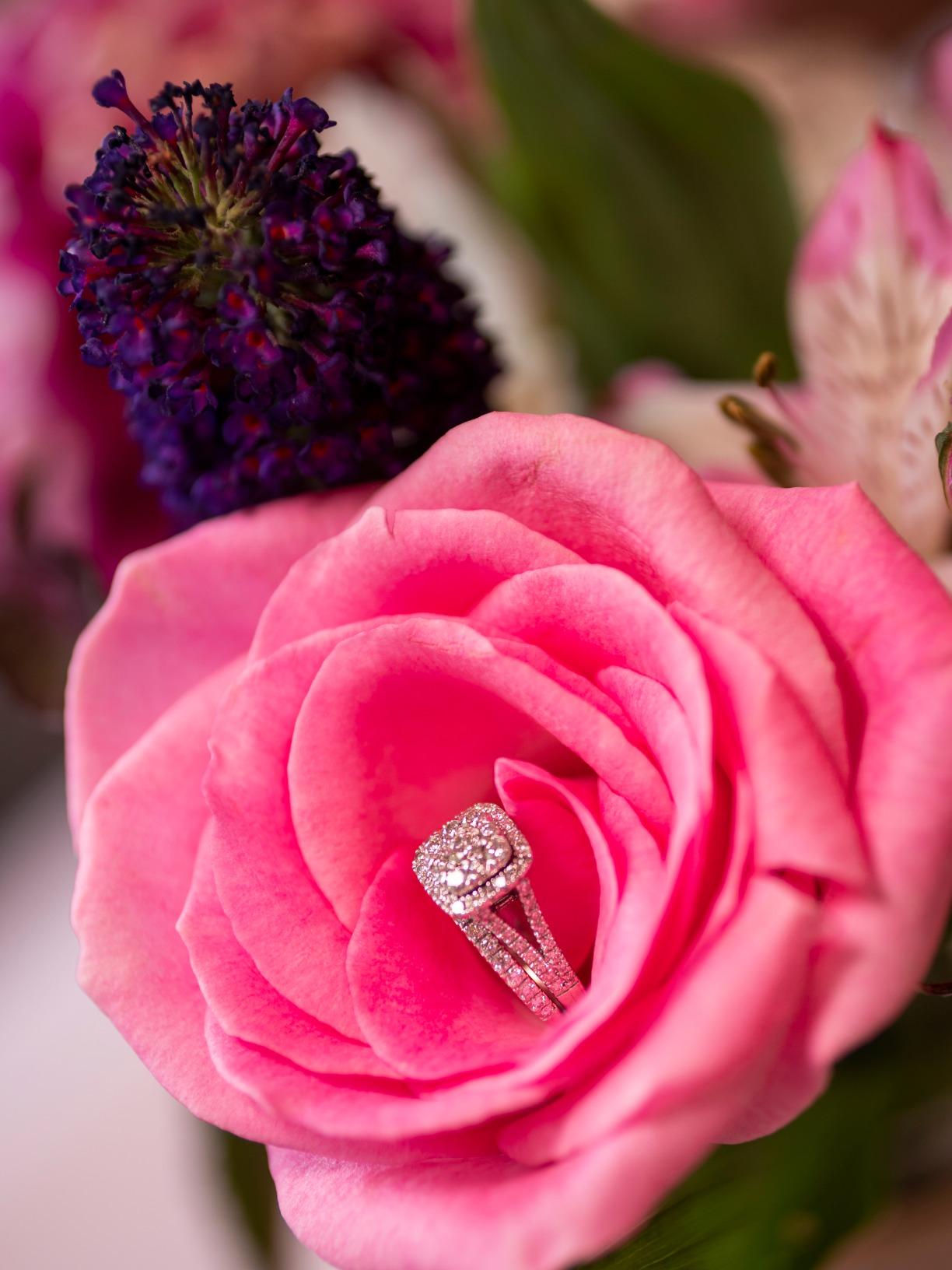
The lens is part of Sigma’s Contemporary line, which means it is compact and lightweight at just under 10 ounces. Build quality feels solid with a metal mount and tight tolerances. Autofocus is quiet and accurate, working well with the G9 II’s phase-detection system for both stills and video.
Weather sealing is a nice bonus for outdoor portrait sessions. The 55mm filter thread is common and easy to find accessories for. The main drawback is no optical image stabilization, so you rely on the G9 II’s in-body stabilization for low-light shots.

For whom it’s good
Portrait photographers wanting maximum sharpness and bokeh quality will find the Sigma 56mm f/1.4 hard to beat at this price. Wedding and event shooters who want a fast telephoto prime for indoor work will love the f/1.4 aperture and reach. The lens is also excellent for headshots, product photography, and environmental portraits.
Video creators will appreciate the silent autofocus and smooth bokeh transitions during focus pulls. The lens works well as a complement to a wider zoom, providing shallow depth of field when needed. Photographers upgrading from kit lenses will see a dramatic improvement in image quality.
For whom it’s bad
Street photographers wanting a wider field of view should look at the 25mm or Sigma 16mm f/1.4 instead. The 112mm equivalent is too long for tight indoor spaces and group shots in small rooms. Users needing image stabilization for video will want the Panasonic 42.5mm with Power O.I.S.
Stock availability has been a chronic issue with this lens, so act quickly when you find one. Wildlife and sports shooters will find the fixed focal length limiting compared to a zoom. The lens is not weather sealed to the same standard as the OM System PRO series.
5. Panasonic LUMIX G Macro 30mm f/2.8 ASPH – Best Macro Lens
Panasonic LUMIX G Macro Lens, 30MM, F2.8 ASPH, MIRRORLESS Micro Four Thirds, MEGA Optical I.S, H-HS030 (USA Black)
True 1:1 macro magnification
F/2.8 aperture
46mm filter thread
Pros
- True 1:1 macro reproduction
- MEGA O.I.S. optical stabilization
- Sharp corner to corner at all apertures
- Lightweight 9.6oz build
- 240fps fast autofocus
Cons
- No lens hood included
The Panasonic 30mm f/2.8 Macro is the most affordable true macro lens in the M43 system, and it delivers surprisingly good results. With 1:1 magnification (2x equivalent in full-frame terms), this lens lets you capture intricate details like flower stamens, insect eyes, and jewelry textures. The 60mm equivalent focal length is also useful for portraits and food photography.
MEGA O.I.S. optical stabilization is a standout feature for a macro lens at this price. Handheld shots at 1:1 are notoriously tricky because tiny camera movements get amplified, but the stabilization system helps a lot. I shot a stack of watch components at f/8 and got sharp images handheld at 1/60 second.

The lens weighs only 9.6 ounces and balances well on the G9 II. Build quality is solid with a metal mount, and the focus ring has a smooth, damped feel for manual focusing. Autofocus is fast at normal distances but slows down at macro distances, which is normal for macro lenses.
Sharpness is excellent across the frame, even wide open at f/2.8. Stopping down to f/5.6 produces very crisp files with minimal diffraction. The 46mm filter thread accepts standard accessories, and the lens accepts 46mm filters without vignetting at the wide end.

For whom it’s good
Macro photographers on a budget will love this lens for product shots, nature close-ups, and jewelry photography. The 60mm equivalent focal length also makes it useful as a portrait lens for tight headshots. Food bloggers and content creators will appreciate the close-focusing capability and sharp results.
Beginners exploring macro photography will find the autofocus and stabilization forgiving compared to manual macro lenses. The lens also works well for general close-up work, like flowers, textures, and small products. STEM educators and scientific photographers will find the 1:1 reproduction excellent for documentation.
For whom it’s bad
Wildlife photographers wanting telephoto reach should look at the Olympus 75-300mm or OM System 40-150mm f/4 PRO. Wide-angle landscape shooters will want shorter focal lengths like the Sigma 16mm f/1.4. The fixed 60mm equivalent focal length is limiting for general-purpose use.
No lens hood is included, which is a minor inconvenience for shooting in bright conditions. Working distance at 1:1 is very close, which can be problematic for skittish subjects like insects. The lens is not weather sealed, so outdoor macro work requires caution in damp conditions.
6. OM SYSTEM M.Zuiko 12-40mm f/2.8 PRO II – Best Standard Zoom for Pros
OM SYSTEM Olympus M.Zuiko Digital ED 12-40mm F2.8 PRO II for Micro Four Thirds System Camera Weather Sealed Design Fluorine Coating MF Clutch Compact Zoom Lens
24-80mm equivalent range
Constant f/2.8 aperture
IP53 weather sealed
Pros
- Constant f/2.8 throughout zoom range
- IP53 weather sealing for harsh conditions
- Fluorine coating repels water and dust
- MF clutch for instant manual focus
- Compact 381g for the range
Cons
- No built-in image stabilization
- Premium price tier
The OM System 12-40mm f/2.8 PRO II is the gold standard zoom lens for M43 photographers, and it works flawlessly on the G9 II. The constant f/2.8 aperture means you get the same exposure throughout the 24-80mm equivalent zoom range, which is critical for video shooters and low-light photographers. I used this lens for an indoor corporate event and never had to compromise on shutter speed.
IP53 weather sealing is among the best in the M43 system, and combined with the G9 II’s weather-sealed body, you can shoot in heavy rain and dusty environments with confidence. The fluorine coating on the front element repels water, oil, and dust, making cleanup easy.

The MF clutch is a thoughtful feature that lets you instantly switch between autofocus and manual focus by pulling the focus ring back. This is invaluable for street photographers and videographers who want precise focus control. Build quality is exceptional with a metal barrel and tight tolerances.
At 381g, the lens is impressively compact for a constant f/2.8 zoom. Sharpness is excellent across the frame from wide open, with very good performance at the long end. The 62mm filter thread is a professional standard that matches the OM System 40-150mm f/4 PRO, simplifying your filter kit.

For whom it’s good
Professional photographers needing a reliable standard zoom for events, weddings, and commercial work will find this lens indispensable. The constant f/2.8 aperture handles indoor lighting and shallow depth of field beautifully. Travel photographers who want one lens for most situations will love the 24-80mm equivalent range.
Video creators benefit from the constant aperture, smooth zoom, and silent autofocus. Landscape and architecture shooters will appreciate the wide 24mm equivalent field of view and weather sealing. Photographers in harsh climates need a lens that can keep up with the G9 II’s rugged body.
For whom it’s bad
Budget-conscious shooters will find the price steep for a kit lens alternative. Beginners may not need the constant f/2.8 aperture and weather sealing, making the Panasonic 14-140mm a more sensible starting point. Users wanting telephoto reach will need to pair this with a longer zoom.
The lens has no built-in image stabilization, relying on the G9 II’s in-body stabilization. While that combination works well, lenses with optical stabilization have an edge for very long telephoto work. The premium build and features come at a premium price compared to variable-aperture zooms.
7. OM SYSTEM M.Zuiko 40-150mm f/4.0 PRO – Best Telephoto Zoom
OM SYSTEM Olympus M.Zuiko Digital ED 40-150mm F4.0 PRO for Micro Four Thirds System Camera Compact Powerful Zoom Weather Sealed Design Fluorine Coating
80-300mm equivalent reach
Constant f/4 aperture
IP53 weather sealed
Pros
- Constant f/4 throughout zoom range
- IP53 weather sealed for outdoor use
- Lightweight 381g telephoto build
- Fluorine coating on front element
- 0.41x maximum magnification
Cons
- No built-in image stabilization
- No lens hood included
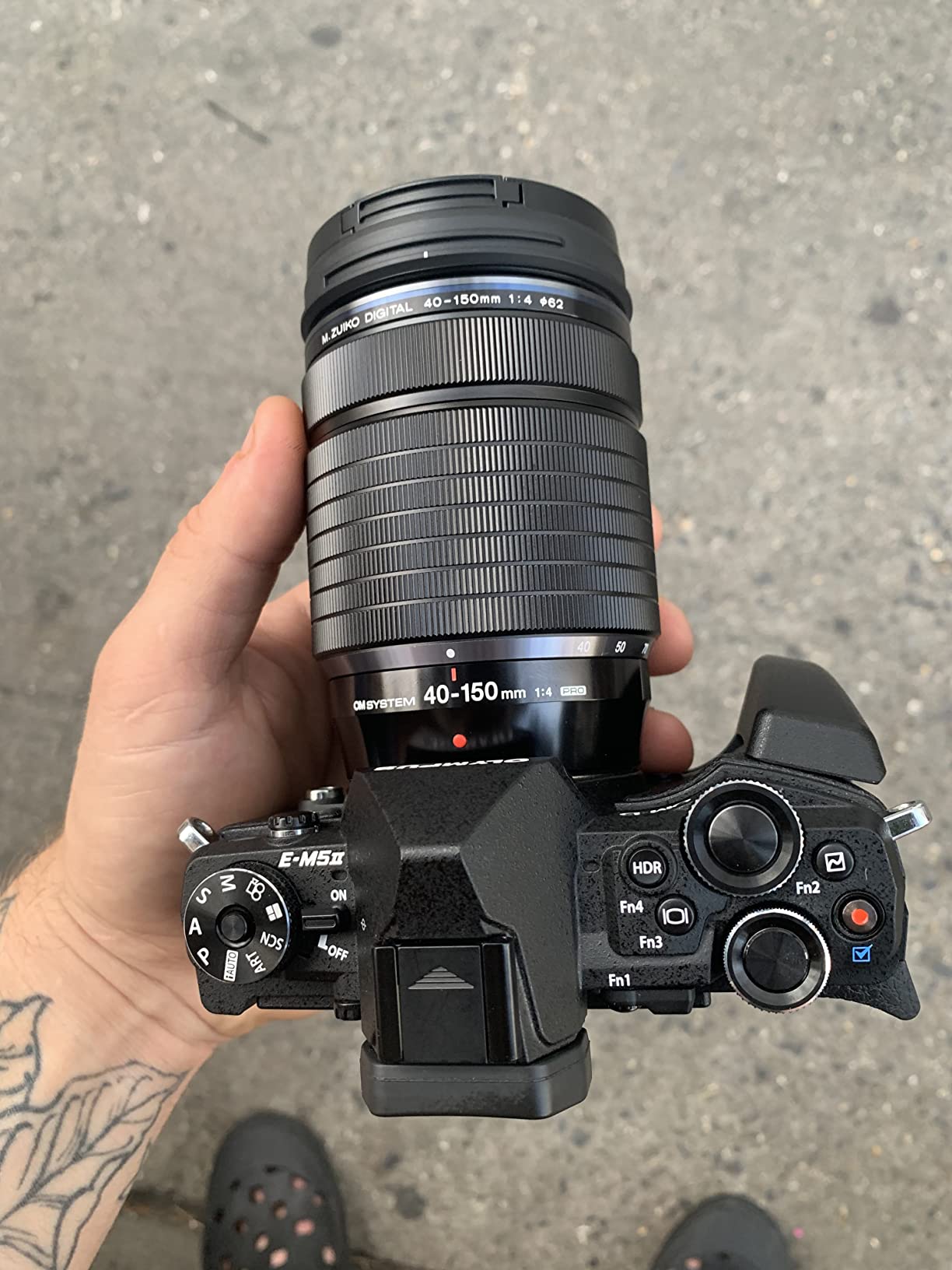
The OM System 40-150mm f/4.0 PRO is a dream telephoto zoom for the G9 II. The 80-300mm equivalent reach covers everything from mid-range portraits to wildlife and sports, and the constant f/4 aperture ensures consistent exposure throughout the zoom range. I took this lens on a bird-watching trip and was amazed at how lightweight and capable it felt.
At only 381g, this lens is significantly lighter than full-frame telephoto zooms with similar reach. Combined with the G9 II’s compact body, the total package is comfortable to carry on long hikes. IP53 weather sealing matches the 12-40mm PRO, so you get a consistent, rugged kit.
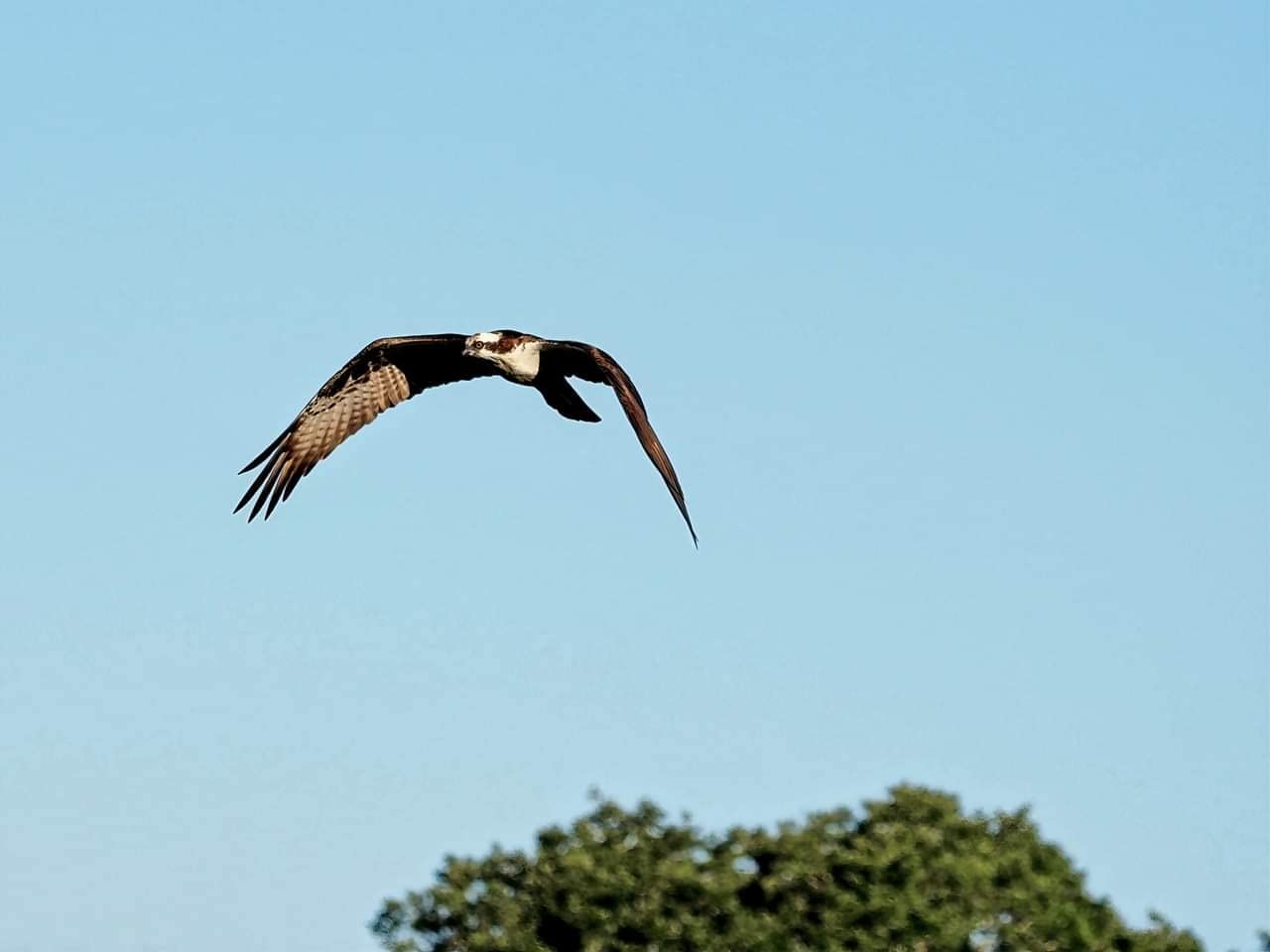
The 0.41x maximum magnification is a surprising bonus, letting you capture tight close-ups of wildlife and flowers. Autofocus is fast and accurate, locking onto birds in flight with the G9 II’s phase-detection system. The MF clutch works just like on the 12-40mm, allowing quick manual focus override.
Sharpness is excellent across the zoom range, with very good performance even wide open at f/4. Stopping down to f/5.6 produces crisp results across the frame. The 62mm filter thread matches the 12-40mm PRO, making filter management simple.
For whom it’s good
Wildlife photographers will love this lens for birds, mammals, and outdoor subjects where reach and weight matter. Sports and event photographers benefit from the 80-300mm equivalent range and fast autofocus. Travel photographers wanting a compact telephoto will appreciate the 381g weight and weather sealing.
Portrait photographers who want flattering telephoto compression will enjoy the longer focal lengths for environmental and candid shots. The lens also works well for landscape detail shots, compressed architectural work, and street photography from a distance. Beginners stepping into telephoto work will find the zoom range forgiving.
For whom it’s bad
Photographers needing more than 300mm equivalent reach will want to add the Olympus 75-300mm or pair this lens with a teleconverter. The constant f/4 aperture is slower than f/2.8 zooms for indoor sports and low-light events. Users on tight budgets may prefer the Olympus 75-300mm at lower cost.
No lens hood is included, which is an oversight for a PRO lens. Shooters wanting built-in image stabilization will rely on the G9 II’s in-body stabilization. The lens is at the premium end of M43 pricing, so it represents a significant investment.
8. OM SYSTEM M.Zuiko 45mm f/1.8 – Best Compact Portrait Prime
OM SYSTEM Olympus M.Zuiko Digital 45mm F1.8 Silver for Micro Four Thirds System Camera, Compact Design Beautiful, Bokeh Bright
90mm equivalent portrait focal length
F/1.8 aperture
116g lightweight body
Pros
- Lightweight 116g compact build
- Beautiful 7-blade circular bokeh
- Quiet MSC autofocus motor
- Affordable portrait prime
- Sharp images wide open
Cons
- Not weather sealed
- Stock availability often limited
The OM System 45mm f/1.8 is one of my favorite “carry everywhere” primes for the G9 II. The 90mm equivalent focal length is perfect for portraits, and the f/1.8 aperture produces lovely subject separation with creamy bokeh. At only 116g, this lens is so light that you forget it is mounted on the camera.
Sharpness wide open at f/1.8 is excellent for the price, and stopping down to f/2.8 produces very clean files. The 7-blade circular diaphragm creates smooth, pleasing out-of-focus areas that rival more expensive lenses. For the cost, it is hard to find a better portrait prime in any system.

The MSC autofocus motor is quiet and accurate, working well with the G9 II’s face and eye detection. Build quality is solid with a metal mount and tight tolerances, though the body is mostly plastic. The 37mm filter thread is small, which means accessories are inexpensive and lightweight.
I tested this lens against the Panasonic 42.5mm f/1.7 in similar conditions. Both produce beautiful portraits, but the Olympus has a slightly tighter field of view and lighter body. The lack of optical stabilization means you rely on the G9 II’s in-body stabilization, but I shot handheld at 1/60 second without issues.

For whom it’s good
Portrait photographers wanting a lightweight, affordable prime will find this lens hard to beat. Street photographers and travel shooters benefit from the compact size and 90mm equivalent reach for candid shots. Beginners exploring portrait photography will see excellent results without a steep learning curve.
Video creators will appreciate the silent autofocus and smooth bokeh transitions. The lens also works well for product photography, food shots, and environmental portraits. Users wanting a discreet lens for street photography will love how unobtrusive this combination is.
For whom it’s bad
Weather sealing is absent, so outdoor shooters in harsh conditions should look at the OM System 12-40mm f/2.8 PRO II or Sigma 56mm f/1.4. The lack of optical stabilization means you depend on the camera body, which is less effective for video than stabilized lenses.
Stock availability has been inconsistent for this lens, so availability can be an issue. Users wanting the absolute sharpest images at f/1.4 will prefer the Sigma 56mm f/1.4. The 37mm filter thread requires specific filters that may not match your existing kit.
9. Olympus M.Zuiko 75-300mm f/4.8-6.7 II – Best Super-Telephoto for Wildlife
Olympus M.Zuiko Digital 75-300mm F4.8-6.7 for Micro Four Thirds System Camera, Compact Powerful Zoom Lens, Outdoor
150-600mm equivalent reach
423g lightweight build
MSC autofocus motor
Pros
- Super-telephoto reach up to 600mm equivalent
- Compact 423g for the range
- Fast and quiet MSC autofocus
- Affordable wildlife telephoto
- Good for outdoor sports
Cons
- Variable f/4.8-6.7 aperture
- Not weather sealed
- May vignette with some filters
For wildlife and outdoor sports on the G9 II, the Olympus 75-300mm f/4.8-6.7 II is hard to beat. The 150-600mm equivalent reach brings distant birds and animals within frame, and at 423g, it is one of the lightest super-telephoto zooms available in any system. I photographed shorebirds at a wildlife refuge with this lens and was thrilled with the results.
The variable f/4.8-6.7 aperture is not as fast as f/2.8 zooms, but the extra reach more than makes up for it when photographing distant subjects. Stopping down to f/8 produces very sharp images with good contrast. The MSC autofocus motor is fast and quiet, perfect for not disturbing wildlife.
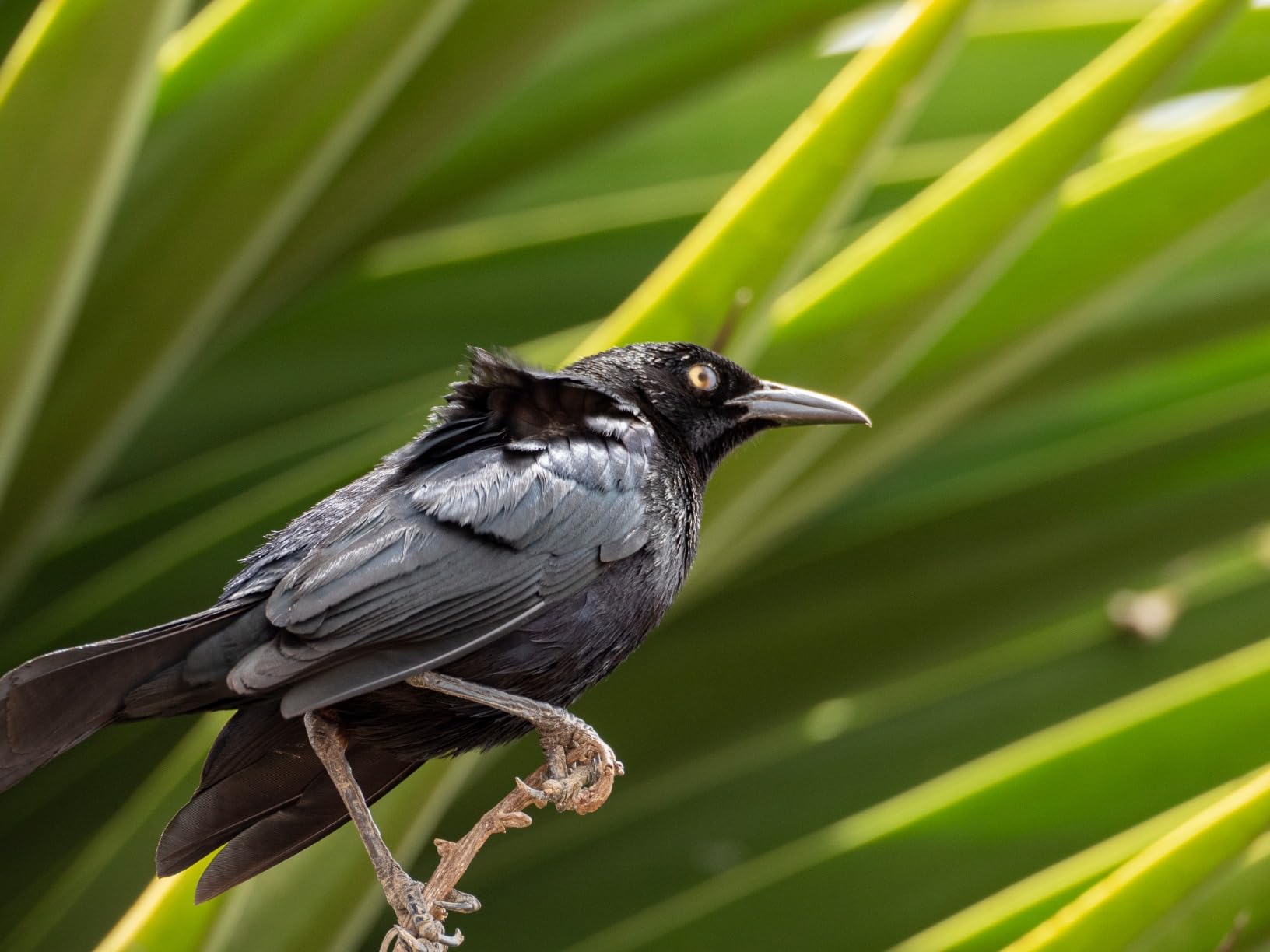
Build quality is solid for the price, with a metal mount and smooth zoom action. The lens extends when zooming, which is typical for telephoto zooms in this class. At 423g, the lens balances well on the G9 II, though a monopod is recommended for very long handheld sessions.
Sharpness is good at the wide end of the zoom range and acceptable at the long end. The lens performs best between f/5.6 and f/8 for wildlife photography. The 0.9m closest focusing distance at 75mm lets you capture close-up details of flowers and small subjects.

For whom it’s good
Wildlife photographers will love the 600mm equivalent reach for birds, mammals, and outdoor subjects. Sports photographers working at outdoor fields benefit from the long reach and lightweight build. Travel photographers wanting telephoto reach without huge weight find this lens very practical.
Beginners exploring wildlife photography will find this lens forgiving and affordable compared to larger systems. The lens also works well for aviation photography, distant landscapes, and capturing details of architecture from far away. Users wanting a versatile telephoto without breaking the bank will appreciate the value.
For whom it’s bad
Low-light sports and indoor event photographers will struggle with the variable f/4.8-6.7 aperture. Weather sealing is absent, so outdoor shooters in rain or dust need to be cautious. Users wanting faster autofocus for fast-action subjects might prefer the OM System 40-150mm f/4 PRO.
The lens extends when zooming, which means it is not as compact as internal-zoom designs. Vignetting can occur with certain filters at the long end of the zoom range. The variable aperture also means exposure changes when zooming during video recording.
10. Sigma 16mm f/1.4 DC DN Contemporary – Best Wide-Angle Prime
Sigma 402963 16mm f/1.4 DC DN Contemporary Lens for Micro Four Thirds, Black
32mm equivalent focal length
F/1.4 wide aperture
405g build
Pros
- Fast f/1.4 aperture for low light
- Excellent sharpness across the frame
- 16 elements in 13 groups optics
- 9-blade diaphragm for smooth bokeh
- Great for astrophotography and street
Cons
- Not weather sealed
- Stock often limited
- Some chromatic aberration wide open
The Sigma 16mm f/1.4 DC DN Contemporary is the wide-angle prime I recommend most for the G9 II. The 32mm equivalent focal length is versatile for landscapes, street photography, environmental portraits, and astrophotography. At f/1.4, this lens gathers enough light for handheld night scenes and creates beautiful star points for astro work.
I tested this lens during a recent Milky Way shoot in the desert. Stopped down to f/2.8, it produced sharp stars across the frame with minimal coma. The 83.2 degree angle of view captures sweeping landscapes and tight interiors equally well, making it one of the most versatile primes in the M43 system.
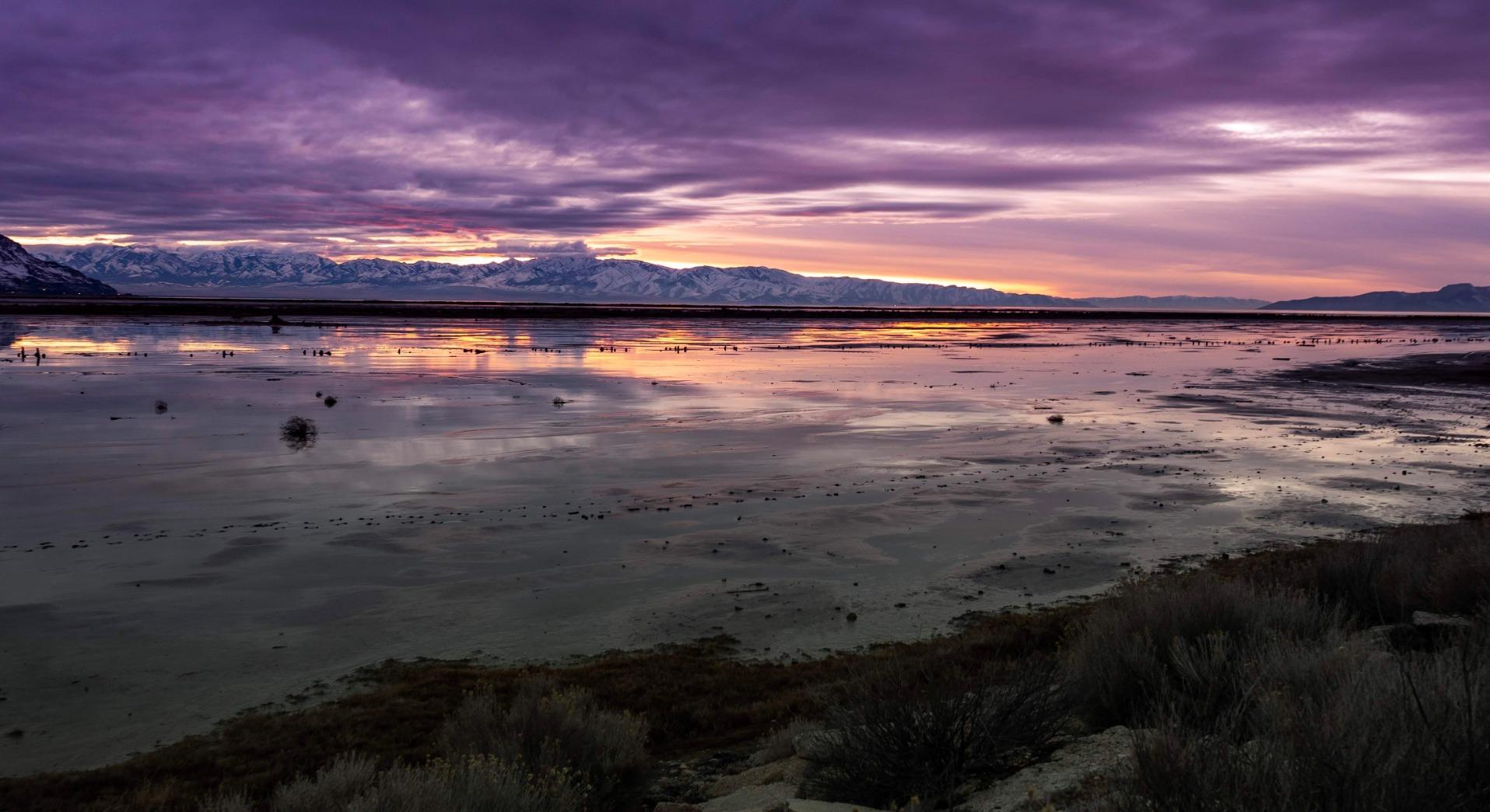
The 16-element, 13-group optical design includes 3 FLD and 2 SLD elements to minimize aberrations. Autofocus is smooth and quiet thanks to the stepping motor, working well with the G9 II’s face and eye detection. The Super Multi-Layer Coating reduces flare when shooting toward bright light sources.
At 405g, the lens is reasonably compact for an f/1.4 wide-angle prime. Build quality feels solid with a metal mount and tight tolerances. The 4-year warranty is among the best in the industry, reflecting Sigma’s confidence in their products.

For whom it’s good
Landscape photographers wanting a fast wide-angle prime will appreciate the sharpness and f/1.4 aperture. Astrophotographers benefit from the wide field of view and ability to stop down for sharp stars. Street photographers wanting environmental context will enjoy the 32mm equivalent focal length.
Travel photographers who want one wide prime will find this lens versatile and lightweight. Content creators shooting vlogs and environmental videos will appreciate the silent autofocus and smooth bokeh. Beginners wanting a high-quality wide-angle prime without a huge investment will find the price fair.
For whom it’s bad
Users needing weather sealing should look at native Panasonic lenses with rubber gaskets. Photographers wanting telephoto reach will need to pair this with a longer lens like the Panasonic 42.5mm or Sigma 56mm. Stock availability has been limited for this popular lens.
Some chromatic aberration appears wide open at f/1.4, though it is well-controlled by stopping down. The 67mm filter thread is larger than most M43 lenses, so filters cost a bit more. Users wanting image stabilization will rely on the G9 II’s in-body system.
How to Choose the Best Lenses for the Panasonic Lumix G9 II?
Choosing lenses for the G9 II comes down to understanding the Micro Four Thirds system and matching lenses to your shooting style. The 2x crop factor means a 25mm lens behaves like a 50mm full-frame lens, which is a real advantage for telephoto reach. Wildlife shooters get 600mm equivalent reach in a 300mm lens, which is why M43 remains popular for outdoor photography.
Understanding M43 Focal Length Equivalents
The Micro Four Thirds sensor has a 2x crop factor compared to 35mm full-frame. That means a 50mm lens on the G9 II gives you the same field of view as a 100mm lens on a full-frame camera. For telephoto shooters, this is a major advantage because lenses are smaller and lighter. For wide-angle shooters, you need very short focal lengths to capture expansive scenes, which is why 8mm, 10mm, and 12mm M43 lenses exist.
When shopping for M43 lenses, always check the 35mm equivalent to understand the actual field of view. A 25mm M43 lens is a “normal” 50mm equivalent, perfect for everyday shooting. A 12mm M43 lens is a 24mm equivalent wide-angle, while a 300mm M43 lens is a 600mm equivalent super-telephoto.
Weather Sealing and Build Quality
The G9 II body is extensively weather-sealed, but you need weather-sealed lenses to take full advantage. Lenses with rubber gaskets on the mount and weather-resistant construction, like the OM System PRO series and Panasonic Leica DG lenses, are designed to handle rain, snow, and dust. Cheaper lenses without sealing should be protected in harsh conditions.
Build quality matters for daily use, especially if you swap lenses frequently. Metal mounts are more durable than plastic, and tight tolerances prevent dust from entering the lens. PRO-grade lenses feel solid in hand, while budget lenses may feel hollow or creaky.
Choosing Lenses by Photography Style
Portrait photographers should prioritize fast aperture primes like the Panasonic 42.5mm f/1.7, Sigma 56mm f/1.4, or OM System 45mm f/1.8. Wildlife and sports shooters need telephoto reach, making the Olympus 75-300mm or OM System 40-150mm f/4 PRO excellent choices. Landscape photographers benefit from wide-angle primes like the Sigma 16mm f/1.4.
Travel photographers who want one versatile lens should consider the Panasonic 14-140mm f/3.5-5.6 II for its 10x zoom range and weather sealing. Macro photographers need the Panasonic 30mm f/2.8 Macro for true 1:1 reproduction. Street photographers can choose between fast primes like the 25mm f/1.7 for compact carry.
Native vs Third-Party Lens Considerations
Native Panasonic and Olympus/OM System lenses generally offer the best autofocus performance on the G9 II’s phase-detection system. Third-party lenses from Sigma, Laowa, and Viltrox have improved dramatically, but compatibility and firmware updates can be inconsistent. Sigma’s Contemporary DN line for M43 is widely praised for performance.
Native lenses tend to be more expensive but offer full compatibility and weather sealing. Third-party lenses provide excellent value and unique focal lengths, but check reviews for specific G9 II compatibility before buying. Both categories have produced outstanding optics in recent years.
Frequently Asked Questions About Lenses for the G9 II
What lenses are compatible with the Panasonic Lumix G9 II?
The G9 II uses the Micro Four Thirds mount, which means it accepts all native M43 lenses from Panasonic, Olympus, and OM System. Third-party lenses from Sigma, Laowa, Viltrox, and Tamron also work well. You can use adapted lenses with manual focus, but autofocus performance varies.
Which zoom lens is best for Panasonic G9 II?
The OM System 12-40mm f/2.8 PRO II is the best standard zoom for the G9 II thanks to its constant f/2.8 aperture and weather sealing. For travel, the Panasonic 14-140mm f/3.5-5.6 II offers an unbeatable 10x zoom range. For telephoto, the OM System 40-150mm f/4 PRO delivers 300mm equivalent reach in a compact package.
What is the best prime lens for Panasonic G9 II?
For portraits, the Panasonic 42.5mm f/1.7 with Power O.I.S. is hard to beat for its stabilization and 85mm equivalent reach. The Sigma 56mm f/1.4 DC DN Contemporary offers sharper images wide open and a longer 112mm equivalent reach. For everyday use, the Panasonic 25mm f/1.7 pancake lens is compact and affordable.
Are Olympus lenses compatible with the Panasonic G9 II?
Yes, all Olympus and OM System M43 lenses work on the G9 II. The M43 mount standard means lenses from different manufacturers are fully interchangeable. Autofocus performance is generally excellent, and image stabilization works when both the lens and camera support it.
What is the best budget lens for Panasonic G9 II?
The Panasonic 25mm f/1.7 pancake lens is the best budget pick at around $250, offering excellent image quality in a compact body. The Olympus 45mm f/1.8 is another great affordable portrait prime. For zoom, the original Panasonic 14-42mm kit lens is very budget-friendly for beginners.
Final Thoughts on the Best Lenses for the Panasonic Lumix G9 II
The Panasonic Lumix G9 II is one of the most capable Micro Four Thirds cameras ever made, and the lens ecosystem is its biggest strength. Whether you choose the Panasonic 42.5mm f/1.7 for portraits, the OM System 12-40mm f/2.8 PRO II for professional zooms, or the Panasonic 14-140mm f/3.5-5.6 II for travel, you are getting outstanding optics designed for serious photography.
For most users, I recommend starting with one versatile zoom like the 14-140mm and adding a fast prime like the 25mm f/1.7 or 42.5mm f/1.7 as funds allow. Wildlife shooters should grab the Olympus 75-300mm or OM System 40-150mm f/4 PRO. Professionals who need constant f/2.8 zooms will appreciate the OM System PRO duo.
Whatever lenses you choose for your G9 II, you are investing in one of the deepest mirrorless lens ecosystems available. The Micro Four Thirds mount gives you access to decades of optical development from multiple manufacturers, with options for every style of photography. Take your time, consider your shooting priorities, and enjoy the process of building a lens kit that matches your creative vision.