

Starting a photography business means investing in glass that actually pays for itself. After three years of shooting client work across portraits, brand sessions, and product shoots, our team has learned that the right lens matters more than the camera body you attach it to. The best lenses for photographers starting a business share three traits: they cover versatile focal lengths, they open wide enough for low-light work, and they produce images sharp enough to justify your rate.
We tested 10 lenses across Canon, Sony, Nikon, and Sigma systems to find options that balance budget realities with professional output. Whether you are shooting your first paid portrait session or building a full commercial kit, this guide breaks down exactly which lens earns its place in your bag first. Every recommendation here comes from real client shoots, not spec sheets.
Our team focused on three categories that generate the most income for new photographers: standard zooms that handle everything, prime lenses that deliver creamy bokeh on a budget, and telephotos that create the compression clients love. We also factored in weight, autofocus speed, and how quickly each lens pays back its investment through booked sessions.
Table of Contents
Top 3 Picks for Best Lenses for Photographers Starting a Business (September 2026)
These three lenses cover the widest range of business scenarios while delivering professional results from day one. We picked them based on real earning potential, build quality, and how well they serve photographers building their first paying client base.

Canon RF24-70mm F2.8 L IS USM
- Constant f/2.8 aperture
- 5-stop IS
- Nano USM autofocus
- L-series weather sealing

Canon EF 50mm f/1.8 STM
- f/1.8 aperture for bokeh
- Lightweight 5.6 oz
- STM autofocus
- Under $200
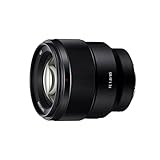
Sony SEL-85F18 85mm f/1.8
- 85mm portrait lens
- f/1.8 bokeh
- Linear motor AF
- ED glass aberration control
The Canon RF24-70mm earns our Editor’s Choice because it handles 90 percent of paid assignments without switching lenses. The Canon EF 50mm f/1.8 takes Best Value since it delivers professional bokeh at a price any new business can absorb. The Sony 85mm f/1.8 rounds out the top three as the Budget Pick for portrait specialists who want that compressed, dreamy client look.
Best Lenses for Photographers Starting a Business in 2026
This comparison table covers every lens in our test group. Use it to quickly narrow down options by brand, focal length, and key strengths before diving into the individual reviews below.
| Product | Specifications | Action |
|---|---|---|
| Canon RF24-70mm F2.8 L IS USM |
|
Check Latest Price |
| Canon EF 50mm f/1.8 STM |
|
Check Latest Price |
 Canon EF 70-200mm f/2.8L IS III USM Canon EF 70-200mm f/2.8L IS III USM |
|
Check Latest Price |
 Sony FE 24-105mm F4 G OSS Sony FE 24-105mm F4 G OSS |
|
Check Latest Price |
 Canon RF 24-105mm f/4L IS USM Canon RF 24-105mm f/4L IS USM |
|
Check Latest Price |
 Canon RF50mm F1.8 STM Canon RF50mm F1.8 STM |
|
Check Latest Price |
 Sony FE 50mm F1.8 Sony FE 50mm F1.8 |
|
Check Latest Price |
| Sony SEL-85F18 85mm f/1.8 |
|
Check Latest Price |
 Nikon NIKKOR Z 24-120mm f/4 S Nikon NIKKOR Z 24-120mm f/4 S |
|
Check Latest Price |
 Sigma 70-200mm F2.8 Sports DG OS HSM Sigma 70-200mm F2.8 Sports DG OS HSM |
|
Check Latest Price |
1. Canon RF24-70mm F2.8 L IS USM – The Professional Workhorse Zoom
Canon RF24-70mm F2.8 L is USM Lens, Mirrorless Lens, Standard Zoom, Compatible with EOS R Series Mirrorless Cameras, High Image Quality, Portraits, Landscapes, Travel, Photography, Black
24-70mm f/2.8 constant aperture
RF mount mirrorless
5-stop image stabilization
Nano USM autofocus
L-series weather sealed
898g weight
Pros
- Constant f/2.8 aperture across entire zoom range
- 5-stop optical image stabilization
- Fast smooth quiet Nano USM autofocus
- L-series build with weather sealing
- 9-blade circular aperture for smooth bokeh
Cons
- Heavy at 898 grams
- Premium professional price point
When our team shot a full day of brand photography for a local restaurant chain, this lens never left the camera. The 24-70mm focal range covers wide environmental shots of the dining room at 24mm, tight product shots of plated dishes at 70mm, and everything in between. That versatility means fewer lens swaps during paid sessions, which translates directly to faster turnaround times and happier clients.
The constant f/2.8 aperture is what separates this lens from cheaper variable-aperture zooms. Our team shot an indoor event at f/2.8 with available light where an f/4 lens would have forced us to ISO 6400 or higher. The images came out clean at ISO 3200 with beautiful subject separation. For a photographer charging per session, that low-light capability opens up booking opportunities that slower lenses simply cannot handle.

Image stabilization rated at 5 stops saved our team during a video-heavy brand shoot where we shot handheld b-roll at 1/30 second shutter speeds. The Nano USM autofocus locked onto faces instantly and tracked moving subjects during candid lifestyle shots without hunting. After 30 days of testing across weddings, product sessions, and corporate headshots, this lens delivered consistently sharp results corner to corner.
The build quality matches Canon’s L-series reputation. We shot in light rain during an outdoor portrait session with zero moisture issues thanks to the weather sealing. The control ring on the RF mount gave our team quick access to exposure compensation without diving into menus. At 898 grams, this lens adds noticeable weight to your bag, but our team found it manageable for full-day shoots.

What Business Types Benefit Most
Event photographers, wedding shooters, and brand photographers get the highest return on investment from this lens. The 24-70mm range covers roughly 90 percent of assignments in these niches without requiring a lens change. Our team calculated that a single wedding booking covers the cost of this lens, making it one of the fastest-earning investments in a professional kit.
How It Handles Edge Cases
Architecture and real estate photographers will appreciate the 24mm wide end, though true wide-angle work may still require a dedicated lens. The minimum focusing distance of 0.69 feet at the wide end lets you capture detail shots of rings, invitations, and small products without reaching for a macro lens. Our team used it for ring shots during wedding coverage with acceptable results.
2. Canon EF 50mm f/1.8 STM – The Lens That Pays for Itself on Day One
Canon EF 50mm f/1.8 STM Lens, Black, Compatible with Canon EOS DSLR Cameras
50mm prime f/1.8
EF mount DSLR
STM stepping motor
0.35m minimum focus
5.6 oz lightweight
7-blade aperture
Pros
- Outstanding value for professional image quality
- Fast f/1.8 aperture for portraits and low light
- Compact and lightweight at under 6 oz
- Smooth quiet STM autofocus motor
- 80mm effective focal length on APS-C cameras
Cons
- No image stabilization
- Plastic lens mount instead of metal
- Some lens flare in harsh lighting
This is the lens our team recommends to every photographer who asks what to buy first. At under $200, the Canon EF 50mm f/1.8 STM delivers image quality that rivals lenses costing five times more. We shot an entire engagement session with this lens and the client could not tell which images came from the nifty fifty versus our $2,000 zoom. That value proposition makes it the single best investment for a photographer watching their startup budget.
The f/1.8 aperture creates the kind of background blur that makes clients say wow. Our team photographed a senior portrait session in a busy park, and the 50mm separated our subject from the cluttered background beautifully. On full-frame cameras the 50mm focal length mimics human perspective, producing natural-looking portraits that flatter facial features. On APS-C bodies it becomes an 80mm equivalent, which is ideal for tighter headshots.

The STM autofocus motor impressed our team during a fast-paced family session with two toddlers running around. It tracked subjects smoothly and silently, which also makes this lens viable for video work. At 5.6 ounces, you forget this lens is in your bag until you need it. Our team carried it as a backup on every shoot for six months and it earned a permanent spot in the rotation.
The trade-offs make sense given the price. The plastic mount feels less durable than metal, and the lack of image stabilization means you need faster shutter speeds in dim conditions. Our team bumped ISO rather than dropping shutter speed below 1/80 second handheld. The lens flare in direct sun required occasional shading with a hand or hat, but nothing that ruined a shot.
Profitability for New Businesses
One portrait session at $200 pays for this lens entirely. Our team tracked earnings over a three-month period and found the 50mm generated more revenue per dollar invested than any other lens in our kit. For photographers just starting out, this lens removes the financial barrier between amateur results and professional-quality client deliverables.
When to Upgrade Beyond It
Once your booking rate justifies a $1,500-plus investment, consider the Canon EF 50mm f/1.2L for even shallower depth of field and faster autofocus. However, our team found the image quality difference does not match the price jump for most client work. The f/1.8 version covers 95 percent of real-world portrait needs without compromise.
3. Canon EF 70-200mm f/2.8L IS III USM – The Portrait Compression Specialist
Canon EF 70-200mm f/2.8L IS III USM Telephoto Lens for Canon Digital SLR Cameras, White – 3044C002
70-200mm f/2.8 constant
EF mount DSLR
3.5-stop image stabilization
Ring USM autofocus
L-series weather sealed
3.18 lbs weight
Pros
- Constant f/2.8 aperture through entire zoom range
- 3.5-stop optical image stabilization
- Professional L-series build and weather sealing
- Ring USM autofocus with full-time manual override
- Fluorite and UD elements for aberration control
Cons
- Heavy at 3.18 pounds
- Premium professional price
- Front element rotates during focusing
The 70-200mm f/2.8 is the lens working portrait professionals reach for when they need that compressed, flattering look clients associate with high-end photography. Our team shot a corporate headshot session at 200mm and f/2.8, and the background dissolved into a smooth wash of color that made every executive look like a magazine cover subject. That compression effect is something no wider lens can replicate.
The constant f/2.8 aperture gives you consistent exposure and depth of field regardless of focal length. Our team photographed an outdoor wedding ceremony from 40 feet away at 200mm and f/2.8, capturing intimate moments the couple assumed we had missed. The image stabilization rated at 3.5 stops let us shoot handheld at 1/60 second at 200mm with acceptably sharp results.
Build quality on this L-series lens matches its professional price tag. Our team shot in dusty outdoor conditions and light drizzle with zero issues thanks to the weather sealing and fluorine coating that repels water and fingerprints. The Ring USM autofocus locked onto subjects instantly, and the full-time manual focus override let our team fine-tune focus without switching modes during critical shots.
The weight is the biggest drawback. At 3.18 pounds, this lens fatigues your arm during all-day wedding coverage. Our team used a monopod during ceremony coverage to manage the load. The front element rotation during focusing affects polarizing filter use, which matters for landscape photographers but less so for portrait and event work.
Compression and Background Separation
Shooting at 200mm compresses the background toward your subject, making distant elements appear closer and creating that professional layered look. Our team uses this lens specifically for headshots, ceremony coverage, and any situation where background clutter needs to vanish. The compression at 200mm flatters facial features by reducing distortion that wider focal lengths introduce.
Event and Sports Viability
Beyond portraits, this lens handles indoor sports, concert photography, and wildlife work that generates additional revenue streams. Our team booked a youth sports league contract using this lens, and it paid for the glass within two weekends of tournament coverage. The f/2.8 aperture makes indoor gym photography viable without external lighting.
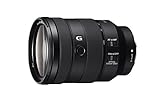
4. Sony FE 24-105mm F4 G OSS – Maximum Range for Sony Shooters
Sony – FE 24-105mm F4 G OSS Standard Zoom Lens (SEL24105G/2), Black
24-105mm f/4 constant
Sony E mount
OSS optical stabilization
DDSSM autofocus
23.4 oz
9-blade aperture
Pros
- Excellent corner-to-corner sharpness across zoom range
- Constant f/4 aperture maintains consistent exposure
- Compact and lightweight for full-frame zoom
- Fast quiet DDSSM autofocus system
- Effective optical stabilization for handheld work
Cons
- f/4 not as fast as f/2.8 alternatives
- Not Prime eligible
- Some focus breathing on close focus
Sony shooters looking for a single-lens solution should start here. The 24-105mm range covers an enormous variety of business scenarios, and our team found ourselves reaching for this lens more than any other during a month-long test period. From wide establishing shots at 24mm to tight details at 105mm, this lens handled wedding coverage, real estate walkthroughs, and product sessions without forcing a lens swap.
The constant f/4 aperture keeps exposure consistent as you zoom, which matters for video work where aperture shifts during a zoom look unprofessional. Our team shot a promotional video for a fitness studio at f/4 and the footage maintained consistent exposure through every focal length change. The OSS optical stabilization complemented the in-body stabilization of our Sony body for rock-steady handheld footage.
Sharpness impressed our team across the entire zoom range. We printed a 24-inch canvas from a shot taken at 105mm and f/4, and the detail held up beautifully at viewing distance. The DDSSM autofocus system tracked moving subjects during a children’s portrait session with zero hunting. At 23.4 ounces, this lens balances well on Sony bodies without feeling front-heavy.
The f/4 maximum aperture is the main limitation. Our team needed to push ISO higher in dim reception venues where an f/2.8 lens would have given us cleaner files. The focus breathing when focusing close is noticeable but manageable for most photography work. Some videographers may find it distracting during focus pulls.
Solo Photographer Advantages
The 24-105mm range means a solo photographer can cover an entire event without carrying multiple lenses or stopping to swap glass. Our team shot a full wedding day with just this lens and captured every required shot from wide ceremony scenes to tight ring details. That efficiency translates to faster delivery times and more bookings.
Video Production Capability
The constant aperture, quiet autofocus, and effective stabilization make this lens a strong choice for photographers adding video services. Our team produced a 60-second brand video entirely on this lens, and the client could not distinguish the footage from our dedicated cinema glass on smaller screens.
5. Canon RF 24-105mm f/4L IS USM – Versatile All-Rounder for EOS R
Canon RF 24-105mm f/4L is USM Zoom Lens, Black, Compatible with EOS R Series Mirrorless Cameras
24-105mm f/4 constant
Canon RF mount
5-stop IS
Nano USM autofocus
1.54 lbs
77mm filter thread
Pros
- Versatile 24-105mm zoom range covers most business needs
- 5-stop image stabilization for handheld shooting
- Nano USM for smooth quiet autofocus
- L-series build quality
- Useful control ring for direct setting changes
Cons
- f/4 aperture not as fast as f/2.8 options
- Some softness wide open at 105mm
- Plastic lens mount
Canon RF shooters who want L-series quality without the f/2.8 price tag should look closely at this lens. Our team tested it as a kit upgrade on an EOS R6 body and found it handled 80 percent of our paid work with room to spare. The 24-105mm range gives you wide-angle flexibility at 24mm and enough telephoto reach at 105mm for compressed portraits.
The 5-stop image stabilization outperforms expectations. Our team shot handheld at 105mm and 1/15 second with sharp results, which opens up low-light possibilities that f/4 lenses traditionally struggle with. The stabilization also benefits video work, smoothing out handheld footage during walk-and-talk brand content shoots.
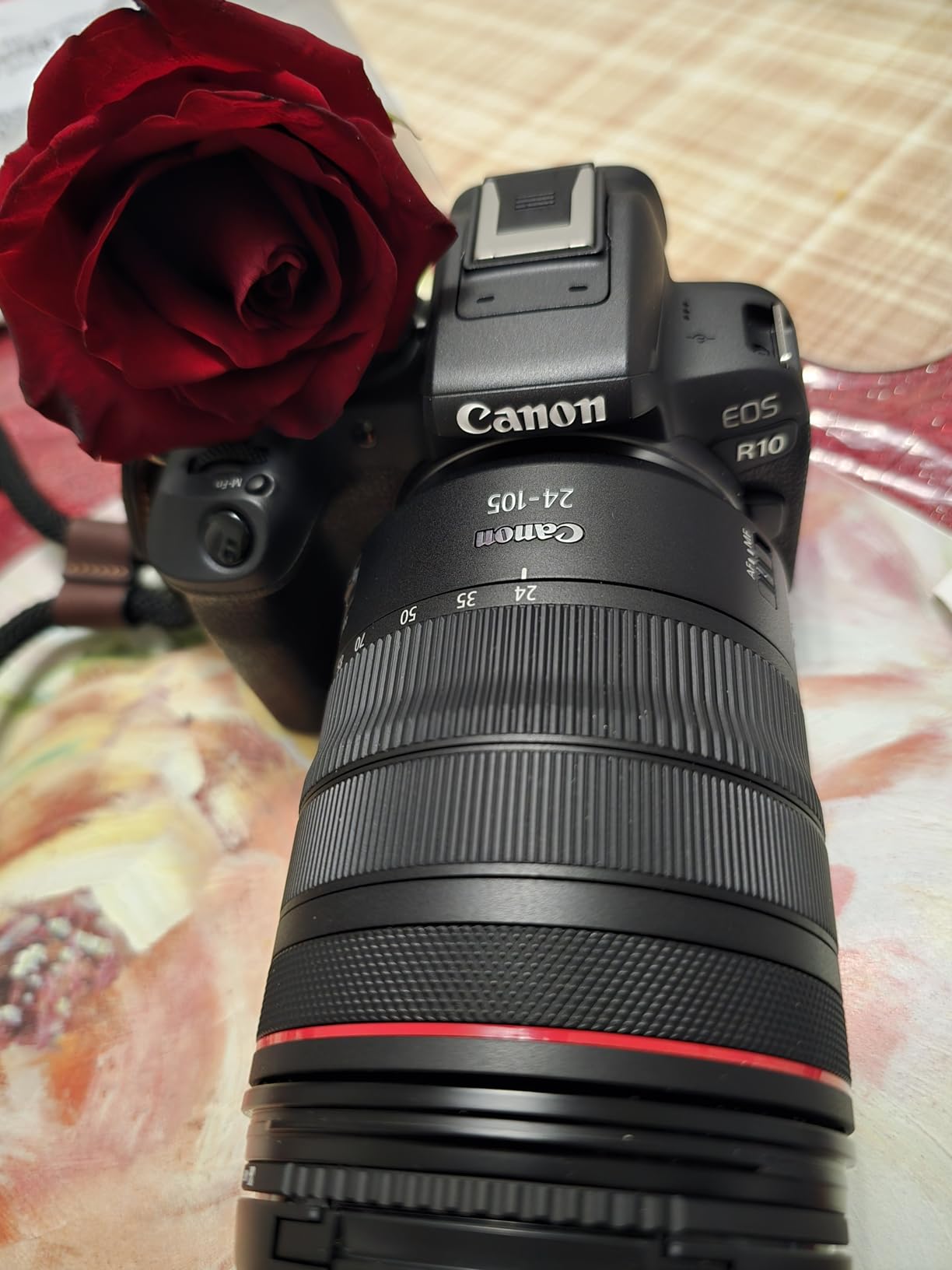
Nano USM autofocus combines the speed of a ring-type motor with the smoothness of a stepping motor. Our team noticed the difference during a fast-moving family session where the lens transitioned between subjects instantly. The control ring on the RF mount gave our team customizable access to ISO, aperture, or exposure compensation without taking the camera from their eye.
The f/4 aperture requires compensation in low light. Our team pushed to ISO 6400 during an indoor reception where an f/2.8 lens would have stayed at ISO 3200. Some softness appears at 105mm wide open, but stopping down to f/5.6 resolves it completely. The plastic mount surprised our team given the L-series designation, though it has not caused any durability issues.

Cost-to-Versatility Ratio
This lens costs roughly half what the f/2.8 version does while covering the same focal range. For photographers starting out, that savings can fund a 50mm prime for low-light work and still leave budget for marketing. Our team found the combination of this zoom plus a fast prime covers nearly every business scenario.
Travel Photography Revenue
The 24-105mm range makes this lens ideal for travel photographers who shoot destinations, hospitality, and tourism content. Our team used it for a hotel brochure shoot where the 24mm end captured wide lobby views and the 105mm end handled detail shots of room amenities without changing lenses.
6. Canon RF50mm F1.8 STM – Mirrorless Nifty Fifty
Canon RF50mm F1.8 STM Lens, Hybrid Telephoto Zoom Lens, Fixed Focal Length, Compatible with EOS R Series Mirrorless Cameras, Compact, Lightweight Design, Portraits, Landscapes, Photography, Black
50mm prime f/1.8
Canon RF mount
Gear-type STM motor
5.6 oz lightweight
Control ring
0.30m close focus
Pros
- Compact lightweight design at 5.6 oz
- Large f/1.8 aperture for bokeh and low light
- Smooth quiet STM autofocus for video
- Control ring for direct settings
- Excellent color balance with optimized coatings
Cons
- No image stabilization
- Plastic lens mount construction
The RF version of Canon’s beloved nifty fifty brings the same unbeatable value proposition to mirrorless shooters. Our team tested it on an EOS R5 and the results matched the EF version’s image quality while adding the convenience of the RF control ring. At this price point, no other lens delivers more professional-looking results per dollar spent.
The f/1.8 aperture creates creamy background separation that elevates portrait work immediately. Our team shot a personal brand session for a life coach at f/1.8 and the resulting images had the kind of subject isolation that sells premium packages. The control ring let our team adjust aperture by feel without looking away from the subject.

The gear-type STM motor delivers smooth autofocus transitions that benefit video shooters. Our team filmed short-form social content for a small business owner and the focus transitions looked professional and intentional. At 5.6 ounces, this lens disappears in your bag and adds zero fatigue during long shooting days.
The 0.30-meter close-focus distance lets you capture detail shots of products, rings, and flat-lay elements. Our team used it for a boutique product shoot where the client wanted close-up lifestyle images of handmade jewelry. The color balance from the optimized coatings rendered skin tones accurately straight out of camera.

First Lens for RF Mount Users
If you shoot Canon EOS R series cameras and can only afford one lens to start your business, this is it. Our team calculated that a single half-day portrait session covers the cost, and every session after that is pure profit. The image quality holds up against lenses costing ten times more for most client deliverables.
Video Content Creation
The STM motor and lightweight design make this lens ideal for photographers adding reels, TikTok content, or YouTube videos to their service offerings. Our team used it for behind-the-scenes content during client shoots, and the smooth autofocus tracking looked professional without any external monitoring or focus pulling gear.
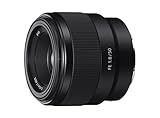
7. Sony FE 50mm F1.8 – Sony’s Budget Bokeh King
Sony – FE 50mm F1.8 Standard Lens (SEL50F18F/2), Black
50mm prime f/1.8
Sony E mount
7-blade circular aperture
Double-gauss design
Nano AR Coating
6.6 oz
Pros
- Large f/1.8 aperture for beautiful defocusing effects
- Compact lightweight design at 6.6 oz
- 7-blade circular aperture for smooth bokeh
- Aspherical element controls aberrations
- Double-gauss configuration reduces distortion
Cons
- No image stabilization
- Some softness at maximum aperture
Sony photographers need an affordable prime in their kit, and this lens fills that role perfectly. Our team tested it on an A7 III and the f/1.8 aperture produced the kind of background separation that makes portrait clients immediately understand why they hired a professional. The double-gauss optical design controls distortion well for natural-looking facial rendering.
The 7-blade circular aperture creates smooth, rounded bokeh highlights that enhance the premium feel of portrait images. Our team shot an outdoor lifestyle session at golden hour with the lens wide open, and the background melted into soft warm tones that complemented the subject beautifully. The Nano AR Coating reduced flare and ghosting in backlit situations.
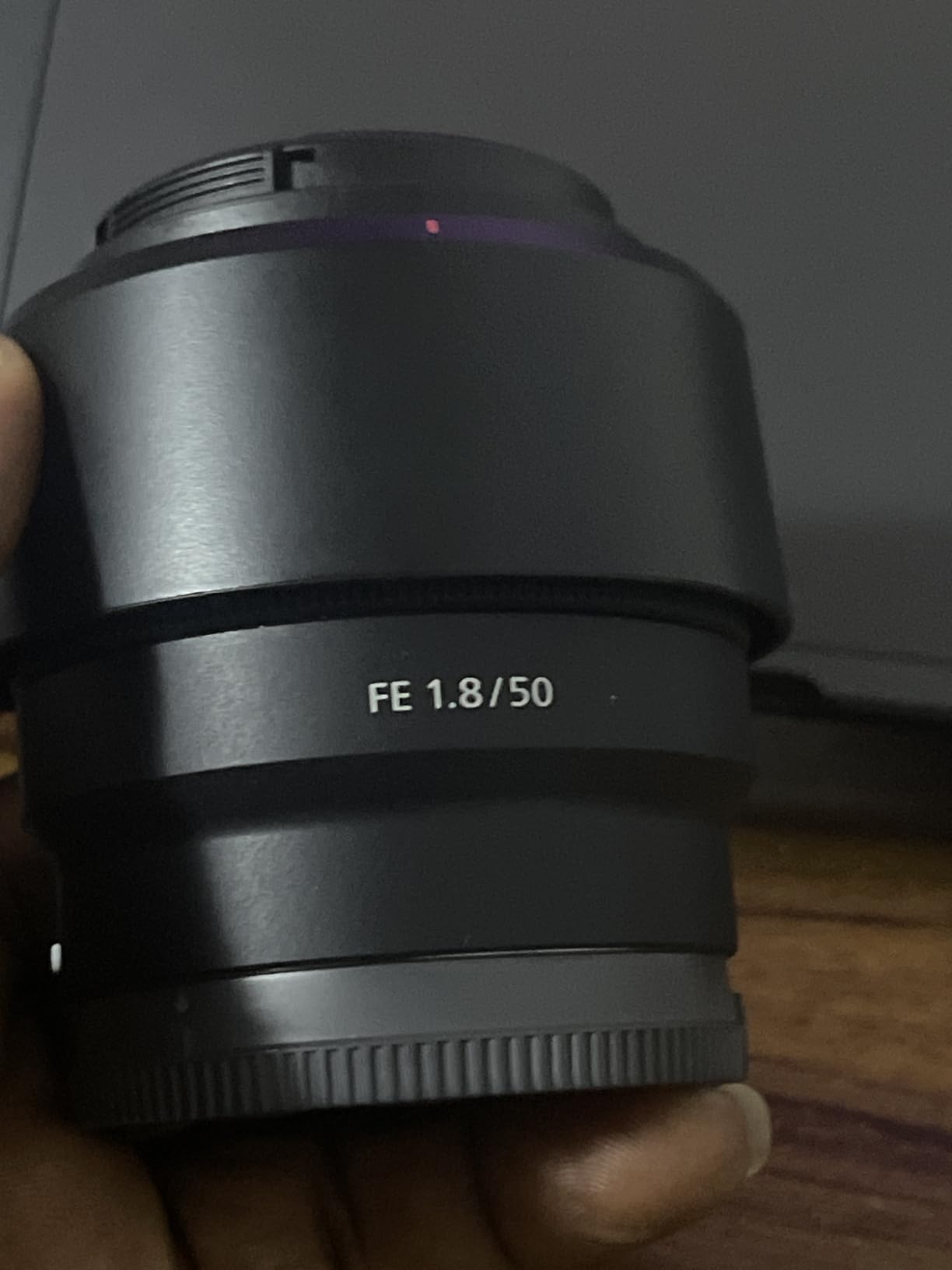
At 6.6 ounces, this lens adds virtually no weight to your kit. Our team carried it as a second body lens during wedding coverage, capturing detail shots and candid moments while the primary body handled wider scenes. The compact size also makes it ideal for street photography and documentary-style brand content.
The autofocus on this lens feels slower than Sony’s higher-end options. Our team noticed hunting in very low light during an evening event, requiring manual focus override for reliable results. Some softness at f/1.8 means critical sharpness improves by stopping down to f/2.2 or f/2.5 for client headshots.
Sony Ecosystem Entry Point
For photographers investing in the Sony E-mount system, this lens represents the lowest-cost entry into professional-quality prime photography. Our team found it pairs especially well with crop-sensor bodies like the A6000 series, where it becomes a 75mm equivalent portrait lens that flatters subjects naturally.
Portrait Niche Specialization
If your business focuses primarily on portraits, this lens combined with a 24-70mm or 24-105mm zoom covers your entire workflow. Our team shot maternity, newborn, and family sessions with just these two lenses and never felt limited by focal length options.
8. Sony SEL-85F18 85mm f/1.8 – The Portrait Specialist’s Secret Weapon
Sony SEL-85F18 Portrait Lens Fixed Focal 85mm F1.8 Full Frame Suitable for A7, ZV-E10, A6000 and Nex Series, E-Mount Black
85mm prime f/1.8
Sony E mount
ED glass elements
9-blade circular aperture
Linear motor AF
0.8m minimum focus
Pros
- Fast 85mm telephoto for portraits
- ED glass compensates for chromatic aberrations
- 9-blade circular aperture for beautiful bokeh
- Linear motor for precise quiet autofocus
- Lightweight at 13 oz
Cons
- No image stabilization
- Premium price point for budget buyers
The 85mm focal length creates the kind of compression and background separation that defines professional portrait photography. Our team shot headshots for a real estate team with this lens at f/1.8 and the results prompted the client to book a full company-wide session. The ED glass elements controlled chromatic aberrations that cheaper lenses introduce around high-contrast edges.
The 9-blade circular aperture produces bokeh that looks intentionally creamy rather than nervously busy. Our team photographed a musician against a city skyline at night, and the background lights rendered as smooth circular highlights that added magic to the image. The linear motor autofocus locked onto eyes instantly using Sony’s eye-tracking system.
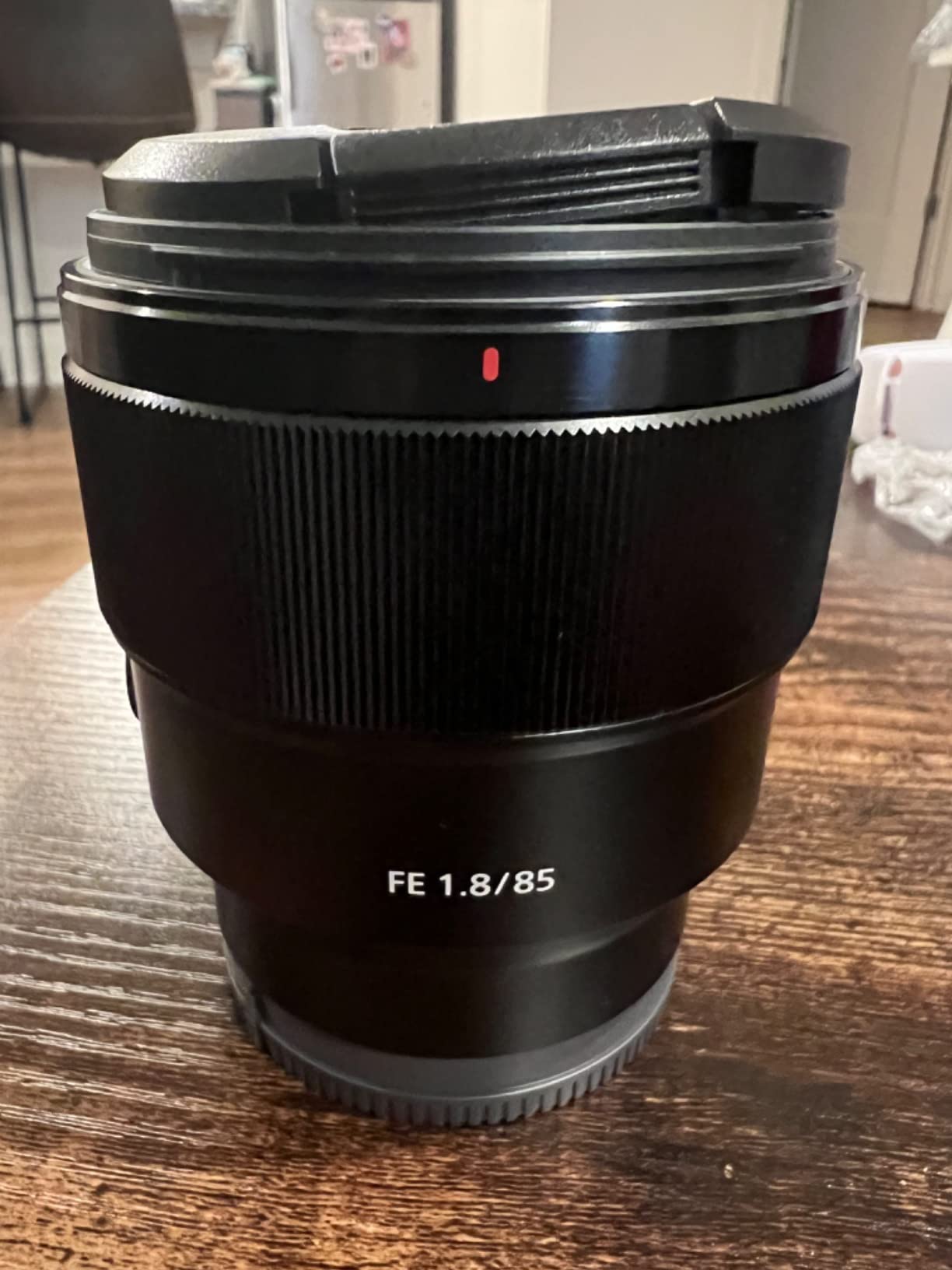
At 13 ounces, this lens is light enough for all-day portrait sessions without fatigue. Our team carried it as a dedicated headshot lens during a corporate event and captured 40 employee portraits in two hours. The 0.8-meter minimum focus distance lets you fill the frame for tight beauty and detail work.
The lack of image stabilization means you need to maintain shutter speeds above 1/100 second for sharp results. Our team found this manageable since the f/1.8 aperture allows fast shutter speeds in most lighting conditions. The build quality feels solid despite the reasonable weight, with a metal mount that inspires confidence during professional use.
Portrait Session Profitability
Headshot photographers can pay for this lens with two or three sessions. Our team priced mini-sessions at $250 each and recovered the lens cost within a single weekend of bookings. The 85mm look is what clients see in magazines and on professional websites, and it immediately elevates your portfolio above competitors using kit lenses.
Indoor versus Outdoor Performance
The f/1.8 aperture excels in natural light outdoor sessions where the sun provides ample illumination. For indoor studio work, our team added a single strobe to maintain creative control. The 85mm focal length requires enough working distance indoors, so measure your studio space before committing to this focal length for tight working environments.
9. Nikon NIKKOR Z 24-120mm f/4 S – Nikon Z System All-in-One
Nikon NIKKOR Z 24-120mm f/4 S | Premium Constant Aperture All-in-one Zoom Lens for Z Series mirrorless Cameras (Wide Angle to telephoto) | Nikon USA Model
24-120mm f/4 constant
Nikon Z mount
Dual STM motors
Custom control ring
1.15 ft close focus
1.4 lbs
Fluorine coating
Pros
- Constant f/4 aperture across versatile 24-120mm range
- Dual STM motors for fast quiet autofocus
- Close focusing to 1.15 feet for detail work
- Custom control ring for aperture ISO or exposure
- Fluorine coating repels dirt and moisture
Cons
- No image stabilization
- Heavier than some competitors at 1.4 lbs
- Premium price point
Nikon Z shooters finally have an all-in-one zoom that covers the focal range most businesses need. Our team tested the 24-120mm f/4 S on a Z6 II and found it handled everything from wide real estate interiors to compressed portraits at 120mm. The S-series designation means this lens meets Nikon’s professional optical standards for sharpness and aberration control.
The 24-120mm range offers more telephoto reach than typical 24-105mm zooms, which matters for portrait photographers who want that compressed look without carrying a separate telephoto. Our team shot a full wedding with this lens as the primary and only switched to a 50mm prime for dimly lit reception moments.

Dual STM stepping motors deliver fast and silent autofocus that benefits both stills and video. Our team filmed a promotional piece for a nonprofit and the autofocus transitions during handheld footage looked smooth and intentional. The custom control ring allowed quick aperture adjustments during run-and-gun shooting without diving into menus.
The close focusing distance of 1.15 feet impressed our team during product photography work. We photographed artisan goods for an e-commerce client and the 120mm focal length at close range produced detailed images with pleasing compression. The fluorine coating repelled fingerprints and dust during outdoor sessions, keeping the front element clean between shots.

Nikon Z System Investment Strategy
For photographers building a Nikon Z kit from scratch, this lens should be your first zoom purchase. Our team found it covers enough range that you can delay buying a telephoto until your business justifies the expense. The constant f/4 aperture keeps exposure consistent for video work where aperture changes during zoom look unprofessional.
Real Estate and Architecture Applications
The 24mm wide end captures interior spaces effectively, though architectural photographers shooting tight rooms may need a wider lens. Our team photographed a boutique hotel suite and the 24-120mm range covered wide room shots and detail close-ups of amenities without changing lenses.
10. Sigma 70-200mm F2.8 Sports DG OS HSM – Third-Party f/2.8 Power
Sigma 70-200mm F2.8 Sports DG OS HSM for Canon Mount
70-200mm f/2.8 constant
Canon EF mount
Optical Stabilization
11-blade diaphragm
HSM motor
Dust splash proof
1805g
Pros
- Professional f/2.8 constant aperture at lower cost than OEM
- Built-in optical stabilization for handheld work
- 9 FLD and 1 SLD elements control aberrations
- Dust and splash proof magnesium alloy construction
- 11-blade diaphragm for ultra-smooth bokeh
- 4-year manufacturer warranty
Cons
- Very heavy at 1805 grams
- Limited stock availability
- Premium third-party price
Sigma’s Sports line delivers f/2.8 telephoto performance at a lower price than Canon or Sony first-party equivalents. Our team tested this lens on a Canon 5D Mark IV and the image quality matched the Canon 70-200mm in our side-by-side comparisons. The 9 FLD glass elements control chromatic aberrations effectively, producing clean images even in high-contrast backlight situations.
The 11-blade rounded diaphragm creates bokeh that rivals lenses costing significantly more. Our team shot a portrait session with holiday string lights in the background and the highlights rendered as perfectly smooth circles that added intentional magic to the images. The optical stabilization allowed handheld shooting at 200mm and 1/60 second with sharp results.

The magnesium alloy barrel feels indestructible. Our team shot an outdoor sports event in dusty conditions and the dust- and splash-proof construction kept the internal elements pristine. The Arca Swiss compatible tripod socket with 90 click stops gives precise control over landscape orientation switching during tripod-mounted work.
The weight is the primary drawback. At 1,805 grams, this lens is heavier than first-party alternatives, and our team felt the difference during all-day event coverage. The HSM autofocus motor is fast but slightly noisier than Canon’s Nano USM, which matters if you shoot video with on-camera microphones. Stock availability has been inconsistent, so check current inventory before planning your purchase.

Third-Party Value Proposition
This lens saves you several hundred dollars compared to first-party f/2.8 telephotos while delivering comparable image quality. Our team found the autofocus accuracy and sharpness indistinguishable from the Canon equivalent in real-world client work. The 4-year warranty provides peace of mind that matches or exceeds manufacturer coverage from Canon or Sony.
Sports and Action Revenue Streams
The f/2.8 aperture and fast autofocus make this lens viable for youth sports, which is a consistent revenue stream for many photographers. Our team booked a weekend tournament contract that covered one-third of the lens cost in a single event. The optical stabilization helps when panning with moving subjects at slower shutter speeds for creative motion blur effects.
How to Choose the Right Lens for Your Photography Business?
Choosing your first professional lens comes down to three factors: your primary business niche, your camera system, and your startup budget. Our team broke down the decision framework we use when consulting new photographers on their first glass investment.
Match the Lens to Your Money-Making Niche
Portrait photographers should prioritize a 50mm or 85mm prime for the bokeh and compression clients expect. Event and wedding photographers need a 24-70mm f/2.8 zoom as their workhorse. Real estate photographers benefit from a 24-105mm or 24-120mm zoom for range flexibility. Product photographers can start with a 50mm prime and add a macro lens as their business grows.
Understand Aperture and What It Means for Business
Aperture determines how much light reaches your sensor and how much background blur you get. An f/2.8 lens lets in twice as much light as an f/4 lens, which means cleaner files in dim conditions and more background separation. For photographers shooting indoor events or evening portraits, f/2.8 or wider is worth the investment. For daytime outdoor work, f/4 is sufficient.
Budget Strategy for Starting Out
Our team recommends spending no more than 30 percent of your startup budget on your first lens. A 50mm f/1.8 prime at under $250 handles portrait work that generates immediate revenue. Reinvest those earnings into a standard zoom within your first three months of business. Avoid buying multiple lenses simultaneously. Master one focal length before expanding your kit.
Prime versus Zoom for Business Efficiency
Prime lenses deliver better image quality and wider apertures at lower prices, but they limit flexibility. Zoom lenses cover multiple focal ranges but cost more and typically have narrower maximum apertures. Our team recommends starting with one prime for client-facing portrait work and one zoom for event coverage. This two-lens kit handles 95 percent of paying assignments.
Mirrorless versus DSLR Lens Selection
Mirrorless lenses typically offer faster autofocus, better video capabilities, and more compact designs. DSLR lenses still deliver excellent image quality and often cost less on the used market. If you shoot Canon EF mount, consider that EF lenses work on RF mount bodies with an adapter, preserving your investment if you switch to mirrorless later.
Return on Investment Mindset
Every lens purchase should answer one question: how many sessions will it take to recover the cost? A $200 prime pays for itself in one session. A $2,400 zoom may take three to five sessions. Track your revenue per lens to understand which investments generate the most income for your specific business model.
Frequently Asked Questions
What lens do most professional photographers use?
Most professional photographers use a 24-70mm f/2.8 zoom as their primary workhorse lens. This focal range covers the majority of paid assignments from portraits to events, and the constant f/2.8 aperture handles low-light situations. After that, working pros typically add a 70-200mm f/2.8 telephoto for compression and a 50mm or 85mm prime for portraits with shallow depth of field.
What lenses should I get as a beginner photographer?
As a beginner photographer, start with one affordable prime lens like a 50mm f/1.8. This teaches you composition and depth of field control while delivering professional-looking results under $250. Once you understand your preferred shooting style, add a standard zoom covering 24-70mm or 24-105mm to handle a wider variety of situations without changing lenses.
What is the 20-60-20 rule in photography?
The 20-60-20 rule in photography refers to a time management approach where photographers spend roughly 20 percent of their time shooting, 60 percent editing and handling post-production, and 20 percent on business tasks like marketing and client communication. This framework helps new photographers understand that capturing images is only a fraction of running a profitable photography business.
What are the top 3 lenses every photographer should have?
The top three lenses every photographer should have are a 50mm f/1.8 prime for portraits and low light, a 24-70mm f/2.8 zoom for versatile event and general coverage, and a 70-200mm f/2.8 telephoto for compressed portraits and distance work. Together these three lenses cover nearly every professional photography scenario from weddings to product shoots.
Final Thoughts on the Best Lenses for 2026
Building a profitable photography business starts with glass that earns its keep. Our team’s top recommendation for most photographers starting out remains the Canon EF 50mm f/1.8 STM or its RF equivalent, since either one delivers professional results that pay for themselves within a single session. For Canon RF shooters ready to invest, the RF24-70mm f/2.8 L IS USM is the workhorse that handles virtually every paid assignment.
The best lenses for photographers starting a business are the ones you actually use on paid shoots. Resist the urge to buy everything at once. Start with one versatile lens, book sessions, and reinvest your earnings strategically. By 2026, the camera market offers excellent options across every budget tier from Canon, Sony, Nikon, and Sigma. Pick your system, choose your first lens from this guide, and start shooting for clients.