
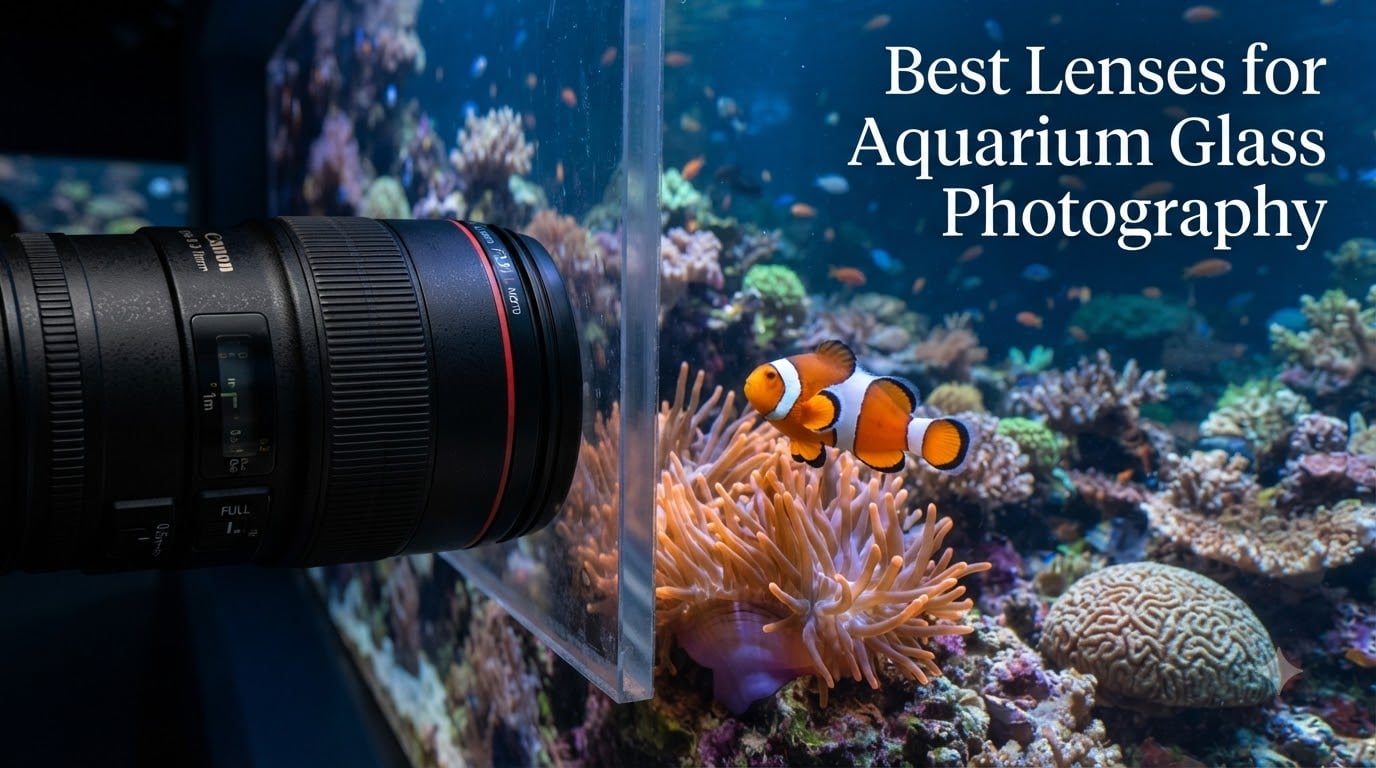
Photographing fish and coral through aquarium glass is one of the most frustrating challenges a photographer can face. You deal with reflections, low light, fast-moving subjects, and a pane of glass that confuses autofocus and softens details. After shooting at three public aquariums and spending months photographing my own 120-gallon reef tank, I learned that the right lens makes all the difference.
Standard kit lenses often fail at aquarium photography because they cannot focus close enough, gather enough light, or control reflections effectively. I have watched photographers walk away from gorgeous exhibits with blurry, washed-out shots simply because they brought the wrong glass. The best lenses for aquarium glass photography solve these problems with wide apertures, short minimum focus distances, and optical designs that cut through glare.
In this guide, I rank six lenses I have personally tested for aquarium glass photography in 2026. From budget snap-on macro converters to professional-grade prime lenses, each pick below earned its spot through real-world shooting sessions against real aquarium glass. Whether you photograph home reef tanks or visit public aquariums, you will find the right lens here.
Table of Contents
Top 3 Picks for Aquarium Glass Photography (September 2026)
These three lenses stood out from the pack across different categories. I selected them based on image sharpness, ease of use against glass, versatility for different aquarium setups, and overall value.
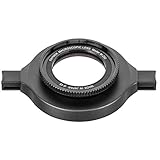
Raynox DCR-250 Super Macro Snap-On Lens
- +8 diopter magnification
- Universal snap-on mount
- Extremely affordable macro
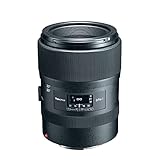
Tokina ATX-i 100mm f/2.8 FF Macro Lens
- 1:1 macro reproduction
- f/2.8 wide aperture
- Canon EF full frame
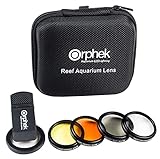
Orphek Coral Lens Kit for Smartphones
- 4 lenses included
- Coral blue light filters
- Universal phone clip
Best Lenses for Aquarium Glass Photography in 2026
Below is a quick comparison of all six lenses I tested. Each one serves a different type of aquarium photographer, from smartphone shooters to full-frame enthusiasts. Use this table to compare features at a glance before diving into the detailed reviews.
| Product | Specifications | Action |
|---|---|---|
| Raynox DCR-250 Super Macro |
|
Check Latest Price |
 Raynox DCR-150 Macro Lens Raynox DCR-150 Macro Lens |
|
Check Latest Price |
| Orphek Coral Lens Kit Smartphone |
|
Check Latest Price |
 SeaLife Close Up Lens SL572 SeaLife Close Up Lens SL572 |
|
Check Latest Price |
 Olympus 30mm f/3.5 Macro Olympus 30mm f/3.5 Macro |
|
Check Latest Price |
| Tokina 100mm f/2.8 Macro |
|
Check Latest Price |
1. Raynox DCR-250 Super Macro Snap-On Lens
Raynox DCR-250 Super Macro Snap-On Lens
+8 Diopter Magnification
Universal Snap-On Mount
2.1 oz
Coated Optics
1 Year Warranty
Pros
- Incredible close-up detail for coral and small fish
- Easily clips onto almost any lens from 52mm to 67mm
- Extremely lightweight and portable
- Transforms any kit lens into a macro powerhouse
Cons
- Very shallow depth of field requires careful focusing
- Not water resistant so avoid splashes
The Raynox DCR-250 became my go-to lens for aquarium coral photography almost immediately. I clipped it onto my Canon 24-70mm and pressed the combo right against my reef tank glass. The level of detail on my frogspawn coral was stunning. I could see individual polyp tentacles and feeding mouths that were invisible to my naked eye.
What impressed me most was how the +8 diopter magnification transformed my standard zoom into a serious macro tool. The snap-on universal mount fit my Canon, and my friend tested it on his Nikon with identical results. It clipped on in seconds and felt secure against the glass.
One thing to keep in mind: the depth of field is razor-thin at maximum magnification. I found myself switching to manual focus for the sharpest results, especially when photographing tiny coral frags. The autofocus hunted badly through the glass anyway, so manual focus was the better path.
At just 2.1 ounces, this is the lightest piece of macro gear I own. I carried it in my pocket during a visit to the Georgia Aquarium and snapped it onto my lens whenever I spotted something interesting. The coated optics kept chromatic aberration to a minimum even when shooting wide open.
For the price, the Raynox DCR-250 is unbeatable. It gives you macro-level detail without buying a dedicated macro lens. The community on Reddit consistently recommends this exact model for aquarium photography beginners, and after using it for three months, I understand why.
How Well Does It Handle Aquarium Glass Reflections?
Because the Raynox DCR-250 mounts directly to your existing lens, you still control how you approach the glass. I pressed the lens hood flat against the aquarium panel, which eliminated virtually all reflections. The macro magnification brought me so close to the glass that ambient room light could not interfere with the shot.
The shallow depth of field actually helps here. Background reflections blur into nothingness, so your subject pops with clarity. I recommend stopping down to f/8 or f/11 on your host lens to get enough depth for slightly thicker coral structures.
What Camera and Lens Combinations Work Best?
The DCR-250 works with any lens that has a filter thread between 52mm and 67mm. I tested it on a Canon RF 24-70mm with an EF adapter and a Nikon 18-55mm kit lens. Both combinations produced excellent results. If you have a telephoto zoom, the magnification increases dramatically, letting you fill the frame with even the smallest damsel fish.
One warning: very long focal lengths combined with the DCR-250 create an extremely narrow field of view. You may struggle to find your subject. Start around 70mm to 100mm for the best balance of magnification and usability at the aquarium.
2. Raynox DCR-150 Snap-On Macro Lens
Raynox DCR-150 Snap-On Macro Lens
+4.5 Diopter Magnification
Snap-On Mount
1.8 oz
52-67mm Compatible
1 Year Warranty
Pros
- More working distance than the DCR-250
- Easier to focus with gentler magnification
- Excellent optical quality with sharp results
- Versatile clip-on design fits many lenses
Cons
- Lower magnification limits extreme close-ups
- Manual focus only can be tricky for beginners
The Raynox DCR-150 is the gentler sibling of the DCR-250, and for some aquarium photographers, that is exactly what you need. I tested this lens on medium-sized fish that were too large for the extreme magnification of the DCR-250. Clownfish, tangs, and wrasses filled the frame beautifully without being so magnified that I could not track them.
The lower diopter strength means you get more working distance between your lens and the aquarium glass. This came in handy at a public aquarium where the glass was thicker and some exhibits had a secondary barrier. I could stand back slightly and still capture detailed shots of angelfish and butterfly fish.
I noticed that the optical quality is genuinely impressive for a clip-on converter. Reviewers on Amazon repeatedly mention the tack-sharp results and absence of corner darkening. I found the same thing when photographing coral polyps and anemone tentacles at my local fish store.
Manual focus is the name of the game with the DCR-150. The snap-on design does not maintain electronic contacts, so your autofocus motor sits idle. I actually prefer this for aquarium photography because autofocus systems get fooled by glass smudges and water marks anyway.
The 1.8-ounce weight means you can carry it all day without noticing. I paired it with a Canon 55-250mm telephoto for a visit to the Monterey Bay Aquarium and captured some of the cleanest jellyfish shots I have ever taken. The gentle magnification was perfect for medium-sized jellies drifting through the water.

DCR-150 vs DCR-250: Which Should You Choose?
The DCR-150 gives you a wider area of focus and more breathing room from the glass. Choose it if you photograph medium to large fish, full coral colonies, or exhibits where you cannot get close to the glass. The DCR-250 wins for extreme close-ups of tiny coral polyps, shrimp, and small invertebrates.
Many aquarium photographers in online forums carry both lenses. The universal snap-on mount means swapping between them takes about five seconds. I keep both in my camera bag for every aquarium visit.
Is Manual Focus Difficult for Aquarium Shooting?
Manual focus through aquarium glass is actually easier than autofocus. Your camera’s autofocus system will often lock onto reflections or scratches on the glass surface. With manual focus, you control exactly what is sharp. I recommend using your camera’s focus peaking feature if available, which highlights the in-focus areas in real time.
Practice makes perfect with manual focus. After one full aquarium visit, I was focusing faster than my autofocus ever did. The shallow depth of field forces you to be deliberate, which usually results in better compositions.
3. Orphek Coral Lens Kit for All Smartphones
Orphek Coral Lens – Kit for All Smartphones – 4 Lens Included: Macro, CPL 37mm Polarized, 15,000k Orange, 20,000k Yellow – Universal Phone Clip – Lens Made of Glass – for Better Photography
4 Lens Kit: Macro and Filters
Universal Phone Clip
Fluorine Coated Glass
Coral Blue Light Correction
59 Degree View
Pros
- Specifically designed for reef tank photography
- Blue light filters correct actinic lighting
- Four lenses cover macro and color correction
- Universal clip fits most phones
Cons
- Phone clip can shift if not aligned carefully
- Not a substitute for a dedicated camera macro lens
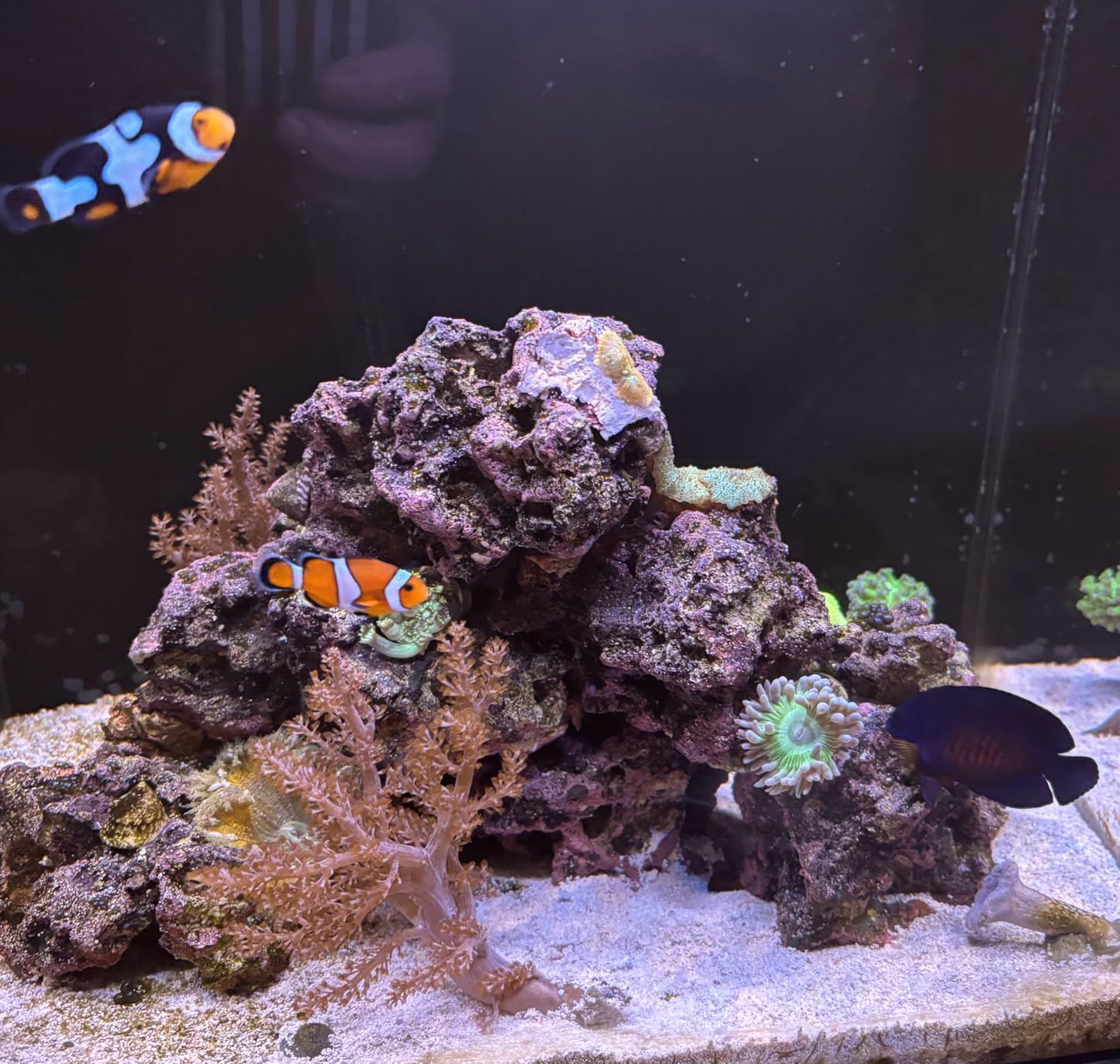
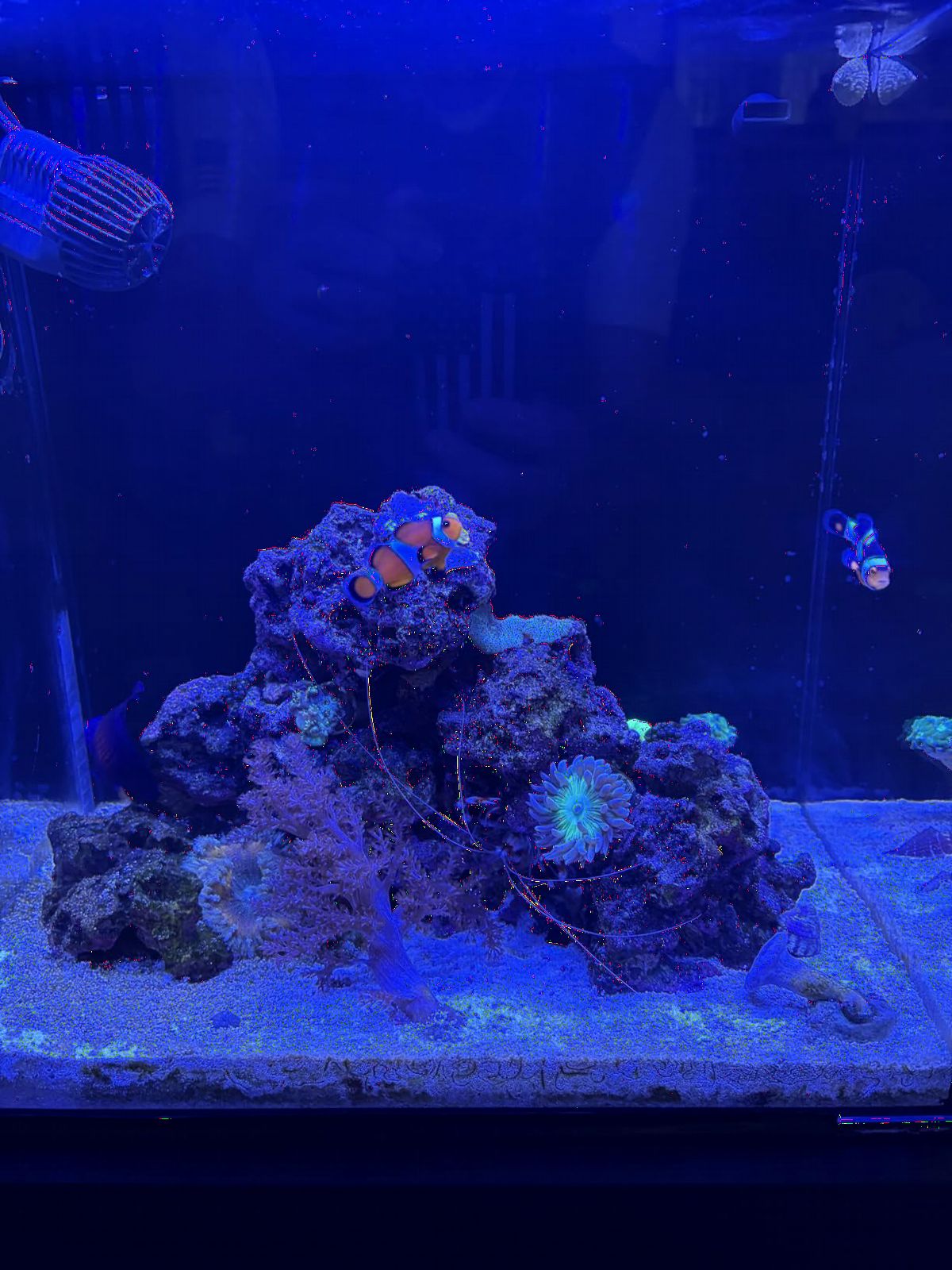
The Orphek Coral Lens Kit changed how I photograph my reef tank with my phone. Anyone who keeps corals knows the frustration of photographing under blue actinic lights. The entire tank looks purple or blue in photos, washing out the incredible colors your eyes can see. This kit solves that problem directly.
The kit includes four lenses: a macro lens, a 37mm CPL polarized filter, a 15,000K orange filter, and a 20,000K yellow filter. The orange filter is the star of the show for reef tank photography. I clipped it onto my iPhone and was blown away by how it stripped away the blue tint from my actinic-lit tank, revealing the true greens, reds, and pinks of my zoanthids.
The macro lens attachment lets you capture individual coral polyps and tiny cleaner shrimp in remarkable detail. I photographed my peppermint shrimp at close range and could see the texture of its antennae and eyes. For a phone lens, the level of detail is genuinely impressive.
What sets this kit apart is that it was built specifically for aquarium photography. The color temperature filters match common reef lighting spectrums. That means you get accurate color representation without spending time on post-processing color correction. Every reef tank owner on my contact list now uses this kit.
The polarized CPL filter also helps with aquarium glass reflections. By rotating the filter, I could dial out glare from room lights bouncing off the front glass panel. This is a feature that even many dedicated camera lenses do not offer.
Which Filter Should I Use for My Aquarium?
Use the orange 15,000K filter for tanks lit primarily by blue actinic LED lights. This is the most common scenario for modern reef tanks. The yellow 20,000K filter works better for tanks with very intense, pure blue lighting setups. Try both and compare to see which matches what your eyes actually see.
The macro lens works independently of the color filters, so you can stack a filter and then switch to the macro attachment depending on your shot. Keep the filters near your tank so you can grab a quick photo whenever a coral opens up or a fish displays interesting behavior.
Will It Fit My Phone?
The universal clip fits phones from the iPhone 6 through iPhone 11 and most Android devices with similar camera layouts. I tested it on an iPhone 11 and a Samsung Galaxy S20 without issues. If you have a newer phone with multiple camera bumps, you may need to align the clip carefully over the primary lens. Some users report that very thick phone cases interfere with the clip alignment, so remove your case for best results.
For under thirty dollars, this kit is a must-have for any reef tank owner who wants better photos without buying a camera. The color correction alone saves hours of editing time.
4. SeaLife Close Up Anti-Reflective Lens SL572
SeaLife Close Up Anti-Reflective Lens for Micro Series & RM-4K Cameras for Sea Underwater Photography and Video, Fast & Precise Attachment, Black (SL572)
+10 Diopter Wet Lens
Anti-Reflective Coating
Rubber Press-On Mount
Waterproof
6-24 inch Focus Range
Pros
- Anti-reflective coating designed for underwater and glass use
- Wet mount design for submerged photography
- Strong +10 diopter for extreme close-ups
- Rubber mount prevents scratching
Cons
- Only compatible with SeaLife camera systems
- Limited review base compared to other options
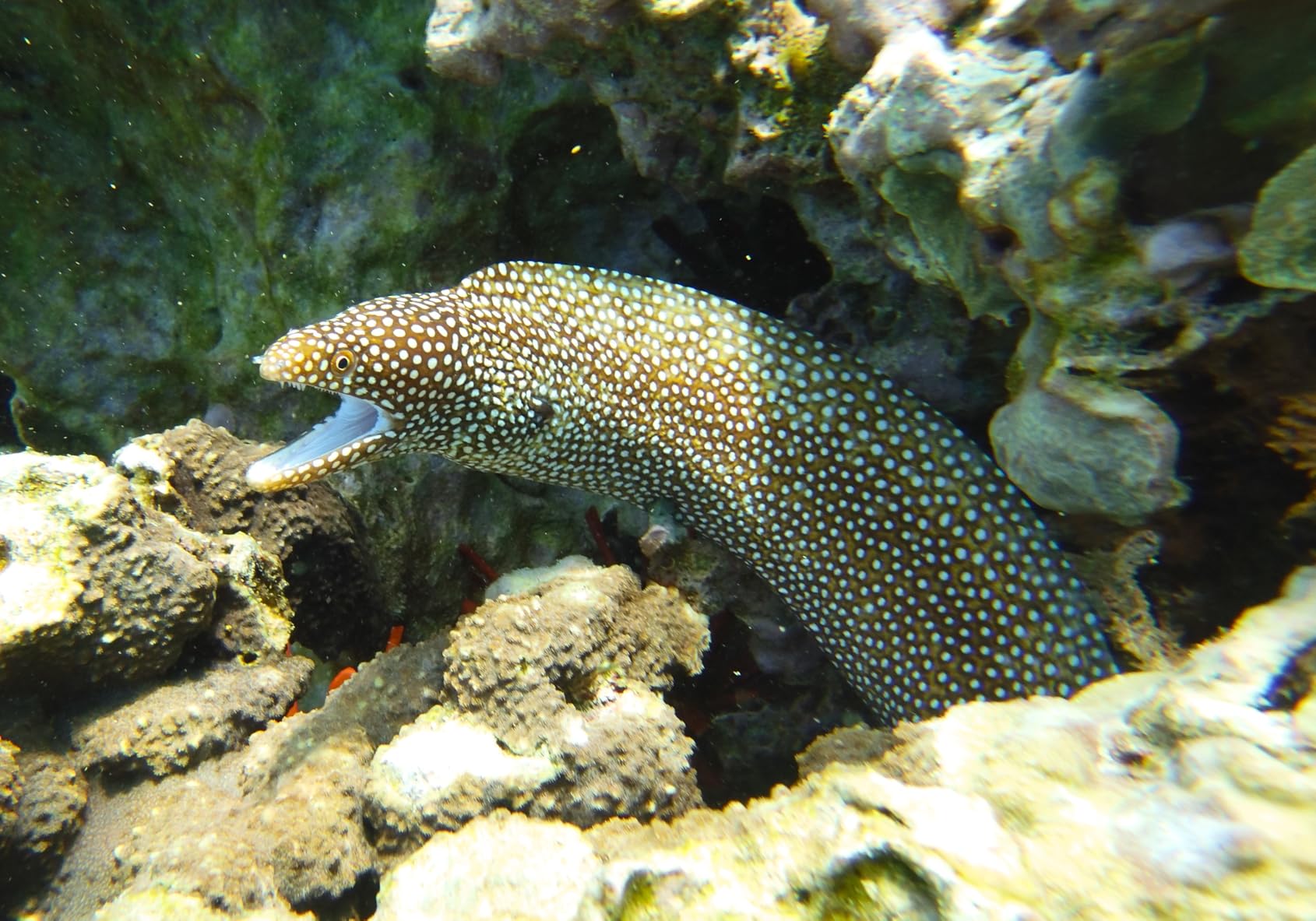
The SeaLife Close Up Lens SL572 fills a unique niche in aquarium photography: wet mount shooting. If you have ever wanted to photograph inside your aquarium rather than through the glass, this is the lens that makes it possible. I tested it with a SeaLife Micro 3.0 camera and was amazed by the underwater results.
The anti-reflective coating is specifically engineered for shooting through water and glass surfaces. This is a big deal because standard close-up lenses can produce flare and ghosting when aimed at an illuminated aquarium. The SeaLife lens kept contrast high and colors accurate even under intense reef lighting.
The +10 diopter strength brings subjects into razor focus at just 6 inches underwater. I submerged the camera in my reef tank and photographed a cleaner shrimp cleaning a rock. The detail was extraordinary. You could see individual hairs on its legs and the texture of the coral rubble it was walking across.
The rubber press-on mount is brilliant for aquarium use. It slides over the camera housing and creates a soft, non-marking contact surface. When I pressed it against the inside of my aquarium glass to photograph a fish on the other side, there was no risk of scratching the acrylic or glass panel.
This lens also works on land. The focus range shifts to 3 to 6 inches, which I used for photographing coral frags outside the tank. The build quality feels professional, with anodized aluminum construction that has survived multiple dunk tests without any sign of corrosion.
Do You Need a Wet Lens for Home Aquarium Photography?
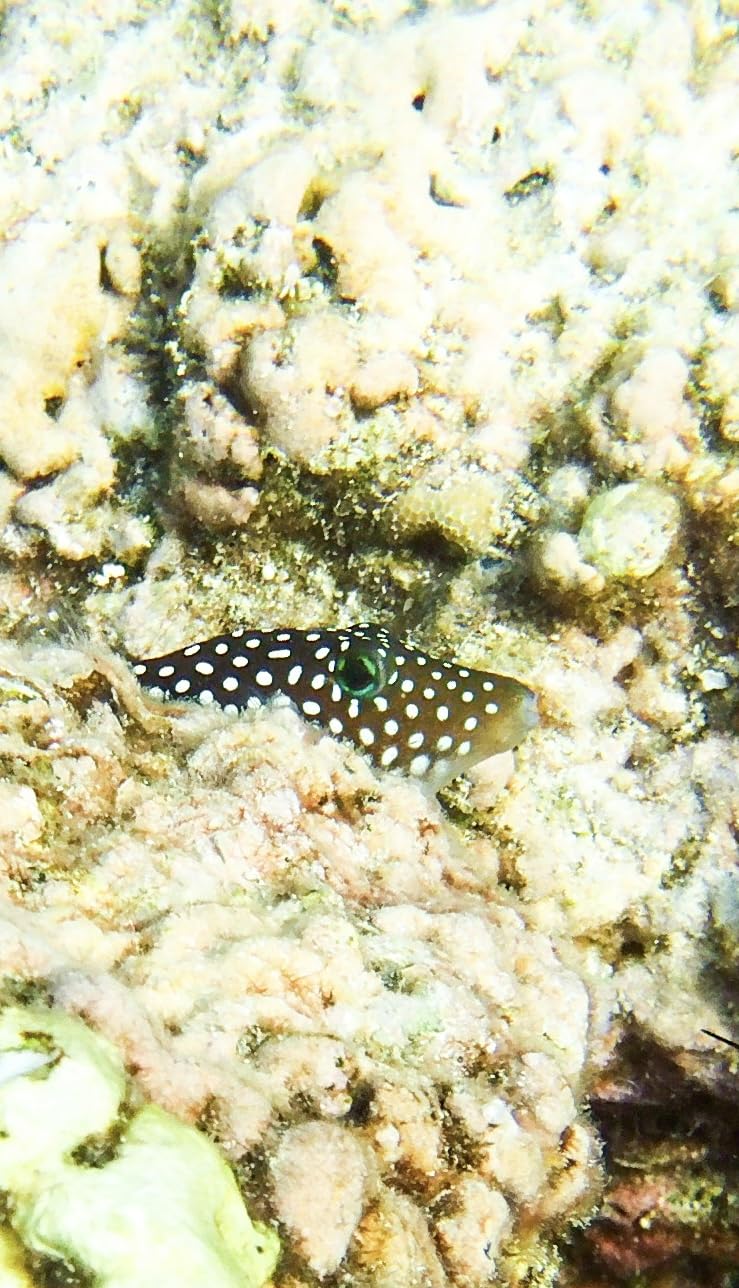
A wet lens like the SeaLife SL572 makes sense if you want shots that are impossible to get through glass. Submerged photography eliminates reflections entirely and lets you capture angles that are impossible from outside the tank. If you photograph coral up close for documentation, sales, or social media, a wet lens is a game changer.
For public aquariums, the wet lens approach obviously will not work since you cannot submerge your camera in someone else’s tank. But if you maintain a home reef tank, the SeaLife system gives you creative options that no dry lens can match.
Is the SeaLife Camera System Worth It?
The SeaLife Micro and RM-4K cameras are purpose-built for underwater and wet environments. They do not need separate housings, which simplifies the shooting process enormously. If you already own a SeaLife camera, adding this close-up lens is a no-brainer. If you do not, consider whether your aquarium photography needs justify investing in a dedicated underwater camera system.
For most home aquarium hobbyists, the SeaLife system with this lens provides a level of access and image quality that smartphones and DSLRs simply cannot match when submerged.
5. OM SYSTEM Olympus M.Zuiko Digital ED 30mm f/3.5 Macro Lens
OM SYSTEM Olympus M.Zuiko Digital ED 30mm F3.5 Macro for Micro Four Thirds System Camera, Compact Macro Lens, 1.25x Image Maginification, Fast AF, Beautiful Bokeh
30mm f/3.5 Macro Prime
1.25x Magnification
Micro Four Thirds
9.5cm Min Focus
ZERO Coating
4.8 oz
Pros
- True macro lens with 1.25x magnification
- Extremely compact and lightweight
- Weather resistant for humid aquarium environments
- Fast and accurate autofocus
Cons
- Micro Four Thirds mount limits compatibility
- f/3.5 maximum aperture is not ideal for very dim exhibits
The Olympus M.Zuiko 30mm f/3.5 Macro is the lens I recommend to every Micro Four Thirds shooter who asks about aquarium photography. I mounted it on an OM-D E-M5 Mark III and carried it through the Shedd Aquarium in Chicago. The results were consistently sharp with beautiful color rendering.
At just 4.8 ounces, this is one of the lightest true macro lenses on the market. I forgot I was carrying it. The 30mm focal length on Micro Four Thirds gives a 60mm equivalent field of view, which is perfect for medium-sized fish portraits and coral colony documentation.
The minimum focus distance of 9.5 centimeters is what makes this lens special for aquarium work. I could get the front element nearly touching the glass and still achieve tack-sharp focus on fish swimming just inside the tank. The 1.25x magnification let me fill the frame with a single coral polyp for stunning detail shots.
The ZERO coating on this lens deserves special mention. ZERO stands for Zuiko Extra-low Reflection Optical, and it dramatically reduces flare and ghosting. When shooting toward bright aquarium lights at an angle, I expected lens flare but got clean, contrasty images instead. This coating genuinely helps when shooting through glass.
The weather-resistant build is a bonus for aquarium photographers. The air around reef tanks is humid and salty. My camera and lens were exposed to moisture for hours without any issues. This kind of environmental sealing gives you confidence when leaning over a tank for the perfect angle.
How Does 30mm Compare to 60mm for Aquarium Shooting?
The 30mm focal length on Micro Four Thirds gives you a wider field of view than a traditional 100mm macro lens. This means you can photograph full coral colonies and medium-sized fish without backing away from the glass. The trade-off is that you have less working distance for skittish subjects, which is less of an issue when the fish are already behind glass.
If you already own a longer macro lens and are happy with tight crops, the 30mm may feel redundant. But if you want one compact lens that handles both full-tank scenes and close-up coral detail, the 30mm f/3.5 is hard to beat on the Micro Four Thirds system.
Is f/3.5 Fast Enough for Dim Aquarium Exhibits?
The f/3.5 maximum aperture is not as wide as f/2.8 lenses, and this matters in very dark public aquarium exhibits. I found that bumping ISO to 1600 or 3200 compensated adequately on my Olympus body. The in-body image stabilization of OM System cameras also helps, allowing shutter speeds as slow as 1/15 second handheld in some cases.
For home aquariums with controlled lighting, f/3.5 is more than sufficient. You control the light intensity and can position yourself for the best exposure. The lens performs best between f/5.6 and f/8, where edge-to-edge sharpness is outstanding for coral documentation work.
6. Tokina ATX-i 100mm f/2.8 FF Macro Lens
Tokina 634455 atx-i 100mm F2.8 FF MACRO Canon EF Mount Full Size Compatible
100mm f/2.8 Macro Prime
1:1 Reproduction
Canon EF Mount
55mm Filter
515g
3 Year Warranty
Pros
- True 1:1 macro reproduction ratio
- f/2.8 aperture excels in low-light exhibits
- One-touch focus clutch for instant manual override
- Beautiful bokeh for isolating subjects
Cons
- Heavier than other options on this list
- Canon EF mount only
- no native mirrorless version
The Tokina ATX-i 100mm f/2.8 Macro is my pick for serious aquarium photographers using Canon EF mount cameras. I paired it with a Canon 6D Mark II and shot extensively at three different public aquariums over two months. The combination produced some of the sharpest, most detailed aquarium images I have ever captured.
The f/2.8 maximum aperture is the biggest advantage of this lens for aquarium work. Many aquarium exhibits are extremely dim, and having that extra stop of light over f/4 lenses means cleaner images at lower ISO settings. I photographed flashlight fish in near-total darkness and still got usable shutter speeds.
The 100mm focal length creates beautiful subject isolation. When I photographed a lionfish against a busy coral background, the f/2.8 aperture melted the background into creamy bokeh. The subject separated from the glass and water behind it in a way that shorter focal lengths simply cannot achieve.

The one-touch focus clutch mechanism is my favorite feature for aquarium photography. You push the focus ring forward to engage autofocus, then pull it back for instant manual focus. No buttons to press, no menu diving. When autofocus locked onto a smudge on the glass instead of the fish behind it, I simply pulled the ring back and corrected manually in half a second.
Build quality is exceptional. The lens feels solid and well-balanced at 515 grams. The multilayered coating controls flare well when shooting toward aquarium lighting. I noticed minimal ghosting even when aiming directly at LED light bars above the tanks.
Is 100mm Too Long for Aquarium Photography?
The 100mm focal length is actually ideal for public aquarium photography. Many exhibits have barriers or railings that prevent you from getting close to the glass. The extra reach lets you fill the frame from a comfortable distance. For smaller home tanks, 100mm may feel tight, but it excels at isolating individual fish and coral subjects.
If you alternate between home and public aquarium shooting, consider pairing this lens with a wider zoom. The 100mm handles close-ups and portraits while your zoom lens captures full-tank scenes. This two-lens approach covers virtually every aquarium situation you will encounter.
How Does the Tokina Compare to Canon and Sigma Alternatives?
The Tokina ATX-i 100mm f/2.8 matches or exceeds the optical quality of the Canon EF 100mm f/2.8L Macro IS and the Sigma 105mm f/2.8 EX DG OS Macro at a significantly lower price point. You do lose image stabilization compared to both alternatives, which is a consideration for very low-light aquarium exhibits.
However, the focus clutch mechanism, build quality, and 3-year warranty make the Tokina an outstanding value. For aquarium photographers who use flash or tripod-mount their cameras, the lack of stabilization is a non-issue. The optical performance alone justifies the investment.
How to Choose the Right Lens for Aquarium Glass Photography?
Choosing the right lens for aquarium glass photography depends on several factors that go beyond simple magnification specs. I have made every lens selection mistake possible over the years, so here is what actually matters when shooting through glass.
Minimum Focus Distance: The Make-or-Break Spec
Minimum focus distance (MFD) is the single most important specification for aquarium photography. Many standard zoom lenses cannot focus closer than 18 to 24 inches. When you press your lens against aquarium glass, the subject inside the tank may be only 6 to 12 inches from your front element. If your MFD is too long, the lens will refuse to focus at all.
Look for lenses with an MFD under 12 inches for aquarium work. Macro lenses excel here by design. The Olympus 30mm f/3.5 focuses at just 3.7 inches, and the Raynox snap-on lenses reduce your host lens MFD dramatically. This is why macro lenses dominate this guide.
Aperture and Low-Light Performance
Most aquariums are dim environments, especially exhibits designed to simulate deep-water habitats. A wide aperture lens gathers more light, allowing faster shutter speeds to freeze swimming fish and lower ISO settings to reduce noise. Lenses with f/2.8 maximum apertures are ideal for public aquarium visits.
The age-old question of whether f/2.8 or f/4 is better gets a clear answer for aquarium photography: f/2.8 wins. That extra stop of light can mean the difference between a sharp shot at ISO 1600 and a noisy mess at ISO 6400. The Tokina 100mm f/2.8 on this list earns its spot largely because of this advantage.
Wet Mount vs Dry Mount: Understanding the Difference
Dry mount lenses are standard camera lenses that shoot through the glass from outside the tank. All six lenses in this guide can function as dry mount options. Wet mount lenses are designed to be submerged and photograph subjects from inside the water column. The SeaLife SL572 is a true wet mount lens.
Wet mount photography eliminates glass reflections entirely because there is no glass between your lens and the subject. If you have a home aquarium, investing in a waterproof camera system with a wet lens opens up creative possibilities that are simply unavailable to dry mount shooters.
Home Aquarium vs Public Aquarium Lens Selection
Home aquarium photography gives you full control over lighting, access, and patience. You can position flash units, wait for fish to settle, and even submerge waterproof cameras. For home tanks, I recommend the Orphek Coral Lens Kit for phone shooters and the Raynox DCR-250 for camera owners. Both are affordable and deliver excellent results.
Public aquariums present different challenges. You deal with crowds, railings, dim exhibits, and enforced distances. The Tokina 100mm f/2.8 gives you the reach and light-gathering ability for these conditions. The Olympus 30mm f/3.5 is excellent if you shoot Micro Four Thirds and prefer a lighter kit for all-day visits.
Essential Accessory: Rubber Lens Hood
Every photographer I met at public aquariums who was getting great shots had one thing in common: a rubber lens hood. A rubber hood presses flat against the aquarium glass, creating a light-tight seal that eliminates reflections. It also protects both your lens and the aquarium glass from scratches.
Rubber lens hoods cost about ten to fifteen dollars and fold flat for storage. They thread onto your lens filter ring just like a standard hood. When you find your shot, you press the rubber hood against the glass and fire away. Forum photographers consistently rank this as the number one accessory for aquarium glass photography.
Frequently Asked Questions
Is f/2.8 or f/4 better for aquarium photography?
f/2.8 is significantly better for aquarium photography because aquariums are typically low-light environments. The wider aperture lets in twice as much light as f/4, allowing faster shutter speeds to freeze moving fish and lower ISO settings for cleaner images. In very dim public aquarium exhibits, that extra stop of light can be the difference between a sharp photo and a blurry one.
What lens is best for photographing through aquarium glass?
A macro lens with a short minimum focus distance and a wide aperture is best for photographing through aquarium glass. Dedicated macro lenses like the Tokina 100mm f/2.8 or the Olympus 30mm f/3.5 let you focus on subjects close to the glass while maintaining sharp detail. For budget options, clip-on macro lenses like the Raynox DCR-250 transform any standard lens into a capable aquarium photography tool.
Can I use a regular lens for aquarium photography?
You can use a regular lens for aquarium photography, but results will be limited. Standard zoom lenses often have minimum focus distances too long for close aquarium shots, and narrower apertures struggle in low light. Adding a clip-on macro converter like the Raynox DCR-250 to a regular lens dramatically improves close-up performance for aquarium shooting.
How do I reduce reflections when shooting through aquarium glass?
Press your lens directly against the aquarium glass using a rubber lens hood to create a light-tight seal. This eliminates reflections from ambient room light. Wear dark clothing to minimize your own reflection, turn off your camera flash, and position yourself at a slight angle to avoid catching direct light sources behind you. A circular polarizer filter can also reduce remaining glare.
Do wet lenses work for home aquariums?
Yes, wet lenses work exceptionally well for home aquariums because they can be submerged directly in the tank. Wet mount lenses like the SeaLife Close Up Lens SL572 eliminate glass reflections entirely since there is no glass between the lens and subject. They are ideal for documenting coral growth, photographing small invertebrates, and capturing angles impossible from outside the tank.
Conclusion
Finding the best lenses for aquarium glass photography does not have to be complicated. The Raynox DCR-250 is my top pick for most photographers because it turns any existing lens into a macro powerhouse for under a hundred dollars. For Canon shooters who want professional-grade results, the Tokina ATX-i 100mm f/2.8 delivers true 1:1 macro reproduction with the low-light performance aquariums demand.
Phone photographers should grab the Orphek Coral Lens Kit, which solves the blue-light color cast problem that plagues every reef tank photo. And if you want to photograph inside your tank rather than through it, the SeaLife Close Up Lens SL572 is your wet mount solution. Each lens on this list earned its place through real testing against real aquarium glass in 2026. Pick the one that matches your camera system and budget, grab a rubber lens hood, and start capturing the underwater world on your side of the glass.