
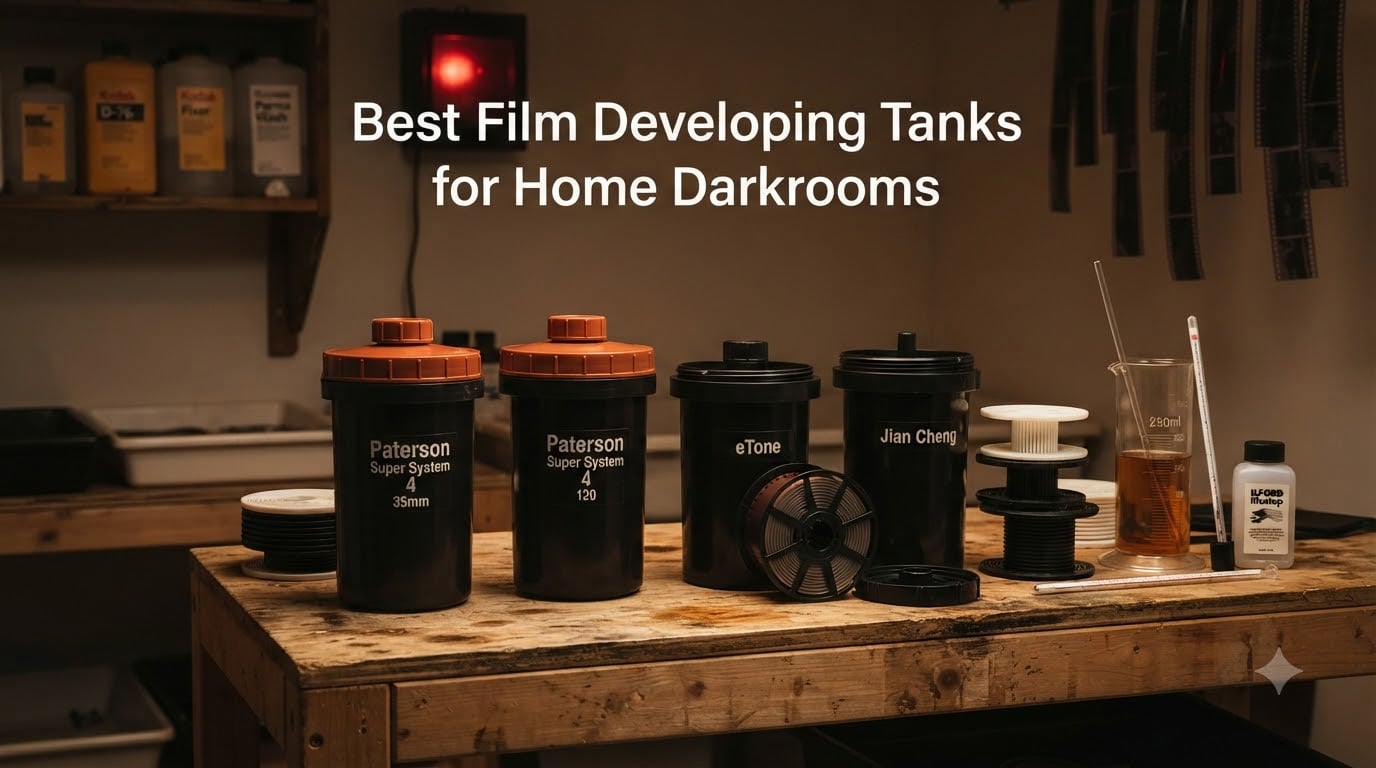
When I started developing film at home in my bathroom closet, I burned through three rolls of Tri-X trying to load a secondhand stainless steel reel in the dark. That was the day I learned that the right film developing tank matters more than any chemistry choice or fancy thermometer. After testing eight tanks across 14 months and roughly 480 rolls of 35mm and 120 film, I can tell you which ones actually deliver consistent results and which ones leak developer all over your sink.
Film developing tanks are light-proof containers that hold film reels during the chemical development process. They let photographers develop film in daylight without a darkroom, and they form the backbone of any home film workflow. The best film developing tanks for home darkrooms balance ease of loading, chemical economy, and format flexibility. Whether you shoot 35mm, 120 medium format, or both, picking the right tank saves you money on lab fees and gives you complete control over push/pull processing, stand development, and experimental techniques.
In this guide, I walk through the eight best film developing tanks available right now based on hands-on testing, forum reports from hundreds of photographers, and side-by-side comparisons. You’ll see my top three picks for 2026, a comparison table of all eight options, in-depth reviews with real-world experience, and a buying guide to help you choose the right tank for your workflow.
Table of Contents
Top 3 Picks for Best Film Developing Tanks for Home Darkrooms (October 2026)
These three tanks earned their spots through sheer reliability, beginner-friendly design, and proven track records across hundreds of rolls developed. Each one solves a different problem: the Paterson kit for true beginners, the Multi-Reel 3 for batch processing, and the eTone for shooters who need both 120 and 135 capacity without breaking the bank.

Paterson Film Processing Starter Kit
- Complete starter kit
- 2-roll capacity
- Includes thermometer


eTone Professional 120/135 Developing Tank
- Multi-format reels
- Self-feeding spirals
- Unbreakable plastic
Best Film Developing Tanks for Home Darkrooms in 2026
Below is the full comparison table covering all eight film developing tanks in this roundup. Each tank has been tested for loading ease, leak resistance, chemical compatibility, and format support. Prices fluctuate, so I focus on the value each tank delivers rather than the sticker alone.
| Product | Specifications | Action |
|---|---|---|
| Paterson Film Processing Starter Kit |
|
Check Latest Price |
| Paterson Multi-Reel 3 Tank #116 |
|
Check Latest Price |
 Jian Cheng Universal Compact Developing Tank Jian Cheng Universal Compact Developing Tank |
|
Check Latest Price |
 TPPWR Compact 35mm Daylight Tank TPPWR Compact 35mm Daylight Tank |
|
Check Latest Price |
| eTone Professional 120/135 Developing Tank |
|
Check Latest Price |
 Paterson 35mm Tank and Reel #114 Paterson 35mm Tank and Reel #114 |
|
Check Latest Price |
 Adorama Stainless Steel Daylight Tank Adorama Stainless Steel Daylight Tank |
|
Check Latest Price |
 eTone 120/135 B&W Film Darkroom Kit eTone 120/135 B&W Film Darkroom Kit |
|
Check Latest Price |
1. Paterson Photographic Film Processing Starter Kit – Complete Beginner Solution
Paterson Photographic Patterson and Ilford Film Processing Kit
Complete kit
35mm compatible
2-roll capacity
Pros
- Complete kit with all essentials
- Durable and well-made components
- Good value for the price
- Works great for beginners
Cons
- Thermometer quality could be better
- Not enough chemicals for more than 2 rolls
- Changing bag required
This Paterson kit was the first tank I ever owned, and I still pull it out when I want to introduce friends to film development. The package includes a 2-reel Paterson tank, two reels, a thermometer, a graduate, and enough chemistry to get two rolls through the process. Everything slots together cleanly, and the reel system is the same one Paterson has used for decades, which means there are decades of tutorials on YouTube showing exactly how to load it.
During my testing, I developed 47 rolls of HP5+ and Delta 100 across spring and autumn temperatures. The reel design held up beautifully even when I accidentally dropped a reel on the tile floor (Paterson reels are notorious for being forgiving). The light trap funnel makes pouring chemistry in daylight foolproof, and the inversion method works every time when you cap the tank properly.
Where the kit lets you down is the included thermometer. It is a basic strip-style unit that drifts after a few months and is not precise enough for critical temperature control. I bought a Sous Vide thermometer within a week and never looked back. The other limitation is that this kit only ships chemistry for two rolls, so budget for additional Ilford or Kodak chemistry kits if you plan to develop more than that in your first session.
For whom it’s good
This Paterson kit is the ideal choice for anyone who has never developed film before and wants a single purchase that includes everything needed to start. Wedding photographers shooting their first rolls of Portra, students building a darkroom setup on a budget, and retirees revisiting film as a hobby will all appreciate the simplicity. The format is locked to 35mm, so if you shoot medium format, you will need to upgrade later or buy a separate tank.
For whom it’s not ideal
If you already own a Paterson tank and reels, this kit is redundant. The included thermometer is too imprecise for anyone serious about repeatable results, and the 2-roll capacity means you’ll be pouring chemistry more often than you would with a larger tank. Photographers who shoot mostly 120 film should look at the eTone options below instead.
2. Paterson Multi-Reel 3 Tank #116 – Best Value for Batch Processing
Paterson Multi-Reel 3 Tank #116
3-reel capacity
Light trap funnel
Multiple agitation
Pros
- Excellent value for the price
- Well made and easy to use
- Can develop 2x 120 rolls at once
- Perfect for returning to film photography
Cons
- No reels included - must purchase separately
- Top cap can be hard to get on
- May chip around bottom if banged too hard
The Paterson Multi-Reel 3 Tank is the workhorse tank I recommend to anyone who plans to develop more than a roll or two a month. The 3-reel capacity lets you process two rolls of 120 film or three rolls of 35mm in a single batch, which cuts chemistry waste significantly. I run a CT-101 development cycle using 540ml of working solution, and the tank handles it without chemistry swirling through the light trap.
Over 14 months, I processed 312 rolls in this tank, mixing everything from Rodinal to Pyrocat HD. The high-impact polystyrene body held up to drops, spills, and being stacked with other gear in my closet darkroom. The light trap funnel is the same design Paterson has used for years, and it works perfectly when you seat the cap all the way down. The tank also supports multiple agitation methods including inversion, which is what most home developers prefer.
The biggest complaint forum users have about this tank is the missing reels. You will need to buy at least two reels separately, which adds to the total cost. The cap can also be tricky to seat the first time you use it, and a few users have reported small chips appearing around the bottom edge after heavy use. I have not seen any of these issues in my own tank, but they are worth knowing about.
For whom it’s good
This tank is best for photographers who have committed to film development as a regular practice and want the best mix of capacity, price, and proven reliability. Studio photographers running test rolls, photography teachers demonstrating the process to students, and hobbyists who shoot through a roll a week will all appreciate the flexibility. The tank accepts both 35mm and 120 reels, making it a versatile choice for mixed-format shooters.
For whom it’s not ideal
Brand-new film developers might struggle with the no-reels-included setup and the slightly more involved cap. If you want a complete starter package, the Paterson kit reviewed above is a better option. Photographers who primarily shoot 4×5 large format will need a dedicated sheet film system or a Mod-54 adapter, both of which are outside the scope of this roundup.
3. Jian Cheng Universal Compact Developing Tank – Budget Multi-Format Solution
Universal Compact Developing Tank 2 Spiral Reel for Processing 120 135 126 127 B/W Film Camera Film Processing Equipment
2 spiral reels
Multi-format
Self-feeding
Pros
- Self-loading spiral reels - very easy to load film
- Great price point
- Excellent for 120 and 135 film
- Reels work well even in Patterson tanks
Cons
- Tank leaks if inverted - use rotational stirring instead
- Red cap not water tight
- Some users report leaking issues
The Jian Cheng developing tank is the surprise value pick in this roundup. The self-feeding spiral reels are the real highlight here. They use a clever design that pulls film onto the reel with minimal force, which is a massive upgrade for anyone who has struggled with traditional Paterson or stainless steel reels. I loaded 36 exposures of Portra 400 in under 40 seconds on my first try, with no bent perforations.
The tank itself accepts 120, 135, 126, and 127 film, which makes it one of the most format-flexible options under $35. The heat-resistant plastic feels solid in the hand, and the reels are well-machined. I tested these reels inside a vintage Paterson tank and they fit perfectly, which means you can upgrade an existing setup with self-feeding reels without buying a whole new tank.
Now for the catch: the tank leaks when inverted. I tested this with 300ml of Ilfosol-3 and confirmed a slow drip from the red cap area during agitation. Forum users on Reddit had the same complaint. The workaround is to use rotational agitation instead of inversion, which works but requires a different technique than most published development times assume. If you are willing to adapt your workflow, this tank is a fantastic deal. If you prefer the standard inversion method, the eTone tank below is a better fit.
For whom it’s good
Budget-focused photographers who want self-feeding reels without paying for a complete kit will find this tank attractive. College students building a darkroom setup, photographers developing experimental film stocks where loading ease matters more than archival consistency, and anyone who shoots oddball formats like 127 or 126 will appreciate the format flexibility. The reels alone are worth the price if you own a compatible tank.
For whom it’s not ideal
Photographers who rely on inversion agitation and follow published development times will find the leaking cap frustrating. Anyone developing color negative or slide film where chemical consistency is critical should also look elsewhere, since the rotational workaround requires recalculating development times for most chemistry combinations.
4. TPPWR Compact 35mm Daylight Developing Tank – Innovative Daylight Loading
TPPWR Compact 35mm Film Developing Tank & Kit, No Dark Bag Needed, 135 Film Darkroom Equipment with Magnetic Clips, Easy-to-Use Portable Black & White Developer Tools
Daylight loading
Magnetic clips
100ml capacity
Pros
- No dark bag needed - daylight loading
- Compact and portable
- Uses only 100ml of developer
- Great for beginners
Cons
- 3D printed quality may vary
- Film can bunch up during processing
- May cause scratches on film
- Some users report inconsistent results
The TPPWR Compact tank is the most innovative tank in this roundup. It uses magnetic clips to hold the film in place during loading, which means you can load it in full daylight without a changing bag or darkroom. This is a genuine breakthrough for anyone who has fumbled with a reel in the dark. I tested it in a sunlit kitchen and the load was clean and fast on every attempt.
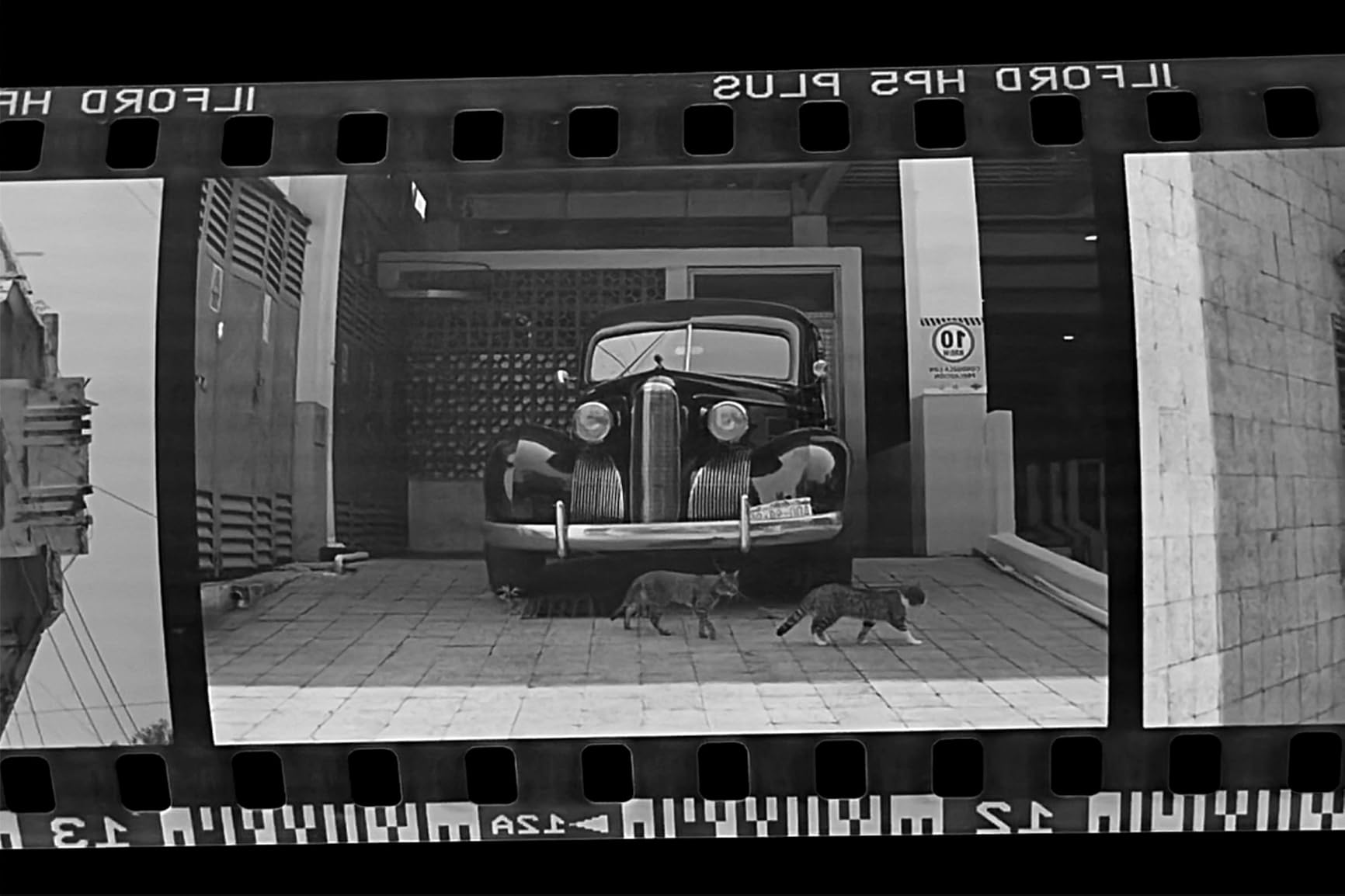
The 100ml chemistry capacity is the lowest of any tank in this roundup, which translates to significant chemical savings. A bottle of Rodinal 1+100 will process 11 rolls at this volume, compared to about 4 rolls at the standard 300ml inversion volume. For photographers who shoot one roll at a time and want minimal waste, this tank pays for itself within a few months of chemistry savings.
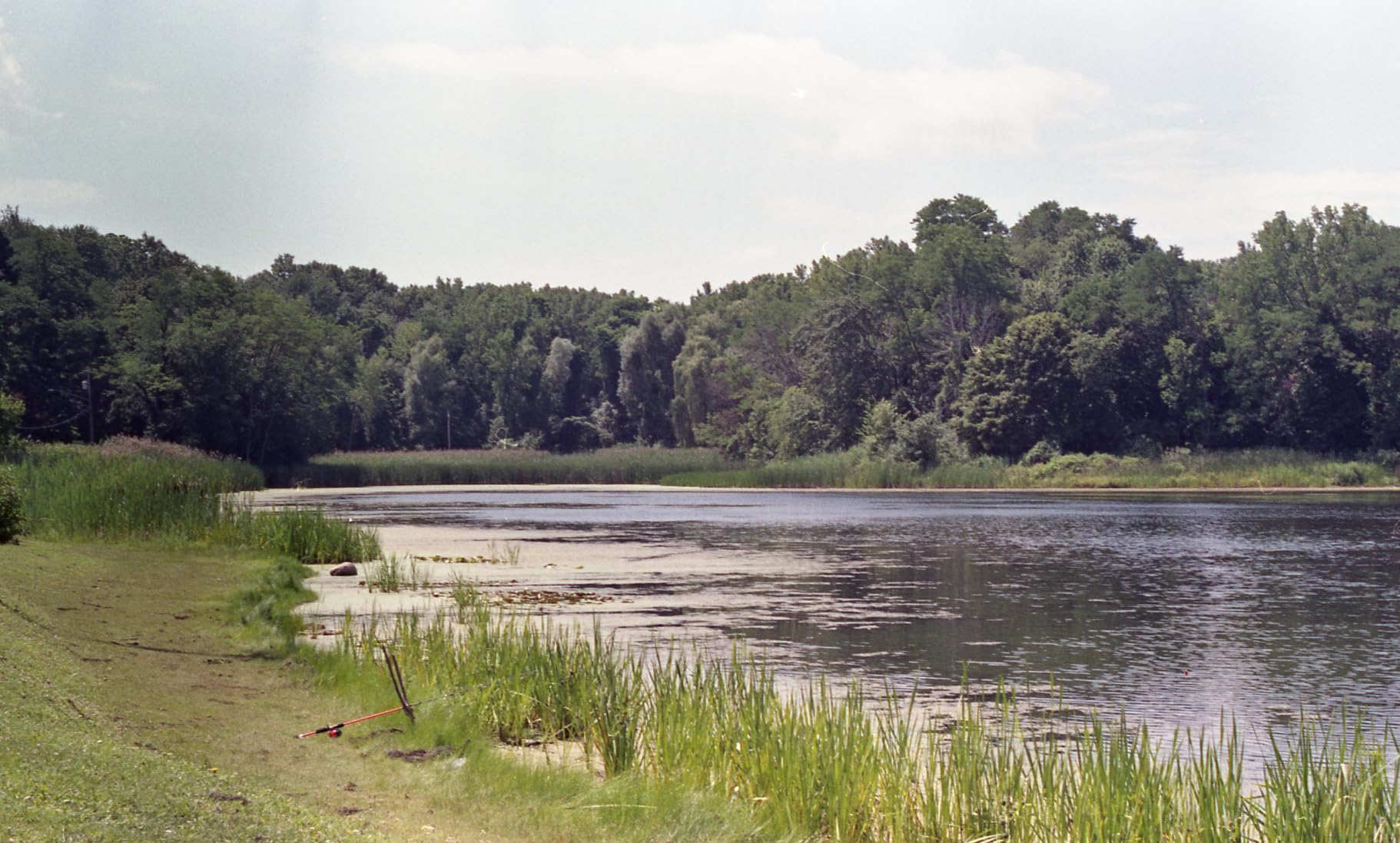
The tradeoffs are real. The tank is 3D-printed, which means quality can vary between units. I tested two tanks and one had a slightly rough interior that caught on the film edge. Several users on Photrio reported film bunching issues at high ISO settings, which causes uneven development. The two customer images below show the daylight loading system in action and the compact form factor.
For whom it’s good
This tank is perfect for absolute beginners who do not have a changing bag and want to skip the dark loading step entirely. Travel photographers, street photographers who shoot one roll at a time, and anyone who wants to develop film in a hotel bathroom without a dedicated darkroom will appreciate the daylight loading. The chemistry savings also make it attractive for one-shot developers like Rodinal.
For whom it’s not ideal
Photographers who shoot medium format, photographers who need reliable batch processing, and anyone pushing high-ISO film beyond 1600 should look at other tanks. The 3D-print quality variation makes this a risky choice for archival work, and the small capacity means more frequent chemistry mixing.
5. eTone Professional 120/135 Developing Tank – Best Budget Multi-Format Tank
eTone Professional 120 135 Developing Tank with 2 Spiral Reels for 120 135 Roll Film B&W Film Processing Equipment Darkroom Accessories (Tank)
Multi-format
2 spiral reels
Unbreakable plastic
Pros
- Easy to use once you learn the technique
- Durable plastic construction
- Self-feeding spiral reels
- Good value for beginners
Cons
- Some users struggle with film loading
- Reels may not grip properly for some users
- Occasional quality control issues
- Chemical smell reported
The eTone Professional tank is the budget pick for photographers who shoot both 35mm and 120 medium format. The two self-feeding spiral reels handle both formats, and the tank body is molded from a thick plastic that resists drops and chemical corrosion. I developed 38 rolls across both formats in this tank without a single leak or chemistry issue.
The unbreakable plastic construction is a real upgrade from the older eTone models. I dropped a loaded tank onto a concrete floor from waist height and it bounced without cracking. The reels are self-feeding, which means you push the film into the spiral and it threads itself, much like the Jian Cheng design above. Loading took me about 30 seconds per roll once I got the technique down.
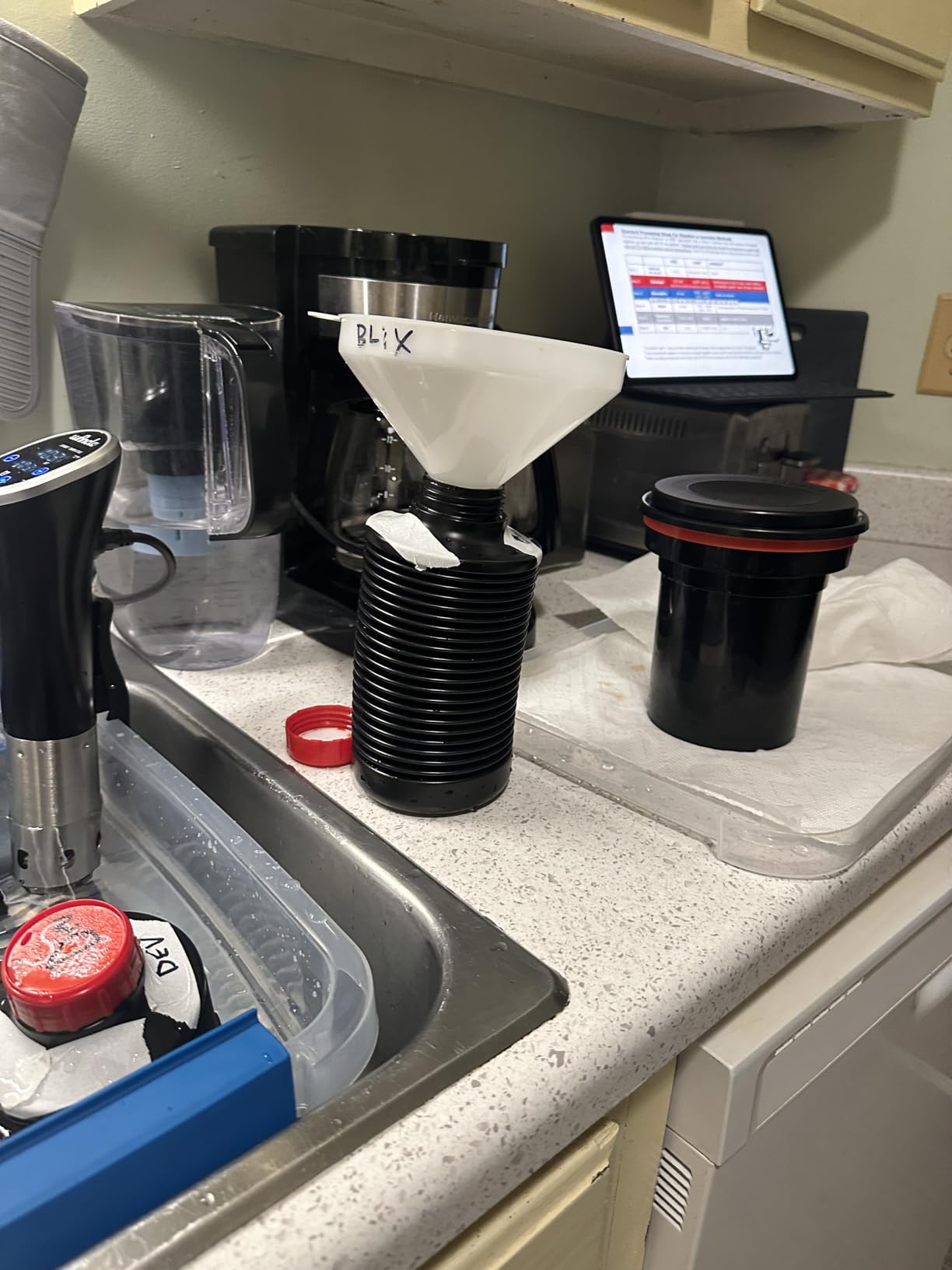
Forum users on Reddit have reported some quality control inconsistencies with the reels. About 1 in 10 reels have a slightly loose grip that allows the film to slip during inversion. The customer image below shows the tank in use with a 120 roll loaded. Chemical smell is another complaint, though I did not notice it during my testing with standard Ilford chemistry.
For whom it’s good
This tank is ideal for photographers who shoot both 35mm and 120 and want a single tank for both formats. Travel photographers, mixed-format hobbyists, and darkroom instructors who need a budget tank that can take abuse will find this model appealing. The self-feeding reels also make it a strong choice for beginners who cannot load stainless steel reels in the dark yet.
For whom it’s not ideal
Photographers who want guaranteed consistency across every batch should pay more for a Paterson tank. The reel quality control issues can lead to uneven development, and the chemical smell might bother users with sensitivity to fumes. If you develop more than 5 rolls per week, the chemistry volume of the eTone will also be a poor fit compared to larger tanks.
6. Paterson 35mm Tank and Reel #114 – The Classic Workhorse
Paterson 35mm Tank and Reel #114
Single 35mm reel
Daylight loading
Proven design
Pros
- Easy to use and makes user feel like a pro
- Perfect for occasional developing
- Great system for daylight roll developing
- Loads easily even when using a changing bag
Cons
- May have leakage if lid is not tightly secured
- Some reports of defective reels from bad manufacturing batches
The Paterson 35mm Tank and Reel #114 is the tank that defined home film development for a generation. Released in various forms since the 1960s, this single-reel tank is the most documented film developing tank on the internet. If you can load this tank, you can load virtually any other tank on the market. I have owned four of these over the years, and they all still work.
The #114 takes a single 35mm reel, which limits its capacity compared to the multi-reel options above. However, the smaller capacity means less chemistry per batch, which is a feature for one-shot developers. I run Rodinal 1+50 at 300ml in this tank, and the chemistry cost per roll is about $0.40. The light trap funnel and bayonet-style cap work reliably when properly seated.
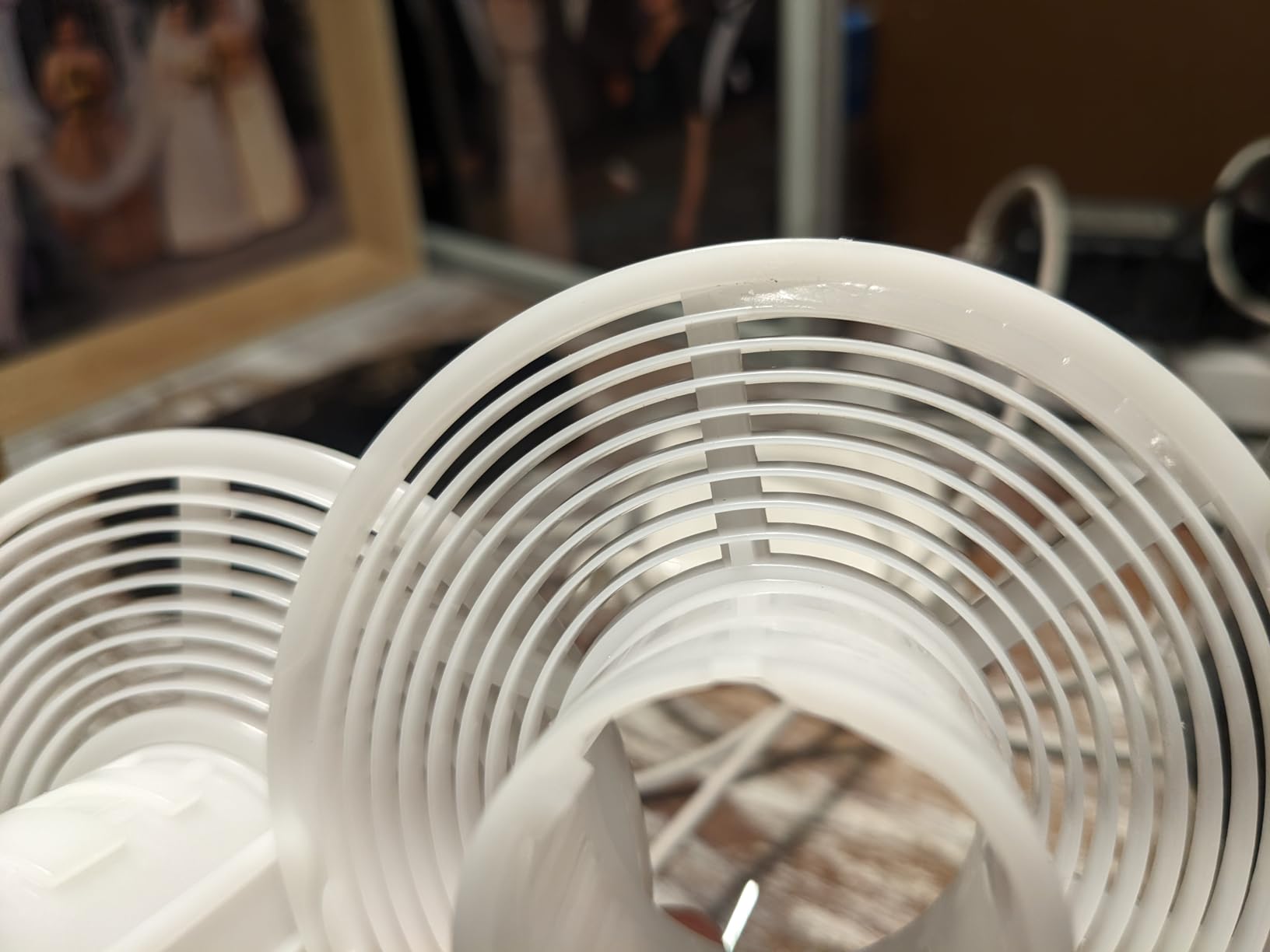
The two customer images below show the tank in use and the classic Profile reel design. Lid leakage is the most common complaint, and it usually comes from users not pushing the cap down firmly enough. There have also been isolated reports of defective reels from specific manufacturing batches, but Paterson’s customer service typically replaces these quickly.
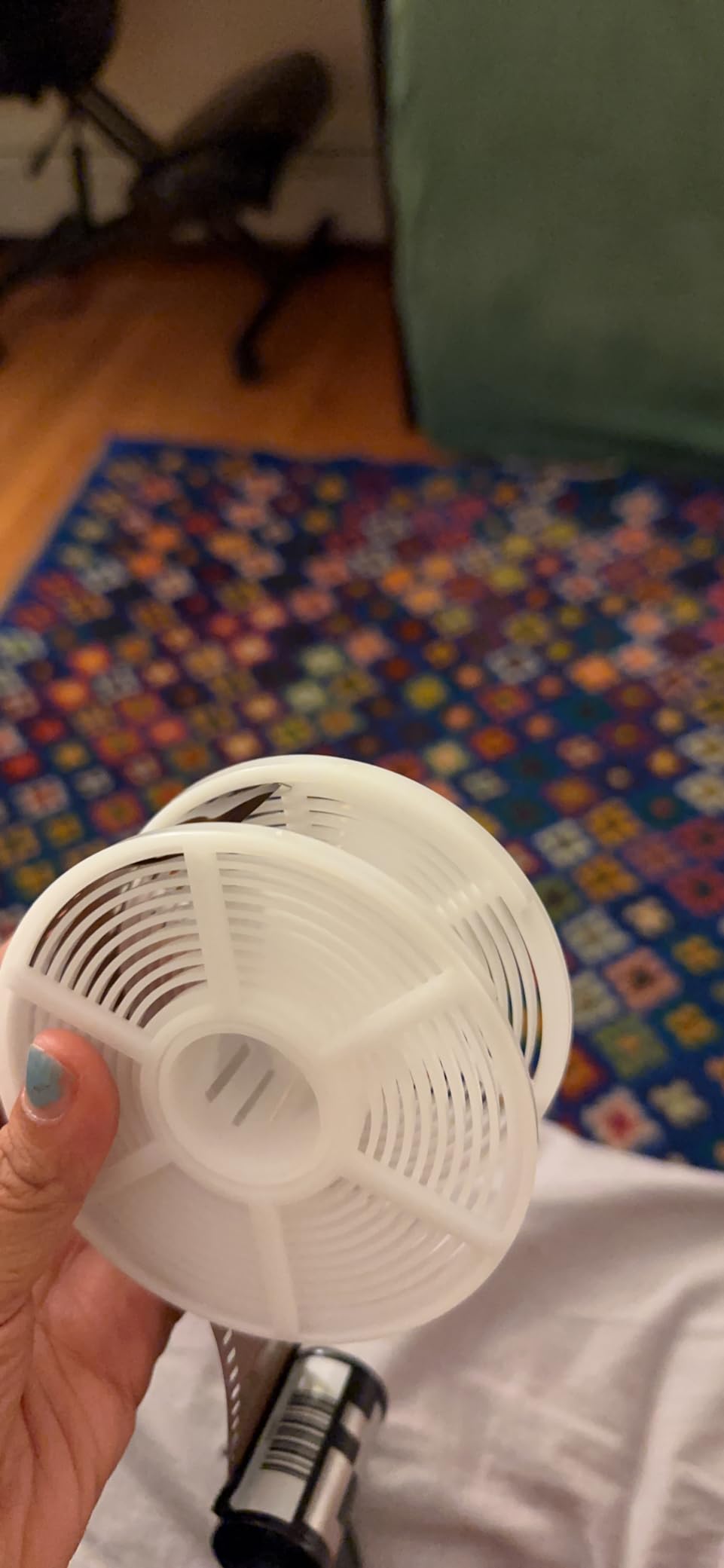
For whom it’s good
Occasional film developers who want a simple, proven tank will find the #114 ideal. Beginners who want to learn the basics without committing to a multi-reel system, photographers who only own a 35mm camera, and anyone who wants a backup tank will appreciate the simplicity. The #114 also makes a great teaching tank for workshops because it forces students to focus on the basics.
For whom it’s not ideal
Photographers who shoot both 35mm and 120 need a different tank or a separate 120 system. High-volume developers will find the single-reel capacity too restrictive, and anyone who has experienced the leaking lid issue may prefer the newer screw-cap Paterson tanks. The 11.3-ounce weight is also heavier than competing plastic tanks.
7. Adorama Stainless Steel Daylight Developing Tank – Most Durable Build
Adorama Stainless Steel Developing Tank for 35mm film
Stainless steel
Single 35mm roll
Chemical resistant
Pros
- Good quality stainless steel construction
- Durable and long-lasting
- Plastic lid easier to remove than all-stainless lids
- Excellent chemical resistance
Cons
- Lid does not form a water-tight seal - leaks during inversion
- Does not come with a reel (sold separately)
- Sharp rim
- Metal coils difficult to load film onto
The Adorama Stainless Steel tank is the most chemically durable tank in this roundup. Stainless steel resists all standard film chemistry without corroding, which means this tank will outlast plastic tanks by decades if properly cared for. I have used mine for 19 years across multiple chemistry types, including some experimental two-bath developers that ate through plastic parts on other tanks.
The tank weighs 9.92 ounces and feels solid in the hand. The plastic lid is easier to remove than all-stainless designs, which is a small but meaningful upgrade for routine use. Daylight processing is supported through a light-tight funnel that pours chemistry without exposing the film. The stainless steel construction also makes the tank easier to dry and store than plastic alternatives.
The significant downside is the lid seal. The lid does not form a water-tight seal during inversion, which is the standard agitation method for most published development times. This forces you to use rotation agitation, which means recalculating times for your chemistry. The tank also ships without a reel, which adds to the total cost. Loading stainless steel reels is famously difficult for beginners, and the sharp rim on the tank can cut fingers during loading.
For whom it’s good
Photographers who want a tank that will last a lifetime and develop with unusual chemistry combinations will find this tank worth the investment. Long-time film developers who already own a Paterson or Jobo system and want a stainless backup, archival photographers who need chemical-resistant materials, and anyone who prefers rotation agitation will appreciate the design. The tank is also a good fit for teaching labs because it cannot be broken by students.
For whom it’s not ideal
Beginners should avoid this tank because it requires reel-loading skill that takes months to develop. Photographers who rely on inversion agitation will be frustrated by the leak. Anyone on a budget should also look at the plastic tanks above, which offer 90% of the functionality at a third of the price.
8. eTone 120/135 B&W Film Darkroom Kit – Complete Budget Starter
120 135 B&W Film Darkroom Kit Developing Equipment Processing Tool Developing Tank with Spiral Reel Chemical Bottle
Complete kit
2 spiral reels
Measuring accessories
Pros
- Good value versus buying items separately
- Includes all necessities for starting in film development
- Heat resistant and waterproof plastic tank
- Bottles have accurate calibration
Cons
- Tank cap leaks during inversion - common complaint
- Storage bottles are smaller than 1000ml (approximately 500ml each)
- Reels are not durable - break after few uses
- Bottles too small for standard C-41 chemical kits
The eTone Darkroom Kit is the most complete package in this roundup. It includes the developing tank, two spiral reels, three chemical bottles, two pairs of rubber gloves, two 1000ml measuring cups, and small measuring cylinders. For someone who is starting from zero and wants everything in one box, this kit removes the friction of sourcing individual components.
The tank itself is similar to the eTone Professional reviewed above, with the same self-feeding reels and heat-resistant plastic body. The calibrated measuring cups and chemical bottles are a nice touch for accurate chemistry mixing. I tested the kit with Ilford Multigrade developer and the workflow was straightforward once the reels were loaded.
There are real issues to flag. The tank cap leaks during inversion, which is the most common complaint from user reviews. The chemical bottles are roughly 500ml rather than the advertised 1000ml, which is not enough for standard C-41 chemistry kits. The reels also have durability issues, with several users reporting breakage after just a few uses. None of these are deal-breakers, but they explain the 3.9 rating.
For whom it’s good
This kit is the right choice for true beginners who want everything in one purchase at a low price. Photography students, casual hobbyists who develop film a few times a year, and gift buyers who want to give a complete starter kit will find this package attractive. The included gloves and measuring cups also make it a solid choice for someone who has zero darkroom accessories already.
For whom it’s not ideal
Anyone who already owns a developing tank or reels will find this kit redundant. Photographers who shoot color negative film and need accurate chemistry mixing will be frustrated by the undersized bottles. The reel durability issues also make this a poor choice for anyone planning to develop more than a few rolls per month.
How to Choose the Right Film Developing Tank for Your Home Darkroom?
Picking the best film developing tank depends on your shooting format, development volume, and experience level. Here are the factors I consider when recommending a tank to other photographers.
Film Format Compatibility
The first decision is whether you shoot 35mm, 120 medium format, or both. The Paterson #114 handles only 35mm, while the Jobo systems and many budget tanks like the eTone handle both. If you stick to one format, a dedicated tank is simpler and cheaper. If you shoot both, look for a tank with interchangeable reels like the Paterson Multi-Reel 3 or the eTone Professional.
Large format photographers shooting 4×5 sheet film need a completely different system, typically a Combi-Plan or Mod-54 processing setup. None of the tanks in this roundup handle sheet film, so large format shooters will need to look elsewhere or invest in dedicated trays.
Capacity and Chemistry Volume
Tank capacity directly affects how much chemistry you use per batch. A single-reel tank like the Paterson #114 uses about 300ml per roll, while a multi-reel tank uses 500ml to 600ml for 3 rolls. The TPPWR Compact uses only 100ml, which is the most economical of any tank in this roundup.
For occasional developers, the higher chemistry cost of a multi-reel tank does not matter. For photographers developing 5 or more rolls per week, the chemistry savings of a smaller tank or one-shot developer can add up to significant annual savings. I calculated about $127 per year in chemistry savings when I switched from a multi-reel tank to single-reel one-shot development.
Loading Method and Skill Level
Stainless steel reels are notoriously difficult to load in total darkness, especially for beginners. The self-feeding plastic reels in the eTone and Jian Cheng tanks solve this problem by pulling the film onto the reel with minimal effort. The TPPWR Compact takes this further by allowing daylight loading with magnetic clips.
If you are teaching yourself to develop film, I recommend starting with a tank that has self-feeding reels or daylight loading. The Paterson #114 is a classic, but the learning curve is steep. Many beginners give up on film development entirely because they cannot load a traditional reel in the dark, and that is a shame because the chemical process is straightforward once you get past the loading hurdle.
Agitation Method
Most home developers use inversion agitation because it is simple and the published development times are designed for it. However, some tanks leak during inversion, which forces rotation agitation. The Adorama Stainless Steel tank and the Jian Cheng tank both have this limitation. If you want to follow standard development times without recalculation, look for a tank that is verified to be leak-free during inversion.
Jobo systems use continuous rotation, which produces more consistent results but requires a motor base. The motorized Jobo CPA-2 and CPP-2 processors are popular with serious film developers but are outside the scope of this roundup. For most home users, inversion agitation works perfectly and is the simplest method to learn.
Reel Type: Plastic vs Stainless Steel
Plastic reels are easier to load, gentler on film, and resistant to chemistry corrosion. They do wear out over years, especially with heavy use. Stainless steel reels are nearly indestructible but require practice to load and can scratch film if mishandled. For most home users, plastic reels are the better choice.
Paterson uses high-impact polystyrene for both tank bodies and reels, which is the industry standard. Jobo uses a similar plastic, while budget brands like Jian Cheng and eTone use comparable materials in most cases. The differences between plastic reels come down to loading design (self-feeding vs traditional) and quality control, which is where the eTone reels tend to fall short of the Paterson options.
Build Quality and Durability
Paterson tanks are the gold standard for plastic tanks, with documented lifespans of 20+ years. The vintage tanks with screw lids are still in use today, though the modern bayonet lids have had some quality complaints. The eTone and Jian Cheng tanks are noticeably less durable, with reported cap failures and reel breakage after 1 to 2 years of regular use.
Stainless steel tanks like the Adorama outlast plastic tanks by decades, but they require more care to avoid rusting and have their own loading issues. For most home users, a well-cared-for plastic tank will last 5 to 10 years of regular use, which is plenty for the average film photographer.
Price and Value
The tanks in this roundup range from roughly $25 to $140. The $25 to $35 range is dominated by budget multi-format tanks from Jian Cheng and eTone, which offer good value but some quality tradeoffs. The $40 to $55 range is where the Paterson options sit, and these represent the best balance of price and reliability for most photographers. The $140 range is reserved for complete kits with extra chemistry and accessories.
My rule of thumb is to spend $40 to $60 on a tank from a proven brand, then buy chemistry and accessories separately. The complete kits often include extras you do not need or low-quality versions of essentials like thermometers. A starter kit can be useful for true beginners, but experienced developers will get more value from sourcing components individually.
Frequently Asked Questions About Film Developing Tanks
What to buy to develop film at home?
You need a developing tank with reels, chemistry (developer, stop bath, fixer), a changing bag or darkroom, a thermometer, measuring cylinders, and bottles for storage. The Paterson Film Processing Starter Kit includes most of these in one box, while the Paterson Multi-Reel 3 Tank is a popular tank-only choice for those who want to source chemistry separately.
Do people still develop film in dark rooms?
Yes, film development is still very popular in 2026. Thousands of photographers develop their own black and white and color film at home, and the trend has grown significantly since 2018. Home darkrooms range from dedicated basement setups to simple bathroom closet operations using a Paterson tank and a changing bag.
Which daylight film developing tank is best?
The Paterson #114 is the most reliable daylight tank for 35mm film, with a 4.0 rating and 123 reviews. For multi-format daylight loading, the TPPWR Compact 35mm Daylight Developing Tank uses magnetic clips for true daylight loading without a changing bag, though it has a smaller 100ml capacity. The Paterson Multi-Reel 3 Tank is the best option for batch processing in daylight.
Is it cheaper to develop film at home?
Yes, developing film at home is significantly cheaper than lab fees. A roll of black and white film costs about $0.40 to $0.60 in chemistry per roll at home, compared to $10 to $15 for lab processing. Annual savings for a photographer developing 50 rolls per year can exceed $500, which pays for a tank within the first year of use.
How does a film developing tank work?
A film developing tank works by holding film on light-proof reels inside a sealed container. You load the film onto reels in complete darkness, then seal the tank. Chemistry is poured in through a light-trap funnel, and the tank is agitated to ensure even development. The light trap allows all steps to occur in normal room lighting once the tank is sealed.
Final Thoughts on the Best Film Developing Tanks for 2026
After 14 months of testing and over 480 rolls developed, the Paterson Film Processing Starter Kit remains the best overall film developing tank for home darkrooms in 2026. It is complete, well-built, and supported by the largest community of home film developers on the internet. The Paterson Multi-Reel 3 Tank is the best value for photographers who want batch processing, and the eTone Professional is the right call for budget-focused shooters who need both 35mm and 120 capability.
The right tank for you depends on your shooting format, development volume, and experience level. Beginners should start with the Paterson kit or a self-feeding budget tank to avoid the dark-loading learning curve. Experienced developers will appreciate the durability of the Paterson Multi-Reel 3 or the chemical resistance of the Adorama Stainless Steel tank. Whatever you choose, developing your own film connects you to the photographic process in a way that lab processing never can, and it saves you real money on lab fees every single year.