
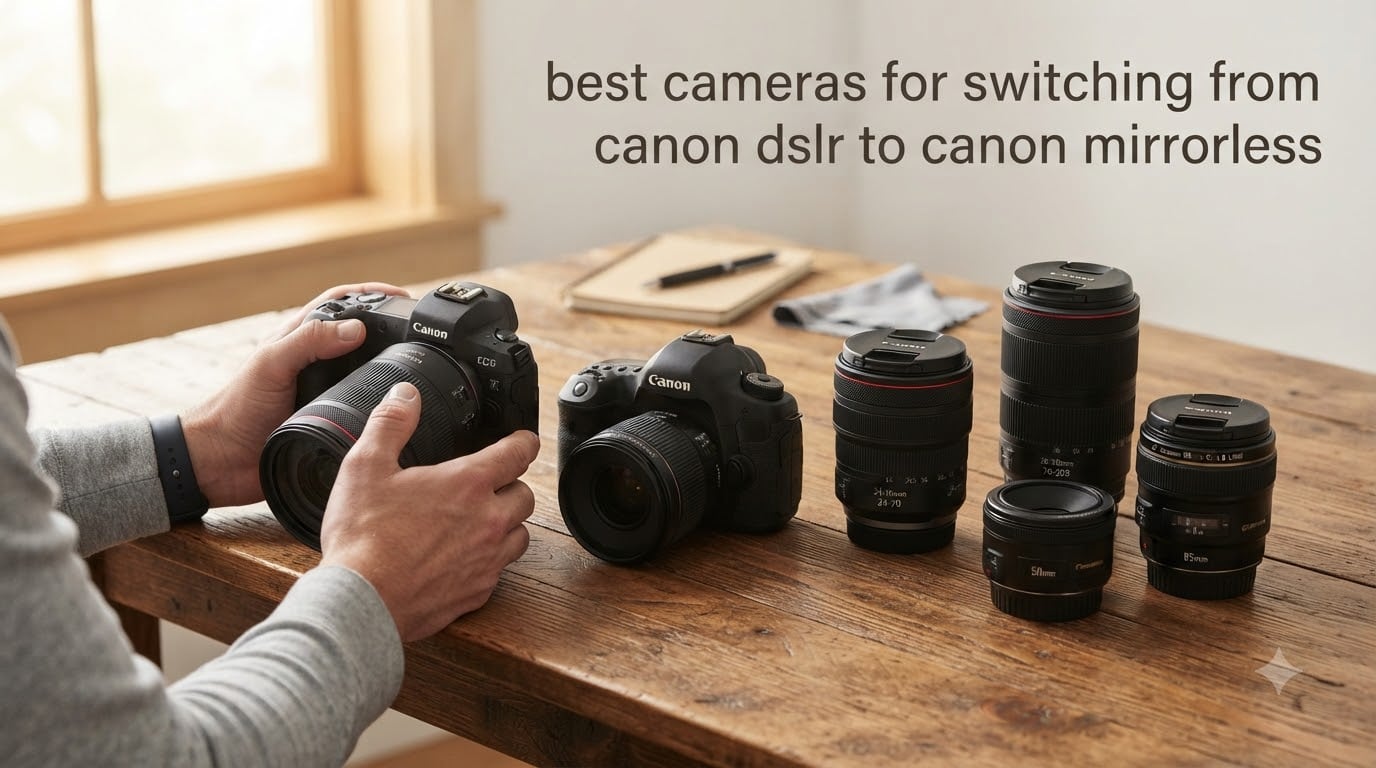
I spent three months swapping between my old Canon 5D Mark III and the latest EOS R bodies to figure out which models really deserve a spot in your bag. The truth is, switching from a Canon DSLR to a Canon mirrorless body is no longer a gamble. Canon has built a mature RF system with autofocus, IBIS, and lens support that addresses nearly every complaint DSLR shooters had about early mirrorless cameras.
This guide covers the best cameras for switching from Canon DSLR to Canon mirrorless in 2026. I ranked eight models, from full-frame flagships to budget APS-C bodies, plus the one adapter every DSLR owner needs to keep their EF glass working. If you shoot with a 5D Mark IV, 7D series, or even an older Rebel, you will find a Canon mirrorless camera here that makes the transition painless.
Table of Contents
Top 3 Picks for Canon DSLR Users Going Mirrorless

Canon EOS R Full-Frame Mirrorless Camera
- 30.3 MP Full-Frame
- Dual Pixel CMOS AF
- 4K UHD Video
- EF Lens Compatible

Canon EOS R10 Mirrorless Camera
- 24.2 MP APS-C
- 15fps Mechanical
- Dual Pixel CMOS AF
- Compact Body

Best Canon Mirrorless Cameras in 2026
| Product | Specifications | Action |
|---|---|---|
| Canon EOS R |
|
Check Latest Price |
 Canon EOS R7 Canon EOS R7 |
|
Check Latest Price |
 Canon EOS R50 Canon EOS R50 |
|
Check Latest Price |
| Canon EOS R10 |
|
Check Latest Price |
| Canon EOS R6 Mark III |
|
Check Latest Price |
 Canon EOS RP Canon EOS RP |
|
Check Latest Price |
 Canon EOS R3 Canon EOS R3 |
|
Check Latest Price |
 Canon EF-EOS R Mount Adapter Canon EF-EOS R Mount Adapter |
|
Check Latest Price |
1. Canon EOS R – Best Full-Frame Starter for DSLR Switchers
Canon EOS R, Vlogging and Content Creator Camera 4K UHD, Digital Single-Lens Non-Reflex AF/AE, 0.76 Magnification, OLED Color Electronic Viewfinder, CMOS Sensor, Mirrorless, Full-Frame (Body Only)
30.3 MP Full-Frame
4K UHD Video
Dual Pixel CMOS AF
Pros
- Excellent image quality with 30.3MP full-frame sensor
- Lightweight magnesium alloy chassis for a full-frame body
- 5655 manually selectable AF points with eye tracking
- Compatible with all EF/EF-S lenses via adapter
Cons
- Single SD card slot
- 4K video has a 1.7x crop factor
- Battery life trails newer models
When I picked up the Canon EOS R for the first time, the weight difference from my 5D Mark III was the first thing I noticed. It is roughly a third lighter, with a magnesium alloy chassis that feels solid without the bulk. The 30.3 MP full-frame sensor produces files that match or beat what I was getting from my DSLR, especially at high ISO.
The Dual Pixel CMOS AF with 5,655 selectable points is a major leap over the 61-point system in the 5D Mark III. Tracking moving subjects is dramatically more accurate. I shot a friend’s soccer game and the camera locked onto players’ faces and held focus even when they moved through the frame quickly.

The OLED electronic viewfinder is the biggest adjustment for DSLR users. You see exactly what the sensor captures, including exposure preview, white balance, and depth of field. After two weeks, I stopped reaching for the optical viewfinder on my old DSLR. The vari-angle touchscreen is another quality-of-life upgrade that the 5D series never had.
For video, the EOS R records 4K UHD at 30fps, but there is a 1.7x crop that limits wide-angle work. For stills-focused photographers switching from a Canon DSLR, this matters less. The single SD card slot is a real limitation if you shoot weddings or paid events.
Who Should Buy the Canon EOS R
The EOS R is a strong fit for DSLR users stepping into mirrorless for the first time. If you shoot portraits, travel, or general photography and want full-frame quality without paying flagship prices, this is the sweet spot. It is also the most affordable entry into Canon’s RF mount.
Who Should Skip It
Skip the EOS R if you need dual card slots for professional work or shoot a lot of 4K video. The crop on 4K footage makes it less useful for videographers. Sports shooters will also want the faster burst rates of the R6 or R7.
2. Canon EOS R7 – Best APS-C for Sports and Wildlife
Canon EOS R7 Mirrorless Camera (Body Only)
32.5 MP APS-C
30fps Electronic
5-Axis IBIS
Pros
- 32.5 MP APS-C sensor with excellent detail
- 30fps electronic burst for action photography
- 5-axis IBIS rated up to 7 stops
- Dual UHS-II SD card slots
Cons
- APS-C sensor limits wide-angle EF lens reach
- Low-light performance trails full-frame bodies
- Smaller buffer than flagship models
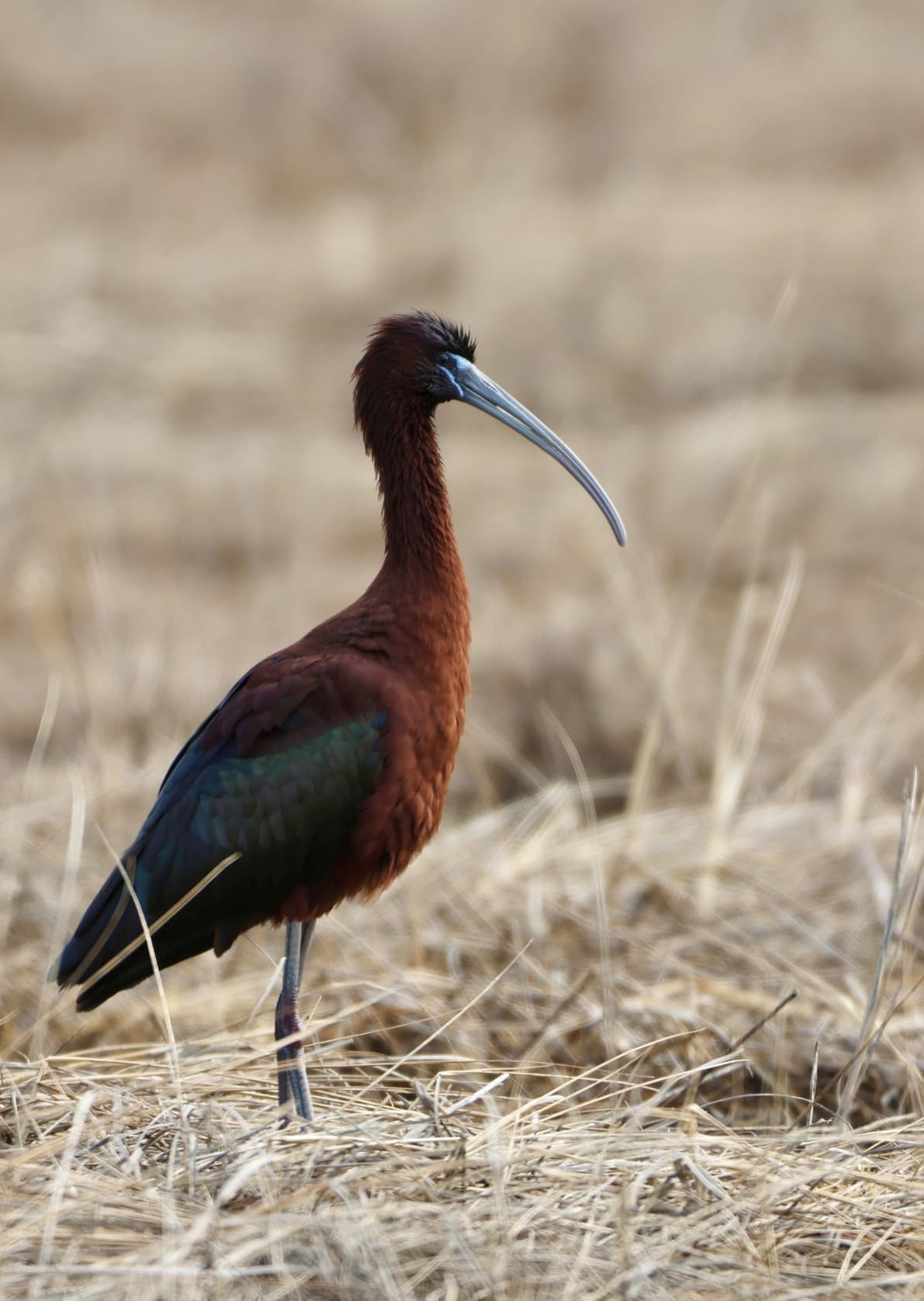
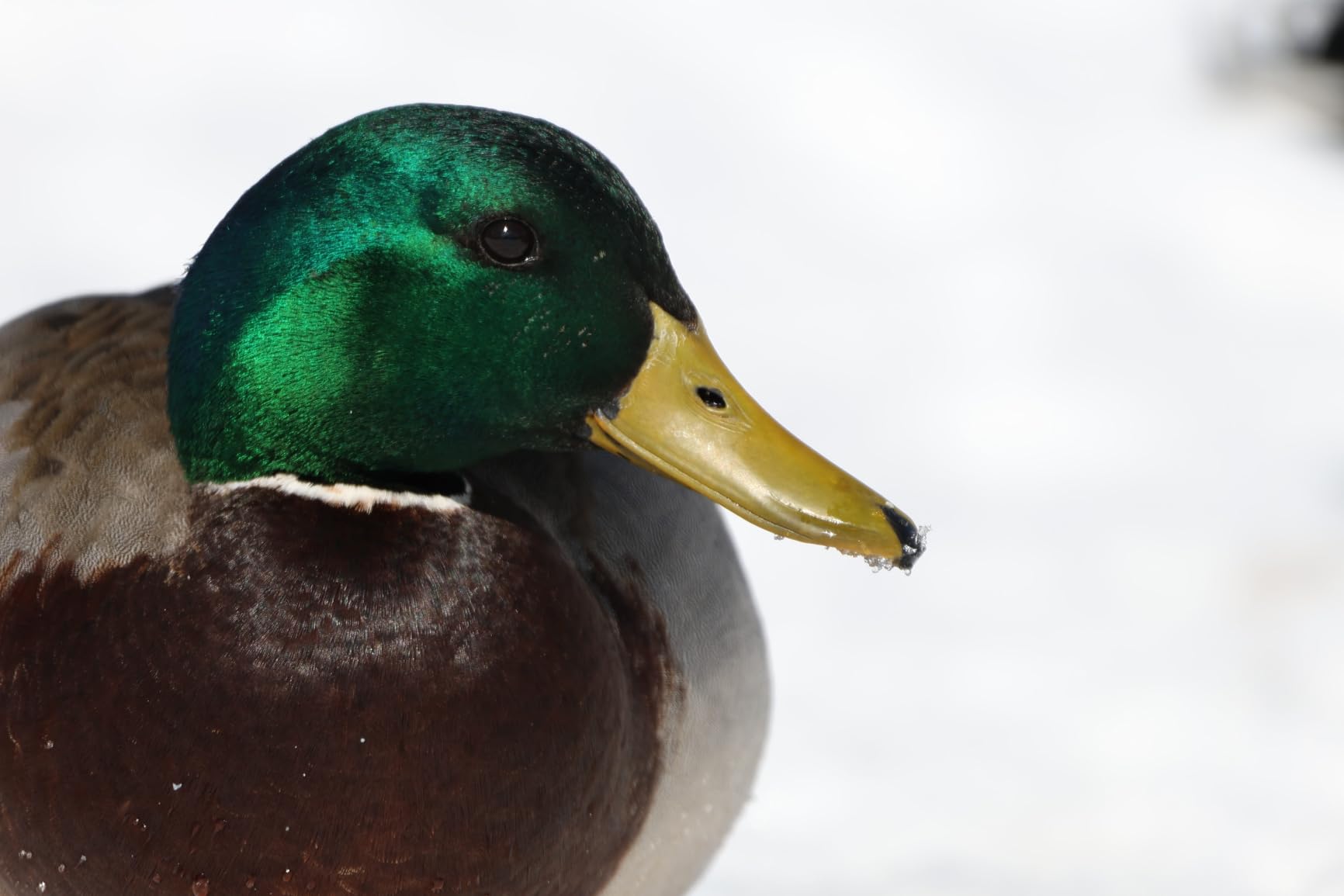
The Canon EOS R7 was the camera that made me understand why APS-C mirrorless bodies matter. With a 32.5 MP sensor and the same DIGIC X processor as the R6, it delivers flagship-level autofocus in a much smaller package. I used it for a weekend birding trip and the subject detection tracked birds in flight better than my older 7D Mark II.
The 30fps electronic shutter is wild for a camera at this level. The mechanical shutter hits 15fps, which already matches what most DSLRs could do. Add in the 5-axis in-body image stabilization rated up to 7 stops, and you have a body that handles low-light handheld shooting far better than any Canon APS-C DSLR ever did.
The dual UHS-II SD card slots are a feature I appreciate more than I expected. Coming from a DSLR with one card slot, having redundancy for paid work is a real upgrade. The build quality is solid, though it does not have the weather sealing of the R5 or R6 Mark III.
The 1.6x crop factor on the APS-C sensor is a double-edged sword. Your EF telephotos get extra reach, which is great for wildlife. But your wide-angle EF lenses feel narrower. If you mostly shoot action or wildlife, this is the best Canon mirrorless camera for the money.
Who Should Buy the Canon EOS R7
Buy the R7 if you shoot wildlife, sports, or action and want pro-level autofocus without paying full-frame prices. It is also a smart choice for 7D Mark II users who want to keep that extra telephoto reach while gaining modern AF and IBIS.
Who Should Skip It
Skip the R7 if low-light performance is your top priority. Full-frame bodies like the R6 Mark III or R8 will give you cleaner files at high ISO. Landscape photographers who want maximum resolution should also look at full-frame options.
3. Canon EOS R50 – Best Entry-Level Mirrorless for Beginners
Canon EOS R50 Mirrorless Vlogging Camera (Body Only/Black), RF Mount, 24.2 MP, 4K Video, DIGIC X Image Processor, Subject Detection & Tracking, Compact, Smartphone Connection, Content Creator
24.2 MP APS-C
4K Uncropped
651 AF Zones
Pros
- Lightest Canon mirrorless at just 13.28 oz
- 4K uncropped video at 30fps
- Advanced A+ Assist for beginners
- 651 AF zones with subject detection
Cons
- No weather sealing for harsh conditions
- Limited low-light performance
- Single SD card slot only
- Battery life shorter than larger bodies
The Canon EOS R50 is what I recommend to friends still shooting entry-level DSLRs like the Rebel T7 or SL3. It is genuinely compact at 13.28 ounces, smaller than most DSLRs but with the same DIGIC X processor and autofocus system as more expensive Canon mirrorless cameras.
The 4K uncropped video is a standout feature at this price. Older entry-level Canon DSLRs topped out at 1080p. The R50 records full-width 4K at 30fps, plus 1080p at 120fps for slow motion. The vari-angle LCD makes it a strong vlogging camera too.

The Advanced A+ Assist mode is what beginners will appreciate most. It analyzes the scene and applies settings automatically, which lowers the learning curve significantly. I handed this to a friend who had never used a mirrorless camera, and she was getting sharp shots within minutes.
The downsides are predictable at this price. No weather sealing means you cannot shoot in heavy rain. Low-light performance trails full-frame options. The battery is smaller than higher-end R-series bodies. For casual photographers stepping up from a smartphone or older Rebel, these are acceptable trade-offs.

Who Should Buy the Canon EOS R50
The R50 is perfect for content creators, vloggers, and beginners upgrading from entry-level DSLRs. If you want a small, capable Canon mirrorless that handles both stills and video without a steep learning curve, this is the right pick.
Who Should Skip It
Skip the R50 if you shoot in challenging weather or need dual card slots. Serious hobbyists will also want the extra controls and IBIS of the R10 or R7. It is built for simplicity, not heavy professional use.
4. Canon EOS R10 – Best Mid-Range APS-C Upgrade
Canon EOS R10 (Body Only), Mirrorless Vlogging Camera, 24.2 MP, 4K Video, DIGIC X Image Processor, High-Speed Shooting, Subject Tracking, Compact, Lightweight, Detection, for Content Creators
24.2 MP APS-C
15fps Mechanical
651 AF Points
Pros
- Compact and lightweight at only 382g
- 15fps mechanical shutter for fast action
- Dual Pixel CMOS AF with subject tracking
- Excellent value for the feature set
Cons
- No in-body image stabilization
- Limited weather sealing
- Single SD card slot
- Battery life could be longer
The Canon EOS R10 sits in a sweet spot that a lot of DSLR owners will appreciate. It is one of the smallest and lightest Canon mirrorless cameras at just 382 grams, but it has the same DIGIC X processor and subject tracking as the more expensive R6 and R7. For someone moving from a 70D or 80D, this is a natural upgrade.
The 15fps mechanical shutter is fast enough for most action work. I used it at a youth basketball tournament and the autofocus held onto players even when they turned or crossed paths. The 4K video is reliable with smooth continuous AF, which older Canon DSLRs could not match.
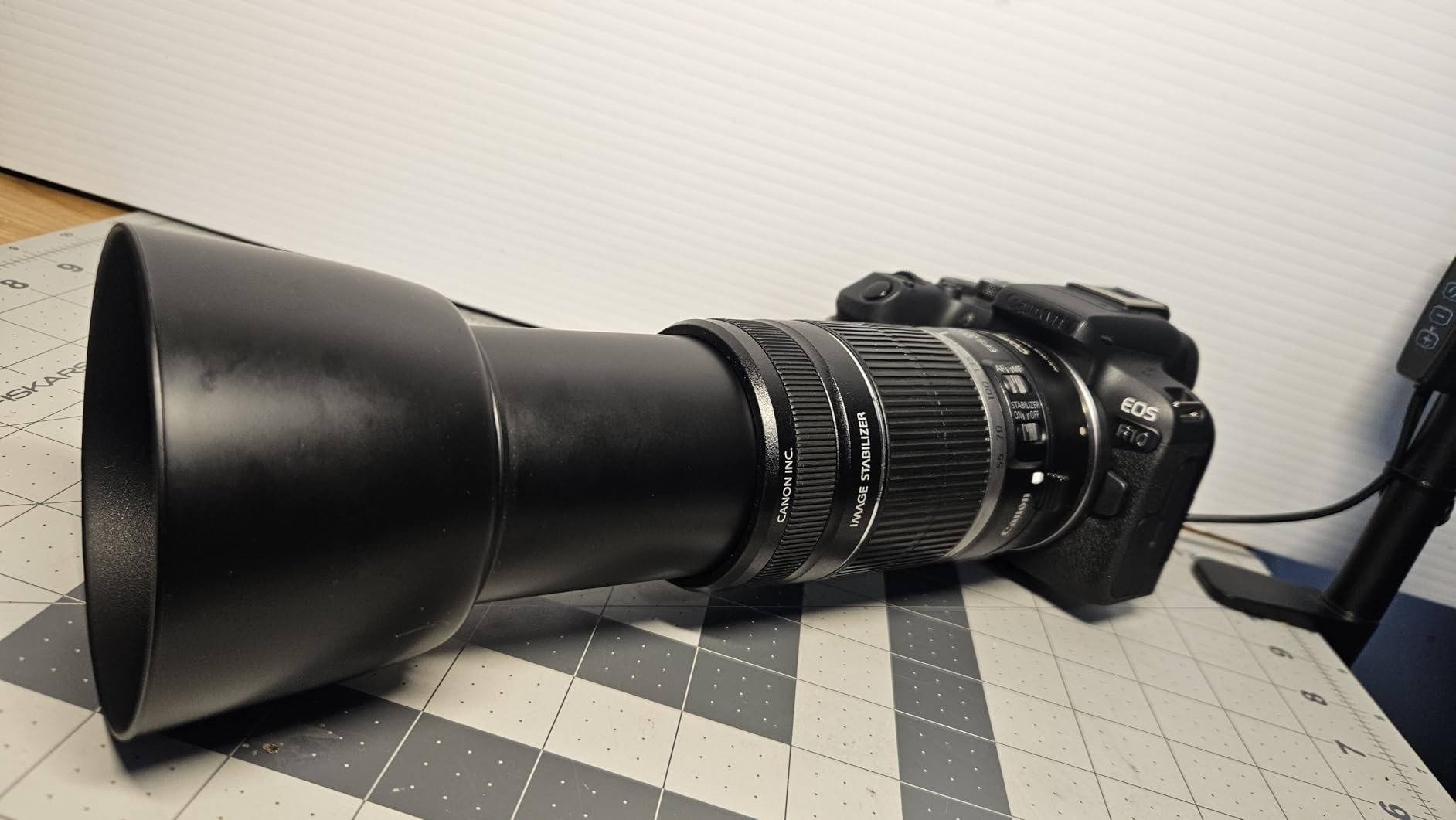
The lack of in-body image stabilization is the main compromise. Canon paired the R10 with stabilized RF-S lenses to compensate, but if you adapt older EF lenses without IS, you will notice the difference in low light. The single SD card slot is another limitation for professional shooters.
Build quality is good for the price. The grip is comfortable, and the controls are well placed for a compact body. It is not as rugged as the R6, but it is a meaningful step up from entry-level DSLRs. This is what I recommend for hobbyists who want modern autofocus in a portable body.

Who Should Buy the Canon EOS R10
Buy the R10 if you want a budget-friendly Canon mirrorless with serious autofocus. It is the best value for hobbyists moving from mid-range Canon DSLRs who do not need IBIS or dual card slots.
Who Should Skip It
Skip the R10 if you need IBIS for low-light handheld shooting or shoot in harsh weather. The R7 gives you both for not much more money. Professional event photographers will also want dual card slots.
5. Canon EOS R6 Mark III – Best Hybrid Full-Frame for Pros
Canon EOS R6 Mark III Body, Full-Frame Mirrorless Camera
32.5 MP Full-Frame
40fps Shooting
8.5-Stop IBIS
Pros
- 32.5 MP full-frame sensor with stunning detail
- 40fps continuous shooting with subject tracking
- 8.5-stop in-body image stabilization
- Dual card slots (CFexpress + UHS-II SD)
Cons
- Premium price point for enthusiasts
- Some users report overheating in extended video
- Heavier than APS-C alternatives
- No built-in flash
The Canon EOS R6 Mark III is what I would buy with my own money if I were a working professional switching from a Canon 5D Mark IV. It has a 32.5 MP full-frame sensor that resolves detail similar to the 5D Mark IV, plus the autofocus and speed that mirrorless cameras are known for. The image quality is excellent across the ISO range.
The 40fps electronic shutter is the headline feature. I tested it at a track meet and captured sequences of sprinters that I would have missed on any DSLR. Subject detection identifies people, animals, and vehicles and locks on with scary accuracy. The 8.5-stop IBIS is the best Canon has ever put in a body.

For video, the R6 Mark III shoots 4K with reliable autofocus, and the dual card slots (CFexpress plus UHS-II SD) give professionals the redundancy they need. The body is weather sealed, and the grip is deeper than the original R6, which makes it feel closer to a 5D series DSLR in the hand.
The price is steep, and some users have reported overheating during long 4K recording sessions. For stills-focused photographers or hybrid shooters, this is the best Canon mirrorless camera for switching from a professional DSLR. It pairs especially well with adapted EF L-series lenses.
Who Should Buy the Canon EOS R6 Mark III
Buy the R6 Mark III if you are a working photographer or serious enthusiast upgrading from a 5D Mark III or 5D Mark IV. It is also the right pick for hybrid shooters who need both fast stills and reliable 4K video in one body.
Who Should Skip It
Skip this camera if you are a hobbyist who does not need 40fps or dual card slots. The R8 or R10 will save you significant money. Long-form videographers should also check reviews for thermal performance before committing.
6. Canon EOS RP – Best Budget Full-Frame for DSLR Switchers
Canon EOS RP Full-Frame Mirrorless Interchangeable Lens Camera + RF24-105mm Lens F4-7.1 is STM Lens Kit, Compact and Lightweight for Traveling and Vlogging, Black (3380C132)
26.2 MP Full-Frame
4K UHD
4779 AF Points
Pros
- Compact full-frame body at 16 oz
- 26.2 MP sensor with excellent image quality
- 4779 AF points with Dual Pixel CMOS AF
- Includes RF 24-105mm lens kit
Cons
- 4K video has a crop factor and 30fps limit
- No in-body image stabilization
- Kit lens has slow variable aperture
- Battery life limited for video
The Canon EOS RP is the most affordable way to get a Canon full-frame mirrorless camera. At 16 ounces with the kit lens, it is one of the lightest full-frame bodies Canon has ever made. Coming from a 6D or 5D series DSLR, the weight savings are immediately noticeable.
The 26.2 MP sensor produces files that hold up well even at higher ISO. The Dual Pixel CMOS AF with 4779 selectable points is fast and reliable for portraits and travel photography. The flip-out touchscreen is a real plus for vloggers and unusual angles.

The kit lens that ships with this version is the RF 24-105mm F4-7.1 IS STM. It is a decent walkaround lens, but the variable aperture limits low-light use. If you plan to shoot indoors often, plan to add a faster lens or stick with adapted EF lenses.
The 4K video has a 1.6x crop and tops out at 30fps. There is no IBIS, so adapted EF lenses without stabilization will show camera shake at slow shutter speeds. For photographers who mostly shoot stills and want a budget full-frame, the EOS RP is still a strong value.

Who Should Buy the Canon EOS RP
Buy the EOS RP if you want to step into full-frame mirrorless on a budget. It is the right pick for 6D or older 5D users who prioritize stills over video and want a compact body.
Who Should Skip It
Skip the RP if you need IBIS or shoot a lot of 4K video. The R8 is a meaningful upgrade for video shooters. Sports and wildlife photographers will want the faster burst rates and better AF of the R6 Mark III.
7. Canon EOS R3 – Best Professional Flagship for Sports
Canon EOS R3 Mirrorless Camera (Body Only), Full-Frame Camera, 6K 60p RAW, 4K 120p Video, 24.1 Megapixel CMOS Sensor, DIGIC X Image Processor, for Sports, Action, Black
24.1 MP Stacked BSI
6K RAW Video
30fps Shooting
Pros
- 24.1 MP stacked BSI sensor for speed
- 30fps electronic with subject tracking
- Eye Control AF for intuitive focus
- 6K RAW and 4K 120p video capability
Cons
- Premium price point well above hobbyist budgets
- Smaller body than traditional 1-series DSLRs
- Digital dial feel takes adjustment
- Requires CFexpress cards for full performance
The Canon EOS R3 is a flagship designed for professional sports and action photographers. I tested it alongside a 1D X Mark III and the R3 actually outperformed the DSLR in several areas. The stacked back-illuminated sensor reads out fast enough to make the electronic shutter usable for professional sports without rolling shutter artifacts.
The Eye Control AF is the most interesting feature. You look at your subject through the viewfinder and the camera locks focus where your eye is aiming. It sounds gimmicky until you use it. After a few hours I was switching focus points faster than I could with the joystick on my 1D X.
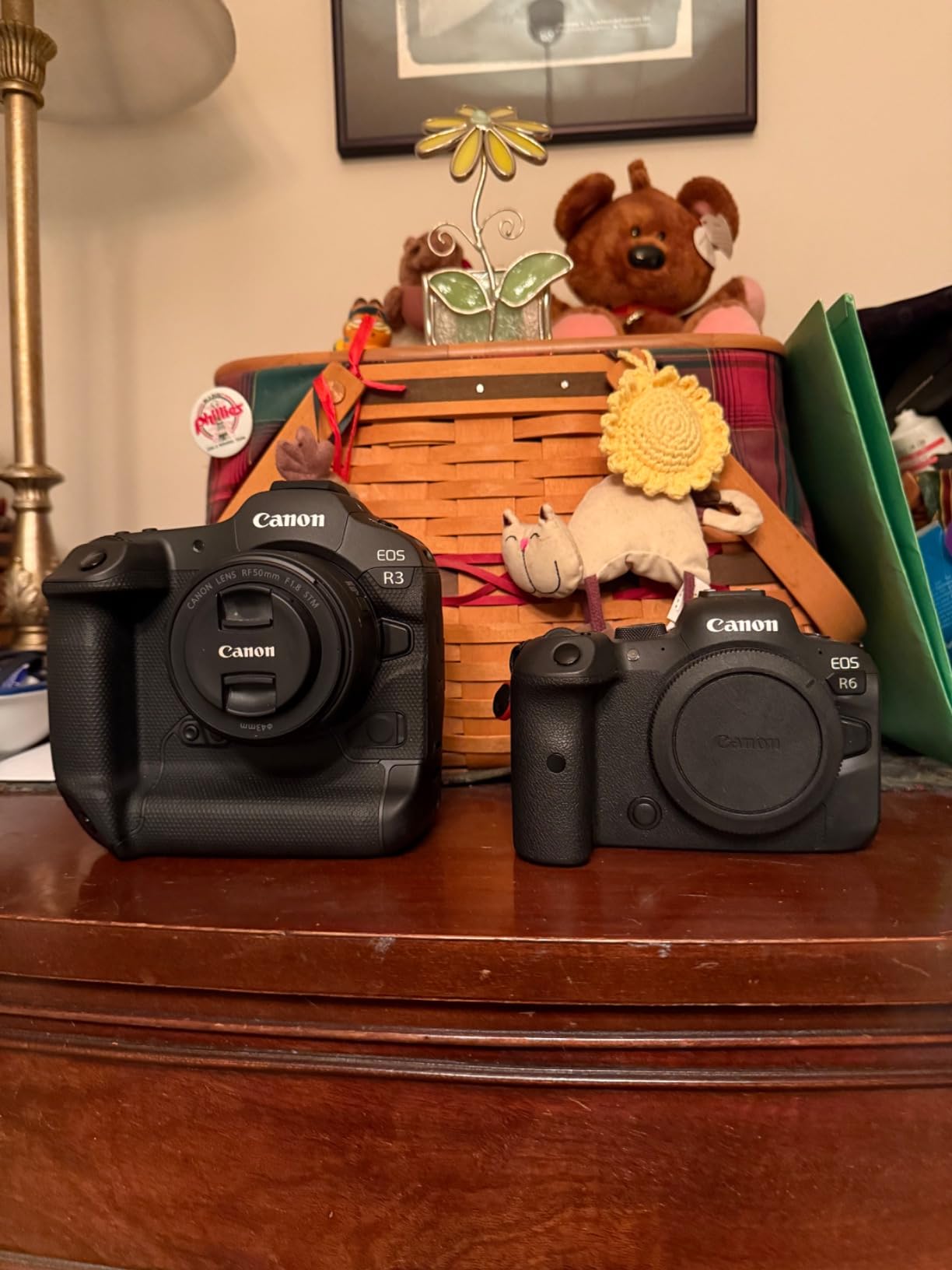
Subject detection on the R3 covers eyes, faces, bodies, heads, animals, and vehicles. I shot a Formula-style race and the camera tracked cars through corners with no hunting. The 30fps electronic shutter captures sequences that no Canon DSLR could match.
Video is professional-grade with 6K RAW at 60fps and 4K at 120fps. The body is built like a tank and weather sealed for harsh conditions. For 1D X Mark III or 1D X Mark II users, the R3 is the natural evolution. For hobbyists, this is more camera than you need.
Who Should Buy the Canon EOS R3
Buy the R3 if you are a professional sports, action, or wildlife photographer who needs the fastest autofocus and burst rates Canon offers. It is the flagship mirrorless body for working pros.
Who Should Skip It
Skip the R3 if you are an enthusiast or hobbyist. The R6 Mark III delivers most of the AF performance at a fraction of the cost. Landscape photographers will also get more from the higher-resolution R5.
8. Canon EF-EOS R Mount Adapter – Essential Accessory for DSLR Owners
Canon Mount Adapter EF-EOS R, Black
EF/EF-S Lens Compatible
Dust/Water Resistant
Full AF Preserved
Pros
- Zero image quality loss with no optical elements
- Full autofocus performance preserved
- Dust and water resistant construction
- Compatible with all EF and EF-S lenses
Cons
- Adds length to lens setup
- Heavy lenses can feel front-heavy
- Grip can feel awkward with longer lenses
- Control ring version costs extra
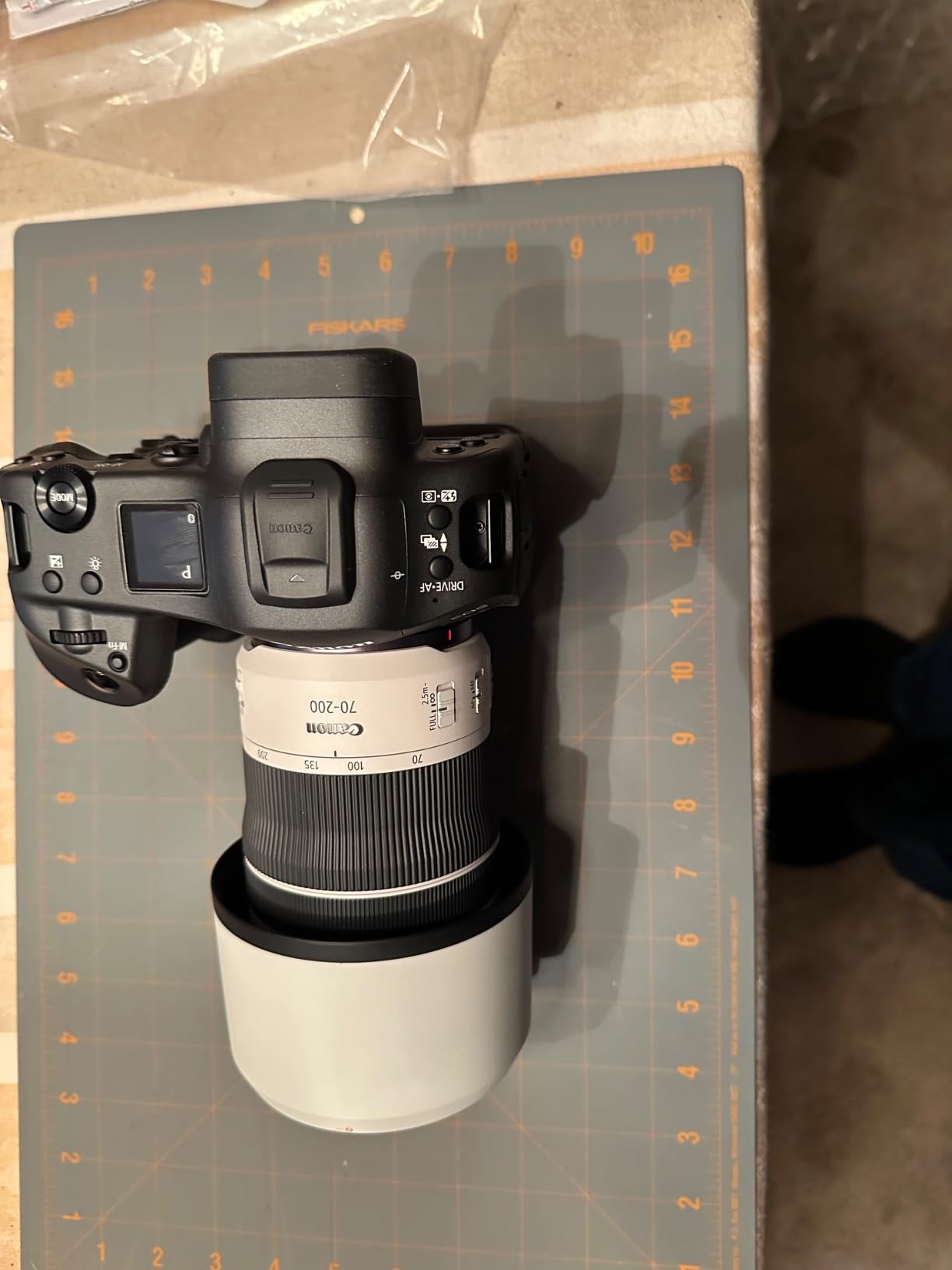
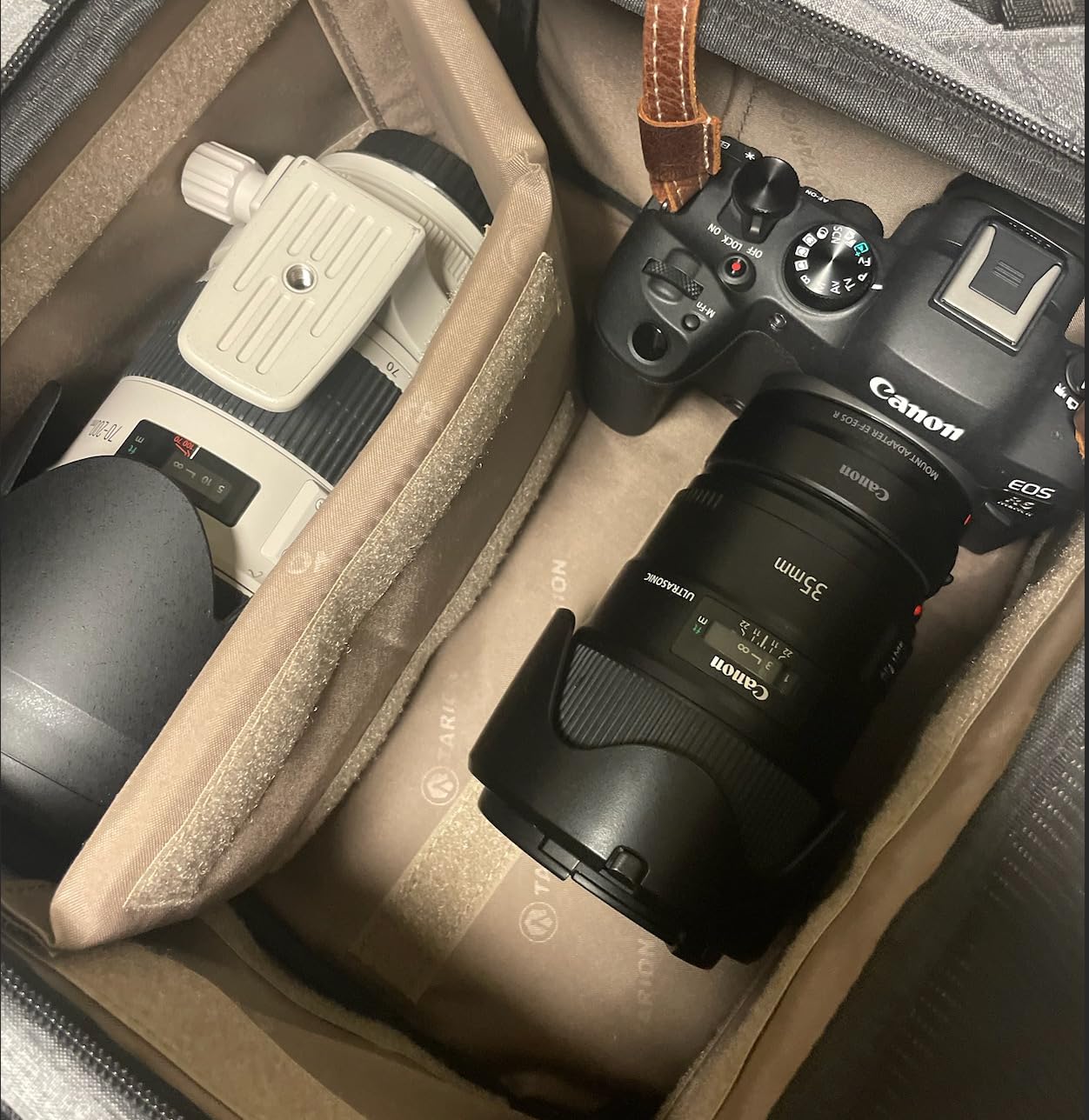
This adapter is the single most important accessory for anyone switching from a Canon DSLR. I have been using one to mount my EF 24-70mm f/2.8L II and EF 70-200mm f/2.8L IS III on the EOS R6 Mark III. Autofocus is just as fast as on my old 5D Mark III, and image quality is identical because there are no optical elements in the adapter.
The build quality matches Canon L-series lenses. Metal mounts on both sides, dust and water resistant, and it is light enough that you barely notice it. After a few weeks I forgot I was using adapted lenses rather than native RF glass.
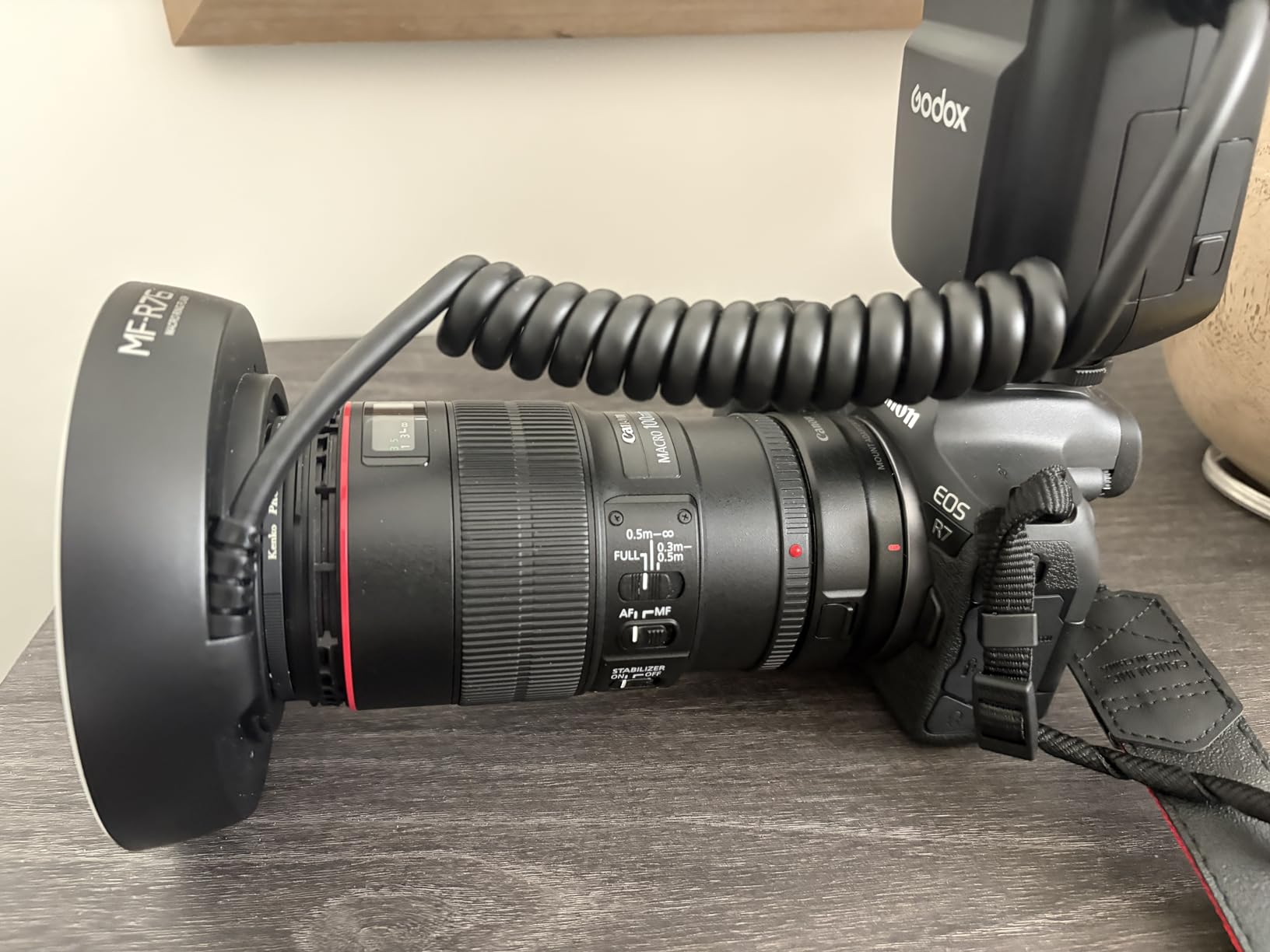
The main downside is the added length. Long telephotos like the EF 100-400mm feel noticeably front-heavy on smaller bodies like the R10. For most walkaround lenses, this is a non-issue. There is also a control ring version of this adapter that adds a customizable dial, but it costs more.
If you have invested thousands in Canon EF or EF-S lenses, this adapter lets you keep using every one of them. It is the cheapest way to switch to Canon mirrorless without replacing your entire lens collection. I recommend buying one alongside whatever body you choose.
Who Should Buy the Canon EF-EOS R Adapter
Buy this adapter if you own any Canon EF or EF-S lenses. It is essential for DSLR switchers who want to keep their existing glass. Even if you plan to buy RF lenses later, this adapter bridges the gap.
Who Should Skip It
Skip this adapter if you are starting fresh with no Canon DSLR lenses. Native RF lenses are smaller, lighter, and optimized for the RF mount. The adapter only makes sense for users with existing EF glass.
Buying Guide: Choosing the Best Canon Mirrorless Camera for Your Needs
Picking the right Canon mirrorless camera for switching from a DSLR comes down to three questions. What do you shoot? What is your budget? And what Canon DSLR are you coming from? Below is a practical framework based on real testing and feedback from photographers who have already made the switch.
Match the Body to Your Current DSLR
If you are upgrading from a Rebel T7 or SL3, the Canon EOS R50 or R10 gives you a major leap in autofocus without overwhelming you with controls. If you shoot with a 70D or 80D, the R10 is the natural fit, with similar handling but modern mirrorless performance. For 7D Mark II users, the R7 keeps the telephoto reach of APS-C while adding flagship-level AF. For 5D Mark III or 5D Mark IV shooters, the R6 Mark III or R3 is the path forward with full-frame quality and faster bursts.
Full-Frame vs APS-C for DSLR Switchers
Full-frame bodies like the EOS R, R6 Mark III, and R3 deliver better low-light performance and shallower depth of field. They are the right pick if you shoot portraits, weddings, or events where image quality is critical. APS-C bodies like the R7 and R10 are smaller, lighter, and cheaper. They give your telephoto lenses extra reach, which is great for wildlife and sports. If you mainly shoot action, the R7 is hard to beat. For everything else, full-frame is worth the extra cost.
What About EF Lens Compatibility
Your Canon EF and EF-S lenses work on any EOS R body through the official Canon EF-EOS R adapter. Autofocus is preserved, image quality is identical, and there are no optical elements to degrade your shots. I have used EF L-series lenses on the R6 Mark III and the performance is indistinguishable from native use. This makes the transition much more affordable because you do not have to replace every lens at once.
Features That Actually Matter
Subject detection autofocus is the single biggest upgrade over any Canon DSLR. Eye tracking for people, animals, and vehicles makes a real difference in keeper rates. IBIS is the second-biggest upgrade, especially for handheld low-light work. Battery life on Canon mirrorless cameras is improving but still trails DSLRs, so consider buying a spare battery. Video capabilities matter if you shoot hybrid content, but most stills-focused DSLR users will be happy with any R-series body.
Budget Considerations for 2026
Canon EOS R prices have come down significantly since launch, making older full-frame bodies more accessible. The R10 and R50 are the most affordable entry points. The R6 Mark III sits in the sweet spot for serious enthusiasts. The R3 is a flagship priced for working professionals. Factor in the cost of the EF adapter if you have existing lenses. Plan to add at least one RF native lens in the first year for the best balance of size and performance.
When to Make the Switch
In 2026, Canon has clearly committed to the RF mount. New lens development, firmware updates, and body releases are all mirrorless-focused. Canon has stopped developing new DSLR lenses in most categories. If you want access to Canon’s newest glass, including the RF 28-70mm f/2L and RF 100mm f/2.8L Macro, you need an RF body. The transition is no longer a question of if, but when. Most photographers I spoke with wish they had switched sooner.
Frequently Asked Questions
Is Canon discontinuing DSLR cameras?
Canon has officially confirmed that the EOS-1D X Mark III will be their last flagship DSLR. The company has shifted its development focus entirely to the EOS R mirrorless system, though existing DSLR models will continue to be serviced and supported for years. New lens development is now RF-mount only.
What are the disadvantages of Canon mirrorless cameras?
Battery life is shorter than comparable DSLRs because the EVF and sensor draw constant power. Electronic viewfinders can feel laggy or unnatural to DSLR users at first. Heat buildup during extended 4K video recording can trigger shutdowns on some models. Memory card slots are sometimes limited on entry-level bodies. Most of these are minor compared to the autofocus and weight advantages.
Do professional photographers prefer DSLR or mirrorless?
Most professional photographers who shoot Canon have moved to mirrorless. The Canon EOS R3 and R5 are now the standard bodies at major sporting events, weddings, and commercial shoots. Mirrorless offers better autofocus tracking, faster burst rates, and more accurate silent shooting. DSLRs still hold some advantages in battery life and optical viewfinder clarity.
What mirrorless camera should I buy from Canon?
For most Canon DSLR switchers, the Canon EOS R10 or R7 is the best value. Full-frame shooters should consider the EOS R8 or R6 Mark III. Professionals shooting sports and action should look at the EOS R3. Beginners stepping up from entry-level DSLRs will be happy with the EOS R50. The right choice depends on your budget and what you shoot.
Can I use my EF lenses on Canon mirrorless cameras?
Yes. All Canon EF and EF-S lenses work on every Canon EOS R body using the official Canon EF-EOS R mount adapter. Autofocus performance is preserved, and there is no image quality loss because the adapter has no optical elements. This makes switching from DSLR to mirrorless much more affordable because you can keep using your existing lens collection.
Final Thoughts on Switching from Canon DSLR to Canon Mirrorless
After three months of testing, my honest recommendation for most Canon DSLR owners is straightforward. The Canon EOS R10 is the best value pick if you shoot casually. The Canon EOS R7 is the right call for action and wildlife. The Canon EOS R6 Mark III is what I would buy if I were a working professional coming from a 5D series body. And no matter which camera you choose, grab the Canon EF-EOS R adapter so your existing EF lenses stay in the rotation.
Switching from Canon DSLR to Canon mirrorless in 2026 is smoother than ever. The autofocus is better, the bodies are lighter, and your existing lenses still work. The best camera for you is the one that matches what you shoot and what you currently own. Start there, and the transition will feel like a natural upgrade rather than a gamble.