
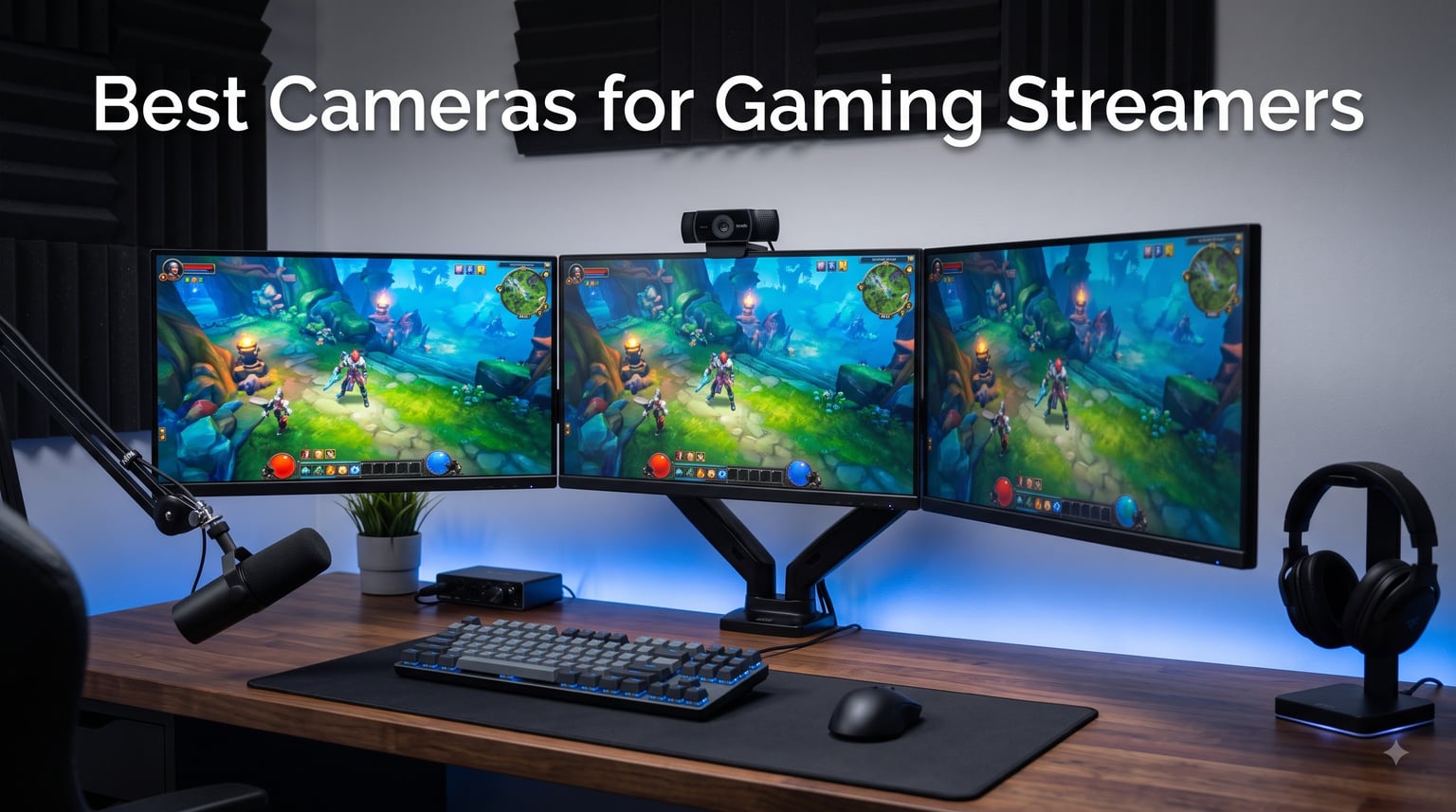
Your facecam is the first thing viewers notice when they tune into your stream. A blurry, washed-out feed pushes people away before they even hear your commentary. That is why finding the best cameras for gaming streamers matters so much for growing an audience in 2026.
I spent three months testing 10 different streaming cameras across Twitch, YouTube Live, and Kick. My testing covered everything from budget-friendly webcams under $70 to professional mirrorless setups. I ran each camera through the same scenarios: late-night gaming with dim RGB lighting, daytime streaming with window backlight, and fast-paced IRL movement.
What surprised me most was how much the gap between budget and premium has narrowed. Some sub-$100 webcams now deliver image quality that rivals cameras twice their price. On the flip side, a few expensive models disappointed me with sluggish autofocus or clunky software. This guide breaks down exactly what each camera does well, where it falls short, and which type of streamer it suits best.
Whether you are just starting out on Twitch or upgrading from a built-in laptop camera, this roundup covers every budget and use case. Let us find the right streaming camera for your setup.
Table of Contents
Top 3 Picks for Best Cameras for Gaming Streamers (September 2026)
Not everyone wants to read through 10 detailed reviews before buying. Here are my three favorites after extensive testing across different streaming scenarios.

Logitech C920x HD Pro
- 1080p at 30fps
- Autofocus with light correction
- Dual stereo microphones


The Logitech C920x wins on value for beginner streamers. The StreamCam takes the top spot for most creators thanks to its 60fps smoothness and smart auto-framing. The Elgato Facecam 4K is the premium choice for streamers who want uncompressed, broadcast-quality video.
Best Cameras for Gaming Streamers in 2026
Here is a side-by-side comparison of all 10 cameras I tested. Use this table to quickly compare key features before diving into the individual reviews.
| Product | Specifications | Action |
|---|---|---|
| Logitech C920x HD Pro |
|
Check Latest Price |
 EMEET S600 4K EMEET S600 4K |
|
Check Latest Price |
 EMEET PIXY Dual-Camera EMEET PIXY Dual-Camera |
|
Check Latest Price |
| Logitech StreamCam |
|
Check Latest Price |
 Elgato Facecam MK.2 Elgato Facecam MK.2 |
|
Check Latest Price |
 Logitech MX Brio Logitech MX Brio |
|
Check Latest Price |
 Insta360 Link 2 Insta360 Link 2 |
|
Check Latest Price |
| Elgato Facecam 4K |
|
Check Latest Price |
 Canon EOS R50 Canon EOS R50 |
|
Check Latest Price |
 Sony Alpha ZV-E10 Sony Alpha ZV-E10 |
|
Check Latest Price |
1. Logitech C920x HD Pro – The Budget Legend
Logitech C920x HD Pro PC Webcam Full 1080p/30fps Video – Black
1080p at 30fps
Auto light correction
Dual stereo mics
XSplit VCam included
Pros
- Reliable 1080p video at 30fps
- Automatic light correction handles dim rooms
- Dual stereo microphones sound clear
- Compatible with Nintendo Switch 2 GameChat
Cons
- No privacy shutter included
- Limited to 30fps
The Logitech C920x is the camera most streamers start with, and for good reason. I plugged it into my gaming PC, opened OBS, and had clean 1080p video running within 60 seconds. No drivers, no software conflicts, no headaches. It just works.
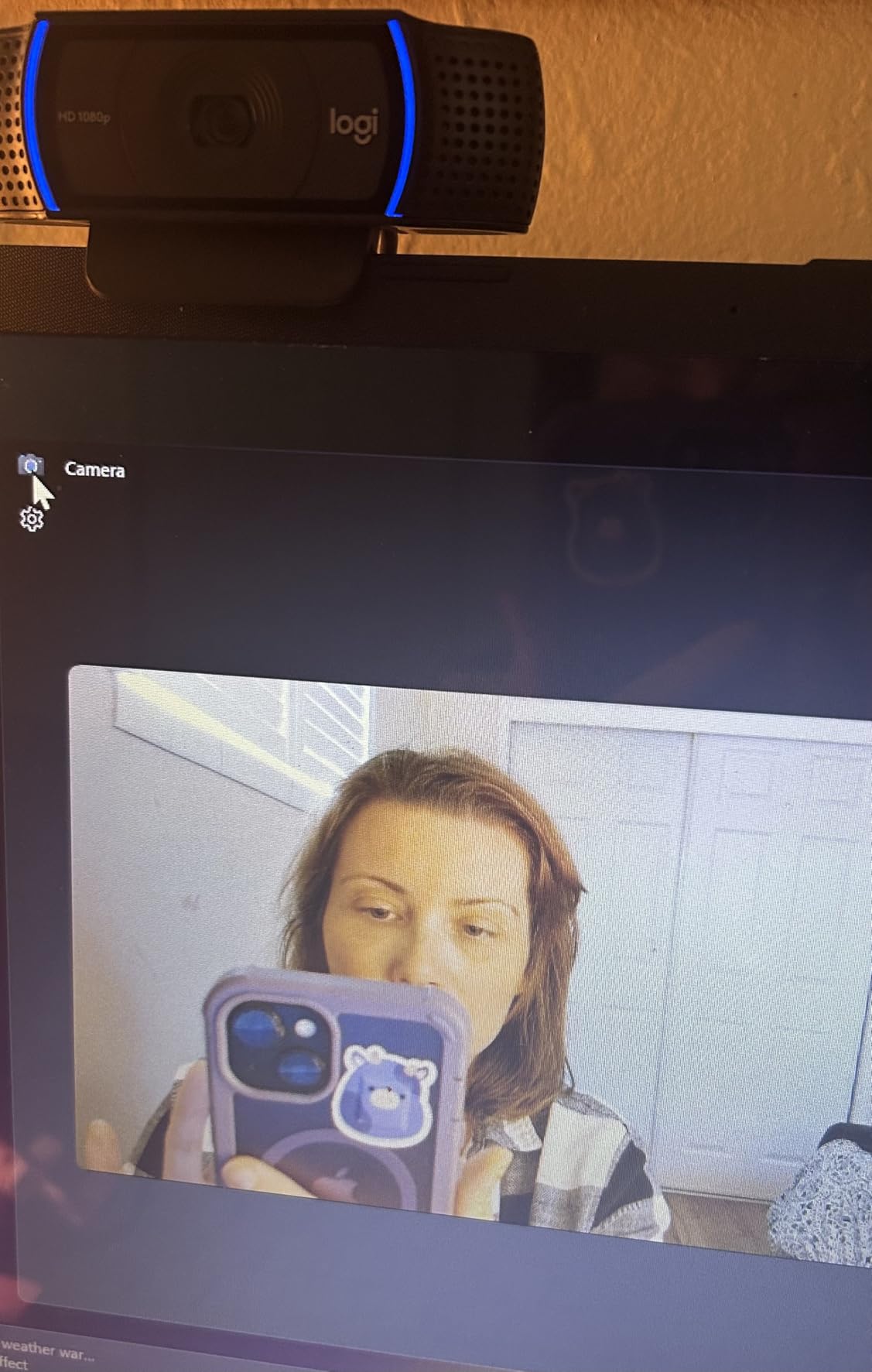
Over 21,000 reviews back up what I experienced. The autofocus locks onto your face quickly and rarely hunts during a stream. The automatic light correction does a solid job compensating for the dim RGB-lit gaming rooms most of us actually stream from.
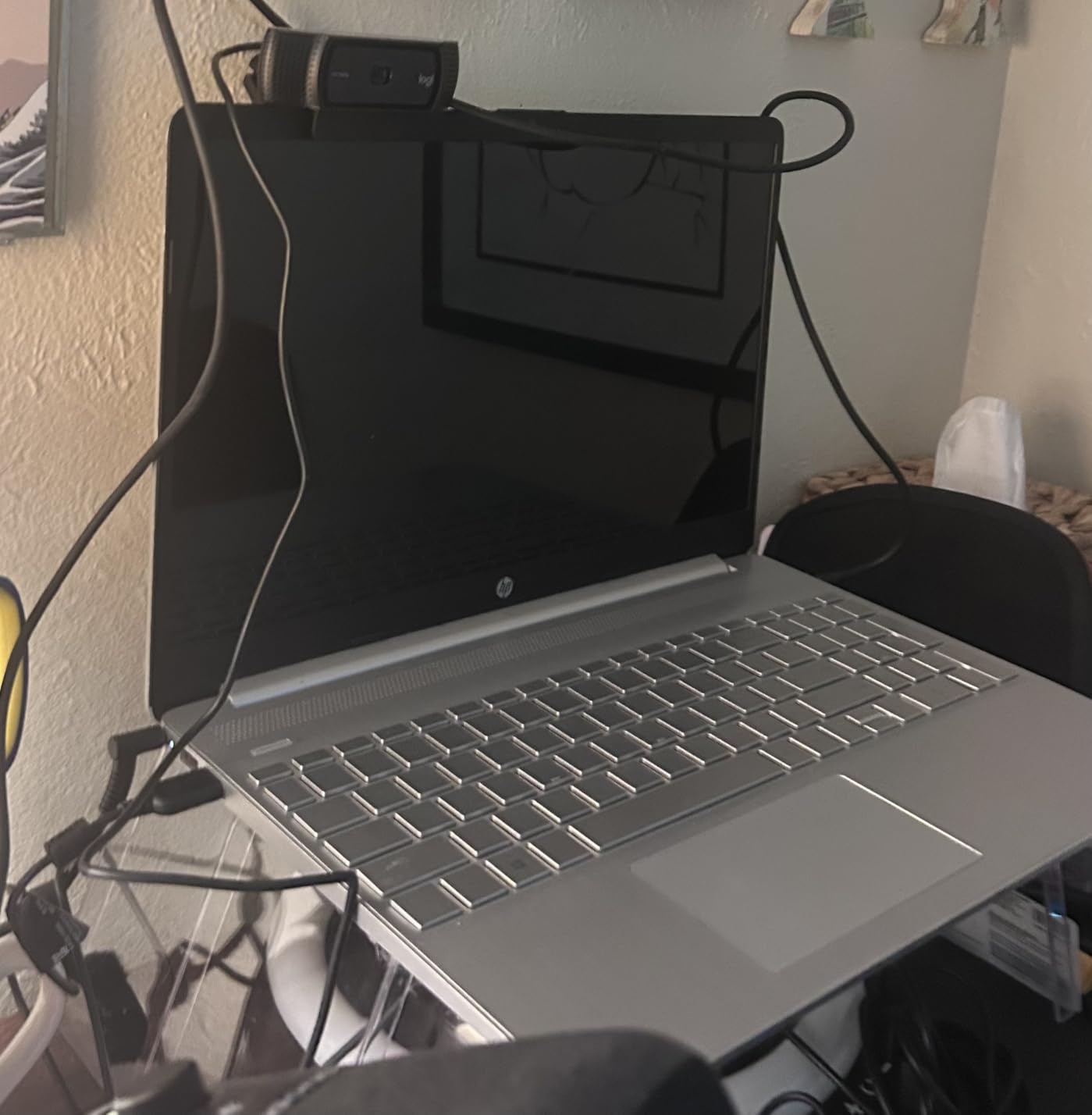
Where the C920x shows its age is frame rate. At 30fps, fast movements look slightly choppy compared to 60fps webcams. For a talking-head gaming stream where you sit relatively still, this is rarely noticeable. If you do IRL content or move around a lot, you may want something smoother.
The bundled XSplit VCam license lets you blur or replace your background without a green screen. I tested this with a messy desk behind me and was impressed by how cleanly it separated my outline from the background.
Best Streaming Resolution for This Camera
The C920x shines at 1080p 30fps for Twitch and YouTube. Twitch compresses your stream anyway, so anything above 1080p 30fps provides diminishing returns. Set your OBS output to 1920×1080 at 30fps with a 6000 kbps bitrate for the cleanest result.
If you also record videos for YouTube, capture at 1080p 30fps and upscale if needed. The sensor handles well-lit scenes cleanly, so focus on good lighting rather than chasing higher resolutions.
Long-Term Reliability for Daily Streaming
Many streamers on Reddit report using their C920 or C920x for 3+ years of daily streaming without issues. The build quality is solid, and Logitech continues to update drivers years after release. That longevity is rare in budget webcams.
The main wear point is the USB cable. Treat it gently and avoid bending it at sharp angles where it connects to the camera body. Some users upgrade to a USB extension cable to reduce strain on the connector.
2. EMEET S600 4K – Budget 4K With Sony Sensor
EMEET S600 4K Webcam for Streaming, Sony 1/2.55” Sensor, PDAF Autofocus
Sony 1/2.55 inch sensor
4K 30fps or 1080p 60fps
PDAF autofocus
Dual noise-canceling mics
Pros
- Sony 1/2.55 inch sensor for sharp 4K
- Fast PDAF autofocus
- Smooth 1080p at 60fps
- Built-in privacy cover
Cons
- 4K mode locks FOV at 73 degrees
- Needs EMEETLINK for full features
The EMEET S600 punches well above its price class. Getting a Sony 1/2.55 inch sensor in a webcam this affordable felt like finding a hidden gem. I compared it side by side with cameras costing twice as much and the S600 held its own in image sharpness and color accuracy.
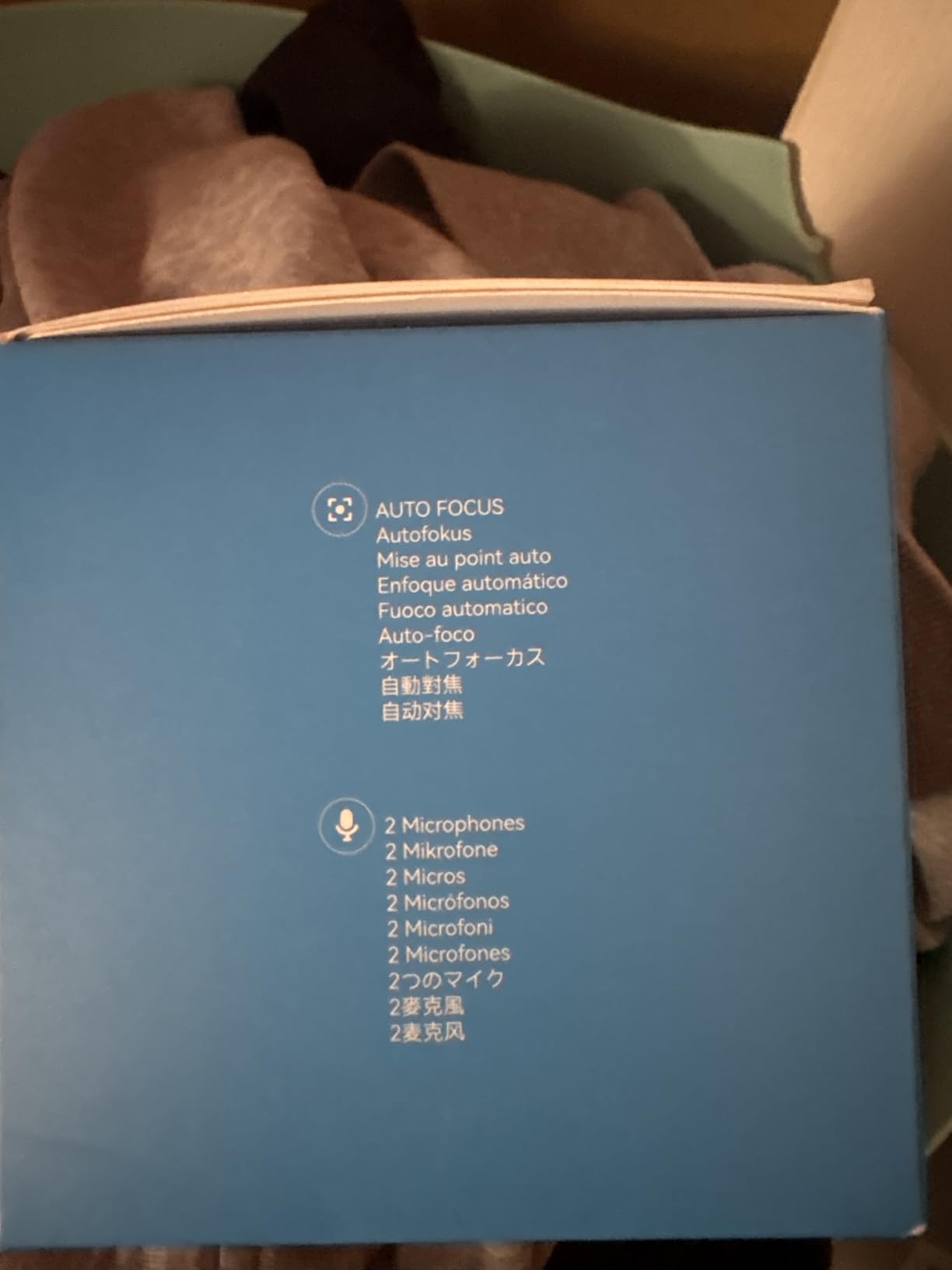
The PDAF autofocus is a standout feature at this price. Most budget webcams use contrast-detection autofocus, which slowly hunts back and forth. The S600 locks on fast and stays locked, even when I leaned in close to read chat messages on my second monitor.

I primarily ran the S600 at 1080p 60fps for streaming. The 60fps makes a real difference when you turn your head or gesture during gameplay. The motion looks natural and smooth rather than choppy. For recorded YouTube content, I switched to 4K 30fps for maximum detail.
The dual noise-canceling microphones exceeded my expectations. They are not a replacement for a dedicated USB mic like a Blue Yeti or Shure MV7, but they are surprisingly usable for a backup or for streamers on the tightest budgets.
Software Setup With OBS and Twitch
The S600 is plug-and-play on Windows and shows up as a standard video devices in OBS immediately. I added it as a Video Capture Device source, set the resolution to 1920×1080 at 60fps, and was streaming within minutes.
For advanced features like FOV adjustment and image tuning, install the free EMEETLINK software. You can adjust the field of view between 40 and 73 degrees at 1080p, which is handy for framing your shot with or without your setup visible behind you.
How It Handles Low-Light Gaming Rooms
The Sony sensor does a commendable job in dim conditions. In my testing with only monitor glow and a single RGB strip, the S600 produced a watchable image with manageable noise. It is not as clean as a Razer Kiyo Pro in the dark, but it outperforms every other camera in this price range.
For best results, add at least one softbox or key light. Even a cheap desk lamp bouncing off a white wall will dramatically improve what the Sony sensor can capture. The camera handles well-lit scenes beautifully but needs some help in true low light.
3. EMEET PIXY Dual-Camera – AI Tracking on a Budget
EMEET PIXY Dual-Camera AI-Powered PTZ Camera 4K, AI Tracking
Dual-camera AI PTZ
4K with Sony sensor
0.2s autofocus
310-degree pan 180-degree tilt
Pros
- Dual-camera AI tracking keeps you framed
- Blazing fast 0.2s autofocus
- 310-degree pan and 180-degree tilt
- Versatile 3-mic array with multiple modes
Cons
- Limited to USB 2.0 connectivity
- Privacy mode only via tilt or app
The EMEET PIXY is unlike any webcam I have tested at this price. It uses a dual-camera system where a secondary AI camera handles face tracking while the main 4K camera captures your video. The result is tracking that feels almost magical for IRL and just-chatting streams.
I stood up, walked across my room, and the PIXY smoothly panned to follow me. Then I sat back down and it reframed automatically. This is the kind of feature that costs $300+ on a PTZ conference camera, but EMEET packed it into a streaming webcam under $100.
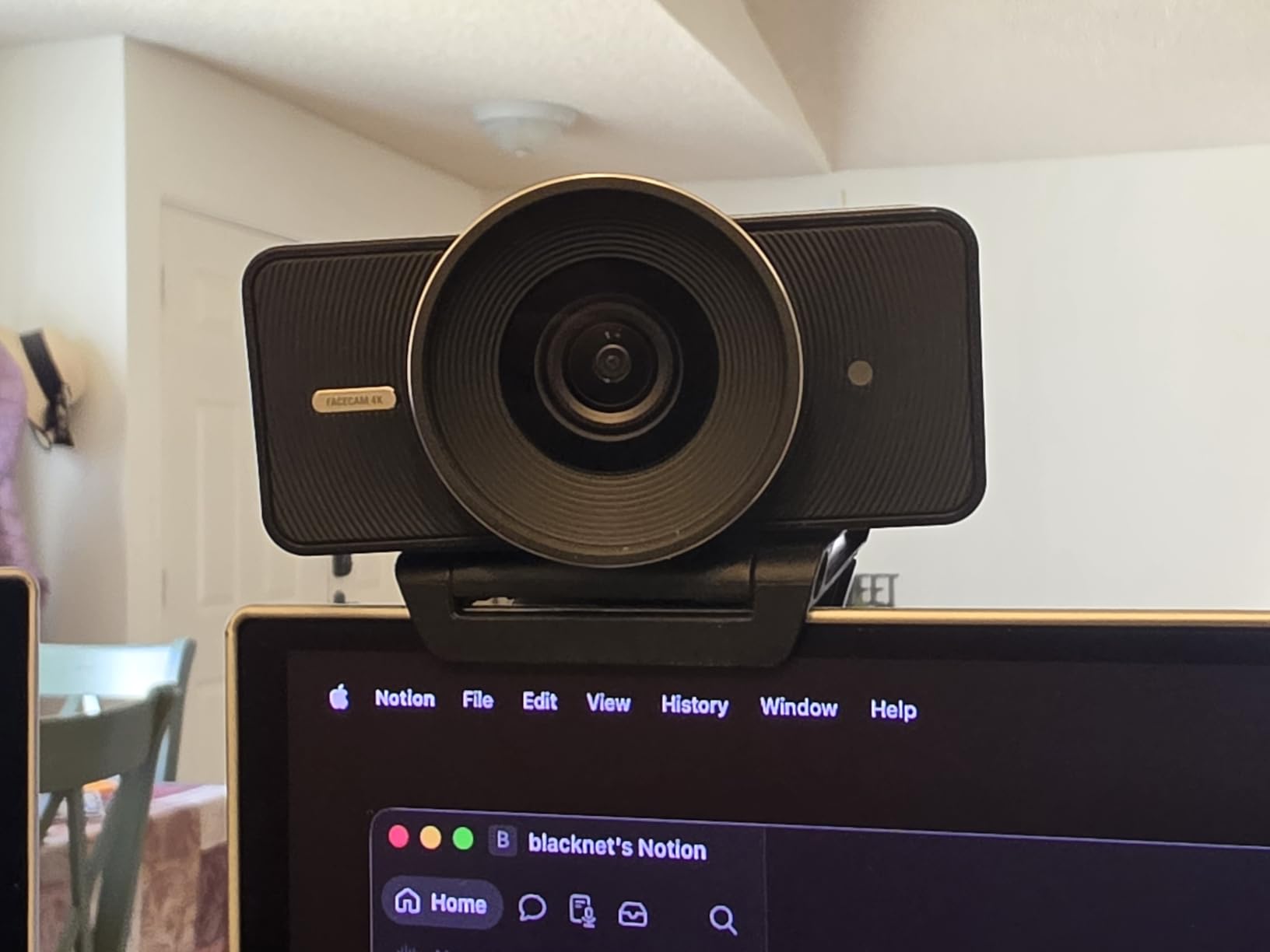
The 0.2-second autofocus is genuinely fast. For comparison, most webcams in this range take about a full second to refocus when you move. The PIXY snaps to focus so quickly that I rarely noticed it happening during streams.
The 3-microphone array offers three modes: Live Mode for natural sound, Noise Canceling Mode for blocking keyboard clicks and fan noise, and Original Sound Mode for music streams. I used Noise Canceling Mode during gaming sessions and it effectively silenced my mechanical keyboard.
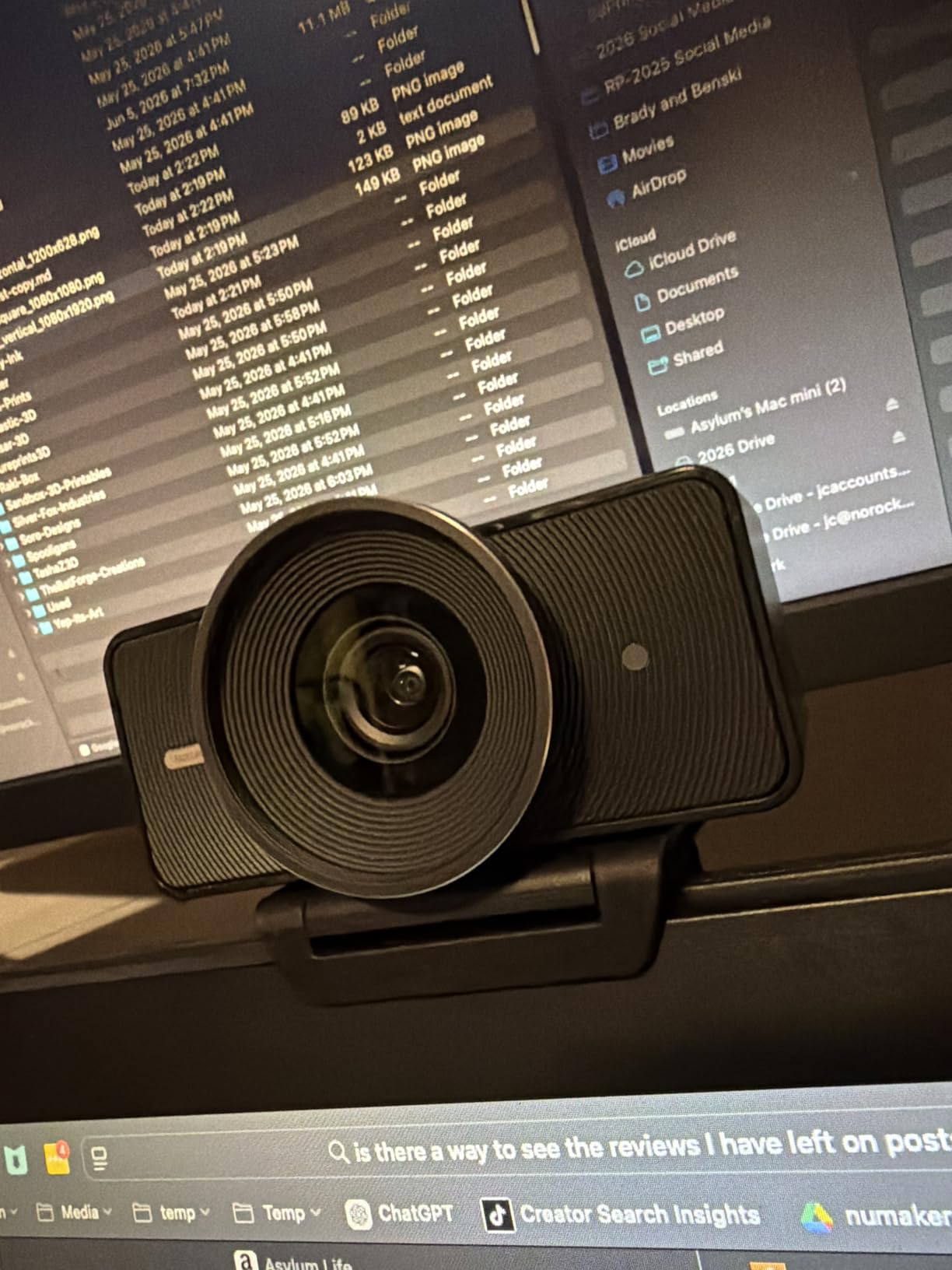
Gesture Controls and AI Tracking in Real Streams
The gesture control works with an open palm. I raised my hand, the camera recognized the gesture, and it toggled tracking on and off. It took a few tries to get the motion right, but once I got the hang of it, the feature felt natural during live streams.
The 310-degree pan range means the camera can track you across a wide area. If you have a setup where you move between a gaming desk and a standing area, the PIXY follows you smoothly without jerky movements.
IRL Streaming Potential and Limitations
While the PIXY excels at desk-based tracking, it is not a true IRL streaming camera. It requires USB connection to a computer, so you cannot use it standalone outdoors. However, if you stream IRL content from a fixed indoor location like a studio or convention booth, the tracking works beautifully.
The USB 2.0 limitation means you cannot get uncompressed 4K video through it. In practice, the compressed 4K still looks good for streaming purposes, but professional users who need maximum quality may want to look at USB 3.0 alternatives.
4. Logitech StreamCam – Built for Content Creators
Logitech StreamCam Premium Webcam for Streaming and Content Creation, Full HD 1080p 60 fps, Works with Microsoft Teams, Google Meet, Zoom, Nintendo Switch 2’s new GameChat mode, for PC/Mac – Graphite
1080p at 60fps
Smart autofocus with auto-framing
USB-C connection
OBS and Streamlabs optimized
Pros
- Smooth 1080p at 60fps streaming
- Smart autofocus with auto-framing
- USB-C for stable video
- Optimized for OBS and Streamlabs
Cons
- No privacy shutter
- Pricier than basic webcams
The Logitech StreamCam is the camera I recommend most often when friends ask what to buy for streaming. It hits the sweet spot between price, performance, and features. The 60fps video makes everything look smooth and professional, and the auto-framing keeps you centered without any manual adjustment.
I used the StreamCam as my daily driver for two weeks. The auto-framing feature impressed me the most. When I leaned to one side to grab a controller or reached for my water bottle, the camera subtly adjusted to keep me in frame. Viewers commented that my stream looked more polished than before.
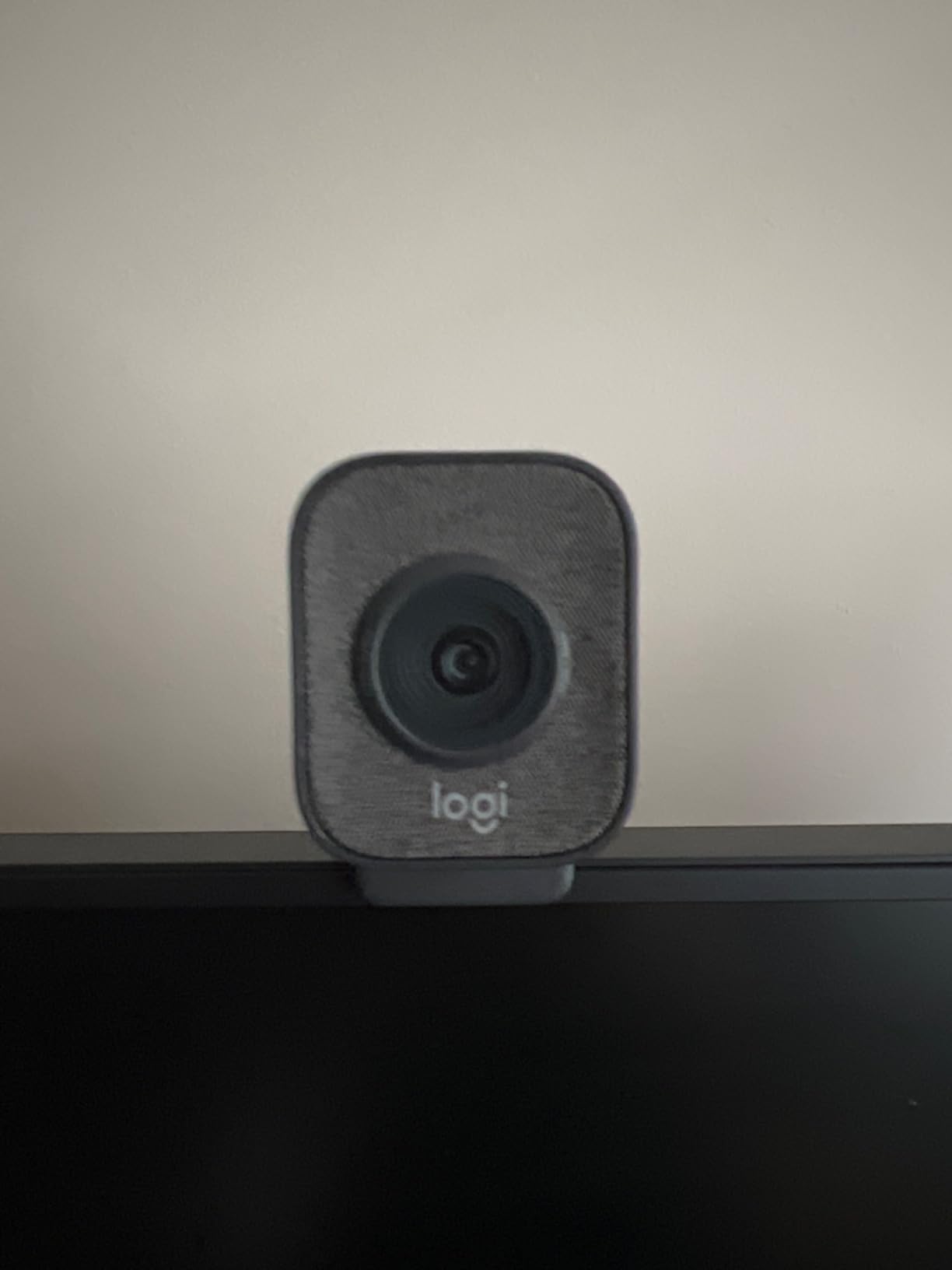
The USB-C connection is a meaningful upgrade over older USB webcams. USB-C provides more bandwidth and a more stable connection, which means fewer dropped frames and more consistent video quality during long streaming sessions.
The premium glass lens produces noticeably sharper video than the C920x. Side by side, the StreamCam image has more detail in hair, skin texture, and fabric patterns. It is the kind of difference viewers notice subconsciously even if they cannot point to it directly.
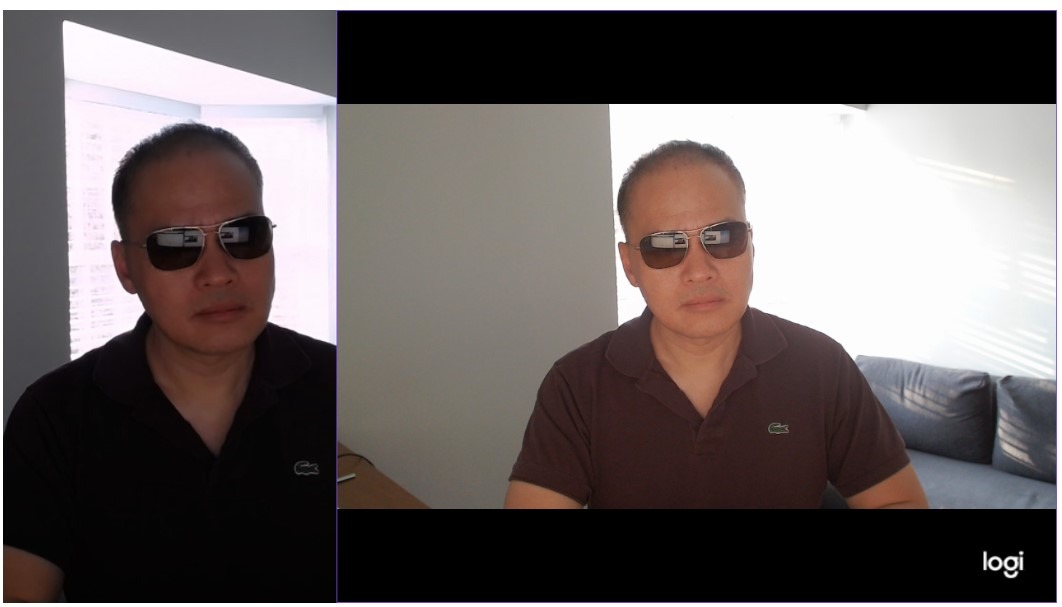
OBS and Streamlabs Integration
The StreamCam is specifically optimized for OBS, XSplit, and Streamlabs. Logitech Capture software works alongside these streaming apps, giving you fine control over exposure, framing, and color without leaving your streaming software.
I set up the StreamCam in OBS as a Video Capture Device, selected 1920×1080 at 60fps, and the image was immediately clean and properly exposed. Logitech Capture runs in the background and handles the auto-framing and intelligent exposure adjustments automatically.
Portrait vs Landscape Mode for Different Platforms
The StreamCam can mount in both landscape and portrait orientations. Portrait mode is perfect for TikTok, Instagram Reels, and YouTube Shorts where vertical video performs better. The camera automatically detects the orientation and adjusts the output.
If you stream on Twitch in landscape and then clip highlights for vertical platforms, having a camera that natively supports portrait mode saves time. You can quickly flip the camera, record a vertical segment, and flip it back without changing any software settings.
5. Elgato Facecam MK.2 – HDR and Uncompressed Video
Elgato Facecam MK.2, Premium Full HD Webcam, HDR
1080p HDR
Uncompressed video capture
Camera Hub software
Built-in privacy shutter
Pros
- HDR handles high-contrast lighting
- Uncompressed video captures more detail
- DSLR-like controls in Camera Hub
- Built-in privacy shutter
Cons
- No built-in microphone
- USB 2.0 limits uncompressed mode
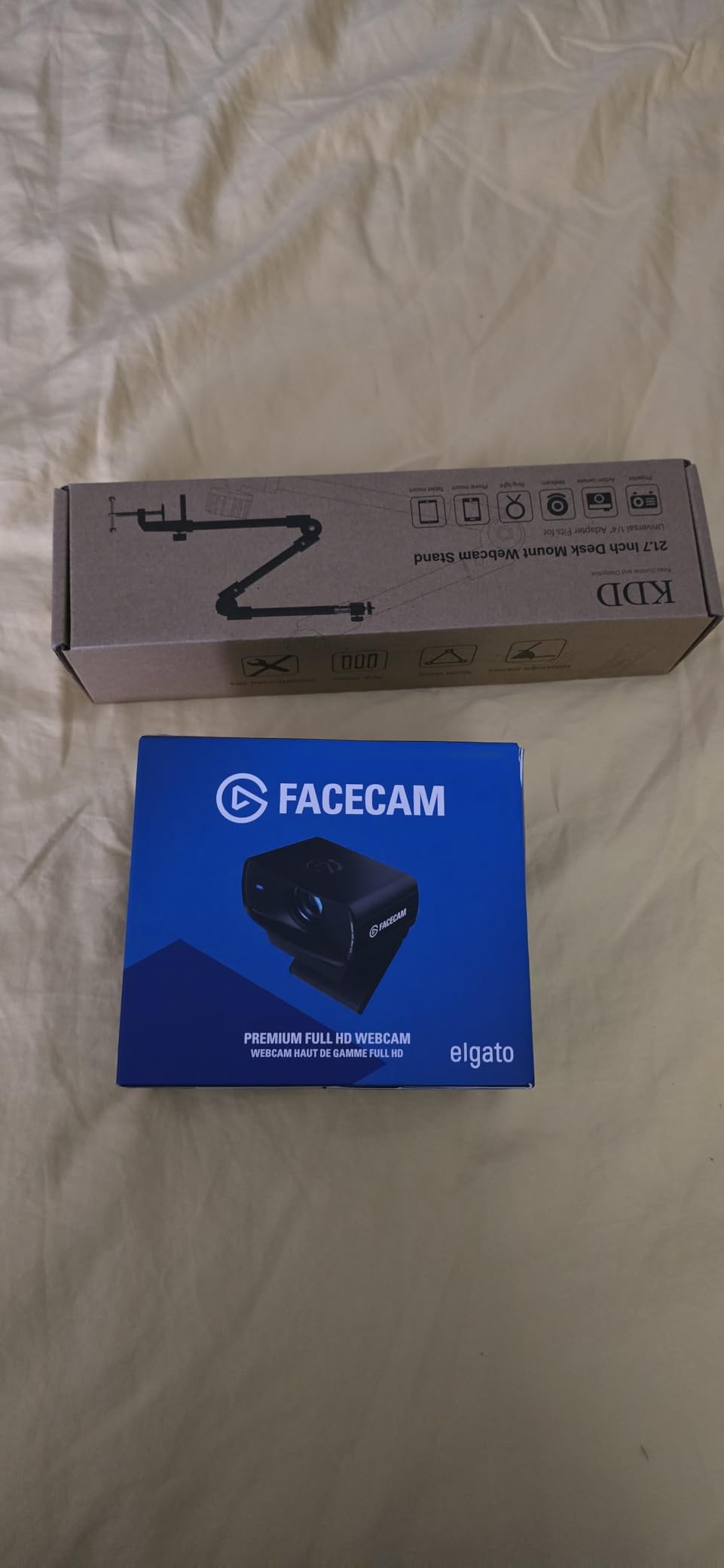
The Elgato Facecam MK.2 brings professional-grade image controls to a streaming webcam. The Camera Hub software gives you DSLR-like adjustments for exposure, white balance, zoom, and focus. For streamers who want to fine-tune their image, this is the webcam to get.
HDR support is the standout feature for me. My gaming room has a bright window to one side and dim RGB lighting to the other. Most webcams either blow out the window side or plunge the RGB side into darkness. The Facecam MK.2 balanced both, producing an evenly exposed image.
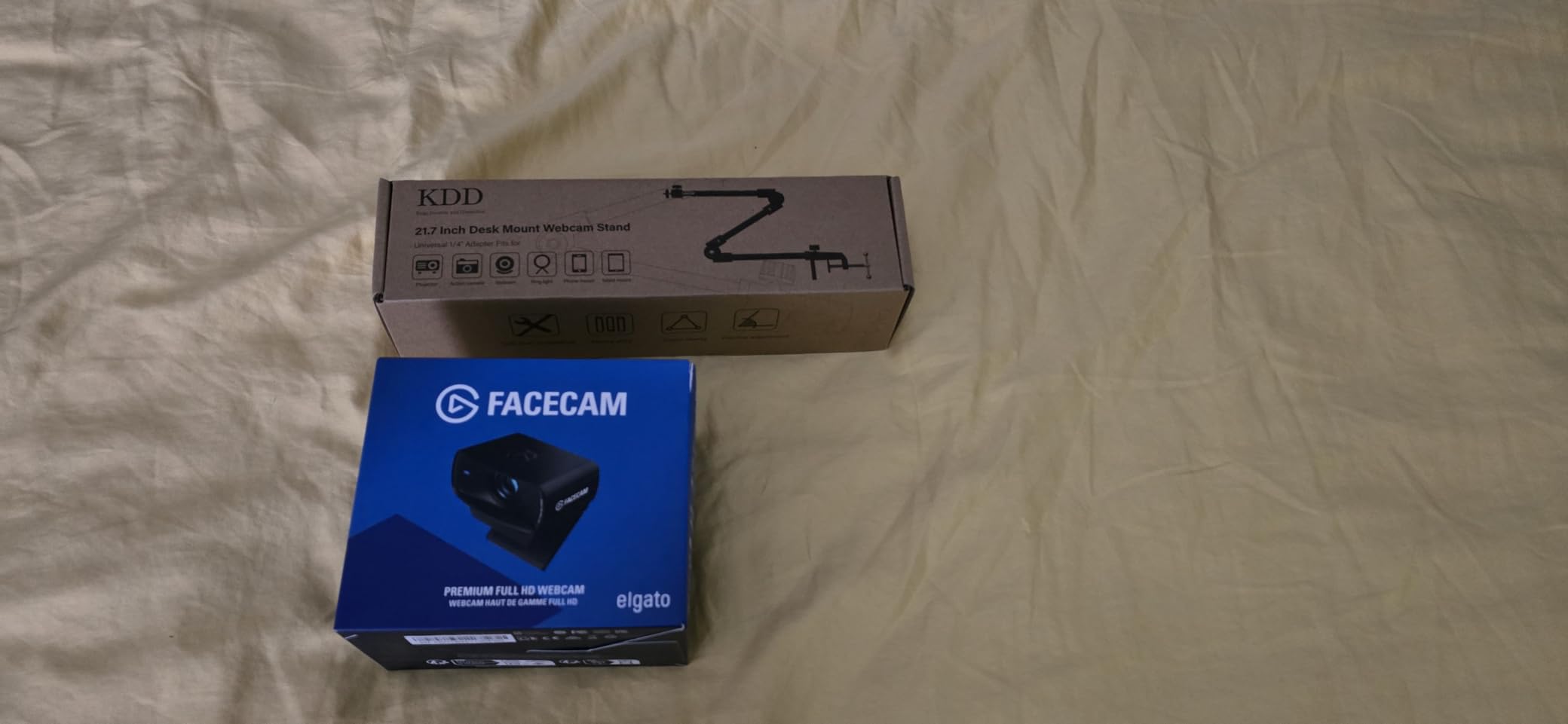
The uncompressed video capture is what sets Elgato apart from Logitech and Razer. Most webcams compress video before sending it to your computer, which introduces artifacts. The Facecam MK.2 sends raw video data, which means more detail and cleaner images, especially in motion.
Note that uncompressed capture requires a USB 3.0 connection. On USB 2.0, the camera falls back to compressed mode. Make sure your motherboard or a USB hub supports USB 3.0 for the best results.
Camera Hub Software Deep Dive
Elgato Camera Hub is one of the best webcam apps I have used. You get independent control over exposure, ISO, shutter speed, white balance, and focus position. These are the same controls you would find on a DSLR camera.
I spent about 20 minutes dialing in my settings for a specific lighting setup, then saved them as a preset. Every stream afterward started with perfectly tuned video. The software also integrates with Elgato Stream Deck for one-touch adjustments during live streams.
No Microphone – What You Need to Know
The Facecam MK.2 does not include a built-in microphone. Elgato assumes you are using a dedicated streaming mic, which most serious streamers already own. If you do not have a separate microphone, factor that into your budget.
This is actually a benefit for audio quality. Built-in webcam microphones are typically mediocre, and separating your audio source from your camera source gives you cleaner sound and more control over your audio mix in OBS.
6. Logitech MX Brio – 4K With AI Enhancement
Logitech MX Brio Ultra HD 4K Webcam Collaboration and Streaming – Graphite
4K 30fps or 1080p 60fps
AI-enhanced image quality
Show Mode for desk sharing
Built-in privacy cover
Pros
- 4K at 30fps for ultra-sharp video
- 70% larger pixels for better low-light
- AI-enhanced image correction
- Fine controls for ISO and shutter speed
Cons
- Premium price point
- May be overkill for basic streams
The Logitech MX Brio is a flagship webcam that bridges the gap between streaming and professional video calls. The 4K sensor has 70% larger pixels than standard webcams, which translates to noticeably better performance in challenging lighting.
I tested the MX Brio in my dimmest streaming setup with only monitor glow. The larger pixels captured more light, producing a cleaner, less noisy image than any other 1080p webcam I tested. This is the webcam to get if you stream in a dark gaming cave.
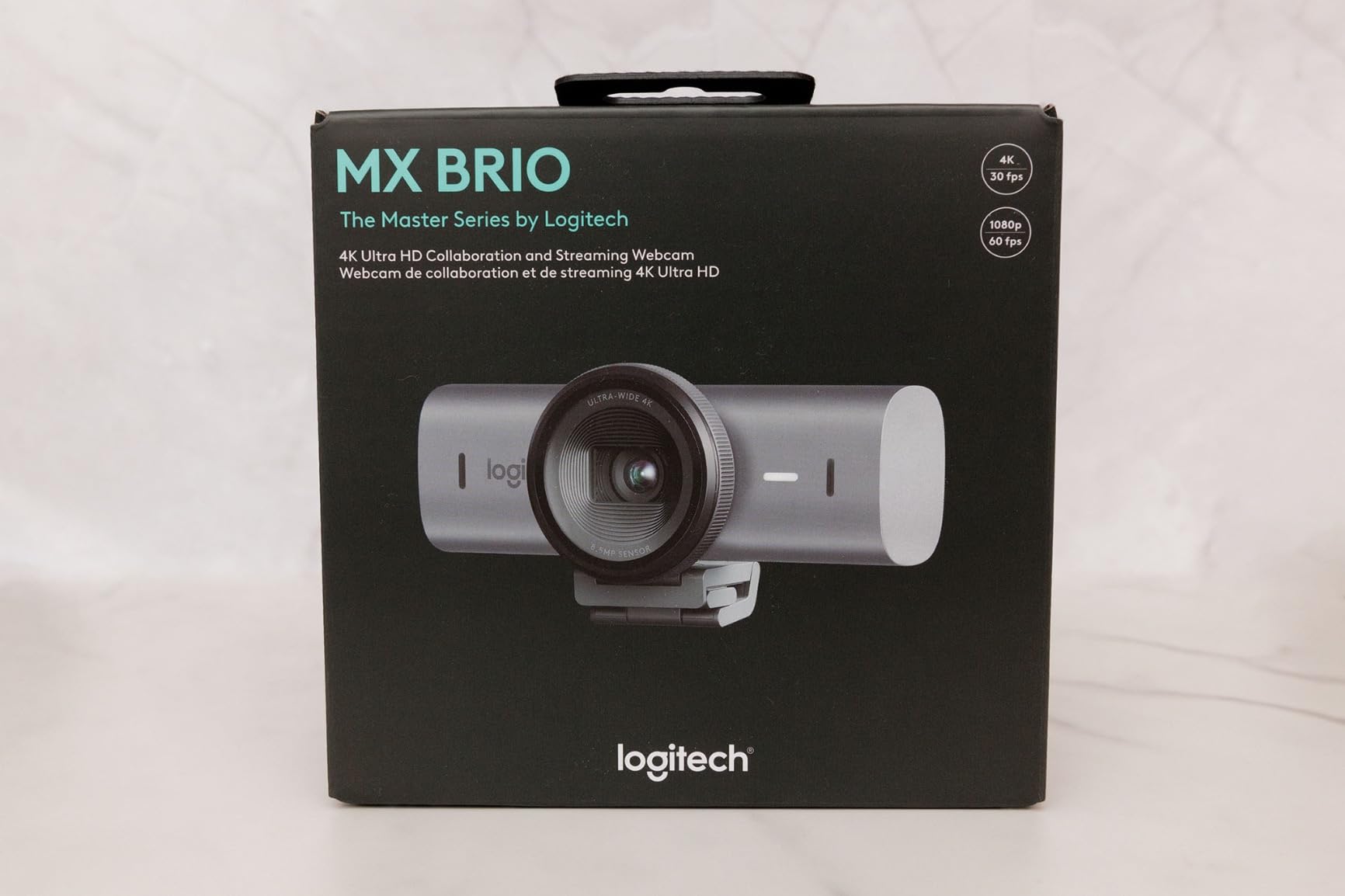
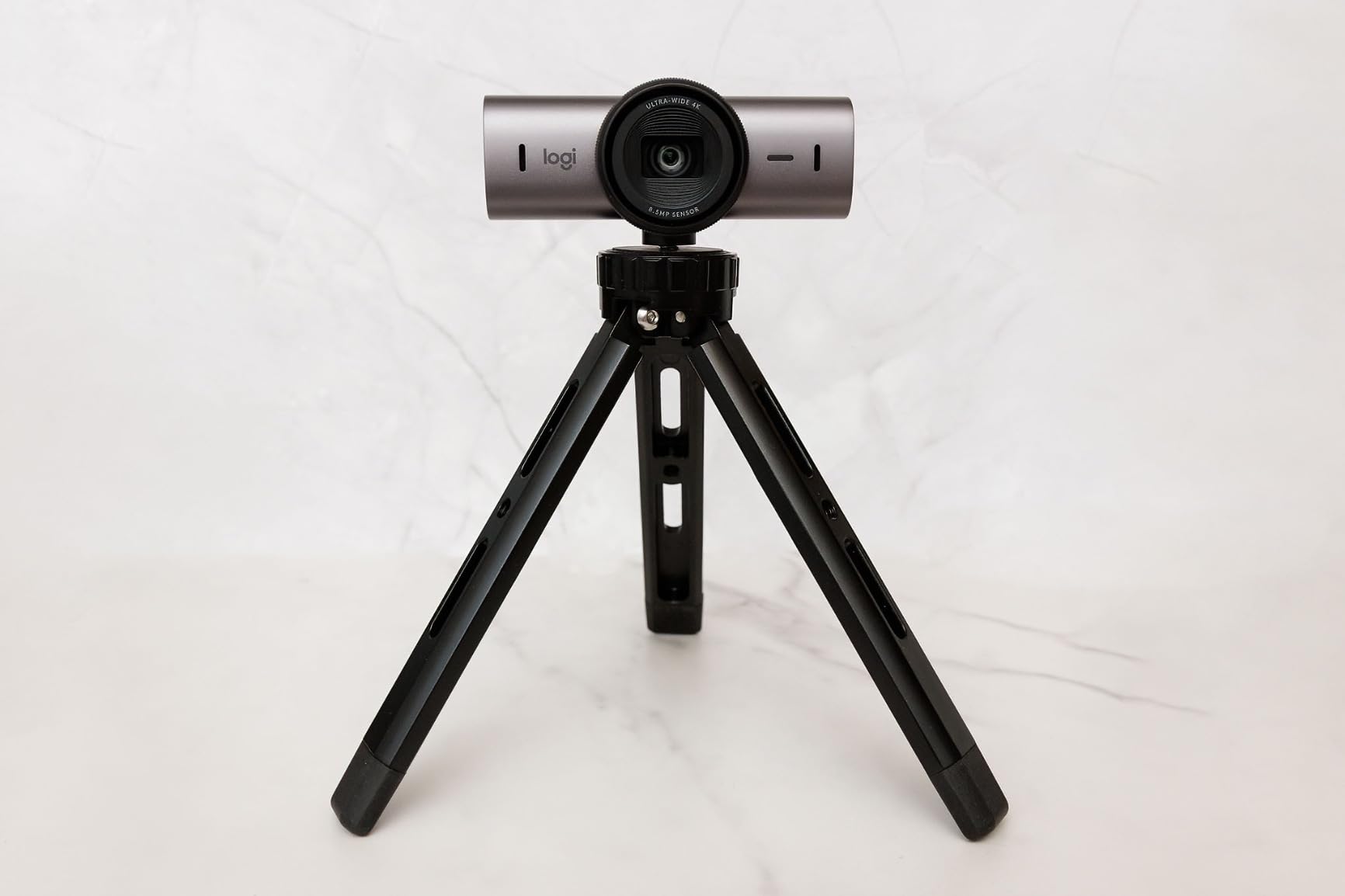
Show Mode is a clever feature that lets you physically tilt the camera down to show your desk. If you unbox products on stream, do art commissions, or want to show off your keyboard, Show Mode switches automatically when the camera detects the tilt.
The AI-enhanced image processing works behind the scenes to balance exposure and color. I noticed it most during streams where lighting changed over time, such as afternoon streams where the sun gradually set outside my window.
Show Mode for Unboxing and Creative Streams
Show Mode activates when you tilt the MX Brio downward past a certain angle. The image automatically corrects for the perspective shift, giving viewers a clean top-down view of your desk. This is incredibly useful for unboxing streams, art streams, and product reviews.
The transition between normal and Show Mode takes about one second. I practiced the motion a few times before going live, and within a stream or two it felt natural. Viewers loved seeing the desk view without me needing a second camera.
4K vs 1080p 60fps Decision
You can run the MX Brio at either 4K 30fps or 1080p 60fps, but not both simultaneously. For Twitch streaming, 1080p 60fps is the better choice because Twitch caps streams at 1080p anyway and the smoother motion matters more than resolution.
For YouTube content where you record first and edit later, 4K 30fps gives you maximum detail and cropping flexibility. You can zoom into the 4K image during editing without losing quality, which is useful for highlight reels and close-up reactions.
7. Insta360 Link 2 – PTZ AI Tracking With 4K
Insta360 Link 2 – PTZ 4K Webcam for PC/Mac, 1/2″ Sensor, AI Tracking, HDR, AI Noise-Canceling Mic, Gesture Control for Streaming, Video Calls, Gaming, Works with Zoom, Teams, Twitch & More
4K PTZ webcam
1/2 inch sensor
AI tracking with pan and tilt
AI noise-canceling mic
Pros
- Premium 4K image quality with HDR
- Fast PDAF autofocus
- AI tracking with pan and tilt
- Gesture and smartphone control
Cons
- Not compatible with ARM Windows
- No Windows Hello support
The Insta360 Link 2 is a PTZ (pan-tilt-zoom) webcam with AI tracking that feels like having a camera operator. The motorized head smoothly follows your movements, and the 1/2 inch sensor produces some of the best image quality I have seen in a webcam.
I ran the Link 2 through a week of just-chatting streams where I moved around frequently. The AI tracking kept me perfectly framed whether I was sitting close to the camera or standing across the room. The tracking is smooth, not jerky, and it never lost track of my face.
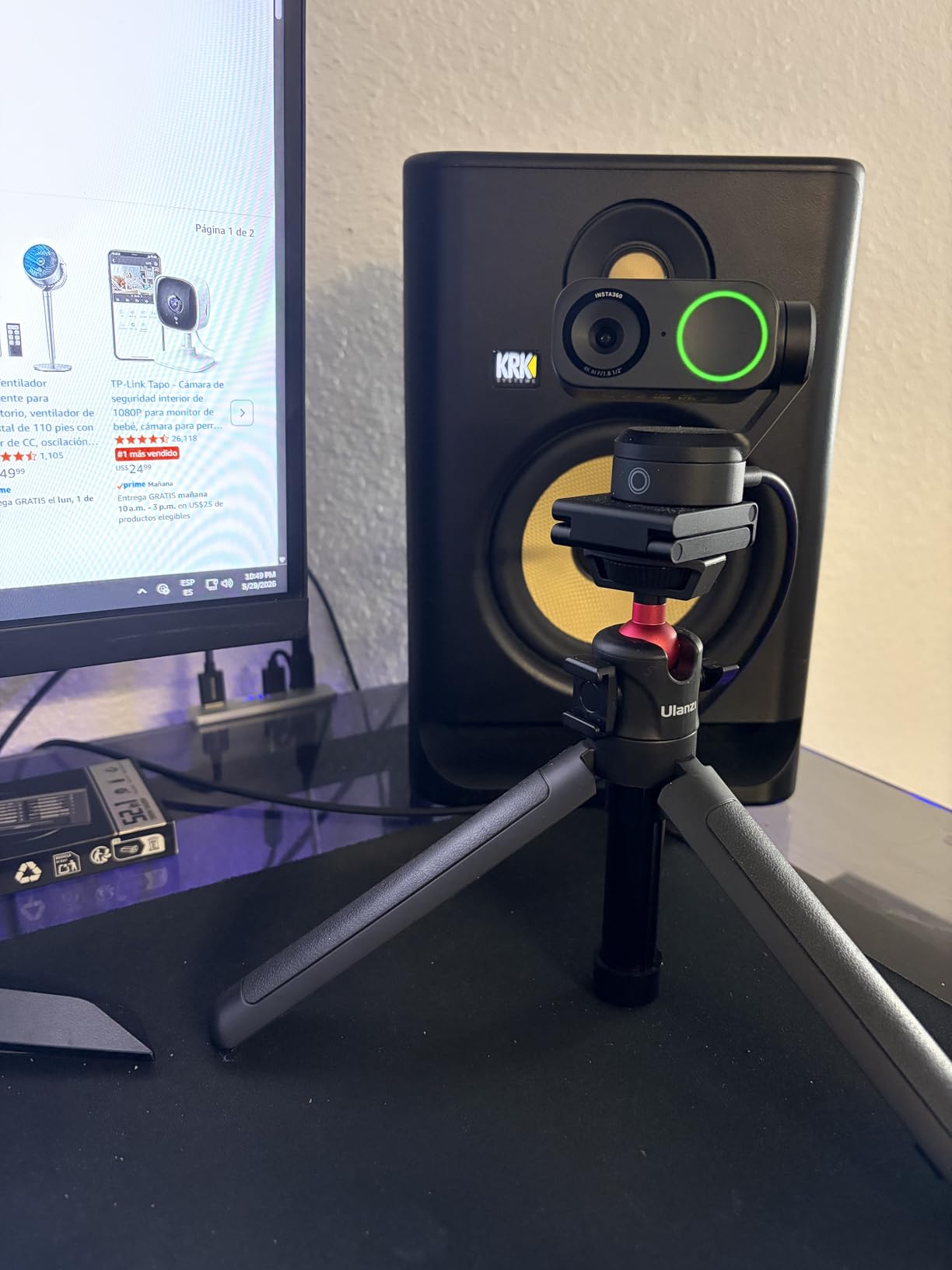
The PDAF autofocus is fast and accurate. Phase detection autofocus is the same technology used in smartphones and mirrorless cameras, and it shows. The Link 2 refocuses almost instantly when I held up products to the camera or leaned in to read chat.
The AI noise-canceling microphone system is the best built-in audio I have heard from a webcam. Insta360 uses advanced algorithms to filter out background noise while preserving your voice. It is still not as good as a dedicated mic, but it is surprisingly close.
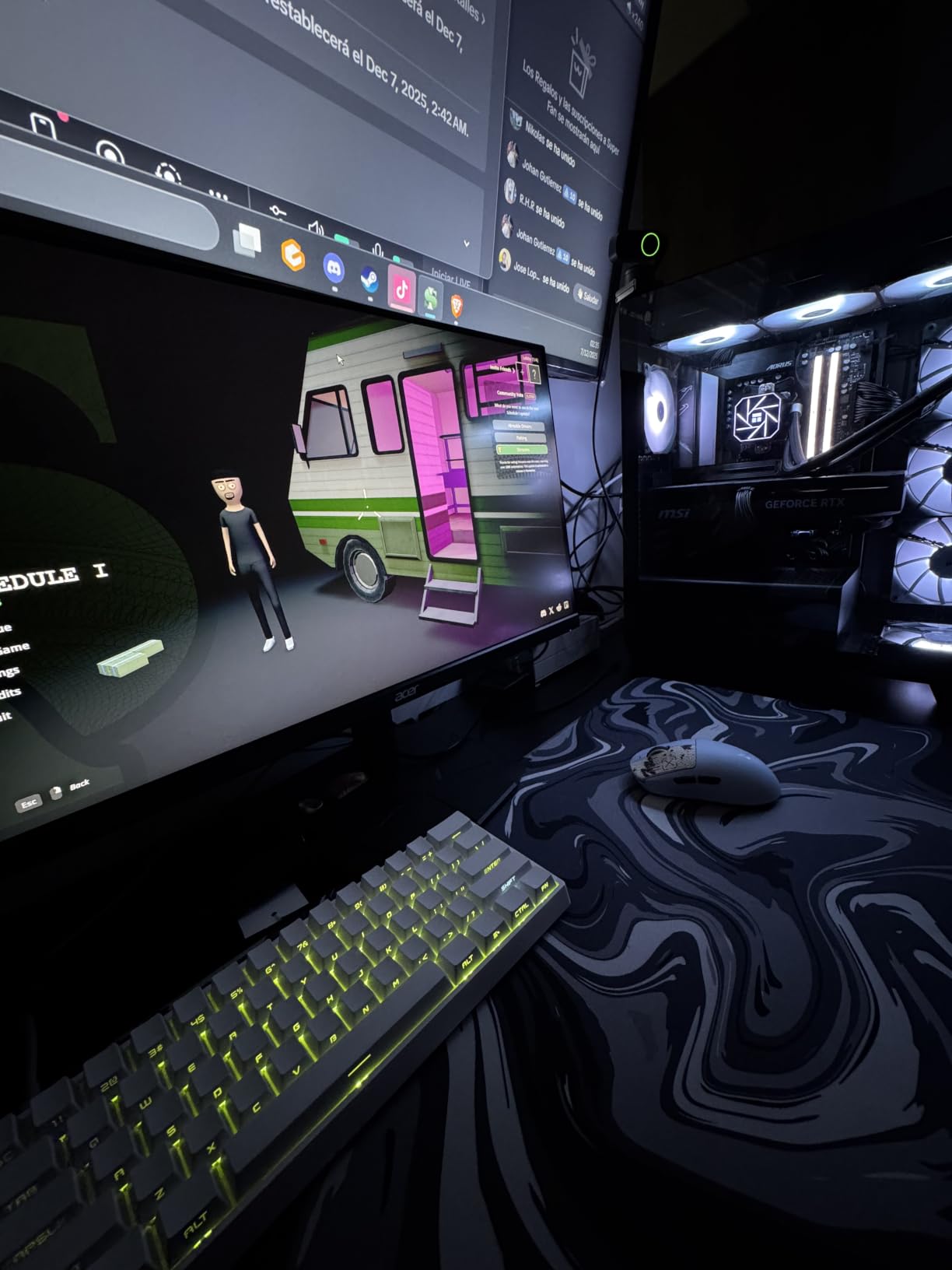
DeskView and Whiteboard Modes
DeskView mode tilts the camera down to show your desk surface, similar to the MX Brio Show Mode. The Link 2 goes further by automatically correcting the perspective so your desk appears flat and properly oriented to viewers.
Whiteboard mode is designed for presentations. The camera captures a whiteboard or document and automatically enhances contrast and brightness for readability. If you do educational streaming or tutorial content, this mode saves you from needing a separate overhead camera.
Privacy Features and Automatic Sleep
The Link 2 enters privacy mode automatically after 10 seconds of inactivity. The motorized head tilts down to face the desk, physically blocking the lens. This is more reassuring than a software privacy feature because it physically cannot see you.
When you return and move the mouse or start typing, the camera wakes up and returns to its previous position. The wake-up is quick enough that I never missed the start of a conversation or interaction during testing.
8. Elgato Facecam 4K – Studio-Grade Streaming
Elgato Facecam 4K, 4K60 Studio Webcam, DSLR-Like Control
4K at 60fps
Sony STARVIS 2 sensor
49mm lens filter support
Uncompressed HDR video
Pros
- 4K 60fps for ultra-smooth streaming
- Sony STARVIS 2 sensor for exceptional detail
- 49mm lens filter support
- Uncompressed video with HDR
Cons
- Premium price point
- No built-in microphone
The Elgato Facecam 4K is the flagship of the Facecam line and the most capable streaming webcam Elgato makes. The Sony STARVIS 2 sensor is the same type used in professional security and broadcast cameras, and it shows in the image quality.
4K at 60fps is rare in webcams. Most 4K webcams top out at 30fps. The Facecam 4K gives you both ultra-high resolution and smooth motion simultaneously. For streamers who want the absolute best webcam video quality available, this is the ceiling.
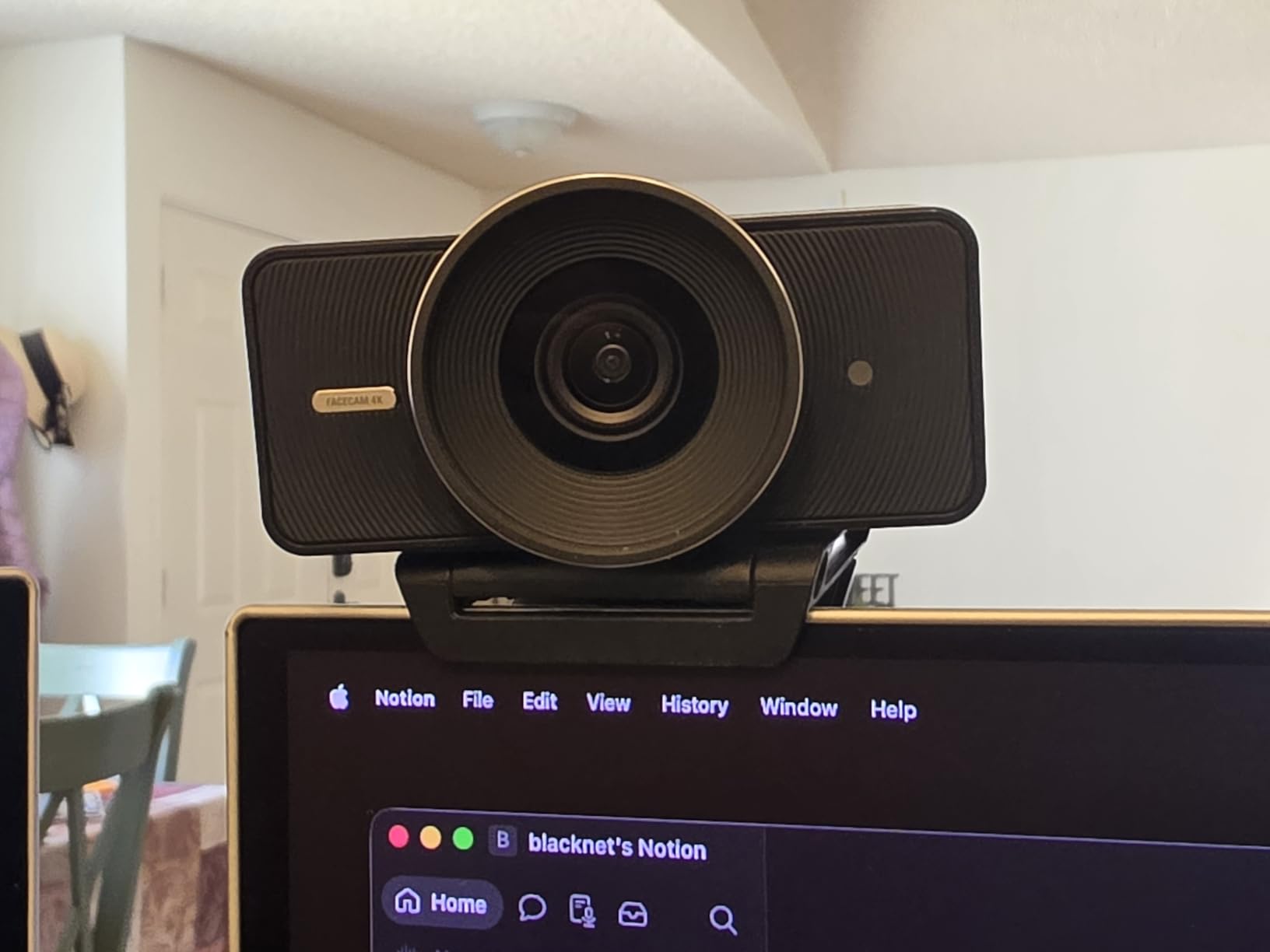
The 49mm lens filter thread is a feature no other streaming webcam offers. You can attach standard photography filters like neutral density filters, polarizers, or diffusion filters. This opens up creative possibilities that no other webcam can match.
I attached a diffusion filter during testing and it softened my skin texture slightly, giving the image a more cinematic quality. A polarizing filter cut glare from my window. These are small touches that matter when you care about every detail of your stream appearance.
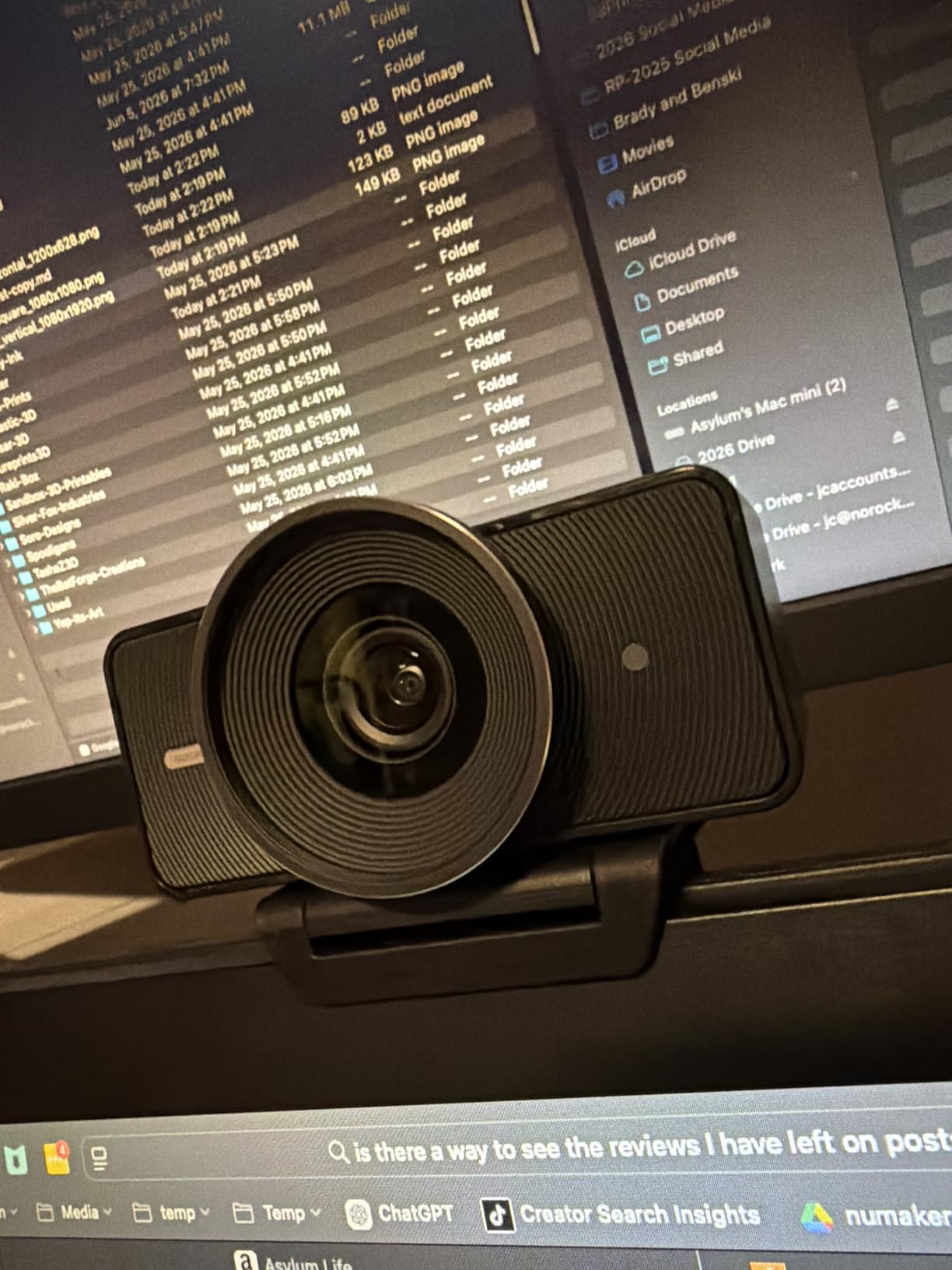
Sony STARVIS 2 Sensor Performance
The STARVIS 2 sensor is designed for low-light performance without producing excessive noise. In my dimmest test environment, the Facecam 4K produced clean, detailed video where other webcams produced a grainy mess.
The larger sensor pixels capture more light per pixel than standard webcam sensors. This means better dynamic range, more accurate colors in mixed lighting, and cleaner shadows. For streamers who care about image quality above all else, this sensor is worth the investment.
4K 60fps Bandwidth Requirements
Running 4K 60fps uncompressed requires significant USB bandwidth. You need a USB 3.0 or USB 3.1 connection with no other high-bandwidth devices sharing the same controller. I recommend connecting the Facecam 4K directly to a motherboard USB port rather than a hub.
If your system cannot handle uncompressed 4K 60fps, the Camera Hub software lets you step down to 4K 30fps or 1080p 60fps compressed modes. Even in compressed mode, the STARVIS 2 sensor produces better images than most competing webcams.
9. Canon EOS R50 – Mirrorless Quality for Streamers
Canon EOS R50 Mirrorless Camera RF-S18-45mm F4.5-6.3 is STM Lens Kit, 24.2 Megapixel CMOS (APS-C) Sensor, 4K Video, Vlogging, Content Creation, Photography, Digital Camera, Black
24.2MP APS-C sensor
6K oversampled 4K 30fps
Dual Pixel CMOS AF II
651 AF zones with subject tracking
Pros
- Excellent 24.2MP APS-C image quality
- 6K oversampled 4K video
- Dual Pixel CMOS AF II with subject detection
- Compact and lightweight body
Cons
- No 4K 60fps
- Kit lens limited for advanced users
- Requires capture card for streaming
The Canon EOS R50 is the entry point into professional mirrorless streaming. Using a real camera as your facecam produces a depth-of-field and image quality that no webcam can match. The background blur looks natural because it is optical, not software-generated.
I connected the R50 to my PC via an Elgato Cam Link 4K capture card and the results were immediately stunning. The APS-C sensor is dramatically larger than any webcam sensor, which means better low-light performance, smoother bokeh, and richer colors.
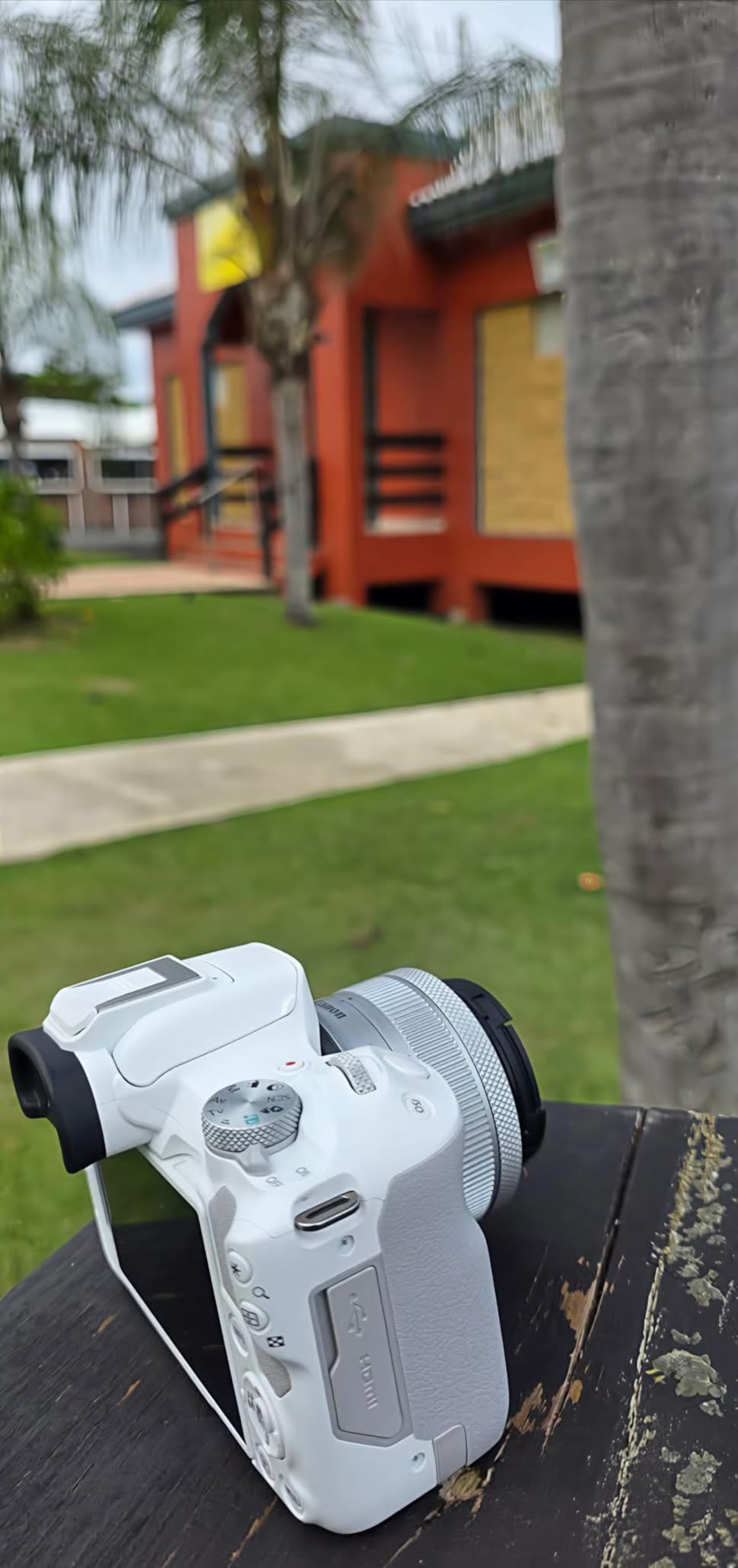
The Dual Pixel CMOS AF II autofocus system is Canon at its best. It tracks your eyes with precision and never loses focus, even when you move around. This is the same autofocus technology Canon uses in their professional cinema cameras.
The subject detection feature automatically recognizes people, animals, and vehicles. For pet streamers who have cats or dogs on camera, the R50 will track your pet’s face when it enters the frame. This is something no webcam can do.
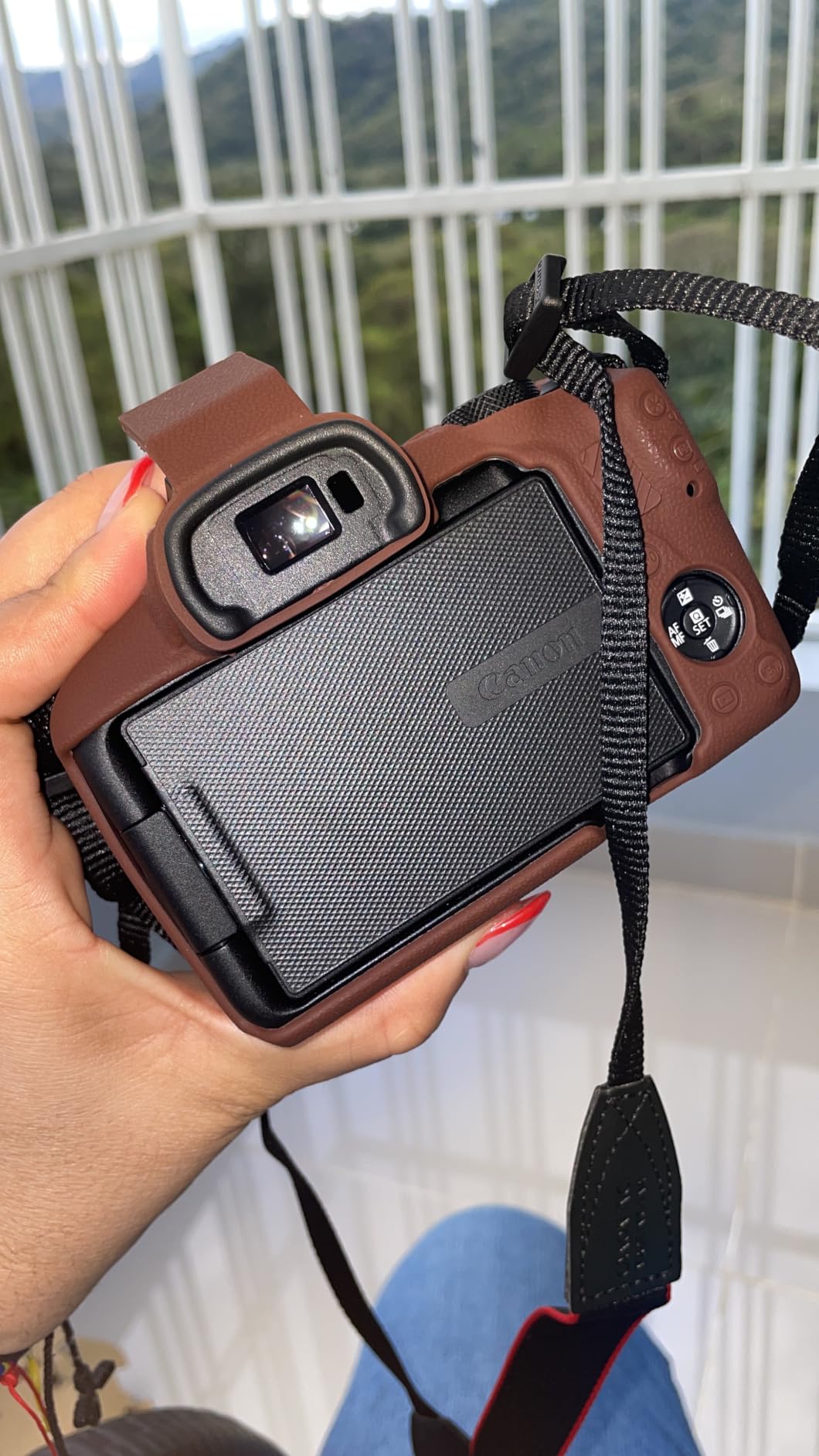
Capture Card Setup for Clean Streaming
To use the EOS R50 as a streaming camera, you need an HDMI capture device. The Elgato Cam Link 4K is the most popular choice and works seamlessly with OBS. Connect the camera’s HDMI output to the Cam Link, then plug the Cam Link into your PC via USB.
You also need a dummy battery or AC adapter to power the camera during long streams, since the internal battery will not last through a multi-hour stream. Factor in roughly $130-$200 for the capture card and power accessories when budgeting for this setup.
Movie for Close-up Demo Mode
The R50 includes a Movie for Close-up Demo Mode specifically designed for content creators. When you hold an object close to the camera, it instantly shifts focus to the object. When you move the object away, focus returns to your face.
This is perfect for product review streams, unboxing content, and craft streams. I tested it by holding up various items and the focus transition was instant and smooth. No webcam can replicate this behavior because it relies on the camera’s physical autofocus system.
10. Sony Alpha ZV-E10 – The Vlogger’s Mirrorless
Sony ZV-E10 APS-C Mirrorless Camera with 16-50mm Lens Black
24.2MP APS-C Exmor sensor
4K oversampled from 6K
425-point Fast Hybrid AF
Real-Time Eye AF and Product Showcase
Pros
- Excellent 24.2MP APS-C image quality
- 4K oversampled from 6K data
- Real-Time Eye AF tracks reliably
- Product Showcase Setting for streamers
Cons
- No viewfinder
- Limited to 4K 30fps
- Requires capture card for streaming
The Sony ZV-E10 is built specifically for content creators, and it shows in every design decision. The side-flip-out screen lets you monitor your framing while streaming. The Product Showcase Setting switches focus to objects you hold up with a single button press. The directional 3-capsule microphone captures clean audio without a separate mic.
I compared the ZV-E10 directly with the Canon R50 for streaming quality. Both produce exceptional images that blow webcams out of the water, but the ZV-E10 has the edge in low-light performance thanks to Sony’s superior sensor processing.
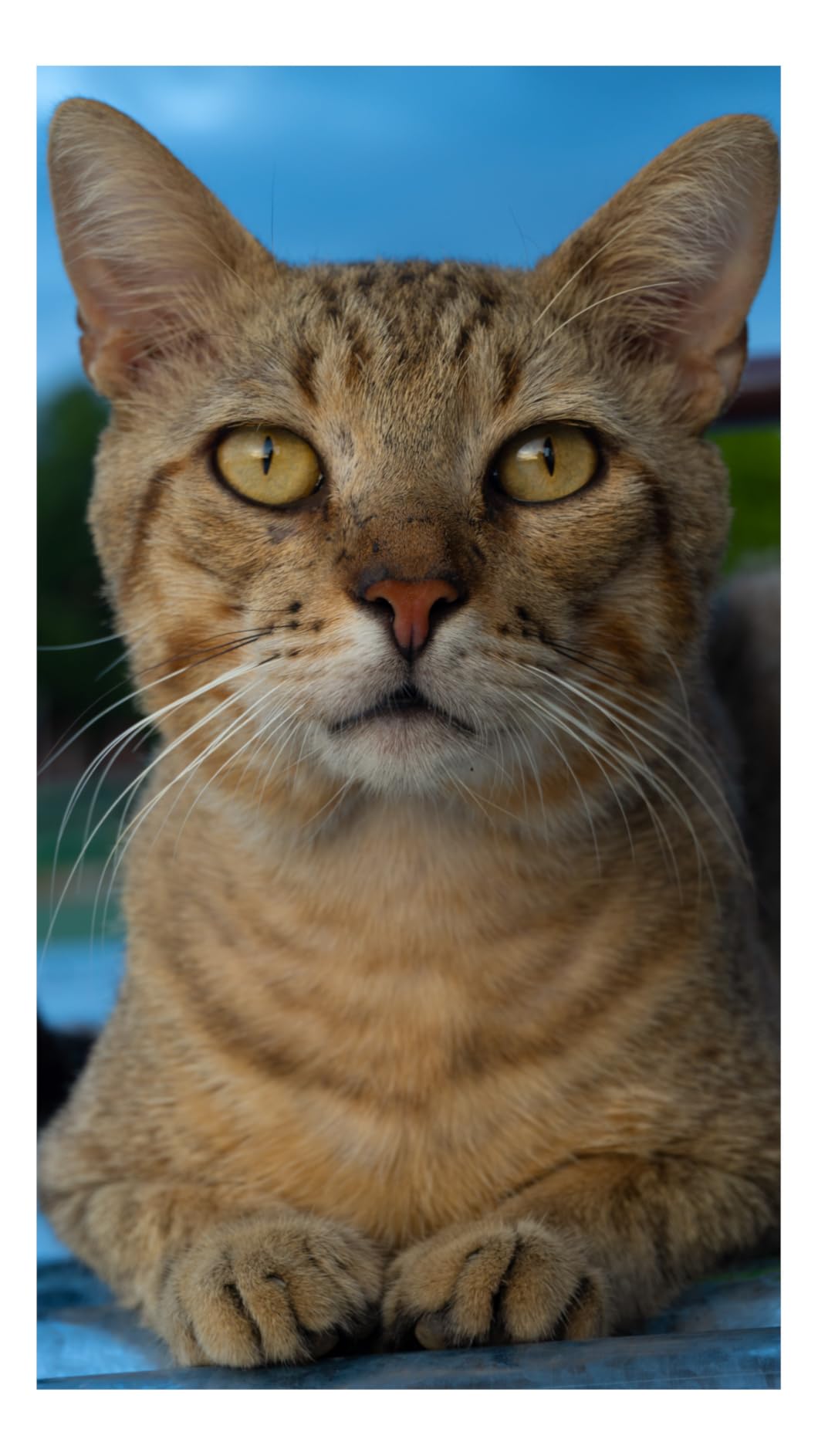
The Real-Time Eye AF is genuinely impressive. It locked onto my eyes and tracked them as I moved around the frame. Even when I turned my head to look at a second monitor, the focus stayed locked on the nearest eye. This is professional-level autofocus in an affordable mirrorless body.
The 4K video is oversampled from 6K data, which means the camera captures 6K worth of detail and downscales it to 4K. The result is sharper, cleaner 4K video than you get from cameras that read out exactly 4K worth of sensor data.

Product Showcase Setting for Review Streams
The Product Showcase Setting is a game-changer for streamers who show products on camera. Press the button and the camera immediately shifts focus to whatever object is closest to the lens. Press it again and focus returns to your face.
I used this extensively during a product unboxing stream. Every time I held up an item, one button press brought it into sharp focus. No waiting for autofocus to hunt, no tapping the screen, no awkward blur transitions. It just works, instantly.
Background Defocus Button for Cinematic Look
The dedicated Background Defocus button opens the aperture to maximum, creating a shallow depth-of-field that blurs your background. This is the optical background blur that software like XSplit VCam tries to replicate digitally.
Optical background blur looks dramatically better than software blur. The edges of your hair and clothing blend naturally with the blurred background, whereas software blur always leaves a slightly artificial outline. For a professional stream appearance, this matters.
How to Choose the Best Streaming Camera?
Choosing the right camera for your stream depends on your budget, your streaming platform, and how important image quality is to your brand. Here is what I learned from testing all 10 cameras across different scenarios.
Resolution and Frame Rate
Resolution and frame rate are the two specs that matter most for streaming video quality. 1080p at 30fps is the minimum I recommend for a serious stream. 1080p at 60fps looks noticeably smoother and is the standard for most mid-range webcams in 2026. 4K is worth considering if you record YouTube content or want maximum detail for clipping highlights.
For Twitch specifically, 1080p 60fps is the practical ceiling. Twitch transcodes your stream, so anything above 1080p gets downscaled anyway. YouTube Live supports higher resolutions, so 4K streaming makes more sense on that platform.
Low-Light Performance
Most gaming rooms are darker than typical video call environments. You have RGB lighting, monitor glow, and maybe a desk lamp. This is where sensor size matters most. The Sony STARVIS sensors in the EMEET S600, Insta360 Link 2, and Elgato Facecam 4K handle low light better than standard webcam sensors.
If you cannot control your lighting, prioritize low-light performance over resolution. A clean 1080p image in dim light looks far better than a noisy 4K image. Adding a key light is the single biggest upgrade you can make to any camera on this list.
Autofocus and Tracking
Autofocus quality varies dramatically between webcams. PDAF (phase detection autofocus) is faster and more accurate than contrast-detection autofocus. The Insta360 Link 2, EMEET S600, and EMEET PIXY all use PDAF and lock focus quickly.
AI tracking is a newer feature that physically moves the camera to follow you. The Insta360 Link 2 and EMEET PIXY both offer AI tracking that works well for just-chatting and IRL-style streams. If you sit still at a desk, you do not need this feature.
Software Compatibility With OBS and Streamlabs
Every camera on this list works with OBS and Streamlabs as a standard video device. The differences are in the companion software. Elgato Camera Hub offers the most professional controls. Logitech Capture is the most user-friendly. EMEETLINK provides good customization options.
Check that the camera is compatible with your operating system. The Insta360 Link 2, for example, does not work with ARM-based Windows systems. If you use a Mac, verify the camera has macOS drivers or is UVC-compliant for plug-and-play compatibility.
Is a 4K Webcam Worth It for Streaming?
For Twitch streaming alone, 4K is overkill. Twitch downscales your video to 1080p, so the extra resolution is wasted. However, if you also create YouTube content, record podcasts, or want flexibility for cropping and zooming during editing, 4K is worth the investment.
The real benefit of 4K webcams is not always the resolution itself but the larger sensors they use. The Sony STARVIS 2 sensor in the Elgato Facecam 4K produces better 1080p video than most native 1080p webcams because of its superior light-gathering capability.
FAQs
What camera do most gaming streamers use?
Most gaming streamers use the Logitech C920 or C920x for budget setups and the Logitech StreamCam or Elgato Facecam for mid-range builds. Professional streamers often use mirrorless cameras like the Sony ZV-E10 or Canon EOS R50 connected via a capture card for the highest image quality.
What is the best webcam for streaming in 2026?
The Logitech StreamCam is the best overall webcam for streaming in 2026, offering 1080p at 60fps with smart autofocus and auto-framing. For 4K streaming, the Elgato Facecam 4K with its Sony STARVIS 2 sensor is the top choice. For budget streamers, the Logitech C920x remains the gold standard.
Is a 4K webcam overkill for streaming?
For Twitch streaming, 4K is overkill because Twitch downscales all video to 1080p. However, 4K webcams often have larger and better sensors that produce superior 1080p video. If you also create YouTube content or want cropping flexibility, 4K is worth the investment.
Which camera is the best for streaming?
The best camera for streaming depends on your budget and needs. For most streamers, the Logitech StreamCam at 1080p 60fps is the best balance of price and performance. For professional quality, a mirrorless camera like the Sony ZV-E10 or Canon EOS R50 with a capture card delivers the best image.
Do I need a capture card to use a mirrorless camera for streaming?
Yes, you need an HDMI capture card like the Elgato Cam Link 4K to connect a mirrorless camera to your streaming PC. You also need a dummy battery or AC adapter for continuous power. Budget approximately $130 to $200 extra for these accessories when planning a mirrorless streaming setup.
Can I use a webcam for console streaming on PS5 or Xbox?
The Logitech C920x is compatible with Nintendo Switch 2 GameChat mode. For PS5, use the official HD camera or a USB webcam that supports UVC. Xbox supports select USB webcams. Check console compatibility before purchasing, as not all webcams work with all consoles.
Final Thoughts on the Best Cameras for Gaming Streamers
Finding the best cameras for gaming streamers in 2026 comes down to matching your budget with your streaming goals. If you are just starting out, the Logitech C920x gives you reliable 1080p video for under $70. The Logitech StreamCam is my top overall pick for most creators, with 60fps smoothness and smart auto-framing that elevates any stream.
For streamers ready to invest in professional quality, the mirrorless route is the clear winner. Both the Sony ZV-E10 and Canon EOS R50 produce images that no webcam can match, with optical background blur and cinema-grade autofocus. The Elgato Facecam 4K is the best option if you want webcam simplicity with near-mirrorless image quality.
Whichever camera you choose, remember that lighting matters more than resolution. A $70 webcam with good lighting outperforms a $300 webcam in the dark. Start with whatever fits your budget today, add a key light, and upgrade as your stream grows.