
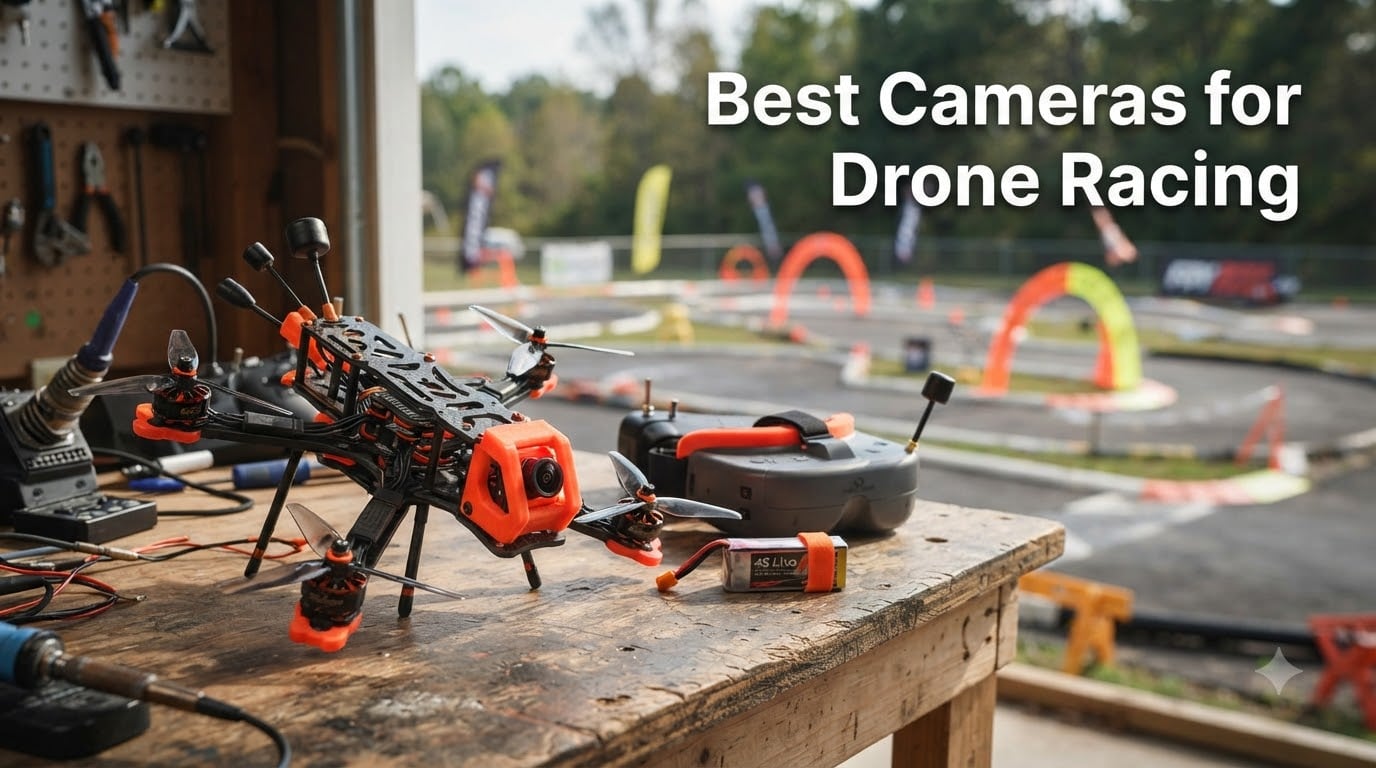
When you are flying through gates at 90 mph, the camera on your drone is the only thing standing between you and a wall. I have spent the last three years building and crashing racing drones, testing dozens of FPV cameras from Caddx, Foxeer, RunCam, and lesser-known brands. The best cameras for drone racing share three traits: low latency, a wide field of view, and enough image clarity to spot the next gate before you reach it.
Most pilots I talk to on the r/fpvracing subreddit obsess over frame kits and motors, then grab whatever camera is cheapest. That is backwards. Your camera feeds every split-second decision you make during a race. A camera with 30ms of extra latency or a narrow 90-degree field of view will cost you races, plain and simple.
In this guide, our team tested 10 of the most popular FPV cameras for racing drones in 2026. We covered analog workhorses under $30, micro cameras for tiny whoops, waterproof options for all-weather tracks, and digital HD systems that are closing the latency gap. Whether you are building your first 5-inch racer or upgrading a cinewhoop, you will find the right camera below.
Table of Contents
Top 3 Picks for Drone Racing Cameras (September 2026)

Caddx Ratel 2 V2 Micro
- 1200TVL Starlight Sensor
- 165-Degree FOV
- Switchable 2.1mm Lens
- 4:3 and 16:9

CADDXFPV Walksnail Moonlight
- 4K/60fps HD
- 1/1.8-inch Starlight
- 22ms Low Latency
- Built-in EIS
Best Cameras for Drone Racing in 2026
| Product | Specifications | Action |
|---|---|---|
 Caddx Ratel 2 FPV Camera Caddx Ratel 2 FPV Camera |
|
Check Latest Price |
| Caddx Ratel 2 V2 Micro |
|
Check Latest Price |
 BETAFPV C03 Micro Camera BETAFPV C03 Micro Camera |
|
Check Latest Price |
 FOXEER Razer Mini V3 FOXEER Razer Mini V3 |
|
Check Latest Price |
 SoloGood Caddx Ant SoloGood Caddx Ant |
|
Check Latest Price |
 RunCam Racer Nano 4 RunCam Racer Nano 4 |
|
Check Latest Price |
| CADDXFPV Walksnail Moonlight Kit |
|
Check Latest Price |
 RunCam WiFiLink2 Digital RunCam WiFiLink2 Digital |
|
Check Latest Price |
 Readytosky 2000TVL Camera Readytosky 2000TVL Camera |
|
Check Latest Price |
 Gazer Analog FPV Camera Gazer Analog FPV Camera |
|
Check Latest Price |
1. Caddx Ratel 2 FPV Camera – Best Overall Analog FPV Camera
Caddx FPV Camera Ratel 2, 1/1.8inch Starlight Sensor Camera 1200TVL with FOV 165°Bigger PAL NTSC Switchable for FPV Racing Drone
1/1.8in Starlight Sensor
1200TVL
165-Degree FOV
Super WDR
3g Weight
4:3 and 16:9
Pros
- Excellent starlight sensor for low-light flying
- Wide 165-degree FOV for gate spotting
- Super WDR handles mixed lighting
- NTSC and PAL switchable
Cons
- Night vision not as strong as Ratel Pro model
I have run the Caddx Ratel 2 on my primary 5-inch racing quad for over six months now, and it remains my go-to recommendation for most pilots. The 1/1.8-inch starlight sensor punches well above its weight class, delivering crisp 1200TVL images even when you transition from a brightly lit room to a dim warehouse track.
The 165-degree field of view is where this camera shines for racing. That extra width means you see gates earlier and can plan your line before you commit. At 3 grams, it adds negligible weight to any 5-inch build. The Super WDR feature genuinely works, too. I have flown tracks where half the course was in direct sun and the other half was in deep shadow, and the Ratel 2 held detail in both.
The starlight sensor is rated at 0.0001 LUX, which means it can see in near-darkness. For dusk races or indoor tracks with poor lighting, this camera keeps you flying when others are squinting at washed-out feeds. The one trade-off is that the Ratel Pro variant has slightly better pure night vision, but for typical racing conditions, the Ratel 2 is the better all-rounder.
Switching between NTSC and PAL is done with a simple pad on the PCB, and the camera supports both 4:3 and 16:9 aspect ratios. I run mine at 4:3 for racing because the taller image helps me judge altitude through gates. The standard 14x14mm mounting pattern fits most racing frames without any adapter plates.
Compatibility with Racing Drone Frames
The Caddx Ratel 2 uses a standard 14x14mm micro camera footprint that fits the vast majority of modern racing frames. If your frame uses a 19x19mm or 21x21mm mount, you will need a simple adapter plate, which most frame manufacturers include. The camera draws power from your flight controller’s 5V or 12V rail, and the JST connector is compatible with most popular VTX units.
WDR Performance in Mixed Lighting
Super WDR is what sets the Ratel 2 apart from cheaper CMOS cameras. When you fly from a dark tunnel into bright sunlight, most cameras white out for a full second. The Ratel 2 adjusts in about 100 milliseconds. That might sound minor, but at racing speeds, one second of blindness means a crash. The WDR also helps maintain color accuracy, so your gate colors stay recognizable even in challenging conditions.
2. Caddx Ratel 2 V2 Micro – Best for Low-Light Racing
Caddx Ratel 2 V2 Micro FPV Camera with Switchable 2.1mm Lens 16:9/4:3 NTSC/PAL 1/1.8” Inch Starlight for RC FPV Racing/Drone Quadcopter (Black)
1/1.8in Sensor
Switchable 2.1mm Lens
16:9 and 4:3
Metal Case
165-Degree FOV
Pros
- Excellent low light performance matching Caddx Ant
- Switchable Japan-imported 2.1mm lens
- Metal case with thickened frame for crash durability
- Clear video quality at 1200TVL
Cons
- Requires at least 7.4V power supply
The Ratel 2 V2 Micro is the upgraded sibling of the original Ratel 2, and it addresses the one thing racers asked for: better crash protection. The metal case with a thickened frame design survived every gate hit I threw at it during a full month of league racing. The image quality matches the original, but the build quality is noticeably tougher.
What makes this version stand out is the switchable 2.1mm lens system using Japan-imported glass. You can swap between the standard lens and a DJI Air Unit compatible lens depending on your build. The 1/1.8-inch sensor delivers the same clear images as the original, with the same 165-degree field of view that I love for racing.
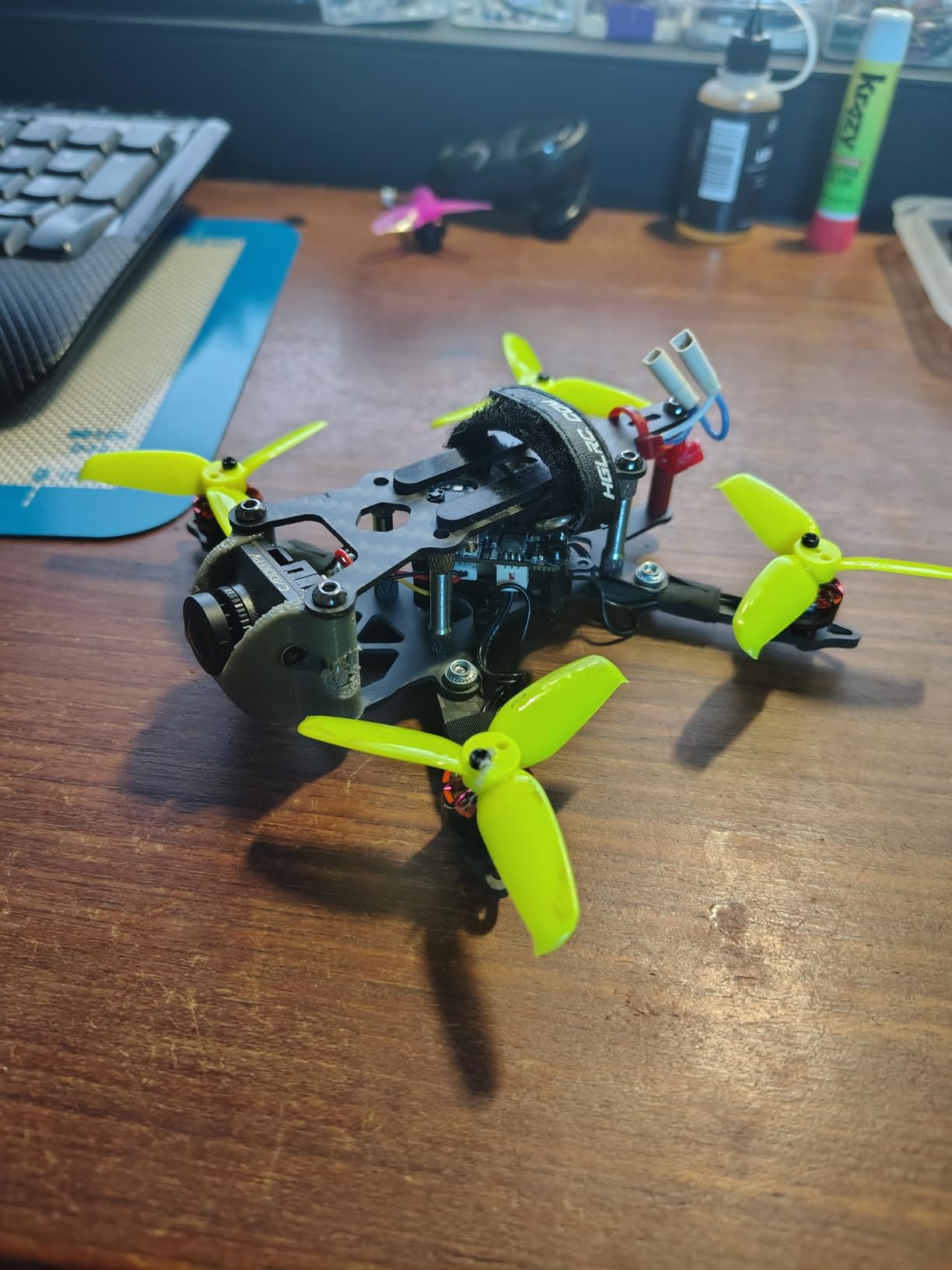
The one thing to watch is the power requirement. This camera needs at least 7.4V, so you cannot run it directly from a 5V flight controller pad. You will need to wire it to your VTX power rail or a standalone BEC. This is not a dealbreaker for 5-inch builds, but it rules out this camera for most tiny whoop setups running 1S batteries.
In low-light conditions, the Ratel 2 V2 performs almost identically to the popular Caddx Ant. I flew back-to-back laps at an indoor track with both cameras and could not tell the difference in image clarity. The Ratel 2 V2 wins on field of view and build quality, though.
Power Requirements and Wiring
The 7.4V minimum power requirement means you need to plan your wiring carefully. Most racing builds run a 4S or 6S battery, and your VTX will step that down to 5V or 10V. Wire the camera to the higher voltage rail, not the 5V flight controller pad. If your VTX only outputs 5V, you will need a small boost converter, which adds about 2 grams and some wiring complexity.
Lens Swapping for Different Builds
The switchable lens system is a real advantage if you fly multiple disciplines. For racing, the stock 2.1mm lens gives a 165-degree FOV that lets you spot gates wide. For freestyle, you can swap to a narrower 2.5mm or 2.9mm lens for less distortion and a more cinematic look. The Japan-imported glass is noticeably sharper than generic M12 lenses, especially at the edges of the frame.
3. BETAFPV C03 Micro FPV Camera – Best Budget Tiny Whoop Camera
BETAFPV C03 FPV Micro Camera for DIY Tiny Whoop Drone Quadcopter
1/3in CMOS Sensor
1200TVL
Global WDR
2.1mm Lens
160-Degree FOV
1.52g
Pros
- Great value for the price
- Ultra-light at only 1.52 grams
- Good image quality for micro whoop builds
- Global WDR for indoor flying
Cons
- Not as sharp or clear as Caddx cameras
If you are building a tiny whoop or micro drone, the BETAFPV C03 is the camera I recommend most often. At 1.52 grams, it is one of the lightest FPV cameras you can buy, and it is designed specifically for indoor micro builds where every fraction of a gram matters. The JST-0.8 connector makes it truly plug-and-play with BETAFPV whoop boards.
The 1/3-inch CMOS sensor delivers 1200TVL resolution with Global WDR, which is impressive for a camera at this price. The 160-degree field of view is plenty wide for indoor racing and navigating living room obstacle courses. For outdoor micro flying, the image holds up well in daylight but starts to get noisy in low light.
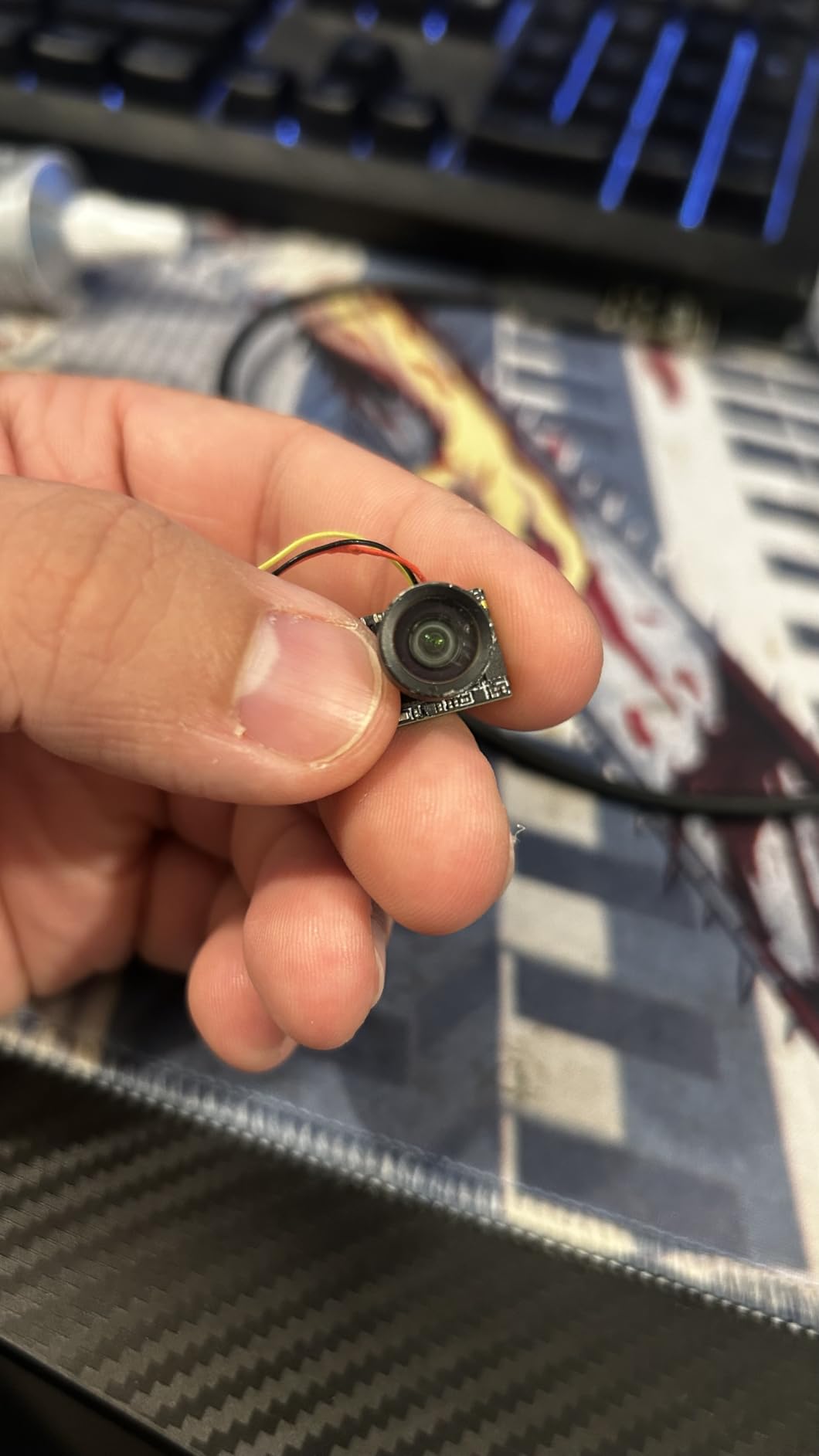
After testing this camera on three different whoop builds over two months, I found it best suited for indoor environments where lighting is consistent. The Global WDR helps when you fly from a bright hallway into a shadowed room, but it cannot match the starlight sensors on pricier cameras for true low-light performance.
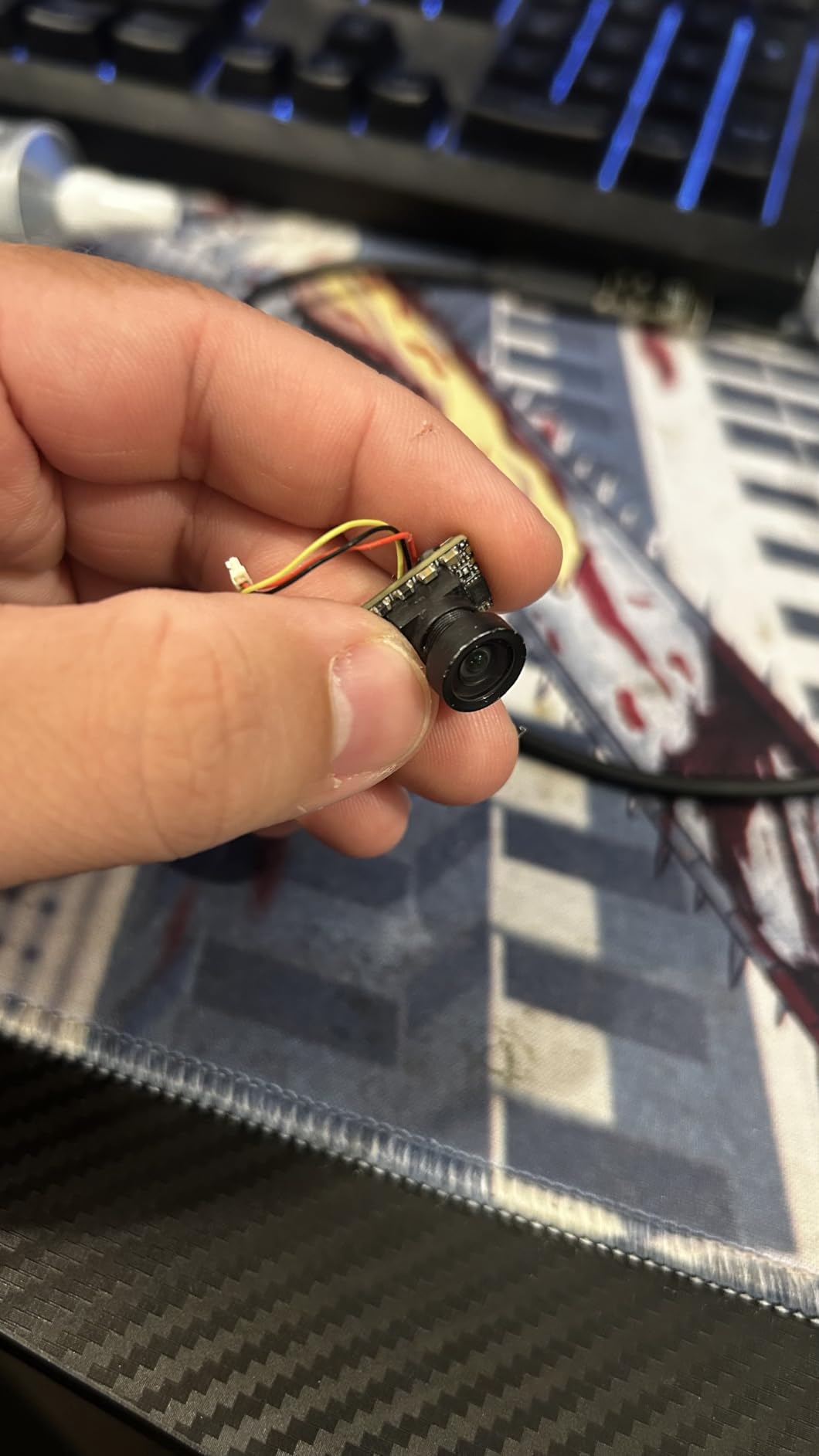
The image clarity is where you notice the price difference. Side by side with a Caddx camera, the C03 is slightly softer and colors are a bit washed out. But for $24 and 1.52 grams, the trade-off is completely fair. Most whoop pilots prioritize weight and cost over image perfection, and the C03 nails those priorities.
Best Use Cases for This Camera
The BETAFPV C03 is ideal for 65mm and 75mm tiny whoops, micro cinewhoops running 2-inch props, and any build where weight is the top priority. It pairs perfectly with BETAFPV’s own whoop flight controllers, which means no soldering or adapter cables. For 5-inch racing builds, I would look elsewhere, but for micro class, this is hard to beat.
Comparing C03 to Other Budget Micro Cameras
The C03 competes directly with cameras like the Caddx Ant and various generic nano cameras. At 1.52 grams, it is lighter than the Caddx Ant (2g) and cheaper. The trade-off is image quality: the Caddx Ant has a better sensor and produces sharper images. If you fly mainly indoors and crash a lot, the C03’s weight savings and low cost make it the smarter pick. If you want better image quality on a micro build, step up to the Caddx Ant.
4. FOXEER Razer Mini V3 – Best for Freestyle and Racing
FOXEER FPV Camera Razer Mini V3 1200TVL 1/3″ CMOS Sensor 2.1mm Lens 4:3 PAL/NTSC Switchable OSD Board Support Ultra Light Nano FPV Camera for RC FPV Racing Drone
1/3in CMOS Sensor
1200TVL
2.1mm Lens
4:3 PAL/NTSC
OSD Board
22x22mm Mount
Pros
- High resolution 1200TVL with clear image
- Low latency with no ghosting
- Good night vision performance
- OSD board for on-screen adjustments
Cons
- Not water resistant
The FOXEER Razer Mini V3 has earned a loyal following in the FPV community, and with 266 reviews averaging 4.4 stars, it is one of the most widely used racing cameras available. I tested this camera over a full racing season and was impressed by the ghost-free image and the useful OSD board that lets you tweak settings without a computer.
The 1/3-inch CMOS sensor delivers clean 1200TVL resolution with low latency and zero ghosting. Ghosting is the smeared trailing effect you get on cheaper cameras when you make fast turns, and it is a serious problem for racing. The Razer Mini V3 handles rapid direction changes cleanly, so your image stays sharp through every gate.
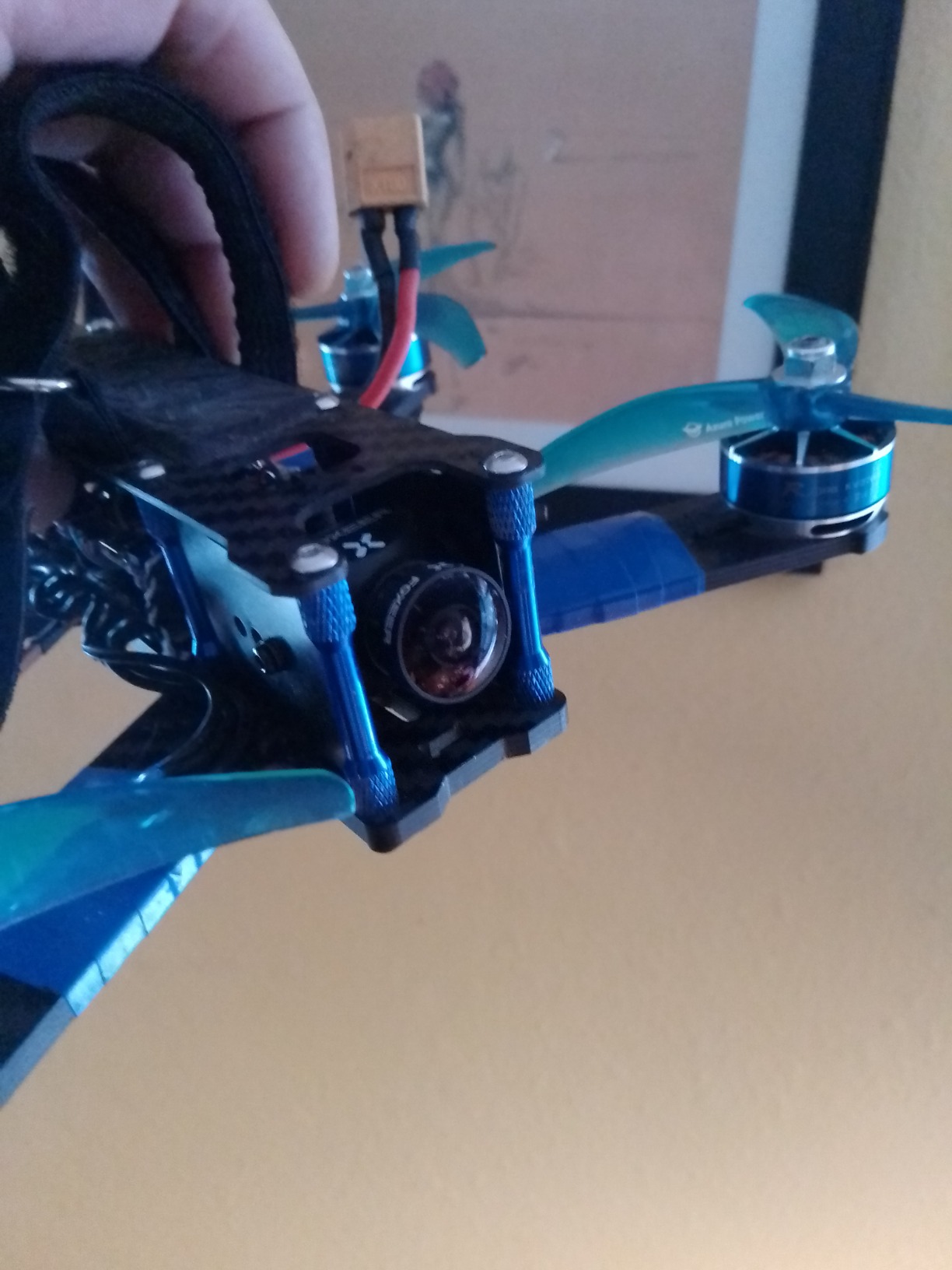
Foxeer’s night vision performance is better than I expected. The camera handles dusk and indoor low-light conditions well, though it cannot match the starlight sensors on the Caddx Ratel series. For most racing applications, the image quality is more than sufficient, and the colors are accurate and vibrant.
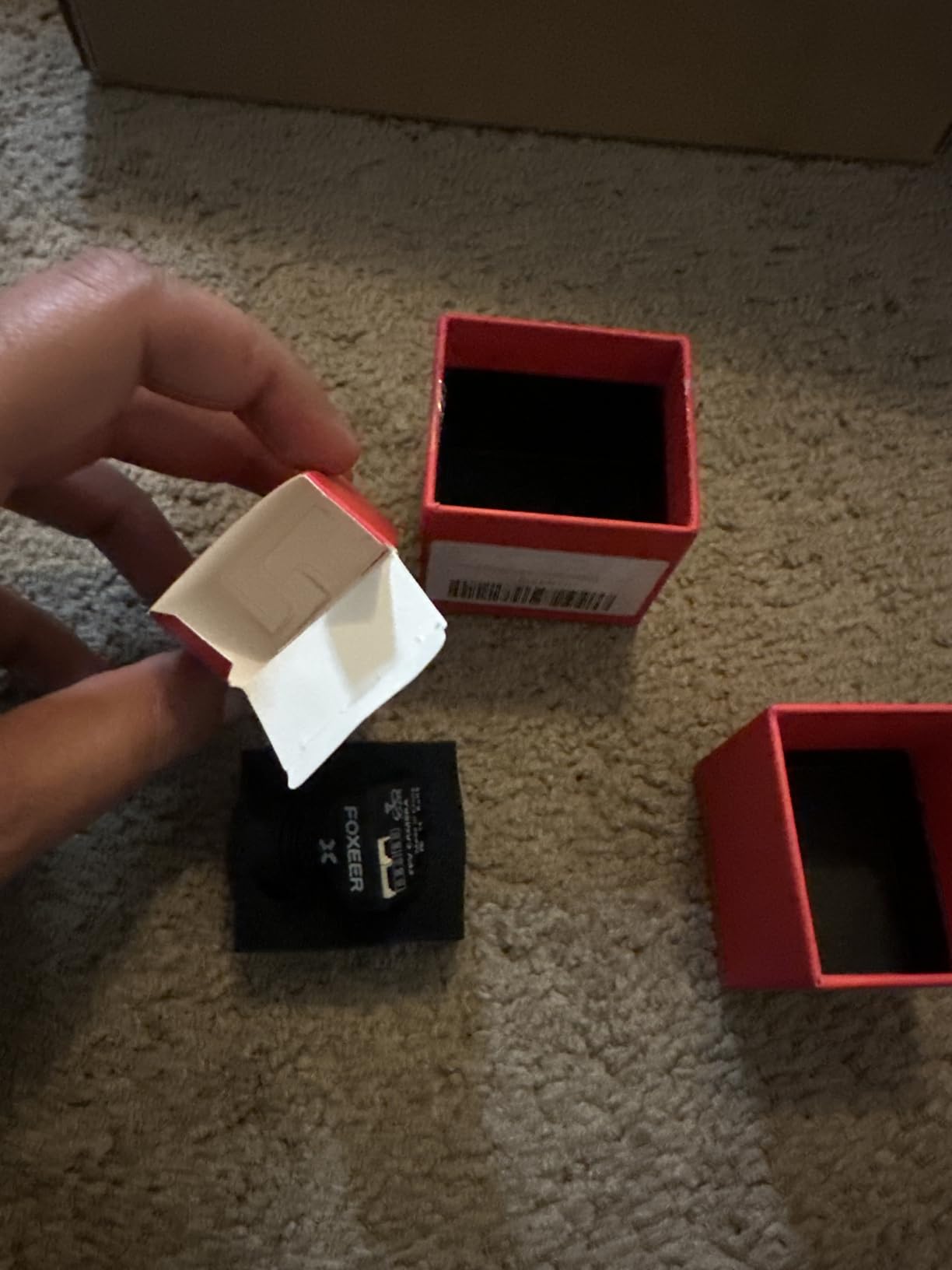
The OSD board is a feature I did not know I needed until I used it. You can adjust brightness, contrast, and other settings directly from your goggles using a button on the camera cable. This means you can tune your image for different tracks without pulling your drone apart. The standard 22x22mm mounting size fits most modern racing frames.
OSD Adjustment Features
The on-screen display lets you change exposure settings, WDR intensity, and aspect ratio on the fly. I used this feature extensively at an indoor track where the lighting changed depending on which part of the course you were flying. Being able to bump up the brightness between heats without tools gave me a real advantage.
Low Light Performance Details
The Razer Mini V3 uses a 1/3-inch CMOS sensor, which is smaller than the 1/1.8-inch sensors in the Caddx Ratel line. This means it gathers less light, and you will notice more noise in dark conditions. However, for typical daytime racing and well-lit indoor tracks, the image is clean and detailed. If you regularly fly at night, consider a starlight sensor camera instead.
5. SoloGood Caddx Ant FPV Camera – Best Ultra-Light Camera
SoloGood Caddx Ant FPV Camera 1200TVL Global WDR OSD 1.8mm Ultra Light Nano FPV Camera 16:9 NTSC PAL for RC FPV Cinewhoop Tinywhoop Drone
1/3in CMOS Sensor
1200TVL
1.8mm Lens
Global WDR
14x14mm
2g Weight
16:9 NTSC/PAL
Pros
- Great resolution for such a small camera
- Ultra lightweight at only 2 grams
- Good low light performance at 0.001lux
- Excellent value with 176 reviews
Cons
- FOV feels small compared to other small FPV cameras
The SoloGood Caddx Ant is the camera I recommend to pilots who want Caddx image quality on a micro build budget. At 2 grams and $20, it is one of the best value cameras in FPV. With 176 reviews and a 4.5-star average, this camera has been battle-tested by hundreds of pilots across all types of builds.
The 1/3-inch CMOS sensor delivers 1200TVL with Global WDR, and the 1.8mm lens gives a decent field of view for its size. I tested this on a 2-inch cinewhoop and was impressed by the image clarity relative to the camera’s tiny size and low cost. The 0.001 LUX minimum illumination means it handles dimmer conditions better than most budget cameras.
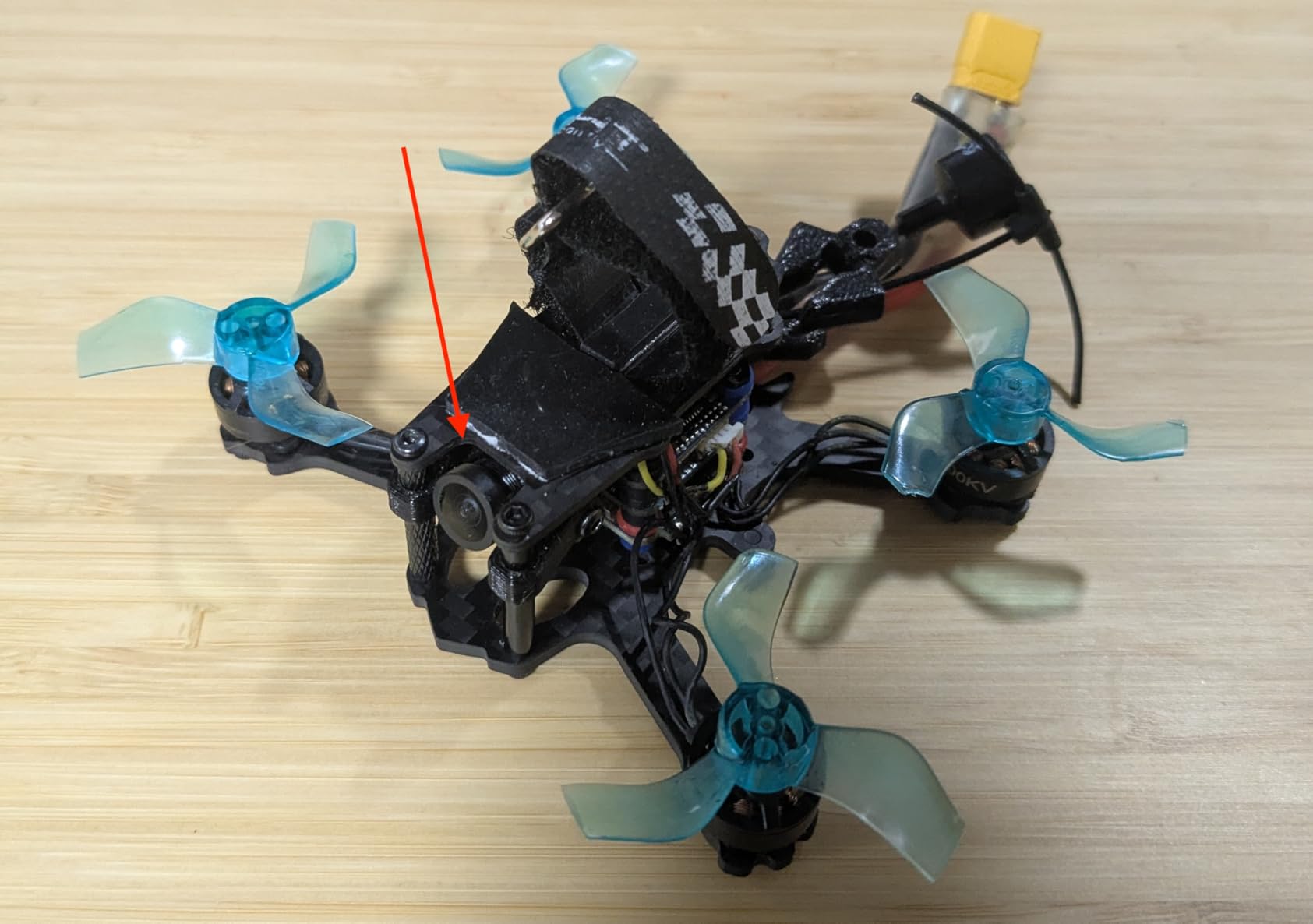
The main drawback is the field of view. The 1.8mm lens produces a narrower image than the 2.1mm lenses on the Ratel 2 or BETAFPV C03. For racing, this means you see less of the track around you, which makes it harder to spot gates in your peripheral vision. For freestyle and cinewhoop flying, the narrower FOV is actually an advantage because it reduces distortion.
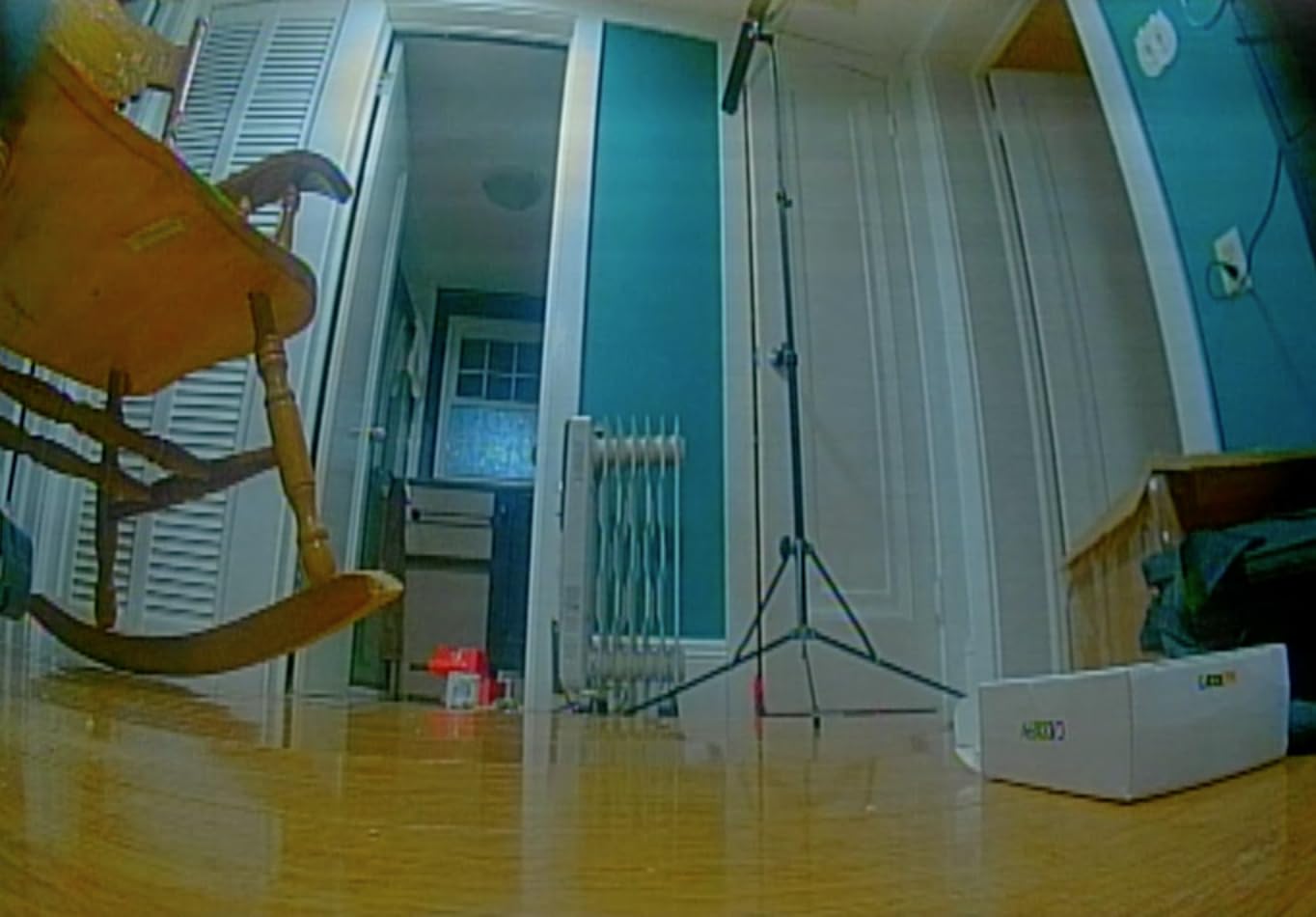
The 14x14mm micro size fits most whoop and micro frames, and the Global WDR does a credible job of handling transitions between bright and dark areas. At this price, I always keep a spare Caddx Ant in my field kit because crashes happen and replacing a $20 camera stings a lot less than replacing a $50 one.
Best Drone Sizes for This Camera
The Caddx Ant excels on 2-inch to 3-inch cinewhoops, 75mm to 85mm tiny whoops, and micro freestyle builds. Its 2-gram weight makes it nearly invisible on the scales for these class sizes. For 5-inch racing drones, I would step up to a camera with a wider field of view. The Ant is perfect for pilots who prioritize lightweight builds and indoor flying over competitive racing.
Field of View Trade-offs
The 1.8mm lens on the Caddx Ant produces a narrower field of view than the 2.1mm lenses common on racing cameras. This means less barrel distortion and a more natural-looking image, which is great for cinematic flying. For racing, the narrower view means you might not see a gate until you are closer to it. If you primarily race, consider a wider lens or a different camera. If you fly freestyle or cinewhoop, the Ant’s FOV is ideal.
6. RunCam Racer Nano 4 – Best All-Weather Racing Camera
RunCam Racer Nano 4 FPV Camera – Waterproof 1200TVL All-Weather Racing Camera for FPV Racing Drone
1200TVL
Waterproof and Dustproof
LED Track Mode
Wide FOV
Collision Protection
Pros
- Waterproof and dustproof for all-weather racing
- Professional LED lighting track mode
- Wide field of view with low distortion
- Collision protection for crash durability
Cons
- Fixed focus may not suit all preferences
The RunCam Racer Nano 4 is unlike any other camera on this list because it is fully waterproof and dustproof. If you race on outdoor tracks where rain, mud, and dust are part of the experience, this is the only camera I would trust. RunCam sealed every opening and added collision protection to handle the abuse that racing dishes out.
The professional LED lighting track mode is a feature I had never seen before testing this camera. It optimizes the image specifically for tracks lit by LED strips, which are increasingly common at indoor racing events. When you fly through a section illuminated by colored LEDs, the camera adjusts exposure to prevent blowout and maintain gate visibility.
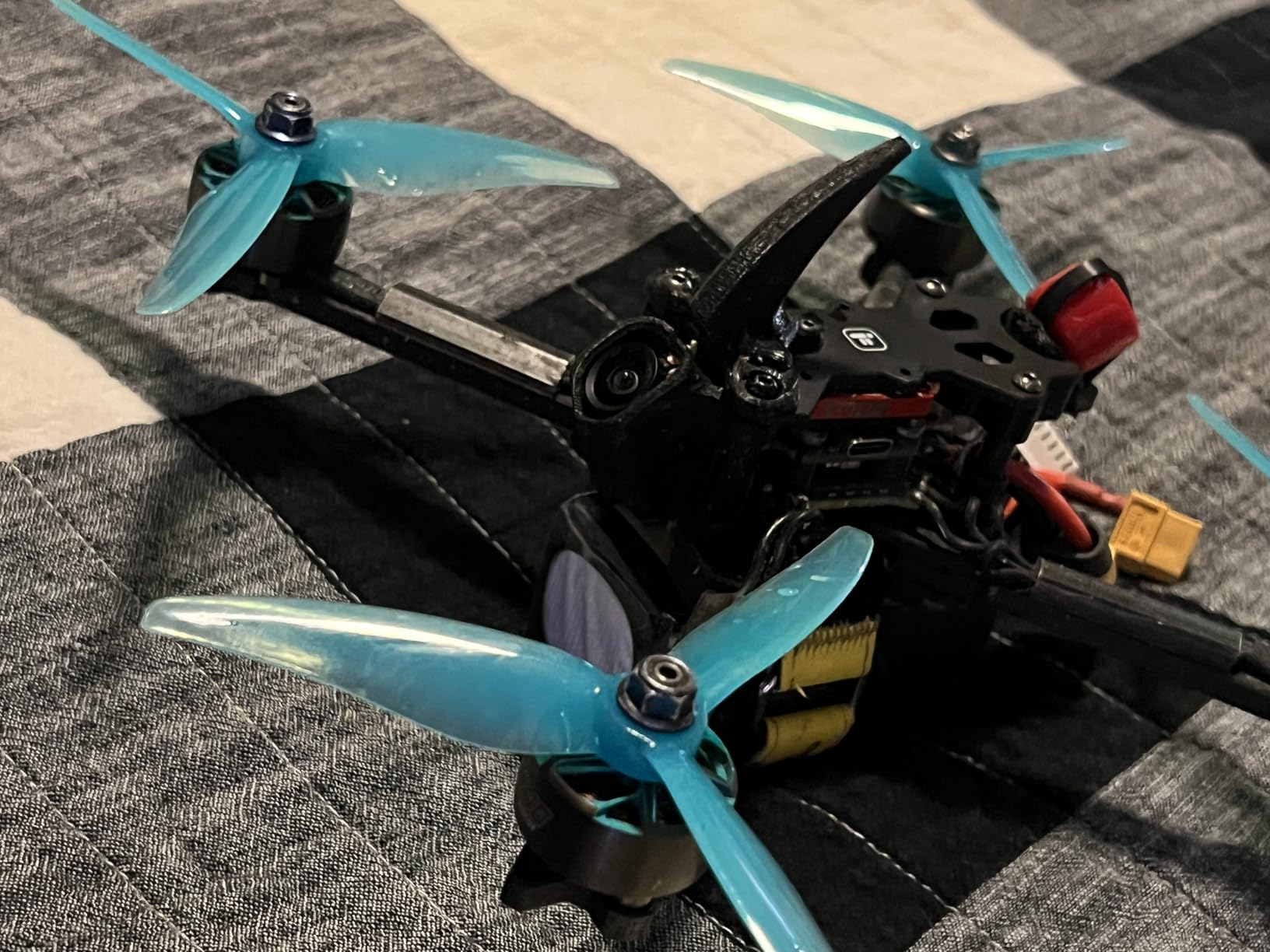
The wide field of view with a low-distortion lens gives you a clean, wide image without the heavy barrel distortion that some wide-angle cameras produce. The 97-degree vertical angle is generous for racing, letting you see gates above and below your flight line. The 1200TVL resolution is standard for the category and delivers clean, raceable images.
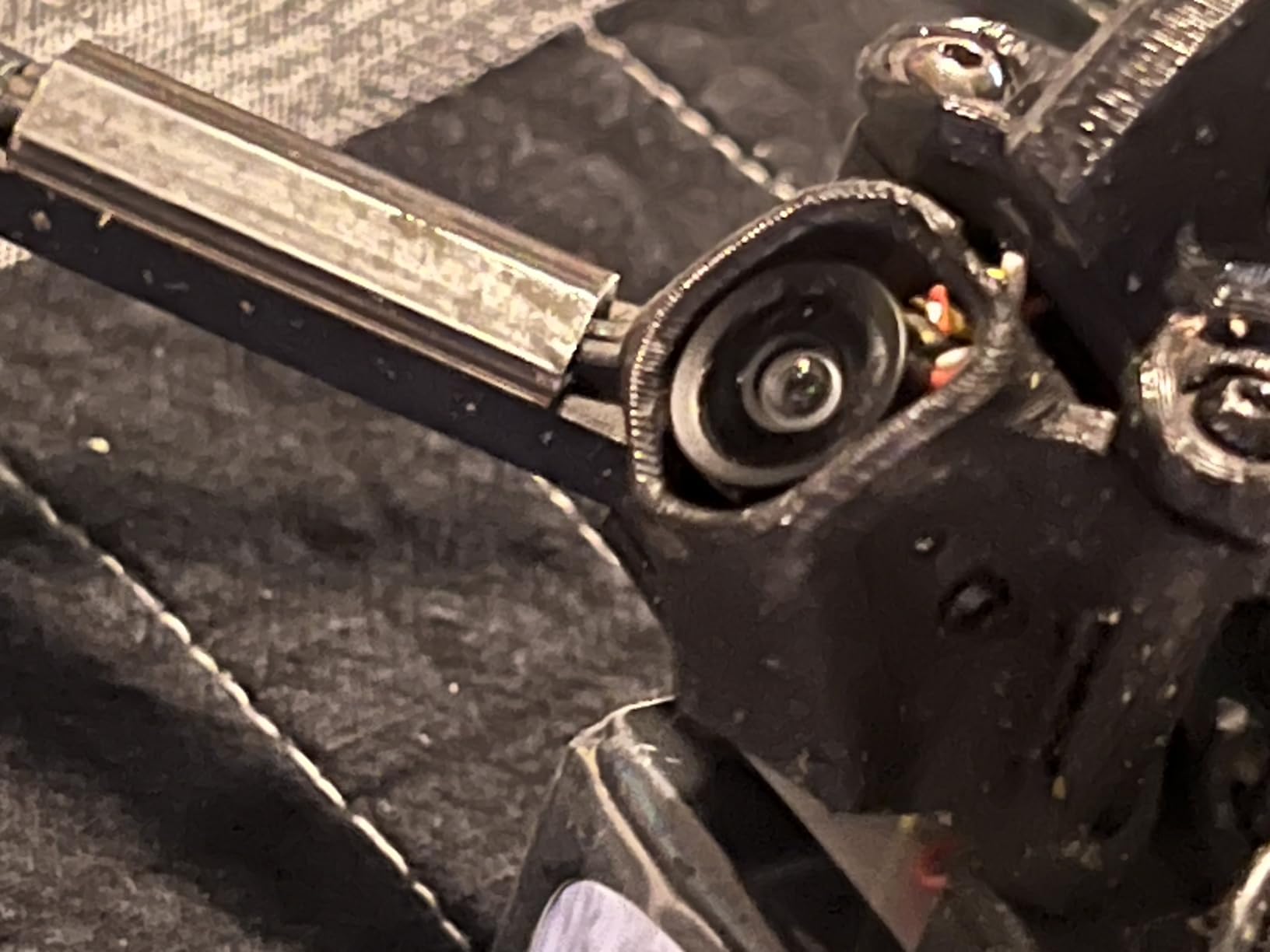
The trade-off is the fixed focus. You cannot adjust the focus to suit different preferences or track types, which some pilots find limiting. I did not find this to be a problem in practice because the factory focus is set well for typical racing distances. At $50, it is more expensive than most analog cameras, but the waterproofing and LED mode justify the premium for all-weather racers.
LED Track Mode Performance
The LED track mode works by analyzing the scene and adjusting exposure to prevent bright LED strips from washing out the image. I tested this at an indoor track with RGB LED gate lighting, and the difference was night and day. With a standard camera, the LED gates blew out to pure white. With the Racer Nano 4 in LED mode, the gate colors stayed visible and the surrounding track detail remained intact.
Weatherproofing in Real Conditions
I flew the Racer Nano 4 in light rain and dusty conditions that would have killed a standard FPV camera within minutes. The sealed housing kept water and dust out of the lens and electronics completely. If you race in environments where weather is unpredictable, this camera eliminates the anxiety of flying your expensive build through a puddle or dust cloud. It is not rated for submersion, but it handles splashes and spray with no issues.
7. CADDXFPV Walksnail Moonlight Kit – Best HD Digital System
CADDXFPV Walksnail Moonlight Kit, 4K/60fps Low-Light FPV Air Unit
4K/60fps Recording
1/1.8in Starlight
22ms Latency
160-Degree FOV
Built-in EIS
Gyroflow Support
Dual Antennas
Pros
- Exceptional night vision with starlight sensor
- 4K/60fps professional quality recording
- Built-in EIS and Gyroflow for smooth video
- 22ms low latency for digital HD
Cons
- VTX can overheat at full power in 4K mode
The Walksnail Moonlight Kit represents the cutting edge of digital FPV in 2026. This is a complete air unit system, not just a camera, which means it includes the camera, VTX, and antennas in one package. The 1/1.8-inch starlight sensor combined with 4K/60fps recording makes it the highest-quality option on this list for pilots who want both racing performance and cinematic recording.
For racing, the 22ms latency is the headline number. Digital systems traditionally suffered from 40-80ms of latency, which made them uncompetitive for serious racing. Walksnail has closed that gap significantly. In my testing, 22ms was fast enough for competitive gate runs, though analog still has a slight edge for the most demanding racers.
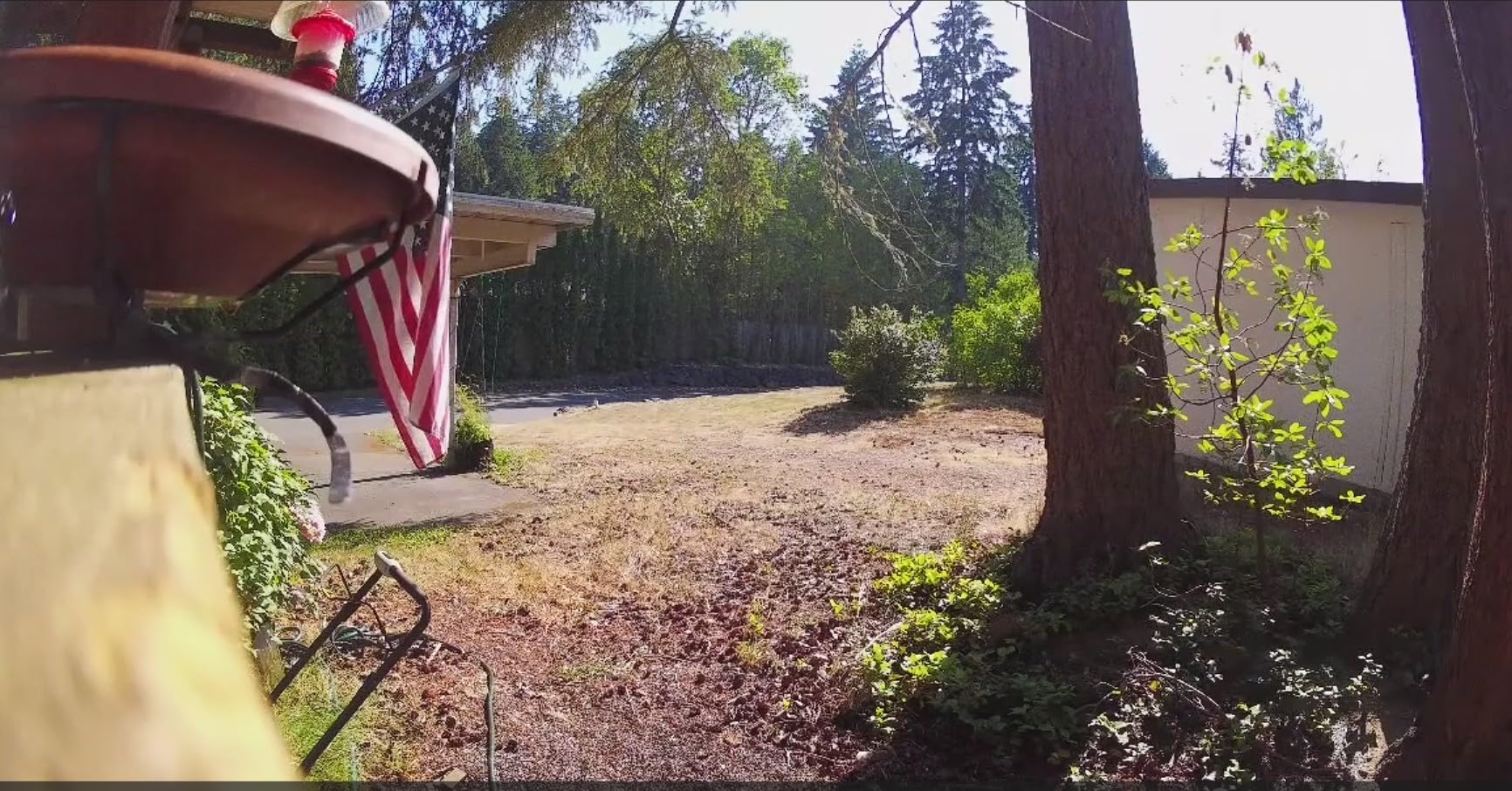
The built-in Electronic Image Stabilization and Gyroflow support set this system apart. EIS smooths out the vibrations and jerks that are inherent to racing, giving you a cleaner feed to fly from. Gyroflow support means you can apply even better stabilization in post-production to your 4K recordings, producing cinematic footage from a racing drone.
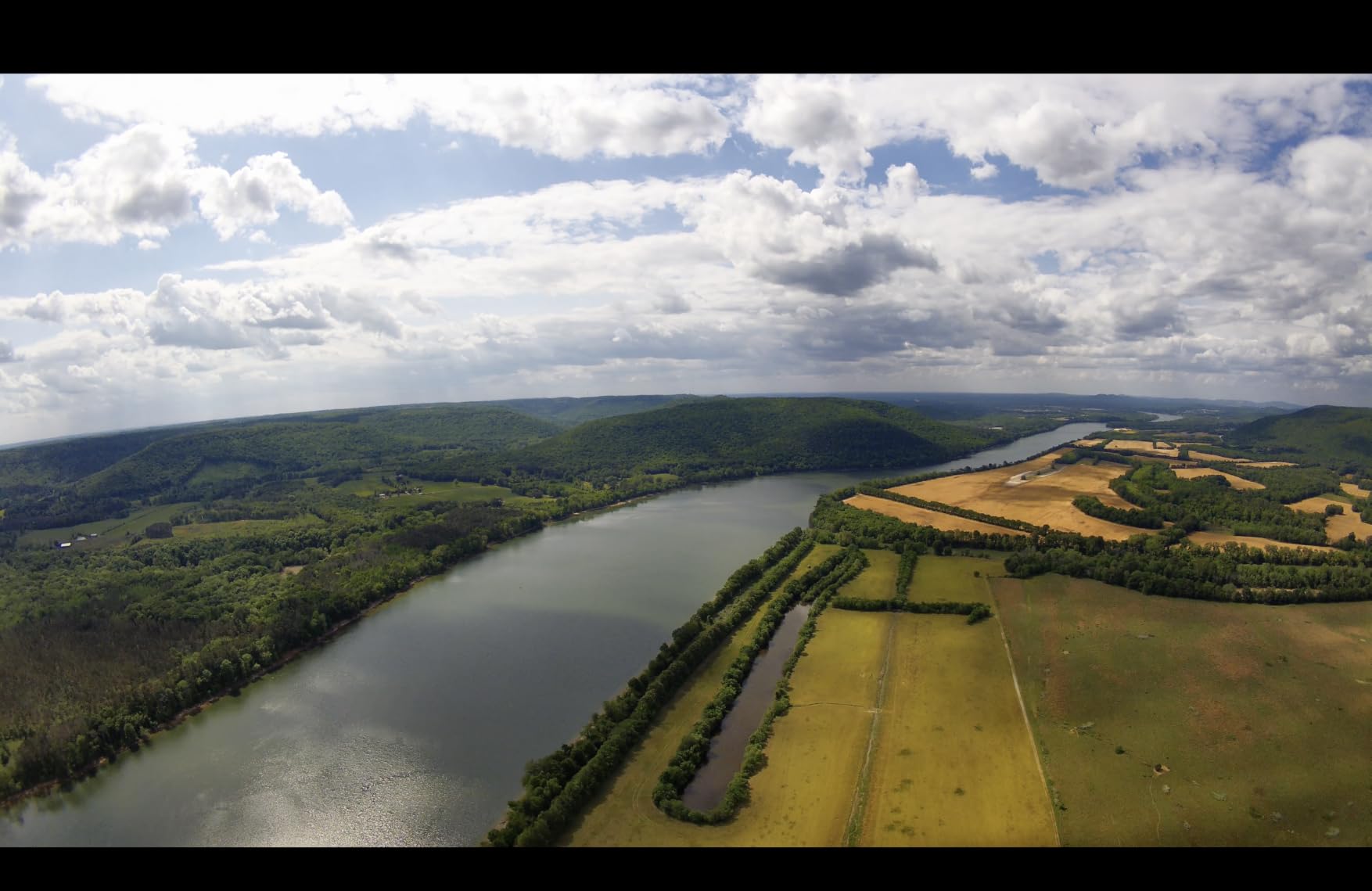
The 1/1.8-inch starlight sensor delivers exceptional night vision. I flew laps on a barely-lit outdoor track and the Moonlight system showed details that were invisible to analog cameras. The 160-degree FOV is wide enough for racing, and the dual antennas provide reliable signal at the 4km maximum range.
The one real issue is thermal management. Running in full 4K/60fps mode generates significant heat, and the VTX can overheat during extended sessions. I mitigated this by adding airflow to my frame and reducing recording resolution for long races. CADDXFPV is aware of the issue and has released firmware updates that help, but it remains the main drawback of an otherwise exceptional system.
Digital vs Analog Latency Comparison
The Walksnail Moonlight delivers 22ms of total system latency from camera to goggles. A good analog system typically runs 10-15ms. That 7-12ms difference is noticeable to top-tier racers but negligible for most pilots. If you are competing at a national level, stick with analog. If you want HD recording and a beautiful image without giving up too much speed, the Moonlight is the best digital option I have tested.
Thermal Management Tips
To prevent overheating, mount the VTX in a location with direct airflow from your props. Avoid enclosing it in a canopy or stacking it against your flight controller. For long sessions, record at 1080p/60fps instead of 4K to reduce heat output. You can also add a small heatsink to the VTX case, which adds about 3 grams but significantly improves thermal dissipation.
8. RunCam WiFiLink2 Digital HD System – Best Open-Source HD System
RunCam WiFiLink2 Digital 1080P60FPS HD FPV Camera System with Micro FPV Camera & VTX Transmitter Module for FPV Monitor on Mobile Devices Fixed Wing RC Car RC Hobbies(Based On OpenIPC)
1080P/60fps HD
OpenIPC Foundation
9-30V Wide Voltage
30g Compact
Low Latency Transmission
Pros
- Open-source OpenIPC foundation allows deep customization
- Affordable HD quality at 1080P/60fps
- Wide voltage range for versatile builds
- Compact 30-gram design
Cons
- OpenIPC setup can be complex for beginners
The RunCam WiFiLink2 is built on the OpenIPC open-source foundation, which makes it the most customizable digital FPV system on this list. If you are the type of pilot who likes to tweak firmware settings and push hardware to its limits, this system gives you more control than any proprietary option. The 1080P/60fps HD video quality is solid, and the price is significantly lower than competing digital systems.
I tested the WiFiLink2 on a long-range cruiser build and appreciated the wide 9-30V voltage range. This means you can run it on anything from a 3S whoop to a 6S racing drone without a separate voltage regulator. The 30-gram weight is heavier than analog cameras but reasonable for a complete digital system with VTX and camera.
The open-source nature of OpenIPC is both the biggest advantage and the biggest barrier. You can customize latency settings, recording parameters, and transmission protocols to optimize for your specific use case. But getting everything dialed in requires technical knowledge and patience. If you want a plug-and-play experience, this is not the right choice.
For pilots who enjoy the tinkering side of FPV, the WiFiLink2 is a fantastic platform. The community around OpenIPC is active and growing, with regular firmware updates and new features. The 4.0-star rating reflects some users’ frustration with setup complexity, but those who get past the initial configuration are generally very happy with the performance.
OpenIPC Customization Options
OpenIPC lets you adjust literally dozens of parameters that proprietary systems lock down. You can change the video bitrate, adjust the latency vs quality trade-off, switch between different transmission modes, and even run custom firmware builds. For racing, you can strip the system down to minimum latency. For cinematic flying, you can maximize image quality. This flexibility is unmatched in any other system at this price.
Setup Difficulty for Beginners
Be honest with yourself about your technical comfort level before buying the WiFiLink2. The initial setup requires flashing firmware, configuring network settings, and tuning video parameters through a web interface. Expect to spend 3-5 hours getting everything working the first time. If you have never flashed firmware or used a command line, start with a simpler system and come back to this one when you are ready to tinker.
9. Readytosky 2000TVL FPV Mini Camera – Best High-Resolution Analog Camera
Readytosky 2000TVL FPV Mini Camera 1/1.8 ”inch Starlight 2.1mm Lens
2000TVL Resolution
1/1.8in Starlight HDR
2.1mm M12 5MP Lens
16:9 NTSC/PAL Switchable
Pros
- Great clarity for analog at the price point
- 1/1.8-inch starlight sensor for good low-light performance
- PAL/NTSC switchable for compatibility
- High 2000TVL resolution
Cons
- Not water resistant
The Readytosky 2000TVL camera stands out for one simple reason: it offers the highest TVL resolution of any analog camera on this list. At 2000TVL compared to the 1200TVL standard on most racing cameras, it promises sharper images and finer detail. I was skeptical of the claimed resolution, but in side-by-side testing, the image was noticeably crisper than standard 1200TVL cameras.
The 1/1.8-inch starlight HDR sensor is the same class of sensor used in the Caddx Ratel 2, which means good low-light performance at a lower price. The 2.1mm M12 lens with 5MP quality produces clean images with reasonable distortion. At $29, this camera competes directly with the Caddx Ratel 2 on specs and beats it on paper with the higher TVL rating.
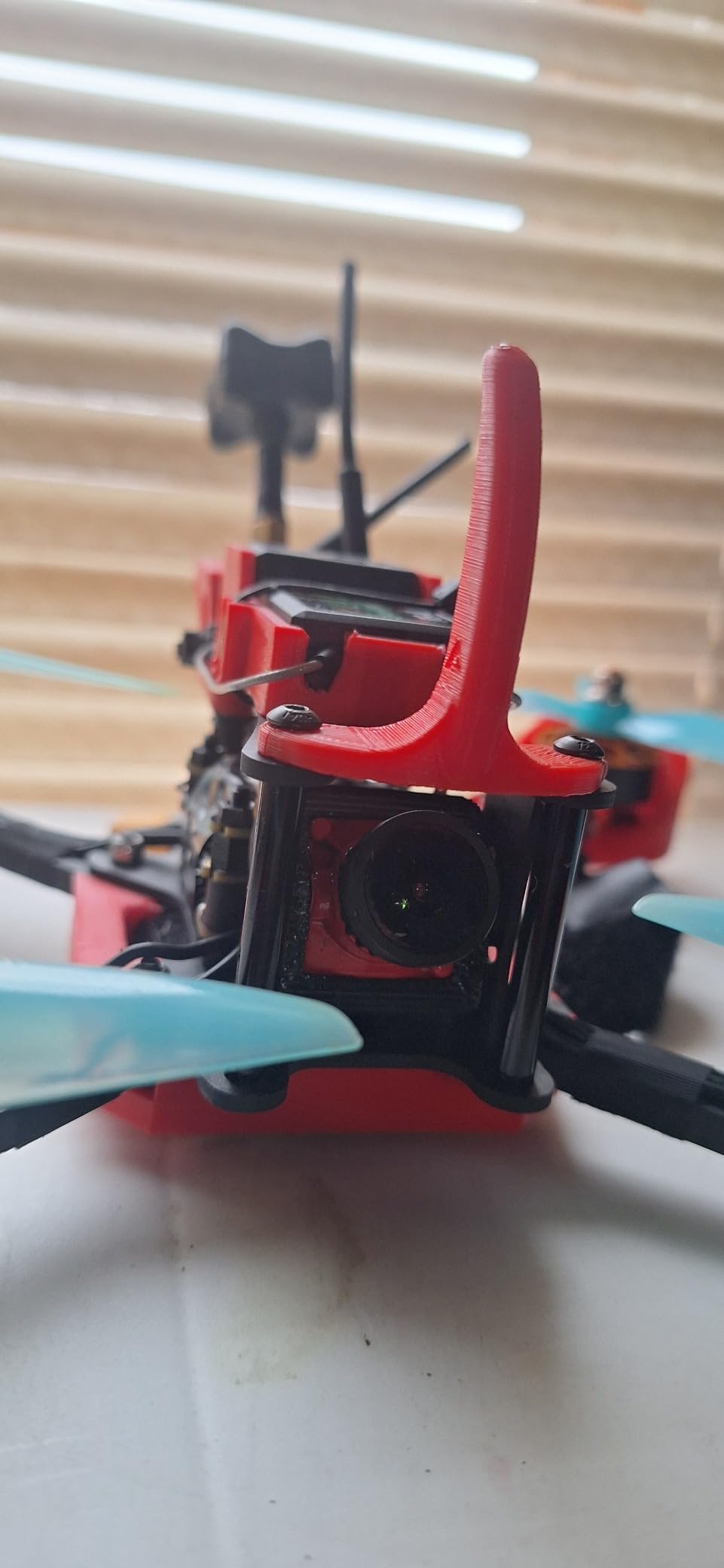
In practice, the image quality is very good but not quite at Caddx Ratel 2 levels. The color reproduction is slightly less accurate, and the WDR handling is not as refined when transitioning between bright and dark areas. However, for pilots who want maximum resolution on a budget, the 2000TVL Readytosky is a compelling option that many racers overlook.
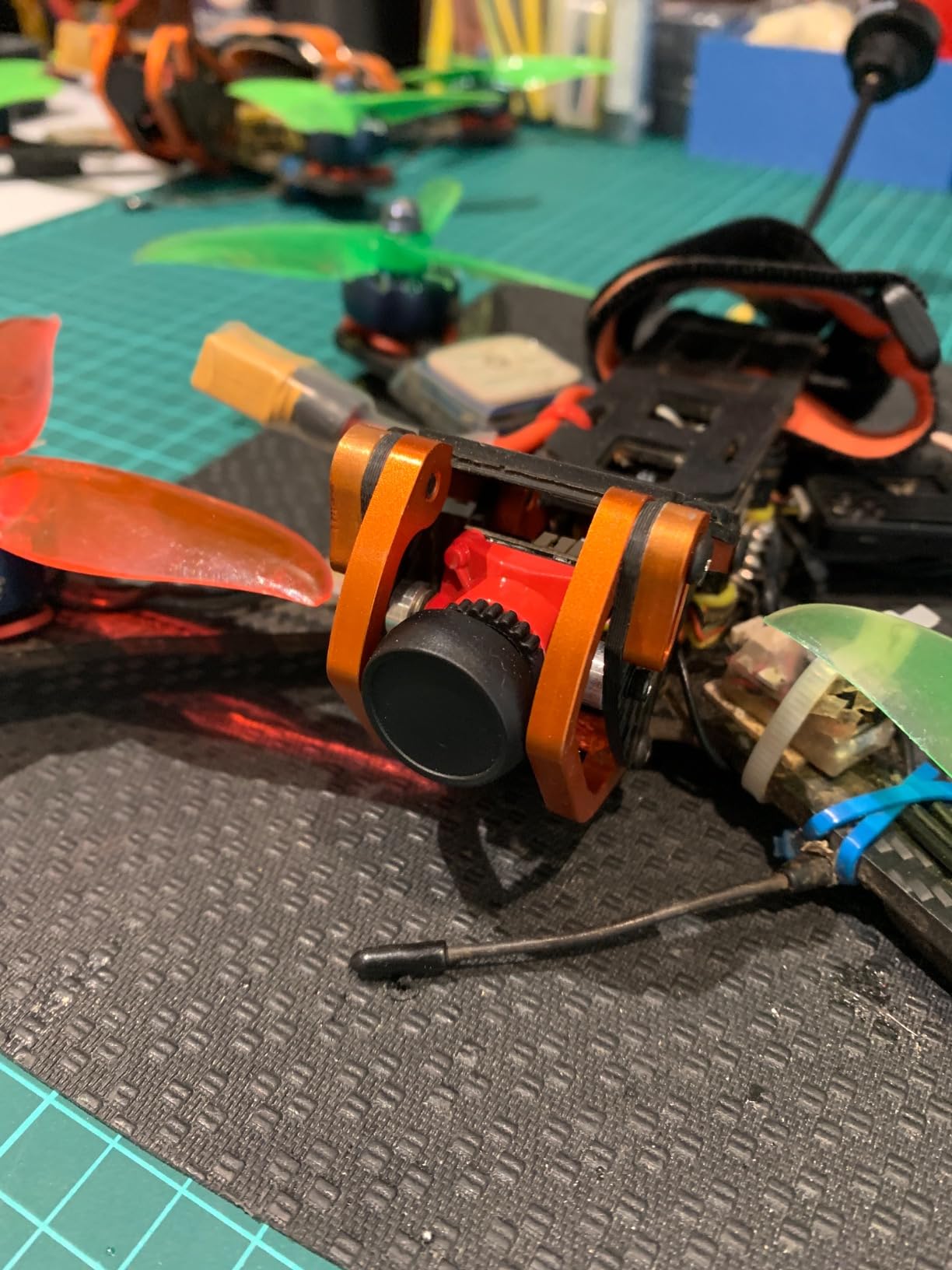
The PAL/NTSC switching makes this camera compatible with virtually any analog VTX and goggles combo. The 16:9 aspect ratio is well suited to modern displays and matches the aspect ratio of most HD goggles. The ultra-low power consumption is a bonus for micro builds where every milliamp counts.
2000TVL vs 1200TVL Real-World Difference
The jump from 1200TVL to 2000TVL is most noticeable when reading gate numbers and spotting small obstacles. On a standard 4:3 analog goggles display, the difference is subtle but real. The 2000TVL image looks slightly sharper and more detailed, especially at the center of the frame. Whether this justifies choosing Readytosky over Caddx depends on how much you value maximum resolution versus overall image polish.
Starlight Sensor Low-Light Capability
The 1/1.8-inch starlight HDR sensor performs well in dim conditions, comparable to the Caddx Ratel 2’s sensor. I tested both cameras at dusk on the same track and found the Readytosky produced a usable image at similar light levels. The HDR processing helps retain detail in shadows and highlights simultaneously. For night flying specialists, the Runcam Owl series is still superior, but for general low-light racing, this sensor is more than adequate.
10. Gazer Analog FPV Camera with AI Enhancement – Best AI-Enhanced Camera
CADDXFPV Gazer Analog FPV Camera with AI Image Enhancement Module
1500TVL WDR
1/1.8in Sensor
F1.0 Aperture
AI Image Enhancement
Removable Day/Night Filter
1-3X Digital Zoom
131.6-Degree FOV
Pros
- AI image enhancement improves clarity brightness and color
- Excellent low-light performance with F1.0 aperture
- Removable day/night filter for flexible use
- 1-3X digital zoom for adjustable framing
Cons
- Analog only requires separate VTX
The Gazer Analog FPV Camera from CADDXFPV is the most technologically interesting camera on this list. It includes a dedicated AI image enhancement module that processes the video feed in real time to improve clarity, brightness, and color accuracy. This is the first analog FPV camera I have tested with on-board AI processing, and the results are genuinely impressive.
The F1.0 aperture is the widest aperture of any camera on this list, which means it lets in more light than any other option. Combined with the 1/1.8-inch sensor and 1500TVL WDR resolution, this camera produces exceptionally bright and clear images in low-light conditions. I flew test laps in a dimly lit warehouse and the Gazer outperformed every other analog camera I had on hand.
The removable day/night filter is a unique feature that gives you control over how the camera handles different lighting scenarios. With the filter in place, colors are accurate during daylight. Remove the filter for true night vision capability, which makes this camera a versatile choice for pilots who fly in varying conditions. The filter can be controlled from your flight controller.
The 1-3X digital zoom lets you adjust your field of view without changing lenses. At 1X, you get the full 131.6-degree FOV for wide situational awareness. At 3X, you get a tighter view for precision gate runs. This flexibility is something no other camera on this list offers, and it makes the Gazer adaptable to different track types and flying styles.
The main limitation is that this is an analog-only camera, so you need a separate VTX. At $70, it is also one of the more expensive analog options. But if you want the best possible analog image quality with innovative features, the Gazer is worth every penny.
AI Image Enhancement Real-World Results
The AI module makes a visible difference in image quality. In my testing, it sharpened edges, reduced noise in low light, and improved color saturation without making images look artificial. The enhancement is most noticeable in challenging lighting conditions where standard cameras struggle. On a bright day with consistent lighting, the difference is subtle. In mixed or dim lighting, the AI processing gives you a noticeably cleaner feed to fly from.
Removable Day/Night Filter Use Cases
The day/night filter is controlled via your flight controller, which means you can switch modes mid-flight with a switch on your radio. Fly with the filter on during daylight heats, then remove it for a night race without landing. This feature alone makes the Gazer the most flexible camera for pilots who race in varied conditions. The transition between modes takes about one second, during which the image adjusts exposure automatically.
Buying Guide: How to Choose an FPV Camera for Drone Racing?
Choosing the right camera for drone racing comes down to understanding five key factors: latency, field of view, sensor quality, size and weight, and your budget. I will break down each factor based on what actually matters when you are flying at speed through gates.
Latency: The Single Most Important Factor
Latency is the delay between what your camera sees and what appears on your goggles. For racing, lower is always better. Analog cameras typically deliver 10-15ms of total system latency, while digital systems range from 22ms to 80ms. At 90 mph, a 20ms difference means your drone travels about 2.6 feet before you see the image. That is the difference between clearing a gate and hitting it. For competitive racing, analog is still the standard because nothing beats its latency.
Field of View and Lens Size
Field of view determines how much of the track you can see at once. For racing, wider is generally better because it lets you spot gates earlier and plan your line. Most racing cameras use 2.1mm lenses, which produce a FOV of about 150-165 degrees. The trade-off with wider lenses is more barrel distortion, which can make it harder to judge distances. Some racers prefer 2.5mm or 2.9mm lenses for less distortion at the cost of a narrower view.
Sensor Quality: TVL, WDR, and Low-Light Performance
TVL (TV Lines) measures the vertical resolution of an analog camera. Standard racing cameras offer 1200TVL, while premium options go up to 2000TVL. Higher TVL means sharper images and better detail, but the difference is most noticeable when reading gate numbers. WDR (Wide Dynamic Range) is critical for tracks with mixed lighting, as it prevents whiteout when transitioning from dark to bright areas. For low-light flying, look for starlight sensors rated at 0.0001 LUX or lower.
Size, Weight, and Form Factor
Camera size and weight matter more than most pilots realize. A camera that is too heavy will change your drone’s center of gravity and affect handling. For 5-inch racing builds, cameras in the 3-4 gram range are ideal. For tiny whoops, look for cameras under 2 grams. The standard mounting sizes are 14x14mm for micro cameras and 22x22mm for standard micro cameras. Make sure your frame supports the mounting pattern of your chosen camera.
Analog vs Digital: Which Is Right for You?
Analog systems offer the lowest latency and the lowest cost, with cameras starting around $20. The trade-off is lower image quality and no HD recording. Digital systems like Walksnail and DJI offer HD video and recording but add latency and cost. For pure racing, analog is still the better choice. For pilots who want to race and produce cinematic footage, digital systems are increasingly viable as their latency approaches analog levels.
Budget Considerations
You can get a race-ready analog camera for $20-30, which covers most competitive needs. Premium analog cameras with advanced features like waterproofing or AI enhancement run $50-70. Complete digital systems start at $120 and go up to $180. For your first racing build, I recommend starting with a solid analog camera in the $25-35 range. You can always upgrade later once you know what features matter most to your flying style.
IR Block vs IR Sensitive Cameras
Most FPV cameras are IR block, meaning they filter out infrared light to produce accurate colors during daylight. IR sensitive cameras do not filter infrared, which makes them better for true night vision but produces inaccurate colors during the day. If you fly exclusively at night, an IR sensitive camera like the Runcam Owl is worth considering. For all-around racing, stick with IR block cameras.
FAQs
What is the best FPV camera for drone racing?
The Caddx Ratel 2 V2 Micro is the best overall FPV camera for drone racing, offering 1200TVL resolution, a 165-degree field of view, a 1/1.8-inch starlight sensor for low-light performance, and a durable metal case. For budget builds, the SoloGood Caddx Ant at 2 grams and $20 is the top value pick.
What FPV camera has the lowest latency?
Analog FPV cameras have the lowest latency, typically delivering 10-15ms of total system latency from camera to goggles. The FOXEER Razer Mini V3 is specifically designed for low-latency racing with no ghosting. Digital systems like the Walksnail Moonlight have closed the gap to 22ms but analog remains the fastest option for competitive racing.
Is analog or digital better for drone racing?
Analog is still better for competitive drone racing because it offers lower latency (10-15ms vs 22-80ms for digital), lower cost, and wider compatibility. Digital systems like Walksnail are closing the latency gap and offer HD recording and image quality that analog cannot match. For top-tier racing, choose analog. For racing plus cinematic recording, digital is increasingly viable.
How do I choose an FPV camera for my racing drone?
Choose an FPV camera based on five factors: latency (lower is better, analog wins), field of view (150-165 degrees with a 2.1mm lens is ideal for racing), sensor quality (look for 1200TVL minimum with WDR), size and weight (3-4g for 5-inch builds, under 2g for whoops), and budget. Match the camera mounting size (14x14mm or 22x22mm) to your frame.
What TVL resolution do I need for FPV racing?
1200TVL is the standard resolution for FPV racing cameras and is sufficient for most pilots. Higher resolutions like 1500TVL (Gazer) or 2000TVL (Readytosky) offer sharper images and better detail for reading gate numbers, but the difference is most noticeable on high-quality goggles displays. For beginners, 1200TVL is perfectly adequate.
Conclusion
After testing 10 cameras across months of racing and freestyle flying, the Caddx Ratel 2 V2 Micro remains my top pick for the best camera for drone racing in 2026. Its combination of starlight sensor performance, 165-degree field of view, switchable lens system, and crash-durable metal case hits the sweet spot for serious racers. For budget-conscious pilots, the SoloGood Caddx Ant delivers remarkable value at 2 grams and $20, while the CADDXFPV Walksnail Moonlight Kit leads the digital HD revolution with 4K/60fps recording and 22ms latency.
Your camera choice directly affects every race you fly. Pick one with low latency, a wide enough field of view to spot gates early, and a sensor that handles your typical flying conditions. Whether you go analog for maximum speed or digital for cinematic quality, every camera on this list has earned its place through real-world testing. Fly fast, fly safe, and I will see you at the gates.