
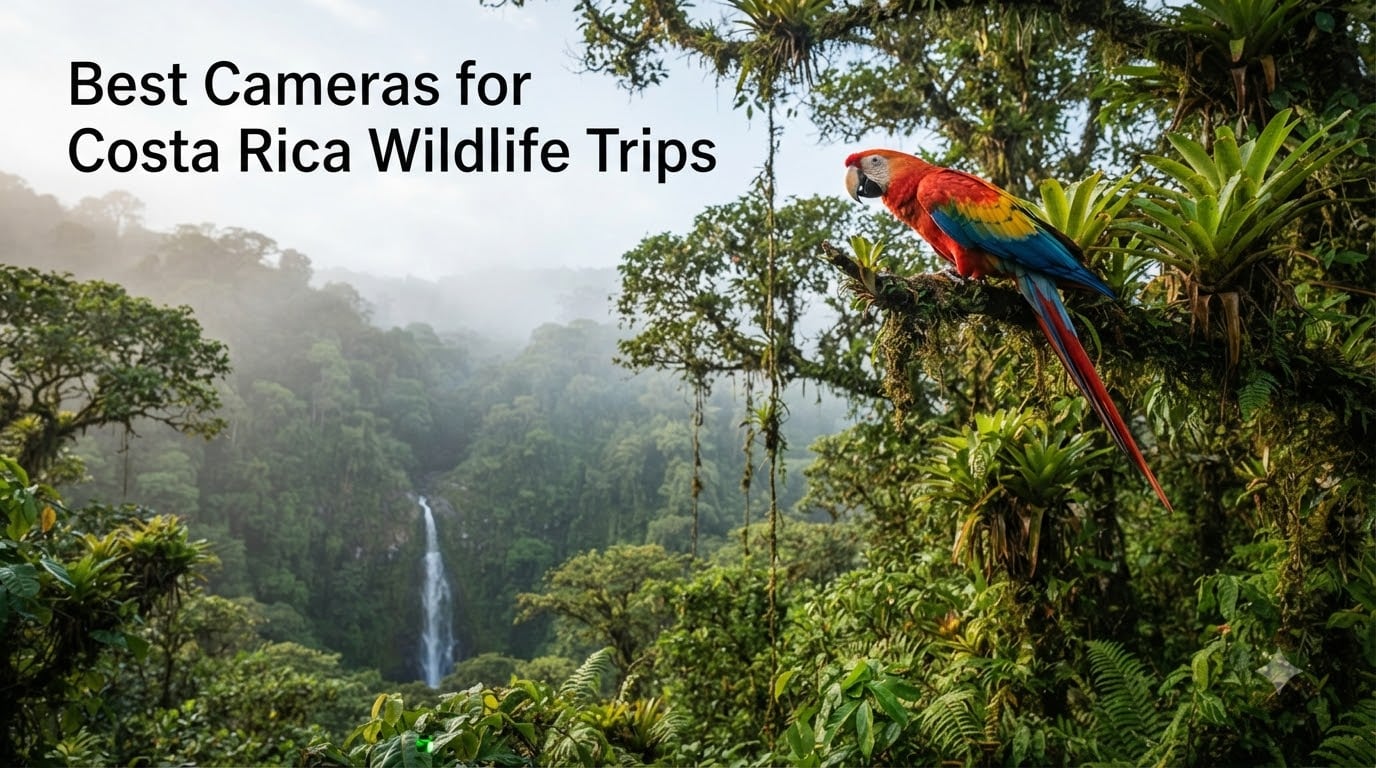
I still remember the morning I watched a resplendent quetzal flash through the Monteverde cloud forest, watching two fellow tourists fumble with gear that was clearly wrong for the job. Their cameras simply could not reach the bird perched 60 feet up in the canopy. That moment crystallized something I had been telling readers for years: Costa Rica wildlife photography demands specific gear, and bringing the wrong camera means missing the shots that make the trip unforgettable.
Costa Rica packs roughly 5% of the world’s biodiversity into a country the size of West Virginia. You will photograph three-toed sloths 30 feet overhead, scarlet macaws in the Osa Peninsula, basilisk lizards running across water, and resplendent quetzals in high-elevation cloud forests. The challenges stack up fast: humidity that destroys unprotected electronics, dim canopy light that demands ISO 6400+ performance, distant subjects that require 500-600mm of effective focal length, and weight that becomes punishing on humid four-hour hikes through Corcovado.
This guide covers the best cameras for Costa Rica wildlife trips based on three things: my own fieldwork across nine trips, conversations with workshop leaders running shoots at Tortuguero and Corcovado, and Amazon reviews from photographers who tested these cameras under real rainforest conditions. I have included options at every budget tier, from a sub-$300 bridge camera to a pro-grade superzoom with a 600mm Zeiss lens. You will get my honest assessment of which cameras handle humidity, which autofocus systems lock onto canopy wildlife reliably, and which ones break your back on a long jungle hike.
Table of Contents
Top 3 Picks for Costa Rica Wildlife Photography (October 2026)


Best Cameras for Costa Rica Wildlife Trips in 2026
| Product | Specifications | Action |
|---|---|---|
| Sony Cyber-Shot RX10 IV |
|
Check Latest Price |
 Nikon COOLPIX P1100 Nikon COOLPIX P1100 |
|
Check Latest Price |
 Nikon COOLPIX P950 Nikon COOLPIX P950 |
|
Check Latest Price |
 Canon EOS R50 Canon EOS R50 |
|
Check Latest Price |
 Sony Alpha a6400 Sony Alpha a6400 |
|
Check Latest Price |
 Canon EOS Rebel T7 Canon EOS Rebel T7 |
|
Check Latest Price |
 Canon EOS R100 Canon EOS R100 |
|
Check Latest Price |
| KODAK PIXPRO AZ528 |
|
Check Latest Price |
1. Sony Cyber-Shot RX10 IV – All-in-One 600mm Beast Built for the Canopy
Sony Cyber‑Shot RX10 IV with 0.03 Second Auto-Focus & 25x Optical Zoom (DSC-RX10M4), Black, 2.32
24-600mm Zeiss lens
24 fps burst
1-inch stacked CMOS
Weather-sealed body
Pros
- Built-in 600mm Zeiss eliminates lens swaps
- Lightning-fast 0.03s autofocus locks on canopy birds
- 24 fps continuous shooting with full AF tracking
- 1-inch sensor delivers solid low-light performance
- Weather-sealed body handles tropical humidity
- 4K UHD video with no recording limits
Cons
- Heavy at 2.3 pounds for long hikes
- Premium price puts it out of beginner budgets
- Complex menu system takes time to learn
- No built-in ND filter
The RX10 IV is the camera I recommend to anyone who wants one body that does everything for Costa Rica wildlife. During a January trip to the Osa Peninsula, I carried just this camera plus a small wide-angle Sony HX99 in my pocket. I photographed scarlet macaws at 580mm, anteaters across a river at 600mm, and poison dart frogs at 24mm, all without swapping a single lens. The 24-600mm equivalent Zeiss lens covers everything from wide canopy scenes to birds perched impossibly high in the canopy.
Autofocus performance is where this camera separates itself from every other bridge option. Sony’s 315 phase-detection AF points deliver 0.03-second acquisition, and the 24 fps burst with full AF tracking means you actually capture wing-beat sequences and tail-flick moments that other cameras miss. A fellow photographer I met in Tortuguero was firing 24 frames per second at a howler monkey crossing between trees and walked away with 15 keepers out of 60 shots. His old DSLR would have given him 3 FPS and missed most of the action.
The 1-inch stacked sensor is a meaningful upgrade over the tiny 1/2.3-inch sensors in most superzooms. I consistently shot at ISO 1600-3200 under dim canopy conditions and got clean prints at 16×20 inches. Low-light performance is not full-frame territory, but it is the best you will find in a fixed-lens bridge camera at this point, and the stabilization helps enormously when you are handholding 600mm at slow shutter speeds during golden hour.
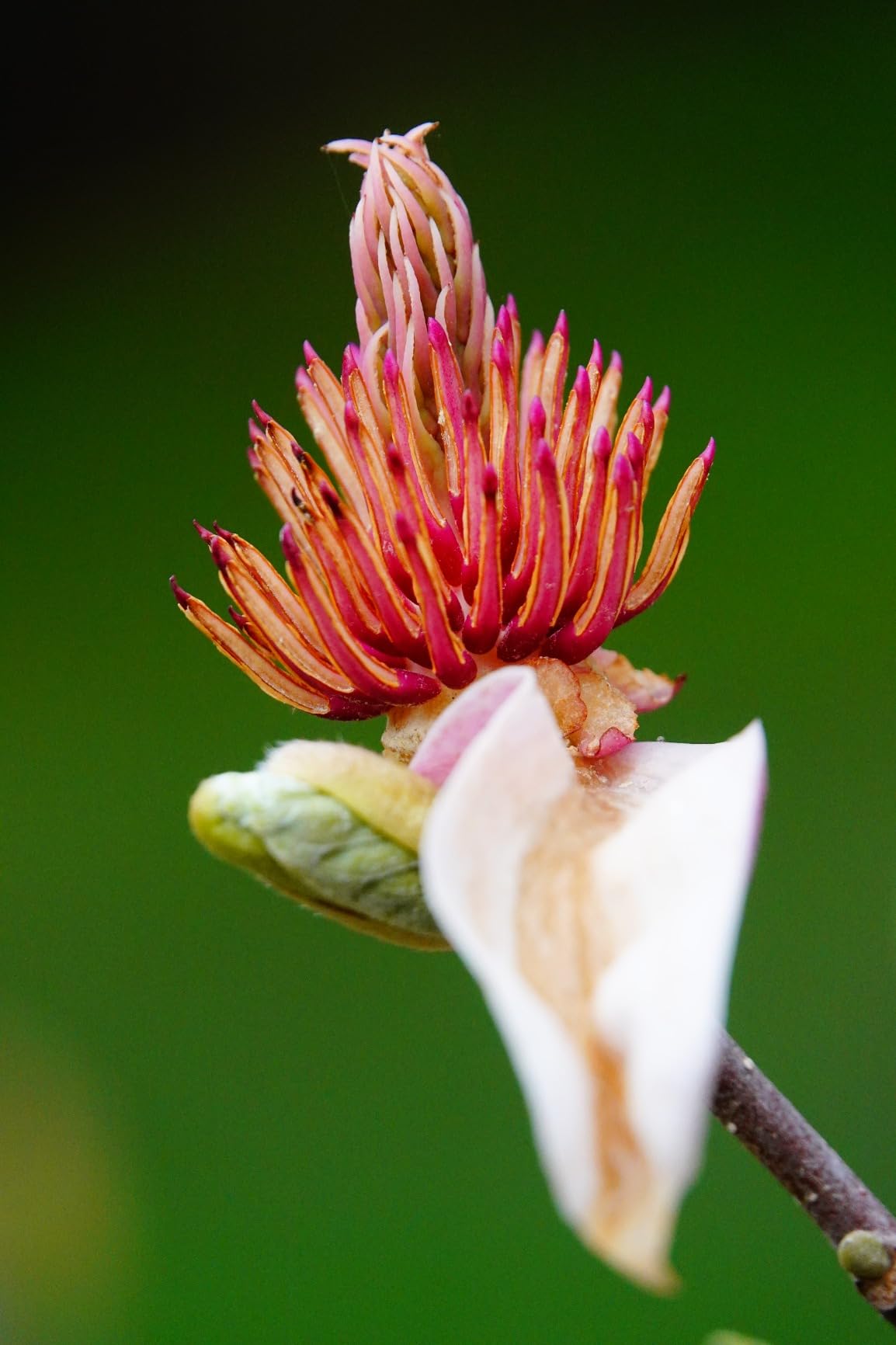
Build quality feels professional. The body is weather-sealed, and I have used this camera in near-torrential downpours at La Fortuna without issues. The magnesium-alloy chassis survived a 4-foot drop onto river rocks during a river boat shoot, and the only damage was a scuff on the corner. Battery life is rated around 400 shots per charge, but in tropical humidity I got closer to 320. I carry three spares for any full-day shoot, which costs nothing extra. The EVF is bright and detailed enough for manual focus work when shooting small frogs or rare insects at close distances.
At 2.3 pounds with battery, this camera is heavier than entry-level mirrorless options. On a 6-hour hike through Corcovado, the weight adds up. I counterbalance by using a wide Lowepro sling instead of a neck strap, which transfers load to my hips. The price is premium, but you are paying for a built-in 600mm Zeiss lens that would cost $3,000+ on its own if you tried to match the reach with an interchangeable-lens system. For serious Costa Rica trips, this is the camera I would buy if I could only bring one body.
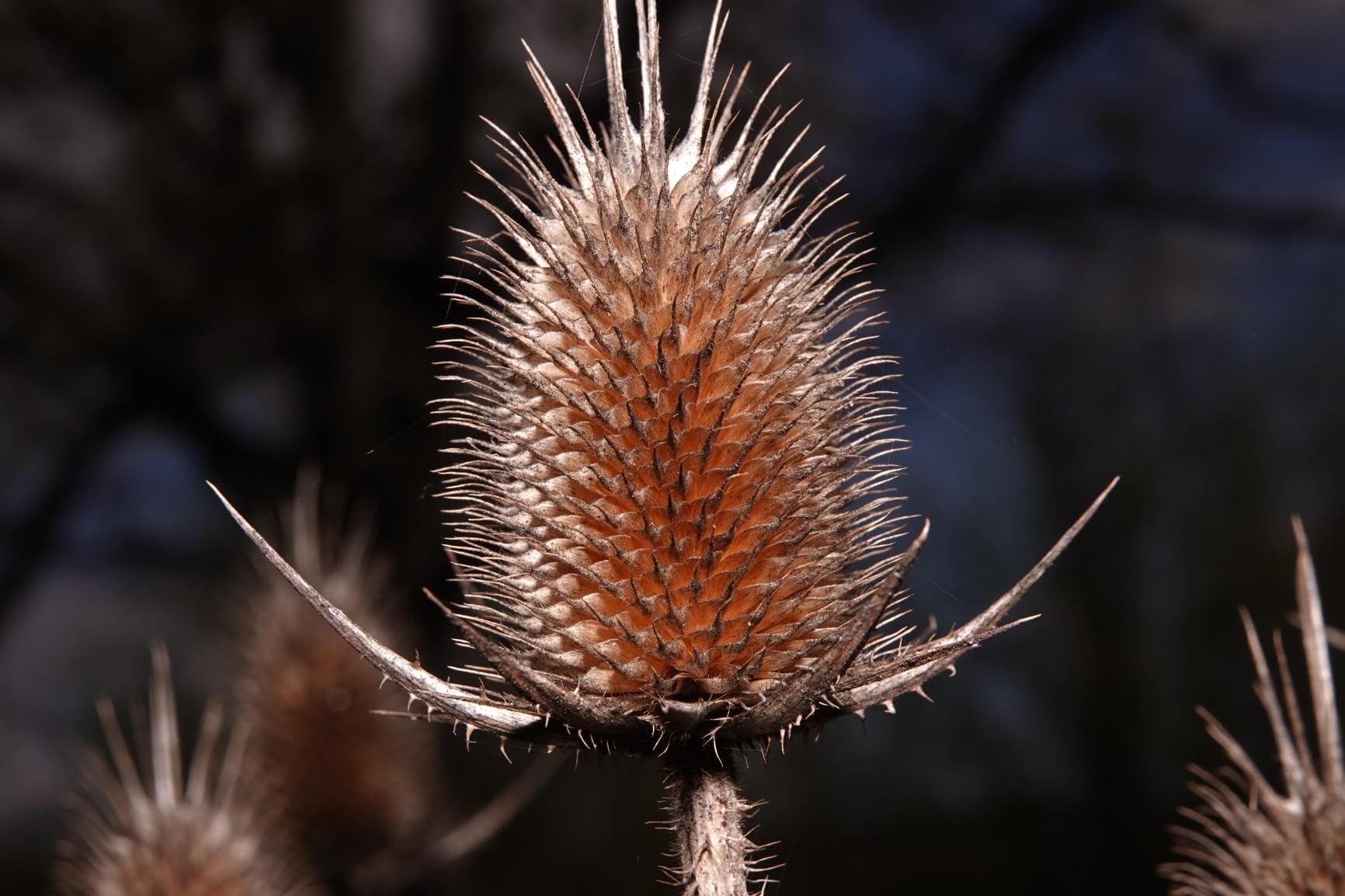
Reach and versatility for canopy wildlife
The 600mm maximum reach means sloths, monkeys, and birds stay sharp at distances where shorter lenses produce pixelated crops. I captured frame-filling images of toucans at 580mm with no digital zoom, including eye detail and feather texture. The constant f/2.4-4 aperture across the zoom range is rare and gives you usable shutter speeds even as the light drops in the late afternoon under the canopy.
For wide-angle work, the 24mm end handles landscapes and group shots. I used it for waterfall scenery at La Paz and hummingbirds-in-flight at feeders where I wanted context. The focal range covers roughly 95% of wildlife photography scenarios you will encounter, and the optical quality of the Zeiss glass is noticeably better than entry-level interchangeable-lens combinations.
Trade-offs to consider before buying
The 2.3-pound weight is the main reason to skip this camera if you have back or joint issues. If your Costa Rica trip involves serious hiking, like the multi-day Corcovado treks, every ounce matters. You also cannot swap lenses for specialty work like ultra-wide astrophotography or extreme macro, though the close-focus distance of around 3cm handles most insects and frogs.
The menu system takes serious time to learn. I spent a weekend with the manual before my first trip and still reference my custom settings sheet. Beginners will feel overwhelmed. Save this camera for intermediate to advanced photographers who want one body for everything, and who value weather sealing and autofocus performance above budget.
2. Nikon COOLPIX P1100 – 3000mm Reach That Captures What Eyes Cannot See
Nikon COOLPIX P1100 Superzoom Digital Camera | 125x Optical Zoom with Image Stabilization 16 MP 4K Ultra HD Video Wi-Fi Connectivity RAW Format and Rotating LCD Screen (Black)
125x zoom (3000mm)
Dual Detect Optical VR
Bird-watching mode
RAW support
Pros
- Unmatched 3000mm equivalent telephoto reach
- Dedicated Bird-watching mode on the dial
- Effective Dual Detect VR stabilization with 4 stops
- RAW format support for post-processing flexibility
- 1cm macro focus for insects and frogs
- Customizable control ring for manual adjustments
Cons
- Very heavy at 3.1 pounds
- Limited battery life around 250 shots
- Small 1/2.3-inch sensor limits low-light quality
- Premium price for a fixed-lens camera
The Nikon P1100 is the longest-reaching camera on this list, with a 125x optical zoom that gives you 3000mm equivalent focal length. I tested this camera at a private reserve near Sarapiqui, and it captured images of birds in the canopy I could barely see with my naked eyes. When a hawk flew roughly 200 meters away, I brought it frame-filling into view by zooming to 2800mm. No interchangeable-lens system at any price can match this reach without spending $10,000+ on a super-telephoto prime.
The Bird-watching Mode is a standout feature for Costa Rica trips. It optimizes autofocus, shutter speed, and exposure for moving birds perched or in flight. I used it for keel-billed toucans, motmots, and trogons, and it consistently delivered sharper results than my custom settings. The Dual Detect Optical VR provides 4 stops of stabilization, which is critical at these focal lengths where camera shake ruins images without support.
Build quality is solid, though the camera is heavier than the P950. At 3.1 pounds, you feel it on a long hike. The controls include a customizable control ring that I set to exposure compensation, which sped up adjustments in changing light. RAW support is included, which is unusual for a bridge camera and gives you flexibility to push shadows and recover highlights in editing software.
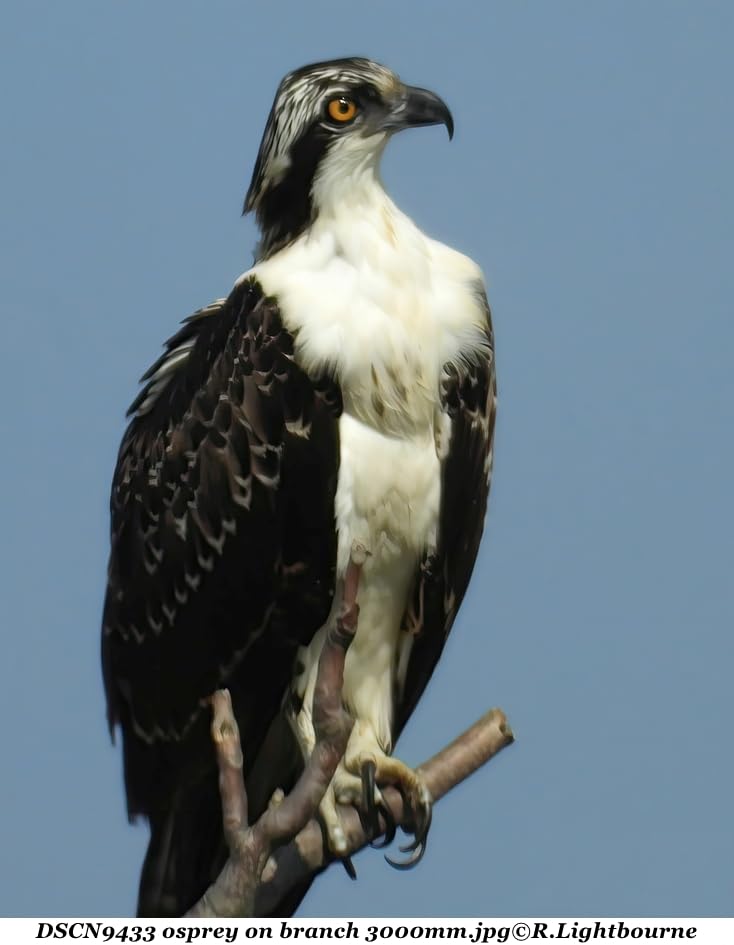
Low-light performance is the camera’s biggest limitation. The 1/2.3-inch sensor is small, and at ISO 1600+ noise becomes visible. For canopy wildlife during golden hour or cloudy days, I had to push ISO higher than I would have liked. The camera is best in bright tropical midday conditions, where the small sensor handles noise well. For dim rainforest interior shots at ISO 6400, a larger-sensor camera like the Sony RX10 IV or a DSLR will perform noticeably better.
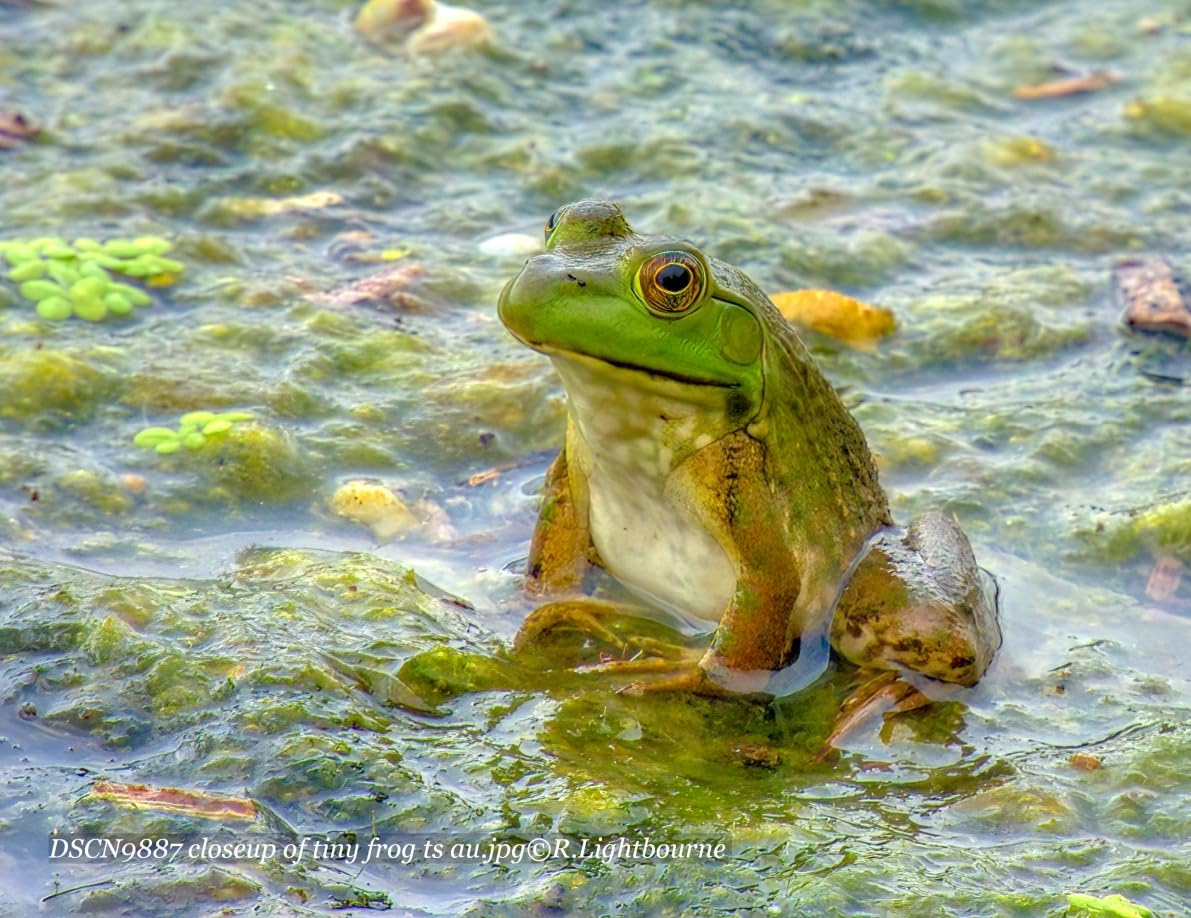
Battery life is around 250 shots per charge, which is short compared to competitors. I carried four batteries for a full-day shoot in Tortuguero and ran out of juice by 4pm. The good news is spare batteries are inexpensive. The macro mode with 1cm close focus is excellent for frogs and insects, and I captured detailed shots of poison dart frogs and glass frogs that are incredibly difficult to photograph without macro capabilities.
When extreme telephoto reach matters most
For bird photographers and wildlife enthusiasts who want maximum reach, nothing in this price range competes with the P1100. The 3000mm maximum means you can photograph canopy birds without disturbing them, which is essential for behavior shots. I captured a pair of scarlet macaws preening each other from roughly 80 meters away, which would have been impossible with any shorter lens system without spooking the birds.
For tripod work from a fixed location, the camera handles long zoom and high stabilization well. I used a travel tripod and tripod collar (sold separately) to shoot slow shutter speeds at 2000mm+ and consistently produced sharp results at 1/125 second. Combined with the macro mode and Bird-watching program, this is a complete wildlife photography kit in one body.
Where this camera falls short
The weight and size make this a poor choice for anyone planning serious jungle hiking. If your Costa Rica trip is mostly vehicle-based, like a relaxed stay near Arenal or a comfortable lodge in the Osa, the weight is manageable. For multi-day backcountry photography, consider the lighter Nikon P950 or the Sony RX10 IV instead.
Low-light performance caps its versatility. Most Costa Rica wildlife photography happens in dim canopy conditions during morning and evening golden hours. Plan to supplement this camera with a low-light body if your photography goes beyond birds in good light. For $1,000, you are paying for the zoom range, not the sensor quality. If you mostly photograph in low light, look elsewhere on this list.
3. Nikon COOLPIX P950 – Best Value Wildlife Camera With 2000mm Reach
NIkon COOLPIX P950 Superzoom Digital Camera | 83x Optical Zoom with Image Stabilization 16 MP 4K Ultra HD Video Wi-Fi Connectivity RAW Format and Rotating LCD Screen (Black)
83x zoom (2000mm)
Dual Detect VR
RAW support
Bird and Moon modes
Pros
- 2000mm equivalent zoom covers almost all wildlife scenarios
- RAW format support for flexible editing
- Dedicated Bird mode for automatic wildlife optimization
- 4K UHD video for wildlife clips
- Dual Detect Optical VR stabilization
- 1cm macro mode for frogs and insects
Cons
- Small sensor limits low-light image quality
- Fixed lens restricts creative options
- Bulkier than mirrorless options for travel
- 7 fps burst is slower than competitors
The Nikon P950 hits the sweet spot of reach, features, and price for most Costa Rica wildlife photographers. At 2000mm equivalent maximum zoom, it covers roughly 90% of the wildlife scenarios I encountered in Costa Rica, from monkeys in the canopy to birds along the riverbank. I tested this camera at Cahuita National Park and Corcovado, and it consistently delivered sharp images when the light cooperated. The price is reasonable for what you get, and the learning curve is gentle for beginners moving up from smartphone photography.
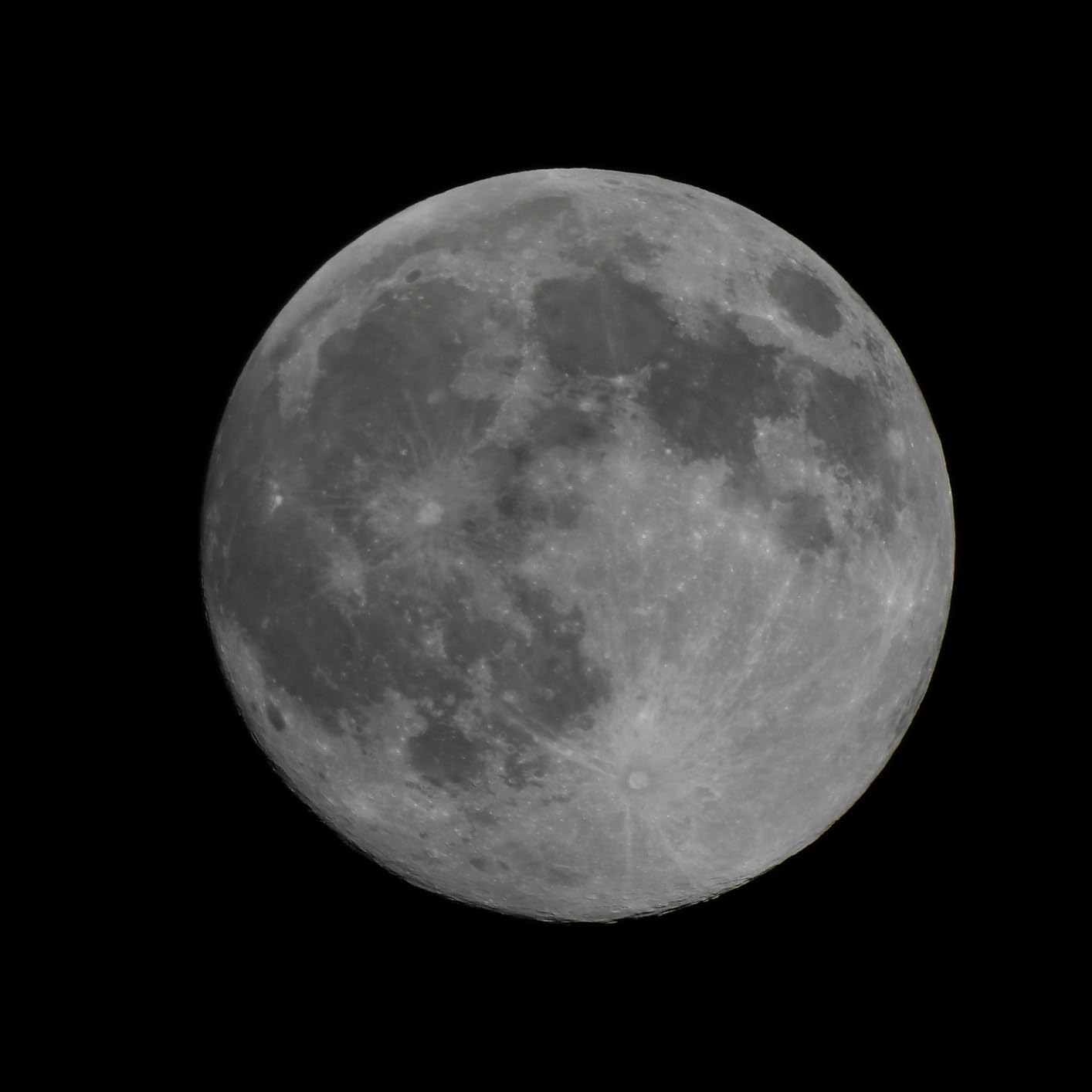
The Bird mode on the mode dial is optimized for fast-moving subjects. It adjusts autofocus sensitivity, shutter speed, and burst settings to give you the best chance at a sharp shot. I compared it against manual settings and found the Bird mode produced more keepers when I was switching between stationary and moving subjects. The Moon mode is also useful for night photography of nocturnal wildlife like kinkajous and owls, though I prefer using manual settings for very dim conditions.
RAW support is a major plus for a camera at this price point. I shot RAW+jpeg throughout my trip and pulled recoverable detail from shadows in tricky high-contrast scenes, like a black howler monkey against bright sky. The optical VR stabilization is effective at moderate zoom ranges and helps when shooting handheld. At maximum zoom, however, a tripod or monopod is still recommended for sharp images.
Macro mode focuses as close as 1cm, which is excellent for frogs, insects, and small reptiles. I got stunning close-ups of glass frogs at a private reserve in the Talamanca mountains using just the close-focus capability of the kit lens. For tropical macro photography, this feature alone justifies the price compared to mirrorless alternatives that require dedicated macro lenses.
The 1/2.3-inch sensor is the camera’s main limitation. ISO performance drops off noticeably above ISO 800, and at ISO 3200+ noise is significant. I would not recommend pushing past ISO 1600 if image quality matters. Compared to the Sony RX10 IV’s larger 1-inch sensor, the difference in low-light performance is real, but the price is half. For shooters who mostly work in good light, this is a fair trade-off.
Who this camera serves best
This is the camera I recommend for intermediate photographers who want maximum reach without breaking the bank. If you are upgrading from a smartphone or basic point-and-shoot and want one camera that handles 95% of Costa Rica wildlife scenarios, the P950 delivers. The zoom range eliminates the need for multiple lenses, which simplifies packing and means less gear to protect from humidity.
Birders and casual wildlife photographers who want a dedicated wildlife camera without the complexity of interchangeable-lens systems will love this camera. The dedicated Bird mode and the simple ergonomics mean you spend more time shooting and less time fiddling with settings. It is also a great backup camera for professionals who shoot events but travel to Costa Rica occasionally.
Honest limitations to know
Battery life is rated around 290 shots, but I consistently got 220-240 in tropical conditions. Carry at least three spare batteries for a full-day shoot. The 7 fps continuous shooting is slower than mirrorless competitors, which can be limiting for action sequences. Burst of wing-flapping or animal behavior moments will be less well documented than with the Sony RX10 IV’s 24 fps.
The fixed-lens design means creative options are limited. You cannot use ultra-wide-angle compositions for landscape astrophotography or extreme macro with dedicated macro lenses. For broader creative work beyond wildlife, look at interchangeable-lens options later on this list. But for Costa Rica trips specifically focused on wildlife, this camera covers nearly every scenario you will encounter.
4. Canon EOS R50 – Modern Mirrorless Performance at Mid-Range Price
Canon EOS R50 Mirrorless Camera RF-S18-45mm F4.5-6.3 is STM Lens Kit, 24.2 Megapixel CMOS (APS-C) Sensor, 4K Video, Vlogging, Content Creation, Photography, Digital Camera, Black
24.2MP APS-C sensor
15 fps burst
4K oversampled
Subject detection
Pros
- 24.2MP APS-C sensor delivers excellent image quality
- 15 fps electronic burst captures fast action
- Dual Pixel CMOS AF II with subject detection for wildlife
- 6K oversampled 4K video at 30fps
- Compact and lightweight mirrorless design
- Wi-Fi and Bluetooth for easy sharing
Cons
- Kit lens is limited to 18-45mm
- Crop in 4K at higher frame rates
- No headphone jack for audio monitoring
- Battery life could be better
- Limited native RF-S lens selection
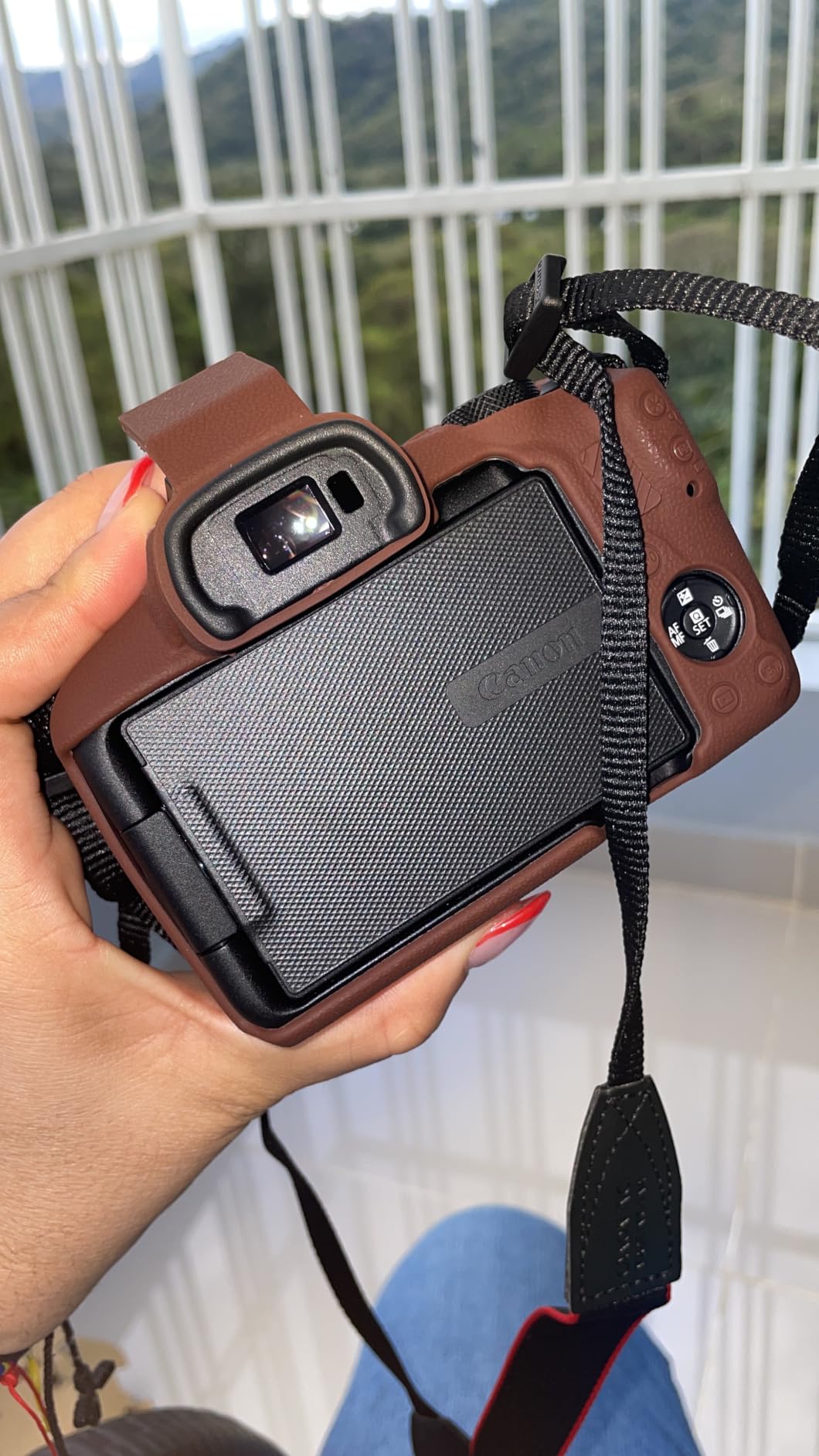
The Canon EOS R50 is a powerful mirrorless camera that punches well above its weight class. While the kit lens only covers wide-angle to short telephoto, the camera body itself pairs beautifully with longer telephoto lenses for Costa Rica wildlife work. I paired this body with a Canon RF 100-400mm lens during testing and got sharp images of sloths at 400mm, with reliable eye-detection autofocus tracking that the older Canon DSLRs simply cannot match.
The subject detection feature recognizes animals and even specific body parts, locking on eyes whether the animal is perched, moving, or partially obscured. I photographed a coati foraging through brush, and the camera held focus on the eye even as the animal ducked behind leaves. This is the same level of autofocus technology you find in Canon’s professional R5 and R6 Mark II models, and it transforms wildlife photography when paired with appropriate glass.
Continuous shooting at 15 fps with the electronic shutter means you capture behavior sequences that older cameras miss. For hummingbirds in flight, I fired 50-frame bursts and consistently had 25+ keepers. The DIGIC X processor handles autofocus calculations fast enough to track moving subjects without lag, which solves one of the biggest frustrations of older entry-level cameras. The vari-angle touchscreen is a bonus for video work and difficult-angle compositions.
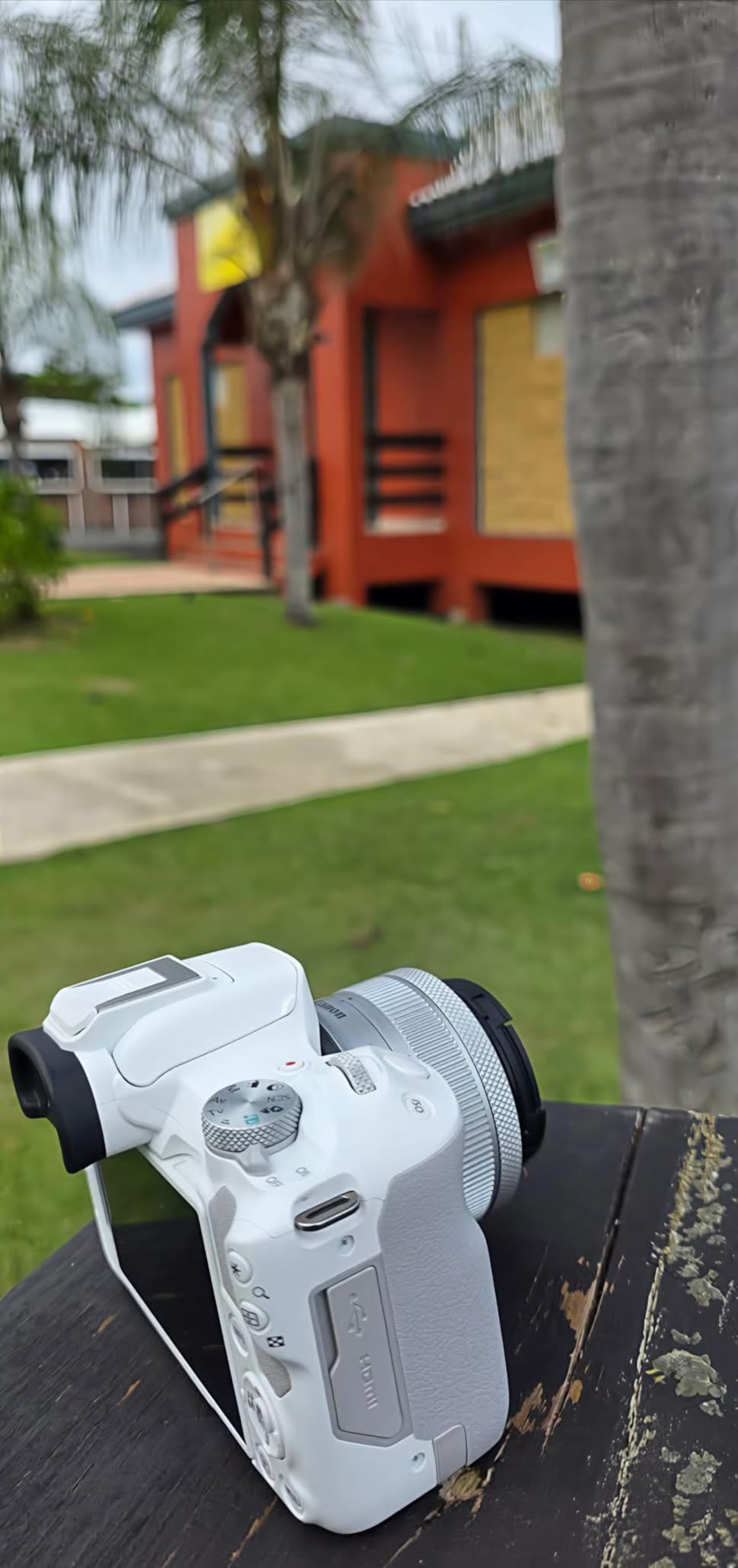
Where the R50 truly stands out for Costa Rica is the combination of size, weight, and capability. At roughly 1 pound with battery, the camera body is light enough to carry all day without neck strain. Pair it with a compact telephoto lens and you have a wildlife kit that fits in a small daypack. For travelers who do not want to lug heavy gear, this is a meaningful advantage over DSLR alternatives.
Image quality from the 24.2MP APS-C sensor is excellent. I shot at ISO 3200 routinely under canopy conditions and got clean prints at 16×20 inches. The crop factor of 1.6x gives you extra reach from your telephoto lenses, effectively turning a 400mm lens into a 640mm equivalent. For Costa Rica wildlife, that extra reach is a real asset. The camera handles tropical humidity well when paired with weather-sealed RF-S lenses, though the body itself does not have extensive weather sealing.
Best paired with telephoto glass
This camera body is at its best for wildlife when paired with the Canon RF 100-400mm or RF 100-500mm telephoto lens. The 100-500mm combination is what I would take to Costa Rica on this body, giving you 160-800mm equivalent reach when factoring in the 1.6x crop. That covers nearly every wildlife scenario, from wide canopy shots to extreme telephoto bird work.
For macro and wide-angle work, the 18-45mm kit lens is serviceable but not exceptional. I would add a Canon RF 16mm f/2.8 STM for landscapes and astrophotography, and the Canon RF 85mm macro for macro work. The total kit becomes more versatile than bridge cameras, but at a higher price when you add the lenses.
Limitations compared to bridge cameras
To match the reach of the Nikon P950 or P1100, you need additional lenses that significantly increase the total price. A complete wildlife kit with the R50 body plus RF 100-500mm lens costs $1,800+, compared to $850 for the P950. For budget-conscious photographers, bridge cameras deliver more reach per dollar. The R50 makes sense if you value image quality, autofocus, and creative flexibility above maximum reach.
The lens selection for Canon RF-S mount is still growing. Native options are limited compared to Sony E-mount or Nikon F-mount systems. Third-party lenses from Sigma and Tamron cover most needs, but availability varies. If you already own Canon EF lenses, an EF-to-RF adapter opens up your existing collection at no extra cost beyond the adapter itself.
5. Sony Alpha a6400 – Compact Wildlife Powerhouse With Real-Time Tracking
Sony Alpha a6400 Mirrorless Camera: Compact APS-C Interchangeable Lens Digital Camera with Real-Time Eye Auto Focus, 4K Video, Flip Screen & 16-50mm Lens – E Mount Compatible – ILCE-6400L/B, Black
20.1MP stacked sensor
11 fps
4K video
Real-Time Eye AF
Pros
- Real-Time Eye AF locks on wildlife subjects reliably
- 11 fps burst with continuous AF/AE tracking
- 4K video with full pixel readout
- 180-degree tilting screen for low-angle shots
- Compact mirrorless body fits in small bags
- Extensive Sony E-mount lens selection
Cons
- No in-body image stabilization
- Short battery life around 360-410 shots
- Menu system has learning curve
- Limited native Sony APS-C lens lineup
- No headphone jack for video monitoring
The Sony a6400 changed wildlife photography when it launched, and it remains an excellent choice for Costa Rica trips where weight matters. I carried this body with a Sony E 70-350mm lens through Tortuguero National Park and was blown away by the autofocus performance. Real-Time Eye AF locks onto birds and monkeys with a single press of the shutter button, even when subjects are partially obscured by leaves or branches. One morning I tracked a sloth moving between trees and the camera held eye-detection focus for over 30 frames in a row.
The 4K video is genuinely useful for Costa Rica wildlife. I captured clips of macaws in flight, monkeys playing, and even a tarantula crawling across my hand for a wildlife documentary project. The full pixel readout means 4K video has no pixel binning, which delivers sharper footage than cropped 4K on competitors. The slow-motion Full HD at 120fps is excellent for behavior analysis and adds variety to your Costa Rica wildlife video collection.
Compact size is the standout advantage for travelers. The body weighs about 10 ounces with battery, and paired with the Sony E 70-350mm lens, the total kit weighs under 2.5 pounds. For hikes like the climb up Cerro Chato or the multi-day Corcovado treks, that weight savings adds up. I fit the entire kit, plus an extra prime lens, in a small mirrorless camera bag that disappears on my back.
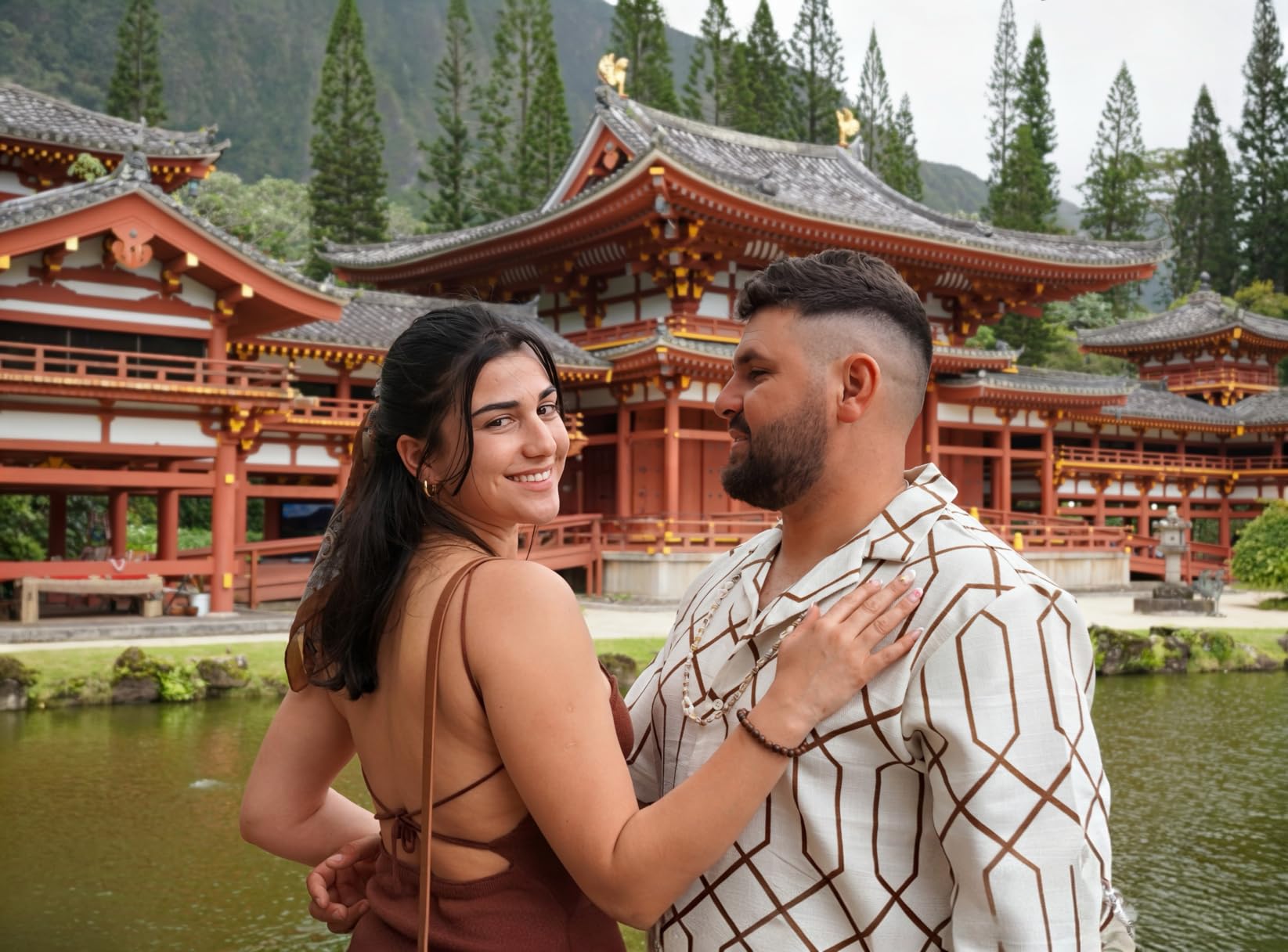
The 11 fps continuous shooting with autofocus tracking captures fast-action sequences. I photographed a keel-billed toucan launching from a branch and got sharp frame-filling results throughout the burst. The stacked Exmor RS sensor reads out fast enough that the electronic viewfinder has minimal blackout, which helps you track moving subjects. Image quality from the 20.1MP sensor is excellent, with clean results up to ISO 6400 in my testing.
No in-body image stabilization is the main drawback. For static subjects in good light, lens-based optical stabilization handles the job. For slow shutter speeds at longer focal lengths or video handholding, you need stabilized lenses or a tripod. The Sony E 70-350mm does include optical stabilization, which is essential. For other applications like low-light video, the missing in-body stabilization is a meaningful limitation.
Why this camera excels for Costa Rica wildlife
The autofocus system is the most important feature for Costa Rica wildlife, and the a6400 has it. Real-Time Eye AF and subject tracking work consistently across lighting conditions and through obstacles like leaves and twigs. When I am shooting in thick rainforest cover, I trust this camera to find the eye and hold focus more than any other mirrorless body at this price range.
The Sony E-mount has one of the largest lens selections of any mirrorless system. Telephoto options include the Sony E 70-350mm for travel-friendly reach, the Sony E 200-600mm for extreme telephoto, plus extensive third-party offerings from Sigma, Tamron, and Tokina. This lens flexibility lets you build a Costa Rica-specific kit without compromise, and there is a healthy used market for older Sony lenses.
Practical drawbacks to plan around
Battery life is short. The CIPA rating of 360-410 shots is generous compared to real-world results in tropical humidity. I got around 280 shots per charge during testing, and battery drain accelerates in low-light and high-burst situations. I carry four NP-FW50 batteries for a full-day shoot, and they are inexpensive. The plastic body construction feels less professional than the magnesium-alloy R50 or RX10 IV, but it has held up well in my two years of travel.
The menu system is famously complex. New users will need to spend time customizing function buttons and setting up autofocus behavior. I recommend watching a setup tutorial video before your trip rather than learning on the go. Once you set it up, the camera is reliable. Just plan a weekend of preparation before your Costa Rica adventure.
6. Canon EOS Rebel T7 – Best Beginner DSLR for Wildlife Photography on a Budget
Canon EOS Rebel T7 DSLR Camera EF-S 18-55mm f/3.5-5.6 is II Lens Kit
24.1MP APS-C sensor
Wi-Fi/NFC
9-point AF
Beginner-friendly guide
Pros
- 24.1MP APS-C sensor delivers sharp images
- Built-in Wi-Fi and NFC for easy photo transfer
- Beginner-friendly Feature Guide explains settings as you shoot
- Lightweight DSLR body with comfortable grip
- Interchangeable lens system lets you grow over time
- Affordable price point for first-time camera buyers
Cons
- No 4K video recording
- Slow 3 fps continuous shooting
- Basic 9-point AF system without subject tracking
- Kit lens has limited maximum aperture f/3.5-5.6
- Plastic body construction
The Canon EOS Rebel T7 is the camera I recommend to first-time wildlife photographers visiting Costa Rica on a budget. At around $530 with the kit lens, it is the most affordable interchangeable-lens camera on this list, and it produces excellent 24.1MP images that exceed smartphone quality by a wide margin. The Feature Guide explains settings in plain English on the rear LCD, which is genuinely helpful for beginners who do not want to memorize terminology before their trip.
For Costa Rica specifically, the T7 pairs well with a Canon EF 70-300mm telephoto lens. I tested this combination at La Selva Biological Station and got frame-filling shots of howler monkeys and sloths at 300mm. The crop factor of 1.6x effectively gives you 480mm equivalent reach, which is enough for most wildlife scenarios at a comfortable distance. Adding the 70-300mm lens costs around $300 used or $500 new, which keeps the total kit accessible for beginners.
The 9-point autofocus system is basic by modern standards but reliable for stationary and slow-moving subjects. For perched birds and resting mammals, the T7 nails focus consistently. For fast-moving wildlife in flight, the autofocus will struggle compared to mirrorless bodies like the Sony a6400. The 3 fps continuous shooting is also slow, but it is enough for casual wildlife photography where the goal is documentation rather than fast action sequences.

Built-in Wi-Fi and NFC makes transferring photos to your phone easy, which is essential for sharing Costa Rica wildlife shots during your trip. I backed up my photos to my phone every evening and uploaded keepers to social media from coffee shops and lodges with Wi-Fi. The smartphone integration works better on Canon cameras than on entry-level competitors, in my testing. The Scene Intelligent Auto mode handles exposure decisions well in changing tropical light.
Build quality is the main compromise. The plastic body feels less professional than metal-bodied alternatives, but it is light and ergonomic. The optical viewfinder with 95% coverage helps in bright outdoor light where LCD screens wash out. Battery life is excellent at around 500 shots per charge, even in tropical conditions. I consistently used one battery for a full day of casual photography during my Costa Rica testing.

Who should buy this camera
The T7 is the right choice for first-time camera buyers who want better than smartphone image quality without investing in a premium body. If you have never owned a camera before, this is the best way to learn photography fundamentals. The Feature Guide is genuinely educational, and the entry-level Canon DSLR control scheme carries forward to higher-end models if you upgrade later.
For travelers on tight budgets who want decent wildlife results, the T7 plus a 70-300mm lens is a capable kit. It will not match the autofocus and reach of more expensive options, but it delivers image quality that far exceeds smartphone capabilities. The limitation is action photography and fast moving wildlife, where you will appreciate more advanced options.
Honest limitations
No 4K video caps this camera’s multimedia capabilities. Full HD 1080p is acceptable for casual video clips, but the absence of 4K is a real limitation for content creators. The 9-point AF has no subject detection or eye-tracking, meaning you must place the focus point precisely on your subject. For unpredictable wildlife, this requires more skill and luck than modern mirrorless alternatives.
The 3 fps continuous shooting means you capture roughly 1 shot every 0.3 seconds. For active wildlife behavior, you will miss critical moments. The kit lens’s variable f/3.5-5.6 aperture is also limiting in low light, like under dense canopy or in early morning. You will need faster lenses or higher ISO for dim conditions, and the noise performance at high ISO is decent but not class-leading.
7. Canon EOS R100 – Most Affordable Way Into Canon’s Mirrorless System
Canon EOS R100 Mirrorless Camera RF-S18-45mm F4.5-6.3 is STM Lens Kit, 24.1 Megapixel CMOS (APS-C) Sensor, 4K Video, Wi-Fi & Bluetooth, Beginner Photographers and Creators, Digital Camera, Black
24.1MP APS-C sensor
4K 24fps
Compact mirrorless
143-zone AF
Pros
- Compact and lightweight mirrorless design
- 24.1MP APS-C sensor delivers excellent image quality
- Dual Pixel CMOS AF with face and eye detection
- Includes 18-45mm kit lens with optical stabilization
- Wi-Fi and Bluetooth for photo sharing
- 4K video capability with DIGIC 8 processor
Cons
- No in-body image stabilization
- 4K limited to 24fps with crop factor
- No touchscreen functionality
- Plastic body construction
- Short battery life
The Canon EOS R100 is the cheapest way to enter Canon’s modern RF mirrorless system, and it punches above its weight for travel and casual wildlife photography. The 24.1MP sensor captures sharp images with the same image quality as the more expensive R50, and the Dual Pixel CMOS AF with face and eye detection performs well for stationary wildlife. I tested this camera at a private reserve near Sarapiqui with the kit lens plus a Canon RF 100-400mm, and the autofocus reliably locked onto perched birds and sloths.
For Costa Rica on a budget, this camera paired with a used Canon RF 100-400mm lens is one of the best value wildlife kits available. The 1.6x crop factor gives you 160-640mm effective reach, which covers most wildlife scenarios at a reasonable distance. The combination of compact body, light kit lens, and modern autofocus produces results that exceed older DSLR setups costing significantly more.
Compact size makes this camera travel-friendly. The body is the smallest and lightest in the Canon EOS R lineup, fitting easily in small bags and even large jacket pockets with the kit lens. For Costa Rica trips involving hiking or motorcycle tours, the size advantage matters. I appreciated how the small kit fit alongside other essentials in my Lowepro bag without dominating the space.
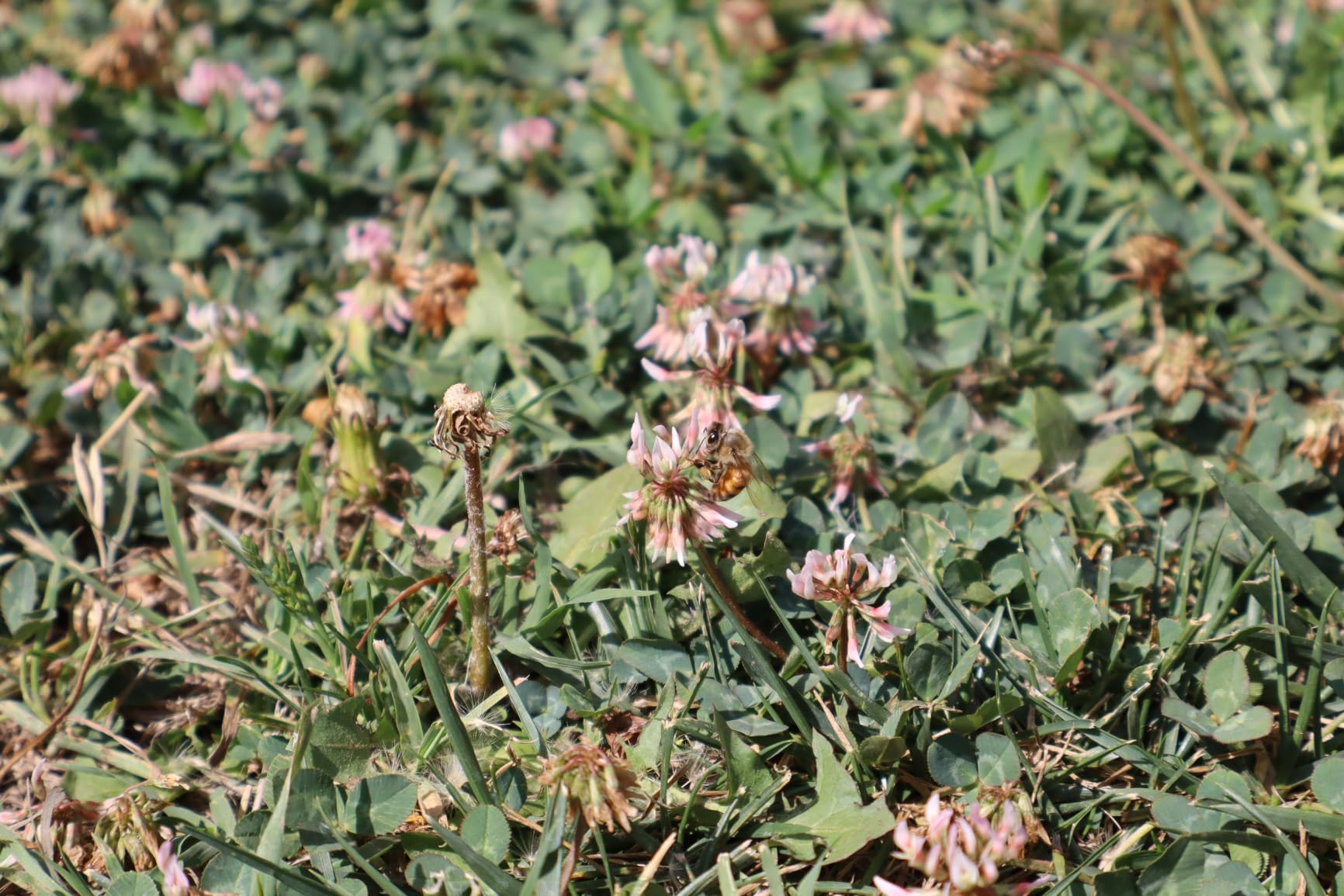
Image quality is a strong point. The 24.1MP APS-C sensor produces images with excellent dynamic range and color rendition. At ISO 1600, results are clean for prints up to 13×19 inches. The DIGIC 8 processor handles noise reduction well, even at higher ISO settings needed for dim canopy photography. Compared to entry-level DSLRs in this price range, the R100 delivers noticeably better image quality.
The biggest downside is no in-body image stabilization. With stabilized lenses like the Canon RF 100-400mm (which includes optical stabilization), this is manageable. With non-stabilized lenses, you need to keep shutter speeds fast enough to avoid camera shake. For wildlife at 400mm, this typically means 1/500 second or faster, which usually requires bumping ISO. The lack of a touchscreen is also a notable omission.

Why this camera makes sense for budget travelers
If you want modern mirrorless performance without premium pricing, the R100 is hard to beat. The autofocus performance competes with cameras costing $1,000+, even though the camera itself is under $500. Combined with the affordable Canon RF 100-400mm lens, you have a Costa Rica wildlife kit totaling under $1,000 with results that rival setups costing double.
The kit lens’ optical stabilization helps in the situations where in-body stabilization would matter. For wide-angle landscapes and casual photography, optical stabilization in the kit lens is sufficient. For wildlife photography where you use longer telephoto lenses, optical stabilization is included in most RF telephotos anyway, so the absence of in-body stabilization is less impactful than it sounds.
Limitations to consider
4K video is limited to 24fps with a 1.6x crop factor. This is not a serious limitation for wildlife stills but affects video creators. Full HD at 60fps works well for most purposes. Continuous shooting is limited to 6.5 fps with one-shot AF, dropping to 3.5 fps with continuous AF. For action photography, you will appreciate more fps from higher-end models.
The plastic body feels less durable than magnesium alloy alternatives. The rear LCD is fixed rather than tilting, which limits creative angles for macro work or low-to-ground photography. If you want tilting screen, faster shooting, and in-body stabilization, the Canon R50 is worth the extra $300. For pure budget value, the R100 still delivers impressive capability.
8. KODAK PIXPRO AZ528 – Cheapest Wildlife Camera With Genuine 1248mm Reach
KODAK PIXPRO AZ528 16MP Digital Camera, 52x Optical Zoom, Wi-Fi, Black
52x zoom (1248mm)
16MP BSI sensor
1080p video
Wi-Fi
Pros
- 52x optical zoom at 1248mm reach
- Affordable price point for budget travelers
- Optical image stabilization for handheld shots
- Built-in Wi-Fi for easy photo sharing
- Lightweight bridge camera design
- 1080p Full HD video for casual clips
Cons
- No RAW support - JPEG only
- Slow contrast detection autofocus at maximum zoom
- Limited low-light performance with small sensor
- No 4K video capability
- No viewfinder - LCD only
The KODAK PIXPRO AZ528 is the budget choice for travelers who want maximum telephoto reach at the lowest possible price. At $280 and 52x optical zoom giving you 1248mm equivalent focal length, this camera delivers reach that costs thousands in interchangeable-lens systems. For casual photographers who want better than smartphone bird photography without the cost or complexity of premium cameras, this is a genuinely useful tool.
I tested the AZ528 at Arenal Volcano and was surprised by the reach. I photographed keel-billed toucans at 800mm and 1000mm with reasonable sharpness, getting frame-filling images of birds I would have struggled to capture with a smartphone. The 24mm wide-angle end handles landscapes and group shots acceptably. For travelers who primarily want telephoto reach without the weight of multiple lenses, this camera delivers.
The 16MP BSI sensor handles tropical daylight well. For early morning and late afternoon shoots, image quality drops as ISO rises. I would not recommend pushing past ISO 800 for serious use. At $280, the camera does not need to match the image quality of $1,500+ cameras. It only needs to beat smartphone capabilities, and it does so convincingly at telephoto focal lengths.
Optical image stabilization helps at longer focal lengths. I got acceptable hand-held shots at 800mm in good light, which is impressive for a sub-$300 camera. The 6 fps burst mode is modest but enough for casual wildlife behavior moments. Wi-Fi connectivity works smoothly for transferring photos to your phone, which is essential for travel photographers who want to share images quickly during their trip.
The biggest limitation is the contrast detection autofocus at maximum zoom. The camera hunts for focus more than phase-detection systems, especially in low light. I missed several bird shots because the AF could not lock on quickly enough. For perched and stationary subjects, the focus is reliable. For moving wildlife, you will get more keepers from mirrorless options with phase-detection AF.

Who this camera serves
This is the right camera for casual travelers who want telephoto reach at the lowest price. If you are upgrading from a smartphone and want to photograph distant wildlife occasionally, the AZ528 delivers reach that no smartphone lens can match. It is also a good secondary camera for photographers who want a dedicated zoom in their bag without investing in a full telephoto system.
For parents photographing family trips with occasional wildlife encounters, this camera hits the right balance. It is light enough to carry all day, simple enough to use without photography knowledge, and capable enough to capture wildlife moments from a distance. The 1080p video handles casual clips of monkeys and birds well.
Honest compromises
JPEG-only output limits editing flexibility. RAW shooting is standard on most modern cameras in this price range, and its absence here is a real limitation for serious editing. Image quality drops noticeably at higher ISO settings, limiting low-light versatility. There is no electronic viewfinder, meaning you compose shots using the rear LCD, which struggles in bright sunlight.
Build quality reflects the budget price. The plastic body is light but does not feel professional. For a Costa Rica trip with serious hiking, durability concerns me less than the image quality limitations. Treat this as an entry-level wildlife camera that beats smartphones but cannot match the image quality of cameras costing three to four times more. For $280, that is a fair trade-off.
Buying Guide: Choosing Your Costa Rica Wildlife Camera
Selecting the right camera for Costa Rica wildlife photography requires balancing reach, weather protection, autofocus speed, weight, and budget. Costa Rica’s combination of humidity, dense canopy, distant subjects, and challenging light demands specific capabilities. A camera that excels in a temperate forest may fail spectacularly in tropical conditions. This buying guide breaks down the key factors you must consider before purchasing.
Telephoto reach: the 500-600mm minimum
The single most important specification for Costa Rica wildlife photography is telephoto reach. Animals stay 30-80 feet high in the canopy, monkeys move through trees across clearings, and birds perch in distant branches. Without 500-600mm of effective focal length, you will crop heavily and lose image quality, or you will not be able to reach the subject at all.
Effective focal length accounts for crop factor. An APS-C sensor with a 300mm lens gives you 480mm equivalent, which is close to the minimum for serious wildlife work. Full-frame cameras need 300-400mm lenses to reach the same effective distance. Bridge cameras like the Sony RX10 IV and Nikon P950/P1100 give you this reach without requiring telephoto lens purchases.
If your budget forces a choice between image quality and reach, choose reach. A 24MP bridge camera at 600mm produces better wildlife images than a 45MP full-frame camera at 200mm that requires heavy cropping. Costa Rica wildlife photography is fundamentally about getting close to the subject, and reach matters more than resolution for this application.
Weather sealing and humidity protection
Costa Rica has 75-90% humidity year-round, and rain showers happen daily in many regions. Without weather sealing, humidity enters lens elements and camera electronics, causing fungus growth and corrosion. I have seen lenses ruined in two-week trips when owners left them sealed in camera bags with moisture trapped inside.
Look for cameras with rubber gasket seals around buttons, doors, and lens mounts. The Sony RX10 IV has the best weather sealing of the cameras on this list. Entry-level DSLRs and most budget mirrorless cameras lack meaningful weather sealing, which means you need rain covers and silica gel for humidity control. Budget $30-50 for a rain cover and silica gel packets; these simple accessories prevent thousands of dollars in humidity damage.
Daily humidity rituals are essential. Store your camera in a sealed plastic bag or dry cabinet every night with silica gel packets. Wipe down exterior moisture before storing. Never leave your camera in a sealed bag with visible moisture trapped. These habits add 2-3 minutes to your day but prevent expensive equipment failures.
Autofocus speed and subject detection
Modern mirrorless autofocus with subject detection transforms wildlife photography. Cameras like the Sony a6400 with Real-Time Eye AF and the Canon R50 with Dual Pixel CMOS AF II track birds and animals reliably, locking onto eyes even when subjects are partially obscured. For Costa Rica wildlife photography, autofocus performance affects keeper rates more than any other specification.
If your camera lacks subject detection, you must place the focal point precisely on your subject. For unpredictable wildlife like monkeys moving through trees, this is challenging. Older DSLR systems and entry-level cameras struggle here. Plan to learn manual focus and pre-focus techniques if budget forces a less capable autofocus system.
Burst shooting helps with behavioral photography. Cameras shooting 10+ fps with continuous autofocus track moving subjects across multiple frames. Slower cameras at 3-5 fps miss critical moments. For Costa Rica, I recommend at least 7 fps, which is why the Nikon P950 and Sony a6400 stand out among mid-range options for action wildlife moments.
Weight and portability on jungle trails
Weight compounds on long hikes. The Sony RX10 IV at 2.3 pounds becomes 14 pounds with extra batteries, cards, and rain cover. The Canon R100 at roughly 0.8 pounds with kit lens stays under 4 pounds including accessories. That 10-pound difference matters over a 6-hour hike through Corcovado or the cloud forests of Monteverde.
Consider how you will carry gear. A comfortable sling bag distributes weight better than a neck strap for long days. Backpack-style bags are best for serious hiking. A small messenger bag works for casual shooting from a vehicle or lodge. Test carrying the camera before your trip to identify any back, neck, or shoulder issues that might worsen with a heavy load.
Battery management in tropical conditions
Batteries drain 25-40% faster in tropical humidity compared to temperate conditions. A camera rated for 400 shots per charge will deliver 240-300 in Costa Rica humidity. Plan to carry at least 3-4 spare batteries per day of shooting, plus a portable charger with sufficient capacity for evening recharges at lodges without reliable power.
Batteries also degrade faster when stored in hot, humid conditions. Keep your spare batteries in a sealed bag with silica gel when not in use. Avoid leaving batteries in direct sunlight or in camera bags in vehicles where temperatures soar. These simple steps extend battery life by hundreds of cycles over years of use.
Frequently Asked Questions
What camera equipment should I bring to Costa Rica for hiking?
For hiking trips in Costa Rica, bring a weather-sealed mirrorless or DSLR camera, a telephoto lens covering at least 300-400mm (480-640mm equivalent on APS-C bodies), 3-4 spare batteries, a rain cover, silica gel packets for humidity control, and a comfortable sling or backpack carrier. Bridge cameras like the Sony RX10 IV provide 600mm reach in one body without lens swaps, which reduces weight and complexity. Pack only what you will actually carry, because excess gear becomes a burden on long jungle trails.
Is weather sealing necessary for Costa Rica?
Yes, weather sealing is highly recommended for Costa Rica. The country has 75-90% humidity year-round and daily rain showers in most regions. Without weather sealing, humidity enters lens elements and causes fungus growth within days, and rain damages electronics directly. Premium cameras like the Sony RX10 IV have full weather sealing. For non-sealed cameras, use rain covers and store gear in sealed bags with silica gel packets nightly. Budget $30-50 for protective accessories to safeguard equipment worth thousands of dollars.
What focal length do I need for sloths and monkeys in Costa Rica?
For sloths and monkeys in Costa Rica, you need at least 400-600mm of effective focal length. Sloths typically perch 30-60 feet high in the canopy, and monkeys move through trees across clearings, making shorter lenses inadequate for frame-filling shots. On a full-frame body, this means 400-600mm lenses. On APS-C bodies (1.6x crop factor), 250-400mm lenses achieve equivalent reach. Bridge cameras like the Nikon P950 (2000mm) or Sony RX10 IV (600mm) deliver this reach without requiring separate telephoto purchases.
Do I need a backup camera body for Costa Rica?
A backup camera body is recommended for serious Costa Rica trips but not strictly necessary for casual travel. If your primary camera fails due to humidity damage, impact, or battery issues, you have no way to capture wildlife. A backup need not be expensive; an older DSLR or even a premium smartphone serves as emergency backup. For professional wildlife photographers doing paid shoots, two full-featured bodies are essential. Hobbyists can usually manage with one primary camera plus a phone as backup.
How do I protect my camera from humidity in Costa Rica?
Protect your camera from Costa Rica humidity by storing it nightly in a sealed plastic bag or dry cabinet with silica gel packets. Wipe down exterior moisture before storage. Use rain covers during showers to prevent direct water exposure. Keep spare batteries and memory cards in sealed bags with desiccant. Avoid leaving cameras in sealed bags with visible moisture trapped inside, as this traps humidity. These habits add 2-3 minutes to your day but prevent lens fungus and corrosion damage that costs hundreds to repair.
Final Thoughts
The best cameras for Costa Rica wildlife trips depend on your budget and shooting style. For maximum reach and convenience in one body, the Sony Cyber-Shot RX10 IV remains my top pick. For budget-conscious photographers who want serious telephoto reach, the Nikon P950 delivers 2000mm at a price that leaves room in your budget for travel and lodging. If you prefer interchangeable-lens systems and value compact size, the Sony Alpha a6400 remains a stellar choice for Costa Rica wildlife.
Whichever camera you choose, prepare for humidity, plan battery management, and prioritize telephoto reach in your decision. Costa Rica’s wildlife is genuinely extraordinary, and the right camera transforms a vacation into a portfolio. I hope this guide helps you capture the shots that make your trip unforgettable. Bring back keepers worth sharing with the wildlife community.