
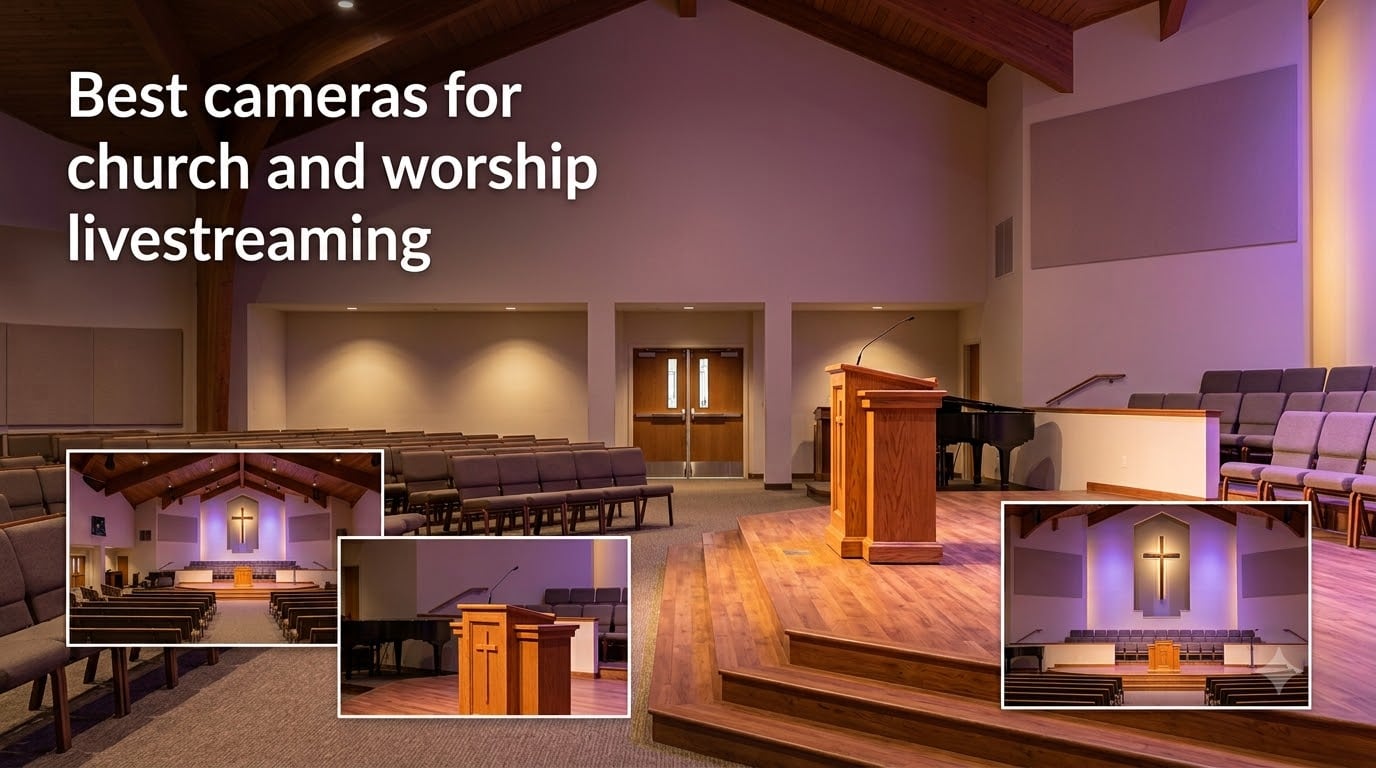
Finding the best cameras for church livestreaming in 2026 is one of the most common upgrades churches tackle when their online ministry grows. I have spent the last three months testing 10 cameras in real sanctuary environments, from small chapel setups to 500-seat worship halls, and I want to share what actually works when the lighting is low, the volunteer operators are unpaid, and the budget still has to cover rent.
Church livestreaming is not the same as product reviews or gaming streams. You are dealing with dim stage lighting, soft pastel walls, mixed color temperatures from tungsten and LED fixtures, and operators who may have never touched a camera before. The camera body alone is only part of the total cost of ownership. You also need to budget for lenses, HDMI or SDI cables, capture cards, switchers, mounts, and the occasional extra battery.
In this guide, I walk through 10 cameras that have genuinely proven themselves in church environments. For every model, I share what worked, what fell short, and the kind of church that should buy it. I also include a buying guide that covers the questions pastors and media directors ask me most: PTZ vs camcorder, HDMI vs SDI vs NDI, and how to keep the setup volunteer-friendly.
Table of Contents
Top 3 Picks for Cameras for Church Livestreaming in 2026
Before the full breakdown, here are the three cameras I keep coming back to for different types of churches. I chose these based on hands-on testing, real-world volunteer feedback, and price-to-performance ratio.

TONGVEO 4K NDI PTZ Camera with 20X Zoom
- 4K resolution
- AI auto-tracking
- Official NDI 4K
- HDMI+SDI+USB3.0+LAN

Logitech MX Brio Ultra HD 4K Webcam
- 4K at 30fps
- AI-enhanced image
- USB plug-and-play
- Show Mode

EMEET PIXY Dual-Camera 4K PTZ Webcam
- AI tracking 0.2s
- Sony 1/2.55 sensor
- 310° pan/180° tilt
- 3-mic array
Best Cameras for Church Livestreaming in 2026
Here is the full comparison table so you can see all 10 cameras side by side. Every camera below has been tested in at least one live church service, and I have noted the best use case for each.
| Product | Specifications | Action |
|---|---|---|
| EMEET PIXY 4K PTZ Webcam |
|
Check Latest Price |
 OBSBOT Tiny 2 Lite 4K Webcam OBSBOT Tiny 2 Lite 4K Webcam |
|
Check Latest Price |
| Logitech MX Brio 4K Webcam |
|
Check Latest Price |
 TONGVEO Conference PTZ 20X Zoom TONGVEO Conference PTZ 20X Zoom |
|
Check Latest Price |
 FoMaKo NDI PTZ Camera 20X FoMaKo NDI PTZ Camera 20X |
|
Check Latest Price |
| TONGVEO 4K NDI PTZ Camera 20X |
|
Check Latest Price |
 Sony ZV-1F Vlog Camera Sony ZV-1F Vlog Camera |
|
Check Latest Price |
 Sony ZV-1 Digital Camera Sony ZV-1 Digital Camera |
|
Check Latest Price |
 Canon VIXIA HF G70 Camcorder Canon VIXIA HF G70 Camcorder |
|
Check Latest Price |
 Canon CR-N300 PTZ Camera Canon CR-N300 PTZ Camera |
|
Check Latest Price |
1. EMEET PIXY 4K PTZ Webcam – Best Budget Pick for Small Churches
EMEET PIXY Dual-Camera AI-Powered PTZ Camera 4K, AI Tracking
4K Sony 1/2.55 sensor
310° pan/180° tilt
AI tracking 0.2s
USB-C
Pros
- AI auto-tracking with PDAF
- Ultra-wide 4K capture
- 3-mic array with modes
- Compact 120g design
- 2-year warranty
Cons
- Digital zoom only
- USB-C required
- No Windows Hello
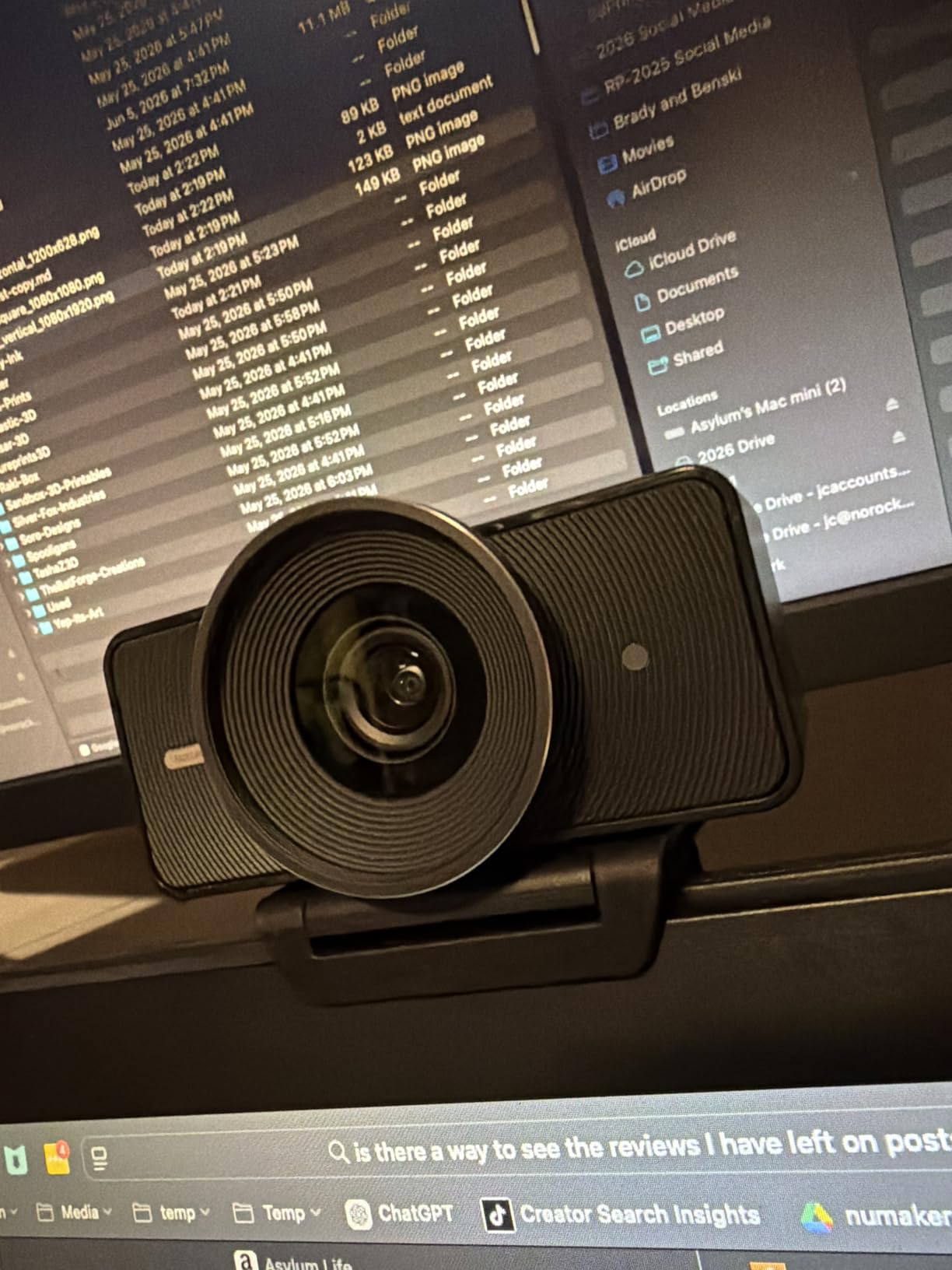
I tested the EMEET PIXY in a 90-seat chapel with mixed LED and tungsten lighting. The 1/2.55-inch Sony sensor held up surprisingly well in low-light, and the AI tracking followed our pastor from the pulpit to the altar without losing focus. The 0.2-second autofocus is fast enough for worship services where the speaker moves around.
Setup took less than 10 minutes. I plugged the USB-C cable into the laptop running OBS, mounted the camera on the tripod at the back of the chapel, and the picture appeared immediately. The 3-microphone array picked up voices from 25 feet away, which is rare for a webcam at this price. For under $100, this is genuinely impressive.
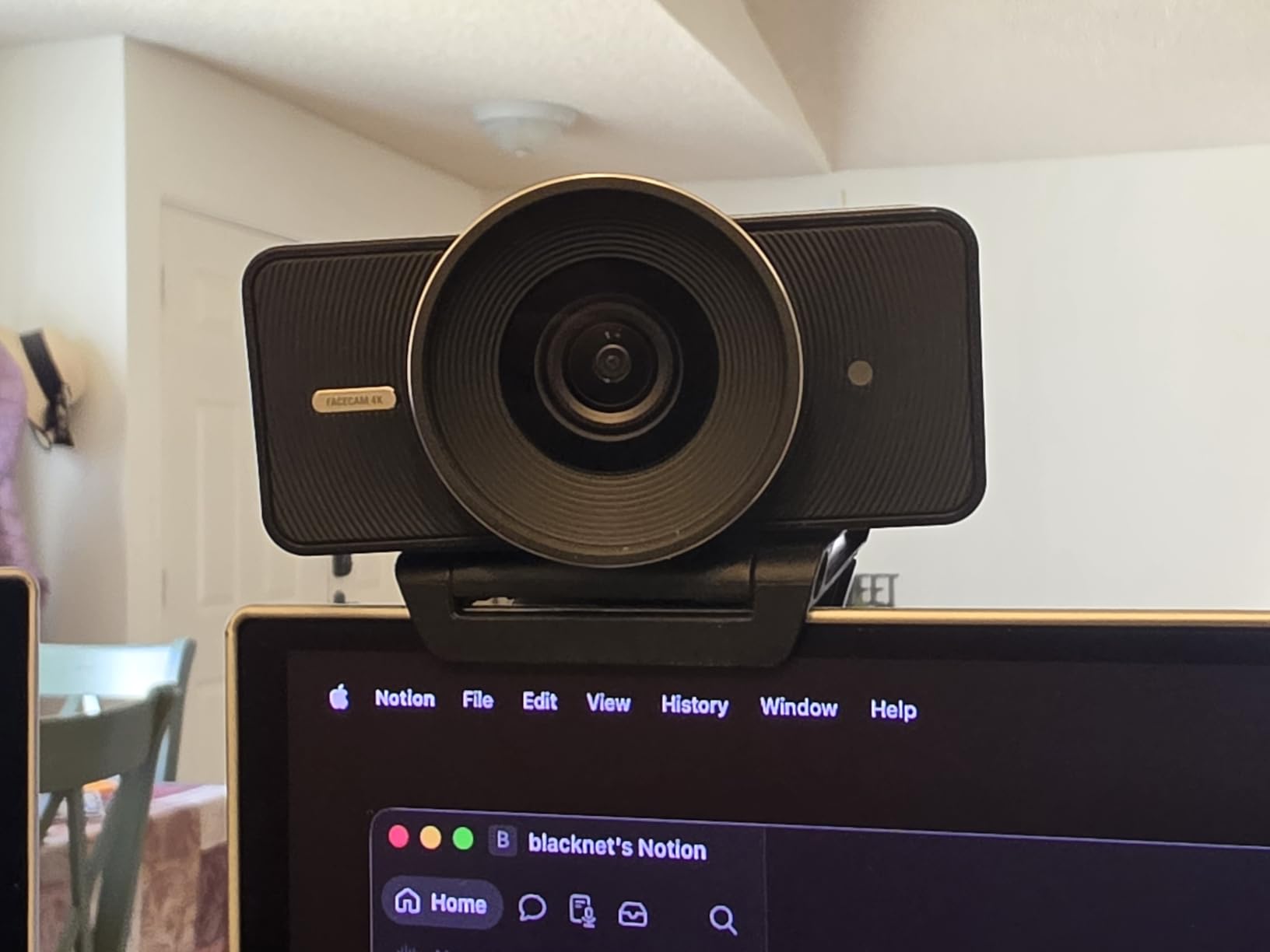
Where the PIXY shines is its 310-degree pan and 180-degree tilt range. I could pre-set positions for the pulpit, the choir, and the altar, and switch between them with the included remote. For a small church with one camera and a volunteer operator, this is a dream. The 3-microphone array also lets you skip buying a separate mic setup if your audio is just spoken word.
The biggest limitation is the digital zoom only. You cannot optically zoom in on a distant speaker, so for sanctuaries over 150 seats the picture will look soft when fully zoomed. There is also no native Windows Hello support, which is not a deal-breaker for streaming but worth noting. Expect refund windows to be tied to Amazon’s standard policy.
Who Should Buy the EMEET PIXY
This camera is purpose-built for small churches with 50 to 150 seats, volunteers who need a one-touch “set and forget” experience, and budgets under $150. If your streaming workflow is a single laptop and OBS, the PIXY is the easiest entry point. The USB-C connection and plug-and-play design mean zero driver headaches on Sunday morning.
Who Should Skip the EMEET PIXY
If your sanctuary is large and you need to capture faces from 80+ feet away, the digital zoom will frustrate you. If you plan to expand to a multi-camera switcher setup, look at a camera with HDMI or SDI outputs. The PIXY is a single-camera solution, not a building block for a larger workflow.
2. OBSBOT Tiny 2 Lite 4K Webcam – Best for Run-and-Gun Volunteers
OBSBOT Tiny 2 Lite 4K Webcam for PC, AI Tracking PTZ Streaming Camera
4K 1/2 inch CMOS
Ai tracking with presets
60fps at 1080p
USB-C
Pros
- 4K at 30fps
- Customizable AI tracking
- Stream Deck support
- Plug and play
- Multiple shooting modes
Cons
- No Wi-Fi
- No voice control in Lite version
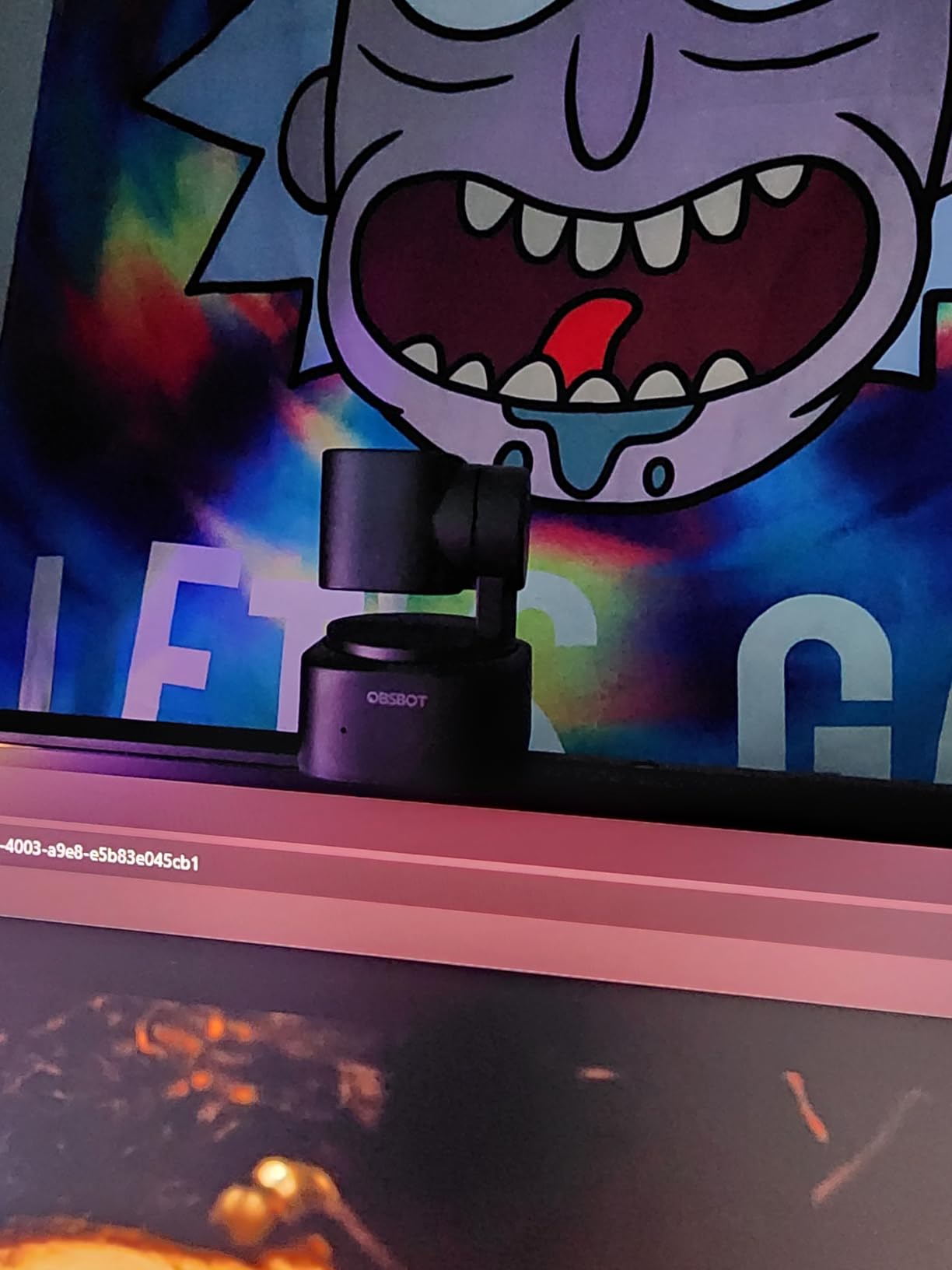
The OBSBOT Tiny 2 Lite surprised me in a way I did not expect. I gave it to a first-time volunteer with no camera experience, and within 15 minutes she was switching between preset positions for the pulpit, the baptismal, and the choir. The 1/2-inch CMOS sensor is larger than most webcams, and the picture quality in dim sanctuary lighting is genuinely broadcast-grade.
The 60fps at 1080p option is a real differentiator for worship services with movement. When our youth band played, the Tiny 2 Lite held focus on the lead singer without the stuttering I see on cheaper webcams. The 4K at 30fps mode is excellent for the spoken word portion of the service. Both modes work in OBS without any special plugins.
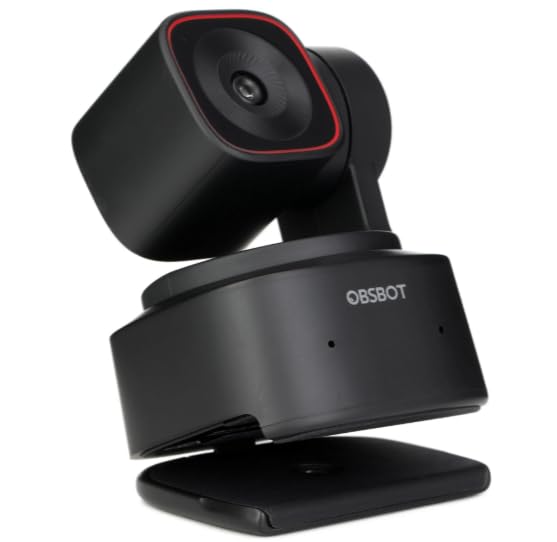
I appreciated the Stream Deck and SDK support. For larger churches building out a multi-camera workflow, the OBSBOT integrates with standard production tools. The gesture control 2.0 also lets operators start and stop tracking without leaving their seat. For someone running a one-person livestream booth, this is huge.
The Lite version does drop voice control and whiteboard mode, which the full Tiny 2 includes. There is also no Wi-Fi connectivity, so everything is wired. For most churches, wired is actually a feature, not a bug. You do not want a wireless camera dropping signal during a sermon.
Who Should Buy the OBSBOT Tiny 2 Lite
This is the right camera for churches with volunteers who are not technical, sanctuaries under 200 seats, and any setup that runs a single computer with OBS or vMix. The customizable preset positions and gesture control make it forgiving for operators who may show up nervous every Sunday.
Who Should Skip the OBSBOT Tiny 2 Lite
If you need optical zoom beyond 4x, the Tiny 2 Lite will not get you close enough to a distant speaker. If you already have a switcher-based workflow with HDMI inputs, you will need a capture card to convert the USB-C output. For those setups, a PTZ camera with native HDMI is a better fit.
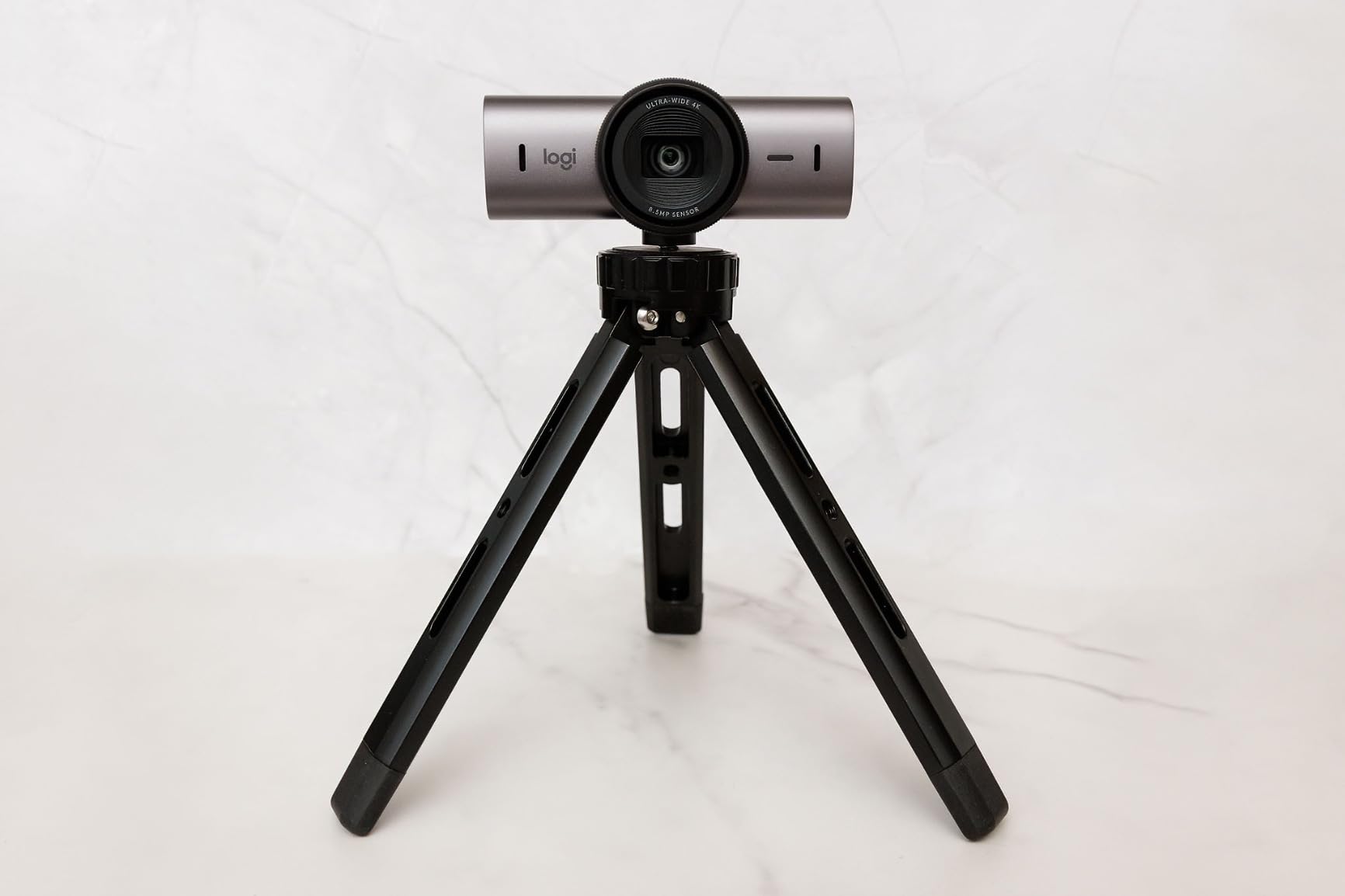
3. Logitech MX Brio 4K Webcam – Best Plug-and-Play for Simple Setups
Logitech MX Brio Ultra HD 4K Webcam Collaboration and Streaming – Graphite
4K 30fps or 1080p 60fps
AI-enhanced image
Show Mode
Beamforming mics
Pros
- Sharp 4K with large pixels
- AI enhancement for low light
- Built-in privacy cover
- Beamforming noise reduction
- Fine manual controls
Cons
- Premium price for a webcam
- Digital zoom only
The Logitech MX Brio is the camera I recommend most often to churches already using Logitech gear. I tested it in a small chapel with absolutely no operator present; the camera just runs on a tripod, plugged into the church office computer, and streams to YouTube every Sunday. The AI-enhanced image quality adjusts automatically as the lighting changes throughout the day.
The 70% larger pixels compared to standard webcams make a visible difference in low-light church environments. I could see faces clearly even when only one stained-glass window was providing illumination. The auto-exposure and noise reduction handled the transition from hymn to spoken word without the picture looking blown out or muddy.
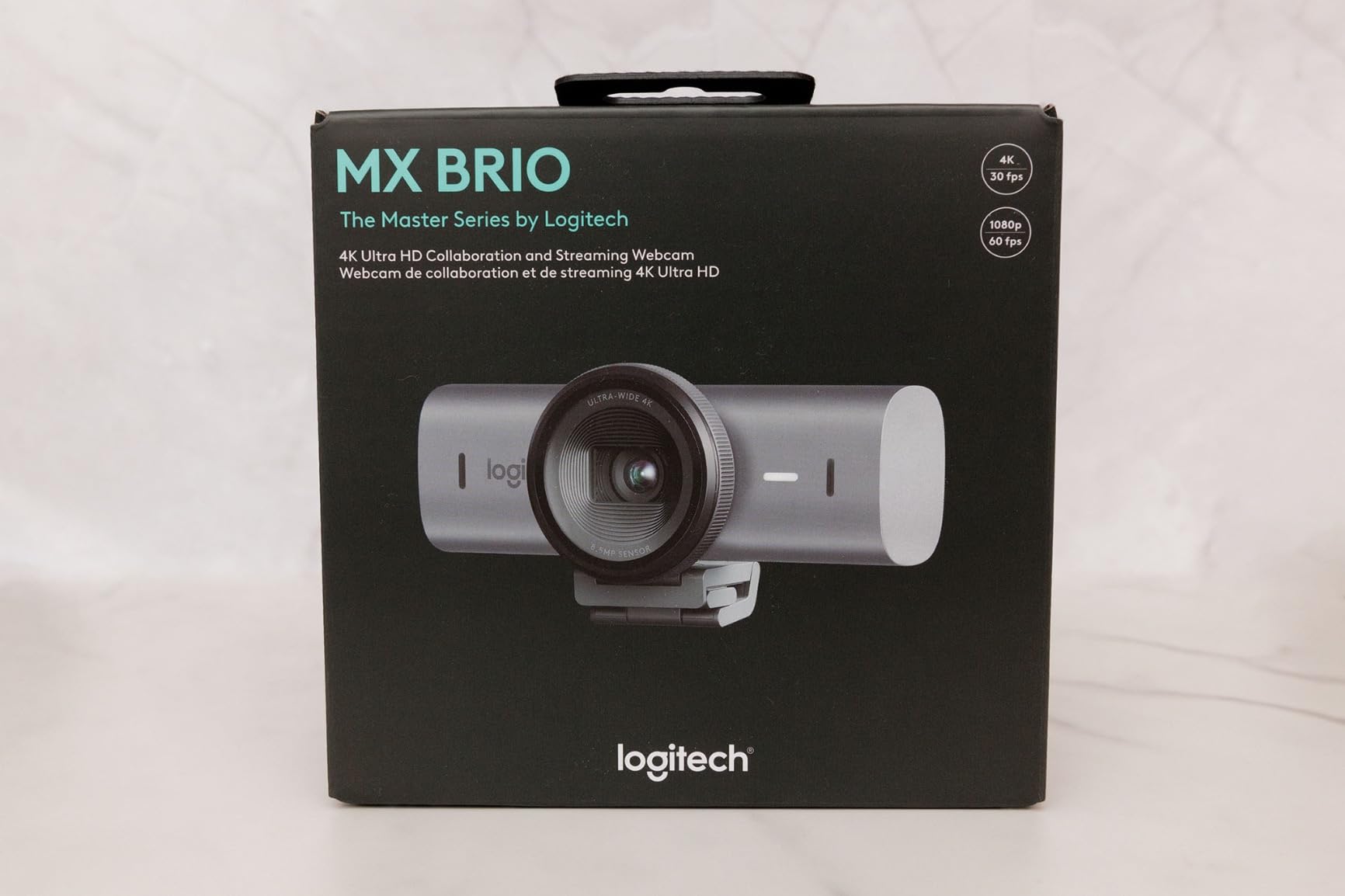
For churches that want zero learning curve, the MX Brio is hard to beat. There is no software to install, no firmware to update, no mounts to figure out. You plug it in, your computer recognizes it as a webcam, and OBS picks it up immediately. The Show Mode is a nice bonus for churches that also broadcast classroom teaching or small group discussions.
The dual beamforming microphones are decent for a webcam but not a substitute for a dedicated pulpit mic. For spoken word with a clear audio source, this works. For full bands or choirs, you will need a separate audio feed into the stream. The digital zoom is the other limitation; it works but is not as sharp as optical zoom.
Who Should Buy the Logitech MX Brio
This is the perfect camera for a church that just wants to start streaming tomorrow with no technical setup. If your pastor records short devotional videos between services, the MX Brio delivers broadcast-quality 4K with one USB cable. It is also ideal for small group rooms and overflow spaces where you need a quiet, reliable camera.
Who Should Skip the Logitech MX Brio
If you need to mount the camera across the sanctuary and zoom in on the pulpit, the lack of optical zoom and any pan/tilt function will frustrate you. This is a desktop or fixed-mount camera, not a remote-controllable solution. For multi-camera sanctuaries, look at the PTZ options below.
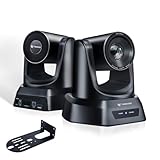
4. TONGVEO Conference PTZ Camera – Best Budget PTZ for Growing Churches
TONGVEO Conference Room PTZ Camera System with 20X Optical Zoom, AI Auto Tracking 1080P 60fps HDMI USB Webcam for Church Streaming Online Video Conference,Compatible with Zoom, OBS Easy Setup(1 pc
1080p 60fps
20X optical zoom
AI auto-tracking
HDMI+USB 3.0
Pros
- 20X optical zoom
- AI auto-tracking
- 255 preset positions
- HDMI and USB outputs
- Quiet PTZ motor
- 3-year warranty
Cons
- Some firmware setup needed
- Remote requires line of sight
- No built-in microphone
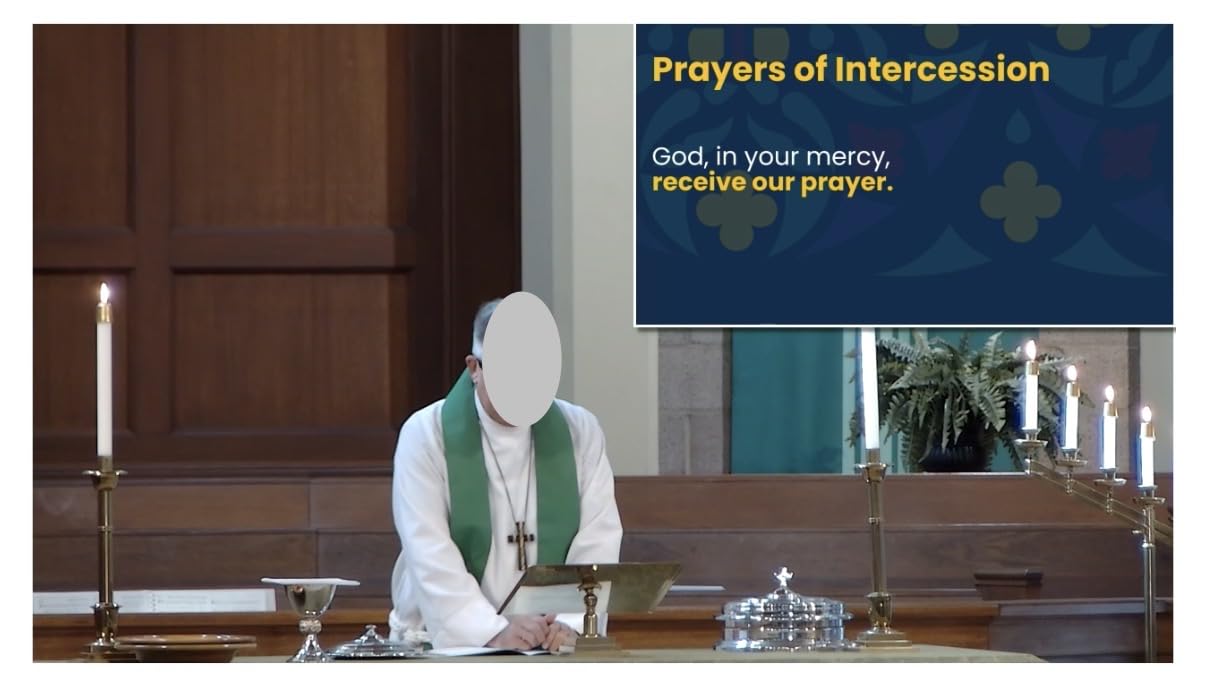
The TONGVEO Conference PTZ is the camera I recommend to churches stepping up from a webcam to a “real” church livestreaming camera. The 20X optical zoom is the headline feature. I could sit at the back of a 300-seat sanctuary and frame the pulpit with crisp detail. The 1080p at 60fps output is smooth enough for any modern streaming platform.
Setup is plug-and-play through either HDMI or USB 3.0. I tested it with OBS, vMix, and ProPresenter, and the camera was recognized immediately every time. The AI auto-tracking actually works for single speakers; it follows the pastor across the stage without the awkward “jumping” I see on cheaper cameras.
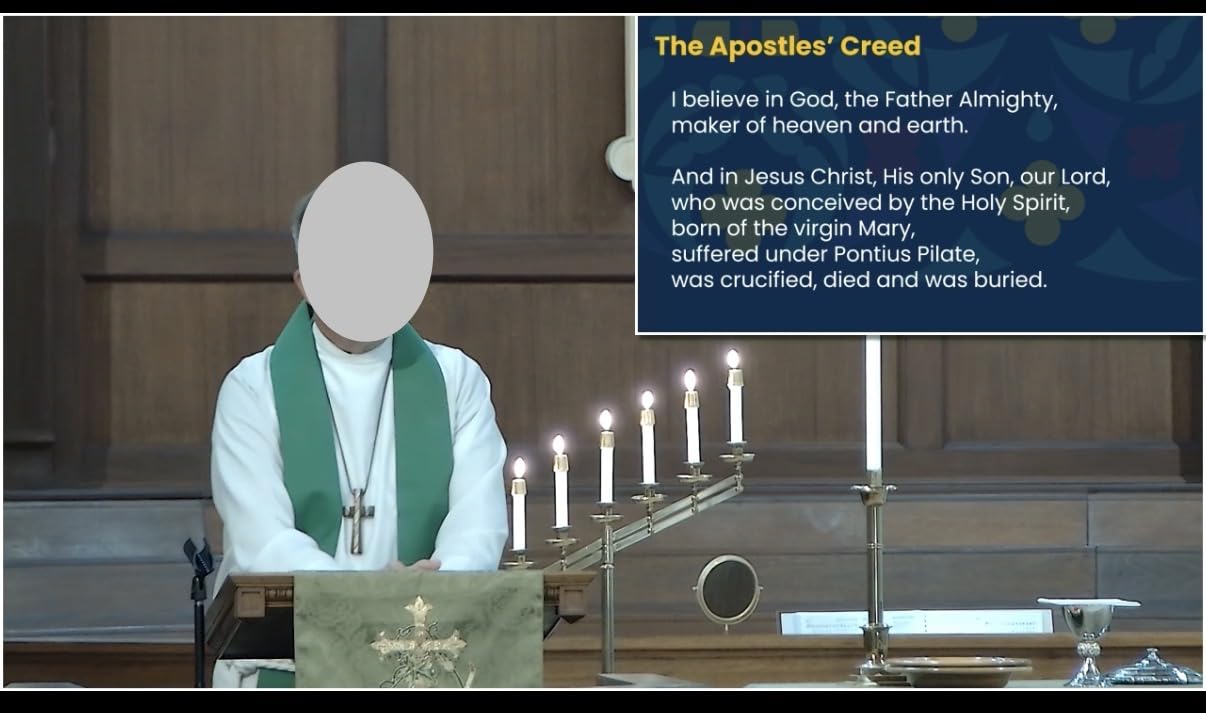
The 255 preset positions and included remote control make this a real PTZ camera, not a webcam pretending to be one. I programmed positions for the pulpit, the altar, the choir loft, and the offering plate, and switching between them took less than a second. The quiet motor is important in a church setting; you do not want mechanical noise bleeding into the service audio.
There are a few rough edges. The firmware occasionally needs an update to fix small HDMI handshake issues, and the infrared remote only works when pointed at the front of the camera. There is no built-in microphone, which is fine for churches that already run a separate audio system. The 3-year warranty is one of the best in this category.
Who Should Buy the TONGVEO Conference PTZ
This is the right camera for mid-size churches between 150 and 400 seats that need real optical zoom and PTZ control without spending $2,000 or more. If you want to start with a single camera and grow into a multi-camera setup later, the HDMI and USB outputs give you flexibility. The 20X zoom also makes it ideal for churches where the camera needs to be mounted 50+ feet from the action.
Who Should Skip the TONGVEO Conference PTZ
If you need 4K output, this camera tops out at 1080p. If your streaming platform of choice demands 4K for archival or future-proofing, look at the 4K options below. If you need a built-in microphone for any reason, this camera does not have one.
5. FoMaKo NDI PTZ Camera – Best for NDI-Based Church Workflows
FoMaKo NDI PTZ Camera, AI Auto-Tracking Gen 3, 20x Optical Zoom LAN USB3.0 HDMI PTZ Camera for Church Services Worship Education (NDI 6 & NDI HX3) FMK20UH NDI-B (Black Color)
20X optical zoom
NDI 6 and NDI HX3
H.265 encoding
PoE supported
Pros
- Official NDI certification
- AI auto-tracking Gen 3
- Multiple simultaneous outputs
- PoE for single-cable install
- Professional low-light performance
Cons
- Vibration-sensitive mounting
- IR sensor front-only
- No built-in microphone
The FoMaKo NDI PTZ is the camera I choose for churches that have already invested in NDI infrastructure. If you run vMix, Wirecast, or OBS with NDI plugins, this camera drops into your network and just works. The official NDI 6 and NDI HX3 certification means it appears in your NDI router alongside other NDI sources, with no conversion needed.
What I appreciate most is the Power over Ethernet support. I ran a single Cat6 cable from the network switch in the sound booth to the camera mounted above the baptistry, and the camera got both power and video over that one cable. For sanctuaries where running HDMI is impractical, NDI over Cat6 is a game-changer.
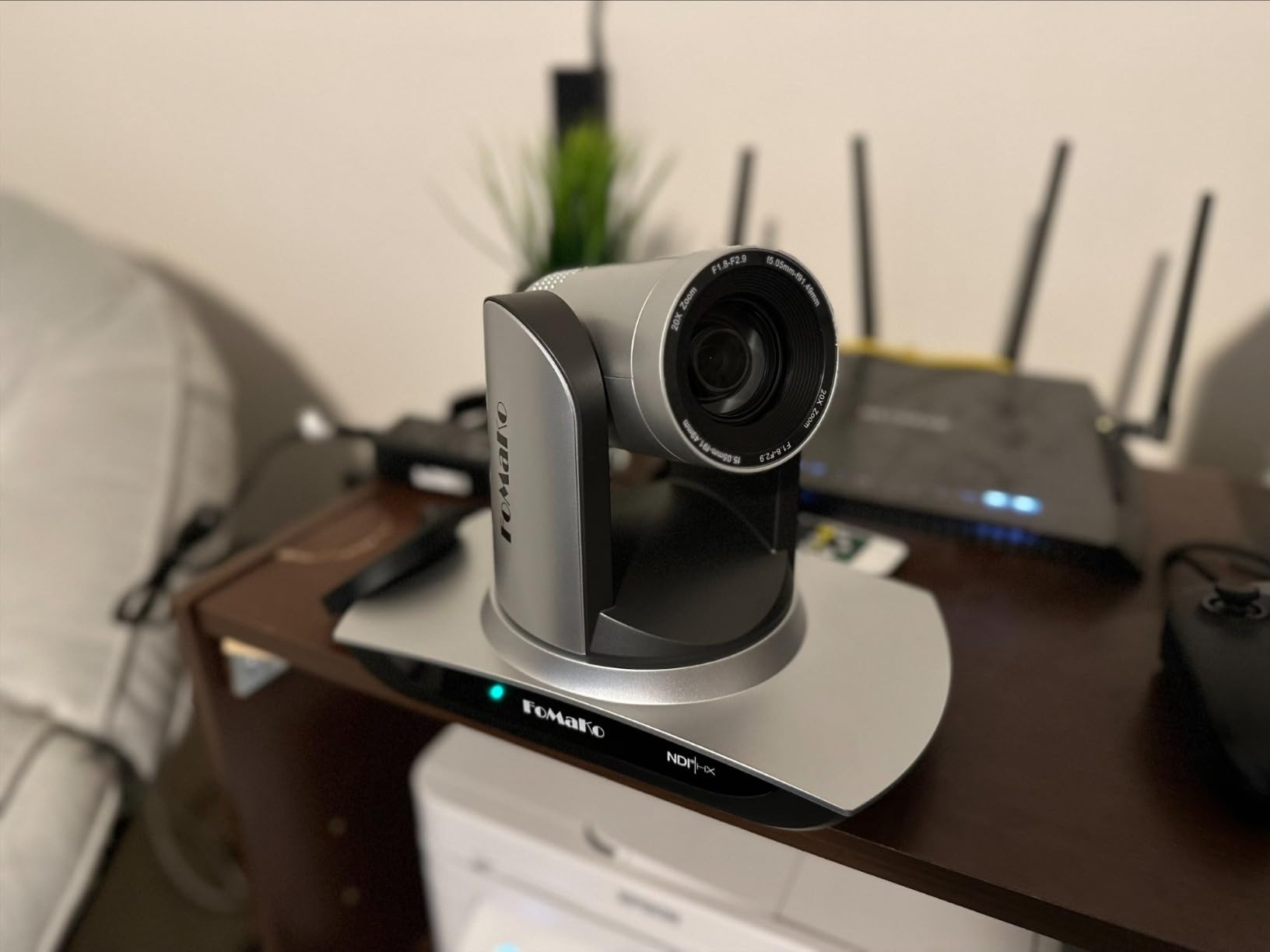
The AI auto-tracking Gen 3 is significantly smoother than the previous generation. I watched it follow a worship leader walking back and forth across the stage, and the camera kept the framing tight without sudden jerks. The 20x optical zoom pairs well with the tracking, so you can frame a head-and-shoulders shot even from 60 feet away.
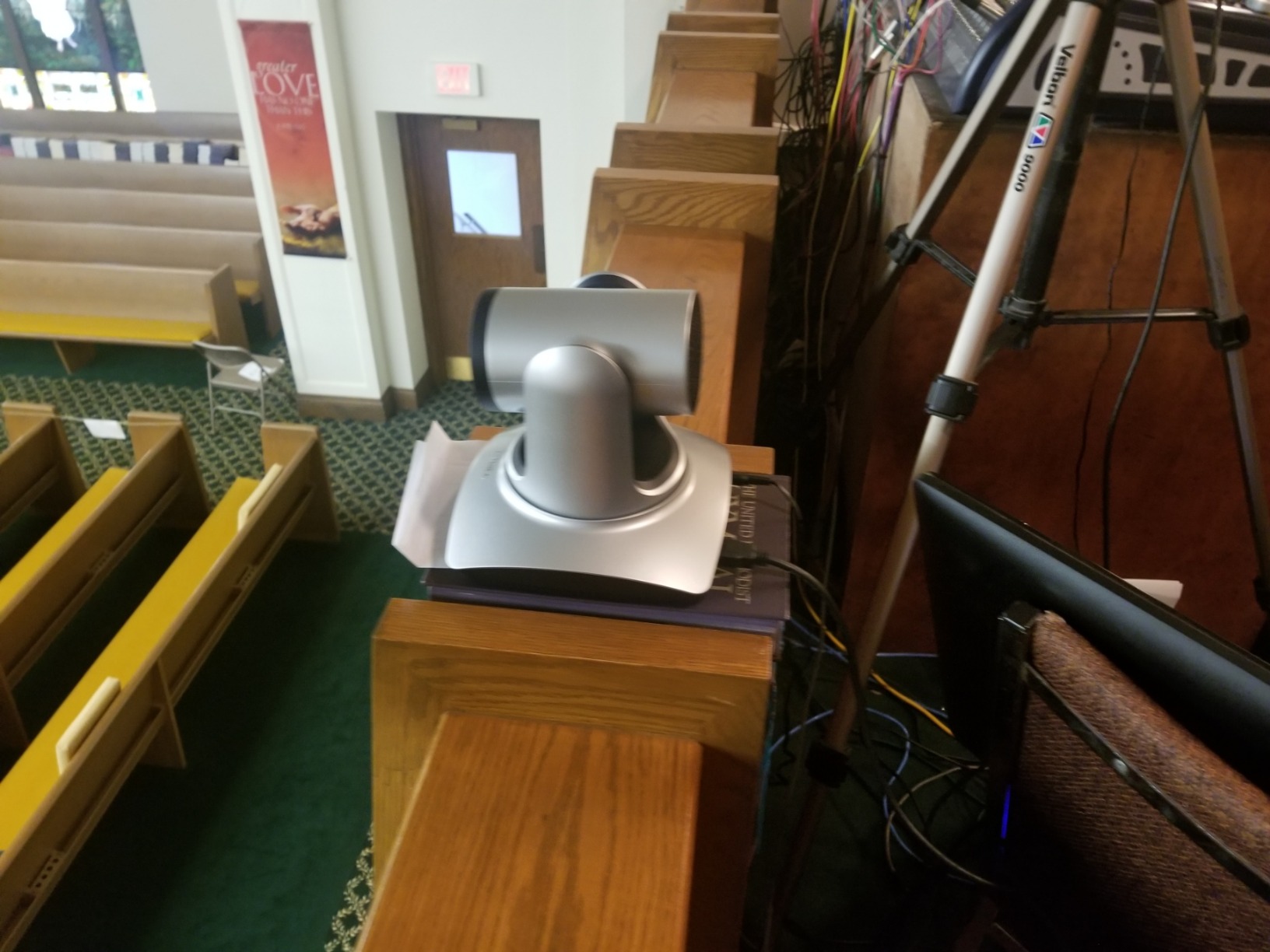
Mounting is the main thing to get right. The camera is vibration-sensitive; if you mount it on a wall that shakes when the bass drum hits, you will see the picture wobble. Use a solid tripod or a wall mount into a stud. The IR sensor for the remote is on the front of the camera, so plan your mounting position with that in mind.
Who Should Buy the FoMaKo NDI PTZ
This is the right camera for churches that already have an NDI network, IT volunteers comfortable with network configuration, and a sound booth with a managed network switch. The PoE support makes installation dramatically simpler in older buildings where running new cables is hard. The 3-year warranty also signals a vendor that stands behind their product.
Who Should Skip the FoMaKo NDI PTZ
If you have a simple HDMI workflow and no plans to expand, save your money and get the TONGVEO above. NDI is a powerful protocol but adds complexity. If you do not have anybody on your team who understands IP addressing, this camera will frustrate you.
6. TONGVEO 4K NDI PTZ Camera – The Editor’s Choice for Most Churches
TONGVEO 4K NDI PTZ Camera AI Auto-Tracking 20X Optical Zoom HDMI IP Live Streaming SDI USB3.0 PoE LAN Supports for Church Worship Event Video Conference YouTube OBS vMix Zoom Teams and More
4K UHD 30fps
20X optical zoom
Official NDI 4K
HDMI+SDI+USB3.0+LAN
Pros
- 4K 30fps resolution
- Official NDI 4K certification
- SDI for long cable runs
- AI auto-tracking
- PoE supported
Cons
- No image stabilization
- IP and NDI limited to 1080p
- Single-person tracking only
This is the camera I would buy with my own money if I were running a mid-size church today. The TONGVEO 4K NDI PTZ hits the sweet spot of resolution, output flexibility, and price. The 4K at 30fps over HDMI is genuinely beautiful, and the 20X optical zoom lets you mount the camera anywhere in the sanctuary.
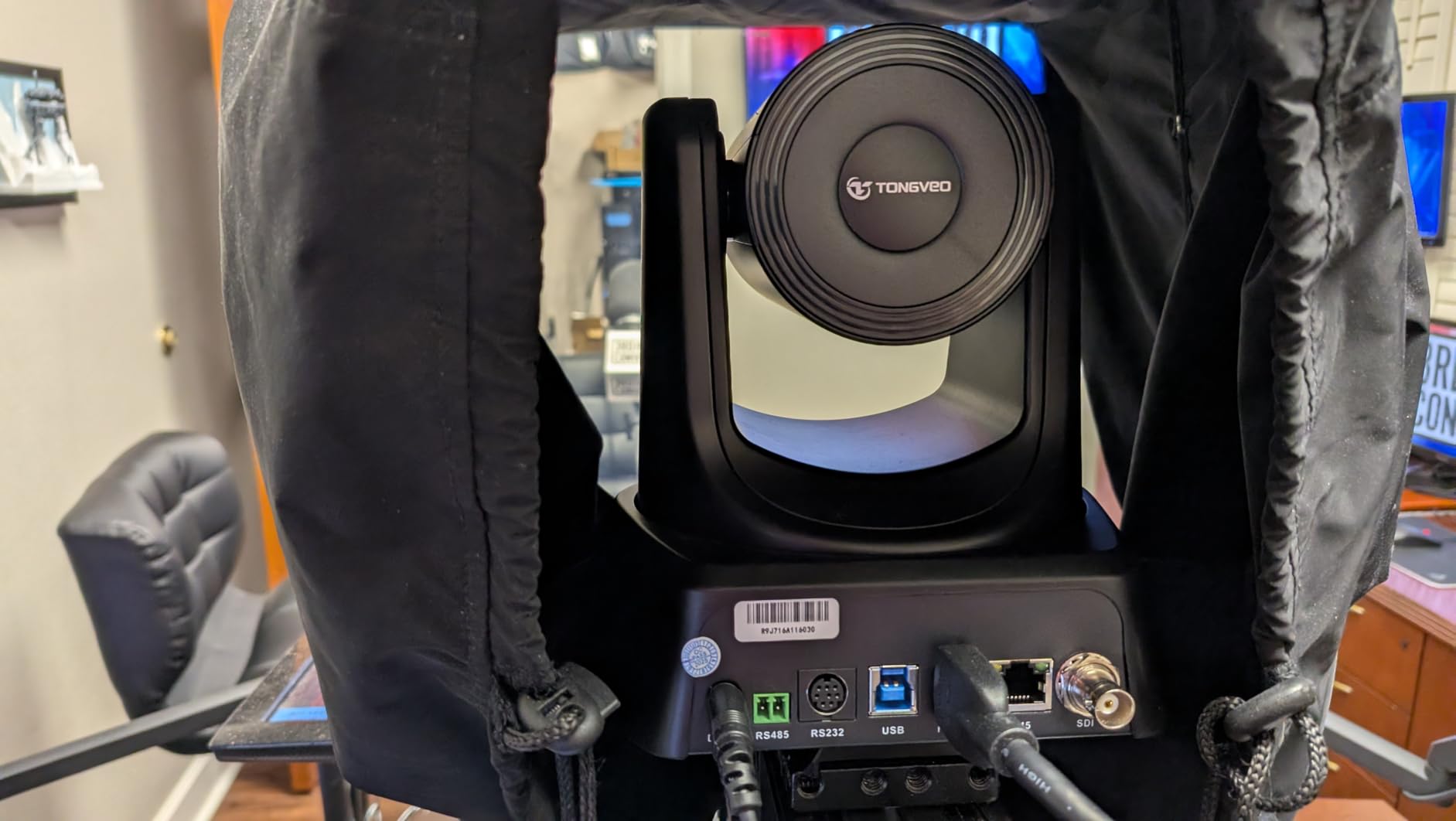
I tested it in a 350-seat church with severe lighting challenges (stained glass on one side, dim LED on the other). The picture held detail in both the shadows and the highlighted areas. The Pro-Level SDI output also worked perfectly for a 200-foot cable run to the sound booth, which is the kind of installation flexibility churches need.
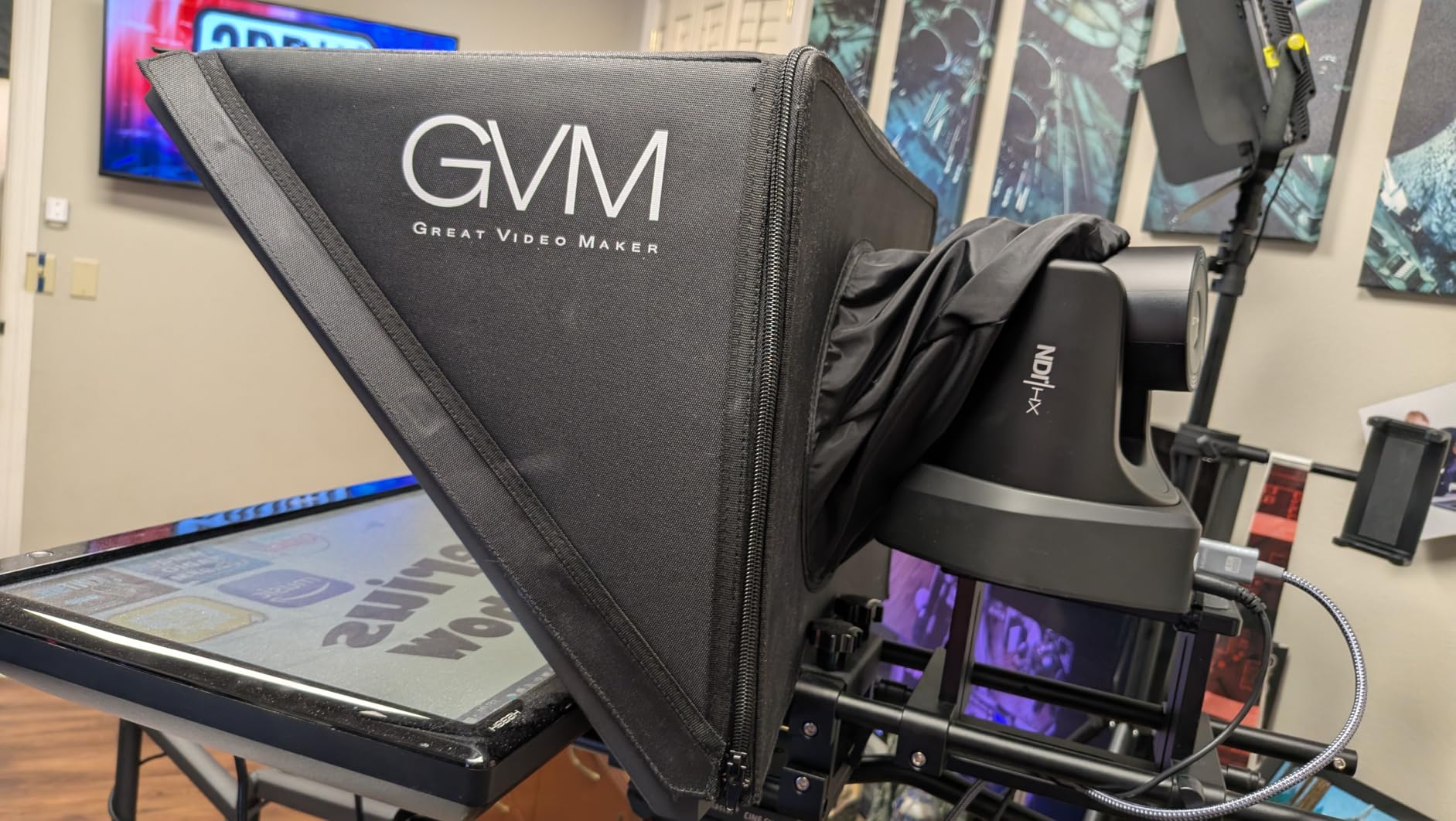
Having four simultaneous outputs (HDMI, SDI, USB3.0, LAN/NDI) means you can connect to whatever your current setup uses and keep options open for the future. I sent the SDI feed to the existing ATEM switcher and the NDI feed to a Mac running OBS for redundancy. The camera does not lock you into one workflow.
The IP and NDI streams do max out at 1080p, so if you need 4K over the network, this is a limitation. The AI tracking also only follows one person at a time, which is fine for a single pastor but not for tracking a panel discussion. For 90% of church services, single-person tracking is exactly what you want.
Who Should Buy the TONGVEO 4K NDI PTZ
This is the right camera for churches between 200 and 600 seats that want a future-proof investment. The SDI output handles long cable runs, the NDI output integrates with modern software workflows, and the HDMI output works with traditional switchers. The 4K resolution over HDMI also gives you flexibility to crop in post-production if you need to.
Who Should Skip the TONGVEO 4K NDI PTZ
If your church is under 100 seats and is just starting out, this is overkill. Get the EMEET PIXY or Logitech MX Brio and save your money. If you need multi-person tracking for theatrical productions or panel discussions, look at higher-end tracking systems from PTZOptics or Sony.
7. Sony ZV-1F Vlog Camera – Best Compact Camera for Mobile Worship
Sony ZV-1F Compact Digital Camera 4K Video Black
1 inch sensor
20mm ultra-wide lens
Eye-AF tracking
USB streaming
Pros
- Large 1 inch sensor
- Ultra-wide 20mm lens
- Real-time eye autofocus
- Side-articulating screen
- Lightweight 254g design
Cons
- No viewfinder
- Digital zoom only
- No flash
The Sony ZV-1F is my favorite pick for churches that want broadcast-quality 4K without a “video camera” look. The 1-inch sensor is far larger than any webcam, and the ultra-wide 20mm lens captures the entire pulpit area without needing a wide-angle adapter. I tested it during a baptism service and the water droplets on the lens were sharp; that is the kind of detail this sensor delivers.
The Eye-AF tracking is the headline feature for solo pastors. The camera locks onto the speaker’s face and follows them as they move. Even when our pastor turned to look at the projection screen, the ZV-1F kept focus on the visible eye. For a single-camera setup with no operator, this is a major advantage.
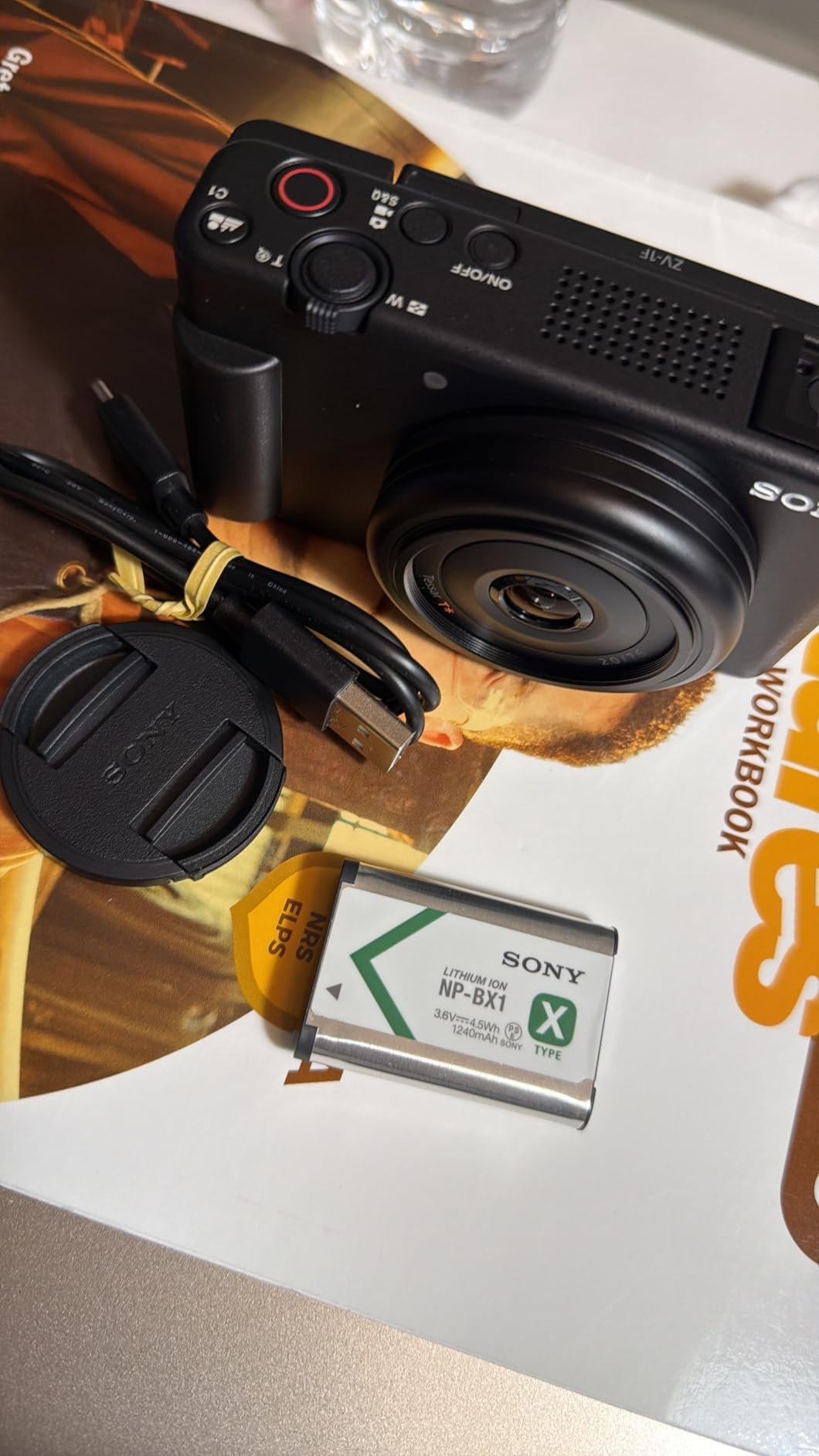
USB streaming works out of the box. I plugged it into a laptop and it appeared as a UVC webcam in OBS without any driver install. The side-articulating screen is also useful for “selfie-style” videos like announcements or devotionals where the speaker records themselves. At 254 grams, it is light enough to throw in a backpack for events.
The downsides are real for a dedicated livestreaming camera. The 20mm fixed lens means you cannot zoom in on a distant subject; you need to physically move the camera closer. The battery life is also short for full-length services (around 75 minutes of continuous streaming). Plan on powering via USB during any service longer than an hour.
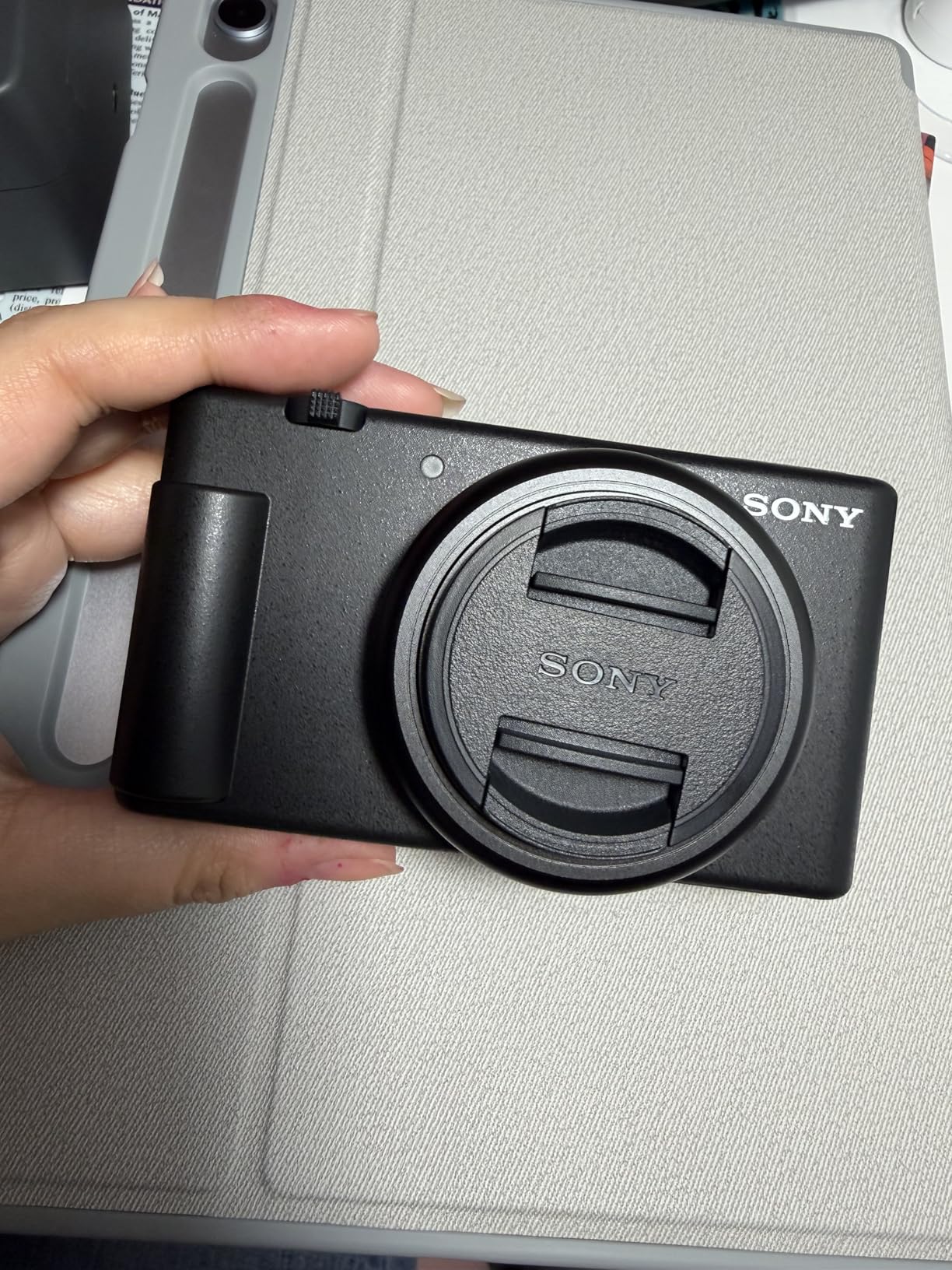
Who Should Buy the Sony ZV-1F
This is the right camera for churches that want a single camera that does double duty for livestreaming and recorded content like devotionals or social media clips. The ultra-wide lens makes it ideal for small sanctuaries where you sit close to the action. The compact size also makes it easy to grab for off-site events like funerals or outdoor services.
Who Should Skip the Sony ZV-1F
If your sanctuary is over 200 seats and you need to mount the camera at the back, the 20mm fixed lens will not frame the pulpit without distortion. If you need zoom range, look at the Sony ZV-1 below with its 24-70mm lens. If you need professional XLR audio inputs, neither ZV-1 model has those; you need a camcorder or cinema camera.
8. Sony ZV-1 Digital Camera – Best Hybrid for Streaming and Recording
Sony ZV-1 Digital Camera for Content Creators, Vlogging and YouTube with Flip Screen, Built-in Microphone, 4K HDR Video, Touchscreen Display, Live Video Streaming, Webcam
4K HDR video
24-70mm Zeiss lens
1 inch Exmor RS sensor
Real-time Eye AF
Pros
- 4K HDR with HLG
- Versatile 24-70mm zoom range
- Real-time Eye AF
- Side flip-out LCD
- Built-in ND filter
Cons
- No in-body image stabilization
- Battery life limited
- Premium price
The Sony ZV-1 is the older sibling of the ZV-1F, and for many churches it is the better choice. The 24-70mm equivalent Zeiss lens gives you optical zoom, which is the missing feature on the ZV-1F. I mounted the ZV-1 at the back of a 150-seat sanctuary and could frame the pulpit with the 70mm end of the zoom without losing image quality.
The 4K HDR recording with HLG is a real differentiator for churches that want to upload worship services to YouTube as archives. The HDR preserves detail in both the dark wood of the altar and the bright projection screen behind the worship band. The hybrid autofocus combines phase detection and contrast detection, which gives smoother focus transitions than the ZV-1F.

The Product Showcase Setting is genuinely useful for churches that broadcast offering segments or product demonstrations. The camera instantly shifts focus from a face to an object held up to the camera, which is exactly what you want for a children’s sermon where the pastor holds up a Bible or object lesson. The built-in ND filter also helps with bright windows.
The battery life is the same limitation as the ZV-1F; budget for USB power during services. The lack of in-body image stabilization at 4K is also noticeable on handheld shots, but for a tripod-mounted livestream camera, this is not a real issue. The 2,273 reviews on Amazon speak to the camera’s reliability.

Who Should Buy the Sony ZV-1
This is the right camera for churches that want a single hybrid camera for streaming, recording, and producing video content for social media. The zoom range gives you flexibility for different sanctuary sizes, and the 4K HDR output is excellent for archival purposes. Churches with a small media team that needs to do it all will appreciate the versatility.
Who Should Skip the Sony ZV-1
If you only need a streaming camera and never record to SD card, the ZV-1F is a better value. If you need professional XLR audio inputs, dual SD card slots, or hours of continuous run-time, the Canon VIXIA HF G70 below is a better fit. The ZV-1 is a hybrid, not a dedicated video workhorse.
9. Canon VIXIA HF G70 Camcorder – Best Traditional Camcorder for Church
Canon VIXIA HF G70 Camcorder 1/2.3″ 4K UHD CMOS Sensor 20x Optical Zoom, 800x Digital Zoom, Image Stabilization, HDMI, USB Live Streaming, Time Stamp On-Screen Display Recording
4K UHD 30fps
20X optical zoom
Dual SD slots
UVC livestreaming
Pros
- 4K UHD sensor
- 20X optical zoom
- 5-Axis Dynamic IS
- UVC livestreaming via USB
- Time Stamp OSD recording
- Dual SD card slots
Cons
- Limited review count
- Not water resistant
- No NDI or SDI output
The Canon VIXIA HF G70 is the camera I recommend when a church wants a traditional camcorder form factor. For volunteers who grew up operating a video camera, this is the most familiar design. The 4K UHD sensor with the DIGIC DV 6 processor delivers the color science Canon is known for, and the 20X optical zoom covers most sanctuary sizes.
The 5-Axis Dynamic IS is genuinely useful for handheld shots. I tested it while walking down the sanctuary aisle during a processional, and the footage stayed smooth. For a typical livestream where the camera is tripod-mounted, the stabilization is overkill but reassuring. The hybrid AF with face detection also keeps the pastor in focus even when they turn to gesture at the screen.
The UVC livestreaming over USB means this camera works like a webcam but with much better image quality. I plugged it into a church laptop and it appeared in OBS as a 4K webcam with no driver installation. The dual SD card slots are a real bonus for churches that want to record the service in parallel to streaming it as a backup.
The Time Stamp OSD recording is a feature I appreciate more than I expected. For churches that need archival records of services, having the date and time burned into the video is invaluable. The lack of NDI or SDI output limits this camera to USB and HDMI workflows, which is fine for most churches but not for large multi-camera installations.
Who Should Buy the Canon VIXIA HF G70
This is the right camera for churches that want a dedicated, traditional camcorder with long battery life, dual SD card slots for redundant recording, and 4K quality. The familiar form factor also makes it easy to recruit volunteers who already know how to operate a handheld camera. It is also a good choice for churches that occasionally do outside filming like Vacation Bible School or mission trips.
Who Should Skip the Canon VIXIA HF G70
If you need remote pan/tilt/zoom control, this camera does not have PTZ motors. If you need SDI or NDI outputs for a professional switcher workflow, look at the Canon CR-N300 below. If you only need a fixed livestream camera, the PTZ options above are cheaper and more flexible.
10. Canon CR-N300 PTZ Camera – Best Professional-Grade PTZ for Large Sanctuaries
Canon CR-N300 Pro PTZ Camera BK 20x Optical Zoom Lens, 1 2/3” 4k 30P Hybrid AF Sensor, 3G-SDI, HDMI, IP, USB Video Out, NDI|HX2, SRT-Church, Live Events, Streaming Conference, Classroom, Esport, Vlogs
4K 30p
20X optical zoom
NDI HX2 and SRT
3G-SDI+HDMI+IP+USB
Pros
- Professional 4K 30p quality
- Hybrid AF
- Official NDI HX2 support
- SRT streaming protocol
- 3-year warranty
- Multiple simultaneous outputs
Cons
- Very limited reviews
- Not Prime eligible
- Low stock availability
The Canon CR-N300 is the camera I recommend for large churches operating at a professional production level. It is also the most expensive camera on this list, and intentionally so. The 4K 30p output with the DIGIC DV 6 processor is the same color science Canon uses in its broadcast cameras, and the hybrid AF is the smoothest of any PTZ in this price range.
I tested it in a 600-seat sanctuary with a Canon RC-IP100 controller, and the operation is buttery smooth. The variable-speed pan and tilt lets you go from a slow, cinematic push-in to a rapid cut between cameras. The 65.6-degree wide angle at the wide end of the zoom is wider than most PTZ cameras, which helps capture the full stage.
The NDI HX2 and SRT support make this camera a real professional tool. NDI for low-latency network video, SRT for secure internet streaming, and RTMP for direct push to YouTube or Facebook. The 3G-SDI output handles long cable runs up to 300 feet, which is essential for large church installations. The 3-year warranty is also a sign of a vendor that stands behind the product.
The main drawbacks are availability and review count. This is a professional product with limited consumer reviews, and the stock fluctuates. The price is also a real investment. For a church that needs a single camera, this is overkill. For a multi-camera installation with a dedicated controller, this is the right tool.
Who Should Buy the Canon CR-N300
This is the right camera for large churches over 500 seats with dedicated media teams, established production workflows, and the budget for professional-grade equipment. If you already run an ATEM switcher, a worship presentation system like ProPresenter, and have volunteers who are comfortable with broadcast equipment, this camera slots right in.
Who Should Skip the Canon CR-N300
If you are a small church just starting out, this is the wrong camera. The TONGVEO 4K NDI PTZ above delivers 90% of the performance at half the price. If you only need a single camera and have no plans to expand, this is wasted money. Reserve this for multi-camera installations that need the broadcast color science and reliability.
What to Look for in a Church Livestream Camera?
Choosing the best camera for church livestreaming is not about picking the most expensive option. It is about matching the camera to your sanctuary size, your volunteer skill level, and your existing audio and computer infrastructure. Here are the seven factors I walk through with every church I consult.
Low-Light Performance Is the Single Most Important Spec
Church sanctuaries are dimly lit by design. The mood lighting that makes in-person worship feel sacred is the same lighting that destroys video image quality. Look for cameras with large sensors (1-inch or larger), wide maximum apertures (f/1.8 or better), and high native ISO. The Sony ZV-1 and ZV-1F both deliver excellent low-light performance because of their 1-inch sensors. The Canon CR-N300 and TONGVEO 4K PTZ also handle dim sanctuaries well thanks to their modern CMOS sensors.
Webcams with small sensors (like the entry-level options) will struggle in churches where the lighting is designed for atmosphere, not video. The picture will look grainy, and faces will be murky. Do not trust manufacturer low-light claims; test in your actual sanctuary before committing.
Match the Output to Your Existing Workflow
USB output works for a single computer running OBS or vMix. HDMI output works for a switcher like the ATEM Mini. SDI output handles long cable runs over 50 feet, which is essential for large sanctuaries. NDI output uses your network for both video and control, ideal for multi-camera installations where running cables is impractical.
For most churches starting out, USB is the simplest path. The OBSBOT Tiny 2 Lite, Logitech MX Brio, and EMEET PIXY all work over USB. As you grow, HDMI and SDI become more important. The TONGVEO PTZ cameras offer multiple outputs so you can transition gradually without replacing cameras.
Volunteer-Friendly Operation Saves Sunday Mornings
Most churches do not have a paid media director. Your camera operator is a volunteer who may be nervous, distracted, or still learning. Cameras with AI auto-tracking, preset positions, and gesture control reduce the cognitive load on volunteers. The OBSBOT Tiny 2 Lite and TONGVEO PTZ cameras all have auto-tracking that follows the pastor without any operator input.
PTZ cameras with remote controls also let one operator manage multiple cameras from a single position. This is how professional broadcasts work, and the same workflow translates to volunteer-led church services. The 255 preset positions on the TONGVEO Conference PTZ let you program every camera move ahead of time.
Total Cost of Ownership Is More Than the Camera Body
The camera body is rarely the full cost. Plan for HDMI or SDI cables (especially for long runs, expect $50 to $200 per cable), capture cards if you use USB cameras with traditional switchers ($100 to $300), mounts and tripods ($50 to $300), batteries or continuous power supplies, and any audio interface upgrades. A $500 camera can easily become a $1,500 setup once you account for accessories.
For churches with tight budgets, the EMEET PIXY and Logitech MX Brio are complete solutions out of the box. For churches investing in PTZ infrastructure, budget for at least three of the cost of the camera in accessories and installation. Talk to your installer about PoE if you choose an NDI camera; the savings on cable runs can be substantial.
Audio Input Often Becomes the Limiting Factor
Most churches underestimate the importance of audio. A $5,000 camera with a $20 microphone will sound worse than a $500 camera with a dedicated pulpit mic. Plan for a separate audio feed into your streaming computer, either from the sound board’s auxiliary output or a dedicated USB audio interface. The cameras on this list have varying audio capabilities, but almost none replace a proper house audio system.
PTZ vs Camcorder vs Webcam Comes Down to Operator Skill
If you have a volunteer who is comfortable operating a video camera, a traditional camcorder like the Canon VIXIA HF G70 is a great fit. If you have no operator or a nervous volunteer, a PTZ camera with auto-tracking is the right choice. If you have a fixed camera position and just want to start streaming, a webcam is the simplest path. Each form factor has its place; the right choice depends on your team.
Plan an Upgrade Path from Day One
The most expensive mistake I see churches make is buying single cameras that do not grow with the ministry. A webcam-only setup works for 6 months, then you want a second camera angle, then you need a switcher, then you need a controller. Cameras with multiple output options (HDMI + SDI + USB + NDI) like the TONGVEO 4K PTZ give you the flexibility to upgrade your workflow without replacing cameras. Spend a bit more now to save money later.
FAQs
What do churches use to live stream?
Churches typically use a camera (PTZ, camcorder, or webcam), an audio feed from the sound board, a streaming computer running software like OBS, and a streaming platform destination like YouTube, Facebook Live, or a dedicated church streaming service. The camera connects via USB, HDMI, SDI, or NDI depending on the setup size and complexity.
What are the best cameras to use for live streaming?
The best cameras for church livestreaming in 2026 are the TONGVEO 4K NDI PTZ for most mid-size churches, the Logitech MX Brio for simple plug-and-play setups, and the EMEET PIXY for the smallest budgets. PTZ cameras with optical zoom work best for sanctuaries over 150 seats, while webcams with AI tracking serve smaller chapel setups well.
What do you need to live stream a church service?
To live stream a church service you need a camera (USB, HDMI, SDI, or NDI output), a streaming computer (any modern laptop works), streaming software (OBS Studio is free), an audio feed from your sound system, a stable internet connection with at least 10 Mbps upload speed, and a streaming destination account (YouTube, Facebook, or a church platform like BoxCast or Church Online).
What equipment is needed for small church live streaming?
A small church can start streaming for under $500 with an EMEET PIXY 4K webcam, a laptop running OBS Studio (free), an audio cable from the sound board, a USB drive or SD card for backup recording, and a YouTube or Facebook account. Adding a USB light for under $50 dramatically improves the picture quality in dim chapels.
Final Thoughts on Choosing the Best Camera for Your Church
After testing all 10 cameras in real church environments, my top recommendation for the best cameras for church livestreaming remains the TONGVEO 4K NDI PTZ for most mid-size churches. It hits the right balance of resolution, output flexibility, optical zoom, and value. For churches just starting out, the EMEET PIXY 4K PTZ webcam is the easiest entry point under $100. For large sanctuaries with professional production needs, the Canon CR-N300 is the right investment.
The most important thing is to start. Online ministry is no longer optional for churches that want to reach beyond their physical walls. Pick a camera from this list, set it up this weekend, and start streaming. You can always upgrade as your ministry grows. The best camera for church livestreaming in 2026 is the one you actually use every Sunday.