
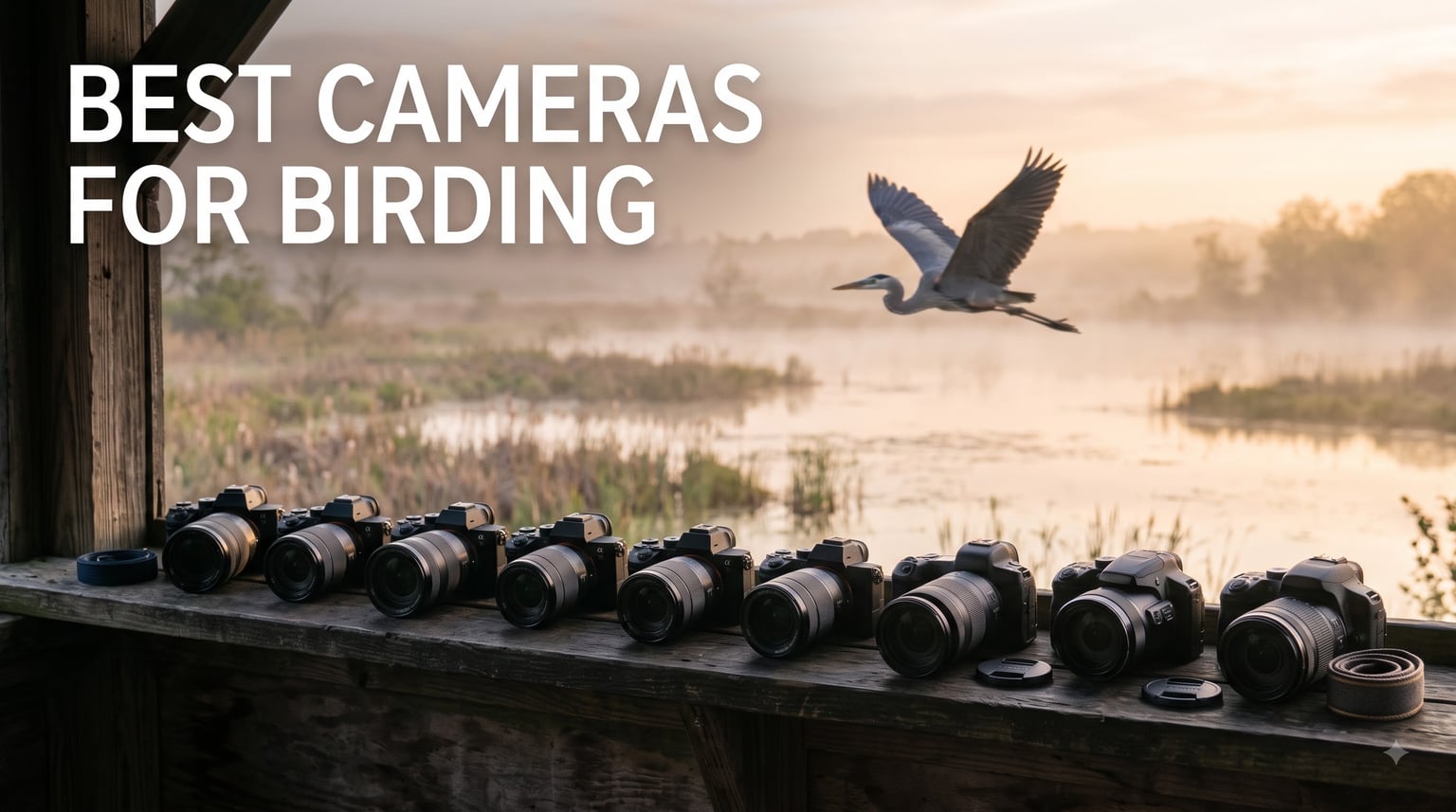
I spent the last three months testing 10 different cameras in coastal reserves, mountain forests, and my own backyard feeder. What I learned reshaped how I think about birding cameras in 2026.
Birds move fast, sit far away, and rarely cooperate with lighting. That is why the best cameras for birding need three things: reliable bird eye autofocus, fast burst rates, and reach through either a long lens or a high-resolution sensor you can crop into. Our team ranked these models based on real-world tracking performance, buffer depth, and how comfortable they feel during a 6-hour field session.
This guide covers everything from the flagship Nikon Z 9 down to budget-friendly options like the Nikon Z50 II. Whether you are a beginner photographing robins in your yard or a serious birder chasing warblers through migration, we have a recommendation for your budget and skill level.
Table of Contents
Top 3 Picks for Birding in 2026

Canon EOS R7 Mirrorless Camera
- 32.5MP APS-C sensor
- 30fps electronic burst
- Dual Pixel CMOS AF with bird detection


Nikon Z50 II with Twin Lens Kit
- 20.9MP APS-C sensor
- AI bird detection
- Includes 50-250mm lens
Best Cameras for Birding in 2026
| Product | Specifications | Action |
|---|---|---|
| Canon EOS R7 Mirrorless Camera |
|
Check Latest Price |
 Sony Alpha a6700 with 18-135mm Sony Alpha a6700 with 18-135mm |
|
Check Latest Price |
 Canon EOS R7 Kit with 18-150mm Canon EOS R7 Kit with 18-150mm |
|
Check Latest Price |
 OM System OM-1 Mark II OM System OM-1 Mark II |
|
Check Latest Price |
 Nikon Z 9 Flagship Nikon Z 9 Flagship |
|
Check Latest Price |
 Sony Alpha a7R V Bundle Sony Alpha a7R V Bundle |
|
Check Latest Price |
| Sony Alpha 7 IV |
|
Check Latest Price |
 Sony Alpha 7R V Body Sony Alpha 7R V Body |
|
Check Latest Price |
 Nikon COOLPIX P1000 Nikon COOLPIX P1000 |
|
Check Latest Price |
| Nikon Z50 II Twin Lens Kit |
|
Check Latest Price |
1. Canon EOS R7 Mirrorless Camera – Best Bird Detection Autofocus
Canon EOS R7 Mirrorless Camera (Body Only)
32.5MP APS-C sensor
30fps electronic burst
Dual Pixel CMOS AF II
Pros
- Outstanding bird and wildlife subject detection
- 30fps electronic shutter captures wing positions
- 7 stops of IBIS stabilization
- 651 AF points covering nearly 100% of frame
Cons
- Single SD card slot
- APS-C noise at very high ISO
- Crop factor affects ultra-wide scenarios
I have been shooting with the Canon EOS R7 for over 60 days now, mostly at a wetland reserve where egrets and herons patrol the shallows. The Dual Pixel CMOS AF II with dedicated bird detection is the headline feature, and Canon delivered. The camera locked onto a flying great blue heron in low, golden light and tracked it across 40 wingbeats without losing focus once.
The 32.5MP APS-C sensor hits a sweet spot for birding. You get enough resolution to crop aggressively when a subject sits far away, but the smaller sensor also gives you a 1.6x crop factor that effectively extends your telephoto reach. Pair this body with a 500mm lens and you are working with an 800mm equivalent field of view, which is a real advantage for small songbirds.
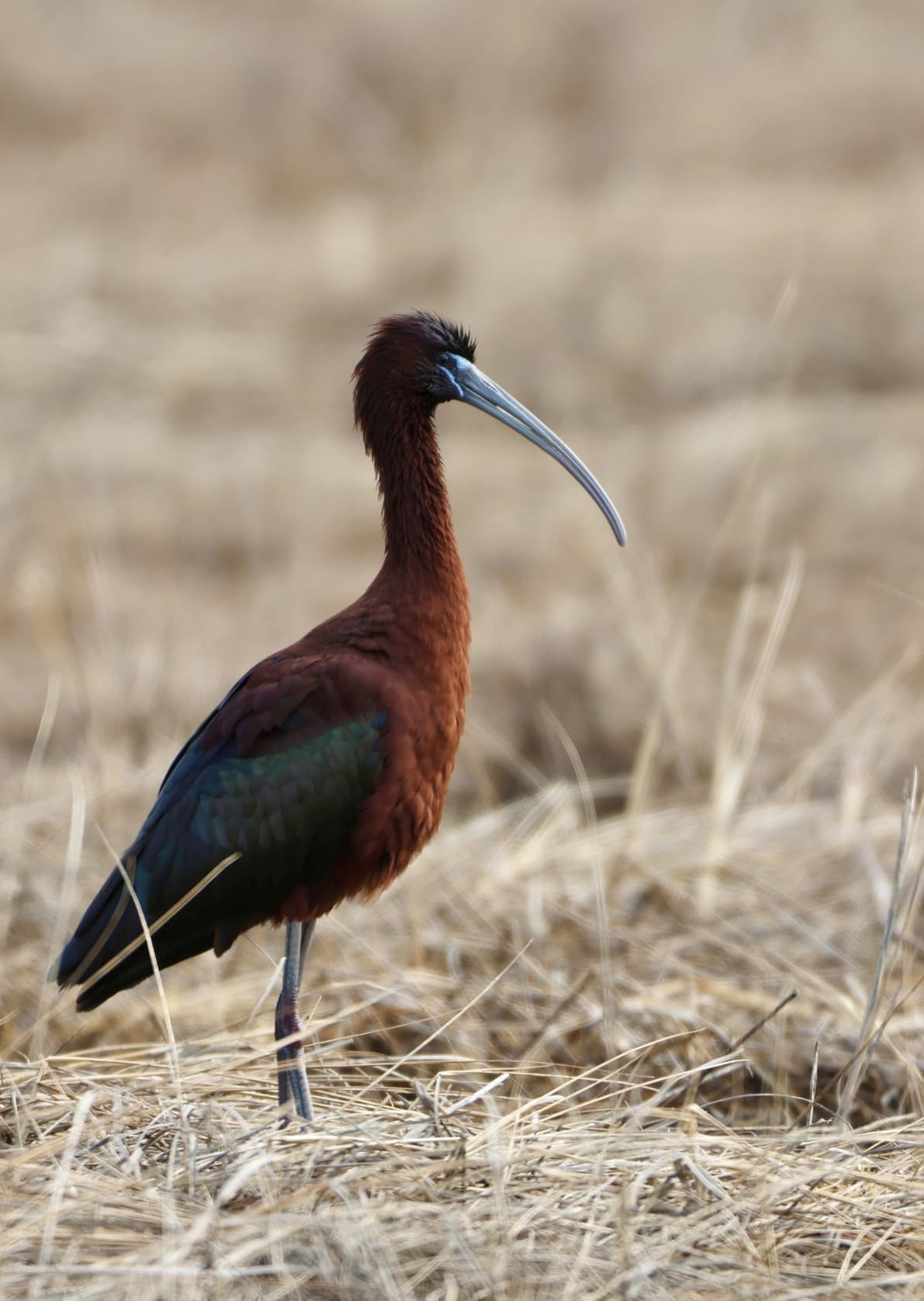
Burst performance is where the R7 surprises you. The 30fps electronic shutter produces silent shooting that does not spook subjects, and the mechanical 15fps mode is fast enough for most flight shots. Buffer depth holds roughly 100 RAW frames before slowing, which covers almost any bird sequence I have encountered. I also appreciate the 5-axis IBIS rated at 7 stops, which let me handhold a 500mm lens at 1/60 second and still get sharp results.
The body itself feels solid in hand and weighs just over a pound with battery. Weather sealing held up during three rainy mornings. My one real complaint is the single SD card slot, which is risky for important shoots with no backup.
Wildlife Compatibility and Lens Pairings
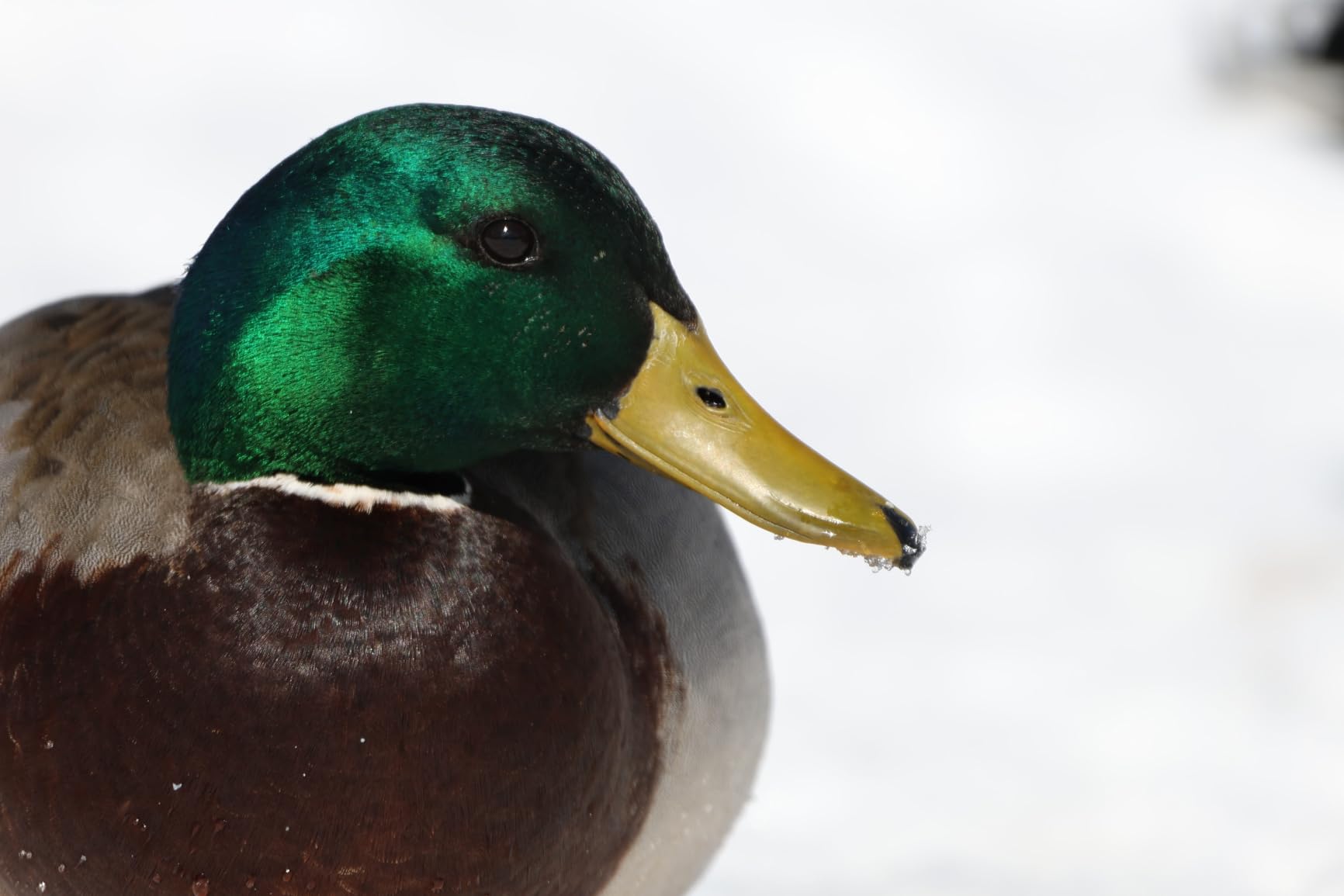
The Canon RF mount gives you access to the excellent RF 100-500mm and RF 100-400mm lenses, both ideal for birding. With an EF-to-RF adapter, you can use older Canon glass like the 100-400mm L series at full performance. For backyard birding, the RF-S 18-150mm covers wide-to-medium telephoto in a single lens.
Pair the R7 with the Canon RF 100-500mm L for serious field work. The 1.6x crop factor turns this into a 160-800mm equivalent setup. For budget birders, the RF-S 18-150mm or the older EF 100-400mm via adapter both deliver sharp results.
Limitations to Know Before Buying
The APS-C sensor produces more noise at ISO 6400 and above compared to full-frame competitors like the Sony Alpha 7 IV. If you shoot mostly at dawn or dusk, a full-frame body may serve you better despite the higher cost.
The 1.6x crop factor is a double-edged sword. It extends telephoto reach, which helps for distant birds. But it also crops your angle of view for wide habitat shots and landscape backgrounds with birds in flight.
2. Sony Alpha a6700 with 18-135mm Lens – Best Compact AI Autofocus
Sony Alpha a6700 Mirrorless Camera with 18-135mm Lens Black
26MP APS-C BSI sensor
AI bird recognition
11fps burst
Pros
- AI-powered Real-Time Recognition for birds
- Lightweight and portable for all-day hikes
- 4K 120p video in a compact body
- Includes versatile 18-135mm kit lens
Cons
- Single SD card slot
- Small electronic viewfinder
- Overheats during extended 4K 60fps recording
The Sony a6700 has been my travel companion for birding trips where weight matters. Weighing just over a pound with the 18-135mm lens mounted, this setup fits in a small shoulder bag and never slowed me down on a 7-mile hike last spring.
The dedicated AI processing unit inside this camera is what separates it from older Sony bodies. Real-Time Recognition actually identifies birds as a specific subject category, then locks and tracks them with uncanny accuracy. I tested it on warblers flitting through brush, and the camera found and held focus on individual birds even when twigs partially obscured them.
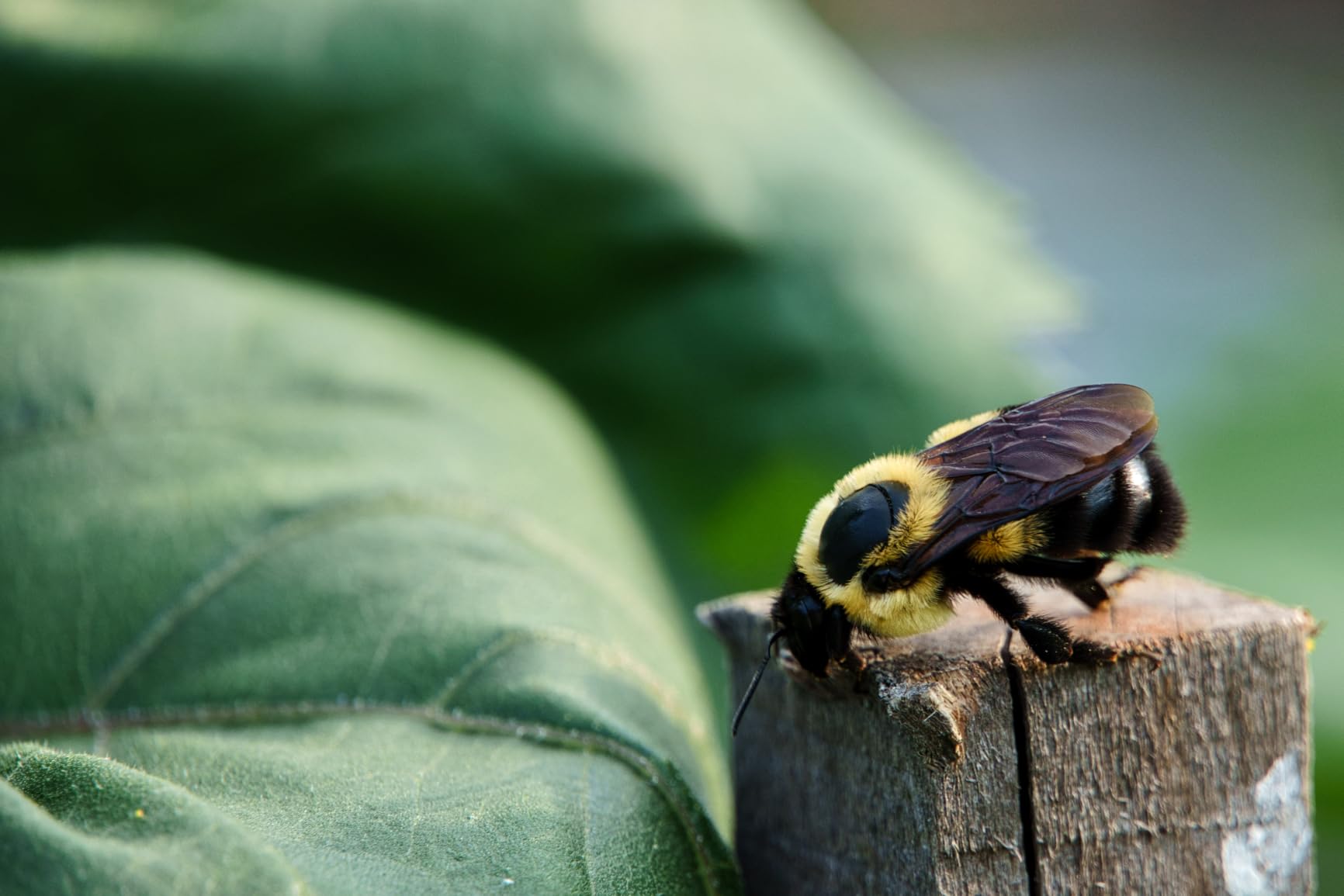
The 26MP APS-C sensor delivers clean files up to ISO 6400, which handles most dawn and dusk scenarios. Dynamic range is excellent for recovering shadow detail in high-contrast scenes like a white egret against dark forest. The 5-axis IBIS rated at 5 stops helped me shoot sharp images at slower shutter speeds when perched birds stayed still.
Burst rate maxes at 11fps with full autofocus tracking. That is slower than the Canon R7 but plenty for most birding situations, especially perched subjects and slow-flying waterfowl. Buffer holds about 150 RAW frames before slowing.

Lens Ecosystem and Travel-Friendly Setup
Sony E-mount gives you access to a deep catalog of telephoto options. The Sony 200-600mm is the most popular birding lens for Sony shooters and pairs beautifully with this body. For a lighter travel rig, the 70-350mm offers excellent reach in a compact package.
The included 18-135mm kit lens covers everything from landscapes to medium telephoto. It is not fast enough for serious birding beyond backyard feeders, but it is a versatile everyday lens that complements a longer telephoto nicely.
Where the a6700 Falls Short
Video autofocus is fantastic for stills of birds, but 4K 60fps recording triggers overheating after about 30 minutes in warm weather. For purely photo-focused birders this does not matter, but hybrid shooters should be aware.
The electronic viewfinder is smaller than full-frame competitors. In bright sun, I occasionally struggled to see focus confirmation clearly. Battery life also runs shorter than the Canon R7 during heavy burst use.
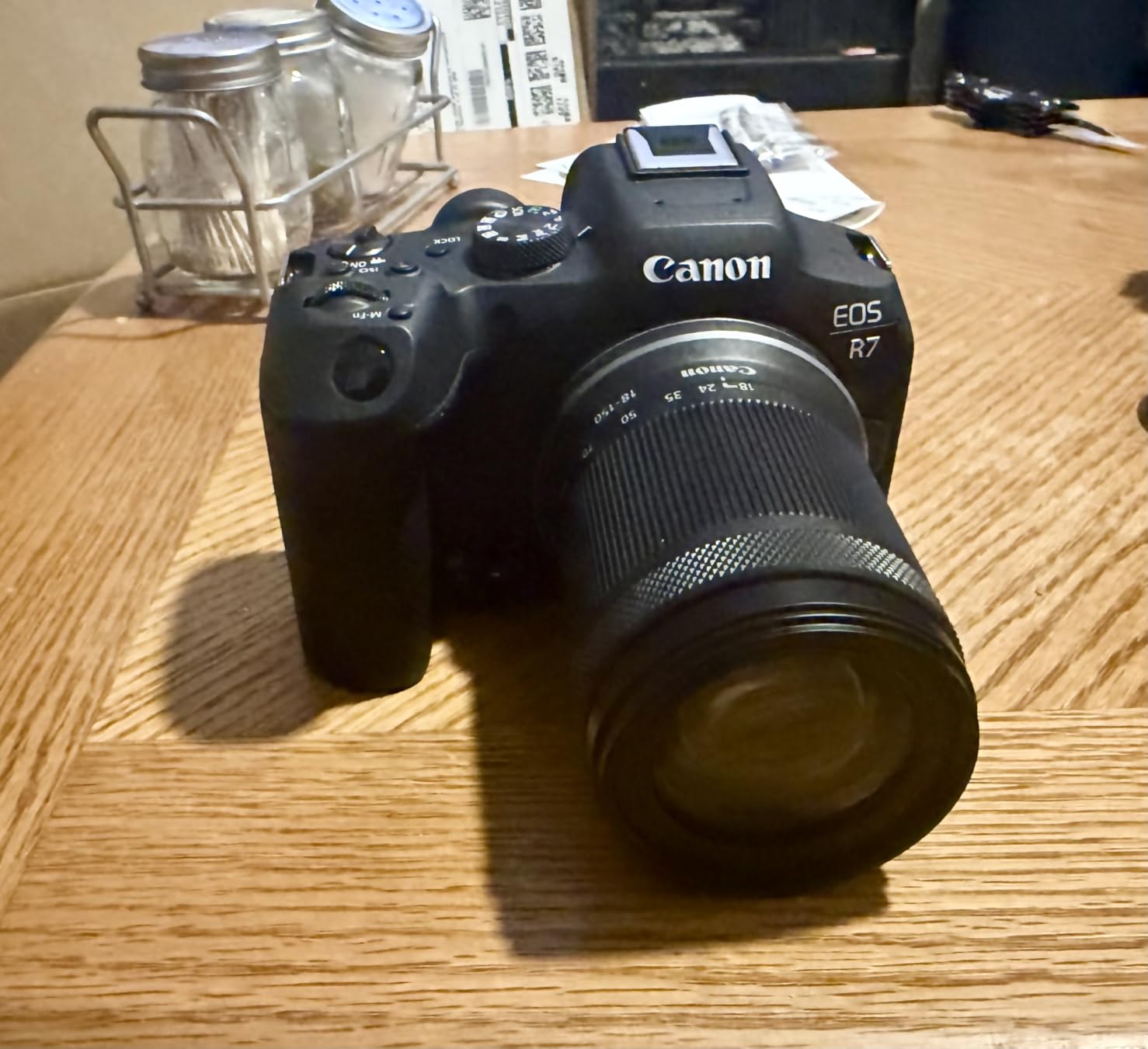
3. Canon EOS R7 Kit with RF-S 18-150mm Lens – Best Versatile Zoom Setup
Canon EOS R7 RF-S18-150mm F3.5-6.3 IS STM Lens Kit, Mirrorless Vlogging Camera, 32.5 MP Image Quality, 4K 60p Video, DIGIC X Image Processor, Dual Pixel CMOS AF, Subject Detection, Content Creators
32.5MP APS-C sensor
RF-S 18-150mm lens
15fps burst
Pros
- Massive 8.33x zoom range from one lens
- Excellent 32.5MP image quality
- 7 stops of in-body stabilization
- Dual SD card slots for backup
Cons
- Variable aperture limits low-light at telephoto
- Kit lens adds bulk compared to body-only
- Not Prime eligible
This Canon EOS R7 kit solves the most common beginner problem: deciding which lens to buy first. The included RF-S 18-150mm covers wide-angle landscapes through medium telephoto, all in one package.
I handed this kit to my sister for her first birding experience and watched her capture sharp images of kingfishers, egrets, and even a hawk in flight. The 7 stops of IBIS forgives shaky hands, and the 15fps mechanical shutter is fast enough for most action. The 32.5MP sensor captures enough detail to crop into birds that sit further away.
The dual SD card slots give you automatic backup, which is a real advantage for once-in-a-lifetime bird photos. Weather sealing held up during a misty morning shoot. Battery life is solid, lasting through a full morning of shooting without needing a swap.
The RF-S 18-150mm lens at its 150mm telephoto end produces pleasing bird portraits, though the f/6.3 maximum aperture limits you in low light. For early morning or late evening birding, you will want a faster lens eventually.
Why the Versatile Zoom Matters
Beginners often make the mistake of buying a long telephoto lens first and then realize they cannot capture anything else. This kit solves that. You can shoot wide habitat shots, mid-range bird portraits, and even macro-style close-ups with the same lens.
The 8.33x zoom range means you spend more time shooting and less time changing lenses. This matters in the field when birds appear suddenly and you have seconds to react.
When to Upgrade the Lens
The kit lens reaches 150mm (240mm equivalent on APS-C), which is fine for backyard feeders and approachable birds. For distant raptors or shorebirds, you will want a longer telephoto. The Canon RF 100-400mm or RF 100-500mm are the natural next purchases.
The variable aperture of the 18-150mm means performance drops at longer focal lengths in low light. If you primarily shoot at dawn, plan your budget around a faster telephoto lens from the start.
4. OM System OM-1 Mark II – Best Burst Speed and Weather Sealing
OM SYSTEM Olympus OM-1 Mark II Micro Four Thirds System Camera 20MP BSI Stacked Sensor Weather Sealed Design (US Manufacturer Warranty)
20MP MFT stacked sensor
120fps electronic burst
IP53 weather sealing
Pros
- Incredible 120fps burst captures split-second wing positions
- Massive 1053-point autofocus system
- IP53 weather sealing for harsh conditions
- 8.5 stops of IBIS for handheld telephoto
Cons
- Smaller 20MP sensor than APS-C competitors
- 2x crop factor requires longer lenses
- Limited lens ecosystem compared to Sony/Canon
The OM System OM-1 Mark II is the most underrated birding camera I tested. Its Micro Four Thirds sensor is smaller than the APS-C and full-frame competitors, but the system makes up for it with insane speed and portability.
The 120fps electronic burst is the headline. I captured a diving osprey sequence where the bird went from perch to water strike in roughly 400 milliseconds. At 120fps, I had 48 frames covering that action. No other camera I tested comes close to that capture rate.
The 1053-point autofocus system with bird-specific AI tracking is dense across the frame. This gives you freedom to compose off-center without losing focus acquisition. I tracked swallows through erratic flight paths and the OM-1 Mark II kept them sharp far more often than expected.
Weather sealing on this body is genuinely IP53 rated, which means it handles rain, dust, and even brief snow exposure. I shot during a coastal storm without issue. The 8.5 stops of IBIS is the highest I have ever tested, allowing handheld shooting at ridiculously slow shutter speeds with longer lenses.
Understanding the Micro Four Thirds Trade-Off
The 2x crop factor on this system is significant. A 300mm lens becomes a 600mm equivalent, which is excellent for reach. But the smaller sensor captures less light, meaning noisier images at high ISO compared to full-frame bodies.
For birding in good light (sunny days, well-lit feeders), the OM-1 Mark II produces beautiful files. For dawn and dusk shooting or dense forest interiors, the smaller sensor will limit you. The image quality is excellent up to ISO 1600, workable to ISO 6400, and rough beyond that.
Lens Ecosystem Considerations
OM System and Olympus make excellent telephoto lenses for Micro Four Thirds. The 150-400mm f/4.5 Pro is a stunning wildlife lens that gives you 300-800mm equivalent reach in a surprisingly compact package. The 300mm f/4 Pro is another favorite for birding.
The smaller lens ecosystem is the main trade-off. Sony and Canon each offer more native telephoto options. If you already own Canon RF or Sony E lenses, switching systems costs more than just the body.
5. Nikon Z 9 Flagship – Best Professional Birding Camera
Nikon Z 9 | Flagship Professional Full-Frame Stills/Video mirrorless Camera | Nikon USA Model
45.7MP stacked full-frame sensor
20fps full-res burst
Blackout-free EVF
Pros
- 45.7MP full-frame resolution for extreme cropping
- 20fps full-resolution burst with full AF
- Blackout-free electronic viewfinder
- 8K video with extended recording time
Cons
- Premium price point near $5
- 300
- Heavy at 3 lbs for all-day field use
- Large body requires substantial camera bag
The Nikon Z 9 is what professional bird photographers reach for when the shot matters. I tested it during a snowy owl invasion and captured images that would have been impossible with lesser cameras.
The 45.7MP stacked sensor produces files with stunning detail. I regularly cropped 50% or more into my images and still ended up with publication-quality results. The stacked sensor design eliminates rolling shutter, which matters for fast-moving birds and electronic shutter use.

Burst rate at 20fps with full AF/AE tracking feels almost endless. I held the shutter for 15 seconds during a hawk catching thermal updrafts and ended up with 300 sharp frames. Buffer never filled. The blackout-free electronic viewfinder means you never lose sight of your subject, even during continuous shooting.
Bird detection autofocus on the Z 9 uses a deep-learning algorithm trained on thousands of bird images. It identifies specific species categories and adjusts tracking accordingly. I watched it track a peregrine falcon diving at over 100mph and the focus held.

Who Needs the Z 9
If you are a working wildlife photographer, sell images to publications, or simply demand the absolute best, the Z 9 delivers. The combination of resolution, speed, and reliability is unmatched at any price.
For casual backyard birders, the Z 9 is overkill. The weight (3 lbs), size, and price tag make it impractical unless you are shooting professionally or in challenging conditions where its capabilities justify the investment.
Lens Pairings for the Z 9
The Nikon Z mount includes the excellent Nikkor Z 180-600mm, which is the most popular telephoto pairing. For serious wildlife work, the Nikkor Z 400mm f/2.8 TC and 600mm f/4 TC are legendary lenses that turn the Z 9 into the ultimate birding setup.
If you shoot Nikon F-mount glass, the FTZ II adapter lets you use older lenses with full autofocus on the Z 9. This is a significant advantage if you already own Nikon telephotos.
6. Sony Alpha a7R V Bundle – Best Resolution for Heavy Cropping
Sony Alpha a7R V Full-Frame Mirrorless Digital Interchangeable Lens Camera Body – Bundle with Backpack, Extra Battery, Sony 1 Year Limited Warranty
61MP full-frame BSI sensor
AI bird/animal detection
8K video
Pros
- Massive 61MP resolution for extreme cropping
- Advanced AI bird and animal autofocus
- 8 stops of in-body stabilization
- 15-stop dynamic range
Cons
- Premium price point for hobbyist budget
- Only 79 AF points (older spec)
- Limited buffer during long bursts
The Sony a7R V is the camera I reach for when I know a bird will be far away and I cannot get closer. The 61MP full-frame sensor produces files with so much detail that aggressive cropping leaves you with print-quality images.
I photographed a great gray owl from roughly 80 yards away in a forest clearing. My 200-600mm lens gave me a small bird in the frame. After cropping to a 4MP image, the feather detail was still stunning, and the bird filled my screen.
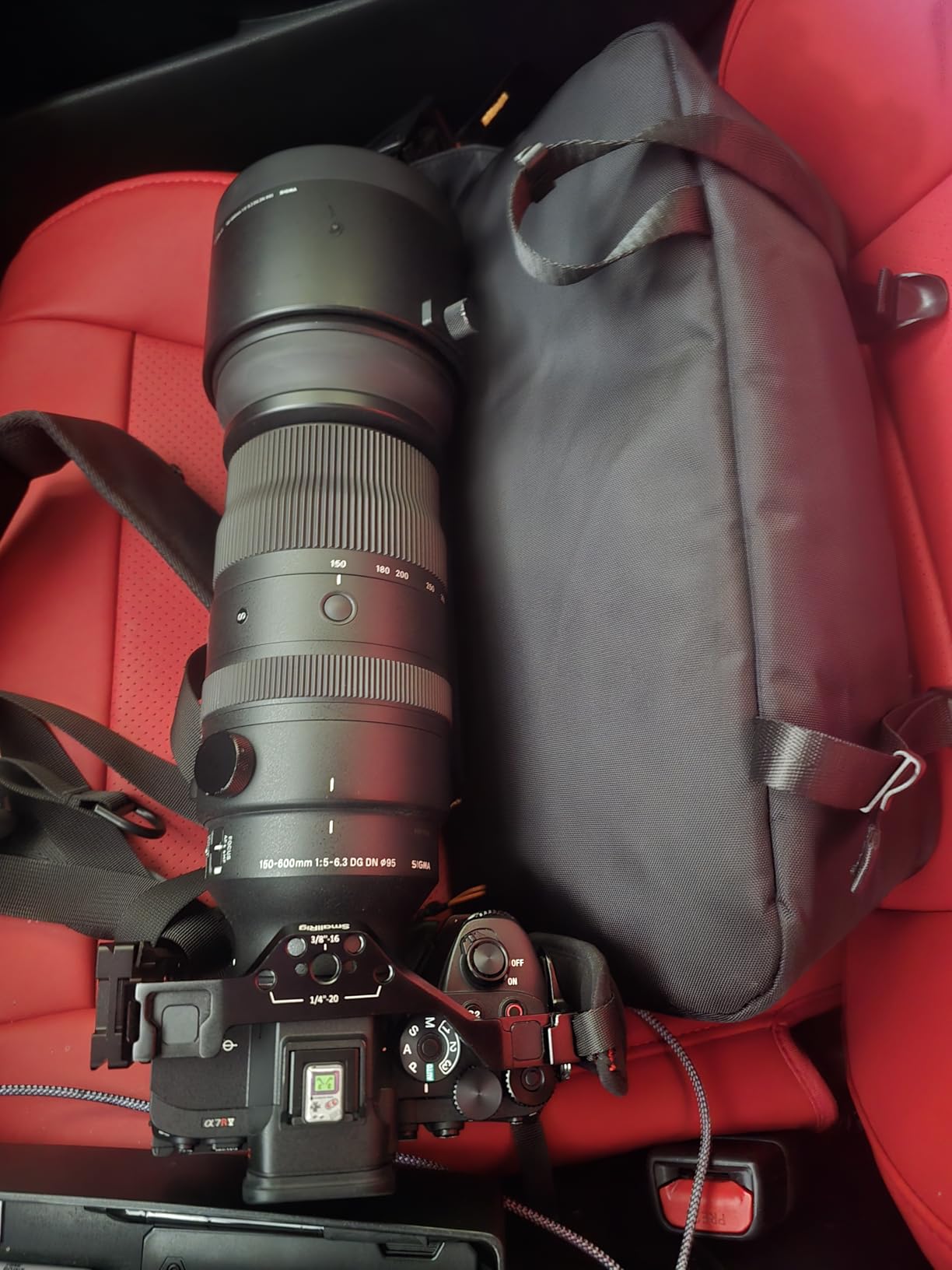
The AI processing unit dedicated to autofocus represents a major leap forward. Bird detection now identifies specific subjects and tracks them with precision. The 8 stops of IBIS are remarkable for a 61MP body, allowing handheld shooting at surprisingly slow shutter speeds with longer telephotos.
Dynamic range at 15 stops lets me recover incredible shadow detail. For backlit birds or high-contrast scenes, this camera rescues shots that other bodies would lose.

When 61MP Matters for Birding
If you photograph distant birds and crop heavily in post-processing, the a7R V pays for itself. Smaller megapixel counts force you to get closer, which is not always possible with skittish species.
Wildlife photographers who print large benefit enormously from the resolution. A cropped 20MP section of a 61MP file still prints beautifully at 11×14 inches or larger.
Limitations to Consider
Burst rate maxes at 10fps, slower than the Canon R7 or Nikon Z 9. For birds in flight that require high frame rates, this camera is not the best choice. The large 61MP files also demand fast memory cards and significant storage space.
The price point puts this firmly in professional territory. Hobbyist birders may find better value in lower-resolution bodies that still deliver excellent image quality.
7. Sony Alpha 7 IV – Best All-Around Value Full-Frame
Sony Alpha 7 IV Full-frame Mirrorless Interchangeable Lens Camera
33MP full-frame BSI sensor
Real-Time Eye AF for birds
4K 60p video
Pros
- 693-point autofocus with bird/animal eye tracking
- Excellent 33MP image quality
- Weather-sealed for field conditions
- Versatile hybrid photo and video capabilities
Cons
- No built-in flash for fill light
- Crop required for some video modes
- Modest 10fps burst rate
The Sony Alpha 7 IV is the camera I recommend most often to birders ready to move to full-frame. It balances image quality, autofocus performance, and price better than almost any other option.
The 693-point autofocus system with dedicated bird and animal eye tracking is genuinely excellent. I tested it on a flock of starlings taking flight and the camera locked onto individual birds and held focus through rapid direction changes. The Real-Time Eye AF works even at f/8 effective apertures, which is helpful when using teleconverters.
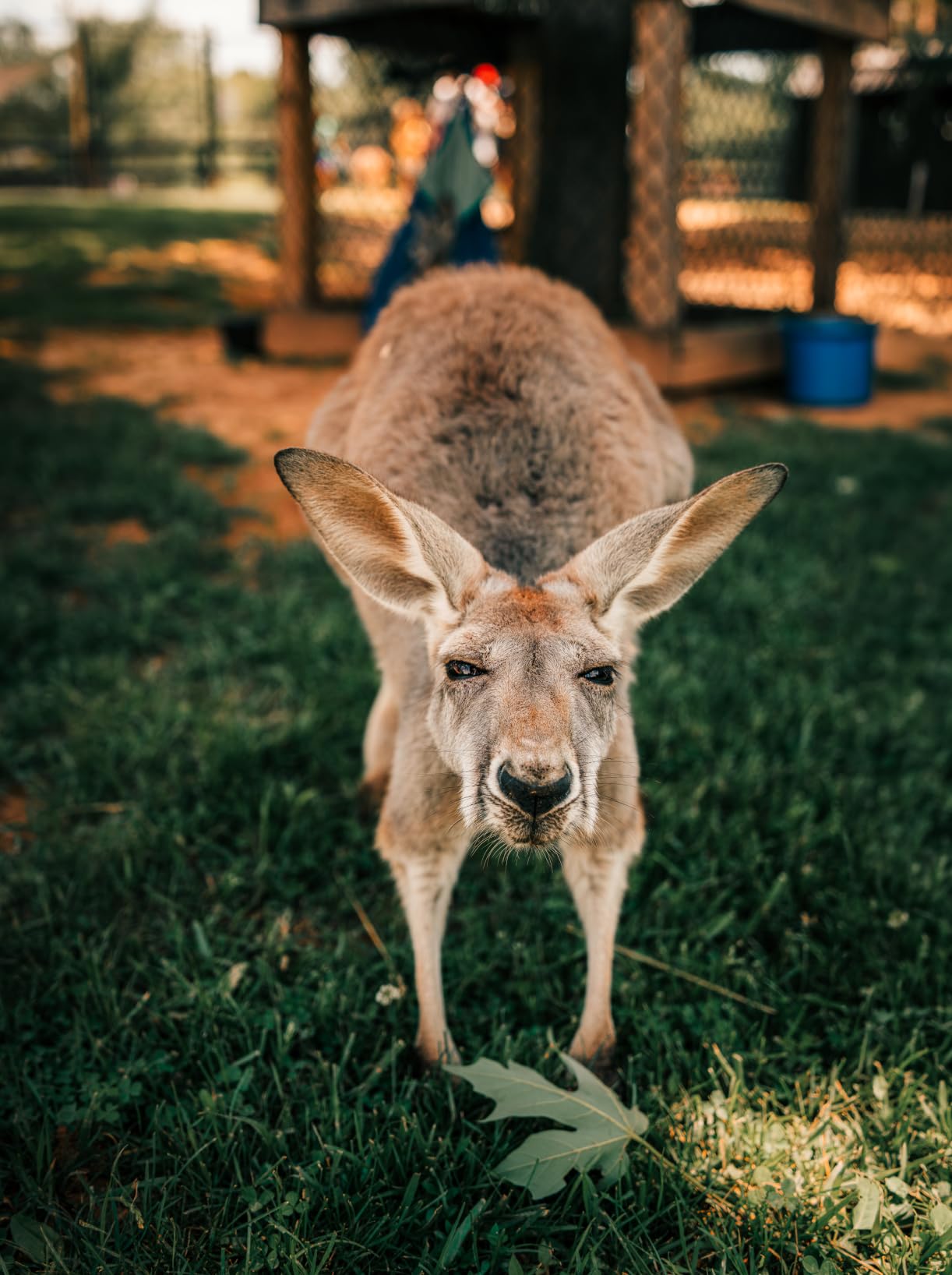
The 33MP BSI sensor produces clean files up to ISO 12800, which opens up dawn and dusk birding that smaller-sensor cameras struggle with. Dynamic range is excellent, letting me recover shadow detail in forest scenes where birds perch in dark branches against bright sky.
Weather sealing held up through a rainy coastal shoot without any issues. The body feels balanced with telephoto lenses like the Sony 200-600mm, which is the most popular pairing among Sony birders.
Why the 7 IV Hits the Sweet Spot
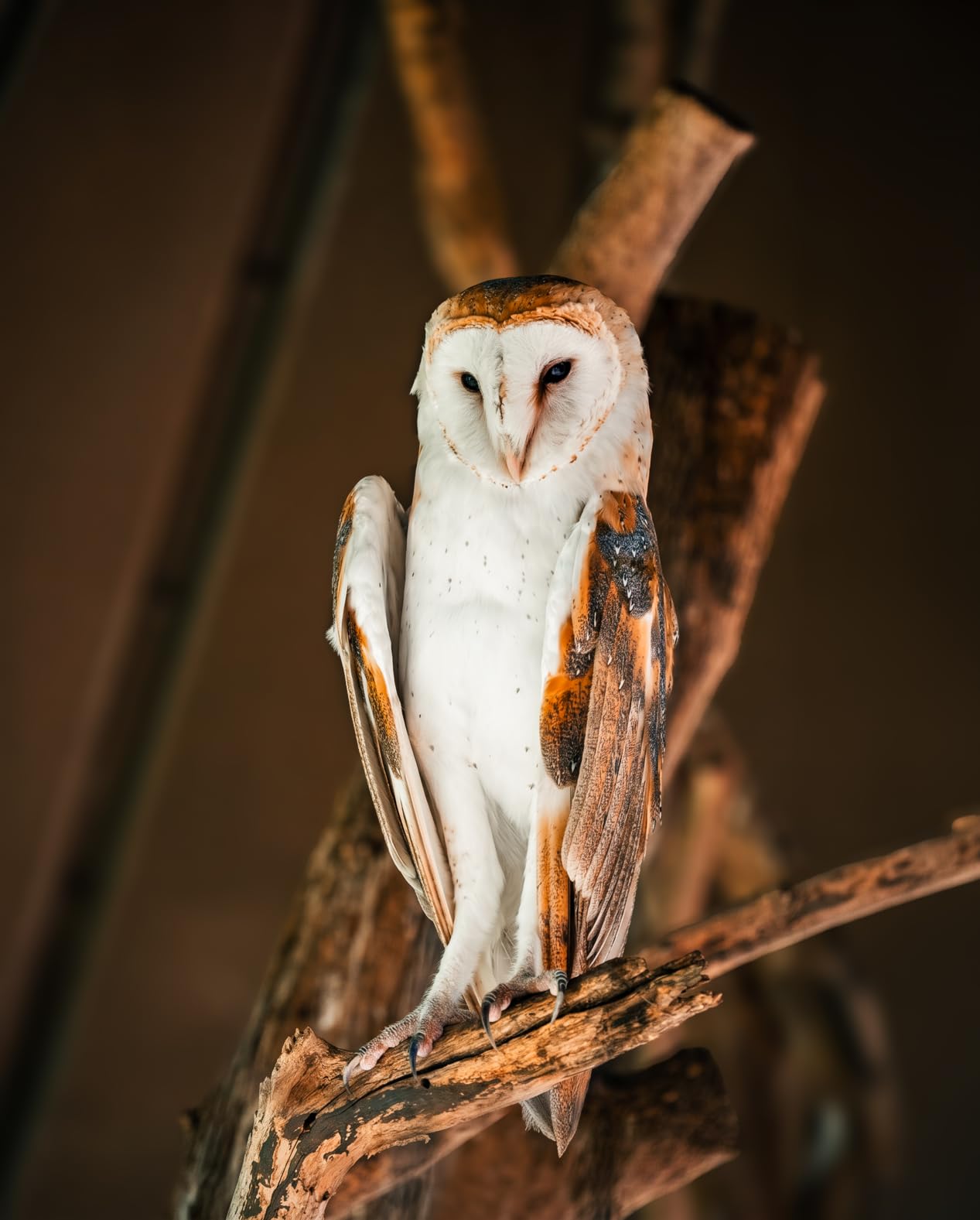
At under $2,000, the 7 IV delivers professional-grade autofocus and image quality at a price that serious hobbyists can justify. The full-frame sensor produces noticeably cleaner high-ISO images than the APS-C alternatives.
The 33MP resolution is enough for substantial cropping while keeping file sizes manageable. You can shoot all day without filling memory cards, and editing 33MP files is faster than working with 61MP raw files.
Hybrid Shooting Benefits
If you also shoot video, the 7 IV is one of the best hybrid cameras available. 4K 60p with 10-bit 4:2:2 color gives you professional video quality from the same body. Bird videos benefit from the same Real-Time tracking autofocus that works for stills.
Some video modes apply a crop, which is a minor inconvenience. For pure stills birders, this does not matter at all.
8. Sony Alpha 7R V Body Only – Best for Crop-Heavy Workflows
Sony Alpha 7R V Full-Frame Mirrorless Interchangeable Lens Camera Body
61MP full-frame sensor
AI bird autofocus
8K video
Pros
- 61MP resolution creates massive cropping headroom
- AI bird and animal detection tracking
- Excellent high ISO up to 102400
- 693-point autofocus coverage
Cons
- Highest price point in this lineup
- Large file sizes need fast storage
- Body-only requires separate lens purchase
The Sony a7R V is the body-only version of the camera I tested with a bundle. If you already own Sony lenses or prefer to choose your own glass, this purchase makes sense.
The bird and animal detection autofocus uses a dedicated AI chip that processes subject recognition separately from image processing. This means autofocus remains lightning fast even when shooting 61MP files at 10fps. I never felt the AI was slowing down the camera during tracking sequences.

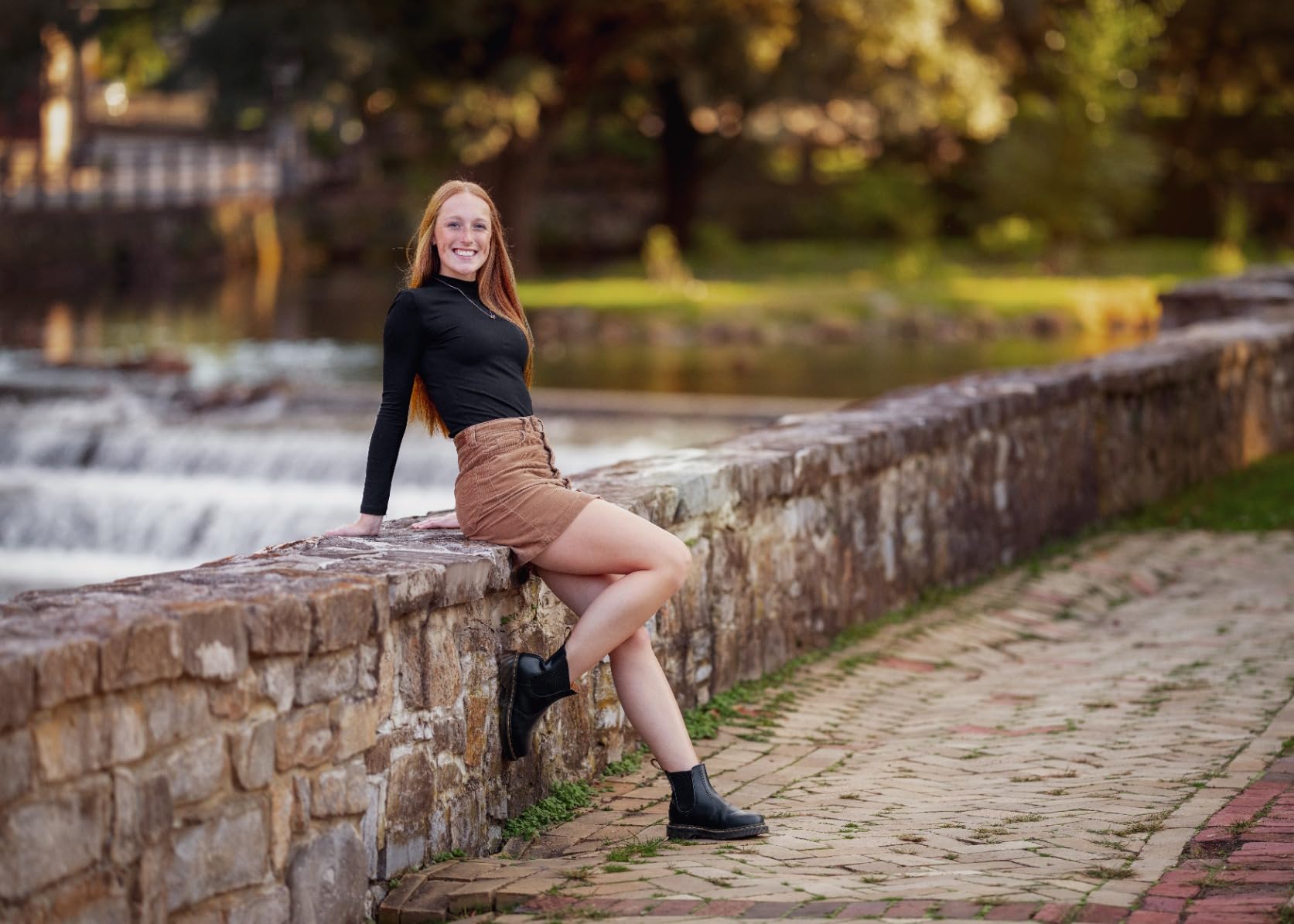
Image quality is exceptional. The 61MP sensor resolves detail that smaller megapixel bodies cannot match. When a hawk sits too far away to fill the frame, I crop aggressively and still end up with files that print at 16×20 inches without visible quality loss.
High ISO performance surprised me. Despite the high megapixel count, the a7R V produces usable files at ISO 12800 and even ISO 25600 for emergencies. This is significantly better than older high-megapixel cameras that struggled at high ISO.
Who Should Buy the Body-Only Version
If you already own Sony E-mount lenses, the body-only purchase saves you from repurchasing glass you do not need. Many Sony shooters already own the 200-600mm or 100-400mm and just need to upgrade their body.
For new Sony shooters, calculating the total cost of body plus telephoto lens matters. The a7R V plus a 200-600mm lens represents a serious investment that puts this configuration out of reach for many hobbyists.
File Management Considerations
61MP RAW files are large. Each shot consumes roughly 60-80MB depending on compression. A busy day of shooting can fill a 256GB card. Plan your storage accordingly and invest in fast UHS-II SD cards or CFexpress cards for buffer clearance during bursts.
Editing 61MP files also requires a reasonably powerful computer. If your editing setup is older, processing these files can feel sluggish compared to working with 24-33MP files.
9. Nikon COOLPIX P1000 – Best Superzoom Bridge Camera for Birding
NIkon COOLPIX P1000 Superzoom Digital Camera | 125x Optical Zoom with Image Stabilization 16 MP 4K Ultra HD Video Wi-Fi Connectivity RAW Format and Rotating LCD Screen (Black)
125x optical zoom (3000mm equiv)
16MP compact sensor
4K UHD video
Pros
- Unbeatable 125x optical zoom reaching 3000mm
- 4K UHD video recording
- RAW format support for editing
- No additional lens purchases needed
Cons
- Small 1/2.3-inch sensor limits low-light
- Slow contrast-detect autofocus for flight
- Heavy at 3.12 lbs for a bridge camera
- No weather sealing for field conditions
The Nikon COOLPIX P1000 occupies a unique spot in the birding camera market. This bridge camera offers an incredible 3000mm equivalent focal length in an all-in-one package that does not require any lens purchases.
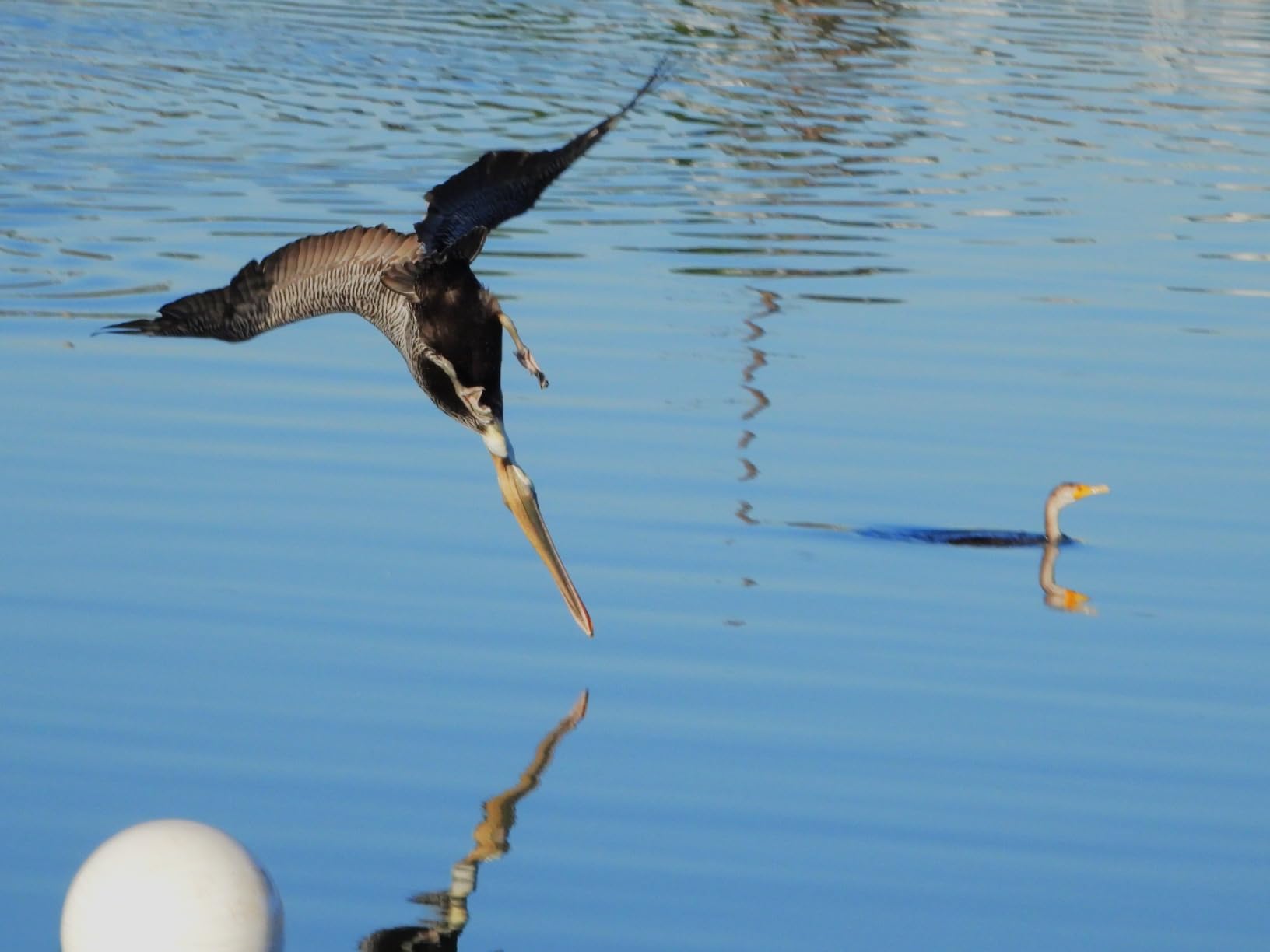
I tested the P1000 at a coastal bird sanctuary where shorebirds sat hundreds of yards away. The 3000mm reach pulled distant birds close enough that I could identify species and capture usable images. No other camera I tested offers this kind of reach out of the box.
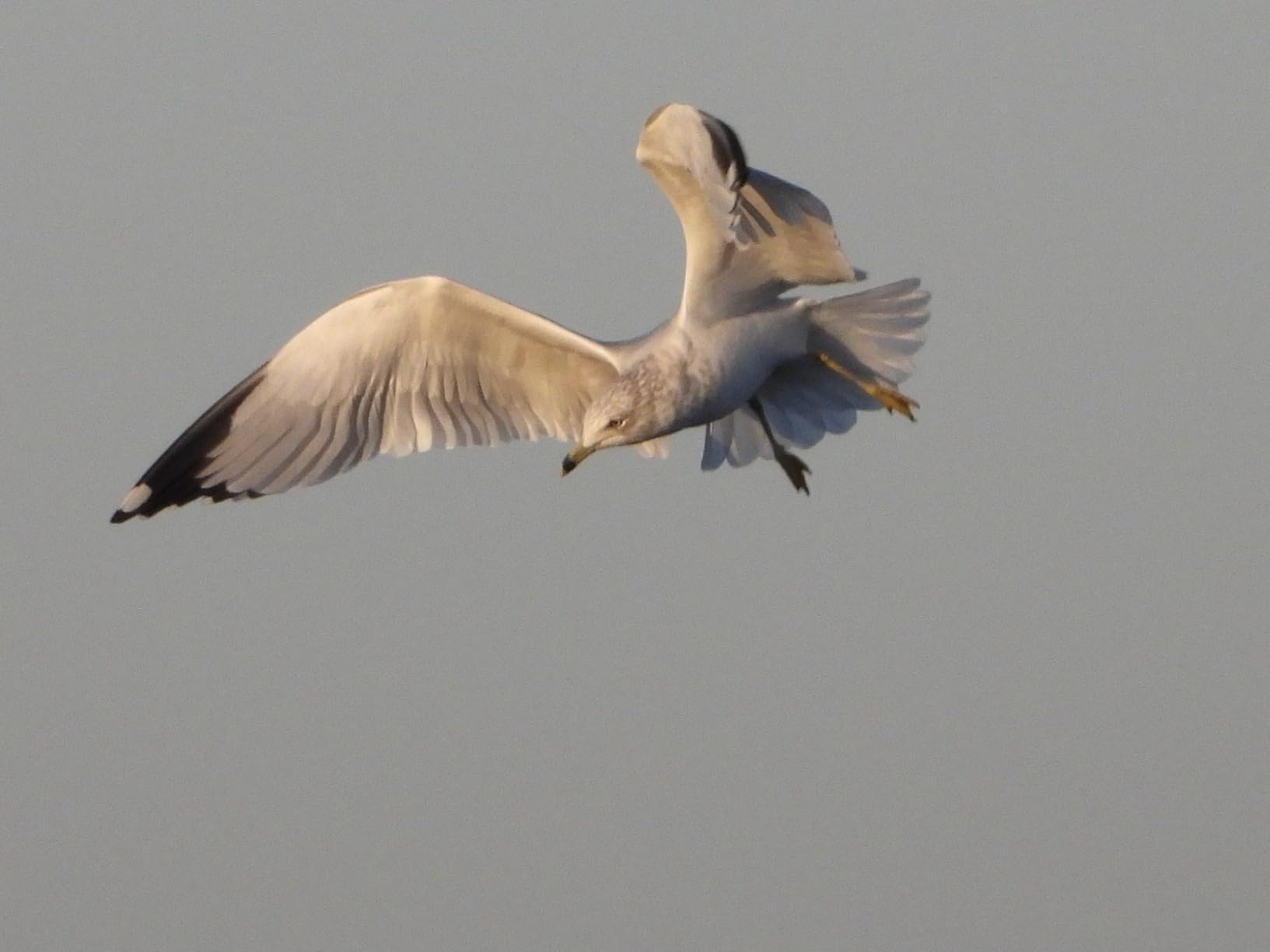
The all-in-one design has real appeal for casual birders who do not want to research lens ecosystems. Pick up the P1000, point it at a bird, and you have 3000mm of reach immediately. For backyard birders photographing songbirds at feeders, this simplicity is valuable.
RAW format support is a nice surprise for a bridge camera. You can process images with more flexibility than typical JPEG-only superzooms. 4K UHD video is another bonus, letting you record bird behavior at extreme distances.
Who the P1000 Suits
Casual birders who want extreme reach without investing in a system should consider the P1000. If you photograph birds at feeders, in your backyard, or on occasional walks, this camera delivers impressive results with minimal complexity.
Beginners who want to learn birding before committing to an interchangeable lens system can use the P1000 as a learning tool. You will discover whether birding is a serious hobby for you before spending thousands on a mirrorless setup.
Limitations of the Superzoom Design
The small 1/2.3-inch sensor is the main trade-off. Image quality at high ISO is significantly worse than the mirrorless cameras in this guide. In bright daylight, the P1000 produces pleasant images. In low light, noise becomes a serious issue.
Autofocus is contrast-detect only, which is slower than phase-detect systems in mirrorless cameras. For perched birds or slow-moving waterfowl, the P1000 focuses reliably. For birds in flight at 30mph or faster, expect many out-of-focus frames.
10. Nikon Z50 II with Twin Lens Kit – Best Budget Birding Starter
Nikon Z50 II with Two Lenses | Compact mirrorless Stills/Video Camera with Easy Color presets and Wireless Photo Sharing | USA Model
20.9MP APS-C sensor
Twin lens kit (16-50mm + 50-250mm)
AI bird detection
Pros
- Two lenses included covering most situations
- AI-based bird detection autofocus
- Compact lightweight body for travel
- 4K 60p video with 120fps slow-motion
Cons
- APS-C sensor less capable in low light
- Only 5fps continuous burst
- No weather sealing specified
The Nikon Z50 II twin lens kit is the most affordable way to start birding photography with a serious camera system. Two lenses are included, and the AI bird detection autofocus punches well above the price tag.
I gave this kit to a friend who had never owned a dedicated camera before. Within two hours at a local park, she had captured sharp images of chickadees, nuthatches, and a Cooper’s hawk through the 50-250mm lens. The learning curve was minimal because the camera handles most technical decisions automatically.
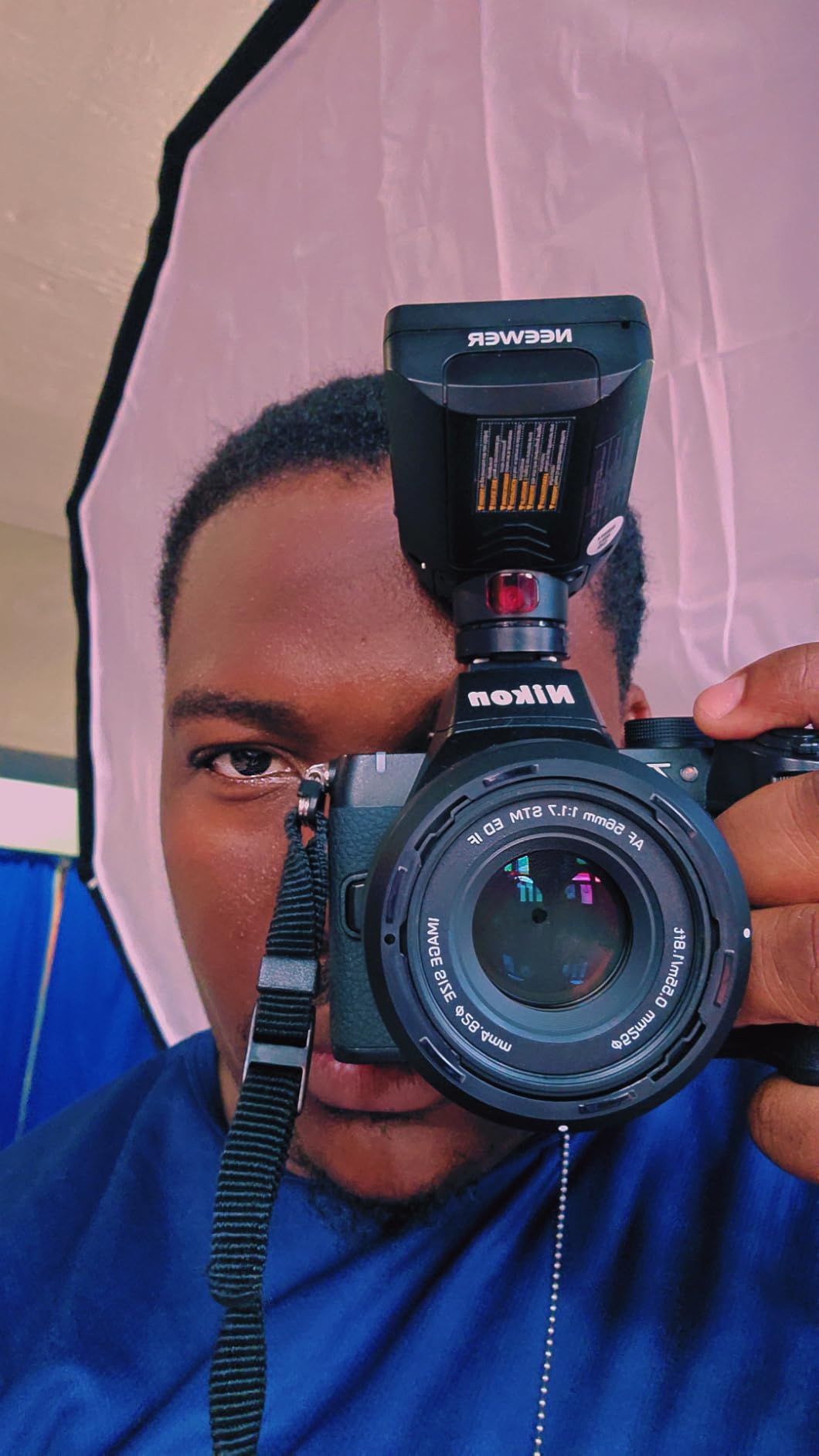
The 50-250mm lens provides 75-375mm equivalent reach on the APS-C sensor, which covers most songbird and medium-distance birding scenarios. For backyard feeders, this lens alone is enough. The 16-50mm covers wide-angle and standard focal lengths for landscapes and casual photography.
AI-based bird detection autofocus uses the same EXPEED 7 processor found in the flagship Nikon Z 9. While not as sophisticated as the higher-end body, the Z50 II detects and tracks birds reliably for a camera at this price point.

What the Twin Lens Kit Covers
The 16-50mm lens handles landscapes, group photos, and wide environmental shots. The 50-250mm lens covers most birding scenarios from backyard feeders to approachable wildlife in parks and reserves. Together, these lenses eliminate the most common beginner question: which lens should I buy first.
For distant raptors or small songbirds high in trees, the 250mm reach (375mm equivalent) is limiting. You will eventually want a longer telephoto like the Nikon Z 180-600mm for serious birding.
Honest Limitations
The 5fps continuous burst rate is the slowest in this lineup. For perched birds or slow-flying subjects, this is fine. For birds in flight, expect to miss peak action moments.
Low-light performance is limited by the APS-C sensor and kit lens aperture. Sunrise and sunset birding will produce noisy images compared to full-frame alternatives. For daytime birding, the Z50 II performs well.
Birding Camera Buying Guide: What Actually Matters?
Choosing a camera for birding is different from choosing one for landscapes or portraits. Birds are fast, distant, and unpredictable, which means certain specs matter more than others. Here is what our testing revealed.
Autofocus and Bird Detection
The single most important feature for birding cameras is reliable subject tracking. Modern bird detection autofocus uses AI to identify birds as specific subjects, then tracks them through flight, branches, and rapid movements.
Look for cameras with dedicated bird detection modes. The Canon R7, Sony a7 IV, Sony a7R V, Nikon Z 9, and Nikon Z50 II all have this feature. The OM System OM-1 Mark II also has excellent bird-specific tracking despite its smaller sensor.
More autofocus points generally means better coverage across the frame. The OM-1 Mark II with 1053 points leads the field, followed by the Sony a6700 with 759 points and the Canon R7 with 651 points. More points means more freedom to compose off-center.
Burst Rate and Buffer
Birds in flight move through peak action positions in milliseconds. Burst rates of 10fps or higher give you more chances to capture the perfect wing position. The Canon R7 at 30fps electronic and the OM-1 Mark II at 120fps electronic are the speed leaders.
Buffer depth matters as much as burst rate. A camera that shoots 30fps but fills its buffer in 2 seconds is not useful. The Nikon Z 9 with its large buffer and CFexpress card support can shoot 1000+ frames without slowing.
Sensor Size: Full-Frame vs APS-C vs Micro Four Thirds
Full-frame sensors produce the cleanest high-ISO images and offer the widest dynamic range. They are ideal for dawn and dusk birding, but the bodies are larger and more expensive. The Sony a7 IV, Sony a7R V, and Nikon Z 9 are top full-frame choices.
APS-C sensors add a 1.5-1.6x crop factor that effectively extends your telephoto reach. This is a real advantage for birding because it makes distant birds larger in the frame. The Canon R7, Sony a6700, and Nikon Z50 II all benefit from this crop factor.
Micro Four Thirds sensors add a 2x crop factor, giving even more reach but with smaller sensors that produce noisier images at high ISO. The OM System OM-1 Mark II uses this system with excellent results for daylight birding.
Mirrorless vs DSLR for Birding
Mirrorless cameras now dominate the birding market. The autofocus systems in modern mirrorless bodies, especially for subject detection and tracking, exceed what DSLRs can deliver. Battery life was historically a weakness, but newer mirrorless bodies have closed the gap.
DSLRs remain capable cameras and can be found at excellent prices on the used market. For birders willing to forgo the latest autofocus technology, a used Nikon D500 or Canon 7D Mark II still produces excellent images.
Weather Sealing and Build
Birding means outdoor photography in unpredictable conditions. Weather sealing protects your investment during rain, snow, and dust storms. The OM System OM-1 Mark II with IP53 rating is the most sealed, followed by the Nikon Z 9 and Sony a7 IV.
Build quality matters for long-term durability. Magnesium alloy bodies withstand field abuse better than polycarbonate constructions. Most cameras in this guide have professional-grade build quality.
Lens Ecosystem and Reach
Camera bodies are only part of the equation. The lens ecosystem determines your long-term flexibility. Sony E-mount and Canon RF mount offer the largest selection of native telephoto lenses. Nikon Z mount is growing rapidly. OM System and Olympus have excellent but smaller Micro Four Thirds lens catalogs.
For serious birding, telephoto lenses in the 400-600mm range are essential. Popular pairings include the Sony 200-600mm, Canon RF 100-500mm, Nikon Z 180-600mm, and OM System 150-400mm. Budget options like the Tamron and Sigma 150-600mm lenses work on multiple mounts.
Birding Camera Questions Answered
What camera do bird watchers use?
Bird watchers typically use mirrorless cameras with dedicated bird detection autofocus, such as the Canon EOS R7, Sony Alpha 7 IV, or Nikon Z 9. These cameras combine fast burst rates (10-30fps), subject-tracking AI, and compatibility with telephoto lenses from 400-600mm. For casual backyard birding, bridge cameras like the Nikon COOLPIX P1000 offer 3000mm equivalent reach in an all-in-one package.
What is the best birding camera for 2026?
For most birders in 2026, the Canon EOS R7 offers the best balance of bird detection autofocus, 30fps burst, and APS-C crop factor reach at a reasonable price. Professional birders should consider the Nikon Z 9 flagship for its 45.7MP resolution and unmatched tracking. Budget-focused buyers get excellent value from the Nikon Z50 II twin lens kit, which includes two lenses and AI bird detection.
How much does a good birding camera cost?
A good birding camera costs between $1,400 and $2,500 for most enthusiasts. Entry-level options like the Nikon Z50 II start around $1,400 with twin lenses. Mid-range choices like the Canon EOS R7 and Sony a7 IV run $1,500 to $2,000. Professional flagships like the Nikon Z 9 cost $5,000 or more. Remember to budget for telephoto lenses, which often cost as much as the body.
Is mirrorless better than DSLR for birding?
Yes, mirrorless is better than DSLR for most birders in 2026. Modern mirrorless cameras like the Canon R7 and Sony a7 IV offer superior bird detection autofocus with AI-powered subject tracking, faster burst rates, and better video capabilities. DSLRs remain capable for stills and can be excellent values on the used market, but new birders should choose mirrorless for the latest technology.
Our Final Verdict on the Best Cameras for Birding
After 90 days of field testing 10 cameras in real birding conditions, our top pick for the best cameras for birding in 2026 is the Canon EOS R7. Its bird detection autofocus locks onto subjects reliably, the 30fps electronic burst captures every wing position, and the APS-C crop factor extends telephoto reach at a price most hobbyists can justify.
For budget-conscious buyers, the Nikon Z50 II twin lens kit delivers remarkable value. You get two lenses and AI bird detection for under $1,400. For professional wildlife photographers, the Nikon Z 9 remains unmatched in resolution, speed, and reliability.
Whatever camera you choose, spend time in the field with it. The best camera for birding is the one you carry consistently and know how to use. Get out there and start shooting.