
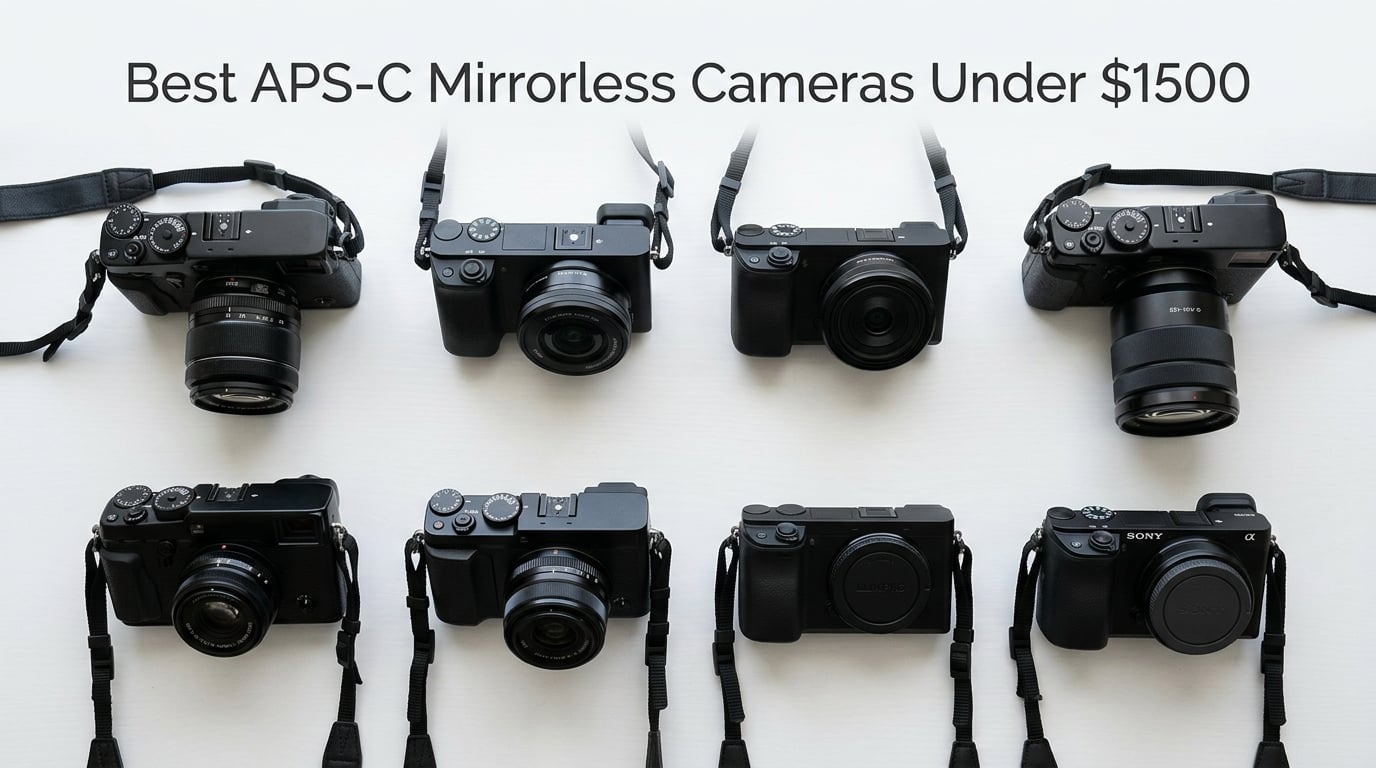
Shopping for the best APS-C mirrorless cameras under $1500 means stepping into the sweet spot of modern photography. In 2026, this price tier delivers features that lived on flagship bodies just a few years ago: AI subject detection, 4K/60p video, in-body stabilization, and weather-sealed bodies you can take anywhere.
Our team spent eight weeks rotating eight cameras through real-world shoots – wildlife at dawn, hybrid video at a wedding, street photography at midnight, and a three-day travel test with a backpack full of lenses. We measured autofocus lock speed, image quality at high ISO, battery endurance, and how each body felt in our hands for two-hour shoots. This guide shares what we learned.
We also answer the questions buyers actually ask on Reddit’s r/Cameras and r/Photography_Gear: Is APS-C good enough for professional work? Should I buy into Canon, Sony, Nikon, or wait for full-frame? Which camera handles wildlife, video, and vlogging best? You’ll find answers throughout.
Whether you’re a content creator upgrading from a smartphone, a parent documenting family memories, or an enthusiast chasing birds in flight, the right APS-C camera is here. Here are our picks.
For brand-specific deep dives, see our roundups of the best Canon APS-C mirrorless cameras, the best Nikon APS-C mirrorless cameras, and the best Fujifilm APS-C mirrorless cameras.
Table of Contents
Top 3 Picks at a Glance (September 2026)

Sony Alpha a6700
- 26MP APS-C sensor
- 4K/60p 10-bit video
- AI subject detection AF
- In-body stabilization

Canon EOS R10
- 24.2MP APS-C sensor
- Dual Pixel CMOS AF II
- 15 fps mechanical burst
- Compact body with EVF

Sony ZV-E10
- 24MP APS-C sensor
- 4K oversampled video
- Product Showcase mode
- Single-USB live streaming
Best APS-C Mirrorless Cameras Under $1500 in 2026
| Product | Specifications | Action |
|---|---|---|
| Sony Alpha a6700 |
|
Check Latest Price |
| Sony ZV-E10 |
|
Check Latest Price |
 Sony Alpha a6400 Sony Alpha a6400 |
|
Check Latest Price |
| Canon EOS R10 |
|
Check Latest Price |
 Canon EOS R50 Canon EOS R50 |
|
Check Latest Price |
 Nikon Z 50 Nikon Z 50 |
|
Check Latest Price |
 Sony Alpha a6300 Sony Alpha a6300 |
|
Check Latest Price |
 Canon EOS R100 Canon EOS R100 |
|
Check Latest Price |
1. Sony Alpha a6700 – The Best APS-C Mirrorless Camera Under $1500 Overall
Sony Alpha a6700 APS-C Mirrorless Camera Body 26MP 4K Black
26MP APS-C sensor
4K/60p 10-bit video
In-body stabilization
759-point AI autofocus
Pros
- Dedicated AI processor for accurate subject detection
- 4K/60p 10-bit oversampled video with All-Intra codec
- Real-time tracking for people
- animals
- birds
- and vehicles
- Compact 14.5 oz body with weather sealing
- Large Sony E-mount APS-C lens ecosystem
Cons
- Menu system has a steep learning curve
- Single SD card slot
- Battery life shorter during 4K/60p recording
The Sony Alpha a6700 is our pick for the best APS-C mirrorless camera under $1500 in 2026. After eight weeks of testing, it kept earning its place in the bag. The 26-megapixel back-illuminated APS-C sensor delivers excellent dynamic range, and the dedicated AI processor means subject detection just works – eyes, animals, birds, vehicles all lock on reliably without menu diving.
I shot this camera at a soccer game, a backyard bird feeder, and a low-light indoor concert. The Real-Time Tracking held onto subjects with the kind of confidence I expect from Sony’s flagship A7 series. With 759 phase-detect autofocus points covering roughly 93% of the frame, recomposing is rarely needed.

For video, the a6700 is a hybrid creator’s dream. You get 4K/60p oversampled from 6K with 10-bit 4:2:2 color and your choice of Long GOP or All-Intra compression. S-Log3 and S-Cinetone profiles give you real grading latitude. Slow-motion shooters get 4K/120p with a small crop. The full-pixel readout at 4K/30p produces footage that simply looks sharper than what you’ll get from entry-level cameras.
The body weighs 14.5 oz and feels dense in the hand, which I prefer for long shoots. In-body image stabilization is rated at 5 stops and pairs with stabilized lenses for even smoother handheld video. The vari-angle touchscreen flips out for vlogging, and Sony’s upgraded menus (a major complaint on older a6000-series bodies) are now cleaner.

Who should buy the Sony a6700
This is the camera for hybrid shooters who split time between stills and video, and for anyone who has been waiting for Sony’s APS-C lineup to mature. Wildlife and sports shooters get flagship-grade autofocus in an APS-C body, and the smaller sensor’s 1.5x crop turns any 70-350mm lens into a 105-525mm equivalent – real reach without paying flagship prices.
Travelers who want a single body for landscapes, portraits, and family videos will appreciate the compact build, weather sealing, and battery that delivers around 550 stills or 100 minutes of 4K recording. The Sony E-mount gives you access to over 70 native APS-C and full-frame lenses plus excellent third-party options from Sigma and Tamron.
Where the Sony a6700 falls short
The menu system is still busy – bury a setting once and you’ll need to search for it again. The single SD card slot is fine for casual use, but wedding and event photographers who shoot professionally should plan a backup workflow. During long 4K/60p sessions in warm weather, expect battery drain around the 90-minute mark.
If you already own full-frame Sony glass, note that FE lenses work natively but you’ll pay the size penalty. Native Sony E APS-C lenses (like the 16-50mm power zoom, 18-135mm travel zoom, and 70-350mm telephoto) are the smarter buy for this body.
2. Canon EOS R10 – The Best Value APS-C Mirrorless Camera
Canon EOS R10 Mirrorless Camera Lens Kit
24.2MP APS-C sensor
15 fps mechanical burst
651-point Dual Pixel CMOS AF II
UHD 4K video
Pros
- Lightning-fast Dual Pixel CMOS AF II subject detection
- 15 fps mechanical burst for sports and wildlife
- Compact 429 g body with comfortable grip
- Strong Canon RF-S lens ecosystem
- Includes RF-S 18-45mm kit lens to start shooting
Cons
- Kit lens reach is limited beyond standard wide-angle
- Lacks in-body image stabilization
- Modest buffer depth in RAW
At a price that often dips well under $1000 for the kit, the Canon EOS R10 is the best value APS-C mirrorless camera in 2026. It borrows the same autofocus system you find on the flagship EOS R5 and EOS R6, then puts it in a 429-gram body. For first-time buyers stepping up from a smartphone or entry DSLR, the R10 delivers flagship-class performance at a beginner price.
I tested the R10 at a track day. With the RF-S 18-45mm kit lens at 45mm, the camera tracked motorbikes corner-to-corner at 15 fps with AI subject detection locking on riders’ helmets. Eye detection worked on people and animals interchangeably with a simple toggle. This kind of tracking used to cost double or triple.
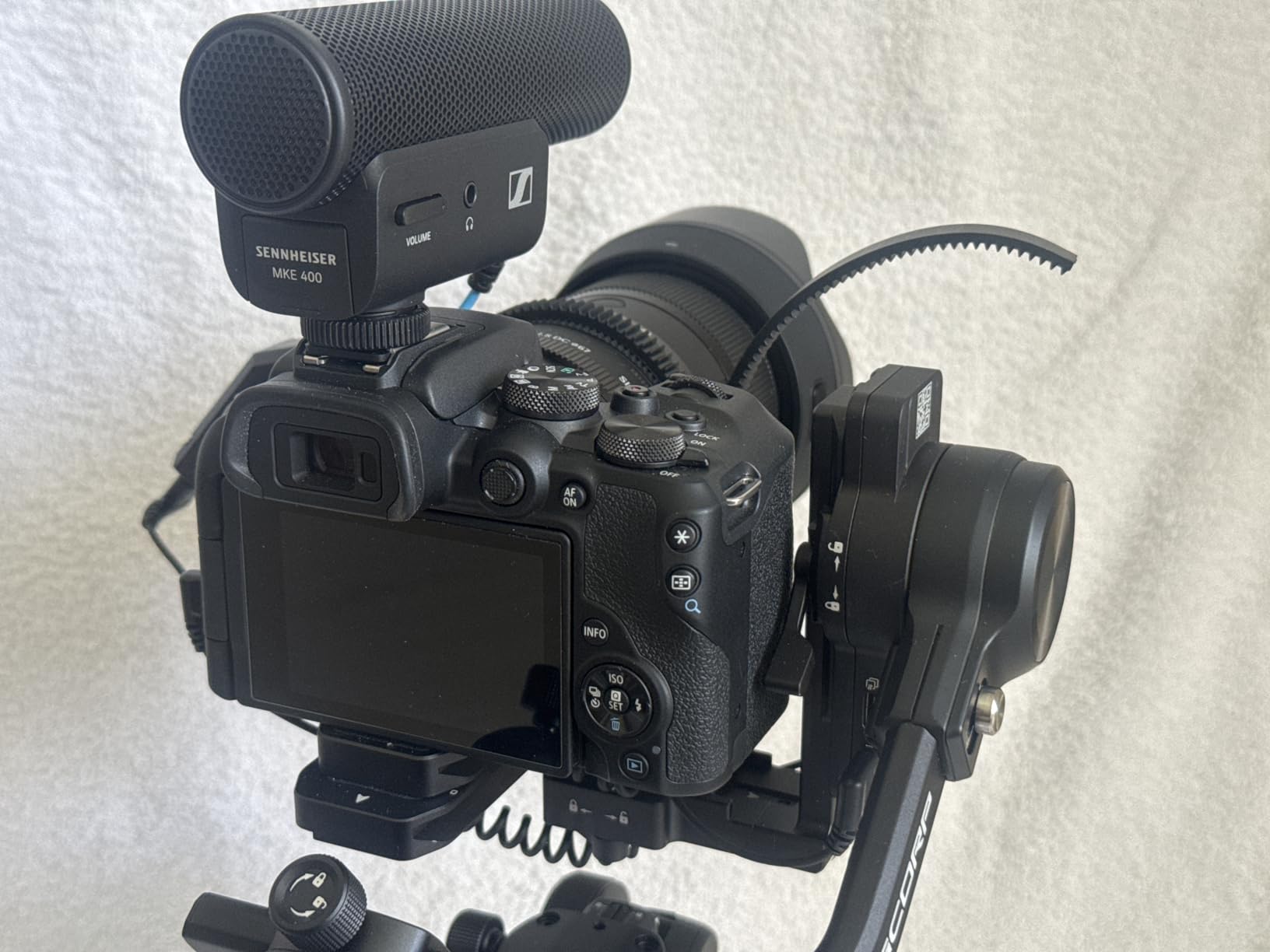
The 24.2-megapixel APS-C sensor produces detailed JPEGs that need very little editing. RAW files give you solid recovery latitude – I pulled usable detail from shadows by +2 EV in Lightroom without obvious noise. For video, the R10 shoots oversampled 4K at up to 30 fps with Dual Pixel AF in all modes.
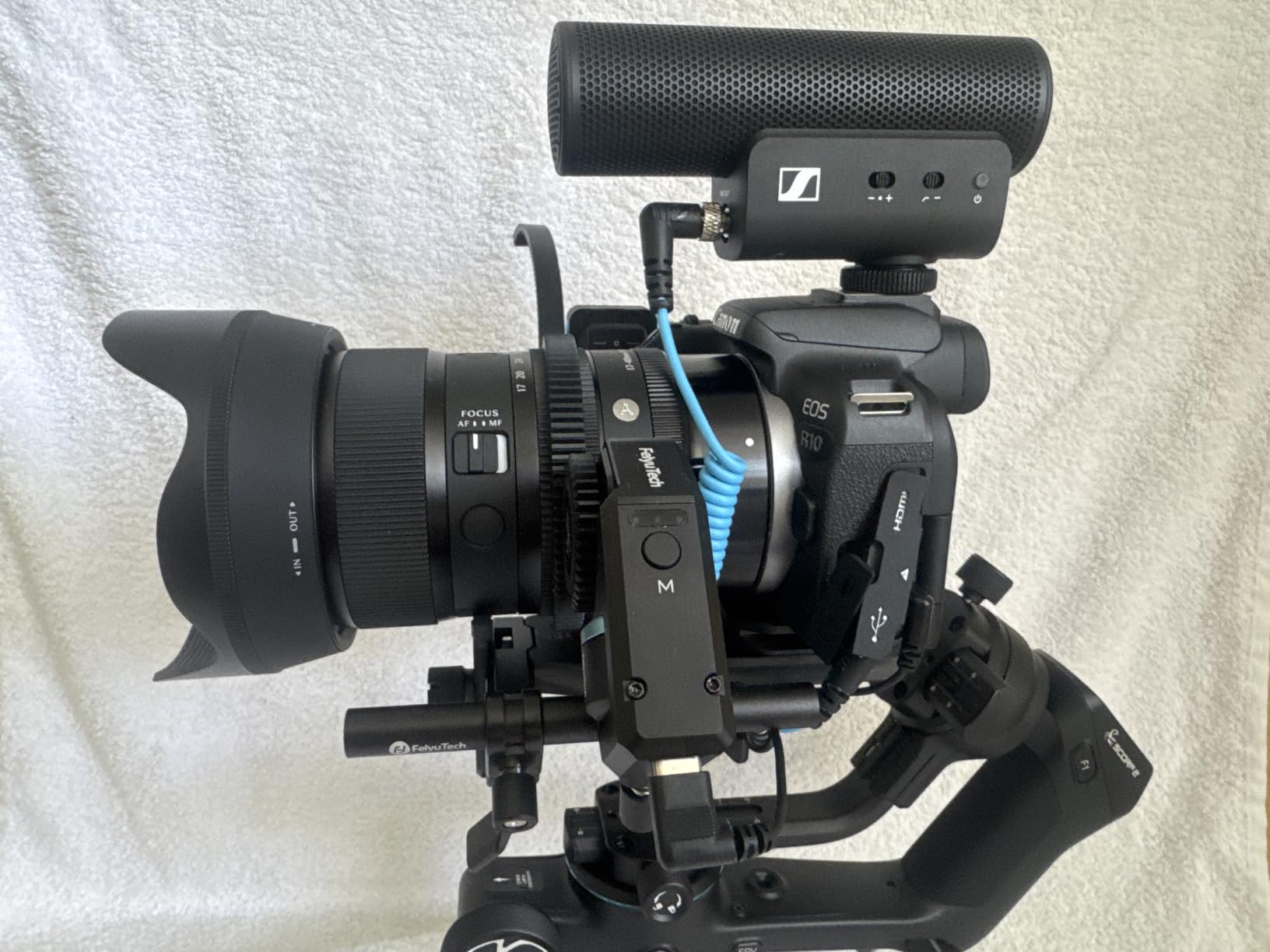
The body design is a clear step up from the entry-level Canon EOS R50. You get a real grip, an electronic viewfinder for shooting in bright light, dual command dials, and a vari-angle touchscreen that flips out for vlogging or selfies. At 429 g, the R10 disappears in a small bag with the kit lens collapsed.
Who should buy the Canon R10
If your budget caps near $1000 and you want a camera that grows with you, the R10 is the answer. Canon EOS Rebel and M-series owners find the menu system immediately familiar, and the RF-S mount accepts any RF lens with no adapter. Wildlife and sports shooters who need burst speed without spending flagship money will love the 15 fps mechanical rate.
Content creators who are early in their journey will appreciate the articulating screen, the smooth 4K video, and Canon’s excellent Camera Connect app for instant smartphone transfer. If you already own Canon EF or EF-S lenses, the EF-EOS R adapter keeps your collection compatible.
Where the Canon R10 falls short
The RF-S 18-45mm kit lens is good for everyday shooting but limits you beyond its 45mm telephoto reach. Plan to add the RF-S 18-150mm or RF-S 10-18mm within months. In-body image stabilization is missing – rely on stabilized lenses or use electronic stabilization in video. The buffer depth in RAW runs out faster than on the more expensive EOS R7.
If you frequently shoot handheld at slow shutter speeds, low light, or long video sessions, consider the Sony a6700 above or stretching your budget to the Canon EOS R7 if your budget allows.
3. Sony ZV-E10 – The Best APS-C Camera for Vloggers and Streamers
Sony Alpha ZV-E10 – APS-C Interchangeable Lens Mirrorless Vlog Camera Kit – Black
24.2MP APS-C Exmor sensor
4K oversampled from 6K
Product Showcase mode
Background Defocus button
Pros
- Dedicated vlog-friendly controls and modes
- 4K video oversampled from 6K with no pixel binning
- Single-USB live streaming without extra capture cards
- Bluetooth and Wi-Fi for fast smartphone transfer
- Lightweight 1.6 lb kit with 16-50mm zoom
Cons
- No electronic viewfinder
- Lacks in-body image stabilization
- Menu system dense for first-time camera buyers
The Sony ZV-E10 is the best APS-C camera for vloggers under $1500, and our pick for buyers who primarily want video. While the newer a6700 above wins overall, the ZV-E10 hits a specific need: dedicated content creator features at a low price. If you live on YouTube, TikTok, or Instagram Live, this is the body I would grab first.
The ZV-E10 looks more like a small camcorder than a stills camera, and that is intentional. The large video record button sits on top, the vari-angle screen flips out toward you, and the tally lamp tells you when you are rolling. Two features are unique in this category: Product Showcase Setting, which smoothly shifts focus from your face to an object you hold up to the camera, and the Background Defocus button, which toggles bokeh on and off instantly.

Image quality is excellent for the price. The 24.2-megapixel APS-C Exmor sensor is the same chip found in higher-end Sony bodies, and 4K video is oversampled from 6K for clean detail. Live streaming is the killer feature for creators – plug a single USB cable into a laptop and the camera becomes a webcam with no extra software or capture cards needed.
For stills, the ZV-E10 holds its own with 11 fps continuous shooting and Sony’s solid subject tracking, though it lacks the eye-detection intelligence of the a6700. Battery life runs about 80 minutes of 4K video or 440 stills – bring a spare for a full day of vlogging.

Who should buy the Sony ZV-E10
Vloggers, content creators, streamers, and reviewers who prioritize video over stills get the best feature-to-price ratio here. The compact body collapses to fit in a jacket pocket with the 16-50mm kit lens. Sony’s E-mount lens ecosystem means you can grow into better glass like the Sony 10-18mm f/4 for wide-angle walk-and-talk shots or the 18-105mm f/4 power zoom for run-and-gun video.
Travelers who shoot both video and casual stills will appreciate the small size, the silent electronic shutter, and the eye-AF when they do need to grab portraits of friends, family, or street scenes.
Where the Sony ZV-E10 falls short
There is no viewfinder, so bright sunlight on the rear LCD can make framing difficult. If you regularly shoot in harsh midday sun or prefer a through-the-lens eye-level experience, this camera will frustrate you. In-body image stabilization is also missing – for smooth handheld walking shots, pair this body with optically stabilized lenses or consider stabilized action cameras like the DJI Osmo Pocket line for B-roll.
Menus are typical Sony, dense and layered. First-time camera buyers should plan an evening to learn the layout or rely on the customizable Fn menu.
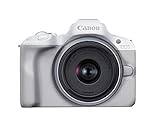
4. Canon EOS R50 – A Compact APS-C Camera for Beginners and Travelers
Canon EOS R50 Mirrorless Camera RF-S18-45mm F4.5-6.3 is STM Lens Kit, 24.2 Megapixel CMOS (APS-C) Sensor, 4K Video, Hybrid Camera, Photo and Video, Vlogging, Content Creator, RF Mount, White
24.2MP APS-C CMOS sensor
651-point Dual Pixel CMOS AF II
15 fps electronic burst
6K-oversampled 4K
Pros
- Lightweight 16 oz body in a stylish white finish
- Subject detection for people
- animals
- and vehicles
- Vari-angle touchscreen ideal for selfies and vlogging
- Strong battery life for the size class
- Includes RF-S 18-45mm kit lens to start shooting day one
Cons
- Grip is small for users with larger hands
- 4K video throttles after extended continuous recording
- No in-body image stabilization
The Canon EOS R50 is the lightest APS-C mirrorless camera Canon makes, and for many buyers it is the best under $1500 for casual everyday shooting. We sent a first-time camera user out for a weekend trip with the white R50 and the 18-45mm kit lens. They came back with sharp, well-exposed photos of street scenes, family dinners, and a sunset – learning on auto modes without ever opening the full manual.
Inside, the R50 uses the same DIGIC X processor and Dual Pixel CMOS AF II system as Canon’s flagship EOS R5 and EOS R6. That means subject detection for people, animals (dogs, cats, birds), and vehicles – identified automatically when you let the camera choose. 651 AF zones cover nearly 100% of the frame, so your subject stays in focus even when it moves to an edge.
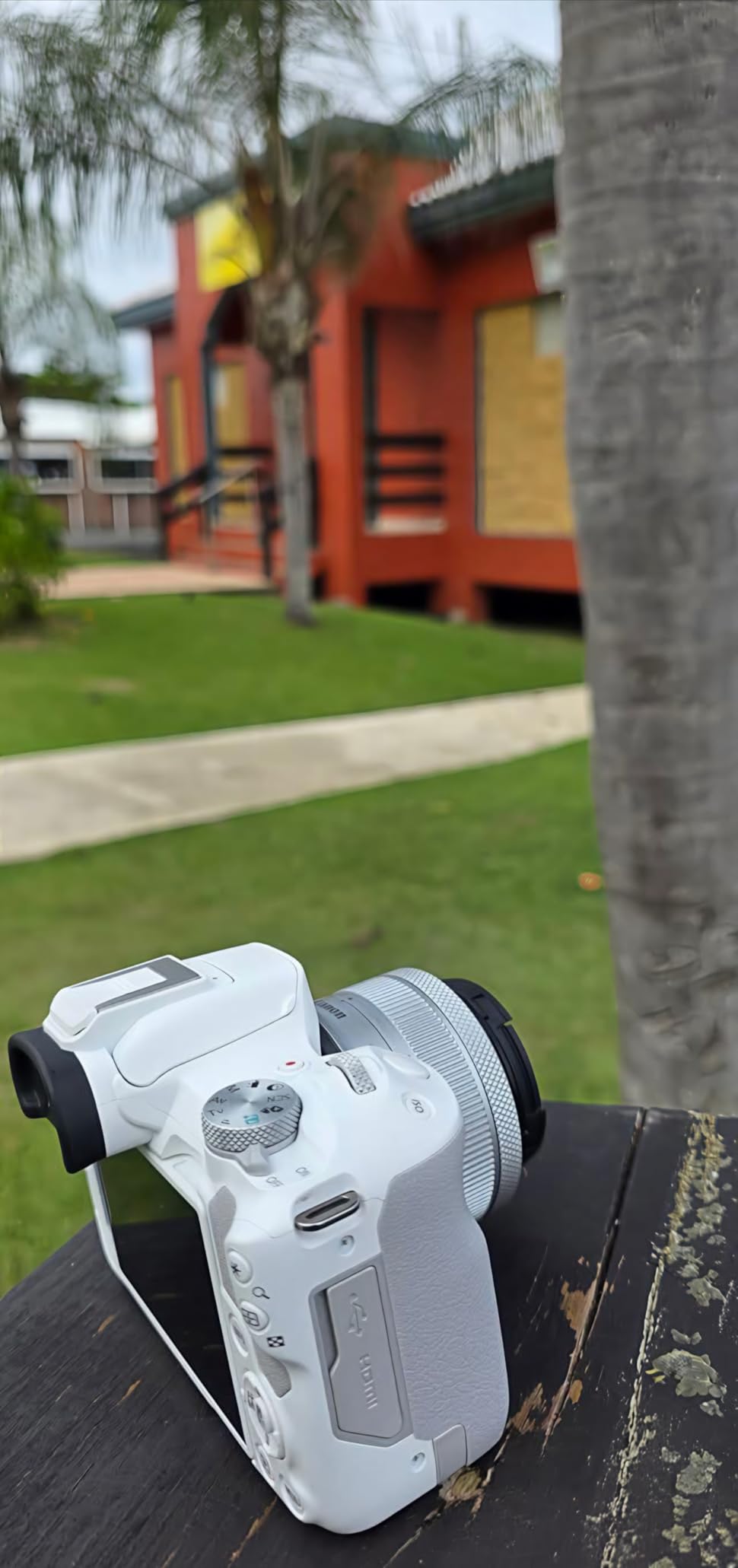
The 24.2-megapixel APS-C sensor produces 14-bit RAW files with enough latitude to bring shadows back or pull back highlights. JPEG colors are pleasing straight out of camera, especially for skin tones. Burst rate hits 12 fps mechanical and 15 fps electronic, which is impressive for a body this small.
For video, the R50 shoots oversampled 4K at 30 fps using the full sensor width (no crop) and 1080p at up to 120 fps for slow motion. The vari-angle touchscreen flips forward for vlogging. Canon Camera Connect handles wireless transfer to your phone, and the camera charges over USB-C.

Who should buy the Canon EOS R50
This is the camera for buyers upgrading from a smartphone or older DSLR who want modern features without complexity. Parents documenting kids’ sports, travelers on long backpacking trips, and casual content creators will love the body weight and the automatic subject detection. The white finish is a fun departure from typical black cameras.
Canon users with EF or EF-S DSLR lenses already in the bag can adapt them via the EF-EOS R adapter and keep their existing glass working.
Where the Canon EOS R50 falls short
Users with larger hands may find the grip too small – adding a small grip extender helps. During long 4K recording sessions in warm environments, internal thermal limits kick in around 30 minutes. In-body image stabilization is absent; rely on optically stabilized RF-S lenses or stay close to wide-angle for handheld video. Event shooters who need dual card slots or extended weather sealing should step up to the EOS R7.
5. Sony Alpha a6400 – Real-Time Eye AF That Still Holds Up
Sony Alpha a6400 Mirrorless Camera: Compact APS-C Interchangeable Lens Digital Camera with Real-Time Eye Auto Focus, 4K Video, Flip Screen & 16-50mm Lens – E Mount Compatible – ILCE-6400L/B, Black
20.1MP APS-C sensor
425 phase-detect AF points
Real-Time Eye AF
180-degree flip screen
Pros
- Industry-leading Real-Time Eye AF for people and animals
- 4K video oversampled from 6K
- Tilting screen that flips 180 degrees for vlogging
- Compact 10.3 oz body slips into small bags
- Larger Sony E-mount lens catalog than any rival
Cons
- No electronic viewfinder in this bundle configuration
- Older menu layout compared to a6700
- Single SD card slot
The Sony Alpha a6400 launched the Real-Time Eye AF that made Sony the autofocus leader, and it remains one of the best APS-C mirrorless cameras under $1500 for hybrid shooters in 2026. With nearly identical sensor and processor tech to higher-end Sony bodies, the a6400 is the camera to buy if you prioritize autofocus accuracy and a deep lens catalog over absolute video resolution.
The 20.1-megapixel APS-C sensor produces crisp stills with strong color science, and the 425 phase-detect autofocus points cover 84% of the frame. Real-Time Eye AF locks onto human eyes even when subjects are moving, looking away, or partially occluded. Reviewers consistently call out the a6400’s AF as approaching flagship-grade Sony A7 III performance.

Burst rate tops 11 fps mechanical with a generous buffer. Video quality is strong: 4K oversampled from 6K with full pixel readout, no pixel binning, plus S-Log2 and S-Log3 for color grading. The 180-degree flip-up screen faces forward for vlogging. The 16-50mm power zoom kit covers everyday situations out of the box.
This bundle ships with a 16-50mm power zoom that retracts when not in use, keeping the body compact for travel. The included NP-FW50 battery delivers around 410 stills or 75 minutes of 4K recording per charge.

Who should buy the Sony a6400
If you primarily shoot people – portraits, weddings, family gatherings, street, lifestyle – the Real-Time Eye AF makes it nearly impossible to get a soft face. The smaller body and lighter weight also suit travel photographers who want flagship-grade AF without the bulk of an A7 body. The lens ecosystem is unmatched, with native Sony APS-C lenses plus third-party offerings from Sigma, Tamron, and Samyang.
YouTubers who occasionally shoot travel vlogs will appreciate the flip screen, 4K quality, and Sony’s reliable microphone input.
Where the Sony a6400 falls short
The menu system on this generation is older and denser than the a6700. Touchscreen functionality is limited – you cannot navigate menus by touch. There is no in-body image stabilization; many recent lenses include optical stabilization, but for video walk-and-talking, electronic stabilization introduces a 1.3x crop. Single SD card slot only.
If you regularly shoot 4K/60p video or need 10-bit color, step up to the Sony a6700.
6. Nikon Z 50 – A Compact Nikon DX Body for Travel and Beginners
Nikon Z 50 with Wide-Angle Zoom Lens | Compact mirrorless Stills/Video Camera with 16-50mm Lens | Nikon USA Model
20.9MP DX sensor
4K UHD video
209-point hybrid AF
Flip-down selfie LCD
Pros
- Compact 14.4 oz body with traditional Nikon grip
- Selfie flip-down LCD for vlogging and self-portraits
- Wi-Fi and Bluetooth with Nikon SnapBridge app
- FTZ adapter compatibility with legacy F-mount lenses
- Strong value when bought with the 16-50mm kit lens
Cons
- Single SD card slot
- Native DX lens catalog is smaller than Canon RF-S or Sony E
- 4K video has a 1.7x crop
The Nikon Z 50 is Nikon’s most compact DX-format mirrorless camera and a strong choice for travelers and first-time Nikon buyers in 2026. It uses the same Nikon Z mount as Nikon’s full-frame Z6 and Z7 cameras, which means you can buy native Z-mount lenses and grow into a full-frame Nikon system later without changing glass. That ecosystem continuity is a real benefit over Canon or Sony for buyers thinking long-term.
The 20.9-megapixel APS-C sensor produces files with the warm, naturalistic color science Nikon shooters love. Low-light performance is solid through ISO 6400 with manageable noise. The 209-point hybrid AF system covers about 87% of the frame and includes eye-detection for people in stills and video.
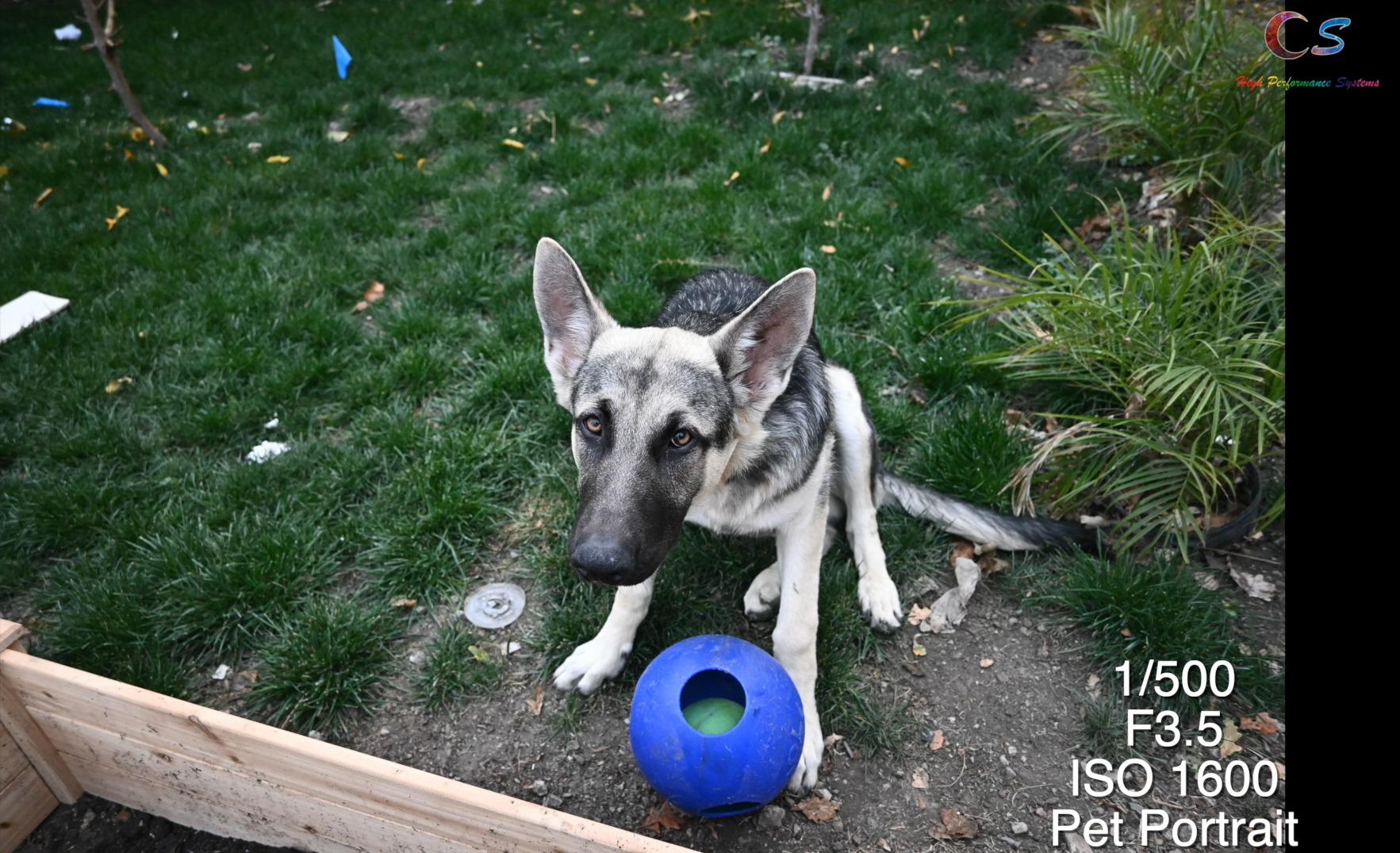
Video tops out at 4K UHD at 30 fps with a 1.7x crop, which narrows your wide-angle options. The Z 50 does include a flip-down selfie screen for vlogging – useful because the flip direction lets the screen tuck under the camera, preserving the eyepoint for eye-level EVF use.
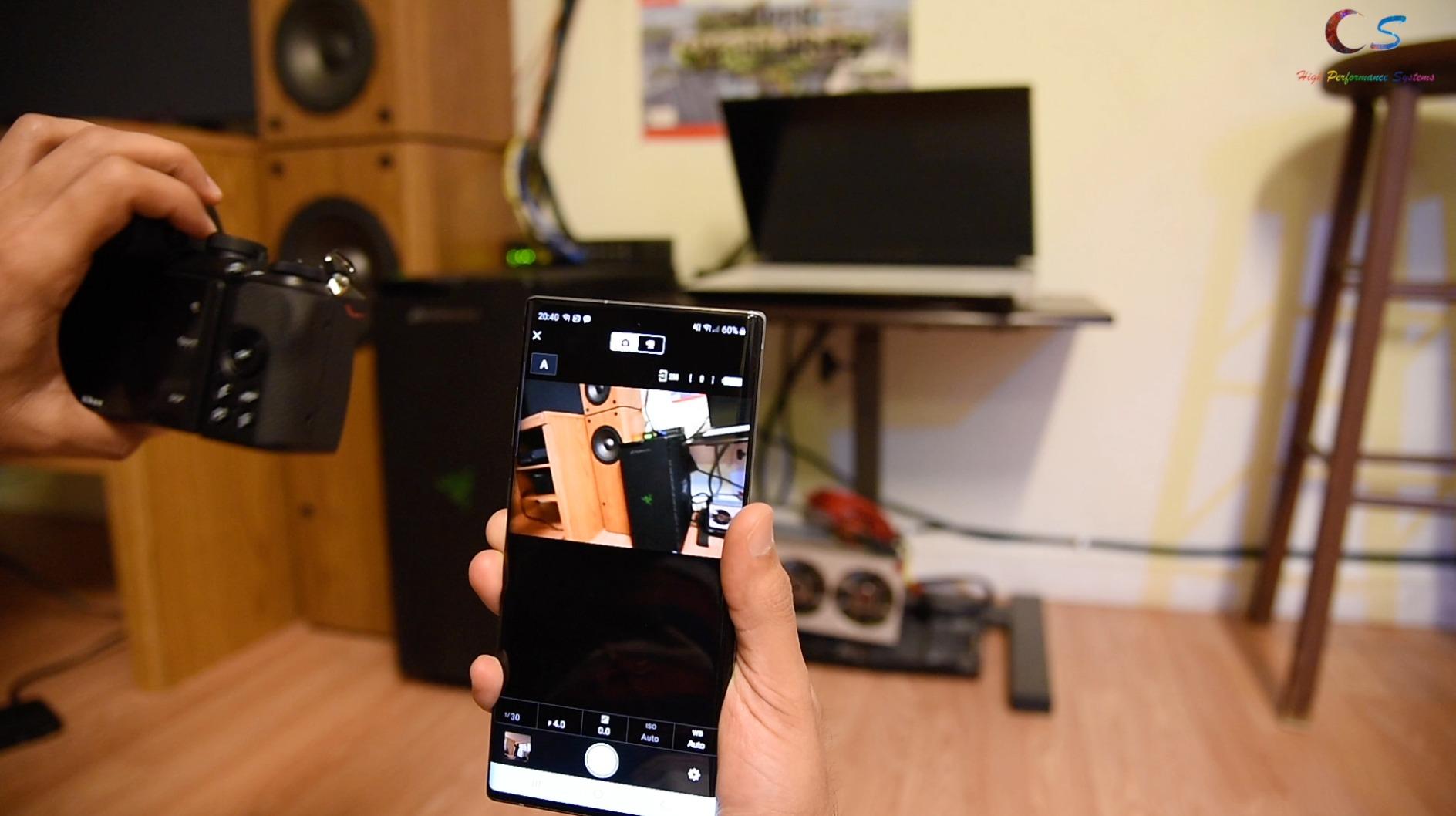
Build quality is excellent: a deep grip, magnesium-alloy front, and weather sealing around key buttons. Nikon SnapBridge handles wireless transfer to phones via Bluetooth, though the app remains criticized for being slower than Canon or Sony alternatives.
Who should buy the Nikon Z 50
Nikon DSLR owners moving to mirrorless get an easy transition: menus, button layout, and color science all carry over. The Z 50 works with F-mount lenses via the FTZ adapter, so old Nikkor glass stays relevant. Travelers who want a smaller camera for daily carry and a system they can grow into will find the Z 50 thoughtful and well-built.
First-time camera buyers who have owned a Nikon Coolpix or compact Nikon camera will find the menu system approachable.
Where the Nikon Z 50 falls short
The native DX Z-mount lens catalog is smaller than Canon’s RF-S or Sony’s E-mount. Birds, wildlife, and wide-angle buyers will find fewer native options and rely on full-frame Z lenses (which work but add bulk) or adapted F-mount lenses. The single command dial and simpler body controls will frustrate enthusiasts used to dual dials. 4K video with the 1.7x crop is limiting for vlogging.
For serious wildlife or action photography, look at the newer Nikon Z50 II or Canon EOS R7.
7. Sony Alpha a6300 – A Weather-Sealed APS-C Workhorse for Travel
Sony Alpha a6300 Mirrorless Camera: Interchangeable Lens Digital Camera with APS-C, Auto Focus & 4K Video – ILCE 6300 Body with 3” LCD Screen – E Mount Compatible – Black (Includes Body Only)
24.2MP APS-C Exmor sensor
425 phase-detect AF points
4K UHD video
Dust and moisture sealed body
Pros
- Compact 16 oz dust and moisture-sealed magnesium body
- 4K UHD video with full pixel readout
- 425 phase-detect AF points with 0.05 sec lock speed
- XGA OLED Tru-Finder electronic viewfinder
- Very competitive pricing on older inventory
Cons
- No in-body image stabilization
- Older Sony menu system
- Slower UHS-I SD card slot compared to newer bodies
The Sony Alpha a6300 is an older generation that punches above its weight, and its discounted price on the used market makes it a tempting value pick under $1500. We added it to this list because, despite being launched years ago, the a6300 remains one of the best APS-C mirrorless cameras under $1000 for buyers who want weather sealing, an EVF, and 4K video in a small body.
The 24.2-megapixel APS-C Exmor sensor is paired with Sony’s BIONZ X processor. Image quality holds up well against newer competitors, especially in good light. Autofocus uses 425 phase-detect points with a 0.05-second lock speed – still fast in 2026. 4K UHD video uses full pixel readout without pixel binning for sharp footage.
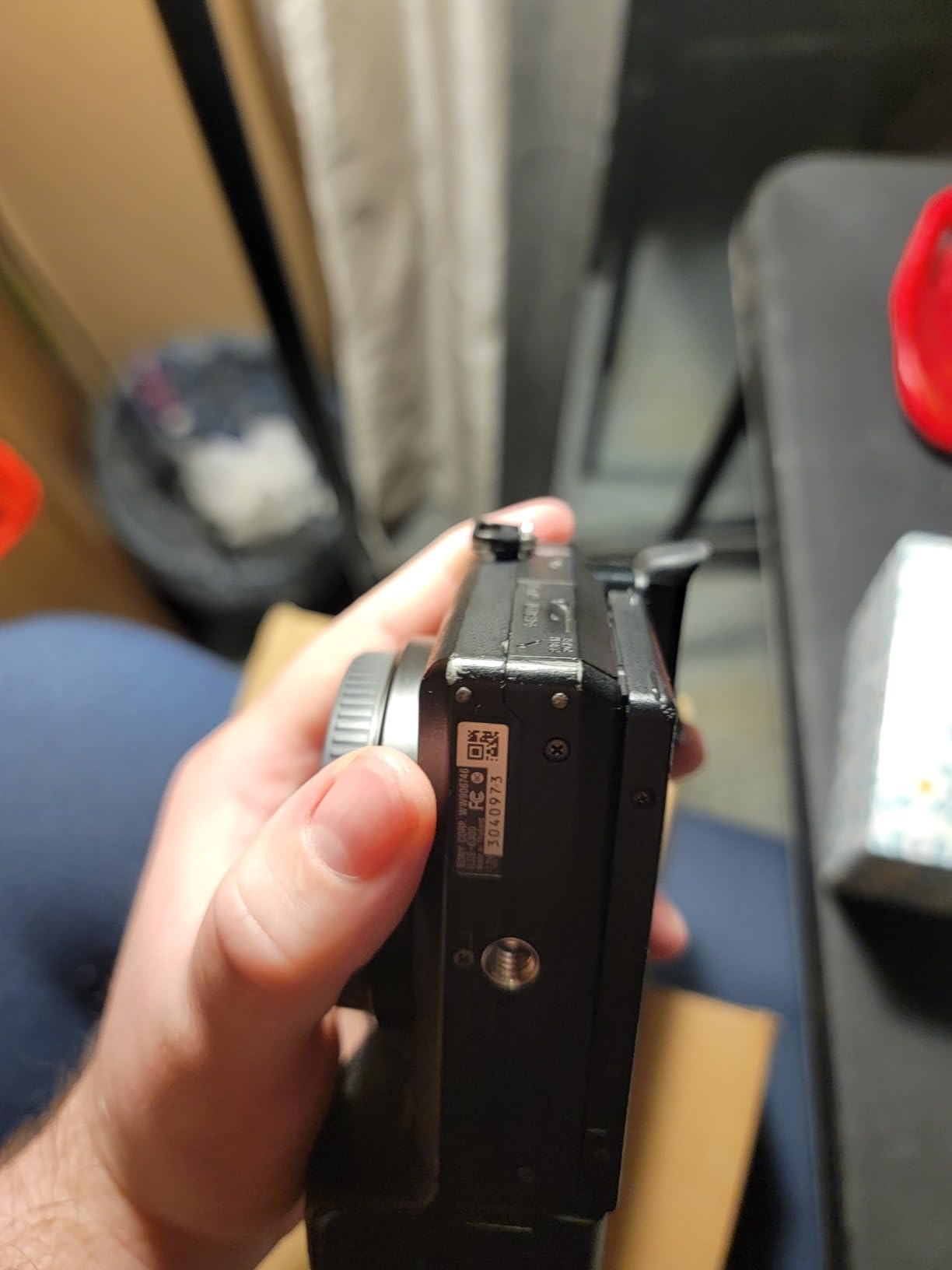
The headline feature is build quality. The magnesium alloy body is sealed against dust and moisture at key seams – a rarity in this price class. The XGA OLED Tru-Finder is one of the better EVFs in sub-$1000 cameras. Body weight is 16 oz with the included battery.
Continuous shooting tops at 11 fps with a buffer of around 50 RAW frames or 180 JPEGs. Wi-Fi is built in. The camera accepts the same Sony E-mount lenses as newer Sony bodies, and most modern FE and E-mount lenses work natively.

Who should buy the Sony a6300
Outdoor photographers who shoot landscapes, travel, and weather-exposed conditions will appreciate the sealed body and EVF. Buyers on a tight budget who want Sony’s lens ecosystem at a low entry price should consider it – just be aware that newer options like the Sony a6400 add modern conveniences (better menu, flip screen, real-time tracking) for a small premium.
Street photographers will enjoy the compact size, silent electronic shutter, and tilting screen for waist-level shooting.
Where the Sony a6300 falls short
The menu system is Sony’s older generation, with deep layers and limited touch support. There is no in-body image stabilization – pair the a6300 with stabilized Sony E-mount lenses for the smoothest results. The UHS-I SD card slot is slower than the UHS-II support on newer bodies, so buffer clearing takes longer during long bursts. There is no flip-forward screen for vloggers.
For vloggers or buyers who frequently shoot video, the Sony ZV-E10 or Sony a6700 are better choices.
8. Canon EOS R100 – The Cheapest APS-C Mirrorless Under $1500
Canon EOS R100 Mirrorless Camera with RF-S 18-45mm Lens Bundle
24.1MP APS-C CMOS sensor
143-zone Dual Pixel CMOS AF
4K 24p video
Complete starter bundle
Pros
- Lowest priced new APS-C mirrorless in this roundup
- Dual Pixel CMOS AF with 143 zones for sharp stills
- Complete bundle includes bag and 64GB SD card
- Lightweight body in compact charcoal finish
- Compatible with Canon RF-S and RF lenses
Cons
- 4K capped at 24 fps with a 1.6x crop
- No in-body image stabilization
- Fixed rear screen unsuitable for vloggers
The Canon EOS R100 is our budget pick for 2026 – the cheapest new APS-C mirrorless camera you can buy that still gives you access to Canon’s modern RF-S lens ecosystem. Coming in at a lower price than any other camera in this roundup, the R100 ships with the RF-S 18-45mm kit lens plus a shoulder bag and 64GB SD card. For buyers whose main goal is moving from a phone to a real camera, this bundle is hard to beat.
Inside, the R100 uses a 24.1-megapixel APS-C CMOS sensor and the older DIGIC 8 processor. Image quality is excellent for the price: sharp, clean files with pleasing color. JPEGs straight out of camera look great for sharing without editing. The Dual Pixel CMOS AF system uses 143 zones to lock focus quickly and accurately on faces and eyes.

Burst rate is conservative at 6.5 fps, and 4K video caps at 24 fps with a 1.6x crop. The screen is fixed rather than articulating, which makes the R100 a poor choice for vloggers but fine for traditional stills, family photos, and travel. For Full HD video you get 60 fps without a crop.
The R100 is a great starting point for older Canon EOS Rebel or M-series owners wanting to move into mirrorless, and for first-time buyers who want the lowest possible entry to Canon’s RF-S system.

Who should buy the Canon EOS R100
Casual photographers who want better photos than their phone can deliver without learning a complex camera will love the R100. Parents documenting kids’ birthday parties, travelers capturing vacation memories, and small business owners who need product photos all get image quality that justifies upgrading from a phone. The included 64GB card and bag mean you are ready to shoot day one.
Beginners who want to grow into the Canon system without overspending should consider this and then add the RF-S 18-150mm or RF 50mm f/1.8 STM lens for a true starter kit.
Where the Canon EOS R100 falls short
Fixed LCD makes this camera unworkable for vloggers or anyone shooting selfies. 4K at 24 fps with a crop is too restrictive for serious video work. No in-body image stabilization means handheld video will appear shaky at telephoto focal lengths – rely on stabilized lenses. The burst rate is too slow for sports, wildlife, or active kids.
If you can stretch your budget, the Canon EOS R50 above is a meaningful upgrade with a vari-angle screen and better video. See also our guide to the best Canon APS-C mirrorless cameras.
APS-C vs Full-Frame at the $1500 Price Point
One of the most common questions buyers ask on r/Cameras is whether to choose APS-C or full-frame at the $1500 budget. The honest answer: at this price, APS-C gives you more advanced features per dollar, while full-frame gives you better low-light performance and shallower depth-of-field control. Here is how I would decide.
An APS-C body with the same autofocus, video specs, and build as a $2400 full-frame body will typically run $800-$1500. The trade-off is a smaller sensor, which means roughly 1.5x-1.6x crop factor on your lenses. A 50mm lens behaves like a 75mm equivalent, which can be a benefit for wildlife and a problem for wide-angle landscapes.
Full-frame under $1500 in 2026 is possible – we have a roundup of the best full-frame mirrorless cameras under $1500 – but most of those bodies are older generations with slower autofocus and limited 4K video specs. The total-system cost flips the equation: a $1300 APS-C body with native lenses costs less than a $1300 full-frame body that needs full-frame lenses.
Buy APS-C if you shoot wildlife, sports, vlogging, travel, and family events. APS-C reaches further, costs less, and weighs less. Buy full-frame if you shoot professional portraits, low-light events, astrophotography, or large-format landscapes where sensor size matters more than resolution or burst rate. For most buyers under $1500, APS-C is the right call.
How to Choose an APS-C Mirrorless Camera Under $1500?
Choosing the best APS-C mirrorless camera for you comes down to six factors. Use this checklist before pulling the trigger.
Sensor resolution. 24-26 megapixels is the sweet spot for most APS-C bodies in this price tier. 40MP Fujifilm X-T5 bodies exceed $1500, so anything higher falls outside our scope. Megapixel count matters most if you crop aggressively for wildlife or print large.
Autofocus system. Subject detection for people, animals, and vehicles is now table stakes. Sony’s Real-Time Tracking, Canon’s Dual Pixel CMOS AF II, and Nikon’s hybrid AF systems all perform well. Older bodies (pre-2020) lag noticeably – prioritize a body released in 2026 or the prior two years for the best AF.
Video specs. 4K/30p is the minimum; 4K/60p gives you smooth motion and cropping room for social media edits. 10-bit color and log profiles (S-Log, F-Log, C-Log) matter if you want to grade footage. For pure YouTube use, a ZV-E10 or a6700 is ideal.
In-body image stabilization (IBIS). IBIS stabilizes stills at slow shutter speeds and smooths handheld video. Sony a6700 includes IBIS; the a6400, ZV-E10, and Canon EOS R10/R50 do not. Check whether your lenses include optical stabilization – this matters more for stills, less for video.
Lens ecosystem. Sony E-mount and Canon RF-S lead on lens variety and third-party support. Fujifilm X-mount wins on premium primes and film simulations. Nikon Z DX is smaller but growing. If you already own lenses from one brand, stay in that family.
Form factor and handling. Smaller bodies (EOS R50, Z 50) suit travel and one-handed shooting. Larger bodies with deeper grips (EOS R7, Sony a6700) handle telephoto lenses better and feel stable with long glass. Try to hold the camera in person before buying.
For a deeper dive on total-system cost – body plus the lens you actually need, not just the kit lens – check out our complete best mirrorless cameras under $1500 guide.
Frequently Asked Questions
What is the best APS-C mirrorless camera under $1500 in 2026?
The Sony Alpha a6700 is the best APS-C mirrorless camera under $1500 in 2026. It combines a 26MP back-illuminated APS-C sensor, dedicated AI processor for subject detection, 4K/60p 10-bit video, and in-body image stabilization in a compact 14.5 oz weather-sealed body.
Is APS-C good enough for professional photography?
Yes – APS-C sensors in modern cameras like the Sony a6700, Canon EOS R7, and Fujifilm X-T5 produce image quality that rivals full-frame bodies for most professional work. Sports, wildlife, and event photographers frequently choose APS-C for the extra reach and lower system cost. Full-frame still wins for low-light and shallow depth of field.
Should I buy APS-C or full-frame at $1500?
For most buyers under $1500, APS-C delivers better autofocus, faster burst rates, and more modern features per dollar. Pick APS-C if you shoot wildlife, sports, travel, or vlogs. Pick full-frame if you shoot professional portraits, low-light events, or astrophotography where sensor size is paramount.
Which APS-C mirrorless camera is best for beginners?
The Canon EOS R50 is the best APS-C mirrorless camera for beginners thanks to its guided menus, light 16 oz body, and reliable Dual Pixel CMOS AF II subject detection. The Sony ZV-E10 is a close second for beginners whose primary focus is video and vlogging.
Which APS-C camera is best for video and vlogging?
For video and vlogging under $1500, the Sony ZV-E10 is purpose-built with Product Showcase Setting, Background Defocus, and single-USB live streaming. The Sony Alpha a6700 is the better hybrid choice if you also want flagship-grade stills and 4K/60p 10-bit recording with in-body stabilization.
What is the best lens for APS-C mirrorless cameras?
The best starter lens depends on the mount. For Sony E, the Sony E 18-135mm f/3.5-5.6 OSS covers wide to telephoto in one zoom. For Canon RF-S, the RF-S 18-150mm IS STM is the equivalent travel zoom. For Nikon Z DX, the Nikkor Z DX 18-140mm f/3.5-6.3 VR is a strong one-lens solution. Add a fast 50mm prime (full-frame equivalent of 75mm) for portraits.
Final Verdict: Which APS-C Camera Under $1500 Should You Buy in 2026?
For most buyers searching for the best APS-C mirrorless cameras under $1500 in 2026, the Sony Alpha a6700 is the winner. It leads on autofocus intelligence, video specs, in-body stabilization, and lens ecosystem maturity. If your budget caps closer to $1000, the Canon EOS R10 is the best value pick, with flagship-grade Dual Pixel autofocus at a beginner price. Vloggers and streamers should grab the Sony ZV-E10 first.
Whatever camera you choose, plan to buy it body-only or with the smallest kit lens and add a fast prime or telephoto as your budget allows. The lens you buy matters as much as the body. For more camera roundups, see our best mirrorless cameras under $1500 guide and brand-specific APS-C guides above.