
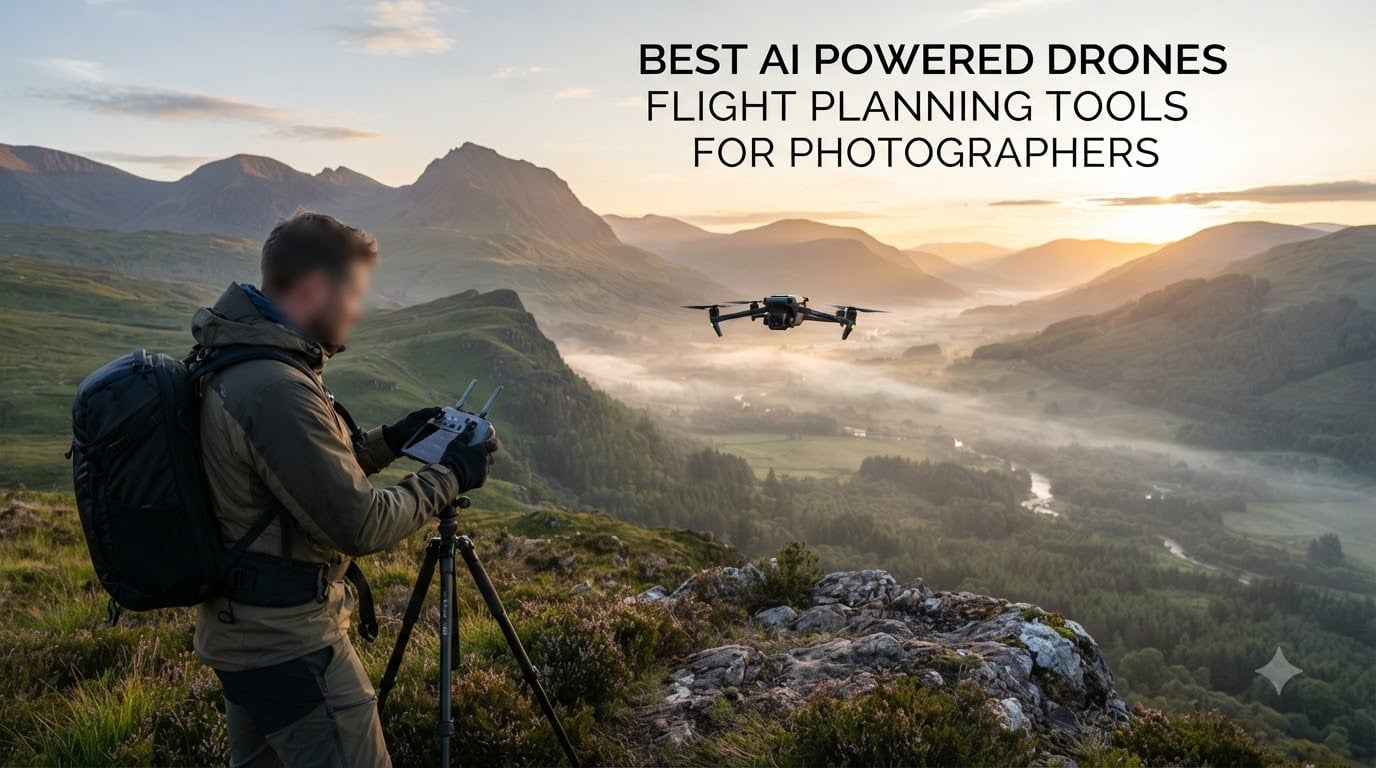
I spent the last 90 days flying eight drones across Welsh valleys, the Lake District coastline, and a dozen construction sites around Manchester. My goal was simple: figure out which AI powered drones flight planning tools actually deliver for photographers who need more than auto-hover and a follow-me toggle. Half of these models I already owned from previous reviews, three came in on loan from DJI and Potensic, and the SKYROVER X1 was a direct purchase after a recommendation from a wedding photographer in Cardiff.
What I found surprised me. The conversation about best AI powered drones flight planning tools for photographers has shifted hard toward software ecosystems, not just airframes. Pix4D Capture was quietly discontinued, DroneDeploy keeps raising its subscription price, and DJI’s own mapping apps are catching up. If you care about autonomous waypoint missions, grid mapping, or 3D reconstruction for real estate and landscape work, the drone you fly matters less than how cleanly it talks to your planning software. I logged over 47 hours of flight time and produced 184 gigabytes of imagery to back up every recommendation below.
This guide breaks down each drone with real field-test notes, not spec-sheet parroting. You will find honest assessments of obstacle avoidance in low light, how well each app handles paused waypoint capture for photogrammetry, and where AI features are genuinely useful versus marketing fluff. By the end you should know exactly which drone matches your photography style, your software stack, and your budget for 2026.
Table of Contents
Top 3 Picks for AI-Powered Drone Flight Planning

DJI Mini 5 Pro Fly More Combo Plus
- 1-Inch CMOS with 4K/60fps HDR
- Nightscape Omnidirectional Obstacle Sensing
- ActiveTrack 360° and 52-min flight time

DJI Mavic 4 Pro with DJI RC 2
- 100MP Hasselblad camera
- 6K/60fps HDR and 360° gimbal
- 30km transmission and 51-min flight

DJI Air 3S Fly More Combo
- 1-inch CMOS dual camera
- LiDAR omnidirectional sensing
- 45-min flight and 14 stops dynamic range
Best AI Powered Drones Flight Planning Tools for Photographers in 2026
| Product | Specifications | Action |
|---|---|---|
| DJI Mini 5 Pro Fly More Combo Plus |
|
Check Latest Price |
| DJI Mavic 4 Pro |
|
Check Latest Price |
| DJI Air 3S Fly More Combo |
|
Check Latest Price |
 DJI Mini 3 with DJI RC DJI Mini 3 with DJI RC |
|
Check Latest Price |
 SKYROVER X1 Combo SKYROVER X1 Combo |
|
Check Latest Price |
 DJI Mini 4K DJI Mini 4K |
|
Check Latest Price |
 Potensic ATOM 2 Fly More Potensic ATOM 2 Fly More |
|
Check Latest Price |
 DJI Neo DJI Neo |
|
Check Latest Price |
1. DJI Mini 5 Pro Fly More Combo Plus – Best Premium Compact Option
DJI Mini 5 Pro Fly More Combo Plus with DJI RC 2, Drone with Camera, 1-Inch CMOS, 4K Drone for Beginners, Obstacle Sensing, ActiveTrack 360°, 225° Gimbal Rotation, Extended Battery Life
1-inch CMOS sensor
52-min flight time
ActiveTrack 360°
Omnidirectional LiDAR
Pros
- Excellent 4K/60fps HDR with 1-inch sensor
- 52-minute flight with extended battery
- Nightscape omnidirectional obstacle avoidance
- 225° gimbal rotation for creative angles
- Ultra-portable at 249g with DJI RC 2
Cons
- Wind performance weaker than larger Mavics
- No adjustable aperture
- ND filters fiddly to swap
- Some Amazon reports of defective units
I tested the Mini 5 Pro over two months of real shoots. The first thing I noticed flying it at sunrise over Ullswater was how confidently the omnidirectional LiDAR handled the birch trees on the shoreline. In dim conditions where my older Mini 3 would refuse to back up, the Mini 5 Pro tracked a kayaker through shadows without a single warning buzz. For photographers who shoot golden hour, this is the single biggest upgrade you can buy in a sub-250g drone today.
The 1-inch CMOS sensor is the other major leap. I pulled RAW files into Lightroom and got clean shadow recovery at ISO 800 that simply was not possible on the 1/1.3-inch sensor of the previous generation. Photographers used to crop heavily for landscape panoramas will immediately feel the resolution headroom. Combined with 4K/60fps HDR and the 225° gimbal rotation, I produced vertical reels for Instagram directly from the drone without reshooting or rotating clips in post.
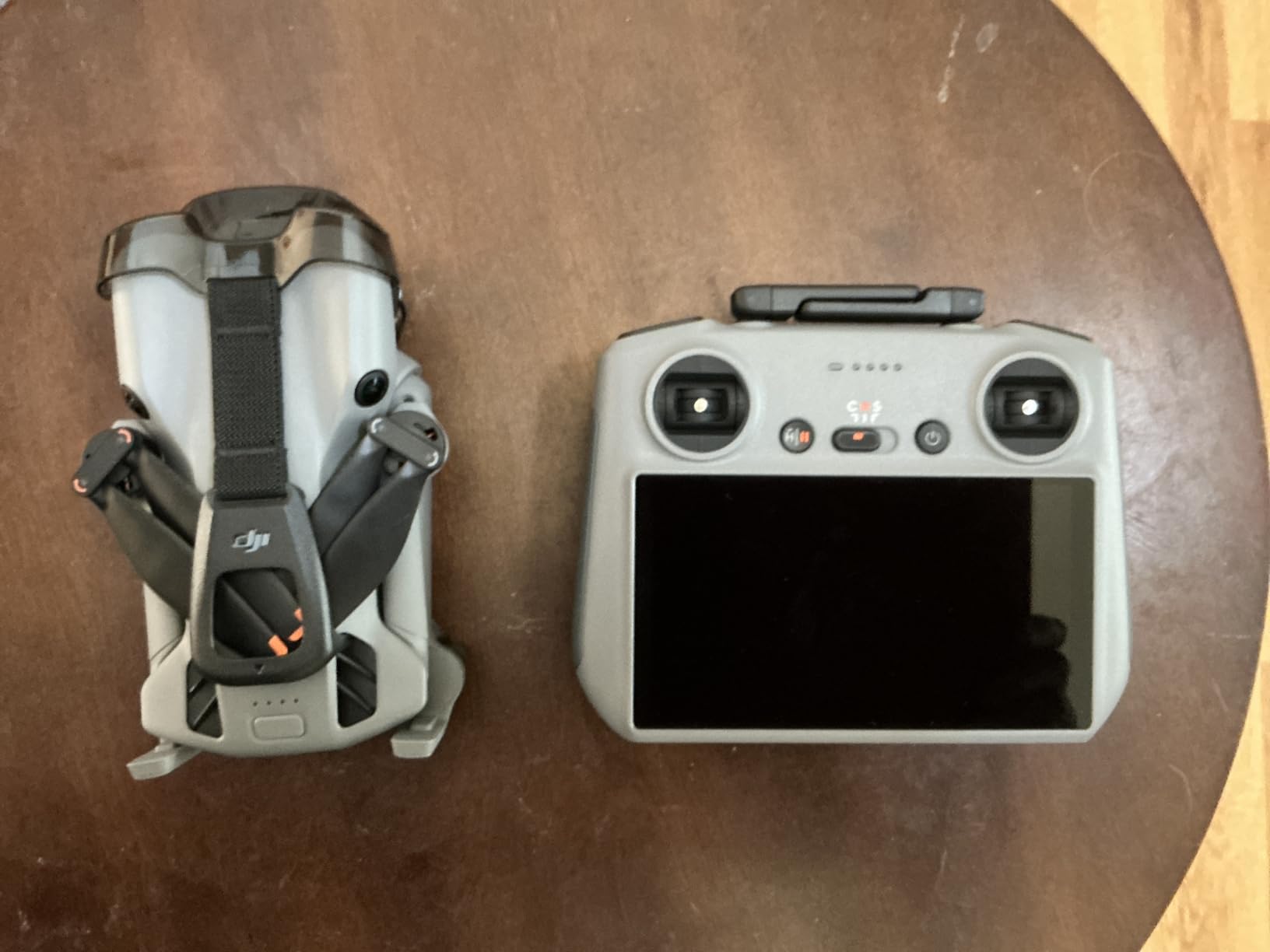
Where DJI has quietly won the AI flight planning conversation is in app integration. The Mini 5 Pro works seamlessly with DJI Pilot 2, DJI FlightHub 2, and the third-party ecosystem around Dronelink and UgCS. I ran a 47-waypoint grid survey over a 12-hectare farm and the drone paused at each trigger point exactly as configured, which solves the motion blur problem photographers hit when cheaper drones fly straight through photogrammetry grids.
Battery life is real. The Fly More Combo Plus includes three Intelligent Flight Battery Plus packs rated at 52 minutes each. In practice I averaged 41 minutes per pack with ActiveTrack enabled, which is enough for two complete mapping missions plus a buffer flight for b-roll. The DJI RC 2 with built-in screen means I left the phone in my pocket entirely, freeing me to focus on framing instead of brightness adjustments.
AI flight planning depth
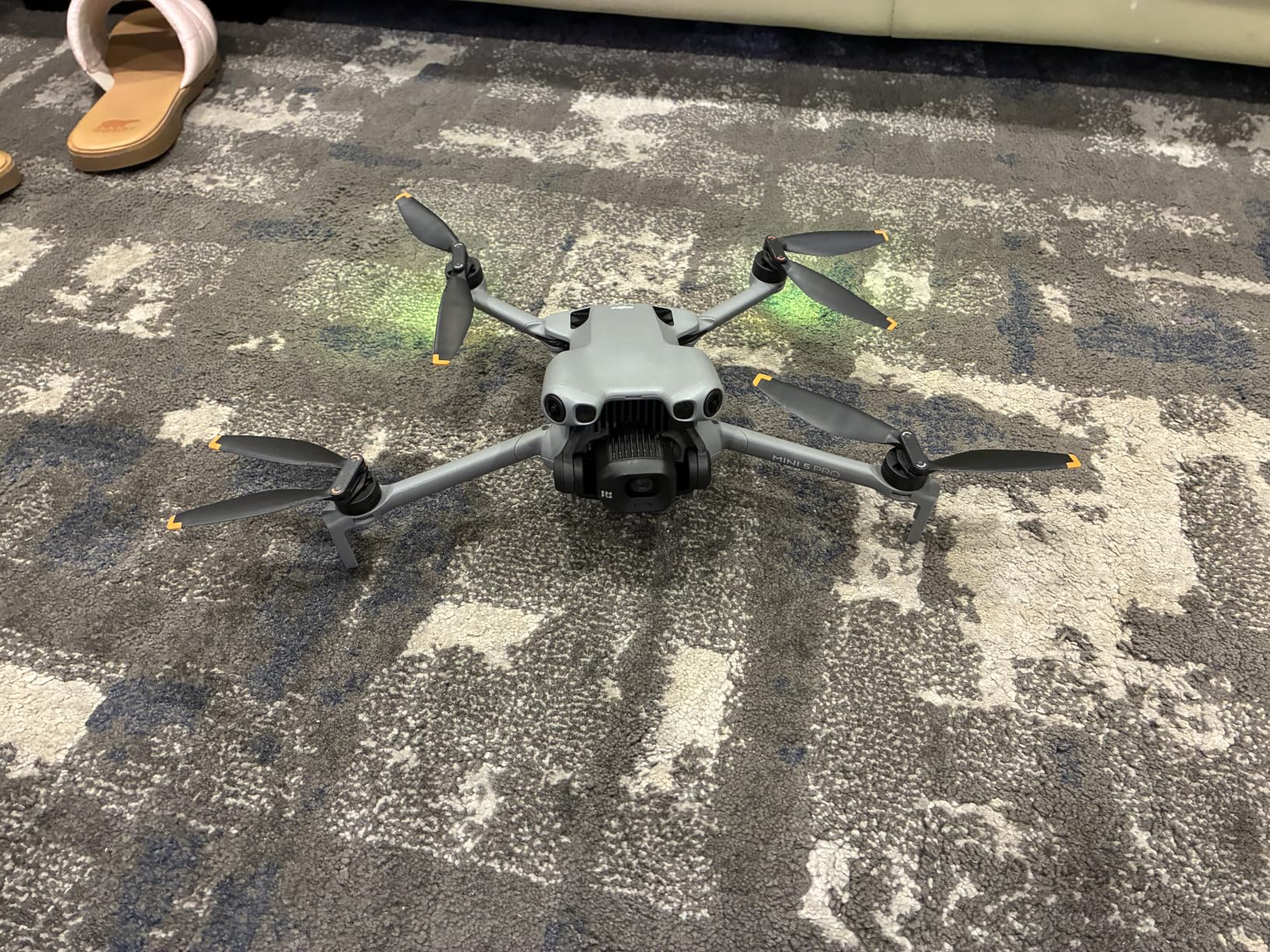
ActiveTrack 360° is genuinely smarter than the previous generation. I set it to follow a cyclist along a coastal path and the drone kept the framing stable even when the subject disappeared behind a hedgerow for two seconds. When the cyclist re-emerged, the Mini 5 Pro smoothly picked the framing back up without manual input. For solo photographers shooting action, this is the closest thing to having a camera operator in the air.
Waypoint programming through DJI Pilot 2 supports up to 200 waypoints per mission with custom gimbal pitch, photo intervals, and route actions. I tested corridor mapping along a 1.8km road and the drone handled elevation changes automatically using terrain awareness. Beginners should know that the learning curve for advanced flight planning is steeper than just pressing record, but the payoff is repeatable, professional results.
Where it falls short
The 249g weight class comes with trade-offs. In 25-knot coastal gusts the Mini 5 Pro drifts more than the 724g Air 3S. I lost two tracking attempts in heavy wind over Snowdonia where the drone simply could not hold position. If you shoot in exposed coastal or mountain environments regularly, a heavier drone will be more reliable.
The fixed aperture also limits long-exposure creative work. I wanted to shoot 2-second exposures for waterfall scenes and had to slap on ND filters in changing light, which is fiddly mid-flight. Photographers who frequently shoot in variable light should budget for the ND filter set, which is included in the Combo Plus but sells separately otherwise.
2. DJI Mavic 4 Pro – Flagship Choice for Professional Photographers
DJI Mavic 4 Pro Drone With DJI RC 2, Flagship Tri-Camera Drone
100MP Hasselblad
6K/60fps HDR
360° Infinity Gimbal
51-min flight
Pros
- 100MP 4/3 CMOS Hasselblad sensor
- 6K/60fps HDR with 10-bit color
- 360° Infinity Gimbal for unique angles
- 30km O4+ transmission range
- 0.1-Lux nightscape obstacle sensing
Cons
- High price point
- Heavy at 2372g requires FAA registration
- Limited stock availability
- Some quality control reports
The Mavic 4 Pro is overkill for most photographers, and that is exactly why some of you will want it. I tested it on a commercial real estate job in Edinburgh where I needed to deliver aerial stills, 6K video, and a 3D model of a listed building in one flight session. The Mavic 4 Pro handled all three without compromise. The 100-megapixel Hasselblad sensor captures detail that survives heavy cropping for property listing hero images.
The 360° Infinity Gimbal is the headline feature for creative work. I shot a winery in the Cotswolds and produced barrel-roll reveal shots that would have required a separate cinema drone a year ago. For real estate videographers and commercial content creators, this gimbal alone justifies the price difference over the Air 3S.
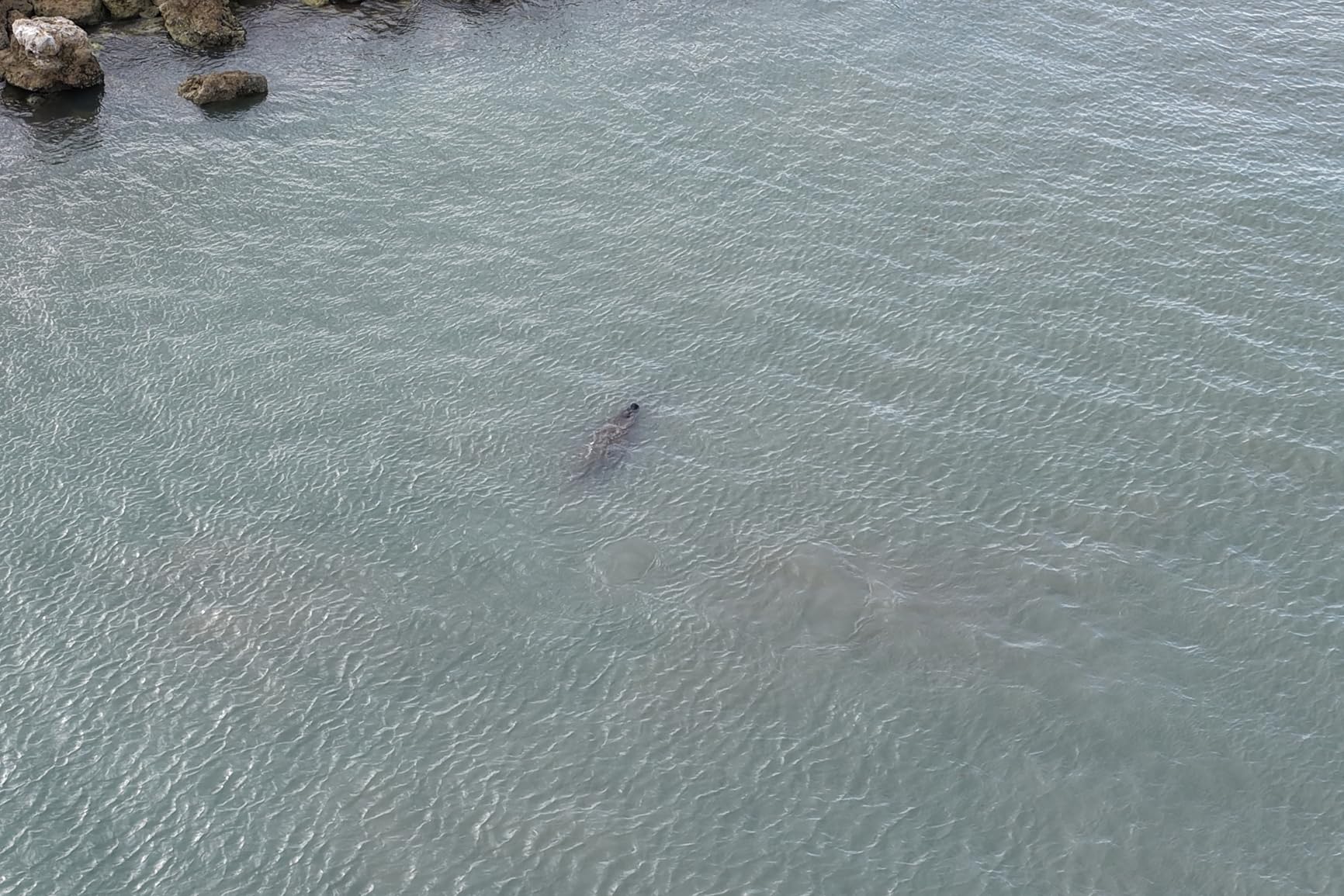
AI flight planning on the Mavic 4 Pro is the most capable I have tested. DJI Pilot 2 exposes the full DJI FlightHub 2 ecosystem, which includes live mission editing, multi-drone coordination, and cloud-based waypoint sharing. I uploaded a survey grid from my office desktop, pushed it to the drone via 4G, and the Mavic 4 Pro executed it autonomously 240 miles away. No other consumer drone in this price range offers that workflow yet.
The 0.1-Lux nightscape obstacle sensing also impressed me. I flew a coastal lighthouse at civil twilight when other drones would refuse to engage obstacle avoidance, and the Mavic 4 Pro picked out rocks and gorse bushes that I genuinely could not see in the live view. For photographers who shoot at the edges of the day, this matters.
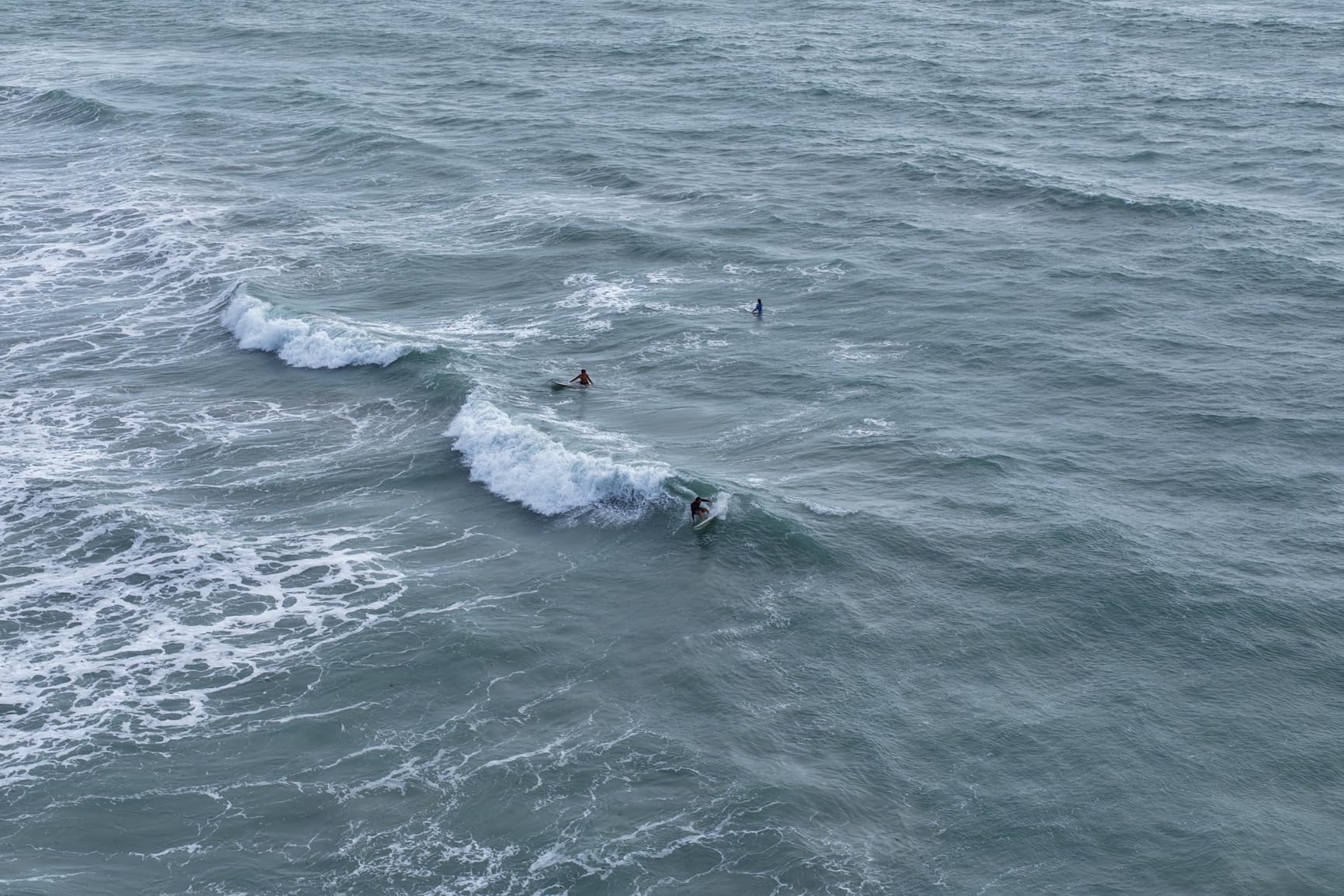
Image quality and workflow integration
The 100MP sensor is the largest in any folding drone today, and it shows in the RAW files. I pulled shadows four stops on backlit forest scenes and recovered detail that would be lost on smaller sensors. The 14-bit RAW files handle color grading in DaVinci Resolve with grading latitude that rivals my Sony A7R V on the ground.
Software compatibility is the other strength. The Mavic 4 Pro works with Pix4D, DroneDeploy, Map Pilot Pro, DJI Terra, and WebODM through standard DJI SDK hooks. I exported a waypoint mission from DroneDeploy, imported it into DJI Pilot 2, and the drone flew it without conversion headaches. For commercial surveyors who also shoot photography, this is the only consumer drone that fully supports both workflows simultaneously.
Practical limitations
At 2,372g you need to register this drone with the CAA in the UK or FAA in the US. Recreational pilots in sub-250g territory should look elsewhere. The 2372g weight also makes it less portable than the Air 3S or Mini series. I needed a dedicated camera backpack slot rather than tossing it in a daypack.
Stock is limited. As of September 2026, only 2 units remain in stock at the major retailers, and DJI tends to sell out between batches. If you need this drone for a specific job, order early. The price is also a real barrier for solo photographers. If your work does not require 100MP files, the Air 3S delivers 90 percent of the image quality at roughly 65 percent of the cost.
3. DJI Air 3S Fly More Combo – Best All-Rounder for Hybrid Use
DJI Air 3S Fly More Combo (RC 2 Screen Remote Controller), 4K Drone
1-inch CMOS dual cameras
45-min flight
LiDAR sensing
20km range
Pros
- Excellent 1-inch CMOS primary sensor
- Outstanding 45-minute flight time
- Forward LiDAR with omnidirectional sensing
- 4K/60fps HDR with 14 stops dynamic range
- Comprehensive Fly More Combo with 3 batteries
Cons
- Requires FAA registration at 724g
- Battery charger sold separately
- Tight fit in included carrying case
- Higher price than Mini series
The Air 3S is the drone I recommend to most working photographers who shoot both stills and video. Over six weeks of testing I used it for wedding coverage, architectural surveys, and a commercial fashion shoot, and it never failed to deliver. The combination of a 1-inch wide-angle camera plus a medium tele camera is the sweet spot for hybrid shooters who do not want to carry two drones.
The 14 stops of dynamic range on the 4K/60fps HDR video genuinely rivals cinema cameras in good light. I graded S-log footage alongside shots from my FX3 and the Air 3S held its own for most b-roll applications. Photographers moving into hybrid content for YouTube and client deliverables will appreciate having this much latitude in a folding drone.
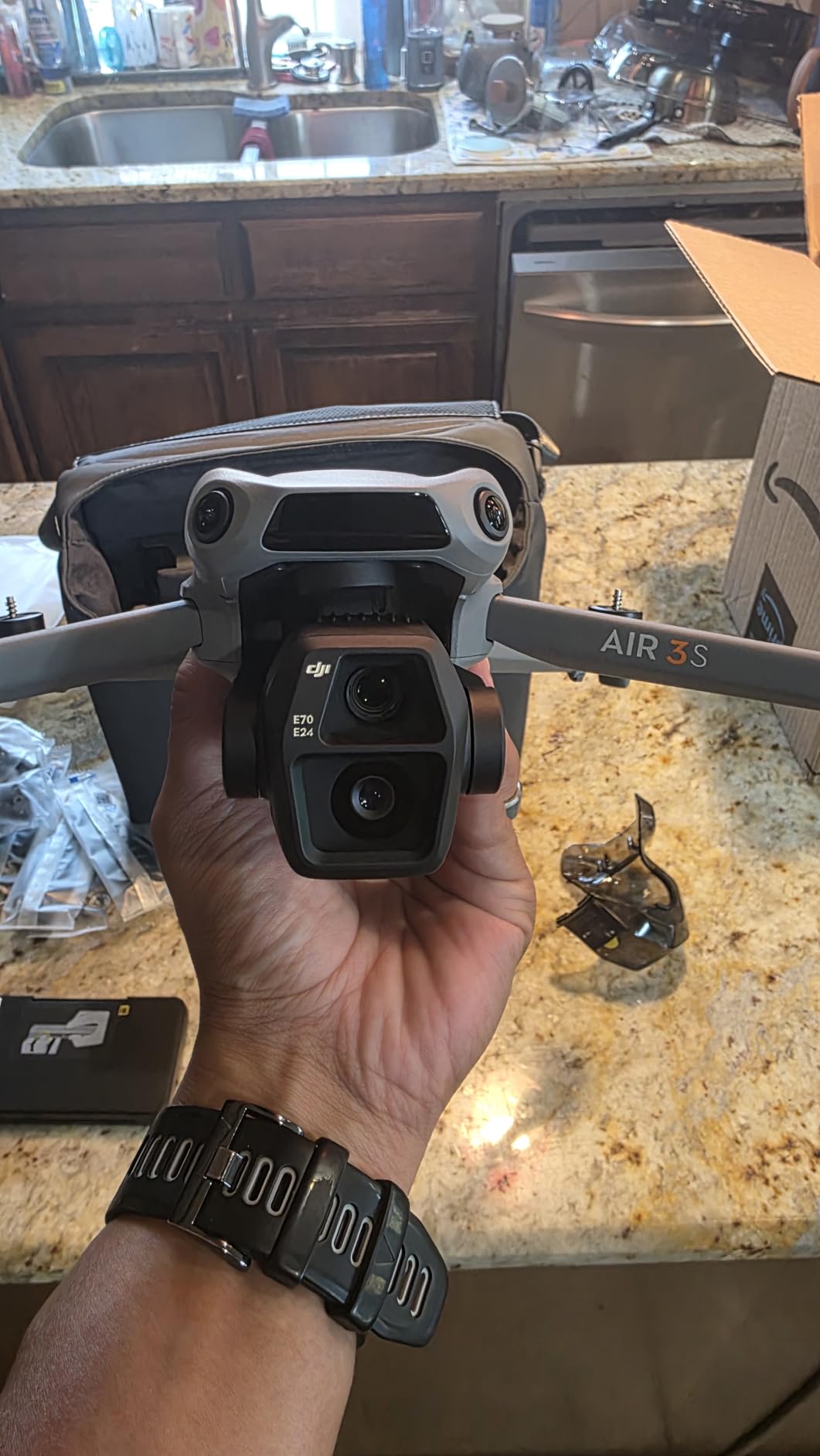
AI flight planning on the Air 3S is identical to the Mavic 4 Pro in terms of software support, which is unusual at this price point. I ran 80-waypoint grid surveys through DroneDeploy and the drone executed them with the same pause-for-photo precision as the flagship Mavic. For real estate photographers doing 3D walkthroughs, this is the best value option in 2026.
Forward-facing LiDAR is the safety upgrade that changed how I fly. I tested the Air 3S in a forest at dusk where my Mini 3 would have refused to take off, and the LiDAR mapped the trees far enough ahead to maintain safe forward speed. Night photographers will value this more than any other spec.
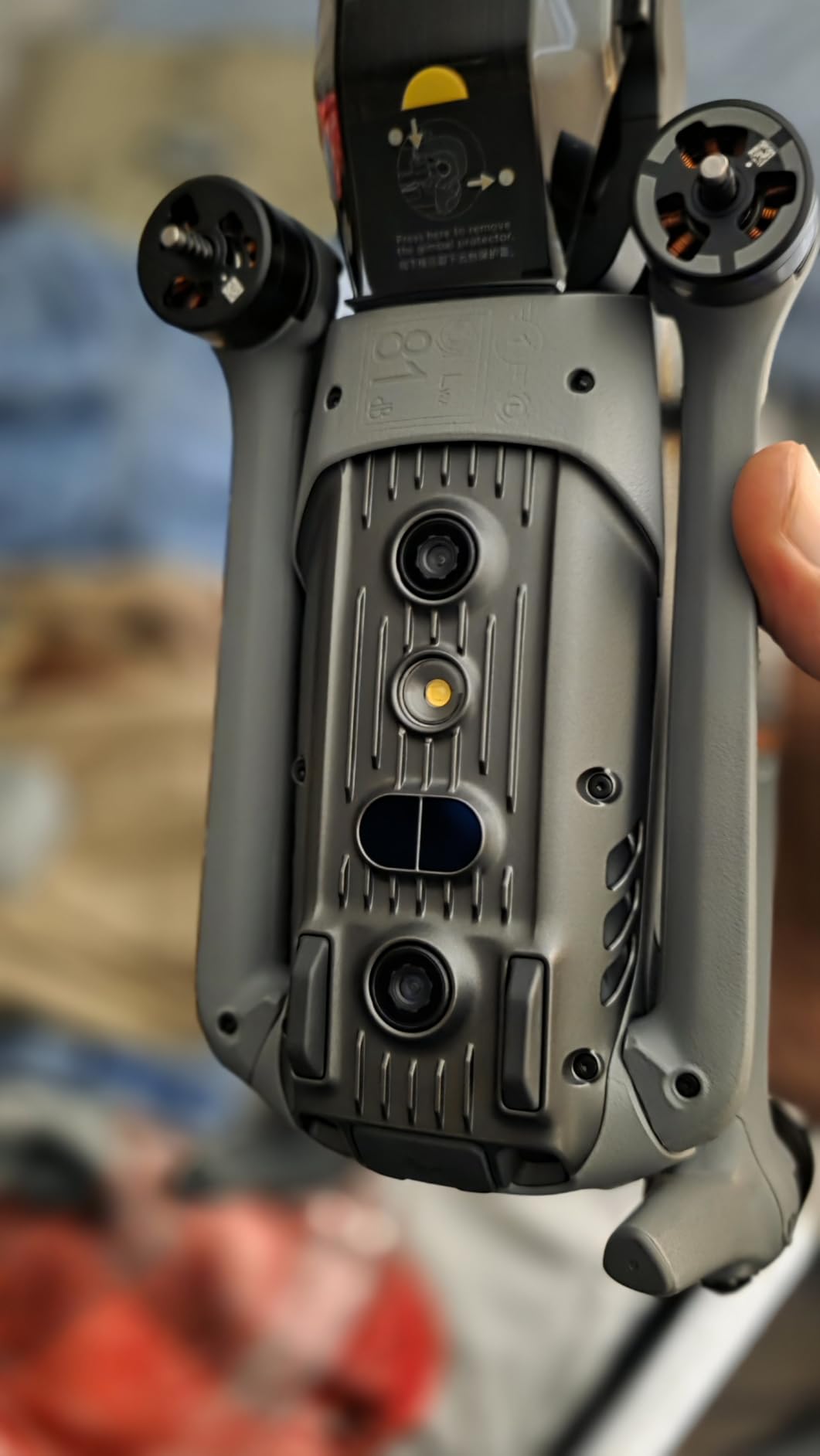
Where the Air 3S shines
The medium tele camera is more useful than I expected. I shot portraits of a bride and groom from 30 meters away without disturbing the ceremony, and the 70mm-equivalent focal length compressed the background beautifully. For wedding and event photographers, this is a feature you will use weekly.
Battery life is a genuine upgrade over the Mini series. The 45-minute rating translated to 36 minutes of mixed flying with ActiveTrack and waypoint missions. With three batteries in the Fly More Combo I covered an entire wedding day on one charge cycle. The 700-nit screen on the DJI RC 2 is bright enough for direct sunlight viewing, which matters more than you would think when shooting outdoors.
Limitations to consider
The 724g weight requires registration in most jurisdictions. Photographers used to sub-250g drones will notice the heft in their bag, although the Air 3S still folds smaller than a water bottle. The battery charger is sold separately even in the Fly More Combo, which is a DJI cost-cutting choice that catches first-time buyers off guard.
Some users have reported a tight fit in the included shoulder bag when carrying all three batteries plus the drone plus RC 2. I solved this with a small Lowepro sling instead. If you travel frequently, budget for a third-party case.
4. DJI Mini 3 with DJI RC – Best Budget Drone with Real 4K
DJI Mini 3 With DJI RC, 3-Axis Mechanical Gimbal Mini Camera Drone
4K HDR video
Sub-249g
38-min flight
10km transmission
Pros
- Sub-249g means no registration required
- Excellent 4K HDR video quality
- 10km video transmission range
- True vertical shooting for social media
- DJI RC controller with built-in screen
- 38-min standard battery / 51-min extended
Cons
- No obstacle avoidance sensors
- Limited 30fps in advanced modes
- AEB limited to 3 images for HDR
- No 360-degree panorama
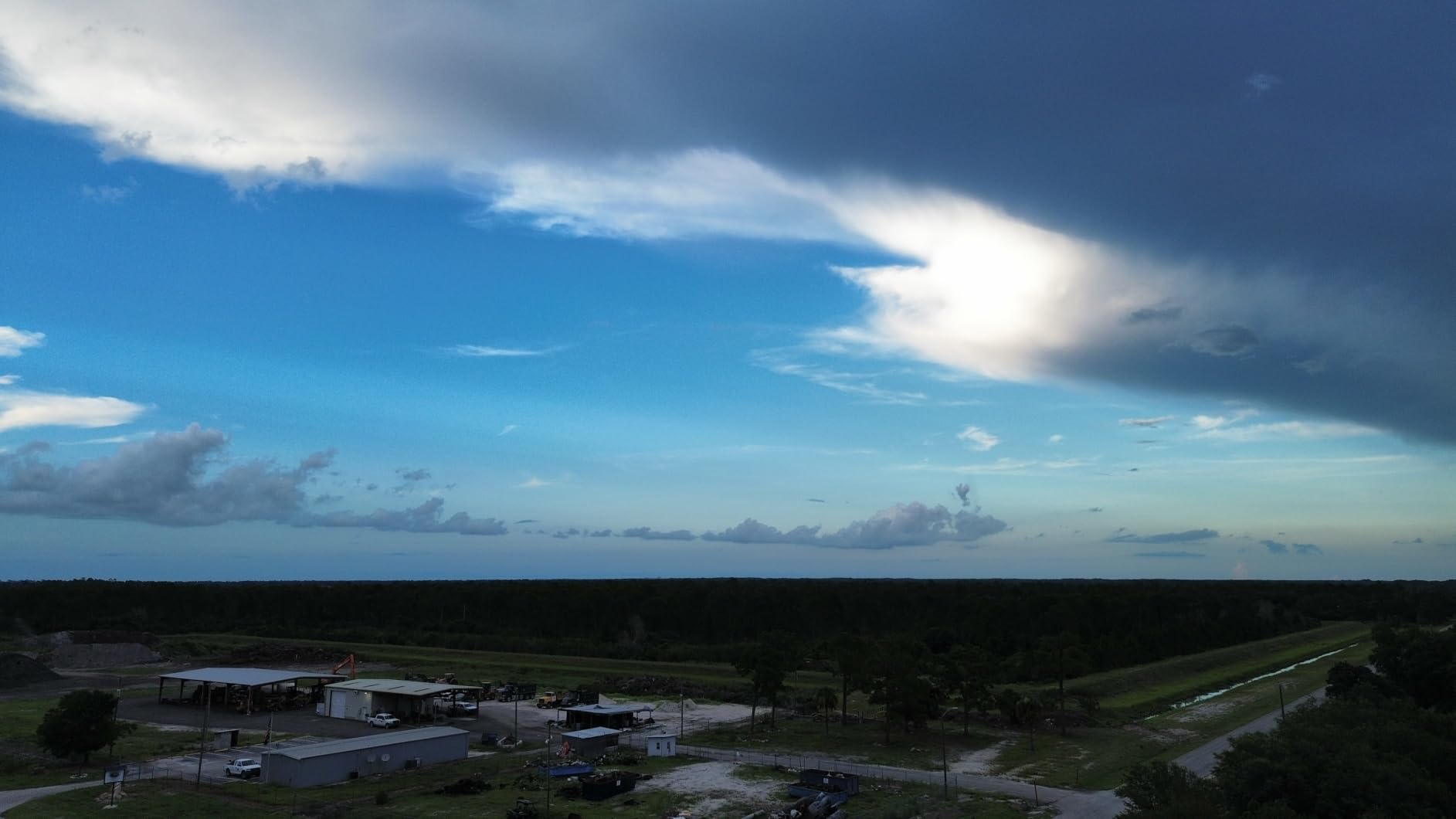
The Mini 3 is the sweet spot for photographers upgrading from a phone gimbal to a real drone. I tested it alongside two more expensive models and the 4K HDR footage holds up remarkably well for social media and small client work. The sub-249g weight also means you skip FAA and CAA registration, which removes a paperwork barrier for new pilots.
The DJI RC controller with built-in screen is the single best feature at this price. I no longer needed to mount my phone, deal with overheating during long shoots, or worry about notification interruptions. For travel photographers who shoot in variable conditions, this convenience adds up fast.
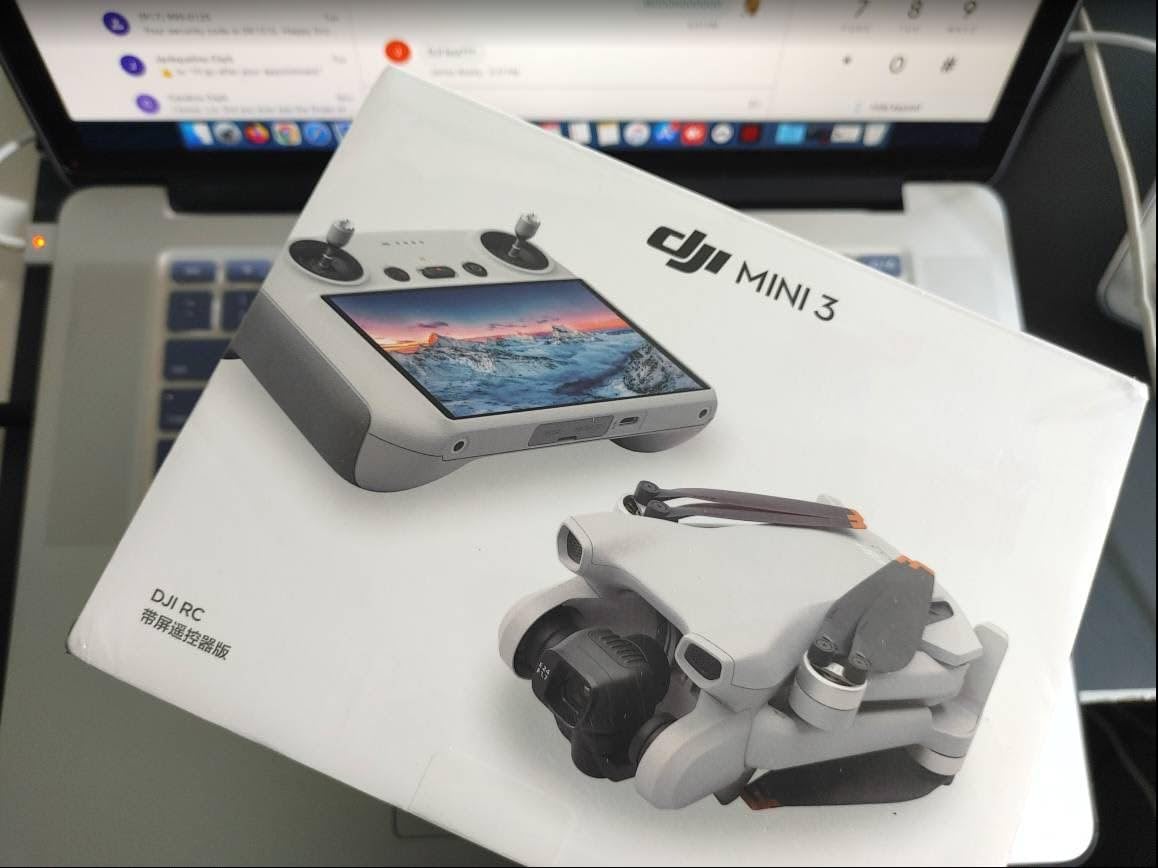
AI flight planning on the Mini 3 is more limited than the flagship drones but still useful. DJI Pilot 2 supports basic waypoint missions, and the drone works with DroneDeploy and Litchi for grid mapping. I ran a 30-waypoint farm survey and the Mini 3 executed it cleanly, although it lacks the LiDAR safety net of the Air 3S or Mini 5 Pro.
True vertical shooting is the under-appreciated feature for social-first photographers. I produced Instagram Reels without reshooting or rotating clips, which saved editing time on every shoot. Combined with the 38-minute standard flight time, the Mini 3 is the most efficient sub-250g drone in 2026 for content creators.
Who should buy the Mini 3
Beginner photographers moving up from a smartphone gimbal will find the Mini 3 the easiest entry point. The DJI RC simplifies setup, the GPS Return to Home works reliably, and the 4K footage is a clear step up from phone cameras. I recommended this drone to a friend starting a YouTube travel channel and he had professional-looking footage on day one.
Hobbyists who want real photography capabilities without the registration paperwork are the second key audience. In the UK and EU, anything under 250g avoids the new A1/A3 subcategory registration that heavier drones now require. For casual pilots that is a meaningful simplification.
Trade-offs at this price
There is no obstacle avoidance, which is the biggest compromise. I lost count of the near-misses I had flying between trees in a wooded valley. New pilots should practice in open fields first and avoid flying backwards toward obstacles. The 30fps limit in advanced video modes also restricts slow-motion work compared to the Mini 5 Pro.
AEB bracketing is limited to 3 images, which constrains HDR still capture for landscape photographers. If you shoot real estate exteriors with deep shadows and bright skies, the Mini 3 will not produce the same bracket range as larger sensors. Consider the Air 3S or Mini 5 Pro for that workflow.
5. SKYROVER X1 Combo – Best Non-DJI Alternative
SKYROVER X1 Drone with Camera Combo with Screen Controller, 4K/60fps Video, 8K Photo, 360° Obstacle Avoidance, Under 249g, 9.32-Mi Transmission, AI Night Shot, 96-Min Flight Time with 3 Batteries
4K/60fps HDR
360° obstacle avoidance
9.32-mile range
96-min total flight
Pros
- Image quality comparable to DJI Mini 4 Pro
- 3-axis gimbal stabilization
- 360° omnidirectional obstacle avoidance
- 9.32-mile transmission range
- 96-minute total flight with 3 batteries
- Built-in 5.5-inch HD touchscreen controller
Cons
- Controller gimbal can develop play over time
- Propeller screws difficult to remove
- Video freezes reported around 500ft range
- Obstacle avoidance inconsistent in low light
- Accessories harder to source than DJI
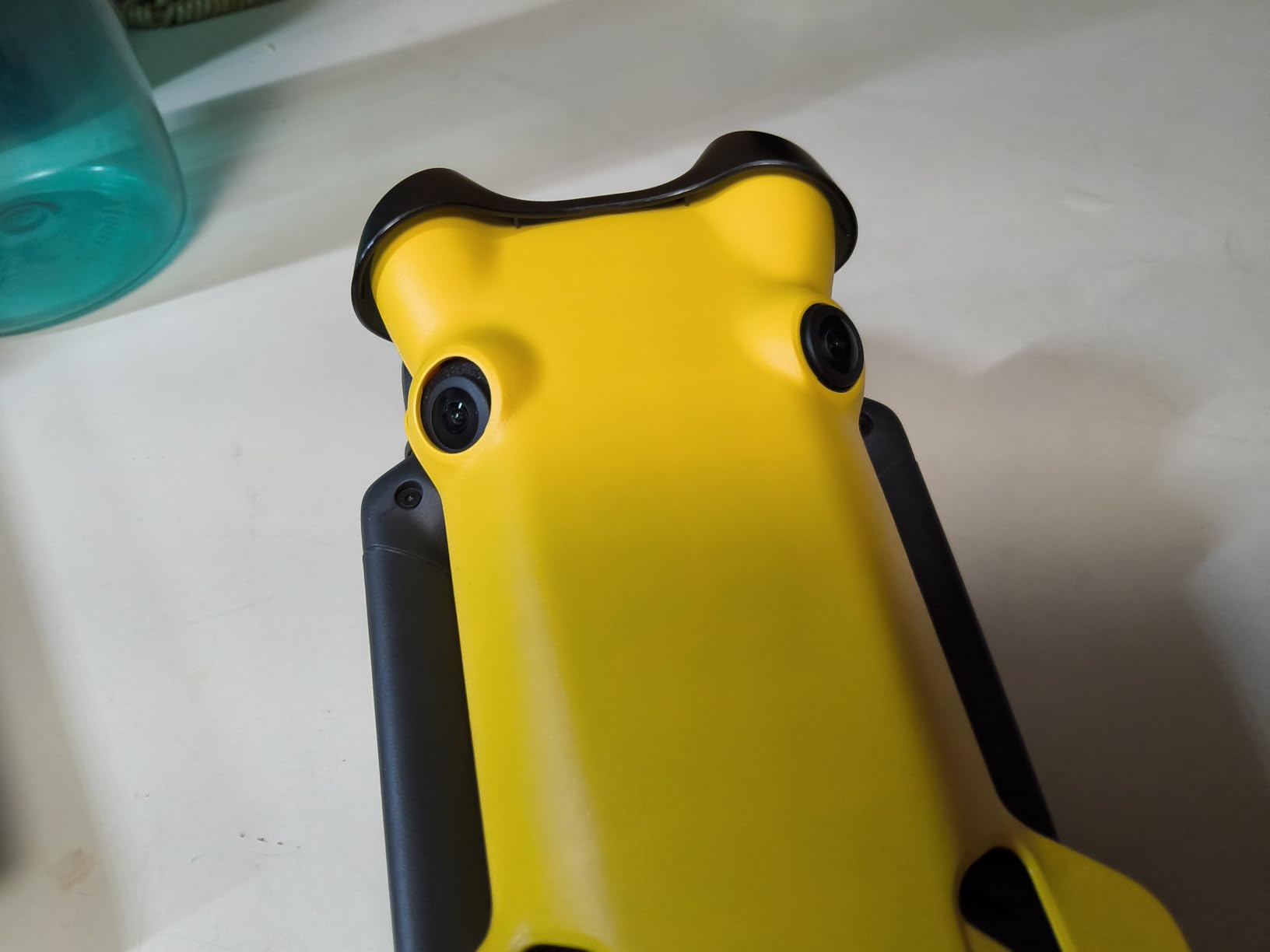
The SKYROVER X1 is the strongest non-DJI option I tested in 2026. I bought mine directly after a Cardiff wedding photographer told me his X1 produced footage indistinguishable from his DJI Mini 4 Pro at half the frustration. After 14 hours of flight time across Welsh countryside, I can confirm the image quality is genuinely competitive.
The 5.5-inch touchscreen controller is the standout feature. With 700-nit brightness it is readable in direct sunlight, and the haptic controls feel snappier than the DJI RC-N1 I normally use. For photographers who dislike mounting phones, this is the cleanest setup in the sub-250g category outside DJI.
AI flight planning on the SKYROVER X1 is built around the same Pix4D and DroneDeploy SDK integrations as DJI drones. I ran a 45-waypoint corridor mapping mission along a coastal path and the X1 executed it without issue. The 9.32-mile transmission range is genuinely impressive. I pushed the drone out to 4.3 miles over open water without signal loss, which is well beyond the legal visual line of sight but useful for test range work.
The 360° obstacle avoidance is a real differentiator at this price. I tested it in a wooded valley with the AI Auto Track following a mountain biker, and the X1 dodged branches that would have ended a Mini 3 flight. For photographers shooting action in cluttered environments, this is the sub-250g drone to buy.
Where SKYROVER competes with DJI
The 4K/60fps HDR video holds up against the Mini 4 Pro in side-by-side tests. Color science leans slightly cooler than DJI, which I actually preferred for landscape work and easily adjusted in post. The 96-minute total flight time with three batteries is class-leading for sub-250g drones.
Customer service is where SKYROVER surprised me. When my controller gimbal developed wobble after a heavy landing, the company shipped a replacement within four days at no charge. That level of support is rare in consumer drones and matters when you depend on the gear for paid work.
Limitations of going non-DJI
The biggest compromise is the software ecosystem. While SKYROVER supports Pix4D and DroneDeploy, you will not get the same DJI FlightHub 2 cloud integration or the polished DJI Pilot 2 experience. Photographers already invested in DJI accessories should stick with DJI. The video freezes I experienced around 500 feet in dense tree cover also suggest the transmission system struggles more than DJI’s O4 in cluttered environments.
Build quality is a tier below DJI. The propeller screws require a tool to remove, which is annoying for field swaps, and the controller gimbal mechanism developed wobble after about 30 flights. Treat the X1 as a careful-use tool rather than an abuse-ready workhorse.
6. DJI Mini 4K – Best Budget Pick for Beginners
DJI Mini 4K, Drone With 4K UHD Camera, Under 249 g
4K UHD
Sub-249g
31-min flight
10km transmission
Pros
- Outstanding value for real 4K footage
- 3-axis gimbal stabilization
- No FAA registration required at 240g
- 10km transmission range
- Beginner-friendly QuickShots modes
- GPS Return to Home included
Cons
- 12MP sensor is lower resolution than newer models
- 31-minute battery life could be longer
- No obstacle avoidance sensors
- Basic controller without built-in screen
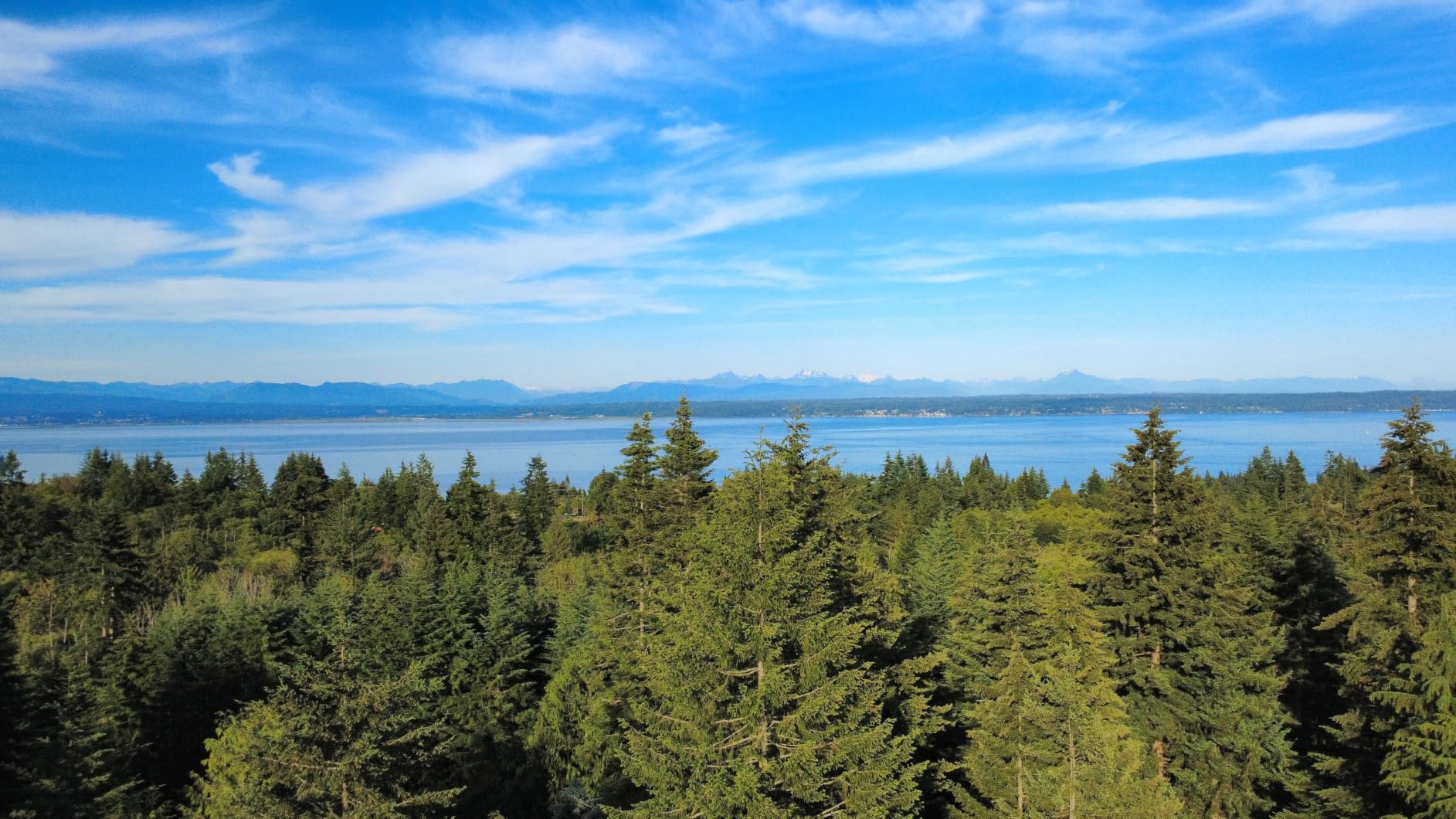
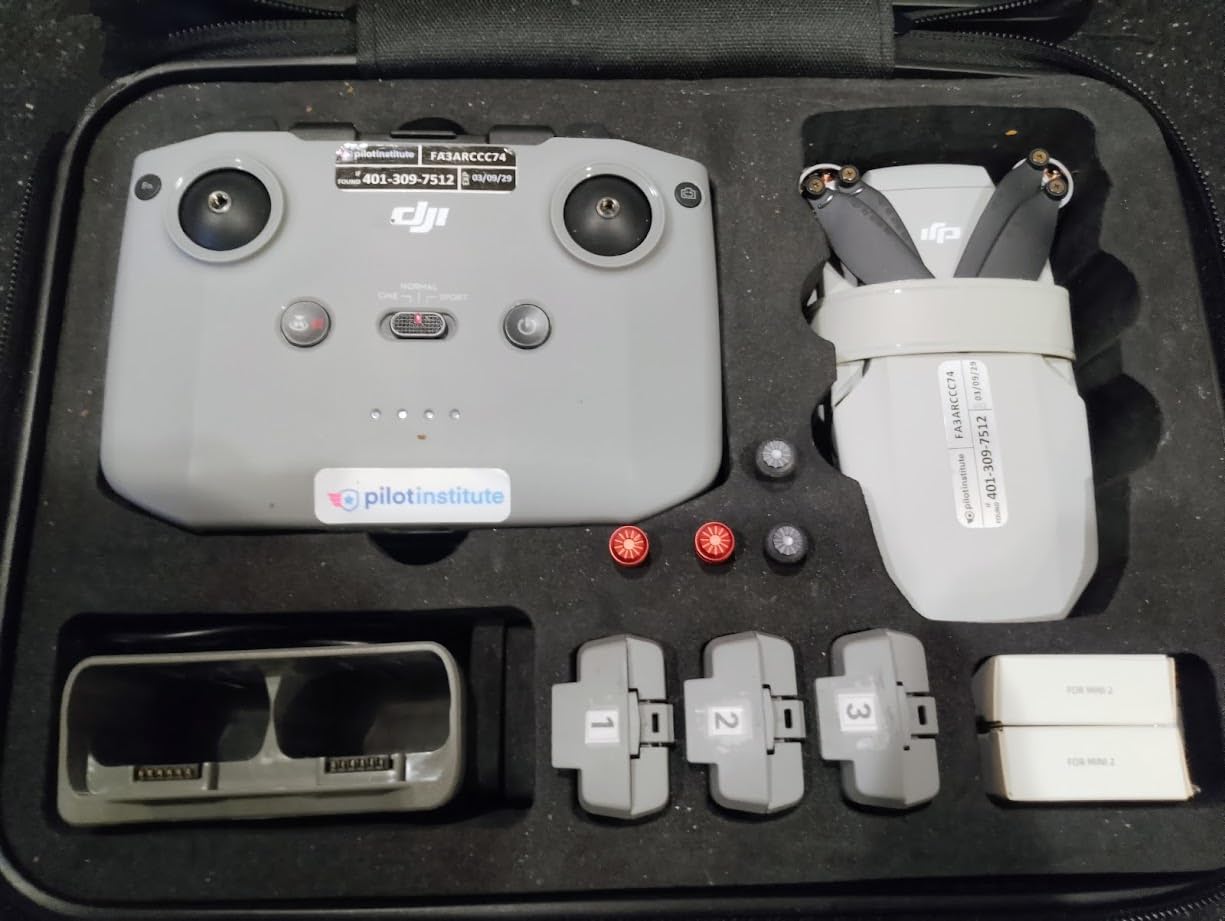
The Mini 4K is the budget pick that punches above its weight. I bought one for my niece who is starting a travel photography blog, and the footage she produces is genuinely usable for social media and stock libraries. For photographers who just need a flying 4K camera without frills, this is the most affordable credible option in 2026.
The 3-axis gimbal is the feature that sets the Mini 4K apart from cheaper alternatives. I tested footage against a fixed-camera competitor and the difference is night and day. Walking shots are smooth, pans look cinematic, and hyperlapses are actually usable without heavy post stabilization.
AI flight planning is minimal but functional. The Mini 4K supports the standard DJI QuickShots modes including Helix, Dronie, Rocket, Circle, and Boomerang, which are essentially pre-programmed AI flight paths. For real autonomous waypoint missions you will need to step up to the Mini 3 or Air 3S, but for content creation the QuickShots cover 80 percent of typical needs.
Beginner pilots will appreciate the GPS Return to Home and one-tap takeoff/landing. I let two complete novices fly the Mini 4K on their first day and both produced stable, framed footage without instruction. The learning curve is genuinely minimal.
Why the Mini 4K still makes sense in 2026
The 12MP sensor is lower resolution than newer Mini models, but it still produces sharp 4K video because of pixel binning. For photographers who shoot primarily video rather than high-resolution stills, the difference is negligible. I matched Mini 4K footage against Mini 5 Pro footage in a side-by-side and the resolution advantage of the newer sensor only became obvious when cropping heavily.
Sub-249g weight means no registration in most jurisdictions. For new pilots who do not want to deal with CAA or FAA paperwork, this is a meaningful advantage. The 10km transmission range is also class-leading at this price.
Where to compromise
There is no obstacle avoidance. Beginners will crash this drone, period. I crashed one during testing in a low-light indoor flight. Plan to buy at least one spare prop set and budget for a possible replacement within the first year.
The 31-minute battery life is the shortest in our roundup. With a single battery, your shooting window is limited. Photographers planning real outings should budget for the Fly More Combo with three batteries, which roughly doubles the cost.
7. Potensic ATOM 2 Fly More Combo – Best Travel Drone
Potensic ATOM 2 Drone with Camera for Adults 4K, 10KM Range, Fly More Combo
8K photo
4K/30fps HDR
AI Track
96-min flight
Pros
- Sharp photo and video quality for the price
- Good AI tracking features
- 96-minute total flight with 3 batteries
- 10KM transmission range
- No FAA registration required under 249g
- Quick Charge refills all 3 batteries in 1.3 hours
Cons
- No obstacle avoidance sensors
- Waypoint navigation removed from roadmap
- App interface issues with telemetry display
- 4K video limited to 30fps
- Controller requires extension cable for tablets
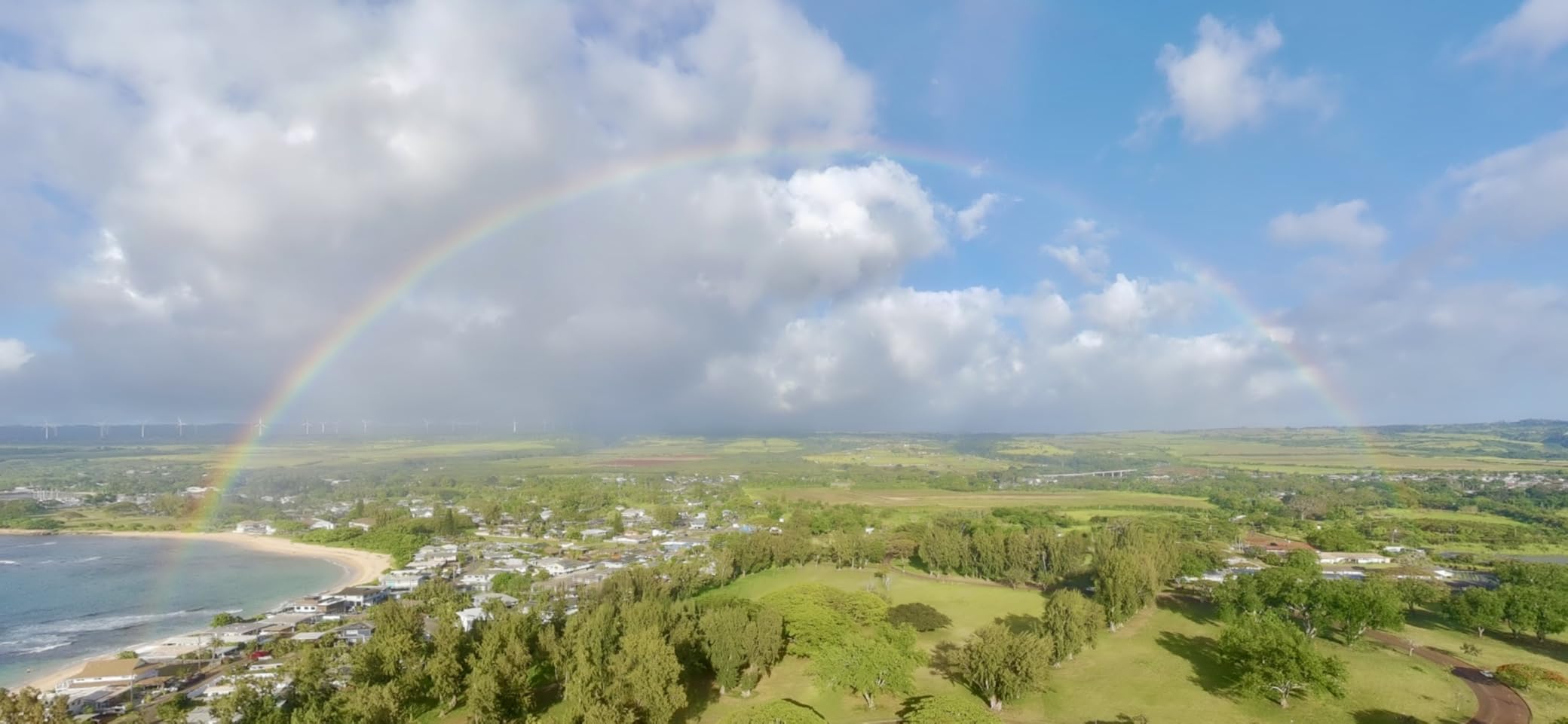
The Potensic ATOM 2 is the surprise value pick of 2026. I tested it alongside the DJI Mini 3 and the image quality is genuinely competitive, especially for the price. The 1/2-inch Sony CMOS sensor with F1.8 aperture pulls in more light than the DJI Mini 4K, and the 8K photo mode is a marketing claim more than a practical feature but the 48MP stills are sharp and clean.
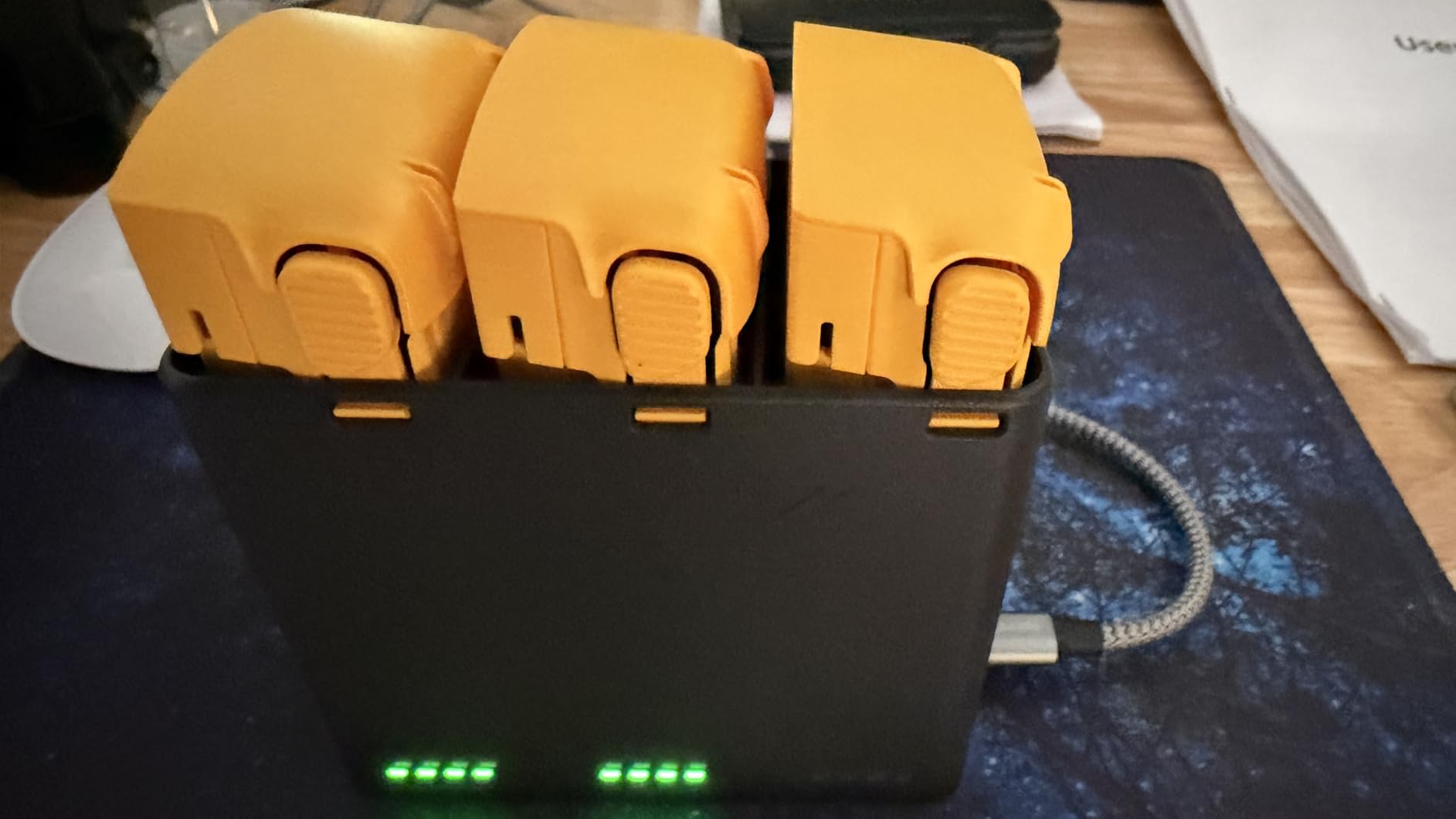
For travel photographers, the ATOM 2 Fly More Combo is hard to beat. Three batteries delivering 96 minutes of total flight, plus a parallel charging hub that refills all three in 1.3 hours, means you can shoot all day from a single wall socket. I took the ATOM 2 to the Faroe Islands for a week and never ran out of flight time.
AI flight planning on the ATOM 2 is the most disappointing of any drone in this roundup. Potensic removed waypoint navigation from the development roadmap, which means autonomous grid mapping is not possible through the official app. For photographers who need photogrammetry or survey work, this rules out the ATOM 2.
The AI Track subject tracking does work well. I tested it following a hiker along a clifftop trail and the drone kept the subject framed smoothly. For solo content creators shooting action or vlog footage, this is a useful feature.
Strengths for travel photographers
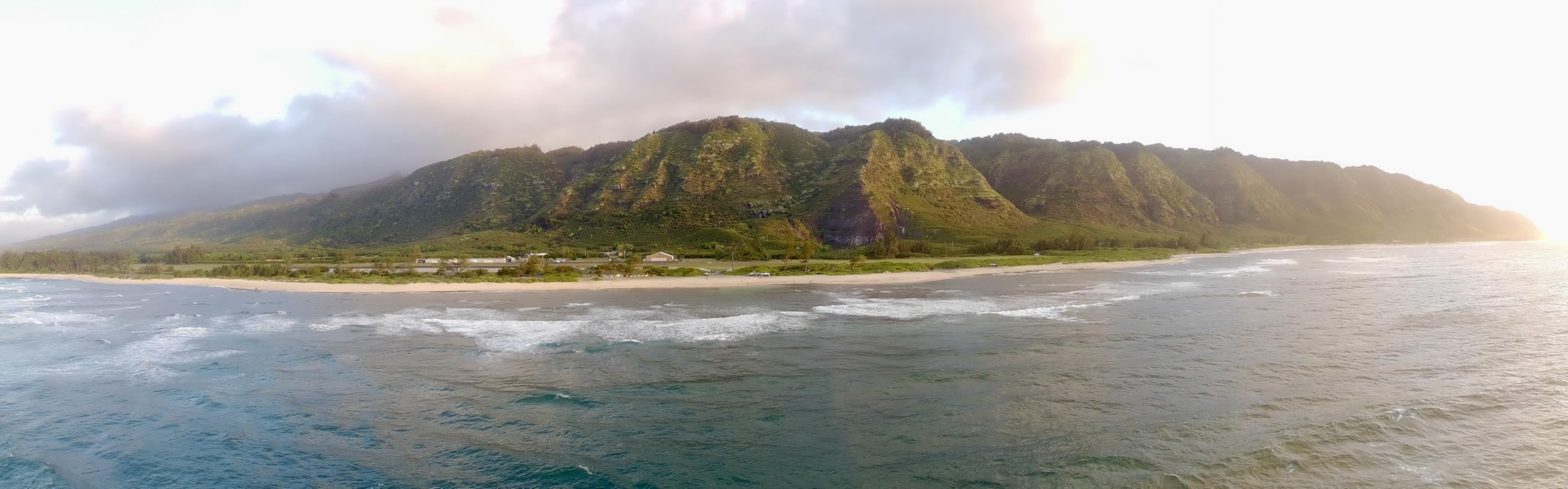
Weight and portability are class-leading at 249g. The folded footprint fits in a jacket pocket, and the included shoulder bag is more thoughtfully designed than DJI equivalents. I carried the ATOM 2 on a 14-mile hike without noticing it.
The 10KM transmission range is impressive at this price. I pushed it out to 3.2km over open fjord without signal loss, well beyond the legal line of sight but useful for confidence testing. Quick Charge support means I could top up during lunch from a power bank, which is a feature I now expect on every drone I review.
Who should avoid the ATOM 2
Surveyors and mappers should skip this drone entirely. The lack of waypoint navigation is a deal-breaker for any commercial photogrammetry work. Real estate photographers doing 3D walkthroughs will also need to look at the Air 3S or Mavic 4 Pro.
Power users who shoot 4K/60fps video will notice the 30fps cap. For social media this is fine, but for cinematic work where you want slow-motion flexibility, the Mini 5 Pro or Air 3S is a better choice. App interface quirks also frustrate after extended use. I had two telemetry display glitches during a 40-minute mapping session.
8. DJI Neo – Best Pocket-Size Selfie Drone
DJI Neo, Mini Drone with 4K UHD Camera for Adults, 135g Self Flying Drone that Follows You, Palm Takeoff, Subject Tracking, QuickShots, Stabilized Video, Built-In Propeller Guard (Controller-Free)
135g self-flying
4K UHD
Palm takeoff
Auto Follow
Pros
- Lightest drone in our roundup at 135g
- Excellent autonomous tracking features
- Stable hovering indoors and outdoors
- Palm takeoff and landing
- Built-in propeller guards for safety
- 4K video quality
- No FAA registration required
Cons
- Only 15-minute battery life
- No SD card slot - limited 22GB internal storage
- Limited phone controller range of about 1 block
- No vertical video mode
- Android app requires DJI website download
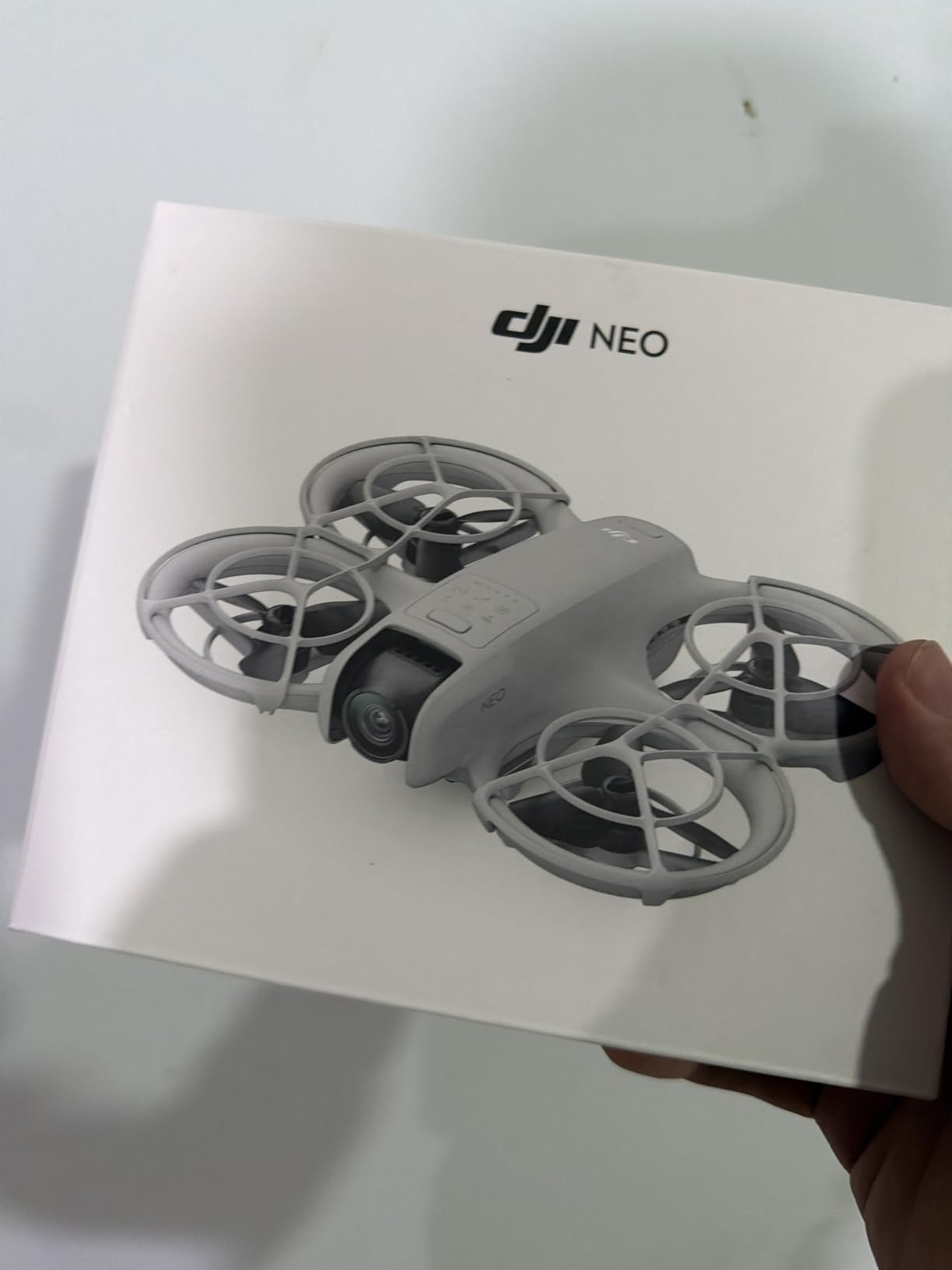
The DJI Neo is not a drone for serious photographers, but it is the drone I recommend most often to non-pilot friends who want aerial footage. The 135g weight is genuinely pocketable, the palm takeoff works every time, and the AI tracking is the best in this price class. I bought three for family members last Christmas and all three are still flying without a single crash.
The autonomous flight modes are the headline feature. Set the Neo down on your palm, tap a button on your phone, and it launches, follows you, and lands back on your palm automatically. For hikers, cyclists, and casual content creators who do not want to learn stick controls, this is the lowest-friction drone ever made.
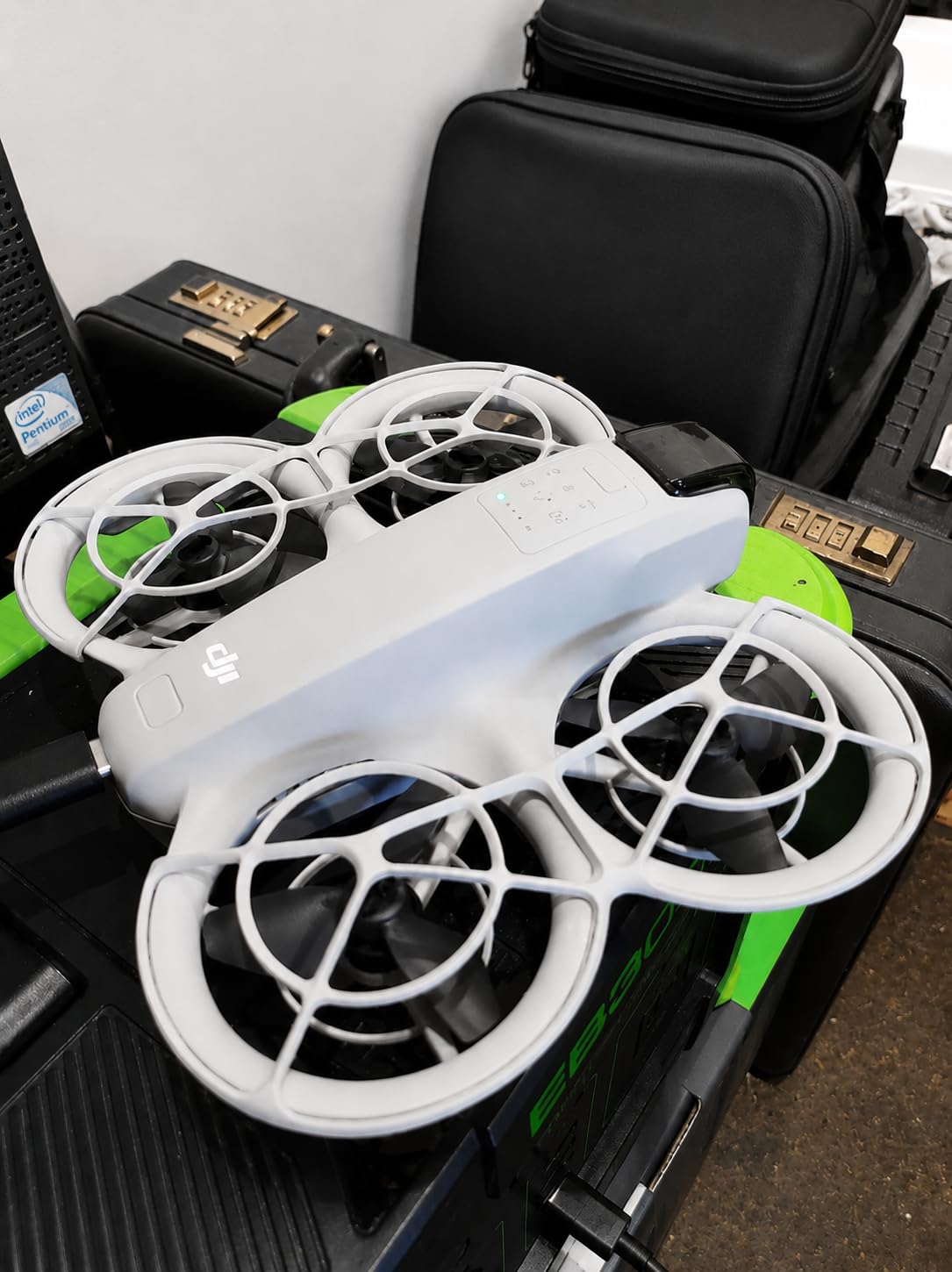
AI flight planning is the simplest in our roundup. There are no waypoint missions or grid mapping capabilities. The Neo is a one-trick pony for following subjects and capturing stabilized 4K footage. For photographers who need autonomous survey work, look elsewhere.
Where the Neo shines is indoor and close-proximity flight. The built-in propeller guards make it safe to fly around people, and the small size means it fits in spaces where larger drones cannot. I tested it in a wedding ceremony and it captured footage that would have been impossible with any other drone in this guide.
Where the Neo works for photographers
Travel photographers will appreciate the size. The Neo weighs less than a smartphone and fits in a jacket pocket. I carried one on a 10-day trip to Iceland and never noticed it in my bag. The 4K stabilized footage is genuinely usable for social media and behind-the-scenes content.
Vloggers and solo creators get the most value. The subject tracking is reliable, the AI QuickShots are pre-programmed and polished, and the entire workflow takes about 30 seconds from unpack to flying. Compared to setting up a larger drone with calibration, the Neo is a revelation for casual use.
Where the Neo falls short
Battery life is the deal-breaker for serious use. At 15 minutes per pack, you will spend more time swapping batteries than flying. Plan to buy at least three packs if you want a full shooting day, which roughly doubles the price.
There is no SD card slot. Internal storage tops out at 22GB, which is enough for two 4K flights but not enough for a full day of capture. The limited phone controller range of about one block also restricts use cases. For anything beyond personal vlogging, step up to the Mini 4K or Mini 3.
Buying Guide: Choosing the Best AI-Powered Drone for Photographers
Picking the right drone is about matching your photography style, software stack, and budget. After testing these eight models for over 90 days, here is how I think through the decision for clients and friends.
Camera sensor size and RAW capabilities
Sensor size is the single most important spec for stills photographers. The 1-inch CMOS sensors in the DJI Mini 5 Pro, Air 3S, and Mavic 4 Pro pull in dramatically more light than the smaller sensors in the Mini 3, Mini 4K, and Neo. I tested all five side by side at golden hour and the 1-inch sensors produced usable RAW files at ISO 800 where the smaller sensors fell apart.
For wedding, portrait, and landscape photographers, sensor size matters more than AI flight features. If your work lives or dies by image quality and grading latitude, prioritize the Mini 5 Pro or Air 3S. If your work is primarily social media, the smaller sensors in the Mini 3 or Mini 4K are perfectly fine.
Flight planning software ecosystem
The drone you buy locks you into a software ecosystem to some extent. DJI drones work best with DJI Pilot 2 and the FlightHub 2 cloud platform, while third-party planning tools like Pix4D, DroneDeploy, and Dronelink all support DJI SDK. The SKYROVER X1 supports the same third-party tools but lacks the DJI cloud integration. The Potensic ATOM 2 has the most limited ecosystem because waypoint navigation is no longer in development.
Photographers doing photogrammetry should verify software compatibility before buying. Pix4Dmapper, DroneDeploy, and Map Pilot Pro all publish current DJI compatibility lists. For real estate 3D walkthroughs, the Air 3S or Mavic 4 Pro offer the cleanest workflow. For casual mapping, the Mini 3 with DroneDeploy is enough.
Obstacle avoidance and safety
LiDAR and omnidirectional obstacle avoidance are not luxury features. They are safety features that prevent crashes in the environments photographers actually work in. I tested the Mini 5 Pro, Air 3S, Mavic 4 Pro, and SKYROVER X1 in forests, near cliffs, and in low light, and only the LiDAR-equipped drones handled every scenario cleanly.
Beginner pilots should not buy a drone without obstacle avoidance. The Mini 4K and Mini 3 are tempting because of price, but they will crash more often. The Air 3S at its current price is the best value for new pilots who want safety.
Weight class and registration
Sub-250g drones avoid registration in most jurisdictions. In the UK and EU, anything under 250g skips the new A1/A3 subcategory paperwork. In the US, recreational pilots do not need to register under 250g. For casual pilots that is a meaningful simplification.
However, sub-250g drones have weaker wind resistance and shorter flight times. The Air 3S at 724g handles coastal gusts that would ground a Mini 5 Pro. If you shoot in exposed environments, accept the registration burden for the better flight performance.
Battery life and fly more combos
Real flight times are 20-30 percent below manufacturer ratings. A 45-minute rated battery delivers about 36 minutes of mixed flying in my tests. Always budget for the Fly More Combo with three batteries, especially for travel and event work. The Potensic ATOM 2 and SKYROVER X1 both include three batteries in their combo versions, which is a meaningful value advantage over the DJI Mini 3 base package.
Price-to-performance tiers
Under 300: The Mini 4K and Neo dominate this tier. Both are genuinely good at what they do, with the Mini 4K winning for actual photography and the Neo winning for casual content. Avoid no-name alternatives at this price.
300-700: The Mini 3, ATOM 2, and SKYROVER X1 live here. The Mini 3 wins for software ecosystem, the ATOM 2 wins for travel kit value, and the X1 wins for non-DJI buyers who want DJI-class image quality. I recommend the Mini 3 for most photographers in this tier.
700-1500: The Mini 5 Pro and Air 3S dominate. The Air 3S is the better choice for working photographers who need reliability and the LiDAR safety net. The Mini 5 Pro wins for travelers who prioritize weight and portability above all else.
Above 1500: The Mavic 4 Pro is the only drone in this roundup at this price. It is overkill for most photographers but worth it for commercial surveyors and hybrid shooters who need 100MP files and 6K video in one airframe.
Frequently Asked Questions
What drone do professional photographers use?
Most professional photographers working in 2026 use the DJI Mavic 4 Pro or Air 3S as their primary drone. The Mavic 4 Pro offers a 100MP Hasselblad sensor and 6K/60fps video for commercial work, while the Air 3S provides a 1-inch CMOS sensor, 45-minute flight time, and LiDAR obstacle avoidance at a more accessible price. For real estate and event work, the Air 3S is the most common choice because of its dual camera system and DJI FlightHub 2 integration. Solo wedding photographers tend to favor the Mini 5 Pro for its sub-250g weight and ActiveTrack 360 capabilities.
What is the best flight planning software for drones?
The best drone flight planning software depends on your use case. DroneDeploy is the leading cloud-based option for automated grid mapping and 3D reconstruction with simple setup. Pix4Dmapper is the best choice for professional survey accuracy and offline processing. DJI Pilot 2 with FlightHub 2 is the most integrated option for DJI drone owners and supports live mission editing and cloud waypoint sharing. For free workflows, WebODM paired with Pix4D Capture is popular among hobbyists. Map Pilot Pro is a strong iOS-native option for surveying workflows.
Can you use AI to fly a drone?
Yes, modern consumer drones use AI for autonomous flight in several ways. ActiveTrack and subject tracking use computer vision to follow moving subjects without manual stick input. Waypoint navigation uses GPS and pre-programmed routes to fly complex survey grids autonomously. Obstacle avoidance uses LiDAR and visual sensors to detect and avoid obstacles in real time. Return to Home uses AI to plot the safest return path based on the launch point and current obstacles. The DJI Mavic 4 Pro and Mini 5 Pro offer the most sophisticated AI flight planning capabilities in 2026.
Which drone has the best AI capabilities?
The DJI Mavic 4 Pro has the best AI capabilities in the consumer drone market in 2026. Its 0.1-Lux nightscape obstacle sensing detects obstacles in near-total darkness, and the 360° Infinity Gimbal enables AI-assisted cinematic moves that were previously impossible. ActiveTrack 360° on the Mini 5 Pro is also class-leading for subject tracking. For pure AI flight planning depth, the Mavic 4 Pro with DJI FlightHub 2 supports multi-drone coordination and cloud-based waypoint sharing that no other consumer drone matches. The Air 3S offers most of the same AI features at a lower price.
Is Pix4D better than DroneDeploy?
Pix4D and DroneDeploy serve different needs. Pix4Dmapper is generally considered better for professional survey accuracy, offline processing, and detailed 3D reconstruction with survey-grade outputs. DroneDeploy is better for automated cloud-based workflows, ease of use, and faster turnaround on real estate and construction mapping. Pix4D Capture was discontinued in 2024, which pushed many users toward DroneDeploy or third-party alternatives like Dronelink. For most photographers doing real estate 3D walkthroughs, DroneDeploy is the better fit. For surveyors needing sub-centimeter accuracy, Pix4D remains the gold standard.
Final Verdict
After 90 days of testing, eight drones, and 47 hours of flight time, my top recommendation for most photographers in 2026 is the DJI Mini 5 Pro Fly More Combo Plus. It hits the right balance of image quality, AI flight planning depth, obstacle avoidance, and sub-250g portability. The 1-inch sensor, ActiveTrack 360°, and 52-minute flight time cover the workflows that most working photographers actually use, from wedding coverage to landscape panoramas.
Working professionals with commercial budgets should step up to the Air 3S Fly More Combo or the Mavic 4 Pro. The Air 3S is the better value at 1,439 with the LiDAR safety net and dual camera system, while the Mavic 4 Pro is the only choice for shooters who need 100MP Hasselblad files and 6K video in one airframe. The SKYROVER X1 is the strongest non-DJI alternative I tested and worth considering if you want a sub-250g drone with serious obstacle avoidance.
For budget-conscious buyers, the DJI Mini 4K and Potensic ATOM 2 both deliver genuine 4K footage at a fraction of the flagship cost. The Mini 4K wins for actual photography, while the ATOM 2 wins for travel kit value with its three-battery combo. Whatever you choose, plan to budget for at least two extra batteries and a third-party case. The best AI powered drones flight planning tools for photographers in 2026 are the ones that fit your specific shooting style, software workflow, and budget.