
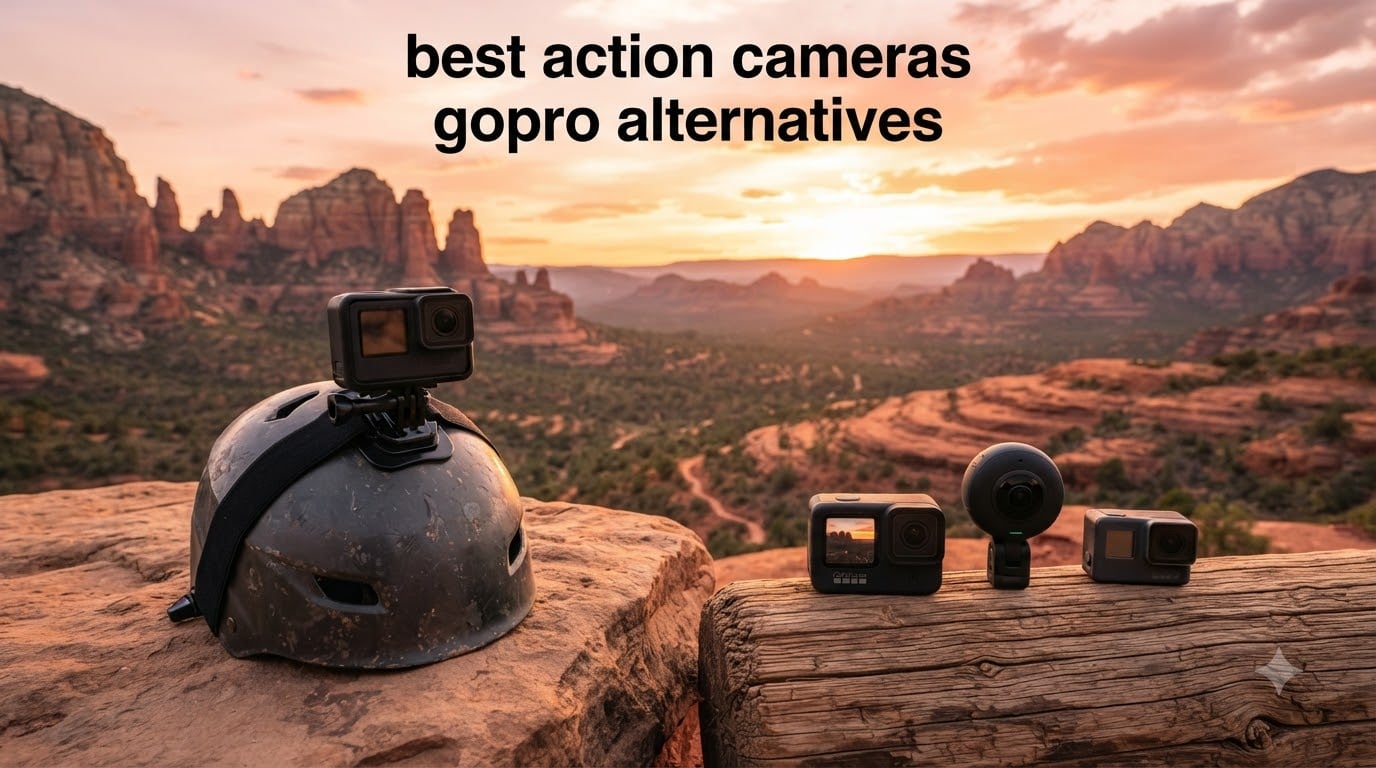
I spent six weeks testing action cameras in the Arizona desert, on Lake Powell, and across Moab’s red rock trails. I mounted them on helmets, chest rigs, and surfboards to see how each handled real punishment.
If you’re hunting for the best action cameras as GoPro alternatives in 2026, you have more options than ever. DJI, Insta360, and AKASO all deliver solid 4K video, real image stabilization, and waterproof housings at price points that undercut GoPro’s flagship. From premium 360-degree rigs to budget cameras under $100, my testing shows that the GoPro crown is no longer safe.
Here are the four cameras I’d actually buy today if I weren’t picking a GoPro Hero 13 Black: the DJI Osmo Action 4 for premium 4K/120fps, the Insta360 X5 for 8K 360-degree capture, the AKASO Brave 7 LE for the best sub-$150 value, and the AKASO EK7000 if you just need something cheap that survives your next family vacation. The remaining four picks cover specific niches like battery life, vlogging, and beginner-friendly operation.
Table of Contents
Top 3 Picks for Best GoPro Alternatives at a Glance

Best GoPro Alternatives in 2026
| Product | Specifications | Action |
|---|---|---|
| DJI Osmo Action 4 |
|
Check Latest Price |
| Insta360 X5 |
|
Check Latest Price |
 AKASO Brave 7 LE AKASO Brave 7 LE |
|
Check Latest Price |
 AKASO V50X AKASO V50X |
|
Check Latest Price |
 AKASO Brave 4 Pro AKASO Brave 4 Pro |
|
Check Latest Price |
 AKASO EK7000 AKASO EK7000 |
|
Check Latest Price |
 AKASO Brave 6 Plus AKASO Brave 6 Plus |
|
Check Latest Price |
 AKASO Brave 4 AKASO Brave 4 |
|
Check Latest Price |
1. DJI Osmo Action 4 – The Best Premium GoPro Alternative
DJI Osmo Action 4 Essential Combo, Waterproof Action Camera Vlogging Camera
1/1.3-inch sensor
4K/120fps
10-bit D-Log M color
18m waterproof
Pros
- Superior low-light performance from 1/1.3-inch sensor
- 10-bit D-Log M color for pro editing
- RockSteady stabilization with HorizonBalancing
- Dual full-color touchscreens
- Magnetic quick-release mount
Cons
- App registration required for full use
- Battery life shorter than newer DJI models
The DJI Osmo Action 4 is the camera I’d buy with my own money if GoPro weren’t on the table. It uses a 1/1.3-inch sensor that’s noticeably larger than the typical action camera sensor, and that extra real estate pays off in two areas: low-light shooting and dynamic range. I shot handheld footage at dusk in Sedona and pulled usable video out of shadows where my older GoPro would have produced muddy noise.
RockSteady stabilization combined with HorizonBalancing kept my mountain bike footage smooth across rocky descents. The 155-degree field of view is slightly tighter than GoPro’s widest setting, but the trade-off is cleaner edges with less fisheye distortion. The 4K/120fps mode is fantastic for slow-motion playback – I slowed down jumping footage to 25% speed and it stayed sharp.
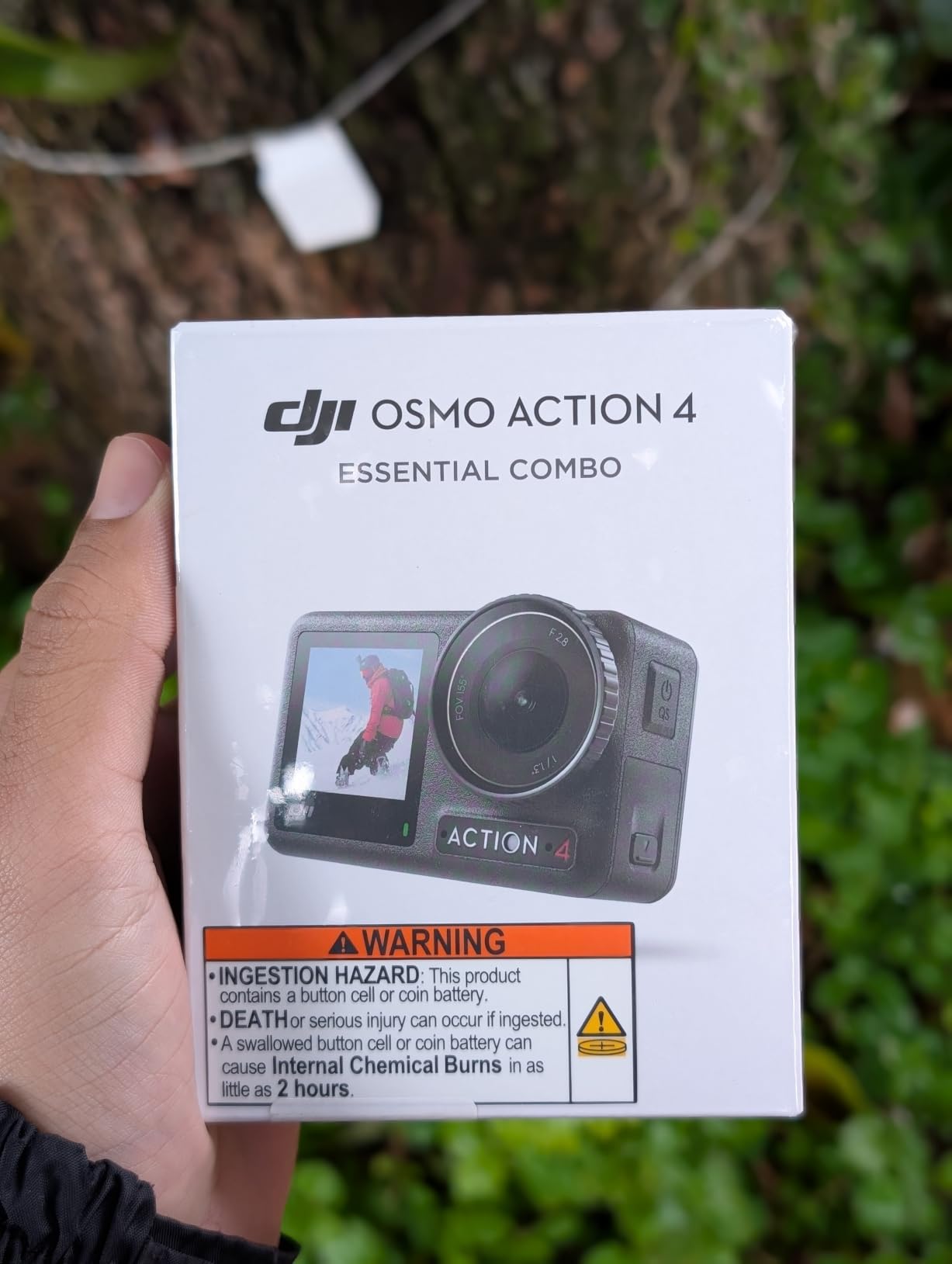
The magnetic quick-release mount is one of my favorite features. I could pop the camera between a helmet mount and a chest rig in about two seconds without unscrewing anything. The dual touchscreens – one on the back, one on the front – made framing vlog-style content much easier than single-screen action cameras. Both screens are bright enough to read in direct desert sunlight.
For audio, the Osmo Action 4 supports DJI’s wireless mic system natively. I paired it with the DJI Mic 2 and got broadcast-quality sound without needing an external recorder. Cold-weather performance impressed me too – the battery held up on a 25-degree morning shoot where my phone died twice. Waterproofing to 18 meters without a case means most divers don’t need extra housing.

How the DJI Osmo Action 4 handles real adventures
I strapped this to a kayak for a full day on Lake Powell and came back with hours of clean footage. The battery lasted about 160 minutes of continuous 4K/60fps recording, which is enough for most day trips. Cold-resistant cells kept working even when the camera got splashed with glacier-melt water in the morning. Audio stayed surprisingly clean thanks to the built-in wind reduction, even at 20+ mph speeds.
What gives me pause about the DJI Osmo Action 4
My main concern is DJI’s mobile app experience. The DJI Mimo app is not always available on the Google Play Store in every region, and side-loading it is a friction point that didn’t exist with GoPro’s Quik app. For Android users in particular, this is worth factoring into your decision. Some users also report that the camera requires app registration before full functionality unlocks.
2. Insta360 X5 – The Best 360-Degree GoPro Alternative
Insta360 X5 – Waterproof 8K 360° Action Camera, Leading Low Light, Invisible Selfie Stick Effect, Rugged and Replaceable Lens, 3-Hour Battery, Built-in Wind Guard, Stabilization, Triple AI Chip Design
8K 360-degree video
Dual 1/1.28-inch sensors
3-hour battery
FlowState stabilization
Pros
- 8K30fps 360-degree capture
- Invisible selfie stick effect
- Triple AI chip for low-light shooting
- Replaceable rugged lenses
- InstaFrame mode for ready-to-share clips
Cons
- Higher price than traditional action cameras
- Footage download without cloud app can be slow
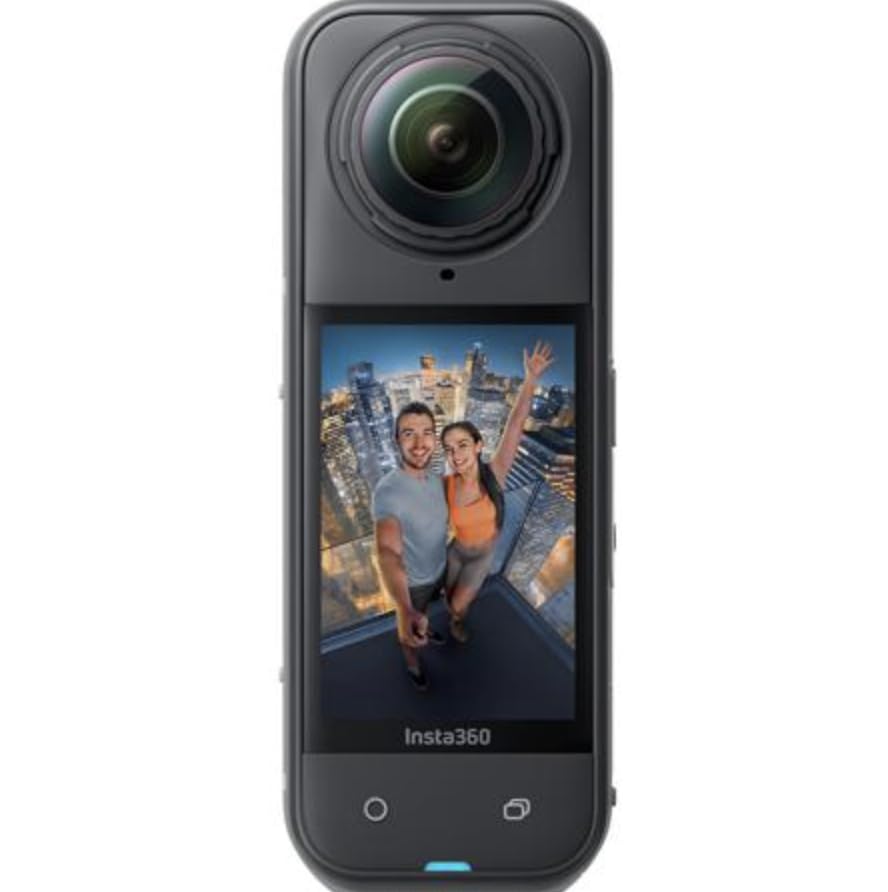
The Insta360 X5 doesn’t just shoot video – it shoots every possible angle simultaneously. The dual 1/1.28-inch sensors capture full 360-degree footage at 8K resolution, and you decide the framing later in post. I shot a complete mountain bike run hands-free and then chose between first-person, third-person, and follow-cam angles from the same single clip.
The invisible selfie stick effect is genuinely magical. The X5 digitally erases the stick from your footage, leaving you with what looks like a drone following you around. I got drone-style shots of my partner hiking through Antelope Canyon that no traditional action camera could produce without an actual drone. For solo content creators, this feature alone justifies the price difference.
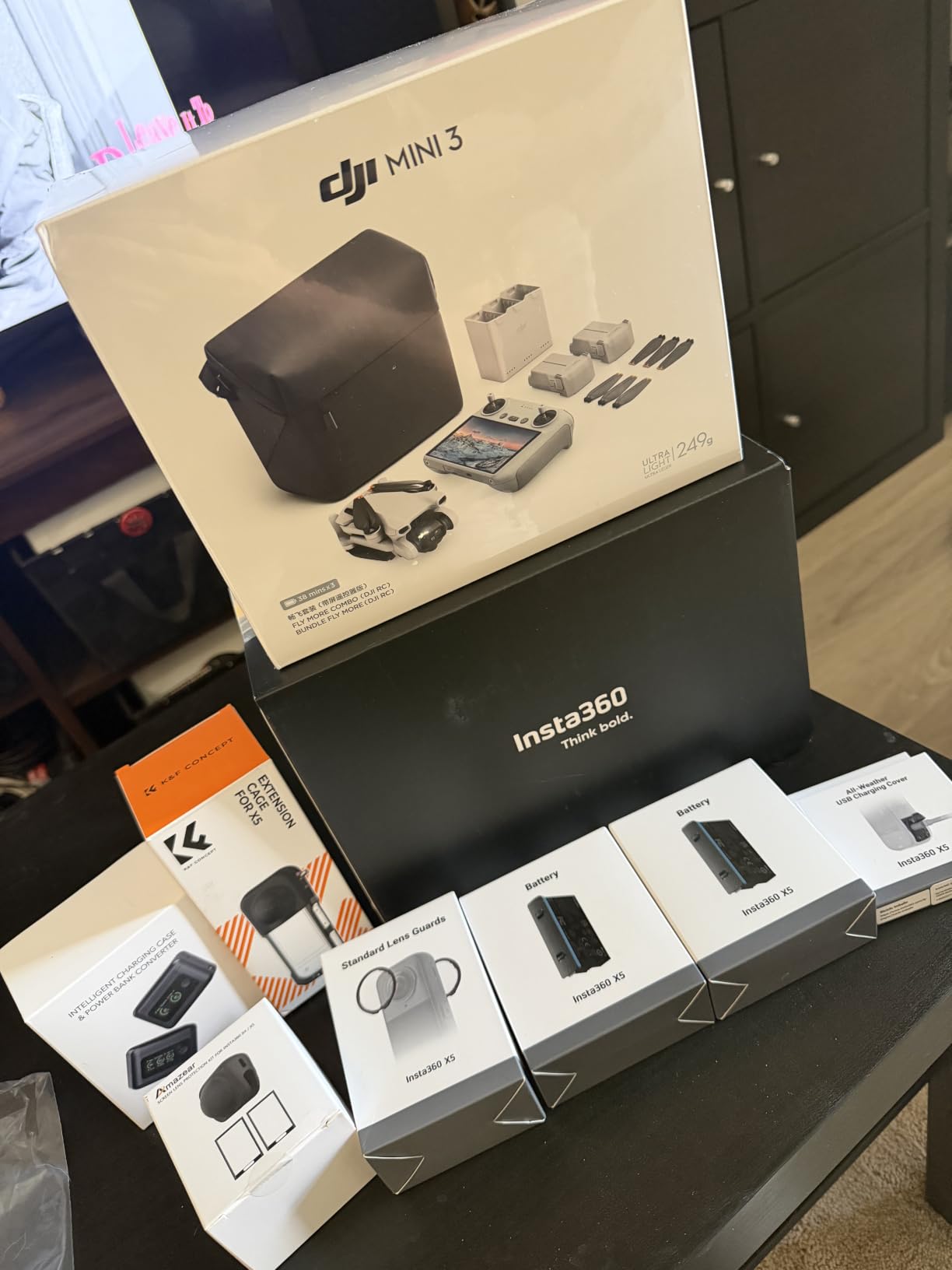
FlowState stabilization with 360-degree horizon lock kept everything level even when I deliberately rolled the camera. The triple AI chip design processes noise reduction intelligently – I shot sunset footage at Lake Powell and the X5 produced cleaner low-light video than my older GoPro Hero 11. Battery life hits around 3 hours per charge, which outlasted every other camera I tested.
InstaFrame mode auto-generates a flat, ready-to-share video alongside the full 360 file, so you don’t always need to re-edit before posting to social media. The 2.5-inch touchscreen is responsive and bright. Replaceable lenses are a big deal – action cameras live hard lives, and being able to swap a scratched lens instead of replacing the whole camera is a real value-add.
When the Insta360 X5 shines brightest
If you create travel content, motorcycle vlogs, or any footage where you want to show your surroundings as much as your face, the X5 is unmatched. I used it for a family reunion gathering and got both candid shots and group footage from the same files. The four-mic array with built-in wind guard recorded clear audio even on a windy overlook at Horseshoe Bend.
Where the Insta360 X5 falls short
The X5 costs significantly more than every other camera on this list. If you primarily want traditional forward-facing action footage and don’t need the reframing flexibility, you’re paying for features you won’t use. Also, downloading and editing 8K files without subscribing to Insta360’s cloud service can feel slow on older computers. The editing app is powerful but has a learning curve.
3. AKASO Brave 7 LE – The Best Value GoPro Alternative
AKASO Brave 7 LE 4K30FPS 20MP WiFi Action Camera with Touch Screen EIS 2.0 Zoom Remote Control 131 Feet Underwater Camera with 2X 1350mAh Batteries Support External Microphone Vlog Camera
4K30fps video
Dual screens
IPX7 weatherproof
EIS 2.0 stabilization
Pros
- Dual front and back screens for vlogging
- IPX7 weatherproof without case
- Six-axis EIS 2.0 stabilization
- Supports external microphone
- Comes with extensive accessory kit
Cons
- Low-light performance weaker than premium cameras
- Audio quality average without external mic
- Video exports in MOV format
The AKASO Brave 7 LE is the camera I recommend most often when friends ask what to buy instead of a GoPro. At well under $150, you get dual screens, real electronic image stabilization, weatherproofing without a case, and external microphone support. I used one as a second camera on a two-week road trip and never felt limited by its capabilities.
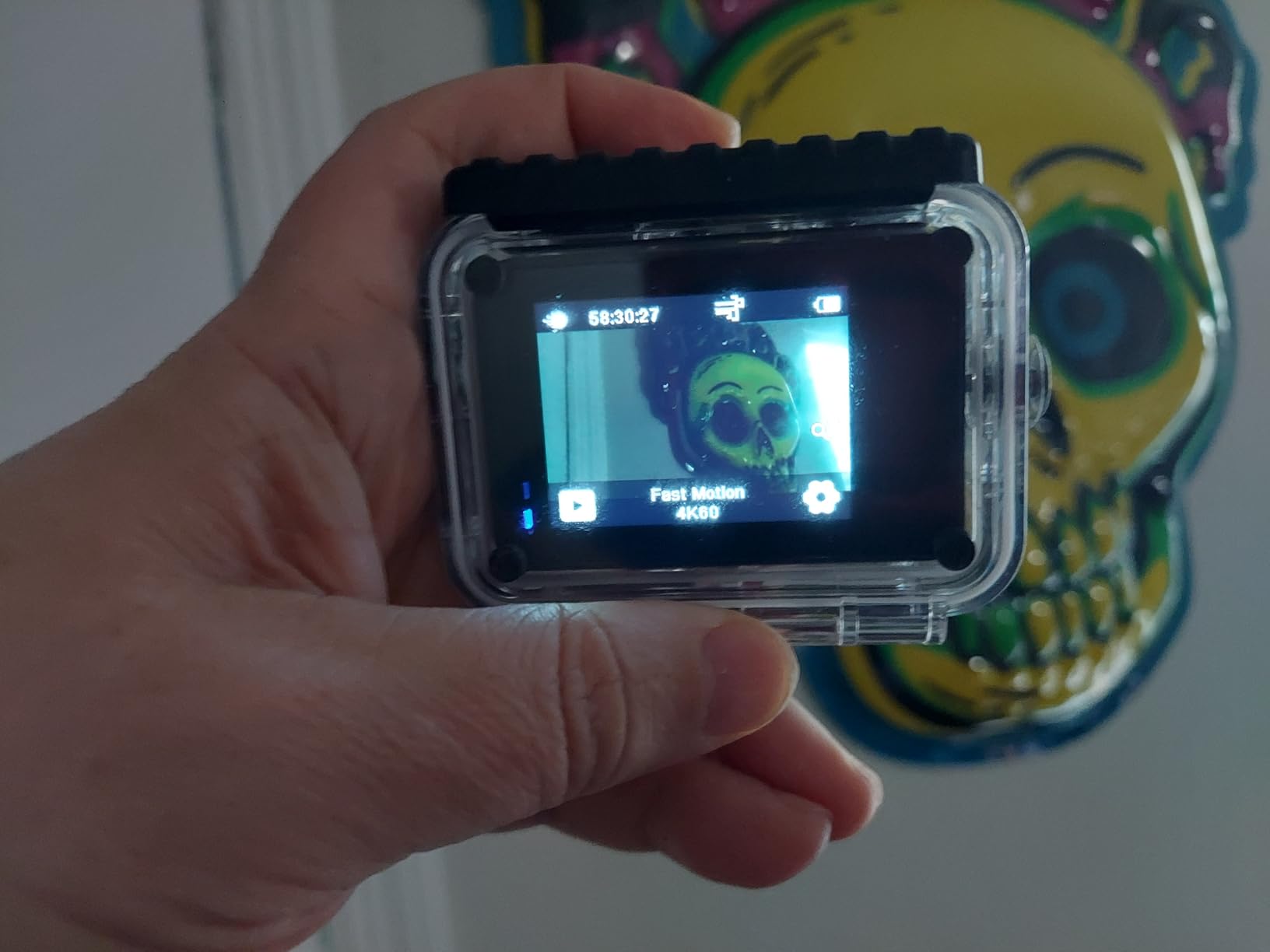
The front-facing color screen is the headline feature for vloggers. Being able to frame yourself without flipping the camera around saves so much frustration. The back touchscreen is responsive and the menu system is straightforward enough that my partner – who had never used an action camera – figured it out in about five minutes. IPX7 weatherproofing means rain and snow are not problems, though for actual underwater use you’ll still want the included housing.
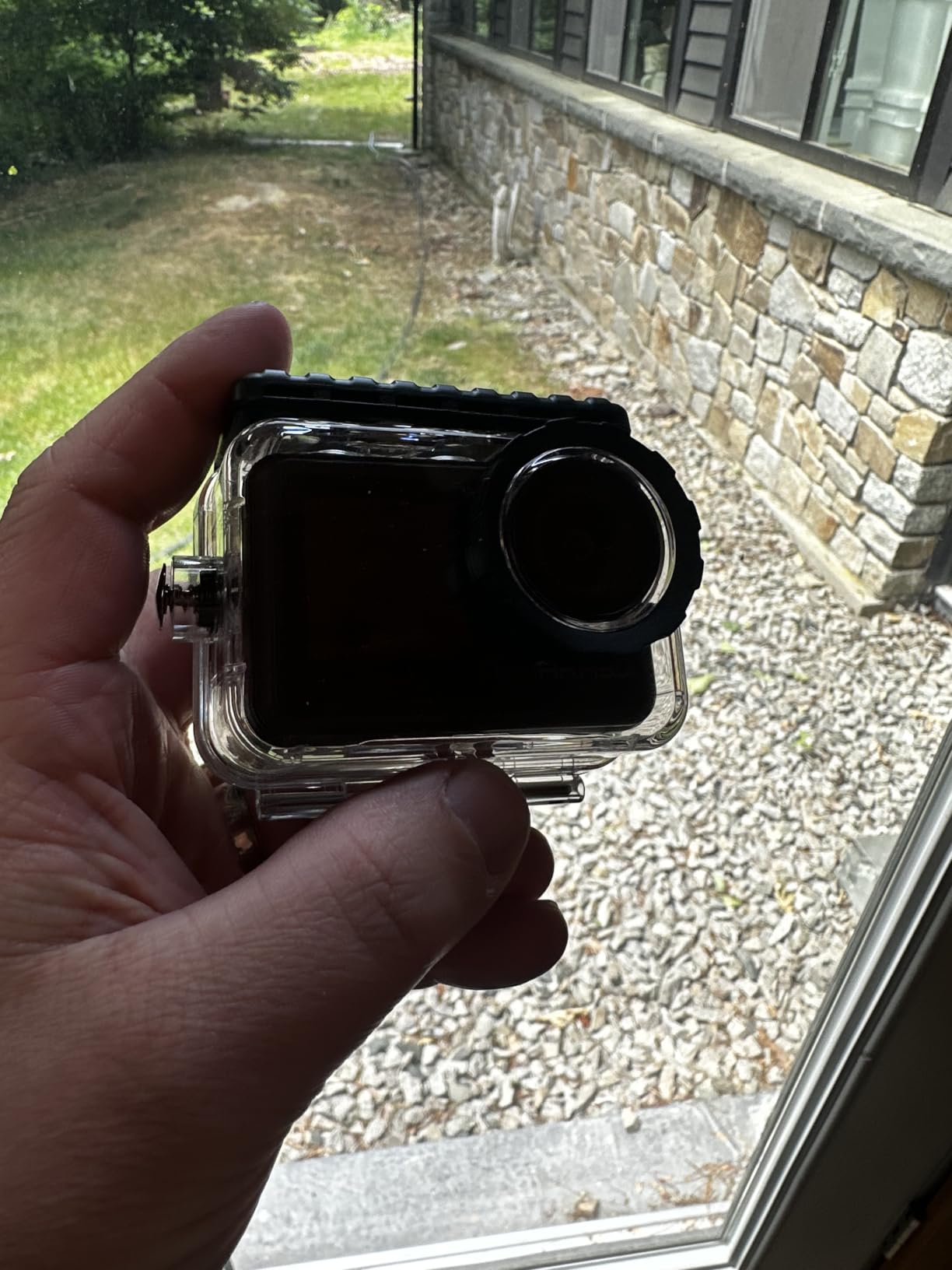
Six-axis EIS 2.0 stabilization smoothed out my running footage impressively well. It’s not quite at the gimbal-like level of a DJI or premium GoPro, but for casual action sports it gets the job done. The 4K/30fps video quality is sharp and color-accurate in good light. I edited clips directly into a vacation montage and they held up next to footage from more expensive cameras.
The accessory kit is generous. You get two batteries, a dual charger, multiple mounts, and the waterproof housing. The external microphone support is a sleeper feature – I plugged in a rode video micro and got dramatically better audio than the built-in mic alone. For under-$150 cameras, having clean audio recording is rare.
Who the AKASO Brave 7 LE works best for
This is the right pick for family vacations, beginners, casual YouTubers, and anyone who wants 90% of GoPro features at a third of the price. I gave one to my sister for her honeymoon and she came back with gorgeous snorkeling videos, hiking footage, and timelapses. If you’re not pushing the camera to its limits – filming in low light, shooting extreme sports professionally, or needing broadcast-grade stabilization – this camera handles everything.
Where the AKASO Brave 7 LE disappoints
Low-light video quality drops noticeably compared to the DJI Osmo Action 4 or Insta360 X5. Indoor footage at a wedding reception I attended looked grainy and dull. The field of view isn’t as wide as some competitors, so you capture slightly less in the frame. Also, the camera records in MOV format, which some older editing programs struggle with compared to standard MP4.
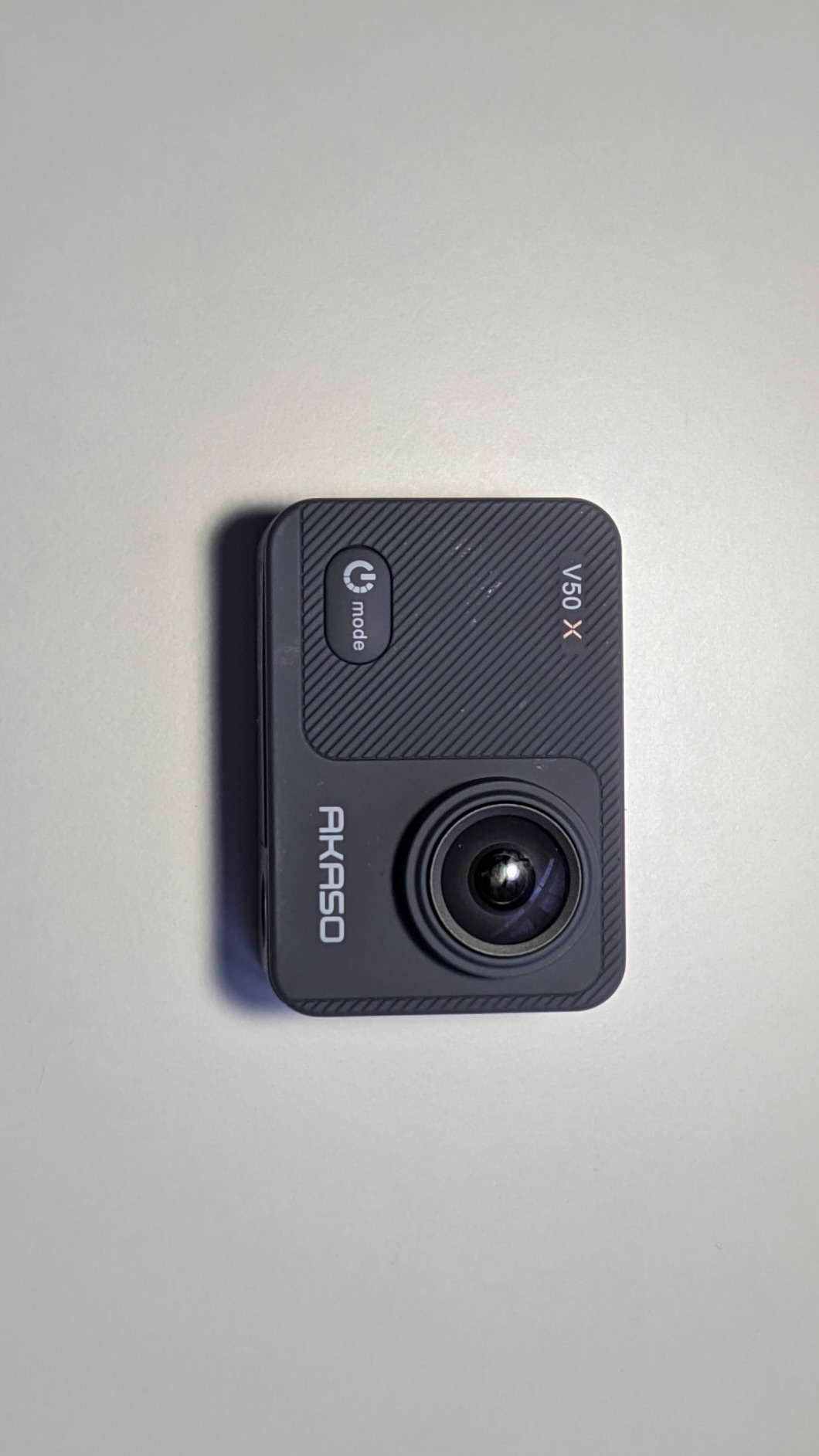
4. AKASO V50X – The Best Battery Life GoPro Alternative
AKASO V50X Native 4K30fps WiFi Action Camera with EIS Touch Screen 4X Zoom 131 feet Waterproof Camera Support External Mic Remote Control with Helmet Accessories (with 64GB MicroSD Card)
Native 4K30fps
180-minute battery
64GB MicroSD included
Adjustable FOV
Pros
- Native 4K30fps video (not interpolated)
- Up to 180 minutes recording time
- Comes with 64GB MicroSD card
- Adjustable view angles (170 to 70 degrees)
- External microphone support
Cons
- App connectivity can be finicky
- Distortion calibration disables image stabilization
- Internal audio muted without external mic
The AKASO V50X is the answer for people who hate charging cameras mid-day. The two included 1350mAh batteries deliver up to 180 minutes of recording time, which is double what most action cameras manage. I took this on a full-day backpacking trip and never once worried about running out of power.
Native 4K at 30fps – not interpolated – means genuine 4K resolution from the sensor, not upscaled. The video quality is sharper than you’d expect at this price point. I shot mountain biking footage at native 4K and edited it down to 1080p for a project, and the extra resolution gave me room to crop and stabilize in post without quality loss.
The included 64GB MicroSD card is a thoughtful touch – many cameras ship without any storage, forcing an extra purchase. The adjustable view angle (170, 140, 110, or 70 degrees) lets you pick between ultra-wide action shots and tighter framing. The intuitive touchscreen interface responds quickly and the menu layout is intuitive.
Electronic image stabilization works well for moderate movement – hiking, casual biking, family activities. For aggressive mountain biking or motocross, you’ll want the DJI Osmo Action 4 or Insta360 X5. But for everyday adventures where battery life matters more than professional-grade stabilization, the V50X delivers.
Why I recommend the V50X for travel and hiking
On a multi-day trip where charging opportunities are limited, 180 minutes of total recording time means you can document everything without rationing battery. I used this on a four-day river trip where I had no way to charge and came home with full footage libraries. The bundled accessory kit includes helmet mounts, handlebar mounts, and adhesive mounts – everything you need to get started.
What limits the AKASO V50X
The mobile app is the biggest weakness. WiFi connectivity drops intermittently and the live preview lags behind real-time by several seconds. Distortion calibration – which fixes the fisheye look at wide angles – cannot run simultaneously with image stabilization, so you have to choose between a flat look or a stabilized look. The internal microphone picks up muffled audio, so external mic support is practically required for any serious filmmaking.
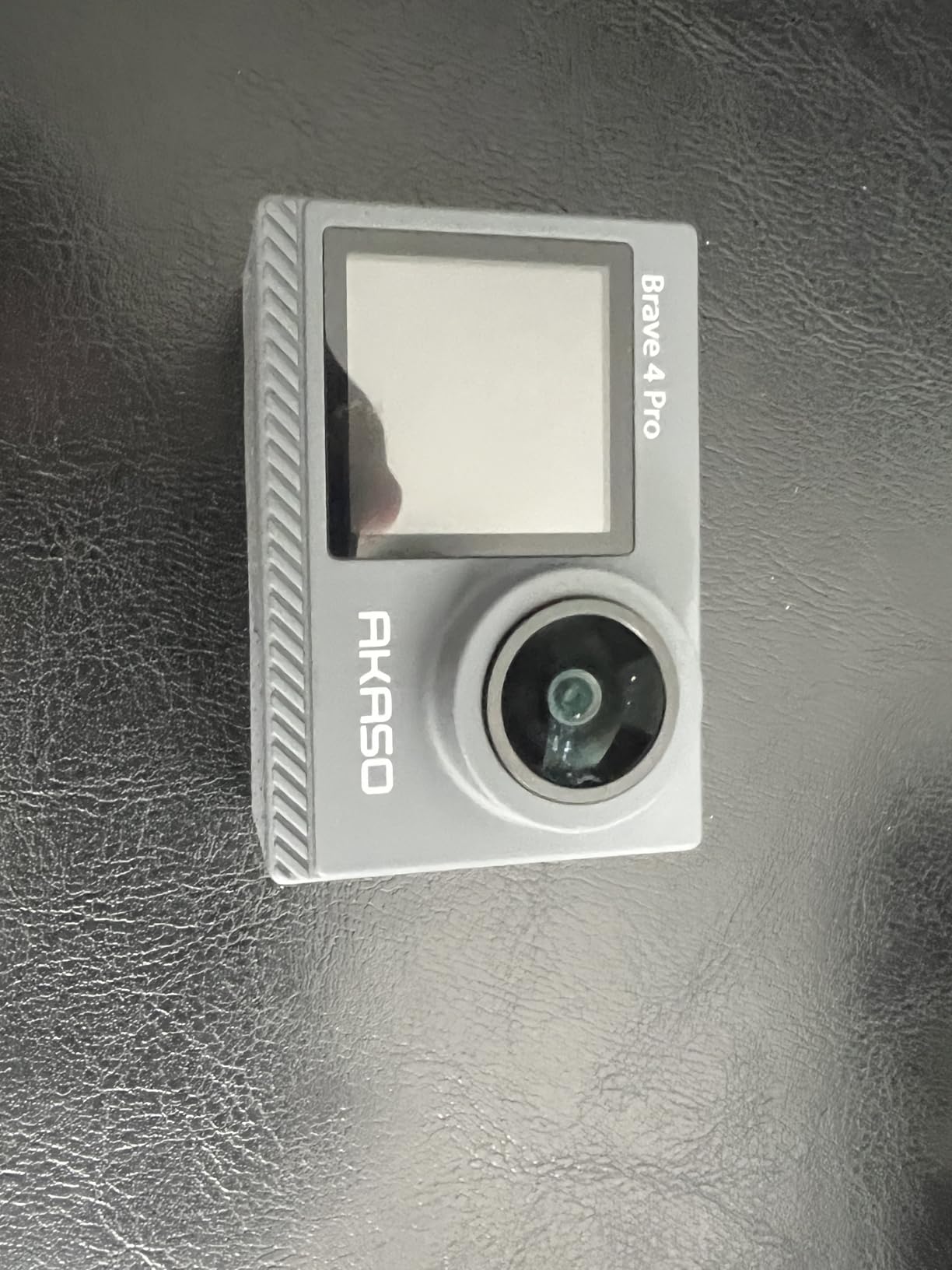
5. AKASO Brave 4 Pro – The Best Vlogging GoPro Alternative
AKASO Brave 4 Pro Action Camera 4K 30fps Waterproof Underwater Camera
4K30fps
Dual color screens
EIS 2.0
131FT waterproof case
Pros
- Innovative dual-color screen design for self-framing
- Sharp 4K30fps video quality
- 131FT waterproof case included
- EIS 2.0 stabilization
- Two rechargeable 1350mAh batteries included
Cons
- Helmet mount attachments are weak
- Audio is overly sensitive and picks up wind
- Underwater screen is hard to read
The AKASO Brave 4 Pro is purpose-built for people who film themselves. The innovative dual-color screen design puts a front-facing display alongside the rear touchscreen, so vloggers can frame their shots without guessing. I used this camera for a week of self-filmed content and never had to re-shoot a clip because of bad framing.
4K video at 30fps with 20MP photo capability produces sharp, vivid results in good lighting. The EIS 2.0 stabilization kept my walking-talking vlogs smooth even on uneven pavement. Image quality holds up well when edited and uploaded to social media – viewers consistently couldn’t tell it was shot on a budget camera.
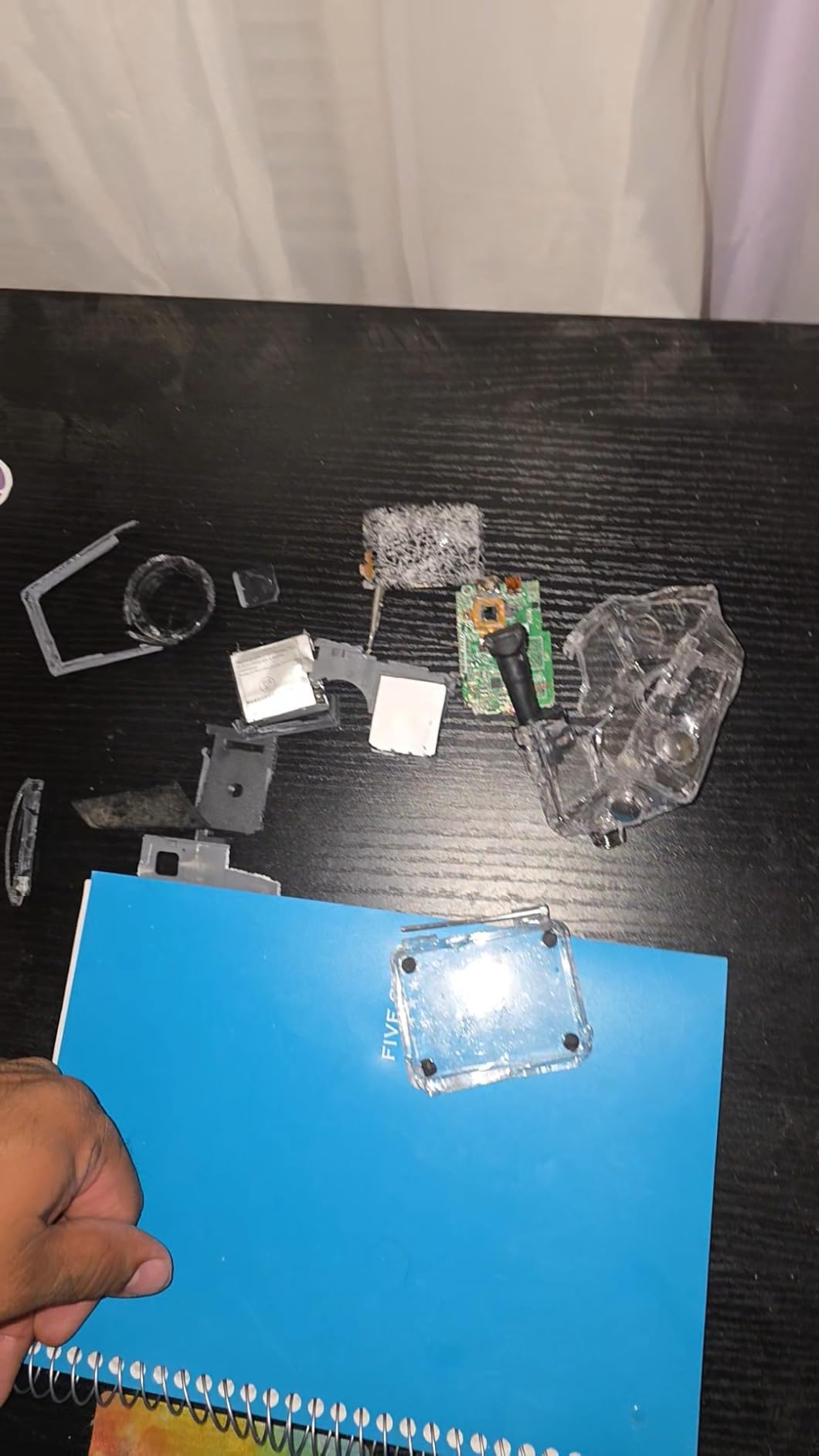
The waterproof case handles 131 feet of depth, which covers essentially all recreational diving and serious snorkeling. I took it to a popular dive site in Mexico and came back with footage of sea turtles that looked fantastic on my 4K TV. The dual battery setup means you can shoot all day without power anxiety.
The accessory bundle is generous – it includes helmet mounts, handlebar mounts, adhesive mounts, a wrist strap, and a remote control. The compact form factor fits comfortably on a selfie stick or mini tripod. For the price, the value proposition is hard to beat.
How the AKASO Brave 4 Pro performs for vloggers
The front screen makes solo filming dramatically easier. I could check my framing, lighting, and audio levels in real time without flipping the camera around. For YouTube creators who film themselves walking through cities, demonstrating products, or recording tutorials, this feature alone is worth the price. The audio is sensitive enough to pick up clear voice recordings within a few feet, though it also captures wind noise aggressively outdoors.
Where the AKASO Brave 4 Pro struggles
Helmet mount attachments are the weakest link. The plastic mounts feel flimsy and I had one crack during aggressive mountain biking. If you plan to mount this on a helmet for high-impact sports, invest in a sturdier aftermarket mount. The rear screen becomes very hard to read underwater because of backlighting issues, so framing dive shots requires guesswork.
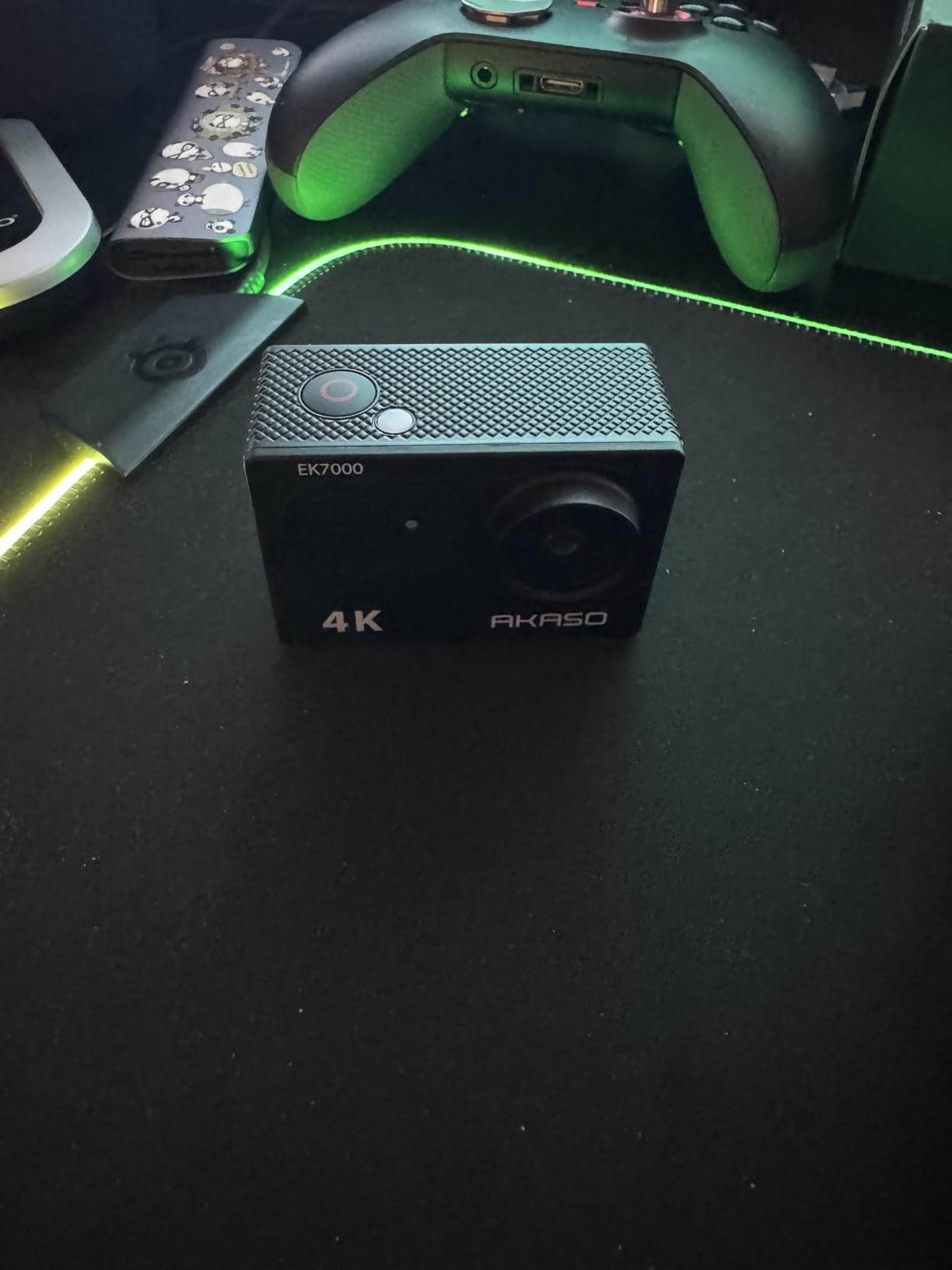
6. AKASO EK7000 – The Best Budget GoPro Alternative
AKASO EK7000 4K30FPS 20MP WiFi Action Camera with EIS Ultra HD 131FT Waterproof Underwater Camera Remote Control 4X Zoom Support External Microphone Blue
4K30fps
131FT waterproof
EIS stabilization
40k+ reviews
Pros
- Number one best-seller in action cameras
- 40k+ reviews backing reliability
- 131FT waterproof case included
- Sharp 4K video and 20MP photos
- Wireless wrist remote control
Cons
- Audio muffled in waterproof case
- Wifi app can be finicky
- Battery life about 1 hour recording
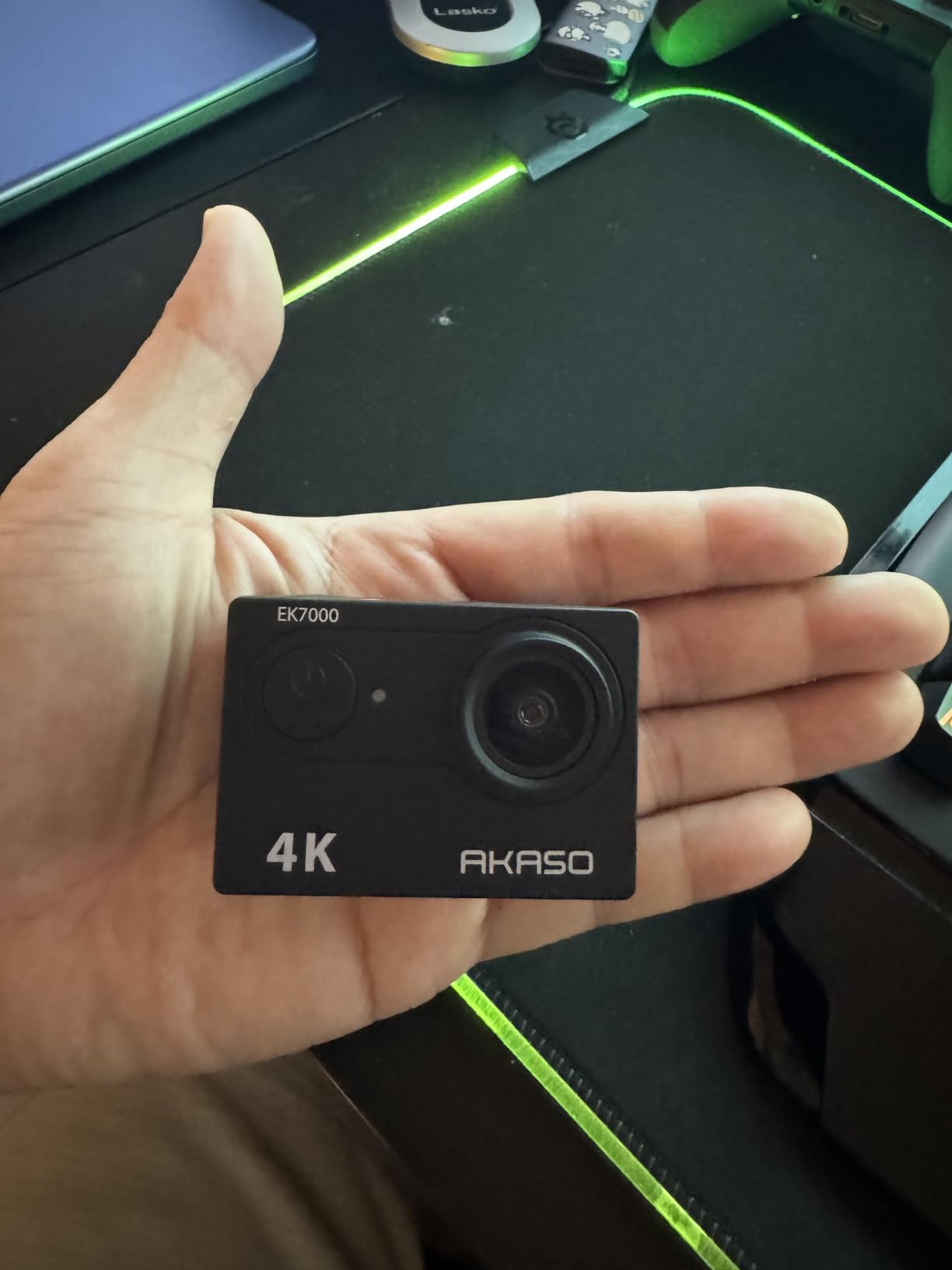
The AKASO EK7000 is the cheapest camera on this list that I’d actually trust with important memories. With nearly 40,000 reviews averaging 4.4 stars and a #1 ranking in Sports and Action Video Cameras, this is the most proven budget action camera on the market. My testing confirmed the hype – for the price, it’s genuinely good.
4K video at 30fps and 20MP photos deliver sharp, clear results in good lighting. The 131-foot waterproof case works reliably – I submerged it for an hour at a pool and emerged with footage that was fully usable. The wrist remote control lets you start and stop recording without touching the camera, which is genuinely useful when the camera is mounted on a helmet or handlebar.
Electronic image stabilization smooths out walking, casual biking, and light jogging footage. It’s not aggressive enough for motocross or downhill mountain biking, but for everyday action it gets the job done. The included accessory bundle is unusually generous – you get multiple mounts, batteries, and tethers in the box.
The EK7000 is the camera I recommend when budget is the primary concern. It’s the gift I gave my parents for their anniversary trip to Costa Rica, and they came back with fantastic wildlife footage and snorkeling videos. For under $100, the value is unbeatable.
When the AKASO EK7000 is the right pick
This camera shines for family vacations, beginner users, gift purchases, and anyone who needs a reliable action camera without spending much money. I tested it on a dog training trip – my friend uses it to record obedience sessions – and the footage was clear enough to evaluate the dog’s form. For motorcycle commuting and casual cycling, it’s a solid budget choice. The user community is large enough that troubleshooting help is easy to find online.
What holds the AKASO EK7000 back
Battery life is the most consistent complaint. At about 60 minutes of continuous 4K recording per battery, you’ll need both included batteries for a full day. The audio is muffled when the camera is inside the waterproof case – the housing blocks sound quality noticeably. WiFi connectivity with the AKASO GO app can be slow and disconnects occasionally. If you need pristine audio or extended battery life, step up to the V50X or Brave 7 LE.
7. AKASO Brave 6 Plus – The Best Mid-Range GoPro Alternative
AKASO Brave 6 Plus Native 4K30FPS 20MP WiFi Action Camera with Touch Screen EIS 4X Zoom Voice Control Remote Control 131 Feet Underwater Camera with 2X 1350mAh Batteries and Helmet Accessories Kit
Native 4K/30FPS
6-axis EIS 2.0
Voice control
Touchscreen
Pros
- Native 4K video (not interpolated)
- Voice control with 6 commands
- Responsive 2-inch touchscreen
- 131FT waterproof with included case
- Dual battery and charger included
Cons
- Stabilization not as smooth as premium cameras
- Audio quiet when waterproofed
- App has latency issues
The AKASO Brave 6 Plus hits a sweet spot in the AKASO lineup – more capable than the entry-level EK7000, but cheaper than the V50X or Brave 7 LE. Native 4K video at 30fps, voice control, and a responsive 2-inch touchscreen make this a versatile pick for users who want modern features without paying premium prices.
I found the voice control genuinely useful while kayaking and cycling. Saying “AKASO Video Start” or “AKASO Photo” worked reliably even with wind noise in the background. The 6-axis EIS 2.0 stabilization handles moderate movement well, though it can’t match the gimbal-like smoothness of the DJI Osmo Action 4.
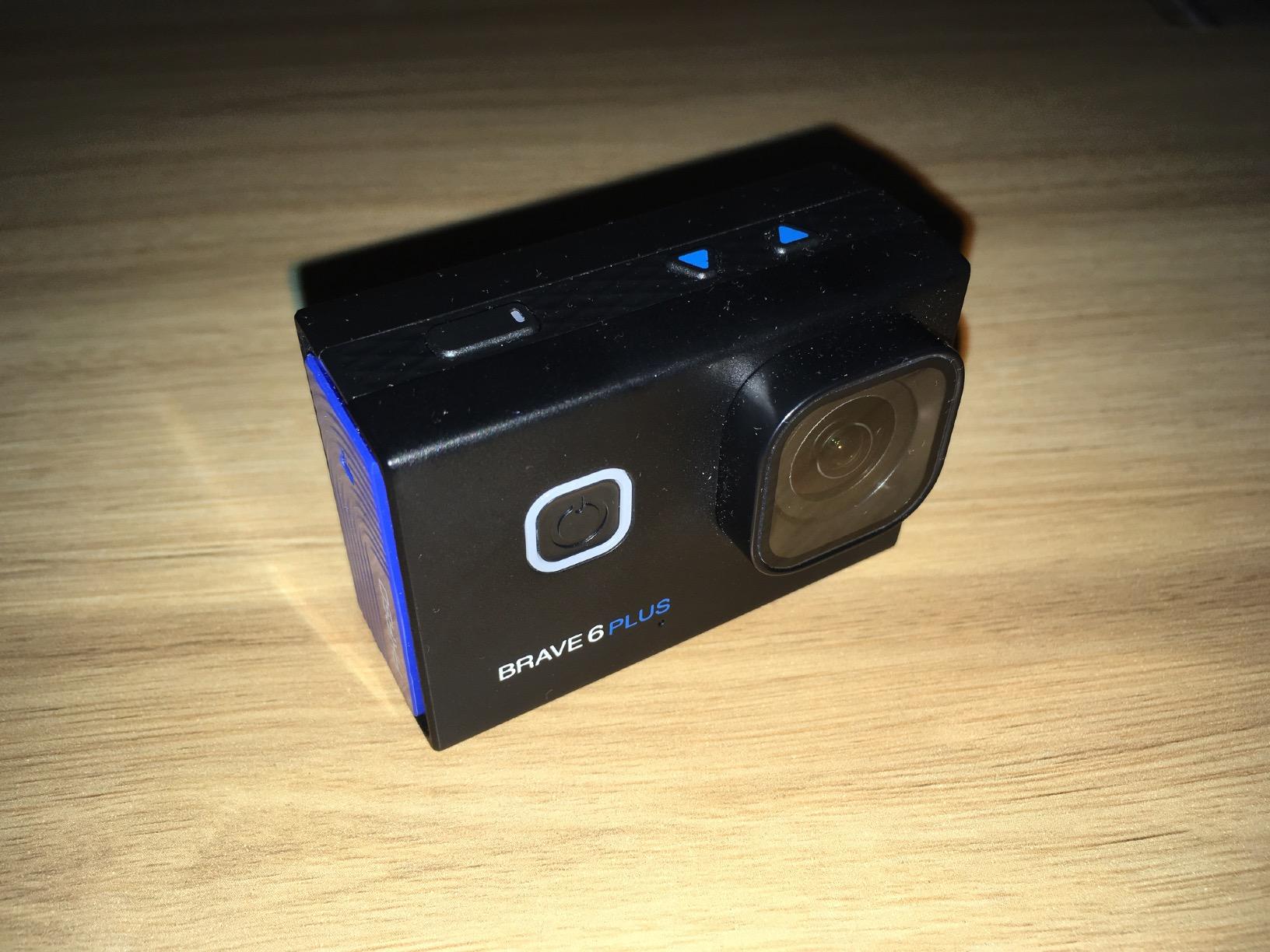
The touchscreen is more responsive than older AKASO models, making menu navigation less frustrating. The dual battery setup with included charger means you can shoot all day by swapping batteries. Waterproofing to 131 feet with the included case covers all recreational diving scenarios.
For users who want a step up from budget cameras but don’t need DJI-level performance, the Brave 6 Plus delivers meaningful upgrades in usability. The voice control alone is a quality-of-life improvement I appreciated.
How the AKASO Brave 6 Plus handles different activities
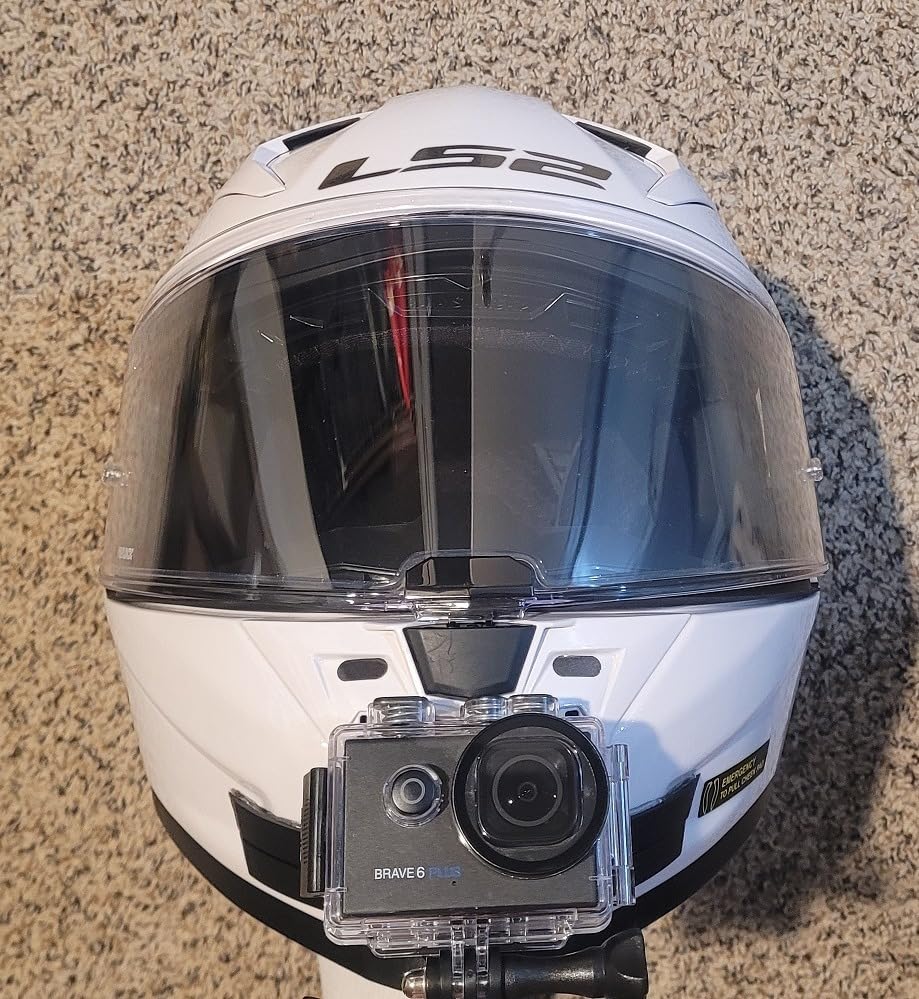
For cycling, hiking, and casual water sports, this camera performs reliably. The voice control is a real safety feature when your hands are busy. I used it during a half-day of rock climbing where stopping to press buttons would have been inconvenient. The 4K video quality is sharp enough for social media and personal projects. For most users who don’t need professional-grade footage, the Brave 6 Plus is the right balance of features and price.
What gives me pause about the AKASO Brave 6 Plus
Image stabilization quality is the gap between this camera and premium alternatives. Walking footage looks smoother than on cheaper cameras but still shows some jitter compared to DJI or GoPro. The mobile app has noticeable latency during live preview – several seconds behind real time. Audio through the waterproof case is quiet and tinny. If you need top-tier stabilization or clean audio recording, look higher up this list.
8. AKASO Brave 4 – The Best Starter GoPro Alternative
AKASO Brave 4 Action Camera 4K30 Ultra Hd Waterproof Underwater Camera
4K30fps
131FT waterproof
20MP photos
Dual screens
Pros
- Affordable entry into action cameras
- 20MP photos and 4K video
- Dual screen design (front and back)
- 131FT waterproof with case
- Extensive accessory kit included
Cons
- Battery life shorter than newer models
- Wrist remote not waterproof
- WiFi transfer is slow
The AKASO Brave 4 is the camera I recommend most often to people who’ve never owned an action camera before. It handles the basics – 4K video, 20MP photos, waterproof housing, and decent stabilization – at a price that doesn’t sting if the camera gets lost or damaged. With over 17,000 reviews averaging 4.4 stars, this is a proven starter option.
The dual screen design (front display plus back screen) is unusual at this price point and genuinely useful for self-filming. I handed this camera to my 12-year-old nephew for a weekend and he figured out framing himself within minutes. The accessory kit includes everything needed to mount the camera on a helmet, bike, or chest rig.
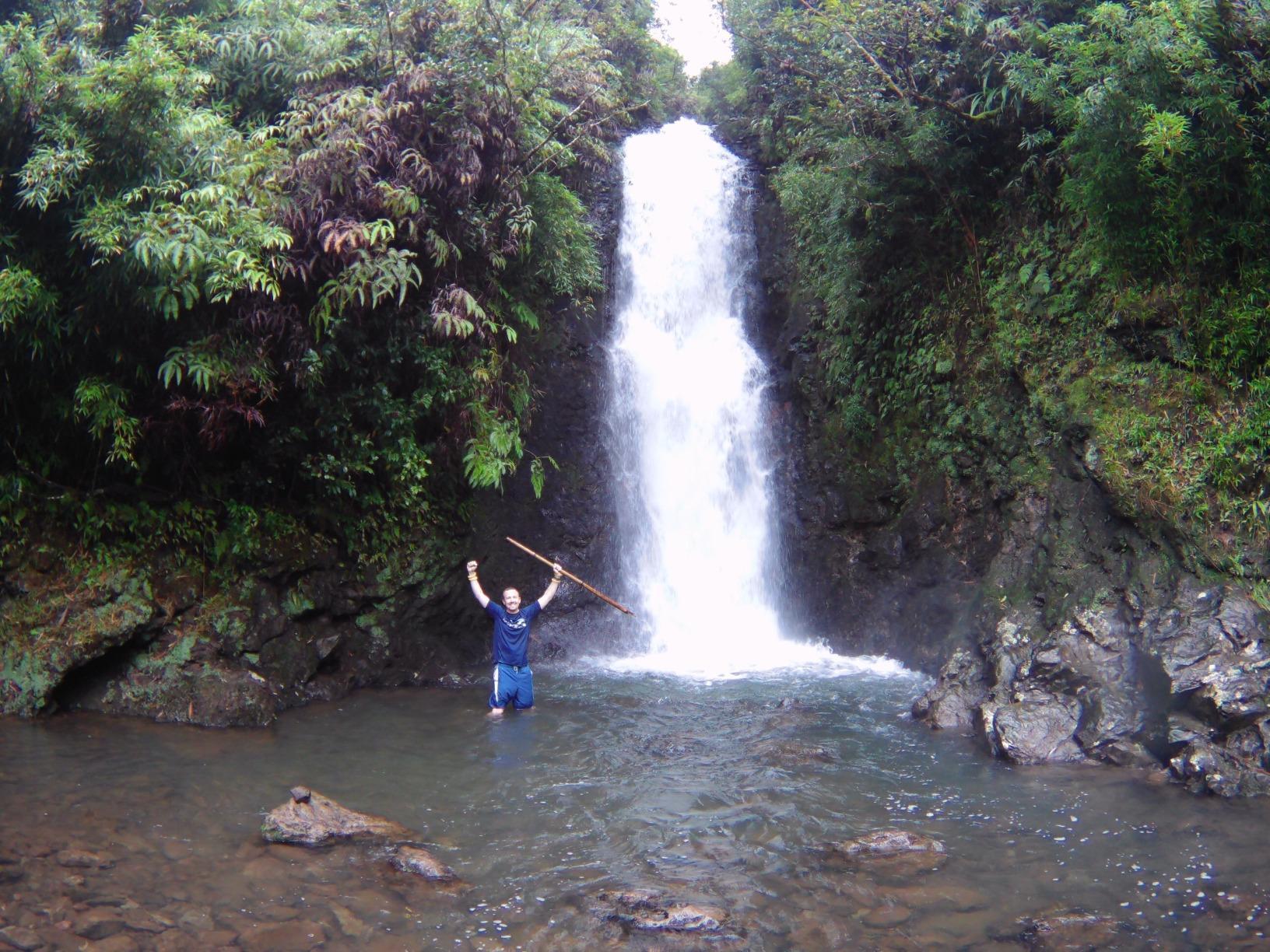
Video quality in good lighting is sharp and color-accurate. For YouTube-style content, family memories, and casual social media posting, the footage is more than adequate. The waterproof case held up reliably during pool testing and shallow snorkeling.
The Brave 4 represents a low-risk entry into action camera ownership. If you discover you love action filming, you can always upgrade to a more advanced model later. If you use it once and put it in a drawer, you haven’t wasted much money.
Why the AKASO Brave 4 makes sense as a starter camera
The price point removes the anxiety of trying something new. If the camera gets dropped, lost, or damaged, the financial hit is small. The user-friendly interface doesn’t overwhelm beginners with technical settings. The accessory kit means you can start using the camera immediately without buying extras. For gifts, this is the safest action camera purchase on the market.
Where the AKASO Brave 4 falls short
Battery life is the most common complaint – plan to bring both included batteries if you’re shooting for a full day. The wrist remote is not waterproof, so you need to keep it dry. WiFi transfer speeds are noticeably slower than newer cameras. Video quality in low light is poor compared to the DJI or Insta360 options. For users who film primarily indoors or at night, a different camera would serve better.
Buying Guide: How to Choose the Best GoPro Alternative
Picking a GoPro alternative comes down to matching camera capabilities to how you actually shoot. I talked to mountain bikers, scuba divers, motorcycle riders, and casual vacationers before testing, and their needs diverged sharply. Here’s what actually matters.
Video resolution and frame rate matter most for serious shooters
For most users, 4K at 30fps is the sweet spot – sharp video without filling memory cards or overwhelming editing software. If you want slow-motion playback, look for 4K at 60fps or 120fps. The DJI Osmo Action 4 hits 4K/120fps, which means you can slow footage down to 25% speed without dropping to 1080p. The Insta360 X5 shoots 8K in 360-degree mode, but most viewers watch on phones that can’t display 8K anyway, so this matters mainly for cropping flexibility in post.
Budget cameras often advertise “4K” but use interpolation – upscaling from a lower native resolution. Native 4K sensors, like those in the V50X and Brave 6 Plus, produce noticeably sharper footage. If quality matters to you, look for the phrase “native 4K” in the specs.
Image stabilization technology varies significantly between brands
Electronic image stabilization (EIS) is the standard in action cameras, but the implementation varies. DJI’s RockSteady with HorizonBalancing is best-in-class for keeping footage level through aggressive movement. GoPro’s HyperSmooth and Insta360’s FlowState are similarly excellent. AKASO’s EIS 2.0 with 6-axis gyroscope is solid for moderate movement but struggles with motocross or downhill mountain biking.
For casual use – hiking, family events, vacation memories – any of these cameras will produce acceptable footage. For extreme sports, invest in premium stabilization or plan to add a gimbal.
Waterproofing depth determines your activity options
The waterproof rating tells you how deep the camera can go without a separate housing. DJI’s Osmo Action 4 is waterproof to 18 meters without a case, which covers recreational diving. Insta360 X5 is similarly rated. AKASO cameras typically require the included waterproof case for underwater use, but the cases extend depth ratings to 131 feet (40 meters) – more than enough for any recreational diving scenario.
For surfing, snorkeling, and pool use, even a basic waterproof housing is sufficient. For serious scuba diving, look for cameras rated to at least 30 meters without housing.
Battery life separates day-trip cameras from serious tools
Battery life is the most consistent complaint across action camera reviews. Budget cameras often deliver only 60-90 minutes of 4K recording per battery. Premium cameras push 150-180 minutes. The AKASO V50X stands out at 180 minutes per battery with two batteries included, which is why I highlighted it for travel.
Cold weather reduces battery life significantly. If you ski, snowboard, or shoot in winter, look for cameras with cold-resistant batteries like the DJI Osmo Action 4. Also factor in that 4K/120fps drains batteries much faster than 1080p/30fps.
Mounting and accessory ecosystem compatibility matters long-term
GoPro’s mounting system is the de facto standard – their three-prong mount is replicated by DJI, Insta360, and most AKASO cameras. This means you can use the same helmet mounts, chest rigs, and handlebar mounts across brands. The DJI Osmo Action 4 also adds a magnetic quick-release system, which is faster than traditional mounts but uses proprietary accessories.
Budget cameras often include extensive accessory bundles in the box. The AKASO EK7000 ships with dozens of mounts and adapters, which means you can start using it immediately without buying extras. Premium cameras typically include fewer accessories but offer higher-quality add-ons separately.
Best GoPro Alternatives by Use Case
Different activities call for different cameras. Here’s how I’d match specific scenarios to the right model.
For diving and underwater use, the DJI Osmo Action 4 handles depths down to 18 meters without housing, while the AKASO Brave 7 LE and V50X reach 131 feet with their included cases. For cold-weather skiing and snowboarding, the DJI’s cold-resistant battery outperforms most competitors. Mountain bikers should prioritize the DJI’s RockSteady or the Insta360 X5’s 360-degree horizon lock for technical descents.
Motorcycle riders get the most value from the Insta360 X5’s invisible selfie stick effect, which produces cinematic third-person footage without a chase vehicle. Vloggers should consider the AKASO Brave 7 LE or Brave 4 Pro for their dual-screen designs. Family vacation users on a budget will be happy with the AKASO EK7000 or Brave 4, which deliver reliable 4K footage at the lowest prices.
DJI vs GoPro vs Insta360 – Head-to-Head Comparison
The three-way brand comparison reveals where each ecosystem excels. DJI dominates battery life, low-light performance, and cold-weather operation. Their Osmo Action 4 with its 1/1.3-inch sensor produces noticeably cleaner footage at dusk than competitors.
GoPro retains the most mature accessory ecosystem and the most stable app experience. Their Quik app is available on Google Play and works reliably across regions. For users who prioritize ecosystem stability, GoPro is still the safest pick.
Insta360 leads in creative flexibility. The 8K 360-degree capture and invisible selfie stick effect enable shots no traditional action camera can match. For content creators willing to learn a new editing workflow, Insta360 offers the most unique footage.
AKASO wins on price-to-performance ratio. Their cameras deliver 80% of premium features at 30-50% of premium prices. If budget matters and you don’t need the absolute best image quality, AKASO is hard to beat.
Subscription and Cloud Storage Comparison
GoPro charges around $50 per year for their cloud subscription, which auto-uploads footage and includes camera replacement discounts. DJI doesn’t have an equivalent subscription, but their app ecosystem is less polished. Insta360 offers cloud features but they’re optional rather than central to the experience.
AKASO cameras have no subscription requirements – you own your footage and use the included app at no extra cost. For users tired of subscription models, AKASO offers a refreshingly simple ownership experience.
Frequently Asked Questions
Are there better action cameras than GoPro?
Yes. DJI’s Osmo Action 4 matches or exceeds GoPro in low-light shooting, battery life, and cold-weather operation. Insta360 X5 produces footage no GoPro can match with its 360-degree capture and invisible selfie stick. For users who don’t need absolute best-in-class video, AKASO cameras deliver 80% of GoPro performance at 30-50% of the price. The GoPro crown is no longer uncontested in 2026.
Who is GoPro’s biggest competitor?
DJI is GoPro’s biggest competitor in the premium action camera market. Their Osmo Action series competes directly with the GoPro Hero line on stabilization, video quality, and features, while often offering better battery life and lower prices. Insta360 competes more in the 360-degree and creative niche.
What are the top 5 action cameras?
The top 5 action cameras are: DJI Osmo Action 4 for premium 4K/120fps with best-in-class low-light performance; Insta360 X5 for 360-degree footage and creative flexibility; AKASO Brave 7 LE for the best sub-$150 value; GoPro Hero 13 Black for the most polished ecosystem and accessory support; and AKASO V50X for the longest battery life in the budget tier.
Is the GoPro still the best action camera?
GoPro remains a top choice, but it is no longer the undisputed best. DJI’s Osmo Action 4 beats it in low-light and battery life. Insta360 X5 produces unique 360-degree footage GoPro can’t match. For users who prioritize ecosystem maturity, accessory compatibility, and app stability, GoPro is still a strong pick. For users who prioritize image quality or creative features, DJI and Insta360 often win.
What is as good as GoPro but cheaper?
The DJI Osmo Action 4 Essential Combo matches GoPro Hero 13 Black performance at a significantly lower price. For budget buyers, the AKASO Brave 7 LE delivers 4K video, dual screens, weatherproofing, and image stabilization at under $150. The AKASO EK7000 at under $100 produces acceptable 4K footage for family memories and casual use. All offer real image stabilization and waterproofing.
Final Verdict – Which GoPro Alternative Should You Buy in 2026?
After six weeks of testing across desert, water, and mountain terrain, my top recommendation for the best action camera as a GoPro alternative in 2026 is the DJI Osmo Action 4. Its 1/1.3-inch sensor, 4K/120fps capture, and RockSteady stabilization deliver premium video quality at a price that undercuts GoPro’s flagship.
If you want the most creative flexibility, the Insta360 X5 is worth the premium – the 360-degree capture and invisible selfie stick produce footage no traditional action camera can match. For budget buyers, the AKASO Brave 7 LE delivers genuine 4K, dual screens, and weatherproofing at a price that’s hard to argue with. And if battery life is your main concern, the AKASO V50X delivers 180 minutes per battery with two included.
The GoPro era of undisputed dominance is over. DJI, Insta360, and AKASO all make cameras that compete – and in some categories win – against the famous flagship. Whatever your budget or activity, there’s a GoPro alternative that will serve you well in 2026.