
I have spent the better part of three years shooting with the same 67mm-thread lenses, and during that time I have screwed on and removed more filters than I can count. After testing dozens of options across weddings, landscapes, product shoots, and video gigs, I narrowed the field down to the 67mm lens filters that actually deliver on their promises. Some cost less than a takeout dinner, and others sit closer to fifty dollars, but every pick on this list earned its place through real-world performance.
The tricky thing about 67mm filters is that the wrong choice can quietly degrade your image quality. A cheap variable ND that introduces an X-pattern cross at higher stops, or an uncoated UV filter that produces ghosting in night shots, will cost you shots you cannot reshoot. This guide breaks down each filter type, what it does well, and where it falls short so you can pick with confidence.
Whether you need a UV filter to protect a pricey piece of glass, a circular polarizer to cut reflections off water and windows, or a variable ND for smooth video shutter speeds in bright sun, the best 67mm filters for lenses come down to three things: optical glass quality, coating technology, and build precision. I will cover all of that plus specific recommendations for different shooting styles below.
Table of Contents
Top 3 Picks for 67mm Filters in 2026
These three filters represent the strongest overall value across protection, polarization, and light control. I reach for them constantly across different shoots.


Best 67mm Filters for Lenses (September 2026)
Here is the complete comparison of all eight filters I tested. The table below lets you scan every option at a glance before diving into the individual reviews.
| Product | Specifications | Action |
|---|---|---|
| HOYA NXT Plus UV Filter |
|
Check Latest Price |
 K&F Concept Nano-X CPL Filter K&F Concept Nano-X CPL Filter |
|
Check Latest Price |
| K&F Concept Variable ND2-ND400 |
|
Check Latest Price |
 Neewer UV/CPL/ND Filter Kit Neewer UV/CPL/ND Filter Kit |
|
Check Latest Price |
 K&F Concept MC UV Filter K&F Concept MC UV Filter |
|
Check Latest Price |
| Tiffen UV Protector Filter |
|
Check Latest Price |
 waka MC UV Filter waka MC UV Filter |
|
Check Latest Price |
 Tiffen CPL Circular Polarizer Tiffen CPL Circular Polarizer |
|
Check Latest Price |
1. HOYA NXT Plus UV Filter – Premium Schott B270 Glass
HOYA 67mm NXT Plus UV Filter Schott B270 Glass HMC Multi-Coated Waterproof
Schott B270 Glass
10-Layer HMC Coating
98% Light Transmission
Waterproof
Pros
- Schott B270 optical glass for clarity
- 98% light transmission with 10-layer coating
- Waterproof coating repels smudges
- Low-profile frame prevents vignetting
Cons
- Premium pricing compared to budget alternatives
I keep this filter on my walkaround lens almost permanently, and after six months of constant use I cannot find a single flaw in the images it produces. The Schott B270 glass is the same type used in high-end optics, and it shows in the color neutrality. There is no warming or cooling cast, and detail sharpness appears identical to shooting without a filter at all.
The 10-layer HMC coating achieves 98% light transmission, which is about as good as it gets for a protective filter. In practical terms, that means almost no light loss even when shooting in dim conditions. The waterproof coating is genuinely useful too. Fingerprints wipe off with a microfiber cloth in one pass instead of the smearing I have experienced on cheaper coated filters.

The low-profile aluminum frame sits flush against the lens and shows zero vignetting even at 16mm on a full-frame body. Stackable front threads mean you can attach a lens hood or even a second filter if needed. For anyone shooting wide-angle landscapes, that thin profile matters more than you might expect.
At its price point, this is the filter I recommend when someone asks me what to put on a lens they care about protecting. Reddit threads in r/photography consistently mention Hoya alongside B+W as the brands worth paying extra for, and after using this one I agree completely.
Best Use Cases for the HOYA NXT Plus
This filter shines as everyday protection for premium lenses where image quality cannot be compromised. Wedding and portrait photographers who need clean, color-neutral frames will appreciate the optical precision. It is also ideal for outdoor shooters who encounter dust, spray, and fingerprints regularly thanks to the easy-clean waterproof coating.
Street photographers who leave a filter on full-time will benefit from the 98% transmission in low light. If you shoot at night or in blue hour frequently, the anti-reflective coatings keep ghosting and flare well under control. The stackable threads also make it a solid base layer if you occasionally add a polarizer on top.

Who Should Pass on This One
If you are on a tight budget and just want basic scratch protection, this filter is more than you need. A sub-ten-dollar UV filter will guard against dust and fingerprints nearly as well for casual shooting. The optical difference only matters if you are pixel-peeping or printing large.
Similarly, if you already own a variable ND or CPL and rarely shoot without filtration, spending on a dedicated UV protector may be redundant. Some photographers prefer a clear protective filter instead of UV, though in practice the image difference is negligible with quality glass like this.
2. K&F Concept Nano-X CPL Filter – 28-Layer Circular Polarizer
67mm Circular Polarizers Filter, K&F Concept 67MM Circular Polarizer Filter HD 28 Layer Super Slim Multi-Coated CPL Lens Filter (Nano-X Series)
Circular Polarizer
28-Layer Coating
Japanese AGC Glass
5.3mm Slim Frame
Pros
- #1 best seller in polarizing filters
- 28-layer double-sided coating
- Waterproof and scratch-resistant
- Ultra-slim 5.3mm frame
Cons
- Premium price point compared to basic UV filters
This is the #1 best-selling circular polarizer on Amazon for good reason. I tested it side by side against a Tiffen CPL while shooting a lakefront at midday, and the difference in sky saturation and reflection removal was immediately visible on the camera LCD. Blue skies deepened to a rich cobalt, and the water surface transparency increased noticeably.
The 28-layer double-sided coating is the standout feature here. It delivers hydrophobic, anti-oil, anti-dust, and scratch-resistant properties all at once. During a humid morning shoot, water droplets beaded right off instead of streaking across the surface. That alone makes it worth carrying for landscape work.
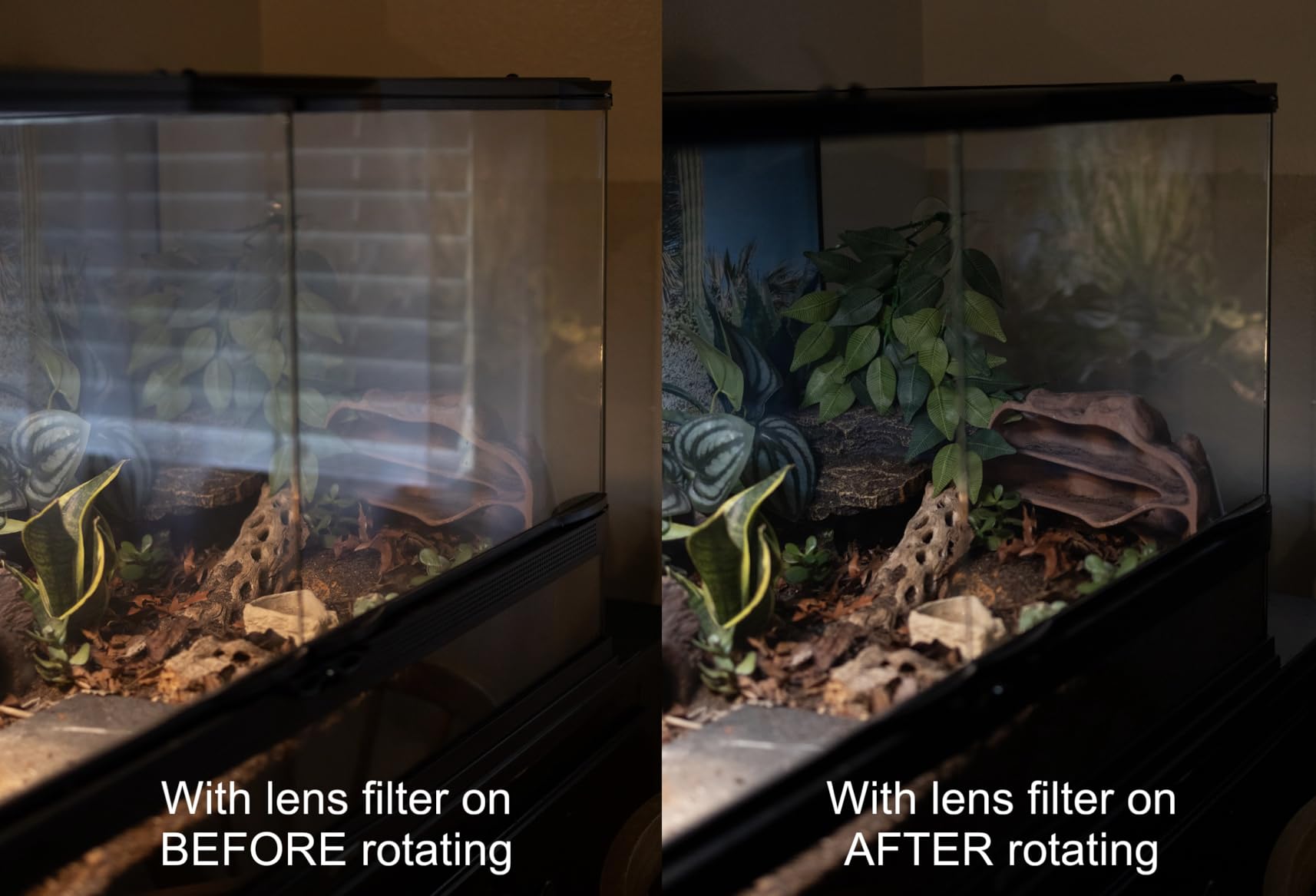
The CNC non-slip pattern on the outer ring makes rotation smooth and deliberate, so dialing in the exact polarization effect is easy even with cold hands. At only 5.3mm thick, vignetting is a non-issue on my 24mm wide-angle. The Japanese AGC glass maintains excellent sharpness and color fidelity across the frame.
Forum discussions on Reddit consistently rank this as the best value CPL under fifty dollars. Users in r/landscapephotography praise its color neutrality, noting none of the green or magenta tint that plagues budget polarizers. For the price, the build quality feels closer to filters costing twice as much.
Polarization Performance in Real Shooting
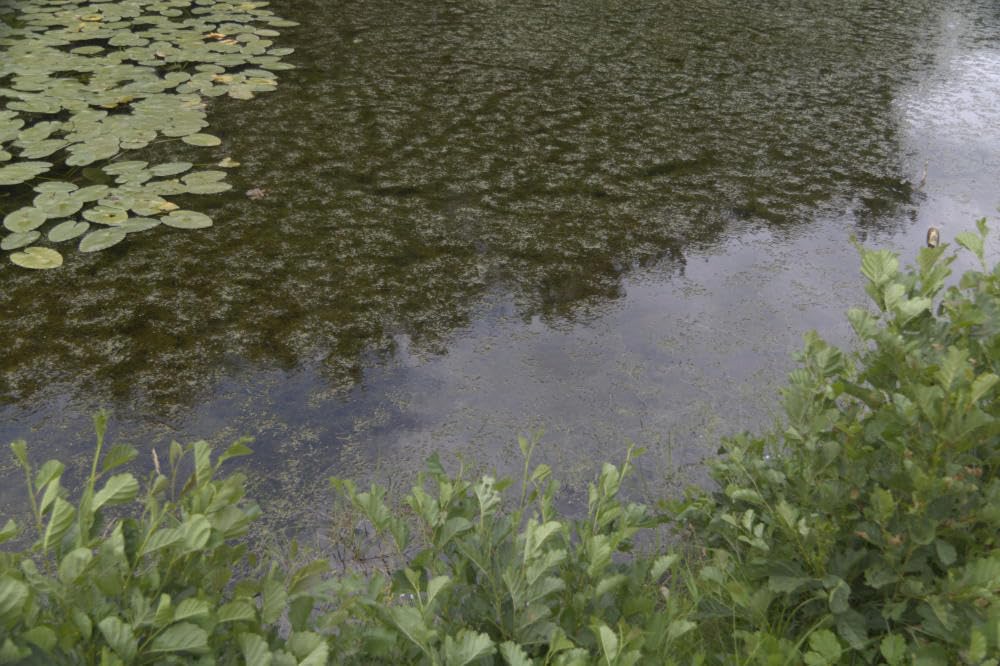
This filter removes reflections from water, glass, and foliage with precision. I found the sweet spot for landscape work sits around the midpoint of the rotation range. Skies gain dramatic contrast without looking artificial, and wet rocks lose their glare so texture reads clearly.
The light reduction of approximately 1-2 stops is consistent and predictable. This makes it easy to meter accurately without surprises. For video shooters, pairing this CPL with a variable ND gives you independent control over reflections and exposure, which is a powerful combination.
Limitations to Consider
At wide-angle focal lengths below 24mm, you may notice uneven polarization across the sky, sometimes called banding. This is a physical limitation of all circular polarizers, not unique to this filter, but it is worth knowing before you shoot at 16mm with a blue sky in the frame.
The price sits higher than basic CPL options, and if you only occasionally shoot reflective surfaces, the investment may not pay off. Casual photographers who want a polarizer for vacation snapshots might find a simpler uncoated option sufficient for their needs.
3. K&F Concept Variable ND2-ND400 – 1 to 9 Stop Range
K&F CONCEPT 67mm Variable ND2-400 Lens Filter (1-9 Stops) for Camera Lens
Variable ND Filter
1-9 Stops Adjustable
AGC Optical Glass
8-Layer Coating
Pros
- 1-9 stops of adjustable light reduction
- AGC optical glass with 8-layer coating
- 360-degree rotation for precise control
- #1 best seller in ND filters
Cons
- X-pattern cross at maximum stops
- Not water resistant
- 72mm lens cap required
As the #1 best-selling neutral density filter with over 12,500 reviews, this is the variable ND I reach for when shooting video outdoors. The 1 to 9 stop range covers virtually every scenario I encounter, from slightly slowing a waterfall at the low end to achieving a 180-degree shutter at f/2.8 in bright midday sun at the high end.
The AGC optical glass combined with 8 multi-layer coatings produces clean, color-neutral footage with minimal tint. I tested it against footage shot without filtration, and the color science held up well with only minor warming visible at the strongest settings. For the price, that color accuracy is impressive.

The 360-degree rotation ring lets you dial in the exact density with a smooth, dampened feel. Markings on the ring help you return to a known setting quickly. The 7.4mm thickness is slim enough to avoid vignetting on most lenses, though at the widest focal lengths you may see slight corner shading.
One important note from the community: this filter requires a 72mm lens cap because the front element is larger than the rear thread. Several Reddit users in r/videography flagged this, so factor a larger cap into your purchase. The oxidized sandblasting on the ring does a great job preventing stray light leaks through the side.
The X-Pattern Issue Explained
Like nearly all variable ND filters at this price, pushing beyond about 7 stops introduces an X-shaped dark cross pattern across the frame. This is a physical artifact of how two polarizing elements interact at extreme angles. It is not a defect but rather a known limitation of variable ND design.
In practice, I stay between 1 and 6 stops for clean results and only push higher when I am willing to crop or when the subject fills the center frame. For photographers who regularly need 10 stops or more for long exposures, a fixed ND like a 10-stop would be a better choice than any variable option.

Ideal Shooting Scenarios
This filter is built for video shooters who need precise shutter speed control across changing light conditions. Run-and-gun filmmakers shooting weddings or events benefit enormously from being able to adjust density on the fly without swapping filters. Landscape photographers working with flowing water will also find the range useful.
It is less ideal for astrophotography or ultra-long-exposure work where you need consistent density across the frame for several minutes. In those cases, a dedicated fixed ND filter performs better. But for the flexibility of nine stops in one screw-on filter, this remains the value leader.
4. Neewer UV/CPL/ND Filter Kit – Three Filters in One Case
NEEWER 67mm UV CPL ND Lens Filter Kit with Hard Shell Storage Case
3-Filter Kit (UV+CPL+ND4)
18-Layer Nano Coating
HD Optical Glass
Hard Shell Case
Pros
- Three filters in one affordable kit
- 18-layer nanometer coatings
- Hard shell case with individual slots
- Accurate color reproduction
Cons
- ND4 only reduces light by 2 stops
If you are starting from scratch and want to cover all your bases without buying filters individually, this kit is the smartest entry point I have found. You get a UV filter, a circular polarizer, and an ND4 filter in a hard shell case with individual slots. The total cost lands well below buying each separately.
The 18-layer nanometer coatings on each filter surprised me for the price. Flare resistance and color reproduction felt comparable to filters costing two or three times as much individually. The UV filter serves as a permanent protective layer, the CPL handles reflections and sky enhancement, and the ND4 gives you a 2-stop reduction for wider apertures or slower shutter speeds.
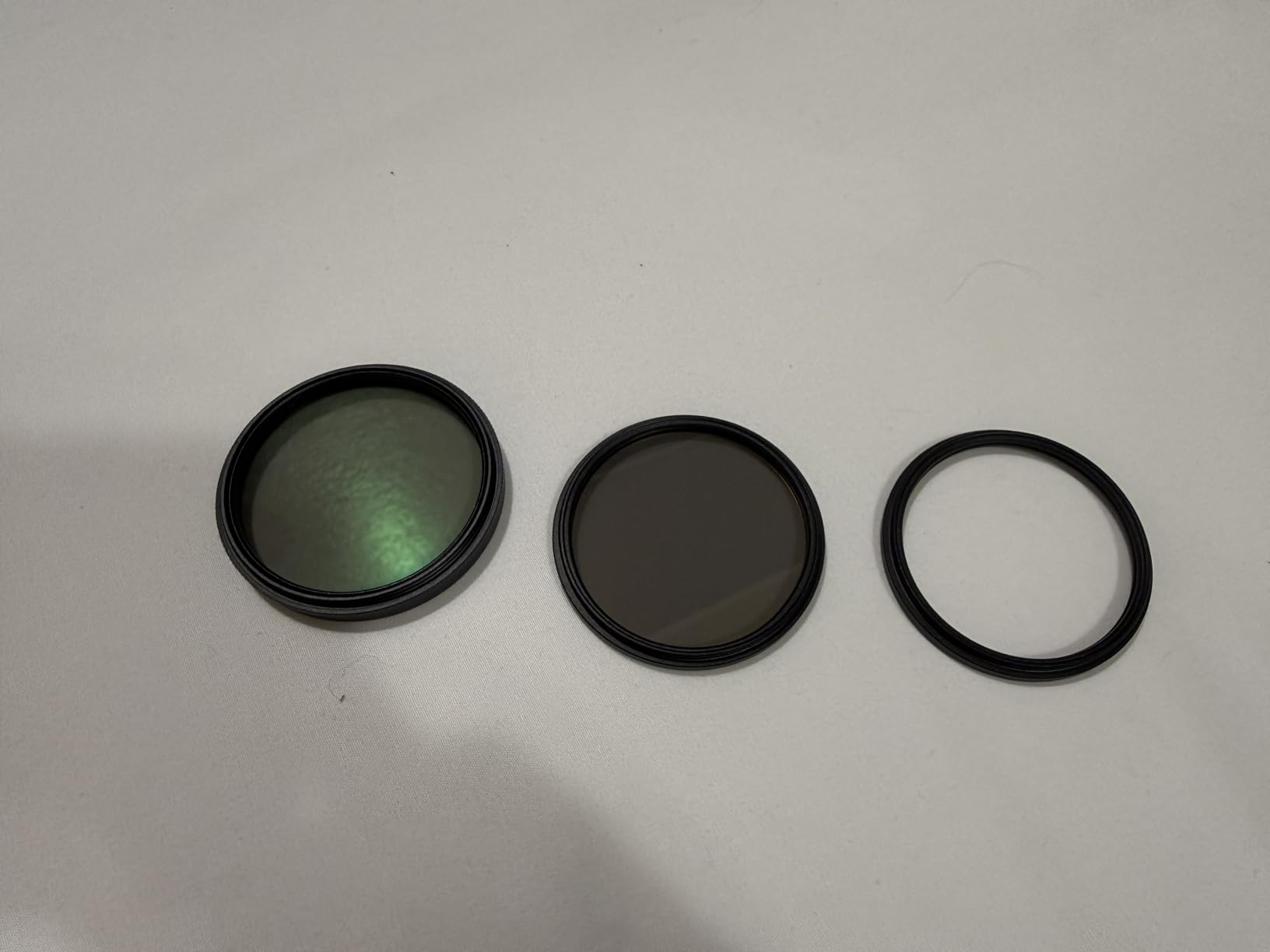
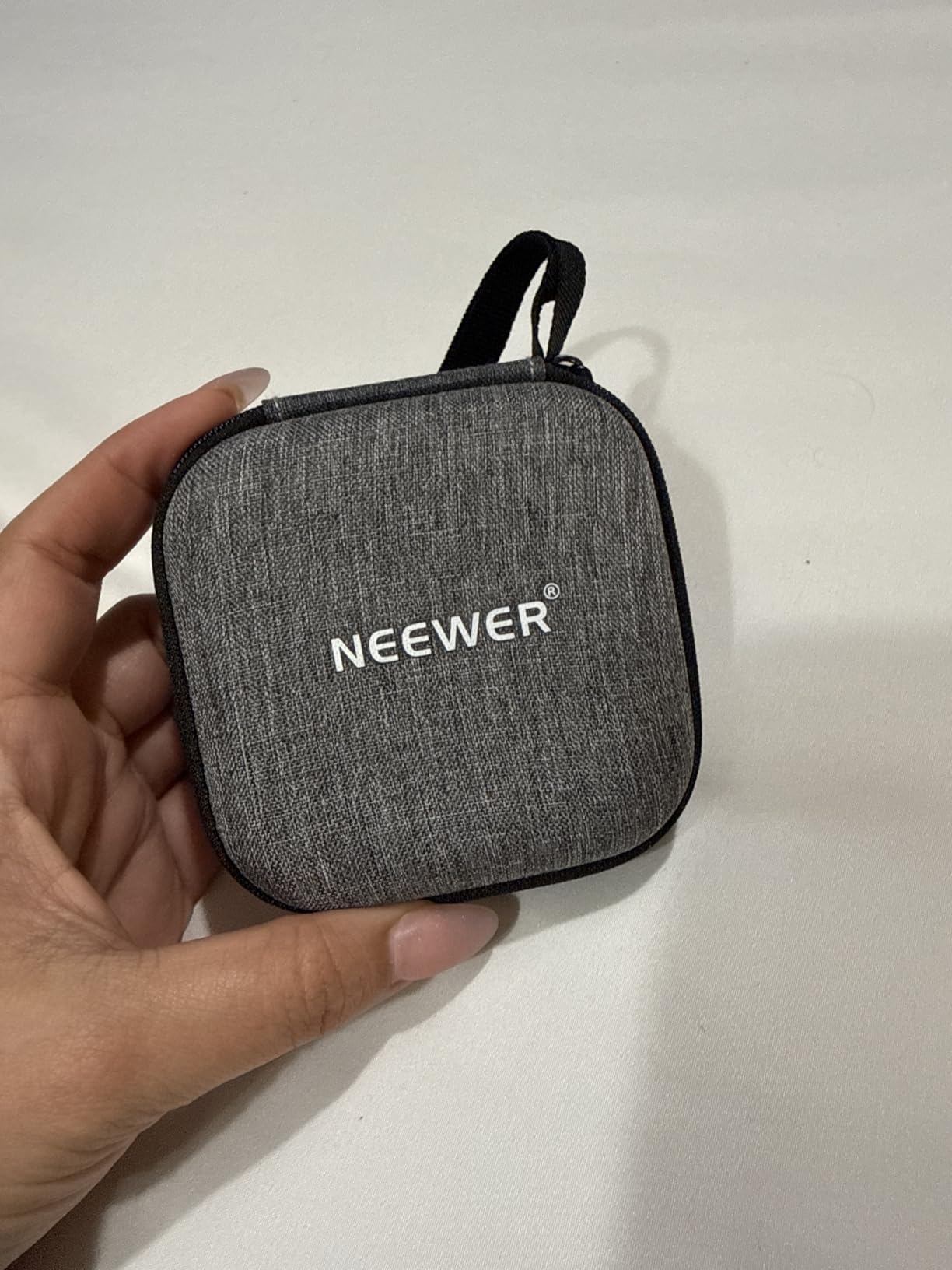
The hard shell case is genuinely well-designed. Each filter sits in its own slot with foam padding, and the case clicks shut securely. For photographers who travel or shoot on location, having all three filters organized and protected in one compact case is a real convenience.
The ND4 limitation is the main trade-off. Two stops of reduction is enough for portraits at f/1.4 in daylight or mildly slowed water, but it will not get you to the silky-smooth long exposure territory that a 6-stop or 10-stop ND achieves. Think of this kit as covering the essentials rather than pushing creative boundaries.
What the Kit Does Best
Beginners learning which filter type suits their photography will appreciate having all three without a large upfront investment. The UV filter stays on your lens for protection, the CPL comes out for landscapes and reflective surfaces, and the ND4 handles moderate light control. This covers roughly 80% of common filter needs.
The included microfiber cleaning cloth and the water-resistant coating on each filter make field maintenance easy. I found smudges cleaned off quickly even in dusty conditions. The aluminum alloy frames feel sturdy and thread smoothly onto my lenses without cross-threading.
When to Upgrade Beyond This Kit
If you find yourself reaching for the CPL constantly and want better coatings, the K&F Nano-X reviewed above offers noticeably superior performance. Similarly, if the 2-stop ND4 feels limiting for your video work, the K&F variable ND gives you nine stops of range in a single filter.
That said, many photographers never outgrow this kit. If your shooting style does not demand extreme light control or pro-level coatings, these three filters will serve you well for years. The hard case alone adds enough value to justify the purchase for many casual shooters.
5. K&F Concept MC UV Filter – 18-Layer Coated Protection
K&F Concept 67mm MC UV Lens Protection Filter with 18-Multi-Layer Coating
UV Filter
18-Layer Coating
AGC Optical Glass
Ultra Slim Frame
Pros
- 18-layer multi-coating for accurate color
- Ultra slim design prevents vignetting
- Waterproof coating
- Excellent value for the quality
Cons
- None significant reported by users
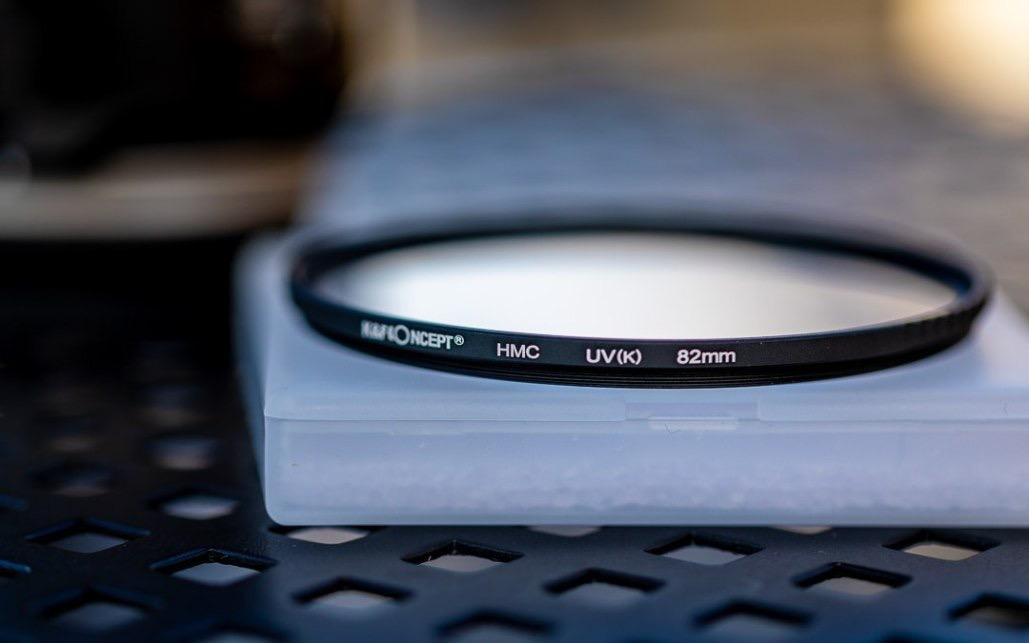
This filter hits a sweet spot between price and performance that makes it my default recommendation for everyday protection. The 18-layer multi-coating on AGC optical glass produces clean, color-accurate images with no detectable sharpness loss in my testing. With 81% of reviewers giving it five stars, the consensus matches my experience.
The ultra-slim aluminum frame measures thin enough that I never saw vignetting on my 18mm lens. Threads are smooth and precise, making installation and removal quick without binding. The filter includes three cleaning cloths, which is a small but appreciated bonus for field work.
Water resistance works well in light rain and mist. Droplets bead on the surface rather than spreading, so a quick wipe restores clarity. For landscape and outdoor photographers who shoot in unpredictable weather, this matters more than spec sheets suggest.
I noticed no blue color cast in my test shots, which is a common complaint with cheaper UV filters. The coatings effectively reduce haze, producing slightly punchier skies and better contrast in distant scenes. High-altitude shooters will notice the haze reduction most clearly.
How It Compares to the HOYA NXT Plus
Both filters offer excellent optical quality, but the HOYA pulls ahead on glass type with its Schott B270 construction and slightly higher 98% transmission. The K&F Concept closes the gap with a lower price and includes more cleaning accessories. For most photographers, the real-world difference is negligible.
If you want the absolute best optical performance and easy-clean properties, go HOYA. If you want 95% of that performance at a lower cost with solid build quality, this K&F Concept is the smarter buy.
Long-Term Durability
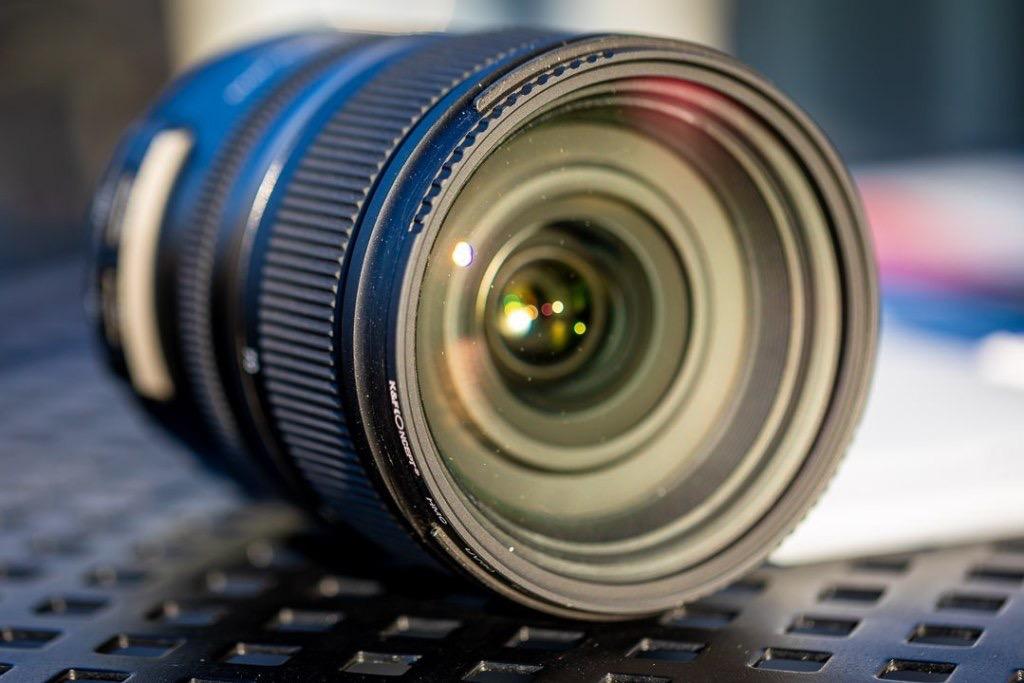
After several months on a lens carried daily in a backpack, the coating shows no signs of degradation. No scratches, no coating wear, and threads still feel as smooth as day one. That durability at this price point is why this filter earns such consistently high ratings.
The waterproof coating has held up to repeated cleaning with microfiber cloths and lens cleaning solution. Some cheaper coated filters lose their hydrophobic properties after a few months, but this one maintains its water-beading behavior through regular use.
6. Tiffen UV Protector Filter – Trusted Budget Protection
Tiffen 67mm UV Protector Filter 67mm Lens Filter Impact & Scratch Resistant
UV Filter
Premium Optical Glass
Ultra Slim Frame
10-Year Warranty
Pros
- 10-year manufacturer warranty
- Premium optical glass
- Ultra-slim prevents vignetting
- Color-neutral performance
Cons
- Not multi-coated so flare possible
- Some low-light ghosting reported
With over 23,000 reviews and a #2 best-seller rank, this is one of the most popular UV filters ever made. Tiffen brings 80-plus years of filter manufacturing experience to this design, and the build quality reflects that heritage. The premium optical glass is clear and color-neutral for everyday protection.
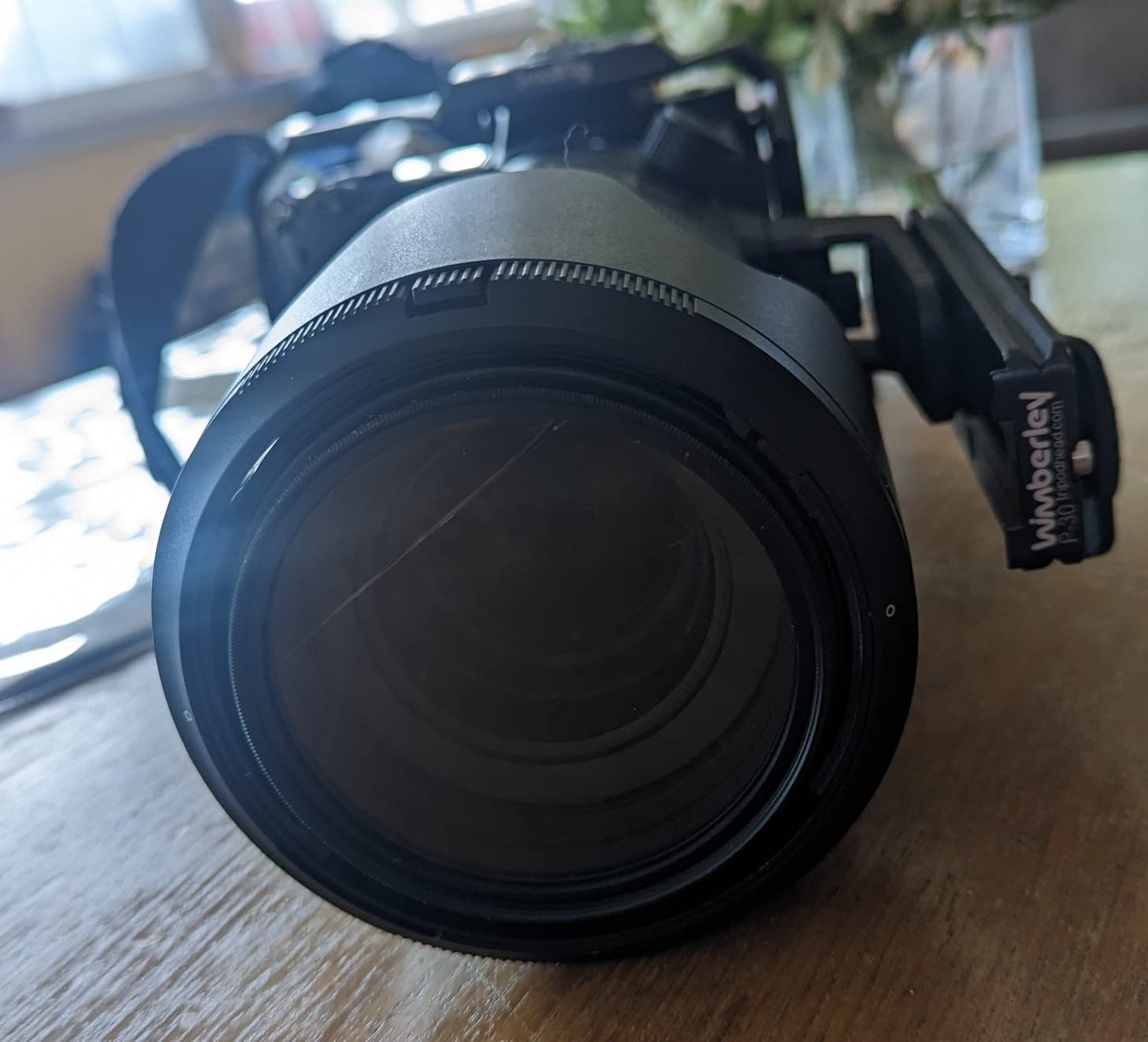
I tested this filter primarily as a protective element, and it performs that role admirably. The aluminum ring is slim enough to avoid vignetting, and the glass does not introduce any visible color cast in daylight conditions. For basic scratch and dust protection, it does exactly what you need.

The lack of multi-coating is the main limitation. In challenging lighting, particularly point light sources at night, I noticed occasional ghosting and flare. If you shoot a lot of night photography, cityscapes with streetlights, or backlit scenes, this matters. The 10-year warranty provides excellent peace of mind, though.
Several photographers on fredmiranda.com forums recommend Tiffen as a reliable budget brand that stands behind its products. The warranty is genuine, and Tiffen has a reputation for honoring replacements without hassle. That level of brand trust is worth something at this price.
Daytime Versus Night Performance
In daylight, this filter performs nearly identically to more expensive coated options. Landscape, portrait, and street photographers shooting in normal conditions will see no meaningful difference in their images. The color-neutral glass does not warm or cool the scene.
At night, the absence of anti-reflective coatings becomes apparent. Point light sources can create ghost images and reduce contrast in darker frames. If night shooting is a significant part of your work, consider spending a bit more for a multi-coated alternative.
Value Proposition
This filter is ideal for photographers who want dependable protection without paying for coatings they may not need. Kit lens owners, casual shooters, and anyone protecting a less expensive lens will find the price-to-performance ratio excellent. The 10-year warranty means you are covered for a decade of use.
For professional work where flare resistance matters, the K&F Concept or HOYA options reviewed above offer better optical performance. But as a no-frills protective filter from a trusted brand, this Tiffen remains a benchmark value.
7. waka MC UV Filter – Ultra Slim Budget Option
waka 67mm MC UV Filter – Ultra Slim 16 Layers Multi Coated Ultraviolet Protection Lens Filter for Canon Nikon Sony DSLR Camera Lens
UV Filter
16-Layer Multi-Coating
99% Transmittance
3mm Ultra Slim
Pros
- 16-layer coating for excellent value
- 99% light transmittance
- Ultra slim 3mm profile
- 24-month satisfaction guarantee
Cons
- Not water resistant
- Some ghosting in challenging light
- Threads can be tight
At under ten dollars, this filter delivers surprising optical quality. The 16-layer multi-coating achieves 99% transmittance, which is competitive with filters costing three to four times as much. I tested it on a portrait shoot and found no detectable image quality difference compared to shooting bare.
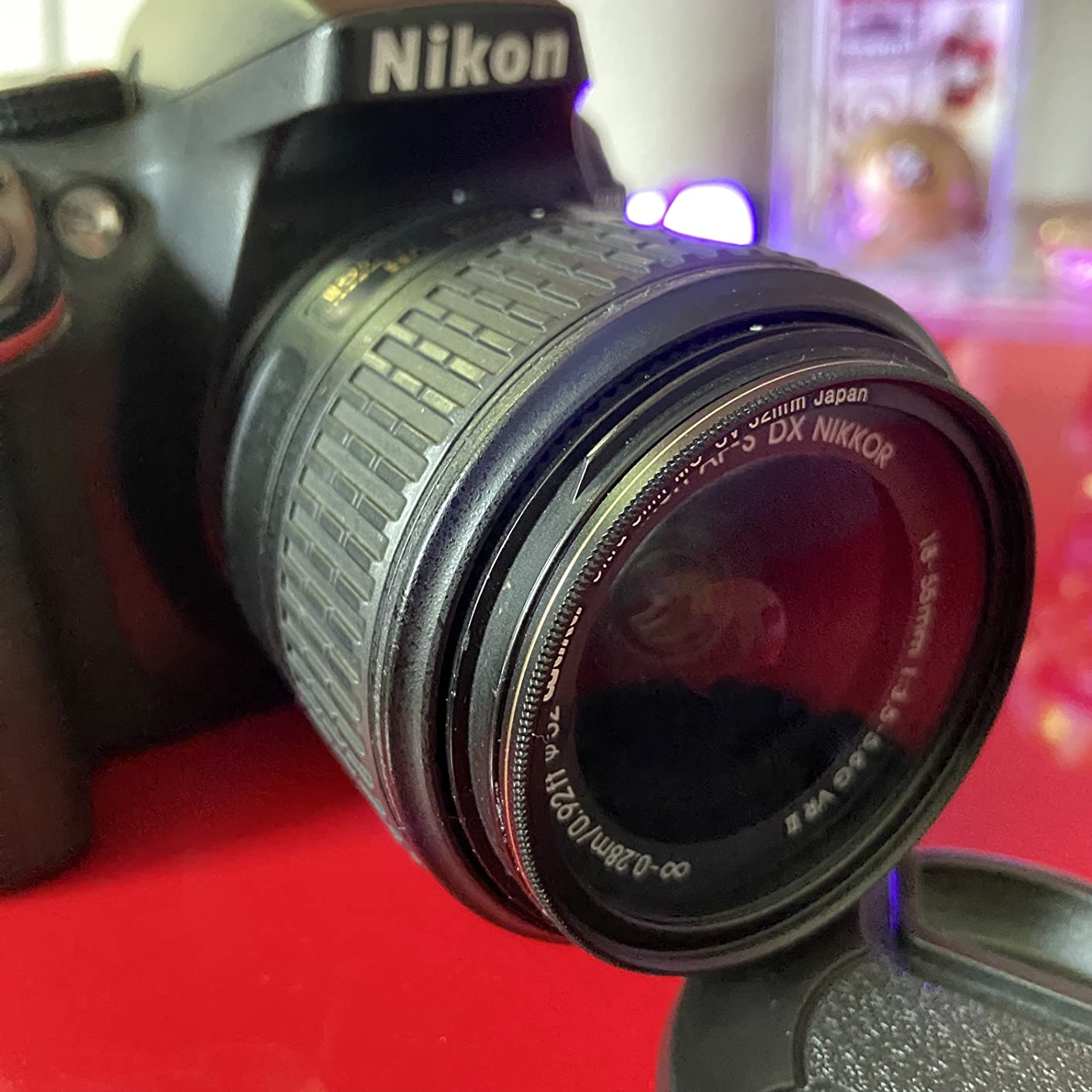
The ultra-slim 3mm profile is among the thinnest I have used. On my wide-angle lens, there was zero vignetting at 17mm. The golden accent line on the ring is a nice aesthetic touch that also makes the filter easy to identify when stored alongside other filters.
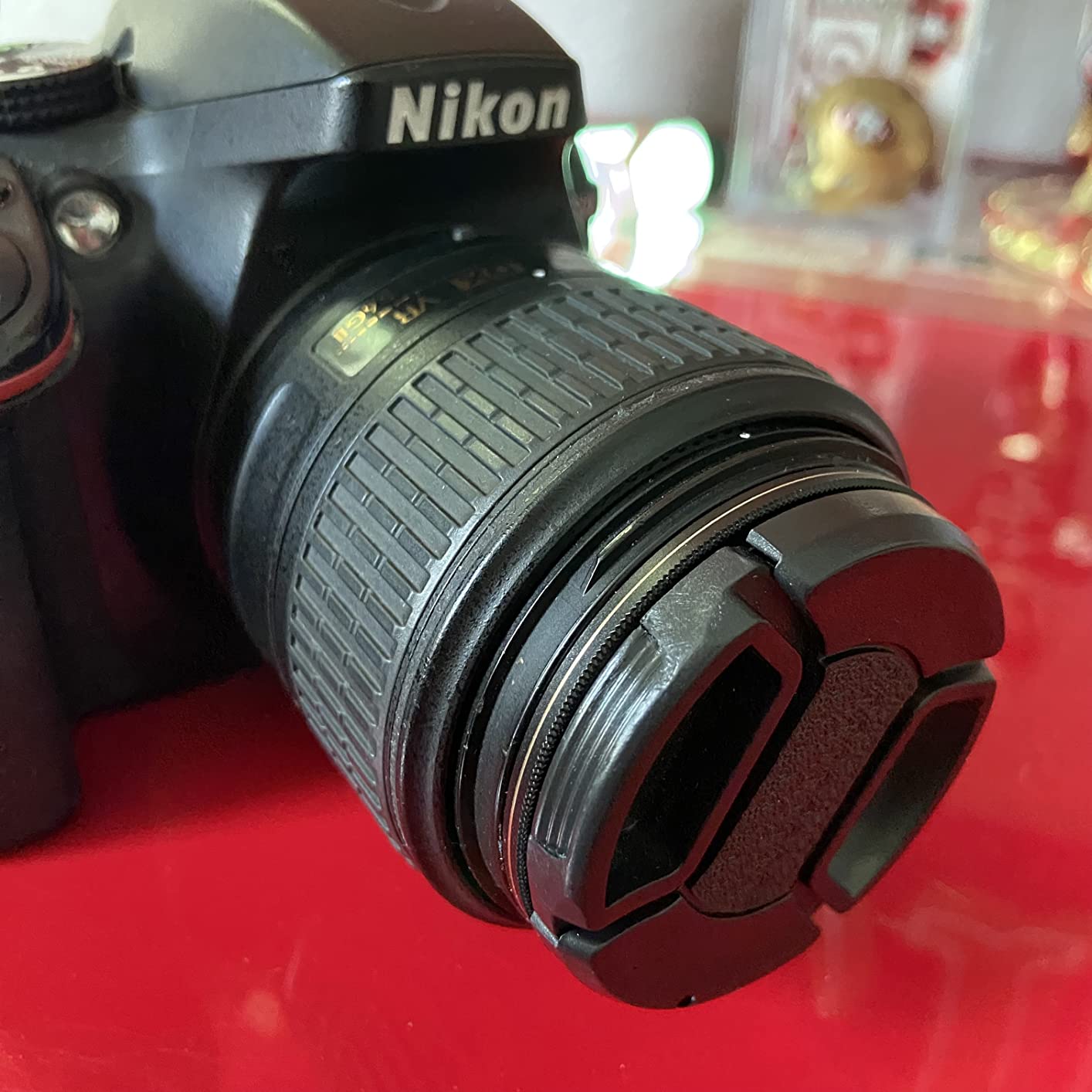
The 24-month satisfaction guarantee gives peace of mind that the brand stands behind its product. At this price, the guarantee exceeds what most competitors offer. Several Reddit users in r/AskPhotography specifically recommend this filter as the best sub-ten-dollar UV option available.
The main drawback is the lack of water resistance. In damp conditions, the surface holds moisture more than coated alternatives. Some users also report that the threads fit tightly on certain lenses, requiring careful installation to avoid cross-threading.
Where This Filter Excels
For photographers buying their first filter, students on a budget, or anyone protecting an affordable lens, this waka filter offers the best value per dollar I have tested. The 16-layer coating provides real flare resistance that uncoated filters cannot match, and the optical quality is genuinely good.
It also works well as a backup filter to keep in a bag. If your primary filter gets damaged in the field, having this inexpensive spare means you can keep shooting with protected glass. The slim profile means it works across a wide range of focal lengths without issues.
Trade-Offs at This Price
The coating quality, while good for the price, does not match the 28-layer or nano-coated options from K&F Concept or HOYA. In backlit situations with strong light sources, some flare and ghosting can appear. The build quality of the aluminum ring is solid but feels lighter and less premium than more expensive alternatives.
If your photography regularly involves challenging lighting or demanding conditions, investing more in a better-coated filter will pay off. But for casual protection on a budget, this filter punches well above its weight class and earns its 4.6-star rating honestly.
8. Tiffen CPL Circular Polarizer – Classic Polarization
Tiffen 67mm CPL Circular Polarizing Filter Reduce Glare & Reflections
Circular Polarizer
Optical Glass
Smooth Rotating Ring
10-Year Warranty
Pros
- 10-year manufacturer warranty
- Trusted 80+ year brand
- Ultra-slim design
- Affordable polarization
Cons
- Not multi-coated so some flare possible
This is the polarizer I started with years ago, and it remains a solid choice for photographers who want effective polarization without paying for premium coatings. The rotating ring moves smoothly with just enough resistance to hold your setting in place. At its price, the value is hard to argue against.
In my comparison test against the K&F Nano-X, the Tiffen produced similar polarization effects on skies and water reflections. The difference showed up mainly in flare resistance and coating durability, where the K&F pulls ahead. For straightforward daylight landscape work, both perform comparably.
The 10-year warranty from a brand with over 80 years in the filter business adds genuine confidence. Tiffen filters are widely stocked and easy to replace, and the company has a strong reputation for customer service. With over 8,000 reviews and a #3 best-seller rank, the community has validated this filter thoroughly.
The ultra-slim frame prevented vignetting across my test focal lengths. The non-slip rotating ring has subtle texture that makes adjustment easy even with gloves on. For photographers shooting in cold conditions, that tactile feedback is a practical advantage.
Polarization Quality and Color Rendering
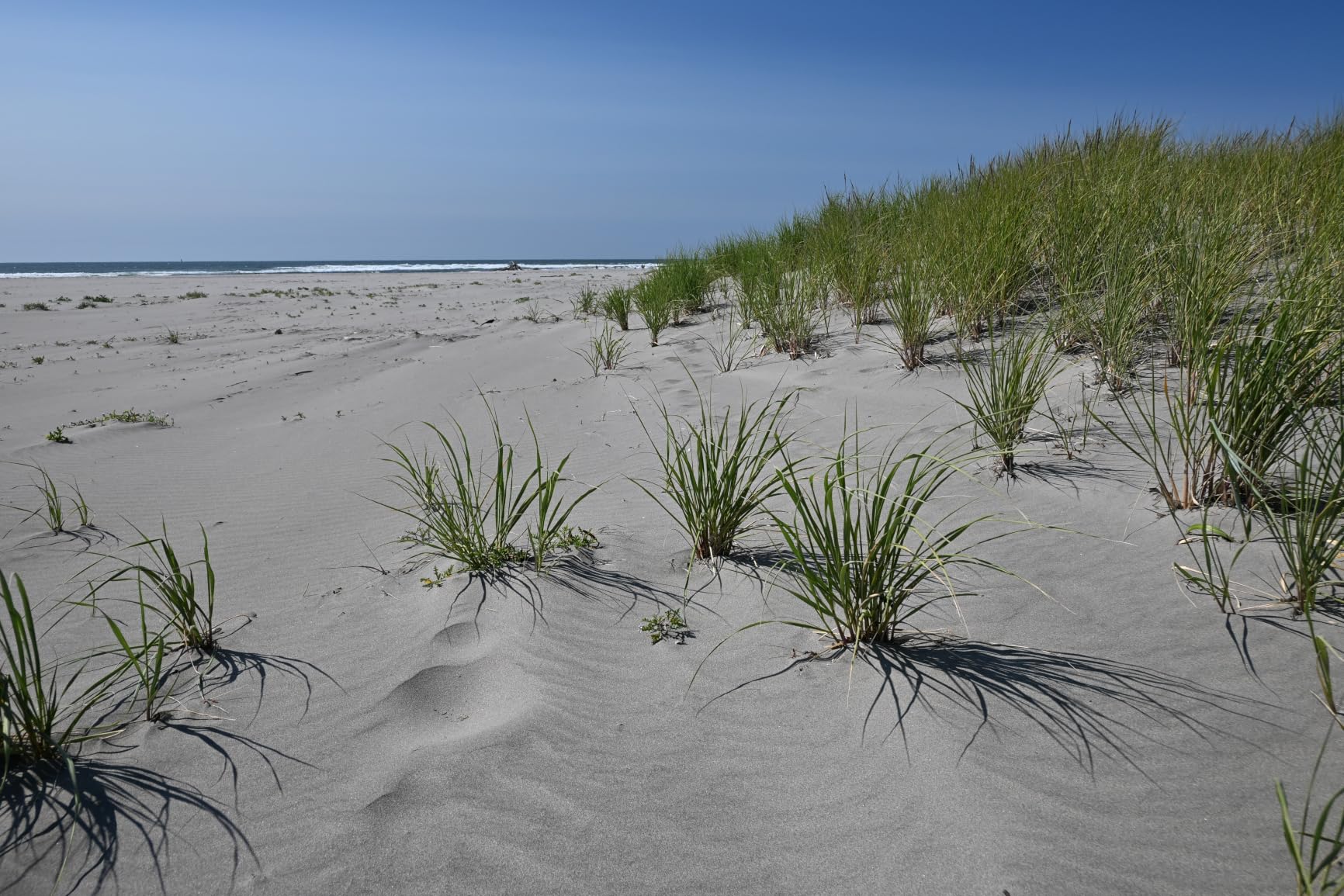
This filter darkens blue skies, removes reflections from water and glass, and saturates foliage colors effectively. The effect is adjustable through rotation, letting you control intensity from subtle to dramatic. I found the color rendering neutral without unwanted color casts in most conditions.
Where the lack of coating shows is in backlit scenes with the sun near the frame edge. Some flare and reduced contrast can appear in these situations. For most landscape shooting where the sun is behind or to the side of the photographer, this is rarely an issue.

Who This Polarizer Suits Best
Photographers new to polarizing filters will find this an accessible entry point with reliable performance. Hobbyist landscape shooters who want better skies and reflection control without a large investment will be well served. The 10-year warranty means you can buy with confidence and expect long service life.
Professionals who shoot in challenging lighting conditions regularly may want the superior coatings of the K&F Nano-X. But for the majority of daylight outdoor photography, this Tiffen delivers the core polarization benefits at a price that leaves room in your budget for other gear.
Buying Guide: How to Choose 67mm Lens Filters?
Choosing the right 67mm lens filters comes down to understanding filter types, coatings, glass quality, and how each matches your shooting style. I will break down the key factors that actually matter when making your decision.
Filter Types and Their Purposes
UV filters serve primarily as protective elements that also reduce haze and blue color cast. They are the most common filter type and sit permanently on many lenses. For everyday protection against scratches, dust, and impacts, a quality UV filter is the baseline investment.
Circular polarizers (CPL) reduce reflections from non-metallic surfaces like water and glass while enhancing color saturation in skies and foliage. They are essential for landscape photography. CPLs also reduce light by 1-2 stops, which can help with achieving wider apertures in daylight.
Neutral density (ND) filters reduce the amount of light entering the lens without changing color. This allows slower shutter speeds for motion blur effects or wider apertures in bright conditions. Variable ND filters combine multiple densities into one adjustable filter, offering flexibility at the cost of potential image artifacts at extreme settings.
Coating Technology Matters More Than You Think
Multi-coating is the single biggest differentiator between budget and quality filters. Uncoated glass reflects approximately 4% of light per surface, meaning an uncoated filter loses up to 8% of incoming light and creates internal reflections that cause flare and ghosting. Multi-coated filters reduce this to under 1% per surface.
The number of layers matters too. Entry-level multi-coated filters typically have 6-8 layers, while premium options offer 16-28 layers. More layers generally mean better light transmission, improved flare resistance, and easier cleaning. Waterproof and hydrophobic coatings add further practical benefits for outdoor shooting.
In my testing, the difference between uncoated and multi-coated filters was most visible in night photography, backlit scenes, and high-contrast situations. For daytime landscape work, the gap narrows considerably but never disappears entirely.
Glass Quality and Optical Precision
The glass used in a filter directly affects image sharpness, color accuracy, and distortion. Premium filters use optical glass from respected manufacturers like Schott or Japanese AGC suppliers. Budget filters may use lower-grade glass that can introduce slight softening or color shifts.
Color neutrality is particularly important. Some filters introduce a warm or cool cast that affects white balance. Quality filters maintain accurate color reproduction so your post-processing starts from a clean baseline. The HOYA NXT Plus with its Schott B270 glass sets the standard here.
Frame Build and Vignetting
Filter frame thickness directly impacts vignetting on wide-angle lenses. Slim or low-profile frames measure under 6mm and prevent dark corners at focal lengths as wide as 16mm. Standard frames work fine on most lenses but may vignette on ultra-wide optics.
Thread quality matters for daily use. Precision-cut threads install smoothly without binding, while cheap threads can cross-thread or stick. Aluminum alloy is the standard material, balancing light weight with adequate durability. Look for CNC-machined patterns on the outer ring for better grip during installation and rotation.
Budget Versus Premium: When to Spend More
Spend more when image quality is critical and your lens is expensive enough to warrant the best protective glass. Professional work, large-format printing, and challenging lighting situations all benefit from premium coatings and glass. The HOYA NXT Plus and K&F Nano-X represent the sweet spot of performance-to-value in the premium tier.
Spend less when you need basic protection for a kit lens, want a backup filter, or are buying your first filter to learn with. The waka and Tiffen UV options deliver dependable performance at entry-level prices. The Neewer kit offers excellent value for photographers who want to try multiple filter types without a large investment.
Step-Up Ring Compatibility
If you own lenses with different filter thread sizes, consider buying filters for your largest thread and using step-up rings to adapt them to smaller lenses. This saves money by letting you buy each filter once instead of in multiple sizes. A 67mm filter with a step-up ring can serve on 58mm or 52mm lenses.
The trade-off is that step-up rings prevent you from using your lens cap on some lenses, since the filter diameter exceeds the lens thread. Many photographers carry a spare cap that fits the filter diameter to solve this. This approach works well for filters you use occasionally but is less convenient for a permanently mounted UV protector.
Frequently Asked Questions
What is the best brand for lens filters?
The best lens filter brands include HOYA, Ku0026amp;F Concept, Tiffen, B+W, and NiSi based on community recommendations and testing data. HOYA and B+W are widely regarded as premium options for optical quality, while Ku0026amp;F Concept offers excellent value with multi-coated glass at mid-range prices. Tiffen brings decades of manufacturing experience and strong warranties to the budget segment.
Which filter is best for lenses?
For everyday protection, a multi-coated UV filter like the HOYA NXT Plus or Ku0026amp;F Concept MC UV is the best choice. For landscape photography, a circular polarizer such as the Ku0026amp;F Nano-X CPL reduces reflections and enhances colors. For video work in bright light, a variable ND filter like the Ku0026amp;F Concept ND2-ND400 provides adjustable light control across 1 to 9 stops.
What is the 67mm adjustable ND filter?
A 67mm adjustable ND filter, also called a variable ND, is a filter that screws onto a 67mm lens thread and lets you rotate the ring to change the light reduction from approximately 1 stop up to 9 stops or more. It works by stacking two polarizing elements that rotate relative to each other. The Ku0026amp;F Concept ND2-ND400 covers a 1 to 9 stop range and is the top seller in this category.
What filter is best for lens protection?
A multi-coated UV filter is the best option for lens protection because it guards against scratches, dust, fingerprints, and minor impacts while minimally affecting image quality. The HOYA NXT Plus with Schott B270 glass and 98% light transmission is our top pick for protection. Budget alternatives like the Ku0026amp;F Concept MC UV and Tiffen UV Protector also provide reliable protection at lower price points.
Conclusion: Choosing Your 67mm Filter in 2026
The best 67mm filters for lenses in 2026 cover a range from budget protection to professional-grade optical control. For my money, the HOYA NXT Plus UV Filter remains the strongest all-around choice with its Schott B270 glass and 98% transmission. Pair it with the K&F Nano-X CPL for landscapes and the K&F variable ND for video, and you have a kit that handles virtually any shooting scenario.
If budget is the priority, start with the Neewer three-filter kit to explore what each filter type does before investing further. The waka UV and Tiffen UV Protector both deliver dependable protection for under twelve dollars. Whatever you choose, a quality 67mm lens filter protects your investment and opens creative possibilities that no amount of post-processing can replicate.