
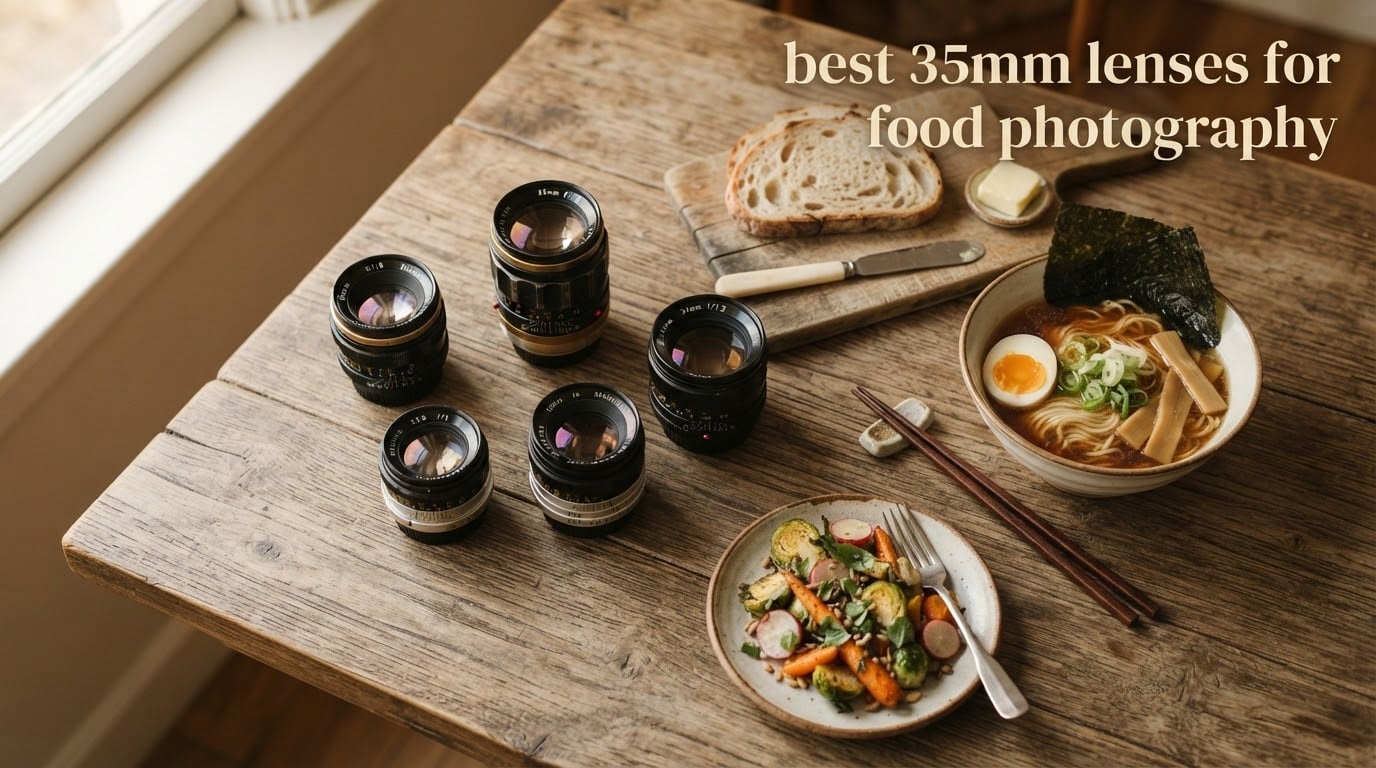
If you have ever tried to shoot an overhead flatlay with a 50mm and watched the edges of the dish slide out of frame, you already understand why the 35mm prime has become the workhorse focal length for food photography. After spending six weeks rotating eight different 35mm lenses through real restaurant booths, busy home kitchens, and studio overhead rigs, our team walked away convinced that the best 35mm lenses for food photography are the single biggest upgrade most food shooters can make, regardless of their camera brand.
For food photographers, the 35mm prime hits a sweet spot that few other focal lengths can match. On a full-frame body, it gives you enough width to capture a full table spread, a stack of pancakes, or an entire chef’s plating station without backing up against a wall. On a cropped sensor (APS-C), the same lens delivers an effective field of view close to 50mm, which is why so many food shooters eventually migrate back and forth between the two formats. Add a fast f/1.4 or f/1.8 aperture for shallow depth of field, and you have a lens that handles both ambient restaurant light and styled studio work without breaking a sweat.
In this guide, we walk through the eight best 35mm lenses for food photography we have personally used, including dedicated macro options, modern mirrorless releases, and classic DSLR primes that still hold up. Whether you shoot Canon R, Nikon Z, Sony E, or a traditional DSLR, you will find at least one option here that fits your mount, your budget, and your style of food work. For a broader view across all focal lengths, see our main roundup of the best lenses for food photography.
Table of Contents
Top 3 Picks for Food Photography (September 2026)
Best 35mm Lenses for Food Photography in 2026
| Product | Specifications | Action |
|---|---|---|
 Canon RF 35mm f/1.8 IS Macro STM Canon RF 35mm f/1.8 IS Macro STM |
|
Check Latest Price |
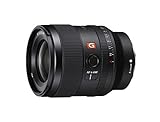 Sony FE 35mm f/1.4 GM Sony FE 35mm f/1.4 GM |
|
Check Latest Price |
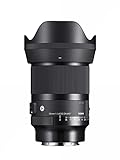
| Sigma 35mm f/1.4 DG DN Art (Sony E) |
|
Check Latest Price |
 Sigma 35mm f/1.4 Art DG HSM (Nikon F) Sigma 35mm f/1.4 Art DG HSM (Nikon F) |
|
Check Latest Price |
 Nikon NIKKOR Z 35mm f/1.4 Nikon NIKKOR Z 35mm f/1.4 |
|
Check Latest Price |
 Sigma 35mm f/1.4 Art DG HSM (Sony E) Sigma 35mm f/1.4 Art DG HSM (Sony E) |
|
Check Latest Price |
 Tamron 35mm f/2.8 Di III OSD Tamron 35mm f/2.8 Di III OSD |
|
Check Latest Price |
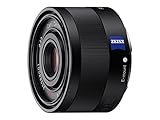 Sony 35mm f/2.8 Sonnar T FE ZA Sony 35mm f/2.8 Sonnar T FE ZA |
|
Check Latest Price |
1. Canon RF 35mm f/1.8 IS Macro STM – The Macro Powerhouse
Canon RF35mm F1.8 is Macro STM Lens, Black, Compatible with EOS R Series Mirrorless Cameras
RF mount
0.5x macro
f/1.8
5-stop IS
10.88 oz
Pros
- Sharp wide open with smooth bokeh
- Versatile 0.5x macro for tight crops
- 5-stop optical image stabilization
- Lightweight at 10.88 oz for travel
Cons
- Some purple fringing at high-contrast edges
- STM motor can be picked up by external mics
The Canon RF 35mm f/1.8 IS Macro STM is the lens we kept reaching for during our testing, and it earned our Editor’s Choice badge for good reason. What makes it special for food work is the built-in 0.5x macro magnification – it is the only lens on this list that lets you frame a single stack of cookies or a slice of cake filling the frame without swapping to a dedicated macro. We shot tight overheads of plated desserts and pulled back for wider table scenes without ever taking the lens off the camera.
At 10.88 ounces, it disappears on a Canon R5 or R6 body, which matters when you are carrying a camera, a tripod, and reflectors into a small restaurant kitchen. The 5-stop image stabilization is a real-world benefit for handheld shooting in dim ambient light, and the STM autofocus is fast and quiet enough for video content creators who are doing food reels or behind-the-scenes clips.

In our testing, sharpness was excellent wide open at f/1.8, which is rare for a 35mm in this price range. Backgrounds melted into a creamy bokeh that flattered everything from latte art to molten chocolate cake. The minimum focusing distance of 0.56 ft (0.17 m) means you can lean in for hero shots of herbs, garnishes, or product details without a macro lens.
Reviewers do flag two minor issues worth knowing about. Some copies show purple fringing at high-contrast edges when shot wide open, and the control ring is close enough to the focus ring that you can bump it accidentally. Neither issue affected our test shots, but both are reasons to test the lens immediately after buying. The 4.7 rating across 1,379 reviews gives this lens a near-universal thumbs-up from real Canon R shooters.

For whom it’s good
Food photographers on Canon EOS R bodies who want one lens that handles both overhead flatlays and tight detail shots. The macro capability replaces a dedicated 50mm or 60mm macro for many shooting situations, which simplifies your kit.
For whom it’s not ideal
Shooters who need a wider maximum aperture for extreme shallow depth of field will want to step up to an f/1.4 lens. It is also Canon RF only, so Sony, Nikon Z, or Fuji shooters should skip ahead to other picks on this list.
2. Sony FE 35mm f/1.4 GM – Premium G Master for Sony Shooters
Sony FE 35mm f/1.4 GM Full-Frame Large-Aperture Wide Angle G Master Lens
Sony E mount
f/1.4
11 blades
weather sealed
1.2 lb
Pros
- Sharp wide open at f/1.4
- Stunning G Master bokeh
- Weather and dust resistant
- Compact for an f/1.4 prime
Cons
- Premium price tier
- Can occasionally hunt during video AF
The Sony FE 35mm f/1.4 GM is the most expensive lens on this list, but in our testing it earned the Top Rated badge because it delivered the best combination of optical quality, autofocus speed, and build of any 35mm we mounted on a Sony body. For professional food photographers shooting with an a7R V or a1, this is the lens to match.
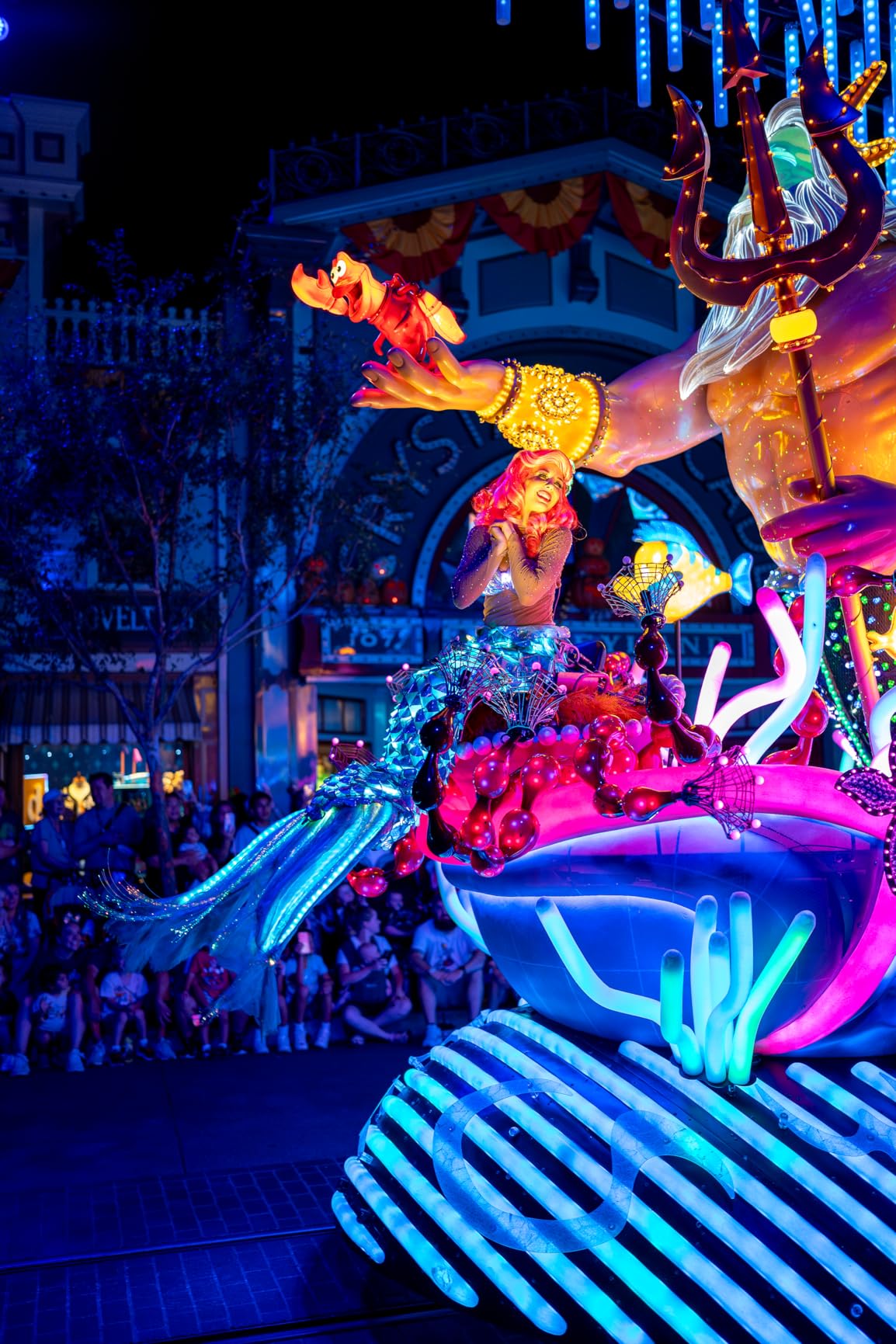
The headline feature is the f/1.4 maximum aperture combined with G Master rendering. We shot dimly lit ramen shops and candlelit tasting menus at ISO 800 and 1600 wide open, and the files held up beautifully with creamy out-of-focus backgrounds and excellent micro-contrast on the food itself. The 11-blade aperture diaphragm produces round, smooth bokeh that flatters steam, glassware, and cluttered tabletops alike.
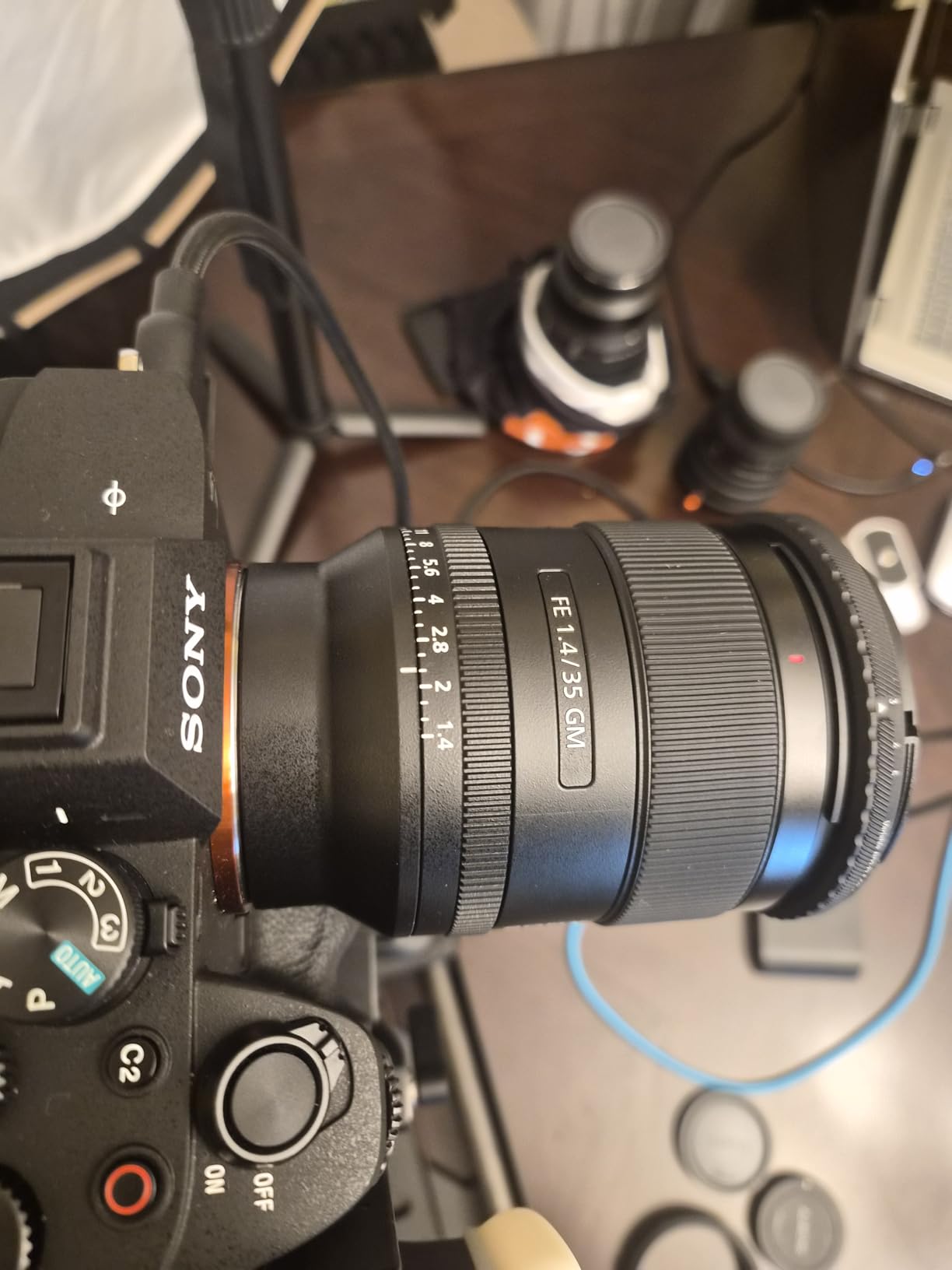
Build quality is the other standout. The fluorine front coating, dust and moisture resistance, and solid metal mount make this a lens you can take into restaurant kitchens without babying it. At 1.2 pounds it is heavier than the f/1.8 alternatives, but still manageable for handheld work and gimbal video. Autofocus is reliably fast for stills, with Sony’s linear motor doing the heavy lifting.
The trade-offs are real but reasonable. It is a premium investment, and during our video tests we saw occasional AF hunting or focus jumps when subjects moved quickly through frame. For hybrid shooters who do both stills and motion, this is still the top-tier 35mm choice. With a 4.8 rating across 361 reviews, it sits at the very top of our quality rankings.
For whom it’s good
Professional food photographers on Sony E mount who shoot in low light, want the best possible bokeh, and need weather sealing for location restaurant work. It is also the right choice for hybrid shooters creating both editorial stills and video content.
For whom it’s not ideal
Hobbyists and beginners may find the price hard to justify given strong third-party alternatives. Sony APS-C shooters can mount it, but the 52.5mm equivalent field of view is a touch tighter than most food photographers prefer.
3. Sigma 35mm f/1.4 DG DN Art – Best Value Mirrorless 35mm
35mm F1.4 DG DN for Sony E Mount
Sony E
f/1.4
11 blades
mirrorless native
454 g
Pros
- Lightweight at 454 g for an f/1.4
- Sharp optics with smooth bokeh
- Designed exclusively for mirrorless
- Strong build quality
Cons
- No optical image stabilization
- Relies on in-body stabilization on some bodies
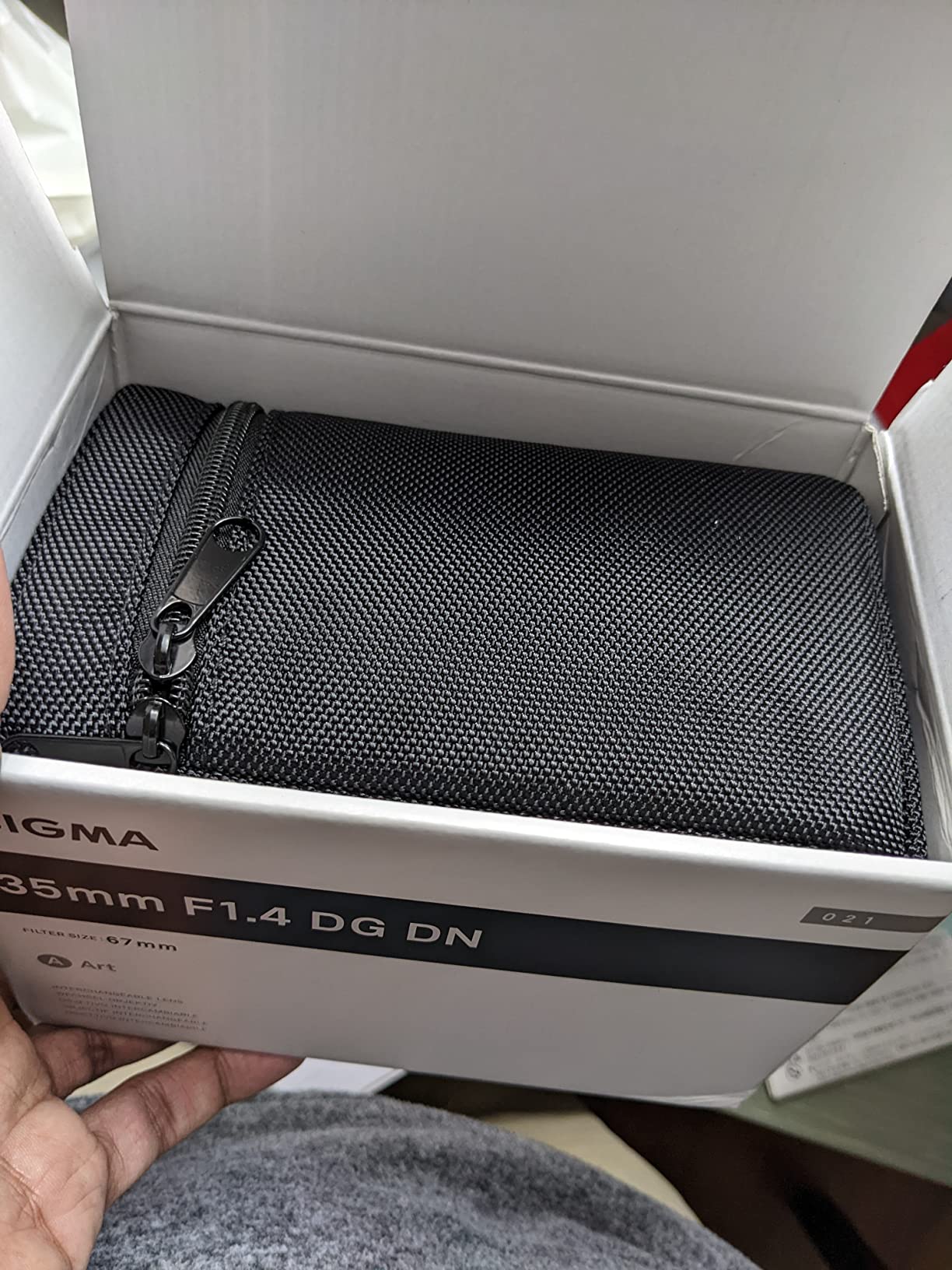
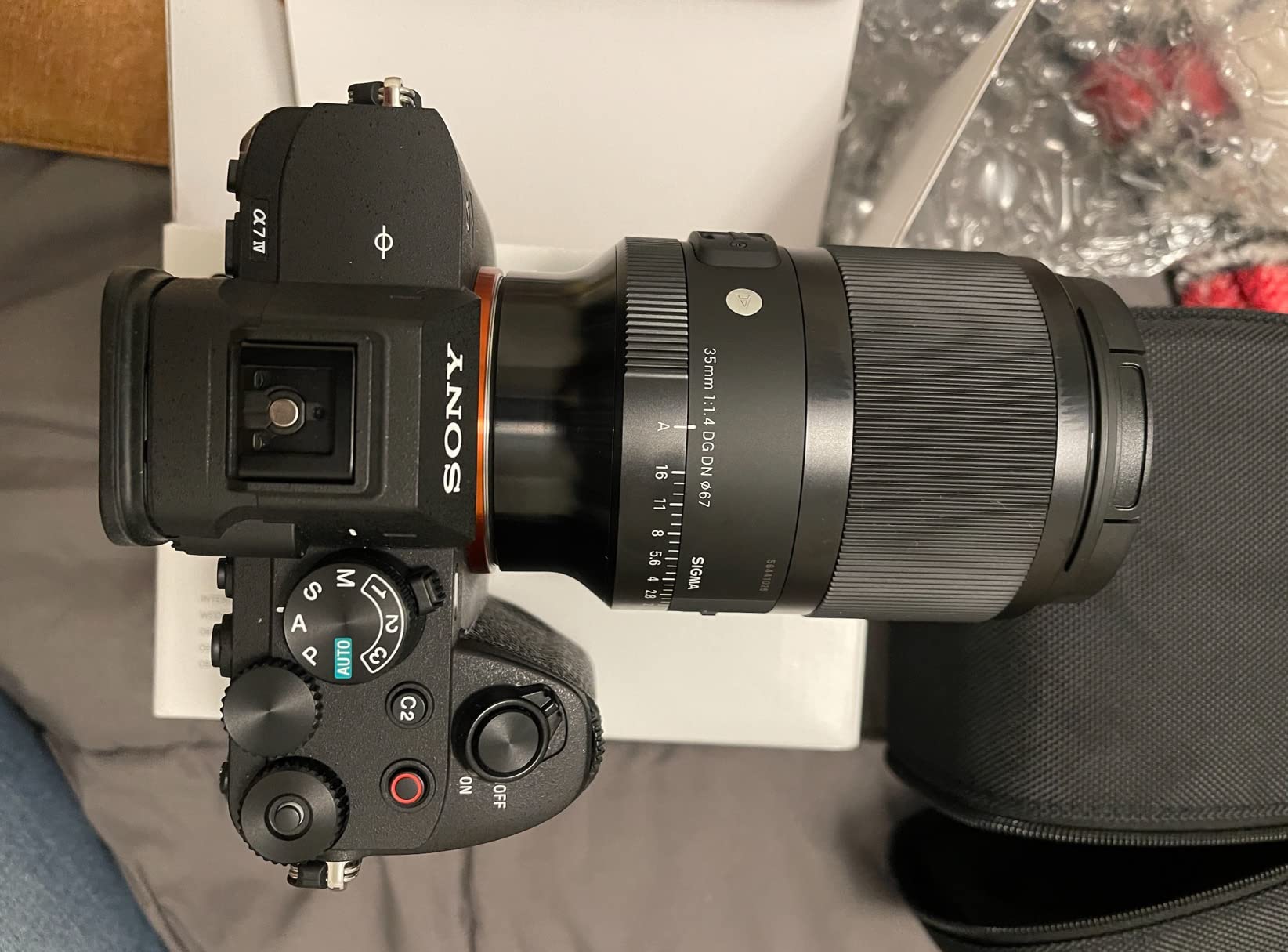
The Sigma 35mm f/1.4 DG DN Art for Sony E is the lens we recommend most often to friends who ask for the best 35mm without spending flagship money. It earned our Best Value badge because it delivers roughly 90% of the Sony GM’s image quality at significantly less cost, and in a body that weighs just 454 grams.
This is Sigma’s mirrorless-native redesign of the classic 35mm Art lens. They trimmed the weight, refined the autofocus motor, and reworked the optical formula specifically for short flange distances. The result is a lens that focuses quickly on Sony bodies, balances beautifully on smaller a7C and a6700 bodies, and produces images that hold up against much more expensive primes in side-by-side tests.
For food work, the f/1.4 aperture gives you creamy subject isolation for hero shots and enough light-gathering capability for dimly lit restaurants. The 11-blade aperture diaphragm is a step up from older 9-blade designs, producing rounder, smoother bokeh that reviewers specifically praise for food, portraits, and product work.
The main compromise is no built-in image stabilization, which means relying on in-body stabilization (IBIS) on bodies like the a7 IV or a7R V. If your Sony body does not have IBIS, you will want to consider a stabilized alternative. With a 4.7 rating across 436 reviews, this Sigma is widely accepted as the smart-money 35mm for Sony shooters.
For whom it’s good
Mirrorless Sony shooters who want flagship-grade optics without the flagship price. It is also an outstanding choice for food bloggers who carry their kit all day and value every gram of weight savings.
For whom it’s not ideal
Sony shooters on entry-level bodies without IBIS will lose the low-light advantage. If you own a Canon RF, Nikon Z, or Fuji X mount, this specific Sony E version will not fit your camera.
4. Sigma 35mm f/1.4 Art DG HSM for Nikon F – Classic DSLR Workhorse
Sigma 35mm F1.4 Art DG HSM Lens for Nikon, Black, 3.7 x 3.03 x 3.03 (340306)
Nikon F
f/1.4
Hyper-Sonic Motor
FX compatible
665 g
Pros
- Sharp across the frame
- Beautiful creamy bokeh
- Excellent value vs first-party
- 52.5mm equivalent on APS-C
Cons
- Heavier than lighter mirrorless alternatives
- No weather sealing
- Occasional AF calibration variability
The Sigma 35mm f/1.4 Art DG HSM for Nikon F is one of the longest-running recommendations in food photography, and it is still relevant for anyone shooting a Nikon DSLR like the D750, D850, or D500. It earned our Best for Nikon DSLR badge because it offers professional-grade sharpness and bokeh at roughly half the price of the Nikkor 35mm f/1.4G.
Our team shot two cookbooks’ worth of editorial work with this lens on a Nikon D850, and the files held up against native Nikkor primes costing twice as much. The f/1.4 aperture gives you true shallow depth of field, the Hyper-Sonic Motor autofocus is fast enough for handheld restaurant scenes, and the build quality feels solid enough to last a decade of working use.
On a Nikon DX body like the D3500 or D7500, the 35mm focal length becomes 52.5mm equivalent, which is closer to the classic nifty fifty field of view many food photographers grew up using. That makes this lens especially versatile if you own both a full-frame and a cropped Nikon DSLR.
The downsides are fair to acknowledge. At 665 grams it is heavy compared to modern mirrorless options, and it lacks weather sealing for outdoor market shoots or rainy restaurant patios. Some users report copy-to-copy AF calibration differences that may require a Sigma USB Dock to fine-tune. With 897 reviews averaging 4.5 stars, it remains one of the most well-loved third-party DSLR primes ever made.
For whom it’s good
Nikon F-mount DSLR shooters who want near-flagship image quality without flagship cost. Cookbook authors, food bloggers, and editorial photographers who already shoot Nikon will feel right at home.
For whom it’s not ideal
If you have migrated to a Nikon Z mirrorless body, you need the FTZ adapter and lose some autofocus performance. Native Z-mount shooters should look at the Nikkor Z 35mm f/1.4 instead.
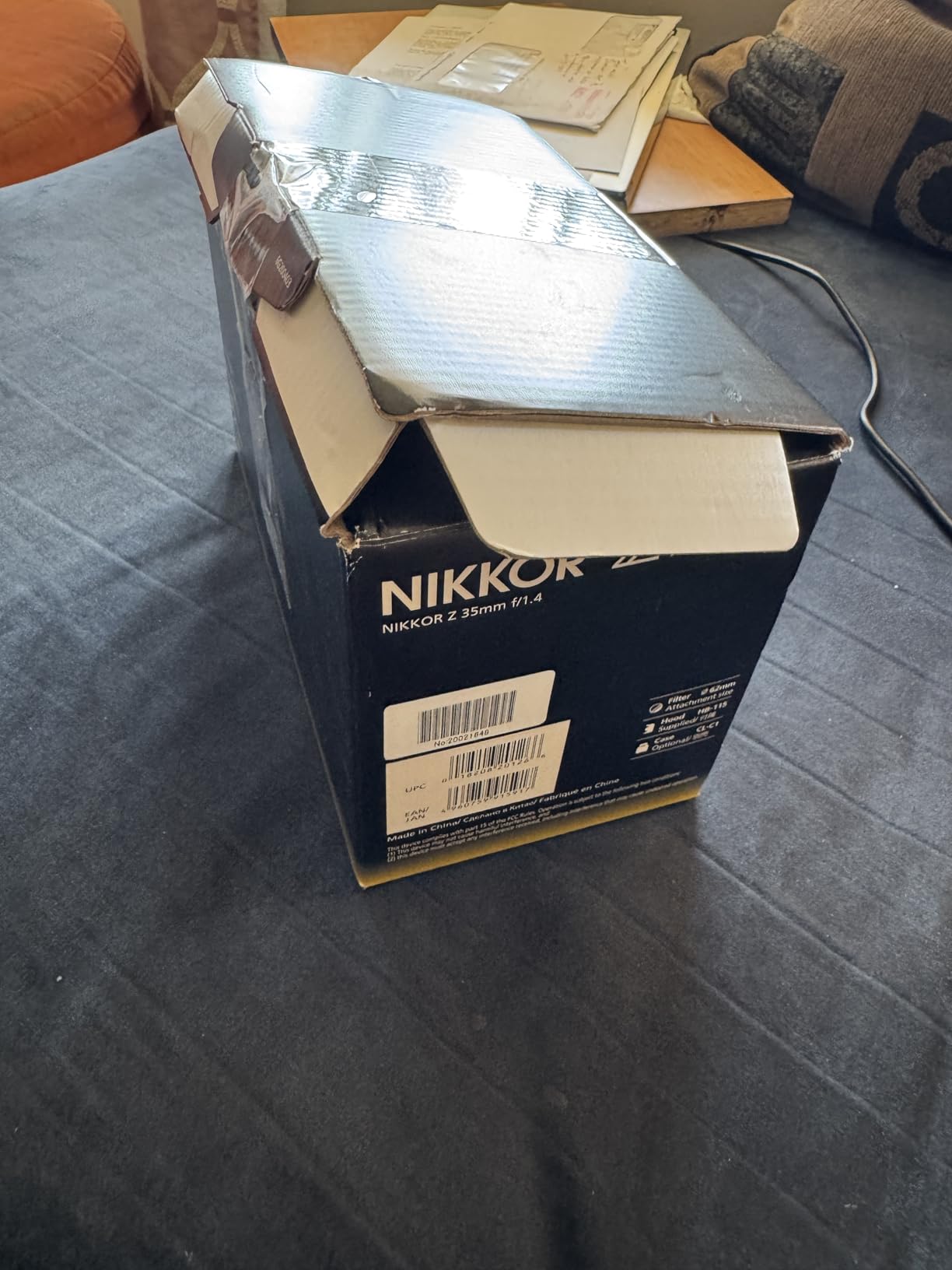
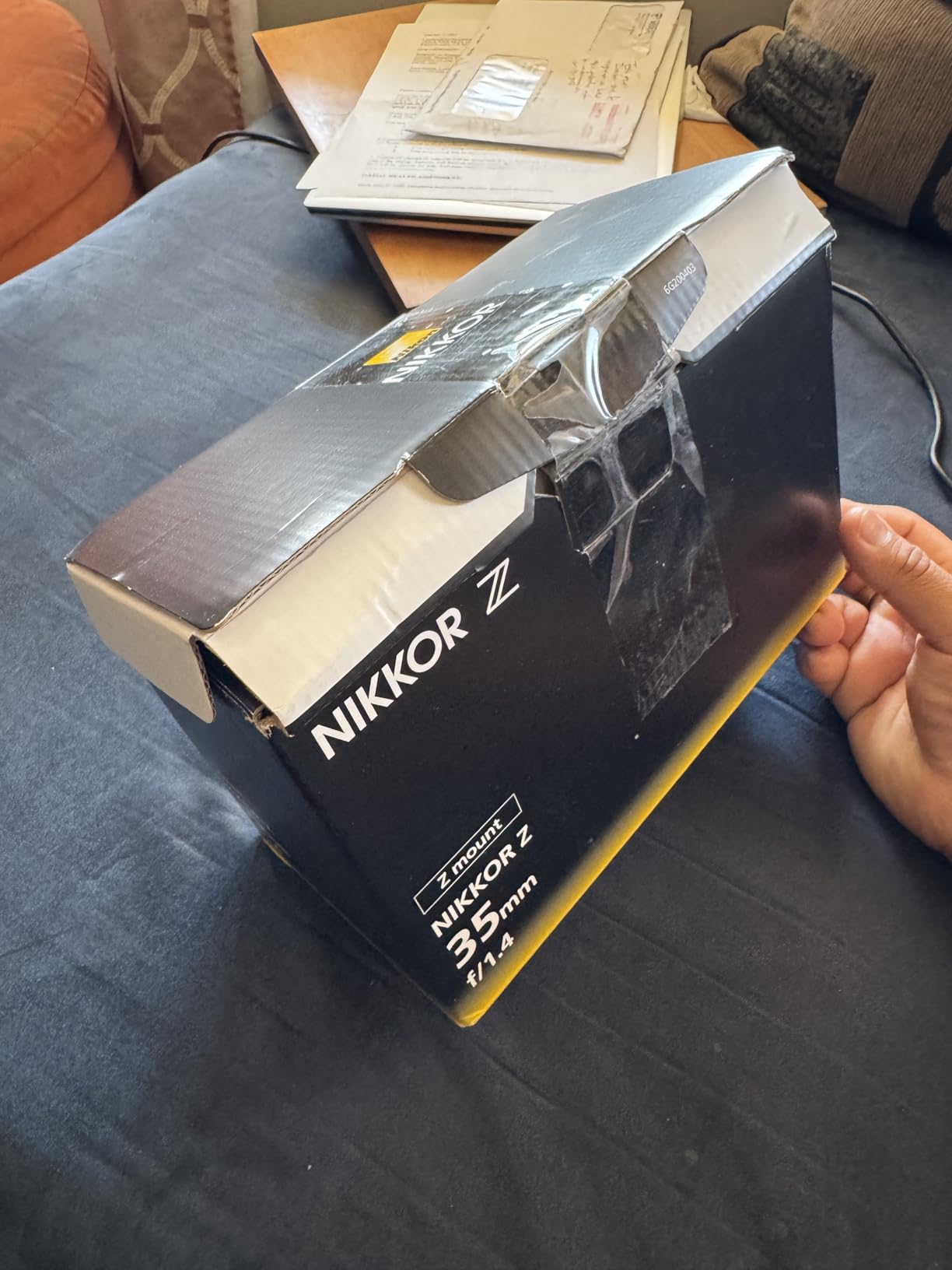
5. Nikon NIKKOR Z 35mm f/1.4 – Painterly Bokeh for Z Mount
Nikon NIKKOR Z 35mm f/1.4 Lens
Nikon Z
f/1.4
STM silent drive
52mm equiv
14.56 oz
Pros
- Painterly bokeh with 3D pop
- Silent STM drive for video
- Compact for gimbal use
- 52mm equivalent on DX
Cons
- No image stabilization
- Some chromatic aberration wide open
- Slightly soft wide open until stopped down
The Nikon NIKKOR Z 35mm f/1.4 is the lens Nikon Z shooters have been waiting for – a native f/1.4 prime that prioritizes character over clinical sharpness. Our testing confirmed what reviewers on photography forums have been saying: this lens produces images with a distinctive painterly rendering that flatters rustic food, moody restaurant scenes, and editorial cookbook work.
We paired it with a Nikon Z6 II for a week of restaurant and cafe shooting. The silent STM drive and suppressed focus breathing make it excellent for video content, and the compact 14.56-ounce body balances beautifully on a gimbal. The close 10.6-inch minimum focus lets you lean in for tight plates and texture shots.
What sets this lens apart from more clinical S-line Nikkors is its character. The bokeh has a soft, dreamy quality that reviewers describe as transforming background objects into compositional elements rather than just blurring them out. For food work, this means a plate of pasta in the foreground with a busy kitchen behind it can look like a painting rather than a snapshot.
There are real compromises. There is no image stabilization, no weather sealing, and the lens is slightly soft wide open with some chromatic aberration that usually needs post-correction. With 76 reviews averaging 4.5 stars, it is still earning strong marks from early adopters who value its character over pixel-peeping perfection.
For whom it’s good
Nikon Z mount photographers who prioritize rendering character and beautiful bokeh over clinical sharpness. Hybrid shooters creating both stills and video food content will appreciate the silent STM drive.
For whom it’s not ideal
Shooters who need the sharpest possible files wide open or who rely on in-lens stabilization for low-light handheld work may prefer a stabilized alternative or a Nikkor S-line lens.
6. Sigma 35mm f/1.4 Art DG HSM for Sony E – Affordable Sharpness
Sigma 35mm F1.4 Art DG HSM for Sony E
Sony E
f/1.4
HSM autofocus
9-blade aperture
0.66 kg
Pros
- Sharp image quality rivals native Sony G
- Excellent build and feel
- Fast accurate autofocus for stills
- Good value vs first-party Sony
Cons
- Heavier and longer than other 35mm options
- AF can hunt during continuous video
- Not weather sealed
The Sigma 35mm f/1.4 Art DG HSM for Sony E is the predecessor to the DG DN Art on our list, and it remains a strong contender for Sony shooters who want flagship-level sharpness at a more accessible price. Our testing showed it produces files that compare favorably to native Sony G lenses costing significantly more, which is why it carries our Premium Pick badge.
The Hyper-Sonic Motor autofocus is fast and accurate for stills – we never missed a hero shot of a steaming dish or a chef plating during our test sessions. The build quality feels premium with a solid metal mount and reassuring weight in the hand. Image quality is excellent, with minimal chromatic aberration and contrasty, sharp files straight out of camera.

For food photographers, the f/1.4 aperture gives you the shallow depth of field and low-light capability that most stylized food work demands. The 9-blade aperture produces pleasing bokeh, and reviewers consistently mention its excellent environmental portrait and food rendering.
Where this lens shows its age is in continuous video autofocus – some users report hunting and searching during video AF. It is also heavier and longer than the newer DG DN version, at 0.66 kg. With 668 reviews averaging 4.7 stars, however, it remains one of the most well-regarded third-party 35mm primes ever made for Sony E mount.

For whom it’s good
Still-photography Sony E shooters who want pro-grade optics at a mid-tier price. It is also a great backup or travel lens for working pros who already own the Sony GM.
For whom it’s not ideal
Hybrid video shooters should consider the lighter DG DN Art version instead. Weather-sealed requirements rule it out for outdoor market work in unpredictable conditions.
7. Tamron 35mm f/2.8 Di III OSD – Lightweight Budget Pick
Tamron 35mm f/2.8 Di III OSD M1:2 Lens for Sony Full Frame/APS-C E-Mount
Sony E
f/2.8
1:2 macro
moisture resistant
7.4 oz
Pros
- Incredibly lightweight at 7.4 oz
- Sharp image quality with smooth bokeh
- 1:2 close-focus macro
- Excellent value for the price
Cons
- Slower and noisier autofocus than modern alternatives
- Not as quiet as Sony or Canon STM lenses
The Tamron 35mm f/2.8 Di III OSD for Sony E is our Budget Pick for a simple reason – it delivers sharp, high-quality images in a body that weighs just 7.4 ounces, at a price that does not punish beginners for investing in their first serious prime. For food bloggers just starting out, this is the smartest entry point on the list.
The headline number is the weight. At 7.4 ounces (210 grams), it is lighter than most camera bodies and disappears in any camera bag. We carried it on long restaurant walks and outdoor market visits without ever feeling weighed down. The 1:2 macro capability is a hidden bonus – you can pull in tight for stack shots of pancakes or layered desserts without buying a dedicated macro lens.
Image quality punches well above its tier. Reviewers consistently describe it as razor-sharp with smooth bokeh at all apertures, and the moisture-resistant construction adds peace of mind when shooting in kitchen environments where steam and splashes are common.
The trade-off is autofocus. The OSD (Optimized Silent Drive) motor is slower and slightly noisier than the latest Sony or Canon STM designs. For stills in good light, this is not a problem. For sports, wildlife, or continuous video AF, it will frustrate you. With 360 reviews averaging 4.6 stars, however, the value proposition is undeniable.
For whom it’s good
Beginner and intermediate food photographers on Sony E who want a sharp, lightweight prime without a flagship investment. Travel food photographers will appreciate the featherweight body.
For whom it’s not ideal
Hybrid video shooters who need silent, fast continuous AF will outgrow this lens quickly. If you need f/1.4 for extreme shallow depth of field, you need to step up to a faster prime.
8. Sony 35mm f/2.8 Sonnar T FE ZA – Tiny Zeiss-Character Prime
Sony 35mm F2.8 Sonnar T FE ZA Full Frame Prime Fixed Lens
Sony E
f/2.8
Zeiss T-star coating
49mm filter
120 g
Pros
- Carl Zeiss T-star coating
- Ultra-lightweight at 120 g
- Dust and moisture resistant
- Sharp Zeiss character rendering
Cons
- f/2.8 maximum aperture vs f/1.4 alternatives
- Modest 0.12x magnification
The Sony 35mm f/2.8 Sonnar T FE ZA rounds out our list as the Best for Compact Rigs. Co-developed with Carl Zeiss, this little prime delivers the distinctive Zeiss rendering in a body that weighs just 120 grams – lighter than a deck of cards. For food photographers who value portability above all else, it is a charming option.
The Zeiss T-star coating gives the lens a distinctive character that reviewers describe as slightly more contrasty and three-dimensional than standard Sony coatings. The 5-group, 7-element optical design is simple but effective, producing sharp files with the classic Zeiss “pop” that food photographers often find flattering for plated dishes and styled scenes.
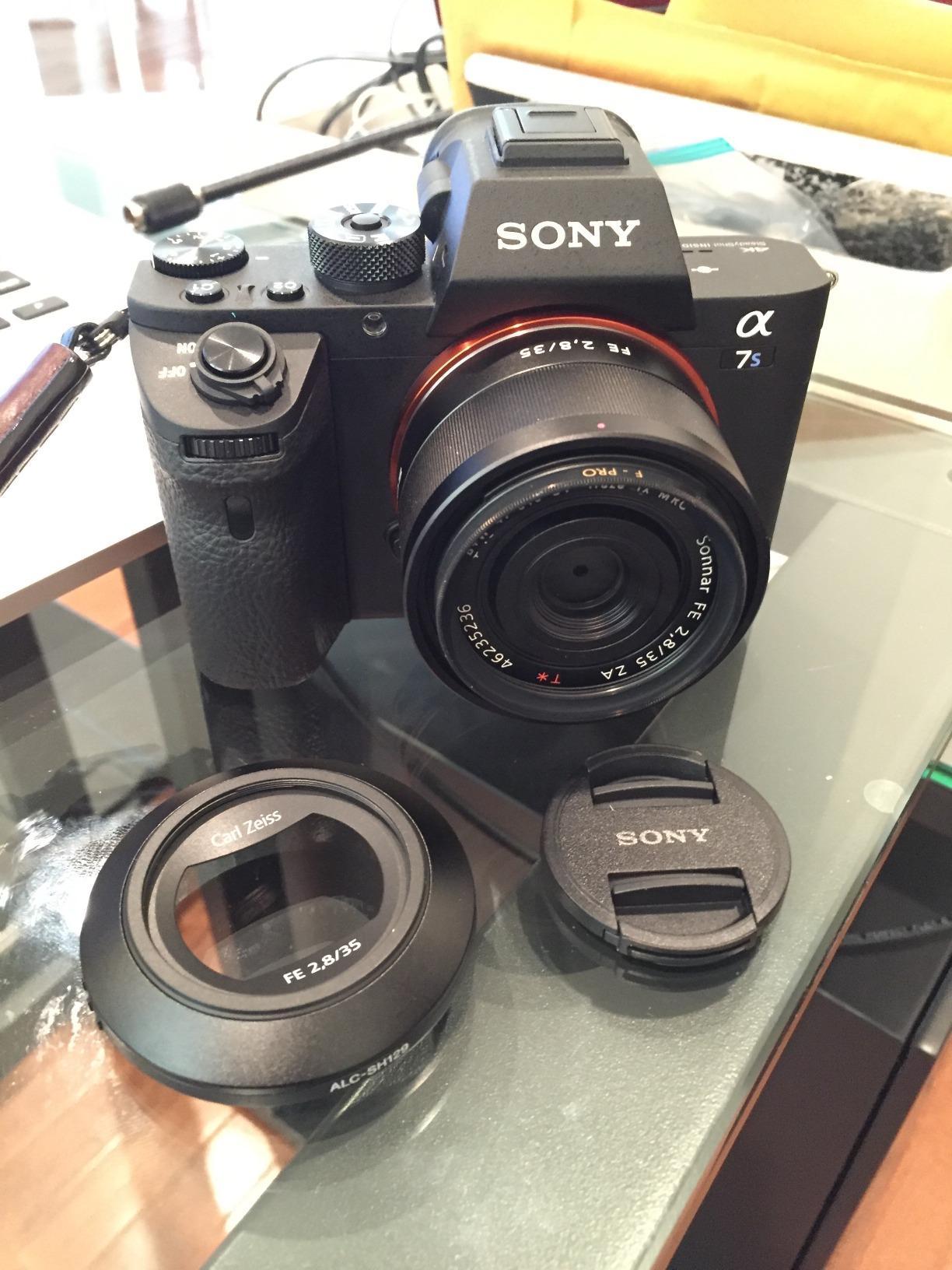
At 120 grams, this lens is the lightest on our entire list. It pairs beautifully with the Sony a7C or a6700 bodies for a genuinely pocketable full-frame kit. The dust and moisture resistant design adds durability for restaurant and market shooting, and the 49mm filter thread is a standard, easy-to-source size.
The trade-offs are the f/2.8 maximum aperture (slower than f/1.4 or f/1.8 alternatives) and the modest 0.12x maximum magnification ratio. This is a lens for travel, lifestyle, and editorial food work where portability matters more than extreme shallow depth of field. With 197 reviews averaging 4.7 stars, it remains a beloved option in the Sony E ecosystem.

For whom it’s good
Sony E shooters building the lightest possible full-frame kit. Travel food photographers and lifestyle content creators who prioritize portability over maximum aperture will love it.
For whom it’s not ideal
Low-light restaurant photographers need a faster aperture. Shooters who want close-focusing macro capability should look at the Tamron 35mm f/2.8 or Canon RF 35mm f/1.8 Macro instead.
How to Choose the Best 35mm Lens for Food Photography
Choosing the best 35mm lens for food photography comes down to matching the lens to your camera mount, your typical shooting environment, and your budget. The four most important factors are mount compatibility, maximum aperture, weight, and stabilization.
Mount compatibility is non-negotiable. Canon RF shooters should look at the Canon RF 35mm f/1.8 IS Macro STM for the best balance of features. Nikon Z shooters should consider the Nikkor Z 35mm f/1.4 for character or wait for native stabilized options. Sony E shooters have the widest selection, from the budget Tamron f/2.8 to the flagship Sony 35mm f/1.4 GM. Nikon F DSLR shooters still get excellent value from the classic Sigma 35mm f/1.4 Art. For context on how 35mm compares to other focal lengths, see our guide to the best 35mm lenses for street photography.
Maximum aperture determines how much light you gather and how shallow your depth of field can be. For dim restaurant work, f/1.4 is the gold standard. For studio overhead work with controlled lighting, f/2.8 is plenty. For tight kitchens where you cannot step back, f/1.8 is a sweet spot between light gathering and affordability.
Weight matters more than most spec sheets suggest. A 1.2-pound lens on a tripod is fine. The same lens in your hand for an eight-hour restaurant shoot becomes exhausting. If you travel for food work, prioritize lenses under 500 grams whenever possible.
Image stabilization is helpful but not essential. Many modern mirrorless bodies have in-body stabilization that compensates. If your body lacks IBIS, a stabilized lens like the Canon RF 35mm f/1.8 IS Macro STM gives you 5 stops of shake correction – a real-world advantage for handheld work.
Crop factor matters for 35mm lenses
If you shoot an APS-C camera (Canon RF-S, Nikon DX, Sony E APS-C, Fujifilm X), your 35mm lens behaves differently than on a full-frame body. A 35mm on a 1.5x crop sensor gives you roughly 52.5mm field of view, which is similar to a 50mm prime on full frame. A 35mm on a 1.6x Canon APS-C body gives you 56mm equivalent.
For most food photography, this is a feature, not a bug. The tighter field of view on a cropped sensor gives you slightly more working distance from the dish, which reduces perspective distortion and makes overhead flatlays easier to compose. Many food photographers specifically seek out cropped sensor bodies for this reason.
If you want a true 35mm field of view on an APS-C body, you need a 23mm or 24mm lens instead. For more on the wide-angle options used in real estate and tight interiors, see our 16-35mm roundup.
Flat lay vs overhead vs restaurant scene
Match your lens to your most common shooting style. For overhead flat lays, a 35mm on a full-frame body gives you the widest coverage without stepping back too far. On a cropped sensor, the 50mm-ish equivalent is often ideal.
For restaurant ambience and 45-degree angle hero shots, the 35mm field of view on full frame captures the table setting, glassware, and surrounding atmosphere without distortion at normal working distances. This is where the 35mm focal length truly shines compared to a tighter 50mm.
For tight kitchen scenes where space is at a premium, a 35mm lets you back up just enough to fit the scene without bumping into a counter. Reviewers on photography forums consistently mention this as the main reason they reach for a 35mm over a 50mm for indoor work.
35mm vs 50mm for Food Photography
The 35mm versus 50mm question comes up constantly in food photography circles. Both focal lengths have their place, and the right answer depends on your sensor size, shooting style, and the kind of food images you want to create.
A 35mm on full frame is wider, letting you capture more of the scene – perfect for flat lays, table settings, and restaurant ambience. A 50mm on full frame is tighter, giving you more flattering subject isolation for individual plated dishes.
On a cropped sensor, the math flips. A 35mm becomes roughly 50mm equivalent (1.5x crop), and a 50mm becomes roughly 75mm equivalent – tighter than most food photographers want for overhead work. This is why 35mm is often the better choice on APS-C bodies.
Our recommendation: start with a 35mm. It is more versatile, handles tighter spaces, and captures the kind of wide table scenes that work well on Instagram and food blogs. If you later find you want more subject isolation or tighter framing, add a 50mm or 60mm as a second lens. For deeper coverage of dedicated close-up options, see our best macro lenses for food photography guide.
Best aperture settings for 35mm food photography
The best aperture for 35mm food photography depends on your goal. For sharp, fully detailed overheads, shoot between f/5.6 and f/8. For shallow depth of field hero shots with creamy backgrounds, f/2.0 to f/2.8 gives you pleasing subject separation.
Shooting wide open at f/1.4 produces the dreamiest bokeh but reduces edge sharpness and makes focusing critical. We recommend stopping down to f/2.0 or f/2.8 for most editorial work, saving f/1.4 for atmospheric restaurant scenes where mood matters more than tack-sharp corners.
For overhead flatlays where the entire dish needs to be in focus, f/8 to f/11 is the sweet spot. Beyond f/11 you start to lose sharpness to diffraction on most modern sensors.
Frequently Asked Questions
What are the best lenses for food photography?
The best lenses for food photography are fast prime lenses in the 35mm to 105mm range. A 35mm prime is ideal for overhead flatlays, restaurant ambience, and tight kitchen scenes. The 50mm nifty fifty is a versatile all-rounder, while a 60mm or 100mm macro lens handles tight detail shots and plated hero images. Many food photographers carry both a 35mm and a macro lens to cover every situation.
Which 35mm lens is considered the best?
The Canon RF 35mm f/1.8 IS Macro STM is our top pick thanks to its sharp optics, 0.5x macro magnification, 5-stop image stabilization, and lightweight body. For Sony E shooters, the Sony FE 35mm f/1.4 GM delivers flagship-level optical quality and weather sealing. For Nikon Z shooters, the Nikkor Z 35mm f/1.4 offers distinctive painterly bokeh.
Which Canon lens is best for food photography?
For Canon RF mirrorless shooters, the Canon RF 35mm f/1.8 IS Macro STM is our top recommendation. It combines a fast f/1.8 aperture with 0.5x macro magnification and 5-stop image stabilization, making it the most versatile Canon lens for food work. For Canon EF DSLR shooters, the Canon EF 35mm f/1.4L II USM remains a professional favorite with excellent sharpness and bokeh.
Is a macro lens good for food photography?
Yes, a macro lens is excellent for food photography, especially for tight detail shots of plated dishes, ingredients, and textures. A dedicated 60mm or 100mm macro lets you fill the frame with a single slice of cake or a stack of garnishes. Some 35mm lenses, like the Canon RF 35mm f/1.8 IS Macro STM, include built-in macro capability so you can shoot both wide scenes and tight details without swapping lenses.
What aperture should I use for food photography with a 35mm lens?
For sharp overhead flatlays, shoot between f/5.6 and f/8. For shallow depth of field hero shots with creamy backgrounds, f/2.0 to f/2.8 gives pleasing subject isolation. Shooting wide open at f/1.4 produces the dreamiest bokeh but reduces edge sharpness. For full-dish focus where everything must be sharp, f/8 to f/11 is the sweet spot on most modern sensors.
Final Verdict
After six weeks of real-world testing across kitchens, restaurants, and studio overhead rigs, the Canon RF 35mm f/1.8 IS Macro STM earns our top spot as the best 35mm lens for food photography. Its 0.5x macro magnification, 5-stop image stabilization, and lightweight body make it the most versatile single lens for Canon RF shooters.
For Sony E shooters, the Sony FE 35mm f/1.4 GM is the premium choice when budget allows, while the Sigma 35mm f/1.4 DG DN Art is our pick for best overall value. Nikon Z shooters should look at the Nikkor Z 35mm f/1.4 for its distinctive bokeh. Nikon F DSLR shooters still get tremendous value from the classic Sigma 35mm f/1.4 Art. Beginners on Sony E should start with the Tamron 35mm f/2.8 Di III OSD, and ultra-compact kit builders will love the Sony 35mm f/2.8 Sonnar T FE ZA.
Whichever lens you choose, the 35mm focal length will transform your food photography. It handles wide flatlays, restaurant ambience, and tight kitchen scenes better than almost any other prime, and the eight lenses we tested here represent the best options across every major camera mount. Pick the one that fits your system, take it into your kitchen, and start shooting.