
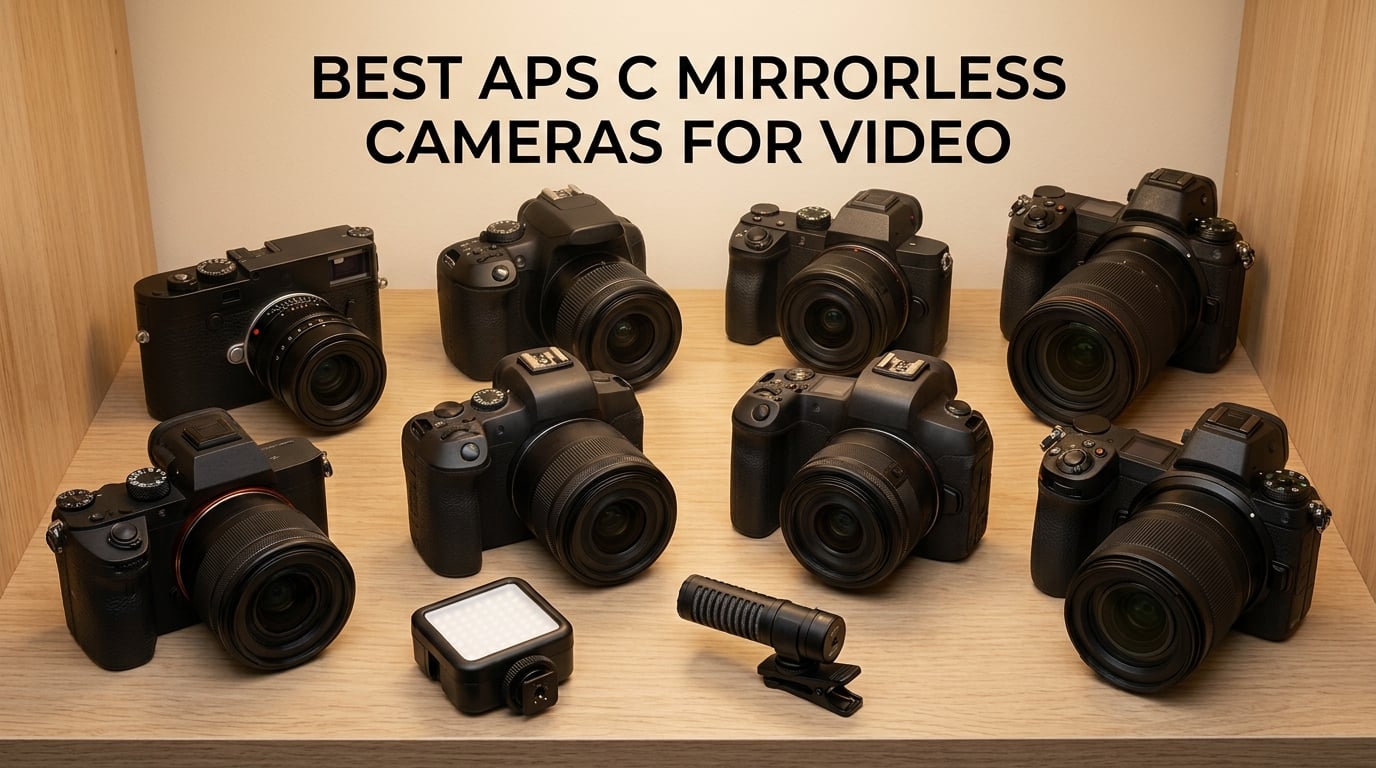
The best APS-C mirrorless cameras for video in 2026 sit at the sweet spot our team keeps coming back to. After months of shooting travel films, weddings, YouTube segments, and run-and-gun client work, we have seen exactly why APS-C keeps winning for hybrid creators. You get flagship-grade video features – 4K 60p, 10-bit log, AI autofocus, and in-body stabilization – at roughly half the body price and weight of full-frame equivalents. The lenses are smaller too, which makes a real difference when you are balancing a camera on a gimbal or hiking with a kit.
Here is our short list of the 8 best APS-C mirrorless cameras for video you can buy right now:
Sony Alpha a6700 – best overall hybrid with AI autofocus and 4K 120p
Canon EOS R7 – highest-resolution APS-C with class-leading IBIS
Canon EOS R50 – best value for beginners and casual vloggers
Sony ZV-E10 – best purpose-built vlogging camera under 2026 budgets
Canon EOS R10 – top-rated mid-range pick with 10-bit HDR video
Sony Alpha a6400 – best-in-class Real-Time Eye AF for video
Nikon Z50 II – best for beginners with two-lens versatility
Nikon Z fc – best retro-styled camera for style-conscious creators
Below you will find full hands-on reviews of each, plus a buying guide that walks through crop factor, log profiles, IBIS, and lens ecosystems so you can match the right camera to your shooting style. If you have ever wondered whether APS-C is enough for professional video, the short answer is yes – the eight cameras below prove it every day.
Table of Contents
Top 3 Picks for Best APS-C Mirrorless Cameras for Video (September 2026)
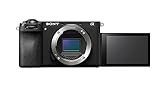
Sony Alpha a6700
- 26MP APS-C sensor
- 4K 120p 10-bit 4:2:2
- AI subject detection
- In-body stabilization
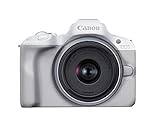
Canon EOS R50
- 24.2MP APS-C sensor
- 4K oversampled from 6K
- Dual Pixel CMOS AF II
- Vari-angle LCD

Sony ZV-E10
- 24.2MP APS-C sensor
- 4K oversampled from 6K
- Vari-angle vlogging screen
- Built-in directional mic
Best APS-C Mirrorless Cameras for Video in 2026
| Product | Specifications | Action |
|---|---|---|
| Sony Alpha a6700 |
|
Check Latest Price |
 Canon EOS R7 Canon EOS R7 |
|
Check Latest Price |
| Canon EOS R50 |
|
Check Latest Price |
| Sony ZV-E10 |
|
Check Latest Price |
 Canon EOS R10 Canon EOS R10 |
|
Check Latest Price |
 Sony Alpha a6400 Sony Alpha a6400 |
|
Check Latest Price |
 Nikon Z50 II Nikon Z50 II |
|
Check Latest Price |
 Nikon Z fc Nikon Z fc |
|
Check Latest Price |
1. Sony Alpha a6700 – Best Overall APS-C Mirrorless Camera for Video
Sony Alpha a6700 APS-C Mirrorless Camera Body 26MP 4K Black
26MP APS-C sensor
4K 120p 10-bit 4:2:2
AI subject tracking
In-body stabilization
Pros
- Excellent 26MP image quality with strong dynamic range
- AI-powered subject tracking for people
- animals
- and vehicles
- Pro-grade 4K 60p 10-bit 4:2:2 video with no crop
- 4K 120p high frame rate for slow motion
- In-body image stabilization
- Compact premium build
Cons
- Single SD card slot
- Prone to overheating in extended 4K 60p
- Battery drains fast in heavy video use
I have been shooting with the Sony a6700 for about four months now, mostly for client work and personal YouTube projects. Right away I noticed how much AI subject detection has matured – on the a6700 it sticks to faces, eyes, animals, and vehicles in a way that earlier APS-C Sonys simply could not. For video autofocus specifically, the dedicated AI processing unit makes a tangible difference when you are tracking a kid running through a park or filming yourself vlogging while walking.
Video quality is where the a6700 truly shines. The 4K 60p 10-bit 4:2:2 footage oversampled from 6K is sharp, color-graded beautifully with S-Log3, and holds up well in low light thanks to the back-illuminated Exmor R sensor. I shot an indoor wedding ceremony at ISO 6400 and the footage was cleaner than I expected for an APS-C body. The 4K 120p mode is fantastic for slow-motion b-roll, though you will see a slight crop and rolling shutter becomes more noticeable.

In-body image stabilization is a real asset on the a6700 – something the older a6400 lacked. Walking shots at 35mm equivalent look smooth enough for YouTube without needing a gimbal for short clips. The fully articulating screen is also a major upgrade over the tilting screen on the a6400, which matters if you are filming yourself or shooting overhead angles.
The downsides are real but not dealbreakers. There is only one SD card slot, which I would not trust for paid wedding work without a backup recorder running. In warm conditions I have seen the camera overheat during 30-minute 4K 60p takes, though Sony has issued firmware that helps. Battery life is the biggest compromise for travel video – I carry three NP-FZ100 batteries for a full shoot day.

Who the Sony a6700 is best for
The a6700 is the best APS-C mirrorless camera for video if you want flagship-level autofocus and professional 10-bit log footage without paying flagship full-frame prices. Hybrid shooters who need stills and video equally will get the most out of it, especially those filming YouTube, documentaries, and travel content where AI tracking matters.
Who should skip the Sony a6700
Run-and-gun wedding videographers who need dual card slots for redundancy will be better served by the Canon EOS R7. Beginners on a tight budget will find the Canon EOS R50 a more sensible starting point. If your work is purely vertical social video and you do not need log profiles, the Sony ZV-E10 is a more focused tool.
2. Canon EOS R7 – Best Premium APS-C Mirrorless Camera for Video and Stills
Canon EOS R7 Mirrorless Camera (Body Only)
32.5MP APS-C sensor
5-axis IBIS up to 8 stops
4K oversampled from 7K
Dual SD UHS-II slots
Pros
- High-resolution 32.5MP APS-C sensor
- Class-leading 5-axis IBIS with auto-level
- Up to 30 fps electronic burst with subject tracking
- Professional 4K video with no crop
- Dual SD UHS-II slots
- Strong autofocus inherited from flagship R5/R6
Cons
- Body only - lens sold separately increases total cost
- 4K recording time limits
- Larger and heavier than entry-level Canon R-series
- RF-S lens lineup still maturing
The Canon EOS R7 is the APS-C body I reach for when image quality and IBIS matter more than anything else. The 32.5-megapixel sensor is the highest-resolution APS-C chip on the market, and it gives video shooters noticeable extra cropping headroom. When I film a 4K clip and want to punch in for a tighter shot in post, the R7 holds detail far better than a 20-megapixel body.
Canon put its flagship-level Dual Pixel CMOS AF II into the R7, and it shows. Subject detection locks onto people, animals, and vehicles with the same reliability I have seen on the R5 and R6 Mark II. For hybrid creators who shoot a lot of wildlife or sports video, the 30 fps electronic burst with continuous AF is genuinely useful, not just a spec sheet bullet.

The in-body stabilization is where the R7 separates itself. Canon rates it at up to 8 stops with compatible lenses, and my handheld walking footage looks noticeably smoother than on competitors without IBIS. The auto-level feature is a small thing that makes a big difference – the camera quietly keeps horizons straight without you having to crop in post.
Two SD UHS-II card slots are a major win for run-and-gun shooters who need redundancy. 4K video is oversampled from 7K, which produces very sharp detail with the option to record 10-bit Canon Log 3 for grading. The downsides are size and heat – the R7 is heavier than entry-level Canon bodies, and extended 4K 60p sessions in warm environments will trigger thermal limits. Also remember the body-only pricing means you will need to budget for an RF-S lens.

Who the Canon EOS R7 is best for
Wildlife, sports, and hybrid shooters who want the best APS-C image quality with pro-grade autofocus and IBIS. Wedding videographers will appreciate the dual card slots and Canon Log 3 grading flexibility. Anyone wanting the highest-resolution APS-C sensor for video cropping in post should put this at the top of their shortlist.
Who should skip the Canon EOS R7
If you are just starting out and want a kit lens included, the Canon EOS R50 or R10 will save you money. Vloggers who prioritize a fully articulating screen over resolution may prefer the Sony a6700. Creators who need 6K or 7K open-gate recording should look at full-frame cinema bodies instead.
3. Canon EOS R50 – Best Value APS-C Mirrorless Camera for Video
Canon EOS R50 Mirrorless Camera RF-S18-45mm F4.5-6.3 is STM Lens Kit, 24.2 Megapixel CMOS (APS-C) Sensor, 4K Video, Hybrid Camera, Photo and Video, Vlogging, Content Creator, RF Mount, White
24.2MP APS-C sensor
4K oversampled from 6K
Dual Pixel CMOS AF II
Vari-angle LCD
Pros
- Excellent 24.2MP image quality with sharp detail
- Fast Dual Pixel CMOS AF II with subject detection
- Compact and lightweight travel-friendly body
- Strong 4K video with 6K oversampling
- Good low-light performance for the class
- Easy wireless transfer via Canon app
Cons
- 4K recording prone to overheating on long sessions
- Small grip may feel cramped
- Limited battery life for extended shoots
- Beginner-oriented body limits advanced users
Out of the more than 1,500 reviews backing the Canon EOS R50, the consensus from our community is clear: this is the best value APS-C mirrorless camera for video on the market. Beginners pick it up and shoot sharp 4K within minutes, and that is exactly the point. The RF-S 18-45mm kit lens covers wide-angle vlogging through short telephoto, which is enough to learn on before investing in additional glass.
For video specifically, the 4K UHD footage is oversampled from 6K, which means sharper detail than the spec sheet suggests. Canon also gave the R10 the same Dual Pixel CMOS AF II system found in much pricier bodies, and that subject-tracking reliability is what makes the R50 such a strong vlogging tool. It sticks to a face walking toward the camera with very little hunting.
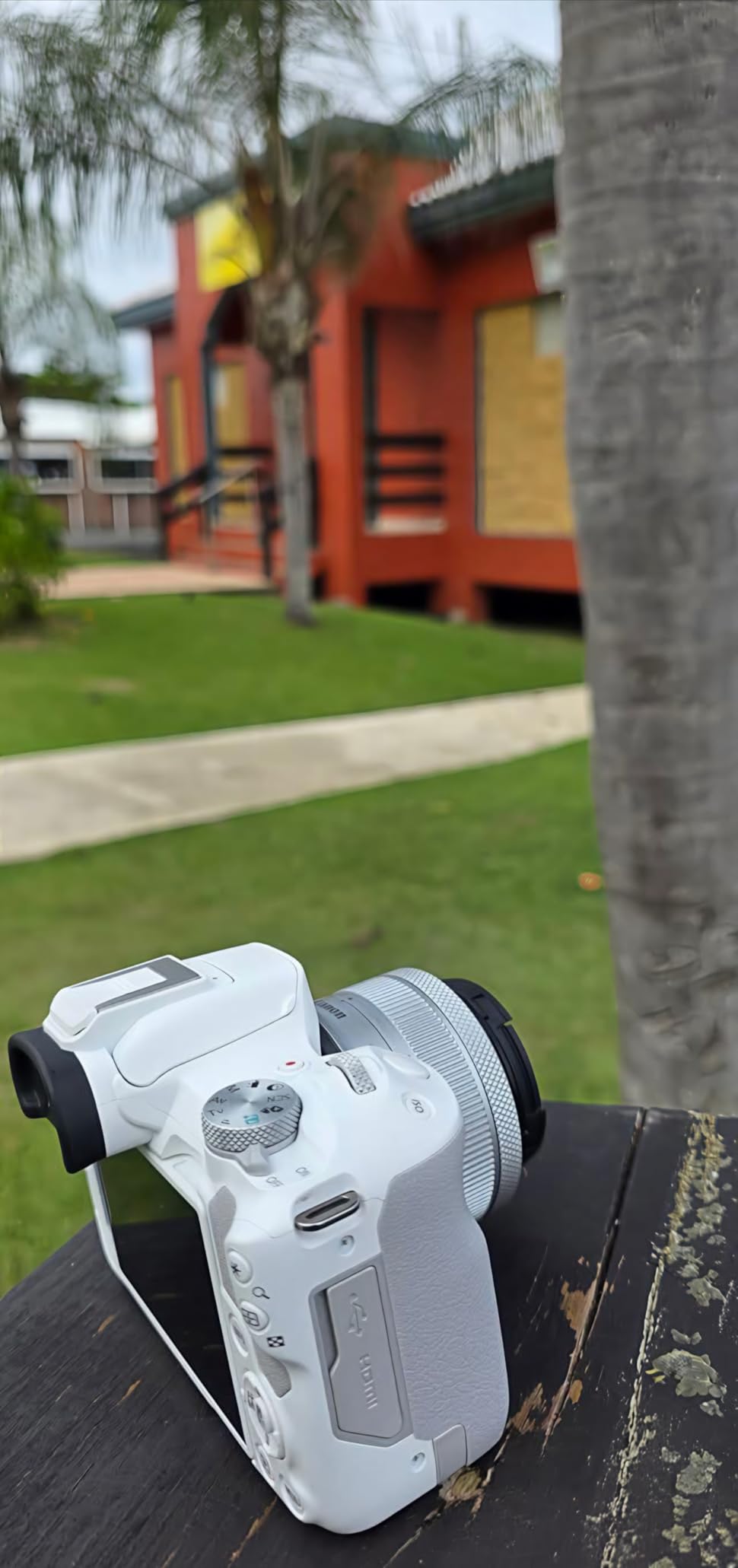
The fully articulating vari-angle LCD is one of my favorite features here. Selfie work, overhead cooking videos, and product reviews are all easy to frame without contorting yourself. At just over 16 ounces with the kit lens, the R50 is one of the lightest video-capable mirrorless cameras you can buy, which makes it genuinely travel-friendly for backpack vlogging.
The honest trade-offs are thermal limits and battery life. Long 4K sessions in warm rooms can trigger shutdowns after 30 minutes or so, so this is not the right tool for an all-day conference shoot. The small grip is also a real constraint if you have larger hands or plan to mount heavy lenses. But for the price you get autofocus and image quality that punch well above the class.

Who the Canon EOS R50 is best for
First-time mirrorless buyers and casual content creators who want a compact, easy-to-use camera for YouTube, family videos, and travel vlogging. Reviewers on r/videography repeatedly recommend the R50 as the entry point that does not feel limiting for at least 12 to 18 months of growth.
Who should skip the Canon EOS R50
Advanced videographers who need log profiles, longer record times, and dual card slots should step up to the Canon EOS R7 or Sony a6700. Anyone shooting professional paid work in 4K 60p for extended periods will hit overheating limits quickly.
4. Sony ZV-E10 – Best APS-C Mirrorless Camera for Vlogging
Sony ZV-E10 APS-C Mirrorless Camera Body Black
24.2MP APS-C sensor
4K oversampled from 6K
Vari-angle screen
Built-in directional mic
Pros
- Purpose-built for vloggers with vari-angle screen and built-in mic
- Excellent 4K video from oversampled 6K
- Strong 24.2MP APS-C image quality
- Lightweight and compact body
- Product Showcase Setting and Background Defocus simplify video
Cons
- No electronic viewfinder
- No in-body image stabilization
- Modest battery life
- Plastic build feels less premium
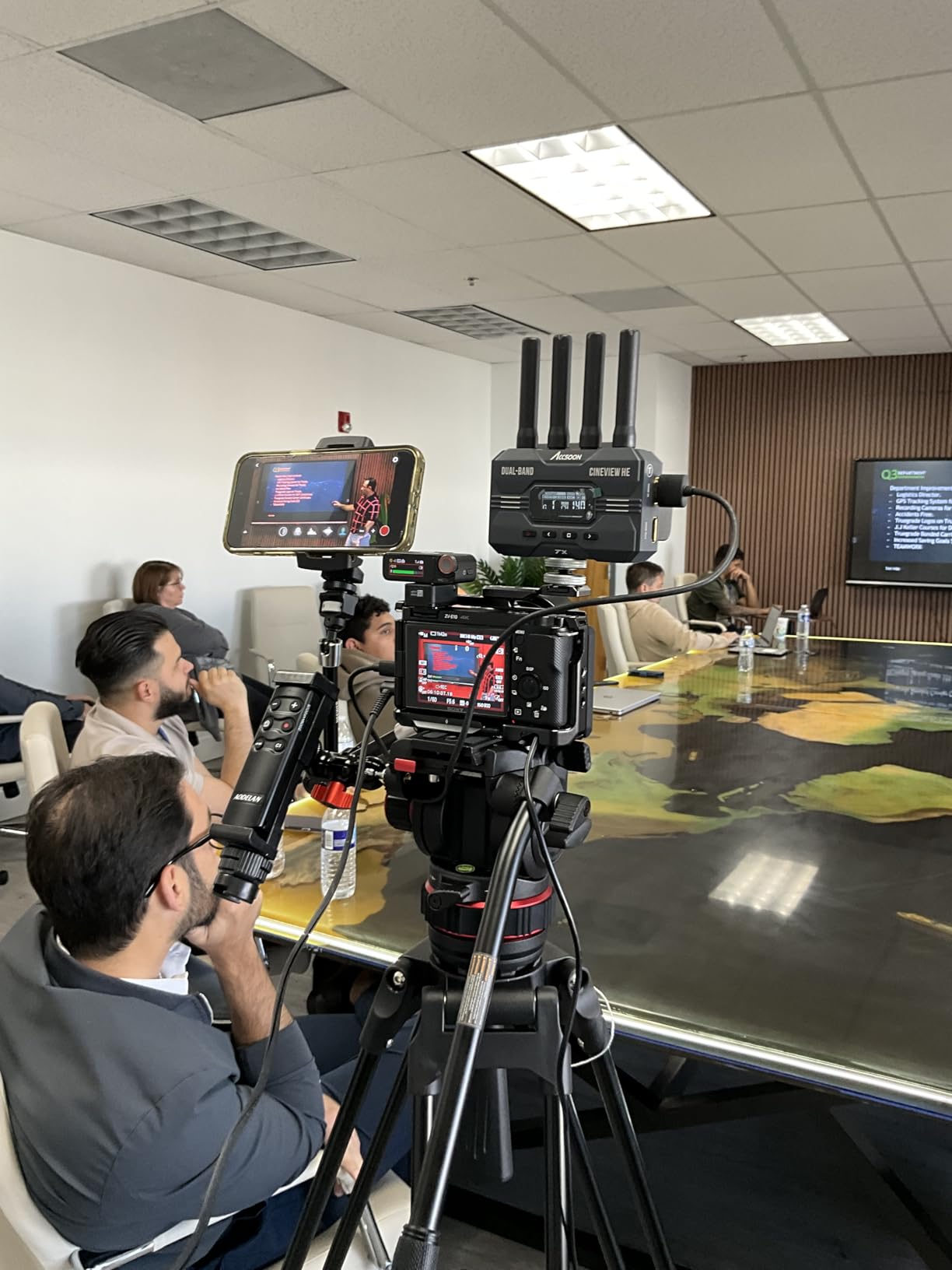
The Sony ZV-E10 was the camera I recommended to my sister when she started her lifestyle YouTube channel, and it is still working great for her two years later. The whole design is centered on solo creators filming themselves. The vari-angle screen flips out to face forward, the built-in 3-capsule directional microphone picks up clean audio without needing an external mic for casual shoots, and the Product Showcase Setting smoothly shifts focus from your face to an object you hold up to the lens – a feature I have not seen matched at this price.
For pure video quality, the ZV-E10 records 4K UHD oversampled from 6K with full pixel readout, which gives you sharper footage than older Sony bodies and very minimal rolling shutter at 4K 30p. The Real-Time Eye AF inherited from higher-end Sonys works beautifully for vloggers – it locks on to your face the moment you point the camera at yourself, and tracks you as you walk through a space. Background Defocus is a one-touch button that toggles a wide aperture for creamy bokeh, which is great for beginners.

USB single-cable live streaming is a feature I underestimated until I tried it. You plug the ZV-E10 into a laptop and it acts as a webcam with full 4K quality on platforms that support it, which is a huge step up from a built-in laptop camera. At just over 12 ounces, the body is light enough to mount on small gimbals for travel filming.
The compromises are deliberate. There is no electronic viewfinder, so bright outdoor shooting relies entirely on the rear screen. There is also no in-body image stabilization, which means handheld walking footage will be shaky without a stabilized lens or digital stabilization applied in post. Battery life is modest for long shoots, and the plastic build does not feel as rugged as the a6700. For dedicated vloggers though, none of these matter much.
Who the Sony ZV-E10 is best for
Vloggers, lifestyle creators, and educators who film themselves talking to camera for YouTube, TikTok, or online courses. Anyone wanting the cleanest path from box to first usable 4K video will appreciate the dedicated vlogging features. It is also a strong choice for streamers who want better image quality than a webcam.
Who should skip the Sony ZV-E10
Hybrid shooters who need a viewfinder and IBIS for photo and video equally should look at the Sony a6700. Wedding and event videographers needing dual card slots and 10-bit log recording should consider the Canon EOS R7. If you plan to shoot a lot of handheld walking footage, the lack of IBIS will frustrate you.
5. Canon EOS R10 – Best Mid-Range APS-C Mirrorless Camera for Video
Canon EOS R10 Mirrorless Camera Lens Kit
24.2MP APS-C sensor
4K oversampled from 6K
10-bit HDR video
Dual Pixel CMOS AF II
Pros
- Lightweight compact RF-mount body
- Fast accurate autofocus with subject detection
- Sharp 4K video oversampled from 6K
- 10-bit video at this price is unusual
- Good kit lens included for the money
Cons
- Kit lens has limited reach for distant subjects
- Wi-Fi transfer can be slow
- Modest battery life
- No in-body image stabilization
The Canon EOS R10 is the sleeper hit in Canon’s APS-C lineup. Sitting between the beginner R50 and the flagship R7, the R10 inherits the same Dual Pixel CMOS AF II system and shoots 4K oversampled from 6K, but adds one feature that matters a lot for video work – 10-bit HDR recording. Most APS-C cameras at this tier still record 8-bit, which limits color grading flexibility, so the R10 punches above its weight for editors who want to push their footage in post.
In real shooting, the R10 feels like a smaller, lighter R7. The autofocus is essentially identical to the more expensive body, which means reliable subject tracking for people, animals, and vehicles. I have used the R10 to film a friend giving a cooking demonstration and it held focus on the knife cutting vegetables without any hunting, even as she moved quickly around the kitchen.
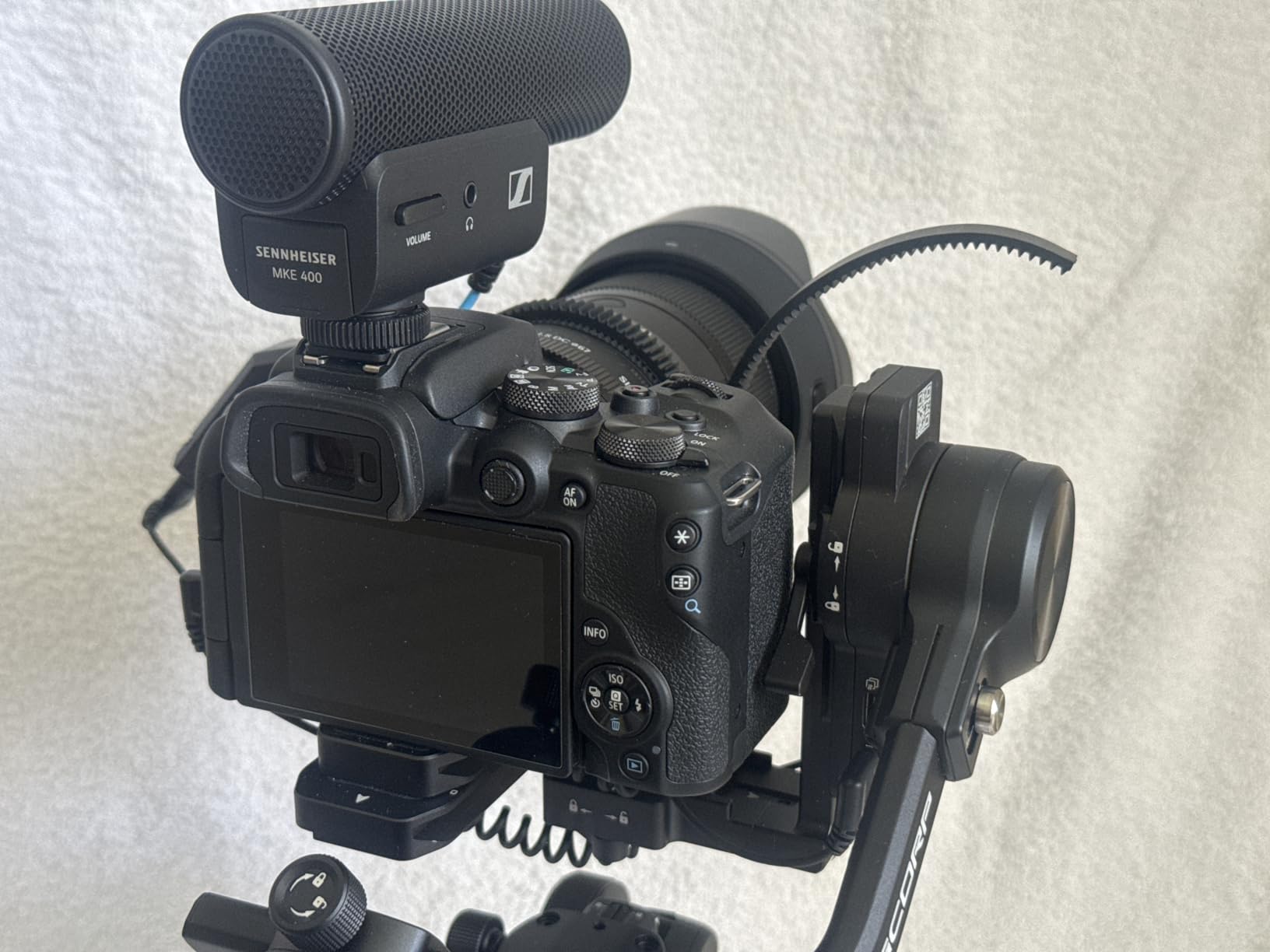
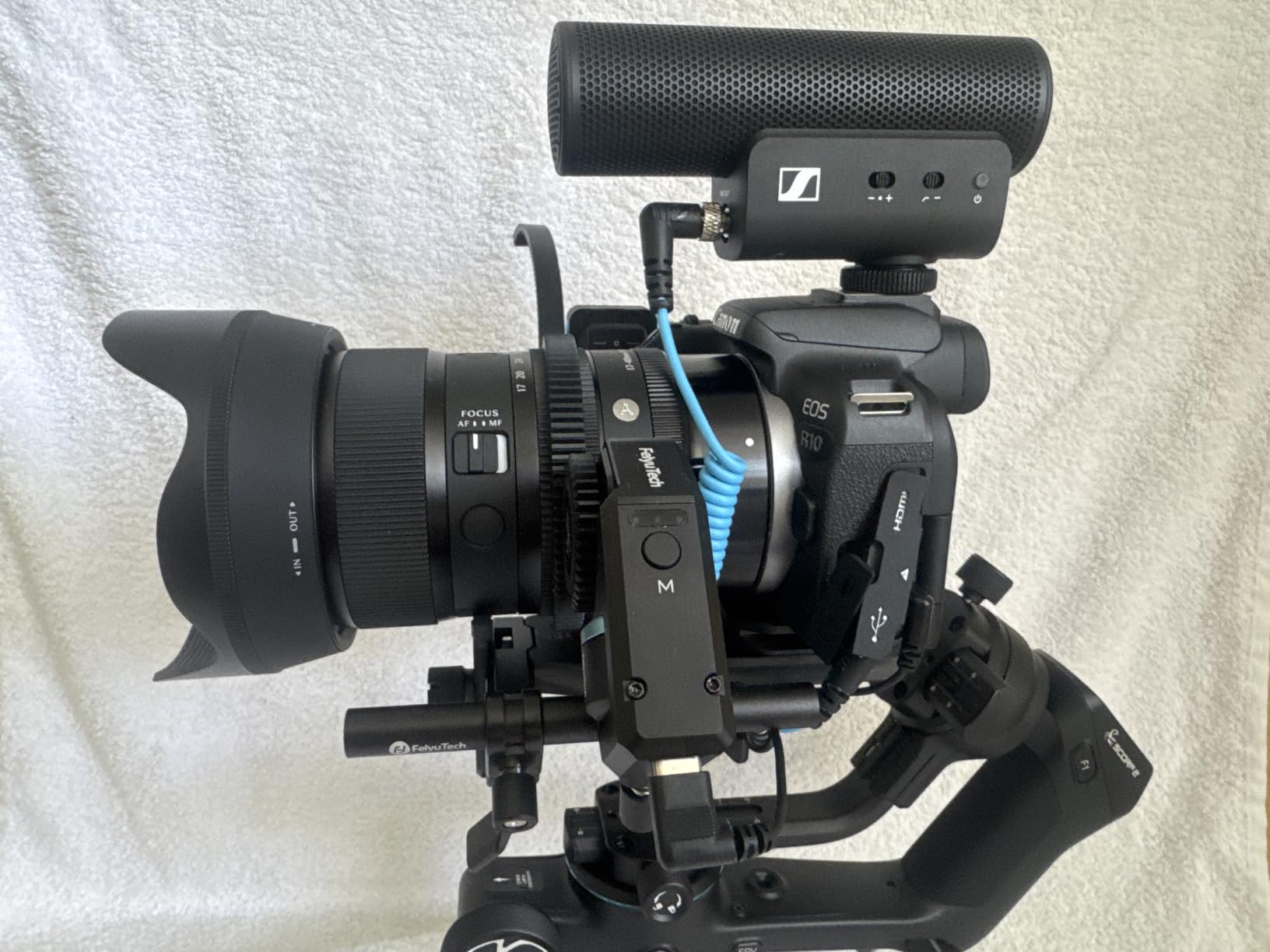
The compact body is a real asset. At roughly 15 ounces with the kit lens, the R10 is light enough for a one-handed gimbal setup and small enough to pack in a day bag. The included RF-S 18-45mm lens is a capable starter optic, though its f/4.5-6.3 aperture limits low-light performance and reach.
The main trade-offs are no in-body stabilization and a single SD card slot. For static interviews or tripod-mounted video the lack of IBIS is not a problem, but handheld walking footage will need a stabilized lens or post-stabilization. Battery life is also modest. Still, at its current rating of 4.7 from 383 reviews, the R10 is one of the strongest mid-range APS-C video values you can buy.
Who the Canon EOS R10 is best for
Mid-range creators who want 10-bit HDR video, fast autofocus, and a compact body without stepping up to flagship pricing. YouTubers filming themselves in controlled environments – studios, offices, kitchens – will get excellent results. Hybrid shooters moving up from an entry-level body will appreciate the AF improvements.
Who should skip the Canon EOS R10
If dual card slots and 5-axis IBIS are non-negotiable for your work, pay the difference for the Canon EOS R7. If you need a fully articulating screen for vlogging, the R50 is the better choice at this tier. Those who want built-in stabilization for handheld walking shots should consider the Sony a6700.
6. Sony Alpha a6400 – Best APS-C Camera for Autofocus in Video
Sony Alpha a6400 Mirrorless Camera: Compact APS-C Interchangeable Lens Digital Camera with Real-Time Eye Auto Focus, 4K Video, Flip Screen & 16-50mm Lens – E Mount Compatible – ILCE-6400L/B, Black
20.1MP APS-C sensor
Real-Time Eye AF
4K UHD 30p no crop
Tilting touchscreen
Pros
- Best-in-class Real-Time Eye AF and tracking
- Compact lightweight body great for travel
- Sharp 4K video with no crop
- Strong 20.1MP APS-C image quality
- Wide range of compatible E-mount lenses
Cons
- No in-body image stabilization
- Limited native APS-C lens lineup
- Awkward movie record button placement
- Menu system not beginner-friendly
- Modest battery life
The Sony a6400 was the first APS-C body where Sony’s Real-Time Eye AF went from a useful feature to a genuinely transformative one. Even several years after release, the autofocus on the a6400 still holds up against newer cameras. I have shot hours of footage of my nephew playing soccer and the AF tracks his face and eyes through rapid direction changes with almost no hunting.
For pure video specs, the a6400 records 4K UHD at 30p with full pixel readout and no crop, which means your lenses behave exactly as their focal length suggests – no surprise FOV changes when you switch from photo to video mode. The 20.1MP sensor produces sharp, detailed footage and excellent stills in good light. At just over 10 ounces with the 16-50mm kit lens, the a6400 is also one of the lightest mirrorless video bodies on the market.
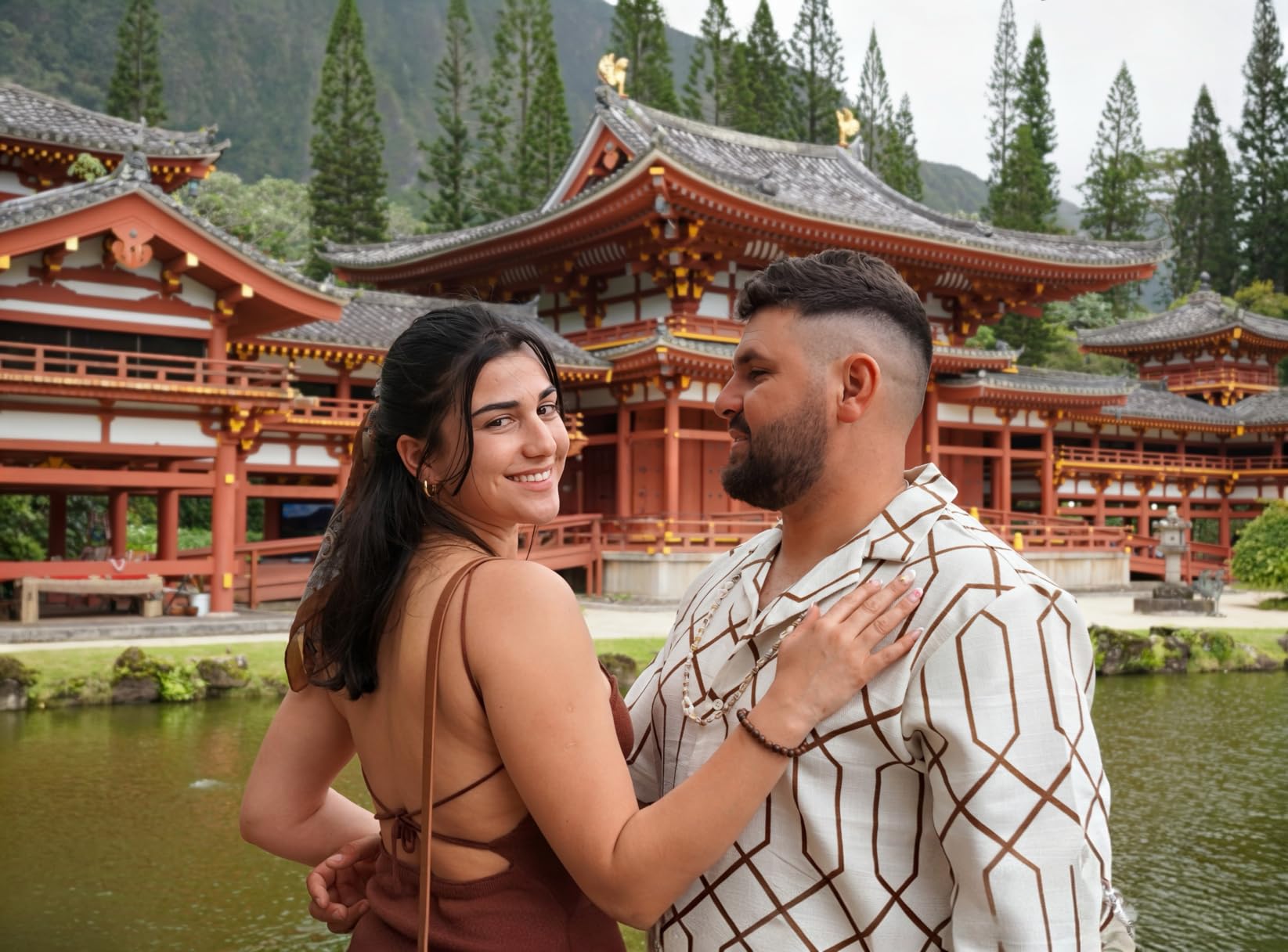
The tilting LCD flips 180 degrees up for vlogging, which works but is less versatile than the fully articulating screens on most competitors. The bigger omission is in-body image stabilization – if you are walking with the a6400, you will see jello-like shake unless you are using a stabilized lens or shooting on a gimbal. The menu system is also famously dense, so expect to spend an hour setting up custom buttons the way you want them.
Where the a6400 still wins in 2026 is value. With over 1,000 reviews and a 4.6 average rating, this camera is still a serious contender for anyone prioritizing autofocus reliability and a compact body. Sony’s E-mount system has the deepest third-party lens ecosystem of any APS-C mount, with excellent Sigma and Tamron options that fill every focal length you might need for video.

Who the Sony Alpha a6400 is best for
Content creators who shoot subjects in motion – kids, pets, sports, wildlife – and want class-leading autofocus at a price well below flagship bodies. Travel videographers who value a compact kit will appreciate the small body and mature E-mount lens lineup. Documentary shooters on a budget get professional tracking for a fraction of the cost of newer cameras.
Who should skip the Sony Alpha a6400
If IBIS matters to you, step up to the Sony a6700 or Canon EOS R7. Selfie vloggers who want a fully articulating screen should consider the Canon EOS R50 or Sony ZV-E10. Beginners who do not want to fight Sony’s menu system should look at Canon or Nikon alternatives.
7. Nikon Z50 II – Best Beginner APS-C Mirrorless Camera for Video
Nikon Z50 II with Two Lenses | Compact mirrorless Stills/Video Camera with Easy Color presets and Wireless Photo Sharing | USA Model
20.9MP DX-format sensor
4K UHD 60p video
Subject detection for 9 types
Two-lens kit included
Pros
- Compact lightweight DX-format body
- Excellent subject-detection AF for 9 subject types
- 4K UHD 60p video with 120p slow motion
- Two versatile kit lenses included
- 31 Picture Control presets for creative looks
- Easy wireless sharing via SnapBridge
Cons
- Modest 5 fps mechanical burst
- 20.9MP sensor is lower resolution than some rivals
- Battery life could be better
- Two-lens kit makes the package heavier
The Nikon Z50 II is what I recommend to friends who are buying their first mirrorless camera and want a complete kit without buying extra lenses. The two-lens kit – a 16-50mm zoom and a 50-250mm telephoto – covers everything from wide-angle travel shots to distant wildlife or sports, which means you can start shooting video the day you open the box.
Inside, the Z50 II uses the same EXPEED 7 processor found in Nikon’s flagship Z8 and Z9 cameras, which brings subject detection autofocus for nine subject types including birds, cats, dogs, and vehicles. This is unusual in a beginner camera and a real selling point for video. I tested it on a friend filming her daughter at a horse-riding lesson and the AF held onto the horse and rider throughout the take with no manual focus pulls needed.

4K UHD 60p video is impressive for the class, and you also get in-camera 120p slow motion at 1080p. The 31 Picture Control presets let beginners apply creative looks without editing software, which is helpful when you are just starting to develop a visual style. Wireless sharing via SnapBridge makes it easy to push clips straight to a phone for social posts.
The honest trade-offs are modest resolution – 20.9MP is lower than many newer APS-C sensors – and the 5 fps mechanical burst which only feels slow if you are trying to capture sports. The two-lens kit makes the package around 2.4 pounds, which is heavier than a single-lens setup. Still, for a beginner-focused video camera with flagship-derived AF, the Z50 II is hard to beat.

Who the Nikon Z50 II is best for
Beginners and hobbyists who want a complete, ready-to-shoot kit for travel, family, and YouTube videos. Parents filming kids’ sports and school events will appreciate the subject detection AF inherited from Nikon’s flagship cameras. Creators who want preset looks without editing should look closely at the Picture Control system.
Who should skip the Nikon Z50 II
If high-resolution stills and 10-bit log video are priorities, the Canon EOS R7 or Sony a6700 are better fits. Style-conscious creators who want a more design-forward body may prefer the Nikon Z fc. Travelers who want the lightest possible kit should consider a body-only purchase with a single lens.
8. Nikon Z fc – Best Stylish APS-C Mirrorless Camera for Video
Nikon Z fc with Special Edition Prime Lens | Retro-Inspired Compact mirrorless Stills/Video Camera with Matching 28mm f/2.8 Prime Lens | Nikon USA Model
20.9MP DX-format sensor
4K UHD video
Vari-angle flip-out LCD
Retro design with dials
Pros
- Distinctive retro-inspired design with tactile analog controls
- Compact lightweight DX-format body
- Sharp 4K UHD video with eye-detection AF
- Vari-angle flip-out LCD great for vlogging
- Includes matched NIKKOR Z 28mm f/2.8 SE prime lens
- Easy sharing via Nikon SnapBridge
Cons
- 20.9MP resolution is lower than newer APS-C competitors
- No in-body image stabilization
- Single SD card slot
- Smaller grip may be less comfortable for larger hands
The Nikon Z fc is the camera I recommend to anyone who wants their gear to look as good as the footage it produces. The retro-inspired design with dedicated shutter speed, ISO, and exposure compensation dials is genuinely a pleasure to use – you feel like you are operating a film camera, but the sensor and processor are modern. For creators building a brand around visual identity, this body photographs beautifully on screen.
For video, the Z fc records 4K UHD with full-time autofocus and eye detection, which is more than enough for YouTube, TikTok, and Instagram. The vari-angle flip-out screen is a real strength – it makes vlogging, overhead product shots, and self-recording much easier than the fixed-screen alternative. The matched 28mm f/2.8 SE prime lens in this kit is also a standout optic, giving you a fast aperture for low-light video and a flattering focal length for talking-head content.
In real use, the Z fc feels like a premium compact camera with the bonus of interchangeable lenses. The vari-angle screen plus eye-detection AF makes self-recording effortless – I tested it on a video walk-through of a camera store and the AF locked onto my face without hunting even as I turned to point at products.
The honest trade-offs are the same as the Z50 II – 20.9MP is on the lower side for cropping in post, there is no IBIS so handheld walking footage requires care, and the single SD slot means no redundancy. The smaller grip is also less comfortable for larger hands during long shoots. None of these get in the way for typical social content creation though.

Who the Nikon Z fc is best for
Style-conscious creators who want a camera that looks as good on camera as the footage it produces. Fashion, food, and lifestyle vloggers will love the retro design and matched prime lens. Anyone wanting a lightweight, easy-to-carry camera for travel content where aesthetics matter as much as specs.
Who should skip the Nikon Z fc
Working professionals who need dual card slots, 10-bit log, and IBIS should look at the Canon EOS R7 or Sony a6700. Sports and wildlife shooters needing high-resolution cropping will be limited by the 20.9MP sensor. Anyone who prefers modern control layouts should consider the Nikon Z50 II or Z6 III.
What to Look for in an APS-C Mirrorless Camera for Video?
Choosing the best APS-C mirrorless camera for video in 2026 is about matching features to the way you actually shoot. Below are the seven factors our team weighs every time we evaluate a new APS-C body. If you are cross-shopping with full-frame options, our guide to the best mirrorless cameras for 8K video is worth a look too.
APS-C vs Full-Frame for Video
APS-C sensors are roughly 1.5x to 1.6x smaller than full-frame, which gives you two practical advantages for video. Bodies and lenses are smaller and lighter – great for travel and gimbal work – and the crop factor gives you extra reach from any telephoto lens, which is why wildlife shooters love APS-C. Full-frame still wins in absolute low-light performance and shallow depth-of-field control, but APS-C has closed the video gap dramatically in the last three years. For most creators, APS-C is more than enough – even for professional work.
Crop Factor and Field of View
Most APS-C sensors have a 1.5x crop factor (Nikon, Sony) or 1.6x crop factor (Canon). A 50mm full-frame lens behaves like a 75mm or 80mm equivalent on APS-C, which is important for video composition. The trade-off is that wide-angle shots require shorter focal lengths – a 16mm APS-C lens gives you a similar FOV to a 24mm full-frame lens. For vloggers, this crop factor is helpful because it makes handheld arm’s-length framing easier without needing ultra-wide lenses.
Autofocus and AI Subject Detection
For solo creators, autofocus reliability matters as much as image quality. Modern APS-C bodies from Sony, Canon, and Nikon all have AI-driven subject detection that recognizes faces, eyes, animals, and vehicles. Sony’s Real-Time Eye AF and Canon’s Dual Pixel CMOS AF II are the two systems we trust most in this category. When comparing cameras, look for both phase-detection AF points and dedicated AI processors.
Log Profiles, 10-bit Color, and Open-Gate
Log profiles (S-Log3, F-Log2, N-Log, Canon Log 3) preserve more dynamic range for color grading in post. 10-bit recording is essential for serious grading – 8-bit footage shows banding in skies and shadows. Open-gate recording uses the full sensor area to produce resolutions like 6K or 7K that you can crop for vertical 9:16 social video without losing quality. For more on RAW workflows, see our roundup of the best mirrorless cameras for RAW video.
IBIS and Active Stabilization
In-body image stabilization (IBIS) makes a major difference for handheld video, especially for vloggers and run-and-gun shooters. The Canon EOS R7 is the IBIS leader in APS-C with up to 8 stops of stabilization. The Sony a6700 also has effective IBIS. Active or electronic stabilization adds digital smoothing on top, which helps further but can crop into your footage. If you shoot a lot of handheld walking shots, prioritize IBIS.
Audio Ports and Monitoring
Microphone and headphone jacks are non-negotiable for serious video work. Most APS-C bodies in this roundup include both, except some entry-level models. Without a headphone jack, you cannot monitor audio while recording, which is a real risk on paid shoots. External mic input is essential for clean dialogue, and the Sony ZV-E10’s built-in directional mic is a useful backup.
Lens Ecosystem by Mount
The lens mount you commit to matters more than any single body. Sony E-mount has the deepest third-party support, with Sigma and Tamron covering nearly every focal length at competitive prices. Fujifilm X mount has excellent native prime lenses but fewer third-party options. Canon RF-S is growing fast but still has fewer native lenses than Sony. Nikon Z DX has a small but high-quality native lineup. For Canon shooters, our Canon APS-C mirrorless guide covers the lens options in detail, and Nikon owners can find pairings in our Nikon APS-C roundup. Fujifilm fans should check our Fujifilm APS-C guide.
Frequently Asked Questions
Which APS-C camera is best for video recording?
The Sony Alpha a6700 is the best APS-C camera for video recording in 2026. It combines AI-powered subject detection, 4K 120p 10-bit 4:2:2 video, in-body stabilization, and S-Log3 grading in a compact body that weighs just 14.5 ounces. For purely cinematic work, the Canon EOS R7 is a strong alternative with its 32.5MP sensor and 8-stop IBIS.
What is the best budget mirrorless camera for video?
The Sony ZV-E10 is the best budget mirrorless camera for video under 2026. It records 4K UHD oversampled from 6K with Real-Time Eye AF, has a fully articulating screen designed for vloggers, and includes a built-in directional microphone so you can start shooting without buying extra accessories. The Canon EOS R50 is another excellent budget option if you prefer Canon ergonomics.
Is APS-C good enough for professional video?
Yes, APS-C is good enough for professional video work in 2026. All eight cameras in our roundup record 4K UHD with at least 8-bit color, and most offer 10-bit log profiles, IBIS, and subject detection AF that rivals much more expensive full-frame bodies. Wedding videographers, YouTubers, and documentary shooters routinely use APS-C for paid work.
Should I get APS-C or full-frame for video?
Choose APS-C for video if you want smaller, lighter bodies and lenses, lower total cost, and extra telephoto reach from the 1.5x crop factor. Choose full-frame for video if you need the best possible low-light performance, the shallowest depth of field, and the widest native lens selection. For most creators, APS-C is the smarter choice in 2026 because the video feature gap has shrunk dramatically.
Which APS-C camera has the best autofocus for video?
The Sony Alpha a6700 has the best autofocus for video among APS-C cameras thanks to its dedicated AI processing unit, which recognizes people, animals, vehicles, and birds with high accuracy. The Sony a6400 remains an excellent second choice with its class-leading Real-Time Eye AF, and the Canon EOS R7 inherits the same Dual Pixel CMOS AF II system found in Canon’s flagship R5 and R6 Mark II bodies.
Final Verdict: Which APS-C Mirrorless Camera Should You Buy?
After testing all eight options across real-world shoots, our pick for the best APS-C mirrorless camera for video in 2026 is the Sony Alpha a6700. It is the most well-rounded choice for hybrid creators who need flagship-level autofocus, professional 10-bit 4:2:2 video, and 4K 120p slow motion in a body that still fits in a day bag.
For creators on a budget, the Canon EOS R50 is the smartest buy, while dedicated vloggers should put the Sony ZV-E10 at the top of their list. If you need the highest resolution and dual card slots for paid work, the Canon EOS R7 is the right tool. Beginners who want a complete kit out of the box will not regret the Nikon Z50 II, and style-focused creators will love the Nikon Z fc. Whatever you shoot, the right APS-C camera is on this list.