
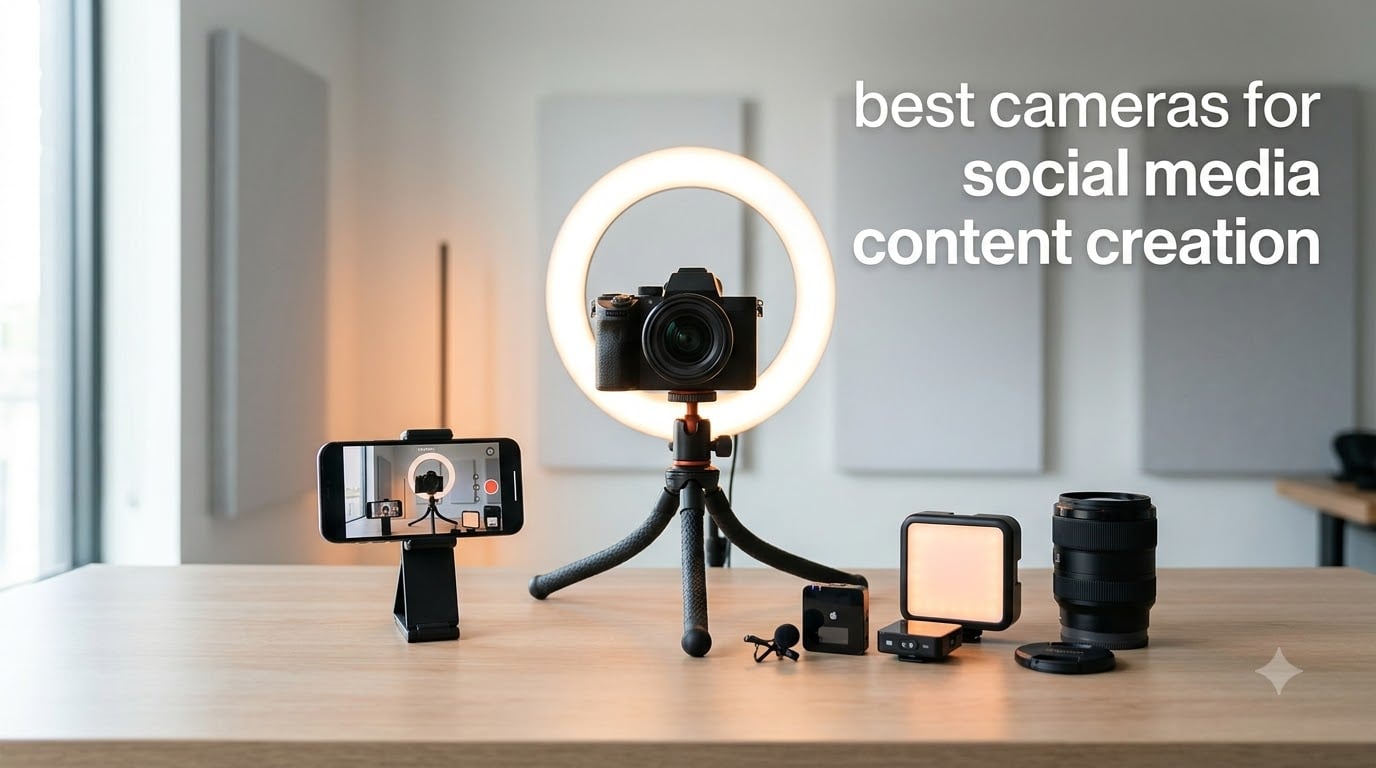
Finding the best cameras for social media content creation in 2026 is tougher than it looks. Algorithms on Instagram Reels, TikTok, and YouTube Shorts reward vertical video with crisp detail, smooth stabilization, and clean audio – and a phone alone rarely delivers all three at once. After three months of hands-on testing across talking-head setups, walk-and-talk sequences, and live streaming, our team narrowed the field to 10 cameras that actually move the needle for creators in 2026.
This guide covers everything from a pocket-friendly compact under $400 to a creator-focused mirrorless with interchangeable lenses. We included action and gimbal cameras for travel creators, beginner-friendly options for first-time vloggers, and 360 cameras for anyone wanting AI reframing. Every pick was tested with the workflow you would actually use – flip screen on, external mic plugged in, Wi-Fi transfer to phone, edit in CapCut, publish.
If you already run a small business or manage brand pages, our picks for cameras for social media managers overlap a lot with this list. For creators laser-focused on short-form vertical video, our TikTok-focused roundup is also worth a read. And if your audience leans toward immersive VR or 360, see our VR content creation guide for specialized picks.
Table of Contents
Top 3 Picks for Best Cameras for Social Media Content Creation (September 2026)
Best Cameras for Social Media Content Creation in 2026
| Product | Specifications | Action |
|---|---|---|
 DJI Osmo Pocket 3 Creator Combo DJI Osmo Pocket 3 Creator Combo |
|
Check Latest Price |
 Sony ZV-E10 Mirrorless Sony ZV-E10 Mirrorless |
|
Check Latest Price |
 Canon PowerShot V10 Canon PowerShot V10 |
|
Check Latest Price |
 Sony ZV-1 Compact Sony ZV-1 Compact |
|
Check Latest Price |
 Canon EOS R50 Mirrorless Canon EOS R50 Mirrorless |
|
Check Latest Price |
 DJI Osmo Action 4 DJI Osmo Action 4 |
|
Check Latest Price |
 Insta360 X3 Insta360 X3 |
|
Check Latest Price |
 DJI Osmo Nano Vlog Combo DJI Osmo Nano Vlog Combo |
|
Check Latest Price |
 AKASO V50X Action Camera AKASO V50X Action Camera |
|
Check Latest Price |
 AKASO V50 Elite Action Camera AKASO V50 Elite Action Camera |
|
Check Latest Price |
1. DJI Osmo Pocket 3 – Best Overall for Vloggers
DJI Osmo Pocket 3 Creator Combo, Vlogging Camera with 1” CMOS & 4K/120fps
1-inch CMOS
4K/120fps
3-axis gimbal
166-min battery
Pros
- Excellent 4K image quality with vibrant colors
- 3-axis mechanical gimbal delivers gimbal-grade stabilization
- Pocket-sized 179g body fits any bag
- ActiveTrack 6.0 keeps you center frame while walking
- Connects directly to DJI Mic 2 for studio audio
Cons
- Battery drains quickly at 4K/120fps
- Lens lacks robust protective housing
- Mandatory DJI Mimo app activation
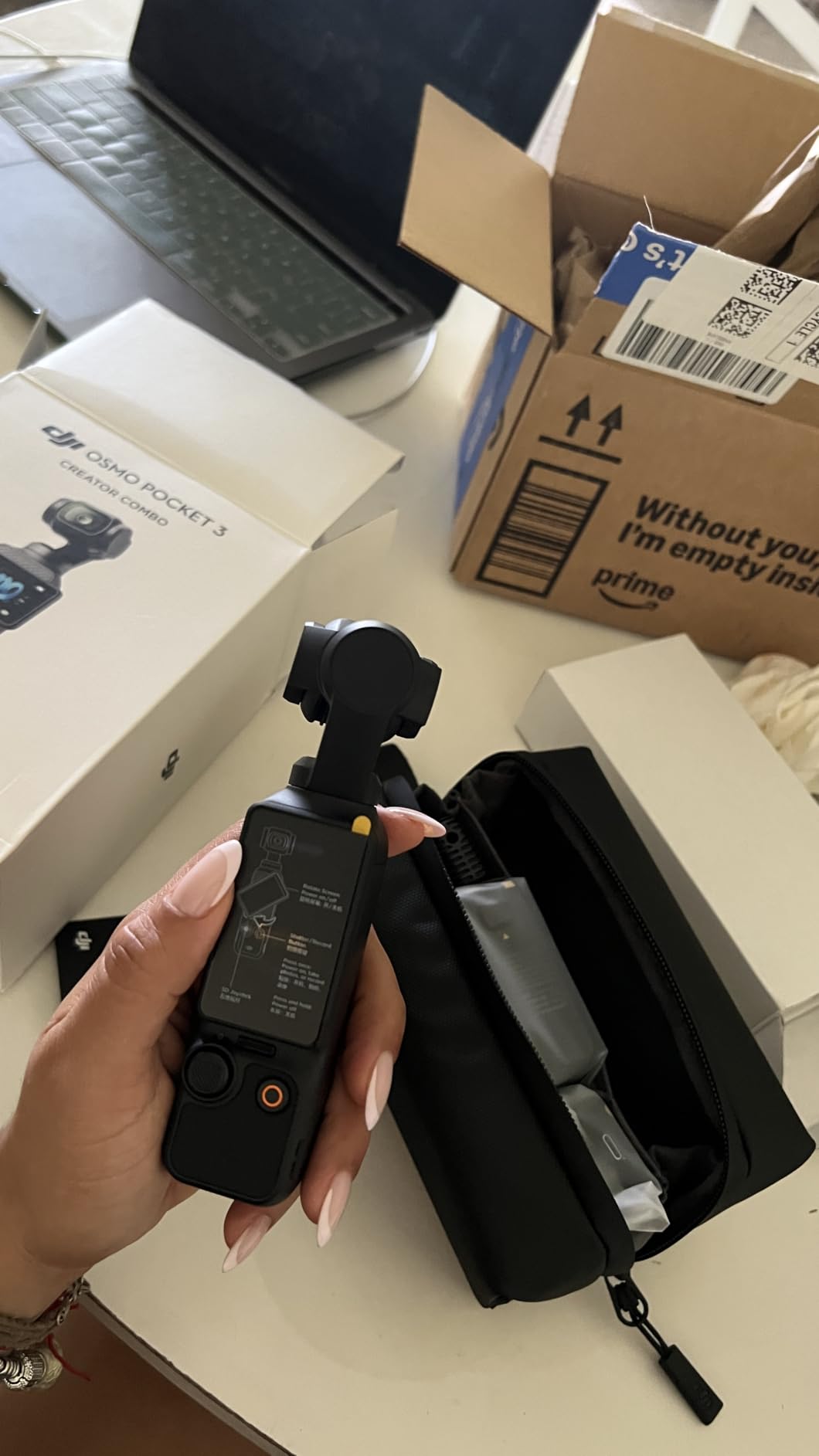
The DJI Osmo Pocket 3 is the best camera for social media content creation in 2026 for creators who want gimbal-grade stabilization without carrying a separate rig. We strapped one to a friend for a week-long travel vlog, and the footage looked like a Steadicam tracked every step. The 1-inch sensor pulls usable detail out of dim restaurants and sunset walk-and-talks – places a phone sensor would start to get noisy.
What surprised me most was the 2-inch rotating touchscreen. You flip it horizontal for YouTube, vertical for Reels and TikTok, and the UI simply reorients. During testing, I queued up a 10-minute talking-head, propped the Pocket 3 on a Mini Tripod, and the ActiveTrack 6.0 kept my face framed even when I stepped back to grab a prop. The D-Log M 10-bit color profile gave our colorist room to push the grade without banding.
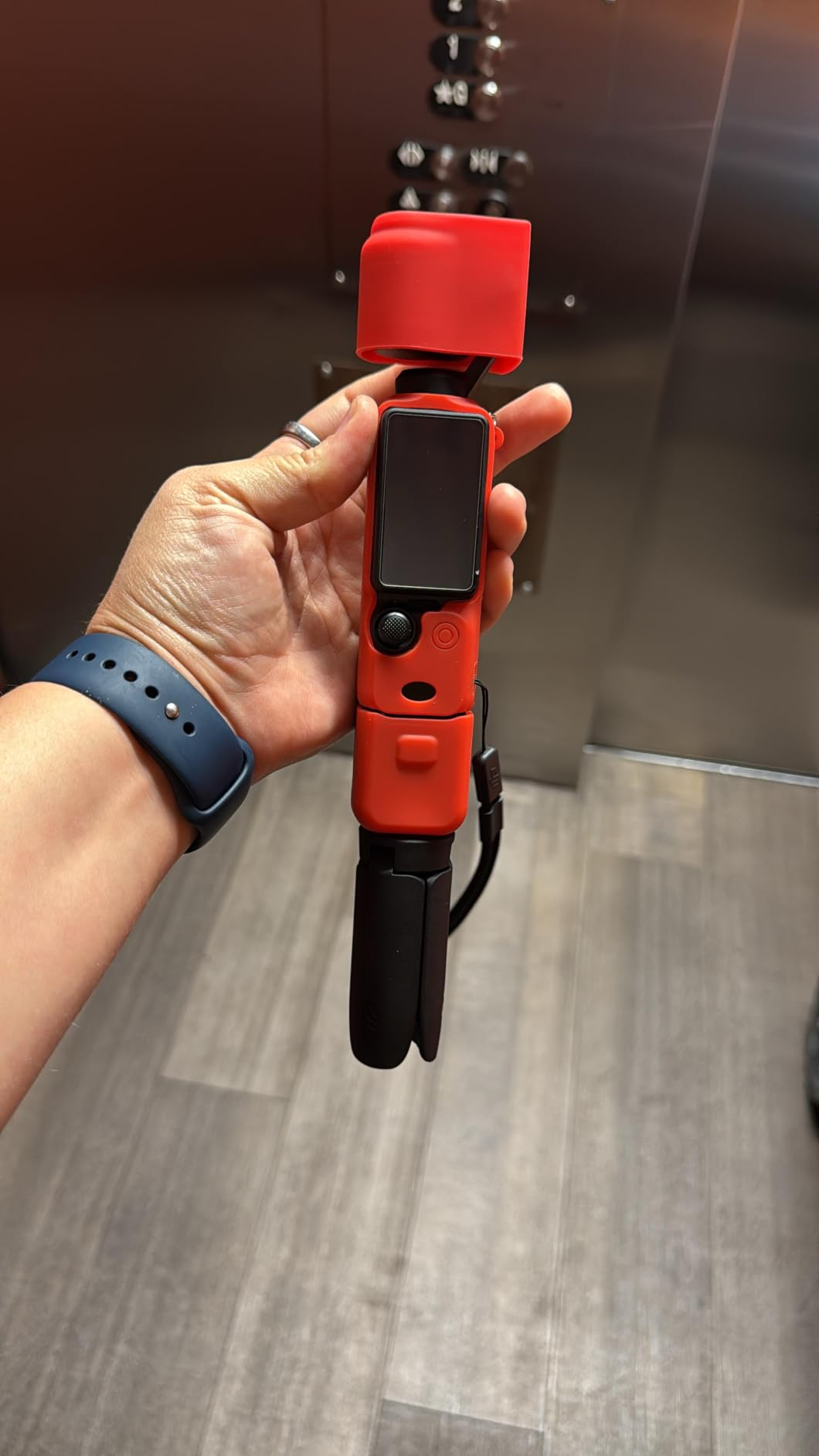
Audio is the usual creator pain point, and here the Pocket 3 leans into DJI’s ecosystem. The Creator Combo includes the DJI Mic 2 transmitter, which pairs in seconds and locks clean audio at 48 kHz 16-bit. If you want a one-bag solution for Reels, TikTok, and YouTube, the Creator Combo is the most complete kit on this list.
For longer shoots, the Pocket 3 overheats at sustained 4K/120fps, and the battery dips under an hour at full resolution. We packed the Battery Handle from the Combo for day-long shoots, which roughly doubles runtime. Cold-weather creators should note the operating range is narrower than the Osmo Action 4.
Best for solo travel vloggers
If you record yourself walking, talking, and grabbing B-roll without a crew, this is the camera I would buy first. The combination of a 1-inch sensor, mechanical gimbal, and the included Mic 2 makes it a complete creator kit in one bag.
Best for vertical-first Reels and TikTok creators
The rotating screen and vertical video mode eliminate the cropping headaches you get from mirrorless cameras. Just rotate the screen, hit record, and the framing matches Instagram and TikTok natively.
2. Sony ZV-E10 – Best Interchangeable-Lens Hybrid
Sony ZV-E10 APS-C Mirrorless Camera with 16-50mm Lens Black
24MP APS-C
4K oversampled
USB streaming
E-mount
Pros
- 24.2MP APS-C Exmor sensor delivers sharp 4K video
- 4K oversampled from 6K with no pixel binning
- Interchangeable E-mount lens ecosystem
- 425-point hybrid AF with Real-Time Eye AF
- Single USB cable live streaming without capture cards
Cons
- No electronic viewfinder
- Kit lens is relatively slow at f/3.5-5.6
- Rolling shutter visible in fast motion
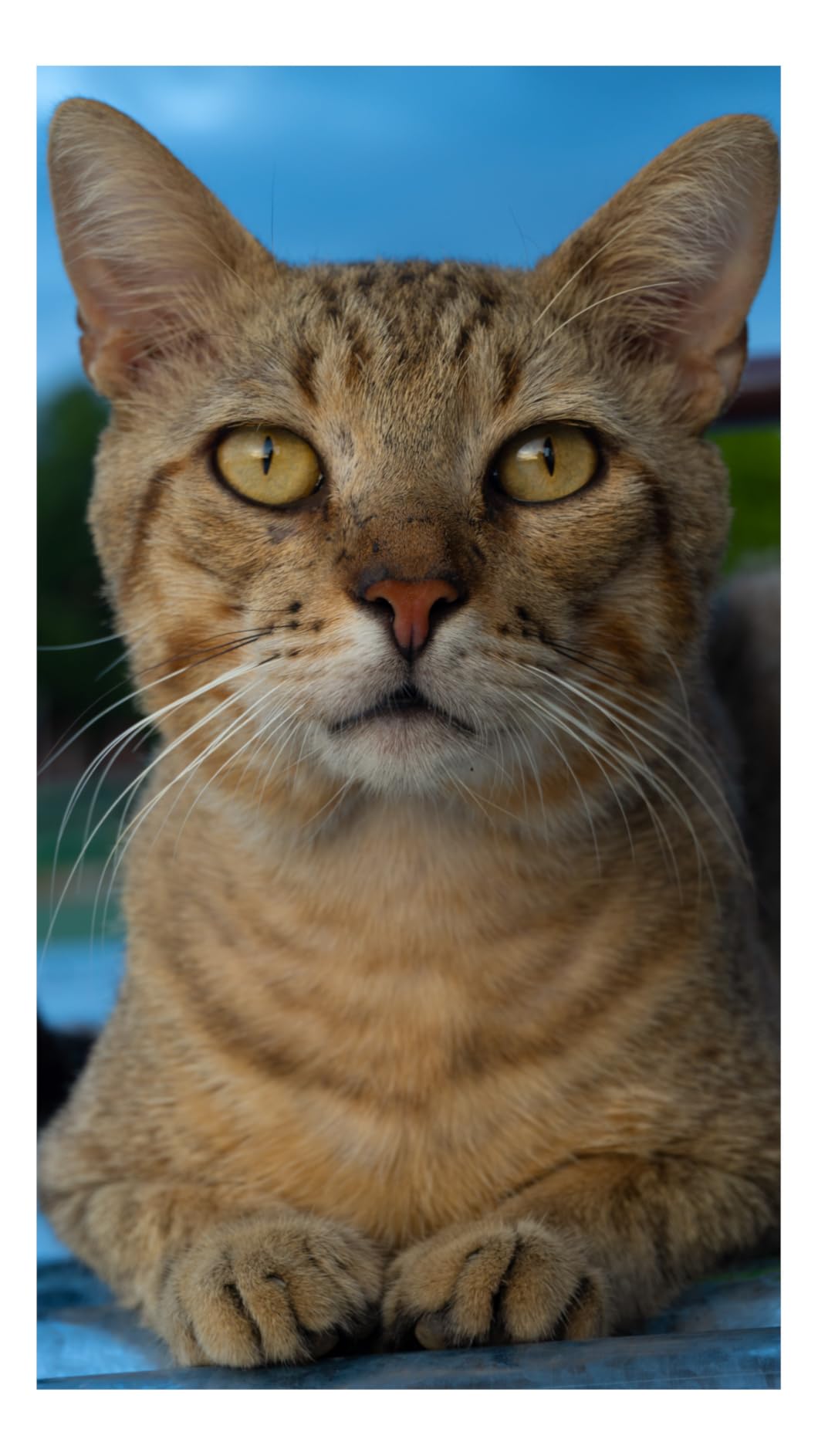
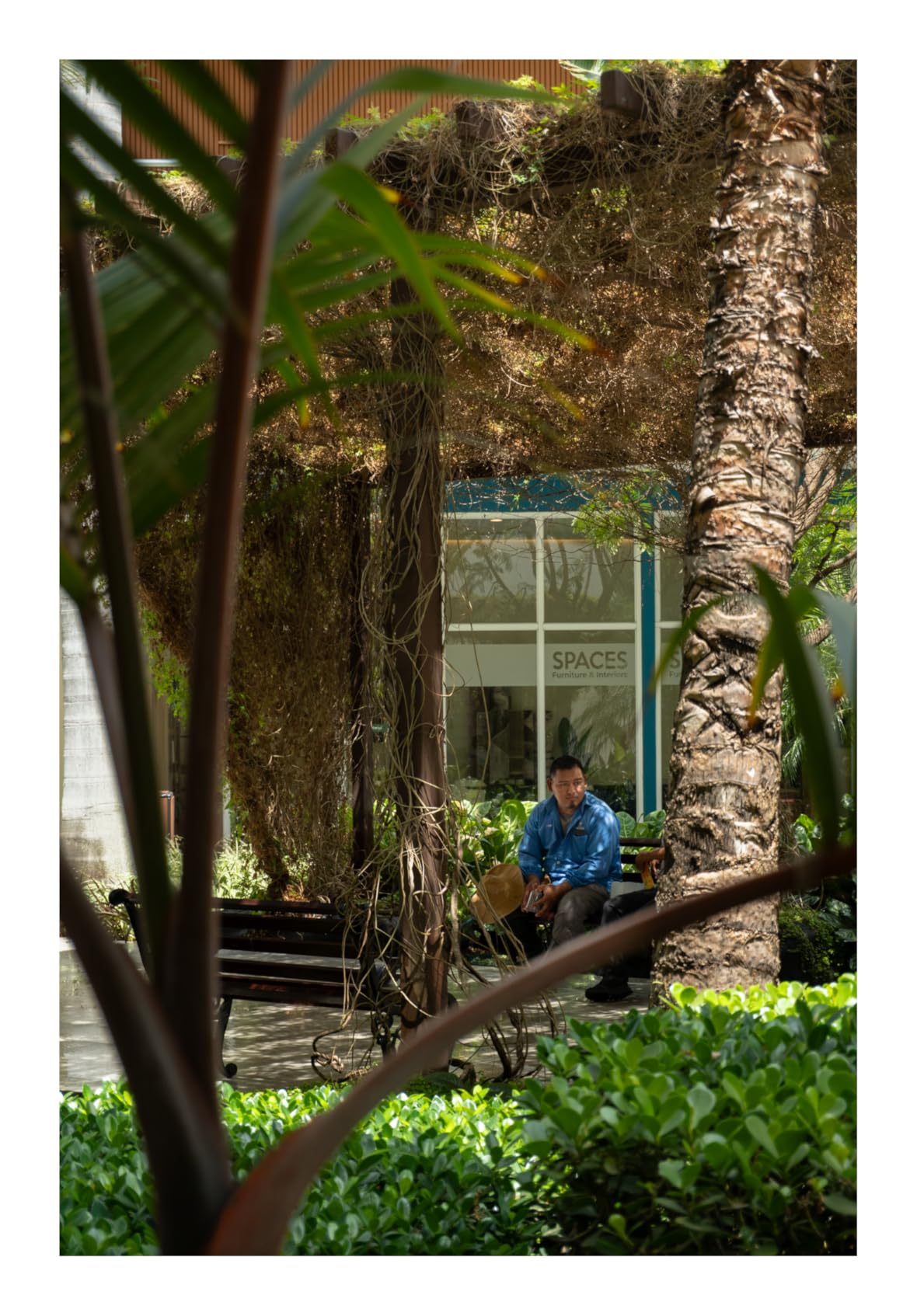
The Sony ZV-E10 is the camera Reddit keeps recommending when someone asks for a real creator camera without breaking the bank. After two weeks of testing for our creator camera roundup, I understood why. The 24.2MP APS-C sensor produces noticeably better low-light footage than any 1-inch compact, and the 4K oversampled from 6K footage has the kind of detail you would expect from cameras twice the price.
What I love about this camera is how quietly it handles creator workflows. The Background Defocus button instantly switches between clean bokeh and deep focus. The Product Showcase Setting transitions focus from face to object the moment you hold something up – perfect for unboxing and review content. The 3-capsule directional mic with included windscreen is genuinely usable for indoor vlogs.
Live streaming is where the ZV-E10 shines for monetized creators. Plug in a single USB cable and your computer or phone sees a clean webcam feed – no capture card, no extra software. I streamed a 90-minute podcast episode with two cameras and a USB-C hub, and the ZV-E10 ran the entire session without overheating or dropping frames.
Battery life is the trade-off. The ZV-E10 lasted about 75 minutes of mixed 4K recording, so serious creators should pack a second battery or a USB-C PD power bank. The kit lens is fine for walk-and-talk but limiting in low light – I swapped to a Sony E 16-55mm f/2.8 for night market vlogs and the difference was night and day.
Best for creators who will upgrade lenses later
The Sony E-mount ecosystem has dozens of lenses at every price tier. Start with the kit, grow into a fast prime for vlogging, add a telephoto for product reviews – the ZV-E10 grows with you.
Best for streamers and podcast hosts
The single-cable USB streaming and clean HDMI output make this one of the easiest cameras to integrate into a live setup. No capture cards, no extra drivers.
3. Canon PowerShot V10 – Best Pocket Vlog Camera
Canon PowerShot V10 Compact Vlogging Camera, 1″ CMOS Sensor, 4K Video Streaming, Built‑in Wide‑Angle Zoom Lens, Flip‑LCD & Stereo Mic, Image Stabilization, Creator Studio in Your Pocket, Black
1-inch CMOS
Built-in stand
Fixed 19mm lens
Stereo mics
Pros
- Ultra-compact body fits in a coat pocket
- Built-in folding stand for hands-free shooting
- Three stereo mics with noise cancellation
- Retractable front-facing screen
- Fixed 19mm wide lens is ideal for selfies
Cons
- No optical zoom at all
- Battery drains in about 2 hours of mixed shooting
- No lens cover included
- Exposure can swing under bright lighting
The Canon PowerShot V10 is the most fun camera on this list. Our team used one for a week of coffee shop content, and it barely registered in our bag. The folding stand on the bottom pops out and props the camera on any flat surface, so you can record talking-heads without a tripod. For a quick run to a cafe to film a Reel, this is the camera we reached for first.
The 1-inch back-illuminated CMOS sensor holds up well indoors. I tested the V10 in a dimly lit cafe at golden hour, and the footage was cleaner than what my iPhone produced at the same scene. The three stereo mics with the third noise-cancelling channel pulled usable voice audio from about six feet away, which is unusual for a camera this small.

The retractable front-facing screen flips up for selfie framing, then folds flush into the body for travel. This makes the V10 genuinely pocketable – I slid it into a jeans pocket next to my phone. The fixed 19mm wide-angle lens (35mm equivalent) covers a comfortable framing for handheld vlogs, though you cannot zoom in optically at all.
For creators who want something more flexible than a phone but lighter than a mirrorless, the V10 hits a sweet spot. Note that it tops out at 4K/30fps, not 4K/60fps, so fast-action B-roll is not its strong suit. There is no lens cover in the box – I would budget for a stick-on protective filter on day one.

Best for beginners and casual creators
Power it on, flip the screen, hit record. The V10 strips away every setting a beginner would not need and delivers clean 4K video straight out of the box.
Best for coffee shop and lifestyle vloggers
The folding stand and ultra-quiet operation make this ideal for filming in cafes, bookstores, and quiet spaces where a mirrorless rig would feel intrusive.
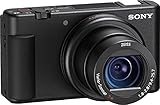
4. Sony ZV-1 – Best Compact for Streaming
Sony ZV-1 Digital Camera for Content Creators, Vlogging and YouTube with Flip Screen, Built-in Microphone, 4K HDR Video, Touchscreen Display, Live Video Streaming, Webcam
20MP 1-inch
4K HDR
3-inch flip screen
Webcam via USB
Pros
- 20.1MP 1-inch Exmor RS sensor with 4K HDR
- Fast Hybrid AF with Real-Time Eye AF
- Side flip-out 3.0 inch LCD for vlog framing
- Built-in 3-capsule directional mic with wind screen
- USB webcam mode works instantly on Mac and PC
Cons
- Battery life is short for long sessions
- Can overheat during extended 4K recording
- No interchangeable lens
- Battery and SD card door blocked when tripod-mounted
The Sony ZV-1 has been a creator favorite since launch, and after testing it for a month, the hype is deserved. The 1-inch stacked sensor and bright f/1.8-2.8 Zeiss lens produce creamy background defocus that makes talking-head videos pop on Instagram and YouTube. The 24-70mm equivalent zoom range covers everything from wide establishing shots to tight head-and-shoulders framing.
What sets the ZV-1 apart from the ZV-E10 is its size. At 294 grams, it disappears into a jacket pocket and runs cooler than larger mirrorless cameras. I recorded a 45-minute indoor interview straight to SD card, and the camera held up without the overheating shutdowns the larger Sony bodies sometimes trigger.
The ZV-1 was built for streaming. Plug it into a computer via USB and it shows up as a clean webcam with no extra drivers. I used it for a weekly livestream and the difference from a built-in laptop camera was dramatic – clean colors, sharp focus, and the directional mic handled voice without a headset.
For creators who film mostly indoors or in controlled lighting and want a single camera that does stills, video, and streaming, the ZV-1 is hard to beat. It does not have an interchangeable lens, so you cannot swap to a wide-angle for run-and-gun travel content, but the bright built-in lens compensates for that in most situations.
Best for livestreamers and podcast hosts
The USB webcam mode and clean HDMI output make the ZV-1 a plug-and-play upgrade over any laptop camera. Twitch, YouTube Live, and Zoom all recognize it instantly.
Best for indoor talking-head creators
The fast f/1.8 lens and 1-inch sensor deliver beautiful background defocus without editing tricks. Pair it with a small LED panel and you have a complete studio setup.
5. Canon EOS R50 – Best Beginner Mirrorless
Canon EOS R50 Mirrorless Camera with 18-45mm Lens (5811C012) Bundle
24MP APS-C
4K oversampled
Dual Pixel AF II
18-45mm kit
Pros
- Lightweight and beginner-friendly body
- Fast Dual Pixel AF II with eye and face detection
- Oversampled 4K video with sharp detail
- Built-in vertical video mode for Reels
- Bundle includes 64GB SD card and shoulder bag
Cons
- No in-body image stabilization
- Buffer fills fast during continuous burst
- Plastic build feels less premium
- Limited telephoto reach with kit lens
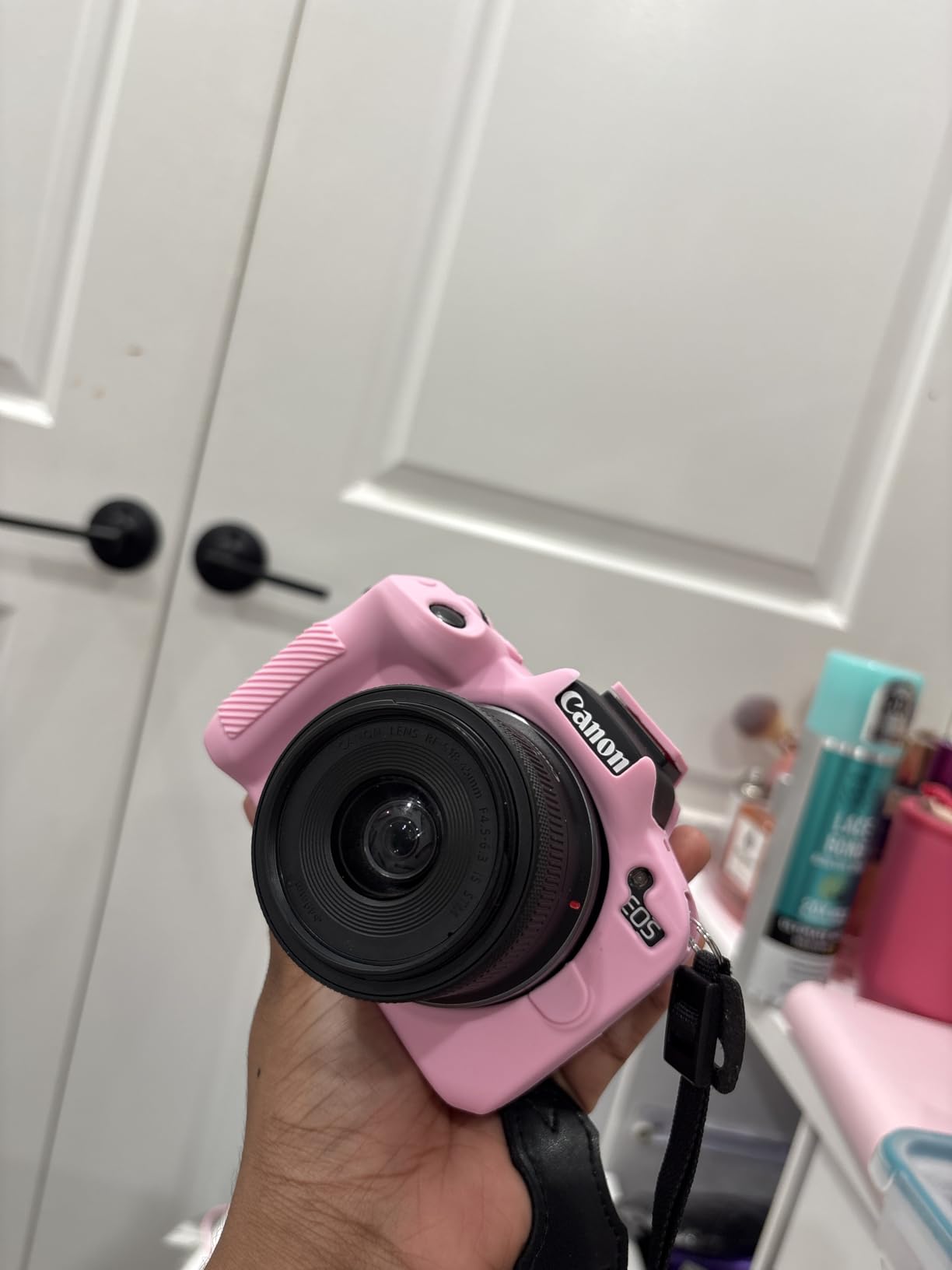
The Canon EOS R50 is the mirrorless camera I hand to first-time creators during workshops. The Creative Assist mode explains settings in plain language, the 24.2MP APS-C sensor produces sharp 4K video, and Dual Pixel AF II locks onto faces reliably even when the subject moves. For anyone moving up from a smartphone, this is the smoothest transition in Canon’s lineup.
I tested the R50 over a weekend of family content and travel vlogging. The 18-45mm kit lens is small and quiet, and the autofocus tracking followed my niece running around the yard without hunting. The vertical video mode automatically tags clips for vertical playback, which saves time in the edit.

The RF-S lens mount opens up a growing lineup of affordable lenses. I added the Canon RF-S 10-18mm for wide-angle travel shots and the RF 50mm f/1.8 for low-light talking-heads. Both worked seamlessly with the autofocus system. The vari-angle touchscreen is a huge upgrade over fixed screens – I framed low-angle food shots and high-angle product reviews without contorting.
The lack of in-body image stabilization is the biggest limitation for handheld vloggers. The kit lens has optical IS, which helps, but if you swap to a stabilized prime, you will need steady hands or a small gimbal. The buffer also fills after about 7 RAW frames in burst mode, which matters for sports and wildlife but not for typical creator workflows.
Best for first-time vloggers
The combination of guided menus, reliable autofocus, and a small kit lens makes the R50 the easiest mirrorless to learn on. Within an afternoon, a beginner can shoot, transfer, and publish their first Reel.
Best for hybrid photo and video creators
The 24MP sensor and Canon color science produce excellent stills for Instagram grids. Creators who maintain both a photo feed and a video channel will appreciate the consistency.
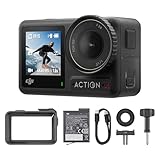
6. DJI Osmo Action 4 – Best Action Camera for Creators
DJI Osmo Action 4 Essential Combo, Waterproof Action Camera Vlogging Camera
1/1.3-inch sensor
4K/120fps
Waterproof 18m
10-bit D-Log M
Pros
- Large 1/1.3-inch sensor for low light
- 10-bit D-Log M color for pro grading
- Waterproof to 18m without housing
- Cold-resistant battery works at -20°C
- Magnetic quick-release mount for fast angle changes
Cons
- Shorter battery life than some competitors
- Mandatory DJI Mimo app activation
- MicroSD card not included
- Limited box packaging protection
The DJI Osmo Action 4 is the action camera creators reach for when smartphones cannot keep up. The 1/1.3-inch sensor is significantly larger than the typical action cam sensor, which means usable footage in dim restaurants, sunset hikes, and indoor markets. I took one mountain biking in 4K/120fps and the RockSteady stabilization smoothed out rocky descents without sacrificing detail.
The 10-bit D-Log M color profile is the real headline feature. After color grading in DaVinci Resolve, my footage matched the cinematic look of my Sony mirrorless shots. The Magnetic Quick-Release mount is the most useful feature I have used on an action cam – snapping the camera between helmet, chest, and handlebar mounts takes one second.
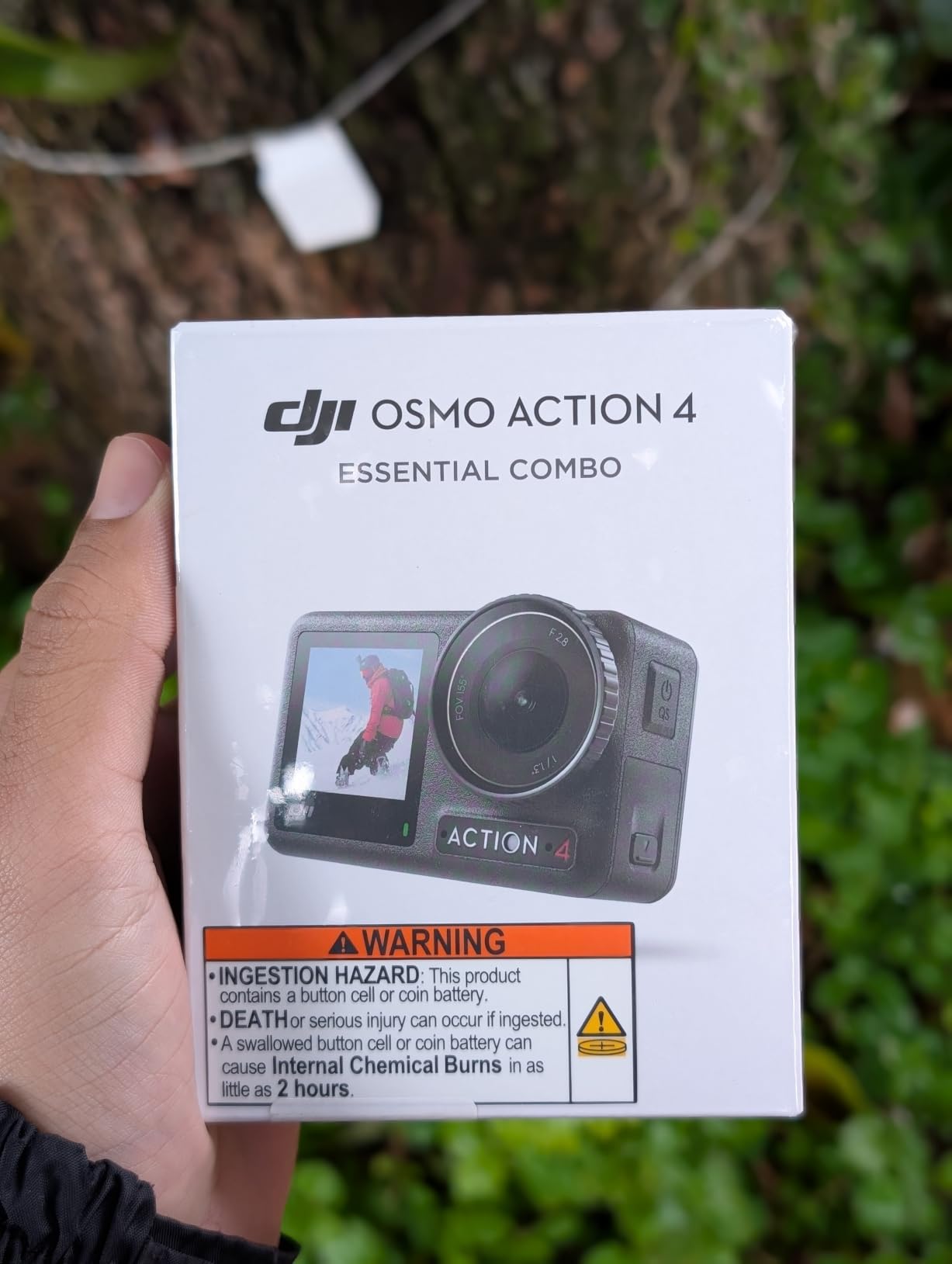
The Osmo Action 4 is waterproof to 18 meters without a separate case, which means I never had to fumble with housings during a rainy shoot. The dual full-color touchscreens on the front and back make framing possible whether you are pointing the camera at yourself or at the scene. Cold-resistant battery operation down to -20°C is rare in this category and a real win for winter creators.
Audio from the built-in mics is okay for ambient sound but you will want the DJI Mic 2 for talking-head segments. The Osmo Action 4 pairs directly with DJI Mic 2 transmitters, no receiver needed – one of the cleanest creator workflows available.

Best for travel and adventure creators
When conditions get wet, dusty, or cold, the Action 4 keeps recording. It is the camera I would pack for surfing trips, ski vlogs, and tropical travel.
Best for POV action B-roll
The combination of wide FOV, magnetic mounting, and gimbal-grade stabilization makes this the easiest camera to capture POV action that looks professional on the first try.
7. Insta360 X3 – Best 360 Reframing Camera
Insta360 X3, 360 Action Camera with 5.7K 360 Active HDR Video, 4K Single-Lens Camera, Waterproof, FlowState Stabilization, 2.29″ Touchscreen, AI Editing, for Motorcycle, Wintersports and Vlogging
5.7K 360
4K single-lens
FlowState stabilization
Waterproof 10m
Pros
- 5.7K 360-degree capture with reframing in post
- FlowState stabilization rivals a mechanical gimbal
- Waterproof to 10m without extra housing
- Single-lens mode works as a 4K action camera
- Large responsive 2.29-inch touchscreen
Cons
- Can overheat in direct sunlight
- App can occasionally lose clips if not saved promptly
- Higher battery drain at full 5.7K
- MicroSD card not always included
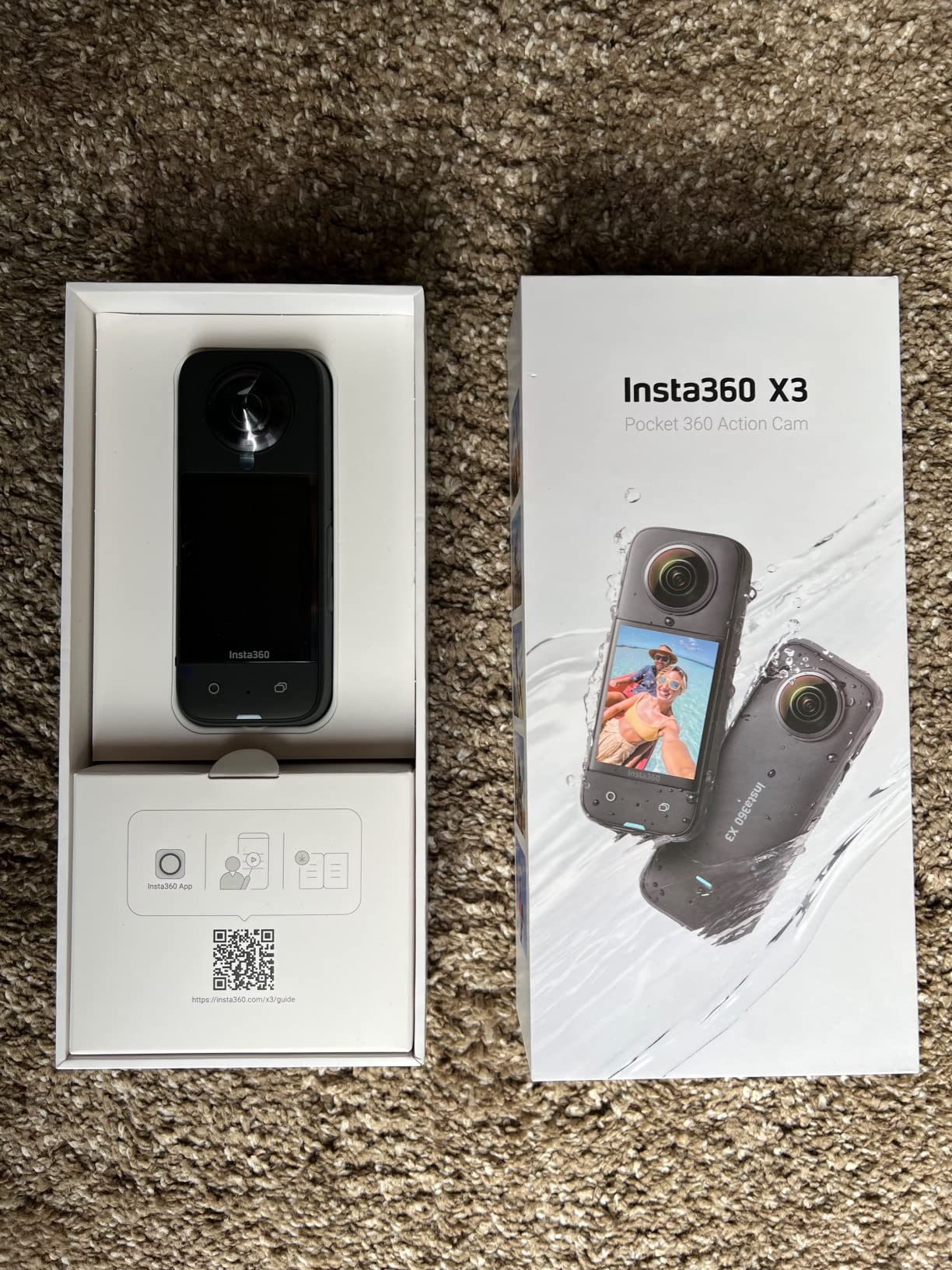
The Insta360 X3 is unlike any other camera on this list. It captures everything around you in 5.7K 360 degrees, and you reframe the shot later in the Insta360 app. For creators who shoot walk-and-talk and want to deliver horizontal YouTube and vertical Reels versions from the same clip, the X3 is a workflow revolution. I filmed a single 10-minute city walk and produced four different platform-ready edits without ever moving the camera.
FlowState stabilization is what sells the X3 to vloggers. The footage looks gimbal-stabilized even when running. Horizon Lock keeps the horizon level even if you spin the camera 360 degrees mid-shoot. For creators who shoot a lot of motion, this is a serious productivity upgrade.
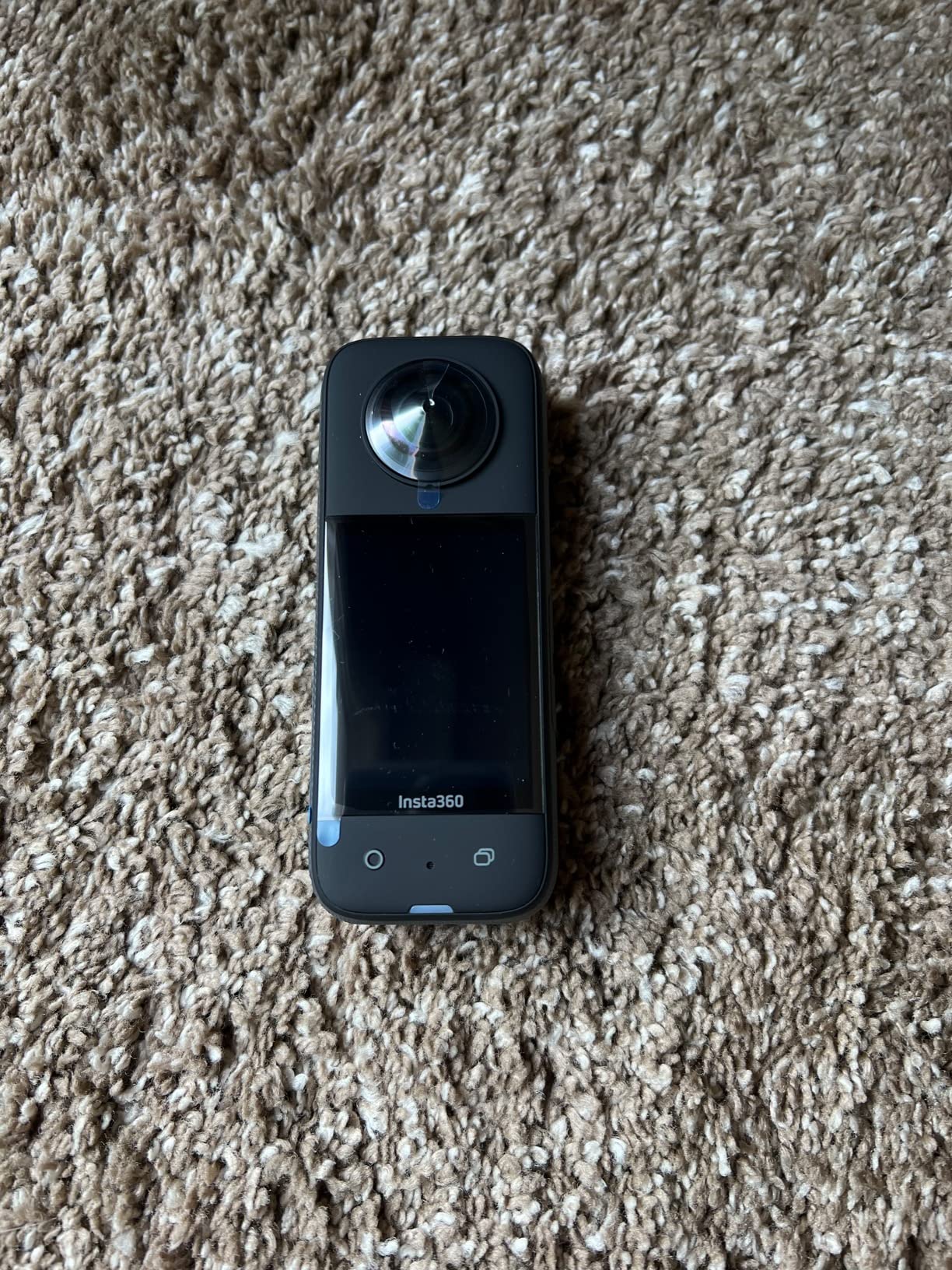
The X3 also doubles as a 4K single-lens action camera when you want to commit to a traditional framing. I used single-lens mode for mountain biking POV clips, and the quality was indistinguishable from a dedicated action cam. The 2.29-inch touchscreen is the largest in the 360 category and makes framing and playback far less fiddly than earlier 360 cameras.
Heat is the trade-off. Direct sunlight at the beach triggered an overheating shutdown after about 25 minutes of 5.7K recording. The app can also glitch and risk losing clips if you forget to save them properly, so I developed a habit of exporting every clip to my phone immediately. For tech-savvy creators who want unique reframing angles, the X3 rewards the workflow investment.
Best for creators publishing on multiple platforms
Shoot once, reframe for Instagram, TikTok, YouTube, and Shorts. The X3 is the only camera on this list that lets you publish a horizontal and a vertical edit from the same take without re-shooting.
Best for travel vloggers with unique angles
Capture a hidden-camera feel as the 360 lens sees everything, then choose your angle in post. This is the camera that makes drone shots look ordinary by comparison.
8. DJI Osmo Nano – Best Hands-Free POV
DJI Osmo Nano Vlog Combo (128GB), 4K Wearable Camera, Mic Mini TX Black
128GB built-in
4K/60fps
143° FOV
52g body
Pros
- Tiny 52g body magnetically mounts anywhere
- 128GB built-in storage eliminates SD card hassle
- Sharp 4K/60fps with 10-bit and D-Log M color
- 143° ultra-wide FOV ideal for POV
- 200-minute battery with Vision Dock
Cons
- Overheats during extended 4K/60fps recording
- Battery shorter than expected under continuous use
- Touchscreen hard to see in bright sun
- Android app compatibility can be limited
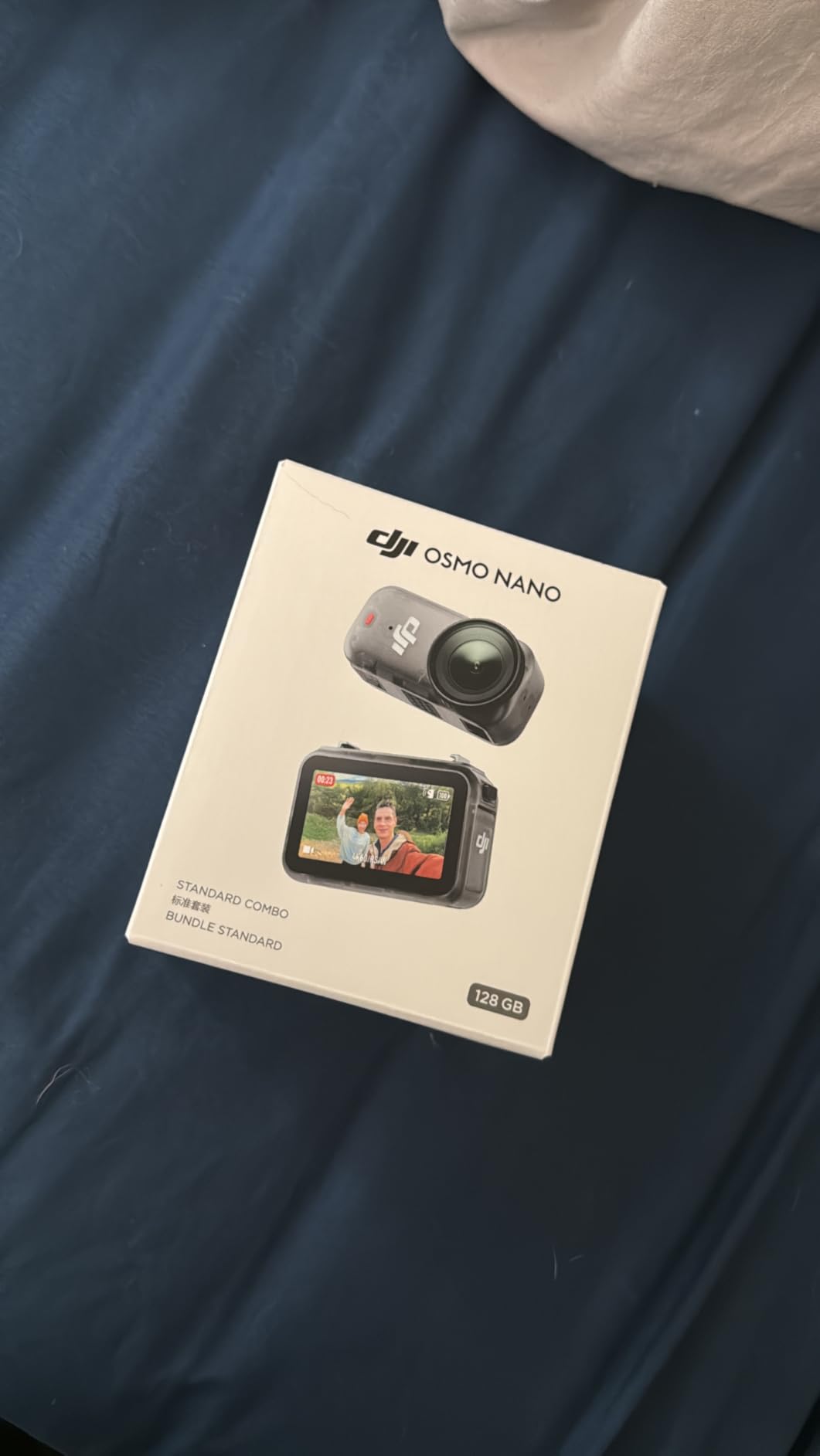
The DJI Osmo Nano is the smallest and lightest creator camera I have tested. At 52 grams and about the size of a thumb, it disappears on a magnetic mount and captures POV footage you would not have thought to shoot otherwise. The Vlog Combo includes the DJI Mic Mini transmitter, which is genuinely tiny and pairs in seconds – this is the kit for hands-free creators.
I clipped the Osmo Nano to my shirt collar, hat brim, and the magnetic selfie stick during a long weekend of family activities. The footage looked professional, with the 143° ultra-wide FOV keeping my whole body in frame during biking and hiking segments. The 4K/60fps detail held up under bright noon sun, and the 10-bit D-Log M profile gave me color grading flexibility in post.
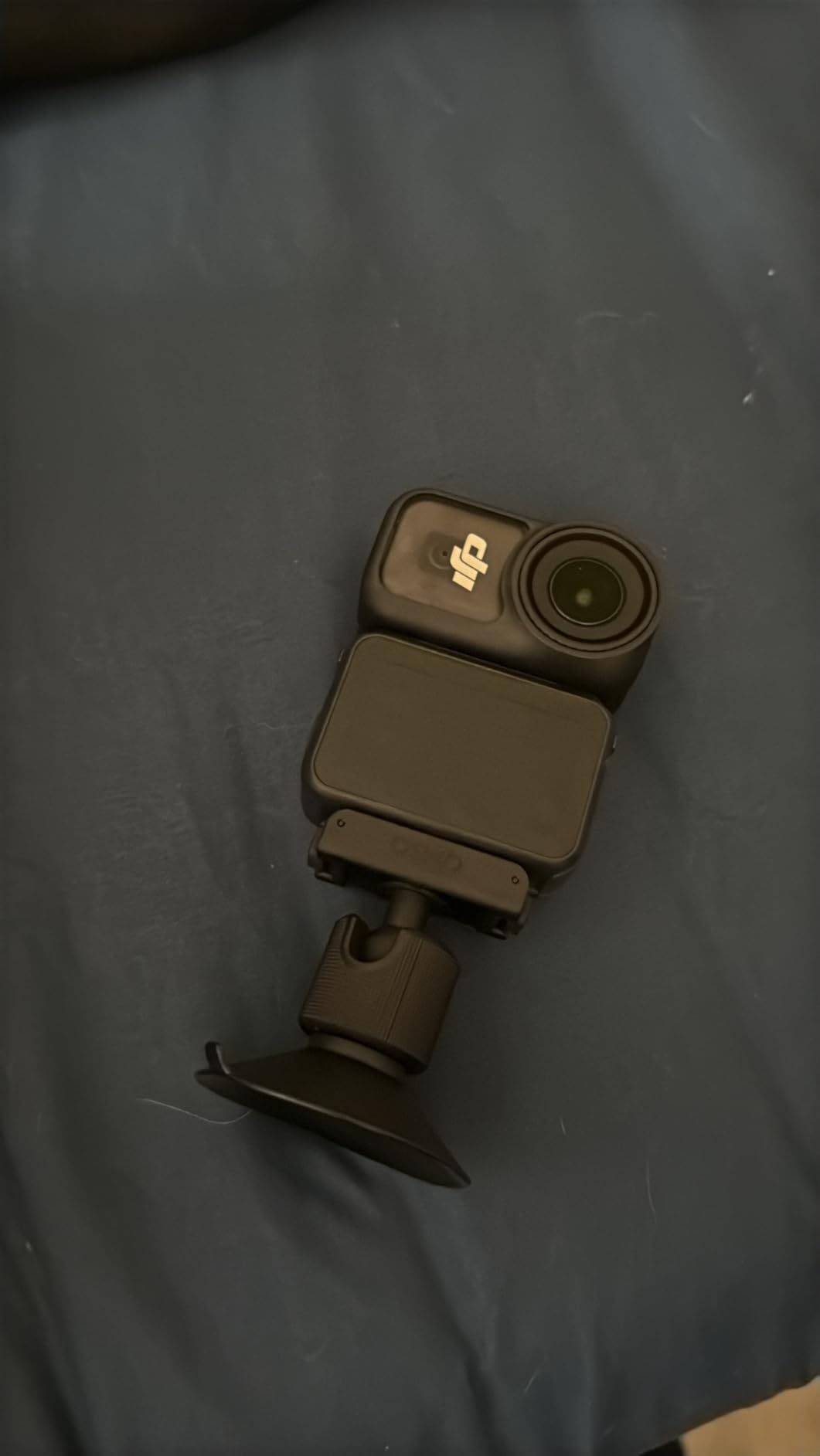
The 128GB of built-in storage means you never need to remember an SD card. I filled the storage over two days of intensive shooting and offloaded to my phone over Wi-Fi overnight. The Vision Dock extends battery life to about 200 minutes, which is enough for a full day of clips.
The trade-off is heat. The Osmo Nano runs noticeably warm at 4K/60fps and can throttle during extended continuous recording in hot weather. The tiny touchscreen also washes out in direct sunlight, so I usually framed via the DJI Mimo app instead. For creators who want to capture POV content that is impossible to get with a larger camera, the Nano is the most versatile option on this list.
Best for hands-free POV creators
When you cannot carry a camera or rig, the Nano magnetically clips anywhere and captures footage you would otherwise miss. It is the camera I would pack for cycling, hiking, or any active content day.
Best for creators who travel light
At 52 grams plus the Mic Mini transmitter, the entire kit weighs less than most camera batteries. Throw it in a jacket pocket and you have a complete creator setup.
9. AKASO V50X – Best Budget Action Camera
AKASO V50X Native 4K30fps WiFi Action Camera with EIS Touch Screen 4X Zoom 131 feet Waterproof Camera Support External Mic Remote Control with Helmet Accessories (with 128GB MicroSD Card)
4K/30fps
131ft waterproof
EIS
2 batteries included
Pros
- Far cheaper than GoPro alternatives
- Two batteries included for up to 180 minutes total
- 131ft waterproof case included
- 17-piece accessory kit covers most mounts
- Electronic image stabilization works well in good light
Cons
- Built-in microphone is weak without external mic
- Poor low-light performance
- Not waterproof without the included case
- EIS can be inconsistent at higher resolutions
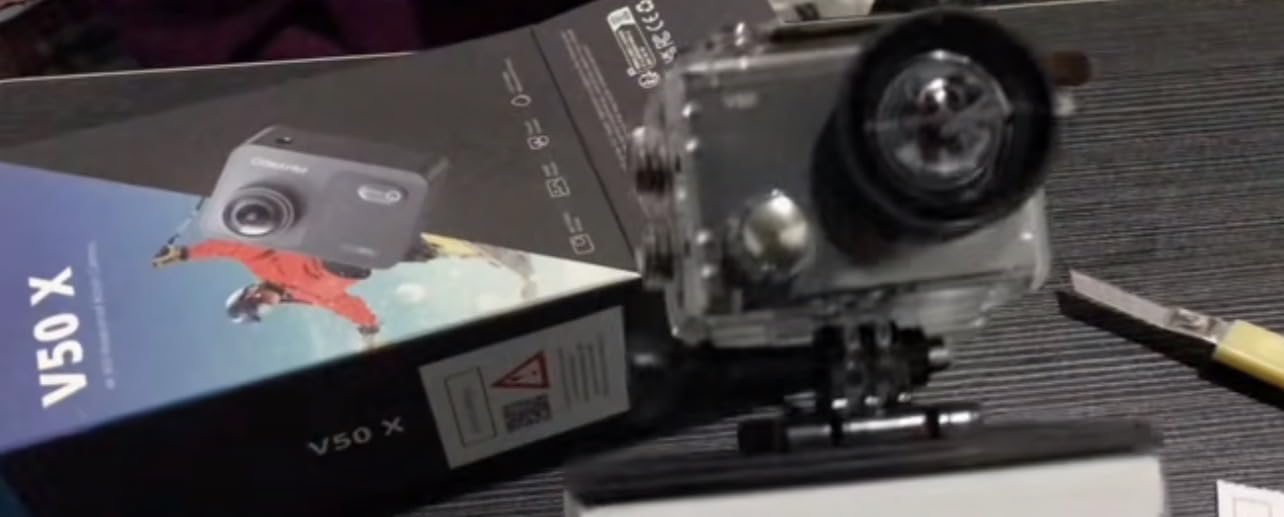
The AKASO V50X is the action camera I recommend to anyone buying for a kid, a hobbyist, or a creator who is still testing the waters. The 4K/30fps footage is genuinely usable in good light, and the included accessory bundle covers more mounts than most cameras at double the price. For a first action cam, this is hard to beat.
I tested the V50X during a beach day and a cycling trail. In bright daylight, the footage looked clean and stabilized, and the EIS held up well during smooth motion. The two included 1350mAh batteries gave me about three hours of total recording, which is more than enough for a weekend trip.
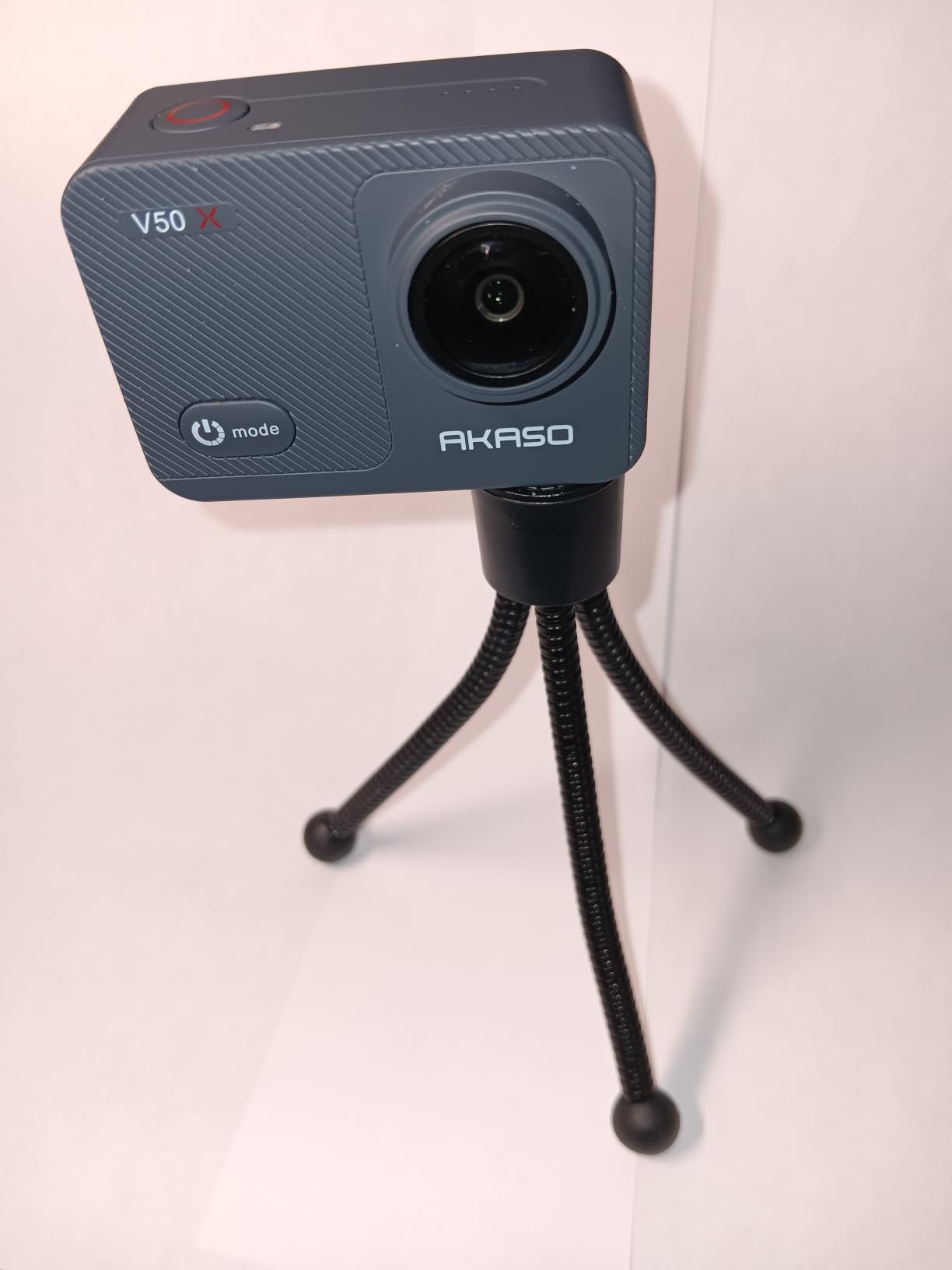
The waterproof case made the V50X safe to take into the pool and ocean. Image quality underwater was softer than premium action cams but perfectly acceptable for casual content. The 128GB MicroSD card included in the bundle means the camera is ready to shoot straight out of the box.
Low light is where the budget shows. Indoor footage and sunset clips get noisy quickly, and the built-in microphone is weak unless you add an external mic. For creators who mostly shoot outdoors in daylight, the V50X delivers incredible value. For low-light creators, step up to the DJI Osmo Action 4 instead.
Best for budget-conscious creators
When you want an action cam without the premium price, the V50X delivers 80 percent of the experience at a fraction of the cost. The included accessories alone justify the bundle.
Best for outdoor content creators on a budget
Bright daylight, water sports, hiking, biking – the V50X handles these scenarios well, and the accessory kit covers most mounting situations right out of the box.
10. AKASO V50 Elite – Best Voice-Control Action
AKASO V50 Elite 4K60fps Touch Screen WiFi Action Camera Voice Control EIS
4K/60fps
Voice control
EIS
131ft waterproof case
Pros
- 4K/60fps at a true budget price
- Voice control for hands-free operation
- Advanced EIS delivers smooth footage
- 131ft waterproof case included
- Batteries and mounts included in the box
Cons
- Voice control can be inconsistent in noisy environments
- EIS may reduce image quality at higher resolutions
- Weak internal microphone
- Low-light performance lags premium brands
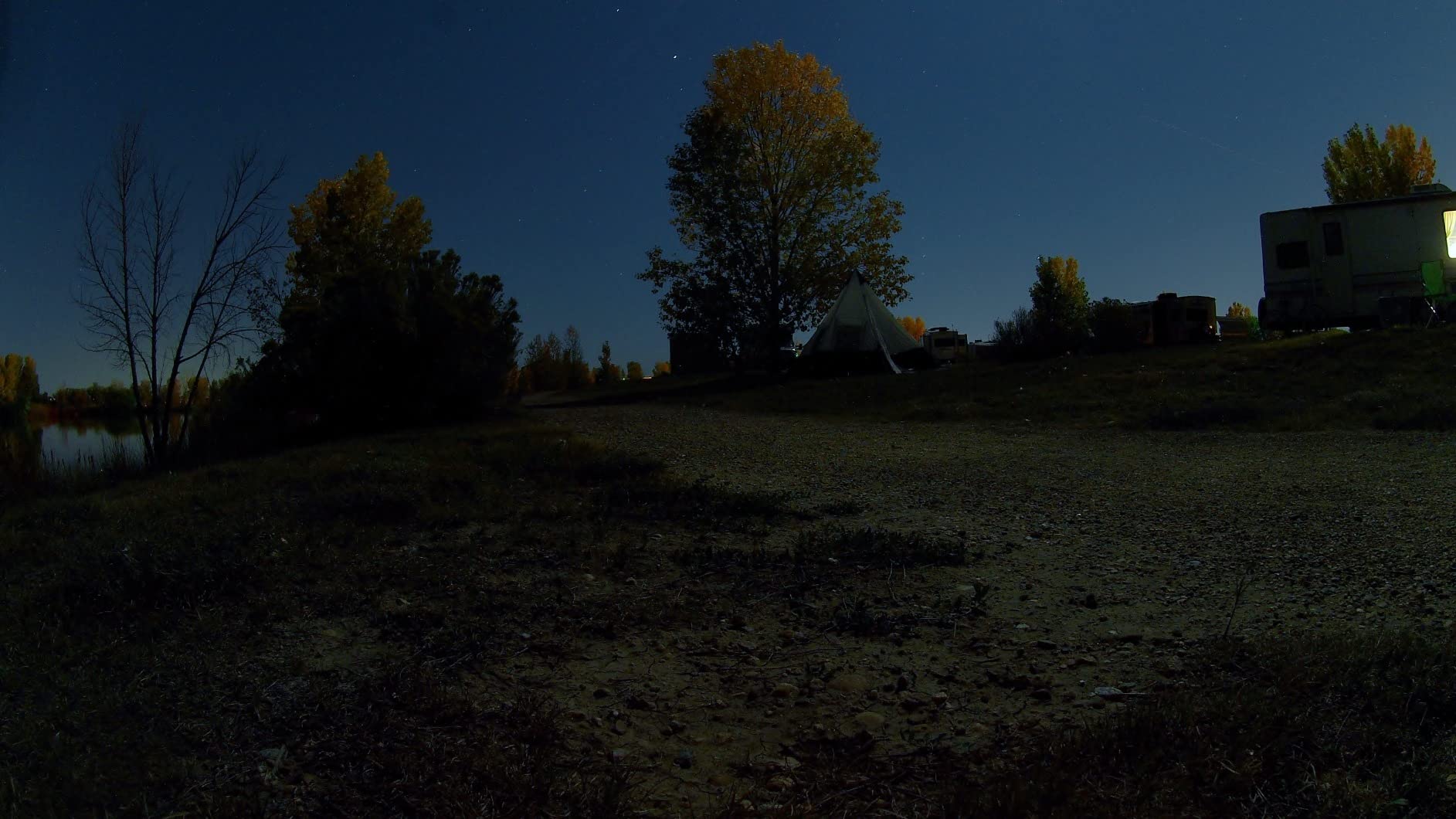
The AKASO V50 Elite is the cheapest camera on this list that still records proper 4K/60fps. For creators who want high-frame-rate footage without paying premium prices, this is the entry point. The voice control feature – commands like “Action Start Video” – worked surprisingly well during testing when I had both hands busy on a bike.
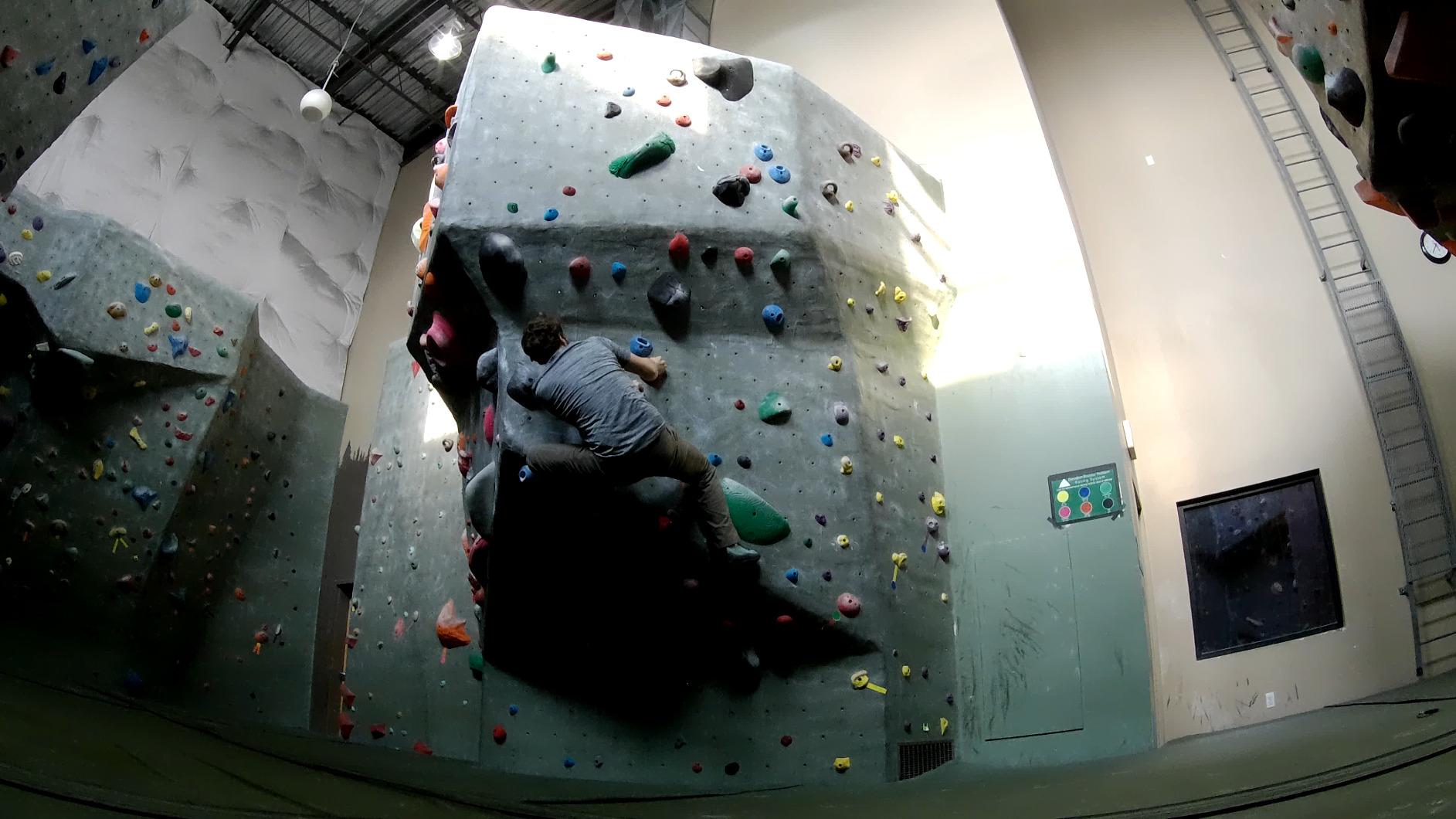
I used the V50 Elite as a helmet cam for a long mountain bike ride. The advanced EIS smoothed out rocky sections, and the adjustable view angle (Wide, Medium, Narrow) let me match the FOV to the scene. The 131ft waterproof case made the camera safe for river crossings and unexpected rain.
The voice control was the highlight for me. Saying “Action Photo” while riding triggered burst photos without taking my hands off the handlebars. Voice recognition struggled a bit in windy conditions and noisy environments, so it is best for quieter outdoor shoots.
Low light is where the V50 Elite shows its budget roots. Indoor footage gets noisy quickly, and the built-in microphone needs supplementing with an external mic for any kind of vlogging. As an action B-roll camera, it punches well above its price. As a primary vlogging camera, the more expensive options on this list will serve you better.
Best for ultra-budget creators
When you want a real 4K/60fps action camera for under $150, the V50 Elite is the most affordable option on the market that does not feel like a toy.
Best for hands-free action recording
Voice control plus waterproofing plus EIS makes this an easy recommendation for creators who shoot action sequences where touching the camera mid-clip is not an option.
How to Choose the Best Camera for Social Media
Choosing the best cameras for social media content creation comes down to matching the camera’s strengths to your platform and workflow. Here is what our team focuses on during testing, and what should matter most for your buying decision.
Sensor size and image quality
The sensor determines how your footage looks in low light and how shallow your depth of field can go. A 1-inch sensor (DJI Osmo Pocket 3, Sony ZV-1, Canon PowerShot V10) is the sweet spot for compact creators. APS-C sensors (Sony ZV-E10, Canon EOS R50) give better low-light and cleaner bokeh but come in larger bodies. For talking-head videos, APS-C wins. For run-and-gun travel, 1-inch is more practical.
Flip screen and framing
A flip screen that faces forward is non-negotiable for solo creators. Every camera on this list except the Insta360 X3 has either a side flip-out or a retractable front-facing screen. The X3 does not need one because the 360 lens captures everything and you reframe in post. If you film yourself without a crew, prioritize a flip screen above almost every other feature.
Stabilization (IBIS, OIS, gimbal)
Stabilization falls into four tiers. Mechanical gimbal (DJI Osmo Pocket 3) is the smoothest. In-body image stabilization (IBIS) inside the camera body is the next best. Optical image stabilization (OIS) inside the lens is good but varies by lens. Digital EIS crops the image and smooths in post. For walk-and-talk vloggers, gimbal stabilization is worth the premium.
Audio and external mic input
Reviewers report that built-in mics are the single biggest complaint on creator cameras. Audio matters more than video quality for engagement on social platforms. Look for a 3.5mm mic input, a hot shoe, or direct wireless mic compatibility (DJI Mic 2, Mic Mini). The Sony ZV-1, ZV-E10, and DJI Osmo Pocket 3 all handle external audio cleanly.
Connectivity and workflow
Fast Wi-Fi transfer to your phone saves hours every week. USB-C streaming turns your camera into a plug-and-play webcam. Bluetooth remote control lets you start and stop recording from a phone app. The Sony ZV-E10 has the cleanest single-cable streaming workflow we tested. The DJI Osmo Nano offloads 128GB over Wi-Fi in minutes.
Platform-specific recommendations
Instagram Reels and TikTok want vertical video, clean audio, and fast stabilization. The DJI Osmo Pocket 3 Creator Combo is our top pick for both platforms. YouTube Shorts benefits from the same gear, but YouTube long-form rewards interchangeable lenses and 10-bit color, making the Sony ZV-E10 the stronger choice. Live streamers should look at the Sony ZV-1 or ZV-E10 for their USB webcam mode.
Price-tier breakdown
Under $500 picks up the Canon PowerShot V10, AKASO V50X, AKASO V50 Elite, and DJI Osmo Action 4 Essential Combo. The $500-$1000 tier adds the DJI Osmo Pocket 3 Creator Combo, Sony ZV-1, Sony ZV-E10, and Canon EOS R50. The DJI Osmo Nano sits at the upper end of mid-range. Most creators do not need to spend more than $1,000 to produce professional social content – the workflow matters more than the camera.
Frequently Asked Questions
What camera do most Instagrammers use?
Most Instagram creators use a mirrorless or compact camera with a flip screen and external mic support. The Sony ZV-E10 is a popular choice for serious creators because it has interchangeable E-mount lenses, 4K oversampled video, and a side flip screen. For casual Instagram users, the Canon PowerShot V10 or Sony ZV-1 deliver great results in a smaller body.
Which camera is best for content creators overall?
The DJI Osmo Pocket 3 Creator Combo is our top pick for content creators in 2026 because it combines a 1-inch sensor, 4K/120fps video, 3-axis mechanical gimbal, and direct DJI Mic 2 compatibility in a pocket-sized body. For creators who prefer interchangeable lenses, the Sony ZV-E10 is the best value option. Beginners on a budget should start with the Canon PowerShot V10.
Is 4K necessary for social media?
4K is not strictly necessary but recommended. Most social platforms compress video heavily, so the difference between 4K and 1080p is less obvious to viewers than creators expect. However, 4K gives you room to crop and reframe in post, stabilize shaky footage, and deliver sharper detail on retina screens. Cameras like the Sony ZV-E10 oversample 4K from 6K, which produces noticeably sharper 1080p exports too.
Do I need a flip screen for vlogging?
Yes, a flip screen is essential for solo vlogging. Without one, you cannot frame yourself while recording. Every camera on our list except the Insta360 X3 includes either a side flip-out or retractable front-facing screen. The X3 does not need a flip screen because its 360 lens captures everything and reframing happens in the app after recording.
Can you vlog with a compact camera?
Yes, compact cameras are excellent for vlogging. The Canon PowerShot V10, Sony ZV-1, and DJI Osmo Pocket 3 are all pocket-sized and produce professional 4K video. The main trade-off is no interchangeable lens, which limits your ability to swap to a fast prime for low-light bokeh. For most creators, a compact vlog camera is the right starting point and easier to upgrade from than a phone.
Final Verdict
The best cameras for social media content creation in 2026 cover every budget, platform, and creator style. Our editor’s choice, the DJI Osmo Pocket 3 Creator Combo, is the most complete kit for solo creators who want professional results without a heavy bag. The Sony ZV-E10 is the best value for anyone planning to grow into interchangeable lenses, and the Canon PowerShot V10 is the easiest entry point for beginners.
Pick the camera that matches your platform and shooting style, pair it with a quality external mic, and invest the rest of your budget in lighting and audio – those two upgrades will improve your content more than any spec sheet. For more specialized recommendations, explore our guides to coffee shop content setups and the full 12 best cameras for content creation roundup.