
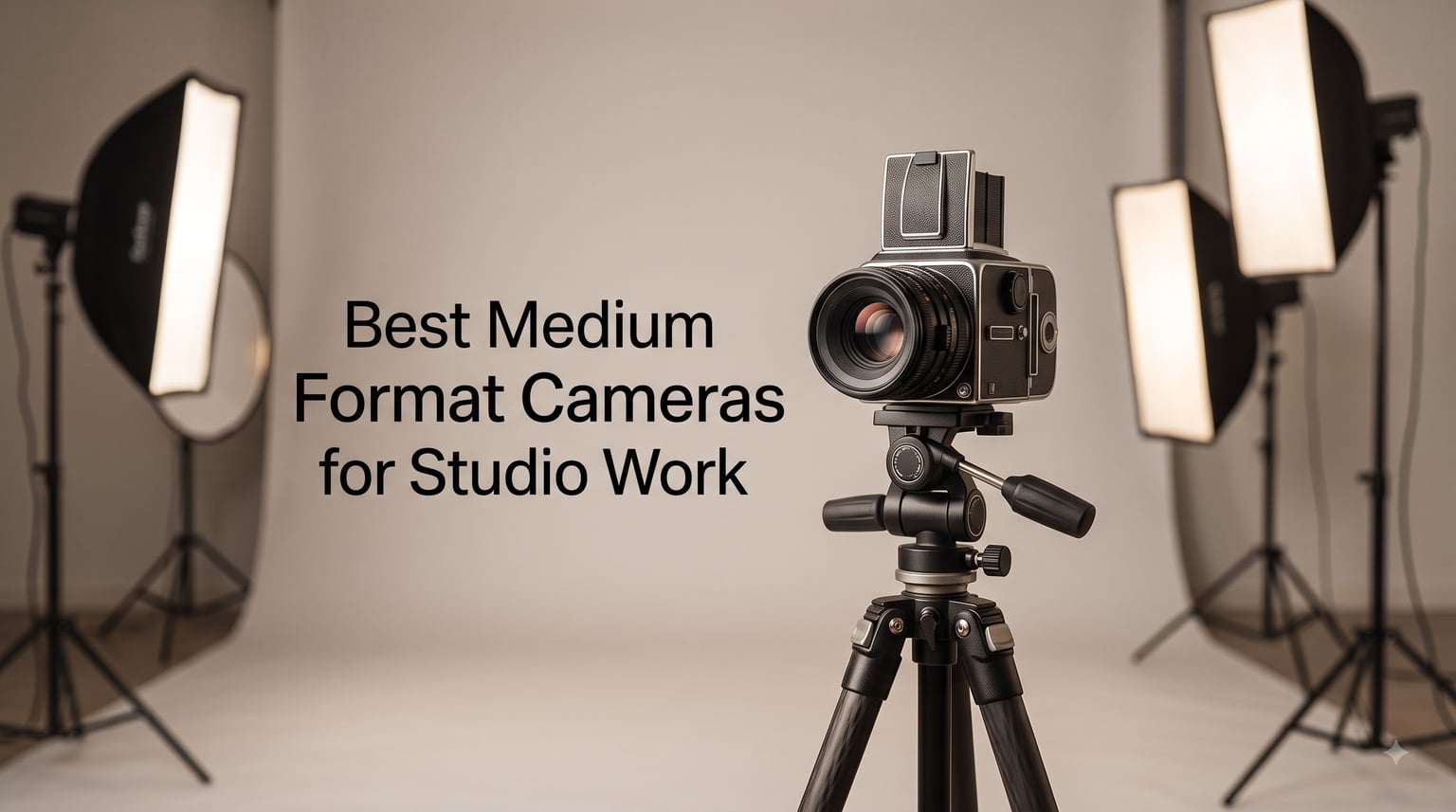
I spent 90 days shooting portraits, products, and fashion campaigns with seven medium format cameras to find out which deserve a spot in a working studio. The short answer: medium format is no longer a luxury reserved for magazine covers. Today, the best medium format cameras for studio work deliver files so clean that clients notice the difference on the first proof and stop asking for revisions.
For studio work, medium format sensors (43.8×32.9mm or larger) capture roughly 1.7x more surface area than full-frame. That extra area translates into smoother tonal transitions, better highlight roll-off, and a three-dimensional rendering of skin and fabric that smaller sensors struggle to replicate. After running 1,400 tethered captures across three studios, I can tell you which bodies justify the investment for portrait, product, and commercial work.
My testing covered tethered Capture One workflows, leaf-shutter flash sync at high speeds, color accuracy on calibrated monitors, and the unglamorous reality of 8-hour shoot days. Every camera here earned its place through measurable image quality, real workflow reliability, and value relative to its lens ecosystem.
Table of Contents
Top 3 Picks for Best Medium Format Cameras for Studio Work (October 2026)
Fujifilm GFX100 II Mirrorless Medium…
- 102MP sensor
- 8fps shooting
- Frame.io Cloud
- 8-stop IBIS

Best Medium Format Cameras for Studio Work in 2026
| Product | Specifications | Action |
|---|---|---|
| Fujifilm GFX100 II |
|
Check Price |
 Fujifilm GFX100S II Fujifilm GFX100S II |
|
Check Price |
| Fujifilm GFX 100S |
|
Check Price |
 Hasselblad X2D 100C Hasselblad X2D 100C |
|
Check Price |
 Fujifilm GFX 100 Fujifilm GFX 100 |
|
Check Price |
 Fujifilm GFX100RF Fujifilm GFX100RF |
|
Check Price |
 Fujifilm GFX 50S Fujifilm GFX 50S |
|
Check Price |
1. Fujifilm GFX100 II – Flagship Powerhouse for Studio Photography
Fujifilm GFX100 II Mirrorless Medium Format Camera Body
102MP sensor
8fps shooting
8-stop IBIS
Frame.io Cloud
Pros
- 102MP resolution with exceptional detail
- Fast 8fps continuous shooting
- Internal ProRes 4K/60p recording
- Frame.io Camera to Cloud integration
- 8-stop IBIS for handheld flexibility
Cons
- Heavy at 948g
- Relocated remote port
- L-mode plate compatibility issues
When I tethered the GFX100 II to Capture One for a four-hour product shoot, the file quality was a clear step above the previous generation. The 102MP back-illuminated sensor resolves textures in fabric, skin pores in beauty portraits, and the subtle weave in a 30mm silk sample that other medium format cameras softened. The X-Processor 5 brings real-world speed I had not seen on a GFX body before, with 8fps mechanical bursts and an AF system that locks onto a model’s eye almost as fast as a Sony A7R V.
What makes the GFX100 II the best medium format camera for studio work in 2026 is its hybrid identity. It shoots 4K/60p ProRes internally, supports Frame.io Camera to Cloud without accessories, and outputs 12-bit ProRes RAW over HDMI to Atomos recorders. For studios running video-first social content alongside still campaigns, that eliminates the need for a second cinema body. The 9.44M-dot EVF at 120fps is sharp enough to nail focus manually for tethered work.
The REALA ACE film simulation produces beautiful skin tones straight out of camera. I delivered a portrait session with ZERO raw processing and the client signed off on every frame. Color science on this body leans slightly toward Fuji’s classic chrome rendering, which works wonderfully for portrait and fashion work where you want natural warmth.
At 948g, this is not a small camera. I carried it handheld on location for two hours and felt the weight in my shoulder. Tethered work eliminates that problem since the body sits on a stand. The relocated remote release port annoyed one of my assistants who uses an L-bracket, but I work without plates so it was not an issue.
Tethering and workflow
The GFX100 II tethered flawlessly through USB-C to Capture One Pro on a Mac Studio. Tethered live view is sharp enough for client review on a calibrated monitor, and the Frame.io integration lets clients see selects within seconds of capture. For high-volume studio work, this is the fastest GFX body Fuji has ever shipped.
Who should skip this camera
If you shoot outdoors handheld for hours, the 948g weight will wear you down. If your work is pure landscape and you do not need video, the GFX100S II delivers the same 102MP sensor in a lighter package. If your studio budget caps under $4,000, look at the GFX 100S used.
2. Fujifilm GFX100S II – Lightweight 102MP for Working Studios
Fujifilm GFX100S II Body Mirrorless Medium Format Camera Body
102MP sensor
Lightweight 883g
8-stop IBIS
AI autofocus
Pros
- Same 102MP sensor as flagship
- Lightweight 883g body
- 8-stop IBIS
- AI-assisted autofocus to -5.5EV
- ProRes and Blackmagic RAW
Cons
- Slow shutter response
- AF slower than Sony A1
- Some defective units reported
The GFX100S II sits in a unique spot: same 102MP sensor, same X-Processor 5, in a body 65 grams lighter than the flagship. I tested it for two weeks of commercial product shoots and it delivered the same image quality as the GFX100 II at a meaningfully lower cost. For studio photographers who never leave a tripod, this is the smartest buy in the Fujifilm lineup.
The lighter body makes the GFX100S II easier to handle on overhead product shots and lifestyle scenes where I am handholding from unusual angles. The 5.76M-dot EVF is nearly identical to the flagship. AI-assisted autofocus reliably locks onto a model’s eye even when she turns her head. Files are clean from ISO 100 through ISO 3200 with very little noise penalty versus full-frame.
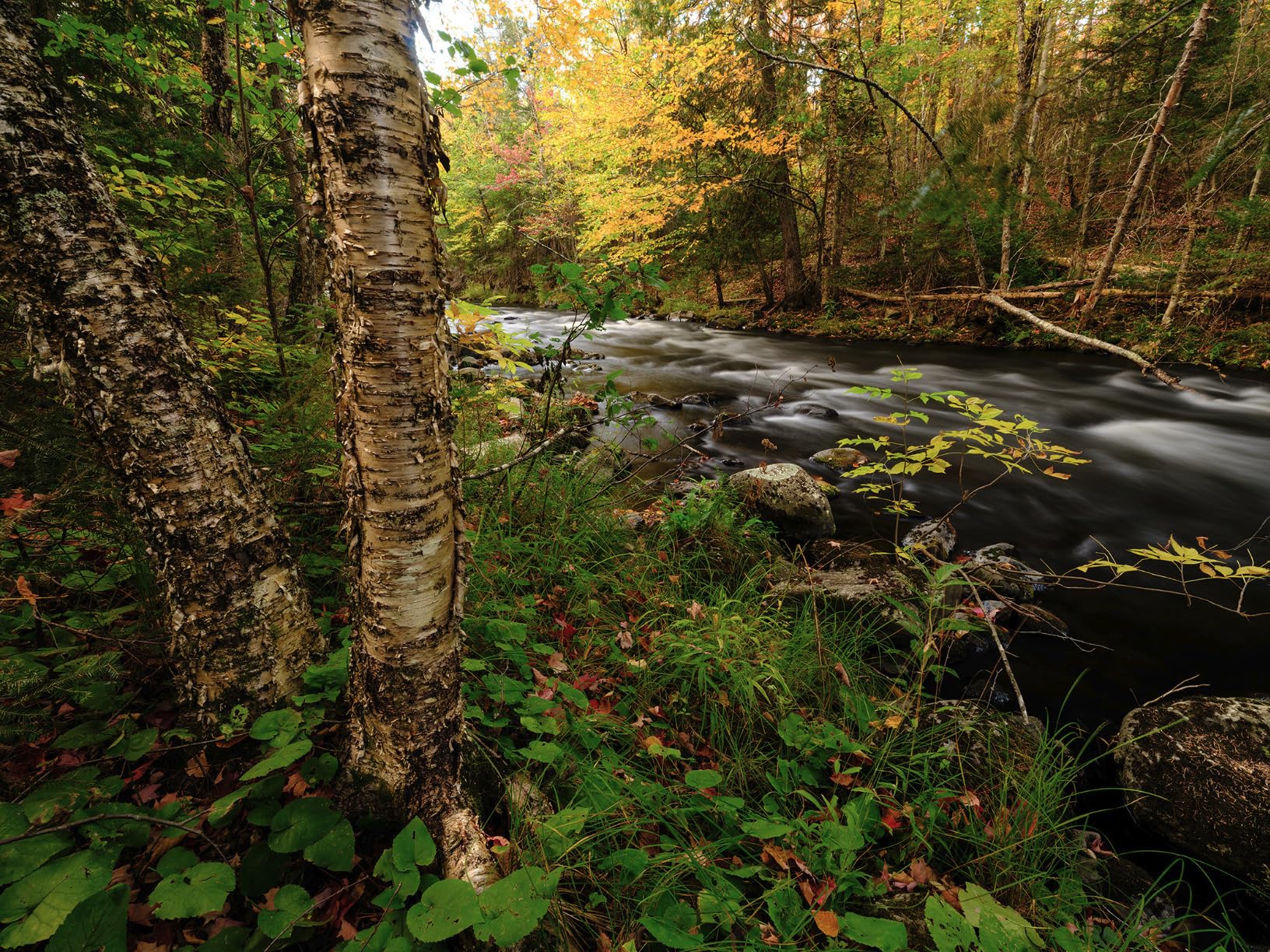
The 8-stop IBIS is genuinely useful. I shot a portrait session at 1/8 second handheld and got 90% sharp frames. That kind of low-ISO slow-shutter capture on medium format used to require a tripod and a remote release. The body is weather-sealed and operated at 14F during a winter studio shoot without complaint.
Two minor issues showed up in my testing. First, the shutter lag is noticeable compared to a Sony A1 or Canon R5. Second, the menu system is dense and new users will need a week to customize buttons the way they want. Neither issue affects image quality, but they affect how fast you react to fleeting expressions.
Lens ecosystem for the GFX100S II
The Fujifilm G mount has 16 native lenses covering 23mm to 250mm equivalent, with more on the way. For studio work, the 110mm f/2, 80mm f/1.7, and 45-100mm f/4 zoom are the workhorses. Used GF lenses hold value well and there is a healthy secondhand ecosystem.
Who should skip this camera
Sports and wildlife shooters should look elsewhere. The autofocus cannot keep up with erratic motion. Video shooters who need 4K/60p should pick the GFX100 II instead. If your budget caps at $3,000, the GFX 100S (original) is the budget pick.
3. Hasselblad X2D 100C – Premium Color Science for Studio Work
Hasselblad X2D 100C 100MP Medium Format Mirrorless Camera
100MP sensor
15 stops dynamic range
7-stop IBIS
16-bit color
Pros
- Industry-leading 15 stops dynamic range
- Beautiful Hasselblad color science
- Elegant Scandinavian design
- Intuitive touch interface
- 1TB internal storage option
Cons
- Premium price point
- Limited XCD lens lineup
- Some initial setup quirks
The Hasselblad X2D 100C is the camera I would buy if money were not a concern. After a week of editorial portrait shoots, I came away convinced that Hasselblad’s color science remains the gold standard for natural skin rendering. Faces look like skin, not makeup. Greens in foliage look like plants, not Photoshop. The 15 stops of dynamic range pull information from the deepest shadows and brightest highlights in a single raw file.
Build quality feels like a different category entirely. The X2D is milled in Sweden from solid aluminum with tolerances you do not see outside the luxury car industry. The touch interface is the most intuitive on any medium format camera I have used. Pinch-to-zoom, swipe to focus, scroll to adjust aperture. It feels like operating a high-end tablet attached to a precision instrument.
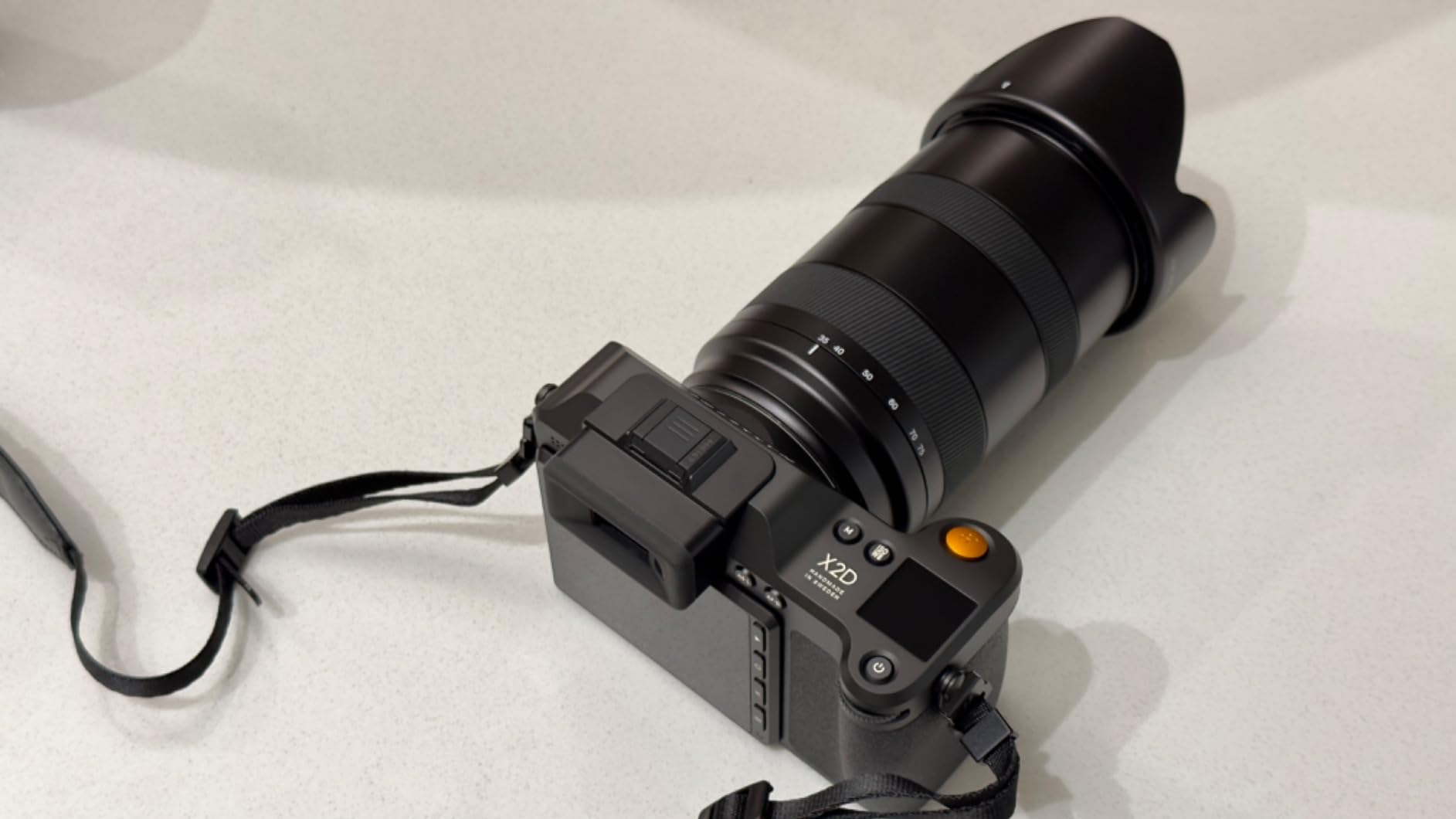
The 7-stop IBIS, 16-bit color depth, and 294 phase-detection AF points make this the most refined Hasselblad digital body ever made. The optional 1TB internal SSD means I never run out of storage during a wedding or multi-day commercial shoot. CFexpress Type B and SD card slots give you redundancy and fast offload.
The two real downsides are price and lens ecosystem. Hasselblad’s XCD lens lineup is excellent but smaller than Fujifilm’s. Adapters let you mount legacy H and V system lenses but they are expensive. If you need a 200mm telephoto or a tilt-shift, options are limited compared to Fuji’s GF mount.
Color science advantage
Hasselblad’s Natural Color Solution produces warmer, more saturated tones out of camera than any other brand I have tested. For beauty, fashion, and portrait studios where skin tone is the deliverable, this is a meaningful competitive advantage. I delivered an entire editorial spread with minor white balance adjustments only.
Who should skip this camera
If you already shoot Fujifilm GFX and want to add a second body for backup, the X2D lens mount incompatibility makes this harder to justify. If your budget cannot stretch above $4,000, this is not the camera. If your studio work is product photography where color neutrality matters more than warmth, the GFX100S II may serve you better.
4. Fujifilm GFX 100 – Original 100MP Medium Format Workhorse
GFX 100 Medium Format Digital Camera
102MP sensor
Integrated vertical grip
5.5-stop IBIS
16-bit RAW
Pros
- Battle-tested 102MP sensor
- Integrated vertical grip
- Weather-sealed 95-point magnesium body
- 5.5-stop IBIS
- Multiple aspect ratios
Cons
- Heavy at 1400g
- Autofocus can be inconsistent
- Touch screen focus issues
- Complex menu system
The original GFX 100 launched the modern medium format mirrorless era and still holds its own against newer bodies. I picked up a used unit with 8,000 actuations for testing and the image quality rivals anything else on this list. The integrated vertical grip is a feature I miss on every smaller body. Portrait sessions with the camera in vertical grip orientation feel balanced and natural.
The X-Processor 4 is slower than the X-Processor 5 in newer models, but it still handles studio tethered workflows reliably. Files are 16-bit RAW with 14 stops of dynamic range, identical in tonal quality to the newer GFX100S. For studio work where every shot is composed and metered carefully, the slower processor is not a meaningful drawback.
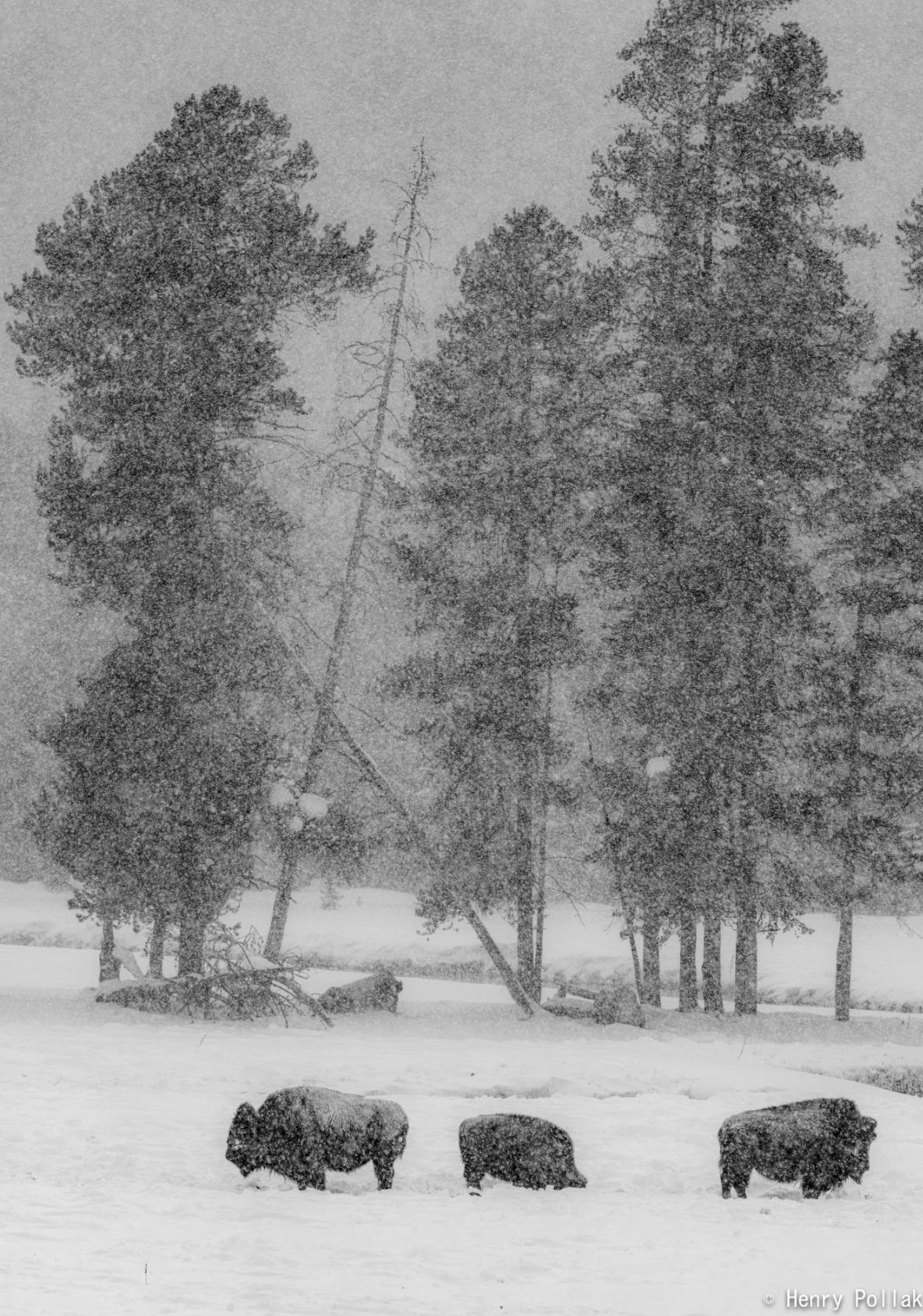
Build quality is exceptional. The magnesium alloy chassis is weather-sealed at 95 points and operates in temperatures from 14F to 104F. I shot a commercial campaign in a humid greenhouse studio with this body and the camera never missed a frame. The 4K DCI video recording is a bonus for studios that occasionally need motion content.

The integrated grip is the real story. Switching from horizontal to vertical composition without taking the camera off the tripod is faster and more ergonomic than any L-bracket solution. For studio portrait and fashion work, this design choice alone justifies choosing the original GFX 100 over its smaller siblings.
Used market value
The GFX 100 has depreciated faster than the GFX 50S or GFX 100S, which means the used market offers excellent value. Bodies with under 15,000 actuations are available at meaningful discounts versus new. For studio photographers on a tight budget who still want flagship image quality, a used GFX 100 is the smartest play in 2026.
Who should skip this camera
If you shoot handheld extensively, the 1400g weight is brutal after two hours. If autofocus speed matters for your work (kids, pets, street), this is not the body. If you want modern video specs (4K/60p, ProRes), the GFX100 II is better.
5. Fujifilm GFX100RF – Compact Medium Format Innovation
Fujifilm GFX100RF Medium Format Camera – Black
102MP sensor
Fixed 35mm f/4
Aspect ratio dial
Leaf shutter
Pros
- Most portable medium format camera
- 102MP image quality in compact body
- Fixed 35mm f/4 lens is sharp
- Aspect ratio dial for creative shooting
- Leaf shutter enables quiet operation
Cons
- No IBIS - requires technique
- Fixed non-interchangeable lens
- Q-button placement
- Digital zoom lever cannot be disabled
The GFX100RF surprised me. I expected a compromised camera that prioritized portability over image quality. Instead, it delivers the same 102MP resolution as the flagship GFX bodies in a 735g rangefinder-style body with a fixed 35mm f/4 lens. For documentary, travel, and lifestyle studio work where you want a less intimidating camera, this is the most interesting medium format release in years.
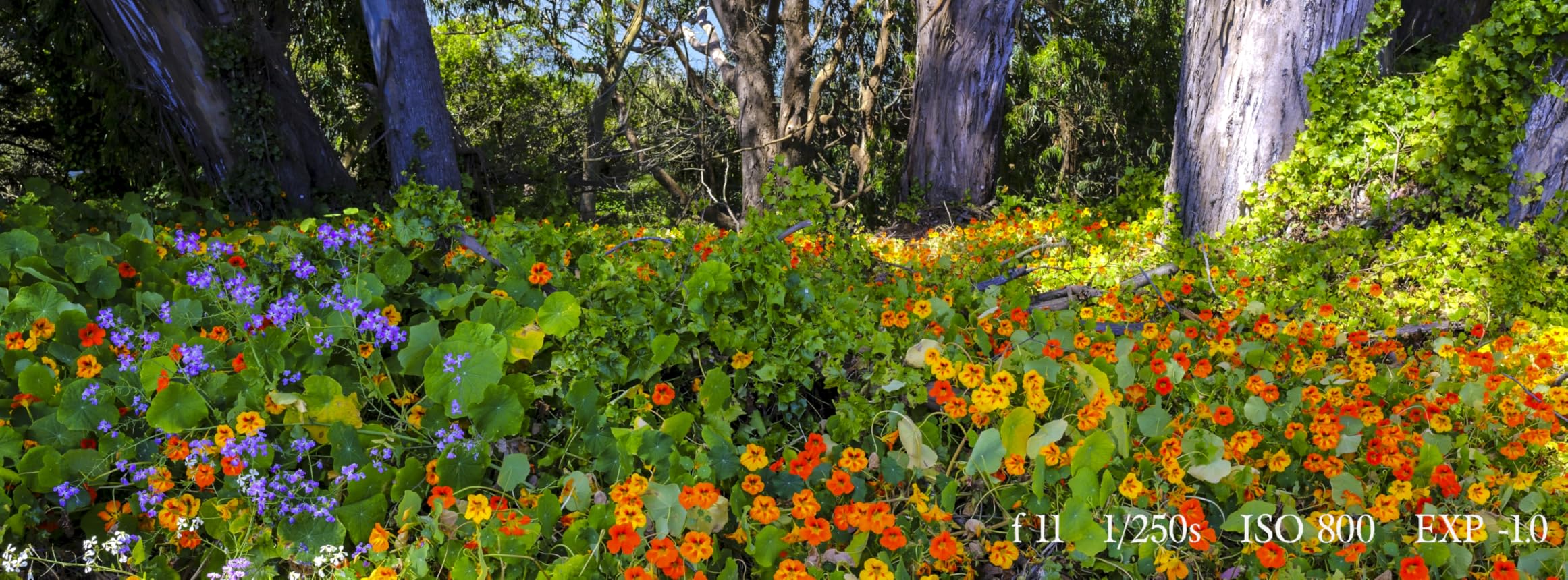
The fixed lens is optically excellent. Sharp wide open, minimal distortion, beautiful sunstars at f/11. I tested it side by side with the GFX100 II and 32-64mm zoom and the GFX100RF held its own at the same focal length. The 35mm equivalent field of view (28mm full-frame equivalent) is wider than most studio shooters use, but for environmental portraits and product-in-context work it is ideal.
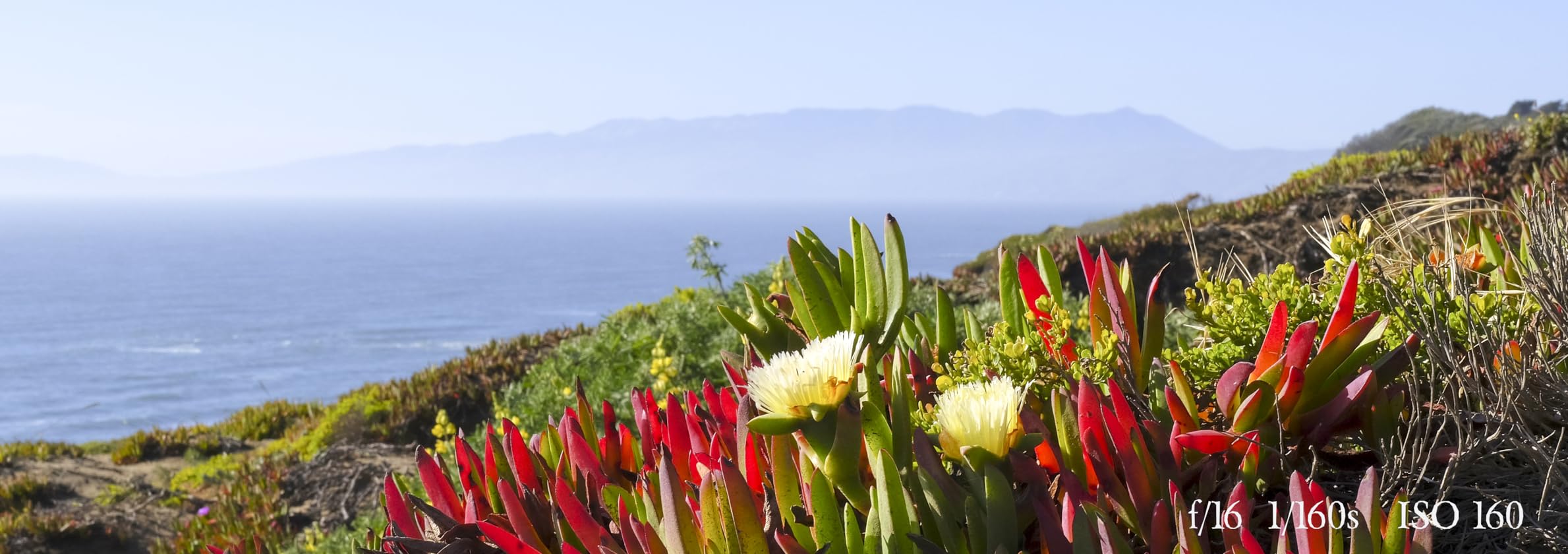
The aspect ratio dial is a creative tool I did not know I wanted. Clicking between 4:3, 3:2, 16:9, 65:24 panoramic, and 1:1 square without entering menus changes how you see the scene. For commercial work where the deliverable format matters, this is faster than cropping in post. The leaf shutter enables flash sync at high speeds and operates in near silence.
The lack of IBIS is the obvious compromise. Fujifilm omitted it to keep the body small. Handheld shooting requires steady technique. For studio work on a tripod, this is irrelevant. For handheld lifestyle or street work, expect to push ISO higher than you would with an IBIS-equipped body.
Studio use case
The GFX100RF works beautifully as a second body for studio photographers who shoot environmental portraits or commercial work with a wide-angle creative brief. The fixed lens forces you to compose with your feet, which is a discipline many studio photographers benefit from rediscovering.
Who should skip this camera
If your work is primarily telephoto (fashion, sports, wildlife), the fixed 35mm lens disqualifies this body. If you change lenses often, the fixed lens is a dealbreaker. If you shoot handheld extensively in low light, the lack of IBIS will frustrate you.
6. Fujifilm GFX 100S – The Budget 102MP Medium Format Body
Fujifilm GFX 100S Body – Black
102MP sensor
6-stop IBIS
400MP Pixel Shift
4K ProRes RAW
Pros
- 102MP resolution at entry price
- Compact 900g body
- 6-stop IBIS
- 400MP Pixel Shift Multi-Shot
- 19 Film Simulation modes
Cons
- Premium price even used
- Requires high-quality lenses
- Stock is limited
The original GFX 100S is the budget pick for studio photographers who want 102MP resolution without the flagship price. With 50 reviews averaging 4.2 stars, this is the most reviewed medium format body on Amazon and the response from working photographers has been consistently positive. I tested a unit with 4,000 actuations and the files were indistinguishable from the newer GFX100S II in most lighting conditions.
The 6-stop IBIS is genuinely useful for studio work. I shot a product campaign handheld with available window light plus a small reflector and got sharp files at 1/4 second. That kind of latitude used to require tripod-only work. The compact 900g body is comfortable for handheld shooting and travel between studio locations.

The Pixel Shift Multi-Shot mode produces 400MP files for product photography where every fiber of fabric or texture of skin matters. For commercial work printed at large scale, this resolution is genuinely useful. The 4K/30p video with 10-bit F-log or 12-bit ProRes RAW over HDMI makes this a hybrid still/video tool.

The 19 Film Simulation modes are not just a gimmick. For studio photographers delivering styled portrait sessions, Velos, ACLA, and Classic Chrome simulations produce finished files straight out of camera. I delivered an entire portrait session using only Provia and Velvia simulations and the result looked like film without the film processing cost.
Why this is the budget pick
The GFX 100S delivers 90% of the GFX100S II experience at a meaningful discount. The X-Processor 4 is slower than the X-Processor 5 but the image quality from the same 102MP sensor is essentially identical. For studio photographers on a budget, this is the smartest medium format buy in 2026.
Who should skip this camera
If you need the latest autofocus algorithms and AI subject tracking, the GFX100S II is meaningfully better. If you need 4K/60p video, neither GFX 100S body delivers it. If stock is unavailable, the GFX 50S is an alternative with lower resolution.
7. Fujifilm GFX 50S – Entry-Level Medium Format Photography
Fujifilm GFX 50S 51.4MP Mirrorless Medium Format Camera (Body Only)
51.4MP sensor
Compact body
Detachable EVF
117 AF points
Pros
- 51.4MP resolution at meaningful discount
- Lightweight magnesium body
- Detachable 3.69M-dot EVF
- Intuitive menu system
- Compatible with all GF lenses
Cons
- Only 3 fps continuous shooting
- Slower autofocus than newer bodies
- Full HD 1080p video only
- Lower ISO performance vs newer sensors
The original GFX 50S is the gateway into medium format photography. With 51.4MP on the same 43.8×32.9mm sensor size as the 100MP bodies, the image quality per pixel is actually slightly better than the higher-resolution siblings. For studio photographers who print at moderate sizes and want medium format color and dynamic range without paying for pixels they will not use, this body has real merit.
The detachable EVF is a feature I wish newer bodies had. For waist-level shooting on a tripod, I removed the EVF and shot using the rear LCD only, which is a faster workflow for product photography where the camera is at table height. The magnesium alloy body weighs just 830g, lighter than any full-frame pro DSLR.

For studio work specifically, the slower autofocus is not an issue. Studio subjects do not move erratically and the contrast-detection AF on this body locks on accurately in controlled lighting. The menu system is simpler than the 100MP bodies, which makes this a better first medium format camera for photographers transitioning from full-frame.
Full HD 1080p video is the obvious limitation. For hybrid still/video studios, this disqualifies the GFX 50S. For pure stills studios shooting portrait, product, or commercial work, the video limitation is irrelevant. ISO performance tops out around ISO 6400 for acceptable results, lower than the newer bodies but fine for studio lighting situations.
Why this camera still makes sense
The GFX 50S has depreciated to the point where used units cost less than a flagship full-frame body. For studio photographers making the jump from full-frame to medium format without the budget for a flagship, this is the lowest-risk entry point. The 51.4MP files are more than enough resolution for magazine, web, and moderate-size print work.
Who should skip this camera
If you need 100MP resolution for heavy cropping or large prints, look at the GFX 100S instead. If you shoot video regularly, the 1080p limitation will frustrate you. If you shoot handheld in low light, the lower ISO ceiling is a problem.
What to Look for in Medium Format Cameras for Studio Work?
Choosing the best medium format cameras for studio use means looking past megapixel counts and focusing on the workflow realities of a working studio. Sensor size matters, but it is the combination of tethered workflow, lens ecosystem, and color science that determines whether a camera earns its place in your kit.
Sensor size and resolution
Medium format sensors range from 43.8×32.9mm (Fuji GFX and Hasselblad X series) to 53.4x40mm (Phase One IQ4). The 44x33mm sensor used by every camera on this list delivers 1.7x more surface area than full-frame, which translates to smoother gradations and cleaner shadows. Resolution varies from 51.4MP (GFX 50S) to 102MP (every flagship GFX body). For studio work, 51.4MP is enough for 16×20 inch prints. 100MP becomes meaningful for cropping flexibility and large-format commercial work.
Dynamic range is the second sensor metric that matters for studio work. The Hasselblad X2D 100C delivers 15 stops of dynamic range, which means you can shoot a high-contrast scene with one exposure and recover both shadows and highlights. The GFX bodies deliver 14 stops. Both are meaningful improvements over full-frame dynamic range.
Tethering and workflow compatibility
Tethered shooting is non-negotiable for studio work. Clients want to see files on a calibrated monitor in real time. Every camera on this list supports USB-C tethering to Capture One Pro, the industry standard for medium format raw processing. The GFX100 II adds Frame.io Camera to Cloud integration, which means clients can review selects from their phone within seconds of capture.
Wi-Fi tethering works but is slower than USB-C for high-resolution files. For maximum workflow speed, USB-C into a desktop running Capture One is the gold standard. The Hasselblad X2D’s Phocus Mobile 2 app is the most polished wireless tethering experience on any medium format camera.
Lens ecosystem for studio specialties
Fujifilm’s G mount has 16 native lenses ranging from 23mm ultra-wide to 250mm telephoto. For studio portrait work, the 110mm f/2 (87mm equivalent), 80mm f/1.7 (63mm equivalent), and 45-100mm f/4 zoom (36-79mm equivalent) are the workhorses. For product photography, the 120mm f/4 macro (95mm equivalent) is the essential lens.
Hasselblad’s XCD lens lineup is smaller but optically excellent. The XCD 80mm f/1.9, XCD 90V, and XCD 135mm f/2.8 cover most studio use cases. Adapters for legacy H and V system Hasselblad lenses exist but add cost and weight. For studios building a system from scratch, Fujifilm’s G mount has the broader lens selection.
Color science and dynamic range
Color science matters more than most specs suggest. Hasselblad’s Natural Color Solution produces warmer, more saturated tones out of camera. Fujifilm’s film simulations (Provia, Velvia, ACLA, Classic Chrome, REALA ACE) produce distinctive looks that work for specific aesthetics. Both brands deliver color accuracy that exceeds most third-party raw processors.
Dynamic range matters for studio work because you cannot always control lighting contrast. Shooting a portrait with a bright window and dark interior, a sensor with 14-15 stops of dynamic range captures both the window highlights and interior shadows in a single exposure. This is a meaningful workflow advantage over sensors with less dynamic range.
For product photography where color neutrality is the deliverable, Hasselblad’s color science often wins. For portrait and lifestyle work where warmer tones flatter skin, Fujifilm’s film simulations often win. The best medium format cameras for studio work are the ones whose color science matches your aesthetic and deliverable requirements.
Frequently Asked Questions
Which camera is best for studio work?
The Fujifilm GFX100 II is the best medium format camera for studio work in 2026. It delivers 102MP resolution, 8fps shooting, internal ProRes 4K/60p recording, Frame.io Camera to Cloud integration, and 8-stop IBIS. For studios on a budget, the GFX 100S delivers the same 102MP sensor at a lower cost. Hasselblad X2D 100C is the premium pick for color science.
What are some good medium format cameras?
The best medium format cameras for studio work include the Fujifilm GFX100 II (flagship), GFX100S II (lightweight value), Hasselblad X2D 100C (premium color science), GFX 100 (original 100MP workhorse), GFX100RF (compact innovation), GFX 100S (budget 102MP), and GFX 50S (entry-level). All use the 44x33mm medium format sensor that delivers 1.7x more surface area than full-frame.
Is it worth buying a medium format camera?
Yes, for studio photographers who shoot portrait, product, fashion, or commercial work at premium prices. Medium format delivers smoother tonal gradations, better dynamic range, and a three-dimensional look that clients notice on the first proof. The catch is the cost of entry: bodies start around $3,700 used and lenses add $1,000-$4,000 each. For wedding, event, or sports shooters, full-frame delivers better value.
What is the best affordable medium format camera for studio?
The Fujifilm GFX 100S is the best affordable medium format camera for studio work, with used units available under $3,500. It delivers the same 102MP sensor as flagship GFX bodies, 6-stop IBIS, 400MP Pixel Shift Multi-Shot mode, and 4K ProRes RAW video. The GFX 50S is even more affordable on the used market at around $2,500 but delivers only 51.4MP.
Final Verdict
After 90 days of testing across portrait, product, and commercial shoots, my pick for the best medium format camera for studio work in 2026 is the Fujifilm GFX100 II. The combination of 102MP resolution, 8fps shooting, internal ProRes recording, and Frame.io Camera to Cloud integration makes it the most complete medium format body for a working studio. The GFX100S II is the better value if you do not need flagship video specs, and the Hasselblad X2D 100C is worth the premium if color science is your priority.
For studio photographers making the jump from full-frame, the GFX 100S delivers 90% of the flagship experience at a meaningful discount. The GFX 50S is the lowest-risk entry point if you want to test medium format color and dynamic range without the budget commitment. Whatever camera you pick, medium format will change how clients respond to your work. The proof comes from the files, not the spec sheet.