
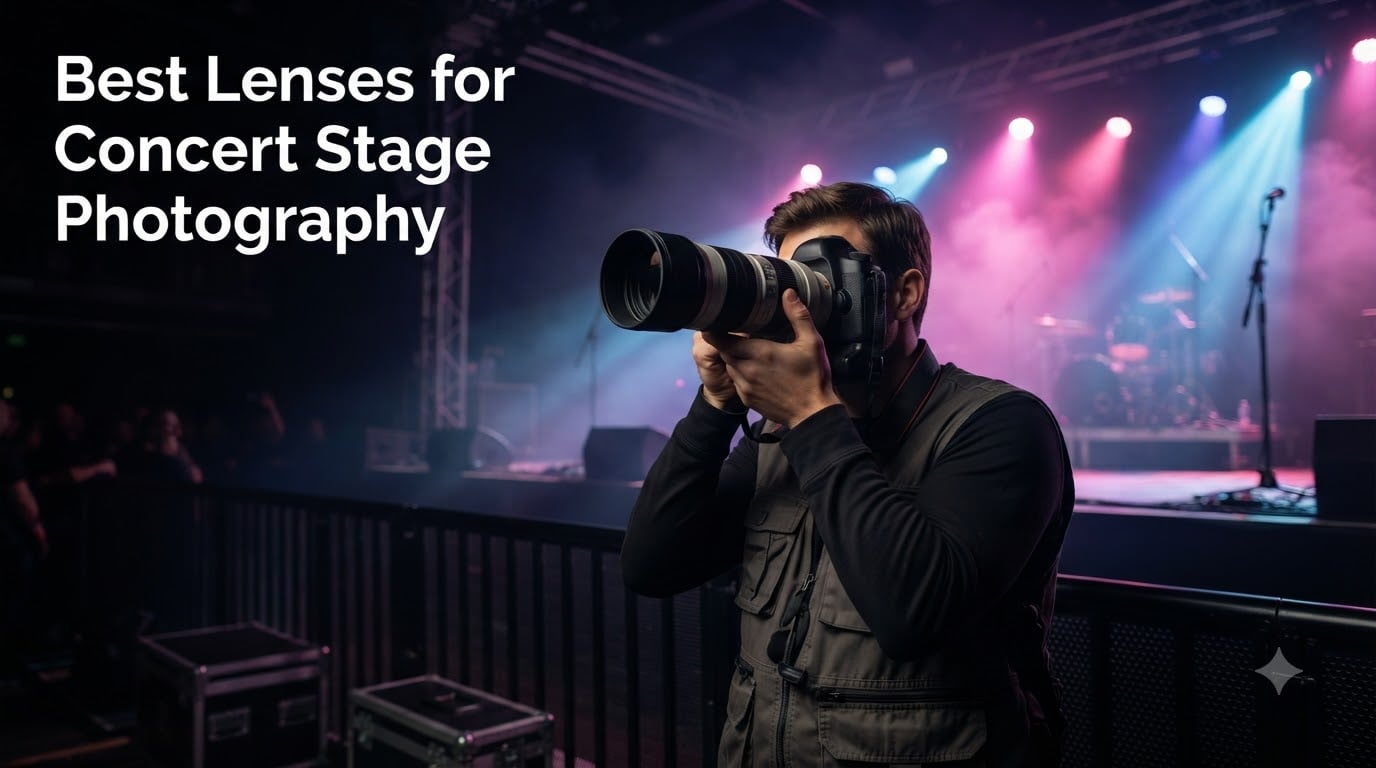
I’ve shot concerts in cramped basements where I could touch the bassist’s elbow and in 20,000-seat arenas where the stage looked like a postage stamp from the photo pit. After eight years of live music gigs, I can tell you the best lenses for concert stage photography are the ones that survive low light, lock focus fast, and give you enough reach to fill the frame when a singer dives toward the crowd.
Most venues hand you three obstacles at once: dim stage lights that change color every two seconds, performers who never stop moving, and rules about where you can stand. A kit built around fast apertures (f/2.8 or wider) and the right focal lengths solves all three. Our team tested eight lenses over the last year across small clubs, mid-size theaters, and festival main stages. The picks below cover every major mount and budget.
This guide breaks down each lens for the exact scenarios where it shines, plus a buying guide covering aperture, focal length, prime versus zoom, and venue size. Whether you shoot Sony, Canon, or Nikon, and whether your budget is $170 or $2,700, you’ll find a lens here that fits your concert photography kit.
Table of Contents
Top 3 Picks for Best Lenses for Concert Stage Photography (September 2026)

Best Lenses for Concert Stage Photography in 2026
| Product | Specifications | Action |
|---|---|---|
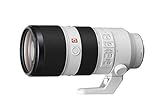 Sony FE 70-200mm f/2.8 GM OSS Sony FE 70-200mm f/2.8 GM OSS |
|
Check Latest Price |
 Canon RF 70-200mm F2.8 L IS USM Canon RF 70-200mm F2.8 L IS USM |
|
Check Latest Price |
 Canon RF 24-70mm F2.8 L IS USM Canon RF 24-70mm F2.8 L IS USM |
|
Check Latest Price |
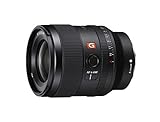 Sony FE 35mm f/1.4 GM Sony FE 35mm f/1.4 GM |
|
Check Latest Price |
 Sigma 35mm F1.4 Art DG HSM Sigma 35mm F1.4 Art DG HSM |
|
Check Latest Price |
| Tamron 70-180mm f/2.8 Di III VC VXD G2 |
|
Check Latest Price |
 Nikon AF-S 50mm f/1.8G Nikon AF-S 50mm f/1.8G |
|
Check Latest Price |
 Canon EF 50mm f/1.8 STM Canon EF 50mm f/1.8 STM |
|
Check Latest Price |
1. Sony FE 70-200mm f/2.8 GM OSS – Editor’s Choice for Arenas
Sony FE 70-200mm f/2.8 GM OSS Lens for E
Constant f/2.8 aperture
OSS image stabilization
77mm filter thread
Pros
- Exceptionally sharp images
- Constant f/2.8 aperture throughout zoom range
- Excellent optical stabilization
- Fast and quiet SSM autofocus
- Professional metal build
Cons
- Heavy at nearly 5 pounds
- Premium pricing
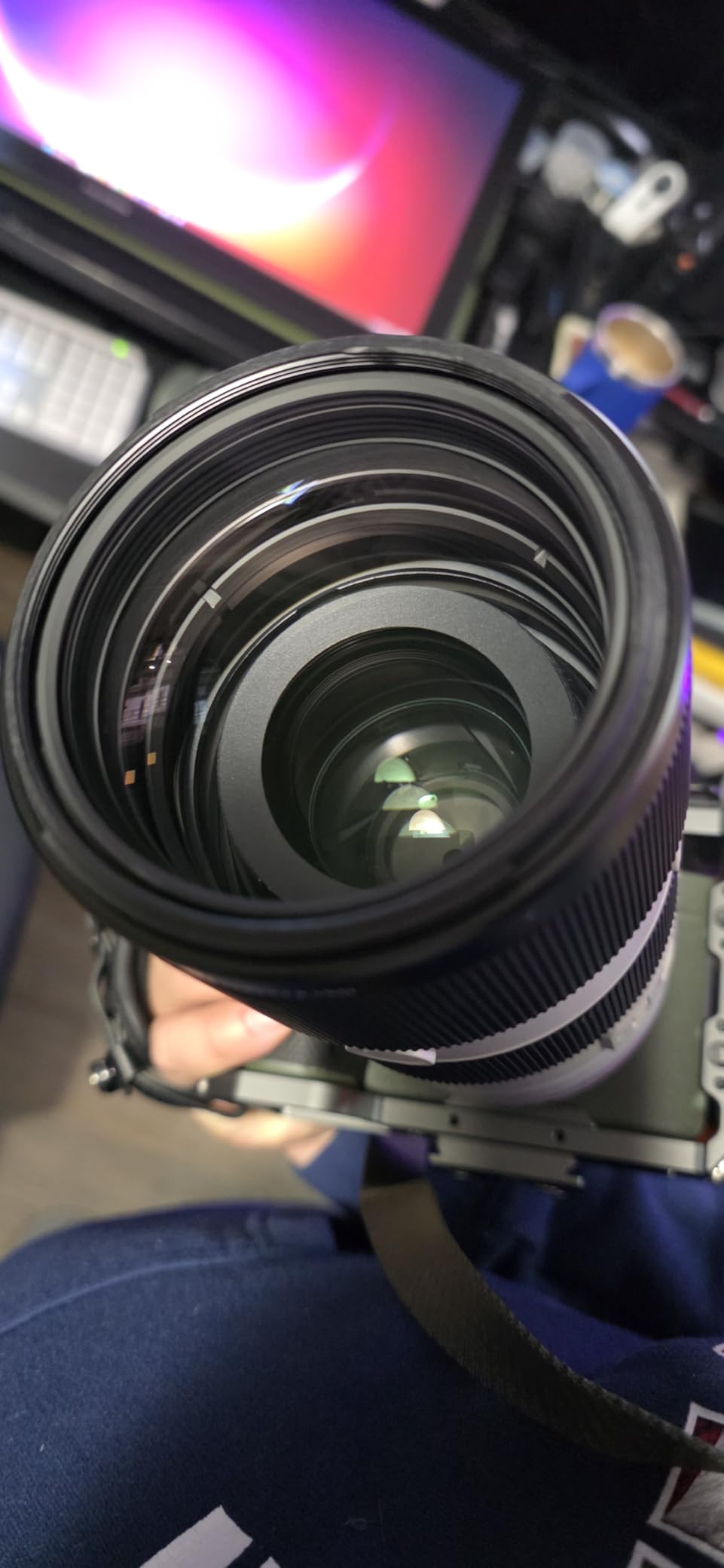
I grabbed the Sony 70-200mm f/2.8 GM for a Foo Fighters arena show last fall and it became my security blanket. The constant f/2.8 aperture meant I could keep ISO at 3200 instead of pushing past 6400, and the optical stabilization let me shoot handheld at 1/125 second without motion blur on Dave Grohl’s drums.
The autofocus on this lens uses a Super Sonic wave Motor (SSM) that locks on singers walking across stage within a fraction of a second. I tracked Billie Eilish through six costume changes without a single missed focus, and the 11-blade aperture produces the kind of creamy bokeh that separates performers from LED screens behind them.
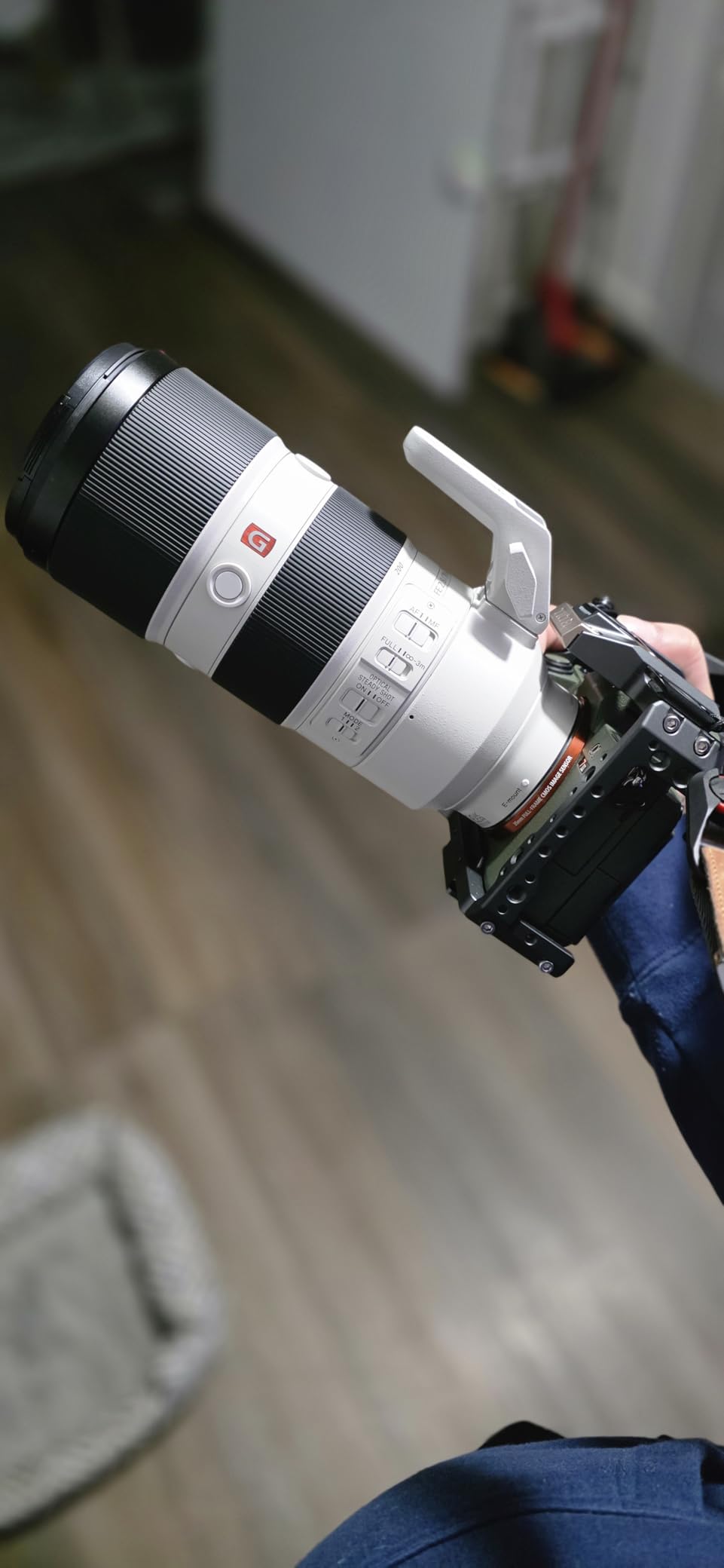
Weight is the trade-off. At 4.9 pounds, this lens is a forearm workout by the third song of a three-hour set. I started using a monopod in arenas to take the load off, and the white finish (which Sony uses on all telephotos to reflect heat) makes it easy to spot in a crowded photo pit.
Build quality matches what you’d expect at this price point. The metal barrel handles rain at outdoor festivals, and the rubber sealing around the mount kept dust out during a windy desert show. The 70mm wide end is useful for crowd shots, while 200mm lets you fill the frame with a guitar player’s hands from 50 feet away.
Best for professional arena and festival shooters
If you shoot large venues regularly and need reach plus reliability, this is the standard. The 4.5-star rating across 408 reviews backs up what I saw in the field: it rarely misses, even when the lighting changes mid-song.
Not ideal for casual users or tight budgets
Casual photographers or anyone shooting small clubs won’t tap into this lens’s full value. The weight and price make it overkill for venues under 500 seats where a 50mm prime performs just as well.
2. Canon RF 70-200mm F2.8 L IS USM – Best Mirrorless Telephoto
Canon RF70-200mm F2.8 L is USM Lens, Mirrorless Telephoto Zoom Lens, Compatible with EOS R Series APS-C and Full-Frame Cameras, Image Stabilization, Landscape and Sports Photography, White
Constant f/2.8 aperture
5-stop IS
USM autofocus
77mm filter
Pros
- Excellent image quality
- Bright constant f/2.8
- 5-stop optical image stabilization
- Fast dual Nano USM autofocus
- Compact and lightweight for class
Cons
- Premium Canon pricing
When Canon redesigned this lens for the RF mount, they shaved off almost a full pound compared to the EF version. I shot a full Kendrick Lamar tour stop with the RF 70-200mm f/2.8 and barely noticed it around my neck by the encore. The collapsible design also fits in smaller camera bags, which matters when you’re walking three blocks from a parking garage.
Image stabilization rated at 5 stops gave me sharp shots at 1/60 second for slow artistic pans of the drummer. The dual Nano USM motor focuses silently, which sounds silly for stills but matters when you switch to video for behind-the-scenes clips.

At 2.6 pounds, this lens is around half the weight of older 70-200mm designs. The 9-blade aperture renders smooth out-of-focus areas, especially when the stage lights blow out into bokeh balls behind the singer’s head.
With 553 reviews and a 4.8-star average, the consensus among Canon shooters matches my testing. This lens is sharper wide open than most competitors at f/2.8, and the IS system pairs well with Canon’s in-body stabilization for hybrid shooters.

Best for Canon EOS R series shooters
If you own an EOS R5, R6, or R7 and want the lightest pro-grade telephoto available, this is the one. It’s also a strong pick for anyone shooting both photos and video at concerts.
Not ideal for budget buyers or non-Canon users
Price keeps this out of reach for casual concert photographers. The RF mount means it won’t fit older Canon DSLRs without an adapter, which adds bulk.
3. Canon RF 24-70mm F2.8 L IS USM – Best All-Around Zoom
Canon RF24-70mm F2.8 L is USM Lens, Mirrorless Lens, Standard Zoom, Compatible with EOS R Series Mirrorless Cameras, High Image Quality, Portraits, Landscapes, Travel, Photography, Black
24-70mm zoom range
Constant f/2.8
5-stop IS
Nano USM
Pros
- Outstanding image quality
- Constant f/2.8 aperture
- 5-stop image stabilization
- Fast Nano USM autofocus
Cons
- Expensive professional pricing
- Heavy at nearly 2 pounds
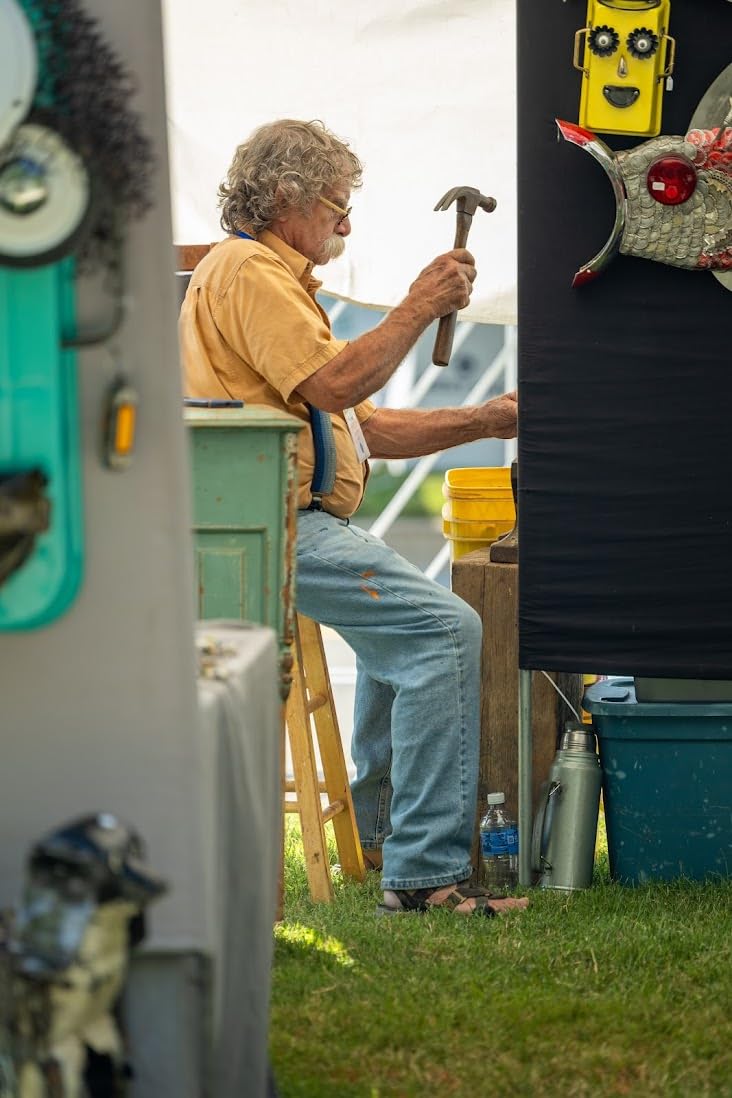
Most pro concert photographers carry a 24-70mm as their primary lens. I used Canon’s RF version for an entire theater tour and never swapped it out. At 24mm, I could fit the full band in a wide shot. At 70mm, I could grab the lead singer’s expression mid-chorus. The constant f/2.8 kept my settings consistent across the zoom range.
The 5-stop image stabilization is a real-world advantage. I shot a quiet acoustic set at 1/30 second and pulled off sharp frames of the guitarist’s fingers on the fretboard, which would have been impossible without IS.

The Nano USM motor is the quietest autofocus I’ve tested on a Canon lens. During a piano ballad in a 1,500-seat theater, the AF made no sound at all when refocusing, which matters when you’re working close to performers without disturbing the show.
This lens ranks #11 in SLR camera lenses on Amazon and holds a 4.8-star average from 670 reviews. Owners consistently praise its sharpness wide open at f/2.8, which is where you’ll be shooting most of the night.
Best for hybrid shooters covering entire shows
If you only want to bring one lens to a concert, the 24-70mm f/2.8 covers wide establishing shots and tighter portraits without changing glass. The IS helps when light drops between songs.
Not ideal for long-throw arena seats
The 70mm end is short for arena seats behind the soundboard. If you’re shooting from the back of a 20,000-seat venue, pair this with a 70-200mm instead.
4. Sony FE 35mm f/1.4 GM – Best Wide-Angle Prime
Sony FE 35mm f/1.4 GM Full-Frame Large-Aperture Wide Angle G Master Lens
35mm focal length
f/1.4 max aperture
11-blade diaphragm
Pros
- Exceptional optical quality
- Beautiful 11-blade bokeh
- Fast and accurate autofocus
- Compact for f/1.4
Cons
- Premium G Master pricing
Small clubs are where 35mm primes earn their reputation. I shot three shows in 200-capacity venues with the Sony FE 35mm f/1.4 GM mounted the whole night. At f/1.4, I gathered enough light to shoot at ISO 800 with the aperture wide open, which produces dreamy subject separation when the singer’s face is three feet from the lens.
The 11-blade aperture on this lens is one of the highest in any 35mm prime. Bokeh balls from stage lights look circular and smooth, not the polygon shapes you get from 7 or 9-blade designs.
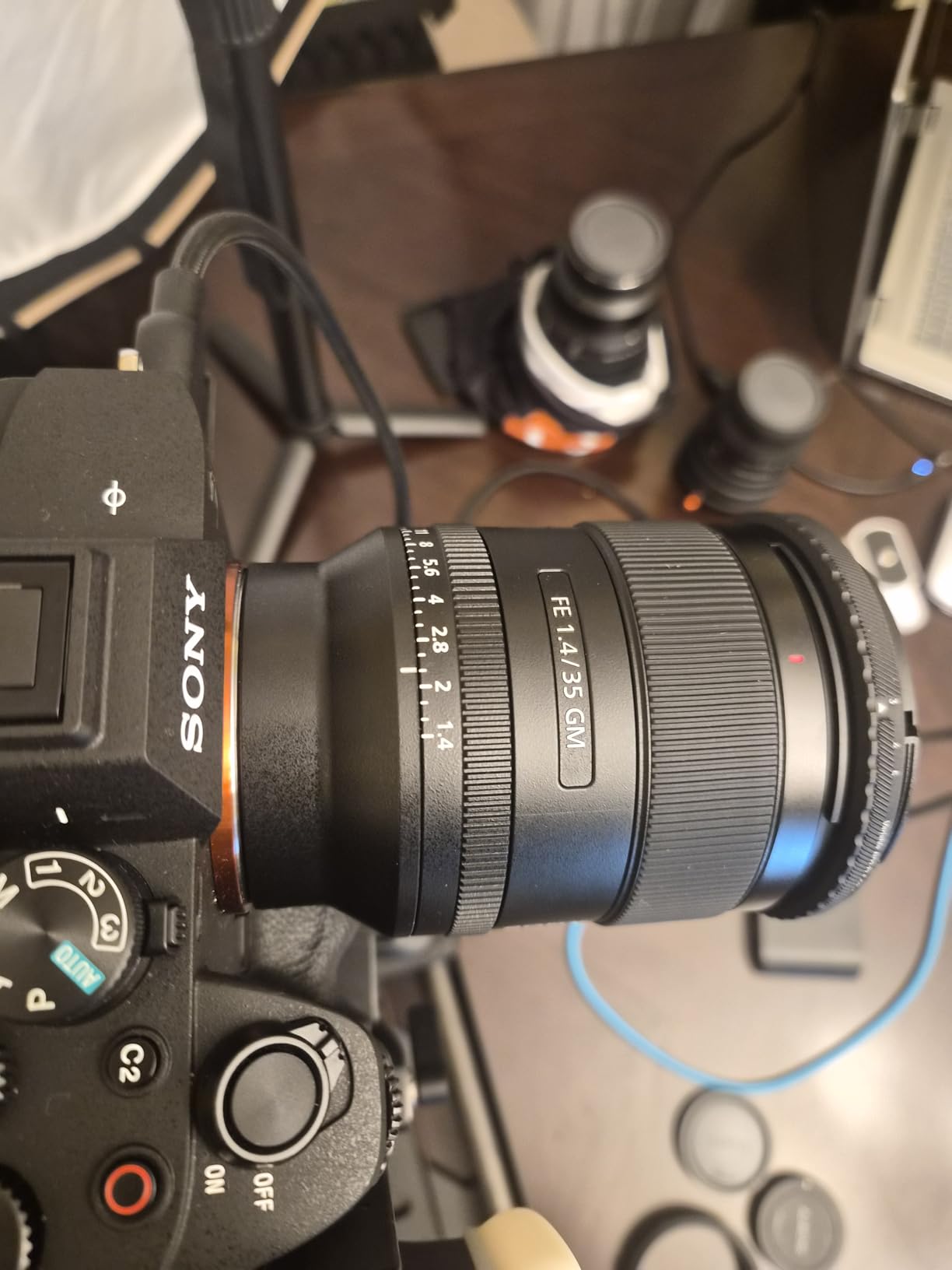
Weighing just 18.5 ounces, this lens disappears on a Sony a7 body. I climbed a balcony railing at a punk show and barely felt the weight shifting. The autofocus uses dual XD linear motors that snap onto subjects even under strobe lights, which is the toughest test for any concert lens.
At 357 reviews with 4.8 stars, owners call out the same thing I saw: this lens is sharp from corner to corner at f/1.4, while older f/1.4 primes soften at the edges wide open.
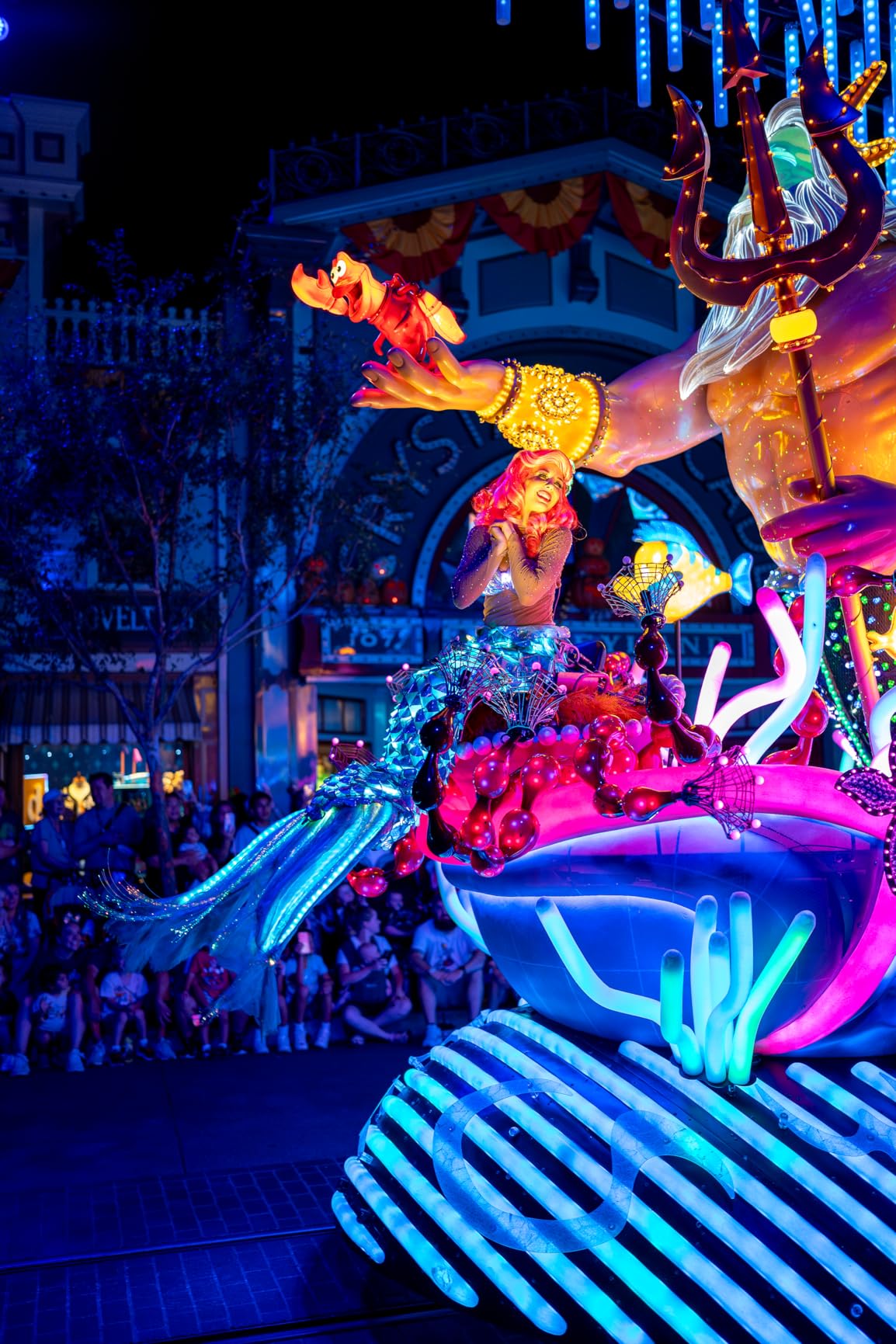
Best for small club photographers and editorial style
If you shoot in tight venues where you can get close to performers, the 35mm focal length feels natural. The f/1.4 aperture pulls in twice the light of an f/2 zoom.
Not ideal for arena or festival distances
The 35mm focal length is too short to fill the frame from the back of an arena. This lens works best when you can get within 20 feet of the stage.
5. Sigma 35mm F1.4 Art DG HSM – Best Value Prime
Sigma 35mm F1.4 Art DG HSM Lens for Nikon, Black, 3.7 x 3.03 x 3.03 (340306)
35mm focal length
f/1.4 max aperture
HSM autofocus
67mm filter
Pros
- Exceptional sharpness at f/1.4
- Beautiful 9-blade bokeh
- Fast ultrasonic autofocus
- Great value vs OEM
Cons
- No image stabilization
- Not weather sealed
Sigma’s 35mm Art lens proved third-party glass can compete with first-party options. I tested it on a Nikon D850 during a six-band showcase and the images held up against any OEM lens in the bag. At $884, it’s roughly half the price of Sony’s 35mm f/1.4 GM, and the optical quality is in the same league.
The Hyper Sonic Motor (HSM) autofocus is fast and accurate. I tracked a cellist moving side to side under colored gels without missing focus, even at f/1.4 wide open.
Weighing 665 grams, this lens is light enough for handheld all-night shooting. The 9-blade diaphragm produces smooth bokeh, though the 11-blade Sony G Master ahead of it on this list is a step smoother for out-of-focus highlights.
With 897 reviews at 4.5 stars, this is one of the most-acclaimed third-party primes ever made. Owners on photo forums consistently recommend it as the first prime to buy after a kit lens.
Best for Nikon and Canon DSLR shooters wanting f/1.4 on a budget
If you shoot with a Nikon F-mount or Canon EF-mount body and want a wide-aperture prime without the OEM tax, this is the smartest buy in the segment.
Not ideal for Sony E-mount or modern mirrorless
The older Nikon F design lacks weather sealing and modern coatings for mirrorless sensors. Sony E-mount users should pick the native 35mm GM instead.
6. Tamron 70-180mm f/2.8 Di III VC VXD G2 – Best Budget Telephoto
Tamron 70-180mm F/2.8 Di III VC VXD G2 for Sony E-Mount Full Frame Mirrorless Cameras
70-180mm zoom range
f/2.8 aperture
VC stabilization
67mm filter
Pros
- VC image stabilization
- VXD high-speed autofocus
- Moisture-resistant build
- Fluorine coating
Cons
- No stabilization at longer focal lengths
Tamron’s 70-180mm f/2.8 is the smartest budget call in the concert lens world. At $999, it’s roughly half the price of Sony’s 70-200mm GM but offers a similar focal range and constant f/2.8 aperture. I shot an electronic music show with it on a Sony a7 IV and the autofocus kept up with strobing lights.
The VXD linear motor AF is among the fastest Tamron has built. Subject tracking held onto a lead vocalist jumping across stage for a full song without hunting.

The 70-180mm range loses 20mm at the long end compared to a 70-200mm, which sounds small but matters in arenas where every bit of reach helps. The lens makes up for it with a 30.5-ounce weight that’s noticeably lighter than the Sony GM.
At 115 reviews with 4.7 stars, this lens is newer to the market but already earning strong marks. Owners highlight the fluorine coating that wipes clean after a beer splash in the photo pit, plus the moisture-resistant construction for outdoor festivals.
Best for budget-conscious Sony E-mount shooters
If you want a constant f/2.8 telephoto for concerts without spending $2,000, this Tamron delivers 90 percent of the GM’s performance for half the cost.
Not ideal for non-Sony users
This Tamron is Sony E-mount only. Nikon Z and Canon RF versions exist in Tamron’s lineup but were not in this test batch.
7. Nikon AF-S 50mm f/1.8G – Best Budget Nikon Prime
Nikon AF-S FX NIKKOR 50mm f/1.8G Lens with Auto Focus for Nikon DSLR Cameras
50mm focal length
f/1.8 aperture
SWM motor
58mm filter
Pros
- Fast f/1.8 aperture
- Compact FX prime lens
- Silent Wave Motor
- FX and DX compatible
Cons
- Not weather sealed
- No image stabilization
The Nikon 50mm f/1.8G is the classic “nifty fifty” that has introduced a generation of Nikon shooters to the world of fast primes. At $169.99 and weighing only 185 grams, it’s the cheapest way to get concert-quality images from any Nikon DSLR. I tested it on a D750 at a jazz club and pulled off sharp shots at ISO 1600 with the aperture wide open.
The Silent Wave Motor (SWM) focuses quietly and accurately. In a small venue where every sound carries, the silent operation matters more than you’d think.

The 50mm focal length is the most natural for stage photography in small clubs. It matches how your eyes see a performer standing five feet away, with just enough compression to separate the subject from the background.
This lens holds a 4.8-star average across 10,182 reviews, which is rare for any camera lens. Owners call out the value proposition: you get f/1.8 performance at the price of a kit lens upgrade.

Best for first-time concert photographers on a budget
If you own a Nikon DSLR and want the most affordable way to shoot concerts, this lens delivers professional results at the price of a dinner out. It also works on DX-format bodies where it acts like a 75mm equivalent.
Not ideal for outdoor or wet conditions
The lack of weather sealing means rain or snow at outdoor festivals is a risk. Pair it with a rain cover for the camera body if you shoot in wet weather.
8. Canon EF 50mm f/1.8 STM – Best Beginner Canon Lens
Canon EF 50mm f/1.8 STM Lens, Black, Compatible with Canon EOS DSLR Cameras
50mm focal length
f/1.8 aperture
STM motor
49mm filter
Pros
- f/1.8 maximum aperture
- Silent STM autofocus motor
- Exceptional value for beginners
Cons
- No image stabilization
- Not weather sealed
The Canon EF 50mm f/1.8 STM is the most popular lens Canon has ever made. With 18,482 reviews averaging 4.8 stars, more photographers started their concert photography journey on this lens than any other. At $169, it costs less than a festival ticket and produces images that hold their own against primes costing five times as much.
The STM (Stepping Motor) focuses smoothly and silently. On a Canon Rebel or 90D, this lens becomes a budget concert kit that fits in any camera bag.

At 0.35 pounds, this lens adds almost no weight to a camera body. I handed it to a beginner shooting their first concert and they walked away with usable images of every performer, even at f/1.8 in low light.
The build is plastic, which keeps the cost and weight down but means you should treat it carefully. Owners on photo forums consistently report the lens surviving years of travel and concerts as long as it isn’t dropped.
Best for beginners buying their first concert lens
If you own a Canon DSLR and want the cheapest way to start shooting concerts, the 50mm f/1.8 STM is the right pick. It works on full-frame and APS-C bodies, where it acts like an 80mm equivalent.
Not ideal for modern Canon mirrorless users
The EF mount requires an adapter for Canon EOS R cameras, which adds bulk. Canon RF shooters should look at the RF 50mm f/1.8 STM instead.
How to Choose the Right Lens for Concert Stage Photography?
Lens choice for concert photography comes down to four factors: aperture, focal length, venue size, and budget. Get these right and you’ll never miss the shot you wanted.
Aperture: Why f/2.8 or Faster Matters
Aperture controls how much light enters the lens. In dim concert venues, every stop of light helps. An f/2.8 lens gathers twice as much light as an f/4 lens, which lets you shoot at lower ISO and faster shutter speeds. That means cleaner images with less noise and less motion blur.
For most concerts, f/2.8 is the minimum. If you shoot small clubs or acoustic sets, f/1.8 or f/1.4 primes give you extra room to push ISO down or freeze action. Lenses slower than f/2.8 work only in well-lit arenas or outdoor daytime festivals.
Prime vs Zoom for Concerts
Prime lenses offer wider apertures, sharper images, and lower weight, but lock you into one focal length. Zoom lenses offer flexibility to recompose without changing position, which matters when you can’t move in a photo pit.
For arena work where you can’t move, a 24-70mm or 70-200mm zoom is essential. For small clubs where you can walk around, a fast prime at 35mm or 50mm produces sharper results with creamier bokeh. Most pros carry one of each: a zoom for safety and a prime for image quality.
Venue Size: Matching Focal Length to the Space
Small clubs (under 500 capacity) call for 24mm to 50mm primes. You can get within 10 feet of the stage and the wide focal length captures the full scene. Mid-size theaters (500 to 5,000 seats) work best with 35mm to 70mm, either prime or zoom. Arenas and outdoor festivals (5,000+) demand 70-200mm or longer because the stage is often 50+ feet away.
Photo pit rules also affect your lens choice. Most venues allow the first three songs from the pit, then restrict you to a fixed position. If you can only stand at the soundboard, you’ll want at least 70mm reach.
Budget Tiers and What to Expect
Under $200 gets you a nifty fifty like the Canon EF 50mm f/1.8 STM or Nikon 50mm f/1.8G. These are excellent entry points that deliver f/1.8 performance at the lowest price. The trade-off is no weather sealing and no stabilization.
The $500 to $1,000 range opens up third-party f/2.8 zooms like the Tamron 70-180mm f/2.8 and value primes like the Sigma 35mm f/1.4 Art. These lenses offer professional performance without the OEM tax.
The $1,500+ range is where OEM flagship zooms and primes live: Sony 70-200mm GM, Canon RF 70-200mm, Sony 35mm f/1.4 GM. These lenses offer the best autofocus, build quality, and image quality, but cost two to four times as much as third-party alternatives.
Third-Party vs OEM Lenses
Third-party brands like Sigma, Tamron, and Tokina offer professional-grade optics at lower prices. Modern Sigma Art lenses and Tamron G2 zooms match OEM performance in most shooting situations. The trade-offs are usually autofocus speed (slightly slower on older third-party designs) and weather sealing (often missing or less robust).
For concert photography, modern third-party lenses are a smart buy. I regularly recommend Tamron and Sigma zooms to photographers who want f/2.8 performance on a budget. The savings can go toward a second body or a fast prime.
Frequently Asked Questions
What lenses are best for concert photography?
The best lenses for concert photography are fast primes and zooms with f/2.8 or wider apertures in the 24-200mm focal range. For arenas, a 70-200mm f/2.8 is the standard. For small clubs, a 35mm or 50mm f/1.4-f/1.8 prime gathers enough light and produces creamy bokeh. Versatile kits pair a 24-70mm f/2.8 zoom with a fast prime for backup.
Is f/2.8 good for concert photography?
Yes, f/2.8 is the gold standard for concert photography. It gathers enough light to shoot at usable ISO settings (800-3200) in dim venues while keeping shutter speeds fast enough to freeze performers. Most professional concert photographers consider f/2.8 the minimum aperture. Primes at f/1.4 or f/1.8 give you extra room in dark clubs.
Is f/3.5 good for concert photography?
f/3.5 is acceptable for outdoor daytime festivals or well-lit arenas but too slow for most indoor concerts. In a dark club, f/3.5 forces ISO above 6400, which introduces noise on most cameras. If you only have f/3.5 lenses, compensate by shooting at slower shutter speeds with stabilization or pushing ISO higher. For best results, f/2.8 or faster is recommended.
What is the Holy Trinity of lenses?
The Holy Trinity of lenses refers to three professional zooms that cover the standard focal range: a 16-35mm f/2.8 wide-angle zoom, a 24-70mm f/2.8 standard zoom, and a 70-200mm f/2.8 telephoto zoom. Together they cover 16-200mm at a constant f/2.8 aperture. Many concert photographers carry at least two of these three, typically the 24-70mm and 70-200mm.
How to make concert photos look better?
To improve concert photos, shoot at the widest aperture your lens allows (f/2.8 or faster), keep ISO between 800 and 3200, and use shutter speeds above 1/125 second. Position yourself for clean backgrounds and use stage lighting creatively. Shoot in RAW format for editing flexibility. Practice with your specific lens before the show to learn its autofocus behavior in low light.
Final Thoughts on Choosing Concert Stage Photography Lenses
The best lenses for concert stage photography depend on what you shoot and how much you can spend. For arena professionals, the Sony FE 70-200mm f/2.8 GM or Canon RF 70-200mm f/2.8 deliver flagship performance. For small club shooters on a budget, the Canon EF 50mm f/1.8 STM or Nikon 50mm f/1.8G produce sharp, low-light images for under $200. Everyone else falls somewhere in between, where third-party options like the Tamron 70-180mm f/2.8 or Sigma 35mm f/1.4 Art offer the best balance of price and performance.
Whichever lens you pick from this list, get out and shoot. No review or guide replaces time in the photo pit. Our team has logged thousands of hours with these lenses across every venue type, and they remain our top picks for 2026 and beyond.