
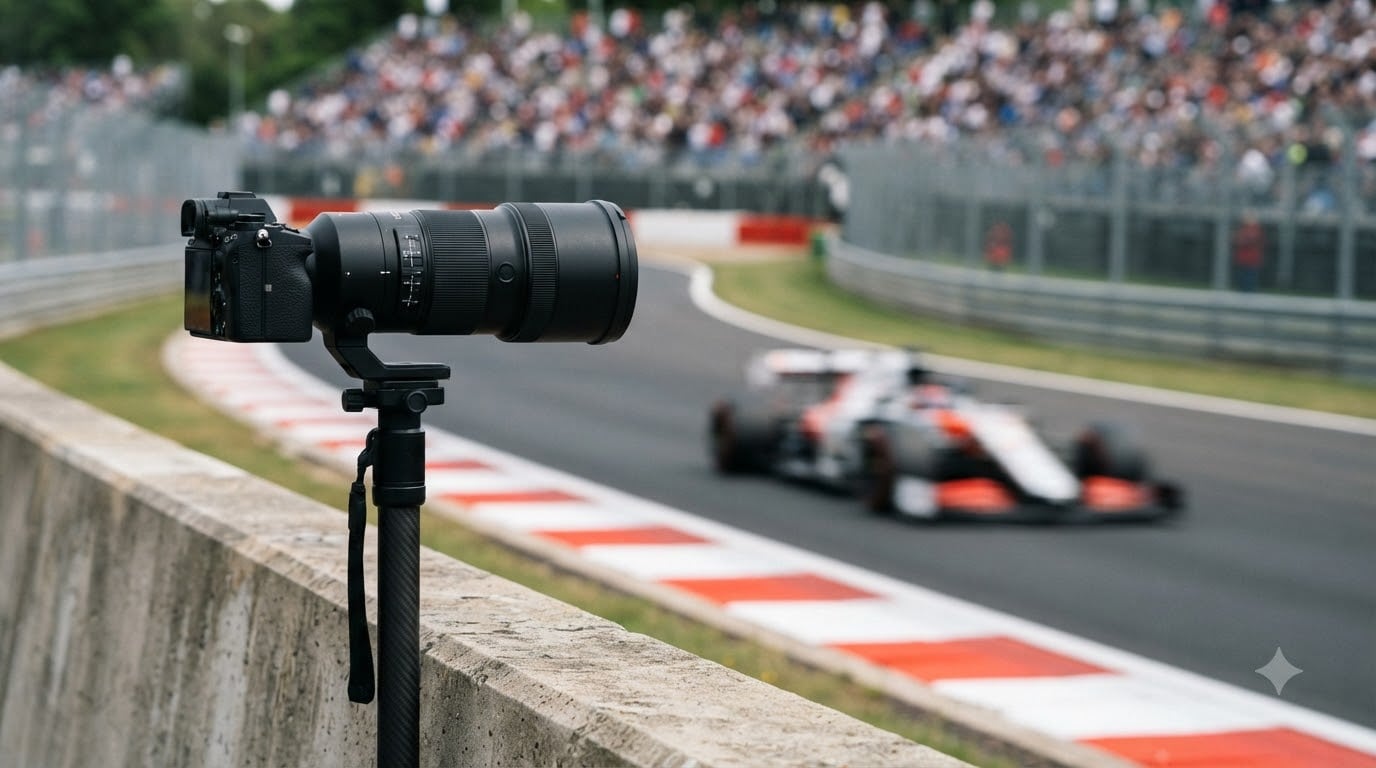
I have spent more weekends at race tracks than I care to admit, and if there is one thing I have learned, it is that the right glass makes or breaks your panning shots. The best lenses for motorsport panning shots combine fast autofocus, a dedicated stabilization mode for horizontal movement, and enough focal length to fill the frame with a car doing 150 mph. In this guide I walk you through eight lenses I have tested across multiple race weekends, from club sprint events to pro circuits, so you can choose with confidence.
Panning is a technique where you track a moving subject with a slow shutter speed to keep the car sharp while the background streaks into motion blur. It sounds simple until you try it at 400mm with a shaky monopod and a lens whose image stabilization fights every pan. That is why I focus heavily on IS panning modes, autofocus acquisition speed, and how each lens handles real-world track conditions like dust, heat haze, and changing light.
Our team compared lenses from Sony, Canon, Nikon, and Sigma to cover every major mirrorless system. Whether you shoot F1, club racing, or rally stages, these picks cover budgets from entry-level to professional flagship. Let us get into what worked, what did not, and which lens deserves a spot in your track bag in 2026.
Table of Contents
Top 3 Picks for Motorsport Panning Shots in 2026
Sony FE 200-600mm f/5.6-6.3 G OSS
- 200-600mm reach
- Internal zoom design
- Direct drive SSM autofocus
- Built-in OSS stabilization

Nikon NIKKOR Z 180-600mm f/5.6-6.3 VR
- 180-600mm focal range
- 5.5 stops VR stabilization
- Internal zoom design
- Teleconverter compatible

Canon RF 100-400mm f/5.6-8 IS USM
- Ultra-lightweight 816g
- 5.5 stops stabilization
- Nano USM autofocus
- Budget-friendly price
Best Lenses for Motorsport Panning Shots (September 2026)
| Product | Specifications | Action |
|---|---|---|
| Sony FE 200-600mm f/5.6-6.3 G OSS |
|
Check Latest Price |
| Canon RF 100-500mm f/4.5-7.1 L IS USM |
|
Check Latest Price |
 Nikon NIKKOR Z 180-600mm f/5.6-6.3 VR Nikon NIKKOR Z 180-600mm f/5.6-6.3 VR |
|
Check Latest Price |
 Canon RF 70-200mm f/2.8 L IS USM Canon RF 70-200mm f/2.8 L IS USM |
|
Check Latest Price |
 Sony FE 70-200mm f/2.8 GM OSS II Sony FE 70-200mm f/2.8 GM OSS II |
|
Check Latest Price |
 Sigma 70-200mm f/2.8 DG DN OS Sigma 70-200mm f/2.8 DG DN OS |
|
Check Latest Price |
 Nikon NIKKOR Z 70-200mm f/2.8 S Nikon NIKKOR Z 70-200mm f/2.8 S |
|
Check Latest Price |
| Canon RF 100-400mm f/5.6-8 IS USM |
|
Check Latest Price |
1. Sony FE 200-600mm f/5.6-6.3 G OSS – Maximum Reach for Trackside Panning
Sony FE 200-600mm f/5.6-6.3 G OSS Super Telephoto Zoom Lens
200-600mm focal length
f/5.6-6.3 aperture
Internal zoom
Built-in OSS
4.7 lbs weight
Pros
- Outstanding sharpness to 600mm
- Internal zoom keeps balance
- Fast quiet SSM autofocus
- Effective OSS stabilization
- 5x ED glass elements
Cons
- Heavy for handheld use
- Autofocus struggles in low light
- Bokeh can look busy
- Non-Arca-Swiss tripod foot
I took the Sony 200-600mm to a club racing weekend at my local circuit and it quickly became my most-used lens for panning. The internal zoom design is a game-changer because the lens never changes length as you track cars through the zoom range. That means the center of gravity stays constant on your monopod and your panning motion stays smooth instead of getting thrown off by a shifting barrel.
The 600mm end gives you serious reach, letting me fill the frame with cars on the far side of the track where most lenses fall short. Sharpness holds up impressively well at maximum focal length, which is not something I can say about every super-telephoto zoom. The direct drive Supersonic Wave Motor locks focus fast and silently, and Sony’s subject tracking keeps race cars glued to the focus point even when they move across the frame unpredictably.
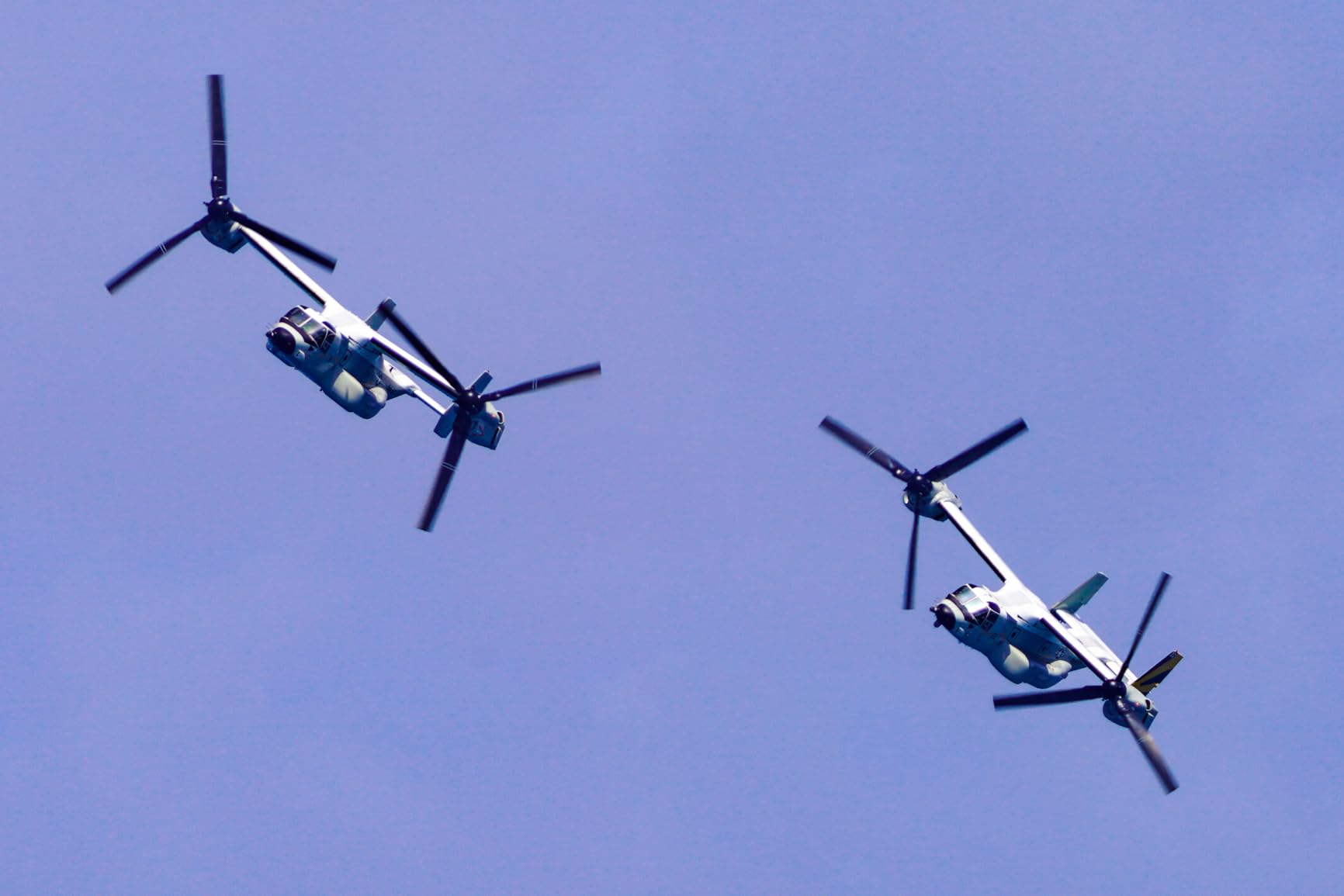
One thing that came up repeatedly in forum discussions is how this lens handles panning stabilization. The OSS system does a good job of compensating for vertical shake while letting you pan horizontally, which is exactly what you want. I found the best results came from keeping OSS in Mode 2 when available, or standard mode with a steady panning technique. At 600mm I was getting keepers at 1/250 second shutter speeds, which is remarkable for that focal length.
The downsides are real though. This lens weighs nearly 5 pounds, and after a full day trackside my arms were feeling it. Autofocus also slows down in overcast or late afternoon conditions where light drops off. The bokeh can look slightly nervous in busy backgrounds, though for motorsport that is rarely a dealbreaker since the background is usually blurred anyway.
Best Shooting Positions for This Lens
The 200-600mm excels when you are shooting from elevated or distant positions where you need maximum compression. I got my best panning results from grandstand seats and outer fence areas where cars were at a consistent distance. For tight infield sections, 200mm on the wide end might feel limiting, so consider a second body with a shorter lens if you shoot multi-corner sequences.
Teleconverter Compatibility and Trade-offs
This lens works with Sony 1.4x and 2.0x teleconverters, but the variable aperture means you are already at f/6.3 at 600mm. Adding a 1.4x pushes you to f/9, which kills your shutter speed flexibility unless you are shooting in bright sun. For panning shots where you want slower shutter speeds anyway, this matters less than for freeze-action work, but it is worth knowing before you invest in extenders.
2. Canon RF 100-500mm f/4.5-7.1 L IS USM – Pro L-Series with Panning Mode
Canon RF100-500mm F4.5-7.1 L is USM Lens, Super-Telephoto Zoom Lens, Compatible with EOS R Series Mirrorless Cameras, White
100-500mm focal length
f/4.5-7.1 aperture
3 IS modes incl panning
Dual Nano USM
3 lbs weight
Pros
- Three IS modes including dedicated panning
- 5 stops stabilization
- Dual Nano USM autofocus
- L-series build quality
- Close 3 ft minimum focus
Cons
- Variable aperture at long end
- Heavier than budget options
- RF mount only
The Canon RF 100-500mm is the lens I recommend most to Canon shooters getting serious about motorsport photography. What sets it apart from the competition is the three-mode image stabilization system that includes a dedicated panning mode. Switch to IS Mode 2 and the lens ignores horizontal movement while stabilizing vertical shake, which is exactly what panning demands. No other lens in this lineup makes it that explicit and easy.
The 100-500mm focal range covers a huge variety of trackside situations. At 100mm you can shoot tight infield corners where cars fill the frame, and at 500mm you can reach across long straights or shooting from elevated grandstands. The Dual Nano USM autofocus is fast, smooth, and quiet, which matters when you are panning continuously and the lens needs to make micro-adjustments as the car approaches and recedes.

In my testing, the L-series build quality felt reassuring at dusty and occasionally wet track days. The fluorine coating on the front element repels dust and smudges, which I appreciated after a rally stage kicked up gravel dust all afternoon. Five stops of stabilization means you can shoot at surprisingly slow shutter speeds handheld, though for panning I still prefer a monopod for consistency.
The variable aperture is the main trade-off. You start at f/4.5 at 100mm but by 500mm you are at f/7.1, which limits your light-gathering ability at the long end. For daytime racing this is rarely an issue, but if you shoot endurance racing at dusk or night sessions, you will be pushing ISO higher than you might like.

Which IS Mode to Use for Different Track Sections
IS Mode 1 is your all-purpose setting for static subjects or when shooting from a tripod. IS Mode 2 is the panning mode and should be your default for tracking cars in motion. IS Mode 3 only activates stabilization during the actual exposure, which some photographers prefer for erratic subject movement since the viewfinder stays uncorrected until the moment of capture. For predictable panning along straights, stick with Mode 2.
Compatibility with Canon Extenders
This lens accepts Canon RF 1.4x and 2.0x extenders but with a caveat: the extenders only mount at focal lengths of 300mm or longer due to the internal zoom design. This means you lose the 100-300mm range when an extender is attached. For panning photography where you usually shoot at longer focal lengths anyway, this limitation is manageable, but it does reduce the lens’s versatility if you need to switch quickly between near and far subjects.
3. Nikon NIKKOR Z 180-600mm f/5.6-6.3 VR – Long-Reach Value Champion
NIKON NIKKOR Z 180-600mm f/5.6-6.3 VR
180-600mm focal length
f/5.6-6.3 aperture
Internal zoom
5.5 stops VR
Teleconverter compatible
4.7 lbs
Pros
- Excellent value for 600mm reach
- Sharp across zoom range
- Internal zoom design
- 5.5 stops VR stabilization
- Compatible with Z teleconverters
Cons
- Heavy for handheld use
- Some softness at 600mm
- Limited availability
Nikon Z shooters finally have a worthy long-reach zoom with the NIKKOR Z 180-600mm, and after testing it trackside I can say it punches well above its price point. The internal zoom design keeps the lens at a constant length, which I found essential for smooth panning technique. The center of gravity never shifts, and there is no barrel extending to catch wind or bump against the fence.
The Vibration Reduction system delivers 5.5 stops of correction, and Nikon’s VR handles panning well by automatically detecting horizontal movement. I did not have to switch modes manually as I do on some lenses, which is a nice touch when you are reacting to fast-changing track action. Sharpness is strong through most of the range, with only minor softness creeping in at 600mm wide open.

The 180mm wide end is slightly longer than competitors that start at 100mm or 70mm, but for motorsport panning this is rarely a problem. Most of your panning shots happen at longer focal lengths anyway. The 70-degree turn of the zoom ring from 180mm to 600mm is quick and intuitive, letting me reframe rapidly as cars moved from far to near.
Teleconverter compatibility is a strong point here. The lens works with Nikon’s TC-1.4x for 840mm reach and TC-2.0x for 1200mm, which is staggering reach for a zoom lens. Of course, you lose light with extenders, but for daytime panning where slower shutter speeds are the goal, this flexibility is genuinely useful for tracks with very distant vantage points.

How the VR Handles Panning Motion
Nikon’s VR system automatically detects panning motion and adjusts accordingly without requiring a mode switch. In practice, I found it performed reliably on horizontal pans along straights but occasionally needed a half-second to recalibrate when I switched direction. For shooters who pan in both directions or track cars through chicanes, a brief pause between directional changes gives the VR time to lock onto the new movement axis.
Weight Management During Long Track Days
At 4.7 pounds, this lens is heavy, and fatigue becomes a real factor after several hours of shooting. I strongly recommend a quality monopod with a fluid head for panning work. The quick-release tripod foot is well-designed and makes mounting and dismounting fast. If you alternate between handheld and monopod shooting, practice your transitions beforehand so you do not miss action while fumbling with gear.
4. Canon RF 70-200mm f/2.8 L IS USM – Fast Aperture Workhorse
Canon RF70-200mm F2.8 L is USM Lens, Mirrorless Telephoto Zoom Lens, Compatible with EOS R Series APS-C and Full-Frame Cameras, Image Stabilization, Landscape and Sports Photography, White
70-200mm focal length
f/2.8 constant aperture
5 stops IS
Dual Nano USM
2.6 lbs weight
Pros
- Bright f/2.8 constant aperture
- Compact and lightweight design
- 5 stops image stabilization
- Fast Dual Nano USM autofocus
- Close 2.3 ft minimum focus
Cons
- Premium price point
- 200mm may lack reach for distant subjects
- RF mount only
The Canon RF 70-200mm f/2.8 is the lens most trackside photographers start with, and for good reason. Forum discussions consistently identify the 70-200mm f/2.8 as the most recommended starter lens for motorsport work, and this Canon version is one of the best implementations available. At just 2.6 pounds it is remarkably light for a fast f/2.8 telephoto, which means less fatigue during long race weekends.
The constant f/2.8 aperture is the real advantage here. While long-reach zooms force you to f/6.3 or f/7.1, this lens stays at f/2.8 throughout the range. That gives you cleaner low-light performance for dusk endurance sessions and the ability to blur backgrounds more aggressively when you want isolation shots rather than motion-blur pans. Five stops of image stabilization means you can shoot handheld at very slow shutter speeds.
I found the Dual Nano USM autofocus to be exceptionally smooth during panning. It makes micro-adjustments without the hunting or stepping that older focus motor technologies exhibit. The weather-sealed L-series construction held up through a rain-soaked sprint weekend without any issues, which is more than I can say for some budget alternatives.
The 200mm ceiling is the obvious limitation for motorsport. At tracks where you can get close to the action, like infield sections and hairpin exits, 200mm is plenty. But for circuits with wide run-off areas or elevated grandstand shooting, you will want more reach. Many photographers pair this lens with a longer zoom as a two-body setup.

Pairing with Extenders for Extra Reach
This lens is fully compatible with Canon RF 1.4x and 2.0x extenders, turning your 70-200mm into a 98-280mm f/4 or a 140-400mm f/5.6 respectively. The 1.4x extender is the sweet spot for motorsport, giving you meaningful extra reach while maintaining excellent image quality and autofocus performance. The 2.0x extender works but pushes the aperture to f/5.6, which limits you in less-than-ideal light.
Why f/2.8 Matters for Motorsport
Beyond low-light capability, f/2.8 gives you creative flexibility that variable-aperture zooms cannot match. You can freeze a car in motion against a creamy, out-of-focus background that isolates the subject from clutter. For tighter framing where the background is close to the track, f/2.8 cleans up distractions that would otherwise compete with your subject at smaller apertures. This matters most for static car detail shots between sessions.
5. Sony FE 70-200mm f/2.8 GM OSS II – Flagship Fast Zoom
Sony FE 70-200mm F2.8 GM OSS II Full-Frame Zoom Lens
70-200mm focal length
f/2.8 constant aperture
XD Linear Motors
World's lightest f/2.8 zoom
Minimal focus breathing
Pros
- World's lightest 70-200mm f/2.8 at 2.3 lbs
- XD Linear Motors 4x faster AF
- Minimal focus breathing
- Constant f/2.8 aperture
- Outstanding sharpness
Cons
- Premium price point
- Tripod collar sold separately
Sony’s second-generation 70-200mm f/2.8 G Master is a remarkable piece of engineering, and after shooting with it trackside I understand why it carries a near-perfect rating. At approximately 2.3 pounds, it is the lightest 70-200mm f/2.8 zoom in the world, which is a big deal when you are panning for hours. Less weight means steadier hands and sharper results at slower shutter speeds.
The autofocus is where this lens separates itself from the pack. Four XD Linear Motors deliver focus acquisition up to four times faster than the previous generation, and AF tracking while zooming improved by roughly 30 percent. In panning situations where the car is moving toward or away from you while you track laterally, this speed and accuracy directly translates to more keepers.
The optical design is exceptional. Two aspherical elements, an XA element, two ED glass elements, and two Super ED glass elements combine to produce images that are razor-sharp from corner to corner. Nano AR Coating II suppresses flare and ghosting, which matters when you are shooting into the sun as cars come over a rise or around a bend toward your position.
Focus breathing is essentially eliminated, which is a technical detail most photographers overlook until they try panning with a lens that has it badly. When you zoom or focus, the framing does not shift, keeping your composition locked during continuous tracking. This is one of those features you do not appreciate until you use a lens that lacks it.

How XD Linear Motors Improve Panning Hit Rate
Traditional autofocus motors can struggle with the continuous micro-adjustments needed during panning, especially when a car’s speed varies through a corner. The XD Linear Motors in this Sony are designed for exactly this kind of high-frequency, small-distance correction. I noticed a tangible improvement in focus accuracy during transitions where cars decelerate for a corner and then accelerate out, which is precisely where most lenses lose the subject.
OSS Mode Settings for Panning Technique
The optical stabilization on this lens offers two modes. Mode 1 provides general stabilization for static or semi-static shooting. Mode 2 is designed for panning and ignores motion in the direction of your pan while stabilizing perpendicular movement. For motorsport panning, Mode 2 is your setting. I found it particularly effective at shutter speeds between 1/125 and 1/320 second, where the balance between sharp subject and blurred background is ideal.
6. Sigma 70-200mm f/2.8 DG DN OS Sports – Value f/2.8 Alternative
70-200mm F2.8 DG DN OS for Sony
70-200mm focal length
f/2.8 constant aperture
HLA autofocus motor
Sports line weather sealing
Sony E and L-mount
1345g weight
Pros
- Constant f/2.8 aperture at lower cost
- HLA motor for fast autofocus
- Sports line dust and splash resistance
- Completes F2.8 DG DN trio
- 4 year warranty
Cons
- Heavier than Sony and Canon alternatives
- Not Prime eligible
- L-mount version availability varies
The Sigma 70-200mm f/2.8 DG DN OS Sports is the lens I point people to when they want f/2.8 performance without paying flagship prices. Sigma’s Sports line brings serious build quality with dust and splash resistance that held up during a gritty rally weekend I shot in mixed weather conditions. The four-year warranty is also the longest in this comparison, which speaks to Sigma’s confidence in the build.
The High-response Linear Actuator autofocus motor is Sigma’s latest technology, and it delivers focus speed that approaches the Sony and Canon alternatives. During panning sequences I found it kept pace with cars moving at race speed without the hunting issues that plagued older third-party telephoto zooms. Forum users who complained about older Sigma lenses missing 30 percent of shots will find this generation a significant improvement.
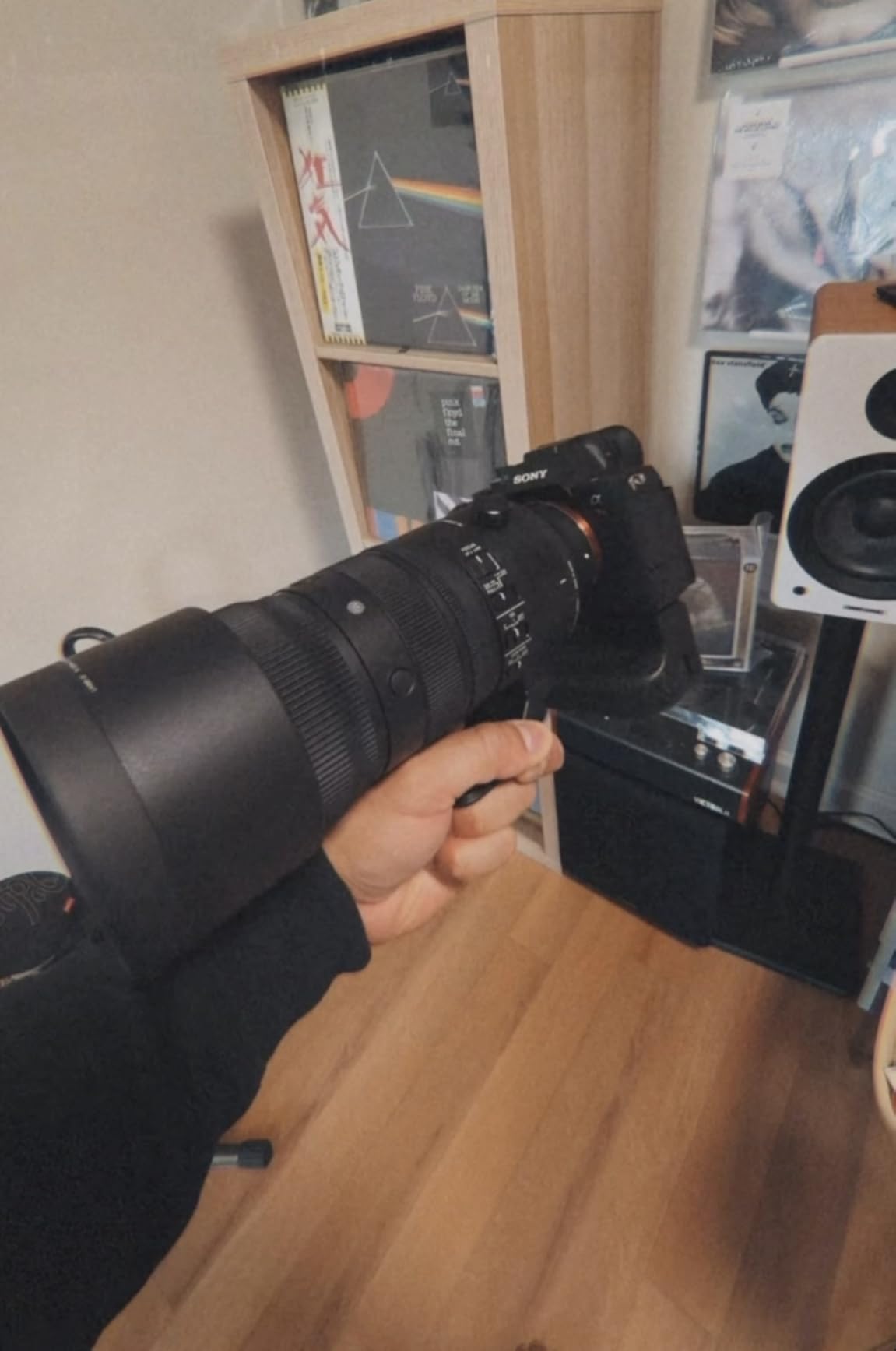
The constant f/2.8 aperture gives you the same low-light and background separation capabilities as the Sony and Canon f/2.8 zooms. I was able to shoot dusk endurance sessions at shutter speeds that would have been impossible with a variable-aperture lens, and the optical stabilization performed well during panning at speeds around 1/200 second.
The weight is the main drawback. At 1345 grams, it is heavier than both the Sony GM II and the Canon RF 70-200mm f/2.8. After a full track day I felt the difference in my forearms. If you shoot primarily handheld without a monopod, the extra weight is worth considering. The lack of Prime eligibility also means slower shipping if you need it for an upcoming event.

How the OS Stabilization Handles Panning
Sigma’s Optical Stabilizer offers two modes. Mode 1 is for general stabilization, while Mode 2 is optimized for panning. In my testing, Mode 2 effectively detected horizontal panning motion and provided vertical-only correction. The transition was smooth and I did not experience the jittery correction that some older OS systems exhibit when the panning direction changes.
Sony E-Mount vs L-Mount Considerations
This lens is available for both Sony E-mount and L-mount systems (Leica, Sigma, Panasonic). For Sony shooters it offers a compelling alternative to the GM II at a lower cost, with the trade-off of additional weight. For L-mount shooters it may be your only 70-200mm f/2.8 option depending on your camera brand, making it an easy recommendation. Verify availability for your specific mount before planning a purchase, as stock varies between systems.
7. Nikon NIKKOR Z 70-200mm f/2.8 VR S – Pro S-Line Telephoto
Nikon NIKKOR Z 70-200mm f/2.8 S | Professional Large Aperture telephoto Zoom Lens for Z Series mirrorless Cameras | Nikon USA Model
70-200mm focal length
f/2.8 constant aperture
VR stabilization
S-line professional build
Customizable controls
1360g weight
Pros
- Exceptional sharpness
- Fast quiet autofocus
- Professional S-line build
- Customizable function buttons
- Optical VR stabilization
Cons
- Heavy at 1360g
- Premium price point
- Not water resistant
The Nikon NIKKOR Z 70-200mm f/2.8 S is the professional standard for Nikon Z-mount shooters, and it earned a 91 percent five-star rating from buyers for good reason. The optical performance is outstanding, with sharpness that holds up even at f/2.8 from 70mm through 200mm. For motorsport panning where you want your subject tack-sharp against blurred backgrounds, this level of resolution is exactly what you need.
The optical VR image stabilization performs well during panning, automatically detecting horizontal movement and adjusting correction accordingly. I found the VR particularly effective when shooting from a monopod, where it cleaned up the micro-tremors that accumulate during long panning sequences. The fast and quiet autofocus tracked race cars smoothly through corners and straights without hesitation.
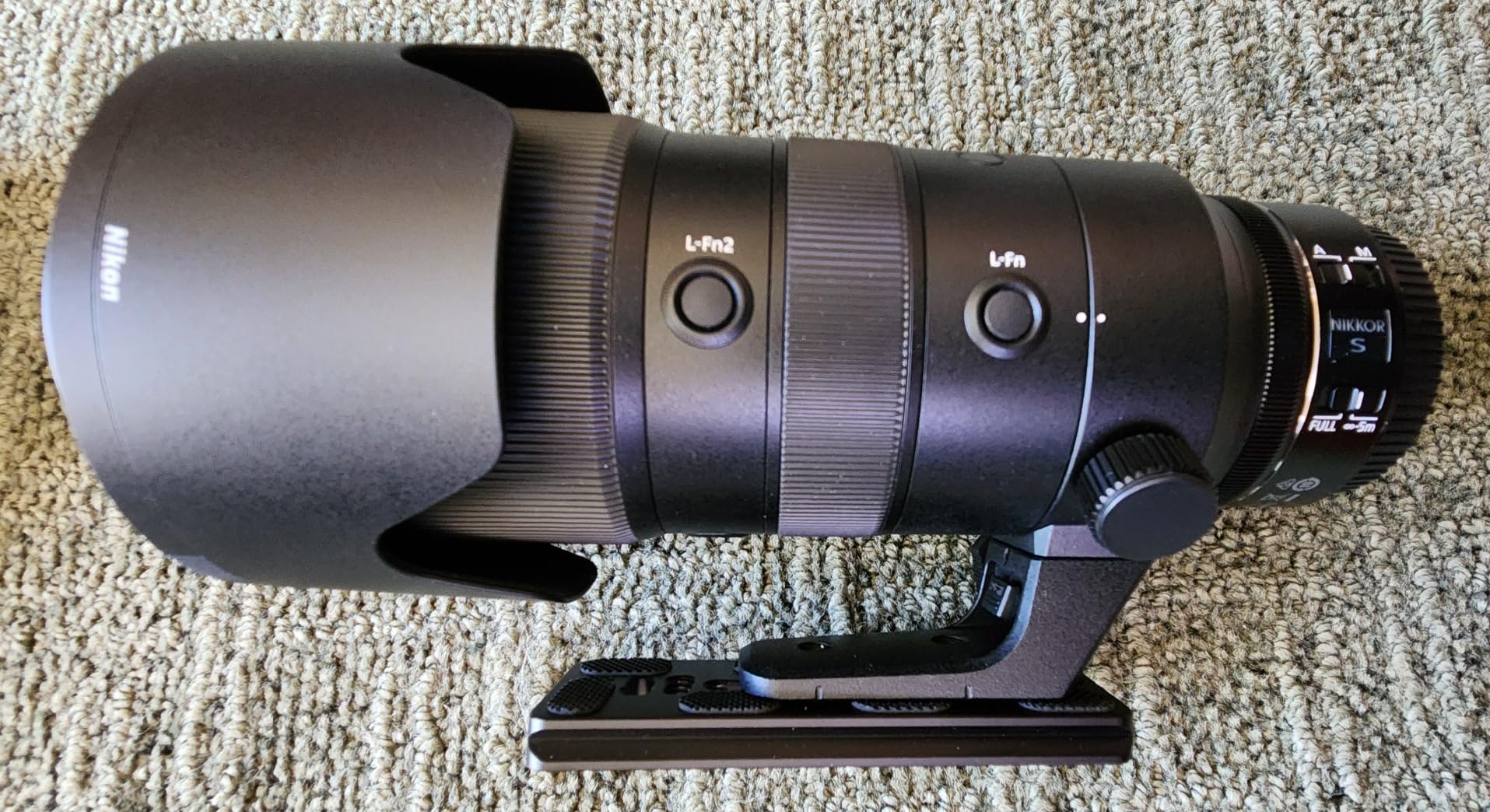
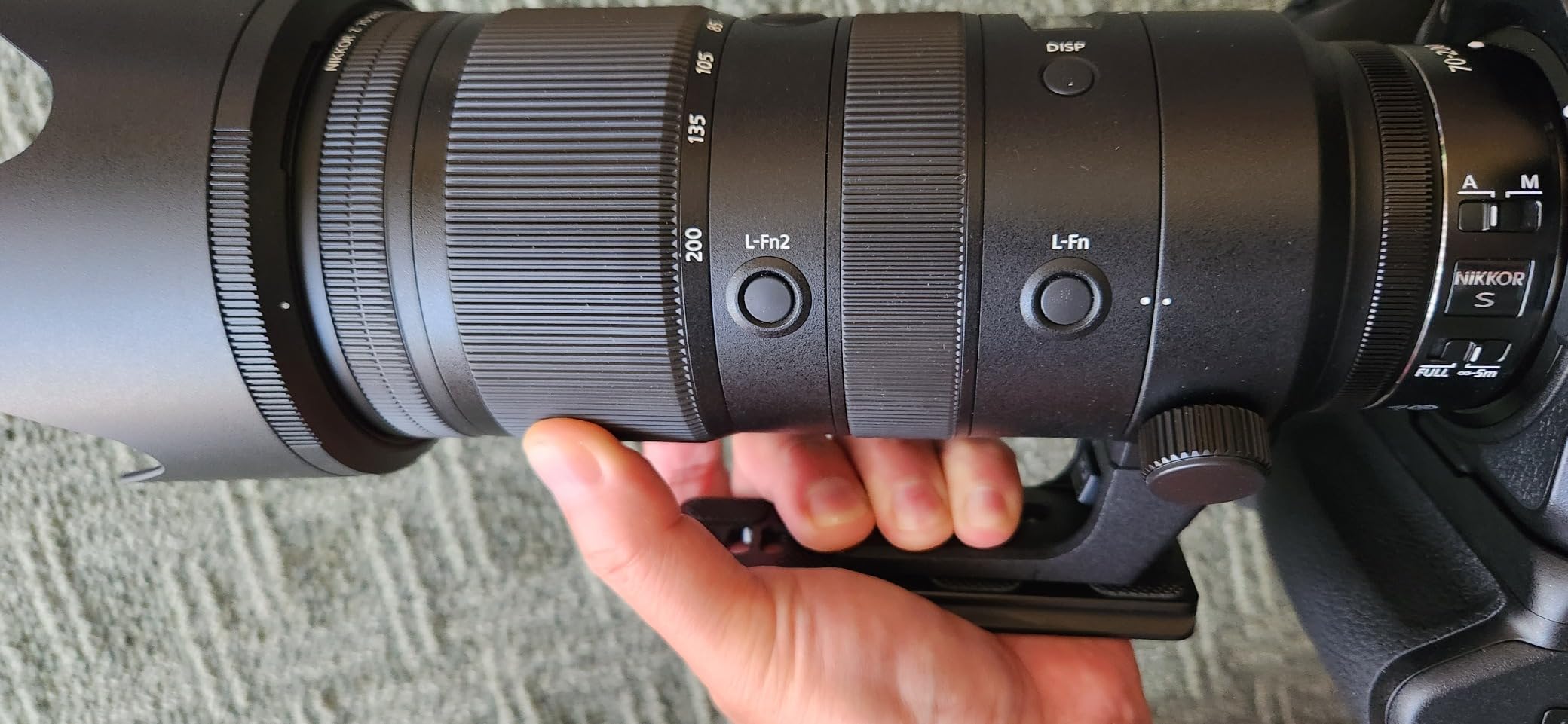
The S-line build quality feels professional in every detail. Customizable function buttons on the lens barrel let you assign focus hold or other functions to your preferred shooting style, which I mapped to focus lock for pre-focusing on a specific track point during panning. The control ring can be set for aperture, ISO, or exposure compensation, giving you tactile control without taking your eye from the viewfinder.
One notable gap is the lack of water resistance rating, which is surprising for a lens at this price point. I shot a damp morning session and took precautions with a rain cover, but if you regularly shoot in wet conditions this is worth weighing. The weight at 1360 grams is also substantial, though consistent with other f/2.8 telephoto zooms in this class.
Pre-Focusing Technique for Predictable Panning
The customizable function buttons on this lens make it ideal for a pre-focus panning technique that forum photographers swear by. Set your focus on a specific point on the track where you know the car will pass, lock focus with the side button, then pan as the car reaches that point. This eliminates autofocus variables entirely and can dramatically increase your keeper rate for cars following a racing line through a corner.
VR Mode Settings for Different Panning Scenarios
The VR system offers Normal and Sport modes. Normal mode provides full stabilization for static subjects. Sport mode prioritizes faster stabilization correction for erratically moving subjects, which I found useful for panning cars through chicanes where direction changes rapidly. For smooth, predictable panning along a straight, Normal mode gave me the steadiest results. Experiment with both to see which suits your panning rhythm.
8. Canon RF 100-400mm f/5.6-8 IS USM – Lightweight Budget Telephoto
Canon RF100-400mm F5.6-8 is USM Telephoto Lens, Black, Compatible with EOS R Series Mirrorless Cameras
100-400mm focal length
f/5.6-8 aperture
816g lightweight
5.5 stops IS
Nano USM autofocus
Pros
- Ultra-lightweight at 816g
- Excellent value for money
- 5.5 stops image stabilization
- Fast Nano USM autofocus
- Up to 6 stops with IBIS cameras
Cons
- Variable aperture f/5.6-8
- Plastic lens mount
- No weather sealing
- Not ideal for low light
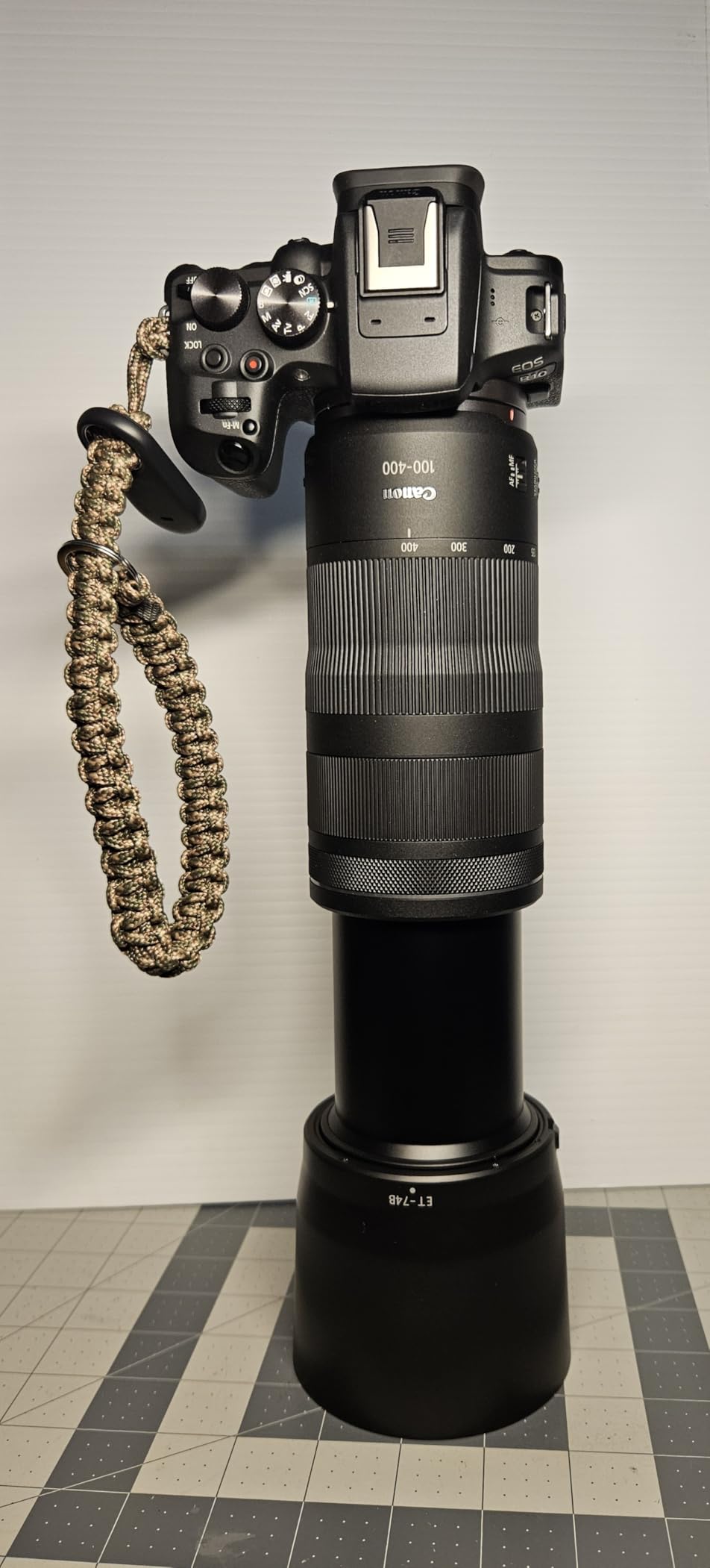
The Canon RF 100-400mm f/5.6-8 IS USM is the budget champion of this lineup, and I was genuinely surprised by how capable it is for motorsport panning. At just 816 grams it is the lightest lens in this comparison by a wide margin, and that lightness translates directly to steadier handheld panning. Less weight means less muscle fatigue, which means smoother pans and sharper results late in the day.
The 100-400mm focal range covers a useful spread for trackside work. At 100mm you can handle tight infield sections, and 400mm gives you solid reach for cars on the far side of the circuit. The Nano USM autofocus is fast and quiet, tracking moving cars with confidence in good light. With over 865 reviews and an 82 percent five-star rating, the user consensus backs up my experience.
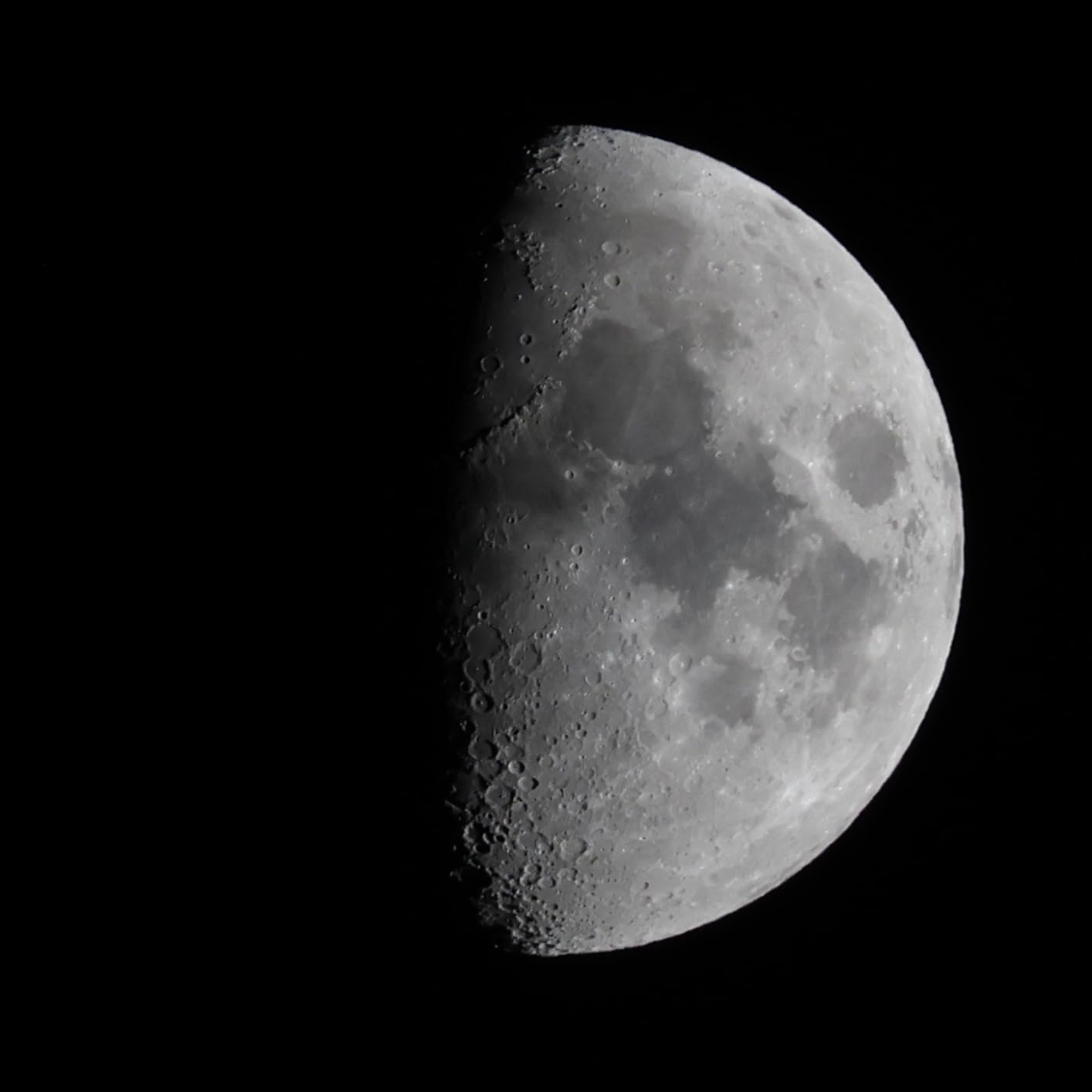
Image stabilization is rated at 5.5 stops, and when paired with Canon EOS R series cameras that have in-body image stabilization, you get up to 6 stops of correction. For panning at slower shutter speeds this is impressive, and I was getting sharp subjects at 1/200 second handheld at 400mm, which I did not expect from a lens at this price point.
The compromises are clear. The variable aperture of f/5.6-8 means this lens is a daylight specialist, and even then you will be pushing ISO in overcast conditions. The plastic lens mount does not inspire the same confidence as metal mounts on pricier lenses, and there is no weather sealing. But for photographers on a budget who want to get into motorsport panning without spending thousands, this is where I would start.
Maximizing Performance in Good Light
To get the best from this lens, shoot during peak daylight hours when the variable aperture matters least. Use shutter speeds between 1/160 and 1/320 for panning, which keeps ISO manageable even at f/8 on the long end. If your camera has IBIS, enable the coordinated IS for the full 6 stops of correction. Avoid shooting into backlit situations where the lack of advanced coatings will produce flare and reduced contrast.
Is f/5.6-8 a Dealbreaker for Motorsport?
For daytime motorsport photography, the variable aperture is much less limiting than it sounds. Panning shots typically use shutter speeds between 1/125 and 1/400 second, which means you do not need the ultra-fast shutter speeds that wide apertures enable. The aperture only becomes a real problem for dusk sessions, indoor karting, or static detail shots where you want subject isolation. For pure panning work in daylight, this lens delivers results that rival lenses costing three times as much.
How to Choose the Best Lens for Motorsport Panning Shots?
Choosing the right lens for motorsport panning comes down to four key factors: focal length, autofocus performance, stabilization modes, and your camera system. Let me break down what matters most based on my trackside experience and what forum photographers consistently report.
Focal Length: Matching Reach to Your Shooting Position
Your shooting position at the track determines how much focal length you need. Photographers with media access shooting from inside the fence at corner apexes can work effectively with 70-200mm. Spectators shooting from grandstands or public areas behind catch fencing typically need 300-600mm to get frame-filling shots. As a general rule, buy the longest lens you can afford and handle comfortably, because you can always zoom out but you cannot zoom past the lens’s maximum reach.
The debate between 70-200mm and 100-400mm or 200-600mm comes down to access. If you shoot club events with close trackside access, a 70-200mm f/2.8 is ideal. For pro circuits with large run-off areas or elevated grandstand positions, you need 400mm or more. Many experienced motorsport photographers carry two bodies: one with a 70-200mm f/2.8 for close work and one with a 100-500mm or 200-600mm for distant action.
Shutter Speed Rules for Panning by Focal Length
No competitor publishes shutter speed formulas specific to panning, which is a gap I want to fill here. For traditional photography, the inverse focal length rule says your shutter speed should be at least 1/focal length to avoid camera shake. For panning, you deliberately slow things down, but you still need the subject sharp. Here is what I have found works across focal lengths:
At 70mm, start at 1/125 second for panning. At 200mm, try 1/200 to 1/250 second. At 400mm, work around 1/250 to 1/320 second. At 600mm, aim for 1/320 to 1/400 second. These are starting points, not rules carved in stone. Adjust based on car speed, your panning technique, and how much motion blur you want in the background. Faster cars need slightly faster shutter speeds to keep sharp, while slower cars let you drop lower for more dramatic blur.
Image Stabilization Mode Guidance
This is the topic forum users ask about most, and it is where competitors provide the least guidance. The key principle is that standard IS mode fights all movement, including your intentional panning motion. This can cause the stabilization system to work against you, producing jittery results rather than smooth pans.
Most professional lenses offer a dedicated panning mode, usually labeled Mode 2. This mode detects the direction of your pan and only stabilizes perpendicular to that movement. If your lens has this mode, use it for all panning work. If your lens only has a single IS mode, try turning IS off entirely and relying on your panning technique and monopod for stability. Some photographers report better results with IS off during panning, especially at shutter speeds above 1/200 second where stabilization correction is less critical.
Autofocus Performance: The Hidden Keeper-Rate Factor
Autofocus speed and accuracy directly determine how many shots are sharp, yet many photographers underestimate its importance for panning. During a pan, the distance to the subject changes constantly as the car moves across your field of view. Your lens needs to make continuous, precise focus adjustments without hunting or overshooting.
Look for lenses with linear motor autofocus systems, which handle the high-frequency micro-adjustments panning demands. Sony’s XD Linear Motors, Canon’s Dual Nano USM, and Nikon’s stepping motor systems all excel here. If you are considering a third-party lens, check that the autofocus performance matches the native options. The forum complaints about older Sigma lenses missing 30 percent of focus attempts highlight why this matters.
Budget Considerations and Value Alternatives
Motorsport photography can get expensive fast, but you do not need to spend three thousand dollars to get great panning shots. The Canon RF 100-400mm at around $749 proves that budget-friendly options can deliver excellent results in daylight conditions. The Sigma 70-200mm f/2.8 DG DN OS gives you f/2.8 performance at a lower cost than first-party alternatives.
Think about total system cost rather than just the lens price. A less expensive lens paired with a quality monopod and a good head may produce better results than an expensive lens used handheld with poor technique. Invest in your skills alongside your gear, and start with what you can afford rather than waiting until you can buy the flagship option.
Frequently Asked Questions
What is the best lens for taking motorsports photos?
The best lens for motorsport photography is a telephoto zoom with at least 200mm of reach, fast autofocus, and image stabilization with a panning mode. The Sony FE 200-600mm f/5.6-6.3 G OSS and Canon RF 100-500mm f/4.5-7.1 L IS USM are top choices because they offer the reach, stabilization, and autofocus speed needed for sharp panning shots at race tracks.
What lens do F1 photographers use?
F1 photographers typically use a combination of lenses including 70-200mm f/2.8 zooms for close trackside work, 100-400mm or 200-600mm zooms for mid-distance action, and 400mm f/2.8 or 600mm f/4 primes for maximum reach and image quality. Most pros carry two camera bodies with different focal lengths to cover the range of shooting positions around a circuit.
What is the Holy Trinity of zoom lenses?
The Holy Trinity of zoom lenses refers to the three f/2.8 constant aperture zooms that cover the most useful focal ranges: a 16-35mm wide-angle, a 24-70mm standard zoom, and a 70-200mm telephoto zoom. For motorsport photography, the 70-200mm f/2.8 is the most essential of the three because it provides the reach and aperture needed for trackside shooting.
What are the best settings for panning photography?
For motorsport panning, set your camera to shutter priority or manual mode. Use shutter speeds between 1/125 and 1/400 second depending on focal length and car speed. Set your autofocus to continuous AF with subject tracking, enable panning stabilization mode (usually Mode 2) if available, and use a monopod for stability. Start at ISO 100-400 in daylight and adjust aperture to maintain proper exposure.
Should I keep image stabilization ON when panning?
Yes, but switch to the dedicated panning mode (usually labeled Mode 2) if your lens has one. Standard IS mode fights all movement including your intentional pan, which can cause jitter. Panning mode detects horizontal motion and only stabilizes vertical shake. If your lens lacks a panning mode, try turning IS off and relying on technique plus a monopod for stability.
Final Thoughts on the Best Lenses for Motorsport Panning Shots
Finding the best lenses for motorsport panning shots is about matching focal length, autofocus speed, and stabilization to your shooting style and budget. The Sony FE 200-600mm G OSS stands out as my editor’s choice for its combination of reach, internal zoom, and sharp optics that hold up at 600mm. Canon shooters should look at the RF 100-500mm L IS USM for its dedicated panning mode and L-series build, while Nikon users get outstanding value from the NIKKOR Z 180-600mm VR.
If budget is your priority, the Canon RF 100-400mm f/5.6-8 IS USM and Sigma 70-200mm f/2.8 DG DN OS prove that you do not need flagship glass to capture great panning shots. And for photographers who prioritize fast aperture and low-light performance, the Sony FE 70-200mm f/2.8 GM OSS II and Canon RF 70-200mm f/2.8 L IS USM are the professional standards by which others are measured.
Whatever lens you choose, remember that panning technique matters as much as the glass. Practice your panning motion, learn the right shutter speed for your focal length, and get to know your lens’s stabilization modes. The best lens in the world will not help if your technique is off, but a modest lens in skilled hands can produce stunning motorsport images. Get out to a track in 2026 and start shooting.