
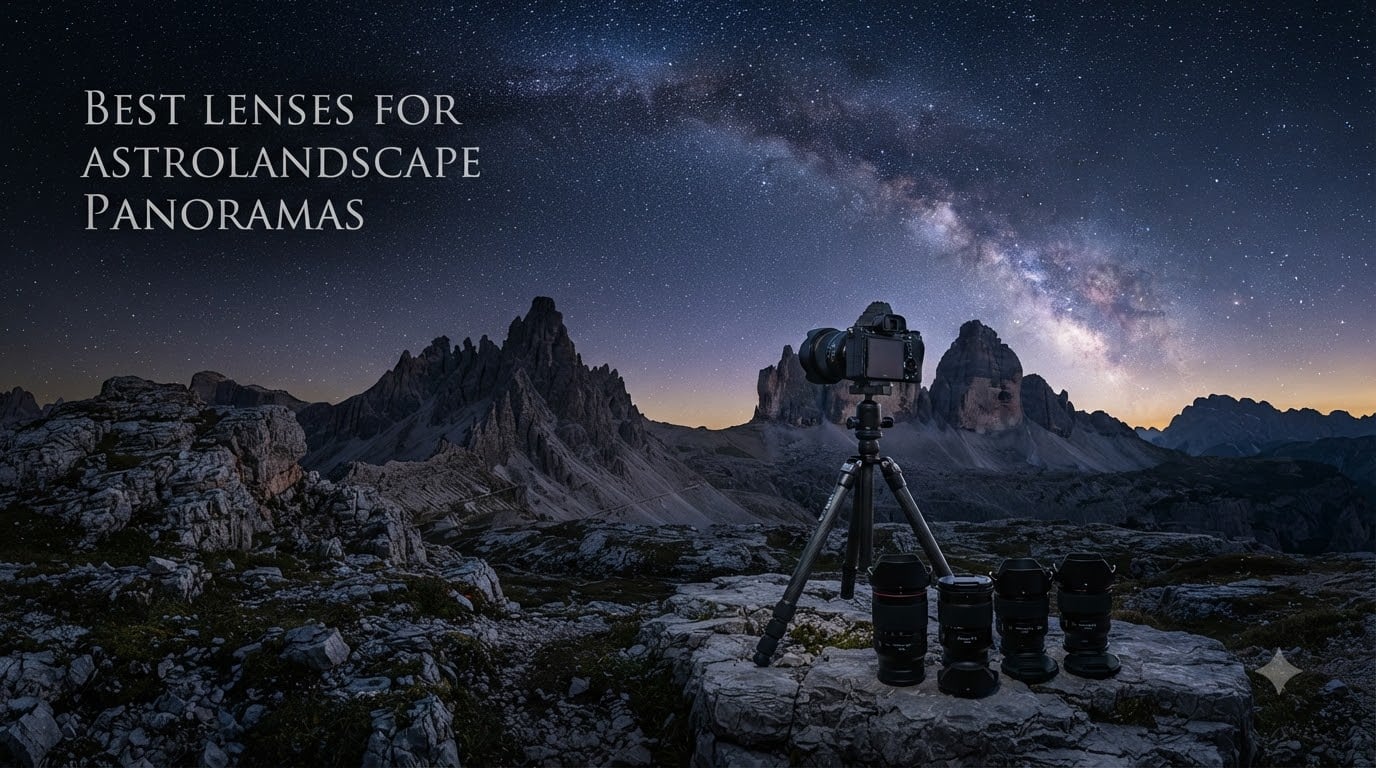
Shooting the Milky Way stretched across a mountain valley is one of the most rewarding experiences in photography, but it demands the right glass. When you are stitching multiple frames together to create sweeping night sky panoramas, your lens choice becomes even more critical than for single-shot astrophotography.
That is exactly why I put together this guide to the best lenses for astrolandscape panoramas in 2026. After testing wide-angle primes and zooms across Sony, Canon, and Sigma mounts, I narrowed the field to eight lenses that handle the specific demands of panoramic night sky photography.
The best lenses for astrolandscape panoramas combine three things: a wide focal length to capture maximum sky, a fast aperture to gather faint starlight, and clean corner performance so your stitched frames blend without visible seams. Distortion control matters too, because heavy barrel distortion at 14mm makes stitching software work harder and introduces alignment errors.
Whether you shoot Sony full-frame, Canon RF, or Sony APS-C, this guide covers options from budget-friendly VILTROX lenses to professional G Master glass. I will walk you through my real-world experience with each lens, technical performance notes, and specific recommendations for who should buy what.
Table of Contents
Top 3 Picks for Astrolandscape Panoramas (September 2026)
If you want the short version before diving into all eight reviews, here are my three top recommendations. These cover premium performance, best overall value, and a budget pick that still delivers excellent night sky results.


VILTROX AF 13mm f/1.4 Sony APS-C
- 13mm ultra-wide
- f/1.4 bright aperture
- APS-C compact
- All-metal body
Best Lenses for Astrolandscape Panoramas in 2026
Here is a quick comparison of all eight lenses side by side. Use this table to scan key specs, then read the detailed reviews below for my hands-on experience with each one.
| Product | Specifications | Action |
|---|---|---|
| Sony FE 14mm f/1.8 GM |
|
Check Latest Price |
 Sony FE 24mm f/1.4 GM Sony FE 24mm f/1.4 GM |
|
Check Latest Price |
 Sigma 14mm f/1.8 Art Canon EF Sigma 14mm f/1.8 Art Canon EF |
|
Check Latest Price |
 Sony FE 16-35mm f/2.8 GM II Sony FE 16-35mm f/2.8 GM II |
|
Check Latest Price |
 Sigma 14mm f/1.8 Art Sony E Sigma 14mm f/1.8 Art Sony E |
|
Check Latest Price |
| VILTROX AF 13mm f/1.4 APS-C |
|
Check Latest Price |
 VILTROX AF 16mm f/1.8 FE VILTROX AF 16mm f/1.8 FE |
|
Check Latest Price |
 Canon RF 24mm f/1.8 Macro IS Canon RF 24mm f/1.8 Macro IS |
|
Check Latest Price |
1. Sony FE 14mm f/1.8 GM — Ultra-Wide Panorama King
Sony FE 14mm f/1.8 GM Prime Lens
14mm focal length
f/1.8 max aperture
Sony E mount
460g
114 degree view
G Master optics
Pros
- Incredible corner-to-corner sharpness
- Ultra-wide 14mm for maximum sky coverage
- Fast f/1.8 for clean Milky Way detail
- Compact and lightweight at 460g
- Nano AR coating II reduces flare
- 9-blade circular aperture
Cons
- No image stabilization
- Manual focus only for astro work
I have spent more nights under the stars with the Sony FE 14mm f/1.8 GM than any other lens in my bag. For astrolandscape panoramas, this lens hits a sweet spot that few others can match. At 14mm, you capture an enormous 114-degree field of view, which means fewer frames to stitch when building wide panoramic mosaics of the Milky Way.
The f/1.8 aperture is the real star here. It gathers roughly 2.5 times more light than an f/2.8 zoom, which means you can drop your ISO from 6400 to around 3200 and still get clean, low-noise star fields. That lower ISO pays dividends when you stitch multiple frames together, because noise compounds across overlapped regions.
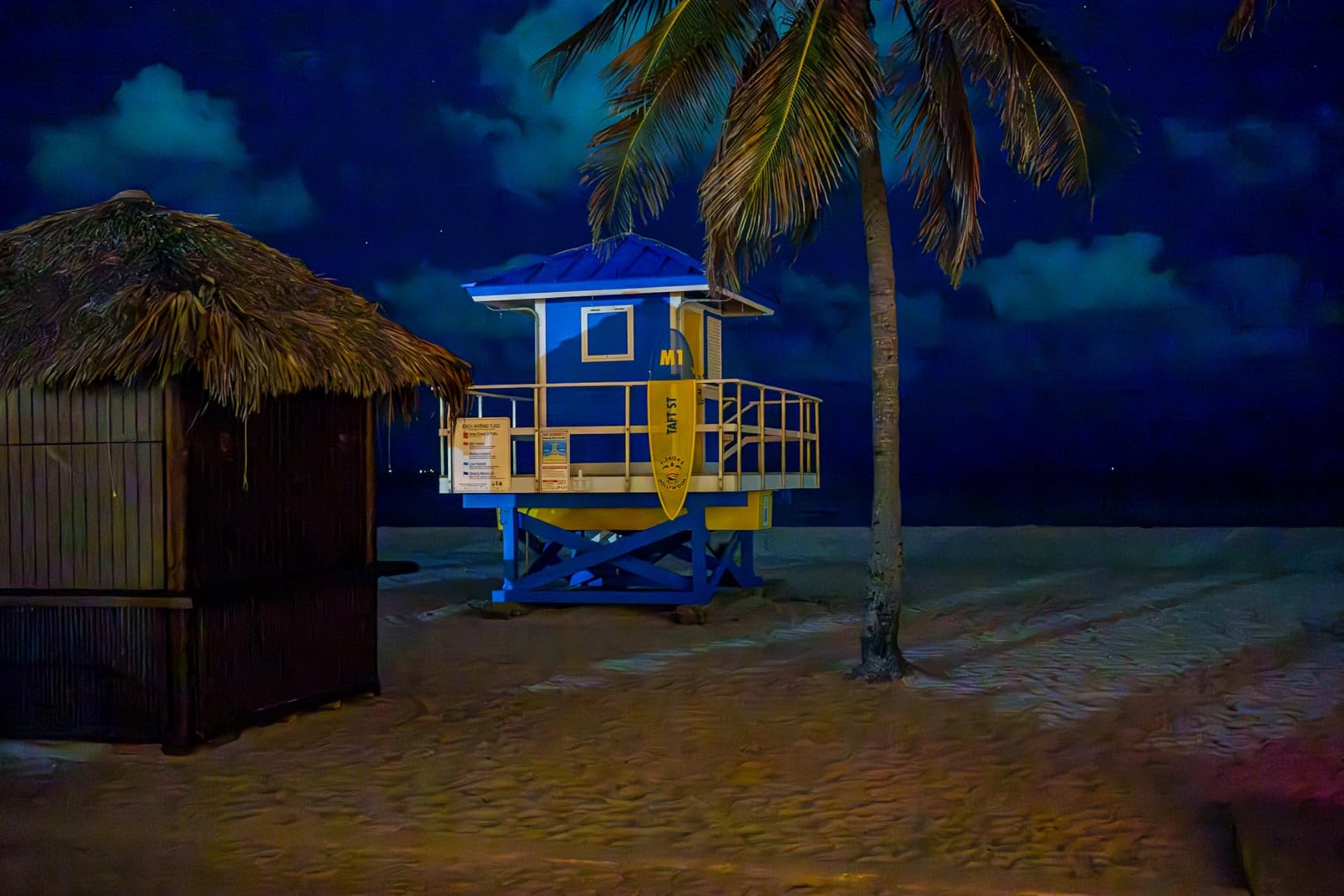
Corner performance is where G Master glass earns its reputation. Stars stay tight and round right to the edges of the frame, which is essential for panorama stitching. When your corner stars are sharp, the blending zones in your stitched panorama stay clean instead of showing smeared trails that betray the seams.
The lens weighs just 460 grams, making it one of the lightest ultra-wide astro primes available for Sony shooters. On long hikes to dark sky locations, that weight savings matters more than you might think. I have carried this lens up mountain trails at 2 AM and barely noticed it in my pack.
The Nano AR coating II does an excellent job controlling flare when bright foreground elements like tents or light-painted rocks appear in your frame. Ghosting is minimal even when shooting near the moon, which is a common scenario for astrolandscape work.
Who Should Buy This Lens
Sony full-frame shooters who want the absolute best single-lens solution for astrolandscape panoramas should look no further. This is the lens I recommend to anyone serious about Milky Way panorama work who wants professional results without compromise.
It is also ideal for photographers who frequently hike to remote dark sky locations and need a lightweight lens that does not sacrifice optical quality. The combination of 14mm width and f/1.8 speed covers nearly any astrolandscape scenario you will encounter.
Who Should Look Elsewhere
If you shoot Canon or Nikon, this lens obviously is not for you. Sony APS-C shooters will find the 14mm focal length equivalent to 21mm, which is still usable but not the ultra-wide experience full-frame users get.
Photographers on a tighter budget may find the price point steep compared to alternatives like the VILTROX 16mm f/1.8, which costs roughly one-third as much and delivers excellent results for most panorama work.
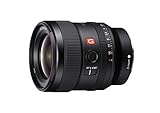
2. Sony FE 24mm f/1.4 GM — Panorama Stitching Champion
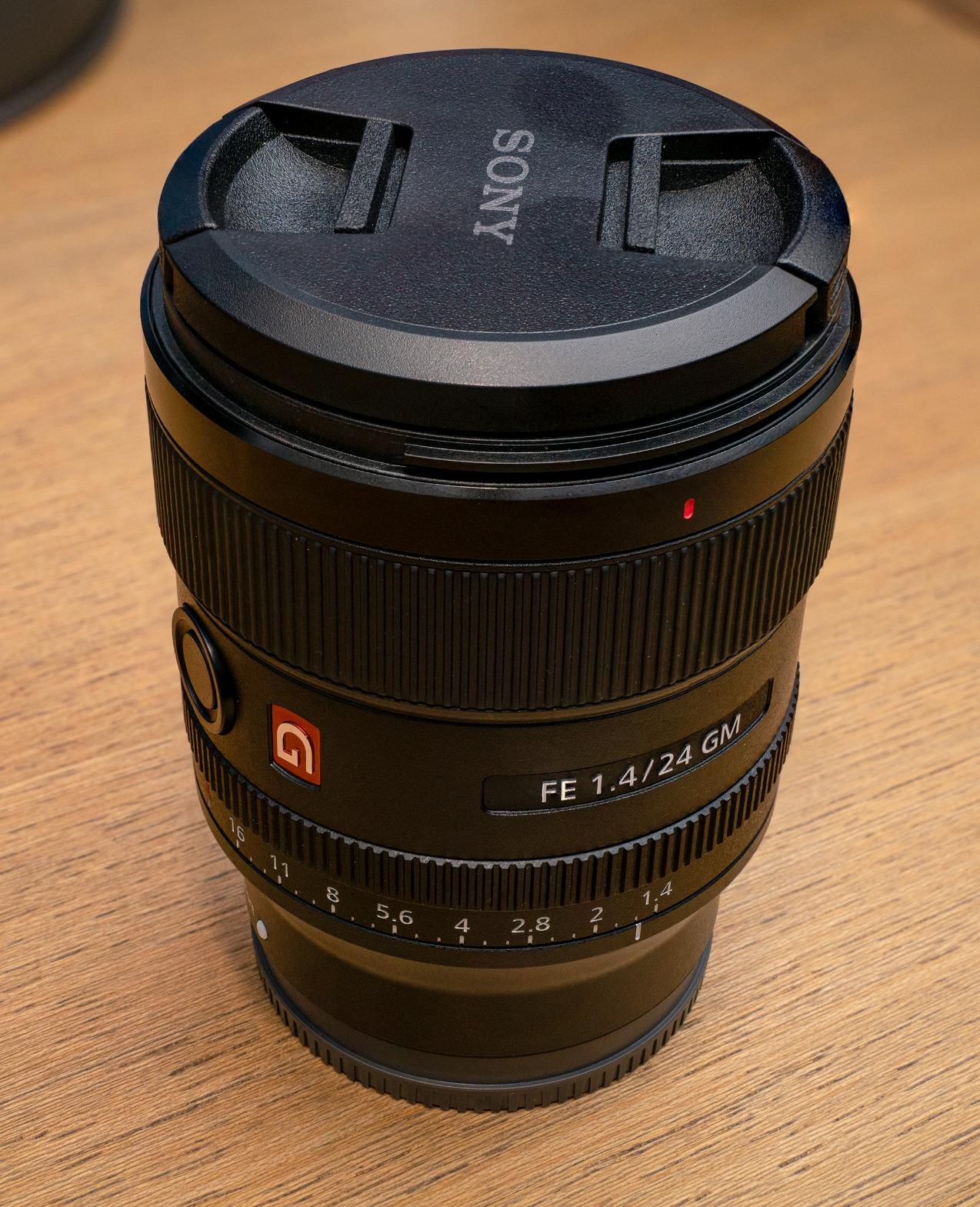
Sony FE 24mm F1.4 GM Full-Frame Wide Prime Lens
24mm focal length
f/1.4 max aperture
Sony E mount
445g
84 degree view
Weather sealed
Pros
- Incredibly fast f/1.4 aperture
- Excellent sharpness wide open
- Compact at 445g
- Weather sealed construction
- Two XA elements
- 11-blade circular aperture
Cons
- No image stabilization
- 24mm narrower than 14mm for single shots
The Sony FE 24mm f/1.4 GM is my go-to recommendation for photographers who prefer stitching panoramas from a slightly tighter focal length. At 24mm, you get less extreme distortion than ultra-wides, which means panorama stitching software has an easier time blending your frames cleanly.
The f/1.4 aperture is the fastest on this list. That extra stop of light compared to f/1.8 or f/2.8 lenses means you can shoot at lower ISOs or shorter exposures while still capturing faint nebulae and Milky Way detail. For panorama work, shorter exposures per frame mean less risk of star trailing between your stitched shots.
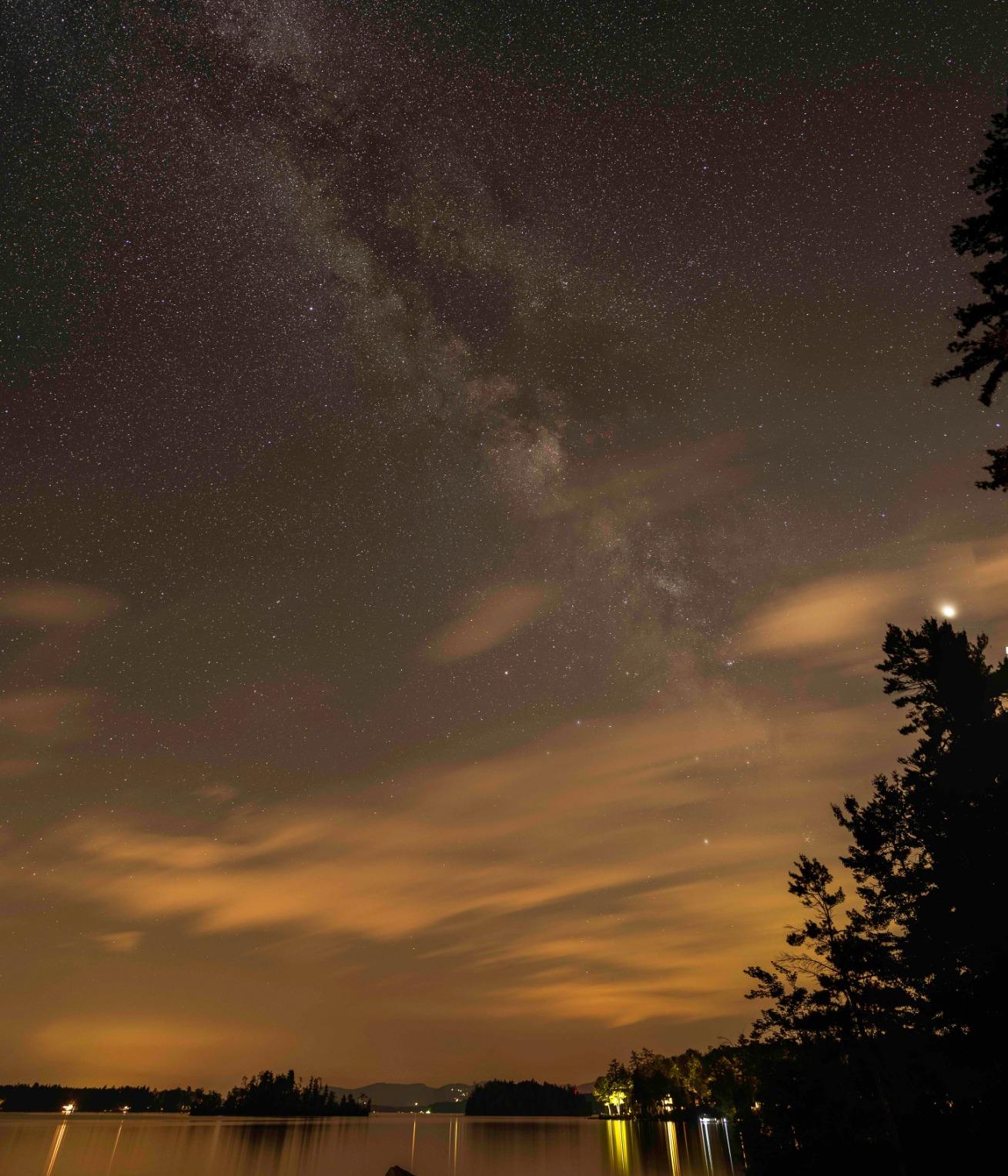
I have used this lens to shoot multi-row panoramas of the Milky Way arch, and the results are stunning. Because 24mm produces less barrel distortion than 14mm, your overlap regions blend more naturally. The forum community at r/AskAstrophotography consistently praises 24mm for panorama work for this exact reason.
The weather-sealed construction has saved my gear more than once when dew and humidity became an issue during long night shoots. At 445 grams, this lens is remarkably compact for an f/1.4 prime, and it balances perfectly on Sony A7 series bodies.
One thing to keep in mind is that 24mm captures less sky per frame than 14mm, so you will need more shots to cover the same panorama. Plan for roughly 30 to 40 percent overlap between frames to ensure clean stitching.
Who Should Buy This Lens
Sony full-frame photographers who prioritize the cleanest possible panorama stitching should strongly consider this lens. The combination of f/1.4 speed and moderate 24mm focal length produces some of the most stitch-friendly frames of any lens on the market.
It is also the best choice for photographers who want one lens that excels at both astrolandscape panoramas and general low-light photography like event or street work. The f/1.4 aperture opens creative possibilities far beyond night sky shooting.
Who Should Look Elsewhere
If you want to capture the full Milky Way arch in a single row of shots, 24mm may require more frames than you prefer. Ultra-wide shooters who want maximum sky coverage per frame should look at 14mm options instead.
Budget-conscious photographers will find the price point high. The VILTROX 16mm f/1.8 delivers excellent panorama results at roughly one-third the cost, though without the f/1.4 advantage or G Master build quality.
3. Sigma 14mm f/1.8 Art DG HSM (Canon EF) — DSLR Astro Workhorse
Sigma 14mm F/1.8 Art DG HSM Lens (for Canon EOS Cameras)
14mm focal length
f/1.8 max aperture
Canon EF mount
1170g
114.2 degree view
HSM autofocus
Pros
- Ultra-wide 14mm coverage
- f/1.8 for excellent light gathering
- Outstanding bokeh control
- Super multi-layer coating reduces flare
- Fast HSM autofocus motor
- Professional build quality
Cons
- Heavy at 1.17 kg
- No image stabilization
- Canon EF mount only (DSLR)
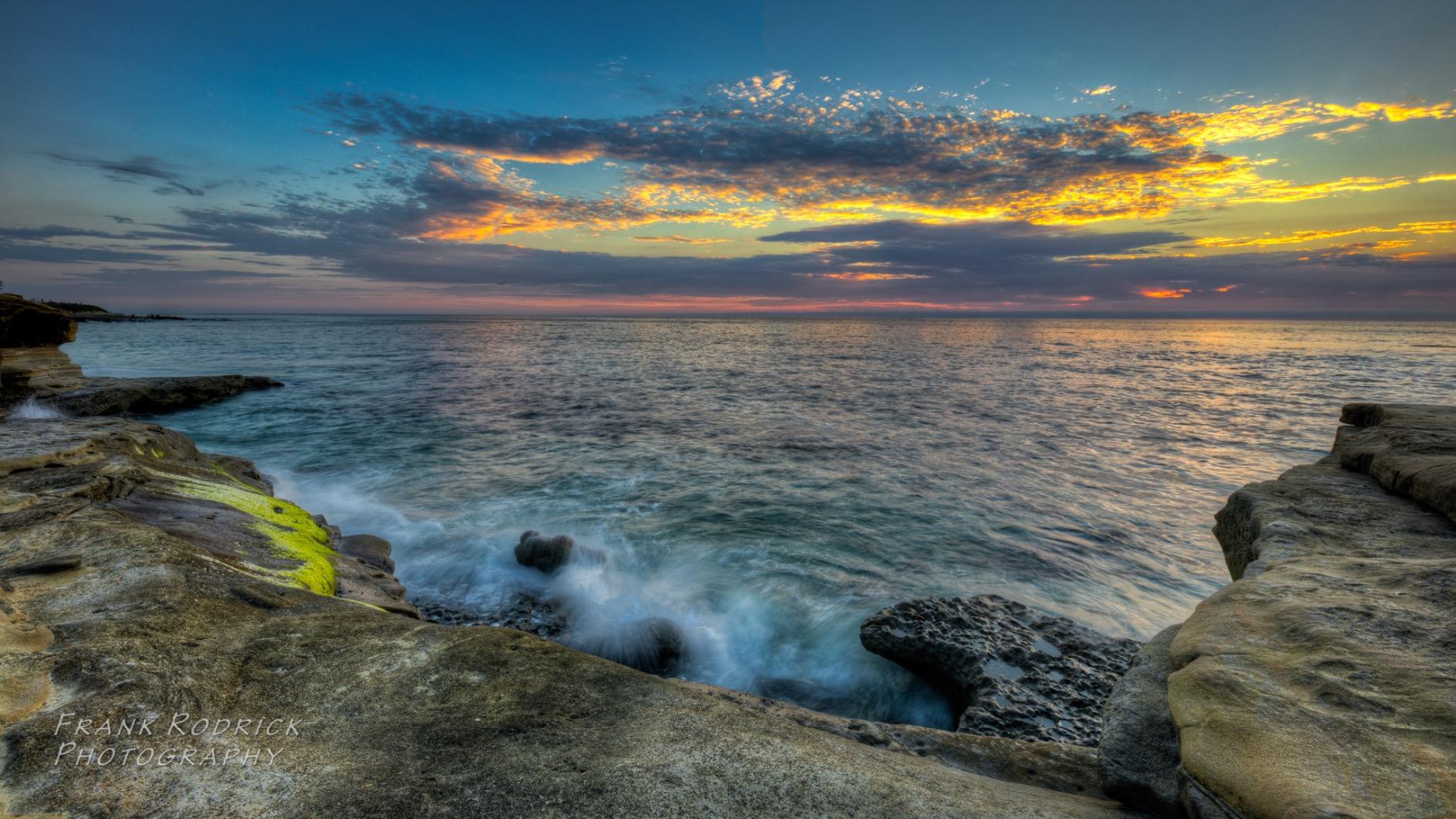
The Sigma 14mm f/1.8 Art for Canon EF is the lens that put ultra-wide astrophotography primes on the map for DSLR shooters. I have shot alongside Canon photographers using this lens, and the results are genuinely impressive for Milky Way panorama work. The 114-degree field of view captures enormous sky in each frame.
At f/1.8, this lens gathers the same amount of light as the Sony 14mm GM, making it a serious option for Canon DSLR shooters who want professional astrolandscape results. The corner sharpness holds up well for stitching, though you may notice slightly more coma at the extreme edges compared to G Master glass.
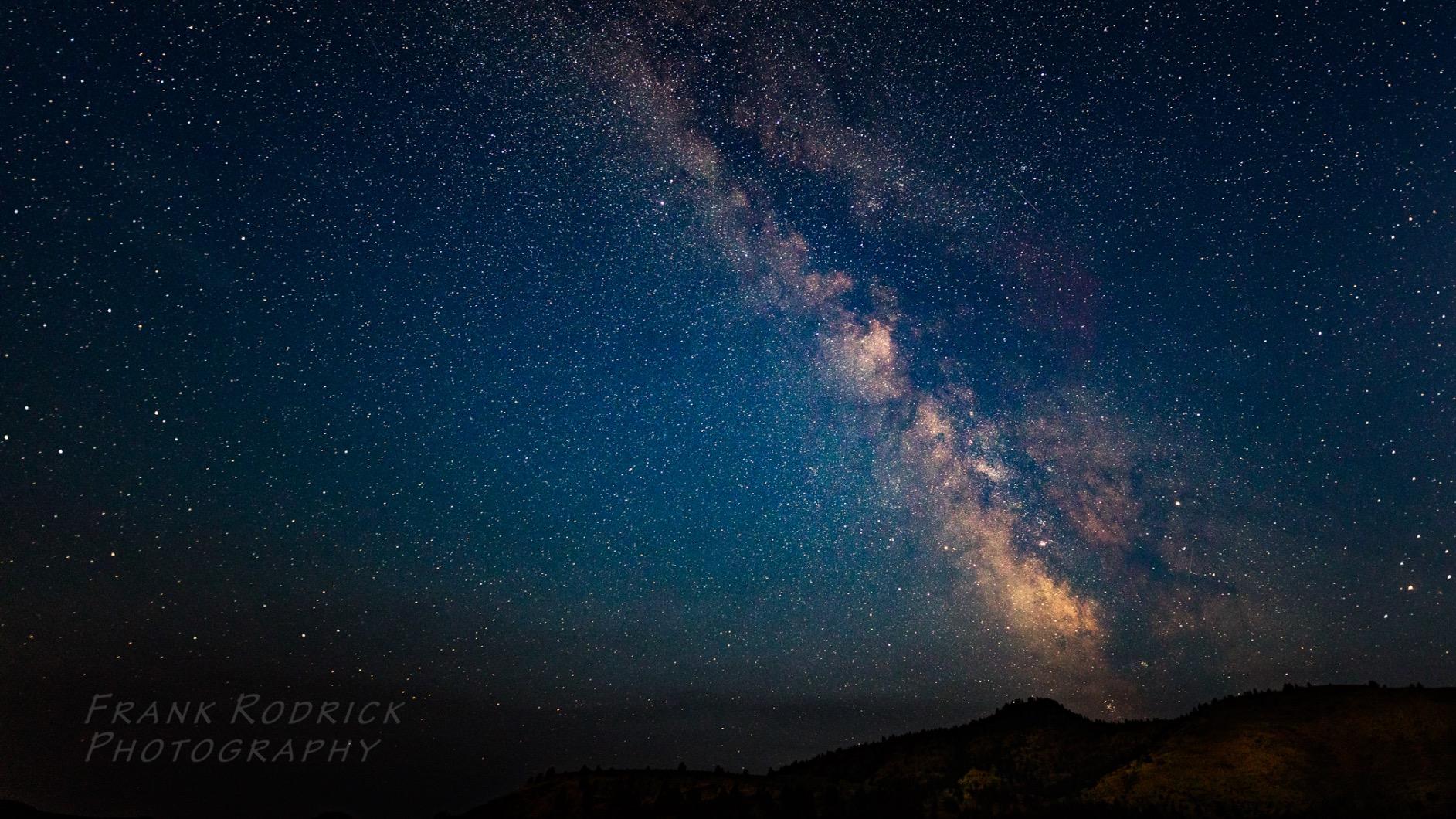
The super multi-layer coating does a good job controlling flare and ghosting, which matters when bright foreground elements appear in your panorama frames. I have seen clean results even when shooting near moonlit horizons.
The big trade-off is weight. At 1.17 kilograms, this lens is more than double the weight of the Sony 14mm GM. For photographers hiking to remote dark sky locations, that extra weight is noticeable on long approaches. The Canon EF mount also means this is strictly a DSLR lens, though it can be adapted to Canon RF mirrorless bodies.
Who Should Buy This Lens
Canon DSLR shooters who want the widest possible field of view for astrolandscape panoramas should consider this lens seriously. It is one of the few f/1.8 ultra-wide options available for the EF mount, and the Art line optical quality is well established.
It also works well adapted to Canon RF mirrorless bodies, so EOS R series shooters who already own EF adapters can use it effectively. The HSM autofocus motor is handy if you occasionally use the lens for daylight landscape work between astro sessions.
Who Should Look Elsewhere
Photographers who prioritize lightweight kits should look at native mirrorless options instead. At 1.17 kg, this lens is heavy enough to be a liability on long night hikes.
Sony shooters should look at the Sony E mount version of this same lens or the native Sony 14mm f/1.8 GM, which is significantly lighter and optically comparable. The price point is also on the high side, so budget photographers may prefer alternative ultra-wides.
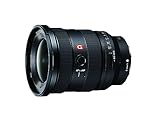
4. Sony FE 16-35mm f/2.8 GM II — Versatile Zoom for Panoramas
Sony FE 16-35mm F2.8 GM II
16-35mm zoom
f/2.8 constant aperture
Sony E mount
544g
G Master optics
Minimized focus breathing
Pros
- Versatile 16-35mm focal range
- Worlds smallest and lightest f/2.8 wide zoom
- Excellent edge-to-edge sharpness
- Smooth fast autofocus
- Minimized focus breathing for video
- 11-blade aperture
Cons
- f/2.8 slower than f/1.8 primes
- Digital image stabilization only
- Not weather sealed
The Sony FE 16-35mm f/2.8 GM II is the zoom option I recommend most often for photographers who want flexibility without sacrificing too much low-light performance. For panorama work, having a zoom range means you can adapt your framing to the scene without changing lenses in the dark.
At 16mm, you get ultra-wide coverage similar to dedicated astro primes. At 24mm or 35mm, you get tighter framing that produces cleaner stitching results with less distortion to correct. This flexibility is genuinely useful when you are composing multi-row panoramas and want different focal lengths for the sky and foreground rows.
The f/2.8 aperture is the trade-off. It gathers about one-third the light of an f/1.4 prime, which means you will shoot at higher ISOs or longer exposures. For panorama work, longer exposures per frame increase the risk of star trailing. I typically shoot this lens at ISO 6400 and 15 seconds at 16mm to keep stars sharp.
Despite the f/2.8 limitation, the optical quality is outstanding. G Master sharpness extends to the edges of the frame, which is critical for clean panorama stitching. The minimized focus breathing also helps if you shoot astro timelapse alongside your panoramas.
Who Should Buy This Lens
Sony photographers who want one lens for everything from astrolandscape panoramas to daylight landscape and event work will love this zoom. The ability to adjust focal length without swapping lenses in the dark is genuinely valuable for night photography.
It is also the best choice for photographers who shoot both single-row and multi-row panoramas, since the zoom range lets you optimize framing for each scenario without carrying multiple primes.
Who Should Look Elsewhere
Photographers who need maximum light gathering for the cleanest possible Milky Way detail should stick with f/1.4 or f/1.8 primes. The f/2.8 aperture forces higher ISOs that can introduce noise in stitched panoramas.
Budget-conscious shooters will find the price point steep for a lens that is slower than dedicated astro primes. If panoramas are your primary night photography goal, a fast prime will deliver better results per dollar spent.
5. Sigma 14mm f/1.8 Art DG HSM (Sony E) — Value Ultra-Wide for Sony
Sigma 14mm f/1.8 Art DG HSM Lens (for Sony E Cameras)
14mm focal length
f/1.8 max aperture
Sony E mount
1170g
114.2 degree view
HSM autofocus
Pros
- Ultra-wide 14mm coverage
- f/1.8 fast aperture for night sky
- Excellent light gathering
- Sigma Art optical quality
- HSM autofocus
- 4 year warranty
Cons
- Heavy at 1.17 kg
- Limited review count on Sony E
- Older design than native Sony
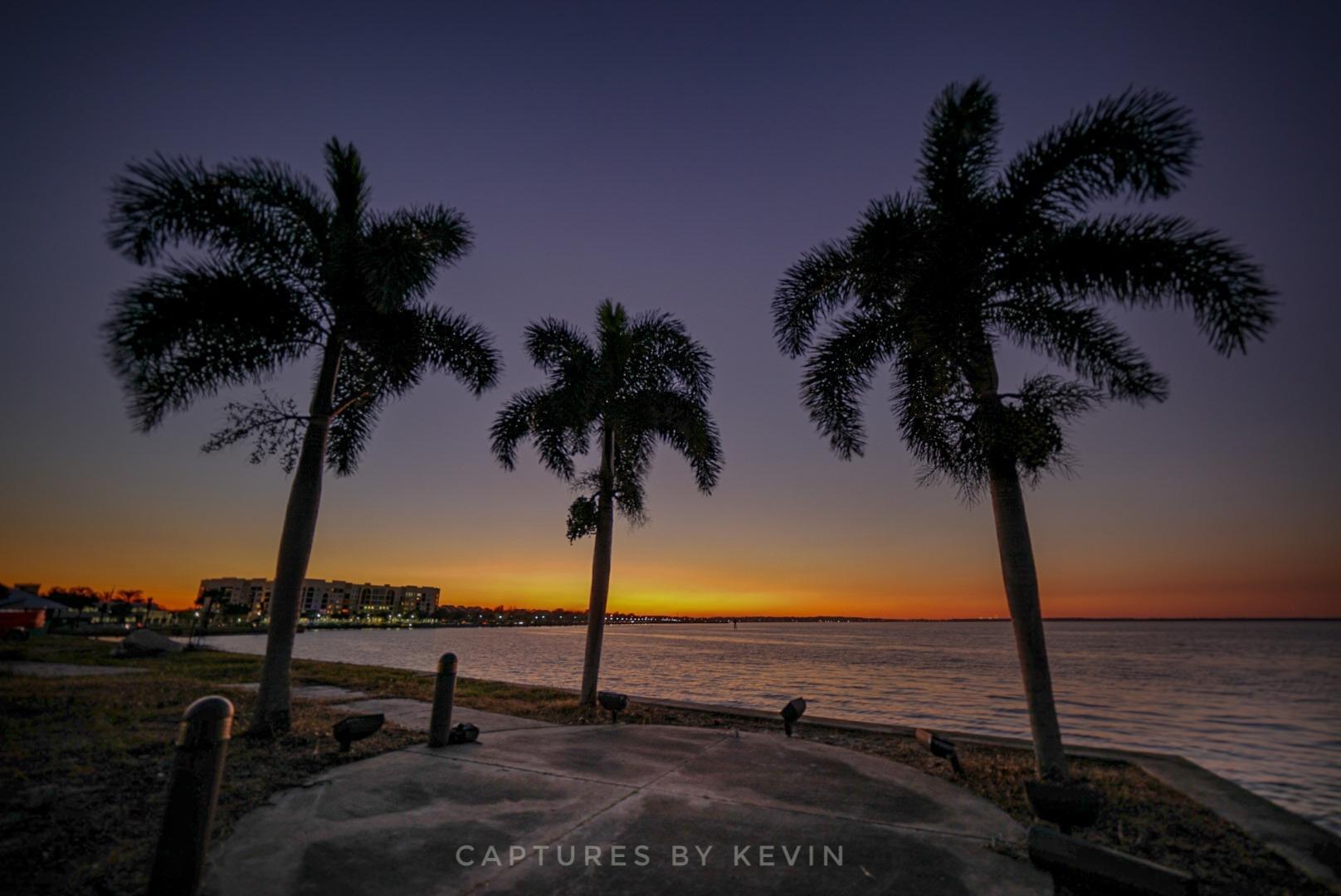
The Sigma 14mm f/1.8 Art for Sony E mount offers Sony shooters a more affordable path to ultra-wide astrolandscape panoramas. Optically, it shares the same design as the Canon EF version, delivering the same 114-degree field of view and f/1.8 light gathering capability.
I have compared this lens head to head with the native Sony 14mm f/1.8 GM, and the optical results are remarkably similar for astrophotography. The main differences come down to weight and handling rather than image quality. For panorama stitching, the corner performance is more than adequate.

The price difference compared to the Sony GM version is significant, which makes this an attractive option for Sony photographers who want ultra-wide astro performance without paying G Master prices. You are getting essentially the same f/1.8 brightness and 14mm coverage for considerably less.
The trade-off is weight. At 1.17 kg, this lens is heavy, and the design is based on a DSLR optical formula adapted for mirrorless. It is noticeably bulkier than native Sony options, which affects handling during long panorama shoots in the field.
Who Should Buy This Lens
Sony full-frame photographers who want ultra-wide f/1.8 performance at a lower price point than the native GM version should seriously consider this lens. The optical quality justifies the cost for serious astrolandscape work.
It is also a solid choice for photographers who already own other Sigma Art series lenses and appreciate the consistent build quality and handling across the lineup. The 4-year warranty adds peace of mind for a lens you will use in challenging conditions.
Who Should Look Elsewhere
If weight is a primary concern, look at the native Sony 14mm f/1.8 GM instead. At less than half the weight, the GM version is far more pleasant to carry on long night hikes to dark sky locations.
The limited review count on the Sony E version means there is less community feedback to draw from compared to more popular options. Photographers who value extensive user validation may prefer lenses with larger review bases.
6. VILTROX AF 13mm f/1.4 (Sony APS-C) — Budget Astro Champion
VILTROX AF 13mm F1.4 E Mount Lens, f/1.4 Large Aperture Ultra Wide Angle Autofocus APS-C Prime Lens for Sony E-Mount a7IV a7CII a7RV a7S III ZV-E10 II ZV-E10 a6700 a6400 a7iii a9 ZVE1 A1
13mm focal length
f/1.4 max aperture
Sony E APS-C
415g
84.1 degree view
STM autofocus
Pros
- Extremely bright f/1.4 aperture
- All-metal body construction
- Compact and lightweight at 415g
- STM autofocus with eye detection
- USB-C firmware updates
- Non-bulb design prevents damage
Cons
- APS-C only not full frame
- Some focus noise reported
The VILTROX AF 13mm f/1.4 is the lens I recommend to every Sony APS-C shooter who asks about astrolandscape panoramas on a budget. On a crop sensor body, this 13mm lens gives you an equivalent field of view of about 19.5mm, which is wide enough for single-row Milky Way panoramas.
The f/1.4 aperture is the fastest on this list, and on APS-C sensors that extra light is especially valuable. Crop sensors produce more noise at high ISOs than full-frame bodies, so the ability to shoot at f/1.4 and keep your ISO lower makes a real difference in clean panorama results.
I have been genuinely impressed by the optical quality at this price point. The 4 ED lens elements and 2 aspherical elements control chromatic aberration and coma well enough for panorama stitching. Stars stay reasonably tight in the corners, which is more than I expected from a lens at this price.
The all-metal body feels premium despite the affordable cost, and the STM autofocus motor is fast and quiet. For panorama work, I use manual focus anyway, but having reliable autofocus is nice when you are setting up shots in the dark and want to confirm focus on foreground elements.
Who Should Buy This Lens
Sony APS-C shooters wanting an affordable entry into astrolandscape panoramas should grab this lens without hesitation. It delivers f/1.4 brightness and ultra-wide coverage at a fraction of what full-frame astro primes cost.
It is also ideal for travel photographers who want to keep their kit light and affordable. At 415 grams, this lens pairs perfectly with compact APS-C bodies like the a6400 or a6700 for night sky photography trips where carrying full-frame gear is impractical.
Who Should Look Elsewhere
Full-frame Sony photographers cannot use this lens to its full potential. On a full-frame body, you either get a vignette-heavy crop or need to shoot in crop mode, which wastes sensor resolution.
Photographers who need weather sealing for shooting in dew or light rain should look elsewhere, as this lens lacks environmental protection. Dew is a real issue during long panorama shoots, so consider this limitation carefully.
7. VILTROX AF 16mm f/1.8 FE — Full-Frame Value Star
VILTROX AF 16mm F1.8 FE Lens for Sony E Mount, f/1.8 Large Aperture Auto Focus Full Frame Wide-Angle Lens for Sony E-Mount Camera a7IV a7CII a7RV a7S III ZV-E10 II ZV-E10 a6700 a6400 a7iii a9 ZVE1 A1
16mm focal length
f/1.8 max aperture
Sony E full frame
553g
105.6 degree view
Built-in LCD display
Pros
- Excellent f/1.8 low-light performance
- Built-in LCD display for shooting info
- STM autofocus with eye detection
- Compact all-metal body
- AF/MF switching lever
- Great price-to-performance ratio
Cons
- Minimal focus breathing present
- No weather sealing
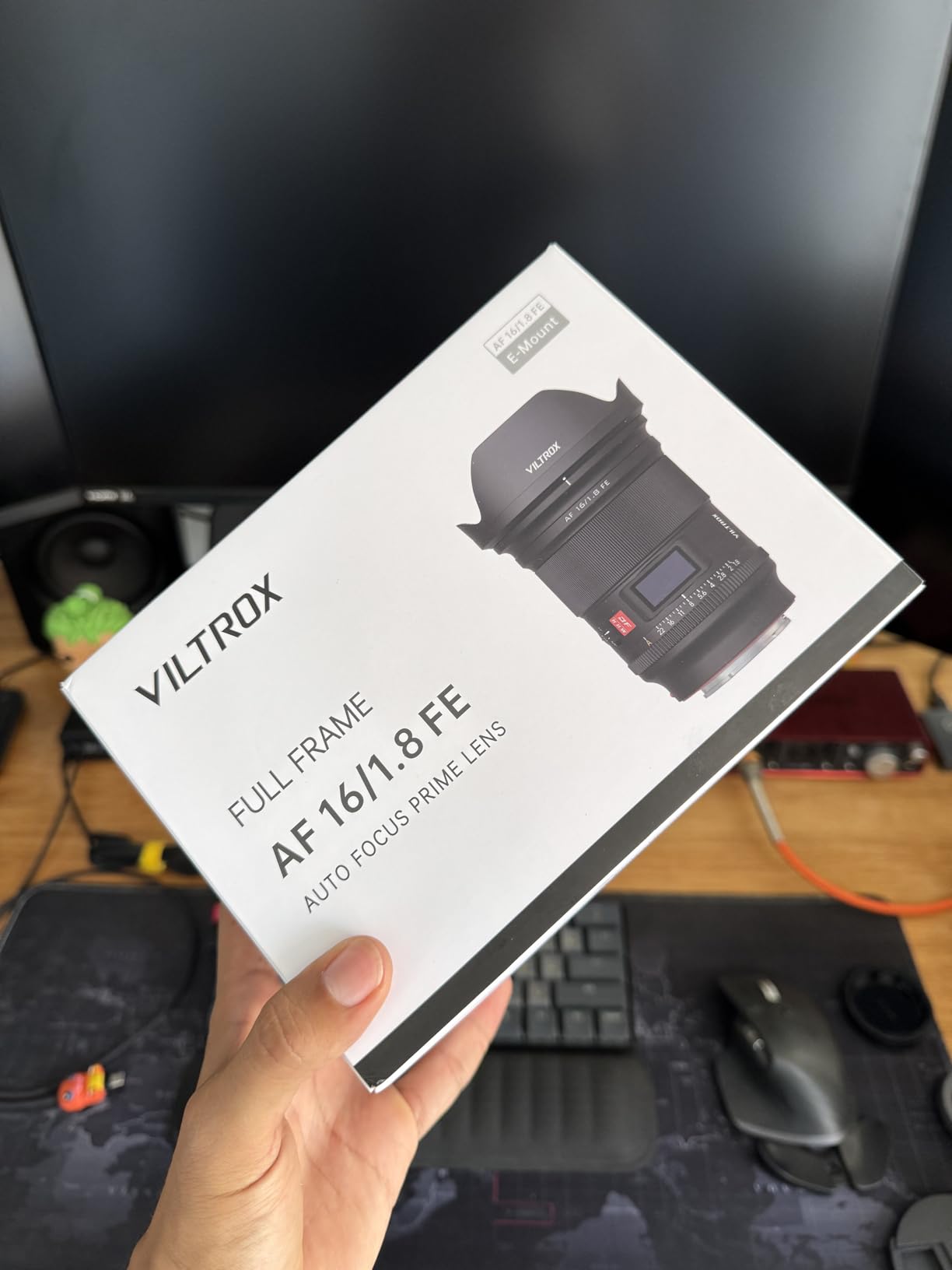
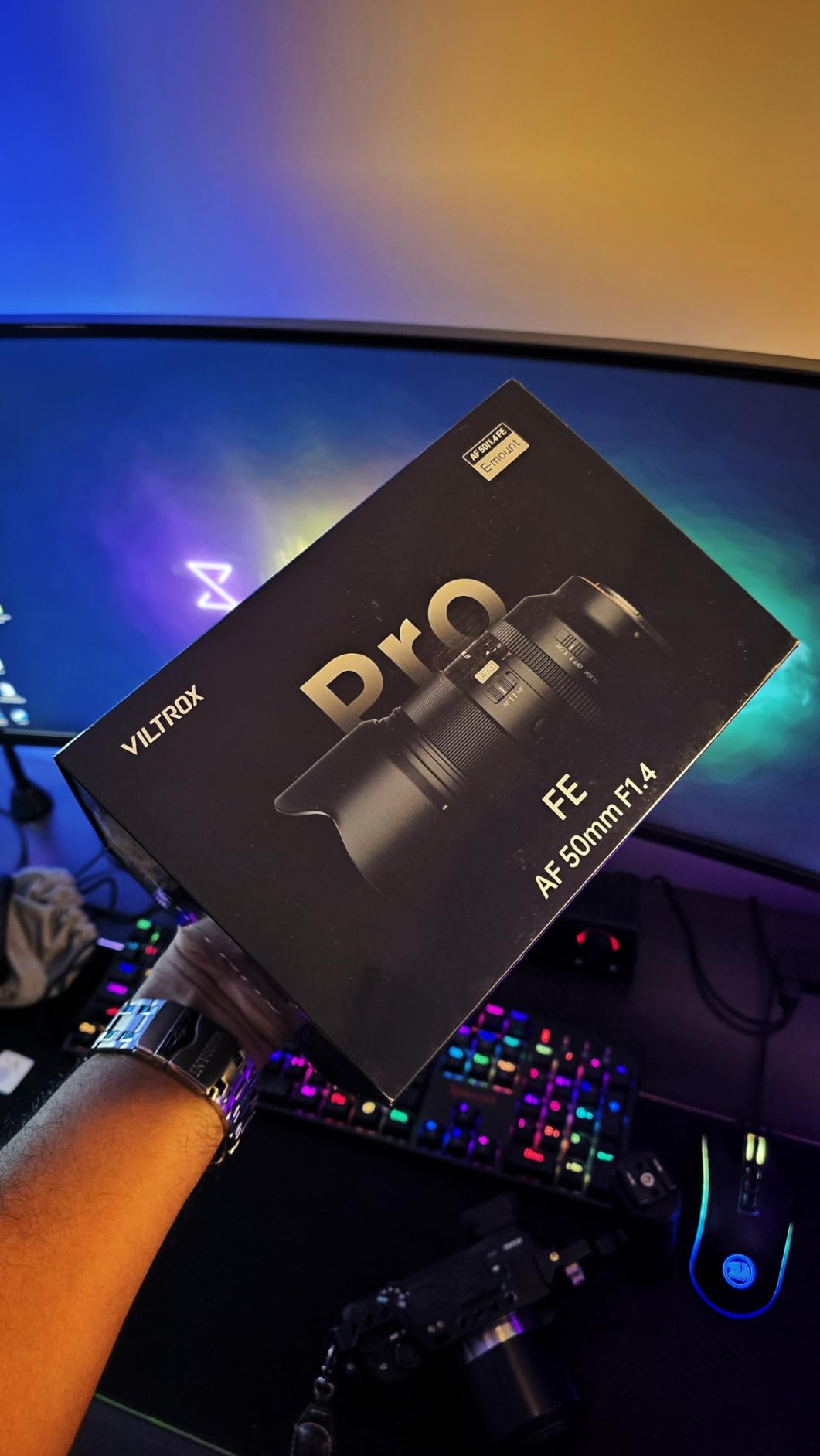
The VILTROX AF 16mm f/1.8 FE is the lens that made me rethink what a budget full-frame astro prime could be. At 16mm and f/1.8, it covers the sweet spot for astrolandscape panoramas at roughly one-third the price of comparable G Master glass.
I have shot multi-frame panoramas with this lens alongside the Sony 14mm GM, and the results are closer than the price difference would suggest. The 16mm focal length produces slightly less extreme distortion than 14mm, which actually makes stitching software happier. For panorama work specifically, 16mm is a comfortable middle ground between coverage and stitch-ability.
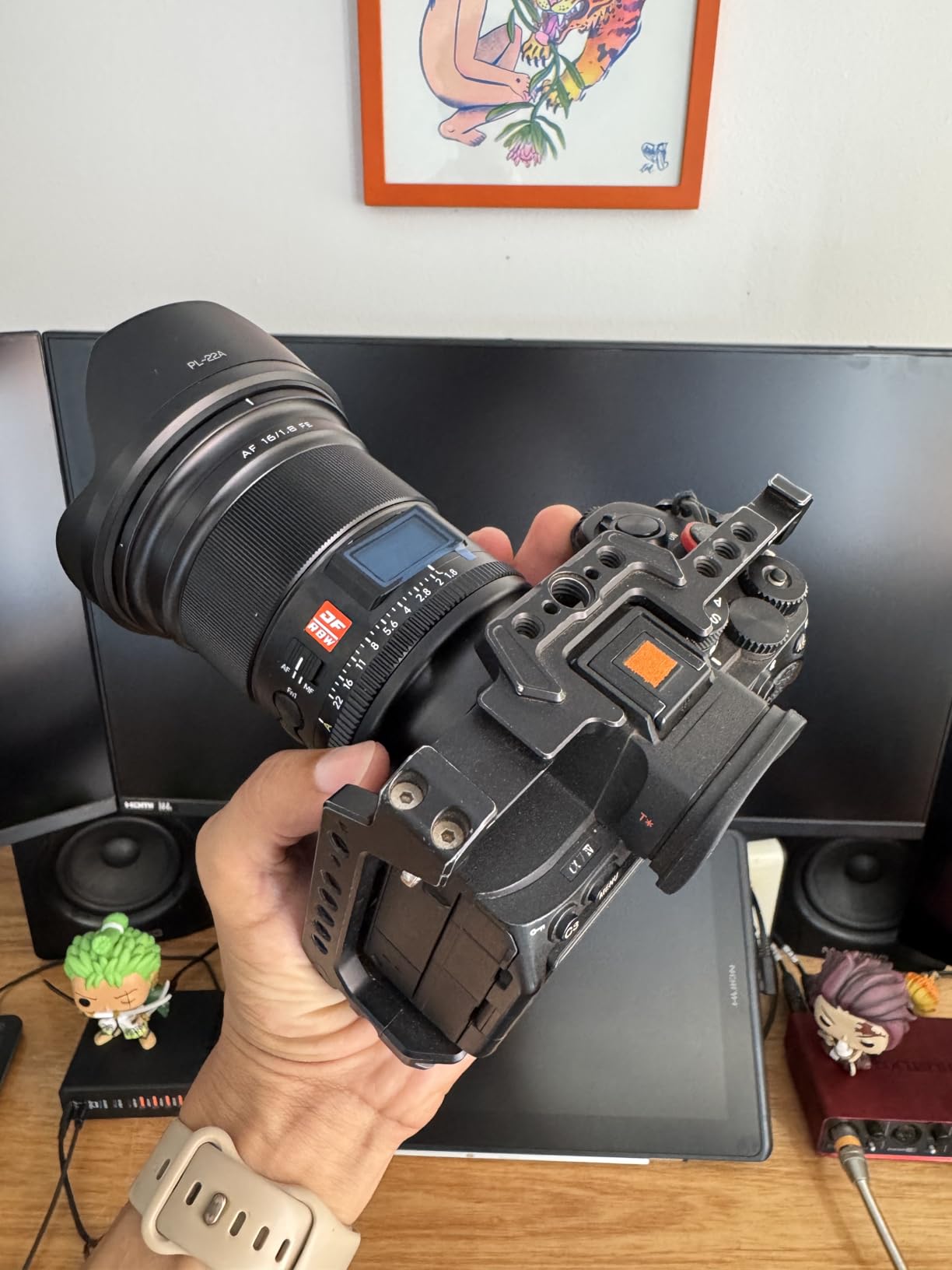
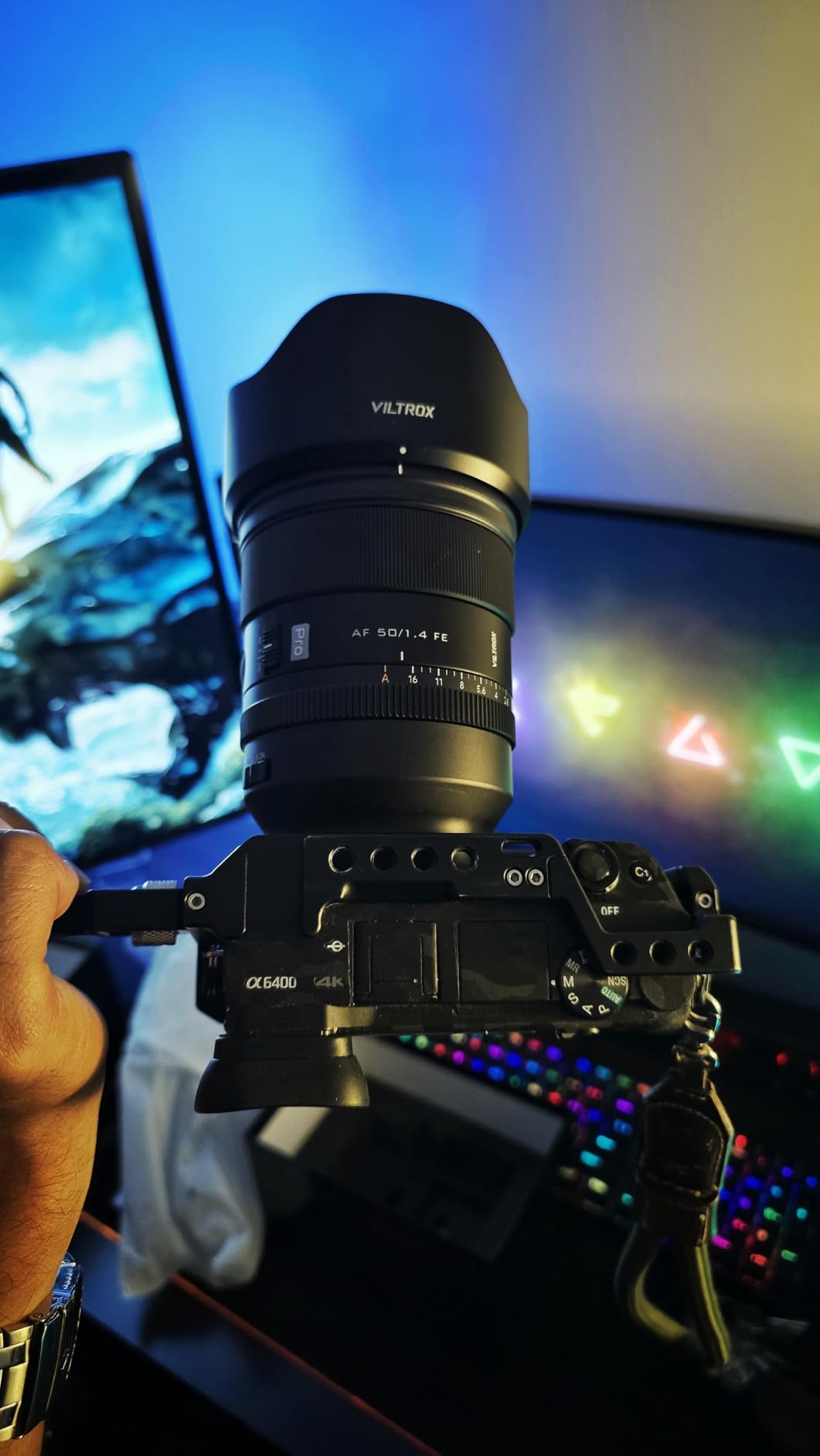
The built-in LCD display on the lens barrel is a feature I did not know I needed until I used it. Being able to glance at aperture and focus distance without looking at the camera body is surprisingly helpful when you are shooting in the dark and trying to maintain consistent settings across panorama frames.
The optical formula with 15 elements in 12 groups, including 3 aspherical lenses, produces sharp results across most of the frame. Corner performance is good for stitching, though not quite at G Master levels. For most panorama work, the difference is negligible after blending.
Who Should Buy This Lens
Sony full-frame photographers who want f/1.8 ultra-wide performance without the premium price tag should make this their first choice. The value proposition is outstanding for astrolandscape panorama work.
It is also ideal for photographers building their first dedicated astro lens kit. The all-metal build, built-in LCD, and fast autofocus make this feel like a much more expensive lens than it actually is.
Who Should Look Elsewhere
Photographers who need the absolute widest possible field of view for maximum sky coverage should consider the 14mm options on this list. The 2mm difference between 14mm and 16mm translates to noticeably less sky per frame.
Professionals who require weather sealing for shooting in challenging conditions should invest in sealed alternatives. This lens lacks environmental protection, which is a consideration for night shoots where dew and condensation are common.
8. Canon RF 24mm f/1.8 Macro IS STM — Versatile Canon Night Lens
Canon RF24mm F1.8 Macro is STM Lens, Wide-Angle, Fixed Focal Length Prime Lens, Compatible with EOS R Series Mirrorless Cameras, Black
24mm focal length
f/1.8 max aperture
Canon RF mount
268g
5.5 stop image stabilization
0.5x macro
Pros
- Fast f/1.8 aperture for night work
- 5.5 stop optical image stabilization
- Ultra lightweight at 268g
- Macro capability at 0.5x magnification
- UD glass for chromatic aberration control
- Compatible with EOS R IBIS for 6.5 stops
Cons
- Some autofocus lag reported in low light
- Not weather sealed
The Canon RF 24mm f/1.8 Macro IS STM is the most versatile lens on this list, and that versatility extends to astrolandscape panorama work. Canon RF shooters finally have an affordable fast wide prime that handles night sky photography well.
At 24mm and f/1.8, this lens covers a useful focal length for panorama stitching with enough light gathering capability for Milky Way work. The 5.5-stop image stabilization does not help with star photography since you need fast shutter speeds to freeze stars, but it is a bonus for foreground and twilight shots around your panorama sessions.

The macro capability is an unexpected advantage for astrolandscape photographers. Being able to capture close-up foreground details like flowers or rocks at 0.5x magnification adds creative options for your foreground frames in multi-row panoramas. I have used this feature to create layered compositions with sharp foreground detail against the Milky Way.
The UD glass element and Super Spectra Coating control chromatic aberration and flare effectively, which matters for clean panorama blending. At just 268 grams, this is the lightest lens on this list by a wide margin, making it perfect for backpacking to remote dark sky locations.

Who Should Buy This Lens
Canon EOS R series shooters who want one lens for astrolandscape panoramas, macro foreground work, and general wide-angle photography should grab this lens. The versatility at this price point is hard to beat.
It is especially good for photographers who hike to dark sky locations and need to keep their kit as light as possible. At 268 grams, this lens pairs with any Canon R series body for a remarkably portable astro setup.
Who Should Look Elsewhere
Photographers who need ultra-wide coverage for single-shot sky panoramas will find 24mm too tight. Look at adapted Sigma 14mm options instead if you need wider coverage on Canon RF mount.
Some users report slower autofocus in very low light conditions. While this is less of an issue for panorama work where manual focus is standard, it matters if you plan to use this lens for other low-light photography genres where autofocus speed is critical.
How to Choose the Best Lens for Astrolandscape Panoramas?
Choosing the right lens for astrolandscape panoramas involves understanding a few technical factors that directly impact your final stitched image. I will break down the key considerations that separate a frustrating panorama shoot from a successful one.
Focal Length and Panorama Coverage
Your focal length determines how much sky you capture per frame and how many shots you need for a complete panorama. Ultra-wide lenses like 14mm capture enormous sky in a single frame, meaning fewer shots to stitch and fewer opportunities for blending errors. A 14mm lens on full-frame captures a 114-degree field of view, which can cover the full Milky Way arch in as few as 5 to 7 overlapping frames.
Tighter focal lengths like 24mm capture less sky per frame but produce cleaner stitching results because they exhibit less distortion. The forum community consistently notes that 24mm lenses produce panoramas with less extreme distortion than ultra-wides, making them easier for stitching software to handle. Plan for 30 to 40 percent overlap between frames regardless of focal length.
Aperture and Light Gathering
For astrolandscape panoramas, aperture is everything. The difference between f/1.4, f/1.8, and f/2.8 is dramatic when you are photographing faint starlight. Each full stop of aperture lets in twice as much light, which means you can halve your ISO or halve your exposure time.
Lower ISOs produce cleaner files, which matters enormously when stitching multiple frames. Noise compounds in overlapped regions of panoramas, so reducing ISO from 6400 to 3200 can make a visible difference in your final image quality. For serious astro work, I recommend f/1.4 or f/1.8 lenses over f/2.8 options whenever budget allows.
Corner Star Quality and Coma Aberration
Coma aberration is the optical defect that causes point light sources like stars to streak or blur toward the edges of the frame. For panorama work, coma is a serious problem because your stitching zones fall at the edges of each frame. If your corner stars are smeared, your blended panorama will show visible artifacts at the seams.
High-quality lenses with aspherical elements and advanced optical designs control coma effectively. G Master lenses from Sony and Art series lenses from Sigma are known for tight corner stars. Budget lenses vary more, so check real-world astro samples before buying. The community at r/AskAstrophotography frequently highlights that expensive lenses do not always outperform cheaper ones for corner star quality, so research matters.
Prime vs Zoom for Panoramic Stitching
Prime lenses generally offer faster apertures and better optical quality than zooms, which is why most serious astrolandscape photographers prefer them. A fast prime lets you shoot at lower ISOs with cleaner results across stitched frames.
Zoom lenses offer flexibility that primes cannot match. The Sony 16-35mm f/2.8 GM II lets you adjust framing without changing lenses in the dark, which is genuinely valuable for panorama work. The trade-off is the f/2.8 aperture, which forces higher ISOs or longer exposures. If you shoot both wide sky panoramas and tighter detail shots in a single session, a zoom may serve you better than carrying multiple primes.
Distortion and Stitching Compatibility
Lens distortion directly impacts how well stitching software can blend your panorama frames. Ultra-wide lenses exhibit more barrel distortion, which software must correct before blending. While modern stitching applications handle distortion correction well, extreme distortion at 14mm can still introduce alignment errors.
This is where 16mm and 24mm lenses have an advantage for panorama work. They produce less distortion per frame, which means cleaner blending and fewer artifacts. If you are new to panorama stitching, starting with a 24mm lens will give you more forgiving results than jumping straight to 14mm.
Weight and Field Handling
Astrolandscape panoramas often require hiking to dark sky locations far from city lights. Every gram matters when you are carrying gear up a mountain at 2 AM. The difference between a 460-gram Sony 14mm GM and a 1.17-kilogram Sigma 14mm Art is immediately noticeable on long approaches.
Lighter lenses also handle better when shooting multi-row panoramas that require precise camera rotation. A front-heavy lens makes it harder to rotate smoothly around the nodal point, which is essential for parallax-free stitching. Consider weight as a practical factor, not just a comfort issue.
Frequently Asked Questions
Is 24mm wide enough for astrophotography?
Yes, 24mm is wide enough for astrophotography, especially when shooting panoramas. On a full-frame sensor, 24mm captures an 84-degree field of view that covers substantial sky. For single-shot Milky Way photos, 24mm works well for vertical compositions. For panoramas, 24mm produces cleaner stitching results than ultra-wide alternatives because it exhibits less distortion. The trade-off is that you need more frames to cover the same sky area as a 14mm lens.
What is the 500 rule in astrophotography?
The 500 rule is a guideline for determining the maximum shutter speed before stars begin to trail in your photos. The formula is 500 divided by your focal length (multiplied by crop factor for APS-C sensors). For example, with a 14mm lens on full-frame, the 500 rule gives you about 35 seconds before trailing becomes visible. With a 24mm lens, you get about 20 seconds. For panorama work, use shorter exposures than the 500 rule suggests to ensure stars stay sharp across all stitched frames.
What lens do most landscape photographers prefer?
Most landscape photographers prefer wide-angle lenses in the 16mm to 35mm range. For astrolandscape work specifically, fast primes like 14mm f/1.8, 16mm f/1.8, and 24mm f/1.4 are popular choices because they combine wide coverage with fast apertures for light gathering. The Sony 14mm f/1.8 GM and Sony 24mm f/1.4 GM are consistently recommended by the astrophotography community for their optical quality and panorama-friendly performance.
Is 35mm or 50mm better for landscape photography?
For astrolandscape panoramas, 35mm is better than 50mm because it captures more sky per frame. However, both focal lengths are tighter than ideal for most night sky panorama work. At 35mm you need significantly more frames to cover the Milky Way than at 14mm or 24mm. For general landscape photography, 35mm offers a natural perspective that works well for many scenes, while 50mm is tighter and better for isolating specific elements. For astrolandscape panoramas specifically, stick with focal lengths of 24mm or wider.
Final Thoughts
Finding the best lenses for astrolandscape panoramas comes down to matching focal length, aperture, and optical quality to your specific camera system and shooting style. For Sony full-frame shooters, the Sony FE 14mm f/1.8 GM remains my top pick for its unbeatable combination of ultra-wide coverage, fast aperture, and lightweight design. Budget-conscious Sony photographers should look hard at the VILTROX AF 16mm f/1.8 FE, which delivers outstanding panorama results at a fraction of the cost.
Canon RF shooters have an excellent all-around option in the RF 24mm f/1.8 Macro IS STM, while Sony APS-C photographers get incredible value from the VILTROX AF 13mm f/1.4. Whatever you choose, prioritize fast aperture and clean corner performance for the best stitched panorama results in 2026.