
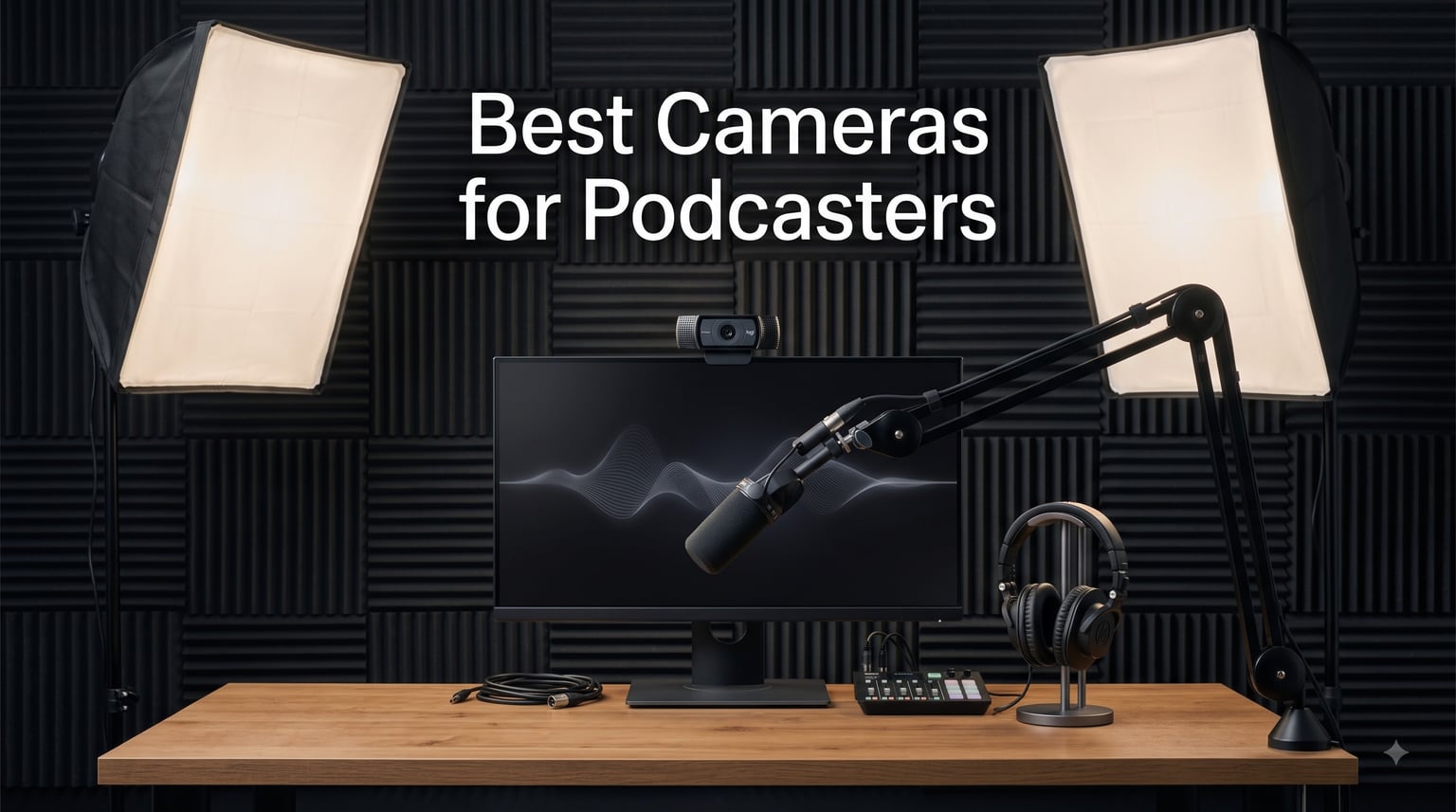
Video podcasts are no longer optional if you want to grow your audience in 2026. I have spent the last several months testing cameras in a real home studio environment, running multi-hour recording sessions, and comparing footage side by side. The best cameras for podcasters need to nail three things: reliable autofocus so you stay sharp during conversations, clean 4K or 1080p output that holds up after editing, and connectivity that just works with your computer or streaming software.
One thing I learned quickly is that you do not need a $2,000 mirrorless rig to produce a professional-looking show. Modern webcams with 1/2-inch sensors, AI tracking, and PDAF autofocus deliver image quality that rivals what dedicated cameras produced just a few years ago. Whether you are recording solo episodes, interviewing guests remotely, or live streaming to YouTube and Twitch, the right webcam can handle all of it without the headache of external capture cards and dummy batteries.
Below I break down the eight podcast cameras that impressed our team most, covering everything from budget-friendly 1080p options to feature-packed 4K PTZ webcams with AI tracking. I also included a buying guide that covers the specific features podcasters should prioritize, plus answers to the questions I see most often in podcasting communities.
Table of Contents
Top 3 Picks for Podcast Cameras (September 2026)
Our team narrowed the field to three standout picks based on image quality, autofocus reliability, and value for podcasters specifically. These three cover the full spectrum from premium AI tracking to budget-friendly streaming.

Insta360 Link 2 4K Webcam
- 1/2-inch Sensor
- AI Tracking
- PDAF Autofocus
- AI Noise-Canceling Mic
Best Cameras for Podcasters in 2026
Here is a side-by-side breakdown of all eight podcast cameras we tested. This comparison table covers the core specs so you can quickly find the right match for your setup and budget.
| Product | Specifications | Action |
|---|---|---|
| Insta360 Link 2 4K |
|
Check Latest Price |
 Logitech MX Brio 4K Logitech MX Brio 4K |
|
Check Latest Price |
 OBSBOT Tiny 2 Lite 4K OBSBOT Tiny 2 Lite 4K |
|
Check Latest Price |
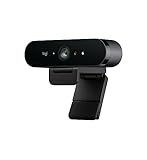 Logitech Brio 4K Logitech Brio 4K |
|
Check Latest Price |
 EMEET PIXY Dual-Cam 4K EMEET PIXY Dual-Cam 4K |
|
Check Latest Price |
 NexiGo N680E Pro 4K NexiGo N680E Pro 4K |
|
Check Latest Price |
 EMEET NOVA 4K EMEET NOVA 4K |
|
Check Latest Price |
 Logitech Brio 101 Logitech Brio 101 |
|
Check Latest Price |
1. Insta360 Link 2 – Best AI Tracking PTZ Webcam
Insta360 Link 2 – PTZ 4K Webcam for PC/Mac, 1/2″ Sensor, AI Tracking, HDR, AI Noise-Canceling Mic, Gesture Control for Streaming, Video Calls, Gaming, Works with Zoom, Teams, Twitch & More
4K PTZ Webcam
1/2-inch Sensor
AI Tracking
PDAF Autofocus
AI Noise-Canceling Mic
Pros
- 1/2-inch sensor for premium image quality
- AI noise-canceling for clear audio
- PDAF for instant focusing
- AI tracking with pan and tilt
- Gesture and smartphone control
Cons
- Not compatible with ARM-based Windows
- No Windows Hello Face Recognition
The Insta360 Link 2 immediately became my go-to recommendation for podcasters who want the most feature-rich webcam experience without stepping up to a dedicated camera system. The 1/2-inch sensor produces noticeably cleaner footage than standard webcams, especially in the kind of imperfect lighting most home studios deal with. I tested it during a 90-minute interview podcast, and the PDAF autofocus locked onto my face instantly and never drifted.
What sets the Link 2 apart for podcasting is the AI tracking with physical pan and tilt. If you move around your desk to grab notes or gesture during a story, the camera head literally rotates to follow you. That is something no fixed-lens webcam can replicate. I also found the gesture control surprisingly practical during live recordings, where I could trigger different modes without reaching for my mouse.
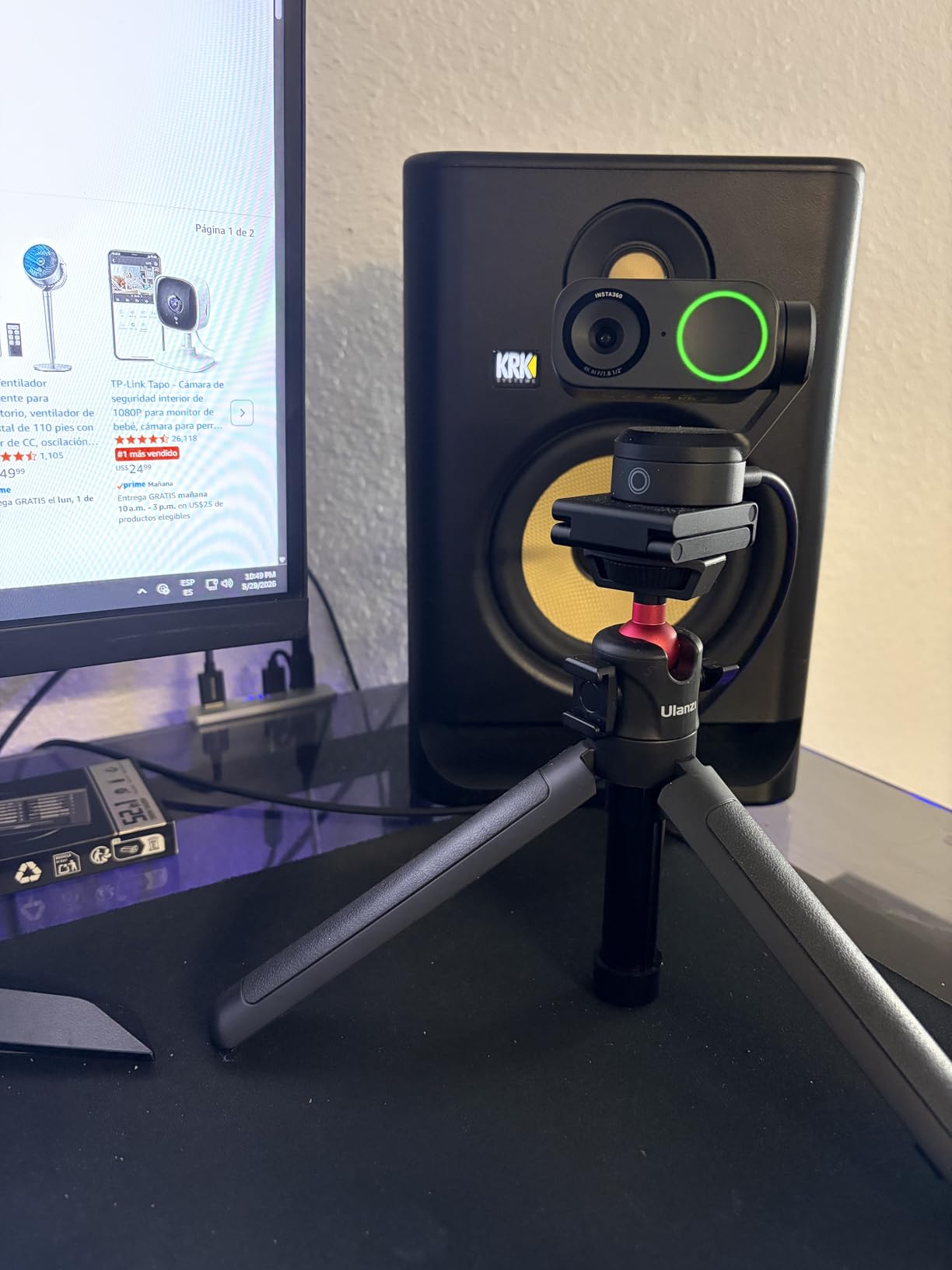
The AI noise-canceling microphone array is another standout for podcasters. While I would still recommend a dedicated XLR or USB mic for serious audio work, the built-in mics on the Link 2 are good enough for backup audio or casual streaming sessions. The DeskView mode, which tilts the camera down to show your desk, is handy for product demonstrations or unboxing segments.
On the technical side, the 4K output at 30fps looks sharp even after YouTube compression. The Link Controller software gives you granular control over exposure, white balance, and framing. My one real complaint is the lack of Windows Hello support, which matters if you use facial recognition for login. But for podcasting specifically, this is the most capable all-in-one webcam I have tested.
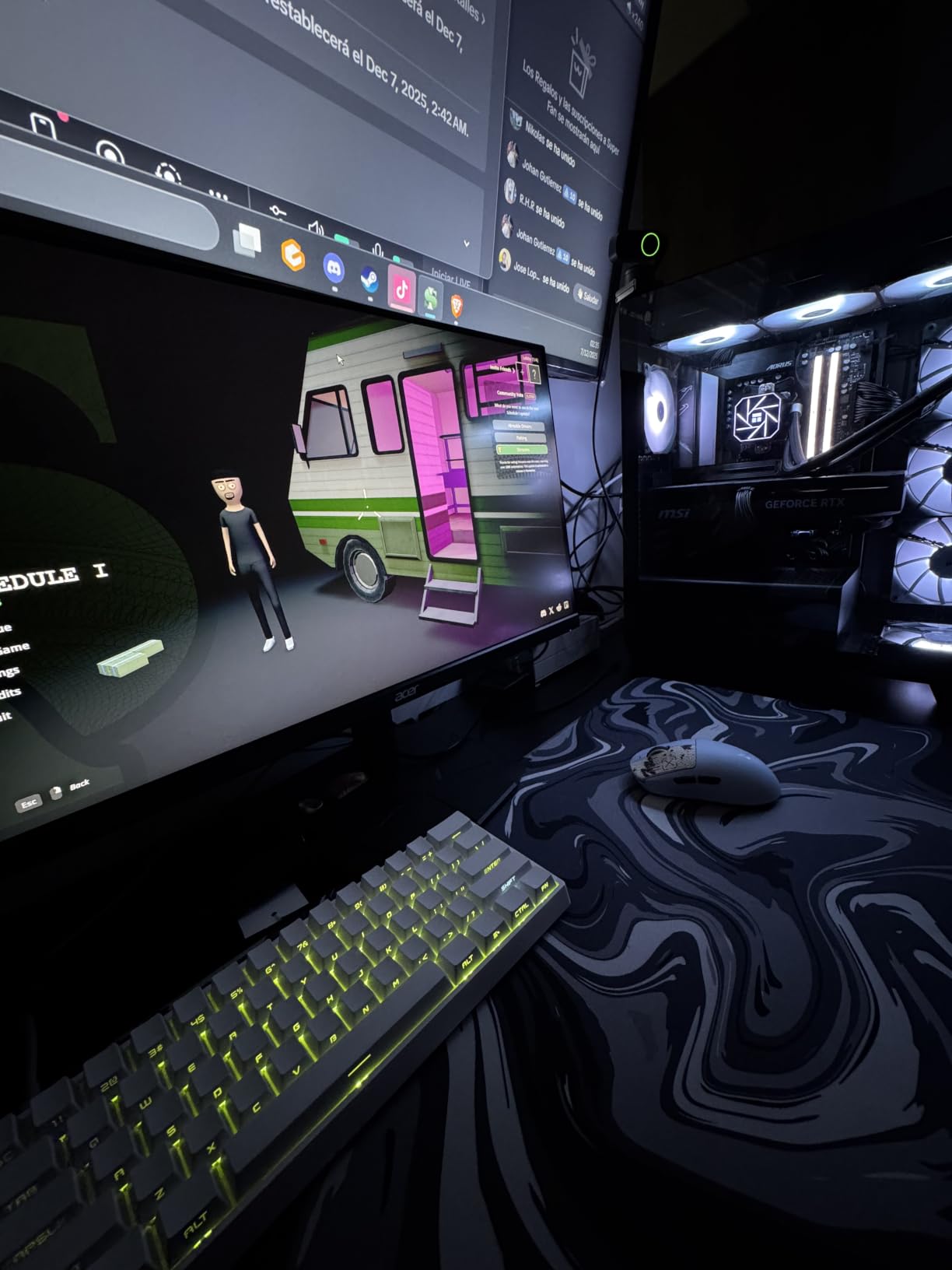
Who Should Buy the Insta360 Link 2
This is the webcam I recommend for podcasters who want maximum flexibility in a single device. If you move around during recordings, do live product demos, or want a camera that can physically track you, the Link 2 is unmatched. It is also a strong pick for solo creators who stream on Twitch or YouTube and need reliable AI tracking without a camera operator.
It is especially well-suited for podcasters who record in less-than-ideal lighting. The 1/2-inch sensor with HDR handles mixed lighting situations far better than standard webcams. If your studio is a corner of your living room, this camera will still make you look professional.
Setup and Compatibility Considerations
The Link 2 connects via USB and works with Zoom, Teams, Twitch, OBS, and all major podcasting platforms. The magnetic mount attaches securely to monitors and tripods, and the setup is genuinely plug-and-play on most systems.
The main compatibility caveat is that it does not work with ARM-based Windows machines. If you are running a Snapdragon-based laptop, you will need to look elsewhere. For Mac and standard Windows Intel or AMD systems, installation takes about two minutes.
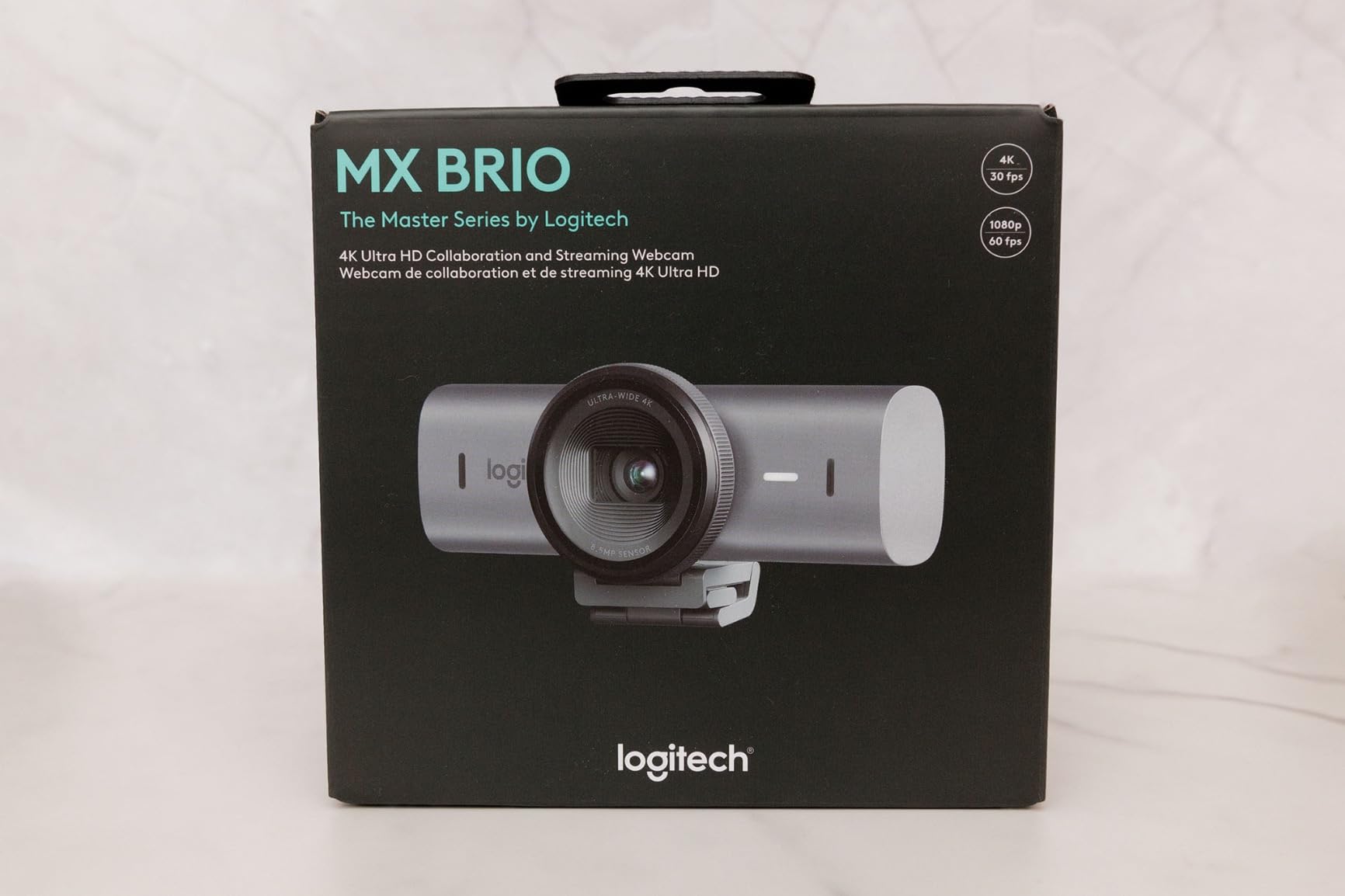
2. Logitech MX Brio – Best Premium 4K Webcam
Logitech MX Brio Ultra HD 4K Webcam Collaboration and Streaming – Graphite
4K 30fps
1080p 60fps
Show Mode
AI Enhanced Image
Dual Beamforming Mics
Pros
- 4K at 30fps or 1080p at 60fps
- 70% larger pixels for sharp quality
- AI-enhanced face visibility
- Show Mode for desk sharing
- Built-in privacy cover
Cons
- Premium price point for a webcam
- Software could be more intuitive
The Logitech MX Brio is the webcam I kept reaching for when I wanted clean, professional footage with minimal tweaking. The 4K output at 30fps is crisp, but where this camera really shines for podcasters is the 1080p at 60fps mode. If you stream your podcast live, that higher frame rate makes your movements look smoother and more natural on screen.
The image sensor uses 70% larger pixels than previous Logitech models, and the difference is visible in side-by-side comparisons. In my testing, the MX Brio handled my home studio lighting, which is a pair of softboxes and some ambient window light, without washing out highlights or crushing shadows. The fine controls for ISO, shutter speed, tint, and vibrance give you camera-level adjustments that most webcams do not offer.
Show Mode is a feature podcasters will actually use. It lets you physically tilt the camera down to show your desk, which is perfect for displaying physical products, notes, or visual aids during a recording. The transition feels natural and adds a production element that fixed cameras cannot match. I used it during a review segment and it worked seamlessly with my OBS scene setup.
The dual beamforming noise-reducing microphones capture clear audio within a reasonable range. For podcasters who already use dedicated audio gear, the mics serve as a reliable backup. The built-in privacy cover is a small but appreciated detail that means you do not need to buy a separate slider.
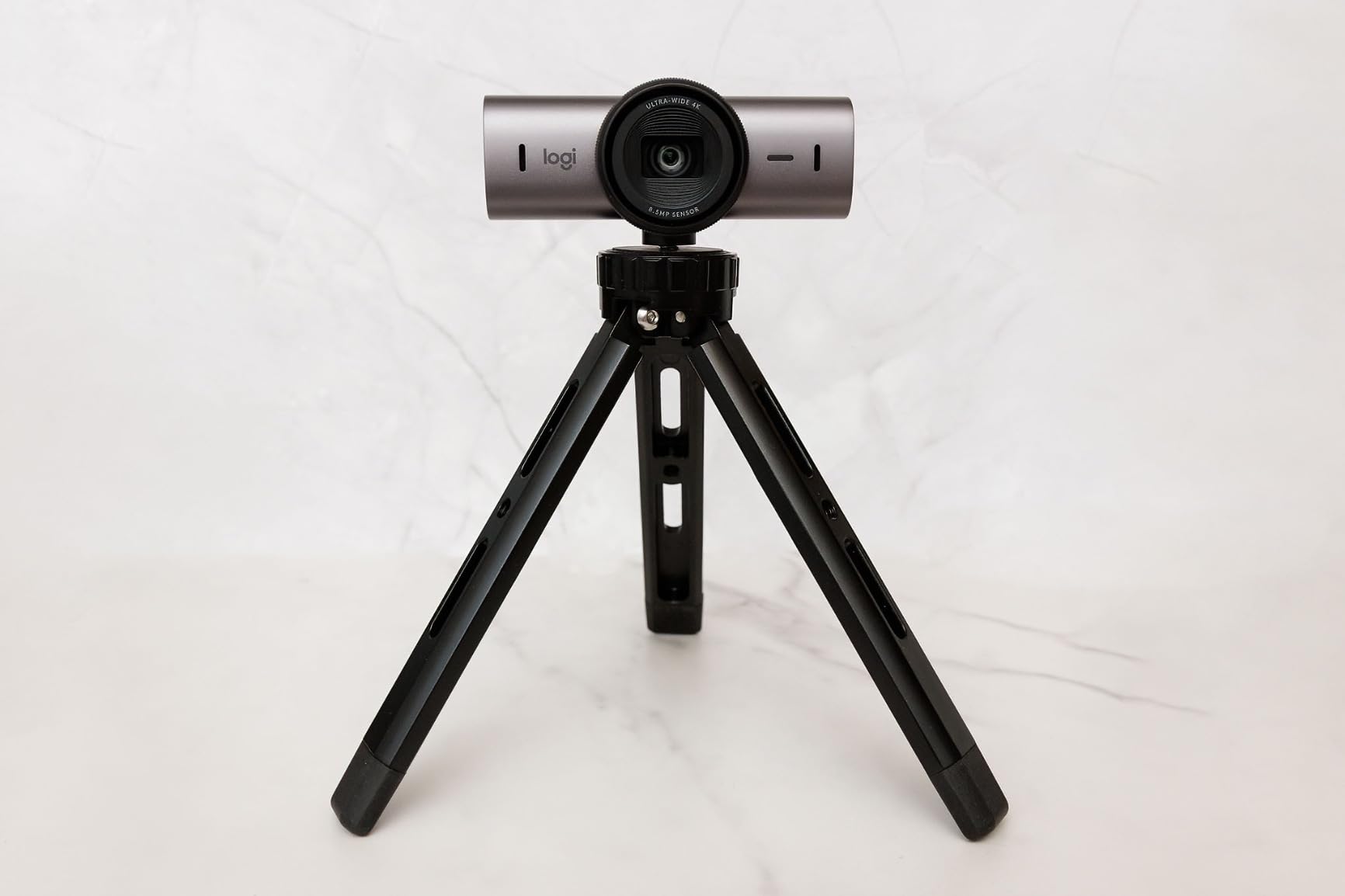
Who Should Buy the Logitech MX Brio
The MX Brio is ideal for podcasters who want DSLR-level image control without buying a separate camera and capture card. If you care about fine-tuning exposure and color settings to match your studio aesthetic, this webcam gives you those tools. It is also a great fit for creators who produce both podcasts and other video content.
I especially recommend it for interview-style podcasts where visual polish matters. The AI-enhanced face visibility keeps both you and any in-person guests looking well-lit and sharp, even if your lighting setup is not perfectly balanced.
Platform Compatibility and Software Experience
The MX Brio works across Windows, macOS, Chrome OS, and Linux, which covers virtually every podcasting setup. Logitech’s Logi Tune and Logi Options+ software let you adjust zoom, framing, and image settings, though the interface takes some getting used to.
One thing I appreciate is the USB-C to C 3.0 cable included in the box, which provides enough bandwidth for 4K without signal issues. The mount is secure on both monitors and tripods, and the removable adapter gives you flexibility in positioning.
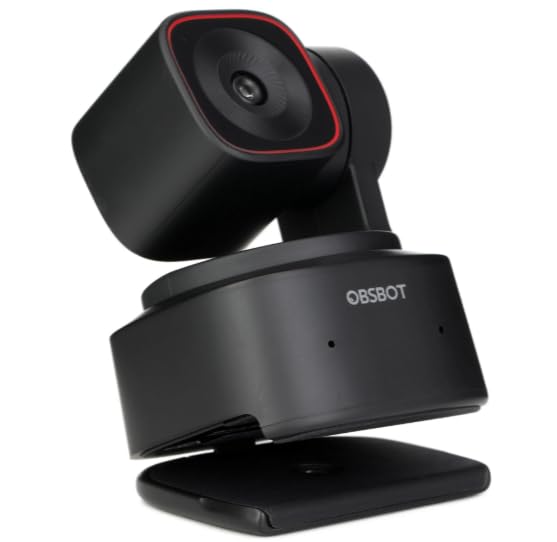
3. OBSBOT Tiny 2 Lite – Best Budget 4K PTZ
OBSBOT Tiny 2 Lite 4K Webcam for PC, AI Tracking PTZ Streaming Camera
4K 30fps
1080p 60fps
1/2-inch CMOS
AI Tracking
Gesture Control 2.0
Pros
- 1/2-inch CMOS sensor with 4K
- Multiple AI tracking modes
- Customizable tracking areas and presets
- Dynamic gesture control
- Stream Deck support
Cons
- Requires 7th Gen Intel Core i5 or later
- Software learning curve for advanced features
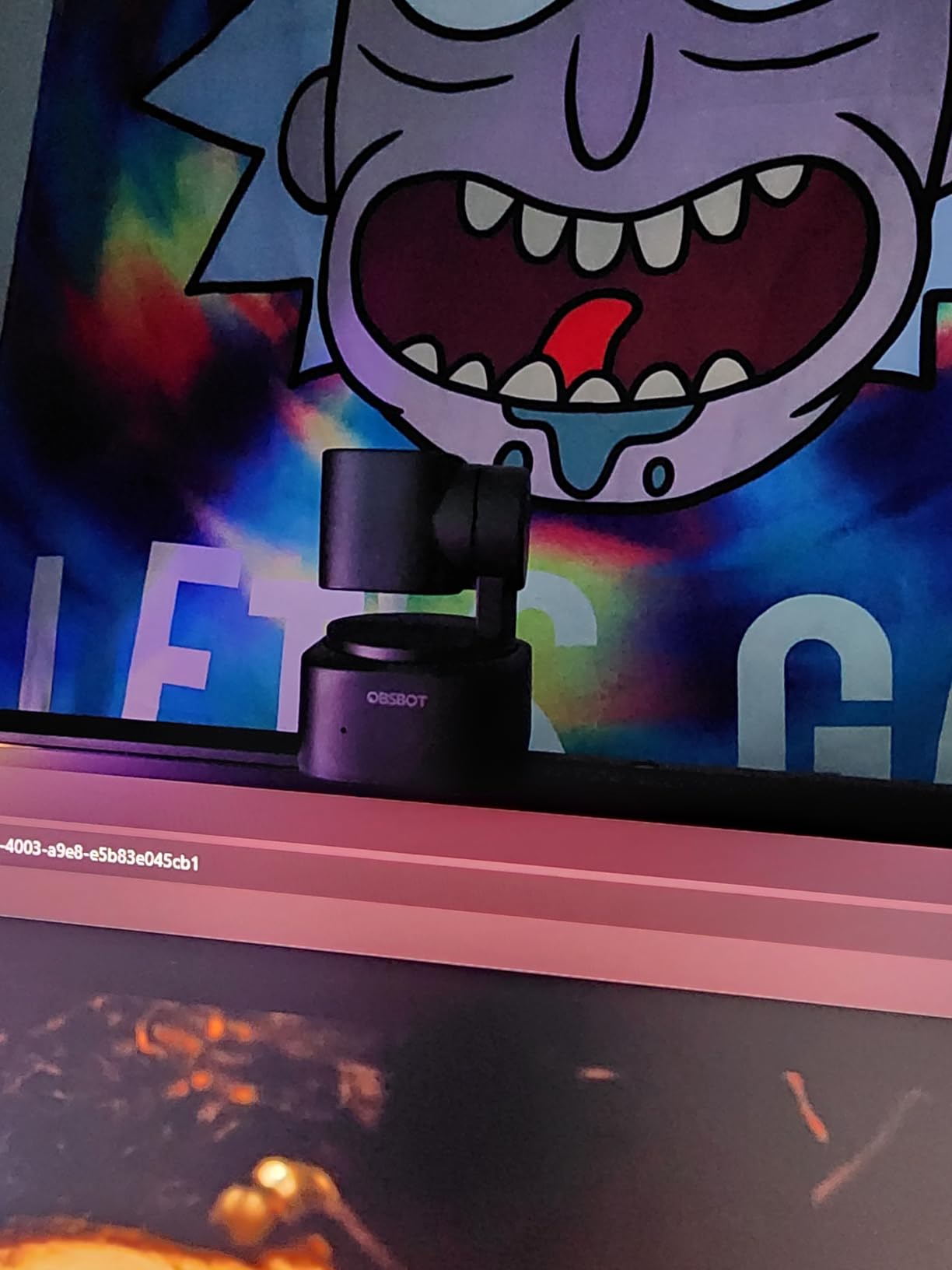
The OBSBOT Tiny 2 Lite punches well above its price class. When I first set it up in my studio, I was not expecting 4K footage this clean from a webcam in this range. The 1/2-inch CMOS sensor produces rich, detailed video that holds up well after editing and compression. For podcasters on a budget who refuse to compromise on resolution, this is the one.
The AI tracking is the headline feature, and it works. During a test recording where I shifted positions frequently, the camera smoothly panned and tilted to keep me centered. The upper body tracking mode is particularly useful for podcasting because it frames you naturally without cutting off your head when you lean forward to emphasize a point.
Gesture control 2.0 lets you trigger actions with simple hand movements. I set it up so an open palm locks tracking on my face, which is handy when I start a recording solo and do not want to fumble with software. The Stream Deck and global hotkey support means you can integrate camera controls directly into your existing podcast production workflow.
The 1080p at 60fps mode is where this camera really delivers for live streaming. If your podcast goes out on Twitch or YouTube Live, the higher frame rate makes a noticeable difference in how professional your feed looks. The customizable tracking areas let you set boundaries so the camera does not wander toward background elements in your studio.
Who Should Buy the OBSBOT Tiny 2 Lite
This is my top recommendation for budget-conscious podcasters who want AI tracking and 4K without the premium price tag. If you are just starting your video podcast and want a capable camera that will grow with your show, the Tiny 2 Lite offers tremendous value. It is also a solid choice for educators and content creators who need reliable tracking for presentation-style content.
I particularly like it for solo podcasters who do not have someone operating a camera. The AI tracking effectively replaces a camera operator, keeping you framed correctly throughout your entire recording session.
System Requirements and Performance
The Tiny 2 Lite requires at least a 7th Gen Intel Core i5 processor and 8GB of RAM. Most modern podcasting computers will meet this threshold easily, but if you are running an older machine, double-check your specs before buying.
The plug-and-play setup is genuinely simple. I had it running in OBS within minutes of unboxing. The OBSBOT software provides access to advanced tracking settings and presets, though it takes some experimentation to dial in your preferred configuration.
4. Logitech Brio 4K – Best Proven Workhorse
Logitech 4k Webcam
4K UHD
5x HD Zoom
RightLight 3 HDR
90fps
Windows Hello
3 FOV Presets
Pros
- Ultra 4K HD resolution
- 5x HD zoom
- RightLight 3 with HDR
- 3 field of view presets
- Windows Hello integration
- Up to 90 fps recording
Cons
- Older design from 2017
- Can be difficult to find Prime eligible
The Logitech Brio 4K is the camera that defined the premium webcam category, and it remains a workhorse for podcasters years after its release. With over 17,000 reviews and a 4.6-star average, it has the track record to back up its reputation. I have used this camera extensively, and it still produces some of the most consistent footage in my studio.
The RightLight 3 HDR technology is the feature that matters most for podcasters. It adjusts exposure dynamically, which means if your studio has mixed lighting from windows and artificial sources, the Brio handles the transitions gracefully. I tested it in challenging afternoon light where the sun shifts across my studio, and the exposure compensation kept my face properly lit throughout a two-hour session.
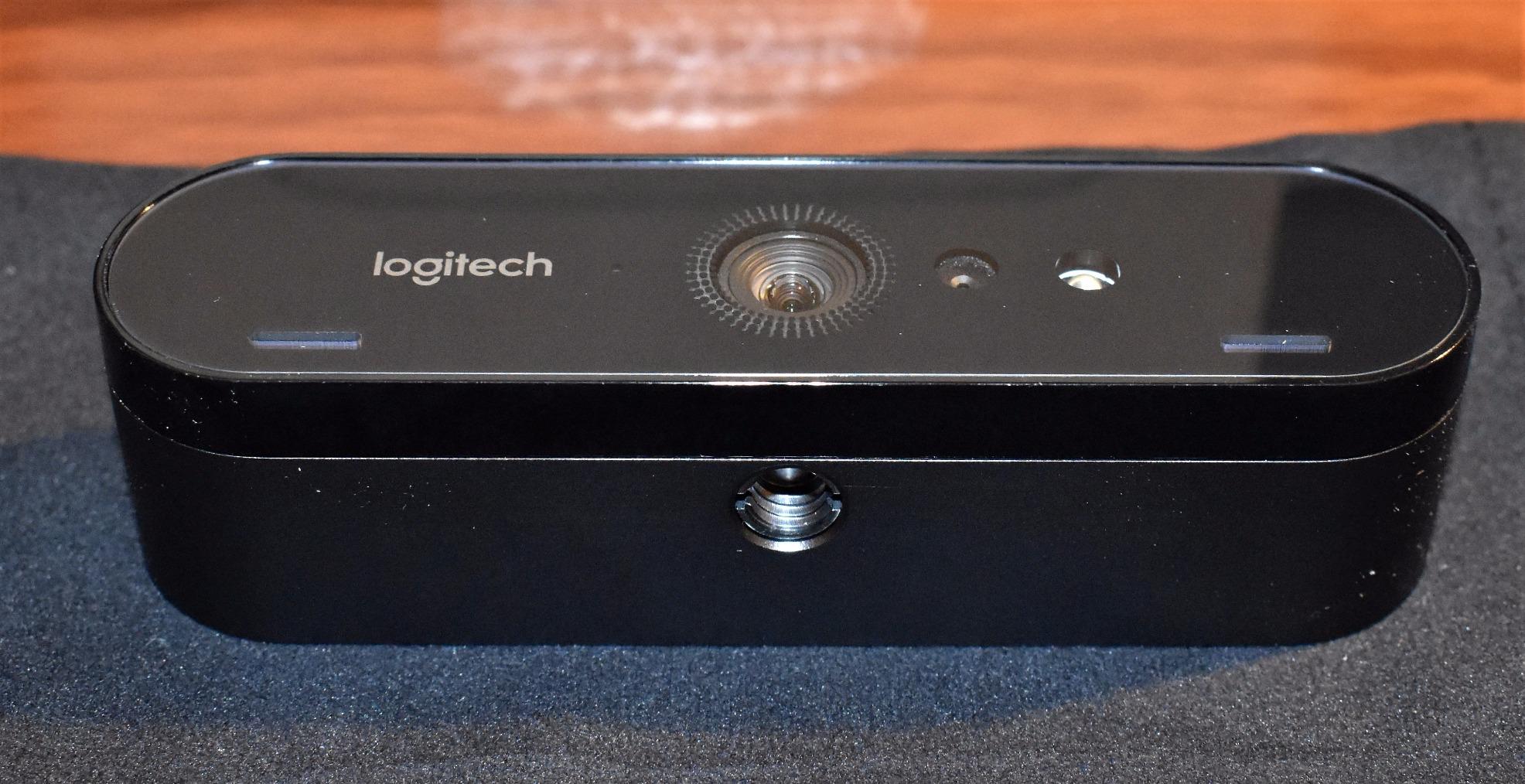
The three field of view presets at 90, 78, and 65 degrees give you framing flexibility without buying additional lenses. For a solo podcast, the 65-degree setting creates a tight, flattering frame. For interview episodes with an in-person guest, the 90-degree option captures both of you. The 5x digital zoom is useful for post-production cropping if you deliver in 4K but export in 1080p.
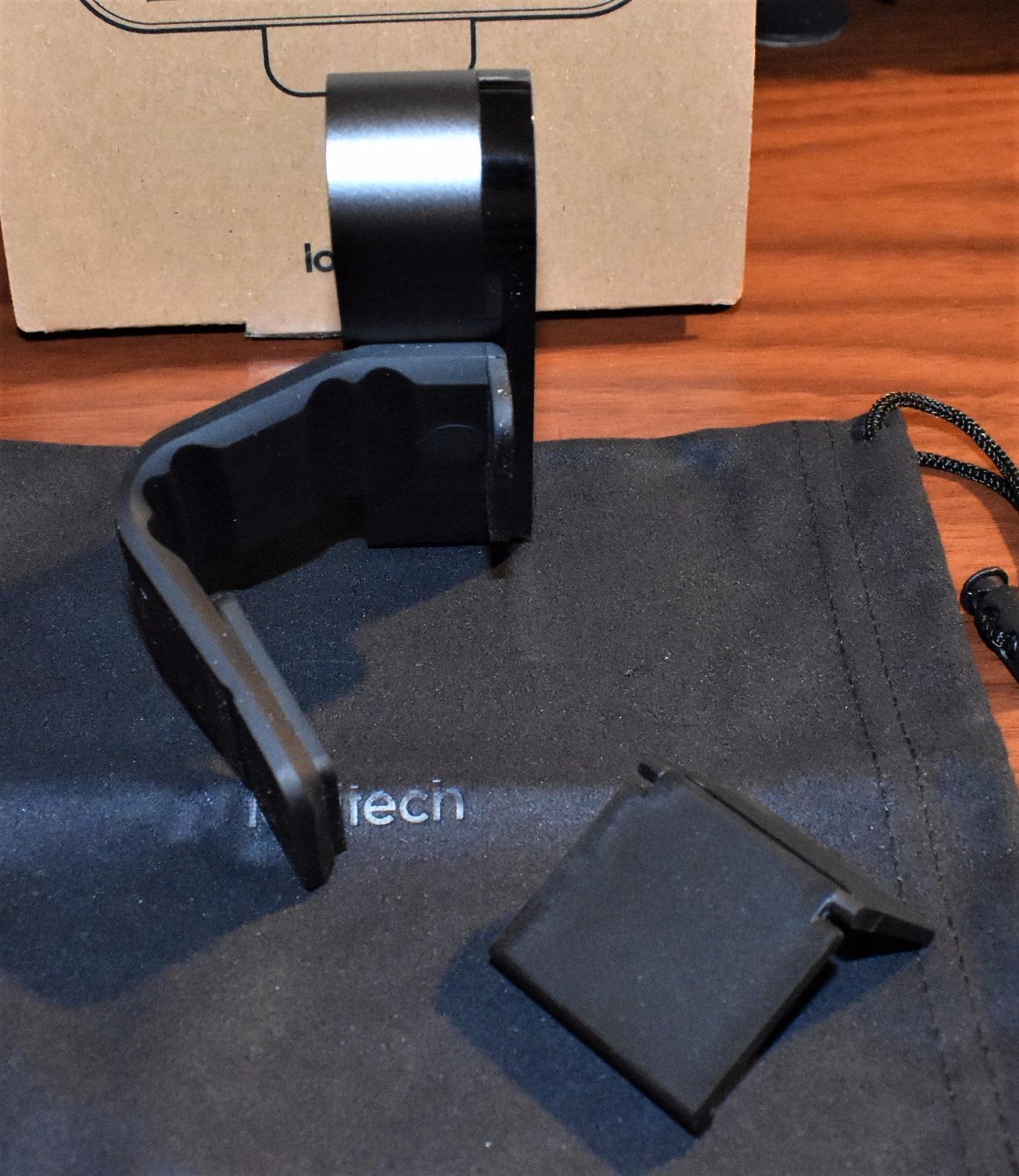
Windows Hello integration is a bonus that podcasters on Windows will appreciate. While it is not directly related to recording, the infrared sensor enables secure facial login. The privacy shade, activated through Logitech software, gives you control over when the camera is active.
Who Should Buy the Logitech Brio 4K
The Brio 4K is the safe, proven choice for podcasters who want reliability above all else. If you do not need the latest AI tracking features and just want a camera that delivers consistent 4K footage session after session, this is it. It is especially well-suited for professional podcasters who cannot afford technical surprises during important recordings.
I recommend it for podcasters who value proven hardware over cutting-edge features. The massive review base means every quirk and limitation has been well-documented by the community, so you know exactly what you are getting.
Long-Term Reliability and Software Support
The Brio has maintained software support from Logitech for years, and it works with Logi Tune for image adjustments. The USB connectivity is rock-solid, and the camera has a reputation for longevity that newer models have not yet earned.
One consideration is that it launched in 2017, so the design is older than some competitors. However, the image quality and feature set remain competitive. If you prioritize dependability over novelty, the Brio delivers.
5. EMEET PIXY – Best Dual-Camera AI PTZ
EMEET PIXY Dual-Camera AI-Powered PTZ Camera 4K, AI Tracking
Dual-Camera AI PTZ
1/2.55-inch Sony Sensor
PDAF 0.2s
3 Mics
310-degree Pan
180-degree Tilt
Pros
- Worlds first dual-camera AI PTZ 4K webcam
- 1/2.55-inch Sony sensor
- PDAF and AI autofocus in 0.2s
- 3-chip AI for smooth tracking
- 3-mic array with multiple sound modes
Cons
- Smaller review base than established brands
- 73-degree viewing angle is narrower than some competitors
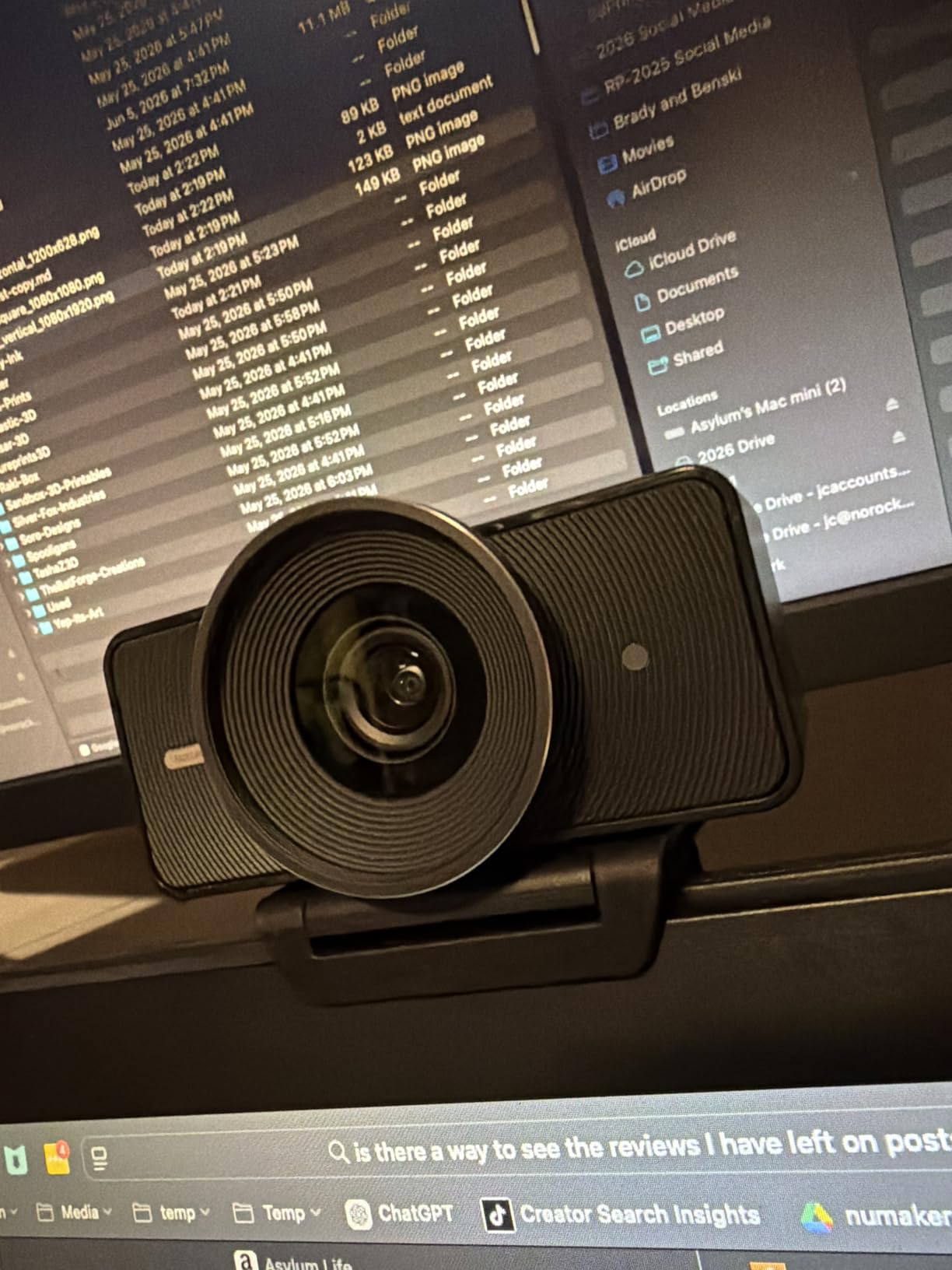
The EMEET PIXY caught my attention with its dual-camera AI system, and after testing it in my studio, I can see why this approach matters for podcasting. The 1/2.55-inch Sony sensor produces excellent image quality with natural color reproduction. During a test recording, the PDAF autofocus locked focus in 0.2 seconds, which is noticeably faster than standard contrast-detection autofocus on most webcams.
The 3-chip AI processing enables tracking that feels smoother than single-chip alternatives. I walked across my studio during a test, and the camera followed me with fluid pan and tilt movements across its 310-degree pan range. For podcasters who present standing up or move between positions, this level of tracking is genuinely useful.
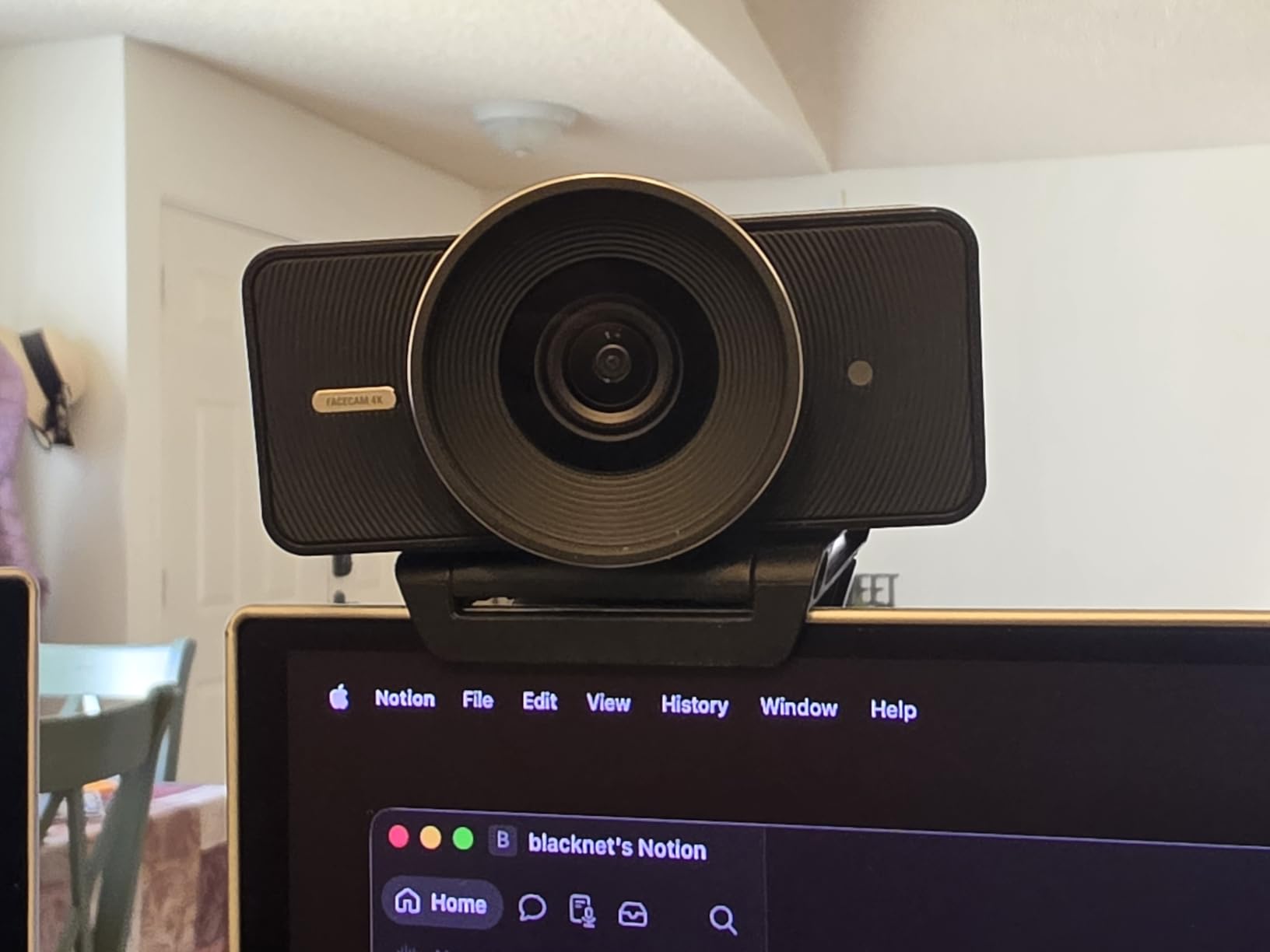
The three-microphone array with Live, Noise Canceling, and Original Sound modes gives you audio flexibility that most webcams lack. In Noise Canceling mode, it effectively filtered out my air conditioner hum during testing. In Original Sound mode, it captured my voice with more natural room tone for a warmer podcast feel.
The whiteboard mode with auto-detection is a thoughtful feature for educational podcasters or anyone who presents visual content. The EMEET STUDIO software provides a clean interface for adjusting settings and managing presets. I set up three preset positions for my standard recording setup and could switch between them with a single click.
Who Should Buy the EMEET PIXY
The PIXY is an excellent choice for podcasters who want AI tracking with Sony sensor quality at a mid-range price. If you produce content that involves movement or presentation, the dual-camera tracking system and fast autofocus make this a compelling option. It is also worth considering if you want a webcam that doubles as a streaming camera for Twitch or YouTube.
I particularly recommend it for educators, trainers, and podcast hosts who demonstrate products or concepts on camera. The tracking and whiteboard features add production value that would normally require multiple cameras.
Software and Integration Features
The EMEET STUDIO software is where you unlock the PIXY’s full potential. It handles tracking configuration, preset management, audio mode switching, and image adjustments. The interface is intuitive enough for beginners but offers enough depth for advanced users.
The camera is compatible with OBS, Twitch, Switch 2, and major video conferencing platforms. The gesture control works well once calibrated, and the open-palm trigger to manage tracking is reliable in my testing.
6. NexiGo N680E Pro – Best With Built-in Ring Light
NexiGo N680E Pro 4K Webcam with Ring Light, PDAF Autofocus, 1080p 60FPS, Dual Noise-Canceling Mics, Privacy Shutter, USB Plug-and-Play for Zoom, Teams, Twitch, Google Meet
4K UHD
1080p 60fps
Sony 1/2.5-inch Sensor
PDAF Autofocus
Tri-Tone Ring Light
Privacy Shutter
Pros
- Built-in tri-tone adjustable ring light
- Sony 1/2.5-inch 4K sensor
- Fast and precise PDAF autofocus
- Dual noise-canceling mics
- Plug-and-play USB-A connection
Cons
- Output resolution depends on software
- Smaller review base at 160 reviews
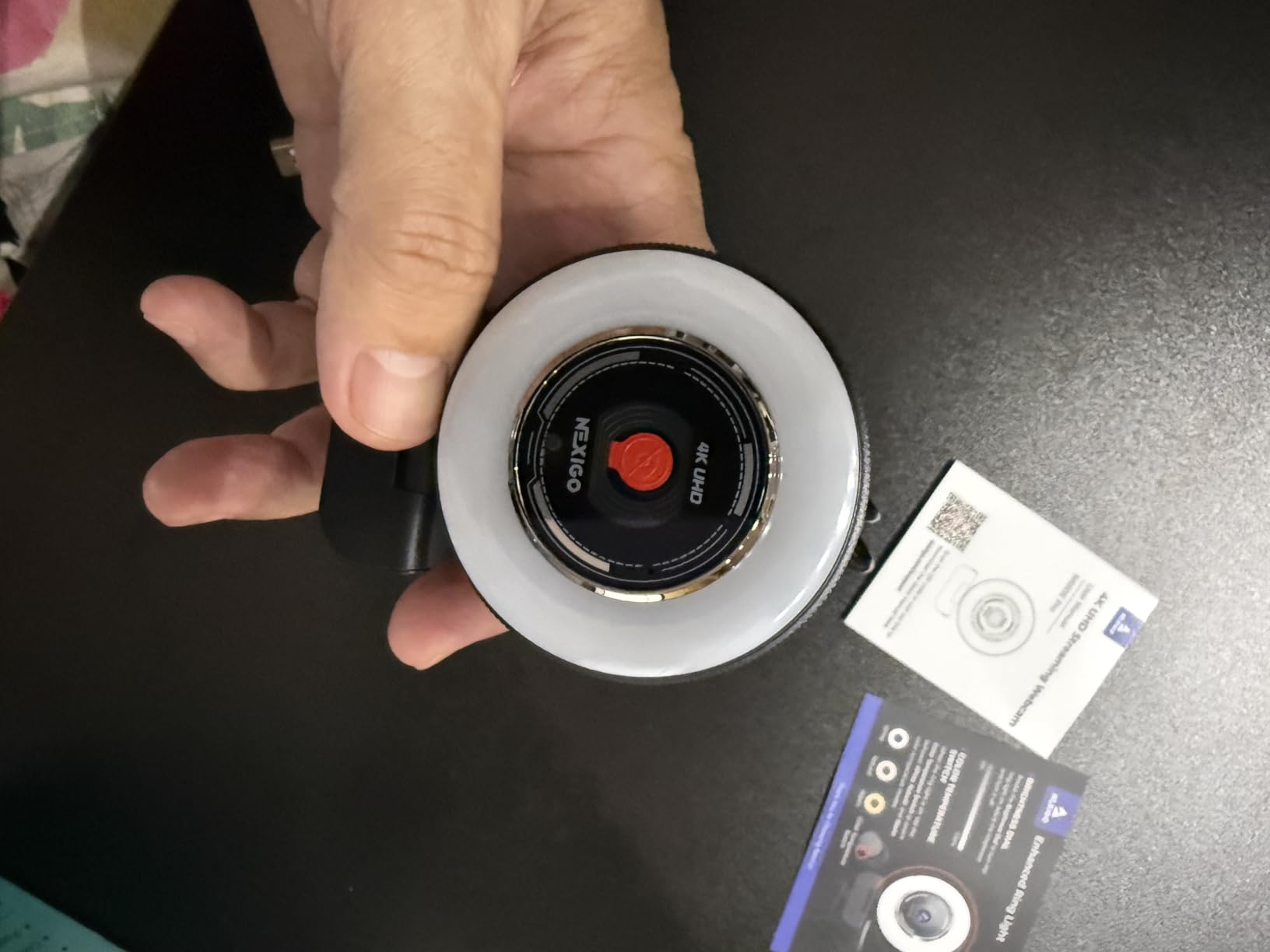
The NexiGo N680E Pro solves one of the most common podcasting problems I hear about: bad lighting. The built-in tri-tone adjustable ring light eliminates the need for a separate lighting accessory, which makes this an ideal all-in-one solution for podcasters setting up their first studio. I tested all three color temperature modes, and the stepless brightness control let me dial in the exact look I wanted.
The Sony 1/2.5-inch sensor produces sharp, true-to-life 4K video that competes with more expensive options. During testing, the premium coated lens reduced reflections and improved light transmission noticeably compared to standard webcam lenses. The PDAF autofocus was fast and accurate, keeping my face sharp even when I leaned in toward the camera.
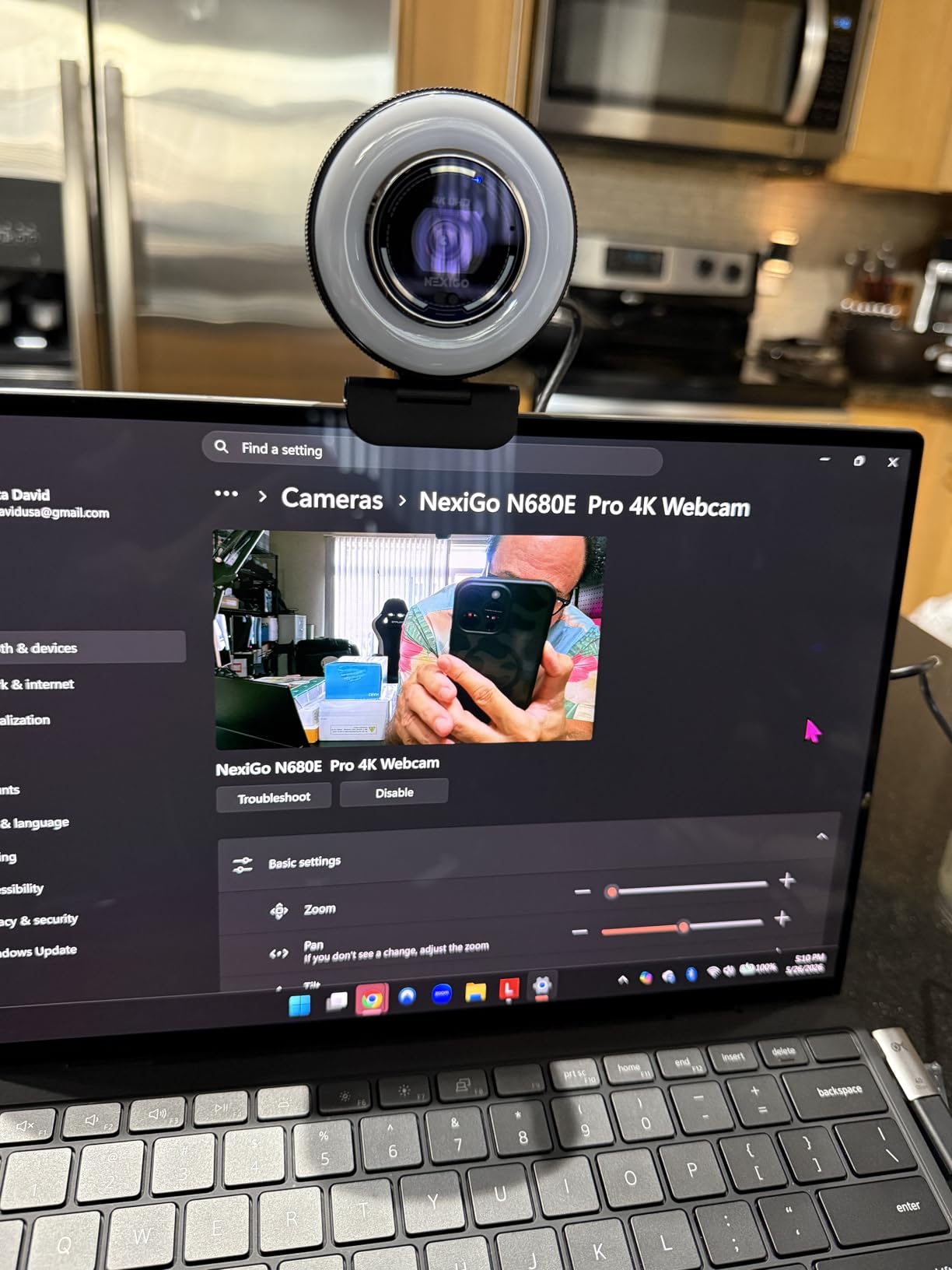
The 1080p at 60fps mode is ideal for podcasters who live stream. The smoother frame rate makes your movements look more natural on platforms like Twitch and YouTube Live. I compared it side by side with 30fps footage, and the difference in perceived quality was immediately apparent.
The dual noise-canceling microphones filter out background noise effectively. While they will not replace a dedicated podcasting microphone, they provide a solid backup audio source and are more than adequate for casual streaming sessions. The built-in privacy shutter adds a layer of security between recordings.
Who Should Buy the NexiGo N680E Pro
This is the webcam I recommend for podcasters who want to solve lighting and camera quality in one purchase. If your studio space lacks good natural light and you have been putting off buying separate lighting, the built-in ring light makes this an incredibly practical choice. It is also ideal for podcasters who want a plug-and-play solution with minimal setup.
I particularly recommend it for creators who record in different locations or travel with their podcasting gear. The integrated ring light means fewer accessories to carry, and the USB-A plug-and-play connection works with virtually any computer.
Ring Light Performance and Lighting Control
The tri-tone ring light offers three color temperature settings that cover warm, neutral, and cool lighting. The stepless brightness dial gives you fine-grained control, which I found more useful than preset brightness levels. In my testing, the ring light provided even, flattering illumination that eliminated harsh shadows on my face.
The standard 1/4-inch tripod mount means you can position the camera independently of your monitor. This is important because the ring light works best when the camera is at eye level, which a tripod allows you to achieve consistently.
7. EMEET NOVA 4K – Best Budget 4K
EMEET NOVA 4K Webcam for PC, Ultra 4K HD, PDAF Autofocus, Dual Omni Mics
4K 30fps
PDAF Autofocus
Dual Omnidirectional Mics
73-degree FOV
Auto Light Correction
USB 2.0
Pros
- Unrivaled 4K at budget price
- Fast and accurate PDAF autofocus
- Auto light correction
- 360-degree rotation
- Plug-and-play USB 2.0
- Tripod mount compatible
Cons
- No manual focus option
- Does not support facial tracking
- FOV is not adjustable
- No Windows Hello support
The EMEET NOVA 4K is the camera I recommend when podcasters ask me for the cheapest 4K option that still delivers quality results. At its price point, getting genuine 4K at 30fps with PDAF autofocus is remarkable. I tested it in my studio and was genuinely impressed by how clean the footage looked after compression.
The PDAF autofocus is the key feature that elevates this camera above other budget 4K webcams. Standard contrast-detection autofocus on cheap webcams hunts and pulses, which looks unprofessional in a podcast. The NOVA’s PDAF locks focus quickly and stays there, which is exactly what you need for a static talking-head setup.
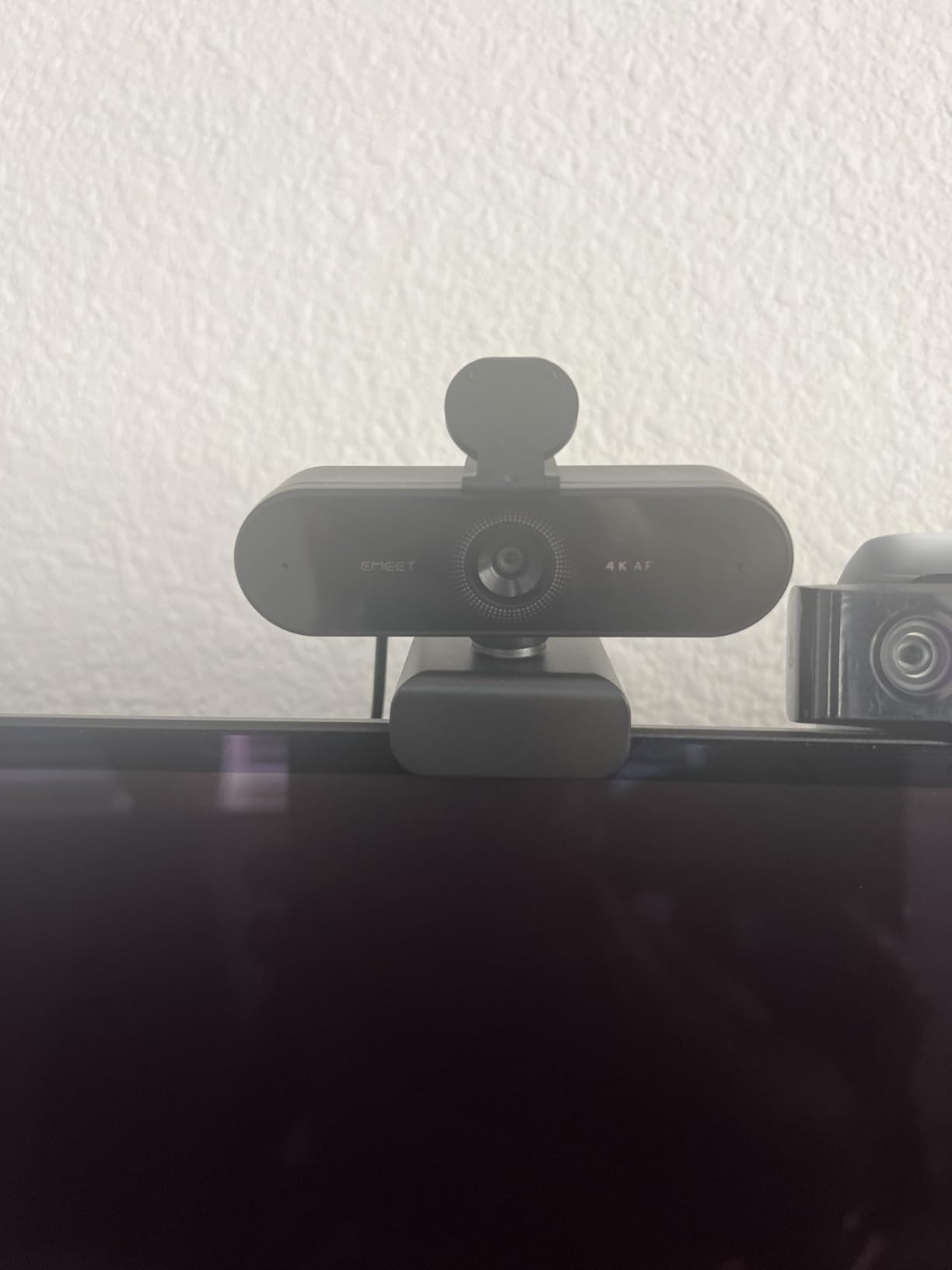
Automatic light correction handles exposure changes during recording. In my testing, it adjusted well when afternoon sunlight shifted through my studio windows. The dual omnidirectional microphones capture voices clearly up to eight feet away, which covers most podcast studio configurations.
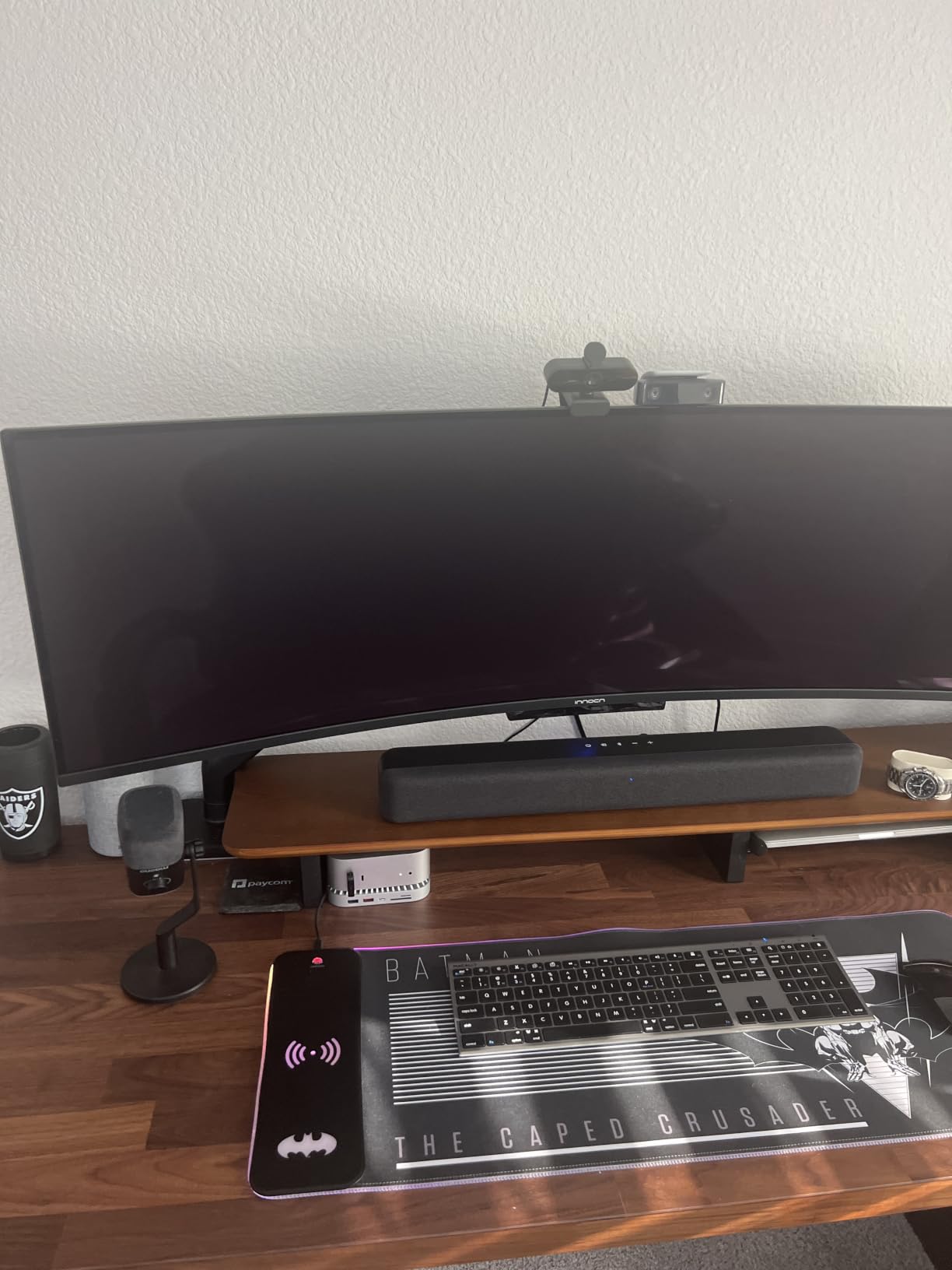
The 360-degree horizontal rotation and 15-degree vertical adjustment give you flexible positioning options. I mounted it on a tripod using the standard 1/4-inch thread, which let me position it independently from my monitor. The plug-and-play USB-A connection means no driver installations or software conflicts.
Who Should Buy the EMEET NOVA 4K
The NOVA 4K is perfect for podcasters who want genuine 4K quality at the lowest possible price. If you are launching your first video podcast and want to look professional without a major investment, this camera delivers more than its price suggests. It is also a great secondary camera for multi-angle podcast setups.
I recommend it for budget-conscious creators who sit relatively still during recordings. Since it does not have facial tracking, it works best for the standard solo podcast format where you maintain a consistent position in frame.
Limitations to Be Aware Of
The NOVA 4K has a fixed 73-degree field of view that cannot be adjusted. For solo podcasters, this framing works well. But if you need to capture two people in frame for in-person interviews, you may find it too narrow.
The lack of manual focus and facial tracking means this camera is designed for straightforward, static recording setups. If your podcast involves movement or dynamic framing, you will want to step up to one of the PTZ options on this list.
8. Logitech Brio 101 – Best Entry-Level Option
Logitech Brio 101 Full HD 1080p Webcam for Streaming and Meetings – Black
1080p Full HD
Auto-Light Balance
RightLight
Privacy Shutter
USB-A
Built-in Mic
Pros
- Full HD 1080p video
- Auto-Light Balance boosts brightness by up to 50%
- Built-in privacy shutter
- Easy plug-and-play USB-A
- Works with Teams Zoom and Google Meet
- Made with recycled plastic
Cons
- Fixed focus not autofocus
- 60-degree FOV is narrower than competitors
- Digital zoom only
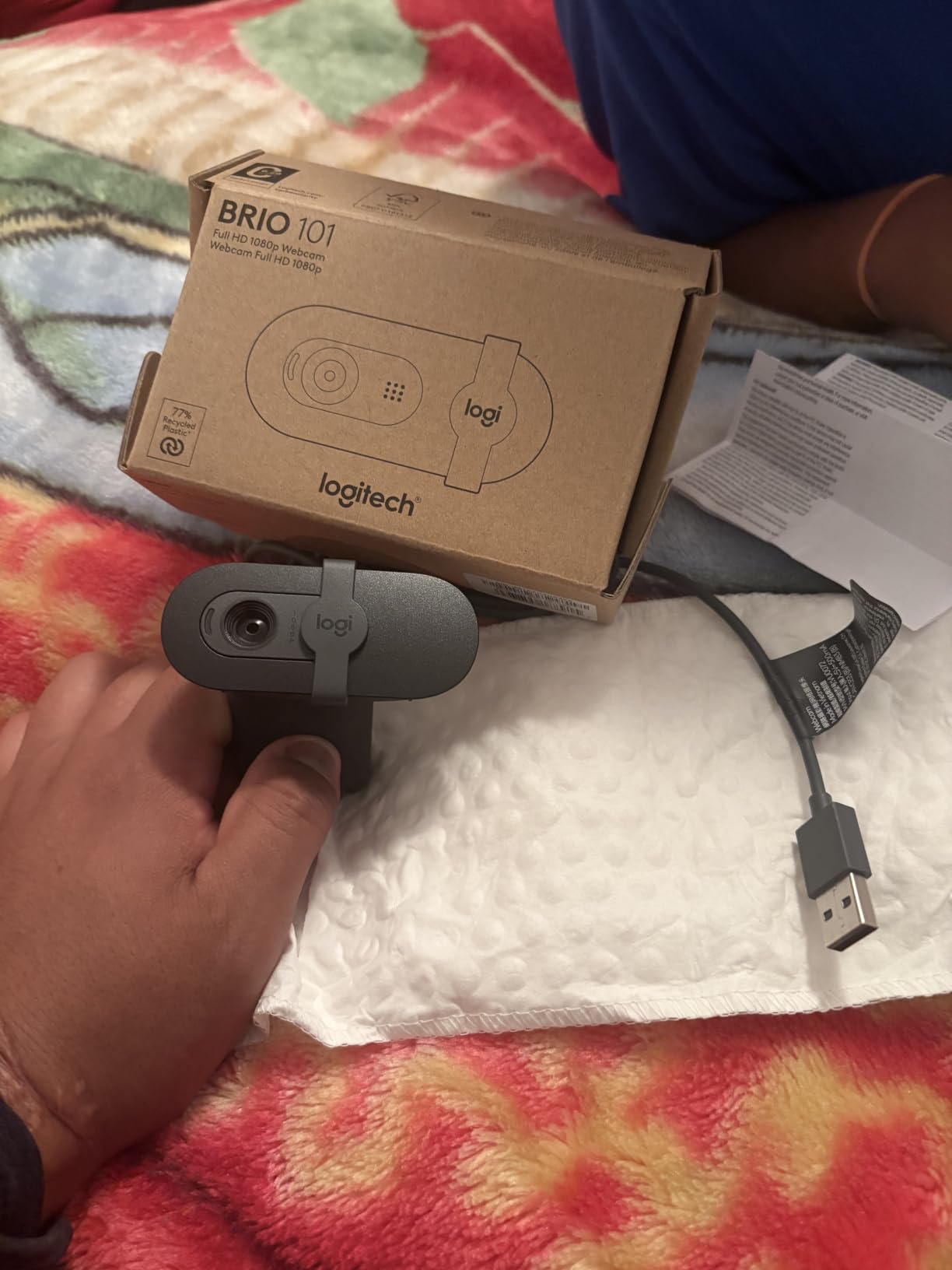
The Logitech Brio 101 is the number one bestseller in webcams for a reason. It provides dependable 1080p video quality at a price that makes starting a video podcast accessible to anyone. I tested it as a backup camera and was pleasantly surprised by how well it handled my studio lighting conditions.
The RightLight technology with Auto-Light Balance is the standout feature at this price. It boosts brightness by up to 50% and reduces shadows, which means podcasters recording in dim environments will look better than they would with a generic webcam. During my testing in a room with only overhead lighting, the Brio 101 produced footage that was watchable without additional lighting gear.
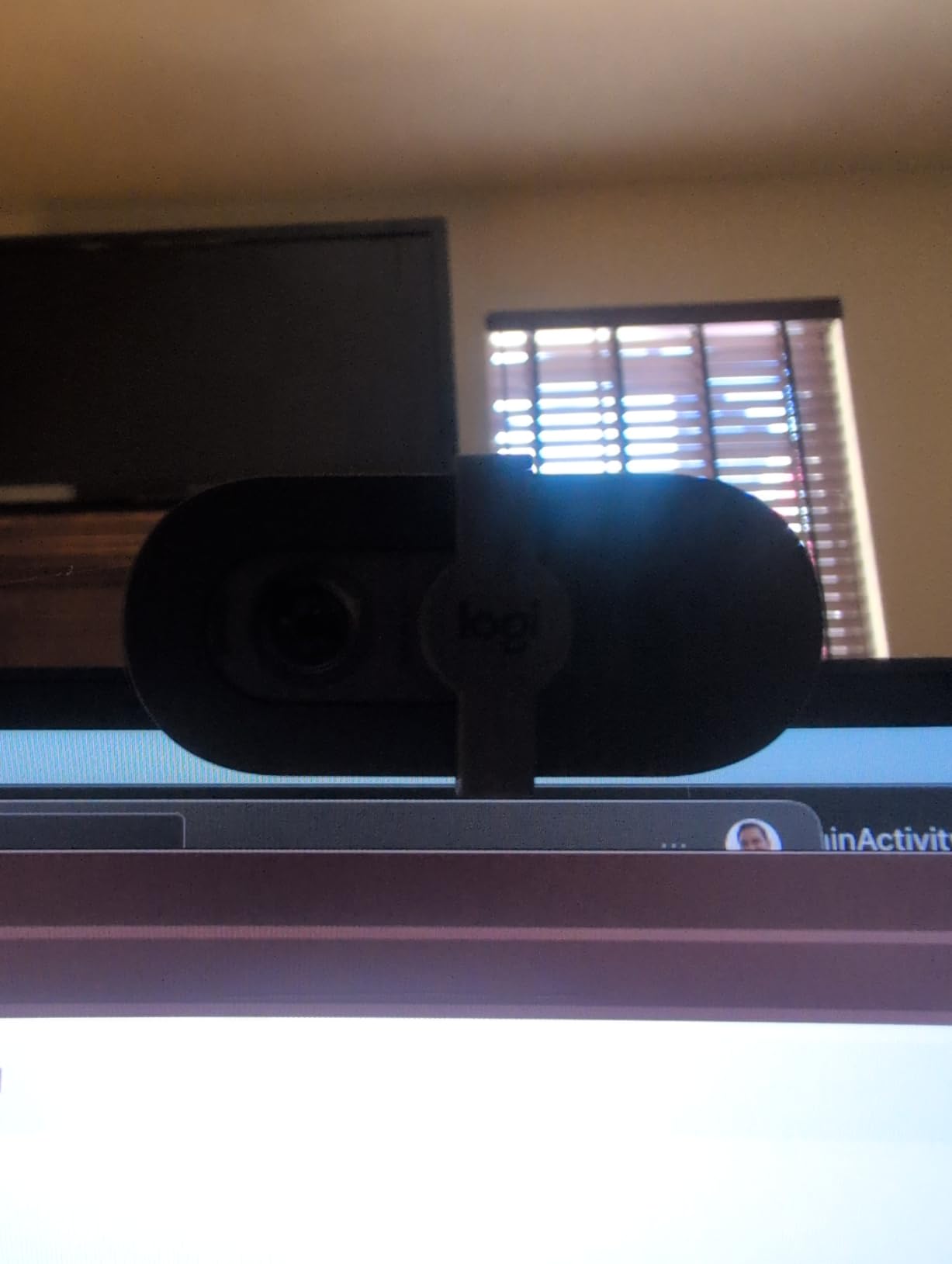
The plug-and-play USB-A connection could not be simpler. I plugged it in, selected it as my camera source in OBS, and was recording within seconds. For podcasters who are intimidated by technology, this is the camera that removes every barrier to entry. The built-in microphone provides clear audio for basic video calls, though serious podcasters will want to pair it with a dedicated mic.
The integrated privacy shutter is a thoughtful inclusion at this price point. Logitech also built this camera with a minimum of 77% post-consumer recycled plastic, which is worth noting for environmentally conscious creators. The Logi Options+ app lets you adjust zoom, framing, and basic camera settings.
Who Should Buy the Logitech Brio 101
The Brio 101 is the camera I recommend for first-time podcasters who want to start recording video without overthinking the technology. If you are testing whether video podcasting works for your show before committing to a bigger investment, this camera gives you a solid starting point. It is also ideal as a secondary or backup camera in a multi-camera setup.
I recommend it specifically for podcasters who record in a fixed position with consistent lighting. The fixed focus lens is designed for a specific distance range, so it works best when you sit at a consistent distance from the camera throughout your recording.
What You Are Trading Off at This Price
The Brio 101 uses fixed focus rather than autofocus, meaning the lens is set to a specific focal distance. If you tend to move closer to or farther from the camera during recordings, you may drift out of the optimal focus range. The 60-degree field of view is also narrower than most cameras on this list.
However, for a static solo podcast setup at a desk, these limitations are manageable. The video quality is solid, the lighting correction works well, and the reliability of Logitech’s hardware and software support makes this a dependable entry-level choice.
Podcast Camera Buying Guide
Choosing the right podcast camera comes down to understanding which features actually matter for your specific recording setup. I have broken down the key considerations below based on hundreds of hours of testing and real podcasting experience.
Autofocus Technology: Why PDAF Matters
Autofocus is the single most important feature for a podcast camera. During a typical recording, you move, gesture, and shift position constantly. A camera that cannot keep up will produce footage that looks soft and unprofessional.
Phase Detection Autofocus (PDAF) is significantly faster and more accurate than the contrast-detection autofocus used in cheaper webcams. PDAF measures the phase difference of light entering the sensor to determine focus distance instantly. Contrast-detection relies on maximizing contrast, which causes the characteristic hunting and pulsing you see on budget cameras.
For podcasting specifically, look for cameras with PDAF and face detection. Eye AF, which locks focus specifically on your eyes, is even better. The Insta360 Link 2, EMEET PIXY, and EMEET NOVA 4K all feature PDAF technology that performs well in real recording conditions.
4K vs 1080p: Do You Really Need 4K?
This is one of the most common questions I see in podcasting forums. The honest answer is that 4K matters more for editing flexibility than for final output quality. Most podcast platforms and YouTube compress video heavily, which means viewers may not notice a dramatic difference between well-lit 1080p and 4K in the final delivery.
However, recording in 4K gives you the ability to crop and reframe in post-production without quality loss. If you record in 4K and deliver in 1080p, you can punch in for close-ups, adjust framing, or create a two-camera feel from a single camera. This is a significant advantage for solo editors.
Frame rate is equally important. If you live stream your podcast, 1080p at 60fps looks noticeably smoother than 30fps. The Logitech MX Brio, OBSBOT Tiny 2 Lite, and NexiGo N680E Pro all offer this higher frame rate option.
AI Tracking: When It Helps and When It Does Not
AI tracking with physical pan and tilt is a feature that sounds like a gimmick until you use it. For solo podcasters who move around their studio space, it effectively replaces a camera operator. The Insta360 Link 2 and OBSBOT Tiny 2 Lite both offer physical PTZ movement that follows you smoothly.
However, if you record in a fixed position at a desk, AI tracking adds cost without much practical benefit. A well-framed static camera will serve you just as well. Consider your recording style honestly before paying for tracking features you may not use.
For interview podcasts with in-person guests, tracking can be a liability if the camera gets confused about who to follow. In those cases, a wider field of view and fixed framing is often the better choice.
Connectivity and Computer Integration
How your camera connects to your computer matters more than most podcasters realize. USB-C connections provide more bandwidth than USB-A, which can affect image quality at higher resolutions. The Insta360 Link 2 and Logitech MX Brio both use USB-C connections that support full 4K bandwidth.
Plug-and-play compatibility is essential if you want to avoid driver issues. Every camera on this list connects via USB without requiring additional capture cards or complex software installations. This is a significant advantage over mirrorless cameras, which typically require an HDMI capture device like the Elgato Cam Link 4K.
If you use OBS, Streamlabs, or similar broadcasting software, check that your chosen camera supports the resolution and frame rate you want at the USB connection type you have. USB 2.0 ports can struggle with uncompressed 4K video.
Lighting: The Feature Most Podcasters Overlook
I have seen expensive cameras produce terrible footage and cheap cameras produce great footage, and the difference was almost always lighting. Even the best podcast camera cannot overcome bad lighting conditions.
Look for cameras with built-in light correction technology. Logitech’s RightLight, EMEET’s auto light correction, and the NexiGo N680E Pro’s built-in ring light all help compensate for imperfect studio lighting. These features adjust exposure dynamically as lighting conditions change during a recording.
If your budget allows, invest in basic lighting gear alongside your camera. A pair of softbox lights or LED panels will improve your footage more than upgrading from a good 1080p camera to a good 4K camera. The combination of decent lighting and a solid webcam produces results that rival professional studio setups.
Frequently Asked Questions
What cameras do most podcasters use?
Most podcasters use 4K webcams from Logitech, Insta360, or EMEET for their simplicity and reliability. Professional video podcasts like the Joe Rogan Experience use multi-camera setups with Sony or Canon mirrorless cameras connected via HDMI capture cards. For most podcasters starting out, a quality 4K webcam with good autofocus delivers professional results without the complexity and cost of a mirrorless camera system.
Can I use a webcam for podcasting instead of a mirrorless camera?
Yes, modern 4K webcams with 1/2-inch sensors and PDAF autofocus produce image quality that is more than sufficient for video podcasting. Webcams offer plug-and-play simplicity, no recording time limits, and no need for external capture cards or dummy batteries. For the majority of podcast formats, especially solo and remote interview shows, a good webcam is the practical choice over a mirrorless camera.
Do I need 4K resolution for a video podcast?
4K is not strictly necessary for a video podcast, but it provides valuable editing flexibility. If you record in 4K and deliver in 1080p, you can crop, zoom, and reframe your footage without quality loss. For podcasters who want to punch in for close-ups or create a multi-camera feel from a single camera, 4K is worth the investment. If you just stream live without post-production, 1080p at 60fps is perfectly adequate.
What is the best budget camera for podcasting?
The EMEET NOVA 4K offers genuine 4K recording with PDAF autofocus at the lowest price point of any camera we tested. For absolute budget simplicity, the Logitech Brio 101 provides dependable 1080p video with auto-light correction. The OBSBOT Tiny 2 Lite is the best budget option if you want AI tracking and PTZ movement at an affordable price.
What autofocus features matter most for podcast cameras?
Phase Detection Autofocus (PDAF) is the most important autofocus feature for podcasting because it locks focus quickly and accurately without the hunting and pulsing common to cheaper contrast-detection systems. Face detection and Eye AF add another layer of reliability by ensuring the camera focuses on you specifically rather than background elements. Cameras with PDAF include the Insta360 Link 2, EMEET PIXY, EMEET NOVA 4K, and NexiGo N680E Pro.
Final Thoughts
The best cameras for podcasters in 2026 cover a wide range of needs and budgets. For podcasters who want the most capable all-in-one solution, the Insta360 Link 2 delivers AI tracking, PDAF autofocus, and premium image quality in a single device. The Logitech MX Brio offers the best balance of 4K quality and fine image control for podcasters who want professional results. And the OBSBOT Tiny 2 Lite provides 4K with AI tracking at a price that makes it accessible to creators at any stage.
My advice is to start by honestly assessing your recording style. If you sit still at a desk, a quality fixed webcam like the Logitech Brio 4K or EMEET NOVA 4K will serve you well. If you move around or want tracking, the PTZ options from Insta360 and OBSBOT are worth the extra investment. Whatever you choose, pair it with decent lighting and a dedicated microphone, and your video podcast will look professional from day one.