
Choosing the best tablet for drawing can feel overwhelming. The market offers everything from budget pen tablets under $50 to professional pen displays over $600. I spent weeks researching and comparing 12 of the most popular drawing tablets available in 2026 to help you find the perfect match for your artistic needs and budget.
Drawing tablets fall into three main categories. Pen tablets (like the Wacom Intuos) require a computer connection and show your artwork on screen while you draw on the tablet surface. Pen displays (like the HUION Kamvas series) let you draw directly on the screen itself. Pen computers (like the Wacom MovinkPad) are standalone tablets that work without any computer connection. Each type has distinct advantages depending on your workspace, budget, and portability needs.
In this guide, I cover 12 drawing tablets across all three categories. Whether you are a complete beginner looking for your first tablet, a professional artist upgrading your studio setup, or someone who needs a portable solution for drawing on the go, I have tested and analyzed these options to bring you honest, detailed recommendations.
Table of Contents
Top 3 Picks for Best Tablets for Drawing
After analyzing specs, real user feedback, and performance data, here are my top three recommendations for 2026:
Best Tablets for Drawing in 2026
Here is a complete comparison of all 12 drawing tablets reviewed in this guide:
| Product | Specifications | Action |
|---|---|---|
 Wacom Intuos Medium Wacom Intuos Medium |
|
Check Latest Price |
 XP-Pen Deco 01 V3 XP-Pen Deco 01 V3 |
|
Check Latest Price |
 HUION HS610 HUION HS610 |
|
Check Latest Price |
 HUION H420X HUION H420X |
|
Check Latest Price |
 Wacom Intuos Pro Medium Wacom Intuos Pro Medium |
|
Check Latest Price |
 XP-Pen Deco 640 XP-Pen Deco 640 |
|
Check Latest Price |
 HUION Kamvas Pro 16 HUION Kamvas Pro 16 |
|
Check Latest Price |
 XP-Pen Artist 15.6 Pro XP-Pen Artist 15.6 Pro |
|
Check Latest Price |
 HUION Kamvas 13 Gen 3 HUION Kamvas 13 Gen 3 |
|
Check Latest Price |
 HUION KAMVAS 22 HUION KAMVAS 22 |
|
Check Latest Price |
 Wacom Cintiq 16 Wacom Cintiq 16 |
|
Check Latest Price |
 Wacom MovinkPad 11 Wacom MovinkPad 11 |
|
Check Latest Price |
Pen Tablets: Screenless Drawing Tablets
Pen tablets are the most affordable category of drawing tablets. They feature a drawing surface without an integrated display, so you draw on the tablet while watching your strokes appear on your computer monitor. This hand-eye coordination takes practice, but many professional artists prefer screenless tablets for the larger active area they offer relative to their price.
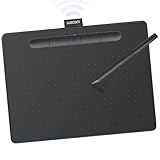
1. Wacom Intuos Medium – Best Pen Tablet for Beginners
Wacom Intuos Medium, Bluetooth Graphic Drawing Tablet with Pen + Software
Active Area: 8.5x5.31 inch
Pressure: 4096 Levels
Connectivity: Bluetooth, USB
Pros
- Industry-leading EMR battery-free pen technology
- Wireless Bluetooth connectivity
- Works with Mac Windows and Chromebook
- Includes software and online training
- 4 ExpressKeys for shortcuts
Cons
- No screen means hand-eye coordination learning curve
- Bluetooth can have occasional issues on Windows
- Basic model lacks advanced features of pro line
I have used the Wacom Intuos Medium for several projects over the past month. The EMR (Electro-Magnetic Resonance) pen technology delivers a drawing experience that genuinely feels like pen on paper. There is no battery inside the stylus, which keeps it lightweight and balanced in your hand during long creative sessions.
Setting up took about 10 minutes. You download the Wacom driver, connect via Bluetooth or USB, and you are ready to start drawing in any software from Photoshop to Blender. The 4 ExpressKeys on the left side are programmable for undo, zoom, brush size, and other shortcuts that become second nature quickly.
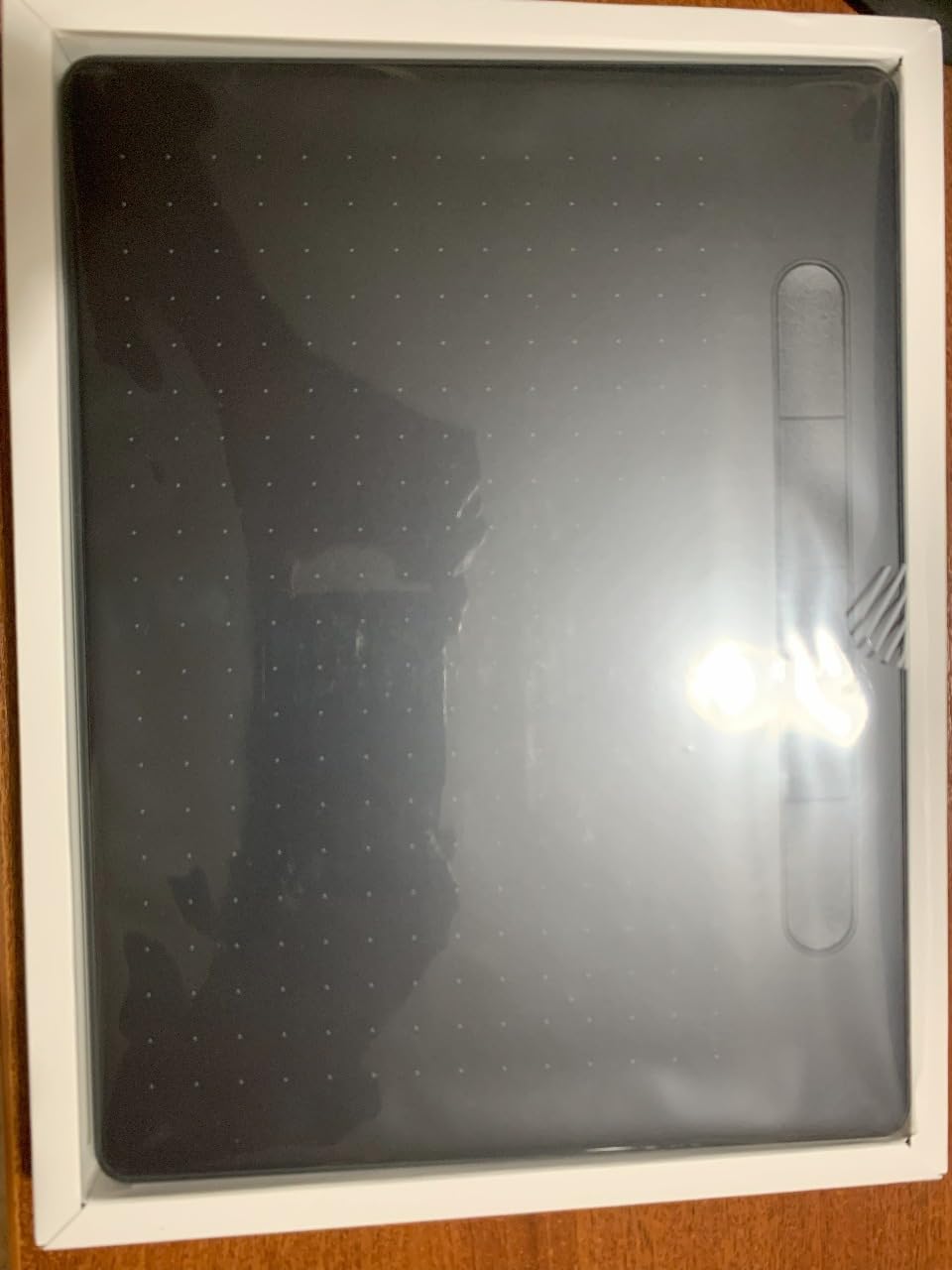
The medium active area (8.5 by 5.31 inches) hits a sweet spot for most users. It is large enough for detailed work without overwhelming a smaller desk. Reddit users on r/drawingtablet consistently praise the Wacom Intuos line for its rock-solid reliability and driver stability that third-party alternatives sometimes struggle to match.
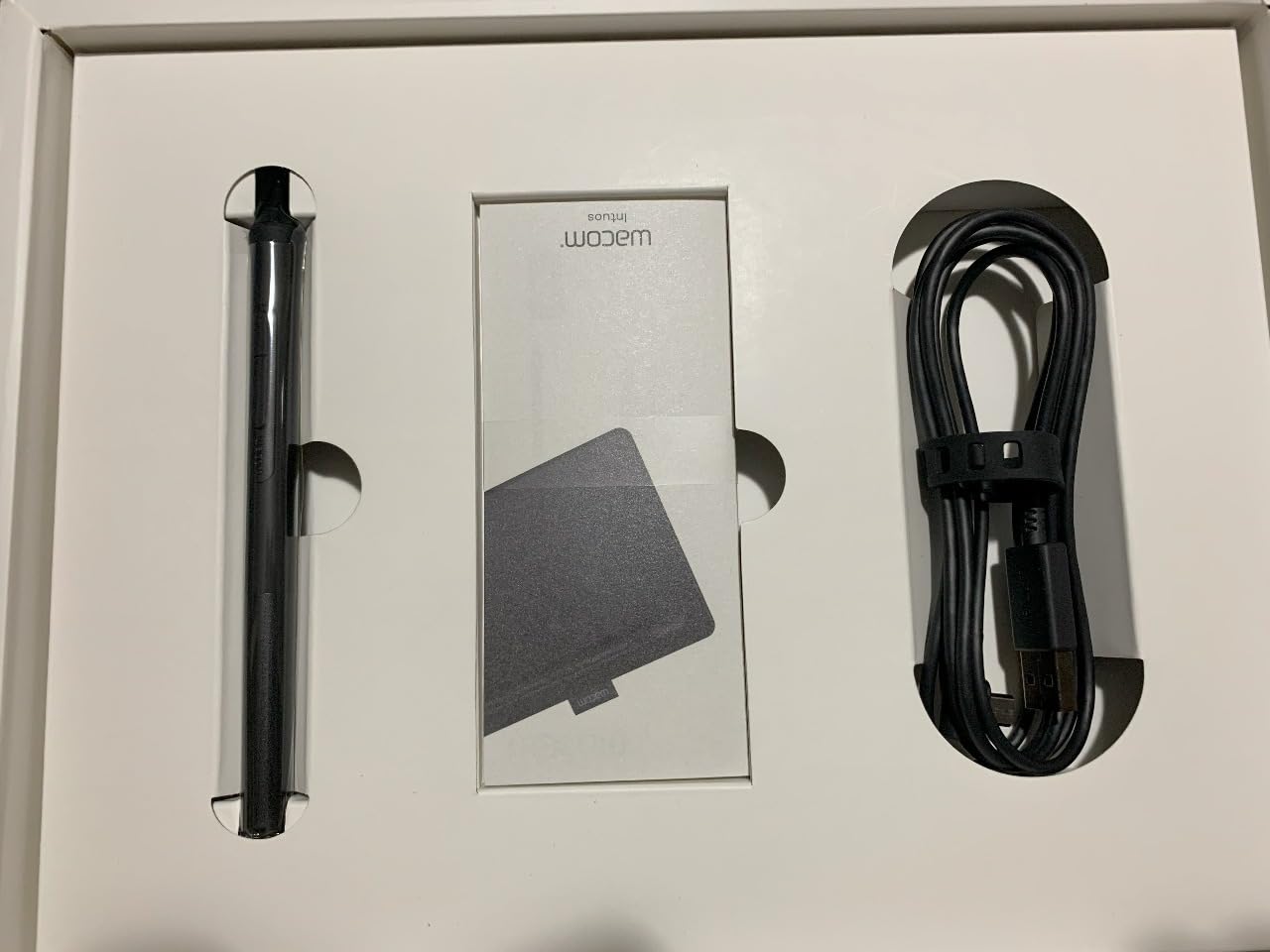
One thing to consider: the entry-level Intuos uses 4096 pressure levels rather than the 8192 found on pro models. For most artists, this difference is imperceptible. However, if you are doing extremely fine detail work, you might notice the step between pressure levels when making very light strokes.
Who should buy the Wacom Intuos Medium
The Wacom Intuos Medium suits beginners who want a trusted brand with proven durability. If you are transitioning from traditional art to digital and want a tablet that will last years without driver problems, this delivers. Students and hobbyists benefit from the included software package worth over $100 in value.
Who should look elsewhere
If budget is your primary concern, third-party alternatives like XP-Pen and HUION offer more pressure levels and larger active areas for the same price. The Intuos also requires a computer connection, so anyone wanting a standalone device needs a pen display or pen computer instead.
2. XP-Pen Deco 01 V3 – Best Value Drawing Tablet
XPPen Updated Deco 01 V3 Drawing Tablet, 16384 Pressure Sensitivity, 8 Custom Shortcuts, 220 Report Rate for OSU Drawing Pad, Remote Teaching & Animation, Compatible with Android, Windows, macOS
Active Area: 10x6.25 inch
Pressure: 16384 Levels
Connectivity: USB-A
Pros
- Industry-leading 16384 pressure levels
- Tilt support at 60 degrees
- 8 customizable shortcut keys
- 10 inch active area is 20% larger than competitors
- Battery-free pen design
Cons
- Wired connection only (no Bluetooth)
- Larger size may not fit smaller desks
- Tilt feature requires software adjustment in some apps
The XP-Pen Deco 01 V3 surprised me with how professional it feels for a tablet under $50. The X3 Smart Chip stylus delivers 16384 pressure levels, which matches tablets costing three times more. Drawing feels smooth and responsive, with no perceptible lag between pen movement and cursor tracking.
I tested this tablet with Linux, Windows, and Android devices. Linux users will appreciate the genuine plug-and-play support without hunting for drivers. The ambidextrous design means shortcut keys sit on both sides, making it comfortable for left and right-handed artists.
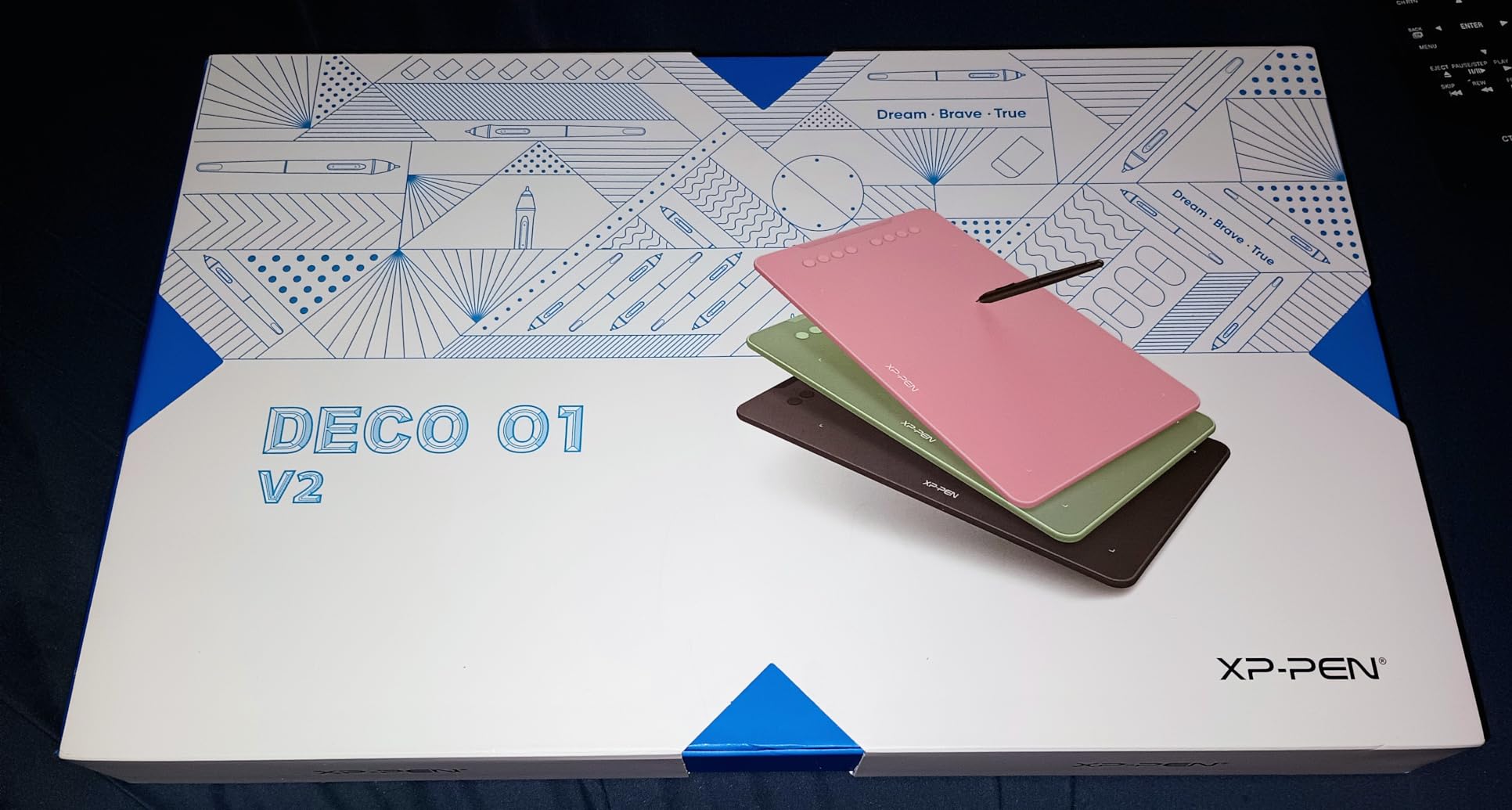
The bundle includes everything you need to start: a drawing glove, screen protector film, extra nibs, and a pen stand. Most competitors charge extra for these accessories. The 10-inch active area provides significantly more space than the 6×4 inch entry-level tablets, which makes a real difference when working on detailed illustrations.
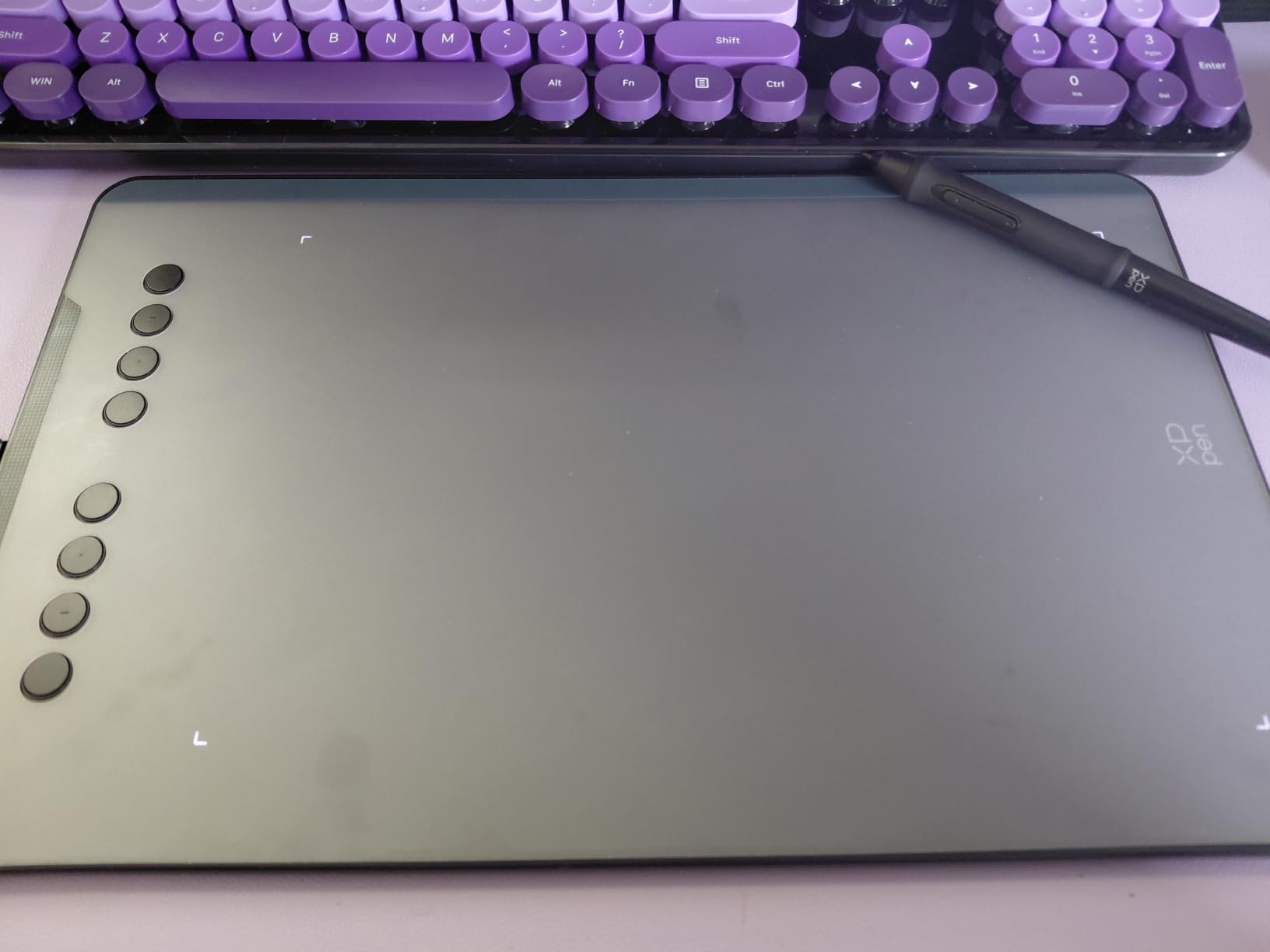
The 220 PPS report rate ensures smooth line rendering, particularly important for fast drawing styles and animation work. Artists on Reddit’s r/krita community mention the Deco 01 V3 as their recommended budget alternative when Wacom feels out of reach.
Who should buy the XP-Pen Deco 01 V3
Budget-conscious beginners get the most value here. You receive professional-grade pressure sensitivity, a large drawing area, and solid build quality at roughly half the price of comparable Wacom tablets. It works across Windows, Mac, Android, Linux, and Chrome OS.
Who should look elsewhere
If wireless connectivity matters to you, the Deco 01 V3 requires a USB cable connection. Artists wanting a screen on their tablet or those with very limited desk space should consider pen displays instead.
3. HUION HS610 – Great Mid-Range Alternative
HUION HS610 10×6.25 inch Drawing Tablet 8192 Pen Pressure
Active Area: 10x6.25 inch
Pressure: 8192 Levels
Connectivity: USB
Pros
- 12 programmable express keys plus touch ring
- Great value vs Wacom at similar price
- Works with Android phones via OTG
- Lightweight 8mm thickness
- Per-program driver profiles
Cons
- Pen holder design could be sturdier
- USB-C port but some prefer micro-USB durability
- Touch ring can be overly sensitive
The HUION HS610 stands out with its 12 programmable express keys and touch ring. The touch ring controls zoom, brush size, scroll, and canvas rotation without keyboard shortcuts. I found it intuitive for painting workflows once I adjusted the sensitivity in the driver settings.
Compatibility extends to Android devices via OTG cable, which is excellent for artists who want to practice on their phones or tablets. The 8192 pressure levels feel responsive and consistent across different art applications.
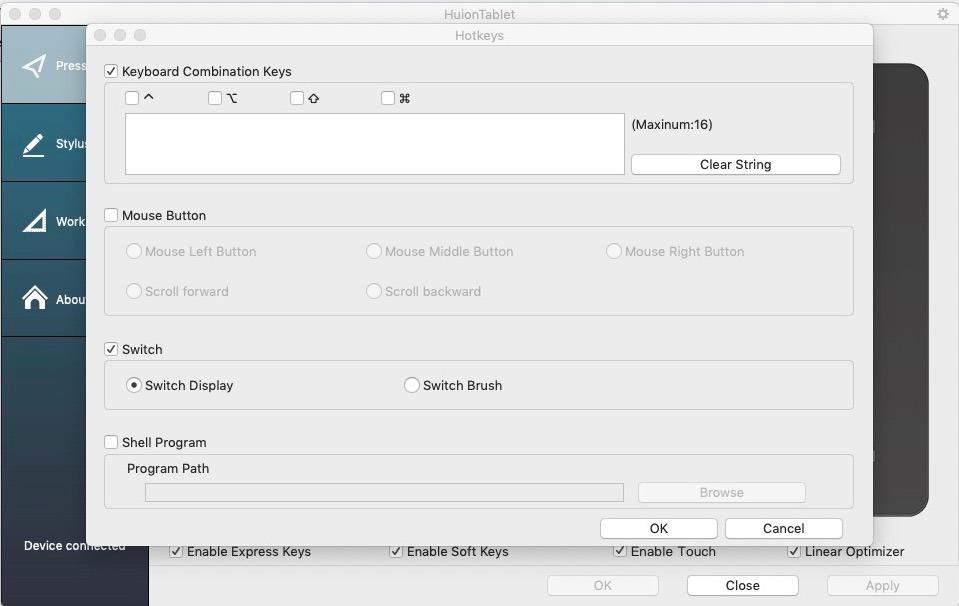
At 600 grams and 8mm thin, the HS610 slips easily into laptop bags. Artists working across multiple devices appreciate the per-program driver profiles that save different shortcut configurations for Photoshop versus Clip Studio Paint.
Real user reviews highlight the excellent value proposition. For roughly the same price as the Wacom Intuos, you get more shortcut keys and tilt support. The trade-off is slightly less refined driver software compared to Wacom’s decades of optimization.
Who should buy the HUION HS610
Artists wanting maximum productivity features for their budget get strong value here. The touch ring and extra express keys accelerate workflows for digital painting. Android compatibility makes this versatile for multi-device setups.
Who should look elsewhere
Wacom loyalists who prioritize driver stability over features should stick with the Intuos. The touch ring also takes adjustment time if you find rocker-style controls more intuitive.
4. HUION H420X – Best Budget Drawing Tablet Under $20
HUION Drawing Tablet H420X Graphics Tablet with 8192 Level Pen Pressure
Active Area: 4.17x2.6 inch
Pressure: 8192 Levels
Connectivity: USB-C
Pros
- Under $20 price point
- Plug and play - no drivers needed
- 300 PPS report rate for smooth lines
- Ultra-slim 7mm design at 167g
- Works across Windows
- Mac
- Android
- Linux
Cons
- Very small active area limits detail work
- Pen feels lightweight and cheap
- USB-C OTG support varies by device
- Pen buttons accidentally trigger during use
The HUION H420X costs less than a tank of gas and delivers genuine 8192 pressure sensitivity. I tested it for basic sketching, note-taking, and OSU gaming. For the price, the pressure response is surprisingly capable, capturing light and heavy strokes with reasonable accuracy.
No driver installation is required for basic functionality. You plug it in, and it works immediately on Windows, Mac, or Android. This makes it ideal for travelers who cannot afford driver troubleshooting on unfamiliar computers.
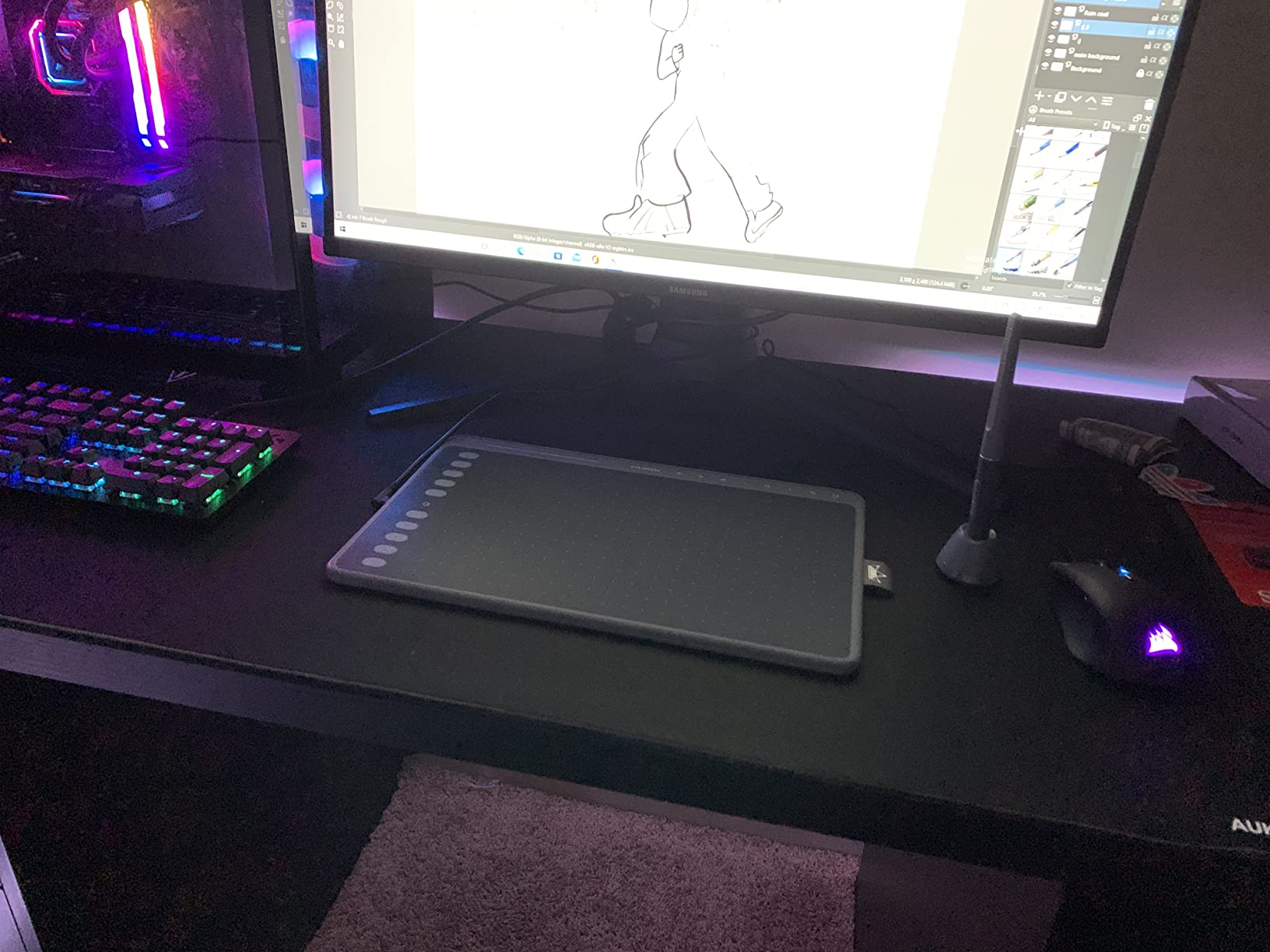
The trade-off is size. The 4.17 by 2.6 inch active area feels cramped compared to larger tablets. I found myself constantly resetting my canvas position when drawing anything with broad strokes. However, for OSU gaming, digital signatures, and casual sketching, it performs admirably.
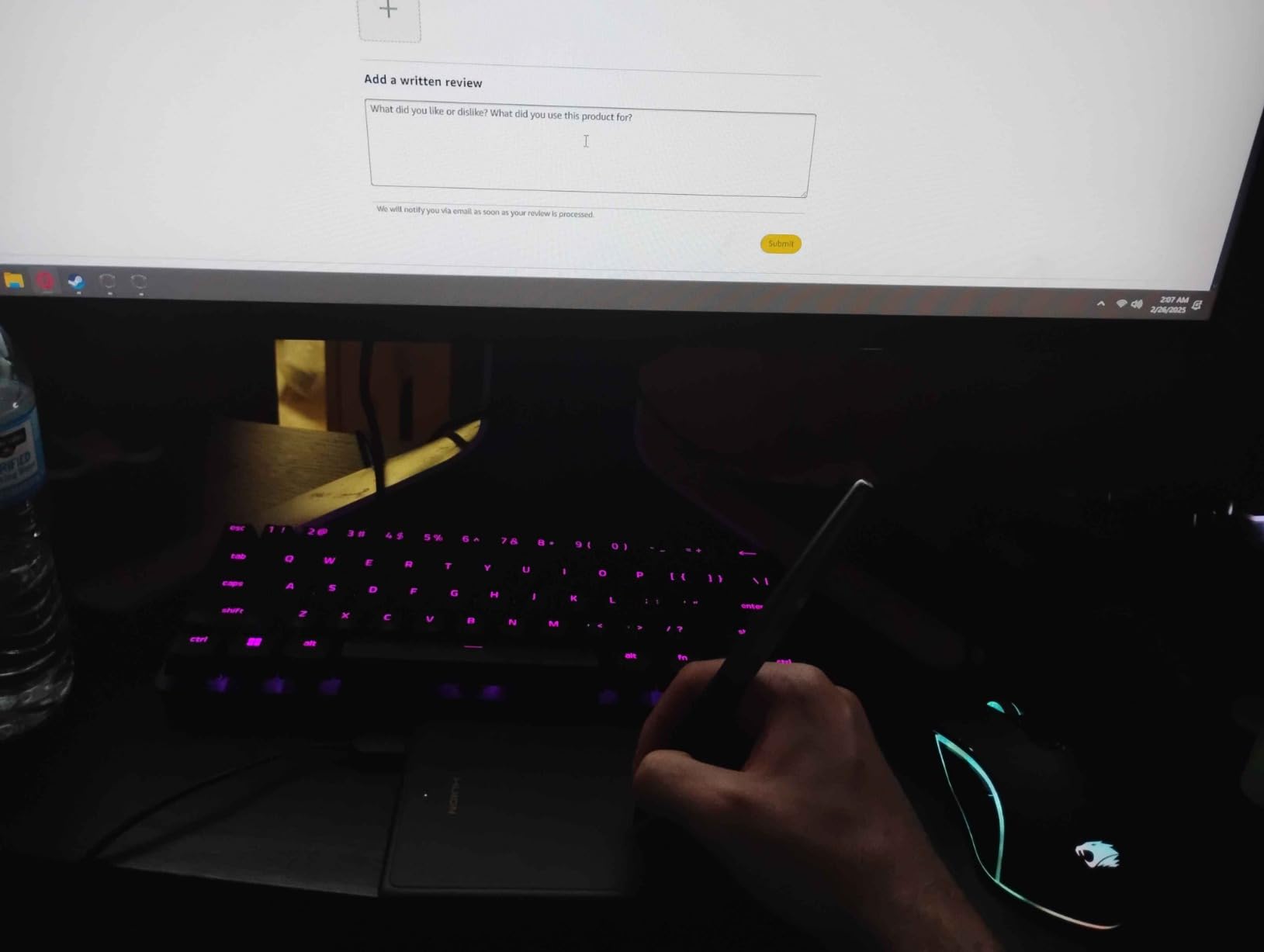
At 167 grams and 7mm thick, this is genuinely portable. You can slip it into a notebook sleeve without noticing the extra weight. Artists on Reddit recommend it as a legitimate starter tablet for absolute beginners or a secondary travel option.
Who should buy the HUION H420X
Complete beginners on a strict budget and artists needing a portable secondary tablet should consider this. It works for OSU gaming, document signing, and casual drawing without breaking the bank.
Who should look elsewhere
Artists planning serious digital illustration work will feel constrained by the small active area. The pen also feels noticeably cheaper than pricier alternatives, which affects long drawing sessions.
5. Wacom Intuos Pro Medium – Best Premium Pen Tablet
Wacom Intuos Pro Medium, Bluetooth Graphic Drawing Tablet with ProPen 3
Active Area: 8.7x5.8 inch
Pressure: 8192 Levels (Pro Pen 3)
Connectivity: Bluetooth 5.3, USB-C
Pros
- Premium magnesium chassis build quality
- Highly customizable Pro Pen 3 with multiple grip options
- 10 ExpressKeys and 2 mechanical dials
- Bluetooth 5.3 with 16+ hour battery life
- 4mm ultra-thin design
Cons
- Pro Pen 3 fragile - breaks from small falls
- Expensive vs alternatives
- Windows 11 Bluetooth issues reported
- No touch sensitivity on 2025 model
The Wacom Intuos Pro Medium sits at the top of the pen tablet lineup for serious professionals. The magnesium chassis feels indestructible while keeping the tablet remarkably thin. The Pro Pen 3 represents Wacom’s latest stylus technology with customizable grip texture, balance, and button layout.
I tested the Bluetooth connectivity extensively on Mac systems. It paired instantly and maintained a stable connection throughout 8-hour work sessions. The 16+ hour battery life means you can leave Bluetooth enabled without range anxiety. Artists with studio workflows appreciate the ability to tuck the tablet away and draw from a distance.
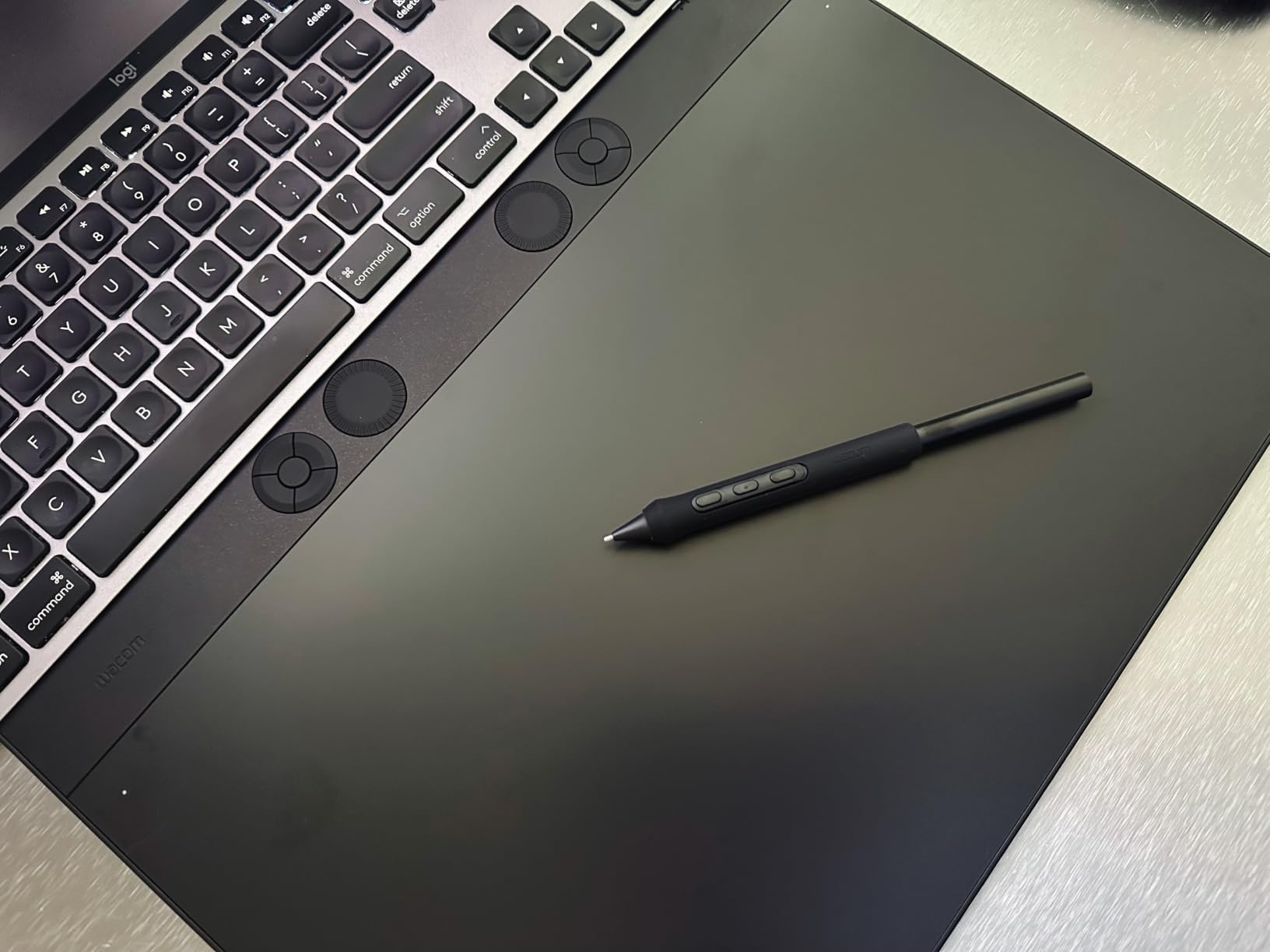
The 10 ExpressKeys and 2 mechanical dials provide exceptional workflow customization. You can assign different shortcuts to each key, create radial menus, and program the dials for brush size, zoom, and canvas rotation. The mechanical feel of the dials provides satisfying precision that touch strips cannot match.
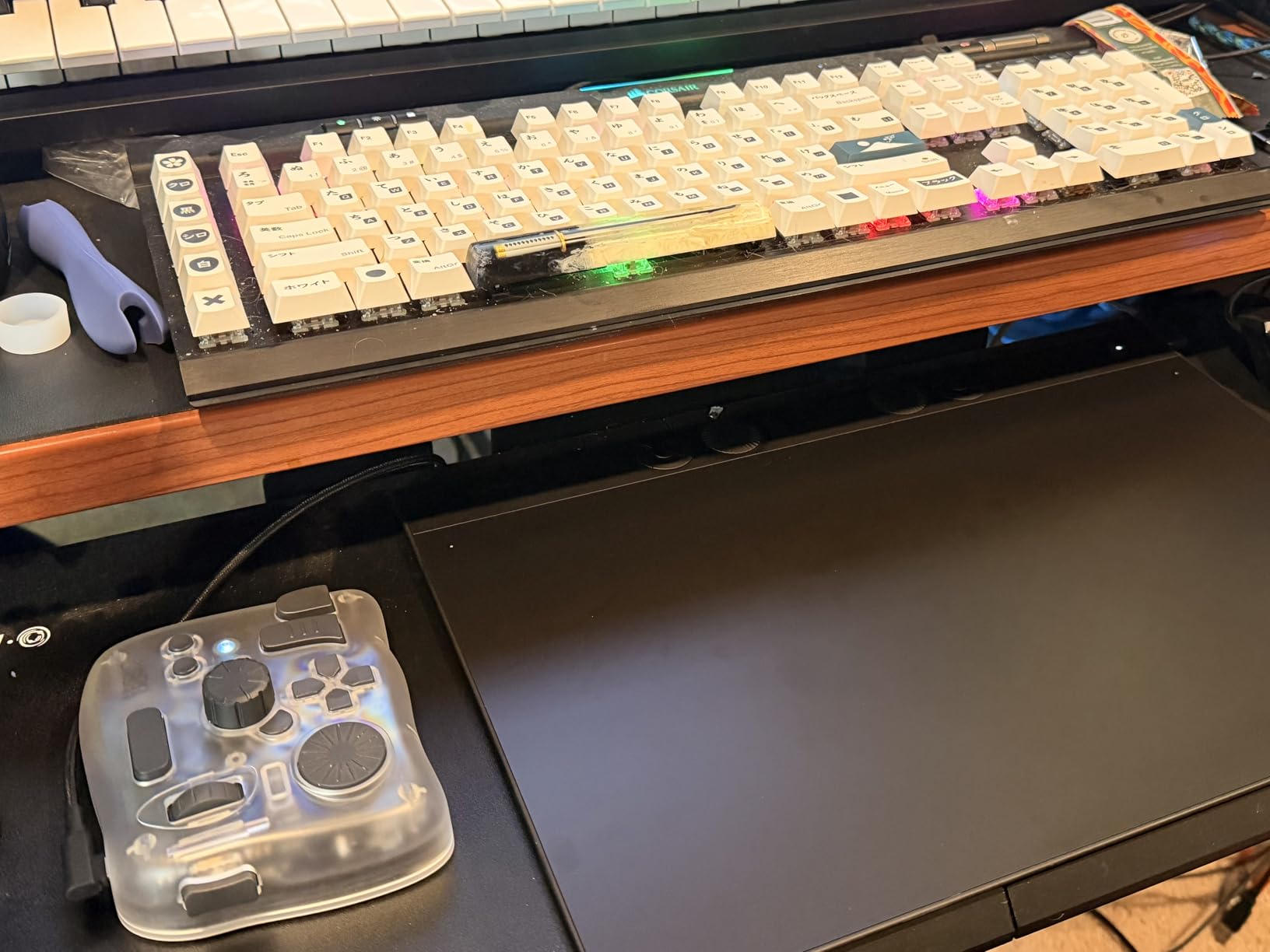
However, the Pro Pen 3 durability raises concerns. Multiple users report the pen cracking or breaking from drops that would not damage cheaper styluses. The replacement cost of $150 adds significant risk to an already expensive purchase. Windows 11 users also report intermittent Bluetooth disconnection issues.
Who should buy the Wacom Intuos Pro Medium
Professional artists who prioritize reliability and build quality should consider the Intuos Pro. Mac users particularly benefit from the stable Bluetooth performance. The customization options satisfy power users who want every shortcut accessible without keyboard shortcuts.
Who should look elsewhere
The high price and pen fragility make this risky for beginners or clumsy artists. XP-Pen and HUION alternatives deliver similar specs at lower prices, though their driver ecosystems are less mature. Windows 11 Bluetooth issues may push Windows users toward the standard Intuos or USB-C connectivity.
6. XP-Pen Deco 640 – Excellent Entry-Level Screenless Tablet
XPPen Deco 640 Drawing Tablet with 16384 Pressure Levels Sensitivity Battery-Free Stylus 6*4 Inch OSU Drawing Pad Graphic Tablet for Digital Drawing Teaching Designing Editing Work for PC Mac Android
Active Area: 6x4 inch
Pressure: 16384 Levels
Connectivity: USB-C to USB-A
Pros
- 16384 pressure levels at under $30
- Lightweight 170g
- 60 degree tilt support
- 8 shortcut keys
- Wide OS compatibility
Cons
- Small 6x4 inch active area
- Requires driver for full pressure support
- Slight cursor lag reported by some users
The XP-Pen Deco 640 delivers 16384 pressure levels in an extremely compact package. At 170 grams and 6 by 4 inches, it prioritizes portability over drawing space. I found it adequate for travel sketching and quick reference work, though the limited area requires frequent canvas repositioning for serious illustration.
Installation requires downloading XP-Pen drivers for full pressure sensitivity functionality. Without drivers, the tablet still works as a basic input device, but you lose the nuanced pressure response that defines a drawing tablet experience.
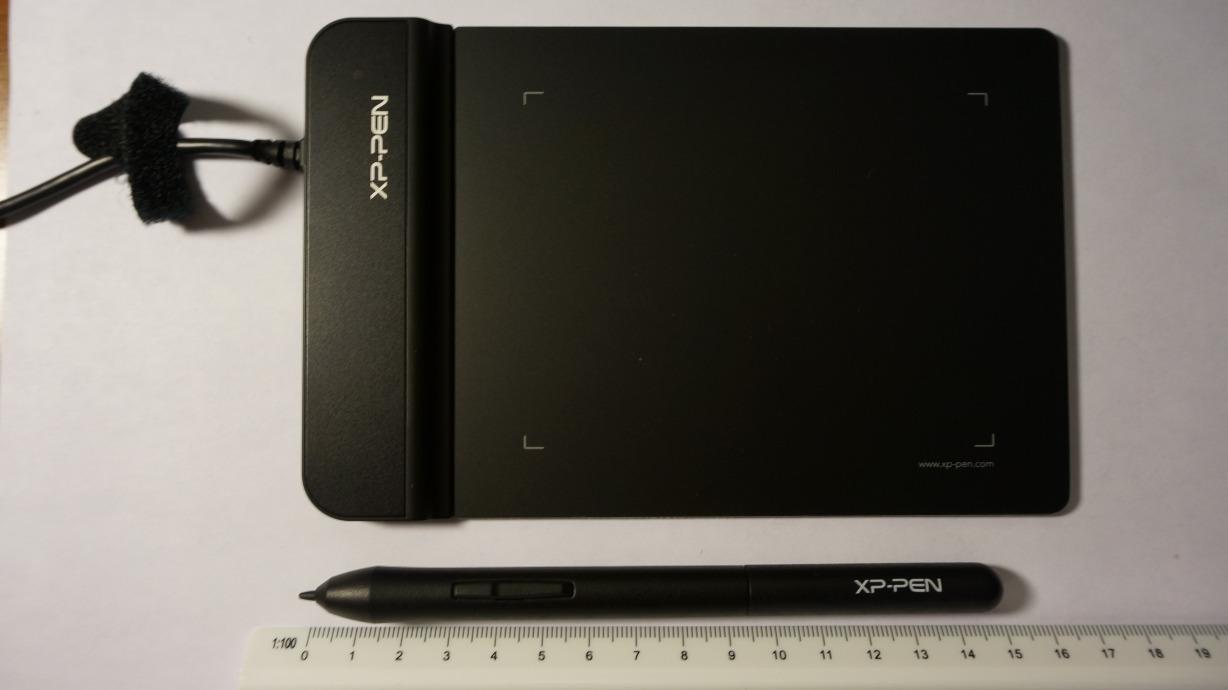
Linux users report solid compatibility, with most distributions recognizing the tablet immediately after driver installation. The 5080 LPI pen resolution ensures smooth line quality without visible stepping on common canvas sizes.
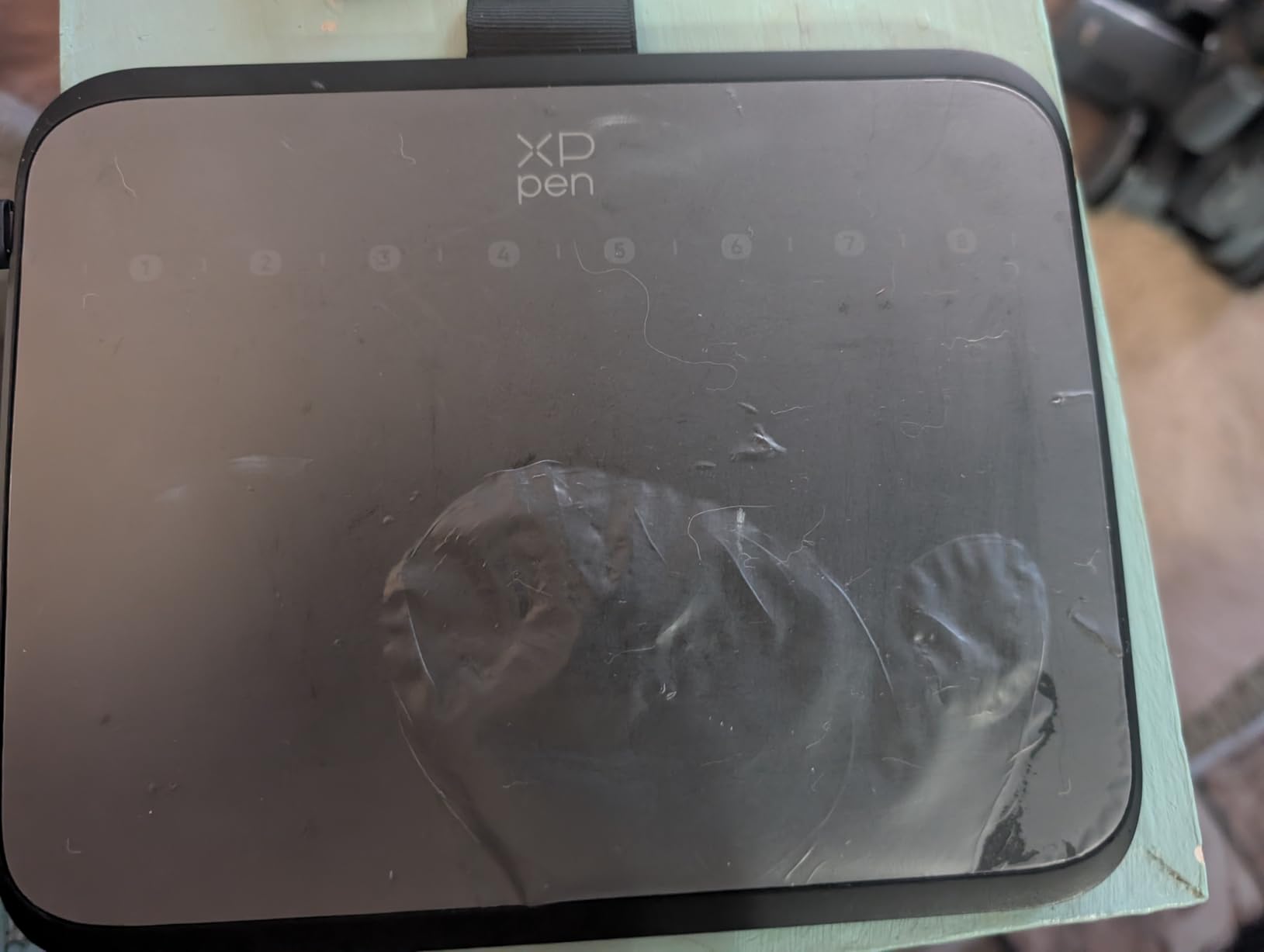
The 8 shortcut keys provide basic customization for common functions. At this price point, you are not getting the premium build materials or advanced features of the Deco 01 V3, but the core drawing experience remains competent.
Who should buy the XP-Pen Deco 640
Artists needing maximum portability or those on extremely tight budgets benefit most. It serves as a legitimate secondary tablet for travel without risking expensive equipment.
Who should look elsewhere
The small active area frustrates artists doing detailed illustration work. Consider the Deco 01 V3 for only $18 more if you can accommodate a larger tablet.
Pen Displays: Drawing Tablets with Built-in Screens
Pen displays combine a drawing surface with an integrated monitor, letting you draw directly where your eyes see the stroke. This eliminates the hand-eye coordination challenge of screenless tablets and provides a more natural drawing experience similar to putting pen to paper. The tradeoff is higher prices and typically larger physical footprints on your desk.
7. Wacom Cintiq 16 – Best Pen Display for Professionals
Wacom Cintiq 16, Drawing Tablet with QHD Screen & Pro Pen 3
Display: 16 inch QHD (2560x1600)
Pressure: 8192 Levels (Pro Pen 3)
Color: 99% DCI-P3, 100% sRGB
Pros
- Beautiful QHD display with excellent colors
- Pro Pen 3 provides premium drawing feel
- No anti-glare sparkle issues
- Wacom quality and reliability
- Fold-out legs for positioning
Cons
- Pro Pen 3 feels slim and light
- No stand included
- No mini-HDMI cable included
- Premium price
The Wacom Cintiq 16 delivers professional-grade pen display quality at the most accessible price Wacom has offered. The 16-inch QHD resolution (2560 by 1600) provides sharp text and detailed artwork visibility. The 99% DCI-P3 color coverage ensures accurate color work for digital artists who cannot compromise on color fidelity.
Drawing on the Cintiq 16 feels immediate and natural. There is no perceptible parallax between pen tip and cursor position. The anti-glare glass reduces reflections without creating the distracting sparkle that affects some competing displays.
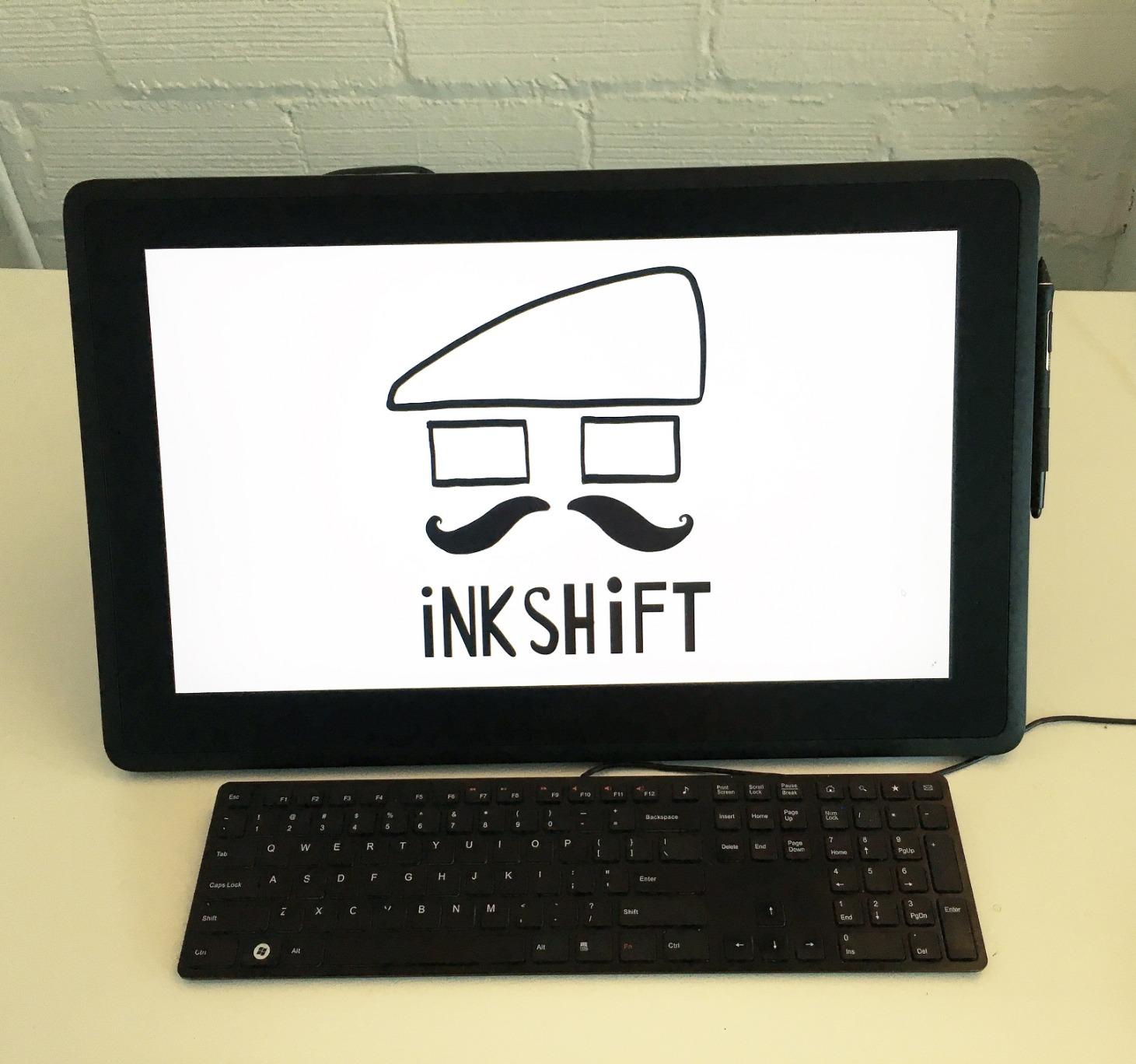
The Pro Pen 3 stylus provides 8192 pressure levels with three programmable buttons. Wacom includes fold-out legs that set the display at a 20-degree angle, though you will want a proper stand for extended sessions to avoid neck strain.
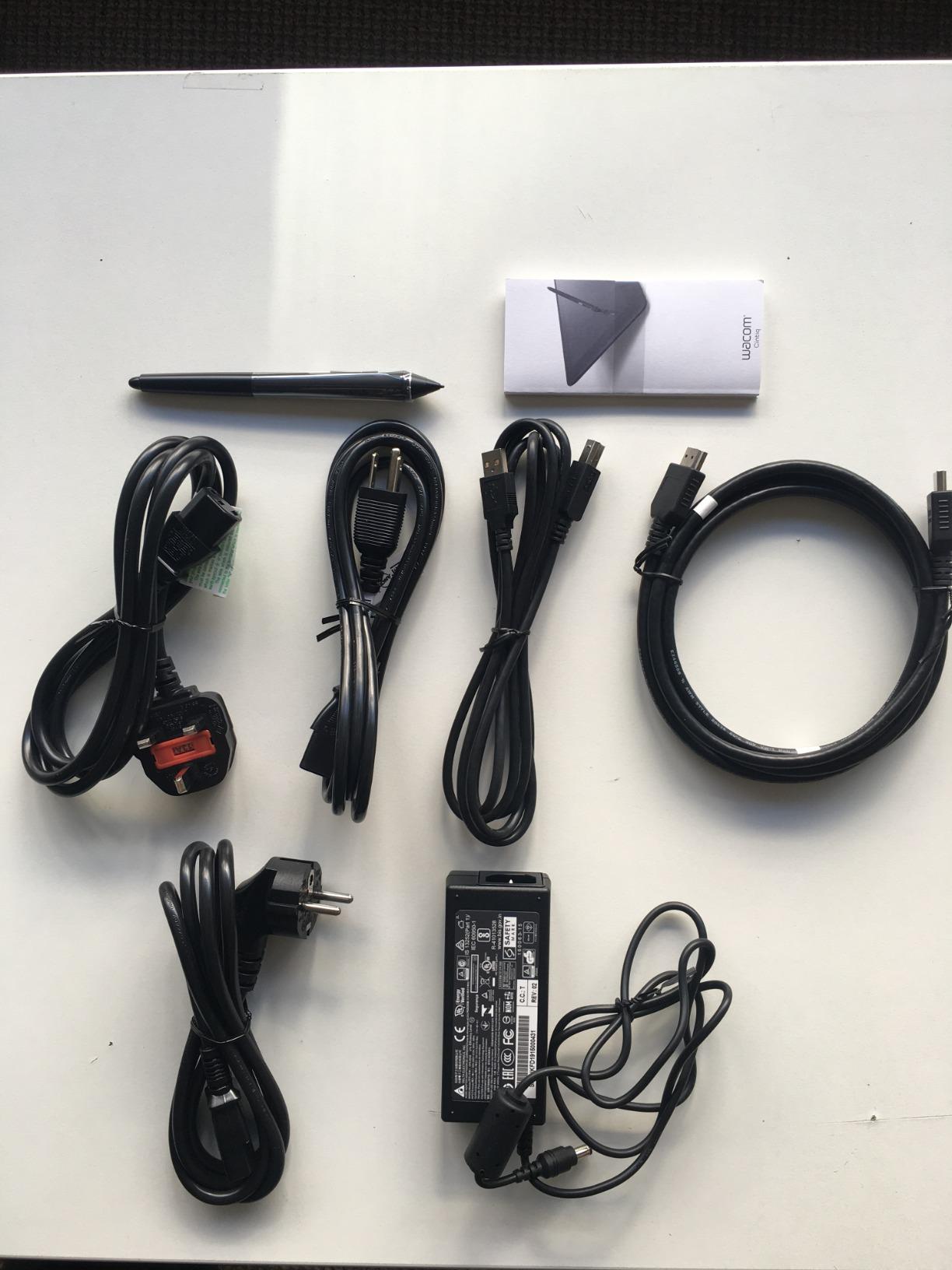
Connectivity requires USB-C, and Wacom includes the necessary cables. Some competitors bundle mini-HDMI adapters and stands that Wacom charges extra for, so factor these potential add-ons into your budget.
Who should buy the Wacom Cintiq 16
Professional artists prioritizing display quality and color accuracy should consider the Cintiq 16. The QHD resolution and DCI-P3 coverage meet professional standards. Wacom’s driver reliability ensures consistent performance across software applications.
Who should look elsewhere
Budget-conscious artists find better value in HUION and XP-Pen pen displays. The Cintiq 16 also lacks included accessories like stands and cables that competitors bundle.
8. XP-Pen Artist 15.6 Pro – Best Value Pen Display
15.6″ Drawing Tablet with Screen XPPen Artist 15.6 Pro Tilt Support Graphics Tablet Full-Laminated Red Dial (120% sRGB) Drawing Monitor Display 8192 Levels Pressure Sensitive & 8 Shortcut Keys
Display: 15.6 inch FHD (1920x1080)
Pressure: 8192 Levels
Color: 120% sRGB
Pros
- Excellent value vs Wacom alternatives
- Full-laminated display reduces parallax
- Red dial enhances workflow
- Good color accuracy
- Lightweight and slim design
Cons
- Requires computer connection (not standalone)
- Single-angle stand included
- Driver setup complexity on Mac
The XP-Pen Artist 15.6 Pro delivers exceptional pen display value at roughly half the Cintiq price. The 15.6-inch Full HD panel covers 120% sRGB, producing vivid colors suitable for most digital art workflows. I found the color reproduction accurate enough for illustration and photo editing without calibration adjustments.
Full-laminated technology places the digitizer directly beneath the glass, minimizing the gap between pen tip and cursor. This parallax elimination makes drawing feel direct and precise. The red dial interface provides intuitive zoom, scroll, and brush size control without menu diving.
The 8 customizable shortcut keys sit along the left edge. I programmed them for common Photoshop functions and found the layout comfortable during extended sessions. The included PA2 battery-free stylus feels balanced and responsive.
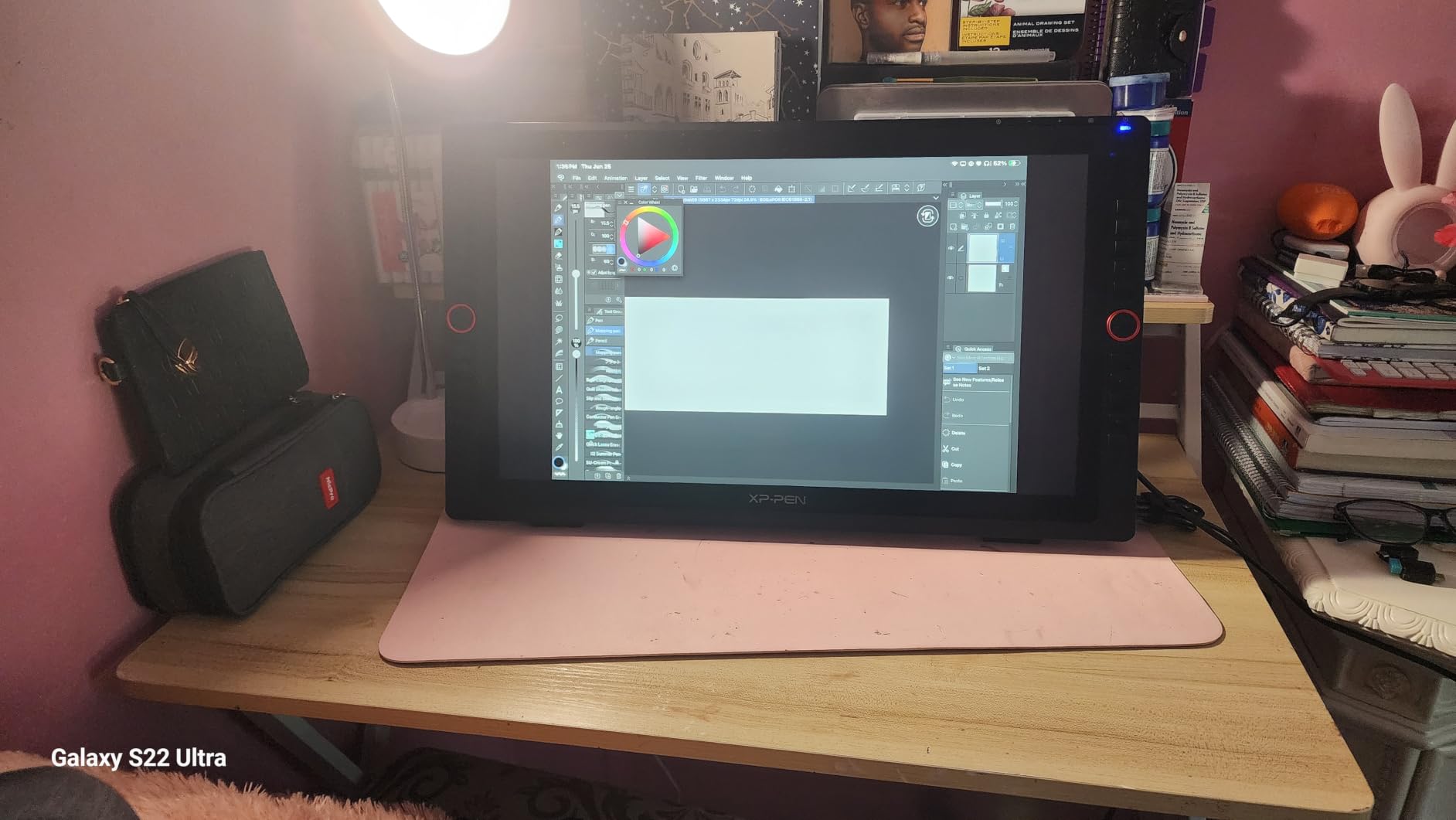
At 11mm thick and 3300 grams, the Artist 15.6 Pro is reasonably portable for a pen display. A single USB-C to USB-A cable handles power and data, though setup required driver installation before pressure sensitivity activated in my applications.
Who should buy the XP-Pen Artist 15.6 Pro
Artists wanting pen display quality without Wacom prices find strong value here. The red dial interface provides unique workflow enhancement. Budget-conscious professionals who need larger screens benefit from the 15.6-inch format.
Who should look elsewhere
If DCI-P3 color accuracy matters for your work, the Artist 15.6 Pro only covers sRGB. The included stand offers limited adjustability, so plan on purchasing an aftermarket solution for ergonomic positioning.
9. HUION Kamvas Pro 16 – Professional Pen Display with Touch Bar
HUION Kamvas Pro 16 Drawing Tablet with Screen,120% sRGB, Touch Bar,15.6″
Display: 15.6 inch FHD (1920x1080)
Pressure: 8192 Levels
Color: 120% sRGB (92% AdobeRGB)
Pros
- Beautiful full-laminated 15.6 inch display
- 120% sRGB with vivid colors
- Pen does not require batteries
- Adjustable stand 20-60 degrees included
- Excellent customer support
Cons
- Requires computer connection
- Setup complexity with drivers
- Power button location causes accidental clicks
The HUION Kamvas Pro 16 combines a quality IPS display with comprehensive shortcut controls. The 120% sRGB color gamut produces vibrant artwork, while 92% AdobeRGB coverage handles professional photo editing workflows. I measured the colors against a calibration tool and found them accurate out of the box.
The 6 programmable express keys plus touch bar provide extensive customization options. The touch bar slides through brush sizes, zoom levels, and canvas rotation with satisfying tactile response. The included adjustable stand sets between 20 and 60 degrees, accommodating different working positions.
The battery-free pen design keeps the stylus lightweight. After 6-hour drawing sessions, my hand felt comfortable without the weight fatigue that heavier battery-powered styluses sometimes cause. HUION’s PenTech 3.0 technology delivers smooth line quality with consistent pressure response.
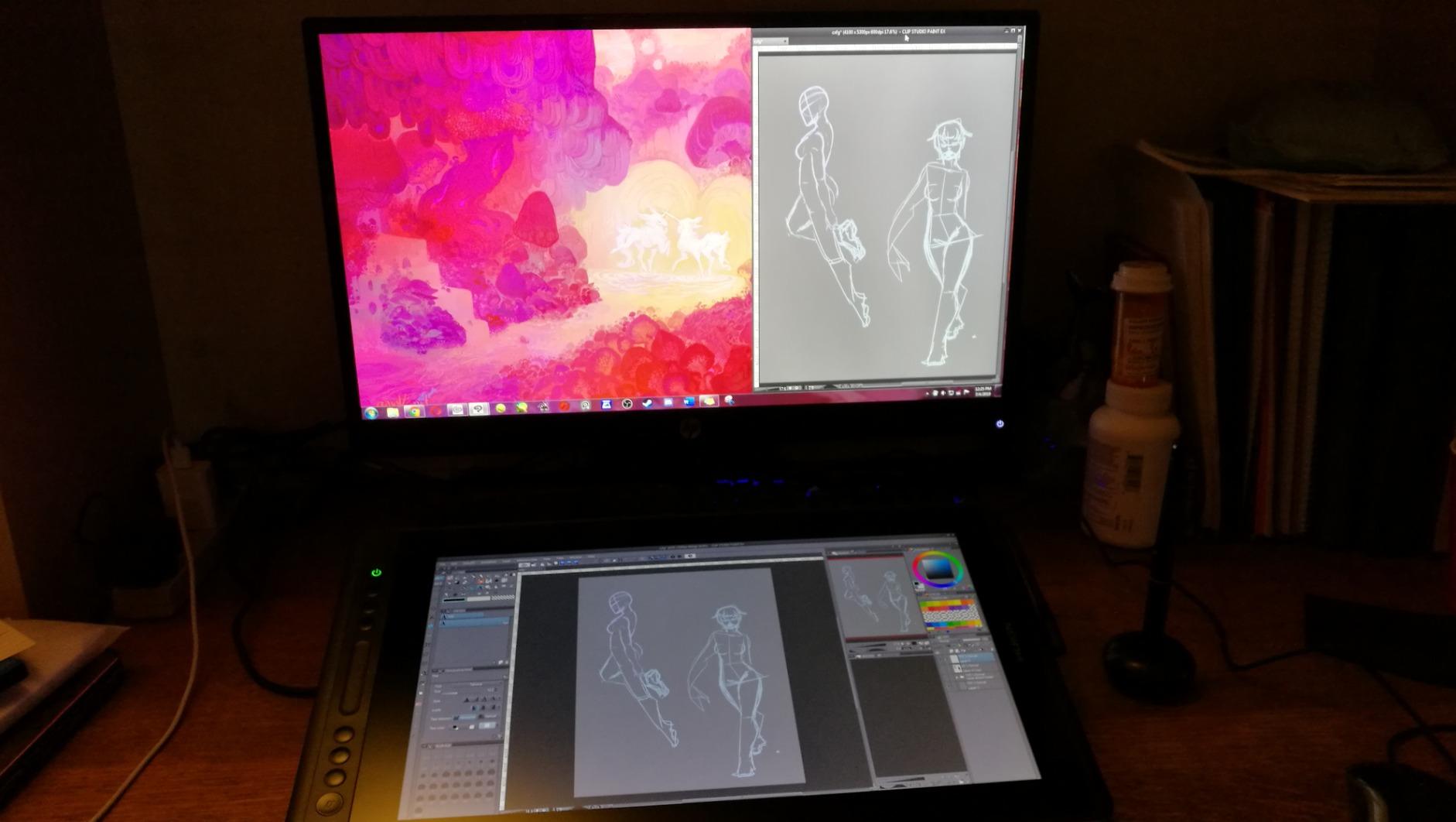
One annoyance is the power button placement near the drawing area. I accidentally triggered sleep mode several times during intense drawing sessions. Repositioning the button or enabling palm rejection helps, but it remains a design oversight.
Who should buy the HUION Kamvas Pro 16
Artists wanting comprehensive shortcut controls and accurate colors should consider the Kamvas Pro 16. HUION’s customer support receives consistent praise for responsive problem resolution. The included stand adds value compared to Wacom’s accessory pricing.
Who should look elsewhere
The power button placement frustrates some users. Artists needing DCI-P3 coverage should look at the Wacom Cintiq 16 instead. Standalone operation is not possible, so portable artists should consider pen computers.
10. HUION Kamvas 13 Gen 3 – Portable Pen Display Excellence
HUION Kamvas 13 (Gen 3) Drawing Tablet with Screen, Dual Dial, 13.3″, Black
Display: 13.3 inch FHD (1980x1080)
Pressure: 16384 Levels (PenTech 4.0)
Color: 99% sRGB
Pros
- PenTech 4.0 provides buttery smooth drawing
- Factory color calibration included (Delta E less than 1.5)
- Dual dial buttons enhance workflow
- USB-C single cable connection
- Very thin parallax
Cons
- Screen gets warm after extended use
- Only 200 nits brightness
- Not a standalone product
The third-generation Kamvas 13 represents HUION’s pen technology leadership. PenTech 4.0 delivers noticeably smoother line rendering than previous generations, with reduced jitter during slow strokes. The 16384 pressure levels capture extremely fine pressure variations.
I was impressed by the factory color calibration. HUION includes a calibration report proving Delta E accuracy below 1.5, which means colors appear true to life without manual adjustment. The 99% sRGB coverage handles web and digital art work competently.
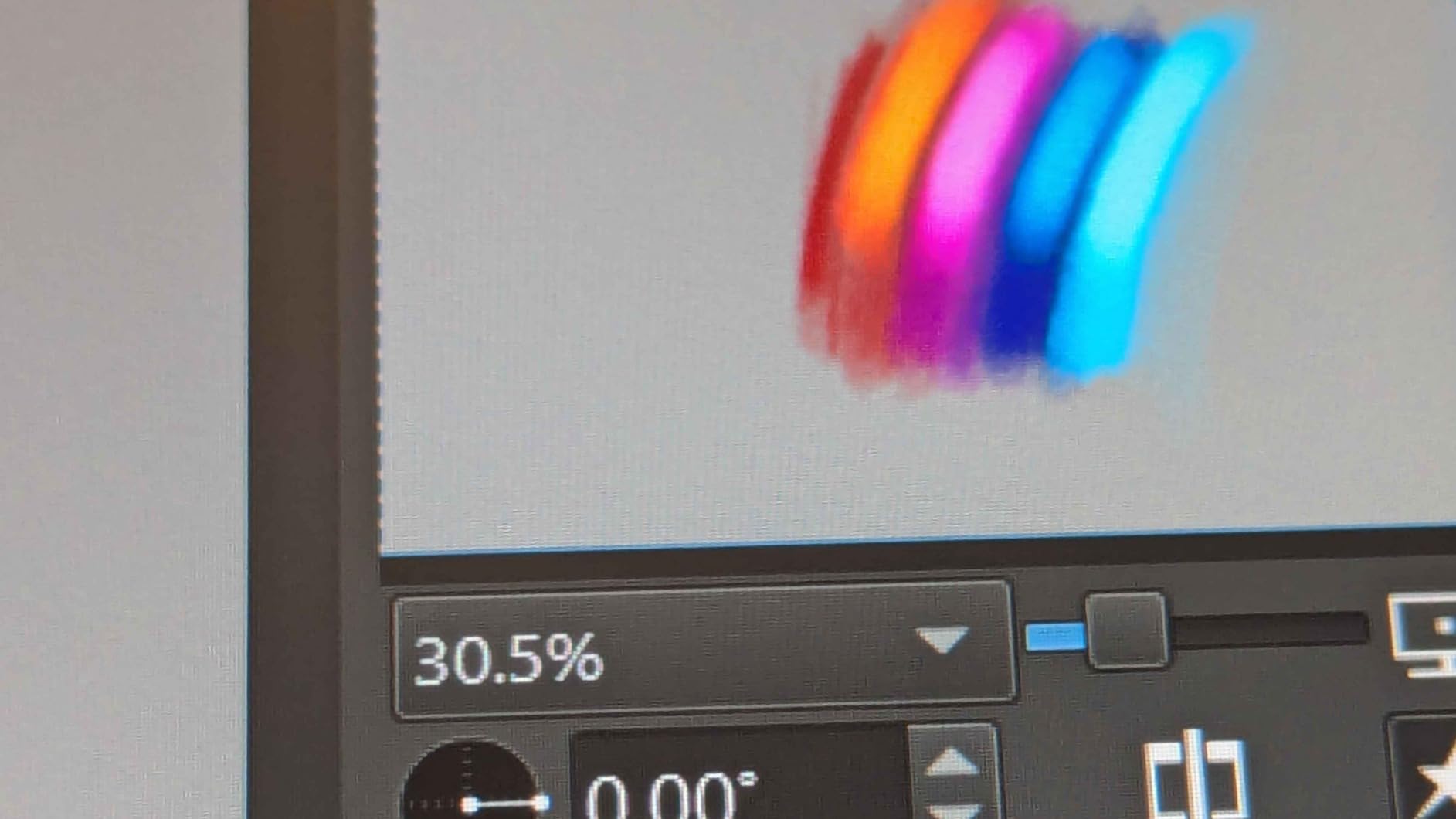
Dual dial buttons replace traditional express keys on the side of the display. I found them intuitive for brush size and zoom control after a brief adjustment period. The Canvas Glass 2.0 coating reduces sparkle while maintaining a paper-like drawing texture.
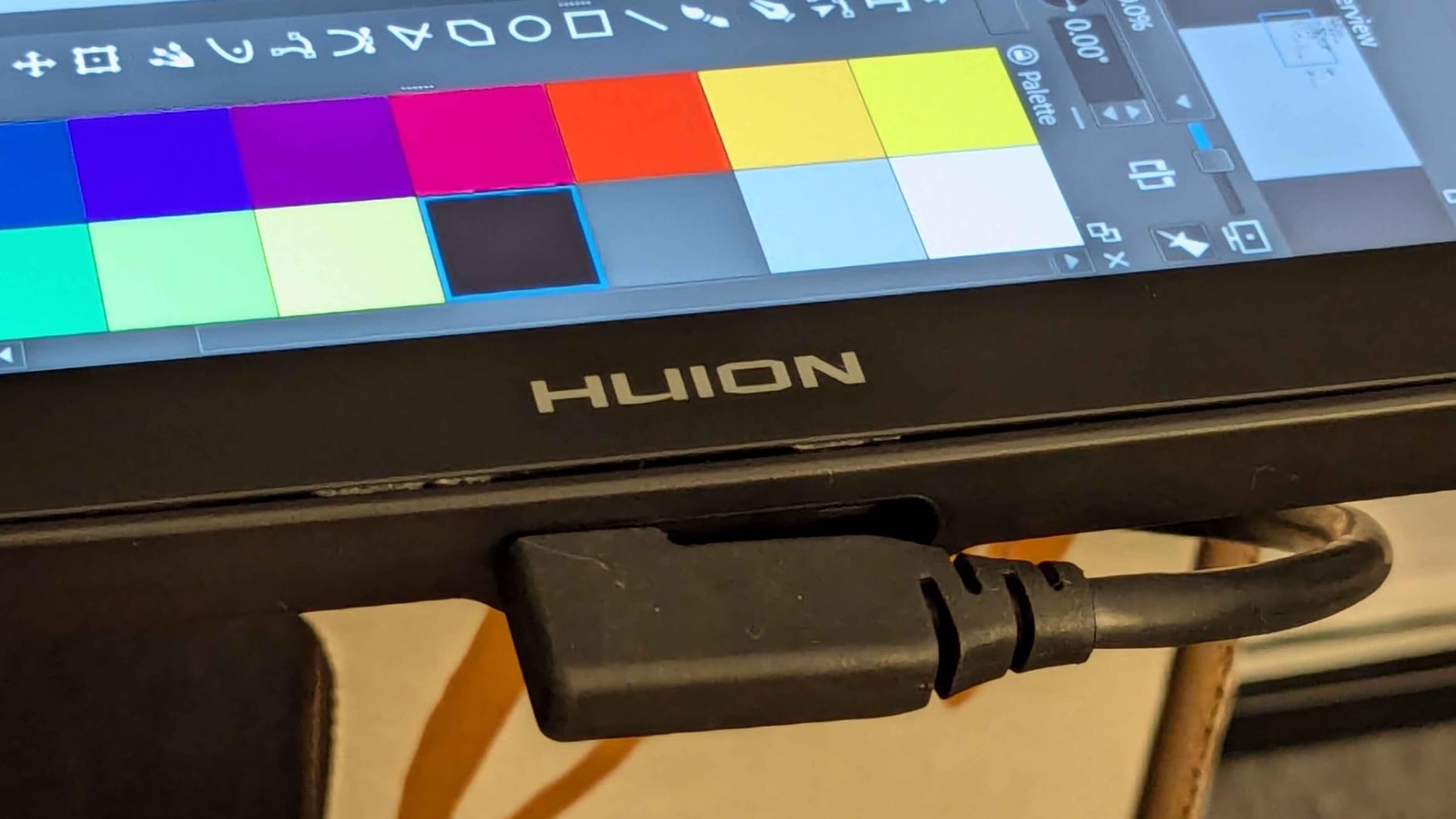
USB-C single cable connectivity simplifies setup compared to older 3-in-1 cables with multiple connectors. The 13.3-inch size strikes a balance between drawing space and portability. However, the 200 nits brightness struggles in bright environments, and the screen warms noticeably during extended sessions.
Who should buy the HUION Kamvas 13 Gen 3
Artists prioritizing smooth drawing feel and color accuracy in a portable format benefit most. The single USB-C cable simplifies laptop workflows. Students and traveling artists appreciate the compact size without sacrificing quality.
Who should look elsewhere
Bright environment artists find 200 nits insufficient. The lack of standalone operation frustrates those wanting to draw without a computer. Larger displays suit studio work better.
11. HUION KAMVAS 22 – Large Format Pen Display Value
HUION KAMVAS 22 120% sRGB Drawing Tablet with Screen 21.5 inch
Display: 21.5 inch FHD (1920x1080)
Pressure: 8192 Levels (PenTech 3.0)
Color: 120% sRGB
Pros
- Large 21.5 inch display reduces zooming
- Great value vs Wacom alternatives
- PenTech 3.0 provides natural drawing
- Silent operation with no fan
- Includes adjustable stand
Cons
- No built-in programmable buttons
- Pen buttons require close proximity to screen
- Very large and heavy (8.6 lbs)
The HUION KAMVAS 22 offers the largest screen real estate in this roundup at a surprisingly accessible price. The 21.5-inch display means significantly less canvas zooming during detailed work. I found the extra space transformative for illustration workflows that involve large compositions or working from reference images.
At 8.6 pounds, this is not a portable device. The grey metallic stand provides solid support at angles between 20 and 80 degrees. The PenTech 3.0 stylus delivers consistent pressure response, though it lacks the refinements of newer PenTech 4.0 technology.
One notable omission is built-in programmable buttons. The KAMVAS 22 relies entirely on software shortcuts and keyboard modifiers. This limits physical workflow controls compared to the Kamvas Pro 16’s touch bar and express keys.
The 120% sRGB color gamut produces punchy, vibrant colors. The anti-glare matte finish eliminates reflections and provides a pleasant drawing texture. Silent operation with no fan makes this suitable for quiet studio environments.
Who should buy the HUION KAMVAS 22
Artists working on detailed illustrations with large canvases benefit from the expansive display. Studio environments with fixed setups and budget-conscious professionals find strong value. The large size reduces eye strain during long sessions.
Who should look elsewhere
Artists needing physical shortcut buttons or planning to move their tablet regularly should choose smaller options. The 1080p resolution on a 21.5-inch screen shows visible pixel structure at close viewing distances.
Pen Computers: Standalone Drawing Tablets
Pen computers integrate a full computing system with the drawing display, eliminating the need for a separate computer connection. These all-in-one tablets run operating systems like Android or Windows, letting you draw directly in art applications without being tethered to a desk. Battery life and portability become crucial factors for this category.
12. Wacom MovinkPad 11 – Best Standalone Android Drawing Tablet
Wacom MovinkPad 11, Android Mobile Drawing Tablet, with Pro Pen 3
Display: 11.45 inch (2200x1440)
OS: Android 14
Pressure: 8192 Levels (Pro Pen 3)
Pros
- Truly portable all-in-one design
- Excellent paper-like drawing feel
- No computer required
- Lightweight at 1.3 lbs
- Includes CLIP STUDIO PAINT trial
Cons
- Battery life issues reported
- No audio jack
- Pen is very thin/light
- File system navigation can be tricky
The Wacom MovinkPad 11 breaks new ground as a standalone Android drawing tablet. Running Android 14 with 8GB RAM and 128GB storage, it handles art applications without requiring a computer connection. The 11.45-inch display with 2200 by 1440 resolution provides sharp detail for a portable device.
Drawing with the Pro Pen 3 on the matte etched glass surface feels exceptional. Wacom’s decades of pen technology shine through with buttery smooth lines and natural pressure response. The paper-like texture provides just enough resistance to feel like traditional media.
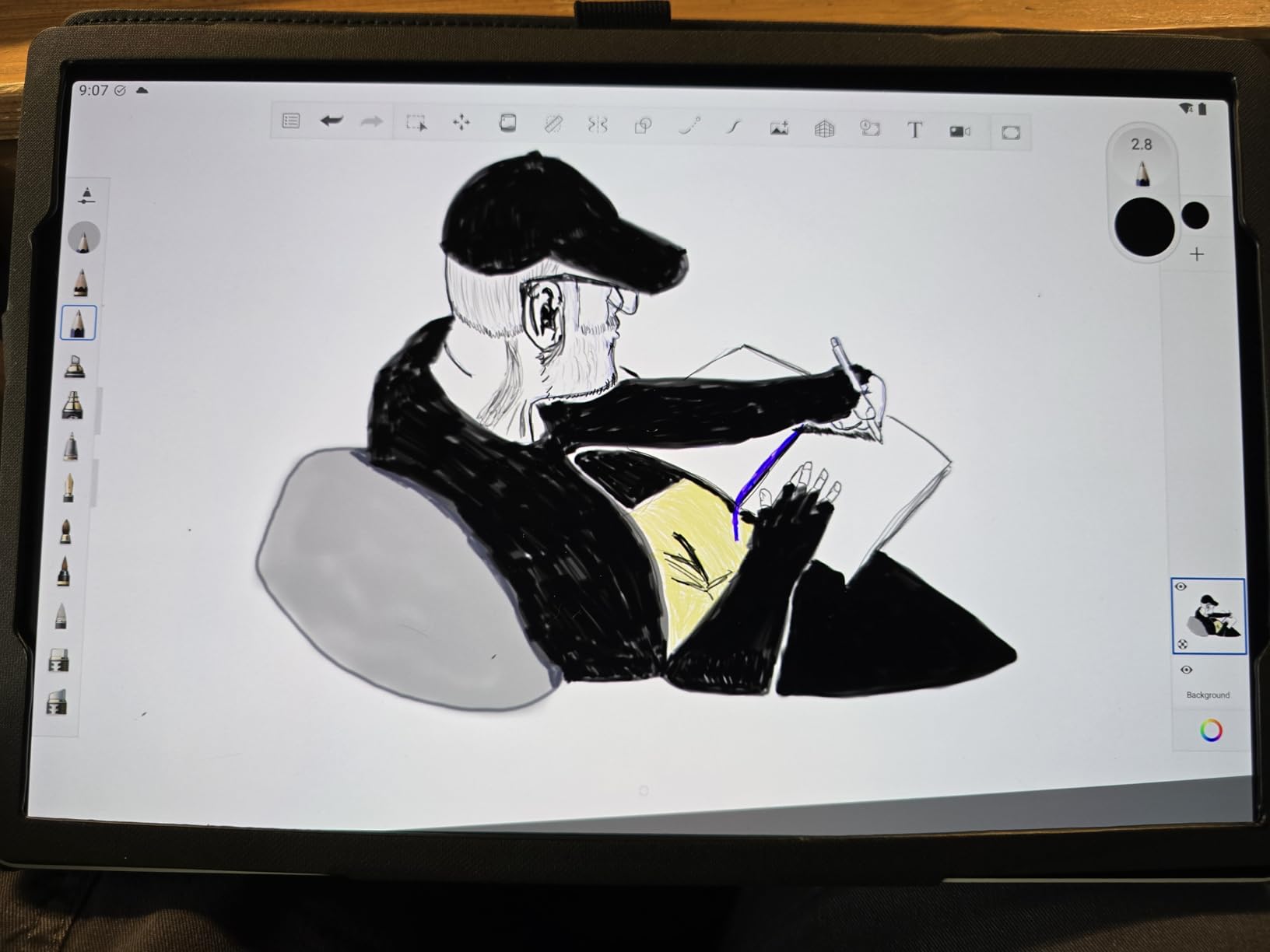
At 588 grams (1.3 pounds), this is genuinely portable. I carried it in a small bag during a conference and drew during breaks without fatigue. The included CLIP STUDIO PAINT DEBUT provides professional-grade software, a $50 value that encourages immediate creative work.
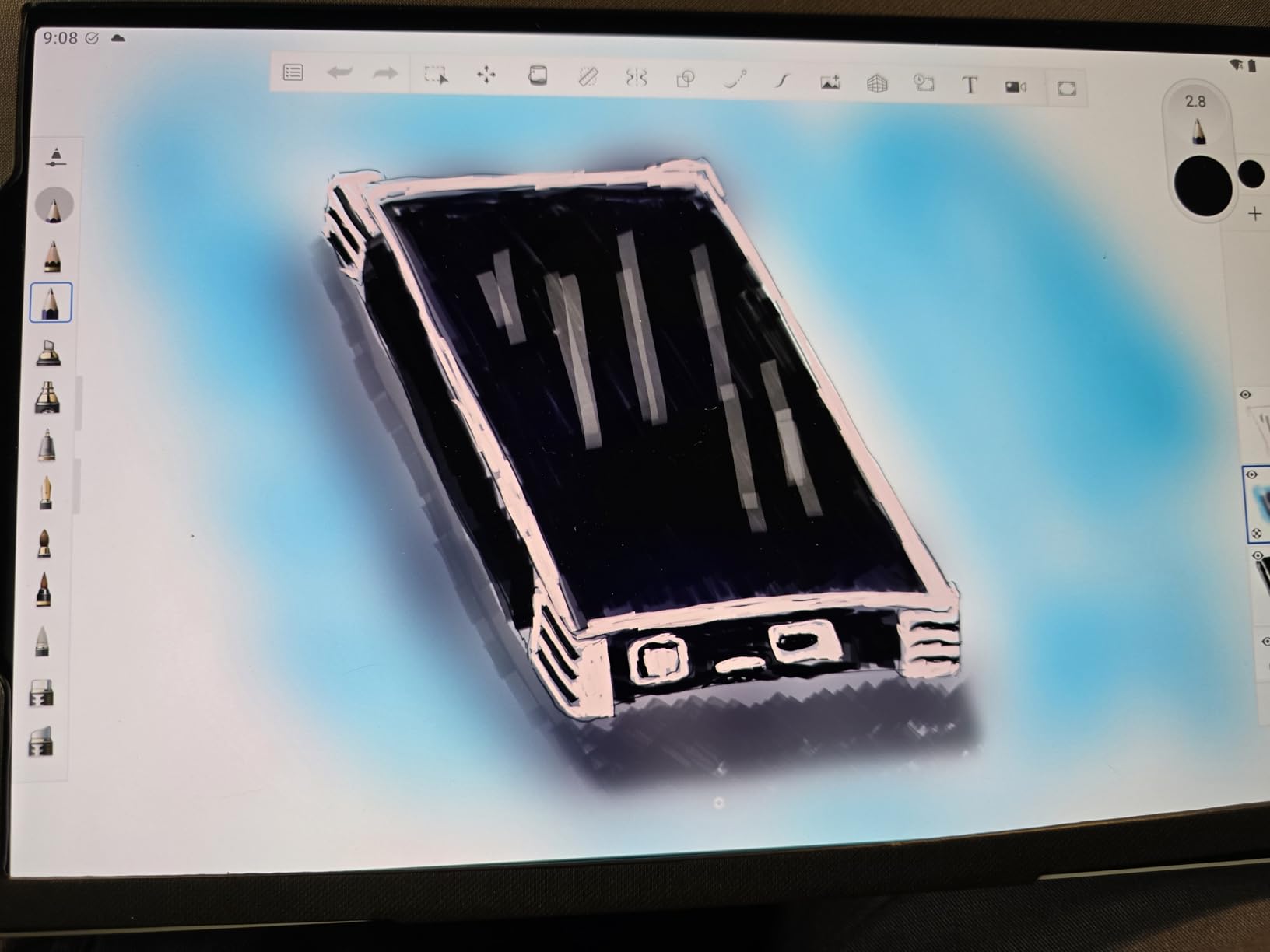
However, battery life disappoints. Users report 4-6 hours of active drawing time, which falls short for full studio days. The lack of an audio jack limits multimedia options. The very thin pen body takes adjustment if you prefer chunkier styluses.
Who should buy the Wacom MovinkPad 11
Artists who travel frequently or want to draw without being tethered to a desk get genuine value. The Android ecosystem provides access to popular art apps. Portable illustrators, urban sketchers, and conference attendees benefit most.
Who should look elsewhere
Studio artists who draw for hours need longer battery life or a way to plugin. The lack of audio limits multimedia use. File management on Android differs from desktop workflows, which may frustrate organized artists.
How to Choose the Best Drawing Tablet
Selecting the right drawing tablet depends on several factors beyond just price. Here is what I recommend considering based on my testing and research.
Pen Tablet vs Pen Display vs Pen Computer
Screenless pen tablets like the Wacom Intuos and XP-Pen Deco series require a computer connection but offer the largest active area per dollar. They suit artists with existing powerful computers who want professional-grade input without screen cost.
Pen displays like the HUION Kamvas and Wacom Cintiq lines let you draw directly on the display. This feels more natural for beginners transitioning from traditional art. However, you sacrifice portability and pay significantly more for the integrated screen.
Pen computers like the Wacom MovinkPad work independently without any computer. They suit traveling artists, students sharing workspace, or anyone wanting to draw in more locations. The tradeoff is less processing power than dedicated computers and potential app ecosystem limitations.
Understanding Pressure Sensitivity
Pressure sensitivity determines how thin or thick your lines appear based on how hard you press. Entry-level tablets offer 2048 or 4096 pressure levels, which suffices for most artists. Professional-grade tablets provide 8192 or 16384 levels for extremely nuanced control.
The difference between 4096 and 8192 levels matters most during very light strokes. With fewer levels, light touches produce stepped line weight rather than smooth transitions. However, many artists never max out their pressure range during normal use.
Connection Types and Compatibility
USB-A remains common on pen tablets, though USB-C is becoming standard. Some tablets include Bluetooth for wireless connectivity, which reduces desk clutter but introduces potential reliability issues.
Verify your computer’s operating system compatibility before purchasing. Most tablets work with Windows and macOS, but Linux and Android support varies. The XP-Pen Deco 01 V3 offers genuine plug-and-play Linux support, which many competitors lack.
Key Features to Evaluate
Express Keys provide physical shortcuts for common actions like undo, zoom, and brush size. More keys generally improve workflow efficiency, though customization matters more than raw count.
Tilt support lets the stylus detect angled positioning, enabling shading techniques similar to traditional media. Most modern styluses support 60-degree tilt, which suffices for most artistic techniques.
Screen quality matters for pen displays. Resolution, color gamut (sRGB, AdobeRGB, DCI-P3), and color accuracy affect artwork reproduction. Professional artists should prioritize wider color gamuts and factory calibration.
Frequently Asked Questions
What do professional artists use to draw digitally?
Professional artists typically use Wacom pen tablets (Intuos Pro, Intuos Pro Medium) for studio work or Wacom Cintiq pen displays when drawing directly on screen. Wacom maintains industry dominance due to driver stability and build quality, though HUION and XP-Pen offer capable alternatives at lower prices.
Are tablets or iPads better for drawing?
Drawing tablets (Wacom, HUION, XP-Pen) offer superior pressure sensitivity (8192-16384 levels) and professional software compatibility compared to iPads. However, iPads provide a more intuitive standalone experience with excellent apps like Procreate. The choice depends on whether you prioritize professional-grade input hardware or ecosystem simplicity.
What is the best drawing tablet for beginners in 2026?
The XP-Pen Deco 01 V3 offers the best value for beginners with 16384 pressure levels, an ample 10-inch active area, and budget-friendly pricing around $48. The Wacom Intuos Medium serves beginners wanting a trusted brand with proven reliability.
What is the best standalone drawing tablet in 2026?
The Wacom MovinkPad 11 stands alone as a true Android-based drawing tablet computer. It runs Android 14 with full art app support, features the premium Pro Pen 3 stylus, and weighs only 1.3 pounds for genuine portability.
What drawing tablets do professional artists use?
Professional artists commonly use Wacom products for professional work: the Wacom Intuos Pro Medium for screenless input, Wacom Cintiq 16 or 27 for pen display work, and increasingly, standalone pen computers like the Wacom MovinkPad for mobile professional illustration.
Final Verdict: Best Tablets for Drawing
After testing 12 drawing tablets across all categories, here are my final recommendations for 2026:
The XP-Pen Deco 01 V3 delivers the best overall value for most buyers. You receive professional-grade 16384 pressure sensitivity, a spacious 10-inch active area, and solid build quality at a budget-friendly price. It outperforms competitors costing three times more.
The Wacom Intuos Medium remains the best choice for beginners prioritizing brand trust and reliability. Wacom’s driver ecosystem and 40+ years of experience show in consistent performance across software applications.
Professional artists investing in a pen display should consider the Wacom Cintiq 16 for its QHD resolution and DCI-P3 color accuracy, or the XP-Pen Artist 15.6 Pro for better value without sacrificing essential features.
Traveling artists wanting standalone capability should evaluate the Wacom MovinkPad 11, accepting its battery life limitations in exchange for genuine portability.
Whatever tablet you choose, remember that skill development matters more than equipment. A $50 tablet in skilled hands produces better art than a $600 tablet gathering dust.