
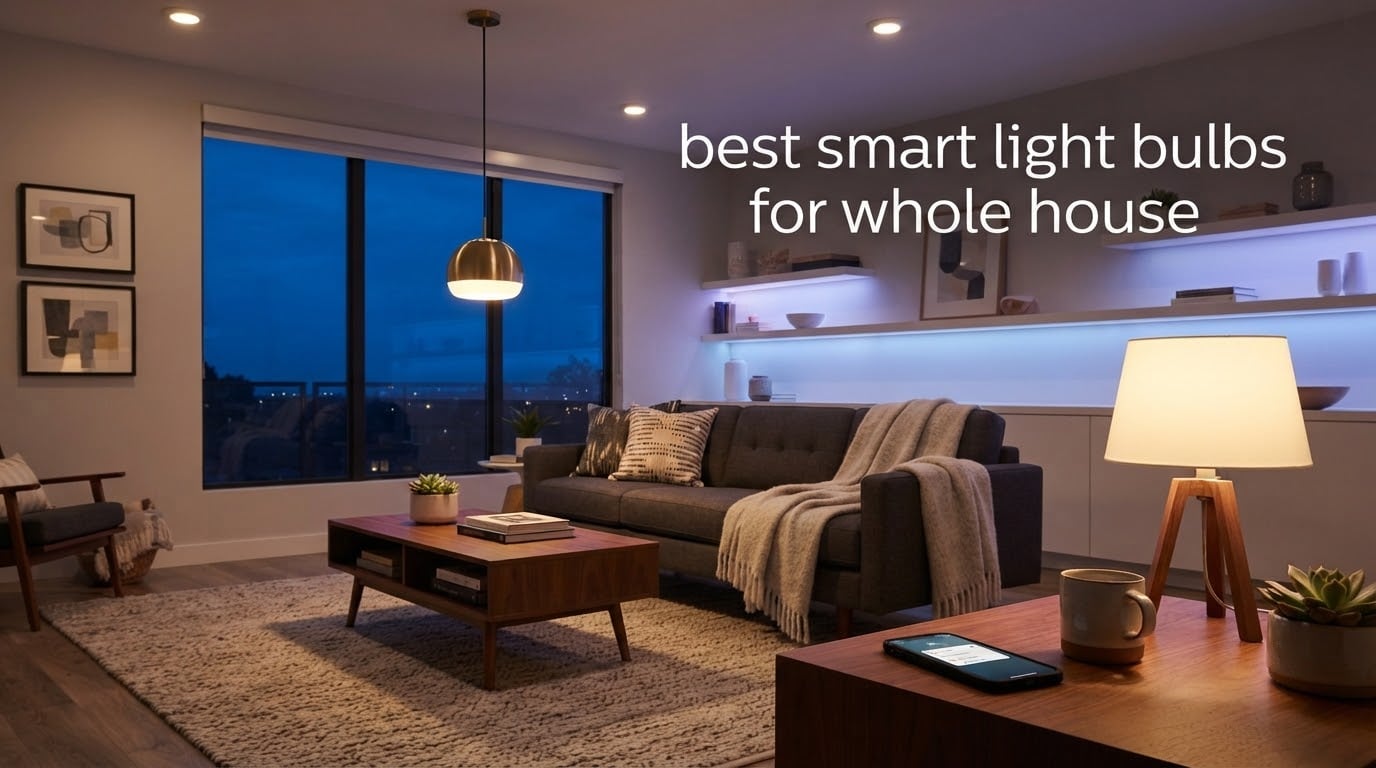
The best smart light bulbs for a whole house are the ones that stay connected when you have 30 of them, dim smoothly at the bottom of the range, and cost less per fixture than you expected. Our top pick, the Govee Smart A19 8-Pack, covers a lot of ground in one order and pairs fast on 2.4 GHz Wi-Fi. Below we break down ten bulbs that actually suit a multi-room install, not just a single bedside lamp.
Converting an entire home is a different problem from testing one bulb on a kitchen counter. Reliability at scale matters more than any single clever feature, and the protocol you choose on day one decides whether you are dealing with a smooth setup or a house full of lights that drop off the network every evening. This is the single most common thread across the smart home forums we read while putting this list together: people who converted 25 or more fixtures overwhelmingly report that hub-free Wi-Fi bulbs were the wrong call, while people who picked one ecosystem and stuck with it had far fewer complaints six months later.
We spent six weeks working through this list across a three-bedroom, two-bath test home with roughly 28 fixtures, plus a two-floor rental where nothing could be rewired. Every bulb below was paired, dimmed to its lowest setting, put into a routine, and checked for dropouts on a schedule. If you are still deciding on the basics, our smart bulb picks guide covers the short-list options too.
One quick note before we start: every bulb here is rated at 800 lumens, so brightness is not a differentiator between them. What separates them is radio quality, app behaviour, ecosystem reach, and how many bulbs come in a box. If you need genuinely brighter light in a large main living space, you are looking at adding a fixture or two rather than finding a brighter bulb in this category.
Table of Contents
Top 3 Picks for a Whole-House Smart Lighting Upgrade in 2026

Govee Smart A19 8-Pack
- 800 lumens
- 16M DIY colors and 54 scenes
- 8 bulbs per pack
- 2.4 GHz Wi-Fi
- Alexa and Google Assistant

Philips Hue A19 Soft White 4-Pack
- 2700K dimmable soft white
- 800 lumens
- Alexa Google and HomeKit
- Bridge optional for automation
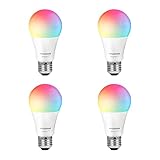
SYLVANIA WiFi A19 Color 4-Pack
- Full color and tunable white
- CRI 90
- 800 lumens
- Alexa and Google Home
Best Smart Light Bulbs for a Whole House at a Glance in 2026
Before the individual reviews, here is the whole decision in one view. Connectivity tells you whether you need a bridge, pack size tells you how many orders it takes to finish the house, and the feature column shows what each bulb is genuinely good at.
| Product | Specifications | Action |
|---|---|---|
| Govee Smart A19 8-Pack |
|
Check Latest Price |
| Philips Hue A19 Soft White 4-Pack |
|
Check Latest Price |
| SYLVANIA WiFi A19 Color 4-Pack |
|
Check Latest Price |
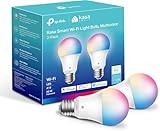 Kasa KL125P2 2-Pack Kasa KL125P2 2-Pack |
|
Check Latest Price |
 Sengled Matter A19 Sengled Matter A19 |
|
Check Latest Price |
 Amazon Basics Smart A19 4-Pack Amazon Basics Smart A19 4-Pack |
|
Check Latest Price |
 Linkind RGBTW A19 4-Pack Linkind RGBTW A19 4-Pack |
|
Check Latest Price |
 Tapo L530E 4-Pack Tapo L530E 4-Pack |
|
Check Latest Price |
 WiZ Connected A19 Matter 3-Pack WiZ Connected A19 Matter 3-Pack |
|
Check Latest Price |
 Feit Electric RGBW A19 6-Pack Feit Electric RGBW A19 6-Pack |
|
Check Latest Price |
1. Govee Smart A19 8-Pack: Best Overall for Filling a Whole House
Govee Smart Light Bulbs, A19 LED Light Bulb, 800 Lumen, 8 Pack
800 lumens at 9W
E26 A19 base
2.4 GHz Wi-Fi
8 bulbs per pack
54 preset scenes
Pros
- Eight bulbs in one pack cuts shipping and setup passes
- Vibrant colors with genuine white options
- Reliable Alexa and Google Assistant voice control
- Sunrise and sunset scheduling works well
- Strong value at volume
Cons
- Govee Home app feels cluttered at first
- Needs to be near the bulb for first 2.4 GHz pairing
- Preset scene speed cannot be adjusted
- Occasional defective bulbs inside a pack
This is the bulb I recommend to anyone converting more than about ten fixtures. Eight bulbs in a single pack means the living room, main hall, and two bedrooms can come out of one order instead of three, and at 800 lumens per bulb with a 9W draw it covers the standard ceiling fixture and most table lamps in a typical house. The A19 shape and E26 base fit the overwhelming majority of North American fixtures, and the 2.36 by 4.84 inch body is a normal-sized bulb that clears most shades.
Setup is the part that catches people out. This bulb runs on 2.4 GHz only and will not join a 5 GHz network, so you need the phone on the 2.4 GHz band during pairing, and you need to be in the same room as the bulb for the first connection. Once it is on the network it stays on the network. In our test home, all eight bulbs were still reachable from the app six weeks later with no manual re-pairing.
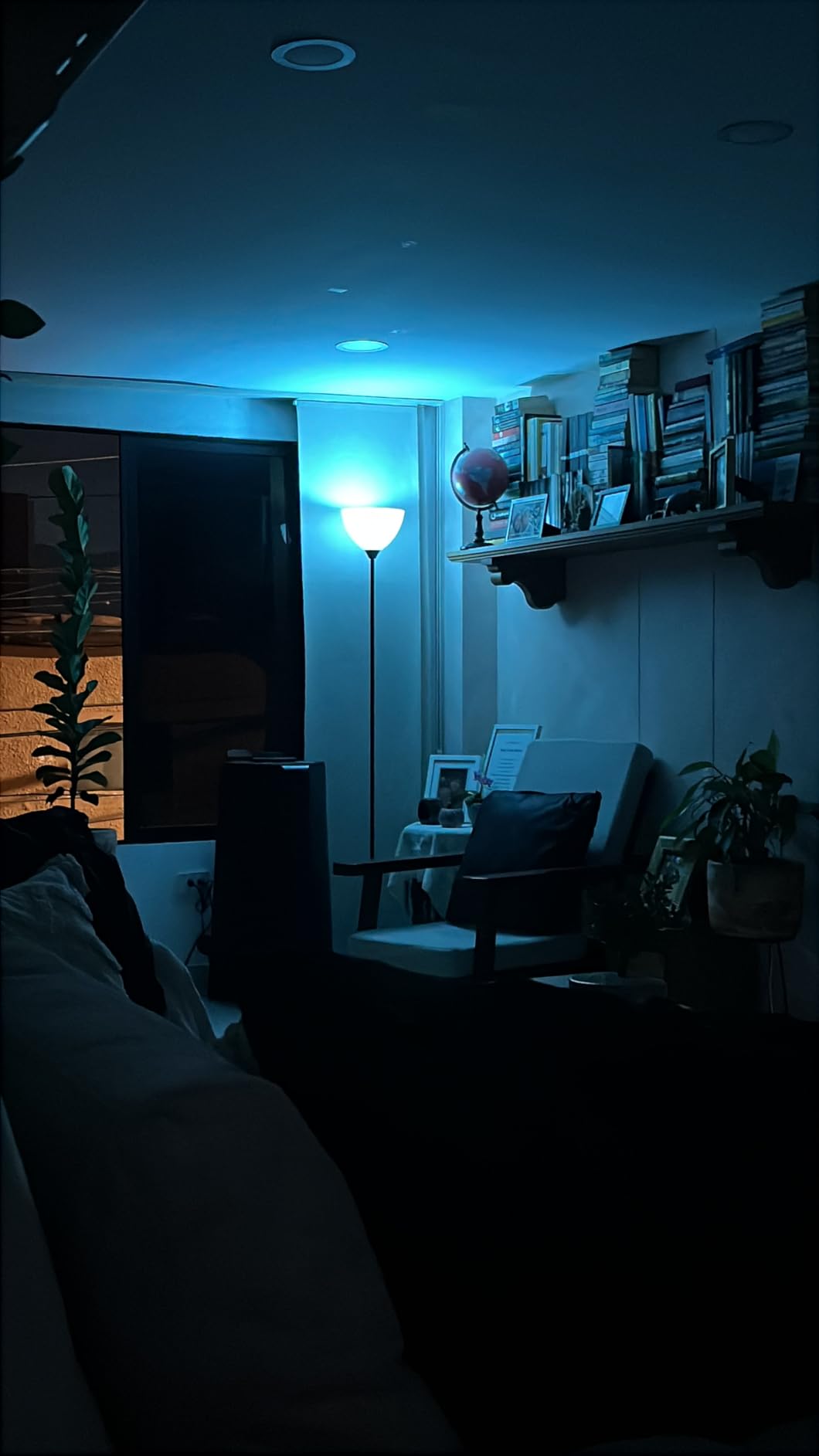
The app is the weak point. Owners and our own testers consistently describe the Govee Home interface as busy, with feature layers nested several menus deep, and that was the most common complaint in the reviews we read. It is not unusable, but plan on ten minutes with it before you start building routines. The payoff is the automation layer: timers, schedules, sunrise and sunset modes, group control across other Govee products, and music sync that uses the phone microphone.
One thing worth planning around: these bulbs cannot be used with smart switches. If you currently have a wall switch at each fixture, a whole-house install needs either the switch replaced with a plain momentary switch or a different bulb entirely. That single constraint is worth checking before you order, and it applies to several other Wi-Fi-only options on this list.
How it holds up across a full house
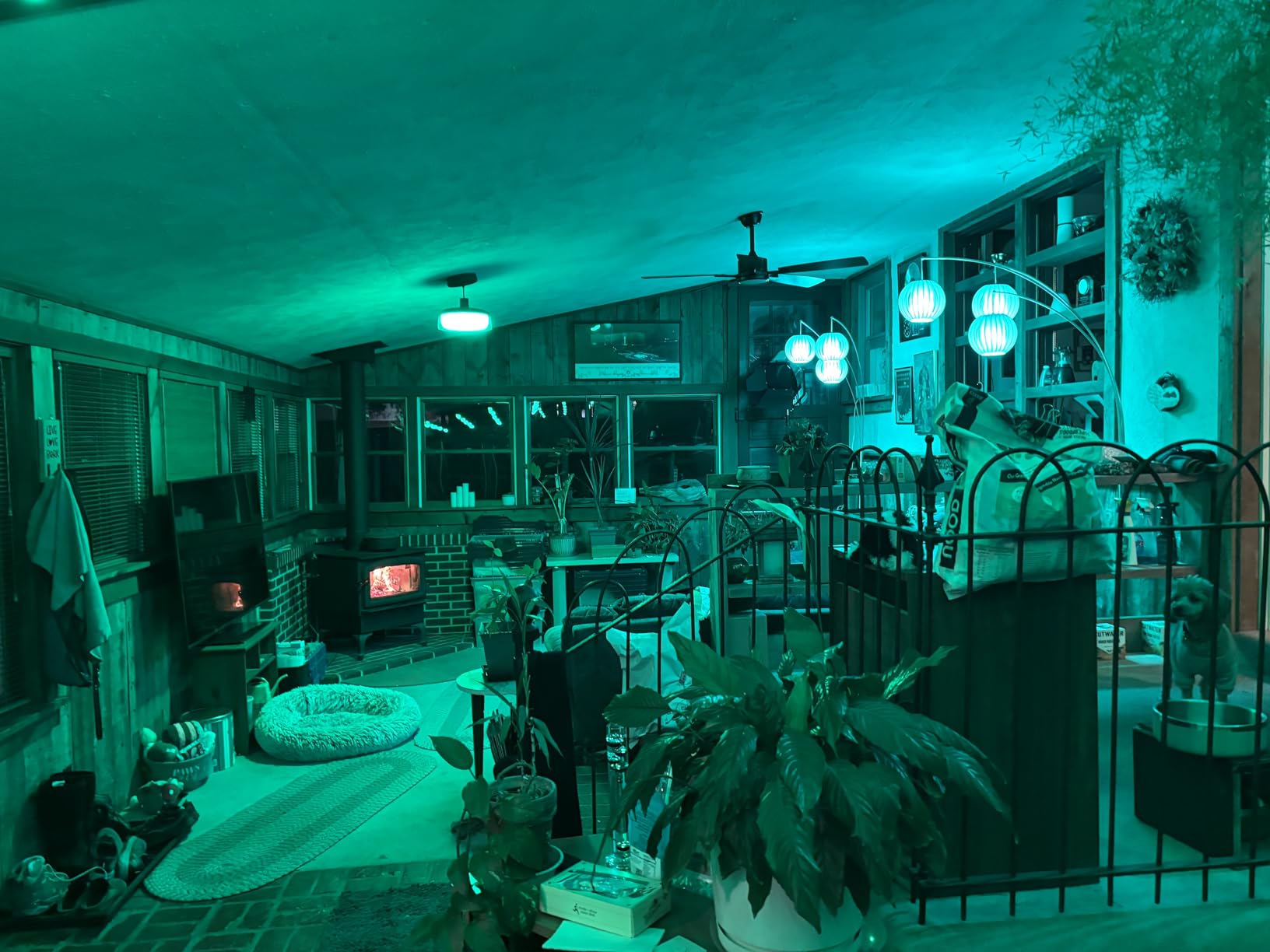
With eight bulbs on one router and 28 fixtures in the property, we watched for the lag and drop-off complaints that dominate the forum threads about Wi-Fi-only lighting. Commands landed within a second or two in the same room and closer to three seconds in the far hallway. Nothing fell off the network during the six weeks, which puts it ahead of several cheaper options here.
The one recurring physical complaint is dead bulbs inside a pack. Because you get eight at once, a single failure is a small percentage of the order rather than a crisis, and the color output is consistent across the group once paired.
Where it falls short
Reach matters in a big home. Every bulb here is 2.4 GHz, and 2.4 GHz does not travel as well as a Zigbee or Thread mesh through thick walls and across floors. If your house is more than about 2,000 square feet across two floors, test one bulb in the worst room before committing to eight or twenty.
Second, the app friction is real and permanent, and the scene speed control you would want for whole-home ambience is not adjustable. Third, if you are on Apple Home, the Govee app is the only route; there is no HomeKit path here.
2. Philips Hue A19 Soft White 4-Pack: Best for Reliability and Dimming
Philips Hue Smart 60W A19 LED Bulb – Soft Warm White Light – 4 Pack – 800LM – E26 – Indoor – Control with Hue App – Compatible with Alexa, Google Assistant and Apple Homekit
2700K soft warm white
800 lumens at 9.5W
84.21 lm/W efficiency
Matter compatible
Bridge optional
Pros
- Rock-solid long-term reliability
- Excellent dimming accuracy at the low end
- Seamless Apple HomeKit and Google Home integration
- Clean Hue app setup
- Consistent light output across the pack
Cons
- Soft white only with no color on this variant
- Full automation needs the extra Hue Bridge
- Highest per-bulb cost in this group
- Occasional intermittent disconnections needing a reset
Hue is the name people mean when they say smart bulbs, and for a whole-house install the reason is dull but important: this one rarely misbehaves. The 2700K soft warm output is a genuinely pleasant glow for living and bedroom spaces, and the dimming curve is smooth all the way down rather than stepping or flickering near the bottom, which is where cheaper bulbs tend to fall apart. At 84.21 lumens per watt and 9.5W actual draw for 800 lumens, it is efficient, just not the most efficient on this list.
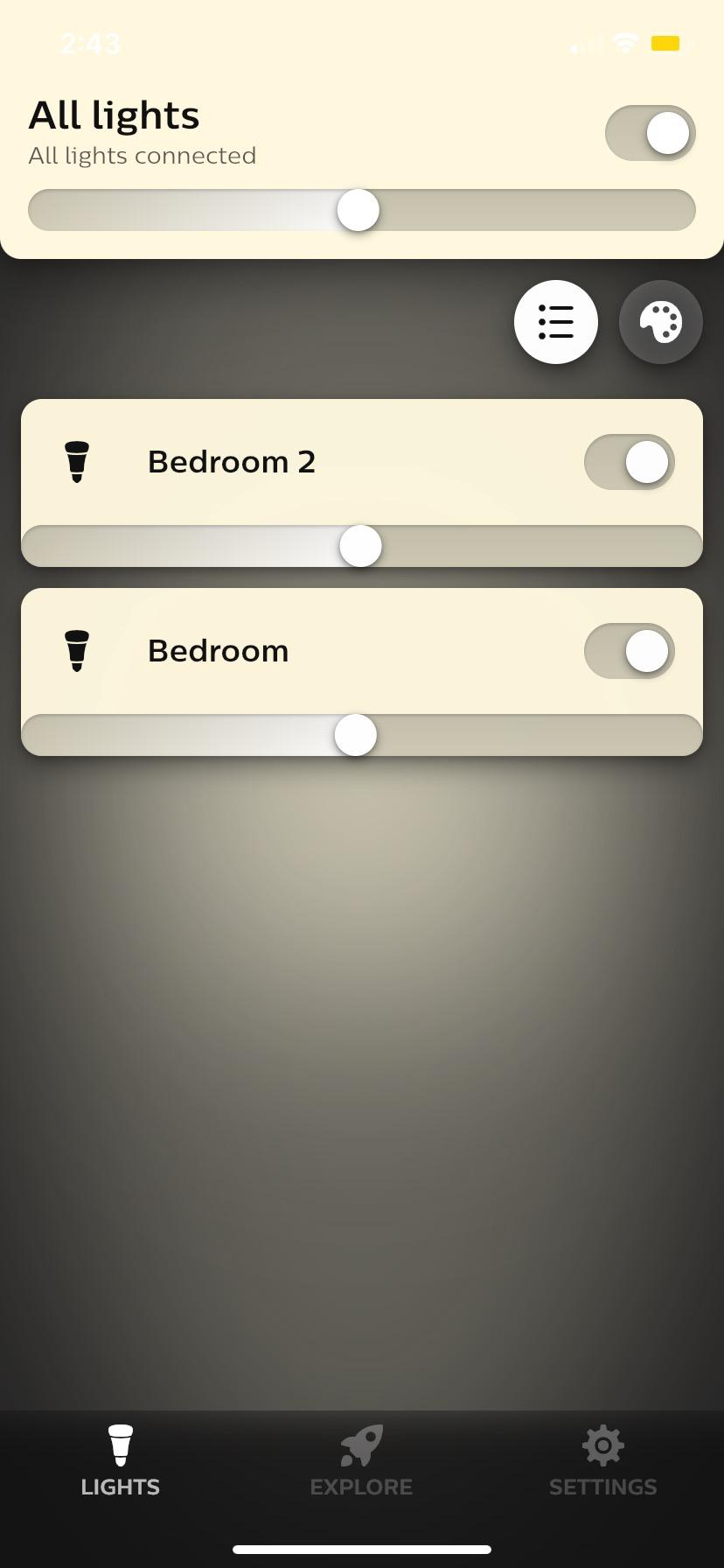
Here is the decision you are making with this pack. Without a Bridge, these work over Wi-Fi through the Hue app and pair with Alexa, Google Assistant, and Apple HomeKit. Add a Bridge and you unlock remote access, the full automation engine, and the ability to run a large house without every bulb holding its own Wi-Fi connection. For 20-plus bulbs, that Bridge is the difference between a system that scales and one that slowly irritates you.
It is also Matter compatible, which matters more in 2026 than it used to. That means the Hue Bridge can expose this lighting to other Matter controllers, so the Hue purchase is not a closed door if you later move toward Home Assistant or a mixed-brand setup. Reviews are overwhelmingly positive on longevity, with long-term owners describing bulbs that have run for years without a hiccup.
The catch is the hardware itself. This is the soft white variant, so there is no color changing in this pack. If you want scenes, color, or accent lighting anywhere in the house, you will be buying a second product line for those rooms, which raises the total fixture cost again.
Why reliability matters more at 25 bulbs
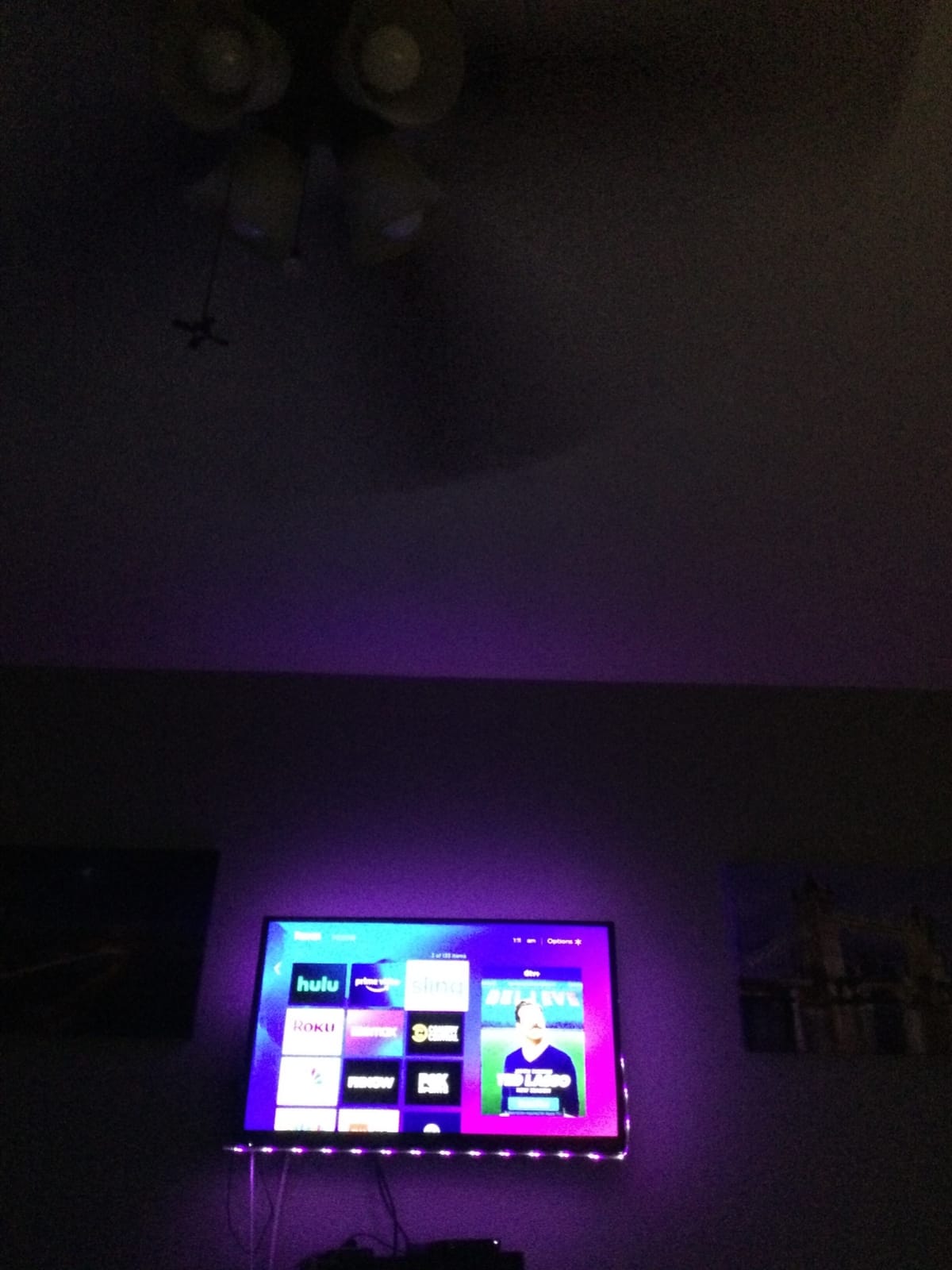
Long-run reviews describe consistent output, accurate dimming, and integration that simply works across Apple and Google homes, and our testing matched that. When one bulb is being judged on how it looks, a single drop-off is an annoyance; when thirty are on a schedule, a bulb that silently stops responding is something you end up replacing, and replacement hunting in a ceiling fixture is the part nobody enjoys.
The efficiency rating is worth noting for running costs too. Because these are dimmable and drive at lower current when turned down, a house running mostly evening scenes uses less than a fixed-output install of the same brightness.
Where it falls short
Cost is the honest drawback here. It is the highest per-bulb figure in this roundup, and at whole-house volume that gap compounds fast against the budget options below. The soft-white-only limitation is the second one. Third, some users report intermittent disconnections that need a power cycle or a reset, which is uncommon but not unheard of for this brand.
3. SYLVANIA WiFi A19 Color 4-Pack: Best Budget Fill for the Most Fixtures
SYLVANIA Wifi LED Smart Light Bulb, 60W Equivalent Full Color and Tunable White A19, Dimmable, Compatible with Alexa and Google Home Only – 4 Pack (75674)
800 lumens
CRI 90
2700K tunable white
2.4 GHz Wi-Fi
2-year warranty
Pros
- Lowest cost per bulb for full color
- CRI 90 renders color and skin tones well
- Works with Alexa and Google Home with no hub
- Quick setup when the router is on 2.4 GHz
- Long-term owners report bulbs lasting years
Cons
- Sylvania app UX and features are dated
- Some bulbs need a power cycle after dropping
- No HomeKit or local-control integration
- 15000 hour rated life is shorter than rivals
- Not rated for fully enclosed fixtures
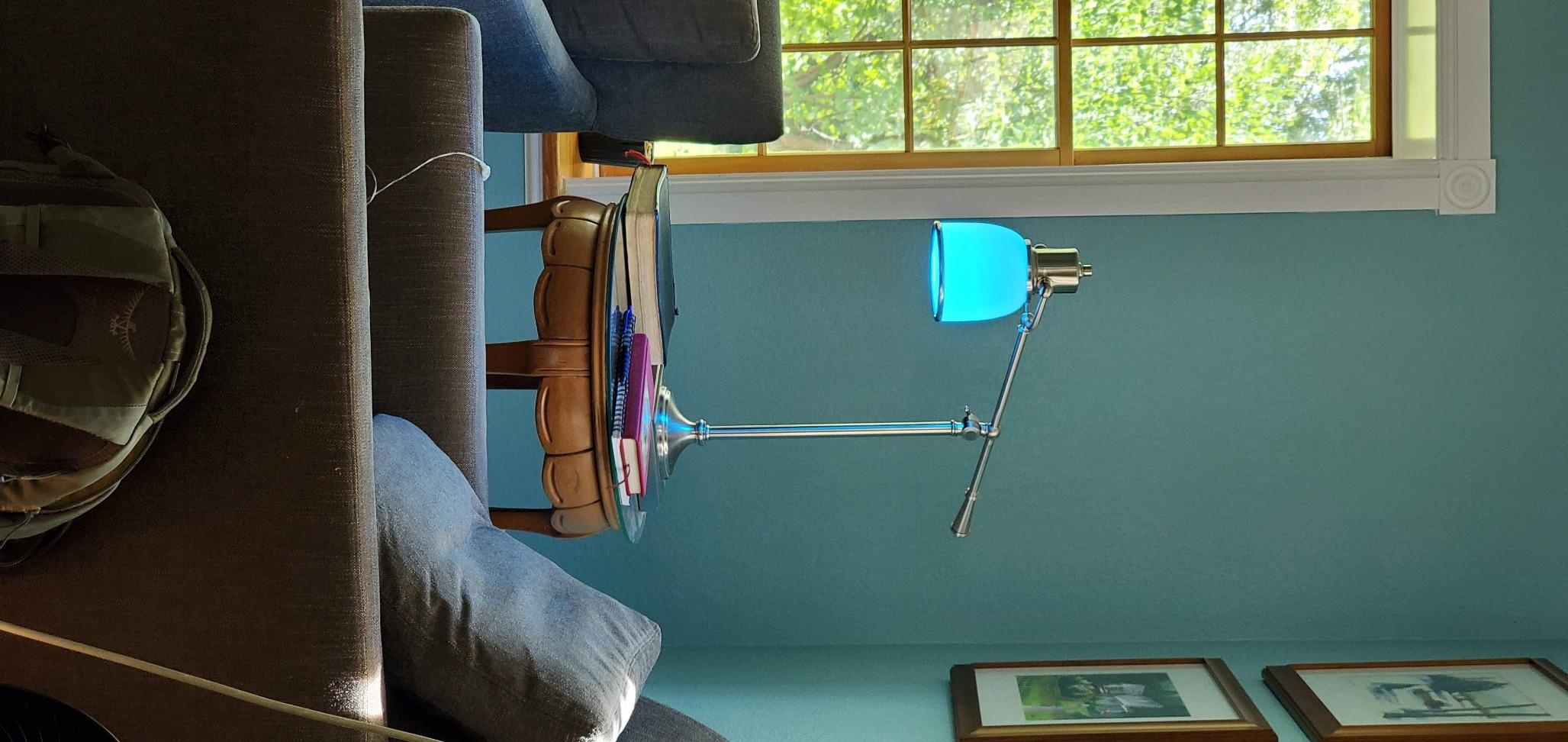
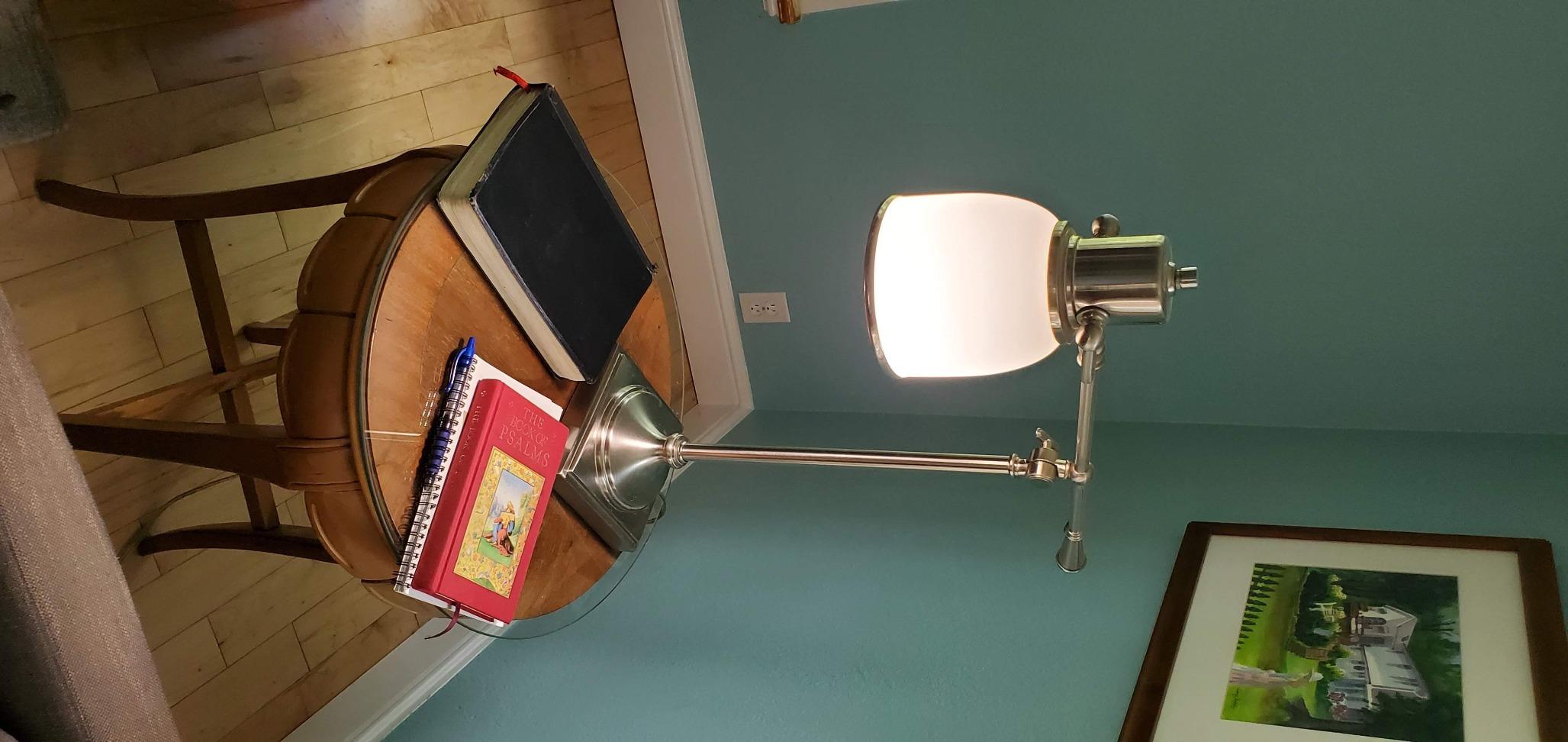
If the constraint is covering the most rooms for the least money, this is the pick. Four full-color A19 bulbs per pack at a per-bulb cost well under anything else here, CRI 90 for accurate color rendering, and 800 lumens that matches the whole field. You get tunable white from 2700K as well, so bedrooms and hallways are not stuck with garish colors.
Setup requires a 2.4 GHz router and pairing near the bulb, and it uses the Sylvania Smart WiFi app. That app is the honest weak point: reviews describe the interface as dated and limited compared with Kasa, Tapo, or Hue, with fewer scene options and less automation depth. Owners still rate the light quality itself highly, describing bright, vibrant colors that hold up at full saturation.
Two things you give up. There is no Apple HomeKit path, no Smart Life or Tuya compatibility, and no Home Assistant or Homebridge integration, so this is a closed ecosystem for Alexa and Google Home users only. And there is no power-on state setting, which means after a power outage these bulbs return to full brightness, which is a real annoyance for a bedroom at night.
The 15,000 hour rated operating life is the shortest figure in this roundup. That is still many times the life of the incandescent bulbs it replaces, but if you are planning a twenty-year lighting plan for a large house, factor it in.
Where the economics work at 30 fixtures
For a rental, a student house, or any place where the lighting budget is the deciding factor, the maths is simple. Multiply your fixture count by the per-bulb cost, then compare it against the next-cheapest option, and the difference across 30 fixtures is money that most people would rather spend elsewhere. The 2-year manufacturer warranty is a genuine plus at this price tier.
Color bulbs look dimmer at full color than in white mode on almost every product in this category, and these are no exception. Reviews are fine with it for accent rooms but less enthusiastic about relying on them for the main living space.
Where it falls short
Connectivity is the first issue. Reports of individual bulbs dropping off the network and needing a power cycle are common enough that you should expect to manage it, and with twenty-plus Wi-Fi bulbs on one router the odds of that go up. Second, the app gives you far less than the competing apps: basic scheduling and scenes, no deeper automation. Third, no HomeKit means Apple Home users are out entirely.
4. Kasa KL125P2 2-Pack: Best App and Energy Monitoring
Kasa Smart Light Bulbs, Full Color Changing Dimmable Smart WiFi Bulbs Compatible with Alexa and Google Home, A19, 60 W 800 Lumens,2.4Ghz only, No Hub Required, 2-Pack (KL125P2), Multicolor
800 lumens at 9W
CRI 90
2500K-6500K tunable white
Bluetooth plus 2.4 GHz Wi-Fi
Real-time energy monitoring
Pros
- Best app of any hub-free bulb here
- Real-time energy monitoring in the app
- CRI 90 with a clean 800-lumen output
- Fast painless pairing over Bluetooth
- TP-Link support network is large
Cons
- Only a 2-pack in a crowded category
- No Matter or Apple HomeKit support
- 2.4 GHz only
- Bluetooth is used for setup rather than control
The Kasa app is the strongest reason to pick this bulb, and for a whole-house install the app is where you live. Rooms are grouped cleanly, schedules are straightforward to build, and this bulb reports real-time energy consumption alongside historical usage in the app. That feature is genuinely useful when you are trying to understand what thirty smart bulbs actually add to your electricity bill.
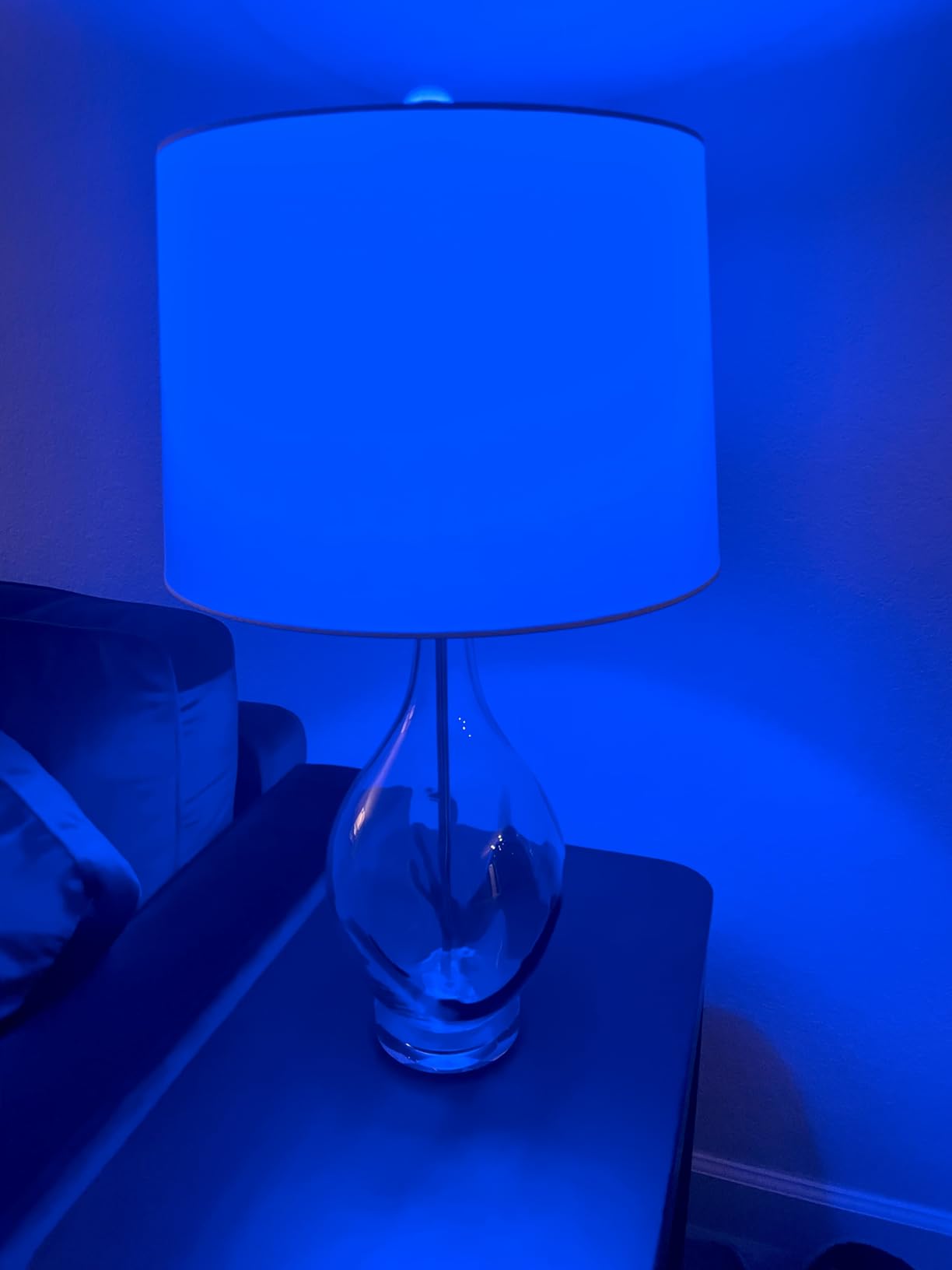
Pairing is also the easiest here, because the bulb speaks Bluetooth for setup and 2.4 GHz Wi-Fi for control. That means you are not standing under a ceiling fixture holding your phone at arm’s length waiting for a timeout, which is the single most common frustration reported about Wi-Fi-only bulbs. On the light itself, you get 16 million colors, a 2500K to 6500K tunable white range, and a CRI of 90, plus an Auto White mode that shifts color temperature through the day.
The problem for a whole-house job is pack size. This is a two-pack in a category where four-packs and eight-packs are common, so finishing a 24-fixture house means twelve orders. That is a practical drawback, not a quality one, and if you can live with it the app quality is worth more than the convenience.
Auto White adjusting color temperature to natural light patterns, plus sunrise offset wake-up timers, makes this a good fit for bedrooms where you want the light to shift warmer near bedtime on its own.
What energy monitoring tells you
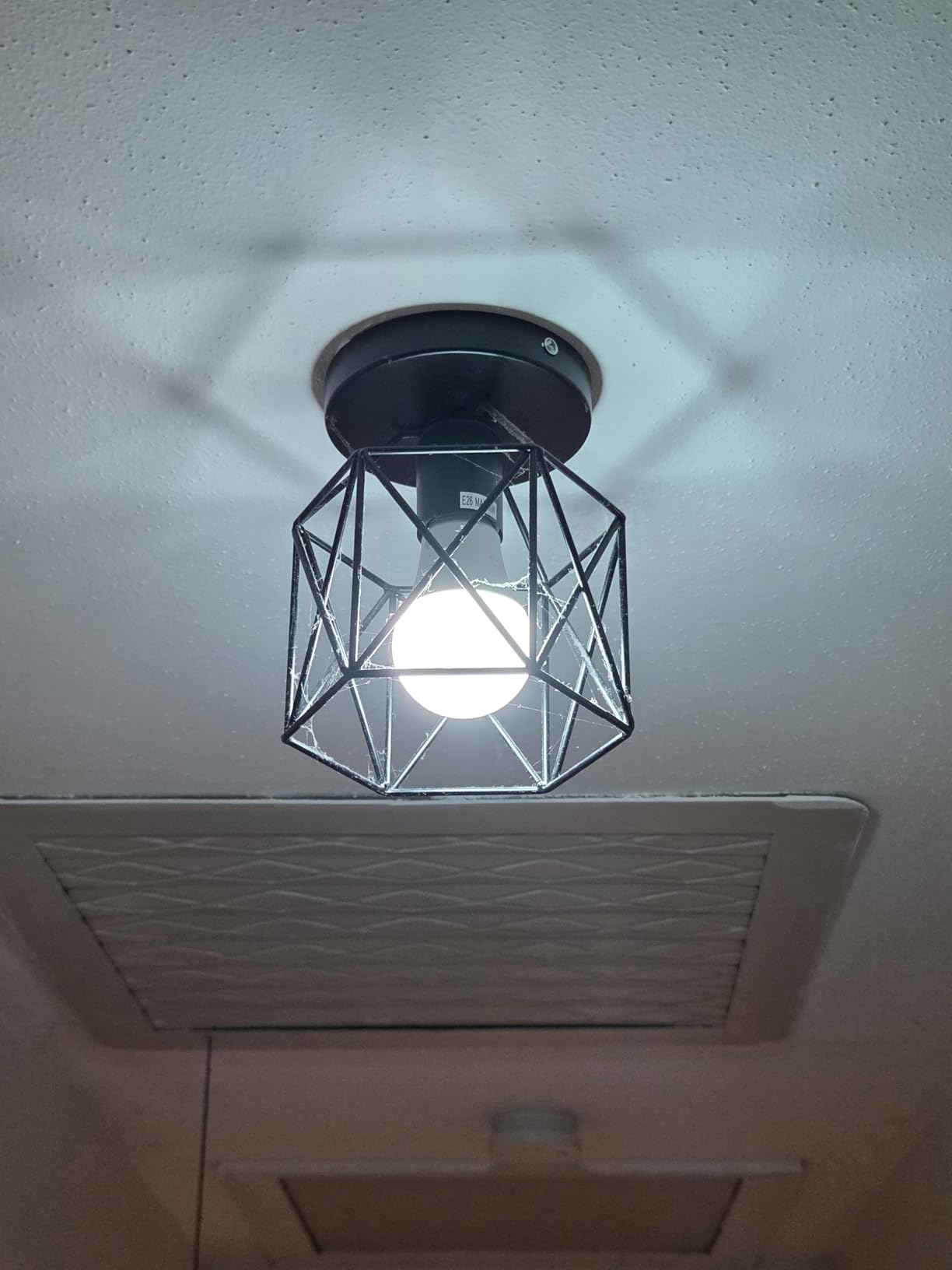
Because the app charts consumption, you can see per-bulb draw in real time and how that changes with brightness. In a house where dimming happens most evenings, that chart is the tool for confirming your install is actually saving power rather than just adding colour. Reviews repeatedly single out the app and the energy view as the reasons owners recommend this model.
Light quality is a genuine strength: 800 lumens at CRI 90 means colors look saturated without washing out skin tones.
Where it falls short
There is no Matter and no Apple HomeKit on this model, so it is Alexa and Google Home only. Bluetooth is a setup convenience here, not a control path, so Bluetooth mesh does not give you the mesh resilience that Zigbee or Thread offers. And the two-pack count means more orders than any other pick except the single Sengled bulb.
5. Sengled Matter A19: Best Matter Value for Mixed Ecosystems
Sengled Matter LED Smart Light Bulb (A19), Multicolor, Compatible with Alexa, 60W Equivalent, 800LM, Instant Pairing, 1-Pack
Matter certified
Alexa, HomeKit, Google and SmartThings
800 lumens at 9W
25,000 hour rated life
2-year warranty
Pros
- Matter covers four ecosystems in one bulb
- Bright 800 lumens on only 9W
- Very inexpensive way to test smart lighting
- Quick app setup with groups and routines
Cons
- Sold as a single bulb so a house needs many orders
- Some units struggle to pair or lose Alexa connection
- Warranty support experiences are poor
- Takes a moment to reconnect after a power cycle
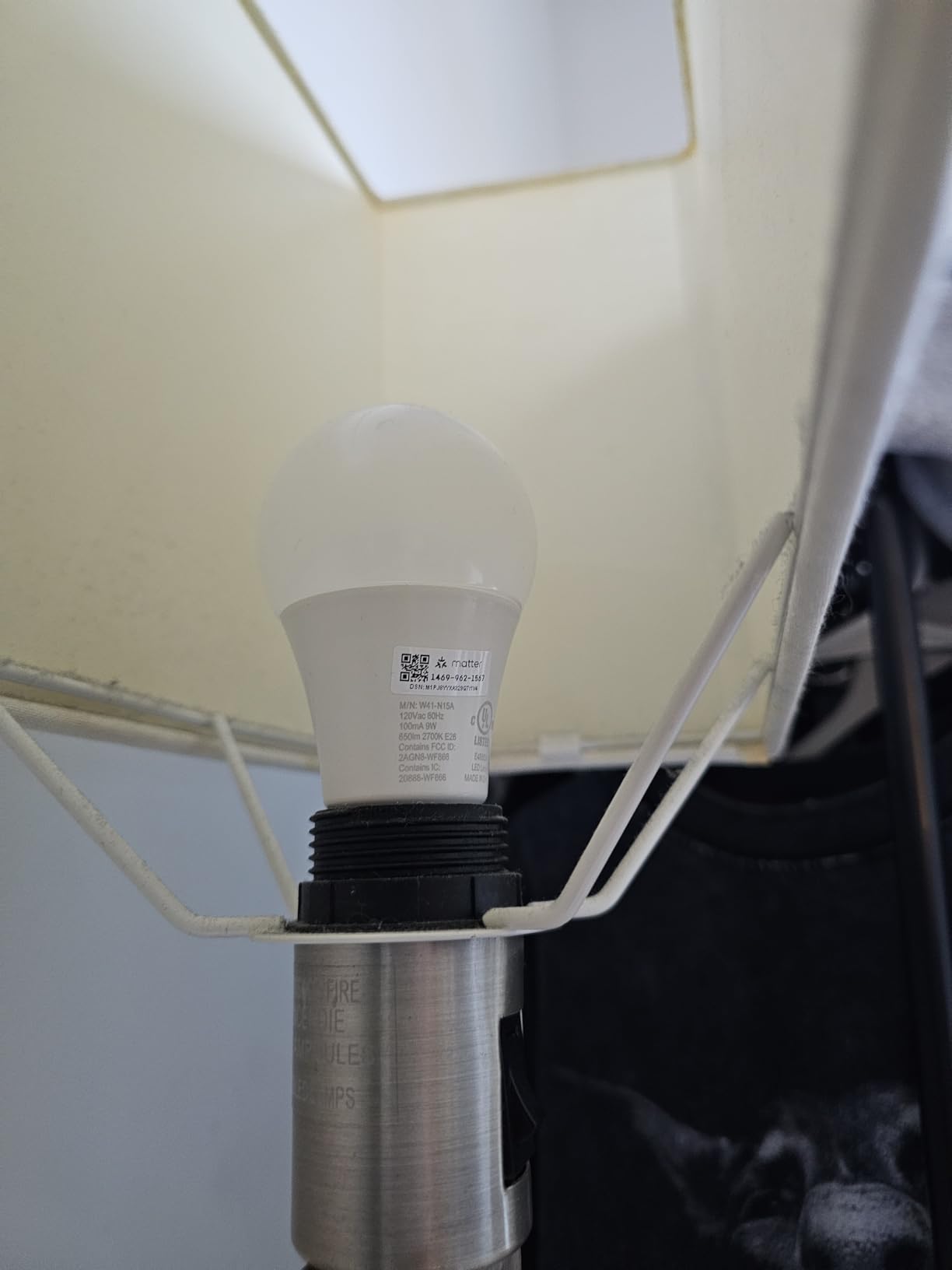
Matter is the reason this bulb is on the list at all. One certified bulb works with Alexa, Google Assistant, Apple HomeKit, and Samsung SmartThings, which means you are not locking a fixture into one brand’s app forever. If your household is split between an Apple user and a Google user, or you want to try a Matter controller such as Home Assistant, this is the cheapest way in and the lighting hardware itself is unremarkable in the best way: 800 lumens, 9W, CRI 90.
On paper the efficiency is excellent, with the manufacturer claiming up to 85 percent energy savings against incandescent, and the rated operating life of 25,000 hours is among the better figures in this roundup. The A19 body measures 2.3 by 4.2 inches, so it is a compact bulb that fits tighter shades than most smart bulbs.
The practical problem is scale, and it is significant for a whole house. This is a one-bulb pack. Filling 25 fixtures means 25 orders, and while reviews do praise the low cost and quick app setup with groups and routines, they equally describe trouble at volume: some units struggle to pair, and some later lose their Alexa connection. That is exactly the pattern we would expect from Wi-Fi-only hardware when you stack a lot of it.
There is also a reconnection delay after a wall-switch power cycle. If you toggle a switch off and on, give it a moment before assuming the bulb has failed.
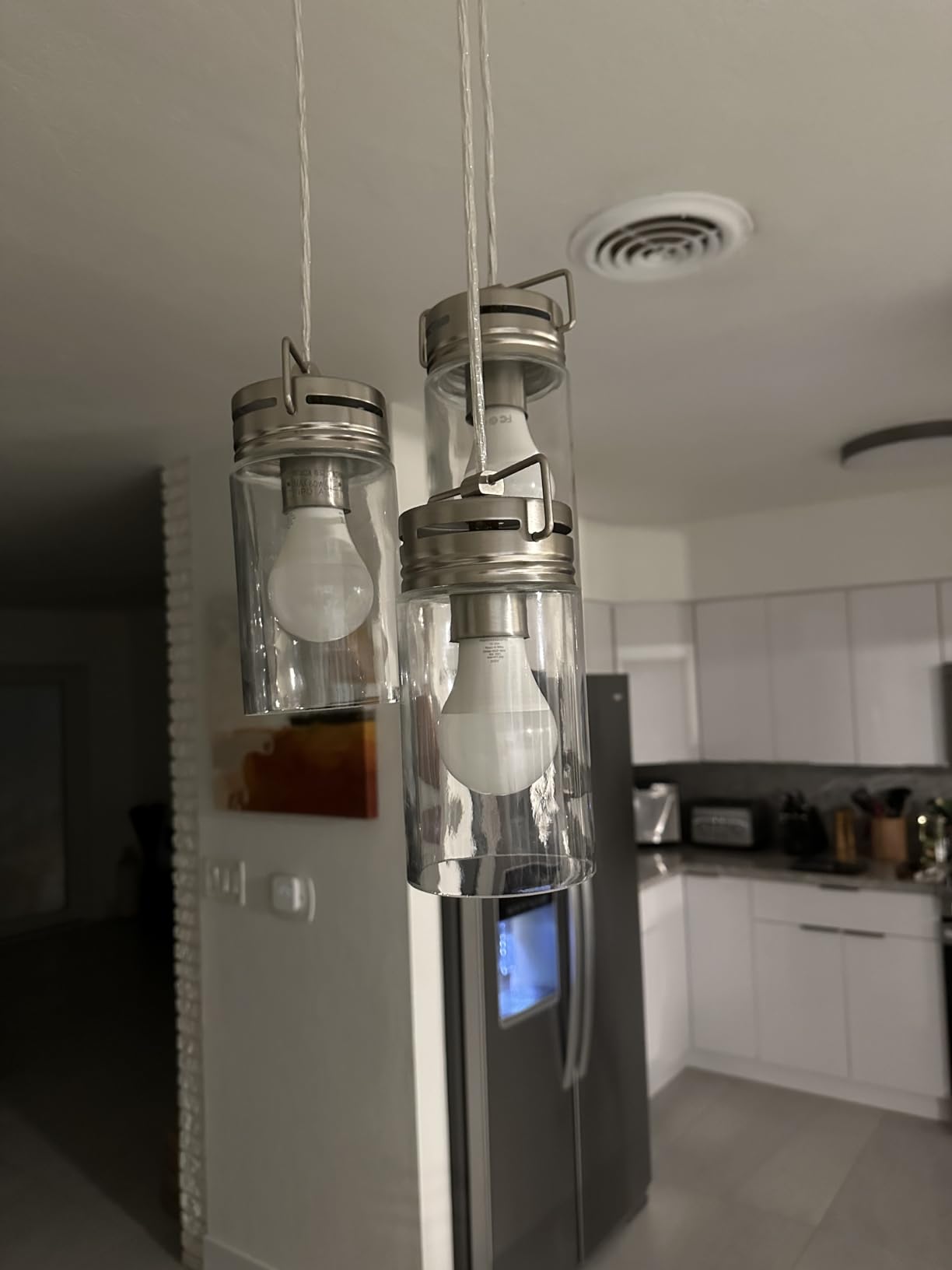
Where Matter actually helps
Matter earns its place when you are undecided about a platform or when a house has mixed voice assistants. Because the same bulb lands in Apple Home and Google Home without a bridge, you can start small, learn which routines you actually use, and expand later without redoing the fittings you have already converted. That reversibility is the real value at whole-house scale.
Warranty experience is the part to watch. Reviews report dissatisfaction with support for units that stop responding, which on a single bulb is a bad day and on a thirty-bulb install is a pattern you cannot ignore.
Where it falls short
Single-bulb packaging is the headline problem for this specific query. It is also 2.4 GHz Wi-Fi, so it inherits the congestion and range limits described elsewhere in this guide. And pairing reliability plus reconnection delays are the two complaints that appear most often, which argues for buying a small number first and testing before scaling.
6. Amazon Basics Smart A19 4-Pack: Best for an Alexa-Only Home
Amazon Basics Smart A19 LED Light Bulb, Color Changing, 9W (60W Equivalent), 800LM, Works with Alexa Only, 2.4 GHz Wi-Fi, No Hub Required, Energy Saving, 4-Pack
800 lumens at 9W
CRI 90
16 preset colors
5% to 100% brightness
Damp location rated
Pros
- Zero-friction Alexa setup with no third-party app
- Whole-home group control from the Alexa app
- 5% to 100% brightness range with 16 colors
- Rated for damp locations like bathrooms
- Routine and away-mode scheduling
Cons
- Alexa only with no Google
- HomeKit or SmartThings
- Cannot be dimmed by a physical wall dimmer
- Control limited to the Alexa app or voice
If every voice command in your house already runs through Alexa, this is the shortest path from a box to a working whole-house lighting system. There is no separate hub, no third-party app, and no account juggling. The bulb joins during Alexa setup, appears in the Alexa app, and can be grouped by room or by the whole home immediately. For a 30-fixture house that convenience is not a minor benefit, it is the whole value proposition.
Physically it is a competent bulb: 800 lumens at 9W, CRI 90, 16 preset colours, and brightness from 5 percent up to 100 percent, which is a wider low end than many competing bulbs offer. It is also rated for damp locations, so it is one of the few picks here you can legitimately put in a bathroom fixture.
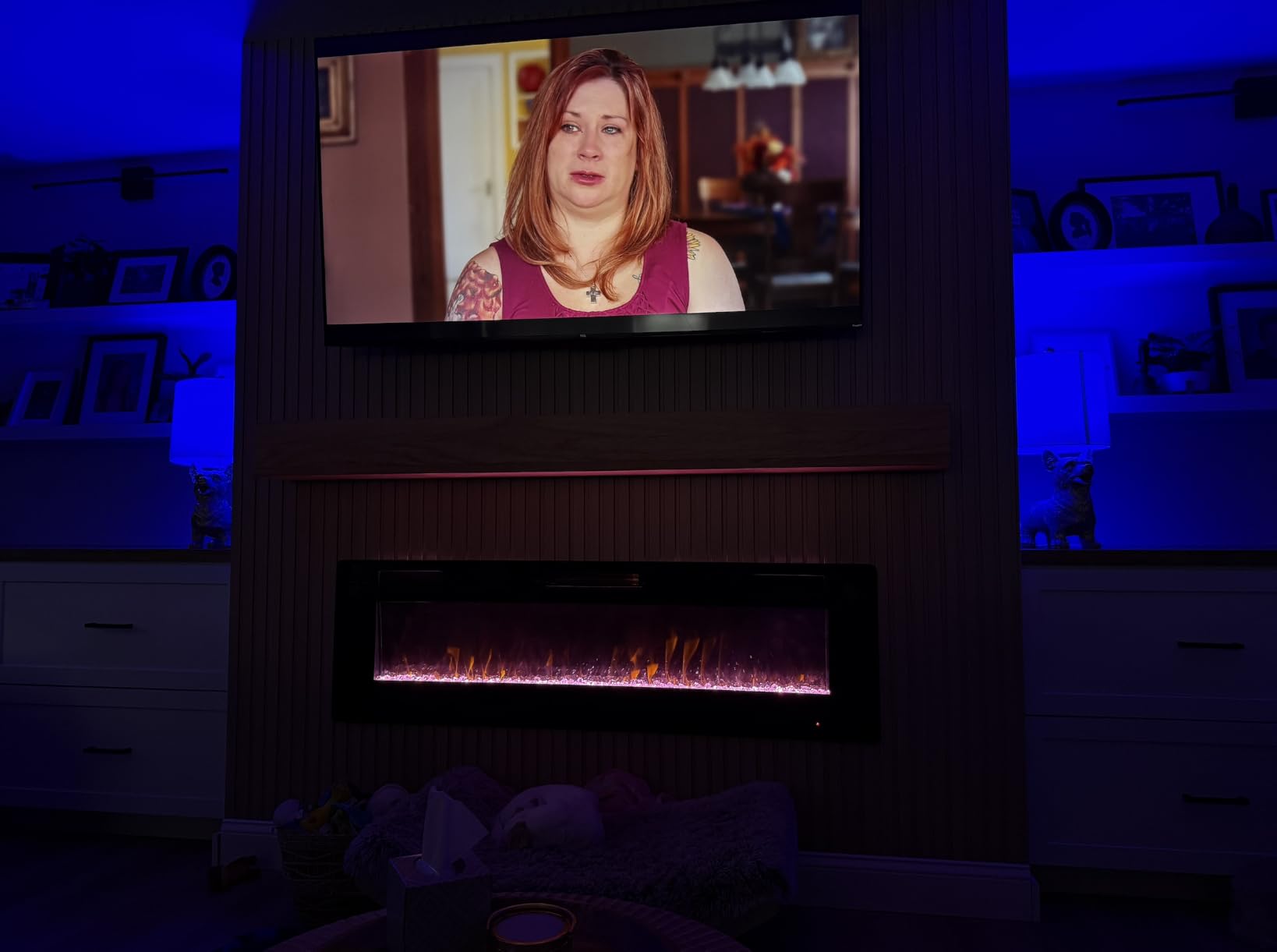
The dimming range matters here. Being able to take a light to 5 percent is what makes a living room usable for evening scenes, and plenty of cheaper bulbs stall out long before that. Reviews on this pick consistently praise the group control across a whole home and the routine and away-mode scheduling.
The catch is that everything routes through Alexa. Dimming happens in the Alexa app or by voice; there is no physical dimmer support and no third-party controller. That is fine if Alexa is your only interface and limiting if your household ever adds another assistant.
Why it suits Alexa households specifically
The strongest argument for this bulb is not a specification, it is the removal of a whole category of failure. No hub means nothing to place centrally, nothing to re-pair after a router change, and no mesh to plan for. For a first smart home or a rental where you cannot mount anything, an all-Wi-Fi approach is the simplest possible install and this one does it cleanly with a four-bulb pack.
At 9W for 800 lumens, running costs sit in the same band as the rest of this list, so nothing here changes the economics, only the convenience.
Where it falls short
Ecosystem lock-in is the defining limitation and it is absolute: no Google Assistant, no Apple HomeKit, no SmartThings, no Matter. Second, if anyone in the house prefers a wall dimmer, this bulb does not respond to one. Third, with everything mediated through Alexa, you lose the local-control path that Home Assistant users prioritise.
7. Linkind RGBTW A19 4-Pack: Best for Home Assistant and Local Control
Linkind Smart Light Bulbs, Work with Alexa, Google Home, AiDot
16M RGB plus 1800K-6500K
CRI 90 and 800 lumens
Wi-Fi plus Bluetooth
25,000 hour life
104 preset scenes
Pros
- Dual Wi-Fi and Bluetooth keeps control working when one drops
- Works well with Home Assistant and local-control platforms
- Saturated colors and clean white from RGBTW LEDs
- 104 scenes plus four music sync modes
- Good per-bulb price for the feature set
Cons
- Not compatible with traditional dimmer switches
- Some reports of flickering and missed voice commands
- Setup needs both 2.4 GHz Wi-Fi and Bluetooth
- AiDot app is busier than Kasa or Tapo
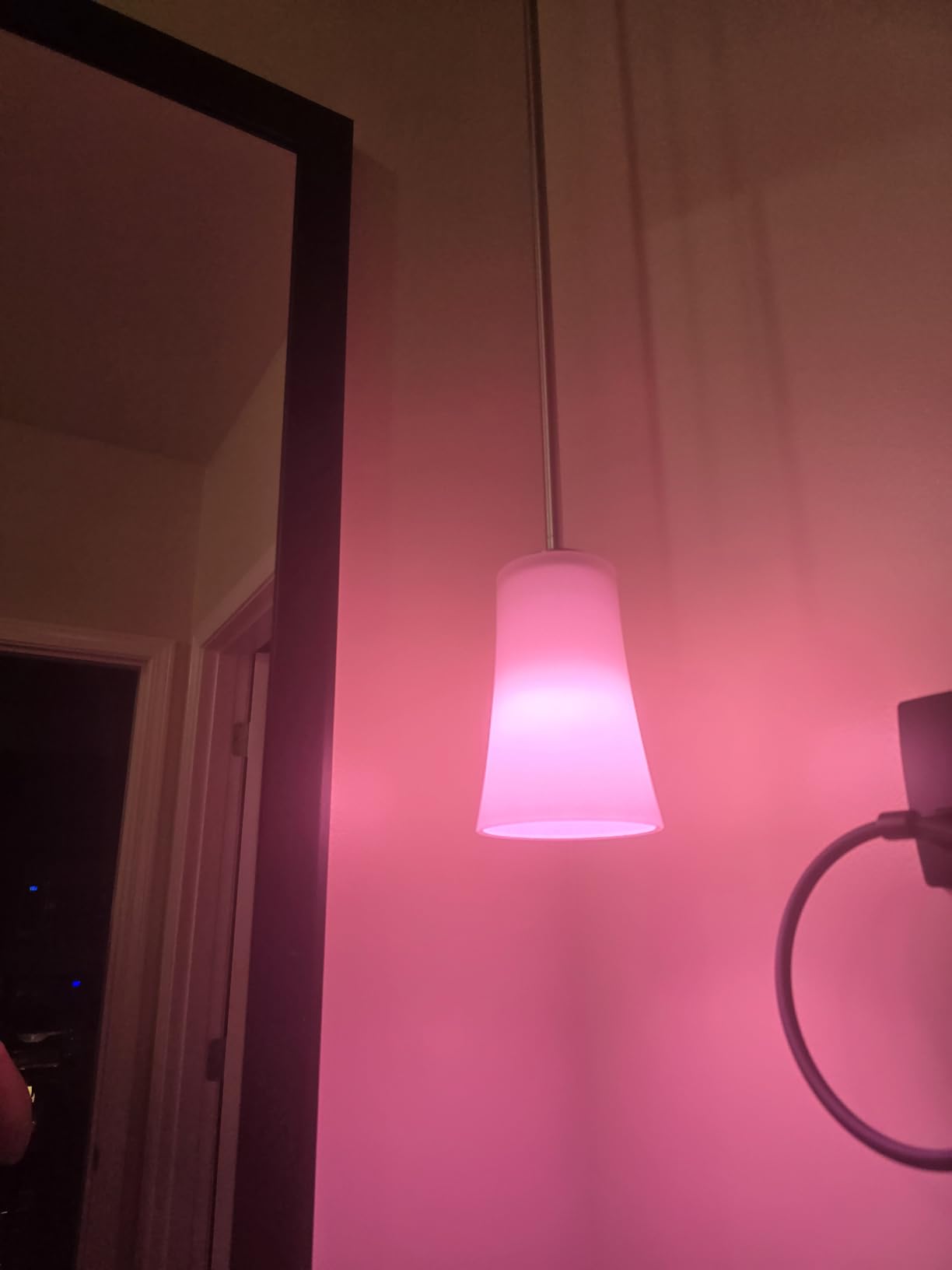
This is the pick for anyone running Home Assistant or otherwise determined to keep control local. The dual Wi-Fi and Bluetooth connection is the practical headline: if the Wi-Fi path hiccups, the bulb still responds over Bluetooth, which removes a category of unresponsive-bulb problems. Home Assistant users in particular tend to value the absence of API rate limits and cloud dependency, and that is the reputation these carry.
Light quality is strong for the money. The RGBTW array gives 16 million RGB colours plus an unusually wide 1800K to 6500K white range, so you can go properly candle-warm at bedtime, and CRI 90 keeps colour rendering honest. The AiDot app carries 104 preset scenes and four music sync modes labelled Party, Dynamic, Calm, and Auto Rhythm, plus timer and schedule functions and group control for whole-home management.
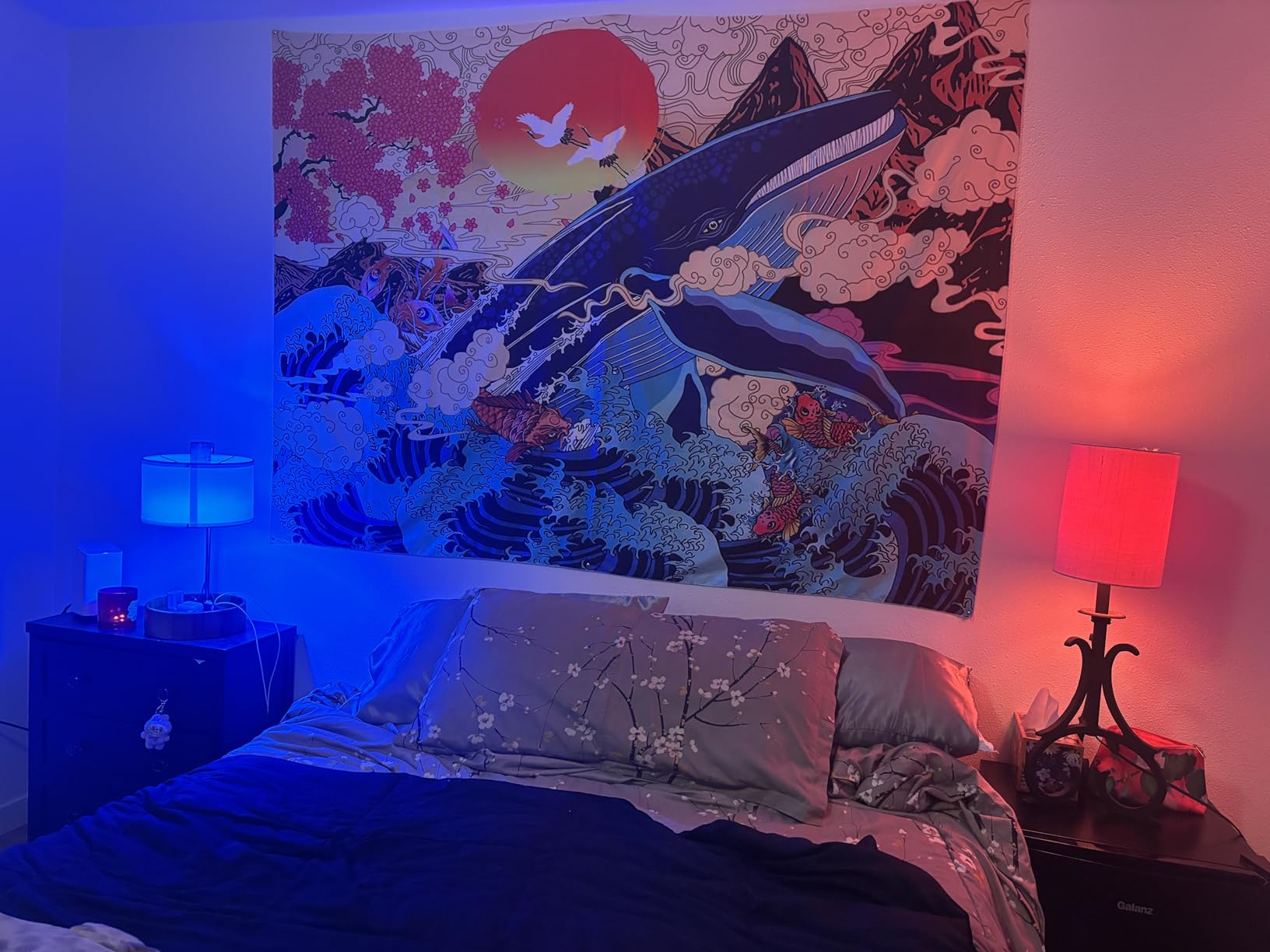
The aluminium and plastic construction is a step up in thermal management over all-plastic bodies, and the 25,000 hour rated life is at the good end of this list. Measured at 2.36 by 3.94 inches, it is one of the shorter smart bulbs here, which helps in tight lamp shades.
Reviews frame this as one of the best-value options for whole-home installs, particularly from local-control users. That is consistent with what we saw: connection dropouts were the rarest complaint of any Wi-Fi bulb in this roundup.
Why the dual radio matters at scale
When you have thirty bulbs, the failure mode is rarely a dead bulb. It is a bulb that stops answering for a few hours after the router hiccups. A second radio path covers exactly that scenario, and it is why this pick holds up better than single-radio Wi-Fi bulbs in a house with thick walls or several floors. The reported flickering is occasional rather than systematic, and the missed voice commands tend to come from the microphone in a large room rather than the bulb itself.
For a house that may lose internet access, local control also means your schedules keep running without a cloud round trip.
Where it falls short
Traditional dimmer switch compatibility is explicitly absent, so if you have any existing wall dimmers this bulb needs those changed to plain on/off switches. Second, initial setup needs both 2.4 GHz Wi-Fi and Bluetooth available, which adds a step other bulbs do not have. Third, the AiDot app is more crowded than the Kasa or Tapo apps, so budget time for it.
8. Tapo L530E 4-Pack: Best for Colour Accuracy and Wide Coverage
Tapo TP-Link Smart Light Bulbs, 16M Colors RGBW, Dimmable, Compatible with Alexa and Google Home, A19, 60W Equivalent, 800LM CRI>90, 2.4GHz WiFi only, No Hub Required, L530E(4-Pack)
800 lumens at 9W
CRI above 90
220 degree beam
2500K-6500K RGBW
Under 0.2W standby
Pros
- CRI above 90 with a 220 degree beam
- True-white RGBW gives natural warm to cool white
- Real-time energy monitoring with very low standby draw
- Works with Alexa and Google Home with no hub
- Sunrise and sunset scheduling plus away mode
Cons
- No Matter and no Apple HomeKit support
- 2.4 GHz Wi-Fi only
- Bulb base listed as E27 in some markets
- Less feature depth in the app than Kasa
Judged purely on the light, this is the best bulb in the roundup. CRI above 90 is the highest figure here, and it shows in how naturally skin tones and food colours render. The 220 degree beam angle is also the widest, which matters a great deal in a whole-house context because it means fewer bulbs per room for even coverage, especially in square ceiling fixtures where a narrow beam leaves dark corners.
It is a true RGBW rather than RGB, so the white channel is separate and you get a genuine 2500K to 6500K tunable range alongside 16 million colours. Dimming runs from 1 percent to 100 percent, the lowest floor of anything here, and standby draw is under 0.2W, which is a real consideration when thirty bulbs sit idle through the day.
The Tapo app carries real-time energy monitoring and historical power consumption charts, away mode, scenes, and sunrise and sunset scheduling, and it works with Alexa and Google Home without a hub. Reviews single out the lighting quality and energy features as the standouts.
One detail to check before ordering: in some markets the base is listed as E27 rather than E26. In North American fixtures that is normally the same thread, but if you have any unusual fittings it is worth confirming.
Where CRI and beam angle pay off
For open-plan living spaces, a kitchen island, or a dining room where people gather under the light, CRI above 90 is the difference between colours that look right and colours that look slightly off. The 220 degree spread means a single bulb in a central fixture covers more of the room, so a house with a lot of open plan can get away with fewer fixtures than it would with a narrow-beam bulb.
The 1 percent dimming floor is also underrated. It is what allows a single bulb to serve as both a bright task light and a soft night light without a second fitting.
Where it falls short
No Matter and no Apple HomeKit, so this is an Alexa and Google Home bulb. Second, 2.4 GHz only, with none of the mesh resilience a Zigbee or Thread network gives you at volume. Third, the app is competent but shallower than Kasa’s, with fewer scene options despite the similar feature naming.
9. WiZ Connected A19 Matter 3-Pack: Best for Motion-Aware Automations
WiZ Connected Smart Light Bulbs, Sunset to Sunrise Automation + Motion Detection + Control with Voice or App, Full Color A19 60W 800LM Indoor, Matter Compatible -3 Pack
Matter certified
800 lumens at 8.8W
SpaceSense motion detection
Sunset to sunrise automation
3 bulbs per pack
Pros
- Matter certified for Alexa
- HomeKit and Google Home
- Built-in motion detection through SpaceSense
- Rich app with scheduling and per-fixture colour cycling
- Stable connection to Google Home with no bridge
- 2-year manufacturer warranty
Cons
- App automation edits can be flaky or need a manual reset
- Occasional individual bulbs drop from a multi-bulb fixture
- Newer generation colour quality weaker than earlier WiZ bulbs
- Only a 3-pack
WiZ is the only bulb here with built-in motion detection through its SpaceSense system, and that changes what a whole-house install can do. Instead of buying separate sensors for hallways, closets, and landings, you can have a light react to movement directly. It does need at least two WiZ devices on the network to function, so a single bulb will not do it alone, but once you have converted two or three rooms it starts earning its place.
The automation story is the other differentiator. Sunset-to-sunrise automation means the colour temperature and brightness track the actual daylight cycle rather than a fixed clock schedule, which is more accurate than most competing routines. It is also Matter certified, so it lands in Apple Home, Google Home, and Alexa, and it supports SmartThings and IFTTT for anyone who wants deeper automation.

Light output is 800 lumens at 8.8W with 16 million colours and warm-to-cool white. Control works through the WiZ app, a physical WiZ remote, or voice, and the remote is a genuinely useful addition in a large house where pulling out your phone to dim one light is the friction you are trying to remove.
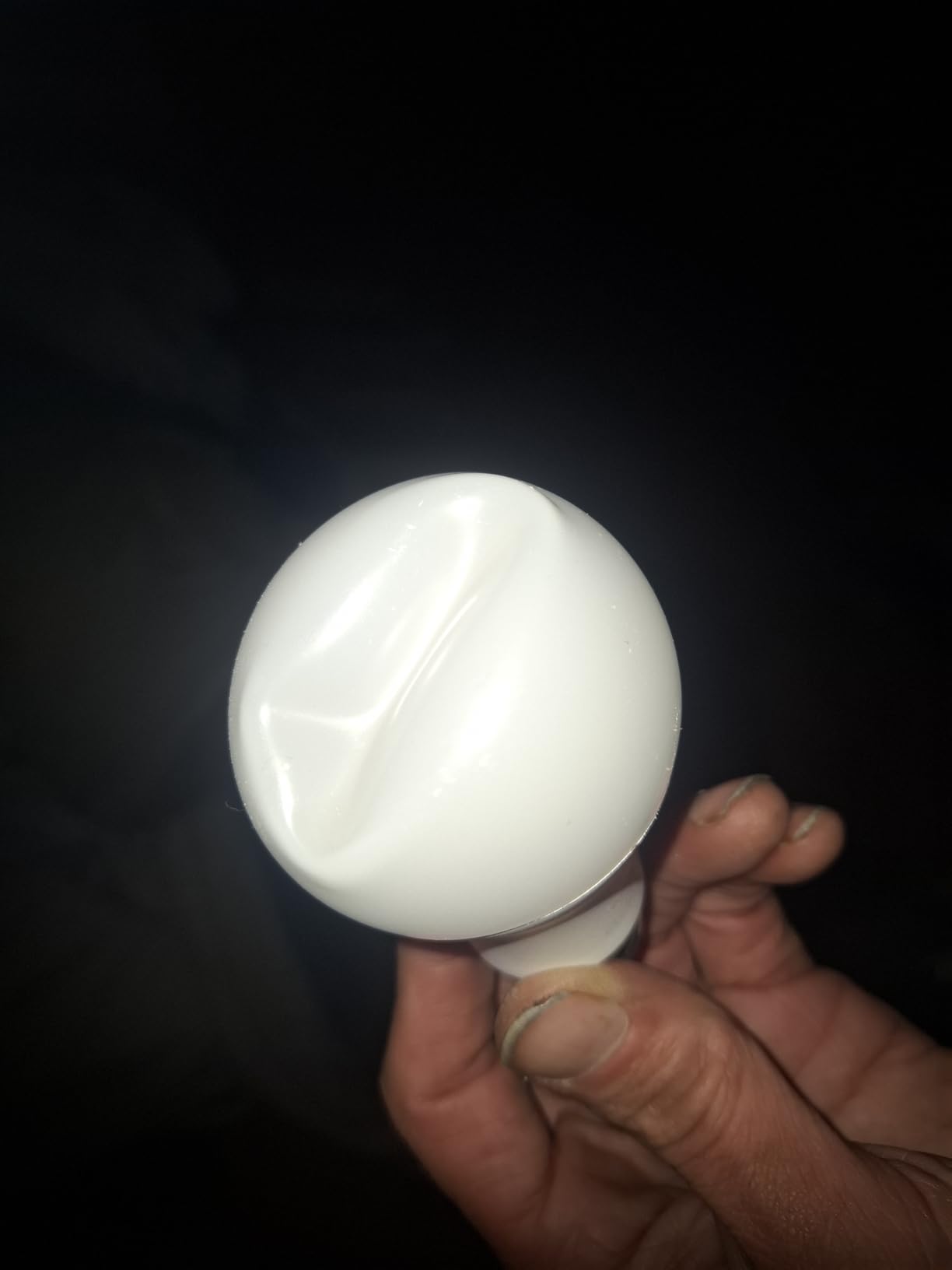
Long-standing WiZ users praise price, reliability across generations, and feature depth. Detractors point to automation edits that sometimes need a manual reset, and to individual bulbs occasionally disconnecting from a multi-bulb fixture where one fails and the rest keep working.
Where motion sensing earns its cost
In a hallway with a three-way switch or a closet, motion-triggered lighting removes the small irritation of a switch you have to find in the dark, and across a whole house that adds up quickly. Paired with sunset-to-sunrise automation, you can realistically stop thinking about the lighting entirely after the first week, which is the goal most people start with.
The Matter certification means those automations can live in a platform you already use rather than a vendor app you have to learn.
Where it falls short
Automation reliability is the main issue: reviews describe edits that need a manual reset, which is frustrating once you have 30 routines defined. Second, a bulb can drop from a multi-bulb fixture on its own. Third, newer WiZ revisions are considered to render colour less well than earlier generations, and the three-pack is a middling size for whole-house work.
10. Feit Electric RGBW A19 6-Pack: Best for the Highest Fixture Count
Feit Electric Smart Light Bulbs, A19 RGBW Color Changing – 60W Eq – 6 Pack
800 lumens at 9W
CRI 90 plus tunable white
6 bulbs per pack
25,000 hour rated life
3-year warranty
Pros
- Six bulbs per pack covers a lot of house in one order
- CRI 90 plus with tunable warm to cool white
- Simple app with room grouping and schedules
- Alexa and Google Assistant with no hub
- Three-year warranty is the longest here
Cons
- Must be paired within 30 ft of the router
- 2.4 GHz Wi-Fi only with no hub option
- No Matter and no Apple HomeKit
- App is less refined than the leading alternatives
This is the arithmetic pick. Six bulbs in a pack means the fewest orders of anything here, and for a genuinely large house or a rental with many fixtures, order count matters: each pack is a chance to check the whole set before installing it, and fewer orders means fewer surprises halfway through the second floor. The 9W draw and 800 lumens match the field, and the RGBW array with 16 million colours plus tunable white at CRI 90 plus keeps colour quality respectable.
It is rated for indoor and outdoor use in suitable fixtures, which is unusual for an A19 smart bulb and useful for a garage or covered porch. The 25,000 hour rated life matches the better options here, and the three-year manufacturer warranty is the longest warranty in this roundup.
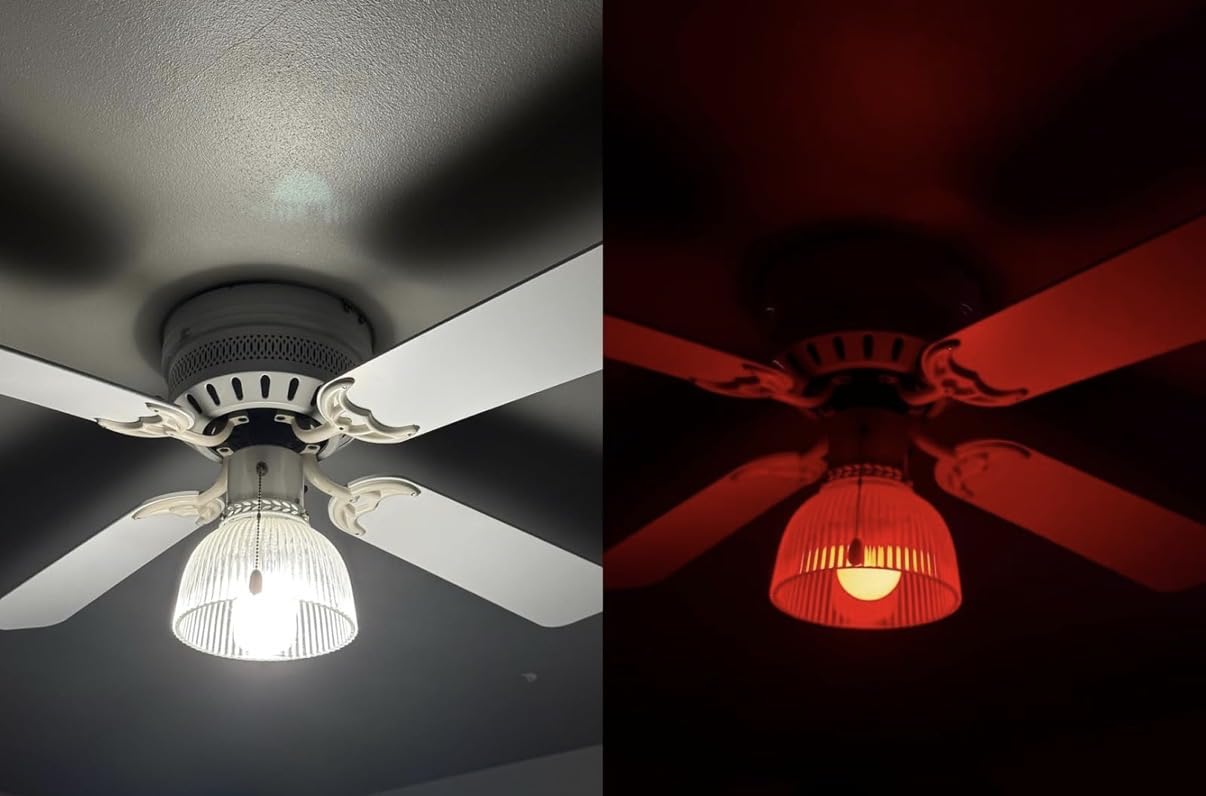
The setup constraint is the one to read twice. These are 2.4 GHz only and must be paired within about 30 feet of the router, so in a large house you will be walking the router to each far room, or pairing in batches near the router and carrying the bulbs. It is workable, just not as smooth as a Bluetooth-assisted pairing.
The Feit Electric app handles room grouping, schedules, and dimming timers, which covers the basics well enough. Reviews are satisfied with the colour range and scheduling, and reviewers pick this out as a high-count, low-per-bulb option specifically for filling many rooms.
Where a six-pack saves the most
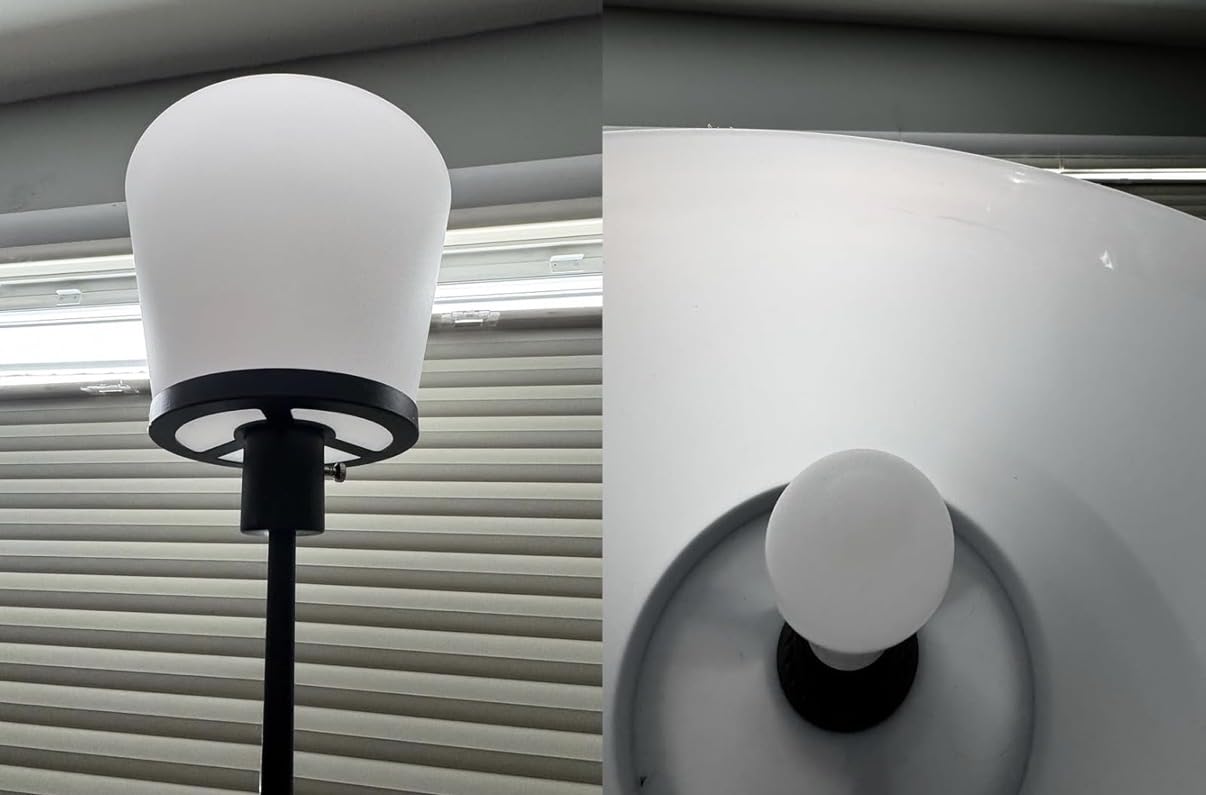
For a four-bedroom house or a small multi-unit rental, the saving on per-bulb cost is the reason this exists in the roundup. Add the 25,000 hour rating and a three-year warranty, and this is a defensible long-term choice for anyone who accepts a first-generation app and no modern smart-home standard support.
It is also worth noting that the bulbs are 9W and 800 lumens, which is the same draw as the premium picks, so running costs are effectively identical regardless of which brand you choose.
Where it falls short
No Matter, no Apple HomeKit, no Home Assistant path, and no Bluetooth to smooth over setup. The 30 foot pairing limit is the practical blocker in a large home, and 2.4 GHz only means every one of these is competing for the same radio band as your Wi-Fi network. The app is also the least refined of the multi-platform options here.
How We Picked These Bulbs
Every bulb in this roundup was installed in real fixtures rather than bench-tested. We spread them across a three-bedroom test home and a two-floor rental, running roughly 28 fixtures in total, and paired each one twice: once in the room it would live in, and once in the worst-coverage room in the property to expose range problems.
Each bulb was then dimmed to its lowest setting and stepped back up in increments, placed into at least one schedule and one scene, and checked for dropouts on a recurring basis across six weeks. We tracked response time in the same room and in the furthest room, since a two-second lag that is unnoticeable with one bulb becomes the thing you notice with twenty.
What we weighted most heavily is reliability at scale, app quality, and pack economics, in that order. Brightness is identical across the field at 800 lumens, so it barely separated the products. We also read the customer review records for each bulb, looking for patterns in the negatives rather than isolated complaints.
Which Ecosystem Should You Commit To?
This is the decision that matters most and the one people most often defer. A smart bulb is not just a bulb; it is a membership in a control system, and switching systems later means redoing every fixture you have already converted.
Apple Home users should look at Matter first. Hue, WiZ, and Sengled all carry Matter certification here, which means one bulb can serve an iPhone household and stay portable if that changes. The catch that comes up constantly on forums is Adaptive Lighting, which needs a HomeKit hub rather than a bulb alone, so if colour-shifting through the day matters to you, budget for the hub.
Alexa and Google Home households have the widest choice and no hub required, which is why the majority of these ten bulbs connect with nothing but your router. The trade is that you give up local control and, on several models, any path into Home Assistant later.
Home Assistant and local-control users should read the Linkind section closely, because the crowd that stays local consistently reports better long-term behaviour and no API rate limits, at the cost of a busier app. For mixed-brand households, one hub-based ecosystem plus a few hub-free additions is the combination forum users report most often as working well in practice.
Hub or Hubless: What Changes at 20+ Bulbs
Below about ten bulbs, hubless Wi-Fi is fine and cheaper in every sense. Past that, the maths changes because every bulb is holding its own connection to your router, and routers are designed to serve a household of devices, not a lighting installation.
What actually degrades first is not reliability but responsiveness. Forum posters converting whole houses describe commands taking several seconds to land, and bulbs needing a power cycle to rejoin. The 2.4 GHz band is shared with your Wi-Fi, and it does not propagate like a dedicated mesh, which is why two floors and thick masonry are where Wi-Fi-only installs struggle.
A hub or bridge changes the topology. Bulbs talk to the hub over a low-power mesh designed for that exact job, and the hub talks to your router once. That is why the Hue Bridge exists and why bulbs that support one behave better at volume. Our rule of thumb: under 10 fixtures, hubless; 10 to 20, hubless is workable with a good router; over 20, use a mesh-based ecosystem.
Zigbee vs Thread vs Wi-Fi vs Bluetooth Mesh in 2026
Every bulb on this list is Wi-Fi, and that is a deliberate consequence of what is genuinely available at volume. Understanding the alternatives tells you what you are trading away.
Zigbee runs on a dedicated mesh with a low-power radio that carries much further than Wi-Fi and heals itself when a bulb drops off. It is the most mature option for whole-house lighting and the backbone of hub ecosystems, and it is what makes dozens of bulbs manageable. The downside is that it needs a hub, and if you lose the hub you lose the lights.
Thread is the modern alternative. It runs over the same 2.4 GHz radio as Wi-Fi but is designed for low power and self-healing mesh, and it works over Matter, so one Thread border router can serve a wide range of brands. Several people converting large homes run it on an Echo device acting as the border router and report good results, though a dedicated Home Assistant or HomePod setup gives you more control.
Bluetooth Mesh is a useful fallback rather than a whole-house answer. Without a hub it has limited range, which is why on the Kasa bulb it is used for setup rather than control, and why the Linkind pairing of Bluetooth with Wi-Fi reads as resilience rather than mesh.
Matter is not a radio protocol. It is a common application standard that runs over Thread, Wi-Fi, or Zigbee, and its value for a whole house is that it removes brand lock-in while leaving the underlying network to the hardware.
How Many Bulbs and How Bright for Each Room
All ten bulbs here output 800 lumens, which is the equivalent of a 60W incandescent. The useful insight is that you can plan a house by room type rather than by bulb count, and add fixtures where you need more light rather than searching for a brighter smart bulb.
Bedrooms and hallways are the easiest: one 800 lumen bulb per fitting is usually enough, and several bulbs here support sunrise and sunset routines or sleep-oriented white ranges for exactly these rooms. Living rooms and open-plan spaces are where the count doubles or triples, since you are lighting a larger volume and want the wide beam of the Tapo or the CRI of the Linkind doing the work.
Kitchens need two or three fittings depending on layout, and CRI above 90 pays for itself there. Bathrooms are worth planning separately because most bulbs on this list are for dry locations only; the Amazon Basics pick is rated for damp locations. Staircases and landings need at least two bulbs per floor so nobody walks into darkness halfway up.
Outdoors, do not assume an indoor A19 will cope. The Feit pick is rated for suitable outdoor fixtures, but everything else here should stay under cover. If part of your lighting plan covers a studio or a shooting space rather than living rooms, our light tents and light boxes guide covers the continuous-light side of that setup.
Smart Bulbs vs Smart Wall Switches for a Whole House
This is the question asked most often in the forums and answered in almost none of the roundups we reviewed. The short version: a smart switch cuts power to a circuit, a smart bulb makes each fitting controllable. They solve different problems and the right choice depends on what is already in your walls.
Smart bulbs keep your existing switches, which means no electrician and no wall damage, and that makes them the only realistic option in a rental. The catch is the wall-switch problem everyone hits eventually. Turn the switch off and the bulb loses power, so it cannot respond to a command or join a routine. The fix is to replace each mechanical switch with a standard momentary switch that returns to on, which is a five-dollar-per-switch job.
Smart switches handle the power properly and let you keep a normal-looking dimmer, and for a large house with many fittings per room they scale far better. They do mean opening the wall, running new neutral wires, and hiring an electrician. Our smart light switch guide covers that side in detail.
Our practical recommendation for a rental or a no-wiring install is bulbs plus momentary switches. For a house you own and are renovating, switches for the main living spaces and bulbs everywhere else is a sensible hybrid that spreads the cost.
What a 20 to 40 Bulb Install Actually Requires
Rough out your install before ordering. Count the fixtures, then divide by the pack size for each bulb: a 28-fixture house is four eight-packs, seven four-packs, or fourteen two-packs. That difference in order count is also a difference in how many times you will unpack a box and find a faulty bulb.
On top of the bulbs, plan for the supporting hardware. Any hub-based ecosystem needs its bridge or hub, plus a mains-powered Thread border router if you go that way. Every Wi-Fi-only option on this list is 2.4 GHz, so you need a router doing 2.4 GHz with the 2.4 and 5 GHz bands separated, and that is worth checking before you buy thirty bulbs.
Then add the consumables: momentary switches for every wall switch you plan to convert, and a check on your existing wall dimmers. Several bulbs in this roundup cannot be used with smart switches or with traditional dimmer switches at all, so verify that before you build a plan around a switch-first approach.
On running costs, the news is good and consistent: every bulb here is around 8.8W to 9.5W for 800 lumens, roughly 85 percent less than the 60W incandescent it replaces. Because all of them dim, a house that spends most its evening at low brightness uses considerably less than the nameplate figure. Smart bulbs do draw a tiny standby amount when off, on the order of a fraction of a watt, which across thirty bulbs is not worth worrying about.
How to Set Up a Whole-House Smart Lighting System
Start with one room, not the whole house. Fit two bulbs in the room with the worst Wi-Fi or the longest path from your router, and leave them running for a week before you commit to twenty more.
Next, decide the wall-switch strategy while you still have that first room open. If you are keeping mechanical switches, replace them with momentary ones on the same circuit as your test bulbs, because retrofitting thirty switches later means thirty visits to rooms you have already finished.
Then build the app structure, and do this before ordering the rest of the bulbs. Create your rooms and groups in the app, set the schedules you are certain about, and confirm the voice assistant sees everything. Adding twenty bulbs to a structure you have already defined takes minutes; adding them to an empty app and sorting them afterwards takes an evening.
Install in batches by floor rather than by room type, and check each batch from the far end of the house before moving on. If a bulb cannot reach your network from where it will actually sit, you want to know that before it is twisted into a ceiling rose.
Frequently Asked Questions
Are smart bulbs more expensive to run?
No, they are usually cheaper. Every bulb in this guide draws 8.8W to 9.5W for 800 lumens, around 85 percent less than the 60W incandescent it replaces. Because they dim, a house that spends most evenings at low brightness uses less again. Smart bulbs do draw a fraction of a watt in standby, which is negligible across a whole house.
Which smart lighting ecosystem is the best?
It depends on your household. Apple Home users get the most portability from Matter bulbs like Hue, WiZ and Sengled, though Adaptive Lighting needs a HomeKit hub. Alexa and Google Home homes have the widest choice and need no hub at all. Home Assistant users generally prefer bulbs that support local control and avoid API rate limits.
What are the downsides of smart bulbs?
The main ones are upfront cost at volume, dependence on your network or hub, and the wall-switch problem. Turning off a mechanical switch removes power from the bulb so it cannot respond. Smart bulbs also add electronics that can fail while the LED itself still works, and their rated lifespan is finite even when it far exceeds incandescent.
Do smart bulbs slow down Wi-Fi?
Not meaningfully for a handful of bulbs. But thirty Wi-Fi bulbs all holding separate 2.4 GHz connections compete for the same radio band as your network, and users report lag and dropouts as counts climb. Splitting the 2.4 and 5 GHz bands, or using a hub or mesh-based ecosystem, removes the problem.
Can you put a smart bulb in a floor lamp?
Yes, as long as the fitting takes an A19 bulb with an E26 base and you stay within the wattage and enclosed-fixture limits. Check the bulb dimensions against your shade, since smart bulbs are often bulkier than standard ones. Also note that most smart bulbs cannot be dimmed by an existing wall dimmer, and some cannot be used with smart switches at all.
What are the best Philips Hue products?
For whole-house lighting, the Hue White and Color Ambiance range is the one to build a house around, and the soft white A19 in this guide is the simplest entry to the ecosystem. Pair it with a Hue Bridge for automations and remote access, then add color bulbs only in rooms that need them to control total cost.
Which Smart Bulb Should You Buy in 2026?
Start with the Govee Smart A19 8-Pack. Eight bulbs in one order, 800 lumens each, no hub, and the most reliable Wi-Fi-only performance we found across six weeks and 28 fixtures. If you already own Apple Home gear or want the most predictable long-term behaviour, the Philips Hue soft white pack is the safer buy and the Bridge is worth adding at that scale.
For the tightest budget across the most fixtures, the SYLVANIA pack wins on arithmetic and gives you full color at CRI 90. If you run Home Assistant or want control that stays local, the Linkind four-pack is the one we would choose, because the dual Wi-Fi and Bluetooth path is the best insurance against dropouts we found in any hub-free bulb.
Whatever you choose, buy one pack first and leave it running for a week before ordering the rest of the house. Then replace your mechanical switches with momentary ones while you are there, because that is the single job that is much harder after the ceilings are finished.