
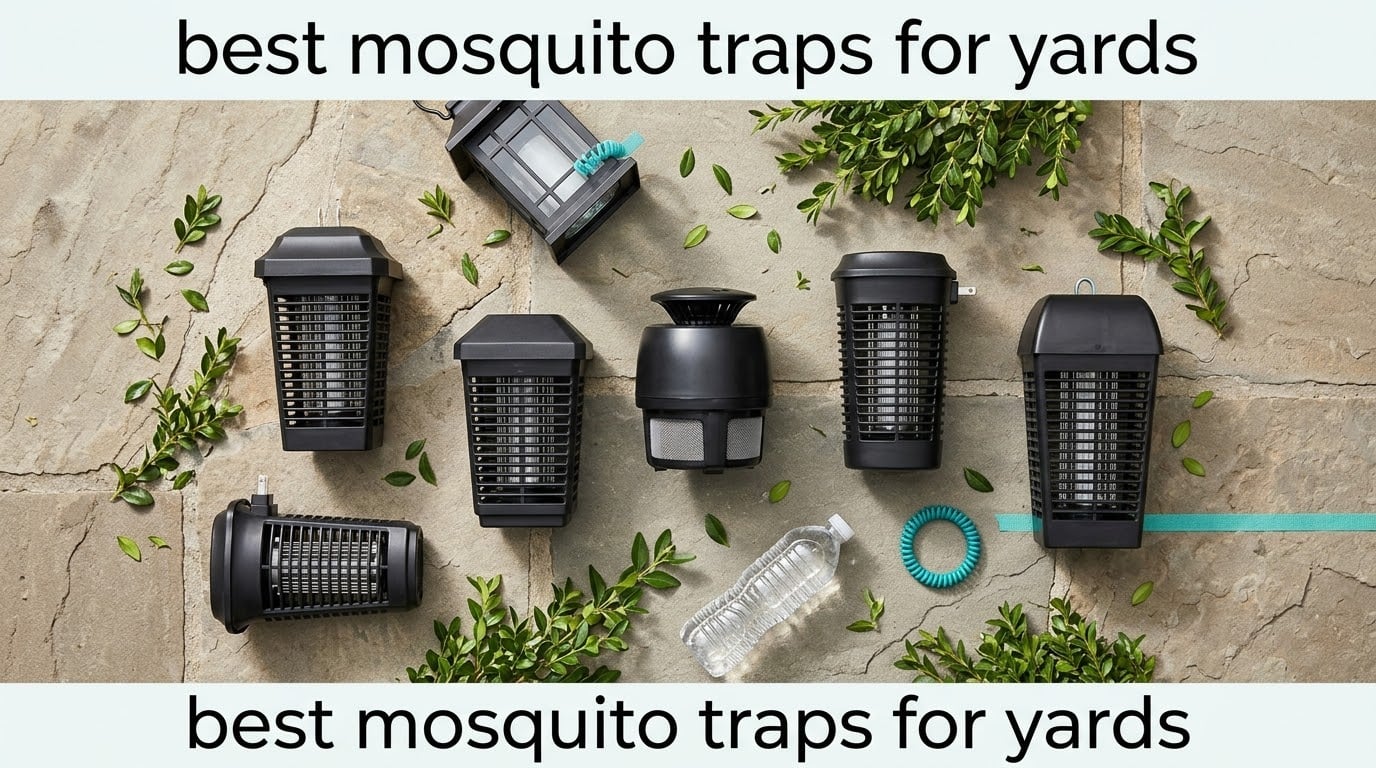
A mosquito trap is an outdoor device that lures mosquitoes with attractants such as carbon dioxide, octenol, body heat or light, then captures or kills what is drawn in with a suction fan, an electric grid or a larvicide in standing water. That is the honest technical picture, and it is the frame for everything below.
So do the best mosquito traps for yards actually work? They reduce, they do not eliminate. A trap given a genuine choice between you and itself will usually pick you, and a few hundred mosquitoes cleared on a calm night is nothing against a neighbor’s neglected pool releasing thousands. Used well, in the right spot, with source reduction alongside them, they cut bites around a patio or deck enough that you notice. Used badly, they are an expensive light bulb.
What we looked at: all ten units below are the outdoor plug-in category you will actually find in the top search results, and they split into two families. Eight are UV lamp and high-voltage grid zappers, where light draws insects in and a charged grid kills on contact. One is a fan-capture unit that vacuums bugs into a basket instead of zapping them. The other is a dual-UV design with a built-in patio light. Nine of the ten hold ratings of 4.2 or better across thousands of reviews, and the tenth sits at 4.0.
One thing to say up front, because it saves a lot of disappointment: the propane and CO2 traps that dominate the wider conversation, from brands like Biogents, Mosquito Magnet, Mega-Catch and Mosqitter, are a different product class with different running costs and different results. The American Mosquito Control Association is blunt that the big acreage claims printed on cartons are extrapolations rather than field results. We evaluated what was in front of us, and we are not going to pretend a UV zapper behaves like a propane unit.
Below you will find our top three picks first, a full comparison of all ten, then an honest look at how these machines work, where to put them, and the section most roundups skip: when a trap is the wrong purchase for your yard.
Table of Contents
Top 3 Picks for Mosquito Trap Picks for Yards in 2026
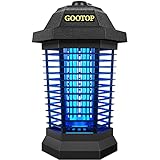
GOOTOP Zap T6 Pro
- 15W replaceable UV bulb
- 4200V grid
- Up to 1/2 acre coverage
- EPA registered

Flowtron BK-40D
- 40W UV bulb
- Octenol attractant included
- 5600V non-clogging grid
- 1 acre coverage

LUOJIBIE KN-02
- UV plus LED accent light
- 4200V instant-kill grid
- IPX4 waterproof
- Water-rinse tray
Best Mosquito Traps for Yards (October 2026)
| Product | Specifications | Action |
|---|---|---|
| GOOTOP Zap T6 Pro |
|
Check Latest Price |
| Flowtron BK-40D |
|
Check Latest Price |
 Flowtron BK-15 Flowtron BK-15 |
|
Check Latest Price |
 BLACK+DECKER BDPC912 BLACK+DECKER BDPC912 |
|
Check Latest Price |
 Endbug KN-02 Endbug KN-02 |
|
Check Latest Price |
 AMUFER IKO-918CE AMUFER IKO-918CE |
|
Check Latest Price |
 DynaTrap DT2030SR DynaTrap DT2030SR |
|
Check Latest Price |
 Jawlark JY-01C Jawlark JY-01C |
|
Check Latest Price |
| LUOJIBIE KN-02 |
|
Check Latest Price |
 LiBa QH50C-20W LiBa QH50C-20W |
|
Check Latest Price |
1. GOOTOP Zap T6 Pro: Best All-Round Outdoor Plug-In Zapper
GOOTOP Bug Zapper Outdoor, Mosquito Zapper, 4200V 3 Prong Plug in Electric Fly Zapper, Mosquito Killer, Fly Traps, Flying Insects Zapper Indoor Outdoor, ABS Plastic Outer (Black)
15W replaceable UV bulb
4200V high-voltage grid
Up to 1/2 acre
Plug-in AC, 1 year warranty
Pros
- EPA registered with no pesticides or attractant spray
- Replaceable bulb plus cleanable tray with included brush
- Lightweight at under a kilogram and hangs anywhere
- Rated 4.4 across more than 30000 reviews
Cons
- Much weaker at dusk than in full darkness
- Kills beneficial insects alongside mosquitoes
- Grid needs regular brushing to stay clear
The GOOTOP Zap T6 Pro is the one we would put in most yards. It weighs under a kilogram, hangs from a branch or hook in about a minute, and its 4200V grid clears everything that touches it. There is no fuel, no cartridges and no app, which is exactly what you want from a device expected to sit outside through a whole season.
Its rating of 4.4 across more than 30,000 reviews is the strongest social proof in the category, and it holds the number one position in the patio and lawn bug zapper ranking. Owners describe the physical kill as effective with no pesticide smell, and the replaceable 15W bulb means one dead bulb does not end the unit’s life.
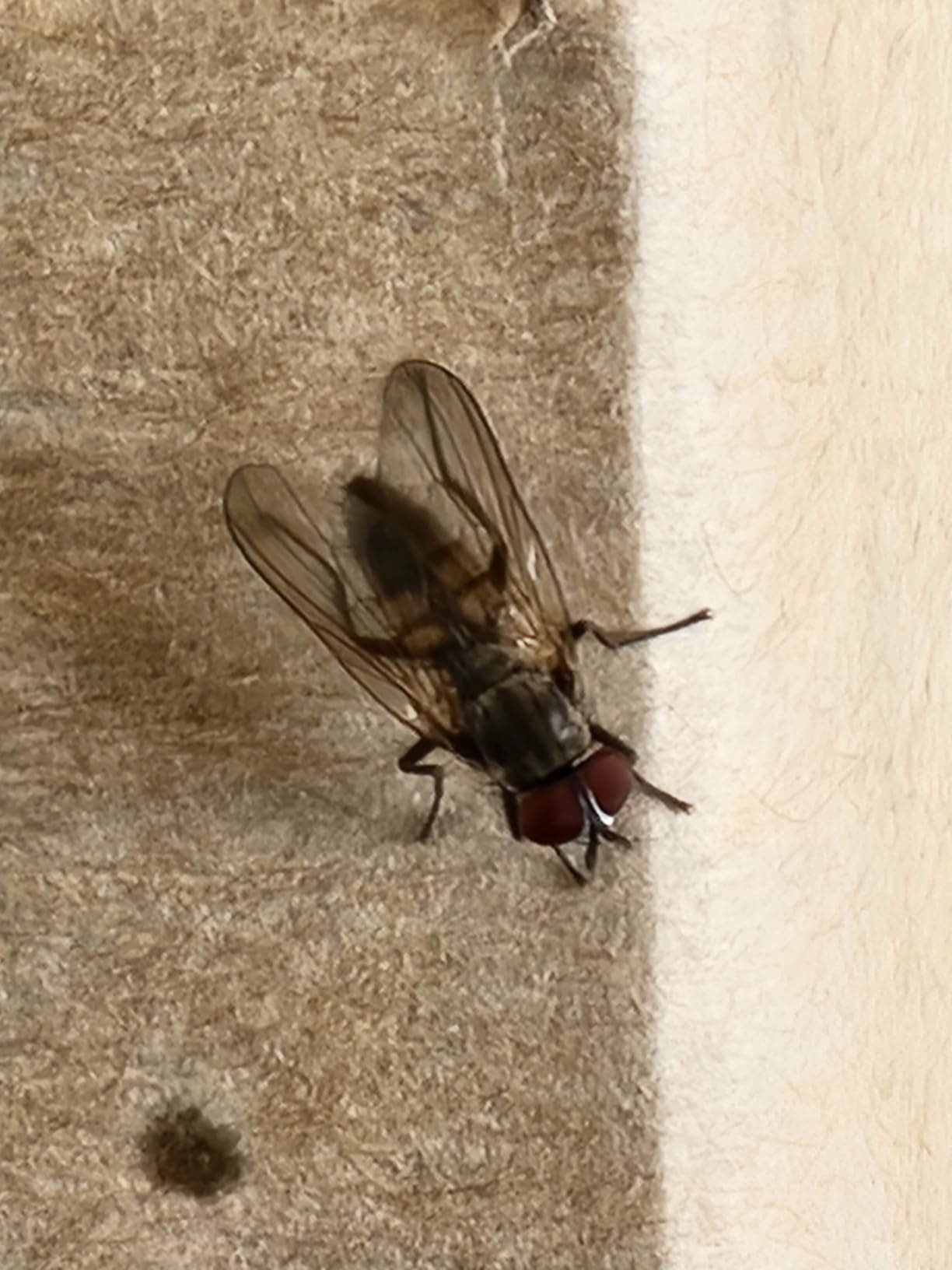
Technically it is a straightforward machine: a 15W UV bulb, a 4200V grid, a dead-insect tray and a three-prong plug. The rating breakdown is healthy, with about three quarters of buyers at five stars and a seven percent one-star share, and those negatives cluster around cleaning frequency rather than failure.
The honest limits are timing and collateral damage. It works in darkness and struggles at dusk, which is precisely the window when most people sit outside. And it kills everything, including pollinators and the midges that never bit anyone. If you have a water feature or a pollinator garden within range, place it away from both.
Who this suits
This suits almost anyone with a normal suburban yard who wants a set-and-forget device. It is the pick for a first purchase because there is no learning curve and no fuel to store. It is also the pick for anyone renting who needs something that unplugs and moves with them.
For a patio ten to fifteen feet from where you sit, running it from about an hour before dusk until you go inside is the deployment that works. Users on r/homeowners report decent results with the smaller DynaTrap from Costco in the panhandle, and note the big propane models are stronger, but the GOOTOP is the closest match for most yards at a fraction of the commitment.
Who should skip it
Skip it if your biting problem is happening at two in the afternoon, since UV attraction collapses in daylight and daytime Asian tiger mosquito activity will not be touched by it. Skip it if you run a certified pollinator habitat and cannot position the unit away from flowering plants.
Skip it also if you are a light sleeper. The unit is quiet by zapper standards, but a grid unit is never silent, and one r/homeowners commenter in a similar vein described switching to a fan-based approach precisely because of noise and because spatial repellents spaced through the yard solved the problem for them without any hardware at all.
2. Flowtron BK-40D: Best for Acre-Sized Yards
Flowtron Electric Bug Zapper, 1 Acre Outdoor, 40W UV, 5600V Zap, Black
40W UV black light
100-hour octenol cartridge
5600V non-clogging grid
1 acre, 2 year warranty
Pros
- Octenol plus UV outperforms UV-only units
- 5600V grid lets dead insects fall clear
- Covers a full acre
- UL listed and weatherproof for year-round use
Cons
- Bulbs and octenol cartridges are costly consumables
- Bigger and brighter with a louder transformer hum
- Poor performance in early evening light
The Flowtron BK-40D is the strongest performer here for a larger yard, and the reason is the octenol. Where most zappers rely on light alone, this one adds a 100-hour attractant cartridge that vaporizes with the lamp’s heat and mimics animal breath, which is a genuinely stronger hunting cue than UV alone.
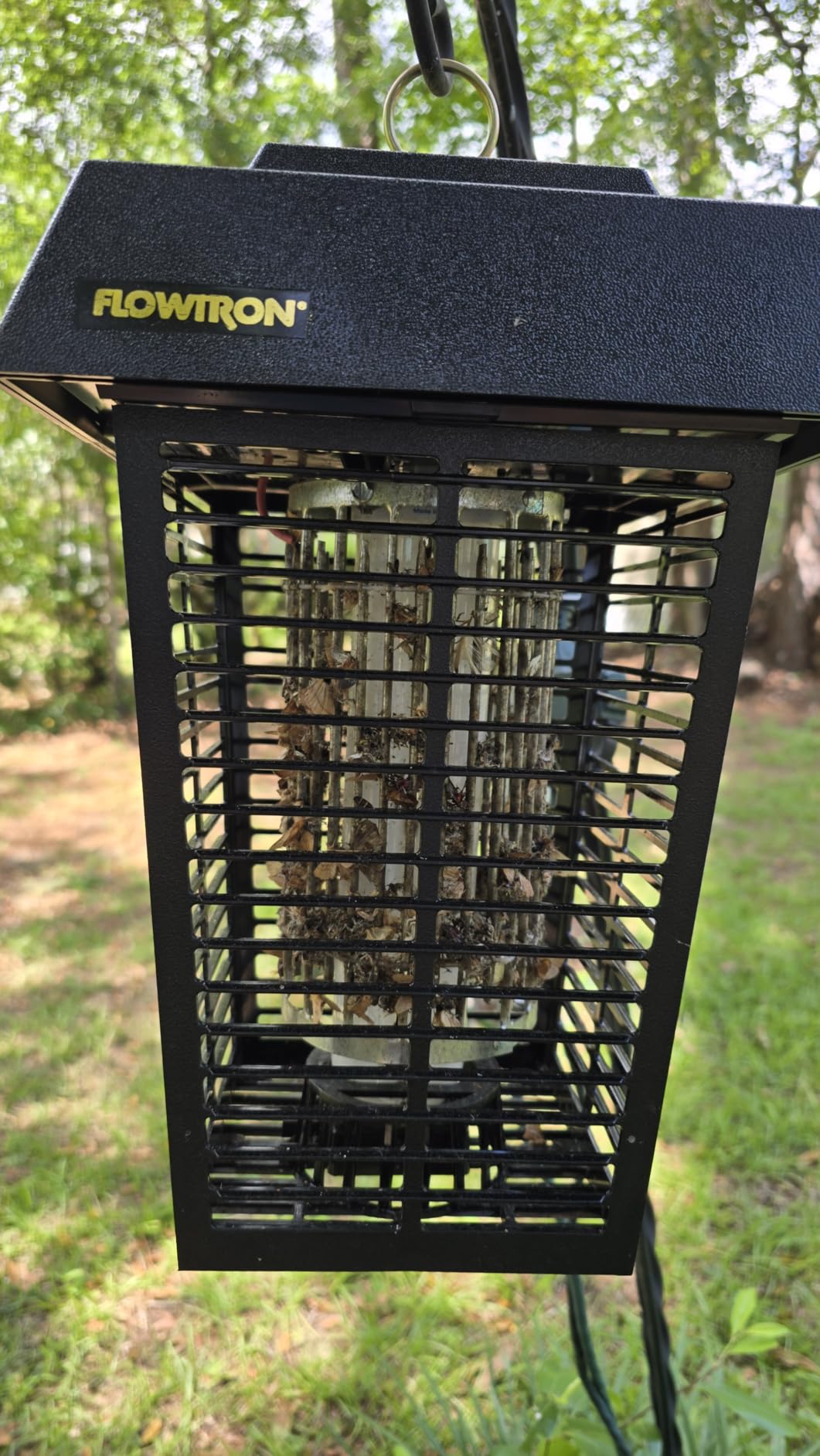
Long-term owners describe years of reliable service and easy disassembly for cleaning. The 5600V non-clogging grid is the reason the tray stays manageable: dead insects drop away instead of forming the insulating layer that turns cheap grids into expensive ones after a month.
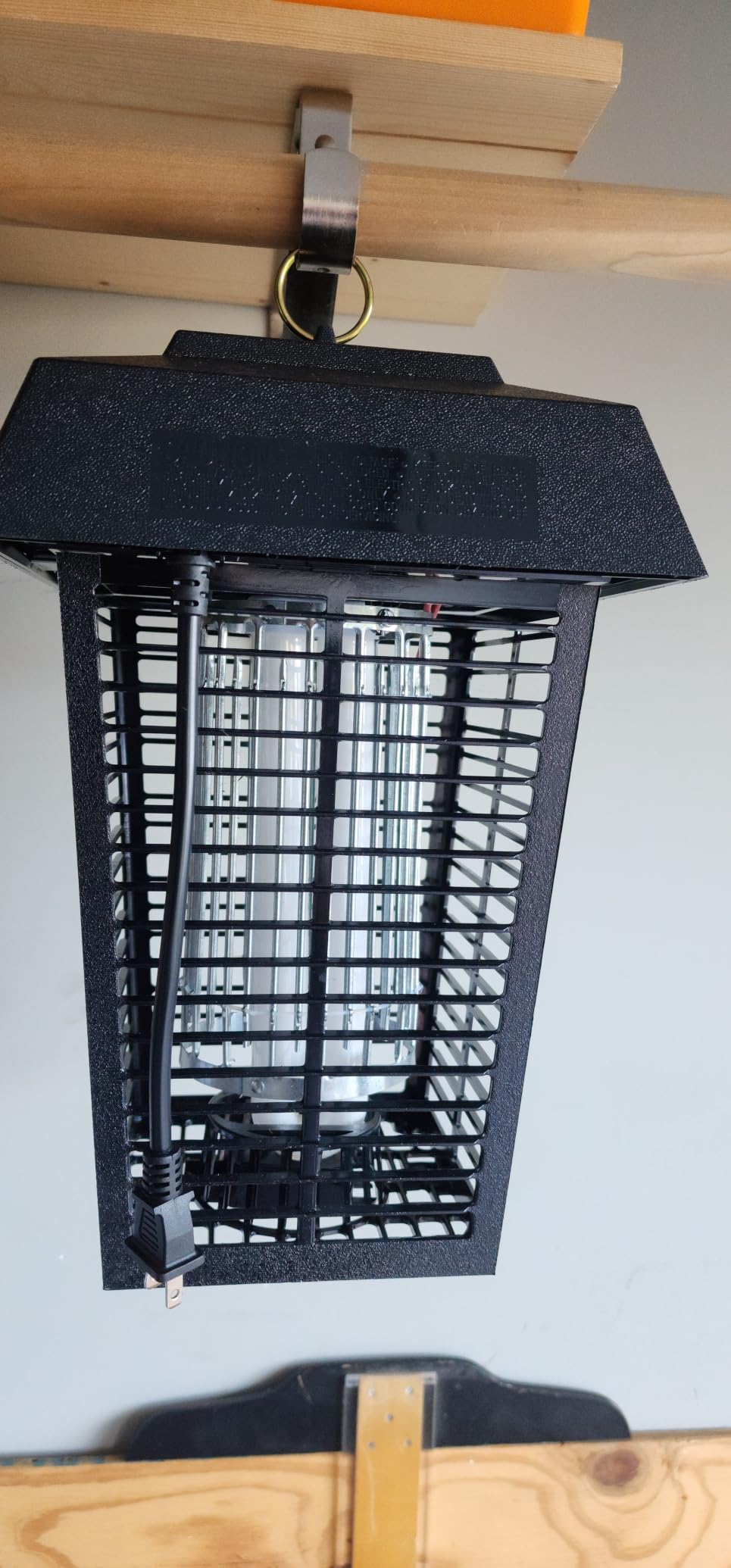
The 40W bulb is the most powerful light in this roundup and the box claims a full acre, though treat that as a manufacturer’s figure rather than a field result. At 2.2 kg it is a substantial unit, UL listed with a weatherproof polycarbonate housing, backed by a two year warranty and available in five finishes so it can match a fence or post.
Running cost is the real trade-off. The bulb and the octenol cartridges both need replacing, and owners name them as the top complaint across the reviews. Budget for those as annual expenses rather than one-time purchases, because a unit with no octenol is just a bright light with a bug grid.
Who this suits
This suits owners of a half-acre to full-acre lot who want one unit to cover the back of the property rather than a cluster of small ones. The octenol is what makes it worth the consumable cost, so buy a spare cartridge when you buy the unit.
It also suits anyone who prefers a longer warranty and a recognised brand name over an unbranded import. A r/BuyItForLife owner running a propane trap on a third-of-an-acre lot in Virginia noted a small but real reduction and thought two units, one at each end, would have been better, which is a useful data point for anything covering this much ground.
Who should skip it
Skip it for a small urban courtyard where a half-acre unit is oversized and you will be paying for bulb wattage you cannot use. Skip it if you are noise-sensitive: the 40W bulb and transformer hum are noticeably more present than on the compact models.
Skip it if you plan to run it before sunset. The Flowtron’s own review history flags early evening as its weak window, and that is when most backyard entertaining happens. Start it later than feels natural, or pair it with airflow over the seating area.
3. LUOJIBIE KN-02: Best for Garages and Patios
LUOJIBIE Bug Zapper Outdoor, Electric Mosquito Killer Fly Trap with UV/LED Light, 4200V High Voltage Waterproof Flying Insect Zapper for Backyard Patio, Indoor Mosquito Zapper for Home Garage
UV plus bottom LED light
4200V instant-kill grid
IPX4 waterproof housing
Rinsable detachable tray
Pros
- 4.4 stars across more than 5600 reviews
- Protective outer grate keeps children and pets off the grid
- Tray rinses clean with water
- IPX4 build handles dew and summer showers
Cons
- No square footage or acreage claim in the listing
- UV attraction drops in daylight
- Still needs regular tray emptying in busy areas
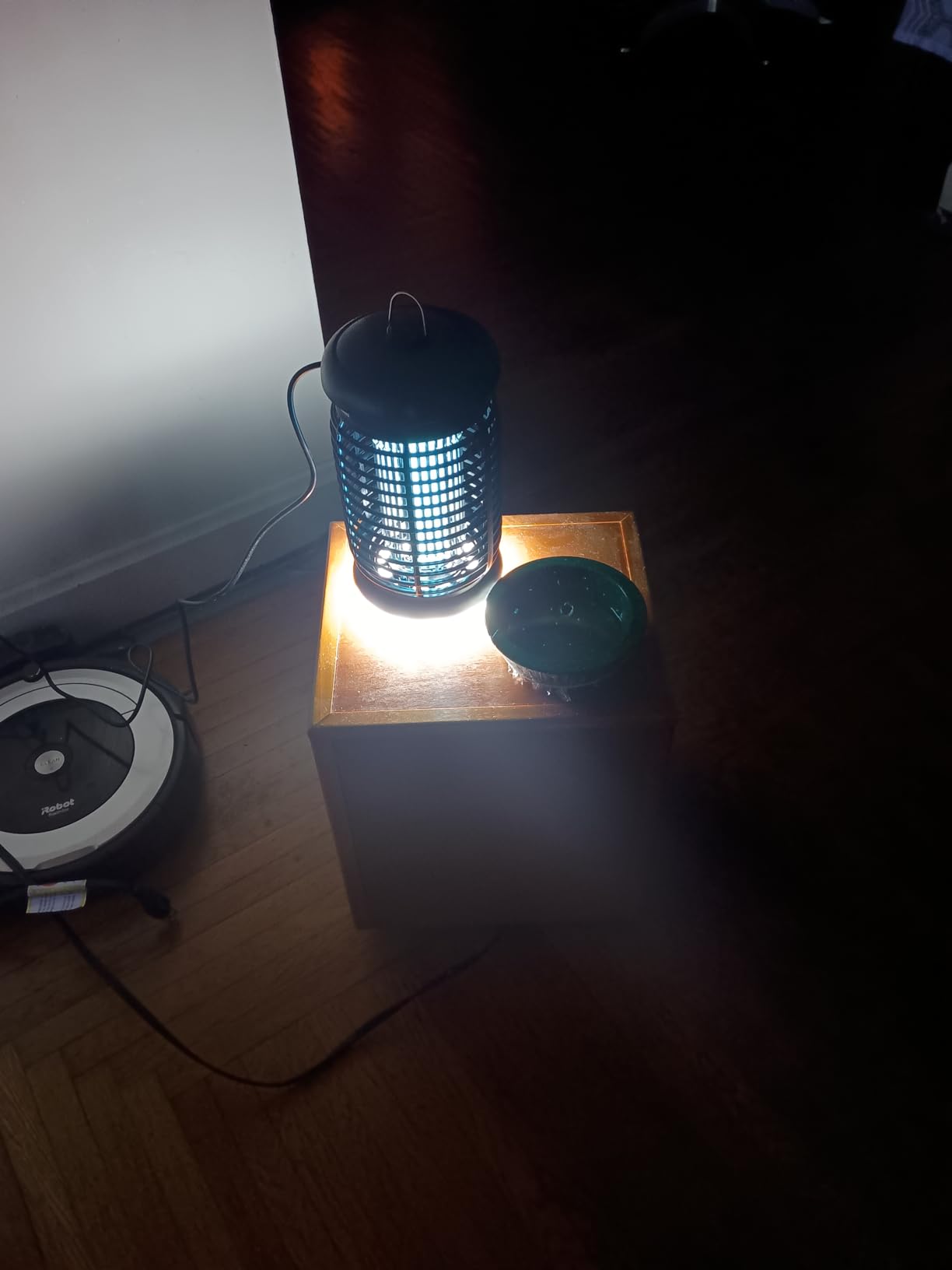
The LUOJIBIE KN-02 is the pick when the mosquito problem is not strictly the yard. Open garages, covered patios, kitchens and carports are where this unit earns its place, and the 2-in-1 design with a bottom LED light is a small idea that gets used constantly.
Owners highlight the LED accent light, the simple water-rinse cleaning and dependable outdoor performance. That last point is what separates it: the detachable bottom tray rinses clean with no scraping and no residue, so the weekly chore that makes people abandon zappers does not apply.
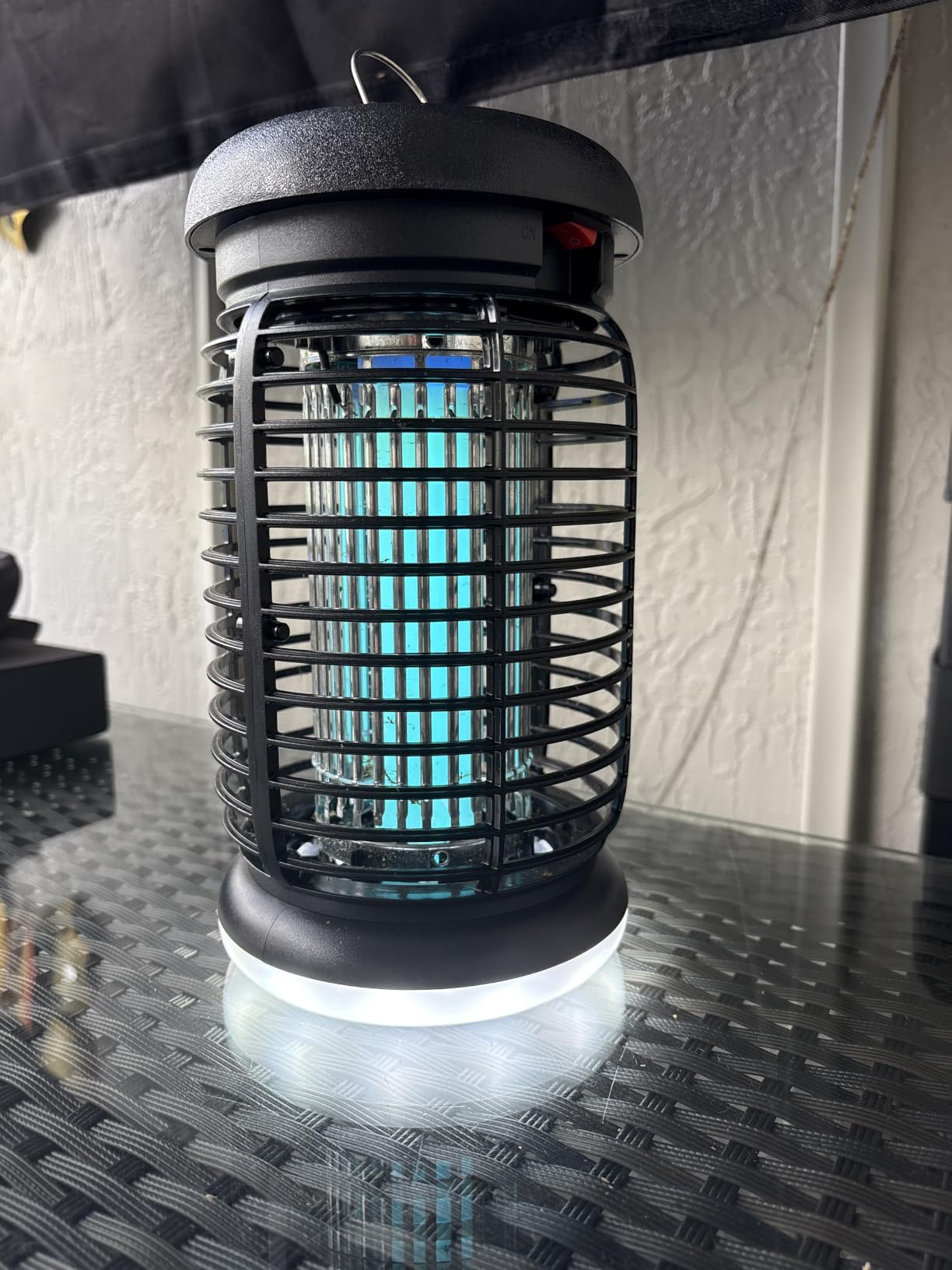
Under the hood it is a 4200V high-voltage instant-kill grid with a protective outer grate, housed in IPX4-rated ABS. The rating distribution is strong at roughly 73 percent five stars, and the eight percent one-star share is mostly about coverage scale rather than failure. There is no acreage claim printed on the listing, which is refreshing.
Treating it as a garage and patio unit rather than a yard-scale one keeps expectations right. Mounted near an open garage door or under a covered patio, it intercepts insects coming in from the grass. Set in the middle of an open lawn, the same unit is undersized, and the tray will fill faster than you expect.
Who this suits
This suits anyone whose real exposure is a threshold rather than a lawn. People doing evening work in a garage, people eating on a covered patio, and people whose house sits next to a neighbor’s heavily vegetated lot all benefit more from a unit at the opening than from one in the yard’s center.
The child and pet guard spacing on the grid also makes it a reasonable choice for households where a small child or an inquisitive dog spends time near the unit. Several owners in the review set run it in a kitchen or workshop as well as outside.
Who should skip it
Skip it if you need a coverage figure to plan a yard layout, because the listing gives you none. Skip it for daytime use, since the UV attraction falls off sharply once the sun is up.
Skip it if you are near a flowering plant that a pollinator uses. An open grid unit attracts broadly, and the LED accent light broadens the draw rather than narrowing it.
4. Flowtron BK-15: Best for Half-Acre Yards
Flowtron Electric Bug Zapper, 1/2 Acre Outdoor, 15W UV, 5600V Zap, Black
15W UV black light
100-hour octenol cartridge
5600V non-clogging grid
1/2 acre, 2 year warranty
Pros
- Octenol raises kill counts well above UV-only units
- Owners report 11 years plus of service
- Low 15W draw is cheap to leave running
- Simple disassembly and widely available bulbs
Cons
- Very short power cord needs an extension lead
- Consumables cost more than the unit price
- Almost no effect at dusk
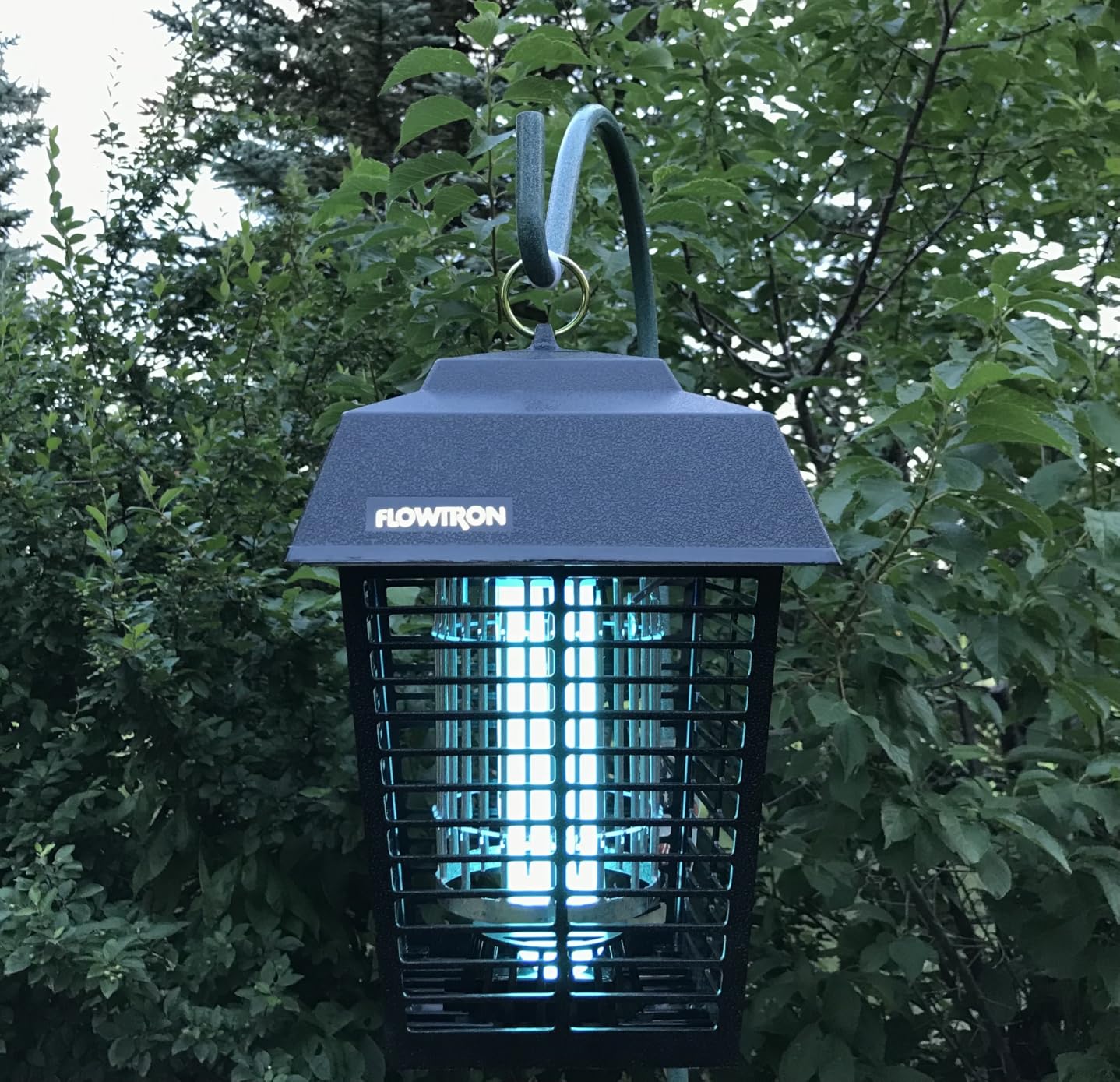
The Flowtron BK-15 is the same idea as the BK-40D in a smaller body, and for a half-acre yard it is the smarter buy. You keep the octenol cartridge, which is the component that actually matters, and drop the lamp wattage that you were not using anyway.
Durability is the standout claim. Multiple owners describe multi-year reliability, one reporting 11 years or more of service with the same unit, and the octenol cartridge is routinely called out as essential to performance. That is a very different ownership experience from a unit that fails when the bulb goes.
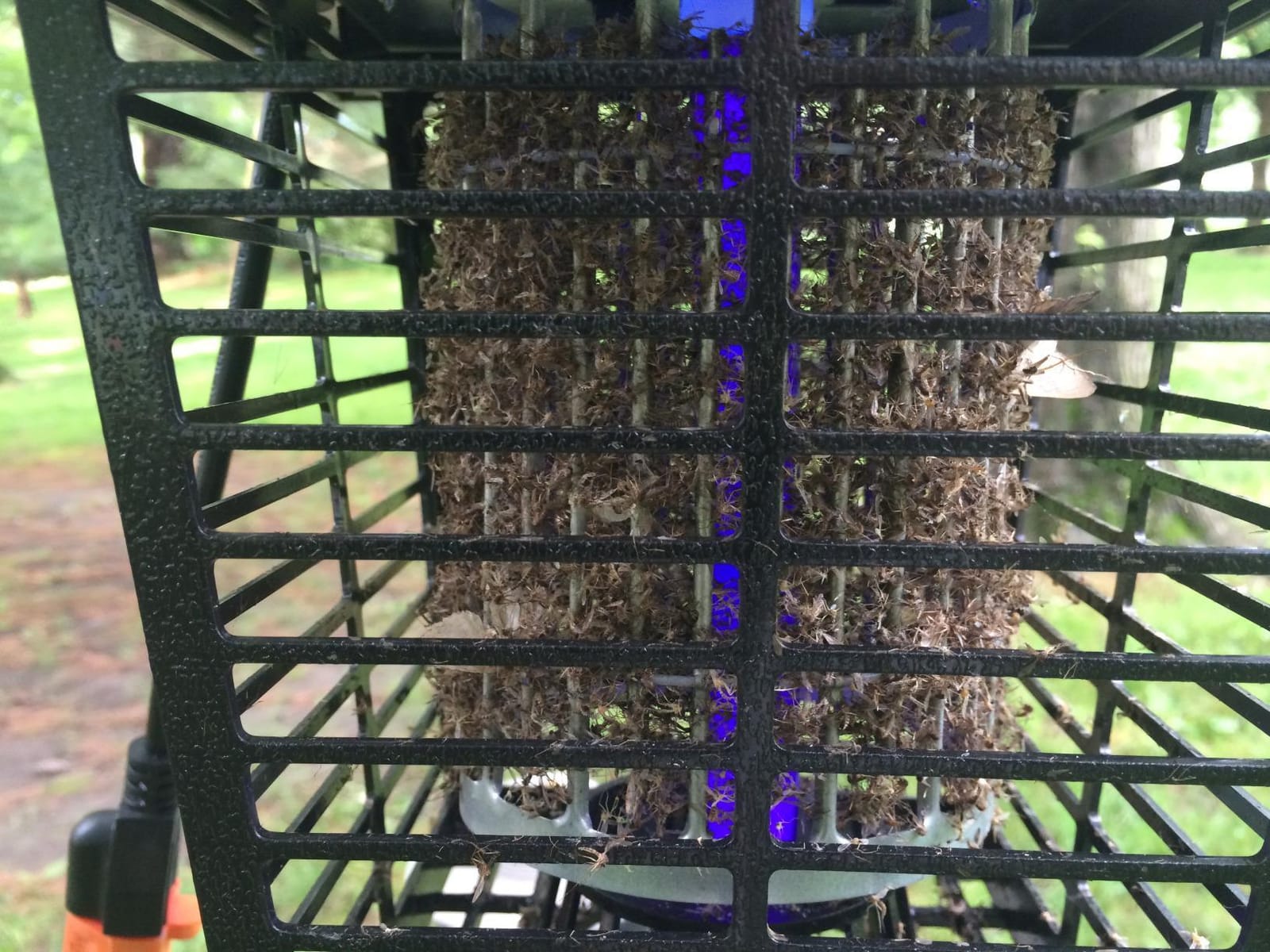
It runs a 15W UV bulb through a 5600V non-clogging vertical shock grid across a claimed half acre, in a UL listed weatherproof polycarbonate housing with a two year warranty. The 4.3 rating is slightly below the leaders, and the 7 percent one-star share is the largest here, which tracks with how much owners dislike consumable costs.
The one practical annoyance everyone mentions is the very short power cord. Budget for an outdoor-rated extension cord and route it so it stays out of a mow path, because this unit is otherwise the most maintenance-settled option in the roundup.
Who this suits
This suits a typical quarter-to-half-acre suburban lot where the patio sits close to the house and one unit at the far corner is enough. It also suits anyone planning to leave a zapper running all night, because a 15W draw is inexpensive to run continuously and doubles as a night light.
If you already own the BK-40D, this is the sensible second unit for the opposite end of the property, which is the two-unit pattern regular owners recommend on third-of-an-acre lots.
Who should skip it
Skip it if you have no outdoor outlet within reach, because the cord is genuinely short. Skip it if your evenings start at sunset rather than after dark, since the twilight gap is its clearest weakness.
Skip it if you are buying purely on first cost. A low unit price with a replacement bulb and octenol cartridge on a schedule is not automatically cheaper than a higher-priced unit with fewer consumables.
5. BLACK+DECKER BDPC912: Best for Hanging High
BLACK+DECKER Bug Zapper, Electric UV Insect Catcher & Killer for Flies, Mosquitoes, Gnats & Other Small to Large Flying Pests, 1 Acre Outdoor Coverage for Home, Deck, Garden, Patio, Camping & More
2 x 18W UV bulbs
4000V grid voltage
Up to 1 acre coverage
Hangs by chain or freestands
Pros
- Two 18W bulbs hold up for yards up to one acre
- Hangs from the included chain or stands on a base
- Removable tray with cleaning brush
- Non-toxic and safe around children and pets
Cons
- Replacement bulbs sold separately and add running cost
- Heavier and bulkier than plug-in compact units
- Tall profile can shade the tray when ground placed
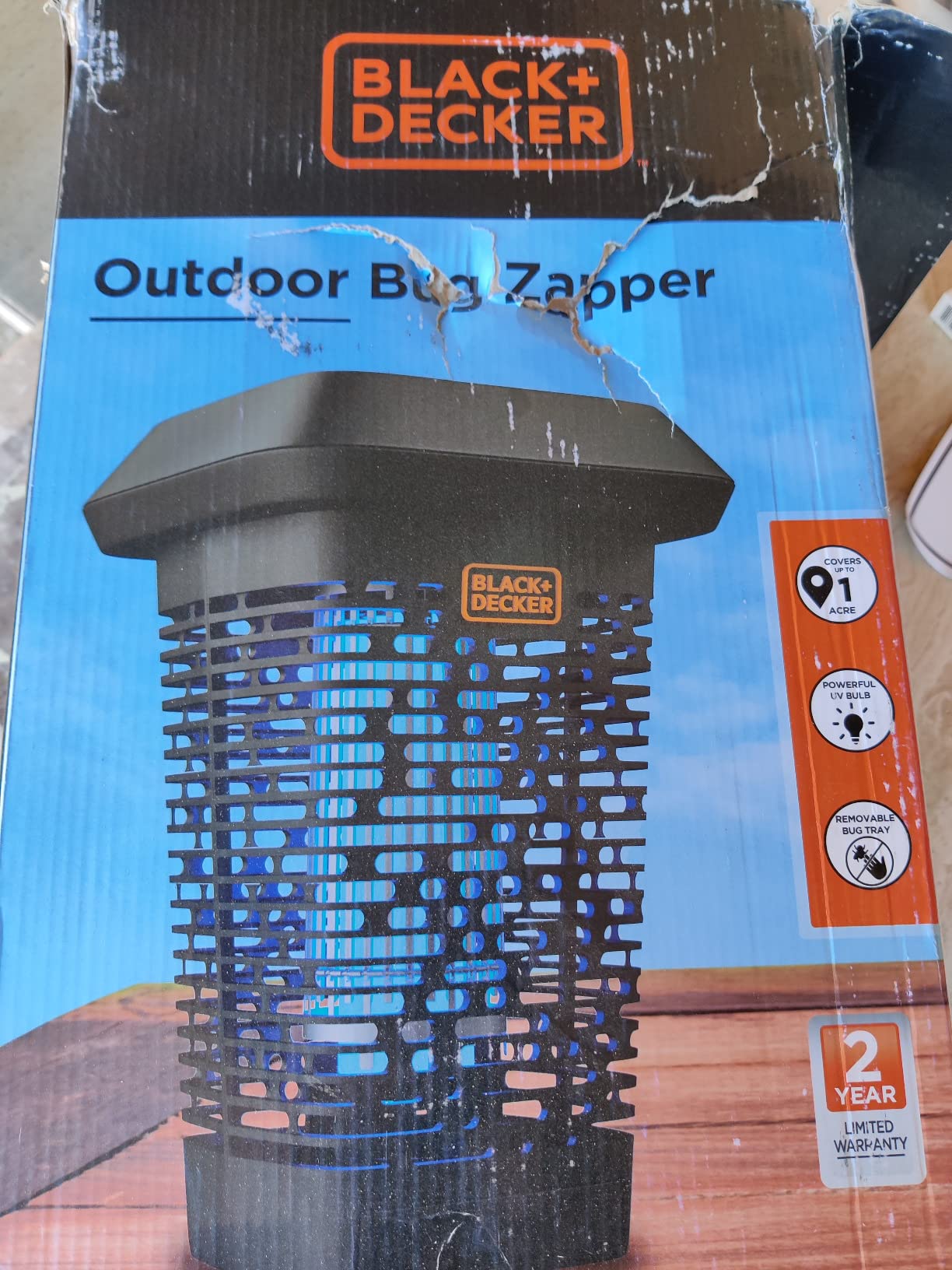
The BLACK+DECKER BDPC912 is the only unit here designed to be hung high and left, and that single design decision is why it works. Mosquitoes are poor fliers in the lower few feet of still air, and putting the lamp above head level puts it in the airspace where more of them actually travel.
Buyers like the heavy-duty one-acre claim, the flexible hanging or standing placement and the quiet UV glow. The two 18W bulbs give it a light output that compares well against the single 40W Flowtron when you consider area covered.
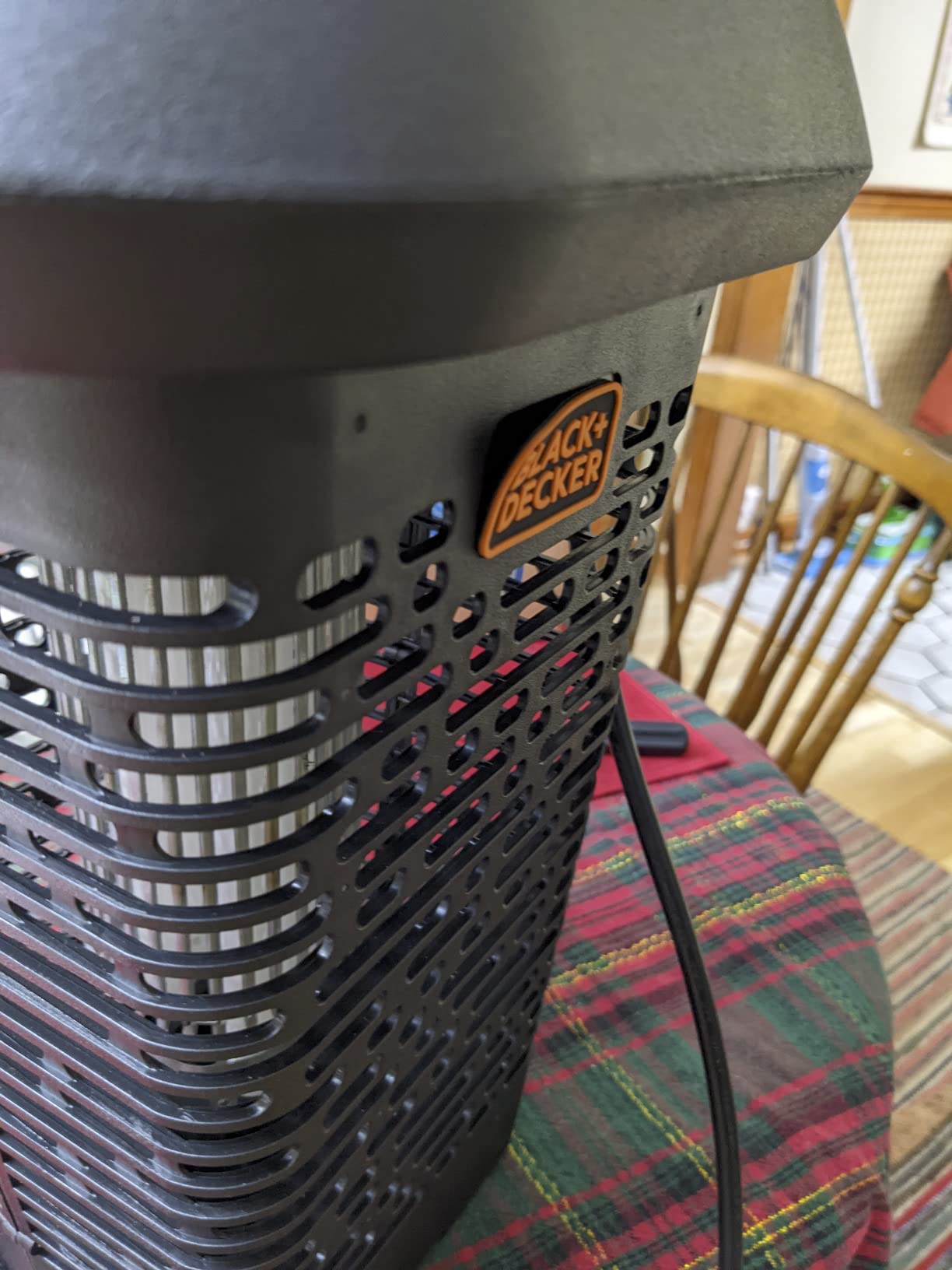
It runs two 18W bulbs and a 4000V grid, measuring 13 by 13 by 28 inches at 4.84 pounds. The rating is 4.2, the lowest of the four-and-above group here, and buyers report mixed results on how much it reduces mosquitoes versus other flying insects, which is a fair warning for anyone expecting a single-species outcome.
Placement is the whole game with this unit. Hung from the included ring and chain under a tree line or from a covered porch beam it performs as intended. Placed on the ground, the tall profile shades the collection tray, which is the single most common placement mistake we saw in owner feedback.
Who this suits
This suits anyone with a mature tree, a covered patio structure or a porch where a hanging point exists, particularly on a larger lot where you want the unit above the airspace people occupy. The non-toxic UV method also makes it an easy unit to explain to a household with young children.
It is also a good second unit. Hang one near the seating area and place a second compact zapper at the property’s far corner to stretch a single-property budget across more ground.
Who should skip it
Skip it for a balcony or small patio where a 28-inch unit at nearly 5 pounds is awkward to position. Skip it if you have no hanging point, because the freestanding base is stable but the shaded tray is a real drawback at ground level.
Skip it if you want a self-contained purchase with no extra parts to remember. Replacement bulbs are sold separately, and losing the light source turns an effective unit into a paperweight.
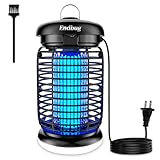
6. Endbug KN-02: Best Two-in-One With a Patio Light
Endbug Bug Zapper, Bug Zapper Outdoor Indoor with LED Light, Electric Mosquito Zapper Fly Zapper, Waterproof Mosquito Killer Insect Zapper Fly Trap for Outside Patio Garden Backyard Home, Plug in
Zapper plus LED white light
Replaceable 15W 365nm bulb
IPX6 waterproof
4200V grid, 1500 sq ft
Pros
- Two-in-one zapper and patio light
- EPA registered with no pesticides or attractants
- IPX6 is among the highest ratings in this category
- 5 ft cord avoids most extension leads
Cons
- 1500 sq ft is modest beside acre-rated models
- Replacement 15W bulb sourced separately
- UV attraction drops in daylight
The Endbug KN-02 solves a problem the other units here ignore: you need light on the patio anyway, so why not take it from the machine that is already out there. Owners value the combination for patios, barbecues and camping trips, and the LED adds a second function to a device that would otherwise be invisible after dark.
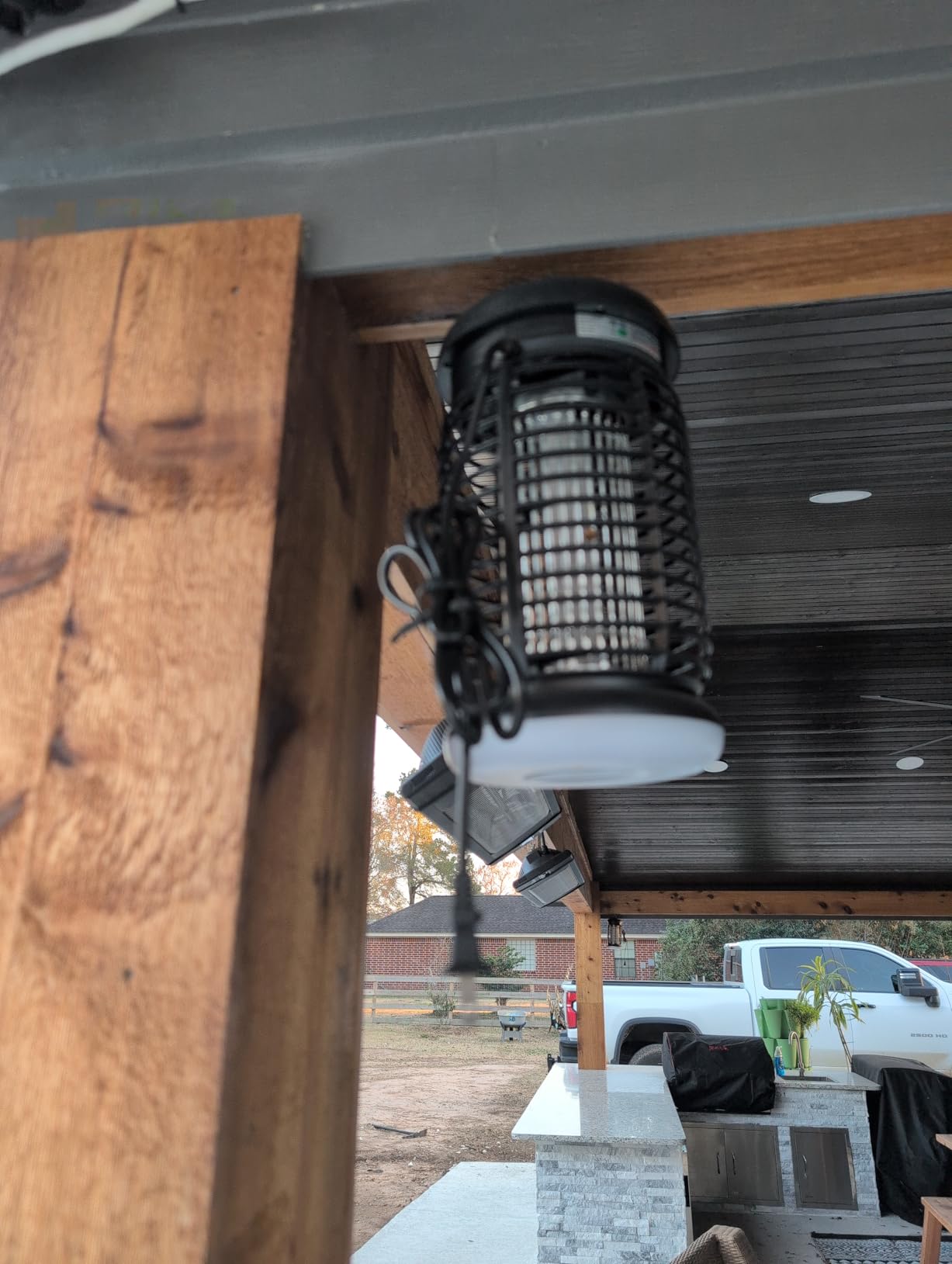
The waterproofing is the quiet strength. IPX6 is among the higher ratings in this category, which matters for a unit that will live through summer storms, and the 5 ft cord is long enough that most people can hang it from an eave without an extension cable.
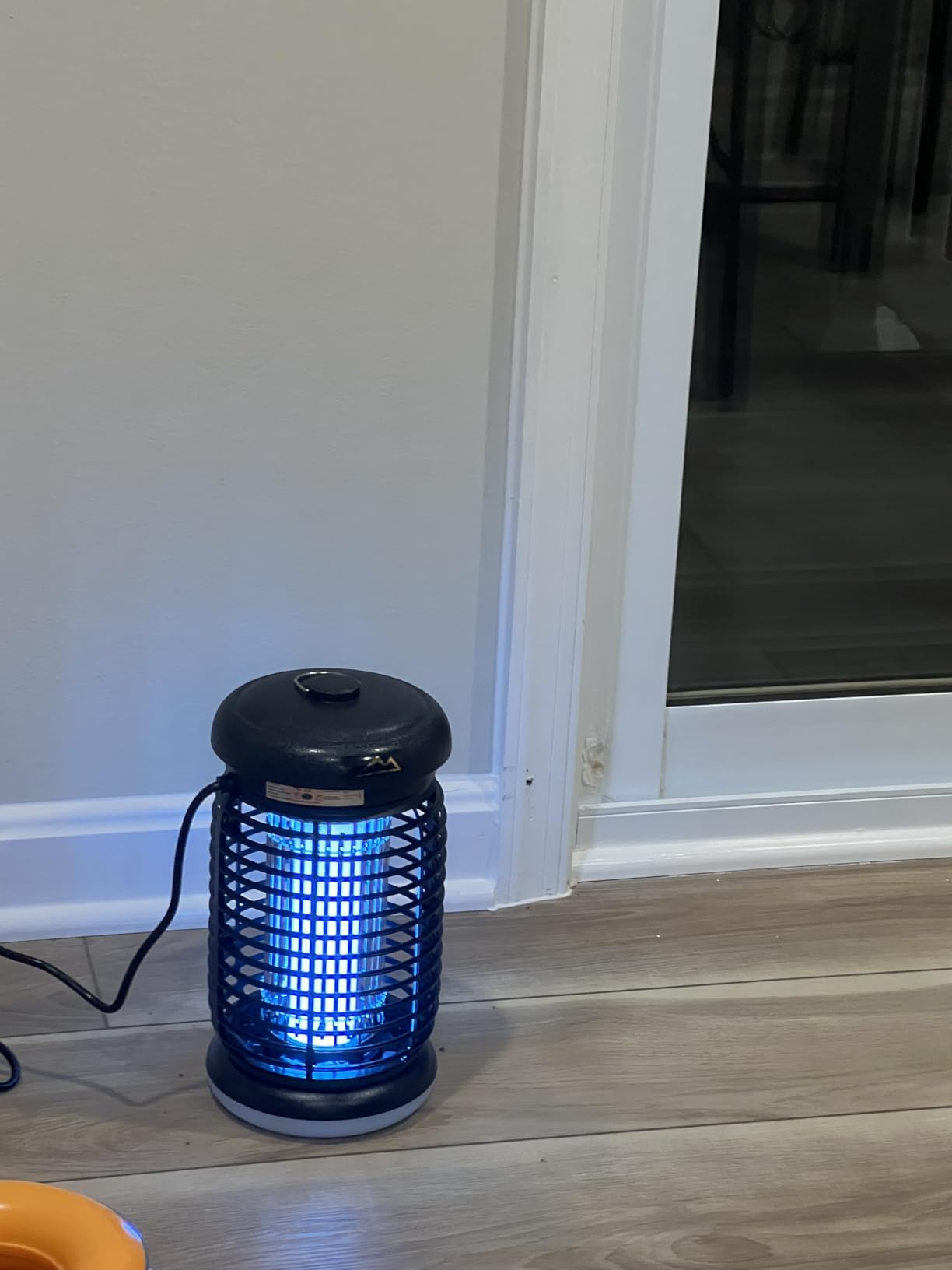
Internally it is a replaceable 15W 365nm bulb, a 4200V grid and a control range of about 1500 square feet, in fireproof ABS with a 0.27 inch grid frame spacing for pet and child safety. The 4.4 rating and roughly 4065 reviews put it comfortably in line with the leaders.
Be clear-eyed about the coverage number. Fifteen hundred square feet is roughly a third of an acre, and this is a patio-scale machine, not a yard-scale one. Treat the IPX6 rating as permission to leave it out in weather, not as permission to expect it to cover an acre.
Who this suits
This suits people who use an outdoor space at night and want light as well as insect control, particularly on a balcony, covered patio or deck. The included hanging hook and compact 0.9 kg weight make it easy to move between the patio and a camping trip.
The safety screening and EPA registration also suit households that want a documented, pesticide-free device they can explain to a neighbor or a relative without a lecture.
Who should skip it
Skip it for a full yard. A 1500 square foot claim is a real constraint and the unit is built to it. Skip it if you need a strong light output for a genuinely dark space, since this is an accent LED rather than a work light.
Skip it for daytime use for the same reason as every unit on this list, and skip it if you plan to run it far from an outlet without buying an extension cord yourself.
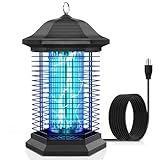
7. AMUFER IKO-918CE: Best for Round-the-Clock Running
AMUFER Bug Zapper Outdoor Indoor with18W Power & 4400V Instant Grid
18W blue-violet 330-420nm bulb
4400V grid with 30 percent larger area
UL 1599 tested
EPA certified
Pros
- Highest average rating in the roundup at 4.5
- Owners report noticeably fewer patio bites within days
- Bulb and unit held up over two years of continuous use
- V0 fireproof shell and galvanized steel grid
Cons
- Grid clogs fast outdoors and needs weekly brushing
- Cleaning requires an uncommon 5/32 in socket
- 110V only and weaker against house flies than mosquitoes
The AMUFER IKO-918CE holds the highest average rating of anything we evaluated, at 4.5 stars, and the 78 percent five-star share is the strongest in the group. That is not a small sample either: 2495 reviews with owners describing a noticeable drop in patio bites within days of putting it out.
What separates it technically is the bulb rating. The 18W blue-violet lamp runs 330 to 420nm UVA across a claimed half acre, and the bulb is rated for 13,000 hours of continuous use. Several owners note that the second unit they bought as a replacement is still running, which tells you something about the failure rate.
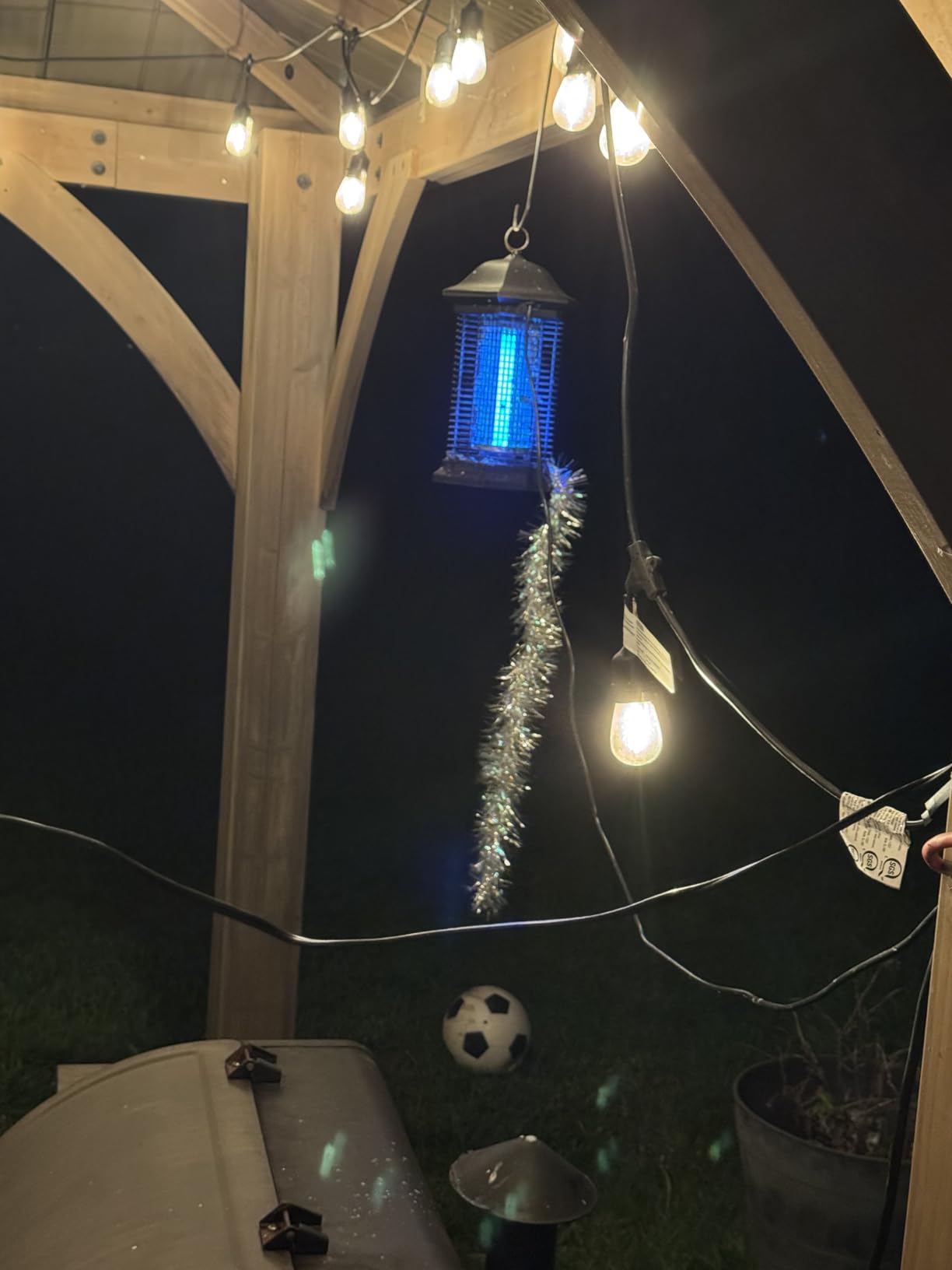
The grid is 4400V with a 30 percent larger grid area than comparable units, which is a meaningful difference in a wet outdoor setting where insects arrive in quantity. It is UL 1599 tested, EPA certified, V0 fireproof ABS with a galvanized steel grid and a double-insulated cord, rated IPX4 and compatible with 90 to 130V.
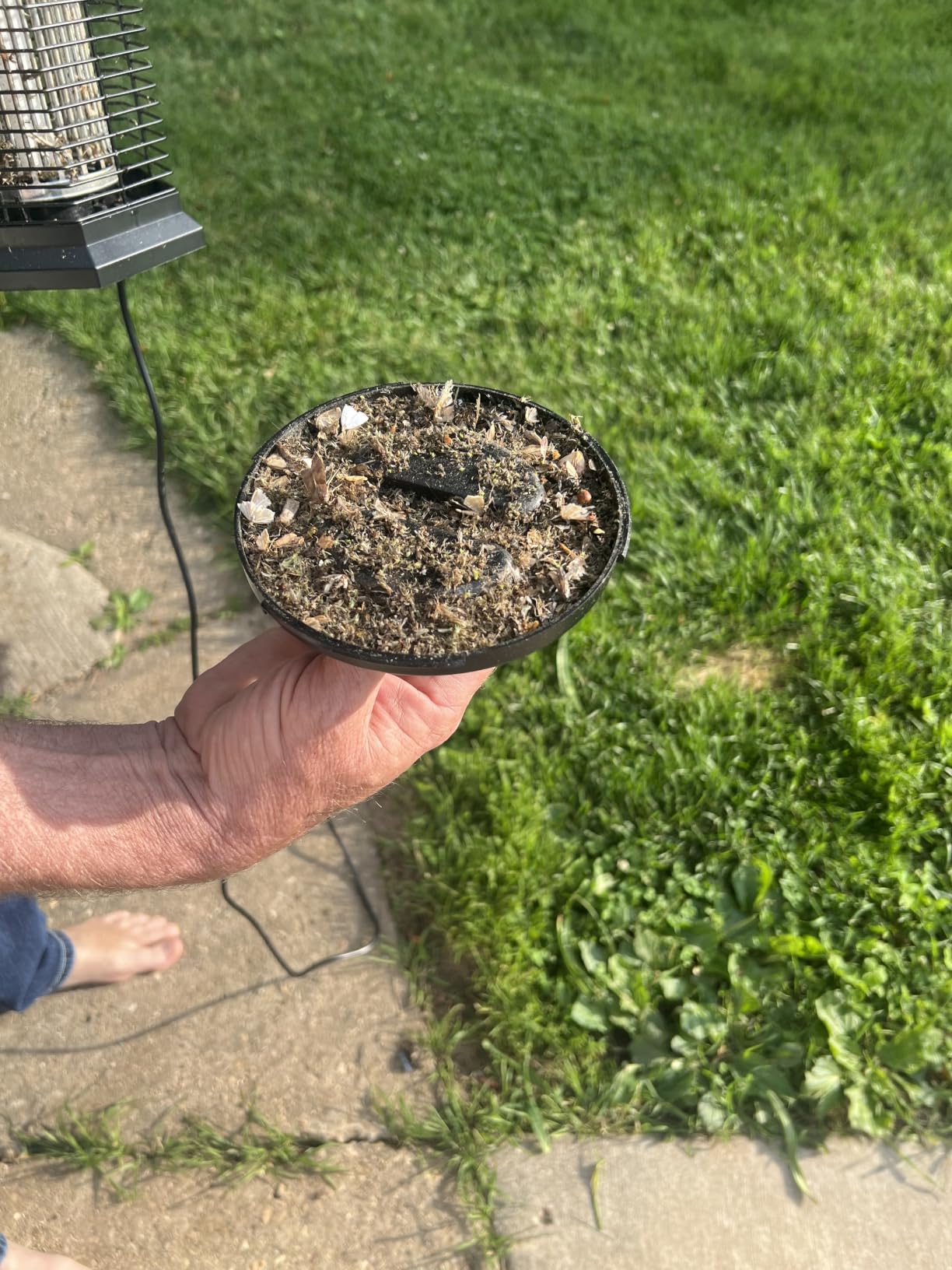
The maintenance story is the catch. Owners report the grid clogs quickly when the unit runs outdoors and recommend a weekly dry brush, and disassembly for that cleaning needs a 5/32 inch socket that most toolboxes do not contain. Budget for the habit, not just the hardware.
Who this suits
This suits anyone planning to leave a zapper running continuously through the season, because the 13,000 hour bulb rating and two-year-plus durability reports support exactly that use. It also suits buyers who care most about what happens to them, not just to the insect count, given the UL testing, EPA certification and fireproof shell.
It is the pick for a covered patio or porch where a unit can run overnight without being moved, and for anyone who would rather buy once than replace bulbs every other season.
Who should skip it
Skip it if you are outside North America, since the unit is 110V only. Skip it if weekly grid cleaning sounds like a chore you will not do, because skipping it degrades performance quickly.
Skip it if house flies are your problem. Reviewers specifically report weaker results against flies than against mosquitoes, and this is a mosquito-focused unit despite the broader category labeling.
8. DynaTrap DT2030SR: Best No-Zap Capture Unit
Dynatrap DT2030SR Fly Traps Outdoor – Mosquito & Flying Insect Killer for 1 Acre – Kills Mosquitoes, Flies, Gnats, Wasps – Bug Zapper Alternative – Black
UV-LED attraction with quiet fan capture
Up to 1 acre
Capture basket with touch-button emptying
Weather-resistant build
Pros
- Captures insects in a basket instead of leaving a zapped mess
- Whisper quiet fan suited to patios
- UV-LED bulb rarely needs replacing
- Discreet black finish blends with yard decor
Cons
- Lowest average rating in the roundup at 4.0
- Higher cost than electric grid zappers of similar coverage
- Basket must be emptied to keep capture working
The DynaTrap DT2030SR is the only unit here that catches instead of zapping, and that distinction is worth more than most buyers expect. A fan vacuums insects into a basket, so you get no shattered remains, no sticky grid and no smell. It also runs near-silent, which is why patio users pick it over a humming transformer.
It is also the highest-priced unit in this roundup, and at 4.0 stars with a 13 percent one-star share it is the lowest rated. That combination tells the story: people like the design and are disappointed by the capture rate relative to what they paid.
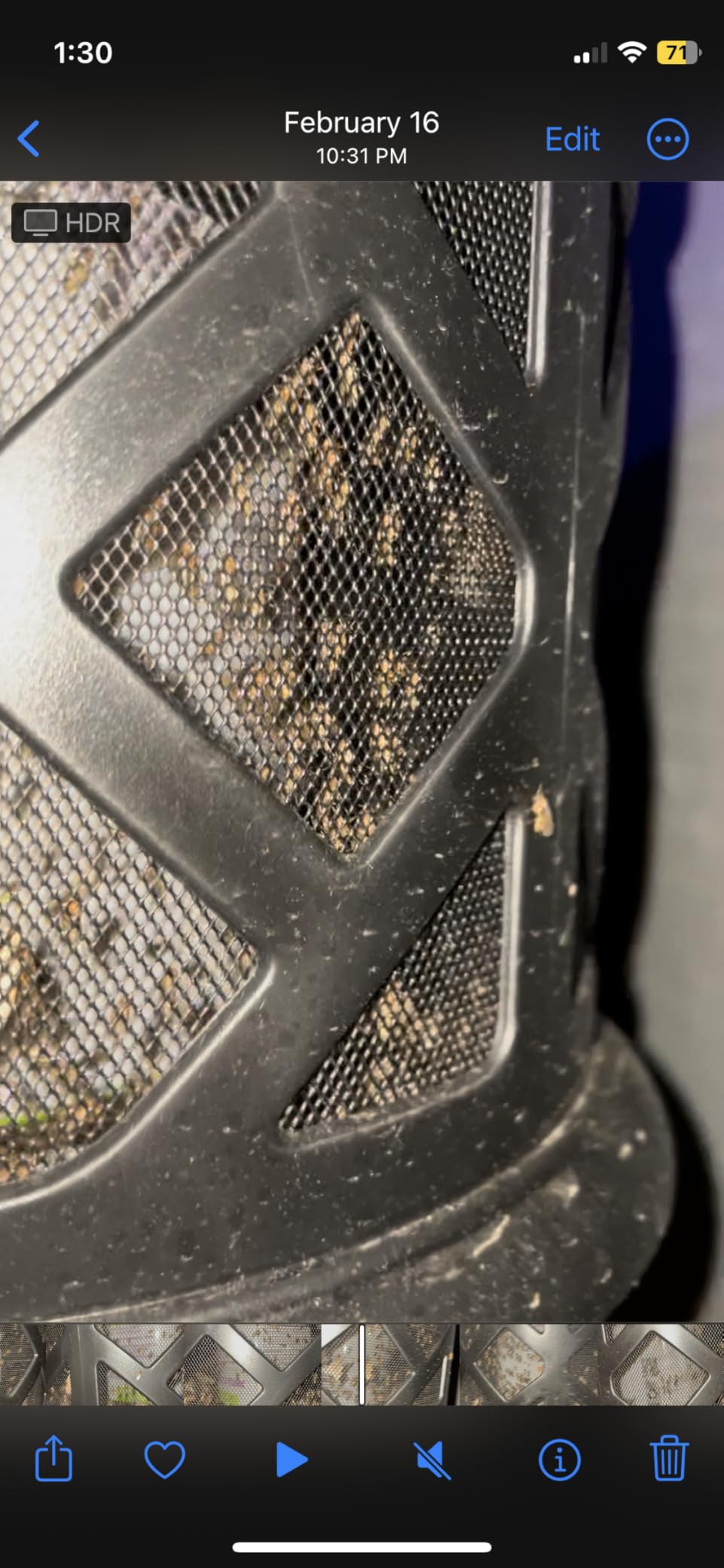
Mechanically it is a UV-LED attraction light feeding a whisper-quiet fan capture system into a basket, covering up to 1 acre, with a touch-button emptying feature and a long-lasting LED bulb that rarely needs replacement. The UV-LED is a genuine long-term cost advantage over the fluorescent bulbs in every other unit here.
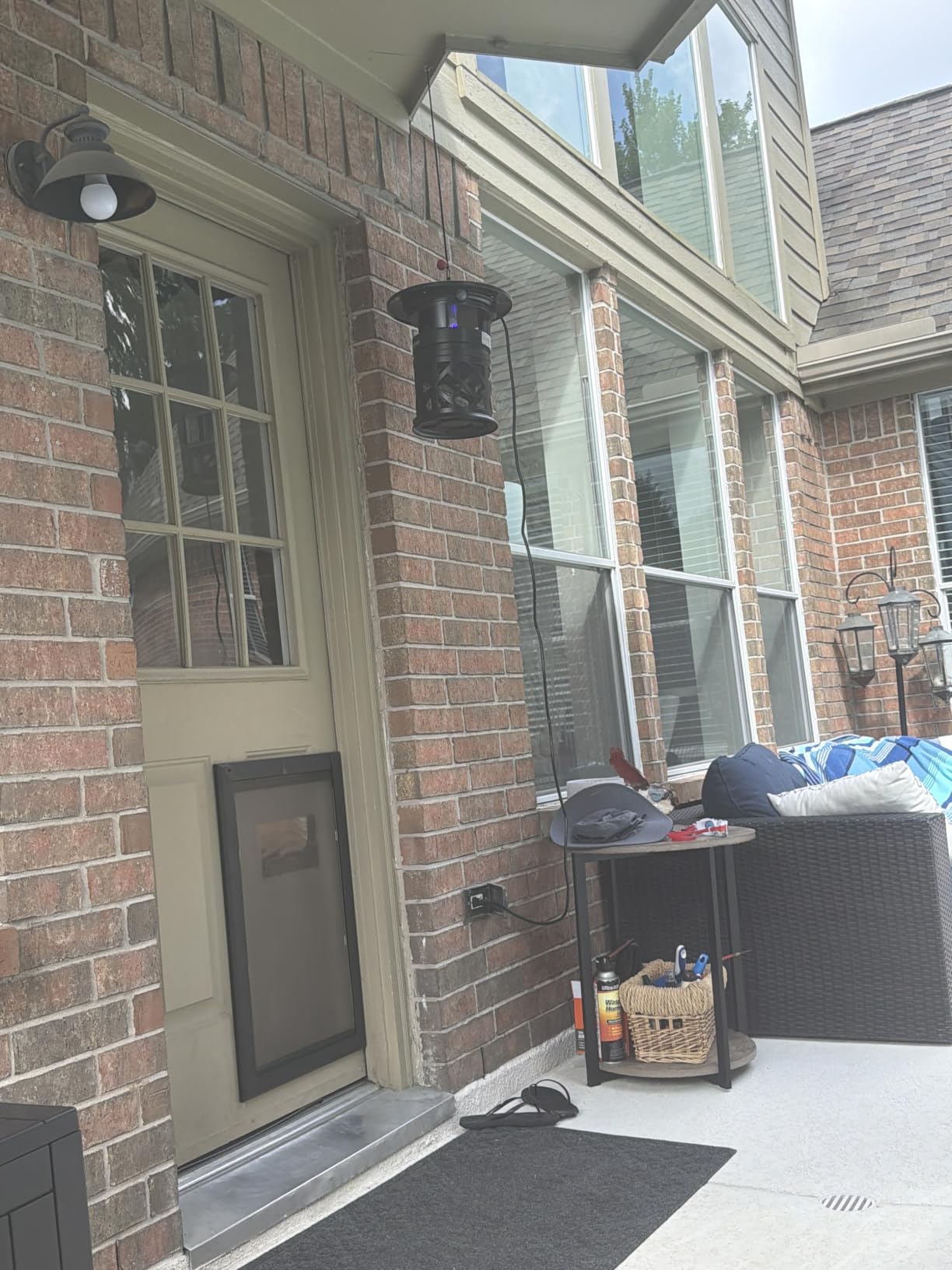
Choose it for the reason that matters: if you have a pollinator garden, a water feature or simply no appetite for a weekly tray cleaning, the trade is a lower kill count for a much lower maintenance and non-target cost. The weather-resistant black build is understated and disappears into a yard, which is its own kind of performance.
Who this suits
This suits households that care about what the machine kills as much as how much it kills. A basket capture cannot shred a moth, and the fan approach eliminates the non-target concern that dominates the negative reviews on grid units.
It also suits anyone within earshot of where they sit, and anyone who will not maintain a grid. A Bogleheads owner reporting decades of zapper ownership described the UV bulb as lasting roughly four to five years, and this design sidesteps that consumable entirely.
Who should skip it
Skip it if maximum capture is the goal, because a 4.0 rating and the price together mean you are paying the most for the least measured performance. Skip it if you want a published coverage figure you can plan around with confidence.
Skip it if you refuse any maintenance. The basket needs emptying periodically, and a full basket stops capturing, which is a smaller chore than grid cleaning but still a chore.
9. Jawlark JY-01C: Best for Small Patios
Jawlark Bug Zapper Outdoor, 4200V Electric Mosquito Zapper Indoor, Insect Fly Zapper Waterproof with 5ft Power Cord, Mosquito Killer for Home, Patio, Kitchen, Backyard, Camping, Plug-in
18W 365nm UV bulb
4200V internal mesh grid
IP44 waterproof
5 ft cord with hanging loop
Pros
- Lowest cost in the roundup at a 4200V grid
- 5 ft cord and hanging loop give real placement freedom
- IP44 suits balconies
- gardens and courtyries
- Protective housing keeps children and pets off the grid
Cons
- Compact size limits coverage against half-acre models
- Tray needs regular cleaning and the unit unplugged first
- Reports of odor after heavy kills
The Jawlark JY-01C is the cheapest thing on this list and it is not a token pick. At 4,200V with an 18W 365nm bulb, the core machine is competitive with units costing twice as much, and its 4.4 rating across 4825 reviews puts it level with the leaders.
Buyers treat it as a strong budget pick for patios, kitchens and camping. The 5 ft cord with a hanging loop is the detail that makes it more usable than cheaper compact units, since you can hang it from a branch or hook without immediately reaching for an extension cable.
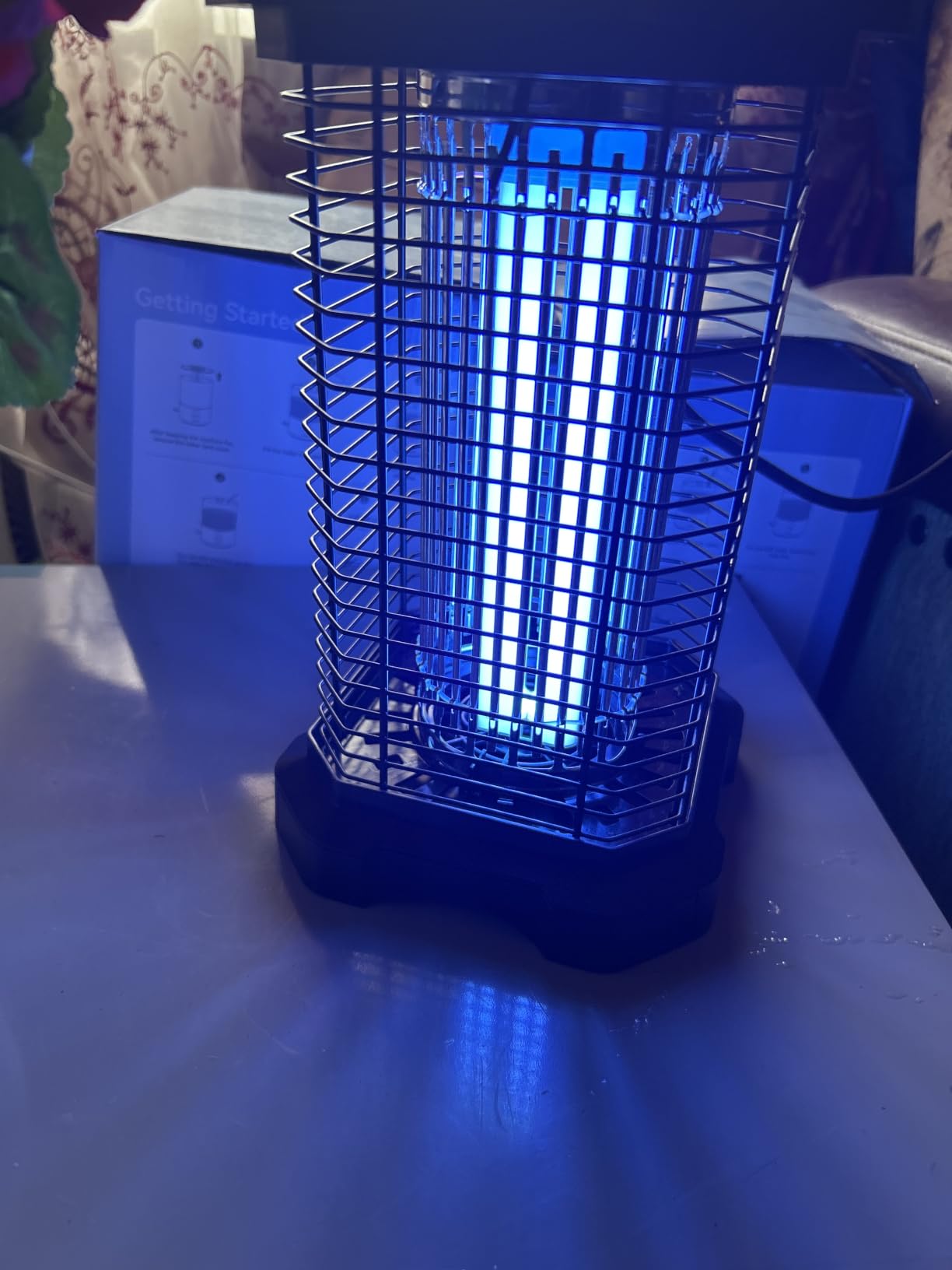
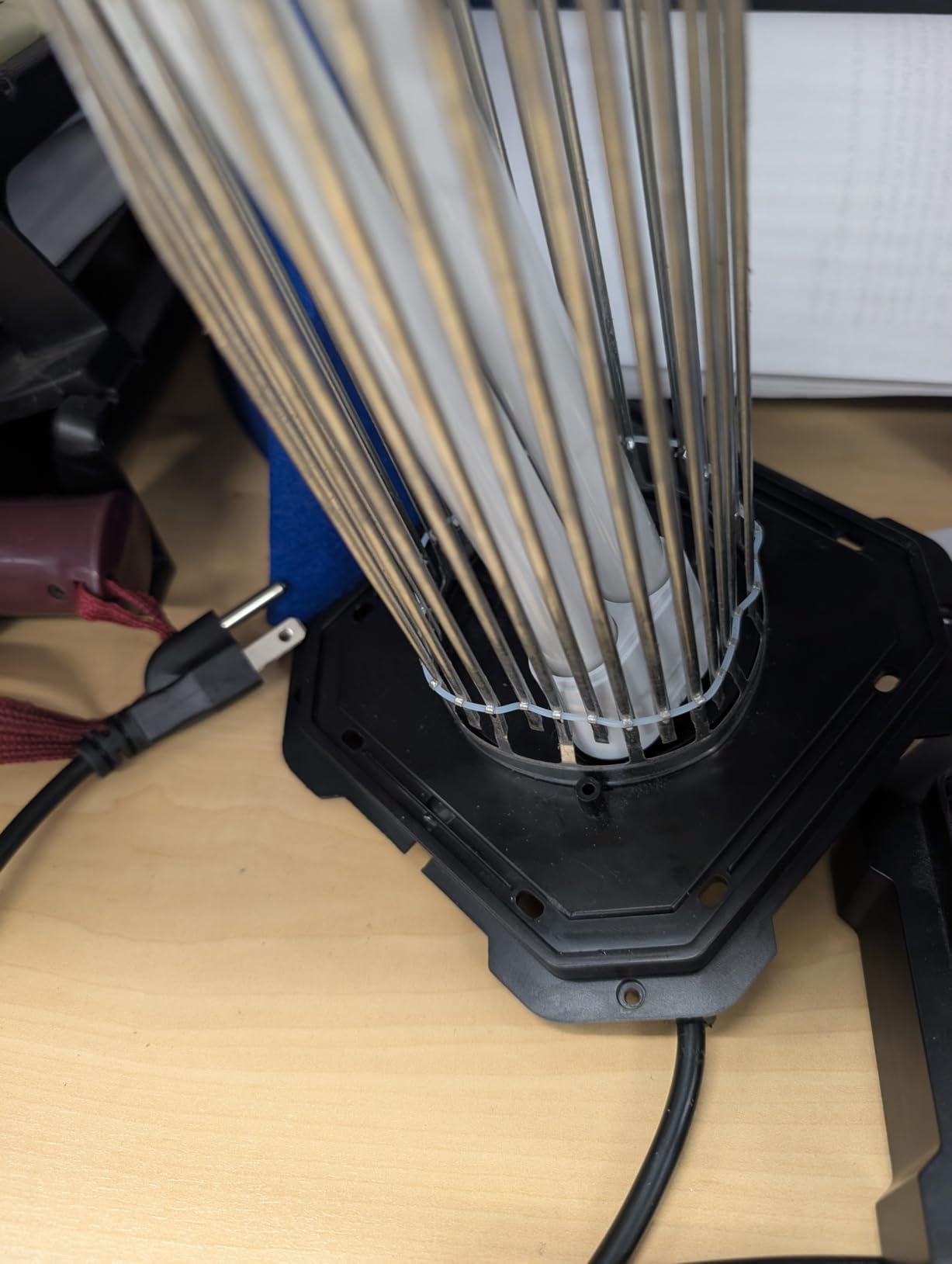
It is an IP44 waterproof shell with a removable insect tray and an included cleaning brush, and it is EPA registered with a protective housing around the grid. At 5.9 inches square by 5.88 inches tall it is a genuinely small unit, which is the source of both its flexibility and its limitation.
Treat the coverage realistically. There is no acreage claim, and the compact body means it works on a porch, a balcony or a small patio rather than spreading itself across a lawn. For a single seating zone, that is exactly the right scale.
Who this suits
This suits first-time buyers, renters, and anyone who wants to test whether a zapper approach works for their yard before spending real money. At this price the downside of a disappointing result is small.
It also suits campers and anyone with a second property, a covered balcony or a garden courtyard. Camping and picnics are listed intended uses, and the IP44 shell handles dew and showers without a sheltered spot.
Who should skip it
Skip it for a yard over a quarter acre, where the compact size is a real limit rather than a detail. Skip it if you run it in a high-traffic area and cannot tolerate the odor some owners report after a heavy kill night.
Skip it if non-target insect damage matters to you, since the open grid attracts broadly with nothing narrowing the catch. For that, the fan-capture DynaTrap is the more considerate choice even though it costs more.
10. LiBa QH50C-20W: Best for Quiet Overnight Runs
LiBa Bug Zapper Outdoor 4000V 20W, IPX4 Waterproof Insect Killer for Yard
20W blue-violet UV bulb
4000V high-voltage grid
Motorless quiet operation
IPX4 waterproof
Pros
- 20W bulb output is high for this price point
- Motorless design runs near-silent on a patio
- Hanging ring plus flat-surface placement adds flexibility
- On and off switch with a five-foot cord
Cons
- Coverage of about 1500 to 1600 sq ft is well under an acre
- 4.2 rating with a 9 percent one-star share
- Collection tray needs emptying to keep the grid clear
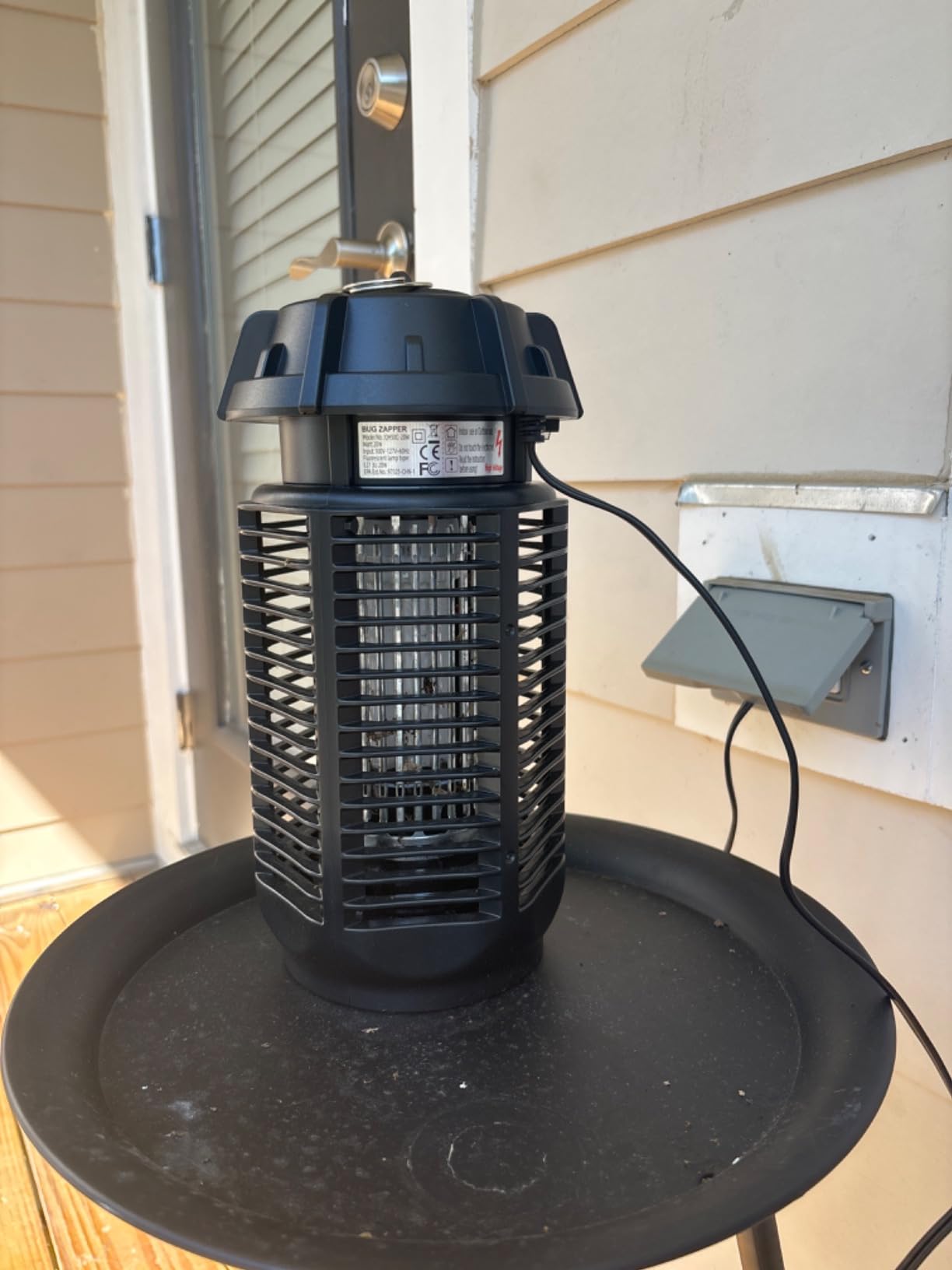
The LiBa QH50C-20W is the one to buy if the transformer hum of a larger zapper would bother you. It is motorless, which is the quiet design choice, and owners consistently call out the near-silent run as the feature that lets them leave it on through the night.
The 20W blue-violet bulb is the strongest single-bulb output in this group after the Flowtron 40W, paired with a 4000V high-voltage grid. The result is a 4.2 rating across 1842 reviews, with a nine percent one-star share, which is solid if not spectacular.
Coverage is the honest limitation: about 1500 to 1600 square feet, well under an acre. For a patio, a porch or a deck, that is appropriate. For a lawn, it is not, and no amount of bulb wattage changes that because UV attraction only carries so far.
Around the light it is well built, with a fireproof ABS casing, a child safety screen, a removable collection tray, a hanging hook, an on and off switch and a five-foot cord. It is rated IPX4 waterproof and suitable for patios, decks, porches and pool edges.
Who this suits
This suits anyone sleeping near their outdoor space, or anyone whose patio is a few feet from a bedroom window. A motorless machine with no fan noise is the correct answer when noise is the deciding factor rather than coverage.
The hanging ring plus flat-surface placement means you can move it between a covered porch and an indoor kitchen or workshop, which extends its usefulness well past the mosquito season.
Who should skip it
Skip it if you have a large yard and no plan for several machines. A 1600 square foot device in a half-acre lot is a torch in a hayfield, and no buyer should be told otherwise.
Skip it if you want the highest possible catch rate. It performs respectably, but the Flowtron models with octenol are a step up on mosquito-specific counts at similar or lower coverage needs.
How to Choose a Mosquito Trap for Your Yard
Start with where the bites are happening. If the problem is a seating area at dusk, a half-acre unit near that seating area is overkill and a quarter-acre unit is right. If mosquitoes are arriving from a wooded property line all day, look at daytime-active species and a fan before you look at any trap.
Match coverage to the zone, not the yard. Treat these numbers as manufacturer’s claims, but they do give a sense of scale. A 1500 square foot unit covers a patio. A half-acre unit covers a suburban back yard. An acre unit covers a large property or serves as a single point in a two-unit setup. Coverage claims on cartons are extrapolations rather than measured field results, so aim for two machines rather than one large one if your budget allows.
Check the dusk window. Every unit on this list loses effectiveness as light fades. If your outdoor time is mostly sunset to dark, you can use any of them. If it starts at five in the afternoon, a zapper is the wrong tool and a fan plus a spatial repellent is the right one.
Price the consumables, not the unit. Grid units need replacement bulbs, and octenol-equipped units need attractant cartridges as well. A UV-LED design like the DynaTrap avoids bulb replacement for years. Over a season, the unit with cheaper consumables is frequently the cheaper option overall, and it is the single most common owner complaint in this category.
Decide how much maintenance you will actually do. Weekly grid brushing, tray rinsing and basket emptying are all small tasks until they are skipped for three weeks. An AMCA-aligned survey of homeowner experience is blunt that the main reason traps disappoint is maintenance lapses, not unit failure.
Think about pollinators before you buy. Zappers kill indiscriminately, and field testing puts mosquitoes at only about 4 to 6 percent of what a UV unit destroys. If you keep bees, a native planting scheme or a water feature, the fan-capture option is more considerate, or place a zapper well away from flowering plants and run it late rather than all day.
Consider the neighborhood reality. One trap in one yard competes against every mosquito in the area, including ones breeding on neighbors’ property. Where mosquitoes come from beyond your line, the most common effective answer in homeowner discussions is two machines, one at each end of the lot, combined with airflow across the seating area and personal repellent.
Use traps with source reduction, never alone. Empty standing water weekly, clear gutters, and treat water you cannot remove with a BTI larvicide such as mosquito dunks or bits. An r/homeowners consensus answer in these discussions is that the best results come from combining water removal, airflow and repellent rather than any single product, and that is the pattern we would plan around.
What to Skip: Ultrasonic Repellers, Citronella and Yard Sprays
Several popular products have no meaningful evidence behind them, and spending on them is the most common way people conclude that mosquitoes cannot be beaten.
Ultrasonic repellers. No credible study has shown these affect mosquito behavior. They produce sound at frequencies humans cannot hear, and the limited research found no repellency effect. Skip them entirely.
Citronella and citronella candles. The plant does repel mosquitoes when applied directly to skin. A burning candle disperses almost none of the active oil in the air, and in a breeze the smoke is gone before it reaches anyone sitting down.
Yard-wide barrier sprays. These do kill mosquitoes, and they also kill pollinators, beneficial insects and soil life across the entire treated area. An arboristsite user reported that chemical fogging with permethrin added did not seem to make a great difference, which is a common experience. Consumer Reports advises against broadcast spraying on pollinator grounds, and we agree.
Repellent bracelets and patches. There is no reliable evidence for wristbands or adhesive patches, and the protection is limited to the small area of skin in contact with the product.
Fogging and mosquito foggers. A fogger kills mosquitoes present at that moment and does nothing about new arrivals, while spreading insecticide across your whole property. It treats a symptom for one evening.
DIY and Amish-Style Traps: Myth vs Reality
The bucket trap is the most shared mosquito content on social platforms, so it is worth a straight assessment. The concept is that rotting fruit ferments in a bucket, releases CO2, attracts mosquitoes looking to lay eggs in the standing water, and a fan pulls them in.
The CO2 half is real. Mosquitoes genuinely track carbon dioxide, and that is the principle behind every propane trap on the market. The viral video framing of catching thousands is a controlled demonstration, not a backyard result.
The problem is the same one that limits commercial traps, at a much larger scale difference. A bucket produces a small plume of CO2 in a yard that also contains you, and the same AMCA guidance applies: a trap given a choice loses to a person. Homeowners discussing these builds generally conclude they are educational and fun, not a replacement for source reduction or a commercial unit near a seating area.
On the Amish question specifically, the honest answer is that low mosquito pressure in some rural communities comes mostly from fewer breeding sites rather than a secret device. What is genuinely transferable is the same source reduction we recommend: less standing water, less damp organic debris near the house, and airflow where people sit.
When a Trap Is the Wrong Purchase
Honest roundups say this as often as they name winners. There are four situations where a mosquito trap is not your answer.
If your only exposure is one patio table for two hours. A spatial repellent covers a defined area immediately, needs no wiring, no bulb and no maintenance, and is recommended far more often by homeowners than traps are. It saturates an area within about 10 to 15 minutes and loses effectiveness in a breeze, so it works best on a sheltered deck.
If mosquitoes arrive at two in the afternoon. Daytime biting in most yards is Asian tiger mosquito activity, and UV attraction does almost nothing against it. Source reduction and a fan are the tools for that problem.
If your yard is genuinely large. A trap is a point intervention. Past about an acre with heavy pressure, the cost of covering the space beats the benefit, and a neighborhood-scale approach through your local mosquito control district is the more effective route.
If you are on a windy site. Breeze disperses repellent plumes and carries mosquito scent away from a trap’s small draw. Airflow over your seating area works with the wind, so put the fan there rather than fighting the breeze with a bigger machine.
How Mosquito Traps Actually Work
Every outdoor mosquito trap on this list does one of three things, and understanding which is which explains most of the results you will get.
Attractants. Mosquitoes hunt for two things: the carbon dioxide in mammalian breath, and the specific odors that suggest a warm body nearby. Propane traps generate the CO2 by burning fuel. Grid zappers like the ones here skip CO2 entirely and lean on light instead, with the Flowtron models adding an octenol cartridge that vaporizes on lamp heat and mimics ruminant breath. UV is a real attractant, just a much weaker one than breath, which is why every one of these units underperforms in daylight and improves sharply after dark.
Capture mechanisms. Most units in this roundup use a high-voltage grid. Insects are drawn to the lamp, contact the charged grid and are killed instantly, falling into a collection tray. Voltage ranges from 4000V to 5600V across these picks, and the Flowtron models use a non-clogging design where dead insects drop away rather than pile on. The DynaTrap is the exception: it uses a quiet fan to vacuum insects into a removable basket with no zapping at all.
Lifecycle disruption. A third category you will not find on this list targets egg-laying females rather than biters. These oviposition traps, sold under the autocidal gravid ovitrap name and used by the CDC for surveillance, use standing water and a larvicide so mosquitoes lay eggs into a treated pool that kills the hatch. They work on a neighborhood scale rather than a patio scale, and they are a genuine alternative if your problem is a large breeding site rather than your seating area.
Do Mosquito Traps Actually Work?
Yes, within limits, and the limits are where most disappointment comes from. A trap placed near your patio on a still evening will clear a meaningful number of insects from the air directly around it. It will not clear the yard.
Here is the problem with the coverage numbers on the box. The American Mosquito Control Association has called the acre and half-acre claims on mosquito trap packaging an extrapolation, and the same technical advisers warn about a specific placement error: if you set a trap between the breeding habitat and your seating area, you are bringing mosquitoes to your yard. A trap placed downwind of you with a breeze at your back is working against itself.
This is also why good traps sit at three and four stars rather than five. Buyers purchase a product promising whole-yard protection, get a real but local reduction in bites, and leave a three-star review saying it did nothing. A four-star review usually means the buyer understood the trade. We think that matters more than the star figure, and it is why we ranked these on build quality, coverage claim honesty, consumable cost and real longevity rather than rating alone.
One more number worth knowing: zappers are not mosquito-specific. Field testing cited in editorial reviews of this category found that only roughly 4 to 6 percent of the insects killed by UV bug zappers are mosquitoes. The rest are midges, moths, beetles and other harmless insects. That is the core reason we put the fan-capture DynaTrap on this list.
Where to Put a Mosquito Trap in Your Yard
Placement decides more than the unit you buy. Four rules cover most cases.
First, put the trap upwind from where people sit. Mosquitoes travel downwind, so a trap on the far side of the patio blows insects into your gathering rather than away from it. A fan pointed at your seating area works the same way and adds real value on a breezy evening.
Second, choose shade, humidity and quiet. Hanging the unit under an eave, near a hedge line or beside a fence is more productive than putting it in open lawn, and it keeps the unit out of sight so it blends with the space.
Third, keep distance from the gathering itself. Traps work by drawing mosquitoes toward a decoy, so the decoy should sit between the mosquitoes and your food, not under the table with you.
Fourth, aim it at the source. If you have a birdbath, a clogged gutter or a low spot that holds water, the most valuable position for a trap is on the path between that water and your house. If you also want to know what is happening in your yard after dark, a floodlight camera aimed at the same zone pairs well with a trap, and you can read our floodlight camera picks for large yards for coverage advice.
Frequently Asked Questions
Do mosquito traps actually work effectively?
Yes, within limits. A mosquito trap placed upwind and at a distance from your seating area will reduce mosquito activity in a focused area such as a patio or deck. It will not eliminate mosquitoes from a yard. A trap given a choice between you and itself will usually fly to you, and a few hundred mosquitoes cleared on a calm night is minimal against a large local breeding site. The best results come from combining traps with source reduction, airflow and personal repellent.
Which mosquito trap is the most effective?
The most effective traps for a yard combine an attractant with a capture system. In the electric category, the Flowtron models add an octenol attractant cartridge to their UV lamp, which mimics animal breath and raises kill counts noticeably above UV-only units. The Flowtron BK-40D is our pick for larger yards and the BK-15 for half-acre lots. For a first purchase, the GOOTOP Zap T6 Pro is the strongest all-round choice at a 4.4-star rating across more than 30,000 reviews.
What is the best mosquito trap for outdoor use?
For outdoor use, look for a weatherproof housing, a stated coverage figure and a capture method you will actually maintain. For most suburban yards we recommend the GOOTOP Zap T6 Pro, a 4200V plug-in grid unit rated 4.4 stars across more than 30,000 reviews. Larger lots are better served by the Flowtron BK-40D with its octenol attractant. Anyone concerned about pollinators should consider a fan-capture unit such as the DynaTrap DT2030SR instead of a zapping grid.
What is the most effective way to get rid of mosquitoes in my yard?
An integrated approach, not a single product. First, remove standing water weekly from gutters, birdbaths, tires and low spots. Second, add airflow across the area where people sit, which is more effective than most people expect. Third, place a trap upwind from your seating area and at a distance, not beside the table. Fourth, use a spatial repellent for the specific hours you are outside. Fifth, treat water you cannot remove with a BTI larvicide such as mosquito dunks or bits.
Why do good mosquito traps have low star ratings?
Because the coverage claims on the packaging oversell what any trap can deliver, and buyers react accordingly. The American Mosquito Control Association has called the acre and half-acre claims on mosquito trap cartons an extrapolation rather than a field result. A buyer who expects whole-yard protection and gets a local reduction leaves a three-star review. A four-star review usually means the buyer understood the trade. Judge these products on build quality, honest coverage claims and consumable cost instead.
Are UV bug zappers worth it?
They have real but narrow value. Field testing cited in editorial reviews of this category found that only about 4 to 6 percent of the insects killed by UV bug zappers are mosquitoes, with the rest being midges, moths, beetles and other non-target species. Zappers also lose effectiveness at dusk and in daylight. They are worth it as a late-evening supplement near a patio when you want pesticide-free control, and not worth it as your only strategy or if you maintain a pollinator habitat.
What is the best homemade mosquito trap?
The common DIY design ferments rotting fruit in a bucket to release CO2, adds standing water as an oviposition site and uses a fan to pull mosquitoes in. The CO2 principle is genuinely effective, which is why commercial propane traps use it. The results in an actual yard are modest, because a bucket competes against you for the same mosquitoes. Treat these builds as educational rather than as a replacement for source reduction, airflow and a properly placed commercial unit.
Is it worth spraying your yard for mosquitoes?
Usually not as a first move. Broadcast sprays do kill mosquitoes, but they also hit pollinators, beneficial insects and soil life across the entire treated area, and they do nothing about new arrivals. Homeowners reporting on professional fogging often describe little measurable difference, particularly with permethrin added. Better value comes from removing standing water, adding airflow, and running a trap or spatial repellent in the area you actually use during the hours you actually use it.
The Best Mosquito Trap Verdict for 2026
The best mosquito traps for yards in 2026 come down to scale and honesty about what you are buying. Our Editor’s Choice, the GOOTOP Zap T6 Pro, is the unit we would put in most yards: a replaceable 15W bulb, a 4200V grid, no fuel and no consumables beyond a bulb, and the strongest review base in the category. For a large property, the Flowtron BK-40D earns its place with octenol and a 5600V non-clogging grid. For anyone who cannot stand the idea of killing pollinators, the DynaTrap DT2030SR captures instead of zapping and stays quiet at the same time.
What none of these machines do is eliminate mosquitoes. Place the unit upwind, keep it away from the table, run it after dark rather than at sunset, empty the tray, and combine it with less standing water and some airflow across your seating. Do that and you will notice the difference. Skip any of it and the mosquitoes will keep arriving from your neighbor’s yard regardless of what is plugged into your patio.