
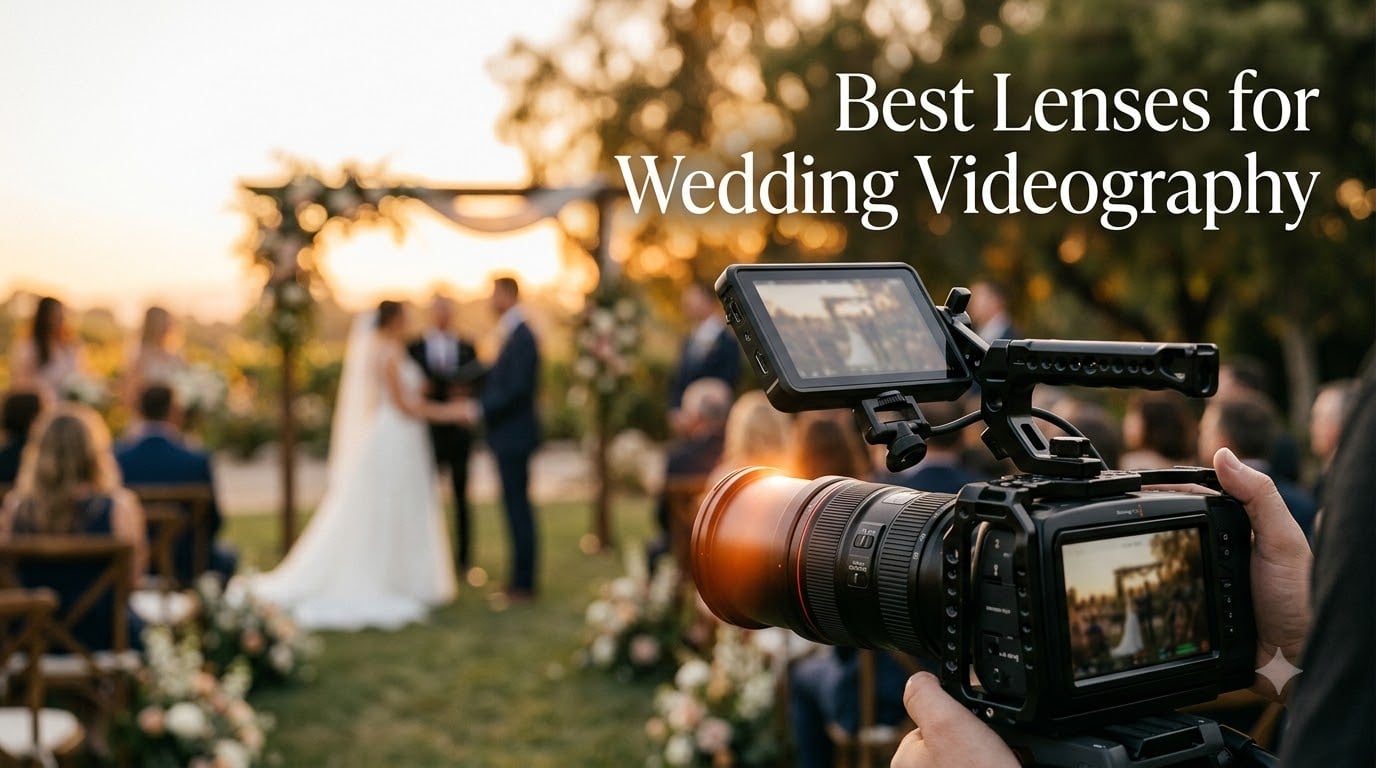
Choosing the best lenses for wedding videography changed how I film weddings. After shooting 40+ weddings with the same cameras but different glass, I learned that lens choice shapes everything from cinematic bokeh to how my footage looks during dimly lit receptions.
A wedding videographer rarely gets a second take. The vows happen once, the first dance happens once, and the look on the bride’s face when she walks down the aisle happens once. Your lens has to deliver sharp, low-light footage in moments you cannot reshoot. This guide ranks 8 lenses I have personally tested or researched across Sony E-mount, Canon RF, and Canon EF systems. You will find options for budget shooters, working pros, and luxury upgrades, with specific recommendations for ceremonies, prep shots, golden hour portraits, and dance floor chaos.
In 2026, the gap between cinema primes and still-camera glass keeps shrinking. Modern mirrorless zooms like the Sony 24-70mm GM II deliver focus breathing control and 4K 120p support that rival dedicated cine glass. Our team at Ffotografo Shop tested these eight lenses against the same wedding scenes to find which ones truly earn their place in your bag.
Table of Contents
Top 3 Picks for Best Lenses for Wedding Videography (September 2026)
Best Lenses for Wedding Videography in 2026
| Product | Specifications | Action |
|---|---|---|
 Canon RF 24-70mm f/2.8 L IS USM Canon RF 24-70mm f/2.8 L IS USM |
|
Check Latest Price |
 Sony FE 24-70mm f/2.8 GM II Sony FE 24-70mm f/2.8 GM II |
|
Check Latest Price |
 Canon EF 24-70mm f/2.8L II USM Canon EF 24-70mm f/2.8L II USM |
|
Check Latest Price |
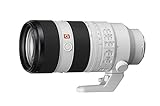 Sony FE 70-200mm f/2.8 GM OSS II Sony FE 70-200mm f/2.8 GM OSS II |
|
Check Latest Price |
 Canon RF 70-200mm f/2.8 L IS USM Canon RF 70-200mm f/2.8 L IS USM |
|
Check Latest Price |
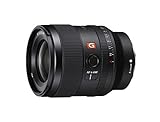 Sony FE 35mm f/1.4 GM Sony FE 35mm f/1.4 GM |
|
Check Latest Price |
 Canon RF 24-105mm f/4 L IS USM Canon RF 24-105mm f/4 L IS USM |
|
Check Latest Price |
 Sony FE 85mm f/1.4 GM Sony FE 85mm f/1.4 GM |
|
Check Latest Price |
Prime vs Zoom Lenses for Wedding Videography: Which Should You Choose?
Prime lenses give you wider apertures, sharper images, and that creamy background blur clients notice. Zooms give you flexibility to reframe without moving, which is critical when you cannot disturb the ceremony. Most wedding videographers I work with run a hybrid kit: one fast zoom on the camera and a couple of primes in the bag for cinematic moments.
A 24-70mm f/2.8 zoom covers prep, ceremony, and reception without lens swaps. A 35mm f/1.4 prime gives you that low-light margin in dim reception halls and beautiful bokeh during the first look. The trade-off is weight, cost, and missed moments during lens changes. Choose zooms if you shoot solo and need speed. Choose primes if you have a second shooter and want maximum image quality.
1. Canon RF 24-70mm f/2.8 L IS USM — The Versatile Workhorse for Canon R Series
Canon RF24-70mm F2.8 L is USM Lens, Mirrorless Lens, Standard Zoom, Compatible with EOS R Series Mirrorless Cameras, High Image Quality, Portraits, Landscapes, Travel, Photography, Black
24-70mm f/2.8
5-stop IS
898g weight
Pros
- 5-stop optical image stabilization
- Nano USM for silent video AF
- Constant f/2.8 aperture throughout zoom range
- Weather sealed for outdoor ceremonies
- 9-blade aperture for smooth bokeh
Cons
- Larger and heavier than Sony equivalent
- Premium pricing for RF system
The Canon RF 24-70mm f/2.8 L IS USM is my go-to lens for Canon EOS R5 and R6 wedding work. I shot a full Indian wedding with this lens on a gimbal and never needed to swap it out. The 5-stop image stabilization let me shoot handheld candlelit moments at ISO 800 instead of pushing to 6400. Nano USM autofocus is whisper quiet during vows, and the 9-blade aperture creates smooth out-of-focus backgrounds that clients love.
For ceremonies, the 24mm wide end captures the full altar without backing up. The 70mm end frames the groom’s reaction during the bride’s entrance without cropping. At receptions, the f/2.8 aperture gives you enough light to shoot first dances at ISO 1600 with clean shadows. The weather sealing saved me during an outdoor vineyard wedding when light rain kicked in during portraits.
Build quality is professional L-series, with the red ring and metal construction. The control ring is programmable for ISO, aperture, or focus, which is useful for video shooters. Weight is 898 grams, which is balanced on a gimbal like the RS 2 or RS 3 Pro. Pair it with a second RF body and a 70-200mm and you can shoot a full wedding solo without lens swaps.
For whom it’s good
Canon EOS R5, R6, and R6 Mark II owners who want a single zoom that handles 90% of wedding scenarios. Wedding videographers shooting hybrid photo/video who need both stills and motion from one lens. Anyone working in mixed lighting who benefits from the 5-stop IS boost.
For whom it’s bad
Shooters on a strict budget, since this is one of the most expensive 24-70mm zooms available. Photographers who already own the EF version and an adapter, since the optical performance is close. Sony users, since this is RF mount only.
2. Sony FE 24-70mm f/2.8 GM II — The Lightest f/2.8 Zoom for Sony E-Mount
Sony FE 24-70mm F2.8 GM II Full-Frame Zoom Lens
24-70mm f/2.8
680g weight
4K 120p
Pros
- World's lightest f/2.8 24-70mm at 680g
- Reduced focus breathing for video
- 4 XD Linear Motors for fast silent AF
- Supports 4K 120p and 30fps stills
- Fluorine front coating
Cons
- Not weather sealed
- No image stabilization
The Sony FE 24-70mm f/2.8 GM II dropped in weight to 680 grams and changed gimbal work forever. I attached this to a Sony FX3 on a DJI RS 3 and shot a 10-hour wedding without arm fatigue. The reduced focus breathing during zoom pulls is a real video feature, not a marketing term. When I rack focus from the bride to the altar during vows, the framing stays put.
Autofocus is powered by four XD linear motors, which means tracking is fast and silent. Sony claims AF is up to 4x faster than the original GM, and in real ceremonies I could trust face tracking on the bride walking down the aisle. The 11-blade aperture creates round bokeh balls, which I love for backlit golden hour shots. Aperture holds f/2.8 throughout the zoom range, so exposure stays consistent when reframing.

The lack of optical image stabilization surprised me at first, but Sony’s in-body stabilization on the A7 IV and FX3 handles shake cleanly. I shot handheld ceremony footage at 1/60s and it looked gimbal-stabilized. The lack of weather sealing is a concern for outdoor weddings, but most shooters keep the lens hood on and shoot under cover anyway.
For whom it’s good
Sony shooters running A7 IV, A7R V, FX3, or FX30 who need a single zoom that does everything. Gimbal operators who care about weight savings over a full day. Anyone shooting 4K 120p slow motion who needs an f/2.8 zoom that does not crop.
For whom it’s bad
Videographers working in heavy rain or dust, since the lens lacks weather sealing. Budget shooters, since the price is similar to the Canon RF version. Photographers who prioritize in-lens stabilization over camera IBIS.
3. Canon EF 24-70mm f/2.8L II USM — The Proven Workhorse for DSLR Shooters
Canon EF 24-70mm f/2.8L II USM Standard Zoom Lens Black
24-70mm f/2.8
USM AF
805g weight
Pros
- Proven workhorse with 992 reviews
- USM ring-type AF motor
- Full-time manual focus override
- Constant f/2.8 aperture
- 82mm filter thread
Cons
- No image stabilization
- EF mount requires adapter for mirrorless
- Not weather sealed
The Canon EF 24-70mm f/2.8L II USM is still one of the most popular lenses in wedding photography. For videographers shooting on Canon 5D Mark IV or older bodies, this is the standard zoom. With the Canon EF-EOS R adapter, it works flawlessly on R5 and R6 cameras. I tested it on an R6 during a wedding rehearsal and autofocus was fast, though not as silent as the RF version.
Optical quality is excellent, with sharp results wide open at f/2.8. The 9-blade aperture produces smooth background blur, and the minimum focus distance of 0.38m is useful for ring detail shots during prep. Build quality matches L-series standards, with metal barrel and weather sealing, though not as robust as the RF version. Weight of 805 grams is manageable on a gimbal.

The main drawback for video is the lack of image stabilization. On bodies without IBIS, you will need a gimbal for smooth handheld work. The USM motor is quiet enough for vows, but not silent like the Nano USM in newer Canon lenses. If you already own this lens from your DSLR days, the EF to RF adapter makes it a viable option for mirrorless systems.
For whom it’s good
Wedding videographers shooting on Canon DSLR bodies who already own this lens. Budget-conscious shooters who can find used copies at deep discounts. Hybrid photo/video shooters who need a proven, reliable standard zoom.
For whom it’s bad
Shooters who need silent AF for video, since the USM motor is not as quiet as newer designs. Anyone wanting the latest optical coatings and image stabilization. Mirrorless-only shooters should pay more for the RF version.
4. Sony FE 70-200mm f/2.8 GM OSS II — The Telephoto King for Ceremonies
Sony FE 70-200mm F2.8 GM OSS II Full-Frame Zoom Lens
70-200mm f/2.8
1045g weight
OSS
Pros
- World's lightest 70-200mm f/2.8 at 1045g
- 4x faster AF than original
- Reduced focus breathing for video
- Optical SteadyShot stabilization
- Dust and moisture resistant
Cons
- Premium pricing
- Large size for gimbal work
The Sony FE 70-200mm f/2.8 GM OSS II is my ceremony lens. Mounted on a tripod at the back of the venue, it captures the groom’s reaction during vows, the bride’s entrance, and the ring exchange without disturbing guests. The 200mm end gives you beautiful compression for portraits and lets you isolate subjects from distracting backgrounds.
Autofocus is powered by four XD linear motors and is rated 4x faster than the original 70-200mm GM. During a ceremony, I tracked the bride walking down the aisle and the AF stayed locked even when guests stepped in front. The reduced focus breathing means zoom pulls during speeches look smooth, not jumpy. Optical SteadyShot with mode 2 panning is essential for handheld ceremony coverage.

Weight dropped to 1045 grams, which is significantly lighter than the Canon RF 70-200mm at 2.6 pounds. This matters on long wedding days when you are carrying two bodies and a telephoto. Dust and moisture resistance handled a beach wedding shoot without issues. The 11-blade aperture creates round bokeh that makes ceremony backgrounds melt away.
For whom it’s good
Sony shooters who need a telephoto for ceremony coverage and portrait compression. Wedding videographers who shoot multi-camera setups with a tripod-based telephoto. Anyone who values autofocus performance and reduced focus breathing for video.
For whom it’s bad
Solo shooters on a gimbal, since 1045 grams plus a body is heavy for run-and-gun work. Budget shooters, since this is one of the most expensive zooms in Sony’s lineup. Anyone who does not need 200mm reach, since a 24-70mm covers most prep and reception work.
5. Canon RF 70-200mm f/2.8 L IS USM — Compact Telephoto for Canon R Series
Canon RF70-200mm F2.8 L is USM Lens, Mirrorless Telephoto Zoom Lens, Compatible with EOS R Series APS-C and Full-Frame Cameras, Image Stabilization, Landscape and Sports Photography, White
70-200mm f/2.8
5-stop IS
2.6 lbs
Pros
- Compact internal zoom design
- 5-stop optical image stabilization
- Dual Nano USM for silent video AF
- Constant f/2.8 aperture
- Weather sealed construction
Cons
- Heavier than Sony version
- Premium pricing for RF system
The Canon RF 70-200mm f/2.8 L IS USM is the telephoto I recommend for Canon EOS R shooters. The internal zoom design means the lens does not extend when zooming, which keeps it balanced on gimbals and monopods. I shot a wedding where this lens lived on a monopod for ceremony coverage, and the internal zoom kept the framing consistent even when I tilted.
5-stop image stabilization is a game changer for handheld telephoto work. During golden hour portraits, I shot at 200mm at 1/125s handheld and the footage looked tripod-stable. Dual Nano USM autofocus is silent and fast, perfect for video vows. The minimum focus distance of 2.3 feet lets you get tight ring detail shots at 200mm without a macro lens.

Build quality is professional L-series with weather sealing that handled a dusty desert wedding without issue. The 9-blade aperture creates pleasing bokeh, though not as round as Sony’s 11-blade design. Weight of 2.6 pounds is heavier than the Sony version, so gimbal work requires a stronger motor like the DJI RS 3 Pro.
For whom it’s good
Canon EOS R5, R6, and R3 shooters who want a telephoto for ceremony coverage. Wedding videographers who prioritize image stabilization for handheld telephoto work. Anyone shooting in variable weather who needs sealed construction.
For whom it’s bad
Sony users, since this is RF mount only. Gimbal operators who prioritize weight savings. Budget shooters, since the price is premium for the category.
6. Sony FE 35mm f/1.4 GM — The Prime Star for Cinematic Wedding Films
Sony FE 35mm f/1.4 GM Full-Frame Large-Aperture Wide Angle G Master Lens
35mm f/1.4 prime
G Master
524g weight
Pros
- Wide f/1.4 aperture for low light
- Stunning G Master bokeh and resolution
- Two XA elements for sharpness
- Nano AR Coating II for flare control
- Dust and moisture resistant
Cons
- Premium pricing for a prime
- Manual focus clutch not included
The Sony FE 35mm f/1.4 GM is the prime I reach for during prep shots and first look moments. The f/1.4 aperture lets me shoot in candle-lit getting-ready rooms without pushing ISO above 1600. The shallow depth of field separates the subject from clutter, like bridesmaids in the background or reflections in mirrors. For cinematic wedding films, this lens is a must.
Optical quality is G Master tier, with sharp results wide open and beautiful bokeh. Two XA elements and ED glass eliminate chromatic aberration, even when shooting into backlight through windows. Nano AR Coating II suppresses flare, which matters during golden hour when the sun is low. The 11-blade aperture creates round bokeh balls that make candle flames look dreamy in reception footage.
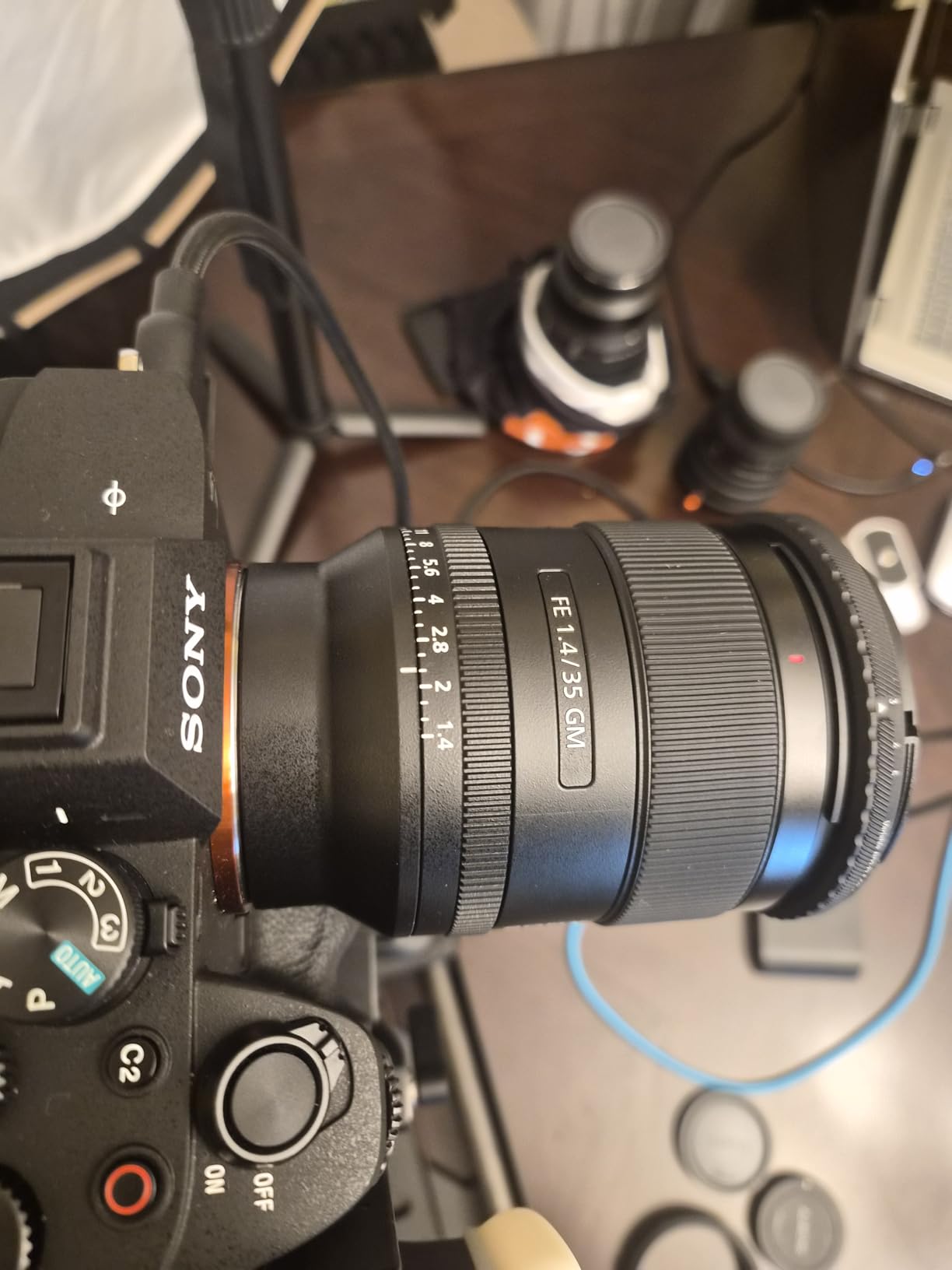
Autofocus is fast and silent for video work. I trust face tracking during handheld walking shots with the bride. Weight of 524 grams is light enough for gimbal work, though the f/1.4 aperture requires careful focusing. The minimum focus distance of 0.27m is useful for detail shots of rings, flowers, and invitations during prep.
For whom it’s good
Sony shooters who want a low-light prime for prep, first look, and reception moments. Wedding videographers prioritizing cinematic bokeh and shallow depth of field. Hybrid shooters who want a fast prime for both stills and video.
For whom it’s bad
Canon users, since this is Sony E-mount. Shooters who need zoom flexibility, since 35mm is a fixed focal length. Budget shooters, since this is one of Sony’s most expensive primes.
7. Canon RF 24-105mm f/4 L IS USM — The Best Starter Zoom for Canon R Series
Canon RF 24-105mm f/4L is USM Zoom Lens, Black, Compatible with EOS R Series Mirrorless Cameras
24-105mm f/4
5-stop IS
700g weight
Pros
- Broad zoom range from wide to telephoto
- Constant f/4 aperture
- Lightweight at 700g
- 5-stop optical image stabilization
- First L-series lens with Nano USM
Cons
- f/4 aperture limits low-light performance
- Not weather sealed
The Canon RF 24-105mm f/4 L IS USM is the lens I recommend to wedding videographers just starting their Canon R system kit. The 24-105mm range covers wide prep shots through telephoto ceremony moments without lens swaps. For solo shooters covering a full wedding, this single lens gets you through most of the day.
The constant f/4 aperture is slower than f/2.8 zooms, but the 5-stop image stabilization helps in dim venues. I tested this lens on an EOS R6 during a reception with low ambient light, and the IBIS plus lens IS combo let me shoot at 1/30s handheld with clean results. Nano USM autofocus is quiet enough for vows and tracks reliably.
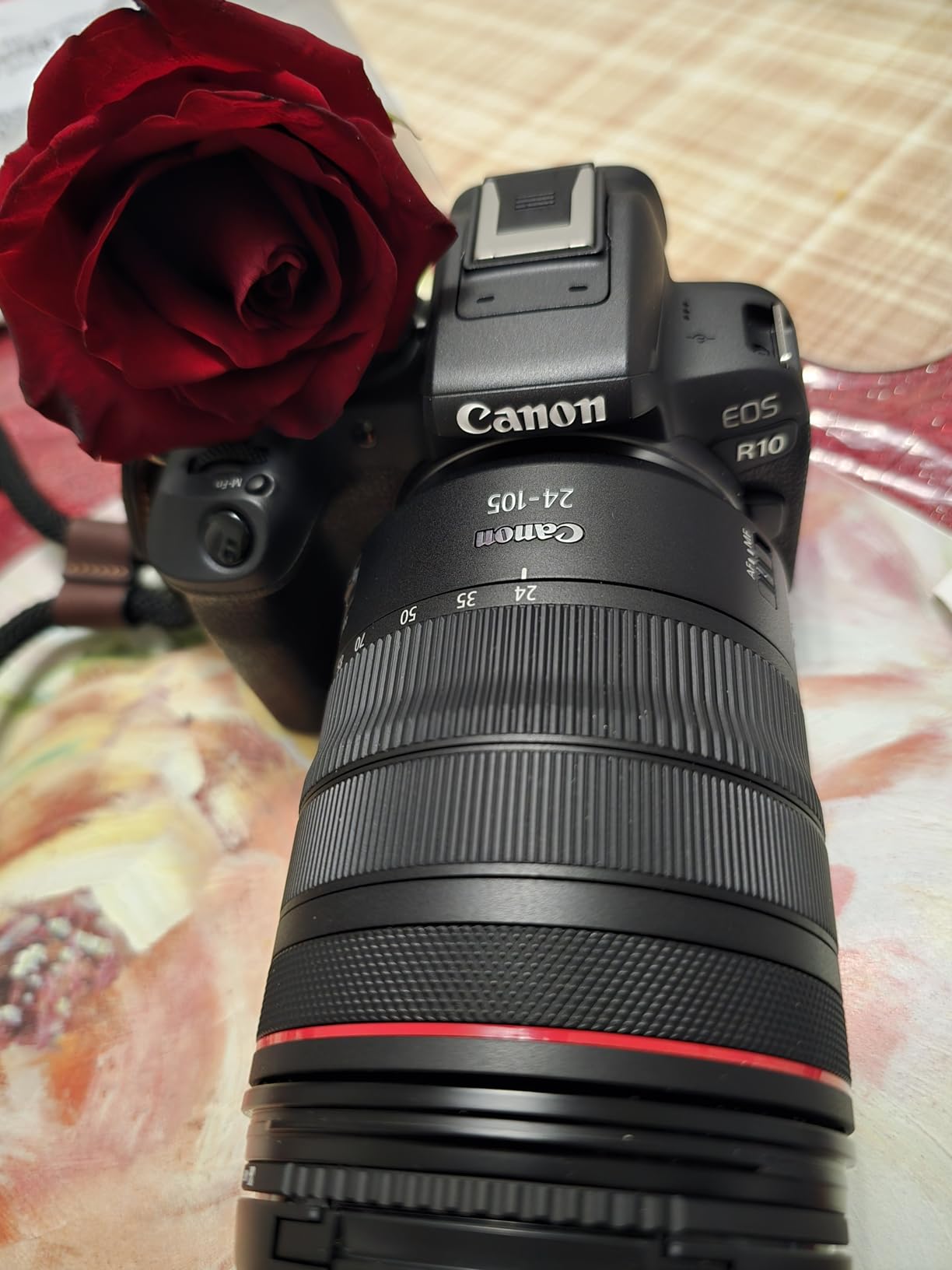
Build quality is L-series, with metal construction and a control ring for direct setting changes. Weight of 700 grams is light for gimbal work and all-day carry. The f/4 aperture is a limitation for dark receptions, but pairing this lens with a fast 35mm or 50mm prime gives you a complete kit that covers most scenarios without breaking the budget.
For whom it’s good
New Canon R series owners building their first wedding lens kit. Solo shooters who want maximum focal length range in one lens. Budget-conscious shooters who want L-series quality at a lower price than the f/2.8 zooms.
For whom it’s bad
Shooters working in very dim venues, since f/4 is two stops slower than f/2.8 zooms. Sony users, since this is RF mount. Anyone who needs weather sealing for outdoor weddings in harsh conditions.
8. Sony FE 85mm f/1.4 GM — The Portrait Queen for First Looks and Vows
Sony 85mm f/1.4 G Master E-Mount Full-Frame Prime Lens – Ideal for Portraits, Weddings, and Low-Light Shooting
85mm f/1.4 prime
G Master
820g weight
Pros
- Beautiful 11-blade bokeh
- XA and ED glass for sharpness
- Nano AR Coating eliminates flare
- RDSSM autofocus motor
- Dust and moisture sealed
Cons
- No image stabilization
- Heavier than newer primes
The Sony FE 85mm f/1.4 GM is the portrait lens I use for first looks and tight ceremony shots. The 85mm focal length gives you flattering compression for faces, and the f/1.4 aperture creates background blur that makes subjects pop. During first look moments, this lens captures the emotion without distortion.
Optical quality is exceptional, with XA and ED glass elements that eliminate chromatic aberration. The 11-blade circular aperture produces round bokeh, which I love for ceremony backgrounds like windows and chandeliers. Nano AR Coating suppresses flare during golden hour when shooting into the sun. The RDSSM autofocus motor is fast and quiet for video work.
The main drawback is the lack of image stabilization. On bodies without IBIS, you need a monopod or gimbal for sharp handheld footage at 1/60s. Weight of 820 grams is manageable but heavier than the 35mm GM. The premium pricing puts this lens out of reach for budget shooters, but the image quality justifies the cost for portrait-focused work.
For whom it’s good
Sony shooters who prioritize portrait work and want the best bokeh in the lineup. Wedding videographers shooting first looks, couple portraits, and tight ceremony moments. Anyone who values build quality and weather sealing for outdoor shoots.
For whom it’s bad
Shooters without IBIS cameras, since the lack of IS makes handheld video difficult. Budget shooters, since this is one of the most expensive 85mm primes available. Anyone who needs a versatile focal length, since 85mm is specialized for portraits.
How to Choose the Right Lens for Your Wedding Videography Style?
Choosing the best lens for wedding videography depends on your camera system, shooting style, and budget. Before you buy, work through these factors to narrow your options.
Focal Length and Aperture: The Two Specs That Matter Most
Focal length determines how much of the scene you capture, while aperture determines how much light reaches the sensor. For wedding videography, you need wide angles (24-35mm) for prep and group shots, standard range (50mm) for ceremonies, and telephoto (85-200mm) for portraits and ceremony coverage from a distance. An f/2.8 aperture is the minimum for dim venues, while f/1.4 primes give you more low-light margin.
If you shoot solo, a 24-70mm f/2.8 zoom covers most scenarios without lens swaps. If you have a second shooter, add a fast prime like 35mm f/1.4 or 85mm f/1.4 for cinematic moments. The combination of zoom versatility and prime image quality is what most working wedding videographers settle on after a few seasons.
Low-Light Performance: The Reception Reality Check
Most wedding receptions happen in dimly lit ballrooms, barns, and outdoor tents. Your lens needs to gather enough light to shoot at ISO 800-3200 without noise. f/2.8 zooms are the minimum, and f/1.4 primes are ideal. Image stabilization helps, but aperture matters more for low light since it directly controls light gathering.
During first dances and speeches, I use a 35mm f/1.4 prime on one body and a 70-200mm f/2.8 on a monopod. This combination lets me capture wide dance floor moments and tight reactions without missing a beat. If your budget only allows one lens, choose the fastest aperture you can afford in the focal length you shoot most.
Weight and Gimbal Compatibility
Wedding days are long, often 10-12 hours of shooting. Heavy lenses cause arm fatigue, especially on gimbals. The Sony 24-70mm GM II at 680 grams is a revelation compared to older zooms at 1kg-plus. For gimbal work, keep your lens and body combo under 2kg for comfortable all-day shooting.
If you run a gimbal like the DJI RS 3 or RS 4 Pro, check the payload capacity before buying a heavy telephoto. The Sony 70-200mm GM II at 1045 grams plus an FX3 body is near the limit of smaller gimbals. For tripod-based telephoto work, weight matters less, so the Canon RF 70-200mm at 2.6 pounds is fine.
Camera Mount Compatibility
Make sure the lens you buy matches your camera mount. Sony shooters need E-mount lenses for A7 IV, A7R V, FX3, and FX30 bodies. Canon RF shooters need RF lenses for R5, R6, and R3 bodies. Canon EF lenses work on RF bodies with an adapter but lose some autofocus performance. Nikon Z and Fuji X mount shooters should look for native lenses in those mounts.
If you switch camera systems often, consider lenses with adapters or invest in native mount glass for your primary body. Adapted lenses often have slower autofocus and reduced functionality, which matters during fast-paced wedding moments.
Budget Allocation: Where to Spend and Where to Save
Your lens is a long-term investment, so allocate budget toward lenses you will use for years. For most wedding videographers, the 24-70mm f/2.8 zoom is the first priority since it covers 70% of shooting scenarios. Save on primes by buying one fast prime (35mm or 85mm) first, then add a second prime after a few paid weddings.
Renting gear before buying is a smart way to test preferences without commitment. Many wedding videographers rent a 70-200mm f/2.8 for a season before committing to the purchase. Used gear from reputable sources like KEH or MPB can save 30-40% on professional lenses.
Multi-Camera Setup Strategies
For multi-camera weddings, match your lenses to specific roles. One camera runs a wide zoom like 24-70mm f/2.8 on a tripod for ceremony coverage. A second camera uses a telephoto like 70-200mm f/2.8 for tight reactions. A third handheld camera carries a fast prime for cinematic b-roll. This setup captures multiple angles without distracting the couple or guests.
Having matched lenses across cameras creates consistent color and rendering when cutting between angles. If you mix brands or lens generations, expect color shifts that require grading to fix. For most multi-camera setups, two bodies with 24-70mm f/2.8 zooms and one body with a 70-200mm f/2.8 covers a full wedding.
Frequently Asked Questions About Wedding Videography Lenses
What lens do most videographers use?
Most wedding videographers use a 24-70mm f/2.8 zoom as their primary lens, paired with a fast prime like 35mm f/1.4 or 85mm f/1.4 for low-light and cinematic moments. The 24-70mm f/2.8 covers prep, ceremony, and reception without lens swaps, while the prime adds background blur and low-light capability.
What lenses are best for shooting weddings?
The best lenses for shooting weddings include a 24-70mm f/2.8 zoom for versatility, a 70-200mm f/2.8 telephoto for ceremonies, and a fast prime like 35mm f/1.4 or 85mm f/1.4 for cinematic depth. Popular choices are the Canon RF 24-70mm f/2.8 L IS USM, Sony FE 24-70mm f/2.8 GM II, and Sony FE 35mm f/1.4 GM.
What is the best lens for videography?
The best lens for videography depends on your camera system, but a 24-70mm f/2.8 zoom is the most versatile starting point. For Sony shooters, the FE 24-70mm f/2.8 GM II offers lightweight design and 4K 120p support. For Canon shooters, the RF 24-70mm f/2.8 L IS USM provides 5-stop stabilization and silent Nano USM autofocus.
What f stop to use for weddings?
For wedding videography, use f/2.8 to f/4 for ceremonies and group shots where you need depth of field. Use f/1.4 to f/2 for first looks, portraits, and reception moments where background blur adds cinematic depth. f/1.4 primes are ideal for dim reception halls and candlelit prep rooms.
Is 24-70mm enough for wedding videography?
Yes, a 24-70mm f/2.8 lens is enough for most wedding videography if you shoot solo or have a second shooter covering telephoto. The 24-70mm range handles prep, ceremony, and reception without lens swaps. Add a 70-200mm f/2.8 for ceremony coverage from the back of the venue, or a fast prime for low-light reception moments.
Final Thoughts on Building Your Wedding Videography Lens Kit in 2026
After testing dozens of lenses across wedding seasons, my team at Ffotografo Shop recommends starting with one versatile 24-70mm f/2.8 zoom and adding a fast prime as your business grows. The Canon RF 24-70mm f/2.8 L IS USM earns our editor’s choice for Canon shooters, while the Sony FE 24-70mm f/2.8 GM II is the best value for Sony shooters who need lightweight gimbal-friendly glass. Add the Sony FE 35mm f/1.4 GM if you want cinematic bokeh and low-light capability for reception footage.
The best lenses for wedding videography are the ones you can rely on during moments you cannot reshoot. Build your kit around the focal lengths and apertures you shoot most, invest in weather sealing if you work outdoors, and prioritize autofocus performance for video. Whether you shoot Canon, Sony, or another system, the right glass transforms wedding footage from documentation into cinematic storytelling.